SAMUEL MAHELONA MEMORIAL HOSPITAL
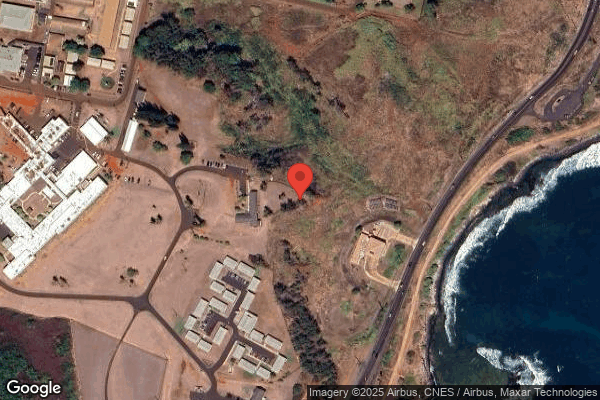
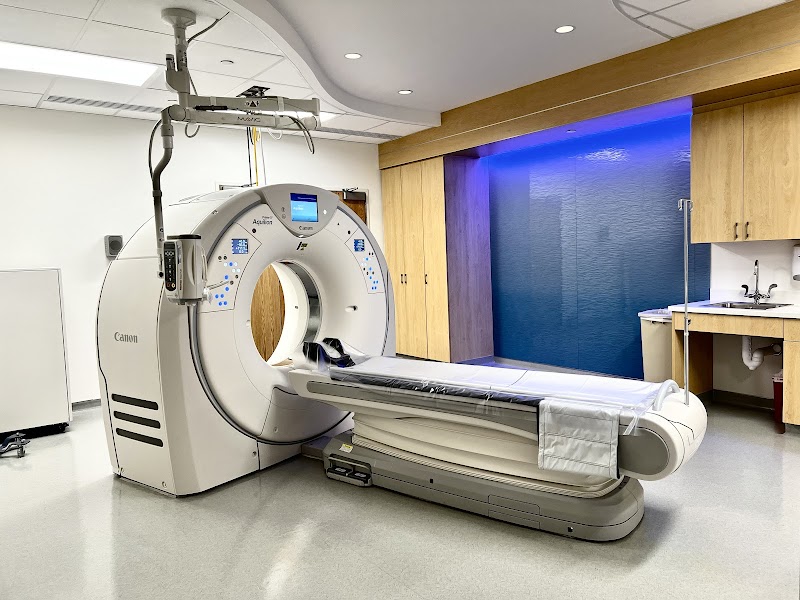
4800 KAWAIHAU ROAD, KAPAA, HI 96746 (808) 822-4961
Government - State 66 Beds Independent Data: November 2025
Trust Grade
90/100
#14 of 41 in HI
Last Inspection: November 2024

Within standard 12-15 month inspection cycle. Federal law requires annual inspections.

Overview

Samuel Mahelona Memorial Hospital in Kapaa, Hawaii has received a Trust Grade of A, indicating it is an excellent facility that is highly recommended for care. It ranks #14 out of 41 nursing homes in Hawaii, placing it in the top half, and #1 out of 5 in Kauai County, making it the best option in the area. The facility is improving, with the number of issues reported decreasing from 6 in 2023 to 4 in 2024. Staffing is a strength, with a 5-star rating, low turnover at 9%, and more RN coverage than average, ensuring quality care. However, there are concerns regarding food safety practices, such as expired food items found in the kitchen, and a lack of comprehensive care plans for some residents, which may affect their overall well-being.

Trust Score
A
90/100
In Hawaii
#14/41
Top 34%
Safety Record
Low Risk
No red flags
Inspections
Getting Better
6 → 4 violations
Staff Stability
✓ Good
9% annual turnover. Excellent stability, 39 points below Hawaii's 48% average. Staff who stay learn residents' needs.
Penalties
✓ Good
No fines on record. Clean compliance history, better than most Hawaii facilities.
Skilled Nurses
✓ Good
Each resident gets 124 minutes of Registered Nurse (RN) attention daily — more than 97% of Hawaii nursing homes. RNs are the most trained staff who catch health problems before they become serious.
Violations
⚠ Watch
17 deficiencies on record. Higher than average. Multiple issues found across inspections.
★★★★★
5.0
Overall Rating
★★★★★
5.0
Staff Levels
★★★★★
5.0
Care Quality
★★★★★
5.0
Inspection Score
Stable
2023: 6 issues
2024: 4 issues

The Good

  • 5-Star Staffing Rating · Excellent nurse staffing levels
  • 5-Star Quality Measures · Strong clinical quality outcomes
  • Low Staff Turnover (9%) · Staff stability means consistent care
  • Full Sprinkler Coverage · Fire safety systems throughout facility
  • No fines on record
  • Staff turnover is low (9%)

    39 points below Hawaii average of 48%

Facility shows strength in staffing levels, quality measures, staff retention, fire safety.

The Bad

No Significant Concerns Identified

This facility shows no red flags. Among Hawaii's 100 nursing homes, only 1% achieve this.

The Ugly 17 deficiencies on record

Nov 2024 4 deficiencies
CONCERN (D)

Potential for Harm - no one hurt, but risky conditions existed

Safe Environment (Tag F0584)

Could have caused harm · This affected 1 resident

**NOTE- TERMS IN BRACKETS HAVE BEEN EDITED TO PROTECT CONFIDENTIALITY** Based on observation and interviews, the facility failed to ensure a comfortable temperature level for one Resident (R12) sample...

Read full inspector narrative →
**NOTE- TERMS IN BRACKETS HAVE BEEN EDITED TO PROTECT CONFIDENTIALITY** Based on observation and interviews, the facility failed to ensure a comfortable temperature level for one Resident (R12) sampled. Observed R12 was lying in bed with a blanket covering his entire body, including his face and R12's Family Member (FM)3 seated under the air conditioner (AC). The room was noticeably colder in R12's portion of the room and the AC was blowing directly onto R12. R12 and FM3 reported the room is too cold, the air conditioner constantly blows cold air directly onto him, and must cover his entire body, head included, to avoid the cold air even when he has visitors. Director of Nursing (DON) confirmed the temperature in R12's room was colder than the temperature displayed on the AC controller and the cold air from the AC is not a comfortable temperature for R12. As a result of this deficient practice, residents are at risk for more that minimal physical and psychosocial harm. Findings include: On 11/19/24 at 01:15 PM, Surveyor (S)1 entered room [ROOM NUMBER] walked the room and observed FM3 seated in a chair under a split air conditioner (AC) and R12 lying on the bed with the blanket over his head. Inquired as to why R12's head was covered with the blanket while FM3 is visiting and if R12 was sleeping. FM3 stated, It's too cold in here. The AC is blowing directly onto his face and the air blowing onto him too cold for him, so he has to cover up with the blanket. This surveyor placed my hand in front of R12's face and over the general area of R12's bed and confirmed the air coming from the AC was noticeably colder than the seven other rooms this surveyor had just inspected, and the AC was blowing directly onto the resident's face and general area of his bed. FM3 called out R12 and the resident pulled the blanket down, exposing his face and said, Its cold, it's right on me and put his hand up in front of his face. FM3 stated, It's not good for him to be too cold, so he goes under the blanket then gets hot, then comes out and gets cold again. Plus, I'm here to visit him and see him, but he has to hide himself from the cold. On 11/21/24 at 02:57 PM, S1 and S2 entered R12's room and both surveyors observed R12 completely under a blanket and confirmed room [ROOM NUMBER] felt noticeably colder than other rooms on the unit. The AC was blowing out air at a rate high enough to visibly blow around R12's privacy curtains. At 03:00 PM, S1 and DON entered R12's room. Inquired with the DON as to the desired temperature of resident rooms. DON confirmed the temperature should be between 71 to 81 degrees Fahrenheit (F). DON confirmed the rate of air blowing from the AC was strong enough to visibly blow around R12's privacy curtain, the AC was faced directly onto R12's bed and R12 was lying in bed completed covered with a blanket. DON retrieved the AC controller for room [ROOM NUMBER] which displayed the AC was set to 72 degrees F. Asked the DON if the AC felt like the air coming from the AC felt like 72 degrees F. DON confirmed the air coming from the AC felt colder than 72 degrees F which was displayed as the set temperature on the AC controller. DON and S1 walked to R12's bedside and the resident pulled the blanket off his head and R12 stated, It's so cold in here, it's giving me a headache. DON confirmed the temperature of the AC and the AC blowing directly onto R12 was not a comfortable environment for the resident.
CONCERN (D)

Potential for Harm - no one hurt, but risky conditions existed

Deficiency F0761 (Tag F0761)

Could have caused harm · This affected 1 resident

**NOTE- TERMS IN BRACKETS HAVE BEEN EDITED TO PROTECT CONFIDENTIALITY** Based on observation, interview and record review, the facility failed to discard expired medication stored in the medication ca...

Read full inspector narrative →
**NOTE- TERMS IN BRACKETS HAVE BEEN EDITED TO PROTECT CONFIDENTIALITY** Based on observation, interview and record review, the facility failed to discard expired medication stored in the medication cart for one Resident. The deficient practice potentially places residents at risk for more than minimal harm. Findings include: On [DATE] at 08:35 AM, conducted an inspection of a medication cart with Registered Nurse (RN)45. Observed an expired bottle of Melatonin, 5 milligrams (mg) (a medication used for sleep), expiration date of 10/2024, was stored in the medication cart. The bottle was labeled with Resident (R) 37's name. RN45 reviewed the bottle of Melatonin and confirmed the expired medication should have been removed from the cart. RN45 confirmed the resident currently resides in the facility and takes the medication every night. Electronic Health Record (EHR) reviewed. R37's Medication Administration Record (MAR) documented R37 was administered two expired tablets of Melatonin 5 mg every evening and had last received the medication on [DATE] at 06:00 PM, last night. Review of Nursing Care Center Pharmacy Policy & Procedure Manual 2007 PharMerica Corp. Medication Storage Section 4.1 was received and reviewed. It documented, 14. Outdated, contaminated, discontinued, or deteriorated medications .are immediately removed from stock, disposed of according to procedures for medication disposal .and reordered from the pharmacy .
CONCERN (D)

Potential for Harm - no one hurt, but risky conditions existed

Medical Records (Tag F0842)

Could have caused harm · This affected 1 resident

**NOTE- TERMS IN BRACKETS HAVE BEEN EDITED TO PROTECT CONFIDENTIALITY** Based on interview and record review, the facility failed to ensure a resident's preferences documented on the Advance Health Ca...

Read full inspector narrative →
**NOTE- TERMS IN BRACKETS HAVE BEEN EDITED TO PROTECT CONFIDENTIALITY** Based on interview and record review, the facility failed to ensure a resident's preferences documented on the Advance Health Care Directive (AHCD) was accurately documented on the resident's Physician Order for Life-Sustaining Treatment (POLST) for one of three residents sampled. Review of Resident (R)40's AHCD via Electronic Health Records (EHR) documented the resident's preferences to receive medical treatment to prolong the resident's life. However, review of R40's POLST documented contradicted the resident's AHCD and documented the resident should not have Cardiopulmonary Resuscitation (CPR) and do not attempt to resuscitate. Also, the resident's active diagnosis documented R40 as Do Not Resuscitate (DNR). As a result of this deficient practice, residents are at risk for more than minimal physical harm. Findings include: Physician Orders for Life-Sustaining Treatment (or POLST) paradigm form is a form designed to improve patient care by creating a portable medical order form that records patients' treatment wishes so that emergency personnel know what treatments the patient wants in the event of a medical emergency, taking the patient's current medical condition into consideration. A POLST paradigm form is not an advance directive. Advance directive is a written instruction, such as a living will or durable power of attorney for health care, recognized under State law (whether statutory or as recognized by the courts of the State), relating to the provision of health care when the individual is incapacitated. On [DATE] at 10:41 AM, conducted a review of R40's EHR. Review of the resident's AHCD documented, I want medical treatment that would prolong my life as the resident's preference for life saving measures. Review of R40's POLST documented, NO CPR, Do Not Attempt Resuscitation (DNR). The POLST contradicted R40's preferences for live saving measures documented on the resident's AHCD. Also, R40's list of active diagnosis documented the resident as DNR, which also contradicted the resident's preferences documented on his AHCD. Requested a copy of R40's most recent AHCD and POLST. On [DATE] at 02:29 PM, reviewed R40's AHCD and POLST provided by the Director of Nursing and the Administrator, and confirmed it was the same forms this surveyor reviewed earlier in R40's EHR. On [DATE] at 03:44 PM, conducted a concurrent record review and interview with R40's physician (P)1. P1 reviewed R40's AHCD and POLST and confirmed both forms were completed by the facility and were the most current forms. After a closer review of the AHCD and POLST, P1 confirmed the POLST did not match the resident's preferences documented on the AHCD and it should have. Requested for P1 to further review R40's EHR to ensure there was no other documentation related to why the POLST lifesaving treatments were not the same as documented on the resident's AHCD. P1 reviewed R40's EHR and confirmed there was no additional documentation related to the discrepancy between the AHCD and POLST.
CONCERN (E)

Potential for Harm - no one hurt, but risky conditions existed

Food Safety (Tag F0812)

Could have caused harm · This affected multiple residents

Based on observations, interviews and record review, the facility failed to dispose of food items that have passed the use by date and store food in accordance with professional standards. This defici...

Read full inspector narrative →
Based on observations, interviews and record review, the facility failed to dispose of food items that have passed the use by date and store food in accordance with professional standards. This deficient practice puts all the residents and staff who consume food or drink prepared at the facility at risk for foodborne illnesses. Findings include: 1) On 11/19/24 at 11:16 AM, initial tour of the kitchen was done with Hospital Executive Chef (HEC). Inspection of the dry goods storage was done. Observed three jars of mustard with an expiration date of 05/08/24 on the storage shelf. HEC acknowledged that they were past the manufacturer's stated expiration date and removed them from the shelf. An opened jar of mustard was also found in the refrigerator by the food preparation area with an expiration date of 05/08/24 and confirmed by Kitchen Helper (KH)3. During the inspection of the walk-in refrigerator, observed 10 one-quart jugs of milk with an expiration date of 10/29/24. HEC asked another kitchen worker to remove them from the refrigerator and discard them. 2) On 11/19/24 at 01:28 PM, inspected walk-in freezer with HEC. Observed a box of peas and cut carrots on the floor under a storage shelf. In an interview, asked HEC if the box was supposed to be on the floor. HEC said the staff are supposed to stack them on the shelf or plastic pallets and proceeded to removed it off the floor. Review of the facility policy Nutritional Services - Infection Control Guidelines stated, . Food will be stored sufficiently above floor level . to protect against contamination .
Dec 2023 6 deficiencies
CONCERN (D)

Potential for Harm - no one hurt, but risky conditions existed

Deficiency F0578 (Tag F0578)

Could have caused harm · This affected 1 resident

Based on record review and interview with staff member, the facility failed to assure one of two residents (R)17 sampled exercised their right to formulate an advanced health care directive (AHCD). Th...

Read full inspector narrative →
Based on record review and interview with staff member, the facility failed to assure one of two residents (R)17 sampled exercised their right to formulate an advanced health care directive (AHCD). This deficient practice has the potential to cause harm to residents when they are provided medical care that is not in accordance with their wishes. Findings include: On 11/29/23 at 10:12 AM record review found R17's AHCD did not include two witness signatures or an official notary seal indicating the signed document was acknowledged before a notary public in the state. The AHCD signed by R17 on 06/01/05 documented (14) WITNESS: This power of attorney will not be valid for making health-care decisions unless it is either (a) signed by two qualified adult witnesses who are personally known to you and who are present when you sign or acknowledge your signature; or (b) acknowledged before a notary public in the state. The document included a statement WITNESS my hand and official seal for the Notary Public, a signature and date under My commission expires, but no official seal. On 11/29/23 at 02:12 PM, Social Worker (SW) confirmed the notarized seal was missing from the form and will inquire with family for a better copy that may include the seal. On 11/30/23 at 02:47 PM, SW stated she was not able to get a copy with the notarized seal from family and was pending their return to the State.
CONCERN (D)

Potential for Harm - no one hurt, but risky conditions existed

Safe Environment (Tag F0584)

Could have caused harm · This affected 1 resident

**NOTE- TERMS IN BRACKETS HAVE BEEN EDITED TO PROTECT CONFIDENTIALITY** Based on observations and staff interview, the facility failed to maintain a safe environment as evidenced by having four cracke...

Read full inspector narrative →
**NOTE- TERMS IN BRACKETS HAVE BEEN EDITED TO PROTECT CONFIDENTIALITY** Based on observations and staff interview, the facility failed to maintain a safe environment as evidenced by having four cracked, broken electrical outlet covers in the resident's room. Findings include: Observations on 11/28/23 at 01:00 PM in room [ROOM NUMBER] revealed four different electrical outlet covers were cracked and broken off. The broken sections were around two centimeters wide and created a risk for accident hazards. During staff interview on 11/29/23 at 02:00 PM, Maintenance Supervisor (Maint) acknowledged the cracked, broken electrical outlet covers. Maint further stated that they would have the covers replaced immediately.
CONCERN (D)

Potential for Harm - no one hurt, but risky conditions existed

Report Alleged Abuse (Tag F0609)

Could have caused harm · This affected 1 resident

Based on review of the facility's policy and procedures and staff interview, the facility failed to immediately report allegation of abuse to the adult protective services (APS) in accordance with Sta...

Read full inspector narrative →
Based on review of the facility's policy and procedures and staff interview, the facility failed to immediately report allegation of abuse to the adult protective services (APS) in accordance with State Law for a facility reported incident related to allegations of abuse. Findings include: The facility submitted an Event Report to the State Agency regarding an allegation of staff to resident abuse for an incident on 10/29/23. On 11/24/23, Resident (R) 48 reported Certified Nurse Aide (CNA) 12 was water boarding him, CNA12 put soap on her gloves, rubbed it on his face then stood at the end of the shower gurney and sprayed him. The facility completed an investigation and was unable to substantiate the allegation. On 11/30/23 at 01:24 PM interview with R48 was done. R48 confirmed he reported the incident to the Director of Nursing (DON) and continued to report to the State Agency (SA) that he felt like he was drowning when CNA12 sprayed the water on his face. A review of the facility's Incident Report submitted on 11/24/23 and Event Report submitted on 11/29/23 by the facility found this allegation was not reported to APS. A review of the facility's policy and procedure for abuse and neglect entitled Freedom From Abuse and Neglect with an effective date of 07/10/23 refers to an attached Outside Agency Reporting Information sheet to determine if report to APS is necessary. Review of the Outside Agency Reporting Information sheet attached documented Verbal report due within 24 hours of the event; to be followed by fax of written report to APS. Criteria for reporting to APS include Accusation or report of abuse by resident or family member of vulnerable adult . On 11/30/23 at 02:16 PM interviewed the DON was done. DON confirmed R48 reported the incident to her and the Social Worker (SW). DON further confirmed a report was not made to APS regarding the allegation. On 11/30/23 at 02:28 PM interview with Social Worker (SW) was done. SW confirmed R48 also reported the incident to her, and she did not report the allegation to APS. SW reported the facility usually does the event reporting and internal investigation prior to reporting to APS. On 12/01/23, the Regional Chief Quality Officer (RCQO) provided an internal email documenting APS not wanting to process reports that are already deemed unsubstantiated from the facility. The email did not include an official memo, official letter, or official exemption, that documents health care facilities are exempt from mandate reporting allegations of abuse according to state law. RCQO reported the facility does not report all allegations of abuse to APS unless the facility substantiates the abuse. This practice did not allow APS to make the determination to open an alleged abuse investigation outside of the facility's internal investigation.
CONCERN (D)

Potential for Harm - no one hurt, but risky conditions existed

Medical Records (Tag F0842)

Could have caused harm · This affected 1 resident

**NOTE- TERMS IN BRACKETS HAVE BEEN EDITED TO PROTECT CONFIDENTIALITY** Based on record review and interviews, the facility failed to accurately document the code status of one of the residents sample...

Read full inspector narrative →
**NOTE- TERMS IN BRACKETS HAVE BEEN EDITED TO PROTECT CONFIDENTIALITY** Based on record review and interviews, the facility failed to accurately document the code status of one of the residents sampled (Resident (R) 5). This deficient practice has the potential to adversely affect the level of care for all residents in the facility. Findings Include: A review of R5's Electronic Health Record (EHR) was conducted on [DATE]. R5's EHR contained a completed document titled, Provider Orders for Life-Sustaining Treatment (POLST), dated [DATE]. The POLST document on section A titled, Cardiopulmonary Resuscitation (CPR), indicated that R5 had chosen, Do not attempt resuscitation/DNAR (Allow natural death). Further review of R5's EHR contained a completed document titled, Hawaii Advance Heath Care Directive, dated [DATE]. R5's completed advanced health care document indicated under, End of Life Decisions, section that R5 had chosen, I want medical treatment that would prolong my life as long as possible within the limits generally accepted health care standards. A review of R5's EHR indicated that her code status was currently Do Not Resuscitate (DNR). Concurrent record review and interview was conducted on [DATE] at 02:27 PM with facility Social Worker (SW). SW was presented with a copy of R5's POLST and Advanced Health Care Directive (AHCD) documents. SW conducted a review of R5's records in the hard chart at the nurse's station. R5's hard chart indicated that R5's code status was currently DNR. SW stated that it should have been updated and she would discuss it with the medical doctor. Concurrent record review and interview was conducted on [DATE] at 02:33 PM with the Director of Nursing (DON) at the nurse's station. DON was provided with a copy of R5's POLST and AHCD documents to review. After reviewing R5's documents, DON stated that R5 no longer want DNR status, and the facility should have updated R5's records.
CONCERN (D)

Potential for Harm - no one hurt, but risky conditions existed

Deficiency F0883 (Tag F0883)

Could have caused harm · This affected 1 resident

Based on interviews and record review, the facility failed to ensure that all residents who were eligible for the Pneumococcal vaccine received it and/or their medical record indicated that the reside...

Read full inspector narrative →
Based on interviews and record review, the facility failed to ensure that all residents who were eligible for the Pneumococcal vaccine received it and/or their medical record indicated that the resident or resident's representative were provided education regarding the benefits and potential side effects of the Pneumococcal vaccine. This deficient practice places one of five residents (Resident (R) 11) sampled at risk for developing pneumonia related complications. This deficient practice has the potential to affect all the residents in the facility. Findings Include: Record review of R11's Electronic Health Record (EHR) was conducted on 11/30/23. R11's EHR indicated that her Pneumococcal vaccination status was unknown. Interview was conducted with the facility's Infection Preventionist (IP) on 11/30/23 at 02:29 PM in the conference room. IP indicated that she could not find any documentation in R11's EHR for offering or declining the Pneumococcal vaccine. Record review and Interview were conducted with the Regional Chief Quality Officer (RCQO) on 11/29/23 at 02:33 PM in the conference room. RCQO went through R11's EHR and could not find any documentation that the Pneumococcal vaccine was administered prior to R11's admission into the facility. RCQO also was not able to find documentation on the facility administering, offering, or providing education to R11 or R11's representative regarding Pneumococcal vaccination.
CONCERN (F)

Potential for Harm - no one hurt, but risky conditions existed

Food Safety (Tag F0812)

Could have caused harm · This affected most or all residents

Based on observation and interview with staff member, the facility failed to ensure food products were stored under sanitary condition and discarded before the expiration or used by date. This failed ...

Read full inspector narrative →
Based on observation and interview with staff member, the facility failed to ensure food products were stored under sanitary condition and discarded before the expiration or used by date. This failed practice could place all facility residents at risk for food-borne illness. Findings Include: On 11/28/23 at 09:25 AM, concurrent observation and interview was done during the initial kitchen tour with Kitchen Manager (KM). 1) Observed in the kitchen helper three-door fridge, a clear squeeze bottle labeled LV with the date of 11/04. Inquired with KM what was in the clear squeeze bottle, and she stated Lemon vinegar juice. KM further stated the date 11/04 indicated when the lemon vinegar juice was made and should have been discarded a week from when it was made. KM confirmed the lemon vinegar juice was made longer than one week ago. 2) In the walk-in produce refrigerator, observed a large metal bowl of cooked macaroni, uncovered. KM confirmed the macaroni should be covered and will be used for tomorrow's lunch. Further observation of one container of cottage cheese with the use by date of 11/16/23 and two low-fat cultured buttermilk with the use by date of 11/26/23. KM confirmed the items were past the use by date and should have been discarded. 3) In the two-door freezer, observed a bag of opened, exposed, French fries not sealed and not dated. KM confirmed the bag of fries should have been sealed and a date indicating when it was opened. 4) In the reach-in fridge, observed chopped spam, chopped green onion, and chopped fish cake with the date 11/19. KM stated the refrigerator is used to keep prepped dinner and the spam, green onion, and fish cake should have been thrown out a week from being made. The food items were made on 11/19. 5) In the dry goods pantry, observed 11 bottles of nutritional shakes with a use by date of 09/2023 and two large containers of cranberry sauce dated 11/18/21. KM confirmed the nutritional shakes and cranberry sauce should have been discarded. Review of the facility's policy and procedure Food Preparation and Storage effective 05/18/21 documented All items prepared and stored will be portioned out in individual containers and covered .items will be labeled with the date .all chilled food items not in original container will be disposed within 72 hours of labeled date .Leftovers will be placed in the main walk-in refrigerator and available for use within 72 hours of labeled date. All unused portions will be disposed.
Sept 2022 7 deficiencies
CONCERN (D)

Potential for Harm - no one hurt, but risky conditions existed

Assessment Accuracy (Tag F0641)

Could have caused harm · This affected 1 resident

**NOTE- TERMS IN BRACKETS HAVE BEEN EDITED TO PROTECT CONFIDENTIALITY** Based on record review, staff interview and review of policy, the facility failed to accurately record the Resident Assessment I...

Read full inspector narrative →
**NOTE- TERMS IN BRACKETS HAVE BEEN EDITED TO PROTECT CONFIDENTIALITY** Based on record review, staff interview and review of policy, the facility failed to accurately record the Resident Assessment Instrument (RAI), Minimum Data Set (MDS) Status of one Resident (R)15 of eight residents sampled. As a result of this deficiency, the facility put R15 at risk for further status inaccuracy. Findings include: During review of R15's most recent MDS, Assessment Reference Date 07/19/22, Section 14800 was inaccurately marked as Yes which meant that R15 had Non-Alzheimer's Dementia (eg. Lewy body dementia, vascular or multi-infarct dementia, mixed dementia, frontotemporal dementia such as Pick's disease and dementia related to stroke, Parkinson's or Creutzfeldt-[NAME] diseases). Review of R15's current diagnosis showed Anoxic Brain Injury, Epilepsy, Dysphagia, Anemia, Hyperlipidemia, Diabetes, Mood Disorder, Benign Prostatic Hyperplasia . During staff interview on 09/29/22 at 02:00 PM, MDS Coordinator (MDS Coord) acknowledged that R15 was inaccurately marked as Yes in section 14800 indicating a diagnosis of Non-Alzheimer's Dementia. MDS Coord stated that there was no documentation which would have indicated that R15 had that diagnosis. Review of facility policy on Medical Records, Skilled Nursing Facilities, Units, read the following: Purpose, to improve the accuracy, integrity and quality of patient data, ensure minimal variation in coding practices, and improve the quality of the physician documentation within the body of the medical record to support code assignments. Policy . Procedure, Minimum Data Set (MDS) Completion; the Long-Term Care Head Nurse should establish a protocol for completing Section I.3 of the MDS. This information must be forwarded to the Medical Records Director to provide coding documentation. It is the responsibility of the Medical Records coding staff to assign ICD-9-CM codes for completion of Section I.3. Use the following references when completing Section I.3, HCFA's RAI Version 2.0 Manual, Chapter 3; MDS Items, Section I: Disease Diagnoses.
CONCERN (D)

Potential for Harm - no one hurt, but risky conditions existed

Deficiency F0657 (Tag F0657)

Could have caused harm · This affected 1 resident

**NOTE- TERMS IN BRACKETS HAVE BEEN EDITED TO PROTECT CONFIDENTIALITY** Based on observation, interview, and record review, the facility failed to update and revise Resident (R)22's care plan in a tim...

Read full inspector narrative →
**NOTE- TERMS IN BRACKETS HAVE BEEN EDITED TO PROTECT CONFIDENTIALITY** Based on observation, interview, and record review, the facility failed to update and revise Resident (R)22's care plan in a timely manner. This deficient practice influences the decision making about the resident's care and can affect R22's psychosocial and physical well-being. Findings include: Observation was made on 09/28/22 at 09:45 AM for R22. R22 was in bed with lights off. Activities noted in hallway with other residents who are participating in music. Surveyor greeted R22 and resident was in his room with his eyes closed and peeped out at surveyor. After saying hello, R22 stated I'm sorry, I'm sorry. Observation on 09/29/22 at 08:09 AM - R22 in bed, lights off, television on and R22 did not respond to surveyor's greeting. R22 was peeping at surveyor. Observation at 09/29/22 at 1:35 PM from Nursing station is a straight view to R22's bed. R22 was in bed from 08:00 AM till 03:30 PM. Interview was done of family member (FM) for R22 on 09/29/22 at 3:30 PM. FM stated that My mom was in the facility and passed away this month. Record review (RR) was done of the Minimum Data Set (MDS) dated [DATE] on 09/29/22 at 3:30 PM. MDS noted a significant change recognizing that the resident was slowly declining. Further RR was done of the care plan which stated Spends most of the day in the room, watching TV; enjoys UH sports, talks story about fishing; I am so happy that my wife is now here; we eat together in my room for dinner; help me to facetime my family outside of my room along with my wife; using a headset with the IPAD so I don't bother my roommate. Family is important. Interview was done on 09/29/22 at 3:30 with RN2 regarding R22's care plan. Care plan had not been updated or revised to reflect the death of R22's wife.
CONCERN (D)

Potential for Harm - no one hurt, but risky conditions existed

Deficiency F0679 (Tag F0679)

Could have caused harm · This affected 1 resident

Based on observation, interviews and record review, the facility failed to provide an ongoing program to support residents' choices in activities for two (residents)R16 and R22. This deficient practic...

Read full inspector narrative →
Based on observation, interviews and record review, the facility failed to provide an ongoing program to support residents' choices in activities for two (residents)R16 and R22. This deficient practice has the potential to affect the physical, mental, and psychosocial well-being of these two residents and residents who are not able to participate in activities outside of their rooms. Findings include: 1) Observation was made on 09/28/22 at 09:45 AM for R22. R22 was in bed with lights off. Activities noted in hallway with other residents who are participating in music. Surveyor greeted R22 and resident was in his room with his eyes closed and peeped out at surveyor. After saying hello, R22 stated I'm sorry, I'm sorry. (Ref F657) Observation was done on 09/28/22 at 3:09 PM. R22 was lying in bed. Recreational aide (RA)1was observed to walk by R22's room with a quick glance into R22's room and continued to walk down the hall. Observation on 09/29/22 at 08:09 AM - R22 in bed, lights off, television on and R22 did not respond to surveyor's greeting although R22 was peeping at surveyor. (Ref 657) Observation at 09/29/22 at 1:35 PM from Nursing station is a straightview to R22's bed. R22 was in bed from 08:00 AM till 03:30 PM. (Ref 657) Interview with RA1 was done on 09/29/22 at 3:30 PM. Interview with RA1 who was queried regarding what activities are offered to R22 who does not come out of his/her room and stays in bed all day? RA1 stated that I don't go into his room because he is always sleeping. I see him sleeping and I don't go in. Surveyor shared that on encounters during this week, it was noted that R22 appears to be sleeping but greeted surveyor and keeps his/her eyes closed upon greeting, as if to peep who is there. RA1 stated that she will go in and talk with R22. He knows my name. 2)Observation and concurrent interview with R16 on 09/27/22 at 12:30 PM was done. R16 resides in a contact isolation room. R16's Television (TV) is on but R16 is looking up to the ceiling. Interview with R16 who stated that he can't get up because it hurt him when they tried to get him up in the chair and used the sling. I am refusing to go into the sling. Observation of a special chair with pillows on chair in room. Light is turned off. Surveyor noted a heap of things lying on the table to the left side of the head of the bed. (REF 656) Observation and concurrent interview with R16 done on 09/28/22 at 3:26 PM. R16 stated that he had not been up in a while. He was concerned about his teeth and getting dentures. TV was on. R16 is supine. R16 denied having any skin breakdown. R 16 stated he was depressed and wanted something from his things on the side table instead of watching TV. Resident stated that he has been in isolation for one month. Interview was done on 09/29/22 at 11:15 AM with Recreational Aide (RA)1. Queried RA1what type of activities were being provided from the Recreational Therapy Department for R16. RA1stated that We just deliver the paper to him in the afternoons and say hi. We don't usually spend time in his room, just drop off. Surveyor stated to RA1 that R16 had stated that he wanted to reach some of his belongings on the side table, including his computer. RA1 stated that she did not spend time in his room. Interview with social worker (SW) on 09/29/22 at 11:19 AM who stated that she has not seen R16 for a long time. SW stated that she will be revisiting R16 and is trying to get a DVD player for R16. RR and concurrent interview with DON and RN1 was done on 09/29/22 at 11:20 AM. Queried regarding activity careplan for R22. No care plan for activity was available. RN3 stated there was no care plan for R22.
CONCERN (E)

Potential for Harm - no one hurt, but risky conditions existed

Comprehensive Care Plan (Tag F0656)

Could have caused harm · This affected multiple residents

**NOTE- TERMS IN BRACKETS HAVE BEEN EDITED TO PROTECT CONFIDENTIALITY** Based on observation, interview, and record review, the facility failed to develop and implement a Comprehensive Care Plan (CP) ...

Read full inspector narrative →
**NOTE- TERMS IN BRACKETS HAVE BEEN EDITED TO PROTECT CONFIDENTIALITY** Based on observation, interview, and record review, the facility failed to develop and implement a Comprehensive Care Plan (CP) for two residents (Residents 20 and 16) in the sample. Resident (R)20's CP did not include resident-specific behavior monitoring for impulse control, nor did it include monitoring for signs of tardive dyskinesia (a condition affecting the nervous system causing repetitive, involuntary movements, such as grimacing, tongue thrusting, and eye blinking), despite being treated for both conditions. R16 did not have any careplans to implement that would drive his/her person-centered care to meet goals and preferences and address psychosocial issues that could affect him/her in contact isolation, activities other than watching television, dental issues, unnecessary medications and more. As a result of these deficient practices, both R20 and R16 were placed at risk for a decline in their quality of life and were prevented from attaining their highest practicable well-being. This deficient practice has the potential to affect all the residents at the facility. Findings include: 1) Resident (R)20 is a [AGE] year-old admitted to the facility on [DATE] for long-term care. R20's diagnoses include: anaplastic oligodendroglioma (a rare cancerous tumor) of the frontal lobe, seizure disorder, choreoathetosis (a movement disorder that causes involuntary twitching or writhing), and impulse control disorder. On 09/27/22 at 11:31 AM, R20 was observed sitting up in bed feeding herself lunch. Repetitive and involuntary head and mouth movements observed, frequent grimacing, but R20 was able to effectively chew and swallow her food. On 09/28/22 at 01:26 PM, R20 was observed wandering in and out of her room and in and out of the Station 2 entrance. Staff seemed used to R20 walking around unmonitored and no redirection of R20 was observed. R20 was observed with repetitive and involuntary head movements, eye blinking, and tongue thrusting. On 09/30/22 at 09:53 AM, during a review of R20's electronic health record (EHR), a Neurological IPOC (individual plan of care) and a Behavioral Symptoms IPOC were noted. A review of the Neurological IPOC revealed the following: Outcomes . No Avoidable Complications from Neurological Disease . Interventions . Evaluate . Neurological Signs . Judgement .Med [medication]: Depakote [used for impulse control] . Vimpat [used to prevent and control seizures] . There were no specific examples of complications, neurological signs, judgement, or side effects of medications to monitor for. A review of the Behavioral Symptoms IPOC revealed the following: Interventions . Evaluate Usual Time, Duration, and Frequency of Behaviors . Evaluate Medications for Desired and Adverse Outcomes .Administer Seroquel [an antipsychotic], Depakote as order . There were no specific examples of behaviors, desired or adverse outcomes, or side effects of medications to monitor for. A review of a Psych [Psychiatric] Consult Note, dated 07/29/22, revealed the following: . had previously been treated with neuroleptics [antipsychotics] which cause severe TD [tardive dyskinesia] that has been mitigated with starting Ingrezza . mild tardive tongue protruding movements . consider uptitration of ingrezza [sic] . to further improve tardive dyskinesia . On 09/30/22 at 10:59 AM, an interview was done with the Director of Nursing (DON) at Station 2. During a concurrent review of R20's CP, the DON agreed that the CP should include specific behaviors to monitor for as targeted behaviors are resident-specific. The DON then confirmed that there was no IPOC or task list to monitor for signs of worsening or improving TD. The DON agreed that without that there was no effective and consistent way to tell if the medication targeting TD should be increased. 2) Resident 16 (R)16 is an [AGE] year old male who has a history of depression, bipolarism and paraplegia. Observation and concurrent interview with R16 on 09/27/22 at 12:30 PM was done. R16 resides in a contact isolation room. R16's Television (TV) is on but R16 is looking up to the ceiling. Interview with R16 who stated that he can't get up because it hurt him when they tried to get him up in the chair and used the sling. I am refusing to go into the sling. Observation of a special chair with pillows on chair in room. Light is turned off. Surveyor noted a heap of things lying on the table to the left of the head of the bed. Observation and concurrent interview with R16 done on 09/28/22 at 3:26 PM. R16 stated that he had not been up in a while. He was concerned about his teeth and getting dentures. TV was on. R16 is supine. R16 denied having any skin breakdown. R 16 stated he was depressed and wanted something from his things on the side table instead of watching TV. Resident stated that he has been in isolation for one month. Record review was done on 09/29/22 at 09:49 AM revealed that resident had no careplans on his current electronic record. Interview with Director of Nursing (DON) and Registered Nurse (RN)1 was done on 09/29/22 @ 11:20 AM . Queried if there were any care plans for R16. After searching DON and RN1 stated that their were no care plans that had carried on from his previous record.
CONCERN (E)

Potential for Harm - no one hurt, but risky conditions existed

Deficiency F0883 (Tag F0883)

Could have caused harm · This affected multiple residents

**NOTE- TERMS IN BRACKETS HAVE BEEN EDITED TO PROTECT CONFIDENTIALITY** Based on interview and record review (RR), the facility failed to ensure that all residents who were eligible for the influenza ...

Read full inspector narrative →
**NOTE- TERMS IN BRACKETS HAVE BEEN EDITED TO PROTECT CONFIDENTIALITY** Based on interview and record review (RR), the facility failed to ensure that all residents who were eligible for the influenza immunization received it and/or that their medical record(s) indicated that the resident (R) or resident's representative(s) were provided education regarding the benefits and potential side effects of influenza immunization. Coupled with advanced age and chronic conditions, this deficient practice made three of seven residents sampled vulnerable to the influenza virus and placed them at risk of developing flu-related complications such as pneumonia. This deficient practice has the potential to affect all residents at the facility. Findings include: 1) On 09/29/22 at 08:44 AM, an influenza immunization review was done for Resident (R)30. The resident's electronic health record (EHR) was reviewed for documentation that the resident was offered, provided education regarding the benefits and potential side effects of influenza immunization, and either received or refused it. R30 is a [AGE] year-old female admitted to the facility on [DATE]. Review of R30's EHR revealed that although she was offered and refused the influenza immunization in the past year, there was no documentation found that R30, either directly or through her representative, had been provided education regarding the immunization. On 09/29/22 at 02:20 PM, the Director of Nursing (DON) provided an influenza declination signed by R30 on 10/10/20, and an Influenza Vaccine Information Summary (VIS), also signed by R30 on 10/10/20, that clearly documented the provision of education she received at that time. The DON confirmed that similar documentation could not be found for 2021. A review of the facility's Influenza and Pneumococcal Prevention Plan, last revised 04/11/22, revealed the following: III. Procedure: . B. Nursing Facility Residents: . 1. Influenza Vaccination . c. All residents offered vaccination will be given a copy of the applicable Vaccination [sic]Information Summary (VIS) (see Attachment B) for signing after a verbal explanation of the risks and benefits and a copy of the signed VIS shall be placed in the medical record. 2) On 09/29/22 at 03:04 PM, the sample was expanded to include two closed record influenza immunization reviews (for R52 and R104). R52 was a [AGE] year-old male admitted to the facility on [DATE]. On 09/29/22 at 03:04 PM, the facility was asked to produce documentation regarding R52's influenza immunization status for 2021. On 09/30/22 at 07:58 AM, the DON stated that after her review of R52's medical record, she found that although he was offered and refused the influenza immunization several times in the past year, there was no documentation that R52, either directly or through his representative, had been provided education regarding the immunization. The DON also confirmed that there was no signed Influenza VIS form for 2021 found. 3) R104 was a [AGE] year-old male admitted to the facility on [DATE]. On 09/29/22 at 03:04 PM, the facility was asked to produce documentation regarding R104's influenza immunization status for 2021. On 09/30/22 at 07:58 AM, the DON stated that after her review of R104's medical record, she could find no documentation that R104 had been offered the influenza vaccine or provided education, either directly or through his representative, regarding the immunization. The DON also confirmed that there was no signed Influenza VIS form for 2021 found.
CONCERN (E)

Potential for Harm - no one hurt, but risky conditions existed

Deficiency F0887 (Tag F0887)

Could have caused harm · This affected multiple residents

**NOTE- TERMS IN BRACKETS HAVE BEEN EDITED TO PROTECT CONFIDENTIALITY** Based on interview and record review (RR), the facility failed to ensure that 3 of 7 residents who were eligible for the COVID-1...

Read full inspector narrative →
**NOTE- TERMS IN BRACKETS HAVE BEEN EDITED TO PROTECT CONFIDENTIALITY** Based on interview and record review (RR), the facility failed to ensure that 3 of 7 residents who were eligible for the COVID-19 vaccination received it and/or that their medical record(s) documented that they were provided education regarding the potential benefits and potential risks associated with COVID-19 vaccination. Coupled with advanced age and chronic conditions, this deficient practice placed these residents at an increased risk of developing a COVID-19 infection. This deficient practice has the potential to affect all residents at the facility. Findings include: 1) On 09/29/22 at 08:44 AM, a COVID-19 vaccination review was done for the following residents: Resident (R)30, R6, and R12. The residents' electronic health records (EHRs) were reviewed for documentation that they were offered the COVID-19 vaccine, provided education regarding the benefits, risks, and potential side effects of the vaccination, and either received or refused it. R30 is a [AGE] year-old female admitted to the facility on [DATE]. Review of R30's EHR revealed that although she was offered and refused the COVID-19 vaccination, there was little to no documentation found that R30, either directly or through her representative, had been provided education regarding the vaccination. On 09/29/22 at 02:20 PM, the Director of Nursing (DON) provided a COVID-19 Vaccination FAQs [frequently asked questions] document signed by R30 on 06/08/21 that indicated her refusal. The document is a facility form that lists six (6) common side effects of the vaccine, however, does not describe the potential benefits and risks of vaccination. On 09/30/22 at 07:58 AM, the DON provided documentation via a Nursing Narrative Note, dated 12/30/20, that R30 had refused the offer of COVID-19 vaccination (which had been verbally consented to by her resident representative on 12/23/20). There was no documentation of the provision of education provided to either R30 or her representative on either date. The DON confirmed that a review of R30's medical record produced no other documentation of the COVID-19 vaccine being offered to R30, either directly or through her representative. 2) R6 is a [AGE] year-old female admitted to the facility on [DATE]. Review of R6's EHR revealed that although she had accepted the initial two vaccinations of a 2-part series, and was offered and refused two booster shots, there was no documentation found that R6 had been provided education regarding the benefits/risks of the boosters. On 09/30/22 at 07:58 AM, the DON provided documentation via a Nursing Narrative Note, dated 09/15/22, that R6 had refused the offer of a COVID-19 booster. There was no documentation of what the provision of education provided to R6 was. The DON confirmed that a review of R6's medical record produced no other documentation of the COVID-19 boosters being offered to R6, either directly or through her representative. 3) R12 is an [AGE] year-old female admitted to the facility on [DATE]. Review of R12's EHR revealed that although she had accepted the initial two vaccinations of a 2-part series, and was offered and refused the first booster, there was no documentation found that R12 had been provided education regarding the benefits/risks of the booster or had been offered a second booster. On 09/30/22 at 07:58 AM, the DON provided documentation via a Nursing Narrative Note, dated 11/04/21, that R12 had refused an offer of a COVID-19 booster. There was no documentation of what the provision of education provided to R12 was. The DON confirmed that a review of R12's medical record produced no other documentation of the COVID-19 booster being offered to R12, either directly or through her representative.
CONCERN (E)

Potential for Harm - no one hurt, but risky conditions existed

Safe Environment (Tag F0921)

Could have caused harm · This affected multiple residents

Based on observations, staff interview, and review of policy the facility failed to secure the Biohazard Room located in the hallway near Nurse Station 2. As a result of this deficiency, the facility ...

Read full inspector narrative →
Based on observations, staff interview, and review of policy the facility failed to secure the Biohazard Room located in the hallway near Nurse Station 2. As a result of this deficiency, the facility put the safety and well-being of the residents of exposure to potentially infectious materials and infectious isolation waste. Findings include: On 09/27/22 at 11:30 AM, the Biohazard Room near Nurse Station 2 was not secured and several surveyors were able to open the door and enter the room. A keypad lock was installed on the door, but the door was still not secured. The room contained two Biohazard bags of material, a gallon of Neutral Disinfectant Cleaner, one waste container, one basket, and a stair step device. During an observation on 09/27/22 at 01:00 PM, several residents were seen walking by the Biohazard Room with no staff in the immediate vicinity to prevent the residents from entering the room. During staff interview on 09/27/22 at 02:55 PM, Assistant Director of Nursing acknowledged that the Biohazard Room door should have been secured and always kept secured to prevent resident and/or visitor entry. Review of facility policy on Collection, Storage and Disposal of Regulated Waste read the following: Purpose, to prevent the occurrence of infection within the hospital by providing an organized management system for the collection, storage and disposal of regulate waste, potentially infectious materials, and infectious isolation waste. Policy, a regulated waste, potentially infectious materials, and infectious isolation waste must be placed in a red biohazard bag and removed from the patient area to a biohazard labeled receptacles located in a designated locked storage room . Procedure, each nursing unit will have a designated storage area, which is identified with a biohazard sign, and shall remain locked at all times.
Understanding Severity Codes (click to expand)
Life-Threatening (Immediate Jeopardy)
J - Isolated K - Pattern L - Widespread
Actual Harm
G - Isolated H - Pattern I - Widespread
Potential for Harm
D - Isolated E - Pattern F - Widespread
No Harm (Minor)
A - Isolated B - Pattern C - Widespread

Questions to Ask on Your Visit

  • "Can I speak with families of current residents?"
  • "What's your RN coverage like on weekends and overnight?"

Our Honest Assessment

Strengths
  • • Grade A (90/100). Above average facility, better than most options in Hawaii.
  • • No major safety red flags. No abuse findings, life-threatening violations, or SFF status.
  • • No fines on record. Clean compliance history, better than most Hawaii facilities.
  • • 9% annual turnover. Excellent stability, 39 points below Hawaii's 48% average. Staff who stay learn residents' needs.
Concerns
  • • 17 deficiencies on record. Higher than average. Multiple issues found across inspections.
Bottom line: Generally positive indicators. Standard due diligence and a personal visit recommended.

About This Facility

What is Samuel Mahelona Memorial Hospital's CMS Rating?

CMS assigns SAMUEL MAHELONA MEMORIAL HOSPITAL an overall rating of 5 out of 5 stars, which is considered much above average nationally. Within Hawaii, this rating places the facility higher than 99% of the state's 100 nursing homes. This rating reflects solid performance across the metrics CMS uses to evaluate nursing home quality.
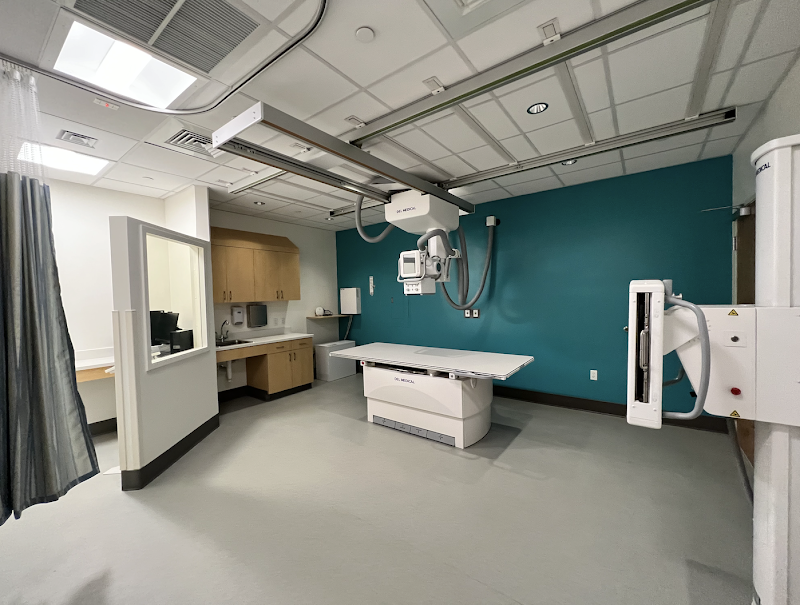
How is Samuel Mahelona Memorial Hospital Staffed?

CMS rates SAMUEL MAHELONA MEMORIAL HOSPITAL's staffing level at 5 out of 5 stars, which is much above average compared to other nursing homes. Staff turnover is 9%, compared to the Hawaii average of 46%. This relatively stable workforce can support continuity of care.

What Have Inspectors Found at Samuel Mahelona Memorial Hospital?

State health inspectors documented 17 deficiencies at SAMUEL MAHELONA MEMORIAL HOSPITAL during 2022 to 2024. These included: 17 with potential for harm.
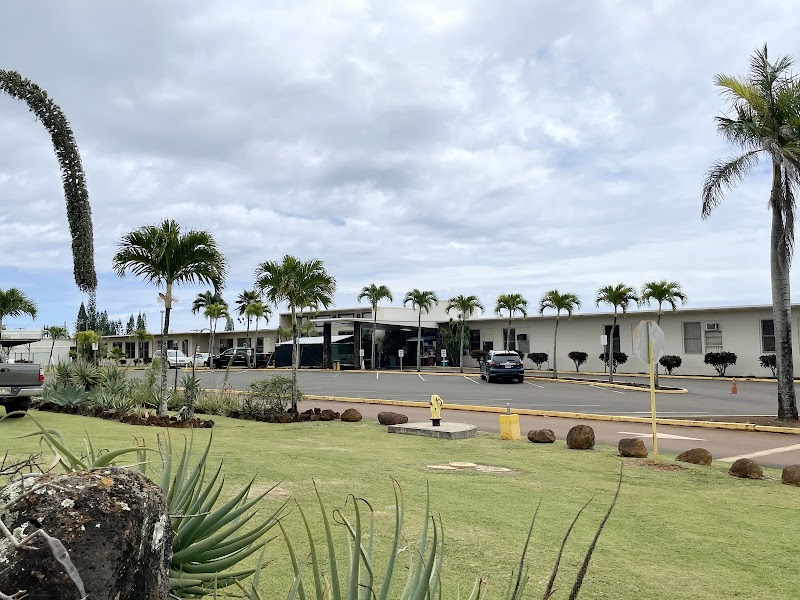
Who Owns and Operates Samuel Mahelona Memorial Hospital?

SAMUEL MAHELONA MEMORIAL HOSPITAL is owned by a government entity. Government-operated facilities are typically run by state, county, or municipal agencies. The facility operates independently rather than as part of a larger chain. With 66 certified beds and approximately 47 residents (about 71% occupancy), it is a smaller facility located in KAPAA, Hawaii.
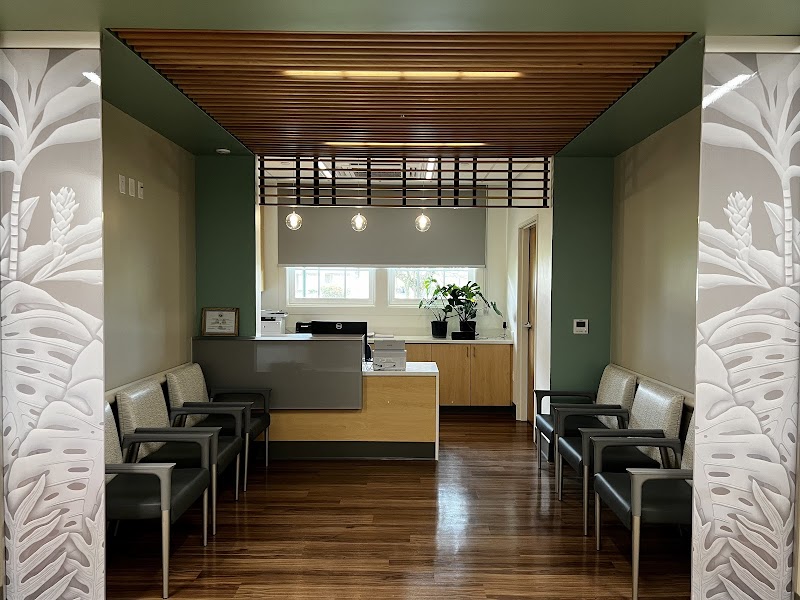
How Does Samuel Mahelona Memorial Hospital Compare to Other Hawaii Nursing Homes?

Compared to the 100 nursing homes in Hawaii, SAMUEL MAHELONA MEMORIAL HOSPITAL's overall rating (5 stars) is above the state average of 3.5, staff turnover (9%) is significantly lower than the state average of 46%, and health inspection rating (5 stars) is much above the national benchmark.

What Should Families Ask When Visiting Samuel Mahelona Memorial Hospital?

Based on this facility's data, families visiting should ask: "Can I visit during a mealtime to observe dining assistance and food quality?" "How do you handle medical emergencies, and what is your hospital transfer rate?" "Can I speak with family members of current residents about their experience?"

Is Samuel Mahelona Memorial Hospital Safe?

Based on CMS inspection data, SAMUEL MAHELONA MEMORIAL HOSPITAL has a clean safety record: no substantiated abuse findings (meaning no confirmed cases of resident harm), no Immediate Jeopardy citations (the most serious violation level indicating risk of serious injury or death), and is not on the Special Focus Facility watch list (a federal program monitoring the lowest-performing 1% of nursing homes). The facility has a 5-star overall rating and ranks #1 of 100 nursing homes in Hawaii. While no facility is perfect, families should still ask about staff-to-resident ratios and recent inspection results during their visit.

Do Nurses at Samuel Mahelona Memorial Hospital Stick Around?

Staff at SAMUEL MAHELONA MEMORIAL HOSPITAL tend to stick around. With a turnover rate of 9%, the facility is 37 percentage points below the Hawaii average of 46%. Low turnover is a positive sign. It means caregivers have time to learn each resident's needs, medications, and personal preferences. Consistent staff also notice subtle changes in a resident's condition more quickly. Registered Nurse turnover is also low at 9%, meaning experienced RNs are available to handle complex medical needs.

Was Samuel Mahelona Memorial Hospital Ever Fined?

SAMUEL MAHELONA MEMORIAL HOSPITAL has no federal fines on record. CMS issues fines when nursing homes fail to meet care standards or don't correct problems found during inspections. The absence of fines suggests the facility has either maintained compliance or corrected any issues before penalties were assessed. This is a positive indicator, though families should still review recent inspection reports for the full picture.

Is Samuel Mahelona Memorial Hospital on Any Federal Watch List?

SAMUEL MAHELONA MEMORIAL HOSPITAL is not on any federal watch list. The most significant is the Special Focus Facility (SFF) program, which identifies the bottom 1% of nursing homes nationally based on persistent, serious quality problems. Not being on this list means the facility has avoided the pattern of deficiencies that triggers enhanced federal oversight. This is a positive indicator, though families should still review the facility's inspection history directly.