POWER COUNTY SKILLED NURSING FACILITY
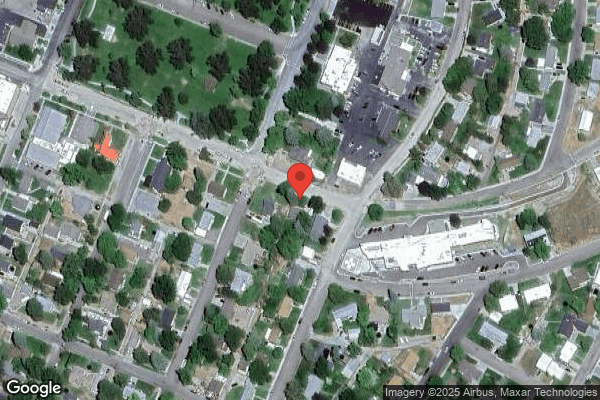
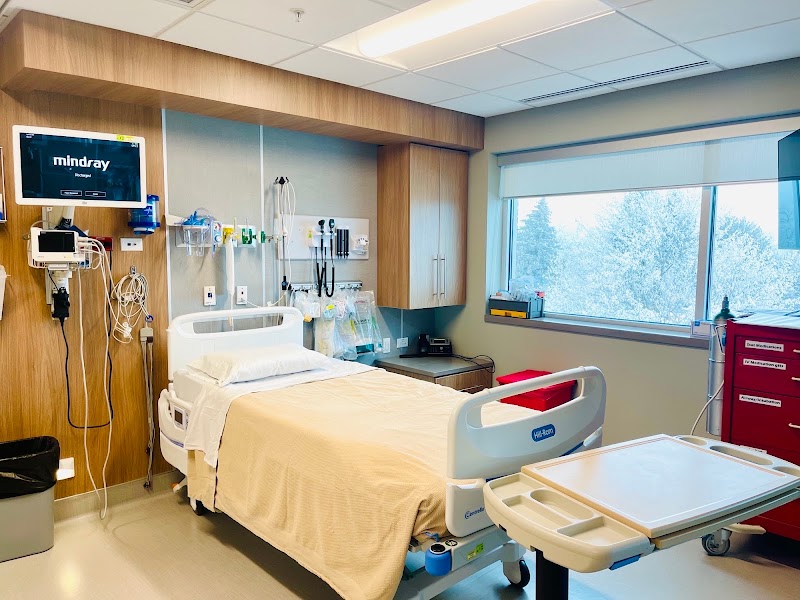
510 ROOSEVELT STREET, AMERICAN FALLS, ID 83211 (208) 226-3200
For profit - Corporation 20 Beds Independent Data: November 2025
Trust Grade
15/100
#75 of 79 in ID
Last Inspection: May 2025

Inspected within the last 6 months. Data reflects current conditions.

Overview

Power County Skilled Nursing Facility in American Falls, Idaho, has received a Trust Grade of F, indicating significant concerns about the quality of care provided. Ranked #75 out of 79 facilities in the state, they are in the bottom half, and as the only option in Power County, families may feel limited in their choices. The facility's trend is worsening, with issues increasing from 13 in 2024 to 17 in 2025. Staffing is a relative strength, rated 4 out of 5 stars with a turnover rate of 43%, which is better than the state average; however, RN coverage is only average. Concerns include serious issues like a resident developing avoidable pressure ulcers without proper monitoring and care plans not being individualized for several residents, which could lead to inadequate care. While there are no fines on record, the overall picture raises significant red flags for families considering this facility for their loved ones.

Trust Score
F
15/100
In Idaho
#75/79
Bottom 6%
Safety Record
Moderate
Needs review
Inspections
Getting Worse
13 → 17 violations
Staff Stability
○ Average
43% turnover. Near Idaho's 48% average. Typical for the industry.
Penalties
✓ Good
No fines on record. Clean compliance history, better than most Idaho facilities.
Skilled Nurses
✓ Good
Each resident gets 48 minutes of Registered Nurse (RN) attention daily — more than average for Idaho. RNs are trained to catch health problems early.
Violations
⚠ Watch
36 deficiencies on record. Higher than average. Multiple issues found across inspections.
★☆☆☆☆
1.0
Overall Rating
★★★★☆
4.0
Staff Levels
★★☆☆☆
2.0
Care Quality
★☆☆☆☆
1.0
Inspection Score
Stable
2024: 13 issues
2025: 17 issues

The Good

  • 4-Star Staffing Rating · Above-average nurse staffing levels
  • Full Sprinkler Coverage · Fire safety systems throughout facility
  • No fines on record
  • Staff turnover below average (43%)

    5 points below Idaho average of 48%

Facility shows strength in staffing levels, fire safety.

The Bad

1-Star Overall Rating

Below Idaho average (3.2)

Significant quality concerns identified by CMS

Staff Turnover: 43%

Near Idaho avg (46%)

Typical for the industry

The Ugly 36 deficiencies on record

1 actual harm
May 2025 17 deficiencies
CONCERN (D)

Potential for Harm - no one hurt, but risky conditions existed

Deficiency F0583 (Tag F0583)

Could have caused harm · This affected 1 resident

**NOTE- TERMS IN BRACKETS HAVE BEEN EDITED TO PROTECT CONFIDENTIALITY** Based on observation and staff interview, it was determined the facility failed to ensure resident's right to privacy was mainta...

Read full inspector narrative →
**NOTE- TERMS IN BRACKETS HAVE BEEN EDITED TO PROTECT CONFIDENTIALITY** Based on observation and staff interview, it was determined the facility failed to ensure resident's right to privacy was maintained during cares. This was true for 1 of 1 resident (Resident #6) observed during cares. This deficient practice placed Resident #6 to experience embarrassment and psychosocial distress if her body was exposed to others unnecessarily. Findings include: The SOM Appendix PP, dated 4/25/25, documented each resident has the right to privacy and confidentiality for all aspects of care and services. A nursing home resident has the right to personal privacy or not only his or her own physical body, but of his or her personal space, including accommodations and personal care. Resident #6 was admitted to the facility on [DATE], with multiple diagnoses including Huntington's disease (a neurological disorder that affects a person's movements, thinking ability, and mental health, with symptoms often including chorea, which are rapid, involuntary movements of the limbs and face). On 5/28/25 at 2:08 PM, LPN #2 provided wound care to Resident #6's bottom. Resident #6 was in bed with her shorts down to her knees exposing her periarea as she moved from lying on her back to her side. The window blind was open as LPN #2 continued to complete Resident #6's wound care. On 5/28/25 at 2:16 PM, LPN #2 stated I should have closed the blinds before performing her wound care.
CONCERN (D)

Potential for Harm - no one hurt, but risky conditions existed

Deficiency F0657 (Tag F0657)

Could have caused harm · This affected 1 resident

**NOTE- TERMS IN BRACKETS HAVE BEEN EDITED TO PROTECT CONFIDENTIALITY** Based on record review, policy review, and staff interview, it was determined the facility failed to ensure residents' care plan...

Read full inspector narrative →
**NOTE- TERMS IN BRACKETS HAVE BEEN EDITED TO PROTECT CONFIDENTIALITY** Based on record review, policy review, and staff interview, it was determined the facility failed to ensure residents' care plans were revised and updated as needed. This was true for 1 of 12 residents (Resident #16) whose care plan was reviewed. This created the potential for Resident #16 to experience harm if cares and services were not provided appropriately due to inaccurate information in his care plan. Findings include: Resident #16 was admitted to the facility on [DATE], with multiple diagnoses including Alzheimer's disease and apraxia (a disorder of the brain and nervous system in which a person is unable to perform tasks or movements when asked) following stroke. The facility's Care Plans policy, dated 1/1/24 documented residents' care plans will be reviewed quarterly, annually, and with change of status to ensure that they are current for the residents' care. An I&A report documented the following: - On 3/15/25 at 4:10 PM, Resident #16 had an unwitnessed fall with no injury. The I&A documented he continued to get out of his bed, and it was recommended for Resident #16 that he may need an alarm placed on for safety. - On 3/20/25 at 4:30 PM, Resident #16 had an unwitnessed fall with no injury. The I&A documented his tab alarm was on. Review of Resident #16's care plan did not document he had a tab alarm. On 5/29/25 at 9:13 AM, the DON reviewed Resident #16's care plan and stated she did not find the tab alarm on his care plan, only just leave the call button within reach was in his care plan. The DON stated Resident #16's care plan should have been updated to include the tab alarm in his care plan when it was placed after his fall.
CONCERN (D)

Potential for Harm - no one hurt, but risky conditions existed

Quality of Care (Tag F0684)

Could have caused harm · This affected 1 resident

**NOTE- TERMS IN BRACKETS HAVE BEEN EDITED TO PROTECT CONFIDENTIALITY** Based on record review, and staff and resident interview, it was determined the facility failed to ensure professional standards...

Read full inspector narrative →
**NOTE- TERMS IN BRACKETS HAVE BEEN EDITED TO PROTECT CONFIDENTIALITY** Based on record review, and staff and resident interview, it was determined the facility failed to ensure professional standards of care were followed for 1 of 12 residents (Resident #69) reviewed for quality of care. Resident #69's physician's order was to restrict his fluid intake to 1,500 ml was not followed. This deficient practice had the potential to adversely affect or harm Resident #69 when his fluid intake was not restricted or monitored. Findings include: Resident #69 was admitted to the facility on [DATE], with multiple diagnoses including Syndrome of Inappropriate Secretion of Antidiuretic Hormone (a condition in which the body retain too much water and commonly leads to hyponatremia which is low levels of sodium in the blood). A physician's order, dated 12/9/23, documented Resident #69 was on 1,500 ml of fluid restriction. A care plan initiated on 11/26/24, documented Resident #69 was on fluid restriction of 1,500 ml, on which the kitchen would supply 1,200 ml and leaves him with 300 ml of other fluids. On 5/28/25 at 11:43 AM, Resident #69 stated he was on fluid restriction. When asked how much water was he allowed to have, Resident #69 did not answer. Review of Resident #69's 5/17/25 - 5/29/25 total fluid intake documented he has taken more than 1,500 ml of fluid on the following dates: - 5/17/25 = 1,780 ml - 5/18/25 = 1,560 ml - 5/19/25 = 1,840 ml - 5/20/25 = 1,800 ml - 5/21/25 = 1,530 ml - 5/22/25 = 2,220 ml - 5/24/25 = 1,620 ml - 5/25/25 = 1,740 ml - 5/26/25 = 1.740 ml - 5/27/25 = 1,770 ml - 5/28/25 = 1,510 ml - 5/29/25 = 1,320 ml On 5/30/25 at 11:31 AM, the DON stated Resident #69 was on 1,500 ml of fluid restriction. The DON reviewed Resident #69's fluid intake record and stated Resident #69 was difficult to control on his fluid intake. She stated we should have monitored him more closely to ensure he is only taking his required fluid requirement.
CONCERN (D)

Potential for Harm - no one hurt, but risky conditions existed

Deficiency F0700 (Tag F0700)

Could have caused harm · This affected 1 resident

**NOTE- TERMS IN BRACKETS HAVE BEEN EDITED TO PROTECT CONFIDENTIALITY** 3. Resident #1 was admitted to the facility on [DATE], with multiple diagnoses including dementia and hypertension. On 5/28/25 a...

Read full inspector narrative →
**NOTE- TERMS IN BRACKETS HAVE BEEN EDITED TO PROTECT CONFIDENTIALITY** 3. Resident #1 was admitted to the facility on [DATE], with multiple diagnoses including dementia and hypertension. On 5/28/25 at 10:40 AM, Resident #1 was observed in bed with one side rail in raised position. Resident #1's Side Rails Assessment form, dated 10/10/22, documented the following assessment/questions and next to it was Yes and No column: 1. Will side rails be used to improve mobility? 2. Will side rails be used to improve independence? 3. Will resident be able to use the bed controls? 4. Will the side rails in good working order? 5. Are the side rails installed correctly and safely? 6. Does the resident request the side rails are up when they are in bed? 7. Is there any potential or risk of the resident their extremities caught in the side rails? 8. They have been assessed and are safe to be used with this resident? 9. If side rails will be used, has resident and family been informed of risks of use such as upper injuries from falls and lim[bs] being caught in rails? Assessment/question #1, #2, #3, #4, #5, #6, and #8 had a check mark on the No column and assessment #9 has NA on the Yes column. The facility was unable to provide documentation that Resident #1 was assessed quarterly for her side rail use. On 5/29/25 at 2:15 PM, the DON with the LSW present reviewed Resident #1's Side Rails Assessment. The DON stated she did not know why the assessment was filled out incorrectly. The LSW stated it was not filled out appropriately. Based on record review and staff interview it was determined the facility failed to ensure residents were properly assessed for bed rails. This was true for 3 of 9 resident (Resident #1, #9, and #11) whose records were reviewed for bed rails. This failure created the potential for harm when residents were not assessed for entrapment. Findings include: The facility's Side Rail Used/ Restraint Policy, dated 2/15/17, documented all residents requiring side rails, will be given a risks vs. benefits of side rail use form to review and a consent form. Residents will have a side rail use assessment completed quarterly with their MDS reporting and with any changes in their status. 1. Resident #9 was admitted to the facility on [DATE], with multiple diagnoses including malnutrition, breast cancer, and history of falls. On 5/27/26 at 1:56 PM, Resident #9 was observed resting in bed comfortably with the left side of her bed against the wall and a bed rail on the right side. A request for bedrail assessment and risk vs. benefits was requested and not provided. 2. Resident #11 was admitted to the facility on [DATE], with multiple diagnoses including bipolar disorder, major depressive disorder, and muscle weakness. Resident #11's care plan dated 7/18/24, documented she may have her bed rails up or down as desired. Her care plan also stated she would be evaluated quarterly and if she obtained an injury related to the bed rails they may have to be removed. A Side Rail assessment dated [DATE], documented the following: 1. Will side rails be used for mobility? No 2. Will side rails be used for improved independence? No 3. Will resident be able to use the bed controls? No 4. Are side rails in good working order? NA 5. Are side rails installed correctly and safely? 6. Does the resident request the side rails are up when in bed? No 7. Is there any potential or risk for resident to have extremities caught on side rails? NO 8. They have been assessed and are safe to be used with this resident? No 9. If side rails will be used has the resident and family been informed of use such as upper injuries from falls and lim[bs] being caught in rails.- No On 5/29/25 at 5:35 PM, the DON and LSW stated the prior DON had assessed residents for bed rails but did not document the assessments correctly. However, none of the bed rails are currently used as a physical restraint.
CONCERN (D)

Potential for Harm - no one hurt, but risky conditions existed

Drug Regimen Review (Tag F0756)

Could have caused harm · This affected 1 resident

**NOTE- TERMS IN BRACKETS HAVE BEEN EDITED TO PROTECT CONFIDENTIALITY** Based on record review and staff interview, it was determined the facility failed to ensure pharmacist recommendation was addres...

Read full inspector narrative →
**NOTE- TERMS IN BRACKETS HAVE BEEN EDITED TO PROTECT CONFIDENTIALITY** Based on record review and staff interview, it was determined the facility failed to ensure pharmacist recommendation was addressed by the physician. This was true for 1 of 5 residents (Resident #2) whose medications were reviewed. This failure created the potential for Resident #2 to receive medications that were unnecessary, ineffective, or used in excessive duration. Findings include: Resident #2 was admitted to the facility on [DATE], with multiple diagnoses including dementia, urinary tract infection and chronic pain. A Physician Action Report/Pharmacist Report form, included a section for the pharmacist to write his/her detailed description of irregularity and recommendations and a section for the physician to make a comment regarding the pharmacist recommendation. Resident #2's Physician Action Report/ Pharmacist Report form, dated 4/30/25, documented the Pharmacist wrote Document citalopram dose. The physician's section had the physician signature, but the physician did not indicate the dosage of Resident #2's citalopram. On 5/30/25 at 8:52 AM, the LSW reviewed the Resident #2's Physician Action Report/Pharmacist Report form and stated she did not notice the physician did not write his/her response on the form during their psychotropic medication meeting. The LSW stated she would make sure the physician writes his response on the form on their next meeting.
CONCERN (D)

Potential for Harm - no one hurt, but risky conditions existed

Deficiency F0757 (Tag F0757)

Could have caused harm · This affected 1 resident

**NOTE- TERMS IN BRACKETS HAVE BEEN EDITED TO PROTECT CONFIDENTIALITY** Based on record review and staff interview it was determined the facility failed to ensure residents were properly assessed for ...

Read full inspector narrative →
**NOTE- TERMS IN BRACKETS HAVE BEEN EDITED TO PROTECT CONFIDENTIALITY** Based on record review and staff interview it was determined the facility failed to ensure residents were properly assessed for anticoagulants. This was true for 1 of 5 residents (Resident #9) whose records were reviewed for unnecessary medications. This failed practice created the potential for harm when Resident #9 was not assessed for bleeding. Findings include: Resident #9 was admitted to the facility on [DATE], with multiple diagnoses including non-surgical wound, history of falls, and right artificial hip joint. A physician's order dated 12/30/24, documented Apixaban (a blood thinner) oral tablet 5 mg give 1 tablet by mouth two times a day for deep [NAME] thrombosis (DVT) prevention. A physician's order dated 12/21/24, documented Aspirin oral tablet 81 mg give 1 tablet by mouth one time a day for DVT prevention. Resident #9's record did not include monitoring for bruising or bleeding. On 5/29/25 at 12:40 PM, the DON stated Resident #9's record did not include monitoring for adverse outcomes or monitors for bruising and bleeding. She also stated the physician assessed Resident #9 once every 60 days, but the licensed nurse does not assess Resident #9 for bleeding on a daily basis.
CONCERN (D)

Potential for Harm - no one hurt, but risky conditions existed

Deficiency F0760 (Tag F0760)

Could have caused harm · This affected 1 resident

**NOTE- TERMS IN BRACKETS HAVE BEEN EDITED TO PROTECT CONFIDENTIALITY** Based on review of Incidents and Accidents reports, and staff interview, it was determined the facility failed to ensure residen...

Read full inspector narrative →
**NOTE- TERMS IN BRACKETS HAVE BEEN EDITED TO PROTECT CONFIDENTIALITY** Based on review of Incidents and Accidents reports, and staff interview, it was determined the facility failed to ensure residents were free from significant medication errors. This affected 2 of 2 residents (#11 and #14) whose records were reviewed for medication error. This failure placed Resident #11 at risk for hypoglycemic episodes and even death and Resident #14 to experienced uncontrolled pain. Findings include: 1. Resident #11 was admitted to the facility on [DATE], with multiple diagnoses including Diabetes and restless leg syndrome. An I&A report dated 3/2/25, documented Resident #11 was given the incorrect insulin by Med-Tech #1. The incident report also documented the physician was notified and the following order was given: Check blood sugar every 30 minutes for 4 hours. Give soda, candy or juice to keep blood sugar above 150. If blood sugar drops below 80 send to emergency room. The I&A report documented the following blood sugar levels along with the following interventions: - At 9:10 PM her blood sugar was 214 she was given glucose 15 - At 9:40 PM her blood sugar was 231 she was given donuts and A&W root beer - At 10:10 PM her blood sugar was 181 she was given peanut butter creme, 1 oatmeal cream pie, and an A&W root beer. - At 10:40 PM her blood sugar was 153 She was given apple juice. - At 11:10 PM her blood sugar was 236 she was given soda and juice - At 11:40 PM her blood sugar was 202 she was given soda - At 12:10 AM her blood sugar was 156 she was given a soda - At 12:30 AM her blood sugar was 153 no interventions were implemented. The I&A report documented on 3/2/25 at 10:40 PM, Resident #11's stomach became upset. The I&A report documented Med-Tech #1 was educated on verifying the MAR and medication before administration. On review of Med-Tech #1's skills check off. Insulin was not identified as an area of competency. On 5/28/25 at 2:25 PM, the DON stated it was the responsibility of the registered nurse to over see Med-Tech #1. She also stated the medication error should have never happened. However, she did not realize the skills check off did not include insulin therefore Med-Tech #1 should have not been administering insulin to anyone. 2. Resident #14 was admitted to the facility on [DATE], with multiple diagnoses including chronic pain, anxiety, and dementia. A physician order dated 7/1/24, documented Oxycodone-Acetaminophen 5-325 mg (a opioid pain medication) give 1 tablet by mouth every morning and at bedtime related to chronic pain. An I&A report dated 1/1/25, documented Resident #14 was not given her Oxycodone 5-325 mg. The I&A report included documentation that Resident #14 requested to have her medications at a later time, but she never received it. During a narcotic reconciliation it was identified Resident #14 did not get her Oxycodone. The incident report documented Med-Tech #1 was educated on verifying the MAR and the 5 rights of medication administration. On 5/28/25 at 2:30 PM, the DON stated, she had provided education to Med-Tech #1. She also stated she has been using Med-Techs for medication administration to allow for the RN to be able to do some of the administrative work, but she will be using LPN's moving forward to prevent further medication errors.
CONCERN (D)

Potential for Harm - no one hurt, but risky conditions existed

Deficiency F0761 (Tag F0761)

Could have caused harm · This affected 1 resident

Based on observation and staff interview, it was determined the facility failed to ensure medications available for residents were removed from the medication cart on expiration date. This was true fo...

Read full inspector narrative →
Based on observation and staff interview, it was determined the facility failed to ensure medications available for residents were removed from the medication cart on expiration date. This was true for 1 of 1 medication carts inspected. This failure created the potential for residents to receive expired medications with decreased efficacy. Findings include: On 5/30/25 at 9:45 AM, a Novolog insulin pen was in the medication cart with the open date of 4/26/25 and expiration date of 5/24/25. On 5/30/25 at 9:47 AM, LPN #3 stated the insulin pen was expired. She also stated she had administered the expired insulin that morning to Resident #11.
CONCERN (D)

Potential for Harm - no one hurt, but risky conditions existed

Deficiency F0825 (Tag F0825)

Could have caused harm · This affected 1 resident

**NOTE- TERMS IN BRACKETS HAVE BEEN EDITED TO PROTECT CONFIDENTIALITY** Based on resident interview, and staff interview, it was determined the facility failed to ensure rehabilitative services were p...

Read full inspector narrative →
**NOTE- TERMS IN BRACKETS HAVE BEEN EDITED TO PROTECT CONFIDENTIALITY** Based on resident interview, and staff interview, it was determined the facility failed to ensure rehabilitative services were provided. This was true for 1 of 1 resident (Resident #14) whose records were reviewed for rehabilitative services. This failure created the potential for poor quality of life and declined ability to perform activities of daily living. Findings Include: Resident #14 was admitted to the facility on [DATE], with multiple diagnoses including age-related osteoporosis and pathological fractures. A physician's order dated March 2025, documented Resident #14 was to be evaluated and treated for a wheelchair. On 5/27/25 at 11:22 AM, Resident #14 stated she has been waiting for physical therapy to get her a wheelchair that fits appropriately but they keep telling her its being ordered. On 5/27/25 at 11:28AM, Resident #14 was observed sitting in her wheelchair. The hand rest of the wheelchair was observed at the same level of Resident #14's chest. Making it difficult to rest her arms on the hand rest of the wheelchair. On 5/29/25 at 9:57 AM, the Physical Therapist #1 stated she got the physician order 3 weeks ago however, a vendor needs to come out and measure Resident #14 for an appropriate wheelchair. She also stated the vendor is not scheduled because they need to have three residents with needs. She stated she had previously informed the facility they can buy Resident #14 a wheelchair if they need it done faster. On 5/29/25 at 1:31PM, the DON stated the facility if not able to purchase equipment for everyone. She also stated Resident #14 had insurance, but physical therapy has been delaying the process. On 5/30/25 at 11:20 AM, the LSW stated the facility has no documentation that Resident #14 was evaluated for a wheelchair.
CONCERN (D)

Potential for Harm - no one hurt, but risky conditions existed

Infection Control (Tag F0880)

Could have caused harm · This affected 1 resident

Based on observation and staff interview it was determined the facility failed to ensure appropriate infection control measures were maintained. This was true for 1 of 1 resident (Resident #119) when ...

Read full inspector narrative →
Based on observation and staff interview it was determined the facility failed to ensure appropriate infection control measures were maintained. This was true for 1 of 1 resident (Resident #119) when LPN #3 failed to apply personal protective equipment while administering a nasal medication to Resident #119 who tested positive for methicillin-resistant staphylococcus aureus (MRSA - a bacterial infection). This failed practice created the potential for adverse outcomes including infection due to cross contamination. Findings include: On 5/30/25 at 9:40 AM, during a medication administration observation LPN #3 was observed performing hand hygiene and entering Resident #119's room to administer medication. Resident #119 was on enhanced barrier precautions due to testing positive for MRSA via a nasal swab. LPN #3 applied gloves and administered oral medication. On completion of oral medication LPN #3 then administered his nasal medication. LPN #3 was not observed putting on a mask or gown prior to administration of his nasal medication. On 5/30/25 at 10:07 AM, the DON stated LPN #3 should have applied a mask and gown when administering medication via a nasal swab.
CONCERN (D)

Potential for Harm - no one hurt, but risky conditions existed

Deficiency F0883 (Tag F0883)

Could have caused harm · This affected 1 resident

**NOTE- TERMS IN BRACKETS HAVE BEEN EDITED TO PROTECT CONFIDENTIALITY** Based on record review and staff interview, it was determined the facility failed to ensure pneumococcal immunizations were offe...

Read full inspector narrative →
**NOTE- TERMS IN BRACKETS HAVE BEEN EDITED TO PROTECT CONFIDENTIALITY** Based on record review and staff interview, it was determined the facility failed to ensure pneumococcal immunizations were offered and administered with the current CDC recommendation. This was true for 1 of 5 residents (Resident #9) reviewed for pneumococcal immunizations. This failure increased Resident #9's risk for contacting pneumonia with potential negative outcome. The CDC website's article titled Pneumococcal Vaccine Recommendation, dated 10/26/24 and accessed on 6/2/25, documented for routine vaccination, administer PCV15, PCV20, or PCV21 for all adults 50 years or older. - Who have never received any pneumococcal conjugate vaccine. - Whose previous vaccination history was unknown. If PCV 15 is used, administer a dose of PPSV23 one year later. Their vaccination is complete. If PCV20 or PCV 21 was used, a dose of PPSV 23 is not indicated. Regardless of which vaccine was used (PCV20 or PCV21), their pneumococcal vaccinations are complete. Resident #9, age [AGE] years old was admitted to the facility on [DATE], with multiple diagnoses including cancer of the breast. There was no documentation in Resident #9's record she was offered or received the pneumococcal immunizations. On 5/28/25 at 3:45 PM, the DON together with the IP and LPN #1 stated residents were offered Flu, RSV, COVID and pneumococcal immunization upon admission. LPN #1 stated Resident #9 was offered the pneumococcal immunization on May 22, 2025. When asked why Resident #9 was only offered the pneumococcal immunization on May 22, 2025 when she was admitted in the facility on 12/30/24, the DON stated Resident #9 or her representative did not know what type of pneumococcal immunization she had received in the past. The DON stated they called Resident #9's primary physician and asked for her immunizations record, but the clinic did not have her immunizations record. The DON was unable to provide documentation pneumococcal immunization was offered to Resident #9 upon admission.
CONCERN (E)

Potential for Harm - no one hurt, but risky conditions existed

Assessment Accuracy (Tag F0641)

Could have caused harm · This affected multiple residents

**NOTE- TERMS IN BRACKETS HAVE BEEN EDITED TO PROTECT CONFIDENTIALITY** Based on record review and staff interview, it was determined the facility failed to ensure residents' assessments accurately re...

Read full inspector narrative →
**NOTE- TERMS IN BRACKETS HAVE BEEN EDITED TO PROTECT CONFIDENTIALITY** Based on record review and staff interview, it was determined the facility failed to ensure residents' assessments accurately reflect their status. This was true 4 of 12 residents (#2, #11, #16, and #17) whose bedrails were assesed as a restraint. This created the risk for harm when residents' were not accurately assessed. Findings include: 1. Resident #17 was admitted to the facility on [DATE], with a diagnosis of adult failure to thrive (a decline in overall health and functional abilities). Resident #17's Quarterly MDS assessment dated [DATE], documented he used his bed rails daily under section P- Restraints Resident #17's care plan dated 8/19/24, documented his bed rails were used for mobility. It also documented that he has been informed of the risk of using side rails. A bed rail assessment dated [DATE], documented the bed rails would be used for improved independence. 2. Resident #11 was admitted to the facility on [DATE], with multiple diagnoses including bipolar disorder, anxiety, and major depressive disorder. Resident #11's care plan dated 7/18/24, documented she may have her bed rails up or down as desired. Her care plan also stated she would be evaluated quarterly and if she obtained an injury related to the bed rails they may have to be removed. A Quarterly MDS assessment dated [DATE], documented she used her bed rail daily under section P- Restraints A Side Rail assessment dated [DATE], documented the bed rail was not used for mobility or independence. It also documented Resident #11 was not able to use the bed control. On 5/29/25 at 11:58 AM, The DON and LSW stated, the MDS was coded incorrectly as Resident #9, #11, and #17 do not use bed rails as a restraint. 3. Resident #2 was admitted to the facility on [DATE], with multiple diagnoses including dementia,urinary tract infection and chronic pain. Resident #2's Quarterly MDS assessment dated [DATE], documented she use a bed rail daily under section P - Restraints. Resident #2's Initial Side Rail assessment dated [DATE], documented she used the side rail to improve her mobility and independence, and she is able to use the bed controls. Resident #2's care plan, initiated 9/4/24 documented she was using two side rails in bed for mobility. The care plan also documented Resident #2 and her POA were aware of the dangers of using a side rail and they have signed a consent. On 5/29/25 at 9:44 AM, the DON stated Resident #2 uses the side rail as a mobility aid and it was not restraining her movement in bed. The DON stated Resident #2 was coded as using a restraint in her MDS because she used the side rail daily and she did not want to falsify her record by documenting she was not using a side rail. 4. Resident #16 was admitted to they facility on 10/1/24, with multiple diagnoses including Alzheimer's disease and apraxia (a disorder of the brain and nervous system in which a person is unable to perform tasks or movements when asked) following stroke. Resident #16's Initial Side Rail assessment dated [DATE], documented he used the side rail to improve his mobility and independence, and he is able to use the bed controls. Resident #16's care plan, initiated 2/2/24, documented he used one side rail for his repositioning. On 5/29/25 at 9:44 AM, the DON stated Resident #16 uses the side rail as a mobility aid and it was not restraining Resident #16 movement in bed. The DON stated Resident #16's was coded as using a restraint in his MDS because he used the side rail daily and she did not want to falsify his record by documenting he was not using the side rail.
CONCERN (F)

Potential for Harm - no one hurt, but risky conditions existed

MDS Data Transmission (Tag F0640)

Could have caused harm · This affected most or all residents

**NOTE- TERMS IN BRACKETS HAVE BEEN EDITED TO PROTECT CONFIDENTIALITY** 5. Resident #1 was admitted to the facility on [DATE], with multiple diagnoses including dementia and hypertension. Resident #1'...

Read full inspector narrative →
**NOTE- TERMS IN BRACKETS HAVE BEEN EDITED TO PROTECT CONFIDENTIALITY** 5. Resident #1 was admitted to the facility on [DATE], with multiple diagnoses including dementia and hypertension. Resident #1's Quarterly MDS assessment, dated 1/20/25 was transmitted to the CMS database. but her Quarterly MDS assessment with ARD of 4/22/25 was not transmitted, it was 23 days overdue. 6. Resident #6 was admitted to the facility on [DATE], with multiple diagnoses including Huntington's disease (a neurological disorder that affects a person's movements, thinking ability, and mental health, with symptoms often including chorea, which are rapid, involuntary movements of the limbs and face). Resident #6's Quarterly MDS assessment, dated 1/23/25 was transmitted to CMS database, but her Quarterly MDS assessment with ARD of 4/25/25 was not completed, it was 20 days overdue. 7. Resident #13 was admitted to the facility on [DATE], with multiple diagnoses including dementia. Resident #13's Annual MDS assessment dated [DATE] was transmitted to CMS data base, but her Quarterly MDS assessment with ARD of 5/18/25 was not completed, it was 11 days overdue. On 5/29/25 at 11:58 AM, the DON stated, we are not reporting the assessments to CMS, we have no excuse, we are behind. Based on record review, staff interview, and review of the RAI manual, it was determined the facility failed to ensure MDS assessments were completed and reported timely. This was true for 7 of 9 residents (Resident #1, # 6, #9, #11, #12 #13, #120) reviewed for encoding and transmitting resident assessments. This failure created the potential for harm and inaccuracy of assessments when residents were not assessed timely to identify their needs. Findings include: The RAI manual, dated October 2024, version 1.19.1, documented the ARD must be within 92 daysafter the ARD of the previous OBRA assessment (Quarterly, Admission, SCSA, SCQA, or Annual assessment + 92 days). 1. Resident #9 was admitted to the facility on [DATE], with multiple diagnosis including malnutrition, seizures, and history of falling. Resident #9's admission MDS assessment dated [DATE], was transmitted to CMS database, but her Quarterly MDS assessment documented an ARD of 1/13/26, it was 31 days overdue. 2. Resident #11 was admitted to the facility on [DATE], with multiple diagnoses including bipolar disorder, anxiety, and major depressive disorder. Resident #11's Quarterly MDS assessment dated [DATE], was transmitted to CMS database, but her Annual MDS assessment with ARD of 4/17/25 was not completed, it was 28 days overdue. 3. Resident #12 was admitted to the facility on [DATE], with multiple diagnoses including constipation, muscle weakness, and diabetes mellitus. Resident #12's Annual MDS assessment dated [DATE], was transmitted to CMS database, but his Quarterly MDS assessment with ARD of 3/24/25 was not completed, it was 52 days late. 4. Resident #120 was admitted to the facility on [DATE], with multiple diagnoses including, seizures, swelling of the brain and brain abscess. Resident #120's admission MDS assessment with ARD of 5/1/14 was not completed, it was 21 days overdue. On 5/29/25 at 11:58 AM, the DON stated, we are not reporting the assessments to CMS, we have no excuse, we are behind.
CONCERN (F)

Potential for Harm - no one hurt, but risky conditions existed

Comprehensive Care Plan (Tag F0656)

Could have caused harm · This affected most or all residents

**NOTE- TERMS IN BRACKETS HAVE BEEN EDITED TO PROTECT CONFIDENTIALITY** Based on record review, policy review, and staff interview, it was determined the facility failed to ensure person-centered comp...

Read full inspector narrative →
**NOTE- TERMS IN BRACKETS HAVE BEEN EDITED TO PROTECT CONFIDENTIALITY** Based on record review, policy review, and staff interview, it was determined the facility failed to ensure person-centered comprehensive care plans were developed and implemented to address residents' needs. This was true for 6 of 12 residents (#1, #2, #9, #11, #15, and #120) whose care plans were reviewed. This failure created the potential for harm should residents receive inappropriate or inadequate care. Findings include: The facility's Care Plans policy, dated 1/1/24 documented the care plan for each resident at the facility would be individualized according to each resident's needs or wants as much as possible. 1. Resident #1 was admitted to the facility on [DATE], with multiple diagnoses including dementia and hypertension. Resident #1 physician's order documented the following: - Risperidone (antipsychotic) 0.5 mg by mouth two times a day, ordered 1/24/25 - lorazepam (antianxiety) 0.5 mg by mouth at bedtime related to anxiety disorder, ordered 1/17/25. - Monitor and document her behavior: . yelling and 2. restlessness and to provide interventions such as: a. activities b. puzzles and word searches. Resident #1's care plan revised 7/31/24, documented she had behavior issues of loud rumination (repeating the same thing over and over) related to her dementia. Sometimes this disrupts group activities such as meals and games. Resident #1's care plan goal was to document her behavior daily on behavior monitor. Resident #1's April and May 2025 Behavior monitor documented she was being monitored for the following behaviors: paranoia, hallucination, delusion, verbal aggression, repetitive anxious statements, agitation, and getting up without assistance. These behaviors were not documented in Resident #1's care plan. On 5/28/25 at 3:01 PM, the LSW stated Resident #1 was being monitored for paranoia, hallucination, delusions, and verbal aggression. When asked if these behavior were in the care plan, LSW then reviewed Resident #1's care plan and stated No. The LSW stated Resident #1's behaviors that was being monitored were not in the care plan and it should be in the care plan. 2. Resident #2 was admitted to the facility on [DATE], with multiple diagnoses including dementia, urinary tract infection and chronic pain. A care plan initiated on 11/2/23, documented Resident #2 was taking an antidepressant and directed staff to encourage her to read, go outside, knit or join in group activities when she shows signs of increased sadness. The care plan also directed staff to monitor her for adverse side effects and report if suspected. The care plan did not identify what side effects the staff should monitor. Resident #2's April and May 2025 Behavior monitor documented she was being monitored for the following behaviors: increased sadness, sleeping a lot and overeating. These behaviors were not documented in her care plan. On 5/28/25 at 2:25 PM, LSW stated Resident #2's behavior of sleeping a lot and overeating were not documented in the care plan. The LSW also stated the care plan should document what side effects the staff should monitor. 3. Resident #15 was admitted to the facility on [DATE], with multiple diagnoses including aphasia ((an impairment of language due to brain injury, affecting the production or comprehension of speech and the ability to read or write) following a stroke. A care plan initiated on 5/2/24, documented Resident #15 was on psychotropic medication for her anxiety and depression. Resident #15's symptoms documented the following anger and talking slow or low and I stop talking. The care plan did not indicate Resident #15 was to be monitored for adverse side effects of her psychotropic medication. Resident #15's April and May 2025 Behavior monitor documented she was being monitored for the following behaviors: snappy, short tempered, forgot she was given her medications, and air hunger anxiety. These behaviors were not documented in her care plan. On 5/28/25 at 2:55 PM, the LSW stated Resident #15's behaviors of being snappy and short tempered and having air hunger were not documented in her care plan and it should be in her care plan. The LSW also stated Resident #15's care plan did not document she was to be monitored for adverse side effects of her psychotropic medication. 4. Resident #11 was admitted to the facility on [DATE], with multiple diagnoses including bipolar disorder, anxiety, and major depressive disorder. Resident #11's care plan dated 7/18/24, did not identify she had bipolar, anxiety or depression. On 5/29/25 at 9:19 AM, the LSW stated Resident #11's care plan did not include documentation of interventions or mood and behavior triggers. The LSW also stated Resident #11 was a trauma survivor, but her care plan does not document triggers. 5. Resident #120 was admitted to the facility on [DATE], with multiple diagnoses including brain abscess, swelling of the brain, and seizures. A fall assessment dated [DATE], documented Resident #120 was identified a moderate risk for falls. Resident #120's record documented he had a history of falls at home. An incident report dated 5/11/25, documented Resident #120 had a witnessed fall while trying to get his glasses from the floor. Resident #120's care plan did not include documentation of fall preventions or interventions. On 5/29/25 at 1:39 PM, the DON stated the care plan should have reflected the risk for falls and should have been revised on 5/11/25 after his last fall. 6. Resident #9 was admitted to the facility on [DATE], with multiple diagnoses including protein-calorie malnutrition, malignant neoplasm, and history of falls. An admission MDS assessment dated [DATE], documented Resident #9 had bed rails used daily. Resident #9's care plan did not include documentation indicating she used bed rails. On 5/29/25 at 9:46 AM: The LSW stated, Resident #9's care plan did not include the bedrails she used daily however, it should have.
CONCERN (F)

Potential for Harm - no one hurt, but risky conditions existed

Deficiency F0801 (Tag F0801)

Could have caused harm · This affected most or all residents

Based on staff interview, it was determined the facility failed to ensure there was a qualified dietary manager with required competencies and skills. This deficient practice had the potential to affe...

Read full inspector narrative →
Based on staff interview, it was determined the facility failed to ensure there was a qualified dietary manager with required competencies and skills. This deficient practice had the potential to affect all the 20 residents residing in the facility who received food from the kitchen. Findings include: On 5/29/25 at 12:38 PM, the DM stated she started in the facility working as a dietary manager about five weeks ago. She stated she did not have the certification yet, but she registered herself to take the classes to become a certified dietary manager. The DM stated she was being supervised by their Registered Dietitian and is in constant communication with him/her. On 5/29/25 at 2:13 PM, the DON stated the Dietary Manager was not certified, but she is being supervised by their Registered Dietitian. When asked if the facility had a full-time dietitian, the DON stated No. The Registered Dietitian visits the facility at least once a week
CONCERN (F)

Potential for Harm - no one hurt, but risky conditions existed

Food Safety (Tag F0812)

Could have caused harm · This affected most or all residents

Based on observation and staff interview, it was determined the facility failed to ensure kitchen staff wear their hair restraints appropriately and discard outdated food items in the kitchen. These d...

Read full inspector narrative →
Based on observation and staff interview, it was determined the facility failed to ensure kitchen staff wear their hair restraints appropriately and discard outdated food items in the kitchen. These deficiencies had the potential to affect the 20 residents residing in the facility who consumed food prepared by the facility. This placed residents at risk for potential contamination of food and adverse health outcomes, including food borne illnesses. Finding include: 1. The FDA Food Code 2022, Section 1-402.11 Effectiveness. (Hair Restraints) states except as provided in paragraph (B) of this section, food employees shall wear hair restraints such as hats, hair coverings or nets, beard restraints, and clothing that covers body hair, that are designed and worn to effectively keep their hair from contacting exposed food; clean equipment, utensils, and linens; and unwrapped single-serve and single-use articles. On 5/29/25 at 12:10 PM, the Dietary Aide #1 was observed in the kitchen with her hair not completely restrained to cover her bangs and the hair around her face. On 5/29/25 at 2:24 PM, the Dietary Manager stated Dietary Aide #1 should have worn her hair restraint to completely cover her hair. 2. An initial kitchen inspections was conducted on 5/27/25 at 10:58 AM, with Dietary Aide #2. The following were observed: - 2 Hershey Syrup with best by date 8/2024 - 1 Hershey Syrup Zero Sugar with best by date 3/2025 - 1 Farmer Brothers Seasoning dated 3/2/25 - Taco mix - expiry date of 10/25/24 - Soup Base - undated A second kitchen inspection was conducted on 5/29/25 at 12:38 PM with Dietary Aide #1. The following were observed: - 1 Hershey Syrup with best by date 7/2024 - 1 Hershey Syrup with best by date 6/2024 - 2 bags of flour tortilla expired on 5/8/25 - 4 bags of spinach tortilla with best by date 5/20/25 - 1 bag of corn tortilla expired on 4/10/25 - 1 bag of corn tortilla expired on 4/25/25 On 5/29/25 at 1:00 PM, The Dietary Manager was informed of the above items expiry date and best by date, and stated the food items should not be in the kitchen and should be discarded.
CONCERN (F)

Potential for Harm - no one hurt, but risky conditions existed

QAPI Program (Tag F0867)

Could have caused harm · This affected most or all residents

Based on facility document review, and staff interview, it was determined the facility failed to ensure the Quality Assessment and Assurance (QAA) committee took actions to identify and resolve system...

Read full inspector narrative →
Based on facility document review, and staff interview, it was determined the facility failed to ensure the Quality Assessment and Assurance (QAA) committee took actions to identify and resolve systemic problems. This failure affected 20 of 20 residents residing in the facility. The deficient practice resulted in failure to report resident assessments and comprehensive care planning which had the potential for adverse outcomes when residents' needs were not identified. Findings include: The facility's QAPI plan revised on 1/2/24, directed the QAPI committee to do the following: - Include all departments and employees in the plan. - Maintain a comprehensive, effective system for monitoring and evaluating. - Assure patient care is provided at an optimal level. - Focus on improving systems and processes using a systemic approach. - Increase communication and transparency of corrective action to improve processes and systems facility wide. - Develop criteria for identifying causes with potential risks and correcting the problem. - Protecting financial resources The facility's Long-Term Care performance improvement plan (PIP) documents the following identified concerns: - Medication audits to reduce medication errors - see F760 - Timely completion of Minimum Data Set (MDS) - see F640 - Care plan and Resident Assessment - see F656 and F657 On 5/30/25 at 1:08 PM, the Administrator and the DON stated the QAPI committee conducts a monthly review of audits. The facility utilizes different departments for different perspectives. The DON stated she is not able to provide measurements of improved PIP's. She also stated she bases her achieved percentage on the number of incidents that occurred during the prior month but does not have a way to track the improved performance plan.
Jul 2024 13 deficiencies
CONCERN (D)

Potential for Harm - no one hurt, but risky conditions existed

Resident Rights (Tag F0550)

Could have caused harm · This affected 1 resident

**NOTE- TERMS IN BRACKETS HAVE BEEN EDITED TO PROTECT CONFIDENTIALITY** Based on observations and interviews, it was determined that the facility failed to treat each resident with respect and dignity...

Read full inspector narrative →
**NOTE- TERMS IN BRACKETS HAVE BEEN EDITED TO PROTECT CONFIDENTIALITY** Based on observations and interviews, it was determined that the facility failed to treat each resident with respect and dignity that promoted enhancement of his/her quality of life and dining experience. This was true for 2 of 13 residents (Resident #8 and Resident #9) who were observed eating in the dining room. The findings include: The following residents did not receive their meal trays or assistance during meal time in a timely manner: Resident #8 was admitted to the facility on [DATE] and readmitted on [DATE], with multiple diagnoses including hypertensive heart disease, hypothyroidism, and type 1 diabetes. On 7/8/24 at 12:04 PM, Resident #8 was observed sitting with her meal tray untouched. On 7/8/24 at 12:15 PM, it was observed that facility staff began assisting Resident #8 with eating her meal. Resident #9 was admitted to the facility on [DATE], with multiple diagnoses including hypertension and mild cognitive impairment. On 7/8/24 at 12:10 PM, Resident #9 was observed sitting at a dining room table with two other residents who had been served their meal trays. On 7/8/24 at 12:15 PM, Resident #9's food tray was discovered in the food cart and was brought to her. At 12:45 PM, LPN #1 serving meal trays in the dining room, confirmed that residents are normally fed at the same table, but the meals are placed in the cart randomly, so the staff hand them out the best they can so everyone can eat at the same time.
CONCERN (D)

Potential for Harm - no one hurt, but risky conditions existed

Deficiency F0554 (Tag F0554)

Could have caused harm · This affected 1 resident

**NOTE- TERMS IN BRACKETS HAVE BEEN EDITED TO PROTECT CONFIDENTIALITY** Based on policy review, observation, record review, and staff interview, it was determined the facility failed to ensure whether...

Read full inspector narrative →
**NOTE- TERMS IN BRACKETS HAVE BEEN EDITED TO PROTECT CONFIDENTIALITY** Based on policy review, observation, record review, and staff interview, it was determined the facility failed to ensure whether a resident had the ability to self-administer medications for 1 of 1 resident (Resident #14), reviewed for self-administration of medications. This failure created the potential for adverse effects if medications were self-administered inappropriately by the resident. Findings include: The facility's Self-Administration of Medication policy, dated 4/21/2014, stated, If the resident requests to self-administer their medications the following criteria and procedures will need to be met: - The charge nurse will do a basic evaluation of the resident's ability to self-administer medication, by filling out an evaluation. - The IDT will review the evaluation and determine the safety of the resident to self-administer medications. - If approved by the IDT a physician's order will be obtained. - The charge nurse will instruct the resident on what each medication is, why they are taking them, when to take them, to identify each medication by sight, and any special considerations associated with the medication. - The resident will receive from the pharmacy written instructions on each medication. - A Bedside Medication Form will be developed for the resident so that the resident can mark when each medication is taken. - Periodic checks with the resident will be conducted to discuss progress and to re-educate if there have been any problems. Resident #14 was admitted to the facility on [DATE], with multiple diagnoses including dementia and COPD (a group of lung conditions that make it difficult to breathe). On 7/10/24 at 7:35 AM, Resident #14 was observed in the dining room without the nasal cannula in place and her oxygen cylinder was not turned on. At 8:20 AM, Resident #14 applied the nasal cannula and turned the oxygen cylinder on without assistance from staff. A Self-Administration of Medication evaluation, dated 6/8/23, documented Resident #14 was not a candidate for safe self-administration of medications. Resident #14's care plan documented she was to wear oxygen at 2 Liters/minute at all times due to her COPD. On 7/10/24 at 8:33 AM, LPN #1 stated Resident #14 should have been assessed and care planned to allow the resident to turn on her own oxygen. On 7/10/24 at 8:38 AM, the DON reviewed Resident #14's record and stated Resident #14 had not been assessed to self-administer oxygen, and should have been.
CONCERN (D)

Potential for Harm - no one hurt, but risky conditions existed

Transfer Notice (Tag F0623)

Could have caused harm · This affected 1 resident

**NOTE- TERMS IN BRACKETS HAVE BEEN EDITED TO PROTECT CONFIDENTIALITY** Based on record review, policy review, and staff interview, it was determined the facility failed to ensure a notices of transfe...

Read full inspector narrative →
**NOTE- TERMS IN BRACKETS HAVE BEEN EDITED TO PROTECT CONFIDENTIALITY** Based on record review, policy review, and staff interview, it was determined the facility failed to ensure a notices of transfer was provided to the State Long Term Care Ombudsman when transferred to the hospital. This was true for 1 of 1 resident (Resident #8) whose record was reviewed for hospital transfer. This deficient practice had the potential for harm if residents were not aware of or able to exercise their rights. Findings include: The facility's Transfer and Discharge policy, dated 10/01/19, documented: - When a resident is temporarily transferred to an acute care facility, a notice of transfer must be provided to the State Ombudsman. Resident #8 was admitted to the facility on [DATE] and readmitted on [DATE], with multiple diagnoses including hypertensive heart disease, hypothyroidism, and diabetes. An MDS tracking record documented Resident #8 was discharged on 4/23/24, with an anticipated return, and readmitted to the facility on [DATE]. A hospital admission Summary documented she was hospitalized during that time. Resident #8's record did not include documentation that a Notification of Transfer related to her hospitalization on 4/23/24 was provided the State Ombudsman. On 7/10/24 at 3:05 PM, the SS employee stated when a resident is transferred to the hospital, she will call the family and discuss bed holds. When asked how she notifies the Ombudsman of transfers, she stated she did not know she had to.
CONCERN (D)

Potential for Harm - no one hurt, but risky conditions existed

Comprehensive Assessments (Tag F0636)

Could have caused harm · This affected 1 resident

**NOTE- TERMS IN BRACKETS HAVE BEEN EDITED TO PROTECT CONFIDENTIALITY** Based on staff interview, record review, and policy review, it was determined the facility failed to ensure an annual comprehens...

Read full inspector narrative →
**NOTE- TERMS IN BRACKETS HAVE BEEN EDITED TO PROTECT CONFIDENTIALITY** Based on staff interview, record review, and policy review, it was determined the facility failed to ensure an annual comprehensive MDS assessment was completed prior to the required completion date. This was true for 1 of 4 residents (Resident #4), whose records were reviewed for MDS accuracy. The deficient practice placed Resident #4 at risk of adverse outcomes if her preferences, goals, health status, and needs were not identified in the comprehensive MDS assessment. This failure created the potential for harm if Resident #4's care was not provided due to a delay in completion of the comprehensive MDS assessment. Findings include: The facility's Minimum Data Set policy, revised 12/15/18, documented a comprehensive assessment will be completed for Medicare recipients, at admission and annually. Resident #4 was admitted to the facility on [DATE], with multiple diagnoses including shortness of breath, gastroesophageal reflux disease, and diabetes. A review of the resident's MDS history and Final Validation Report indicated a quarterly MDS was transmitted on 6/9/24, with the following notation: Assessment Completed Late: An OBRA comprehensive assessment with the Care Area Assessment (Section V) is due every year unless the resident is no longer in the facility. A prior record with an ARD (A2300) within 366 days of the submitted record could not be found. On 7/11/24 at 10:22 AM, the DON was interviewed and Resident #4's record was reviewed in her presence. When asked if Resident #4's annual comprehensive assessment was completed and submitted prior to the completion date, she confirmed a quarterly assessment was submitted late and stated, I must have completed a quarterly MDS rather than an annual MDS.
CONCERN (D)

Potential for Harm - no one hurt, but risky conditions existed

Comprehensive Care Plan (Tag F0656)

Could have caused harm · This affected 1 resident

**NOTE- TERMS IN BRACKETS HAVE BEEN EDITED TO PROTECT CONFIDENTIALITY** 2. Resident #1 was admitted to the facility on [DATE], with a diagnosis of dementia. A review of records showed Resident #1 was...

Read full inspector narrative →
**NOTE- TERMS IN BRACKETS HAVE BEEN EDITED TO PROTECT CONFIDENTIALITY** 2. Resident #1 was admitted to the facility on [DATE], with a diagnosis of dementia. A review of records showed Resident #1 was admitted with a diagnosis of dementia. However, a review of her care plan did not identify dementia as a one of her diagnoses, nor did it address the care of dementia. The care plan identified the following diagnoses: hyperlipidemia, major depression disorder, anxiety disorder, and type 2 diabetes. On 7/11/24 at 11:32 AM, the DON stated she was supposed to update the care plans at least quarterly, and Resident #1's care plan was not updated. Additionally, she stated she was unaware Resident #1 had a diagnosis of dementia. 3. Resident #3 was admitted to the facility on [DATE], with multiple diagnoses including dementia and anxiety. On 7/8/24 at 3:45 PM, it was observed side rails were up on Resident #3's bed. A review of Resident #3's medical record documented on 11/23/23, an initial side rail usage assessment was completed and noted the resident would like to have side rails. Resident #3's care plan did not document interventions for the use of side rails. On 7/11/24 at 11:28 AM, the DON stated she was supposed to update the care plans at least quarterly, and Resident #3's care plan was not updated. 4. Resident #6 was admitted to the facility on [DATE], with a diagnosis of Huntington's disease (a condition that causes nerve cells in the brain to decay over time.) On 7/8/24 through 7/11/24, Resident #6 was observed multiple times during the day to be seated in a large recliner in the TV living/dining room area. No call light was observed next to Resident #6. Resident #6's care plan instructed staff to have her call light attached to chair or clothing while in her room. Her care plan did not address the call light while Resident #6 was in the TV room. I & As dated 1/9/23, 10/15/23, 10/22/23, 2/1/24, & 3/15/24, documented Resident #6 had fallen from the TV living/dining room chair. Resident #6's care plan did not include updated interventions in reference to Resident #6 falling from the TV living/dining room chair, or what she was do if she needed help while sitting in this chair. On 7/11/24 at 11:28 AM, the DON stated she was supposed to update the care plans at least quarterly, and Resident #6's care plan was not updated. She stated a new chair had been ordered that would reduce her falls as it is designed for individuals who have Huntington's disease. The DON stated if Resident #6 requires help she will yell for help. 5. Resident #17 was admitted to the facility on [DATE], with a diagnosis of Alzheimer's disease. A hospice physician's order, dated 5/20/24, for oxygen 2 Liters/minute via nasal cannula at night and when in-bed to maintain O2 saturations above 90%. An order for oxygen use was not found on Resident #17's care plan. Resident #17's MAR documented CPAP machine care was discontinued on 6/1/24. His care plan did not document CPAP machine use had been discontinued. On 7/9/24 at 11:40 AM, the DON stated she could not find an order to discontinue Resident #17's CPAP use. She stated discontinuing his CPAP was discussed in the IDT meeting. On 7/11/24 at 11:28 AM, the DON stated she was supposed to update the care plans at least quarterly, and Resident #17's care plan had not been updated for his oxygen use and discontinued CPAP use. Based on observation, record review, and staff interview, it was determined the facility failed to develop and implement comprehensive resident-centered care plans. This was true for 5 of 13 residents (#1, #3, #6, #14, and #17) whose care plans were reviewed. These failures placed residents at risk of negative outcomes if services were not provided, or provided incorrectly, due to lack of information in their care plan. Findings include: The facility's Care Plans policy, dated 1/1/24, documented care plans will be reviewed quarterly, annually, and with change of status to ensure that they are current for the resident's care. 1. Resident #14 was admitted to the facility on [DATE], with multiple diagnoses including dementia and COPD (a group of lung conditions that make it difficult to breathe). Resident #14's care plan, dated 10/30/23, documented she was to wear oxygen at 2 Liters/minute at all times due to her COPD diagnosis. On 7/10/24 at 7:35 AM, Resident #14 was observed in the dining room without the nasal cannula in place and her oxygen cylinder had not been turned on. At 8:20 AM, Resident #14 applied the nasal cannula and turned the oxygen cylinder on. On 7/10/24 at 8:33 AM, LPN #1 stated, Resident #14 turns on her own oxygen. LPN #1 also stated Resident #14 should have had an assessment done stating she could manage her own oxygen and it should have been in her care plan. On 7/10/24 at 8:38 AM, the DON stated Resident #14 should have had an assessment to self-administer medication but, not sure if Resident #14 needed an assessment for self-administration of oxygen. She also stated that Resident #14's care plan should have had documentation that she self-administers her oxygen.
CONCERN (D)

Potential for Harm - no one hurt, but risky conditions existed

Deficiency F0657 (Tag F0657)

Could have caused harm · This affected 1 resident

**NOTE- TERMS IN BRACKETS HAVE BEEN EDITED TO PROTECT CONFIDENTIALITY** Based on observation, record review, policy review, and staff interview, it was determined the facility failed to ensure residen...

Read full inspector narrative →
**NOTE- TERMS IN BRACKETS HAVE BEEN EDITED TO PROTECT CONFIDENTIALITY** Based on observation, record review, policy review, and staff interview, it was determined the facility failed to ensure resident care plans were revised to reflect current needs and interventions. This was true for 3 of 13 residents (Resident #6, #15, and #17) whose care plans were reviewed. This placed residents at risk of adverse outcomes if care and services were not provided due to care plans not being revised as residents' needs changed. Findings include: The facility's Care Plans policy, dated 1/1/24, documented care plans will be reviewed quarterly, annually, and with change of status to ensure that they are current for residents' care. 1. Resident #6, was admitted to the facility on [DATE], with a diagnosis of Huntington's disease (a condition that causes nerve cells in the brain to decay over time). On 6/11/24 at 8:30 AM, Resident #6's care plan, initiated on 1/8/21, documented her care plan should have been reviewed on 1/15/24. On 7/11/24 at 11:28 AM, the DON stated that she should have updated Resident #6's care plan at least quarterly. 2. Resident #17, was admitted to the facility on [DATE], with a diagnosis of Alzheimer's disease. Resident #17's care plan documented his care plan should have been reviewed on 2/23/24. On 7/11/24 11:28 AM, the DON stated that Resident #17's care plan had not been updated on 2/23/24. 3. Resident #15 was admitted to the facility on [DATE], with multiple diagnoses including dementia and COPD (a group of lung conditions that make it difficult to breathe). On 7/10/24 at 11:24 AM, Resident #15's care plan documented her care plan should have been reviewed 1/18/24. On 7/10/24 at 11:47 AM, the DON stated she updates the care plans for nursing, and the kitchen and activities departments update their section of the resident's care plan. The DON stated she was aware that the resident's care plan reviews were overdue.
CONCERN (D)

Potential for Harm - no one hurt, but risky conditions existed

Respiratory Care (Tag F0695)

Could have caused harm · This affected 1 resident

Based on observation, record review, and staff interview, it was determined the facility failed to ensure CPAP use was discontinued with a physician's order. This was true for 1 of 1 resident (Residen...

Read full inspector narrative →
Based on observation, record review, and staff interview, it was determined the facility failed to ensure CPAP use was discontinued with a physician's order. This was true for 1 of 1 resident (Resident #17) who used a CPAP machine. This failure created the potential for Resident #17 to experience increased respiratory problems if he did not receive treatment necessary to meet his respiratory needs. Findings include: A physician's order dated 2/2/24, documented to administer CPAP to Resident #17 nightly. The MAR indicated CPAP equipment care was initiated on 5/12/24 and discontinued on 6/1/24. On 7/8/24 at 2:45 PM, a CPAP machine was not observed in Resident #17's room. On 7/9/24 at 11:40 AM, the DON stated Resident #17 no longer used a CPAP and there was no order to discontinue CPAP use. She stated that stopping the CPAP was discussed in the IDT meeting, but there is no order on file for stopping CPAP use.
CONCERN (D)

Potential for Harm - no one hurt, but risky conditions existed

Deficiency F0761 (Tag F0761)

Could have caused harm · This affected 1 resident

Based on observation, policy review, and staff interview, it was determined the facility failed to ensure medications available for residents had not expired; this was true for 1 of 1 medication stora...

Read full inspector narrative →
Based on observation, policy review, and staff interview, it was determined the facility failed to ensure medications available for residents had not expired; this was true for 1 of 1 medication storage room inspected and 1 of 1 medication cart inspected. This failure created the potential for residents to receive expired medications with decreased efficacy. Findings include: The facility's Disposition of Medication policy, dated 6/1/2019, documented all medications no longer in use, expired, or otherwise marked for disposition will be identified and disposed of in a timely manner and consistent with current standards of practice in a long-term care setting. 1. On 7/9/24 at 2:06 PM, during a medication storage room audit, the following was observed: - Tetanus Toxoid reduced Diphtheria Toxoid and Acellular Pertussis vaccine, 4 syringes, with expiration date 3/2024. - Influenza vaccine 3 doses, with expiration date 6/30/24. On 7/9/24 at 2:10 PM, LPN #1 stated the vaccines were expired and should have been removed from the refrigerator. She also stated she was not sure what to do with the expired medications. On 7/9/24 at 2:14 PM, the DON stated expired liquid medications go upstairs to be destroyed by the pharmacy, and the rest of the expired medications should have been removed from the medication room to be destroyed. 2. On 7/10/24 at 8:24 AM, during a medication cart audit a bottle of Antacid liquid was observed with expiration date 6/2024. On 7/10/24 at 8:26 AM, LPN #1 stated she had just opened the Antacid liquid bottle the day before and did not notice that it was expired. She also stated that expired medications should have been removed from the medication cart.
CONCERN (D)

Potential for Harm - no one hurt, but risky conditions existed

Infection Control (Tag F0880)

Could have caused harm · This affected 1 resident

**NOTE- TERMS IN BRACKETS HAVE BEEN EDITED TO PROTECT CONFIDENTIALITY** 4. During an observation of the laundry room on 7/11/24 at 3:34 PM, the facility's two commercial washing machines used to laund...

Read full inspector narrative →
**NOTE- TERMS IN BRACKETS HAVE BEEN EDITED TO PROTECT CONFIDENTIALITY** 4. During an observation of the laundry room on 7/11/24 at 3:34 PM, the facility's two commercial washing machines used to launder residents' personal laundry items, were connected to a container of detergent which was labeled SparClean HIGH TEMPERATURE RINSE AID, designed for the use in dishwasher machines. On 7/11/24 at 3:49 PM, the maintenance director confirmed the rinse aide was not the appropriate detergent for laundering residents' personal laundry items. He immediately replaced the detergent with the appropriate laundry detergent. Based on observation, policy review, and staff interview, it was determined the facility failed to ensure infection control and prevention practices were maintained to provide a safe and sanitary environment when staff did not clean resident equipment properly, store oxygen supplies in a sanitary manner, perform proper hand hygiene, or use appropriate detergent for residents' personal laundry items. These failures had the potential to impact all residents in the facility by placing them at risk for cross contamination and infection. Findings include: The facility's Hand Hygiene policy, dated 8/21/23, documented the facility will follow the Center for Disease Control guidelines. The facility's Glucose Point of Care Testing policy, dated 6/4/18, documented The Center for Disease Control and Prevention is concerned about the risks for transmitting Hepatitis B and other infectious diseases during assisted blood glucose monitoring. If it is not possible to assign the blood glucose meter to an individual, the device should be cleaned and disinfected after each use to prevent carry over of blood and infectious agents. The following was observed: 1. Resident #12 was admitted [DATE], with multiple diagnoses including Parkinson's (a disorder of the central nervous system that affects movement) and diabetes. On 7/8/24 at 2:49 PM, the Hoyer lift (an assistive device that allows resident to be transferred by the use of electrical power), at the end of the hall was observed with a brown, dry substance on the left leg base and dust accumulation on the base. On 7/9/24 at 9:24 AM, in Resident #12's room, the surveyor observed a Sit to Stand (a lifting device used to assist residents who have difficulty rising from a seated position to standing) with crumb like substance, on the base of the device. On 7/9/24 at 11:34 AM, the DON stated each lift is designated to a resident and the lifts are cleaned weekly. She also stated the cleaning log for the lifts was in the laundry room. On 7/9/24 at 11:40 AM, the July 2024 lifts cleaning log was reviewed and did not include documentation the lifts had been cleaned. On 7/10/24 at 8:08 AM, LPN #1 used the glucometer (a device used to measure the amount of glucose in your blood) to check a resident's blood sugar. LPN #1 brought the glucometer to the medication cart and was observed wiping the glucometer off with a Sani wipe (disinfecting wipe) and then placed the glucometer in the top drawer of the medication cart. LPN #1 did not follow recommended dry time of 2 minutes as listed on the Sani wipe container. On 7/10/24 at 10:26 AM, LPN #1 stated the glucometer is used for only one resident at this time but can be used for other residents if needed. On 7/10/24 at 10:34 AM, LPN #1 stated she had wiped off the glucometer and put it back in the medication cart. She also stated she did not know what the dry time was or what dry time meant. 2. On 7/8/24 at 2:51 PM, an oxygen concentrator was observed in the common room at the end of the hall. The oxygen concentrator had an undated water bottle attached to it. A nasal cannula dated 12/2023, was observed lying on the floor next to the oxygen concentrator. On 7/9/24 at 9:38 AM, CNA #1 stated the oxygen concentrator was a community use oxygen concentrator, anyone using the room that needed oxygen could use it. Resident #15 was admitted [DATE], with multiple diagnoses including diabetes and COPD (a group of lung conditions that make it difficult to breathe). On 7/9/24 at 9:56 AM, Resident #15's nebulizer and tubing were observed hanging on the wall undated and uncovered. On 7/9/24 at 11:32 AM, the DON stated she did not know whose oxygen concentrator was in the common room, it was not a multi-user concentrator, and it should not be used. She also stated the resident's oxygen tubing is changed weekly, and she did not know whose nasal cannula, dated 12/2023, was on the floor and why it was on the floor. On 7/10/24 at 3:29 PM, the DON stated Resident #15's nebulizer and tubing should have been dated and covered with a bag. She also stated there was no policy and procedure regarding storage of respiratory supplies. 3. On 7/10/24 at 7:40 AM, LPN #1 was observed blowing her nose and began dispensing medication without performing hand hygiene. On 7/10/24 at 8:12 AM, LPN #1 stated she should have cleaned her hands after blowing her nose and before doing anything else.
CONCERN (F)

Potential for Harm - no one hurt, but risky conditions existed

Grievances (Tag F0585)

Could have caused harm · This affected most or all residents

**NOTE- TERMS IN BRACKETS HAVE BEEN EDITED TO PROTECT CONFIDENTIALITY** Based on resident and staff interview, review of grievances, and record review, it was determined the facility failed to ensure:...

Read full inspector narrative →
**NOTE- TERMS IN BRACKETS HAVE BEEN EDITED TO PROTECT CONFIDENTIALITY** Based on resident and staff interview, review of grievances, and record review, it was determined the facility failed to ensure: - Residents were notified individually or through postings in the facility of how to file a grievance. - A functional process for filing a grievance anonymously was in place. - Residents received written responses to grievances which included the date the grievance was received, steps taken to investigate the grievance, and corrective action taken to resolve the grievance. This was true for 1 of 20 residents (Resident #3) interviewed regarding grievances and had the potential to impact all residents in the facility who may want to file a grievance. These failures impeded the ability of residents to file a grievance and to receive a resolution. The findings include: Resident #3 was admitted to the facility on [DATE], with multiple diagnoses including dementia and anxiety. Resident #3's care plan documented she had a diagnosis of dementia, but was alert and oriented. On 7/8/24 at 11:25 AM, Resident #3 stated her laundry had gone missing the week before. She was not aware of anyone filling out a grievance form and stated, They looked for it, couldn't find it, and it hasn't been replaced yet. A review of the 2024 grievance log did not document that Resident #3's missing laundry had been addressed. On 7/11/24 11:42 AM, the DON and ADON stated that a grievance or complaint form is not filled out unless the issue reported cannot be resolved. Neither one were aware that there was a concern with lost laundry; however, if there were a concern, the facility would try to locate the lost laundry items. If nothing could be resolved, a grievance or complaint form would be filled out.
CONCERN (F)

Potential for Harm - no one hurt, but risky conditions existed

Deficiency F0801 (Tag F0801)

Could have caused harm · This affected most or all residents

Based on staff interview, it was determined that the facility failed to employ sufficient staff with the appropriate competencies and skills sets to carry out the functions of food and nutrition servi...

Read full inspector narrative →
Based on staff interview, it was determined that the facility failed to employ sufficient staff with the appropriate competencies and skills sets to carry out the functions of food and nutrition services, including resident assessments, individual plans of care and the number, acuity, and diagnoses of the facility's resident population. These deficiencies had the potential to affect the 20 residents requiring medical nutrition therapy, initial nutritional assessments, and appropriate supplementation and dietary interventions. Findings include: On 7/10/24 at 11:30 AM, the documentation of the DM certification was requested. No certification was provided. On 7/10/24 at 2:50 PM, both the RD and DM stated, for about 18-months, they have shared the responsibilities of resident nutritional assessments, interventions, progress notes, and care plan development and updates. They stated the Food Services Manager has an engineering degree and does not have a food and nutrition degree. On 7/11/24 at 12:20 PM, the DM stated she worked as a kitchen aide for one year before she was hired as a DM. She confirmed she does not have a DM certification in food services or an associate degree or higher in food or nutrition services. The DM stated that she plans to sit for the DM certification exam sometime this year.
CONCERN (F)

Potential for Harm - no one hurt, but risky conditions existed

Food Safety (Tag F0812)

Could have caused harm · This affected most or all residents

Based on observation and staff interview, it was determined the facility failed to ensure the kitchen equipment and environment was maintained, appropriate hand hygiene was performed, and food was sto...

Read full inspector narrative →
Based on observation and staff interview, it was determined the facility failed to ensure the kitchen equipment and environment was maintained, appropriate hand hygiene was performed, and food was stored in a safe and sanitary manner. These deficiencies had the potential to affect the 20 residents residing in the facility who consumed food prepared by the facility. This placed residents at risk for potential contamination of food and adverse health outcomes, including food-borne illnesses. Findings include: 1. The FDA Food Code Section 2-301.14 When to Wash. Food employees shall clean their hands and exposed portions of their arms as specified under paragraph 2-301.12 immediately before engaging in food preparation including working with exposed food, clean equipment and utensils, and unwrapped single-service and single-use articles and: (A) After touching bare human body parts other than clean hands and clean, exposed portions of arms; (B) After coughing, sneezing, using a handkerchief or disposable tissue, using tobacco products, eating, or drinking; . E) After handling soiled equipment or utensils; (F) During food preparation, as often as necessary to remove soil and contamination and to prevent cross contamination when changing tasks; . (H) Before donning gloves to initiate a task that involves working with food; and (I) After engaging in other activities that contaminate the hands. On 7/10/24 from 12:30 PM through 1:00 PM, during the tray-line inspection, it was observed the DM, KA #1, and KA #2 did not wash their hands between glove use, when changing tasks, when donning new gloves, and when entering the kitchen. On 7/10/24 at 1:15 PM, KA #1 stated that hands are to be washed between glove use, when changing tasks, and when entering the kitchen for any reason. She stated that employees receive handwashing training during the year. On 7/11/24 at 3:15 PM, the facility could not produce a policy on handwashing practices within the kitchen environment. On 7/11/24 at 12:10 PM, the DM stated that the facility completes an annual handwashing safety training, that was not specific to food services. 2. The FDA Food Code Section 3-305.11(A) documented food should be protected from contamination and stored in a clean, dry location where it was not exposed to splash, dust, or other contamination; and at least 6 inches above the floor. On 7/10/24 at 10:00 AM, during the follow-up kitchen inspection, it was observed that in the larger dry pantry area, two white shelves were directly on the floor without any clearance. The following items were stored on the lower shelves: cherry pie filling, plastic cups, and tray liners. On 7/10/24 at 10:00 AM, the DM confirmed that shelves should be 6 inches off the floor and were not. 3. FDA Food Code Section 6-403.11 documented areas designated for employees to eat, drink, and use tobacco products shall be located so that food, equipment, and linens single-service and single use articles are protected from contamination. On 7/10/24 at 12:20 PM, it was observed that multiple food items for a staff potluck had been stored in the resident's nourishment refrigerator. There was also a personal container of food belonging to a facility employee. On 7/10/24 at 12:22 PM, the DM stated employees have use of a facility employee refrigerator located in the employee and facility dining room area, and personal food should be stored in that location. 4. The FDA Food Code Section 6-501.12 Cleaning, Frequency and Restrictions. Cleaning of the physical facilities is an important measure in ensuring the protection and sanitary preparation of food. A regular cleaning schedule should be established and followed to maintain the facility in a clean and sanitary manner. Primary cleaning should be done at times when foods are in protected storage and when food is not being served or prepared. On 7/8/24 and 7/10/24, more than 4 inches of ice buildup under the fan was observed in the deep freezer, covering various items of food, which accumulated between the vertical shelving units. The cooling fan, in the larger refrigerator, had a layer of dust coating the outer area. Unboxed containers of single-serve yogurt containers were stored directly underneath, and touching the surface of the cooling fan. On 7/10/24 at 11:10 AM, the DM stated the deep freezer fan had broken a couple of weeks ago, and maintenance had fixed the fan, but the build-up of ice was not removed. She also stated she was not aware of the accumulation of dust on the fan and she would have the yogurt removed and disposed of. On 7/10/24 at 11:15 AM, a review of the cleaning schedule documented cleaning was conducted daily, and the refrigerator fan was not included. 5. The FDA Food Code Section 3-501.17 Ready-to-Eat, Time/Temperature Control for Safety Food, Date Marking, documented (A) (1) The day the original container is opened in the food establishment shall be counted as Day 1, and (2) The day or date marked by the food establishment may not exceed a manufacturer's use-by date if the manufacturer determined the use-by date based on food safety . (D) A date marking system that meets the criteria stated in (A) and (B) of this section may include: . (3) Marking the date or day the original container is opened in a food establishment, with a procedure to discard the food on or before the last date or day by which the food must be consumed on the premises, sold, or discarded as specified under (B) of this section. On 7/8/24 at 11:00 AM, during the initial kitchen inspection, it was observed that multiple items stored within the kitchen refrigerators and freezers were open and undated, including ice cream, bread, vegetables, frosting, and pies. In the pantry area and above the chef's cooking area, the spice containers were open and not dated. On 7/10/24 at 10:00 AM, during the follow-up kitchen inspection, it was observed the same items noted at the initial inspection remained open and undated: - Six containers of spices were open and not dated. Two containers of spices were opened and dated, 1/23/23 and 2/6/23. - Undated loaves of bread, frosting, peas and carrots, pie crust, and various pies. - Open and undated containers of blueberries and strawberries. - One half of a watermelon was covered and undated. On 7/10/24 at 10:15 AM, the DM stated they had purchased labels, and the staff would be instructed to be more consistent in dating the foods that were open. She also stated that one of her cooks preferred to refill the smaller spice containers from the larger spice containers. The DM stated she would review the need to sanitize the containers between use, as well as to date the spice containers when opened or when refilled.
CONCERN (F)

Potential for Harm - no one hurt, but risky conditions existed

Deficiency F0868 (Tag F0868)

Could have caused harm · This affected most or all residents

Based on policy review and staff interview, it was determined the facility failed to meet the minimum member requirement of a quality assurance and performance improvement (QAPI) committee. This failu...

Read full inspector narrative →
Based on policy review and staff interview, it was determined the facility failed to meet the minimum member requirement of a quality assurance and performance improvement (QAPI) committee. This failure placed all residents at risk of not receiving quality care. Findings include: On 7/11/24 at 3:42 PM, the QAPI monthly meeting minutes for the prior six months were reviewed and noted the Medical Director had not attended the QAPI meetings. On 7/11/24 at 3:45 PM, the DON stated the Medical Director had not attended the QAPI committee meetings and she was not aware he needed to be at the meetings.
Sept 2019 6 deficiencies 1 Harm
SERIOUS (G)

Actual Harm - a resident was hurt due to facility failures

Pressure Ulcer Prevention (Tag F0686)

A resident was harmed · This affected 1 resident

**NOTE- TERMS IN BRACKETS HAVE BEEN EDITED TO PROTECT CONFIDENTIALITY** Based on observation, policy review, record review, and staff interviews, it was determined the facility failed to ensure reside...

Read full inspector narrative →
**NOTE- TERMS IN BRACKETS HAVE BEEN EDITED TO PROTECT CONFIDENTIALITY** Based on observation, policy review, record review, and staff interviews, it was determined the facility failed to ensure residents did not develop recurrent avoidable Stage II pressure ulcers, treatment of the pressure ulcers was directed by a physician, and licensed nurses providing pressure ulcer assessments and treatments were competent to do so. This was true for 1 of 2 residents (Resident #6) reviewed for pressure ulcers. Resident #6 was harmed when she developed a recurrent Stage II pressure ulcer to her right buttock and her physician was not notified. Findings include: The facility's Policy and Procedure for Skin Assessments and Treatment, dated 4/21/14, documented: *Residents were to receive weekly skin assessments, institute preventive measures as necessary, and monitor the healing of pressure sores, skin tears, abrasions, and bruises. * A resident who entered the facility without pressure sores did not develop pressure sores unless the individual's clinical condition demonstrates that they were unavoidable. * A resident having pressure sores received necessary treatment and services to promote healing, prevent infection, and prevent new sores from developing. *An avoidable pressure ulcer meant the resident developed a pressure ulcer and the facility did not evaluate the resident's clinical condition, implement interventions or revise the interventions as appropriate. *A pressure sore was defined as any lesion caused by unrelieved pressure resulting in damage of underlying tissue and they were staged to classify the degree of tissue damage observed. * Stage I pressure sores are not open wounds. They may be painful, appear reddened, do not blanch (lose color briefly when you press your finger on it then remove your finger), and can feel either firmer or softer than the area around the sore. *Stage II sores are broken open, worn away, or form an ulcer, which is usually tender and painful. The sore expands into deep layers of skin, can look like a scrape, blister, or shallow crater in the skin. At this stage, some skin may be damaged beyond repair and die. *If skin breakdown was noted the resident's physician was notified. Any treatment was to change to what the doctor ordered immediately after the order was given. *Pressure sores will be documented on every shift, and whenever any changes or problems occur; when a pressure sore or strong potential for a pressure sore has been identified the treatment plan shall be implemented, the goals of treatment include keeping the physician informed of progress of healing and the physician's orders for treatment are to be followed. *Interventions for pressure sores included the licensed nurse was to monitor all wounds every shift. *The skin licensed nurse team was to evaluate wounds weekly and as needed, and document location, stage, length, width, color, treatment, progress, and any wound condition changes. The Lippincott Manual of Nursing Practice, tenth edition, directs nurses to stage pressure ulcers so appropriate treatment can be started by following the staging system of the National Pressure Ulcer Advisory Panel which includes Stages I-IV, Unstageable and Suspected Deep Tissue Injury. The National Pressure Ulcer Advisory Panel website (www.npuap.org), accessed on 9/11/19, defines Stage I and Stage II pressure injuries as follows *Stage I - Intact skin with a localized area of non-blanchable erythema (redness), which may appear differently in darkly pigmented skin. Presence of blanchable erythema or changes in sensation, temperature, or firmness may precede visual changes. Color changes do not include purple or maroon discoloration; these may indicate deep tissue pressure injury. *Stage II - Partial-thickness loss of skin with exposed dermis (thick layer of living tissue below the top of the skin that contains blood capillaries, nerve endings, sweat glands, hair follicles, and other structures). The wound bed is viable, pink or red, moist, and may also present as an intact or ruptured serum-filled blister. Adipose (fat) is not visible and deeper tissues are not visible. Resident #6 was admitted to the facility on [DATE], with multiple diagnoses including Type 2 diabetes mellitus, chronic kidney disease, and Alzheimer's disease. Resident #6's care plan, dated 4/2/19, directed staff to turn/reposition and change Resident #6 at night every 2-3 hours and as needed. The care plan did not document specific nursing care for Resident #6's pressure ulcer. Resident #6's annual MDS assessment, dated 6/23/19, documented she was severely cognitively impaired and required extensive physical assistance of two or more persons with bed mobility, transfers, walking, toilet use, and personal hygiene. The MDS documented Resident #6 was at risk of developing pressure ulcers and did not have an unhealed pressure ulcer. A Skin Observation Assessment Tool, dated 6/21/19 at 8:24 AM, documented to See nurse's notes. The tool included areas to document the site, type, length, width, depth, and stage of the wound. These areas were not completed. A Nursing Progress Note, dated 6/21/19 at 8:25 AM, documented Resident #6 had a thin skinned area to her upper right inner buttock, and the area was not open. Further description including stage, length, width, color, and treatment of the area were not documented. A Nursing Progress Note, dated 6/28/19 at 9:11 AM, documented Resident #6 had a small thin skinned area to her left inner buttock and a large thin skinned area to her right inner buttock, and they were cleaned well, and barrier cream was applied. Further description including an identifying number for each area, and the stage, length, width, and color of the 2 areas and the surrounding tissue were not documented. Further documentation regarding the thin-skinned area on Resident #6's left inner buttock was not found in subsequent skin assessments or Nursing Progress Notes. A Nursing Progress Note, dated 6/30/19 at 5:26 PM, documented Resident #6 had a small open sore to her right buttock which was cleaned, barrier cream was applied, and the nurse left Resident #6's buttock open to air with a pillow under her. The progress note documented the dressing of the wound was deferred to the night shift nurse to apply. Further description including stage, length, width, color, and progress of the open sore and the surrounding area were not documented. A Nursing Progress Note, dated 7/1/19 at 4:29 PM, documented Resident #6 was laid down, turned and repositioned since scab to right buttocks was still visible, not bleeding, not open, and barrier cream application was continued. Further descriptions of the open sore and surrounding area were not documented. A Skin Observation Assessment Tool, dated 7/5/19 at 8:29 AM, documented to See nurse's notes. The site, type, and dimensions for length, width, depth and the stage of the observed wound were not documented. A Nursing Progress Note, dated 7/5/19 at 8:33 AM, documented Resident #6's right inner buttock had a 1 cm diameter open area, the wound bed was pink with flat edges, and there was minimal serosanguinous drainage (contains both blood and a clear yellow liquid). The wound was cleaned well with normal saline, covered with Mepilex border lite (self- adherent dressing that absorbs drainage and maintains a moist wound environment), and barrier cream was applied to the buttocks. Further description of stage, length, width, depth, and color of the open sore and surrounding area were not documented. A Nursing Progress Note, dated 7/6/19 at 4:36 AM, documented Resident #6's right buttock had a 1 cm open area and it was cleaned, antibiotic ointment was applied, and barrier cream was applied and secured with Mepilex dressing. The dressing was dated. Resident #6 was repositioned after meals and at bedtime from side to side off her buttocks. Further description of the open sore and of the surrounding area were not documented. A Nursing Progress Note, dated 7/6/19 at 4:54 PM, documented Resident #6's right buttock still had a Mepilex dressing and she was repositioned after meals and at bedtime from side to side off her buttocks, and staff would continue to monitor. Further description of the open sore and the surrounding area were not documented. A Nursing Progress Note, dated 7/8/19 at 5:03 PM, documented barrier cream was applied to Resident #6's small open area on her right inner buttock and staff would continue to monitor. Further description of the open sore and the surrounding area were not documented. A Nursing Progress Note, dated 7/9/19 at 1:07 PM, documented Resident #6 had a small red area on her right inner buttock. The area was not open and was healing. The area was cleansed, and zinc was applied. Further description of the sore and the surrounding area were not documented. A Skin Observation Tool, dated 7/12/19 at 8:44 AM, documented to See nurse's notes. The site, type, and dimensions for length, width, depth, and the stage of the observed skin conditions were not documented. A Nursing Progress Note, dated 7/12/19 at 8:46 AM, documented Resident #6 had a ½ cm x ¾ cm open area to her right upper inner buttock, with flat edges, the wound bed was pink, and no foul odor was noted. The note documented the wound was cleaned well and Mepilex lite border dressing was applied. Further description including the stage of the open sore, depth of the sore, and specific description of surrounding area were not documented. A Nursing Progress Note, dated 7/13/19 at 9:13 AM, documented continued treatment of the open area to Resident #6's right upper inner buttock, with no foul odor, and the Mepilex border dressing was still intact. Further description of the open sore and the surrounding area were not documented. Notification of Resident #6's physician regarding the wound was not documented. A Nursing Progress Note, dated 7/14/19 at 4:00 AM, documented Resident #6 had an open area on her right inner buttock which was cleaned, zinc cream applied, a Mepilex dressing was not in place, and Resident #6 continued to be repositioned from side to side. Further description of the open sore and the surrounding area were not documented. A Nursing Progress Note, dated 7/14/19 at 10:25 AM, documented Resident #6's open area on her right inner buttock had no foul odor, was cleaned well, and a Mepilex lite border dressing was applied. Further description of the open sore and the surrounding area were not documented. A Nursing Progress Note, dated 7/15/19 at 3:23 PM, documented a soiled Mepilex dressing was removed from Resident #6's right inner buttock, the open area was cleansed, and zinc ointment was applied, with no signs and symptoms of infection. Resident #6 was frequently turned at least every 2 hours. Further description of the open sore and the surrounding area were not documented. A Nursing Progress Note, dated 7/16/19 at 5:37 PM, documented Resident #6's right inner buttock was cleansed, zinc ointment was applied, and the wound was left to open air. Further description of the open sore and the surrounding area was not documented. A Nursing Progress Note, dated 7/17/19 at 12:09 AM, documented zinc paste was applied to Resident #6's coccyx area (tailbone). Further description including stage, length, width, depth, color, and progress of the open sore and the surrounding area were not documented. A Nursing Progress Note, dated 7/18/18 at 1:17 AM, documented Resident #6 was kept dry and zinc was applied to the open area of her right buttock. Further description of the open sore and the surrounding area were not documented. A Skin Observation Tool, dated 7/18/19 at 6:58 AM, documented to see nurse's notes. The site, type, and dimensions for length, width, depth and the stage of the observed wound(s) were not documented. A Nursing Progress Note, dated 7/18/19 at 7:00 AM, documented Resident #6's small area to right inner buttock where skin had been open was now closed but still thin skinned, and the area was cleaned well, and barrier cream was applied. Further description of the wound and surrounding area was not documented. A Nursing Progress Note, dated 7/18/19 at 10:23 AM, documented the skin nurse assessed Resident #6 this morning and findings were: Resident #6's right inner buttock upper area was resolved with only thin skin. The area was cleaned, barrier cream applied, and Resident #6 was being turned side to side. Further description of the area and surrounding tissue were not documented. Nursing Progress Notes, dated 7/19/19 to 7/24/19, 5 notes total, documented Resident #6 had zinc cream applied to her resolved right buttock open site, the area appears closed, continues to resolve, and is resolved were used to describe the wound. Further description of the wound and surrounding area was not documented. A Skin Observation Tool and Nursing Progress Note, each dated 7/26/19, did not include documentation of Resident #6's buttock wound. A Nursing Progress Notes, dated 7/27/19 at 1:05 AM, documented Resident #6's open area on her right buttock had resolved. Further description of the area was not documented. A Skin Observation Tool, dated 8/2/19 at 7:48 AM, did not document the condition of her right buttock area. A Nursing Progress Note, dated 8/2/19 at 12:13 PM, did not document the condition of her right buttock area. A Nursing Progress Note, dated 8/9/19 at 10:58 AM, documented Resident #6's pannus area had redness and splits on both sides. The note did not document the condition of the skin on her right buttock. A Skin Observation Tool, dated 8/9/19 at 4:09 PM, documented Resident #6 had no skin issues and her skin was clean, warm, pink, and dry. The documentation on the Skin Observation Tool conflicted with the documentation in the Nursing Progress Note completed on the same day. A Skin Observation Tool, dated 8/16/19 at 7:53 AM, documented Resident #6 had clean, dry, and intact pink skin. The note did not document the condition of the skin on her right buttock. A Nursing Progress Note, dated 8/16/19 at 7:54 AM, documented treatment of other skin issues. It did not document the condition of the skin on her right buttock. Resident #6's record did not include documentation of the condition of the skin on her right buttock from 7/28/19 through 8/22/19, 26 days. A Skin Observation Tool, dated 8/23/19 at 7:57 AM, documented a .5 x 1.25 cm purplish red thin skinned area to Resident #6's right inner buttock. The area was cleansed, and barrier cream was applied. Further description was not documented. The site, type, and dimensions for length, width, and stage of the observed area were not documented. A Nursing Progress Note, dated 8/23/19 at 2:10 PM, documented Resident #6 had purplish thin skin area on the right buttock, barrier cream was applied, and the plan was for Resident #6 to lay down between meals. Further description including stage, length, width, and color of the wound and surrounding area were not documented. Treatment applied to the area was not documented. A Nursing Progress Note, dated 8/26/19 at 2:18 AM, documented to continue to monitor Resident #6's Coccyx area, she was turned every two hours, and ointment to her buttocks was applied at every change of her incontinence brief. Further description of the wound and surrounding area was not documented. A Nursing Progress Note, dated 8/28/19 at 3:51 PM, documented Resident #6 had an open area on the right side of her coccyx, barrier cream was applied, she was laid down between meals, and repositioned from side to side. Further description including stage, length, width, depth, and color of the wound and surrounding area were not documented. A Nursing Progress Note, dated 8/29/19 at 12:58 AM, documented Resident #6 was sleeping on her side off the thinning scar of her coccyx and staff repositioned her side to side between incontinent brief changes. Further description including stage, length, width, and color of the wound and surrounding area were not documented. A Nursing Progress Note, dated 8/29/19 at 1:30 PM, documented continued monitoring of Resident #6's coccyx area, she was laid down after breakfast, and barrier cream was applied to her buttocks at every incontinence brief change. Further description including stage, length, width, and color of the wound and surrounding area were not documented. A Nursing Progress Note, dated 8/29/19 at 11:50 PM, documented Resident #6 was sleeping on her side off her buttocks, she was kept clean and dry between bedtime rounds, good peri care was provided, and zinc was applied to her buttocks and resolving open site of old scar. Further description including stage, length, width, depth, location, and color of the wound and surrounding area were not documented. A Nursing Progress Note, dated 8/30/19 at 1:20 AM, documented an open site. Her incontinence briefs were changed every 2 hours and peri care was provided, she was repositioned side to side, and zinc ointment was applied. Further description including stage, length, width, depth, color, and progress of the open sore and the surrounding area were not documented. A Skin Observation Tool, dated 8/30/19 at 8:31 AM, documented Resident #6 had a .5 x 1.5 cm purplish red area to her right inner buttock, with no drainage from the area, it was cleansed, and barrier cream applied. The type, depth, and the stage of the observed wound were not documented. A description of the surrounding area was not documented. A Nursing Progress Note, dated 8/31/19 at 12:29 AM, documented Resident #6 was turned side to side every 2 hours with continence brief changes, peri care was provided, and zinc was applied to her closing right buttock old open scar site. Further description including stage, length, width, depth, color, progress and location of the open sore and the surrounding area were not documented. A Nursing Progress Note, dated 9/1/19 at 4:40 PM, documented purplish open skin at Resident #6's right inner buttock, with barrier cream applied. Further description of the wound and surrounding area was not documented. A Nursing Progress Note, dated 9/3/19 at 2:08 PM, documented Resident #6 had an open skin area in her coccyx area which was cleansed, and cream applied. Further description of the open sore and the surrounding area were not documented. A Nursing Progress Note, dated 9/4/19 at 5:38 PM, documented an open skin area on Resident #6's coccyx area, the area was cleansed, cream was applied, and she was repositioned every 2 hours. Further description including stage, length, width, depth, color, and progress of the open sore and of the surrounding area were not documented. Resident #6's record, including the above Nursing Progress Notes and Skin Observation Tools, did not include documentation her physician was notified of the pressure wound on her right buttock area. Resident #6's wounds were not described and staged per the facility's policy to ensure objective data upon which to assess progress toward healing and the effectiveness of treatment. On 9/5/19 at 10:00 AM, CNA #1 and CNA #2 were observed providing incontinent care to Resident #6. CNA #1 and CNA #2 washed their hands and applied gloves and assisted Resident #6 into her bed to lay down. Resident #6 had an open wound in the upper part of the right gluteal cleft area (right buttock near the central crease) which measured 2 cm x 3.5 cm. The wound was red in the center with peeling skin around the right side. CNA #1 cleaned stool from Resident #6's peri-area with wipes, tucked the dirty brief under Resident #6 and placed clean briefs under her without changing her gloves after cleaning the per-area. CNA #1 then picked up the tube of barrier cream, squeezed cream onto her dirty gloves and applied the barrier cream to Resident #6's buttocks. CNA #1 did not change her gloves or perform hand hygiene after providing incontinent care to Resident #6 and before handling the clean briefs and applying the barrier cream. On 9/5/19 at 10:10 AM, CNA #1 and CNA #2 stated the wound was checked by the nurse once a week. When asked if there were any other treatments for the wound they stated no, just the barrier cream. On 9/5/19 at 10:30 AM, CNA #1 stated she should have removed her gloves, performed hand hygiene, and replaced with clean gloves before applying the barrier cream to Resident #6's buttocks and before handling new, clean briefs. On 9/6/19 at 10:53 AM, RN #1, the facility's designated wound care nurse, said she documented measurements in the progress notes or on the Skin Observation Tool. She stated she measured wounds weekly and said she did not document the measurements and she should be. RN #1 said she did not know how to describe the wounds using the correct terminology, or what to document. She stated she did not number the wounds when they were identified. She stated she did not notify Resident #6's physician about the right buttock wound. Nursing Progress Notes and Skin Observation Tools documented the skin on Resident #6's right buttock area opened and closed, as follows: 6/21/19 - 6/29/19, closed or thin-skinned 6/30/19 7/8/19, open sore or scab 7/9/19 - 7/11/19, closed or thin-skinned 7/12/19 - 7/18/19 at 1:17 AM, open sore 7/18/19 at 7:00 AM through 7/27/19, closed or thin-skinned 7/28/19 - 8/22/19, no documentation of the right buttock area 8/23/19 - 827/19, closed or thin-skinned 8/28/19 - 9/5/19, open sore Resident #6 was harmed when: *She developed an avoidable recurrent pressure ulcer to her right buttock. *Her physician was not notified of the pressure ulcer on her right buttock and wound care was provided to the pressure ulcer without a physician's order and involvement.
CONCERN (D)

Potential for Harm - no one hurt, but risky conditions existed

Deficiency F0637 (Tag F0637)

Could have caused harm · This affected 1 resident

**NOTE- TERMS IN BRACKETS HAVE BEEN EDITED TO PROTECT CONFIDENTIALITY** Based on record review and staff interview, it was determined the facility failed to ensure a significant change comprehensive a...

Read full inspector narrative →
**NOTE- TERMS IN BRACKETS HAVE BEEN EDITED TO PROTECT CONFIDENTIALITY** Based on record review and staff interview, it was determined the facility failed to ensure a significant change comprehensive assessment was conducted for 1 of 3 residents (Resident #1) whose minimum data sets were reviewed. This resulted in the potential to adversely affect a resident's care. The findings include: 1. Resident #1 was admitted to the facility on [DATE], with diagnoses including diabetes mellitus type 2, gastroesophageal reflux disease, hypothyroidism, hypertension, chronic kidney disease, and Alzheimer's dementia. Resident #1's quarterly MDS, dated [DATE], and Resident #1's annual MDS, dated [DATE], both stated Resident #1 required extensive assistance of 2+ persons for bed mobility, walking in room, locomotion on the unit, locomotion off the unit, dressing, eating, and personal hygiene. However, Resident #1's quarterly MDS, dated [DATE], stated Resident #1 was totally dependent on 2+ persons for bed mobility, walking in room, locomotion on the unit, locomotion off the unit, dressing, eating, and personal hygiene. Residents #1's 09/23/19 quarterly MDS documented a decline in seven areas of activities of daily living since her 06/23/19 annual MDS was conducted. During an interview on 11/18/19 at 2:35 PM, the DON stated, [Resident #1] has been slowly declining. She no longer walks. I don't know why we didn't do a significant change assessment for her after the quarterly [referring to the 09/23/19 quarterly MDS]. The DON stated Resident #1 had always been dependent for most activities of daily living. The facility failed to conduct a significant change comprehensive assessment for Resident #1.
CONCERN (D)

Potential for Harm - no one hurt, but risky conditions existed

Deficiency F0657 (Tag F0657)

Could have caused harm · This affected 1 resident

**NOTE- TERMS IN BRACKETS HAVE BEEN EDITED TO PROTECT CONFIDENTIALITY** Based on record review and staff interview, it was determined the facility failed to ensure residents' care plans were revised a...

Read full inspector narrative →
**NOTE- TERMS IN BRACKETS HAVE BEEN EDITED TO PROTECT CONFIDENTIALITY** Based on record review and staff interview, it was determined the facility failed to ensure residents' care plans were revised as skin care needs changed. This was true for 1 of 9 residents (Resident #6) reviewed for care plan revision. This failure had the potential for the residents to receive inappropriate or inadequate care with subsequent decline in health. Resident #6 was admitted to the facility on [DATE], with multiple diagnoses including Type 2 diabetes mellitus, chronic kidney disease, and Alzheimer's disease. The Quarterly MDS Assessment, dated 3/25/19, documented Resident #6 was at risk for developing pressure ulcers and did not have an unhealed ulcer. The assessment also documented moisture associated skin damage was not present. A Nurse's Progress Note, dated 6/14/19 at 12:47 PM, documented an order request from the physician for Diflucan for redness, splitting (linear skin opening), and yeast to Resident #6's groin area. The order was received, placed on alert charting, and faxed to the pharmacy. Progress Notes documented from 6/14/19 to 8/16/19, 22 nursing notes in total, documented care was provided to Resident #6's skin folds, including under her breasts and her lower abdomen/groin area. A Nurse's Progress Note, dated 6/21/19 at 8:25 AM, documented Resident #6 had a thin skinned area to her upper right inner buttock, and the area was not open, and Resident #6 had redness under both breasts but the areas were not open. The Annual MDS Assessment, dated 6/23/19, documented Resident #6 was at risk for developing pressure ulcers, and she did not have an unhealed ulcer. The assessment also documented moisture associated skin damage was present. A Nurse's Progress Note, dated 8/28/19 at 3:51 PM, documented Resident #6 had an open area on the right side of her coccyx (tail bone) and cream was applied. It was unclear from the documentation whether this was a new area or the one previously described in earlier nursing notes. The care plan for Resident #6 did not include the wound on her buttocks the redness and excoriation under Resident #6's breasts or lower abdomen/groin area. On 9/5/19 at 10:00 AM, CNA #1 and CNA #2 were observed providing incontinence care to Resident #6. Resident #6 had an open wound located in the upper part of the right gluteal cleft area (right buttock near the central crease), which measured 2 cm x 3.5 cm and was red in the center with peeling skin around the right side. On 9/6/19 at 12:06 PM, RN #1 said that she, or the DON, entered changes in the care plan if there were changes in a resident's condition. She said there should have been an entry for a change in Resident #6's care plan after the skin issues were identified.
CONCERN (D)

Potential for Harm - no one hurt, but risky conditions existed

Medical Records (Tag F0842)

Could have caused harm · This affected 1 resident

**NOTE- TERMS IN BRACKETS HAVE BEEN EDITED TO PROTECT CONFIDENTIALITY** Based on record review and staff interview, it was determined the facility failed to consistently document restorative nursing c...

Read full inspector narrative →
**NOTE- TERMS IN BRACKETS HAVE BEEN EDITED TO PROTECT CONFIDENTIALITY** Based on record review and staff interview, it was determined the facility failed to consistently document restorative nursing care in the residents' record. This was true for 1 of 5 residents (Resident #3) reviewed for restorative services. This deficient practice created the potential for harm when clinical information was not accurate and complete. Findings include: The tools used to document restorative care services provided by the facility were the Point of Care (POC) Response History (a tool in the electronic record which documented when and how long restorative services were completed daily) and the Restorative Progress Note (a summary of the week's services provided). The POC consisted of a chart with the daily service dates down the side and 4 columns/options across the top; the provider checked the appropriate column. The 4 columns/options were: the number of minutes the resident was provided restorative services, the resident was not available, the resident refused, and not applicable (NA). The Restorative Progress Note was documentation written by the restorative nurse in the electronic record. Resident #3 was admitted to the facility on [DATE], with multiple diagnoses including generalized muscle weakness and mild cognitive impairment. Resident #3 used a motorized wheelchair. The Restorative Progress Note, dated 8/30/19 at 10:23 AM, documented the week of 8/24/19 through 8/30/19, Resident #3 participated in restorative exercises on 3 days, and the restorative aide was unable to provide the exercises on the other days because she helped residents with activities of daily living instead. The POC documented from 8/24/19 thru 8/30/19, Resident #3 participated 5 days for 15 minutes and the remaining 2 days were NA. The information found on the two documentation tools for that week were inconsistent. The Restorative Progress Note, dated 8/23/19 at 9:01 AM, documented the week of 8/17/19 through 8/23/19, Resident #3 participated in restorative exercises on 6 days. The POC documented from 8/17/19 thru 8/23/19, Resident #3 participated in exercises on 5 days for 15 minutes each, 1 day was NA, and 1 day the resident refused. The information found on the two documentation tools for that week were inconsistent. On 9/5/19 at 2:09 PM, the DON said during the week of 8/24/19 through 8/30/19, the facility was short staffed. The DON said staff was directed to provide restorative care 5-7 days a week in the hope of providing services at least 5 days, if the staff attempted all 7 days. The DON said the restorative nurse wrote a weekly summation of restorative services provided after reviewing the POC Response History for the nursing rehabilitation/restorative task. The DON stated the documentation was inconsistent.
CONCERN (E)

Potential for Harm - no one hurt, but risky conditions existed

Quality of Care (Tag F0684)

Could have caused harm · This affected multiple residents

**NOTE- TERMS IN BRACKETS HAVE BEEN EDITED TO PROTECT CONFIDENTIALITY** Based on record review and staff interviews, it was determined the facility failed to ensure residents received restorative nurs...

Read full inspector narrative →
**NOTE- TERMS IN BRACKETS HAVE BEEN EDITED TO PROTECT CONFIDENTIALITY** Based on record review and staff interviews, it was determined the facility failed to ensure residents received restorative nursing treatment and care in accordance with their care plans for 7 of 8 residents (Residents #1 - #7) whose care plans were reviewed. This resulted in residents receiving restorative exercises that were not consistent with their care plans. The findings include: 1. The facility's Restorative Care - Range of Motion policy, dated 10/1/19, stated a resident's need for a restorative range of motion program was identified in various ways including the resident's Care Plan. Residents #1 - #7's Care Plans documented they were to receive specific restorative exercises. However, the facility's restorative aids were not following residents' Care Plans; rather the aides were following an outdated list of exercises, as follows: a. Resident #1's Care Plan, initiated on 10/8/19, stated she was to ambulate with a [NAME] walker 1 time daily, 5 - 7 days a week for 20 feet and she was to receive PROM to all extremities 15 minutes a day. However, the Restorative Care exercises list, undated, stated Resident #1 was to receive massages, stretches, and 5 - 10 repetitions of PROM. b. Resident #2's Care Plan, initiated on 9/5/19, stated she was to receive AROM, leg kicks, arm pullies and transfer training 5 - 7 days a week. However, Resident #2 was not identified or included on the Restorative Care exercise list. c. Resident #3's Care Plan, initiated on 9/14/19, stated he was to maintain his ability to walk, transfer, and maintain full ROM. His Care Plan, initiated 10/8/19, stated he was to receive 20 repetitions of AROM, 20 arm pullies, and 20 kicks. However, Resident #3 was not identified or included on the Restorative Care exercise list. d. Resident #4's Care Plan, initiated on 10/8/19, stated she was to receive AROM and PROM to all extremities. However, the Restorative Care exercises list, undated, stated Resident #4 was to receive AROM, arm pullies, bicycling, and wall stretches. e. Resident #5's Care Plan, initiated on 10/8/19, stated he was to receive arm pullies, PROM to his right side, AROM to his left side, and ambulate 200 feet twice a day, 5 days a week. However, the Restorative Care exercises list, undated, stated Resident #5 was to receive 40 arm pullies, 20 kicks, and ambulate. f. Resident #6's Care Plan, initiated on 10/28/19, stated he was to perform squats to strengthen his legs, and maintain walking and balance activities 5 - 7 days a week. However, the Restorative Care exercises list, undated, stated Resident #6 was to receive AROM, arm pullies, and bicycling. g. Resident #7's Care Plan, initiated on 9/14/19, stated she was to exercise at least 5 - 7 days a week to maintain her ability to move her right arm and right leg. However, the Restorative Care exercises list, undated, stated Resident #7 was to receive massages, stretches, PROM to her left arm and AROM to the rest of her body, arm pullies, and bicycling. During an interview on 11/18/19 at 11:30 AM, Restorative Aid (RA) #1 stated she used the Restorative Care exercise list to guide the work she did with the residents. RA #1 stated, I usually don't look at the Care Plan, I just have it in my mind. During an interview on 11/19/19 from 9:02 - 9:30 AM, the DON and RA #2 provided the survey team with an updated Restorative Care exercises list that was dated 11/18/19. When asked, both the DON and RA #2 stated the list of exercises were not taken from residents' Care Plans. The DON and RA #2 both stated the list of exercises were based on working with the residents. The facility failed to ensure Residents #1 - #7 received restorative services in accordance with their care plans.
CONCERN (F)

Potential for Harm - no one hurt, but risky conditions existed

Infection Control (Tag F0880)

Could have caused harm · This affected most or all residents

Based on observation and staff interview, it was determined the facility failed to ensure staff handled, processed, and transported residents' personal clothes in a sanitary manner, and staff providin...

Read full inspector narrative →
Based on observation and staff interview, it was determined the facility failed to ensure staff handled, processed, and transported residents' personal clothes in a sanitary manner, and staff providing personal cares in a manner that would prevent the spread of infection. This was true for 9 of 9 residents (#2, #3, #4, #6, #8, #10, #14, #15, and #16) reviewed for infection control and had the potential to impact the other 7 residents residing in the facility. These failures created the potential for the residents to develop infection from cross-contamination of linens and lack of appropriate infection control practices during personal cares. Findings include: 1. On 9/6/19 at 10:33 AM, the DON stated the facility had a washer and dryer and all nursing staff provided laundry services for the residents personal clothing. The DON stated she had completed the laundry for the residents several times. The DON stated when she washed the residents' clothing she applied gloves and sorted the clothing, separating the dark colors from the white, and transported the dirty laundry into the washer. She stated she then removed her gloves and washed her hands. The DON stated while the laundry was in the washer, the staff or herself provided personal care for the residents. After the wash cycle was completed, she returned to the laundry area and stated she transferred the washed laundry from the washer to the dryer and stated she did not wear gloves or a gown when transferring the laundry from the washer to the dryer, then returned to provide personal care to the residents. After the dryer cycle was completed, she stated she transferred the laundry from the dryer to the folding area without wearing gloves and a gown. The DON stated she hung up the personal clothing on an uncovered rack and delivered the cleaned clothing to the residents' rooms. On 9/6/19 at 10:45 AM, the DON stated she understood by not wearing a gown, gloves, or covering the clean clothing with a clean barrier during the transferring of laundry, the staff and herself were at risk of cross contaminating the personal laundry. 2. On 9/5/19 at 10:00 AM, CNA #1 and CNA #2 were observed providing incontinent care to Resident #6. CNA #1 and CNA #2 washed their hands and applied gloves and assisted Resident #6 into her bed to lay down. CNA #1 cleaned stool from Resident #6's peri-area with wipes, tucked the dirty brief under Resident #6 and placed clean briefs under her without changing her gloves after cleaning the per-area. CNA #1 then picked up the tube of barrier cream, squeezed cream onto her dirty gloves and applied the barrier cream to Resident #6's buttocks. CNA #1 did not change her gloves or perform hand hygiene after providing incontinent care to Resident #6 and before handling the clean briefs and applying the barrier cream. On 9/5/19 at 10:30 AM, CNA #1 stated she should have removed her gloves, performed hand hygiene, and replaced with clean gloves before applying the barrier cream to Resident #6's buttocks and before handling new, clean briefs.
Understanding Severity Codes (click to expand)
Life-Threatening (Immediate Jeopardy)
J - Isolated K - Pattern L - Widespread
Actual Harm
G - Isolated H - Pattern I - Widespread
Potential for Harm
D - Isolated E - Pattern F - Widespread
No Harm (Minor)
A - Isolated B - Pattern C - Widespread

Questions to Ask on Your Visit

  • "Can I speak with families of current residents?"
  • "What's your RN coverage like on weekends and overnight?"

Our Honest Assessment

Strengths
  • • No fines on record. Clean compliance history, better than most Idaho facilities.
  • • 43% turnover. Below Idaho's 48% average. Good staff retention means consistent care.
Concerns
  • • Multiple safety concerns identified: Special Focus Facility, 1 harm violation(s). Review inspection reports carefully.
  • • 36 deficiencies on record, including 1 serious (caused harm) violation. Ask about corrective actions taken.
  • • Grade F (15/100). Below average facility with significant concerns.
Bottom line: This facility is on CMS's Special Focus list for poor performance. Consider alternatives strongly.

About This Facility

What is Power County Skilled Nursing Facility's CMS Rating?

CMS assigns POWER COUNTY SKILLED NURSING FACILITY an overall rating of 1 out of 5 stars, which is considered much below average nationally. Within Idaho, this rating places the facility higher than 0% of the state's 100 nursing homes. A rating at this level reflects concerns identified through health inspections, staffing assessments, or quality measures that families should carefully consider.
How is Power County Skilled Nursing Facility Staffed?

CMS rates POWER COUNTY SKILLED NURSING FACILITY's staffing level at 4 out of 5 stars, which is above average compared to other nursing homes. Staff turnover is 43%, compared to the Idaho average of 46%. This relatively stable workforce can support continuity of care. RN turnover specifically is 80%, which is notably high. RNs provide skilled clinical oversight, so turnover in this role can affect medical care quality.

What Have Inspectors Found at Power County Skilled Nursing Facility?

State health inspectors documented 36 deficiencies at POWER COUNTY SKILLED NURSING FACILITY during 2019 to 2025. These included: 1 that caused actual resident harm and 35 with potential for harm. Deficiencies causing actual harm indicate documented cases where residents experienced negative health consequences.

Who Owns and Operates Power County Skilled Nursing Facility?

POWER COUNTY SKILLED NURSING FACILITY is owned by a for-profit company. For-profit facilities operate as businesses with obligations to shareholders or private owners. The facility operates independently rather than as part of a larger chain. With 20 certified beds and approximately 22 residents (about 110% occupancy), it is a smaller facility located in AMERICAN FALLS, Idaho.
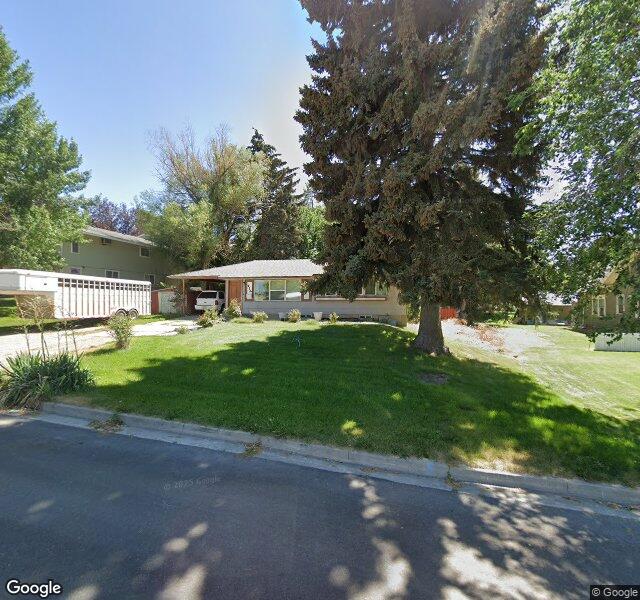
How Does Power County Skilled Nursing Facility Compare to Other Idaho Nursing Homes?

Compared to the 100 nursing homes in Idaho, POWER COUNTY SKILLED NURSING FACILITY's overall rating (1 stars) is below the state average of 3.2, staff turnover (43%) is near the state average of 46%, and health inspection rating (1 stars) is much below the national benchmark.

What Should Families Ask When Visiting Power County Skilled Nursing Facility?

Based on this facility's data, families visiting should ask: "Can I visit during a mealtime to observe dining assistance and food quality?" "How do you handle medical emergencies, and what is your hospital transfer rate?" "Can I speak with family members of current residents about their experience?"

Is Power County Skilled Nursing Facility Safe?

Based on CMS inspection data, POWER COUNTY SKILLED NURSING FACILITY has documented safety concerns. The facility is currently on the Special Focus Facility watch list (a federal program monitoring the lowest-performing 1% of nursing homes nationwide). The facility has a 1-star overall rating and ranks #100 of 100 nursing homes in Idaho. Families considering this facility should ask detailed questions about what corrective actions have been taken since these incidents.

Do Nurses at Power County Skilled Nursing Facility Stick Around?

POWER COUNTY SKILLED NURSING FACILITY has a staff turnover rate of 43%, which is about average for Idaho nursing homes (state average: 46%). Moderate turnover is common in nursing homes, but families should still ask about staff tenure and how the facility maintains care continuity when employees leave.

Was Power County Skilled Nursing Facility Ever Fined?

POWER COUNTY SKILLED NURSING FACILITY has no federal fines on record. CMS issues fines when nursing homes fail to meet care standards or don't correct problems found during inspections. The absence of fines suggests the facility has either maintained compliance or corrected any issues before penalties were assessed. This is a positive indicator, though families should still review recent inspection reports for the full picture.

Is Power County Skilled Nursing Facility on Any Federal Watch List?

POWER COUNTY SKILLED NURSING FACILITY is currently an SFF Candidate, meaning CMS has identified it as potentially qualifying for the Special Focus Facility watch list. SFF Candidates have a history of serious deficiencies but haven't yet reached the threshold for full SFF designation. The facility is being monitored more closely — if problems continue, it may be added to the official watch list. Families should ask what the facility is doing to address the issues that led to this status.