ASHTON MEMORIAL LIVING CENTER
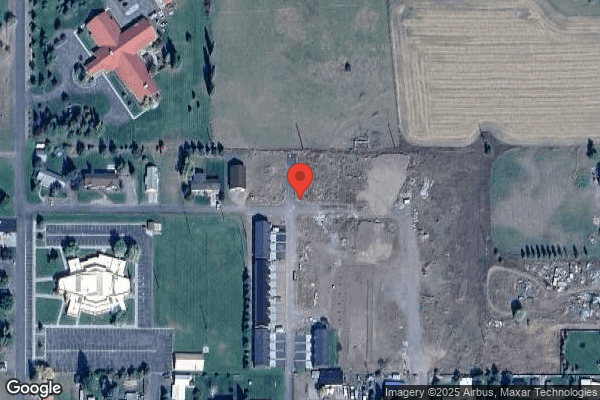
700 NORTH SECOND STREET, ASHTON, ID 83420 (208) 652-7461
Non profit - Corporation 38 Beds Independent Data: November 2025
Trust Grade
85/100
#2 of 79 in ID
Last Inspection: November 2024

Within standard 12-15 month inspection cycle. Federal law requires annual inspections.

Overview

Ashton Memorial Living Center has a Trust Grade of B+, which means it is above average and recommended for potential residents. It ranks #2 out of 79 facilities in Idaho, placing it in the top half, and is the only option in Fremont County, indicating strong local standing. However, the facility is experiencing a worsening trend, with issues increasing from 8 in 2019 to 10 in 2024. Staffing is a notable strength, with a rating of 5 out of 5 stars and a turnover rate of 32%, which is significantly lower than the state average of 47%. The facility has not incurred any fines, which is encouraging, but it does have average RN coverage, meaning that while RNs are present, there may not be as much oversight as in some other facilities. There were several specific issues noted during inspections, including concerns about food safety practices, as food was not stored properly, risking potential contamination for residents. Additionally, some Certified Nursing Assistants (CNAs) did not receive the required ongoing education, which raises concerns about the quality of care provided. Finally, there were failures in maintaining proper infection control, as staff did not consistently encourage residents to wash their hands before meals, increasing the risk of cross-contamination. While the facility has strong staffing and no fines, these identified issues suggest that families should carefully consider these factors when researching options.

Trust Score
B+
85/100
In Idaho
#2/79
Top 2%
Safety Record
Low Risk
No red flags
Inspections
Getting Worse
8 → 10 violations
Staff Stability
○ Average
32% turnover. Near Idaho's 48% average. Typical for the industry.
Penalties
✓ Good
No fines on record. Clean compliance history, better than most Idaho facilities.
Skilled Nurses
✓ Good
Each resident gets 61 minutes of Registered Nurse (RN) attention daily — more than 97% of Idaho nursing homes. RNs are the most trained staff who catch health problems before they become serious.
Violations
⚠ Watch
18 deficiencies on record. Higher than average. Multiple issues found across inspections.
★★★★★
5.0
Overall Rating
★★★★★
5.0
Staff Levels
★★★★★
5.0
Care Quality
★★★☆☆
3.0
Inspection Score
Stable
2019: 8 issues
2024: 10 issues

The Good

  • 5-Star Staffing Rating · Excellent nurse staffing levels
  • 5-Star Quality Measures · Strong clinical quality outcomes
  • Full Sprinkler Coverage · Fire safety systems throughout facility
  • No fines on record
  • Staff turnover below average (32%)

    16 points below Idaho average of 48%

Facility shows strength in staffing levels, quality measures, fire safety.

The Bad

Staff Turnover: 32%

14pts below Idaho avg (46%)

Typical for the industry

The Ugly 18 deficiencies on record

Nov 2024 10 deficiencies
CONCERN (D)

Potential for Harm - no one hurt, but risky conditions existed

Deficiency F0582 (Tag F0582)

Could have caused harm · This affected 1 resident

**NOTE- TERMS IN BRACKETS HAVE BEEN EDITED TO PROTECT CONFIDENTIALITY** Based on record review and staff interview, it was determined the facility failed to provide the Advance Beneficiary Notice (CMS...

Read full inspector narrative →
**NOTE- TERMS IN BRACKETS HAVE BEEN EDITED TO PROTECT CONFIDENTIALITY** Based on record review and staff interview, it was determined the facility failed to provide the Advance Beneficiary Notice (CMS-10055 form) for 3 of 3 residents (#7, #19, and #25) reviewed for beneficiary protection notification. This deficient practice had the potential to cause financial harm or distress for residents when they were not informed of their potential liability for payment when their Medicare Part A benefits ended. Findings include: 1. Resident #7 was admitted to the facility on [DATE], with multiple diagnoses including chronic kidney disease and sepsis. A Skilled Nursing Facility Beneficiary Notification Review documented Resident #7's Medicare A benefit ended on 5/23/24. Resident #7's medical record did not include an Advance Beneficiary Notice (ABN). 2. Resident #19 was admitted to the facility on [DATE], with multiple diagnoses including dementia and hypertension. A Skilled Nursing Facility Beneficiary Notification Review documented Resident #19's Medicare A benefit ended on 5/28/24. Resident #19's medical record did not include an Advance Beneficiary Notice (ABN). 3. Resident #25 was admitted to the facility on [DATE], and readmitted on [DATE], with multiple diagnoses including Parkinson's disease (a chronic, progressive brain disorder that affects the nervous system and causes movement problems) and lumbar vertebra fracture. A Skilled Nursing Facility Beneficiary Notification Review documented Resident #25's Medicare A benefit ended on 7/21/24. Resident #25's medical record did not include an Advance Beneficiary Notice (ABN). On 11/6/24 at 11:51 AM, the DNS confirmed the facility had not completed ABNs for Residents #7, #19, and #25 whose Medicare A benefits ended.
CONCERN (D)

Potential for Harm - no one hurt, but risky conditions existed

Assessment Accuracy (Tag F0641)

Could have caused harm · This affected 1 resident

**NOTE- TERMS IN BRACKETS HAVE BEEN EDITED TO PROTECT CONFIDENTIALITY** Based on interview and record review, it was determined the facility failed to ensure the MDS assessments accurately reflected r...

Read full inspector narrative →
**NOTE- TERMS IN BRACKETS HAVE BEEN EDITED TO PROTECT CONFIDENTIALITY** Based on interview and record review, it was determined the facility failed to ensure the MDS assessments accurately reflected residents' status. This was true for 3 of 7 residents (#5, #7, and #14) whose MDS, care plan, and nursing assessments were reviewed. This deficient practice had the potential for negative outcomes if residents were not assessed, cared for, or monitored due to inaccurate assessments. Findings include: Appendix PP of the State Operations Manual, revised 8/8/24, documented the assessment must accurately reflect the resident's status at the time of the assessment. 1. Resident #5 was admitted to the facility on [DATE], and readmitted [DATE], with multiple diagnoses including chronic respiratory failure with hypoxia (occurs when the body does not have enough oxygen in the blood) and atrial fibrillation. Resident #5's MDS assessments, dated 1/30/24, 4/25/24, and 5/17/24, documented her height was 66 inches. Resident #5's MDS assessment, dated 8/16/24, documented her height was 69 inches. On 11/7/24 at 8:00 AM, the DNS stated Resident #5's MDS assessment of height should have been accurate. 2. Resident #7 was admitted to the facility on [DATE], with multiple diagnoses including chronic kidney disease and sepsis. Resident #7's MDS assessment, dated 2/21/24, documented her height was 66 inches. Resident #7's MDS assessments, dated 5/23/24 and 8/22/24, documented her height was 60 inches. On 11/7/24 at 8:02 AM, the DNS stated that Resident #7's MDS assessment of height should have been accurate. 3. Resident #14 was admitted to the facility on [DATE], with multiple diagnoses including heart failure, sepsis, and UTI. Resident #14's medical record included a PASARR Level II completed on 11/7/22. A Significant Change in Status assessment, dated 11/8/22, documented Resident #14 had a diagnosis of a serious mental illness and required a PASARR Level II evaluation. On 11/6/23, one year after her PASARR Level II was completed, Resident #14's annual MDS assessment did not document a PASARR Level II evaluation had been completed. On 11/5/24 at 2:20 PM, the DNS confirmed Resident #14's annual MDS assessment, dated 11/6/23, did not document a PASARR Level II evaluation was completed.
CONCERN (D)

Potential for Harm - no one hurt, but risky conditions existed

PASARR Coordination (Tag F0644)

Could have caused harm · This affected 1 resident

**NOTE- TERMS IN BRACKETS HAVE BEEN EDITED TO PROTECT CONFIDENTIALITY** Based on record review, policy review, and staff interview, it was determined the facility failed to refer residents for further...

Read full inspector narrative →
**NOTE- TERMS IN BRACKETS HAVE BEEN EDITED TO PROTECT CONFIDENTIALITY** Based on record review, policy review, and staff interview, it was determined the facility failed to refer residents for further evaluation when residents were diagnosed with a major mental illness, intellectual disability, or a related condition. This was true for 1 of 3 residents (Resident #27) reviewed for PASARR Level II evaluations. This deficient practice had the potential to cause harm if resident's specialized services for mental health needs were not evaluated by an appropriate state-designated authority. Findings include: The facility's admission Criteria policy, dated March 2019, documented, All new admissions and readmissions are screened for mental disorders (MD), intellectual disabilities (ID), or related disorders (RD) per the Medicaid Pre-admission Screening and Resident Review (PASARR) process. Resident #27 was admitted to the facility on [DATE], with multiple diagnoses including heart failure, hypertension, and developmental delay. On 3/15/24, Resident #27's admission MDS assessment documented a diagnosis of development delay. On 11/5/24 at 2:20 PM, the DNS confirmed Resident #27 should have had a PASARR Level II evaluation completed.
CONCERN (D)

Potential for Harm - no one hurt, but risky conditions existed

Quality of Care (Tag F0684)

Could have caused harm · This affected 1 resident

**NOTE- TERMS IN BRACKETS HAVE BEEN EDITED TO PROTECT CONFIDENTIALITY** Based on observation, policy review, record review, and staff interview, it was determined the facility failed to ensure profess...

Read full inspector narrative →
**NOTE- TERMS IN BRACKETS HAVE BEEN EDITED TO PROTECT CONFIDENTIALITY** Based on observation, policy review, record review, and staff interview, it was determined the facility failed to ensure professional standards of practice for wound care were followed for 1 of 1 resident, (Resident #3), reviewed for wound care. This deficient practice created the potential for resident harm, or adverse outcomes related to infection and skin breakdown. Findings include: The Facility's Wound Care policy, undated, documented under Steps in the Procedure #13. Dress wound. Pick up sponge with paper and apply directly to area. [NAME] tape with initials, time, and date and apply to dressing. Resident #3 was admitted to the facility on [DATE], with multiple diagnoses including diabetes and chronic respiratory failure with hypoxia (which occurs when the body does not have enough oxygen in the blood). On 11/4/24 at 11:16 AM, Resident #3's left leg was observed to have two undated bandages. On 11/7/24 at 8:03 AM, the DNS stated it was the facility policy and expectation that staff date and initial all wound bandages when they are changed.
CONCERN (D)

Potential for Harm - no one hurt, but risky conditions existed

Staffing Information (Tag F0732)

Could have caused harm · This affected 1 resident

Based on observation, document review, and staff interviews, the facility failed to ensure a completed daily staffing sheet had been posted in the nursing facility. This deficient practice had the pot...

Read full inspector narrative →
Based on observation, document review, and staff interviews, the facility failed to ensure a completed daily staffing sheet had been posted in the nursing facility. This deficient practice had the potential to affect all residents residing in the facility and their representatives, visitors, and others who wanted to review the facility's staffing levels. Findings include: On 11/4/24 at 8:00 AM, it was observed the posted facility daily staffing sheet had been left blank. On 11/4/24 at 8:01 AM, the DNS stated the posted facility daily staffing sheet should be completed at the beginning of the shift, which started at 6:00 AM. On 11/4/24 at 9:25 AM, it was observed the posted facility daily staffing sheet remained blank.
CONCERN (D)

Potential for Harm - no one hurt, but risky conditions existed

Deficiency F0757 (Tag F0757)

Could have caused harm · This affected 1 resident

**NOTE- TERMS IN BRACKETS HAVE BEEN EDITED TO PROTECT CONFIDENTIALITY** Based on observation, record review, and interview, it was determined the facility failed to obtain an order for prescription me...

Read full inspector narrative →
**NOTE- TERMS IN BRACKETS HAVE BEEN EDITED TO PROTECT CONFIDENTIALITY** Based on observation, record review, and interview, it was determined the facility failed to obtain an order for prescription medicine. This was true for 1 of 1 resident (Resident #3), reviewed for oxygen usage. This deficient practice created the potential for resident harm or adverse outcomes with the use of non-prescribed medical oxygen. Findings include: Resident #3 was admitted to the facility on [DATE], with multiple diagnoses including diabetes and chronic respiratory failure with hypoxia (which occurs when the body does not have enough oxygen in the blood). On 11/4/24 at 11:15 AM, an oxygen concentrator was observed in Resident #3's room. On 11/4/24 at 11:16 AM, Resident #3 stated he only used the oxygen at night and when sleeping in his recliner chair. Resident #3's medical record did not include a physician's order for oxygen therapy. Resident #3's progress notes, dated 10/29/24 at 3:03 AM, and 11/3/24 at 3:08 AM, documented, Resident is now asleep in bed with oxygen in place. Resident #3's care plan dated 8/8/24, documented he used, oxygen at night and during the day as needed to keep oxygen saturations >90%. Administer oxygen at 2 liters per minute via nasal cannula nocturnally and as needed. On 11/6/24 at 3:41 PM, the DNS stated the physician had not ordered oxygen for Resident #3 since he was admitted on [DATE], and should have.
CONCERN (D)

Potential for Harm - no one hurt, but risky conditions existed

Deficiency F0761 (Tag F0761)

Could have caused harm · This affected 1 resident

Based on observation, policy review, and staff interview, it was determined the facility failed to ensure medications available for residents were stored appropriately. This was true for the 1 medicat...

Read full inspector narrative →
Based on observation, policy review, and staff interview, it was determined the facility failed to ensure medications available for residents were stored appropriately. This was true for the 1 medication storage room inspected. This failure created the potential for misappropriation of residents' medications. Findings include: The facility's Control Substance policy, revised on 11/16/22, documented the facility would comply with all laws, regulations, and other requirements related to the handling, storage, disposal, and documentation of Schedule II and other control substances. On 11/5/24 at 2:05 PM, during an inspection of the medication storage room, with LPN #1 present, the facility's emergency narcotic kit was observed in a plastic box, secured with a plastic zip tie, in an unlocked medication storage refrigerator. On 11/5/24 at 2:11 PM, LPN #1 stated the narcotic emergency kit contained Ativan (a controlled substance used to treat anxiety disorders). She stated the narcotic emergency box should have been double locked. On 11/6/24 at 9:46 AM, the DNS stated narcotics should be double locked.
CONCERN (E)

Potential for Harm - no one hurt, but risky conditions existed

Deficiency F0730 (Tag F0730)

Could have caused harm · This affected multiple residents

Based on staff interview and review of employee personal files, it was determined the facility failed to provide a minimum of 12 hours of in-service education per year for 3 of 18 CNAs (#4, #5, and #7...

Read full inspector narrative →
Based on staff interview and review of employee personal files, it was determined the facility failed to provide a minimum of 12 hours of in-service education per year for 3 of 18 CNAs (#4, #5, and #7) whose personnel records were reviewed. Additionally, the facility failed to ensure each CNA's annual performance reviews were completed at least once every 12 months for 3 of 3 CNAs (#2, #4, and #5) whose personnel records were reviewed for sufficient and competent CNA staffing. This failure created the potential for incompetent CNAs providing care and increased the risk for harm for all residents living in the facility. Findings include: The following personnel records were reviewed on 11/6/24 for 12 hours of in-service education: 1. CNA #4's personnel record documented her hire date was 8/25/14. CNA #4's in-service tracking records did not document in-service hours for 2023 or 2024. 2. CNA #5's personnel record documented her hire date was 12/23/19. CNA #5's in-service tracking records did not document in-service hours for 2023 or 2024. 3. CNA #7's employee file documented her hire date was 4/20/23. CNA #7's in-service tracking records documented she had a total of 1.25 hours for 2023 through 2024. On 11/6/24 at 3:45 PM, the HR Director stated the CNAs should have had the 12-hours of annual in-service education. The following personnel records were reviewed on 11/6/24 for annual performance reviews: 1. CNA #2's personnel record documented her initial hire date was 10/13/20. CNA #2's personnel record did not have documentation an annual evaluation had been completed since she was hired. 2. CNA #4's personnel record documented her hire date was 8/25/14. CNA #4's personnel record documented her last annual evaluation was completed on 10/25/20. 3. CNA #5's personnel record documented her hire date was 12/23/19. CNA #5's personnel record did not have documentation an annual evaluation had been completed since she was hired. On 11/6/24 at 1:47 PM, the HR Director stated employee annual evaluations had not been performed since COVID in 2020. On 11/7/24 at 8:20 AM, the DNS stated staff evaluations slowed down in 2020 due to COVID, and annual evaluations had not been performed, but should have been.
CONCERN (E)

Potential for Harm - no one hurt, but risky conditions existed

Infection Control (Tag F0880)

Could have caused harm · This affected multiple residents

Based on policy review, observation, and staff interview, it was determined the facility failed to ensure infection control and prevention practices were maintained to provide a safe and sanitary envi...

Read full inspector narrative →
Based on policy review, observation, and staff interview, it was determined the facility failed to ensure infection control and prevention practices were maintained to provide a safe and sanitary environment when staff did not offer or encourage residents hand hygiene prior to meals served in their rooms, and follow appropriate cleaning of medical equipment. These failures had the potential to impact all residents in the facility by placing them at risk for cross contamination and infection. Findings include: The following hand hygiene issues were observed during meal travel delivery: 1. On 11/4/24 at 8:32 AM, CNA #2 did not encourage Resident #26 to perform hand hygiene before eating. On 11/4/24 at 8:37 AM, CNA #2 stated, I did not offer Resident #26 hand hygiene and I should have. 2. On 11/4/24 at 8:34 AM, CNA #1 did not encourage Resident #21 to perform hand hygiene before eating. On 11/4/24 at 8:40 AM, CNA #1 stated I did not offer hand hygiene to Resident #21 and I should have. 3. On 11/4/24 at 8:44 AM, CNA #3 did not encourage Resident #19 to perform hand hygiene before eating. On 11/4/24 at 8:46 AM, CNA #3 stated she did not offer Resident #19 hand hygiene and I should have. 11/07/24 08:04 AM, the DNS stated the CNAs should have offered hand hygiene to residents who are being served their meals in their rooms. The Facility's Glucometer Cleaning policy, undated, directed staff members to clean and disinfect glucometers after each use. The following was observed for cleaning of medical equipment: On 11/5/24 at 7:37 AM, RN #1 used the glucometer (a device used to measure the amount of glucose in your blood) to check Resident #3's blood sugar. RN #1 placed the glucometer back in the storage box without disinfecting it. On 11/5/24 at 7:46 AM, RN #1 stated the glucometer was Resident #3's personal glucometer, so she did not need to clean it every time it had been used. On 11/6/24 at 9:39 AM, the DNS stated the glucometers were to be cleaned after each use.
CONCERN (F)

Potential for Harm - no one hurt, but risky conditions existed

Food Safety (Tag F0812)

Could have caused harm · This affected most or all residents

Based on observation, food code review, and staff interview, it was determined the facility failed to ensure the food was stored in a safe and sanitary manner. These deficiencies had the potential to ...

Read full inspector narrative →
Based on observation, food code review, and staff interview, it was determined the facility failed to ensure the food was stored in a safe and sanitary manner. These deficiencies had the potential to affect all residents who consumed food prepared by the facility. This placed residents at risk for potential contamination of food and adverse health outcomes, including food-borne illnesses. Findings include: The FDA (Food Drug Administration) 2022 Food Code, Section 3-501.17 documented on-premises preparation Prepare and hold cold 3-501.17 Ready-to-Eat, Time/Temperature Control for Safety Food, Date Marking. (A) Except when PACKAGING FOOD using a REDUCED OXYGEN PACKAGING method as specified under § 3-502.12, and except as specified in (E) and (F) of this section, refrigerated, READY-TO-EAT, TIME/TEMPERATURE CONTROL FOR SAFETY FOOD prepared and held in a FOOD ESTABLISHMENT for more than 24 hours shall be clearly marked to indicate the date or day by which the FOOD shall be consumed on the PREMISES, sold, or discarded when held at a temperature of 5ºC (41ºF) or less for a maximum of 7 days. The day of preparation shall be counted as Day 1. During the initial kitchen inspection conducted on 11/4/24 at 7:54 AM, the following was observed: In the walk-in refrigerator: - loose tomatoes on the shelf with no received or use-by dates - open container of Ranch dressing with no open or use-by date - container of Italian dressing with an open date of 7/23/24, and no use-by date - container of Caesar dressing with an open date of 9/24/24, and no use-by date On 11/4/24 at 8:00 AM, the Food Service Manager stated the tomatoes should have been in a container and dated. She also stated the open dressings should have been dated.
Nov 2019 8 deficiencies
CONCERN (D)

Potential for Harm - no one hurt, but risky conditions existed

Deficiency F0578 (Tag F0578)

Could have caused harm · This affected 1 resident

**NOTE- TERMS IN BRACKETS HAVE BEEN EDITED TO PROTECT CONFIDENTIALITY** Based on record review, policy review, and staff interview, it was determined the facility failed to ensure residents' records i...

Read full inspector narrative →
**NOTE- TERMS IN BRACKETS HAVE BEEN EDITED TO PROTECT CONFIDENTIALITY** Based on record review, policy review, and staff interview, it was determined the facility failed to ensure residents' records included clear and accurate information related to Advance Directives. This was true for 2 of 8 residents (#10 and #20) reviewed for Advance Directives. This failure created the potential for harm should residents not have their decisions documented, honored, and respected when they were unable to make or communicate their health care preferences. Findings include: The State Operations Manual, Appendix PP, defines an Advance directive as a written instruction, such as a living will or durable power of attorney for health care, recognized under State law (whether statutory or as recognized by the courts of the State), relating to the provision of health care when the individual is incapacitated. Physician Orders for Life-Sustaining Treatment (or POST) paradigm form is a form designed to improve patient care by creating a portable medical order form that records patients' treatment wishes so that emergency personnel know what treatments the patient wants in the event of a medical emergency, taking the patient's current medical condition into consideration. A POST paradigm form is not an advance directive. The facility's Advance Directives policy and procedure, revised December 2016, documented upon admission residents had the right to refuse or accept medical or surgical treatment and to formulate an Advance Directive. If the resident indicated that he or she did not have an Advance Directive, the facility staff provided assistance to establish an Advance Directive. If the resident was incapacitated and unable to receive information about his or her right to formulate an Advance Directive, the information may be provided to the resident's legal representative. Information about whether or not the resident had executed an Advance Directive should be displayed prominently in the medical record. An Advance Directives/Medical Treatment Decisions form used by the facility included a section with a check box which stated I have chosen to formulate and issue the following Advanced Directives. I understand it is my responsibility to provide the facility copies of all pertinent documentation which verify those advance directives specified below for placement in my medical record. Options to choose from under this section included Medical Durable Power of Attorney, Guardian, Do Not Resuscitate, Do Not Hospitalize, Organ Donation, Autopsy Request, Feeding Restrictions and Type, Medication Restrictions and Type, Other Treatment Restrictions and Type, and Other Advance Directives and Type. There were two columns beside each option for facility staff to initial and document the date evidence of the selected Advance Directives were received by the facility. Another check box documented I do not choose to formulate or issue any Advance Directives at this time. I want efforts made to prolong my life and want life-sustaining treatment to be provided. The bottom section of the form included spaces for the signature and date of signature for the resident, resident representative, and facility representative and title. a. Resident #10 was admitted to the facility on [DATE], with multiple diagnoses which included Alzheimer's Disease. An annual MDS assessment, dated 7/25/19, documented Resident #10 was severely cognitively impaired. An Advance Directives/Medical Treatment Decisions form included in Resident #10's record, signed by her representative on 8/1/19, had the box checked which stated I have chosen to formulate and issue the following Advanced Directives. I understand it is my responsibility to provide the facility copies of all pertinent documentation which verify those advance directives specified below for placement in my medical record. The box was checked indicating Resident #10's had Advance Directives. Check boxes were also marked documenting Resident #10 had a living will and Medical Durable Power of Attorney and feeding restrictions of No IV; No feeding tube. The form documented the Medical Power of Attorney was received at the facility on 3/8/17. The form did not include documentation of a date of receipt of Resident #10's living will. Resident #10's record did not include a copy of a living will or Medical Durable Power of Attorney. On 10/30/19 at 3:03 PM, LPN #1 said the upon admission Advance Directives were discussed with the resident and their representative, and each quarter the IDT reviewed the Advance Directive with the resident and the representative. LPN #1 then provided a copy of Resident #10's Durable Power of Attorney, dated 10/24/13, which documented This power of attorney does not authorize the agent to make health care decisions for you, unless you state otherwise in the Special instructions The Special instructions section did not include documentation authorizing the Durable Power of Attorney to make health care decisions for Resident #10. b. Resident #20 was admitted to the facility on [DATE], with multiple diagnoses which included traumatic subdural hemorrhage (a type of bleeding that occurs outside the brain) without loss of consciousness. A quarterly MDS assessment, dated 8/19/19, documented Resident #20 was moderately cognitively impaired. An Advance Directives/Medical Treatment Decisions form included in Resident #20's record, signed by his representative on 5/30/19, had the box checked which stated I have chosen to formulate and issue the following Advanced Directives. I understand it is my responsibility to provide the facility copies of all pertinent documentation which verify those advance directives specified below for placement in my medical record. The representative selected the option No Not Resuscitate and the facility documented receipt of evidence of this on 5/30/19. The form also documented Feeding Tube ask family. The representative also documented Resident #20 was to receive IV fluids. The form did not include documentation Resident #20 had a Medical Durable Power of Attorney or a living will. Resident #20's record did not include documentation of Advance Directives, such as a living will or Durable Power of Attorney for Healthcare. On 10/30/19 at 3:03 PM, LPN #1 provided a copy of Resident #20's Idaho Statutory Form Power of Attorney, dated 6/11/19, which documented This power of attorney does not authorize the agent to make health care decisions for you. The Idaho Statutory Form Power of Attorney documented appointment of a conservator of Resident #20's estate. It did not authorize the conservator to make health care decision for Resident #20. On 10/31/19 at 9:31 AM, LPN #1, together with the DON, said when Resident #10 and Resident #20's records documented the Advance Directive were reviewed, it was the Advance Directives/Medical Treatment Decisions form that was reviewed with the residents and/or their representatives.
CONCERN (D)

Potential for Harm - no one hurt, but risky conditions existed

Transfer Notice (Tag F0623)

Could have caused harm · This affected 1 resident

**NOTE- TERMS IN BRACKETS HAVE BEEN EDITED TO PROTECT CONFIDENTIALITY** Based on record review, policy review, and resident and staff interview, the facility failed to ensure written notice was provid...

Read full inspector narrative →
**NOTE- TERMS IN BRACKETS HAVE BEEN EDITED TO PROTECT CONFIDENTIALITY** Based on record review, policy review, and resident and staff interview, the facility failed to ensure written notice was provided to the resident and resident's representative prior to transfer to the hospital. This was true for 1 of 1 resident (Resident #9) reviewed for transfer/discharge to the hospital. This created the potential for harm if residents were not made aware of or able to exercise their rights related to transfers. Findings include: The facility's policy and procedure for Transfer or Discharge Notice, updated December 2016, documented when transfer is emergent the facility transfer or discharge notice would be given as soon as practicable but before the transfer or discharge. The resident and/or representative would be notified in writing the reason for the transfer and the location of transfer. This policy was not followed. Resident #9 was admitted to the facility on [DATE], with multiple diagnoses including hereditary and idiopathic neuropathy (damage to the nerves that carry information from the brain and spinal cord, to the rest of the body, and interferes with the functioning), osteoarthritis, and chronic pain. A Progress Note, dated 7/17/19 at 1:30 AM, documented Resident #9 was found in her room by staff and Resident #9 stated she had tripped and broken her ankle. Resident #9's record documented on 7/17/19 at 2:13 AM she left by ambulance to go to a local hospital. Resident #9's record did not include documentation of a written notice of transfer given to her and her representative. On 10/28/19 at 3:50 PM, Resident #9 stated she was unable to recall if she had received paperwork regarding her transfer to the hospital on 7/17/19. On 10/31/19 at 11:27 AM, the DON said she was unable to find documentation in Resident#9's record of transfer paperwork given to Resident #9 and her representative.
CONCERN (D)

Potential for Harm - no one hurt, but risky conditions existed

Comprehensive Care Plan (Tag F0656)

Could have caused harm · This affected 1 resident

**NOTE- TERMS IN BRACKETS HAVE BEEN EDITED TO PROTECT CONFIDENTIALITY** Based on record review, policy review, and staff interview, it was determined the facility failed to ensure comprehensive reside...

Read full inspector narrative →
**NOTE- TERMS IN BRACKETS HAVE BEEN EDITED TO PROTECT CONFIDENTIALITY** Based on record review, policy review, and staff interview, it was determined the facility failed to ensure comprehensive resident-centered care plans included the use of tab/chair alarm. This was true for 2 of 12 residents (#20 and #129) whose care plan were reviewed. This failure created the potential for harm should residents receive inappropriate or inadequate care. Findings include: The facility's Comprehensive Care Plan Policy statement, revised December 2016, documented The comprehensive, person centered care plan will describe the services that are to be furnished to attain or maintain the resident's highest practicable physical, mental and psychosocial well-being. 1. Resident #20 was admitted to the facility on [DATE], with multiple diagnoses which included traumatic subdural hemorrhage. A quarterly MDS assessment, dated 8/19/19, documented Resident #20 was moderately cognitively impaired and dependent on one staff member for all cares except for eating and drinking. On 10/29/19 at 10:14 AM, Resident #20 was in bed and a floor mat alarm was observed on the floor. On 10/29/19 at 11:25 AM, Resident #20 was in his wheelchair with chair/tab alarm attached on the back of his wheelchair. Resident #20's care plan did not document the use of the chair and floor mat alarms. On 10/31/19 at 9:05 AM, the DON said Resident #20's the chair and floor mat alarms should be on the care plan and he did not see them documented on the care plan. 2. Resident #129 was admitted to the facility on [DATE], with multiple diagnoses which included Parkinson's disease (a progressive nervous system disorder that affects movement). A physician's order, dated 9/20/19, documented Resident #129 may use a tab alarm while in his recliner and wheelchair. An admission MDS assessment, dated 9/27/19. documented Resident #129 was severely cognitively impaired and he used a chair alarm. On 10/28/19 at 2:46 PM, Resident #129 was observed sitting in the recliner with chair/tab alarm attached to the recliner. On 10/29/19 at 2:01 PM, Resident #129 was sitting in his wheelchair with a tab alarm attached on the back of his wheelchair. Resident #129's care plan did not document the use of the chair/tab alarm. On 10/31/19 at 8:46 AM, the DON said Resident #129's chair/tab alarm should be on the care plan and he did not see it documented on the care plan.
CONCERN (D)

Potential for Harm - no one hurt, but risky conditions existed

ADL Care (Tag F0677)

Could have caused harm · This affected 1 resident

**NOTE- TERMS IN BRACKETS HAVE BEEN EDITED TO PROTECT CONFIDENTIALITY** Based on observation, record review, and staff interview, it was determined the facility failed to ensure residents were assiste...

Read full inspector narrative →
**NOTE- TERMS IN BRACKETS HAVE BEEN EDITED TO PROTECT CONFIDENTIALITY** Based on observation, record review, and staff interview, it was determined the facility failed to ensure residents were assisted with hand hygiene. This was true for 1 of 12 residents (Resident #10) reviewed for ADL care. This failure created the potential for harm by potentially exposing residents to the risk of infection. Findings include: Resident #10 was admitted to the facility on [DATE], with multiple diagnoses which included Alzheimer's disease. An annual MDS assessment, dated 7/25/19, documented Resident #10 was severely cognitively impaired and she required extensive assistance of one to two persons for most ADLs. On 10/28/19 at 4:44 PM, CNA #1 and CNA #2 were observed as they assisted Resident #10 to stand up using the Sara lift (a sit to stand lift). CNA #1 and CNA #2 then wheeled Resident #10 to the restroom. Inside the restroom Resident #10 was observed to touch her genitalia using her right hand as soon as CNA #2 removed the resident's incontinence brief. CNA #1 took Resident #10's hand and asked Resident #10 to hold on the Sara lift's grab bar. CNA #2 proceeded to clean Resident #10's periarea and then applied new incontinence brief to the resident. CNA #1 and CNA #2 then removed their gloves and performed hand hygiene and assisted Resident #10 to stand using the sit to stand lift. CNA #1 and CNA #2 did not assist Resident #10 with hand hygiene after she used the restroom. On 10/29/19 at 3:44 PM, CNA #1 and CNA #2 were observed as they assisted Resident #10 to stand up using the Sara lift. CNA #1 and CNA #2 then wheeled Resident #10 to the restroom. Inside the restroom, CNA #2 removed Resident #10's incontinence brief soiled with fecal matter. While Resident #10 was being cleaned by CNA #2, Resident #10 was holding on the Sara lift grab bar, she then dangled her hand then touched the arm of CNA #1 who was standing in front of her with the Sara lift, and then Resident #10 touched her lower abdomen. Resident #10 repeatedly held on to the grab bar and touched CNA #1's arm while CNA #2 was completing pericare. At one-point Resident #10 was observed to hold on to CNA #2's left gloved hand. When CNA #1 and CNA #2 finished performing pericare to Resident #10, both CNAs removed their gloves and performed hand hygiene. CNA #1 and CNA #2 assisted Resident #10 to transfer to her wheelchair using the Sara lift. CNA #1 and CNA #2 did not assist Resident #10 with hand hygiene after she used the restroom. On 10/29/19 at 4:10 PM, CNA #2 said she did not wash Resident #10's hands after using the restroom. CNA #2 said she should have washed Resident #10's hands when she finished with her pericare. On 10/29/19 at 4:13 PM, CNA #1 said she did not wash Resident #10's hands after they assisted her to the restroom. CNA #1 said she should have washed Resident #10's hands after they were finished with her pericare.
CONCERN (D)

Potential for Harm - no one hurt, but risky conditions existed

Medication Errors (Tag F0758)

Could have caused harm · This affected 1 resident

**NOTE- TERMS IN BRACKETS HAVE BEEN EDITED TO PROTECT CONFIDENTIALITY** Based on record review, policy review, and staff interview, it was determined the facility failed to ensure residents received g...

Read full inspector narrative →
**NOTE- TERMS IN BRACKETS HAVE BEEN EDITED TO PROTECT CONFIDENTIALITY** Based on record review, policy review, and staff interview, it was determined the facility failed to ensure residents received gradual dose reductions (GDR) of psychotropic medications unless clinically contraindicated. This was true for 1 of 5 residents (Resident #12) reviewed for unnecessary medications. This failure created the potential for harm if residents receive psychotropic medications that were unwarranted, ineffective, and used for excessive duration. Findings include: The facility's Tapering Medications and Gradual Drug Dose Reduction policy and procedure, dated April 2007, directed staff to attempt a GDR of psychotropic medications at least annually unless clinically contraindicated. This policy was not followed. Resident #12 was admitted to the facility on [DATE], with multiple diagnoses including depression, hemiplegia (total or partial paralysis of one side of the body) and hemiparesis (weakness of one entire side of the body). Resident #12's physician orders, dated 6/2/16 documented he received duloxetine 60 mg (milligrams) delayed release capsule daily. On 3/8/18 the order changed to document duloxetine 30 mg delayed release capsule once a day with a 60 mg tablet of duloxetine to equal 90 mg per day. The physician orders did not include an indication for use of the duloxetine. Resident #12's care plan documented Resident #12 received duloxetine for treatment of depression. A pharmacist's progress note, undated, with a print date of 5/10/18, documented no medication changes had occurred since the last pharmacist visit and Resident #12's behaviors continued at status quo, with no positive changes. The note further documented No concerns. A pharmacist's progress note, undated, with a print date of 9/12/18, documented a note would be sent to Resident #12's physician regarding review of the duloxetine dosage. The pharmacist's note to the physician, undated, with a print date of 9/12/19, documented Resident #12's depression scores were low and the pharmacist did not see other overt signs and symptoms of depression. The note further stated Resident #12 did continue with unabated negative behaviors. On 9/18/18, the physician responded to the note by ordering a GDR of the duloxetine from 90 mg daily to 60 mg daily. On 10/11/18 Resident #12's physician orders documented an increase of the duloxetine back to the previous dosage of 30 mg delayed release capsule to be given with 60 mg delayed release capsule to equal 90 mg of delayed release duloxetine per day. The order did not include an indication for the use of the duloxetine. A pharmacist's progress note, undated, with a print date of 10/15/18, documented a GDR was completed for the duloxetine on 9/18/18, and after that Resident #12's negative behaviors escalated rapidly and the dose was increased back to 90 mg daily. The note documented Resident #12 continued to receive a 30 mg extended release capsule and a 60 mg extended release capsule for depression which were given together daily for a total of 90 mg. Resident #12's record did not include documentation of a GDR for duloxetine after 9/18/18. Resident #12's MAR for August, September, and October 2019 documented he received duloxetine 30 mg delayed release capsule taken once a day with a 60 mg delayed release capsule of duloxetine to equal 90 mg per day. On 10/31/19 at 1:28 PM, the DON said Resident #12's record did not document a GDR was attempted since 9/18/18.
CONCERN (E)

Potential for Harm - no one hurt, but risky conditions existed

Deficiency F0604 (Tag F0604)

Could have caused harm · This affected multiple residents

**NOTE- TERMS IN BRACKETS HAVE BEEN EDITED TO PROTECT CONFIDENTIALITY** Based on observation, staff interview, and record and policy review, it was determined the facility failed to ensure position ch...

Read full inspector narrative →
**NOTE- TERMS IN BRACKETS HAVE BEEN EDITED TO PROTECT CONFIDENTIALITY** Based on observation, staff interview, and record and policy review, it was determined the facility failed to ensure position change alarms, floor mat alarms, and seat belt alarms were assessed as potential restraints and a consent was obtained from the resident and/or representatives prior to initiation of the alarms. This was true for 4 of 4 residents (#10, #20, #22 and #129) reviewed for potential restraints. This deficient practice had the potential for harm if the position change devices were improperly used and if resident experienced physical deterioration due to lack of movement. Findings include: The facility's Fall Investigation and Prevention Programs policy, undated, documented upon admission, residents would be evaluated for risk of falls. If the resident was at risk for falls, a Fall Risk Assessment Matrix Observation form would be completed by the DON. The policy also documented no alarms or restraints would be place on any resident without evaluation by the IDT and subsequent approval and order by the physician. IDT would review falls and make recommendations to the physician as it deemed necessary for alarms or restraint for resident safety. 1. Resident #10 was admitted to the facility on [DATE], with multiple diagnoses which included Alzheimer's Disease. A physician's order, dated 9/20/18, documented Resident #10 may continue to use the tab alarm and floor mat alarm for prevention of falls due to Alzheimer's Disease and her inability to make safe decisions. An annual MDS assessment, dated 7/25/19, documented Resident #10 was severely cognitively impaired and she required extensive assistance of one to two person for most ADLs. Resident #10's Fall care plan documented she used a seat belt alarm, floor mat alarm, and a chair/wheelchair tab alarm, for fall prevention. Resident #10's record did not include an assessment of her risk for falls. On 10/31/19 at 2:46 PM, Medical Record Personnel #1 said she did not find Resident #10's Fall Risk assessment. Resident #10's record did not include an assessment of her use of the floor mat, seat belt, and chair alarms as potential restraints. On 10/28/19 at 2:25 PM, 10/28/19 at 4:44 PM and 10/29/19 at 12:11 PM, Resident #10 was observed in her wheelchair with a tab alarm attached to the back of her wheelchair. Resident #10's record did not include an assessment of her use of the floor mat, seat belt, and tab/chair alarms as potential restraints. On 10/30/19 at 10:36 AM, the DON, together with LPN #1, said Resident #10's representative requested the position alarms. The DON said the IDT obtained a verbal consent from Resident #10's representative and Resident #10 was assessed for the use of position alarms. The DON said the IDT determined it was safe for Resident #10 to use the position alarms, but they did not document the assessment. The DON and LPN #1 said they did not consider the position alarms as potential restraints. 2. Resident #20 was admitted to the facility on [DATE], with multiple diagnoses which included traumatic subdural hemorrhage (bleeding that often occurs outside the brain as a result of a severe head injury). A quarterly MDS assessment, dated 8/19/19, documented Resident #20 was moderately cognitively impaired and dependent on one staff member for all cares except for eating and drinking. Resident #20's Fall Risk assessment, dated 5/14/19, documented he was a high risk for falls. Intervention included Falls Prevention Program and a referral to Occupational Therapy and Physical Therapy. On 10/29/19 at 10:14 AM, Resident #20 was in bed and a floor mat alarm was observed on the floor. On 10/29/19 at 11:25 AM, Resident #20 was in his wheelchair with a chair/tab alarm attached on the back of his wheelchair. Resident #20's record did not include an assessment of his use of floor mat and chair alarms as potential restraints. On 10/30/19 at 10:36 AM, the DON, together with LPN #1, said Resident #20's representative requested the position alarms. The DON said the IDT obtained a verbal consent from Resident #20's representative and Resident #20 was assessed for the use of position alarms. The DON said the IDT determined it was safe for Resident #20 to use the position alarms, but there was no documentation of the assessments. 3. Resident #22 was admitted to the facility on [DATE] and was readmitted on [DATE], with multiple diagnoses which included major depressive disorder. A physician's order, dated 3/22/18, documented Resident #22 may continue to use her pressure alarm in her bed alarm and tab alarm while in chair for fall prevention. A quarterly MDS assessment, dated 9/9/19, documented Resident #22 was severely cognitively impaired and she used bed and chair alarms. Resident #22's Fall care plan, documented she was a high risk for falls and staff was directed to make sure Resident #22's bed and chair alarms were properly placed. Resident #22's record did not include an assessment of her risk for falls. On 10/31/19 at 2:46 PM, Medical Record Personnel #1 said she did not find Resident #22's Fall Risk assessment. Resident #22's record also did not include an assessment of her use of bed and chair alarm as potential restraints. On 10/29/19 at 10:30 AM, Resident #22 was observed in her wheelchair with an alarm attached on the back of her wheelchair. On 10/30/19 at 10:36 AM, the DON said the IDT obtained a verbal consent from Resident #20's representative and Resident #20 was assessed for the use of position alarms. The DON said the IDT determined it was safe for Resident #22 to use the position alarms, but they did not document the assessment. 4. Resident #129 was admitted to the facility on [DATE], with multiple diagnoses which included Parkinson's disease (a progressive nervous system disorder that affects movement). A physician's order, dated 9/20/19, documented Resident #129 may use a floor mat alarm and tab alarm while in the recliner and wheelchair. An admission MDS assessment, dated 9/27/19, documented Resident #129 was severely cognitively impaired and he used chair and floor mat alarms. Resident #129's record did not include an assessment of his risk for falls. On 10/28/19 at 2:46 PM, Resident #129 was observed sitting in the recliner with a tab alarm attached to the recliner. On 10/29/19 at 2:01 PM, Resident #129 was sitting in his wheelchair with a tab alarm attached on the back of his wheelchair. Resident #129's record also did not include an assessment of his use of the floor mat and wheelchair/tab alarms as potential restraints. On 10/31/19 at 8:46 AM, the DON said the IDT obtained a verbal consent from Resident #129's representative and Resident #129 was assessed for the use of position alarms. The DON said Resident #129 was assessed for the use of the position alarms. The DON said IDT determined it was safe for Resident #129 to use the position alarms, but they did not document the assessments.
CONCERN (E)

Potential for Harm - no one hurt, but risky conditions existed

Accident Prevention (Tag F0689)

Could have caused harm · This affected multiple residents

Based on observation, policy review, resident and staff interview, it was determined the facility failed to ensure the residents' environment was free from accident hazards when thresholds were too hi...

Read full inspector narrative →
Based on observation, policy review, resident and staff interview, it was determined the facility failed to ensure the residents' environment was free from accident hazards when thresholds were too high in 2 of 2 dining rooms. This was true for 5 of 12 residents (#1, #13, #19, #20, and #26) reviewed for accident hazards and 1 of 11 residents (Resident #5) in the group interview. This deficient practice created the potential for harm if residents fell due to trip hazards. Findings include: The facility's safety policy, dated July 2017, documented staff were trained to identify and report safety risks and environmental hazards to prevent avoidable accidents. This policy was not followed. On 10/29/19 at 9:13 AM, Resident #19 said he had difficulty maneuvering over the hump in the main dining room with his wheelchair. He said CNAs also had trouble helping residents over the hump. On 10/29/19 at 9:32 AM, the main dining room had a 1 and 1/2-inch wide hard rubber threshold that separated the carpet and laminate floor that ran parallel just right of the entrance door. The threshold was 11 feet long and then turned at a right angle that ran perpendicular for 15 feet to the right wall. The inside area of the threshold was laminate flooring and the rest of the dining room was carpet flooring. On 10/29/19 at 9:34 AM, the assisted dining room had a 1 and 1/2-inch wide hard rubber threshold that was 3 foot-long and separated the hallway carpet floor with the dining room laminate floor. On 10/29/19 from 11:25 AM to 11:46 AM, the following were observed in the assisted and main dining rooms: * At 11:25 AM, Resident #20 unsuccessfully attempted to self-propel his wheelchair over the hallway threshold two times into the assisted dining room. The Activity Director told him that she would assist him and pushed his wheelchair over the threshold. * At 11:32 AM, CNA #4 assisted Resident #13 in her wheelchair into the main dining room and over the parallel section of the threshold and onto the laminate floor. The front right wheel then caught on the perpendicular section of the threshold which abruptly stopped the wheelchair's momentum. CNA #4 then pressed her right foot on Resident #13's wheelchair rear extender bar and pressed down with her hands onto the wheelchair handles which elevated the front wheels over the threshold. CNA #4 then assisted her to her table on the carpeted section of the main dining room. * At 11:39 AM, Resident #26 used her walker to maneuver over the parallel section of the threshold and onto the laminate floor. Her walker's front right wheel then caught on the perpendicular section of the threshold which abruptly stopped her momentum. CNA #5 who had walked beside Resident #26, picked up the walker so the wheel could clear the threshold. Three legs of Resident #26's dining room chair were on the laminate section and the back-right leg was on the carpet when CNA #5 assisted her into the chair. CNA #5 then lifted the back-right corner of the chair over the threshold and onto the laminate floor. * At 11:46 AM, Resident #1 self-propelled his wheelchair into the main dining room and proceeded to pass over the parallel section of the threshold and onto the laminate floor. He unsuccessfully attempted to cross over the perpendicular section of the threshold and his wheelchair rolled back. Resident #1 then leaned forward in his wheelchair and self-propelled over the perpendicular section of the threshold. He then proceeded to his table on the carpeted section of the dining room. On 10/30/19 at 10:03 AM, during a group interview, Resident #5 said sometimes it was difficult to move her walker over the hump in the main dining room. On 10/30/19 at 10:46 AM, CNA #4 said the bump in the dining room was a pain to maneuver over. She said she had to put her foot on Resident #13's wheelchair bar, the previous day, in order to get her wheelchair over the threshold. CNA #4 said the threshold had been a problem for at least a year. On 10/30/19 at 11:10 AM, CNA #5 said she assisted Resident #26 over the threshold, the previous day, when her walker wheel was stuck. She said she was careful in helping residents over the threshold, so they did not fall. CNA #5 said several staff members knew about the threshold difficulty and was unaware of any plans to correct the concern. On 10/30/19 at 1:56 PM, the Maintenance Representative measured the thresholds in the assisted and main dining rooms. He said the threshold was 1 and 1/2-inches wide and 1/2-inch high. He said the threshold could be a safety issue for residents.
CONCERN (E)

Potential for Harm - no one hurt, but risky conditions existed

Infection Control (Tag F0880)

Could have caused harm · This affected multiple residents

Based on observation, staff interview and policy review, it was determined the facility failed to ensure infection control measures were consistently implemented. This was true for 3 of 3 residents (#...

Read full inspector narrative →
Based on observation, staff interview and policy review, it was determined the facility failed to ensure infection control measures were consistently implemented. This was true for 3 of 3 residents (#1, #10 and #25) when staff failed to perform hand hygiene between resident contact. Additionally, it was determined the facility failed to ensure a Sara lift used to safely transfer residents to a standing position was cleaned after each use. These deficient practices created the potential for the spread of infectious organisms from cross-contamination. Findings include: 1. The facility's Handwashing/Hand Hygiene policy, revised August 2019, directed staff to use an alcohol based hand rub containing at 62% alcohol or alternatively soap and water before and after direct contact with residents. This policy was not followed: On 10/29/19 at 3:26 PM, CNA #3 asked Resident #1 if the surveyor could see his legs. Resident #1 said yes. CNA #3, with his bared hands, removed Resident #1's shoes and socks. The surveyor then asked CNA #3 to put Resident #1's shoes and socks back on, which he did. CNA #1 then left the room without performing hand hygiene. CNA #3 walked to the fireplace area and talked to Resident #25 then shook Resident #25's hand before leaving the area. CNA #3 was then observed to walk to the TV (Television) area and talk to Resident #10. CNA #3 shook Resident #10's hand before leaving the TV area. On 10/29/19 at 3:35 PM, CNA #3 said hand hygiene was performed before and after resident contact. CNA #3 said he did not perform hand hygiene after removing and putting back Resident #1's shoes and socks. CNA #3 said he also did not perform hand hygiene between his interactions with Resident #25 and Resident #10. 2. The facility's Cleaning and Disinfecting Non-Critical Resident-Care Items policy, revised June 2011, directed staff to clean and disinfect reusable items in between residents uses. This was not followed: On 10/29/19 at 3:44 PM, CNA #1 and CNA #2 were observed as they assisted Resident #10 to stand up using the Sara lift (sit to stand lift). CNA #1 and CNA #2 then wheeled Resident #10 to the restroom. Inside the restroom, CNA #2 removed Resident #10's incontinence brief soiled with fecal matter. While Resident #10 was being cleaned by CNA #2, Resident #10 was holding on to the Sara lift grab bar. She then dangled her hand then touched the arm of CNA #1 who was standing in front of her with the Sara lift, and then Resident #10 touched her lower abdomen. Resident #10 repeatedly held on to the grab bar and touched CNA #1's arm while CNA #2 was performing pericare. At one point Resident #10 was observed to hold on to CNA #2's left gloved hand. When CNA #1 and CNA #2 finished performing pericare to Resident #10, both CNAs removed their gloves and performed hand hygiene. CNA #1 and CNA #2 assisted Resident #10 to transfer to her wheelchair using the Sara lift. CNA #2 then wheeled Resident #10 to the TV area. CNA #1 took the Sara lift and said she would bring it back to the storage area. CNA #1 did not clean or sanitize the Sara lift after it was use by Resident #10. On 10/29/19 at 3:58 PM, CNA #1 was about to enter the storage area with the Sara lift when CNA #6 said she needed the Sara lift for another resident. CNA #6 took the Sara lift and went to the TV area and assisted a resident to transfer from the recliner to her wheelchair. CNA #6 did not clean or sanitize the Sara lift before using it to help transfer the resident. On 10/29/19 at 4:45 PM, CNA #6 said she did not clean the Sara lift when she used it to help transfer a resident from the recliner to the resident's wheelchair. CNA #6 said she assumed the Sara lift was cleaned after it was used for Resident #10. On 10/30/19 at 9:27 AM, the DON said the Sara lift should be cleaned or wiped down after each resident use. 3. Refer to F677 as it relates to the failure of the facility to ensure residents were assisted with hand hygiene after toileting.
Understanding Severity Codes (click to expand)
Life-Threatening (Immediate Jeopardy)
J - Isolated K - Pattern L - Widespread
Actual Harm
G - Isolated H - Pattern I - Widespread
Potential for Harm
D - Isolated E - Pattern F - Widespread
No Harm (Minor)
A - Isolated B - Pattern C - Widespread

Questions to Ask on Your Visit

  • "Can I speak with families of current residents?"
  • "What's your RN coverage like on weekends and overnight?"

Our Honest Assessment

Strengths
  • • Grade B+ (85/100). Above average facility, better than most options in Idaho.
  • • No major safety red flags. No abuse findings, life-threatening violations, or SFF status.
  • • No fines on record. Clean compliance history, better than most Idaho facilities.
  • • 32% turnover. Below Idaho's 48% average. Good staff retention means consistent care.
Concerns
  • • 18 deficiencies on record. Higher than average. Multiple issues found across inspections.
Bottom line: Generally positive indicators. Standard due diligence and a personal visit recommended.

About This Facility

What is Ashton Memorial Living Center's CMS Rating?

CMS assigns ASHTON MEMORIAL LIVING CENTER an overall rating of 5 out of 5 stars, which is considered much above average nationally. Within Idaho, this rating places the facility higher than 99% of the state's 100 nursing homes. This rating reflects solid performance across the metrics CMS uses to evaluate nursing home quality.

How is Ashton Memorial Living Center Staffed?

CMS rates ASHTON MEMORIAL LIVING CENTER's staffing level at 5 out of 5 stars, which is much above average compared to other nursing homes. Staff turnover is 32%, compared to the Idaho average of 46%. This relatively stable workforce can support continuity of care.

What Have Inspectors Found at Ashton Memorial Living Center?

State health inspectors documented 18 deficiencies at ASHTON MEMORIAL LIVING CENTER during 2019 to 2024. These included: 18 with potential for harm.

Who Owns and Operates Ashton Memorial Living Center?

ASHTON MEMORIAL LIVING CENTER is owned by a non-profit organization. Non-profit facilities reinvest revenue into operations rather than distributing to shareholders. The facility operates independently rather than as part of a larger chain. With 38 certified beds and approximately 27 residents (about 71% occupancy), it is a smaller facility located in ASHTON, Idaho.

How Does Ashton Memorial Living Center Compare to Other Idaho Nursing Homes?

Compared to the 100 nursing homes in Idaho, ASHTON MEMORIAL LIVING CENTER's overall rating (5 stars) is above the state average of 3.3, staff turnover (32%) is significantly lower than the state average of 46%, and health inspection rating (3 stars) is at the national benchmark.

What Should Families Ask When Visiting Ashton Memorial Living Center?

Based on this facility's data, families visiting should ask: "Can I visit during a mealtime to observe dining assistance and food quality?" "How do you handle medical emergencies, and what is your hospital transfer rate?" "Can I speak with family members of current residents about their experience?"

Is Ashton Memorial Living Center Safe?

Based on CMS inspection data, ASHTON MEMORIAL LIVING CENTER has a clean safety record: no substantiated abuse findings (meaning no confirmed cases of resident harm), no Immediate Jeopardy citations (the most serious violation level indicating risk of serious injury or death), and is not on the Special Focus Facility watch list (a federal program monitoring the lowest-performing 1% of nursing homes). The facility has a 5-star overall rating and ranks #1 of 100 nursing homes in Idaho. While no facility is perfect, families should still ask about staff-to-resident ratios and recent inspection results during their visit.

Do Nurses at Ashton Memorial Living Center Stick Around?

ASHTON MEMORIAL LIVING CENTER has a staff turnover rate of 32%, which is about average for Idaho nursing homes (state average: 46%). Moderate turnover is common in nursing homes, but families should still ask about staff tenure and how the facility maintains care continuity when employees leave.

Was Ashton Memorial Living Center Ever Fined?

ASHTON MEMORIAL LIVING CENTER has no federal fines on record. CMS issues fines when nursing homes fail to meet care standards or don't correct problems found during inspections. The absence of fines suggests the facility has either maintained compliance or corrected any issues before penalties were assessed. This is a positive indicator, though families should still review recent inspection reports for the full picture.

Is Ashton Memorial Living Center on Any Federal Watch List?

ASHTON MEMORIAL LIVING CENTER is not on any federal watch list. The most significant is the Special Focus Facility (SFF) program, which identifies the bottom 1% of nursing homes nationally based on persistent, serious quality problems. Not being on this list means the facility has avoided the pattern of deficiencies that triggers enhanced federal oversight. This is a positive indicator, though families should still review the facility's inspection history directly.