COVE OF CASCADIA, THE
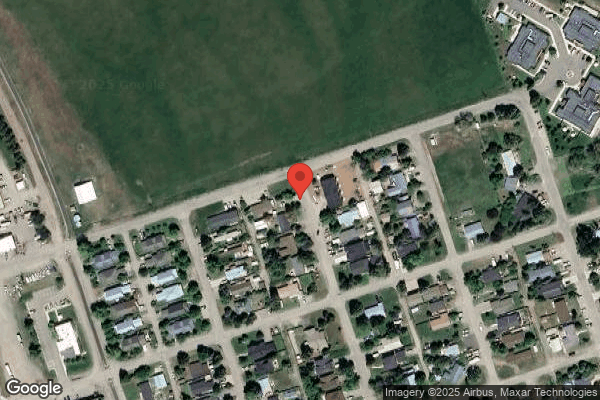

620 NORTH SIXTH STREET, BELLEVUE, ID 83313 (208) 788-7180
For profit - Limited Liability company 32 Beds CASCADIA HEALTHCARE Data: November 2025
Trust Grade
60/100
#44 of 79 in ID
Last Inspection: October 2024

Within standard 12-15 month inspection cycle. Federal law requires annual inspections.

Overview

Cove of Cascadia in Bellevue, Idaho, has a Trust Grade of C+, which means it is slightly above average but not exceptional. It ranks #44 out of 79 facilities in the state, placing it in the bottom half, while being the only option in Blaine County. The facility's conditions are stable, with 6 issues reported in both 2023 and 2024. Staffing is a strong point, rated 4 out of 5 stars, with a turnover rate of 33%, which is significantly lower than the state average. However, there are concerning findings, including a serious incident where a resident at risk for wandering was not adequately supervised, and multiple concerns regarding food safety practices that could lead to health risks for residents. Despite these weaknesses, the absence of fines and good RN coverage indicate some strengths in their operations.

Trust Score
C+
60/100
In Idaho
#44/79
Bottom 45%
Safety Record
Moderate
Needs review
Inspections
Holding Steady
6 → 6 violations
Staff Stability
○ Average
33% turnover. Near Idaho's 48% average. Typical for the industry.
Penalties
✓ Good
No fines on record. Clean compliance history, better than most Idaho facilities.
Skilled Nurses
✓ Good
Each resident gets 75 minutes of Registered Nurse (RN) attention daily — more than 97% of Idaho nursing homes. RNs are the most trained staff who catch health problems before they become serious.
Violations
⚠ Watch
18 deficiencies on record. Higher than average. Multiple issues found across inspections.
★★★☆☆
3.0
Overall Rating
★★★★☆
4.0
Staff Levels
★★★★☆
4.0
Care Quality
★★★☆☆
3.0
Inspection Score
Stable
2023: 6 issues
2024: 6 issues

The Good

  • 4-Star Staffing Rating · Above-average nurse staffing levels
  • 4-Star Quality Measures · Strong clinical quality outcomes
  • Full Sprinkler Coverage · Fire safety systems throughout facility
  • No fines on record
  • Staff turnover below average (33%)

    15 points below Idaho average of 48%

Facility shows strength in staffing levels, quality measures, fire safety.

The Bad

3-Star Overall Rating

Near Idaho average (3.3)

Meets federal standards, typical of most facilities

Staff Turnover: 33%

13pts below Idaho avg (46%)

Typical for the industry

Chain: CASCADIA HEALTHCARE

Part of a multi-facility chain

Ask about local staffing decisions and management

The Ugly 18 deficiencies on record

1 actual harm
Oct 2024 6 deficiencies 1 Harm
SERIOUS (G)

Actual Harm - a resident was hurt due to facility failures

Accident Prevention (Tag F0689)

A resident was harmed · This affected 1 resident

**NOTE- TERMS IN BRACKETS HAVE BEEN EDITED TO PROTECT CONFIDENTIALITY** Based on record review and staff interview, it was determined the facility failed to provide adequate supervision and functionin...

Read full inspector narrative →
**NOTE- TERMS IN BRACKETS HAVE BEEN EDITED TO PROTECT CONFIDENTIALITY** Based on record review and staff interview, it was determined the facility failed to provide adequate supervision and functioning devices to prevent elopement and fall. This was true for 1 of 6 residents (Resident #29) reviewed for accidents and elopement. This deficiency created the potential for physical harm (Resident #29 was harmed) if residents were not supervised or assistive devices not functioning when residents at risk for elopement left the facility. Findings include: Resident #29 was admitted to the facility on [DATE], with multiple diagnoses including fractures of the right hip and pubic bone, prostate and bone cancer, and dementia. A quarterly MDS assessment, dated 8/23/24, documented Resident #29 was severely cognitively impaired. Resident #29's care plan, initiated on 1/14/24, documented the resident was at risk for wandering and elopement. His care plan was updated on 4/21/24, 6/26/24, 7/8/24, and 9/19/24, directing staff to provide the following interventions: Distract Resident #29 from wandering by offering pleasant diversions, structured activities, food, conversation, television, books; Provide structured activities; Place Wander Alert on Wheelchair; and Document number of aimless wandering episodes. A physician's order, dated 1/14/24 and 6/29/24, directed staff to place a Wander Alert on Resident #29's wheelchair. A consent was signed on 11/20/23, and 6/9/24. A nursing progress noted, dated 8/15/24, documented Resident #29 attempted to get out the front door and set off the wander alarm. He had been wandering for 22 days previously. An I&A report, dated 8/31/24, documented Resident #29 was found in the parking lot of the facility trying to get off the floor and into his wheelchair. Resident #29 was noted to have 0.5 cm by 2.8 cm laceration to his right temporal area, and abrasions to his right elbow and right pinky toe. The provider was notified and gave an order to send Resident #29 to the hospital. The I&A also documented the emergency exit alarm was turned off. An investigation report, dated 9/5/24, documented Resident #29 exited the facility using the emergency exit door with delayed egress. It appeared Resident #29 propelled his wheelchair on the sidewalk and two of his wheelchair wheels fell off the curb and potentially tripped his chair forward causing him to fall and hit head on the ground. The I&A documented Resident #29 was sent to the hospital. A hospital report, dated 8/31/24, documented Resident #29 had a right parietal scalp laceration roughly 3 cm long without contamination and no pulsatile bleeding. Resident #29 received laceration repair with four staples, to return in 5-7 days to have them removed. A nursing note, dated 9/10/24, documented Resident #29 had the staples removed. On 10/25/24 at 9:56 AM, the CEO and CNO, stated the Wander Alert is set for the front door as it doesn't lock during the day. A Wander Guard would have locked the front doors and an alarm at the front door would have alerted staff. However, the alarm guards are not set to the side doors. Resident #29 exited the side door and the fire alarm on that door did not sound. The CEO and CNO stated, they do not know why the side door alarm was not activated, but it is now checked twice per day to ensure the alarm is activated. The facility's investigation concluded Resident #29 the exterior [side] door alarms were not set. Resident #29 did have a wandering device placed on his wheelchair. Resident #29 propelled himself in his wheelchair outside the door and when his wheels fell off the curb, he lost his balance and fell out of his wheelchair. The facility took the following actions: - Monitoring the side door alarms at least twice per day per shift (up to four times per day). - Checking to ensure the Wander Guard is functional. These findings represent past non-compliance with this regulatory requirement. There was sufficient evidence the facility corrected the non-compliance as of 9/5/24, and there were no further occurrences Resident #29 wandered out of the facility. At the time of this survey the facility was in substantial compliance and therefore does not require a plan of correction.
CONCERN (D)

Potential for Harm - no one hurt, but risky conditions existed

Free from Abuse/Neglect (Tag F0600)

Could have caused harm · This affected 1 resident

**NOTE- TERMS IN BRACKETS HAVE BEEN EDITED TO PROTECT CONFIDENTIALITY** Based on observation, record review, policy review, review of the State Survey Long-Term Care Reporting Portal and interviews, i...

Read full inspector narrative →
**NOTE- TERMS IN BRACKETS HAVE BEEN EDITED TO PROTECT CONFIDENTIALITY** Based on observation, record review, policy review, review of the State Survey Long-Term Care Reporting Portal and interviews, it was determined the facility failed to ensure residents were free from abuse and neglect. This was true for 1 of 2 residents (Resident #8) reviewed for abuse and neglect. Resident #8 experienced physical and verbal abuse from another resident. This failure placed all residents at risk of ongoing abuse, potential physical and psychosocial harm. Findings include: The facility's Abuse policy, revised 8/1/23, documented the facility respects residents' rights to be free from abuse, neglect, misappropriation of resident property, and exploitation. The policy identified residents who are at most risk of neglect and abuse have dementia, or who have psychosocial, interactive, and/or behavioral dysfunction such as verbally aggressive behaviors and/or physically aggressive behavior. Additionally, residents are identified at risk for abusing other residents through family interviews, chart review, behavior monitoring, and mood and behavior triggers. Resident #8 was admitted to the facility on [DATE] with multiple diagnoses including pneumonia, diabetes, chronic obstructive pulmonary disease, and brain injury. A quarterly MDS assessment, dated 9/23/24, documented Resident #8 was cognitively intact. Resident #26 was admitted to the facility on [DATE] with multiple diagnoses including brain hemorrhage, and dementia. A quarterly MDS, dated [DATE], documented Resident #26 was severely cognitively impaired. Resident #8 and Resident #26 share a Suite which includes rooms adjacent to each other sharing a common bathroom and entry way, but each have private room space. A review of I&A reports investigated by the facility, and reported on time to the State LTC portal documented Resident #8 experienced physical and verbal abuse from Resident #26 as follows: Incident 1: On 5/23/24, Resident #26 was yelling at Resident #8. Resident #26 hit Resident #8 four times with a cup. A nursing progress note, dated 5/23/24, documented Resident #8 left her cup by a common area sink. When Resident #8 returned, her cup was missing and she asked if Resident #26 took it, to which Resident #26 responded, no. Resident #8 saw her cup on Resident #26's bedside table and reclaimed the cup. The residents began yelling at each other and calling each other curse words. Resident #26 hit Resident #8 four times with a different cup. According to Resident #8's statement, dated 5/24/24, Resident #26 hit her four times on the head with a different cup. The investigative summary, dated 5/24/24, documented that Resident #8 stated Resident #26 hit her in the head with the cup and called her a bitch. Resident #8 put her hands up to protect herself from Resident #26 slapping her before staff intervened. Resident #8 was offered another room to prevent a recurrence, but declined stating she likes her room and view. Resident #8 also stated Resident #26 would not remember the incident. Staff did not see any physical altercation between the residents, and no injuries were documented. Incident 2: On 7/29/24, Resident #26 threw juice on Resident #8 as she was rolling away in her wheelchair. The investigative summary, dated 8/2/24, documented Resident #26 was waiting at the kitchen window asking for juice when Resident #8 came to the window to ask for coffee. Resident #8 received her coffee first as the juice was not available at the same time. Resident #26 was verbally aggressive with Resident #8, who rolled away in her wheelchair. Resident #26 then threw her juice on Resident #8's back. No physical or mental injuries were identified. Resident #8 has no recollection of the incident. The facility stated they would continue to monitor. It was unclear what the facility would continue to monitor. A nursing progress note, dated 7/29/24, documented Resident #8 understood Resident #26 has cognition deficits, and Resident #8 was not distraught or wanting to move rooms after the incident. Incident 3: On 9/4/24, Resident #8 was rolling away from a verbal fight with Resident #26 and bumped into Resident #26. Resident #26 then punched Resident #8 in the shoulder three times. Resident #8 and Resident #26 were passing each other in the hallway going opposite directions. Words were exchanged between the two residents, and a nurse overhead Resident #26 calling Resident #8 a Fat Cow. Resident #8 turned her wheelchair around, hitting Resident #26 who claimed her foot had been run over. Resident #26 then hit Resident #8 in the shoulder/arm area three times. Nursing checked Resident #8's arm and noted there was a red area where Resident #26 hit her. Both Resident #8 and Resident #26 were inspected for skin injuries and bruising, and none were noted on Resident #26's foot or Resident #8's arm. The investigative summary, dated 9/10/24, documented the medication for both Resident #8 and Resident #26 was adjusted, and the facility would monitor changes in behavior, anger, anxiety, and depression. It was also recommended on moving one of the resident's when a room becomes available. On 10/25/24 at 8:45 AM, the Administrator and DON stated there had been no further incidents regarding Resident #8 and Resident #26 after their medication was adjusted. No comment was made as to why the residents were still in rooms adjacent to each other or why Resident #26 was not moved to another building of the facility. The facility's investigation concluded Resident #8 and Resident #26 have had several interactions of resident-to-resident abuse. The facility took the following actions: - They offered a change in room location to Resident #8. - They modified the medication of both Resident #8 and Resident #26. - They monitor the behavior of both residents of increases in anger, anxiety, and depression. - Staff training regarding resident-to-resident abuse on 9/10/24. These findings represent past non-compliance with this regulatory requirement. There was sufficient evidence the facility corrected the non-compliance as of 9/10/24, and there have been no further occurrences reported between Resident #8 and Resident #26, although they remain in adjacent rooms. At the time of this survey the facility was in substantial compliance and therefore does not require a plan of correction.
CONCERN (D)

Potential for Harm - no one hurt, but risky conditions existed

Deficiency F0657 (Tag F0657)

Could have caused harm · This affected 1 resident

**NOTE- TERMS IN BRACKETS HAVE BEEN EDITED TO PROTECT CONFIDENTIALITY** 2. Resident #32 was admitted to the facility on [DATE] with multiple diagnoses including major depressive disorder with psychoti...

Read full inspector narrative →
**NOTE- TERMS IN BRACKETS HAVE BEEN EDITED TO PROTECT CONFIDENTIALITY** 2. Resident #32 was admitted to the facility on [DATE] with multiple diagnoses including major depressive disorder with psychotic symptoms, dementia with agitation, mental disorders, brain injury, and parkinsonism. A quarterly MDS assessment, dated [DATE], documented Resident #32 was severely cognitively impaired. A review of Resident #32's care plan, dated [DATE] and revised on [DATE], documented an Advance Directive was in place and a full code was requested. On [DATE] at 9:26 AM, a review of Resident #32's record documented the following: - A POST (Physician Orders for Scope of Treatment), dated [DATE], signed by Resident #32, documented his code status was Full Code. A physician's progress note, dated [DATE], documented the physician spoke to the guardian about Resident's #32's condition, and she stated she did not want CPR, as aggressive interventions would increase Resident #32's distress without prolonging life. - A POST, dated [DATE], signed by the physician, documented Resident #32's code status of DNR (Do Not Resuscitate). On [DATE] at 3:55 PM, the CNO verified the updated POST from [DATE] was not added to Resident #32's care plan. She confirmed the care plan should have been updated, as needed, to reflect the change from full code to DNR and it was not. Based on record review, policy review, and staff interview, it was determined the facility failed to ensure residents' care plans were revised and updated. This was true for 2 of 12 residents (Resident #6 and Resident #32) whose care plans were reviewed. This created the potential for harm if cares and/or services were not provided appropriately due to inaccurate information on the care plan. Findings include: The facility's Care Plans policy, revised [DATE], documented a team of qualified persons monitors the resident's condition and effectiveness of the care plan interventions, revising the care plan quarterly, annually, with a significant change assessment or more frequently as needed with the input by the resident and/or the representative, to the extent possible. 1. Resident #6 was admitted to the facility on [DATE] and readmitted [DATE], with multiple diagnoses including personal history of traumatic brain injury and dysphagia (difficulty in swallowing). A care plan, revised [DATE], documented Resident #6 was a smoker and required supervision while smoking. Resident #6's care plan also documented he used cigarette extenders due to burning his fingers because he chose to smoke cigarettes down to the filter and refused to let staff put them out any sooner. On [DATE] at 9:12 AM, Resident #6 was observed in the smoking area with NA#1 standing next to him. Resident #6 was holding the cigarette with no extender. On [DATE] at 2:39 PM, the CNO stated Resident #1 no longer need the cigarette extender. The CNO stated the cigarette extender should have been taken out from his care plan and it was not.
CONCERN (D)

Potential for Harm - no one hurt, but risky conditions existed

Deficiency F0692 (Tag F0692)

Could have caused harm · This affected 1 resident

**NOTE- TERMS IN BRACKETS HAVE BEEN EDITED TO PROTECT CONFIDENTIALITY** Based on observation, record review, and staff interview, it was determined the facility failed to ensure nutrition was administ...

Read full inspector narrative →
**NOTE- TERMS IN BRACKETS HAVE BEEN EDITED TO PROTECT CONFIDENTIALITY** Based on observation, record review, and staff interview, it was determined the facility failed to ensure nutrition was administered as ordered by the physician for 1 of 2 residents (Resident #6) whose nutritional needs were reviewed. This deficient practice created the potential for harm when Resident #6 was not provided with physician ordered nutrition. Findings include: The International Dysphagia Diet Standardisation Initiative (IDDSI), documented the dental diet was previously known as Mechanical Diet. It was designed to provide a texture modification of the regular diet for patients without dysphagia who are in need of a texture modification. Meats are in ground form or small bit-size, moist, and mashable or flakable. All hard foods are omitted, or their form is altered. Resident #6 was admitted to the facility on [DATE] and readmitted [DATE], with multiple diagnoses including personal history of traumatic brain injury and dysphagia (difficulty in swallowing). A physician's order, directed staff to provide Resident #6 with dental/mechanical soft texture diet with thin consistency, extra sauce, and gravy on meals on scoop plate and built-up utensils for all meals. On 10/22/24 at 12:19 PM, Resident #6 was served ground chicken with mushrooms cut into slices, green beans, and pasta. Resident #6 started eating, when suddenly he started coughing. LPN #1 and AD quickly assisted Resident #6. LPN #1 was heard asking Resident #6 if he would like to be brought back to his room. Resident #6 responded yes, and LPN #1 and AD pushed his wheelchair back to his room. On 10/22/24 at 12:30 PM, the CDM stated Resident #6 was on mechanical soft diet. Resident #6's meal card did not indicate he was on mechanical soft diet. The CDM stated Resident #6's meal card should indicate what type of diet he was on, but it was not. The Surveyor then asked the CDM to bring Resident #6's meal to the Nurse's station. The ground chicken, green beans and pasta were easily mashed with a fork but not the mushrooms slices. When asked if the mushrooms were fresh mushroom or canned mushrooms. The CDM stated they were fresh mushrooms. The smallest mushroom slice noted was about 1 cm (centimeter) by 1 cm in size. The CDM stated the mushrooms were cut small but not small enough and should have been put into the food processor together with the chicken. On 10/22/24 at 1:20 PM, the [NAME] stated she knew Resident #6 was on mechanical diet. She stated she put the chicken and mushrooms into the food processor, and it was finished. The [NAME] stated she added some gravy to make it moist. The [NAME] stated when she ladled some gravy, she did not notice that some mushrooms came with it. On 10/22/24 at 4:17 PM, the CNO stated Resident #6 was on mechanical diet and should be indicated in his meal card. The CNO stated she did not know why Resident #6's diet information was not in his meal card. On 10/24/24 at 12:03 PM, the RD stated the mushroom should have been put in the food processor together with the chicken or been finely chopped.
CONCERN (D)

Potential for Harm - no one hurt, but risky conditions existed

Deficiency F0825 (Tag F0825)

Could have caused harm · This affected 1 resident

**NOTE- TERMS IN BRACKETS HAVE BEEN EDITED TO PROTECT CONFIDENTIALITY** Based on observation, record review, resident and staff interviews, it was determined the facility failed to ensure residents we...

Read full inspector narrative →
**NOTE- TERMS IN BRACKETS HAVE BEEN EDITED TO PROTECT CONFIDENTIALITY** Based on observation, record review, resident and staff interviews, it was determined the facility failed to ensure residents were provided with appropriate devices to support their body positioning while sitting in their wheelchair. This was true for 1 of 1 resident (Resident #11) reviewed for positioning. Resident #11 was at risk of neck and back discomfort when his head and neck were not supported while he was sitting in his wheelchair. Findings include: Resident #11 was admitted to the facility on [DATE] and readmitted 11//18/20, with multiple diagnoses including schizoaffective disorder, anemia, and benign prostatic hyperplasia (enlargement of the prostate gland). Resident #11 was observed as follows: - On 10/21/24 at 5:10 PM and on 10/22/24 at 12:21 PM, he was in the dining room sitting at the table together with three other male residents. His head was observed to be tilted to his right side while he was eating. There was a neck cushion behind his neck. - On 10/23/24 at 10:33 AM, he was sitting in the [NAME] common area together with other residents listening to the Activity Director (AD) as she reads the Chronicle. Resident #11's head was observed to be tilted to his right side with a neck cushion behind his neck. - On 10/23/24 at 11:37 AM, he was observed listening to the surveyor during the Resident Council meeting. His head was tilted to his right side with a neck cushion behind his neck. - On 10/24/24 at 10:00 AM, Surveyor entered Resident #11's room. He was sitting in his wheelchair and looked up at the Surveyor without moving his head. When asked how he was doing, Resident #11 stated he was fine. When asked how his neck was, Resident #11 without moving his head pointed to his neck and stated bad. - On 10/24/24 at 10:04 AM, the AD together with the Surveyor, entered Resident #11's room. The AD asked Resident #11 how his neck was, Resident #11 brought both hands to his neck and stated rotten. with his face grimacing. - On 10/24/24 at 10:07 AM, during the group exercise, Resident #11 was seated together with the other residents. The AD who also was the RNA Coordinator instructed the resident to turn their head to their right, left, up and down. Six residents participated in the neck exercises. Resident #11 was not observed to participate in the neck exercises. All throughout these observations, Resident #11 was not observed to bring his neck to neutral anatomical position. Resident #11 was not observed to have a device to support his head to prevent him from tilting his head to right side. On 10/23/24 at 4:23 PM, the Acting Director of Rehabilitation (DOR) stated he did not believe Resident #11 had a neck contractures. He stated Resident #11 was provided with a u-shaped pillow for his neck, but he refused to use it. When asked the last time he assessed Resident #11's head for positioning, the Acting DOR stated he will check Resident #11's record and come back to the Surveyor. On 10/23/24 at 1:57 PM, during a follow-up interview. The Acting DOR stated all residents in the facility are being assessed quarterly and as needed. The Acting DOR provided documentation Resident #11 was seen for PT (Physical Therapy) from 6/13/24 to 8/23/24. When asked if Resident #11's neck positioning was addressed, the Acting DOR stated he did not assess Resident #11's neck positioning since he was told Resident #11 was doing good with his neck exercises and he refused to use his neck pillow. When asked what other devices was recommended or tried to keep Resident #11's head in the neutral position. The Acting DOR stated no other devices were tried for Resident #11 to keep his head in the neutral position, The WebMD website, accessed on 10/30/24, documented abnormal head posture occurs when your head is at an angle with the body. The head moves away or tilts from its straight position. Abnormal head positions include: chin up, chin down, head tilting to the right or left and combinations of these abnormal head positions. The WebMD website also stated Abnormal head posture can lead to permanently tight neck muscles. It can cause long term neck pain or headache.
CONCERN (E)

Potential for Harm - no one hurt, but risky conditions existed

Food Safety (Tag F0812)

Could have caused harm · This affected multiple residents

**NOTE- TERMS IN BRACKETS HAVE BEEN EDITED TO PROTECT CONFIDENTIALITY** Based on observation and staff interview, it was determined the facility failed to ensure the kitchen equipment and environment ...

Read full inspector narrative →
**NOTE- TERMS IN BRACKETS HAVE BEEN EDITED TO PROTECT CONFIDENTIALITY** Based on observation and staff interview, it was determined the facility failed to ensure the kitchen equipment and environment was maintained, clean, and food was stored in a safe and sanitary manner. Additionally, the facility failed to ensure food was not exposed to cross-contamination while raw food was defrosting over cooked food. These deficiencies had the potential to affect the 69 residents who consumed food prepared by the facility. This placed residents at risk for potential contamination of food and adverse health outcomes, including food-borne illnesses. Findings include: The FDA (Food Drug Administration) Food Code Section 3-302.11 Preventing Food and Ingredient Contamination/Packaged and Unpackaged Food - Separation, Packaging, and Segregation. (A) Food shall be protected from cross-contamination by: .Separating raw food animal foods during storage, preparation, holding, and display from: (b) Cooked ready-to-eat food. The FDA Food Code Section 3-501.17 Ready-to-Eat, TCS (time/temperature control for safety) food, date marking, states marking the date or day the original container is opened in a food establishment, with a procedure to discard the food on or before the last date or day by which the food must be consumed on the premises, sold, or discarded. FDA Food Code Section 6-501.14 (A) documented cleaning ventilation systems intake and exhaust air ducts shall be cleaned so they are not a source of contamination by dust, dirt, and other materials. The facility's Food and Supply Storage policy, dated 11/28/2017, documented all food, non-food items, and supplies used in food preparation shall be stored in such a manner as to maintain safety and sanitation of the food or supply for human consumption as set forth in the FDA code, state regulations, and city/county health codes. - Guidelines for food storage: Section 9: In refrigerators, store cooked foods about fresh foods to prevent cross contamination. All raw meat, poultry, and fish should be stored on bottom shelves in coolers/refrigerators and in pas deep enough to contain any juice from products. - Labeling and rotating food supply: Section 1: For food products that are opened and completely used or prepared at the facility and stored, the product should be labeled as to its contents and use-by dates. The facility's Sanitizing Stationary Food Service Equipment and Food Contact Surfaces policy, dated 1/1/2018, documented proper cleaning and sanitizing station food service equipment (e.g., mixers, slicers, and other equipment that cannot be readily immersed in water) and food contact surfaces minimizes the growth of microorganisms that may result in food contamination. The cleaning and sanitation tasks are established on a cleaning schedule; assigned by employee position by shift and frequency. The initial kitchen inspection was conducted on 10/21/24 at 3:15 PM. The following was observed: - In the [NAME] Kitchen Refrigerator raw chicken was defrosting above packaged ready-to-eat hardboiled eggs. - In both [NAME] and [NAME] kitchen refrigerators, there was a build-up of hanging dust particles on the ceiling fans. A follow-up kitchen inspection was conducted on 10/24/24 at 11:15 AM with the CDM. The following was observed: - In both [NAME] and [NAME] kitchen refrigerators, there was a build-up of hanging dust particles on the ceiling fans. - Lettuce, dated 10/1/24, was in the [NAME] refrigerator. - Expired spices were found in the cabinet with the following expiration/use-by dates: Thyme leaves, (9/26/23); Garlic powder (11/14/23); Thyme powder - no date; Lemon pepper (9/11/20); Celery seed (10/25/22); Tarragon (2/4/20); Dill weed (9/27/22); Ground white pepper (8/22/23); Whole celery seed (10/25/22); undated chili powder; chicken seasoning (9/26/23); Poppy seed (9/22/20); nutmeg (1/27/23); Johnny's season salt - no date. breadcrumbs - no date; cayenne pepper (10/25/22). Spices stored in cabinet with temperature recorded at 81 degrees F. A review of the kitchen cleaning schedule for September and October 2024 documented the main refrigerator and freezer were not cleaned on 10/5/24, 10/19/24, and 10/20/24. On 10/10/24 at 3:45 PM, the CDM confirmed the spices in the cabinet should have been thrown away by the expiration or use-by date. She also stated morning and afternoon cooks will clean the refrigerators at the end of each shift. The CDM was not sure why there was a build-up of dust on the ventilation cooling fans.
Jun 2023 6 deficiencies
CONCERN (D) 📢 Someone Reported This

A family member, employee, or ombudsman was alarmed enough to file a formal complaint

Potential for Harm - no one hurt, but risky conditions existed

Quality of Care (Tag F0684)

Could have caused harm · This affected 1 resident

**NOTE- TERMS IN BRACKETS HAVE BEEN EDITED TO PROTECT CONFIDENTIALITY** 2. The facility's Prevention and Treatment of Pressure Ulcers and Other Skin Alterations policy, revised 7/13/18, stated the fac...

Read full inspector narrative →
**NOTE- TERMS IN BRACKETS HAVE BEEN EDITED TO PROTECT CONFIDENTIALITY** 2. The facility's Prevention and Treatment of Pressure Ulcers and Other Skin Alterations policy, revised 7/13/18, stated the facility had a system in place to promote skin integrity, prevent skin alterations, and prevent further development of additional skin alterations. Residents received weekly skin checks, to validate there were no unidentified skin concerns, and staff were to document the description of skin alterations. The policy further stated treatment of new non-pressure related wounds were initiated and the wounds were observed for signs and symptoms of infection. This policy was not followed. Resident #2 was admitted on [DATE], with multiple diagnoses including schizophrenia (a chronic mental disorder that affects the way a person thinks, acts, expresses emotion, perceives reality, and relates to others), depression, and chronic pain. Resident #2's care plan revised 6/7/23, stated Resident #2 picked at her face at times, and staff were directed to observe her skin during ADL care, notify the licensed nurse of skin integrity impairments, monitor/document location, size, and treatment of skin injury, report abnormalities, failure to heal, and signs and/or symptoms of infection to the physician. On 6/26/23 at 3:34 PM, Resident #2 was observed with multiple circular wounds on her face, varying in size from approximately pin size to the size of a pencil eraser. The lesions were located on the right lower quadrant of her face, her chin, and the bridge of her nose. The areas were crusted and inflamed with reddened edges. Resident #2 stated the lesions appeared after she washed her face on 6/23/23, the areas became itchy, and she scratched at them until they opened. Resident #2 stated no one from the facility assessed the marks on her face or offered medical treatment. A Weekly Skin Alteration Report, dated 6/27/23. did not include documentation of the lesions on Resident #2's face. During an interview on 6/28/23 at 10:59 AM, Resident #2 stated the lesions were painful and itchy. She stated she requested antibiotic ointment from the nurse, but it was never administered. Resident #2 stated no one assessed the lesions. On 6/28/23 at 2:13 PM, the CNO stated she did not observe the lesions on Resident #2's face but confirmed she had a history of picking her face and the marks should be treated, monitored for signs of infection, and documented on her skin assessment. On 6/29/23 at 11:49 AM, the ACNO stated it is common for Resident #2 to pick her face. The ACNO stated the lesions on her face were not documented. She stated first aid was not offered and the facility was not monitoring the lesions for signs or symptoms of infection. b. Resident #17 was admitted to the facility on [DATE], and re-admitted on [DATE], with multiple diagnosis including diabetes. Resident #17's MAR for May and June 2023 included the following order: - If Resident #17's BG was greater than 300 notify the physician and follow directives every shift, Resident #17's MAR for May and June 2023 documented his BG was greater than 300 as follows: - 5/3/23 = 315 at 11:30 AM - 5/6/23 = 307 at 4:30 PM - 5/10/23 = 309 at 9:30 PM - 5/11/23 = 314 at 9:30 PM - 6/1/23 = 301 at 4:30 PM - 6/6/23 = 308 at 9:30 PM - 6/10/23 = 310 at 4:30 PM - 6/11/23 = 313 at 9:30 PM - 6/13/23 = 321 at 9:30 PM - 6/15/23 = 352 at 4:30 PM - 6/16/23 = 351 at 4:30 PM - 6/17/23 = 304 at 9:30 PM - 6/18/23 = 304 at 4:30 PM - 6/22/23 = 309 at 4:30 PM - 6/26/23 = 333 at 11:30 AM - 6/26/23 = 301 at 4:30 PM - 6/27/23 =389 at 11:30 AM - 6/27/23 = 391 at 4:30 PM - 6/28/23 = 343 at 11:30 AM There was no documentation in Resident #17's record the physician was notified as directed in his MAR for BGs greater than 300. On 6/29/23 at 4:46 PM, the CNO stated there were no physician notifications for Resident #17 when his blood sugar levels were over 300. Based on policy review, record review, observation, and resident and staff interview, it was determined the facility failed to ensure resident care was provided in accordance with professional standards of nursing practice. This was true for 3 of 6 residents (Resident #2, #17, and #21) reviewed for quality of care. Specifically: - Resident #2's facial skin condition was not assessed. - Resident #17 and Resident #21's physicians were not notified of their high or low blood sugar levels as ordered. These failures created the potential for harm if care was delayed due to lack of assessment or physician notification. Findings include: 1. The facility's Diabetes Mellitus, Guidelines for Management policy, released 10/31/17, directed staff to notify the physician of a resident's blood glucose levels below or above the established ranges and implement any new orders as applicable. This policy was not followed. a. Resident #21 was admitted to the facility on [DATE], with multiple diagnoses including diabetes mellitus and dementia. Resident #21's physician order included the following: - Check blood glucose (BG) and follow directives. If blood glucose was less than 70 initiate hypoglycemic (low blood glucosoe) protocol and notify the physician as indicated. If BG was greater than 400 notify the physician and follow directives every shift, ordered 4/26/23. - Humalog KwikPen (quick-acting insulin) Injector 100 units/ml, inject 5 units subcutaneously (fatty tissue under skin) with meals, ordered 5/16/23. - Humalog KwikPen Injector 100 units/ml, inject as per sliding scale with meals as follows if BG was: 150 - 200 give 2 units 201 - 250 give 4 units 251 - 300 give 6 units 301 - 350 give 8 units 351 - 400 give 10 units If higher than 400 call the physician. - Lantus (long-acting insulin) SoloStar Pen Injector 100 units/ml, inject 35 units at bedtime, ordered 6/7/23. Resident #21's May and June 2023 MAR, documented his BG result was greater than 400 on the following dates: - 5/5/23 = 471 at 5:00 PM - 6/22/23 = 454 at 7:00 PM There was no documentation in Resident #21's records the physician was notified of his blood glucose when it was greater than 400. On 6/28/23 at 10:58 AM, the CNO reviewed Resident #21's record and stated she did not see the physician was notified of Resident #21's BG level when it was greater than 400 on the above dates. The CNO stated the physician should have been notified of the Resident #21's BG level if it was greater than 400.
CONCERN (D) 📢 Someone Reported This

A family member, employee, or ombudsman was alarmed enough to file a formal complaint

Potential for Harm - no one hurt, but risky conditions existed

Respiratory Care (Tag F0695)

Could have caused harm · This affected 1 resident

**NOTE- TERMS IN BRACKETS HAVE BEEN EDITED TO PROTECT CONFIDENTIALITY** Based on observation, record review, and staff interview, it was determined the facility failed to ensure residents received res...

Read full inspector narrative →
**NOTE- TERMS IN BRACKETS HAVE BEEN EDITED TO PROTECT CONFIDENTIALITY** Based on observation, record review, and staff interview, it was determined the facility failed to ensure residents received respiratory care for a resident receiving oxygen by nasal cannula. This was true for 1 of 4 residents (Resident #10) reviewed for respiratory care. This deficient practice had the potential for harm if the residents experienced discomfort from non-humidified oxygen. Findings include: Resident #10 was admitted to the facility on [DATE], and readmitted on [DATE], with multiple diagnoses including chronic respiratory failure with hypoxia (low oxygen levels in body tissues) and atrial fibrillation (an irregular and often fast heart rate). A quarterly MDS assessment, dated 3/29/23, documented Resident #10 received oxygen. Resident #10's June 2023 MAR, directed staff to change her oxygen tubing/nebulizer tubing, humidification bottle, and clean filter every week. On 6/26/23 at 2:33 PM, 6/27/23 at 9:02 AM and 9:52 AM, and 6/28/23 at 8:46 AM, Resident #10 was observed in her room receiving oxygen via nasal cannula at 5 liters. The humidifier (container of water attached to the oxygen concentrator) was empty and was dated 6/17. On 6/28/23 at 8:46 AM, CNA #1 was asked to check Resident #10's humidifier. CNA #1 stated it was empty and dated 6/17. CNA #1 stated the humidifier should be changed every Monday and as needed.
CONCERN (D) 📢 Someone Reported This

A family member, employee, or ombudsman was alarmed enough to file a formal complaint

Potential for Harm - no one hurt, but risky conditions existed

Deficiency F0726 (Tag F0726)

Could have caused harm · This affected 1 resident

**NOTE- TERMS IN BRACKETS HAVE BEEN EDITED TO PROTECT CONFIDENTIALITY** Based on observation, record review, and staff interview, it was determined the facility failed to ensure a licensed nurse had c...

Read full inspector narrative →
**NOTE- TERMS IN BRACKETS HAVE BEEN EDITED TO PROTECT CONFIDENTIALITY** Based on observation, record review, and staff interview, it was determined the facility failed to ensure a licensed nurse had competency for acting upon a significant change in condition of a resident who was unarousable resulting in emergent transfer to the hospital. This was true for 1 of 1 resident (Resident #8) who was observed experiencing a significant change in conditon. This deficient practice placed related to staff failing to recognize the resident's decline and need for emergent medical attention resulting in Resident #8's emergent transfer to the hospital. Findings include: The facility's Resident Change of Condition policy, dated 11/28/17, stated upon recognition of a potentially life-threatening condition or significant change in status, the nurse should communicate with other health care providers to meet the needs of the resident. The facility was to immediately consult with the resident's physician when there was a significant change in the resident's physical, mental, or psychosocial status and obtain a full set of vital signs. This policy was not followed. Resident #8 was admitted on [DATE], with multiple diagnoses including dementia, Parkinson's disease (a brain disorder that causes unintended or uncontrollable movements, such as shaking, stiffness, and difficulty with balance and coordination), depression, anxiety, psychosis (a condition of the mind that results in difficulties determining what is real and what is not real), and chronic pain. Resident #8's care plan documented to notify the nurse of any changes in drowsiness or lack of energy. Resident #8's care plan directed staff to monitor side effects of antipsychotic medications including sedation and drowsiness and to notify the physician. Resident #8's care plan also directed staff to monitor and document for side effects of pain medications and to report signficant changes in usual routine, sleep patterns, and decrease in functional abilities. Resident #8's June 2023 MAR included the following medications: - Seroquel (antipsychotic) 100 mg orallty two times a day for depression with severe psychotic symptoms and to monitor for side effects including sedation, drowsiness, and dry mouth. - Baclofen (muscle relaxant that can cause drwsiness) 20 mg orally three times a day for pain. - Oxycodone (opiod medication used to treat moderate to severe pain) 5 mg, one tablet orally three times a day related to chronic pain. - Fentanyl Transdermal Patch (opiod medication used to treat moderate to severe pain administered as a patch and absorbed through the skin) 75 mcg/hour; apply 1 patch transdermally every 72 hours for pain. The Drugs.com website, accessed 7/12/23, documented the following side effects for the above medications: - Seroquel: Common side efffects include somnolence (dowsiness) and sedation. - Baclofen: Common side effects include drowsiness and asthenia (abnormal physical weakness or lack of energy). - Oxycodone: Common side effects include sedation/somnolence. - Fentanyl Transdermal Patch: Common side effects include unusual tiredness or weakness. A progress note signed by LPN #1, dated 6/28/23 at 11:16 AM, documented Resident #8 was very sleepy/sedated and could not be woken up to drink his supplement. There was no documentation in Resident #8's record the physician was notified he was sleepy/sedated and could not be awakened, as directed in his care plan. On 6/28/23, at 5:15 PM, LPN #1 was observed during medication pass. LPN #1 was unable to rouse Resident #8 to take his medication. Resident #8 was lying in his bed, the skin on his face was drawn and pale, his eyes were closed and were sunken with dark circles, his mouth was hanging open and sticky mucus membranes were observed in his mouth. LPN #1 attempted to wake Resident #8 for approximately 10 minutes by gently shaking him and calling his name, applying Biofreeze (menthol pain relieving gel) and rubbing his neck and shoulders, and removing his hand splints and stimulating his hands and arms. Resident #8 did not respond to verbal stimulus, he would respond to physical stimulus by fluttering his eyelids, but not fully opening his eyes or vocalizing. During the same observation, LPN #1 stated Resident #8 was this way all day, he had not eaten, and struggled to wake enough to take his medications in the morning. She stated it was uncommon for him to be so sedated and he was usually easy to rouse when napping. LPN #1 stated she checked his vital signs that morning and they were within normal range. LPN #1 stated she would come back and see if Resident #8 woke up enough to take his medication at a later time. She stated she would check Resident #8's vital signs again after she finished passing medications for another resident. LPN #1 continued with medication pass. She did not notify Resident #8's physician he was unarousable. On 6/28/23 at 5:25 PM, 10 minutes later, LPN #1 stated for a second time she was going to check Resident #8's vital signs after she finished giving medications to another resident. On 6/28/23 at 5:48 PM, the survey team lead notified the CNO of the survey team's concern that Resident #8 may need immediate medical attention due to his prolonged unresponsiveness. At 5:54 PM, the ACEO was looking for the CNO and went to join her on the unit to check on Resident #8. A progress note signed by LPN #1, dated 6/28/23 at 5:53 PM, documented Resident #8 was sedated the entire shift, did not eat during the day, and his heart rate was 50 beats per minute. The Mayo Clinic website, accessed 7/12/23, documented a normal resting heart rate for adults ranges from 60 to 100 beats per minute. There was no documentation in Resident #8's record the physician was notified he was sedated the entire shift. On 6/28/23 at 6:25 PM, the ACEO stated Resident #8 was sent to the Emergency Department for further evaluation. She stated the CNO administered Narcan (a fast-acting emergency medication given when an opiate overdose is suspected) with no response from Resident #8. A progress note signed by the CNO, dated 6/28/23 at 6:26 PM, documented she was given a verbal order from the physician to give Resident #8 Narcan. The CNO administered 0.4 mg Narcan IM (intramuscular injection) as ordered by the physician for Resident #8 being difficult to arouse, very sleepy, and low [food and water] intake. The physician was called again five minutes after the Narcan was administered and there was no visible change in Resident #8's status. The CNO documented the physician directed staff to remove Resident #8's Fentanyl patch (a synthetic opiate medication patch used for severe pain) and call Emergency Medical Services to have Resident #8 transported to the Emergency Department for further assessment. A progress note signed by LPN #1, dated 6/28/23 at 6:49 PM, documented Resident #8 was mostly non-responsive today, more than his usual self. The note documented the CNAs reported very little food or liquid intake and Resident #8 was very difficult to rouse. The note further documented he took his morning medications, but not his evening medications. The note documented Resident #8 was transferred to the emergency room for further evaluation. There was no documentation in Resident #8's record the physician was notified he was mostly non-responsive during the day or that he was very difficult to rouse during the day shift prior to the progress note dated 6/28/23 at 6:26 PM.
CONCERN (D) 📢 Someone Reported This

A family member, employee, or ombudsman was alarmed enough to file a formal complaint

Potential for Harm - no one hurt, but risky conditions existed

Unnecessary Medications (Tag F0759)

Could have caused harm · This affected 1 resident

**NOTE- TERMS IN BRACKETS HAVE BEEN EDITED TO PROTECT CONFIDENTIALITY** Based on observation, record review, and staff interview, it was determined the facility failed to ensure the medication error r...

Read full inspector narrative →
**NOTE- TERMS IN BRACKETS HAVE BEEN EDITED TO PROTECT CONFIDENTIALITY** Based on observation, record review, and staff interview, it was determined the facility failed to ensure the medication error rate was less than 5%. This was true for 2 of 28 medications (7.14%) which affected 1 of 10 residents (Resident #29) whose medication administration was observed. This failed practice placed residents at risk of not receiving the prescribed dosage of their medication. Findings include: The facility's Eye Drop Administration policy, released 2/28/18, stated a sufficient contact time of approximately 3-5 minutes should be taken before applying additional medication to the eye. This policy was not followed. Resident #29 was admitted on [DATE], and readmitted on [DATE], with multiple diagnoses including glaucoma (a disease that damages the optic nerve resulting in loss of eyesight), kidney failure, and hypertension. On 6/28/23, at 4:49 PM, LPN #1 administered a medicated eye drop to Resident #29, giving 1 drop in each eye. LPN #1 waited approximately 15 seconds and administered a different medicated eye drop to Resident #29, giving 1 drop in each eye. On 6/29/23, at 4:35 PM, LPN #1 stated when giving more than one medicated eye drop she should wait 3-5 minutes between medications. LPN #1 stated she did not wait long enough between the eye drops.
CONCERN (E) 📢 Someone Reported This

A family member, employee, or ombudsman was alarmed enough to file a formal complaint

Potential for Harm - no one hurt, but risky conditions existed

Food Safety (Tag F0812)

Could have caused harm · This affected multiple residents

**NOTE- TERMS IN BRACKETS HAVE BEEN EDITED TO PROTECT CONFIDENTIALITY** Based on observation, policy review, and staff interview, it was determined the facility failed to ensure food was maintained ac...

Read full inspector narrative →
**NOTE- TERMS IN BRACKETS HAVE BEEN EDITED TO PROTECT CONFIDENTIALITY** Based on observation, policy review, and staff interview, it was determined the facility failed to ensure food was maintained according to safe practices for food storage. These failed practices placed the 31 residents who consumed food prepared by the facility at risk for adverse health outcomes, including food-borne illnesses. Findings include: The facility's Food and Supply Storage policy, dated 11/28/17, states food products that are opened and not completely used or prepared at the facility and stored, the product should be labeled with contents and use-by dates. This policy was not followed. On 6/26/23 at 11:00 AM, during a brief tour of both kitchens with the Dietary Manager, the following was observed in the refrigerators, freezers, and pantry: Items out of date: - Frozen Tortillas dated 2/26/22 ([NAME] main freezer) - Sweet and Sour Sauce Use by date 5/5 ([NAME] pantry) - Cottage Cheese dated 5/10/23 ([NAME] main refrigerator) - Grape Juice dated 6/2/23 ([NAME] main refrigerator) - Ten cartons of individual chocolate milk dated 12/13/22 ([NAME] main refrigerator and freezer) Items not dated, not labeled, or both: - Leftover chicken Cordon Bleu ([NAME] main freezer) - Chicken breasts ([NAME] main freezer) - Opened hamburger patties ([NAME] main freezer) - Opened frozen waffles ([NAME] main freezer) - Bag of frozen precut chicken ([NAME] main freezer) - Several packages of bread and waffles in the freezer ([NAME] second freezer) - Container of chicken broccoli soup in the freezer ([NAME] second freezer) On 6/26/23 at 11:00 AM, during the kitchen tour, the Dietary Manager stated out of date items should be discarded. She stated the frozen items were not labeled and dated. The Dietary Manager stated items were not always labeled.
CONCERN (E) 📢 Someone Reported This

A family member, employee, or ombudsman was alarmed enough to file a formal complaint

Potential for Harm - no one hurt, but risky conditions existed

Deficiency F0848 (Tag F0848)

Could have caused harm · This affected multiple residents

**NOTE- TERMS IN BRACKETS HAVE BEEN EDITED TO PROTECT CONFIDENTIALITY** Based on staff interview and record review, the facility failed to ensure the facility's arbitration agreement (a document that ...

Read full inspector narrative →
**NOTE- TERMS IN BRACKETS HAVE BEEN EDITED TO PROTECT CONFIDENTIALITY** Based on staff interview and record review, the facility failed to ensure the facility's arbitration agreement (a document that designates a third party to resolve a dispute between others), presented to residents to sign, included the selection of a venue (a location to carry out the arbitration proceedings that was agreed upon by both parties) was convenient to both parties and a choice of arbitration services (where the parties can choose an arbiter to use). This was true for 3 of 4 residents (#14, #15, and #183) whose records were reviewed for arbitration agreements. This had the potential to affect all residents in the facility who signed an arbitration agreement. Findings include: The facility's Voluntary Agreement for Arbitration, effective 10/21/22 was signed by the following residents or their representative: - Resident #14 and the facility representative on 2/15/23 - Resident #15's representative and the facility representative on 2/15/23 - Resident #183 and the facility representative, signature undated, but noted on the front page of the agreement the resident was admitted on [DATE]. On 6/29/23 at 3:18 PM, The facility's Voluntary Agreement for Arbitration, effective 10/21/22, was reviewed with the Assistant Administrator. The Agreement included the following language, An arbitration hearing arising under this Arbitration Agreement shall be held in the county where the Facility is located before a board of three arbitrators [from a specific Arbitration Association] . The Assistant Administrator agreed an arbitration hearing should accommodate a place to honor preferences of the resident or their representative. She agreed the current agreement did not give the resident a choice of location. When asked about giving the resident or their representative a choice of arbitrators, she agreed they should be given a choice, other than the association identified in the agreement, if they preferred an arbitrator from a different organization.
Jan 2019 6 deficiencies
CONCERN (D)

Potential for Harm - no one hurt, but risky conditions existed

Comprehensive Care Plan (Tag F0656)

Could have caused harm · This affected 1 resident

**NOTE- TERMS IN BRACKETS HAVE BEEN EDITED TO PROTECT CONFIDENTIALITY** Based on record review, policy review, and staff interview, it was determined the facility failed to develop and implement compr...

Read full inspector narrative →
**NOTE- TERMS IN BRACKETS HAVE BEEN EDITED TO PROTECT CONFIDENTIALITY** Based on record review, policy review, and staff interview, it was determined the facility failed to develop and implement comprehensive resident-centered care plans related to the use of psychotropic medications and medical equipment. This was true for 2 of 12 residents (#12 and #21) who were reviewed for care plans. This failure created the potential for harm if residents received medications that may result in negative outcomes without clear indication of need or monitoring and the potential for an increased risk of skin breakdown from improper use of specialized equipment. Findings include: The facility's policy for care plans, revised December 2016, documented comprehensive person-centered care plans included the following: * Measurable objectives and timetables to meet the resident's physical, psychosocial, and functional needs and was developed and implemented for each resident * When possible, interventions addressed the underlying source of the problem area, and did not just address only symptoms or triggers * Incorporated risk factors associated with identified problems * Identified problem areas and their cause * Developed interventions which were targeted and meaningful to the resident 1. Resident #12 was admitted to the facility on [DATE], with a diagnosis of unspecified dementia with behavioral disturbance. A physician's order, dated 11/2/18, documented Resident #12 was to receive Seroquel (antipsychotic) 50 mg by mouth at bedtime for insomnia related to unspecified dementia with behavioral disturbance. A physician's order, dated 11/30/18, documented Resident #12 was to receive Seroquel 50 mg by mouth at bedtime for unspecified dementia with behavioral disturbance. The order did not include insomnia as an indication for the medication. An admission MDS assessment, dated 11/13/18, documented Resident #12: * Was severely impaired cognitively * Did not have hallucinations or delusions * Did not exhibit physical or verbal behavioral symptoms directed at others * Did not exhibit rejection of care * Wandered 1-3 days during the 7-day observation period * Did not intrude on the privacy of others * Did not place himself at a significant risk for danger The MDS also documented Resident #12 received antipsychotic medication daily. A care plan, dated 11/20/18, documented Resident #12 exhibited wandering related to his dementia diagnosis. The care plan did not include the use of antipsychotic medications. The care plan did not provide specific behaviors for which the antipsychotic medication was needed or include direction for staff to monitor for specific behaviors, adverse drug reactions, or the effectiveness of the medication. On 1/16/19 at 2:31 PM, the RSD stated Resident #12 was on Seroquel when he came to the facility. She stated she thought he was wandering, had verbal and physical aggression, and was urinating in the trash cans. The RSD stated the care plan did not address the behaviors or his antipsychotic medication. 2. Resident #21 was admitted to the facility on [DATE], with diagnoses which included dementia, malnutrition, and a Stage IV pressure ulcer (full thickness skin loss with exposed bone, tendon, or muscle). An admission MDS assessment, dated 9/15/18, documented Resident #21 had a Stage IV pressure ulcer present on admission. Resident #21's skin/pressure ulcer care plan, updated on 12/28/18, documented Resident #21 had a pressure ulcer. The interventions included the use of a high-density mattress and a cushion for her wheelchair. A physician's order, dated 10/20/18, directed staff to place dycem (a non-slip mat) underneath and on top of the wheelchair cushion in Resident #21's wheelchair for safety. A physician's order, dated 10/25/18, directed staff to place an air overlay to Resident #21's bed, not a high density mattress, and a Roho cushion (a foam cushion with soft flexible air cells used to decrease pressure on skin) in her wheelchair every shift for skin integrity. On 1/17/19 at 9:36 AM, an air mattress overlay was observed on Resident #21's bed and dycem was on top of her wheelchair cushion. The dycem was not underneath the cushion as ordered by her physician. On 1/17/19 at 11:49 AM, LPN #1 confirmed the interventions on Resident #21's care plan documented a high-density mattress and cushion on wheelchair, rather than an air overlay mattress and dycem under and on top of the Roho cushion. The MDS nurse confirmed the interventions on Resident #21's care plan documented a high-density mattress and cushion on the wheelchair, rather than an air overlay mattress and dycem under and on top of the Roho cushion. The MDS nurse stated it was overlooked.
CONCERN (D)

Potential for Harm - no one hurt, but risky conditions existed

Pressure Ulcer Prevention (Tag F0686)

Could have caused harm · This affected 1 resident

**NOTE- TERMS IN BRACKETS HAVE BEEN EDITED TO PROTECT CONFIDENTIALITY** Based on observation, staff interview, and record review, it was determined the facility failed to ensure physician-ordered trea...

Read full inspector narrative →
**NOTE- TERMS IN BRACKETS HAVE BEEN EDITED TO PROTECT CONFIDENTIALITY** Based on observation, staff interview, and record review, it was determined the facility failed to ensure physician-ordered treatments were completed for 1 of 1 residents (Resident #21) who were reviewed for pressure ulcers. This failure had the potential to prevent healing and promote worsening of wounds. Findings include: The facility's policy for pressure ulcers/skin breakdown, revised March 2014, documented the physician will authorize pertinent orders related to wound treatments, including wound cleansing and debridement approaches, dressings (occlusive, absorptive, etc.), and application of topical agents if indicated. Resident #21 was admitted to the facility on [DATE], with diagnoses which included dementia, malnutrition, and a Stage IV pressure ulcer (full thickness skin loss with exposed bone, tendon, or muscle). An admission MDS assessment, dated 9/15/18, documented Resident #21 had a Stage IV pressure ulcer that was present on admission. A nursing note, dated 9/8/2018 at 6:55 PM, documented there was skin breakdown on Resident #21's buttocks. The wound measurements were 4.1cm x 2.3cm x 2.1cm. The note documented the wound was cleaned and there were no signs or symptoms of infection. A new dressing was applied to the wound. A physician's order, dated 10/19/18, directed staff to place dycem underneath and on top of Resident #21's wheelchair cushion. A physician's order, dated 10/25/18, directed staff to place an air overlay to Resident #21's bed and a Roho cushion in her wheelchair every shift for skin integrity. A physician progress note, dated 11/1/18, documented the Stage IV pressure ulcer on Resident 21's coccyx was being cleaned and monitored. A physician progress note, dated 11/8/18, documented Resident #21 had a Stage IV pressure ulcer on the coccyx which was covered with a dressing. The note documented the family did not want to treat the wound. A physician progress note, dated 11/27/18, documented the ulcer on Resident #21's coccyx was decreasing in size. A physician's order, dated 12/06/18, documented staff were to provide wound care for Resident #21's pressure ulcer as follows: Wet to dry gauze dressing, wet with Microklenz solution (an antimicrobial spray), cover with a large Mepilex dressing (a foam dressing), and change daily. Resident #21's skin/pressure ulcer care plan, updated on 12/28/18, documented Resident #21 had a pressure ulcer from a sedentary lifestyle and fragile skin. The interventions included monitoring the wound and following physician orders, using a cushion in the wheelchair, and weekly skin checks. Resident #21's January 2019 Treatment Administration Record (TAR), documented LPN #2 had completed a dressing change on 1/16/19. On 1/17/19 at 9:36 AM, LPN #1 completed a dressing change to Resident #21's pressure ulcer. LPN #1 removed the dressing, which was dated 1/15/19, and was initialed by the wound nurse. LPN #1 stated there was a foul odor and increased exudate from the last time she had changed the dressing. The wound bed was red, edges were rolled in and the area surrounding the wound was slightly red. LPN #1 confirmed the dressing was ordered to be changed daily and the wound nurse completed wound rounds on Tuesdays. LPN #1 confirmed there was an air overlay mattress on the resident's bed and there was dycem on top of the resident's wheelchair cushion, but no dycem under the cushion. LPN #1 stated there should be dycem under and on top of the Roho cushion in Resident #21's wheelchair. On 1/17/19 at 12:48 PM, the DON stated she was aware LPN #1 removed Resident #21's dressing that morning and it was the dressing signed by the wound nurse and dated 1/15/19. The DON said she would talk with LPN #2 about signing for a dressing that was not changed. On 1/17/19 at 4:35 PM, LPN #1 confirmed Resident #21 was using a Medline cushion (a gel-foam pressure reducing cushion) in her wheelchair and not a Roho cushion as ordered.
CONCERN (D)

Potential for Harm - no one hurt, but risky conditions existed

Medication Errors (Tag F0758)

Could have caused harm · This affected 1 resident

**NOTE- TERMS IN BRACKETS HAVE BEEN EDITED TO PROTECT CONFIDENTIALITY** Based on record review and staff interview, it was determined the facility failed to ensure residents received antipsychotic med...

Read full inspector narrative →
**NOTE- TERMS IN BRACKETS HAVE BEEN EDITED TO PROTECT CONFIDENTIALITY** Based on record review and staff interview, it was determined the facility failed to ensure residents received antipsychotic medications only when a.) clinically indicated for the treatment of specific conditions, b.) specific target behaviors were identified and monitored, and c.) potential adverse side effects of the medication were monitored. This was true for 1 of 4 residents (Resident #12) who received antipsychotic medication. This had the potential for harm should residents receive medications without clear indication of need, target behaviors, or medication monitoring. Findings include: Resident #12 was admitted to the facility on [DATE], with a diagnosis of unspecified dementia with behavioral disturbance and was receiving hospice services for failure to thrive. A physician's order, dated 11/2/18, documented Resident #12 was to receive Seroquel (antipsychotic) 50 mg by mouth at bedtime for insomnia related to unspecified dementia with behavioral disturbance. On 11/30/18, insomnia was removed as a diagnosis. A facility consent, Psychotropic Medication Notification, dated 11/2/18, documented the specific condition treated with an antipsychotic medication for Resident #12 was dementia with behavioral disturbance. The form provided the risks and benefits for Seroquel and was signed by Resident #12's responsible party. The consent stated if target behaviors were controlled, the medication should gradually be decreased to the lowest possible dosage or frequency unless otherwise indicated by the physician. A Social Service initial evaluation, dated 11/6/18, documented Resident #12 was pleasant but confused and received Seroquel for insomnia/irritability. A pharmacy consultant report, dated 11/6/18, recommended the facility attempt a GDR of Seroquel to 25 mg once daily at bedtime for one week and then discontinue. The report also documented, if necessary, a safer alternative such as an antidepressant medication should be considered. On 11/30/18, a physician accepted this recommendation and directed staff to implement the recommendation in the pharmacy report. An admission MDS assessment, dated 11/13/18, documented Resident #12: * was severely impaired cognitively * did not hallucinate or have delusions * did not exhibit physical or verbal behavioral symptoms directed at others * did not exhibit rejection of care * wandered 1-3 days during the 7-day observation period * did not intrude on the privacy of others * did not place himself at a significant risk for danger The MDS documented Resident #12 received antipsychotic medication daily. A care plan, dated 11/20/18, documented Resident #12 exhibited wandering related to his dementia diagnosis. The care plan did not document the use of an antipsychotic medication. The care plan did not provide specific behaviors for which the antipsychotic medication was needed. The care plan did not direct the staff to monitor for specific behaviors, adverse drug reactions, or effectiveness of the medication. A Psychotropic Drug Review form, dated 11/30/18, documented the medication ordered and committee recommendations for Resident #12. The section identifying target behaviors was blank. The committee recommendation was to discontinue the Seroquel as it was contraindicated at this time. The form was signed by the DON, the pharmacy consultant, Social Services, Medical Records, the MDS nurse, and a physician. A pharmacy consultant report, dated 11/30/18, recommended the antipsychotic medication for Resident #12 be discontinued due to lack of behaviors to support use per the Psychotropic Drug Review meeting. On 12/6/18, the hospice physician declined the recommendation because the GDR was clinically contraindicated and Resident #12's target symptoms returned or worsened after the most recent GDR attempt within the facility. The physician responded on the report the patient was terminally ill and on hospice, and the goal was for palliative measures. Resident #12's record did not include documentation a GDR was attempted. Resident #12's record did not include Physician Progress Notes, or other documentation with clear indications for ordering Seroquel. The MARs for November 2018, December 2018, and January 2019 documented Seroquel 50 mg was provided daily for Resident #12. On 1/16/19 at 2:31 PM, the RSD stated Resident #12 was on Seroquel when he came to the facility. She thought his behaviors included wandering, verbal and physical aggression, and urinating in the trash cans. The RSD stated the CNAs tracked Resident #12's behaviors and provided the CNA Follow Up Question Report. The report listed behaviors from 1/1/19 through 1/15/19, and included wandering 5 times, yelling/screaming 2 times, repeat movement 1 day, rejection of care 1 day, and none of the above was documented 21 times. The RSD stated the CNAs picked the behavior from a long list of choices. The behaviors were not specific to Resident #12. The RSD stated the licensed staff did not identify or track specific behaviors. The pharmacy consultant report, dated 11/30/18, was signed with a different physician's signature on 1/16/19. The physician accepted the pharmacy recommendation and directed staff to implement as written. The Resident #12's record did not include assessments, clinical indication of use, target behaviors, monitoring of behaviors, or evaluations of the medication's efficacy.
CONCERN (E)

Potential for Harm - no one hurt, but risky conditions existed

Deficiency F0565 (Tag F0565)

Could have caused harm · This affected multiple residents

Based on Resident Council meeting minutes, Resident Group interview, policy review, and staff interview, it was determined the facility failed to ensure Resident Council concerns and grievances regard...

Read full inspector narrative →
Based on Resident Council meeting minutes, Resident Group interview, policy review, and staff interview, it was determined the facility failed to ensure Resident Council concerns and grievances regarding call light response times were addressed. This was true for 5 of 5 residents (#2, #11, #14, #15, and #26) who attended the Resident Group interview. The deficient practice had the potential to cause psychosocial harm for residents when their concerns were not promptly addressed or acted upon by the facility. Findings include: The Resident Council Meeting minutes, dated 9/17/18, documented under the section for old business, the night shift CNAs were not answering the call lights in a timely manner. The minutes documented the action plans were to be developed and the DON was notified of the complaints on 9/18/18. A page attached to the minutes, titled New Business, stated the facility would follow-up with nurses and CNAs, and there was going to be an in-service. The document also stated call lights were better sometimes. The Resident Council Meeting minutes, dated 10/15/18, did not include documentation about call lights under the sections for old business or new business. The Resident Council Meeting minutes, dated 11/19/18, documented staff were in-serviced and the DON spoke with staff regarding call lights. An attached page, titled Last Meeting Minutes, documented staff were in-serviced about call lights and answering call lights in a timely manner. The Resident Council Meeting minutes, dated 12/17/18, documented CNAs were not answering call lights in a timely manner. In the section of the minutes titled Overview of Progress and Follow-up, it was documented the CNAs were in-serviced. On 1/16/19 at 10:00 AM, a group of five Resident Council members, including the Resident Council president were interviewed. All five residents agreed there were problems with the call lights for the past several months. Some of the call light concerns included staff not answering call lights in a timely manner, times when the call lights were not answered for over an hour, one of the residents was left on the toilet for one and a half hours, and the staff were not leaving the call lights within reach of the residents. On 1/17/19 at 5:35 PM, the RSD stated she was the person responsible for the Resident Council Minutes and follow-up. The RSD stated when residents brought up concerns, she went to the department head responsible for the issue, asked the department head to write up what was done, take the response back to the Resident Council, and asked the Council if the response was acceptable. She stated the first meeting she oversaw was on 9/17/18. The RSD stated the old business listed in the minutes was actually new business for the month and the follow-up was an attached page. The RSD did not know the actual date the follow-up was completed. The RSD said the CNAs were in-serviced on call light response times. The RSD confirmed the residents' concerns with call lights were brought up over several months without resolution. She said they had a grievance policy and form to fill out but the residents did not use it for concerns brought forward by the Resident Council. The RSD confirmed there was no documented evidence of call light records, monitoring call light response times, or interviewing staff and residents privately about call lights. The RSD provided documentation of a group in-service, dated 9/21/18, which documented the staff received training for call lights to be answered in an appropriate and timely manner. The RSD confirmed this was the only in-service for staff about call lights since 9/17/18, and there were no further in-services after 9/21/18.
CONCERN (E)

Potential for Harm - no one hurt, but risky conditions existed

Deficiency F0761 (Tag F0761)

Could have caused harm · This affected multiple residents

**NOTE- TERMS IN BRACKETS HAVE BEEN EDITED TO PROTECT CONFIDENTIALITY** Based on policy review, observation, and staff interview, it was determined the facility failed to ensure medications were secur...

Read full inspector narrative →
**NOTE- TERMS IN BRACKETS HAVE BEEN EDITED TO PROTECT CONFIDENTIALITY** Based on policy review, observation, and staff interview, it was determined the facility failed to ensure medications were secure and inaccessible to unauthorized staff and residents and expired medications were removed from the medication cart. This failed practice created the potential for harm if a resident obtained medications left unattended and unsecured by staff or a resident received expired medications. Findings include: The facility's policy Storage of Medication, copyrighted 2001, directed the facility to: *Store all drugs and biologicals in a safe, secure, and orderly manner. *The nursing staff were responsible for maintaining medication storage and preparation areas in a clean, safe, and sanitary manner. *The facility would not use discontinued, outdated, or deteriorated drugs or biologicals. All such drugs were returned to the dispensing pharmacy or destroyed. *Drugs for external use, as well as poisons, were clearly marked and were stored separately from other medications. *Compartments (including, but not limited to, drawers, cabinets, rooms, refrigerators, carts, and boxes) containing drugs and biologicals were locked when not in use, and trays or carts used to transport such items were not left unattended if open or otherwise potentially available to others. 1. On 1/17/19 at 9:16 AM, during medication pass observation on the [NAME] unit, LPN #3 opened the doors to a cabinet located in the nurses station without the use of a key. The cabinet was used for storing multiple bottles of new OTC medications including: acetaminophen, ibuprofen, vitamins, cough suppressants, laxatives, Milk of Magnesia, nasal spray, etc. At 10:50 AM, LPN #3 stated the cabinets were not locked. She attempted to lock the doors with her keys, however the doors opened without resistance. LPN #3 stated the cabinet doors were not locked when staff left the area. 2. On 1/17/19 at 8:13 AM, the medication storage cabinets in the nurses' station on the [NAME] unit were observed to be unattended by staff, and there were no barriers to prevent residents or visitors from entering the nurses station. There were multiple cabinets on both walls of the nurses' station which were unlocked. One cabinet had a lock and another cabinet's lock was broken. One of the unlocked cabinets had several bottles of OTC medications. LPN #1 stated she was the charge nurse for [NAME] unit and confirmed one tall cabinet had a broken lock and another cabinet with a lock was left unlocked and was left unattended. LPN #1 stated she had worked there for over a year and was never trained to lock the cabinet. LPN #1 stated she did not have a key to lock the cabinets. LPN #1 confirmed the cabinet that stored the OTC medications should be locked when unattended. On 1/17/19 at 10:30 AM, the DON observed the unlocked cabinets where OTC medications were stored. The DON confirmed the cabinets did not lock and agreed the medications should be locked in the cabinet. 3. On 1/17/19 at 10:50 AM, an inspection of the medication cart on the [NAME] unit was completed with LPN #1. The medication cart had an open bottle of Zinc in the top drawer which expired on 10/2018. LPN #1 confirmed the Zinc was expired and still in the medication cart. LPN #1 disposed of the expired Zinc.
CONCERN (E)

Potential for Harm - no one hurt, but risky conditions existed

Laboratory Services (Tag F0770)

Could have caused harm · This affected multiple residents

**NOTE- TERMS IN BRACKETS HAVE BEEN EDITED TO PROTECT CONFIDENTIALITY** Based on observation, staff interview, and review of facility records, it was determined the facility failed to ensure glucomete...

Read full inspector narrative →
**NOTE- TERMS IN BRACKETS HAVE BEEN EDITED TO PROTECT CONFIDENTIALITY** Based on observation, staff interview, and review of facility records, it was determined the facility failed to ensure glucometer, glucose control testing was performed daily. This failure had the potential to effect 4 of 4 residents on the [NAME] unit who required daily blood glucose testing to be inaccurate. Findings include: The glucometer log book in the nurse's station on the [NAME] unit had instructions for staff to complete control checks on the glucometer's every night shift. The instructions also stated any abnormal high or low on a resident blood glucose level indicated the need to complete a control check. The glucometer control testing log documented the control was completed on 21 days out of 108 days between 10/01/18 and 1/16/19. Glucometer control testing was not completed for October 2018 on the 1-4, 6-7, 9-11, 13,16, 18-22, and 24-31. For November 2018 the glucometer was not tested on the 1-5, 7-9, 11-24, 26-27, and the 29-30. For December 2018 the glucometer was not tested on the 1-2, 5-6, 8, 10-21, 26-28, and 31. There were no glucometer tests documented in January 2019. On 1/17/19 at 12:00, LPN #1 stated she worked the dayshift and did not know about checking the glucometer. LPN #1 stated there were four residents on the [NAME] unit who had their blood glucose levels tested and one glucometer was used for those residents. On 1/17/19 at 12:05 PM, the DON confirmed the glucometer was not tested or calibrated nightly as staff were directed.
Understanding Severity Codes (click to expand)
Life-Threatening (Immediate Jeopardy)
J - Isolated K - Pattern L - Widespread
Actual Harm
G - Isolated H - Pattern I - Widespread
Potential for Harm
D - Isolated E - Pattern F - Widespread
No Harm (Minor)
A - Isolated B - Pattern C - Widespread

Questions to Ask on Your Visit

  • "Can I speak with families of current residents?"
  • "What's your RN coverage like on weekends and overnight?"

Our Honest Assessment

Strengths
  • • No fines on record. Clean compliance history, better than most Idaho facilities.
  • • 33% turnover. Below Idaho's 48% average. Good staff retention means consistent care.
Concerns
  • • 18 deficiencies on record, including 1 serious (caused harm) violation. Ask about corrective actions taken.
Bottom line: Mixed indicators with Trust Score of 60/100. Visit in person and ask pointed questions.

About This Facility

What is Cove Of Cascadia, The's CMS Rating?

CMS assigns COVE OF CASCADIA, THE an overall rating of 3 out of 5 stars, which is considered average nationally. Within Idaho, this rating places the facility higher than 0% of the state's 100 nursing homes. This mid-range rating indicates the facility meets federal standards but may have areas for improvement.

How is Cove Of Cascadia, The Staffed?

CMS rates COVE OF CASCADIA, THE's staffing level at 4 out of 5 stars, which is above average compared to other nursing homes. Staff turnover is 33%, compared to the Idaho average of 46%. This relatively stable workforce can support continuity of care.

What Have Inspectors Found at Cove Of Cascadia, The?

State health inspectors documented 18 deficiencies at COVE OF CASCADIA, THE during 2019 to 2024. These included: 1 that caused actual resident harm and 17 with potential for harm. Deficiencies causing actual harm indicate documented cases where residents experienced negative health consequences.

Who Owns and Operates Cove Of Cascadia, The?

COVE OF CASCADIA, THE is owned by a for-profit company. For-profit facilities operate as businesses with obligations to shareholders or private owners. The facility is operated by CASCADIA HEALTHCARE, a chain that manages multiple nursing homes. With 32 certified beds and approximately 30 residents (about 94% occupancy), it is a smaller facility located in BELLEVUE, Idaho.

How Does Cove Of Cascadia, The Compare to Other Idaho Nursing Homes?

Compared to the 100 nursing homes in Idaho, COVE OF CASCADIA, THE's overall rating (3 stars) is below the state average of 3.3, staff turnover (33%) is significantly lower than the state average of 46%, and health inspection rating (3 stars) is at the national benchmark.

What Should Families Ask When Visiting Cove Of Cascadia, The?

Based on this facility's data, families visiting should ask: "Can I visit during a mealtime to observe dining assistance and food quality?" "How do you handle medical emergencies, and what is your hospital transfer rate?" "Can I speak with family members of current residents about their experience?"

Is Cove Of Cascadia, The Safe?

Based on CMS inspection data, COVE OF CASCADIA, THE has a clean safety record: no substantiated abuse findings (meaning no confirmed cases of resident harm), no Immediate Jeopardy citations (the most serious violation level indicating risk of serious injury or death), and is not on the Special Focus Facility watch list (a federal program monitoring the lowest-performing 1% of nursing homes). The facility has a 3-star overall rating and ranks #100 of 100 nursing homes in Idaho. While no facility is perfect, families should still ask about staff-to-resident ratios and recent inspection results during their visit.

Do Nurses at Cove Of Cascadia, The Stick Around?

COVE OF CASCADIA, THE has a staff turnover rate of 33%, which is about average for Idaho nursing homes (state average: 46%). Moderate turnover is common in nursing homes, but families should still ask about staff tenure and how the facility maintains care continuity when employees leave.

Was Cove Of Cascadia, The Ever Fined?

COVE OF CASCADIA, THE has no federal fines on record. CMS issues fines when nursing homes fail to meet care standards or don't correct problems found during inspections. The absence of fines suggests the facility has either maintained compliance or corrected any issues before penalties were assessed. This is a positive indicator, though families should still review recent inspection reports for the full picture.

Is Cove Of Cascadia, The on Any Federal Watch List?

COVE OF CASCADIA, THE is not on any federal watch list. The most significant is the Special Focus Facility (SFF) program, which identifies the bottom 1% of nursing homes nationally based on persistent, serious quality problems. Not being on this list means the facility has avoided the pattern of deficiencies that triggers enhanced federal oversight. This is a positive indicator, though families should still review the facility's inspection history directly.