BINGHAM MEMORIAL SKILLED NURSING & REHABILITATION
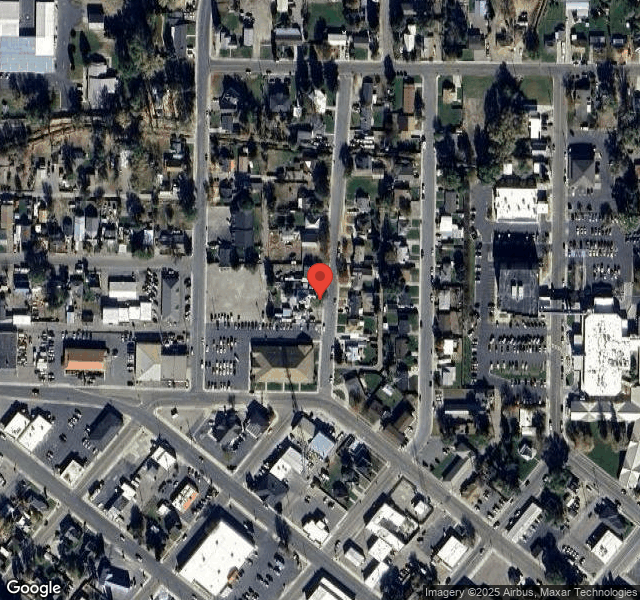
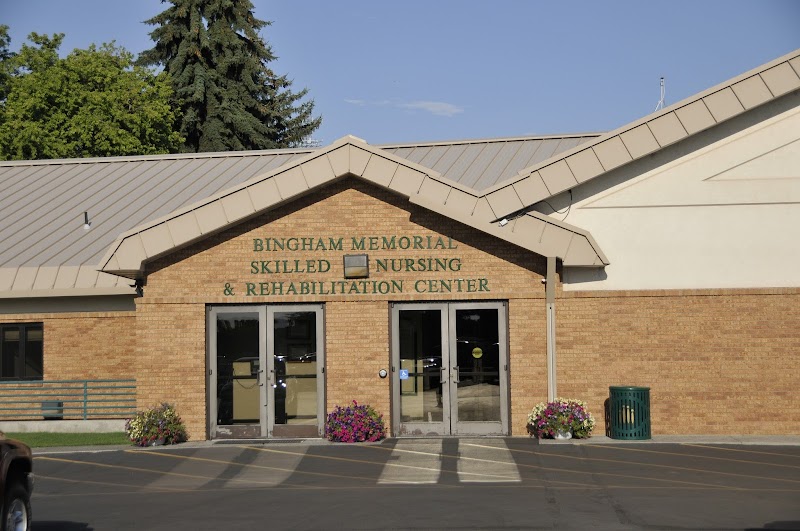
98 POPLAR STREET, BLACKFOOT, ID 83221 (208) 785-4101
Non profit - Other 70 Beds Independent Data: November 2025
Trust Grade
70/100
#23 of 79 in ID
Last Inspection: August 2024

Within standard 12-15 month inspection cycle. Federal law requires annual inspections.

Overview

Bingham Memorial Skilled Nursing & Rehabilitation has a Trust Grade of B, indicating it is a good choice among nursing homes. It ranks #23 out of 79 facilities in Idaho, placing it in the top half, and #2 of 2 in Bingham County, meaning there is only one other local option. However, the facility is experiencing a worsening trend, with issues increasing from 6 in 2023 to 8 in 2024. Staffing is a notable strength, with a perfect turnover rate of 0%, much lower than the state average, and no fines have been recorded, which is reassuring. Nevertheless, there are concerning incidents, including improper food storage that could risk residents' health and failure to inform new residents about their rights regarding admission agreements, which could lead to significant distress. Overall, while there are strengths, families should be aware of the facility's recent issues and consider them carefully.

Trust Score
B
70/100
In Idaho
#23/79
Top 29%
Safety Record
Low Risk
No red flags
Inspections
Getting Worse
6 → 8 violations
Staff Stability
○ Average
Turnover data not reported for this facility.
Penalties
✓ Good
No fines on record. Clean compliance history, better than most Idaho facilities.
Skilled Nurses
○ Average
RN staffing data not reported for this facility.
Violations
⚠ Watch
21 deficiencies on record. Higher than average. Multiple issues found across inspections.
★★★★☆
4.0
Overall Rating
☆☆☆☆☆
0.0
Staff Levels
★★★★★
5.0
Care Quality
★★★☆☆
3.0
Inspection Score
Stable
2023: 6 issues
2024: 8 issues

The Good

  • 5-Star Quality Measures · Strong clinical quality outcomes
  • Full Sprinkler Coverage · Fire safety systems throughout facility
  • No fines on record

Facility shows strength in quality measures, fire safety.

The Bad

No Significant Concerns Identified

This facility shows no red flags. Among Idaho's 100 nursing homes, only 0% achieve this.

The Ugly 21 deficiencies on record

Aug 2024 8 deficiencies
CONCERN (D)

Potential for Harm - no one hurt, but risky conditions existed

Safe Environment (Tag F0584)

Could have caused harm · This affected 1 resident

**NOTE- TERMS IN BRACKETS HAVE BEEN EDITED TO PROTECT CONFIDENTIALITY** Based on observation and resident and staff interviews, it was determined the facility failed to ensure residents were provided ...

Read full inspector narrative →
**NOTE- TERMS IN BRACKETS HAVE BEEN EDITED TO PROTECT CONFIDENTIALITY** Based on observation and resident and staff interviews, it was determined the facility failed to ensure residents were provided with a safe and clean, homelike environment that did not pose any safety or infection risks. This was true for 1 of 17 residents (Resident #22) whose rooms were observed. This deficient practice created the potential for diminished quality of life and psychosocial distress for Resident #22 when the flooring in her room was not cleaned daily and a portion of the floor tile was missing. Findings include: Resident #22 was admitted to the facility on [DATE], with multiple diagnoses including displaced fracture of left femur and difficulty walking. On 8/19/24 at 1:37 PM, the following were observed in Resident #22's room: the flooring was noted to have numerous small cracks in the middle of the room; one large crack with a one inch by one inch wide, ¼ inch deep hole at the doorway entrance; and leaf debris on the floor that Resident #22 stated had been there for a few days. On 8/20/24 at 11:23 AM, it was observed the leaf debris in Resident #22's room remained on the floor. On 8/22/24 at 10:05 AM, the DON stated housekeeping should have been sweeping and mopping residents' rooms each day, and if there were leaves or debris stuck to the floor in a resident's room, housekeeping should have removed it. Additionally, the hole in the floor should have been repaired to prevent falls.
CONCERN (D)

Potential for Harm - no one hurt, but risky conditions existed

Assessment Accuracy (Tag F0641)

Could have caused harm · This affected 1 resident

**NOTE- TERMS IN BRACKETS HAVE BEEN EDITED TO PROTECT CONFIDENTIALITY** Based on observation, interview, and record review, it was determined the facility failed to ensure the MDS assessment accuratel...

Read full inspector narrative →
**NOTE- TERMS IN BRACKETS HAVE BEEN EDITED TO PROTECT CONFIDENTIALITY** Based on observation, interview, and record review, it was determined the facility failed to ensure the MDS assessment accurately reflected the resident's status. This was true for 1 of 4 residents (Resident #225) whose MDS, care plan, and nursing assessments were reviewed. This deficient practice had the potential for negative outcomes if the resident was not assessed and cared for or monitored due to inaccurate assessments. Findings include: Resident #225 was admitted to the facility on [DATE], with multiple diagnoses including shoulder joint surgery, diabetes, muscle weakness, and abnormal gait and mobility. During an interview on 8/20/24 at 1:12 PM, Resident #225 stated he had dentures and needed help from the staff with cleaning and putting them in. A nurse advanced skilled evaluation, dated 7/28/24, documented Resident #225 had his own teeth. Resident #225's admission MDS, dated [DATE], did not include documentation that he needed assistance with dental care. Resident #225's care plan did not include interventions for dental care. On 8/22/24 at 2:15 PM, the DON stated the nurse who had completed Resident #225's evaluation should have done a better assessment to identify that he did have dentures and needed to have assistance with dental care.
CONCERN (D)

Potential for Harm - no one hurt, but risky conditions existed

Deficiency F0761 (Tag F0761)

Could have caused harm · This affected 1 resident

Based on observation, policy review, and staff interview, it was determined the facility failed to ensure medications available for residents were dated when opened and not expired. This was true for ...

Read full inspector narrative →
Based on observation, policy review, and staff interview, it was determined the facility failed to ensure medications available for residents were dated when opened and not expired. This was true for 1 of 1 medication storage rooms inspected. This failure created the potential for residents to receive expired medications with decreased efficacy. Findings include: The CDC guidelines for Preventing Unsafe Injection Practices, dated 3/26/24, documented once a multi-dose vial is opened (e.g., needle-punctured) the vial should be dated and discarded within 28 days unless the manufacturer stated another date for that opened vial. The beyond-use-date should never exceed the manufacturer's original expiration date. On 8/20/24 at 11:14 AM, with RN #1 present, a Tubersol solution (a clear colorless solution used for detection of tuberculosis infection) vial with no opened date, was observed in the resident medication refrigerator. RN #1 confirmed there was no open date on the bottle of Tubersol solution, or the box the solution was in. On 8/20/24 at 11:17 AM, the DON stated the Tubersol solution should have been dated when it was opened.
CONCERN (D)

Potential for Harm - no one hurt, but risky conditions existed

Deficiency F0809 (Tag F0809)

Could have caused harm · This affected 1 resident

**NOTE- TERMS IN BRACKETS HAVE BEEN EDITED TO PROTECT CONFIDENTIALITY** Based on observation, interview, and policy review, it was determined the facility failed to ensure residents were provided even...

Read full inspector narrative →
**NOTE- TERMS IN BRACKETS HAVE BEEN EDITED TO PROTECT CONFIDENTIALITY** Based on observation, interview, and policy review, it was determined the facility failed to ensure residents were provided evening snacks. This was true for 2 of 2 resident's (#19 and #22) who attended the Resident Council meeting. This failure created the potential for residents to experience hunger between meals, increased fatigue, weight loss, and poor quality of sleep. Findings include: The Facility Offering/Serving Between Meal and Bedtime Snacks policy, revised date 3/18/24, documented the nursing staff will offer bedtime snacks daily to all residents in accordance with the residents' needs, preferences, and requests. 1. Resident #19 was admitted to the facility on [DATE], with multiple diagnoses including gastroenteritis and colitis, nausea, and dehydration. Resident #19's nutrition snacks task for August 2024 documented she had refused evening snacks on 8/5, 8/6, 8/13, 8/14, 8/19, 8/20, and 8/21. On 8/21/24 at 10:43 AM, Resident #19 stated during the Resident Council meeting that she had never been offered snacks in the evening and did not know she could ask for them. 2. Resident #22 was admitted to the facility on [DATE], with multiple diagnoses including displaced fracture of left femur and difficulty walking. Resident #22's nutrition snacks task for July 2024 documented she had refused evening snacks on 7/14, 7/15, 7/16, 7/17, 7/22, 7/23, 7/24, 7/29, 7/30, and 7/31. On 8/21/24 at 10:44 AM, Resident #22 stated during the Resident Council meeting that she had never been offered snacks in the evening and did not know she could ask for them. On 8/22/24 at 9:55 AM, the DON stated the CNAs should have offered each resident an evening snack.
CONCERN (E)

Potential for Harm - no one hurt, but risky conditions existed

Deficiency F0657 (Tag F0657)

Could have caused harm · This affected multiple residents

**NOTE- TERMS IN BRACKETS HAVE BEEN EDITED TO PROTECT CONFIDENTIALITY** Based on observation, record review, policy review, and staff interview, it was determined the facility failed to ensure residen...

Read full inspector narrative →
**NOTE- TERMS IN BRACKETS HAVE BEEN EDITED TO PROTECT CONFIDENTIALITY** Based on observation, record review, policy review, and staff interview, it was determined the facility failed to ensure residents' care plans were revised to reflect current needs and interventions. This was true for 3 of 6 residents (#1, #4, and #15) whose care plans were reviewed. This failure placed residents at risk of adverse outcomes if care and services were not provided due to care plans not being revised as residents' needs changed. Findings include: The facility's Restorative Nursing Programs policy, dated 7/22/24, documented: - The interdisciplinary team, with the support and guidance from the physician, will assure the ongoing review, evaluation, and decision making regarding the services needed to maintain or improve resident's abilities in accordance with the resident's comprehensive assessment, goals, and preferences. - The Restorative Nurse, or designee will provide oversight of the restorative aide activities, review the documentation at least weekly, and evaluate the effectiveness of the plan monthly. 1. Resident #1 was admitted [DATE], and readmitted on [DATE], with multiple diagnoses including diabetes and traumatic brain injury. A care plan, dated 1/18/21, documented Resident #1 needed a restorative program to assist her in maintaining her mobility status. Resident #1's care plan interventions, dated 10/27/23, directed the staff to assess and determine her individualized therapy plan and to make changes to her plan of care quarterly and as needed. Resident #1's medical record did not document her restorative care plan interventions had been evaluated or updated. 2. Resident #4 was admitted [DATE], and readmitted [DATE], with multiple diagnoses including osteoporosis and chronic pain. Resident #4's care plan, dated 4/13/21, directed Therapy to review and modify her care plan every 3 months and as needed. The following screenings were documented: - Therapy Assessment and Restorative Program Referral forms, dated 6/27/22, 8/16/22, and 8/30/23, were documented as completed for Resident #4. - An undated Resident Screening Referral form, documented Resident #4 was on a restorative program. Resident #4's restorative care plan interventions were dated 10/27/23. A care plan for Resident #4, initial date 6/18/24, and revision date of 8/12/24, documented she needed restorative services due to impaired mobility and balance. Resident #4's medical record did not document her restorative care plan interventions had been evaluated or updated. Resident #4's record did not include documentation of completed screenings or reviews by Therapy between 4/13/21 to 6/27/22. 3. Resident #15 was admitted to the facility on [DATE] with multiple diagnoses of spinal stenosis, muscle weakness, and iron deficiency. Resident #15's Physical Therapy (PT) Evaluation and Plan of Treatment Assessment Summary, dated 3/1/24, documented Resident #15 had decreased strength, balance, transfers, and gait secondary to increased neck pain. He was at risk for decreased level of mobility, decreased participation with functional tasks, falls, increased dependency upon caregivers, increased pain, and muscle atrophy. The Summary documented Resident #15 would benefit from further PT to increase strength, balance, and increase independence during functional mobility. Resident #15's care plan interventions, dated 10/18/22, include: - Encourage to participate with restorative plan of care 6 times per week. If Resident #15 prefers not to participate with the plan of care, re-approach 3 times. - RNA program: Strengthening upper body. - RNA program: Mobility/Ambulation. - RNA program: Strengthening lower body. Resident #15's care plan, dated 7/17/24, documented the need for restorative services. Resident #15's record did not include documentation that he had received restorative services. On 8/21/24 at 3:13 PM, RN #2, who was the facility's Restorative Services Nurse, stated the restorative book and residents' care plans should have been updated with resident changes. She confrimed routine screenings for restorative services were not being performed for residents.
CONCERN (E)

Potential for Harm - no one hurt, but risky conditions existed

Deficiency F0676 (Tag F0676)

Could have caused harm · This affected multiple residents

**NOTE- TERMS IN BRACKETS HAVE BEEN EDITED TO PROTECT CONFIDENTIALITY** Based on observation, record review, policy review, and staff interview, it was determined the facility failed to ensure residen...

Read full inspector narrative →
**NOTE- TERMS IN BRACKETS HAVE BEEN EDITED TO PROTECT CONFIDENTIALITY** Based on observation, record review, policy review, and staff interview, it was determined the facility failed to ensure residents were given treatment and services to maintain or improve their ability to carry out activities of daily living. This was true for 3 of 6 residents (#1, #4, and #15) reviewed for restorative nursing services. This failure placed residents at risk for decreased range of motion, functional ability, and decreased quality of life. Findings include: 1. Resident #1 was admitted [DATE], and readmitted on [DATE], with multiple diagnoses including diabetes and traumatic brain injury. Resident #1's care plan, dated 1/18/21, documented she needed a restorative program to assist in maintaining her mobility status. A progress note, dated 9/30/22, documented Resident #1 was discharged from therapy services on 9/28/22 and referred to restorative nursing services. The Follow-Up Question Report, dated 6/1/24 - 6/29/24, documented restorative therapy minutes for 6/11/24. No other restorative therapy minutes were documented in resident's medical record. Resident #1's care plan, initiated on 7/28/24, and revised on 8/12/24, documented she needed restorative services related to decreased range of motion to her upper body, due to poor mobility and balance. A Nursing Focus Assessment, dated 8/16/24, documented Resident #1 was to receive restorative nursing services. Resident #1's medical record did not document she received restorative nursing services. 2. Resident #4 was admitted on [DATE], and readmitted on [DATE], with multiple diagnoses including osteoporosis and chronic pain. A restorative progress note, dated 8/4/22, documented Resident #4 received a new restorative plan of care from therapy. A nursing note, date 8/25/23, documented Resident #4 was screened by therapy and recommended continuing the restorative program. Resident #4's care plan, initiated 6/18/24, and revised on 8/12/24, documented she needed restorative services due to impaired mobility and balance. A Nursing Focus assessment dated [DATE] documented Resident #4 was not receiving restorative nursing services. The Follow-Up Question Report, dated 6/1/24 - 7/1/24, documented restorative therapy minutes for 6/11/24. No other restorative therapy minutes were documented in resident's medical record. Resident #4's medical record did not document that she had received restorative nursing services. On 8/19/24 at 1:51 PM, Resident #4 stated she used to be on restorative, but it was stopped. 3. Resident #15 was admitted to the facility on [DATE] with multiple diagnoses of spinal stenosis, muscle weakness, and iron deficiency. Resident #15's Physical Therapy (PT) Evaluation and Plan of Treatment Assessment Summary, dated 3/1/24, documented Resident #15 had decreased strength, balance, transfers, and gait secondary to increased neck pain. He was at risk for decreased level of mobility, decreased participation with functional tasks, falls, increased dependency upon caregivers, increased pain, and muscle atrophy. Resident #15 Summary documented he would benefit from further PT to increase strength, balance, and increase independence during functional mobility. Resident #15's care plan interventions, dated 10/18/22, include: - Encourage to participate with restorative plan of care 6 times per week. If Resident #15 prefers not to participate with the plan of care, re-approach 3 times. - RNA program: Strengthening upper body. - RNA program: Mobility/Ambulation. - RNA program: Strengthening lower body. Resident #15's care plan, dated 7/17/24, documented the need for restorative services. Resident #15's medical record did not document that he received restorative nursing services. On 8/19/24 at 3:40 PM, Resident #15 stated he has trouble holding his head up and has numbness in his fingers because of a spinal injury. Resident #15 stated he was working with physical therapy but stopped after his insurance stopped paying for it. On 8/21/24 at 8:11 AM, the Activities Director stated she did not do the restorative program but, she did 1 on 1 range of motion with the residents and documented it under the activities tab in PCC (electronic medical record). She also stated she does what exercises the residents want to do, she does not follow the resident's care plan interventions and she does not document the minutes spent with the resident. On 8/21/24 at 11:53 AM, CNA #1 stated the facilities restorative program is being revamped. She also stated there is a restorative book for the staff to look at for the resident's restorative plans, but the floor staff is not documenting what restorative therapy is being done because there is no place to document it. CNA #1 stated the facility has been working on changing the restorative program for a couple of months and the Activities Director and RN #2 were completing the charting for those residents on a restorative program. She stated she should have documented when residents received restorative therapy or if they did not receive restorative therapy. On 8/21/24 at 3:13 PM, RN #2 stated the the restorative program should be documented. She stated the facility is changing the restorative program and there is no place for staff to document on each resident once restorative therapy was completed. On 8/21/24 at 3:48 PM, the DON stated Restorative Therapy minutes had not been documented and the Restorative Program is under review by QAPI.
CONCERN (E)

Potential for Harm - no one hurt, but risky conditions existed

Infection Control (Tag F0880)

Could have caused harm · This affected multiple residents

Based on observation and staff interview, the facility failed to ensure adherence to infection control and prevention practices to provide a safe and sanitary environment when staff did not offer or e...

Read full inspector narrative →
Based on observation and staff interview, the facility failed to ensure adherence to infection control and prevention practices to provide a safe and sanitary environment when staff did not offer or encourage residents hand hygiene prior to meals served in their rooms. This failure had the potential to impact 2 of 3 residents (#12 and #15) observed during meal service for hand hygiene, placing them at risk for cross-contamination and infection. Findings include: On 8/20/24 at 5:25 PM, surveyor observed food tray delivery and set up on Resident #12's overbed table, however CNA #1 did not offer to help him wash his hands before eating. On 8/20/24 at 5:29 PM, surveyor observed food tray delivery and set up on Resident #15's overbed table, however CNA #2 did not offer to help him wash his hands before eating. On 8/20/24 at 5:37 PM, CNA #1 stated she should have offered hand washing and did not know why the facility had not required that. On 8/20/24 at 5:38 PM, CNA #2 stated she should have offered hand washing and did not know why the facility had not required that. On 8/22/24 at 9:59 AM, the DON stated the CNAs should have been asking residents, who eat in their rooms, if they would like to wash their hands before meals.
CONCERN (F)

Potential for Harm - no one hurt, but risky conditions existed

Food Safety (Tag F0812)

Could have caused harm · This affected most or all residents

Based on observation, interview, policy review, and review of the Idaho Food Code, the facility failed to appropriately store, distribute, and label foods. This deficient practice had the potential to...

Read full inspector narrative →
Based on observation, interview, policy review, and review of the Idaho Food Code, the facility failed to appropriately store, distribute, and label foods. This deficient practice had the potential to affect 17 of 17 residents who received meals prepared in the facility's kitchen. This placed residents at risk for potential contamination and use of spoiled foods, and adverse health outcomes including food-borne illnesses. Findings include: The Idaho Food Code, revised February 2021, stated, 3-501.17 Ready-to-Eat, Time/Temperature Control for Safety Food, Date Marking . refrigerated, ready-to-eat, time/temperature control for safety food prepared and held in a food establishment for more than 24 hours shall be clearly marked to indicate the date or day by which the food shall be consumed on the premises, sold, or discarded when held at a temperature of 5ºC (41ºF) or less for a maximum of 7 days. The day of preparation shall be counted as Day 1. Review of the facility's Food Storage policy, dated 6/27/23, documented perishable food in open containers, or outside of their original containers will be discarded after 72 hours. Review of the facility's Use and Storage of Food Brought in by Family or Visitors policy, revised 3/26/24, documents all food items that are already prepared by family or visitor brought in must be labeled with resident's name and opened date. The facility may refrigerate labeled and dated food and beverages in the nourishment refrigerator or freezer. On 8/21/24 at 7:20 AM, the following was observed in the dry food storage area, with the RD present: - Pearl barley, open date 3/12/24, should have been disposed on 6/12/24. - Granola, open date 3/2/24, should have been disposed on 6/2/24. The RD stated the dry food items should have been used within 3 months of opening or should have been disposed. On 8/21/24 at 7:32 AM, the following was observed in the reach-in refrigerator, with the RD present: - Whipped cream, use by date 8/17/24, was unsealed. - Undated facility-prepared single serve ranch dressing cups. - Undated single serve sugar free ice cream cups. - Undated slice of pie on a plate. The RD stated any refrigerated food items had to be used within 72 hours of opening or disposed of. On 8/21/24 at 7:40 AM, the following was observed in the walk-in refrigerator, with the RD present: - A container of raw meat used for meatballs, dated 8/16/24, had been frozen but put in walk-in refrigerator to thaw. - Three bean salad with lid not properly closed was dated 8/2/24. - A container of vanilla pudding, dated 8/16/24, was past the 72 hours facility policy for disposal. The RD stated the items should not have been kept in the food storage areas past the assigned dates or if incorrectly packaged. On 8/21/24 at 7:53 AM, the following was observed in the walk-in freezer, with the RD present: - Raw frozen chicken stored above facility-made pizza, dated 8/6/24. - Water from freezer unit had dripped down on the boxes and then refroze into the boxes. The RD stated the raw chicken should not have been stored over other food items and the boxes with water damage should have been removed. On 8/22/24 at 8:36 AM, the following were observed in the patient care area snack storage room, with the nutrition services manager and RD present: - An opened undated ice cream ½ gallon container with a resident's room number on it. - Two opened loaves of bread with best used-by dates of 7/5/24 and 8/16/24 with no opened date on either loaves of bread. - An opened almond milk container, dated 7/3/2024, which was past the 72 hour disposal date. - Undated single serve juice cups. The nutrition services manager stated the single-serving juice cups came out of a box that was dated however, no one dated the cups when they were stocked in the refrigerator and they should have been. The RD stated the nursing staff should have disposed of the outdated items.
Jun 2023 6 deficiencies
CONCERN (D) 📢 Someone Reported This

A family member, employee, or ombudsman was alarmed enough to file a formal complaint

Potential for Harm - no one hurt, but risky conditions existed

Deficiency F0657 (Tag F0657)

Could have caused harm · This affected 1 resident

**NOTE- TERMS IN BRACKETS HAVE BEEN EDITED TO PROTECT CONFIDENTIALITY** Based on record review, policy review, and staff interview, it was determined the facility failed to ensure residents' care plan...

Read full inspector narrative →
**NOTE- TERMS IN BRACKETS HAVE BEEN EDITED TO PROTECT CONFIDENTIALITY** Based on record review, policy review, and staff interview, it was determined the facility failed to ensure residents' care plans were revised and updated as needed. This was true for 1 of 16 residents (Resident #1) whose care plans were reviewed. This created the potential for harm if cares and/or services were not provided appropriately due to inaccurate information in the care plan. Findings include: The facility's Care Plan Revisions Upon Status Change policy, revised 1/18/23, documented the comprehensive care plan will be reviewed, and revised as necessary, when a resident experiences a status change. This policy was not followed. Resident #1 was admitted to the facility on [DATE], with multiple diagnoses including traumatic brain injury, schizophrenia (a disorder that affects a person's ability to think, feel, and behave clearly), and anxiety. Resident #1's care plan, revised 6/6/23, documented she was taking psychotropic medications for schizophrenia. A psychotropic drug is any drug that affects brain activities associated with mental processes and behavior. The care plan documented the medications were Seroquel, Ativan, and Lunesta. Resident #1's record did not include physician orders for Lunesta (a medication used to help with sleep disturbances). During an interview, on 6/29/23 at 2:45 PM, the DON stated upon review of Resident #1's care plan, the care plan should have been revised at the time changes were made to her medications.
CONCERN (D) 📢 Someone Reported This

A family member, employee, or ombudsman was alarmed enough to file a formal complaint

Potential for Harm - no one hurt, but risky conditions existed

Deficiency F0757 (Tag F0757)

Could have caused harm · This affected 1 resident

**NOTE- TERMS IN BRACKETS HAVE BEEN EDITED TO PROTECT CONFIDENTIALITY** Based on record review and staff interview, it was determined the facility failed to ensure residents were monitored appropriate...

Read full inspector narrative →
**NOTE- TERMS IN BRACKETS HAVE BEEN EDITED TO PROTECT CONFIDENTIALITY** Based on record review and staff interview, it was determined the facility failed to ensure residents were monitored appropriately and offered non-pharmacological interventions while receiving opioid pain medications. This was true for 2 of 5 residents (#9 and #12) reviewed for unnecessary medications. This failure created the potential for residents to experience adverse reactions due to a lack of appropriate monitoring or experienced increased pain due to not offering non-pharmacological interventions. Findings include: The facility policy for Pain Management, revised 1/18/23, documented the facility would utilize a systematic approach to recognize the resident is experiencing pain. The policy documented this would be accomplished through ongoing scheduled assessments and management to prevent pain consistent with the comprehensive assessment and plan of care, current professional standard of practice, and the resident's goals and preference. The pain management procedures included monitoring the pain medication's adverse effects and offering non-pharmacological interventions. This policy was not followed. Resident records did not include documentation of monitoring for potential side effects of their medication for pain and non-pharmacological interventions were offered. Examples include: a. Resident #9 was admitted to the facility on [DATE], with multiple diagnoses including orthopedic aftercare following surgical amputation. Resident #9's record included physician orders for pain management as follows: - Hydrocodone-acetaminophen (combination of opioid medication and acetaminophen, used to relieve severe pain) 5-325 mg, give 1 tablet by mouth every 6 hours as needed for pain, start date 5/31/23. - Pain assessment using verbal and nonverbal scales for comfort, monitoring every day and night shift. 0=No pain, 1-2=Least pain, 3-4=Mild pain, 5- 6=Moderate pain, 7- 8=Severe pain, 9-10=Very severe/Horrible/Worst pain, start date 5/30/23. Resident #9's MAR and TAR, dated 6/1/23 to 6/28/23, documented Resident #9's pain level ranged from 2 to 9. Resident #9 was given hydrocodone-acetaminophen one time a day on 5 days, two times a day on 11 days, and three times a day on 13 days. Resident #9's record did not include documentation that non-pharmacological interventions were offered prior to administering the as needed pain medication. Resident #9's MAR and TAR, dated 6/1/23 to 6/28/23, did not include documentation the side effects of the hydrocodone-acetaminophen were being monitored. b. Resident #12 was admitted to the facility on [DATE], with multiple diagnoses including chronic pain. Resident #12's record included physician orders for pain management as follows: - Hydrocodone-acetaminophen 5-325 mg, give 1 tablet by mouth every 12 hours as needed for pain, start date 5/13/23. - Pain assessment using verbal and nonverbal scales for comfort, monitoring every day and night shift. 0=No pain, 1-2=Least pain, 3-4=Mild pain, 5- 6=Moderate pain, 7- 8=Severe pain, 9-10=Very severe/Horrible/Worst pain, start date 4/16/20. Resident #12's MAR and TAR, dated 6/1/23 to 6/28/23, documented Resident #12 received hydrocodone-acetaminophen for pain, and his pain level ranged from 1 to 7. Resident #12's record did not include documentation that non-pharmacological interventions were offered prior to administering the as needed pain medication. Resident #12's MAR and TAR, dated 6/1/23 to 6/28/23, did not include documentation the side effects of the hydrocodone-acetaminophen were being monitored. On 6/29/23 at 11:40 AM, the DON reviewed Resident #9 and Resident #12's records and stated there was no documentation the side effects of hydrocodone-acetaminophen were being monitored for both residents. She stated there was no documentation of non-pharmacological interventions being offered. The DON stated monitoring of side effects and offering of non-pharmalogical interventions should be documented in the residents' record.
CONCERN (D) 📢 Someone Reported This

A family member, employee, or ombudsman was alarmed enough to file a formal complaint

Potential for Harm - no one hurt, but risky conditions existed

Medication Errors (Tag F0758)

Could have caused harm · This affected 1 resident

**NOTE- TERMS IN BRACKETS HAVE BEEN EDITED TO PROTECT CONFIDENTIALITY** Based on record review, staff interview, and facility policy review, it was determined the facility failed to ensure residents' ...

Read full inspector narrative →
**NOTE- TERMS IN BRACKETS HAVE BEEN EDITED TO PROTECT CONFIDENTIALITY** Based on record review, staff interview, and facility policy review, it was determined the facility failed to ensure residents' potential side effects of antidepressant medications were routinely monitored for 1 of 5 residents (Resident # 1) reviewed for unnecessary medications. This created the potential for residents to experience adverse reactions from unnecessary antidepressant medications. Findings include: The facility's policy on Unnecessary Drugs, revised 1/11/23, documented the following; It is the facility's policy that each resident's drug regime is managed and monitored to promote or maintain the resident's highest practicable mental, physical and psychological wellbeing free from unnecessary drugs. Each resident's drug regime will be reviewed on an ongoing basis, taking into consideration adequate monitoring for efficacy and adverse consequences (a broad term referring to unwanted, uncomfortable, or dangerous effects that a drug may have). This policy was not followed. Resident #1 was admitted to the facility on [DATE], with multiple diagnoses including traumatic brain injury, schizophrenia (a disorder that affects a person's ability to think, feel, and behave clearly), and anxiety. Resident #1's care plan, revised 6/6/23, documented she was taking mirtazapine to stimulate her appetite. A physician order, dated 11/17/22, documented to give mirtazapine 15 mg by mouth at bedtime for an appetite stimulant. According to Drugs.com, website accessed on 7/13/23, mirtazapine is an antidepressant. Common side effects of this medication include increased appetite and weight gain. Mirtazapine also has the potential for adverse side effects which include racing thoughts, decreased need for sleep, unusual risk-taking behavior, feelings of extreme happiness or sadness, being more talkative than usual, blurred vision, tunnel vision, eye pain or swelling, and/or seizures. Resident #1's MAR, dated 6/1/23 to 6/27/23, documented she was given mirtazapine each night as ordered by her physician. Resident #1's MAR did not include documentation she was being monitored for potential adverse side effects from the mirtazapine. During an interview on 6/29/23 at 2:45 PM, the DON stated upon review of Resident #1's MAR for June 2023, she was not being monitored for potential adverse side effects from the mirtazapine.
CONCERN (D) 📢 Someone Reported This

A family member, employee, or ombudsman was alarmed enough to file a formal complaint

Potential for Harm - no one hurt, but risky conditions existed

Food Safety (Tag F0812)

Could have caused harm · This affected 1 resident

Based on observation, policy review, and staff interview, it was determined the facility failed to ensure food items were dated and labeled. This failure had the potential to affect the 21 residents r...

Read full inspector narrative →
Based on observation, policy review, and staff interview, it was determined the facility failed to ensure food items were dated and labeled. This failure had the potential to affect the 21 residents residing in the facility who consumed food prepared by the facility at risk of adverse health outcomes, including food-borne illnesses. Findings include: The facility's Food Storage Policy and Procedure, dated 6/27/23, stated all food items, including prepackaged and dry storage items, must be covered, dated, and labeled. The policy stated items will be discarded according to manufacturer's use by date or United States Department of Agriculture (USDA) guidelines if a manufacturer's use by date is not specified. On 6/26/23 at 1:52 PM, during the initial tour of the kitchen with the RD there were food, condiments, and spices/seasonings that were not labeled appropriately and expired, as follows: - In the reach-in refrigerator, non-dairy whipped cream with a use by date of 6/18/23. - In the walk-in refrigerator, a glass container of Dijon mustard with a manufacture expiration date of 7/2022. - In the walk-in refrigerator, a manufactured sealed bag of precut mango slices with a best use by date of 6/20/23. - Two metal racks above a food prep area with spices and seasonings; the top rack had 9 of 13 containers of spices/seasonings with no opened date, the bottom rack had 27 of 29 containers of spices/seasoning with no opened date. The RD discarded the non-dairy whipped cream, the precut mango slices, and the Dijon mustard. During the same observation, the RD stated there were no dates on the spice/seasoning bottles and confirmed the expired food should have been discarded. The RD stated all food and nonfood items should be dated and labeled following the food code and policies.
CONCERN (E) 📢 Someone Reported This

A family member, employee, or ombudsman was alarmed enough to file a formal complaint

Potential for Harm - no one hurt, but risky conditions existed

Infection Control (Tag F0880)

Could have caused harm · This affected multiple residents

**NOTE- TERMS IN BRACKETS HAVE BEEN EDITED TO PROTECT CONFIDENTIALITY** Based on observation, policy review, review of manufacture instructions for use, and staff interview, it was determined the faci...

Read full inspector narrative →
**NOTE- TERMS IN BRACKETS HAVE BEEN EDITED TO PROTECT CONFIDENTIALITY** Based on observation, policy review, review of manufacture instructions for use, and staff interview, it was determined the facility failed to ensure infection control and prevention practices were maintained to provide a safe and sanitary environment when staff did not perform proper hand hygiene, properly sanitize and disinfect equipment, and follow proper handling of equipment. This was true for 3 of 11 residents (#1, #2, and #10) observed during medication pass and this was true for 1 of 1 (Resident #9) observed during wound care. These failures had the potential to impact all residents in the facility by placing them at risk for cross contamination and infection. Findings include: 1. During observation of medication administration staff did not follow infection prevention practices. Examples include: a. The Hand Hygiene policy, revised on 1/5/23, stated hand hygiene should be done before preparing or handling medications. This policy was not followed. On 6/27/23 beginning at 1:59 PM, RN #1 was observed administering medications. He did not perform hand hygiene before handling and administering medications to Resident #1, Resident #2, and Resident #10. RN #1 did not perform hand hygiene in between administering medications to each resident. b. The facility's Glucometer Disinfection policy, revised on 4/1/23, stated after obtaining a blood glucose sample, remove and discard gloves and perform hand hygiene prior to exiting the room. Then retrieve 2 disinfectant wipes to clean and disinfect the glucometer (a device used to measure blood glucose levels). The policy documented to use the first wipe to remove heavy soil, blood and/or other contaminants left on the surface of the glucometer. Use the second wip to disinfect the glucometer thoroughly following the manufacture's instructions. This policy was not followed. On 6/27/23 at 11:38 AM, RN #1 was observed obtaining a blood glucose sample, he did not perform hand hygiene prior to leaving the room. RN #1 was observed sanitizing the glucometer with contaminated gloves. On 6/29/23 at 11:55 AM, the IP was observed obtaining a blood glucose sample, she did not perform hand hygiene prior to leaving the room. She was observed sanitizing the glucometer with contaminated gloves. On 6/28/23 beginning at 11:38 AM, the IP stated staff were expected to perform hand hygiene prior to sanitizing the glucometer as well as before medication administration. She stated sanitation should be done with Clorox Healthcare Bleach wipes or Clorox Hydrogen Peroxide wipes. Nova Biomedical manufacture instructions, provided on 6/28/23, recommended the use of Clorox Healthcare Bleach Germicidal wipes, EPA Registration #67619-12, or any disinfecting product with EPA Registration # 67619-12. The CloroxPro website, accessed on 7/13/23, documented the following instructions when disinfecting with their product: - Put on PPE - Remove gross soil if present or if disinfecting - Wipe the surface until completely wet - Wait for the contact time (3 minutes for all pathogens listed on the product label) - Discard the wipe On 6/28/23 at 4:45 PM, the IP stated she preferred to use Clorox Healthcare Bleach wipes, but she was not aware they could not use the Clorox Hydrogen Peroxide wipes. The IP stated the director of the laboratory instructed her and the staff at the facility to use the Clorox Hydrogen Peroxide wipes, not the wipes with bleach. 2. The facility policy for Negative Wound Therapy, revised 1/30/23, stated Negative pressure wound therapy is an active wound care treatment which uses negative pressure to assist and accelerate wound healing. The therapy may be gauze based, foam based, or peel-and-stick, and includes an evacuation tube and a computerized pump (wound vac) that applies the negative pressure. The guidelines include: - The wound vac machine will be placed on the bed's footboard and have a barrier on the device (including a pillowcase or bag) for the patient's privacy. The staff will put the wound vac in a basket to provide a barrier from the floor if the wound vac has no clamp to place on the bed. - The staff were to maintain the evacuation tube between the wound and the wound vac away from the floor when the resident was in bed or in a wheelchair. This policy was not followed. Resident #9 was admitted to the facility on [DATE], with multiple diagnoses including orthopedic aftercare following surgical amputation. On 6/26/23 between 4:00 PM to 4:11 PM, Resident #9 was observed sitting in a wheelchair; her wound vac and evacuation tube were inside a white pillow case hanging on the back of her wheelchair and touching the floor while she was in her room and later while being transported to the activity room. On 6/28/2023 at 3:00 PM, during wound care provided by RN #2 and the IP, Resident #9 was observed resting in her bed with her wound vac evacuation tube resting on the floor while connected to the wound vac inside a white pillow case on the floor. When asked, the IP stated the wound vac and the evacuation tube should not be touching the floor; instead, the staff should place a basket on the floor and put the wound vac and evacuation tubing inside the basket.
CONCERN (F) 📢 Someone Reported This

A family member, employee, or ombudsman was alarmed enough to file a formal complaint

Potential for Harm - no one hurt, but risky conditions existed

Deficiency F0847 (Tag F0847)

Could have caused harm · This affected most or all residents

Based on review of the facility's admission agreement, record review, and staff interview, it was determined the facility failed to ensure residents and/or their representatives were not explicitly in...

Read full inspector narrative →
Based on review of the facility's admission agreement, record review, and staff interview, it was determined the facility failed to ensure residents and/or their representatives were not explicitly informed of their right to not sign the agreement as a condition of their admission or that they had the right to revoke the agreement. This was true for 12 of 12 residents (#3, #4, #5, #7, #9, #14, #15, #16, #17, #18, #19, and #20) who were newly admitted to the facility. This failure had the potential to cause significant psychosocial distress to residents and/or their representatives by not clearly knowing their rights. Findings include: The facility's admission Agreement, undated, included 11 sections on 3 pages. At the end of the agreement there were 3 lines labeled patient name, signature, date/time. The section titled Agreement, stated the following: The undersigned agrees to defend and hold the facility harmless of any claims or suits by the resident based on any cause other than negligence or intentional misconduct of the facility or its employees. The section titled Agreement, was unclear whether this was a condition of admission. This section also did not clearly specify the resident and/or their representative had the right to revoke the agreement within 30 days of signing. During an interview, on 6/28/23 at 4:30 PM, the LSW stated she was the person responsible for going over and having a new resident sign their admission paperwork. She stated when explaining [the section titled Agreement] she tells them they agreed not to hold the facility harmless of any incidents unless there were acts of abuse or negligence. The LSW stated she explained to the resident by signing they would not file a lawsuit while residing at the facility. The LSW stated sometimes the resident requested to wait until their representative was present to understand before they signed the agreement and she accomodated the request. She agreed the section Agreement was not distinct from the other sections in the admission Agreement.
Mar 2019 7 deficiencies
CONCERN (D)

Potential for Harm - no one hurt, but risky conditions existed

Transfer Notice (Tag F0623)

Could have caused harm · This affected 1 resident

**NOTE- TERMS IN BRACKETS HAVE BEEN EDITED TO PROTECT CONFIDENTIALITY** Based on staff and family interview, facility policy review, and record review, it was determined the facility failed to ensure ...

Read full inspector narrative →
**NOTE- TERMS IN BRACKETS HAVE BEEN EDITED TO PROTECT CONFIDENTIALITY** Based on staff and family interview, facility policy review, and record review, it was determined the facility failed to ensure transfer notices were provided in writing to residents upon transfer. This was true for 2 of 2 residents (#12 and #25) reviewed for transfers. This deficient practice had the potential for harm if residents were not made aware of or able to exercise their rights related to transfers. Findings include: The facility's policy and procedure for Transfer and Discharge, dated 10/2018, directed staff to notify the resident/resident representative for facility initiated emergency transfers and/or discharges for medical reasons. 1. Resident #25 was admitted to the facility on [DATE] with multiple diagnoses which included coronary artery disease and COPD. A nurse's note, dated 2/11/19, documented Resident #25 was transferred to the emergency room for evaluation and treatment. The note documented Resident #25's wife was called and notified of the transfer. Resident #25's record did not include documentation he or his representative received a written notification of the reason for transfer to the hospital. On 2/27/19 at 1:23 PM, Resident #25's wife stated the facility did not provide written notification of her husband's transfer to the hospital. She stated the facility did not contact her. She stated she found out Resident #25 was transferred to the hospital when she came to see him. On 2/27/19 at 2:35 PM, RN #3 stated the family is called when a resident is transferred to the hospital but was not familiar with any transfer/discharge papers from the facility. On 2/27/19 at 2:50 PM, the LSW stated Social Services did not provide written notice of transfer and discharge to residents. On 2/27/19 at 3:15 PM, the Patient Financial Counselor stated she did not provide residents with written notice of transfer or discharge. 2. Resident #12 was admitted to the facility on [DATE] with multiple diagnoses which included depression and bipolar disorder. a. A nurse's note, dated 1/7/19, documented Resident #12 was observed to be anxious at the nurses' station. He was hitting his head with both fists. Resident #12 stated he was going to try and kill himself. Resident #12 agreed to physician notification and inpatient psychiatric observation if needed. A physician's order, dated 1/7/19, directed staff to admit Resident #12 to an inpatient hospital psychiatric unit for suicidal ideations. On 1/7/19, Resident #12 was transferred to a hospital psychiatric unit for treatment. b. A nurse's note, dated 2/3/19, documented Resident #12 verbalized suicidal intent to staff. A physician's order, dated 2/3/19, directed staff to transfer Resident #12 to a hospital psychiatric unit for suicidal ideation. On 2/3/19, Resident #12 was transferred to a hospital psychiatric unit for treatment. Resident #12's record did not document Resident #12 or his representative were provided written notice of transfer for either transfer. On 2/27/19 at 2:35 PM, RN #3 stated when a resident was transferred, she called the family and sent the chart and a copy of the MAR with the report to the hospital with the resident. She stated she did not know about providing written transfer/discharge information. On 2/27/19 3:15 PM, the Patient Financial Counselor confirmed the facility did not give residents a written notice of transfer or discharge.
CONCERN (D)

Potential for Harm - no one hurt, but risky conditions existed

Deficiency F0625 (Tag F0625)

Could have caused harm · This affected 1 resident

**NOTE- TERMS IN BRACKETS HAVE BEEN EDITED TO PROTECT CONFIDENTIALITY** Based on family and staff interview, policy review, and record review, it was determined the facility failed to ensure a bed-hol...

Read full inspector narrative →
**NOTE- TERMS IN BRACKETS HAVE BEEN EDITED TO PROTECT CONFIDENTIALITY** Based on family and staff interview, policy review, and record review, it was determined the facility failed to ensure a bed-hold notice was provided to a resident and/or their representative upon transfer to the hospital. This was true for 2 of 2 residents (Resident #12 and #25) who were reviewed for transfers. This deficient practice created the potential for harm if residents were not informed of their right to return to their former bed/room at the facility within a specified time and may cause psychosocial distress if not informed they may be charged to reserve their bed/room. Findings include: The facility's Bed-Hold Notice Upon Transfer policy, dated 8/2018, documented the following: * In the event of an emergency transfer of a resident, the facility will provide within 24 hours, written notice of the facility's bed-hold policies. * The facility will keep a signed and dated copy of the bed-hold notice information given to the resident and/or resident representative in the resident's file. 1. Resident #25 was admitted to the facility on [DATE] with multiple diagnoses which included coronary artery disease and COPD. A progress note, dated 2/11/19, documented Resident #25 was transferred to the emergency room for evaluation and treatment. The note documented Resident #25's wife was called and notified of the transfer. Resident #25's record did not include documentation he or his representative received a bed-hold notification when he was transferred to the hospital. On 2/27/19 at 1:23 PM, Resident #25's wife stated the facility did not talk with her about holding her husband's bed for his return. She stated she did not remember having signed a bed-hold notice. A bed-hold notice was not found in Resident #25's record. On 2/27/19 at 3:15 PM, the Patient Financial Counselor stated, We tell the resident verbally that we will do a bed hold. We don't have anything in writing. 2. Resident #12 was admitted to the facility on [DATE] with multiple diagnoses which included depression and bipolar disorder. a. A progress note, dated 1/7/19, documented Resident #12 was observed to be anxious at the nurses' station. He was hitting his head with both fists. Resident #12 stated he was going to try and kill himself. Resident #12 agreed to physician notification and inpatient psychiatric observation, if needed. A physician's order, dated 1/7/19, directed staff to admit Resident #12 to an inpatient hospital psychiatric unit for suicidal ideations. On 1/7/19, Resident #12 was transferred to an inpatient hospital psychiatric unit for treatment. b. A progress note, dated 2/3/19, documented Resident #12 verbalized suicidal intent to staff. A physician's order, dated 2/3/19, directed staff to transfer him to an inpatient hospital psychiatric unit for suicidal ideation. On 2/3/19, Resident #12 was transferred to an inpatient hospital psychiatric unit for treatment. Resident #12's record did not document Resident #12, or his representative was provided with the facility's bed-hold policy information for either transfer. On 2/27/19 at 2:35 PM, RN #3 stated when a resident was transferred, she called the family and sent the chart and a copy of the MAR with the report to the hospital with the resident. She stated she did not know about providing written bed-hold information. On 2/27/19 03:15 PM, the Patient Financial Counselor stated the facility told Resident #12 verbally about the bed hold policy at the time of the transfers. However, the facility did not have documentation Resident #12 was notified about the facility's bed hold policy for either transfer to the hospital.
CONCERN (D)

Potential for Harm - no one hurt, but risky conditions existed

Quality of Care (Tag F0684)

Could have caused harm · This affected 1 resident

**NOTE- TERMS IN BRACKETS HAVE BEEN EDITED TO PROTECT CONFIDENTIALITY** Based on record review, policy review, and staff and resident interview, it was determined the facility failed to ensure profess...

Read full inspector narrative →
**NOTE- TERMS IN BRACKETS HAVE BEEN EDITED TO PROTECT CONFIDENTIALITY** Based on record review, policy review, and staff and resident interview, it was determined the facility failed to ensure professional standards of practice were followed for bowel care and medication administration. This was true for 3 of 9 residents (#10, #25, and #189) reviewed for medications. This failed practice created the potential for harm if residents did not receive medications to prevent constipation or received medications contrary to physicians' orders. Findings include: 1. Resident #25 was admitted to the facility on [DATE] with multiple diagnoses which included coronary artery disease and COPD. Resident #25 was readmitted on [DATE] after a 3 day acute care stay for pneumonia. The 5 day MDS assessment, dated 2/21/19, documented Resident #25 had impaired cognition. Resident #25's admission physician's order, dated 1/28/19, included the following: * If no BM day 2: Milk of Magnesia 30 cc by mouth 1 dose if not contraindicated, as needed. * If no BM day 2: Dulcolax 10 mg by mouth 1 dose if no results from Milk of Magnesia, if not contraindicated, as needed. * If no BM day 3: Dulcolax 10 mg rectal suppository 1 dose if not contraindicated, as needed. * If no BM day 3: Fleets enema per rectum 1 dose if not contraindicated, as needed. * If no BM day 3: If no results from enema, notify MD, as needed. The facility's policy and procedure for tracking bowel movements, dated 5/15/18, documented the following: * Bowel tracking protocol is to establish a system for the facility to track resident bowel movements, detect abnormalities of bowel movements, and implement appropriate interventions to prevent constipation and complications associated with constipation. * Bowel movement activity will be recorded in the vital section of the facility electronic record indicating whether the resident did or did not have a bowel movement on the shift and the size of the bowel movement. Resident #25's medical record documented the following: * From 2/1/19 - 2/6/19, for 6 days, there was no documentation of BMs. * From 2/8/19 - 2/11/19, for 4 days, there was no documentation of BMs. * From 2/11/19 - 2/14/19, Resident #25 was out of facility. * From 2/15/19 - 2/20/19, for 6 days, there was no documentation of BMs. * From 2/25/19 - 2/27/19, for 3 days, there was no documentation of BMs. Resident #25's MARs from 1/28/19 to 2/28/19, did not include documentation bowel care medications were provided as ordered by the MD. 2. Resident #189 was admitted to the facility on [DATE], following surgical repair of a left hip fracture. Resident #189's admission physician orders, dated 2/23/19, included the following: * If no BM day 2: Milk of Magnesia 30 cc by mouth x 1 dose if not contraindicated, as needed. * If no BM day 2: Dulcolax 10 mg by mouth x 1 dose if no results from Milk of Magnesia, if not contraindicated, as needed. * If no BM day 3: Dulcolax 10 mg rectal suppository x 1 dose if not contraindicated, as needed. * If no BM day 3: Fleets enema per rectum x 1 dose if not contraindicated, as needed. * If no BM day 3: If no results from enema, notify MD, as needed. Resident #189's medical record documented, he had 2 BMs on 2/23/19. Resident #189's MARs, dated 2/22/19 to 2/28/19, did not include documentation bowel care medications were provided as ordered by the physician. On 2/26/19 at 10:30 AM, Resident #189 stated he needed to find out the last time he had a bowel movement. He said, I think it has been awhile. On 2/27/19 at 10:51 AM, RN #2 stated the 2 BMs were the only documentation she could find for Resident #189. 3. Resident #10 was admitted to the facility on [DATE], with multiple diagnoses which included Diabetes Mellitus, hypothyroidism and heart failure. A January 2019 physician order, directed staff to provide Resident #10 with Cholestyramine light powder (a medication used to treat chronic diarrhea) 4 grams by mouth twice a day. On 2/11/19, additional physician direction was provided to staff to ensure the Cholestyramine was not administered within 2 hours of other medications. Resident #10's MAR documented she received levothyroxine (medication for hypothyroidism) at 6:00 AM daily. Resident #10's February 2019 MAR documented Cholestyramine was administered from 2/1/19 to 2/28/19 at 7:00 AM. The MAR documented Resident #10 also received the following medications at 7 AM daily: * Lasix for edema (a diuretic) * Neurontin (a medication for neuropathy) * Metformin (a medication for high blood sugars) * Metoprolol Tartrate (a medication for high blood pressure) * Oxybutynin Chloride (a medication for urinary incontinence) * Potassium Chloride (a potassium supplement) Resident #10's February 2019 MAR documented Cholestyramine was administered from 2/1/19 to 2/27/19 at 8:00 PM. The MAR documented Resident #10 also received the following medications at 8:00 PM: * Metoprolol Tartrate * Potassium Chloride * Neurontin * Simvastatin (a medication for high blood cholesterol) On 2/28/19 at 5:11 PM, RN #1 stated the physician's order was not followed. She stated Resident #10 continued to get other medications with the Cholestyramine.
CONCERN (D)

Potential for Harm - no one hurt, but risky conditions existed

Drug Regimen Review (Tag F0756)

Could have caused harm · This affected 1 resident

**NOTE- TERMS IN BRACKETS HAVE BEEN EDITED TO PROTECT CONFIDENTIALITY** Based on policy review, staff interview, and record review, it was determined the facility failed to ensure the pharmacy recogni...

Read full inspector narrative →
**NOTE- TERMS IN BRACKETS HAVE BEEN EDITED TO PROTECT CONFIDENTIALITY** Based on policy review, staff interview, and record review, it was determined the facility failed to ensure the pharmacy recognized and reported medication irregularities. This was true for 3 of 3 residents (#6, #10, and #22) whose monthly pharmacy medication reviews were reviewed. This failure created the potential for harm should residents receive medications that were unnecessary, ineffective, or used for excessive duration, or should residents experience adverse reactions from medications. The facility's policy for use of psychotropic drugs, dated 11/2018, documented the following: * PRN orders for psychotropic drugs shall be used only when the medication is necessary to treat a diagnosed specific condition documented in the record, and for a limited duration (i.e. 14 days.) 1. Resident #22 was admitted to the facility on [DATE], with multiple diagnoses including depression and anxiety. Resident #22's 90-day MDS assessment, dated 2/25/19, documented she was cognitively intact and received antianxiety medications daily. Resident #22's physician orders, dated 11/27/18, directed staff to provide Clonazepam 0.5 mg 4 times daily as needed for anxiety. The Pharmacist Medication Reviews, completed on 11/30/18, 12/30/18, 1/31/19, and 2/26/19 did not have comments or recommendations made by the Pharmacist. On 2/28/19 at 3:54 PM, the Pharmacist stated if he did not make recommendations, the Monthly Pharmacist Chart Review form had a zero in the comment section. He stated he put his recommendations in the comment section. On 2/28/19 at 4:13 PM, the Pharmacist stated he was not paying attention to the PRN psychotropic medications when he conducted the resident's monthly medication review. He stated he should have been reviewing them. On 3/1/19 at 11:30 AM, the DON confirmed she had not received any recommendations from the Pharmacist for Resident #22. The Pharmacist review of Resident #22 did not include review of PRN medications and whether the orders were in place for more than 14 days. 2. Resident #10 was admitted to the facility on [DATE], with multiple diagnoses which included Diabetes Mellitus, hypothyroidism, and heart failure. A physician's order, dated 9/14/18, directed staff to provide Resident #10 with Cholestyramine light powder (a medication used to treat chronic diarrhea) 4 grams by mouth twice a day. On 2/11/19, additional physician direction was provided to staff to ensure the Cholestyramine was not administered within 2 hours of other medications. Resident #10's MAR from September 2018 through Feburary 2019, documented Resident #10 received the Cholestyramine medication twice a day at 7 AM and 8 PM with other medications. The Monthly Pharmacist Chart Review documented the Pharmacist reviewed Resident #10's medications on 9/28/18, 10/30/18, 11/30/18, 12/30/18, 1/31/19, and 2/26/19 with no recommendations documented. On 2/28/19 at 6:25 PM, RN #2 stated the Pharmacist should have identified the Cholestyramine was given with other medications with his monthly reviews. The Pharmacist review of Resident #10 did not include review of PRN medications and whether the orders were in place for more than 14 days. On 3/1/19 at 8:40 AM, the Pharmacist stated the administration of Cholestyramine should be separated by a couple of hours from other medications. He stated the medication interacts with Lasix and the Levothyroxine Resident #10 was receiving and should be separated by a couple of hours. On 3/1/19 at 11:27 AM, the DON stated she had not received recommendations from the Pharmacist regarding the administration of Cholestyramine and the administration of Resident #10's other medications. 3. Resident #6 was admitted to the facility on [DATE] with multiple diagnoses including heart failure and depressive disorder. A physician's order, dated 7/31/18, directed staff to provide Trazadone (an antidepressant medication used for sleep) 50 mg at bedtime and may provide another dose in one hour if the initial dose was not effective. On 2/28/19 at 9:47 AM, RN #2 stated the Trazadone was ordered PRN. She stated the order should have only been written for 14 days. She stated she was unable to tell if the Trazadone was repeated in an hour or not because the order was written together on the MAR and the MAR did not have a space for the nurse to document if the Trazadone was repeated in one hour. The Monthly Pharmacy Chart Review documented Resident # 6's medications were reviewed monthly from 6/30/18 through 2/26/19. Resident #6's Pharmacy Chart Review did not include documentation of recommendations from the Pharmacist. On 02/28/19 at 3:54 PM, the Pharmacist stated he should have caught the Trazadone may be repeated in an hour as needed. On 2/28/19 at 4:13 PM, the Pharmacist stated he was not paying attention to the PRN psychotropic medications when he conducted the monthly medication review. He stated he should have been reviewing them. On 3/1/19 at 11:23 AM, the DON confirmed she had not received recommendations from the Pharmacist for Resident #6.
CONCERN (D)

Potential for Harm - no one hurt, but risky conditions existed

Food Safety (Tag F0812)

Could have caused harm · This affected 1 resident

Based on observation, staff interview, and review of the facility policy, it was determined the facility failed to store and distribute food in a safe manner related to expired supplements and unlabel...

Read full inspector narrative →
Based on observation, staff interview, and review of the facility policy, it was determined the facility failed to store and distribute food in a safe manner related to expired supplements and unlabeled and undated food for 1 of 1 food pantry. These failures had the potential to impact all the residents in the facility and created the potential for harm should residents experience adverse health outcomes from improperly stored or outdated food. Findings include: The facility's policy for Date Marking for Food Safety, dated 9/5/18, documented: * Food should be clearly marked to indicate the date or day, by which the food should be consumed or discarded. * The dietary staff are responsible for checking the refrigerator daily for food items that are expiring and discard accordingly. On 2/28/19 from 11:05 AM to 12:05 PM, an inspection of the nursing pantry was conducted with the Nutritional Production Coordinator. A cupboard in the pantry contained a box of 24 four-ounce bottles of Ensure. The expiration date was 7/1/18. There were 4 four-ounce bottles of Ensure in the refrigerator with the expiration date of 7/1/18. The refrigerator in the pantry had a bowl with what appeared to be ham. There was no label or date on the product. There was a bag of what appeared to be turkey. There was no label or date on the product. The Nutritional Production Coordinator stated the items should have been labeled and dated.
CONCERN (E)

Potential for Harm - no one hurt, but risky conditions existed

Deficiency F0568 (Tag F0568)

Could have caused harm · This affected multiple residents

**NOTE- TERMS IN BRACKETS HAVE BEEN EDITED TO PROTECT CONFIDENTIALITY** Based on facility policy review, staff interview, and record review, it was determined the facility failed to ensure resident pe...

Read full inspector narrative →
**NOTE- TERMS IN BRACKETS HAVE BEEN EDITED TO PROTECT CONFIDENTIALITY** Based on facility policy review, staff interview, and record review, it was determined the facility failed to ensure resident personal funds were maintained in separate accounts and quarterly statements were provided for 7 of 8 residents (#3, #4, #5, #10, #18, #20, and #37) whose personal funds were reviewed. The failure created the potential for harm if the residents or their representatives had concerns about their personal fund account, including inaccuracies, that were not addressed. Findings include: The facility's policy for transactions involving resident funds, dated 2/20/19, documented the following: * The facility will establish and maintain a system that assures a complete and separate accounting of each resident's personal funds. * Quarterly statements will be provided in writing to the resident, or the resident's representative, within 30 days after the end of the quarter and upon request. * The facility will ensure resident funds are not comingled with facility funds or funds of someone other than a resident. On 2/28/19 at 9:40 AM, the facility's Patient Financial Counselor, stated she did not manage residents' personal fund accounts. She stated CNA #1 provided resident transportation and managed the personal funds accounts for the residents. On 3/1/19 at 11:03 AM, during an interview with CNA #1, the Administrator, and the Patient Financial Counselor, CNA #1 reviewed current personal funds accounts. CNA #1 stated all the resident funds were in a single account with a local bank. CNA #1 provided a printout of a Trust Account Balance Sheet as of 3/1/19. The ledger identified current balances for Residents #3, #4, #5, #10, #18, #20, and #37. The Administrator stated the residents' money was in one interest bearing account. He said the interest generated from the account went into a [NAME] Memorial Hospital account. The Administrator said the interest was then paid out to the individual residents. CNA #1 stated she had not sent out monthly or quarterly statements to residents or families, but she was only in the position a few months. The Administrator stated he did not know the last time statements were sent out. The Patient Financial Counselor stated three residents received statements in September 2018. Prior to that, she was unsure. The Patient Financial Counselor attempted to find previous statements provided for the other residents. She said, I think it might have been back in March of 2018.
CONCERN (E)

Potential for Harm - no one hurt, but risky conditions existed

Respiratory Care (Tag F0695)

Could have caused harm · This affected multiple residents

**NOTE- TERMS IN BRACKETS HAVE BEEN EDITED TO PROTECT CONFIDENTIALITY** Based on observation, record review, policy review, and staff interview, it was determined the facility failed to ensure staff c...

Read full inspector narrative →
**NOTE- TERMS IN BRACKETS HAVE BEEN EDITED TO PROTECT CONFIDENTIALITY** Based on observation, record review, policy review, and staff interview, it was determined the facility failed to ensure staff changed and dated residents' oxygen tubing per physician orders and facility policy. This was true for 3 of 4 residents (#6, #8, and #22) reviewed for oxygen use. This failure created the potential for harm from respiratory infections due to the growth of pathogens (organisms that cause illness) in oxygen humidifiers and cannulas. Findings include: The facility's policy and procedure for oxygen administration, dated 8/2018, directed staff to change oxygen tubing and the mask or cannula weekly and as needed if they became soiled or contaminated. Staff are directed to date and initial all oxygen tubing with the date of change. 1. Resident #8 was admitted to the facility on [DATE] with multiple diagnoses including COPD with shortness of breath. A physician's order, dated 9/17/18, directed staff to change oxygen tubing every week on Sundays and as needed. On 2/25/19 at 1:00 PM, Resident #8 was observed sitting in his room at bedside with his oxygen on. The oxygen tubing was connected to a prefilled bubble humidifier which was connected to an oxygen system on the wall. The bubble humidifier was dated, the oxygen tubing was not. Resident #8's February 2019 Treatment Administration Record (TAR) directed staff to change the oxygen tubing every Sunday on nightshift. The oxygen tubing was changed on 2/3/19, 2/10/19, 2/17/19, and 2/24/19. On 2/26/19 at 4:45 PM, RN #3 stated oxygen tubing should be changed weekly and as needed. She stated the tubing was changed every Sunday. RN #3 said nurses initialed on the TAR but did not date oxygen tubing. On 2/26/19 at 5:06 PM, the DON stated staff changed oxygen tubing every Sunday. The DON stated the staff should put a piece of tape on the tubing with the date changed and their signature to identify the date it was changed. The DON stated Resident #8's oxygen tubing was not dated. On 2/27/19 at 10:32 AM, Resident #8 was sitting in his wheelchair in his room. The oxygen tubing was connected to an oxygen delivery system. The oxygen tubing did not have a date. RN #2 stated she was not able to find a date on Resident #8's oxygen tubing. 2. Resident #22 was admitted to the facility on [DATE], with multiple diagnoses including COPD. A physician's order, dated 1/10/19, directed staff to change oxygen tubing every week on Sunday and as needed. Resident #8's February 2019 TAR directed staff to change the oxygen tubing every Sunday on nightshift. The oxygen tubing was changed on 2/3/19, 2/10/19, 2/17/19, and 2/24/19. On 2/26/19 at 3:50 PM, Resident #22 was sitting in her room with oxygen on. The DON stated she was not able to find a date on the oxygen tubing. 3. Resident #6 was admitted to the facility on [DATE], with multiple diagnoses including heart failure and depressive disorder. A physician's order, dated 9/28/18, directed staff to provide Resident #6 with oxygen at 4 liters a minute and to keep oxygen saturations (oxygen levels in blood) above 90%. Resident #6's care plan, dated 12/13/18, directed staff to change the oxygen tubing weekly. On 2/25/19 at 2:12 PM, Resident #6 was observed with oxygen on. The oxygen tubing was not dated. On 2/26/19 at 7:47 AM and 4:05 PM, Resident #6 was observed with oxygen on. The oxygen tubing was not dated. On 2/26/19 at 4:46 PM, RN #1 confirmed the oxygen tubing was not dated. She stated the oxygen tubing was usually changed every Sunday and the tubing should be dated at that time.
Understanding Severity Codes (click to expand)
Life-Threatening (Immediate Jeopardy)
J - Isolated K - Pattern L - Widespread
Actual Harm
G - Isolated H - Pattern I - Widespread
Potential for Harm
D - Isolated E - Pattern F - Widespread
No Harm (Minor)
A - Isolated B - Pattern C - Widespread

Questions to Ask on Your Visit

  • "Can I speak with families of current residents?"
  • "What's your RN coverage like on weekends and overnight?"

Our Honest Assessment

Strengths
  • • No major safety red flags. No abuse findings, life-threatening violations, or SFF status.
  • • No fines on record. Clean compliance history, better than most Idaho facilities.
Concerns
  • • 21 deficiencies on record. Higher than average. Multiple issues found across inspections.
Bottom line: Mixed indicators with Trust Score of 70/100. Visit in person and ask pointed questions.

About This Facility

What is Bingham Memorial Skilled Nursing & Rehabilitation's CMS Rating?

CMS assigns BINGHAM MEMORIAL SKILLED NURSING & REHABILITATION an overall rating of 4 out of 5 stars, which is considered above average nationally. Within Idaho, this rating places the facility higher than 99% of the state's 100 nursing homes. This rating reflects solid performance across the metrics CMS uses to evaluate nursing home quality.
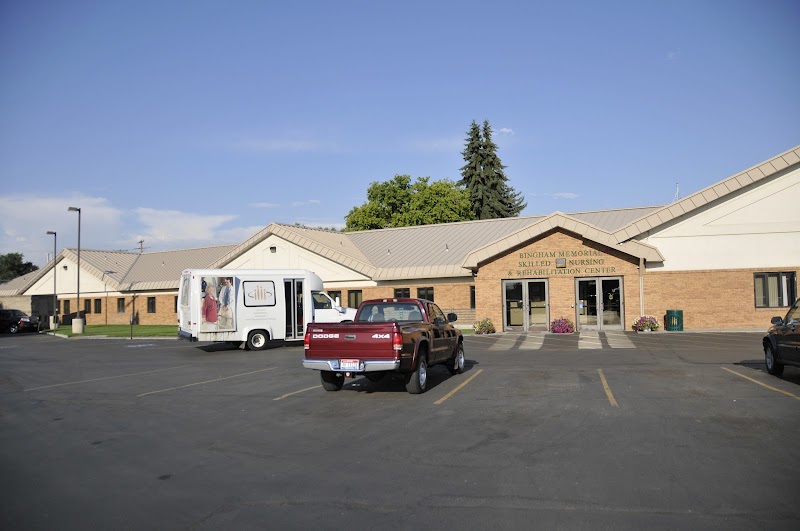
How is Bingham Memorial Skilled Nursing & Rehabilitation Staffed?

Detailed staffing data for BINGHAM MEMORIAL SKILLED NURSING & REHABILITATION is not available in the current CMS dataset.

What Have Inspectors Found at Bingham Memorial Skilled Nursing & Rehabilitation?

State health inspectors documented 21 deficiencies at BINGHAM MEMORIAL SKILLED NURSING & REHABILITATION during 2019 to 2024. These included: 21 with potential for harm.
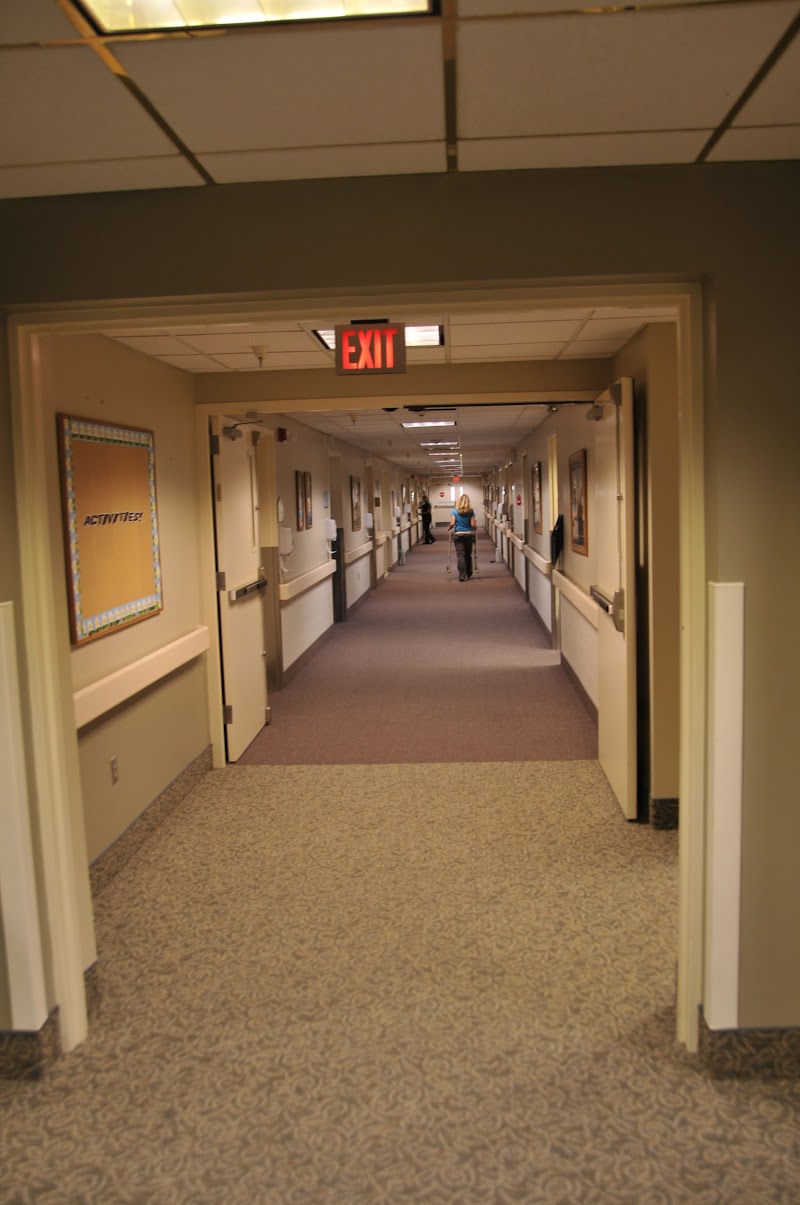
Who Owns and Operates Bingham Memorial Skilled Nursing & Rehabilitation?

BINGHAM MEMORIAL SKILLED NURSING & REHABILITATION is owned by a non-profit organization. Non-profit facilities reinvest revenue into operations rather than distributing to shareholders. The facility operates independently rather than as part of a larger chain. With 70 certified beds and approximately 13 residents (about 19% occupancy), it is a smaller facility located in BLACKFOOT, Idaho.

How Does Bingham Memorial Skilled Nursing & Rehabilitation Compare to Other Idaho Nursing Homes?

Compared to the 100 nursing homes in Idaho, BINGHAM MEMORIAL SKILLED NURSING & REHABILITATION's overall rating (4 stars) is above the state average of 3.3 and health inspection rating (3 stars) is at the national benchmark.

What Should Families Ask When Visiting Bingham Memorial Skilled Nursing & Rehabilitation?

Based on this facility's data, families visiting should ask: "Can I visit during a mealtime to observe dining assistance and food quality?" "How do you handle medical emergencies, and what is your hospital transfer rate?" "Can I speak with family members of current residents about their experience?"

Is Bingham Memorial Skilled Nursing & Rehabilitation Safe?

Based on CMS inspection data, BINGHAM MEMORIAL SKILLED NURSING & REHABILITATION has a clean safety record: no substantiated abuse findings (meaning no confirmed cases of resident harm), no Immediate Jeopardy citations (the most serious violation level indicating risk of serious injury or death), and is not on the Special Focus Facility watch list (a federal program monitoring the lowest-performing 1% of nursing homes). The facility has a 4-star overall rating and ranks #1 of 100 nursing homes in Idaho. While no facility is perfect, families should still ask about staff-to-resident ratios and recent inspection results during their visit.

Do Nurses at Bingham Memorial Skilled Nursing & Rehabilitation Stick Around?

BINGHAM MEMORIAL SKILLED NURSING & REHABILITATION has not reported staff turnover data to CMS. Staff turnover matters because consistent caregivers learn residents' individual needs, medications, and preferences. When staff frequently change, this institutional knowledge is lost. Families should ask the facility directly about their staff retention rates and average employee tenure.

Was Bingham Memorial Skilled Nursing & Rehabilitation Ever Fined?

BINGHAM MEMORIAL SKILLED NURSING & REHABILITATION has no federal fines on record. CMS issues fines when nursing homes fail to meet care standards or don't correct problems found during inspections. The absence of fines suggests the facility has either maintained compliance or corrected any issues before penalties were assessed. This is a positive indicator, though families should still review recent inspection reports for the full picture.

Is Bingham Memorial Skilled Nursing & Rehabilitation on Any Federal Watch List?

BINGHAM MEMORIAL SKILLED NURSING & REHABILITATION is not on any federal watch list. The most significant is the Special Focus Facility (SFF) program, which identifies the bottom 1% of nursing homes nationally based on persistent, serious quality problems. Not being on this list means the facility has avoided the pattern of deficiencies that triggers enhanced federal oversight. This is a positive indicator, though families should still review the facility's inspection history directly.