BOUNDARY COUNTY NURSING HOME
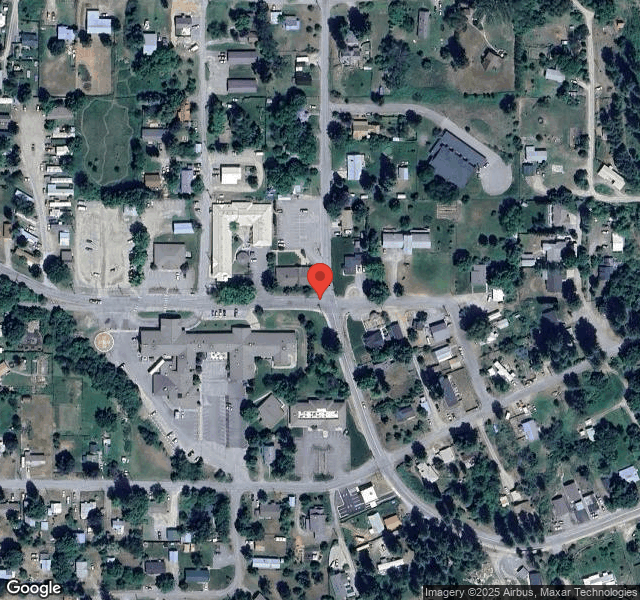
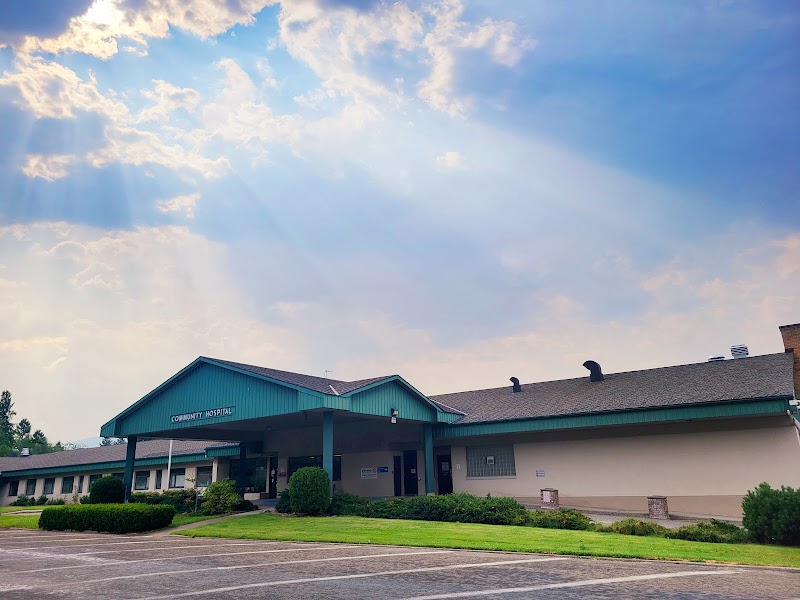
6640 KANIKSU STREET, BONNERS FERRY, ID 83805 (208) 267-3141
Government - County 28 Beds Independent Data: November 2025
Trust Grade
88/100
#5 of 79 in ID
Last Inspection: September 2024

Within standard 12-15 month inspection cycle. Federal law requires annual inspections.

Overview

Boundary County Nursing Home in Bonners Ferry, Idaho, has a Trust Grade of B+, which means it is above average and recommended for families considering care options. It ranks #5 out of 79 facilities in Idaho, placing it in the top half, and is the only option in Boundary County. The facility is improving, with issues decreasing from 10 in 2023 to just 2 in 2024. Staffing is a strong point, receiving a perfect 5/5 rating with a turnover rate of only 25%, significantly lower than the Idaho average. There have been no fines recorded, indicating good compliance with regulations, and the nursing home has more RN coverage than 89% of state facilities, ensuring better oversight of resident care. However, there are some weaknesses to consider. Recent inspections revealed concerns about food handling practices, with incidents such as not washing hands during food preparation and improper food storage that could expose residents to foodborne illnesses. Additionally, a lack of adherence to safe food handling policies has been noted, which could potentially affect all residents. Overall, while Boundary County Nursing Home has many strengths, families should be aware of these operational issues.

Trust Score
B+
88/100
In Idaho
#5/79
Top 6%
Safety Record
Low Risk
No red flags
Inspections
Getting Better
10 → 2 violations
Staff Stability
✓ Good
25% annual turnover. Excellent stability, 23 points below Idaho's 48% average. Staff who stay learn residents' needs.
Penalties
✓ Good
No fines on record. Clean compliance history, better than most Idaho facilities.
Skilled Nurses
✓ Good
Each resident gets 102 minutes of Registered Nurse (RN) attention daily — more than 97% of Idaho nursing homes. RNs are the most trained staff who catch health problems before they become serious.
Violations
⚠ Watch
15 deficiencies on record. Higher than average. Multiple issues found across inspections.
★★★★★
5.0
Overall Rating
★★★★★
5.0
Staff Levels
★★★★★
5.0
Care Quality
★★★★☆
4.0
Inspection Score
Stable
2023: 10 issues
2024: 2 issues

The Good

  • 5-Star Staffing Rating · Excellent nurse staffing levels
  • 5-Star Quality Measures · Strong clinical quality outcomes
  • Low Staff Turnover (25%) · Staff stability means consistent care
  • Full Sprinkler Coverage · Fire safety systems throughout facility
  • No fines on record
  • Staff turnover is low (25%)

    23 points below Idaho average of 48%

Facility shows strength in staffing levels, quality measures, staff retention, fire safety.

The Bad

No Significant Concerns Identified

This facility shows no red flags. Among Idaho's 100 nursing homes, only 1% achieve this.

The Ugly 15 deficiencies on record

Sept 2024 2 deficiencies
CONCERN (D) 📢 Someone Reported This

A family member, employee, or ombudsman was alarmed enough to file a formal complaint

Potential for Harm - no one hurt, but risky conditions existed

Free from Abuse/Neglect (Tag F0600)

Could have caused harm · This affected 1 resident

**NOTE- TERMS IN BRACKETS HAVE BEEN EDITED TO PROTECT CONFIDENTIALITY** Based on record review, review of the State Survey Agency's Long-Term Care Reporting Portal, and staff interview, it was determi...

Read full inspector narrative →
**NOTE- TERMS IN BRACKETS HAVE BEEN EDITED TO PROTECT CONFIDENTIALITY** Based on record review, review of the State Survey Agency's Long-Term Care Reporting Portal, and staff interview, it was determined the facility failed to ensure residents were safe from abuse. This was true for 1 of 18 residents (Resident #15) whose records were reviewed for abuse. This failure placed all residents at risk of abuse and physical and psychosocial harm. Findings include: Resident #15 was admitted to the facility on [DATE] with multiple diagnoses including dementia, depression, and anxiety. Resident #15's care plan dated 11/21/22 directed staff to allow and encourage her to make choices and promote her independence. The care plan documented she may reject care due to difficulty understanding and directed staff to explain all care before providing it. On 5/29/24 at 9:00 AM, Resident #15 stated CNA #1 had forcefully removed her sweatshirt the night before and twisted her left forearm causing a bruise. Resident #15 stated she had told CNA #1 no when prompted to change her sweatshirt because she liked to sleep in her sweatshirt, and she would change it the next morning after her shower. Resident #15 stated CNA #1 said it was their duty to change Resident #15's sweatshirt and they tussled and she was trying to resist when CNA #1 was pulling the sweatshirt off. Resident #15 was assessed by a nurse to have purpura (a mark that occurs when small blood vessels leak blood under the skin) on her left forearm just above the wrist, a small bruise on her left elbow, and 3 small red marks on the back of her left forearm. The facility's investigation report for this allegation of abuse was added to the State Survey Agency's Long-Term Care Reporting Portal on 6/4/24 at 10:05 AM. The investigation report documented an interview with CNA #1 on 5/29/24 in which the following was stated: [CNA #1] was called to discuss the incident. [CNA #1] recalled the incident with clarity. She stated that it was reported to her that [Resident #15] had not changed her sweatshirt that morning by the dayshift CNA and had been wearing it for two days. She stated that when she went to assist [Resident #15] with [bedtime] care she told her that the sweatshirt needed to be changed. [Resident #15] at that time had replied that she did not want to change it since she had a bath in the morning. [CNA #1] did not believe that as she says that all the time and the resident was unable to tell her what day her bath day was to confirm in her own mind that [Resident #15] did indeed have a bath. She stated that [Resident #15] was upset, threw a fit and [CNA #1] stated I'm just doing my job and tried to remove the sweatshirt by pulling it up from behind [Resident #15] and over her head. When asked if she had touched [Resident #15's] left arm or wrist, [CNA #1] stated yes, to get her arm out of the sleeve, but she was fighting me, and it could have left a mark. The conclusion of the incident report documented the following statement: The results of the investigation did substantiate the allegation of abuse. It was determined that [CNA #1] acted with willful intent in her attempt to remove the resident's sweatshirt which resulted in actual physical injury of the resident. Administration was consulted and [CNA #1's] employment was terminated. On 9/12/24 at 1:46 PM, the DON stated during the interview with CNA #1, she admitted she grabbed Resident #15's arm when forcing her to remove her sweatshirt. The DON stated the allegation of abuse was substantiated.
CONCERN (F) 📢 Someone Reported This

A family member, employee, or ombudsman was alarmed enough to file a formal complaint

Potential for Harm - no one hurt, but risky conditions existed

Food Safety (Tag F0812)

Could have caused harm · This affected most or all residents

Based on observation, policy review, review of the Idaho Food Code, and staff interview, it was determined the facility failed to appropriately store, prepare, distribute, and serve food in accordance...

Read full inspector narrative →
Based on observation, policy review, review of the Idaho Food Code, and staff interview, it was determined the facility failed to appropriately store, prepare, distribute, and serve food in accordance with professional standards for food service safety. This deficient practice had the potential to affect 18 of 18 residents who received meals prepared in the facility's kitchen and placed residents at risk for potential contamination, use of spoiled foods, and adverse health outcomes including contracting food-borne illnesses. Findings include: 1. The Idaho Food Code, revised February 2021, documented, for food safety, food prepared and held in a food establishment will be clearly marked to indicate the date by which the food will be consumed on the premises or discarded. The facility policy titled Food Storage and Handling, dated 3/12/24, documented Food will be properly stored & handled in a way to minimize the risk of contamination and transfer of infection. The policy also documented All opened containers will be stored in sealed containers that are labeled as appropriate and dated with open date. On 9/9/24 at 2:20 PM, the walk-in refrigerator was observed with the Certified Dietary Manager (CDM). Open containers were found that included: -a block of cheese inside a zip top sandwich bag with no dates, -a container of dill pickles with no open date, -2 bags of cheese with expiration dates of 8/31, -a bottle of Italian dressing with an open date of 8/18 with a broken/ cracked lid. The CDM stated the expired cheese should have been discarded and the Italian dressing with the broken lid needed to be thrown away. She stated she was unsure how long the other opened items were safe to be used or discarded. On 9/9/24 at 2:25 PM, the walk-in freezer was observed with the CDM. Open containers were found that included: -2 bags of cookies, both with no date, -1 bag of cardiac pork with no date. The CDM stated the opened packaging should be labeled with the date on it when opened and she did not know how long they had been opened or if they were safe to serve. On 9/9/24 at 2:30 PM, the dry goods storage was observed with the CDM. Open containers were found that included: - a bag of dry pasta with no open date and no expiration date, - a bag of corn flakes with no open date and an expired use by date of 7/21/24, - a bag of bran flakes with no open date and an expired use by date of 6/28/24, - a bag of granola opened with no open date and best by date of 6/20/24, - a bag of pecans with no opened date and an expired use by date of 7/13/24. The CDM stated the opened packaging should be labeled with the date on it when opened and she did not know how long they had been opened or if they were safe to serve and expired food should be thrown away. 2. The facility's Infection Control in Food Services policy, dated 4/3/24, documented, All food service employees will demonstrate consistent personal sanitation and infection control practices. and wash hands frequently utilizing the hand washing procedure: frequently during food preparation, after touching raw meat, poultry, or eggs. Additionally, the policy stated clean, disposable gloves, must be worn when handling food without a utensil and there will be no bare hand contact with any ready to eat foods. On 9/12/24 at 7:36 AM, Dietary Staff #1 was observed in a food preparation area with an active and productive cough without wearing a mask, and was observed performing the following food service tasks: -reaching her uncovered hand/arm into a blender to spoon out food from the bottom of the blender, -cleaning a countertop with a cloth and disinfectant spray, rinsed her hands for 3 seconds under running water without using soap or friction, then dried them in a paper towel and returned to food preparation, -rinsing a dirty knife in the sink labeled for hand-washing use and wiping food off with a paper towel before using it to slice toasted bread. -donning one glove on right hand, using same hand to reach into ¼ full bread bag and removing bread then placing into the toaster, removed glove, and started toaster without performing hand hygiene, -carrying 3 eggs, cracking them over stovetop barehanded, no hand washing witnessed, then got out a plate and sat it on the counter - donned gloves and finished cooking eggs. Removed gloves, retrieved toast from toaster and buttered it without gloves and held toast bare handed. She then placed the toast on plates. She then washed her hands. On 9/12/24 at 8:35 AM, the CDM stated the staff should always be wearing gloves when touching food. On 9/13/24 at 9:30 AM, Dietary Staff #1 described the correct hand washing process as use water, soap scrub for 20 seconds, then rinse and dry. She stated she should wash her hands whenever they are visibly dirty, after removing gloves, and after using the restroom. Dietary Staff #1 stated gloves should be worn whenever touching food.
Jul 2023 10 deficiencies
CONCERN (D) 📢 Someone Reported This

A family member, employee, or ombudsman was alarmed enough to file a formal complaint

Potential for Harm - no one hurt, but risky conditions existed

Deficiency F0578 (Tag F0578)

Could have caused harm · This affected 1 resident

**NOTE- TERMS IN BRACKETS HAVE BEEN EDITED TO PROTECT CONFIDENTIALITY** Based on record review, review of facility policy, and staff interview, it was determined the facility failed to ensure resident...

Read full inspector narrative →
**NOTE- TERMS IN BRACKETS HAVE BEEN EDITED TO PROTECT CONFIDENTIALITY** Based on record review, review of facility policy, and staff interview, it was determined the facility failed to ensure residents exercised their right to formulate an Advance Directive. This was true for 1 of 12 residents (Resident #12) whose records were reviewed. This failed practice created the potential for an adverse outcome if the resident's wishes were not followed. Findings include: The facility's policy Advanced Directives, dated 6/14/23, stated When resident/patient indicates they have Advanced Directives, but the documents are not provided to [the facility] at the time of admission/visit; follow-up will be conducted with the goal of acquiring documents for resident's/patient's chart. This policy was not followed. The State Operation Manual, Appendix PP, defined as Advance directive is a written instruction, such as a living will or durable power of attorney for health care, recognized under State law (whether statutory or as recognized by the courts of the State), relating to the provision of health care when the individual is incapacitated. Physician Orders for Life-Sustaining Treatment (or POLST) paradigm form is a form designed to improve patient care by creating a portable medical order form that records patients' treatment wishes so that emergency personnel know what treatments the patient wants in the event of a medical emergency, taking the patient's current medical condition into consideration. A POLST paradigm form is not an advance directive. Resident #12 was admitted to the facility on [DATE], with multiple diagnoses including dementia. An MDS quarterly assessment, dated 5/1/23, documented Resident #12 was severely cognitively impaired. An admission form, dated 11/26/19, documented Resident #12 had a Power of Attorney and had a living will. Resident #12's record did not include an Advance Directive. Resident #12's record included a POLST, dated 12/31/19, documenting she was a Do Not Resuscitate (to withhold life sustaining measures). On 7/26/23 at 12:40 PM, the DON stated the facility did not have a copy of Resident #12's Advance Directive.
CONCERN (D) 📢 Someone Reported This

A family member, employee, or ombudsman was alarmed enough to file a formal complaint

Potential for Harm - no one hurt, but risky conditions existed

Deficiency F0697 (Tag F0697)

Could have caused harm · This affected 1 resident

**NOTE- TERMS IN BRACKETS HAVE BEEN EDITED TO PROTECT CONFIDENTIALITY** Based on record review, resident interview, and staff interview, it was determined the facility failed to ensure a resident's pa...

Read full inspector narrative →
**NOTE- TERMS IN BRACKETS HAVE BEEN EDITED TO PROTECT CONFIDENTIALITY** Based on record review, resident interview, and staff interview, it was determined the facility failed to ensure a resident's pain was effectively managed. This was true for 1 of 3 residents (Resident #18) reviewed for pain management. This failure placed the resident at risk of ADL decline related to unrelieved pain, and not being offered effective pain management. Findings include: Resident #18 was admitted to the facility on [DATE], with multiple diagnoses including depression, chronic pain, pelvic joint pain, low back pain, pain in both hips, and pain in the right knee. Resident #18's quarterly MDS assessment, dated 6/12/23, documented she was cognitively intact. The assessment documented Resident #18's pain was frequently present, making it hard for her to sleep at night and she was not on a scheduled pain medication regimen. The assessment also documented Resident #18 did not receive nonpharmacological interventions for her pain. Resident #18's pain risk care plan, initiated on 12/19/22, documented she had a history of osteoarthritis and was at risk for pain related to her desire not to take any medications. The interventions included: - Assess Resident #18 for pain with each contact, and monitor for verbal, nonverbal, and behavioral signs of pain. - Ask Resident #18 to rate her intensity of pain, location and duration, and precipitating factors. - Offer nonpharmacological measures for pain as needed as Resident #18 wanted no medication if pain was not relieved. Resident #18 was not assessed as ordered and care planned and was not offered non-pharmacological interventions for pain. Examples include: a. Resident #18's record included in the MAR a list of non-pharmacological pain management techniques for the licensed nurse to offer to relieve pain, including activity, breathing techniques, cool clothes, distraction, elevation, environmental change, family support, relaxation techniques, repositioning, rest, therapeutic touch, warm blanket, application of heat and/or cold to area, hydration, encourage fluids, and oxygen. Resident #18's record did not include documentation she was offered non-pharmacological interventions to manage her chronic pain. b. Resident #18's physician order documented for licensed nurses to assess pain 3 times daily, every shift, and as needed. Resident #18's record, dated 7/1/23 to 7/27/23, documented Resident #18's physician order for pain assessment was not completed as follows: - A pain assessment was not completed per physician order on the mornings of 7/2/23, 7/7/23, 7/15/23, 7/16/23, 7/17/23, 7/20/23, 7/22/23, 7/23/23, and 7/26/23. - A pain assessment was not completed per physician order on the evenings of 7/8/23, 7/22/23, and 7/23/23. On 7/25/23 at 9:19 AM, Resident #18 stated she had chronic pain. She stated ice did not help her right lower extremity pain, but heat did help. She sometimes wished to stay in the hot bathtub because it helped a lot. Resident #18 stated she did not receive a hot packing offer for her right leg pain, since she had a stroke that caused her chronic pain last year. She did not know she could ask for it. On 7/27/23 at 10:30 AM, Resident #18 stated she refused restorative nursing exercises because sometimes she had pain in her right leg, and she could not tolerate standing up for more than 30 seconds. On 7/28/23 at 10:20 AM, the ADON reviewed Resident #18's record and stated the pain assessment was not completed and should have been completed. The ADON also stated there was no documentation nonpharmacological interventions from 7/1/23 to 7/27/23, and they should have been offered and documented.
CONCERN (D) 📢 Someone Reported This

A family member, employee, or ombudsman was alarmed enough to file a formal complaint

Potential for Harm - no one hurt, but risky conditions existed

Deficiency F0757 (Tag F0757)

Could have caused harm · This affected 1 resident

**NOTE- TERMS IN BRACKETS HAVE BEEN EDITED TO PROTECT CONFIDENTIALITY** Based on record review and staff interview, it was determined the facility failed to ensure residents were monitored for potenti...

Read full inspector narrative →
**NOTE- TERMS IN BRACKETS HAVE BEEN EDITED TO PROTECT CONFIDENTIALITY** Based on record review and staff interview, it was determined the facility failed to ensure residents were monitored for potential adverse side effects, response to treatment, and offered non-pharmacological interventions while receiving opioid pain medications. This was true for 2 of 9 residents (#4 and #6) reviewed for unnecessary medications. This failure created the potential for residents to experience adverse reactions and increased pain. Findings include: 1. Resident #6 was admitted to the facility on [DATE], with multiple diagnoses including depression, insomnia, and chronic pain. Resident #6's record included physician orders for pain management medication as follows: - Tylenol 650 mg by mouth every 4 hours as needed for mild pain or fever, started on 11/19/22. - Fentanyl (a type of opioid) patch 50 microgram-per-hour, apply one patch one time a day for chronic pain, started on 7/19/23. a. Resident #6's MAR, dated 7/1/23 to 7/25/23, documented Resident #6 received pain medication without indicating the location of the pain, the pain level (using a 1-10 scale with 1 being mild and 10 being the most severe), and/or non-pharmacological interventions were offered, as follows: - On 7/4/23 at 10:48 AM, there was no documentation for the location of the pain, the pain level, and non-pharmacological interventions were offered. - On 7/14/23 at 11:08 PM, there was no documentation for the location of the pain and non-pharmacological interventions were offered. - On 7/19/23 at 7:19 PM, there was no documentation for the location of the pain, the pain level, and non-pharmacological interventions were offered. - On 7/21/23 at 12:17 PM, there was no documentation non-pharmacological interventions were offered. - On 7/25/23 at 3:43 PM, there was no documentation of a pain level and non-pharmacological interventions were offered. b. Resident #6's MAR did not include monitoring for adverse side effects of his fentanyl patch. On 7/27/23 at 11:00 AM, the DON stated the facility did not document monitoring for adverse side effects routinely for opioid medications; instead, the facility documented when side effects were observed. She stated the side effects should be routinely monitored and documented. During the same interview, the DON reviewed Resident #6's record and stated there was a list of non-pharmacological interventions and the staff should have offered this before administering pain medication. She stated there was no documentation non-pharmacological interventions for pain were offered to him.
CONCERN (D) 📢 Someone Reported This

A family member, employee, or ombudsman was alarmed enough to file a formal complaint

Potential for Harm - no one hurt, but risky conditions existed

Medication Errors (Tag F0758)

Could have caused harm · This affected 1 resident

**NOTE- TERMS IN BRACKETS HAVE BEEN EDITED TO PROTECT CONFIDENTIALITY** Based on record review and staff interview, it was determined the facility failed to ensure potential side effects of psychotrop...

Read full inspector narrative →
**NOTE- TERMS IN BRACKETS HAVE BEEN EDITED TO PROTECT CONFIDENTIALITY** Based on record review and staff interview, it was determined the facility failed to ensure potential side effects of psychotropic medications were routinely monitored for 4 of 9 residents (#1, #4, #6, and #16) reviewed for unnecessary medications. This created the potential for residents to experience adverse reactions from unnecessary psychotropic medications. Findings include: Residents who were prescribed psychotropic medications were not monitored for potential adverse side effects. Examples include: a. Resident #1 was admitted to the facility on [DATE], with multiple diagnoses including depression, bipolar disorder (a mental health condition that causes extreme mood swings that include emotional highs/mania and lows/depression), and anxiety. Resident #1's record included physician orders for psychotropic medications, as follows: - Depakote Sprinkle (a mood stabilizer) 125 mg by mouth 2 times a day for mania related to bipolar disorder. - Klonopin (antianxiety) 0.5 mg by mouth 3 times a day for anxiety. - Seroquel (antipsychotic) 50 mg by mouth 2 times a day for depression, personality disorder, and paranoia. - Wellbutrin (antidepressant) 75 mg by mouth daily for depression and chronic pain. Resident #1's record did not include documentation potential adverse side effects were being monitored. b. Resident #16 admitted to the facility 11/10/22, with multiple diagnoses including dementia and anxiety. Resident #16's record included a physician order for the psychotropic medication escitalopram 5mg by mouth daily for depression and anxiety. Resident #16's record did not include documentation potential adverse side effects were being monitored. c. Resident #6 was admitted to the facility on [DATE], with multiple diagnoses including depression, insomnia, and chronic pain. Resident #6's record included a physician order for the psychotropic medication Zoloft (an antidepressant) 50 mg by mouth daily for depression and chronic pain, started on 1/31/23. Resident #6's record did not include documentation potential adverse side effects were being monitored. d. Resident #4 was admitted to the facility on [DATE], with multiple diagnoses including dementia, hypertension, depression, and pruritis (itchy skin). Resident #4's record included physician orders for multiple medications for her diagnosis of pruritis which included Zoloft 50mg by mouth daily, initiated on 2/15/23. Resident #4's record did not include documentation potential adverse side effects were being monitored. Resident #4's record included a physician note, dated 7/7/23, which documented her pruritic dermatitis was stable and a couple of medications would have the dose decreased. Resident #4's record also documented Zoloft was increased on 7/7/23. On 7/27/23 at 11:00 AM, the DON stated the facility did not document monitoring for adverse side effects routinely for psychotropic medications; instead, the facility documented when side effects were observed by staff. She stated the side effects should be routinely monitored and documented.
CONCERN (D) 📢 Someone Reported This

A family member, employee, or ombudsman was alarmed enough to file a formal complaint

Potential for Harm - no one hurt, but risky conditions existed

Deficiency F0806 (Tag F0806)

Could have caused harm · This affected 1 resident

**NOTE- TERMS IN BRACKETS HAVE BEEN EDITED TO PROTECT CONFIDENTIALITY** Based on policy review, record review, and resident and staff interview, it was determined the facility failed to honor one res...

Read full inspector narrative →
**NOTE- TERMS IN BRACKETS HAVE BEEN EDITED TO PROTECT CONFIDENTIALITY** Based on policy review, record review, and resident and staff interview, it was determined the facility failed to honor one resident's food preference request. This was true for 1 of 1 resident (Resident #8) reviewed for food preferences. This failure put Resident #18 at risk if she experienced hunger or weight changes related to not having meals provided according to her needs or preference. Findings include: The facility's policy Alternates and Substitute, Supplement Food Items, revised 6/8/23, directed the staff to identify residents who had particular food preferences and offer an alternate food choice in compliance with the resident's diet order. This policy was not followed. Resident #18 was admitted to the facility on [DATE], with multiple diagnoses including depression, heart failure (the heart is unable to pump enough blood to meet the body's need), and chronic pain. A quarterly nutrition assessment, dated 3/11/23, documented Resident #18 was on a regular diet and independent with eating. The nutrition assessment documented Resident #18 is having a very difficult time finding food that she enjoys from here. The nutrition assessment also documented on average Resident #18 consumed 54% of her meals. A quarterly nutrition assessment, dated 6/12/23, documented Resident #18 was on a regular diet and independent with eating. The nutrition assessment documented Resident #18 continues to be unhappy with a lot of meals and She gets upset about using angel hair pasta instead of spaghetti noodles. Resident #18 stated, No one knows how to cook down here, and Resident #18 became upset about meats being overcooked. The nutrition assessment documented the dietician explained to Resident #18 why the facility used angel hair instead of spaghetti noodles, and the dietitian told Resident #18 the facility would try to do better with the meats being overcooked. The nutrition assessment also documented Resident #18's care plan would be updated. On 7/25/23 at 12:05 PM, Resident #18 stated food was too hard to eat, especially hamburger meat, and spaghetti was served with angel hair, not spaghetti noodles. Resident #18 stated she had talked to the Kitchen Manager before, but the facility continued to serve angel hair instead of spaghetti noodles. Resident #18 stated she gained some weight because she did not eat proper meals, and she ate ice cream and cookies as replacements. Resident #18's Dietary Profile included special item notes for herbal tea with honey for lunch, oatmeal for breakfast with brown sugar on the side, and not to serve her fish. Resident #18's Dietary Profile did not include Resident #18's likes or dislikes as documented in her quarterly nutrition assessment. On 7/27/23 at 9:46 AM, the DON stated the facility provided angel hair instead of spaghetti noodles because most of the residents were on a mechanical soft diet. The DON stated Resident #18's food preferences should be documented in Resident #18's Dietary Profile as preferences and updated in her care plan.
CONCERN (D) 📢 Someone Reported This

A family member, employee, or ombudsman was alarmed enough to file a formal complaint

Potential for Harm - no one hurt, but risky conditions existed

Staffing Data (Tag F0851)

Could have caused harm · This affected 1 resident

Based on record review, staff interview, and Centers for Medicare and Medicaid (CMS) policy manual review, it was determined the facility failed to accurately submit direct care staffing information b...

Read full inspector narrative →
Based on record review, staff interview, and Centers for Medicare and Medicaid (CMS) policy manual review, it was determined the facility failed to accurately submit direct care staffing information based on the payroll data to CMS. Findings include: The CMS Electronic Staffing Data Submission Payroll-Based Journal Long-Term Care Facility Policy Manual, dated June 2022, documented facilities were required to submit Payroll-Based Journal (PBJ: information on the facility's daily staff's actual worked hours for the appropriate care of the residents), including the number of hours each staff member was paid to deliver services for each day worked. The facility's Certification and Survey Provider Enhanced Reporting System (CASPER) report, included the PBJ report, dated April 1 to June 30. 2022. The report documented the facility did not meet the minimum RN worked hours requirement of 8 hours a day for 4/2/22, 4/9/22, 6/11/22, and 6/18/22. The facility's payroll report and staff sign-in sheet for April and June 2022, documented the IP/ RN worked 8 hours daily on 4/2/22. 4/9/22 and 6/18/22. The DON/ RN worked 8 hours on 4/11/22. On 7/26/23 at 2:00 PM, the DON reviewed the payroll report and staff sign-in sheet and stated the PBJ report did not trigger the required 8 hours a day for RN hours due to the facility's reporting errors. The DON stated the PBJ report should include the IP/RN and her worked hours for 4/2/22, 4/9/22, 6/11/22, and 6/18/22.
CONCERN (E) 📢 Someone Reported This

A family member, employee, or ombudsman was alarmed enough to file a formal complaint

Potential for Harm - no one hurt, but risky conditions existed

Deficiency F0657 (Tag F0657)

Could have caused harm · This affected multiple residents

**NOTE- TERMS IN BRACKETS HAVE BEEN EDITED TO PROTECT CONFIDENTIALITY** 5. Resident #12 was admitted to the facility on [DATE], with multiple diagnoses including dementia. A quarterly MDS assessment,...

Read full inspector narrative →
**NOTE- TERMS IN BRACKETS HAVE BEEN EDITED TO PROTECT CONFIDENTIALITY** 5. Resident #12 was admitted to the facility on [DATE], with multiple diagnoses including dementia. A quarterly MDS assessment, dated 5/1/23, documented Resident #12 had difficulty falling or staying asleep nearly every day. A care plan, dated 5/4/23, documented Resident #12 had a history of sleep disturbance and was not taking any medications. Resident #12's care plan directed staff to monitor for side effects related to insomnia medications. Resident #12's record did not include a physician order for insomnia medication. The care plan was unclear whether Resident #12 was taking insomnia medication or if it was discontinued. On 7/27/23 at 9:34 AM, the DON stated the care plan should have been revised when the insomnia medication was discontinued. Based on record review, policy review, and staff interview, it was determined the facility failed to ensure residents' care plans were revised and updated as needed. This was true for 5 of 9 residents (#6, #8, #12, #13, and #18) whose care plans were reviewed. This created the potential for harm if care and/or services were not provided appropriately due to inaccurate information in the care plan. Findings include: The facility's policy Care Plan Development and Implementation, revised 2/24/23, stated care plans were to be revised as changes in the resident's condition indicated. This policy was not followed. 1. Resident #13 was admitted to the facility on [DATE], with multiple diagnose including dementia. An annual MDS assessment, dated 7/17/23, documented Resident #13 was severely cognitively impaired and required assistance from one person for transfers and repositioning. The care plan, dated 7/20/23, documented Resident #13 required 2-person assistance for bed mobility. Resident #13's care plan also documented Resident #13 required 1 person assistance with transfers and 2-person assistance for transfers if Resident #13 was showing signs of fatigue and/or confusion. The care plan did not specify signs of fatigue and/or confusion for staff to monitor and use to determine whether to have 1- or 2-person assistance. On 7/26/23 at 10:45 AM, Resident #13 was observed requesting assistance to transfer into a recliner. Resident #13 was transferred by 1 unidentified CNA to the common area recliner. On 7/27/23 at 4:41 PM, the DON stated the care plan was not clear if Resident #13 required assistance by 1 or 2 staff. She stated CNAs cannot make the assessment to determine when to use 1 or 2 staff based on the direction of the current care plan. The DON stated the care plan needed to be updated to be clear to staff. 2. Resident #18 was admitted to the facility on [DATE], with multiple diagnoses including depression, heart failure (the heart is unable to pump enough blood to meet the body's needs), and chronic pain. A quarterly nutrition assessment, dated 3/11/23, documented Resident #18 was on a regular diet and independent with eating. The nutrition assessment state Resident #18 was having a very difficult time finding food that she enjoyed from the kitchen. The nutrition assessment also documented Resident #18 consumed 54% of her meals. A quarterly nutrition assessment, dated 6/12/23, documented Resident #18 was on a regular diet and independent with eating. The dietician spoke to Resident #18 regarding her dissatisfaction with her meals. The nutrition assessment documented Resident #18 continues to be unhappy with a lot of meals and Resident #18 stated, No one knows how to cook down here. The nutrition assessment also document Resident #18 was upset meat was overcooked. The assessment documented the dietician told Resident #18 the facility would try to do better with overcooked meats. The nutrition assessment documented Resident #18's care plan would be updated to reflect her concerns. Resident #18's nutrition care plan was not revised to include her food concerns and preferences which were documented in the quarterly nutrition assessment on 6/12/23. On 7/27/23 at 9:46 AM, the DON reviewed Resident #18's care plan and stated the dietitian should have updated Resident #18's food preferences in her care plan. 3. Resident #8 was admitted to the facility on [DATE], with multiple diagnoses including falls and age-related physical debility. The facility's restorative meeting note, dated 6/13/23, documented Resident #8 was not in the restorative nursing program. A quarterly MDS assessment, dated 6/29/23, documented Resident #8 was severely cognitively impaired, had lower and upper extremity range of motion (ROM) impairment, and did not walk. The quarterly assessment documented Resident #8 was not receiving physical or occupational therapy and was not in a restorative nursing program. The quarterly assessment also documented Resident #8 had a recent fall with an injury. A care conference note, dated 7/6/23 at 8:58 AM, documented the IDT discussed current interventions and attempts at restorative exercises with Resident #8's refusing. On 7/26/23 at 2:00 PM, the DON reviewed Resident #8's record and state there was no care plan for Resident #8's ROM needs and refusal for restorative nursing exercise, and it should be in the care plan. 4. Resident #6 was admitted to the facility on [DATE], with multiple diagnoses including depression, insomnia, and chronic pain. Resident #6's pain care plan, revised 3/23/23, documented for a licensed nurse to apply medication patch as ordered and to monitor for adverse reactions. The care plan also documented to review the MAR for medication-specific side effects. Resident #6's record included a physician order for fentanyl 50 mcg patch (a type of opioid) for pain management. The order stated to apply one patch once a day for chronic pain. Resident #6's MAR for pain management, dated 7/1/23 to 7/25/23, documented Resident #6 received his pain medication as ordered. Resident #6's care plan did not include a list of specified side effects to be monitored for the pain medication fentanyl. On 7/27/23 at 11:00 AM, the DON stated Resident #6's care plan did not include the list of adverse side effects to be monitored and they should have been documented in the care plan.
CONCERN (E) 📢 Someone Reported This

A family member, employee, or ombudsman was alarmed enough to file a formal complaint

Potential for Harm - no one hurt, but risky conditions existed

Quality of Care (Tag F0684)

Could have caused harm · This affected multiple residents

**NOTE- TERMS IN BRACKETS HAVE BEEN EDITED TO PROTECT CONFIDENTIALITY** Based on record review, policy review, and staff interview, it was determined the facility failed to ensure resident care was pr...

Read full inspector narrative →
**NOTE- TERMS IN BRACKETS HAVE BEEN EDITED TO PROTECT CONFIDENTIALITY** Based on record review, policy review, and staff interview, it was determined the facility failed to ensure resident care was provided in accordance with professional standards of care when neurological checks were not completed, and skin treatment was not provided as ordered. This was true for 2 of 9 residents (#8 and #13) reviewed for quality of care. These failures also placed residents at risk for worsening of their condition and status. Findings include: 1. The facility's Falls Prevention Program policy, revised 2/24/23, documented in the event of a fall, neurological (neuro) checks were to be initiated per protocol for any unwitnessed fall unless the resident was alert and oriented and was able to verbalize no injury to the head. The facility's Neurological Observation Record form directed staff to assess for eye-opening, motor, and verbal responses as part of the neuro checks, and included a schedule to monitor vital signs along with neuro checks as follows: - Every 15 minutes x 1 hour. - Every 30 minutes x 1 hour. - Every hour x 4 hours. - Every 4 hours x 24 hours. The policy and the neuro check schedule were not followed. Resident #8 was admitted to the facility on [DATE], with multiple diagnoses including falls, dependence on a wheelchair, and age-related physical debility. An I&A report, dated 6/25/23, documented Resident #8 had a fall and he was found face down and slightly on his left side in front of his recliner in his room. The report documented Resident #8 sustained a laceration to the left side of his forehead and a bruise on his left wrist. The I&A documented Resident #8 was sent to the emergency room for further evaluation, and he returned to the facility on 6/25/23 at 3:45 PM. Resident # 8's Neurological Observation Record form, dated 6/25/23 and 6/26/23, was not completed per the times indicated on the form as follows: - On 6/25/23 at 3:45 PM, 4:15 PM, 5:15 PM, 6:15 PM, 7:15 PM, 8:15 PM - On 6/26/23 at 12:15 AM, 4:15 AM, and 8:15 PM On 7/26/23 at 5:00 PM, the DON reviewed Resident #8's record and reviewed the Neurological Observation Record had areas which were blank and documented staff had documented asleep. She stated the neuro checks and vital signs should have been completed and documented. 2. Resident #13 was admitted to the facility on [DATE], with multiple diagnoses including dementia. Resident #13's care plan, dated 7/14/23, documented there was an area of split skin on the coccyx (tailbone). The care plan directed staff to monitor the site for signs and symptoms of infection. The care plan also directed staff to monitor the area until it resolved and apply Calazime with each contact. On 7/26/23 at 10:45 AM, Resident #13 was observed during cares by staff. Resident #13 had an open area to the coccyx. The ADON stated the wound was documented as resolved on 7/23/23 and based on the skin appearance no Calazime had been applied. On 7/27/23 at 4:41 PM, the DON stated staff were not documenting skin assessments daily and monitoring for potential infection per Resident #13's care plan.
CONCERN (E) 📢 Someone Reported This

A family member, employee, or ombudsman was alarmed enough to file a formal complaint

Potential for Harm - no one hurt, but risky conditions existed

Deficiency F0883 (Tag F0883)

Could have caused harm · This affected multiple residents

**NOTE- TERMS IN BRACKETS HAVE BEEN EDITED TO PROTECT CONFIDENTIALITY** Based on record review, policy review, and staff interview, it was determined the facility failed to ensure residents were offer...

Read full inspector narrative →
**NOTE- TERMS IN BRACKETS HAVE BEEN EDITED TO PROTECT CONFIDENTIALITY** Based on record review, policy review, and staff interview, it was determined the facility failed to ensure residents were offered the pneumococcal vaccine PCV20 and honored the opportunity to share decision-making with their physician. This was true for 5 of 5 residents (#1, #6. #7, #8, and #18) reviewed for immunizations. This failure placed residents at risk of severe illness or death should they contract pneumococcal (bacterial) pneumonia. Findings include: The facility's Immunization Protocol Adult policy, revised 8/17/22, stated immunizations were offered to residents who met the criteria. The policy stated all residents were screened for immunization status during nursing admission assessments to determine if a vaccine, including pneumococcal, was needed. If the resident met the criteria for vaccination, staff were to obtain a consent form, place the order, and administer the vaccine. This policy was not followed. The CDC website, accessed 7/27/23, and last reviewed 2/9/23, stated the following: - For those who have never received any pneumococcal conjugate vaccine, CDC recommended PCV15 or PCV20 for adults 65 or older with certain medical conditions or risk factors. If PCV15 was used, it should be followed by a dose of PPSV23. - Adults 65 years or older can get PCV20 if they have already received PCV13 (but not PCV15 or PCV20) at any age and PPSV23 at or after the age of [AGE] years old. - These adults can talk with their doctor and decide, together, whether to get PCV20. 1. Resident #1 was admitted to the facility on [DATE], with multiple diagnoses including depression, bipolar disorder (a mental health condition that causes extreme mood swings that include emotional highs and lows) and anxiety. Resident #1's immunization record documented she received PCV13 at age [AGE] and PPSV23 at age [AGE]. Resident #1 was eligible to receive the PCV20 vaccine. Resident #1's record did not include documentation the PCV20 vaccine was offered, or education of the the risks and benefits was provided. 2. Resident #6 was admitted to the facility on [DATE], with multiple diagnoses including depression, insomnia, and chronic pain. Resident #6's immunization record documented he received the PPSV23 vaccine at ages 83 and 89. Resident #6 was eligible to receive the PCV20 vaccine. Resident #6's record did not include documentation the PCV20 vaccine was offered, or education of the risks and benefits was provided. 3. Resident #7 was admitted to the facility on [DATE], with multiple diagnoses including bipolar disorder, anxiety, and depression. Resident #7's immunization record documented she received the PPSV23 vaccine at ages 60, 61 and 65. Resident #7 was eligible to receive the PCV20 vaccine. Resident #7's record did not include documentation the PCV20 vaccine was offered, or education of the risks and benefits was provided. 4. Resident #8 was admitted to the facility on [DATE], with multiple diagnoses including falls, dependence on wheelchair, and age-related physical debility. Resident #8's immunization record documented he received the PCV13 vaccine at age [AGE] and the PPSV23 vaccine at age [AGE]. Resident #8 was eligible to receive the PCV20 vaccine. Resident #8's record did not include documentation the PCV20 vaccine was offered, or education of the risks and benefits was provided. 5. Resident #18 was admitted to the facility on [DATE], with multiple diagnoses including depression, heart failure (heart can't pump enough blood), and chronic pain. Resident #18's immunization record documented he received the PCV13 vaccine at age [AGE] and the PPSV23 vaccine at age [AGE]. Resident #18 was eligible to receive the PCV20 vaccine. Resident #18's record did not include documentation the PCV20 vaccine was offered, or education of the risks and benefits was provided. On 7/27/23 at 4:45 PM, the DON stated she had discussed with the residents' physician (facility medical director) regarding the PCV20 vaccine. She said the physician did not think residents needed the PCV20 vaccine. The DON stated the PCV20 should be offered to the residents or their representative, and discussed with the residents' physician. On 7/28/23 at 8:40 AM, the DON provided residents' immunization records and stated all 5 residents were not contraindicated to receive PCV20, the facility should offer them PCV20, and the facility did not.
CONCERN (F) 📢 Someone Reported This

A family member, employee, or ombudsman was alarmed enough to file a formal complaint

Potential for Harm - no one hurt, but risky conditions existed

Food Safety (Tag F0812)

Could have caused harm · This affected most or all residents

Based on observation, policy review, and staff interview, it was determined the facility failed to provide safe and sanitary food handling and distribution of food for the residents who received dieta...

Read full inspector narrative →
Based on observation, policy review, and staff interview, it was determined the facility failed to provide safe and sanitary food handling and distribution of food for the residents who received dietary services from the facility's kitchen and had the potential to affect all 19 residents currently in the facility. This failed practice had the potential to expose residents to food borne illness. Findings include: The facility's policy Infection Control in Food Service, revised 6/8/23, documented all food service personnel will demonstrate consistent personal sanitation and infection control practices which included: - Wash hands frequently - Wash hands frequently during food preparation - Wash hands anytime hands should become soiled - Clean, disposable gloves must be worn when handling food without a utensil - No Bare hand contact with any ready to eat foods - There must be a physical barrier between your clean hand and the ready to eat food This policy was not followed. On 7/27/23 beginning at 11:36 AM, an observation was conducted during the lunch service. Staff in the kitchen were observed with breeches of infection control and prevention. Examples include: a. Dietary Aide #1 did not perform hand hygiene frequently or when needed, wear gloves, and change gloves following infection control and prevention guidance, as follows: - Dietary Aide #1 had a glove on her right hand and no glove on her left hand while ladling soup into a cup. Dietary Aide #1 then picked up a stack of plastic lids to cover the soup cups with her gloved hand and used the ungloved left thumbnail to separate the lids and then placed those lids she touched without a glove on the soup cups. - Dietary Aide #1 picked up a sandwich from an uncovered pan with multiple sandwiches on it and placed it on a plate without using gloves. - Dietary Aide #1 used her left hand, which did not have a glove, to reach into a bag to get a bun and placed it on a plate. Then using both hands, with a glove on her right hand and no glove on her left hand separated the top and bottom of the bun. She then used her right hand, which had the same glove, to grab a set of tongs to pick up meat and then placed the meat on the bottom of the bun, and using her ungloved left hand placed the top of the bun on the meat. - Dietary Aide #1 pushed a rack of trays with both hands, out of the way and went to the walk-in refrigerator and with her ungloved left hand opened the door, reached inside and returned to the food service line with the sandwich, which was placed on a plate. Dietary Aide #1 did not remove her gloves and perform hand hygiene between each action. She then used her ungloved left hand to hold the sandwich while cutting it in half and placed one half on a plate for a food tray and the other half on a plate which was placed on top of a toaster. (The half placed on the toaster was later used for another food tray). b. Dietary Aide #2 did not perform hand hygiene frequently or when needed, wear gloves, and change gloves following infection control and prevention guidance, as follows: - Dietary Aide #2 was observed touching utensils, cups, and napkins and placing them on residents' trays without gloves. - A rack containing food trays for residents of the facility were taken by Dietary Aide #2 to the hallway and then up in an elevator to the nursing home for staff to pass out to the residents. Upon return, Dietary Aide #2 placed a rack next to the end of the food service line, proceeded to the other end, then began placing napkins, utensils, and cups on trays. Dietary Aide #2 did not perform hand hygiene prior to placing items for use by the residents onto their trays. On 7/27/23 at 2:50 PM, the Kitchen Manager stated dietary personnel were not trained to use one glove, staff were to use utensils or gloves on both hands. The Kitchen Manager stated Dietary Aide #2 should not have been wearing gloves, there was no reason to wear gloves to set up trays. She stated staff typically do not perform hand hygiene after delivery of trays, but they probably should as the elevator button was not the cleanest.
Jan 2019 3 deficiencies
CONCERN (D)

Potential for Harm - no one hurt, but risky conditions existed

Accident Prevention (Tag F0689)

Could have caused harm · This affected 1 resident

**NOTE- TERMS IN BRACKETS HAVE BEEN EDITED TO PROTECT CONFIDENTIALITY** Based on observation, staff interview, manufacturers guidelines, policy review, and record review, it was determined the facilit...

Read full inspector narrative →
**NOTE- TERMS IN BRACKETS HAVE BEEN EDITED TO PROTECT CONFIDENTIALITY** Based on observation, staff interview, manufacturers guidelines, policy review, and record review, it was determined the facility failed to ensure staff utilized mechanical lifts properly to reduce potential injuries. This was true for 2 of 2 residents (#1 and #6) reviewed for supervision and accidents. These failed practices placed residents at risk of bone fractures and other injuries related inappropriate use of a mechanical lift. Findings include: The facility's The use of Mechanical Lifts Policy, revised 12/13/18, documented staff utilized mechanical lift equipment when residents could no longer support their weight on their own. The policy documented the facility used a Arjo Maxi Move Mechanical lift device and staff needed to demonstrate and verbalize the correct procedure to operate the lift. The facility's Transfers Policy, revised 10/17/18, documented a resident's ability to transfer was assessed at the time of admission. The policy documented wheelchair brakes needed to be locked during all transfers. The Arjo Maxi Move Instructions for Use, dated April 2010, documented the Arjo was designed for safe usage with one caregiver. The instructions documented there were circumstances that dictated the need for a two-person transfer such as combativeness, obesity, contractures etc The instructions documented it was the responsibility of the facility to determine if a one or two person transfer was more appropriate based on the task, resident load, environment, capability, and skill level of the staff members. a. Resident #1 was admitted to the facility on [DATE], with diagnoses which included dementia and chronic pain. An annual Minimum Data Set (MDS) assessment, dated 11/4/18, documented Resident #1 had severe cognitive impairment and she was dependent on one staff member for bed mobility, transfers, and toilet use. The MDS documented Resident #1 weighed 185 pounds. Resident #1's Care Area Assessment, dated 11/2/18, documented she was considered obese. The care plan area addressing Resident #1's Activities of Daily Living (ADL), revised 11/6/18, documented Resident #1 required extensive to total assistance with all ADL's and cares. The care plan documented Resident #1 had a history of being combative with care and she needed the assistance of one or two staff depending on her behaviors. The care plan documented she used a Geri chair for positioning. The care plan documented Resident #1 required the assistance of one to two staff with bed mobility depending on her cooperation, mood, or anxiety. The care plan documented Resident #1 required the assistance of one staff for all transfers with the Arjo lift, and the assistance of two staff when she was uncooperative or agitated. On 1/29/19 at 9:57 AM, CNA #7 was observed assisting Resident #1 to the bathroom with the use of the Arjo lift. CNA #7 was the only staff member in the bathroom. Resident #1's Geri chair was near the left-hand side wall approximately one inch from the wall. Resident #1's Geri chair brakes were not locked as CNA #7 raised Resident #1 off her seat. The Geri chair slid forward approximately two to three inches. After Resident #1 was free of the chair CNA #7 placed her onto the toilet. After Resident #1 finished using the restroom, CNA #7 raised her with the Arjo lift and assisted her back into her Geri chair. Resident #1's Geri chair brakes were not locked, and as Resident #1 was lowered into the Geri chair the chair moved back and forth and back again and rested against the wall as Resident #7 was situated into the chair. According to the Arjo's manufacturer instructions, the facility was to assess Resident #1 for the use of one to two staff personnel based on Resident #1's size. Resident #1's clinical record did not contain documentation the assessment was completed. Facility staff failed to complete an assessment according to the manufacturer's instructions. and ensure Resident #1's Geri chair brakes were locked prior to transferring Resident#1. b. Resident #6 was admitted to the facility on [DATE], with diagnoses which included dementia, prosthetic arthroplasty (replacement) of the hip, contracture of hand joint, and rigidity of the muscles. A quarterly MDS assessment, dated 11/3/18, documented Resident #6 had severe cognitive impairment and documented she was dependent on one staff member for dressing, transfers, and toilet use. The MDS documented Resident #6 had bilateral range of motion impairments to her lower extremities and a range of motion impairment to one of her upper extremities. The care plan area addressing Resident #6's ADLs, revised 8/7/18, documented Resident #6 required extensive to total assistance of one to two staff with all ADLs and cares, depending on her behaviors and resistance. The care plan documented Resident #6 required two staff personnel for all transfers with the Arjo lift if she was agitated or combative and she needed transferred. On 1/28/19 at 1:12 PM, CNA #6 was observed assisting Resident #6 from her wheelchair and into her bed with the use of the Arjo lift. Resident #6 was observed with severely contracted legs and left hand. CNA #6 attached Resident #6's sling onto the Arjo lift and after she finished attaching the sling, she moved to stand in front of the controller of the Arjo lift. CNA #6 did not lock Resident #6's wheelchair brakes. CNA #6 was standing near the controller of the Arjo lift while Resident #6 was lifted into the air with the lift. CNA #6 moved Resident #6 over to her bed and assisted her into bed. On 1/29/19 at 9:39 AM, CNA #5 was observed assisting Resident #6 from her wheelchair and into her bed with the use of the Arjo lift. CNA #5 attached Resident #6's sling onto the Arjo lift and then locked Resident #6's right brake of her wheelchair, the brake closest to her. CNA #5 moved to stand in front of the controller of the Arjo lift. CNA #5 did not lock Resident #6's left wheelchair brake. CNA #5 was standing near the controller of the Arjo lift while Resident #6 was lifted into the air with the lift. CNA #5 moved Resident #6 over to her bed and assisted her into bed. According to the Arjo's manufacturer instructions, based on Resident #6's contractures the facility was to assess Resident #6 to determine if one or two staff were needed to safely transfer her. Resident #6's clinical record did not contain documentation the assessment was completed. Resident #6's wheelchair brakes were not locked when she was transferred and she was not assessed consistent with Arjo's manufacturer's instructions, to determine if one or two staff were needed when transferring her. On 1/30/19 at 10:53 AM, Registered Nurse (RN) #1 stated residents' transfers plans were determined based on multiple factors. RN #1 stated staff assessed a residents' fall risk, if they could stand, if they were resistive with cares, and their body tone. RN #1 stated the assessment was on the care plan. On 1/30/19 at 11:00 AM, LPN #2 stated the facility did not have a documented assessment as to if residents were safe with one or two staff transfers. LPN #2 stated what was on the care plan was how residents should be transferred. LPN #2 stated Resident #1's and #6's care plans stated they could be assisted by one or two staff, and the CNAs had the option to use two people. LPN #2 stated Resident #1 and Resident #6 could be resistive with cares at times. LPN #2 stated the manufacturer guidelines for the Arjo lift documented only one person was required for use. LPN #2 stated staff competencies related to the proper mechanics of the Arjo lift were reviewed annually. On 1/30/19 at 2:28 PM, the DNS stated residents' wheelchair brakes should always be locked during transfers. The DNS stated the nurses assessed residents' needs often and the facility did not have documented assessment for the Arjo lift to determine if one or two staff were required to safely transfer the residents.
CONCERN (F)

Potential for Harm - no one hurt, but risky conditions existed

Food Safety (Tag F0812)

Could have caused harm · This affected most or all residents

Based on observation, review of facility policy and the 2017 FDA Food Code, and staff interview, it was determined the facility failed to ensure food was handled properly and maintained according to s...

Read full inspector narrative →
Based on observation, review of facility policy and the 2017 FDA Food Code, and staff interview, it was determined the facility failed to ensure food was handled properly and maintained according to safe practices and proper hand hygiene was performed. This was true when Potentially Hazardous Food (PHF) cold food temperatures were not maintained at safe temperatures and/or were not assessed prior to service. The facility failed to ensure staff performed adequate hand hygiene to prevent possible cross-contamination of dirty to clean areas in the kitchen. These failed practices placed 12 of 12 residents (#1, #3, #4, #6, #7, #8, #9, #12, #13, #16, #18, and #72) reviewed who dined in the facility and the other 10 residents who dined in the facility, at risk of adverse health outcomes. Findings include: 1. The facility's Dietary Personal Hygiene Policy, revised 1/9/19, documented staff should wash their hands after handling soiled equipment or utensils. The policy documented staff should wet their hands, apply soap, rub their hands together for one minute and, rinse well and dry their hands. On 1/30/19 at 12:10 PM, [NAME] #1 was observed moving between tasks and she approached the sink, applied soap, rubbed her hands together under running water, banged her hands against the side of the sink, and obtained a paper towel to dry her hands. The whole process lasted 5 seconds. On 1/30/19 at 12:14 PM, [NAME] #1 repeated the steps above, and the process lasted four seconds. On 1/30/19 at 12:14 PM, the Certified Dietary Manager (CDM), who was present for the observation, stated she would expect staff to wash their hands minimally for 15-20 seconds. On 1/30/19 at 1:47 PM, [NAME] #2 was observed washing her hands in the dish room. She approached the sink, wet her hands, applied soap, rubbed her hands together, rinsed her hands off, and obtained a paper towel to dry her hands. The whole process lasted 6 seconds. The CDM, who was present for the observation, stated she did not see the staff member washing her hands because [NAME] #2 was so quick. The CDM stated she would in-service staff on proper hand hygiene. 2. The 2017 FDA Food Code, Chapter 3, Part 3-5, Limitation of Growth of Organisms of Public Health Concern, subpart 3-501.12 Time/Temperature Control for Safety Food, documents refrigerated foods are to be maintained at 5 C (41 F [Fahrenheit]) or less. On 1/30/19 at 11:45 AM, [NAME] #1 was observed assessing the temperatures of food items. [NAME] #1 approached a cooler and obtained cold roast beef sandwiches from the cooler. [NAME] #1 proceeded to obtain a temperature for roast beef sandwiches. The roast beef sandwiches were assessed to be 53.5 degrees F. The CDM placed the sandwiches into the freezer to cool down. On 1/30/19 at 12:10 AM, [NAME] #1 was observed obtaining chopped salads from the cooler and the cold roast beef sandwiches from the freezer, and placed them onto a cart to deliver them to the serving area. [NAME] #1 assessed the temperature of the cold roast beef sandwiches at 49 degrees F. [NAME] #1 did not assess the temperature of the chopped salads. The food was delivered upstairs to the serving area for lunch. On 1/30/19 at 12:17 PM, [NAME] #3 was observed assessing the temperature of food. items. [NAME] #3 proceeded to obtain a temperature for roast beef sandwiches. The roast beef sandwich was assessed to be 49.4 degrees F. [NAME] #3 did not obtain the temperature of the chopped salads and continued with service. [NAME] #3 served the roast beef sandwiches and the chopped salads to residents. On 1/30/19 at 12:37 PM, the CDM stated she did not feel right about serving the sandwiches, but the staff did so anyway. The CDM stated potentially hazardous foods should be at a temperature of less than 41 degrees F prior to service.
CONCERN (F)

Potential for Harm - no one hurt, but risky conditions existed

Infection Control (Tag F0880)

Could have caused harm · This affected most or all residents

Based on observation, staff interview, record review, and policy review, it was determined the facility failed to ensure infection control measures were consistently implemented as they related to lau...

Read full inspector narrative →
Based on observation, staff interview, record review, and policy review, it was determined the facility failed to ensure infection control measures were consistently implemented as they related to laundry service practices, hand hygiene practices, and urinary catheter care. Failure to ensure staff processed and transported linens in a sanitary manner, had the potential to impact 12 of 12 residents (#1, #3, #4, #6, #7, #8, #9, #12, #13, #16, #18, and #72) reviewed who resided in the facility and the other 10 residents residing at the facility. Lapses in hand hygiene directly impacted 4 of 15 residents (#1, #6, #7, and #10) whose care was observed. Lapse in urinary catheter care directly impacted 1 of 1 resident (#9) reviewed who had a catheter. These deficient practices created the potential for harm by exposing residents to the risk of infection and cross contamination. Findings include: 1. The facility's Handwashing and Hand Hygiene policy, dated 9/3/17, documented staff should perform hand hygiene when they changed gloves and when moving from a unclean body site to a clean-body site during resident care. This policy was not followed. Examples include: a. On 1/28/19 at 11:15 AM, CNA #1 was observed providing peri care for Resident #7. After assisting Resident #7 with peri care CNA #1 removed her gloves but did not perform hand hygiene. CNA #1 continued to provide care for Resident #7 applying an incontinence pad, readjusting clothing, and transferring Resident #7 back to her recliner. On 1/28/19 at 11:34 AM, CNA #1 stated she should have performed hand hygiene after removing her gloves, prior to touching other items. b. On 1/28/19 at 1:15 PM, CNA #6 was observed assisting Resident #6 with peri care. CNA #6 was observed washing her hands and placing clean gloves onto her hands. CNA #6 retrieved clean supplies to change Resident #6's adult brief and prepared the supplies. CNA #6 began removing Resident #6's soiled pants and placed them into the dirty hamper. CNA #6 then looked around and grabbed the trash can with her hand and placed it next to her. CNA #6 removed Resident #6's soiled brief and threw it into the trash can. CNA #6 provided Resident #6 with peri care, applied a clean brief, placed pillows under and between Resident #6's contracted legs, and then removed her gloves. CNA #6 adjusted Resident #6's blanket and washed her hands. On 1/28/19 at 1:27 PM, CNA #6 stated she forgot to perform hand hygiene after she assisted Resident #6 with peri care. c. On 1/29/19 at 9:43 AM, CNA #5 and CNA #7 were observed assisting Resident #6 with peri care. CNA #5 washed her hands and placed clean gloves onto her hands. CNA #5 retrieved the clean supplies needed to assist Resident #6 with peri care. CNA #5 removed Resident #6's pants and soiled adult brief and began providing peri care. CNA #7 was assisting CNA #5 by holding Resident #6's contracted legs in place for peri care to be completed. CNA #5 stated she needed more wipes, removed her gloves, and left the room. CNA #5 returned with new wipes, opened the wipes, removed a few wipes, washed her hands, and placed clean gloves onto her hands. CNA #5 continued to assist with peri care and completed the task. After CNA #5 completed the task she placed a clean brief onto Resident #6 and placed pillows under and between her legs, and then removed her gloves and washed her hands. On 1/29/19 at 9:53 AM, CNA #5 stated she forgot to complete hand hygiene after she assisted Resident #6 with peri care. d. On 1/30/19 at 7:46 AM, CNA #3 was observed assisting Resident #10 with morning cares. CNA #3 cleaned Resident #10's legs, arms, chest, and back with wipes and then assisted Resident #10 with sitting up. CNA #3 placed a clean shirt and clean pants up to Resident #10's knees and rested an opened clean adult brief on the top of her pants. CNA #3 then stood Resident #10 up with the sit to stand, removed her soiled brief, and provided peri care. CNA #3 pulled up and fastened the clean brief, pulled Resident #10's pants over the clean brief, and lowered her into her wheelchair. CNA #3 removed her gloves and washed her hands. On 1/29/19 at 8:00 AM, CNA #3 stated she realized she did not change her gloves and perform hand hygiene after peri care was completed. On 1/31/19 at 12:54 PM, the DNS stated staff should be washing their hands after removing gloves and the staff were educated constantly about this. 2. According the Centers for Disease Control and Prevention, Guidelines for Prevention of Catheter Associated Urinary tract infections, updated 2/15/17, states the urinary collection bag should not rest on the floor. This guideline was not followed. Examples include: a. On 1/29/19 at 9:04 AM, Resident #9 was observed in the dining room, and he was stepping on his catheter tubing. On 1/29/19 at 9:06 AM, CNA #4 was asked if Resident #9's catheter tubing should be on the floor and she stated no. CNA #4 was observed washing her hands, placing gloves on, and adjusting Resident #9's catheter tubing off the floor. b. On 1/29/19 at 2:50 PM, Resident #9 was observed in bed and his catheter collection bag was inside a privacy bag and the privacy bag was resting on the floor. On 1/29/19 at 3:01 PM, LPN #1 stated the catheter collection bag should be off the floor, and the privacy bag was permeable to germs. LPN #1 adjusted Resident #9's collection bag off the floor. 3. The facility's Environmental Services Department Laundry policy, reviewed 9/12/18, documented staff were to wear a gown and gloves when working in the sorting room and whenever handling soiled linen. The policy documented the clean linens should be covered. This policy was not followed. Examples include: a. On 1/28/19 at 2:47 PM, CNA #2 was observed passing out clean clothes to different residents. The items were on two carts, one was a metal cart with shelves, and had the residents' names on the shelves, and one had hangers hanging from it. The cover for the metal cart was set on top of the cart and residents' undergarments were seen as the cart moved down the hall. The hanging cart's cover was thrown to the side and residents' clothes were seen as the cart moved down the hall. On 1/28/19 at 3:00 PM, CNA #2 stated the laundry came from the laundry department covered and the staff uncovered it when it reached the floor, so residents' names could be seen. b. On 1/31/19 at 2:25 PM, CNA #8 and CNA #9 were observed passing laundry with the covers off the carts. The DNS was present when the laundry was passed, and asked CNA #8 to please cover the undergarments with the covering. The covering on the metal cart was placed over the cart and the covering did not reach to the bottom of the cart, and half of the cart was still exposed. The DNS stated the cart needed a longer covering. On 1/31/19 at 2:25 PM, the DNS stated the laundry should be covered for infection control reasons. c. On 1/31/19 at 7:00 AM, Laundry Staff #1 stated when the staff sorted laundry in the dirty laundry room, they donned a protective jacket. The jacket used was a light weight porous material, not a moisture barrier type of material. Laundry Staff #1 stated the staff changed to a new jacket throughout the day, depending on the task, but always used the same type of jacket. She stated for example, the jacket was changed if residents' bowel movements were on linens. Laundry Staff #1 stated the jackets sometimes got wet. When they changed the jackets, they removed them and put them in with the laundry load and got a new jacket. Laundry Staff #1 stated she was responsible for sorting, washing, drying, and folding clothes. She stated she delivered the laundry to the floors. Laundry Staff #1 stated the staff did not normally wear goggles when sorting laundry, but they were available for use if they were needed. On 1/30/19 at 7:30 AM, the Environmental Services Manager, stated the training she received was that the current jackets were the proper PPE (personal protective equipment) for laundry. She stated the laundry staff were to change jackets after every sort and the goggles were for when they worked with C-Diff. (Clostridium difficile, is a bacterium that can cause symptoms ranging from diarrhea to life-threatening inflammation of the colon.) On 1/31/19 at 11:31 AM, the Infection Control Preventionist stated the facility followed the Association for Professionals in Infection Control and Epidemiology (APIC) guidelines. She stated the guideline recommended wearing barrier gowns and safety glasses. The 10/11/18 APIC Hygienically Clean Healthcare- Laundry Tour Planner for Healthcare Professionals guideline, posted on the APIC website on 10/11/18, documents employees should know what PPE was required in each function to guard against contamination and should be wearing barrier gowns, puncture resistant gloves, safety glasses/goggles, and face masks. A document §1910.1030 Bloodborne pathogens, provided by the Infection Control Preventionist, which she said she had printed from the Centers for Medicaid and Medicare Website documented, PPE would be considered appropriate only if it did not permit blood or other potentially infectious material to pass through to or reach the employee's work clothes, skin, eyes, mouth, or other mucous membranes under normal conditions of use, and for the duration of time which the PPE would be used. The document was researched on the internet and found to be from the Occupation Safety and Health Association's Bloodborne Pathogens Standard (29 CFR 1910.1030), which prescribes safeguards to protect workers against health hazards related to bloodborne pathogens
Understanding Severity Codes (click to expand)
Life-Threatening (Immediate Jeopardy)
J - Isolated K - Pattern L - Widespread
Actual Harm
G - Isolated H - Pattern I - Widespread
Potential for Harm
D - Isolated E - Pattern F - Widespread
No Harm (Minor)
A - Isolated B - Pattern C - Widespread

Questions to Ask on Your Visit

  • "Can I speak with families of current residents?"
  • "What's your RN coverage like on weekends and overnight?"

Our Honest Assessment

Strengths
  • • Grade B+ (88/100). Above average facility, better than most options in Idaho.
  • • No major safety red flags. No abuse findings, life-threatening violations, or SFF status.
  • • No fines on record. Clean compliance history, better than most Idaho facilities.
  • • 25% annual turnover. Excellent stability, 23 points below Idaho's 48% average. Staff who stay learn residents' needs.
Concerns
  • • 15 deficiencies on record. Higher than average. Multiple issues found across inspections.
Bottom line: Generally positive indicators. Standard due diligence and a personal visit recommended.

About This Facility

What is Boundary County's CMS Rating?

CMS assigns BOUNDARY COUNTY NURSING HOME an overall rating of 5 out of 5 stars, which is considered much above average nationally. Within Idaho, this rating places the facility higher than 99% of the state's 100 nursing homes. This rating reflects solid performance across the metrics CMS uses to evaluate nursing home quality.
How is Boundary County Staffed?

CMS rates BOUNDARY COUNTY NURSING HOME's staffing level at 5 out of 5 stars, which is much above average compared to other nursing homes. Staff turnover is 25%, compared to the Idaho average of 46%. This relatively stable workforce can support continuity of care.

What Have Inspectors Found at Boundary County?

State health inspectors documented 15 deficiencies at BOUNDARY COUNTY NURSING HOME during 2019 to 2024. These included: 15 with potential for harm.

Who Owns and Operates Boundary County?

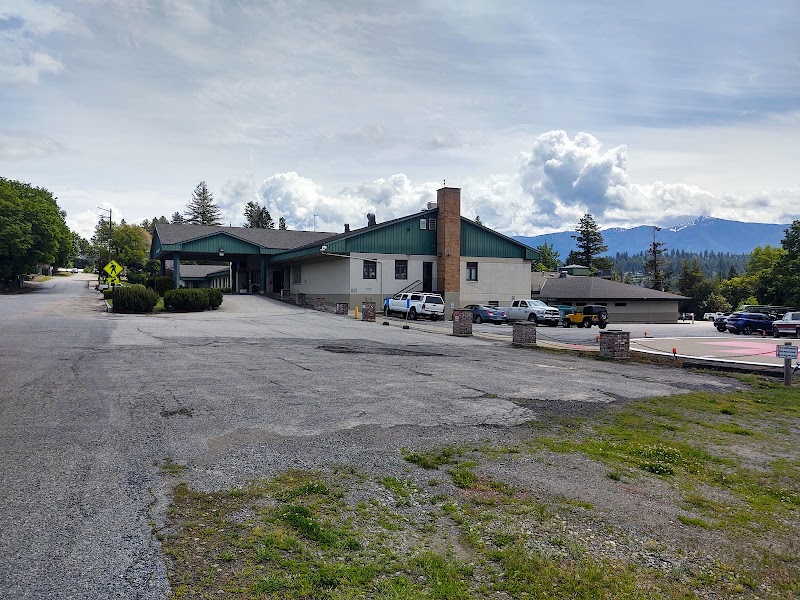
BOUNDARY COUNTY NURSING HOME is owned by a government entity. Government-operated facilities are typically run by state, county, or municipal agencies. The facility operates independently rather than as part of a larger chain. With 28 certified beds and approximately 17 residents (about 61% occupancy), it is a smaller facility located in BONNERS FERRY, Idaho.

How Does Boundary County Compare to Other Idaho Nursing Homes?

Compared to the 100 nursing homes in Idaho, BOUNDARY COUNTY NURSING HOME's overall rating (5 stars) is above the state average of 3.3, staff turnover (25%) is significantly lower than the state average of 46%, and health inspection rating (4 stars) is above the national benchmark.

What Should Families Ask When Visiting Boundary County?

Based on this facility's data, families visiting should ask: "Can I visit during a mealtime to observe dining assistance and food quality?" "How do you handle medical emergencies, and what is your hospital transfer rate?" "Can I speak with family members of current residents about their experience?"

Is Boundary County Safe?

Based on CMS inspection data, BOUNDARY COUNTY NURSING HOME has a clean safety record: no substantiated abuse findings (meaning no confirmed cases of resident harm), no Immediate Jeopardy citations (the most serious violation level indicating risk of serious injury or death), and is not on the Special Focus Facility watch list (a federal program monitoring the lowest-performing 1% of nursing homes). The facility has a 5-star overall rating and ranks #1 of 100 nursing homes in Idaho. While no facility is perfect, families should still ask about staff-to-resident ratios and recent inspection results during their visit.

Do Nurses at Boundary County Stick Around?

Staff at BOUNDARY COUNTY NURSING HOME tend to stick around. With a turnover rate of 25%, the facility is 21 percentage points below the Idaho average of 46%. Low turnover is a positive sign. It means caregivers have time to learn each resident's needs, medications, and personal preferences. Consistent staff also notice subtle changes in a resident's condition more quickly.

Was Boundary County Ever Fined?

BOUNDARY COUNTY NURSING HOME has no federal fines on record. CMS issues fines when nursing homes fail to meet care standards or don't correct problems found during inspections. The absence of fines suggests the facility has either maintained compliance or corrected any issues before penalties were assessed. This is a positive indicator, though families should still review recent inspection reports for the full picture.

Is Boundary County on Any Federal Watch List?

BOUNDARY COUNTY NURSING HOME is not on any federal watch list. The most significant is the Special Focus Facility (SFF) program, which identifies the bottom 1% of nursing homes nationally based on persistent, serious quality problems. Not being on this list means the facility has avoided the pattern of deficiencies that triggers enhanced federal oversight. This is a positive indicator, though families should still review the facility's inspection history directly.