CASCADES AT DESERT VIEW
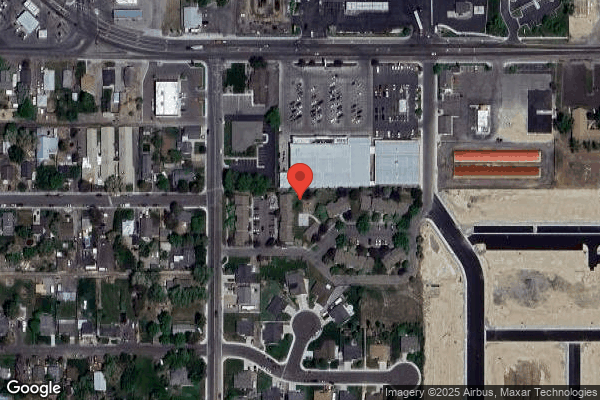
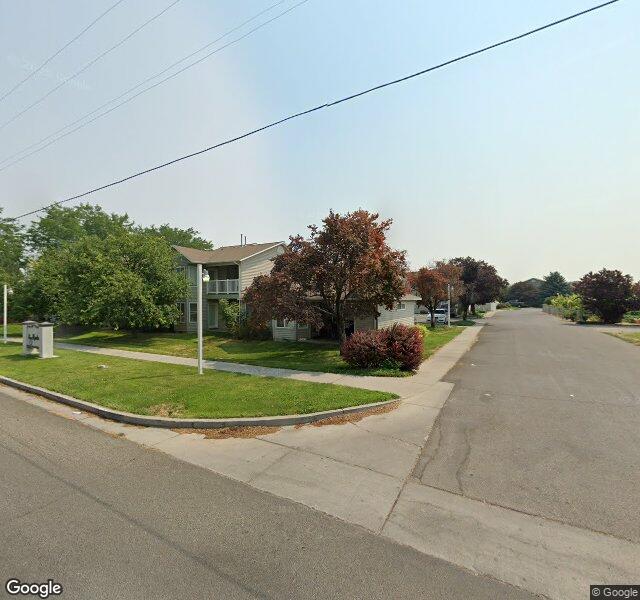
820 SPRAGUE AVENUE, BUHL, ID 83316 (208) 543-6401
For profit - Limited Liability company 57 Beds CASCADES HEALTHCARE Data: November 2025
Trust Grade
55/100
#39 of 79 in ID
Last Inspection: April 2025

Within standard 12-15 month inspection cycle. Federal law requires annual inspections.

Overview

Cascades at Desert View has a Trust Grade of C, indicating that it is average compared to other facilities-neither outstanding nor particularly poor. It ranks #39 out of 79 nursing homes in Idaho, placing it in the top half, and #3 out of 5 in Twin Falls County, meaning only two local options are better. However, the facility is experiencing a worsening trend, with issues increasing from 13 in 2024 to 15 in 2025. Staffing is a strength, earning 4 out of 5 stars with a turnover rate of 37%, which is lower than the state average and suggests that staff are experienced and familiar with residents. There have been no fines reported, which is a positive sign, but there are concerns, including a serious incident where neglect led to physical harm for two residents and issues with food safety and laundry sanitation that could impact resident health. Overall, while there are strengths in staffing and no fines, the facility has critical areas needing improvement to ensure resident safety and care quality.

Trust Score
C
55/100
In Idaho
#39/79
Top 49%
Safety Record
Moderate
Needs review
Inspections
Getting Worse
13 → 15 violations
Staff Stability
○ Average
37% turnover. Near Idaho's 48% average. Typical for the industry.
Penalties
✓ Good
No fines on record. Clean compliance history, better than most Idaho facilities.
Skilled Nurses
○ Average
Each resident gets 37 minutes of Registered Nurse (RN) attention daily — about average for Idaho. RNs are the most trained staff who monitor for health changes.
Violations
⚠ Watch
37 deficiencies on record. Higher than average. Multiple issues found across inspections.
★★★☆☆
3.0
Overall Rating
★★★★☆
4.0
Staff Levels
★★★★★
5.0
Care Quality
★★☆☆☆
2.0
Inspection Score
Stable
2024: 13 issues
2025: 15 issues

The Good

  • 4-Star Staffing Rating · Above-average nurse staffing levels
  • 5-Star Quality Measures · Strong clinical quality outcomes
  • Full Sprinkler Coverage · Fire safety systems throughout facility
  • No fines on record
  • Staff turnover below average (37%)

    11 points below Idaho average of 48%

Facility shows strength in staffing levels, quality measures, fire safety.

The Bad

3-Star Overall Rating

Near Idaho average (3.3)

Meets federal standards, typical of most facilities

Staff Turnover: 37%

Near Idaho avg (46%)

Typical for the industry

Chain: CASCADES HEALTHCARE

Part of a multi-facility chain

Ask about local staffing decisions and management

The Ugly 37 deficiencies on record

1 actual harm
Apr 2025 15 deficiencies
CONCERN (D)

Potential for Harm - no one hurt, but risky conditions existed

Deficiency F0552 (Tag F0552)

Could have caused harm · This affected 1 resident

**NOTE- TERMS IN BRACKETS HAVE BEEN EDITED TO PROTECT CONFIDENTIALITY** Based on record review and staff interview, it was determined the facility failed to ensure informed consent was obtained prior ...

Read full inspector narrative →
**NOTE- TERMS IN BRACKETS HAVE BEEN EDITED TO PROTECT CONFIDENTIALITY** Based on record review and staff interview, it was determined the facility failed to ensure informed consent was obtained prior to initiation of psychotropic medications for 1 of 16 residents (Resident #8) reviewed for unnecessary medications. This deficient practice placed residents at risk of receiving medications without knowledge of the reason why medications were prescribed, the expected benefits, and the risks associated with the medications. Findings include: Resident #8 was admitted to the facility on [DATE], with multiple diagnoses including surgical aftercare, Alzheimer's disease with early onset, and dementia. On 12/31/24, a physician order documented Resident #8 was to start Seroquel (an antipsychotic medication that affects brain activities associated with mental processes) 25 mg one time a day for dementia with behavioral disturbance. On 1/29/25, the Pharmacist documented It would be suggested to assess the risks versus benefits for continued use of Quetiapine (generic Seroquel) 25 mg at bedtime for dementia with behavioral disturbances secondary to the black box warning for use of antipsychotic medications for behaviors associated with dementia. On 4/2/25 at 12:15 PM, the Social Services Supervisor stated there was not a risk and benefits consent for Resident #8's use of Quetiapine. On 4/2/25 at 12:30 PM, the DON stated, she had sent the recommendations from the Pharmacist to Resident #8's attending physician, but he did not respond.
CONCERN (D)

Potential for Harm - no one hurt, but risky conditions existed

Safe Environment (Tag F0584)

Could have caused harm · This affected 1 resident

Based on observation, policy review, and staff interview, it was determined the facility failed to ensure residents were provided with a clean, safe, homelike environment. This was true for all reside...

Read full inspector narrative →
Based on observation, policy review, and staff interview, it was determined the facility failed to ensure residents were provided with a clean, safe, homelike environment. This was true for all residents who resided in the facility whose environment were observed. This deficient practice created the potential for harm if: a) residents were embarrassed by and/or felt the disrepair in the facility was unacceptable, disrespectful, or undignified and b) residents were injured due to unsafe areas in the facility. Findings include: The facility Maintenance policy revised December 2009, documented the function of the maintenance personnel was to maintain the building in good repair and free from hazards. On 3/31/25 at 11:20 AM, observed a thick layer of dust and dirt on the ceiling air exchange vent in the North hallway. On 3/31/25 at 1:58 PM, observed the floor by the copy room with a 7-inch by ¾- inch area missing tiles. On 4/1/25 at 1:54 PM, observed the floor in the main dining room, in front of the counter with condiments a 2-inch by 1/3-inch piece of flooring sticking up. On 4/1/25 at 5:14 PM, the Administrator stated the flooring should have been replaced. On 4/3/25 at 3:00 PM, the Maintenance Director stated the vents were cleaned annually in the Spring.
CONCERN (D)

Potential for Harm - no one hurt, but risky conditions existed

Assessment Accuracy (Tag F0641)

Could have caused harm · This affected 1 resident

**NOTE- TERMS IN BRACKETS HAVE BEEN EDITED TO PROTECT CONFIDENTIALITY** Based on record review and staff interview, it was determined the facility failed to ensure the MDS assessment accurately reflec...

Read full inspector narrative →
**NOTE- TERMS IN BRACKETS HAVE BEEN EDITED TO PROTECT CONFIDENTIALITY** Based on record review and staff interview, it was determined the facility failed to ensure the MDS assessment accurately reflected resident's status. This was true for 1 of 16 residents (Resident #6) whose MDS assessments were reviewed. This deficient practice had the potential for negative outcomes if residents were not assessed and/or monitored due to inaccurate assessments. Findings include: Resident #6 was initially admitted to the facility on [DATE], and readmitted on [DATE], with multiple diagnoses including heart failure and diabetes. Resident #6's Physician order dated 5/29/24, documented Level of Care: Hospice. Resident #6's care plan dated 8/29/24, documented Resident #6 had a terminal prognosis and was on hospice. Resident #6's Quarterly MDS dated [DATE], documented under section O, K1. Hospice No. Resident #6's Quarterly MDS dated [DATE], documented under section O, K1. Hospice No. On 4/2/25 at 9:54 AM, the DON stated Resident #6 was on hospice and she did not know why his MDS did not reflect that. On 4/2/25 at 10:02 AM, the Regional MDS nurse stated Resident #6's MDS was not coded correctly and should have been coded as Yes for hospice services.
CONCERN (D)

Potential for Harm - no one hurt, but risky conditions existed

Deficiency F0645 (Tag F0645)

Could have caused harm · This affected 1 resident

**NOTE- TERMS IN BRACKETS HAVE BEEN EDITED TO PROTECT CONFIDENTIALITY** Based on record review and staff interview, it was determined the facility failed to refer residents with an exempted hospital s...

Read full inspector narrative →
**NOTE- TERMS IN BRACKETS HAVE BEEN EDITED TO PROTECT CONFIDENTIALITY** Based on record review and staff interview, it was determined the facility failed to refer residents with an exempted hospital stay and have a diagnosed mental disorder to the appropriate state-designated authority for a re-evaluation and determination. This was true for 1 of 3 residents (Resident #8), reviewed for PASRR level II evaluations. This deficient practice had the potential to cause harm if resident's specialized services for mental health needs were not evaluated by an appropriate state-designated authority. Findings include. Resident #8 was admitted to the facility on [DATE], with multiple diagnoses including surgical aftercare, Alzheimer's disease with early onset, and Major Depressive Disorder. On 11/25/24, a BLTC Medicaid reviewer documented on Resident #8's PASRR Level II 30-day exemption rehabilitation. If the participant stays (30 days) past admission, please submit most current MDS, MD orders, social notes, and psych info to BLTC. If discharged , please notify BLTC. Review of Resident #8's medical record did not document a PASRR Level I or the requested documents were resubmitted to BLTC when her admission exceeded 30 days. On 4/2/25 at 12:15 PM, the Social Services Supervisor stated she knew Resident #8 had passed the 30-day timeframe, but had not sent her most current MDS, physician orders, social service notes, and psychiatric information as requested to BLTC.
CONCERN (D)

Potential for Harm - no one hurt, but risky conditions existed

Quality of Care (Tag F0684)

Could have caused harm · This affected 1 resident

**NOTE- TERMS IN BRACKETS HAVE BEEN EDITED TO PROTECT CONFIDENTIALITY** Based on observation, record review, and staff interview, it was determined the facility failed to ensure professional standards...

Read full inspector narrative →
**NOTE- TERMS IN BRACKETS HAVE BEEN EDITED TO PROTECT CONFIDENTIALITY** Based on observation, record review, and staff interview, it was determined the facility failed to ensure professional standards of nursing practice were followed for 1 of 17 residents (Resident #28) reviewed for quality of care. Resident #28 was at risk for adverse outcomes when her physician order was not written correctly. This failed practice had the potential to adversely affect residents whose care and services were not followed according to accepted standards of practice. Findings include: Resident #28 was admitted to the facility on [DATE], with multiple diagnoses including peripheral vascular disease (when the arteries become narrow or blocked, reducing blood flow to the affected areas) and left leg, above the knee amputation. On 3/31/25 at 10:41 AM, observed Resident #28's right lower extremity with a Tubigrip stocking (a tubular elastic bandage used to provide tissue support and compression). Her left lower leg had been amputated. Resident #28's Physician order dated 11/19/24, documented, Tubigrip to LLE during the day for edema. Remove at night. Resident #28's TARs dated 11/20/24 through 4/2/25, documented Tubigrip had been applied to her LLE. On 4/2/25 at 10:11 AM, the Regional MDS Nurse stated Resident #28's physician order was written for the wrong leg. The order should have been written for the RLE. On 4/2/25 at 12:54 PM, the DON stated the physician order for Tubigrip should have been written for Resident #28's RLE.
CONCERN (D)

Potential for Harm - no one hurt, but risky conditions existed

Accident Prevention (Tag F0689)

Could have caused harm · This affected 1 resident

**NOTE- TERMS IN BRACKETS HAVE BEEN EDITED TO PROTECT CONFIDENTIALITY** Based on observations, record review, and staff interview, the facility failed to ensure interventions were put in place and fol...

Read full inspector narrative →
**NOTE- TERMS IN BRACKETS HAVE BEEN EDITED TO PROTECT CONFIDENTIALITY** Based on observations, record review, and staff interview, the facility failed to ensure interventions were put in place and followed to prevent additional falls for 2 of 16 residents (#1 and #6) reviewed for falls. This failure increased the potential for additional falls and potential injury for residents with a history of falls. Findings include: 1. Resident #1 was initially admitted to the facility on [DATE], and readmitted [DATE], with multiple diagnoses including cerebral infarction (when blood flow to the brain is blocked, causing tissue death to the brain) and traumatic brain injury. Review of the facility's Incident and Accident reports dated 6/22/24, documented the staff were transferring Resident #1 to the bed when his knees buckled, and he was lowered to the ground. Review of the facility's Incident and Accident reports dated 2/10/25, documented NA #1 was transferring Resident #1 to the bed, when his legs buckled, and she lowered him to the ground. Review of Resident #1's care plan did not document new fall prevention interventions for the falls. On 4/2/25 at 12:56 PM, the DON stated Resident #1's falls were due to a behavioral issues and there were no new behavioral interventions put in his care plan after his falls and there should have been. 2. Resident #6's was initially admitted to the facility on [DATE], and readmitted on [DATE], with multiple diagnoses including heart failure and dementia. Review of the facility's Incident and Accident reports dated 8/31/24, documented Resident #6 fell out of his bed. Review of Resident #6's care plan did not document a new intervention for his fall. On 4/2/25 at 12:44 PM, the Regional MDS Nurse stated there were no new fall prevention interventions documented in Resident #6's care plan. On 4/2/25 at 1:06 PM, the DON stated there were no new fall prevention intervention for Resident #6 and there should have been.
CONCERN (D)

Potential for Harm - no one hurt, but risky conditions existed

Pharmacy Services (Tag F0755)

Could have caused harm · This affected 1 resident

Based on record review and staff interview, it was determined the facility failed to ensure controlled medications were tracked and kept secure from potential theft and/or diversion. This was true for...

Read full inspector narrative →
Based on record review and staff interview, it was determined the facility failed to ensure controlled medications were tracked and kept secure from potential theft and/or diversion. This was true for 1 of 2 medication carts reviewed. This failure created the potential for undetected misuse and/or diversion of controlled medications and had the potential to affect all residents who received controlled medication in the facility. Findings include: On 4/1/25 at 1:55 PM, during North hall medication cart audit, observed the narcotic accountability record, dated 3/2/25 to 4/1/25, with one licensed nurse signature not documented. On 4/1/25 at 1:57 PM, LPN #1 stated the nurses should have signed the narcotic accountability sheet when they accepted the medication cart or released the medication cart.
CONCERN (D)

Potential for Harm - no one hurt, but risky conditions existed

Drug Regimen Review (Tag F0756)

Could have caused harm · This affected 1 resident

**NOTE- TERMS IN BRACKETS HAVE BEEN EDITED TO PROTECT CONFIDENTIALITY** Based on policy review, record review, and staff interview, it was determined the facility failed to ensure the attending physic...

Read full inspector narrative →
**NOTE- TERMS IN BRACKETS HAVE BEEN EDITED TO PROTECT CONFIDENTIALITY** Based on policy review, record review, and staff interview, it was determined the facility failed to ensure the attending physician acted upon Pharmacy recommendations for 1 of 16 residents, (Resident #8) whose medication regimens were reviewed for psychotropic medication. This deficient practice placed residents with dementia at an increased risk of death. Findings include: The facility's Medication Regimen Review Policy dated April 2024, documented the attending physician is to document in the medical record any medication irregularity and what, (if any) action was taken to address it. Resident #8 was admitted to the facility on [DATE], with multiple diagnoses including surgical aftercare, Alzheimer's disease with early onset, and dementia. On 12/31/24, a physician order documented Resident #8 was to start Seroquel (a medication that affects brain activities associated with mental processes) 25 mg one time a day for dementia with behavioral disturbances. On 1/29/25, the Pharmacist documented on the MRR report to the prescribing physician the following, It would be suggested to assess the risks versus benefits for continued use of Quetiapine (generic Seroquel) 25 mg at bedtime for dementia with behavioral disturbances. On 2/28/25, the Pharmacist documented on the MRR report to the prescribing physician the following, Consider discontinuing Quetiapine 25 mg at bedtime currently prescribed for dementia with behavioral disturbances. Resident #8's medical record did not document a response from the attending physician for the Pharmacists recommendation on 1/29/25 or 2/28/25. On 4/2/25 at 12:15 PM, the Social Services Supervisor stated there was no documentation in Resident #8's medical record assessing risk versus benefits for the use of Quetiapine. On 4/2/25 at 12:30 PM, the DON stated, she had sent the recommendations from the Pharmacist to Resident #8's attending physician, but he had not responded.
CONCERN (D)

Potential for Harm - no one hurt, but risky conditions existed

Medication Errors (Tag F0758)

Could have caused harm · This affected 1 resident

**NOTE- TERMS IN BRACKETS HAVE BEEN EDITED TO PROTECT CONFIDENTIALITY** Based on review of the FDA Black Box Warning, record review, and staff interview, the facility failed to ensure the medical nece...

Read full inspector narrative →
**NOTE- TERMS IN BRACKETS HAVE BEEN EDITED TO PROTECT CONFIDENTIALITY** Based on review of the FDA Black Box Warning, record review, and staff interview, the facility failed to ensure the medical necessity for psychotropic medication administration. This was true for 1 of 16 residents (Resident #8) reviewed for unnecessary medications. This failure created an increased risk of mortality when residents diagnosed with dementia were prescribed antipsychotic medications. Findings include: The FDA documented elderly patients with dementia-related psychosis treated with antipsychotic drugs are at an increased risk of death. Seroquel (an antipsychotic drug) is not approved for elderly patients with dementia related psychosis. Resident #8 was admitted to the facility on [DATE], with multiple diagnoses including surgical aftercare, Alzheimer's disease with early onset, and dementia. On 12/31/24, a physician order documented Resident #8 was to start Seroquel 25 mg one time a day for dementia with behavioral disturbance. On 2/28/25, the Pharmacist documented on the MRR report to the attending physician to consider discontinuing Seroquel 25 mg. Resident #8's medical record had not documented a response from the attending physician for the Pharmacists recommendation on 2/28/25. On 4/2/25 at 12:30 PM, the DON stated she had sent the recommendation from the Pharmacist to discontinue Resident #8's Seroquel to Resident #8's attending physician, but he had not responded.
CONCERN (D)

Potential for Harm - no one hurt, but risky conditions existed

Unnecessary Medications (Tag F0759)

Could have caused harm · This affected 1 resident

Based on observation and staff interview, it was determined the facility failed to ensure the medication error rate was less than 5%. This was true for 2 medications (5.41% error rate) which affected ...

Read full inspector narrative →
Based on observation and staff interview, it was determined the facility failed to ensure the medication error rate was less than 5%. This was true for 2 medications (5.41% error rate) which affected 1 of 3 residents (Resident #142) whose medication administrations were observed. This failed practice placed residents at risk of not receiving their prescribed medication or dosage of their medication. Findings include: The following was observed during the medication pass: Resident #142's physician order documented insulin sliding scale; administer Lantus insulin, 10 Units subcutaneously and Lispro insulin, 2 Units subcutaneously. On 4/2/25 at 7:35 AM, observed LPN #1 remove Lantus insulin pen from the medication cart and dial the Lantus insulin pen to 1 Unit to prime and then dialed to 10 Units as ordered. On 4/2/25 at 7:36 AM, observed LPN #1 remove Lispro insulin pen from the medication cart and dial the Lispro insulin pen to 1 Unit to prime then dialed to 2 Units as ordered. LPN #1 did not prime the insulin pens with the required 2 Units of insulin before dialing the ordered dose. LPN #1 then administered the Lantus insulin and Lispro insulin to Resident #142. On 4/2/25 at 7:48 AM, LPN #1 stated she primed each insulin pen with 1 Unit of insulin before dialing the pen to the ordered dose.
CONCERN (D)

Potential for Harm - no one hurt, but risky conditions existed

Deficiency F0761 (Tag F0761)

Could have caused harm · This affected 1 resident

Based on observation and staff interview, it was determined the facility failed to ensure controlled medications were stored and kept secure from potential theft and/or diversion. This failure created...

Read full inspector narrative →
Based on observation and staff interview, it was determined the facility failed to ensure controlled medications were stored and kept secure from potential theft and/or diversion. This failure created the potential for undetected misuse and/or diversion of controlled medications and had the potential to affect all residents who received controlled medication in the facility. Findings include: On 4/1/25 at 1:37 PM, observed bottle of lorazepam liquid (Schedule IV controlled medication) stored in the medication refrigerator door rack. On 4/1/25 at 1:48 PM, RN #1 stated the medication refrigerator and the medication room door is locked. She stated there is no other locked, permanently affixed, compartment inside the medication refrigerator for controlled medications.
CONCERN (D)

Potential for Harm - no one hurt, but risky conditions existed

Food Safety (Tag F0812)

Could have caused harm · This affected 1 resident

**NOTE- TERMS IN BRACKETS HAVE BEEN EDITED TO PROTECT CONFIDENTIALITY** Based on observation, interviews, and review of the Idaho Food Code, it was determined the facility failed to ensure food was st...

Read full inspector narrative →
**NOTE- TERMS IN BRACKETS HAVE BEEN EDITED TO PROTECT CONFIDENTIALITY** Based on observation, interviews, and review of the Idaho Food Code, it was determined the facility failed to ensure food was stored properly, dated when opened, equipment was stored in a sanitary condition, and ensure infection control protocol was followed during meal tray delivery. This deficient practice had the potential to affect all 39 residents who received meals prepared in the facility's kitchen. Findings include: The Idaho Food Code, revised February 2021, stated, 3-501.17 Ready-to-eat, Time/Temperature Control for Safety Food, Date Marking . held in a food establishment for more than 24 hours shall be clearly marked to indicate the date or day by which the food shall be consumed on the premises, sold, or discarded . The NSF Machine Operational Requirements for the dishwasher documented: Wash temperature recommended 120 degrees Fahrenheit, minimum 120 degrees Fahrenheit. Rinse temperature recommended 140 degrees Fahrenheit, minimum 120 degrees Fahrenheit. Required 50 PPM Available Chlorine. 1. The following were related to labeling and storage of food products: During the initial kitchen tour on 3/31/25 at 9:50 AM, with the dietary manager present, the following observations were made: In the walk-in refrigerator: -1 bottle of lime juice with use by date of 1/7/25. -1 bottles of lime juice with use by date of 2/2/25. -1 half empty, opened, carton of liquid whole eggs with no open date or use by date. On 3/31/25 at 9:53 AM, the DM stated the juices should have been discarded and the carton of liquid eggs should have been closed and dated. 2. The following was observed for sanitary conditions: During the initial kitchen tour on 3/31/25 at 9:55 AM, with the dietary manager present, the following observations were made: - the edge of the walk-in refrigerator door had a black, dry substance on the edge of the door, by the handle. - the toaster and air fryer had a dry, white substance on it. - on the back wall of the steam table observed a dry, red substance. - the Dish Machine temperature log documented 100 degrees Fahrenheit under the Rinse temperature and sanitation was not documented. On 4/2/25 at 11:04 AM, observed the following in the kitchen: - plate warmer base had a light brown, fuzzy substance on it. - the front of the plate warmer had a dry, white substance on it. - the steam table handle had a white, dry substance on it. - the vent and 2-fire alarms had a thick, black substance on and around them. -the pipes under the dish washing area had a black substance on them. On 4/2/25 at 12:33 PM, the DM stated the staff were to follow the daily cleaning schedule and there were items she needed to add to the list to be cleaned. She also stated that they had not been checking the rinse cycle temperature on the dishwasher and now realized they should have been. 3. The following was observed for proper meal delivery: On 3/31/25 at 11:50 AM, observed RN #1 delivering meal trays to room [ROOM NUMBER], #11, and #4. RN #1 walked from the Behavioral Health lunchroom to the resident's rooms without the salad and the hot spiced apples covered. On 3/31/25 at 11:52 AM, RN #1 stated she was not sure if the salad and apples had to be covered when it was walked down the hall to a resident's room. On 4/2/25 at 11:43 AM, the DM stated the food should be covered if it is being delivered a long distance to a resident.
CONCERN (D)

Potential for Harm - no one hurt, but risky conditions existed

Infection Control (Tag F0880)

Could have caused harm · This affected 1 resident

Based on observation, policy review, and staff interview, it was determined the facility failed to ensure infection control and prevention practices were maintained to provide a safe and sanitary envi...

Read full inspector narrative →
Based on observation, policy review, and staff interview, it was determined the facility failed to ensure infection control and prevention practices were maintained to provide a safe and sanitary environment when staff did not perform proper hand hygiene. These failures had the potential to impact all residents in the facility by placing them at risk for cross contamination and infection. Findings include: The following was observed for hand hygiene: On 3/31/25 at 11:55 AM, observed 12 residents served their meal in the dining room. Hand hygiene was not offered or performed for the residents prior to receiving their meal. On 3/31/25 at 12: 06 PM, observed RN #1 serve 3 residents their meal to them in their room. Hand hygiene was not offered or performed for the residents. On 3/31/25 at 12:36 PM, CNA #1 stated they usually wash the resident's hands with wash clothes before and after they eat but today, they did not, and they should have. On 4/3/25 at 12:11 PM, IP stated the residents should be offered hand hygiene before meals, in the dining room and in their rooms.
CONCERN (E)

Potential for Harm - no one hurt, but risky conditions existed

Deficiency F0657 (Tag F0657)

Could have caused harm · This affected multiple residents

**NOTE- TERMS IN BRACKETS HAVE BEEN EDITED TO PROTECT CONFIDENTIALITY** Based on record review, policy review, and staff interview, it was determined the facility failed to a) ensure resident care pla...

Read full inspector narrative →
**NOTE- TERMS IN BRACKETS HAVE BEEN EDITED TO PROTECT CONFIDENTIALITY** Based on record review, policy review, and staff interview, it was determined the facility failed to a) ensure resident care plans were revised to reflect current needs and interventions and b) ensure residents and their representatives were encouraged to participate in care planning and attend care conferences. This was true for 4 of 16 residents (Resident #8, #11, #21, and #27) whose care plans were reviewed. This placed residents at risk for adverse outcomes if care and services were not provided due to care plans not being revised as resident's needs changed. Findings include. The facility's Care Plans, Comprehensive Person-Centered policy, revised March 2022, documented assessments of residents are ongoing, and care plans are revised as information about the resident and resident condition changes. 1. Resident #8 was admitted to the facility on [DATE], with multiple diagnoses including surgical aftercare, Alzheimer's disease with early onset, and dementia. Resident #8's care plan revised 3/13/25, documented she had an active infection and is taking antibiotics for 10 days with a stop date of 3/23/25. Resident #8's care plan had not been updated to resolve the active infection after she completed taking the antibiotics. On 4/2/25 at 12:30 PM, the DON and the MDS Resource nurse stated the care plan should have been updated after Resident #8 finished her antibiotics. 2. Resident #11 was initially admitted to the facility on [DATE], and readmitted to the facility on [DATE], with multiple diagnoses which include acute infarction of spinal cord (stroke within the spinal cord) and diabetes. Resident #11 interviewed on 3/31/25 at 1:37 PM, stated he had not been informed or attended a care conference for some time. Resident #11's medical record documented a Resident Advocate note dated 6/26/24, and a Care Conference note dated 7/31/24. Resident #11's medical record had not documented a care conference after his readmission on [DATE]. 3. Resident #21 was admitted on [DATE], with multiple diagnoses including osteoarthritis, anxiety disorder, and PTSD. On 4/1/25 at 10:54 AM, Resident #21 stated he had not participated in care conferences to discuss his plan of care. On 4/2/25 at 2:32 PM, the Social Service Supervisor stated she did not have any documentation of care conferences for Resident #21. 4. Resident #27 was admitted on [DATE], with multiple diagnoses including acute and chronic respiratory failure, hyperlipidemia (high cholesterol), and dementia. On 3/31/25 at 3:46 PM, Resident #27's medical record had not documented a care conference since 6/24/24. On 4/2/25 at 12:15 PM, the Social Service Supervisor stated she had not completed care conferences since June 2024.
CONCERN (E)

Potential for Harm - no one hurt, but risky conditions existed

Deficiency F0947 (Tag F0947)

Could have caused harm · This affected multiple residents

Based on record review and staff interview, the facility failed to provide a minimum of 12 hours of in-service education per year for 2 of 2 CNAs (#2 and #3) reviewed for sufficient and competent CNA ...

Read full inspector narrative →
Based on record review and staff interview, the facility failed to provide a minimum of 12 hours of in-service education per year for 2 of 2 CNAs (#2 and #3) reviewed for sufficient and competent CNA staffing. This failure placed residents at risk of receiving care from staff who are not adequately trained to meet residents' needs. Findings include: 1. On 4/3/25 at 12:46 PM, review of CNA #2's employee file documented her hire date was 3/22/19. Review of CNA #2's Employee In-service Hours form documented she had 9.5-hours of in-service time for 2024. Review of CNA #2's Employee In-service Hours form documented she had completed two in-services for 2025. No time was documented for the two in-services. CNA #2's employee file did not document that she had completed 12-hours of in-services for the 2024/2025 evaluation period. 2. On 4/3/25 at 1:50 PM, review of CNA #3's employee file documented her hire date was 1/13/10. Review of CNA #3's Employee In-service Hours form documented she had 4 hours of in-service time documented for 2024. CNA #3's Employee In-service Hours form documented 1.5-hours of in-service time for 2025. CNA #3's employee file did not document that she had completed 12-hours of in-services for the 2024/2025 evaluation period. On 4/3/25 at 2:13 PM, the Administrator stated she knew the CNAs had to have 12-hours of in-service time, but she did not know it was based on hire date. On 4/3/25 at 3:12 PM, the DON stated CNA #2 and CNA #3 did not have the required 12-hours of in-service and they should have had it.
May 2024 13 deficiencies 1 Harm
SERIOUS (G) 📢 Someone Reported This

A family member, employee, or ombudsman was alarmed enough to file a formal complaint

Actual Harm - a resident was hurt due to facility failures

Free from Abuse/Neglect (Tag F0600)

A resident was harmed · This affected 1 resident

**NOTE- TERMS IN BRACKETS HAVE BEEN EDITED TO PROTECT CONFIDENTIALITY** Based on policy review, record review, and staff interview, it was determined the facility failed to ensure residents' rights we...

Read full inspector narrative →
**NOTE- TERMS IN BRACKETS HAVE BEEN EDITED TO PROTECT CONFIDENTIALITY** Based on policy review, record review, and staff interview, it was determined the facility failed to ensure residents' rights were protected to be free from neglect. This was true for 2 of 2 residents (#191 and #192) reviewed for neglect. This failure caused physical harm to Resident #191 when she suffered a cut to her lower left leg and to Resident #192 when her thighbone was fractured. Findings include: The facility's Abuse policy, undated, documented Residents are to be free from abuse, neglect, misappropriation of resident property, and exploitation. The facility's Abuse policy also documented neglect as the failure of the facility, its employees or service providers to provide goods and services to a resident that are necessary to avoid physical harm, pain, mental anguish, or emotional distress. 1. Resident #191 was admitted to the facility on [DATE], with multiple diagnoses including spinal stenosis (narrowing of the spinal canal in the lower back that may cause pain or numbness in the legs). A progress note, dated 6/4/21, documented Resident #191 was out on a van ride. The van stopped suddenly and Resident #191's seat belt failed causing her to fall forward out of her chair landing in the center aisle causing a significant cut to her lower left leg. Inspection of the seat belt showed no damage to the mechanism where it buckled around the resident. Inspections of the restraints that secured the wheelchair found no issues. Additional inspections found no concerns with the van itself. All facility drivers were in-serviced on 6/7/21, on the proper procedure for securing and un-securing passengers in wheelchairs. On 6/7/21, new seat belts were purchased, and maintenance added a monthly check of all seatbelts to routine van maintenance. On 5/31/24 at 11:00 AM, the Administrator stated she was not aware of Resident #191's incident because she did not work at the facility at that time. 2. Resident #192 was admitted to the facility on [DATE], with multiple diagnoses including kidney disease and stroke. A progress note, dated 6/2/23 at 5:15 PM, documented Resident #192 tipped backwards in his wheelchair while in the van. Resident #192 received an open contusion to his right elbow, measuring 1 cm x 1.2 cm. A progress note, dated 6/2/23 at 10:05 PM, documented Resident #192 could not move his right lower extremity and was sent to the emergency room for evaluation. A progress note, dated 6/2/23 at 11:57 PM, documented Resident #192 returned from the hospital with a new diagnosis of non-displaced fracture of right femur (thighbone). On 5/30/24 at 4:48 PM, the Maintenance Supervisor stated he was asked to inspect the van when each of the incidents occurred and nothing was wrong with the van's equipment. He stated it was the staff not strapping the wheelchair in properly. All facility drivers were educated on 6/5/23, on ensuring all van straps were in place and tightened on the wheelchair before transport and the lap seatbelt was in place before the van moved. The van was inspected on 6/5/23, to ensure the seat belts were properly functioning. On 5/31/24 at 11:00 AM, the Administrator stated the metal hooks that fastened Resident #192's wheelchair to the van slipped off because the connection was not tight and her wheelchair flipped backwards. She also stated there were no issues with the van because the hook used to secure the wheelchair to the van was not tight enough. She further stated training with return demonstration was provided to the van drivers. On 2/14/24 a 2-person wheelchair securement check before each resident transport was put into place. The 2-person wheelchair securement checks before van transport from 2/14/24 - 5/29/24 were reviewed. There were no missing van checks during this time period. These findings represent past noncompliance with this regulatory requirement. There was sufficient evidence the facility corrected the noncompliance as of 2/14/24 and there were no other occurrences of alleged neglect. At the time of this survey the facility was in substantial compliance and therefore does not require a plan of correction.
CONCERN (D) 📢 Someone Reported This

A family member, employee, or ombudsman was alarmed enough to file a formal complaint

Potential for Harm - no one hurt, but risky conditions existed

Transfer Requirements (Tag F0622)

Could have caused harm · This affected 1 resident

**NOTE- TERMS IN BRACKETS HAVE BEEN EDITED TO PROTECT CONFIDENTIALITY** Based on policy review, record review, and staff interview, it was determined the facility failed to ensure pertinent health inf...

Read full inspector narrative →
**NOTE- TERMS IN BRACKETS HAVE BEEN EDITED TO PROTECT CONFIDENTIALITY** Based on policy review, record review, and staff interview, it was determined the facility failed to ensure pertinent health information was provided to the receiving hospital. This was true for 2 of 6 residents (#6 and #30) reviewed for transfers. This deficient practice had the potential to result in adverse outcomes if residents were not treated in a timely manner due to a lack of information provided upon transfer. Findings include: The facility's Transfer or Discharge policy, dated October 2022, documented should a resident be transferred or discharged for any reason: A. The following information is communicated to the receiving facility or provider: -The basis for the transfer or discharge -Contact information of the practitioner responsible for the care of the resident -Resident representative information including contact information -Advanced directive information -All special instructions or precautions for ongoing care, as appropriate -Comprehensive care plan goals -All other information necessary to meet the resident's needs B. When a resident is transferred or discharged from the facility the following information is documented in the medical records: -The basis for the transfer -That an appropriate notice was provided to the resident and/or legal representative -The date and time of the transfer or discharge -The new location of the resident -The mode of transfer -A summary of the resident's overall medical, physical, and mental condition -Disposition of personal effects -Disposition of medications -Others as appropriate or as necessary: and -The signature of the person recording the data in the medical record The following resident records did not include documentation pertinent information was sent to the hospital upon their transfer: a. Resident # 6 was admitted to the facility on [DATE], with multiple diagnoses including metabolic encephalopathy (a chemical imbalance in the blood that damages the brain) and hypertension. A nurses note, dated 2/2/24 at 6:35 PM, documented Resident #6 was having seizure-like activity with low blood oxygen saturation. His family and physician were both in agreement for his transfer to the hospital. Resident #6's record did not include documentation pertinent medical information was provided to the receiving hospital. b. Resident #30 was admitted to the facility on [DATE], with multiple diagnoses including heart failure and diabetes. A physician's order, dated 8/20/23, documented ok to send to hospital for assessment. Resident #30's record did not include documentation pertinent medical information was provided to the receiving hospital. On 5/30/24 at 12:10 PM, the DON stated discharge/transfer forms that should be sent to the hospital with the resident are the medication list, face sheet, POST (a form containing crucial information about caring for a person nearing the end of life) and what documentation was sent with the resident to the hospital should be documented in the resident's chart. She also stated this information was not documented in Resident #6's and #30's chart and should have been.
CONCERN (D) 📢 Someone Reported This

A family member, employee, or ombudsman was alarmed enough to file a formal complaint

Potential for Harm - no one hurt, but risky conditions existed

Assessment Accuracy (Tag F0641)

Could have caused harm · This affected 1 resident

**NOTE- TERMS IN BRACKETS HAVE BEEN EDITED TO PROTECT CONFIDENTIALITY** 2. Resident #38 was admitted to the facility on [DATE], with multiple diagnoses including multiple sclerosis (a chronic disease ...

Read full inspector narrative →
**NOTE- TERMS IN BRACKETS HAVE BEEN EDITED TO PROTECT CONFIDENTIALITY** 2. Resident #38 was admitted to the facility on [DATE], with multiple diagnoses including multiple sclerosis (a chronic disease of the central nervous system) and adult failure to thrive (general decline in older adults). On 5/28/24 at 12:03 PM, Resident #38 was observed lying in his bed with a HALO Safety Ring on the left side of his bed. Resident #38's care plan, initiated 3/15/24, directed staff to assess entrapment risks to ensure proper usage of assistive devices. On 5/29/24 at 9:11 AM, Resident #38's record did not include documentation of an assessment for his HALO Safety Ring. On 5/30/24 at 4:00 PM, the DON stated Resident #38 did not have his HALO Safety Ring assessment completed. Based on record review and staff interview, it was determined the facility failed to ensure appropriate assessments for assistive devices were completed for 2 of 2 residents (#1 and #38). This deficiency created the potential for injury if the residents were not assessed and monitored appropriately. Findings include: The HALO Safety Ring Instructions, undated, included a warning, ENTRAPMENT MAY OCCUR. Proper patient assessment and monitoring, and proper maintenance and use of equipment is required to reduce the risk of entrapment. (A HALO Safety Ring is a bed mobility device that increases environmental independence, prevents mattress movement, and is considered a type of bed rail.) 1. Resident #1 was admitted to the facility on [DATE], with multiple diagnoses including a traumatic brain injury, spastic hemiplegia of his nondominant side (a condition that causes muscle tightness and involuntary contractions in the limbs and extremities on one side of the body), muscle weakness, and a history of falls. On 5/28/24 at 1:00 PM, a HALO Safety Ring was observed on Resident #1's bed. Resident #1's care plan, revised 9/27/23, documented, Assess entrapment risk quarterly and PRN to ensure proper usage of assistive devices. On 5/30/24 at 4:48 PM, the Maintenance Supervisor stated the facility could not provide documentation Resident #1 was assessed to safely use the assistive HALO Safety Ring device.
CONCERN (D) 📢 Someone Reported This

A family member, employee, or ombudsman was alarmed enough to file a formal complaint

Potential for Harm - no one hurt, but risky conditions existed

PASARR Coordination (Tag F0644)

Could have caused harm · This affected 1 resident

**NOTE- TERMS IN BRACKETS HAVE BEEN EDITED TO PROTECT CONFIDENTIALITY** Based on record review, policy review, and staff interview, it was determined the facility failed to ensure a residents', PASARR...

Read full inspector narrative →
**NOTE- TERMS IN BRACKETS HAVE BEEN EDITED TO PROTECT CONFIDENTIALITY** Based on record review, policy review, and staff interview, it was determined the facility failed to ensure a residents', PASARR Level I (Preadmission Screening and Resident Review) had correct information and if residents' PASARR Level I indicated the resident had been identified with possible indicators of mental illness and required further screening, a PASARR Level II was to be completed. This was true for 2 of 2 residents (#6 and #30) whose PASARR records were reviewed. This deficient practice had the potential to cause harm if residents' specialized services for mental health needs were not provided due to lack of screening. Findings include: The facility's Behavioral Assessment, Intervention and Monitoring policy, revised February 2024, documented if the PASARR Level I screen indicates that the individual may meet the criteria for a mental disorder, intellectual disability, or related condition, he or she will be referred to the state PASARR representative for the Level II (evaluation and determination) screening process. 1. Resident #6 was admitted to the facility on [DATE], with multiple diagnoses including metabolic encephalopathy (a chemical imbalance in the blood that damages the brain) and bipolar disorder. An MDS assessment, dated 2/8/24, documented Resident #6 was severely cognitively impaired. The assessment also documented Resident #6 had a diagnosis of bipolar disorder. Resident #6's Level I PASARR Screen, dated 2/5/24, did not include documentation of his bipolar disorder. The Level I PASARR was signed by the physician. There was no documentation a Level II PASARR was completed. On 5/30/24 at 8:29 AM, the Social Services Supervisor stated she did not know why Resident #6's PASARR Level I did not include his bipolar disorder diagnosis. She also stated the hospital conducted the assessment and then the DON reviewed them. On 5/30/24 at 9:10 AM, the DON stated Resident #6's PASARR Level I should have had his bipolar disorder included and the error should have been recognized and corrected prior to admission. 2. Resident #30 was admitted to the facility on [DATE], with multiple diagnoses including heart failure and psychosis (a mental disorder characterized by a disconnection from reality). A quarterly MDS assessment, dated 4/23/24, documented Resident #30 was moderately cognitively impaired. The assessment documented Resident #30 had a diagnosis of a psychotic disorder other than schizophrenia. Resident #30's Level I PASARR Screen, dated 4/6/21, documented he had a major mental illness and required further screening. Resident #30's record did not include documentation a Level II PASARR was completed. On 5/30/24 at 8:57 AM, the Social Services Supervisor stated she did not know where Resident #30's PASARR Level II was. On 5/30/24 at 9:10 AM, the DON stated Resident #30 should have had a PASARR Level II completed.
CONCERN (D) 📢 Someone Reported This

A family member, employee, or ombudsman was alarmed enough to file a formal complaint

Potential for Harm - no one hurt, but risky conditions existed

Respiratory Care (Tag F0695)

Could have caused harm · This affected 1 resident

**NOTE- TERMS IN BRACKETS HAVE BEEN EDITED TO PROTECT CONFIDENTIALITY** Based on policy review, observation, and staff interview, it was determined the facility failed to ensure respiratory equipment ...

Read full inspector narrative →
**NOTE- TERMS IN BRACKETS HAVE BEEN EDITED TO PROTECT CONFIDENTIALITY** Based on policy review, observation, and staff interview, it was determined the facility failed to ensure respiratory equipment was changed as indicated. This was true for 1 of 4 residents (Resident #7) reviewed for respirator care. This created the potential for respiratory infections due to growth of pathogens (organisms that cause illness) in respiratory treatment equipment. Findings include: Resident #7 was admitted to the facility on [DATE], with multiple diagnoses including congestive heart failure (a chronic condition in which the heart does not pump blood as well as it should) and kidney disease. A quarterly MDS assessment, dated 5/9/24, documented Resident #7 had severe cognitive impairment and received oxygen therapy. A physician's order, dated 4/1/24, directed staff to change Resident #7's oxygen tubing and humidifier and clean concentrator filter, twice a month, on the 1st and the 15th, during the night shift. On 5/28/24 at 12:42 PM, Resident #7 's concentrator humidifier (container of water attached to the oxygen concentrator) was observed dated 5/1/24. The oxygen tubing was undated. On 5/29/24 at 11:34 AM, the DON stated the oxygen tubing and water bottle were to be changed every week and should have been dated when it was changed.
CONCERN (D) 📢 Someone Reported This

A family member, employee, or ombudsman was alarmed enough to file a formal complaint

Potential for Harm - no one hurt, but risky conditions existed

Deficiency F0700 (Tag F0700)

Could have caused harm · This affected 1 resident

**NOTE- TERMS IN BRACKETS HAVE BEEN EDITED TO PROTECT CONFIDENTIALITY** 2. Resident #38 was admitted to the facility on [DATE], with multiple diagnoses including multiple sclerosis (a chronic disease ...

Read full inspector narrative →
**NOTE- TERMS IN BRACKETS HAVE BEEN EDITED TO PROTECT CONFIDENTIALITY** 2. Resident #38 was admitted to the facility on [DATE], with multiple diagnoses including multiple sclerosis (a chronic disease of the central nervous system) and adult failure to thrive (a general decline in health in older adults). On 5/28/24 at 12:03 PM, Resident #38 was observed lying in his bed with a HALO safety ring installed on the left side of his bed. Resident #38's medical record did not include documentation he signed an informed consent for the use of the HALO safety ring. On 5/30/24 at 4:21 PM, the DON stated Resident #38 did not have an informed consent for the use of the HALO safety ring. Based on observation, record review, and staff interview, it was determined the facility failed to ensure informed consent was given by the resident or their representative for the use of bed rails. This was true for 2 of 2 residents (#1 and #38) reviewed for having bed rails. This failure created the potential for harm when the resident did not understand the risks associated with the use of bed rails. Findings include: The facility was unable to provide the policy and procedure for the use of assistive devices and the requirement of obtaining informed consent prior to the use of assisted devices. The facility stated they followed the manufacturer's HALO Safety Ring Instructions for installation. 1. Resident #1 was admitted to the facility on [DATE], with multiple diagnoses including a traumatic brain injury and spastic hemiplegia of his nondominant side (a condition that causes muscle tightness and involuntary contractions in the limbs and extremities on one side of the body), muscle weakness, and a history of falls. On 5/28/24 at 1:00 PM, a HALO safety ring was observed on Resident #1's bed. Resident #1's record did not include documentation he signed an informed consent for the use of the HALO safety ring. On 5/30/24 at 4:00 PM, the DON stated Resident #1 did not have an informed consent for the use of the HALO safety ring.
CONCERN (D) 📢 Someone Reported This

A family member, employee, or ombudsman was alarmed enough to file a formal complaint

Potential for Harm - no one hurt, but risky conditions existed

Deficiency F0883 (Tag F0883)

Could have caused harm · This affected 1 resident

**NOTE- TERMS IN BRACKETS HAVE BEEN EDITED TO PROTECT CONFIDENTIALITY** Based on record review and staff interview, it was determined the facility failed to ensure residents were offered the pneumococ...

Read full inspector narrative →
**NOTE- TERMS IN BRACKETS HAVE BEEN EDITED TO PROTECT CONFIDENTIALITY** Based on record review and staff interview, it was determined the facility failed to ensure residents were offered the pneumococcal vaccine. This was true for 1 of 5 residents (Resident #20) whose records were reviewed for pneumococcal vaccinations. This failure created the potential for residents to have an increased risk of pneumococcal (bacterial) pneumonia and the potential for severe illness or death. Findings include: The Centers for Disease Control and Prevention (CDC) website, dated 9/22/23, and accessed on 6/4/24, included recommendations for pneumococcal vaccinations for all adults 65 years or older as follows: - If you never received any pneumococcal vaccine, the CDC recommends receiving one dose of PCV20 or PCV15. - If you have previously received PCV13 at any age and PPSV23 at less than [AGE] years of age, the CDC recommends receiving PCV20 at least five years after administration of PCV13 or PPSV23. Resident #20 was admitted to the facility on [DATE], with multiple diagnoses including paranoid schizophrenia, chronic kidney disease (when the kidneys have become damaged over time and have a hard time doing all their important jobs), and dementia. Resident #20's record documented he received the PPSV23 on 6/8/2007 (at age [AGE]), and the PCV13 on 12/20/18. The record noted the vaccinations were given by another medical provider, prior to his admission to the facility. There was no documentation Resident #20 was offered PCV20 after he was admitted . On 5/31/24, at 12:30 PM, the IP was interviewed and Resident #20's record was reviewed in her presence. When asked if Resident #20 was offered the PCV20 or PCV15 vaccine after he was admitted , she replied she was not sure and would have to look into the matter. No further information or documentation was provided to surveyors.
CONCERN (D) 📢 Someone Reported This

A family member, employee, or ombudsman was alarmed enough to file a formal complaint

Potential for Harm - no one hurt, but risky conditions existed

Deficiency F0909 (Tag F0909)

Could have caused harm · This affected 1 resident

**NOTE- TERMS IN BRACKETS HAVE BEEN EDITED TO PROTECT CONFIDENTIALITY** 2. Resident #38 was admitted to the facility on [DATE], with multiple diagnoses including multiple sclerosis (a chronic disease ...

Read full inspector narrative →
**NOTE- TERMS IN BRACKETS HAVE BEEN EDITED TO PROTECT CONFIDENTIALITY** 2. Resident #38 was admitted to the facility on [DATE], with multiple diagnoses including multiple sclerosis (a chronic disease of the central nervous system) and adult failure to thrive (general decline in health in older adults). On 5/28/24 at 12:03 PM, Resident #38 was observed lying in his bed with a HALO safety ring installed to the left side of his bed. Resident #38's care plan, initiated 3/15/24, directed staff to assess entrapment risks to ensure proper usage of assistive devices. Resident #38's medical record did not include documentation of an assessment for his HALO safety ring. On 5/30/24 at 4:21 PM, the DON stated the Maintenance Supervisor measured the space between the bed and the HALO safety ring when he installed the HALO safety ring on the bed. There was no documentation in Resident 38's record the HALO safety ring was inspected for entrapment risks. On 5/30/24 at 4:48 PM, the Maintenance Supervisor stated there was no documentation the HALO safety ring was assessed, and he assumed whoever asked for the HALO safety ring to be placed on the bed, did the assessment. Based on observation, record review, and staff interview, it was determined the facility failed to regularly inspect bed rails to identify areas of possible entrapment. This was true for 2 of 2 residents (#1 and #38) who were reviewed for the use of bed rails. This failure created the potential for injury or harm if a resident was to become trapped by unmonitored equipment. Findings include: The HALO Safety Ring Instructions, undated, included, Regularly check the HALO device to identify areas of possible entrapment, immediately cease using the bed until entrapment risk is fixed. 1. Resident #1 was admitted to the facility on [DATE], with multiple diagnoses including a traumatic brain injury and spastic hemiplegia of his nondominant side (a condition that causes muscle tightness and involuntary contractions in the limbs and extremities on one side of the body), muscle weakness, and a history of falls. On 5/28/24 at 1:00 PM, Resident #1 was observed with an assistive device called a HALO safety ring attached to his bed. On 5/30/24 at 4:48 PM, the Maintenance Supervisor stated he conducted visual inspection of the device, but he was unable to provide documentation of the inspections.
CONCERN (D) 📢 Someone Reported This

A family member, employee, or ombudsman was alarmed enough to file a formal complaint

Potential for Harm - no one hurt, but risky conditions existed

Deficiency F0919 (Tag F0919)

Could have caused harm · This affected 1 resident

**NOTE- TERMS IN BRACKETS HAVE BEEN EDITED TO PROTECT CONFIDENTIALITY** Based on observation, review of grievance logs, and resident and staff interviews, it was determined the facility failed to ensu...

Read full inspector narrative →
**NOTE- TERMS IN BRACKETS HAVE BEEN EDITED TO PROTECT CONFIDENTIALITY** Based on observation, review of grievance logs, and resident and staff interviews, it was determined the facility failed to ensure all call lights were functioning. This was true for 2 of 2 residents (#7 and #30) reviewed for call lights. This had the potential for harm if residents were unable to summon staff assistance by activating the call light. Findings include: The facility's Call System, Resident policy, dated September 2022, documented residents are provided with a means to call staff for assistance through a communication system that directly calls a staff member or a centralized workstation. 1. Resident #7 was originally admitted to the facility on [DATE], with multiple diagnoses including congestive heart failure (a chronic condition in which the heart does not pump blood as well as it should) and kidney disease. Resident #7's care plan, revised 2/3/24, directed staff to provide a safe environment: call light in reach and answer call light promptly. A quarterly MDS assessment, dated 5/9/24, documented Resident #7 had severe cognitive impairment and required maximum assistance for activities of daily living. On 5/28/24 at 12:46 AM, Resident #7 was observed in his room, sitting in his wheelchair. His call light was observed clipped to itself on the wall, out of Resident #7's reach. A cow bell was observed on a shelf at the foot of Resident #7's bed behind his personal items. On 5/29/24 at 9:22 AM, Resident #7 was observed in his room, sitting in his wheelchair at the foot of his bed. Resident #7 did not have his call light or the cow bell within reach. On 5/29/24 at 9:24 AM, Resident #7 stated if he needed help, he would ask his roommate (Resident #38) to use his own cell phone to call the facility to help him. Resident #38's cell phone was observed on top of a dresser, out of his reach. On 5/29/24 at 9:53 AM, LPN #1 stated the staff makes rounds to Resident #7's room every 15 minutes and Resident #38 had a cell phone to call the facility for help. 2. Resident #38 was admitted to the facility on [DATE], with multiple diagnoses including multiple sclerosis (a chronic disease of the central nervous system) and adult failure to thrive (general decline in health in older adults). Resident #38's care plan, revised 3/15/24, documented he required extensive assistance with repositioning, transfers, and dressing. His care plan also documented Resident #38 was at low/moderate risks for falls and directed staff to answer call lights promptly. Resident #38 filed a Grievance/Complaint Report, dated 5/7/24, stating his call light in his room was not working. The Grievance/Complaint Report follow-up, dated 5/8/24, documented a bell was given to both residents to use to call for help if needed. A quarterly MDS assessment, dated 5/16/24, documented Resident #38 was cognitively intact. On 5/28/24 at 12:03 PM, Resident #38 was observed lying in his bed with his call light attached to itself on the wall, out of Resident #38's reach. On 5/28/24 at 12:11 PM, Resident #38 stated it did not matter that he could not reach his call light, it did not work, and it had not worked for several weeks. Resident #38 also stated he was given a cow bell to use to call for help but due to his MS (multiple sclerosis) he was having difficulty shaking it hard enough to make a loud sound that could be heard outside his room for staff to hear. On 5/29/24 at 8:29 AM, the Maintenance Supervisor stated one company had come out to check out the call light system on 5/13/24, but could not fix it and tried selling him a new system. On 5/31/24 at 10:54 AM, the Administrator stated, on 5/7/24, a grievance was filled out and that is when she found out Resident #7's and Resident #38's call lights were not working and they were offered to move to another room and safety checks were put in place. The Administrator stated the Social Services Supervisor made Resident #7's family aware of the malfunctioning call light and the family told the Social Service Supervisor they did not want Resident #7 moved. The Administrator was unable to provide documentation that Resident #7's family was aware of the call light not working or their refusal for a room change. The Administrator stated the conversation with Resident #7's family should have been documented in his record.
CONCERN (E) 📢 Someone Reported This

A family member, employee, or ombudsman was alarmed enough to file a formal complaint

Potential for Harm - no one hurt, but risky conditions existed

Deficiency F0578 (Tag F0578)

Could have caused harm · This affected multiple residents

**NOTE- TERMS IN BRACKETS HAVE BEEN EDITED TO PROTECT CONFIDENTIALITY** Based on policy review, record review, and staff interview, it was determined the facility failed to ensure residents and their ...

Read full inspector narrative →
**NOTE- TERMS IN BRACKETS HAVE BEEN EDITED TO PROTECT CONFIDENTIALITY** Based on policy review, record review, and staff interview, it was determined the facility failed to ensure residents and their representatives received assistance to exercise their right to formulate an advanced directive. This was true for 3 of 12 residents (Resident #6, #36, and #38) whose records were reviewed for advanced directives. This deficient practice created the potential for harm or adverse outcomes if residents' wishes were not followed or documented regarding their advance care planning. Findings include: The facility's Residents' Rights Regarding Treatment and Advanced Directives policy, revised September 2022, documented on admission the facility will determine if the resident has executed an advanced directive, and if not, determine whether the resident would like to formulate an advanced directive. Should the resident have an advanced directive, copies will be made and placed on the chart as well as communicated to the staff. Any decision-making regarding resident's choices will be documented in the resident's medical record. The following residents' records did not include documentation an advance directive was offered: a. Resident #6 was admitted to the facility on [DATE], with multiple diagnoses including metabolic encephalopathy (a chemical imbalance in the blood that damages the brain) and hypertension. Resident #6's record did not include an advanced directive or documentation an advanced directive was discussed with her or her representative. b. Resident #36 was admitted to the facility on [DATE], with multiple diagnoses including osteoarthritis of the left hip and late onset Alzheimer's disease. Resident #36's record did not include an advanced directive or documentation an advanced directive was discussed with him or his representative. c. Resident #38 was admitted to the facility on [DATE], with multiple diagnoses including multiple sclerosis (a chronic disease of the central nervous system) and adult failure to thrive (general decline in older adults). Resident #38's care plan date 3/15/24, documented staff would maintain all advanced directives in her chart. Resident #38's record did not include an advanced directive or documentation information about an advanced directive was provided and discussed with her or resident representative. On 5/30/24 at 1:55 PM, the DON stated there was no documentation stating Resident #6, #36, or #38 was offered assistance to formulate an advanced directive, and there should have been.
CONCERN (E) 📢 Someone Reported This

A family member, employee, or ombudsman was alarmed enough to file a formal complaint

Potential for Harm - no one hurt, but risky conditions existed

Deficiency F0625 (Tag F0625)

Could have caused harm · This affected multiple residents

**NOTE- TERMS IN BRACKETS HAVE BEEN EDITED TO PROTECT CONFIDENTIALITY** Based on policy review, record review, and staff interview, it was determined the facility failed to ensure a bed hold notice wa...

Read full inspector narrative →
**NOTE- TERMS IN BRACKETS HAVE BEEN EDITED TO PROTECT CONFIDENTIALITY** Based on policy review, record review, and staff interview, it was determined the facility failed to ensure a bed hold notice was provided to residents or their representatives upon transfer to the hospital. This was true for 2 of 6 residents (#6 and #30) reviewed for transfer. This deficient practice created the potential for harm if residents were not informed of their right to return to their former bed/room at the facility within a specified time. Findings include: The facility's Transfer or Discharge policy, dated October 2022, documented the Notice of Facility Bed-Hold and Return policies are provided to the resident and representative within 24 hours of emergency transfer. The following resident records did not include documentation the resident or their representative was provided a Notice of Facility Bed-Hold: a. Resident #6 was admitted to the facility on [DATE], with multiple diagnoses including metabolic encephalopathy (a chemical imbalance in the blood that damages the brain) and hypertension. A nurse's note, dated 2/2/24 at 6:35 PM, documented Resident #6 was having seizure-like activity with low blood oxygen saturation. His family and physician agreed to transfer him to the hospital. Resident #6's record did not include documentation a bed-hold notice was provided to him or his representative when he was transferred to the hospital. b. Resident #30 was admitted to the facility on [DATE], with multiple diagnoses including heart failure and type 2 diabetes. A physician's order, dated 8/20/23, documented, ok to send to hospital for assessment. Resident #30's record did not include documentation a bed-hold notice was provided to him or his representative when he was transferred to the hospital. On 5/30/24 at 1:50 PM, the DON confirmed there were no notifications of bed-hold for Resident #6 or Resident #30 in their medical record and the bed-holds should have been completed and scanned into the medical record.
CONCERN (E) 📢 Someone Reported This

A family member, employee, or ombudsman was alarmed enough to file a formal complaint

Potential for Harm - no one hurt, but risky conditions existed

Infection Control (Tag F0880)

Could have caused harm · This affected multiple residents

**NOTE- TERMS IN BRACKETS HAVE BEEN EDITED TO PROTECT CONFIDENTIALITY** Based on observation, policy review, and staff interview, it was determined the facility failed to ensure infection control and ...

Read full inspector narrative →
**NOTE- TERMS IN BRACKETS HAVE BEEN EDITED TO PROTECT CONFIDENTIALITY** Based on observation, policy review, and staff interview, it was determined the facility failed to ensure infection control and prevention practices were maintained to provide a safe and sanitary environment. These failures had the potential to impact 1 of 1 resident (Resident #38) reviewed for catheter care, by placing him at risk for cross-contamination and infection. Findings include: The facility Catheter Care, Urinary policy, revised February 2024, directed staff to be sure the catheter tubing and drainage bag are kept off the floor. Resident #38 was admitted to the facility on [DATE], with multiple diagnoses including multiple sclerosis (a chronic disease of the central nervous system) and adult failure to thrive (general decline in health in older adults). On 5/28/24 at 11:38 AM, Resident #38 was observed lying in his bed and his foley catheter (a semi-flexible plastic tube inserted into the bladder and the other end is attached to a bag that collects urine--used when a person cannot urinate normally) drainage bag was lying on the floor next to his bed. On 5/30/24 at 2:35 PM, the DON stated Resident #38's foley catheter drainage bag should not be placed on the floor and it should be in a bag attached to the side of the bed.
CONCERN (F) 📢 Someone Reported This

A family member, employee, or ombudsman was alarmed enough to file a formal complaint

Potential for Harm - no one hurt, but risky conditions existed

Food Safety (Tag F0812)

Could have caused harm · This affected most or all residents

Based on observation and staff interview, it was determined the facility failed to ensure the kitchen equipment and environment was maintained, and food was stored in a safe and sanitary manner. These...

Read full inspector narrative →
Based on observation and staff interview, it was determined the facility failed to ensure the kitchen equipment and environment was maintained, and food was stored in a safe and sanitary manner. These deficiencies had the potential to affect the 39 residents residing in the facility who consumed food prepared by the facility. This placed residents at risk for potential contamination of food and adverse health outcomes, including food-borne illnesses. Findings include: 1. The FDA Food Code Section 3-305.11(A) documented food should be protected from contamination and stored in a clean, dry location where it was not exposed to splash, dust, or other contamination; and at least 6 inches above the floor. On 5/30/24 at 3:45 PM, during an inspection of the dry food pantry, the following was observed: - The bottom shelves were measured at 4.25 inches. Individual bags of potato chips, tortilla chips, paper goods, single use cups, and plastic silverware were stored on the bottom shelves. - A layer of dust was observed on one of the upper shelves where a television was placed above an active cooling unit on a shelf below. On 5/30/23 at 3:45 PM, the Kitchen Manager confirmed the pantry shelves were built-in and could not be changed. She stated she did not notice the dust on the pantry shelf as it was storing a television monitor and not food items. 2. The FDA Food Code Section 3-501.12 Time/Temperature Control for Safety Food, Slacking documented frozen time/temperature control for safety food that is slacked to moderate the temperature shall be held: (A) Under refrigeration that maintains the food temperature at 5 C (41 F) or less; or (B) At any temperature if the food remains frozen. On 5/28/30, refrigeration and freezer temperature logs were reviewed on the nursing unit and behavioral unit residents' food refrigerators. A review of the temperature log for May 2024, documented the behavioral unit residents' food refrigerator' temperature was above 41 degrees for 14 of 30 days during the morning shift, and for 14 of 30 days during the evening shift. On 05/30/24 at 4:28 PM, the Kitchen Manager verified temperatures of the resident refrigerators and freezers on the [nursing] unit, and on the [behavioral] unit, were monitored by the kitchen workers. She also stated whenever the larger resident refrigerators were out of temperature range, the maintenance supervisor was notified. On 05/30/24 at 05:12 PM, the Maintenance Supervisor stated, If I am notified that the temperatures are not in compliance, I will adjust the thermostat to see if that works first. If it doesn't, we will buy a replacement fridge as that is easier to do than to repair the fridge. I do not recall being notified this month [May] that there was an issue with the larger resident fridges. 3. The FDA Food Code Section 3-501.17 Ready-to-Eat, Time/Temperature Control for Safety Food, Date Marking, documented (A) (1) The day the original container is opened in the food establishment shall be counted as Day 1, and (2) The day or date marked by the food establishment may not exceed a manufacturer's use-by date if the manufacturer determined the use-by date based on food safety. (D) A date marking system that meets the criteria stated in (A) and (B) of this section may include: (3) Marking the date or day the original container is opened in a food establishment, with a procedure to discard the food on or before the last date or day by which the food must be consumed on the premises, sold, or discarded as specified under (B) of this section. During a kitchen tour on 5/30/24 at 3:15 PM, the following observation was made: - In the chest freezer, an open bag of peas and carrots were observed without a use by or receipt date. - Multiple opened ice cream containers did not have use by or receipt dates on them. On 5/30/24 at 3:59 PM, the Kitchen Manager stated, When the food vendor delivers packaged foods, the packages can get wet and will not hold a written sharpie date . [a kitchen aide] worked last Tuesday and forgot to put the dates on the food in the chest freezer. 4. The FDA Food Code Section 4-301.14 Ventilation Hood Systems, Adequacy, documented if a ventilation system is inadequate, grease and condensate may build up on the floors, walls and ceilings of the food establishment, causing an unsanitary condition and possible deterioration of the surfaces of walls and ceilings. The accumulation of grease and condensate may contaminate food and food-contact surfaces as well as present a possible fire hazard. During a kitchen tour on 5/28/24 at 11:45 AM, the following observations were made: - Dust-covered residue was seen on the hood above the stove and the oven. - An accumulation of dust was observed hanging from the supporting chains of the ventilation hood. On 5/30/24, the cleaning schedules were provided by the facility. The schedules documented the hood was to be cleaned once per week. The schedules reviewed for May 2024, documented the hood was not cleaned from 5/1/24 through 5/29/24. On 5/30/24 at 3:15 PM, the Kitchen Manager confirmed that of the two full-time kitchen workers, herself included, had physical limitations and were not able to clean the kitchen surfaces well due to their limitations. 5. The FDA Food Code Section 4-602.13 documented nonfood-contact surfaces of equipment shall be cleaned at a frequency necessary to preclude accumulation of soil residues. During a kitchen tour on 5/28/24 at 11:45 AM, the following observations were made: - Food debris was observed on the top left corner of the dishwashing machine. - The gas stovetop was observed to have food debris around the burners. - A dark-colored buildup of food residue was observed on the metal burner grates. - Dust-covered residue was seen on the hood above the stove and the oven. - An accumulation of dust was observed hanging from the supporting chains of the ventilation hood. - Dust-covered food particles and a sticky residue, was observed on the shelf below the steam table which stored the clean steam table pans. - Dark-colored residue was seen along the edge of the floor and wall coving near the kitchen stove. - A discolored, dried substance was observed running down the wall of the kitchen near the hand washing sink. - A dark-colored residue was seen running down two walls inside of the walk-in refrigerator, near the seams where the wall and ceiling met. - The ridge above the food preparation sink was observed with a thick dust-covered residue where two uncovered kitchen knives and a knife sharpener tool were stored. On 5/30/24, the cleaning schedules were provided by the facility. The schedules documented: - The grill and the walls behind the preparation areas were to be cleaned daily. - The walk-in was to be cleaned daily on both shifts. - The hood, dish machine, pantry, and refrigerators were to be cleaned once per week. The schedules reviewed for May 2024, documented: - The grill was cleaned daily except on 5/10/24. - The hood was not cleaned from 5/1/24 through 5/29/24. - The walls behind the food preparation area were cleaned daily except on 5/10/24. - The pantry was not cleaned the week of 5/19/24 through 5/25/24. - The refrigerators were not cleaned between 5/1/24 and 5/29/24. On 5/30/24 at 3:15 PM, the Kitchen Manager confirmed that of the two full-time kitchen workers, herself included, had physical limitations and were not able to clean the kitchen surfaces well, like the walls and floors, due to their limitations. 6. The FDA Food Code Section 6-202.15 Outer Openings, Protected, documented (A) Except as specified in (B), (C), and (E) and under (D) of this section, outer openings of a food establishment shall be protected against the entry of insects and rodents by: (1) Filling or closing holes and other gaps along floors, walls, and ceilings; (2) Closed, tight-fitting windows; and (3) Solid, self-closing, tight-fitting doors. On 5/30/24 at 3:15 PM, it was observed that the back delivery door was open, and the automatic-closing outerdoor, with a screened portion, was closed. The screen was observed to be ripped and loose. The bottom left door guard was broken, leaving a gap approximately 4 inches wide, and 1 inch high. On 5/30/24 at 3:50 PM, the Kitchen Manager stated, The [screen] door was messed up during Tuesday's delivery. The automatic closure was just fixed this week from the damage received last month, but the screen and bottom [door guard] were not replaced.
Mar 2023 1 deficiency
CONCERN (D)

Potential for Harm - no one hurt, but risky conditions existed

Infection Control (Tag F0880)

Could have caused harm · This affected 1 resident

Based on policy review, observation, and staff interview, the facility failed to ensure unvaccinated staff wore N95 facemasks (facemasks with high filtration) to aid in the prevention of the spread of...

Read full inspector narrative →
Based on policy review, observation, and staff interview, the facility failed to ensure unvaccinated staff wore N95 facemasks (facemasks with high filtration) to aid in the prevention of the spread of COVID-19. This failure increased the potential risk of spreading COVID-19 to the facility's 40 residents. Findings include: The facility's policy, Novel Coronavirus Control Plan, last reviewed January 2023, stated the facility would implement to Federal and State Executive Orders, Centers for Medicare and Medicaid Services, CDC [Centers for Disease Control and Prevention], WHO [World Health Organization] and Local and State Health Departments recommendations. The policy stated employees who had a vaccine exemption were required to wear an N95 facemask when the COVID-19 community transmission was high. Review of the facility provided Covid Rate Tracking Log for the country documented on 3/27/23 the community transmission rate for COVID-19 was high. During observation on 3/30/23 at 8:50 AM, Housekeeper (HK) #1 was observed cleaning a resident room and the resident hallway. HK #1 was not wearing a facemask. During an interview on 3/30/23 at 9:58 AM, HK #1, was wearing a surgical facemask. HK #1 stated when community transmission levels were high then facemasks were required for all staff. HK #1 confirmed she was not wearing a facemask earlier that morning. HK #1 stated she had a waiver for the COVID-19 vaccinations and acknowledged she should have worn a facemask. During an observation on 3/20/23 at 9:20 AM on the north hall, Physical Therapy Assistant (PTA) #5 was observed not wearing a facemask. During an interview at 12:34 PM, PTA #5 confirmed she had an exemption for COVID-19 vaccinations. PTA #5 stated when both community transmission and community levels were high, she needed to wear an N95 facemask in the facility. During an interview on 3/30/23 at 12:55 PM, the IP stated unvaccinated staff should always wear at least a surgical mask. The IP further stated if community transmission was high then unvaccinated staff should wear an N95 mask. During an interview on 3/30/23 at 1:05 PM with the Director of Nursing (DON) and Assistant Director of Nursing (ADON), the DON stated for unvaccinated staff with exemptions, N95s were required when both community levels and transmission were high; and a surgical mask was required at all other times.
Oct 2019 8 deficiencies
CONCERN (D)

Potential for Harm - no one hurt, but risky conditions existed

Deficiency F0582 (Tag F0582)

Could have caused harm · This affected 1 resident

**NOTE- TERMS IN BRACKETS HAVE BEEN EDITED TO PROTECT CONFIDENTIALITY** Based on record review, review of the Form Instructions for the Notice of Medicare Non-Coverage (NOMNC), and staff interview, it...

Read full inspector narrative →
**NOTE- TERMS IN BRACKETS HAVE BEEN EDITED TO PROTECT CONFIDENTIALITY** Based on record review, review of the Form Instructions for the Notice of Medicare Non-Coverage (NOMNC), and staff interview, it was determined the facility failed to ensure residents received appropriate notification prior to the last day of Medicare covered services. This was true for 2 of 3 residents (#3 and #138) reviewed for Beneficiary Protection Notification. This failure created the potential for harm if residents were not aware of their potential responsibility to pay for services and their right to appeal the decision of Medicare to end payment for services. Findings include: The instructions for the Notice of Medicare Non-Coverage CMS-10095 (NOMNC), undated, documented a Medicare health provider must give an advance, completed copy of the NOMNC to enrollees receiving skilled nursing services no later than two days before services were terminated. 1. Resident #3 was readmitted to the facility on [DATE], with multiple diagnoses including anoxic brain damage (brain damage due to lack of oxygen) and sepsis (an overwhelming and life-threatening response to infection). Resident #3's NOMNC documented his Medicare-covered skilled nursing services ended on 4/5/19. The signature line for the resident/representative and the date of the signature were blank. A handwritten note documented Verbally informed of the non coverage of services via telephone on 4/3/19, and it was signed by the RSC. There was no documentation of who received the notice or that a copy of the form was mailed or provided to the resident and/or his representative. Resident #3's Skilled Nursing Facility Advance Beneficiary Notice of Non-coverage (SNFABN) documented his skilled nursing and therapy services did not meet Medicare coverage requirements, and he may be responsible for the costs starting on 4/6/19. The document was signed by Resident #3's representative on 4/8/19, which was two days after his Medicare coverage was to end. On 10/2/19 at 9:08 AM, the RSC said she was not sure why Resident #3's NOMNC was not signed, and she usually sent a copy to his representative by email or regular mail. The facility did not provide documentation a NOMNC or SNFABN were provided to Resident #3 and/or his representative prior to his Medicare coverage ending. 2. Resident #138 was admitted to the facility on [DATE], with multiple diagnoses including dementia, hypertension (high blood pressure), and a fracture of the left femur (thigh bone). Resident #138's NOMNC documented her Medicare coverage for skilled nursing and therapy services ended on 8/6/19. The NOMNC was signed by Resident #138 on 8/6/19, the same day her Medicare coverage was to end. On 10/2/19 at 9:13 AM, the RSC said she was trained to have residents sign the NOMNC on their day of discharge. On 10/2/19 at 9:56 AM, RN #1 said the facility followed the form instructions for the NOMNC. RN #1 said staff should obtain the resident's signature on the NOMNC prior to discharge so the resident had time to file an appeal if they desired.
CONCERN (D)

Potential for Harm - no one hurt, but risky conditions existed

Deficiency F0657 (Tag F0657)

Could have caused harm · This affected 1 resident

**NOTE- TERMS IN BRACKETS HAVE BEEN EDITED TO PROTECT CONFIDENTIALITY** Based on record review and resident and staff interview, it was determined the facility failed to ensure residents' care plan co...

Read full inspector narrative →
**NOTE- TERMS IN BRACKETS HAVE BEEN EDITED TO PROTECT CONFIDENTIALITY** Based on record review and resident and staff interview, it was determined the facility failed to ensure residents' care plan conferences were held following each annual and quarterly assessment. This was true for 1 of 12 residents (Resident #12) whose care plans were reviewed. This failure created the potential for harm if residents and/or their representative were not included in making decisions regarding residents' care. Findings include: Resident #12 was admitted to the facility on [DATE], with multiple diagnoses including dementia without behavioral disturbance, mood disorder, and chronic pain. Resident #12's annual MDS assessment, dated 7/23/19, documented she was cognitively intact. An Interdisciplinary Plan of Care Conference, dated 2/21/19, documented a quarterly care conference was held with Resident #12 in attendance. No documented care plan conferences were found in Resident #12's record after 2/21/19. On 9/30/19 at 2:01 PM, Resident #12 said she had not recently attended a care plan meeting. On 10/2/19 at 3:08 PM, the RSC said the facility had an issue and scheduling care conferences got off track. The RSC said some care conferences got dropped, and Resident #12's was one of them. The RSC said if she did not find any other documentation of care conferences, then Resident #12's last care conference was on 2/21/19. The facility did not provide documentation of care conferences after 2/21/19 for Resident #12.
CONCERN (D)

Potential for Harm - no one hurt, but risky conditions existed

Quality of Care (Tag F0684)

Could have caused harm · This affected 1 resident

**NOTE- TERMS IN BRACKETS HAVE BEEN EDITED TO PROTECT CONFIDENTIALITY** Based on observation, record review, and staff interview, it was determined the facility failed to ensure physician orders were ...

Read full inspector narrative →
**NOTE- TERMS IN BRACKETS HAVE BEEN EDITED TO PROTECT CONFIDENTIALITY** Based on observation, record review, and staff interview, it was determined the facility failed to ensure physician orders were followed. This was true for 1 of 12 residents (Resident #24) reviewed for quality of care. This created the potential for harm if residents did not receive care and services as ordered by the physician. Findings include: Resident #24 was readmitted to the facility on [DATE], with multiple diagnoses including Type 2 diabetes mellitus and history of diseases of the skin and subcutaneous tissue (the innermost layer of skin, made up of fat and connective tissues). Resident #24's Significant Change MDS assessment, dated 8/30/19, documented he was cognitively intact, he had one venous/arterial ulcer (an open sore that results from damage to arteries or veins), and a diabetic foot ulcer. Resident #24's record included a physician order, dated 8/15/19, to obtain an x-ray of the left foot wound and get a wound care consult. The order was noted and signed by a nurse on 8/15/19. On 10/1/19 at 9:32 AM, LPN #1 was observed performing a dressing change and wound care to Resident #24's left heel and lower leg. LPN #1 said Resident #24 had a diabetic ulcer and an arterial ulcer. A large, shallow wound was observed on Resident #24's left heel, and a smaller shallow wound was observed on his left lower leg. On 10/3/19 at 9:58 AM, the DON said she was not sure if the wound care consult occurred for Resident #24's left foot. On 10/3/19 at 11:42 AM, the DON said the referral to the wound clinic was lost so it did not happen.
CONCERN (D)

Potential for Harm - no one hurt, but risky conditions existed

Respiratory Care (Tag F0695)

Could have caused harm · This affected 1 resident

**NOTE- TERMS IN BRACKETS HAVE BEEN EDITED TO PROTECT CONFIDENTIALITY** Based on observation, record review, policy review, and resident and staff interview, it was determined the facility failed to e...

Read full inspector narrative →
**NOTE- TERMS IN BRACKETS HAVE BEEN EDITED TO PROTECT CONFIDENTIALITY** Based on observation, record review, policy review, and resident and staff interview, it was determined the facility failed to ensure respiratory care and treatments were delivered according to facility policy and physician's order. This was true for 2 of 2 residents (#13 and #24) reviewed for respiratory care. This created the potential for harm from respiratory infections due to growth of pathogens (organisms that cause illness) in respiratory treatment equipment. Findings include: The facility's policy for Oxygen Use, adopted October 2017, documented the following: * If a disposable humidifier was used, it could be used until empty. * If a reusable humidifier was used, it should be emptied, rinsed, dried, and refilled with sterile water daily. It should be labeled with the date, time, and initials. * Reusable humidifiers should not be stored with water in them because microorganisms may grow in the water. The facility's policy for Nebulizer Tubing and/or Mask, adopted October 2017, documented the nebulizer tubing and/or mask should be cleaned regularly. The facility's policies were not followed. 1. Resident #13 was readmitted to the facility on [DATE], with multiple diagnoses including persistent vegetative state, injury to the cervical spine, diseases of the upper respiratory tract, quadriplegia (paralysis of all 4 extremities), and tracheostomy (an artificial opening into the airway to allow breathing). Resident #13's quarterly MDS assessment, dated 7/30/19, documented he received oxygen therapy. Resident #13's physician orders documented the following: * Change the oxygen filter/humidifier, oxygen tubing, and suction canisters/lids/tubing on the 1st and 15th of the month, dated 8/1/17. * A mister machine (a machine that provides humidity) to be set between 30-40, with oxygen at 2 liters via the tracheostomy every night, dated 2/6/19. Resident #13's care plan directed staff to change the oxygen tubing, mister machine tubing, filter, humidifier and suction canisters/lids/tubing on the 1st and 15th of every month and as needed. The intervention was initiated on 7/30/19 and revised on 7/31/19. On 10/1/19 at 10:15 AM, Resident #13 was lying in bed. He had a tracheostomy in place that was draining a large amount of yellow/white secretions. Respiratory equipment, including a mister machine, was present at his bedside but was not connected to his tracheostomy. The humidifier bottle was dated 8/31/19. On 10/2/19 at 8:36 AM, Resident #13 was lying in bed with humidified oxygen connected to his tracheostomy. The humidifier bottle was dated 8/31/19. RN #2 said the humidifier bottle should be changed on the 1st and 15th of the month. RN #2 said Resident #13's humidifier bottle was supposed to be changed the night before, and she heard a staff member say she could not find any more humidifier bottles so she rinsed out the existing humidifier bottle and refilled it. On 10/2/19 at 10:40 AM, the DON said the humidifier water bottle should be changed on the 1st and 15th of the month, and as needed. 2. Resident #24 was readmitted to the facility on [DATE], with multiple diagnoses including Chronic Obstructive Pulmonary Disease (COPD-a chronic inflammatory lung disease that causes obstructed airflow from the lungs). Resident #24's physician orders, dated 4/25/19, documented Duoneb Solution (medication to help open the airways) 0.5-2.5 mg /3 ml (milliliters) inhale via nebulizer (a machine that turns liquid medicine into a mist) twice a day for cough. Resident #24's September 2019 and October 2019 Medication Administration Records documented the Duoneb was administered each day from 9/1/19 through 10/3/19. On 10/1/19 at 9:45 AM, a nebulizer administration set, dated 9/19/19, was on Resident #24's dresser. The nebulizer administration set was attached to a nebulizer machine, and it was not in a bag. On 10/3/19 at 9:40 AM, a nebulizer administration set, dated 9/19/19, was on Resident #24's dresser. The nebulizer administration set was attached to a nebulizer machine, and it was not in a bag. Resident #24 said he used the nebulizer approximately 5 days a week. On 10/3/19 at 10:01 AM, the DON said when a nebulizer administration set was not in use it should be stored in a bag to prevent contamination, and it should be changed on the 1st and the 15th of the month. The DON said usually it was scheduled on the Treatment Administration Record for the night shift staff to change the nebulizer administration set.
CONCERN (D)

Potential for Harm - no one hurt, but risky conditions existed

Medication Errors (Tag F0758)

Could have caused harm · This affected 1 resident

**NOTE- TERMS IN BRACKETS HAVE BEEN EDITED TO PROTECT CONFIDENTIALITY** Based on record review and staff interview, it was determined the facility failed to ensure gradual dose reductions (GDRs) were ...

Read full inspector narrative →
**NOTE- TERMS IN BRACKETS HAVE BEEN EDITED TO PROTECT CONFIDENTIALITY** Based on record review and staff interview, it was determined the facility failed to ensure gradual dose reductions (GDRs) were attempted for psychotropic medications. This was true for 1 of 5 residents (Resident #12) reviewed for unnecessary medications. This failure created the potential for harm if residents received psychotropic medications that were unnecessary, ineffective, or used for excessive duration, and placed residents at risk for adverse reactions from psychotropic medications. Findings include: Resident #12 was admitted to the facility on [DATE], with multiple diagnoses including obsessive-compulsive disorder, depression, and anxiety. Resident #12's annual MDS assessment, dated 7/23/19, documented she was cognitively intact, and she received antipsychotic, antianxiety, and antidepressant medication on 7 of the 7 previous days. Resident #12's physician orders documented the following: * Lorazepam (antianxiety medication) 0.5 mg one tablet once a day for anxiety, starting on 7/17/18. * Lorazepam 0.5 mg two tablets at bedtime for anxiety, starting on 7/16/18. * Quetiapine (antipsychotic medication) 200 mg one tablet at bedtime for mood stabilizer, starting on 7/16/18. * Sertraline (antidepressant) 100 mg 2 tablets once a day for depression, starting on 8/29/18. Resident #12's record did not include documentation a GDR was attempted or contraindicated since 8/22/18. On 10/2/19 at 2:12 PM, the DON said there were no GDRs attempted for Resident #12's psychotropic medications. The DON said Resident #12 saw a psychiatrist whom she preferred, and there was no documentation found regarding GDRs.
CONCERN (D)

Potential for Harm - no one hurt, but risky conditions existed

Deficiency F0849 (Tag F0849)

Could have caused harm · This affected 1 resident

**NOTE- TERMS IN BRACKETS HAVE BEEN EDITED TO PROTECT CONFIDENTIALITY** Based on record review, policy review, contract review, and staff interview, it was determined the facility failed to ensure pla...

Read full inspector narrative →
**NOTE- TERMS IN BRACKETS HAVE BEEN EDITED TO PROTECT CONFIDENTIALITY** Based on record review, policy review, contract review, and staff interview, it was determined the facility failed to ensure planned hospice services included delineation of duties between the facility and the hospice agency. This was true for 1 of 1 resident (Resident #19) reviewed for hospice care. This failure created the potential for harm if residents received inadequate care related to hospice services. Findings include: The facility's policy for Hospice Program, undated, documented the following: * When a resident participated in a hospice program, a coordinated plan of care was developed between the facility, hospice agency, and resident/family. * All hospice services were provided under contractual arrangements, and complete details regarding the responsibilities of the facility and the hospice agency were in the contractual agreement. This policy was not followed. Resident #19 was admitted to the facility on [DATE], with diagnoses which included heart disease and dementia. A physician order, dated 10/11/18, documented an order for Resident #19 to be evaluated for hospice care. Resident #19 was admitted to a hospice agency for services on 10/17/18, with diagnoses of senile degeneration of the brain. Resident #19's care plan documented she was on hospice care. The care plan did not include documentation of the responsibilities or care delineated between the facility and the hospice agency. The contract between the facility and the hospice agency did not document the details of responsibilities delineated between the facility and the hospice agency. On 10/1/19 at 3:40 PM, RN #1 said he did not find documentation regarding delineation of duties between the facility and the hospice agency, and it should have been documented in the hospice plan of care for Resident #19.
CONCERN (E)

Potential for Harm - no one hurt, but risky conditions existed

Deficiency F0578 (Tag F0578)

Could have caused harm · This affected multiple residents

**NOTE- TERMS IN BRACKETS HAVE BEEN EDITED TO PROTECT CONFIDENTIALITY** Based on record review, policy review, and staff interview, it was determined the facility failed to ensure: a) residents were g...

Read full inspector narrative →
**NOTE- TERMS IN BRACKETS HAVE BEEN EDITED TO PROTECT CONFIDENTIALITY** Based on record review, policy review, and staff interview, it was determined the facility failed to ensure: a) residents were given the facility's policy and Idaho state statutes regarding Advance Directives upon admission, and thereafter, and were assisted to formulate an Advance Directive if so desired, b) residents' records included documentation of this process, a copy of the Advance Directive, or documentation the resident did not wish to formulate an Advance Directive, and c) residents' living wills identified their healthcare choices should they become incapacitated, or their records documented the reason for not identifying choices. This was true for 4 of 12 residents (#2, #10, #17, and #24) reviewed for Advance Directives. These failures created the potential for harm should residents not have their decisions documented, honored, and respected when they were unable to make or communicate their health care preferences. Findings include: The State Operations Manual, Appendix PP, defines an Advanced Directive as .a written instruction, such as a living will or durable power of attorney for health care, recognized under State law (whether statutory or as recognized by the courts of the State), relating to the provision of health care when the individual is incapacitated. The State Operations Manual also states a Physician Orders for Life-Sustaining Treatment (POLST) is a form designed to improve patient care by creating a portable medical order form that records patients' treatment wishes so that emergency personnel know what treatments the patient wants in the event of a medical emergency, taking the patient's current medical condition into consideration. A POLST paradigm form is not an Advance Directive. The facility's Advance Directives policy, dated October 2017, documented the following: * Upon admission written information was provided to residents of their right under State Law to accept or refuse medical treatment, formulate Advanced Directives, Durable Power of Attorney (DPOA), or living will. * At time of admission, residents were provided written information on advanced directives and this was documented in residents' medical records. * Education was provided to the staff and community about advanced directives. This policy was not followed. 1. Resident #17 was admitted to the facility on [DATE], with multiple diagnoses including major depressive disorder and heart failure. A quarterly MDS assessment, dated 8/13/19, documented Resident #17's cognition was severely impaired. Resident #17's record documented a Power of Attorney for financial services and a POST for DNR code status. Resident #17's record did not include documentation of an Advanced Directive or that Advanced Directives were discussed with him and his representative. A Care Conference Plan, dated 6/13/19, did not include documentation the facility reviewed Advance Directive information with Resident #17 and his representative. On 9/30/19 at 4:10 PM, the RSC stated she had been reviewing and discussing residents' code status with them and was not reviewing Advanced Directives with them. She acknowledged Resident #17's record did not include Advance Directives or documentation they were discussed with him and his representative. 4. Resident #24 was readmitted to the facility on [DATE], with multiple diagnoses including cardiomyopathy (a disease of the heart muscle that makes it harder to pump blood to the rest of the body) and atrial fibrillation (irregular heart rhythm). Resident #24's significant change MDS assessment, dated 8/30/19, documented he was cognitively intact. A Care Conference Meeting Note, dated 9/16/19 at 10:56 AM, documented Resident #24's POST form was reviewed, and DPOA papers were discussed and completed per his choice. Resident #24's Living Will and DPOA form, dated 9/18/19, documented he designated a DPOA. The living will section of the form, which included choices for emergency and end of life care, related to the use of artificial life sustaining equipment, the use of non-artificial and artificial hydration and nutrition, and pain management, was left blank and did not identify his wishes. Resident #24's record did not include documentation of the reason the living will was not completed. On 10/3/19 at 9:26 AM, the RSC acknowledged Resident #24's living will did not document his wishes. The RSC said Resident #24 did not want to sign a living will, but there was no documentation he declined the opportunity to complete it. 2. Resident #10 was admitted to the facility on [DATE], with multiple diagnoses including hypertension and bipolar disorder. A quarterly MDS assessment, dated 5/21/19, documented Resident #10 was cognitively intact. Resident #10's Living Will and Durable Power of Attorney for Healthcare form, signed by him on 5/17/19, designated a DPOA. The living will section of the form, which included choices for end of life and emergency care, related to the use of artificial life sustaining equipment, the use of non-artificial and artificial hydration and nutrition, and pain management, was left blank and did not identify his wishes. On 9/30/19 at 4:04 PM, the RSC stated Resident #10 wanted to review his living will with his appointed DPOA prior to checking the boxes for his wishes. A Care Conference Plan, dated 7/10/19, did not include documentation the facility reviewed the Living Will and Durable Power of Attorney for Healthcare form with Resident #10 and his representative. On 10/1/19 at 3:00 PM, the RSC stated she had reviewed Resident #10's resuscitation code status, not his Advance Directive, during the care plan conference. 3. Resident #2 was admitted to the facility on [DATE], with multiple diagnoses including dementia and Parkinson's disease (a progressive nervous system disorder that affects movement). Resident #2's record did not include documentation the facility's policy and Idaho state statutes for Advance Directives was provided to, or discussed with him and his representative. On 10/2/19 at 3:15 PM, the RSC stated she reviewed the resuscitation code status with Resident #2's representative, not Advance Directives.
CONCERN (F)

Potential for Harm - no one hurt, but risky conditions existed

Infection Control (Tag F0880)

Could have caused harm · This affected most or all residents

**NOTE- TERMS IN BRACKETS HAVE BEEN EDITED TO PROTECT CONFIDENTIALITY** Based on observation, staff interview, and policy review, it was determined the facility failed to ensure staff handled, process...

Read full inspector narrative →
**NOTE- TERMS IN BRACKETS HAVE BEEN EDITED TO PROTECT CONFIDENTIALITY** Based on observation, staff interview, and policy review, it was determined the facility failed to ensure staff handled, processed, and transported laundry in a sanitary manner. This was true for 12 of 12 residents (#2, #9, #10, #12, #13, #17, #19, #24, #26, #33, #35, and #36) reviewed for infection control and had the potential to impact the other 25 residents residing in the facility. These failures created the potential for the residents to develop infection from cross-contamination of linens. Findings include: The facility's Departmental (Environmental Services) - Laundry policy, dated September 2014, documented staff sorting or washing laundry must wear a gown and gloves. A mask may be worn when aerosolization can occur. This policy was not followed. On 10/03/2019 at 4:15 PM, Laundry Staff #1 stated the facility had a washer and dryer. Laundry Staff #1 described the laundering process of accepting, separating, cleaning, drying, folding, and returning residents clothing. Laundry Staff #1 stated they applied gloves, sorted the clothing, separated [NAME] and colors and linens, and then transported the dirty laundry to the washer. Laundry Staff #1 stated once the dirty laundry was placed in the washer, she removed her gloves and washed her hands. After the wash cycle was completed, she applied clean gloves, then transferred the clean laundry from the washer to the dryer. After the dryer cycle was completed, Laundry Staff #1 stated the laundry was transferred from the dryer to the folding area, where it was folded, placed on a rack, covered, and then delivered to the residents' rooms. Laundry Staff #1 stated she wore gloves with no other protective equipment during the laundry process. On 10/3/19 at 4:29 PM, the DON stated she understood by not wearing a gown or gloves while transferring the dirty laundry, the staff were at risk of cross contaminating residents' personal laundry. On 10/3/19 at 4:38 PM, the Maintenance Supervisor stated the staff should have been wearing a gown, gloves, and goggles when handling dirty laundry.
Understanding Severity Codes (click to expand)
Life-Threatening (Immediate Jeopardy)
J - Isolated K - Pattern L - Widespread
Actual Harm
G - Isolated H - Pattern I - Widespread
Potential for Harm
D - Isolated E - Pattern F - Widespread
No Harm (Minor)
A - Isolated B - Pattern C - Widespread

Questions to Ask on Your Visit

  • "Can I speak with families of current residents?"
  • "What's your RN coverage like on weekends and overnight?"

Our Honest Assessment

Strengths
  • • No fines on record. Clean compliance history, better than most Idaho facilities.
  • • 37% turnover. Below Idaho's 48% average. Good staff retention means consistent care.
Concerns
  • • 37 deficiencies on record, including 1 serious (caused harm) violation. Ask about corrective actions taken.
  • • Grade C (55/100). Below average facility with significant concerns.
Bottom line: Mixed indicators with Trust Score of 55/100. Visit in person and ask pointed questions.

About This Facility

What is Cascades At Desert View's CMS Rating?

CMS assigns CASCADES AT DESERT VIEW an overall rating of 3 out of 5 stars, which is considered average nationally. Within Idaho, this rating places the facility higher than 0% of the state's 100 nursing homes. This mid-range rating indicates the facility meets federal standards but may have areas for improvement.

How is Cascades At Desert View Staffed?

CMS rates CASCADES AT DESERT VIEW's staffing level at 4 out of 5 stars, which is above average compared to other nursing homes. Staff turnover is 37%, compared to the Idaho average of 46%. This relatively stable workforce can support continuity of care.

What Have Inspectors Found at Cascades At Desert View?

State health inspectors documented 37 deficiencies at CASCADES AT DESERT VIEW during 2019 to 2025. These included: 1 that caused actual resident harm and 36 with potential for harm. Deficiencies causing actual harm indicate documented cases where residents experienced negative health consequences.

Who Owns and Operates Cascades At Desert View?

CASCADES AT DESERT VIEW is owned by a for-profit company. For-profit facilities operate as businesses with obligations to shareholders or private owners. The facility is operated by CASCADES HEALTHCARE, a chain that manages multiple nursing homes. With 57 certified beds and approximately 34 residents (about 60% occupancy), it is a smaller facility located in BUHL, Idaho.

How Does Cascades At Desert View Compare to Other Idaho Nursing Homes?

Compared to the 100 nursing homes in Idaho, CASCADES AT DESERT VIEW's overall rating (3 stars) is below the state average of 3.3, staff turnover (37%) is near the state average of 46%, and health inspection rating (2 stars) is below the national benchmark.

What Should Families Ask When Visiting Cascades At Desert View?

Based on this facility's data, families visiting should ask: "Can I visit during a mealtime to observe dining assistance and food quality?" "How do you handle medical emergencies, and what is your hospital transfer rate?" "Can I speak with family members of current residents about their experience?"

Is Cascades At Desert View Safe?

Based on CMS inspection data, CASCADES AT DESERT VIEW has a clean safety record: no substantiated abuse findings (meaning no confirmed cases of resident harm), no Immediate Jeopardy citations (the most serious violation level indicating risk of serious injury or death), and is not on the Special Focus Facility watch list (a federal program monitoring the lowest-performing 1% of nursing homes). The facility has a 3-star overall rating and ranks #100 of 100 nursing homes in Idaho. While no facility is perfect, families should still ask about staff-to-resident ratios and recent inspection results during their visit.

Do Nurses at Cascades At Desert View Stick Around?

CASCADES AT DESERT VIEW has a staff turnover rate of 37%, which is about average for Idaho nursing homes (state average: 46%). Moderate turnover is common in nursing homes, but families should still ask about staff tenure and how the facility maintains care continuity when employees leave.

Was Cascades At Desert View Ever Fined?

CASCADES AT DESERT VIEW has no federal fines on record. CMS issues fines when nursing homes fail to meet care standards or don't correct problems found during inspections. The absence of fines suggests the facility has either maintained compliance or corrected any issues before penalties were assessed. This is a positive indicator, though families should still review recent inspection reports for the full picture.

Is Cascades At Desert View on Any Federal Watch List?

CASCADES AT DESERT VIEW is not on any federal watch list. The most significant is the Special Focus Facility (SFF) program, which identifies the bottom 1% of nursing homes nationally based on persistent, serious quality problems. Not being on this list means the facility has avoided the pattern of deficiencies that triggers enhanced federal oversight. This is a positive indicator, though families should still review the facility's inspection history directly.