PARKE VIEW REHABILITATION & CARE CENTER
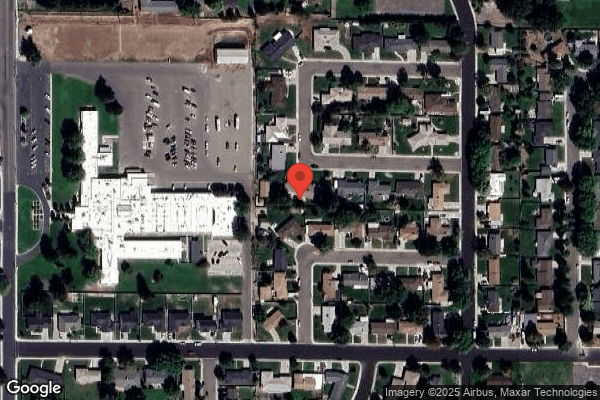
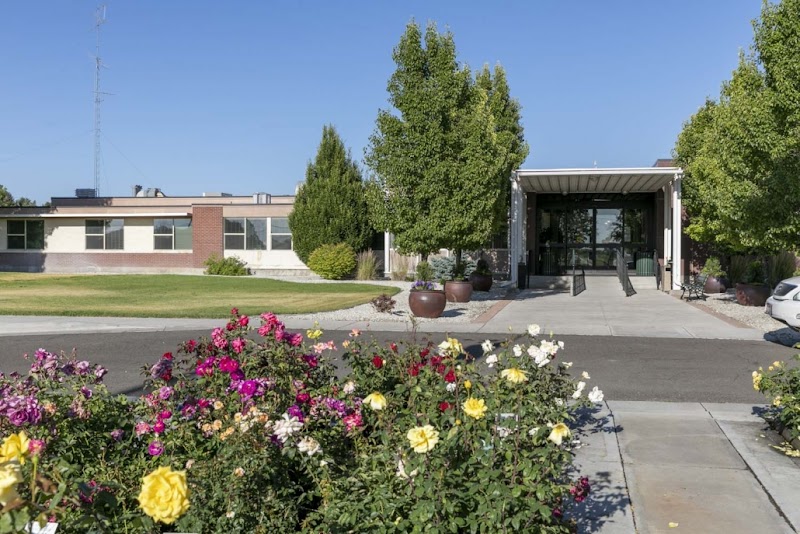
2303 PARKE AVENUE, BURLEY, ID 83318 (208) 677-3073
For profit - Corporation 86 Beds THE ENSIGN GROUP Data: November 2025
Trust Grade
75/100
#33 of 79 in ID
Last Inspection: August 2025

Inspected within the last 6 months. Data reflects current conditions.

Overview

Parke View Rehabilitation & Care Center has a Trust Grade of B, indicating it is a good, solid choice for families seeking care for their loved ones. It ranks #33 out of 79 facilities in Idaho, placing it in the top half, and #1 of 2 in Cassia County, meaning it is the best option locally. Unfortunately, the facility is trending worse, with issues increasing from 5 in 2024 to 8 in 2025. Staffing is a concern, rated at 2 out of 5 stars, with a turnover rate of 43%, which is slightly better than the state average. Additionally, the facility has received no fines, which is a positive sign, but it has less RN coverage than 96% of Idaho facilities, potentially impacting the quality of care. Specific incidents noted during inspections include a failure to provide five residents with assistance in creating Advance Directives, which could lead to their wishes not being honored in critical situations. Also, staff entered resident rooms without knocking, risking residents' dignity, and there was inaccurate assessment information for one resident that could lead to unmet mental health needs. Overall, while the facility has strengths in its ranking and lack of fines, there are significant areas for improvement in staffing practices and resident dignity.

Trust Score
B
75/100
In Idaho
#33/79
Top 41%
Safety Record
Low Risk
No red flags
Inspections
Getting Worse
5 → 8 violations
Staff Stability
○ Average
43% turnover. Near Idaho's 48% average. Typical for the industry.
Penalties
✓ Good
No fines on record. Clean compliance history, better than most Idaho facilities.
Skilled Nurses
⚠ Watch
Each resident gets only 24 minutes of Registered Nurse (RN) attention daily — below average for Idaho. Fewer RN minutes means fewer trained eyes watching for problems.
Violations
⚠ Watch
20 deficiencies on record. Higher than average. Multiple issues found across inspections.
★★★★☆
4.0
Overall Rating
★★☆☆☆
2.0
Staff Levels
★★★★☆
4.0
Care Quality
★★★★☆
4.0
Inspection Score
Stable
2024: 5 issues
2025: 8 issues

The Good

  • 4-Star Quality Measures · Strong clinical quality outcomes
  • Full Sprinkler Coverage · Fire safety systems throughout facility
  • No fines on record
  • Staff turnover below average (43%)

    5 points below Idaho average of 48%

Facility shows strength in quality measures, fire safety.

The Bad

Staff Turnover: 43%

Near Idaho avg (46%)

Typical for the industry

Chain: THE ENSIGN GROUP

Part of a multi-facility chain

Ask about local staffing decisions and management

The Ugly 20 deficiencies on record

Aug 2025 8 deficiencies
CONCERN (D) 📢 Someone Reported This

A family member, employee, or ombudsman was alarmed enough to file a formal complaint

Potential for Harm - no one hurt, but risky conditions existed

Resident Rights (Tag F0550)

Could have caused harm · This affected 1 resident

**NOTE- TERMS IN BRACKETS HAVE BEEN EDITED TO PROTECT CONFIDENTIALITY** Based on observation and interview, the facility failed to ensure dignity of residents when staff enter their rooms without knoc...

Read full inspector narrative →
**NOTE- TERMS IN BRACKETS HAVE BEEN EDITED TO PROTECT CONFIDENTIALITY** Based on observation and interview, the facility failed to ensure dignity of residents when staff enter their rooms without knocking and waiting for acknowledgement to enter. This was true for 5 out of 6 resident rooms observed during afternoon CNA rounds. This deficient practice placed residents at risk of embarrassment and diminished sense of self-worth. Findings include:Resident #4 was initially admitted to the facility on [DATE], and readmitted on [DATE], with multiple diagnoses including diabetes and heart failure.On 8/18/25 at 2:02 PM, observed CNA #1 walk into Resident #4's room without knocking and then he continued down the hall entering rooms 124, 125, 126, 127, and 130 without knocking.On 8/18/25 at 2:13 PM, CNA #1 stated he was late getting off shift and will remember to knock before entering next time. On 8/18/25 at 2:22 PM, the DON stated CNAs should always knock before entering a resident's room and had not.
CONCERN (D) 📢 Someone Reported This

A family member, employee, or ombudsman was alarmed enough to file a formal complaint

Potential for Harm - no one hurt, but risky conditions existed

Assessment Accuracy (Tag F0641)

Could have caused harm · This affected 1 resident

**NOTE- TERMS IN BRACKETS HAVE BEEN EDITED TO PROTECT CONFIDENTIALITY** Based on record review and staff interview, the facility failed to ensure residents Minimum Data Set (MDS) had correct assessmen...

Read full inspector narrative →
**NOTE- TERMS IN BRACKETS HAVE BEEN EDITED TO PROTECT CONFIDENTIALITY** Based on record review and staff interview, the facility failed to ensure residents Minimum Data Set (MDS) had correct assessment information. This was true for 1 of 8 residents (Resident #8) reviewed for accuracy of MDS assessments. This deficient practice created the potential for residents to have their mental health needs not met due to inaccurate assessments. Findings include: Resident #8 was admitted to the facility on [DATE], with multiple diagnoses including acute hepatitis C (the initial phase of hepatitis C virus (HCV) infection, typically lasting for the first six months after exposure) and alcoholic cirrhosis of the liver without ascites (a condition where the liver is scarred due to excessive alcohol consumption, but without the accumulation of fluid in the abdomen).Resident #8's had a new diagnosis of bipolar disorder added on 6/26/25. A significant change in status assessment had not been submitted to update Resident #8's MDS.On 8/19/25 at 2:35 PM, the facility social services staff #1 stated Resident #8's MDS had not been updated when he received the bipolar disorder diagnosis and should have been.
CONCERN (D) 📢 Someone Reported This

A family member, employee, or ombudsman was alarmed enough to file a formal complaint

Potential for Harm - no one hurt, but risky conditions existed

Deficiency F0646 (Tag F0646)

Could have caused harm · This affected 1 resident

**NOTE- TERMS IN BRACKETS HAVE BEEN EDITED TO PROTECT CONFIDENTIALITY** Based on record review, Idaho Medicaid Plan Benefit 16.03.26.475.03, observation, and staff interview, it was determined the fac...

Read full inspector narrative →
**NOTE- TERMS IN BRACKETS HAVE BEEN EDITED TO PROTECT CONFIDENTIALITY** Based on record review, Idaho Medicaid Plan Benefit 16.03.26.475.03, observation, and staff interview, it was determined the facility failed to update a residents' Level I PASRR (Preadmission Screening and Resident Review) with new diagnosis which required further screening, a Level II PASRR to be completed. This was true for 3 of 4 residents (#7, #8, and #13) whose PASRR records were reviewed. This deficient practice had the potential for negative outcomes if the resident was not assessed and cared for or monitored due to inaccurate assessments. Findings include:The Idaho Medicaid Plan Benefit 16.03.26.475.03 dated 7/1/25, documented under change in status, resident reviews for residents with MI or DD must occur and a new determination made after any significant change in their physical or mental condition NFs must notify the Department of any changes within two (2) working days of occurrence when any significant change requires new or increased specialized services.a. Resident #7 was initially admitted to the facility on [DATE], and readmitted on [DATE], with multiple diagnoses including stroke and chronic obstructive pulmonary disease (a progressive lung disease that makes it hard to breathe). Resident #7's physician order dated 6/14/25, for Lithium Carbonate oral capsule, give 300 mg by mouth two times a day for mood stabilization which is an antipsychotic medication that requires an updated Level I PASRR to be completed and promptly submitted to the state mental health authority within 2 days. On 8/19/25 at 2:10 PM, the facility social services staff #1 stated the facility had not yet filed the updated Level I PASRR document for Resident #7. b. Resident #8 was admitted to the facility on [DATE], with multiple diagnoses including acute hepatitis C (the initial phase of hepatitis C virus (HCV) infection, typically lasting for the first six months after exposure) and alcoholic cirrhosis of the liver without ascites (a condition where the liver is scarred due to excessive alcohol consumption, but without the accumulation of fluid in the abdomen). Resident #8’s Level I and Level II PASRR’s dated 6/20/25, documented his MMI as depressive disorders, anxiety, and agitation. On 6/24/25, Resident #8’s depressive disorder diagnosis was changed to bipolar disorder requiring an updated Level I PASRR be completed and resubmitted and it was not. On 8/19/25 at 2:30 PM, the facility social services staff #1 stated the facility had just filed the updated Level I PASRR document for Resident #8 on 8/18/25 and she was not aware there was a time frame for when the facility had to file the Level I PASRR update. c. Resident #13 was admitted on [DATE], with multiple diagnoses including depressive disorder and schizophrenia. Resident #13’s Level 1 PASRR dated 4/3/17, documented he had a diagnosis of depressive disorder and mental retardation. There was no documentation Resident #13 had a diagnosis of schizophrenia. Resident #13’s Level II PASRR dated 4/6/17, documented Resident #13 carries a diagnosis of depressive disorder which meets PASRR criteria. He is stable regarding his mental health issues and no further evaluation was needed. There was no documentation Resident #13 had a diagnosis of schizophrenia. On 8/6/25, an updated Level I PASRR was sent to BLTC to include Resident #13’s diagnosis of schizophrenia. On 8/20/25, the DON was asked why the update took 8 years to get the Level I PASRR updated to include his diagnosis of schizophrenia. She stated it was an error the facility did not catch until recently. The DON stated they were still waiting to receive an updated Level II PASRR back from BLTC.
CONCERN (D) 📢 Someone Reported This

A family member, employee, or ombudsman was alarmed enough to file a formal complaint

Potential for Harm - no one hurt, but risky conditions existed

Quality of Care (Tag F0684)

Could have caused harm · This affected 1 resident

**NOTE- TERMS IN BRACKETS HAVE BEEN EDITED TO PROTECT CONFIDENTIALITY** Based on the facility routine standing orders, record review and staff interview, it was determined the facility failed to follo...

Read full inspector narrative →
**NOTE- TERMS IN BRACKETS HAVE BEEN EDITED TO PROTECT CONFIDENTIALITY** Based on the facility routine standing orders, record review and staff interview, it was determined the facility failed to follow the facility bowel care standing order of delivering specific medications when residents do not have BM within 72 hours for 2 of 8 residents (#7 and #10) who records were reviewed for bowel and bladder care. This failed practice created the potential for residents to experience discomfort when medications were not administered according to the physician's order. Findings include:The facility routine standing orders for nursing home dated 8/28/24, documented for resident constipation the following medications may be used:- Miralax 17gm mix with 8oz fluid QD PRN constipation - Senna 8.6mg 1-2 tabs QD PRN for constipation. - Dulcolax 5mg 1 tab QD PRN - Magnesium Citrate 1 bottle QD PRN constipationa. Resident #7 was initially admitted to the facility on [DATE], and readmitted on [DATE], with multiple diagnoses including stroke and chronic obstructive pulmonary disease (a progressive lung disease that makes it hard to breathe).Resident #7's medical record documented in the CNA Task Bowel Activity, he had a bowel movement on 7/27/25 documented at 13:55, and not again until 7/31/25 documented at 13:59, 96 hours later.Resident #7's MAR for July 2025, documented bowel management protocol had not been initiated between 7/27/25 and 7/31/25.b. Resident #10 was initially admitted to the facility on [DATE], and readmitted on [DATE], with multiple diagnoses including diabetes and chronic respiratory failure with hypoxia (a condition where the lungs are unable to adequately oxygenate the blood (hypoxia) over an extended period, often due to underlying respiratory diseases).Resident #10's medical record documented in the CNA Task Bowel Activity, he had a bowel movement on 7/25/25 documented at 21:05, and not again until 7/29/25 documented at 9:50, 84 hours later.Resident #10's MAR for July 2025, documented bowel management protocol had not been initiated between 7/25/25 and 7/29/25.Resident #10's medical record documented in the CNA Task Bowel Activity, he had a bowel movement on 8/9/25 documented at 15:31, and not again until 8/14/25 documented at 10:31, 117 hours later. Resident #10's MAR for August 2025, documented bowel management protocol had not been initiated between 8/9/25 and 8/14/25.On 8/19/25 at 2:00 PM, the DON stated staff should start the bowel management protocol when a resident had no BM for 72 hours or more and had not.
CONCERN (D) 📢 Someone Reported This

A family member, employee, or ombudsman was alarmed enough to file a formal complaint

Potential for Harm - no one hurt, but risky conditions existed

Pharmacy Services (Tag F0755)

Could have caused harm · This affected 1 resident

Based on record review and staff interview, it was determined the facility failed to ensure controlled medications were tracked and kept secure from potential theft and/or diversion. This was true for...

Read full inspector narrative →
Based on record review and staff interview, it was determined the facility failed to ensure controlled medications were tracked and kept secure from potential theft and/or diversion. This was true for 2 of 3 medication carts reviewed. This failure created the potential for undetected misuse and/or diversion of controlled medications and had the potential to affect all residents who received controlled medication in the facility. Findings include: On 8/18/25 at 3:49 PM, during East Hall medication cart audit, observed the narcotic accountability record, dated 8/1/25 to 8/18/25, with 3 licensed nurse signatures not documented. On 8/18/25 at 3:52 PM, LPN #2 stated two nurses should have signed the narcotic accountability record when they accepted the medication cart or released the medication cart. On 8/20/25 at 1:50 PM, during North Hall medication cart audit, observed the narcotic accountability record, dated 8/1/25 to 8/20/25, with 1 licensed nurse signature not documented. On 8/20/25 at 1:55 PM, RN #2 stated two nurses should have signed the narcotic accountability record when they accepted the medication cart or released the medication cart.On 8/20/25 at 2:54 PM, the DON stated two nurses should have signed the narcotic accountability record when they accepted the medication cart or released the medication cart.
CONCERN (D) 📢 Someone Reported This

A family member, employee, or ombudsman was alarmed enough to file a formal complaint

Potential for Harm - no one hurt, but risky conditions existed

Deficiency F0761 (Tag F0761)

Could have caused harm · This affected 1 resident

Based on observation and interviews, it was determined the facility failed to ensure medication carts were locked when unattended. This was observed in 1 of 3 medication carts. This failure created th...

Read full inspector narrative →
Based on observation and interviews, it was determined the facility failed to ensure medication carts were locked when unattended. This was observed in 1 of 3 medication carts. This failure created the potential for residents to obtain prescribed medications used for other residents and presented the risk for cross-contamination of medications stored in the cart. Findings include:On 8/18/25 at 9:03 AM, observed an unlocked and unattended medication cart on the TCU hall outside of the dining room. RN #1 came out of the dining room after about 3 minutes and said she was just inside the dining room but stated the medication cart should have been locked. On 8/18/25 at 12:33 PM, observed an unlocked and unattended medication cart on the 200 Hall for over 3 minutes. While standing next to the medication cart, no facility staff were visible to the surveyor at that time. RN #1 was in the chart room on the 200 Hall and stated she did forget to lock the medication cart.On 8/18/25 at 4:08 PM, the DON stated medication carts are to always be locked when unattended and had not been.
CONCERN (D) 📢 Someone Reported This

A family member, employee, or ombudsman was alarmed enough to file a formal complaint

Potential for Harm - no one hurt, but risky conditions existed

Infection Control (Tag F0880)

Could have caused harm · This affected 1 resident

Based on observation and staff interview, the facility failed to ensure adherence to infection control and prevention practices to provide a safe and sanitary environment when staff did not perform ha...

Read full inspector narrative →
Based on observation and staff interview, the facility failed to ensure adherence to infection control and prevention practices to provide a safe and sanitary environment when staff did not perform hand hygiene prior to providing care from resident-to-resident. This failure had the potential to impact 3 of 3 residents (#5, #17 and #71) observed during resident care, placing them at risk for cross-contamination and infection. Findings include: On 8/20/25 at 8:40 AM, surveyor observed CNA #2 enter Resident #5's room and obtain vital signs; blood pressure, oxygen saturation, and temperature, however CNA #2 did not perform hand hygiene on entering, during care, or exiting Resident #5's room. CNA #2 proceeded down the hall to Resident #71's room.On 8/20/25 at 8:55 AM, surveyor observed CNA #2 enter Resident #71's room and obtain vital signs; blood pressure, oxygen saturation, and temperature, however CNA #2 did not perform hand hygiene on entering, during care, or exiting Resident #71's room. CNA #2 proceeded down the hallway to Resident #17's room.On 8/20/25 at 9:17 AM, surveyor observed CNA #2 enter Resident #17's room and obtain vital signs; blood pressure, oxygen saturation, and temperature, however CNA #2 did not perform hand hygiene on entering, during care, or exiting Resident #17's room.On 8/20/25 at 10:09 AM, CNA #2 stated she had not performed hand hygiene between resident-to-resident care, and she has a bad habit of not doing it.On 8/20/25 at 10:42 AM, the DON stated the CNA should have been performing hand hygiene when providing resident-to-resident care.
CONCERN (D) 📢 Someone Reported This

A family member, employee, or ombudsman was alarmed enough to file a formal complaint

Potential for Harm - no one hurt, but risky conditions existed

Safe Environment (Tag F0921)

Could have caused harm · This affected 1 resident

Based on observation and interview, the facility failed to provide a safe and functional environment. This was true for 2 of 2 residents (#2 and #76) whose sharps containers were observed to be overfi...

Read full inspector narrative →
Based on observation and interview, the facility failed to provide a safe and functional environment. This was true for 2 of 2 residents (#2 and #76) whose sharps containers were observed to be overfilled. This failure had the potential for injury and infections. Findings include:On 8/18/25 at 2:43 PM, observed in resident #2's room with LPN #1 present, the sharps container was filled past the full line.On 8/18/25 at 2:45 PM, LPN #1 stated the sharps container should have been changed when it was full.On 8/18/25 at 2:48 PM, observed in resident #76's room with LPN #1 present, the sharps container was filled past the full line.On 8/18/25 at 2:49 PM, LPN #1 stated the sharps container should have been changed when it was full.On 8/19/25 at 9:38 AM, the DON stated the sharps containers should have been changed when full.
Aug 2024 5 deficiencies
CONCERN (D)

Potential for Harm - no one hurt, but risky conditions existed

Deficiency F0554 (Tag F0554)

Could have caused harm · This affected 1 resident

**NOTE- TERMS IN BRACKETS HAVE BEEN EDITED TO PROTECT CONFIDENTIALITY** Based on observation, interview, record review, and facility policy review, the facility failed to ensure residents who self-adm...

Read full inspector narrative →
**NOTE- TERMS IN BRACKETS HAVE BEEN EDITED TO PROTECT CONFIDENTIALITY** Based on observation, interview, record review, and facility policy review, the facility failed to ensure residents who self-administer medications had been assessed and evaluated for cognitive and physical ability to self-administer medications and reviewed by the Interdisciplinary Team (IDT) prior to residents self-administering medications for two of two residents (Resident (R) 38 and R11) observed self-administering medications. As a result of this deficient practice, medications may or may not actually be correctly administered. Findings below: 1. Review of R38's admission Record located in the electronic medical record (EMR) under the Profile tab revealed an admission date of 01/11/19 and readmission on [DATE] with medical diagnosis including cerebral infarction. Review of R38's quarterly Minimum Data Set (MDS) located in the EMR under the MDS tab with an Assessment Reference Date (ARD) of 06/16/24, revealed a Brief Interview for Mental Status (BIMS) score of 13 out of 15 indicating R38 was cognitively intact. Observation on 08/19/24 at 12:10 PM, R38 was sitting on the side of the bed and two pills were in a clear medication cup, a big white one and small red one. The resident said, these are the pills I take with lunch. During an interview on 08/19/24 at 12:34 PM, Licensed Practical Nurse (LPN) 1 explained the resident does not like to be rushed when taking medications and when LPN 1 entered the resident room to administer the medication, the resident was being assisted in the bathroom and requested that LPN 1 left the pills on the bedside table. LPN1 confirmed the medications were iron and sodium chloride supplements. Review of R38 EMR under the Assessments tab lacked documentation of an assessment for self-administration of medications. Review of R38's physician orders in the EMR under the Orders tab documented an order for: Ferrous Sulfate Tablet 325 milligrams (mg) Give 1 tablet by mouth one time a day every Mon, Wed, Fri for supplement and Sodium Chloride Tablet 1 gram Give 1 tablet by mouth three times a day for electrolyte supplement WITH MEALS and lacked an order for self-administration of medications. Review of R38's Care Plan under the Care Plan tab in the EMR lacked documentation for self-administration of medications. 2. Review of R11's admission Record located in the EMR under the Profile tab, revealed and admission date of 09/24/20 and readmission on [DATE] with medical diagnosis including dementia with other behavioral disturbances. Review of R11's quarterly MDS located in the EMR under the MDS tab with an ARD of 06/20/24, revealed a BIMS score of three out of 15, indicating R11 was severely cognitively impaired. Observation in the main dining rooms on 08/21/24 at 08:32 AM, R11 was sitting at the table waiting for the meal tray. On the napkin there were five pills covered by an upside-down clear medication cup. During an interview on 08/21/24 at 8:41 AM, LPN 2 confirmed the mediations under the medication cup were Metformin two tablets, Finasteride one tablet, Lisinopril one tablet, and Eliquis one tablet. LPN2 explained R11 wanted to take his pills with food so LPN2 gave him his pills in the medication cup and R11 placed them in his pocket on his way to the dining room so R11 could take the medications with breakfast. Review of R11's EMR under the Assessments tab lacked documentation of an assessment for self-administration of medications. Review of R11's physician orders under the Orders tab documented Eliquis Oral Tablet 5 MG (Apixaban) Give 1 tablet by mouth two times a day for atrial fibrillation, Finasteride Tablet 5 MG Give 1 tablet by mouth one time a day for BPH, Lisinopril Oral Tablet 2.5 MG (Lisinopril) Give 2.5 mg by mouth one time a day for HTN [hypertension], and metformin HCl ER Tablet Extended Release 24 Hour 500 MG Give 2 tablet by mouth in the morning for DM II [diabetes mellitus] and lacked an order for self-administration of medications. Review of R11's Care Plan under the Care Plan tab in the EMR lacked documentation for self-administration of medications. During an interview on 08/20/24 at 12:50 PM the Director of Nursing (DON) and the Clinical Resource Nurse confirmed the process for a resident to self-administer medications included completing a self-administration assessment located in the Assessments tab in the EMR and an assessment done by the IDT team. During an interview on 08/21/24 at 12:10 PM, the DON confirmed the nurse administering the resident mediation was to observe the medication being administered prior to documenting the medication being administered. The DON confirmed R11 and R38 had not been assessed for self-administration of medications, the IDT process had not been involved and the medications should not have been left with the residents to be self-administered Review of the facility's policy titled Self-Administration of Medications revised 5/22, revealed The residents cognitive, communication, visual, and physical ability to carry out this responsibility will be evaluated. If the interdisciplinary team determines that this resident is unable to carry out this responsibility (this would be dangerous to resident or others), the interdisciplinary team may withdrawal this right. Appropriate notation of these determinations will be placed in the residents care plan.
CONCERN (D)

Potential for Harm - no one hurt, but risky conditions existed

Deficiency F0645 (Tag F0645)

Could have caused harm · This affected 1 resident

**NOTE- TERMS IN BRACKETS HAVE BEEN EDITED TO PROTECT CONFIDENTIALITY** Based on record review, staff interview and policy review, the facility failed to ensure that a Preadmission Screening and Resid...

Read full inspector narrative →
**NOTE- TERMS IN BRACKETS HAVE BEEN EDITED TO PROTECT CONFIDENTIALITY** Based on record review, staff interview and policy review, the facility failed to ensure that a Preadmission Screening and Resident Review (PASARR) level I assessment was completed after the resident remained in the facility past the initial 30 day exception for one residents (Resident (R)31 out of one residents out of a total sample of 22 residents reviewed for PASARR level I screenings which had the potential to prevent or delay additional services to a resident that may qualify for a level II. Findings include: 1. Review of R31's undated Face sheet, located in the Profile tab of the electronic medical record (EMR) revealed she was admitted to the facility on [DATE] with diagnoses including schizoaffective disorder, major depressive disorder, anxiety disorder, and post-traumatic stress disorder. Review of R31's admission Minimum Data Set (MDS) under the MDS tab of the EMR, with an Assessment Reference Date (ARD) of 07/01/24, revealed a Brief Interview for Mental Status (BIMS), score of 15 out of 15 which indicated R31's cognition was intact. Further review the MDS indicated an active diagnosis of schizophrenia, post-traumatic stress disorder (PTSD), anxiety disorder and major depressive disorder. Review of R31's Abbreviated Level II Preadmission Screening for Nursing Home Placement (PASARR) located under the Resident Documents tab in the EMR and dated and submitted on 06/29/24 indicated admission meets criteria for Hospital Exception and meets all the following and has a known or suspected Mental Illness (MI) diagnosis. The attending physician has certified prior to nursing facility (NF) admission the resident will require less than 30 calendar days of NF services. Further review revealed individuals meeting criteria are exempt from Level II screens. But the facility must complete a PASARR at such time that it appears the individuals stay will exceed 30 days and no later than the 40th calendar day. During an interview on 08/21/24 at 10:04 AM, Medical Records (MR) stated the hospital completed the initial PASARR and she would check to see if they had a 30-day exemption, and she kept a log of those that helped her know when a new PASARR needed to be completed if they remained in the facility past 30 days. MR stated that she missed completing R31's PASARR level 1 and confirmed R31 had been in the facility almost two months. During an interview on 08/22/24 at 9:20 AM, the Director of Nursing (DON) said she was unaware that a new Level I was not completed for R31 and sent in after the resident was in the facility past 30 days. Review of the facility's undated policy titled Preadmission Screening for MI/MR [Mental Retardation] revealed, It is the policy if the facility to ensure that each resident is properly screened using the PASARR specified by the state.
CONCERN (D)

Potential for Harm - no one hurt, but risky conditions existed

Incontinence Care (Tag F0690)

Could have caused harm · This affected 1 resident

**NOTE- TERMS IN BRACKETS HAVE BEEN EDITED TO PROTECT CONFIDENTIALITY** Based on observation, interview, record review, and Fundamentals of Nursing textbook guidance, the facility failed to ensure a p...

Read full inspector narrative →
**NOTE- TERMS IN BRACKETS HAVE BEEN EDITED TO PROTECT CONFIDENTIALITY** Based on observation, interview, record review, and Fundamentals of Nursing textbook guidance, the facility failed to ensure a physician's order was in place prior to flushing a Foley catheter for one of three residents (Resident (R) 49) reviewed for indwelling urinary catheter care. As a result of this deficient practice there is a potential for introducing bacteria into the closed indwelling urinary catheter system. Findings include: Review of R49's admission Record located in the electronic medical record (EMR) under the Profile tab, revealed an admission date of 01/06/24 and readmission on [DATE] with medical diagnosis including obstructive and reflux uropathy [ureteral obstruction-urine flows from bladder backwards to ureter]. Review of R49's quarterly Minimum Data Set (MDS) located in the EMR under the MDS tab with an Assessment Reference Date (ARD) of 06/08/24, revealed a Brief Interview for Mental Status (BIMS) score of 13 out of 15, indicating R49 was cognitively intact. Observation on 08/19/24 at 12:18 PM, R49 was in the wheelchair, sitting in the 500-hall dining room awaiting lunch. The indwelling urinary catheter tubing was visible and the urine was slightly blood tinged. Review of R49's Prog Notes in the EMR revealed a note created by LPN1 on 08/20/24 at 06:13 AM, documented Resident came back from his U/S [ultrasound] and had slight pink tinged urine. Pt [patient] was assessed. The catheter was assessed and flushed. Pt didn't have any c/o [complaint of] pain or discomfort. no burning or redness. nurse will monitor for continued change to urine color. Review of R49's physician orders in the EMR under the orders tab lacked documentation of an order to flush the indwelling urinary catheter. Review of the standing orders for R49 lacked documentation of an order to flush the indwelling urinary catheter. During an interview on 08/20/24 at 12:50 PM, the Director of Nursing (DON) and the Clinical Resource Nurse verbalized the flushing of a Foley catheter required a physician's order and that LPN1 should not have flushed the indwelling urinary catheter without an order. During an interview on 08/21/24 at 12:36 PM, LPN1 stated that she thought there was a standing order for flushing an indwelling urinary catheter, however, she was in error, there was no standing order and should not have flushed the catheter. During an interview on 08/21/24 at 11:20 AM, the Assistant Director of Nursing (ADON) confirmed the nursing procedure reference for the facility was the Fundamentals of Nursing textbook by [NAME] and [NAME], sixth edition. Review of the Fundamentals of Nursing textbook by [NAME] and [NAME], sixth edition, page 438 documented for flushing a closed and open catheter irrigation, indicated, to verify physician's order before performing the procedure.
CONCERN (D)

Potential for Harm - no one hurt, but risky conditions existed

Deficiency F0700 (Tag F0700)

Could have caused harm · This affected 1 resident

**NOTE- TERMS IN BRACKETS HAVE BEEN EDITED TO PROTECT CONFIDENTIALITY** Based on record review, interview, and facility policy review, the facility failed to ensure residents received alternative meas...

Read full inspector narrative →
**NOTE- TERMS IN BRACKETS HAVE BEEN EDITED TO PROTECT CONFIDENTIALITY** Based on record review, interview, and facility policy review, the facility failed to ensure residents received alternative measures prior to installation of side rails, for two of three residents reviewed for side rails (Resident (R) 84 and (R) 26) of 22 sampled residents. The lack of alternative measures and proper assessment could lead to potential restraint or side rail entrapment. Findings include: Review of R84's undated Face Sheet located under the Profile tab of the electronic medical record (EMR) revealed the resident was admitted on [DATE] with diagnoses included difficulty in walking and aftercare for joint replacement. Review of R84's admission Minimum Data Set (MDS) with an Assessment Reference Date (ARD) of 07/26/24 revealed a Brief Interview for Mental Status (BIMS) score of three out of 14 which indicated the resident was severely cognitively impaired. Review of R84's Care Plan, initiated 07/23/24, located under the Care Plan tab of the EMR revealed at risk for falls with an intervention of side rails as ordered. Review of R84's Side Rail Assessment located under the Observations tab of the EMR, dated 08/16/24, revealed no documentation of alternative measures. Further review revealed only risk and benefits, and consent was obtained. 2. Review of R26's undated Face Sheet located under the Profile tab of the electronic medical record (EMR) revealed the resident was admitted on [DATE] with diagnoses included lack of coordination, difficulty in waking, and unsteadiness on feet. Review of R26's admission MDS with an ARD of 07/11/24 revealed a BIMS score of three out of 15 which indicated the resident was severely cognitively impaired. Review of R26's Care Plan, initiated 07/09/24, located under the Care Plan tab of the EMR revealed at risk for falls with an intervention of side rails as ordered. Review of R26's Side Rail Assessment located under the Observations tab of the EMR, dated 08/16/24, revealed no documentation of alternative measures. Further review revealed only risk and benefits, and consent was obtained. During an interview on 08/21/24 at 7:57 AM, Licensed Practical Nurse (LPN)4 stated she completed the admission side rail assessment for both residents. She spoke with both residents about siderail use, went over the risks and answered the questions on the assessment. She stated that nursing identified if a resident needed side rails. She stated they don't look at alternative measures prior to implementing bedrails for a resident. She said she did not know they were supposed to. During an interview on 08/21/24 at 9:06 AM, Therapy Resource (TR) said therapy only signed off on the bedrail assessment after it was completed by nursing and was unsure if therapy completed their own. During an interview on 08/22/24 at 9:09 AM the Director of Nursing (DON) said during admission, nursing completed the bedrail assessment based on the resident's needs and how they were doing. They would determine if bed rails would assist the resident with getting in and out of bed or to reposition. They would review with the resident if they wanted or needed a bedrail and get consent from them or their responsible party. But she was unaware there needed to be documentation that prior alternatives were explored before implementing bed rails for a resident and that this was not completed. Review of the facility's policy titled Bed Rails revised 12/2023, revealed It is the policy of this facility to attempt to use appropriate alternatives prior to installing a side or bed rail.
CONCERN (D)

Potential for Harm - no one hurt, but risky conditions existed

Deficiency F0761 (Tag F0761)

Could have caused harm · This affected 1 resident

**NOTE- TERMS IN BRACKETS HAVE BEEN EDITED TO PROTECT CONFIDENTIALITY** Based on observation, interview, manufacturer's instruction review, and policy review, the facility failed to ensure expired med...

Read full inspector narrative →
**NOTE- TERMS IN BRACKETS HAVE BEEN EDITED TO PROTECT CONFIDENTIALITY** Based on observation, interview, manufacturer's instruction review, and policy review, the facility failed to ensure expired mediations were discarded in one of two medication rooms (main medication room on TCU unit) reviewed for outdated medications. As a result of this deficient practice residents may receive medication with decreased potency and effectiveness. Findings include: During an observation on [DATE] at 10:31 AM, in the medication room for the TCU unit, two boxes of Bisacodyl suppositories were stored in the refrigerator with an outdate of 9/23. The box that held the vial of Tuberculin Purified Protein Derivative (TB) (Tubersol) was dated on the box as opened on [DATE]. During an interview on [DATE] at 10:32 AM, Registered Nurse (RN)1 confirmed the suppositories were out of date and should not be used for residents. The TB box with the date of [DATE], was unable to explain when the opened vial expired. During an interview on [DATE] at 11:54 AM the Director of Nursing (DON) confirmed outdated medications are not to be administered and when outdated medications are found, they are to be discarded. Review of the manufacturer's instructions for Tuberculin Purified Protein Derivative (Tubersol revealed, a vial of TUBERSOL which has been entered and in use for 30 days should be discarded. Do not use after expiration date. Review of the facility policy titled Specific Medication Administration Procedures-Administration Procedures for all Medications, with an effective date of 05/2019 revealed, Check expiration date on package/container before administering any medication. When opening a multidose container, place the date on the container.
Jun 2019 7 deficiencies
CONCERN (D)

Potential for Harm - no one hurt, but risky conditions existed

Transfer Notice (Tag F0623)

Could have caused harm · This affected 1 resident

**NOTE- TERMS IN BRACKETS HAVE BEEN EDITED TO PROTECT CONFIDENTIALITY** Based on staff interview, review of admission agreement paperwork, and record review, it was determined the facility failed to e...

Read full inspector narrative →
**NOTE- TERMS IN BRACKETS HAVE BEEN EDITED TO PROTECT CONFIDENTIALITY** Based on staff interview, review of admission agreement paperwork, and record review, it was determined the facility failed to ensure transfer notices were provided in writing to residents upon transfer. This was true for 1 of 2 residents (Resident #21) reviewed for transfers. This deficient practice had the potential for harm if residents were not made aware of or able to exercise their rights related to transfers. Findings include: The facility's Resident admission Agreement documented if a more immediate transfer or discharge was required due to urgent medical need, a written notice of transfer was given to the resident or their representative as soon as practicable before the transfer or discharge. Resident #21 was admitted to the facility on [DATE], with unspecified dementia with behavioral disturbance. A discharge MDS assessment, dated 2/22/19, documented Resident #21 was discharged to a hospital. She was readmitted from the hospital on 2/28/19. Resident #21's medical record did not include documentation she or her responsible party were provided a transfer notice. On 6/6/19 at 10:49 AM, the Director of Medical Records stated the transfer and the reason for the transfer was communicated by telephone to the resident and her responsible party.
CONCERN (D)

Potential for Harm - no one hurt, but risky conditions existed

Deficiency F0625 (Tag F0625)

Could have caused harm · This affected 1 resident

**NOTE- TERMS IN BRACKETS HAVE BEEN EDITED TO PROTECT CONFIDENTIALITY** Based on policy review, record review, and staff interview, it was determined the facility failed to ensure a bed-hold notice wa...

Read full inspector narrative →
**NOTE- TERMS IN BRACKETS HAVE BEEN EDITED TO PROTECT CONFIDENTIALITY** Based on policy review, record review, and staff interview, it was determined the facility failed to ensure a bed-hold notice was provided to a resident and/or their representative upon transfer to the hospital. This was true for 1 of 2 residents (Resident #21) reviewed for transfers. This deficient practice created the potential for harm if residents were not informed of their right to return to their former bed/room at the facility within a specified time and may cause psychosocial distress if not informed they may be charged to reserve their bed/room. Findings include: The facility's Bed-Hold/Reservation of Room policy, dated 9/2017, documented the resident, or the resident's representative, would be informed, in writing, of their right to exercise the bed-hold provision. The notice was to include the following: * The duration of the state bed-hold policy (if any) and/or the facility policy that the resident's bed will be held for the duration of 3 days, during which time the resident was permitted to return and resume residence in the facility. * The amount required to be paid by the resident or the resident's payor source to hold the bed for the duration of the bed-hold period. * This information would be provided to the resident and/or their representative in a language they could understand at the time of admission and transfer to the general acute hospital. Resident #21 was admitted to the facility on [DATE], with dementia. A discharge MDS assessment, dated 2/22/19, documented Resident #21 was discharged to a hospital. She was readmitted from the hospital on 2/28/19. She was readmitted from the hospital on 2/28/19. A Notification of Bed-Hold Policy and readmission form, dated 2/22/19, documented Resident #21 was discharged to an acute care hospital. The form documented the resident's bed would be held without charge for 3 days and to notify the Business Office Manager for a room rate if the bed-hold exceeded 3 days. The form documented Resident #21 and her responsible party were notified of the policy and terms via telephone on 2/22/19 at 11:57 PM. The resident and the responsible party signature lines were blank. On 6/6/19 at 10:49 AM, the Director of Medical Records stated she did not have a bed-hold notice signed by the resident or her representative.
CONCERN (D)

Potential for Harm - no one hurt, but risky conditions existed

Quality of Care (Tag F0684)

Could have caused harm · This affected 1 resident

**NOTE- TERMS IN BRACKETS HAVE BEEN EDITED TO PROTECT CONFIDENTIALITY** Based on record review, and staff interview, it was determined the facility failed to ensure professional standards of practice ...

Read full inspector narrative →
**NOTE- TERMS IN BRACKETS HAVE BEEN EDITED TO PROTECT CONFIDENTIALITY** Based on record review, and staff interview, it was determined the facility failed to ensure professional standards of practice were followed for medication and CPAP (Continuous Positive Airway Pressure) administration. This was true for 1 of 3 residents (Resident #40) reviewed for bowel care . This failed practice created the potential for residents to experience complications related to constipation (Resident #40) if they did not receive the necessary treatment. Findings include: Resident #40 was admitted to the facility on [DATE], with multiple diagnoses which included chronic kidney disease. A quarterly MDS assessment, dated 4/29/19, documented Resident #40 had severe cognitive impairment, required extensive two person assistance for toileting, and was continent of bowel. Resident #40's physician orders, dated 3/4/19, included the following: * Biscolax suppository 10 mg, insert one rectally as needed for bowel care. * Glycolax Powder, give 17 gms by mouth as needed for bowel care. * Milk of Magnesia, give 30 mls by mouth as needed for bowel care. Resident #40's physician's order, dated 4/16/19, directed staff to provide Colace 100 mg, 1 capsule by mouth two times a day for constipation. Resident #40's MARs from 5/9/19 to 5/14/19, did not include documentation bowel care medications were provided as ordered by the MD as follows: * From 5/9/19 through 5/14/19, Resident #40 did not have a bowel movement (6 days). Resident #40's MAR did not include documentation the Biscolax suppository, Glycolax Powder, or Milk of Magnesia were administered. On 6/7/19 at 12:44 PM, the DON stated the facility did not have a policy for bowel care or a protocol for bowel care. She stated the facility had standing physician orders and let the resident choose what they want for bowel care.
CONCERN (D)

Potential for Harm - no one hurt, but risky conditions existed

Respiratory Care (Tag F0695)

Could have caused harm · This affected 1 resident

**NOTE- TERMS IN BRACKETS HAVE BEEN EDITED TO PROTECT CONFIDENTIALITY** Based on observation, record review, policy review, and resident and staff interview, it was determined the facility failed to; ...

Read full inspector narrative →
**NOTE- TERMS IN BRACKETS HAVE BEEN EDITED TO PROTECT CONFIDENTIALITY** Based on observation, record review, policy review, and resident and staff interview, it was determined the facility failed to; a) ensure staff stored the nebulizer mouthpiece appropriately after each use and let it dry and b) ensure professional standards of practice were followed for CPAP (Continuous Positive Airway Pressure) administration This was true for 1 of 1 resident (Resident #64) reviewed for respiratory care. This failure placed residents at risk of respiratory infections due to the growth of pathogens (organisms that cause illness) in the respiratory equipment and increased respiratory problems if they did not receive the necessary treatment. Findings include: Resident #64 was admitted to the facility on [DATE], with multiple diagnoses which included chronic obstructive pulmonary disease (progressive lung disease characterized by increasing breathlessness). a. The facility's Use and Care of Nebulizer Equipment policy, revised on 7/17, directed staff to: * Remove the mouthpiece from the T-piece, the T-piece from the nebulizer cap, unscrew the nebulizer cap from the nebulizer jar and remove the nebulizer jet (if it is removable), and disconnect the nebulizer jar from the air tubing. * Rinse all of the disassembled nebulizer parts with water and allow to air dry on a clean towel before using the pieces again. On 6/3/19 at 11:36 AM, 6/4/19 at 4:28 PM and 6/5/19 at 4:13 PM, Resident #64's nebulizer mouthpiece was observed resting on top of her nebulizer machine which was on top of her bedside table. On 6/5/19 at 4:17 PM, LPN #2 was shown Resident #64's mouthpiece resting on top of the nebulizer machine. LPN #2 removed the mouthpiece and the nebulizer cap and washed it. LPN #2 said the nebulizer mouth piece and nebulizer cap should be washed after each use, air dried and placed in a plastic bag. b. Resident #64's admission MDS assessment, dated 5/14/19, documented she used a CPAP machine. A care plan, initiated on 5/6/19, directed staff to administer Resident #64's CPAP machine at night and when necessary. a. Resident #64's 5/6/19 through 6/4/19 TAR, documented CPAP at home setting at night and PRN. The TAR documented Resident #64 refused to use her CPAP machine on 18 out of 30 opportunities. A Nursing Note, dated 5/10/19 at 11:36 PM, documented Resident #64 refused to use her CPAP machine multiple times. The note documented Resident #64 stated it made her cough and did not like the way it made her feel. A Nursing Note, dated 5/15/19 at 1:40 AM, documented Resident #64 refused to use her CPAP machine due to her cough. The note stated the nurse asked Resident #64 if she would like to inform the physician and discontinue her CPAP machine. Resident #64 said she would like to use it once she felt better. On 6/5/19 at 5:48 PM, the ADON reviewed Resident #64's TAR and said Resident #64's physician should have been notified of her continued refusals to use her CPAP machine. The ADON said she did not find documentation Resident #64's physician was notified. b. On 6/3/19 at 11:36 AM, a CPAP machine was observed on top of Resident #64's left bedside table. Resident #64 said the staff was not able to make her CPAP machine work the night before and she was not able to use it. On 6/4/19 at 4:28 PM, Resident #64 said she did not use her CPAP machine the night before because it was not working, but she found out that morning it was not plugged into the wall outlet. Resident #64 pointed to the cord and said it was behind the table the night before. On 6/5/19 at 4:17 PM, Resident #64 told LPN #2 she found the cord for her CPAP machine and she hoped she could use it that night. On 6/5/19 at 4:22 PM, LPN #2 said the nurse set-up residents' CPAP machines, and she did not know why Resident #64 was unable to use hers the previous two nights.
CONCERN (D)

Potential for Harm - no one hurt, but risky conditions existed

Deficiency F0761 (Tag F0761)

Could have caused harm · This affected 1 resident

Based on observation, record review, policy review, and staff interview, it was determined the facility failed to ensure pharmacy labels were on resident medications prior to use. This was true for 1 ...

Read full inspector narrative →
Based on observation, record review, policy review, and staff interview, it was determined the facility failed to ensure pharmacy labels were on resident medications prior to use. This was true for 1 of 4 residents (Resident #275) reviewed for medication storage and labeling. This failed practice created the potential for residents to receive unidentified or expired medications. Findings include: The facility's policy and procedure for Services of a Licensed Pharmacist, dated 8/2017, documented the pharmacist was responsible for pharmaceutical services that were consistent with current standards of practice and met state and federal requirements. Resident #275 was admitted from home to the facility on 6/6/19, for a five-day respite under hospice care. On 6/7/19 at 10:34 AM, an inspection of the 500 Hall medication cart was completed with LPN #1 present. The medication cart contained 25 medication cards for Resident #275. The medication cards did not have a pharmacy label. Each medication card had a white sticker on the front with the resident's name, date of birth , the name of the medication, and direction for use. This information was handwritten. The back of the medication card included an area for the pharmacy to fill in the following information: * Filled by/checked by * Medication * Strength * Lot Number * Expiration Date * Manufacturer The above information was not filled in on the medication cards. The hospice agency provided Resident #275's medications for his respite stay. The medications included Lorazepam, a sedative useful for anxiety; hydrocodone-acetaminophen, a narcotic for pain management; warfarin, a blood thinner; and furosemide, a diuretic. There were also cardiac medications and 2 insulin pens for diabetes mellitus. The medication cards did not provide warnings about side effects, possible drug interaction, precautions during use, a description of the medication, or the expiration date. At 10:50 AM, the DON viewed the medication cards for Resident #275. She confirmed she could not ensure the medications inside the cards matched the labels or when they expired.
CONCERN (D)

Potential for Harm - no one hurt, but risky conditions existed

Infection Control (Tag F0880)

Could have caused harm · This affected 1 resident

Based on observation, staff interview and policy review, it was determined the facility failed to ensure a glucometer used to check blood glucose levels was cleaned after each use. This was true for 2...

Read full inspector narrative →
Based on observation, staff interview and policy review, it was determined the facility failed to ensure a glucometer used to check blood glucose levels was cleaned after each use. This was true for 2 of 3 residents (#44 and #64) observed for blood glucose testing. This deficient practice created the potential for the spread of infectious organisms from cross contamination which could harm all residents in the facility. The facility's Care of the Blood Glucose Meter Policy, dated 10/14/10, directed staff to clean the outside of the meter per the manufacturer's guidelines, before initial use, and after every patient. On 6/4/19 at 4:35 PM, LPN #3 was observed performing a capillary blood glucose test to Resident #64 using a glucometer. After the completion of the capillary blood glucose test, LPN #3 placed the glucometer inside a plastic cup, removed her gloves and washed her hands. LPN #3 picked up the plastic cup, returned to the medication cart, placed the plastic cup on top of the medication cart, and wrote the result of Resident #64's blood glucose on a sticky note pad. LPN #3 was not observed to sanitize the glucometer. On 6/4/19 at 4:42 PM, LPN #3 was observed performing a capillary blood glucose test to Resident #44 using the same glucometer she used for Resident #64. After the completion of the capillary blood glucose test, LPN #3 placed the glucometer on a paper towel on top of Resident #44's overbed table. She removed her gloves and washed her hands. LPN #3 picked up the glucometer, placed it in a plastic cup and returned to the medication cart. She placed the plastic cup on top of the medication cart and started charting. LPN #3 did not sanitize the glucometer before using it for Resident #44. On 6/4/19 at 4:54 PM, LPN #3 said she used a multi-use glucometer and she did not sanitize it between uses. LPN #3 said she thought she did not need to sanitize the glucometer if she placed it on top of a barrier when she was inside the resident's room.
CONCERN (E)

Potential for Harm - no one hurt, but risky conditions existed

Deficiency F0578 (Tag F0578)

Could have caused harm · This affected multiple residents

Based on record review and staff interview, it was determined the facility failed to ensure residents received information and assistance to exercise their right to formulate an Advance Directive. Thi...

Read full inspector narrative →
Based on record review and staff interview, it was determined the facility failed to ensure residents received information and assistance to exercise their right to formulate an Advance Directive. This was true for 5 of 16 residents (#10, #31, #34, #56, and #65) reviewed for Advance Directives. The deficient practice created the potential for harm should residents' wishes regarding end of life or emergent care not be honored if they were incapacitated. Findings include: Resident #10, Resident #31, Resident #34, Resident #56, and Resident #65 did not have a copy of an Advance Directive in their records. The five residents' medical records did not include documentation an Advanced Directive was discussed with them. Additionally, the residents' medical records did not include documentation they were provided assistance to formulate an Advance Directive, or of their decision not to formulate an Advance Directive. On 6/6/19 at 3:30 PM, the LSW stated she talked to the residents about creating Advance Directives, however, she did not always document her conversations. On 6/6/19 at 4:00 PM, the Administrator stated he was sure the LSW talked to the residents about Living Wills and DPOAs (Durable Power of Attorney for Healthcare) and if a copy was provided it was kept in the residents' hardcopy charts. On 6/7/19 at 9:00 AM, the LSW confirmed she had no further documentation regarding Advance Directives for the five residents.
Understanding Severity Codes (click to expand)
Life-Threatening (Immediate Jeopardy)
J - Isolated K - Pattern L - Widespread
Actual Harm
G - Isolated H - Pattern I - Widespread
Potential for Harm
D - Isolated E - Pattern F - Widespread
No Harm (Minor)
A - Isolated B - Pattern C - Widespread

Questions to Ask on Your Visit

  • "Can I speak with families of current residents?"
  • "What's your RN coverage like on weekends and overnight?"

Our Honest Assessment

Strengths
  • • No major safety red flags. No abuse findings, life-threatening violations, or SFF status.
  • • No fines on record. Clean compliance history, better than most Idaho facilities.
  • • 43% turnover. Below Idaho's 48% average. Good staff retention means consistent care.
Concerns
  • • 20 deficiencies on record. Higher than average. Multiple issues found across inspections.
Bottom line: Generally positive indicators. Standard due diligence and a personal visit recommended.

About This Facility

What is Parke View Rehabilitation &'s CMS Rating?

CMS assigns PARKE VIEW REHABILITATION & CARE CENTER an overall rating of 4 out of 5 stars, which is considered above average nationally. Within Idaho, this rating places the facility higher than 99% of the state's 100 nursing homes. This rating reflects solid performance across the metrics CMS uses to evaluate nursing home quality.
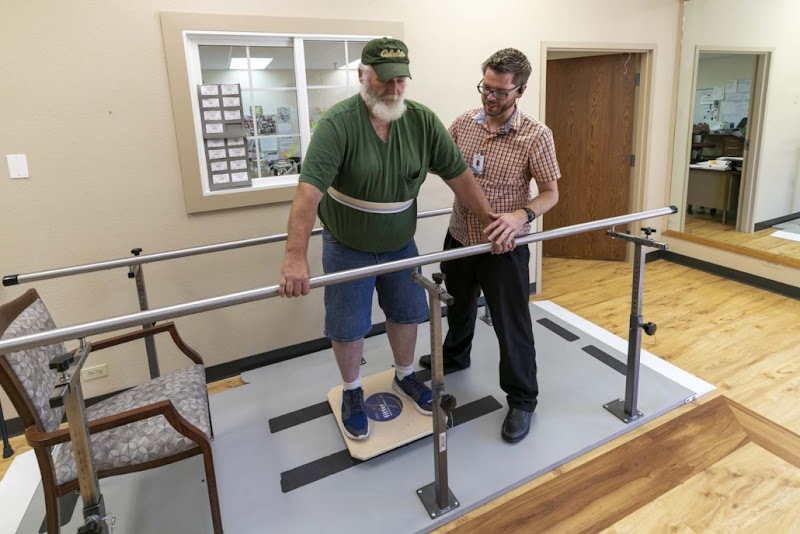
How is Parke View Rehabilitation & Staffed?

CMS rates PARKE VIEW REHABILITATION & CARE CENTER's staffing level at 2 out of 5 stars, which is below average compared to other nursing homes. Staff turnover is 43%, compared to the Idaho average of 46%. This relatively stable workforce can support continuity of care.

What Have Inspectors Found at Parke View Rehabilitation &?

State health inspectors documented 20 deficiencies at PARKE VIEW REHABILITATION & CARE CENTER during 2019 to 2025. These included: 20 with potential for harm.

Who Owns and Operates Parke View Rehabilitation &?

PARKE VIEW REHABILITATION & CARE CENTER is owned by a for-profit company. For-profit facilities operate as businesses with obligations to shareholders or private owners. The facility is operated by THE ENSIGN GROUP, a chain that manages multiple nursing homes. With 86 certified beds and approximately 77 residents (about 90% occupancy), it is a smaller facility located in BURLEY, Idaho.
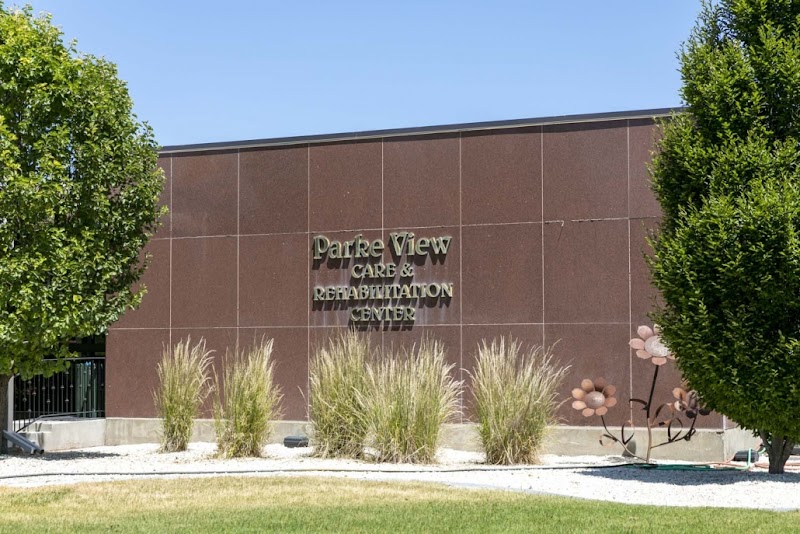
How Does Parke View Rehabilitation & Compare to Other Idaho Nursing Homes?

Compared to the 100 nursing homes in Idaho, PARKE VIEW REHABILITATION & CARE CENTER's overall rating (4 stars) is above the state average of 3.3, staff turnover (43%) is near the state average of 46%, and health inspection rating (4 stars) is above the national benchmark.

What Should Families Ask When Visiting Parke View Rehabilitation &?

Based on this facility's data, families visiting should ask: "Can you walk me through typical staffing levels on day, evening, and night shifts?" "Can I visit during a mealtime to observe dining assistance and food quality?" "How do you handle medical emergencies, and what is your hospital transfer rate?" "Can I speak with family members of current residents about their experience?" These questions are particularly relevant given the below-average staffing rating.

Is Parke View Rehabilitation & Safe?

Based on CMS inspection data, PARKE VIEW REHABILITATION & CARE CENTER has a clean safety record: no substantiated abuse findings (meaning no confirmed cases of resident harm), no Immediate Jeopardy citations (the most serious violation level indicating risk of serious injury or death), and is not on the Special Focus Facility watch list (a federal program monitoring the lowest-performing 1% of nursing homes). The facility has a 4-star overall rating and ranks #1 of 100 nursing homes in Idaho. While no facility is perfect, families should still ask about staff-to-resident ratios and recent inspection results during their visit.

Do Nurses at Parke View Rehabilitation & Stick Around?

PARKE VIEW REHABILITATION & CARE CENTER has a staff turnover rate of 43%, which is about average for Idaho nursing homes (state average: 46%). Moderate turnover is common in nursing homes, but families should still ask about staff tenure and how the facility maintains care continuity when employees leave.

Was Parke View Rehabilitation & Ever Fined?

PARKE VIEW REHABILITATION & CARE CENTER has no federal fines on record. CMS issues fines when nursing homes fail to meet care standards or don't correct problems found during inspections. The absence of fines suggests the facility has either maintained compliance or corrected any issues before penalties were assessed. This is a positive indicator, though families should still review recent inspection reports for the full picture.

Is Parke View Rehabilitation & on Any Federal Watch List?

PARKE VIEW REHABILITATION & CARE CENTER is not on any federal watch list. The most significant is the Special Focus Facility (SFF) program, which identifies the bottom 1% of nursing homes nationally based on persistent, serious quality problems. Not being on this list means the facility has avoided the pattern of deficiencies that triggers enhanced federal oversight. This is a positive indicator, though families should still review the facility's inspection history directly.