CANYON WEST OF CASCADIA
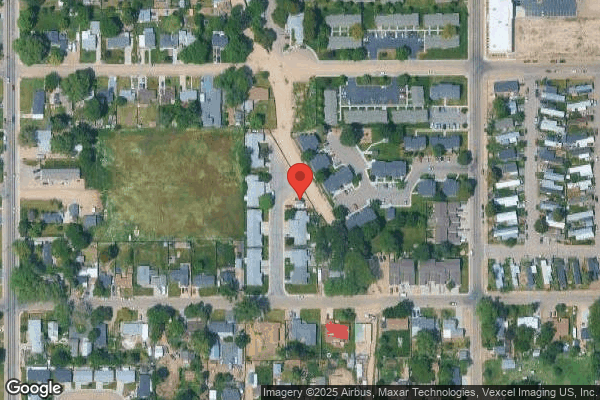
2814 SOUTH INDIANA AVENUE, CALDWELL, ID 83605 (208) 459-0808
For profit - Corporation 103 Beds CASCADIA HEALTHCARE Data: November 2025
Trust Grade
60/100
#24 of 79 in ID
Last Inspection: February 2025

Within standard 12-15 month inspection cycle. Federal law requires annual inspections.

Overview

Canyon West of Cascadia has a Trust Grade of C+, indicating it is slightly above average but still has room for improvement. In Idaho, it ranks #24 out of 79 facilities, placing it in the top half, and holds the #1 position in Canyon County, meaning it is the best option locally. The facility is on an improving trend, with issues decreasing from 8 in 2021 to 6 in 2025. Staffing is a weak point, with a rating of 2 out of 5 and a turnover rate of 53%, which is average but could lead to less consistent care. While the absence of fines is a positive sign, there are serious concerns; for instance, one resident was hospitalized due to a failure to notify a physician of a significant health change, and another resident developed a skin abscess that was not identified in time, leading to severe complications. Overall, Canyon West has strengths in its RN coverage, which exceeds that of 83% of Idaho facilities, but it also faces significant challenges in ensuring adequate supervision and timely medical responses for residents.

Trust Score
C+
60/100
In Idaho
#24/79
Top 30%
Safety Record
High Risk
Review needed
Inspections
Getting Better
8 → 6 violations
Staff Stability
⚠ Watch
53% turnover. Above average. Higher turnover means staff may not know residents' routines.
Penalties
✓ Good
No fines on record. Clean compliance history, better than most Idaho facilities.
Skilled Nurses
✓ Good
Each resident gets 53 minutes of Registered Nurse (RN) attention daily — more than average for Idaho. RNs are trained to catch health problems early.
Violations
⚠ Watch
20 deficiencies on record. Higher than average. Multiple issues found across inspections.
★★★★☆
4.0
Overall Rating
★★☆☆☆
2.0
Staff Levels
★★★★★
5.0
Care Quality
★★★☆☆
3.0
Inspection Score
Stable
2021: 8 issues
2025: 6 issues

The Good

  • 5-Star Quality Measures · Strong clinical quality outcomes
  • Full Sprinkler Coverage · Fire safety systems throughout facility
  • No fines on record

Facility shows strength in quality measures, fire safety.

The Bad

Staff Turnover: 53%

Near Idaho avg (46%)

Higher turnover may affect care consistency

Chain: CASCADIA HEALTHCARE

Part of a multi-facility chain

Ask about local staffing decisions and management

The Ugly 20 deficiencies on record

3 actual harm
Feb 2025 6 deficiencies
CONCERN (D) 📢 Someone Reported This

A family member, employee, or ombudsman was alarmed enough to file a formal complaint

Potential for Harm - no one hurt, but risky conditions existed

Resident Rights (Tag F0550)

Could have caused harm · This affected 1 resident

**NOTE- TERMS IN BRACKETS HAVE BEEN EDITED TO PROTECT CONFIDENTIALITY** Based on observation, and resident and staff interview, it was determined the facility failed to protect and promote the rights ...

Read full inspector narrative →
**NOTE- TERMS IN BRACKETS HAVE BEEN EDITED TO PROTECT CONFIDENTIALITY** Based on observation, and resident and staff interview, it was determined the facility failed to protect and promote the rights of residents to be treated with respect and dignity in a manner that promoted enhancement of their quality of life. This was true for 1 of 18 residents (Resident #63). This deficient practice created the potential for psychosocial harm if residents felt they were not treated with dignity and respect. Findings include: The Centers for Medicare and Medicaid Services (CMS) State Operations Manual (SOM), Appendix PP, section 483.10(a)(1), documented: A facility must treat each resident with respect and dignity and care for each resident in a manner and in an environment that promotes maintenance or enhancement of his or her quality of life, recognizing each resident's individuality. Resident #63 was admitted to the facility on [DATE], with multiple diagnoses including metabolic encephalopathy (an underlying condition causing confusion, memory loss, and possible loss of consciousness), spinal stenosis in the cervical region (a narrowing of spaces in the spine compressing the spinal cord and nerves), and bed confinement status. On 2/3/25, at 10:30 AM, Resident #63 was observed in her bedroom calling out that she was hungry. LPN #1 stated Resident #63 was a feeder and had already been assisted with her breakfast. On 2/7/25 at 11:44 AM, the DON stated, if anyone is heard using the term 'feeder', the facility provided a written education proving that they had educated the staff on the appropriate and inappropriate usage of various descriptive language, and anyone requiring help to eat should be referred to as 'an assist.'
CONCERN (D) 📢 Someone Reported This

A family member, employee, or ombudsman was alarmed enough to file a formal complaint

Potential for Harm - no one hurt, but risky conditions existed

Safe Environment (Tag F0584)

Could have caused harm · This affected 1 resident

Based on observation, and resident and staff interview, it was determined the facility failed to ensure the residents had a homelike environment. This was true for 4 of 4 residents (#5, #13, #49, #55)...

Read full inspector narrative →
Based on observation, and resident and staff interview, it was determined the facility failed to ensure the residents had a homelike environment. This was true for 4 of 4 residents (#5, #13, #49, #55) observed dining with plastic cutlery. This deficient practice created the potential for psychosocial harm if residents felt isolated when they were not provided the same homelike environment as other residents. Findings include: On 2/3/25, at 12:27 PM, 4 of 4 residents in the independent dining room were observed eating their lunch with plastic cutlery. On 2/3/25 at 3:13 PM, the Dietary Manager (DM) stated, she ordered more silverware on 1/29/25 and is not sure when it was supposed to arrive but found more silverware that afternoon in storage to provide during meals. On 2/4/25 at 2:10 PM, Resident #5 stated, the residents in the independent dining room had been given plastic cutlery for both breakfast and lunch that day. On 2/5/24 at 12:45 PM, the DM stated, she was unaware why residents would have been given plastic cutlery when the facility had found additional silverware to accommodate all residents.
CONCERN (D) 📢 Someone Reported This

A family member, employee, or ombudsman was alarmed enough to file a formal complaint

Potential for Harm - no one hurt, but risky conditions existed

Quality of Care (Tag F0684)

Could have caused harm · This affected 1 resident

**NOTE- TERMS IN BRACKETS HAVE BEEN EDITED TO PROTECT CONFIDENTIALITY** Based on record review and staff interview, it was determined the facility failed to ensure a resident was provided quality care...

Read full inspector narrative →
**NOTE- TERMS IN BRACKETS HAVE BEEN EDITED TO PROTECT CONFIDENTIALITY** Based on record review and staff interview, it was determined the facility failed to ensure a resident was provided quality care when they were not administered their medications as ordered. This was true for 1 of 18 residents (Resident #7) whose bowel records and medication administration records were reviewed. This failure placed Resident #7 at risk for harm if she were to suffer discomfort or complications from constipation, such as bowel obstruction. Findings include: Resident #7 was admitted to the facility on [DATE] for care following a stroke, and had multiple diagnoses including a seizure disorder and fibromyalgia (a chronic condition which causes widespread pain). Resident #7's physician orders, with a start date of 3/6/24, documented the following bowel protocol medications: -Milk of Magnesia Suspension (MOM) 1200 mg/15 ml, Give 30 milliliter orally as needed for no bowel movement for two (2) days. If no results within 24 hours, see Dulcolax Suppository order. -Dulcolax Suppository 10 mg, Insert 1 suppository rectally as needed for bowel care, give if no results from MOM. If no results in 24 hours, see Fleet Enema order. -Fleet Enema 7-19 gm/118 ml, Insert 1 unit rectally as needed for bowel care, give if no results from MOM and subsequent Dulcolax Suppository. Complete bowel assessment and notify MD if no results. On 2/4/25 at 11:06 AM, Resident #7's electronic medical record (EMR) documented her last bowel movement was on 1/31/25. On 2/7/25 at 10:40 AM, Resident #7's EMR documented her last bowel movement was on 2/6/25. Resident #7's nursing progress notes did not document her bowel protocol was followed, and her medication administration record (MAR) did not document she had been given her bowel protocol medications as prescribed. On 2/7/25 at 11:20 AM, the Clinical Resource Nurse confirmed Resident #7's EMR did not contain documentation she had a bowel movement or bowel protocol medications between 1/31/25 and 2/6/25. On 2/7/25 at 11:30 AM, the DON stated the notification their EMR system shows to alert nurses regarding bowel movements was cleared by a nurse who failed to administer an as needed (PRN) medication, therefore oncoming nurses were not alerted Resident #7 required bowel protocol medication interventions.
CONCERN (E) 📢 Someone Reported This

A family member, employee, or ombudsman was alarmed enough to file a formal complaint

Potential for Harm - no one hurt, but risky conditions existed

Infection Control (Tag F0880)

Could have caused harm · This affected multiple residents

Based on observation, policy review, and staff interview, it was determined the facility failed to ensure infection control practices were consistently implemented as they related to environmental cle...

Read full inspector narrative →
Based on observation, policy review, and staff interview, it was determined the facility failed to ensure infection control practices were consistently implemented as they related to environmental cleaning. Failure to ensure the shower rooms were cleaned and disinfected to maintain a sanitary environment was true for 1 of 3 showers observed. This failure had the potential to impact all residents, staff, and guests in the facility. Findings include: The facility's Infection Prevention and Control Program, revised 10/15/22, documented measures to prevent infections and appropriate use of disinfectants. On 2/5/25 at 4:45 PM, the shower room on the 200 hall was observed with the Maintenance Director. He confirmed that there was a thick, fuzzy, raised black substance along the area where the wall meets the floor directly behind the movable shower chair and an area on the ceiling that looked like mold. The Maintenance Director stated it was the responsibility of the nursing staff to disinfect the shower between uses and he cleans the grout in the shower rooms monthly or sooner if notified by staff that there is a need. He added, based on his training with identifying and preventing the growth of mold, the amount of mold growth observed would have taken 3-4 weeks to reach that size, and should have been identified by every nursing staff who had assisted residents with using that shower. On 2/6/25 at 10:09 AM, CNA #1 stated, there was no onboarding training or expectations given to CNA's regarding cleaning or disinfecting the showers between resident use. On 2/6/25 at 10:55 AM, the Housekeeping Manager and Laundry Aid #1 both stated the resident shower rooms were cleaned at the end of their shift by spraying disinfectant spray on walls and behind the shower chair. They further stated any evidence of mold would be immediately alerted to the Maintenance Director.
CONCERN (F) 📢 Someone Reported This

A family member, employee, or ombudsman was alarmed enough to file a formal complaint

Potential for Harm - no one hurt, but risky conditions existed

Deficiency F0725 (Tag F0725)

Could have caused harm · This affected most or all residents

Based on staff interview and record review, it was determined the facility failed to provide the required Registered Nurse (RN) coverage for two of 92 days (8/18/24 and 8/25/24), reviewed for weekend ...

Read full inspector narrative →
Based on staff interview and record review, it was determined the facility failed to provide the required Registered Nurse (RN) coverage for two of 92 days (8/18/24 and 8/25/24), reviewed for weekend staffing. This failure placed the residents at risk for inadequate assessments, delay in care and services by an RN, unmet care needs, and diminished quality of life. Findings include: As required, the facility provided payroll based data to CMS quarterly. Review of the Payroll Based Journal (PBJ) staffing data report for July 1-September 30, 2024, triggered excessively low weekend staffing during the fourth quarter of 2024. PBJ staffing defines a day as starting at 12 midnight to 12 midnight. The facility's employee timecards for RNs, Licensed Practical Nurses (LPNs), and Certified Nursing Assistants (CNAs) were reviewed for those weekend dates and documented the following: -Sunday 8/18/24 documented zero RN hours worked, -Sunday 8/25/24 documented four RN hours worked. On 2/7/25 at 1:00 PM, the Human Resources Staff Manager confirmed the RN scheduled to work on 8/18/24 called off and the facility was unable to get another RN to come in, and on 8/25/24 the facility had scheduled only one RN to work a total of 4 hours.
CONCERN (F) 📢 Someone Reported This

A family member, employee, or ombudsman was alarmed enough to file a formal complaint

Potential for Harm - no one hurt, but risky conditions existed

Food Safety (Tag F0812)

Could have caused harm · This affected most or all residents

Based on observation and staff interview, it was determined the facility failed to ensure kitchen equipment was maintained, cleaned, and sanitized. These deficiencies had the potential to affect the 7...

Read full inspector narrative →
Based on observation and staff interview, it was determined the facility failed to ensure kitchen equipment was maintained, cleaned, and sanitized. These deficiencies had the potential to affect the 71 residents who consumed food prepared by the facility. This placed residents at risk for potential foodborne illnesses and adverse health outcomes due to contaminated food services equipment. Findings include: The Food Drug Administration (FDA) Code, Section 4-602.12 Cooking and Baking Equipment: Food-contact surfaces of cooking equipment must be cleaned to prevent encrustations that may impede heat transfer necessary to adequately cook food. Encrusted equipment may also serve as an insect attractant when not in use. On 2/3/25 and 2/7/25, it was observed during the kitchen inspections and tray line observations, staff were using cookware (sheet pans, pots, and food skillets) which had black residue encrusted along the bottom rims, on the corners, and at least 1-inch along the top of the skillet pans. On 2/6/25, at 12:15 AM, a black rimmed stainless steel skillet was observed being used to make quesadilla's for the resident's lunch meal. On 2/7/25 at 11:10 AM the DM stated, dishes and cookware are cleaned and sanitized according to manufacturer instructions. However, she added, Nothing special is done for the stainless steel other than regular cleaning and sanitation. These pots, pans, and cookware have been in the facility for years, are black, and need to be replaced. On 2/7/25 at 11:11 AM, the Dietitian confirmed the cookware is approved stainless steel food grade pots, pans, and cooking sheets, but agreed they needed to be replaced as there was a black buildup on the skillets, pans, and pots.
Sept 2021 8 deficiencies
CONCERN (D)

Potential for Harm - no one hurt, but risky conditions existed

Respiratory Care (Tag F0695)

Could have caused harm · This affected 1 resident

**NOTE- TERMS IN BRACKETS HAVE BEEN EDITED TO PROTECT CONFIDENTIALITY** Based on policy review, record review, and staff interview, it was determined the facility failed to ensure one resident with a ...

Read full inspector narrative →
**NOTE- TERMS IN BRACKETS HAVE BEEN EDITED TO PROTECT CONFIDENTIALITY** Based on policy review, record review, and staff interview, it was determined the facility failed to ensure one resident with a tracheostomy (an opening in the trachea through the front of the neck below the vocal cords providing an artificial airway to help with breathing when the usual route is blocked or reduced) received tracheostomy care and tracheal suctioning consistent with professional standards of practice. This was true for 1 of 1 residents (Resident #215) reviewed for tracheostomy care and tracheal suctioning. This failure placed Resident #215 at risk for respiratory failure, hypoxia (low oxygen in the blood), life-threatening bronchial spasms (when muscles in the throat contract and narrow the airway), and infection. Findings include: The facility's Tracheostomy Care policy, released 11/28/17, documented the following: * A tracheostomy is an opening in the trachea through the anterior neck (at the level just below the vocal cords) performed surgically for residents that require an artificial airway for longer than 2 to 3 weeks. * A tracheal T-tube is a tracheal airway tube made of silicone and shaped like the letter T. It comes in various sizes to keep the tracheal opening from closing. Tracheostomy care procedures were to be completed as follows: * Assess resident's general health status, including vital signs, pain level, signs and symptoms of infection, cardiorespiratory status (breath sounds, oxygenation setting and saturation .) and EKG (cardiac) rhythm, neurologic status, anxiety or agitation, signs and symptoms of discomfort). * Reposition. * Hyper-oxygenate (temporary administration of excess oxygen to prevent hypoxia during therapeutic procedures) the resident and perform tracheal suctioning using aseptic technique. * Remove the existing T-tube dressing (gauze dressing around the tracheostomy stoma). * Note the quantity, appearance (color and consistency), and odor of secretions on the dressing. * Clean or replace T-tube inner cannula. * Perform tracheostomy site care. *If tracheostomy ties must be adjusted or replaced, obtain assistance from a second clinician before proceeding. * Update resident's plan of care as appropriate. * Repeat suctioning every 4 to 8 hours and as needed or according to physician orders. * Suction before changing/cleaning the inner cannula, and as needed depending upon the volume of secretions. * Notify the treating clinician of abnormalities detected during tracheostomy care. * Monitor for partial displacement/dislodgement of airway out of the trachea. The Tracheostomy Care policy documented to clean the tracheostomy non-disposable inner cannula as follows: * Open tracheostomy care kit (or individual packages of supplies) onto a sterile field. Open sterile normal saline (NS) solution and pour solution into two separate containers or compartments of the tracheostomy care kit. * [NAME] (put on) sterile gloves. * Remove existing inner cannula and immerse in solution of sterile NS or water. Position humidification or oxygen source close to outer cannula until procedure is completed to maintain oxygen supply. * Insert percolator brush, inner cannula brush, or sterile pipe cleaner (different types of ways to clean the inner cannula) and use a scrubbing motion to cleanse the cannula. * Immerse inner cannula in second container/compartment of sterile normal saline and agitate it to rinse it thoroughly. * Repeat cleaning if necessary. Once clean, tap against side of container to remove excess solution/water, then reinsert inner cannula into outer cannula and lock into place. The Tracheostomy Care policy documented post tracheostomy care requirements were documented as follows: * The date and time the procedure was performed, and specific tasks accomplished. * Resident assessment information, including vital signs, pain assessment, general physical and oxygenation status, condition of the stoma and surrounding skin, volume and characteristic of drainage, position and condition of the T-tube, and any T-tube adjustments made. * If resident was suctioned, describe the color, consistency, volume, and odor of the suctioned secretions. * Any unexpected outcomes and interventions performed. * Resident's tolerance of the procedure. * Education provided to resident and family. The Lippincott Manual of Nursing Practice, 10th edition, documented nursing care requirements for patients with an artificial airway (tracheostomy tube) included to perform tracheostomy external tube site care at least every 8 hours. This policy and professional standard of practice were not followed. Resident #215 was readmitted to the facility on [DATE], with multiple diagnoses including severe cerebral palsy (a group of disorders that affect a person's ability to move and maintain balance and posture), quadriplegia (paralysis of both arms and legs) and a tracheostomy. Resident #215's baseline care plan for altered respiratory status related to cerebral palsy and a plugged trachea documented the following interventions, initiated on 7/29/21: * Administer medications and treatments as ordered. Monitor for effectiveness and side effects. * Elevate and adjust the head of the bed based on Resident #215's preference. Resident #215 may become short of breath while lying flat. * Monitor, document, and report abnormal breathing patterns to the physician such as increased or decreased respiratory rate, periods of apnea (temporary cessation of breathing, especially during sleep), prolonged inhalation, prolonged exhalation, prolonged shallow breathing, prolonged deep breathing, use of accessory muscles (muscles around the chest and ribs), pursed lips breathing, and nasal flaring. Resident #215's physician orders, dated 7/28/21 included the following: * Change ties and plug [cap] (closes the proximal end of the tracheostomy tube to enable breathing without mechanical ventilation through an opening in the trachea that has door-like skin valves) on tracheostomy one time a day every morning for increased secretions. * Suction excessive secretions out of mouth before Resident #215 got out of bed in the morning and as needed in the morning for dysphasia. * Monitor vital signs every shift for three days then one time a day. * Albuterol Sulfate Nebulization Solution (medication used to prevent and treat difficulty with breathing) 0.083% 2.5 milligrams, inhale orally every 4 hours as needed for wheezing and shortness of breath. A care manager progress note, dated 7/28/21 at 2:36 PM, documented Resident #215 took nothing by mouth and had a capped tracheostomy. The note documented suctioning of Resident #215's mouth needed to be performed each morning before she got out of bed, but rarely throughout the day. The note stated it was normal for her to drool and she was to have a new bib, towel, and tracheostomy tie each morning. The note further stated Resident #215's lungs were clear to auscultation and she was dependent on tube feedings (feedings administered through a tube that goes directly into the stomach). A nursing progress note, dated 7/29/21 at 7:54 PM, documented Resident #215's tracheostomy (T-tube and inner cannula) was intact, and the cap and tracheostomy ties were changed. The note documented her lungs were clear. The note did not document a second clinician assisted with the tracheostomy ties, include Resident #215's oxygenation status, or the condition of the stoma and surrounding skin as directed by the facility's policy. A nursing progress note, dated 7/30/21 at 7:32 PM, documented Resident #215's tracheostomy was intact, and the cap and tracheostomy ties were changed. The note documented her lungs were clear. The note did not document a second clinician assisted with the tracheostomy ties. The note did not include documentation about Resident #215's oxygenation status, or the condition of the stoma and surrounding skin as directed by the facility's policy. A nursing progress note, dated 7/31/21 at 7:11 PM, documented Resident #215's tracheostomy was intact, and she had regular respirations. The note did not document Resident #215's oxygenation status, or the condition of the stoma and surrounding skin as directed by the facility's policy. A nursing progress note, dated 8/1/21 at 4:35 AM, documented Resident #215 removed her tracheostomy two times when the nurse entered the room, and Resident #215 was holding the tracheostomy in her hands. The note documented the tracheostomy tube was still fastened by Resident #215's necktie. The note documented Resident #215's tracheostomy was removed from the necktie and dried secretions were removed and it was cleaned with warm water and reinserted without difficulty. The note documented the skin around the tracheostomy site was intact and without redness. The note documented the tracheostomy ties were replaced. The note did not document a second clinician assisted with the procedure or include Resident #215's respiratory assessment or oxygenation status. The progress note did not document the tracheostomy (T-tube and cannula) were cleaned using sterile technique as directed by their policy. Resident #215's TAR did not include documentation of routine tracheostomy site care every 8 hours per professional standards of practice. There was no documentation in Resident #215's record immediate, routine, or consistent tracheostomy care or assessment of Resident #215's respiratory needs was provided. On 9/23/21 at 11:15 AM, the DON stated Resident #215 was in the facility for respite care (a planned or temporary emergency care provided to caregivers of a child or adult) and was discharged home on 8/4/21. He stated the facility did not provide Resident #215 routine tracheostomy care, suctioning, and monitoring and they should have. He stated the respiratory and tracheostomy care should have been included in Resident #215's physician orders.
CONCERN (D)

Potential for Harm - no one hurt, but risky conditions existed

Deficiency F0882 (Tag F0882)

Could have caused harm · This affected 1 resident

Based on policy review, record review, and staff interview, it was determined the facility failed to ensure the Infection Preventionist obtained certification in infection control through a nationally...

Read full inspector narrative →
Based on policy review, record review, and staff interview, it was determined the facility failed to ensure the Infection Preventionist obtained certification in infection control through a nationally recognized Infection Preventionist program. This failure had the potential to impact all 63 residents regarding infection control due to inadequate oversight of infection control practices in the facility consistent with current standards of practice for infection prevention and control. Findings include: The facility's Infection Prevention and Control Program policy, revised 9/10/20, documented the facility employed an IP with specialized training in infection control and prevention. This policy was not followed. On 9/20/21 at 2:00 PM, the IP presented a copy of training certificates for modules 1 to 15 of the Infection Preventionist and Antibiotic Stewardship course from CDC Training (an online infection preventionist program offered by the CDC). The certificates documented the modules were completed between 6/18/19 to 6/24/19. The IP did not include the final test results of the course or the course completion certificate. On 9/21/21 at 4:00 PM, the IP stated she knew she had not completed the CDC Training for the infection preventionist course, and she did not have the required specialized training in infection control and prevention.
CONCERN (D)

Potential for Harm - no one hurt, but risky conditions existed

Deficiency F0883 (Tag F0883)

Could have caused harm · This affected 1 resident

**NOTE- TERMS IN BRACKETS HAVE BEEN EDITED TO PROTECT CONFIDENTIALITY** Based on policy review, record review and staff interview, it was determined the facility failed to ensure residents' records do...

Read full inspector narrative →
**NOTE- TERMS IN BRACKETS HAVE BEEN EDITED TO PROTECT CONFIDENTIALITY** Based on policy review, record review and staff interview, it was determined the facility failed to ensure residents' records documented residents were offered, consented to, and received the pneumococcal vaccine. This was true for 2 of 5 residents (#28 and #166) reviewed for immunizations. This failure placed residents at risk of severe illness or death, should they contract Pneumococcal (bacterial) pneumonia infection. Findings include: The Center for Disease Control and Prevention (CDC) website, accessed on 9/28/21, documented the current recommendations for pneumococcal vaccinations Prevnar 13 (PCV13) and Pneumovax 23 (PPSV23) for all adults 65 years or older as follows: *Routine vaccination: Administer one dose of PPSV23. If PPSV23 was administered prior to age [AGE], administer one dose of PPSV 23 at least five years after the previous dose. *Shared clinical decision-making: Administer one dose of PCV13 based on shared clinical decision-making if previously not administered. PCV13 and PPSV23 should not be administered during the same visit. If both PCV13 and PPSV23 are to be administered, PCV13 should be administered first. PCV13 and PPSV23 should be administered at least one year apart. This guideline was not followed: The facility's Pneumococcal Program policy, dated 10/31/17, documented the following: * There were two types of pneumonia vaccines available - PCV13 and PPSV23. * Residents or the person authorized to act on their behalf would be educated about pneumococcal vaccines and provided a copy of the Vaccination Information Statement (VIS). * Residents would be screened for a history of anaphylactic (severe allergy) reaction to previous doses and/or their status in the vaccine series. * The vaccine would be offered to the residents or the person authorized to act on their behalf. If the vaccine was refused, the facility would re-educate the resident or the person authorized to act on their behalf, and refusal would be documented on the immunization record. This policy and guidance were not followed. a. Resident #166 was admitted to the facility on [DATE], with multiple diagnoses including respiratory failure (a serious condition that develops when the lungs can't get enough oxygen into the blood) and chronic obstructive pulmonary disease (a group of lung diseases that block airflow and make it difficult to breathe). Resident #166 was readmitted on [DATE] with multiple diagnoses including pneumonia and sepsis (a potentially life-threatening condition that occurs when the body's response to an infection damages its own tissues). Resident #166's quarterly MDS assessment, dated 9/21/21, documented he was moderately cognitively impaired. Resident #166's immunization history report dated 9/22/21, documented he received PCV13 on 12/6/19 when he was [AGE] years old. Resident #166's record did not contain documentation he was offered or received the PPSV23 vaccination a year after his dose of PCV13. b. Resident #28 was admitted to the facility on [DATE], with multiple diagnoses including atrial fibrillation (a type of chronic heart disease with an irregular, often rapid heart rate that commonly causes poor blood flow) and Alzheimer's disease (a progressive disease that destroys memory and other important mental functions). Resident #28's quarterly MDS assessment, dated 9/2/21, documented she was moderately cognitively impaired. Resident #28's immunization history report dated 9/22/21, documented she received PCV13 on 3/1/16 when she was [AGE] years old. Resident #28's record did not contain documentation she and/or her legal representative were provided education regarding the benefits and potential side effects of the PPSV23 vaccine. The record did not contain documentation Resident #28 or his legal representative were offered the PPSV23 vaccination. On 9/23/21 at 4:10 PM, the DON stated there was no documentation Residents #28 and #166 were offered and educated on the PPSV23 vaccination. The DON stated the facility should have offered and educated Residents #28 and #166 or their legal representative about the PPSV23.
CONCERN (E)

Potential for Harm - no one hurt, but risky conditions existed

Free from Abuse/Neglect (Tag F0600)

Could have caused harm · This affected multiple residents

Based on policy review, record review, staff interview, and review of the State Survey Agency's Long Term Care Reporting Portal, it was determined the facility failed to ensure residents were free fro...

Read full inspector narrative →
Based on policy review, record review, staff interview, and review of the State Survey Agency's Long Term Care Reporting Portal, it was determined the facility failed to ensure residents were free from abuse for 4 of 16 residents (#10, #13, #999, and #42) reviewed for abuse. This resulted in the potential for residents to be subjected to ongoing abuse. Findings include: The facility's abuse policy, revised 7/23/19, stated abuse, including verbal and physical, was strictly prohibited. This policy was not followed. 1. The State Survey Agency's Long Term Care Reporting Portal incidents, dated 4/1/21 to 9/17/21 was reviewed. Incident reports documented residents were subjected to abuse as follows: a. The facility's Unusual Occurrence report, dated 6/20/21, documented Resident #216 entered Resident #10's room, uninvited. Resident #10 shouted, Out! at him and he was redirected to his own room by staff. Approximately an hour later, Resident #216 reentered Resident #10's room and told him, I'm going to bash your brains in and I'm going to kill you. The facility's investigation of the incident, dated 6/20/21, substantiated Resident #216 was verbally abused by Resident #10. b. The facility's Unusual Occurrence report, dated 6/28/21, stated Resident #42 reported to nursing staff Resident #216 came into his room and kicked his right shin. The report stated Resident #216's shin appeared bruised with an abrasion. The facility's investigation, dated 6/28/21, documented, At this time we are unable to substantiate the claim as it was not witnessed. Although the probability of this happening is high. [Resident #216's] behavior has been escalating lately with increased intrusive wandering and verbal aggression. It is reasonable to assume that this incident could have taken place. c. The facility's Unusual Occurrence report, dated 7/26/21, documented Resident #216 entered Resident #13 and Resident #999's room. Resident #13 told Resident #216 to leave, and Resident #216 replied, I will kill the both of you, who in the hell do you think you are? The facility's investigation of the incident, dated 7/26/21, substantiated Resident #13 and Resident #999 were verbally abused by Resident #216. The Administrator and the CRN were interviewed on 9/24/21 at 11:17 AM. During the interview, the Occurrence Reports which reported abuse were reviewed. The Administrator stated the facility was aware of the abuse incidents. The facility failed to ensure Residents #10, #13, #999, and #42 were free from verbal and physical abuse.
CONCERN (E)

Potential for Harm - no one hurt, but risky conditions existed

Comprehensive Assessments (Tag F0636)

Could have caused harm · This affected multiple residents

**NOTE- TERMS IN BRACKETS HAVE BEEN EDITED TO PROTECT CONFIDENTIALITY** Based on record review, policy review, and staff interview, it was determined the facility failed to ensure residents' comprehen...

Read full inspector narrative →
**NOTE- TERMS IN BRACKETS HAVE BEEN EDITED TO PROTECT CONFIDENTIALITY** Based on record review, policy review, and staff interview, it was determined the facility failed to ensure residents' comprehensive MDS assessments were completed prior to the required completion date. This was true for 4 of 16 residents (#3, #6, #41, and #42) whose comprehensive MDS assessments were reviewed. This failure created the potential for harm if the care was not provided due to a delay in completion of the comprehensive MDS assessments. Findings include: The CMS's Long-Term Care Facility Resident Assessment Instrument (RAI) User's Manual, Version 1.17.1, Chapter 2, documented the comprehensive MDS assessment completion requirements as follows: * Comprehensive assessments included the admission MDS assessment and Annual MDS assessment. The assessment completion was defined as completion of the Care Area Assessment (CAA) process in addition to the MDS items. * The RN assessment coordinator signs and dates both the MDS and CAA(s) completion attestations. * The Comprehensive assessment included completion of both the MDS and the CAA process. The assessment timing requirements for a Comprehensive assessment applies to both the completion of the MDS and the CAA process. * The requirement for the admission MDS assessment completion date is no later than 14th calendar day of the resident's admission (admission date plus 13 calendar days). * The requirement for the Annual MDS assessment completion date on is no later than the assessment's reference date plus 14 calendar days. The facility's Resident Assessment policy, released 11/28/17, documented the Comprehensive MDS assessment frequencies were required by the Centers for Medicare and Medicaid Services (CMS). The MDS and CAAs were considered a Comprehensive assessment (full assessment) and was conducted at a minimum of one for each newly admitted resident within 14 calendar days after admission. The CMS requirements and the facility's policy were not followed. a. Resident #41 was admitted to the facility on [DATE], with multiple diagnoses including diabetes mellitus and end-stage renal disease. Resident # 41's Annual MDS assessment, dated 2/6/21, documented the RN assessment coordinator verified the completion of the assessment on 3/14/21, 22 days later than the required completion date on 2/20/21. b. Resident #3 was admitted to the facility on [DATE], with multiple diagnoses including multiple sclerosis (an autoimmune disease in which the immune system attacks cells in the brain and spinal cord) and anxiety disorder. Resident # 3's admission MDS assessment, dated 2/26/21, documented the RN assessment coordinator verified the completion of the assessment on 3/19/21, 19 days later than the required completion date on 2/28/21. c. Resident #42 was admitted to the facility on [DATE], with multiple diagnoses including congestive heart failure (the heart doesn't pump blood as efficiently as it should) and seizure disorder. Resident # 42's admission MDS assessment, dated 5/10/21, documented the RN assessment coordinator verified the completion of the assessment on 5/26/21, 10 days later than the required completion date on 5/16/21. d. Resident #6 was admitted to the facility on [DATE], with multiple diagnoses including dementia and hypertension. Resident # 6's annual MDS assessment, dated 5/31/21, documented the RN assessment coordinator verified the completion of the assessment on 6/22/21, 9 days later than the required completion date on 6/13/21. On 9/24/21 at 10:00 AM, the MDSC stated the admission MDS assessment must be completed before the 14th day from admission and the Annual MDS assessment must be completed on day 15 of the assessment reference date. The MDSC stated Resident #3, #6, #41, and #42's Comprehensive MDS assessments were completed late.
CONCERN (E)

Potential for Harm - no one hurt, but risky conditions existed

ADL Care (Tag F0677)

Could have caused harm · This affected multiple residents

**NOTE- TERMS IN BRACKETS HAVE BEEN EDITED TO PROTECT CONFIDENTIALITY** Based on record review, policy review, and staff interview, it was determined the facility failed to ensure residents were provi...

Read full inspector narrative →
**NOTE- TERMS IN BRACKETS HAVE BEEN EDITED TO PROTECT CONFIDENTIALITY** Based on record review, policy review, and staff interview, it was determined the facility failed to ensure residents were provided with baths or showers consistent with their needs. This was true for 4 of 16 residents (#3, #19, #46, and #217) reviewed for activities of daily living. This failure created the potential for residents to experience embarrassment, isolation, decreased sense of self-worth, and/or skin impairment due to lack of personal hygiene. Findings include: The facility's Activities of Daily Living policy, documented bathing, dressing and grooming were to be done per resident preferences, with reasonable accommodations being made. The facility's ADL policies for morning and evening/bedtime care, stated staff were to provide a shower, tub bath or bed bath as scheduled. These policies were not followed. 1. Resident #3 was admitted to the facility on [DATE], with multiple diagnoses including multiple sclerosis (a potential disabling disease of the brain and spinal cord), generalized weakness, difficulty walking, and anxiety disorder.(feelings of excessive, Resident #3's quarterly MDS assessment, dated 8/29/21, documented she was severely cognitively impaired and required two-person extensive physical help with bathing. Resident #3's care plan related to bathing, initiated on 2/13/21, documented she was totally dependent on staff to provide a bath, shower, sponge or bed bath. Resident #3's record documented she was to have a bath or shower on Tuesdays and Fridays. Resident #3's bathing documentation for the month of August 2021, did not include documentation of a bath until 8/17/21, 17 days. Resident #3 had a shower on 8/24/21 and the next documented shower was on 9/3/21, 10 days later. On 9/23/21 at 10:55 AM, CRN #2 stated there was not a shower aide at the time of the missing documentation. CRN #2 stated the provision of showers and their documentation fell on the remaining staff. CRN #2 confirmed showers were not documented during the first part of August 2021, and not more than once per week in September, 2021. 2. Resident #19 was admitted to the facility on [DATE], with multiple diagnoses including hemiplegia (paralysis on one side of the body) affecting the left side of his body and atrial fibrillation (an irregular and often fast heart rate). Resident #19's quarterly MDS assessment, dated 6/28/21, documented Resident #19 was cognitively intact and required one-person physical help for part of bathing. Resident #19's care plan related to bathing, documented Resident #19 required limited assistance for bathing with one staff, and he needed a shower chair for a shower. On 9/22/21 at 12:12 PM, Resident #19 stated he was scheduled for 2 showers a week on Wednesday and Saturday but recently only received one shower a week. Resident #19's record for bathing documented the following: Resident #19 received a shower on Wednesday 8/4/21, and received his next shower on Wednesday 8/11/21, 7 days later. Resident #19 received a shower on Saturday 9/4/21. His next shower was on Saturday 9/11/21, 7 days later. On 9/22/21 CRN #2 stated the facility should honor Resident #19's wish to have a shower provided 2 times a week. 3. Resident #46 was admitted to the facility on [DATE], with multiple diagnoses including hemiplegia (paralysis on one side of the body) and hemiparesis (weakness on one side of the body) on the left side of his body following a stroke. Resident #46's quarterly MDS assessment, dated 8/19/21, documented he was mildly cognitively impaired and required two-person extensive physical help with bathing. Resident #46's care plan related to bathing, initiated 1/22/21, documented he was totally dependent on staff to provide a bath, shower, sponge or bed bath. Resident #46's ADL documentation noted he was to have a bath or shower on Tuesdays and Fridays. Resident #46's bath/shower documentation for the month of August 2021, documented no bath or shower for the beginning of August, with the first documented shower on 8/13/21, 13 days. Resident #46 refused a shower on 8/17/21, 8/20/21 and 8/24/21. His next shower was on 8/27/21, 14 days from his last shower. Resident #46 refused a shower on 8/31/21. Resident #46's bath/shower record was documented as NA on 9/3/21. He received a shower on 9/7/21, 10 days from his last shower. His shower was documented NA on 9/10/21, with his next shower on 9/14/21, 7 days from his last shower. On 9/23/21 at 10:55 AM, CRN #2 and the DON stated there was not a shower aide at the time of the missing documentation, as they had some turnover in staff. CRN #2 stated NA was not proper documentation for showers. The CRN #2 confirmed showers were not documented during the first part of August 2021, and not consistently in September 2021. 4. Resident #217 was admitted to the facility on [DATE], with multiple diagnoses including acute kidney failure (a sudden episode of kidney failure or kidney damage), chronic obstructive pulmonary disease (progressive lung disease characterized by increasing breathlessness), and stroke. Resident #217's quarterly MDS assessment, dated 6/22/21, documented he was mildly cognitively impaired and required one-person limited physical help with bathing. Resident #217's care plan related to bathing, initiated 6/16/21, documented he required set up and one-person assistance with bathing. Resident #217's ADL documentation noted he was to have a bath or shower on Tuesdays and Fridays. Resident #217's bathing documentation for the month of June, 2021, documented no bathing from his date of admission on [DATE] until 7/2/21 (16 days). He refused bathing on 7/6/21 and was discharged [DATE]. His documentation indicated he received one shower during his 21-day stay. On 9/23/21 at 10:50 AM, the DON confirmed there was no documentation of a bath or shower during the first two weeks of Resident #217's stay at the facility.
CONCERN (E)

Potential for Harm - no one hurt, but risky conditions existed

Deficiency F0885 (Tag F0885)

Could have caused harm · This affected multiple residents

Based on policy review, record review, resident and staff interview, it was determined the facility failed to inform residents, their representatives, and families by 5 PM the next calendar day follow...

Read full inspector narrative →
Based on policy review, record review, resident and staff interview, it was determined the facility failed to inform residents, their representatives, and families by 5 PM the next calendar day following the occurrence of an identified COVID-19 infected staff member or cluster of staff who were infected with COVID-19. This was true for 8 of 16 resident (#3, #6, #19, #38, #43, #45, #52 and #55) whose records were reviewed for COVID-19 related notifications. This failure had the potential to deprive residents, their representatives, or families of having the opportunity to choose whether residents remained in the facility and being informed of the extent of COVID-19 cases in the facility. Findings include: The facility's Management of Coronavirus COVID-19 policy, revised 9/15/21, stated the facility would provide notification to inform residents, resident advocates by 5 PM on the next calendar day via email, website posting, letters/paper notification, or recorded telephone message following the occurrence of a single confirmed COVID-19 infection. The policy further stated the facility would document the communication with the resident, resident advocate, or family members in that resident's medical record. This policy was not followed. A report of COVID-19 test results, dated 9/6/21 to 9/13/21, was reviewed and documented staff positive tests as follows: CNA #1: Tested positive for COVID-19 on 9/6/21. CNA #2: Tested positive for COVID-19 on 9/8/21. LPN #1: Tested positive for COVID-19 on 9/13/21. LPN #2: Tested positive for COVID-19 on 9/13/21. On 9/20/21 at 3:31 PM, Resident #43 stated she had not been notified of staff any testing positive for COVID-19. Resident # 43's record did not contain documentation she was notified of staff confirmed COVID-19 infections. On 9/24/21 at 8:00 AM, Resident #19 stated he had not been notified of any staff testing positive for COVID-19. Resident # 19's record did not contain documentation he was notified of staff confirmed COVID-19 infections. On 9/24/21 at 8:35 AM, the Administrator stated he could not locate COVID-19 related notification documentation in Resident #3, #6, #19, #38, #43, #45, and #55's records. The Administrator stated the facility's last voice call notification to residents' family members was on August 2021. In September 2021, the facility sent out 3 mail notifications to all the residents' family members. The Administrator stated the facility did not have documentation of when the letter was sent out. Staff members were responsible for notifying the residents residing in the facility.
CONCERN (E)

Potential for Harm - no one hurt, but risky conditions existed

Deficiency F0887 (Tag F0887)

Could have caused harm · This affected multiple residents

**NOTE- TERMS IN BRACKETS HAVE BEEN EDITED TO PROTECT CONFIDENTIALITY** Based on policy review, record review, resident and staff interview, it was determined the facility failed to ensure residents w...

Read full inspector narrative →
**NOTE- TERMS IN BRACKETS HAVE BEEN EDITED TO PROTECT CONFIDENTIALITY** Based on policy review, record review, resident and staff interview, it was determined the facility failed to ensure residents were offered the COVID-19 vaccine and residents' records documented residents and/or their representatives were educated of the risks and benefits of the vaccine. This was true for 2 of 5 residents (#28 and #166) whose records were reviewed for COVID-19 vaccination. The facility failed to document and maintain records that staff were offered the COVID-19 vaccine, educated on the risks and benefits of the vaccine, and their decision to consent to, or refuse the vaccine. This was true for 4 of 5 staff (CNA #1, CNA #2, CNA #3, LPN #1) whose were reviewed for COVID-19 vaccinations. This failure created the potential for residents and staff to have an increased risk of serious illness, or death, from COVID-19 infection and the potential for the staff to have an increased risk of exposing residents, visitors, and other employees, to the COVID-19 infection. Findings include: The facility's COVID-19 vaccine policy, dated 5/16/21, stated the following: *Residents, resident advocates, and staff were educated regarding the benefits and potential side effects of the COVID-19 vaccine. *Staff - meant those individuals who work in the facility regularly (at least once a week) and those currently on leave but anticipated return to work. It also included those under contract, therapists, mental health professionals, volunteers, or others who were in the facility regularly. *Residents and staff were offered the COVID-19 vaccine unless the immunization was medically contraindicated, or the resident or staff member had already been immunized. *Residents, resident advocates, and staff have the opportunity to accept or refuse a COVID-19 vaccine and may change their decision at any time. *If the staff or residents have previously received the vaccine, the facility should request vaccination documentation to confirm vaccination status. * If a resident or staff member requested the COVID-19 vaccine but missed an earlier opportunity, the vaccine should be offered at the next scheduled opportunity. If the vaccine is unavailable in the facility, the facility should provide information on obtaining vaccination opportunities to the resident of staff. This policy was not followed. 1. Residents' records did not included documentation of being offered and informed of the risks and benefits of receiving the COVID-19 vaccine, as follows: a. Resident #166 was admitted to the facility on [DATE], with multiple diagnoses including respiratory failure (a serious condition that develops when the lungs cannot get enough oxygen into the blood) and chronic obstructive pulmonary disease (a group of lung diseases that block airflow and make it difficult to breathe). Resident #166 was readmitted on [DATE] with multiple diagnoses including pneumonia (an infection that inflames air sacs in one or both lungs, which may fill with fluid) and sepsis ( a potentially life-threatening condition that occurs when the body's response to an infection damages its own tissues). Resident #166's quarterly MDS assessment, dated 9/21/21, documented he was moderately cognitively impaired. Resident #166's record included a Vaccine Information Acknowledgment, signed on 6/14/21, which stated he wanted to receive the COVID-19 vaccine, and he was informed of the risks and benefits of receiving the COVID-19 vaccine. Resident #166's record did not include documentation he received the COVID-19 vaccine. On 9/22/21 at 9:57 AM, the DON stated the reason Resident #166 did not receive COVID-19 vaccine because he was in and out of hospital all the time since admission. Resident #166's MDS assessments documented his facility discharges and entries, as follows: * 8/11/21 - discharged (return anticipated) * 8/16/21 - entry * 9/2/21 - discharge * 9/3/21 - entry * 9/9/21 - discharge * 9/12/21 - entry On 9/24/21, the IP stated Resident #166 the facility did not provide him the COVID-19 vaccine he requested. b. Resident #28 was admitted to the facility on [DATE], with multiple diagnoses including atrial fibrillation (an irregular, often rapid heart rate that commonly causes poor blood flow) and Alzheimer's disease (a progressive disease that destroys memory and other important mental functions). Resident #28's quarterly MDS assessment, dated 9/2/21, documented she was moderately cognitively impaired. Resident #28's record did not include documentation she and her representative were informed of the risks and benefits of receiving the COVID-19 vaccine. Resident #28's record did not include documentation she was offered the COVID-19 vaccination. On 9/22/21, the DON was asked for documentation of Resident #28 being offered and educated about the COVID-19 vaccine. The same day, DON presented a Declination of COVID-19 vaccination consent, signed by Resident #28 on 9/22/21. This was 5 months from the date of Resident's #28 admission to the facility. On 9/22/21 at 4:45 PM, Resident #28 stated she signed a consent paper earlier that day. Resident #28 stated she had no money to pay for the COVID-19 vaccine. If it were free, she would take it. 2. Facility records did not included documentation staff were consistently offered and educated on the the risks and benefits of receiving the COVID-19 vaccine, as follows: The facility's Staff COVID-19 Vaccination Logs, dated 12/30/20 to 9/17/21, were reviewed. The logs did not contain documentation CNA #1, CNA #2, CNA #3, LPN #1 were offered and educated about the risks and benefits of the COVID-19 vaccine. On 9/20/21 at 11:50 AM, the IP stated the facility had offered staff two doses of the Pfizer COVID-19 vaccine in December 2020 and January 2021. During that time, the facility did not have a consent form available for the staff to sign stating they were offered, educated, and refused the COVID-19 vaccine. The IP stated, the facility had one COVID-19 vaccine education meeting for the staff members, and there was no documentation of who had attended that education meeting. On 9/22/21 at 3:29 PM, CRN #1 stated CNA #1, CNA #2, CNA #3, LPN #1 had not been vaccinated for COVID-19 vaccine. The CRN #1 stated the facility did not have documentation the staff were offered the COVID-19 vaccine or received education related to vaccine.
Feb 2020 6 deficiencies 3 Harm
SERIOUS (G)

Actual Harm - a resident was hurt due to facility failures

Notification of Changes (Tag F0580)

A resident was harmed · This affected 1 resident

**NOTE- TERMS IN BRACKETS HAVE BEEN EDITED TO PROTECT CONFIDENTIALITY** Based on record review, policy review, and resident and staff interview, it was determined the facility failed to ensure the phy...

Read full inspector narrative →
**NOTE- TERMS IN BRACKETS HAVE BEEN EDITED TO PROTECT CONFIDENTIALITY** Based on record review, policy review, and resident and staff interview, it was determined the facility failed to ensure the physician was notified of a significant change in a resident's condition. This was true for 1 of 1 resident (Resident #19) reviewed for change of condition. This failed practice resulted in harm to Resident #19 when he experienced a change in condition that resulted in hospitalization due to sepsis (a potentially life-threatening condition caused by the body's response to an infection), community acquired pneumonia, urinary tract infection, and Influenza A. Findings include: The facility's policy for Resident Change of Condition, dated 11/28/17, documented the following: * Upon recognition of a potentially life-threatening condition or significant change in status, the nurse should communicate with other health care providers to meet the needs of the resident. * The physician was informed at the time of the event, as soon as possible. * Notification occurred immediately if any symptom was sudden in onset, a marked change from the usual signs and symptoms, and unrelieved by prescribed measures. * For non-immediate notification, the physician was informed of the event during office hours and generally no later than the next regular business day. If a non-immediate event occurred on a weekend or holiday, good nursing judgment determined if the notification could wait until the next business day or if it should occur during the weekend or holiday. * The facility informed the resident, consulted with the physician, and notified the resident's representative when there was a significant change in the resident's physical, mental, or psychosocial status. This policy was not followed. Resident #19 was admitted to the facility on [DATE] and readmitted to the facility on [DATE], with multiple diagnoses including spina bifida (a birth defect that occurs when the spine and spinal cord don't form properly), hemiplegia and hemiparesis (weakness and paralysis) affecting the right side following a stroke, neuropathic bladder (a bladder that does not empty or store urine properly due to a neurological condition or spinal cord injury), and history of traumatic brain injury. A progress note by the Medical Director, dated 1/2/20, documented he saw Resident #19 due to increased urinary sediment, which necessitated staff changing his catheter every 5 or 6 days. The progress note documented Resident #19's skin was warm and dry. The Medical Director recommended encouraging fluids and changing Resident #19's catheter as needed due to obstruction. A Progress Note by the NP, dated 1/7/20, documented he saw Resident #19 due to pain all over his body that felt like arthritis pain. The NP documented the pain was well controlled with Tylenol, and there was no fever or chills. Resident #19's blood pressure was 152/77, temperature was 97 degrees Fahrenheit (F), and pulse was 63. The note stated his skin was warm and dry, and his lungs were clear. The treatment plan was to continue scheduled Tylenol 325 mg 2 tablets three times a day as well as Tylenol 2 tablets three times daily as needed and follow up with urology as needed. A progress note, dated 1/9/20 at 8:30 PM, documented Resident #19 stated I'm burning up. The note documented his blood pressure was 156/77, a heart rate of 88, and a temperature of 99.0 F. A progress note, dated 1/10/20 at 3:35 AM, documented Resident #19 had a distended (swollen) abdomen with less active bowel sounds. The note documented Resident #19 told the nurse he had not had a bowel movement in two weeks. The note also documented Resident #19's had a blood pressure of 82/54, a heart rate of 91, and a temperature of 99.0 F. The nurse documented Resident #19 was medicated for his temperature and given a Dulcolax suppository (laxative). There was no documentation Resident #19's physician was notified of his low blood pressure and he had a distended abdomen with no bowel movement in two weeks. According to the Mayo Clinic website, accessed 3/4/20, a sudden fall in blood pressure can be dangerous. A change of just 20 mm Hg (millimeters of mercury), such as a drop from 110 systolic (top number) to 90 mm Hg systolic, can cause dizziness and fainting when the brain fails to receive an adequate supply of blood. The Mayo Clinic website stated big plunges, such as those caused by uncontrolled bleeding, severe infections or allergic reactions, can be life-threatening. The Fundamentals of Nursing, eighth edition, by [NAME] and [NAME] (2013) stated hypotension when associated with paleness, skin mottling, clamminess, confusion, increased heart rate, or decreased urine output is considered life threatening and should be reported to a health care provider immediately. Resident #19's systolic blood pressure had dropped 74 mmHg in eight hours. A progress note, dated 1/11/20 at 9:16 AM, documented Resident #19 complained of extreme pain, and he was perspiring profusely. His blood pressure was 88/58, the heart rate was 118, and temperature was 101 F. Resident #19 was sent to the emergency room. A history and physical from the hospital, dated 1/11/20, stated Resident #19 presented to the emergency room with rapid breathing and hypotension. Resident #19 was admitted to the hospital with severe sepsis, community acquired pneumonia, urinary tract infection, and Influenza A. On 2/20/20 at 10:03 AM, the DON said she spoke to the NP, and he said although Resident #19 met the criteria for sepsis, he did not have sepsis because his white blood cell count was normal. The DON said she did not know if the physician was notified when Resident #19 demonstrated signs of fever and becoming ill. On 2/20/20 at 12:01 PM, the Medical Director said Resident #19 was chronically sick and became ill rapidly when he had to go to the hospital in January 2020. The Medical Director said the facility's nurses monitored residents' vital signs and notified him if they were abnormal. The Medical Director said Resident #19 was feeling sick, and the nurses would not necessarily notify him of things like that if the vital signs were okay. The Medical Director said Resident #19 could become ill very quickly, and he would have to read the hospital report to see if he had a urinary tract infection. The Medical Director said if one vital sign was abnormal he would not be concerned. The Medical Director said Resident #19 was at risk for infection due to the bacteria in the environment and the fact he had a catheter, a feeding tube, and immobility. On 2/21/20 at 10:19 AM, the DON said something should have been done related to Resident #19's blood pressure on 1/10/20 at 3:35 AM. Resident #19's physician was not notified when he had a significant change in his blood pressure and health status.
SERIOUS (G)

Actual Harm - a resident was hurt due to facility failures

Quality of Care (Tag F0684)

A resident was harmed · This affected 1 resident

**NOTE- TERMS IN BRACKETS HAVE BEEN EDITED TO PROTECT CONFIDENTIALITY** Based on record review, policy review, and resident and staff interview, it was determined the facility failed to identify a ski...

Read full inspector narrative →
**NOTE- TERMS IN BRACKETS HAVE BEEN EDITED TO PROTECT CONFIDENTIALITY** Based on record review, policy review, and resident and staff interview, it was determined the facility failed to identify a skin abscess on a resident. This was true for 1 of 3 residents (Resident #19) reviewed for infections. This resulted in harm to Resident #19 when he developed the skin abscess and was sent to the hospital and the abscess likely contributed to his diagnosis of severe sepsis (a potentially life-threatening condition caused by the body's response to an infection). Findings include: The facility's policy for Prevention and Treatment of Pressure Ulcers and Other Skin Alterations, revised 7/13/18, documented residents had routine weekly skin checks to confirm there were no unidentified skin concerns. In addition, staff were to address potential new areas of concern. This policy was not followed. Resident #19 was admitted to the facility on [DATE] and readmitted to the facility on [DATE], with multiple diagnoses including spina bifida (a birth defect that occurs when the spine and spinal cord don't form properly), hemiplegia and hemiparesis (weakness and paralysis) affecting the right side following a stroke, neuropathic bladder (a bladder that does not empty or store urine properly due to a neurological condition or spinal cord injury, and history of traumatic brain injury. Resident #19's care plan directed staff to perform daily skin inspection during cares, notify the nurse of impaired skin integrity, the licensed nurse was to perform weekly skin assessments, and staff were to monitor for increased urethral erosion from the indwelling catheter. Resident #19's weekly skin checks, dated 11/14/19 at 10:04 AM through 1/2/20 at 6:26 AM, documented he had a urethral erosion (a wound often caused by the long term use of indwelling catheters) on his penis. The skin checks did not document an abscess on his scrotum. A progress note by the Medical Director, dated 1/2/20, documented he saw Resident #19 due to increased urinary sediment, which necessitated staff changing his catheter every 5 or 6 days. The progress note documented Resident #19's skin was warm and dry. The Medical Director recommended encouraging fluids and changing Resident #19's catheter as needed due to obstruction. A progress note by the NP, dated 1/7/20, documented he saw Resident #19 due to pain all over his body that felt like arthritis pain. The pain was well controlled with Tylenol, and there was no fever or chills. The NP stated Resident #19's skin was warm and dry. A discharge MDS assessment, dated 1/11/20, documented Resident #19 had an unplanned discharge to the hospital. The assessment documented he had an indwelling catheter and there was no documentation he had skin problems. A History and Physical (H&P) from the hospitalist, dated 1/11/20 at 1:59 PM, documented Resident #19 had an abscess (a painful collection of pus, usually caused by a bacterial infection, just under the skin) in the scrotum/perineal area. The H&P documented an abscess was noted in the scrotum when his catheter was changed, and a urologist opened the abscess and placed packing (a type of dressing) into the open wound. A Urology progress note, dated 1/13/20 at 4:43 PM, documented Resident #19 had a left scrotal abscess, chronic urinary retention, a urethral erosion, and sepsis (a potentially life-threatening condition caused by the body's response to an infection) due to pneumonia and urinary source. The progress note documented the left scrotal abscess was also likely contributing to the sepsis. On 2/20/20 at 12:01 PM, the Medical Director said Resident #19 had a groin mass or something and was being followed by urology for that. The Medical Director said Resident #19 was at risk for infection due to the bacteria in the environment and the fact he had a catheter, a feeding tube, and his immobility. On 2/20/20 at 9:19 AM, Resident #19 said he was very ill and had to go to the hospital in January, but he did not remember how he became ill. Resident #19 said staff did not clean his catheter every day. On 2/20/20 at 10:03 AM, the DON said Resident #19's abscess was not visualized and detected by staff because it was in an area that was not easily seen. On 2/20/20 at 4:14 PM, the DON said skin checks were done weekly, and Resident #19's abscess was not noticed until his catheter was replaced at the hospital. The facility did not identify Resident #19's scrotal abscess.
SERIOUS (G)

Actual Harm - a resident was hurt due to facility failures

Accident Prevention (Tag F0689)

A resident was harmed · This affected 1 resident

**NOTE- TERMS IN BRACKETS HAVE BEEN EDITED TO PROTECT CONFIDENTIALITY** Based on policy review, record review, and staff interview, it was determined the facility failed to ensure residents were provi...

Read full inspector narrative →
**NOTE- TERMS IN BRACKETS HAVE BEEN EDITED TO PROTECT CONFIDENTIALITY** Based on policy review, record review, and staff interview, it was determined the facility failed to ensure residents were provided with the levels of supervision necessary to prevent falls. This was true for 1 of 2 residents (Resident #25) reviewed for falls. This failure resulted in harm to Resident #25 with a fracture to his left femur. Findings include: The facility's Accidents and Supervision to Prevent Accidents policy and procedure, dated 4/4/19, documented the facility provided an environment that was free from accident hazards over which the facility had control and provided supervision and assistive devices to each resident to prevent avoidable accidents. This included systems and processes designed to: * Identify hazards and risks. * Evaluate and analyze hazards and risks. * Implement interventions to reduce hazards and risks. * Monitor for effectiveness and modify approaches when necessary. The policy also stated the facility was obligated to provide adequate supervision to prevent accidents, which was determined by assessing the appropriate level and number of staff required, the competency and training of the staff, and the frequency of supervision needed. This determination was based on the individual resident's assessed needs and identified hazards in the resident environment. Resident #25 was admitted to the facility initially on 5/21/19 and readmitted on [DATE], with multiple diagnoses including Alzheimer's disease, diabetes mellitus Type 2, cognitive social or emotional deficit following other cerebrovascular disease, and dementia with behavioral disturbance. Resident #25's MDS Assessment, dated 11/28/19, documented he was severely cognitively impaired and he required extensive assistance with two or more persons for bed mobility, toilet use, and transfers between bed, chair and standing. The assessment also documented Resident #25 required supervision with one-person physical assist when he walked between locations in his room. The Fall History section of the MDS assessment was not completed. Resident #25's MAHC-10 Fall Risk Assessments, used to determine a person's risk for falls, dated 8/4/19, 8/12/19, 9/28/19, 10/7/19, 11/27/19, and 12/6/19, documented Resident #25 was at risk for falls. A score of 4 or more out of 10 was considered at risk for falls. Resident #25 received a score of 7 to 10 on the days of his falls. Resident #25's care plan documented he was at risk for falls related to confusion, diminished safety awareness, gait and balance problems, and history of falls and significant dementia. The care plan was initiated on 6/3/19. The interventions included the following: * Wear non-skid footwear, initiated on 6/3/19 and revised on 8/3/19. * Staff need to anticipate his needs, initiated on 6/3/19 and revised on 8/3/19. * Resident #25 needs his door open, so staff can see him, initiated on 8/5/19 and revised on 12/2/19. * Encourage Resident #25 to use the grab bar near the bathroom to help balance himself, initiated on 12/2/19. Resident #25's care plan documented he had an activities of daily living (ADL) self-care performance deficit related to dementia, impaired cognition related to advanced dementia, impaired balance, and history of fall with left hip fracture, initiated on 5/22/19 and revised on 12/16/20. Interventions included the following: * Toilet use: he was not to be toileted. He had a catheter and was incontinent, initiated on 5/22/19 and revised on 9/18/19. * Transfers: He needed extensive assistance from staff, using a gait belt with transferring, initiated on 5/22/19 and revised on 9/18/19. * Bed Mobility: He required extensive 2 staff participation to reposition and turn in bed, initiated on 5/22/19 and revised on 9/18/19. * Physical Therapy and Occupational Therapy were to provide evaluation and treatment per physician orders, initiated on 5/22/19. * He needed to eat all meals in the dining room, initiated on 8/5/19. Facility Incident and Accident reports for Resident #25 documented he fell 8 times from 8/4/19 to 12/6/19, with the last fall resulting in a major injury. Resident #25 had documented falls on 8/4/19, 8/11/19, 9/4/19, 9/28/19, 10/7/19, 10/11/19, and twice on 12/6/19. The reports documented the following: a. A Post Fall Investigation report documented Resident #25 had an unwitnessed fall without injury on 8/4/19 at 8:15 AM. Resident #25 was found alone and unattended in his room during meal time, laying on his back parallel and next to his bed, with his arms at his sides, his legs straight out, and with stockings on his feet. The report documented Resident #25 had a history of falls on 5/25/19, 6/1/19, and 7/30/19. The investigation documented Resident #25 had dementia, was impulsive, lacked safety awareness, and had an unsteady gait. The physician and family were notified of the fall. An Incident Conclusion and Performance Improvement Follow-Up report, dated 8/5/19, documented the Performance Improvement (PI) Recommendations post fall were to place Resident #25's bed in the low position, he was not to eat in his room, and he was to be out of his room when out of bed. Resident #25's care plan did not document his bed should be placed in the low position, or that he was to be out of his room when he was not in bed. On 2/20/20 at 1:26 PM, the DON said after the 8/4/19 fall they looked at the cause, and wanted Resident #25 to spend his time out of his room to eat and for staff to observe him. She said the care plan was changed to keep Resident #25's door open, so staff could see him due to his poor safety awareness. b. A Post Fall Investigation report documented Resident #25 had an unwitnessed fall with injury on 8/11/19 at 11:30 PM. Resident #25 was found alone and unattended in his room, laying on his right side on the floor between the two beds, with gripper socks on, and verbally expressing he was in pain. The report documented Resident #25 rolled off the bed hitting the bridge of his nose resulting in a ¾ centimeter (cm) superficial cut and no other injuries. The report documented Resident #25 had been laying on his bed 15 minutes prior to the fall. The Incident Conclusion and Performance Improvement Follow-Up, dated 8/12/19, documented the PI Recommendations were to identify where the staff were at the time for better oversight of Resident #25, and for Occupational Therapy to screen Resident #25. Resident #25's care plan did not include documentation of new interventions related to this fall. Resident #25's record did not include an Occupational Therapy evaluation and treatment for the month of August. On 2/20/20 at 1:26 PM, the DON said after Resident #25's 8/11/19 fall they evaluated where the staff was at the time of the fall, and requested Occupational Therapy to work with Resident #25, and made a therapy referral for bed safety. c. A Post Fall Investigation report, dated 9/4/19 at 2:00 PM, documented the RN was alerted by staff Resident #25 was on the floor of his room. The RN documented Resident #25 had a skin tear to his left arm which measured 2 cm x 2 cm, he had no pain, and was unable to describe how he fell. The RN wrote it looked like he was on his bed and was heading to the bathroom but fell on his back, with his arms and legs by his side, his feet were towards the bathroom door, with nonskid socks on, he did not use his wheelchair or call light, and did not wait for help. The report documented predisposing factors were a wet floor, Resident #25's recent illness, gait imbalance, impaired memory, and he was ambulating without assistance. The RN documented there was some water on the floor by the bathroom door, and Resident #25's socks were wet. The Incident Conclusion and Performance Improvement Follow-Up, dated 9/5/19, documented the PI Recommendation was to not leave Resident #25 unattended in his room. Resident #25's care plan did not include documentation of new interventions related to this fall. On 2/20/20 at 1:26 PM, the DON said the 9/4/19 fall interventions were Resident #25 was to not be left unattended when up in his room and he was to be in the line of sight. The Administrator said they liked to keep him in the hall and busy. d. A Post Fall Investigation report, dated 9/28/19 at 12:48 AM, documented after hearing a loud door slam, Resident #25 was found sitting on the floor outside of his bathroom, with his shorts around his knees, leaning on his right elbow with a 1 cm skin tear. Resident #25 said he did not hit his head and requested help. The report documented he was assessed for injury, assisted up by 3 staff members, provided first aid to his skin tear, and was assisted into bed. The report documented Resident #25 was oriented to self and situation. The report documented predisposing factors were Resident #25's confusion, gait imbalance, impaired memory, non-compliance, and ambulating and transferring without assistance. The report documented the fall was unwitnessed. The Incident Conclusion and Performance Improvement Follow-Up, dated 9/30/19, documented PI Recommendations were to change Resident #25's straight catheter times, and to scan his bladder for urine and use the straight catheter as needed in order to keep his bladder empty so he did not attempt to get up to the bathroom without assistance. Resident #25's care plan did not include documentation of new interventions related to this fall. A progress note, dated 9/30/19 at 11:24 PM, documented Resident #25 had increased confusion, he continued to self-transfer, and was unsteady on his feet. On 2/20/20 at 1:26 PM, the DON said Resident #25 had a straight catheter at this time and they reviewed the time of the straight catheterization and did routine bladder scans. The Clinical Resource Nurse said they started his straight catheterizations on 6/19/19, and they were done at 8:00 AM, 2:00 PM, and 8:00 PM. The Clinical Resource Nurse said the report indicated they changed the straight catheterization times, but no change was made in the care plan or Treatment Administration Record (TAR). e. A Post Fall Investigation report documented Resident #25 had an unwitnessed fall on 10/7/19 at 4:40 AM. The report stated Resident #25 was found laying on his right side on the floor of his bedroom between the bed and the wall. The report stated Resident #25 said he rolled out of bed and hit his head. The report documented Resident #25 was assisted up, no bumps or bruising were noted, he was moving all his extremities, his vitals were taken, and his neurological checks were normal for him. The report documented Resident #25 was oriented to person, place, situation, and time. The report documented predisposing factors were Resident #25 was confused, drowsy, incontinent, he had a gait imbalance, and impaired memory. An Incident Conclusion and Performance Improvement Follow-Up report, dated 10/9/19, documented the PI Recommendation was to review Resident #25's straight catheterization timing. Resident #25's care plan did not include documentation of new interventions related to this fall. Resident #25's TAR documented his straight catheterization at 8:00 AM, 2:00 PM and 8:00 PM was discontinued on 10/7/19 and changed to three times a day at 5:00 AM, 1:00 PM and 9:00 PM on 10/7/19. On 2/20/20 at 1:26 PM, the DON said for the 10/7/19 fall they again reviewed the straight catheterization times and an order was placed on 10/7/19 for time changes to 5:00 AM, 1:00 PM, 9:00 PM, and as needed. The Clinical Resource Nurse said the time change did not make it into the care plan, but it was changed on the TAR. f. A Post Fall Investigation documented Resident #25 fell in the dining room on 10/11/19 at 10:30 AM. The report stated Resident #25 stood up from his wheelchair, turned, lost his balance, and fell hitting his head on the edge of the table. The report stated Resident #25 was immediately assessed for injuries with none found and was assisted up and back into his wheelchair. The report documented predisposing factors were Resident #25's confusion, incontinence, weakness, gait imbalance, impaired memory, and ambulating without assistance. The Incident Conclusion and Performance Improvement Follow-Up report, dated 10/14/19, documented a PI Recommendation of Resident #25 is impulsive. Resident #25's care plan did not include documentation of new interventions related to this fall. g. A Post Fall Investigation report documented Resident #25 had an unwitnessed fall on 12/6/19 at 4:08 AM. The report documented the RN found Resident #25 in his room laying on the floor on his right side near the wheelchair with his right hand under his head, and his legs extended down. The report documented Resident #25 was confused, had no skin tears, and was able to move his upper and lower extremities. The report documented he was immediately assessed for injury, was assisted up off the floor with a Hoyer lift (a mechanical lift) by three staff members. The report documented predisposing factors as being Resident #25's confusion, gait imbalance, impaired memory, and ambulating without assistance. The report documented Resident #25 became agitated when told to use the wheelchair, and at times was hard to redirect. Resident #25's care plan did not include documentation of new interventions related to this fall. h. A Post Fall Investigation report documented Resident #25 had an unwitnessed fall with major injury on 12/6/19 at 4:15 PM. The report documented Resident #25 was found after staff heard a loud crash and found him in his room on the floor on his left side on the left side of his bed and yelling I broke my hip. Resident #25 was assessed for injury and found to have his left leg shorter than the right leg and it was turned outward. Predisposing factors for the fall were documented as being Resident #25's confusion, incontinence, gait imbalance, impaired memory, improper footwear, and ambulating without assistance. An Incident Conclusion and Performance Improvement Follow Up report, dated 12/9/19, documented the PI Recommendation was to reassess Resident #25 when he returned from the hospital. A Fall with Injury report documented Resident #25's fall on 12/6/19 at approximately 4:00 PM. The report documented Resident #25 was found on the floor, 20 minutes after the RN last saw him, was assessed and transported to the hospital. The hospital reported Resident #25 had a complex fracture of the left hip from the event. The report documented Resident #25 was severely cognitively impaired and was recently treated for a urinary tract infection. The report's concluding documentation said Resident #25's fracture most likely occurred when he left his bed and fell on the floor. The wheelchair was properly positioned on the other side of the bed, and ready for self-transfer. He left the surface of the bed from the opposite side. A Final Report from the hospital, dated 12/13/19, documented Resident #25's diagnosis was a failed left total replaced hip due to a femur fracture. Resident #25 was discharged and returned to facility on 12/13/19. On 2/20/20 at 2:38 PM, when asked about Resident #25's two falls on 12/6/19, the DON said there was no injury in the morning and it was not reported and provided the second fall report commenting it was reportable because he broke his hip. On 2/20/20 at 1:26 PM, the DON said for the 10/11/19 fall Speech Therapy and Occupational Therapy became involved related to balance equipment. The DON said Resident #25 kept trying to stand up, so they looked at assistive devices for mobility, including a grab bar which was placed on the wall of his room by the bathroom. The Administrator said therapy was working with Resident #25 on sequencing and his inability to complete tasks without assistance, tactile cues and proper hand placement for a slow decent into a chair. The Administrator said they were trying to work with his memory. The Administrator said Resident #25 furniture surfed to move along and stand, and he was able to use the grab bar. When asked about their discussions about supervision as a potential intervention, the Administrator said increased supervision took the form of encouraging Resident #25 to be out of his room or in activities, and on 12/6/19, the day of his fall with hip fracture, he was particularly active, fidgety, and he changed his habits by getting out of bed on his non-usual side, the opposite side of his wheelchair. The facility failed to ensure Resident #25 received the level of supervision and assistance necessary to protect him from injury.
CONCERN (D)

Potential for Harm - no one hurt, but risky conditions existed

Deficiency F0582 (Tag F0582)

Could have caused harm · This affected 1 resident

**NOTE- TERMS IN BRACKETS HAVE BEEN EDITED TO PROTECT CONFIDENTIALITY** Based on record review and staff interview, it was determined the facility failed to ensure residents were provided with an Adva...

Read full inspector narrative →
**NOTE- TERMS IN BRACKETS HAVE BEEN EDITED TO PROTECT CONFIDENTIALITY** Based on record review and staff interview, it was determined the facility failed to ensure residents were provided with an Advance Beneficiary Notice (ABN) at the termination of their Medicare Part A benefits. This was true for 2 of 3 residents (#16 and #254) reviewed for an ABN. This failure created the potential for residents to experience financial and psychological distress when they were not informed of their potential liability for payment. Findings include: a. Resident #16 was admitted to the facility initially on 1/31/17, and readmitted on [DATE], with multiple diagnoses including thyroid disorder (regulation of hormones), depression, muscle weakness, and peripheral neuropathy (diseased nerves causing weakness). Resident #16's MDS assessment, dated 9/28/19, documented his most recent Medicare stay ended on 9/28/19. Resident #16 remained in the facility. His record did not include an ABN. b. Resident #254 was admitted to the facility on [DATE], with multiple diagnoses including heart failure, septicemia (a bacterial infection which has spread into the blood stream), urinary tract infection, depression, respiratory failure, muscle weakness, morbid (severe) obesity, and dependence on supplemental oxygen. Resident #254's MDS assessment, dated 9/13/19, documented her most recent Medicare stay ended on 9/13/19. Resident #254 remained in the facility. Her record did not include an ABN. On 2/20/19 at 2:00 PM, the MDS Nurse said she did not have documentation Resident #254 received the ABN. The MDS Nurse said Resident #16's and Resident #254's records did not include the ABN. Resident #16 and Resident #254 did not have documentation in their records they received an ABN.
CONCERN (D)

Potential for Harm - no one hurt, but risky conditions existed

Comprehensive Care Plan (Tag F0656)

Could have caused harm · This affected 1 resident

**NOTE- TERMS IN BRACKETS HAVE BEEN EDITED TO PROTECT CONFIDENTIALITY** Based on record review and staff interview, it was determined the facility failed to ensure a resident's care plan included thei...

Read full inspector narrative →
**NOTE- TERMS IN BRACKETS HAVE BEEN EDITED TO PROTECT CONFIDENTIALITY** Based on record review and staff interview, it was determined the facility failed to ensure a resident's care plan included their code status. This was true for 1 of 14 residents (Resident #19) whose care plans were reviewed. This failure created the potential for harm should residents receive inappropriate or inadequate care due to lack of information on the care plan. Findings include: Resident #19 was admitted to the facility on [DATE] and readmitted to the facility on [DATE], with multiple diagnoses including spina bifida (a birth defect that occurs when the spine and spinal cord don't form properly), hemiplegia and hemiparesis (weakness and paralysis) affecting the right side following a stroke, neuropathic bladder (a bladder that does not empty or store urine properly due to a neurological condition or spinal cord injury), and history of traumatic brain injury. Resident #19's discharge MDS assessment, dated 1/11/20, documented he had short-term memory problems. Resident #19's Living Will and Durable Power of Attorney for Health Care, dated 8/9/18, documented he wished to have all medical treatment, care, and procedures needed to restore health and sustain life. Resident #19's code status was not documented in his care plan. On 2/19/20 at 4:11 PM, the Licensed Social Worker (LSW) said she was the one who usually entered the residents' code status on their care plan, and she did not know why it was not on Resident #19's care plan. The facility did not document Resident #19's code status on his care plan.
CONCERN (D)

Potential for Harm - no one hurt, but risky conditions existed

Medication Errors (Tag F0758)

Could have caused harm · This affected 1 resident

**NOTE- TERMS IN BRACKETS HAVE BEEN EDITED TO PROTECT CONFIDENTIALITY** Based on record review, policy review, and staff interview, it was determined the facility failed to ensure residents were monit...

Read full inspector narrative →
**NOTE- TERMS IN BRACKETS HAVE BEEN EDITED TO PROTECT CONFIDENTIALITY** Based on record review, policy review, and staff interview, it was determined the facility failed to ensure residents were monitored for specific behaviors and side effects for prescribed psychotropic medications. This was true for 1 of 5 residents (Resident #45) reviewed for unnecessary medications. This failed practice created the potential for harm if residents experienced adverse effects from their antidepressant. Findings include: The facility's policy for Unnecessary Medications and Psychotropic Drugs/Antipsychotic Medication, dated 11/28/17, documented the following: * A resident's medication regimen is free of any medication used in excessive dose (including duplicative therapy), excessive duration, without adequate monitoring, without adequate indications for its use, in the presence of adverse consequences or any combination of these reasons. * Medications were monitored for progress towards the goals and to detect any adverse consequences. * The facility assessed the effectiveness of the medications and observed for adverse consequences. The facility's policy for Psychoactive Drug Use, dated 4/4/19, directed staff to implement a behavior monitoring log or similar means to document the need for the medication and response to therapy. These policies were not followed. Resident #45 was admitted to the facility on [DATE], with multiple diagnoses including Alzheimer's disease, major depressive disorder, dementia, and insomnia. Resident #45's annual MDS assessment, dated 1/23/20, documented she was severely cognitively impaired, and she received antipsychotic and antidepressant medications on 7 out of the past 7 days. Resident #45's care plan documented she used psychotropic medications related to insomnia, depression, anxiety, and uncontrolled agitation. Interventions included monitoring for side effects and effectiveness, monitoring behaviors, monitoring for medication side effects that may increase fall risk, and notify the physician as needed for side effects and adverse reactions of psychotropic medications. Resident #45's physician orders for February 2020 documented the following: * Cymbalta (antidepressant medication) Delayed Release 60 mg once a day for major depressive disorder. The order started on 12/31/19. * Trazodone (antidepressant medication) 75 mg once a day for insomnia. The order started on 12/30/19. * Zyprexa (antipsychotic medication) 10 mg once a day for major depressive disorder. The order started on 12/31/19. Resident #45's record did not include documentation of monitoring for side effects of the antipsychotic and antidepressant medications. There was also no documentation of specific behaviors being monitored for Resident #45's depression. On 2/21/20 at 10:11 AM, the DON said there was no behavior or side effect monitoring for Resident #45's antidepressant, and there was no side effect monitoring for the antipsychotic medication.
Understanding Severity Codes (click to expand)
Life-Threatening (Immediate Jeopardy)
J - Isolated K - Pattern L - Widespread
Actual Harm
G - Isolated H - Pattern I - Widespread
Potential for Harm
D - Isolated E - Pattern F - Widespread
No Harm (Minor)
A - Isolated B - Pattern C - Widespread

Questions to Ask on Your Visit

  • "Can I speak with families of current residents?"
  • "What's your RN coverage like on weekends and overnight?"

Our Honest Assessment

Strengths
  • • No fines on record. Clean compliance history, better than most Idaho facilities.
Concerns
  • • Multiple safety concerns identified: 3 harm violation(s). Review inspection reports carefully.
  • • 20 deficiencies on record, including 3 serious (caused harm) violations. Ask about corrective actions taken.
Bottom line: Mixed indicators with Trust Score of 60/100. Visit in person and ask pointed questions.

About This Facility

What is Canyon West Of Cascadia's CMS Rating?

CMS assigns CANYON WEST OF CASCADIA an overall rating of 4 out of 5 stars, which is considered above average nationally. Within Idaho, this rating places the facility higher than 99% of the state's 100 nursing homes. This rating reflects solid performance across the metrics CMS uses to evaluate nursing home quality.

How is Canyon West Of Cascadia Staffed?

CMS rates CANYON WEST OF CASCADIA's staffing level at 2 out of 5 stars, which is below average compared to other nursing homes. Staff turnover is 53%, compared to the Idaho average of 46%. RN turnover specifically is 59%, which is notably high. RNs provide skilled clinical oversight, so turnover in this role can affect medical care quality.

What Have Inspectors Found at Canyon West Of Cascadia?

State health inspectors documented 20 deficiencies at CANYON WEST OF CASCADIA during 2020 to 2025. These included: 3 that caused actual resident harm and 17 with potential for harm. Deficiencies causing actual harm indicate documented cases where residents experienced negative health consequences.

Who Owns and Operates Canyon West Of Cascadia?

CANYON WEST OF CASCADIA is owned by a for-profit company. For-profit facilities operate as businesses with obligations to shareholders or private owners. The facility is operated by CASCADIA HEALTHCARE, a chain that manages multiple nursing homes. With 103 certified beds and approximately 68 residents (about 66% occupancy), it is a mid-sized facility located in CALDWELL, Idaho.

How Does Canyon West Of Cascadia Compare to Other Idaho Nursing Homes?

Compared to the 100 nursing homes in Idaho, CANYON WEST OF CASCADIA's overall rating (4 stars) is above the state average of 3.3, staff turnover (53%) is near the state average of 46%, and health inspection rating (3 stars) is at the national benchmark.

What Should Families Ask When Visiting Canyon West Of Cascadia?

Based on this facility's data, families visiting should ask: "Can you walk me through typical staffing levels on day, evening, and night shifts?" "Can I visit during a mealtime to observe dining assistance and food quality?" "How do you handle medical emergencies, and what is your hospital transfer rate?" "Can I speak with family members of current residents about their experience?" These questions are particularly relevant given the below-average staffing rating.

Is Canyon West Of Cascadia Safe?

Based on CMS inspection data, CANYON WEST OF CASCADIA has a clean safety record: no substantiated abuse findings (meaning no confirmed cases of resident harm), no Immediate Jeopardy citations (the most serious violation level indicating risk of serious injury or death), and is not on the Special Focus Facility watch list (a federal program monitoring the lowest-performing 1% of nursing homes). The facility has a 4-star overall rating and ranks #1 of 100 nursing homes in Idaho. While no facility is perfect, families should still ask about staff-to-resident ratios and recent inspection results during their visit.

Do Nurses at Canyon West Of Cascadia Stick Around?

CANYON WEST OF CASCADIA has a staff turnover rate of 53%, which is 7 percentage points above the Idaho average of 46%. Moderate turnover is common in nursing homes, but families should still ask about staff tenure and how the facility maintains care continuity when employees leave.

Was Canyon West Of Cascadia Ever Fined?

CANYON WEST OF CASCADIA has no federal fines on record. CMS issues fines when nursing homes fail to meet care standards or don't correct problems found during inspections. The absence of fines suggests the facility has either maintained compliance or corrected any issues before penalties were assessed. This is a positive indicator, though families should still review recent inspection reports for the full picture.

Is Canyon West Of Cascadia on Any Federal Watch List?

CANYON WEST OF CASCADIA is not on any federal watch list. The most significant is the Special Focus Facility (SFF) program, which identifies the bottom 1% of nursing homes nationally based on persistent, serious quality problems. Not being on this list means the facility has avoided the pattern of deficiencies that triggers enhanced federal oversight. This is a positive indicator, though families should still review the facility's inspection history directly.