BENNETT HILLS REHABILITATION AND CARE CENTER
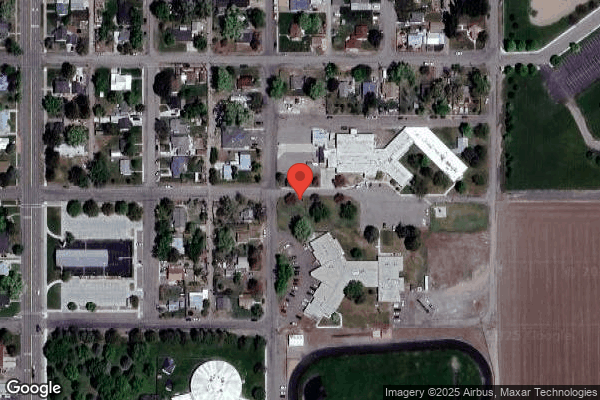
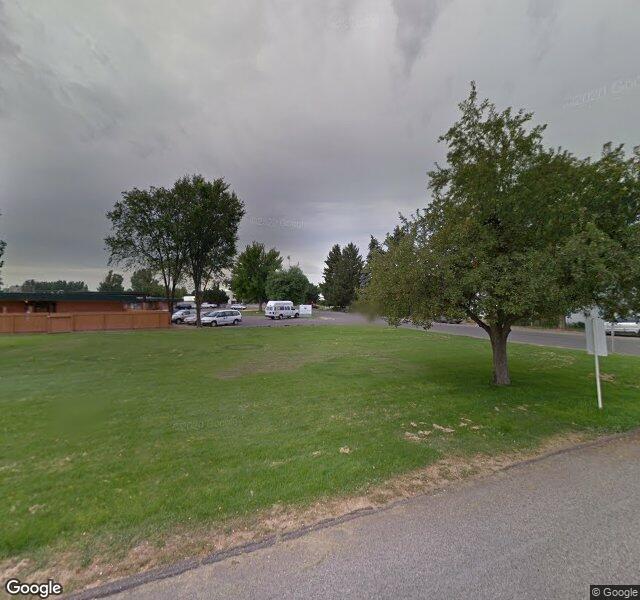
1220 MONTANA STREET, GOODING, ID 83330 (208) 934-5601
For profit - Corporation 80 Beds THE ENSIGN GROUP Data: November 2025
Trust Grade
45/100
#54 of 79 in ID
Last Inspection: March 2025

Within standard 12-15 month inspection cycle. Federal law requires annual inspections.

Overview

Bennett Hills Rehabilitation and Care Center has a Trust Grade of D, indicating below-average performance with some concerns regarding care quality. They rank #54 out of 79 facilities in Idaho, placing them in the bottom half, but are the only option in Gooding County. The facility is showing signs of improvement, with issues decreasing from 20 in 2024 to 8 in 2025. Staffing is rated 2 out of 5 stars, with a turnover rate of 55%, which is average for the state, but they have less RN coverage than 89% of Idaho facilities, raising concerns about nursing oversight. Specific incidents include failing to ensure a qualified Dietary Manager was present, which could impact residents' meal satisfaction, and inadequacies in kitchen sanitation practices that pose risks for foodborne illness, highlighting both strengths and weaknesses within the facility.

Trust Score
D
45/100
In Idaho
#54/79
Bottom 32%
Safety Record
Low Risk
No red flags
Inspections
Getting Better
20 → 8 violations
Staff Stability
⚠ Watch
55% turnover. Above average. Higher turnover means staff may not know residents' routines.
Penalties
✓ Good
No fines on record. Clean compliance history, better than most Idaho facilities.
Skilled Nurses
⚠ Watch
Each resident gets only 27 minutes of Registered Nurse (RN) attention daily — below average for Idaho. Fewer RN minutes means fewer trained eyes watching for problems.
Violations
⚠ Watch
29 deficiencies on record. Higher than average. Multiple issues found across inspections.
★★☆☆☆
2.0
Overall Rating
★★☆☆☆
2.0
Staff Levels
★★★★☆
4.0
Care Quality
★★☆☆☆
2.0
Inspection Score
Stable
2024: 20 issues
2025: 8 issues

The Good

  • 4-Star Quality Measures · Strong clinical quality outcomes
  • Full Sprinkler Coverage · Fire safety systems throughout facility
  • No fines on record

Facility shows strength in quality measures, fire safety.

The Bad

2-Star Overall Rating

Below Idaho average (3.3)

Below average - review inspection findings carefully

Staff Turnover: 55%

Near Idaho avg (46%)

Frequent staff changes - ask about care continuity

Chain: THE ENSIGN GROUP

Part of a multi-facility chain

Ask about local staffing decisions and management

Staff turnover is elevated (55%)

7 points above Idaho average of 48%

The Ugly 29 deficiencies on record

Mar 2025 8 deficiencies
CONCERN (D) 📢 Someone Reported This

A family member, employee, or ombudsman was alarmed enough to file a formal complaint

Potential for Harm - no one hurt, but risky conditions existed

Free from Abuse/Neglect (Tag F0600)

Could have caused harm · This affected 1 resident

**NOTE- TERMS IN BRACKETS HAVE BEEN EDITED TO PROTECT CONFIDENTIALITY** Based on policy review, record review, and staff interview, it was determined the facility failed to ensure resident's rights to...

Read full inspector narrative →
**NOTE- TERMS IN BRACKETS HAVE BEEN EDITED TO PROTECT CONFIDENTIALITY** Based on policy review, record review, and staff interview, it was determined the facility failed to ensure resident's rights to be free from abuse were protected. This was true for 1 of 1 resident (Resident #36) reviewed for abuse. This failure placed all residents at risk for ongoing abuse and potential physical and psychosocial harm. Findings include: The facility's Abuse: Prevention of and Prohibition Against policy revision date December 2023, documented it was the policy of the facility that each resident had the right to be free from abuse, neglect, misappropriate of resident property, exploitation, and mistreatment. Resident #36 was admitted to the facility on [DATE], with the multiple diagnoses including dementia and cognitive communication deficit. A facility reported incident dated 12/20/24 documented the following: - CNA #3 heard CNA #2 verbally abusing Resident #36. - CNA #3 immediately told CNA #2 to leave Resident #36's room. - The Administrator was notified and CNA #2 was suspended pending investigation. - Resident #36 was assessed for physical and psychosocial harm. No harm noted. - Other residents were interviewed, and no abuse was reported. - Staff were in-serviced on abuse. - CNA #2 was terminated on 12/23/24. This finding represents past noncompliance with this regulatory requirement. There is sufficient evidence the facility corrected the noncompliance on 12/23/24.
CONCERN (D)

Potential for Harm - no one hurt, but risky conditions existed

Abuse Prevention Policies (Tag F0607)

Could have caused harm · This affected 1 resident

Based on review of the State Operations Manual, Appendix PP, policy review, employee record review, and staff interview, it was determined the facility failed to ensure policies were implemented to pr...

Read full inspector narrative →
Based on review of the State Operations Manual, Appendix PP, policy review, employee record review, and staff interview, it was determined the facility failed to ensure policies were implemented to protect residents from potential physical and/or psychosocial harm. This was true for 1 of 6 facility staff (NA #1), whose personnel files were reviewed for pre-employment background checks. This had the potential to place each of the residents residing in the facility at increased risk for physical and/or psychosocial harm. Findings include: The State Operations Manual, Appendix PP revised 8/8/24, documented, a facility must have written procedures for screening potential employees for a history of abuse, neglect, exploitation, or misappropriation of resident property. The facility's Abuse: Prevention of and Prohibition Against policy revised December 2023, documented prior to hire, the facility will screen potential employees for history of abuse, neglect, exploitation, or misappropriation of resident property. On 6/13/24, NA #1 was hired by the facility. On 3/19/25, a review of NA #1's personnel file had not documented a pre-employment background check was completed. On 3/20/25, the Administrator stated he could not find where NA #1 had a completed background check. On 3/21/25 at 7:44 AM, the Administrator provided a copy of NA #1's background check dated 12/6/24, 6 months after hire date.
CONCERN (D) 📢 Someone Reported This

A family member, employee, or ombudsman was alarmed enough to file a formal complaint

Potential for Harm - no one hurt, but risky conditions existed

Comprehensive Assessments (Tag F0636)

Could have caused harm · This affected 1 resident

**NOTE- TERMS IN BRACKETS HAVE BEEN EDITED TO PROTECT CONFIDENTIALITY** Based on review of the State Operations Manual-Appendix PP, the Resident Assessment Instrument (RAI), record review, and staff i...

Read full inspector narrative →
**NOTE- TERMS IN BRACKETS HAVE BEEN EDITED TO PROTECT CONFIDENTIALITY** Based on review of the State Operations Manual-Appendix PP, the Resident Assessment Instrument (RAI), record review, and staff interview, it was determined the facility failed to ensure a resident's diagnosed medical condition was documented on the resident's comprehensive MDS assessment. This was true for 1 of 7 residents, (Resident #9) whose MDS assessments were reviewed. This failure created the potential for harm if care decisions were based upon inaccurate or lack of information. Findings include: The State Operations Manual, Appendix PP, revised 8/8/24, documented a facility must make a comprehensive assessment using the RAI specified by CMS and include active disease diagnoses and health conditions. The RAI, revised October 2024, documented diseases that have a documented diagnosis in the last 60 days and have a direct relationship to the resident's current functional status, cognitive status, mood or behavior status, medical treatments, nursing monitoring, or risk of death during the 7-day look-back period, needed to be coded in section I, Active Diagnosis. Resident #9 was admitted to the facility on [DATE], with multiple diagnoses including renal failure (when kidneys cannot filter waste products from the blood), diabetes, and hyponatremia (when the sodium level in the blood is too low). Resident #9's care plan updated 2/27/25, documented she had the potential for a psychosocial well-being problem related to a recent cancer diagnosis. Resident #9's comprehensive MDS assessment dated [DATE], had not documented she had a diagnosis of cancer. On 3/19/25 at 3:15 PM, the DON and MDS Resource Nurse stated the MDS did not document Resident #9's diagnosis of cancer and should have.
CONCERN (D) 📢 Someone Reported This

A family member, employee, or ombudsman was alarmed enough to file a formal complaint

Potential for Harm - no one hurt, but risky conditions existed

Staffing Information (Tag F0732)

Could have caused harm · This affected 1 resident

Based on observation and staff interview, it was determined the facility failed to ensure nurse staffing information was accurate and posted daily for each shift. This failed practice had the potentia...

Read full inspector narrative →
Based on observation and staff interview, it was determined the facility failed to ensure nurse staffing information was accurate and posted daily for each shift. This failed practice had the potential to affect all residents residing in the facility and their representatives, visitors, and others who wanted to review the facility's staffing levels. Findings include: The State Operation Manual, Appendix PP revised on 8/8/24, documented the facility must post the following information on a daily basis: (i) Facility name. (ii) The current date. (iii) The total number and the actual hours worked by the following categories of licensed and unlicensed nursing staff directly responsible for resident care per shift: (A) Registered nurses. (B) Licensed practical nurses or licensed vocational nurses (as defined under State law). (C) Certified nurse aides. (iv) Resident census. On 3/20/25 at 11:47 AM, a review of the posted nursing staff hours dated October 2024 - March 2025 was conducted with the following results. - On 10/18/24, the posted nurse staff hours was blank. - On 1/9/25, the posted nurse staff hours was blank. On 3/20/25 at 12:15 PM, the Administrator stated all the posted nursing hours should have been completed.
CONCERN (D) 📢 Someone Reported This

A family member, employee, or ombudsman was alarmed enough to file a formal complaint

Potential for Harm - no one hurt, but risky conditions existed

Deficiency F0761 (Tag F0761)

Could have caused harm · This affected 1 resident

Based on observation and staff interview, it was determined the facility failed to ensure medications available for residents were labeled, dated, and stored appropriately, this was true for 2 of 2 me...

Read full inspector narrative →
Based on observation and staff interview, it was determined the facility failed to ensure medications available for residents were labeled, dated, and stored appropriately, this was true for 2 of 2 medication carts audited for labeling and storage of medication. This failure created the potential for residents to have missed doses of medication. Findings include: On 3/19/25 at 8:05 AM, the East Hall medication cart was audited with CMA #1 present. Observed on the bottom of the third drawer; 1 oval shaped white tablet, 1 small round white tablet, 1 large oblong white tablet. On 3/19/25 at 8:13 AM, CMA #1 stated the pills should not have been loose in the medication cart. On 3/19/25 at 9:34 AM, the Skilled Hall medication cart was audited with LPN #1 present. Observed on the bottom of the third drawer; 2 small, round white pills. On 3/19/25 at 9:42 AM, LPN #1 stated the pills should not have been loose in the medication cart and should have been destroyed. On 3/19/25 at 2:20 PM, the DON stated the nurses or medication aides should have destroyed the loose pills.
CONCERN (D) 📢 Someone Reported This

A family member, employee, or ombudsman was alarmed enough to file a formal complaint

Potential for Harm - no one hurt, but risky conditions existed

Food Safety (Tag F0812)

Could have caused harm · This affected 1 resident

**NOTE- TERMS IN BRACKETS HAVE BEEN EDITED TO PROTECT CONFIDENTIALITY** Based on observation, staff interview, and review of the Idaho Food Code, the facility failed to appropriately store and label f...

Read full inspector narrative →
**NOTE- TERMS IN BRACKETS HAVE BEEN EDITED TO PROTECT CONFIDENTIALITY** Based on observation, staff interview, and review of the Idaho Food Code, the facility failed to appropriately store and label food products, and cover meal trays correctly. This failure had the potential to impact all residents in the facility. This placed residents at risk for use of spoiled foods, and potential contamination, and adverse health outcomes including food-borne illnesses. Findings include: The Idaho Food Code, revised February 2021, stated, 3-501.17 Ready-to-Eat, Time/Temperature Control for Safety Food, Date Marking . held in a food establishment for more than 24 hours shall be clearly marked to indicate the date or day by which the food shall be consumed on the premises, sold, or discarded . 1. The following were related to labeling and storage of food products: On 3/17/25 at 9:51 AM, the following was observed in the dry food storage area, with the DS present: - Dry pasta, open date 10/9/24, should have been disposed on 3/9/25. - Barley dry food, use by date of 12/24. - Ragu pasta sauce use by date of 3/13/25. - Three #10 size cans of Bountiful Harvest Foundations pineapple tidbits and beans with no received date. On 3/17/25 at 9:58 AM, the DS stated the #10 cans should have been marked with a received date and the dry food items and refrigerator items should have been removed and disposed. On 3/17/25 at 11:44 AM, the following was observed in the resident dining room during the lunch meal: - Soy sauce bottle given to resident to use on her plate of food, had no use by dates on bottle. On 3/17/25 at 11:49 AM, The DS stated the bottle of soy sauce should have had a use by date. On 3/20/25 at 12:33 PM, the following was observed in the resident refrigerator, with a CNA #4 present: - A container of salsa with white fuzzy substance growing on the inside of the container. On 3/20/25 at 12:35 PM, the CNA #4 stated the salsa should have been discarded. 2. On 3/17/25 at 12:15 PM, the following was observed during the meal delivery to residents' rooms: - Observed CNA #1 take the meal trays from the food cart and delivered them down the hall to room [ROOM NUMBER], #36, #40, and #42 without covers on the bread or dessert. On 3/17/25 at 12:18 PM, CNA #1 stated the food should have been covered. On 3/20/25 at 12:30 PM, the DS stated the food is supposed to be taken from the food cart directly to the resident's room. The food should have been covered if it is going down the hall.
CONCERN (D) 📢 Someone Reported This

A family member, employee, or ombudsman was alarmed enough to file a formal complaint

Potential for Harm - no one hurt, but risky conditions existed

Safe Environment (Tag F0921)

Could have caused harm · This affected 1 resident

**NOTE- TERMS IN BRACKETS HAVE BEEN EDITED TO PROTECT CONFIDENTIALITY** Based on observation and interview, the facility failed to provide a safe, clean, homelike environment. This failure had the pot...

Read full inspector narrative →
**NOTE- TERMS IN BRACKETS HAVE BEEN EDITED TO PROTECT CONFIDENTIALITY** Based on observation and interview, the facility failed to provide a safe, clean, homelike environment. This failure had the potential to impact all residents, by placing them at risk for injury and infections. Findings include: On 3/19/25 at 11:17 AM, observed in room [ROOM NUMBER] with CMA #1 present, the sharps container was filled past the full line. On 3/19/25 at 11:28 AM, CMA #1 stated the sharps container should have been changed when it was full. On 3/19/25 at 1:48 PM, observed with the DON present, overfilled sharps container with multiple used razors poking out of the opening, in the south hall shower room and fuzzy black mold-like substance on the shower tiles. On 3/19/25 at 1:53 PM, observed with the DON present, overfilled sharps container with multiple used razors poking out of the opening, in the north skilled hall shower room and fuzzy black mold-like substance by ceiling vent. On 3/19/25 at 3:18 PM, the Maintenance Supervisor stated he felt the black stuff on and next to the shower ceiling vent was mold, but he was not too sure about the black on the tiles in the other shower room. On 3/20/25 at 8:51 AM, the DON stated the facility does not have a policy for housekeeping, cleaning, showers, or sharps containers but the showers should have been cleaned after each use but were not and the sharps containers should have been changed when full.
CONCERN (E) 📢 Someone Reported This

A family member, employee, or ombudsman was alarmed enough to file a formal complaint

Potential for Harm - no one hurt, but risky conditions existed

Comprehensive Care Plan (Tag F0656)

Could have caused harm · This affected multiple residents

**NOTE- TERMS IN BRACKETS HAVE BEEN EDITED TO PROTECT CONFIDENTIALITY** Based on observation, record review, and staff interview, it was determined the facility failed to develop and implement compreh...

Read full inspector narrative →
**NOTE- TERMS IN BRACKETS HAVE BEEN EDITED TO PROTECT CONFIDENTIALITY** Based on observation, record review, and staff interview, it was determined the facility failed to develop and implement comprehensive resident-centered care plans. This was true for 6 of 17 residents (#3, #14, #16, #47, #52, and #108) whose care plans were reviewed. These failures placed residents at risk of negative outcomes if services were not provided or provided incorrectly due to lack of information in their care plan. Findings include: The facility's Comprehensive Person-Centered Care Planning policy, revised December 2023, documented the resident's care plan would include their needs and any specialized services. The following was observed for care plan review: 1. Resident #3 was admitted to the facility 2/13/25, with multiple diagnoses including respiratory failure and hypertension. Resident #3's Physician order dated 3/8/25, documented she was a full code. Resident #3's care plan did not document her code status. 2. Resident #14 was initially admitted to the facility on [DATE], and readmitted on [DATE], with multiple diagnoses including sacral spina bifida with hydrocephalus (a condition where the spinal cord does not close properly during development and excess fluid builds up in the brain) and major depressive disorder. Resident #14's Physician order dated 12/17/24, documented she was a DNR, do not attempt resuscitation. Resident #14's care plan had not contained any information related to her resuscitation code status. 3. Resident #16 was initially admitted to the facility on [DATE], and readmitted on [DATE], with multiple diagnoses including diabetes and chronic obstructive pulmonary disease (a group of lung diseases that cause progressive and irreversible airflow obstruction, leading to breathing difficulties). Resident #16 Physician order dated 4/16/24, documented she was a DNR with limited additional interventions, Yes to IV fluids, Yes to ABX, No to feeding tube, No to blood products. Resident #16's care plan had not contained information related to her resuscitation code status. 4. Resident #47 was admitted [DATE], with multiple diagnoses including heart failure and dementia. Resident #47's Physician order dated 3/18/25, documented her code status was DNR with selective treatment: Yes, to IV fluids, Yes to antibiotics, No feeding tube, and No blood products. Resident #47's care plan did not document her code status. 5. Resident #52 was admitted to the facility on [DATE], with multiple diagnoses including pneumonia and hypertension. Resident #52's physician order dated 2/14/25, documented his code status was DNR-No to blood and feeding tube, Yes to IV fluids and ABX. Resident #52's care plan did not document his code status. 6. Resident #108 was admitted to the facility on [DATE], with multiple diagnoses including multiple sclerosis (a disease in which the immune system eats away at the protective covering of the nerves) and dementia. Resident #108's Physician order dated 3/7/25, documented her code status was Full Code. Resident #108's care plan did not document her code status. On 3/19/25 at 3:12 PM, the DON stated the resident's code status had not been documented in their care plans and it should have been.
May 2024 20 deficiencies
CONCERN (D) 📢 Someone Reported This

A family member, employee, or ombudsman was alarmed enough to file a formal complaint

Potential for Harm - no one hurt, but risky conditions existed

Resident Rights (Tag F0550)

Could have caused harm · This affected 1 resident

Based on observation, record review, and resident and staff interview, it was determined the facility failed to ensure to respect and maintain residents' dignity. This was true for 8 of 8 residents (#...

Read full inspector narrative →
Based on observation, record review, and resident and staff interview, it was determined the facility failed to ensure to respect and maintain residents' dignity. This was true for 8 of 8 residents (#20, #27, #35, #36, #40, #41, #45 and #99) reviewed for respect and dignity who required assistance with their meals. This deficient practice created the potential for psychosocial harm if residents experienced embarrassment or lack of self-esteem. Findings include: The facility's admission Packet included the Resident Rights which stated, You have the right to be with respect and dignity. On 5/13/24 at 11:01 AM, the Dietary Manager (DM) stated lunch was served in the main dining room at 11:30 AM. The DM stated the feeders sitting at the horseshoe shaped table were served last. 1a. On 5/15/24 the following observations were made during breakfast in the dining room: - At 7:23 AM, four residents (Resident #35, Resident #45, Resident #40, and Resident #99) were brought into the dining room by staff and seated at the two horseshoe shaped tables in the dining room for residents who required feeding assistance. There were three additional residents in the main part of the dining room at this time. Staff had a cart with beverages and were distributing them to the residents who ate in the non-assisted area of the dining room. The residents at the horseshoe tables were not served beverages. Residents steadily entered the dining room. The posted mealtime for breakfast in the dining room was 7:30 AM. - At 7:46 AM, Resident #27, Resident #36, and Resident #41 were brought to the dining room and seated at the horseshoe shaped table. At this time residents at the horseshoe tables were served drinks. There were approximately 23 residents in the main part of the dining room. Meal service had commenced for residents in the main part of the dining room with a couple of tables having been served. All residents in the main part of the dining room had their drinks even though most of them came after the residents seated at the horseshoe tables. - Between 7:40 AM and 7:57 AM, residents in the main part of the dining room were served their meals, meal tickets/menus were distributed for the next day and residents were asked about selections for the following day. During this time, The residents at the horseshoe tables had not yet been served their meals. Although the residents at the horseshoe tables had their beverages, there were no staff to assist them and most of the residents at the horseshoe tables sat unassisted, not drinking their beverages, and some dozing off or with their eyes closed. - At 8:04 AM, meal service began for the residents seated at the horseshoe shaped tables. Residents in the main dining room were eating and many had finished their meals and had left the dining room. - At 8:10 AM, all the residents at the horseshoe tables had been served their meals and there were two staff who sat down at the horseshoe tables and began to assist the residents. Approximately half of the residents in the main part of the dining room had left the dining room. 2b. On 5/15/24. the following observations were made during lunch in the dining room: - At 11:09 AM, Resident #20, Resident #25, Resident #27, and Resident #41 were seated at the horseshoe shaped tables, after staff brought them into the dining room. None of the residents had drinks or activity. The posted dining room lunch time was 11:30 AM. There were a few residents in the main part of the dining room, and they continued to enter the dining room for the next twenty minutes. - At 11:34 AM, residents sitting in the main part of the dining room started to receive their meals. Beverages were passed separately by a hospitality aide who took a cart from table to table in the main part of the dining room but not to the residents sitting at the horseshoe tables. - Between 11:34 AM and 12:00 PM, residents in the main part of the dining room were served their meals. There were approximately 25 residents in the main part of the dining room. - At 11:36 AM, Resident #36, Resident #40, Resident #41, and Resident #99 were brought to the horseshoe shaped tables. None of the eight residents seated at the horseshoe shaped tables had been served drinks. Approximately half of the residents in the main dining room had their beverages. - At 11:51 AM, Resident #20, Resident #27, Resident #40, and Resident #41 were served beverages. Resident #35, Resident #36, Resident #45, and Resident #99 had not been served their beverages. - At 12:00 PM, the first tray was served to the residents sitting at the horseshoe shaped tables. Resident #20, Resident #25, Resident #27, and Resident #41 waited for 50 minutes for their meals to be served. All the residents in the main part of the dining room were eating and about 30% had left the dining room. - At 12:03 PM, a staff member went to the horseshoe table and started assisting the residents. A few minutes later a second staff member joined her. On 5/15/24 at 12:22 PM, Resident #40. who sat at the horseshoe shaped table, stated staff had to feed her previously, but she was improving and could eat now with less assistance. Resident #40 stated the staff referred to her and other residents who sat at the horseshoe tables as feeders. On 5/15/24 at 12:24 PM, the DM stated 50 minutes was a long time for residents eating at the horseshoe tables to wait for their food and drinks. The DM stated feeders were the last to be served in the dining room so staff would be available to assist them. The DM stated drinks were typically not ready to be served until approximately 11:15 AM. On 5/16/24 at 1:27 PM, Resident #40 stated residents eating at the horseshoe shaped tables were the first ones to be brought to the dining room for meals and were the last ones to be served their meals. Resident #40 stated the staff had to serve meals to the other residents first so they could be available to help feed residents sitting at the horseshoe tables. Resident #40 verified the staff referred to her and other residents at the tables for residents needing assistance as feeders. On 5/16/24 at 2:05 PM, LPN #1 stated residents eating at the horseshoe shaped tables were served last due to the staff having to pass trays first so they would be available to assist the residents without interruption after serving the residents in the general dining area. LPN #1 stated most residents eating at the horseshoe tables required Hoyer (mechanical) lifts and the assistance of two staff to get up and were brought to the dining room first, before residents eating in the main dining area. LPN #1 stated waiting an extended timeframe while residents who came later to the dining room and were served first could be a dignity concern. LPN #1 verified residents at the horseshoe tables sat in the dining room longer periods of time without food or beverages than residents who sat in the general area. LPN #1 stated Resident #40 was the only resident who ate at the horseshoe shaped tables who could be interviewed. On 5/17/24 at 11:59 AM, the DON stated all residents eating at the horseshoe tables needed some oversight with meals and should not be referred to as feeders. The DON stated there should be a couple of staff available to help serve and feed residents at the horseshoe tables before all the main dining residents were served. On 5/17/24 at 10:06 AM, the RD stated residents should be referred to respectfully such as residents who needed help or assistance with meals and that the term feeder was a dignity issue. The RD stated the residents who needed meal assistance should not be brought to the dining room first if they were going to be fed last. On 5/17/24 at 12:37 PM, the Administrator stated staff should refer to the residents who ate at the horseshoe tables as residents who needed assistance and should not be called feeders, verifying the terminology as not being dignified. The Administrator stated residents needing assistance should not have to wait as long as they had.
CONCERN (D) 📢 Someone Reported This

A family member, employee, or ombudsman was alarmed enough to file a formal complaint

Potential for Harm - no one hurt, but risky conditions existed

Grievances (Tag F0585)

Could have caused harm · This affected 1 resident

**NOTE- TERMS IN BRACKETS HAVE BEEN EDITED TO PROTECT CONFIDENTIALITY** Based on policy review, record review, review of facility grievances, and staff and resident interview, it was determined the fa...

Read full inspector narrative →
**NOTE- TERMS IN BRACKETS HAVE BEEN EDITED TO PROTECT CONFIDENTIALITY** Based on policy review, record review, review of facility grievances, and staff and resident interview, it was determined the facility failed to ensure grievances were responded to and investigated, and prompt corrective action was taken to resolve them. This was true for 1 of 1 resident (Resident #37) reviewed for grievances. This failure created the potential for psychological harm if residents' grievances were not acted upon. Findings include: The facility's Grievances policy and procedure, revised December 2023, documented the Grievance Official would evaluate and investigate the concern and takes immediate action to resolve the concern and prevent further potential violations of any resident's rights while the alleged violation was being investigated. The policy also documented the Grievance Official or designee would respond to the individual expressing the concern within 3 working days of the initial concern to acknowledge receipt and describe steps taken toward resolution. Resident #37 was admitted to the facility on [DATE], with multiple diagnoses including after care following surgical amputation of his right and left leg below the knee. A quarterly MDS assessment, dated 3/16/24, documented Resident #37 was moderately cognitively intact. On 5/14/24 at 8:30 AM, Resident #37 stated about 3 months ago he was missing 300 dollars, and another 30 dollars was missing 2-3 weeks ago. Resident #37 stated he reported both incidents to the Social Services Representative, but did not hear anything after he reported it to her. On 5/15/24 at 12:59 PM, the Social Services Representative stated she remembered Resident #37 reported his missing money on 4/29/24 and she wrote it on a sticky note. The Social Services Representative stated she forgot to fill out a grievance form for Resident #37's missing money and failed to investigate it.
CONCERN (D) 📢 Someone Reported This

A family member, employee, or ombudsman was alarmed enough to file a formal complaint

Potential for Harm - no one hurt, but risky conditions existed

Deficiency F0604 (Tag F0604)

Could have caused harm · This affected 1 resident

**NOTE- TERMS IN BRACKETS HAVE BEEN EDITED TO PROTECT CONFIDENTIALITY** Based on observation, policy review, record review, and staff interview, it was determined the facility failed to ensure a seatb...

Read full inspector narrative →
**NOTE- TERMS IN BRACKETS HAVE BEEN EDITED TO PROTECT CONFIDENTIALITY** Based on observation, policy review, record review, and staff interview, it was determined the facility failed to ensure a seatbelt used for a resident was assessed as a potential restraint. This was true for 1 of 1 resident (Resident #29) reviewed for restraints. This deficient practice had the potential for adverse outcomes if the seatbelt was improperly used and if the resident experienced physical deterioration due to lack of movement. Findings include: The facility's Physical Restraint Assessment policy, revised 8/2007, defined physical restraint as any manual method or physical or mechanical device, material or equipment attached or adjacent to the resident's body, that the resident cannot remove easily, and restricts freedom of movement or normal access to one's body site. The policy also documented residents would not have restraints applied until the IDT had made and documented an accurate and thorough assessment of the need for the restraint. Resident #29 was admitted to the facility on [DATE] and readmitted on [DATE], with multiple diagnoses including congestive heart failure (weakness of the heart leading to a buildup of fluid in the body) and chronic obstructive pulmonary disease (COPD - progressive lung disease characterized by increasing breathlessness). On 5/13/24 at 3:08 PM, and 5/15/24 at 8:50 AM, Resident #29 was observed sitting in her electric wheelchair with a seatbelt fastened. Resident #29's record did not include documentation she was assessed for the use of her seatbelt as a potential restraint. On 5/15/24 at 8:11 AM, the DON together with the PT Director reviewed Resident #29's record and stated she was unable to find documentation Resident #29's seatbelt was assessed as a potential restraint. The PT Director stated the seatbelt came with the wheelchair and there was no assessment completed regarding the use of seatbelt. When asked if the seatbelt should have been assessed as a potential restraint, the DON and PT Director did not provide an answer.
CONCERN (D) 📢 Someone Reported This

A family member, employee, or ombudsman was alarmed enough to file a formal complaint

Potential for Harm - no one hurt, but risky conditions existed

Transfer Requirements (Tag F0622)

Could have caused harm · This affected 1 resident

**NOTE- TERMS IN BRACKETS HAVE BEEN EDITED TO PROTECT CONFIDENTIALITY** Based on policy review, record review. and staff interview, it was determined the facility failed to ensure information was prov...

Read full inspector narrative →
**NOTE- TERMS IN BRACKETS HAVE BEEN EDITED TO PROTECT CONFIDENTIALITY** Based on policy review, record review. and staff interview, it was determined the facility failed to ensure information was provided to the receiving hospital for 1 of 1 resident (Resident #9) reviewed for transfers. This deficient practice had the potential to cause harm if the resident was not treated in a timely manner due to lack of information. Findings include: The facility's Criteria for Transfer and Discharge policy and procedure, revised 12/2023 documented when the facility transferred or discharged a resident, the facility should ensure the transfer or discharge was documented in the resident's medical record and appropriate information was communicated to the receiving health care institution or provider. Information provided to the receiving provider must include a minimum of the following: - Contact information of the practitioner responsible for the care of the resident. -Resident's representative information including contact information. -Advance Directive information - All special instructions or precautions for ongoing care, as appropriate, to include but not limited to: treatments and devices, transmission based precautions, and special risk (falls, elopement, aspiration, or pressure injury). - Comprehensive care plan goals and - All other necessary information, including a copy of the resident's discharge summary, and any other documentation as applicable to ensure a safe and effective transition of care. Resident #9 was admitted to the facility on [DATE], with multiple diagnoses including depression, congestive heart failure (weakness of the heart leading to a buildup of fluid in the body) and dysphagia (difficulty swallowing). A nursing note, dated 3/10/24 at 1:47 PM, documented the physician and Resident #9's representative were notified she was in pain and her pulse rate was greater than 100 beats /minute. An order was received to continue her pain management and blood pressure. A nursing note, dated 3/11/24 at 6:13 PM, documented Resident #9's condition continued to decline and the provider was notified. Resident #9's representative was in the facility and stated he would like Resident #9 to be seen in the ER. The provider was notified and stated that nursing may send Resident #9 to the ER. Resident #9 was sent to the ER by facility transport. The nursing note also documented the nurse gave report to the ER nurse. Resident #9's record did not include documentation information was provided to the hospital to ensure safe and effective transition of care. On 5/15/24 at 3:21 PM, the DON stated the facility sent Resident #9's face sheet, Advance Directive, history, physician's notes, recent laboratories results and diagnostics, change in condition paperwork, recent vital signs, and medication list with her to the hospital. The DON stated she was unable to find documentation the required documents were sent with Resident #9 when she was transferred to the hospital.
CONCERN (D) 📢 Someone Reported This

A family member, employee, or ombudsman was alarmed enough to file a formal complaint

Potential for Harm - no one hurt, but risky conditions existed

Transfer Notice (Tag F0623)

Could have caused harm · This affected 1 resident

**NOTE- TERMS IN BRACKETS HAVE BEEN EDITED TO PROTECT CONFIDENTIALITY** Based on record review and staff interview, it was determined the facility failed to ensure transfer notices were provided to th...

Read full inspector narrative →
**NOTE- TERMS IN BRACKETS HAVE BEEN EDITED TO PROTECT CONFIDENTIALITY** Based on record review and staff interview, it was determined the facility failed to ensure transfer notices were provided to the ombudsman. This was true for 1 of 1 resident (Resident #9) reviewed for transfers to the hospital. This deficient practice had the potential for harm if residents were not aware of or able to exercise their rights related to transfers. Findings include: Resident #9 was admitted to the facility on [DATE], with multiple diagnoses including depression, congestive heart failure (weakness of the heart leading to a buildup of fluid in the body) and dysphagia (difficulty swallowing). A nursing note, dated 3/10/24 at 1:47 PM, documented the physician and Resident #9's representative were notified that she was in pain and her pulse rate was greater than 100 beats /minute. An order was received to continue her pain management and blood pressure. A nursing note, dated 3/11/24 at 6:13 PM, documented Resident #9's condition continued to decline and the provider was notified. Resident #9's representative was in the facility and stated he would like Resident #9 to be seen in the ER. The provider was notified and stated that nursing may send Resident #9 to the ER. Resident #9 was sent to the ER by facility transport. The nursing note also documented the nurse gave report to the ER nurse. Resident #9's record did not include documentation the ombudsman was informed of her transfer to the hospital. On 5/15/24 at 3:30 PM, the Social Services Representative stated she did not notify the ombudsman of Resident #9's transfers to the hospital. She stated she was not aware the ombudsman had to be notified of residents being transferred to the hospital.
CONCERN (D) 📢 Someone Reported This

A family member, employee, or ombudsman was alarmed enough to file a formal complaint

Potential for Harm - no one hurt, but risky conditions existed

Quality of Care (Tag F0684)

Could have caused harm · This affected 1 resident

**NOTE- TERMS IN BRACKETS HAVE BEEN EDITED TO PROTECT CONFIDENTIALITY** Based on observation, record review, policy review, and resident and staff interview, it was determined the facility failed to e...

Read full inspector narrative →
**NOTE- TERMS IN BRACKETS HAVE BEEN EDITED TO PROTECT CONFIDENTIALITY** Based on observation, record review, policy review, and resident and staff interview, it was determined the facility failed to ensure professional standards of nursing practice were followed for 3 of 13 residents (#31, #37, and #43) reviewed for quality of care. Resident # 31 was at risk of wound infection when his wound dressing was not dated. Resident #37 was at risk for adverse outcomes when his physician was not notified of Resident #37's refusal of medication. Resident #43 was at risk of adverse outcomes when his physician was not notified of hyperglycemic (low blood sugar) episodes. Findings include: The Lippincott Nursing Procedures textbook, dated 2018, section for Medication Administration - Dressing a Wound, documented dressings were to be labeled with the date, time, and initials. 1. Resident #31 was admitted to the facility on [DATE], with multiple diagnosis including subdural hemorrhage (a pool of blood between the brain and its outermost covering) and Type 2 diabetes. A physician's order, dated 4/2/24, directed staff to cleanse Resident #31's left plantar foot (bottom of the foot) with wound cleanser, pat dry, and cover with a foam dressing, and to change the dressing every Tuesday, Thursday, and Saturday, and as needed. Staff were to notify the physician for any concerns, and were to keep the bandage clean and dry. On 5/14/24 at 9:20 AM, LPN #1 removed the dressing from Resident #31's left heel. The old dressing was not labeled with the date, time, or initials. LPN #1 then applied a new dressing to Resident #31's left heel. LPN #1 did not label the new dressing with the date, time, or her initials. On 5/14/24 at 10:41 AM, LPN #1 stated the dressing should have been dated and initialed. 2. The facility's Refusal of Medications and Treatments policy, undated, documented a resident's refusal of medications and/or treatments must be recorded in the resident's medical record. The documentation should include the date and time the physician was notified of the resident's refusal of medications or treatments. Resident #37 was admitted to the facility on [DATE], with multiple diagnoses including after care following surgical amputation of his right and left leg below the knee. A quarterly MDS assessment, dated 3/16/24, documented Resident #37 was moderately cognitively intact. A physician's order, dated 4/3/24, directed staff to apply a Nicotine Patch 14 mg/24 hr transdermally (through the skin) to Resident #37 one time a day for smoking cessation. A MAR, dated 4/4/24 to 5/15/24, documented Resident #37 refused the Nicotine Patch 29 times out of 41 opportunities. On 5/15/24 at 11:23 AM, the ADON reviewed Resident #37's record and stated Resident #37 refused his Nicotine Patch and preferred to go out to smoke. When asked when the physician was notified of Resident #37's refusals to receive the Nicotine Patch, the ADON stated she would ask the DON. On 5/15/24 at 11:34 AM, the DON stated Resident #37 was non-compliant with cares as well as his medications. The DON stated Resident #37 was educated that he could not smoke while on the Nicotine patch and remembered informing the provider verbally of Resident #37's refusals to receive his Nicotine patch. The DON stated she did not think the provider gave an order regarding Resident #37's refusal of his Nicotine patch. When asked if she should have made a follow-up to the provider regarding Resident #37's refusals to receive the Nicotine Patch, the DON stated Yes. 3. Resident #43 was admitted to the facility on [DATE], with multiple diagnoses including diabetes. An admission MDS, dated [DATE], documented Resident #43 was moderately cognitively intact. A physician's order, dated 3/25/24, included to administer Resident #43 Humalog Injection Solution (fast-acting insulin), inject subcutaneously as per sliding scale three times a day for BG readings as follows: - 0 - 150 = 0 units - 151 - 200 = 1 unit - 201 - 250 = 3 units - 251 - 300 = 5 units - 301 - 350 = 7 units - 351 - 400 = 9 units and - to notify the provider of BGs greater than 400. A physician's order, dated 5/6/24, included to administer Resident #43 Lantus Solostar Subcutaneous Solution Pen (long-acting insulin), inject 20 unit subcutaneously at bedtime for diabetes. A care plan, dated 3/22/24, documented Resident #43 had diabetes. Interventions included: -Diabetes medication as ordered by doctor. Monitor/document for side effects and effectiveness .-Monitor/ document/ report to MD [Medical Doctor] PRN [as needed] for s/sx [signs and symptoms] of hyperglycemia: increased thirst and appetite, frequent urination, weight loss, fatigue, dry skin, poor wound healing, muscle cramps, abd [abdominal] pain, Kussmaul [abnormal breathing pattern] breathing, acetone breath (smells fruity), stupor, coma. On 5/14/24 at 9:16 AM, Resident #43 stated his BGs varied but overall were not low enough. Resident #43's MAR, dated 5/1/24 through 5/16/24, documented his BG level was greater than 400 mg/dl on the following dates: - 5/12/24 at 8:00 PM, BG was 403 mg/dl - 5/13/24 at 8:00 PM, BG was 403 mg/dl Nurse's notes, dated 5/12/24 and 5/13/24, documented Resident #43 was assessed for signs and symptoms of hyperglycemia. There was no documentation in the Nurse's Note the physician was notified Resident #43's BGs were greater than 400 mg/dl as directed in the physician order dated 3/25/24. On 5/17/24 at 9:20 AM, the Nurse Practitioner stated he was typically notified of elevated blood glucose; however, did not specifically remember being notified of these two BGs. The Nurse Practitioner stated there were other physicians in the group that may have been notified but there was no way to track between the care providers as it usually came in as a call or a text. The Nurse Practitioner stated he reviewed Resident #43's BGs once a week on Mondays and would find out about BGs at that time for the prior week. On 5/16/24 at 1:56 PM, LPN #1 stated Resident #43's Lantus insulin was recently increased on 5/6/24 due to elevated BG levels. LPN #1 stated if Resident #43's BG was above 400 mg/dl, she would notify the physician and document it in the progress notes. On 5/17/24 at 12:17 PM, the DON stated the nurse on duty should call the physician if Resident #43's BG was over 400 per the physician's order. The DON stated this was important because Resident #43 was hyperglycemic, and the physician might want to change the insulin order. The DON stated the resident's condition and who was contacted should also have been documented in the progress notes or in a Change of Condition assessment. The DON stated the facility did not have a policy on diabetes management. The DON reviewed Resident #43's record and stated there was no documentation that the physician was notified of Resident #43's BGs greater than 400 on 5/12/24 and 5/13/24.
CONCERN (D) 📢 Someone Reported This

A family member, employee, or ombudsman was alarmed enough to file a formal complaint

Potential for Harm - no one hurt, but risky conditions existed

Respiratory Care (Tag F0695)

Could have caused harm · This affected 1 resident

**NOTE- TERMS IN BRACKETS HAVE BEEN EDITED TO PROTECT CONFIDENTIALITY** Based on observation, record review, policy review, and resident and staff interview, it was determined the facility failed to e...

Read full inspector narrative →
**NOTE- TERMS IN BRACKETS HAVE BEEN EDITED TO PROTECT CONFIDENTIALITY** Based on observation, record review, policy review, and resident and staff interview, it was determined the facility failed to ensure residents received oxygen therapy per physician's orders. This was true for 1 of 14 residents (Resident #16) reviewed for oxygen therapy. This failure created the potential for Resident #16 to experience respiratory distress for not receiving the sufficient amount of oxygen to maintain oxygen levels. Findings include: The facility's Oxygen Administration policy, dated 9/2023, documented It is the policy of this facility that oxygen therapy is administered, as ordered by the physician . The purpose of the oxygen therapy is to provide sufficient oxygen via wall outlet or oxygen concentrator . Oxygen per MD [Medical Doctor]/NP [Nurse Practitioner] orders . Reassess oxygen flowmeter for correct liter flow . Resident #16 was admitted to the facility on [DATE], with multiple diagnoses including chronic obstructive pulmonary disease (COPD - progressive lung disease characterized by increasing breathlessness), multiple rib fractures, and pneumonia. An admission MDS assessment, dated 4/8/24, documented Resident #16 was severely cognitively impaired. A physician's order. dated 4/5/24, directed staff to administer 3 liters of oxygen to Resident #16 continuously via nasal cannula every shift. Resident #16's care plan, dated 4/9/24, documented he had COPD, and the goal was for him to display an optimal breathing pattern. The care plan directed staff to administer his oxygen as ordered by the physician. The nurses' Daily Skilled Notes dated 5/9/24 5/10/24, 5/11/24, 5/12/24, 5/13/24, and 5/15/24, documented Resident #16's oxygen was administered continuously at 2 liters via nasal cannula. On 5/13/24 at 3:03 PM, Resident #16 was lying in bed with his nasal cannula in place, connected to the oxygen concentrator in the room. The concentrator was set at 2 liters. Resident #16 stated he was afraid of getting pneumonia and received oxygen continuously. On 5/15/24 at 11:44 AM, Resident #16 was sitting in his wheelchair in his room with the nasal cannula in place and the oxygen concentrator was set at 2 liters. On 5/16/24 at 12:25 PM, Resident #16 stated he did not feel good. Resident #16's nasal cannula was in place and the oxygen concentrator was set at 2 liters per minute. Resident #16 said the concentrator should be set at 2 to 3 liters. On 5/16/24 at 2:00 PM, LPN #1 stated Resident #16's oxygen concentrator should be set at 2 liters. LPN #1 reviewed the physician's orders and stated the order was for 3 liters and not 2 liters. LPN #1 and the surveyor went to Resident #16's room and LPN #1 checked the setting on the oxygen concentrator and stated it was set at 2 and a half liters. On 5/17/24 at 12:13 PM, the DON stated Resident #16 had a diagnosis of COPD and required oxygen for this diagnosis. The DON stated the nurses should administer Resident #16's oxygen at the concentration specified in his physician's orders.
CONCERN (D) 📢 Someone Reported This

A family member, employee, or ombudsman was alarmed enough to file a formal complaint

Potential for Harm - no one hurt, but risky conditions existed

Deficiency F0761 (Tag F0761)

Could have caused harm · This affected 1 resident

**NOTE- TERMS IN BRACKETS HAVE BEEN EDITED TO PROTECT CONFIDENTIALITY** Based on observation, and staff interview, it was determined the facility failed to ensure medications available for residents w...

Read full inspector narrative →
**NOTE- TERMS IN BRACKETS HAVE BEEN EDITED TO PROTECT CONFIDENTIALITY** Based on observation, and staff interview, it was determined the facility failed to ensure medications available for residents were labeled and had not expired. This was true for 2 of 2 medication storage rooms inspected. This failure created the potential for residents to receive medication used for another resident presenting a risk for cross-contamination or to receive expired medications with decreased efficacy. Findings include: 1. On 5/15/24 at 1:43 PM, during a medication cart audit of the Skilled Hall medication cart, a bottle of Top Care eye drops (Lubricating eye drops) with an expiration date of 3/2024, was observed. On 5/15/24, RN #1 stated the eye drops were expired and should have been removed from the medication cart. 2. On 5/15/24 at 2:33 PM, during a medication cart audit of the East Hall medication cart, the following was observed: - A package of Loperamide (anti-diarrheal) 2 mg, 34 capsules, with an expiration date of 2/23/23. - An Albuterol Sulfate inhaler (medication used to help relax muscles in the airways), 90 mcg, was laying in the top drawer of the medication cart without a label. On 5/15/24 at 2:25 PM, LPN #3 stated the inhaler was for the resident in room [ROOM NUMBER] because it had the #19 written in sharpie on the inhaler. LPN #3 also stated the inhaler should have been stored in its original box. On 5/16/24 at 9:32 AM, the DON stated discontinued medications were to be taken out of the medication carts when an order was received to discontinue a medication. She stated expired medications were also to be removed from the cart when it expired.
CONCERN (D) 📢 Someone Reported This

A family member, employee, or ombudsman was alarmed enough to file a formal complaint

Potential for Harm - no one hurt, but risky conditions existed

Medical Records (Tag F0842)

Could have caused harm · This affected 1 resident

**NOTE- TERMS IN BRACKETS HAVE BEEN EDITED TO PROTECT CONFIDENTIALITY** Based on record review, policy review, and staff interview, the facility failed to ensure 1 of 2 residents (Resident #6) reviewe...

Read full inspector narrative →
**NOTE- TERMS IN BRACKETS HAVE BEEN EDITED TO PROTECT CONFIDENTIALITY** Based on record review, policy review, and staff interview, the facility failed to ensure 1 of 2 residents (Resident #6) reviewed for dialysis had an accurate medical record to include documentation of the dates she failed to attend dialysis. This deficient practice created the potential for her healthcare provider to be unaware of the extent of her non-compliance. Findings include: The facility's Content of Medical Record policy, dated 8/2020, stated All physicians, nursing staff and other health care professionals involved in the resident's care will be responsible for making prompt, appropriate entries in the record . Resident #6 was admitted to the facility on [DATE], with diagnosis of end stage renal disease with dependence on renal dialysis. A physician order, dated 8/8/23, documented Resident #6 had hemodialysis 3 times a week every Tuesday, Thursday and Saturday. Resident #6's Dialysis Flow Sheets from 3/1/24 through 5/15/24, showed 12 Dialysis Flow Sheets were missing during this period, on 3/2/24, 3/14/24, 3/16/24, 3/28/24, 3/30/24, 4/6/24, 4/11/24, 4/16/24, 4/20/24, 4/30/24, 5/4/24, and 5/14/24. Resident #6's Progress Notes, MARs, and TARs were reviewed, and no documentation of the dates Resident #6 failed to attend dialysis were found. During an interview on 5/16/24 at 1:45 PM, LPN #1 stated Resident #6 refused dialysis at least once a week. During an interview on 5/17/24 at 12:24 PM, the DON and ADON were interviewed together and stated they contacted the dialysis center to find out which dates Resident #6 had refused dialysis. They stated since 3/1/24, Resident #6 refused dialysis on 3/2/24, 3/14/24, 3/16/24, 3/28/24, 3/30/24, 4/6/24, 4/11/24, 4/16/24, 4/20/24, 4/30/24, 5/4/24, and 5/14/24. They stated Resident #6's refusals to go to dialysis should have been documented in the EMR. The DON and ADON verified Resident #6's refusals to attend dialysis were not documented in her EMR.
CONCERN (D) 📢 Someone Reported This

A family member, employee, or ombudsman was alarmed enough to file a formal complaint

Potential for Harm - no one hurt, but risky conditions existed

Infection Control (Tag F0880)

Could have caused harm · This affected 1 resident

**NOTE- TERMS IN BRACKETS HAVE BEEN EDITED TO PROTECT CONFIDENTIALITY** Based on observation, policy review, and staff interview, it was determined the facility failed to ensure infection control prev...

Read full inspector narrative →
**NOTE- TERMS IN BRACKETS HAVE BEEN EDITED TO PROTECT CONFIDENTIALITY** Based on observation, policy review, and staff interview, it was determined the facility failed to ensure infection control prevention practices were maintained to provide a safe and sanitary environment. These failures had the potential to impact all 52 residents residing in the facility by placing them at risk for cross contamination and infection. Findings include: The facility's Standard and Transmission-Based Precautions policy, revised 4/2024, documented it was the policy of the facility to implement infection control measures to prevent the spread of communicable diseases and conditions. The policy further stated: - Enhanced Barrier Protection (EBP): used in conjunction with standard precautions and expand the use of PPE [personal protective equipment] through the use of gown and glove during high-contact resident care activities that provide opportunities for indirect transfer of MDROs [Multidrug Resistant Organisms] to staff hands and clothing then indirectly transferred to residents or from resident-to-resident. (e.g., residents with wounds and indwelling medical devices are at especially high risk of both acquisition of and colonization with MDROs). 1. Resident #3 was admitted to the facility on [DATE], with multiple diagnosis including acute pancreatitis and respiratory failure. A physician's order, dated 12/19/23, documented to administer Resident #3 oxygen at 2 liters a minute via nasal cannula continuously. On 5/13/24 at 3:43 PM, LPN #2 picked Resident #3's oxygen cannula off the floor and put it in Resident # 3's nose. On 5/13/24 at 3:45 PM, LPN #2 stated he should have checked to see if the oxygen was on and cleaned the nasal cannula before replacing the nasal cannula in Resident #3's nose. 2. On 5/13/24 at 12:16 PM, the lunch hall tray delivery to residents in rooms was observed. Residents who had received their lunch tray in their room were not offered to have their hands cleaned before eating their meal. On 5/13/24 at 12:22 PM, CNA #2 was observed placing 2 dirty trays on the cart with lunch meal trays that were clean. On 5/13/24 at 12:23 PM, CNA #1 and CNA #2 stated they should have offered hand hygiene to residents before serving their meal. CNA #2 also stated, the dirty trays should not have been placed on the hot cart with clean dishes. 3. Resident #31 was admitted to the facility on [DATE], with multiple diagnosis including subdural hemorrhage (a pool of blood between the brain and its outermost covering) and diabetes. A physician's order, dated 4/28/24, documented Resident #31 was to be on Enhanced Barrier precautions for wounds and PPE was required for high resident contact care activities. Resident #31's care plan. dated 4/28/24, directed staff to use Enhanced Barrier precautions during the provision of close contact care. On 5/14/24 at 9:33 AM, LPN # 1 was observed providing wound care to Resident #31 without wearing a gown. On 5/14/24 at 9:38 AM, LPN #1 stated she realized when she was done doing the wound care she should have put on a gown.
CONCERN (D) 📢 Someone Reported This

A family member, employee, or ombudsman was alarmed enough to file a formal complaint

Potential for Harm - no one hurt, but risky conditions existed

Deficiency F0883 (Tag F0883)

Could have caused harm · This affected 1 resident

**NOTE- TERMS IN BRACKETS HAVE BEEN EDITED TO PROTECT CONFIDENTIALITY** Based on record review, policy review, and staff interview, it was determined the facility failed to ensure residents who were o...

Read full inspector narrative →
**NOTE- TERMS IN BRACKETS HAVE BEEN EDITED TO PROTECT CONFIDENTIALITY** Based on record review, policy review, and staff interview, it was determined the facility failed to ensure residents who were offered and consented to the pneumococcal vaccine, received the vaccine. This was true for 1 of 5 residents (Resident #17) whose records were reviewed for pneumococcal vaccinations. This failure created the potential for residents to have an increased risk of pneumococcal (bacterial) pneumonia and the potential for severe illness or death. Findings include: The facility's Immunization - Residents policy, revised 12/2023, documented each resident was offered the pneumococcal immunization based on current CDC guidelines, unless the immunization was medically contraindicated, or the resident had already been immunized. There were two types of Pneumococcal vaccines available for adults: Pneumococcal conjugate vaccines (PCV15 and PCV20) and Pneumococcal Polyssacharide Vaccine (PPSV23). The Centers for Disease Control and Prevention (CDC) website, dated 3/15/23, and accessed on 5/21/24, included recommendations for pneumococcal vaccinations for all adults 65 years or older as follows: - If you never received any pneumococcal vaccine, the CDC recommends receiving one dose of PCV20 or PCV15. - If you have previously received PPSV23, the CDC recommends receiving one dose of PCV20 or PCV15 at least one year after administration of PPSV23. - If you previously received PCV13 at any age, the CDC recommends receiving one dose of PCV20 at least one year after administration of PCV13. - If you have previously received PCV13 at any age and PPSV23 at less than [AGE] years of age, the CDC recommends receiving PCV 20 at least five years after administration of PCV13 or PPSV23. Resident #17 was admitted to the facility on [DATE], with multiple diagnoses including amputation of her left leg above knee and spina bifida (a birth defect in which a developing baby ' s spinal cord fails to develop properly). Resident #17's record. documented she received the PPSV23 on 7/13/21. Resident #17's consent for the pneumococcal vaccine, dated 12/13/23, documented she consented to receive the pneumococcal vaccine according to the CDC's recommendation schedule which was the PCV 20. There was no documentation in Resident #17's record the PCV 20 was administered to her. On 5/16/24 at 4:33 PM, the DON reviewed Resident #17's record and stated she was unable to find documentation the PCV 20 was administered to Resident #17.
CONCERN (E) 📢 Someone Reported This

A family member, employee, or ombudsman was alarmed enough to file a formal complaint

Potential for Harm - no one hurt, but risky conditions existed

Safe Environment (Tag F0584)

Could have caused harm · This affected multiple residents

**NOTE- TERMS IN BRACKETS HAVE BEEN EDITED TO PROTECT CONFIDENTIALITY** Based on observation, policy review, and staff interview, it was determined the facility failed to ensure residents were provide...

Read full inspector narrative →
**NOTE- TERMS IN BRACKETS HAVE BEEN EDITED TO PROTECT CONFIDENTIALITY** Based on observation, policy review, and staff interview, it was determined the facility failed to ensure residents were provided with a safe, homelike environment. This was true for 2 of 3 shower rooms observed in the facility. This deficient practice created the potential for harm if: a) residents were injured due to unsafe areas in the facility and b) residents were embarrassed by and/or felt the disrepair in the facility was unacceptable, disrespectful, or undignified. Findings include: The facility's Safe, Homelike Environment policy, dated October 2007, documented the facility would provide a safe, clean, comfortable, and homelike environment. The following areas were observed: - On 5/14/24 at 8:41 AM, the skilled hall shower room was observed with 8 missing floor tiles. The air vent on the ceiling had a dry, light gray substance, in the vent slats. The ceiling around the vent had a black substance around the vent. - On 5/14/24 at 8:46 AM, the skilled hall hallway, outside room [ROOM NUMBER] was observed with the corner edge of the wall with a hole, approximately 4-inches by 2-inches. - On 5/14/24 at 9:47 AM, the east hall shower room was observed with a white, fuzzy, film on the ceiling vent. On 5/15/24 at 7:11 AM, the Maintenance Supervisor stated the missing tiles in the shower room were unsafe and the shower room should not be used to shower residents. He also stated the hole in the wall and the dirty ceiling vents did not provide a clean, homelike environment.
CONCERN (E) 📢 Someone Reported This

A family member, employee, or ombudsman was alarmed enough to file a formal complaint

Potential for Harm - no one hurt, but risky conditions existed

Comprehensive Care Plan (Tag F0656)

Could have caused harm · This affected multiple residents

**NOTE- TERMS IN BRACKETS HAVE BEEN EDITED TO PROTECT CONFIDENTIALITY** Based on observation, record review, and resident and staff interview, it was determined the facility failed to develop and impl...

Read full inspector narrative →
**NOTE- TERMS IN BRACKETS HAVE BEEN EDITED TO PROTECT CONFIDENTIALITY** Based on observation, record review, and resident and staff interview, it was determined the facility failed to develop and implement comprehensive resident-centered care plans. This was true for 4 of 13 residents (#17, #24, #31, and #198) whose care plans were reviewed. These failures placed residents at risk of negative outcomes if services were not provided or provided incorrectly due to lack of information in their care plan. Findings include: The facility's Comprehensive Person-Centered Care Planning policy, revised 12/2023, documented the facility interdisciplinary team will develop and implement a comprehensive person-centered care plan for each resident and will include residents' needs identified in the comprehensive assessment and any specialized services. 1. Resident #17 was admitted to the facility on [DATE], with multiple diagnoses including amputation of her left leg above knee and spina bifida (a birth defect in which a developing baby ' s spinal cord fails to develop properly). A quarterly MDS assessment, dated 3/11/24, documented Resident #17 was dependent for transfers. On 5/13/24 at 2:51 PM, Resident #17 was observed sitting in her wheelchair with a transfer sling under her. On 5/13/24 at 2:55 PM, Resident #17 stated staff used the Hoyer lift (an assistive device that allows a resident to be transferred between a bed and a chair by the use of electric or hydraulic power) to transfer her from the bed to her wheelchair. Resident #17 's care plan, dated 1/26/24, documented she was dependent on staff for all transfers. Her care plan did not document that she was to be transferred by staff using a Hoyer lift. On 5/16/24 at 10:05 AM, the DON stated Resident #17's care plan transfers should be care planned and this information was transferred to Resident #17's [NAME] (file system that gives a brief overview of each resident). The DON stated this should include how many staff are needed to transfer, type of lift if needed, and the type and size of the transfer sling. The DON also stated Resident #17's care plan did not include documentation a Hoyer lift was to be used to transfer her and it should have been care planned. 2. Resident #24 was admitted to the facility on [DATE], with multiple diagnosis including heart failure and chronic obstructive pulmonary disease (COPD - progressive lung disease characterized by increasing breathlessness). A quarterly MDS assessment, dated 3/12/24, documented Resident #24 was cognitively intact. A physician's order, dated 2/15/24, documented Resident #24 was to receive Fluticasone Furoate nasal spray (a prescription nasal spray used to relieve sneezing and runny or stuffy nose) 2 sprays in both nostrils one time a day. A self-administration evaluation, dated 5/3/23, documented Resident #24 was able to self-administer medication. On 5/15/24 at 8:17 AM, Resident #24 was observed self-administering Fluticasone Furoate nasal spray. Resident #24 administered 1 spray into each of her nostrils. Resident #24's care plan, dated 12/22/22, did not document Resident #24 was able to self-administer medication. On 5/15/24 at 8:19 AM, Resident #24 stated she self-administered her nasal spray all the time. On 5/15/24 at 8:22 AM, LPN # 3 stated she was not sure if Resident #24 was care planned to self-administer her nasal spray. 3. Resident #31 was admitted to the facility on [DATE], with multiple diagnosis including subdural hemorrhage (a pool of blood between the brain and its outermost covering) and diabetes. A physician's order, dated 4/4/24, directed staff to cleanse Resident #31's left plantar foot (bottom of the foot) with wound cleanser, pat dry and cover with a foam dressing, and to change the dressing every Tuesday, Thursday, and Saturday, and as needed. Resident #31's care plan dated 3/25/24, did not include documentation for wound care interventions. On 5/16/24 at 9:30 AM, the DON stated wound care should be included in Resident #31's care plan and it was not. 4. Resident #198 was admitted to the facility on [DATE], with multiple diagnosis including Spina Bifida (a birth defect in which a developing baby's spinal cord fails to develop properly) and kidney disease. On 5/13/24 at 11:22 AM, Resident #198 was observed asleep in the recliner in his room. Resident #198's bed was made and had personal belongings on it. Resident #198's care plan, dated 5/9/24, did not document Resident #31's preference to sleep in his recliner. On 5/14/24 at 8:24 AM, Resident #198 stated he did not sleep in his bed, he slept in his recliner. On 5/16/24 at 9:36 AM, the DON stated Resident #198 was educated on sleeping in bed due to his wounds. She also stated Resident #198's sleeping in his recliner should have been care planned.
CONCERN (E) 📢 Someone Reported This

A family member, employee, or ombudsman was alarmed enough to file a formal complaint

Potential for Harm - no one hurt, but risky conditions existed

Pharmacy Services (Tag F0755)

Could have caused harm · This affected multiple residents

Based on record review, policy review, and staff interview, it was determined the facility failed to ensure controlled medications were tracked and kept secure from potential theft and/or diversion. T...

Read full inspector narrative →
Based on record review, policy review, and staff interview, it was determined the facility failed to ensure controlled medications were tracked and kept secure from potential theft and/or diversion. This was true for 1 of 2 medication carts reviewed. This failure created the potential for undetected misuse and/or diversion of controlled medications and had the potential to affect all residents who received controlled medication in the facility. Findings include: Controlled Medications are substances that have an accepted medical use (medications which fall under US Drug Enforcement Agency Schedules II-V), and have a potential for abuse, ranging from low to high, and may also lead to physical or psychological dependence. The facility's Controlled Medication - Storage and Reconciliation policy, revisied 12/2023, documented a reconciliation of all controlled medication is conducted by two licensed nurses and is documented on an audit record at each shift change. On 5/15/24 at 2:23 PM, during a medication cart audit, a narcotic accountability record was observed to have multiple blank signature lines as follows: - A narcotic accountability record, dated 4/28/24 to 5/8/24, documented 7 out of 34 days did not have a signature of a licensed nurse for each shift. - A narcotic accountability record, dated 5/9/24 to 5/15/24, documented 8 out of 20 days did not have a signature for a licensed nurse for each shift. On 5/15/24 at 2:23 PM, LPN #3 stated the nurses should have signed the narcotic book after they were done counting narcotics with another nurse. On 5/16/24 at 9:34 AM, the DON stated the sheets the nurses sign for the narcotic count is at the back of the narcotic book. Each time the going off duty nurse and the coming on duty nurse count they should have signed the narcotic reconciliation sheet, even if the shift is split between nurses.
CONCERN (E) 📢 Someone Reported This

A family member, employee, or ombudsman was alarmed enough to file a formal complaint

Potential for Harm - no one hurt, but risky conditions existed

Unnecessary Medications (Tag F0759)

Could have caused harm · This affected multiple residents

**NOTE- TERMS IN BRACKETS HAVE BEEN EDITED TO PROTECT CONFIDENTIALITY** Based on observation, policy review, and staff interview, it was determined the facility failed to ensure the medication error r...

Read full inspector narrative →
**NOTE- TERMS IN BRACKETS HAVE BEEN EDITED TO PROTECT CONFIDENTIALITY** Based on observation, policy review, and staff interview, it was determined the facility failed to ensure the medication error rate was less than 5%. This was true for 3 of 45 medications (6.67%) which affected 2 of 6 residents (#17 and #24) whose medication administration was observed. This failed practice placed residents at risk of not receiving their prescribed medication or dosage of their medication. Findings include: The facility's Administration of Medication policy, revised 1/2022, documented prior to administering the resident's medication, the nurse or medication technician should compare the drug and dosage schedule on the resident's MAR with the drug label. 1. Resident #17 was admitted to the facility on [DATE], with multiple diagnoses including amputation of her left leg above the knee and spina bifida (a birth defect in which a developing baby ' s spinal cord fails to develop properly). A physician order, dated 5/14/24, documented to administer to Resident #17 normal saline flush solution (a mixture of water and sodium chloride salt) use 10 ml intravenously for SASH/SAS (saline, antibiotic, saline, heparine/ saline, antibiotic, saline) technique prior to medication administration. On 5/15/24 at 9:10 AM, LPN #3 administered 5 ml of Heparin 100 mg/ml (medication used to keep IV catheters open and flowing freely) intravenously. On 5/16/24 at 10:59 AM, the DON stated the nurse should be following the SASH protocol and they should know the facility's SASH protocol. On 5/16/24 at 11:34 AM, RN #1 reviewed the heparin syringe and stated it read 100 units/ml and it was a 5 ml syringe. She also was not sure what the dose was in the syringe or what the dose of Heparin Resident #17 was supposed to receive. On 5/16/24 at 11:35 AM, the DON and CRN stated they would have to call the pharmacy about the dose of heparin in the syringe. 2. Resident #24 was admitted to the facility on [DATE], with multiple diagnosis including heart failure and chronic obstructive pulmonary disease (COPD - progressive lung disease characterized by increasing breathlessness). A physician's order, dated 2/15/24, documented to administer to Resident #24 Fluticasone Furoate nasal spray (a prescription nasal spray used to relieve sneezing and runny or stuffy nose) 2 sprays in both nostrils one time a day. On 5/15/24 at 8:17 AM, Resident #24 was observed self-administering Fluticasone Furoate nasal spray. Resident #24 administered 1 spray into each of her nostrils. A physician's order. dated 5/2/24, documented to administer to Resident #24 Sertraline HCl (antidepressant) give 200 mg by mouth one time a day for depression. On 5/15/24 at 8:19 AM, LPN #3 administered 1.5 tablets of 100 mg Sertraline (150mg) to Resident #24. On 5/15/24 at 8:21 AM, LPN # 3 stated Resident # 24 should have received 2 sprays of the Fluticasone in each nostril. LPN #3 also stated she should have given 2 of the 100 mg Sertraline tablets to Resident #24.
CONCERN (E) 📢 Someone Reported This

A family member, employee, or ombudsman was alarmed enough to file a formal complaint

Potential for Harm - no one hurt, but risky conditions existed

Deficiency F0800 (Tag F0800)

Could have caused harm · This affected multiple residents

Based on observation, record review, policy review, and resident and staff interview, it was determined the facility failed to ensure residents were provided nourishing, palatable, well-balanced meals...

Read full inspector narrative →
Based on observation, record review, policy review, and resident and staff interview, it was determined the facility failed to ensure residents were provided nourishing, palatable, well-balanced meals that met their daily special dietary needs and specific preferences as documented on the residents' meal ticket. This was true for 5 of 14 residents (#2, #19, #25, #26, and #39) reviewed for food and nutrition services. This deficient practice created the potential for harm if residents experienced dissatisfaction, hunger and/or weight loss from not having complete meals served. Findings include: The facility's Food and Nutrition policy, dated 12/2023, documented, It is the policy of this facility to assure that menus are developed and prepared to meet the nutritional needs of the residents and resident choices . 'Reasonable effort' means assessing individual resident needs and preferences and demonstrating actions to meet those needs and preferences . a. The Resident Council meeting minutes, documented concerns with resident's meal selections as follows: - 8/11/24 meeting minutes - Menu change w [with]/ breakfast, lunch, & dinner: no filling in [writing on the select menu] extra food on the menu . -12/13/23 meeting minutes: Missing items on trays [meal trays] . Wants cherry pie expects to have cherry pie . - 3/13/24 meeting minutes: Several dietary preferences: concerns . - 4/10/24 meeting minutes: concern with missing food items at dinner and residents' choices at meals. b. On 5/14/24 at 1:05 PM, at the Resident Council meeting with the surveyors, Resident #19, and Resident #25 both stated they did not consistently receive the foods they selected on their daily meal ticket. c. On 5/13/24 at 3:53 PM, Resident #2 stated he received a meal ticket with the daily menu and selected the foods he wanted for the next day meals for breakfast, lunch, and dinner. Resident #2 stated he did not receive the food he selected or the quantity of food he ordered. Resident #2 stated he was a large man and did not always get enough food to eat. Resident #2 stated he typically ordered three chicken sandwiches for lunch but received two chicken patties on a bun instead. Resident #2 stated he saved food items from his meals to eat in between meals because he was hungry. On 5/15/24 at 8:44 AM, Resident #2 was served breakfast consisting of a pancake, sausage patty, and two fried eggs. Resident #2 showed the surveyor his meal ticket which indicated he wrote in a request for three fried eggs. On 5/16/24 at 12:17 PM, Resident #2 stated he always ordered three sandwiches for lunch but received two. Resident #2's meal tray documented he was served in total two chicken patties on a bun and a brownie. Resident #2's tray card documented he had also selected zucchini in addition to the chicken patty sandwiches and brownie. The zucchini was not served. Resident #2 stated he was not served enough food and that was why he ordered extra. d. On 5/13/24 at 12:19 PM, Resident #39 stated she had handwritten orange on the meal ticket to be included with her lunch. Resident #39 showed the meal ticket to the surveyor. When Resident #39,s lunch tray arrived, there was no orange on her tray. On 5/13/24 at 12:21 PM, LPN #2 came into Resident #39's room and Resident #39 told him she did not receive an orange on her tray. LPN #2 asked if an orange was included as a choice on the menu and Resident #39 stated it was not, but she had written it in. LPN #2 stated he would see what he could do. Resident #39 stated she used to request a baked potato if she did not like the menu, but now she could not get a baked potato because it was not listed on the menu. Resident #39 stated the cook was new and she was told if it was not on the menu, she could not order it and no handwritten items were allowed. Resident #39 stated she wrote on the meal card because there was no choice for fruit. On 5/13/24 at 12:27 PM, LPN #2 stated there were no oranges available and asked Resident #39 if she received fruit cocktail. Resident #39 stated she requested an orange because the canned fruit cocktail was in heavy syrup, and she was a diabetic and should not have it. Resident #39 stated she could have a banana instead, indicating she had purchased bananas and there was one available in her room. e. On 5/14/24 at 8:42 AM, Resident #26 stated he did not receive three soft fried eggs that were noted on his meal ticket or two pieces of toast per his meal ticket. Resident #26's meal ticket was reviewed, and three soft fried eggs and two pieces of toast were documented on the menu. Resident #26 was served one piece of toast and was not served any fried eggs. On 5/13/24 at 11:15 AM, the DM stated menus (meal tickets) were sent to residents a day ahead of time and they chose what they wanted for meals from the regular selection and alternates on the menu. The DM stated the alternates consisted of a tuna salad sandwich and chicken patty sandwich and both were to be served with potato chips. On 5/15/24 at 12:24 PM, the DM stated dietary staff did not serve everything residents requested on their meal tickets. The DM stated the dietary staff routinely served less to Resident #2 and Resident #26 than what their meal tickets specified because they ordered too much food. The DM stated Resident #26 was a diabetic and she did not think Resident #26 should have as much food as he ordered. The DM stated Resident #2 was on a regular diet but hoarded food and that was why less food was served to him than he requested. The DM stated Resident #39 requested oranges and fresh fruit, but they did not always have fresh fruit in stock. The DM verified the fruit cocktail was canned in heavy syrup. On 5/17/24 at 10:06 AM, the RD stated residents should be served what they selected on their meal tickets and staff should accommodate residents' preferences. The RD stated if dietary staff was not able to accommodate the selections, i.e., if something was not on the menu and it was not in stock, this should be communicated to the resident, and they should be asked for a second option. The RD stated residents had expressed their concerns about not receiving what was on their meal trays and it was an ongoing problem. The RD stated she had also heard that residents were not allowed to write additional foods on the meal tickets. The RD stated Resident #2 was on a regular diet and his meal selections should not be restricted and he should be served what he ordered. The RD stated Resident #26 was aware he was on a diabetic diet, but he had choices, and it was okay to request extra food outside of his diet order. On 5/17/24 at 12:46 PM, the Administrator stated he was aware that Resident #2 and Resident #26 requested extra food. The Administrator verified Resident #2 was a large man and might be hungry if served regular sized portions. The Administrator stated Resident #26 had signed a dietary waiver to be served food/portions outside of his diet order.
CONCERN (E) 📢 Someone Reported This

A family member, employee, or ombudsman was alarmed enough to file a formal complaint

Potential for Harm - no one hurt, but risky conditions existed

Deficiency F0806 (Tag F0806)

Could have caused harm · This affected multiple residents

Based on observation, record review, policy review, and resident and staff interview, it was determined the facility failed to provide nutritionally comparable and sufficient alternate meals to reside...

Read full inspector narrative →
Based on observation, record review, policy review, and resident and staff interview, it was determined the facility failed to provide nutritionally comparable and sufficient alternate meals to residents. This was true for 5 of 14 residents (#2, #14, #19, #25 and #39) reviewed for food preferences. This created the potential for dissatisfaction, and decreased meal intake. Findings include: The facility's Food and Nutrition Menus policy, dated 12/2023, documented Menu alternatives aligned with individual needs and preferences should be available if the primary menu or immediate selections for a particular meal are not to the resident's liking . a. The Resident Council meeting minutes from 7/14/23 - 3/13/24, documented concerns with the provisions of alternate menu as follows: - 7/14/23 meeting minutes: one resident expressed a concern about dietary alternates. - 10/12/23 meeting minutes: wants to change around alternatives. - 2/14/24 meeting minutes: a request for salads to be included on the alternate list. - 3/13/24 documented: Several dietary preferences: concerns and several residents sick of same meals. b. The Week Two spring/summer cycle menu and Week Two spring/summer cycle menu daily menu extensions, both undated, did not include planned alternative food items. c. On 5/14/24 at 1:05 PM, during the Resident Council meeting with the surveyors, residents stated the following: - Resident #19 stated she was tired of the limited alternates, and they previously had more foods to choose from the alternate menu. - Resident #25 stated she was tired of the limited choices of food on the alternate menu. Resident #25 stated they used to have more foods to choose from the alternate menu. d. The following residents were interviewed regarding the alternate menu offered by the facility: - On 5/13/24 at 11:54 AM, Resident #19 was served with a chicken patty on a bun for lunch instead of the casserole. Resident #19 stated she did not like the casserole or the alternative menu which was a chicken patty sandwich. - On 5/13/24 at 11:40 AM, Resident #39 stated she did not like certain foods such as fish and would have liked a peanut butter and jelly sandwich instead. Resident #39 stated she could not get a peanut butter and jelly sandwich because it was not on the alternate menu. She stated if it was not on the menu, the staff would not serve it. Resident #39 stated the dietary department did not change the alternate menu and it was always the same food. - On 5/14/24 9:41 AM, Resident #14 stated the alternative menu was always a tuna fish sandwich or a chicken sandwich. Resident #14 stated she liked grilled cheese sandwiches and peanut butter and jelly sandwiches, but she was not able to get these as alternates when she did not want the main meal. - On 5/16/24 at 12:17 PM, Resident #2 stated he was not always served the full alternate meal which included a chicken patty on a bun with chips. Resident #2's meal tray included chicken patties on a bun; however, he was not served chips. Resident #2 stated sometimes he received chips and other times he did not. Resident #2 stated he would like to have other alternatives available. On 5/13/24 at 11:15 AM, the DM stated the alternatives for lunch and dinner consisted of a tuna salad sandwich or chicken patty sandwich and both were to be served with potato chips. On 5/15/24 at 12:24 PM, the DM stated every six months the alternate menus were changed coinciding with the change from spring/summer to fall/winter cycle menus. The DM stated the alternate menu for lunch and dinner every day for the current six-month cycle menu was either tuna fish sandwich or chicken patty sandwich with chips. The DM verified there were no alternatives for vegetables, starch, fruit, or dessert. The DM stated during the previous fall/winter cycle menu, cottage cheese and fruit was on the alternate menu along with the chicken patty sandwich. On 5/17/24 at 10:06 AM, the RD stated there should be planned alternates on the menu daily for lunch and dinner and these should have been different day to day. The RD stated the sandwiches (tuna fish and chicken sandwich) should have been in addition to planned alternates on the menu. The RD stated there should have been alternates for the vegetable and starch exchanges in addition to the entrée/protein.
CONCERN (F) 📢 Someone Reported This

A family member, employee, or ombudsman was alarmed enough to file a formal complaint

Potential for Harm - no one hurt, but risky conditions existed

Deficiency F0801 (Tag F0801)

Could have caused harm · This affected most or all residents

Based on review of the job description for the Certified Dietary Manager (CDM) and staff interview, it was determined the facility failed to ensure there was a qualified Dietary Manager with required ...

Read full inspector narrative →
Based on review of the job description for the Certified Dietary Manager (CDM) and staff interview, it was determined the facility failed to ensure there was a qualified Dietary Manager with required competencies and skills. This had the potential to affect the meal/food satisfaction of all 52 residents residing in the facility who received food from the kitchen. Findings include: The Dietary Supervisor (Dietary Manager) Job Description provided by the facility documented the individual was responsible for directing the overall operation of the dietary department. The DM was to ensure that quality nutritional services were provided, and the dietary department was maintained in a clean, safe, and sanitary manner. Education and experience requirements include a minimum of two years' experience in a supervisory capacity in a hospital, skilled nursing care facility or other related medical facility. The Job Description stated if the DM was not a qualified Dietitian or Nutritional Professional, the individual must be a Certified Dietary Manager (CDM), Certified Food Service Manager or have a similar national certification; have an Associate's degree or higher in food service management or in hospitality or meet State requirements for food service managers or dietary managers in states that have established requirements. On 5/13/24 at 10:53 AM, the DM stated she had been in her position since January 2024. The DM stated she worked at the facility previously as a [NAME] and did not have experience as a DM prior to January 2024. The DM stated she planned to become a CDM, and the course was scheduled to begin in August 2024. The DM stated the RD came to the facility monthly and was available by phone. On 5/17/24 at 10:06 AM, the RD stated the DM was signed up to begin the CDM course in August 2024. The RD stated the course would take about six to eight months to complete. The RD stated the DM would not be fully qualified until the course was completed, which would be more than a year after she started in her position. On 5/17/24 at 1:02 PM, the Administrator stated the DM started her employment in January 2024; however, accepted the position as DM in February 2024. He stated the month of January 2024 was a trial period for the position. The Administrator stated there was a CDM course in January 2024; however, the DM missed the course due to being in her trial period. The Administrator stated the DM did not currently meet the educational or experience requirements or the certification requirements for the position.
CONCERN (F) 📢 Someone Reported This

A family member, employee, or ombudsman was alarmed enough to file a formal complaint

Potential for Harm - no one hurt, but risky conditions existed

Food Safety (Tag F0812)

Could have caused harm · This affected most or all residents

Based on observation, record review, policy review, and staff interview, the facility failed to ensure the dish machine was monitored adequately in accordance with the manufacturer's specifications fo...

Read full inspector narrative →
Based on observation, record review, policy review, and staff interview, the facility failed to ensure the dish machine was monitored adequately in accordance with the manufacturer's specifications for temperature and sanitizer concentration; sanitizing solutions for wiping kitchen surfaces and for pot washing were adequate in sanitizer concentration; and foods in the residents' refrigerator on the nursing unit were labeled and dated in the facility's kitchen. These deficiencies placed the 52 residents residing in the facility who received meals from the kitchen at risk for food borne illness. Findings include: The facility provided the undated Idaho Food Code, [Chapter 4], Idaho Department of Health & Welfare, Division of Public Health when the request for their kitchen sanitation policy was made. Review of the Idaho Food Code stated under 4-501 Warewashing [process of cleaning and sanitizing kitchen items] Machines, Manufacturers' Operating Instructions, A warewashing machine [commercial dishwasher] and its auxiliary components shall be operated in accordance with the machine's data plate and other manufacturer's instructions . Under 4-501.114 Manual and Mechanical Warewashing Equipment, Chemical Sanitization . stated, A quaternary ammonium compound solution shall: . have a concentration . as indicated by the manufacturer's use directions included in the labeling . The Manual Dishwashing Three Compartment procedure, undated, provided by the facility, stated chlorine solution should be mixed to a concentration of 100 parts per million (PPM). The facility's Food Brought in for Patients/Residents policy, undated, stated Purpose To ensure the safe consumption of food brought in to patients/residents .Storing Food Brought in that Requires Refrigeration: .Food items that require refrigeration must be labeled with patient's/resident's name and date the food was brought in . Food must be stored in a closed container to prevent contamination . 1. On 5/13/24 from 10:53 AM through 11:30 AM, The initial tour of the kitchen was conducted with the DM. The DM stated all kitchen equipment was working properly. During the tour the following concerns were observed: a. The manufacturer's data plate affixed to the dish machine stated the minimum wash and rinse temperatures were 120 degrees Fahrenheit (F). The machine used a chemical sanitizer by Ecolab named Ultra San, utilizing sodium hypochlorite (chlorine bleach) as the sanitizer with a requirement to be mixed between 50 - 100 PPM. The Dish Machine Log for March 2023, April 2023, and May 2023, documented none of the rinse temperatures, measured three times a day, met the minimum temperature of 120 degrees F. The rinse temperatures ranged from 36 degrees F to 90 degrees F. Most of the rinse temperatures were in the 70s and 80s. The column for measuring PPM of the chemical sanitizer was blank (not measured) on all the logs. The form stated, If temperature or chemical concentration does not meet parameters, stop washing and alert a manager or designee. b. During observation, the sanitizer solution for kitchen surfaces was in a spray bottle; the sanitizing agent was quaternary ammonia. The DM tested the concentration of the sanitizing solution in the spray bottle using a quaternary ammonia test strip; the test strip did not change color indicating minimal/no sanitizer was present. The DM stated the solution should have been mixed to a concentration of between 200 - 400 PPM. The DM verified the lack of sanitizer in the spray bottle. She stated the procedure for use was to spray the solution on surfaces and let it evaporate. c. The refrigerator at the nursing station for storing residents' personal food was observed. The refrigerator was full of food. In the front were two partially consumed McDonald's shakes in plastic cups with lids. There was no label with the residents' names or dates noted on the shakes. In addition, there were two open cardboard containers of french fries that were not covered, and without a label with residents' names or dates. There was a Styrofoam cup with a lid with what looked like refried beans without a label with the resident's name or dates. The DM verified the refrigerator needed to be cleaned out and verified the lack of labels on the foods observed. 2. During a follow up kitchen observation on 5/15/24 from 9:12 AM through 9:48 AM, the following concerns were noted: a. [NAME] #1 was washing pots in the three-sink pot washing sink. [NAME] #1 verified the sanitizer was Eco lab Multi Quat, with quaternary ammonia as the sanitizer. The sanitizer solution was checked for concentration by [NAME] #1 using a quaternary ammonia test strip. The color of the test strip barely changed color, reading close to zero PPM and less than the next level on the legend of 150 PPM, which was verified by [NAME] #1. [NAME] #1 then checked the concentration of the sanitizer in the spray bottle for sanitizing kitchen surfaces and it also barely changed color, reading close to zero PPM which was verified by [NAME] #1. [NAME] #1 stated she mixed both sanitizers (in the sink and spray bottle) around 6:00 AM. [NAME] #1 added more sanitizer to both solutions and retested them and the levels came up to 200 PPM. [NAME] #1 stated the PPM should have been at least 200 PPM. b. Observation of the commercial dishwasher use was conducted. The wash temperatures were adequate; however, the temperature gauge showed the rinse temperature was 74 degrees F during observation of two dishwashing cycles. The DM stated she was not aware the rinse temperature had to be 120 degrees F and verified all the rinse temperatures on the current log for May 2024, were below 120 degrees F. The DM was asked about the sanitizer concentration and the column on the log that was consistently blank for sanitizer level. The DM verified the log was not filled out for sanitizer levels and stated she did not know the sanitizer should have been checked and recorded on the log. The DM stated the required sanitizer level for the chlorine sanitizer Ultra San should have been between 50 - 100 PPM. During an interview on 5/16/24 at 4:41 PM, the Maintenance Director stated he was not notified, but should have been, regarding the low rinse temperatures recorded on the Dish Machine Log. The Maintenance Director verified the dish machine functioned as a low temperature, chemical sanitizing machine and the sanitizer levels should have been checked. During an interview on 5/17/24 at 10:06 AM, the RD was informed of the dish machine rinse temperature levels according to the gauge and stated the rinse temperatures were too low and stated the concentration of the sanitizer should have been monitored since it was a low temperature, chemical sanitizing machine. The RD stated dietary staff should have notified maintenance or the manufacturer about the low rinse temperature. The RD stated the sanitizer solutions for wiping kitchen surfaces and in the pot washing sink should have been at the correct level and should have been tested to ensure they were at the correct level.
CONCERN (F) 📢 Someone Reported This

A family member, employee, or ombudsman was alarmed enough to file a formal complaint

Potential for Harm - no one hurt, but risky conditions existed

Garbage Disposal (Tag F0814)

Could have caused harm · This affected most or all residents

Based on observation, policy review, and staff interview, it was determined the facility failed to ensure waste was properly contained with lids or otherwise covered. This created the potential for in...

Read full inspector narrative →
Based on observation, policy review, and staff interview, it was determined the facility failed to ensure waste was properly contained with lids or otherwise covered. This created the potential for insect and pest infestation of the facility's premises and had the potential to adversely affect all 52 residents residing in the facility. Findings include: Review of the facility's Garbage and Rubbish Disposal policy, dated 10/2017, documented All garbage and rubbish containing food wastes shall be kept in containers . All containers shall be provided with tight fitting lids or covers and such containers must be kept covered when store or not in continuous use .Garbage and rubbish containing food wastes shall be stored so as to be inaccessible to vermin . Outside dumpsters provided by garbage pickup service must be kept closed . 1. During an observation on 5/13/24 at 11:25 AM, with the DM, there was a large dumpster that had two plastic lids, each covering half of the top of the dumpster. Both lids to the dumpster were open; the contents in the dumpster were exposed. There were no staff in the vicinity actively disposing of garbage. The DM stated the large dumpster was designated for cardboard. There were four bags of garbage on top of the cardboard boxes in the dumpster. Additionally, there were several smaller garbage cans with lids and the DM stated they were designated for regular garbage. The DM stated the garbage cans might have been full and that would account for the regular garbage bags being in the large dumpster. The lid to one of the smaller garbage cans was opened and it was empty. When leaving the dumpster area, the lids remained open to the large dumpster. 2. During a second observation of the dumpster area on 5/15/24 at 9:40 AM, with the DM, the large dumpster was observed with one of the two lids open, exposing the contents of the dumpster. There were no staff in the area actively disposing of the garbage. The lids to the dumpster were both bent, not allowing for a complete seal if they were closed, verified by the DM. The garbage bags observed on 5/13/24, remained in the dumpster with cardboard. The DM stated the large dumpster was emptied once a week on Fridays. The DM stated both lids to the large dumpster should have been closed; otherwise, pests could access the garbage. The garbage can closest to the building was overflowing with bags of garbage leaving the lid unable to completely close. Another garbage can was checked, and it was empty. The DM stated staff should have put the bags into one of the other garbage cans that were empty. When leaving the dumpster area, the opened lid to the large dumpster was not closed. During an interview on 5/16/24 at 4:41 PM, the Maintenance Director stated he needed to call the company that provided and emptied the dumpster/garbage cans. He stated the bent lid fell into the dumpster and did not seal the contents inside and it needed to be replaced. The Maintenance Director stated the smaller garbage cans were serviced and emptied daily Monday through Thursday and the large dumpster was emptied weekly. The Maintenance Director stated staff should evenly distribute the garbage between the smaller cans so the lids could all be closed, and so garbage would not overflow. The Maintenance Director stated the contents of the dumpster and cans were at risk for access by pests if not completely closed or if garbage was overflowing. During an interview on 5/17/24 at 1:02 PM, the Administrator verified the concern with the lids not closing completely on the dumpster due to being damaged and the need to get the lids replaced. The Administrator stated the lids to the dumpster and cans should have been closed after garbage was disposed of.
Oct 2019 1 deficiency
CONCERN (D)

Potential for Harm - no one hurt, but risky conditions existed

Safe Environment (Tag F0584)

Could have caused harm · This affected 1 resident

**NOTE- TERMS IN BRACKETS HAVE BEEN EDITED TO PROTECT CONFIDENTIALITY** Based on observation, policy review, and staff interview, it was determined the facility failed to ensure a resident was provide...

Read full inspector narrative →
**NOTE- TERMS IN BRACKETS HAVE BEEN EDITED TO PROTECT CONFIDENTIALITY** Based on observation, policy review, and staff interview, it was determined the facility failed to ensure a resident was provided a clean and homelike environment. This was true for 1 of 12 residents (Resident #29) whose environment was observed. This deficient practice created the potential for harm if the resident felt embarrassed, disrespected, and/or degraded by odors from a stained recliner. Findings include: The facility's cleaning and disinfection policy, dated 3/2009, directed staff to clean and decontaminate resident equipment to include urine. This policy was not followed. Resident #29 was readmitted to the facility on [DATE], with multiple diagnoses including dementia and expressive language disorder (which usually affects vocabulary and grammar resulting in limited capacity for conversation). Resident #29's quarterly Minimum Data Set assessment, dated 9/6/19, documented she was severely cognitively impaired. On 9/30/19 at 11:01 AM, Resident #29's room had a strong urine odor with a more potent urine odor near her cloth recliner. On 9/30/19 at 11:02 AM and 2:55 PM, and on 10/1/19 at 10:15 AM and 4:04 PM, and on 10/2/19 at 7:38 AM, Resident #29's recliner had 3 large dark spots which covered the seat and emitted a strong urine odor. On 10/2/19 at 10:32 AM, CNA #1 (Certified Nursing Assistant) said Resident #29's recliner seat smelled of urine. On 10/2/19 at 10:35 AM, the Housekeeping Manager said Resident #29's recliner seat was dry and smelled of urine. He said, since the recliner seat was cloth, it was hard to clean. On 10/2/19 at 10:43 AM, the Maintenance Supervisor said Resident #29's recliner was a chair provided by the facility. He said he saw a stain which ran throughout the seat of the chair and smelled of urine. The Maintenance Supervisor said if the seat cushion was soaked through, the recliner needed to be replaced.
Understanding Severity Codes (click to expand)
Life-Threatening (Immediate Jeopardy)
J - Isolated K - Pattern L - Widespread
Actual Harm
G - Isolated H - Pattern I - Widespread
Potential for Harm
D - Isolated E - Pattern F - Widespread
No Harm (Minor)
A - Isolated B - Pattern C - Widespread

Questions to Ask on Your Visit

  • "Why is there high staff turnover? How do you retain staff?"
  • "Can I speak with families of current residents?"
  • "What's your RN coverage like on weekends and overnight?"

Our Honest Assessment

Strengths
  • • No major safety red flags. No abuse findings, life-threatening violations, or SFF status.
  • • No fines on record. Clean compliance history, better than most Idaho facilities.
Concerns
  • • 29 deficiencies on record. Higher than average. Multiple issues found across inspections.
  • • Grade D (45/100). Below average facility with significant concerns.
  • • 55% turnover. Above average. Higher turnover means staff may not know residents' routines.
Bottom line: Trust Score of 45/100 indicates significant concerns. Thoroughly evaluate alternatives.

About This Facility

What is Bennett Hills Rehabilitation And's CMS Rating?

CMS assigns BENNETT HILLS REHABILITATION AND CARE CENTER an overall rating of 2 out of 5 stars, which is considered below average nationally. Within Idaho, this rating places the facility higher than 0% of the state's 100 nursing homes. A rating at this level reflects concerns identified through health inspections, staffing assessments, or quality measures that families should carefully consider.

How is Bennett Hills Rehabilitation And Staffed?

CMS rates BENNETT HILLS REHABILITATION AND CARE CENTER's staffing level at 2 out of 5 stars, which is below average compared to other nursing homes. Staff turnover is 55%, which is 9 percentage points above the Idaho average of 46%. High turnover can affect care consistency as new staff learn residents' individual needs. RN turnover specifically is 60%, which is notably high. RNs provide skilled clinical oversight, so turnover in this role can affect medical care quality.

What Have Inspectors Found at Bennett Hills Rehabilitation And?

State health inspectors documented 29 deficiencies at BENNETT HILLS REHABILITATION AND CARE CENTER during 2019 to 2025. These included: 29 with potential for harm.

Who Owns and Operates Bennett Hills Rehabilitation And?

BENNETT HILLS REHABILITATION AND CARE CENTER is owned by a for-profit company. For-profit facilities operate as businesses with obligations to shareholders or private owners. The facility is operated by THE ENSIGN GROUP, a chain that manages multiple nursing homes. With 80 certified beds and approximately 53 residents (about 66% occupancy), it is a smaller facility located in GOODING, Idaho.

How Does Bennett Hills Rehabilitation And Compare to Other Idaho Nursing Homes?

Compared to the 100 nursing homes in Idaho, BENNETT HILLS REHABILITATION AND CARE CENTER's overall rating (2 stars) is below the state average of 3.3, staff turnover (55%) is near the state average of 46%, and health inspection rating (2 stars) is below the national benchmark.

What Should Families Ask When Visiting Bennett Hills Rehabilitation And?

Based on this facility's data, families visiting should ask: "How do you ensure continuity of care given staff turnover, and what is your staff retention strategy?" "Can you walk me through typical staffing levels on day, evening, and night shifts?" "Can I visit during a mealtime to observe dining assistance and food quality?" "How do you handle medical emergencies, and what is your hospital transfer rate?" These questions are particularly relevant given the facility's high staff turnover rate and the below-average staffing rating.

Is Bennett Hills Rehabilitation And Safe?

Based on CMS inspection data, BENNETT HILLS REHABILITATION AND CARE CENTER has a clean safety record: no substantiated abuse findings (meaning no confirmed cases of resident harm), no Immediate Jeopardy citations (the most serious violation level indicating risk of serious injury or death), and is not on the Special Focus Facility watch list (a federal program monitoring the lowest-performing 1% of nursing homes). The facility has a 2-star overall rating and ranks #100 of 100 nursing homes in Idaho. While no facility is perfect, families should still ask about staff-to-resident ratios and recent inspection results during their visit.

Do Nurses at Bennett Hills Rehabilitation And Stick Around?

Staff turnover at BENNETT HILLS REHABILITATION AND CARE CENTER is high. At 55%, the facility is 9 percentage points above the Idaho average of 46%. Registered Nurse turnover is particularly concerning at 60%. RNs handle complex medical decisions and coordinate care — frequent RN changes can directly impact care quality. High turnover means new staff may not know residents' individual needs, medications, or preferences. It can also be disorienting for residents, especially those with dementia who rely on familiar faces. Families should ask: What is causing the turnover? What retention programs are in place? How do you ensure care continuity during staff transitions?

Was Bennett Hills Rehabilitation And Ever Fined?

BENNETT HILLS REHABILITATION AND CARE CENTER has no federal fines on record. CMS issues fines when nursing homes fail to meet care standards or don't correct problems found during inspections. The absence of fines suggests the facility has either maintained compliance or corrected any issues before penalties were assessed. This is a positive indicator, though families should still review recent inspection reports for the full picture.

Is Bennett Hills Rehabilitation And on Any Federal Watch List?

BENNETT HILLS REHABILITATION AND CARE CENTER is not on any federal watch list. The most significant is the Special Focus Facility (SFF) program, which identifies the bottom 1% of nursing homes nationally based on persistent, serious quality problems. Not being on this list means the facility has avoided the pattern of deficiencies that triggers enhanced federal oversight. This is a positive indicator, though families should still review the facility's inspection history directly.