GRANGEVILLE HEALTH & REHABILITATION OF CASCADIA
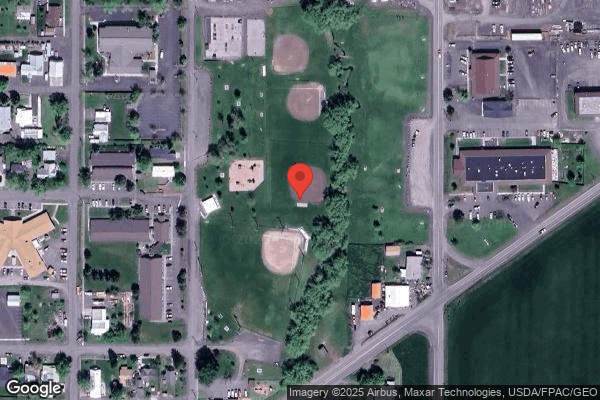
410 EAST NORTH SECOND STREET, GRANGEVILLE, ID 83530 (208) 983-1131
For profit - Corporation 60 Beds CASCADIA HEALTHCARE Data: November 2025
Trust Grade
70/100
#25 of 79 in ID
Last Inspection: August 2025

Inspected within the last 6 months. Data reflects current conditions.

Overview

Grangeville Health & Rehabilitation of Cascadia has a Trust Grade of B, which indicates it is a good choice but not the top-tier option. It ranks #25 out of 79 facilities in Idaho, placing it in the top half, and is the only facility in Idaho County. However, it is experiencing a concerning trend, worsening from 2 issues in 2024 to 6 in 2025. Staffing is average with a 3/5 rating, but a high turnover rate of 74% raises concerns about consistency in care. On the positive side, the facility has no fines on record, which suggests compliance with regulations, but there were incidents where an RN was not on-site for the required hours, and staff failed to follow proper hand hygiene, increasing the risk of infection. Families should weigh these strengths and weaknesses when considering this facility for their loved ones.

Trust Score
B
70/100
In Idaho
#25/79
Top 31%
Safety Record
Low Risk
No red flags
Inspections
Getting Worse
2 → 6 violations
Staff Stability
⚠ Watch
74% turnover. Very high, 26 points above average. Constant new faces learning your loved one's needs.
Penalties
✓ Good
No fines on record. Clean compliance history, better than most Idaho facilities.
Skilled Nurses
○ Average
Each resident gets 38 minutes of Registered Nurse (RN) attention daily — about average for Idaho. RNs are the most trained staff who monitor for health changes.
Violations
○ Average
7 deficiencies on record. Average for a facility this size. Mostly minor or procedural issues.
★★★★☆
4.0
Overall Rating
★★★☆☆
3.0
Staff Levels
★★☆☆☆
2.0
Care Quality
★★★★☆
4.0
Inspection Score
Stable
2024: 2 issues
2025: 6 issues

The Good

  • Full Sprinkler Coverage · Fire safety systems throughout facility
  • No fines on record

Facility shows strength in fire safety.

The Bad

Staff Turnover: 74%

27pts above Idaho avg (46%)

Frequent staff changes - ask about care continuity

Chain: CASCADIA HEALTHCARE

Part of a multi-facility chain

Ask about local staffing decisions and management

Staff turnover is very high (74%)

26 points above Idaho average of 48%

The Ugly 7 deficiencies on record

Oct 2024 2 deficiencies
CONCERN (D) 📢 Someone Reported This

A family member, employee, or ombudsman was alarmed enough to file a formal complaint

Potential for Harm - no one hurt, but risky conditions existed

Deficiency F0645 (Tag F0645)

Could have caused harm · This affected 1 resident

**NOTE- TERMS IN BRACKETS HAVE BEEN EDITED TO PROTECT CONFIDENTIALITY** Based on record review and staff interview, it was determined the facility failed to ensure a Pre-admission Screening and Reside...

Read full inspector narrative →
**NOTE- TERMS IN BRACKETS HAVE BEEN EDITED TO PROTECT CONFIDENTIALITY** Based on record review and staff interview, it was determined the facility failed to ensure a Pre-admission Screening and Resident Review (PASARR), was completed within the required timeframe for 1 of 5 residents (Resident #40) reviewed for PASARR screenings. This failure created the potential for harm if residents required, but did not receive, specialized services for mental health while residing in the facility. Findings include: Appendix PP of the State Operation Manual, revised 8/8/24, documented all applicants to Medicaid-certified nursing facilities are to be screened for possible serious mental disorders or intellectual disabilities and related conditions. This initial pre-screening is referred to as PASARR Level 1 and should be completed prior to admission to a nursing facility. Resident #40 was admitted to the facility on [DATE], with multiple diagnoses including traumatic brain injury and alcohol-induced dementia. Resident #40's care plan, created on 9/4/24, documented Resident #40 was prescribed an antidepressant medication related to his depression and dementia. Resident #40's medical record included a completed Level 1 PASSAR for Washington State. His record did not include a completed Level 1 PASARR for the State of Idaho. On 10/24/24 at 6:07 PM, the facility's Administrator and the Social Services Director (SSD) were interviewed and Resident #40's record was reviewed in their presence. The SSD stated she was responsible for ensuring PASSARs were completed and entered into a resident's record when they were admitted to the facility. She confirmed Resident #40 was transferred to the facility from another facility in Washington State and was not provided with an Idaho Level 1 PASSAR before his admission. The Administrator confirmed the Idaho PASSAR should have been completed before Resident #40 was admitted to the facility.
CONCERN (F) 📢 Someone Reported This

A family member, employee, or ombudsman was alarmed enough to file a formal complaint

Potential for Harm - no one hurt, but risky conditions existed

Deficiency F0727 (Tag F0727)

Could have caused harm · This affected most or all residents

Based on review of the Payroll Based Journal (PBJ) Staffing Data Report, record review, and staff interview, it was determined the facility failed to ensure an RN was on-site for 8 consecutive hours, ...

Read full inspector narrative →
Based on review of the Payroll Based Journal (PBJ) Staffing Data Report, record review, and staff interview, it was determined the facility failed to ensure an RN was on-site for 8 consecutive hours, 7 days a week. This failure created the potential for harm if routine and/or emergency nursing needs were unmet and had the potential to affect the 46 residents living at the facility. Findings include: The facility's PBJ Staffing Data Report for Fiscal Year, Quarter 3, 2024 (April 1 - June 30), documented the facility reported an RN was not on-site on the following 7 dates: -Sunday 4/7/24 -Saturday 4/20/24 -Sunday 4/21/24 -Saturday 5/4/24 -Sunday 5/5/24 -Saturday 6/1/24 -Saturday 6/15/24 The facility's Three-Week Nursing Hours worksheet, completed by the Administrator, documented there fewer than 8 consecutive hours of RN on-site coverage for the following 6 dates: -Sunday 9/29/24 documented 1.50 RN hours -Saturday 10/5/24 documented 2.25 RN hours -Sunday 10/6/24 documented 1.38 RN hours -Saturday 10/12/24 documented 0.00 RN hours -Sunday 10/13/24 documented 4.22 RN hours -Saturday 10/19/24 documented 0.00 RN hours In addition to the above dates, the facility's labor report for April 1 - October 19, 2024, documented there were fewer than 8 consecutive hours of RN on-site coverage for the following 10 dates: -Thursday 7/4/24 documented 0.00 RN hours -Saturday 7/27/24 documented 1.35 RN hours -Sunday 7/28/24 documented 0.00 RN hours -Saturday 8/10/24 documented 2.50 RN hours -Sunday 8/11/24 documented 4.12 RN hours -Saturday 8/24/24 documented 1.50 RN hours -Sunday 8/25/24 documented 0.00 RN hours -Saturday 9/14/24 documented 0.75 RN hours -Sunday 9/15/24 documented 3.17 RN hours -Saturday 9/28/24 documented 0.00 RN hours On 10/24/24 at 4:39 PM, the Assistant Director of Nursing (ADON) and the Director of Nursing (DON) were interviewed together. The DON stated the facility did not have enough RNs to staff the weekends and they have an RN on-call who would come into the facility in case of emergency. The DON added, if an RN on-call were to come into the facility on the weekend, it was unlikely they would work 8 consecutive hours. On 10/24/24 at 4:49 PM, the Administrator stated the facility has not been able to hire any RNs and he understood the facility did not meet the regulatory requirement to have an RN on-site for 8 consecutive hours, 7 days a week.
Feb 2020 5 deficiencies
CONCERN (D)

Potential for Harm - no one hurt, but risky conditions existed

Deficiency F0552 (Tag F0552)

Could have caused harm · This affected 1 resident

**NOTE- TERMS IN BRACKETS HAVE BEEN EDITED TO PROTECT CONFIDENTIALITY** Based on record review and staff interview, it was determined the facility failed to ensure informed consent was obtained prior ...

Read full inspector narrative →
**NOTE- TERMS IN BRACKETS HAVE BEEN EDITED TO PROTECT CONFIDENTIALITY** Based on record review and staff interview, it was determined the facility failed to ensure informed consent was obtained prior to initiation of medications for 2 of 5 residents (#5 and #32) who were reviewed for unnecessary medications. This deficient practice placed residents at risk of receiving medications without knowledge of the risks and benefits associated with the medications and the right to refuse the medications. Findings include: a. Resident #5 was admitted to the facility on [DATE], with multiple diagnoses including dementia. Resident #5's physician's order included Donezepil (used to treat confusion related to dementia) 5 mg at bedtime, started on 10/25/18. Resident #5's record did not include documentation he consented to the Donezepil, or was informed about beneficial effects and possible side effects of the medication. b. Resident #32 was admitted to the facility on [DATE], with multiple diagnoses including post-concussion syndrome (a condition associated with a head injury causing symptoms such as headaches and dizziness), and anxiety disorder. Resident #32's physician's order included Donezepil 10 mg at bedtime, started on 1/30/17. Resident 32's record did not include documentation she consented to the Donezepil, or was informed about beneficial effects and possible side effects of the medication. On 2/5/20 at 4:17 PM, Administrator #2 said the facility did not obtain consents for Donezepil.
CONCERN (D)

Potential for Harm - no one hurt, but risky conditions existed

Quality of Care (Tag F0684)

Could have caused harm · This affected 1 resident

**NOTE- TERMS IN BRACKETS HAVE BEEN EDITED TO PROTECT CONFIDENTIALITY** Based on record review, policy review and staff interview, it was determined the facility failed to ensure professional standard...

Read full inspector narrative →
**NOTE- TERMS IN BRACKETS HAVE BEEN EDITED TO PROTECT CONFIDENTIALITY** Based on record review, policy review and staff interview, it was determined the facility failed to ensure professional standards of practice were followed when a) blood pressure medications were held when a resident's pulse was outside of ordered parameters for 1 of 5 residents (Resident #12) reviewed for unnecessary medications; and b) staff failed to dispose controlled medications consistent with the facility's policy to prevent drug diversion for 2 of 2 licensed nurses (LPN #1 and LPN #2) who were interviewed during medication cart inspection. These failed practices placed Resident #12 at risk of dangerously low blood pressure, and created the potential for harm for each of the 38 residents residing in the facility if controlled medications were diverted and residents did not receive medications as ordered. Findings include: 1. Resident #12 was admitted to the facility on [DATE], with multiple diagnoses including hypertension (high blood pressure). Resident #12's physician orders included the following: * Metoprolol (medication to lower blood pressure) 12.5 mg twice a day. Hold the medication if Resident #12's systolic blood pressure (a measurement of the amount of blood pressure in arteries during the contraction of the heart muscle) was less than 90 or if her pulse rate was less than 60. This order was not followed. Resident #12's MAR documented her pulse rate was less than 60 and Metoprolol was administered on: * 1/8/20 (pulse was 56) * 1/13/20 (pulse was 56) * 1/14/20 (pulse was 58) On 2/5/20 at 2:27 PM, the DON reviewed Resident #12's MAR and said Metoprolol was administered to Resident #12 and it should have been withheld when her pulse rate was less than 60. 2. The facility's policy and procedure for Destruction of Medications, dated 2/7/18, documented the following: * Two licensed nurses or one licensed nurse and one registered pharmacist destroyed controlled medications. * If prompt destruction of controlled medications was not feasible, the medications were retained in a securely locked location with restricted access until destroyed by the DON and one licensed nurse or registered pharmacist. * Staff were not to flush medicines down the sink or toilet unless specific labeling information instructed them to do so. * The controlled medication was removed from the original container and mixed with an undesirable substance such as used coffee grounds, charcoal, or kitty litter. Staff were to place the mixture in an impermeable nondescript container and put it in the facility dumpster for regular trash removal. * If the above destruction was not immediately feasible, it was permissible to flush controlled medications unless the specific labeling information indicated flushing was contraindicated. This policy was not followed: On 2/5/20 at 5:10 PM, during the inspection of 100 Hall Medication Cart, LPN #1 said controlled medications were destroyed or wasted in the presence of two licensed nurses. LPN #1 said both nurses signed and dated the narcotic log book for the controlled medications to be destroyed or wasted. LPN #1 said if there was only one tablet of controlled medication, he placed it in the sharps container attached to the medication cart. LPN #1 said if there were multiple tablets of controlled medication to be destroyed, he put them in a plastic container, added hot water, and let them dissolve. He said after the controlled substances dissolved, he put them down the sink in the presence of another licensed nurse. On 2/5/20 at 5:15 PM, LPN #2 said controlled medications were wasted or destroyed in the presence of two licensed nurses. LPN #2 said both nurses signed and dated the narcotic log book. LPN #2 said she put the wasted controlled medications in the sharps container. On 2/5/20 at 5:19 PM, the DON said controlled medications were dissolved in water and the mixture was flushed in the toilet. The DON said controlled medications were not to be placed in sharps containers.
CONCERN (D)

Potential for Harm - no one hurt, but risky conditions existed

Medication Errors (Tag F0758)

Could have caused harm · This affected 1 resident

**NOTE- TERMS IN BRACKETS HAVE BEEN EDITED TO PROTECT CONFIDENTIALITY** Based on staff interview and record review, it was determined the facility failed to ensure residents receiving psychotropic med...

Read full inspector narrative →
**NOTE- TERMS IN BRACKETS HAVE BEEN EDITED TO PROTECT CONFIDENTIALITY** Based on staff interview and record review, it was determined the facility failed to ensure residents receiving psychotropic medications had clear indications for use of the medications and clinical rationale supporting the continued use of the medications. This was true for 1 of 5 residents (Resident #12) whose records were reviewed for unnecessary medications. This deficient practice had the potential for harm if residents received psychotropic medications that were unwarranted and used for excessive duration. Findings include: Resident #12 was admitted to the facility on [DATE], with multiple diagnoses including depression and anxiety. Resident #12's quarterly MDS assessment, dated 11/25/19, documented she was cognitively intact and received anti-psychotic and anti-depressant medications in the past 7 days. Resident #12's physician order report for 2/1/20 to 2/29/20, included the following: * Zoloft (anti-depressant medication) 50 mg tablet once a day for depression. * Risperdal (anti-psychotic medication) 1 mg twice a day for acute psychotic episodes. * Diphenhydramine (anti-histamine medication also used to treat insomnia) 50 mg at bedtime for insomnia. a. Three pharmacy reviews addressed to Resident #12's physician, dated 5/29/19, 9/30/19, and 12/31/19, documented the Zoloft and Risperdal medications were reviewed and the following concerns were identified: * A GDR was indicated for Zoloft. The pharmacy reviews stated if there was no change to the Zoloft dose, the physician was to write a brief risk versus benefit statement for the continued need of the medication. Resident #12's physician's responses to the pharmacy reviews of Zoloft, documented Stable no change. * Risperdal was not indicated for geriatric use and a GDR was indicated. The pharmacy reviews stated if there was no change to the Risperdal dose, the physician was to write a brief risk versus benefit statement for the continued need of the medication. Resident #12's physician's responses to the pharmacy reviews of Risperdal documented Stable no change. b. A pharmacy review addressed to Resident #12's physician, dated 5/29/19, documented the daily dosage of Diphenhydramine and duration of usage was greater than recommended guidelines, and a GDR was recommended. The pharmacy review stated if there was no change to the Diphenhydramine dose, the physician was to write a brief risk versus benefit statement for the continued need of the medication. Resident #12's pharmacy reviews to the physician, dated 8/29/19 and 12/31/19, documented Resident #12 was receiving Diphenhydramine routinely. The pharmacist recommended the physician consider changing the order to as needed for insomnia, and if long term management for insomnia was needed to consider using Trazadone or Mirtazapine (medications used to treat insomnia) as potential alternatives to hypnotic agents. The pharmacist also stated the use of hypnotics should generally be limited to 7-10 days. Resident #12's physician's responses to the pharmacy reviews of Diphenhydramine documented Stable no change. Resident #12's physician responses to the pharmacy reviews of Zoloft, Risperdal, and Diphenhydramine did not include clinical rationales of risks versus benefits for the continued use of the medications or for continued use at the current doses. On 2/6/20 at 10:35 AM, the DON reviewed Resident #12's record and said she would look for the physician's risk versus benefits statements for Resident #12's medications. On 2/6/20 at 10:46 AM, Administrator #1 said they did not find the physician's statement of risk versus benefits for Resident #12's medications. The Administrator said they only had the physician's statement the resident was stable.
CONCERN (E)

Potential for Harm - no one hurt, but risky conditions existed

Infection Control (Tag F0880)

Could have caused harm · This affected multiple residents

Based on observation, staff interview, and policy review, it was determined the facility failed to ensure staff performed proper hand hygiene and appropriate peri-care during resident cares. This was ...

Read full inspector narrative →
Based on observation, staff interview, and policy review, it was determined the facility failed to ensure staff performed proper hand hygiene and appropriate peri-care during resident cares. This was true for 1 of 4 residents (Resident #3) who was observed during resident cares. The deficient practice placed residents at risk of infection from cross-contamination. Findings include: The facility's policy and procedure for Handwashing, dated 6/13/18, directed staff to wash their hands before applying and removing gloves, before handling clean supplies or equipment, and before and after contact with non-intact skin, mucous membranes, blood, or any moist body fluid, even if gloves were worn during contact. The facility's policy and procedure for Incontinent Care While in Bed, dated 2/27/18, documented staff were to: * Remove the incontinent brief from the patient by rolling the brief/pad toward the inside soiled area, and remove the brief from front to back containing the fecal matter as much as possible * Cleanse the skin of patient from front to back and clean to dirty using incontinent wipes * Replace the soiled brief with a fresh brief or pad * Remove their gloves and discard them into a designated container * Wash and dry hands thoroughly On 2/4/20 at 8:34 AM, CNA #1 and CNA #2 were observed providing pericare to Resident #3. CNA #1 and CNA #2 repositioned Resident #3 to her left side, rolled the soiled incontinent brief and placed a clean incontinence brief under Resident #3's left hip. CNA #2 then wiped the feces from Resident #3's buttocks. CNA #1 and CNA #2 then rolled Resident #3 onto her back slightly to her right side to remove the soiled incontinence brief and then unrolled the clean incontinence brief. Resident #3 was repositioned on her back with the clean incontinence brief placed under her buttocks. CNA #2 continued providing pericare to Resident #3 using the same soiled gloves she used to wipe Resident #3's feces from her rectal area. CNA #2 then proceeded to clean Resident #3's genitalia using the same soiled gloves. CNA #2 then pulled the front side of the clean incontinence brief and fastened the tape. CNA #2 did not change her gloves or sanitize her hands between dirty and clean tasks during pericare. CNA #2 also did not fully clean Resident #3's peri area prior to placing her on the clean incontinence brief. On 2/4/20 at 8:47 AM, CNA #1 said Normally we would not have continued to clean her after she was on the clean pad. CNA #1 said they were trying not to roll Resident #3 more than they had to roll her because she was in pain. On 2/6/20 at 9:12 AM, the DON said her expectation was for staff to clean both sides of a resident's periarea prior to applying new incontinence brief. The DON said the way the staff provided pericare to a resident may vary slightly depending on the resident's needs. The DON also said she did not think it was necessary for the staff to remove their gloves or sanitize their hands between dirty and clean tasks. On 2/6/20 at 2:10 PM, during the follow-up interview, the DON said the CNAs were to wash their hands every time they removed their gloves. The DON said the CNAs should have wiped Resident #3's front side and then cleansed her back side. The DON also stated it was okay for the CNA to apply the clean incontinence brief before they removed the soiled gloves or sanitized their hands.
CONCERN (F)

Potential for Harm - no one hurt, but risky conditions existed

Food Safety (Tag F0812)

Could have caused harm · This affected most or all residents

Based on observation, policy review, and staff interview, it was determined the facility failed to ensure food was prepared and served under sanitary conditions when staff members' hair was observed n...

Read full inspector narrative →
Based on observation, policy review, and staff interview, it was determined the facility failed to ensure food was prepared and served under sanitary conditions when staff members' hair was observed not properly restrained in a hairnet. This failure created the potential for each of the 38 residents residing at the facility to be exposed to food contamination and potential disease-causing pathogens. Findings include: The facility's policy and procedure for Food Handling, dated 6/13/18, directed food handlers to wear hairnets or caps to effectively keep hair from contacting exposed food, clean equipment, utensils and linens. The 2017 Food and Drug Administration Food Code, Chapter 2, regarding hygienic practices and hair restraints, documented Food employees shall wear hair restraints such as hats, hair coverings or nets, beard restraints, and clothing that covers body hair, that are designed and worn to effectively keep their hair from contacting exposed food, clean equipment, utensils, and linens and unwrapped single-service and single-use articles. On 2/3/20 at 11:35 AM, Dietary Staff (DS) #2 and the Dietary Manager (DM) were observed in the kitchen as they prepared food for the lunch meal. DS #2 wore her hair up in a pony tail on the top of her head with a large flower attached to the pony tail, and loose hair flowed down the back of her head and neck. DS #2 wore a hairnet over her pony tail. DS #2's hairnet did not cover the hair that flowed down the back of her head and neck, and her hair was exposed from root to tip. The DM wore a scarf which was tied to her head. The DM's scarf did not cover her bangs which flowed freely from root to tip. The DM and DS #2 wore their hair in this manner throughout the preparations and delivery of food for the lunch meal. On 2/4/20 at 8:10 AM, DS #2 and the DM were observed in the kitchen as they prepared food for the breakfast meal. DS #2 had her hair up in a pony tail with a large flower attached to the pony tail. DS #2 wore a hairnet around her pony tail and flower and down slightly on the back of her head but above the level of her ears. There was a significant amount of loose hair that was not contained in the pony tail or the hairnet. The DM wore a scarf which was tied to her head in alignment with her ears. The DM's bangs were not covered and flowed freely. On 2/4/20 at 12:06 PM, the DM said she was not positive about the facility's policy requirement for restraining hair while working in the kitchen. The DM said she believed all of the hair needed to be covered.
Understanding Severity Codes (click to expand)
Life-Threatening (Immediate Jeopardy)
J - Isolated K - Pattern L - Widespread
Actual Harm
G - Isolated H - Pattern I - Widespread
Potential for Harm
D - Isolated E - Pattern F - Widespread
No Harm (Minor)
A - Isolated B - Pattern C - Widespread

Questions to Ask on Your Visit

  • "Why is there high staff turnover? How do you retain staff?"
  • "Can I speak with families of current residents?"
  • "What's your RN coverage like on weekends and overnight?"

Our Honest Assessment

Strengths
  • • No major safety red flags. No abuse findings, life-threatening violations, or SFF status.
  • • No fines on record. Clean compliance history, better than most Idaho facilities.
Concerns
  • • 74% turnover. Very high, 26 points above average. Constant new faces learning your loved one's needs.
Bottom line: Mixed indicators with Trust Score of 70/100. Visit in person and ask pointed questions.

About This Facility

What is Grangeville Health & Rehabilitation Of Cascadia's CMS Rating?

CMS assigns GRANGEVILLE HEALTH & REHABILITATION OF CASCADIA an overall rating of 4 out of 5 stars, which is considered above average nationally. Within Idaho, this rating places the facility higher than 99% of the state's 100 nursing homes. This rating reflects solid performance across the metrics CMS uses to evaluate nursing home quality.

How is Grangeville Health & Rehabilitation Of Cascadia Staffed?

CMS rates GRANGEVILLE HEALTH & REHABILITATION OF CASCADIA's staffing level at 3 out of 5 stars, which is average compared to other nursing homes. Staff turnover is 74%, which is 27 percentage points above the Idaho average of 46%. High turnover can affect care consistency as new staff learn residents' individual needs.

What Have Inspectors Found at Grangeville Health & Rehabilitation Of Cascadia?

State health inspectors documented 7 deficiencies at GRANGEVILLE HEALTH & REHABILITATION OF CASCADIA during 2020 to 2024. These included: 7 with potential for harm.

Who Owns and Operates Grangeville Health & Rehabilitation Of Cascadia?

GRANGEVILLE HEALTH & REHABILITATION OF CASCADIA is owned by a for-profit company. For-profit facilities operate as businesses with obligations to shareholders or private owners. The facility is operated by CASCADIA HEALTHCARE, a chain that manages multiple nursing homes. With 60 certified beds and approximately 44 residents (about 73% occupancy), it is a smaller facility located in GRANGEVILLE, Idaho.

How Does Grangeville Health & Rehabilitation Of Cascadia Compare to Other Idaho Nursing Homes?

Compared to the 100 nursing homes in Idaho, GRANGEVILLE HEALTH & REHABILITATION OF CASCADIA's overall rating (4 stars) is above the state average of 3.3, staff turnover (74%) is significantly higher than the state average of 46%, and health inspection rating (4 stars) is above the national benchmark.

What Should Families Ask When Visiting Grangeville Health & Rehabilitation Of Cascadia?

Based on this facility's data, families visiting should ask: "How do you ensure continuity of care given staff turnover, and what is your staff retention strategy?" "Can I visit during a mealtime to observe dining assistance and food quality?" "How do you handle medical emergencies, and what is your hospital transfer rate?" "Can I speak with family members of current residents about their experience?" These questions are particularly relevant given the facility's high staff turnover rate.

Is Grangeville Health & Rehabilitation Of Cascadia Safe?

Based on CMS inspection data, GRANGEVILLE HEALTH & REHABILITATION OF CASCADIA has a clean safety record: no substantiated abuse findings (meaning no confirmed cases of resident harm), no Immediate Jeopardy citations (the most serious violation level indicating risk of serious injury or death), and is not on the Special Focus Facility watch list (a federal program monitoring the lowest-performing 1% of nursing homes). The facility has a 4-star overall rating and ranks #1 of 100 nursing homes in Idaho. While no facility is perfect, families should still ask about staff-to-resident ratios and recent inspection results during their visit.

Do Nurses at Grangeville Health & Rehabilitation Of Cascadia Stick Around?

Staff turnover at GRANGEVILLE HEALTH & REHABILITATION OF CASCADIA is high. At 74%, the facility is 27 percentage points above the Idaho average of 46%. High turnover means new staff may not know residents' individual needs, medications, or preferences. It can also be disorienting for residents, especially those with dementia who rely on familiar faces. Families should ask: What is causing the turnover? What retention programs are in place? How do you ensure care continuity during staff transitions?

Was Grangeville Health & Rehabilitation Of Cascadia Ever Fined?

GRANGEVILLE HEALTH & REHABILITATION OF CASCADIA has no federal fines on record. CMS issues fines when nursing homes fail to meet care standards or don't correct problems found during inspections. The absence of fines suggests the facility has either maintained compliance or corrected any issues before penalties were assessed. This is a positive indicator, though families should still review recent inspection reports for the full picture.

Is Grangeville Health & Rehabilitation Of Cascadia on Any Federal Watch List?

GRANGEVILLE HEALTH & REHABILITATION OF CASCADIA is not on any federal watch list. The most significant is the Special Focus Facility (SFF) program, which identifies the bottom 1% of nursing homes nationally based on persistent, serious quality problems. Not being on this list means the facility has avoided the pattern of deficiencies that triggers enhanced federal oversight. This is a positive indicator, though families should still review the facility's inspection history directly.