TETON HEALTHCARE OF CASCADIA
3111 CHANNING WAY, IDAHO FALLS, ID 83404 (208) 529-0067
For profit - Limited Liability company 88 Beds CASCADIA HEALTHCARE Data: November 2025
Trust Grade
5/100
#77 of 79 in ID
Last Inspection: December 2024

Within standard 12-15 month inspection cycle. Federal law requires annual inspections.

Overview

Teton Healthcare of Cascadia has received a Trust Grade of F, indicating significant concerns about the quality of care provided. They rank #77 out of 79 nursing homes in Idaho, placing them in the bottom half of facilities statewide and last in Bonneville County. While the facility is improving, having reduced issues from 19 to 4 over the past year, it still reports serious deficiencies, including improper use of Hoyer lift equipment that harmed a resident and inadequate training for staff on operating this equipment. Staffing is a relative strength, with a 4 out of 5 rating and a turnover rate of 42%, which is below the state average. However, the facility has incurred $47,825 in fines, which is concerning as it is higher than 87% of Idaho nursing homes, suggesting ongoing compliance issues.

Trust Score
F
5/100
In Idaho
#77/79
Bottom 3%
Safety Record
Moderate
Needs review
Inspections
Getting Better
19 → 4 violations
Staff Stability
○ Average
42% turnover. Near Idaho's 48% average. Typical for the industry.
Penalties
⚠ Watch
$47,825 in fines. Higher than 88% of Idaho facilities, suggesting repeated compliance issues.
Skilled Nurses
✓ Good
Each resident gets 76 minutes of Registered Nurse (RN) attention daily — more than 97% of Idaho nursing homes. RNs are the most trained staff who catch health problems before they become serious.
Violations
⚠ Watch
30 deficiencies on record. Higher than average. Multiple issues found across inspections.
★☆☆☆☆
1.0
Overall Rating
★★★★☆
4.0
Staff Levels
★★★☆☆
3.0
Care Quality
★☆☆☆☆
1.0
Inspection Score
Stable
2024: 19 issues
2025: 4 issues

The Good

  • 4-Star Staffing Rating · Above-average nurse staffing levels
  • Full Sprinkler Coverage · Fire safety systems throughout facility
  • No fines on record
  • Staff turnover below average (42%)

    6 points below Idaho average of 48%

Facility shows strength in staffing levels, fire safety.

The Bad

1-Star Overall Rating

Below Idaho average (3.2)

Significant quality concerns identified by CMS

Staff Turnover: 42%

Near Idaho avg (46%)

Typical for the industry

Federal Fines: $47,825

Above median ($33,413)

Moderate penalties - review what triggered them

Chain: CASCADIA HEALTHCARE

Part of a multi-facility chain

Ask about local staffing decisions and management

The Ugly 30 deficiencies on record

2 actual harm
Aug 2025 4 deficiencies
CONCERN (D) 📢 Someone Reported This

A family member, employee, or ombudsman was alarmed enough to file a formal complaint

Potential for Harm - no one hurt, but risky conditions existed

Safe Environment (Tag F0584)

Could have caused harm · This affected 1 resident

**NOTE- TERMS IN BRACKETS HAVE BEEN EDITED TO PROTECT CONFIDENTIALITY** Based on observation, policy review, and staff interview, it was determined the facility failed to ensure residents were provide...

Read full inspector narrative →
**NOTE- TERMS IN BRACKETS HAVE BEEN EDITED TO PROTECT CONFIDENTIALITY** Based on observation, policy review, and staff interview, it was determined the facility failed to ensure residents were provided with a clean, safe, homelike environment. This was true for all residents who resided in the facility who are transferred with Hoyer lift equipment. This deficient practice created the potential for harm from cross contamination due to equipment not being cleaned between use. Findings include:The facility Work Practices Cleaning policy dated 1/1/18, documented multiple use resident care items are properly cleaned/disinfected between each resident use. Resident care items may include but is not limited to resident lifts.The following areas were observed: - On 8/14/25 at 7:55 AM, observed in room [ROOM NUMBER], a sticky substance on the over the bed table and a dry black substance on commode. - On 8/14/25 at 8:25 AM, observed in room [ROOM NUMBER], next to Resident #89’s bed and by the bathroom door a trash can with soiled briefs in it. On 8/14/25 at 8:30 AM, CNA #4 stated the garbage should be taken out after each time a resident's brief had been changed. - On 8/14/25 at 8:31 AM, observed Resident #1’s wheelchair with a towel on the seat with a dry yellow substance on it and dried crumb like substance under the wheelchair cushion. On 8/14/25 at 8:31 AM, Resident #1 stated her daughter told her that her wheelchair needed to be cleaned because it stunk. On 8/14/25 at 8:33 AM, CNA #4 stated the wheelchairs are to be cleaned two times a week by the night shift. - On 8/14/25 at 8:36 AM, observed in room [ROOM NUMBER]’s bathroom, a dried brown substance on the commode seat and 1 opened bag of briefs on the floor. -On 8/14/25 at 8:47 AM, observed in room [ROOM NUMBER] a trash can with soiled briefs and dirty incontinent wipes. - On 8/14/25 at 9:45 AM, observed in room [ROOM NUMBER], a Hoyer sling lying on the floor, next to recliner and 2 bags of briefs sitting on the floor in the bathroom. On 8/14/25 at 10:00 AM, Housekeeper #1 stated the rooms were to be cleaned daily and this included the over the bed table. On 8/14/25 at 10:31 AM, the DON stated the trash cans with dirty briefs should have been taken out every time the resident’s briefs were changed, the resident’s supplies should not have been stored on the floor, the CNAs should have cleaned the over the bed tables, and the night shift were to clean the wheelchairs at night, but they did not have documentation that the wheelchairs were being cleaned. On 8/14/25 at 1:02 PM, the Administrator with the Maintenance Assistant present, stated the over the bed tables should have been cleaned daily by the housekeepers. On 8/14/25 at 7:05 AM, the blue crossbeam pad on the Hoyer lift on the 100 hall was dirty with whitish and brown marks on it. LPN #1 stated she was not sure how they get dirty because they try not to allow the residents to touch the pad. On 8/14/25 at 7:12 AM, the gray crossbeam pad on the Hoyer lift on the 400 hall was dirty to the point of being black. CNA #1 stated she was not sure how or when the crossbeam pad gets cleaned. On 8/14/25 at 10:50 AM, the DON stated the Hoyer lift cross beam pads should be kept clean or removed.
CONCERN (D) 📢 Someone Reported This

A family member, employee, or ombudsman was alarmed enough to file a formal complaint

Potential for Harm - no one hurt, but risky conditions existed

Deficiency F0657 (Tag F0657)

Could have caused harm · This affected 1 resident

**NOTE- TERMS IN BRACKETS HAVE BEEN EDITED TO PROTECT CONFIDENTIALITY** Based on record review, policy review, and staff interview, it was determined the facility failed to ensure resident's care plan...

Read full inspector narrative →
**NOTE- TERMS IN BRACKETS HAVE BEEN EDITED TO PROTECT CONFIDENTIALITY** Based on record review, policy review, and staff interview, it was determined the facility failed to ensure resident's care plans were revised to reflect current needs and interventions. This was true for 1 of 3 residents (Resident #5) whose care plans were reviewed. This placed residents at risk for adverse outcomes if care and services were not provided due to care plans not being revised as residents' needs changed. Findings include:The facility Accidents and Supervision to Prevent Accidents policy dated 10/15/22, documented under falls, development of a person-center plan of care by the interdisciplinary team can evaluate potential use of therapy, devices, environmental adjusts, review of medications, and treatment of other impacting factors may reduce the number of outcome severity of falls. If fall occurs, manage the fall, then determine root-cause analysis to assist with updates to the fall prevention plan. When reviewing root-cause, evaluate all the causal factors leading to the resident fall as the(y) may also assist in developing and implementing relevant, consistent, and person-centered interventions to prevent future occurrences.Resident #5 was admitted to the facility on [DATE], with multiple diagnoses including acute osteomyelitis on right ankle and foot (a bone infection, usually occurring within two weeks of the initial infection) and adult failure to thrive.Resident #5's medical record documented he had a fall on 3/14/25, when he leaned forward in his wheelchair to reach his drink and food in the dining room and he slipped out of his wheelchair to the ground. The IDT assessment directed that staff were to ensure Resident #5's drink and food are closer to him in the dining room, so he did not have to lean forward in his wheelchair. Resident #5's care plan fall prevention interventions had not included the IDT assessment recommendationsOn 8/14/25 at 11:10 AM, the DON stated Resident #5's care plan fall interventions had not including the IDT assessment recommendation from the 3/14/25, fall and should have.
CONCERN (D) 📢 Someone Reported This

A family member, employee, or ombudsman was alarmed enough to file a formal complaint

Potential for Harm - no one hurt, but risky conditions existed

Deficiency F0761 (Tag F0761)

Could have caused harm · This affected 1 resident

**NOTE- TERMS IN BRACKETS HAVE BEEN EDITED TO PROTECT CONFIDENTIALITY** Based on observation and staff interview, it was determined the facility failed to ensure medications available for residents we...

Read full inspector narrative →
**NOTE- TERMS IN BRACKETS HAVE BEEN EDITED TO PROTECT CONFIDENTIALITY** Based on observation and staff interview, it was determined the facility failed to ensure medications available for residents were stored appropriately; this was true for 1 of 18 resident's rooms inspected (Resident #1). This failure created the potential for adverse effects if residents self-administered medications inappropriately or did not take their medications. Findings include:Resident #1 was admitted to the facility on [DATE], with multiple diagnoses including Chronic obstructive pulmonary disease (a group of lung diseases that block airflow and make it difficult to breathe) and hypertension.On 8/14/25 at 8:44 AM, observed on Resident #1's bedside table a medication cup with a purple substance with multi-colored specks and a spoon in it.On 8/14/25 at 8:48 AM, RN #1 stated Resident #1 did not have an order to self-administer medications, she did not have it documented in her care plan to self-administer medication so she should not have left the medications in her room.On 8/14/25 at 11:38 AM, the DON stated residents should not have medications left in their room.
CONCERN (D) 📢 Someone Reported This

A family member, employee, or ombudsman was alarmed enough to file a formal complaint

Potential for Harm - no one hurt, but risky conditions existed

Infection Control (Tag F0880)

Could have caused harm · This affected 1 resident

**NOTE- TERMS IN BRACKETS HAVE BEEN EDITED TO PROTECT CONFIDENTIALITY** Based on observation and staff interviews, the facility failed to ensure adherence to infection control and prevention practices...

Read full inspector narrative →
**NOTE- TERMS IN BRACKETS HAVE BEEN EDITED TO PROTECT CONFIDENTIALITY** Based on observation and staff interviews, the facility failed to ensure adherence to infection control and prevention practices to provide a safe and sanitary environment, when staff did not follow proper enhanced barrier precautions protocol. These failures had the potential to impact 1 of 5 residents (Resident #70) observed with EBP signs on their room doors, placing them all at risk for cross-contamination and infection. Findings include:Resident #70 was admitted to the facility on [DATE], with multiple diagnoses including acute cystitis (inflammation of the bladder) and dysphagia (difficulty or pain with swallowing). On 8/14/25 at 7:36 AM, observed CNA #2 had not donned a gown or gloves when she assisted Resident #70 with a transfer from her bed into her wheelchair and then into the shower room where she assisted her with a shower. Resident #70 was on EBP with a sign on her door that documented for staff to wear gown and gloves when assisting with transfers and showering. On 8/14/25 at 7:40 AM, CNA #2 stated she thought she only needed to donn gown and gloves when assisting Resident #70 with her catheter.On 8/14/25 at 7:45 AM, CNA #3 stated the EBP sign indicated staff were to wear gloves and gown when assisting residents with bathing/showering, transferring, and catheter care.On 8/14/25 at 11:00 AM, the DON stated staff were to wear gloves and gowns when assisting residents with cares who have EBP signs on their door.
Dec 2024 19 deficiencies 2 Harm
SERIOUS (G) 📢 Someone Reported This

A family member, employee, or ombudsman was alarmed enough to file a formal complaint

Actual Harm - a resident was hurt due to facility failures

Accident Prevention (Tag F0689)

A resident was harmed · This affected 1 resident

**NOTE- TERMS IN BRACKETS HAVE BEEN EDITED TO PROTECT CONFIDENTIALITY** Based on observation, policy review, record review, staff interview, and review of the facility's investigation report, it was d...

Read full inspector narrative →
**NOTE- TERMS IN BRACKETS HAVE BEEN EDITED TO PROTECT CONFIDENTIALITY** Based on observation, policy review, record review, staff interview, and review of the facility's investigation report, it was determined the facility failed to ensure proper storage and use of Hoyer lift equipment to prevent resident falls or injury. This was true for 1 of 1 resident (Resident #233) whose record was reviewed for falls. This resulted in harm to Resident #233 when proper use of a Hoyer lift was not provided. Findings include: The facility Space and Equipment policy revision date 12/4/19, documented under Procedure 6. Resident care equipment is stored after use in an area out of egress while maintaining availability. Licensed nursing and plant operations will validate proper storage and availability of resident care equipment when not in use. On 12/17/24 at 10:13 AM, observed a Hoyer lift being stored in room [ROOM NUMBER] which created a potential fall hazard when residents try to leave the room with their walker or wheelchair. On 12/18/24 at 11:40 AM, the CRN stated Hoyer lifts should not have been stored in resident's rooms. Resident #233 was admitted to the facility on [DATE], with multiple diagnoses including necrosis of left femur and dementia. On 6/26/24 the facility incident report documented during a Hoyer lift transfer for Resident #233, the Hoyer lift tipped over, causing a laceration to his head and bruising on his cheek. A nursing note dated 6/26/24, documented CNA #2 was transferring Resident #233 using an improper technique, when the Hoyer lift tipped over, hitting the resident in the head. On 6/26/24 at 7:23 PM, Resident #233 was transferred via ambulance, to a hospital emergency department where he received 3 staples to his scalp to close the laceration. On 12/20/24 at 10:38 AM, the CRN stated all CNAs should have been properly trained and had competencies completed on safe Hoyer lift transfers before use.
SERIOUS (G) 📢 Someone Reported This

A family member, employee, or ombudsman was alarmed enough to file a formal complaint

Actual Harm - a resident was hurt due to facility failures

Deficiency F0726 (Tag F0726)

A resident was harmed · This affected 1 resident

**NOTE- TERMS IN BRACKETS HAVE BEEN EDITED TO PROTECT CONFIDENTIALITY** Based on observation, review of policy, record review, and interviews, it was determined the facility failed to ensure a) Certif...

Read full inspector narrative →
**NOTE- TERMS IN BRACKETS HAVE BEEN EDITED TO PROTECT CONFIDENTIALITY** Based on observation, review of policy, record review, and interviews, it was determined the facility failed to ensure a) Certified Nursing Assistants (CNAs) were trained and had documented competencies to operate the facility Hoyer lifts and b) Licensed nurses had appropriate competencies and skills sets to provide respiratory related services to residents. This was true for all nursing staff employed by the facility. This had the potential for adverse effects and harm to residents who are transferred with Hoyer lifts or had an order for respiratory therapy. Findings include: The facility Competency Verification of Nursing Staff policy revised on 3/1/24, documented that completed competencies and education plans should be filed in employee's education file to include new hires' competency verification and annual competency review. 1. Resident #233 was admitted to the facility on [DATE], with multiple diagnoses including necrosis of left femur and dementia. On 6/26/24 at 5:30 PM, during a Hoyer lift transfer for Resident #233, the Hoyer lift tipped over, causing a laceration to his head, and bruising on his cheek. Resident #233's nursing note dated 6/26/24 at 7:30 PM, documented CNA #2 was attempting to load Resident #223 from the side of the Hoyer lift using an improper technique for the Hoyer when the Hoyer tipped over hitting the resident in the head. On 12/19/24 at 3:39 PM, the Administrator stated there were no CNA competencies documented for Hoyer lift usage prior to 7/2/24. On 12/20/24 at 11:35 AM, CNA #8, stated she had been at the facility for 5 years and had not been competency tested on the Hoyer lift. On 12/20/24 at 11:37 AM, CNA #9, stated she received training at a different facility but had not been competency tested on the Hoyer lift at this facility prior to 7/2/24. On 12/20/24 at 11:36 AM, CNA #10, stated she had not been competency tested on the Hoyer lift. On 12/20/24 at 11:36 AM, CNA #11, stated she received training on Hoyer lifts in CNA school but had not been competency tested on the Hoyer lift at this facility prior to 7/2/24. On 12/20/24 at 3:45 PM, the CRN stated all CNAs should have had a signed competency to operate the Hoyer lift but did not. 2. Resident #41 was admitted to the facility on [DATE], with multiple diagnoses including heart failure, respiratory failure, and diabetes. Resident #41's physician's order prescribed the use of AVAP (non invasive ventilation mode that automatically adjusts the inspiratory pressure support to deliver a set title volume) at 23 cmH2O inspiratory and 12 cmH2O expiratory for tidal volume of 550 cc with oxygen at 3 liters per minute with humidification. Resident #41's care plan instructed nursing staff to maintain ventilator settings as ordered - Trilogy AVAP at 55% FIO2 with 20 cmH2O. On 12/17/24 at 7:30 AM, Resident #41 stated he was having an issue with the AVAP, not able to get a deep enough breath and the machine seemed to be breathing too fast for him. He also stated, the air was too cold, causing his throat to be sore. On 12/17/24 at 7:34 AM, observed Resident #41's AVAP settings were 25 cmH2O inspiratory and 12 cmH2O expiratory with no set tidal volume, and set respiratory rate of 20 breaths per minute. Also, the humidify heater had not been turned on. There was no set AVAP respiratory rate documented in Resident #41's physician orders or care plan. On 12/17/24 at 7:48 AM, LPN #2, stated she had only been trained to turn the AVAP on and off and help Resident #41 put his full-face PAP mask on. She also stated she did not know how to turn on the humidifier. On 12/19/24 at 11:50 AM, the CRN stated there were no competencies or training documentation for the AVAP machine for the nursing staff.
CONCERN (D) 📢 Someone Reported This

A family member, employee, or ombudsman was alarmed enough to file a formal complaint

Potential for Harm - no one hurt, but risky conditions existed

Deficiency F0582 (Tag F0582)

Could have caused harm · This affected 1 resident

**NOTE- TERMS IN BRACKETS HAVE BEEN EDITED TO PROTECT CONFIDENTIALITY** Based on record review and staff interview, it was determined the facility failed to provide the Advance Beneficiary Notice (CMS...

Read full inspector narrative →
**NOTE- TERMS IN BRACKETS HAVE BEEN EDITED TO PROTECT CONFIDENTIALITY** Based on record review and staff interview, it was determined the facility failed to provide the Advance Beneficiary Notice (CMS-10055 form) for 2 of 2 residents (#60 and #62) and Notice of Medicare Non-Coverage (NOMNC) (CMS- 10123 form) for 1 of 1 resident (Resident #232) reviewed for beneficiary protection notification. This deficient practice had the potential to cause financial harm or distress for residents when they were not informed of their potential liability for payment when their Medicare Part A benefits ended. Findings include: 1. Resident #60 was admitted to the facility on [DATE], and readmitted on [DATE], with multiple diagnoses including left femur fracture and traumatic brain injury. A Skilled Nursing Facility Beneficiary Notification Review documented Resident #60's Medicare A benefit ended on 11/20/24 and she continue to stay in the facility. Resident #60's record did not include an Advance Beneficiary Notice (ABN). 2. Resident #62 was admitted to the facility on [DATE], with multiple diagnoses including dementia and kidney failure. A Skilled Nursing Facility Beneficiary Notification Review documented Resident #62's Medicare A benefit ended on 11/21/24 and he continue to stay in the facility. Resident #62's record did not include an Advance Beneficiary Notice (ABN). 3. Resident #232 was admitted to the facility on [DATE], with multiple diagnoses including urinary tract infection and chronic obstructive pulmonary disease (a progressive lung disease that causes breathing problems by restricting airflow). A Skilled Nursing Facility Beneficiary Notification Review documented Resident #232 signed the NOMNC on 6/13/24, however; his Medicare A benefit ended on 6/12/24. On 12/19/24 at 1:42 PM, the Administrator stated they did not have ABNs for Residents #60 and #62 and the NOMNC for Resident #232 should have been signed 48 hours prior to the end of covered skilled nursing services.
CONCERN (D) 📢 Someone Reported This

A family member, employee, or ombudsman was alarmed enough to file a formal complaint

Potential for Harm - no one hurt, but risky conditions existed

Deficiency F0583 (Tag F0583)

Could have caused harm · This affected 1 resident

**NOTE- TERMS IN BRACKETS HAVE BEEN EDITED TO PROTECT CONFIDENTIALITY** Based on observation, staff interview, and policy review, it was determined the facility failed to ensure resident's privacy was...

Read full inspector narrative →
**NOTE- TERMS IN BRACKETS HAVE BEEN EDITED TO PROTECT CONFIDENTIALITY** Based on observation, staff interview, and policy review, it was determined the facility failed to ensure resident's privacy was maintained during cares, treatment information was protected, and residents had unrestricted access to review mail in a timely manner. This was true for 1 of 4 medication carts, 1 of 18 residents (Resident #53) reviewed for privacy and confidentiality, and all residents who receive mail at the facility. This deficient practice placed residents at risk of embarrassment, loss of control over their personal information, diminished quality of life, and psychosocial distress. Findings include: The facility's Resident Rights policy, dated 10/15/22, documented the facility would take measures to ensure that each resident has the right to personal privacy. 1. On 12/16/24 at 8:00 AM, observed on hall 400, a computer on top of the medication cart opened to resident information, the medication cart keys were in the lock, and the cart was unlocked. On 12/16/24 at 8:02 AM, RN #1 stated she should have shut the screen to the computer, locked the medication cart, and taken the keys with her. 2. Resident #53 was admitted to the facility on [DATE], with multiple diagnoses including osteomyelitis (inflammation of bone caused by infection) of the right ankle and foot and diabetes. On 12/16/24 at 8:20 AM, RN #1 entered Resident #53's room to draw labs. RN #1 left Resident #53's room to get more supplies. When she reentered Resident #53's room, RN #1 had not shut the door to provide Resident # 53 with privacy during her lab draw or when she had administered her insulin. On 12/16/24 at 8:27 AM, RN #1 stated she should have shut Resident #53's door before drawing labs and giving her the insulin. 3. On 12/18/24 at 2:00 PM, during a Resident Council meeting, residents stated that mail had not been delivered on Saturdays. On 12/18/24 at 3:00 PM, the Administrator stated mail was delivered on Saturdays to the facility but confirmed it had not been delivered to the residents.
CONCERN (D) 📢 Someone Reported This

A family member, employee, or ombudsman was alarmed enough to file a formal complaint

Potential for Harm - no one hurt, but risky conditions existed

Deficiency F0635 (Tag F0635)

Could have caused harm · This affected 1 resident

**NOTE- TERMS IN BRACKETS HAVE BEEN EDITED TO PROTECT CONFIDENTIALITY** Based on record review and staff interview, it was determined the facility failed to ensure resident's hospital discharge instru...

Read full inspector narrative →
**NOTE- TERMS IN BRACKETS HAVE BEEN EDITED TO PROTECT CONFIDENTIALITY** Based on record review and staff interview, it was determined the facility failed to ensure resident's hospital discharge instructions were reviewed upon readmission to the facility to assure physician orders were in place to meet their medical needs. This was true for 1 of 1 resident (Resident #53) whose records were reviewed. This failure placed Resident #53 at risk of delayed care and assessments for a foley catheter. Findings include: Resident #53 was admitted to the facility on [DATE], with multiple diagnoses including osteomyelitis (inflammation of bone caused by infection) of the right ankle and foot and diabetes. Resident #53's discharge Physician Orders & Plan of Care from the hospital dated 9/18/24, documented in the Physician Order section, bladder train and discontinue foley when able. Resident #53's Admissions MDS, dated [DATE], documented under Section H, Yes for indwelling catheter. On 12/19/24, a review of Resident #53's physician orders did not document an order for her to have a foley catheter, foley catheter care, or to discontinue the foley catheter. On 12/19/24, a review of Resident #53's progress notes and care plan did not document foley catheter care or removal. On 12/19/24 at 10:43 AM, the CRN stated Resident #53 had an order for a foley catheter on her hospital discharge orders. The CRN stated she was not sure if Resident #53 had been readmitted with a foley catheter but if she had, the order for the foley catheter and care should have been on her facility orders. On 12/20/24 at 12:55 PM, the MDS Coordinator #1 stated Resident #53 did have a catheter when she was readmitted .
CONCERN (D) 📢 Someone Reported This

A family member, employee, or ombudsman was alarmed enough to file a formal complaint

Potential for Harm - no one hurt, but risky conditions existed

Deficiency F0688 (Tag F0688)

Could have caused harm · This affected 1 resident

**NOTE- TERMS IN BRACKETS HAVE BEEN EDITED TO PROTECT CONFIDENTIALITY** Based on record review, policy review, and staff interview, it was determined the facility failed to ensure residents were given...

Read full inspector narrative →
**NOTE- TERMS IN BRACKETS HAVE BEEN EDITED TO PROTECT CONFIDENTIALITY** Based on record review, policy review, and staff interview, it was determined the facility failed to ensure residents were given the appropriate treatment and services to maintain or improve ability to carry out activities of daily living. This was true for 1 of 3 residents (Resident #1) reviewed for restorative nursing services. This failure placed residents at risk for decreased range of motion, functional ability, and decreased quality of life. Findings include: The facility's Quality of Life policy, revision date 10/15/22, documented the facility provides the appropriate treatment and services to maintain or improve his/her ability to carry out activities of daily living and their abilities do not diminish unless circumstances of the individual's clinical condition demonstrate such decline was unavoidable. Resident #1 was admitted to the facility on [DATE], and readmitted on [DATE], with multiple diagnoses including fracture of the lower end of the left Tibia (shin bone) and need for assistance with personal care. Resident #1's Annual MDS dated [DATE], Section GG documented he was able to walk 150 feet with touch assistance. Resident #1's Quarterly MDS dated [DATE], Section GG documented walking 10 feet had not been attempted due to his medical condition or safety concerns. On 12/18/24 at 10:47 AM, the CRN stated Resident #1 was not on a restorative program and should have been.
CONCERN (D) 📢 Someone Reported This

A family member, employee, or ombudsman was alarmed enough to file a formal complaint

Potential for Harm - no one hurt, but risky conditions existed

Deficiency F0692 (Tag F0692)

Could have caused harm · This affected 1 resident

**NOTE- TERMS IN BRACKETS HAVE BEEN EDITED TO PROTECT CONFIDENTIALITY** Based on observation, interview, and record review, it was determined the facility failed to notify the physician with resident'...

Read full inspector narrative →
**NOTE- TERMS IN BRACKETS HAVE BEEN EDITED TO PROTECT CONFIDENTIALITY** Based on observation, interview, and record review, it was determined the facility failed to notify the physician with resident's significant weight loss. This was true for 3 out of 18 residents (#34, #59 and #62) whose medical records were reviewed. This deficient practice had the potential to cause cognitive and functional decline. Findings include: 1. Resident #34 was admitted to the facility on [DATE], with multiple diagnoses including dementia and kidney failure. Resident #34's record documented on 11/13/24, he weighed 167 pounds. On 11/28/24, Resident #34 weighed 151 pounds which was a -9.58% weight loss. Resident #34's care plan directed staff to notify MD for weight change. On 12/20/24 at 10:43 AM, the CRN stated, the physician should have been notified of Resident #34's weight loss. 2. Resident #59 was admitted to the facility on [DATE], and readmitted on [DATE], with multiple diagnoses including kidney failure and nutritional deficiency. Resident #59's record documented on 9/7/24, he weighed 199.2 pounds. On 11/16/24, Resident #59 weighed 177 pounds which was a -11.14% weight loss. Resident #59's Nutrition Evaluation Comprehensive for 9/12/24 and 11/14/24, identified weight loss less than 5% and to continue as is. Resident #59's care plan directed staff to notify RD and physician of significant weight changes. Resident #59's medical record did not include documentation that the physician had been notified of his significant weight loss. On 12/20/24 at 10:40 AM, the CRN stated the physician should have been notified of Resident #59's significant weight loss. 3. Resident #62 was admitted to the facility on [DATE], with multiple diagnoses including dementia and kidney failure. Resident #62's record documented on 11/1/24, he weighed 172.4 pounds. On 12/13/24, Resident #62 weighed 150 pounds which was a -12.99% weight loss. Resident #62's record had no documentation that the physician had been notified of his significant weight loss. On 12/20/24 at 10:40 AM, the CRN stated, the physician should have been notified of Resident #62's significant weight loss.
CONCERN (D) 📢 Someone Reported This

A family member, employee, or ombudsman was alarmed enough to file a formal complaint

Potential for Harm - no one hurt, but risky conditions existed

Deficiency F0730 (Tag F0730)

Could have caused harm · This affected 1 resident

Based on staff interview and review of employee personal files, it was determined the facility failed to provide a minimum of 12 hours of in-service education per year for 1 of 2 CNAs (CNA #1), failed...

Read full inspector narrative →
Based on staff interview and review of employee personal files, it was determined the facility failed to provide a minimum of 12 hours of in-service education per year for 1 of 2 CNAs (CNA #1), failed to ensure each CNA's performance was evaluated at least once every 12 months and annual evaluations were performed for 2 of 2 CNAs (CNA #1 and #4) whose personnel records were reviewed for sufficient and competent staffing. This failure created the potential for incompetent CNAs providing care and increased the risk for harm for all residents living in the facility. Findings include: The following were reviewed for 12 hours of in-service education: 1. On 12/20/24 at 9:45 AM, review of CNA #1's employee file documented her hire date was 2/1/22. Review of CNA #1's Employee in-service hours, documented she had 6 hours for 2022-2023. CNA #1 had no documented in-service training hours for 2023-2024. On 12/20/24 at 10:04 AM, the HR/Payroll coordinator stated CNA #1 had not completed her training and should have. The following were reviewed for annual performance reviews: 1. On 12/20/24 at 9:45 AM, review of CNA #1's employee file documented her hire date was 2/1/22. CNA #1's employee file did not have documentation that an annual evaluation had been completed. 2. On 12/20/24 at 10:06 AM, review of CNA #4's employee file documented her hire date was 6/17/2023. CNA #4's employee file did not have documentation that an annual evaluation had been completed. On 12/20/24 at 9:58 AM, the Administrator stated the CNAs had not received their evaluations and their evaluations should have been done annually.
CONCERN (D) 📢 Someone Reported This

A family member, employee, or ombudsman was alarmed enough to file a formal complaint

Potential for Harm - no one hurt, but risky conditions existed

Staffing Information (Tag F0732)

Could have caused harm · This affected 1 resident

Based on observation and staff interview, it was determined the facility failed to ensure nurse staffing information was accurate and posted daily for each shift. This failed practice had the potentia...

Read full inspector narrative →
Based on observation and staff interview, it was determined the facility failed to ensure nurse staffing information was accurate and posted daily for each shift. This failed practice had the potential to affect all residents residing in the facility and their representatives, visitors, and others who wanted to review the facility's staffing levels. Findings include: On 12/16/24 at 7:13 AM, observed the Daily Staffing form dated 12/14/24. On 12/16/24 at 7:22 AM, the Administrator stated the Daily Staffing form should have been changed every morning.
CONCERN (D) 📢 Someone Reported This

A family member, employee, or ombudsman was alarmed enough to file a formal complaint

Potential for Harm - no one hurt, but risky conditions existed

Medication Errors (Tag F0758)

Could have caused harm · This affected 1 resident

**NOTE- TERMS IN BRACKETS HAVE BEEN EDITED TO PROTECT CONFIDENTIALITY** Based on record review, policy review, and staff interview, the facility failed to ensure the medical necessity for psychotropic...

Read full inspector narrative →
**NOTE- TERMS IN BRACKETS HAVE BEEN EDITED TO PROTECT CONFIDENTIALITY** Based on record review, policy review, and staff interview, the facility failed to ensure the medical necessity for psychotropic medication administration. This was true for 1 of 3 residents (Resident #40) reviewed for psychotropic medication administration. This failure created the potential for negative side effects related to receiving psychotropic medications that are not necessary. Findings include: The facility's Psychoactive Drug Use policy revision date 10/15/22, documented psychoactive drugs are used only when necessary to treat a specific condition. Resident #40 was initially admitted on [DATE], and readmitted on [DATE], with multiple diagnoses including dementia and dysphagia (difficulty swallowing). Resident #40's Acknowledgement of Psychoactive Medication Use form for Risperdal (antipsychotic used to treat schizophrenia, bipolar, and autism spectrum disorder) dated 12/28/22, did not document the medical symptom treated/basis for use. A Pharmacy Medication Regimen Review form dated 7/27/23, documented Resident #40 was prescribed Risperdal for major depressive disorder. Resident #40 had a physician order dated 4/3/24, for Risperdal for dementia with agitation and distress. An Interdisciplinary Team Meeting note dated 6/28/24, documented Resident #40 was on Risperdal for the diagnosis of dementia with agitation and distress. Risperdal remained clinically necessary for treatment of distress behaviors associated with progressing dementia. Resident #40's care plan documented she uses anti-psychotic medications related to dementia with agitation and distress demonstrated by delusions and yelling out. Review of Resident #40's Behavioral Documentation for June 1, 2024 - December 19, 2024, documented the following episodes of delusions: - June 2024: 1 episode resolved by allowing resident to rest and 1 episode resolved with reassurances. - July 2024: 1 episode resolved with reassurances. - August 2024: 1 episode resolved with reassurances. - September 2024: 1 episode resolved with reassurances. - October 2024: 1 episode resolved with reassurances. - November 2024: 1 episode resolved with reassurances. - December 1 -19, 2024: 1 episode resolved with reassurances. On 12/19/24 at 9:31 AM, the CRN stated dementia was not an appropriate diagnosis for the use of Risperdal and Resident #40 should have had the proper diagnosis or the Risperdal should have been discontinued.
CONCERN (D) 📢 Someone Reported This

A family member, employee, or ombudsman was alarmed enough to file a formal complaint

Potential for Harm - no one hurt, but risky conditions existed

Deficiency F0761 (Tag F0761)

Could have caused harm · This affected 1 resident

Based on observation, policy review, and staff interview, it was determined the facility failed to ensure medications available for residents were stored appropriately and properly labeled; this was t...

Read full inspector narrative →
Based on observation, policy review, and staff interview, it was determined the facility failed to ensure medications available for residents were stored appropriately and properly labeled; this was true for 3 of 74 residents (#1, #50, and #223) rooms inspected and 1 of 4 medication carts observed. This failure created the potential for adverse effects if residents self-administered medications inappropriately or receive the wrong medication due to improper labeling. Findings include: The facility's Medication Management policy revision date 10/15/22, documented: - medications are labeled in accordance with facility requirements, State and Federal regulations. - medications are provided in packaging to facilitate proper storage and administration of the medication using the agreed upon distribution system. The following was observed for medication in resident rooms: a) On 12/16/24 at 10:36 AM, observed in Resident #1's bathroom, another resident's tube of Calcipotriene ointment 0.005% (a prescription ointment to treat psoriasis). On 12/16/24 at 10:41 AM, the MDS Coordinator #2 stated that resident had discharged , and the tube of ointment should not have been in Resident #1's bathroom. b) On 12/16/24 at 2:28 PM, observed in Resident #50's room, on her bedside table a bottle of Tums. Resident #50 stated she took the Tums as needed. Review of Resident #50's medical record did not document an order for the TUMS, no self-administration assessment documented, and her care plan did not document self-administration of medication. c) On 12/17/24 at 8:42 AM, observed in Resident #223's room, on her bedside table, a tube of generic brand hemorrhoid ointment. On 12/17/24 at 9:00 AM, RN #3 stated Resident #223 did not have an order for the hemorrhoid ointment and it should not have been on the bedside table. On 12/20/24 at 10:24 AM, the CRN stated residents with medications at bedside need a self-administration assessment completed, an order to self-administer the medication, and it needed to be care planned. The medication should not have been in the resident's rooms. The following was observed in the medication cart: a) On 12/18/24 at 10:09 AM, observed in the 100-hall medication cart, in the top drawer, a bottle of tablets labeled in black marker as Sodium bicarb. b) On 12/18/24 at 10:12 AM, observed in the 100-hall medication cart: - 1 Tylenol tablet lying on the bottom of the cart, right side 3rd drawer. - 1/2 Metoprolol 25 mg tab on the bottom of the cart, second drawer on the left. On 12/18/24 10:17 AM, LPN #1 stated the tablets should not be on the bottom of the cart. She also stated the facility had a big bottle of the sodium bicarbonate that must be shared between the carts. The facility should have separate bottle for each cart that have the original label. On 12/18/24 at 10:56 AM, the CRN stated the sodium bicarbonate should not have been in the bottle without proper labeling.
CONCERN (D) 📢 Someone Reported This

A family member, employee, or ombudsman was alarmed enough to file a formal complaint

Potential for Harm - no one hurt, but risky conditions existed

Deficiency F0806 (Tag F0806)

Could have caused harm · This affected 1 resident

**NOTE- TERMS IN BRACKETS HAVE BEEN EDITED TO PROTECT CONFIDENTIALITY** Based on records review and interviews, it was determined the facility failed to ensure resident food intolerances and preferenc...

Read full inspector narrative →
**NOTE- TERMS IN BRACKETS HAVE BEEN EDITED TO PROTECT CONFIDENTIALITY** Based on records review and interviews, it was determined the facility failed to ensure resident food intolerances and preferences were accommodated. This was true for 1 of 1 resident (Resident #229). This had the potential for adverse health effects and possible harm to residents with food intolerances or allergies. Findings include: Resident #229 was admitted to the facility on [DATE] with multiple diagnoses including surgical aftercare, lactose intolerance, and gluten sensitivity. On 12/16/24 at 1:24 PM, Resident #229 stated her family had to bring her food in over the weekend because she needed a gluten and lactose free diet and the facility kept serving her gluten and lactose type foods. When she complained the facility brought her a grilled cheese sandwich. The menu for 12/14/24 included the following; - Breakfast - Coffee Cake, Cinnamon Baked Apple Slices, Fried Egg, Sausage Links, - Lunch - Ham & Cheese Croissant Sandwich, Shredded Lettuce/tomato, Barley Beef Vegetable Stew, Peanut Butter Oatmeal Cookie, - Dinner - Cheese Enchilada, Salsa and Sour Cream, Refried Beans, Spanish Rice, Tailgate Fruit Salad. The menu for 12/15/24 included the following; - Breakfast - Sausage Patty, Fried Egg, Hashbrown, Baked Cinnamon Toast, - Lunch - Maple Glazed Ham, Creamed Peas and Potatoes Brussel Sprouts, Frosted Chocolate Cake, Bread. On 12/17/24 at 8:00 AM, the culinary manager stated the cooks should be monitoring the dietary notes for the residents. He also stated the substitute grill cheese sandwich should not have been delivered to the resident who is gluten and lactose free.
CONCERN (E) 📢 Someone Reported This

A family member, employee, or ombudsman was alarmed enough to file a formal complaint

Potential for Harm - no one hurt, but risky conditions existed

Safe Environment (Tag F0584)

Could have caused harm · This affected multiple residents

**NOTE- TERMS IN BRACKETS HAVE BEEN EDITED TO PROTECT CONFIDENTIALITY** Based on observation, policy review, and staff interview, it was determined the facility failed to ensure residents were provide...

Read full inspector narrative →
**NOTE- TERMS IN BRACKETS HAVE BEEN EDITED TO PROTECT CONFIDENTIALITY** Based on observation, policy review, and staff interview, it was determined the facility failed to ensure residents were provided with a clean, safe, homelike environment. This was true for all 74 residents who resided in the facility whose equipment and environment were observed. This deficient practice created the potential for harm if: a) residents were embarrassed by and/or felt the disrepair in the facility was unacceptable, disrespectful, or undignified and b) residents were injured due to unsafe areas in the facility. Findings include: The facility's Resident's Environment policy, revision date 11/28/19, documented: - The facility would provide a safe, clean, comfortable, and homelike environment. - Housekeeping and maintenance services would provide services to maintain a sanitary, orderly, and comfortable interior. The following areas were observed: - On 12/16/24 at 9:54 AM, observed in room [ROOM NUMBER], the baseboard by the shower stall was loose and sticking out from the wall. On 12/16/24 at 10:01 AM, Resident #36 stated the wall had been that way for a while. - On 12/16/24 at 10:34 AM, observed in room [ROOM NUMBER], the inside of the bathroom door with an approximately 4 inch by 2 inch hole and the lower part of the bathroom door had deep gouge marks and missing paint. - On 12/16/24 at 10:35 AM, observed in room [ROOM NUMBER], the right side of the bathroom door frame and wall had deep gouge marks and missing paint. - On 12/16/24 at 10:45 AM, observed in room [ROOM NUMBER], behind the door was an approximately 3.5 inch round hole in the wall. On 12/20/24 at 9:03 AM, the Maintenance Director stated the walls should be repaired when it is reported or when the resident had moved out. On 12/20/24 at 1:11 PM, the Administrator stated the walls and doors are to be fixed when they need repaired. - On 12/17/24 at 7:37 AM, the sharps container in room [ROOM NUMBER]'s bathroom was observed to be overfilled with needles sticking out of the top. On 12/17/24 at 7:41 AM, LPN #2 stated the sharps container should have been changed sooner. On 12/20/24 at 8:39 AM, the CRN stated the sharps containers should have been changed when they were full.
CONCERN (E) 📢 Someone Reported This

A family member, employee, or ombudsman was alarmed enough to file a formal complaint

Potential for Harm - no one hurt, but risky conditions existed

Assessment Accuracy (Tag F0641)

Could have caused harm · This affected multiple residents

**NOTE- TERMS IN BRACKETS HAVE BEEN EDITED TO PROTECT CONFIDENTIALITY** Based on record review and staff interview, it was determined the facility failed to ensure residents' Minimum Data Set (MDS) ha...

Read full inspector narrative →
**NOTE- TERMS IN BRACKETS HAVE BEEN EDITED TO PROTECT CONFIDENTIALITY** Based on record review and staff interview, it was determined the facility failed to ensure residents' Minimum Data Set (MDS) had correct assessment information. This was true for 3 of 5 residents (#27, #41, and #52) whose records were reviewed for accuracy. This deficient practice had the potential for negative outcomes if residents were not assessed and/or monitored due to inaccurate assessments. Findings include: The Resident Assessment Instrument (RAI), revised 10/1/2024, documents if a PASRR (Preadmission Screening and Resident Review) Level II determines a resident has a serious mental illness then section A1500 of the MDS should be marked yes. 1. Resident #27 was admitted to the facility on [DATE], and readmitted on [DATE], with multiple diagnoses including depression, bipolar disease, and schizophrenia. Resident #27's record documented a PASARR level II, dated 10/12/18, was completed. Resident #27's Significant Change MDS, section A1500, dated 2/20/23, documented no, he did not have a completed PASARR level II. Resident #27's Annual MDS, section A1500, dated 1/4/24, documented no, he did not have a completed PASARR level II. Resident #27's Annual MDS, section A1500, dated 11/11/24, documented no, he did not have a completed PASARR level II. On 12/19/24, at 11:50 AM, the CRN stated section A1500 of Resident #27's MDS's, dated 2/20/23, 1/4/24, and 11/11/24, was coded incorrectly and should have been marked yes. 2. Resident #41 was admitted to the facility on [DATE], with multiple diagnoses including heart failure, respiratory failure, and diabetes. Resident #41's Significant Change MDS, dated [DATE], documented he had an active diagnosis of pneumonia. Resident #41's Quarterly MDS's, dated 7/24/24, 8/19/24, and 11/4/24, continued to document he had an active diagnosis of pneumonia. On 12/19/24, at 11:50 AM, the CRN stated Resident #41 did not have an active diagnosis of pneumonia on 7/24/24, 8/19/24, or 11/4/24. She stated Resident #41's pneumonia had resolved and his MDS's were coded incorrectly. 3. Resident #52 was admitted to the facility on [DATE], with multiple diagnoses including chronic venous insufficiency (occurs when your leg veins do not allow blood to flow back to the heart), muscle weakness, and pressure-induced deep tissue damage. Resident #52's Significant Change MDS, dated [DATE], documented he had an active diagnosis of pneumonia. Resident #52's Quarterly MDS's dated, 8/21/24 and 11/6/24, continued to document he had an active diagnosis of pneumonia. On 12/19/24 at 11:50 AM, the CRN stated Resident #52 did not have an active diagnosis of pneumonia on 8/21/24 and 11/6/24. She stated Resident #52's pneumonia had resolved and his MDS's were coded incorrectly.
CONCERN (E) 📢 Someone Reported This

A family member, employee, or ombudsman was alarmed enough to file a formal complaint

Potential for Harm - no one hurt, but risky conditions existed

Comprehensive Care Plan (Tag F0656)

Could have caused harm · This affected multiple residents

**NOTE- TERMS IN BRACKETS HAVE BEEN EDITED TO PROTECT CONFIDENTIALITY** Based on observation, policy review, record review, and staff interview, it was determined the facility failed to develop and im...

Read full inspector narrative →
**NOTE- TERMS IN BRACKETS HAVE BEEN EDITED TO PROTECT CONFIDENTIALITY** Based on observation, policy review, record review, and staff interview, it was determined the facility failed to develop and implement comprehensive person-centered care plans. This was true for 4 of 18 residents (#33, #34, #220, and #226) whose care plans were reviewed. These failures placed residents at risk of negative outcomes if services were not provided or provided incorrectly due to lack of information in their care plans. Findings include: The facility's Care Plans policy revision date 10/15/22, documented the facility develops and implements a comprehensive person-center care plan for each resident, consistent with the residents' rights and include measurable objectives and time frames to meet a resident's medical, nursing, and mental and psychosocial needs identified in the comprehensive assessment. 1. Resident #33 was admitted to the facility on [DATE], with multiple diagnoses including fractured pelvis and need for assistance with personal care. On 12/16/24 at 3:06 PM, Resident #33 stated she had not received oral care and she had not seen a dentist. Resident #33's Clinical Evaluation admission assessment dated [DATE], documented: - Section V. Sensory, Resident #33 had her natural teeth, in good repair. - Section V.1d. Oral Care Plan, documentation was blank. - Section VII. B. Musculoskeletal, 3. ADL Self Care Plan Intervention for Oral Hygiene did not document what oral care that was to be provided to Resident #33. Resident #33's care plan dated 7/25/24, did not document oral care to be provided. Resident #33's record review did not document that she had been offered or had completed oral care. On 12/19/24 at 12:09 PM, the CRN stated oral care was not on Resident #33's care plan and had not been documented as completed. 2. Resident #34 was admitted to the facility on [DATE], with multiple diagnoses including dementia and kidney failure. Resident #34's physician's orders documented unspecified dementia, unspecified severity, without behavioral disturbance, psychotic disturbance, mood disturbance, and anxiety. Resident #34's care plans did not include any focus, goals, or interventions related to dementia. Resident #34 Multidisciplinary Care Conference dated 11/14/24, had not documented any reference to dementia. On 12/20/24 at 10:30 AM, the Administrator and CRN stated Resident #34's dementia diagnosis should have been care planned. 3. Resident #220 was admitted to the facility on [DATE], with multiple diagnoses including right tibia fracture and end stage renal disease. Resident #220's physician's orders documented knee high TED hose (hosiery used to prevent blood clots), on in the morning and off at bedtime for edema control. Resident #220's care plan instructed staff to monitor and document any edema and notify MD. Resident #220's care plan did not document the use of TED hose. On 12/20/24 at 10:32 AM, the Administrator and CRN stated Resident #220's knee high TED hose should have been care planned. 4. Resident #226 was admitted to the facility on [DATE], with multiple diagnoses including irritable bowel syndrome with diarrhea and polyneuropathy (a disease that affects peripheral nerves in similar areas on both sides of the body causing weakness, numbness and burning pain). On 12/16/24 at 1:01 PM, Resident #226 stated he has had frequent and unexpected diarrhea for months. Resident #226's MDS dated [DATE], documented irritable bowel syndrome with diarrhea and frequent bowel incontinence. Resident #226's care plan had not documented or addressed his diarrhea related issues. On 12/20/24 at 10:34 AM, the Administrator and CRN stated Resident #226's irritable bowel syndrome with diarrhea and frequent bowel incontinence should have been care planned.
CONCERN (E) 📢 Someone Reported This

A family member, employee, or ombudsman was alarmed enough to file a formal complaint

Potential for Harm - no one hurt, but risky conditions existed

Deficiency F0657 (Tag F0657)

Could have caused harm · This affected multiple residents

**NOTE- TERMS IN BRACKETS HAVE BEEN EDITED TO PROTECT CONFIDENTIALITY** Based on observation, record review, policy review, and staff interview, it was determined the facility failed to ensure residen...

Read full inspector narrative →
**NOTE- TERMS IN BRACKETS HAVE BEEN EDITED TO PROTECT CONFIDENTIALITY** Based on observation, record review, policy review, and staff interview, it was determined the facility failed to ensure resident's care plans were revised to reflect current needs and interventions. This was true for 3 of 74 residents (#1, #33, and #226) whose care plans were reviewed. This placed residents at risk of adverse outcomes if care and services were not provided due to care plans not being revised as resident's needs changed. Findings include: The facility's Care Plan policy, revision date 10/15/22, documented the team of qualified persons monitor the resident's condition and effectiveness of the care plan interventions and revises the care plan quarterly, annually, with a significant change assessment or more frequently as needed with input by the resident and/or the representative, to the extent possible based on the following: a. Achieving the desired outcome. b. Resident failure or inability to comply with or participate in a program to attain or maintain the highest practicable level of well-being. c. Change in the residents' condition, ability to make decisions, cognition, medications, behavioral symptoms, or visual problems. 1. Resident #1 was initially admitted to the facility on [DATE], and readmitted on [DATE], with multiple diagnoses including fracture of the lower end of the left Tibia (shin bone) and need for assistance with personal care. Resident #1's record documented he had a fall on 10/29/24, and he was now a 2 person assist when toileting. Resident #1's care plan dated 7/7/23, documented for his toilet use: extensive assistance with assist of 1-2 staff. On 12/19/24 at 12:44 PM, the CRN stated the care plan should have been updated to reflect that he is now a 2 person assist with toileting. 2. Resident #33 was admitted to the facility on [DATE], with multiple diagnoses including fracture of the pelvis and need for assistance with personal care. Resident #33's care plan dated 7/25/24, documented the facility staff were to provide a shower or bed bath twice a week and hospice staff were to provide a shower or bed bath once a week. On 12/16/24 at 3:12 PM, the CRN stated Resident #33 had come off hospice on 12/12/24 and her care plan should have been updated. 3. Resident #226 was admitted to the facility on [DATE], with multiple diagnoses including irritable bowel syndrome with diarrhea and polyneuropathy (a disease that affects peripheral nerves in similar areas on both sides of the body causing weakness, numbness and burning pain). Resident #226's care plan initiated on 12/5/24, did not document any individualized care plan focus, goals, or interventions. On 12/20/24 at 10:34 AM, the Administrator and CRN stated the care plan should have been individualized to Resident #226's care and not left as a template.
CONCERN (E) 📢 Someone Reported This

A family member, employee, or ombudsman was alarmed enough to file a formal complaint

Potential for Harm - no one hurt, but risky conditions existed

Deficiency F0804 (Tag F0804)

Could have caused harm · This affected multiple residents

Based on observation and resident and staff interview, it was determined the facility failed to ensure resident meals were palatable and maintained correct temperatures. This failed practice affected ...

Read full inspector narrative →
Based on observation and resident and staff interview, it was determined the facility failed to ensure resident meals were palatable and maintained correct temperatures. This failed practice affected 3 residents (#15, #45, and #226) and had the potential to negatively affect all residents' nutritional status and psychosocial well-being. Findings include: The 2022 FDA Food Code, states hot food will be maintained at 135 degrees F or above and cold foods will be maintained at 41 degrees F or below. On 12/16/24 at 10:00 AM, resident #15 stated the food is cold and the cream of wheat is one big lump most days. On 12/16/24 at 12:58 PM, resident #226 stated the food is barely warm and soggy. On 12/16/24 at 3:15 PM, resident #45 stated the food is cold. On 12/20/24 at 8:20 AM, a tray from the last meal cart delivered on the 200 hall was tested for palatability and serving temperature with the following results: - Gravy = 120 degrees F - Scrambled eggs = 115 degrees F On 12/20/24 at 10:30 AM, the DM stated the temperature for the gravy and the scrambled eggs should be at 135 degrees F.
CONCERN (E) 📢 Someone Reported This

A family member, employee, or ombudsman was alarmed enough to file a formal complaint

Potential for Harm - no one hurt, but risky conditions existed

Infection Control (Tag F0880)

Could have caused harm · This affected multiple residents

**NOTE- TERMS IN BRACKETS HAVE BEEN EDITED TO PROTECT CONFIDENTIALITY** Based on observation, policy review, and staff interview, it was determined the facility failed to ensure infection control prev...

Read full inspector narrative →
**NOTE- TERMS IN BRACKETS HAVE BEEN EDITED TO PROTECT CONFIDENTIALITY** Based on observation, policy review, and staff interview, it was determined the facility failed to ensure infection control prevention practices were maintained to provide a safe and sanitary environment. These failures had the potential to impact all residents in the facility by placing them at risk for cross contamination and infection. Findings include: The facility's Hand Hygiene Policy revision date 2/11/22, documented staff are to assist residents to wash their hands after toileting, when leaving their room, prior to eating or entering the dining room, and when soiled and/or potentially soiled. ABHR may be used as directed. The facility's Resident's Environment policy, revision date 11/28/19, documented the facility would provide a safe, clean, comfortable, and homelike environment. The following were observed for hand hygiene: a) On 12/16/24 at 7:52 AM, Resident #3's meal tray was served to him in his room by the IP nurse. Resident #3 was not offered or encouraged to perform hand hygiene before eating. On 12/16/24 at 7:58 AM, the IP nurse stated they usually have a little packet of hand wipes on their tray, but they did not today, and she should have offered hand hygiene. b) On 12/17/24 at 10:53 AM, observed CNA #5 and CNA #6 provide incontinent care to Resident #49. After CNA #5 and CNA #6 provided incontinent bowel care for Resident #49, CNA #5 placed a clean brief under her without changing her gloves or performing hand hygiene. On 12/17/24 11:23 AM, CNA #6 stated hand hygiene should be performed before and after tasks, between glove changes, and change glove after each task. She also stated they should have changed gloves and washed their hands after cleaning stool and putting on Resident #49's new brief. The following were observed for enhanced barrier precautions: a) On 12/18/24 at 6:24 AM, observed Enhanced Barrier Precaution signage on Resident #3's door. On 12/18/24 at 6:31 AM, observed RN #4 enter Resident #3's room and administered his IV medication. RN #4 had not donned proper PPE before entering Resident 3's room to administer IV medication. On 12/18/24 at 6:34 AM, RN #4 stated she should have had a gown and gloves on when entering Resident #3's room due to his IV. b) On 12/19/24 11:49 AM, observed Enhanced Barrier Precaution signage on Resident #62's door. On 12/19/24 at 11:51 AM, observed CNA #7 enter Resident #62's room and provide foley catheter care for him. CNA #7 had not donned proper PPE before entering Resident #62's room to provide catheter care. On 12/19/24/at 11:55 AM, CNA #7 stated she did not see the sign on the door, and she should have worn a gown. The following was observed for proper storage of oxygen supplies: a) On 12/16/24 at 10:36 AM, observed in Resident #30's room, his nebulizer mouthpiece and tubing had been lying on the floor. b) On 12/17/24 at 7:31 AM, observed Resident #44's CPAP mask lying on the floor. On 12/20/24 at 8:59 AM, the CRN stated the resident's oxygen supplies should not have been on the floor. On 12/16/24 at 2:45 PM, observed in room [ROOM NUMBER]'s bathroom an unbagged bed pan between the railing and the wall. On 12/17/24 at 10:40 AM, in room [ROOM NUMBER]'s bathroom a bed pan was observed on the floor, unbagged. On 12/20/24 at 8:51 AM, the CRN stated the bed pans should not have been stored on the floor or between the rail and wall in the bathroom. On 12/16/24 at 10:49 AM, observed CNA #1 transfer Resident #203 with the sit to stand (medical device used to assist individuals with limited mobility in transitioning from a seated to a standing position) from her bed to the commode. After the transfer was completed, CNA #1 was observed taking the sit to stand out of Resident #203's room without cleaning it. On 12/16/24 at 11:12 AM, CNA #1 stated the sit to stand should be cleaned after every use. On 12/17/24 at 8:17 AM, during medication administration observed RN #1 place Resident #8's Carbidopa-Levodopa tablet in a pill splitter. She then used her bare finger to push half of the tablet into Resident #8's pill cup and then administered the the tablet to him. On 12/17/24 at 8:20 AM, RN #1 stated she should not have touched the pill.
CONCERN (F) 📢 Someone Reported This

A family member, employee, or ombudsman was alarmed enough to file a formal complaint

Potential for Harm - no one hurt, but risky conditions existed

Food Safety (Tag F0812)

Could have caused harm · This affected most or all residents

Based on observation and staff interview, it was determined the facility failed to ensure a) the kitchen equipment and environment was maintained and clean, and b) food was served in a safe and sanita...

Read full inspector narrative →
Based on observation and staff interview, it was determined the facility failed to ensure a) the kitchen equipment and environment was maintained and clean, and b) food was served in a safe and sanitary manner. These deficiencies placed all residents who consumed food prepared by the facility at risk for potential contamination of food and adverse health outcomes, including food-borne illnesses. Findings include: The FDA Food Code Section 6-501.12 Cleaning, Frequency and Restrictions, documented cleaning of the physical facilities is an important measure in ensuring the protection and sanitary preparation of food. A regular cleaning schedule should be established and followed to maintain the facility in a clean and sanitary manner. Primary cleaning should be done at times when foods are in protected storage and when food is not being served or prepared. The FDA Food Code Section 2-301.14 When to Wash. Food employees shall clean their hands and exposed portions of their arms as specified: (F) During FOOD preparation, as often as necessary to remove soil and contamination and to prevent cross contamination when changing tasks; (G) When switching between working with raw FOOD and working with READY-TO-EAT FOOD; a) A kitchen inspection was conducted on 12/19/24 at 10:17 AM, with the Culinary Manager (CM) and Registered Dietician (RD) present. The following was observed: - A temperature log for the dish machine was was missing recorded temperatures for the dish machine on 12/18/24 and 12/19/24. - A sanitizer log was missing recorded santitation readings on 12/18/24 and 12/19/24. On 12/19/24 at 10:25 AM, the CM stated he did not know why the logs were not filled out. - The ice machine was observed to have a significant amount of calcified water build up on the outside, right front edge and top near the lid. On 12/19/24 at 10:30 AM, the CM stated the build-up was from the hard water. When asked how often the ice machine is cleaned, the CM did not know, and stated maintenance was who cleans the ice machine. On 12/19/24 at 12:25 PM, the Administrator stated the water had hardened and calcified on the outside of the ice machine. - The floor between the kitchen and dishwashing area, had a layer of dirt and grime along the threshold. On 12/19/24 at 10:35 AM, The CM stated the threshold was loose and the dirt could be the glue that was holding the threshold in place. On 12/19/24 at 12:25 PM, the Administrator stated the floor does need cleaned but they need to find the right chemicals to clean it with. b) On 12/16/24 at 7:42 AM, observed RNA #1 pour orange juice into 4 cups for residents, however the orange juice was dated to expire 12/15/24. On 12/16/24 at 7:44 AM, RNA #1 stated the kitchen should not have sent out expired orange juice and she should not have poured it into resident cups. On 12/16/24 at 7:46 AM, observed RNA #1 put her fingers in the resident's cups to pick them up and filled them with juice and then served them to the residents. On 12/16/24 at 7:52 AM, RNA #1 stated she was trying to pick up 3 cups with one hand and put her fingers in the cups by accident. On 12/19/24 at 1:05 PM, the CM stated the RNA should not have put her fingers in the resident's drink cups and the outdated orange juice should not have been served. On 12/16/24 at 8:23 AM, observed the cook cracked raw eggs on a grill with gloved and non-gloved hands, sometimes leaving the serving line to wash his hands and other times he just kept serving foods on to resident plates. On 12/16/24 at 8:46 AM, the cook stated that he should be washing hands after working with raw food, like eggs, and before touching the ready to eat foods. On 12/19/24 at 1:25 PM, the CM stated the cook should be washing hands after cracking eggs on to the grill and before returning to the serving line.
Aug 2022 1 deficiency
CONCERN (D)

Potential for Harm - no one hurt, but risky conditions existed

Deficiency F0657 (Tag F0657)

Could have caused harm · This affected 1 resident

**NOTE- TERMS IN BRACKETS HAVE BEEN EDITED TO PROTECT CONFIDENTIALITY** Based on policy review, record review, and resident and staff interview, it was determined the facility failed to ensure a resid...

Read full inspector narrative →
**NOTE- TERMS IN BRACKETS HAVE BEEN EDITED TO PROTECT CONFIDENTIALITY** Based on policy review, record review, and resident and staff interview, it was determined the facility failed to ensure a resident had a quarterly interdisciplinary care plan review that included participation of the physician or non-physician practitioner, a registered nurse, a nurse aide, or a member of the food and nutrition staff. This was true for 1 of 15 residents (Resident #17) whose care plans were reviewed. This deficient practice placed residents at risk for adverse outcomes if care and services were not provided appropriately due to a lack of information in the care plan. Findings include: The facility's care plan policy, revised 11/29/19, stated: Care conference meetings are scheduled on admission, quarterly, and with change of condition. The facility provides sufficient notice in advance of the meeting, scheduling these meetings to accommodate a resident's representative (such as conducting the meeting in-person, via conference call, or video conferencing), and planning enough time for information exchange and decision making. To ensure the timeliness of each resident's person-centered, comprehensive care plan, and to ensure that the comprehensive are plan is reviewed and revised by an interdisciplinary team composed of individuals who have knowledge of the resident and his/her needs, and that each resident and resident representative, if applicable, is involved in developing the care plan and making decisions about his or her care. The policy further stated the interdisciplinary team included the attending physician or delegate, a registered nurse with the responsibility for the resident, and a nurse aide with responsibility for the resident, and other appropriate staff as determined by the resident's needs or requested by the resident. This policy was not followed. Resident #17 was admitted on [DATE], with multiple diagnoses including hemiplegia and hemiparesis (weakness or paralysis on one side of the body), right femur fracture, suicidal ideation, muscle weakness, type 2 diabetes mellitus, and major depression. An MDS Assessment, dated 6/14/22, documented Resident #17 was cognitively intact. a. Resident #17's record documented a care conference was completed on 9/2/21 and 5/17/22 (8 months apart). Resident #17's record did not include documentation care conferences were conducted quarterly (every 3 months) as specified in the facility's care plan policy. On 08/2/22 at 2:34 PM, the Licensed Social Worker (LSW) stated the facility held a care conference when Resident #17 was first admitted . She stated the facility also had care conferences every three months if a resident was long term. The LSW acknowledged Resident #17 had two care conferences since admission and was missing two. On 8/4/22 at 9:00 AM, Resident #17 stated he thought he attended a care conference on admission. Resident #17 did not recall attending care conferences after the admission care conference. He stated it was important to talk about his progress. The facility failed to ensure quarterly care conferences were conducted for Resident #17. b. Resident #17's record did not include evidence the attending physician or designee, a registered nurse, nurse aide, and a member of the food and nutrition services staff attended his care conferences. On 8/2/22 at 2:34 PM, the LSW stated quarterly care conferences usually included her and the resident/family. She stated no other disciplines attended the care conferences unless they were needed. On 08/3/22 at 11:51 AM, the Chief Nursing Officer (CNO) stated the facility scheduled care conferences on admission, quarterly, and with any significant change in condition. She stated attendees included staff from nursing, therapy, dietary, and social work. She stated the social worker oversaw the schedule to ensure care conferences were completed. The CNO stated the purpose of the care conferences included developing the plan of care and setting expectations and goals for residents. On 8/4/22 at 9:15 AM, the Chief Executive Officer stated the social service staff was the gatekeeper. He stated care conferences were to be completed quarterly with the interdisciplinary team. The facility failed to ensure the required interdisciplinary team attended Resident #17's quarterly care conferences.
Jan 2019 6 deficiencies
CONCERN (D)

Potential for Harm - no one hurt, but risky conditions existed

Medication Errors (Tag F0758)

Could have caused harm · This affected 1 resident

**NOTE- TERMS IN BRACKETS HAVE BEEN EDITED TO PROTECT CONFIDENTIALITY** Based on record review, facility policy review, and staff interviews, it was determined the facility failed to ensure there was ...

Read full inspector narrative →
**NOTE- TERMS IN BRACKETS HAVE BEEN EDITED TO PROTECT CONFIDENTIALITY** Based on record review, facility policy review, and staff interviews, it was determined the facility failed to ensure there was adequate behavior monitoring for residents receiving psychotropic medications. This was true for 3 of 5 residents (#14, #20, and #25) who were reviewed for unnecessary medications. This failed practice created the potential for harm should residents experience adverse reactions and behaviors from psychotropic medications. Findings include: The facility's policy and procedure for Psychotropic Drugs, dated September 2017, documented prior to initiating psychotropic drugs, the IDT reviews the medical record, including the Behavior Monitoring Flowsheet. The facility's policy and procedure for Behavior Management, dated May 2002, documented the following: * The Behavior Monitor Flowsheet (number of behaviors, trigger, intervention, and outcome) was completed when the indicated behaviors were exhibited. * The IDT reviewed the resident's record and the Behavior Monitor Flowsheet to assess whether the current plan was effective. If further assessment was needed, modifications were made, including changes to the care plan and Behavior Monitor Flowsheet. * The Behavior Monitor Flowsheet was totaled each month and was reviewed quarterly at the behavior meeting, or more frequently as decided by the IDT. 1. Resident #14 was re-admitted to the facility on [DATE], with multiple diagnoses including major depressive disorder and anxiety disorder. Resident #14's quarterly MDS assessment, dated 10/26/18, documented he was cognitively intact, he received anti-anxiety medication on 5 of the last 7 days, and he received antidepressant medication on 7 of the last 7 days. Resident #14's physician orders included Effexor XR 150 mg (milligrams) once a day for depression, ordered on 7/19/18, and Klonopin 1 mg daily for insomnia with anxiety, ordered on 12/12/18. Resident #14's care plan documented he used anti-anxiety medication related to real or perceived stressful situations and he used antidepressant medication related to a major loss or stressful situation. The care plan directed staff to monitor/document occurrences of target behavior symptoms, such as excessive worrying. There were no directions on the care plan to monitor for target behaviors related to depression. Resident #14's Behavior Monitoring Flowsheet, dated January 2019, documented the monitored behavior was isolation. There were no other behaviors listed to be monitored, which related to either his depression or anxiety. On 1/17/19 at 2:17 PM, the LSW said for residents on psychotropic medications, there was behavior monitoring and it was reflected on the care plan. The LSW said Resident #14 struggled with self isolation related to depression, and there should have been behavior monitoring addressing his anxiety. On 1/17/19 at 2:29 PM, the DON said she expected anxiety behaviors for Resident #14 to be monitored. The DON said if Resident #14 had depression then the Behavior Monitoring Flowsheet should include symptoms or behaviors related to his depression. The DON said self isolation may be adequate behavior monitoring for depression. She said a behavior related to anxiety should be on the Behavior Monitor. The DON said she had known Resident #14 to exhibit anxiety related to his dreams. 2. Resident #20 was re-admitted to the facility on [DATE], with multiple diagnoses including major depressive disorder. Resident #20's Significant Change MDS assessment, dated 1/23/18, documented she received antidepressant medication on 7 of the last 7 days. Resident #20's physician orders included the following: * Elavil 50 mg once a day for depression, ordered on 10/16/18. * Wellbutrin SR 150 mg once daily for depression, ordered on 10/16/18. * Zoloft 200 mg once daily for depression, ordered on 10/16/18. Resident #20's care plan documented she used antidepressant medication. The care plan directed staff to monitor and document for target behavior symptoms, and the intervention was initiated on 6/13/18. The care plan did not include specific behaviors for staff to monitor related to Resident #20's depression. Resident #20's January 2019 Behavior Monitoring Flowsheet documented the behavior being monitored was agitation. There were no other behaviors documented for monitoring. On 1/18/19 at 8:50 AM, the LSW said Resident #20 struggled with self isolation and irritable mood. The DON said depression could be exhibited by crying or being upset, but she had not observed Resident #20 crying. The DON said she observed Resident #20 being angry and resistive to care. 3. Resident #25 was admitted to the facility on [DATE] with multiple diagnoses, including psychosis and disorientation. Resident #25's current physician orders, dated 8/29/18, documented Seroquel 50 mg once a day for psychosis. Resident #25's December 2018 MAR documented he received the Seroquel daily and had behavior monitors for agitation, delusions, and hallucinations. His January 2019 MAR documented he received the Seroquel daily and did not have behavior monitors for delusions or hallucinations. Resident #25's current care plan documented he used psychotropic medication related to psychosis. His care plan directed staff to monitor target behavior symptoms, including verbal aggression toward others. On 1/17/19 at 3:44 PM, LPN #6 said Resident #25's January MAR included behavior monitors for his agitation, and she was not sure why his delusions or hallucinations were not monitored. On 1/18/19 at 11:43 AM, the LSW said she was not sure why Resident #25's behavior monitors for delusions and hallucinations related to the Seroquel usage were not monitored in January. The LSW said Resident #25 had delusions of being at home, would expose himself in public and would yell at others for being in his house, which distressed him and others.
CONCERN (E)

Potential for Harm - no one hurt, but risky conditions existed

Deficiency F0578 (Tag F0578)

Could have caused harm · This affected multiple residents

**NOTE- TERMS IN BRACKETS HAVE BEEN EDITED TO PROTECT CONFIDENTIALITY** Based on record review, policy review, and staff and resident interview, it was determined the facility failed to ensure a curre...

Read full inspector narrative →
**NOTE- TERMS IN BRACKETS HAVE BEEN EDITED TO PROTECT CONFIDENTIALITY** Based on record review, policy review, and staff and resident interview, it was determined the facility failed to ensure a current copy of a residents' Advance Directives were readily accessible to staff in the residents' record, follow-up procedures were in place, and the residents' record included documentation of this process, or documentation of their decision not to formulate Advance Directives. This was true for 13 of 14 residents (#1, #5, #12, #14, #20, #25, #33, #36, #39, #44, #57, #59, and #217) who were reviewed for advance directives. This failure created the potential for harm if a resident's medical treatment wishes were not followed due to lack of documentation in the record. Findings include: The facility's Advance Directives policy and procedure, dated November 2016, documented upon admission residents or their representative provided a copy of the advance directive for placement in the resident's medical record. Each resident or representative was provided a Resident Handbook containing the Advance Directive Notice and information on advance directives resources. The facility obtained written acknowledgement of the receipt of the information in the admission Agreement. For each resident who did not have advance directives and wished to prepare one, the facility was to provide information related to the purpose of advance directives. Advance directives were discussed and reviewed during the care plan conference and this was documented in the resident's record. a. Resident #33 was initially admitted to the facility on [DATE], and readmitted on [DATE], with multiple diagnoses including left side hemiplegia and hemiparesis (paralysis and weakness) following cerebral infarction (stroke), generalized muscle weakness, and malaise (a feeling of weakness or discomfort). Resident #33's POST, dated 1/9/19, documented a status of Full Code, and the presence of a Living Will and DPOA. The POST was signed by her son on 1/6/19. Resident #33's record included a Care Conference note, dated 1/2/19, which documented admission paperwork was reviewed with her and she had Advance Directives. Resident #33's record did not contain her Advance Directives, and did not include documentation the facility followed-up with her or her representative regarding Advance Directives. b. Resident #39 was admitted to the facility on [DATE], with multiple diagnoses including encephalopathy (brain disease), depression, bipolar disorder, generalized muscle weakness, Diabetes Mellitus Type 2, dysphagia (difficult swallowing), and anxiety. Resident #39's POST, dated 10/15/18, documented a status of Full Code and was signed by his father on 10/14/18. Resident #39's record included a Care Conference note, dated 10/16/18, which documented the admission paperwork was reviewed with him andNA was documented in the Advance Directives section. Resident #39's record did not contain Advance Directives and did not include documentation the facility followed-up with Resident #39 or his representative regarding Advance Directives. c. Resident #44 was admitted to the facility on [DATE], with multiple diagnoses including generalized muscle weakness, dysphagia (difficulty swallowing), and difficulty walking. Resident #44's POST, dated 11/20/18, documented a code status of DNR and the presence of a Living Will, and it was signed by her. Resident #44's record included a Care Conference note, dated 11/20/18, which documented admission paperwork was reviewed with her and her son was bringing a copy of her Advance Directives. Resident #44's record did not contain Advance Directives, and did not include documentation the facility followed-up with Resident #44 or her representative regarding Advance Directives. d. Resident #57 was admitted to the facility on [DATE], with multiple diagnoses including end stage renal (kidney) disease, paraplegia (partial paralysis), Diabetes Mellitus Type 2, depression, and amputation of the left leg below the knee. Resident #57's POST, dated 12/18/18, documented a status of Full Code, and was signed by him. Resident #57's record included a Care Conference note, dated 12/20/18, which documented admission paperwork was reviewed with him and NA was documented in the Advance Directives section. Resident #57's record did not contain Advance Directives, and did not include documentation the facility followed-up with Resident #57 regarding Advance Directives. e. Resident #59 was admitted to the facility on [DATE], with multiple diagnoses including Diabetes Mellitus Type 2, schizophrenia, bipolar disorder, anxiety, multiple sclerosis, obesity, and left leg fracture. Resident #59's POST, dated 12/27/18, documented a status of Full Code, and it was signed by her. Resident #59's record included a Care Conference note, dated 12/28/18, which documented admission paperwork was reviewed with her and was it noted she did not have Advance Directives. Resident #59's record did not contain Advance Directives, and did not include documentation the facility followed-up with Resident #59 regarding Advance Directives. f. Resident #217 was admitted to the facility on [DATE], with multiple diagnoses including Diabetes Mellitus Type 2, right ankle and foot osteomyelitis (bone bacterial infection), depression, and obesity. Resident #217's care conference note, dated 1/8/19, documented admission paperwork was reviewed with her and NA was documented in the Advance Directives section. Resident #217's record did not contain Advance Directives, and it did not include documentation the facility followed-up with Resident #217 regarding Advance Directives. On 1/17/19 at 4:45 PM, Resident #217 stated on admission, the facility provided a packet of information regarding a Living Will and did not assist her with filling it out. Resident #217 stated she did not have a living will. g. Resident #1 was admitted to the facility on [DATE], with multiple diagnoses including generalized muscle weakness, obesity, and acute kidney failure. A POST form, dated 1/15/18, documented Resident #1 was a DNR. The POST form was signed by Resident #1 and it was discussed with him on 1/15/18. Resident #1's record did not contain Advanced Directives or other documentation Advanced Directives were periodically reviewed and offered to him. There was no other documentation regarding his wishes other than the POST form. h. Resident #12 was re-admitted to the facility on [DATE], with multiple diagnoses, including cerebral infarction (stroke), hemiplegia and hemiparesis (paralysis and weakness on one side), and aphasia (loss of ability to understand or express speech). Resident #12's POST form documented she was a Full Code. The POST form was signed by Resident #12's representative on 4/30/18. Resident #12's record did not contain Advanced Directives or other documentation Advanced Directives were periodically reviewed and offered to her. There was no other documentation regarding her wishes other than the POST form. i. Resident #14 was re-admitted to the facility on [DATE], with multiple diagnoses including Diabetes Mellitus Type 2 and end stage renal (kidney) disease. Resident #14's POST documented he was a Full Code. The POST form was signed by Resident #14's representative on 7/19/18. Resident #14's record did not contain Advanced Directives or other documentation Advanced Directives were periodically reviewed and offered to him. There was no other documentation regarding his wishes other than the POST form. j. Resident #20 was re-admitted to the facility on [DATE], with multiple diagnoses including Multiple Sclerosis, Diabetes Mellitus Type 2, and chronic diastolic (congestive) heart failure. Resident #20's POST documented she was a Full Code. The POST was signed by her and was signed and dated by the physician on 6/13/18. Resident #20's record did not contain Advanced Directives or other documentation Advanced Directives were periodically reviewed and offered to her. There was no other documentation regarding her wishes other than the POST form. k. Resident #36 was readmitted to the facility on [DATE], with multiple diagnoses including heart failure. Resident #36's POST, dated 7/27/18, documented her code status as a Full Code and was signed by her. The POST did not document she had Advanced Directives or a Living Will. Resident #36's care conference note, dated 7/28/18, documented admission paperwork was reviewed with her and NA was documented in the Advance Directives section. Resident #36's record did not include the facility followed-up with Resident #36 regarding Advance Directives. On 1/17/18 at 2:35 PM, Resident #36 said she wanted to be resuscitated and had a Living Will. She said no one at the facility had asked for a copy of her Living Will since she was admitted . On 1/18/19 at 10:12 AM, the LSW said she completed Resident #36's care conference documentation, dated 7/28/18, and said the NA meant Resident #36 did not have Advance Directives. She said she had not documented what else was discussed regarding Advance Directives. l. Resident #5 was admitted to the facility on [DATE], with multiple diagnoses including Diabetes Mellitus Type 2. Resident #5's POST, dated 6/17/18, documented her code status was DNR and was signed by her representative. The POST documented she had a Living Will. Resident #5's record did not contain a copy of her Living Will. Resident #5's record included a Social Service note, dated 6/19/18, which documented a care conference was completed. The note did not include documentation Advance Directives were discussed with Resident #5 or her family member. Resident #5's record did not include the facility followed-up with Resident #5 or her family regarding Advance Directives. On 1/17/18 at 8:42 AM, Resident #5 said she had a Living Will and her family took care of that for her. On 1/18/19 at 10:20 AM, the LSW said she did not document if she discussed Advance Directives with Resident #5 or her family during the 6/19/18 care conference. m. Resident #25 was admitted to the facility on [DATE], with multiple diagnoses including atrial fibrillation (irregular heart rate) and disorientation. Resident #25's POST, dated 4/20/18, documented his code status was DNR and was signed by his responsible party. The POST documented he did not have Advance Directives. On 1/16/19 at 8:19 AM, the DON said if there was Advanced Directives, it was in the resident's record. The DON said the Advance Directives were handled by the primary care provider, family, or representative, and the facility followed the direction of the POST. On 1/16/18 at 9:00 AM, the LSW said Advance Directives were in residents' charts. She said each resident had a POST, and the facility followed the POST. The LSW said, on admission, the resident, family, or representative was asked to provide the facility with a copy of their Advance Directives, and if a resident did not have Advance Directives, information was provided, and the facility did not produce or assist the resident in completing Advance Directives. The LSW stated there was not a note related to Advance Directives, an update, or change unless the resident initiated the request. On 1/18/19 at 10:25 AM, the Admissions Director said during an admission she made sure there was a POST and talked about Advance Directives with residents and their families. She said if residents had a copy of their Advance Directives, then she asked them for a copy. The Admissions Director said she did not follow-up with residents and/or families regarding Advance Directives and she placed that responsibility on the residents and/or families to follow-up with providing those copies. She said if residents did not have Advance Directives, she referred them and/or their families to the LSW to discuss their options.
CONCERN (E)

Potential for Harm - no one hurt, but risky conditions existed

Comprehensive Care Plan (Tag F0656)

Could have caused harm · This affected multiple residents

**NOTE- TERMS IN BRACKETS HAVE BEEN EDITED TO PROTECT CONFIDENTIALITY** Based on record review and staff interview, it was determined the facility failed to develop and implement comprehensive residen...

Read full inspector narrative →
**NOTE- TERMS IN BRACKETS HAVE BEEN EDITED TO PROTECT CONFIDENTIALITY** Based on record review and staff interview, it was determined the facility failed to develop and implement comprehensive resident-centered care plans that included the residents' code status, such as DNR or Full Code. This was true for 13 of 16 residents (#1, #5, #12, #20, #25, #33, #36, #39, #44, #52, #57, #59, and #217) whose care plans were reviewed. This failure created the potential for residents to receive inappropriate or inadequate care and for their resuscitation code status wishes to not be honored. Findings include: a. Resident #33 was initially admitted to the facility on [DATE], and readmitted on [DATE], with multiple diagnoses including left side hemiplegia and hemiparesis (paralysis and weakness) following cerebral infarction (stroke), generalized muscle weakness, and malaise (a feeling of weakness or discomfort). Resident #33's POST, dated 1/9/19, documented a status of Full Code, and the presence of a Living Will and DPOA. The POST was signed by her son on 1/6/19. Resident #33's current comprehensive care plan did not include documentation of her code status. b. Resident #39 was admitted to the facility on [DATE], with multiple diagnoses including encephalopathy (brain disease), depression, bipolar disorder, generalized muscle weakness, Diabetes Mellitus type 2, dysphagia (difficult swallowing), and anxiety. Resident #39's POST, dated 10/15/18, documented a status of Full Code, and was signed by his father on 10/14/18. Resident #39's current comprehensive care plan did not include documentation of his code status. c. Resident #44 was admitted to the facility on [DATE], with multiple diagnoses including generalized muscle weakness, dysphagia (difficulty swallowing), and difficulty walking. Resident #44's POST, dated 11/20/18, documented a code status of DNR and the presence of a Living Will, and it was signed by her. Resident #44's current comprehensive care plan did not include documentation of her code status. d. Resident #57 was admitted to the facility on [DATE], with multiple diagnoses including end stage renal (kidney) disease, paraplegia (partial paralysis), Diabetes Mellitus Type 2, depression, and amputation of the left leg below the knee. Resident #57's POST, dated 12/18/18, documented a status of Full Code and was signed by him. Resident #57's current comprehensive care plan did not include documentation of his code status. e. Resident #59 was admitted to the facility on [DATE], with multiple diagnoses including Diabetes Mellitus Type 2, schizophrenia, bipolar disorder, anxiety, multiple sclerosis, obesity, and left leg fracture. Resident #59's POST, dated 12/27/18, documented a status of Full Code and was signed by her. Resident #59's current comprehensive care plan did not include documentation of her code status. f. Resident #217 was admitted to the facility on [DATE], with multiple diagnoses including Diabetes Mellitus Type 2, right ankle and foot osteomyelitis (bone bacterial infection), depression, and obesity. Resident #217's current comprehensive care plan did not include documentation of her code status. On 1/17/19 at 9:13 AM, LPN #2 stated the code status should be in the care plan but was unable to provide documentation of the code status for Resident #217. g. Resident #1 was admitted to the facility on [DATE], with multiple diagnoses including generalized muscle weakness, obesity, and acute kidney failure. A POST form, dated 1/15/18, documented Resident #1 was a DNR. The POST form was signed by Resident #1 and it was discussed with him on 1/15/18. Resident #1's care plan did not include documentation of his code status. h. Resident #12 was re-admitted to the facility on [DATE], with multiple diagnoses including cerebral infarction (stroke), hemiplegia and hemiparesis (paralysis and weakness on one side), and aphasia (loss of ability to understand or express speech). Resident #12's POST form documented she was a Full Code. The POST form was signed by Resident #12's representative on 4/30/18. Resident #12's care plan did not include documentation of her code status. i. Resident #20 was re-admitted to the facility on [DATE] with multiple diagnoses, including Multiple Sclerosis, Diabetes Mellitus Type 2, and chronic diastolic (congestive) heart failure. Resident #20's POST form documented she was a Full Code. The POST was signed by her and was signed and dated by the physician on 6/13/18. Resident #20's care plan did not include documentation of her code status. j. Resident #52 was re-admitted to the facility on [DATE] with multiple diagnoses, including Alzheimer's disease and atherosclerotic heart disease. Resident #52's POST documented she was a DNR. The POST was signed by Resident #52 on 2/10/18. Resident #52's Living Will and Durable Power of Attorney for Health Care documented she wished that all medical treatment, care, and procedures should be withheld or withdrawn, including artificial nutrition and hydration. Resident #52's care plan did not include documentation of her code status. k. Resident #36 was readmitted to the facility on [DATE], with multiple diagnoses including heart failure. Resident #36's POST, dated 7/27/18, documented her code status was a Full Code and was signed by her. Resident #36's current care plan record did not include her code status. On 1/17/18 at 2:35 PM, Resident #36 said she wanted to be resuscitated if she were to stop breathing or her heart stopped. l. Resident #5 was admitted to the facility on [DATE], with multiple diagnoses including Diabetes Mellitus Type 2. Resident #5's POST, dated 6/17/18, documented her code status was a DNR and was signed by her representative. Resident #5's current care plan did not include documentation of her code status. m. Resident #25 was admitted to the facility on [DATE], with multiple diagnoses including atrial fibrillation (irregular heart rate) and disorientation. Resident #25's POST, dated 4/20/18, documented his code status was a DNR and was signed by his responsible party. On 1/17/19 at 2:45 PM, LPN #1 said residents' code status was found on the POST. On 1/17/19 at 2:49 PM, LPN #4 said residents' code status was found on the POST and was not documented in the care plans. On 1/17/18 at 4:26 PM, LPN #6 said residents' code status was found on the POST. On 1/17/19 at 9:13 AM, LPN #2 stated she looked at the chart for the POST of the resident to know their code status. On 1/18/19 at 8:33 AM, the DON said the residents' code status was indicated on the POST. The DON said the code status was not documented on residents' care plans. The DON said she wanted staff to refer only to the POST for residents' code status. The DON said she was not aware the code status should be on the care plan.
CONCERN (E)

Potential for Harm - no one hurt, but risky conditions existed

Deficiency F0657 (Tag F0657)

Could have caused harm · This affected multiple residents

**NOTE- TERMS IN BRACKETS HAVE BEEN EDITED TO PROTECT CONFIDENTIALITY** Based on record review and interviews with residents and staff, it was determined the facility failed to ensure care conferences...

Read full inspector narrative →
**NOTE- TERMS IN BRACKETS HAVE BEEN EDITED TO PROTECT CONFIDENTIALITY** Based on record review and interviews with residents and staff, it was determined the facility failed to ensure care conferences occurred quarterly, care conferences included all members of the IDT, and care plans were revised as a result of the conferences. This was true for 6 of 16 residents (#1, #5, #14, #20, #23, and #36) whose care plans were reviewed. This failure placed residents at risk of harm if their care plans were not reviewed and revised to ensure care and services met their medical, physical, and psychosocial needs. Findings include: 1. Residents did not have care conferences quarterly or include all members of the IDT. Examples include: a. Resident #1 was admitted to the facility on [DATE], with multiple diagnoses including generalized muscle weakness, obesity, and acute kidney failure. A Social Service note, dated 4/18/18, documented the Social Services Director met with Resident #1. The note documented Resident #1 was doing good and the long term plan was for Resident #1 to remain at the facility in long-term care. Resident rights were reviewed with him, and he had no other concerns. On 1/15/19 at 9:36 AM, Resident #1 said he did not recently attend a care plan meeting. On 1/17/19 at 12:40 PM, the LSW said Resident #1's most recent care plan meeting was on 4/18/18. b. Resident #14 was re-admitted to the facility on [DATE], with multiple diagnoses including Diabetes Mellitus Type 2 and end stage renal (kidney) disease. Resident #14's Care Conference note, dated 7/19/18, documented social services and Resident #14 attended the conference. The note documented Resident #14's family member came in prior to the meeting and completed a POST (a document indicating the resident's wishes regarding resuscitation and interventions during an emergency). A Care Conference note, dated 11/9/18, documented Social Services was the only attendee. The note documented Went over change of room, and Resident #14 agreed to move into a long-term care room. On 1/15/19 at 1:25 PM, Resident #14 said he did not have a care plan meeting after his initial meeting following admission to the facility. On 1/17/19 at 12:00 PM, the LSW said she could not find Resident #14's last care conference, and residents should have care conferences quarterly. On 1/17/19 at 12:40 PM, the LSW provided the previously mentioned documentation of Resident #14's last care plan conference, dated 11/9/18, with the LSW as the only attendee. The LSW said she had talked to residents by herself at times for the care plan conference. c. Resident #20 was re-admitted to the facility on [DATE], with multiple diagnoses including Multiple Sclerosis, Diabetes Mellitus Type 2, and chronic diastolic (congestive) heart failure. A Care Conference Note, dated 6/12/18, documented Resident #20, Resident #20's responsible party, social services, and a therapy staff member attended the conference. On 1/15/19 at 9:00 AM, Resident #20 said she had not attended a care plan meeting recently. On 1/17/19 at 5:35 PM, the LSW said the 6/12/18 meeting was the last care conference held for Resident #20. d. Resident #5 was admitted to the facility on [DATE], with multiple diagnoses including Diabetes Mellitus Type 2. A Social Services note, dated 6/19/18, documented a care conference was conducted with Resident #5, her representative, social services, nursing, and therapy. There was no further documentation of other care conferences in Resident #5's record. On 1/18/19 at 10:20 AM, the LSW said the most recent care conference for Resident #5 was completed on 6/19/18. The LSW said due to schedule challenges, quarterly care conferences were not always conducted. e. Resident #36 was readmitted to the facility on [DATE], with multiple diagnoses including heart failure. A Care Conference note, dated 7/28/18, documented a care conference was conducted with Resident #36, social services, nursing, and therapy. There was no further documentation of other care conferences in Resident #36's record. On 1/18/19 at 10:20 AM, the LSW said the most recent care conference for Resident #36 was completed on 7/28/18. The LSW said due to schedule challenges, quarterly care conferences were not always conducted. On 1/17/19 at 2:06 PM, the LSW said she scheduled residents' care conferences. She stated, along with herself, the care conferences were usually attended by a charge nurse and therapy staff member. The LSW said if a resident was cognitively intact, she asked the resident if they wanted her to invite anybody else to the care conference. The LSW said if the resident was not cognitively intact, she called the resident's listed representative and asked if they wanted to come to the care plan conference. The LSW said sometimes with the quarterly care conferences it was difficult to schedule with everybody and she talked to the resident alone. On 1/17/19 at 2:19 PM, the DON said care conferences should be with an IDT. The DON said for residents residing on the short term side of the facility, the IDT should include a nurse, a therapist, and social worker. The DON said for residents residing on the long term side of the facility, the IDT should consist of a nurse, social worker, a therapist (if the resident was receiving therapy), sometimes a dietary staff member if there were concerns, and the resident's family member if they were not able to make their own decisions. The DON said if the resident was able to make their own decisions, facility staff asked the resident if they wanted someone else at the care plan conference. The DON said care plan conferences should occur every quarter for residents residing on the long term side of the facility. 2. Resident #23 was admitted to the facility on [DATE], with multiple diagnoses including cerebral palsy. Resident #23's quarterly MDS assessment, dated 11/15/18, documented he was severely cognitively impaired, required one staff for transfers and toilet use, and was incontinent of bowel. Resident #23's care plan, dated 5/24/18, directed staff to use one staff member for toileting. The care plan did not document his incontinence status or direct staff when to assist him with his toileting needs. The care plan for Resident #23 was not updated or revised when his toileting status changed. On 1/16/19 at 2:29 PM, CNA #1 said Resident #23 was incontinent of bowel, used incontinence briefs, and was checked every two hours and before meals. On 1/16/19 at 2:42 PM, LPN #7 said Resident #23's care plan was not revised to reflect he was incontinent of bowel. LPN #7 said the care plan did not direct staff to check Resident #23 upon rising, before and after meals, at bedtime, and as needed.
CONCERN (E)

Potential for Harm - no one hurt, but risky conditions existed

Infection Control (Tag F0880)

Could have caused harm · This affected multiple residents

**NOTE- TERMS IN BRACKETS HAVE BEEN EDITED TO PROTECT CONFIDENTIALITY** Based on observation and staff interview, it was determined the facility failed to ensure staff used PPE appropriately to preven...

Read full inspector narrative →
**NOTE- TERMS IN BRACKETS HAVE BEEN EDITED TO PROTECT CONFIDENTIALITY** Based on observation and staff interview, it was determined the facility failed to ensure staff used PPE appropriately to prevent contamination and the possible spread of infection. This was true for 2 or 2 staff (ICN and LPN #3) who were observed using PPE. This failure created the potential for harm if residents developed infection from cross-contamination. Findings include: According to the Association for Professionals in Infection Control and Epidemiology (APIC), website accessed 2/1/19, the brochure for Infection Prevention and You stated respiratory hygiene and cough etiquette are infection prevention measures to decrease the transmission of respiratory illness [NAME] as influenza or colds. APIC stated the use of a mask when coughing are part of the standard precautions which should be taken to prevent the spread of disease. The Centers for Disease Control and Prevention (CDC), website accessed 2/1/19, stated a mask should fully cover the nose and mouth in a training Guidance for the Selection and Use of Personal Protective Equipment (PPE) in Healthcare Settings. On 1/15/19 at 10:30 AM, 1:26 PM and 2:06 PM and on 1/16/19 at 3:04 PM and 3:32 PM, the ICN and LPN #3 were observed wearing masks which did not cover their noses. Both were working among staff and residents, in the nursing station, and in the facility's charting room. On 1/17/19 at 9:16 AM, LPN #3 was observed without a mask and she stated she should have had a mask on while sitting at the nursing station. LPN #3 stated she was wearing a mask because she seemed to be catching what was going around. LPN #3 stated she had only worn the mask below her nose only in the room for charting, however, during survey, she was observed among staff and residents going in and out of the charting room. She stated she knew the mask was not effective if it was not covering her nose. On 1/17/19 at 9:42 AM, the ICN stated she was wearing the mask because she had a viral infection. The ICN stated she was not aware the mask was not covering her nose on several occasions. On 1/17/19 at 4:47 PM, the ICN and LPN #3 were observed wearing masks below their nose.
CONCERN (F)

Potential for Harm - no one hurt, but risky conditions existed

Deficiency F0727 (Tag F0727)

Could have caused harm · This affected most or all residents

Based on review of facility staffing records and staff interview, it was determined the facility failed to ensure an RN was on duty at least 8 hours a day, 7 days a week. This was true for 1 of 25 day...

Read full inspector narrative →
Based on review of facility staffing records and staff interview, it was determined the facility failed to ensure an RN was on duty at least 8 hours a day, 7 days a week. This was true for 1 of 25 days reviewed. The failure created the potential for harm if routine and/or emergency nursing needs went unmet, and had the potential to affect all 65 residents living in the facility. Findings include: The facility provided the nursing schedule for 12/23/18 to 1/16/19. The nursing schedule documented there was no RN coverage on 12/25/18. The time punches for 12/25/18, did not include an RN was on duty. On 1/18/19 at 10:20 AM, the Administrator said RN hours were to be 8 continuous hours each day, and there was no RN on duty on 12/25/18 due to the holiday.
Understanding Severity Codes (click to expand)
Life-Threatening (Immediate Jeopardy)
J - Isolated K - Pattern L - Widespread
Actual Harm
G - Isolated H - Pattern I - Widespread
Potential for Harm
D - Isolated E - Pattern F - Widespread
No Harm (Minor)
A - Isolated B - Pattern C - Widespread

Questions to Ask on Your Visit

  • "Can I speak with families of current residents?"
  • "What's your RN coverage like on weekends and overnight?"

Our Honest Assessment

Strengths
  • • 42% turnover. Below Idaho's 48% average. Good staff retention means consistent care.
Concerns
  • • Multiple safety concerns identified: Special Focus Facility, 2 harm violation(s), $47,825 in fines. Review inspection reports carefully.
  • • 30 deficiencies on record, including 2 serious (caused harm) violations. Ask about corrective actions taken.
  • • $47,825 in fines. Higher than 94% of Idaho facilities, suggesting repeated compliance issues.
  • • Grade F (5/100). Below average facility with significant concerns.
Bottom line: This facility is on CMS's Special Focus list for poor performance. Consider alternatives strongly.

About This Facility

What is Teton Healthcare Of Cascadia's CMS Rating?

CMS assigns TETON HEALTHCARE OF CASCADIA an overall rating of 1 out of 5 stars, which is considered much below average nationally. Within Idaho, this rating places the facility higher than 0% of the state's 100 nursing homes. A rating at this level reflects concerns identified through health inspections, staffing assessments, or quality measures that families should carefully consider.
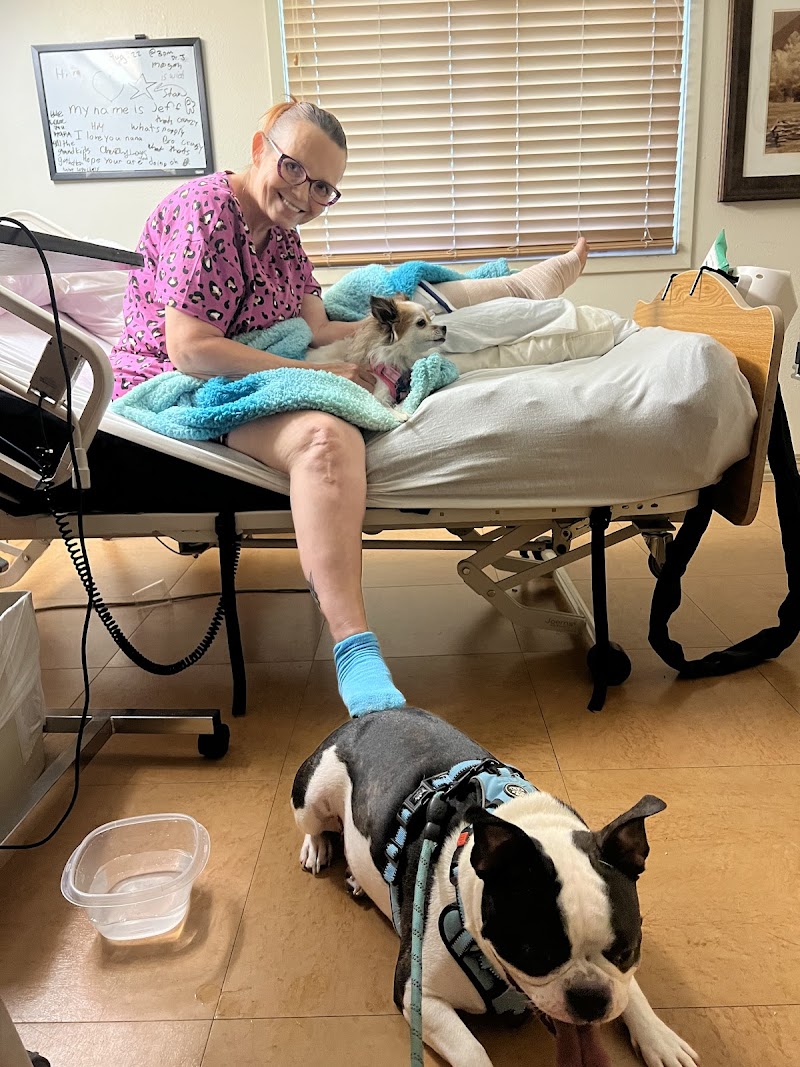
How is Teton Healthcare Of Cascadia Staffed?

CMS rates TETON HEALTHCARE OF CASCADIA's staffing level at 4 out of 5 stars, which is above average compared to other nursing homes. Staff turnover is 42%, compared to the Idaho average of 46%. This relatively stable workforce can support continuity of care.

What Have Inspectors Found at Teton Healthcare Of Cascadia?

State health inspectors documented 30 deficiencies at TETON HEALTHCARE OF CASCADIA during 2019 to 2025. These included: 2 that caused actual resident harm and 28 with potential for harm. Deficiencies causing actual harm indicate documented cases where residents experienced negative health consequences.
Who Owns and Operates Teton Healthcare Of Cascadia?

TETON HEALTHCARE OF CASCADIA is owned by a for-profit company. For-profit facilities operate as businesses with obligations to shareholders or private owners. The facility is operated by CASCADIA HEALTHCARE, a chain that manages multiple nursing homes. With 88 certified beds and approximately 66 residents (about 75% occupancy), it is a smaller facility located in IDAHO FALLS, Idaho.
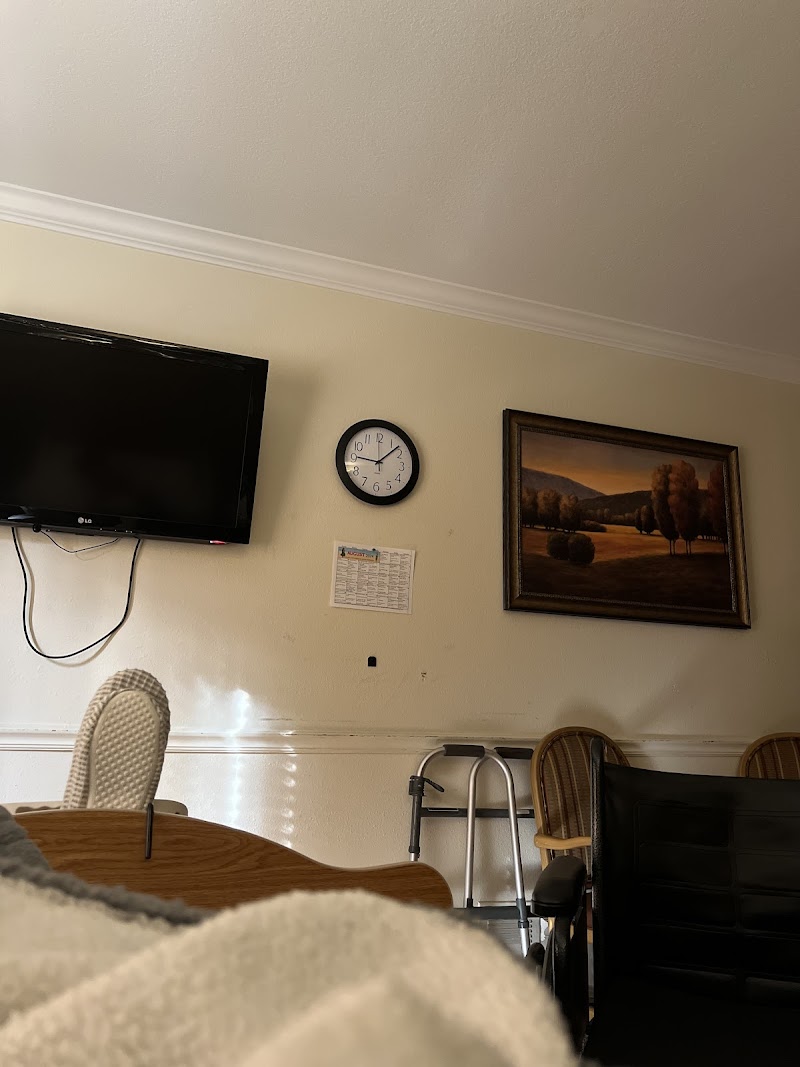
How Does Teton Healthcare Of Cascadia Compare to Other Idaho Nursing Homes?

Compared to the 100 nursing homes in Idaho, TETON HEALTHCARE OF CASCADIA's overall rating (1 stars) is below the state average of 3.2, staff turnover (42%) is near the state average of 46%, and health inspection rating (1 stars) is much below the national benchmark.

What Should Families Ask When Visiting Teton Healthcare Of Cascadia?

Based on this facility's data, families visiting should ask: "Can I visit during a mealtime to observe dining assistance and food quality?" "How do you handle medical emergencies, and what is your hospital transfer rate?" "Can I speak with family members of current residents about their experience?"

Is Teton Healthcare Of Cascadia Safe?

Based on CMS inspection data, TETON HEALTHCARE OF CASCADIA has documented safety concerns. The facility is currently on the Special Focus Facility watch list (a federal program monitoring the lowest-performing 1% of nursing homes nationwide). The facility has a 1-star overall rating and ranks #100 of 100 nursing homes in Idaho. Families considering this facility should ask detailed questions about what corrective actions have been taken since these incidents.

Do Nurses at Teton Healthcare Of Cascadia Stick Around?

TETON HEALTHCARE OF CASCADIA has a staff turnover rate of 42%, which is about average for Idaho nursing homes (state average: 46%). Moderate turnover is common in nursing homes, but families should still ask about staff tenure and how the facility maintains care continuity when employees leave.

Was Teton Healthcare Of Cascadia Ever Fined?

TETON HEALTHCARE OF CASCADIA has been fined $47,825 across 4 penalty actions. The Idaho average is $33,557. While any fine indicates a compliance issue, fines under $50,000 are relatively common and typically reflect isolated problems that were subsequently corrected. Families should ask what specific issues led to these fines and confirm they've been resolved.

Is Teton Healthcare Of Cascadia on Any Federal Watch List?

TETON HEALTHCARE OF CASCADIA is currently an SFF Candidate, meaning CMS has identified it as potentially qualifying for the Special Focus Facility watch list. SFF Candidates have a history of serious deficiencies but haven't yet reached the threshold for full SFF designation. The facility is being monitored more closely — if problems continue, it may be added to the official watch list. Families should ask what the facility is doing to address the issues that led to this status.