MOUNTAIN VALLEY OF CASCADIA
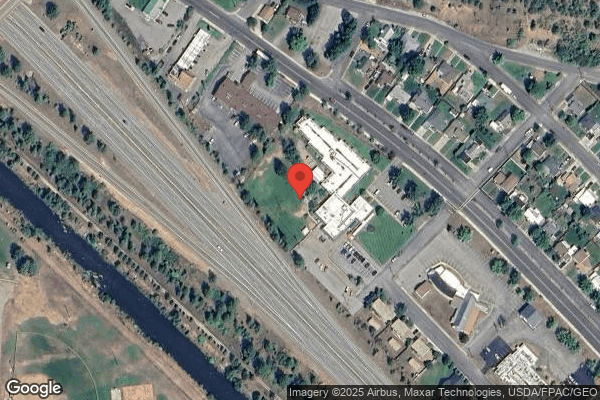
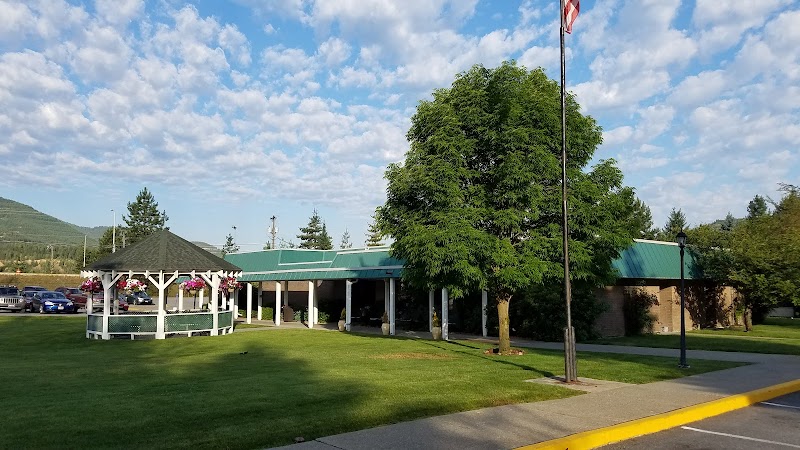
601 WEST CAMERON AVENUE, KELLOGG, ID 83837 (208) 784-1283
For profit - Corporation 68 Beds CASCADIA HEALTHCARE Data: November 2025
Trust Grade
83/100
#32 of 79 in ID
Last Inspection: May 2025

Inspected within the last 6 months. Data reflects current conditions.

Overview

Mountain Valley of Cascadia in Kellogg, Idaho, has a Trust Grade of B+, indicating it is above average and recommended for families considering this facility. It ranks #32 out of 79 nursing homes in Idaho, placing it in the top half, and is the only option available in Shoshone County. However, the facility's trend is worsening, with the number of issues increasing from 1 in 2024 to 7 in 2025, raising concerns. Staffing is a strength, with a 4 out of 5-star rating and a low turnover rate of 28%, which is well below the state average. While there have been no fines assessed, recent inspections revealed significant concerns, including dirty kitchen equipment and improper food storage, which could pose health risks to residents. Overall, while there are notable strengths, families should weigh these against the emerging issues.

Trust Score
B+
83/100
In Idaho
#32/79
Top 40%
Safety Record
Low Risk
No red flags
Inspections
Getting Worse
1 → 7 violations
Staff Stability
✓ Good
28% annual turnover. Excellent stability, 20 points below Idaho's 48% average. Staff who stay learn residents' needs.
Penalties
✓ Good
No fines on record. Clean compliance history, better than most Idaho facilities.
Skilled Nurses
✓ Good
Each resident gets 44 minutes of Registered Nurse (RN) attention daily — more than average for Idaho. RNs are trained to catch health problems early.
Violations
○ Average
10 deficiencies on record. Average for a facility this size. Mostly minor or procedural issues.
★★★★☆
4.0
Overall Rating
★★★★☆
4.0
Staff Levels
★★★★☆
4.0
Care Quality
★★★★☆
4.0
Inspection Score
Stable
2024: 1 issues
2025: 7 issues

The Good

  • 4-Star Staffing Rating · Above-average nurse staffing levels
  • 4-Star Quality Measures · Strong clinical quality outcomes
  • Low Staff Turnover (28%) · Staff stability means consistent care
  • Full Sprinkler Coverage · Fire safety systems throughout facility
  • No fines on record
  • Staff turnover is low (28%)

    20 points below Idaho average of 48%

Facility shows strength in staffing levels, quality measures, staff retention, fire safety.

The Bad

Chain: CASCADIA HEALTHCARE

Part of a multi-facility chain

Ask about local staffing decisions and management

The Ugly 10 deficiencies on record

May 2025 7 deficiencies
CONCERN (D) 📢 Someone Reported This

A family member, employee, or ombudsman was alarmed enough to file a formal complaint

Potential for Harm - no one hurt, but risky conditions existed

Deficiency F0602 (Tag F0602)

Could have caused harm · This affected 1 resident

**NOTE- TERMS IN BRACKETS HAVE BEEN EDITED TO PROTECT CONFIDENTIALITY** Based on staff interview, record review, and review of the State Long Term Care Reporting System, it was determined that facilit...

Read full inspector narrative →
**NOTE- TERMS IN BRACKETS HAVE BEEN EDITED TO PROTECT CONFIDENTIALITY** Based on staff interview, record review, and review of the State Long Term Care Reporting System, it was determined that facility failed to ensure residents were free from misappropriation of property and exploitation. This was true for 1 of 1 residents (Resident # 39) reviewed for abuse, neglect, misappropriation of resident property and exploitation. This failed practice created the potential for all facility residents to experience exploitation and misappropriation of property. Findings include: The facility's Abuse policy, revised 3/2024, stated the facility would prevent all types of abuse, neglect, misappropriation of residents' property and exploitation. The CMS SOM, Appendix PP, dated 8/8/24, defined: - Exploitation, as taking advantage of a resident for personal gain, through the use of manipulation, intimidation, threats, or coercion. - Misappropriation of resident property, as the deliberate misplacement, exploitation, or wrongful, temporary, or permanent use of a resident's belongings or money without the resident's consents. Resident #39 was admitted to the facility on [DATE] with multiple diagnoses including diabetes, infection of left artificial hip, congestive heart failure, active smoker, and atrial fibrillation (an irregular heart rate). Resident #39's Annual MDS, dated [DATE], documented Resident #39 was cognitively intact. A Facility Reported Incident, dated 9/4/24, included an investigation summary which documented on 9/3/24, resident #39 told staff he gave $1,500 to an employee for first and last month's rent for an apartment for them to share. The investigative summary documented Dietary Aide #1 admitted to taking $1500 cash from Resident #39 and paying first and last months' rent for a new apartment but could not provide any receipts or proof his name was added to the lease. The facility's investigation substantiated Resident #39 gave money to Dietary Aide #1 to rent an apartment. On 5/1/25 at 11:00 AM, the Administrator confirmed Dietary Aide #1 accepted money from Resident #39. These findings represent past non-compliance with this regulatory requirement. The facility did the following: -Resident representative was notified. -Dietary Aide #1's employment was terminated for unprofessional conduct related to accepting funds from a resident. -All staff were given an in-service training discussing gifts & gratuities, conflict of interest, employee resident relationships, and review of the Abuse and Neglect Policy. Training completed on 9/4/24. There was sufficient evidence the facility corrected the non-compliance as of 9/4/24 as there were no further exploitation and misappropriation of property reported after this date. At the time of the survey, the facility was in substantial compliance and therefore does not require a plan of correction.
CONCERN (D) 📢 Someone Reported This

A family member, employee, or ombudsman was alarmed enough to file a formal complaint

Potential for Harm - no one hurt, but risky conditions existed

Assessment Accuracy (Tag F0641)

Could have caused harm · This affected 1 resident

**NOTE- TERMS IN BRACKETS HAVE BEEN EDITED TO PROTECT CONFIDENTIALITY** Based on record review and staff interview, it was determined the facility failed to ensure residents' MDS documented correct as...

Read full inspector narrative →
**NOTE- TERMS IN BRACKETS HAVE BEEN EDITED TO PROTECT CONFIDENTIALITY** Based on record review and staff interview, it was determined the facility failed to ensure residents' MDS documented correct assessment information. This was true for 3 of 16 residents (#12, #46, and #57) whose records were reviewed for accuracy. This deficient practice had the potential for negative outcomes if residents were not assessed and/or monitored due to inaccurate assessments. Findings include: Appendix PP of the SOM, revised 8/8/24, documented assessments must accurately reflect the resident's status. 1. Resident #12 was admitted to the facility on [DATE], and readmitted on [DATE] with multiple diagnoses including heart attack, chronic atrial fibrillation (irregular heart beat), and language disorder following a heart attack. The Significant Change MDS assessment, dated 1/24/25 documented Resident #12 was receiving hospice care. A review of Resident #12's record documented Resident #12 was discharged from hospice on 1/7/25. On 5/1/25 at 10:34 AM, MDS Nurse #1, with MDS Nurse #2 present, stated, When a resident goes off or on hospice we will do a Significant Change Assessment. It was an error [Resident #12] was marked on hospice on 2/7/25. 2. Resident #46 was admitted to the facility on [DATE] with multiple diagnoses including dementia, diabetes, and high blood pressure. An Annual MDS Assessment, dated 2/25/25 documented Resident #46 was taking an anticoagulant medication. A review of active and discontinued physician's orders did not document any anticoagulant medications. On 5/1/25 at 10:36 AM, MDS Nurse #1, with MDS Nurse #2 present, stated, Resident #46 is taking an aspirin which is an antiplatelet, not an anticoagulant. The medication was incorrectly marked on the MDS as an anticoagulant. 3. Resident #57 was admitted to the facility on [DATE] with multiple diagnoses including heart disease, high blood pressure, and dementia. An Annual MDS Assessment, dated 3/25/25 documented Resident #57 was taking an anticoagulant. A review of active and discontinued physician's orders did not document any anticoagulant medications. On 5/1/25 at 10:38 AM, MDS Nurse #1, with MDS Nurse #2 present, stated, Resident #57 is taking aspirin, an antiplatelet medication, not an anticoagulant. The medication was incorrectly marked on the MDS as an anticoagulant.
CONCERN (D) 📢 Someone Reported This

A family member, employee, or ombudsman was alarmed enough to file a formal complaint

Potential for Harm - no one hurt, but risky conditions existed

Comprehensive Care Plan (Tag F0656)

Could have caused harm · This affected 1 resident

**NOTE- TERMS IN BRACKETS HAVE BEEN EDITED TO PROTECT CONFIDENTIALITY** 2. Resident #48 was admitted to the facility on [DATE] with multiple diagnoses including Parkinson's disease and dysphagia (diff...

Read full inspector narrative →
**NOTE- TERMS IN BRACKETS HAVE BEEN EDITED TO PROTECT CONFIDENTIALITY** 2. Resident #48 was admitted to the facility on [DATE] with multiple diagnoses including Parkinson's disease and dysphagia (difficulty swallowing). A physician's progress notes, dated 1/8/25 documented Resident #48 had significant difficulty with dysarthria (a motor speech disorder that occurs when the muscles used for speech are weak or difficult to control. It often results in slurred or slow speech that can be hard to understand). Resident #48's care plan did not document he had difficulty with speech. A document titled Communications, dated 7/27/24 documented Resident #48 was hard to understand, and he had a communication board that he was taught to use. The staff were to encourage Resident #48 to speak slower and use his board for better assistance with communicating. Resident #48's care plan did not address he had difficulty with speech and uses a communication board. On 4/30/25 at 3:26 PM, the DON reviewed Resident #48's care plan and stated she did not see Resident #48's difficulty with speech was included in his care plan. The DON stated, Yes, it should have been in the care plan. Based on observation, record review, SOM and policy review, and staff interview, it was determined the facility failed to ensure resident centered care plans were comprehensively written for 2 of 16 residents. This was true for residents (#11 and #48) reviewed for care plans. This deficient practice placed the residents at risk for harm when their care plans did not reflect the care necessary for each resident. Findings include: The CMS SOM, Appendix PP, dated 8/8/24, documented each resident will have a person-centered comprehensive care plan developed and implemented to meet his or her preferences, goals, and address the resident's medical, physical, mental and psychosocial needs. 1. Resident #11 was initially admitted to the facility on [DATE] with multiple diagnoses including dementia, heart failure, and muscle weakness. An Annual MDS Assessment, dated 12/4/24, documented resident #11 was observed wandering daily. Resident #11's care plan, last reviewed 12/4/24, did not include directions to care for her daily wandering. Resident #11 was observed wandering into resident rooms on the following dates: - On 4/29/25 at 2:15 PM, Resident #11 was room [ROOM NUMBER], a male resident's bathroom. - On 4/30/25 at 11:00 AM, Resident #11 was observed in the doorway of room [ROOM NUMBER]. - On 5/1/25 in the morning, Resident #11 was observed at an exit doorway with her hand on the door. On 4/29/25 at 2:00 PM, the DON stated, Resident #11's care plan should have included directions to care for her wandering behavior.
CONCERN (D) 📢 Someone Reported This

A family member, employee, or ombudsman was alarmed enough to file a formal complaint

Potential for Harm - no one hurt, but risky conditions existed

Deficiency F0657 (Tag F0657)

Could have caused harm · This affected 1 resident

**NOTE- TERMS IN BRACKETS HAVE BEEN EDITED TO PROTECT CONFIDENTIALITY** Based on record review, policy review and staff interview, it was determined the facility failed to ensure residents' care plan ...

Read full inspector narrative →
**NOTE- TERMS IN BRACKETS HAVE BEEN EDITED TO PROTECT CONFIDENTIALITY** Based on record review, policy review and staff interview, it was determined the facility failed to ensure residents' care plan were revised and updated. This was true for 1 of 16 residents (Resident #40) whose care plans were reviewed. This deficient practice created the potential for harm if cares and services were not provided due to inaccurate information on the care plan. Findings include: The facility's Care Plan policy, revised 10/15/22, documented the care plan would be reviewed and revised by the interdisciplinary team as necessary to reflect the individual's current status. Resident #40 was admitted to the facility on [DATE] with multiple diagnoses including dementia and diabetes. A care plan, initiated 1/26/24, documented Resident #40 was on hypnotic therapy Trazodone (antidepressant) as needed related to inability to sleep. Resident #40's physician's order did not include an order for Trazodone. On 4/30/25 at 9:33 AM, the DON stated Resident #40's Trazodone was discontinued by his physician. The DON stated residents' care plans were updated quarterly and as needed, and Resident #40's care plan should have been updated when the Trazodone was discontinued, and it was not.
CONCERN (D) 📢 Someone Reported This

A family member, employee, or ombudsman was alarmed enough to file a formal complaint

Potential for Harm - no one hurt, but risky conditions existed

Infection Control (Tag F0880)

Could have caused harm · This affected 1 resident

Based on observation, staff interview, and CDC guidance it was determined the facility failed to ensure glucometer (used to check the blood glucose levels) was cleaned/sanitized after being use. This ...

Read full inspector narrative →
Based on observation, staff interview, and CDC guidance it was determined the facility failed to ensure glucometer (used to check the blood glucose levels) was cleaned/sanitized after being use. This was true for 2 of 2 residents (#32 and #47) observed for blood glucose level testing. This deficient practice created the potential for the spread of infectious organism from cross contamination which could harm Resident #32 and #47. Findings include: The CDC website https://www.cdc.gov/infection-control/hcp/environmental-control/index.html, article titled Guidelines for Environmental Infection Control in Health-Care Facilities (2003) Nursing Homes, accessed on 5/5/25, updated July 2019 documented use barrier protective coverings as appropriate for non-critical equipment surfaces that are touched frequently with gloved hands during delivery of patient care, likely to become contaminated with blood or body substances . On 4/30/25 at 11:56 AM, MAC #1 entered Resident #47's room with a glucometer, cotton balls, alcohol wipes and lancet in hand. MAC #1 placed the glucometer on top of Resident #47's overboard table with no barrier between the glucometer and the overbed table, and checked his blood glucose. After the completion of blood glucose test, MAC #1 went to the sink, placed the glucometer on top of the sink counter with no barrier between the sink and the glucometer, removed her gloves and washed her hands. MAC #1 picked up glucometer, returned to the medication cart, placed the glucometer on top of the medication cart, and recorded the blood glucose to her computer. MAC #1 then placed the glucometer inside the storage box without cleaning/sanitizing the glucometer. On 4/30/25 at 12:02 PM, MAC #1 entered Resident #31's room with a glucometer, cotton balls, alcohol wipes and lancet in hand. MAC #1 placed the glucometer on top of Resident #31's overboard table with no barrier between the glucometer and the overbed table, and checked his blood glucose. After the completion of blood glucose test, MAC #1 went to the sink, placed the glucometer on top of the sink counter with no barrier between the sink and the glucometer, removed her gloves and washed her hands. MAC #1 picked up the glucometer, returned to the medication cart, placed the glucometer on top of the medication cart, and recorded the blood glucose to her computer. MAC #1 then placed the glucometer inside the storage box without cleaning/sanitizing the glucometer. The storage container has the following inside: glucometer, cotton balls, alcohol wipes, lancet and test strips. On 4/30/25 at 12:08 PM, MAC #1 stated she did not clean/sanitize the glucometer before placing them in their individual container. MAC #1 stated she was not sure if the glucometer was needed to be clean since they have their individual container. On 4/30/25 at 2:34 PM, the IP stated there should be a barrier like a paper towel between the glucometer and surfaces such as the overbed table or sink counter. The IP stated the glucometer should be cleaned before placing them in their container.
CONCERN (D) 📢 Someone Reported This

A family member, employee, or ombudsman was alarmed enough to file a formal complaint

Potential for Harm - no one hurt, but risky conditions existed

Antibiotic Stewardship (Tag F0881)

Could have caused harm · This affected 1 resident

**NOTE- TERMS IN BRACKETS HAVE BEEN EDITED TO PROTECT CONFIDENTIALITY** Based on record review, policy review, CDC guidelines, and staff interview it was determined the facility failed to ensure antib...

Read full inspector narrative →
**NOTE- TERMS IN BRACKETS HAVE BEEN EDITED TO PROTECT CONFIDENTIALITY** Based on record review, policy review, CDC guidelines, and staff interview it was determined the facility failed to ensure antibiotic stewardship program was implemented and resident had appropriate clinical indications for the use of an antibiotic. This was true for 1 of 4 residents (Resident #49) whose records were reviewed for antibiotic use. This deficient practice created the potential for Resident #49 to develop resistance to antibiotics resulting ineffective or difficult treatment for infections. Findings include: The CDC website https://www.cdc.gov/antibiotic-use/hcp/core-elements/nursing-homes-antibiotic-stewardship.html, article titled Core Elements of Antibiotic Stewardship for Nursing Homes, accessed on 5/5/25, documented Improving the use of antibiotics in healthcare to protect patients and reduce the threat of antibiotic resistance is a national priority. Antibiotic Stewardship refers to a set of commitments and actions designed to 'optimize the treatment of infections while reducing the adverse events associated with antibiotic use.' The article also recommended that all nursing homes take steps to improve antibiotic prescribing practices and reduce inappropriate use. The facility's Antibiotic Stewardship policy, revised 10/15/22 documented the facility focused on improving antibiotic use through an Antibiotic Stewardship program to ensure appropriate antibiotic usage practices are in place, to promote optimal therapeutic and cost-effective care for their residents, and reduce the likelihood of developing multi-drug resistant organisms. The policy also documented the facility's pharmacy consultant reviews the antibiotic therapy as part of the Medication Regimen Review and makes recommendation to improve antibiotic use as needed, which may include the review of indications, assignment of antibiotic stop dates and etc. Resident #49 was admitted to the facility on [DATE] with multiple diagnoses including Methicillin Susceptible Staphylococcus Aureus (MSSA - bacterial infection) and Intentional Self-Harm by unspecified firearm discharge. A physician's order, dated 11/7/24, documented Resident #49 was to receive Amoxicillin-Pot Clavulanate (antibiotic) Oral tablet 875-125 milligrams, one tablet by mouth two times a day related to sepsis (a serious condition that can cause extensive inflammation throughout the body and can lead to tissue damage, organ failure and even death) due to Methicillin Susceptible Staphylococcus Aureus. The physician's order documented no stop date at this time. On 4/30/25 at 2:46 PM, the IP stated Resident #49 had sepsis when he was prescribed the antibiotic in November 2024. When asked if Resident #49 still had an infection, the IP stated Resident #49 had no more infection. When asked why Resident #49 was still taking the antibiotic, the IP stated she would ask the physician for the indication of Resident #49's antibiotic. On 5/1/25 at 9:53 AM, the Pharmacist stated Resident #49's antibiotic was reviewed in November 2024 during their Antibiotic Stewardship meeting. The Pharmacist stated the Infectious Disease Physician ordered the Amoxicillin-Pot[assium] Clavulanate for Resident #49 with no stop date, and he did not include Resident #49 on his succeeding review of residents' antibiotic in the facility. When asked if the continued use of the antibiotic was needed when Resident #49 did not have an infection anymore, the Pharmacist stated, I agree they [facility] should have reviewed the indication for the antibiotic. On 5/1/25 at 10:58 AM, during the follow-up interview, the IP stated she did not ask the infectious disease physician's indication for the continued use of Resident #49's antibiotic when he was no longer had an infection. The IP stated, Yes, I should have asked the physician for the indication of the antibiotic.
CONCERN (E) 📢 Someone Reported This

A family member, employee, or ombudsman was alarmed enough to file a formal complaint

Potential for Harm - no one hurt, but risky conditions existed

Food Safety (Tag F0812)

Could have caused harm · This affected multiple residents

Based on observation, FDA Food Code, and staff interview, it was determined the facility failed to ensure kitchen equipment was cleaned. These deficiencies had the potential to affect the 57 residents...

Read full inspector narrative →
Based on observation, FDA Food Code, and staff interview, it was determined the facility failed to ensure kitchen equipment was cleaned. These deficiencies had the potential to affect the 57 residents who consumed food prepared by the facility. This placed residents at risk for potential foodborne illnesses and adverse health outcomes. Findings include: The FDA Code Section 4-602.12 Cooking and Baking Equipment documented food-contact surfaces of cooking equipment must be cleaned to prevent encrustation's that may impede heat transfer necessary to adequately cook food. Encrusted equipment may also serve as an insect attractant when not in use. On 4/30/25 at 3:05 PM, during a kitchen inspection, pots and pans located on the clean dish drying rack were observed with the following: -A stainless steel pot had a red ring around the middle interior of the pot. On 4/30/25 at 3:26 PM, the Registered Dietitian (RD) stated the pot with the red ring was visibly dirty and removed it from the clean drying rack. On 5/1/25 at 7:05 AM during a follow-up kitchen inspection, a baking sheet pan, and cooking pots had a ring of dark residue around the upper areas and underside lip of the pots and pans. On 5/1/25 at 8:00 AM, Kitchen Staff: Culinary Aide #1, Culinary Aide #2, and Medical Records Manager helping as Culinary Aide #3, stated the pans and pots with the dark, encrusted residue were cleaned and sanitized as they had been washed in the high temperature dish machine. However, Kitchen Staff all agreed the dark residue should not scratch off if the pans and pots were cleaned. They were unaware the pans were not supposed to have encrusted dark residue.
May 2024 1 deficiency
CONCERN (E)

Potential for Harm - no one hurt, but risky conditions existed

Food Safety (Tag F0812)

Could have caused harm · This affected multiple residents

Based on observation and staff interview, it was determined the facility failed to ensure kitchen equipment was maintained and food was stored in a safe and sanitary manner. These deficiencies had the...

Read full inspector narrative →
Based on observation and staff interview, it was determined the facility failed to ensure kitchen equipment was maintained and food was stored in a safe and sanitary manner. These deficiencies had the potential to affect 58 residents residing in the facility who consumed food prepared by the facility. This placed residents at risk for potential contamination of food and adverse health outcomes, including food-borne illnesses. Findings include: 1. FDA Food Code Section 3-303.12 documented packaged food may not be stored in direct contact with ice or water if the food is subject to the entry of water because of the nature of its packaging, wrapping, or container or its positioning in the ice or water. On 05/16/24 at 12:13 PM, during a kitchen tour with the facility dietitian, condensation from the cooling fans in the walk-in freezer was observed falling and accumulating on the following food items located below the cooling fans: - One yogurt container. - Multiple containers of ice cream and frozen berries inside a black bin. - One open bag of berries and two loaves of bread inside an unsealed cardboard box. The dietitian confirmed the food was not being stored appropriately. She immediately removed the contaminated foods. On 05/16/24 at 1:56 PM, during a follow-up visit with the dietitian, a pipe located on the outer left side of the ventilation unit inside the walk-in freezer was observed to be covered with a white frozen substance. An unsealed cardboard box with packaged food inside was leaning against the pipe. The dietitian confirmed that food boxes were not properly stored. 2. FDA Food Code Section 6-403.11 documented areas designated for employees to eat, drink, and use tobacco products shall be located so that food, equipment, and linens single-service and single use articles are protected from contamination. On 05/16/24, at 12:13 PM, an iced coffee, identified as a staff personal item, was observed stored in the facility's walk-in freezer. The dietitian removed the ice coffee and confirmed that personal food should not be stored in the walk-in freezer, and it should be stored in the employee break room.
Apr 2023 2 deficiencies
CONCERN (D)

Potential for Harm - no one hurt, but risky conditions existed

Deficiency F0657 (Tag F0657)

Could have caused harm · This affected 1 resident

**NOTE- TERMS IN BRACKETS HAVE BEEN EDITED TO PROTECT CONFIDENTIALITY** Based on record review, policy review, and staff interview, it was determined the facility failed to ensure residents' care plan...

Read full inspector narrative →
**NOTE- TERMS IN BRACKETS HAVE BEEN EDITED TO PROTECT CONFIDENTIALITY** Based on record review, policy review, and staff interview, it was determined the facility failed to ensure residents' care plans were revised and updated as needed. This was true for 1 of 15 residents (Resident #18) whose care plans were reviewed. This created the potential for harm if cares and/or services were not provided appropriately due to inaccurate information in the care plan. Findings include: The facility's Care Plans policy, revised 10/15/22, documented the facility was to develop and implement a comprehensive person-centered care plan for each resident and revised it based on changing goals, preferences and needs of the resident and in response to current interventions. This policy was not followed. Resident #18 was admitted to the facility on [DATE] and readmitted on [DATE], with multiple diagnoses including depression, dementia, sleep disorder, and Parkinson's Disease (a brain disorder that causes unintended or uncontrollable movements, such as shaking, stiffness, and difficulty with balance and coordination). A physician's order, dated 6/20/22, documented Resident #18 was to receive Trazodone (antidepressant) HCl (hydrochloride) 50 milligrams by mouth in the evening related to unspecified mood affective disorder. A care plan, revised 3/19/21, documented Resident #18 had sleep disorder related to dementia and Parkinson's Disease and he used Trazodone to assist him with his insomnia. The care plan directed staff to give him Trazodone as prescribed, monitor him for effectiveness and notify the physician of any worsening signs and symptoms of insomnia. On 4/5/23 at 9:04 AM, the Social Services Director (SSD) stated Resident #18 was taking Trazodone for insomnia. When asked to review the physician's order for Trazodone, the SSD stated the physician ordered Trazodone for Resident #18's unspecified mood disorder. The SSD stated she was told the Trazodone was for Resident #18's insomnia. The SSD stated Resident #18's care plan indication for use of Trazodone should have been according to the physician's order and it was not. Resident #14's care plan was not revised to reflect his Trazodone was for unspecified mood disorder as ordered by the physician.
CONCERN (E)

Potential for Harm - no one hurt, but risky conditions existed

Room Equipment (Tag F0908)

Could have caused harm · This affected multiple residents

Based on observation, policy review, and staff interview, it was determined the facility failed to ensure cold food storage equipment was maintained in safe operating condition. This was true for 1 of...

Read full inspector narrative →
Based on observation, policy review, and staff interview, it was determined the facility failed to ensure cold food storage equipment was maintained in safe operating condition. This was true for 1 of 3 cold food storage equipment (kitchen walk-in refrigerator). This placed residents at risk of contracting food borne illnesses if they consumed food that was not kept at a safe temperature. Findings include: Review of the facility's policy, General Environment Condition, revised 1/28/17, stated the physical plant and equipment are monitored through the prevention maintenance plan and work order system for potential hazards. This policy was not followed. Review of a Maintenance Work Order, dated 11/18/22, stated, walk-in freezer low on R404A [refrigerant - chemical coolant]. On 4/4/23 at 4:00 PM, the temperature in the kitchen walk-in refrigerator was observed to be 51 degrees Fahrenheit (F) per the thermometer located in the back of the unit. The walk-in refrigerator contained eggs, juices, meats, milk, dairy products, produce, and other perishables. The Dietary Manager (DM) acknowledged the temperature should not be warmer than 41 degrees F. The DM said she turned off the walk-in refrigerator about an hour ago due to it freezing up, and she just turned it back on. When asked how often this occurred, the DM said it only happened occasionally. She stated, the Maintenance Director (MD) instructed her to turn the refrigerator off for one hour when it started making a loud noise. On 4/4/23 at 4:20 PM, the temperature in the kitchen walk-in refrigerator was 48 degrees F per thermometer. At 4:30 PM, the temperature in the kitchen walk-in refrigerator continued to measure at 48 degrees F. On 4/5/23 at 2:18 PM, the RM stated, the walk-in refrigerator had a similar problem on 11/18/22, and a repair company was called in. The RM stated they could have the refrigerator repaired within one to two weeks. He said the refrigerator was currently working properly. The RM acknowledged the refrigerator could stop working in the middle of the night and staff would come in to spoiled food which should not be served. He said during the day the dietary staff would know the walk-in refrigerator wasn't working properly when the unit started making a loud noise. Up to that point, the refrigerator would be slowly getting warmer. Therefore, they would have to check the temperature frequently until it was repaired. On 4/5/23 at 4:15 PM, the MD confirmed he instructed the DM to turn off the walk-in refrigerator because it was making a loud noise due to ice build-up on the coils and causing it to stop cooling. He stated this occurred because the refrigerant was low which was also the problem in November 2022 when the repair company came out. The MD said the maintenance work order referenced the walk-in freezer, but it was the walk-in refrigerator that had low refrigerant. On 4/6/23 at 10:30 AM, the CEO provided a Culinary Inspection report, dated 3/29/23, which detailed the refrigerator/freezer walk inspection results. The inspection did not include checking the refrigerant. The facility failed to ensure the facility's walk-in refrigerator was in safe operating condition.
Understanding Severity Codes (click to expand)
Life-Threatening (Immediate Jeopardy)
J - Isolated K - Pattern L - Widespread
Actual Harm
G - Isolated H - Pattern I - Widespread
Potential for Harm
D - Isolated E - Pattern F - Widespread
No Harm (Minor)
A - Isolated B - Pattern C - Widespread

Questions to Ask on Your Visit

  • "Can I speak with families of current residents?"
  • "What's your RN coverage like on weekends and overnight?"

Our Honest Assessment

Strengths
  • • Grade B+ (83/100). Above average facility, better than most options in Idaho.
  • • No major safety red flags. No abuse findings, life-threatening violations, or SFF status.
  • • No fines on record. Clean compliance history, better than most Idaho facilities.
  • • 28% annual turnover. Excellent stability, 20 points below Idaho's 48% average. Staff who stay learn residents' needs.
Concerns
  • • No significant concerns identified. This facility shows no red flags across CMS ratings, staff turnover, or federal penalties.
Bottom line: Generally positive indicators. Standard due diligence and a personal visit recommended.

About This Facility

What is Mountain Valley Of Cascadia's CMS Rating?

CMS assigns MOUNTAIN VALLEY OF CASCADIA an overall rating of 4 out of 5 stars, which is considered above average nationally. Within Idaho, this rating places the facility higher than 99% of the state's 100 nursing homes. This rating reflects solid performance across the metrics CMS uses to evaluate nursing home quality.

How is Mountain Valley Of Cascadia Staffed?

CMS rates MOUNTAIN VALLEY OF CASCADIA's staffing level at 4 out of 5 stars, which is above average compared to other nursing homes. Staff turnover is 28%, compared to the Idaho average of 46%. This relatively stable workforce can support continuity of care.

What Have Inspectors Found at Mountain Valley Of Cascadia?

State health inspectors documented 10 deficiencies at MOUNTAIN VALLEY OF CASCADIA during 2023 to 2025. These included: 10 with potential for harm.

Who Owns and Operates Mountain Valley Of Cascadia?

MOUNTAIN VALLEY OF CASCADIA is owned by a for-profit company. For-profit facilities operate as businesses with obligations to shareholders or private owners. The facility is operated by CASCADIA HEALTHCARE, a chain that manages multiple nursing homes. With 68 certified beds and approximately 59 residents (about 87% occupancy), it is a smaller facility located in KELLOGG, Idaho.

How Does Mountain Valley Of Cascadia Compare to Other Idaho Nursing Homes?

Compared to the 100 nursing homes in Idaho, MOUNTAIN VALLEY OF CASCADIA's overall rating (4 stars) is above the state average of 3.3, staff turnover (28%) is significantly lower than the state average of 46%, and health inspection rating (4 stars) is above the national benchmark.

What Should Families Ask When Visiting Mountain Valley Of Cascadia?

Based on this facility's data, families visiting should ask: "Can I visit during a mealtime to observe dining assistance and food quality?" "How do you handle medical emergencies, and what is your hospital transfer rate?" "Can I speak with family members of current residents about their experience?"

Is Mountain Valley Of Cascadia Safe?

Based on CMS inspection data, MOUNTAIN VALLEY OF CASCADIA has a clean safety record: no substantiated abuse findings (meaning no confirmed cases of resident harm), no Immediate Jeopardy citations (the most serious violation level indicating risk of serious injury or death), and is not on the Special Focus Facility watch list (a federal program monitoring the lowest-performing 1% of nursing homes). The facility has a 4-star overall rating and ranks #1 of 100 nursing homes in Idaho. While no facility is perfect, families should still ask about staff-to-resident ratios and recent inspection results during their visit.

Do Nurses at Mountain Valley Of Cascadia Stick Around?

Staff at MOUNTAIN VALLEY OF CASCADIA tend to stick around. With a turnover rate of 28%, the facility is 18 percentage points below the Idaho average of 46%. Low turnover is a positive sign. It means caregivers have time to learn each resident's needs, medications, and personal preferences. Consistent staff also notice subtle changes in a resident's condition more quickly. Registered Nurse turnover is also low at 18%, meaning experienced RNs are available to handle complex medical needs.

Was Mountain Valley Of Cascadia Ever Fined?

MOUNTAIN VALLEY OF CASCADIA has no federal fines on record. CMS issues fines when nursing homes fail to meet care standards or don't correct problems found during inspections. The absence of fines suggests the facility has either maintained compliance or corrected any issues before penalties were assessed. This is a positive indicator, though families should still review recent inspection reports for the full picture.

Is Mountain Valley Of Cascadia on Any Federal Watch List?

MOUNTAIN VALLEY OF CASCADIA is not on any federal watch list. The most significant is the Special Focus Facility (SFF) program, which identifies the bottom 1% of nursing homes nationally based on persistent, serious quality problems. Not being on this list means the facility has avoided the pattern of deficiencies that triggers enhanced federal oversight. This is a positive indicator, though families should still review the facility's inspection history directly.