ONEIDA COUNTY HOSPITAL & LONG TERM CARE FACILITY
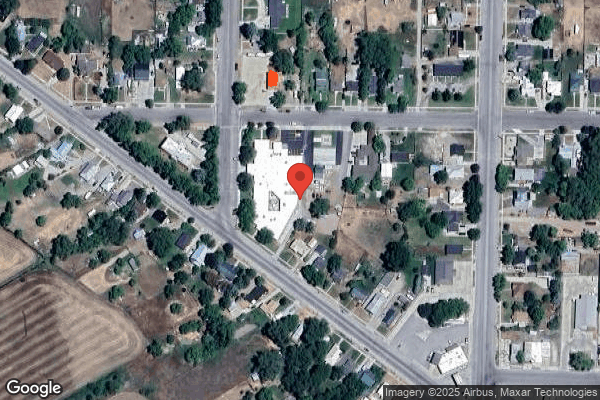
150 NORTH 200 WEST, MALAD, ID 83252 (208) 766-2231
Government - County 33 Beds Independent Data: November 2025
Trust Grade
90/100
#14 of 79 in ID
Last Inspection: November 2024

Within standard 12-15 month inspection cycle. Federal law requires annual inspections.

Overview

Oneida County Hospital & Long Term Care Facility in Malad, Idaho, has an excellent Trust Grade of A, indicating high quality and strong recommendations from residents and families. It ranks #14 out of 79 facilities in Idaho, placing it in the top half, and holds the top position in Oneida County, meaning it is the best option available locally. The facility is improving, with issues decreasing from 4 in 2020 to just 1 in 2024. Staffing is a clear strength, receiving a 5-star rating with a turnover rate of only 35%, significantly lower than the state average of 47%. There have been no fines recorded, which is a positive sign, and while RN coverage is average, the facility has had some concerns, such as failing to maintain proper infection control protocols for laundry services and not disinfecting medical equipment between resident use, which could pose infection risks.

Trust Score
A
90/100
In Idaho
#14/79
Top 17%
Safety Record
Low Risk
No red flags
Inspections
Getting Better
4 → 1 violations
Staff Stability
○ Average
35% turnover. Near Idaho's 48% average. Typical for the industry.
Penalties
✓ Good
No fines on record. Clean compliance history, better than most Idaho facilities.
Skilled Nurses
✓ Good
Each resident gets 60 minutes of Registered Nurse (RN) attention daily — more than 97% of Idaho nursing homes. RNs are the most trained staff who catch health problems before they become serious.
Violations
○ Average
9 deficiencies on record. Average for a facility this size. Mostly minor or procedural issues.
★★★★★
5.0
Overall Rating
★★★★★
5.0
Staff Levels
★★★★☆
4.0
Care Quality
★★★★★
5.0
Inspection Score
Stable
2020: 4 issues
2024: 1 issues

The Good

  • 5-Star Staffing Rating · Excellent nurse staffing levels
  • 4-Star Quality Measures · Strong clinical quality outcomes
  • Full Sprinkler Coverage · Fire safety systems throughout facility
  • No fines on record
  • Staff turnover below average (35%)

    13 points below Idaho average of 48%

Facility shows strength in staffing levels, quality measures, fire safety.

The Bad

Staff Turnover: 35%

11pts below Idaho avg (46%)

Typical for the industry

The Ugly 9 deficiencies on record

Nov 2024 1 deficiency
CONCERN (D)

Potential for Harm - no one hurt, but risky conditions existed

PASARR Coordination (Tag F0644)

Could have caused harm · This affected 1 resident

**NOTE- TERMS IN BRACKETS HAVE BEEN EDITED TO PROTECT CONFIDENTIALITY** Based on record review and staff interview, it was determined the facility failed to ensure a Pre-admission Screening and Reside...

Read full inspector narrative →
**NOTE- TERMS IN BRACKETS HAVE BEEN EDITED TO PROTECT CONFIDENTIALITY** Based on record review and staff interview, it was determined the facility failed to ensure a Pre-admission Screening and Resident Review (PASARR) was accurately completed prior to admission for 1 of 3 residents (Resident #15), and when a new mental health diagnosis was identified for 2 of 3 residents (#10 and #11), whose records wer reviewed for PASARR screenings. These failures created the potential for harm if residents required, but did not receive, specialized services for mental health while residing in the facility. Findings include: Appendix PP of the State Operation Manual, revised on 8/8/24, documented the PASARR process requires that all applicants to Medicaid-certified nursing facilities be screened for possible serious mental disorders or intellectual disabilities and related conditions prior to admission to a nursing facility. A negative Level 1 screen permits admission to proceed and ends the PASARR process unless a possible serious mental disorder or intellectual disability arises later. A positive Level 1 screen necessitates an in-depth evaluation of the individual by the state-designated authority, known as Level 2 PASARR, which must be conducted prior to admission to a nursing facility. Appendix PP of the State Operations Manual, revised 8/8/24, documented any resident with newly evident or possible serious mental disorder, intellectual disability, or a related condition must be referred, by the facility to the appropriate state-designated mental health or intellectual disability authority for review. 1. Resident #15 was admitted to the facility on [DATE] with multiple diagnoses including dementia, diabetes, and post-traumatic stress disorder (PTSD). On 11/4/24, The CMS Form-802, Matrix for Providers documented Resident #15 had a diagnosis of PTSD. Resident #15's Level 1 PASARR was completed and signed on 8/11/22 by the Licensed Clinical Social Worker (LCSW) employed by both the hospital and the long-term care facility. The Level 1 PASARR documented Resident #15 did not have any serious mental disorders, including PTSD. On 11/6/24 at 4:49 PM, the Administrator confirmed Resident #15 had the diagnosis of PTSD when she transferred from the hospital to the long-term care facility. On 11/6/24 4:53 PM, the LCSW stated he completed Resident #15's Level 1 PASARR when she transferred from the hospital to the long-term care facility and was not sure why her diagnosis of PTSD was not identified. He added he may have looked at her medication list to see what she was being treated for and may not have looked at her diagnoses list. The LCSW confirmed Resident #15's Level 1 PASSAR was not accurate, and it should have indicated her diagnosis of PTSD. 2. Resident #10 was admitted to the facility on [DATE] with multiple diagnoses including cerebral infarction, major depressive disorder, and anxiety disorder. Resident #10's medical record documented her diagnoses of major depression and anxiety on a completed Level 1 PASARR, dated 9/23/13, and Level 2 PASARR, dated 9/24/13. Resident #10's medical record documented a new mental health diagnosis of delusional disorder on 12/17/14. Resident #10's medical record was reviewed and did not include an updated Level 1 PASARR for the new diagnosis. On 11/6/24 at 11:50 AM , the LCSW confirmed he did not complete an updated Level 1 PASARR for Resident #10's new serious mental disorder diagnosis because he was not aware he was supposed to. 3. Resident #11 was admitted to the facility on [DATE] with multiple diagnoses of diabetes, osteoarthritis, and chronic pain. Resident #11's medical record included a completed Level 1 PASARR, dated 2/28/18. The Level 1 PASARR did not identifiy any serious mental disorders diagnoses. Resident #11's medical record included a new serious mental disorder diagnosis of major depressive disorder on 6/19/19 and paranoid schizophrenia on 7/30/20. Resident #11's medical record was reviewed and did not include an updated Level 1 PASARR for the either of the new serious mental disorder diagnoses. On 11/6/24 at 11:50 AM, the LCSW confirmed he did not complete a Level 1 PASARR for Resident #11's new serious mental disorder diagnoses because he did not know he was supposed to.
Feb 2020 4 deficiencies
CONCERN (D)

Potential for Harm - no one hurt, but risky conditions existed

Quality of Care (Tag F0684)

Could have caused harm · This affected 1 resident

**NOTE- TERMS IN BRACKETS HAVE BEEN EDITED TO PROTECT CONFIDENTIALITY** Based on record review, policy review, and staff interview, it was determined the facility failed to ensure the resident's pulse...

Read full inspector narrative →
**NOTE- TERMS IN BRACKETS HAVE BEEN EDITED TO PROTECT CONFIDENTIALITY** Based on record review, policy review, and staff interview, it was determined the facility failed to ensure the resident's pulse was monitored appropriately for residents who received blood pressure medication. This was true for 1 of 5 residents (Resident #21) who were reviewed for unnecessary medications. This failure created the potential for harm if residents experienced adverse effects from blood pressure medication. Findings include: The facility's policy for Vital Signs, dated 11/5/19, documented the following: * Licensed nurses are responsible for knowing the usual range of a resident's vital signs, analyzing and interpreting routine vital signs, and notifying the physician of abnormal findings. * An acceptable range for pulse was 60 to 100 beats per minute. * Vital signs were obtained by the nurse as indicated, when administering certain medications, or for monitoring the effectiveness of medications or therapies. * Certain cardiac drugs are given only when a resident's pulse or blood pressure is within a certain range. Resident #21 was admitted to the facility on [DATE], with multiple diagnoses including heart failure, presence of a cardiac pacemaker, and hypertension (high blood pressure). Resident #21's physician orders included: * Apical pulse to be monitored every shift. The order started on 3/14/19. Resident #21's MARs for January and February 2020 documented metoprolol (blood pressure medication) was administered each day from January 1 through February 5, 2020. Resident #21's Weights and Vitals Summary documented his pulse was monitored as follows: * 1/6/20 at 10:29 AM = 70 * 1/7/20 at 4:55 AM = 66 * 1/13/20 at 7:05 PM = 70 * 1/19/20 at 11:32 PM = 47 * 1//20/20 at 9:36 AM = 65 * 1/27/20 at 3:54 PM = 70 * 2/5/20 at 12:38 AM = 69 Resident #21's Weights and Vitals Summary did not document his pulse was monitored each shift as ordered by the physician. On 2/6/20 at 10:06 AM, the DNS said did not find documentation Resident #21's pulse was checked every shift.
CONCERN (D)

Potential for Harm - no one hurt, but risky conditions existed

Accident Prevention (Tag F0689)

Could have caused harm · This affected 1 resident

**NOTE- TERMS IN BRACKETS HAVE BEEN EDITED TO PROTECT CONFIDENTIALITY** Based on policy review, record review, and staff interview, it was determined the facility failed to ensure residents were provi...

Read full inspector narrative →
**NOTE- TERMS IN BRACKETS HAVE BEEN EDITED TO PROTECT CONFIDENTIALITY** Based on policy review, record review, and staff interview, it was determined the facility failed to ensure residents were provided with the level of supervision necessary to prevent falls. This was true for 1 of 2 residents (Resident #14) reviewed for falls. This failure placed Resident #14 at risk of pain, bone fractures, brain damage, and other life changing injuries, as a result of falls. Findings include: The CMS State Operations Manual, Appendix PP, the Long Term Care Facility federal regulations and guidance to surveyors, describes a fall as unintentionally coming to rest on the ground, or other lower level, but not as a result of an overwhelming external force (e.g. resident pushes another resident). An episode where a resident lost his/her balance and would have fallen, if not for another person, or if he or she had not caught him/herself, is considered a fall. The facility's policy for Fall Risk Assessment, dated 1/7/20, documented the following: * The facility provided an environment free from accident hazards over which the facility has control, and the facility provided supervision and assistive devices to each resident as needed to prevent avoidable accidents. * Nursing staff and the medical provider reviewed a resident's record for previous falls, especially falls that occurred in the past 90 days, and recurrent falls over time. * Staff attempted to determine if the falls were related to recent changes in condition or new/changed medications. * The provider and nursing staff evaluated the resident for conditions that may predispose them to falls and identified underlying medical conditions that may increase the risk of injury from falling. * Facility staff identified environmental factors that may contribute to falling. * Facility staff and the medical provider collaborated to identify and address fall risk factors that could be changed. * The facility monitored the effectiveness of the care plan interventions, and modified the interventions as needed in accordance with current standards of practice. The facility's policy for Falls and Fall Risk, dated 5/11/16, documented the following: * Based on previous evaluations and current data, the staff will identify interventions related to the resident's specific risks and causes and try to prevent the resident from falling and try to minimize complications from falling. * Staff, with contribution of the physician, identified appropriate interventions to reduce the risk of falls. * If falls continued despite the primary interventions, staff implemented additional or different interventions, or indicated why the current intervention was appropriate. * If underlying causes of the falls could not be identified or resolved, staff tried various interventions until falling was reduced or stopped, or the cause of continued falling was identified as unavoidable. * Staff, in collaboration with the physician, identified and implemented relevant fall interventions to minimize serious consequences of falling. Resident #14 was admitted to the facility on [DATE], with diagnoses of Down Syndrome and Alzheimer's disease. On 12/4/19 he was admitted to a hospital for pneumonia and was readmitted to the facility on [DATE]. On 12/17/19 he was admitted to a hospital for pneumonia and sepsis (the body's overwhelming and life-threatening response to infection that can lead to tissue damage, organ failure, and death) and was readmitted to the facility on [DATE]. Resident #14's quarterly MDS assessments, dated 3/26/19 and 6/25/19, documented he was unable to complete the interview to assess his cognitive status. The MDS assessment documented he required extensive 1 person assistance for ambulating in his room and the corridor, and was totally dependent on the assistance of 1 person for locomotion in other locations in the facility. The MDS assessments also documented he required extensive assistance of 2+ persons for transfers. The assessments documented he was not steady, however, could stabilize himself without human assistance. Both assessments documented Resident #14 used a wheelchair and had experienced 2 or more falls since the last MDS assessment. Both assessments documented Resident #14 experienced shortness of breath or trouble breathing upon exertion, such as while walking and during transfers. Resident #14's annual MDS assessment, dated 9/24/19, documented the same information noted above on the prior two MDS assessments, with the following exceptions. The 9/24/19 MDS assessment documented Resident #14: *Required extensive assistance from 1 person for transfers. The prior two assessments documented he required extensive assistance of 2+ staff for transfers. *Required extensive assistance of 2+ persons for ambulating in his room or in the corridor. The prior two assessments documented he required extensive assistance of 1 person for ambulating in his room and the corridor. *Was not steady and was only able to stabilize with human assistance during transitions and walking. The two prior assessments documented he was unsteady, however, could stabilize without human assistance. The 9/24/19 MDS assessment also documented Resident #14 had 2 or more falls since the prior MDS assessment. Resident #14's MDS assessment, dated 1/7/20, completed following his discharge from the hospital on [DATE], documented Resident #14 required extensive assistance of 2+ persons for transfers. The 9/24/19 MDS assessment documented he required extensive assistance from 1 person for transfers. The 1/7/20 MDS assessment documented Resident #14 required extensive assistance of 2+ persons for ambulating in his room or in the corridor, and was totally dependent on physical assistance from 1 staff for locomotion in other areas of the facility. The MDS assessment documented Resident #14 was not steady but was able to stabilize with human assistance during moving from a seated to a standing position, during walking, and during surface to surface transfers. The MDS assessment documented Resident #14 experienced shortness of breath or trouble breathing upon exertion, such as while walking and during transfers. The MDS assessment documented Resident #14 used a wheelchair and had 1 fall resulting in injury since readmission to the facility on [DATE]. Resident #14's Morse Fall Scale assessments, used to determine a person's risk for falls, dated 5/22/19, 6/20/19, 7/5/19, 7/8/19, 8/13/19, 9/19/19, 10/29/19, 12/8/19, 12/27/19, 1/4/20, and 1/7/20, documented he was at high risk for falls. Resident #14's care plan documented he fell often. The care plan was initiated on 3/28/18. Interventions included the following: *Follow the facility's fall protocol. The intervention was initiated on 3/28/18. * Educate Resident #14/family/caregivers about safety reminders and action to take if a fall occurs. The intervention was initiated on 3/28/18. * Ensure Resident #14 is wearing non-skid socks when he is ambulating. This intervention was initiated on 3/28/18. * Encourage safe choices. Cue and redirect with 1:1 as needed . The intervention was initiated on 3/30/18. * Encourage Resident #14 to sit in a recliner, not a rocking chair or swivel chair, in the day room. The intervention was initiated on 9/17/18. * He may choose to sit on the floor. Offer alternatives and encourage safe choices. Assist him to the floor for safety, if he chooses. (He has a history of sitting down unexpectedly from prior to admit. Move at [Resident #14's] pace. [Wheelchair] for increased mobility when elder chooses not to ambulate. Observe for unsafe behavior and intervene before a fall occurs. The intervention was initiated on 8/31/18 and revised on 9/20/19. * Low risk interventions included: Orient to surroundings, use a colored call light, keep call light, water, and personal items within reach, remind him to ask for assistance, answer the call light promptly, keep the room uncluttered, maintain the bed at an appropriate height and the brakes locked, maintain adequate lighting, encourage him to wear shoes/slippers with non-skid soles or gripper socks, keep assistive devices in reach, educate resident/representative, monitor for changes in condition, complete the fall risk assessment every quarter, annually, with significant changes, and with falls. The intervention was initiated on 10/24/19. * Moderate risk interventions included: Close supervision and frequent monitoring, obtain orthostatic blood pressures at least quarterly (blood pressure when laying down, sitting, and standing), request a medication review with falls, educate resident to change position slowly, obtain an order for physical/occupation therapy, consult with vision and hearing specialists as needed, assess for need of bedside commode/urinal. The intervention was initiated on 10/24/19. * High risk interventions included: Place a fall risk indicator on the resident's name plate, increase frequent monitoring, assess for need of increased supervision (room close to the nurses' station), and offer toileting at least every 2 hours and as needed. The intervention was initiated on 10/24/19. * Wheelchair for increased mobility as needed to prevent falls. The intervention was initiated on 11/14/19. * When in the activity room [day room], assist with transferring from the wheelchair to recliner with the Prevalon-Seated Positioning System (a device used to reduce friction and shearing during transfers). The intervention was initiated on 1/8/20. Resident #14's Incident and Accident Reports documented he fell 6 times from 5/22/19 to 1/7/20 as follows: * On 5/22/19 at 11:15 AM, Resident #14 was in the day room, he stood up from the recliner, attempted to sit down in another chair, missed the chair, and fell on his bottom. Resident #14 complained of pain in his right hip. A witness statement documented Resident #14 stood up, ambulated, misjudged where the other chair was, and fell. An x-ray was obtained of the right hip, and there was no evidence of a fracture. The intervention included removing the other chair from the day room. * On 6/8/19 at 4:00 PM, a CNA was with Resident #14 when he attempted to sit in the recliner, misjudged the distance to the recliner and sat on the floor. The investigation report documented Resident #14 had gripper socks on at the time of the fall. The intervention documented on the investigation report included ordering two-sided gripper socks to prevent slipping. The report did not describe how the two sided gripper socks related to the documented reason for the fall. The need for Resident #14 to wear non-skid socks when ambulating was previously added to his care plan on 3/28/18. * On 7/5/19 at 2:25 PM, Resident #14 attempted to sit on the lap of another resident who was seated in a recliner in the day room, he missed the area and sat on the floor. A CNA witness statement included in the investigation report documented the CNA was playing a game with other residents and watching Resident #14 at the same time. The CNA documented Resident #14 was standing up walking prior to attempting to sit in the recliner occupied by another resident. The other resident moved her knee and he fell slowly to the floor. The CNA helped lower him to the floor. There were no documented interventions to prevent future falls. The investigation report did not address the need for Resident #14 to have extensive assistance from 1 person while ambulating, which did not occur prior to the fall. * On 7/8/19 at 3:25 PM, Resident #14 was walking in the day room and sat on the floor. There were no new interventions as he frequently chooses to sit on the floor. A witness statement documented Resident #14 stood up from the chair, took 3 or 4 steps, and sat down on the floor. The investigation report did not address the need for Resident #14 to have extensive assistance from 1 person while ambulating, which did not occur prior to the fall. * On 8/13/19 at 12:45 PM, Resident #14 was assisted to a chair by a CNA, and he slid off the chair onto the floor with assistance from the CNA. There were no documented interventions put in place. A witness statement documented Resident #14 was being assisted from the wheelchair to the chair in the day room, the chair slid and the CNAs lifted him to the floor. * On 10/29/19 at 9:25 AM, Resident #14 was ambulating with assistance in the day room, and he sat on the floor with assistance from staff. The investigation documented Resident #14 was placed in a chair after breakfast, and he stood up and started walking. The intervention was using a mechanical lift to transfer Resident #14 to the chair. The witness statements were contradictory. One witness statement documented Resident #14 started to stumble, and a staff member helped lower him to the floor. Another witness statement documented Resident #14 was ambulating and tried to sit, so the staff member assisted him to the floor. Another witness statement documented Resident #14 got out of his chair, walked away, and started to stumble. Another staff member lowered him to the floor. * On 1/7/20 at 11:55 AM, Resident #14 stood up from his wheelchair in the day room, fell forward, and struck the floor. He was under watch of staff at [the] time of fall, and was lying face down on the floor when he was found. Injuries included an open wound on his forehead near the left eye, measuring approximately 1.2 centimeters, and redness on the bridge of his nose, forehead, and around his left eye. Interventions included closer monitoring by staff and limited education to elder on asking for help. A witness statement documented Resident #14 tried to stand up from his wheelchair, and he lost his balance and fell. Interventions included closer supervision by the aide in the day room. A hospital diagnostic report, dated 1/7/20, documented a CT scan (a type of x-ray image) was performed after Resident #14 fell, and there was no acute fracture of the cervical spine (neck area) or head. The hospital diagnostic report also documented Resident #14 did not have an intercranial hemorrhage (bleeding inside the skull). He did sustain bruising and swelling to the area of his left eye and a soft tissue injury to his left forehead. On 2/3/20 at 5:10 PM, Resident #14 was sitting in a recliner in the day room. Staff were intermittently coming in and out of the day room to interact with other residents, and an activity staff member was present and intermittently interacting with residents. There was not a staff member within reach of Resident #14, and it was not apparent Resident #14 was being monitored by a particular staff member. On 2/4/20 at 3:52 PM, the DNS said Resident #14 fell on 1/7/20 when he stood up and lost his balance. The DNS said Resident #14 was not independent with transfers or ambulation at that time, he had been ill and had declined, necessitating use of a wheelchair. The DNS said a staff member was in the room when Resident #14 fell, he was by the couch and she was across the room when he stood up and fell just as fast as he stood up. The DNS said Resident #14 was not being monitored at any particular time intervals during that time. The DNS said she did not document closer monitoring by staff, and what was meant was to find things to keep him occupied in the day room. The DNS said Resident #14 also had falls between 5/22/19 and 10/2919 where he would sit on the floor, and he previously did that at home. The DNS said Resident #14 would miss the chair and sit on the floor, and it was not really a fall, but the facility completed all the paperwork. The DNS said increased supervision meant knowing where Resident #14 was. The DNS said Resident #14 was previously more ambulatory, and his room was not close to the nurse's station anymore. On 2/7/20 at 10:22 AM, the DNS said that to prevent falls, staff tried to help Resident #14 sit down. The DNS said Resident #14 would not remember if staff reminded him to ask for assistance. When reviewing the Fall Prevention Care Plans dated 5/22/19, 6/8/19, 7/5/19, 7/8/19, 10/29/19, and 1/7/20, which were attached to each Incident and Accident Report, the DNS said Monitor in day room meant staff was always there from 8:00 AM to 8:00 PM, and she did not know if it was documented how staff monitored Resident #14. The DNS said not all of the interventions marked on Resident #14's Fall Prevention Care Plans were reasonable for him, and there was not a specified time interval for frequent monitoring. Each of Resident #14's six falls occurred in the facility's day room between 9:25 AM and 4:00 PM and all were witnessed by staff. Staff were not within proximity and/or sufficient in numbers to prevent the falls. Resident #14's ability to ambulate declined. The 9/24/19 and 1/7/20 MDS assessments documented he required extensive assistance of 2+ persons for ambulating in his room or in the corridor. The 3/26/19 and 6/25/19 MDS assessments document he required extensive assistance of 1 staff for the same activity. The 9/24/19 and 1/7/20 MDS assessments documented Resident #14 was not steady and was only able to stabilize with human assistance during transitions and walking. The 3/26/19 and 6/25/19 MDS assessments documented he was unsteady but was able to stabilize without staff assistance. Resident #14 was hospitalized twice in December 2019 for pneumonia. The facility failed to ensure Resident #14 received the level of supervision necessary to protect him from falls.
CONCERN (D)

Potential for Harm - no one hurt, but risky conditions existed

Medication Errors (Tag F0758)

Could have caused harm · This affected 1 resident

**NOTE- TERMS IN BRACKETS HAVE BEEN EDITED TO PROTECT CONFIDENTIALITY** Based on record review, policy review, and staff interview, it was determined the facility failed to ensure appropriate behavior...

Read full inspector narrative →
**NOTE- TERMS IN BRACKETS HAVE BEEN EDITED TO PROTECT CONFIDENTIALITY** Based on record review, policy review, and staff interview, it was determined the facility failed to ensure appropriate behavior and side effect monitoring was documented for residents receiving psychotropic medications. This was true for 2 of 5 residents (#5 and #21) reviewed for unnecessary medications and created the potential for harm if residents experienced adverse side effects or behaviors from unnecessary psychotropic medications. Findings include: The facility's policy for Psychotropic Medications, dated 11/5/19, documented the following: * Residents are not given psychotropic drugs unless the medication is necessary to treat a specific condition, as diagnosed and documented in the clinical record, and the medication is beneficial to the resident, as demonstrated by monitoring and documentation of the resident's response to the medication(s). * The effects of the psychotropic medications, including the resident's physical, mental, and psychosocial well-being were evaluated on an ongoing basis, including in accordance with nurse assessments and medication monitoring parameters consistent with clinical standards of practice, manufacturer's specifications, and the resident's comprehensive plan of care. * The resident's response to the medication, including progress towards goals and any adverse effects, were documented the resident's record. This policy was not followed. 1. Resident #5 was admitted to the facility on [DATE] and readmitted to the facility on [DATE], with multiple diagnoses including major depressive disorder. Resident #5's physician orders documented the following: * Remeron (antidepressant medication) 30 mg at bedtime related to major depressive disorder. The order started on 7/29/19. * Trazodone (antidepressant medication) 50 mg at bedtime, related to major depressive disorder. The order started on 9/10/19. * Zoloft (antidepressant medication) 50 mg once per day, related to major depressive disorder. The order started on 2/1/20. Resident #5's MARs for January and February 2020 documented the Remeron, Trazodone, and Zoloft were administered as ordered. Resident #5's care plan documented he had situational depression, initiated on 8/5/19. Staff were directed to administer medications as ordered and monitor/document for side effects and effectiveness. The care plan directed staff to monitor efficacy and adverse side effects of the medication during medication administration and pharmacy/behavior meeting, monitor behavior every shift, and monitor for symptoms addressed in the Black Box Warning information. The care plan directed staff to monitor/record the incidence of target behavior symptoms and document per the facility's protocol. There was no documentation found in Resident #5's record regarding monitoring for side effects of Remeron, Trazodone, or Zoloft. On 2/7/20 at 10:15 AM, the DNS said there should be documentation of side effect monitoring for Resident #5's Remeron, Trazodone, and Zoloft, and she could not find any documentation that it was done. 2. Resident #21 was admitted to the facility on [DATE], with multiple diagnoses including major depressive disorder and anxiety disorder. Resident #21's physician orders documented lorazepam (antianxiety medication) 0.5 mg twice per day related to anxiety disorder. The order started on 5/7/19. Resident #21's MARS for January and February 2020 documented the lorazepam was administered as ordered. Resident #21's care plan documented the following: * Staff were directed to administer psychotropic medications as ordered by the physician and monitor for side effects and efficacy. Staff were directed to monitor for symptoms addressed in the Black Box Warning information. The intervention was initiated on 2/9/19 and revised on 2/22/19. * The care plan directed staff to monitor efficacy and adverse side effects of medications through medication administration and pharmacy/behavior meetings, and to monitor behaviors every shift. The intervention was initiated on 2/9/19. There was no documentation in Resident #21's record of behavior monitoring related to anxiety . On 2/7/20 at 10:14 AM, the DNS said there should be documentation of behavior monitoring for Resident #21's lorazepam. The DNS said she talked to the Licensed Clinical Social Worker, and the facility did not have documentation of behavior monitoring for Resident #21's lorazepam
CONCERN (E)

Potential for Harm - no one hurt, but risky conditions existed

Infection Control (Tag F0880)

Could have caused harm · This affected multiple residents

Based on contract review, policy review, observation, and staff interview, it was determined the facility failed to ensure infection control surveillance was maintained for the contracted laundry serv...

Read full inspector narrative →
Based on contract review, policy review, observation, and staff interview, it was determined the facility failed to ensure infection control surveillance was maintained for the contracted laundry services which processed residents' personal laundry. This deficient practice had the potential to impact 18 of 21 residents who had personal laundry services provided by the facility. This deficient practice placed residents at risk of infection from cross contamination. Findings include: The facility's contract with the off-site personal laundry vendor, dated 5/1/13, documented the service provided laundry pick-up, wash, dry, fold, steam press and delivery of laundry items. The laundry was hygienically cleaned and handled to prevent recontamination for dust and dirt during transport. Provided with the personal laundry vendor's contract was a copy of the vendor's equipment information, dated 2016, which documented a Whirlpool Front-Loading Automatic Washer, Use and Care Guide, noted to be designed to use only HE High Efficiency detergents. The facility's Handling of Soiled Linen policy, dated 10/4/18, did not include a policy or procedure for personal laundry services. A Laundry policy, dated May 2019, was attached to the facility's contract with the off-site personal laundry vendor and documented the following: * The facility laundered linens and clothing in accordance with current CDC (Center for Disease Control) guidelines to prevent transmission of pathogens. * Soiled laundry was handled as little as possible, with minimum agitation to avoid contamination of air, surfaces, and persons. * Sorting of laundry occurred after washing. * Laundry was processed with the following hot or low-temperature processes: Hot-water cycle: Washed with detergent in a water temperature of 160 degrees or above for at least 25 minutes. Low-temperature cycle: Washed with chemicals suitable for a low-temperature washing (less than 160 degrees) at the proper concentration. * If laundry was sent off to be cleaned, the facility maintained an agreement with the laundry service that stipulated the laundry was hygienically clean and handled to prevent recontamination for dust and dirt during transport. * Laundry staff were in-serviced on handling linens and laundry on a regular basis. On 2/6/20 at 11:22 AM, the Administrator said the facility's linen and personal laundry were sent out for laundering. He said the linen went to a professional linen service and the personal laundry went to a local residence for processing. He said the personal laundry vendor performed laundry at her home in her shop, and it was not likely she would be able to provide a policy for Infection Control or personal laundry, but he would attempt to obtain the information. Some time later, the Administrator provided the Laundry policy, as described above. On 2/6/20 at 1:54 PM, the MDS Coordinator said 3 residents in the facility opted to have their laundry done privately, and all the other residents had their personal laundry needs met by the facility. The MDS Coordinator said the CNAs placed the residents' dirty clothes in a blue bag in the dirty laundry closet, the clothes were rinsed out in the hopper if needed, and then the blue bag was placed at the back door for the laundry vendor to pick up every Thursday. On 2/6/20 at 1:58 PM, the Housekeeping Manager said the bags of clean personal laundry arrived at the back door, then they were taken to the housekeeping room, placed on hanger carts, covered with a sheet, and distributed. The Housekeeping Manager said the laundry vendor had a copy of the facility's Infection Control laundry policy and procedures, but he had never seen the laundry vendor's facility so he did not know if she followed it. The dirty clothing closet was observed as well as the hopper and blue bags for dirty laundry. The Housekeeping Manager said the laundry vendor came to the facility to pick up the blue bags, and if there were too many to fit in the closet they were placed on the ground at the back door. On 2/6/20 at 3:49 PM, the Administrator said he had not toured the off-site laundry facilities, and the facility trusted the vendor as they had been outstanding in the area for as long as the facility had been in business. The Administrator said he had not confirmed that the laundry vendor fulfilled the contract she signed. On 2/7/20 at 8:50 AM, the laundry vendor said she processed the facility's laundry in her own washing machine and dryer. She said she picked up the dirty laundry by the facility's back door at 9:00 A.M. every morning, and the dirty laundry was in clear plastic bags and blue bags with the tops closed. The laundry vendor said she transported the laundry in the trunk of her car and in the back seat of her car if needed. She placed a mat beneath the dirty clothes in the trunk and removed the mat for clean clothes. She used Clorox wipes on her car seats after transporting dirty clothes . The laundry vendor said the laundry room was 16 by 20 feet, and it was in the basement of her home with an entry directly from the outside. The laundry vendor said the washer and dryer were next to each other on pedestals, and they were on the opposite side of the room from the clean laundry and folding table. She said she sorted the facility's clothes on the floor in front of the washing machine before she placed them into the machine, and she mopped the laundry room floor twice a week. She said she washed urine soaked items on the 80 minute hot temperature cycle, and items such as blouses on the 47 minute warm cycle. She said she had no way to measure the water temperatures. She said she only took in laundry from the mentioned facility, and she washed her own laundry only if no or very little laundry from the facility was in the room. She said she kept her personal laundry separate from the facility's, but she used the same machine to process all the laundry. The laundry vendor said she sanitized the washing machine between her personal laundry and the facility's laundry through a complete cycle using a sanitizer made by the machine's manufacturer. She said if she found fecal matter in the facility laundry, she placed the laundry in a red bag, immediately returned it to the facility, and placed it in the dirty laundry room where the CNAs rinsed it. The laundry vendor said she wore scrubs while she sorted and washed the dirty clothes, and she wore the same scrubs when she transferred the clean clothes to the dryer and while folding them. The laundry vendor said she kept the facility's laundry separated with each resident's clothes in their own labeled laundry basket, and she delivered the laundry to the facility on Tuesdays and Fridays by transporting it in the trunk of her car. The facility's laundry vendor failed to ensure residents' personal laundry was not cross contaminated when she transported dirty and clean clothes in the trunk of her car, sorted dirty clothing on the floor, did not ensure proper washing temperatures, and did not change into clean scrubs after handling dirty clothes and before processing clean clothes.
Oct 2018 4 deficiencies
CONCERN (D)

Potential for Harm - no one hurt, but risky conditions existed

Incontinence Care (Tag F0690)

Could have caused harm · This affected 1 resident

**NOTE- TERMS IN BRACKETS HAVE BEEN EDITED TO PROTECT CONFIDENTIALITY** Based on observation, record review, and resident and staff interview, it was determined the facility failed to ensure an order ...

Read full inspector narrative →
**NOTE- TERMS IN BRACKETS HAVE BEEN EDITED TO PROTECT CONFIDENTIALITY** Based on observation, record review, and resident and staff interview, it was determined the facility failed to ensure an order was in place for an indwelling urinary catheter for 1 of 1 resident (Resident #1) reviewed for indwelling catheter use. The failure created the potential for harm if the resident developed a urinary tract infection due to unnecessary catheter use. Findings include: The facility's Indwelling Catheter policy, dated 10/4/18, directed catheters should have a physician order which included a diagnosis and size of the catheter. Resident #1 was readmitted to the facility on [DATE], with multiple diagnoses including urinary retention and benign prostatic hyperplasia (enlargement of the prostate gland). Resident #1's hospital History and Physical, dated 5/9/18, documented he had an indwelling catheter. Resident #1's 5/16/18, readmission orders did not include an order for an indwelling catheter. Resident #1's October 2018 physician recapitulation orders and treatment administration record, directed staff to change the catheter as clinically indicated and to provide catheter care each shift by a licensed nurse. The orders did not include the diagnosis for the catheter, the size of the catheter or the size of the balloon. Resident #1's current care plan directed staff to provide catheter care each shift along with other essential infection control measures. The care plan did not include documentation of the size of the catheter or the balloon size. On 10/22/18 at 3:04 PM, Resident #1 said he was not sure why he had a catheter. On 10/24/18 at 11:31 AM, LPN #1 said if the catheter needed to be changed she would check the physician's order to verify the catheter and balloon size. On 10/24/18 at 11:44 AM, the DON said Resident #1's clinical record should have had an order and a diagnosis for the catheter and should have included an order for the size of the catheter and the size of the balloon.
CONCERN (E)

Potential for Harm - no one hurt, but risky conditions existed

Deficiency F0583 (Tag F0583)

Could have caused harm · This affected multiple residents

c. On 10/23/18 at 11:20 AM, Resident #7 was awake and lying in a recliner in the activity day room. Directly across from Resident #7 was another resident and the Licensed Clinical Social Worker (LCSW)...

Read full inspector narrative →
c. On 10/23/18 at 11:20 AM, Resident #7 was awake and lying in a recliner in the activity day room. Directly across from Resident #7 was another resident and the Licensed Clinical Social Worker (LCSW). There was also 3 other residents present in the activity room. The PA and CNA #1 were next to Resident #7. The PA inspected her ears with an otoscope and cleaned wax out of her ears. On 10/23/18 at 11:25 AM, the DON said residents should not be examined in a public area. On 10/23/18 at 11:45 AM, the PA said it would have taken too long to take the residents into an exam room or into their own rooms. On 10/23/18 at 11:32 AM, the LCSW said he saw the PA examine Resident #7's ears but was engaged in conversation with the resident sitting next to him. The LCSW said the PA's examination was not appropriate. On 10/23/18 at 11:44 AM, CNA #1 said she was assisting the PA to identify where the residents were. CNA #1 said she did not attempt to move Resident #7 to a private room to be examined because it would have been too much work to move her out of the recliner. Based on observation, record review, policy review, and staff interview, it was determined the facility failed to ensure privacy during a medical examination for 3 of 12 residents (#7, #21, and #22) who were observed for privacy. This failure created the potential for residents to be embarrassed when a medical examination was provided in a common area. Findings include: The facility's dignity policy, dated 2/13/17, directed staff to protect resident privacy during treatment procedures. a. On 10/23/18 at 11:38 AM, a PA performed an examination of Resident #21's ears with an otoscope (a lighted instrument used to visualize the middle ear) while Resident #21 was seated in the day room with other residents and visitors present. b. On 10/23/18 at 11:43 AM, the PA performed an examination of Resident #22's ears while seated in the day room with other residents and visitors present.
CONCERN (E)

Potential for Harm - no one hurt, but risky conditions existed

Infection Control (Tag F0880)

Could have caused harm · This affected multiple residents

Based on observation and staff interview, it was determined the facility failed to ensure exam equipment was appropriately cleaned and disinfected between residents for 2 of 12 residents (#21 and #22)...

Read full inspector narrative →
Based on observation and staff interview, it was determined the facility failed to ensure exam equipment was appropriately cleaned and disinfected between residents for 2 of 12 residents (#21 and #22) who were observed for infection control. This failure created the potential for harm by exposing residents to the risk of infection and cross-contamination. Findings include: On 10/23/18 at 11:38 AM, a PA performed an examination of Resident #21's ears while he was seated in the day room. The PA examined his ears with an otoscope. Upon completion of the examination, the PA placed the instrument in his back pocket and completed a conversation with Resident #21. On 10/23/18 at 11:43 AM, the PA removed the otoscope from his back pocket and performed an ear examination of Resident #22's ears. This was the same otoscope used for the exam on Resident #21. The otoscope was not disinfected before use on Resident #22. On 10/23/18 at 11:45 AM, the PA said he did not disinfect the otoscope between the residents' examinations. The PA said he should have cleaned the otoscope before and after each resident's examination.
MINOR (C)

Minor Issue - procedural, no safety impact

Staffing Information (Tag F0732)

Minor procedural issue · This affected most or all residents

Based on observation, record review, and staff interview, it was determined the facility failed to maintain the posted daily nurse staffing data for a minimum of 18 months. This was true for 25 of 25 ...

Read full inspector narrative →
Based on observation, record review, and staff interview, it was determined the facility failed to maintain the posted daily nurse staffing data for a minimum of 18 months. This was true for 25 of 25 residents living in the facility (#1-#25), their family members, and/or visitors who wanted to know facility staffing levels. Findings include: On 10/23/18 at 10:43 AM, the facility's daily nurse staffing hours were documented on a white dry erase board at the nurses' station. The dry erase board documented a census of 25 residents (#1-#25) with licensed staff for each shift on that day. The [NAME] Clerk said she had been updating the daily postings for several years and had not kept the information she posted. On 10/23/18 at 11:53 AM, the DON said the facility should have kept staff posting information.
Understanding Severity Codes (click to expand)
Life-Threatening (Immediate Jeopardy)
J - Isolated K - Pattern L - Widespread
Actual Harm
G - Isolated H - Pattern I - Widespread
Potential for Harm
D - Isolated E - Pattern F - Widespread
No Harm (Minor)
A - Isolated B - Pattern C - Widespread

Questions to Ask on Your Visit

  • "Can I speak with families of current residents?"
  • "What's your RN coverage like on weekends and overnight?"

Our Honest Assessment

Strengths
  • • Grade A (90/100). Above average facility, better than most options in Idaho.
  • • No major safety red flags. No abuse findings, life-threatening violations, or SFF status.
  • • No fines on record. Clean compliance history, better than most Idaho facilities.
  • • 35% turnover. Below Idaho's 48% average. Good staff retention means consistent care.
Concerns
  • • No significant concerns identified. This facility shows no red flags across CMS ratings, staff turnover, or federal penalties.
Bottom line: Generally positive indicators. Standard due diligence and a personal visit recommended.

About This Facility

What is Oneida County Hospital & Long Term Care Facility's CMS Rating?

CMS assigns ONEIDA COUNTY HOSPITAL & LONG TERM CARE FACILITY an overall rating of 5 out of 5 stars, which is considered much above average nationally. Within Idaho, this rating places the facility higher than 99% of the state's 100 nursing homes. This rating reflects solid performance across the metrics CMS uses to evaluate nursing home quality.

How is Oneida County Hospital & Long Term Care Facility Staffed?

CMS rates ONEIDA COUNTY HOSPITAL & LONG TERM CARE FACILITY's staffing level at 5 out of 5 stars, which is much above average compared to other nursing homes. Staff turnover is 35%, compared to the Idaho average of 46%. This relatively stable workforce can support continuity of care.

What Have Inspectors Found at Oneida County Hospital & Long Term Care Facility?

State health inspectors documented 9 deficiencies at ONEIDA COUNTY HOSPITAL & LONG TERM CARE FACILITY during 2018 to 2024. These included: 8 with potential for harm and 1 minor or isolated issues.

Who Owns and Operates Oneida County Hospital & Long Term Care Facility?

ONEIDA COUNTY HOSPITAL & LONG TERM CARE FACILITY is owned by a government entity. Government-operated facilities are typically run by state, county, or municipal agencies. The facility operates independently rather than as part of a larger chain. With 33 certified beds and approximately 22 residents (about 67% occupancy), it is a smaller facility located in MALAD, Idaho.

How Does Oneida County Hospital & Long Term Care Facility Compare to Other Idaho Nursing Homes?

Compared to the 100 nursing homes in Idaho, ONEIDA COUNTY HOSPITAL & LONG TERM CARE FACILITY's overall rating (5 stars) is above the state average of 3.3, staff turnover (35%) is significantly lower than the state average of 46%, and health inspection rating (5 stars) is much above the national benchmark.

What Should Families Ask When Visiting Oneida County Hospital & Long Term Care Facility?

Based on this facility's data, families visiting should ask: "Can I visit during a mealtime to observe dining assistance and food quality?" "How do you handle medical emergencies, and what is your hospital transfer rate?" "Can I speak with family members of current residents about their experience?"

Is Oneida County Hospital & Long Term Care Facility Safe?

Based on CMS inspection data, ONEIDA COUNTY HOSPITAL & LONG TERM CARE FACILITY has a clean safety record: no substantiated abuse findings (meaning no confirmed cases of resident harm), no Immediate Jeopardy citations (the most serious violation level indicating risk of serious injury or death), and is not on the Special Focus Facility watch list (a federal program monitoring the lowest-performing 1% of nursing homes). The facility has a 5-star overall rating and ranks #1 of 100 nursing homes in Idaho. While no facility is perfect, families should still ask about staff-to-resident ratios and recent inspection results during their visit.

Do Nurses at Oneida County Hospital & Long Term Care Facility Stick Around?

ONEIDA COUNTY HOSPITAL & LONG TERM CARE FACILITY has a staff turnover rate of 35%, which is about average for Idaho nursing homes (state average: 46%). Moderate turnover is common in nursing homes, but families should still ask about staff tenure and how the facility maintains care continuity when employees leave.

Was Oneida County Hospital & Long Term Care Facility Ever Fined?

ONEIDA COUNTY HOSPITAL & LONG TERM CARE FACILITY has no federal fines on record. CMS issues fines when nursing homes fail to meet care standards or don't correct problems found during inspections. The absence of fines suggests the facility has either maintained compliance or corrected any issues before penalties were assessed. This is a positive indicator, though families should still review recent inspection reports for the full picture.

Is Oneida County Hospital & Long Term Care Facility on Any Federal Watch List?

ONEIDA COUNTY HOSPITAL & LONG TERM CARE FACILITY is not on any federal watch list. The most significant is the Special Focus Facility (SFF) program, which identifies the bottom 1% of nursing homes nationally based on persistent, serious quality problems. Not being on this list means the facility has avoided the pattern of deficiencies that triggers enhanced federal oversight. This is a positive indicator, though families should still review the facility's inspection history directly.