MCCALL REHABILITATION AND CARE CENTER
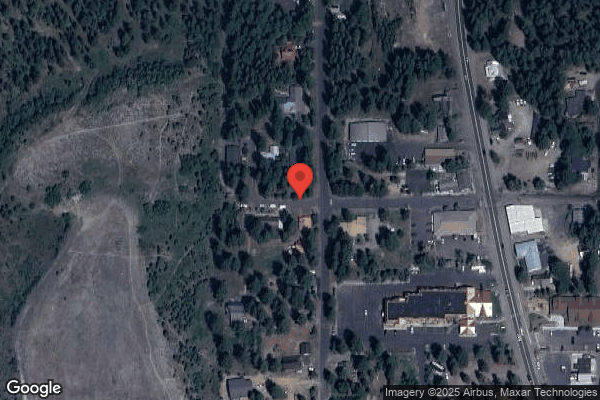
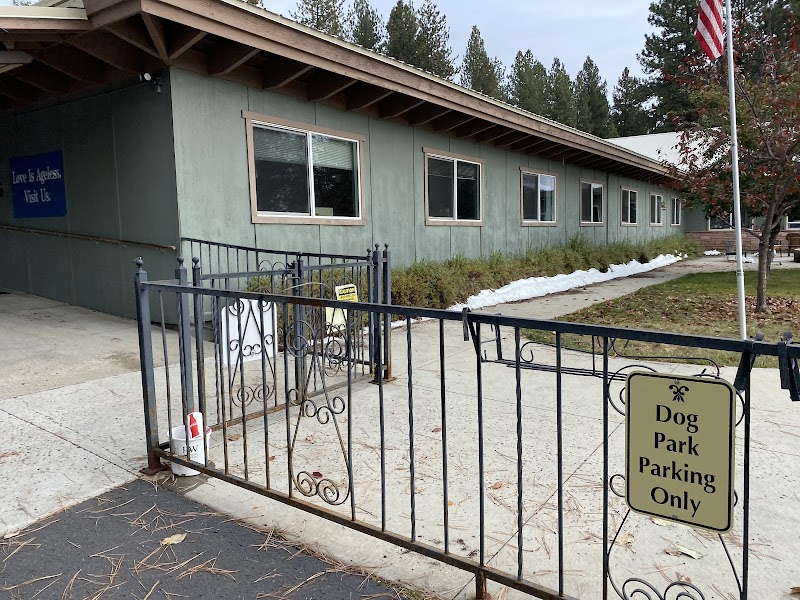
418 FLOYDE STREET, MCCALL, ID 83638 (208) 634-2112
For profit - Limited Liability company 65 Beds THE ENSIGN GROUP Data: November 2025
Trust Grade
85/100
#13 of 79 in ID
Last Inspection: July 2025

Inspected within the last 6 months. Data reflects current conditions.

Overview

McCall Rehabilitation and Care Center has a Trust Grade of B+, which means it is above average and generally recommended for families seeking care. It ranks #13 out of 79 facilities in Idaho, placing it in the top half of the state, and is the only option in Valley County. The facility is improving, with issues decreasing from 7 in 2019 to 2 in 2025, and it has no fines on record, which is a positive sign. Staffing is rated 4 out of 5 stars, indicating a good level of care, though the 57% turnover rate is slightly above average for Idaho. However, there are some concerns, including issues with kitchen sanitation that could affect resident safety and a dietary manager who is not yet certified, raising questions about nutritional care. Additionally, past incidents indicated failures to perform necessary neurological assessments after falls, highlighting potential risks for residents. Overall, while there are strengths in the quality of care and no fines, families should consider the identified weaknesses when making their decision.

Trust Score
B+
85/100
In Idaho
#13/79
Top 16%
Safety Record
Low Risk
No red flags
Inspections
Getting Better
7 → 2 violations
Staff Stability
⚠ Watch
57% turnover. Above average. Higher turnover means staff may not know residents' routines.
Penalties
✓ Good
No fines on record. Clean compliance history, better than most Idaho facilities.
Skilled Nurses
✓ Good
Each resident gets 49 minutes of Registered Nurse (RN) attention daily — more than average for Idaho. RNs are trained to catch health problems early.
Violations
○ Average
9 deficiencies on record. Average for a facility this size. Mostly minor or procedural issues.
★★★★★
5.0
Overall Rating
★★★★☆
4.0
Staff Levels
★★★★★
5.0
Care Quality
★★★★☆
4.0
Inspection Score
Stable
2019: 7 issues
2025: 2 issues

The Good

  • 4-Star Staffing Rating · Above-average nurse staffing levels
  • 5-Star Quality Measures · Strong clinical quality outcomes
  • Full Sprinkler Coverage · Fire safety systems throughout facility
  • No fines on record

Facility shows strength in staffing levels, quality measures, fire safety.

The Bad

Staff Turnover: 57%

11pts above Idaho avg (46%)

Frequent staff changes - ask about care continuity

Chain: THE ENSIGN GROUP

Part of a multi-facility chain

Ask about local staffing decisions and management

Staff turnover is elevated (57%)

9 points above Idaho average of 48%

The Ugly 9 deficiencies on record

Jul 2025 2 deficiencies
CONCERN (F) 📢 Someone Reported This

A family member, employee, or ombudsman was alarmed enough to file a formal complaint

Potential for Harm - no one hurt, but risky conditions existed

Deficiency F0801 (Tag F0801)

Could have caused harm · This affected most or all residents

Based on record review and observation it was determined the facility failed to ensure a qualified individual was employed with the knowledge and skill set to carry out the function of food and nutrit...

Read full inspector narrative →
Based on record review and observation it was determined the facility failed to ensure a qualified individual was employed with the knowledge and skill set to carry out the function of food and nutrition services. This deficient practice created the potential to affect 35 residents who consumed food prepared by the facility. This placed residents at risk for undetected weight loss and adverse health outcomes when the facility did not employ a qualified individual to meet all resident nutritional needs. Findings include: The facility's Quality Assurance and Performance Improvement (QAPI) meeting minutes, dated January 2025, documented under dietary services, the facility had a goal to enroll the Dietary Manager (DM) into a dietary manager certification training by the next quarter. The facility's QAPI meeting minutes dated April 2025, included confirmation of enrollment to the dietary manager certification training. On 7/23/25 at 10:43 AM, the DM stated she is not a Certified Dietary Manager. She stated she was currently enrolled in a training program and had 11 months left before she completed the program. On 7/24/25 at 9:56 AM, the Administrator stated the facility did not have a qualified individual with the knowledge and skill set required to meet the nutritional needs of residents.
CONCERN (F) 📢 Someone Reported This

A family member, employee, or ombudsman was alarmed enough to file a formal complaint

Potential for Harm - no one hurt, but risky conditions existed

Food Safety (Tag F0812)

Could have caused harm · This affected most or all residents

Number of residents sampled:Number of residents cited:SDP= GenesisUniverse= Facility wide Concerns with Food and Nutrition Services regarding kitchen sanitation. Based on observation, staff interview,...

Read full inspector narrative →
Number of residents sampled:Number of residents cited:SDP= GenesisUniverse= Facility wide Concerns with Food and Nutrition Services regarding kitchen sanitation. Based on observation, staff interview, and Food Code review, it was determined the facility failed to ensure the kitchen equipment was maintained in sanitary condition and food was handled in a safe and sanitary manner. These deficient practices created the potential to affect 35 residents who consumed food prepared by the facility. This placed residents at risk for potential food contamination and adverse health outcomes, including food-borne illness. Findings include: The FDA Food Code Section 4-601.11 (C) Cleaning of Equipment and Utensils, documented nonfood-contact surfaces of equipment shall be kept free of an accumulation of dust, food residue, and other debris. 1. On 7/23/25 at 10:59 AM, during a kitchen inspection a black kitchen aid mixer was observed sitting on a counter with white encrustations. On 7/23/25 at 11:05 AM, the DM stated the mixer was not in sanitary condition. 2. On 7/23/25 at 11:05 AM, a kitchen cabinet near the thawing station was observed to store clean stainless-steel pans. The cabinet was noted to have dust like particles with dry noodles on the surface where pans were placed. One of the stainless-steel covers was observed with yellow dry encrustations. On 7/23/25 at 11:07 AM, the DM stated the pans were not stored under sanitary conditions. 3. On 7/24/25 at 8:07 AM, during a tray line observation the DM was observed touching her clothing then continuing to serve ready-to-eat food onto a meal tray. The tray was then placed in the food cart for delivery. No observation of hand hygiene was noted. On 7/24/25 at 8:18 AM the DM stated it was unsanitary to touch per personal clothing and continue touching ready-to-eat food with no hand hygiene in between. The FDA food code section 3-304.15 (A) Gloves, Use Limitation, documented if used, single-use gloves shall be used for only one task such as working with ready-to-eat food or with raw animal food, used for no other purpose, and discarded when damaged or soiled, or when interruptions occur in the operation. 4. On 7/24/25 at 8:25 AM, during a tray line observation the DM was observed wearing gloves and cracking two eggs on the stove top griddle. She then proceeded to cut toast and place it on a plate without changing her gloves. The DM covered the plate and placed it on a resident tray, then placed the tray on a cart for delivery. No hand hygiene or glove changing was observed when going from raw uncooked food to ready-to-eat food. On 7/24/25 at 8:28 AM, the DM stated she did not change her gloves or perform hand hygiene when going from raw to cooked foods. She also stated she should have performed hand hygiene after placing the raw eggs on the stove top griddle.
Jul 2019 7 deficiencies
CONCERN (D)

Potential for Harm - no one hurt, but risky conditions existed

Deficiency F0578 (Tag F0578)

Could have caused harm · This affected 1 resident

**NOTE- TERMS IN BRACKETS HAVE BEEN EDITED TO PROTECT CONFIDENTIALITY** Based on record review and staff interview, it was determined the facility failed to ensure the resident or the resident's repre...

Read full inspector narrative →
**NOTE- TERMS IN BRACKETS HAVE BEEN EDITED TO PROTECT CONFIDENTIALITY** Based on record review and staff interview, it was determined the facility failed to ensure the resident or the resident's representative received information and assistance to exercise their right to formulate an Advance Directive. This was true for 1 of 4 residents (Resident #15) reviewed for an Advance Directive. The deficient practice created the potential for harm should resident's wishes regarding end of life or emergent care not be honored when they were incapacitated. Findings include: Resident #15 was admitted to the facility on [DATE], with multiple diagnoses including vascular dementia and cognitive communication deficit. Resident #15's record did not contain an Advance Directive or documentation the facility provided Resident #15 or Resident #15's representative information on an Advance Directive, and offered assistance to develop an Advance Directive if desired. On 7/23/19 at 3:48 PM, the admission Coordinator reviewed Resident #15's record and said it did not include an Advance Directive. The admission Coordinator said Resident #15's record did not include documentation the facility discussed with Resident #15 or Resident #15's representative Advance Directives or assistance to complete an Advance Directive.
CONCERN (D)

Potential for Harm - no one hurt, but risky conditions existed

Notification of Changes (Tag F0580)

Could have caused harm · This affected 1 resident

**NOTE- TERMS IN BRACKETS HAVE BEEN EDITED TO PROTECT CONFIDENTIALITY** Based on staff interview and record review, it was determined the facility failed to ensure a resident's representative was noti...

Read full inspector narrative →
**NOTE- TERMS IN BRACKETS HAVE BEEN EDITED TO PROTECT CONFIDENTIALITY** Based on staff interview and record review, it was determined the facility failed to ensure a resident's representative was notified in a timely manner of a resident's significant change in condition which required hospitalization. This was true for 1 of 4 residents (Resident #30) reviewed for notification of changes. This placed the resident at risk of inappropriate care and treatment due to lack of advocacy and involvement by their representative. Findings include: Resident #30 was admitted to the facility on [DATE], with multiple diagnoses including dementia with behaviors. A Nurse's Progress Note, dated 5/20/19 at 5:24 PM, documented Resident #30 was attempting to exit the building. The facility staff were attempting to redirect him and Resident #30 became physically and verbally abusive to a staff member. The police, Emergency Medical Services (EMS), and the physician were notified of the behaviors and Resident #30 was sent to the ER (emergency room) for an evaluation. Resident #30 was admitted to the hospital. A Nurse's Progress Note, dated 5/21/19 at 4:50 PM, documented the LSW notified Resident #30's spouse he was admitted to the hospital for the incident that happened on 5/20/19. On 7/25/19 at 3:28 PM, the DNS was unable to provide additional documentation Resident #30's spouse was notified he was sent to the ER on [DATE]. The DNS stated the facility should have notified Resident #30's spouse he was sent to the hospital the day of the incident on 5/20/19. On 7/25/19 at 3:35 PM, the LSW stated she did not notify Resident #30's spouse he was sent to the hospital until 5/21/19. The LSW stated the facility staff thought his spouse was in the facility visiting when he was sent to the ER. On 7/25/19 at 3:41 PM, the Administrator stated Resident #30 was verbally upset towards his spouse on 5/20/19 and she left the facility. The Administrator stated the physician was notified of Resident #30's behavior, and per the physician's orders, police and EMS were called. The Administrator stated Resident #30's spouse had left the facility and was not aware he was sent to the hospital.
CONCERN (D)

Potential for Harm - no one hurt, but risky conditions existed

Deficiency F0655 (Tag F0655)

Could have caused harm · This affected 1 resident

**NOTE- TERMS IN BRACKETS HAVE BEEN EDITED TO PROTECT CONFIDENTIALITY** Based on record review and staff interview, it was determined the facility failed to ensure a resident's code status was documen...

Read full inspector narrative →
**NOTE- TERMS IN BRACKETS HAVE BEEN EDITED TO PROTECT CONFIDENTIALITY** Based on record review and staff interview, it was determined the facility failed to ensure a resident's code status was documented on their baseline care plan. This was true for 1 of 2 residents (Resident #130) reviewed for baseline care plans. This failure created the potential for harm should a residents' wishes not be followed regarding their code status due to lack of information on the baseline care plan. Findings include: Resident #130 was admitted to the facility on [DATE], with multiple diagnoses including cognitive communication deficit, history of stroke, and left bundle branch block (a delay or blockage in the electrical impulse traveling through the heart). Resident #130's physician orders documented Do Not Resuscitate (DNR), dated 7/17/19. Resident #130's Preferred Intensity of Care form documented she was a DNR, and it was signed by her representative on 7/16/19. Resident #130's Initial Care Plan, dated 7/16/19, did not include documentation regarding her code status. On 7/25/19 at 2:50 PM, the DNS said Resident #130's code status was not documented on the baseline care plan. The DNS said the facility typically documented the code status on the initial care plan within 48 hours.
CONCERN (D)

Potential for Harm - no one hurt, but risky conditions existed

Deficiency F0657 (Tag F0657)

Could have caused harm · This affected 1 resident

**NOTE- TERMS IN BRACKETS HAVE BEEN EDITED TO PROTECT CONFIDENTIALITY** Based on observation, record review, policy review, and resident, resident family member, and staff interview, it was determined...

Read full inspector narrative →
**NOTE- TERMS IN BRACKETS HAVE BEEN EDITED TO PROTECT CONFIDENTIALITY** Based on observation, record review, policy review, and resident, resident family member, and staff interview, it was determined the facility failed to ensure care plans were revised and updated as care needs changed. This was true for 1 of 13 residents (Resident #13) whose care plans were reviewed. This failure created the potential for harm if cares and/or services were provided based on inaccurate information on the care plan. Findings include: The facility's policy for Comprehensive Person-Centered Care Planning, revised [DATE], documented each resident's care plan was reviewed and/or revised by the Interdisciplinary Team (IDT) after each assessment. Resident #13 was admitted to the facility on [DATE], with multiple diagnoses including cerebrovascular disease (a medical condition that affects blood vessels of the brain), aphasia (the loss of ability to understand or express speech), and cognitive communication deficit. Resident #13's care plan documented she was not to be resuscitated, Do Not Resuscitate (DNR), and to provide comfort measures and limited interventions, initiated on [DATE]. The care plan also documented Resident #13 wanted cardiorespiratory resuscitation (CPR) and was a Full Code, initiated one day later on [DATE]. Resident #13's Care Plan Conference Summary, dated [DATE], documented she changed her code status from DNR to Full Code. Resident #13's record included a physician order, dated [DATE], for Full Code and her Preferred Intensity of Care form documented she wished for all efforts at revival in the event of sudden death (Full Code). On [DATE] at 3:35 PM, LPN #1 said Resident #13's code status was no longer DNR, she recently went to the doctor and it was changed to Full Code. On [DATE] at 4:11 PM, the LSW said Resident #13 recently had a care conference and she updated her code status. The LSW said the information on the care plan that documented DNR was an error. On [DATE] at 4:26 PM, the DNS said Resident #13 recently had a care conference and she changed her code status to Full Code. The DNS said Resident #13's care plan included previous information that was not correct regarding her code status.
CONCERN (D)

Potential for Harm - no one hurt, but risky conditions existed

Deficiency F0676 (Tag F0676)

Could have caused harm · This affected 1 resident

**NOTE- TERMS IN BRACKETS HAVE BEEN EDITED TO PROTECT CONFIDENTIALITY** Based on record review, policy review, and resident and staff interview, it was determined the facility failed to provide shower...

Read full inspector narrative →
**NOTE- TERMS IN BRACKETS HAVE BEEN EDITED TO PROTECT CONFIDENTIALITY** Based on record review, policy review, and resident and staff interview, it was determined the facility failed to provide showers and communication assistance as needed. This was true for 2 of 12 residents (#13 and #18) whose activities of daily living were reviewed. This failure placed the residents at risk of psychosocial distress related to embarrassment and/or isolation from not receiving showers and not being able to communicate. Findings include: 1. The facility's policy for Restorative Care, revised 11/2017, documented objectives for providing direct nursing care services that maintained optimum physical and mental health for the resident and meet all his medical treatment needs, and Participate in the retraining of the resident in self-care activities. Residents would be evaluated on their ability to carry out activities of daily living (ADLs), including the ability to understand speech and talk. Resident #13 was admitted to the facility on [DATE], with multiple diagnoses including cerebrovascular disease (a medical condition that affects blood vessels of the brain), aphasia (the loss of ability to understand or express speech), and cognitive communication deficit. Resident #13's quarterly MDS assessment, dated 5/27/19, documented she had unclear speech and was rarely/never understood, she usually understood others, and she was severely cognitively impaired. Resident #13's care plan documented she had a computerized communication device, a Dynavox, and communication cards and staff were to use these communication tools as recommended by Speech Therapy (ST), initiated on 1/24/19. An ST discharge summary, signed by the Speech Therapist on 1/22/19, documented Resident #13 required daily assistance and encouragement from staff to use her communication device, the Dynavox. The discharge summary stated Resident #13 wanted and was able to use the communication device but did not have the staff support or knowledge. The summary also stated staff needed continued encouragement and familiarization with the ST tools and this should be done with the Restorative Program. The ST discharge summary stated a communication program was established with the restorative aide. A progress note, dated 3/27/19 at 10:47 AM, documented Will discontinue program for now as Resident [sic] is not showing improvement .doesn't retain how to use Dynavox, one worded questions work best at this time. She tends to get overwhelmed which seems to upset her. A Care Plan Conference summary, dated 6/18/19, documented Resident #13 had a Dynavox for communication and communication was a barrier. There was no further documentation in the summary about Resident #13's barriers to communication or how it was going to be addressed. A Care Conference note, dated 6/18/19 at 4:58 PM, stated Resident #13 continued to experience frustration regarding not being able to communicate, and she attempted to write her responses but was unsuccessful. On 7/23/19 at 3:52 PM, Resident #13's family member said he never saw Resident #13 use the Dynavox or staff attempt to use it with her. When asked if she liked the Dynavox, Resident #13 shook her head side-to-side indicating no. On 7/23/19 at 4:01 PM, a Dynavox was observed on the counter in Resident #13's room and it was plugged into the wall outlet. CNA #1 said it was hard to communicate with Resident #13 and her yes/no questions were confused. CNA #1 said Resident #13 had a communication device, but she never saw it being used. CNA #1 said she did not know how to use the communication device. On 7/23/19 at 4:46 PM, LPN #2 said Resident #13 had pictures on her wall (used as communication aids) but she did not use them. LPN #2 said she had never seen Resident #13 use the Dynavox and staff did not touch it. LPN #2 said she thought Resident #13 used to be on a Restorative Program. On 7/24/19 at 8:52 AM, CNA #2 said the Speech Therapist previously trained her on Resident #13's Dynavox. CNA #2 said Resident #13 did not like to use the Dynavox very much and she became a little overwhelmed with it. CNA #2 said the last time Resident #13 used the Dynavox was about 2 weeks ago, and it was not part of her Restorative Program. CNA #2 said other staff knew Resident #13 did not like to use the Dynavox, and she did not know if it was discontinued. CNA #2 said the speech therapist was informed Resident #13 did not like to use the Dynavox, and she said to use whatever Resident #13 was most comfortable with. On 7/24/19 at 10:47 AM, the DNS said the staff received training to help Resident #13 use the Dynavox. The DNS said it was supposed to be an option for Resident #13 to use the Dynavox, but staff had to initiate it. The DNS said she had not observed Resident #13 use the Dynavox. On 7/25/19 at 9:44 AM, the Speech Therapist said she was not sure if Resident #13 still used the Dynavox, staff would have to initiate it, and she had not observed it being used recently. The Speech Therapist said Resident #13 did not have a lot of therapy because there was no payment method for that. The Speech Therapist said she had not followed up with Resident #13 and did not know if she was still on a Restorative Program. 2. Resident #18 was admitted to the facility on [DATE], with multiple diagnoses including type 2 diabetes mellitus with diabetic neuropathy (nerve damage including pain and numbness). Resident #18's care plan documented Resident #18 required supervision/set-up with the assistance of 1 staff member for showering. Resident #18's Care Plan Conference summary, dated 7/2/19, documented Resident #18 preferred evening showers. On 7/24/19 at 3:30 PM, Resident #18 said she did not remember the last time she had a shower. The daily shower schedule forms for July 2019 documented Resident #18 received showers on 6/30/19, 7/17/19, and 7/21/19. The forms for July 2019 documented Resident #18 did not receive a shower for 17 days between 6/30/19 and 7/17/19. The bathing schedule in the electronic record for June 2019 and July 2019 documented Resident #18 did not receive a shower for 21 days between 6/30/19 and 7/21/19. The facility's tool to track the residents' showering schedule, and completion of showers, was a paper form that was posted. It identified the date and shift, which residents were to get showers that shift, and which CNA was assigned to the residents. The shower schedule, dated 7/10/19, initiated by the DNS, documented Resident #18's showers were to be provided every Sunday and Wednesday evening. Those residents with a change in their scheduled showers had the day/shift identifiers circled, if they refused or did not receive a shower that day. Resident #18's day/shift identifier was not circled on the days and shifts she did not receive a schedule. On 7/24/19 at 4:03 PM, LPN #1 said staff knew to shower a resident by reading the daily shower schedule form that was posted. LPN #1 said staff procedure was to offer the resident assistance with a shower 3 times during the scheduled shift, and if the resident refused 3 times they wrote the resident's name on the next day's shower schedule form. On 7/24/19 at 4:03 PM, the DNS said on 7/10/19 she implemented the policy of re-scheduling a resident on the next day's shower schedule with the date the original shower was offered and refused and this was to be repeated until a shower was provided. The DNS said the electronic record has priority over the paper shower schedule which was posted daily. On 7/24/19 at 4:10 PM, the DNS said she reviewed Resident #18's electronic record and said it documented Resident #18 was provided a shower on 6/30/19, had refused a shower on 7/3/19 and 7/14/19, and her next shower was on 7/21/19. The DNS was unable to provide documentation Resident #18 was provided a shower on 7/17/19. The DNS said Resident #18 did not get a shower for 21 days.
CONCERN (D)

Potential for Harm - no one hurt, but risky conditions existed

Deficiency F0688 (Tag F0688)

Could have caused harm · This affected 1 resident

**NOTE- TERMS IN BRACKETS HAVE BEEN EDITED TO PROTECT CONFIDENTIALITY** Based on resident and staff interview and record review, it was determined the facility failed to ensure residents received rest...

Read full inspector narrative →
**NOTE- TERMS IN BRACKETS HAVE BEEN EDITED TO PROTECT CONFIDENTIALITY** Based on resident and staff interview and record review, it was determined the facility failed to ensure residents received restorative services through the restorative nursing program as needed. This was true for 2 of 2 residents (#9 and #13) reviewed for the restorative nursing program. This failure created the potential for residents to experience a decline in Range of Motion (ROM). Findings include: 1. Resident #9 was admitted to the facility on [DATE], with multiple diagnoses including age related physical disability, osteoarthritis, muscle wasting, and atrophy (a breakdown of tissues). A quarterly MDS assessment, dated 5/13/19, documented Resident #9 was to receive active ROM and walking therapy through the restorative nursing program. Resident #9's care plan, revised on 5/9/19, documented the restorative program was to provide active ROM exercises 5-6 times a week for 15 minutes. Resident #9's care plan, revised 6/26/19, documented the restorative program was also to provide walking assistance 5-6 times a week, and Resident #9 tended to walk better first thing in the morning, typically around 7 AM. Resident #9 received restorative nursing services 4 days a week for the last 3 weeks of June 2019, and he received restorative nursing services 2 to 3 days a week in July 2019, from 7/1/19 to 7/22/19. A progress note, dated 7/17/19 at 10:06 AM, documented Resident #9 received restorative nursing for active ROM and ambulation, and Resident #9 participated well with active ROM and ambulation, and the plan of care was to be continued. On 7/22/19 at 11:02 AM, Resident #9 said he was waiting to be walked and had not walked since last Wednesday, 7/17/19. The restorative nursing schedule, dated 7/23/19, documented Resident #9 was in the ROM and ambulation program and was to ambulate in the morning. There was no documentation Resident #9 was ambulated by restorative nursing staff on 7/23/19. On 7/24/19 at 9:45 AM, the DNS said times/dates for restorative nursing were recorded under the care plan in the residents' records. Resident #9's record documented Resident #9 received restorative nursing 3-4 days the last three weeks of June 2019 and received restorative nursing 2-3 days a week in July 2019. On 7/24/19 at 11:13 AM, the MDS Coordinator said the goal was to provide restorative nursing for Resident #9 6-7 days a week and to staff someone who could provide these services on weekends, and without weekend staff the goal was reduced to 5-6 days a week. The MDS coordinator reviewed both electronic record and hard copy documentation and said Resident #9 had not received ROM or restorative nursing rehab since 7/17/19. On 7/24/19 at 11:37 AM, the DNS said the restorative nursing goal for Resident #9 was 5 days a week and weekend coverage on one weekend day with a total of 6 days a week. Resident #9 was not provided restorative nursing therapy the 5-6 days a week as directed in the care plan. 2. Resident #13 was admitted to the facility on [DATE], with multiple diagnoses including hemiplegia and hemiparesis (weakness and paralysis on one side of the body) affecting the right side, cerebrovascular disease (medical conditions that affect blood vessels of the brain), aphasia (the loss of ability to understand or express speech, resulting from brain damage), cognitive communication deficit, and history of falling. Resident #13's quarterly MDS assessment, dated 5/27/19, documented she was severely cognitively impaired, required extensive assistance of two persons for bed mobility, transfers, dressing, and toileting, and she received restorative program services on 4 of the past 7 days. Resident #13's physician orders documented May receive Restorative Nursing Services, ordered on 2/6/18. Resident #13's care plan directed restorative nursing be provided as follows: * Bed mobility 15 minutes, 5-6 times per week, initiated on 5/20/19. * Passive range of motion (ROM) 15 minutes, 5-6 times per week, initiated on 5/20/19. Resident #13's restorative program schedule documented she received restorative services four times a week 6/1/19 to 6/7/19, 6/8/19 to 6/15/19, 6/16/19 to 6/22/19, and 6/23/19 to 6/30/19. She received Restorative Nursing four times a week 7/1/19 to 7/8/19 and 7/9/19 to 7/15/19, and two times between 7/16/19 and 7/22/19. Resident #13 did not receive Restorative Nursing during the week of 7/6/19 to 7/11/19 and 7/18/19 to 7/22/19. On 7/23/19 at 3:52 PM, Resident #13's family member said he had not seen staff provide therapy or exercises to her. On 7/24/19 at 8:52 AM, CNA #2 said Resident #13 was supposed to receive restorative services for ROM and bed mobility every day, Monday through Friday. CNA #2 said she was injured earlier in the month, and another CNA was helping to try to get back on track. CNA #2 said the goal was for Resident #13 to receive restorative services 6 days a week. CNA #2 said Resident #13 missed some restorative nursing services this month, and she only received it four times a week in June. On 7/24/19 at 10:47 AM, the DNS said there were some issues with restorative nursing services since the restorative CNA was injured, and they had trouble getting someone to fill in but it was worked out. The DNS said goal was to have restorative nursing services five to six days a week.
CONCERN (E)

Potential for Harm - no one hurt, but risky conditions existed

Quality of Care (Tag F0684)

Could have caused harm · This affected multiple residents

**NOTE- TERMS IN BRACKETS HAVE BEEN EDITED TO PROTECT CONFIDENTIALITY** Based on observation, record review, policy review, and staff interviews, it was determined the facility failed to ensure neurol...

Read full inspector narrative →
**NOTE- TERMS IN BRACKETS HAVE BEEN EDITED TO PROTECT CONFIDENTIALITY** Based on observation, record review, policy review, and staff interviews, it was determined the facility failed to ensure neurological assessments were performed after unwitnessed falls and/or incidents involving a potential head injury, and medications were administered consistent with physician orders. This was true for 5 of 5 residents (#5, #19, #21, #22, and #27) reviewed for falls, and 1 of 8 residents (Resident #7) reviewed for medication administration. These failures created the potential for harm should residents experience undetected changes in neurological status and adverse effects from medications that were administered contrary to physician orders. Findings include: The facility's policy for Neurological Evaluation, revised May 2007, documented the following: * All incidents involving head trauma result in a comprehensive neurological assessment for a minimum of 72 hours. * A neurological assessment flowsheet was used for all residents who sustained head trauma due to falls or other incidents. * Any resident who had an injury involving the head or an observed fall required neurological checks and vital signs at least every 8 hours for 24 hours or per specific facility policy or physician's order. * Comprehensive neurological assessments were done every 15 minutes times 4 (one hour), every 30 minutes times 4 (two hours), every hour times 4 (four hours), and every shift times 72 hours. This policy did not include consistent instructions to staff when to conduct a neurological assessment, how frequently a resident should be assessed, and the duration of time for the neurological assessments. Neurological assessments were not completed as follows: a. Resident #5 was admitted to the facility on [DATE], with multiple diagnoses including dementia and a stroke. The quarterly MDS assessment, dated 4/26/19, documented Resident #5 was severely cognitively impaired and required extensive assistance from two staff members for bed mobility and transfers. - An Incident and Accident Report, dated 7/8/19 at 3:13 PM, documented Resident #5 was found lying on the floor to the right of her door. The report stated Resident #5 had no injuries from the fall. There was no documentation in Resident #5's record neurological assessments were completed after the fall. - An Incident and Accident Report, dated 7/12/19 at 5:29 PM, documented Resident #5 experienced an unwitnessed fall out of bed and was found on the floor on a mat next to her bed. The report stated Resident #5 had no injuries from the fall. There was no documentation in Resident #5's record neurological assessments were completed after the fall. - An Incident and Accident Report, dated 7/18/19 at 6:05 AM, documented Resident #5 experienced an unwitnessed fall out of bed and was found on the floor on a mat next to her bed. The report stated Resident #5 had no injuries from the fall. There was no documentation in Resident #5's record neurological assessments were completed after the fall. - An Incident and Accident Report, dated 7/22/19 at 10:46 AM, documented Resident #5 experienced an unwitnessed fall out of bed and was found on the floor on mat next to the bed. There was no documentation in Resident #5's record neurological assessments were completed after the fall. On 7/24/19 at 9:25 AM, the DNS stated Resident #5's record did not include neurological assessments for the falls on 7/8/19, 7/12/19, 7/18/19, or 7/22/19. b. Resident #21 was admitted to the facility on [DATE], with multiple diagnoses including dementia with behavioral disturbance, abnormalities of gait and mobility, and muscle wasting and atrophy. Resident #21's quarterly MDS assessment, dated 6/2019, documented he was severely cognitively impaired and required extensive assistance of two persons with bed mobility and transfers. Resident #21 had two falls which resulted in injuries to his head and neurological assessments were not completed as follows: - An Incident and Accident Report, dated 1/19/19 at 6:00 AM, documented he had an unwitnessed fall with a hematoma (swelling of clotted blood in the tissue) and two abrasions to his forehead. There was no documentation in Resident #21's record neurological assessments were completed after the fall. - An Incident and Accident Report, dated 7/17/19 at 9:37 PM, documented Resident #21 bumped his right temple area on the wall in the shower room when he stood up from his wheelchair and attempted to bite a CNA as she attempted to transfer him to the toilet. There was no documentation in Resident #21's record neurological assessments were completed after he bumped his head. On 7/24/19 at 10:55 AM, the DNS said neurological assessments should have been done after Resident #21's falls on 1/21/19 and 7/17/19. The DNS said if he hit his head there should have been further assessment. c. Resident #19 was admitted to the facility on [DATE], with multiple diagnoses including abnormalities of gait and mobility, and dementia with behavioral disturbance. Resident #19's quarterly MDS assessment, dated 6/11/19, documented he was severely cognitively impaired and required extensive assistance of two persons with bed mobility and transfers. An Incident and Accident Report, dated 7/9/19 at 3:50 PM, documented Resident #19 was found on the floor next to his bed. There was no documentation in Resident #19's record neurological assessments were completed after he fell. On 7/24/19 at 10:55 AM, the DNS said neurological assessments should be done if it was unsure whether the resident hit their head, there were visible signs and symptoms they hit their head, or the resident said they hit their head. d. Resident #27 was admitted to the facility on [DATE], with multiple diagnoses including muscle wasting and abnormalities of gait and mobility. Resident #27's quarterly MDS assessment, dated 7/1/19, documented he was cognitively intact and required physical assistance from one person for bed mobility and transfers. An Incident and Accident Report, dated 5/19/19 at 5:55 AM, documented Resident #27 was found lying on his left side between the wall and his bed. The report stated Resident #27 had a hematoma on the left of his forehead. The LPN documented neurological assessments were initiated and were within normal limits. There was no documentation in Resident #27's record neurological assessments were completed after he fell. On 7/24/19 at 5:30 PM, the DNS said she could not find neurological assessments in Resident #27's record after his fall on 5/19/19. e. Resident #22 was readmitted to the facility on [DATE], with multiple diagnoses including dementia. A readmission MDS assessment, dated 6/21/19, documented Resident #22 was severely cognitively impaired and required extensive assistance with two staff members for bed mobility and transfers. An Incident and Accident Report, dated 7/11/19 at 3:15 AM, documented Resident #22 experienced an unwitnessed fall out of bed. The report stated Resident #22 had no injuries from the fall. There was no documentation in Resident #22's record neurological assessments were completed after he fell. On 7/25/19 at 8:40 AM, the DNS stated Resident #22's record did not include neurological assessments for his unwitnessed fall on 7/11/19. The DNS stated Resident #22 had an unwitnessed fall and neurological assessments should have been implemented. 2. The facility's policy for the Six Rights of Medication Administration, revised May 2007, documented one of the Six Rights included the right time-Medications are administered within prescribed time frames. Resident #7 was admitted to the facility on [DATE], with multiple diagnoses including type 2 diabetes mellitus. Resident #7's physician orders included Humalog (insulin) 12 units subcutaneously (injected into the skin) twice a day after lunch and dinner, ordered on 7/4/19. On 7/24/19 at 4:47 PM, RN #1 administered the Humalog to Resident #7 in her left upper abdomen. No meal was served at that time, and dinner was not scheduled to be served until 5:30 PM (almost 45 minutes later). RN #1 said Resident #7 wanted the Humalog before dinner or right at dinner because she received another 28 units at bedtime, and she did not want them given too close together or her blood sugar could get too low. RN #1 said she did not administer the Humalog after dinner as ordered by Resident #7's physician. On 7/24/19 at 5:30 PM, the DNS said, the Humalog should be given to Resident #7 after dinner, and if Resident #7 wanted to receive the medication earlier due to the reasons described above, her physician should have been contacted. 5. Resident #5 was admitted to the facility on [DATE], with multiple diagnoses including dementia and a stroke. The quarterly MDS assessment, dated 4/26/19, documented Resident #5 was severely cognitively impaired and required extensive assistance from two staff member for bed mobility and transfers. a. An Incident and Accident Report, dated 7/8/19 at 3:13 PM, documented Resident #5 was found lying on the floor on her right side in her room next to bed. Resident #5 had no injuries from the fall. Neurological assessments following Resident #5's unwitnessed fall were not found in her record. b. An Incident and Accident Report, dated 7/12/19 at 5:29 PM, documented Resident #5 experienced an unwitnessed fall out of bed. Resident #5 had no injuries from the fall. Neurological assessments following Resident #5's unwitnessed fall were not found in her record. c. An Incident and Accident Report, dated 7/18/19 at 6:05 AM, documented Resident #5 experienced an unwitnessed fall out of bed. Resident #5 had no injuries from the fall. Neurological assessments following Resident #5's unwitnessed fall were not found in her record. d. An Incident and Accident Report, dated 7/22/19 at 10:46 AM, documented Resident #5 experienced an unwitnessed fall out of bed and sustained a bruise and skin tear to the outer part of her right eyebrow. A neurological assessment was documented on the Incident and Accident Report. Neurological assessments following Resident #5's unwitnessed fall were not found in her record. On 7/24/19 at 9:25 AM, the DNS stated Resident #5's record did not include neurological assessments for the falls on 7/8/19, 7/12/19, 7/18/19, or 7/22/19. The DNS stated she spoke to the LPN regarding Resident #5's unwitnessed fall and she did initiate neurological checks, but she did not implement them per the facility's policy on a neurological assessment flow sheet. 6. Resident #22 was readmitted to the facility on [DATE], with multiple diagnoses including dementia. A readmission MDS assessment, dated 6/21/19, documented Resident #22 was severely cognitively impaired and required extensive assistance with two staff members for bed mobility and transfers. An Incident and Accident Report, dated 7/11/19 at 3:15 AM, documented Resident #22 experienced an unwitnessed fall out of bed. Resident #22 had no injuries from the fall. Neurological assessments following Resident #22's unwitnessed fall were not found in his record. On 7/25/19 at 8:40 AM, the DNS stated Resident #22's record did not include neurological assessments for his unwitnessed fall on 7/11/19. The DNS stated Resident #22 had an unwitnessed fall and neurological assessments should have been implemented.
Understanding Severity Codes (click to expand)
Life-Threatening (Immediate Jeopardy)
J - Isolated K - Pattern L - Widespread
Actual Harm
G - Isolated H - Pattern I - Widespread
Potential for Harm
D - Isolated E - Pattern F - Widespread
No Harm (Minor)
A - Isolated B - Pattern C - Widespread

Questions to Ask on Your Visit

  • "Why is there high staff turnover? How do you retain staff?"
  • "Can I speak with families of current residents?"
  • "What's your RN coverage like on weekends and overnight?"

Our Honest Assessment

Strengths
  • • Grade B+ (85/100). Above average facility, better than most options in Idaho.
  • • No major safety red flags. No abuse findings, life-threatening violations, or SFF status.
  • • No fines on record. Clean compliance history, better than most Idaho facilities.
Concerns
  • • 57% turnover. Above average. Higher turnover means staff may not know residents' routines.
Bottom line: Generally positive indicators. Standard due diligence and a personal visit recommended.

About This Facility

What is Mccall Rehabilitation And's CMS Rating?

CMS assigns MCCALL REHABILITATION AND CARE CENTER an overall rating of 5 out of 5 stars, which is considered much above average nationally. Within Idaho, this rating places the facility higher than 99% of the state's 100 nursing homes. This rating reflects solid performance across the metrics CMS uses to evaluate nursing home quality.
How is Mccall Rehabilitation And Staffed?

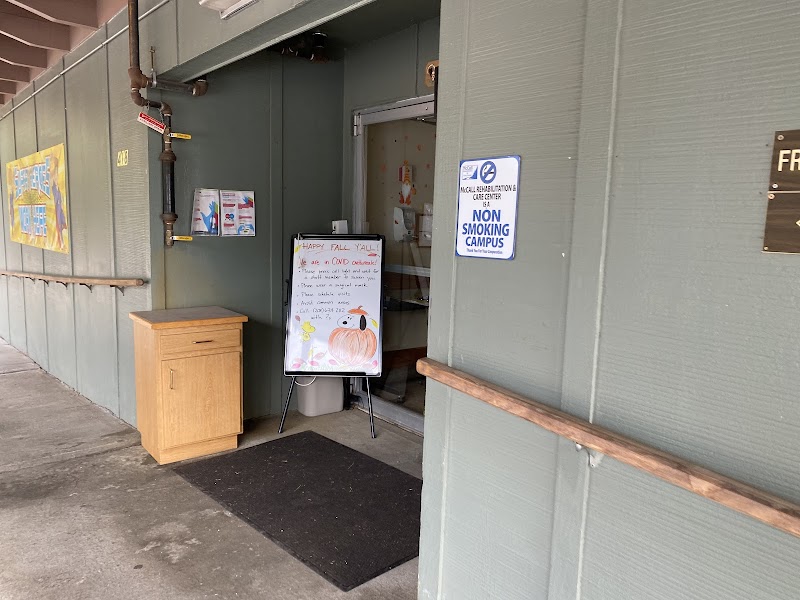
CMS rates MCCALL REHABILITATION AND CARE CENTER's staffing level at 4 out of 5 stars, which is above average compared to other nursing homes. Staff turnover is 57%, which is 11 percentage points above the Idaho average of 46%. High turnover can affect care consistency as new staff learn residents' individual needs.

What Have Inspectors Found at Mccall Rehabilitation And?

State health inspectors documented 9 deficiencies at MCCALL REHABILITATION AND CARE CENTER during 2019 to 2025. These included: 9 with potential for harm.
Who Owns and Operates Mccall Rehabilitation And?

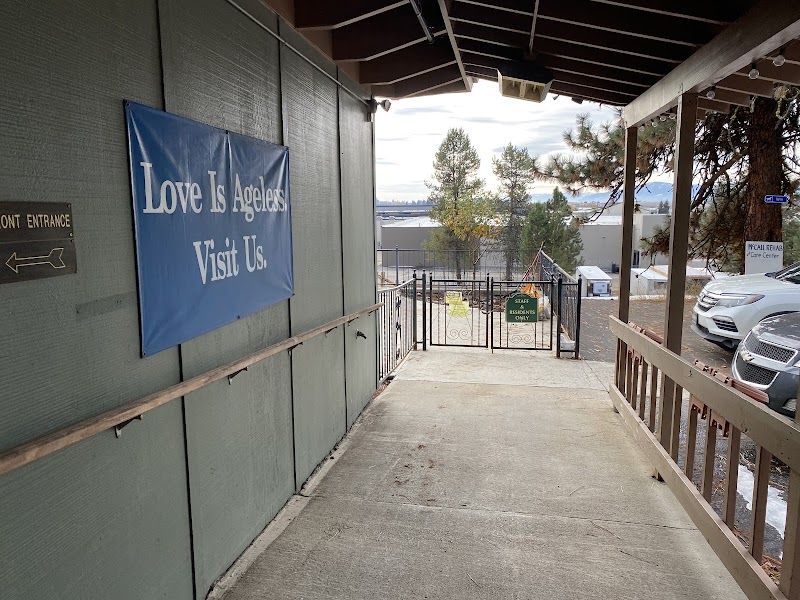
MCCALL REHABILITATION AND CARE CENTER is owned by a for-profit company. For-profit facilities operate as businesses with obligations to shareholders or private owners. The facility is operated by THE ENSIGN GROUP, a chain that manages multiple nursing homes. With 65 certified beds and approximately 34 residents (about 52% occupancy), it is a smaller facility located in MCCALL, Idaho.
How Does Mccall Rehabilitation And Compare to Other Idaho Nursing Homes?

Compared to the 100 nursing homes in Idaho, MCCALL REHABILITATION AND CARE CENTER's overall rating (5 stars) is above the state average of 3.3, staff turnover (57%) is significantly higher than the state average of 46%, and health inspection rating (4 stars) is above the national benchmark.

What Should Families Ask When Visiting Mccall Rehabilitation And?

Based on this facility's data, families visiting should ask: "How do you ensure continuity of care given staff turnover, and what is your staff retention strategy?" "Can I visit during a mealtime to observe dining assistance and food quality?" "How do you handle medical emergencies, and what is your hospital transfer rate?" "Can I speak with family members of current residents about their experience?" These questions are particularly relevant given the facility's high staff turnover rate.

Is Mccall Rehabilitation And Safe?

Based on CMS inspection data, MCCALL REHABILITATION AND CARE CENTER has a clean safety record: no substantiated abuse findings (meaning no confirmed cases of resident harm), no Immediate Jeopardy citations (the most serious violation level indicating risk of serious injury or death), and is not on the Special Focus Facility watch list (a federal program monitoring the lowest-performing 1% of nursing homes). The facility has a 5-star overall rating and ranks #1 of 100 nursing homes in Idaho. While no facility is perfect, families should still ask about staff-to-resident ratios and recent inspection results during their visit.

Do Nurses at Mccall Rehabilitation And Stick Around?

Staff turnover at MCCALL REHABILITATION AND CARE CENTER is high. At 57%, the facility is 11 percentage points above the Idaho average of 46%. High turnover means new staff may not know residents' individual needs, medications, or preferences. It can also be disorienting for residents, especially those with dementia who rely on familiar faces. Families should ask: What is causing the turnover? What retention programs are in place? How do you ensure care continuity during staff transitions?

Was Mccall Rehabilitation And Ever Fined?

MCCALL REHABILITATION AND CARE CENTER has no federal fines on record. CMS issues fines when nursing homes fail to meet care standards or don't correct problems found during inspections. The absence of fines suggests the facility has either maintained compliance or corrected any issues before penalties were assessed. This is a positive indicator, though families should still review recent inspection reports for the full picture.

Is Mccall Rehabilitation And on Any Federal Watch List?

MCCALL REHABILITATION AND CARE CENTER is not on any federal watch list. The most significant is the Special Focus Facility (SFF) program, which identifies the bottom 1% of nursing homes nationally based on persistent, serious quality problems. Not being on this list means the facility has avoided the pattern of deficiencies that triggers enhanced federal oversight. This is a positive indicator, though families should still review the facility's inspection history directly.