ASPEN PARK OF CASCADIA
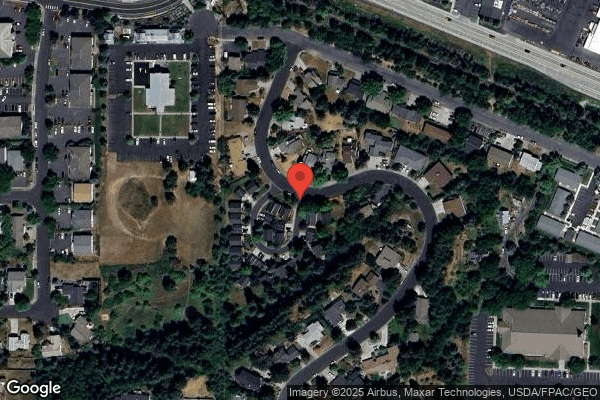
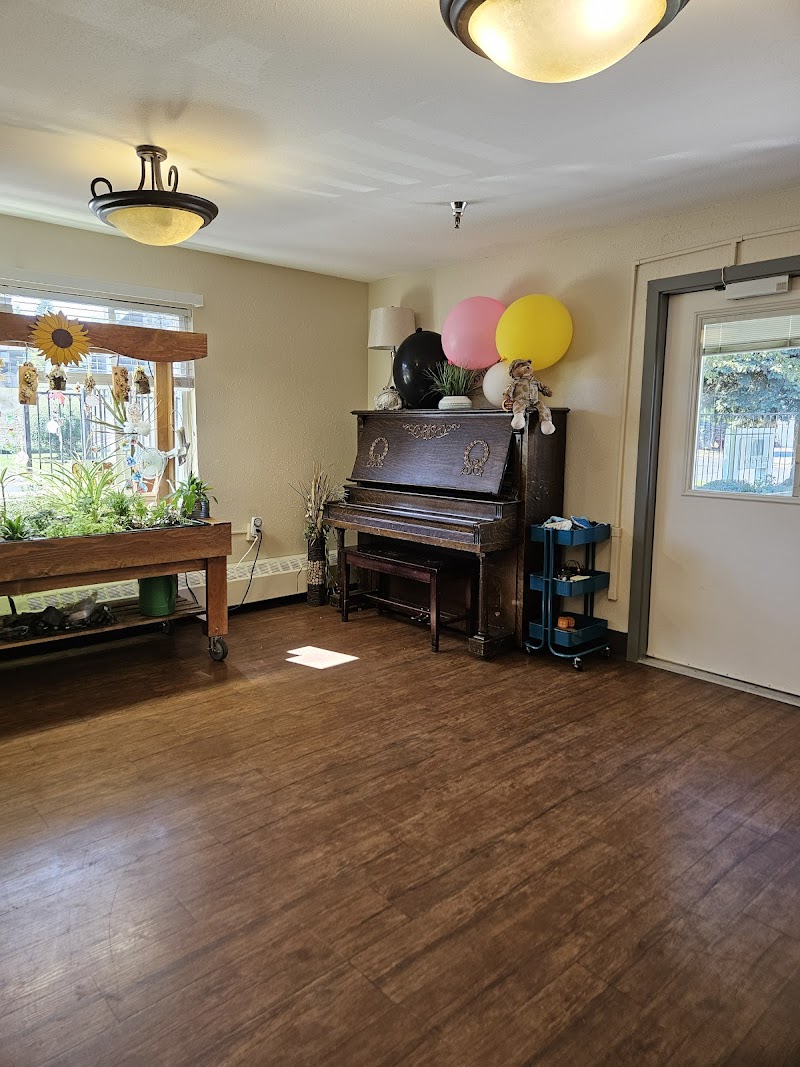
420 ROWE STREET, MOSCOW, ID 83843 (208) 882-4576
For profit - Limited Liability company 70 Beds CASCADIA HEALTHCARE Data: November 2025
Trust Grade
75/100
#22 of 79 in ID
Last Inspection: May 2025

Inspected within the last 6 months. Data reflects current conditions.

Overview

Aspen Park of Cascadia in Moscow, Idaho, has a Trust Grade of B, indicating it is a good facility and a solid choice for care. It ranks #22 out of 79 nursing homes in Idaho, placing it in the top half of facilities in the state, and #1 out of 2 in Latah County, meaning there is only one other local option. Unfortunately, the facility is experiencing a worsening trend, with the number of issues identified increasing from 1 in 2024 to 7 in 2025. Staffing is a concern with a poor rating of 1 out of 5 stars and a high turnover rate of 60%, which is above the state average. Although the facility has not incurred any fines, indicating compliance with regulations, it has lower RN coverage than 91% of Idaho facilities, which could impact resident care. Specific incidents of concern include failing to assess whether residents were safe to self-administer medications, missing advance directives for residents, and inaccuracies in residents' Minimum Data Set assessments, which could lead to inadequate monitoring and care. Overall, while Aspen Park has some strengths such as its rank and lack of fines, families should be aware of the staffing issues and recent compliance problems when considering this facility for their loved ones.

Trust Score
B
75/100
In Idaho
#22/79
Top 27%
Safety Record
Low Risk
No red flags
Inspections
Getting Worse
1 → 7 violations
Staff Stability
⚠ Watch
60% turnover. Above average. Higher turnover means staff may not know residents' routines.
Penalties
✓ Good
No fines on record. Clean compliance history, better than most Idaho facilities.
Skilled Nurses
⚠ Watch
Each resident gets only 25 minutes of Registered Nurse (RN) attention daily — below average for Idaho. Fewer RN minutes means fewer trained eyes watching for problems.
Violations
⚠ Watch
11 deficiencies on record. Higher than average. Multiple issues found across inspections.
★★★★☆
4.0
Overall Rating
★☆☆☆☆
1.0
Staff Levels
★★★★★
5.0
Care Quality
★★★★☆
4.0
Inspection Score
Stable
2024: 1 issues
2025: 7 issues

The Good

  • 5-Star Quality Measures · Strong clinical quality outcomes
  • Full Sprinkler Coverage · Fire safety systems throughout facility
  • No fines on record

Facility shows strength in quality measures, fire safety.

The Bad

Staff Turnover: 60%

13pts above Idaho avg (46%)

Frequent staff changes - ask about care continuity

Chain: CASCADIA HEALTHCARE

Part of a multi-facility chain

Ask about local staffing decisions and management

Staff turnover is elevated (60%)

12 points above Idaho average of 48%

The Ugly 11 deficiencies on record

May 2025 7 deficiencies
CONCERN (D) 📢 Someone Reported This

A family member, employee, or ombudsman was alarmed enough to file a formal complaint

Potential for Harm - no one hurt, but risky conditions existed

Deficiency F0554 (Tag F0554)

Could have caused harm · This affected 1 resident

**NOTE- TERMS IN BRACKETS HAVE BEEN EDITED TO PROTECT CONFIDENTIALITY** Based on observation, record review, and staff interview, it was determined the facility failed to ensure residents were assesse...

Read full inspector narrative →
**NOTE- TERMS IN BRACKETS HAVE BEEN EDITED TO PROTECT CONFIDENTIALITY** Based on observation, record review, and staff interview, it was determined the facility failed to ensure residents were assessed to determine if they were safe to self-administer medications. This was true for 1 of 2 residents (Resident #1) reviewed for self-administration of medication. This failure created the potential for adverse outcomes if Resident #1 was to self-administer oral medications inappropriately. Findings include: The facility's Self-Administration of Medication policy, implemented 11/28/17, stated the facility's Interdisciplinary Team should at a minimum consider the following: - The medication appropriate and safe for self-administration - The resident's physical capacity to swallow and to open medication bottles - The resident's cognitive status - The resident's capability to follow directions - The resident's ability to understand what refusal of medication is - The resident's ability to ensure that medication is stored safely and securely. Resident #1 was readmitted to the facility on [DATE], with multiple diagnoses including need for assistance with personal care, anxiety, and major depressive disorder. A physician order, dated 3/17/24, documented Tums tablet, chewable, give 1,200 milligrams (mg) by mouth one time a day for supplement. A Self-Administration Evaluation, dated 6/24/24, documented Resident #1 was given the approval to effectively self-administer her nebulizer treatments, the evaluation did not include documentation she was assessed for safety to take other oral medications independently. Resident #1's care plan, revised on 4/15/25, documented the licensed nurse (LN) is to validate each shift for appropriate self-administration of medications. It also documented Resident #1 should be able to identify the lock box code to prevent unauthorized access to the medications. On 4/28/25 at 4:30 PM, Resident #1's bedside table was observed to have one green and one orange round tablets on the tabletop next to an empty medication cup. On 4/28/24 at 4:43 PM, upon observation of the tablets, LPN #1 stated Resident #1 takes the medications as a calcium supplement and the nurse from prior shift left them on Resident #1's bedside table for her to take when she was ready. She also stated Resident #1 was not evaluated for self-administration of the calcium supplement.
CONCERN (D) 📢 Someone Reported This

A family member, employee, or ombudsman was alarmed enough to file a formal complaint

Potential for Harm - no one hurt, but risky conditions existed

Deficiency F0578 (Tag F0578)

Could have caused harm · This affected 1 resident

**NOTE- TERMS IN BRACKETS HAVE BEEN EDITED TO PROTECT CONFIDENTIALITY** Based on record review and staff interview it was determined the facility failed to ensure residents exercised their right to fo...

Read full inspector narrative →
**NOTE- TERMS IN BRACKETS HAVE BEEN EDITED TO PROTECT CONFIDENTIALITY** Based on record review and staff interview it was determined the facility failed to ensure residents exercised their right to formulate an Advanced Directive. This was true for 1 of 14 residents (Resident #39) whose records were reviewed. This failed practice created the potential for an adverse outcome if the resident's wishes were not followed. Findings include: The State Operation Manual, Appendix PP, defined an Advance Directive is a written instruction, such as a living will or durable power of attorney for health care, recognized under State law (whether statutory or as recognized by the courts of the State), relating to the provision of health care when the individual is incapacitated. Physician Orders for Life-Sustaining Treatment (or POLST) paradigm form is a form designed to improve patient care by creating a portable medical order form that records patients' treatment wishes so that emergency personnel know what treatments the patient wants in the event of a medical emergency, taking the patient's current medical condition into consideration. A POLST paradigm form is not an advance directive. Resident #39 was admitted to the facility on [DATE], with multiple diagnoses including cognitive communication deficit, anxiety, and schizophrenia. Resident #39's record did not include an advance directive for healthcare. Resident #39's medical record did not include documentation of resources offered for a healthcare advance directive. On 4/30/25 at 3:46 PM, the Social Worker stated the facility did not have a healthcare advance directive for Resident #39.
CONCERN (D) 📢 Someone Reported This

A family member, employee, or ombudsman was alarmed enough to file a formal complaint

Potential for Harm - no one hurt, but risky conditions existed

Assessment Accuracy (Tag F0641)

Could have caused harm · This affected 1 resident

**NOTE- TERMS IN BRACKETS HAVE BEEN EDITED TO PROTECT CONFIDENTIALITY** Based on review of the Resident Assessment Instrument (RAI) Manual, record review, and staff interview, it was determined the fa...

Read full inspector narrative →
**NOTE- TERMS IN BRACKETS HAVE BEEN EDITED TO PROTECT CONFIDENTIALITY** Based on review of the Resident Assessment Instrument (RAI) Manual, record review, and staff interview, it was determined the facility failed to ensure a residents Minimum Data Set assessment included correct information. This was true for 1 of 14 residents (Resident #4) whose records were reviewed for accuracy. This deficient practice had the potential for negative outcomes if residents were not monitored due to inaccurate assessments. Findings include: The RAI Manual, revised 10/1/24, documented section A1500, PASRR (Preadmission Screening and Resident Review), was to be coded yes when a PASRR Level II screening determined a resident had a serious mental illness and/or intellectual disability, or related condition. Resident #4 was admitted to the facility on [DATE] with multiple diagnoses including major depressive disorder, generalized anxiety disorder, and legal blindness. Resident #4's medical record included documentation of a PASRR Level I screening, dated 7/6/23 that identified she had mental illness diagnoses of depression and anxiety. Resident #4's medical record included documentation of an abbreviated PASRR Level II screening, dated 7/10/23 that identified she had diagnoses of severe mental illness per PASRR criteria, the treatment she was receiving was appropriate, and was exempt from any further evaluation. Resident #4's Annual MDS Assessment, dated 2/27/25, documented section A1500, PASRR Is the resident currently considered by the state level II PASRR process to have a serious mental illness and/or intellectual disability, or a related condition? The answer for this question was documented as no. On 4/30/25 at 5:17 PM, the MDS Coordinator stated, Resident #4 has serious mental illness diagnoses and the MDS assessment is not accurate and section A1500 should have been marked yes.
CONCERN (D) 📢 Someone Reported This

A family member, employee, or ombudsman was alarmed enough to file a formal complaint

Potential for Harm - no one hurt, but risky conditions existed

Deficiency F0658 (Tag F0658)

Could have caused harm · This affected 1 resident

**NOTE- TERMS IN BRACKETS HAVE BEEN EDITED TO PROTECT CONFIDENTIALITY** Based on record review and staff interview, it was determined the facility failed to ensure services provided met the profession...

Read full inspector narrative →
**NOTE- TERMS IN BRACKETS HAVE BEEN EDITED TO PROTECT CONFIDENTIALITY** Based on record review and staff interview, it was determined the facility failed to ensure services provided met the professional standards. This was true for 3 of 14 residents (#19, 27, and 44) whose physician orders were reviewed. This failure created the potential for residents to suffer harm from adverse effects during medication administration. Findings include: 1. Resident #19 was admitted to the facility on [DATE] with multiple diagnoses including spastic quadriplegic cerebral palsy (paralysis of all four limbs with muscle stiffness due to brain damage or abnormal development), and constipation. Resident #19 used a percutaneous endoscopic gastrostomy tube (a PEG-tube is a feeding tube surgically placed directly into the stomach through the abdominal wall) for medication, nutrition, and hydration. Resident #19's medical record documented a physicians dietary order, dated 11/9/20, directing she was not to take any medication, nutrition, or hydration by mouth. Resident #19's medical record documented the following physician orders, dated 4/10/24: -Acetaminophen liquid 160 mg/ 5 ml, give 30 ml by mouth every 4 hours as needed for pain, not to exceed 3 grams in 24 hours. -Acetaminophen liquid 160 mg/ 5 ml, give 30 ml by mouth two times a day for pain. On 4/30/25 at 4:47 PM, the DON stated it is not safe for Resident #19 to take any medications by mouth and the acetaminophen orders were incorrect. She added, each nurse who administered the orders gave the medications through her PEG-tube but should have clarified the orders. 2. Resident #27 was admitted to the facility on [DATE] with multiple diagnoses including hemiplegia (paralysis) affecting his right/dominant side, dementia, and dysphagia (difficulty swallowing). Resident #27's medical record documented a physician order, dated 9/17/24, directing: -Metamucil Oral Psyllium Powder 48.57%, give 1 tablespoon by mouth before meals and at bedtime for stool bulking, administer in applesauce. On 4/30/25 at 4:50 PM, the DON stated it was irregular for Metamucil powder to be given in applesauce and at the time it was written that way for resident preference. The DON added the order must have been old and should have been updated to give Resident #27 psyllium capsules when his diet order changed from crushed medications to whole. 3. Resident #44 was admitted to the facility on [DATE], with multiple diagnoses including irritable bowel syndrome and hemorrhoids. A physician order, dated 9/13/24, documented: -Polyethylene Glycol 3350 Oral Powder, 17 grams per scoop. Give 30 ml by mouth one time a day for bowel care. On 4/30/25 at 7:34 AM, On review of the physician order, LPN #1 stated she had never paid attention to the order, but she would never give the medication in 30 milliliters of liquid. She also stated the order needed to be clarified.
CONCERN (D) 📢 Someone Reported This

A family member, employee, or ombudsman was alarmed enough to file a formal complaint

Potential for Harm - no one hurt, but risky conditions existed

Quality of Care (Tag F0684)

Could have caused harm · This affected 1 resident

**NOTE- TERMS IN BRACKETS HAVE BEEN EDITED TO PROTECT CONFIDENTIALITY** Based on record review and staff interview it was determined the facility failed to ensure professional standards of practice we...

Read full inspector narrative →
**NOTE- TERMS IN BRACKETS HAVE BEEN EDITED TO PROTECT CONFIDENTIALITY** Based on record review and staff interview it was determined the facility failed to ensure professional standards of practice were followed for 1 of 14 residents (Resident #33) reviewed for bowel management. This failure created the potential for adverse outcomes when Resident #33's physician orders were not followed for bowel management. Findings include: Resident #33 was readmitted to the facility on [DATE], with multiple diagnoses including intellectual disorder, developmental disorders of speech, and anxiety. Resident #33's record documented the following physician orders, dated 5/25/24: - Milk of Magnesia suspension 1200 mg / 15 ml, give 30 ml by mouth as needed for constipation - No bowel movement for 2 days. - Dulcolax Suppository 10 mg, insert 1 suppository rectally as needed for constipation. If no results in 4 hours see Fleet enema order. - Fleet Enema 7-19 gm/118 ml, Give 1 unit as needed for constipation. Resident #33's care plan, revised on 6/25/24, directed care staff to document bowel movements every shift. It also directed staff to monitor, record, and report signs of poor bowel elimination to the physician. Resident #33's bowel record dated 4/1/25 - 4/30/25 documented no bowel movement on the following dates: - 4/21/25 - 4/22/25 - 4/23/25 - 4/24/25 - 4/25/25 - 4/26/25 On 4/30/25 at 4:18 PM, on review of Resident #33's medication administration record, the DON stated they should have administered the bowel protocol.
CONCERN (D) 📢 Someone Reported This

A family member, employee, or ombudsman was alarmed enough to file a formal complaint

Potential for Harm - no one hurt, but risky conditions existed

Deficiency F0744 (Tag F0744)

Could have caused harm · This affected 1 resident

**NOTE- TERMS IN BRACKETS HAVE BEEN EDITED TO PROTECT CONFIDENTIALITY** Based on record review and staff interview, it was determined the facility failed to ensure appropriate dementia care planning w...

Read full inspector narrative →
**NOTE- TERMS IN BRACKETS HAVE BEEN EDITED TO PROTECT CONFIDENTIALITY** Based on record review and staff interview, it was determined the facility failed to ensure appropriate dementia care planning was implemented. This was true for 1 of 14 resident (Resident #7) whose record was reviewed for care planning. This failure placed Resident #7 at risk for her needs to go undetected when her care plan did not include services to maintain her highest practicable physical, mental, and psychosocial well-being. Findings include: Resident #7 was admitted to the facility on [DATE] with multiple diagnoses including conversion disorder with seizures (a psychological condition where physical symptoms are caused by psychological trauma, rather than an underlying physical or medical condition), muscle weakness, and osteoporosis. On 10/8/24, Resident #7's medical record documented a new diagnosis of severe dementia with agitation. On 4/30/25 at 5:39 PM, the DON stated she was unsure why Resident #7 did not have services for her diagnosis of dementia on her care plan.
CONCERN (D) 📢 Someone Reported This

A family member, employee, or ombudsman was alarmed enough to file a formal complaint

Potential for Harm - no one hurt, but risky conditions existed

Infection Control (Tag F0880)

Could have caused harm · This affected 1 resident

Based on observation and staff interview it was determined the facility failed to ensure infection control practices were implemented during medication observation. This had the potential to affect al...

Read full inspector narrative →
Based on observation and staff interview it was determined the facility failed to ensure infection control practices were implemented during medication observation. This had the potential to affect all residents in the facility when LPN #1 dropped an oral tablet and picked it up with her ungloved hand. Findings include: On 4/30/25 at 7:24 AM, during medication administration, LPN #1 was observed dropping a pill onto the top of the medication cart and picked it up with her ungloved hand, placed it in a medication cup, and administered it to the resident. On 4/30/25 at 7:27 AM, LPN #1 stated it was an infection control concern because it touched the top of the cart, but she did not feel an infection control concern was identified when she touched the pill with her ungloved hand.
Apr 2024 1 deficiency
CONCERN (D) 📢 Someone Reported This

A family member, employee, or ombudsman was alarmed enough to file a formal complaint

Potential for Harm - no one hurt, but risky conditions existed

Food Safety (Tag F0812)

Could have caused harm · This affected 1 resident

Based on observation and staff interview, it was determined the facility failed to ensure kitchen equipment was maintained and food was stored in a safe and sanitary manner. These deficiencies had the...

Read full inspector narrative →
Based on observation and staff interview, it was determined the facility failed to ensure kitchen equipment was maintained and food was stored in a safe and sanitary manner. These deficiencies had the potential to affect the 40 residents residing in the facility who consumed food prepared by the facility. This placed residents at risk for potential contamination of food and adverse health outcomes, including food-borne illnesses. Findings include: FDA Food Code Section 3-305.11(A) documented food should be protected from contamination and stored in a clean, dry location where it was not exposed to splash, dust, or other contamination; and at least 6 inches above the floor. FDA Food Code Section 4-602.13 documented nonfood-contact surfaces of equipment shall be cleaned at frequency necessary to preclude accumulation of soil residues. FDA Food Code Section 6-501.14(A) documented cleaning ventilation systems intake and exhaust air ducts shall be cleaned so they are not a source of contamination by dust, dirt, and other materials. On 4/16/24 at 9:46 AM, the following observations were made in the kitchen: - The gas stovetop was observed to have food debris around the burners. A dark-colored buildup of food residue covered the metal grates above the burners. - A sticky residue, covered with dust, was observed on the shelf in the cooking area which stored the clean steam table pans upside down. - The shelf above the steam table which stored the clean trays and plate covers was observed to have a sticky residue, covered with dust. - The steam table surface was observed to have a brown-tinged residue between the steam pan openings. - The dry storage area was observed to have a buildup of food and food packaging debris and dust under the storage shelves. - The bottom shelf of the dry storage shelves measured 3.5 inches from the floor. The bottom shelf contained a mesh bag of onions and boxes of other food items. - The floor ventilation register in the dry storage room was covered with dust. - The storage rack for the #10 cans, next to the cook area, was observed to have dust and debris underneath it. On 4/16/24, the cleaning schedules were reviewed with the Dietary Manager. The schedules documented the stovetop burners were to be cleaned every Saturday and had not been cleaned on Saturday, 4/13/24. The schedules documented the cook area shelves were cleaned weekly on Tuesdays. Additionally, the schedules documented the steam tables were cleaned daily by the AM and PM shifts. The Dietary Manager stated the debris on the cooktop, cook area shelf, and steam table should have been removed when cleaned. He stated the floors were cleaned nightly and the areas under the shelves should have been cleaned at the same time. The Dietary Manager stated he did not know why the areas were not clean. He stated the storage shelves should have been at least 6 inches above the floor and were not.
Jan 2019 3 deficiencies
CONCERN (D)

Potential for Harm - no one hurt, but risky conditions existed

Transfer Requirements (Tag F0622)

Could have caused harm · This affected 1 resident

**NOTE- TERMS IN BRACKETS HAVE BEEN EDITED TO PROTECT CONFIDENTIALITY** Based on staff interview and record review, it was determined the facility failed to ensure information was provided to the rece...

Read full inspector narrative →
**NOTE- TERMS IN BRACKETS HAVE BEEN EDITED TO PROTECT CONFIDENTIALITY** Based on staff interview and record review, it was determined the facility failed to ensure information was provided to the receiving hospital for emergent situations for 1 of 2 residents (Resident #17) reviewed for transfers. This deficient practice had the potential to cause harm if the resident was not treated in a timely manner due to lack of information. Findings include: Resident #17 was readmitted to the facility on [DATE], with multiple diagnoses including pneumonia. A discharge MDS assessment, dated 1/3/19, documented Resident #17 was discharged to an acute care hospital. A Nursing Progress Note, dated 1/3/19 at 1:10 PM, documented Resident #17 had a change of condition, Emergency Medical Services was notified, and Resident #17 was transported to the hospital via emergency transport. Resident #17's record did not include documentation his physician was notified and ordered the transfer to the hospital and information regarding Resident #17's status was conveyed to the hospital. On 1/31/19 at 11:06 AM, the DNS stated the facility did not fill out the Transfer Form when Resident #17 had a medical emergency and needed to be sent to the emergency room quickly. The DNS stated Resident #17's record did not include documentation the Transfer/Discharge Form and paperwork were provided to the paramedics, a physician's order to transport him, and the reason for admission to the hospital.
CONCERN (D)

Potential for Harm - no one hurt, but risky conditions existed

Deficiency F0625 (Tag F0625)

Could have caused harm · This affected 1 resident

**NOTE- TERMS IN BRACKETS HAVE BEEN EDITED TO PROTECT CONFIDENTIALITY** Based on staff interview, policy review, and record review, it was determined the facility failed to ensure a second bed-hold no...

Read full inspector narrative →
**NOTE- TERMS IN BRACKETS HAVE BEEN EDITED TO PROTECT CONFIDENTIALITY** Based on staff interview, policy review, and record review, it was determined the facility failed to ensure a second bed-hold notice was provided to a resident or their representative upon transfer to the hospital. This was true for 1 of 2 residents (Resident #17) who were reviewed for transfers. This deficient practice created the potential for harm if residents were not informed of their right to return to their former bed/room at the facility within a specified time and may cause psychosocial distress if not informed they may be charged to reserve their bed/room. Findings include: The facility's Bed-Hold readmission Policy, dated 11/28/17, documented the facility issued two notices related to bed-holds, as follows: * The first notice was provided in the admission packet. * The second notice was provided to the resident at the time of transfer, or in cases of emergency transfer, within 24 hours of the transfer. * The notice provided information to the resident that explained the duration of the bed-hold. Resident #17 was readmitted to the facility on [DATE], with multiple diagnoses including pneumonia. Resident #17 was transferred to the hospital on 1/3/19, and readmitted to the facility on [DATE]. Resident #17's record did not include documentation he received a second bed-hold notification when he was transferred to the hospital. On 1/31/19 at 11:59 AM, the LSW stated Resident #17 did not receive a second bed-hold notification.
CONCERN (D)

Potential for Harm - no one hurt, but risky conditions existed

Quality of Care (Tag F0684)

Could have caused harm · This affected 1 resident

**NOTE- TERMS IN BRACKETS HAVE BEEN EDITED TO PROTECT CONFIDENTIALITY** Based on staff interview, policy review, and record review, it was determined the facility failed to ensure professional standar...

Read full inspector narrative →
**NOTE- TERMS IN BRACKETS HAVE BEEN EDITED TO PROTECT CONFIDENTIALITY** Based on staff interview, policy review, and record review, it was determined the facility failed to ensure professional standards of practice were followed for 3 of 15 residents (#27, #32, and #46) reviewed for standards of practice. Resident #27 BG levels were high and the physician was not notified timely and her insulin orders were not correctly transcribed to the MAR. Resident #32's hyperglycemia (high BG level) care plan was not followed and action taken in response to Resident #46's hyperglycemia were not documented. These failed practices had the potential to adversely affect or harm residents whose care and services were not delivered according to accepted standards of clinical practice. Findings include: The facility's Hyperglycemia and Diabetic Coma policy and procedure, dated 10/31/17, documented, It is important to treat hyperglycemia as soon as it is detected. If not treated, a condition called ketoacidosis (diabetic coma) could occur . If the resident's blood glucose is over 240 mg/dl and is not on sliding scale insulin, call the physician for directives. 1. Resident #27 was admitted to the facility on [DATE], with multiple diagnoses including diabetes mellitus. Resident #27's January 2019 physician's orders, dated 1/8/19, documented Resident #27 was to receive an injection of 14 units of Novolog insulin before meals and the injection was to be held if her BG levels were less than 70 mg/dl. Resident #27 was also to receive an injection of 58 units of Letemir insulin at bedtime and the injection was to be held if her BG levels were less than 70 mg/dl. Resident #27's January 2019 physician's orders did not include hyperglycemia parameters regarding when to notify the physician. Resident #27 was not on sliding scale insulin. Resident #27's diabetes mellitus care plan, dated 11/14/18, documented, if hyperglycemic (greater than 300 mg/dl) follow sliding scale (if applicable) or contact the physician and follow orders. Document treatment/interventions and symptoms/assessment in progress notes. The care plan parameters for notification of the physician was not consistent with the facility's policy. Resident #27's MAR, from 1/8/19 to 1/15/19, documented Resident #27's BG levels were greater than 300 mg/dl, as follows: - On 1/8/19 at 5:30 PM = 321 mg/dl - On 1/8/19 at bedtime = 332 mg/dl - On 1/9/19 at 11:30 AM = 352 mg/dl - On 1/9/19 at 5:30 PM = 316 mg/dl - On 1/9/19 at bedtime = 437 mg/dl - On 1/10/19 at 11:30 AM = 322 mg/dl - On 1/11/19 at 7:30 AM = 339 mg/dl - On 1/11/19 at 11:30 AM = 303 mg/dl - On 1/11/19 at 5:30 PM = 362 mg/dl - On 1/11/19 at bedtime = 465 mg/dl - On 1/12/19 at 11: 30 AM =337 mg/dl - On 1/12/19 at 5:30 PM = 361 mg/dl - On 1/12/19 at bedtime = 382 mg/dl - On 1/13/19 at 7:30 AM = 316 mg/dl - On 1/13/19 at 11:30 AM = 335 mg/dl - On 1/13/19 at 5:30 PM = 428 mg/dl - On 1/13/19 at bedtime = 449 mg/dl - On 1/14/19 at 7:30 AM = 329 mg/dl - On 1/14/19 at 11:30 AM = 399 mg/dl - On 1/14/19 at 5:30 PM = 354 mg/dl - On 1/14/19 at bedtime = 360 mg/dl - On 1/15/19 at 11:30 AM = 339 mg/dl - On 1/15/19 at 5:30 PM =356 mg/dl A Nurse's Progress Note, dated 1/13/19 at 10:18 PM, documented the physician was notified by fax of Resident #27's BG level before dinner (5:30 PM) was 428 mg/dl and her bedtime BG level was 449 mg/dl. A Nurse's Progress Note, dated 1/14/19 at 11:05 AM, documented the physician replied to the fax on 1/13/19, requesting information on how much insulin Resident #27 was currently receiving. The note stated the licensed nurse sent Resident #27's current insulin orders to the physician by fax. A physician's order for Resident #27, dated 1/15/19 at 7:00 PM, 2 days following the 1/13/19 notification of high BG levels, documented to increase the amount of the Letemir insulin injection from 58 units to 70 units daily. Resident #27's January 2019 MAR, dated 1/15/19 at 7:00 PM, documented Resident #27's Letemir insulin was increased to 70 units at bedtime and the injection was to be held if her BG level was less than 70 mg/dl. The physician was not notified of Resident #27's BG levels that were greater than 300 mg/dl on 1/8/19, 1/9/19, 1/10/19 - 1/12/19, twice on 1/13/19, 1/14/19, and 1/15/19, per her care plan. Resident #27's record documented the physician was notified via fax on 1/13/19 of her BG levels that were greater than 400 mg/dl and the physician responded with new insulin orders on 1/15/19. The physician orders did not include parameters of when to notify the physician of Resident #27 hyperglycemia. The January 2019 MAR documented Resident #27's BG levels greater than 300 mg/dl from 1/16/19 to 1/18/19 as follows: - On 1/16/19 at 5:30 PM = 472 mg/dl - On 1/16/19 at bedtime = 473 mg/dl - On 1/17/19 at 7:30 AM = 325 mg/dl - On 1/17/19 at 11:30 AM = 405 mg/dl - On 1/17/19 at 5:30 PM = 386 mg/dl - On 1/17/19 at bedtime = 382 mg/dl A Nurse's Progress Note, dated 1/16/19 at 7:06 PM, documented Resident #27's BG level before (5:30 PM) dinner was 472 mg/dl and the physician was notified via fax. A Nurse's Progress Note, dated 1/17/19 at 12:29 PM, documented Resident #27's BG level before lunch was 405 mg/dl. The physician was notified Resident #27's BG level before lunch was 405 mg/dl by fax. A Physician's Order for Resident #27, dated 1/18/19 at 11:21 AM, documented to increase Levemir insulin injection by 2 units every 2 days until her fasting BG level was between 150 to 200 mg/dl and to increase her Novolog insulin to 20 units before meals. The physician was not notified of Resident #27's BG levels that were greater than 300 mg/dl per Resident #27's care plan. Resident #27's record documented the physician was notified via fax on 1/16/19 of her BG levels that were greater than 400 mg/dl and the physician responded with new insulin orders on 1/18/19, 2 days later. The new orders did not include hyperglycemia parameters for Resident #27. Resident #27's January 2019 MAR, dated 1/18/19 at 5:30 PM, documented to inject 20 units of Novolog insulin before meals and to hold the injection if her BG level was less than 70 mg/dl. Resident #27's January 2019 MAR, dated 1/18/19 at 7:00 PM, documented to inject 72 units of Letemir insulin one time a day at bedtime and to hold the injection if her BG level was less than 70 mg/dl. The Letemir insulin was order was transcribed to Resident #27's MAR to be administered at bedtime and was increased by 2 units to equal 72 units at bedtime. The physician did not write hyperglycemia parameters on when to be notified. On 1/31/19 at 2:09 PM, the DNS stated Resident #27's BG levels were running high in the month of January and the physician was adjusting the routine insulin to get her BG levels down. The DNS was unable to provide a physician's order for Resident #27's hyperglycemia parameters of when to notify the physician. The DNS stated the physician should have been called on 1/13/19 at 5:30 PM when Resident #27's BG level was 428 mg/dl and again should have been called on 1/13/19 at bedtime when her BG level was 449 mg/dl. The DNS stated her expectation for the licensed nurses was to notify the physician by phone not fax when residents' BG levels were out of hyperglycemia parameters. The DNS stated Resident #27 did not receive sliding scale insulin and did not have hyperglycemia parameters. The DNS stated there should have been a physician's order written, the order transcribed to the MAR, and hyperglycemia parameters included on Resident #27 care plan. The DNS stated the nurse did not transcribe the full physician's order on 1/18/19. On 1/31/19 at 2:11 PM, the Director of Clinical Operations stated Resident #27's diabetes mellitus care plan should have been person centered to notify the physician if BG levels were greater than 400 mg/dl, not the facility's standard of 300 mg/dl or the facility's policy of 240 mg/dl. The Director of Clinical Operations stated Resident #27's hyperglycemia parameters on when to notify the physician should have been documented in a physician's order, then transcribed onto the MAR, and the care plan updated. The Director of Clinical Operations agreed the facility did not follow the facility's hyperglycemia policy. On 1/31/19 at 2:15 PM, the Director of Clinical Operations and the DNS stated Resident #27's physician's order on 1/18/19 for the Levemir insulin was not transcribed accurately on the MAR. The DNS stated fasting meant Resident #27's BG level should have been checked in the morning before breakfast and the Levemir should have been administered in the morning before breakfast not at bedtime. 2. Resident #32 was admitted to the facility, on 1/17/18, with diagnoses including diabetes mellitus. Resident #32's diabetes mellitus care plan, dated 1/17/18, directed staff to notify the physician if her blood glucose level was greater than 300 mg/dl and to document the assessments, her symptoms, and the treatments and interventions in the progress notes. Resident #32's January 2019 Physician's Orders documented BG level checks to be completed at bedtime. Resident #32's January 2019 physician's orders did not include hyperglycemia parameters on when to notify the physician. The January 2019 MAR documented Resident #32's BG levels greater than 300 mg/dl from 1/2/19 to 1/28/19 as follows: - On 1/02/19 at 9:00 PM = 304 mg/dl - On 1/09/19 at 9:00 PM = 352 mg/dl - On 1/19/19 at 9:00 PM = 336 mg/dl - On 1/22/19 at 9:00 PM = 324 mg/dl - On 1/28/19 at 9:00 PM = 361 mg/dl On 1/31/19 at 12:30 PM, the Director of Clinical Operations stated although there was no physician's order for Resident #32's BG level threshold for notification of the physician, Resident #32's BG level threshold was 350 mg/dl per the alert in the electronic MAR and 300 mg/dl per her care plan. On 1/31/19 at 2:00 PM, LPN #1 stated the facility's hyperglycemia policy included notification of the physician when a resident's blood glucose was greater than 400 mg/dl unless the resident had physician's orders for other parameters. LPN #1 stated Resident #32 did not have an order for notifying the physician for hyperglycemia parameters. LPN #1 stated Resident #32 did not have BG levels higher than 400 mg/dl. LPN #1 stated he was not aware the facility's Hyperglycemic and Diabetic Coma policy documented licensed staff were to notify the physician if residents' BG levels were greater than 240 mg/dl. On 1/31/19 at 2:09 PM, the Director of Clinical Operations and the DNS stated Resident #32 did not have a physician's order for hyperglycemia parameters and the facility was not following her care plan of notifying the physician when her BG levels were greater than 300 mg/dl. The facility policy/procedures, electronic record alerts, and staff understanding of what BG constituted hyperglycemia, were inconsistent. The policy identified 240 mg/dl, staff interview identified 300 mg/dl, the alert in the e-MAR system was 350 mg/dl and the leadership staff indented 400 mg/dl. 3. Resident #46 was admitted to the facility on [DATE], with multiple diagnoses including an infection to the right hip following surgery. A discharge MDS assessment, dated 1/2/19, documented Resident #46 was discharged to an acute care hospital and not anticipated to return to the facility. A Nurse's Progress Note, dated 1/2/19 at 6:31 PM, documented Resident #46 was admitted to a hospital and would not come back to the facility due to the physician's preference to monitor him more closely. Resident #46's record did not include a physician's order to discharge him to the hospital. On 1/31/19 at 3:54 PM, the DNS stated Resident #46 was at the physician's office for an appointment on 1/2/19 and the physician called the facility and stated Resident #46 was going to be admitted to the hospital from the physician's office. The DNS was unable to provide documentation Resident #46 was a direct admit from the physician's appointment on 1/2/19, reason for admission to the hospital, and a physician's order to discharge him to the hospital.
Understanding Severity Codes (click to expand)
Life-Threatening (Immediate Jeopardy)
J - Isolated K - Pattern L - Widespread
Actual Harm
G - Isolated H - Pattern I - Widespread
Potential for Harm
D - Isolated E - Pattern F - Widespread
No Harm (Minor)
A - Isolated B - Pattern C - Widespread

Questions to Ask on Your Visit

  • "Why is there high staff turnover? How do you retain staff?"
  • "Can I speak with families of current residents?"
  • "What's your RN coverage like on weekends and overnight?"

Our Honest Assessment

Strengths
  • • No major safety red flags. No abuse findings, life-threatening violations, or SFF status.
  • • No fines on record. Clean compliance history, better than most Idaho facilities.
Concerns
  • • 11 deficiencies on record. Higher than average. Multiple issues found across inspections.
  • • 60% turnover. Above average. Higher turnover means staff may not know residents' routines.
Bottom line: Generally positive indicators. Standard due diligence and a personal visit recommended.

About This Facility

What is Aspen Park Of Cascadia's CMS Rating?

CMS assigns ASPEN PARK OF CASCADIA an overall rating of 4 out of 5 stars, which is considered above average nationally. Within Idaho, this rating places the facility higher than 99% of the state's 100 nursing homes. This rating reflects solid performance across the metrics CMS uses to evaluate nursing home quality.
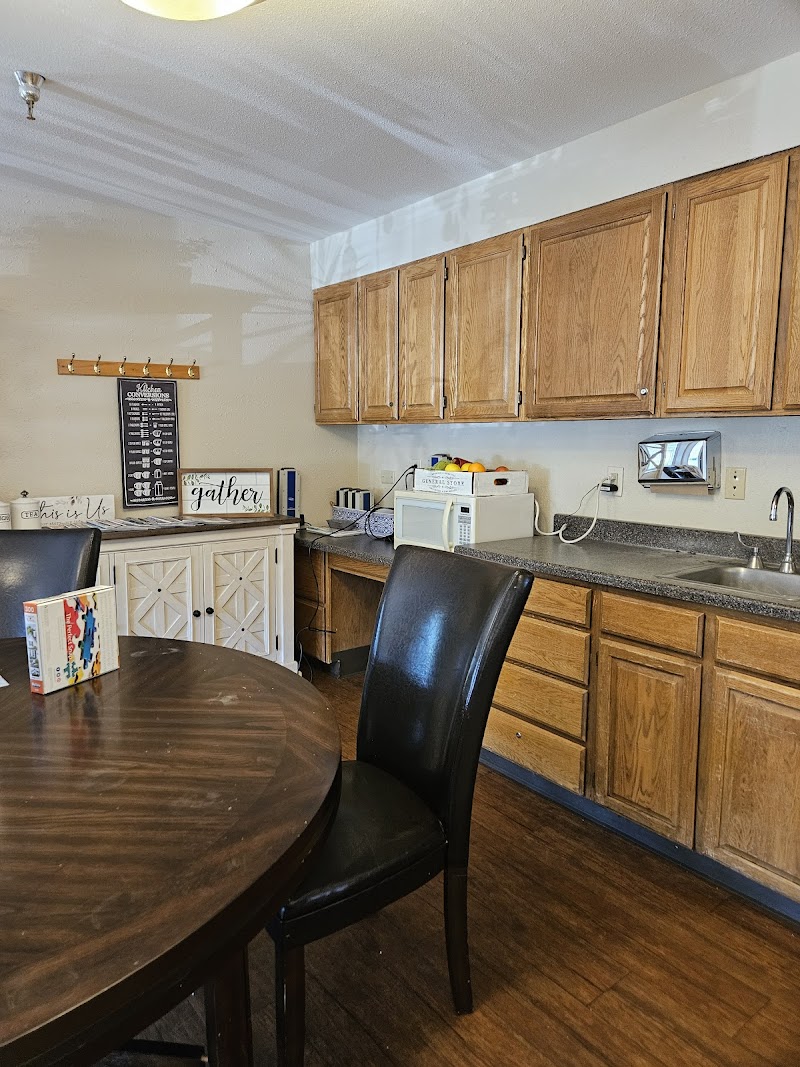
How is Aspen Park Of Cascadia Staffed?

CMS rates ASPEN PARK OF CASCADIA's staffing level at 1 out of 5 stars, which is much below average compared to other nursing homes. Staff turnover is 60%, which is 13 percentage points above the Idaho average of 46%. High turnover can affect care consistency as new staff learn residents' individual needs. RN turnover specifically is 62%, which is notably high. RNs provide skilled clinical oversight, so turnover in this role can affect medical care quality.

What Have Inspectors Found at Aspen Park Of Cascadia?

State health inspectors documented 11 deficiencies at ASPEN PARK OF CASCADIA during 2019 to 2025. These included: 11 with potential for harm.
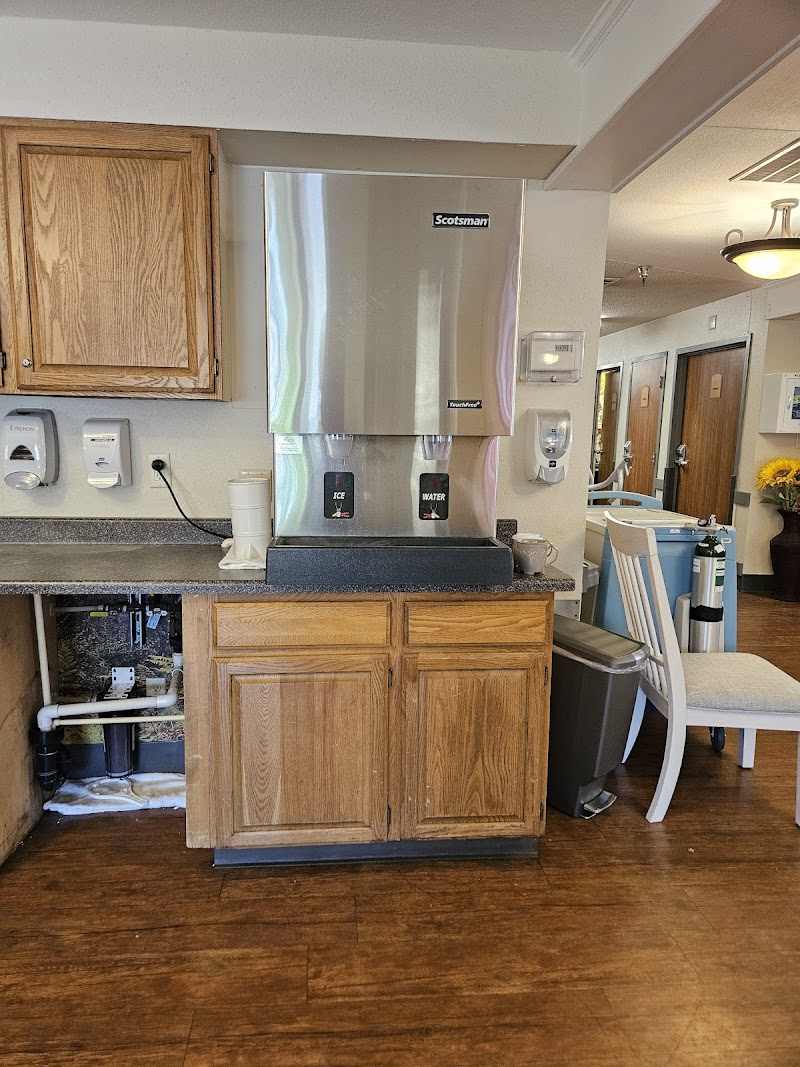
Who Owns and Operates Aspen Park Of Cascadia?

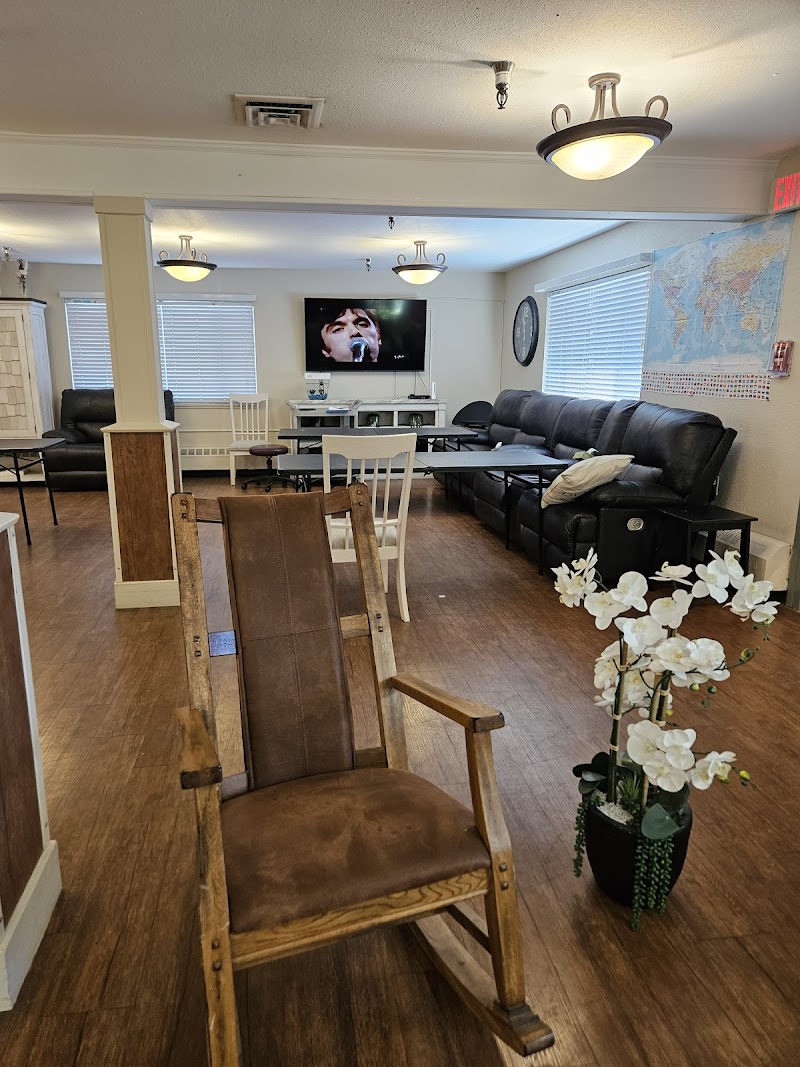
ASPEN PARK OF CASCADIA is owned by a for-profit company. For-profit facilities operate as businesses with obligations to shareholders or private owners. The facility is operated by CASCADIA HEALTHCARE, a chain that manages multiple nursing homes. With 70 certified beds and approximately 53 residents (about 76% occupancy), it is a smaller facility located in MOSCOW, Idaho.
How Does Aspen Park Of Cascadia Compare to Other Idaho Nursing Homes?

Compared to the 100 nursing homes in Idaho, ASPEN PARK OF CASCADIA's overall rating (4 stars) is above the state average of 3.3, staff turnover (60%) is significantly higher than the state average of 46%, and health inspection rating (4 stars) is above the national benchmark.

What Should Families Ask When Visiting Aspen Park Of Cascadia?

Based on this facility's data, families visiting should ask: "How do you ensure continuity of care given staff turnover, and what is your staff retention strategy?" "Can you walk me through typical staffing levels on day, evening, and night shifts?" "Can I visit during a mealtime to observe dining assistance and food quality?" "How do you handle medical emergencies, and what is your hospital transfer rate?" These questions are particularly relevant given the facility's high staff turnover rate and the below-average staffing rating.

Is Aspen Park Of Cascadia Safe?

Based on CMS inspection data, ASPEN PARK OF CASCADIA has a clean safety record: no substantiated abuse findings (meaning no confirmed cases of resident harm), no Immediate Jeopardy citations (the most serious violation level indicating risk of serious injury or death), and is not on the Special Focus Facility watch list (a federal program monitoring the lowest-performing 1% of nursing homes). The facility has a 4-star overall rating and ranks #1 of 100 nursing homes in Idaho. While no facility is perfect, families should still ask about staff-to-resident ratios and recent inspection results during their visit.

Do Nurses at Aspen Park Of Cascadia Stick Around?

Staff turnover at ASPEN PARK OF CASCADIA is high. At 60%, the facility is 13 percentage points above the Idaho average of 46%. Registered Nurse turnover is particularly concerning at 62%. RNs handle complex medical decisions and coordinate care — frequent RN changes can directly impact care quality. High turnover means new staff may not know residents' individual needs, medications, or preferences. It can also be disorienting for residents, especially those with dementia who rely on familiar faces. Families should ask: What is causing the turnover? What retention programs are in place? How do you ensure care continuity during staff transitions?

Was Aspen Park Of Cascadia Ever Fined?

ASPEN PARK OF CASCADIA has no federal fines on record. CMS issues fines when nursing homes fail to meet care standards or don't correct problems found during inspections. The absence of fines suggests the facility has either maintained compliance or corrected any issues before penalties were assessed. This is a positive indicator, though families should still review recent inspection reports for the full picture.

Is Aspen Park Of Cascadia on Any Federal Watch List?

ASPEN PARK OF CASCADIA is not on any federal watch list. The most significant is the Special Focus Facility (SFF) program, which identifies the bottom 1% of nursing homes nationally based on persistent, serious quality problems. Not being on this list means the facility has avoided the pattern of deficiencies that triggers enhanced federal oversight. This is a positive indicator, though families should still review the facility's inspection history directly.