ST LUKE'S ELMORE LONG TERM CARE
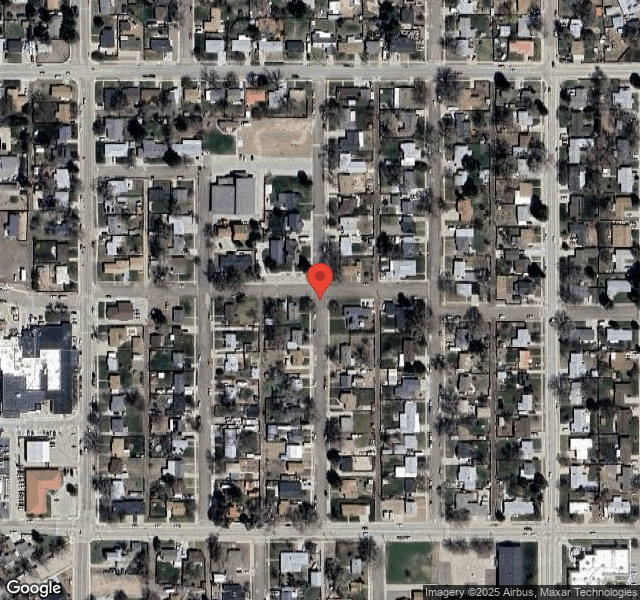
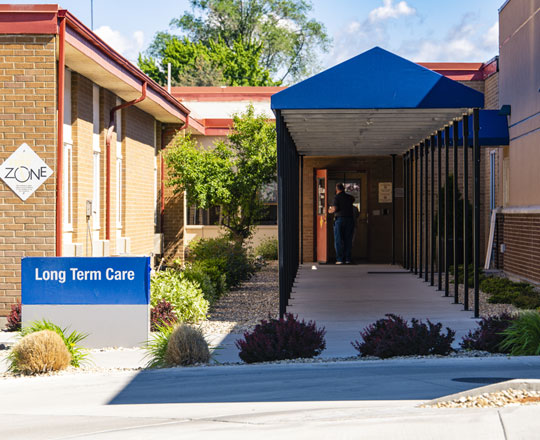
895 NORTH 6TH EAST, MOUNTAIN HOME, ID 83647 (208) 587-0360
For profit - Corporation 38 Beds Independent Data: November 2025
Trust Grade
88/100
#17 of 79 in ID
Last Inspection: January 2025

Within standard 12-15 month inspection cycle. Federal law requires annual inspections.

Overview

St. Luke's Elmore Long Term Care has a Trust Grade of B+, which means it is recommended and above average in quality. It ranks #17 out of 79 nursing homes in Idaho, placing it in the top half, and is the top facility in Elmore County. The facility is improving, with reported issues decreasing from 12 in 2021 to just 3 in 2025. Staffing is a strong point, with a 5/5 star rating and a turnover rate of only 27%, well below the state average of 47%, indicating that the staff is experienced and familiar with the residents. While there have been no fines, which is a positive sign, there were some concerning incidents, including failures to properly document individualized care plans for residents requiring oxygen therapy, which could lead to negative outcomes if not addressed correctly, and inadequate documentation regarding COVID-19 vaccinations for staff, potentially increasing exposure risk. Additionally, there was an issue with inaccurate assessment information for one resident, which could affect the quality of care provided. Overall, the facility shows strengths in staffing and quality, but some areas need improvement to ensure comprehensive care.

Trust Score
B+
88/100
In Idaho
#17/79
Top 21%
Safety Record
Low Risk
No red flags
Inspections
Getting Better
12 → 3 violations
Staff Stability
✓ Good
27% annual turnover. Excellent stability, 21 points below Idaho's 48% average. Staff who stay learn residents' needs.
Penalties
✓ Good
No fines on record. Clean compliance history, better than most Idaho facilities.
Skilled Nurses
✓ Good
Each resident gets 97 minutes of Registered Nurse (RN) attention daily — more than 97% of Idaho nursing homes. RNs are the most trained staff who catch health problems before they become serious.
Violations
⚠ Watch
15 deficiencies on record. Higher than average. Multiple issues found across inspections.
★★★★★
5.0
Overall Rating
★★★★★
5.0
Staff Levels
★★★★☆
4.0
Care Quality
★★★★★
5.0
Inspection Score
Stable
2021: 12 issues
2025: 3 issues

The Good

  • 5-Star Staffing Rating · Excellent nurse staffing levels
  • 4-Star Quality Measures · Strong clinical quality outcomes
  • Low Staff Turnover (27%) · Staff stability means consistent care
  • Full Sprinkler Coverage · Fire safety systems throughout facility
  • No fines on record
  • Staff turnover is low (27%)

    21 points below Idaho average of 48%

Facility shows strength in staffing levels, quality measures, staff retention, fire safety.

The Bad

No Significant Concerns Identified

This facility shows no red flags. Among Idaho's 100 nursing homes, only 1% achieve this.

The Ugly 15 deficiencies on record

Jan 2025 3 deficiencies
CONCERN (D)

Potential for Harm - no one hurt, but risky conditions existed

Assessment Accuracy (Tag F0641)

Could have caused harm · This affected 1 resident

**NOTE- TERMS IN BRACKETS HAVE BEEN EDITED TO PROTECT CONFIDENTIALITY** Based on record review and staff interview, it was determined the facility failed to ensure residents' Minimum Data Set (MDS) ha...

Read full inspector narrative →
**NOTE- TERMS IN BRACKETS HAVE BEEN EDITED TO PROTECT CONFIDENTIALITY** Based on record review and staff interview, it was determined the facility failed to ensure residents' Minimum Data Set (MDS) had correct assessment information. This was true for 1 of 10 residents (Resident #4) whose records were reviewed for accuracy. This deficient practice had the potential for negative outcomes if residents were not assessed and/or monitored due to inaccurate assessments. Findings include: The Resident Assessment Instrument (RAI), revised 10/1/24, documented if a PASARR (Preadmission Screening and Resident Review) level II determined a resident has a serious mental illness then section A1500 of the MDS should be marked yes. Resident #4 was admitted to the facility on [DATE], with multiple diagnoses including bipolar disorder (a mental health condition characterized by significant mood swings) and anxiety disorder. Resident #4's medical record documented a PASARR level II, dated 7/11/22, was completed. Resident #4's admission MDS assessment, section A1500, dated 7/20/22, documented, no, indicating Resident #4 did not have a PASARR level II. Resident #4's annual MDS, section A1500, dated 7/11/23, and 7/11/24 documented no, indicating Resident #4 did not have a completed PASARR level II. On 1/23/25 at 2:06 PM, the MDS Coordinator stated it appears EPIC (the facility's electronic health record) and the MDS are worded differently for section A1500. The MDS Coordinator stated, I should have marked, yes, based on the MDS wording, as Resident #4 did have a PASSAR level II.
CONCERN (D)

Potential for Harm - no one hurt, but risky conditions existed

Deficiency F0658 (Tag F0658)

Could have caused harm · This affected 1 resident

**NOTE- TERMS IN BRACKETS HAVE BEEN EDITED TO PROTECT CONFIDENTIALITY** Based on observation, staff interview, policy review and record review, it was determined the facility failed to ensure medicati...

Read full inspector narrative →
**NOTE- TERMS IN BRACKETS HAVE BEEN EDITED TO PROTECT CONFIDENTIALITY** Based on observation, staff interview, policy review and record review, it was determined the facility failed to ensure medications were administered according to professional standards of practice. This was true for 1 of 1 resident (Resident #7) whose medications were observed in the medication cup inside the medication cart. This failed practice created the potential for residents to experience adverse effects when their medications were not administered according to the physician's order. Findings include: The facility's Medications - Ordering, Dispensing, Administration, Monitoring and Storage policy, revised 11/12/24 documented medications prescribed frequently than daily, but no more frequently than every 4 hours (ex: QID, TID, BID) may be administered within a window of 2 hours before or after the standardized scheduled time. Resident #7 was admitted to the facility on [DATE], with multiple diagnoses including stroke and dementia. A physician's order, documented Resident #7 was to receive the following medications: - Allegra (antihistamine) tablet 180 milligrams once a day, - Metformin tablet 1,000 two times a day with meals, dated 7/26/24, - acetaminophen 650 mg two times daily, dated 6/27/24, and - lactulose (laxative) 20 gram/30 ml (milliliter) three times a day, dated 3/6/24. -Vitamin D3 1,000 units daily. On 1/22/25 at 1:13 PM, during the inspection of the Long Hall Medication cart with ADON present, a medication cup containing two round white tablets, one oval pink tablet, one white oval tablet, one small tablet, and next to the medication cup was an unopened cup of lactulose 20 grams/30 milliliter was observed inside the medication cart. The medication cup was inside another container with Resident #7's name. When asked about the medications, ADON looked at the medications and paused before responding. ADON then stated she prepared Resident #7's medications and when she was about to administer them, Resident #7 stated he needed to go to the restroom. ADON stated when she went back to Resident #7's room, he was not in his room. ADON stated she put the medication cup back inside the medication cart with Resident #7's name. When asked what time the medications should have been given to Resident #7, the ADON stated it was due at 8:00 am. ADON stated she got distracted and was not able to give them to Resident #7.
CONCERN (D)

Potential for Harm - no one hurt, but risky conditions existed

Deficiency F0760 (Tag F0760)

Could have caused harm · This affected 1 resident

Based on record review, review of facility policies and procedure, review of Incidents and Accidents (I&As) reports, and staff interview, it was determined the facility failed to ensure residents were...

Read full inspector narrative →
Based on record review, review of facility policies and procedure, review of Incidents and Accidents (I&As) reports, and staff interview, it was determined the facility failed to ensure residents were protected from significant medication errors. This was true for 2 of 3 residents (#14 and 170) reviewed for medication errors. This deficient practice created the potential for Resident #170 to experience harm when he was administered another resident's medications, and for Resident #14 when he received the wrong dose of insulin. Findings include: The facility's policy, Medications - Ordering, Dispensing, Administration, Monitoring and Storage, documented, medications will be administered according to the following rights of medication: The right patient, right medication, right dose, right time, right route, and right documentation. 1. A facility I&A report, dated 5/1/24, documented, during the morning medication rounds, Resident #170 received 8 medications meant for another resident. The medications included: Three medications Resident #170 was not prescribed: Vitamin C 500 mg, Vitamin B-12 100 mcg, and Ferrous sulfate 325 mg. Three medications at different doses than the ones he took: Vitamin D-3 1000 units (5000 units intended), Cymbalta (an anti-depressant) 20 mg (60 mg intended), and Metformin (an anti-diabetic) 1000 mg (500 mg intended). Two medications at different times than the ones Resident #170 took: Tamsulosin (a treatment for an enlarged prostate) 0.4 mg, and Finasteride (a treatment for an enlarged prostate). Immediately after discovering the error, the nurse notified Resident #170's physician and began monitoring for him for adverse effects. Resident #170's record documented no adverse effects manifested. Resident #170's family was notified, and nursing staff were re-educated on the 6 rights of medication and the procedure for scanning medications at the bedside. 2. A facility I&A report, dated 7/13/24, documented Resident #14 was administered 10 units of Semglee (a long-acting insulin) instead of his ordered dose of 14 units. Immediately upon discovering the error, the nurse notified Resident #14's physician, who recommended monitoring Resident #14 and no additional dosing to be given. Residents #14's record documented no adverse effects were noted during the monitoring. The report documented the facility's DON, Administrator, and Resident #14's family were notified of the error. The nurse was reeducated on the importance of following the 6 rights of medication administration. On 1/23/25 at 3:05 PM, the DON was interviewed. She confirmed Resident #14 and Resident #170 experienced medication administration errors. The DON stated the facility has an ongoing Quality Improvement project to address medication errors. She confirmed the project includes Resident #14's and Resident #170's error events.
Jul 2021 12 deficiencies
CONCERN (D)

Potential for Harm - no one hurt, but risky conditions existed

Deficiency F0561 (Tag F0561)

Could have caused harm · This affected 1 resident

**NOTE- TERMS IN BRACKETS HAVE BEEN EDITED TO PROTECT CONFIDENTIALITY** Based on record review, policy review, and resident and staff interview, it was determined the facility failed to ensure residen...

Read full inspector narrative →
**NOTE- TERMS IN BRACKETS HAVE BEEN EDITED TO PROTECT CONFIDENTIALITY** Based on record review, policy review, and resident and staff interview, it was determined the facility failed to ensure residents' preferences for bathing/showering schedules were honored. This was true for 1 of 11 residents (Resident #7) reviewed for choices. This deficient practice had the potential for residents to experience a decreased sense of well-being, lack of self-worth, and frustration when preferences for bathing/showering were not accommodated. Findings include: A facility policy, Resident Care Guidelines, dated 7/13/20, stated, Bathing - Bath/shower twice a week, PRN, or per resident's preference. This policy was not followed. Resident #7 was admitted to the facility on [DATE], with diagnoses including hypertension, DM, CHF (weakness of the heart leading to a buildup of fluid in the lungs and body tissue), and chronic pain. Resident #7 was interviewed in her room on 7/19/21, beginning at 9:07 AM. Resident #7 stated she was not allowed to choose what days she was given her showers and how that upset her. Resident #7 stated she was only allowed to have showers on Mondays and Wednesdays, but she did not know the reason why. Resident #7's record was reviewed and documented she received 2 showers per week, on Mondays and Wednesdays. Resident #7 was interviewed a second time in her room on 7/20/21, beginning at 1:05 PM. She stated she attempted to have her assigned shower days moved/adjusted, but was told, there were no openings. Resident #7 stated she gets, yeast infections under my breasts due to waiting so many days between shower times. She stated she had spoken to the RSA and CNAs about showering 3 days per week. Resident #7 stated she was told an option for a Sunday shower was available, but would have to be done by a male CNA, which she stated she did not want. Resident #7 stated she had a yeast infection to folds underneath her right breast which she attributed to her shower schedule. RN #1 was interviewed on 7/20/21, beginning at 1:27 PM. She stated she was previously aware of Resident #7's shower modification request. RN #1 stated she was unsure if anyone had offered her an alternative shower schedule. She stated she was unsure if there was a process that needed to be changed, and confirmed Resident #7 should receive showers based upon her preference. The RSA was interviewed on 7/20/21 at 2:45 PM, and Resident #7's concerns were reviewed in her presence. She stated she assisted in changing residents' shower schedules, but it was not her job duty exclusively. The RSA stated she had not heard about Resident #7's shower requests. Resident #7's right to choose her shower schedule was not upheld.
CONCERN (D)

Potential for Harm - no one hurt, but risky conditions existed

Deficiency F0625 (Tag F0625)

Could have caused harm · This affected 1 resident

**NOTE- TERMS IN BRACKETS HAVE BEEN EDITED TO PROTECT CONFIDENTIALITY** Based on policy review, record review, and staff interview, it was determined the facility failed to ensure residents and their ...

Read full inspector narrative →
**NOTE- TERMS IN BRACKETS HAVE BEEN EDITED TO PROTECT CONFIDENTIALITY** Based on policy review, record review, and staff interview, it was determined the facility failed to ensure residents and their representatives were provided with the bed-hold policy upon transfer to the hospital. This was true for 1 of 1 resident (Resident #3) reviewed for discharge. This resulted in the potential for residents to be unaware of the duration of a bed-hold, the bed payment policy, and the ability to return to their former bedroom at the facility within a specified time. Findings include: The facility's bed-hold policy, undated, stated the resident or the resident's family member or legal representative must be provided written notification of the facility's bed-hold policy. The policy stated notice was to be provided at the time of transfer, within 24 hours of an emergency transfer, or at the time of a scheduled transfer. This policy was not followed. Resident #3 was admitted to the facility on [DATE], with diagnoses including dementia, CHF (weakness of the heart leading to a buildup of fluid in the lungs and body tissue) and coronary artery disease (disease in which there is a narrowing or blockage of the coronary arteries that carry blood and oxygen to the heart). On 7/14/21 at 3:26 PM, Resident #3 was discharged to the hospital, following a urinary tract infection with worsening of her CHF. No bed-hold form was provided to the resident or her family. On 7/22/21 at 1:30 PM, the Administrator stated the facility did not use an actual bed-hold form. She stated they verbally agreed to hold the resident's bed, and the resident's belongings are still in her room.
CONCERN (D)

Potential for Harm - no one hurt, but risky conditions existed

Deficiency F0645 (Tag F0645)

Could have caused harm · This affected 1 resident

**NOTE- TERMS IN BRACKETS HAVE BEEN EDITED TO PROTECT CONFIDENTIALITY** Based on staff interview and record review, it was determined the facility failed to ensure a Pre-admission Screening and Reside...

Read full inspector narrative →
**NOTE- TERMS IN BRACKETS HAVE BEEN EDITED TO PROTECT CONFIDENTIALITY** Based on staff interview and record review, it was determined the facility failed to ensure a Pre-admission Screening and Resident Reviews (PASARR) was completed for 1 of 1 resident (Resident #12) reviewed for PASARR screenings. This failure created the potential for harm if residents required, but did not receive, specialized services for mental health while residing in the facility. Findings include: Resident #12 was admitted to the facility on [DATE], with multiple diagnoses which included debility (weakness caused by an illness, injury, or aging). Resident #12's admission MDS assessment, dated 1/4/21, documented she had symptoms of depression and exhibited verbal behaviors directed toward others. Resident #12's PASARR Level I screening, dated 11/11/20, documented she was taking 25 mg (milligrams) of Zoloft daily for depression. A PASARR Level II screening was not in Resident #12's record. On 7/21/21 at 10:24 AM, the Administrator stated Unfortunately, only a PASARR I was done. She said Resident #12 should have had a PASARR Level II screening completed.
CONCERN (D)

Potential for Harm - no one hurt, but risky conditions existed

Deficiency F0657 (Tag F0657)

Could have caused harm · This affected 1 resident

**NOTE- TERMS IN BRACKETS HAVE BEEN EDITED TO PROTECT CONFIDENTIALITY** Based on record review, policy review, and staff interview, it was determined the facility failed to ensure residents' care plan...

Read full inspector narrative →
**NOTE- TERMS IN BRACKETS HAVE BEEN EDITED TO PROTECT CONFIDENTIALITY** Based on record review, policy review, and staff interview, it was determined the facility failed to ensure residents' care plans were revised to accurately reflect services provided and physician's orders. This was true for 1 of 11 residents (Resident #9) whose care plans were reviewed. This placed residents at risk of adverse outcomes if cares and/or services were not provided appropriately due to inaccurate information in the care plan. Findings include: The facility's care plan policy, revised 7/13/20, documented the interdisciplinary team monitored each resident's condition and effectiveness of the care plan interventions. The care plan was reviewed and revised as indicated by the resident's medical and psychological needs and by changes in treatments and interventions and contained individual goals and preferences. The daily care plan was updated as needed based on assessment needs, progress and/or change in the resident's condition. This policy was not followed. Resident #9 was admitted to the facility on [DATE], with multiple diagnoses including COPD (progressive lung disease characterized by increasing breathlessness). Resident #9 was admitted to hospice services for end of life care. Resident #9's care plan was not updated to reflect his current status, as follows: * A physician's order, dated 11/20/20, documented Resident #9 revoked his hospice benefit and was no longer receiving hospice services. Resident #9's care plan documented he received hospice services. On 7/21/21 at 10:50 AM, the Clinical Informatics nurse stated Resident #9's care plan should have been updated to reflect he no longer received hospice services. * A physician's order for bowel care, dated 2/1/21, documented if Resident #9 did not have a bowel movement for 3 days the physician should be notified. Resident #9's care plan included an entry dated 3/11/20, which documented his physician should be notified if he did not have a bowel movement for 5 days. Resident #9's care plan included an entry dated 3/26/20, which documented his physician should be notified if he did not have a bowel movement for 4 days. Resident #9's care plan did not reflect his physician's order to be notified if he did not have a bowel movement for 3 days. On 7/20/21 at 2:30 PM, the MDS nurse stated Resident #9's care plan did not follow his physician's orders for bowel care and there were conflicting notes in his care plan.
CONCERN (D)

Potential for Harm - no one hurt, but risky conditions existed

ADL Care (Tag F0677)

Could have caused harm · This affected 1 resident

**NOTE- TERMS IN BRACKETS HAVE BEEN EDITED TO PROTECT CONFIDENTIALITY** Based on record review, policy review, and staff interview, it was determined the facility failed to ensure residents were provi...

Read full inspector narrative →
**NOTE- TERMS IN BRACKETS HAVE BEEN EDITED TO PROTECT CONFIDENTIALITY** Based on record review, policy review, and staff interview, it was determined the facility failed to ensure residents were provided with baths or showers consistent with their needs. This was true for 1 of 12 residents (Resident #3) reviewed for activities of daily living. This failure created the potential for residents to experience embarrassment, isolation, decreased sense of self-worth, and/or skin impairment due to lack of personal hygiene. Findings include: The facility's resident care guideline documented residents should receive a bath or shower twice a week, as needed, or per the resident's preference. This policy was not followed. Resident #3 was admitted to the facility on [DATE] at 12:15 PM, with diagnoses including dementia, CHF (weakness of the heart leading to a buildup of fluid in the lungs and body tissue) and coronary artery disease (disease in which there is a narrowing or blockage of the coronary arteries that carry blood and oxygen to the heart). Resident #3's bathing record documented she was bathed on 5/30/21 and her next bath was completed on 6/6/21, 7 days later. Resident #3 received a bath on 6/6/21 and her next bath was completed on 6/13/21, 7 days later. Resident #3's bathing record documented she received a bath on 6/30/21 and her next bath was completed on 7/11/21, 11 days later. On 7/21/21 at 3:27 PM, the MDS nurse was interviewed regarding Resident #3's bathing documentation. She stated she was unable to find documentation of baths or showers within the time frames above. She stated Resident #3's scheduled bathing days were Wednesdays and Sundays, and Resident #3 should have been bathed.
CONCERN (D)

Potential for Harm - no one hurt, but risky conditions existed

Quality of Care (Tag F0684)

Could have caused harm · This affected 1 resident

**NOTE- TERMS IN BRACKETS HAVE BEEN EDITED TO PROTECT CONFIDENTIALITY** 2. Resident #9 was admitted to the facility on [DATE] with multiple diagnoses including COPD (progressive lung disease character...

Read full inspector narrative →
**NOTE- TERMS IN BRACKETS HAVE BEEN EDITED TO PROTECT CONFIDENTIALITY** 2. Resident #9 was admitted to the facility on [DATE] with multiple diagnoses including COPD (progressive lung disease characterized by increasing breathlessness). Resident #9's physician's orders, dated 2/1/21, related to bowel care, documented he was to receive magnesium hydroxide suspension (Milk of Magnesia - MOM), 30 milliliters (ml) by mouth and encouraged to drink fluids each hour for the next 5 hours. If he had no bowel movement, give a second dose of MOM and encourage fluids. The order stated to repeat giving 2 doses of the MOM daily on an as needed basis daily if no bowel movement for 2 consecutive days. The order documented Resident #9's physician was to be notified if he did not have a bowel movement for 3 days. Resident #9's bowel movement records, dated 5/2/21 through 7/18/21, documented he did not have a bowel movement the following days: *Between 5/4/21 and 5/11/21 (7 days) Resident #9 received MOM on 5/7/21 and 5/8/21. *Between 5/13/21 and 5/21/21 (7 days) Resident #9 received MOM 5/14/21 and 5/19/21. *Between 5/21/21 and 5/26/21 (4 days) Resident #9 received MOM 5/22/21 and 5/24/21. *Between 5/27/21 and 6/1/21 (4 days) Resident #9 received MOM 5/30/21 and 5/31/21. *Between 6/12/21 and 6/16/21 (4 days) Resident #9 received MOM 6/15/21. *Between 6/17/21 and 6/22/21 (5 days) Resident #9 received MOM 6/20/21, 6/21/21 (2 doses), and 6/22/21. *Between 7/9/21 and 7/13/21 (4 days). Resident #9 received MOM 7/11/21. *Between 7/13/21 and 7/17/21 (4 days). Resident #9 received MOM 7/14/21 and 7/15/21. Resident did not receive 2 doses of MOM daily when he did not have a bowel movement for 4-7 days. Resident #9's record did not include documentation his physician was contacted for further orders when his lack of bowel movements continued. On 7/22/21 at 10:31 AM, the Quality Specialist reviewed Resident #9's record for bowel movement and medication administration. She stated there was no documentation the physician was notified of Resident #9's lack of bowel movements. On 7/22/21 at 1:10 PM, Resident #9's physician stated her order was to be notified after three days with no bowel movement and she expected she would be notified within 3-4 days. If medications were given and no bowel movement occurred, she wanted to be notified no later than the 4th day so she could intervene with further medication orders. Based on record review, policy review, and staff interview, it was determined the facility failed to ensure professional standards of nursing practice were followed for neurological examinations and bowel care. This was true for 2 of 11 residents (#4 and #9) reviewed for quality of care. These failed practices placed residents at risk of undetected and untreated neurological changes after falls and ongoing constipation or fecal impaction. Findings include: 1. The facility's policy for Post Fall Assessment Algorithm for Adult Patient, dated 3/2/21, stated high risk for injury included those residents with unwitnessed fall and following an unwitnessed fall neurological assessments were to be completed every hour for four hours, then every four hours for 24 hours, and then every eight hours for 24 hours. This policy was not followed: Resident #4 was admitted to the facility on [DATE], with multiple diagnoses including heart disease and cognitive changes. An Incident and Accident (I&A) report, dated 4/9/21, documented Resident #4 was heard talking to herself in her bedroom via her audio monitor, then she was heard grunting and moaning. A CNA entered Resident #4's room and found her sitting on the floor between her bed and the window near the foot of her bed and facing towards the head of the bed. Resident #4 was assessed for injury. She did not complain of pain and no facial grimacing was noted when range of motion was performed on her. Resident #4 stated she went to the bathroom and on her way back, she slipped. The grippy part of the non-skid sock on Resident #4's right foot was on top of her foot and the non-skid sock on her left foot was placed correctly. An I&A report, dated 5/31/21, documented staff were alerted to check on Resident #4 due to lot of noises heard from her audio monitor. Resident #4 was found sitting on the floor in front of her toilet chair in the bathroom. Resident #4 leaned against the wall with the toilet on her left side. Resident #4 wore a non-skid sock and there was not any liquid on the floor. Resident #2 was assessed, and no injury was noted. Two staff members assisted Resident #4 off the floor and she was able to walk without any difficulties. The nurse's note documented a neurological exam was not completed due to Resident #4's inability to follow or understand the nurse's commands at all. On 7/22/21 at 1:40 PM, the MDS nurse said neurological assessments should be done after an unwitnessed fall. The MDS nurse said she was unable to find documentation of neurological assessments completed for Resident #4 when she fell on 4/9/21 and 5/31/21.
CONCERN (D)

Potential for Harm - no one hurt, but risky conditions existed

Deficiency F0761 (Tag F0761)

Could have caused harm · This affected 1 resident

Based on observation, policy review, and staff interview, it was determined the facility failed to ensure drugs were appropriately labeled and stored for 1 of 1 medication cart observed. This deficien...

Read full inspector narrative →
Based on observation, policy review, and staff interview, it was determined the facility failed to ensure drugs were appropriately labeled and stored for 1 of 1 medication cart observed. This deficient practice placed residents at risk for receiving ineffective medication or the wrong medication with the potential for adverse effects. Findings include: The facility's policy, Medications - Ordering, Dispensing, Administration, Monitoring and Storage, revised 6/23/21, stated, Medication storage areas will be routinely inspected (quarterly) by pharmacy or designee to assess for cleanliness, outdated medications and appropriate storage conditions. This policy was not followed. On 7/21/21 at 1:18 PM the facility's medication cart was observed in the presence of RN #1, the DON, and the Administrator, The following was observed: - An unlabeled Bumex tablet (medication used to treat fluid retention) was found in an unlabeled medication drawer. There was no label identifying which resident the tablet belonged to or how long it had been there. - Multiple antibiotics which required reconstitution (process of adding liquid, such as sterile water, to a dry ingredient to make it a liquid) were found in an unlabeled medication drawer for residents who had discharged from the facility. On 7/21/21 at 1:18 PM, RN #1, the DON, and the Administrator were interviewed. They confirmed all medications for residents no longer on the unit should have been returned to the pharmacy. They also confirmed all medications should include a label identifying which resident the medications were intended for. On 7/21/21 at 2:22 PM, Pharmacist #1 stated all discharged resident medications should be returned to the pharmacy and all medications should be labeled for the intended resident. Pharmacist #1 stated pharmacy technicians were to remove medications from the medication cart after being alerted by nursing staff. She also confirmed the facility did not have a medication bin to place medications that needed to be returned to the pharmacy. On 7/21/21 at 3:24 PM, the Pharmacist and the Administrator were interviewed. They confirmed the pharmacy policy was for medication storage locations to be inspected quarterly. They stated the inspections were done, but were not documented. It could not be determined the last time the facility's medication cart was inspected. Medication cart drugs were not appropriately labeled and stored.
CONCERN (D)

Potential for Harm - no one hurt, but risky conditions existed

Antibiotic Stewardship (Tag F0881)

Could have caused harm · This affected 1 resident

**NOTE- TERMS IN BRACKETS HAVE BEEN EDITED TO PROTECT CONFIDENTIALITY** Based on observation, staff interview and policy review, it was determined the facility failed to ensure the antibiotic stewards...

Read full inspector narrative →
**NOTE- TERMS IN BRACKETS HAVE BEEN EDITED TO PROTECT CONFIDENTIALITY** Based on observation, staff interview and policy review, it was determined the facility failed to ensure the antibiotic stewardship program was implemented. This was true for 1 of 8 residents (Resident #2) whose records were reviewed for antibiotic use. This deficient practice created the risk for Resident #2 to develop resistance to antibiotics resulting in ineffective or difficult treatment for infections. Findings include: The facility's Antimicrobial Stewardship Program (a coordinated program that promotes the appropriate use of antibiotics and antifungals to improve clinical outcomes in patients), effective date 1/28/21, stated a rationale should be provided for use of formulary restricted antimicrobials (certain restricted antimicrobials which pharmacists are required to confirm Microbiology approval or formulary indication before dispensing). Resident #2 was admitted to the facility on [DATE], with multiple diagnoses which included CHF (weakness of the heart leading to a buildup of fluid in the lungs and body tissue) and DM. Resident #2's care plan, documented she was taking prophylactic antibiotics to help reduce the frequency of her urinary tract infections (UTIs). A nurse's note, dated 7/6/21 at 8:41 PM, documented Resident #2 stated she had a burning sensation a few times that day when she urinated. The note stated Resident #2 was encouraged to increase her oral hydration and to drink some cranberry juice. A nurse's note, dated 7/7/21 at 5:45 AM, documented Resident #2 stated she really thought she had another bladder (urinary tract) infection. The note stated Resident #2 denied she needed to urinate at that time. The note stated fluids were encouraged and Resident #2 drank 120 cc (cubic centimeters) of apple juice with her medications and another 60 cc of water. A nurse's note, dated 7/8/21 at 1:57 PM, documented Resident #2 had no complaints of burning with urination. A physician order, dated 7/8/21 at 3:10 PM, directed staff to obtain a urinalysis (UA) with a culture and sensitivity (C&S - a test used to determine bacterial or fungal presence and identifies what antibiotic will inhibit the growth of the bacteria or fungi causing a specific infection) for Resident #2. A nurse's note, dated 7/8/21 at 9:54 PM, documented staff were unable to collect a clean catch urine (method of collecting a urine sample without germs) to be tested for a UA due to Resident #2 having a bowel movement each time she was on the bedpan. A UA report, dated 7/9/21 at 8:13 AM, documented the following were present in Resident #2's urine: nitrites (its presence in the urine commonly means there is a bacterial infection in the urinary tract) and leukocytes (white blood cells that are typically present when there is an infection). A physician's order, dated 7/9/21 at 9:00 AM, documented Resident #2 was to receive cephalexin (Keflex - antibiotic) 500 mg (milligrams) two times a day for a total of 14 doses. A nurse's note, dated 7/9/21 at 3:02 PM, documented Resident #2's urine sample was sent to the laboratory for a UA. The note stated a physician's order for Keflex was received for Resident #2. The nurse's note documented Resident #2 tolerated the new medication well. A nurse's note, dated 7/9/21 at 8:59 PM, documented Resident #2 was started on an antibiotic for a UTI and no adverse effects were noted. Resident #2 reported bladder spasms and was administered oxybutynin (a bladder relaxant). A urine culture report, dated 7/10/21 at 9:34 AM, documented presence of mixed peri-urethral flora (bacteria in and around the opening outside the body where urine is eliminated) in Resident #2's urine, probably due to contamination during the collection process and susceptibilities (a test used to determine which antibiotic will inhibit the growth of the bacteria or fungi causing a specific infection) were not indicated. The report suggested a repeat specimen if Resident #2 had symptoms suggesting a UTI. A nurse's note, dated 7/10/21 at 2:37 PM, documented an antibiotic was administered to Resident #2 and she stated the antibiotic made her slightly nauseous. The note stated Resident #2 was educated ondansetron (an anti-nausea medication) was available if she needed it. A nurse's note, dated 7/11/21 at 2:30 PM, documented Resident #2 was receiving Keflex for a UTI and there were no adverse effects noted. Resident #2 denied nausea and diarrhea. A nurse's note, dated 7/12/21 at 1:43 PM, documented Keflex was discontinued, and a new order was received to administer Augmentin (an antibiotic) to Resident #2. Resident #2's record documented she received seven doses of Keflex and it was discontinued on 7/12/21 at 10:45 AM, and a new order for Augmentin 875-125 mg was to be administered to Resident #2 two times a day. Resident #2's record did not include documentation why the Keflex was discontinued and changed to Augmentin. A nurse's note, dated 7/14/21 at 4:33 PM, documented Resident #2 refused to take the Augmentin due to nausea. The note documented the physician was notified and a new order for Amoxicillin (an antibiotic), for Resident #2 was received and the first dose was administered at 12:00 PM. The note stated Resident #2 did not complain of nausea. Resident #2's representative was notified of her new ordered medication. Resident #2's record documented she received five doses of Augmentin and it was discontinued on 7/14/21 at 11:31 AM. A new order for Amoxicillin two times a day was received for Resident #2 for 14 doses which she completed on 7/20/21. On 7/9/21 at 9:17 AM, the MDS nurse said Resident #2's urine culture result had mixed peri-urethral flora and the laboratory suggested a repeat specimen if Resident #2 had symptoms of a UTI. The MDS nurse said Resident #2 did not have a repeat urinalysis. The MDS nurse said Resident #2 was started on Keflex, was changed to Augmentin, and later changed to Amoxicillin due to Resident #2's complaints of nausea. When asked why Resident #2's Keflex was changed to Augmentin, the MDS nurse reviewed Resident #2's record and said she could not find documentation on why her Keflex was discontinued by the physician. When asked what other signs and symptoms of a UTI Resident #2 had, the MDS nurse reviewed Resident #2's record again and said she did not find documentation Resident #2 reported any signs or symptoms of a UTI after 7/9/21. On 7/21/21 at 11:53 AM, the IP said the facility used the National Healthcare Safety Network (NHSN) surveillance protocol for UTIs. The IP said when she reviewed her record, Resident #2 started on Keflex. The IP said Resident #2 did not meet the NHSN criteria for a UTI and she should have a repeat urinalysis. The IP said the physician may have started Resident #2 on antibiotics due to her clinical signs and symptoms of a UTI and it would take about two days for the urine culture results to come back. The IP also stated the physician should have written the reason for the antibiotic use according to their policy. On 7/21/21 at 1:21 PM, the Pharmacist said she reviewed the residents' antibiotic use for correct dosage, whether residents had history of an allergy to the antibiotic, and made sure the antibiotic was appropriate for the bacteria causing the infection. The Pharmacist said she was unable to find documentation why Resident #2's Keflex was changed to Augmentin. The Pharmacist said Resident #2 had history of prior UTIs due to enterococcus (bacteria) which was sensitive to Augmentin and that could be the physician's reason for changing her antibiotic to Augmentin. The facility did not implement their Antibiotic Stewardship Program for Resident #2.
CONCERN (D)

Potential for Harm - no one hurt, but risky conditions existed

Deficiency F0909 (Tag F0909)

Could have caused harm · This affected 1 resident

Based on observation, record review, resident interview, and staff interview, it was determined the facility failed to ensure beds and bed rails were inspected and maintained as part of an ongoing pro...

Read full inspector narrative →
Based on observation, record review, resident interview, and staff interview, it was determined the facility failed to ensure beds and bed rails were inspected and maintained as part of an ongoing program. This was true for 1 of 6 residents (Resident #2) reviewed for bed rails and created the potential for harm if residents relied on loose mobility bars to prevent a fall from bed. Findings include: Resident #2 was admitted to facility on 10/8/18 with multiple diagnoses including CHF and DM. Documentation provided by the facility included the side rail policy and the user manual for the Invacare® hospital bed. The documentation provided made no recommendation for periodic safety checks of side rails installed on residents' beds. On 7/19/21 at 9:27 AM and 7/20/21 at 12:48 PM, Resident #2 was observed resting in bed. Resident #2 had both upper side rails in the raised position. On 7/21/21 at 8:50 AM. with the MDS Nurse present, Resident #2 was asked if she was using her bed rails. Resident #2 said Yes but it was broken and started to wiggle the right upper bed rail. The MDS Nurse said it was too loose and needed to be tightened. The MDS Nurse then checked Resident #2's upper left bed rail and said it was also loose. On 7/21/21 at 9:10 AM, the Facility Maintenance Mechanic checked both upper bed rails and said they were super loose. On 7/21/21 at 2:10 PM, the Facility Maintenance Mechanic stated he completed the initial bed rail evaluation. He said bed rail evaluations were completed when the beds were installed (8 months prior) and with new resident admissions. The Facility Maintenance Mechanic also said everything in the resident's room was checked annually to ensure safety and proper functioning as part of the facility's life safety requirements. On 7/21/21 at 2:10 PM, the Building Services Manager stated repair requests came from the MDS nurse or the RSA. She stated all equipment in resident rooms was checked annually to ensure safety and proper functioning as part of the facility's life safety requirements. On 7/21/21 at 9:53 AM, the MDS Nurse stated there should be an assessment for bed rails documented. She stated the nurse checked the bed rails for safety daily, but could not state what was being checked. The facility did not ensure bed rails were repaired as needed and functioning properly on an ongoing basis.
CONCERN (E)

Potential for Harm - no one hurt, but risky conditions existed

Comprehensive Care Plan (Tag F0656)

Could have caused harm · This affected multiple residents

**NOTE- TERMS IN BRACKETS HAVE BEEN EDITED TO PROTECT CONFIDENTIALITY** Based on observation, record review, policy review, and resident and staff interview, it was determined the facility failed to e...

Read full inspector narrative →
**NOTE- TERMS IN BRACKETS HAVE BEEN EDITED TO PROTECT CONFIDENTIALITY** Based on observation, record review, policy review, and resident and staff interview, it was determined the facility failed to ensure residents' care plans included individualized, resident-centered interventions and goals related to oxygen therapy. This was true for 5 of 11 residents (#2, #4, #7, #9 and #12) whose care plans were reviewed. This failure placed residents at risk for negative outcomes if services were not provided, or provided incorrectly, due to lack of information on their care plans. Findings include: A facility policy, Care Plan Policy, revised 6/21/21, stated, The care plan, in conjunction with care guidelines, addresses the patient/resident's care needs identified from assessments, including those not solely related to the admitting diagnosis. The care plan is categorized in patient/resident-centric areas for comfort, safety, education, health maintenance (LTC) or safe transitions and is based on the services required to meet those needs/obtainable expectations. Additionally, it stated, The plan will contain individual goals and preferences which are reasonable, objective, measurable and achievable with time frames to meet the patient/resident's medical, mental and psychological needs. This policy was not followed. 1. Resident #7 was admitted to the facility on [DATE], with a history of hypertension, DM, and COPD (progressive lung disease characterized by increasing breathlessness). Resident #7's record included an order, signed by her physician, which stated, PRN [as needed] .discontinue oxygen if SpO2 [measure of the percent of oxygen in the blood], remains above criteria and vital signs remain stable on room air for greater than 15 minutes .Notify Provider: If patient continues to need oxygen beyond 24 hrs from procedure or surgery .If oxygen is re-initiated after being on room air for more than 4 hours .Keep O2 Sat[uration] equal to or greater than: 90%. RN #2 was interviewed on 7/22/21, beginning at 1:31 PM. When asked if Resident #7 was on PRN or continuous oxygen, RN #2 stated, continuous. When asked how much oxygen Resident #7 was ordered, she stated, 3 liters per minute. Resident #7 was interviewed in her room on 7/22/21, beginning at 1:33 PM. When asked if she was on PRN or continuous oxygen therapy, Resident #7 stated, continuous. When asked how much oxygen she was to be on, she stated, 2 liters per minute. When asked what would happen if she stopped wearing her oxygen, Resident #7 stated, my oxygen drops to 68% and I can't breathe; sometimes it comes off at night and I've had to yell for help. Resident #7's room was observed during interview. Her supplemental oxygen was provided via a nasal cannula which was attached to a wall-mounted oxygen regulator. The nasal cannula tubing was attached to a humidifier and the wall-mounted oxygen regulator was set at 2 liters per minute flow. Additionally, Resident #7's wheelchair had an attached oxygen concentrator which she used when outside of her room. Resident #7's care plan did not include individualized, resident-centered interventions and goals related to her oxygen therapy. The CNO, DON, and MDS nurse were interviewed together on 7/22/21, beginning at 2:55 PM, and Resident #7's medical record was reviewed in their presence. They acknowledged Resident #7's oxygen order was not updated from PRN to continuous and her care plan did not include individualized, resident-centered interventions and goals related to her oxygen therapy. 2. Resident #2 was admitted to the facility on [DATE], with multiple diagnoses which included CHF (weakness of the heart leading to a buildup of fluid in the lungs and body tissue) and DM. A physician order, dated 2/1/21 at 1:37 PM, documented Resident #4 was to receive oxygen at 2 LPM (liters per minute) or greater as her clinical status dictated. Resident #2's care plan did not include her use of oxygen. On 7/19/21 at 10:07 AM, Resident #2 was observed in bed receiving oxygen therapy via a nasal cannula at 2.5 LPM. On 7/20/21 at 2:14 PM, the MDS nurse said Resident #2's oxygen was not addressed in her care plan because it was in the physician's order. The MDS nurse said the physician's order was part of the care plan. 3. Resident #9 was admitted to the facility on [DATE], with multiple diagnoses including emphysema (a lung condition that causes shortness of breath) and COPD. Resident #9 had an order for 2 liters of oxygen to be delivered PRN, dated 2/1/21. Resident #9's care plan did not have oxygen listed as part of his care regimen. On 7/22/21 at 11:35 AM, the Quality Specialist stated the facility philosophy was the entire chart was part of a resident's care plan. 4. Resident #12 was admitted to the facility on [DATE], with multiple diagnoses including debility (weakness caused by an illness, injury, or aging). Resident #12 was observed using oxygen at times, and other times she was not. On 7/20/21 at 12:45 PM, during an interview with Resident #12 and her husband, Resident #12 stated she was to use oxygen, but she did not always do so. Resident #12 had a physician's order for PRN oxygen to keep oxygen saturation (amount of oxygen traveling through the body with red blood cells) equal to or greater than 90%, dated 1/7/21. Resident #12's care plan did not include her use of oxygen. On 7/20/21 at 2:30 PM, the MDS nurse stated Resident #12's entire chart was considered part of the care plan and thus the oxygen order should be considered part of the care plan.
CONCERN (E)

Potential for Harm - no one hurt, but risky conditions existed

Deficiency F0887 (Tag F0887)

Could have caused harm · This affected multiple residents

Based on record review and staff interview, it was determined the facility failed to ensure there was documented evidence COVID-19 vaccines were offered to the staff, or documentation of staff decisio...

Read full inspector narrative →
Based on record review and staff interview, it was determined the facility failed to ensure there was documented evidence COVID-19 vaccines were offered to the staff, or documentation of staff decisions to accept or decline the vaccine and if declined, the reason they declined. This was true for 9 of 26 staff (RN #1, RN #4, CNA #1, CNA #2, CNA #3, CNA #4, CNA #5, the Health Unit Coordinator, and the Activity Coordinator) reviewed for COVID-19 vaccinations. This failure created the potential for staff to have increased risk of exposing undetected COVID-19 to residents, visitors, and other employees. Findings include: The CDC website, accessed on 7/27/21, titled Frequently Asked Questions about COVID-19 Vaccination in Long-Term Care, stated employers offering vaccinations to workers should keep a record of the offer to vaccinate, the employee's decision to accept or decline the vaccination, and if declined, the reason they declined. This guideline was not followed. On 7/22/21 at 10:30 AM, the IP said she provided education to the staff regarding COVID-19 vaccination and provided them a copy of the COVID-19 vaccine information sheet which included the risks and benefits of receiving the COVID-19 vaccine. The IP said she offered the COVID-19 vaccine to the staff multiple times and 9 of the 26 facility staff did not receive the COVID-19 vaccine for various reasons. Some of the reasons given by the staff were due to religious reasons, some were concerned about the possible side effects of receiving the COVID-19 vaccine, and others declined due to medical reasons. The IP said she did not ask for more information if the staff declined due to medical reasons. The IP said she did not have documentation COVID-19 was offered to the staff. The IP said she verbally informed the staff they could get the vaccine any time. When asked if she had documentation of staff declination to receive the COVID-19 vaccine, the IP said she did not have documentation of staff declination to receive the COVID-19 vaccine.
MINOR (C)

Minor Issue - procedural, no safety impact

Deficiency F0883 (Tag F0883)

Minor procedural issue · This affected most or all residents

Based on staff interview and policy review, the facility failed to ensure a pneumococcal policy and procedure was developed. This failure created the potential for harm if residents did not receive pn...

Read full inspector narrative →
Based on staff interview and policy review, the facility failed to ensure a pneumococcal policy and procedure was developed. This failure created the potential for harm if residents did not receive pneumococcal vaccines and acquired, transmitted, or experienced complications from pneumococcal pneumonia. Findings include: The facility's Immunization policy, effective 7/8/21, documented the following: *Vaccination requirements were subject to change based on the most current CDC recommendations. *Any vaccine series must be completed within six months of start date (an alternate schedule might be necessary under extenuating circumstances and was at the discretion of the vaccine provider). On 7/22/21 at 3:23 PM, the Administrator said the facility was part of the hospital system and the policy and procedure was an enterprise-wide perspective. An addendum or exception was added to meet the needs of each particular unit. The Administrator said she was unable to provide a unit-specific pneumococcal immunization policy for the facility. The Administrator said the facility met the residents' needs because they followed the national standard of guidance. On 7/23/21 at 10:23 AM, the IP said she was unable to provide a specific policy for pneumococcal immunizations. The IP said the facility had a process to follow for pneumococcal immunizations and their policy for immunizations was system-based. The IP said the facility was part of the entire system and thus the policy applied to the facility as well as the entire system. There was no policy specific to the facility for pneumococcal immunizations.
Understanding Severity Codes (click to expand)
Life-Threatening (Immediate Jeopardy)
J - Isolated K - Pattern L - Widespread
Actual Harm
G - Isolated H - Pattern I - Widespread
Potential for Harm
D - Isolated E - Pattern F - Widespread
No Harm (Minor)
A - Isolated B - Pattern C - Widespread

Questions to Ask on Your Visit

  • "Can I speak with families of current residents?"
  • "What's your RN coverage like on weekends and overnight?"

Our Honest Assessment

Strengths
  • • Grade B+ (88/100). Above average facility, better than most options in Idaho.
  • • No major safety red flags. No abuse findings, life-threatening violations, or SFF status.
  • • No fines on record. Clean compliance history, better than most Idaho facilities.
  • • 27% annual turnover. Excellent stability, 21 points below Idaho's 48% average. Staff who stay learn residents' needs.
Concerns
  • • 15 deficiencies on record. Higher than average. Multiple issues found across inspections.
Bottom line: Generally positive indicators. Standard due diligence and a personal visit recommended.

About This Facility

What is St Luke'S Elmore Long Term Care's CMS Rating?

CMS assigns ST LUKE'S ELMORE LONG TERM CARE an overall rating of 5 out of 5 stars, which is considered much above average nationally. Within Idaho, this rating places the facility higher than 99% of the state's 100 nursing homes. This rating reflects solid performance across the metrics CMS uses to evaluate nursing home quality.

How is St Luke'S Elmore Long Term Care Staffed?

CMS rates ST LUKE'S ELMORE LONG TERM CARE's staffing level at 5 out of 5 stars, which is much above average compared to other nursing homes. Staff turnover is 27%, compared to the Idaho average of 46%. This relatively stable workforce can support continuity of care.

What Have Inspectors Found at St Luke'S Elmore Long Term Care?

State health inspectors documented 15 deficiencies at ST LUKE'S ELMORE LONG TERM CARE during 2021 to 2025. These included: 14 with potential for harm and 1 minor or isolated issues.

Who Owns and Operates St Luke'S Elmore Long Term Care?

ST LUKE'S ELMORE LONG TERM CARE is owned by a for-profit company. For-profit facilities operate as businesses with obligations to shareholders or private owners. The facility operates independently rather than as part of a larger chain. With 38 certified beds and approximately 17 residents (about 45% occupancy), it is a smaller facility located in MOUNTAIN HOME, Idaho.

How Does St Luke'S Elmore Long Term Care Compare to Other Idaho Nursing Homes?

Compared to the 100 nursing homes in Idaho, ST LUKE'S ELMORE LONG TERM CARE's overall rating (5 stars) is above the state average of 3.3, staff turnover (27%) is significantly lower than the state average of 46%, and health inspection rating (5 stars) is much above the national benchmark.

What Should Families Ask When Visiting St Luke'S Elmore Long Term Care?

Based on this facility's data, families visiting should ask: "Can I visit during a mealtime to observe dining assistance and food quality?" "How do you handle medical emergencies, and what is your hospital transfer rate?" "Can I speak with family members of current residents about their experience?"

Is St Luke'S Elmore Long Term Care Safe?

Based on CMS inspection data, ST LUKE'S ELMORE LONG TERM CARE has a clean safety record: no substantiated abuse findings (meaning no confirmed cases of resident harm), no Immediate Jeopardy citations (the most serious violation level indicating risk of serious injury or death), and is not on the Special Focus Facility watch list (a federal program monitoring the lowest-performing 1% of nursing homes). The facility has a 5-star overall rating and ranks #1 of 100 nursing homes in Idaho. While no facility is perfect, families should still ask about staff-to-resident ratios and recent inspection results during their visit.

Do Nurses at St Luke'S Elmore Long Term Care Stick Around?

Staff at ST LUKE'S ELMORE LONG TERM CARE tend to stick around. With a turnover rate of 27%, the facility is 19 percentage points below the Idaho average of 46%. Low turnover is a positive sign. It means caregivers have time to learn each resident's needs, medications, and personal preferences. Consistent staff also notice subtle changes in a resident's condition more quickly.

Was St Luke'S Elmore Long Term Care Ever Fined?

ST LUKE'S ELMORE LONG TERM CARE has no federal fines on record. CMS issues fines when nursing homes fail to meet care standards or don't correct problems found during inspections. The absence of fines suggests the facility has either maintained compliance or corrected any issues before penalties were assessed. This is a positive indicator, though families should still review recent inspection reports for the full picture.

Is St Luke'S Elmore Long Term Care on Any Federal Watch List?

ST LUKE'S ELMORE LONG TERM CARE is not on any federal watch list. The most significant is the Special Focus Facility (SFF) program, which identifies the bottom 1% of nursing homes nationally based on persistent, serious quality problems. Not being on this list means the facility has avoided the pattern of deficiencies that triggers enhanced federal oversight. This is a positive indicator, though families should still review the facility's inspection history directly.