CLEARWATER HEALTH & REHABILITATION OF CASCADIA
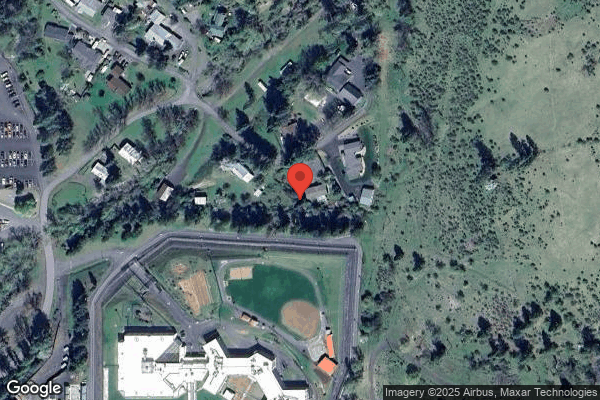
1204 SHRIVER ROAD, OROFINO, ID 83544 (208) 476-4568
For profit - Limited Liability company 60 Beds CASCADIA HEALTHCARE Data: November 2025
Trust Grade
85/100
#6 of 79 in ID
Last Inspection: April 2025

Within standard 12-15 month inspection cycle. Federal law requires annual inspections.

Overview

Clearwater Health & Rehabilitation of Cascadia has a Trust Grade of B+, indicating it is above average and generally recommended for families considering care options. It ranks #6 out of 79 facilities in Idaho, placing it in the top half, and is the only option in Clearwater County. However, the facility is experiencing a worsening trend, with issues increasing from 3 in 2022 to 7 in 2025. Staffing is rated as average with a turnover rate of 46%, which is slightly better than the state average. Notably, the facility has no fines on record, indicating compliance with regulations, and offers more RN coverage than 92% of Idaho facilities, which is a strength since RNs can identify issues that CNAs might miss. On the downside, there are several concerns highlighted in recent inspections. For example, the kitchen equipment was found to be inadequately maintained, risking foodborne illnesses for residents. Additionally, care plans for some residents were not updated to reflect their current needs, which could lead to adverse health outcomes. Lastly, there were issues with the verification of narcotic counts, raising concerns about the potential for misuse of controlled medications. Overall, while there are strengths in staffing and compliance, the facility must address these significant weaknesses to ensure resident safety and care quality.

Trust Score
B+
85/100
In Idaho
#6/79
Top 7%
Safety Record
Low Risk
No red flags
Inspections
Getting Worse
3 → 7 violations
Staff Stability
⚠ Watch
46% turnover. Above average. Higher turnover means staff may not know residents' routines.
Penalties
✓ Good
No fines on record. Clean compliance history, better than most Idaho facilities.
Skilled Nurses
✓ Good
Each resident gets 61 minutes of Registered Nurse (RN) attention daily — more than 97% of Idaho nursing homes. RNs are the most trained staff who catch health problems before they become serious.
Violations
⚠ Watch
17 deficiencies on record. Higher than average. Multiple issues found across inspections.
★★★★★
5.0
Overall Rating
★★★☆☆
3.0
Staff Levels
★★★★★
5.0
Care Quality
★★★★☆
4.0
Inspection Score
Stable
2022: 3 issues
2025: 7 issues

The Good

  • 5-Star Quality Measures · Strong clinical quality outcomes
  • Full Sprinkler Coverage · Fire safety systems throughout facility
  • No fines on record

Facility shows strength in quality measures, fire safety.

The Bad

Staff Turnover: 46%

Near Idaho avg (46%)

Higher turnover may affect care consistency

Chain: CASCADIA HEALTHCARE

Part of a multi-facility chain

Ask about local staffing decisions and management

The Ugly 17 deficiencies on record

Apr 2025 7 deficiencies
CONCERN (D) 📢 Someone Reported This

A family member, employee, or ombudsman was alarmed enough to file a formal complaint

Potential for Harm - no one hurt, but risky conditions existed

Deficiency F0602 (Tag F0602)

Could have caused harm · This affected 1 resident

**NOTE- TERMS IN BRACKETS HAVE BEEN EDITED TO PROTECT CONFIDENTIALITY** Based on staff interview, record review, and review of the State Survey Agency's Long-Term Care Reporting Portal, it was determi...

Read full inspector narrative →
**NOTE- TERMS IN BRACKETS HAVE BEEN EDITED TO PROTECT CONFIDENTIALITY** Based on staff interview, record review, and review of the State Survey Agency's Long-Term Care Reporting Portal, it was determined the facility failed to ensure residents were free from misappropriation of a controlled pain medication. This was true for 1 of 1 resident (Resident #44) reviewed for misappropriation of resident property. This failed practice created the potential for all facility residents to experience uncontrolled pain if misappropriation of their controlled pain medications went undetected, or if their controlled pain medication was not administered. Findings include: The facility's Drug Diversion policy, revised on 9/22/22, documented facility management shall investigate and make every reasonable effort to reconcile reported controlled substance discrepancies. The policy documented investigations would include interviews, medical record review, observation of facility practices, identify negative outcomes with residents, and evaluate if the loss is associated with specific individuals. A facility reported incident, dated 10/26/24, included an investigation summary which documented LPN #1 had removed 3 tablets of Oxycodone (an opioid pain medication) 5 milligrams each and placed them in a medication cup. LPN #1 then replaced the 3 tablets of Oxycodone with unidentified tablets. She then proceeded to ask LPN #2 who was coming on shift to administer the medication to the resident when the resident returned to the facility. Upon the residents return, LPN #2 was going to administer the medications in the cup when she noticed the tablets did not match the description of the opioid in the pharmaceutical packaging. LPN #2 requested a second opinion from a fellow licensed nurse who agreed the medication left in the cup did not match the medication in the packaging. LPN #2 contacted the supervisor who confirmed the 3 tablets left in the medication cup with the resident's initials did not match the medication that was in the pharmaceutical packaging and notified the DON. The investigation summary documented 2 staff interviews indicating the medication left in the medication cup by LPN #1 did not match the description of the medication in the residents pharmaceutical packaging. The investigation summary documented the narcotic log, and the MAR were compared, and no discrepancies were identified. The facility medication carts were inventoried and found 1 resident to be missing 3 tablets of Oxycodone 5 mg. LPN #1 was terminated on 11/1/24 based on the results of the investigation. The facility notified the Idaho State Board of Nursing and the [NAME] Sheriff's Office of the alleged medication diversion. The nursing staff were provided training regarding the immediate reporting of anomalies in the narcotic log and medication administration. On 4/16/25 at 3:22 PM, during an interview with the DON and Administrator, the DON stated the investigation was determined to confirm misappropriation of resident property. There was sufficient evidence the facility corrected the non-compliance as of 11/1/24 as there were no further misappropriation reported after this date. At the time of the survey, the facility was in substantial compliance and therefore does not require a plan of correction.
CONCERN (D) 📢 Someone Reported This

A family member, employee, or ombudsman was alarmed enough to file a formal complaint

Potential for Harm - no one hurt, but risky conditions existed

Assessment Accuracy (Tag F0641)

Could have caused harm · This affected 1 resident

**NOTE- TERMS IN BRACKETS HAVE BEEN EDITED TO PROTECT CONFIDENTIALITY** Based on review of the Resident Assessment Instrument (RAI) Manual, record review, and staff interview, it was determined the fa...

Read full inspector narrative →
**NOTE- TERMS IN BRACKETS HAVE BEEN EDITED TO PROTECT CONFIDENTIALITY** Based on review of the Resident Assessment Instrument (RAI) Manual, record review, and staff interview, it was determined the facility failed to ensure a residents Minimum Data Set assessment included correct information. This was true for 1 of 12 residents (Resident #29) whose records were reviewed for accuracy. This deficient practice had the potential for negative outcomes if residents were not monitored due to inaccurate assessments. Findings include: The RAI Manual, revised 10/1/24, documented section A1500, PASRR (Preadmission Screening and Resident Review), was to be coded yes when a PASRR Level II screening determined a resident had a serious mental illness and/or intellectual disability, or related condition. Resident #29 was admitted to the facility on [DATE], with multiple diagnoses including schizoaffective disorder-depressive type, and generalized anxiety disorder. Resident #29's medical record included documentation of a PASRR Level I screening, dated 9/25/24 that identified he had a diagnosis of major mental illnesses, schizophrenia spectrum disorder and depressive disorder. Resident #29's medical record included documentation of a PASRR Level II screening, dated 9/27/24 that identified his major mental illness diagnoses and indicated he may benefit from specialized mental health services. Resident #29's medical record included documentation a PASRR MI (Mental Illness) Evaluation was conducted on 9/30/24. Resident #29's admission MDS Assessment, dated 10/6/24, documented question A1500, PASRR Is the resident currently considered by the state level II PASRR process to have a serious mental illness and/or intellectual disability, or a related condition? The answer for this question was documented as no. On 4/16/25 at 4:17 PM, the MDS Coordinator stated she misinterpreted the question and answered A1500 no when it should have said yes.
CONCERN (D) 📢 Someone Reported This

A family member, employee, or ombudsman was alarmed enough to file a formal complaint

Potential for Harm - no one hurt, but risky conditions existed

Deficiency F0757 (Tag F0757)

Could have caused harm · This affected 1 resident

**NOTE- TERMS IN BRACKETS HAVE BEEN EDITED TO PROTECT CONFIDENTIALITY** Based on record review, and staff interview, it was determined the facility failed to ensure residents were offered non-pharmaco...

Read full inspector narrative →
**NOTE- TERMS IN BRACKETS HAVE BEEN EDITED TO PROTECT CONFIDENTIALITY** Based on record review, and staff interview, it was determined the facility failed to ensure residents were offered non-pharmacological interventions while receiving opioid pain medication. This was true for 1 of 5 residents (Resident #7) reviewed for unnecessary medication. This failure created the potential for residents to experience adverse outcomes such as increased pain due to lack of offering non-pharmacological interventions. Findings include: Resident #7 was readmitted to the facility on [DATE], following a hip fracture with multiple diagnosis including history of falls, and history of osteoporosis with pathological fractures. Resident #7's care plan, revised on 4/8/25, documented Resident #7 was to use non-pharmacological interventions such as repositioning, reduced stimuli, warm towel, distraction, music, and massage to help manage their pain. A physician order, dated 10/21/19, documented non-pharmacological interventions were to be attempted prior to PRN pain medication administration. The order also documented this order was discontinued on 4/7/25. A physician order, dated 4/7/25, documented Hydrocodone-Acetaminophen 7.5-325 milligrams. Give 1 tablet by mouth every 8 hours as needed for a pain scale of 8 to 10 or severe pain. Resident #7's MAR documented the following as needed pain medication administrations: - 4/8/25 at 6:09 AM - 4/8/25 at 3:19 PM - 4/9/25 at 7:11 AM - 4/11/25 at 12:15 AM - 4/12/25 at 5:43 PM - 4/13/25 at 2:54 PM - 4/14/25 at 11:20 AM Resident #7's record did not contain documentation of non-pharmacological interventions attempted prior to pain medication administration. On 4/16/25 at 9:03 AM, the DON stated the record did not include documentation of non-pharmacological interventions.
CONCERN (D) 📢 Someone Reported This

A family member, employee, or ombudsman was alarmed enough to file a formal complaint

Potential for Harm - no one hurt, but risky conditions existed

Deficiency F0761 (Tag F0761)

Could have caused harm · This affected 1 resident

**NOTE- TERMS IN BRACKETS HAVE BEEN EDITED TO PROTECT CONFIDENTIALITY** Based on observation and staff interview, it was determined the facility failed to ensure medications available to residents wer...

Read full inspector narrative →
**NOTE- TERMS IN BRACKETS HAVE BEEN EDITED TO PROTECT CONFIDENTIALITY** Based on observation and staff interview, it was determined the facility failed to ensure medications available to residents were dated after opened. This was true for 1 of 2 medication carts reviewed for storage and labeling. This failure created the potential for residents to receive expired medication with decreased efficacy. Findings include: On [DATE] at 9:15 AM, during inspection of a medication cart, one prescription eye drop labeled Latanoprost 0.005% (a medication used to reduce intraocular pressure) documented on the packaging discard after 42 days. However, the medication did not document the date the medication was opened. On [DATE] at 9:22 AM, CMA #1 stated, the eye drops did not have an open date, and she could not tell when it was opened.
CONCERN (D) 📢 Someone Reported This

A family member, employee, or ombudsman was alarmed enough to file a formal complaint

Potential for Harm - no one hurt, but risky conditions existed

Deficiency F0825 (Tag F0825)

Could have caused harm · This affected 1 resident

**NOTE- TERMS IN BRACKETS HAVE BEEN EDITED TO PROTECT CONFIDENTIALITY** Based on record review, resident interview, and staff interview, it was determined the facility failed to ensure residents recei...

Read full inspector narrative →
**NOTE- TERMS IN BRACKETS HAVE BEEN EDITED TO PROTECT CONFIDENTIALITY** Based on record review, resident interview, and staff interview, it was determined the facility failed to ensure residents received physical therapy services as ordered by their physician. This was true for 1 of 3 residents (Resident #12) whose records were reviewed for rehabilitative services. This failure created the potential for Resident #12, who required physical therapy services, to experience decline in their physical functioning and ability to perform activities of daily living (ADL's) when these services were not provided consistently. Findings include: Resident #12 was readmitted to the facility on [DATE], with multiple diagnoses including muscle weakness, and gait and mobility abnormalities. On 4/14/25 at 4:46 PM, Resident #12 stated she did not have therapy services any more. A physician order, dated 3/7/25, documented Resident #12 was to receive physical therapy evaluation and treatment. Resident #12's care plan, dated 2/17/25, documented physical therapy as ordered. A Physical Therapy Evaluation and Treatment Plan, dated 3/28/25, documented Resident #12 was to have physical therapy 5 times a week for 8 weeks. On review of Resident #12's record, 5 out of 10 physical therapy sessions were provided. On 4/16/25 at 6:13 PM, the Rehabilitation Director stated Resident #12 did not receive all therapy sessions as per her physical therapy evaluation. She also stated Resident #12 should have been evaluated for therapy for 3 times a week based on her insurance.
CONCERN (D) 📢 Someone Reported This

A family member, employee, or ombudsman was alarmed enough to file a formal complaint

Potential for Harm - no one hurt, but risky conditions existed

Infection Control (Tag F0880)

Could have caused harm · This affected 1 resident

Based on observation and staff interview, it was determined the facility failed to ensure appropriate infection control measures were maintained when handling an insulin pen. This was true for 1 of 1 ...

Read full inspector narrative →
Based on observation and staff interview, it was determined the facility failed to ensure appropriate infection control measures were maintained when handling an insulin pen. This was true for 1 of 1 (Resident #20) who was observed for insulin administration. This failed practice increased the potential for cross-contamination. Findings include: On 4/15/25 at 9:00 AM, during an insulin administration observation, RN #1 unlocked the safe box and removed the insulin pen in the medication room. She proceeded to verify the pharmacy label and the pen label. RN#1 sanitized the pen and applied a new needle. She then primed the insulin pen and began to set the correct units of insulin to administer on the insulin pen. RN #1 walked out of the med room and proceeded to the nurses' station to verify the physician order and the number of units to administer. After verifying the order and the amount to administer she proceeded to walk into the resident's room and placed the uncapped insulin pen on the sink ledge while she performed hand hygiene. RN #1 then walked over to the resident's bed, provided privacy and verified date of birth . She explained she would be administering insulin and proceeded with the administration. RN#1 activated the automatic needle cover on the pen needle, then walked over to perform hand hygiene at the sink and placed the uncapped insulin pen in her under arm to hold it while she washed her hands. On 4/15/25 at 9:14 AM, RN #1 stated the ledge of the sink was a sanitary surface to put the insulin pen because the house keepers clean it every day. She also stated her under arm was not a safe or sanitary place to put the pen.
CONCERN (E) 📢 Someone Reported This

A family member, employee, or ombudsman was alarmed enough to file a formal complaint

Potential for Harm - no one hurt, but risky conditions existed

Food Safety (Tag F0812)

Could have caused harm · This affected multiple residents

Based on observation, Food Drug Administration (FDA) Food Code, and staff interview, it was determined the facility failed to ensure kitchen equipment was maintained. This deficiency had the potential...

Read full inspector narrative →
Based on observation, Food Drug Administration (FDA) Food Code, and staff interview, it was determined the facility failed to ensure kitchen equipment was maintained. This deficiency had the potential to affect the 35 residents who consumed food prepared by the facility. This placed residents at risk for potential foodborne illnesses and adverse health outcomes due to contaminated food services equipment. Findings include: The FDA Code Section 4-602.12 Cooking and Baking Equipment documented: Food-contact surfaces of cooking equipment must be cleaned to prevent encrustation's that may impede heat transfer necessary to adequately cook food. Encrusted equipment may also serve as an insect attractant when not in use. On 4/17/25 at 8:03 AM, an aluminum baking sheet was observed being removed from the oven. The baking sheet was observed to have a dark film coating the pan and brown and black encrustation's with the hashbrowns being prepared. On 4/17/25 9:13 AM, the CDM stated the pans should be clean and should not have stains on them.
Feb 2022 3 deficiencies
CONCERN (D)

Potential for Harm - no one hurt, but risky conditions existed

Comprehensive Care Plan (Tag F0656)

Could have caused harm · This affected 1 resident

**NOTE- TERMS IN BRACKETS HAVE BEEN EDITED TO PROTECT CONFIDENTIALITY** Based on record review, policy review, and staff interview, it was determined the facility failed to implement comprehensive, re...

Read full inspector narrative →
**NOTE- TERMS IN BRACKETS HAVE BEEN EDITED TO PROTECT CONFIDENTIALITY** Based on record review, policy review, and staff interview, it was determined the facility failed to implement comprehensive, resident-centered care plans to accurately reflect services provided and physician orders. This was true for 1 of 12 residents (Resident #32) whose care plans were reviewed. This placed Resident #32 at risk of worsening pressure ulcers due to a lack of information in her care plan. Findings include: The facility's care plan policy, revised 11/28/19, stated care plans were to be consistent with each resident's specific conditions, risks, needs, behaviors, preferences, and be within standards of practice to meet each resident's needs. The policy also stated care plans were to provide a summary of the resident's conditions, medications, services, and treatments to be administered by the facility, and remained updated to reflect the resident's current status. This policy was not followed. 1. Resident #32 was admitted to the facility on [DATE], with multiple diagnoses including pneumonia and a Stage 3 pressure ulcer (a pressure sore which extends into the tissue beneath the skin, forming a small crater) of the sacral region (tail bone area). A physician order, dated 1/13/22, included the following treatments for Resident #32's wound care: - Dressing #1 Sacrum: Cleanse, pat dry, anacept [sic] (antimicrobial skin and wound gel for healing), collagen (protein powder for wound healing), bordered foam (wound covering) three times a week and as needed. - Dressing #1 Sacrum: Cleanse, pat dry, anacept [sic], collagen, bordered foam every day shift every Monday, Wednesday, and Friday. - Dressing #2 Right Ischial Tuberosity (rounded bone that extends from the ischium - the curved bone that makes up the bottom of the pelvis): Cleanse, pat dry, anacept [sic], collagen, bordered foam three times a week and as needed. - Dressing #2 Right Ischial Tuberosity: Cleanse, pat dry, anacept [sic], collagen, bordered foam every day shift every Monday, Wednesday, and Friday. - Dressing #5 Left Trochanter (bony prominence near the thighbone where the hip and thigh muscle meet): Cleanse, pat dry, anacept [sic], collagen, bordered foam three times a week and as needed. - Dressing #5 Left Trochanter: Cleanse, pat dry, anacept [sic], collagen, bordered foam every day shift every Monday, Wednesday, and Friday. A physician order, dated 1/20/22, included the following treatments for Resident #32's wound care: - Dressing #4 Right Medial (inner) Thigh: Cleanse, pat dry, anacept [sic], collagen, bordered foam three times a week as needed. - Dressing #4 Right Medial Thigh: Cleanse, pat dry, anacept [sic], collagen, bordered foam every day shift every Monday, Wednesday, and Friday. - Dressing #6 Right Heel: Cleanse, pat dry, anacept [sic], collagen, bordered foam three times a week and as needed. - Dressing #6 Right Heel: Cleanse, pat dry, anacept [sic], collagen, bordered foam every day shift every Monday, Wednesday, and Friday. Resident #32's care plan for skin integrity, initiated 1/12/22, documented she had impaired skin integrity related to abrasion, edema, fragile skin, lower lobe pneumonia, and was to be kept comfortable. Resident #32's care plan interventions stated Resident #32 have good nutrition and hydration to promote healthier skin, and she should utilize a specialty air mattress. Staff were to follow wound protocols and use caution during transfers and bed mobility to prevent further injuries. Resident #32's care plan did not include information related to her physician orders for the treatment of her pressure ulcers. On 2/3/22 at 4:27 PM, the DON stated Resident #32 did not have an entry in her care plan related to pressure ulcers or treatment of pressure ulcers. The DON stated pressure ulcers and treatment should be listed in Resident #32's care plan.
CONCERN (D)

Potential for Harm - no one hurt, but risky conditions existed

Quality of Care (Tag F0684)

Could have caused harm · This affected 1 resident

**NOTE- TERMS IN BRACKETS HAVE BEEN EDITED TO PROTECT CONFIDENTIALITY** Based on policy review, record review, observation, and staff and resident interview, it was determined the facility failed to e...

Read full inspector narrative →
**NOTE- TERMS IN BRACKETS HAVE BEEN EDITED TO PROTECT CONFIDENTIALITY** Based on policy review, record review, observation, and staff and resident interview, it was determined the facility failed to ensure professional standards of practice were met related to following physician orders. This was true for 3 of 6 residents (#26, #30 and #38) whose records were reviewed. These failed practices placed Resident #30 and Resident #38 at risk of seizures, diabetic coma, and other medical complications related to blood glucose levels which were too high or too low; and Resident #26 at risk of complications and further disability from contractures. Findings include: The Drugs.com website, accessed on 2/7/22, stated, Insulin glargine is a long-acting insulin that starts to work several hours after injection [to lower blood glucose] and keeps working evenly for 24 hours. The website stated insulin glargine may be given at any time of the day; however, once a time is chosen, it is best to inject it within three hours of that time every day. The website stated low blood sugar may happen with this medicine. Very low blood sugar could lead to seizures, passing out, long lasting brain damage, and sometimes death. The Mayo clinic website, accessed on 2/7/22, stated, Blood sugar that's either too high or too low for too long may cause various serious conditions, all of which can lead to a diabetic coma. This guidance was not followed. 1. Resident #30 was admitted to the facility on [DATE], with multiple diagnoses including chronic kidney disease, Stage 4 pressure ulcer (a pressure ulcer which is very deep, reaching into muscle and bone and causing extensive damage), Type 2 diabetes mellitus, and congestive heart failure. A physician order, dated 1/19/22, documented Resident #30 was to receive 45 units of insulin glargine solution 100 units/ml (milliliter) one time a day. The order stated the insulin was to be injected between 6:00 AM and 10:00 AM. Resident #30's November 2021, December 2021, and January 2022 MAR (Medication Administration Record) documented Resident #30's insulin glargine was not given between 6:00 AM and 10:00 AM, or within a 3-hour time frame as follows: - 11/7/21 insulin was given at 11:14 AM - 11/9/21 insulin was given at 11:14 AM - 11/16/21 insulin was given at 10:29 AM - 11/17/21 insulin was given at 10:10 AM - 11/20/21 insulin was given at 10:30 AM - 11/21/21 insulin was given at 10:36 AM - 11/27/21 insulin was given at 10:47 AM - 11/20/21 insulin was given at 11:18 AM - 11/30/21 insulin was given at 11:15 AM - 12/1/21 insulin was given at 10:05 AM - 12/2/21 insulin was given at 10:17 AM - 12/6/21 insulin was given at 11:46 AM - 1/17/22 insulin was given at 11:51 AM - 1/19/21 insulin was given at 11:54 AM - 1/24/22 insulin was given at 12:10 PM - 1/29/22 insulin was given at 10:51 AM On 2/3/22 at 4:45 PM, the DON stated the facility did not have a specific policy governing medication and insulin administration. The DON stated insulin was not administered within the window of time ordered by the physician. 2. Resident #38 was admitted to the facility on [DATE], with multiple diagnoses including diabetes mellitus. A physician's order, dated 12/23/21, documented Resident #38 was to receive 15 units of insulin glargine solution 100 unit/ml one time a day. Resident #38's January 2022 MAR. documented her insulin glargine solution was scheduled to be given at 6:00 AM. Resident #38's insulin glargine was not documented as given at 6:00 AM or within a 3-hour time frame as follows: -The insulin glargine was administered greater than 4-hours from the time it was scheduled on 1/2/22 at 10:57 AM, 1/11/21 at 10:19 AM, 1/12/22 at 11:13 AM and 1/30/22 at 11:12 AM. On 2/3/22 at 4:45 PM, the DON stated Resident #38's insulin glargine should be given between 6:00 AM and 10:00 AM. The DON stated Resident #38's insulin glargine was not administered within the time frame for medication administration. 3. Resident #26 was admitted to the facility on [DATE] and readmitted [DATE], with multiple diagnoses including hemiplegia and hemiparesis (paralysis and weakness on one side of the body) following a stroke and generalized muscle weakness. A physician's order, dated 5/1/20, directed staff to apply a splint on Resident #26's right hand for contracture (tightening of the muscles, tendons, skin, and nearby tissues that causes the joints to shorten and become very stiff) in the morning and off at bedtime. A quarterly MDS assessment, dated 12/23/21, documented Resident #26 was cognitively intact and used a splint for at least 15 minutes on 3 of the past 7 calendar days. On 2/1/22 at 10:17 AM, Resident #26 was in his room sitting in his power wheelchair. Resident #26's fingers were observed to be contracted into a fist. Resident #26 did not have a brace or splint on his right hand. On 2/2/22 at 10:22 AM, Resident #26 was observed in his room. Resident #26 did not have a splint or brace on his right hand. On 2/2/22 at 11:03 AM, Resident #26 stated he had a splint for his right hand and used it only in the afternoon. Resident #26 stated he was told he needed to use the splint for four hours a day. On 2/2/22 at 11:56 AM, RNA (Restorative Nursing Assistant) #1 stated Resident #26 liked to wear his right hand splint in the afternoon after his lunch. When asked if she knew what the physician's order stated regarding Resident #26's splint, RNA #1 stated No. RNA then showed the surveyor the care plan directions for Resident #26's splint on her portable computer, which stated, apply forearm splint and hand splint as trained after positioning four hours per day. On 2/4/22 at 8:52 AM, the DON reviewed Resident #26's record and stated the physician's order was not followed. The facility failed to ensure Resident #26 splint was applied as ordered by the physician.
CONCERN (E)

Potential for Harm - no one hurt, but risky conditions existed

Deficiency F0657 (Tag F0657)

Could have caused harm · This affected multiple residents

**NOTE- TERMS IN BRACKETS HAVE BEEN EDITED TO PROTECT CONFIDENTIALITY** Based on observation, record review, policy review, and resident and staff interview, it was determined the facility failed to e...

Read full inspector narrative →
**NOTE- TERMS IN BRACKETS HAVE BEEN EDITED TO PROTECT CONFIDENTIALITY** Based on observation, record review, policy review, and resident and staff interview, it was determined the facility failed to ensure residents' care plans were revised to reflect current needs and interventions. This was true for 3 of 12 residents (#26, #30, and #32) whose care plans were reviewed. This placed residents at risk of adverse outcomes if cares and services were not provided as ordered due to care plans not being revised as residents' needs changed. Findings include: The facility's care plan policy, revised 11/28/19, documented care plans were to be monitored and revised quarterly and annually, or as needed with significant change to reflect change in the resident condition. The policy documented care plans were updated to reflect residents' current status. This policy was not followed. 1. Resident #30 was admitted to the facility on [DATE], with multiple diagnoses including chronic kidney disease, Stage 4 pressure ulcer (a pressure ulcer which is very deep, reaching into muscle and bone and causing extensive damage), Type 2 diabetes mellitus, and congestive heart failure. Resident #30's care plan for mobility, revised 8/4/21, stated she had impaired mobility with back pain and weakness and was at risk for falls. Resident #30's record documented she had a history of falls prior to admission. The facility's Incident and Accident reports, dated 6/25/21 through 2/1/22 were reviewed. Resident #30 had 4 falls in the facility, on 8/1/21 at 4:50 PM, 8/2/21 at 9:20 PM, 1/11/22 at 4:40 PM, and 1/30/22 at 7:00 AM, a total of four falls since admission. Resident #30's care plan was not updated to include information and interventions related to her falls. 2. Resident #32 was admitted to the facility on [DATE], with multiple diagnoses including pneumonia and a Stage 3 pressure ulcer (a pressure sore which extends into the tissue beneath the skin, forming a small crater) of the sacral region (tail bone area). Resident #32's care plan was not updated to reflect her current status, as follows: a. A nursing note, dated 1/27/22 at 7:15 AM, stated Resident #32 was complaining of discomfort in her left hand. The top of Resident #32's left hand was swollen, warm to the touch, and pink with no open area or trauma noted. A physician's order, dated 1/27/22, documented Resident #32's left hand should be monitored for redness and swelling every shift until resolved. Resident #32's care plan for skin integrity, initiated 1/12/22, documented she had impaired skin integrity related to abrasion, edema, fragile skin, lower lobe pneumonia, and was to be kept comfortable. Resident #32's care plan interventions stated Resident #32 was to have good nutrition and hydration to promote healthier skin, and she should utilize a specialty air mattress. Staff were to follow wound protocols and use caution during transfers and bed mobility to prevent further injuries. Resident #32's care plan did not include the status change related to the swelling or tenderness to her left hand. b. Resident #32's care plan for urinary care, dated 1/12/22, stated she had a Foley catheter (indwelling urinary catheter). i. A nursing note, dated 1/17/22 at 6:19 PM, stated Resident #32 removed her catheter and her physician was notified. Resident #32's physician did not order the catheter to be replaced, and her catheter order was discontinued. Resident #32's care plan was not updated related to her catheter being discontinued. ii. Resident #32's care plan for ADLs, dated 1/12/22, stated she required extensive assistance for toileting with assistance of 1 staff member. Resident #32's care plan did not state how staff were to provide for her urinary or toileting needs. On 2/3/22 at 4:27 PM, the DON confirmed Resident #32's care plan was not updated to reflect her hand swelling or her urinary care needs. The DON stated Resident #32's care plan should have been updated. 3. Resident #26 was admitted to the facility on [DATE], with multiple diagnoses including hemiplegia and hemiparesis (paralysis and weakness on one side of the body) following a stroke and generalized muscle weakness. a. Resident #26's care plan, initiated 10/19/18, directed staff to apply a hand splint to Resident #26's right hand as he would allow. The care plan documented Resident #26 frequently refused to wear his hand splint. A quarterly MDS assessment, dated 12/23/21, documented Resident #26 was cognitively intact and used a splint for at least 15 minutes on 3 of the past 7 calendar days. A physician's order, dated 5/1/20, directed staff to apply a splint on Resident #26's right hand in the morning and off at bedtime. Resident #26's care plan was not updated with the physician's order for the application of his splint. On 2/3/22 at 4:01 PM, the DON reviewed Resident #26's care plan and stated his care plan should have been updated to reflect the physician's order. b. A physician note, dated 1/12/22, documented Resident #26's dentures were misplaced at some point a year or so ago. The note documented Resident #26 would like to have a dental consultation for replacement dentures. The progress note documented Resident #26 had poor dentition and a request was made to have an evaluation for his denture replacement. Resident #26's care plan, dated 8/30/21 documented he had his upper teeth extracted on 9/2017 and he had his own bottom teeth. The care plan documented Resident #26 required set-up assistance only with his oral hygiene. On 2/1/22 at 10:28 AM, Resident #26 stated he used to have an upper denture, but it went missing when he was transferred to another room during the previous year. Resident #26 stated it was difficult for him to chew his food and would like to be fitted for a new upper denture and a dental bridge (a bridge is a fixed dental restoration used to replace one or more missing teeth) for his lower gum. Resident #26's lower teeth were crooked, and some were missing. Resident #26's care plan was not updated to include the physician requested evaluation for his denture replacement. On 2/2/22 at 12:12 PM, when asked if Resident #26's care plan should include dental care, the DON stated Yes. On2/3/22 at 4:01 PM, the DON stated residents' care plans were to be updated quarterly and as needed. The facility failed to ensure care plans were updated to reflect residents' current needs.
Jun 2021 7 deficiencies
CONCERN (D)

Potential for Harm - no one hurt, but risky conditions existed

Deficiency F0578 (Tag F0578)

Could have caused harm · This affected 1 resident

**NOTE- TERMS IN BRACKETS HAVE BEEN EDITED TO PROTECT CONFIDENTIALITY** Based on record review, policy review, and staff interview, it was determined the facility failed to ensure a resident's Living ...

Read full inspector narrative →
**NOTE- TERMS IN BRACKETS HAVE BEEN EDITED TO PROTECT CONFIDENTIALITY** Based on record review, policy review, and staff interview, it was determined the facility failed to ensure a resident's Living Will and Physician's Order for Scope of Treatment (POST) were consistent. This was true for 1 of 16 residents (Resident #11) whose records were reviewed for advance directives. This failure created the potential for harm if a resident's medical treatment wishes were not followed due to a lack of accurate information in residents' records. Findings include: The facility's policy for Advance Directives/Health Care Decisions, released on [DATE], documented the following: * The two most common forms of advances directives were Living Wills and Durable Power of Attorney (DPOA) for Healthcare. * The facility determined upon admission whether the resident had executed an advance directive or other instructions to indicate their wishes in case of incapacity. The instructions could be a Living Will, directive to the attending physician, DPOA, medical power of attorney, pre-existing medical order for do not resuscitate (DNR), or Physician Orders for Life-Sustaining Treatment (POLST)/Medical Orders for Scope of Treatment (MOST). * If the resident executed an advance directive, the facility obtained a copy and consistently maintained it in the resident's medical record. * The facility communicated the resident's wishes to direct care staff and the physician. * If the resident had not executed an advance directive, the facility advised the resident of their right to establish an advance directive and offered assistance if the resident wished to complete it. * Discussions regarding advance directives were documented in the resident's medical record. * If the resident wished to formulate an advance directive, a nurse or social worker provided the resident with written information regarding the right under state law to make decisions regarding medical care. * The facility established a system for documenting and communicating the resident's choices to the interdisciplinary team. This policy was not followed. Resident #11 was admitted to the facility on [DATE] and readmitted to the facility on [DATE], with multiple diagnoses including traumatic subarachnoid hemorrhage (bleeding in the space between the brain and the surrounding membrane), cardiomegaly (enlarged heart), and hemiplegia and hemiparesis (weakness and paralysis) following a stroke. Resident #11's record included a Living Will and Durable Power of Attorney for Healthcare, dated [DATE], which documented he wished to have all medical treatment, care, and procedures withheld or withdrawn, including artificial nutrition and hydration. Resident #11's record included Physician Orders for Scope of Treatment (POST), which was signed by him on [DATE], which documented his wishes included Full Code with limited additional interventions. The POST documented Resident #11 did not wish to receive a feeding tube, intravenous fluid, or blood products, and he wished to receive antibiotics. Resident #11's physician orders, dated [DATE], documented he had a DPOA for Healthcare and his status was a Full Code (a person will allow all interventions needed to get their heart started) with limited additional interventions. Resident #11's care plan documented his status was a Full Code with limited additional interventions. The focus area was initiated on [DATE] and revised on [DATE]. A Multidisciplinary Care Conference note, dated [DATE] at 11:32 AM, documented Resident #11's advance directive was reviewed and was to continue. The conference note also documented Resident #11 had a POST. There was no documentation of a discussion regarding the differences for Resident #11's end-of-life wishes between his advance directive, physician orders, and the POST. Resident #11's discharge MDS assessment, dated [DATE], documented he was cognitively intact. On [DATE] at 11:23 AM, the Licensed Social Worker (LSW) said the facility reviewed residents' POSTs and advance directives quarterly. The LSW said Resident #11 had a POST and Living Will, and he wanted CPR in an emergency, but he did not want CPR if he became incapacitated. On [DATE] at 2:11 PM, the DON said advance directives were part of the admission process and they were verified upon admission and reviewed quarterly to make sure nothing changed. The DON said Resident #11's POST related to his wishes during an acute event, and he would want CPR in that case. The DON said Resident #11 did not want CPR if he had a terminal condition. Resident #11's record had conflicting information related to his end-of-life wishes.
CONCERN (D)

Potential for Harm - no one hurt, but risky conditions existed

Deficiency F0657 (Tag F0657)

Could have caused harm · This affected 1 resident

**NOTE- TERMS IN BRACKETS HAVE BEEN EDITED TO PROTECT CONFIDENTIALITY** Based on observation, record review, policy review, and staff interview, it was determined the facility failed to ensure residen...

Read full inspector narrative →
**NOTE- TERMS IN BRACKETS HAVE BEEN EDITED TO PROTECT CONFIDENTIALITY** Based on observation, record review, policy review, and staff interview, it was determined the facility failed to ensure residents' care plans were revised and updated as needed. This was true for 1 of 12 residents (Resident #86) whose care plans were reviewed. This created the potential for harm if cares and/or services were not provided appropriately due to a lack of information on the care plan. Findings include: The facility's policy for Care Plans, revised on 11/28/19, documented the team of qualified persons monitored residents' conditions and effectiveness of the care plan interventions, and they revised the care plan quarterly, annually, with a significant change, or more frequently as needed. This policy was not followed. Resident #86 was admitted to the facility on [DATE], with multiple diagnoses including fibromyalgia (a condition that causes pain all over the body), adult failure to thrive, and cancer of the brain. On 6/9/21 at 9:49 AM, Resident #86 was sitting in her wheelchair in her room, and an air mattress was present on her bed. Resident #86's care plan did not include the use of an air mattress. On 6/10/21 at 6:17 PM, the DON said all nurses were responsible for the care plan. The DON said she did not see an air mattress on Resident #86's care plan, and it should be on the care plan. The DON said the MDS nurse and the Infection Control nurse were involved in updating the care plan, and it was a team effort. On 6/10/21 6:37 PM, the Resource Nurse presented a copy of a document which showed the focus area for Potential for alteration in skin/tissue integrity was initiated on 4/21/21, and the pressure relieving air mattress was initiated on 4/27/21. The Resource Nurse said the focus area was accidentally deactivated on the care plan and she just reactivated it. Resident #86's care plan did not accurately reflect the interventions which were implemented.
CONCERN (D)

Potential for Harm - no one hurt, but risky conditions existed

Deficiency F0883 (Tag F0883)

Could have caused harm · This affected 1 resident

**NOTE- TERMS IN BRACKETS HAVE BEEN EDITED TO PROTECT CONFIDENTIALITY** Based on record review, policy review, and staff interview, it was determined the facility failed to ensure residents or their l...

Read full inspector narrative →
**NOTE- TERMS IN BRACKETS HAVE BEEN EDITED TO PROTECT CONFIDENTIALITY** Based on record review, policy review, and staff interview, it was determined the facility failed to ensure residents or their legal representatives were provided an opportunity to choose to receive or decline the pneumococcal vaccine and were provided information and education consistent with the current Centers for Disease Control and Prevention(CDC) recommendations. This was true for 2 of 6 residents (#33 and #86) reviewed for pneumococcal immunizations. This failure created the potential for harm to residents should they acquire, transmit, or experience complications from pneumococcal pneumonia. Findings include: The CDC website, accessed on 6/16/21, documented the current recommendations for pneumococcal vaccinations (PCV13 and PPSV23) for all adults 65 years or older as follows: * Routine vaccination: Administer one dose of PPSV23. If PPSV23 was administered prior to age [AGE], administer one dose of PPSV23 at least five years after the previous dose. * Shared clinical decision-making: Administer one dose of PCV13 based on shared clinical decision-making if previously not administered. PCV13 and PPSV23 should not be administered during the same visit. If both PCV13 and PPSV23 are to be administered, PCV13 should be administered first. PCV13 and PPSV23 should be administered at least one year apart. The facility's policy and procedure for the Pneumococcal Program, dated 10/31/17, documented: * Staff were directed to reduce the risk of pneumococcal infection and transmission. Residents and their legal representatives were provided education regarding the benefits and potential side effects of the two types of recommended pneumococcal immunization, PCV13 and PPSV23. These guidelines and the facility's policy were not followed. a. Resident #33 was admitted to the facility on [DATE], with multiple diagnoses including chronic heart failure and atrial fibrillation (irregular heart rhythm). Resident #33's admission MDS Assessment, dated 5/18/21, documented her pneumococcal vaccination was up to date. Resident #33's Immunization Record and the facility's pneumococcal tracking log documented she received PPSV23 on 10/1/18 when she was [AGE] years old. Resident #33's record did not include documentation she and/or her legal representative were provided education regarding the benefits and potential side effects of the PCV13 vaccine. The record did not document Resident #33 or her legal representative were offered shared clinical decision-making for PCV13 vaccination. b. Resident #86 was admitted to the facility on [DATE], with multiple diagnoses including fibromyalgia (a condition that causes pain all over the body) and adult failure to thrive. Resident #86's admission MDS Assessment, dated 4/26/21, documented her pneumococcal vaccination was up to date. Resident #86's Immunization Record and the facility's pneumococcal tracking log documented she received PPSV23 on 7/26/12 when she was [AGE] years old. Resident #86's record did not include documentation she and/or her legal representative were provided education regarding the benefits and potential side effects of the PCV13 vaccine. The record did not document Resident #86 or her legal representative were offered shared clinical decision-making for PCV13 vaccination. On 6/10/21 at 4:00 PM, the IP stated the facility's physician said according to the CDC's recommendation, the PCV13 was not as effective as PPSV23. On 6/11/21 at 1:17 PM, the DON stated if the physician did not order the PCV13 vaccine to be administered, she and all the nurses in the facility would not offer and explain the risks and benefits of the vaccine to the resident or their legal representative. The facility's PCV13 vaccination procedure was not based on shared clinical decision-making per the current CDC recommendation.
CONCERN (E)

Potential for Harm - no one hurt, but risky conditions existed

Pharmacy Services (Tag F0755)

Could have caused harm · This affected multiple residents

Based on record review, policy review, and staff interview, it was determined the facility failed to ensure narcotic counts were consistently verified by an oncoming and outgoing nurse, and pharmacy r...

Read full inspector narrative →
Based on record review, policy review, and staff interview, it was determined the facility failed to ensure narcotic counts were consistently verified by an oncoming and outgoing nurse, and pharmacy receipts for delivery of controlled substances were consistently signed by the receiving facility staff. This was true for 2 of 2 medication carts reviewed. This failure created the potential for undetected misuse and/or diversion of controlled medications and had the potential to affect all residents who received narcotic medication in the facility. Findings include: The facility's policy for Management and Destruction of Controlled Substances, released on 11/28/17, documented the following: * A licensed nurse verified contents of delivery from the pharmacy. If discrepancies were discovered in the delivery manifest, the facility notified the pharmacy within 24 hours. * Two licensed nurses (one outgoing and one oncoming) performed a controlled medication inventory at each shift change and any time possession of the keys to the medication cart changed. The oncoming nurse conducted the count of narcotic medications, and the outgoing nurse validated the count was correct. * Both nurses signed to indicate the count was conducted and the inventory record was correct. * If any discrepancy was identified, both nurses remained on duty and the DON was notified. This policy was not followed. a. On 6/9/21 at 2:25 PM, the narcotic logs were reviewed for both medication carts used in the facility. The narcotic logs included 3 shift times for each date, 7 AM - 3 PM, 3 PM - 11 PM, and 11 PM - 7 AM. Next to each shift time there was a section for 2 signatures. The narcotic logs were not consistently signed by the oncoming and outgoing nurses as follows: - For medication cart #1, the narcotic count sheet for May 2021 was not signed by the second nurse for the 3 PM-11 PM shift on 5/8/21, and there was no signature by the first nurse for the 7 AM-3 PM shift for 5/29/21. The narcotic count sheet for June 2021 was not signed by the second nurse for the 7 AM-3 PM shift and the first nurse for the 3 PM-11 AM shift on 6/3/21. There was no signature by the first or second nurse for the 3 PM-11 PM shift on 6/7/21. - For medication cart #2, the narcotic count sheet for May 2021 was not signed by the second nurse for the 3 PM- 11 PM shift on 5/15/21, 5/22/21, and 5/30/21, and the 7 AM-3 PM shift on 5/31/21. The narcotic count sheet for June 2021 was not signed by the second nurse for the 3 PM-11 PM shift on 6/7/21, and it was not signed by the first or second nurse for the 3 PM-11 PM shift on 6/8/21. On 6/9/21 at 2:35 PM, LPN #1 said narcotic medications were counted by the outgoing and oncoming nurse every shift, and usually the shifts were from 6:00 AM-6:00 PM and 6:00 PM-6:00 AM. LPN #1 said there were some areas on the narcotic count sheets where there was no signature by both the oncoming and outgoing nurses. LPN #1 said maybe the nurses were confused about where to sign because there were three shifts with signature lines on the narcotic count sheets and they only worked two shifts. On 6/9/21 at 3:15 PM, the DON said there were some signatures missing on the narcotic count sheets. The DON said narcotic medications were to be counted each shift by the oncoming and outgoing nurses. b. The facility's pharmacy receipts for narcotic medications were reviewed from 5/3/21-6/4/21. The receipts were not signed by the receiving staff on 5 of 14 opportunities as follows: - On 5/17/21 at 5:21 PM: oxycodone-acetaminophen 5-325, 30 tablets for Resident #31. - On 5/21/21 at 5:17 PM: Methadone 5 milligrams (mg), 30 tablets for Resident #14, and hydrocodone-acetaminophen 5-325 mg, 30 tablets for Resident #16. - On 5/24/21 at 5:24 PM, Belsomra 5 mg, 30 tablets for Resident #21. - On 5/26/21 at 5:23 PM, morphine 100 mg/5 milliliters (mls), 15 mls for Resident #34, and morphine ER 15 mg, 60 tablets for Resident #26. - On 5/27/21 at 5:17 PM, oxycodone-acetaminophen 5-325, 30 tablets for Resident #31. On 6/11/21 at 7:40 AM, the DON confirmed the pharmacy receipts for narcotic medications should be signed by the receiving staff. The DON stated some of the reviewed pharmacy receipts for narcotic medications were missing signatures by the receiving staff, and/or it was unclear who signed for the medication.
CONCERN (E)

Potential for Harm - no one hurt, but risky conditions existed

Deficiency F0761 (Tag F0761)

Could have caused harm · This affected multiple residents

Based on observation, policy review, and staff interview, it was determined the facility failed to ensure medication refrigerator temperatures were routinely monitored and documented according to thei...

Read full inspector narrative →
Based on observation, policy review, and staff interview, it was determined the facility failed to ensure medication refrigerator temperatures were routinely monitored and documented according to their policy. This was true for 1 of 1 medication refrigerator reviewed and had the potential to affect all residents who received medications which were stored in the medication refrigerator. This created the potential for harm if residents received vaccines or medications which had reduced efficacy from improper storage. Findings include: The facility's policy for Storage of Medication, undated, documented medications and biologicals were stored properly in accordance with manufacturer's or pharmacy recommendations. The policy stated, The temperature of any refrigerator that stores vaccines should be monitored and recorded twice daily. This policy was not followed. On 6/9/21 beginning at 2:11 PM, the medication storage room was inspected with the DON present. The medication storage refrigerator contained several medications, including different formulations of insulin and influenza vaccine. A thermometer inside the refrigerator read 41 degrees Fahrenheit. There was no documentation the temperature was being monitored and recorded. The DON said there was a box in the refrigerator which notified her if the temperature was out of range. When asked what the temperature range was which would result in a notification to her, the DON said she would have to look into that. The DON said a nurse was not assigned to check the refrigerator temperature and document it. The DON said she could look at the refrigerator temperature anytime she wanted because the information was sent to her cell phone and it was constantly monitored. The DON said she looked at the temperature readings all the time. On 6/11/21 at 7:40 AM, the DON said she could print the refrigerator temperature logs from her cell phone, the information was updated every hour, and it would alert her if the temperature was out of range. The DON said she printed the refrigerator temperature log monthly. The medication temperature logs were requested for January 2021 to present. On 6/11/21 at 7:55 AM, the DON provided a document which showed the refrigerator temperatures once per day as follows: - 6/1/21 at 12:10 AM = 42.4 - 6/2/21 at 12:16 AM = 41.1 - 6/3/21 at 12:19 AM = 40.4 - 6/4/21 at 12:17 AM = 39.3 - 6/5/21 at 12:22 AM = 39.4 - 6/6/21 at 12:26 AM = 38.7 - 6/7/21 at 12:32 AM = 38.6 - 6/8/21 at 11:42 PM = 38.3 - 6/9/21 at 12:40 AM = 37.7 - 6/10/21 at 12:44 AM = 38.4 - 6/11/21 at 12:49 AM = 38.9 No further documentation was provided related to the medication refrigerator temperatures. The DON did not provide information related to when she was sent a notification if when the refrigerator temperature were outside of a specified range. There was no documentation provided what the temperature range for the medication refrigerator was to be set at. The facility did not provide documentation the medication storage refrigerator temperature was monitored and recorded twice daily per their policy.
CONCERN (E)

Potential for Harm - no one hurt, but risky conditions existed

Infection Control (Tag F0880)

Could have caused harm · This affected multiple residents

**NOTE- TERMS IN BRACKETS HAVE BEEN EDITED TO PROTECT CONFIDENTIALITY** Based on observation, record review, policy review, and staff interview, it was determined the facility failed to ensure infecti...

Read full inspector narrative →
**NOTE- TERMS IN BRACKETS HAVE BEEN EDITED TO PROTECT CONFIDENTIALITY** Based on observation, record review, policy review, and staff interview, it was determined the facility failed to ensure infection control and prevention practices were implemented and maintained for residents who received wound treatment and care and residents who required assistance with feeding by staff. This was true for 1 of 1 (Resident #11) observed for wound care and 2 of 17 residents (#12 and #23) observed during dining. These failures had the potential to expose residents to the risk of infection from cross-contamination. Findings include: 1. The Journal of Wound, Ostomy, and Continence Care article Clean vs. Sterile Dressing Techniques for Management of Chronic Wounds A Fact Sheet, accessed on 6/23/21, stated Clean technique involves meticulous handwashing, maintaining a clean environment by preparing a clean field, using clean gloves and sterile instruments, and preventing direct contamination of materials and supplies. The article also stated, Clean technique is considered most appropriate for long-term care . These guidelines were not followed. Resident #11 was admitted to the facility on [DATE], with multiple diagnoses including type 2 diabetes mellitus and MRSA infection (methicillin Staphylococcus aureus- a type of staph infection that is difficult to treat because of resistance to some antibiotics). Resident #11's admission MDS Assessment, dated 5/26/21, documented he had one stage three unhealed pressure ulcer. Resident #11's care plan for his stage three pressure ulcer, initiated on 4/27/21, and revised on 6/2/21, included multiple interventions including [Name of Wound Clinic] to evaluate and treat the pressure ulcer. An incident and accident (I&A) report for Skin Impairment/ Ulcer, dated 4/26/21, documented Resident #11 had three new open wounds, including one sacrum wound which measured 1.7 x 0.5 x 0.1 cm (centimeter). Resident #11's TAR (Treatment Administration Record) for June 2021 documented he was receiving pressure ulcer wound treatment by physician's order as follows: Cleanse, Marathon [a brand of liquid skin protection, protects skin from friction and moisture] application (1-2 times/week), collagen/anacept paste to ulcer bed, hydrafera blue [a foam dressing provides wound protection and addresses bacteria and yeast] cut to fit, sacrum/ Dressing changes every other day and as needed. On 6/10/21 at 10:38 AM, RN #1 prepared to provide wound treatment for Resident #11's stage 3 pressure ulcer on the sacrum. RN #1 cleansed the wound, applied collagen/anacept paste to Resident #11's wound bed, and then she removed a pair of scissors from her pant pocket. RN #1 then cut a piece of the hydrafera blue foam dressing with the scissors, without cleaning or disinfecting the scissors prior to use. RN #1 left the pair of scissors on the wound treatment table surface, applied clean gloves and applied the hydrafera blue foam dressing to Resident #11's pressure ulcer wound bed. RN #1 then covered his wound with another dressing and put the scissors back into her pant pocket without cleaning or disinfecting them. On 6/10/21 at 10:58 AM, RN #1 said she should have disinfected the scissors before using them to cut the hydrofera blue foam dressing, and she did not. 2. The facility's policy for Hand Hygiene, revised on 9/10/20, documented opportunities for hand hygiene included prior to touching another resident's utensils when helping multiple residents with meals. This policy was not followed. During an observation on 6/7/21 starting at 5:51 PM, CNA #1 was feeding Resident #12 and Resident #23 in the dining room. CNA #1 sat between Resident #12 and #23, and she fed Resident #23 a bite of food with her fork. CNA #1 did not perform hand hygiene before she picked up Resident #12's fork and fed her a bite of food and offered her a drink by holding her glass to her lips. CNA #1 continued feeding Resident #12 and Resident #23 by alternating between them. She did not perform hand hygiene on multiple occasions between handling each resident's utensils and dishes. After the meal, CNA #1 said she did not perform hand hygiene after each time she handled each resident's utensils and dishes. CNA #1 said she should clean her hands between feeding each resident, but she did not touch the residents, she just touched their forks. On 6/8/21 at 4:37 PM, the DON said CNAs could feed two residents, but they needed to wash their hands between each resident.
MINOR (C)

Minor Issue - procedural, no safety impact

Deficiency F0801 (Tag F0801)

Minor procedural issue · This affected most or all residents

**NOTE- TERMS IN BRACKETS HAVE BEEN EDITED TO PROTECT CONFIDENTIALITY** Based on staff interview, facility record review, and policy review, it was determined the facility failed to ensure there was a...

Read full inspector narrative →
**NOTE- TERMS IN BRACKETS HAVE BEEN EDITED TO PROTECT CONFIDENTIALITY** Based on staff interview, facility record review, and policy review, it was determined the facility failed to ensure there was a qualified dietary manager. This failed practice created the potential to negatively affect all residents in the facility who ate food which was prepared in the facility's kitchen. Findings include: The facility's policy for Qualified Registered Dietician or Other Nutritional Professional, released on 11/28/17, documented if a qualified dietician or other clinically qualified nutrition professional was not employed full time, the facility designated a person as the director of food and nutrition services. This person was a Certified Dietary Manager (CDM), Certified Food Manager (CFM), or had similar national certification for food service management and safety from a national certifying body, or had an associate's degree in food service management or hospitality from an accredited institution of higher learning. This policy was not followed. The facility's Key Personnel Contact List, last updated 5/25/21, documented the name of the current Dietary Manager (DM). On 6/7/21 at 2:30 PM, the DM said the facility did not have a CDM, and the last one quit about two months ago. The DM said the facility was working on getting Dietary Aide #1 trained as a CDM, and she was to start with a preceptor the following week. The DM said he also covered buildings in [NAME] and Oregon. On 6/8/21 at 4:30 PM, the Registered Dietician (RD) said she was in the facility approximately one day per week for a total of 6-8 hours per week. The RD said the facility was just hiring Dietary Aide #1 to become the CDM, and she was going to start receiving oversight by another dietician later in the week. The RD said the DM was the acting CDM. On 6/8/21 at 5:02 PM, the CFM District Manager stated he was in the facility once or twice per week, and he had phone conferences with the facility all the time. On 6/9/21 at 1:50 PM, the CFM District Manager stated the facility did not currently have a dedicated full-time CFM or CDM in the building, and the current DM did not have a CDM or CFM certificate. On 6/10/21 at 9:57 AM, the RD consultant said the facility just found out the DM was eligible to take the test to receive his CFM credentials, and he had not taken the test yet. The consultant RD said the DM was going to take the test that day. On 6/10/21, the DM presented a copy of his CFM certificate, which was dated 6/10/21. The facility did not ensure there was a qualified individual to serve as the director of food and nutrition services.
Understanding Severity Codes (click to expand)
Life-Threatening (Immediate Jeopardy)
J - Isolated K - Pattern L - Widespread
Actual Harm
G - Isolated H - Pattern I - Widespread
Potential for Harm
D - Isolated E - Pattern F - Widespread
No Harm (Minor)
A - Isolated B - Pattern C - Widespread

Questions to Ask on Your Visit

  • "Can I speak with families of current residents?"
  • "What's your RN coverage like on weekends and overnight?"

Our Honest Assessment

Strengths
  • • Grade B+ (85/100). Above average facility, better than most options in Idaho.
  • • No major safety red flags. No abuse findings, life-threatening violations, or SFF status.
  • • No fines on record. Clean compliance history, better than most Idaho facilities.
Concerns
  • • 17 deficiencies on record. Higher than average. Multiple issues found across inspections.
Bottom line: Generally positive indicators. Standard due diligence and a personal visit recommended.

About This Facility

What is Clearwater Health & Rehabilitation Of Cascadia's CMS Rating?

CMS assigns CLEARWATER HEALTH & REHABILITATION OF CASCADIA an overall rating of 5 out of 5 stars, which is considered much above average nationally. Within Idaho, this rating places the facility higher than 99% of the state's 100 nursing homes. This rating reflects solid performance across the metrics CMS uses to evaluate nursing home quality.

How is Clearwater Health & Rehabilitation Of Cascadia Staffed?

CMS rates CLEARWATER HEALTH & REHABILITATION OF CASCADIA's staffing level at 3 out of 5 stars, which is average compared to other nursing homes. Staff turnover is 46%, compared to the Idaho average of 46%. This relatively stable workforce can support continuity of care.

What Have Inspectors Found at Clearwater Health & Rehabilitation Of Cascadia?

State health inspectors documented 17 deficiencies at CLEARWATER HEALTH & REHABILITATION OF CASCADIA during 2021 to 2025. These included: 16 with potential for harm and 1 minor or isolated issues.

Who Owns and Operates Clearwater Health & Rehabilitation Of Cascadia?

CLEARWATER HEALTH & REHABILITATION OF CASCADIA is owned by a for-profit company. For-profit facilities operate as businesses with obligations to shareholders or private owners. The facility is operated by CASCADIA HEALTHCARE, a chain that manages multiple nursing homes. With 60 certified beds and approximately 38 residents (about 63% occupancy), it is a smaller facility located in OROFINO, Idaho.

How Does Clearwater Health & Rehabilitation Of Cascadia Compare to Other Idaho Nursing Homes?

Compared to the 100 nursing homes in Idaho, CLEARWATER HEALTH & REHABILITATION OF CASCADIA's overall rating (5 stars) is above the state average of 3.3, staff turnover (46%) is near the state average of 46%, and health inspection rating (4 stars) is above the national benchmark.

What Should Families Ask When Visiting Clearwater Health & Rehabilitation Of Cascadia?

Based on this facility's data, families visiting should ask: "Can I visit during a mealtime to observe dining assistance and food quality?" "How do you handle medical emergencies, and what is your hospital transfer rate?" "Can I speak with family members of current residents about their experience?"

Is Clearwater Health & Rehabilitation Of Cascadia Safe?

Based on CMS inspection data, CLEARWATER HEALTH & REHABILITATION OF CASCADIA has a clean safety record: no substantiated abuse findings (meaning no confirmed cases of resident harm), no Immediate Jeopardy citations (the most serious violation level indicating risk of serious injury or death), and is not on the Special Focus Facility watch list (a federal program monitoring the lowest-performing 1% of nursing homes). The facility has a 5-star overall rating and ranks #1 of 100 nursing homes in Idaho. While no facility is perfect, families should still ask about staff-to-resident ratios and recent inspection results during their visit.

Do Nurses at Clearwater Health & Rehabilitation Of Cascadia Stick Around?

CLEARWATER HEALTH & REHABILITATION OF CASCADIA has a staff turnover rate of 46%, which is about average for Idaho nursing homes (state average: 46%). Moderate turnover is common in nursing homes, but families should still ask about staff tenure and how the facility maintains care continuity when employees leave.

Was Clearwater Health & Rehabilitation Of Cascadia Ever Fined?

CLEARWATER HEALTH & REHABILITATION OF CASCADIA has no federal fines on record. CMS issues fines when nursing homes fail to meet care standards or don't correct problems found during inspections. The absence of fines suggests the facility has either maintained compliance or corrected any issues before penalties were assessed. This is a positive indicator, though families should still review recent inspection reports for the full picture.

Is Clearwater Health & Rehabilitation Of Cascadia on Any Federal Watch List?

CLEARWATER HEALTH & REHABILITATION OF CASCADIA is not on any federal watch list. The most significant is the Special Focus Facility (SFF) program, which identifies the bottom 1% of nursing homes nationally based on persistent, serious quality problems. Not being on this list means the facility has avoided the pattern of deficiencies that triggers enhanced federal oversight. This is a positive indicator, though families should still review the facility's inspection history directly.