PAYETTE HEALTHCARE OF CASCADIA
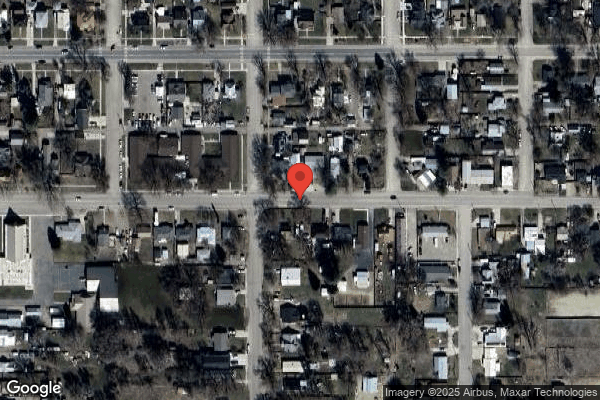
1019 THIRD AVENUE SOUTH, PAYETTE, ID 83661 (208) 642-4455
For profit - Limited Liability company 80 Beds CASCADIA HEALTHCARE Data: November 2025
Trust Grade
75/100
#34 of 79 in ID
Last Inspection: September 2025

Inspected within the last 6 months. Data reflects current conditions.

Overview

Payette Healthcare of Cascadia has a Trust Grade of B, which means it is a good choice for families looking for care, indicating solid performance overall. It ranks #34 out of 79 nursing homes in Idaho, placing it in the top half of facilities in the state, and is the only option in Payette County, ranking #1 out of 1. However, the facility is experiencing a worsening trend, with issues increasing from 8 in 2024 to 10 in 2025. Staffing is a strength, scoring 4 out of 5 stars, with a turnover rate of 34%, which is significantly lower than the state average of 47%, suggesting experienced staff who know the residents well. While there are no fines on record, which is a positive indicator of compliance, there have been concerning incidents reported. For example, the facility did not provide a safe, clean environment for residents, with issues like holes in the floors and inadequate cleaning of equipment, posing potential risks for falls and infections. Additionally, staff failed to follow proper hand hygiene and infection control practices, which could lead to cross-contamination and infections among residents. There was also a failure to properly assess a resident's ability to self-administer medications, which could lead to unsafe medication practices. Overall, while the facility has strengths in staffing and no fines, these specific incidents highlight areas that need improvement.

Trust Score
B
75/100
In Idaho
#34/79
Top 43%
Safety Record
Low Risk
No red flags
Inspections
Getting Worse
8 → 10 violations
Staff Stability
○ Average
34% turnover. Near Idaho's 48% average. Typical for the industry.
Penalties
✓ Good
No fines on record. Clean compliance history, better than most Idaho facilities.
Skilled Nurses
✓ Good
Each resident gets 68 minutes of Registered Nurse (RN) attention daily — more than 97% of Idaho nursing homes. RNs are the most trained staff who catch health problems before they become serious.
Violations
⚠ Watch
15 deficiencies on record. Higher than average. Multiple issues found across inspections.
★★★★☆
4.0
Overall Rating
★★★★☆
4.0
Staff Levels
★★★☆☆
3.0
Care Quality
★★★★☆
4.0
Inspection Score
Stable
2024: 8 issues
2025: 10 issues

The Good

  • 4-Star Staffing Rating · Above-average nurse staffing levels
  • Full Sprinkler Coverage · Fire safety systems throughout facility
  • No fines on record
  • Staff turnover below average (34%)

    14 points below Idaho average of 48%

Facility shows strength in staffing levels, fire safety.

The Bad

Staff Turnover: 34%

12pts below Idaho avg (46%)

Typical for the industry

Chain: CASCADIA HEALTHCARE

Part of a multi-facility chain

Ask about local staffing decisions and management

The Ugly 15 deficiencies on record

Aug 2024 8 deficiencies
CONCERN (D) 📢 Someone Reported This

A family member, employee, or ombudsman was alarmed enough to file a formal complaint

Potential for Harm - no one hurt, but risky conditions existed

Deficiency F0554 (Tag F0554)

Could have caused harm · This affected 1 resident

Based on policy review, observation, record review, and interviews, it was determined the facility failed to ensure a resident was initially assessed to determine if they were safe to self-administer ...

Read full inspector narrative →
Based on policy review, observation, record review, and interviews, it was determined the facility failed to ensure a resident was initially assessed to determine if they were safe to self-administer medications for 1 of 2 residents (Resident #36). This failure created the potential for adverse effects if Resident #36 self-administered medications inappropriately. Findings include: The facility's Self-Administration of Medications policy, dated 11/28/17, stated in part 2. The interdisciplinary team determines that it is safe for the resident to self-administer drugs before the resident is allowed to do so, and the decision is periodically reviewed according to the resident's status. 2a. Qualify nursing staff administers drugs until the determination is made. Resident #36 was admitted to the facility 12/29/23, with multiple diagnoses including incomplete quadriplegia (characterized by weakness or paralysis of all four limbs), diabetes with diabetic polyneuropathy (affects multiple peripheral sensory and motor nerves that branch out form the spinal cord into the arms, hands, legs, and feet), and gastro-esophageal reflux. On 8/4/24 at 2:12 PM, Resident #36 stated he was given calcium carbonate oral chewable tablets at bedside to use when he thought he needed them. He stated his nurse had given him 6 tablets and he already had taken two and still had 4 additional tablets in his dresser drawer. No self-administration medication assessment was documented in his medical records. An email from the DON on 8/7/24 at 2:52 PM, documented the self-administration medication assessment was not completed for Resident #36. During a follow-up interview with the DON on 8/7/24 at 4 PM, she confirmed the self-administration medication assessment had not been completed for Resident #36.
CONCERN (D) 📢 Someone Reported This

A family member, employee, or ombudsman was alarmed enough to file a formal complaint

Potential for Harm - no one hurt, but risky conditions existed

Tube Feeding (Tag F0693)

Could have caused harm · This affected 1 resident

**NOTE- TERMS IN BRACKETS HAVE BEEN EDITED TO PROTECT CONFIDENTIALITY** Based on observation, record review, policy review, and staff interview, it was determined the facility failed to ensure adequat...

Read full inspector narrative →
**NOTE- TERMS IN BRACKETS HAVE BEEN EDITED TO PROTECT CONFIDENTIALITY** Based on observation, record review, policy review, and staff interview, it was determined the facility failed to ensure adequate care and treatment was provided to 1 of 1 resident (Resident #156) reviewed for feeding tube use. This created the potential for harm if complications developed from improper tube feeding practice. Finding include: The facility's Enteral Feeding: Gravity/Bolus policy, revised 3/10/21, directed staff to label and date opened containers of formula and refrigerate as soon as possible. Resident #156 was admitted to the facility on [DATE], with multiple diagnoses including stroke and dysphagia (difficulty swallowing). A physician's order, dated 8/1/24, documented Resident #156 was to receive Jevity 1.5 (a type of feeding formula that provides complete, balanced nutrition) or equivalent 240 ml via pump or syringe per PEG (Percutaneous endoscopic gastrostomy) tube every 4 hours. On 8/5/24 at 9:13 AM, an opened bottle of Ready-To-Hang Jevity 1.5 was observed in Resident #156's room on his bedside table. The bottle was labeled, opened 8/5/24 at 2330, 60ml/hour. On 8/7/24 at 12:00 PM, RN #2 was observed administering Ready-To-Hang Jevity 1.5 to Resident #156. RN #2 did not label the opened bottle of Ready-To-Hang Jevity 1.5. The opened bottle of Ready-To-Hang Jevity 1.5 was left on Resident #156's bedside table. On 8/7/24 at 12:19 PM, RN #2 stated, the Ready-To-Hang Jevity 1.5 bottle is used in a day, so it stays at the bedside until used. On 8/8/24 at 9:21 AM, the Clinical Resource Nurse stated the Ready-To-Hang Jevity 1.5 should have been refrigerated after it was opened.
CONCERN (D) 📢 Someone Reported This

A family member, employee, or ombudsman was alarmed enough to file a formal complaint

Potential for Harm - no one hurt, but risky conditions existed

Respiratory Care (Tag F0695)

Could have caused harm · This affected 1 resident

Based on observation, interview, and record review, the facility failed to ensure 1 of 5 residents (Resident #14) received continuous oxygen via nasal cannula prescribed by the physician. This created...

Read full inspector narrative →
Based on observation, interview, and record review, the facility failed to ensure 1 of 5 residents (Resident #14) received continuous oxygen via nasal cannula prescribed by the physician. This created the potential for Resident #14 to experience respiratory difficulties/impaired breathing. Findings include: Resident #14 was admitted to the facility 7/17/19, with multiple diagnoses including stroke, dysphagia (difficulty swallowing), and dependence on supplemental oxygen. Resident #14's oxygen was ordered at 2 liters per minute, via nasal cannula continuously. On 8/4/24 at 12:03 PM, CNA #2 removed Resident #14 from the portable liquid oxygen and stated she was going to top off the unit with liquid oxygen. Resident #14 was without her oxygen for over 4 minutes. Upon return CNA #2 reconnected Resident #14 nasal cannula to the portable liquid oxygen unit. On 8/7/24 at 12:15 PM, CNA #2 stated she should not have removed Resident #14 from her oxygen without first providing a backup oxygen source.
CONCERN (D) 📢 Someone Reported This

A family member, employee, or ombudsman was alarmed enough to file a formal complaint

Potential for Harm - no one hurt, but risky conditions existed

Deficiency F0730 (Tag F0730)

Could have caused harm · This affected 1 resident

Based on staff interview and review of annual competency evaluations, it was determined the facility failed to ensure each CNA's performance was evaluated at least once every 12 months and annual eval...

Read full inspector narrative →
Based on staff interview and review of annual competency evaluations, it was determined the facility failed to ensure each CNA's performance was evaluated at least once every 12 months and annual evaluations were performed. This was true for 1 of 5 CNAs (CNA #3) whose personnel records were reviewed. This failure created the potential for incompetent CNAs providing care and increased the risk for harm for 44 of 44 residents living in the facility. Findings include: Annual performance evaluations were requested for 5 CNAs. On 8/7/24 at 2:22 PM, review of CNA #3's employee file documented her hire date as 5/1/20. CNA #3's employee file did not have an annual evaluation for 2022 or 2023. On 8/8/24 at 10:22 AM, the DON stated the CNA's evaluations should be done annually. She also stated CNA #3's evaluation had not been done; she had missed some of the employees annual evaluations.
CONCERN (D) 📢 Someone Reported This

A family member, employee, or ombudsman was alarmed enough to file a formal complaint

Potential for Harm - no one hurt, but risky conditions existed

Deficiency F0761 (Tag F0761)

Could have caused harm · This affected 1 resident

Based on observation, interviews, and facility policy review, it was determined the facility failed to ensure wound care products and resident prescribed wound care cream were secured in a locked trea...

Read full inspector narrative →
Based on observation, interviews, and facility policy review, it was determined the facility failed to ensure wound care products and resident prescribed wound care cream were secured in a locked treatment care. This was observed in 1 of 2 treatment carts. This failure created the potential for residents to obtain prescribed wound care cream used for other residents and presented the risk for cross-contamination of wound care products stored in the cart. Findings include: The facility's Medication Management policy, revised 10/15/22, stated in part Medications and biologicals are stored appropriately according to manufacturer's guidelines and to prevent unauthorized access. Unlocked medication/treatment carts are under nurse control at all times. On 8/4/24 at 11:03 AM, west hall wound care treatment cart was observed to be unlocked when the nurse was not present. On 8/4/24 at 11:13 AM, LPN #1 stated she thought the cart needed to be closed and locked when she was not near it. On 8/8/24 at 10:10 AM, the DON stated treatment carts should be locked when a nurse is not present.
CONCERN (D) 📢 Someone Reported This

A family member, employee, or ombudsman was alarmed enough to file a formal complaint

Potential for Harm - no one hurt, but risky conditions existed

Deficiency F0883 (Tag F0883)

Could have caused harm · This affected 1 resident

Based on record review and staff interview, it was determined the facility failed to ensure residents were provided with the pneumococcal vaccine when residents requested it. This was observed in 1 of...

Read full inspector narrative →
Based on record review and staff interview, it was determined the facility failed to ensure residents were provided with the pneumococcal vaccine when residents requested it. This was observed in 1 of 5 resident medical records reviewed (Resident #41). This failure created the potential for residents to have an increased risk of pneumococcal (bacterial) pneumonia and the potential for severe illness or death. Findings include: Resident #41 was admitted to the facility 6/19/24, with multiple diagnoses including metabolic encephalopathy (a disturbance of brain function), chronic fatigue, and repeated falls. A review of Resident #41's medical chart showed on admission, Resident #41 requested a pneumonia vaccine. A review of Resident #41's record had no documentation the vaccine had been given. On 8/6/23 at 3:20 PM, the DON stated the pneumonia vaccine had not been given to Resident #41, and there was no documentation in her chart explaining why the vaccine had not been given.
CONCERN (E) 📢 Someone Reported This

A family member, employee, or ombudsman was alarmed enough to file a formal complaint

Potential for Harm - no one hurt, but risky conditions existed

Safe Environment (Tag F0584)

Could have caused harm · This affected multiple residents

**NOTE- TERMS IN BRACKETS HAVE BEEN EDITED TO PROTECT CONFIDENTIALITY** Based on observation, policy review, and staff interview, it was determined the facility failed to ensure residents were provide...

Read full inspector narrative →
**NOTE- TERMS IN BRACKETS HAVE BEEN EDITED TO PROTECT CONFIDENTIALITY** Based on observation, policy review, and staff interview, it was determined the facility failed to ensure residents were provided with a safe, clean, homelike environment. This was true for 1 of 4 residents (Resident #36) who were observed in power wheelchairs, and for all 44 residents who resided in the facility whose overall environment was observed. This deficient practice created the potential for harm if: a) residents were injured when the privacy curtains in the resident's rooms prevented the resident from moving around in their room safely and the holes in the floors caused a resident to fall, b) residents were embarrassed by dirty equipment and/or felt the lack of cleanliness in the facility was unacceptable, disrespectful, or undignified, and c) cross-contamination from spread of microorganisms. Findings include: The facility's General Environmental Condition policy, revised 9/1/18, documented a safe, functional, sanitary, and comfortable environment is provided for residents, staff, and the public. 1. Resident #36 was admitted to the facility 12/29/23, with multiple diagnoses including incomplete quadriplegia (characterized by weakness or paralysis of all four limbs), diabetes with diabetic polyneuropathy (affects multiple peripheral sensory and motor nerves that branch out form the spinal cord into the arms, hands, legs, and feet), and muscle weakness. On 8/4/24 at 2:08 PM, Resident #36 stated he had difficulty maneuvering his power wheelchair in his room due to the 2 ceiling curtains which often tangled up in the wheelchair when going between the 2 beds and going to the bathroom. At the time of this visit, Resident #36 was the only resident assigned to this room. He stated staff did not let him put the curtain material on the extra bed because that bed may be assigned to another resident at some point. 2. Resident #33 was admitted to the facility 3/24/23, with multiple diagnoses including diabetes, Crohn's disease (a chronic inflammatory bowel disease that affect the lining of the digestive tract), and depression. On 8/5/24 at 8:30 AM, Resident #33 stated the fan in his bathroom was not working. Additionally, he said he had reported this over several months, to a CNA, housekeeping staff, and the floor nurse but the fan had not been repaired. On 8/6/24 at 9:49 AM, the MS stated all staff who have access to PCC TELS (maintenance managment system) can report maintenance related issues. The PCC TELS system sends a note right to the MS for quick notice. The MS explained that staff who do not have PCC access can submit maintenance relate issues via a notebook located in the facility copier room. When reviewed, the last entry in the maintenance request notebook was 3/2023. A review of the PCC TELS system maintenance log for the last 3 months did not identify any maintenance requests for Resident #33's non-function bathroom fan. 3. The following common residential environment area were observed as unsafe and unsanitary: a. On 8/4/24 at 12:15 PM, a 5 inch long by 2 inch wide, and 1/2 deep hole in dining room floor tile with lifted edges creating a potential fall or trip hazard was observed. On 8/6/24 at 9:44 AM, the DON stated she did not remember seeing the hole in the dining room tile. On 8/6/24 at 9:46 AM, the MS stated he did not remember seeing the hole in the dining room tile but agreed it is a potential trip hazard and should have been repaired. b. On 8/7/24 at 10:00 AM, the west side shower room was observed with: - at the entrance of the shower room an area approximately 6-inch x 5-inch with missing floor tiles was observed. - in front of the cupboards on the shower room wall, the floor tile had a crack, approximately 12-inch long. - the right side of the floor was observed with a floor tile that was cracked and dipped inward, approximately 14-inch x 2-inch x ¼-inch deep. - to the left side of the entrance into shower area, observed a screw hanging loose from the base board. On 8/7/24 at 10:05 AM, the west side shower room was observed with: - the air vent had a layer of dust on it. - the top left side of the window had large, thick, white cobweb. c. On 8/7/24 at 12:14 PM, observed west hall flooring was missing between: - room [ROOM NUMBER] and room [ROOM NUMBER], approximate size, 11-inch x 1-inch. - room [ROOM NUMBER] and 117, approximate size, 2-inch x 4-inch triangular shape. On 8/7/24 at 4:14 PM, the Maintenance Supervisor (MS), stated the floor in the west side shower room was a fall hazard and the facility had gotten a bid on the repair but, the bid was not approved to have it replaced. d. On 8/7/24 at 10:14 AM, the east side shower room was observed with: - the air vent had a layer of dust on it. - a shower chair had a large pink substance on the seat. CNA #4 attempted to clean the pink substance off the shower chair, but was unable to remove it. On 8/7/24 at 10:20 AM, CNA #4 stated she was not sure who cleans the air vents, but maintenance probably will clean the vents. She also stated she was not sure what the pink substance was on the shower chair seat. On 8/7/24 at 4:14 PM, the MS stated housekeeping should clean the shower rooms everyday by wiping things down and dusting the vents. On 8/8/24 at 10:16 AM, housekeeper #1 stated the shower rooms should be cleaned daily. She also stated, cleaning of the shower room consists of sanitizing the room, sweep and mop the floor, and cleaning the shower walls.
CONCERN (E) 📢 Someone Reported This

A family member, employee, or ombudsman was alarmed enough to file a formal complaint

Potential for Harm - no one hurt, but risky conditions existed

Infection Control (Tag F0880)

Could have caused harm · This affected multiple residents

**NOTE- TERMS IN BRACKETS HAVE BEEN EDITED TO PROTECT CONFIDENTIALITY** Based on observation and staff interviews, the facility failed to ensure adherence to infection control and prevention practices...

Read full inspector narrative →
**NOTE- TERMS IN BRACKETS HAVE BEEN EDITED TO PROTECT CONFIDENTIALITY** Based on observation and staff interviews, the facility failed to ensure adherence to infection control and prevention practices to provide a safe and sanitary environment, when staff did not follow hand hygiene protocols, properly clean Hoyer lift equipment, and follow proper protocol during tube feeding. These failures had the potential to impact 4 of 4 residents (Residents #8, #15, #16, and #21) for hand hygiene, Hoyer lift use for transfers, and 1 of 1 resident (Resident #156) during G-tube feeding, placing them all at risk for cross-contamination and infection. Findings include: The CDC Long-term Care Facilities Frequently Asked Questions (FAQs) about Enhanced Barrier Precautions (EBP) in Nursing Homes, dated 6/28/24, documented indwelling medical devices and wounds are risk factors for colonization with a MDRO. Once colonized, these residents can serve as sources of transmission within the facility. The expansion of EBP for all residents with wounds or indwelling medical devices is intended to protect these high-risk individuals both from acquisition and from serving as a source of transmission if they have already become colonized. Enhanced Barrier Precautions are recommended for residents with indwelling medical devices or wounds, who do not otherwise meet the criteria for Contact Precautions, even if they have no history of MDRO colonization or infection and regardless of whether others in the facility are known to have MDRO colonization. This is because devices and wounds are risk factors that place these residents at higher risk for carrying or acquiring a MDRO and many residents colonized with a MDRO are asymptomatic or not presently known to be colonized. 1. The following were observed for hand hygiene: On 8/4/24 at 11:51 AM, the surveyor observed in the dining room CNA #4 picked up dirty washcloths without gloves. Then without performing hand hygiene, CNA #4 washed Resident #2's hands and face. On 8/8/24 at 9:26 AM, during a interview, CNA #4 stated she should not have placed the dirty washcloths on the residents dining table and she should have washed her hands prior to helping Resident #2 wash her hands and face before the lunch meal. On 8/4/24 at 12:29 PM, the surveyor observed food trays being delivered and set up on over-bed tables in resident rooms. CNA #1 and CNA #2 had not offered to help residents wash hands before eating. One 8/4/24 at 12:32 PM, CNA #1 stated she thought the CNAs working the floor provide oral care and offered residents, eating in their rooms, hand hygiene before their meal arrives. On 8/4/24 at 12:38 PM, RN #1 stated the residents that choose to eat in their rooms are able to wash their own hands. On 8/6/24 at 10:27 AM, the DON stated staff are to encourage residents to wash their hands prior to meals in their rooms. 2. The following was observed for clean equipment: On 8/4/24 at 2:35 PM, observed CNA #7 replace Hoyer lift back in storage room without cleaning after resident transfer. CNA #7 stated she had just completed a resident transfer with the Hoyer lift. On 8/6/24 at 9:43 AM, the DON stated if the Hoyer lift was not cleaned after use, that was wrong. 3. The following were observed for G-tube feeding: Resident #156 was admitted to the facility on [DATE], with multiple diagnoses including stroke and dysphagia (difficulty swallowing). A physician's order, dated 7/8/24, documented Resident #156 was to be placed on enhanced barrier precautions for PEG tube. Gown and gloves required for high-contact patient care (dressing, bathing, transferring, incontinence or toileting care, dressing, changing, linens, or device or wound care). On 8/7/24 at 10:30 AM, observed Resident #156's door to his room, with signage directing staff to wear gloves and a gown for the following high-contact resident care activities: -Dressing -Bathing/showering -Transferring -Changing linens -Providing Hygiene -Changing briefs or assisting with toileting -Device care or use: central line, urinary catheter, feeding tube, tracheostomy -Wound Care: any skin opening requiring a dressing. On 8/7/24 at 12:00 PM, observed RN #2 administer Resident #156's G-tube feeding without donning PPE. On 8/7/24 at 12:19 PM, RN #2 stated he should have donned PPE to give Resident #156 his feeding.
Sept 2019 7 deficiencies
CONCERN (D)

Potential for Harm - no one hurt, but risky conditions existed

Transfer Notice (Tag F0623)

Could have caused harm · This affected 1 resident

**NOTE- TERMS IN BRACKETS HAVE BEEN EDITED TO PROTECT CONFIDENTIALITY** Based on record review, policy review, and staff interview, it was determined the facility failed to ensure residents and/or the...

Read full inspector narrative →
**NOTE- TERMS IN BRACKETS HAVE BEEN EDITED TO PROTECT CONFIDENTIALITY** Based on record review, policy review, and staff interview, it was determined the facility failed to ensure residents and/or their representative received written notification regarding transfer to the hospital, and the state ombudsman was notified of the transfer. This was true for 2 of 3 residents (#31 and #33) reviewed for transfer/discharge. This failure created the potential for harm if residents were unable to exercise their rights related to transfers due to lack of notification. Findings include: The facility's policy for Discharge and Transfer, revised 2/1/19, documented the following: * The facility must immediately inform the resident/representative when there is a decision to transfer or discharge the resident. * The resident and their representative must be notified in writing and in a language and manner they understand. * For unplanned, acute transfers when it was expected for the resident to return to the facility, the resident and/or their representative were notified verbally followed by written notification using the Notice of Hospital Transfer or state specific form. * A copy of the notices for emergency transfer must be sent to the ombudsman, and may be sent when practicable, such as a list sent on a monthly basis or per the state's requirements. The policy was not followed. 1. Resident #31 was readmitted to the facility on [DATE], with multiple diagnoses including wedge compression fracture of the first lumbar vertebrae (part of the spine in the lower back), and a fall from bed. Resident #31's discharge MDS assessment, dated 8/1/19, documented he had an unplanned discharge to the hospital, and he had problems with short term memory. A Change in Condition Evaluation, dated 8/1/19 at 9:02 PM, documented Resident #31 was found on the floor in his room, and he stated he rolled over in bed and fell to the floor. Resident #31 complained of back pain rated as 8 or 9 (on a scale from zero to 10), and an order was received to send him to the emergency room for evaluation. A voice message was left for both of his daughters. Resident #31's record did not contain documentation that written notification was provided to him and/or his representative, or the state ombudsman was notified when he was transferred to the hospital on 8/1/19. On 9/5/19 at 12:47 PM, the Administrator said the facility just recently started sending notices to the local ombudsman regarding transfers because they did not know whom to contact. The Administrator said there would probably not be much documentation that notification was provided to the ombudsman regarding resident transfers. On 9/6/19 at 8:39, the MSW said the facility had not been notifying the local ombudsman or providing written notification to the resident and/or their representative when they were transferred out of the facility. On 9/6/19 at 9:58 AM, RN #2 said she assisted in completing the transfer form when a resident was transferred to the hospital, and she thought it was the facility's policy to provide the resident and/or their representative with written information regarding the transfer at the time of the transfer. 2. Resident #33 was admitted to the facility on [DATE], with diagnoses which included kidney disease requiring dialysis. A hospital History and Physical, dated 6/6/19, documented Resident #33 was transported to the emergency room on 6/5/19 after a fall from a transport van resulting in a superficial head laceration. Resident #33's record did not contain documentation that he, his representative and the state ombudsman were provided written notice of transfer to the hospital. On 9/6/19 at 8:15 AM, the MSW stated the facility had not been providing written notifications of transfers to the residents, their representatives or the ombudsman.
CONCERN (D)

Potential for Harm - no one hurt, but risky conditions existed

Deficiency F0625 (Tag F0625)

Could have caused harm · This affected 1 resident

**NOTE- TERMS IN BRACKETS HAVE BEEN EDITED TO PROTECT CONFIDENTIALITY** Based on policy review, record review, and staff interview, it was determined the facility failed to notify the resident and the...

Read full inspector narrative →
**NOTE- TERMS IN BRACKETS HAVE BEEN EDITED TO PROTECT CONFIDENTIALITY** Based on policy review, record review, and staff interview, it was determined the facility failed to notify the resident and their representative of the bed hold policy upon transfer/discharge. This was true for 2 of 3 residents (#31 and #33) reviewed for transfer/discharge. This failure created the potential for harm if residents were not informed of their right to return to their former room at the facility within a specified time. Findings include: The facility's policy for Bed Hold Notice, effective January 2019, documented: Prior to a resident's transfer out of the center to a hospital or for therapeutic leave, the staff member conducting the transfer out will provide both the resident and representative, if applicable, with the [Bed] Hold Policy Notice & Authorization form. Notice must be given regardless of payer . This policy was not followed. 1. Resident #31 was readmitted to the facility on [DATE], with multiple diagnoses including wedge compression fracture of the first lumbar vertebrae (part of the spine in the lower back) and a fall from bed. Resident #31's discharge MDS assessment, dated 8/1/19, documented he had an unplanned discharge to the hospital, and he had problems with short term memory. A Change in Condition Evaluation, dated 8/1/19 at 9:02 PM, documented Resident #31 was found on the floor in his room, and he stated he rolled over in bed and fell to the floor. Resident #31 complained of back pain rated as 8 or 9 (on a scale from zero to 10), and an order was received to send him to the emergency room for evaluation. A voice message was left for both of his daughters. Resident #31's record did not contain documentation that a bed hold notice was provided to him or his representative when he was transferred to the hospital on 8/1/19. On 9/5/19 at 9:25 AM, the DNS said the MSW was the one who handled bed hold notices and transfers. On 9/5/19 at 10:29 AM, the MSW said Resident #31 was not gone from the facility for 24 hours, so he was not offered a bed hold notice. The MSW said if Resident #31 was gone from the facility for 24 hours, the facility would have called his daughter about the bed hold notice. On 9/6/19 at 9:58 AM, the MSW said a bed hold notice was not provided to Resident #31 or his representative for his transfer on 8/1/19. 2. Resident #33 was admitted to the facility on [DATE], with diagnoses which included kidney disease requiring dialysis. A hospital History and Physical, dated 6/6/19, documented Resident #33 was transported to the emergency department on 6/5/19 after a fall from a transport van resulting in a superficial head laceration. Resident #33's record did not contain documentation that a bed hold notice was provided to him or his representative when he was transferred to the hospital on 6/5/19. On 9/6/19 at 8:15 AM, the MSW stated the facility was not providing written notification of bed holds to the resident or their representative when a resident was transferred.
CONCERN (D)

Potential for Harm - no one hurt, but risky conditions existed

Comprehensive Assessments (Tag F0636)

Could have caused harm · This affected 1 resident

**NOTE- TERMS IN BRACKETS HAVE BEEN EDITED TO PROTECT CONFIDENTIALITY** Based on record review, policy review, and resident and staff interview, it was determined the facility failed to ensure residen...

Read full inspector narrative →
**NOTE- TERMS IN BRACKETS HAVE BEEN EDITED TO PROTECT CONFIDENTIALITY** Based on record review, policy review, and resident and staff interview, it was determined the facility failed to ensure residents' MDS assessments accurately reflected their status at the time of the assessment. This was true for 1 of 12 residents (Resident #30) whose MDS assessments were reviewed. This failure created the potential for harm if care decisions were based upon inaccurate information. Findings include: The facility's policy for Nursing Assessment, revised 2/1/19, documented The assessment must accurately reflect the patient's status at the time of assessment. Resident #30 was readmitted to the facility on [DATE], with multiple diagnoses including flaccid hemiplegia (weakness or paralysis on one side) affecting the left side, and abnormalities of gait and mobility. A Progress Note, dated 4/27/19 at 3:29 PM, documented Resident #30 had a change in condition related to a fall on 4/27/19 in the afternoon. An I&A report, dated 4/27/19, documented Resident #30 was found on the floor between her recliner and wheelchair, and she fell when she attempted to transfer herself to the recliner. Resident #30's quarterly MDS assessment, dated 5/14/19, documented she had no falls since admission or the prior assessment. The assessment did not document Resident #30's fall, which occurred 17 days prior to the assessment, on 4/27/19. On 9/3/19 at 1:59 PM, Resident #30 said she fell a couple months ago and hurt her shoulder. On 9/5/19 at 1:56 PM, the MDS Nurse stated she missed Resident #30's fall on the quarterly MDS assessment, dated 5/14/19, and she was going to modify the MDS assessment.
CONCERN (D)

Potential for Harm - no one hurt, but risky conditions existed

Deficiency F0657 (Tag F0657)

Could have caused harm · This affected 1 resident

**NOTE- TERMS IN BRACKETS HAVE BEEN EDITED TO PROTECT CONFIDENTIALITY** Based on observation, record review, policy review, and staff interview, it was determined the facility failed to ensure residen...

Read full inspector narrative →
**NOTE- TERMS IN BRACKETS HAVE BEEN EDITED TO PROTECT CONFIDENTIALITY** Based on observation, record review, policy review, and staff interview, it was determined the facility failed to ensure residents' care plans were updated to maintain consistency and accuracy. This was true for 1 of 12 residents (Resident #21) whose care plans were reviewed. This failure created the potential for harm if cares and/or services were not provided due to missing information on the care plan. Findings include: The facility's policy for Person-Centered Care Plan, revised on 7/1/19, documented the following: * A comprehensive person-centered care plan must be developed for each resident and must include services that must be furnished. * The care plan must be customized to each individual patient's preferences and needs. * The care plan was communicated to the appropriate staff, resident, health care decision maker, and family. * The care plan was reviewed and revised by the interdisciplinary team after each assessment and as needed to reflect the resident's response to care and changing needs and goals. This policy was not followed. Resident #21 was readmitted to the facility on [DATE], with multiple diagnoses including pneumonia, acute and chronic respiratory failure, and pulmonary embolism (a blood clot in the lung.) Resident #21's physician orders, dated 9/3/19, documented an order for ipratropium-Albuterol Solution (medication to dilate the breathing passages that is administered by a nebulizer- a machine that delivers the medication as an inhaled mist ) 0.5-2.5 mg /3 ml inhale every 6 hours as needed for a history of pneumonia. The ipratropium-Albuterol Solution was ordered on an as needed basis on 8/26/19. Resident #21's MAR, dated August 2019, documented the ipratropium-Albuterol Solution was administered every four hours each day from 8/1/19 through 8/26/19, and it started on 7/22/19. The routinely scheduled ipratropium-Albuterol Solution was discontinued on 8/26/19. Resident #21's MAR, dated September 2019, documented the ipratropium-Albuterol Solution was available to be used every 6 hours as needed. Resident #21's care plan did not document he received ipratropium-Albuterol nebulizer treatments. On 9/3/19 at 2:10 PM and on 9/5/19 at 11:32 AM, a nebulizer machine, tubing, and administration set were present on the bedside table in Resident #21's room. On 9/5/19 at 11:33 AM, LPN #1 said Resident #21 received nebulizer treatments as needed. On 9/5/19 at 12:56 PM, the DNS said she did not see the specifics about the nebulizer treatments on Resident #21's care plan. On 9/6/19 at 10:03 AM, RN #2 said the nurse who received a physician's order added the information to the care plan, or if she noticed it she added it to the care plan. RN #2 said Resident #21's nebulizer treatments should be on the care plan.
CONCERN (D)

Potential for Harm - no one hurt, but risky conditions existed

Quality of Care (Tag F0684)

Could have caused harm · This affected 1 resident

**NOTE- TERMS IN BRACKETS HAVE BEEN EDITED TO PROTECT CONFIDENTIALITY** Based on record review, policy review, review of I&A Reports, and staff interview, it was determined the facility failed to ensu...

Read full inspector narrative →
**NOTE- TERMS IN BRACKETS HAVE BEEN EDITED TO PROTECT CONFIDENTIALITY** Based on record review, policy review, review of I&A Reports, and staff interview, it was determined the facility failed to ensure neurological assessments were completed after unwitnessed falls per the facility's policy. This was true for 2 of 4 residents (#30 and #31) reviewed for falls. This failure created the potential for harm should residents experience undetected changes in neurological status. Findings include: The facility's policy for Falls Management, revised 3/15/16, directed staff to perform neurological assessments for all unwitnessed falls and when a fall was witnessed with head injury. The facility's policy for Neurological Assessment, revised 10/1/12, directed staff to perform neurological assessments when a resident sustained an injury to their head and/or when a fall was unwitnessed. These policies were not followed. 1. Resident #31 was readmitted to the facility on [DATE], with multiple diagnoses including wedge compression fracture of the first lumbar vertebrae (part of the spine in the lower back) and a fall from bed. Resident #31's discharge MDS assessment, dated 8/1/19, documented the following: * He had problems with short term memory. * He had one fall since admission or the prior assessment. A Change in Condition Evaluation, dated 8/1/19 at 9:02 PM, documented Resident #31 was found on the floor in his room, and he stated he rolled over in bed and fell to the floor. Resident #31 stated he hit his head and back. Resident #31's Neurological Assessment Flow Sheet was lacking the following documentation: * On 8/2/19 at 8:45 PM and 9:45 PM, and on 8/3/19 at 1:45 AM and 5:45 AM, the areas for documenting level of consciousness, Pupil Response, Motor Functions, and Pain Response were blank. * On 8/2/19 at 9:45 PM, the areas for documenting vital signs were blank. * On 8/3/19 at 1:45 PM, the areas for documenting vital signs were blank. On 9/5/19 at 9:06 AM, the DNS said neurological assessments should be done when a resident fell and struck their head, and if the fall was unobserved. The DNS said there were incomplete areas on Resident #31's Neurological Assessment Sheet related to his fall on 8/1/19. 2. Resident #30 was readmitted to the facility on [DATE], with multiple diagnoses including flaccid hemiplegia (weakness or paralysis on one side) affecting the left side and abnormalities of gait and mobility. A Progress Note, dated 4/27/19 at 3:29 PM, documented Resident #30 had a change in condition related to a fall. An I&A report, dated 4/27/19, documented Resident #30 had an unwitnessed fall when she attempted to transfer herself to the recliner. Resident #30 was found on the floor between her recliner and wheelchair. Resident #30's Neurological Assessment Flow Sheet was lacking the following documentation : * On 4/27/19 at 5:30 PM, 6:00 PM, and 6:30 PM, the areas for documenting level of consciousness, pupil response, and motor function, were blank. Dining Room was documented in the areas for documenting pain response and vital signs. On 9/5/19 at 1:49 PM, LPN #1 said neurological assessments should be done if a fall was unwitnessed and if the resident hit their head. LPN #1 said all the required information should be completed on the Neurological Assessment Flow Sheet. On 9/5/19 at 2:45 PM, the DNS said there were areas missing neurological assessments on Resident #30's Neurological Assessment Flow Sheet. The DNS said she expected the neurological assessments to be done, even when Resident #30 was in the dining room, unless Resident #30 did not want them done.
CONCERN (D)

Potential for Harm - no one hurt, but risky conditions existed

Incontinence Care (Tag F0690)

Could have caused harm · This affected 1 resident

**NOTE- TERMS IN BRACKETS HAVE BEEN EDITED TO PROTECT CONFIDENTIALITY** Based on record review, staff interview, and resident family interview, it was determined the facility failed to ensure resident...

Read full inspector narrative →
**NOTE- TERMS IN BRACKETS HAVE BEEN EDITED TO PROTECT CONFIDENTIALITY** Based on record review, staff interview, and resident family interview, it was determined the facility failed to ensure residents received bowel care in accordance with standard nursing practice and physician orders. This was true for 1 of 1 resident (Resident #27) reviewed for constipation. This failure created the potential for harm should residents experience negative effects from constipation or fecal impaction (a mass of stool that is so hard it cannot be passed). Findings include: Resident #27 was admitted to the facility on [DATE], with diagnoses which included Parkinson's disease (a progressive nervous system disorder that affects movement) and weakness. Resident #27's physician orders included the following bowel protocol standing orders, dated 4/23/19: * Milk of Magnesia Suspension 400 MG/5ML (MOM)-Give 30 ml by mouth as needed for constipation. Give at bedtime if no BM (bowel movement) in 3 days. * Dulcolax Suppository 10 MG (Bisacodyl) Insert 1 suppository rectally as needed for constipation if no result from MOM or Miralax (laxative) by the next shift. * Fleet Enema-Insert 1 dose rectally as needed for constipation if no result from Dulcolax within 2 hours. If no results from Fleet enema, call MD (Medical Doctor)/advanced practice provider (APP) for further orders. Resident #27's ADL (Activities of Daily Living) sheets documented he did not have a bowel movement from 8/22/19 through 8/29/19 (8 days). Resident #27's MAR documented a Dulcolax suppository was administered on 8/30/19, and the suppository was effective resulting in a bowel movement on 8/30/19. On 9/3/19 at 9:45 AM, Resident #27's family member stated she was told by a CNA (Certified Nursing Assistant) that Resident #27 was given a suppository because he did not have a bowel movement in nine days. On 9/5/19 at 9:00 AM, the DNS stated she was aware that staff did not intervene for Resident #27 after three days with no bowel movement. The DNS stated that staff were to follow the facility's bowel protocol standing orders.
CONCERN (D)

Potential for Harm - no one hurt, but risky conditions existed

Deficiency F0698 (Tag F0698)

Could have caused harm · This affected 1 resident

**NOTE- TERMS IN BRACKETS HAVE BEEN EDITED TO PROTECT CONFIDENTIALITY** Based on observation, policy review, record review, and resident and staff interviews, it was determined the facility failed to ...

Read full inspector narrative →
**NOTE- TERMS IN BRACKETS HAVE BEEN EDITED TO PROTECT CONFIDENTIALITY** Based on observation, policy review, record review, and resident and staff interviews, it was determined the facility failed to ensure that post-dialysis assessments were consistently completed. This was true for for 2 of 2 residents (Resident #30 and #33) reviewed for dialysis, and created the potential for harm if complications were undetected and untreated. Findings include: The facility's policy for Dialysis: Hemodialysis (HD)- Communication and Documentation, revised on 10/1/18, documented, Upon return of the patient to the center, a licensed nurse will: Complete the post-hemodialysis treatment section on the Hemodialysis Communication Record or state required form . 1. Resident #30 was readmitted to the facility on [DATE], with multiple diagnoses including Type 2 diabetes mellitus, dependence on dialysis, and end stage renal (kidney) disease. Resident #30's quarterly MDS assessment, dated 8/13/19, documented she was severely cognitively impaired and she received dialysis. Resident #30's physician orders, dated 9/3/19, documented the following: * Treatment at a dialysis center every Monday, Wednesday, and Friday, ordered on 1/7/19. * Monitor AV (arteriovenous) fistula/graft (a connection between an artery and vein, surgically created for dialysis) for signs and symptoms of infection, swelling, and bleeding upon return from dialysis. Notify the primary physician and dialysis center if signs and symptoms of infection. If bleeding from the AV site, apply pressure for 15 minutes and notify the physician, ordered on 12/4/17. * Monitor right fistula site for redness, increased pain, increased pus-like discharge, bleeding, or loss of sensation below the site, every day and night shift, ordered on 2/27/19. Resident #30's Hemodialysis Communication Records contained a section to be completed by the facility's licensed nurse after dialysis treatments. The required documentation included the assessment of the access site, vital signs, condition of the AV fistula/graft, post-hemodialysis complications, new orders from the dialysis center, and the receiving licensed nurse's signature. All of the required areas were blank in the section for post dialysis treatment on 6/24/19, 8/1/19, 8/2/19, 8/9/19, 8/16/19, 8/21/19, 8/23/19, and 8/28/19 (8 of 16 dialysis days). On 9/5/19 at 2:20 PM, LPN #1 said Resident #30 went to dialysis on that day and had returned to her room. LPN #1 said when Resident #30 returned from dialysis, he checked her AV fistula site and vital signs. LPN #1 said he had not completed the Hemodialysis Communication Record on that day. When reviewing the previous Hemodialysis Communication Records, LPN #1 said staff were not doing a very good job at documenting on the post dialysis section. On 9/5/19 at 2:25 PM, Resident #30 was sitting in the recliner in her room, and she said she had been to dialysis on that day. A dressing was in place to her right upper arm with some visible red/brown drainage on the dressing, and bruising was observed to her inner right upper arm. Resident #30 said when she returned from dialysis the nurses did nothing. On 9/5/19 at 2:48 PM, the DNS said the nurse should complete the post dialysis section of the Hemodialysis Communication Record after Resident #30's dialysis treatments. 2. Resident #33 was admitted to the facility on [DATE], with diagnoses which included kidney disease requiring dialysis. Resident #33's Physician's Order, dated 6/18/19, documented: Monitor AV fistula/graft site for S/S (signs and symptoms) of infection, edema (swelling), and bleeding upon return from dialysis. Notify primary care physician and dialysis unit if there are signs and symptoms of infection. If AV fistula/graft site is bleeding apply pressure for 15 minutes and notify MD/Physician extender if bleeding does not stop. [Assess] every day shift and every night shift. Upon review of Resident #33's record, the Hemodialysis Communication Records were not completed upon return to the facility on 8/5/19, 8/9/19, 8/19/19, 8/30/19, and 9/2/19 (5 of 16 opportunities). On 9/5/19 at 3:00 PM, RN #1 stated Resident #33 and his AV fistula should be assessed, and the Hemodialysis Communication Record should be completed.
Understanding Severity Codes (click to expand)
Life-Threatening (Immediate Jeopardy)
J - Isolated K - Pattern L - Widespread
Actual Harm
G - Isolated H - Pattern I - Widespread
Potential for Harm
D - Isolated E - Pattern F - Widespread
No Harm (Minor)
A - Isolated B - Pattern C - Widespread

Questions to Ask on Your Visit

  • "Can I speak with families of current residents?"
  • "What's your RN coverage like on weekends and overnight?"

Our Honest Assessment

Strengths
  • • No major safety red flags. No abuse findings, life-threatening violations, or SFF status.
  • • No fines on record. Clean compliance history, better than most Idaho facilities.
  • • 34% turnover. Below Idaho's 48% average. Good staff retention means consistent care.
Concerns
  • • 15 deficiencies on record. Higher than average. Multiple issues found across inspections.
Bottom line: Generally positive indicators. Standard due diligence and a personal visit recommended.

About This Facility

What is Payette Healthcare Of Cascadia's CMS Rating?

CMS assigns PAYETTE HEALTHCARE OF CASCADIA an overall rating of 4 out of 5 stars, which is considered above average nationally. Within Idaho, this rating places the facility higher than 99% of the state's 100 nursing homes. This rating reflects solid performance across the metrics CMS uses to evaluate nursing home quality.

How is Payette Healthcare Of Cascadia Staffed?

CMS rates PAYETTE HEALTHCARE OF CASCADIA's staffing level at 4 out of 5 stars, which is above average compared to other nursing homes. Staff turnover is 34%, compared to the Idaho average of 46%. This relatively stable workforce can support continuity of care.

What Have Inspectors Found at Payette Healthcare Of Cascadia?

State health inspectors documented 15 deficiencies at PAYETTE HEALTHCARE OF CASCADIA during 2019 to 2024. These included: 15 with potential for harm.

Who Owns and Operates Payette Healthcare Of Cascadia?

PAYETTE HEALTHCARE OF CASCADIA is owned by a for-profit company. For-profit facilities operate as businesses with obligations to shareholders or private owners. The facility is operated by CASCADIA HEALTHCARE, a chain that manages multiple nursing homes. With 80 certified beds and approximately 47 residents (about 59% occupancy), it is a smaller facility located in PAYETTE, Idaho.

How Does Payette Healthcare Of Cascadia Compare to Other Idaho Nursing Homes?

Compared to the 100 nursing homes in Idaho, PAYETTE HEALTHCARE OF CASCADIA's overall rating (4 stars) is above the state average of 3.3, staff turnover (34%) is significantly lower than the state average of 46%, and health inspection rating (4 stars) is above the national benchmark.

What Should Families Ask When Visiting Payette Healthcare Of Cascadia?

Based on this facility's data, families visiting should ask: "Can I visit during a mealtime to observe dining assistance and food quality?" "How do you handle medical emergencies, and what is your hospital transfer rate?" "Can I speak with family members of current residents about their experience?"

Is Payette Healthcare Of Cascadia Safe?

Based on CMS inspection data, PAYETTE HEALTHCARE OF CASCADIA has a clean safety record: no substantiated abuse findings (meaning no confirmed cases of resident harm), no Immediate Jeopardy citations (the most serious violation level indicating risk of serious injury or death), and is not on the Special Focus Facility watch list (a federal program monitoring the lowest-performing 1% of nursing homes). The facility has a 4-star overall rating and ranks #1 of 100 nursing homes in Idaho. While no facility is perfect, families should still ask about staff-to-resident ratios and recent inspection results during their visit.

Do Nurses at Payette Healthcare Of Cascadia Stick Around?

PAYETTE HEALTHCARE OF CASCADIA has a staff turnover rate of 34%, which is about average for Idaho nursing homes (state average: 46%). Moderate turnover is common in nursing homes, but families should still ask about staff tenure and how the facility maintains care continuity when employees leave.

Was Payette Healthcare Of Cascadia Ever Fined?

PAYETTE HEALTHCARE OF CASCADIA has no federal fines on record. CMS issues fines when nursing homes fail to meet care standards or don't correct problems found during inspections. The absence of fines suggests the facility has either maintained compliance or corrected any issues before penalties were assessed. This is a positive indicator, though families should still review recent inspection reports for the full picture.

Is Payette Healthcare Of Cascadia on Any Federal Watch List?

PAYETTE HEALTHCARE OF CASCADIA is not on any federal watch list. The most significant is the Special Focus Facility (SFF) program, which identifies the bottom 1% of nursing homes nationally based on persistent, serious quality problems. Not being on this list means the facility has avoided the pattern of deficiencies that triggers enhanced federal oversight. This is a positive indicator, though families should still review the facility's inspection history directly.