FRANKLIN COUNTY TRANSITIONAL CARE
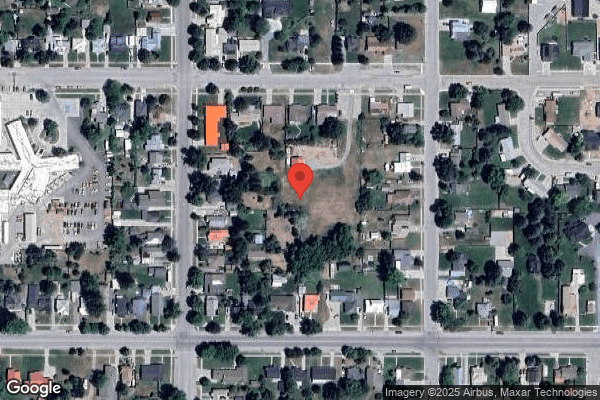
44 NORTH 1ST EAST, PRESTON, ID 83263 (208) 852-4130
Government - County 35 Beds Independent Data: November 2025
Trust Grade
88/100
#7 of 79 in ID
Last Inspection: May 2025

Inspected within the last 6 months. Data reflects current conditions.

Overview

Franklin County Transitional Care in Preston, Idaho has a Trust Grade of B+, which means it is recommended and performs above average compared to other facilities. It ranks #7 out of 79 in the state, placing it in the top half, and is the only option in Franklin County. However, the facility is showing a concerning trend, with issues increasing from 3 in 2024 to 8 in 2025. Staffing is a strength, boasting a 5/5 star rating with only 29% turnover, which is significantly lower than the state average, ensuring continuity of care for residents. There have been no fines reported, but some specific concerns include improper food storage that could risk contamination and a failure to assist residents with advance directives, potentially neglecting their care wishes. Overall, while the facility has strong staffing and no fines, the increasing number of concerns and some policy gaps are important to consider.

Trust Score
B+
88/100
In Idaho
#7/79
Top 8%
Safety Record
Low Risk
No red flags
Inspections
Getting Worse
3 → 8 violations
Staff Stability
✓ Good
29% annual turnover. Excellent stability, 19 points below Idaho's 48% average. Staff who stay learn residents' needs.
Penalties
✓ Good
No fines on record. Clean compliance history, better than most Idaho facilities.
Skilled Nurses
✓ Good
Each resident gets 80 minutes of Registered Nurse (RN) attention daily — more than 97% of Idaho nursing homes. RNs are the most trained staff who catch health problems before they become serious.
Violations
⚠ Watch
17 deficiencies on record. Higher than average. Multiple issues found across inspections.
★★★★★
5.0
Overall Rating
★★★★★
5.0
Staff Levels
★★★★☆
4.0
Care Quality
★★★★☆
4.0
Inspection Score
Stable
2024: 3 issues
2025: 8 issues

The Good

  • 5-Star Staffing Rating · Excellent nurse staffing levels
  • 4-Star Quality Measures · Strong clinical quality outcomes
  • Low Staff Turnover (29%) · Staff stability means consistent care
  • Full Sprinkler Coverage · Fire safety systems throughout facility
  • No fines on record
  • Staff turnover is low (29%)

    19 points below Idaho average of 48%

Facility shows strength in staffing levels, quality measures, staff retention, fire safety.

The Bad

No Significant Concerns Identified

This facility shows no red flags. Among Idaho's 100 nursing homes, only 1% achieve this.

The Ugly 17 deficiencies on record

May 2025 8 deficiencies
CONCERN (D) 📢 Someone Reported This

A family member, employee, or ombudsman was alarmed enough to file a formal complaint

Potential for Harm - no one hurt, but risky conditions existed

Assessment Accuracy (Tag F0641)

Could have caused harm · This affected 1 resident

**NOTE- TERMS IN BRACKETS HAVE BEEN EDITED TO PROTECT CONFIDENTIALITY** Based on observation, interview, and record review, it was determined the facility failed to ensure the MDS assessment accuratel...

Read full inspector narrative →
**NOTE- TERMS IN BRACKETS HAVE BEEN EDITED TO PROTECT CONFIDENTIALITY** Based on observation, interview, and record review, it was determined the facility failed to ensure the MDS assessment accurately reflected resident's status. This was true for 1 of 12 residents (Resident #21) whose MDS, care plan, and nursing assessments were reviewed. This deficient practice had the potential for negative outcomes if the resident was not assessed and cared for or monitored due to inaccurate assessments. Findings include: Resident #21 was admitted to the facility on [DATE], with multiple diagnoses including diabetes and stroke. Resident #21's MDS height measurement were documented as follows: - 7/3/24, documented his height at 66 inches. - 10/2/24, documented his height at 63 inches. - 12/31/24, documented his height at 66 inches. - 4/2/25, documented his height at 63 inches. On 5/28/25 at 10:29 AM, the Administrator stated she was not sure why Resident #21's height discrepancies were put into the MDS assessments.
CONCERN (D) 📢 Someone Reported This

A family member, employee, or ombudsman was alarmed enough to file a formal complaint

Potential for Harm - no one hurt, but risky conditions existed

Deficiency F0657 (Tag F0657)

Could have caused harm · This affected 1 resident

**NOTE- TERMS IN BRACKETS HAVE BEEN EDITED TO PROTECT CONFIDENTIALITY** Based on record review, policy review and staff interview, it was determined the facility failed to ensure residents care plans ...

Read full inspector narrative →
**NOTE- TERMS IN BRACKETS HAVE BEEN EDITED TO PROTECT CONFIDENTIALITY** Based on record review, policy review and staff interview, it was determined the facility failed to ensure residents care plans were revised and updated. This was true for 2 of 12 residents (#1 and #19) whose care plans were reviewed. This created the potential for harm when residents' care plans were not revised to reflect care or fall prevention needs. Findings include: The facility's Care Plan policy, revised September 2022, documented the care plan will describe the services that are to be furnished to attain or maintain the resident's highest practicable physical, mental, and psychosocial well-being. The facility's Risk Assessment for Accidents, Falls, and Care Planning policy dated 2/24/25, documented care plans will be specifically developed for each resident to mitigate the risk of falls utilizing the TCU care planning regarding falls procedure. Monitoring is the process of evaluating the effectiveness of care plan interventions. Modification is the process of adjusting interventions as needed to make them more effective in addressing hazards and risks. a. Resident #1 was admitted to the facility on [DATE], with multiple diagnoses including chronic obstructive pulmonary disease (a progressive lung disease characterized by airflow limitations and chronic respiratory symptoms) and depression. On 5/27/25, Resident #1's record documented falls on 12/2/24, 12/12/24, 1/27/25, 2/11/25, and 4/20/25. Resident #1's care plan had not addressed fall interventions related to each fall occurrence. The following dates identifies each fall and the facility's Fall Committee documentation. - 12/2/24 - Resident #1 considered a high fall risk, was found sitting on the floor after a fall and the following interventions had previously been implemented - move resident's room closer to nurses station, frequent rounding, touch call light, repeated education, urinal at bedside. - 12/12/24 - Resident #1 fell as CNA was walking into his room. Plan - staff have been reminded to ensure the urinal is within his reach and to keep it empty. - 1/27/25 - Resident #1 fell out of bed due to oxygen tubing. Plan - Given shorter tubing. - 2/11/25 - Resident #1 slipped off his bed, stating his shoe slipped off. No plan noted. - 4/20/25 - Resident #1 slipped off his bed, stating his feet slipped. Plan - Staff to ensure non-skid footwear is on resident prior to leaving room. None of the facility's Fall Committee documented interventions for Resident #1 were care planned following each fall incident. On 5/28/25 at 2:24 PM, the DON stated Resident #1's care plans should have been updated to address each fall related issue but were not. The fall committee did investigate and commented on each fall but this information did not get transferred into Resident #1's care plans. b. Resident #19 was admitted to the facility on [DATE], with multiple diagnoses including dementia and hypertension (high blood pressure). On 5/28/25, Resident #19's care plan had not documented resident wandering incidents or interventions to address wandering. On 5/28/25 at 8:58 AM, review of progress note, dated 5/16/25, documented Resident #19 was very agitated and wandered outside of the facility and was walked back inside. Additional progress notes dated, 3/18/25, 4/2/25, and 4/6/25, documented Resident #19 wandering about the facility. The MDS admission assessment, dated 3/24/25, documented Resident #19 had experienced wandering experiences 1-3 times. On 5/28/25 at 10:30 AM, the Social Worker and DON stated care plans are to be updated and had not been.
CONCERN (D) 📢 Someone Reported This

A family member, employee, or ombudsman was alarmed enough to file a formal complaint

Potential for Harm - no one hurt, but risky conditions existed

Accident Prevention (Tag F0689)

Could have caused harm · This affected 1 resident

**NOTE- TERMS IN BRACKETS HAVE BEEN EDITED TO PROTECT CONFIDENTIALITY** Based on observation, State Operations Manual, and interviews, it was determined the facility failed to ensure safe water temper...

Read full inspector narrative →
**NOTE- TERMS IN BRACKETS HAVE BEEN EDITED TO PROTECT CONFIDENTIALITY** Based on observation, State Operations Manual, and interviews, it was determined the facility failed to ensure safe water temperatures in resident rooms. This was true for 2 of 5 resident rooms (12 and 15) whose water temperatures were checked. This deficient practice placed residents at risk for harm when using room sink water. Findings include: State Operations Manual Appendix PP, 483.25d, Table 1 illustrates damage to skin in relation to the temperature of the water and the length of time exposure. Table 1. Time and Temperature Relationship to Serious Burns Water Temperature Time Required for a 3rd Degree Burn to Occur 155°F 1 second 148°F 2 seconds 140°F 5 seconds 133°F 15 seconds 127°F 1 minute 124°F 3 minutes 120°F 5 minutes 100°F Safe Temperatures for Bathing NOTE: Burns can occur even at water temperatures below those identified in the table, depending on an individual's condition and the length of exposure. Resident #17 was admitted to the facility on [DATE], with multiple diagnoses including pneumonia and hemiplegia and hemiparesis following stroke (Hemiplegia refers to complete paralysis on one side of the body, while hemiparesis refers to weakness on one side of the body). On 5/27/25 at 1:26 PM, Resident #17 stated his room (12) water temperature was very hot. The following resident room water temperatures were found to be above 120 degrees Fahrenheit (F). - On 5/27/25 at 1:28 PM, the sink water temperature was 125 degrees F in room [ROOM NUMBER]. - On 5/27/25 at 1:42 PM, the sink water temperature was 126 degrees F in room [ROOM NUMBER]. On 5/28/25 at 2:12 PM, the Administrator stated the maintenance department verified the water was too hot and found the boiler setting at 122 degrees F which has been corrected.
CONCERN (D) 📢 Someone Reported This

A family member, employee, or ombudsman was alarmed enough to file a formal complaint

Potential for Harm - no one hurt, but risky conditions existed

Deficiency F0726 (Tag F0726)

Could have caused harm · This affected 1 resident

**NOTE- TERMS IN BRACKETS HAVE BEEN EDITED TO PROTECT CONFIDENTIALITY** Based on observation, record review and staff interview, it was determined the facility failed to ensure licensed nurses perform...

Read full inspector narrative →
**NOTE- TERMS IN BRACKETS HAVE BEEN EDITED TO PROTECT CONFIDENTIALITY** Based on observation, record review and staff interview, it was determined the facility failed to ensure licensed nurses performed tasks which they had the knowledge, skills, and competencies. This was true for 4 of 15 licensed nurses. This had the potential for adverse effects to all residents who are assessed for oxygen therapy. Findings include: Resident #20 was admitted to the facility on [DATE], with multiple diagnoses including anxiety disorder and dementia. Resident #20's physician order dated 3/5/25, documented O2 via nasal cannula 2-3L to keep SATS greater than 90%. The following had been documented when Resident #20's oxygen saturations (SATS) were lower than the physician's oxygen order and no documented nursing interventions occurred. - On 5/14/25 at 7:25 AM, SpO2 was 89% with oxygen per LPN #1. - On 5/13/25 at 4:54 AM, SpO2 was 86% with oxygen per LPN #2. - On 5/7/25 at 4:16 AM, SpO2 was 89% with oxygen per LPN #2. - On 5/5/25 at 5:14 AM, SpO2 was 89% with oxygen per LPN #2. - On 5/3/25 at 4:38 AM, SpO2 was 89% with oxygen per LPN #2. - On 5/1/25 at 7:37 AM, SpO2 was 89% with oxygen per LPN #1. Addressed by LPN #1 telling resident to take deep breaths. - On 4/28/25 at 3:42 PM, SpO2 was 89% with oxygen per LPN #1. - On 4/27/25 at 4:34 AM, SpO2 was 89% with oxygen per LPN #2. - On 4/26/25 at 4:15 AM, SpO2 was 89% with oxygen per LPN #2. - On 4/14/25 at 5:49 AM, SpO2 was 88% with oxygen per RN #1. - On 3/15/25 at 11:54 PM, SpO2 was 89% with oxygen per RN #2. - On 3/15/25 at 2:30 PM, SpO2 was 88% with oxygen per LPN #1. - On 3/15/25 at 12:54 AM, SpO2 was 89% with oxygen per RN #2. - On 3/10/25 at 5:02 AM, SpO2 was 88% with oxygen per RN #1. - On 3/7/25 at 8:32 AM, SpO2 was 84% on room air per LPN #1. On 5/28/25 at 3:25 PM, the DON stated nursing staff should have documented intervention when each low SpO2 was found on Resident #20 but did not.
CONCERN (D) 📢 Someone Reported This

A family member, employee, or ombudsman was alarmed enough to file a formal complaint

Potential for Harm - no one hurt, but risky conditions existed

Pharmacy Services (Tag F0755)

Could have caused harm · This affected 1 resident

Based on record review and staff interview, it was determined the facility failed to ensure controlled medications were tracked and kept secure from potential theft and/or diversion. This was true for...

Read full inspector narrative →
Based on record review and staff interview, it was determined the facility failed to ensure controlled medications were tracked and kept secure from potential theft and/or diversion. This was true for 1 of 2 medication carts reviewed. This failure created the potential for undetected misuse and/or diversion of controlled medications and had the potential to affect all residents who received controlled medication in the facility. Findings include: On 5/28/25 at 1:53 PM, during Hall B medication cart audit, observed the narcotic accountability record, dated 5/18/25 to 5/28/25, with 2 licensed nurse signatures not documented. On 5/28/25 at 1:58 PM, LPN #3 stated two nurses should have signed the narcotic accountability record when they accepted the medication cart or released the medication cart. On 5/29/25 at 11:04 AM, the DON stated two nurses should have signed the narcotic accountability record when they accepted the medication cart or released the medication cart.
CONCERN (D) 📢 Someone Reported This

A family member, employee, or ombudsman was alarmed enough to file a formal complaint

Potential for Harm - no one hurt, but risky conditions existed

Deficiency F0761 (Tag F0761)

Could have caused harm · This affected 1 resident

**NOTE- TERMS IN BRACKETS HAVE BEEN EDITED TO PROTECT CONFIDENTIALITY** Based on observations, review of the State Operations Manual, and staff interviews it was determined the facility failed to ensu...

Read full inspector narrative →
**NOTE- TERMS IN BRACKETS HAVE BEEN EDITED TO PROTECT CONFIDENTIALITY** Based on observations, review of the State Operations Manual, and staff interviews it was determined the facility failed to ensure controlled medications were stored and kept secure, and biologicals were labeled when opened. This was true for the facility. These deficient practices created the potential for theft and/or diversion and use of expired biologicals. Findings include: The State Operations Manual, Appendix PP, updated [DATE], Schedule II-V medications must be maintained in separately locked, permanently affixed compartments. 1. The following was observed for controlled medications. - On [DATE] at 1:31 PM, a box of lorazepam (Schedule IV controlled medication) stored on the medication refrigerator shelf. On [DATE] at 1:35 PM, LPN #3 stated the medication refrigerator and the medication cabinet are locked. There is no other locked compartment inside the medication refrigerator for controlled medications. 2. The following was observed for biologicals. - On [DATE] at 8:18 AM, one set of glucose test solutions were not dated when opened. On [DATE] at 8:20 AM, LPN #3 stated glucose test solution was not dated when opened and should have been. On [DATE] at 2:08 PM, the DON stated glucose test solution bottles should be dated when opened and were not.
CONCERN (E) 📢 Someone Reported This

A family member, employee, or ombudsman was alarmed enough to file a formal complaint

Potential for Harm - no one hurt, but risky conditions existed

Deficiency F0578 (Tag F0578)

Could have caused harm · This affected multiple residents

**NOTE- TERMS IN BRACKETS HAVE BEEN EDITED TO PROTECT CONFIDENTIALITY** Based on record review, policy review, document review, and staff interview, it was determined the facility failed to ensure res...

Read full inspector narrative →
**NOTE- TERMS IN BRACKETS HAVE BEEN EDITED TO PROTECT CONFIDENTIALITY** Based on record review, policy review, document review, and staff interview, it was determined the facility failed to ensure residents and their representatives received assistance to exercise their right to formulate an Advance Directive. This was true for 6 of 25 Residents (#3, #5, #8, #9, #10, and #22) whose records were reviewed for advance directives. This deficient practice created the potential for harm or adverse outcomes if the residents' wishes were not followed or documented regarding their advance care planning. Findings include: The facility's TCU Advanced Directives policy dated [DATE], documented the following under Procedures; - 1. Upon admission the resident/representative will be given the form Your right's as a patient to make medical treatment decisions. After reading this form they will be ask(ed) to sign that they have read and received the form and to declare if they already have advanced directives and what kind. - 4. If the resident already has made advanced directives, the admitting nurse will invite them to bring copies of the advanced directives to the facility to be placed in the residents' chart. - 5. If they have not established advanced directives but wish to, they will be referred to social services to have the option to create a (1) Living Will/Durable Power of Attorney for Health Care (2) POST, or (3) declare CPR status. - 6. Advanced Directives will be reviewed and discussed with the resident/representative upon the residents annual admission date by social services or as often as the resident/representative desire. The facility's Your Rights As A Patient To Make Medical Treatment Decisions document only contained information pertaining to living will and durable power of attorney for health care, and had not contained documentation declaring the status of an Advance Directive. Resident #3 was admitted to the facility on [DATE], with multiple diagnoses including dementia and depression. On [DATE], Resident #3's medical record had not contained documentation of Advance Directives and no documentation that the facility had offered to assist her with formulating an Advance Directive. On [DATE] at 10:28 AM, the DON stated the facility had Resident #3 document if she wanted CPR or not and that was the extent of their Advance Directives. On [DATE] at 10:30 AM, the Social Worker stated during annual admission date review with Resident #3, there was no documentation that Advanced Directives were discussed or confirmed. Resident #5 was admitted to the facility on [DATE], with multiple diagnoses including chronic kidney disease and chronic respiratory disease. On [DATE], Resident #5's medical record had not contained documentation of Advance Directives and no documentation that the facility had offered to assist her with formulating an Advance Directive. On [DATE] at 10:28 AM, the DON stated they had Resident #5 document if she wanted CPR or not and that was the extent of their advance directives On [DATE] at 10:30 AM, the Social Worker stated during annual admission date review with Resident #5, there was no documentation that Advanced Directives were discussed or confirmed. Resident #8 was admitted to the facility on [DATE], with multiple diagnoses including depression and chronic obstructive pulmonary disease (a progressive lung disease characterized by airflow limitations and chronic respiratory symptoms). On [DATE], Resident #8's medical record had not contained documentation of Advance Directives and no documentation that the facility had offered to assist her with formulating an Advance Directive. On [DATE] at 10:28 AM, the DON stated they had Resident #8 document if she wanted CPR or not and that iwas the extent of their advance directives. On [DATE] at 10:30 AM, the Social Worker stated during annual admission date review with Resident #8, there was no documentation that Advanced Directives were discussed or confirmed. Resident #9 was admitted to the facility on [DATE], with multiple diagnoses including dementia and depression. On [DATE], Resident #9's medical record contained a POST document but had not contained documentation of Advance Directives and no documentation that the facility had offered to assist him with formulating an Advance Directive. On [DATE] at 10:28 AM, the DON stated they had Resident #9 document if he wanted CPR or not and that was the extent of their advance directives. On [DATE] at 10:30 AM, the Social Worker stated during annual admission date review with Resident #9, there was no documentation that Advanced Directives were discussed or confirmed. Resident #10 was admitted to the facility on [DATE], with multiple diagnoses including anoxic brain damage (an injury that caused the brain to not receive oxygen) and diabetes. On [DATE], Resident #10's medical records had not contained documentation of Advance Directives and no documentation that the facility had offered to assist him with formulating an Advance Directive. On [DATE] at 10:28 AM, the DON stated they had Resident #10 document if he wanted CPR or not and that was the extent of their advance directives On [DATE] at 10:30 AM, the Social Worker stated during annual admission date review with Resident #10, there was no documentation that Advanced Directives were discussed or confirmed. Resident #22 was admitted to the facility on [DATE], with multiple diagnoses including chronic viral hepatitis (infection that causes liver inflammation and damage) and dementia. On [DATE], Resident #22's had not contained documentation of Advance Directives and no documentation that the facility had offered to assist her with formulating an Advance Directive. On [DATE] at 10:28 AM, the DON stated they had Resident #22 document if she wanted CPR or not and that was the extent of their advance directives. On [DATE] at 10:30 AM, the Social Worker stated during annual admission date review with Resident #22, there was no documentation that Advanced Directives were discussed or confirmed.
CONCERN (F) 📢 Someone Reported This

A family member, employee, or ombudsman was alarmed enough to file a formal complaint

Potential for Harm - no one hurt, but risky conditions existed

Food Safety (Tag F0812)

Could have caused harm · This affected most or all residents

Based on observation, interview, policy review, and review of the Idaho Food Code, the facility failed to appropriately store, distribute, and label foods. This deficient practice had the potential to...

Read full inspector narrative →
Based on observation, interview, policy review, and review of the Idaho Food Code, the facility failed to appropriately store, distribute, and label foods. This deficient practice had the potential to affect all residents who received meals prepared in the facility's kitchen. This placed residents at risk for potential contamination and use of spoiled foods, and adverse health outcomes including food-borne illnesses. Findings include: The Idaho Food Code, revised February 2021, stated, 3-501.17 Ready-to-Eat, Time/Temperature Control for Safety Food, Date Marking . refrigerated, ready-to-eat, time/temperature control for safety food prepared and held in a food establishment for more than 24 hours shall be clearly marked to indicate the date or day by which the food shall be consumed on the premises, sold, or discarded when held at a temperature of 5ºC (41ºF) or less for a maximum of 7 days. The day of preparation shall be counted as Day 1. The facility's TCU Resident Food Storage policy dated 11/8/23, documented residents may have food brought in from home sources or gardens from family or friends with the provision that they are marked with the resident's full name, the date opened, and that the goods are checked for safety when brought in to the facility, i.e. sealed jars, expiration dated, etc. On 5/27/25 at 9:00 AM, with Dietary Coordinator present, observed in the walk-in freezer, the following food storage related issues. - One bag of biscuits was not sealed and opened to room air, - One large Ziploc bag of sandwiches was not dated. - Large amounts of ice build up on floor and fans in the walk-in freezer unit. On 5/27/25 at 9:15 AM, the Dietary Coordinator stated the ice buildup needed to be addressed, food items should be properly sealed and properly dated and were not. On 5/29/25 at 10:03 AM, with the assistant Dietary Coordinator present, observed the following issues in the nourishment room refrigerator which contained resident refrigerated food items. - Opened relish container with no open date or name of resident, - Opened container of homemade jelly/jam with 2024 date documented on the lid and no name of resident, - Ziploc bag of sliced cheese with no date. On 5/29/25 at 10:05 AM, the assistant Dietary Coordinator stated refrigerated resident food items must be dated and have resident names or be disposed of.
May 2024 3 deficiencies
CONCERN (D)

Potential for Harm - no one hurt, but risky conditions existed

Medication Errors (Tag F0758)

Could have caused harm · This affected 1 resident

**NOTE- TERMS IN BRACKETS HAVE BEEN EDITED TO PROTECT CONFIDENTIALITY** Based on record review and staff interview, it was determined the facility failed to ensure residents received gradual dose redu...

Read full inspector narrative →
**NOTE- TERMS IN BRACKETS HAVE BEEN EDITED TO PROTECT CONFIDENTIALITY** Based on record review and staff interview, it was determined the facility failed to ensure residents received gradual dose reductions (GDRs) of psychotropic medications or a stop date ordered for an as needed psychotropic medication unless clinically contraindicated. This was true for 3 of 5 residents (#8, #13, #18) reviewed for unnecessary medications. This failure created the potential for harm should residents receive medications that were unnecessary, ineffective, or used for excessive duration, or should residents experience adverse reactions from medications. Findings include: 1. Resident #8 was admitted to the facility on [DATE], with multiple diagnoses including anxiety and depression. A physician order, dated 1/25/22, documented to administer escitalopram (a medication used to treat depression and anxiety) 20 mg every day to Resident #8. Resident #8's care plan, documented he had a problem for behavior management with interventions including to monitor for depressive symptoms and behaviors towards staff. A Behavior Monitoring and Interventions Report, dated 5/1/24 to 5/17/24, documented Resident #8 did not display the identified problem behaviors. Resident #8's Psychotropic Medication Review Form documented no changes were recommended for 4/20/23, 6/15/23, 7/27/23, 9/21/23, 10/19/23, 11/16/23, 12/21/23, 1/25/24, 2/15/24, 3/21/24, and 4/18/24. Resident #8's record did not include GDR recommendations or dose reduction attempted after Resident #8 started on escitalopram, more than two years prior. 2. Resident #13 was admitted on [DATE], with multiple diagnoses including anxiety and depression. a. A physician order, dated 12/13/22, documented to administer Seroquel (an antipsychotic medication) 50 mg at bedtime to Resident #13. Resident #13's Psychotropic Medication Review Form documented on 1/19/23, the Seroquel dose was reduced to 25 mg, on 4/4/23 the dose was increased back to 50 mg, and on 7/12/23 the dose was increased to 75 mg. Resident #13's Record did not include GDRs for the Seroquel. b. A physician order, dated 1/9/23, documented to administer Celexa 40 mg every day to Resident #13 for the treatment of depression. The pharmacist notes on Resident 13's Psychotropic Medication Review Form documented no changes were recommended and Resident #13's moods were stable on 8/17/23, 9/21/23, 10/19/23, 11/16/23, 12/21/23, 1/25/24, 2/24/24, 3/21/24 and 4/18/24. b. A physician order, dated 11/27/23, documented to administer Ativan 0.5 mg every six hours as needed to Resident #13 as needed for anxiety. Resident #13's record did not include a stop date or reevaluation of his as needed Ativan after 14 days of use. 3. Resident #18 was admitted to the facility on [DATE], with multiple diagnoses including depression. Resident #18's record included the following physician orders: - Risperdal (an antipsychotic medication) 1.5 mg at bedtime for ataxia (movement disorder), dated 2/20/24 - Bupropion (an antidepressant) 150 mg daily for depression, dated 11/4/23 - Venlafaxine (an antidepressant) 150 mg daily for depression, dated 11/7/23 A pharmacy note, dated 4/18/24, documented Resident #18's moods were stable with no changes recommended during the 11/16/23, 12/21/23, 1/25/24, 2/15/24, and 3/21/24 reviews. Resident #18's care plan documented a Behavior Management Plan to address the use of psychoactive medications for the identified behaviors of depressive and anxiety symptoms. Resident #18's Behavior Monitoring and Interventions Report documented Resident #18 had not experienced behaviors in May of 2024. Review of the Social Services notes documented Resident #18 did not demonstrate depressive or anxiety symptoms since 11/8/23. Resident #18's record did not include a diagnosis of movement disorder or a psychotic disorder for the use of the Risperdal. Resident #18's record did not include GDRs were attempted for the Risperdal, Bupropion, and Venlafaxine. On 5/16/24 at 2:30 PM, the Medical Director with the Director of Nursing present confirmed the Consulting Pharmacist did not make GDR recommendations for Resident #3, Resident #13, and Resident #18. The Medical Director further confirmed there was no stop date for the as needed Ativan ordered for Resident #13.
CONCERN (D)

Potential for Harm - no one hurt, but risky conditions existed

Antibiotic Stewardship (Tag F0881)

Could have caused harm · This affected 1 resident

**NOTE- TERMS IN BRACKETS HAVE BEEN EDITED TO PROTECT CONFIDENTIALITY** Based on record review and staff interview, the facility failed to ensure an antibiotic stewardship program was implemented to p...

Read full inspector narrative →
**NOTE- TERMS IN BRACKETS HAVE BEEN EDITED TO PROTECT CONFIDENTIALITY** Based on record review and staff interview, the facility failed to ensure an antibiotic stewardship program was implemented to prevent continued use of antibiotics without a rationale. This was true for 2 of 5 residents (#8 and #13) reviewed for unnecessary medications. This deficient practice created the risk for Resident #8 and #13 to develop resistance to antibiotics resulting in ineffective or difficult treatment for infections. Findings include: 1. Resident #8 was admitted to the facility on [DATE], with multiple diagnoses including dementia, anxiety, skin picking disorder, and depression. Resident #8's record did not include documentation for a diagnosis of an infected hip wound. A physician order, dated 1/14/22, documented to administer Bactrim DS (an antibiotic) 800 mg to Resident #8 two times a day for an infected hip wound. Resident #8's record documented he received the antibiotic as ordered for more than two years. 2. Resident #13 was admitted to the facility on [DATE] with multiple diagnoses including anxiety, chronic kidney disease and depression. A physician order, dated 3/23/23, documented to administer Ciprodex Otic Suspension (an ear drop antibiotic) to Resident #13 every 12 hours as needed for a tympanic membrane (eardrum) perforation (rupture) for any drainage. Resident #13's record did not include documentation he had a history of a ruptured tympanic membrane. On 5/15/24 at 10:00 A.M, the Infection Preventionist (IP) confirmed Resident #8 continued to receive an antibiotic for an infected hip, however there was no documentation in his record he had an infected hip. The IP also confirmed Resident #13 continued to have an antibiotic ear drop for more two years and there was no documentation in his record of a ruptured eardrum.
CONCERN (E)

Potential for Harm - no one hurt, but risky conditions existed

Abuse Prevention Policies (Tag F0607)

Could have caused harm · This affected multiple residents

Based on policy review and staff interview, the facility failed to ensure their abuse policy included screening and training of employees, and protection for residents during an investigation. This fa...

Read full inspector narrative →
Based on policy review and staff interview, the facility failed to ensure their abuse policy included screening and training of employees, and protection for residents during an investigation. This failure placed all residents in the facility at risk for abuse if staff did not recognize abuse, report it, or put protection measures in place for a residient after an allegation of abuse. Findings include: The facility's policy, Freedom from Abuse, Neglect and Exploitation, dated 5/18/20, did not include screening requirements of staff to ensure or prevent abuse from occurring. The policy also did not include to whom, how and when to report incidents of abuse and neglect. The policy also did not include how the facility would protect a resident during an investigation of an allegation of abuse. During an interview with the Administrator on 5/17/24 at 9:40 AM, she confirmed the facility's abuse policy was lacking screening and training of employees, and protection of residents. She stated abuse training was completed annually for employees and covered all required topics, but the policy did not address all of them.
Mar 2019 6 deficiencies
CONCERN (D)

Potential for Harm - no one hurt, but risky conditions existed

Deficiency F0657 (Tag F0657)

Could have caused harm · This affected 1 resident

**NOTE- TERMS IN BRACKETS HAVE BEEN EDITED TO PROTECT CONFIDENTIALITY** Based on staff interview and record review, it was determined the facility failed to ensure residents' care plans were regularly...

Read full inspector narrative →
**NOTE- TERMS IN BRACKETS HAVE BEEN EDITED TO PROTECT CONFIDENTIALITY** Based on staff interview and record review, it was determined the facility failed to ensure residents' care plans were regularly reviewed and revised as warranted. This was true for 1 of 21 residents (Resident #16) reviewed for care plan revisions. This failure created the potential for harm if care was not provided, or decisions were made, based on inaccurate or outdated information. Findings include: Resident #16 was admitted to the facility on [DATE], with multiple diagnoses including congestive heart failure (weakness of heart leading to a buildup of fluid in the body) and type 2 diabetes mellitus. The bowel monitoring flowsheet for January 2019, documented Resident #16 did not have a bowel movement from 1/8/19 through 1/12/19 (5 days), 1/14/19 through 1/18/19 (5 days), and 1/28/19 through 1/31/18 (4 days). On 3/14/19 at 11:30 AM, the DON stated she was not sure why the care plan did not address Resident #16's bowel care needs. The DON stated Resident #16 went for a time without eating, and maybe it was her usual pattern.
CONCERN (D)

Potential for Harm - no one hurt, but risky conditions existed

Quality of Care (Tag F0684)

Could have caused harm · This affected 1 resident

**NOTE- TERMS IN BRACKETS HAVE BEEN EDITED TO PROTECT CONFIDENTIALITY** Based on record review, review of standing orders, and staff interview, it was determined the facility failed to ensure professi...

Read full inspector narrative →
**NOTE- TERMS IN BRACKETS HAVE BEEN EDITED TO PROTECT CONFIDENTIALITY** Based on record review, review of standing orders, and staff interview, it was determined the facility failed to ensure professional standards of practice were followed for 1 of residents (#20) reviewed for bladder care. This failed practice placed the residents at risk for pain from bladder spam's and bladder infections. Findings include: 1. Resident #20 was admitted to the facility on [DATE], with multiple diagnoses including morbid obesity and surgical wounds. A physician's order, dated 12/7/18, directed the use of a Foley catheter. The order included direction to change the Foley catheter every month. Resident #20's care plan documented the use of an indwelling catheter, dated 11/14/18 and revised 2/22/19. Care plan interventions directed staff to provide catheter care twice daily to decrease the risk of infection and monitor, record, and report to the physician signs and symptoms of a urinary tract infection, i.e. cloudiness. A nursing progress note, dated 2/9/19, documented Resident #20 had leaking from her catheter. The nurse documented the catheter tubing had sediment and the nurse was able to flush around the sediment but unable to draw urine from the catheter. The nurse documented Resident #20's catheter was changed and there was immediate drainage of yellow urine. A nursing progress note, dated 2/23/19, documented Resident #20's catheter was flushed with sterile normal saline with return of cloudy urine, and then clear. The nurse documented a new catheter bag system was placed because the original catheter tubing was becoming blocked with sediment. A nursing progress note, dated 2/25/19, documented Resident #20's catheter was leaking and when it was flushed with sterile water it leaked. The nurse documented Resident #20's catheter was changed and functioned appropriately. Resident #20's record did not include documentation the physician was notified of the cloudy urine or the catheter irrigation/flushes. On 3/14/19 at 11:20 AM, the DON stated there was not an order for the catheter to be flushed or irrigated on the dates completed. The DON stated she expected the licensed staff to have an order.
CONCERN (D)

Potential for Harm - no one hurt, but risky conditions existed

Accident Prevention (Tag F0689)

Could have caused harm · This affected 1 resident

**NOTE- TERMS IN BRACKETS HAVE BEEN EDITED TO PROTECT CONFIDENTIALITY** Based on observation, staff interview, record review, and review of product safety information, it was determined the facility f...

Read full inspector narrative →
**NOTE- TERMS IN BRACKETS HAVE BEEN EDITED TO PROTECT CONFIDENTIALITY** Based on observation, staff interview, record review, and review of product safety information, it was determined the facility failed to ensure harmful chemicals were securely stored and inaccessible to residents. This was true for 1 of 13 residents (Resident #14) and all independently mobile and cognitively impaired residents who may come into contact with the chemicals. Failure to safely secure the chemicals created the potential for residents to experience skin, respiratory tract and gastric irritation. Findings include: Resident #14 was admitted to the facility on [DATE], with a diagnosis of non-Alzheimer's dementia. A quarterly MDS assessment, dated 1/23/19, documented he was cognitively impaired. Resident #14's care plan documented he was cognitively impaired and staff were directed to cue, reorient, and supervise him as needed. On 3/13/19 at 3:52 PM, the door to the beauty shop was observed to be fully open. Inside the beauty shop was a container of Barbicide concentrate solution observed on the countertop with combs inside it for disinfection. The container of solution was within reach of all residents who entered the shop. The label on the Barbicide concentrate solution documented it was a disinfectant, fungicide, and virucidal (kills viruses) chemical. On 3/13/19 the following were observed: *At 4:07 PM, a maintenance man and two CNAs walked by the open door to the beauty shop but did not shut and lock the door. *At 4:42 PM, Resident #14 propelled his wheelchair down the hall past the beauty shop and stated to the staff, I will keep going until I find my room. At 4:49 PM, Resident #14 wheeled himself back down the hall and kept looking into the beauty shop as he passed it. *At 4:52 PM, the housekeeper closed, but did not lock the door to the beauty shop. On 3/13/19 at 4:53 PM, Housekeeper #1 said the door to the beauty shop was usually closed and locked. Housekeeper #1 stated she was not sure why the beauty shop door was to be closed and locked. Housekeeper #1 said she locked the beauty shop door after she checked with staff to be sure they were done. On 3/13/19 at 5:00 PM, the DON said the beauty shop door should be closed when no one was in the shop. The DON stated any kind of chemical that was accessible to a resident was a problem because a resident could get the chemical and swallow it, which could make the resident sick. The Safety Data Sheet for Barbicide concentrate, dated 3/4/16, documented the container should be tightly closed. Potential health effects when exposed to Barbicide were skin irritation, eye irritation. respiratory irritation, headache, nausea, dizziness, and other symptoms of central nervous system depression, and ingestion of the Barbicide concentrate may cause gastrointestinal irritation, vomiting, and diarrhea. On 3/15/19 at 9:20 AM, the DON said the facility did not have a policy for the storage of chemicals. The DON stated the facility followed the Safety Data Sheet guidelines for chemical storage and exposure.
CONCERN (D)

Potential for Harm - no one hurt, but risky conditions existed

Deficiency F0700 (Tag F0700)

Could have caused harm · This affected 1 resident

**NOTE- TERMS IN BRACKETS HAVE BEEN EDITED TO PROTECT CONFIDENTIALITY** Based on observation, staff interview, resident interview, and record review, it was determined the facility failed to ensure th...

Read full inspector narrative →
**NOTE- TERMS IN BRACKETS HAVE BEEN EDITED TO PROTECT CONFIDENTIALITY** Based on observation, staff interview, resident interview, and record review, it was determined the facility failed to ensure that prior to the placement of bed rails, alternatives to bed rails were attempted, and individual residents were thoroughly assessed for the risk of entrapment. This was true for 2 of 2 residents (#10 and #20) reviewed for bed rails. This failure created the potential for harm from entrapment or injury related to the use of bed rails. Findings include: 1. Resident #20 was admitted to the facility on [DATE], with multiple diagnoses including morbid obesity, restless leg syndrome, and surgical wounds. Resident #20's March 2019 physician orders did not include direction for the use of 2 half bed rails. Resident #20's care plan documented a self-care performance deficit with ADLs, dated 11/14/18, and revised 11/30/18. Interventions included a 1/2 side rail on each side of the bed up for mobility, reposition every 2 hours and as necessary for maintaining skin integrity. On 3/12/19 at 9:30 AM, Resident #20 was observed in bed with 2 half side rails in the upraised position. On 3/12/19 at 11:40 AM, Resident #20 was observed in bed with 2 half side rails in the upraised position. She stated she held on to the side rails to maintain positioning during cares. On 3/13/19 at 9:30 AM, the DON stated the facility did not have an actual form for side rail assessment. The DON provided a Care Plan Review Record dated 2/13/19. The form documented Resident #20 used side rails. She stated the side rails were assessed on a quarterly basis, but the assessments were not documented other than on this form. The facility did not provide side rail assessments for Resident #20 related to risk of entrapment, risk vs. benefits, or installation according to manufactures recommendations. Resident #20's record did not document whether her diagnoses, medical conditions, cognition, size, weight, and fall risk were considered prior to the application of side rails. 2. Resident #10 was admitted to the facility on [DATE], with multiple diagnoses including cerebral palsy, quadriplegia, and anoxic (complete lack of oxygen supply) brain damage. A quarterly MDS assessment, dated 1/16/19, documented Resident #10 was cognitively impaired, and required extensive assistance of 2 staff with ADLs. A care plan, dated 1/16/19, documented Resident #10 was at high risk for falls due to her involuntary movements. Interventions included the use of side rails to keep her from sliding out of her bed and the staff were directed to re-evaluate Resident #10's side rails quarterly, and as needed, for appropriateness and to ensure they were the least restrictive device for positioning. A care plan, dated 1/24/19, documented Resident #10 was at high risk for falls and she used side rails as a positioning device. The care plan documented Resident #10 was assessed and it was determined it was safe for her to use the side rails. On 3/13/19 at 3:05 PM, Resident #10 was in her bed with two 1/4 side rails in an upraised position on one side. On 3/14/19 at 9:25 AM, Resident #10 was observed in bed with two 1/4 side rails raised on each side of her bed for a total of four side rails. The two side rails near the foot of the bed were padded. Resident #10's March 2019 MAR included a physician order, dated 3/31/19, for side rails. There was no documentation in Resident #10's record the side rails were assessed for safety. On 3/14/19 at 4:08 PM, the MDS Nurse stated Resident #10 had four 1/4 side rails on her bed for her safety because due to involuntary movements and risk for falling. The MDS Nurse stated the facility recognized they had a problem with the documentation of why side rails were being utilized, and they had a new form they were going to use to assess the need for side rails. She stated Resident #10's side rail assessments had slipped through the cracks.
CONCERN (D)

Potential for Harm - no one hurt, but risky conditions existed

Medication Errors (Tag F0758)

Could have caused harm · This affected 1 resident

**NOTE- TERMS IN BRACKETS HAVE BEEN EDITED TO PROTECT CONFIDENTIALITY** Based on record review, observation, and staff interview, it was determined the facility failed to ensure a) residents received ...

Read full inspector narrative →
**NOTE- TERMS IN BRACKETS HAVE BEEN EDITED TO PROTECT CONFIDENTIALITY** Based on record review, observation, and staff interview, it was determined the facility failed to ensure a) residents received a psychoactive medication which had resident-specific target behaviors identified and monitored; and b) physician orders for PRN antianxiety medications were time limited. This was true for 2 of 5 residents (#3 and #22) reviewed for unnecessary medications. This created the potential for harm should residents receive psychoactive medications that were unnecessary or used for an excessive duration. Findings include: 1. Resident #3 was admitted to the facility on [DATE], with multiple diagnoses including an anxiety disorder. An annual MDS assessment, dated 12/5/18, documented Resident #3 had moderately impaired cognition and received antianxiety medication daily. A physician's order, dated 5/15/18, directed staff to provide alprazolam 0.5 mg every 8 hours as needed for anxiety related to bulimia nervosa (an eating disorder). The order did not provide specific direction for determining when Resident #3 was to receive the anti-anxiety medication. The MAR for March 2019, documented Resident #3 received one dose of alprazolam 0.5 mg from 3/1/19 to 3/6/19, two doses on 3/7/19, one on 3/8/19, and one on 3/11/19. a. A care plan, dated 12/13/17, and revised on 3/14/19, documented Resident #3 had an anxiety disorder and received psychotropic medications for management of symptoms. The care plan interventions directed staff to administer the anti-anxiety medications as ordered by the physician and to monitor and document adverse reactions. The care plan did not include resident-specific behaviors the staff were to monitor, or interventions staff were to implement when he exhibited behavioral symptoms. The facility Mood Monitoring Form flowsheet provided CNAs 15 standardized choices of exhibited behaviors for symptoms of anxiety. The flowsheet did not provide resident-specific behavior related to anxiety. The form did not provide interventions. The flowsheet provided space for hourly documentation of behaviors. There were no documented episodes of exhibited anxiety symptoms for Resident #3 on the March 2019 Mood Monitoring form. b. A Psychotropic Drug Review form, dated 2/28/19, documented Resident #3 received alprazolam 0.5 mg every 8 hours as needed for anxiety since 1/17/18. The form documented the recommendation to continue the alprazolam 0.5 mg every 8 hours as needed for anxiety as Resident #3 continued to ask for this medication often. The documentation did not address the 14-day limit for use of the PRN psychotropic medication, alprazolam. On 3/14/19 at 10:00 AM, the MSW stated the facility's Mood Monitoring Form flowsheet was completed on every resident in the facility. She stated the CNAs document all behavior and communicated with the nurses. The MSW stated she was not familiar with assessing specific behaviors for residents on psychoactive medications. The MSW stated the pharmacist reviewed the psychoactive medications and participated in the Psychotropic Drug review meetings. 2. Resident #22 was admitted to facility on 6/2/17, with multiple diagnoses including dementia and Parkinson's disease (progressive nervous system disorder that affects movement). A quarterly MDS assessment, dated 2/27/19, documented Resident #22 had moderate cognitive impairment, had no delusions or hallucinations, and received psychotropics medications daily. The MDS assessment also stated a gradual dose reduction of Resident #22's psychotropic medication was not documented by a physician as clinically contraindicated. On 3/12/19 at 9:15 AM, Resident #22 was observed in her room. Resident #22 was alert and interacted with the staff in a calm manner. On 3/12/19 at 9:24 AM, Resident #22 was observed in the Activity room. Resident #22 participated in the activity of catching the ball and she was observed to follow directions and was appropriate with her actions. Resident #22's Physician Order summary report dated 3/1/19 through 3/31/19, included the following orders: *citalopram hydrobromide (an antidepressant), 10 mg to be given once a day, *Xanax (an antianxiety medication), 0.25 mg to be given once a day, *Xanax 0.25 mg one tablet every eight hours PRN. Resident #22's 2019 MAR, dated 2/1/19 through 2/28/19, documented the PRN Xanax was administered on 2/4/19, 2/6/19, and 2/16/19. A monthly medication review, dated 2/28/19, documented Resident #22 received PRN Xanax nine times in February 2019 while Resident #22's MAR documented she received the PRN Xanax three times in February 2019. There was no documented recommendation from the pharmacist regarding Resident #22's medications and the monthly medication review form was signed by the physician. On 3/14/19 at 2:42 PM, the Pharmacist stated he no longer attended the Psychotropic Drug review meetings. He stated that when he did, he reviewed the medications and made recommendations. He stated he was not aware of the 14-day limitation for PRN psychotropic medications without a physician assessment of ongoing need.
CONCERN (D)

Potential for Harm - no one hurt, but risky conditions existed

Deficiency F0909 (Tag F0909)

Could have caused harm · This affected 1 resident

**NOTE- TERMS IN BRACKETS HAVE BEEN EDITED TO PROTECT CONFIDENTIALITY** Based on observation, record review, resident interview, and staff interview, it was determined the facility failed to ensure be...

Read full inspector narrative →
**NOTE- TERMS IN BRACKETS HAVE BEEN EDITED TO PROTECT CONFIDENTIALITY** Based on observation, record review, resident interview, and staff interview, it was determined the facility failed to ensure beds and side rails were inspected and maintained as part of an ongoing program. This was true for 1 of 2 residents (Resident #20) reviewed for side rails and created the potential for harm if residents relied on loose mobility bars to prevent a fall from bed. Findings include: Resident #20 was admitted to the facility on [DATE], with multiple diagnoses including morbid obesity and surgical wounds. On 3/12/19 at 10:30 AM, a bariatric bed with 1/4 side rails attached to each side of the frame near the head of the bed was observed in Resident #20's room. Resident #20 stated she used the side rails when the staff turned her during cares. On 3/14/19 at 4:10 PM, the Assistant Administrator stated the CNAs checked all beds on a quarterly basis. She stated they assess the beds to ensure they were functioning up and down, the side rails were tight, etc. The Assistant Administrator stated the CNAs were not formally trained but did have specific criteria they followed when checking the beds. The bed inspection made sure the mattress fit the bed, the bed controls worked, and the bed frame did not harm the resident. On 3/14/19 at 4:20 PM, the Maintenance Director stated the bariatric bed had side rails that were specific for the bariatric bed per the manufacturer recommendation. The Maintenance Director stated bed checks were completed but not on a schedule. He stated the CNAs reported when something was wrong with the beds and maintenance fixed them.
Understanding Severity Codes (click to expand)
Life-Threatening (Immediate Jeopardy)
J - Isolated K - Pattern L - Widespread
Actual Harm
G - Isolated H - Pattern I - Widespread
Potential for Harm
D - Isolated E - Pattern F - Widespread
No Harm (Minor)
A - Isolated B - Pattern C - Widespread

Questions to Ask on Your Visit

  • "Can I speak with families of current residents?"
  • "What's your RN coverage like on weekends and overnight?"

Our Honest Assessment

Strengths
  • • Grade B+ (88/100). Above average facility, better than most options in Idaho.
  • • No major safety red flags. No abuse findings, life-threatening violations, or SFF status.
  • • No fines on record. Clean compliance history, better than most Idaho facilities.
  • • 29% annual turnover. Excellent stability, 19 points below Idaho's 48% average. Staff who stay learn residents' needs.
Concerns
  • • 17 deficiencies on record. Higher than average. Multiple issues found across inspections.
Bottom line: Generally positive indicators. Standard due diligence and a personal visit recommended.

About This Facility

What is Franklin County Transitional Care's CMS Rating?

CMS assigns FRANKLIN COUNTY TRANSITIONAL CARE an overall rating of 5 out of 5 stars, which is considered much above average nationally. Within Idaho, this rating places the facility higher than 99% of the state's 100 nursing homes. This rating reflects solid performance across the metrics CMS uses to evaluate nursing home quality.
How is Franklin County Transitional Care Staffed?

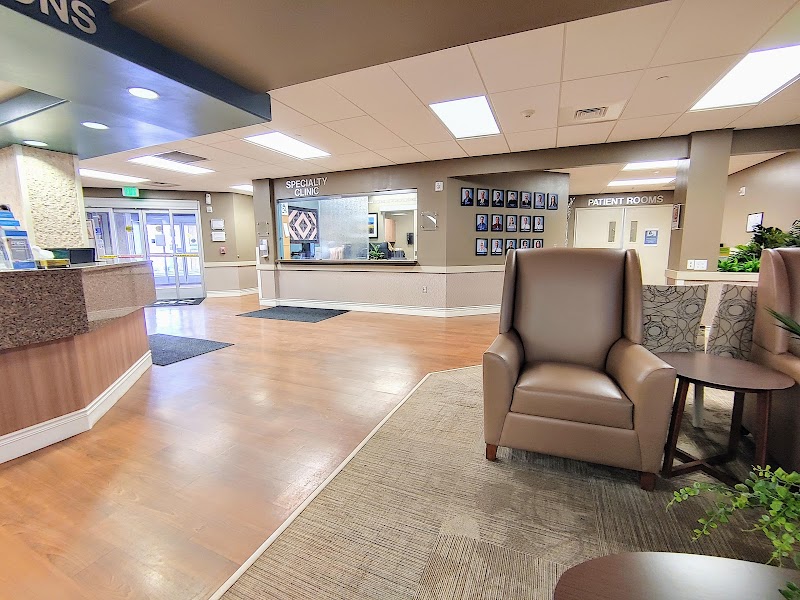
CMS rates FRANKLIN COUNTY TRANSITIONAL CARE's staffing level at 5 out of 5 stars, which is much above average compared to other nursing homes. Staff turnover is 29%, compared to the Idaho average of 46%. This relatively stable workforce can support continuity of care.

What Have Inspectors Found at Franklin County Transitional Care?

State health inspectors documented 17 deficiencies at FRANKLIN COUNTY TRANSITIONAL CARE during 2019 to 2025. These included: 17 with potential for harm.
Who Owns and Operates Franklin County Transitional Care?

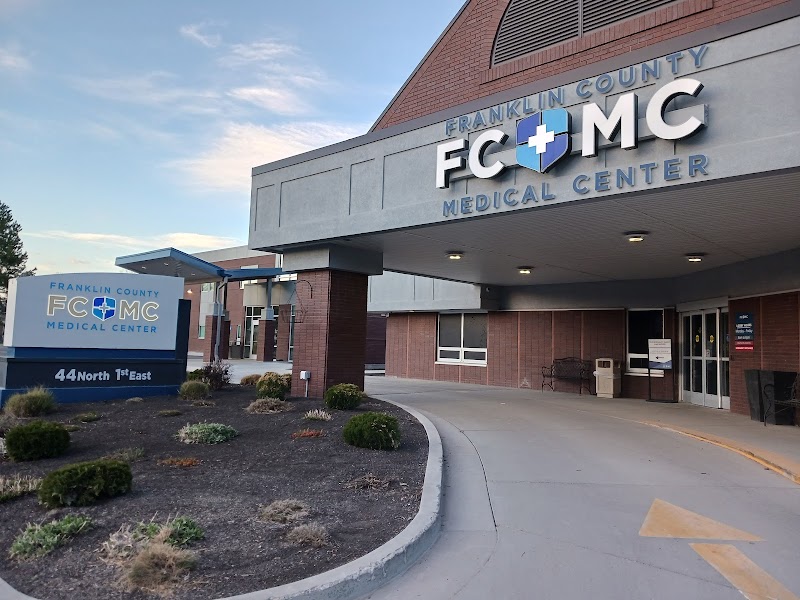
FRANKLIN COUNTY TRANSITIONAL CARE is owned by a government entity. Government-operated facilities are typically run by state, county, or municipal agencies. The facility operates independently rather than as part of a larger chain. With 35 certified beds and approximately 25 residents (about 71% occupancy), it is a smaller facility located in PRESTON, Idaho.
How Does Franklin County Transitional Care Compare to Other Idaho Nursing Homes?

Compared to the 100 nursing homes in Idaho, FRANKLIN COUNTY TRANSITIONAL CARE's overall rating (5 stars) is above the state average of 3.3, staff turnover (29%) is significantly lower than the state average of 46%, and health inspection rating (4 stars) is above the national benchmark.

What Should Families Ask When Visiting Franklin County Transitional Care?

Based on this facility's data, families visiting should ask: "Can I visit during a mealtime to observe dining assistance and food quality?" "How do you handle medical emergencies, and what is your hospital transfer rate?" "Can I speak with family members of current residents about their experience?"

Is Franklin County Transitional Care Safe?

Based on CMS inspection data, FRANKLIN COUNTY TRANSITIONAL CARE has a clean safety record: no substantiated abuse findings (meaning no confirmed cases of resident harm), no Immediate Jeopardy citations (the most serious violation level indicating risk of serious injury or death), and is not on the Special Focus Facility watch list (a federal program monitoring the lowest-performing 1% of nursing homes). The facility has a 5-star overall rating and ranks #1 of 100 nursing homes in Idaho. While no facility is perfect, families should still ask about staff-to-resident ratios and recent inspection results during their visit.

Do Nurses at Franklin County Transitional Care Stick Around?

Staff at FRANKLIN COUNTY TRANSITIONAL CARE tend to stick around. With a turnover rate of 29%, the facility is 17 percentage points below the Idaho average of 46%. Low turnover is a positive sign. It means caregivers have time to learn each resident's needs, medications, and personal preferences. Consistent staff also notice subtle changes in a resident's condition more quickly. Registered Nurse turnover is also low at 25%, meaning experienced RNs are available to handle complex medical needs.

Was Franklin County Transitional Care Ever Fined?

FRANKLIN COUNTY TRANSITIONAL CARE has no federal fines on record. CMS issues fines when nursing homes fail to meet care standards or don't correct problems found during inspections. The absence of fines suggests the facility has either maintained compliance or corrected any issues before penalties were assessed. This is a positive indicator, though families should still review recent inspection reports for the full picture.

Is Franklin County Transitional Care on Any Federal Watch List?

FRANKLIN COUNTY TRANSITIONAL CARE is not on any federal watch list. The most significant is the Special Focus Facility (SFF) program, which identifies the bottom 1% of nursing homes nationally based on persistent, serious quality problems. Not being on this list means the facility has avoided the pattern of deficiencies that triggers enhanced federal oversight. This is a positive indicator, though families should still review the facility's inspection history directly.