MADISON CARRIAGE COVE SHORT STAY REHABILITATION
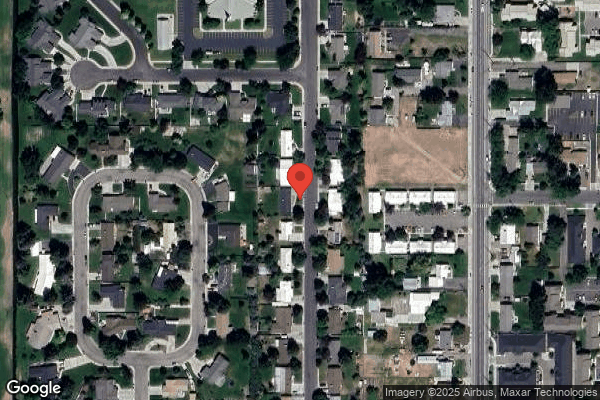

410 WEST 1ST NORTH, REXBURG, ID 83440 (208) 359-7676
For profit - Limited Liability company 35 Beds Independent Data: November 2025
Trust Grade
58/100
#48 of 79 in ID
Last Inspection: January 2025

Within standard 12-15 month inspection cycle. Federal law requires annual inspections.

Overview

Madison Carriage Cove Short Stay Rehabilitation has a Trust Grade of C, indicating it is average and in the middle of the pack compared to other facilities. It ranks #48 out of 79 in Idaho, placing it in the bottom half of the state, but it is #1 out of 2 in Madison County, meaning it is the best option locally. Unfortunately, the facility's trend is worsening, with reported issues increasing from 2 in 2024 to 11 in 2025. Staffing is a strength, rated 4 out of 5 stars with a turnover rate of 54%, which is around the state average, and it has better RN coverage than 96% of Idaho facilities, ensuring that registered nurses are available to catch potential issues. However, there are concerning aspects as well, including $11,297 in fines, which is higher than 83% of Idaho facilities, suggesting ongoing compliance problems, and several serious incidents such as inadequate supervision leading to harm for a resident and failures in food safety that could risk residents' health.

Trust Score
C
58/100
In Idaho
#48/79
Bottom 40%
Safety Record
Moderate
Needs review
Inspections
Getting Worse
2 → 11 violations
Staff Stability
⚠ Watch
54% turnover. Above average. Higher turnover means staff may not know residents' routines.
Penalties
⚠ Watch
$11,297 in fines. Higher than 90% of Idaho facilities. Major compliance failures.
Skilled Nurses
✓ Good
Each resident gets 82 minutes of Registered Nurse (RN) attention daily — more than 97% of Idaho nursing homes. RNs are the most trained staff who catch health problems before they become serious.
Violations
⚠ Watch
17 deficiencies on record. Higher than average. Multiple issues found across inspections.
★★★☆☆
3.0
Overall Rating
★★★★☆
4.0
Staff Levels
★★★★★
5.0
Care Quality
★★☆☆☆
2.0
Inspection Score
Stable
2024: 2 issues
2025: 11 issues

The Good

  • 4-Star Staffing Rating · Above-average nurse staffing levels
  • 5-Star Quality Measures · Strong clinical quality outcomes
  • Full Sprinkler Coverage · Fire safety systems throughout facility
  • No fines on record

Facility shows strength in staffing levels, quality measures, fire safety.

The Bad

3-Star Overall Rating

Near Idaho average (3.3)

Meets federal standards, typical of most facilities

Staff Turnover: 54%

Near Idaho avg (46%)

Higher turnover may affect care consistency

Federal Fines: $11,297

Below median ($33,413)

Minor penalties assessed

The Ugly 17 deficiencies on record

1 actual harm
Jan 2025 11 deficiencies 1 Harm
SERIOUS (G)

Actual Harm - a resident was hurt due to facility failures

Accident Prevention (Tag F0689)

A resident was harmed · This affected 1 resident

**NOTE- TERMS IN BRACKETS HAVE BEEN EDITED TO PROTECT CONFIDENTIALITY** Based on policy review, I&A review, record review, and staff interview, it was determined the facility failed to ensure adequate...

Read full inspector narrative →
**NOTE- TERMS IN BRACKETS HAVE BEEN EDITED TO PROTECT CONFIDENTIALITY** Based on policy review, I&A review, record review, and staff interview, it was determined the facility failed to ensure adequate supervision and implement interventions to prevent falls. This was true for 1 of 1 resident, (Resident #24) whose records were reviewed for falls. This resulted in harm to Resident #24. Findings include: The State Operation Manual, Appendix PP, dated 8/8/24, defined Avoidable Accident as an accident occurred because the facility failed to: Identify environmental hazards and/or assess individual resident risk of an accident, including the need for supervision and/or assistive devices. The facility's Accidents and Supervision policy revised 12/20/24, defines supervision/adequate supervision as an intervention and means of mitigating risk of an accident. Resident #24 was initially admitted to the facility on [DATE], and readmitted on [DATE], with multiple diagnoses including surgical aftercare following surgery on the digestive system and septicemia (bacteria that enters the bloodstream and spreads throughout the body). On 10/29/24, Resident #24 returned from the hospital with a wound vacuum (a medical device that uses negative pressure to remove fluid, debris, and bacteria from infected or non-healing wounds) and a foley catheter (a device that drains urine from your urinary bladder into a collection bag outside of your body). On 11/16/24 at 8:40 AM, RN #2 found Resident #24 lying on the floor at his bedside with his walker on the opposite side. RN #2 documented the following. - the wound vacuum was attached to the walker and the wound vacuum tubing was laying over his bed, pulling his walker into the bed. - the foley catheter was hanging from right side of bed frame. - Resident #24 appeared to have tripped on the foley catheter tubing or wound vacuum tubing. - Resident #24 stated he was trying to get out of bed when he tripped on something. Resident #24 was transferred to the hospital where he was diagnosed with a right hip fracture, subdural hematoma, and UTI. The IDT Review Note dated 11/18/24, documented Resident #24 was getting out of his bed on the left side when he fell. Therapy confirmed it is typical for Resident #24 to exit his bed from the left side. Resident #24's care plan was not updated with new fall interventions. On 11/28/24, Resident #24 rolled out of bed onto the floor and sustained an abrasion to his right elbow. Resident #24's care plan was not updated with new fall interventions. On 12/1/24 at 8:20 AM, RN #3 found Resident #24 on the floor in his room. RN #3 documented the following. - Resident #24 was disoriented, confused and incontinent of urine when she approached him. - Resident #24's wheelchair was on the other side of the room and his walker was at the foot of his bed. - Resident #24 received a skin tear and scattered bruising on his right upper arm. - Resident #24 stated he stood up when getting out of bed and his hip gave out on him. Resident #24 was transferred to the hospital where he was diagnosed with a traumatic subarachnoid hemorrhage (brain bleed) and UTI. On 1/23/24 at 11:28 AM, the DON stated new fall interventions were not implemented after Resident #24's falls on 11/16/24 and 11/28/24. The DON stated they should have updated Resident #24's care plan after each fall.
CONCERN (D)

Potential for Harm - no one hurt, but risky conditions existed

Deficiency F0554 (Tag F0554)

Could have caused harm · This affected 1 resident

**NOTE- TERMS IN BRACKETS HAVE BEEN EDITED TO PROTECT CONFIDENTIALITY** Based on policy review, observation, record review, and staff interview, it was determined the facility failed to ensure residen...

Read full inspector narrative →
**NOTE- TERMS IN BRACKETS HAVE BEEN EDITED TO PROTECT CONFIDENTIALITY** Based on policy review, observation, record review, and staff interview, it was determined the facility failed to ensure residents were assessed to determine if they were safe to self-administer medications. This was true for 1 of 1 residents (Resident #13) reviewed for self-administration of medications. This failure created the potential for adverse effects if residents self-administered medications inappropriately. Findings include: The facility's Resident Self Administration of Medication policy, dated 12/16/24, documented the interdisciplinary team would assess and determine if self-administration of medication is clinically appropriate for a resident. The results of the assessment would be recorded on the Medication Self-Administration Safety Evaluation. Resident #13 was admitted on [DATE], with multiple diagnoses including metabolic encephalopathy (when the brain does not function properly due to an imbalance in electrolytes, metabolites, or other substances in the body), pneumonia, and UTI. Resident #13's care plan intervention dated 9/24/24, documented the following: - For complaint of pain not alleviated with use of Tylenol encourage/remind resident to use pain pump bolus. May administer PRN bolus hydromorphone 0.0500M/bupivacaine 0.0500 mg every 3 hours up to 4 doses within 24 hours. Turn on communicator device, place device over pain pump, open app and tap deliver bolus button. Device will confirm dose administered. Staff may assist resident with bolus if needed. Resident #13's physician order dated 10/30/24, documented the following: - For complaint of pain not alleviated with other interventions encourage/remind resident to use pain pump bolus. May administer PRN bolus hydromorphone (a opioid pain medication) 0.0750 mg/bupivacaine (a local anesthetic) 0.0750 mg every 3 hours up to 4 doses within 24 hours. Turn on communicator device, place device over pain pump, open app and tap deliver bolus button. Device will confirm dose administered. Staff may assist resident with bolus dosing if needed. On 1/23/25 at 2:02 PM, the CCO stated Resident #13 did not have an assessment to self-administer medication and she should have.
CONCERN (D)

Potential for Harm - no one hurt, but risky conditions existed

Deficiency F0578 (Tag F0578)

Could have caused harm · This affected 1 resident

**NOTE- TERMS IN BRACKETS HAVE BEEN EDITED TO PROTECT CONFIDENTIALITY** Based on policy review, record review, and staff interview, it was determined the facility failed to ensure residents and their ...

Read full inspector narrative →
**NOTE- TERMS IN BRACKETS HAVE BEEN EDITED TO PROTECT CONFIDENTIALITY** Based on policy review, record review, and staff interview, it was determined the facility failed to ensure residents and their representatives received assistance to exercise their right to formulate an advanced directive. This was true for 3 of 4 residents (#7, #185, and #186) whose records were reviewed for advanced directives. This deficient practice created the potential for harm or adverse outcomes if residents' wishes were not followed or documented. Findings include: The facility Residents' Rights Regarding Treatment and Advance Directives dated 12/24/24, documented it is the policy of this facility to support and facilitate a resident's right to request, refuse and/or discontinue medical or surgical treatment and to formulate an advance directive. On admission, the facility will determine if the resident has executed an advance directive, and if not, determine whether the resident would like to formulate an advance directive. Should the resident have an advance directive, copies will be requested and placed in the medical record as provided by resident/representative as well as communicated to the staff. 1. Resident #7 was admitted to the facility on [DATE], and readmitted on [DATE], with multiple diagnoses including osteomyelitis (a bone infection) of vertebra, sacral and sacrococcygeal region, chronic post-traumatic stress disorder, and nutritional deficiency. Resident #7's medical record had various active conflicting resuscitation status documents as listed below. - POST document dated 2/6/24, documented Resident #7 was listed as a full code. - Resident #7's living will and DPOA Health Care dated 2/6/24, documented Resident #7 was listed as a full code. - facility code status document dated 1/2/25, documented Resident #7 was listed as DNR. - facility social services document dated 1/3/25, documented Resident #7 was listed as a full code. - nursing worksheet dated 1/21/25, documented Resident #7 was listed as DNR. On 1/23/25 at 10:30 AM, the facility chief clinical officer stated Resident #7's DNR status documents are confusing and need to be clarified. 2. Resident #185 was admitted to the facility on [DATE], with multiple diagnoses including fracture of the right femur and diabetes. Resident #185's medical record did not contain documentation of the following; - an advance directives. - of the facility offering to assist the resident to formulate an advance directive. - the resident declined to formulate an advanced directive. Resident #185's IDT care plan conference document dated 1/17/25, documented under code status, he was a DNR. The rest of Resident #185's advance directives questions were left blank on the IDT care plan conference. 3. Resident #186 was admitted to the facility on [DATE], with multiple diagnoses including major depressive disorder and parkinsonism (general term for a group of neurological disorders that affect movement characterized by slowness, stiffness, tremors, and instability). Resident #186's medical record did not contain documentation of the following; - an advance directives. - of the facility offering to assist the resident to formulate an advance directive. - the resident declined to formulate an advanced directive. The advance directive questions section of Resident #186's IDT care plan conference document dated 1/21/25, was left blank and the document was not signed. On 1/23/25 at 10:30 AM, the CCO stated the advance directives should have been completed for Residents #185 and #186.
CONCERN (D)

Potential for Harm - no one hurt, but risky conditions existed

Transfer Requirements (Tag F0622)

Could have caused harm · This affected 1 resident

**NOTE- TERMS IN BRACKETS HAVE BEEN EDITED TO PROTECT CONFIDENTIALITY** Based on policy and record review, and staff interview it was determined the facility failed to ensure pertinent health informat...

Read full inspector narrative →
**NOTE- TERMS IN BRACKETS HAVE BEEN EDITED TO PROTECT CONFIDENTIALITY** Based on policy and record review, and staff interview it was determined the facility failed to ensure pertinent health information was provided to the receiving hospital for 1 of 1 resident (Resident #14) reviewed for transfers. This deficient practice had the potential to result in adverse outcomes if the residents were not treated in a timely manner due to a lack of information provided upon transfer. Findings include: The facility's Transfer and Discharge (including AMA) policy dated 12/2/24, documented for a transfer to another provider, for any reason, the following information must be provided to the receiving provider: a. Contact information of the practitioner who was responsible for the care of the resident. b. Resident representative information, including contact information. c. Advance directive information. d. All other information necessary to meet the resident ' s needs, which includes, but may not be limited to: - Resident status, including baseline and current mental, behavioral, and functional status, reason for transfer, recent vital signs. - Diagnoses and allergies. - Medications (including when last received). - Most recent relevant labs, other diagnostic tests, and recent immunizations. - All special instructions and/or precautions for ongoing care, as appropriate such as: - Treatments and devices (oxygen, implants, IVs, tubes/catheters). - Transmission-based precautions such as contact, droplet, or airborne. - Special risks such as risk for falls, elopement, bleeding, or pressure injury and/or aspiration precautions. - The resident ' s comprehensive care plan goals. e. All other information necessary to meet the resident ' s needs, which includes, but may not be limited to: - Resident status, including baseline and current mental, behavioral, and functional status, reason for transfer, recent vital signs. - Diagnoses and allergies. - Medications (including when last received). - Most recent relevant labs, other diagnostic tests, and recent immunizations. - Additional information, if any, outlined in the transfer agreement with the acute care provider. Resident #14 was initially admitted to the facility on [DATE], and readmitted on [DATE], with multiple diagnoses including respiratory failure and hypercapnia (carbon dioxide retention). A Transfer to Hospital Summary Note dated 7/26/24 at 11:25 PM, documented MD #2 gave the okay to send Resident #14 to the hospital due to her change in condition. Resident #14's medical record did not include documentation that pertinent medical information was provided to the receiving hospital. A Transfer to Hospital Summary Note dated 9/1/24 at 9:20 PM, documented Resident #14 was sent to the hospital due to weakness and lethargy. Resident #14's medical record did not include documentation that pertinent medical information was provided to the receiving hospital. On 1/22/25 at 12:02 PM, the ADON stated Resident #14's medical records did not contain documentation of what was sent with her when she was transferred to the hospital and it should have been documented.
CONCERN (D)

Potential for Harm - no one hurt, but risky conditions existed

Deficiency F0625 (Tag F0625)

Could have caused harm · This affected 1 resident

**NOTE- TERMS IN BRACKETS HAVE BEEN EDITED TO PROTECT CONFIDENTIALITY** Based on policy and record review, and staff interview, it was determined the facility failed to ensure a bed hold notice was pr...

Read full inspector narrative →
**NOTE- TERMS IN BRACKETS HAVE BEEN EDITED TO PROTECT CONFIDENTIALITY** Based on policy and record review, and staff interview, it was determined the facility failed to ensure a bed hold notice was provided to residents or their representatives upon transfer to the hospital. This was true for 2 of 2 residents (#14 and #24) reviewed for transfers. This deficient practice created the potential for harm if residents were not informed of their right to return to their former bed/room at the facility within a specified time. Findings include: The facility's Bed Hold Prior to Transfer policy dated 12/2/24, documented the facility would provide written information to the resident and/or the resident representative regarding bed hold policies prior to transferring a resident to the hospital. 1. Resident #14 was initially admitted to the facility on [DATE], and readmitted on [DATE], with multiple diagnoses including respiratory failure and hypercapnia (carbon dioxide retention). A Transfer to Hospital Summary Note dated 7/26/24 at 11:25 PM, documented MD #2 gave the okay to send Resident #14 to the hospital due to her change in condition. Resident #14's medical record did not document a Bed Hold had been provided to her or her representative. A Transfer to Hospital Summary Note dated 9/1/24 at 9:20 PM, documented Resident #14 was sent to the hospital due to weakness and lethargy. Resident #14's medical record did not document a Bed Hold had been provided to her or her representative. 2. Resident #24 was initially admitted to the facility on [DATE], with multiple diagnoses including surgical aftercare following surgery on the digestive system, septicemia (bacteria that enters the bloodstream and spreads throughout the body), and respiratory failure. On 10/24/24, Resident #24 was transferred to the hospital for dehiscence (separation or opening) of his abdominal incision. On 11/16/24, Resident #24 was transferred to the hospital following a fall in his room resulting in a right hip fracture and subdural hematoma. On 12/1/24, Resident #24 was transferred to the hospital following a fall in his room resulting in a brain bleed. There was no documentation in the medical record a bed hold was offered to Resident #24 for his transfers to the hospital on [DATE], 11/16/24, or 12/1/24. On 1/22/25 at 12:02 PM, the ADON stated they did not have documentation that Resident #14 or her representative received a bed hold, and they should have. On 1/22/25 at 12:05 PM, the ADON stated they did not have documentation Resident #24 or his representative received a bed hold for his hospital transfers on 10/24/24, 11/16/24, or 12/1/24.
CONCERN (D)

Potential for Harm - no one hurt, but risky conditions existed

Deficiency F0655 (Tag F0655)

Could have caused harm · This affected 1 resident

**NOTE- TERMS IN BRACKETS HAVE BEEN EDITED TO PROTECT CONFIDENTIALITY** Based on policy review, record review, and staff interview, it was determined the facility failed to develop, review with the re...

Read full inspector narrative →
**NOTE- TERMS IN BRACKETS HAVE BEEN EDITED TO PROTECT CONFIDENTIALITY** Based on policy review, record review, and staff interview, it was determined the facility failed to develop, review with the resident, and implement a baseline care plan. This was true for 1 of 13 residents (Resident #7) whose care plans were reviewed. These failures placed residents at risk of negative outcomes if services were not provided or provided incorrectly due to lack of information in their baseline care plans. Findings include: The facility's Care Planning-Resident Participation policy dated 12/13/24, documented the facility will discuss the plan of care with the resident and/or representative at regularly scheduled care plan conferences, and allow them to see the care plan, initially, at routine intervals, and after significant changes. The facility will obtain a signature from the resident and/or resident representative after discussion or viewing of the care plan. Resident #7 was admitted to the facility on [DATE], and readmitted on [DATE], with multiple diagnoses including osteomyelitis (bone infection) of vertebra, sacral and sacrococcygeal region, chronic post-traumatic stress disorder, and nutritional deficiency. Resident #7's medical record had no documentation that the baseline care plan had been reviewed with and copy given to Resident #7 or her representative. On 1/22/25 at 2:45 PM, the CCO stated the baseline care plan should have been completed within 48 hours of admission, reviewed with, and a copy given to Resident #7 but was not.
CONCERN (D)

Potential for Harm - no one hurt, but risky conditions existed

Deficiency F0657 (Tag F0657)

Could have caused harm · This affected 1 resident

**NOTE- TERMS IN BRACKETS HAVE BEEN EDITED TO PROTECT CONFIDENTIALITY** Based on record review, policy review, and staff interview, it was determined the facility failed to ensure resident comprehensi...

Read full inspector narrative →
**NOTE- TERMS IN BRACKETS HAVE BEEN EDITED TO PROTECT CONFIDENTIALITY** Based on record review, policy review, and staff interview, it was determined the facility failed to ensure resident comprehensive care plans were completed and reviewed with residents and update care plans when changes occur to resident's care. This was true for 3 of 13 residents (#7, #13, and #24) whose care plans were reviewed. This placed residents at risk of adverse outcomes if care and services were not provided as residents needs changed. Findings include: The facility's Care Planning-Resident Participation policy dated 12/13/24, documented the facility will discuss the plan of care with the resident and/or representative at regularly scheduled care plan conferences, and allow them to see the care plan, initially, at routine intervals, and after significant changes. The facility will obtain a signature from the resident and/or resident representative after discussion or viewing of the care plan. The State Operations Manual, Appendix PP documents a resident's care plan must be reviewed after each assessment and revised based on changing goals, preferences, and needs of the resident and in response to current interventions. 1. Resident #7 was admitted to the facility on [DATE], and readmitted on [DATE], with multiple diagnoses including osteomyelitis (a bone infection) of vertebra, sacral and sacrococcygeal region, chronic post-traumatic stress disorder, and nutritional deficiency. On 1/23/25, Resident #7's medical record had no documentation the comprehensive care plan had been reviewed with her or her representative within 21 days of admission to the facility. On 1/23/25 at 10:35 AM, the CCO stated the comprehensive care plan should have been completed within 21 days of admission and reviewed with Resident #7. 2. Resident #13 was admitted on [DATE], with multiple diagnoses including metabolic encephalopathy (when the brain does not function properly due to an imbalance in electrolytes, metabolites, or other substances in the body), pneumonia, and UTI. Resident #13's care plan dated 9/24/24, documented the following: - May administer PRN bolus hydromorphone (an opioid pain medication) 0.0500M/bupivacaine (a local anesthetic) 0.0500 mg every 3 hours up to 4 doses within 24 hours. Resident #13's physician order dated 10/30/24, documented the following: - May administer PRN bolus hydromorphone 0.0750 mg/bupivacaine 0.0750 mg every 3 hours up to 4 doses within 24 hours. Resident 13's care plan was not revised to increase the hydromorphone to 0.0750 mg/bupivacaine 0.0750. 3. Resident #24 was initially admitted to the facility on [DATE], with multiple diagnoses including surgical aftercare following surgery on the digestive system and septicemia (bacteria that enters the bloodstream and spreads throughout the body). On 11/16/24, Resident #24 fell in his room and sustained a right hip fracture and subdural hematoma. Resident #24's care plan was not updated with new fall interventions realted to this fall. On 11/28/24, Resident #24 received an abrasion on his right arm after rolling out of his bed. Resident #24's care plan was not updated with new fall interventions realted to this fall. On 12/1/24, Resident #24 fell in his room and sustained a traumatic subarachnoid hemorrhage (brain bleed). On 1/23/24 at 11:28 AM, the DON stated new fall interventions were not implemented after Resident #24's falls on 11/16/24 and 11/28/24. The DON stated they should have updated Resident #24's care plan with new interventions after each fall.
CONCERN (D)

Potential for Harm - no one hurt, but risky conditions existed

Deficiency F0761 (Tag F0761)

Could have caused harm · This affected 1 resident

Based on observation, policy review, and staff interview, it was determined the facility failed to ensure medications available for residents were labeled, dated, and stored appropriately; this was tr...

Read full inspector narrative →
Based on observation, policy review, and staff interview, it was determined the facility failed to ensure medications available for residents were labeled, dated, and stored appropriately; this was true for 1 of 2 medication storage rooms inspected, and 1 of 2 medication carts audited for labeling and storage of medication. This failure created the potential for residents to miss doses of medication, to receive expired medications with decreased efficacy, and created the potential for misappropriation of resident's medications. Findings include: The CDC guidelines for Preventing Unsafe Injection Practices, dated 3/26/24, documented once a multi-dose vial is opened (e.g., needle-punctured) the vial should be dated and discarded within 28 days unless the manufacturer states another date for that opened vial. The beyond-use-date should never exceed the manufacturer's original expiration date. The facility's Medication Storage policy dated 12/16/24, documented the following: - the facility was to ensure all medications housed on the premises are stored in medication rooms according to the manufacturer's recommendations and sufficient to ensure proper sanitation, temperature, light, ventilation, moisture control, segregation, and security. - During a medication pass, medications must be under the direct observation of the person administering medications or locked in the medication storage area/cart. - Schedule II controlled medications are to be stored within a separately locked permanently affixed compartment when other medications are stored in the same area, such as in a refrigerator. 1. On 1/21/25 at 2:12 PM, the facility's south side medication cart was inspected with RN #1 present, the following were found: - 2 small white pills and 1 oval white pill lying on the bottom of the second drawer. RN #1 stated she was not sure what the pills were and they should not have been there. On 1/22/25 at 12:05 PM, the ADON stated the medication carts are cleaned on Sunday and the pills should not have been loose in the cart. 2. On 1/21/25 at 2:16 PM, the facility's south side medication room was inspected with RN #1 present, the following were found: - a Tubersol solution (a clear colorless solution used for detection of tuberculosis infection) vial with no opened date, was observed in the resident medication refrigerator. RN #1 confirmed there was no open date on the bottle of Tubersol solution or the box the solution was in. On 1/22/25 at 12:03 PM, the ADON stated the Tubersol solution should have been dated when it was opened. 3. On 1/23/25 at 8:09 AM, observed in the south side medication storage room, the medication storage refrigerator had the emergency narcotic kit in the refrigerator sitting on a shelf, not permanently affixed. On 1/23/25 at 8:11 AM, the ADON stated the emergency narcotic kit had hospice narcotics in it. She also stated she did not know the narcotic box needed to be permanently affixed. On 1/23/25 at 11:15 AM, observed the south medication cart was unlocked with no nurse present. On 1/23/25 at 11:17 AM, RN #2 stated he was just down the hall but, the cart should have been locked. On 1/23/25 at 11:30 AM, the DON stated nursing staff must lock med carts when they are not present.
CONCERN (D)

Potential for Harm - no one hurt, but risky conditions existed

Infection Control (Tag F0880)

Could have caused harm · This affected 1 resident

**NOTE- TERMS IN BRACKETS HAVE BEEN EDITED TO PROTECT CONFIDENTIALITY** Based on observation and staff interview, it was determined the facility failed to ensure infection control prevention practices...

Read full inspector narrative →
**NOTE- TERMS IN BRACKETS HAVE BEEN EDITED TO PROTECT CONFIDENTIALITY** Based on observation and staff interview, it was determined the facility failed to ensure infection control prevention practices were maintained to provide a safe and sanitary environment. These failures had the potential to impact all residents in the facility by placing them at risk for cross contamination and infection. Findings include: The facility's Meal Supervision and Assistance policy dated 12/20/24, documented staff will offer to assist residents with hand hygiene prior to meal service. The facility's Standard Precautions Infection Control policy revision date 1/30/23, documented hand hygiene was to be completed after touching blood, body fluids, secretions, excretions, contaminated items, before and after removing PPE, between resident contacts, before and after meals, and after using the restroom. The facility's Handling Soiled Linen policy revision date 12/12/24, documented linen should not be allowed to touch the uniform or floor and should be handled as little as possible, with minimum agitation to avoid contamination of air, surfaces, and persons. The facility's Enhanced Barrier Precautions policy dated 12/12/24, documented an order for enhanced barrier precautions will be obtained for residents with any of the following: Wounds (e.g., chronic wounds such as pressure ulcers, diabetic foot ulcers, unhealed surgical wounds, and chronic venous stasis ulcers) and/or indwelling medical devices. The following was observed for infection control: a) On 1/21/25 at 7:40 AM, observed the DA #2 serve breakfast to rooms [ROOM NUMBERS]. She did not assist residents with cleaning hands or encourage the residents to clean their hands. On 1/21/25 at 7:43 AM, the DA #2 stated she did not offer hand hygiene or encourage them to wash their hands and she should have. On 1/21/25 at 8:06 AM, observed the DA #2 serve breakfast to room [ROOM NUMBER], 223, and 234. She did not assist residents with cleaning hands or encourage the residents to clean their hands. On 1/21/25 at 8:10 AM, the DA #2 stated she did not offer hand hygiene or encourage them to wash their hands and she should have. b) Resident #29 was admit to the facility on [DATE], with multiple diagnoses including hemiplegia (partial paralysis on one side of the body) and kidney failure. On 1/23/25 at 8:31 AM, CNA #1 and CNA #2 were observed providing catheter care to Resident #29. CNA #1 cleaned Resident #29's peri area and cleaned her catheter. After CNA #1 finished providing catheter care she changed her gloves. CNA #1 did not perform hand hygiene before applying a new pair of gloves. CNA #2 assisted with placement of new brief and then removed her gloves and applied new gloves. CNA #2 did not perform hand hygiene before applying new gloves. CNA #1 removed the bed pad out from underneath Resident #29 and placed it on the floor. Observed in Resident #29's bed a large amount of black substance on the bed linens, underneath her. The CNAs did not remove the black substance or change the bed linens. The clean bed pad was placed over the black substance. CNA #1 applied barrier cream to Resident #29's peri area and inner thighs and then applied the barrier cream to abdominal pannus without changing her gloves. On 1/23/25 at 8:43 AM, CNA #1 stated she should have performed hand hygiene between each glove change, she should have put the linens in a bag and not on the floor, and she should have changed Resident #29's bed linens. She also stated she should have changed her gloves after applying the barrier cream to Resident #29's peri area and before touching her abdominal pannus. c) Resident #29's care plan dated 12/17/24, directed staff to use of EBP when inside of her room for high-contact resident care activities. High contact resident care activities include dressing, bathing, transferring, changing linens, changing briefs, assisting with toileting, and device care. On 1/23/25 at 11:26 AM, observed CNA #1, CNA #2, and the OT use a Hoyer lift to transfer resident #29 without PPE gowns on. On 1/23/25 at 11:30 AM, CNA #1 stated they only wear a PPE gown when providing incontinent care and they should have worn a PPE gown for transferring. On 1/23/25 at 11:34 AM, the ADON stated the staff should have had PPE gowns on when transferring Resident #29.
CONCERN (D)

Potential for Harm - no one hurt, but risky conditions existed

Antibiotic Stewardship (Tag F0881)

Could have caused harm · This affected 1 resident

**NOTE- TERMS IN BRACKETS HAVE BEEN EDITED TO PROTECT CONFIDENTIALITY** Based on interview, document review, review of the Centers for Disease Control and Prevention (CDC) guidance, and review of faci...

Read full inspector narrative →
**NOTE- TERMS IN BRACKETS HAVE BEEN EDITED TO PROTECT CONFIDENTIALITY** Based on interview, document review, review of the Centers for Disease Control and Prevention (CDC) guidance, and review of facility policy, the facility failed to maintain an infection prevention and control program (IPCP) that included a functional Antibiotic Stewardship Program that followed the McGeer Criteria for antibiotics for 1 of 13 residents (Resident #185) whose medical records were reviewed. This had the potential to affect residents being prescribed antibiotics that were potentially unnecessary. Findings include: The Centers for Disease Control and Prevention (CDC) Core Elements of Antibiotic Stewardship for Nursing Homes guidelines dated 3/18/24, documented facility perform reviews on resident medical records for new antibiotic starts to determine whether the clinical assessment, prescription documentation and antibiotic selection were in accordance with facility antibiotic use policies and practices. When conducted over time, monitoring process measures can assess whether antibiotic prescribing policies are being followed by staff and clinicians. The facility's Antibiotic Stewardship Program policy dated 12/19/23, documented under Policy Explanation and Compliance Guidelines. - 4.a.iv. The McGeer Criteria may be used to determine whether to treat an infection with antibiotics. - 4.a.v. All prescriptions for antibiotics shall specify the dose, duration, and indications for use. Resident #185 was admitted to the facility on [DATE], with multiple diagnoses including fracture of the right femur and diabetes. Resident #185's medical record documented erythromycin eye ointment was ordered on 1/3/25, however there was no duration or end date for use. On 1/23/25 at 10:09 AM, the IP stated she was normally notified via PCC (electronic medical records) dashboard when an antibiotic is started and she checks the orders at that time. The IP stated she had not seen the erythromycin antibiotic ordered for Resident #185 so the lack of duration date was not caught and it should have been.
CONCERN (F)

Potential for Harm - no one hurt, but risky conditions existed

Food Safety (Tag F0812)

Could have caused harm · This affected most or all residents

Based on observation, interview, policy review, and review of the Idaho Food Code, the facility failed to appropriately store, label, and serve foods. This deficient practice had the potential to affe...

Read full inspector narrative →
Based on observation, interview, policy review, and review of the Idaho Food Code, the facility failed to appropriately store, label, and serve foods. This deficient practice had the potential to affect all residents who received meals from the facility kitchen served in the dining room and resident rooms. This placed residents at risk for potential contamination and use of spoiled foods, and adverse health outcomes, including food-borne illnesses. Findings include: Review of the Idaho Food Code, revised February 2021, stated 3-501.17 Ready-to-Eat, Time/Temperature Control for Safety Food, Date Marking . refrigerated, ready-to-eat, time/temperature control for safety food prepared and held in a food establishment for more than 24 hours shall be clearly marked to indicate the date or day by which the food shall be consumed on the premises, sold, or discarded when held at a temperature of 5ºC (41ºF) or less for a maximum of 7 days. The day of preparation shall be counted as Day 1. The facility's Food Safety Requirements policy dated 12/3/24, documented under Policy Explanation and Compliance Guidelines 1. b. Storage of food in a manner that helps prevent deterioration or contamination of the food, including from growth of microorganisms. 3. C. iv. Labeling, dating, and monitoring refrigerated food, including, but not limited to leftovers, so it is used by its use-by date, or frozen (where applicable)/discarded. On 1/21/25 at 7:00 AM, observed in kitchen area with the CFM the following. In the walk-in refrigerator observed. - containers of tomato juice and lemon aide were not labeled or dated. - meat (ham) stored in a zip lock bag, lying on top of an open bag of lettuce. - unlabeled and non-dated opened bag of shredded cheese. - an opened brick of cheese not dated. - an non-dated sandwich in a bag. - an unlabeled and non-dated bag of lunch meat. - an unlabeled and non-dated bag of spinach that was opened to room air. - an undated tray of sliced tomato, onion, pickles on plates wrapped in plastic. The CFM stated those were from a few days ago. In the walk-in freezer observed. - a large bag of cubed carrots open to the air, not sealed correctly and not dated when opened. In the dry food storage area observed. - expired onion powder. - expired garlic powder. On 1/21/25 at 7:25 AM, the CFM stated the opened non-dated food items should have been dated and correctly sealed and the bag of meat should not have been stored on top of an opened bag of lettuce. The sandwich and lunch meat bags should have been labeled and dated. On 1/22/25 at 2:10 PM, during a second trip into kitchen the following issues were noted. In the walk-in refrigerator observed. - a bag of lettuce opened to air and not sealed correctly. On 1/22/25 at 2:12 PM, the CFM stated that the bag of lettuce should have been sealed correctly. On 1/22/25 at 2:15 PM, observed in the grill area of the kitchen. - a liquid butter alternative container stored above the grill area, was not dated with opened date. - a squirt bottle that had contained liquid butter alternative for use on the grill was not labeled of contents and was not dated. On 1/22/25 at 2:20 PM, the CFM stated both liquid butter alternative containers should have been dated when opened and labeled of contents.
May 2024 2 deficiencies
CONCERN (D)

Potential for Harm - no one hurt, but risky conditions existed

Quality of Care (Tag F0684)

Could have caused harm · This affected 1 resident

**NOTE- TERMS IN BRACKETS HAVE BEEN EDITED TO PROTECT CONFIDENTIALITY** Based on record review, policy review, and staff interview, it was determined the facility failed to ensure professional standar...

Read full inspector narrative →
**NOTE- TERMS IN BRACKETS HAVE BEEN EDITED TO PROTECT CONFIDENTIALITY** Based on record review, policy review, and staff interview, it was determined the facility failed to ensure professional standards of practice were followed for 1 of 3 residents (Resident #188) reviewed for insulin administration. This failed practice created the potential for harm should residents experience adverse outcomes from low blood sugar when the hypoglycemic (low blood sugar) protocol was not followed. Findings include: The facility's policy, Hypoglycemia Management, dated 1/2/24, documented, If the blood glucose [sugar] reading is 70 mg/dL or below, the nurse will utilize the hypoglycemic protocol as per the practitioner's orders, with the follow up blood glucoses as indicated, and notify the practitioner of the results as ordered. Resident #188 was admitted to the facility on [DATE], with multiple diagnoses including acute respiratory failure with hypoxia (a condition where there is not enough oxygen in the tissues of the body) and type 2 diabetes mellitus. A physician order, dated 4/17/24, directed staff to perform blood glucose tests before administering insulin before each meals and at bedtime. A physician order, dated 4/26/24, included a hypoglycemic order for Resident #188 which stated, for blood glucose less than 70 mg/dL, treat with 4-8 oz juice or 1 tube oral glucose gel. Recheck BG [blood glucose] in 15 minutes after treatment. If BG remains less than 70 mg/dL, repeat treatment until BG is 70 mg/dL or greater. Resident #188's MAR documented the following low blood glucose readings before breakfast: - On 4/24/24, she had an BG reading of 58 mg/dL. - On 4/26/24 she had an BG reading of 52 mg/dL. - On 4/27/24 she had an BG reading of 67 mg/dL. The MAR did not include documentation of follow-up blood glucose checks by the nurses or notification of Resident #188's physician, as required by the hypoglycemic protocol. On 5/2/24 at 3:33 PM, the DON and CRN were interviewed together and Resident #188's record was reviewed in their presence. The DON and CRN confirmed Resident #188's physician was not notified, and that professional standards of practice in the hypoglycemic protocol were not followed for Resident #188 on 4/24/24, 4/26/24, and 4/27/24.
CONCERN (D)

Potential for Harm - no one hurt, but risky conditions existed

Deficiency F0761 (Tag F0761)

Could have caused harm · This affected 1 resident

**NOTE- TERMS IN BRACKETS HAVE BEEN EDITED TO PROTECT CONFIDENTIALITY** Based on observation, policy review, and staff interview, it was determined the facility failed to ensure expired medications an...

Read full inspector narrative →
**NOTE- TERMS IN BRACKETS HAVE BEEN EDITED TO PROTECT CONFIDENTIALITY** Based on observation, policy review, and staff interview, it was determined the facility failed to ensure expired medications and wound care supplies were not available for administration to residents. This was true for 2 of 2 medication storage rooms inspected. This failed practice created the potential for residents to receive expired medications or supplies with decreased efficacy. Findings include: The facility's Medication Storage policy, revised 12/27/23, stated for unused medications the pharmacy and all medication rooms are to be routinely inspected by the consultant pharmacist for discontinued, outdated, or deteriorated medications with worn, illegible, or missing labels. 1. On 5/1/24 at 8:11 AM, the facility's south side medication storage room was inspected with LPN #1 present. The following expired items were found: - Five bottles of normal saline, expired 10/2023 - One bottle of Hibiclens (antiseptic skin cleanser), expired 7/2021 - Two tubes of Solosite Hydrogel (gel used for wound care), one tube, expired 10/2023, and one tube, expired 1/2024 - One box of Preparation H suppositories, expired 10/2023 On 5/1/24 at 8:17 AM, LPN #1 verified the expiration dates and stated the above medications and wound care supplies should not have been available for use in the medication room and they should have been disposed of. On 5/1/24 at 8:56 AM, the DON stated the nurses were to check the dates of medications and wound care supplies before use and dispose of the expired supplies. 2. On 5/1/24 at 11:01 AM, the facility's north side medication storage room was inspected, and the following expired items were found: - 30 - 4oz bottles of Hibiclens, expired 4/2024 - [NAME] Fiber Good gummies, 90 gummies/bottle, expired 4/2024 and one 90 gummies/bottle expired, 3/2024 - One box of Preparation - H suppositories, expired 1/2024 - Glucagon emergency kit, expired 10/2023 - One tray of Lubricating gel, expired 7/22/22 - One tray full of Bacitracin, expired 10/2023 - One bottle of Nighttime cold & flu medicine 12 oz, expired 2/2024 - Nicotine gum 2 mg/ box, expired 6/2023 On 5/1/24 at 11:12 AM, LPN #2 stated she was not sure whose job it was to go through the medication room and check for expired medications. She also stated the pharmacy randomly checked the medication room and medication carts for expired medications. The facility failed to remove expired medications and wound care supplies from the medication storage rooms.
Mar 2023 1 deficiency
CONCERN (D)

Potential for Harm - no one hurt, but risky conditions existed

Deficiency F0885 (Tag F0885)

Could have caused harm · This affected 1 resident

Based on policy review, record review, and staff interview, it was determined the facility failed to ensure residents and their families were notified of a new COVID-19 outbreak by 5:00 PM the followi...

Read full inspector narrative →
Based on policy review, record review, and staff interview, it was determined the facility failed to ensure residents and their families were notified of a new COVID-19 outbreak by 5:00 PM the following day. This failure had the potential to affect visiting family members of the 31 residents residing in the facility. Findings include: The facility's COVID-19 and COVID-19 Vaccine Reporting policy, implemented 1/20/23, stated the policy was to notify residents, their representatives, and families of a single new confirmed COVID-19 case by 5:00 PM the next calendar day. The facility's COVID-19 outbreak binder documented a COVID-19 outbreak started on 2/28/23 and residents' families were not notified in a timely manner, as follows: CNA #1 worked part-time and tested positive for COVID-19 while working the nightshift on 2/27/23. An e-mail was not sent to residents' families notifying them that the facility was in outbreak until 3/3/23. The binder included a copy of the e-mail detailing the actions the facility was taking, dated 3/3/23. During an interview with the DON and Administrator on 3/27/23 at 2:44 PM, the DON confirmed the e-mail sent on 3/3/23 was the first notification sent to the residents' families, informing them of the facility's most recent COVID-19 outbreak. The DON stated that if a resident had tested positive, they would have sent the e-mail within the next day; however, they had not been notifying residents' families that quickly when only one staff member tested positive. The facility failed to ensure residents and their families were notified of a new COVID-19 outbreak by 5:00 PM the following day.
Oct 2022 3 deficiencies
CONCERN (D)

Potential for Harm - no one hurt, but risky conditions existed

Deficiency F0578 (Tag F0578)

Could have caused harm · This affected 1 resident

**NOTE- TERMS IN BRACKETS HAVE BEEN EDITED TO PROTECT CONFIDENTIALITY** Based on policy review, record review, and staff interview, it was determined the facility failed to ensure a copy of residents'...

Read full inspector narrative →
**NOTE- TERMS IN BRACKETS HAVE BEEN EDITED TO PROTECT CONFIDENTIALITY** Based on policy review, record review, and staff interview, it was determined the facility failed to ensure a copy of residents' advance directives were present in their record. This was true for 1 of 8 residents (Resident #6) reviewed for advance directives. This failure created the potential for harm if a resident's medical treatment wishes were not followed due to lack of information in the resident's record. Findings include: The facility's Residents' Rights Regarding Treatment and Advance Directives policy, dated 1/1/20, documented upon admission the facility would determine if the resident has an advance directive and if not, the facility would determine whether the resident would like to formulate an advance directive. If the resident had an advance directive, copies would be made and placed in the resident's chart. This policy was not followed. Resident #6 was admitted to the facility on [DATE], with multiple diagnoses, including Guillain Barre Syndrome (a rare disorder in which your body's immune system attacks your nerves), diabetes mellitus and heart failure. Resident #6's physician orders for scope of treatment, dated 1/26/22, documented her code status was Full Code (means that if a person's heart stopped beating and/or they stopped breathing, all resuscitation procedures will be provided to keep them alive). Resident #6's care plan, revised 1/21/22, documented she had an advance directive. Resident #6's record did not have include a copy of her advance directive. On 10/5/22 at 2:49 PM, the LSW stated advance directive were discussed during care conference, and the resident and/or their representatives were asked to provide a copy of the resident's advance directive if they have one. The LSW stated the facility offered to help the resident to complete an advance directive if they did not have one. The LSW stated she would look for Resident #6's advance directive. 10/5/22 at 4:00 PM, the LSW stated she did not have a copy of Resident #6's advance directive. The facility failed to ensure a copy of Resident #6's advance directive was present in her record.
CONCERN (D)

Potential for Harm - no one hurt, but risky conditions existed

Accident Prevention (Tag F0689)

Could have caused harm · This affected 1 resident

**NOTE- TERMS IN BRACKETS HAVE BEEN EDITED TO PROTECT CONFIDENTIALITY** Based on observation, record review, and resident and staff interviews, it was determined the facility failed to ensure medicati...

Read full inspector narrative →
**NOTE- TERMS IN BRACKETS HAVE BEEN EDITED TO PROTECT CONFIDENTIALITY** Based on observation, record review, and resident and staff interviews, it was determined the facility failed to ensure medications were stored in the medication cart. This was true for 1 of 2 residents (Resident #75) whose medications were observed in their room. This created the potential for harm if any independently mobile, cognitively impaired resident obtained access to the unsecured medications. Findings include: 1. Resident #75 was admitted to the facility on [DATE], with multiple diagnoses which included post-surgical aftercare and osteoarthritis. Resident #75's record included a physician order for 15 milliliters of Lactulose solution to be taken one time per day. On 10/4/22 beginning at 2:00 PM, a clear medicine cup containing yellow liquid was observed on Resident #75's bedside shelf in her room. When asked about the medication cup, Resident #75 stated the cup contained her Lactulose medication which she refused the night before. LPN #1 then entered the room and removed the medicine cup. When asked about the medicine in the room, the LPN#1 stated it was probably left there by the nurse on the prior shift. In an interview on 10/7/22 at 12:05 PM, the DON stated the medication should not have been left in Resident #75's room. The facility failed to ensure medications were stored in the medication cart.
CONCERN (F)

Potential for Harm - no one hurt, but risky conditions existed

Food Safety (Tag F0812)

Could have caused harm · This affected most or all residents

Based on observation, staff interview, review of refrigerator temperature logs, and policy review, it was determined the facility failed to ensure food was stored at acceptable temperatures and the te...

Read full inspector narrative →
Based on observation, staff interview, review of refrigerator temperature logs, and policy review, it was determined the facility failed to ensure food was stored at acceptable temperatures and the temperature of the refrigerators were monitored regularly. This was true for 2 of 2 food storage refrigerators in the nursing units and 1 of 2 food storage refrigerators in the facility's kitchen and had the potential to affect all residents residing in the facility. This failure created the potential for harm should residents experience adverse effects related to food which was stored at unsafe temperatures, for example, food poisoning, abdominal discomfort, nausea, vomiting, and diarrhea. Findings include: The Food and Drug Administration Food Code 2017 documented, to maintain food safety, food is be stored at 41 degrees Fahrenheit or below. The facility's policy for Monitoring of Cooler/Freezer Temperature, revised 1/3/22, documented, Temperatures will be checked and logged at least twice per day by designated personnel .If temperatures are above 41 [degrees Fahrenheit] for coolers or 10 [degrees Fahrenheit] for freezer, the supervisor will be notified immediately for corrective action. The facility's Cooler Temperature Chart logs for September 2022- October 2022 were reviewed. The logs included an area to record daily AM and PM temperature checks of the facility coolers (refrigerators). The Cooler Temperature Chart logs for the resident's snack cooler, located in the facility's kitchen, did not include documentation for temperature monitoring, as follows: - AM on 9/26/22 and 9/28/22 - PM on 9/27/22, 9/28/22, 9/29/22, and 10/2/22 The Cooler Temperature Chart logs for the resident's nutrition cooler, located on the 100 Hall, did not include documentation for temperature monitoring, as follows: - AM on 9/30/22 - PM on 9/19/22, 9/20/22, 9/23/22, 9/27/22, 9/28/22, 9/29/22, 9/30/22, and 10/2/22 The Cooler Temperature Chart logs noted temperatures above 41 degrees Fahrenheit, as follows: - 9/5/22 AM, 47 degrees Fahrenheit - 9/5/22 PM, 42 degrees Fahrenheit - 9/7/22 AM, 43 degrees Fahrenheit - 9/8/22 AM, 43 degrees Fahrenheit - 9/15/22 AM, 44 degrees Fahrenheit - 9/16/22 AM, 44 degrees Fahrenheit - 9/17/22 PM, 42 degrees Fahrenheit - 9/18/22 AM, 48 degrees Fahrenheit The Cooler Temperature Chart logs for the resident's nutrition cooler, located on the 200 Hall, did not include documentation for temperature monitoring, as follows: - AM on 9/9/22 and 9/30/22 - PM on 9/9/22, 9/27/22, 9/28/22, 9/29/22, 9/30/22, and 10/2/22 The Cooler Temperature Chart logs noted temperatures above 41 degrees Fahrenheit, as follows: - 9/5/22 AM, 47 degrees Fahrenheit - 9/10/22 PM, 42 degrees Fahrenheit - 9/20/22 AM, 42 degrees Fahrenheit - 9/21/22 PM, 44 degrees Fahrenheit On 10/6/22 at 4:05 PM, the coolers were observed to contain numerous food and drink items including nutrition supplement drinks, yogurt, string cheese, fruit cups, and apple sauce. On 10/6/22 at 4:30 PM, the Administrator and the Dietary Manager were interviewed together, and the temperature logs were reviewed in their presence. Both stated the cooler temperatures were not monitored according to facility policy. The Administrator and the Dietary Manager added that there was no documentation the out-of-range temperatures were reported or addressed with corrective action. The facility failed to ensure food was stored at acceptable temperatures and the temperature of the refrigerators were monitored regularly.
Understanding Severity Codes (click to expand)
Life-Threatening (Immediate Jeopardy)
J - Isolated K - Pattern L - Widespread
Actual Harm
G - Isolated H - Pattern I - Widespread
Potential for Harm
D - Isolated E - Pattern F - Widespread
No Harm (Minor)
A - Isolated B - Pattern C - Widespread

Questions to Ask on Your Visit

  • "Can I speak with families of current residents?"
  • "What's your RN coverage like on weekends and overnight?"

Our Honest Assessment

Strengths
  • • Licensed and certified facility. Meets minimum state requirements.
Concerns
  • • 17 deficiencies on record, including 1 serious (caused harm) violation. Ask about corrective actions taken.
  • • $11,297 in fines. Above average for Idaho. Some compliance problems on record.
  • • Grade C (58/100). Below average facility with significant concerns.
Bottom line: Mixed indicators with Trust Score of 58/100. Visit in person and ask pointed questions.

About This Facility

What is Madison Carriage Cove Short Stay Rehabilitation's CMS Rating?

CMS assigns MADISON CARRIAGE COVE SHORT STAY REHABILITATION an overall rating of 3 out of 5 stars, which is considered average nationally. Within Idaho, this rating places the facility higher than 0% of the state's 100 nursing homes. This mid-range rating indicates the facility meets federal standards but may have areas for improvement.

How is Madison Carriage Cove Short Stay Rehabilitation Staffed?

CMS rates MADISON CARRIAGE COVE SHORT STAY REHABILITATION's staffing level at 4 out of 5 stars, which is above average compared to other nursing homes. Staff turnover is 54%, compared to the Idaho average of 46%.

What Have Inspectors Found at Madison Carriage Cove Short Stay Rehabilitation?

State health inspectors documented 17 deficiencies at MADISON CARRIAGE COVE SHORT STAY REHABILITATION during 2022 to 2025. These included: 1 that caused actual resident harm and 16 with potential for harm. Deficiencies causing actual harm indicate documented cases where residents experienced negative health consequences.

Who Owns and Operates Madison Carriage Cove Short Stay Rehabilitation?

MADISON CARRIAGE COVE SHORT STAY REHABILITATION is owned by a for-profit company. For-profit facilities operate as businesses with obligations to shareholders or private owners. The facility operates independently rather than as part of a larger chain. With 35 certified beds and approximately 28 residents (about 80% occupancy), it is a smaller facility located in REXBURG, Idaho.

How Does Madison Carriage Cove Short Stay Rehabilitation Compare to Other Idaho Nursing Homes?

Compared to the 100 nursing homes in Idaho, MADISON CARRIAGE COVE SHORT STAY REHABILITATION's overall rating (3 stars) is below the state average of 3.3, staff turnover (54%) is near the state average of 46%, and health inspection rating (2 stars) is below the national benchmark.

What Should Families Ask When Visiting Madison Carriage Cove Short Stay Rehabilitation?

Based on this facility's data, families visiting should ask: "Can I visit during a mealtime to observe dining assistance and food quality?" "How do you handle medical emergencies, and what is your hospital transfer rate?" "Can I speak with family members of current residents about their experience?"

Is Madison Carriage Cove Short Stay Rehabilitation Safe?

Based on CMS inspection data, MADISON CARRIAGE COVE SHORT STAY REHABILITATION has a clean safety record: no substantiated abuse findings (meaning no confirmed cases of resident harm), no Immediate Jeopardy citations (the most serious violation level indicating risk of serious injury or death), and is not on the Special Focus Facility watch list (a federal program monitoring the lowest-performing 1% of nursing homes). The facility has a 3-star overall rating and ranks #100 of 100 nursing homes in Idaho. While no facility is perfect, families should still ask about staff-to-resident ratios and recent inspection results during their visit.

Do Nurses at Madison Carriage Cove Short Stay Rehabilitation Stick Around?

MADISON CARRIAGE COVE SHORT STAY REHABILITATION has a staff turnover rate of 54%, which is 8 percentage points above the Idaho average of 46%. Moderate turnover is common in nursing homes, but families should still ask about staff tenure and how the facility maintains care continuity when employees leave.

Was Madison Carriage Cove Short Stay Rehabilitation Ever Fined?

MADISON CARRIAGE COVE SHORT STAY REHABILITATION has been fined $11,297 across 1 penalty action. This is below the Idaho average of $33,192. While any fine indicates a compliance issue, fines under $50,000 are relatively common and typically reflect isolated problems that were subsequently corrected. Families should ask what specific issues led to these fines and confirm they've been resolved.

Is Madison Carriage Cove Short Stay Rehabilitation on Any Federal Watch List?

MADISON CARRIAGE COVE SHORT STAY REHABILITATION is not on any federal watch list. The most significant is the Special Focus Facility (SFF) program, which identifies the bottom 1% of nursing homes nationally based on persistent, serious quality problems. Not being on this list means the facility has avoided the pattern of deficiencies that triggers enhanced federal oversight. This is a positive indicator, though families should still review the facility's inspection history directly.