COUNTRYSIDE CARE & REHABILITATION
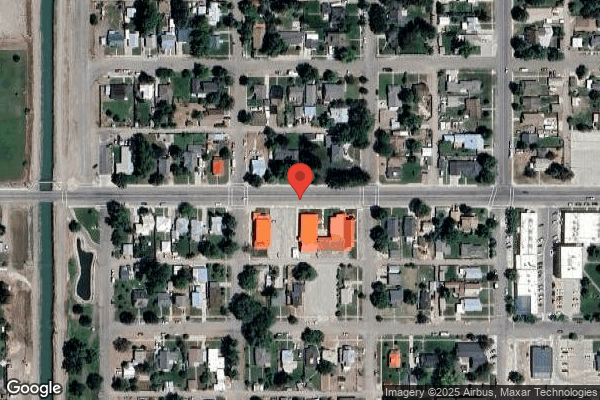
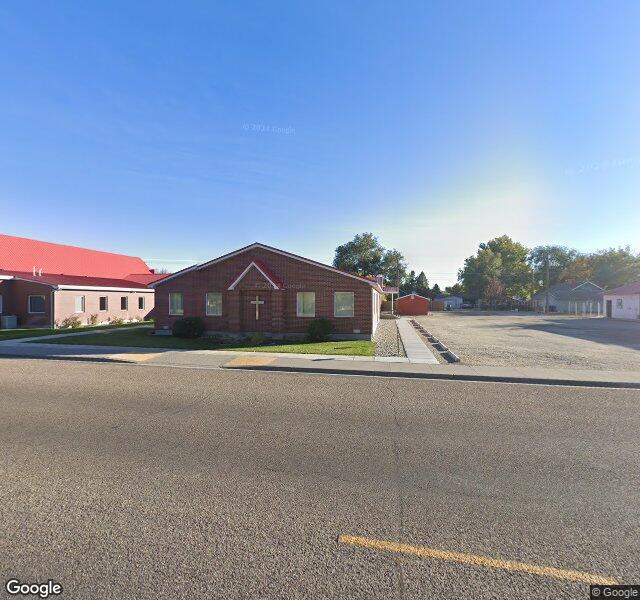
1224 EIGHTH STREET, RUPERT, ID 83350 (208) 434-0232
Government - County 46 Beds Independent Data: November 2025
Trust Grade
55/100
#56 of 79 in ID
Last Inspection: September 2025

Inspected within the last 6 months. Data reflects current conditions.

Overview

Countryside Care & Rehabilitation has a Trust Grade of C, which means it is considered average, placing it in the middle of the pack compared to other nursing homes. It ranks #56 out of 79 facilities in Idaho, indicating it is in the bottom half, but is the only option in Minidoka County. The facility's trend is worsening, with issues doubling from 4 in 2024 to 8 in 2025. Staffing is a significant concern, receiving a rating of 1 out of 5 stars, although the turnover rate is slightly better than the state average at 43%. There have been no fines, which is a positive sign, but RN coverage is lower than 88% of Idaho facilities, meaning residents may not receive as much oversight from registered nurses. Specific incidents of concern include staff failing to wear beard nets in the kitchen, improperly closing garbage cans, and not sanitizing food thermometers, all of which could pose health risks to residents. Overall, while there are some strengths, such as no fines, the facility faces serious concerns with food safety practices and staffing levels.

Trust Score
C
55/100
In Idaho
#56/79
Bottom 30%
Safety Record
Low Risk
No red flags
Inspections
Getting Worse
4 → 8 violations
Staff Stability
○ Average
43% turnover. Near Idaho's 48% average. Typical for the industry.
Penalties
✓ Good
No fines on record. Clean compliance history, better than most Idaho facilities.
Skilled Nurses
✓ Good
Each resident gets 44 minutes of Registered Nurse (RN) attention daily — more than average for Idaho. RNs are trained to catch health problems early.
Violations
⚠ Watch
19 deficiencies on record. Higher than average. Multiple issues found across inspections.
★★☆☆☆
2.0
Overall Rating
★☆☆☆☆
1.0
Staff Levels
★★★☆☆
3.0
Care Quality
★★★☆☆
3.0
Inspection Score
Stable
2024: 4 issues
2025: 8 issues

The Good

  • Full Sprinkler Coverage · Fire safety systems throughout facility
  • No fines on record
  • Staff turnover below average (43%)

    5 points below Idaho average of 48%

Facility shows strength in fire safety.

The Bad

2-Star Overall Rating

Below Idaho average (3.3)

Below average - review inspection findings carefully

Staff Turnover: 43%

Near Idaho avg (46%)

Typical for the industry

The Ugly 19 deficiencies on record

Sept 2025 8 deficiencies
CONCERN (D)

Potential for Harm - no one hurt, but risky conditions existed

Deficiency F0578 (Tag F0578)

Could have caused harm · This affected 1 resident

**NOTE- TERMS IN BRACKETS HAVE BEEN EDITED TO PROTECT CONFIDENTIALITY** Based on record review, State Operations Manual Appendix PP-Guidance to Surveyors for Long Term Care Facilities, and staff inter...

Read full inspector narrative →
**NOTE- TERMS IN BRACKETS HAVE BEEN EDITED TO PROTECT CONFIDENTIALITY** Based on record review, State Operations Manual Appendix PP-Guidance to Surveyors for Long Term Care Facilities, and staff interview, it was determined the facility failed to ensure residents and their representatives received assistance to exercise their right to formulate an Advance Directive. This was true for 1 of 12 Residents (Resident #3) whose records were reviewed for Advance Directive. This deficient practice created the potential for harm or adverse outcomes if residents' wishes were not followed or documented regarding their advance care planning. Findings include:According to Appendix PP: DEFINITIONS S483.10(c)(6), (c)(8), (g)(12) Physician Orders for Life -Sustaining Treatment (POLST).a POLST form is not an advance directive. S483.10(g)(12) The facility must comply with the requirements specified in 42 CFR part 489, subpart I (Advance Directives), (iv) If an adult individual is incapacitated at the time of admission and is unable to receive information or articulate whether or not he or she has executed an advance directive, the facility may give advance directive information to the individual's resident representative If the resident does not have an advance directive, facility staff must inform the resident or resident representative of their right to establish one as set forth in the laws of the State and provide assistance if the resident wishes to execute one or more directive(s). Facility staff must document in the resident's medical record these discussions and any advance directive(s) that the resident executes. Resident #3 was admitted to the facility on [DATE], with diagnoses including anoxic brain damage (brain injury caused by lack of oxygen) and quadriplegia (inability to voluntarily move upper and lower body).On 9/9/25 at 10:02 AM, Resident #3's medical record contained a POST and a Letter of Guardianship document. Resident #3's medical record contained no documentation of Advance Directive and no documentation that the facility had offered to assist the resident guardian with formulating an Advance Directive.On 9/10/25 at 8:35 AM, the DON stated Resident #3 had not created an Advance Directive prior to admission, and Resident #3's guardian had not completed an Advance Directive document either. On 9/10/25 at 11:27 AM, the Administrator stated Resident #3's record did not have documentation the Advance Directive information had been offered to Resident #3's guardian.
CONCERN (D)

Potential for Harm - no one hurt, but risky conditions existed

Deficiency F0582 (Tag F0582)

Could have caused harm · This affected 1 resident

**NOTE- TERMS IN BRACKETS HAVE BEEN EDITED TO PROTECT CONFIDENTIALITY** Based on record review and staff interview, it was determined the facility failed to provide the Advance Beneficiary Notice (CMS...

Read full inspector narrative →
**NOTE- TERMS IN BRACKETS HAVE BEEN EDITED TO PROTECT CONFIDENTIALITY** Based on record review and staff interview, it was determined the facility failed to provide the Advance Beneficiary Notice (CMS-10055 form) for 1 of 3 residents (Resident #1) whose medical records were reviewed for beneficiary protection notification. This deficient practice had the potential to cause financial harm or distress for residents when they were not informed of their potential liability for payment when their Medicare Part A benefits ended. Findings include:Resident #1 was admitted to the facility on [DATE], with multiple diagnoses including stroke and hypertension.The facility had not provided an Advance Beneficiary Notice document to Resident #1 when he was discharged from Medicare Part A Skilled Nursing on 6/9/25 and admitted to the facility long term care unit on 6/10/25.On 9/9/25 at 2:30 PM, the Administrator stated Resident #1 should have received an Advance Beneficiary Notice document upon discharge and readmitted to the long-term care unit and had not been.
CONCERN (D)

Potential for Harm - no one hurt, but risky conditions existed

Quality of Care (Tag F0684)

Could have caused harm · This affected 1 resident

**NOTE- TERMS IN BRACKETS HAVE BEEN EDITED TO PROTECT CONFIDENTIALITY** Based on facility standing orders, record review and staff interview, it was determined the facility failed to follow facility b...

Read full inspector narrative →
**NOTE- TERMS IN BRACKETS HAVE BEEN EDITED TO PROTECT CONFIDENTIALITY** Based on facility standing orders, record review and staff interview, it was determined the facility failed to follow facility bowel care standing order of delivering specific medications when residents do not have BM within 24, 48, and 72 hours for 4 of 7 Residents (#1, #18, #24, and #26) who records were reviewed for bowel and bladder care. This failed practice created the potential for residents to experience discomfort when medications were not administered according to the physician's order. Findings include:The Countryside Care & Rehab Standing Orders for bowel protocol dated 1/14/25, documented: - (step 1) No BM X 24 hours: Prune Juice in AM. - (step 2) 48 hours no BM: Prune Juice in AM, no result, give Prune Juice in PM, - (step 3) No BM by day 3: Give Prune Juice in 30ml MOM. - (step 4) Day 4 no BM: Give Bisacodyl, supp or Fleets enema. - (step 5) Day 5 no BM: Complete assessment and notify PCP.a. Resident #1 was admitted to the facility on [DATE], with multiple diagnoses including stroke and hypertension.Resident #1's medical record for bowel care documented no bowel movement from 8/15/25 to 8/19/25 with step 1, step 2, step 4, and step 5 being missed.b. Resident #18 was initially admitted to the facility on [DATE], and was readmitted on [DATE], with multiple diagnoses including polyosteoarthritis (a condition where multiple joints in the body develop osteoarthritis, a form of degenerative joint disease) and respiratory failure with hypoxia (a condition in which the lungs are unable to adequately exchange oxygen and carbon dioxide, leading to low levels of oxygen (hypoxia) in the blood).Resident #18's medical record for bowel care documented no bowel movement from 8/12/25 to 8/16/25 with step 1 being missed.Resident #18's medical record for bowel care documented no bowel movement from 8/27/25 to 9/6/25 with step 2 and step 5 being missed.c. Resident #24 was admitted to the facility on [DATE], with multiple diagnoses including epileptic seizures (brief episodes of abnormal brain activity that can cause involuntary movements, altered consciousness, and other symptoms) and hypertension.Resident #24's medical record for bowel care documented no bowel movement from 8/14/25 to 8/18/25 with step 4 being missed.d. Resident #26 was initially admitted to the facility on [DATE], and was readmitted on [DATE] with multiple diagnoses including chronic kidney disease and chronic obstructive pulmonary disease (a group of lung diseases that cause airflow obstruction and breathing problems).Resident #26's medical record for bowel care documented no bowel movement from 9/1/25 to 9/6/25 with step 1, step 2, and step 3 being missed or given a day late.On 9/9/25 at 3:15 PM, the DON stated the nursing staff had missed some of the bowel protocol steps with these four residents and should not have.
CONCERN (D)

Potential for Harm - no one hurt, but risky conditions existed

Respiratory Care (Tag F0695)

Could have caused harm · This affected 1 resident

**NOTE- TERMS IN BRACKETS HAVE BEEN EDITED TO PROTECT CONFIDENTIALITY** Based on observation, policy review, record review, and interviews, it was determined the facility failed to provide respiratory...

Read full inspector narrative →
**NOTE- TERMS IN BRACKETS HAVE BEEN EDITED TO PROTECT CONFIDENTIALITY** Based on observation, policy review, record review, and interviews, it was determined the facility failed to provide respiratory services as ordered by the physician. This was true for 4 of 5 residents (#4, #13, #19, and #26) whose records were reviewed for respiratory services. This failure created the potential for residents to experience respiratory related infections, increased fatigue, and low oxygen levels. Findings include:The facility's Oxygen Administration policy undated documented change oxygen tubing and mask/cannula monthly and as needed if it becomes soiled or contaminated. a. Resident #4 was initially admitted to the facility on [DATE], and was readmitted on [DATE], with multiple diagnoses including dementia and anxiety disorder.The facility oxygen audit for the month of August dated 8/25/25, documented Resident #4's oxygen tubing was last changed 7/2/25 and it should also have been replaced on 8/3/25 but was not. b. Resident #13 was initially admitted to the facility on [DATE], and was readmitted on [DATE], with multiple diagnoses including hypertensive heart and chronic kidney disease.Resident #13's physician oxygen order dated 5/19/25, documented to change oxygen tubing first Sunday of each month.On 9/8/25 at 9:45 AM, observed Resident #13's oxygen tubing was last changed on 8/3/25 and should have been changed on 9/7/25 but was not.Resident #13's TAR documented the oxygen tubing was changed on 9/8/25 at 12:29 PM, after the surveyor brought this issue to the attention of the DON.c. Resident #19 was initially admitted to the facility on [DATE], and was readmitted on [DATE], with multiple diagnoses including paroxysmal atrial fibrillation (a type of heart rhythm disorder where the upper chambers of the heart (atria) beat irregularly for a short period of time) and chronic kidney disease. Resident #19's physician order related to oxygen tubing change dated 4/2/25, documented night shift to change oxygen tubing on the 1st of each month.On 9/8/25 at 11:22 AM, observed Resident #19's oxygen tubing was last changed on 8/3/25 and should have been replaced on 9/1/25 but was not. d. Resident #26 was initially admitted to the facility on [DATE], and was readmitted on [DATE], with multiple diagnoses including chronic kidney disease and chronic obstructive pulmonary disease (a group of lung diseases that cause airflow obstruction and breathing problems).Resident #26's physician order related to oxygen tubing change dated 5/19/25, documented night shift to change oxygen tubing on the 1st of each month.On 9/8/25 at 9:50 AM, observed Resident #26's oxygen tubing had yellowed and was last changed on 8/3/25 and should have been replaced on 9/1/25 but was not.On 9/8/25 at 11:30 AM, the DON stated resident oxygen tubing should be changed on the first Sunday of each month and had not been.
CONCERN (D)

Potential for Harm - no one hurt, but risky conditions existed

Deficiency F0700 (Tag F0700)

Could have caused harm · This affected 1 resident

**NOTE- TERMS IN BRACKETS HAVE BEEN EDITED TO PROTECT CONFIDENTIALITY** Based on policy review, record review, observation, and staff interview, it was determined the facility failed to ensure that pr...

Read full inspector narrative →
**NOTE- TERMS IN BRACKETS HAVE BEEN EDITED TO PROTECT CONFIDENTIALITY** Based on policy review, record review, observation, and staff interview, it was determined the facility failed to ensure that prior to the placement of bed rails, alternatives to bed rails were attempted and how the alternatives failed to meet the resident's assessed needs. This was true for 4 of 6 residents (#6, #7, #8, and #32) reviewed for bed rails. This failure created the potential for harm due to the risk for injury, entrapment and/or death. Findings include: The facility's policy, Proper Use of Bed Rails, revised 2024, stated it was the policy of the facility that the resident assessment must include an evaluation of the alternatives that were attempted prior to the installation or use of a bed rail and how these alternatives failed to meet the resident's assessed needs.if no appropriate alternatives are identified, the medical record should include evidence of the following; purpose for which the bed rail was intended and evidence that alternatives were tried and were not successful.a. Resident #6 was admitted to the facility on [DATE], with multiple diagnoses including hemiparesis (weakness or inability to move on one side of the body) and diabetes.On 9/8/25 at 10:02 AM, Resident #6's bed was observed with bilateral upper side rails. Resident #6's medical record did not have documentation of the evaluation of the alternatives attempted or documentation of the purpose of the intended use of the side rails.b. Resident #7 was admitted to the facility on [DATE], with multiple diagnoses including encephalopathy (condition that causes brain dysfunction) and respiratory failure.On 9/8/25 at 11:02 AM, Resident #7's bed was observed with bilateral upper side rails. Resident #7's medical record did not have documentation of the evaluation of the alternatives attempted or documentation of the purpose of the intended use of the side rails.c. Resident #8 was admitted to the facility on [DATE], with multiple diagnoses including heart failure and diabetes.On 9/8/25 at 10:32 AM, Resident #8's bed was observed with bilateral upper side rails. Resident #8's medical record did not have documentation of the evaluation of the alternatives attempted or documentation of the purpose of the intended use of the side rails. d. Resident #32 was admitted to the facility on [DATE], with multiple diagnoses including osteomyelitis (infection in a bone) and atherosclerosis (thickening of the arteries).On 9/8/25 at 2:37 PM, Resident #32's bed was observed with bilateral upper side rails. Resident #32's medical record did not have documentation of the evaluation of the alternatives attempted or documentation of the purpose of the intended use of the side rails. On 9/9/25 at 2:52 PM, the DON stated documentation of the evaluation of alternatives attempted or the intended purpose of the use of side rails should be documented in the resident's medical record and had not been. On 9/9/25 at 2:53 PM, the Administrator stated bed rails are used primarily for mobility but there should be documentation of the evaluation of alternatives attempted or the intended purpose of the use of side rails in the resident's medical record and had not been.
CONCERN (D)

Potential for Harm - no one hurt, but risky conditions existed

Pharmacy Services (Tag F0755)

Could have caused harm · This affected 1 resident

Based on record review and staff interview, it was determined the facility failed to ensure controlled medications were tracked and kept secure from potential theft and/or diversion. This was true for...

Read full inspector narrative →
Based on record review and staff interview, it was determined the facility failed to ensure controlled medications were tracked and kept secure from potential theft and/or diversion. This was true for 1 of 1 medication cart reviewed. This failure created the potential for undetected misuse and/or diversion of controlled medications and had the potential to affect all residents who received controlled medication in the facility. Findings include:On 9/9/25 at 11:16 AM, during the medication cart audit, observed the narcotic accountability sheets, dated 2/1/25 to 9/9/25, with 3 licensed nurse signatures not documented. On 9/9/25 at 11:20 AM, LPN #1 stated two nurses should have signed the narcotic accountability sheet when they accepted the medication cart or released the medication cart. On 9/9/25 at 12:07 PM, the Administrator stated two nurses should have signed the narcotic accountability record when they accepted the medication cart or released the medication cart.
CONCERN (F)

Potential for Harm - no one hurt, but risky conditions existed

Food Safety (Tag F0812)

Could have caused harm · This affected most or all residents

**NOTE- TERMS IN BRACKETS HAVE BEEN EDITED TO PROTECT CONFIDENTIALITY** Based on observation, interview, policy review, and review of the Idaho Food Code, the facility failed to ensure staff wore bear...

Read full inspector narrative →
**NOTE- TERMS IN BRACKETS HAVE BEEN EDITED TO PROTECT CONFIDENTIALITY** Based on observation, interview, policy review, and review of the Idaho Food Code, the facility failed to ensure staff wore beard nets in the kitchen and appropriately stored, distributed, and labeled foods. This deficient practice had the potential to affect all residents who received meals prepared in the facility's kitchen. This placed residents at risk for potential contamination and use of spoiled foods, and adverse health outcomes including food-borne illnesses. Findings include:The Idaho Food Code, revised February 2021, documented, 3-501.17 Ready-to-Eat, Time/Temperature Control for Safety Food, Date Marking . refrigerated, ready-to-eat, time/temperature control for safety food prepared and held in a food establishment for more than 24 hours shall be clearly marked to indicate the date or day by which the food shall be consumed on the premises, sold, or discarded when held at a temperature of 5 C (41 F) or less for a maximum of 7 days. The day of preparation shall be counted as Day 1.The Idaho Food Code, revised February 2021, 2-402.11 listed under hair restraints documented, food employees shall wear hair restraints such as hats, hair coverings or nets, beard restraints, and clothing that covers body hair, that are designed and worn to effectively keep their hair from contacting exposed food; clean equipment, utensils, and linens.The facility Food and Nutrition Services Policy and Procedures undated documented, Minidoka Memorial Hospital Food and Nutrition Services will follow the current edition of the [NAME] Policy and Procedure Manual, Chapter 4 Handwashing procedures of when to wash hands; after touching bare human body parts except for clean hands; and Chapter 4 Personal Hygiene - when around exposed foods, beards must be restrained using beard covers. On 9/8/25 at 9:15 AM, observed a contractor male cook touch his face and hair with his gloved hands and then pick up an open container of food without removing gloves and washing his hands. Additionally, observed the contractor main cook who had a beard, was not wearing a beard cover or net as required. On 9/8/25 at 9:16 AM, the contractor food service manager stated she was not aware the male cook needed to wear a beard net or cover. On 9/8/25 at 9:20 AM, observed the following in the dry food storage room. - [NAME] cracker crumbs were in a new container that had not been labeled with an expired or use by date. - Chocolate chips were stored in a new container that had not been labeled with an expired or use by date.On 9/8/25 at 9:30 AM, observed in the walk-in freezer an opened package of egg rolls that had not been labeled with an opened date and not labeled with an expired or use by date.On 9/8/25 at 9:35 AM, the contractor food service manager stated the food items in the walk-in refrigerator and freezer should have been labeled and dated correctly and were not.
CONCERN (F)

Potential for Harm - no one hurt, but risky conditions existed

Garbage Disposal (Tag F0814)

Could have caused harm · This affected most or all residents

Based on observation, interview, Department of Health and Welfare - Idaho Administrative rules, and U.S. Food and Drug Administration 2022 Food Code review, the facility failed to ensure garbage cans ...

Read full inspector narrative →
Based on observation, interview, Department of Health and Welfare - Idaho Administrative rules, and U.S. Food and Drug Administration 2022 Food Code review, the facility failed to ensure garbage cans were properly closed with lids to minimize attracting pests and rodents into the kitchen. This deficient practice had the potential to affect all residents and staff in the facility. This placed residents and staff at risk of potential food contamination from bugs and rodents that may enter the kitchen due to the open garbage containers. Findings include:Department of Health and Welfare - Idaho Administrative Rules 16.03.02. Environmental Sanitation 108. Garbage and Refuse 03a. All containers used for storage of garbage and refuse shall be constructed of durable, nonabsorbent material and shall not leak or absorb liquids. Containers shall be provided with tight-fitting lids unless stored in vermin-proof rooms or enclosures, or in a waste refrigerator.U.S. Food and Drug Administration 2022 Food Code, 5-501.113 Covering Receptacles. Receptacles and waste handling units for REFUSE, recyclables, and returnables shall be kept covered: (A) Inside the FOOD ESTABLISHMENT if the receptacles and units: (1) Contain FOOD residue and are not in continuous use; or (2) After they are filled.On 9/8/25 at 9:23 AM, observed in the food prep area, a 55-gallon garbage can half full not being used at the time without a lid.On 9/8/25 at 9:30 AM, the contractor food service manager stated the lid was on the ground under the table if they needed to close it but she was not aware the lid needed to be on when the trash can was not being actively filled.On 9/10/25 at 8:20 AM, observed two 55-gallon garbage cans without lids in the kitchen food prep areas. The contractor food service worker stated she was not aware the lids were needed.
Sept 2024 4 deficiencies
CONCERN (D) 📢 Someone Reported This

A family member, employee, or ombudsman was alarmed enough to file a formal complaint

Potential for Harm - no one hurt, but risky conditions existed

Investigate Abuse (Tag F0610)

Could have caused harm · This affected 1 resident

**NOTE- TERMS IN BRACKETS HAVE BEEN EDITED TO PROTECT CONFIDENTIALITY** Based on record review, interviews, and policy review, the facility failed to thoroughly investigate an injury of unknown origin...

Read full inspector narrative →
**NOTE- TERMS IN BRACKETS HAVE BEEN EDITED TO PROTECT CONFIDENTIALITY** Based on record review, interviews, and policy review, the facility failed to thoroughly investigate an injury of unknown origin for one resident (Residents (R)20) out of two residents reviewed for abuse out of a total sample of 14 residents. This failure created the potential for residents to be, or to continue to be, abused/neglected. Findings include: The facility's Abuse, Neglect and Exploitation Policy dated 12/03/21 read, in pertinent part, It is the policy of the facility to provide protections for the health, welfare and rights of each resident by developing and implementing written policies and procedures that prohibit and prevent abuse, neglect, exploitation and misappropriation of resident property; and Investigation of Alleged Abuse, Neglect and Exploitation: A. An immediate investigation is warranted when suspicion of abuse, neglect or exploitation, or reports of abuse, neglect or exploitation occur. Review of R20's admission Record, dated 09/19/24 and found in the electronic medical record (EMR) under the Admissions tab, indicated the resident was admitted to the facility on [DATE] with diagnoses including Alzheimer's Disease. Review of R20's quarterly Minimum Data Set (MDS) assessment, with an Assessment Reference Date (ARD) of 07/30/24 and found in the EMR under the MDS tab, indicated a Brief Interview for Mental Status (BIMS) score of three out of 15, which indicated the resident was severely cognitively impaired. Review of R20's Progress Notes, dated 08/29/24 and found in the EMR under the Notes tab, revealed [R20] with scattered bruising to the back of her right hand. [R20] does not know how she bruised her hand, un-witnessed injury. The facility's Incident/Accident Log, dated 01/01/24 through 09/17/24, was reviewed and indicated R20's 08/29/24 bruising was an injury of unknown origin. The facility's incident report related to R20's 08/29/24 injury of unknown origin indicated the injury was not witnessed and R20 was not able to tell staff how the bruising occurred. The form's Level of Pain, Mental Status, Predisposing Environmental Factors, Predisposing Physiological Factors, and Predisposing Situation Factors Sections were not complete. The facility was not able to provide an investigation into R20's 08/29/24 injury of unknown origin. During an interview with the Administrator in Training (AIT) on 09/17/24 at 2:24 PM, she confirmed no investigation had been done related to R20's injury of unknown origin. She stated her expectation was a thorough investigation should be done into any injury of unknown origin reported/experience by any resident in the facility.
CONCERN (D) 📢 Someone Reported This

A family member, employee, or ombudsman was alarmed enough to file a formal complaint

Potential for Harm - no one hurt, but risky conditions existed

Deficiency F0658 (Tag F0658)

Could have caused harm · This affected 1 resident

**NOTE- TERMS IN BRACKETS HAVE BEEN EDITED TO PROTECT CONFIDENTIALITY** Based on record review, observations, interviews, and review of the National Institute of Health (NIH) guidance, the facility fa...

Read full inspector narrative →
**NOTE- TERMS IN BRACKETS HAVE BEEN EDITED TO PROTECT CONFIDENTIALITY** Based on record review, observations, interviews, and review of the National Institute of Health (NIH) guidance, the facility failed to ensure professional standards of care were met for one resident (Residents (R)14) of one resident observed receiving medication through a gastrostomy (G) tube out of a total sample of 14 residents. This failure created the potential for R14 to have unwanted complications related to administration of her medication. The findings include: The facility's policies and procedures related to the administration of medication via G-Tube were requested by the survey team on 09/18/24. During an interview with the Administrator in Training (AIT) on 09/18/24 at 1:04 PM, she stated the facility did not have a policy to address the administration of medication via G-Tube. Review of the National Institutes of Health (2021) guidance on how to administer enteral (G-Tube) medication revealed, Prepare each medication individually in its own cup. Crush pills, open capsules, and pour liquid medication into a medication cup. Dilute the medication in 5 to 10 mL of water; and Elevate the head of the bed at least 30-45 degrees to prevent aspiration. NIH.org Review of R14's admission Record, dated 09/19/24 and found in the electronic medical record (EMR) under the Admissions tab, indicated the resident was admitted to the facility on [DATE] with diagnoses including anoxic brain damage and quadriplegia. Review of R14's quarterly Minimum Data Set (MDS) assessment, with an Assessment Reference Date (ARD) of 06/18/24 and found in the EMR under the MDS tab, indicated a Brief Interview for Mental Status (BIMS) assessment was not able to be conducted due to the resident's poor cognition. The assessment indicated R14 had both short and long-term memory deficits and indicated the resident had a G-Tube in place through which she received all of her nutrition and medication. Review of R14's Order Summary Report, dated 09/19/24 and found in the EMR under the Orders tab, indicated orders for the resident to receive Baclofen (a muscle relaxant) 10 MG (milligrams) per her G-Tube four times daily, Famotidine (an acid reducing medication) 20 MG per her G-Tube twice daily, and Sertraline (an antidepressant medication) 25 MG per her G-Tube every morning. Further review of the Orders revealed no orders for checking placement, to have the head of bed (HOB) elevated while administering medications, administering medications separately, and/or water flushes before, between medications, and after medication administration. Licensed Practical Nurse (LPN1) was observed administering R14's medications on 09/18/24 at 9:53 AM. LPN1 crushed all three medications together and mixed them with water for administration. LPN1 then pushed water into the resident's stomach via her G-Tube prior to checking placement of the tube and administered the medications all at one time while the head of the resident's bed was elevated approximately 20 degrees. During an interview with LPN1 on 09/18/24 at 10:16 AM, she stated she thought she was supposed to push water into the resident's stomach with the plunger and then pull back to check residual to ensure proper placement of the tube. She stated she had never been told to crush medications separately and administer individually with a water flush between each medication. During an interview with the Administrator in Training (AIT), who was the former Director of Nursing (DON), on 09/18/24 at 1:04 PM, confirmed medications were to be crushed individually and given separately with a water flush in between each medication, placement of the G-Tube was expected to be done by checking residual without pushing water into the resident's stomach first, water and all medications were to be given through a G-Tube via gravity rather than using a plunger to push them into the stomach cavity, and the head of a resident's bed was to be elevated at least 30 degrees when administering medication through a G-Tube.
CONCERN (D) 📢 Someone Reported This

A family member, employee, or ombudsman was alarmed enough to file a formal complaint

Potential for Harm - no one hurt, but risky conditions existed

Deficiency F0700 (Tag F0700)

Could have caused harm · This affected 1 resident

**NOTE- TERMS IN BRACKETS HAVE BEEN EDITED TO PROTECT CONFIDENTIALITY** Based on record review, interviews, and review of facility policy, the facility failed to ensure one resident (Resident (R) 14) ...

Read full inspector narrative →
**NOTE- TERMS IN BRACKETS HAVE BEEN EDITED TO PROTECT CONFIDENTIALITY** Based on record review, interviews, and review of facility policy, the facility failed to ensure one resident (Resident (R) 14) of seven residents reviewed for accidents had been assessed for the use of side rails, had risk and benefits discussed with her representative, and/or obtained informed consent for the use of side rails out of a total sample of 14 residents This failure created the potential for the resident to experience negative effects/risks associated with the use of the rails unnecessarily. Findings include: The facility's undated Proper Use of Bed Rails Policy, dated 2024 read, in pertinent part, It is the policy to utilize a person centered approach when determining the use of bed rails. Appropriate alternative approaches are attempted prior to installing or using bed rails. If bed rails are used, the facility ensures correct installation, use, and maintenance of the rails; and The resident assessment must include an evaluation of the alternatives that were attempted prior to the installation or use of a bed rail and how these alternatives failed to meet the resident's assessed needs. The resident (Bed Rail) assessment must also assess the resident's risk from using the bed rails; and Informed consent from the resident or resident representative must be obtained after appropriate alternatives have been attempted prior to installation and use of the bed rails; and Upon obtaining informed consent, the facility obtain a physician's order for the use of the specified bed rail and medical diagnosis, condition, symptom, or functional reason for the use of the bed rail. Review of R14's admission Record, dated 09/19/24 and found in the electronic medical record (EMR) under the Admissions tab, indicated the resident was admitted to the facility on [DATE] with diagnoses including anoxic brain damage and quadriplegia. Review of R14's quarterly Minimum Data Set (MDS) assessment, with an Assessment Reference Date (ARD) of 06/18/24 and found in the EMR under the MDS tab, indicated a Brief Interview for Mental Status (BIMS) assessment was not able to be conducted due to the resident's poor cognition. The assessment indicated R14 had both short and long-term memory deficits and indicated the resident was dependent upon staff to move in her bed as well as for transfers in and out of her bed. The assessment indicated R14 was not using side rails on her bed. Review of R14's Order Summary Report, dated 09/19/24 and found in the EMR under the Orders tab, indicated orders for May use side rails on bed based on admission/quarterly assessment. Review of R14's comprehensive care plan, dated 08/13/24 and found in the EMR under the Care Plan tab, indicated Side rails per side rail assessment. Bilateral upper rails. Review of R14's EMR revealed no Bed Rail Evaluation, risks and benefits, or signed informed consent for the use of the side rails. R14 was observed lying in her bed with bilateral half side rails in the raised position at the head of her bed on 09/16/24 at 11:02 AM, and on 09/17/24 at 9:37 AM, 12:02 PM, and 2:15 PM. During an interview with the Administrator in Training (AIT) on 09/17/24 at 12:05 PM, she confirmed R14 was not able to move in her bed independently and was not able to grasp her side rails due to her severely contracted upper extremities. During a follow-up interview with the AIT on 09/17/24 at 2:20 PM, she confirmed R14 should not have bed rails on her bed since there was no rationale for the use of the rails.
CONCERN (F) 📢 Someone Reported This

A family member, employee, or ombudsman was alarmed enough to file a formal complaint

Potential for Harm - no one hurt, but risky conditions existed

Food Safety (Tag F0812)

Could have caused harm · This affected most or all residents

Based on observations, interviews, and policy review, the facility failed to properly sanitize the thermometer used to take temperatures of the food. These failures had the potential to increase the r...

Read full inspector narrative →
Based on observations, interviews, and policy review, the facility failed to properly sanitize the thermometer used to take temperatures of the food. These failures had the potential to increase the risk of foodborne illnesses and infection for all residents receiving food from the facility kitchen. Findings include: Review of the facility's undated policy titled, Taking Accurate Temperatures, indicated that the probe should be cleaned, rinsed, sanitized, and air-dried before taking temperatures and immediately cleaned and re-sanitized after taking the temperature of each food. During an observation of the tray line on 09/18/24 at 11:30 AM, Cook1 was observed to take the thermometer out of her pocket and take the temperature of the food without sanitizing the thermometer before use. Cook1 was observed to use an alcohol swab to clean the thermometer after taking the temperature of the first item and re-use the same alcohol swab after taking the temperature of the next two food items. Cook1 then placed the thermometer back into her pocket. Cook1 then removed the thermometer and took the temperature of the next two food items without sanitizing the thermometer first and then using the same alcohol swab to sanitize the thermometer between taking the temperature of the next two food items. During an interview on 09/18/24 at 11:37 AM [NAME] 2 stated that they usually clean the thermometer before use and between testing each food item. During an interview on 09/18/24 at 11:40 AM Cook1 stated that she knew her pocket would contaminate the thermometer, and she should have cleaned the thermometer before using it. During an interview on 09/18/24 at 12:20 PM the Food Service Supervisor (FSS) stated that the thermometers need to be cleaned before and after each use. The FSS stated that she would expect the staff to follow the sanitizing requirements.
Jan 2020 7 deficiencies
CONCERN (D)

Potential for Harm - no one hurt, but risky conditions existed

Deficiency F0625 (Tag F0625)

Could have caused harm · This affected 1 resident

**NOTE- TERMS IN BRACKETS HAVE BEEN EDITED TO PROTECT CONFIDENTIALITY** Based on policy review, record review, and resident and staff interview, it was determined the facility failed to ensure a bed h...

Read full inspector narrative →
**NOTE- TERMS IN BRACKETS HAVE BEEN EDITED TO PROTECT CONFIDENTIALITY** Based on policy review, record review, and resident and staff interview, it was determined the facility failed to ensure a bed hold notice was provided to residents and their representatives upon transfer to the hospital. This was true for 1 of 1 resident (Resident #12) who was reviewed for transfer. This deficient practice created the potential for harm if residents and their representatives were not informed of the residents' rights to return to their former bed/room at the facility within a specified time. Findings include: The facility's Bed Hold policy, undated, documented the following: * Upon admission to the facility a bed hold policy was provided to the resident or their representatives. * A second letter of the bed hold policy was provided to the residents or their representatives upon transfer to the hospital or alternative treatment center. * In case of an emergency transfer, a written notice was provided to residents or their representatives within 24 hours of transfer. This policy was not followed. Resident #12 was admitted to the facility on [DATE], with multiple diagnoses including anxiety disorder. A discharge MDS assessment, dated 11/3/19, documented Resident #12 was discharged to a hospital. A nurse's note, dated 11/3/19 at 10:25 AM, documented Resident #12's oxygen saturation was 84% on room air and she had shortness of breath, weakness, and decreased appetite. Resident #12 was sent to the emergency room per her representative's request. Resident #12's record did not include documentation a bed hold notice was provided to her and her representative when she was transferred to the hospital. On 1/22/20 at 4:21 PM, LPN #1 said Resident #12 was readmitted to the same room she was in before she was transferred to the hospital. LPN #1 said she thought the bed hold notice was provided by the [NAME] office to the resident or to their representative. On 1/22/20 at 4:36 PM, the DON said she was not aware if a bed hold notice was provided to Resident #12 and her representative.
CONCERN (D)

Potential for Harm - no one hurt, but risky conditions existed

Quality of Care (Tag F0684)

Could have caused harm · This affected 1 resident

**NOTE- TERMS IN BRACKETS HAVE BEEN EDITED TO PROTECT CONFIDENTIALITY** Based on record review, policy review and staff interview, it was determined the facility failed to ensure professional standard...

Read full inspector narrative →
**NOTE- TERMS IN BRACKETS HAVE BEEN EDITED TO PROTECT CONFIDENTIALITY** Based on record review, policy review and staff interview, it was determined the facility failed to ensure professional standards were met for bowel care. This was true for 1 of 4 residents (Resident #8) who were reviewed for bowel and bladder incontinence. This failed practice had the potential to place residents at risk for fecal impaction when orders were not followed regarding bowel management. Findings include: The facility's undated Bowel Habits policy documented the following: * When a resident did not have a bowel movement in 24 hours, staff were directed to administer prune juice in the morning, and if no bowel movement, to give it again in the evening, assess the resident, and chart the results. * If the resident did not have a bowel movement on the third day, staff were directed to administer Milk of Magnesia (MOM) to the resident. * If the resident did not have a bowel movement on the fourth day, staff were directed to administer a suppository or enema to the resident. If no results at that time, staff were directed to assess the resident for general appearance, vomiting, vital signs, bowel sounds, abdominal assessment, and complaints or concerns, and refer to the physician. This policy was not followed. Resident #8 was admitted to the facility on [DATE], with multiple diagnoses including traumatic brain injury. Resident #8's annual MDS assessment, dated 11/5/19, documented she was cognitively intact and was incontinent of bowel and bladder. Resident #8's physician's order included the following: * Polyethylene glycol (a laxative), 17 grams mixed in water or juice until completely dissolved every morning. * Sennosides-docusate sodium (a laxative/stool softener), two tablets every morning. * Bisacodyl suppository (a laxative), insert one suppository rectally if no bowel movement on the fourth day. Resident #8's Bowel Movement Records, dated 12/1/19 through 1/23/20, documented she did not have a bowel movement from 12/24/19 through 12/29/19 (6 days), or from 12/31/19 through 1/3/20 (4 days). There was no documentation Resident #8 was offered or received MOM as directed by the facility's Bowel Habits policy, or the Bisacodyl suppository, as directed by her physician's order. Additional bowel care interventions were not documented. On 1/23/20 at 3:42 PM, the DON said if a resident did not have a bowel movement in 24 hours, prune juice was administered and it was administered again if they did not have a bowel movement on the second day. The DON said prune juice administration was not recorded in residents' record because it was not a medication. The DON then reviewed Resident #8's records and said she did not see that MOM was administered to Resident #8. The DON said Resident #8 could have received MOM or a suppository, but the nurse forgot to document it.
CONCERN (D)

Potential for Harm - no one hurt, but risky conditions existed

Deficiency F0761 (Tag F0761)

Could have caused harm · This affected 1 resident

Based on observation, policy review, and staff interview, it was determined the facility failed to securely store controlled medications. This was true for 1 of 2 medication rooms, observed during the...

Read full inspector narrative →
Based on observation, policy review, and staff interview, it was determined the facility failed to securely store controlled medications. This was true for 1 of 2 medication rooms, observed during the inspection of the medication storage areas. This failed practice created the potential for harm if the controlled medication was diverted or contaminated. Findings include: The facility's Controlled Drug Management policy, undated, did not address the need for separately locked, permanently affixed compartments for storage of Schedule II, III, IV, and V medications (Schedule II-V medications are medications that have an accepted medical use and have a potential for abuse, ranging from low to high, and may also lead to physical or psychological dependence). On 1/22/20 at 2:05 PM, an inspection of the locked medication storage room was completed with LPN #1 present. The medication storage room had an unlocked refrigerator for the storage of temperature-controlled medications. Among the medications in the refrigerator was a 30 ml bottle of Lorazepam solution, 2 mg/ml, and a 30 ml bottle of liquid Morphine Sulfate solution, 2mg/ml. Lorazepam is classified as a benzodiazepine medication, which is a Schedule IV medication (Schedule IV medications are classified as drugs with a low potential for abuse and low risk for dependence). Morphine Sulfate is classified as an opiate medication, which is a Schedule II use medication (Schedule II medications are classified as drugs with a high potential for abuse, with use potentially leading to severe psychological or physical dependence). When asked about a lock being on the refrigerator, RN #1 stated the facility has never had one, and they thought the single lock on the medication room door was sufficient. On 1/23/20 at 3:59 PM, RN #2 stated narcotics in the refrigerator needed to be locked separately. RN #2 stated a few years ago the facility had medication carts and the liquid narcotics were locked in a separate compartment of the medication cart. When the facility switched to the Pyxis system (the Pyxis system is a secured automated dispensing cabinet for medication) the liquid medications were moved to the unlocked refrigerator. On 1/24/20 at 10:49 AM, the DON was asked where narcotics were kept at the Nurses' station. She replied all narcotics were kept in the Pyxis. When notified there were narcotics in the unlocked refrigerator in one medication room, she replied they were liquids. When asked about a separate, locked, permanently affixed compartment for narcotics, she stated she was not aware of the double lock system, and the facility did not have one.
CONCERN (E)

Potential for Harm - no one hurt, but risky conditions existed

Deficiency F0578 (Tag F0578)

Could have caused harm · This affected multiple residents

**NOTE- TERMS IN BRACKETS HAVE BEEN EDITED TO PROTECT CONFIDENTIALITY** Based on record review, policy review, and staff interview, it was determined the facility failed to ensure resident records inc...

Read full inspector narrative →
**NOTE- TERMS IN BRACKETS HAVE BEEN EDITED TO PROTECT CONFIDENTIALITY** Based on record review, policy review, and staff interview, it was determined the facility failed to ensure resident records included an Advance Directive. This was true for 4 of 12 residents (#5, #9, #10, #25) whose records were reviewed for Advance Directives. This failed practice created the potential for harm if residents' wishes regarding end of life or emergent care were not honored if they became unable to make their wishes known. Findings include: The State Operations Manual, Appendix PP, defines an Advance Directive as a written instruction, such as a living will or durable power of attorney for health care, recognized under State law (whether statutory or as recognized by the courts of the State), relating to the provision of health care when the individual is incapacitated. Physician Orders for Life-Sustaining Treatment (or POLST) paradigm form is a form designed to improve patient care by creating a portable medical order form that records patients' treatment wishes so that emergency personnel know what treatments the patient wants in the event of a medical emergency, taking the patient's current medical condition into consideration. A POLST paradigm form is not an advance directive. The facility's Advanced Directive policy approved on 3/15/19, documented the following: * Upon admission, the facility determined if the resident had an Advance Directive, POST form, or other instructions in case the resident became incapacitated. *The facility determined if the resident wanted to make an Advanced Directive if they did not have one. This policy was not followed. 1. Resident records did not include documentation Advance Directives were discussed or offered, and did not have an Advance Directive in their record as follows: a. Resident #9 was admitted to the facility on [DATE], with multiple diagnoses which included dementia, major depressive disorder, repeated falls, and chronic pain. Resident #9's physician orders, dated 8/12/19, documented her code status was DNR (Do Not Resuscitate). Resident #9's record documented she had a signed POST, initiated on 1/15/18. Resident #9's record did not include or have documentation an Advance Directive was discussed or offered. b. Resident #10 was admitted on [DATE], with multiple diagnoses including Alzheimer's disease, heart failure, depression, and anxiety. Resident #10's physician orders, dated 4/22/17, documented her code status was DNR. Resident #10's care plan documented she had a signed POST by her appointed health care representative and her physician. The POST in her record was dated 3/25/19. Resident #10's record did not include or have documentation about an Advance Directive. c. Resident #25 was admitted to the facility on [DATE], with multiple diagnoses including Type 2 diabetes mellitus, hypertension, skin cancer, and weakness. Resident #25's care plan documented she had a signed POST by her appointed health care representative and her physician and a DPOA. On 1/22/20 at 11:52 AM, Resident #25's record did not include or have documentation about an Advance Directive. On 1/22/20 at 4:08 PM, the Social Services Director stated she thought the POST form was the Advance Directive for residents. She was unable to locate Advance Directives in the residents' records. 2. Resident #5 was admitted to the facility on [DATE], with multiple diagnoses including dementia. Resident #5's quarterly MDS assessment, dated 10/29/19, documented he had severe cognitive impairment. Resident #5's care plan, dated 8/22/19, documented he had an Advance Directive and it was discussed with him and with his appointed health care representative. Resident #5's record included a Durable Power of Attorney related to managing his finances and property and a POST which documented his code status of DNR. Resident #5's record did not include a copy of a DPOA for healthcare. On 1/22/20 at 4:06 PM, the LSW said the Advance Directive was discussed with the residents and/or their representatives quarterly during their care conferences. The LSW reviewed the DPOA documents for Resident #5 and said they were for financial services. The LSW said Resident #5 had a POST and it was his Advance Directive. The LSW reviewed Resident #5's record and said she did not find an Advance Directive.
CONCERN (E)

Potential for Harm - no one hurt, but risky conditions existed

Medication Errors (Tag F0758)

Could have caused harm · This affected multiple residents

**NOTE- TERMS IN BRACKETS HAVE BEEN EDITED TO PROTECT CONFIDENTIALITY** Based on staff interview, record review, and policy review, it was determined the facility failed to ensure as needed psychotrop...

Read full inspector narrative →
**NOTE- TERMS IN BRACKETS HAVE BEEN EDITED TO PROTECT CONFIDENTIALITY** Based on staff interview, record review, and policy review, it was determined the facility failed to ensure as needed psychotropic medications had a physician evaluation or documented rationale when the medication order extended beyond 14 days, and documentation of consent from the resident before administering the psychotropic medications. This was true for 4 of 6 residents (#3, #10, #12, and #139) who were reviewed for unnecessary medications. This deficient practice created the potential for harm if residents experienced adverse effects from unnecessary psychotropic medications. Findings include: The facility's Psychotropic Drug Committee policy, undated, stated each resident's drug regimen was reviewed periodically to monitor for effectiveness, appropriateness and the need for reduction. This policy was not followed. 1. The following residents did not have a 14-day review of their as needed psychotropic medication. a. Resident #3 was admitted on [DATE], with diagnoses which included intrahepatic bile duct carcinoma (a type of liver cancer), dementia, heart failure, anxiety, and depression. Resident #3 had a physician order for Lorazepam (a psychotropic drug used to treat anxiety), 0.5-1.0 mg tablet every six hours every day as needed with a start date of 1/20/20, and an end date of 10/15/22. There was no recommendation for reevaluation of the necessity for the medication after the 14-day use in Resident #3's record, or a physician's documented rationale when the medication order extended beyond 14 days. b. Resident #10 was admitted on [DATE], with diagnoses which included Alzheimer's disease, heart failure, depression, and anxiety. Resident #10 had a physician order for Alprazolam (a psychotropic drug used to treat anxiety), 0.5 mg tablet to be given every day as needed with a start date of 11/6/19, and an end date of 8/1/22. There was no recommendation for reevaluation of the necessity for the medication after the 14-day use in Resident #10's record, or a physician;s documented rationale when the medication order extended beyond 14 days. On 1/24/20 at 9:40 AM, the DON stated she did not know about 14-day reviews for as needed psychotropic medication and the pharmacist had that information. On 1/24/20 at 9:47 AM, the Director of Pharmacy was interviewed concerning 14-day reevaluation of psychotropic medication for as needed use. The Director of Pharmacy stated he was aware of the 14-day regulation, but the facility policy did not address it and the facility was not reviewing as needed use of psychotropic medications. c. Resident #12 was admitted to the facility on [DATE], with multiple diagnoses including anxiety disorder. Resident #12's significant change MDS assessment, dated 11/13/19, documented she was cognitively intact and received antianxiety medication three of the past seven days. Resident #12's physician's orders included Alprazolam (anti-anxiety medication) 0.25 mg every six hours as needed with a start date of 11/7/19 and stop date of 8/2/22. There was no documentation in Resident #12's record to support the continuation of Alprazolam beyond 14 days. On 1/24/20 at 9:41 AM, the DON said Resident #12 did not want her anti-anxiety medication to be stopped. The DON also said she was not aware the as needed psychotropic medications needed to be reviewed after 14 days. On 1/24/20 at 9:46 AM, the Pharmacy Director said he was aware as needed psychotropic medications were to be reviewed after 14 days. The Pharmacy Director then reviewed Resident #12's physician's order and said her anti-anxiety order should have been discontinued after 14 days and a new order obtained from the physician. On 1/24/20 at 10:00 AM, the Pharmacy Director called the pharmacist who reviewed Resident #12's medication. The pharmacist said over the phone he was not aware as needed psychotropic medications needed to be reviewed by the physician after 14 days. 2. Resident #139 was admitted to the facility on [DATE], with multiple diagnoses which included dementia. Resident #139's January 2020 physician's orders documented he was to receive Donezepil (used to treat confusion related to dementia) 5 mg, two tablets at bedtime. There was no documentation in Resident #139's record he consented to use the Donezepil. There was no documentation regarding the beneficial effects and possible side effects of the medication. On 1/24/20 at 9:45 AM, the DON said the facility did not know they needed to get a consent for Donezepil since they did not consider it a psychotropic medication. The DON said Resident #139 did not have a consent for Donezepil.
CONCERN (F)

Potential for Harm - no one hurt, but risky conditions existed

Food Safety (Tag F0812)

Could have caused harm · This affected most or all residents

Based on policy review, observation, and staff interview, it was determined the facility failed to ensure measures were in place to prevent possible cross-contamination of dirty to clean areas in the ...

Read full inspector narrative →
Based on policy review, observation, and staff interview, it was determined the facility failed to ensure measures were in place to prevent possible cross-contamination of dirty to clean areas in the kitchen. This had the potential to affect the 39 residents residing in the facility who consumed food prepared by the facility. This failure created the potential for contamination if residents contracted food-borne illnesses. Findings include: The facility's Employee Sanitary Practices policy, dated 4/2010, directed staff to change aprons and wash hands when moving from the dirty to clean dish area; and to wear a clean apron when handling clean dishware. This policy was not followed. On 1/23/20 at 9:45 AM, Dishwasher Aide (DA) #1 and DA #2 were in the East dining room scraping off residents' dirty plates into the trash and stacked the plates in a dirty dish container. Both aides had on Polo type shirts that were not covered by aprons. On 1/23/20 at 10:07 AM, DA #1 was observed spraying the dirty dishes with water and then loading the dishes on a rack in the dishwasher. She had on a visibly food soiled apron and gloves. She then removed her gloves and washed her hands. She did not remove the soiled apron. DA #1 then put away the clean items which included a cutting board and meal trays while wearing the soiled apron. On 1/23/20 at 10:15 AM, DA #2 was observed putting away clean dishes. She had on the same Polo type shirt as observed in the dining room and did not wear an apron. On 1/23/20 at 10:21 AM, DA #1 said she did not change her apron prior to putting away the clean items. She said she did not know she had to change her apron before putting away clean items. On 1/23/20 at 10:23 AM, DA #2 said she never wore an apron when she put away clean dishes. On 1/23/20 at 10:26 AM, the Certified Dietary Manager (CDM) said she expected staff to remove their dirty aprons prior to putting away the clean dishes. She said staff did not normally wear aprons when putting away clean dishes.
MINOR (C)

Minor Issue - procedural, no safety impact

Staffing Information (Tag F0732)

Minor procedural issue · This affected most or all residents

Based on observation, policy review and staff interview, it was determined the facility failed to ensure the nurse staffing information was posted daily per shift in a clear and easy to understand for...

Read full inspector narrative →
Based on observation, policy review and staff interview, it was determined the facility failed to ensure the nurse staffing information was posted daily per shift in a clear and easy to understand format. This failed practice had the potential to affect all residents in the facility and their representatives, visitors, and others who wanted to know the facility's staffing levels. Findings include: The facility's Staffing information policy, undated, documented the facility posted the nurse staffing information daily in a clear and readable format in a prominent place readily accessible to residents and visitors with the following information: Facility name, current date, the total number of RNs, LPNs and CNAs and the actual hours they worked. This policy was not followed. On 1/21/20 at 3:31 PM, the facility's Nurse Staffing Data Sheet was observed posted on the bulletin board in front of the East Wing Nurses' Station. The posted information was for the day, evening and night shift, and documented the following: * Day Shift: RNs - 0 (zero), LPNs - 1.75, Aides - 6, RNAs - 1 * Evening Shift: RNs -1.75, LPNs - 1, Aides - 5.75, RNAs - 0.5 * Night Shift: RN's 1, LPNs - 0.25, Aides - 3, RNAs - 0 * The facility's census was 39 residents On 1/21/20 at 3:54 PM, the same Nurse Staffing Data Sheet information was observed posted on the bulletin board in the [NAME] Wing dining room. On 1/22/20 at 8:43 AM, the Nurse Staffing Data Sheet information was observed posted on the bulletin board in front of the East Wing Nurses' Station, and it was observed on the bulletin board of the [NAME] Wing Dining Room at 1/22/20 at 8:47 AM. The posted information documented the following: * Day Shift: RNs - 0, LPNs - 2.75, Aides - 6, RNAs - 1 * Evening Shift: RNs - 1, LPNs - 2, Aides - 6, RNAs - 0.5 * Night Shift: RNs - 1, LPNs 0.25, Aides - 3, RNAs - 0 * Facility's census - 41 residents The Nurse Staffing Data Sheets did not identify the numbers of actual hours worked or if it was the number of staff working. On 1/22/20 at 2:05 PM, the Administrator was interviewed and the DON was present on the phone. The Administrator said the DON prepared the schedule, and the night shift nurse completed the nurse staffing data information and posted it on the East and [NAME] Wing bulletin boards. The Administrator said the number 1.75 for RNs on the 1/21/20 Nurses Staffing Data Sheet meant 1 RN worked for 8 hours and another RN worked for 3/4 of an 8-hour shift. The Administrator said the number 5.75 for Aides meant 5 CNAs worked for 8 hours and one CNA worked for 3/4 of an 8-hour shift. When asked about the information regarding the total number of hours and actual hours worked by each staff, the Administrator did not give an answer.
Understanding Severity Codes (click to expand)
Life-Threatening (Immediate Jeopardy)
J - Isolated K - Pattern L - Widespread
Actual Harm
G - Isolated H - Pattern I - Widespread
Potential for Harm
D - Isolated E - Pattern F - Widespread
No Harm (Minor)
A - Isolated B - Pattern C - Widespread

Questions to Ask on Your Visit

  • "Can I speak with families of current residents?"
  • "What's your RN coverage like on weekends and overnight?"

Our Honest Assessment

Strengths
  • • No major safety red flags. No abuse findings, life-threatening violations, or SFF status.
  • • No fines on record. Clean compliance history, better than most Idaho facilities.
  • • 43% turnover. Below Idaho's 48% average. Good staff retention means consistent care.
Concerns
  • • 19 deficiencies on record. Higher than average. Multiple issues found across inspections.
  • • Grade C (55/100). Below average facility with significant concerns.
Bottom line: Mixed indicators with Trust Score of 55/100. Visit in person and ask pointed questions.

About This Facility

What is Countryside Care & Rehabilitation's CMS Rating?

CMS assigns COUNTRYSIDE CARE & REHABILITATION an overall rating of 2 out of 5 stars, which is considered below average nationally. Within Idaho, this rating places the facility higher than 0% of the state's 100 nursing homes. A rating at this level reflects concerns identified through health inspections, staffing assessments, or quality measures that families should carefully consider.

How is Countryside Care & Rehabilitation Staffed?

CMS rates COUNTRYSIDE CARE & REHABILITATION's staffing level at 1 out of 5 stars, which is much below average compared to other nursing homes. Staff turnover is 43%, compared to the Idaho average of 46%. This relatively stable workforce can support continuity of care.

What Have Inspectors Found at Countryside Care & Rehabilitation?

State health inspectors documented 19 deficiencies at COUNTRYSIDE CARE & REHABILITATION during 2020 to 2025. These included: 18 with potential for harm and 1 minor or isolated issues.

Who Owns and Operates Countryside Care & Rehabilitation?

COUNTRYSIDE CARE & REHABILITATION is owned by a government entity. Government-operated facilities are typically run by state, county, or municipal agencies. The facility operates independently rather than as part of a larger chain. With 46 certified beds and approximately 26 residents (about 57% occupancy), it is a smaller facility located in RUPERT, Idaho.

How Does Countryside Care & Rehabilitation Compare to Other Idaho Nursing Homes?

Compared to the 100 nursing homes in Idaho, COUNTRYSIDE CARE & REHABILITATION's overall rating (2 stars) is below the state average of 3.3, staff turnover (43%) is near the state average of 46%, and health inspection rating (3 stars) is at the national benchmark.

What Should Families Ask When Visiting Countryside Care & Rehabilitation?

Based on this facility's data, families visiting should ask: "Can you walk me through typical staffing levels on day, evening, and night shifts?" "Can I visit during a mealtime to observe dining assistance and food quality?" "How do you handle medical emergencies, and what is your hospital transfer rate?" "Can I speak with family members of current residents about their experience?" These questions are particularly relevant given the below-average staffing rating.

Is Countryside Care & Rehabilitation Safe?

Based on CMS inspection data, COUNTRYSIDE CARE & REHABILITATION has a clean safety record: no substantiated abuse findings (meaning no confirmed cases of resident harm), no Immediate Jeopardy citations (the most serious violation level indicating risk of serious injury or death), and is not on the Special Focus Facility watch list (a federal program monitoring the lowest-performing 1% of nursing homes). The facility has a 2-star overall rating and ranks #100 of 100 nursing homes in Idaho. While no facility is perfect, families should still ask about staff-to-resident ratios and recent inspection results during their visit.

Do Nurses at Countryside Care & Rehabilitation Stick Around?

COUNTRYSIDE CARE & REHABILITATION has a staff turnover rate of 43%, which is about average for Idaho nursing homes (state average: 46%). Moderate turnover is common in nursing homes, but families should still ask about staff tenure and how the facility maintains care continuity when employees leave.

Was Countryside Care & Rehabilitation Ever Fined?

COUNTRYSIDE CARE & REHABILITATION has no federal fines on record. CMS issues fines when nursing homes fail to meet care standards or don't correct problems found during inspections. The absence of fines suggests the facility has either maintained compliance or corrected any issues before penalties were assessed. This is a positive indicator, though families should still review recent inspection reports for the full picture.

Is Countryside Care & Rehabilitation on Any Federal Watch List?

COUNTRYSIDE CARE & REHABILITATION is not on any federal watch list. The most significant is the Special Focus Facility (SFF) program, which identifies the bottom 1% of nursing homes nationally based on persistent, serious quality problems. Not being on this list means the facility has avoided the pattern of deficiencies that triggers enhanced federal oversight. This is a positive indicator, though families should still review the facility's inspection history directly.