DISCOVERY REHABILITATION AND LIVING
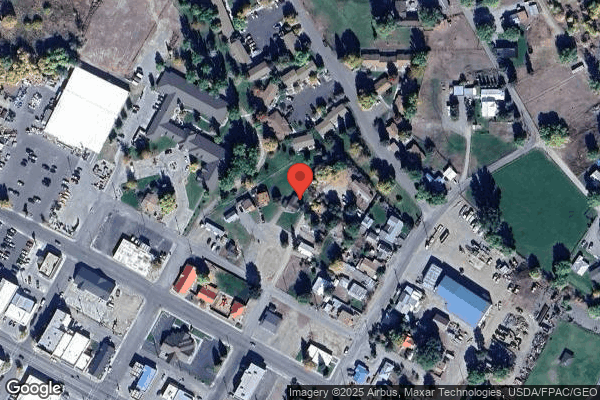
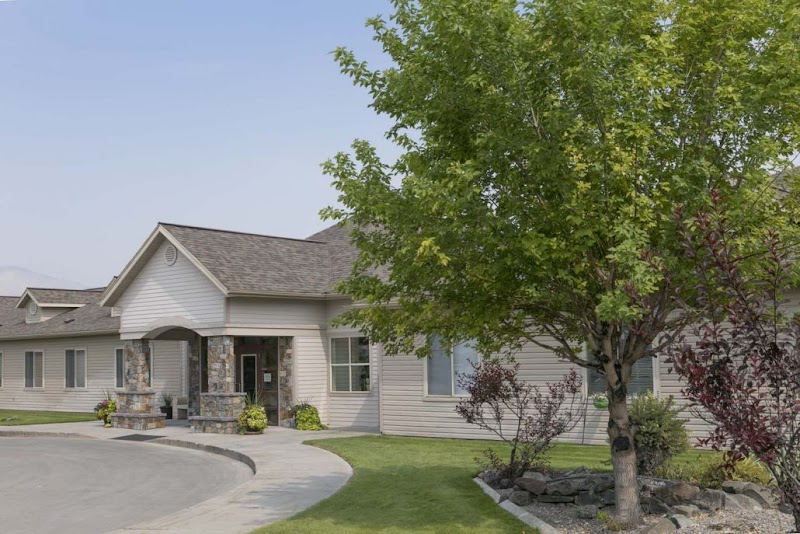
600 SHANAFELT STREET, SALMON, ID 83467 (208) 756-8391
For profit - Corporation 45 Beds THE ENSIGN GROUP Data: November 2025
Trust Grade
55/100
#57 of 79 in ID
Last Inspection: September 2024

Within standard 12-15 month inspection cycle. Federal law requires annual inspections.

Overview

Discovery Rehabilitation and Living in Salmon, Idaho, has a Trust Grade of C, indicating that it is average and sits in the middle of the pack among nursing homes. It ranks #57 out of 79 facilities in Idaho, placing it in the bottom half, but it is the only option available in Lemhi County. The facility is improving, having reduced its issues from 17 in 2023 to 13 in 2024. Staffing is a strong point, with a 4 out of 5-star rating and a low turnover rate of 19%, which is significantly better than the state average. However, there are serious concerns regarding food safety practices; recent inspections revealed that food was not stored safely, meals were served late, and there were issues with the handling of potentially hazardous foods, putting residents at risk for foodborne illnesses. Overall, while there are strengths in staff stability and a focus on quality measures, families should weigh these against the facility's food safety issues.

Trust Score
C
55/100
In Idaho
#57/79
Bottom 28%
Safety Record
Low Risk
No red flags
Inspections
Getting Better
17 → 13 violations
Staff Stability
✓ Good
19% annual turnover. Excellent stability, 29 points below Idaho's 48% average. Staff who stay learn residents' needs.
Penalties
✓ Good
No fines on record. Clean compliance history, better than most Idaho facilities.
Skilled Nurses
✓ Good
Each resident gets 69 minutes of Registered Nurse (RN) attention daily — more than 97% of Idaho nursing homes. RNs are the most trained staff who catch health problems before they become serious.
Violations
⚠ Watch
44 deficiencies on record. Higher than average. Multiple issues found across inspections.
★★☆☆☆
2.0
Overall Rating
★★★★☆
4.0
Staff Levels
★★★★★
5.0
Care Quality
★☆☆☆☆
1.0
Inspection Score
Stable
2023: 17 issues
2024: 13 issues

The Good

  • 4-Star Staffing Rating · Above-average nurse staffing levels
  • 5-Star Quality Measures · Strong clinical quality outcomes
  • Low Staff Turnover (19%) · Staff stability means consistent care
  • Full Sprinkler Coverage · Fire safety systems throughout facility
  • No fines on record
  • Staff turnover is low (19%)

    29 points below Idaho average of 48%

Facility shows strength in staffing levels, quality measures, staff retention, fire safety.

The Bad

2-Star Overall Rating

Below Idaho average (3.3)

Below average - review inspection findings carefully

Chain: THE ENSIGN GROUP

Part of a multi-facility chain

Ask about local staffing decisions and management

The Ugly 44 deficiencies on record

Sept 2024 13 deficiencies
CONCERN (D) 📢 Someone Reported This

A family member, employee, or ombudsman was alarmed enough to file a formal complaint

Potential for Harm - no one hurt, but risky conditions existed

Transfer Requirements (Tag F0622)

Could have caused harm · This affected 1 resident

**NOTE- TERMS IN BRACKETS HAVE BEEN EDITED TO PROTECT CONFIDENTIALITY** Based on policy and record review, and staff interview it was determined the facility failed to ensure pertinent health informat...

Read full inspector narrative →
**NOTE- TERMS IN BRACKETS HAVE BEEN EDITED TO PROTECT CONFIDENTIALITY** Based on policy and record review, and staff interview it was determined the facility failed to ensure pertinent health information was provided to the receiving hospital for 1 of 1 resident (Resident #20) reviewed for transfers/discharge. This deficient practice had the potential to result in adverse outcomes if residents were not treated in a timely manner due to a lack of information provided upon transfer. Findings include: The facility's Transfer or Discharge policy, revised 2020, documented for an emergency transfer/discharge, staff were to complete transfer/discharge documentation and attach copies of: - Face sheet - Advance Directive - Current physician's orders, H&P, copies of pertinent labs/x-rays - Patient representative information, including contact information Staff were to document the entire process in the Nursing Notes. Resident #20 was initially admitted to the facility on [DATE], and readmitted on [DATE], with multiple diagnoses including COPD (a lung disease that causes breathing problems and restricted airflow) and hypertension. A nurse's note dated 2/16/24 at 1:33 AM, documented Resident #20 was transported to the ER. On 9/11/24 at 1:34 PM, the DON stated, the resident's face sheet, POST, H&P, are to be sent with the resident when they are transferred to the hospital. She also stated what was sent to the hospital with the resident should have been documented in the progress note. Resident #20's record did not include documentation that pertinent medical information was provided to the receiving hospital.
CONCERN (D) 📢 Someone Reported This

A family member, employee, or ombudsman was alarmed enough to file a formal complaint

Potential for Harm - no one hurt, but risky conditions existed

Deficiency F0625 (Tag F0625)

Could have caused harm · This affected 1 resident

**NOTE- TERMS IN BRACKETS HAVE BEEN EDITED TO PROTECT CONFIDENTIALITY** Based on policy review, record review, and staff interview, it was determined the facility failed to ensure a bed hold notice wa...

Read full inspector narrative →
**NOTE- TERMS IN BRACKETS HAVE BEEN EDITED TO PROTECT CONFIDENTIALITY** Based on policy review, record review, and staff interview, it was determined the facility failed to ensure a bed hold notice was provided to residents or their representatives upon transfer to the hospital. This was true for 1 of 1 resident (Resident #20) reviewed for transfer/discharge. This deficient practice created the potential for harm if residents were not informed of their right to return to their former bed/room at the facility within a specified time. Findings include: The facility's Bed Hold policy, revision date December 2023, documented the facility will inform the resident or resident's representative in writing of the right to exercise the Bed Hold provision of 7 days upon admission and provide a second notice before transfer to a hospital. In the event of an emergency transfer, the second notice will be provided within 24 hours. A copy of this notification shall become part of the resident's health record at the time of transfer. Resident #20 was initially admitted to the facility on [DATE], and readmitted on [DATE], with multiple diagnoses including COPD (a lung disease that causes breathing problems and restricted airflow) and hypertension. A nurse's note dated 2/16/24 at 1:33 AM, documented Resident #20 was transported to the ER. On 9/11/24 at 11:31 AM, a review of Resident #20's medical record did not have documentation that a Bed Hold had been provided to her or her representative. On 9/11/24 at 1:32 PM, the DON stated there was no Bed Hold in Resident #20's medical record.
CONCERN (D) 📢 Someone Reported This

A family member, employee, or ombudsman was alarmed enough to file a formal complaint

Potential for Harm - no one hurt, but risky conditions existed

Comprehensive Assessments (Tag F0636)

Could have caused harm · This affected 1 resident

**NOTE- TERMS IN BRACKETS HAVE BEEN EDITED TO PROTECT CONFIDENTIALITY** Based on observation, record review, and staff interview, the facility failed to follow physician's orders for 1 of 4 residents ...

Read full inspector narrative →
**NOTE- TERMS IN BRACKETS HAVE BEEN EDITED TO PROTECT CONFIDENTIALITY** Based on observation, record review, and staff interview, the facility failed to follow physician's orders for 1 of 4 residents (Resident #8) for Occupational Therapy (OT), Physical Therapy (PT), and Speech Therapy (SP) to evaluate and treat as needed. This failure created the potential for harm, adverse outcomes, and reduced opportunity for independence when residents did not receive ordered specialized therapy treatment. Findings include: Resident #8 was admitted to the facility on [DATE], with multiple diagnoses including nontraumatic subarachnoid hemorrhage (a condition that occurs when blood leaks into the space between the brain and the arachnoid membrane), dysphagia (difficulty swallowing), right shoulder joint fracture, and diabetes. On 9/11/24, observed in Resident #8's medical record, physician's orders, dated 7/23/24, for OT, PT, and SP to evaluate and treat as indicated . Resident #8's care plan documented interventions for Occupational, Physical, and Speech-Language Therapy evaluation and treatment per physician orders. No documentation was observed in Resident #8's medical record that OT or SP had been notified to evaluate or treat. On 9/12/24 at 8:47 AM, the DON stated, the referrals should have been made to Therapy and documented but had not been made.
CONCERN (D) 📢 Someone Reported This

A family member, employee, or ombudsman was alarmed enough to file a formal complaint

Potential for Harm - no one hurt, but risky conditions existed

Deficiency F0657 (Tag F0657)

Could have caused harm · This affected 1 resident

**NOTE- TERMS IN BRACKETS HAVE BEEN EDITED TO PROTECT CONFIDENTIALITY** Based on observation, record review, policy review, and staff interview, it was determined the facility failed to ensure residen...

Read full inspector narrative →
**NOTE- TERMS IN BRACKETS HAVE BEEN EDITED TO PROTECT CONFIDENTIALITY** Based on observation, record review, policy review, and staff interview, it was determined the facility failed to ensure resident's care plans were revised to reflect current needs and interventions. This was true for 2 of 13 residents (Resident #5 and #8) whose care plans were reviewed. This placed residents at risk of adverse outcomes if care and services were not provided due to care plans not being revised as residents' needs changed. Findings include: The facility's Care Plan policy, dated [DATE], documented care plans will be reviewed quarterly, annually, and with change of status to ensure that they are current for the resident's care. 1. Resident #5 was admitted to the facility on [DATE], and readmitted on [DATE], with multiple diagnoses including herpes zoster (a viral infection that causes a painful rash) and COPD (a lung disease that causes breathing problems and restricted airflow). A quarterly MDS, dated [DATE], documented Resident #5 had an application of a non-surgical wound. Resident #5's care plan, dated [DATE], directed staff to use contact transmission-based precautions and follow posted transmission-based signs. Care plan also documented Resident #5's left hand lesions was to be covered at all times until resolved. On [DATE] at 9:13 AM, Resident #5 was observed without a wound dressing to her left hand. On [DATE] at 3:07 PM, the IP stated Resident #5's open wound to the left hand had resolved. The orders to treat the wound and the order for isolation were discontinued. She also stated Resident #5's care plan should have been updated to reflect that her herpes wound was resolved and she no longer needed to be on isolation. 2. Resident #8 was admitted to the facility on [DATE], with multiple diagnoses including nontraumatic subarachnoid hemorrhage (a condition that occurs when blood leaks into the space between the brain and the arachnoid membrane), dysphagia (difficulty swallowing), right shoulder joint fracture, and diabetes. On [DATE], observed page 3 of Resident #8's care plan which documented, she desired to have cardiopulmonary resuscitation (CPR) and call 911, while on page 6 it documented she desired to be a DNR (Do not resuscitate). On [DATE] at 8:37 AM, the DON stated they had been updating resident care plans and both CPR and DNR should not have been in Resident #8's care plan.
CONCERN (D) 📢 Someone Reported This

A family member, employee, or ombudsman was alarmed enough to file a formal complaint

Potential for Harm - no one hurt, but risky conditions existed

Quality of Care (Tag F0684)

Could have caused harm · This affected 1 resident

**NOTE- TERMS IN BRACKETS HAVE BEEN EDITED TO PROTECT CONFIDENTIALITY** Based on observation, interview, and record review, the facility failed to obtain physician's orders for 1. diabetic toenail and...

Read full inspector narrative →
**NOTE- TERMS IN BRACKETS HAVE BEEN EDITED TO PROTECT CONFIDENTIALITY** Based on observation, interview, and record review, the facility failed to obtain physician's orders for 1. diabetic toenail and fingernail checks and 2. follow care plan for wound care for 1 of 4 residents (Resident #8). This deficient practice created the potential for harm or adverse outcomes related to diabetic skin and nail infection, skin breakdown, and development of pressure ulcers. Findings include: Resident #8 was admitted to the facility on [DATE], with multiple diagnoses including nontraumatic subarachnoid hemorrhage (a condition that occurs when blood leaks into the space between the brain and the arachnoid membrane), dysphagia (difficulty swallowing), right shoulder joint fracture, and diabetes. 1. On 9/9/24 at 10:34 AM, observed Resident #8's legs and feet to be red, slightly swollen, and unkept long toenails. On 9/11/24, a physician's order dated 5/31/24, for a Podiatrist to evaluate and treat as indicated. No documentation in Resident #8's record that a referral was made. On 9/11/24, Resident #8's care plan had no interventions in place for diabetic nail care. On 9/12/24 at 8:30 AM, the DON stated they no longer had a Podiatrist that would serve the rural facility and the nursing staff should have care planned resident diabetic nail care. 2. On 9/11/24 at 8:30 AM, review of Resident #8's TAR did not document wound care on 9/6/24 on the following areas: - to right upper inner arm - to right elbow, which is schedule for every three days - each shift to check skin under the clamshell brace on right arm - for left lower extremity, not completed on mid-day shift On 9/12/24 at 8:33 AM, the DON stated sometimes nurses have missed wound care. If the day shift had not completed wound care, the next shift should have completed and documented wound care.
CONCERN (D) 📢 Someone Reported This

A family member, employee, or ombudsman was alarmed enough to file a formal complaint

Potential for Harm - no one hurt, but risky conditions existed

Deficiency F0761 (Tag F0761)

Could have caused harm · This affected 1 resident

Based on observation, policy review, and staff interview, it was determined the facility failed to ensure medications available for residents were labeled and had not expired. This was true for 1 of 1...

Read full inspector narrative →
Based on observation, policy review, and staff interview, it was determined the facility failed to ensure medications available for residents were labeled and had not expired. This was true for 1 of 1 medication carts inspected. This failure created the potential for residents to receive medication used for another resident, presenting a risk for cross-contamination or to receive expired medications, with decreased efficacy. Findings include: The facility's Storing and Controlling Medications policy, revision date July 2018, documented: - the pharmacy provider dispenses medications in containers that meet legal requirements, including requirements of good manufacturing practices where applicable. Medications are kept and stored in these containers. - Medications that are discontinued, expired, contaminated, or deteriorated, and those that are in containers that are cracked, soiled, or without secure closures are immediately removed from the locked medication storage area and disposed of in accordance with the facility policy and procedures. The facility's Disposal of Wasted or Expired Medications policy, revision date, August 2020, documented: - Facility staff should destroy and dispose of medications in accordance with facility policy and applicable law, and applicable environmental regulations. - Once an order to discontinue a medication is received, the facility staff should remove this medication from the resident's medication supply. - Facility should place all discontinued or outdated medication in a designated, secure location which is solely for discontinued medications or marked to identify the medications are discontinued and subject to destruction. - Facility should dispose of discontinued medications, outdated medications, or medications left in the facility after a resident has been discharged in a timely fashion or no more than 90 days of the date the medication was discontinued by Physician/Prescriber, or sooner per applicable law. On 9/10/24 at 9:56 AM, the medication cart was inspected with LPN #1 present. The following were observed: - An Atrovent inhaler, 17mg/ACT, was laying in the top drawer of the medication cart without a label. - 22 normal saline vials with expiration date of April 2024. - 1 levothyroxine tablet loose in the top drawer. - 1 unidentified half of a white tablet loose in the top drawer. On 9/10/24 at 10:36 AM, LPN #1 stated she was not sure if the Atrovent inhaler should have been in the original package. She also stated the expired normal saline should not have been in the medication cart and there should not be any loose pills in the medication cart.
CONCERN (D) 📢 Someone Reported This

A family member, employee, or ombudsman was alarmed enough to file a formal complaint

Potential for Harm - no one hurt, but risky conditions existed

Deficiency F0919 (Tag F0919)

Could have caused harm · This affected 1 resident

**NOTE- TERMS IN BRACKETS HAVE BEEN EDITED TO PROTECT CONFIDENTIALITY** Based on observation and interviews, it was determined the facility failed to ensure all call light strings in resident restroom...

Read full inspector narrative →
**NOTE- TERMS IN BRACKETS HAVE BEEN EDITED TO PROTECT CONFIDENTIALITY** Based on observation and interviews, it was determined the facility failed to ensure all call light strings in resident restrooms were proper length and easily accessible to residents. This issue was observed for 1 of 12 residents (Resident #8) call lights. This failure had the potential for harm if residents were not able to summon staff for assistance. Findings include: The facility's Environmental Safety policy, revision date August 2024, documented the facility will provide a resident call system to allow residents to call for staff assistance. These are provided at each resident's bed and toilet/bathing areas. Resident #8 was admitted to the facility on [DATE], with multiple diagnoses including nontraumatic subarachnoid hemorrhage (a condition that occurs when blood leaks into the space between the brain and the arachnoid membrane), dysphagia (difficulty swallowing), right shoulder joint fracture, and diabetes. On 9/9/24 at 10:56 AM, Resident #8 stated when she fell in the bathroom, she was not able to reach the call light in the bathroom because it was wrapped around the grab bar. On 9/9/24 at 11:00 AM, observed the call light string in the bathroom, wrapped around the grab bar thereby shortening the call light string length so it was not accessible from the ground. On 9/12/24 at 8:51 AM, the DON stated the facility conducts rounds throughout the building, to ensure call lights are accessible to residents in rooms and bathrooms. This should have been corrected in Resident #8's room.
CONCERN (D) 📢 Someone Reported This

A family member, employee, or ombudsman was alarmed enough to file a formal complaint

Potential for Harm - no one hurt, but risky conditions existed

Safe Environment (Tag F0921)

Could have caused harm · This affected 1 resident

**NOTE- TERMS IN BRACKETS HAVE BEEN EDITED TO PROTECT CONFIDENTIALITY** Based on observation and interview, the facility failed to provide accessible closet doors handles in all resident rooms to meet...

Read full inspector narrative →
**NOTE- TERMS IN BRACKETS HAVE BEEN EDITED TO PROTECT CONFIDENTIALITY** Based on observation and interview, the facility failed to provide accessible closet doors handles in all resident rooms to meet their physical needs. This was true for 1 of 12 residents (Resident #8) whose closet door handles were 58 inches high, and not accessible from a wheelchair. This deficient practice had the potential to cause harm and distress for residents wanting to remain independent. Findings include: Resident #8 was admitted to the facility on [DATE], with multiple diagnoses including nontraumatic subarachnoid hemorrhage (a condition that occurs when blood leaks into the space between the brain and the arachnoid membrane), dysphagia (difficulty swallowing), right shoulder joint fracture, and diabetes. On 9/9/24 at 10:41 AM, observed Resident #8 attempting to open the closet door in her room by pushing her finger between the two doors and trying to pry the door open. Resident #8 was unable to reach the closet door handles. On 9/12/24 at 2:10 PM, the DON stated that height of the closet door handles related to a resident confined to a wheelchair is an issue and should have been corrected.
CONCERN (E) 📢 Someone Reported This

A family member, employee, or ombudsman was alarmed enough to file a formal complaint

Potential for Harm - no one hurt, but risky conditions existed

Safe Environment (Tag F0584)

Could have caused harm · This affected multiple residents

Based on observation, policy review, and staff interview, it was determined the facility failed to ensure residents were provided with a safe, clean, and homelike environment. This was true for 1 of 1...

Read full inspector narrative →
Based on observation, policy review, and staff interview, it was determined the facility failed to ensure residents were provided with a safe, clean, and homelike environment. This was true for 1 of 1 shower/tub room observed. This deficient practice created the potential for harm if: a) the holes in the floors caused a resident to fall and b) cross-contamination from spread of microorganisms. Findings include: The facility's Environmental Safety policy, revised August 2024, documented the facility would provide a safe environment, free from physical hazards to protect the health and safety of residents, personnel, and the public. The following were observed for safety concerns: On 9/10/24 at 1:40 PM, the shower/tub room, across from the nurses' station, was observed with: - 3 different areas of missing tiles, varying in different sizes, to the left of the entrance into the shower room. - a 17 X 15 area with missing floor tiles, in the shower area, to the right of the drain. - a 7 X 5 area with missing floor tiles, in the shower area, to the left of the drain. On 9/10/24 at 1:40 PM, the Maintenance Supervisor stated the floor in the shower room was a fall hazard and the facility had been working on getting the tiles in the shower room fixed. On 9/10/24 at 1:47 PM, the Administrator stated the shower room did need to be repaired and they are working on getting the remodeling approved.
CONCERN (E) 📢 Someone Reported This

A family member, employee, or ombudsman was alarmed enough to file a formal complaint

Potential for Harm - no one hurt, but risky conditions existed

Respiratory Care (Tag F0695)

Could have caused harm · This affected multiple residents

**NOTE- TERMS IN BRACKETS HAVE BEEN EDITED TO PROTECT CONFIDENTIALITY** Based in policy review, observation, and staff interview, it was determined the facility failed to ensure respiratory equipment ...

Read full inspector narrative →
**NOTE- TERMS IN BRACKETS HAVE BEEN EDITED TO PROTECT CONFIDENTIALITY** Based in policy review, observation, and staff interview, it was determined the facility failed to ensure respiratory equipment was changed and stored as indicated. This was true for 1 of 2 residents (Resident #2) observed for respiratory equipment. This created the potential for respiratory infections due to growth of pathogens (organisms that cause illness) in respiratory treatment equipment. Findings include: 1. Resident #2 was admitted to the facility on [DATE], with multiple diagnoses including COPD (a lung disease that causes breathing problems and restricted airflow) and kidney disease. A quarterly MDS assessment, dated 8/30/24, documented Resident #2 received oxygen therapy. A physician's order dated 12/18/23, documented Resident #2 was to receive Ipratropium - Albuterol 0.5mg-2.5 (a liquid medication used to help control the symptoms of lung diseases), give 3mg/3ml via nebulizer (a small machine that turns liquid medicine into a mist that can be easily inhaled) every 6 hours as needed for shortness of breath or wheezing. A physician's order dated 1/16/24, documented Resident #2's oxygen tubing, nasal canula, or mask was to be changed every Sunday. A physician order dated 6/10/24, documented Resident #2 was to receive oxygen at 2 liters a minute via nasal cannula. On 9/9/24 at 10:16 AM, Resident #2's oxygen tubing was observed with paper tape dated 8/14/24, and her nebulizer tubing was not dated. Resident #2's nebulizer tubing and mouthpiece were observed lying on her nightstand, not properly stored. On 9/11/24 at 10:21 AM, the DON stated the resident's nebulizer should have been cleaned after use, dried, and stored in their personal belonging bag. The oxygen tubing and nebulizer tubing should be changed every week and dated. The date should be written on the tubing but sometimes it gets rubbed off.
CONCERN (E) 📢 Someone Reported This

A family member, employee, or ombudsman was alarmed enough to file a formal complaint

Potential for Harm - no one hurt, but risky conditions existed

Deficiency F0804 (Tag F0804)

Could have caused harm · This affected multiple residents

**NOTE- TERMS IN BRACKETS HAVE BEEN EDITED TO PROTECT CONFIDENTIALITY** Based on observation, policy review, and resident and staff interview, it was determined the facility failed to ensure resident ...

Read full inspector narrative →
**NOTE- TERMS IN BRACKETS HAVE BEEN EDITED TO PROTECT CONFIDENTIALITY** Based on observation, policy review, and resident and staff interview, it was determined the facility failed to ensure resident meals were palatable and maintained their correct temperature. This directly impacted 7 residents (#2, #3, #5, #8, #14, #16, and #28) who were interviewed about food services, and had the potential to affect all 31 residents who dined in the facility. This failed practice had the potential to negatively affect residents' nutritional status and psychosocial well-being. Findings include: The 2022 FDA Food Code states hot food will be maintained at 135 degrees F or above and cold food will be maintained at 41 degrees F or below. On 9/9/24 at 12:53 PM, the lunch meal service observation was conducted with the following observations: - The menu documented the main entrée was honey mustard pork chops, scalloped potatoes, mixed vegetable blend, peach crunch, and milk. - Some residents were observed to have small, cubed potatoes which appeared dry. - There were no garnishes or condiments served with the meal. On 9/9/24 at 1:39 PM, the Dietary Aide (DA) approached the Dietary Manager (DM) in the main dining room, with the surveyor present, and stated there were complaints the pork chops were dry. The DM stated, That is the problem with pork chops, they are terrible. On 9/11/24 at 7:40 AM, observed the following during breakfast meal preparation: - Seasonal fruit was canned diced pears served at 71 degrees F and should have been chilled to 41 degrees F or below. - Yogurt served at 44 degrees F and should have been 41 degrees F or below. On 9/11/24 at 10:30 AM, during the Resident Council meeting, 4 of 7 residents stated the food served was cold and tasteless. On 9/11/24 at 12:26 PM, the RD stated the temperature of the canned pears and the yogurt should have been served at 41 degrees or below. The temperature of the yogurt at 44 degrees F was too high. On 9/11/24 at 1:30 PM, the last tray from the meal cart delivered to the small dining room, was tested for serving temperature, taste, and presentation with the following observations: - Mashed potatoes were served at 125 degrees F and should have been 135 degrees F, and tasted bland. - Monte [NAME] vegetables were served at 108 degrees F and should have been 135 degrees F, and tasted bland. - Chocolate peanut butter parfait was served at 48 degrees F and should have been 41 degrees F or below. - Milk was served at 46 degrees F and should have been 41 degrees F or below. 1. Resident #2 was admitted to the facility on [DATE], with multiple diagnoses including COPD (a lung disease that causes breathing problems and restricted airflow) and kidney disease. On 9/9/24 at 4:10 PM, Resident #2's representative stated the food did not taste good and had no nutritional value. 2. Resident #3 was admitted to the facility on [DATE], and readmitted on [DATE], with multiple diagnoses including stroke, anemia, and diabetes. On 9/10/24 at 10:38 AM, Resident #3 stated the food does not taste good and she does not like it. 3. Resident #5 was admitted to the facility on [DATE], and readmitted on [DATE], with multiple diagnoses including herpes zoster (a viral infection that causes a painful rash) and COPD (a lung disease that causes breathing problems and restricted airflow). On 9/9/24 at 1:43 PM, Resident #5 stated the food did not taste good. 4. Resident #8 was admitted to the facility on [DATE], with multiple diagnoses including nontraumatic subarachnoid hemorrhage (a condition that occurs when blood leaks into the space between the brain and the arachnoids membrane), dysphagia (difficulty swallowing), right shoulder joint fracture, and diabetes. On 9/9/24 at 10:33 AM, Resident #8 stated the food is often late, cold, and not tasty. She stated she had told staff about the issues with the food, but nothing ever changes. 5. Resident #14 was admitted to the facility on [DATE], with multiple diagnoses including anemia, heart failure, and dementia. On 9/9/24 at 11:04 AM, Resident #14 stated the food is cold. 6. Resident #16 was admitted to the facility on [DATE], with multiple diagnoses including hypertension, peripheral vascular disease, and renal failure. On 9/9/24 at 12:35 PM, Resident #16 stated the food is terrible and tastes bad. 7. Resident #28 was admitted to the facility on [DATE], with multiple diagnoses including hypertension, renal insufficiency, and malnutrition. On 9/9/24 at 11:21 AM, Resident #28 stated the food is not so good. It is cold, no taste, and not prepared that great. On 9/11/24 at 2:00 PM, the Administrator stated the facility had been working on food quality and thought there had been improvements. She was not aware the residents had complaints about the food. On 9/11/24 at 3:27 PM, the DM stated they use garnish and gravies to make the food palatable and attractive. She stated she was not aware the residents had complaints about the food.
CONCERN (E) 📢 Someone Reported This

A family member, employee, or ombudsman was alarmed enough to file a formal complaint

Potential for Harm - no one hurt, but risky conditions existed

Infection Control (Tag F0880)

Could have caused harm · This affected multiple residents

**NOTE- TERMS IN BRACKETS HAVE BEEN EDITED TO PROTECT CONFIDENTIALITY** Based on observation, policy review, and staff interview, the facility failed to ensure adherence to infection control and preve...

Read full inspector narrative →
**NOTE- TERMS IN BRACKETS HAVE BEEN EDITED TO PROTECT CONFIDENTIALITY** Based on observation, policy review, and staff interview, the facility failed to ensure adherence to infection control and prevention practices to provide a safe and sanitary environment when, 1. staff did not clean resident's equipment properly, 2. perform hand hygiene, 3. change gloves when going from dirty to clean areas, and 4. hairnet and glove use in the kitchen. Findings include: The facility's Infectoin Prevention and Control Program policy, revision date December 2023, documented the facility will provide areas, equipment and supplies to implement its infection control program with the goal of effective cleaning and disinfecting equipment as needed, to include bathing areas, between each resident use. The facility's Glucometer, Cleaning and Decontamination policy, revised August 2020, documented the glucometer is to be placed on a barrier after use, then disinfected. The glucometer is disinfected after each use using a cloth/wipe with either an EPA-registered detergent/germicide with a tuberculocidal or HBV/HIV label claim. The facility's Hand Hygiene policy, undated, documented the facility considers hand hygiene the primary means to prevent the spread of infections. Use an alcohol-based hand rub containing at least 62% alcohol or soap and water for the following situations: - Before and after direct contact with residents - Before handling clean or soiled dressings, gauze pads, ect. - Before moving from a contaminated body site to a clean body site during resident care - After handling used dressings, contaminated equipment, ect. - After removing gloves - Before and after eating or handling food - Before and after assisting a resident with meals 1. The following resident equipment was observed: a. Resident #12 was admitted to the facility on [DATE], with multiple diagnoses including diabetes and heart disease. On 9/9/24 at 12:52 AM, LPN #1 used the glucometer (a device used to measure the amount of glucose in your blood) to check Resident #12's blood sugar. LPN #1 brought the glucometer to the medication cart and was observed wiping the glucometer off with a Sani-Hands instant hand sanitizing wipe (disinfecting wipes for hands) and then placed the glucometer on a tissue on top of the medication cart. LPN #1 did not use the proper disinfecting wipe to clean the glucometer. On 9/10/24 at 3:28 PM, the administrator stated the glucometer should have been cleaned with the EBP Sani-Wipes (disinfecting wipes). She also stated the Sani-wipes for hands were only to be used to clean hands. The glucometer should have been cleaned with the purple top wipes (Sani-Wipes). b. Resident #11 was admitted to the facility on [DATE], with multiple diagnoses including Parkinsonism (umbrella term that refers to brain conditions that cause slowed movements, rigidity or stiffness and tremors), dislocation of left hip prosthesis, emphysema, and dementia. On 9/09/24 at 1:12 PM, observed DON moving Hoyer lift out of Resident #11's room. When the DON was asked if the Hoyer lift had been cleaned, the DON stated yes, she had just used the last of the purple top wipes in the room. When asked to see the empty container, the DON stated it could not be found so the CNA must have forgotten to clean the Hoyer lift. 2. The following was observed for hand hygiene: a. Resident #2 was admitted to the facility on [DATE], with multiple diagnoses including COPD (a lung disease that causes breathing problems and restricted airflow) and kidney disease. b. Resident #7 was admitted to the facility on [DATE], with multiple diagnoses including Myocardial Infarction, Atherosclerotic heart disease (a chronic disease that causes plaque to build up in the arteries, narrowing and stiffening them), and Autoimmune Lymphoproliferative Syndrome (characterized by the production of an abnormally large number of lymphocytes). c. Resident #12 was admitted to the facility on [DATE], with multiple diagnoses including heart disease and diabetes. d. Resident #18 was admitted to the facility on [DATE], with multiple diagnoses including Diverticulosis of large intestine (a clinical condition in which multiple sac-like protrusions develop along the gastrointestinal tract), muscle weakness, and difficulty walking. e. Resident #20 was initially admitted to the facility on [DATE], and readmitted on [DATE], with multiple diagnoses including COPD (a lung disease that causes breathing problems and restricted airflow) and hypertension. On 9/9/24 at 12:48 PM, observed CNA #1 and CNA #3 had not offered residents hand hygiene prior to serving lunch meal trays in Resident #7 and Resident #18's rooms. On 9/9/24 at 12:52 PM, CNA #1 delivered Resident #2's meal to her in her room. CNA #1 did not offer hand hygiene to Resident #2. On 9/9/24 at 12:55 PM, CNA #1 stated she does wash the resident's hands, but she must have forgot Resident #2's hands. On 9/9/24 at 12:58 PM, CNA #3 was observed passing meal trays to residents eating in their room. She did not offer to wash the resident's hands before setting up their meals. On 9/9/24 at 1:00 PM, CNA #3 stated she had not offered to wash the resident's hands and she should have. She also stated, she should be asking the residents if they want their hands washed. 3. The following was observed for proper glove changes: Resident #20 was initially admitted to the facility on [DATE], and readmitted on [DATE], with multiple diagnoses including COPD (a lung disease that causes breathing problems and restricted airflow) and hypertension. Resident #20 physician's order, dated 9/5/24, directed staff to flush the wound on her left lower leg, place a telfa (non-adherent dressing) on the wound and wrap with Kling (rolled gauze) for protection. Change dressing daily and as needed. On 9/11/24 at 11:47 AM LPN #1 was observed providing wound care to Resident #20. LPN #1 placed the wound care supplies on a barrier on Resident 20's bed. LPN #1 washed her hands using soap and water prior to donning gown and gloves. LPN #1 then removed the soiled dressing. LPN #1 removed the soiled gloves and performed hand hygiene using hand gel and donned a new pair of gloves. LPN #1 cleaned Resident #20's wound with normal saline and gauze. She then placed a telfa dressing on the wound and wrapped Resident #20's left lower leg with Kling. LPN #1 did not perform hand hygiene or donn new gloves after cleaning the wound and before applying a new dressing. On 9/11/24 at 11:57 AM, LPN #1 stated she removed her gloves and cleaned her hands when she first started wound care, between old and new dressing change, and after wound care. She also stated after she cleaned the wound she should have put on new gloves before applying a new dressing. 4. The following was observed for proper hairnet and glove use in the kitchen: On 9/9/24 at 9:45 AM, during the initial kitchen tour, [NAME] #1 was observed not wearing a hairnet while in the kitchen, preparing resident meals. On 9/9/24 at 1:15 PM, observed [NAME] #1 leaving the kitchen to deliver a hall tray with gloves on and without a hairnet. On 9/9/24 at 1:18 PM, observed [NAME] #1 returning to the kitchen. He had not applied a hairnet, washed his hands, or donned new gloves before prepping resident food. On 9/11/24 at 7:20 AM, with the DM present, observed [NAME] #1 in the kitchen preparing and serving resident breakfast meals without a hairnet on. On 9/11/24 at 7:30 AM, the DM stated everyone who comes in the kitchen should be wearing a hairnet and should be changing gloves in between tasks.
CONCERN (F) 📢 Someone Reported This

A family member, employee, or ombudsman was alarmed enough to file a formal complaint

Potential for Harm - no one hurt, but risky conditions existed

Food Safety (Tag F0812)

Could have caused harm · This affected most or all residents

Based on observation, staff interview, and policy review, it was determined the facility failed to ensure food was stored in a safe and sanitary manner. This deficient practice had the potential to af...

Read full inspector narrative →
Based on observation, staff interview, and policy review, it was determined the facility failed to ensure food was stored in a safe and sanitary manner. This deficient practice had the potential to affect the 31 residents residing in the facility who consumed food prepared by the facility. This placed residents at risk for potential contamination of food and adverse health outcomes, including food-borne illnesses. Findings include: The facility's Food Storage Policy documented: - All food must be labeled and dated immediately after opening or being prepared. All dates must be in a visible location and easily readable. - All foods will be labeled with the name of the product and the use-by date. The day of opening or production counts as the first day. The FDA Food Code Section 3-501.17 Ready-to-Eat, Time/Temperature Control for Safety Food, Date Marking, states refrigerated, ready-to-eat, time/temperature control for safety food prepared and held in a food establishment for more than 24 hours shall be clearly marked to indicate the date or day by which the food shall be consumed on the premises, sold, or discarded when held at a temperature of 41ºF or less for a maximum of 7 days. The day of preparation shall be counted as Day 1. The initial kitchen inspection was conducted on 9/9/24 at 9:45 AM, with the DM present. The following was observed: 1. In the walk-in refrigerator - Large stainless-steel bowl of salad was uncovered and not dated. - Sliced cheese wrapped in saran wrap with no use by date. - 8 individual containers of sour cream which was uncovered and not dated. On 9/9/24 at 9:50 AM, the DM stated the salad and the individual containers of sour cream should have been covered and had a use by date on them. She stated the cheese should have had a use by date on it. 2. In the dry storage closet - Open cocoa package with no use by date. - Open vanilla pudding package with no use by date. - Multiple open gelatin packages with no use by date. On 9/9/24 at 10:00 AM, the DM stated there should be use by dates written on the opened packages. On 9/9/24 at 12:51 PM, during the lunch meal in the main dining room, observed an open gallon of milk that was not dated. On 9/9/24 at 1:00 PM, the DM stated they have not put an open and use by date on the milk because the facility goes through almost a gallon a day. On 9/11/24 at 7:40 AM, during a follow-up inspection of the walk-in refrigerator, with the DM present, the following was observed: - an box of brussel sprouts with a best by date of 7/23/24. - an opened container of sour cream with a use by date of 8/23/24. On 9/11/24 at 7:50 AM, the DM stated the food should have been properly rotated following the first in first out method.
Aug 2023 17 deficiencies
CONCERN (D) 📢 Someone Reported This

A family member, employee, or ombudsman was alarmed enough to file a formal complaint

Potential for Harm - no one hurt, but risky conditions existed

Resident Rights (Tag F0550)

Could have caused harm · This affected 1 resident

**NOTE- TERMS IN BRACKETS HAVE BEEN EDITED TO PROTECT CONFIDENTIALITY** Based on observation, policy review, record review, and resident and staff interview, it was determined the facility failed to e...

Read full inspector narrative →
**NOTE- TERMS IN BRACKETS HAVE BEEN EDITED TO PROTECT CONFIDENTIALITY** Based on observation, policy review, record review, and resident and staff interview, it was determined the facility failed to ensure residents were treated with dignity and respect. This was true for 2 of the 2 residents (Resident #23 and #26) reviewed for respect and dignity. This deficient practice placed Resident #23 and #26 at risk of embarrassment and diminished sense of self-worth. Findings include: The facility's Dignity and Respect policy, revised March 2023, documented residents shall be examined and treated in a manner that maintains the privacy of their bodies. A closed door or drawn curtain shields the resident from passers-by. 1. Resident # 23 was admitted to the facility on [DATE], with multiple diagnoses including cerebral palsy (a disorder that affects a person's ability to move and maintain balance and posture), neuromuscular dysfunction of the bladder (loss of ability to maintain bladder control), and aphasia (loss of ability to understand or express speech). On 8/23/23 08:24 AM, Resident #23 was sitting in his wheelchair in the hallway by the dining room. RN #1 assisted Resident #23 into a room made up of glass windows with full view of the hallway and both dining rooms. RN #1 lifted Resident #23's shirt to expose his gastrostomy tube (g-tube - a surgically placed tube inserted through the abdomen into the stomach to administer supplemental liquid feedings). RN #1 then completed the tube feeding process. Resident #23 was in full view of anyone passing by the windows during the procedure. RN #1 then lifted Resident #23's lap blanket exposing the lower part of his body and checked the placement of his indwelling urinary catheter, repositioned the tubing, replaced his clothing and lap blanket and returned him to the hall. Resident #23 remained in full view of passers-by while RN #1 checked the placement of Resident #23's indwelling urinary catheter. On 8/23/23 08:24 AM, RN #1 stated the room she was using for this procedure was called The Fish Bowl. On 8/23/23 02:32 PM, the DON and CRN stated an acceptable area in the facility for a tube feeding procedure was in a resident's room with the curtain pulled. They stated the room called The Fish Bowl was not an appropriate area. 2. Resident #26 was admitted on [DATE] and readmitted on [DATE], with multiple diagnoses including spinal stenosis (when the space around the spinal cord becomes too narrow causing irritation to the spinal cord and/or the nerves that branch from it) and orthopedic aftercare. On 8/22/23 at 9:21 AM, Resident #26 was observed wearing two wristbands on her right wrist, one red with the word ALLERGY and the second was yellow with the words FALL RISK on it. Resident #26 stated she had received them from the hospital. When she was re-admitted to the facility on [DATE], she said she wanted them to be removed so badly that she asked a few staff to remove them many times. Resident #26 said some staff said they would ask someone else, some said they had to find a pair of scissors, and no one ever took it off her wrist. On 8/22/23 at 1:15 PM, Resident #26 was in the main group dining room yelling, Can someone cut this [wrist bands] off? I wanted them to cut them off for a week now On 8/22/23 at 1:17 PM, the DON entered the dining room and removed the wristbands. When asked, the DON stated the wristbands from the hospital should be removed as soon as the resident was admitted to the facility.
CONCERN (D) 📢 Someone Reported This

A family member, employee, or ombudsman was alarmed enough to file a formal complaint

Potential for Harm - no one hurt, but risky conditions existed

Notification of Changes (Tag F0580)

Could have caused harm · This affected 1 resident

**NOTE- TERMS IN BRACKETS HAVE BEEN EDITED TO PROTECT CONFIDENTIALITY** Based on record review, policy review and staff interview, it was determined the facility failed to ensure a resident's represen...

Read full inspector narrative →
**NOTE- TERMS IN BRACKETS HAVE BEEN EDITED TO PROTECT CONFIDENTIALITY** Based on record review, policy review and staff interview, it was determined the facility failed to ensure a resident's representative was immediately notified when the resident had a significant change in condition. This was true for 1 of 1 resident (Resident #28) reviewed for notification of change in condition. This deficient practice placed Resident #28 at risk for harm due to lack of advocacy and support from their representative. Findings include: Resident #28 was readmitted to the facility on [DATE], with multiple diagnoses including chronic respiratory failure with hypoxia (below-normal level of oxygen in the blood). The facility's Significant Change in Condition policy, revised January 2022, stated the resident/resident representative was notified of changes in condition and any changes in the resident's medical or nursing care. This policy was not followed. A nurses note, dated 7/23/23 at 10:29 AM, documented Resident #28 had a change in condition related to altered mental status. A nurses note, dated 7/23/23 at 10:00 AM, documented the DON was notified of Resident #28's change in condition. A nurses note, dated 7/23/23 at 10:30AM, documented the physician was notified of Resident #28's change in condition. Resident #28's record did not include documentation Resident #28's representative was notified of her change in condition. On 8/24/23 at 2:28 PM, the DON stated she recalled a conversation with another nurse about Resident #28's change in condition, but was not able to provide documentation her representative was notified.
CONCERN (D) 📢 Someone Reported This

A family member, employee, or ombudsman was alarmed enough to file a formal complaint

Potential for Harm - no one hurt, but risky conditions existed

Deficiency F0637 (Tag F0637)

Could have caused harm · This affected 1 resident

**NOTE- TERMS IN BRACKETS HAVE BEEN EDITED TO PROTECT CONFIDENTIALITY** Based on record review and staff interview, it was determined the facility failed to complete comprehensive MDS assessments when...

Read full inspector narrative →
**NOTE- TERMS IN BRACKETS HAVE BEEN EDITED TO PROTECT CONFIDENTIALITY** Based on record review and staff interview, it was determined the facility failed to complete comprehensive MDS assessments when one resident experienced a significant change in mental health and functional status. This was true for 1 of 12 residents (#13) reviewed for the comprehensive MDS assessment process. This failure had the potential for harm if facility staff did not recognize significant changes in the resident's health status and needs. Findings include: The facility's Comprehensive Person-Center Care Planning policy, revised [DATE], documented the Interdisciplinary Team (IDT) would review, and revise each resident's comprehensive plan of care after each comprehensive or quarterly MDS assessment and follow any change to resident care needs. The MDS RAI (Resident Assessment Instrument) Manual, Chapter 2, stated, If a significant change in status is identified in the process of completing any MDS assessment except the admission and significant change in status MDS assessment, code and complete it as a significant change in status MDS assessment instead. The significant change in status MDS assessment reference day must be less than or equal to fourteen days after the IDT's determination that the criteria for a significant change in status are met. The policy and the MDS RAI manual were not followed. Resident #13 was admitted on [DATE], with multiple diagnoses including post traumatic stress disorder (PTSD - a mental health condition triggered by a terrifying event), anxiety, and bipolar (disorders with extreme mood swings, ranging from extreme highs [mania] to extreme lows [depression]). Resident #13's PASRR Level I screen, dated 3/28/18, documented Resident #13 had anxiety, with no diagnoses of bipolar or PTSD. An Idaho Abbreviated Level II PASRR Screen, dated 3/29/18, documented that Resident #13 was exempt from a PASRR Level II evaluation based on the facility's records indicating Resident #13 was not being diagnosed or treated for mental health issues. An admission MDS, dated [DATE], documented Resident #13 did not have active diagnoses of psychoactive disorders. An annual MDS, dated [DATE], documented Resident #13 had a new active diagnosis of PTSD. A quarterly MDS, dated [DATE], documented Resident #13 had a new active diagnosis of bipolar. Resident #13's record did not include a significant change of status MDS completed after the newly added PTSD and bipolar diagnoses. A quarterly MDS, dated [DATE], documented Resident #13 was independent with setup assistance for eating. A quarterly MDS, dated [DATE], documented Resident #13 had a decline, and she required extensive one person assistance for eating. Resident #13's record did not include a significant change of status MDS completed after her condition changed for eating. On 8/23/23 at 3:30 PM, when asked, the MDS resource nurse stated Resident #13 missed two significant change of status assessments as follows: - Resident #13 was officially diagnosed with PTSD on 3/30/18; however, it was not noted by the facility until 4/18/22, and it was captured on her 4/28/22 annual MDS. The 4/28/22 annual MDS should be revised as a significant change of status MDS assessment. - Resident #13's eating ability declined from independent to extensive on 2/15/23, a significant change of status should be completed to reflect the change.
CONCERN (D) 📢 Someone Reported This

A family member, employee, or ombudsman was alarmed enough to file a formal complaint

Potential for Harm - no one hurt, but risky conditions existed

PASARR Coordination (Tag F0644)

Could have caused harm · This affected 1 resident

**NOTE- TERMS IN BRACKETS HAVE BEEN EDITED TO PROTECT CONFIDENTIALITY** Based on record review and staff interview, it was determined the facility failed to ensure Preadmission Screening and Resident ...

Read full inspector narrative →
**NOTE- TERMS IN BRACKETS HAVE BEEN EDITED TO PROTECT CONFIDENTIALITY** Based on record review and staff interview, it was determined the facility failed to ensure Preadmission Screening and Resident Review (PASRR) were complete when the resident's mental condition changed. This was true for 1 of 2 residents (#13) whose PASRR records were reviewed. This deficient practice had the potential to cause harm if residents' specialized services for mental health needs were not provided due to a lack of updated screening. Findings include: The Medicaid (government entity that provides health coverage to Americans) long term care PASRR website accessed on 8/29/23, documented the following: PASRR is a federal requirement for Medicaid-certified nursing facilities to help ensure that individuals are not inappropriately placed in nursing homes for long term care. The PASRR procedures include: - Evaluate all applicants for serious mental illness (SMI) and intellectual disability (ID). - Offer all applicants the most appropriate setting for their needs (in the community, a nursing facility, or acute care settings). - Provide all applicants with the services they need in those settings. The PASRR procedure further documented the nursing facilities would conduct a Level I screen, a preliminary assessment to determine whether a resident might have SMI or ID when admitted to the facility. Those individuals who tested positive at Level I would then be evaluated in depth, called Level II PASRR. The PASRR screening results were to determine needs and appropriate health care settings and a set of recommendations for services to inform the individual's plan of care. These requirements were not followed. Resident #13 was admitted on [DATE], with multiple diagnoses including post traumatic stress disorder (PTSD - a mental health condition that's triggered by a terrifying event), anxiety, and bipolar (disorders with extreme mood swings, ranging from extreme highs [mania] to extreme lows [depression]). Resident #13's PASRR Level I screen, dated 3/28/18, documented Resident #13 had anxiety, with no diagnoses of bipolar or PTSD. An Idaho Abbreviated Level II PASRR Screen, dated 3/29/18, documented Resident #13 was exempt from a PASRR Level II evaluation based on the facility's records indicating Resident #13 was not being diagnosed or treated for mental health issues. Resident #13's Diagnosis Report, dated 8/23/23, documented Resident #13 had a new onset of PTSD on 3/30/18 and bipolar disorder on 7/27/22. Resident #13's record did not include a new PASSR screen when she experienced a change in her condition with the two new diagnoses of mental illnesses. On 8/23/23 at 9:30 AM, the CRN reviewed Resident #13's record and stated a new PASRR screen should be completed right away after Resident #13 had a change of condition when the two new diagnoses were added.
CONCERN (D) 📢 Someone Reported This

A family member, employee, or ombudsman was alarmed enough to file a formal complaint

Potential for Harm - no one hurt, but risky conditions existed

Deficiency F0657 (Tag F0657)

Could have caused harm · This affected 1 resident

**NOTE- TERMS IN BRACKETS HAVE BEEN EDITED TO PROTECT CONFIDENTIALITY** 3. Resident #19 was admitted to the facility on [DATE], with multiple diagnoses including heart failure. A quarterly assessment...

Read full inspector narrative →
**NOTE- TERMS IN BRACKETS HAVE BEEN EDITED TO PROTECT CONFIDENTIALITY** 3. Resident #19 was admitted to the facility on [DATE], with multiple diagnoses including heart failure. A quarterly assessment, dated 7/6/23, documented Resident #19 was cognitively intact and receiving oxygen therapy. Resident #19's care plan, directed the facility staff to administer oxygen at 2 liters per minute via nasal cannula continuously. A physician order, dated 12/28/22, directed staff to administer 1-4 liters per minute via nasal cannula continuously to maintain oxygen saturation above 90%. Resident #19's care plan was not updated with the new order for oxygen. On 8/22/23 at 2:32 PM, the DON stated the care plan should be revised to reflect the current care provided to Resident #19. Based on record review, policy review, and staff interview, it was determined the facility failed to ensure residents' care plans were revised and updated as needed. This was true for 3 of 12 residents (#10, #19, and #25) whose care plans were reviewed. This created the potential for harm if care and/or services were not provided appropriately due to inaccurate information in the care plan. Findings include: The facility's Comprehensive Person-Centered Care Planning policy, revised 1/2022, stated care plans were to be viewed and revised after each MDS assessment and as changes in the resident's condition or care needs indicated. This policy was not followed. 1. Resident #10 was admitted on [DATE], with multiple diagnoses including osteoarthritis of bilateral shoulder and right elbow (a type of arthritis that occurs when flexible tissue at the ends of bones wears down), chronic pain, left and right lower quadrant pain. Resident #10's Chronic Pain care plan, initiated 7/16/19, included interventions as follows: - Administer analgesia medication as per orders. - Anticipate the need for pain relief and respond to any complaint of pain. - Follow the pain scale to medicate as ordered. - Observe and report to nurse changes in usual routine, sleep patterns, decreased functional abilities, decreased ROM, withdrawal, or resistance to care. - Pain assessment every shift. - Reposition for comfort. Resident #10's Opioid for Pain care plan, initiated 9/22/22, included interventions as follows: - Administer opioids as prescribed. - The expected benefit of opioid use is to reduce acute/chronic pain conditions. - Provide education to [NAME] on the alternatives to a prescribed opioid. a. An annual MDS, dated [DATE], documented Resident #10 was cognitively intact. She received routine and as needed pain medication; however, she had very severe, horrible pain that almost constantly presented, and her pain limited her day-to-day activities. Resident #10's care plan was not revised with new interventions as the MDS assessment indicated a need for pain management for severe pain. b. A quarterly MDS, dated [DATE] and 8/9/23, documented Resident #10 was cognitively intact. She received routine and as needed pain medication; however, she had severe pain that almost constantly presented, and her pain limited her day-to-day activities. Resident #10's care plan was not revised with new interventions as the MDS assessment indicated a need for pain management for severe pain. c. Resident #10's MAR for August 2023 documented she received Norco (opioid pain medication) three times a day every day. On 8/21/23 at 4:30 PM, Resident #10 was observed trying to reach her bedside table; she stopped and was tearful. When asked, she said she always had pain in her bilateral shoulders because of arthritis. She stated if she could have a heated blanket or hot packing every morning when she woke up, it would be wonderful. She stated she asked the nurse once but did not remember who. Resident #10 said the nurse told her they no longer provided hot packing in the facility. Resident #10's care plan did not include personalized nonpharmacological interventions for pain. On 8/24/23 at 3:17 PM, the DON stated Resident #10's personalized nonpharmacological interventions were repositioning, rest, back rub, and a warm blanket. She stated it was not in her care plan. 2. Resident #26 was admitted on [DATE] and readmitted on [DATE], with multiple diagnoses including spinal stenosis (when the space around the spinal cord becomes too narrow causing irritation to the spinal cord and/or the nerves that branch from it) and orthopedic aftercare. Resident #26's physician orders included an order for Percocet (opioid) use as needed for pain. Resident #26's MAR and TAR for August 2023 document she received Percocet on: * 8/19/23 at 11:31 AM and 5:45 PM * 8/20/23 at 5:26 AM, 12:46 PM, and 9:52 PM. * 8/22/23 at 7:05 AM and 7:09 PM. * 8/23/23 at 2:05 PM Resident #26's Acute/Chronic Pain care plan, initiated 7/17/23, included interventions as follows: - Administer analgesia medication as per orders. - Administer medications as ordered. - Anticipate the need for pain relief and respond immediately to any complaint of pain. - Pain assessment every shift. Resident #26's care plan did not include offering nonpharmacological interventions for pain. On 8/24/23 at 12:40 PM, the CRN reviewed Resident #26's record and stated personalized nonpharmacological interventions were not documented in the care plan. On 8/24/23 at 3:17 PM, the DON stated Resident #26's personalized nonpharmacological interventions were repositioning, distraction, and asking the resident to express her pain and needs. She stated the interventions should be offered and care planned.
CONCERN (D) 📢 Someone Reported This

A family member, employee, or ombudsman was alarmed enough to file a formal complaint

Potential for Harm - no one hurt, but risky conditions existed

ADL Care (Tag F0677)

Could have caused harm · This affected 1 resident

**NOTE- TERMS IN BRACKETS HAVE BEEN EDITED TO PROTECT CONFIDENTIALITY** Based on observation, policy review, record review, and staff interview, it was determined the facility failed to ensure residen...

Read full inspector narrative →
**NOTE- TERMS IN BRACKETS HAVE BEEN EDITED TO PROTECT CONFIDENTIALITY** Based on observation, policy review, record review, and staff interview, it was determined the facility failed to ensure residents were provided with showers and nail care consistent with their needs. This was true for 1 of 3 resident's (Resident #19) reviewed for ADLs. This failure created the potential for residents to experience embarrassment, isolation, decreased sense of self-worth, and skin impairment due to a lack of personal hygiene. Findings include: The facility's Activities of Daily Living policy, revised on July 2015, stated the nursing assistant provided assistance for ADL's based on the resident's individualized plan of care. This policy was not followed. 1. Resident #19 was admitted to the facility on [DATE], with multiple diagnoses including heart failure. a. An MDS quarterly assessment, dated 7/6/23, documented Resident #19 required maximum assistance from one person for bathing. Resident #19's care plan directed one care giver to provide assistance with bathing. On 8/21/23 at 3:53 PM, Resident #19 stated she was not getting her showers. She stated she asked the staff to assist with a bed bath as it was hard for her to go to the shower, but the staff had not provided a shower. Resident #19's shower record, dated 7/1/23 to 8/22/23, documented the following: -Resident #19 received a shower on 7/1/23 and received her next shower on 7/14/23, 13 days after her last shower. - Resident #19 received a shower on 7/14/23 and received her next shower on 8/6/23, 22 days after her last shower. -Resident #19 received a shower on 8/6/23 and no shower was documented through 8/22/23, 16 days after her last shower. On 8/22/23 at 4:29 PM, RN #2 stated showers were provided twice a week. On 8/23/23 at 2:32 PM, the DON reviewed the shower record and stated Resident #19's last shower was documented on 8/6/23. b. A MDS quarterly assessment, dated 7/6/23, documented Resident #19 required one-person physical assistance for personal hygiene care. Resident #19's care plan directed one care giver to provide assistance with personal hygiene care. A physician order, dated 5/10/22, documented to evaluate Resident #19 and provide treatment as indicated by a podiatrist as needed. On 8/21/23 at 4:43 PM, Resident #19 was observed sitting on the edge of her bed with no shoes or socks on. Her toenails appeared thick and overgrown with chipped nail polish. The toenails were observed to be approximately ¼ of an inch over the edge of her toes. On 8/23/23 at 2:09 PM, Resident #19 stated she had her toenails cut once since she arrived at the facility. On 8/23/23 at 2:25 PM, RN #1 stated Resident #19's toenails appeared gnarly. She also stated Resident #19's toenails appeared to be about ¼ of an inch long. RN #1 stated staff should have filed her toenails until the podiatrist was able to see Resident #19.
CONCERN (D) 📢 Someone Reported This

A family member, employee, or ombudsman was alarmed enough to file a formal complaint

Potential for Harm - no one hurt, but risky conditions existed

Accident Prevention (Tag F0689)

Could have caused harm · This affected 1 resident

**NOTE- TERMS IN BRACKETS HAVE BEEN EDITED TO PROTECT CONFIDENTIALITY** Based on observation, policy review, record review, and resident and staff interview, it was determined the facility failed to e...

Read full inspector narrative →
**NOTE- TERMS IN BRACKETS HAVE BEEN EDITED TO PROTECT CONFIDENTIALITY** Based on observation, policy review, record review, and resident and staff interview, it was determined the facility failed to ensure adequate monitoring for residents with a wander guard (device a resident who wanders and is at risk for elopement wears that actvates an alarm to alert staff if the resident attempts to leave the building unattended). This was true for 1 of 1 resident (Resident #25) reviewed for elopement. This deficient practice placed Resident #25 at risk for harm should the resident elope and have an accident. Findings include: The facility's Wander System Monitoring Program policy, revised 7/2018, documented the staff would monitor the wander guard's placement and function for the residents currently using the wander guard. This policy was not followed. Resident #25 was admitted on [DATE], with multiple diagnoses including cognitive communication deficit. A quarterly MDS, dated [DATE], documented Resident #25 was cognitively intact. Resident #25's physician orders included the following: - Check wander guard for working conditions (sounding) every shift, start 6/23/23. - Monitor for placement of wander guard every shift, start 6/27/23. From 8/21/23 at 1:30 PM to 8/22/23 at 8:58 AM, Resident #25 was observed not wearing a wander guard throughout the day. On 8/22/23 at 8:59 AM, when asked, RN #2 performed a visual check on Resident #25. RN #2 could not find Resident #25's wander guard. Resident #25 stated he had not worn his wander guard since the evening of 8/20/23 after he had left and returned to the facility. Resident #25 then pointed to the dresser in front of his bed to RN #2 and stated it was in the drawer. RN #2 located Resident #25's wander guard in the drawer. On 8/23/23 at 3:30 PM, the DON stated the charge nurse should ensure the wander guard was in place when Resident #25 returned to the facility on 8/20/23 and correctly documented the placement in the TAR.
CONCERN (D) 📢 Someone Reported This

A family member, employee, or ombudsman was alarmed enough to file a formal complaint

Potential for Harm - no one hurt, but risky conditions existed

Tube Feeding (Tag F0693)

Could have caused harm · This affected 1 resident

Based on observation, policy review, and staff interview, it was determined the facility failed to ensure residents who required enteral feeding received appropriate care and services to prevent compl...

Read full inspector narrative →
Based on observation, policy review, and staff interview, it was determined the facility failed to ensure residents who required enteral feeding received appropriate care and services to prevent complications for 1 of 1 resident (Resident #23) reviewed for the use of a feeding tube. This created the potential for complications from improper tube feeding practices. Findings include: The facility's policy for Enteral Feeding Administration-Gravity Method, revised May 2007, documented the following steps: -Remove the plunger from the syringe and attach syringe to the end of feeding tube. -Hold the syringe upright and flush with tap water per orders, followed by specified amount of formula. -Allow the formula to run slowly by gravity. The National Institutes of Health website, accessed on 8/30/23, documented delivery of nutritional formula too fast through a g-tube may cause complications such as bloating, cramps, nausea and vomiting. This policy and professional guideline was not followed. Resident # 23 was admitted to the facility 12/22/22, with multiple diagnoses including cerebral palsy (a disorder that affects a person's ability to move and maintain balance and posture), neuromuscular dysfunction of the bladder (loss of ability to maintain bladder control), aphasia (loss of ability to understand or express speech). On 8/23/23 at 8:24 AM, RN #1 was observed placing a cup which contained crushed medications in water, a container of nutritional formula, a plastic container with water, and a 60 ml (milliliter) syringe on a table in a room off the main hallway in the facility. RN #1 assisted Resident #23 into the room, lifted Resident #23's shirt and exposed his stomach where he had a g-tube (gastrostomy tube - a surgically placed device used to give direct access to the stomach for nutrition, fluids or medicine). She then removed the cap off the g-tube, pulled water from the plastic container into the syringe and placed the end of the syringe into the g-tube and pushed the plunger, pushing the water into the g-tube. RN #1 removed the plunger from the syringe, while holding onto the g-tube and syringe with one hand, then used her other hand to obtain the cup with medications in water and poured the contents into barrel of syringe. She placed plunger into syringe and pushed the plunger forcing liquid to spill over onto Resident #23. RN #1 then removed the plunger and poured the remaining liquid out of the syringe back into the cup, placed the cup on table and left the room. She then returned with a different syringe and using the new syringe and plunger pulled the liquid from the cup left on the table and then pushed the liquid into the g-tube. RN #1 removed the syringe from the g-tube and pulled water from the plastic container. She then reattached the syringe to the g-tube and pushed the water into the g-tube. RN #1 then pulled the plunger back to determine if there was any residual liquid in the g-tube. RN #1 then removed the plunger from the syringe and poured the nutritional formula into the barrel of the syringe allowing the formula to flow by gravity. RN #1 added more nutritional formula into the barrel of the syringe. The nutritional formula stopped flowing by gravity and she then placed the plunger into the syringe and pushed the formula into the g-tube. RN #1 did not allow the nutritional formula to flow by gravity. On 8/24/23 at 12:13 PM, the IP stated Resident #23's g-tube feedings were to be delivered by gravity method per facility policy. On 8/24/23 at 2:38 PM, the DON stated it was the facility's policy to use the gravity method for tube feedings.
CONCERN (D) 📢 Someone Reported This

A family member, employee, or ombudsman was alarmed enough to file a formal complaint

Potential for Harm - no one hurt, but risky conditions existed

Respiratory Care (Tag F0695)

Could have caused harm · This affected 1 resident

**NOTE- TERMS IN BRACKETS HAVE BEEN EDITED TO PROTECT CONFIDENTIALITY** Based on observation, record review, and staff interview, it was determined the facility failed to ensure a resident received ox...

Read full inspector narrative →
**NOTE- TERMS IN BRACKETS HAVE BEEN EDITED TO PROTECT CONFIDENTIALITY** Based on observation, record review, and staff interview, it was determined the facility failed to ensure a resident received oxygen therapy per physician orders. This was true for 2 of 2 residents (#13 and #15) reviewed for respiratory care. This failure put resident #13 and Resident #15 at risk for hypoxia (below-normal levels of oxygen in the blood) when the physician order was not followed. Findings include: 1. Resident #15 was admitted to the facility on [DATE], with multiple diagnoses including Asthma. A quarterly MDS assessment, dated 6/21/23, documented Resident #15 was receiving oxygen therapy. Resident #15's care plan, revised on 6/19/23, directed staff to administer oxygen at 2 liters per minute via nasal cannula as needed for shortness of breath. A physician order, dated 5/17/23, directed staff to apply oxygen at 2 liters per minute via nasal cannula continuously to maintain oxygen saturation (percent of oxygen in the blood) above 90%. On 8/23/23 at 4:06 PM, Resident #15 was observed in a common area participating in activities. She was not using her oxygen. On 8/24/23 at 9:49 AM, the DON stated, the physician order was not followed as Resident #15 was not using the oxygen during the day. 2. The National Library of Medicine website, Nursing fundamentals, Chapter 8 Oxygenation, accessed on 8/29/23, documented late signs of hypoxia included bluish discoloration of the skin and mucous membranes called cyanosis. The website documented respiratory monitoring included to provide frequent intermittent monitoring of respiratory status in at-risk patients. Resident #13 was admitted on [DATE], with multiple diagnoses including post traumatic stress disorder (PTSD - a mental health condition triggered by a terrifying event), anxiety, and bipolar (disorders with extreme mood swings, ranging from extreme highs [mania] to extreme lows [depression]). a. A physician order, dated 10/25/22, documented Resident #13 was to be administered oxygen at 2 liters via nasal cannula, as needed for an oxygen saturation (amount of oxygen measured in the blood) of less than 89 %. On 8/21/23 from 1:26 PM to 2:31 PM, Resident #13 was observed lying on her bed with an oxygen setting for 2 liters per minute, and her oxygen nasal cannula was tucked under her head and not in her nose delivering oxygen. On 8/21/23 at 2:32 PM, CNA #1 put Resident #13's roommate back into her bed. CNA #1 did not check Resident #13 or notice she was not receiving her oxygen. On 8/21/23 at 3:41 PM, Resident #13's lips presented with cyanosis (dark purple color - a severe sign of low blood oxygen). LPN #1 was called and checked Resident #13's oxygen saturation rate and it was 81 %. LPN #1 put the nasal cannula back in Resident #13's nose and stated Resident #13 had a history of pulling off her oxygen tubing. LPN #1 stated there was no order on how often a nurse should check Resident #13's oxygen saturation and nasal cannula placement. On 8/21/23 at 3:43 PM, LPN #1 rechecked Resident #13's oxygen saturation rate, which was raised to 90 %. b. On 8/21/23 at 3:46 PM, LPN #1 stated she would initiate every 15-minute checks to ensure Resident #13 did not remove her oxygen tubing. A nursing progress note, dated 8/22/23 at 12:03 PM, documented Resident #13's 15-minute checks were completed, and she failed a room air trial (a period of time where a person does not use their oxygen to see if they can maintain blood oxygenation without it). The physician was notified, and the nurse received a new order for continuous oxygen use for Resident #13. A new physician's order for Resident #13's oxygen use, dated 8/22/23, documented: O2 [oxygen]: 2L via NC [nasal cannula] as needed for O2 Sats [saturation] The physician's order did not include instructions when the oxygen should be given, or when the oxygen saturation rate should be checked. c. Resident #13 was observed using continuous oxygen from 8/21/23 at 3:41 PM to 8/23/23 at 3:30 PM. Resident #13's MAR for August 2023, did not include documentation she was using oxygen. On 8/23/23 at 3:30 PM, the DON stated Resident #13's oxygen order should be updated as continuous use, not as needed use. The DON stated Resident #13's oxygen use should be documented in the MAR.
CONCERN (D) 📢 Someone Reported This

A family member, employee, or ombudsman was alarmed enough to file a formal complaint

Potential for Harm - no one hurt, but risky conditions existed

Staffing Information (Tag F0732)

Could have caused harm · This affected 1 resident

Based on observation, policy review, record review, and staff interview, it was determined the facility failed to ensure nurse staffing information was posted daily for each shift and kept for review ...

Read full inspector narrative →
Based on observation, policy review, record review, and staff interview, it was determined the facility failed to ensure nurse staffing information was posted daily for each shift and kept for review for 18 months. This failed practice had the potential to affect the 30 residents residing in the facility and their representatives, visitors, and others who wanted to review the facility's staffing levels. Findings include: On 8/23/23 at 8:23 AM, the nurse staffing was observed posted in front of the nursing facility for 8/20/23, and 8/21/23. It did not include 8/22/23 and 8/23/23. On 8/24/23 at 10:33 AM, upon record request, the AIT stated the nurse staff posting should be posted daily, and the facility did not retain the nurse staffing posted data prior to 7/6/23. On 8/24/23 at 3:00 PM, the DON stated the facility did not have a policy for nursing staff posting, the facility was following regulation guidelines.
CONCERN (D) 📢 Someone Reported This

A family member, employee, or ombudsman was alarmed enough to file a formal complaint

Potential for Harm - no one hurt, but risky conditions existed

Deficiency F0757 (Tag F0757)

Could have caused harm · This affected 1 resident

**NOTE- TERMS IN BRACKETS HAVE BEEN EDITED TO PROTECT CONFIDENTIALITY** Based on observation, record review, policy review, and resident and staff interview, it was determined the facility failed to e...

Read full inspector narrative →
**NOTE- TERMS IN BRACKETS HAVE BEEN EDITED TO PROTECT CONFIDENTIALITY** Based on observation, record review, policy review, and resident and staff interview, it was determined the facility failed to ensure residents were monitored appropriately and offered non-pharmacological interventions while receiving opioid pain medications. This was true for 2 of 5 residents (#10 and #26) reviewed for unnecessary medications. This failure created the potential for residents to experience adverse reactions due to a lack of appropriate monitoring or experienced increased pain due to not offering non-pharmacological interventions. Findings include: The facility policy for Pain Recognition and Management, revised 1/2022, documented the facility assisted each resident with pain management to maintain or achieve the highest practicable level of well-being and functioning, included as follows: - Evaluating pain and working with the resident to develop a plan of care that considers their needs, preferences and goals. - Developing and implementing a plan using nonpharmacological and or pharmacological interventions to manage and prevent pain. This policy was not followed. 1. Resident #10 was admitted on [DATE], with multiple diagnoses including osteoarthritis of bilateral shoulders and right elbow (a type of arthritis that occurs when flexible tissue at the ends of bones wears down), chronic pain, left and right lower quadrant pain. An annual MDS, dated [DATE], documented Resident #10 was cognitively intact. She received routine and as needed pain medication; however, she had very severe horrible pain that almost constantly presented, and her pain limited her day-to-day activities. A quarterly MDS, dated [DATE] and 8/9/23, documented Resident #10 was cognitively intact. She received routine and as needed pain medication; however, she had severe pain that almost constantly presented, and her pain limited her day-to-day activities. On 8/21/23 at 4:30 PM, Resident #10 was observed trying to reach her bedside table; she stopped and was tearful. When asked, she said she always had pain in her bilateral shoulders because of arthritis. She stated if she could have a heated blanket or hot packing every morning when she woke up, it would be wonderful. She stated she asked the nurse once but did not remember who. Resident #10 said the nurse told her they no longer provided hot packs in the facility. Resident #10's record included physician orders and MAR for pain management as follows: - Gabapentin capsule, give 400 mg by mouth every 8 hours for pain, start date 6/24/23. -- Resident #10's MAR and TAR for August 2023 documented she received the medication every 8 hours daily. - Norco (opioid) oral tablet 7.5-325 mg, give 1 tablet by mouth three times a day for pain, start date 6/24/23. -- Resident #10's MAR and TAR for August 2023 document she received three times a day every day. - Hot and cold packs on shoulders as needed for bilateral shoulder pain, start date 6/23/23. -- Resident #10's MAR and TAR for August 2023 documented she received one time on 8/22/23 at 9:00 PM. Resident #10's record also included physician orders and MAR for pain management that was not utilized in August 2021: - Acetaminophen tablet, give 650 mg by mouth every 24 hours as needed for pain, start date 12/1/2022. - Ibuprofen, give 2 tablets by mouth at bedtime for pain, start date 1/31/23. -Bengay ultra strength external cream 4-10-30 %, apply to shoulder topically every 8 hours as needed for pain, start date 4/21/23. - Tramadol (opioid) tablet 50 mg, give 1 tablet by mouth every 6 hours as needed for breakthrough pain 5-10, start date 5/9/23. Resident #10's record did not include documentation for side effect monitoring for opioid medication use or what non-pharmacological interventions staff should offer or were offered to Resident #10 for pain management. On 8/24/23 at 12:40 PM, the CRN stated there was no side effect monitoring for Resident #10's opioid medication use. She stated she was not aware it was a requirement. On 8/24/23 at 3:17 PM, the DON stated that the facility did not provide heat or hot packing for the risk of heat injury. She said instead they would offer a warm blanket or towel. The DON said Resident #10's personalized non-pharmacological interventions were repositioning, rest, back rub, and a warm blanket. She stated they should be offered and documented, but they were not. 2. Resident #26 was admitted on [DATE] and readmitted on [DATE], with multiple diagnoses including spinal stenosis (when the space around the spinal cord becomes too narrow causing irritation to the spinal cord and/or the nerves that branch from it) and orthopedic aftercare. Resident #26's record included physician orders for Percocet oral tablet 5-325 mg, give 1 tablet by mouth every 6 hours as needed for post-surgery pain, start date 8/19/23. Resident #26's MAR and TAR for August 2023 document she received the Percocet on: * 8/19/23 at 11:31 AM and 5:45 PM * 8/20/23 at 5:26 AM, 12:46 PM, and 9:52 PM. * 8/22/23 at 7:05 AM and 7:09 PM. * 8/23/23 at 2:05 PM Resident #26's record did not include documentation for routinely monitoring pain, monitoring for adverse side effects for opioid medication use, or offering non-pharmacological interventions for pain. On 8/24/23 at 12:40 PM, the CRN reviewed Resident #26's record and stated there was no documentation non-pharmacological interventions for pain were given, and pain levels or side effects for opioid medication use were routinely monitored. She stated she was not aware it was a requirement. On 8/24/23 at 3: 17 PM, the DON stated Resident #26's personalized non-pharmacological interventions were repositioning, distraction, and asking the resident to express her pain and needs. She said they should be offered and documented.
CONCERN (D) 📢 Someone Reported This

A family member, employee, or ombudsman was alarmed enough to file a formal complaint

Potential for Harm - no one hurt, but risky conditions existed

Deficiency F0801 (Tag F0801)

Could have caused harm · This affected 1 resident

**NOTE- TERMS IN BRACKETS HAVE BEEN EDITED TO PROTECT CONFIDENTIALITY** Based on observation, staff interview, and policy review, it was determined the facility failed to ensure a nutritional assessme...

Read full inspector narrative →
**NOTE- TERMS IN BRACKETS HAVE BEEN EDITED TO PROTECT CONFIDENTIALITY** Based on observation, staff interview, and policy review, it was determined the facility failed to ensure a nutritional assessment was completed. This was true for 1 of 2 residents (Resident #179) whose records were reviewed for nutritional assessments. This failure had the potential for residents to experience malnutrition. Findings include: Resident #179 was readmitted to the facility on [DATE], with multiple diagnoses including dementia. The facility's Nutrition Status Management policy, revised on January 2022, stated each resident had a nutritional assessment on admission and at least quarterly thereafter. This policy was not followed. Resident #179's care plan, dated 8/10/23, directed staff that she was to have nothing by mouth (NPO). A physician order, dated 8/10/23, documented Resident #179 was NPO. On 8/24/23 at 11:09 AM, Resident #179's representative stated Resident #179 had recently requested food. The representative stated she was working with staff to ensure Resident #179 received something to eat. Resident #179's record did not include a nutritional assessment conducted by a registered dietician. On 8/24/23 at 12:10 PM, the DON stated Resident #179 did not receive a nutritional assessment by the registered dietician on admission.
CONCERN (D) 📢 Someone Reported This

A family member, employee, or ombudsman was alarmed enough to file a formal complaint

Potential for Harm - no one hurt, but risky conditions existed

Deficiency F0849 (Tag F0849)

Could have caused harm · This affected 1 resident

**NOTE- TERMS IN BRACKETS HAVE BEEN EDITED TO PROTECT CONFIDENTIALITY** Based on policy review, record review, and staff interview, it was determined the facility failed to ensure an effective communi...

Read full inspector narrative →
**NOTE- TERMS IN BRACKETS HAVE BEEN EDITED TO PROTECT CONFIDENTIALITY** Based on policy review, record review, and staff interview, it was determined the facility failed to ensure an effective communication plan was established between the Hospice agency and the facility. This was true for 1 of 1 resident (Resident #179) whose record was reviewed for hospice services. This had the potential for inadequate end of life care due to lack of communication and advocacy on behalf of the facility. Findings include: The facility's End of Life Care; Hospice and/ or Palliative Care policy, revised on January 2022, stated collaboration with hospice included documentation and record keeping requirements. This policy was not followed. A hospice agreement, signed on 12/10/21, stated Hospice and facility agree to develop a plan of communication for each hospice patient and further agree as required by state or federal regulations, to enter all necessary information into the patients' medical chart. This agreement was not followed. Resident #179 was admitted to the facility on [DATE], with multiple diagnoses including dementia. Resident #179's care plan, dated 8/10/23, documented Resident #179 had a terminal prognosis and was on hospice services. Resident #179's physician order summary, dated 8/23/23, did not include a hospice certification of terminal illness (a document that confirms a patient is suffering from a terminal illness that will cause death within six months or less). The facility's hospice agreement, signed 12/10/21, was signed by the facility administrator at that time, who was not present during the time of investigation. On 8/23/23 at 2:59 PM, the DON stated she did not have someone specifically delegated in the facility to coordinate hospice care. On 8/23/23 at 3:10 PM the Resource Nurse stated she did not have a terminal illness statement in the facility at the time in question.
CONCERN (D) 📢 Someone Reported This

A family member, employee, or ombudsman was alarmed enough to file a formal complaint

Potential for Harm - no one hurt, but risky conditions existed

Infection Control (Tag F0880)

Could have caused harm · This affected 1 resident

**NOTE- TERMS IN BRACKETS HAVE BEEN EDITED TO PROTECT CONFIDENTIALITY** 2. On 8/24/23 at 10:25 AM, LPN #1 was observed preparing medications for Resident #14. LPN #1 dispensed a tablet out of the medi...

Read full inspector narrative →
**NOTE- TERMS IN BRACKETS HAVE BEEN EDITED TO PROTECT CONFIDENTIALITY** 2. On 8/24/23 at 10:25 AM, LPN #1 was observed preparing medications for Resident #14. LPN #1 dispensed a tablet out of the medication card. The tablet fell and landed on the medication cart. LPN #1 picked up the tablet with her hand and placed the tablet in the medication cup with other tablets to administer. LPN #1 did not perform hand hygiene or wear gloves when she picked up the tablet and placed it in the cup with other medications. On 8/24/23 at 10:27 AM, LPN #1 stated she did not think it was an issue to pick up the tablet as the medication cart was clean. She also stated she did not think it was improper to touch the medication with no gloves. On 8/24/23 at 12:13 PM, IP stated it is not sanitary to touch medications without gloves and it is also not facility protocol. The protocol is to dispense the medication into the cup without touching the medication. Based on observation, record review, policy review, and staff interview, it was determined the facility failed to ensure infection control and prevention practices were maintained to provide a safe and sanitary environment when staff did not perform proper hand hygiene and follow proper handling of medications. This was true for 2 of 9 residents (Resident #14 and #23) observed during cares, and medication pass. These failures had the potential to impact all residents in the facility by placing them at risk for cross contamination and infection. Findings include: The facility's Indwelling Urinary Catheter Care policy, revised January 2022, documented staff were to: -Provide privacy with bedside curtain (and room door if able) -Do not unnecessarily expose the resident -Perform hand hygiene, using soap and water -Don gloves -Remove gloves and perform hand hygiene with soap and water This policy was not followed. 1. Resident # 23, was admitted to the facility on [DATE], with multiple diagnoses including cerebral palsy (a disorder that affects a person's ability to move and maintain balance and posture), neuromuscular dysfunction of the bladder (loss of ability to maintain bladder control), and aphasia (loss of ability to understand or express speech). On 8/23/23 at 8:24 AM, Resident #23 was sitting in his wheelchair in the hallway by the dining room. RN #1 assisted Resident #23 into a room with no access to soap and water. RN #1 lifted Resident #23's shirt to expose the tube to be used for nutritional feeding. RN #1 left the room, returned, then completed the tube feeding process. RN#1 then lifted a blanket from Resident #23, exposing his indwelling urinary catheter tubing, without hand hygiene or gloves, RN #1 picked up the catheter tubing, repositioned it, then slid her hand along the tubing to the catheter drainage bag that was positioned under the seat of his wheelchair. She then replaced Resident #23's clothing and blanket, without performing hand hygiene wheeled Resident #23 to the hall. RN #1 then picked up the used supplies and left room. On 8/24/23 at 12:13 PM, the IP stated tube feedings and catheter care should be performed in an area with access for hand hygiene and gloves.
CONCERN (E) 📢 Someone Reported This

A family member, employee, or ombudsman was alarmed enough to file a formal complaint

Potential for Harm - no one hurt, but risky conditions existed

Deficiency F0578 (Tag F0578)

Could have caused harm · This affected multiple residents

**NOTE- TERMS IN BRACKETS HAVE BEEN EDITED TO PROTECT CONFIDENTIALITY** 3. Resident # 6 was readmitted to the facility on [DATE], with multiple diagnoses including schizophrenia (combination of halluc...

Read full inspector narrative →
**NOTE- TERMS IN BRACKETS HAVE BEEN EDITED TO PROTECT CONFIDENTIALITY** 3. Resident # 6 was readmitted to the facility on [DATE], with multiple diagnoses including schizophrenia (combination of hallucinations, delusions, and extremely disordered thinking and behavior that impairs daily functioning). A MDS quarterly assessment, dated [DATE], documented Resident #6 was cognitively intact. Resident #6 ' s record did not include an Advance Directive. On [DATE] at 8:51 AM, the AIT stated Resident #6 did not have an advance directive. She stated the social worker was responsible for obtaining the advance directive but he did not do it because he thought the POST (physician orders for scope of treatment) form was sufficient. 4. Resident #19 was admitted to the facility on [DATE], with multiple diagnoses including heart failure. An MDS quarterly assessment, dated [DATE], documented Resident #19 was cognitively intact. Resident #19's record did not include an advance directive. On [DATE] at 4:55 PM, Resident #19 stated she had an advance directive at home, but the facility had not asked for one. On [DATE] at 8:51 AM, the AIT stated Resident #19's family had an advance directive, but the facility should have obtained a copy soon after admission. 5. Resident #179 was readmitted to the facility on [DATE], with multiple diagnoses including dementia. Resident #179'ss record did not include an advance directive. On [DATE] at 8:51 AM, the AIT stated Resident #179 had an advance directive at home with family. She also stated they should obtain a copy soon after admission. Based on policy review, record review, and staff and resident interview, it was determined the facility failed to ensure residents' advance directives were obtained and documented in their records. This was true for 5 of 12 residents (#6, #19, #25, #26, and #179) whose advance directives were reviewed. This deficient practice created the potential for harm or adverse outcomes if the residents' wishes were not followed or documented regarding their advance care planning. Findings include: The facility's Advance Directives policy, dated [DATE], states the facility would place requests from residents or resident representatives to provide a copy of their advance directive and document it in residents' medical records. The staff members would inquire as to whether the resident completed an advance directive or whether the information concerning the advance directive was given to the resident or resident representative. This policy was not followed. The State Operation Manual, Appendix PP, defined as Advance directive is a written instruction, such as a living will or durable power of attorney for health care, recognized under State law (whether statutory or as recognized by the courts of the State), relating to the provision of health care when the individual is incapacitated. Physician Orders for Life-Sustaining Treatment (or POLST) paradigm form is a form designed to improve patient care by creating a portable medical order form that records patients' treatment wishes so that emergency personnel know what treatments the patient wants in the event of a medical emergency, taking the patient's current medical condition into consideration. A POLST [or POST] paradigm form is not an advance directive. 1. Resident #25 was admitted on [DATE], with multiple diagnoses including cognitive communication deficit. Resident #25's face sheet (a document that gives a resident's information at a quick glance), documented Resident #25's advance directive was DNR (Do Not Resuscitate) with comfort measures only and no artificial nutrition. On [DATE] at 8:51 AM, the AIT stated Resident #25 had a POST (physician orders for scope of treatment) form but had no advance directive in the facility's records. The AIT stated the social worker thought the POST form was sufficient and could be acted upon as an advance directive. 2. Resident #26 was admitted on [DATE] and readmitted on [DATE], with multiple diagnoses including spinal stenosis (when the space around the spinal cord becomes too narrow causing irritation to the spinal cord and/or the nerves that branch from it) and orthopedic aftercare. Resident #26's face sheet documented Resident #26's advance directive was CPR (Cardiopulmonary Resuscitation)/ Full Code (provision of all resuscitation procedures to keep one alive.) On [DATE] at 8:51 AM, the AIT stated Resident #26 had a POST form but had no advance directive in the facility's records. The AIT stated the social worker thought the POST form was sufficient and could be acted upon as an advance directive.
CONCERN (E) 📢 Someone Reported This

A family member, employee, or ombudsman was alarmed enough to file a formal complaint

Potential for Harm - no one hurt, but risky conditions existed

Unnecessary Medications (Tag F0759)

Could have caused harm · This affected multiple residents

**NOTE- TERMS IN BRACKETS HAVE BEEN EDITED TO PROTECT CONFIDENTIALITY** Based on observation, record review, and staff interview, it was determined the facility failed to ensure the medication error r...

Read full inspector narrative →
**NOTE- TERMS IN BRACKETS HAVE BEEN EDITED TO PROTECT CONFIDENTIALITY** Based on observation, record review, and staff interview, it was determined the facility failed to ensure the medication error rate was less than 5%. This was true for 7 of 24 medications (29.17%) which affected 6 residents. (#6, #14, #18, #23, #26, and #179) whose medication administration was observed. This failed practice placed residents at risk of not receiving the prescribed dosage of their medication. Findings include: The facility's Medication Administration policy, revised May 2007, stated prior to administering the resident's medication the nurse should compare the drug, dosage, and schedule on the resident's MAR with the drug label. If the nurse had a reason to question the dosage or schedule the nurse should check the physician orders. This policy was not followed. 1. Resident #18 was admitted to the facility on [DATE], with multiple diagnoses including protein-calorie malnutrition. Resident #18's physician order, dated 7/20/23, documented she was to receive the house nutritional supplement (vital nutrients delivered in the form of a beverage) 2 times a day with lunch and dinner. On 8/22/23 at 11:25 AM, RN #1 administered approximately 3 oz of liquid supplement to Resident #18. On 8/22/23 at 1127 AM, RN #1 stated she administered approximately 2-3 oz. She also stated the physician order did not indicate how much to give but it should have specified a liquid amount. 2. Resident #6 was readmitted to the facility on [DATE], with multiple diagnoses including difficulty walking. Resident #6's physician order, dated 7/17/23, documented she was to receive Lactaid 1 tablet by mouth 3 times a day for lactose intolerance. According to the Drugs.com website, accessed on 9/1/23, Lactaid tablets are available in the following doses: 1250 units; 3000 units; 4500 units; 9000 units On 8/22/23 at 11:40 AM, RN #1 administered 1 9000-unit tablet by mouth. On 8/22/23 at 11:41 AM, RN #1 stated the physician order did not document the specific dose to administer and she would administer the tablet provided. She also stated the order should be clarified. 3. Resident #26 was readmitted to the facility on [DATE], with multiple diagnoses including chronic obstructive pulmonary disease (a chronic inflammatory lung disease that causes obstructed airflow from the lungs). Resident #26's physician order, dated 7/17/23, documented she was to receive Ipratropium-albuterol solution 3 milliliters, inhale orally 4 times a day for wheezing. On 8/22/23 at 11:45 AM, RN #1 was observed entering Resident #26's room. She explained the procedure and instilled the solution into the nebulizing machine (a machines that turns liquid medicine into mist for easy inhalation into the lungs). RN #1 handed Resident #26 the handheld oral device and walked out of the room. On 8/22/23 at 11:52 AM, RN #1 stated Resident #26 had not been assessed for self-administration of the medication. RN #1 stated she should be assisting Resident #26 to ensure she received all the treatment per physician orders. 4. Resident #23 was admitted to the facility on [DATE], with multiple diagnoses including cerebral palsy (a disorder affecting a person's ability to move and maintain balance and posture). Resident #23 also had a peg-tube (a tube surgically inserted through the abdomen to deliver nutrition directly into the stomach) on the left side of his abdomen for all nutrition and hydration. On 8/23/23 at 8:04 AM, RN #2 was observed filling up a cup with approximately 4 oz of water. She put 17 grams of Miralax in the water. RN #2 then was observed preparing the following medications for administration by crushing and mixing them into the 4 oz cup of water containing the Miralax. - Carbamazepine 100 mg - Furosemide 20 mg - Magnesium 400 mg - Vitamin D-3 125 micrograms - Lorazepam 1 milligram - Calcium supplement 500 mg RN #2 then administered the mixed and crushed medications via Resident #23's peg-tube. a. Resident #23's record did not include orders to mix medications. b. Resident #23's record did not include orders to crush medications. On 8/23/23 at 8:45 AM, RN #2 stated they did not have an order to crush medications for Resident #23. On 8/23/23 at 2:32 PM, the DON stated the facility should have a physician order to crush and mix medications. c. A physician order, dated 3/3/23, documented Resident #23 was to receive Omeprazole 20 milligrams via peg-tube for GERD (acid reflux). On 8/23/23 at 8:07 AM, RN #2 stated the facility was out of the Omeprazole and she could not administer the medication. 5. Resident #179 was admitted to the facility on [DATE], with multiple diagnoses including dementia. A physician's order, dated 8/11/23, documented Resident #179 was to receive acetaminophen (Tylenol) liquid 650 milligrams by mouth every 4 hours as needed for temperature greater than 100 degrees for fever, pain, anxiety, or agitation. On 8/24/23 at 11:31 AM, LPN #1 administered acetaminophen 650 milligrams 1 tablet by mouth for pain. On 8/24/23 at 11:38 AM, LPN #1 stated the order documented Resident #179 was to receive liquid Tylenol, but she administered a tablet instead.
CONCERN (F) 📢 Someone Reported This

A family member, employee, or ombudsman was alarmed enough to file a formal complaint

Potential for Harm - no one hurt, but risky conditions existed

Deficiency F0802 (Tag F0802)

Could have caused harm · This affected most or all residents

**NOTE- TERMS IN BRACKETS HAVE BEEN EDITED TO PROTECT CONFIDENTIALITY** Based on observation, policy review, and staff interview the facility failed to ensure staff provided meal service according to ...

Read full inspector narrative →
**NOTE- TERMS IN BRACKETS HAVE BEEN EDITED TO PROTECT CONFIDENTIALITY** Based on observation, policy review, and staff interview the facility failed to ensure staff provided meal service according to the facility's posted meal time schedule. This failure resulted in residents in the dining rooms having to wait 30 minutes to an hour before being served, which placed residents at risk for decreased quality of life and potential nutritional issues. Findings include: The facility's Meal times and Frequency policy, dated 2019, documented the facility provided at least three meals a day at regular times. Meals were served in a timely manner to maintain food quality. The facility's Timely Meal Service, dated 2019, documented food was delivered promptly to assure safe, palatable, and high-quality food. These policies were not followed. A meal schedule that was posted throughout facility, which could be seen from the dining rooms included the following: Breakfast: Hall cart 7:30 AM Small dining room [ROOM NUMBER]:45 AM Assisted dining 8:00 AM Main dining 8:15 AM Lunch: Hall cart 12:30 PM Small dining room [ROOM NUMBER]:45 PM Assisted dining 1:00 PM Main dining 1:15 PM Supper: Hall cart 5:30 PM Small dining room [ROOM NUMBER]:45 PM Assisted dining 6:00 PM Main dining 6:15 PM On 8/21/23 at 2:01 PM, the first lunch tray was delivered to Assisted dining room, 1 hour later than the posted time. On 8/22/23 at 1:38 PM, first lunch tray delivered to Assisted dining room, 38 minutes later than the posted time. The last tray was delivered at 1:50 PM, 50 minutes later than the posted time. On 8/23/23 at 11:04 AM during a resident council meeting, 8 of 8 residents stated it was common to wait long periods of times for meals. On 8/22/23 at 12:05 PM, the Dietary Manager stated she had put into place several new plans to improve the timeliness of food delivery. She stated there were usually only two people working in the kitchen and it was not enough to get all the preparations and meals ready timely. She stated she was aware meals were late. On 8/23/23 at 8:20 AM, the Dietary Manager stated she was aware of complaints about meals being late. She stated the facility has had an increase in residents. On 8/23/23 at 1:53 PM, the AIT stated the facility followed the posted scheduled times for the meals. He said meals that are more than 15 minutes were considered late and that was communicated to the staff.
Nov 2018 14 deficiencies
CONCERN (D)

Potential for Harm - no one hurt, but risky conditions existed

Deficiency F0554 (Tag F0554)

Could have caused harm · This affected 1 resident

**NOTE- TERMS IN BRACKETS HAVE BEEN EDITED TO PROTECT CONFIDENTIALITY** Based on observation, staff interview, record review, and policy review, it was determined the facility failed to ensure residen...

Read full inspector narrative →
**NOTE- TERMS IN BRACKETS HAVE BEEN EDITED TO PROTECT CONFIDENTIALITY** Based on observation, staff interview, record review, and policy review, it was determined the facility failed to ensure residents were assessed to determine if they were safe to self-administer nebulizer treatments. This was true for 3 of 3 residents (#4, #9, and #12) reviewed for respiratory care. The failure created the potential for adverse effects if the residents self-administered nebulizer treatments inappropriately. Findings include: 1. The facility's Self Administration of Medications Policy and Procedure, dated 5/2007, documented the facility would allow residents to self-administer medications after the resident was assessed and reassessed for continued appropriateness. a. Resident #9 was admitted to the facility on [DATE], with diagnoses which included COPD. A quarterly MDS assessment, dated 11/9/18, documented Resident #9 was severely cognitively impaired and received oxygen therapy. The care plan area addressing Resident #9's COPD, undated, documented he had episodes of wheezing and was dependent on oxygen. The care plan documented he was to receive his nebulizer treatments per orders. The care plan did not document he was assessed to self-administer the medication. Resident #9's Physicians Orders included the following: - Ipratropium- Albuterol Solution (inhaler used to treat wheezing and shortness of breath) 0.5-2.5 mg/3 ml vial inhaled four times daily for COPD / asthma, ordered 3/18/16. - Ipratropium- Albuterol Solution 0.5-2.5 mg/3 ml vial inhaled every 3 hours PRN for COPD, ordered 3/18/16. Resident #9's 11/1/18 -11/27/18 MAR documented his scheduled Albuterol Solution treatment was provided per physician's orders. On 11/27/18 at 2:08 PM, Resident #9's Albuterol Solution hand held device was observed to be misting and the device was positioned on his chest and away from his mouth. Resident #9 appeared to be sleeping. At 2:13 PM, Resident #9's eyes opened, and he placed the hand held device to his mouth. On 11/27/18 at 2:19 PM, CNA #2 entered Resident #9's room and removed the hand held device from Resident #9's hand to clean it. Resident #9's eyes were closed, and CNA #2 said to Resident #9 he could go back to sleep. On 11/27/18 at 2:21 PM, CNA #2 stated Resident #9 would fall asleep and she would go in to periodically to check on him to ensure he was holding the hand held device to his mouth. CNA #2 stated most days she would have to remind him to place it near his mouth. CNA #2 stated she would check on him every 5-10 minutes and she knew the treatment was completed when the liquid was gone and not misting. A Self-Administration Assessment, dated 11/30/18, documented Resident #9 dozed off during administrations of his breathing treatments and the staff were to place the medication cart outside his room to visualize him while he administered the medication. b. Resident #4 was admitted to the facility on [DATE], with diagnoses which included COPD. A quarterly MDS assessment, dated 11/14/18, documented Resident #4 was cognitively intact and received oxygen therapy. The care plan area addressing Resident #4's COPD, undated, documented he received oxygen therapy related to his diagnoses of COPD. The care plan documented he was to receive his nebulizer treatments per orders. The care plan did not document he was assessed to self-administer the medication. Resident #4's Physicians Orders included DuoNeb Solution 0.5-2.5 mg/3 ml vial inhaled every 6 hours PRN for COPD, ordered 8/1/18. A Self-Administration Assessment, dated 11/27/18, documented Resident #4 was able to hold a hand held nebulizer without difficulty. c. Resident #12 was readmitted to the facility on [DATE], with diagnoses which included COPD. A quarterly MDS assessment, dated 9/21/18, documented Resident #12 was cognitively intact and received oxygen therapy. The care plan area addressing Resident #12's COPD, undated, documented she received oxygen therapy related to her diagnoses of COPD. The care plan documented she was to receive her nebulizer treatments per orders. The care plan did not document she was assessed to self-administer the medication. Resident #12's Physicians Orders included Albuterol Sulfate Solution (inhaler used to treat wheezing and shortness of breath) 0.5-2.5 mg/3 ml vial inhaled every 2 hours PRN for COPD, ordered 2/8/18. A Self-Administration Assessment, dated 11/27/18, documented Resident #12 was able to hold a hand held nebulizer without difficulty. On 11/27/18 at 2:54 PM, LPN #1 stated she had administered the breathing treatment for Resident #9 and left the room. LPN #1 stated it was not facility practice to stay with a resident while they completed their breathing treatment. LPN #1 stated a nebulizer treatment was considered a medication and she did observe residents while they received other medications. LPN #1 stated if the device was not in Resident #9's mouth he was not receiving the medication. LPN #1 stated staff would periodically check on Resident #9 and remind him to place the hand held device to his mouth. LPN #1 stated she was unsure if Resident #9 was assessed to self-administer medications. LPN #1 stated there were three residents who received breathing treatments and all three utilized hand held devices. LPN #1 stated she was unsure if Resident #4 or Resident #12 had assessments and care plans which documented they were appropriate to self-administer medications. On 11/27/18 at 2:59 PM, the DON stated it was not facility practice to observe residents while nebulizer treatments were administered. The DON stated the residents did not have self-administration assessments completed, but it would be completed by the end of the week. The DON stated the nursing staff periodically checked on the residents to ensure they received their full doses and the nebulizer treatments were considered medications.
CONCERN (D)

Potential for Harm - no one hurt, but risky conditions existed

Deficiency F0578 (Tag F0578)

Could have caused harm · This affected 1 resident

**NOTE- TERMS IN BRACKETS HAVE BEEN EDITED TO PROTECT CONFIDENTIALITY** Based on record review, policy review, and staff interview, it was determined the facility failed to ensure residents' medical r...

Read full inspector narrative →
**NOTE- TERMS IN BRACKETS HAVE BEEN EDITED TO PROTECT CONFIDENTIALITY** Based on record review, policy review, and staff interview, it was determined the facility failed to ensure residents' medical records included a copy of the residents' advance directives or documentation of their decision not to formulate advance directives. This was true for 2 of 5 residents (#9 and #16) reviewed for advance directives. This failure created the potential for harm if a resident's medical treatment wishes were not honored should the resident be unable to communicate them to a doctor. Findings include: The State Operations Manual defined an Advance directive is a written instruction, such as a living will or durable power of attorney for health care, recognized under State law (whether statutory or as recognized by the courts of the State), relating to the provision of health care when the individual is incapacitated. Physician Orders for Life-Sustaining Treatment (or POLST) paradigm form is a form designed to improve patient care by creating a portable medical order form that records patients' treatment wishes so that emergency personnel know what treatments the patient wants in the event of a medical emergency, taking the patient's current medical condition into consideration. A POLST paradigm form is not an advance directive. 1. The facility's Advanced Directive Policy and Procedure, dated 11/2016, documented after a resident's advance directives were determined, the clinical record would be updated with orders, care plan, and a copy of the advanced directive. a. Resident #9 was admitted to the facility on [DATE], with diagnoses which included COPD. A quarterly MDS assessment, dated 11/9/18, documented Resident #9 was severely cognitively impaired. Resident #9's Idaho Physician Orders for Scope of Treatment (POST), dated 2/4/14, documented he wished his code status to be Do Not Resuscitate (DNR) and comfort measures only. The POST documented Resident #9 did not want tube feeding, IV fluids, or blood products, but he would receive antibiotics. The POST documented he had a Durable Power of Attorney (DPA) in his record. Resident #9's medical record did not include documentation of the DPA/advance directives, or documentation advance directives were discussed with his family. b. Resident #16 was admitted to the facility on [DATE], with multiple diagnoses including repeat falls, and cognitive communication deficit. An admission MDS assessment, dated 10/8/18, documented Resident #16 was severely cognitively impaired. Resident #16's POST, dated 9/28/18, documented she wished to be DNR with limited additional interventions This included cardiac monitoring and oral or IV medications. It also included transfers to the hospital but not to the intensive care unit. The POST documented Resident #16 wished for tube feeding, IV fluids, and antibiotics and did not want blood products. Resident #16's medical record did not include documentation of advance directives, or documentation advance directives were discussed with her. On 11/27/18 at 10:14 AM, Business Office staff member #1 stated she believed Resident #9 and #16 had advanced directives but she could not locate them. The Business Office staff member stated she would ask social services about them. On 11/27/18 at 3:48 PM, the SSD stated she was unable to locate advanced directives for Resident #9 and Resident #16. The SSD stated she had made phone calls to the families to get copies of the documents.
CONCERN (D)

Potential for Harm - no one hurt, but risky conditions existed

Deficiency F0625 (Tag F0625)

Could have caused harm · This affected 1 resident

**NOTE- TERMS IN BRACKETS HAVE BEEN EDITED TO PROTECT CONFIDENTIALITY** Based on record review, staff interview, and policy review, it was determined the facility failed to ensure written notification...

Read full inspector narrative →
**NOTE- TERMS IN BRACKETS HAVE BEEN EDITED TO PROTECT CONFIDENTIALITY** Based on record review, staff interview, and policy review, it was determined the facility failed to ensure written notification of the facility's bed-hold agreements provided residents with information about how long their bed would be held. This was true for 2 of 2 residents (#14 and #76) reviewed for transfers. The deficient practice created the potential for harm if residents were not informed of how long the facility would hold their former bed or room. Findings include: 1. The facility's policy for bed hold/reservation of room, revised on 11/2018, documented the facility provided written notification within 24 hours to the patient or patient representative regarding bed holds if the patient transfers to a hospital or the patient goes on therapeutic leave. The policy stated the facility would hold the bed for a duration of 3 days. a. Resident #14 was readmitted to the facility on [DATE], with multiple diagnoses including pneumonia, altered mental status, UTI, and heart failure. Resident #14 was discharged from the facility on 11/26/18. i. A Progress Note, dated 9/14/18, documented Resident #14 was sent to the emergency room (ER) for evaluation related to decreased oxygen saturation and increased agitation and confusion. A Notification of a bed-hold, dated 9/14/18, documented Resident #14 had a bed held without charges. The bed hold did not inform Resident #14 how long the facility would hold the bed. ii. A progress note, dated 11/26/18, documented Resident #14 was sent to the ER related to a fall and complaints of severe left hip pain. A Notification of a bed-hold, dated 11/26/18, documented Resident #14 had a bed held without charges. The bed hold did not inform Resident #14 how long the facility would hold the bed. b. Resident #76 was admitted to the facility on [DATE], with diagnoses including cardiac issues, depression, and weakness. i. Resident #76 was transferred to the hospital on 2/8/18 for an acute medical condition. A notification of a bed-hold, dated 2/8/18, documented Resident #76 had a bed held without charges. The bed hold did not inform the resident how long the facility would hold the bed. Resident #76 returned to the facility on [DATE]. ii. Resident #76 was transferred to the hospital for an acute medical condition on 5/17/18. A notification of a bed-hold, dated 5/17/18, documented Resident #76 had a bed held without charges. The bed hold did not inform the resident how long the facility would hold the bed. Resident #76 returned to the facility on 5/22/18. On 11/29/18 at 5:25 PM, the SSD and the Administrator stated the current bed-hold notice did not include a duration of time the facility would hold a bed. The Administrator stated the facility would correct the issue.
CONCERN (D)

Potential for Harm - no one hurt, but risky conditions existed

Assessment Accuracy (Tag F0641)

Could have caused harm · This affected 1 resident

**NOTE- TERMS IN BRACKETS HAVE BEEN EDITED TO PROTECT CONFIDENTIALITY** Based on observation, staff interview, and record review, it was determined the facility failed to ensure residents' MDS assessm...

Read full inspector narrative →
**NOTE- TERMS IN BRACKETS HAVE BEEN EDITED TO PROTECT CONFIDENTIALITY** Based on observation, staff interview, and record review, it was determined the facility failed to ensure residents' MDS assessments accurately reflected their ROM ability. This was true for 2 of 13 residents (#17 and #19) reviewed for MDS accuracy. This deficient practice created the potential for harm if residents did not receive ROM therapy if needed. Findings include: 1. On 11/29/18 at 2:46 PM, the DON stated she had a traveling RN completing the MDS assessments, and she would review the MDS assessments for accuracy. a. Resident #17 was admitted to the facility on [DATE], with diagnoses which included dementia and mild cognitive impairment. A quarterly MDS assessment, dated 10/25/18, documented Resident #17 had a severe cognitive impairment and he had a bilateral ROM impairment to his lower extremities. The care plan area addressing Resident #17's ADLs, undated, documented he had a dressing/grooming and walking ROM program. Resident #17's ROM and contracture screens, dated 7/11/18 and 11/29/18, documented he had no ROM impairments to his upper and lower extremities. b. Resident #19 was admitted to the facility on [DATE], with diagnoses which included Alzheimer's disease, dementia with behavioral disturbances, limitation of activities due to disability, and disorder of muscles. An annual MDS assessment, dated 10/26/18, documented Resident #19 had a severe cognitive impairment and a bilateral ROM impairment to his upper and lower extremities. The care plan area addressing Resident #19's ADL's, undated, documented the facility had discussed his decline in function with the family. and he required 1-2 staff assistance with cares. Resident #19's ROM and contractures screens, dated 1/18/16, 8/25/16, 4/1/17, 7/12/18, and 11/29/18, documented he had no ROM impairments to his upper and lower extremities. On 11/29/18 at 2:46 PM, the DON stated Resident #17 and Resident #19 did not have ROM impairments. The DON stated the MDS was coded wrong for Resident #17 and Resident #19.
CONCERN (D)

Potential for Harm - no one hurt, but risky conditions existed

Comprehensive Care Plan (Tag F0656)

Could have caused harm · This affected 1 resident

**NOTE- TERMS IN BRACKETS HAVE BEEN EDITED TO PROTECT CONFIDENTIALITY** Based on staff interview, record review, and review of the facility's policy and procedure, the facility failed to ensure the st...

Read full inspector narrative →
**NOTE- TERMS IN BRACKETS HAVE BEEN EDITED TO PROTECT CONFIDENTIALITY** Based on staff interview, record review, and review of the facility's policy and procedure, the facility failed to ensure the staff developed person-centered care plans for 3 of 13 residents (#9, #13, and #16) whose care plans were reviewed. The care plans failed to include individualized behavior for staff to monitor and residents' medical treatment wishes if they were unable to communicate them to a doctor or if they had a DPA or living will. This deficiency had potential for harm if residents' behaviors were not monitored and effectively treated and if residents' medical treatment wishes were not honored. Findings include: 1. Resident #13 was admitted to the facility on [DATE], with diagnoses including dementia, pain, and heart failure. A physician order, dated 10/2/18, documented Resident #13 received Propranolol 10 mg twice daily for high blood pressure and aggression. The care plan area addressing Resident #13's behaviors, undated, did not identify the specific behaviors to monitor. The facility's pharmacy review book for psychiatric medications, documented Propranolol was used for Resident #13's side effect control. On 11/27/18 at 4:09 PM, the DON stated the facility's Behaviors Committee worked with the consulting Pharmacist and requested an order for Propranolol to treat Resident #13's behaviors. The DON also stated that the facility failed to identify the Propranolol was being used to manage Resident #13's behaviors. The DON acknowledged the facility failed to monitor Resident #13's behaviors to determine if the medication was effective in treating Resident #13's behaviors. 2. Residents' care plans were not updated to include their medical treatment wishes if they were unable to communicate them to a doctor, as follows: a. Resident #9 was admitted to the facility on [DATE], with diagnoses which included COPD. A quarterly MDS assessment, dated 11/9/18, documented Resident #9 was severely cognitively impaired. Resident #9's Idaho Physician Orders for Scope of Treatment (POST), dated 2/4/14, documented he wished his code status to be Do Not Resuscitate (DNR) and comfort measures only. The POST documented Resident #9 did not want tube feeding, IV fluids, or blood products, but he would receive antibiotics. The POST documented he had a Durable Power of Attorney (DPA) in his record. The care plan area addressing Resident #9's family's plan for him to remain in the facility, undated, documented his advanced directive was a code status of DNR. The care plan did not include his wishes for comfort measures only or his wish to not receive tube feeding, IV fluids, or blood products, but he would receive antibiotics. The care plan did not document he had a DPA. b. Resident #16 was admitted to the facility on [DATE], with multiple diagnoses including repeat falls, and cognitive communication deficit. An admission MDS assessment, dated 10/8/18, documented Resident #16 was severely cognitively impaired. Resident #16's POST, dated 9/28/18, documented she wished her code status to be DNR with limited additional interventions. The interventions included cardiac monitoring and oral or IV medications. It also included transfers to the hospital but not to the intensive care unit. The POST documented Resident #16 wished for tube feedings, IV fluids, and antibiotics, and did not want blood products. The care plan area addressing Resident #16's family's plan to remain in the facility, undated, documented her code status was DNR. The care plan did not include her wishes for limited interventions, tube feeding, IV fluids, antibiotics, and no blood products. The care plan did not document if she had a living will or a DPA. On 11/27/18 at 3:48 PM, the SSD stated Resident #9 and Resident #16's care plans did not specify all the wishes of the residents and she would update the care plans.
CONCERN (D)

Potential for Harm - no one hurt, but risky conditions existed

Deficiency F0657 (Tag F0657)

Could have caused harm · This affected 1 resident

**NOTE- TERMS IN BRACKETS HAVE BEEN EDITED TO PROTECT CONFIDENTIALITY** Based on observation, record review, and staff interview, it was determined the facility failed to ensure residents' care plans ...

Read full inspector narrative →
**NOTE- TERMS IN BRACKETS HAVE BEEN EDITED TO PROTECT CONFIDENTIALITY** Based on observation, record review, and staff interview, it was determined the facility failed to ensure residents' care plans were revised as care needs changed for 3 of 13 residents (#14, #15, and #19) whose care plans were reviewed. This failure had the potential for harm if care and services were not provided due to inaccurate information. Findings include: 1. Resident #14 was readmitted to the facility on [DATE], with multiple diagnoses including pneumonia, altered mental status, UTI, and heart failure. Resident #14 was discharged from the facility on 11/26/18. An admission MDS assessment, dated 9/25/18, documented Resident #14 had moderate cognitive impairment and he rejected cares 4 to 6 days a week. The MDS documented he required extensive assistance with all cares but eating. The care plan area addressing Resident #14's ADLs, undated, documented he required PRN staff assistance with toilet use and transfers. The care plan documented staff were to utilize a gait belt when he was unsteady. The care plan did not document what PRN staff assistance Resident #14 needed or describe what his unsteadiness looked like. On 11/26/18 at 2:32 PM, Resident #14 was observed walking without staff assistance throughout the facility with his front wheeled walker. On 11/26/18 at 2:37 PM, Resident #14 was observed taking himself to the restroom without staff assistance. On 11/26/18 at 2:41 PM, the DON was observed knocking on the bathroom door asking Resident #14 if he needed assistance and he stated he was fine. On 11/30/18 at 9:43 AM, the DON stated Resident #14 was independent with all cares including transfers, ambulation, and toilet use. The DON stated PRN staff assistance with toileting entailed staff offering their assistance with pericare when he was seen using the restroom. The DON stated Resident #14 would refuse to allow staff to provide pericare and he had a history of UTIs. The DON stated the care plan did not specify what PRN assistance Resident #14 needed. 2. Resident #15 was readmitted to the facility on [DATE], with multiple diagnoses including dementia and altered mental status. A quarterly MDS assessment, dated 10/4/18, documented Resident #15 had a moderate cognitive impairment and she required extensive and limited assistance with cares except eating. The care plan area addressing Resident #15's ADLs, undated, documented she required the use of a gait belt and walker with ambulation. On 11/27/18 at 10:28 AM, Resident #15 was observed assisted into the dining room by the Activities Assistant, and no gait belt was used. On 11/27/18 at 9:45 AM, Resident #15 was observed assisted into the TV area by CNA #4 with the use of a gait belt. On 11/27/18 at 4:38 PM, the DON stated Resident #15 did not require a gait belt at this time and she was stand by assist only. The DON stated the care plan was incorrect and needed updated. 3. Resident #19 was admitted to the facility on [DATE], with diagnoses which included Alzheimer's disease, dementia with behavioral disturbances, limitation of activities due to disability, and disorder of muscles. An annual MDS assessment, dated 10/26/18, documented Resident #19 had a severe cognitive impairment and he was totally dependent or required extensive assistance with all cares. The care plan area addressing Resident #19's risk for falls, undated, documented he may attempt to stand. The care plan documented he had a personal alarm while in his chair and a motion sensor while in bed. A Progress Note, dated 11/20/18, documented Resident #19 was found crawling on the floor after his motion sensor alarm sounded. The note documented Resident #19 stated he was looking for birds and staff assisted him back into bed. On 11/29/18 at 4:23 PM, CNA #8 stated Resident #19 was known to crawl on the floor because he was a [NAME] in his earlier days. CNA #8 stated he also prays at his bedside on occasions. CNA #8 stated Resident #19 attempted to pray or crawl more often when he experienced moments of clarity. On 11/29/18 at 4:28 PM, CNA #9 stated Resident #19 had times when he would crawl and pray at his bedside. CNA #9 stated he tended to move more when he experienced moments of clarity. CNA #9 stated she saw him standing by his bedside a few weeks ago and had to assist him back to bed. On 11/29/18 at 4:40 PM, CNA #1 stated Resident #19 would crawl out of bed looking for items. CNA #1 stated Resident #19 would try and stand most frequently on the night shift. On 11/29/18 at 4:44 PM, CNA #2 stated Resident #19 would crawl on the floor looking for items that were not there. CNA #2 stated Resident #19 was known to get on his knees and pray by his bedside. On 11/30/18 at 9:43 AM, the DON stated she was unaware Resident #19 would attempt to pray at his bedside and this should be in the care plan. The DON stated Resident #19's crawling on the floor was on the care plan at one point and it was removed unintentionally.
CONCERN (D)

Potential for Harm - no one hurt, but risky conditions existed

Deficiency F0688 (Tag F0688)

Could have caused harm · This affected 1 resident

**NOTE- TERMS IN BRACKETS HAVE BEEN EDITED TO PROTECT CONFIDENTIALITY** Based on observation, staff interview, policy review, and record review, it was determined the facility failed to ensure residen...

Read full inspector narrative →
**NOTE- TERMS IN BRACKETS HAVE BEEN EDITED TO PROTECT CONFIDENTIALITY** Based on observation, staff interview, policy review, and record review, it was determined the facility failed to ensure residents received treatment and services to prevent further decrease in ROM. This was true for 1 of 5 residents (Resident #9) reviewed for treatment and services related to ROM. The failed practice created the potential for harm when Resident #9 declined in function. Findings include: The facility's Restorative Care Policy and Procedure, dated 6/2018, documented restorative care was provided to each resident in accordance with their individualized care needs. The policy documented the restorative plan was outlined in residents' care plans. Resident #9 was admitted to the facility on [DATE], with diagnoses which included muscle weakness, lower back pain, and abnormal gait and mobility. A quarterly MDS assessment, dated 11/9/18, documented Resident #9 was severely cognitively impaired and required extensive assistance with all cares. The MDS documented he had no ROM impairments to his extremities and he was receiving restorative ROM dressing/grooming and transfers program. The care plan area addressing Resident #9's ADLs, undated, documented he had a dressing/grooming program where staff were to cue and encourage him to perform as many ADLs by himself. The care plan documented staff were to cue Resident #9 with dressing as much as possible for 6-7 times a week and 15 minutes per session. The care plan documented Resident #9 had a transfer ROM program and he needed cueing to use both of his arms to push off his bed, chair, or toilet, pivot transfer, and a gait belt was to be used at all times. A PT evaluation and plan of treatment, dated 10/29/18, documented Resident #9 complained of lower back pain with bed mobility and transfers. The evaluation documented he had global weakness, impaired cognition, and poor sitting and standing balance. The evaluation documented the weakness was consistent with his history of a compression fracture to his spine and spinal degeneration. The evaluation documented he was a good candidate for PT and for CNA staff to assist him with strengthening exercises. A PT Discharge summary, dated [DATE], documented Resident #9's PT therapy was discontinued because he reached his maximum potential and he was referred to a RNP. The summary documented Resident #9 was to walk with the assistance of two staff members utilizing a front wheeled walker and a wheelchair following behind him. The summary documented nursing staff were to walk with him PRN because of a decreased tolerance to activity and global weakness. The summary documented Resident #9's discharge recommendations were for a RNP with bed mobility, transfers, and ambulation. The summary outlined Resident #9's restorative ambulation program was he needed PRN walking with nursing staff when he was mentally alert and showed capable signs of walking. The summary did not document a functional maintenance program. A nursing summary, dated 11/18/18, documented Resident #9 ambulated with a wheelchair and he required the assistance of 1 staff member with ambulation. The assessment documented he required 1 to 2 staff assistance with transfers because he did not ambulate. Resident #9's restorative documentation, dated 11/1/18 through 11/28/18, documented staff provided 2 restorative programs, one for dressing/grooming and one for transfers. The restorative documentation did not include the recommended restorative ambulation program outlined in the PT discharge summary. On 11/27/18 at 8:31 AM, Resident #9 was observed awake and talking with CNA #6 as she pushed his wheelchair out of the dining room and into the hall. CNA #6 did not attempt to walk with Resident #9. On 11/27/18 at 9:09 AM, CNA #3 was observed assisting Resident #9 to his bed. After Resident #9 was laying down, CNA #3 removed his pants and placed a blanket over his legs. CNA #3 did not encourage or cue Resident #9 to remove his pants. On 11/28/18 at 7:22 AM, Resident #9 was sleeping and was awakened by CNA #3. CNA #3 removed Resident #9's blankets and physically assisted him with rolling onto his back. CNA #3 removed Resident #9's incontinence briefs and provided pericare. CNA #3 placed a clean incontinence brief onto Resident #9 and removed her gloves and placed his legs into pants, one leg at a time. CNA #3 placed Resident #9's arms into his sleeves one arm at a time and assisted him up enough to get his head through the shirt hole. Resident #9 was assisted with rolling from side to side as CNA #3 pulled his pants up and his shirt down in the back. CNA #3 did not cue or encourage Resident #9 to dress himself. CNA #3 then assisted Resident #9 to a sitting position on the edge of his bed, adjusted Resident #9's wheelchair into the transferring position, and locked the breaks. CNA #3 then used a gait belt to transfer him into the wheelchair. CNA #3 moved Resident #9's wheelchair over to the sink and asked Resident #9 to open his mouth and she swabbed his mouth, then cleaned his face with a hand towel. The grooming assistance was completed at 7:33 AM. CNA #3 provided Resident #9 with a total of 11 minutes of passive ROM assistance with combined dressing/grooming and transfers. Resident #9's restorative documentation, dated 11/28/18, documented staff provided 15 minutes of dressing and grooming ROM and 15 minutes of transfer ROM during the morning observation. On 11/28/18 at 2:06 PM, RN #1, who was the restorative RN, stated she worked doing restorative care 2 days a month and would assess residents when she was able. RN #1 said Resident #9's restorative program should include staff picking out clothing items for him and allowing him to get dressed under his own power as much as possible. RN #1 also said staff were to allow him to brush his own teeth as much as possible. RN #1 stated the CNAs knew to allow Resident #9 as much autonomy as possible. RN #1 stated if Resident #9 was unable to perform these tasks by himself then the CNAs should notify her so his RNP could be adjusted. On 11/29/18 at 11:50 AM, RN #1 stated she had updated Resident #9's care plan to reflect his change of condition and his inability to participate in his dressing/grooming ROM program. RN #1 stated she had not provided passive ROM because it was not recommended by PT. The care plan area addressing Resident #9's ADLs, updated 11/28/18, documented he had a general decline in physical function with his dressing/grooming program. The care plan documented staff were to cue and encourage him to perform as many ADLs by himself. The care plan documented staff were to cue Resident #9 with dressing as much as possible for 6 to 7 times a week and 15 minutes per session. The care plan documented Resident #9 had increased weakness and may need more assistance with ADLs. The care plan documented Resident #9 had a transfer ROM program and he needed cueing to use both of his arms to push off his bed, chair, or toilet, pivot transfer, and a gait belt was to be used at all times. The facility failed to update Resident #9's RNP as his function declined and the facility failed to provide a recommended ambulation program from PT.
CONCERN (D)

Potential for Harm - no one hurt, but risky conditions existed

Accident Prevention (Tag F0689)

Could have caused harm · This affected 1 resident

**NOTE- TERMS IN BRACKETS HAVE BEEN EDITED TO PROTECT CONFIDENTIALITY** Based on staff interview, policy review, review of Incident and Accident (I&A) Reports, review of facility in-service training, ...

Read full inspector narrative →
**NOTE- TERMS IN BRACKETS HAVE BEEN EDITED TO PROTECT CONFIDENTIALITY** Based on staff interview, policy review, review of Incident and Accident (I&A) Reports, review of facility in-service training, and record review, it was determined the facility failed to ensure gait belts were utilized appropriately to reduce potential injuries. This was true for 2 of 8 residents (#9 and #17) reviewed for supervision and accidents. These failed practices placed residents at risk of bone fractures and other injuries related to inappropriate use of a gait belt. Findings include: 1. The facility's Falls Policy and Procedure, dated 5/2018, documented staff were to evaluate residents for injury after a fall and prevent complications. The facility's Gait Belt Policy and Procedure, dated 6/2007, documented gait belts were utilized to ensure the safety of residents who required assistance with transfers and ambulation. The policy documented employees who were transferring, or ambulating residents used a gait belt to ensure the safety of the resident and staff. A facility in-service training on transfers, dated 3/14/18, documented gait belt use was discussed. a. Resident #9 was admitted to the facility on [DATE], with diagnoses which included muscle weakness, lower back pain, and abnormal gait and mobility. A quarterly MDS assessment, dated 11/9/18, documented Resident #9 was severely cognitively impaired and required extensive assistance with all cares. The MDS documented he experienced one fall with minor injury. The care plan area addressing Resident #9's risk for falls, undated, documented he was at risk for falls related to dementia, a gait/balance problem, incontinence, and poor safety awareness. The care documented staff were to utilize a gait belt with transfers to his wheelchair. The care plan area addressing Resident #9's ADLs, undated, documented Resident #9 had a transfer ROM program and he needed cueing to use both of his arms to push off his bed, chair, or toilet, pivot transfer, and a gait belt was to be used at all times. The Fall Risk Evaluations, dated 9/21/18 and 10/13/18, documented Resident #9 was a medium fall risk, and required the use of assistive devices with gait/balance/ambulation. On 11/27/18 at 9:09 AM, Resident #9 was observed as CNA #3 pushed his wheelchair down the hall and into his room. CNA #3 asked Resident #9 to stand up from his wheelchair while she placed one hand under his arm and her other hand on the seat of Resident #9's pants after he stood. CNA #3 removed her hand from Resident #9's arm and grasped the top of his pants on his left side. CNA #3 assisted Resident #9 to turn his body towards his bed and to sit on the edge of his bed, while her hands were on the seat of his pants and his side. CNA #3 did not utilize a gait belt while transferring him to bed. On 11/27/18 at 9:12 AM, CNA #3 stated she had not been instructed to utilize a gait belt with transfers for Resident #9. CNA #3 stated staff utilized a gait belt with him only when he was walking. On 11/28/18 at 2:06 PM, RN #1, who was the restorative RN, stated staff members should be utilizing a gait belt with all transfers as documented in the care plan and she would ensure staff were reeducated. b. Resident #17 was admitted to the facility on [DATE], with diagnoses which included dementia, obesity, and a mild cognitive impairment. A quarterly MDS assessment, dated 10/25/18, documented Resident #17 had a severe cognitive impairment and required extensive assistance with all cares but eating. The MDS documented he experienced one fall with no injury. The care plan area addressing Resident #17's risk for falls, undated, documented staff were to follow the fall protocol and use a gait belt with transfers and ambulation PRN, and staff were to follow with a wheelchair while ambulating PRN. The Fall Risk Evaluations, dated 9/9/18, documented Resident #17 was a high fall risk, and required the use of assistive devices with gait/balance/ambulation. An I&A Report, dated 9/9/18, documented Resident #17 was ambulating with his front wheeled walker and his knees buckled and he went down on the floor. The I&A documented the facility staff was reminded to utilize a gait belt and follow behind with his wheelchair. The I&A documented he was a 1 person assist with ambulation and a walker. On 11/26/18 at 5:07 PM, Resident #17 was observed assisted to the dining room by CNA #5. CNA #5 had a gait belt around his mid-section and she was holding onto the gait belt from the top with two fingers and her thumb. CNA #5 walked Resident #17 from his room and into the dining room with her fingers on the top of the gait belt. CNA #5 readjusted her hand to under the gait belt as she approached a chair and assisted him into the chair. On 11/27/18 at 4:39 PM, the DON stated aides should be holding the gait belt with their hands under the belt and not over the belt. The DON stated all CNAs were trained with proper use of gait belts. The DON stated the PT department trained all CNAs on the proper use of the gait belt. The DON also said she would reeducate staff of the proper use of a gait belt. The facility failed to ensure staff utilized gait belts or ensure staff used them properly when they did utilize them.
CONCERN (D)

Potential for Harm - no one hurt, but risky conditions existed

Respiratory Care (Tag F0695)

Could have caused harm · This affected 1 resident

**NOTE- TERMS IN BRACKETS HAVE BEEN EDITED TO PROTECT CONFIDENTIALITY** Based on observation, record review, policy review, and resident and staff interview, it was determined the facility failed to e...

Read full inspector narrative →
**NOTE- TERMS IN BRACKETS HAVE BEEN EDITED TO PROTECT CONFIDENTIALITY** Based on observation, record review, policy review, and resident and staff interview, it was determined the facility failed to ensure residents received respiratory care as ordered by a physician. This was true for 1 of 1 resident (Resident #9) reviewed for respiratory care. The deficient practice had the potential for harm if residents did not receive nebulizer treatments as ordered to maintain adequate oxygen levels. Findings include: The facility's Nebulizer Policy and Procedure, dated 5/2007, documented nursing staff would administer nebulizer treatments per orders. The policy documented the nurse would provide the treatment at a residents' bedside and add the medication into the device. The policy documented staff would encourage residents to breathe through the mouth piece. The policy did not document if the staff had to stay with the resident. Resident #9 was admitted to the facility on [DATE], with diagnoses which included COPD. A quarterly MDS assessment, dated 11/9/18, documented Resident #9 was severely cognitively impaired and received oxygen therapy. The undated care plan addressed Resident #9's COPD. It included documentation of Patient #9's wheezing and dependence on oxygen, and a plan for him to receive nebulizer treatment per orders. The care plan did not document he was assessed to self-administer the medication. Resident #9's Physicians Orders included the following: - Ipratropium- Albuterol Solution (inhaler used to treat wheezing and shortness of breath) 0.5-2.5 mg/3 ml vial inhaled four times daily for COPD / asthma, ordered 3/18/16. - Ipratropium- Albuterol Solution 0.5-2.5 mg/3 ml vial inhaled every 3 hours PRN for COPD, ordered 3/18/16. Resident #9's 11/1/18 -11/27/18 MAR documented his scheduled Albuterol Solution treatment was provided per physician's orders. On 11/27/18 at 2:08 PM, Resident #9's Albuterol Solution hand held device was observed to be misting and the device was positioned on his chest and away from his mouth. Resident #9 appeared to be sleeping. At 2:13 PM, Resident #9's eyes opened, and he placed the hand held device to his mouth. On 11/27/18 at 2:19 PM, CNA #2 entered Resident #9's room and removed the hand held device from Resident #9's hand to clean it. Resident #9's eyes were closed and CNA #2 said to him he could go back to sleep. On 11/27/18 at 2:21 PM, CNA #2 stated Resident #9 would fall asleep and she would go in to periodically check on him to ensure he was holding the hand held device to his mouth. CNA #2 stated most days she would have to remind him to place the hand held device near his mouth. CNA #2 stated she would check on him every 5-10 minutes and she knew the treatment was completed when the liquid was gone and not misting. A Self-Administration Assessment, dated 11/30/18, documented Resident #9 dozed off during administrations of his breathing treatments and the staff were to place the medication cart outside his room to visualize him while he administered the medication. On 11/27/18 at 2:54 PM, LPN #1 stated she had administered the breathing treatment for Resident #9 and left the room. LPN #1 stated it was not facility practice to stay with the resident while the resident completed the breathing treatment. LPN #1 stated a breathing treatment was considered a medication and she did observe residents while they received other medications. LPN #1 stated if the device was not in Resident #9's mouth he was not receiving the medication. LPN #1 stated staff would periodically check on Resident #9 and remind him to place the hand held device in his mouth. On 11/27/18 at 2:59 PM, the DON stated it was not facility practice to observe residents while nebulizer treatments were administered. The DON stated the nursing staff periodically checked on the residents to ensure they received their full doses and the nebulizer treatments were considered medications.
CONCERN (D)

Potential for Harm - no one hurt, but risky conditions existed

Deficiency F0757 (Tag F0757)

Could have caused harm · This affected 1 resident

**NOTE- TERMS IN BRACKETS HAVE BEEN EDITED TO PROTECT CONFIDENTIALITY** Based on observation, record review, and staff interview, it was determined the facility failed to ensure residents receiving a ...

Read full inspector narrative →
**NOTE- TERMS IN BRACKETS HAVE BEEN EDITED TO PROTECT CONFIDENTIALITY** Based on observation, record review, and staff interview, it was determined the facility failed to ensure residents receiving a psychoactive medication had an appropriate indication for use of the medication. This was true for 1 of 5 residents (Resident #13) reviewed who received a medication for aggression. This deficient practice created the potential for harm if residents received medications that may result in negative outcomes without clear indication of need. Findings include: Resident #13 was admitted to the facility on [DATE], with diagnoses including dementia, weakness, and heart issues. A physician order, dated 10/2/18, documented Resident #13 received Propranolol 10 mg twice daily for high blood pressure and aggression. The facility's pharmacy review book for psychiatric medications, documented Propranolol was used for control of Resident #13's side effects. The care plan area addressing Resident #13's behaviors, undated, did not identify specific behaviors to monitor. On 11/27/18 at 4:09 PM, the DON stated the facility's Behaviors Committee worked with the consulting pharmacist and requested an order for the Propranolol to treat Resident #13's behaviors. The DON said the facility failed to identify the Propranolol was being used to manage Resident #13's behaviors. The DON also acknowledged the facility failed to monitor Resident #13's behaviors to determine if the medication was effective in treating her behaviors. On 11/28/18 at 11:45 AM, the SSD stated the facility did not implement behavior monitoring for the blood pressure medication used for aggression because it was not a psychoactive medication. On 11/29/18 at 11:50 AM, the consulting pharmacist stated Propranolol was used for the treatment of residents with aggression.
CONCERN (D)

Potential for Harm - no one hurt, but risky conditions existed

Deficiency F0883 (Tag F0883)

Could have caused harm · This affected 1 resident

**NOTE- TERMS IN BRACKETS HAVE BEEN EDITED TO PROTECT CONFIDENTIALITY** Based on record review, policy review, CDC website review, and staff interview, it was determined the facility failed to ensure ...

Read full inspector narrative →
**NOTE- TERMS IN BRACKETS HAVE BEEN EDITED TO PROTECT CONFIDENTIALITY** Based on record review, policy review, CDC website review, and staff interview, it was determined the facility failed to ensure the development and implementation of processes to provide pneumococcal (bacterial pneumonia) immunizations consistent with current CDC guidelines. The facility's pneumococcal immunization process and pneumococcal immunization consent form did not reflect current CDC recommendations for 3 of 5 residents (#11, #19, and #22) reviewed for pneumococcal vaccination. This deficient practice placed residents at risk of developing pneumococcal pneumonia and developing subsequent serious, potentially life threatening, complications. Findings include: 1. The CDC website, updated 9/6/17, documented recommendations for pneumococcal vaccination (PCV13 or Prevnar13, and PPSV23 or Pneumovax23) for all adults 65 years of older: * Adult 65 years or older who have not previously received PCV13, should receive a dose of PCV13 first, followed 1 year later by a dose of PPSV23. * If the patient already received one or more doses of PPSV23, the dose of PCV13 should be given at least 1 year after they received the most recent dose of PPSV23. The facility's Pneumococcal Vaccine Policy and Procedure, dated August 2016, documented the facility would offer the influenza and pneumococcal immunizations to residents in accordance with CDC guidelines. a. Resident #11 was readmitted to the facility on [DATE], with diagnoses which included heart failure, renal calculous obstructions, and hypertension. A consent for the administration of the pneumococcal vaccine, signed by Resident #11's family on 11/24/18, documented he consented to receive a pneumococcal vaccine every 5 years. The 11/24/18 consent did not include the type of pneumococcal vaccine Resident #11 would receive every 5 years (PCV13 or Pneumovax23). Resident #11's record did not include documentation he was provided with the current CDC pneumococcal vaccine recommendations, nor the risks and benefits of receiving the vaccine. b. Resident #22 was admitted to the facility on [DATE], with diagnoses which included chronic kidney disease and hypertension. A consent for the administration of the pneumococcal vaccine, signed by Resident #22's family on 11/2/17, documented she declined the pneumococcal vaccine. The consent form did not specify the type of pneumococcal vaccine Resident #22 was declining (PCV13 or Pneumovax23). Resident #22's medical record did not include documentation she was provided with the current CDC pneumococcal vaccine recommendations and the risks and benefits of receiving the vaccine. c. Resident #19 was admitted to the facility on [DATE], with diagnoses which included Alzheimer's disease, dementia with behavioral disturbances, limitation of activities due to disability, and disorder of muscles. Resident #19's Immunization Record documented his family refused the Pneumovax23 on 1/18/16 and the PCV13 on 4/10/17. The immunization record documented education was provided to the family. However, Resident #19's record did not contain evidence of a signed or verbal consent for the refusal of the vaccine. Resident #19's medical record did not include documentation he was provided with the current CDC pneumococcal vaccine recommendations and the risks and benefits of refusing the vaccine. On 11/28/18 at 1:38 PM, RN #1, who was the infection control RN, stated the consents for the pneumococcal vaccine were not updated with the current CDC guidelines. RN #1 stated Resident #19's family was of a certain religion and they refused most things. RN #1 stated Resident #11 had previously refused the pneumococcal vaccine and she would administer the vaccine when it was available.
CONCERN (F)

Potential for Harm - no one hurt, but risky conditions existed

Food Safety (Tag F0812)

Could have caused harm · This affected most or all residents

Based on observation, review of facility policy and the 2017 FDA Food Code, and staff interview, it was determined the facility failed to ensure food was handled properly and maintained according to s...

Read full inspector narrative →
Based on observation, review of facility policy and the 2017 FDA Food Code, and staff interview, it was determined the facility failed to ensure food was handled properly and maintained according to safe practices. This was true when Potentially Hazardous Food (PHF) cold food temperatures were not assessed prior to service. The facility failed to ensure measures were in place to prevent possible cross-contamination of dirty to clean areas in the kitchen. These failed practices placed 26 of 26 residents (#1 - 25 and #28) who dined in the facility, at risk of adverse health outcomes. Findings include: 1. The facility's Dietary Handwashing Policy and Procedure, undated, documented staff should wash their hands after handling soiled equipment or utensils. The policy documented staff should wet their hands, apply soap, rub their hands together for 20 seconds and, rinse well and dry their hands. On 11/29/18 at 8:53 AM, Dishwasher #1 was observed during the dishwashing process. Dishwasher #1 was observed touching and rinsing off dirty dishes and began putting clean dishes away without performing hand hygiene. The Certified Dietary Manager (CDM) in training was present during the observation. She stated this was not the correct procedure for handling clean dishware. The CDM in training approached Dishwasher #1 and reminded him to wash his hands. Dishwasher #1 then began washing soiled dishes again and when he was completed with the task, approached the three compartment sink and dipped his arms into the sanitizer for one second, then proceeded to dip his arms into the water compartment for one second, wrung his arms in the air and wiped his hands on his soiled apron, and began putting clean dishes away. The CDM in training was present during the observation. She stated this was not the correct procedure for washing hands or handling clean dishware. The CDM in training approached Dishwasher #1 and reminded him to wash his hands at the sink with soap and water. The CDM in training stated Dishwasher #1 should have washed his hands before touching the clean dishes. The facility failed to ensure measures were in place to prevent possible cross-contamination of dirty to clean areas in the kitchen for Residents #1 - 25 and #28. 2. The 2017 FDA Food Code, Chapter 3, Part 3-5, Limitation of Growth of Organisms of Public Health Concern, subpart 3-501.12 Time/Temperature Control for Safety Food, Slacking, documented, (A) Under refrigeration that maintains the food temperature at 5 C (41 F [Fahrenheit]) or less . On 11/29/18 at 12:07 PM, [NAME] #1 was observed assessing the temperatures of hot food items. There was a cart of cold food items set out with chopped salad, milk, juice, condiment packets and lemon bars. [NAME] #1 stated he was finished with assessing temperatures of the food items at 12:39 PM. When asked who assessed the cold food items, [NAME] #1 responded [NAME] #2 would usually complete this task. [NAME] #1 asked [NAME] #2 if he had assessed the temperatures of the cold items and [NAME] #2 stated, No. [NAME] #1 proceeded to obtain a temperature for the chopped salad. The chopped salad was assessed to be 46 degrees F. The lemon bars, milk, and juice were not assessed. Cook #1 asked [NAME] #2 how long the salads were left out and [NAME] #2 stated approximately 15 minutes. On 11/29/18 at 12:43 PM, [NAME] #1 asked the CDM in training what to do with the salad because its temperature was above 41 degrees F, and the CDM in training instructed [NAME] #1 to continue with tray-line and did not remove the chopped salads from service. On 11/29/18 at 12:48 PM, the first chopped salad left the kitchen on a residents' tray. On 11/29/18 at 1:19 PM, the CDM and CDM in training stated the milk and juice should be assessed for temperature. The CDM in training stated the chopped salad was a PHF food and the kitchen staff should have removed the salads and chilled it until it reached less than 41 degrees F. The CDM stated the salads should have been placed somewhere to chill until they reached the appropriate temperature. The facility failed to ensure food was handled properly and maintained according to safe practices for Residents #1 - 25 and #28.
CONCERN (F)

Potential for Harm - no one hurt, but risky conditions existed

Infection Control (Tag F0880)

Could have caused harm · This affected most or all residents

**NOTE- TERMS IN BRACKETS HAVE BEEN EDITED TO PROTECT CONFIDENTIALITY** Based on observation, staff interview, record review, and policy review, it was determined the facility failed to ensure infecti...

Read full inspector narrative →
**NOTE- TERMS IN BRACKETS HAVE BEEN EDITED TO PROTECT CONFIDENTIALITY** Based on observation, staff interview, record review, and policy review, it was determined the facility failed to ensure infection control measures were consistently implemented as they related to laundry service practices and hand hygiene practices. Failure to prevent cross-contamination during laundry services had the potential to impact 26 of 26 residents (#1 - 25 and #28) residing at the facility. Lapses in hand hygiene directly impacted 2 of 22 residents (#19 and #21) whose care was observed. These deficient practices created the potential for harm by exposing residents to the risk of infection and cross contamination. Findings include: 1. The facility's Infection Prevention and Control Program, revised 8/2016, documented measures to prevent infections, such as educating staff on proper techniques and procedures. The policy documented the facility provided personal protective equipment (PPE) and monitored employees for the proper use of PPE. On 11/29/18 at 2:25 PM, the Laundry Supervisor described the linen cleaning process. She stated the linens came in through a small sorting room where linens were sorted. This room was located in front of the main laundry room. She stated her staff wore aprons, gloves, and masks while in the small sorting room when they sorted laundry. She stated it was not facility practice to leave the sorting room with these items on. In addition, the Laundry Supervisor stated the washers were part of the soiled area and the dryers were part of the clean area. The Laundry Supervisor stated soiled items were placed into the washing machine and depending on the load, the detergent and sanitizer was added with an automated system. The Laundry Supervisor stated after the cycle was completed, the staff removed the clean items and placed them into the dryer. The Laundry Supervisor stated the staff did not sanitize the rim of the washing machine to prevent re-contamination of the clean items. The Laundry Supervisor stated she had not thought about the need to sanitize the washing rim before removing the clean items. The Laundry Supervisor stated the soiled items did touch the rim of the washing machine and she saw the need to complete this step. The facility failed to ensure laundry items were not re-contaminated after the washing cycle was completed for Residents #1 - 25 and #28. 2. According to the CDC website, accessed on 12/6/18, hand hygiene should be performed after removing gloves, after contact with blood, body fluids or excretions, mucous membranes, after contact with inanimate objects in the immediate vicinity of the patient, and if hands will be moving from a contaminated body site to a clean body site during patient care. a. Resident #21 was admitted to the facility on [DATE], with diagnoses including diabetes, skin ulcers and heart issues. Resident #21 was diagnosed with a leg wound infected with MRSA on 11/26/18. The care plan area addressing Resident #21's pressure ulcer documented she was at high risk for skin breakdown related to a history of a stage III pressure ulcer to her coccyx. The care plan documented Resident #21 had actual skin impairment to the right heel and right lower extremity. The care plan documented staff were to provide treatment as ordered to her right heel and right lower extremity. The care plan documented PT was to provide light therapy to her right lower extremity as ordered. On 11/28/18 at 9:00 AM, Resident #21's right lower extremity wound was observed with three open areas, one large and 2 smaller ones. LPN #2 stated the open area on her right lower extremity was new and had occurred since last week. LPN #2 stated Resident #21's right heel wound was draining and had not been open since last week. On 11/28/18 at 9:00 AM, Resident #21 was observed receiving her light therapy leg wound treatment by the Physical Therapy Assistant (PTA). The PTA was observed applying PPE, performing hand hygiene, and applying gloves. The PTA removed the soiled dressing and then removed her gloves, reapplied gloves and did not perform hand hygiene. The PTA cleansed the wound and removed her gloves, performed hand hygiene, and applied clean gloves. The PTA applied Resident #21's light therapy pads directly to the wound bed and timed the treatment. When the treatment was completed, the PTA removed the light pads, changed the plastic bag coverings to the light pads, and reapplied the light pads to her right heel wound for treatment. The PTA timed the treatment, removed the light pads and plastic bag covering, removed her gloves, applied new gloves without hand hygiene, and examined the wounds. The PTA removed all PPE, performed hand hygiene, and left the room. On 11/28/18 at 9:45 AM, the PTA stated she should have performed hand hygiene between glove changes. On 11/28/18 at 2:51 PM, RN #1 stated staff were to perform hand hygiene after removing gloves. b. Resident #19 was admitted to the facility on [DATE], with diagnoses which included Alzheimer's disease, dementia with behavioral disturbances, limitation of activities due to disability, and disorder of muscles. i. On 11/26/18 at 2:42 PM, Resident #19 was observed being assisted by CNA #1 and CNA #6 with pericare. CNA #1 was observed removing Resident #19's clothes and his soiled incontinence brief. CNA #1 with the assistance of CNA #6, provided Resident #19 with pericare. The CNAs applied a clean incontinence brief and adjusted his blankets without first performing hand hygiene or removing gloves. CNA #1 placed Resident #19's call light within reach and picked up his water cup by the rim and placed it next to him without first performing hand hygiene or removing gloves. At 2:52 PM, CNA #1 and CNA #6 removed their gloves and performed hand hygiene. On 11/26/18 at 2:53 PM, CNA #1 stated she forgot to remove her gloves and perform hand hygiene after pericare. CNA #1 stated she would provide Resident #19 with a new water cup and she would sanitize his call light. ii. On 11/27/18 at 8:38 AM, Resident #19 was observed being assisted by CNA #3 and CNA #6 with pericare after breakfast. CNA #3 was observed removing Resident #19's clothes and his soiled incontinence brief. CNA #3 with the assistance of CNA #6, provided Resident #19 with pericare. The CNAs applied a clean incontinence brief and adjusted his blankets without first performing hand hygiene or removing gloves. At 8:41 AM, CNA #3 and CNA #6 removed their soiled gloves and washed their hands. iii. On 11/28/18 at 7:22 AM, CNA #3 was observed assisting Resident #19 with pericare. CNA #3 removed Resident #19's incontinence brief and provided pericare. CNA #3 placed a clean incontinence brief onto Resident #19 and removed her gloves, re-gloved, and assisted him with dressing. CNA #3 then performed hand hygiene. On 11/28/18 at 1:38 PM, RN #1, who was the infection control RN, stated the correct protocol to complete hand hygiene for pericare consisted of staff washing their hands before starting cares, applying gloves, then providing pericare, then removing their gloves, sanitizing and re-gloving, applying a clean incontinence brief and clothing, and then assist the resident with washing their hands. RN #1 stated the hand hygiene issues described above were incorrect and she was told about some of them from the nursing staff. RN #1 stated she would complete an in-service on hand hygiene during pericare and wound care.
MINOR (C)

Minor Issue - procedural, no safety impact

Deficiency F0577 (Tag F0577)

Minor procedural issue · This affected most or all residents

Based on observation and resident and staff interview, it was determined the facility failed to ensure residents knew the last 3 years of survey results, including complaint investigations, were avail...

Read full inspector narrative →
Based on observation and resident and staff interview, it was determined the facility failed to ensure residents knew the last 3 years of survey results, including complaint investigations, were available for review and how to locate them. This was true for 9 of 9 residents in a group interview (#1, #3, #4, #5, #8, #13, #15, #18, and #23), and had the potential to impact other residents and visitors, who may want to review the survey results. Findings include: During a group interview on 11/28/18 at 10:15 AM, Residents #1, #3, #4, #5, #8, #13, #15, #18, and #239, stated they did not know where the survey results were located in the facility. On 11/26/18 at 2:00 PM, the survey results binder was observed by the main office near the front door. The binder contained the most recent recertification survey the facility had undergone on 8/11/17. On 11/28/18 at 11:32 AM, the SSD stated she was unaware the residents did not know where the survey results were. The SSD stated resident rights were reviewed in the resident council meetings and during care conferences. The SSD stated she would correct the issue.
Understanding Severity Codes (click to expand)
Life-Threatening (Immediate Jeopardy)
J - Isolated K - Pattern L - Widespread
Actual Harm
G - Isolated H - Pattern I - Widespread
Potential for Harm
D - Isolated E - Pattern F - Widespread
No Harm (Minor)
A - Isolated B - Pattern C - Widespread

Questions to Ask on Your Visit

  • "Can I speak with families of current residents?"
  • "What's your RN coverage like on weekends and overnight?"

Our Honest Assessment

Strengths
  • • No major safety red flags. No abuse findings, life-threatening violations, or SFF status.
  • • No fines on record. Clean compliance history, better than most Idaho facilities.
  • • 19% annual turnover. Excellent stability, 29 points below Idaho's 48% average. Staff who stay learn residents' needs.
Concerns
  • • 44 deficiencies on record. Higher than average. Multiple issues found across inspections.
  • • Grade C (55/100). Below average facility with significant concerns.
Bottom line: Mixed indicators with Trust Score of 55/100. Visit in person and ask pointed questions.

About This Facility

What is Discovery Rehabilitation And Living's CMS Rating?

CMS assigns DISCOVERY REHABILITATION AND LIVING an overall rating of 2 out of 5 stars, which is considered below average nationally. Within Idaho, this rating places the facility higher than 0% of the state's 100 nursing homes. A rating at this level reflects concerns identified through health inspections, staffing assessments, or quality measures that families should carefully consider.
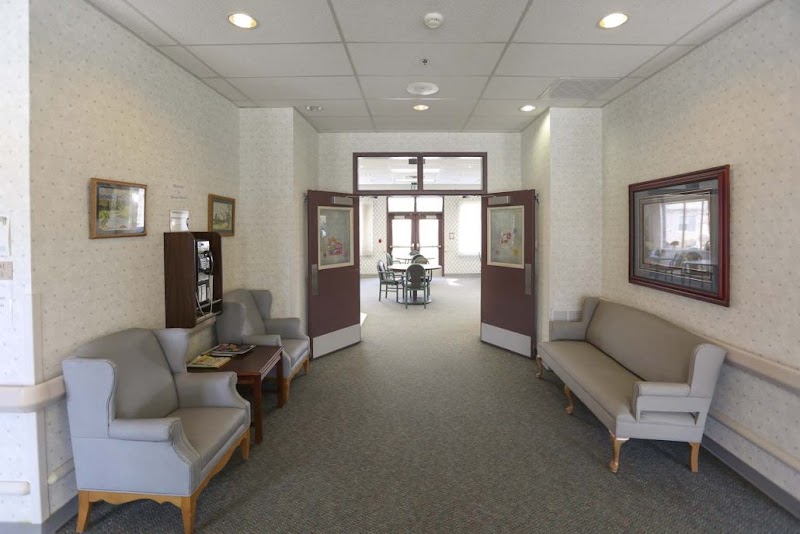
How is Discovery Rehabilitation And Living Staffed?

CMS rates DISCOVERY REHABILITATION AND LIVING's staffing level at 4 out of 5 stars, which is above average compared to other nursing homes. Staff turnover is 19%, compared to the Idaho average of 46%. This relatively stable workforce can support continuity of care.

What Have Inspectors Found at Discovery Rehabilitation And Living?

State health inspectors documented 44 deficiencies at DISCOVERY REHABILITATION AND LIVING during 2018 to 2024. These included: 43 with potential for harm and 1 minor or isolated issues.
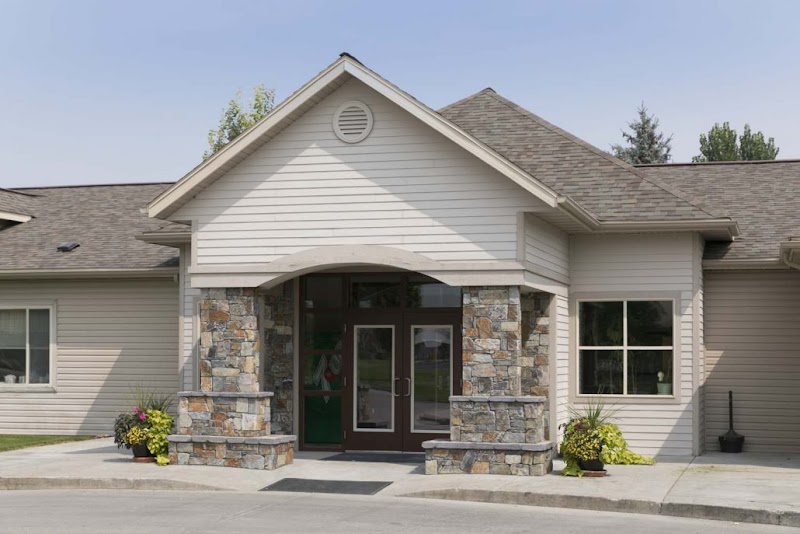
Who Owns and Operates Discovery Rehabilitation And Living?

DISCOVERY REHABILITATION AND LIVING is owned by a for-profit company. For-profit facilities operate as businesses with obligations to shareholders or private owners. The facility is operated by THE ENSIGN GROUP, a chain that manages multiple nursing homes. With 45 certified beds and approximately 30 residents (about 67% occupancy), it is a smaller facility located in SALMON, Idaho.
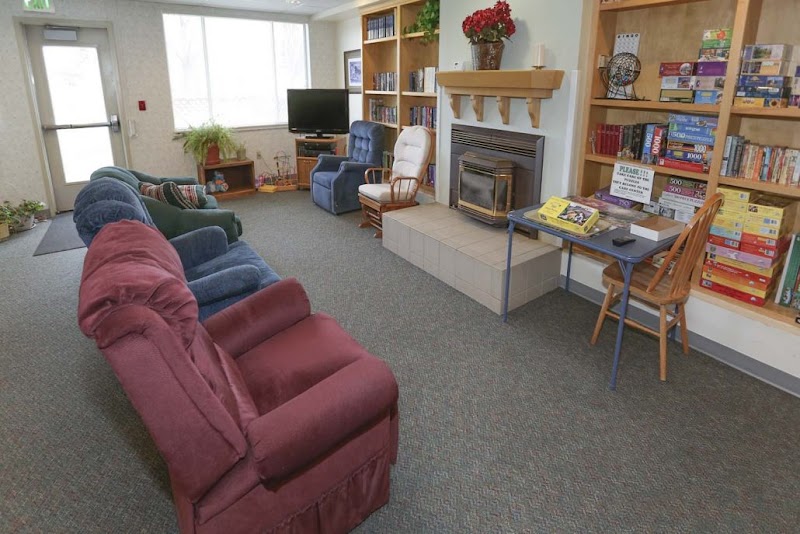
How Does Discovery Rehabilitation And Living Compare to Other Idaho Nursing Homes?

Compared to the 100 nursing homes in Idaho, DISCOVERY REHABILITATION AND LIVING's overall rating (2 stars) is below the state average of 3.3, staff turnover (19%) is significantly lower than the state average of 46%, and health inspection rating (1 stars) is much below the national benchmark.

What Should Families Ask When Visiting Discovery Rehabilitation And Living?

Based on this facility's data, families visiting should ask: "Can I visit during a mealtime to observe dining assistance and food quality?" "How do you handle medical emergencies, and what is your hospital transfer rate?" "Can I speak with family members of current residents about their experience?"

Is Discovery Rehabilitation And Living Safe?

Based on CMS inspection data, DISCOVERY REHABILITATION AND LIVING has a clean safety record: no substantiated abuse findings (meaning no confirmed cases of resident harm), no Immediate Jeopardy citations (the most serious violation level indicating risk of serious injury or death), and is not on the Special Focus Facility watch list (a federal program monitoring the lowest-performing 1% of nursing homes). The facility has a 2-star overall rating and ranks #100 of 100 nursing homes in Idaho. While no facility is perfect, families should still ask about staff-to-resident ratios and recent inspection results during their visit.

Do Nurses at Discovery Rehabilitation And Living Stick Around?

Staff at DISCOVERY REHABILITATION AND LIVING tend to stick around. With a turnover rate of 19%, the facility is 27 percentage points below the Idaho average of 46%. Low turnover is a positive sign. It means caregivers have time to learn each resident's needs, medications, and personal preferences. Consistent staff also notice subtle changes in a resident's condition more quickly. Registered Nurse turnover is also low at 20%, meaning experienced RNs are available to handle complex medical needs.

Was Discovery Rehabilitation And Living Ever Fined?

DISCOVERY REHABILITATION AND LIVING has no federal fines on record. CMS issues fines when nursing homes fail to meet care standards or don't correct problems found during inspections. The absence of fines suggests the facility has either maintained compliance or corrected any issues before penalties were assessed. This is a positive indicator, though families should still review recent inspection reports for the full picture.

Is Discovery Rehabilitation And Living on Any Federal Watch List?

DISCOVERY REHABILITATION AND LIVING is not on any federal watch list. The most significant is the Special Focus Facility (SFF) program, which identifies the bottom 1% of nursing homes nationally based on persistent, serious quality problems. Not being on this list means the facility has avoided the pattern of deficiencies that triggers enhanced federal oversight. This is a positive indicator, though families should still review the facility's inspection history directly.