LIFE CARE CENTER OF SANDPOINT
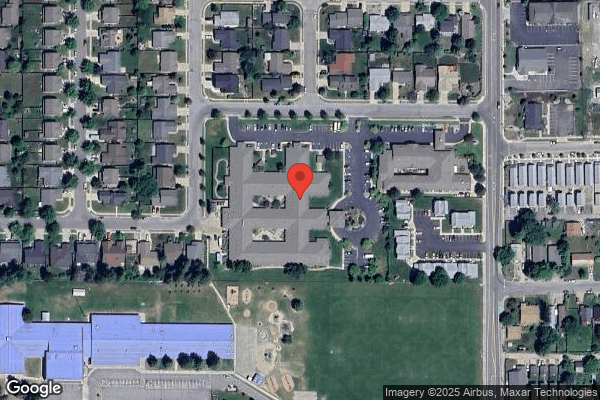
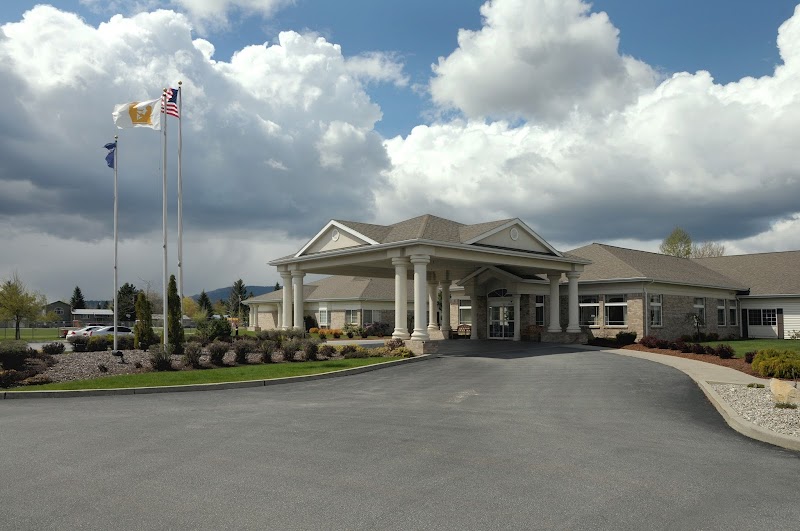
1125 NORTH DIVISION AVENUE, SANDPOINT, ID 83864 (208) 265-9299
For profit - Limited Liability company 124 Beds LIFE CARE CENTERS OF AMERICA Data: November 2025
Trust Grade
70/100
#28 of 79 in ID
Last Inspection: July 2025

Inspected within the last 6 months. Data reflects current conditions.

Overview

Life Care Center of Sandpoint has a Trust Grade of B, indicating it is a good choice among nursing homes. It ranks #28 out of 79 facilities in Idaho, placing it in the top half, and is the best option out of two in Bonner County. However, the facility is experiencing a worsening trend, with reported issues increasing from 7 in 2024 to 15 in 2025. Staffing is a strong point, as it has a 5-star rating with a turnover rate of 37%, which is lower than the state average. On the downside, there have been concerns such as the failure to ensure a qualified dietary manager and unsafe food storage practices, which could potentially harm residents.

Trust Score
B
70/100
In Idaho
#28/79
Top 35%
Safety Record
Low Risk
No red flags
Inspections
Getting Worse
7 → 15 violations
Staff Stability
○ Average
37% turnover. Near Idaho's 48% average. Typical for the industry.
Penalties
✓ Good
No fines on record. Clean compliance history, better than most Idaho facilities.
Skilled Nurses
✓ Good
Each resident gets 48 minutes of Registered Nurse (RN) attention daily — more than average for Idaho. RNs are trained to catch health problems early.
Violations
⚠ Watch
39 deficiencies on record. Higher than average. Multiple issues found across inspections.
★★★★☆
4.0
Overall Rating
★★★★★
5.0
Staff Levels
★★★★★
5.0
Care Quality
★★☆☆☆
2.0
Inspection Score
Stable
2024: 7 issues
2025: 15 issues

The Good

  • 5-Star Staffing Rating · Excellent nurse staffing levels
  • 5-Star Quality Measures · Strong clinical quality outcomes
  • Full Sprinkler Coverage · Fire safety systems throughout facility
  • No fines on record
  • Staff turnover below average (37%)

    11 points below Idaho average of 48%

Facility shows strength in staffing levels, quality measures, fire safety.

The Bad

Staff Turnover: 37%

Near Idaho avg (46%)

Typical for the industry

Chain: LIFE CARE CENTERS OF AMERICA

Part of a multi-facility chain

Ask about local staffing decisions and management

The Ugly 39 deficiencies on record

Jul 2025 15 deficiencies
CONCERN (D) 📢 Someone Reported This

A family member, employee, or ombudsman was alarmed enough to file a formal complaint

Potential for Harm - no one hurt, but risky conditions existed

Resident Rights (Tag F0550)

Could have caused harm · This affected 1 resident

**NOTE- TERMS IN BRACKETS HAVE BEEN EDITED TO PROTECT CONFIDENTIALITY** Based on observation, staff interview, and policy review, it was determined the facility failed to ensure residents were treated...

Read full inspector narrative →
**NOTE- TERMS IN BRACKETS HAVE BEEN EDITED TO PROTECT CONFIDENTIALITY** Based on observation, staff interview, and policy review, it was determined the facility failed to ensure residents were treated with dignity when eating in the dining room. This was true for 1 of 16 resident's (Resident #49) observed during dining observation. This deficient practice had the potential to cause psychosocial harm if the resident felt he was not as important as other residents, and physical harm if his nutritional needs were not met. Findings include: The facility's Dignity Policy, reviewed 9/26/24, documented a facility must treat each resident with respect and dignity and care for each resident in a manner and in an environment that promotes maintenance or enhancement of his or her quality of life, recognizing each resident's individuality. Resident #49 was admitted to the facility on [DATE], with multiple diagnoses including right side paralysis following a stroke, diabetes, and dysphagia (a medical condition characterized by difficulty or discomfort in swallowing.) On 7/24/25 the following was observed: -At 8:22 AM, Resident #49 was seated at the same table as Resident #29 and Resident #78. Resident #29 and Resident #78 received their meals at 8:22 AM. Resident #49 was not served a meal. -At 8:38 AM, Resident #49 looked at Resident #29 and Resident #78's meals while they were eating. He turned his wheelchair around, looked at the other residents eating their meal, shook his head and left the dining room. -At 8:43 AM, Resident #49 returned to the dining table to receive his meal. On 7/24/25 at 8:45 AM, the DM stated she prepares fried egg orders at the same time, and by the time they are finished and served, residents at Resident #49's table have already been served meals, and he receives his meal afterward. On 7/24/2025 at 11:53 AM, the ED stated residents seated at the same table were supposed to be served at the same time. It was not the facility's policy to have a resident served later than other residents. Resident #49 should have been served when the other residents at his table were served.
CONCERN (D) 📢 Someone Reported This

A family member, employee, or ombudsman was alarmed enough to file a formal complaint

Potential for Harm - no one hurt, but risky conditions existed

Safe Environment (Tag F0584)

Could have caused harm · This affected 1 resident

**NOTE- TERMS IN BRACKETS HAVE BEEN EDITED TO PROTECT CONFIDENTIALITY** Based on observation and staff interview, it was determined the facility failed to ensure residents had a homelike environment. ...

Read full inspector narrative →
**NOTE- TERMS IN BRACKETS HAVE BEEN EDITED TO PROTECT CONFIDENTIALITY** Based on observation and staff interview, it was determined the facility failed to ensure residents had a homelike environment. This was true for 1 of 18 resident's (Resident #32) who were observed for homelike environment. Resident #32's room was observed to be soiled and unkept. This deficient practice created the potential for psychosocial harm if residents were not provided with the same homelike environment as other residents, and potential harm if the residents lived in unsanitary conditions. Findings include: The facility's Resident Belongings and Homelike Environment policy, reviewed 5/15/25, documented the resident has a right to a safe, clean, comfortable and homelike environment. Sanitary includes, but is not limited to, preventing the spread of disease-causing organisms by keeping resident care equipment clean and properly stored. Resident care equipment includes, but is not limited to, equipment used in the completion of the activities of daily living. Resident #32 was admitted to the facility on [DATE], with multiple diagnoses including protein-calorie malnutrition, right-sided paralysis after a stroke, failure to thrive, and dementia. On 7/24/25 at 2:18 PM, the following was observed with the RCM in Resident #32's room: - [NAME] liquid was pooled on the floor between Resident #32's bed and her roommate's bed. - Her roommate's trashcan was overflowing with wadded tissues.- A wadded tissue was observed on the floor near the brown liquid pool.- Resident #32's bedding was wadded up and piled at the end of her bed. On 7/24/25 at 2:20 PM, the RCM stated housekeeping had not cleaned the room at the time of the observation. Resident #32's bedding should not have been left wadded up and not tidied. The RCM stated Resident #32's roommate frequently puts food on the ground and housekeeping is aware to clean the room more frequently. On 7/24/25 at 2:50 PM, the Housekeeping Manager stated all rooms are cleaned daily; however, Resident #32's room is cleaned twice per day as the room gets dirty with food particles after lunch. He stated housekeeping had not yet been to the room to clean up after lunch, and they should have planned to clean it earlier in the afternoon.
CONCERN (D) 📢 Someone Reported This

A family member, employee, or ombudsman was alarmed enough to file a formal complaint

Potential for Harm - no one hurt, but risky conditions existed

Assessment Accuracy (Tag F0641)

Could have caused harm · This affected 1 resident

**NOTE- TERMS IN BRACKETS HAVE BEEN EDITED TO PROTECT CONFIDENTIALITY** Based on the review of the Resident Assessment Instrument (RAI) Manual, record review, and staff interview, it was determined th...

Read full inspector narrative →
**NOTE- TERMS IN BRACKETS HAVE BEEN EDITED TO PROTECT CONFIDENTIALITY** Based on the review of the Resident Assessment Instrument (RAI) Manual, record review, and staff interview, it was determined the facility failed to ensure a residents' Minimum Data Set (MDS) assessment included accurate information. This was true for 2 of 3 residents (#7 and #10) who were reviewed for accuracy of assessments. This deficient practice had the potential for negative consequences if residents were not monitored due to inaccurate assessments. Findings include:The RAI Manual, revised 10/1/24, documented section A1500, PASRR (Preadmission Screening and Resident Review), was to be coded “Yes” when a PASRR level II screening determined a resident had a serious mental illness and/or intellectual disability, or related condition. 1. Resident #10 was admitted to the facility on [DATE], with multiple diagnoses including schizophrenia, anxiety, and depression. Resident #10’s PASRR level II, dated 6/15/23, documented he had a primary diagnosis of schizophrenia with medication management. An Annual MDS assessment dated [DATE], documented “No” at A1500 a PASSR level II was not completed. On 7/23/25 at 2:44 PM, the MDS Coordinator #1 stated, “The MDS is inaccurate as Resident #10 does have a PASSR level II.” She stated the MDS should have been marked “Yes” at A1500 a PASSR level II was completed. 2. Resident #7 was admitted to the facility on [DATE], and readmitted on [DATE], with multiple diagnoses including bipolar disorder (a mental health condition that causes extreme swings. These include emotional highs also known as mania or hypomania, and lows, also known as depression). Resident #7’s PASRR Level 1, dated 5/14/24 documented he had a diagnosis of “Bipolar and depression.” Resident #7’s PASRR Level II, dated 5/15/24 documented he had been diagnosed with bipolar and depression and supporting documents suggested his mental illness was being managed with medication, and no further evaluation was needed. Resident #7’s Annual MDS dated [DATE], documented on section A1500 PASRR “Has the resident been evaluated by Level II PASRR and determined to have serious mental illness and/or mental retardation or a related condition?” The answer for this question was documented as “No.” On 7/23/25 at 2:35 PM, the MDS Coordinator #1 reviewed Resident #7’s Annual MDS assessment and stated Resident #7’s Annual MDS assessment was not accurate and should have been answered “Yes” on section A1500.
CONCERN (D) 📢 Someone Reported This

A family member, employee, or ombudsman was alarmed enough to file a formal complaint

Potential for Harm - no one hurt, but risky conditions existed

Deficiency F0645 (Tag F0645)

Could have caused harm · This affected 1 resident

**NOTE- TERMS IN BRACKETS HAVE BEEN EDITED TO PROTECT CONFIDENTIALITY** Based on record review and staff interview, it was determined the facility failed to refer residents with a diagnosed mental dis...

Read full inspector narrative →
**NOTE- TERMS IN BRACKETS HAVE BEEN EDITED TO PROTECT CONFIDENTIALITY** Based on record review and staff interview, it was determined the facility failed to refer residents with a diagnosed mental disorder to the appropriate state-designated authority for a re-evaluation and determination. This was true for 1 of 3 residents (Resident #3), reviewed for PASRR level II evaluations. This deficient practice had the potential to cause harm if resident's specialized services for mental health needs were not evaluated by an appropriate state-designated authority. Findings include: Resident #3 was admitted to the facility on [DATE], with multiple diagnoses including PTSD (Post Traumatic Stress Disorder), and anxiety.Resident #3's PASRR level I dated 6/14/23, documented she did not have any mental illnesses.An admission MDS assessment dated [DATE], documented No Resident #3 did not have an MMI. No other PASRR's were found in Resident #3's medical record.On 7/23/25 at 3:42 PM, the ED stated Resident #3's PASRR level I was inaccurate and should have been updated when Resident #3 was admitted . She said Resident #3 should have had a PASRR level II completed.
CONCERN (D) 📢 Someone Reported This

A family member, employee, or ombudsman was alarmed enough to file a formal complaint

Potential for Harm - no one hurt, but risky conditions existed

Deficiency F0657 (Tag F0657)

Could have caused harm · This affected 1 resident

**NOTE- TERMS IN BRACKETS HAVE BEEN EDITED TO PROTECT CONFIDENTIALITY** Based on record review, staff interview, and observation it was determined the facility failed to update resident's care plans a...

Read full inspector narrative →
**NOTE- TERMS IN BRACKETS HAVE BEEN EDITED TO PROTECT CONFIDENTIALITY** Based on record review, staff interview, and observation it was determined the facility failed to update resident's care plans and provide care conferences. This was true for 2 of 18 residents (#6 and #11), whose care plans were reviewed for accuracy and care conference planning. This deficient practice had the potential to cause harm if a resident's care plan was not updated to reflect current medical conditions, or if their care plan was not discussed with residents or their representatives. Findings include: 1.Resident #6 was admitted to the facility on [DATE], with multiple diagnoses including a brain injury with brain bleeding and right-side paralysis. On 7/21/25 at 2:35 PM, the DON and the IP verified Resident #6 tested positive for COVID-19 on 7/12/25. A review of Resident #6’s care plan did not document he had a respiratory infection. On 7/24/25 at 10:50 AM, in a joint interview with the DON and the ADON, they stated Resident #6’s care plan was not updated when he tested positive for COVID-19 on 7/12/25, and it should have been. 2. Resident #11 was admitted to the facility on [DATE], with multiple diagnoses including cancer of duodenum (part of the small intestine) and heart failure. On 7/21/25 at 3:36 PM, Resident #11 stated she did not think she had attended a care plan conference meeting. Resident #11 stated, “I don’t remember any meeting at all. I never had a meeting with the staff.” Resident #11’s record documented care conferences were held on 3/28/24 and 11/21/24. There were no other care conferences held between December 2024 to July 2025. On 7/23/25 at 2:57 PM, the DON stated care conferences were being held quarterly and as needed. The DON stated she would look for other documentation of Resident #11’s care conferences. On 7/24/25 at 10:21 AM, the DON stated Resident #11 should have had two more care conferences after the 11/21/24 care conference. The DON stated she was unable to find documentation a care conference was held after the 11/21/24 care conference.
CONCERN (D) 📢 Someone Reported This

A family member, employee, or ombudsman was alarmed enough to file a formal complaint

Potential for Harm - no one hurt, but risky conditions existed

Quality of Care (Tag F0684)

Could have caused harm · This affected 1 resident

**NOTE- TERMS IN BRACKETS HAVE BEEN EDITED TO PROTECT CONFIDENTIALITY** Based on observation, record review, Incident and Accident report, and staff interview, it was determined the facility failed to...

Read full inspector narrative →
**NOTE- TERMS IN BRACKETS HAVE BEEN EDITED TO PROTECT CONFIDENTIALITY** Based on observation, record review, Incident and Accident report, and staff interview, it was determined the facility failed to ensure professional standards of practice were followed for 1 of 18 sampled residents (Resident #35) reviewed for quality of care. These failed practices had the potential to adversely affect or harm residents whose care and services were not delivered according to accepted standards of clinical practices. Findings include:Resident #35 was admitted to the facility on [DATE], with multiple diagnoses including diabetes, right hip fracture, and cognitive communication deficit.Resident #35's care plan documented she expressed pain related to chronic back pain, right hip fracture and impaired mobility; including a goal that resident will express pain relief.On 7/21/25 at 5:00 PM, Resident #35 stated she was in pain 99% of the time in her back and right hip, and pain medication was inconsistent with relief. Resident #35's physicians orders were as follows:-Administer 5 mg Oxycodone (an opioid pain medication) every 4 hours as needed for pain-Administer 10 mg Oxycodone every 4 hours as needed for pain-Administer 15 mg Oxycodone every 4 hours as needed for pain The physician orders did not include parameters for when to administer the 5mg, 10mg, and 15mg doses of Oxycodone. Resident #35's MAR documented she received the Oxycodone as follows: Oxycodone 5 mg administered with pain level rated as a 5 out of 10.Oxycodone 10 mg administered with a pain level rate ranging between 4-6 out of 10.Oxycodone 15 mg administered with a pain level rate ranging between 2-8 out of 10. On 7/24/25 at 2:03 PM, the ADON reviewed Resident #35's records and confirmed the nurses were inconsistent when administering these medications and they should have contacted the physician for parameters to be added to the orders.
CONCERN (D) 📢 Someone Reported This

A family member, employee, or ombudsman was alarmed enough to file a formal complaint

Potential for Harm - no one hurt, but risky conditions existed

Respiratory Care (Tag F0695)

Could have caused harm · This affected 1 resident

**NOTE- TERMS IN BRACKETS HAVE BEEN EDITED TO PROTECT CONFIDENTIALITY** Based on observation and staff interview, it was determined the facility failed to provide respiratory care for 1 of 2 residents...

Read full inspector narrative →
**NOTE- TERMS IN BRACKETS HAVE BEEN EDITED TO PROTECT CONFIDENTIALITY** Based on observation and staff interview, it was determined the facility failed to provide respiratory care for 1 of 2 residents (Resident #8) reviewed for respiratory care. This deficient practice created the potential for harm if respiratory care was not provided. Findings Include:Resident #8 was admitted to the facility on [DATE], with multiple diagnoses including dissection of thoracoabdominal aorta (a severe medical emergency characterized by a tear in the inner lining of the aorta, the main artery that carries blood from the heart through the chest and abdomen), asthma, and dementia. On 7/24/25 at 2:23 PM, it was observed with the RCM, Resident #8's humidifier reservoir was empty, his nebulizer tubing was not stored correctly, and his oxygen tubing was not dated. On 7/24/25 at 2:25 PM, the RCM stated oxygen tubing was replaced weekly, and should have been dated when it was changed. She also stated she was not sure when the humidifier reservoir had last been changed, but it was supposed to be monitored every shift and should not be empty. The RCM stated the nebulizer tubing should have been stored in the plastic bag.
CONCERN (D) 📢 Someone Reported This

A family member, employee, or ombudsman was alarmed enough to file a formal complaint

Potential for Harm - no one hurt, but risky conditions existed

Deficiency F0698 (Tag F0698)

Could have caused harm · This affected 1 resident

**NOTE- TERMS IN BRACKETS HAVE BEEN EDITED TO PROTECT CONFIDENTIALITY** Based on record review, policy review, and resident and staff interviews, it was determined the facility failed to ensure post d...

Read full inspector narrative →
**NOTE- TERMS IN BRACKETS HAVE BEEN EDITED TO PROTECT CONFIDENTIALITY** Based on record review, policy review, and resident and staff interviews, it was determined the facility failed to ensure post dialysis assessments were completed and accurate. This was true for 1 of 2 residents (Resident #15) who received dialysis. This created the potential for Resident #15 for adverse outcomes such as blood loss and infection from the access site. Findings include:The facility's policy revised 3/18/20, documented the facility should provide immediate monitoring and documentation of the status of resident's access site upon return from the dialysis treatment to observe for bleeding or other complications such as redness or edema. Obtain vital signs of resident upon return from dialysis and complete the Pre/Post dialysis Communication Form.Resident #15 was admitted to the facility on [DATE] and readmitted [DATE], with multiple diagnoses including Wegener's Granulomatosis (swelling also called inflammation of small blood vessels, mainly affecting the blood vessels in the nose, sinuses throat, lungs and kidneys) with renal involvement and morbid obesity.Resident #15's Pre/Post Dialysis Communication Form documented on the Post Dialysis Section (Completed by SNF [Skilled Nursing Facility] of the form the following assessments to be completed: Vital Signs, Condition of the Access Site, Bruit Present, and Change of Site.Resident #15's Post Dialysis section of his Dialysis Communication form dated 6/2/25, 6/4/25, 6/6/25, 6/11/25, 6/13/25, 6/16/25, 6/23/25, 6/25/25, 7/4/25, 7/7/25, and 7/15/25, did not include documentation the appropriate assessments were completed.On 7/24/25 at 10:48 AM, the ADON reviewed Resident #15's Pre/Post Dialysis Communication form. The ADON stated the post dialysis sections were not completed by the staff and should have included the vital signs and condition of Resident #15's access site upon her return from dialysis.
CONCERN (D) 📢 Someone Reported This

A family member, employee, or ombudsman was alarmed enough to file a formal complaint

Potential for Harm - no one hurt, but risky conditions existed

Deficiency F0760 (Tag F0760)

Could have caused harm · This affected 1 resident

**NOTE- TERMS IN BRACKETS HAVE BEEN EDITED TO PROTECT CONFIDENTIALITY** Based on record review and staff interview, it was determined the facility failed to ensure residents were protected from signif...

Read full inspector narrative →
**NOTE- TERMS IN BRACKETS HAVE BEEN EDITED TO PROTECT CONFIDENTIALITY** Based on record review and staff interview, it was determined the facility failed to ensure residents were protected from significant medication errors. This was true for 3 of 7 residents (#9, #15, and #81) reviewed for medication errors. This deficient practice created the potential for harm if residents received the wrong dosage of medications. Findings include:The online Nursing 2025 Drug Handbook accessed on 7/30/25, stated the eight rights of medication administration were: - Right drug - Right patient - Right dose - Right time - Right route - Right reason - Right response - Right documentation 1. Resident #9 was admitted to the facility on [DATE], with multiple diagnoses including fracture of right femur, pain and cognitive communication deficit. Resident #9’s record documented a physician's order for Oxycodone (an opioid pain medication) with the following instructions: -Oxycodone 2.5 mg every 4 hours as needed for pain rated at (3-6/10) -Oxycodone 5 mg every 4 hours as needed for severe pain rated at (6-10/10) Resident #9's July 2025 MAR documented the following: -7/6/25 at 1:54 PM, pain was rated at a 5/10 and was administered Oxycodone 5 mg. -7/6/25 at 8:20 PM, pain was rated at 2/10 and was administered Oxycodone 2.5 mg. -7/14/25 at 4:17 PM, pain was rated at 5/10 and was administered Oxycodone 5 mg. On 7/24/25 at 2:11 PM, the ADON confirmed Resident #9 was administered the incorrect dose of Oxycodone twice on 7/6/25 and again on 7/14/25 when the physician's order was not followed regarding pain scale and dosage. 2. Resident #81 was admitted to the facility on [DATE], for orthopedic aftercare, with multiple diagnoses including diabetes and cognitive communication deficit. Resident #81’s record documented a physician's order for Oxycodone with the following instructions: -Oxycodone 5 mg every 4 hours as needed for moderate pain rated at (4-6/10) -Oxycodone 10 mg every 4 hours as needed for severe pain rated at (7-10/10) Resident #81's July 2025 MAR documented the following: -7/11/25 at 8:23 PM, pain was rated at 5 and was administered 10 mg. -7/12/25 at 5:33 PM, pain was rated at a 4 and was administered 10 mg. On 7/24/25 at 2:11 PM, the ADON confirmed Resident #81 was administered the incorrect dose of Oxycodone on 7/11/25 and on 7/12/25 when the physician's order was not followed regarding pain scale and dosage. 3. Resident #15 was admitted to the facility on 10/2524 and readmitted [DATE], with multiple diagnoses including Wegener’s Granulomatosis (swelling also called inflammation of small blood vessels, mainly affecting the blood vessels in the nose, sinuses throat, lungs and kidneys) with renal involvement and morbid obesity. A physician’s order dated 4/24/25, documented Resident #15 was to receive 5 mgs of Midodrine (a low blood pressure medication) HCL (hydrochloride) two times a day for low blood pressure. Hold for systolic blood pressure (the top number in blood pressure reading) greater than 120. Resident #15’s June - July 2025 MAR documented she was administered Midodrine 5 mg tablet when her systolic blood pressure was greater than 120 as follows: June 2025 AM (day shift): - 6/5/25: 134/68 - 6/10/25: 128/60 - 6/11/25: 128/55 - 6/17/25: 152/72 - 6/22/25: 138/62 - 6/29/25: 195/55 June 2025 HS (at bedtime): -6/15/25: 148/84 - 6/16/25: 128/60 - 6/17/25: 152/72 - 6/28/25: 130/72 July 2025 AM (day shift): -7/3/25: 122/60 - 7/14/25: 125/60 - 7/18/25: 133/60 - 7/20/25: 130/70 July 2025 HS (night shift) -7/11/25: 129/60 On 7/24/25 at 10:18 AM, the DON reviewed Resident #15’s record and stated “Yes” Midodrine was administered to Resident #15 when her systolic blood pressure was greater than 120 systolic and it should not have been administered.
CONCERN (D) 📢 Someone Reported This

A family member, employee, or ombudsman was alarmed enough to file a formal complaint

Potential for Harm - no one hurt, but risky conditions existed

Deficiency F0761 (Tag F0761)

Could have caused harm · This affected 1 resident

Based on observation and staff interview, it was determined the facility failed to ensure pharmacy labels matched the physician's order. This was true for 1 of 8 residents (Resident #15) whose medicat...

Read full inspector narrative →
Based on observation and staff interview, it was determined the facility failed to ensure pharmacy labels matched the physician's order. This was true for 1 of 8 residents (Resident #15) whose medications administration was observed. This failure created the potential for harm should Resident #15 be administered the wrong dose of her medications. Findings include:On 7/24/25 at 7:39 AM, LPN #1 was observed as she administered one tablet of Sevelamer Carbonate to Resident #15. The Sevelamer Carbonate pharmacy label documented Sevelamer Carbonate 800 mgs two tablets before meals and at bedtime LPN #1 stated the physician's order was changed to administer one tablet of Sevelamer Carbonate to Resident #15. LPN #1 stated the label on the bottle should have been changed to match the physician's order.On 7/24/25 at 10:29 AM, the DON stated Resident #15's Sevelamer Carbonate order came from the dialysis center and Yes the label should have been changed to match the physician's order.
CONCERN (D) 📢 Someone Reported This

A family member, employee, or ombudsman was alarmed enough to file a formal complaint

Potential for Harm - no one hurt, but risky conditions existed

Medical Records (Tag F0842)

Could have caused harm · This affected 1 resident

**NOTE- TERMS IN BRACKETS HAVE BEEN EDITED TO PROTECT CONFIDENTIALITY** Based on record review and staff interview, it was determined the facility failed to ensure accurate clinical records were maint...

Read full inspector narrative →
**NOTE- TERMS IN BRACKETS HAVE BEEN EDITED TO PROTECT CONFIDENTIALITY** Based on record review and staff interview, it was determined the facility failed to ensure accurate clinical records were maintained for each resident. This was true for 1 of 18 residents (Resident #42) whose record was reviewed. This deficient practice created the potential for Resident #42 to experience harm if she received inappropriate care and/or treatment. Findings include:The State Operations Manual Appendix PP issued 4/25/25 documented the facility must maintain medical records of each resident that are complete and accurate.Resident #42 was admitted to the facility on [DATE], with multiple diagnoses including chronic obstructive pulmonary disease (COPD - a progressive lung disease characterized by increasing breathlessness) and diabetesA physician's order included the following:- Insulin Glargine 100 units/ml, inject 30 units subcutaneously one time a day for diabetes, ordered 12/9/24.- Insulin Glargine 100 units/ml, inject 5 units subcutaneously at bedtime for diabetes, ordered 12/9/24.-If blood glucose is greater than 360, give the highest sliding scale dose and recheck in one hour.-If blood glucose greater than 360 for 2 consecutive tests, call the physician and document unless otherwise directed by the physician, ordered 9/7/22.The physician's order did not include an order for the sliding scale for insulin.On 7/23/25 at 11:49 AM, the DON with the ADON present stated Resident #42 was no longer on sliding scale dose of insulin because she refused the injections when needed. Resident #42 was placed on long-acting insulin. The DON stated Resident #42's record should have been updated to reflect the current physician's order.
CONCERN (E) 📢 Someone Reported This

A family member, employee, or ombudsman was alarmed enough to file a formal complaint

Potential for Harm - no one hurt, but risky conditions existed

Food Safety (Tag F0812)

Could have caused harm · This affected multiple residents

Based on observation and staff interview, it was determined the facility failed to ensure the kitchen was cleaned, the resident freezer was cleaned, and staff food was not stored with resident food. T...

Read full inspector narrative →
Based on observation and staff interview, it was determined the facility failed to ensure the kitchen was cleaned, the resident freezer was cleaned, and staff food was not stored with resident food. These deficiencies had the potential to affect the 71 residents who consumed food prepared by the facility. This placed residents at risk for potential contamination of food and adverse health outcomes, including food-borne illnesses. Findings include:1.FDA Food Code Section 3-303.12 Storage or Display of Food in Contact with Water or Ice, documented packaged food may not be stored in direct contact with ice or water if the food is subject to the entry of water because of the nature of its packaging, wrapping, or container or its positioning in the ice or water.FDA Food Code Section 4-602.11 Equipment Food-Contact Surfaces and Utensils, documented: (E) Surfaces of utensils and equipment contacting food that is not time/temperature control for food shall be cleaned: (4) In equipment such as ice bins . and enclosed components of equipment such as ice makers. (a) At a frequency specified by the manufacturer, or (b) Absent manufacturer specifications, at a frequency necessary to preclude accumulation of soil or mold.On 7/21/25 at 9:55 AM, and 7/24/25 at 10:55 AM, during the initial and follow-up kitchen inspection, the walk-in freezer was observed to have water droplets on the ceiling, some frozen, some dripping, with a layer of ice on the open boxes of ice cream sandwiches and other closed boxes of food. Ice droplets had accumulated to 2-inch ice piles on the floor. On 7/21/25 at 9:57 AM, the DM stated maintenance had been working on fixing the condenser for the past month, but it had yet to be resolved. She stated water should not be dripping onto the food boxes or the floor creating a coating of ice. 2. The FDA Food Code Section 6-501.12 Cleaning, Frequency and Restrictions, documented: Cleaning of the physical facilities is an important measure in ensuring the protection and sanitary preparation of food. A regular cleaning schedule should be established and followed to maintain the facility in a clean and sanitary manner. Primary cleaning should be done at times when foods are in protected storage and when food is not being served or prepared. On 7/21/25 at 9:55 AM, and 7/24/25 at 10:55 AM, during the initial and follow-up kitchen inspection, the walk-in refrigerator was observed to have a layer of dust particles blowing from the fan covers and hanging from the ceiling. On 7/24/25 at 10:56 AM, the DM stated maintenance had been in to clean the dust from the refrigerator fans and replaced the filters on 7/23/25, but they had missed areas of the refrigerator ceiling and fans which were visibly covered in dust. On 7/24/25 at 3:05 PM, during the follow-up kitchen inspection, it was observed the main ice machine for the facility had an accumulation of black residue on the inner upper area of the ice machine. On 7/24/25 at 3:07 PM, the DM stated quarterly cleanings are completed by facility maintenance for both the fans and ice machine, and the last cleaning for the ice machine was in June 2025. The ice machine should not have any black residue. On 7/24/25 at 3:25 PM, the Facility Manager stated the ice machine had been cleaned on 6/4/25, and it should not be dirty.On 7/24/25 at 3:20 PM, the LTC Resident Refrigerator was observed to have physical food residue in the freezer area. On 7/24/25 at 3:20 PM, the Housekeeping Supervisor stated the LTC Resident freezer should have been cleaned more frequently. He did not know when it was last cleaned. 3. FDA Food Code Section 6-403.11 documented areas designated for employees to eat, and drink . shall be located that so that food . [is] protected from contamination. On 7/24/25 at 3:20 PM, the LTC Resident Refrigerator was observed to have leftover fried chicken in the refrigerator drawer belonging to facility staff. On 7/24/25 at 3:25 PM, the RCM stated staff food is not to be stored with resident food and should not have been in the LTC Resident Refrigerator.
CONCERN (E) 📢 Someone Reported This

A family member, employee, or ombudsman was alarmed enough to file a formal complaint

Potential for Harm - no one hurt, but risky conditions existed

Infection Control (Tag F0880)

Could have caused harm · This affected multiple residents

**NOTE- TERMS IN BRACKETS HAVE BEEN EDITED TO PROTECT CONFIDENTIALITY** Based on observation, policy review, record review, CDC guidance review, and interviews it was determined the facility failed to...

Read full inspector narrative →
**NOTE- TERMS IN BRACKETS HAVE BEEN EDITED TO PROTECT CONFIDENTIALITY** Based on observation, policy review, record review, CDC guidance review, and interviews it was determined the facility failed to ensure infection control and prevention practices were maintained to provide a safe and sanitary environment, and to help prevent the transmission of communicable diseases and infection. Specifically the facility did not perform a facility wide testing for COVID 19 as advised by their local Health Department, personal protective equipment (PPE) was not don properly, hand hygiene was not performed during residents' cares, and medical equipment was not stored in a sanitary manner. Findings include:1.On 7/21/25 at 12:14 PM, the IP together with the DON present stated the facility had residents who tested positive for COVID-19. The IP stated Resident #6 and Resident #60 tested positive for COVID-19 on 7/12/25 and were placed on isolation. The DON stated Resident #6’s roommate and Resident #60’s roommate was informed of their COVID positive results and were encouraged to wear mask. The DON stated there were no rooms available for Resident #6 and Resident #60 to move them to. Since their roommates have already been exposed, they were kept in the same room. On 7/21/25 at 12:29 PM, the SDC stated she informed their local health department of their positive COVID results via email. On 7/22/25 at 2:22 PM, the DON, IP and SDC were present and a copy of the local Health Department email, dated 7/16/25 at 12:07 PM was provided to the Surveyors and it documented “Your facility is in COVID outbreak as of 7/12/25.” The email also documented the facility should be testing facility - wide (both staff and residents) and to wear a mask or respirator at all times while in the facility at any time they could come into contact with another staff or resident. The IP with the ADON and SDC present stated 100 Hall was divided into Team 3 and Team 4. Resident #6 and Resident #60 were in Team 3, and all residents in Team 3 were tested for COVID 19 on day 1, 3 and 5. The IP stated residents on Team 4 were not tested for COVID 19. When asked why the residents on Team 4 were not tested for COVID 19, the ADON stated a decision was made to test only the residents on Team 3. When asked if all the staff were tested for COVID 19, the SDC stated only those staff who had contact with residents with COVID 19 and symptomatic were tested for COVID 19. When asked why the facility wide testing for COVID 19 was not conducted as per their local Health Department advised on the email, SDC stated, We did not look at the email until today. 2. The CDC website article titled Sequence for Donning Personal Protective Equipment (PPE) accessed on 7/29/25, documented the gown should fully cover the torso from neck to knees to end of wrist, wrap around the back and fasten in back or neck and waist. The facility’s Personal Protective Equipment (PPE) for SARS-COV-2 policy reviewed 7/12/24, documented the facility will provide and utilize the appropriate PPE for the care of residents with COVID-19 in accordance with CMS and CDC guidance. The policy documented the following should be worn before entering the patient’s room with suspected or confirmed COVID-19, N95 respirator, eye protection such as goggles or face shield, gloves, and gown. The N95, eye protection, gloves and gown should be removed and discarded after exiting the patient’s room. On 7/22/25 at 10:03 AM to 10:11 AM, Housekeeper #1 wearing a facemask, gloves and disposable gown which was tied only around her neck was observed entering and collecting the dirty linen in rooms #s 119, 110, 114 and 104 on isolation due to COVID 19. Housekeeper #1 was also observed entering the Day room which was being used by COVID 19 positive residents for their activity and dining. Housekeeper #1 was not observed to remove her gown and mask as she exited the resident’s room on isolation, and she was not observed to change her facemask and disposable gown as she entered the rooms on isolation. She was observed changing her gloves and put on new gloves without performing hand hygiene as she exited Room #s 119 and 110. On 7/22/25 at 10:15 AM, Housekeeper #1 stated she often put her gown on and did not think of tying it completely around her waist. When asked if she removed her gown as she exited the resident’s room on isolation and put on a new gown and mask as she entered the isolation room. Housekeeper #1 stated she did not know she was supposed to remove/put on gown and facemask when she exited/entered the resident’s room on isolation. Housekeeper #1 was also informed by the surveyor that she was not observed to perform hand hygiene when she changed her gloves upon exiting room #s 119 and 110. Housekeeper #1 stated, “Yes, I am supposed to perform hand hygiene when I change my gloves.” 3. The facility’s Hand Hygiene policy, revised 12/8/20, documented the facility should assist either physically or through reminders to residents to perform hand hygiene after toileting and before meals. On 7/21/25 between 11:55 AM and 12:35 PM, it was observed in the main dining hall residents were not offered hand hygiene before being given their drinks, soups, or main meal. On 7/24/25 at 12:02 PM, the DON and the ADON stated residents should be offered hand hygiene before meals. The ADON, who was in the dining room on 7/21/25 at 11:55 AM, stated she was unsure whether residents had been offered hand hygiene before receiving their first course, soup. 4. Resident #18 was admitted to the facility on [DATE] with multiple diagnoses including schizoaffective disorder (a mental health condition characterized by a combination of schizophrenia symptoms [like hallucinations and delusions] and mood disorder symptoms [like depression or mania]), PTSD, depression, and cognitive communication limitations. On 7/21/25 at 2:35 PM, the DON and the IP verified Resident #18 tested positive for COVID-19 on 7/19/25. Resident #18’s care plan, initiated on 7/21/25, documented she had a COVID-19 respiratory infection precautions and treatment plan including requiring the resident’s room door to remain closed, and to encourage her to wear a mask when out of her room. On 7/21/25 at 3:10 PM, Resident #18 was observed leaving her room with a face mask placed below her nose, walking down the hallway to the nurses’ station, and then returning to her room. Facility staff did not stop Resident #18 to properly adjust her face mask. On 7/22/25 at 11:37 AM, Resident #18 was observed leaving her room without a face mask, walking down past the nurses’ station, and drinking from the community water fountain. Staff did not approach Resident #18 to encourage a face mask or to discourage her from using the community water fountain. From 7/21/25 through 7/25/25, it was observed Resident #18’s room door was left open. On 7/24/25 at 10:42 AM, in a joint interview with the DON and the ADON, they stated Resident #18’s care plan was not followed. No information was provided regarding why the community water fountain was still in use during the COVID-19 outbreak. 5. Resident #49 was admitted to the facility on [DATE], with multiple diagnoses including right side paralysis following a stroke, diabetes, and dysphagia (a medical condition characterized by difficulty or discomfort in swallowing.) On 7/21/25 at 9:32 AM, Resident #49 was listed as Resident #6’s roommate. On 7/21/25 at 11:15 AM, Resident #49 stated he has been Resident #6’s roommate since Resident #6 tested positive for COVID-19. Resident #49 then left his room, without a mask, and proceeded to the dining room to eat lunch, where he stated he has eaten all of his meals over the past two weeks. Between 7/21/25 and 7/25/25, Resident #49 was observed eating in the dining room multiple times. He was not wearing a mask, nor was he approached by staff to be encouraged to wear a mask. On 7/21/25 at 2:35 PM, the DON and the IP verified Resident #6 tested positive for COVID-19 on 7/12/25. They stated there were no other rooms to move Resident #49, so they kept him in the same room with Resident #6. The DON and the IP stated all facility residents and representatives were notified about the COVID-19 outbreak in the building. 6. Resident #8 was admitted to the facility on [DATE], with multiple diagnoses including dissection of thoracoabdominal aorta (a severe medical emergency characterized by a tear in the inner lining of the aorta, the main artery that carries blood from the heart through the chest and abdomen), asthma, and dementia. On 7/24/25 at 2:23 PM, it was observed with the RCM, Resident #8's nebulizer mask was face down on his side table, next to a portable urinal with a yellow residue inside and around the top of it. On 7/24/25 at 2:25 PM, the RCM stated the nebulizer mask should have been attached to the nebulizer stand, but it was broken so the mask was placed face down on the side table. She stated the nebulizer mask should not be near a portable urinal.
CONCERN (E) 📢 Someone Reported This

A family member, employee, or ombudsman was alarmed enough to file a formal complaint

Potential for Harm - no one hurt, but risky conditions existed

Deficiency F0883 (Tag F0883)

Could have caused harm · This affected multiple residents

**NOTE- TERMS IN BRACKETS HAVE BEEN EDITED TO PROTECT CONFIDENTIALITY** Based on policy review, record review, and staff interviews, it was determined the facility failed to ensure residents were offe...

Read full inspector narrative →
**NOTE- TERMS IN BRACKETS HAVE BEEN EDITED TO PROTECT CONFIDENTIALITY** Based on policy review, record review, and staff interviews, it was determined the facility failed to ensure residents were offered and/or administered the appropriate pneumococcal vaccine as indicated. Additionally, the facility failed to ensure residents' refusals to receive pneumococcal vaccinations were addressed each year. This was true for 5 of 5 residents (#3, #7, #8, #60 and #78) reviewed for pneumococcal immunizations. This deficient practice placed residents at risk of developing pneumococcal pneumonia a potentially life-threatening condition. Findings include:The facility's Pneumococcal Vaccine policy for Residents reviewed 7/8/25, documented the following:- Each resident is offered a pneumococcal immunization unless the immunization is medically contraindicated, or the resident has already been immunized.- The facility should re-address the refusal with the resident and/or resident representative each year to ensure they have not changed their decision. These conversations should be captured in the medical record.- Administer PCV15, PCV20, or PCV21 for all adults 50 years or older who have never received any pneumococcal conjugate vaccine and/or whose previous vaccination history is unknown.-If PCV15 is used, administer a dose of PPSV23 one year later, if needed. Then their vaccinations are complete.-If PCV20 or PCV21 is used, a dose of PPSV23 is not indicated. Regardless of which vaccine is used (PCV20 or PCV21), their pneumococcal vaccinations are complete.-Adults 65 years or older have the option to get PCV20 or PCV21 if they have received PCV13 at any age and PPSV23 at or after the age of [AGE] years old.The facility's Informed Consent for Pneumococcal Vaccine PCV13, PCV20, or PCV21 (Pneumococcal Conjugate) and PPSV23 (Pneumococcal Polysaccharide) included the following sections:-You are being offered the following vaccine (check one): PCV15, PCV20, PCV 21 PPSV23 with a space to write the date.-The vaccine information statement provided to you is:This section has a check box for the VIS (Vaccine Information Sheet) on what type of pneumococcal vaccine was being offered to the resident, and space to write the date of the VIS and when it was provided to the resident.1. Resident #7 was admitted to the facility on [DATE], and readmitted on [DATE], with multiple diagnoses including bipolar disorder (a mental health condition that causes extreme swings. These include emotional highs also known as mania or hypomania, and lows, also known as depression). Resident #7 was over the age of 65 at the time of admission.Resident #7's immunization history on his EMR did not document he had received the pneumococcal vaccine.Resident #7's Informed Consent for Pneumococcal Vaccine dated 3/26/24, documented he refused to receive the pneumococcal vaccine.There was no documentation in Resident #7's record he was offered the pneumococcal vaccine after 3/26/24.2. Resident #8 was admitted to the facility on [DATE], and readmitted on [DATE], with multiple diagnoses including dissection of thoracic abdominal aorta (a condition in which a tear occurs in the inner layer of the body's main artery - aorta) and asthma. Resident #8 was over [AGE] years old on admission.Resident #8's immunization history on his EMR documented she had refused the Pneumovax 1 and 2 vaccines.There was no documentation Resident #8 was offered the pneumococcal vaccine. An Informed Consent for Pneumococcal Vaccine was not found in his record.On 7/24/25 at 5:12 PM, MDS Coordinator #2 stated she was unable to find documentation Resident #8 was offered the pneumococcal vaccines.3. Resident #60 was admitted to the facility on [DATE], with multiple diagnoses including dementia and depression. Resident #60 was over [AGE] years old on admission.Resident #60's immunization history on her EMR documented she had received the PCV13 on 4/10/23.Resident #60's Informed Consent for Pneumococcal Vaccine dated 6/27/24, documented she refused to receive the pneumococcal vaccine.There was no documentation in Resident #60's record she was offered the pneumococcal vaccine after 6/27/24.4. Resident #78 was admitted to the facility on [DATE], with multiple diagnoses including cerebral palsy and dementia. Resident #78 was over [AGE] years old on admission.Resident #78's immunization history on his EMR did not document he had received the pneumococcal vaccine.Resident #78's Informed Consent for Pneumococcal Vaccine dated 8/10/23, documented the pneumococcal vaccine was refused. Resident #78's consent form had a handwritten note which documented, Family states he has both series, but they don't have documentation.There was no documentation in Resident #78's record he was offered the pneumococcal vaccine after 8/10/23.On 7/24/25 at 11:00 AM, the IP stated pneumococcal vaccines were offered to the residents upon admission. The IP stated she would check the IRIS (Idaho Immunization Reminder Information System) a portal to find out what pneumococcal vaccine the resident needed and would offer it to the resident.On 7/24/25 at 4:27 PM, the MDS Coordinator #2 reviewed Resident #7, Resident #8, Resident #60 and Resident #78's Informed Consent for Pneumococcal Vaccine. When asked if the consents were filled out completely, MDS Coordinator #2 stated, It was not. When asked if the consent should indicate the appropriate vaccines for the residents upon their admission, MDS Coordinator #2 stated, Yes, it should indicate what type of pneumococcal vaccines was offered to the residents.There was no documentation in Resident #7, Resident #8, Resident #60 and Resident #78's record pneumococcal vaccine was offered to them a year after they initially refused the pneumococcal vaccine administration.
CONCERN (E) 📢 Someone Reported This

A family member, employee, or ombudsman was alarmed enough to file a formal complaint

Potential for Harm - no one hurt, but risky conditions existed

Deficiency F0887 (Tag F0887)

Could have caused harm · This affected multiple residents

**NOTE- TERMS IN BRACKETS HAVE BEEN EDITED TO PROTECT CONFIDENTIALITY** Based on record review, CDC guidance and interviews, it was determined the facility failed to ensure COVID vaccinations were off...

Read full inspector narrative →
**NOTE- TERMS IN BRACKETS HAVE BEEN EDITED TO PROTECT CONFIDENTIALITY** Based on record review, CDC guidance and interviews, it was determined the facility failed to ensure COVID vaccinations were offered, administered, and re-offered to the residents. This was true for 4 of 4 residents (#7, #8, #60 and #78) whose COVID vaccinations were reviewed. This deficient practice placed residents at risk of severe illness, hospitalization, and death due to SARS-CoV-2 (Severe Acute Respiratory Syndrome Coronavirus - the virus that cause the COVID-19 illness) and had the potential to all affect all residents in the facility. Findings include:The CDC website article titled: Staying Up to Date with COVID-19 Vaccines dated 6/6/25 and accessed on 7/30/25 documented:- Protection from COVID -19 vaccine decreases over time.- Immunity after COVID-19 infection decreases with time.-2024 -2025 vaccine is especially important if you:a. Never received a COVID-19 vaccine,b. Are ages 65 years and olderc. Are at high risk for severe COVID-19d. Are living in a long-term care facility.1. Resident #7 was admitted to the facility on [DATE], and readmitted on [DATE], with multiple diagnoses including bipolar disorder (a mental health condition that causes extreme swings. These include emotional highs also known as mania or hypomania, and lows, also known as depression). Resident #7 was over the age of 65 at the time of admission.Resident #7's COVID-19 Vaccination consent dated 3/26/24, documented he refused the administration of COVID-19 vaccine.Resident #7's record did not include documentation the COVID-19 vaccine was reoffered to him after he refused on 3/26/24.2. Resident #8 was admitted to the facility on [DATE] and readmitted on [DATE], with multiple diagnoses including dissection of thoracic abdominal aorta (a condition in which a tar occurs in the inner layer of the body's main artery - aorta) and asthma. Resident #8 was over the age of 65 at the time of admission.Resident #8's record did not include documentation the COVID-19 vaccine was offered to him.An Informed Consent for COVID -19 Vaccine was not on his record.3. Resident #60 was admitted to the facility on [DATE], with multiple diagnoses including dementia and depression. Resident #60 was over the age of 65 at the time of admission.Resident #60's immunization history on her EMR documented she last received the COVID-19 vaccine in 10/22/21.Resident #60's Informed Consent for COVID-19 dated 6/27/24, documented she refused the administration of COVID-19 vaccine.Resident #60's record did not include documentation the COVID-19 vaccine was reoffered to her after she refused on 6/7/24. 4. Resident #78 was admitted to the facility on [DATE], with multiple diagnoses including cerebral palsy and dementia. Resident #78 was over 65 years on admission.Resident #78's immunization history on his EMR documented he last received the COVID-19 vaccine in 8/25/23.Resident #78's Informed Consent for COVID-19 dated 8/23/24, documented his POA consented for him to receive the COVID-19 vaccine.Resident #78's record did not include documentation he received the COVID-19 vaccine in 2024.On 7/24/25 at 11:00 AM, the IP stated COVID-19 vaccine was offered to the residents on admission and if the resident declined the COVID-19 vaccine she would reoffer it to the residents. When asked when she is going to reoffer the COVID vaccines to the residents after they initially refused, the IP stated, I don't have a set time when to offer it, I don't have the clinic schedule yet.On 7/24/25 at 4:45 PM, MDS Coordinator #2 with the ED present reviewed Resident #78's record and stated she did not find documentation COVID-19 vaccine was administered to Resident #78. The MDS Coordinator stated she did not know why Resident #78 did not receive the COVID-19 vaccine in 2024. The ED stated the COVID vaccine was on back order at that time.On 7/25/25 at 9:30 AM, the ED was asked via email when the facility's last COVID vaccine clinic was held. The ED responded that the last COVID clinic was held in 2022 -2023.
Jul 2024 7 deficiencies
CONCERN (D)

Potential for Harm - no one hurt, but risky conditions existed

Deficiency F0554 (Tag F0554)

Could have caused harm · This affected 1 resident

**NOTE- TERMS IN BRACKETS HAVE BEEN EDITED TO PROTECT CONFIDENTIALITY** Based on policy review, observation, record review, and resident and staff interview, it was determined the facility failed to e...

Read full inspector narrative →
**NOTE- TERMS IN BRACKETS HAVE BEEN EDITED TO PROTECT CONFIDENTIALITY** Based on policy review, observation, record review, and resident and staff interview, it was determined the facility failed to ensure a resident was assessed for safety to self-administer an over-the-counter supplement medication. This was true for 1 of 1 resident (Resident # 32) reviewed for self-administration of medications. This failure created the potential for adverse outcomes if Resident #2 received too much or too little of the medication. Findings include: The facility's policy titled Self-administration of Medications, revised 8/29/23 stated .Each resident has the right to self-administer medications after the Interdisciplinary Team has assessed the resident and determined the resident can safely complete the task .If a resident expresses a desire to self-administer medications the DON, Interdisciplinary Team and resident physician must be notified before allowing the resident to self-administer the medication .This request will be documented in the Interdisciplinary Notes of the resident's medical record .A physician's order .allowing .self- administration of medications will not be honored until the Interdisciplinary Team has assessed the resident for the ability to administer the medication (s) safely .Medications will be administered by the licensed nurse or certified medication aide until the Interdisciplinary Team determines the resident can safely store and /or self-administer medication (s) in a safe manner . Resident #32 was admitted to the facility on [DATE], with multiple diagnoses including diabetes, paroxysmal atrial fibrillation (a type of irregular heartbeat), chronic kidney disease, heart failure, and muscle weakness. A quarterly MDS assessment, dated 5/15/24, documented Resident 32 was cognitively intact. During an interview and observation on 7/8/24 at 10:49 AM with Resident #32 in her room, an observation was made of a 4-ounce brown bottle that was approximately 90 percent used and labeled Chanca [NAME] on the resident's bedside table. Resident #32 was asked what was in the bottle and she stated, I have cancer and my doctors are trying something new to treat my pain. The resident continued to share that she uses the supplement daily. During an observation on 7/9/24 at 10:55 AM the Chanca [NAME] supplement remained on the bedside table as observed on 7/8/24. The Healthline website, updated 3/24/23, accessed on 7/24/24, and located at https://www.healthline.com/nutrition/chanca-[NAME], states, As a supplement, chanca [NAME] is reported to help with a variety of conditions related to the digestive system, liver, and kidneys. Supposedly, it contains phytochemicals or plant compounds that can increase urine flow, kill harmful bacteria and viruses, and relieve inflammation. Resident #32's physician orders, dated 7/2024 did not include an order for Resident #32's self-administration of Chanca [NAME]. Resident 32's MAR, dated 7/2024 did not include an order for self-administration of Chanca [NAME]. Resident #32's comprehensive care plan, did not include a plan for Resident #32 to self-administer the Chanca [NAME]. Resident #32's record did not include a self-administration for medication administration assessment. During an interview on 7/9/24 at 2:04 PM, CNA #3 stated she was not aware of residents in the facility who self-administered medications, nor did she know of any over-the-counter medications on a resident's bedside table. During an interview and observation on 7/9/24 at 2:15 PM, LPN #1 stated she was not aware of residents who had been assessed to self-administer medications. LPN #1 then observed and removed the bottle of Chanca [NAME] in Resident #32's room and locked it in the medication storage room. LPN #1 continued to share the facility was not aware Resident #32 was using an over-the-counter supplement. During an interview on 7/9/24 at 2:22 PM, the Administrator stated residents had the right to self-administer medication after they were assessed by a nurse, the Interdisciplinary Team, and a physician. She stated once the resident was assessed and found safe, then the resident would be allowed to self-administer the medication. The Administrator stated she expected all residents were assessed and if there were over-the-counter medications located in the residents' rooms her staff immediately removed the over-the-counter medication until the resident was assessed and the over-the-counter medication was determined to have no negative drug interactions with the resident's current medication regimen.
CONCERN (D)

Potential for Harm - no one hurt, but risky conditions existed

Assessment Accuracy (Tag F0641)

Could have caused harm · This affected 1 resident

**NOTE- TERMS IN BRACKETS HAVE BEEN EDITED TO PROTECT CONFIDENTIALITY** Based on observation, record review, and staff interview, the facility failed to ensure residents' Minimum Data Set (MDS) had co...

Read full inspector narrative →
**NOTE- TERMS IN BRACKETS HAVE BEEN EDITED TO PROTECT CONFIDENTIALITY** Based on observation, record review, and staff interview, the facility failed to ensure residents' Minimum Data Set (MDS) had correct assessment information. This was true for 1 of 17 residents (Resident #24) reviewed for accuracy of MDS assessments. This deficiency created the potential for residents to not have their care needs met due to inaccurate assessments. Findings include: Resident #24 was admitted to the facility on [DATE], with multiple diagnoses including diabetes, Chronic Obstructive Pulmonary Disease (COPD - a condition caused by damage to the airways or other parts of the lung that blocks airflow and makes it hard to breathe), hearing loss, and hemiplegia and paraplegia (weakness and paralysis on one side of the body) following a stroke. Quarterly MDS assessments, dated 3/11/24 and 6/10/24, documented Resident #24 had adequate hearing and clear speech. Resident #24's care plan, initiation date 2/15/23, included a focus for a communication problem related to Resident #24's chronic hearing impairment from a childhood illness. During an observation and interview on 7/8/24, Resident #24 was unable to hear when her name was called and a touch to her shoulder caught her attention. When spoken to, Resident #24 pointed to a white board to write on to be asked questions. When the Resident #24 attempted to speak, the words were garbled sounds and no complete words. During an interview on 7/10/24 at 12:56 PM, the MDS Coordinator reviewed the quarterly MDS assessments dated 3/11/24 and 6/10/24 and stated the information was incorrect. She stated Resident #24 was not able to hear, and speech was unrecognizable. During an interview on 7/10/24 at 12:46 PM, the DON stated the quarterly MDS assessments dated 3/11/24 and 6/10/24 were not correctly coded as Resident #24 was deaf and typed on a tablet, used sign language, or a white board to let her needs be known.
CONCERN (D)

Potential for Harm - no one hurt, but risky conditions existed

ADL Care (Tag F0677)

Could have caused harm · This affected 1 resident

**NOTE- TERMS IN BRACKETS HAVE BEEN EDITED TO PROTECT CONFIDENTIALITY** Based on observation, policy review, record review, and resident and staff interview, the facility failed to ensure a resident w...

Read full inspector narrative →
**NOTE- TERMS IN BRACKETS HAVE BEEN EDITED TO PROTECT CONFIDENTIALITY** Based on observation, policy review, record review, and resident and staff interview, the facility failed to ensure a resident was provided toileting assistant and incontinence care. This was true for 1 of 1resident (Resident #44) reviewed for activities of daily living. This failure had the potential to lead to urinary tract infections, skin rashes, skin infections, pressure sores or increased incontinence. Findings include: The facility's policy titled Activities of Daily Living (ADLs), revised 2/12/24, stated, Residents will receive assistance as needed to complete activities of daily living (ADLs).A resident who is unable to carry out activities of daily living receives the necessary services to maintain .grooming and personal .hygiene. Resident #44 was admitted to the facility on [DATE], with multiple diagnoses including Parkinson's Disease (a brain disorder that causes unintended or uncontrollable movements, such as shaking, stiffness, and difficulty with balance and coordination), scoliosis (curvature of the spine), muscle weakness, and abnormality of gate and mobility, and segmental and somatic disfunction (impaired or altered functions of related components of the body framework) of lower extremity. A quarterly MDS, dated [DATE], documented Resident #44 was independent with toileting hygiene and in need of supervision or touching assistance for shower/bathing and she was cognitively intact. Resident #44's care plan, with a revision date of 5/23/23, documented Resident #44 had an ADL self-care performance deficit related to Parkinson's disease, Scoliosis, Radiculopathy (injury or damage to nerve roots in the area where they leave the spine), Lumbosacral (tailbone) region. The interventions for toileting documented Resident #44 needed the assistance of one person for toileting. During an interview on 7/8/24 at 12:12 PM, Resident #44 stated on one occasion during the evening it took staff one and half hours to respond to her call light and assist her to the bathroom. Resident #44 further stated that she was assisted to the bathroom after her son called the nurse's station and informed the nursing staff his mother needed assistance to the toilet. Resident #44 further stated during the wait time she had a urine incontinent episode. When asked how she knew it took 1.5 hours, Resident #44 pointed to a clock that was hanging on the wall directly in front of her bed. During an interview on 7/10/24 at 12:11PM with CNA #5, stated she had just started her shift on 6/19/24. At approximately 6:10am, when she answered a telephone call from the son of Resident #44 who stated his mother had her call light on and was lying wet in bed and had not been assisted. CNA #5 further stated Resident #44 was flustered when she went to assist her. During a follow up interview with Resident #44 on 7/11/24 at 3:43 PM regarding the 1.5-hour call light response, Resident #44 stated she was angry and felt disgusted and ashamed.
CONCERN (D) 📢 Someone Reported This

A family member, employee, or ombudsman was alarmed enough to file a formal complaint

Potential for Harm - no one hurt, but risky conditions existed

Deficiency F0679 (Tag F0679)

Could have caused harm · This affected 1 resident

**NOTE- TERMS IN BRACKETS HAVE BEEN EDITED TO PROTECT CONFIDENTIALITY** Based on observation, record review, policy review, and staff interview, it was determined the facility failed to ensure there w...

Read full inspector narrative →
**NOTE- TERMS IN BRACKETS HAVE BEEN EDITED TO PROTECT CONFIDENTIALITY** Based on observation, record review, policy review, and staff interview, it was determined the facility failed to ensure there was an ongoing activity program designed to meet the interests of and support the physical, mental, and psychosocial well-being of each resident. This was true for 1 of 3 residents (Resident #41) reviewed for activities. This failure created the potential for harm if residents experienced boredom and lacked meaningful activities throughout the day. Findings include: The facility's policy titled, Care of the Cognitively Impaired (Dementia Care), reviewed 8/22/23, stated, The facility will provide dementia treatment and services . Utilizing individualized, non-pharmacological approaches to care (e.g., purposeful and meaningful activities). Meaningful activities are those that address the resident's customary routines, interests, preferences, and choices to enhance the resident's wellbeing. The facility's policy titled, Person Centered Care Plan, reviewed 8/26/23, stated, The facility will develop a person-centered care plan that addresses the goals, preferences, needs and strengths of the resident, including those identified in the comprehensive resident assessment, to assist the resident to attain or maintain his or her highest practicable well-being and prevent avoidable decline. Resident #41 was admitted on [DATE], with multiple diagnoses including Alzheimer's Disease, dementia, and cognitive communication deficit. An admission MDS assessment, dated 5/10/23, documented in section D the questions for mood assessment including little interest or pleasure in doing things, was not assessed for Resident #41. A significant change MDS with ARD of 01/25/24, documented in section D the questions for mood assessment including little interest or pleasure in doing things, was answered no. A quarterly MDS assessment, dated 4/26/24, documented Resident #41 was severely cognitively impaired. An admission Activities assessment, with a completion date of 10/6/23, 5 months after Resident #41 was admitted , documented Resident #41 preferred the nickname Deedle. Activity interests included pets/animals, arts and crafts with current small group interests were very important, and board games in small groups were very important, to name a few. Resident #41's record did not include documentation of his preferred nickname or participation in activities. Resident #41's care plan did not include documentation or interventions for a nursing focus about her participation in activities. During an interview on 7/10/23 at 12:58 PM, the MDS Coordinator confirmed there was not a care plan for activities for Resident #41 and there should be a care plan focus specific to activities for a resident with dementia. During an interview on 7/10/24 at 12:32 PM, the DON confirmed Resident #41 should have had a care plan focus for activities. During an interview on 7/11/24 at 12:22 PM, the DON verified the admission assessment was completed five months after admission and should have been completed during the initial admission process.
CONCERN (D) 📢 Someone Reported This

A family member, employee, or ombudsman was alarmed enough to file a formal complaint

Potential for Harm - no one hurt, but risky conditions existed

Accident Prevention (Tag F0689)

Could have caused harm · This affected 1 resident

**NOTE- TERMS IN BRACKETS HAVE BEEN EDITED TO PROTECT CONFIDENTIALITY** Based on observation, record review, review of a facility risk management report, and resident staff interview, it was determine...

Read full inspector narrative →
**NOTE- TERMS IN BRACKETS HAVE BEEN EDITED TO PROTECT CONFIDENTIALITY** Based on observation, record review, review of a facility risk management report, and resident staff interview, it was determined the facility failed to ensure a resident's care plan was followed to prevent accidents. This was true for 1 of 4 residents (Resident #24) reviewed for accidents. This resulted in the potential for more than minimal harm to Resident #24 when she was transfered and sustained increased pain to her left knee due to lack of adequate supervision during a transfer. Findings include: Resident #24 was admitted to the facility on [DATE], with multiple diagnoses including hemiplegia and hemiparesis (weakness and paralysis on one side of the body) following a stroke, pain in left knee, and chronic pain syndrome. A quarterly MDS assessment, dated 10/21/23, documented Resident #24 required two person staff assistance for transfers. A quarterly MDS assessment, dated 6/10/24, documented Resident #24 was cognitively intact. Resident #24's care plan for activities of daily living, documented Resident #24 had an ADL self-care performance deficit related to activity intolerance, fatigue, limited mobility, chronic pain and acute stroke. Interventions included two-person assistance for transfers using a Hoyer mechanical lift at all times (initiated 2/15/23 and Revised 3/14/2024). The history of the interventions for transfer included a two-person moderate assist for transfers to stand-pivot bed or wheelchair. May need Hoyer lift if tired or more weak than usual (revised 3/10/23). Review of the facility risk management incidents included a transfer injury incident with Resident 24 on 10/23/23. The investigation documented Resident #24's daughter reported to this LN that resident had an injury in her Left (L) knee that was most likely caused by a transfer the night before. Resident c/o [complained of] intense pain in L knee and knee was swollen with a hard lump on knee cap. A physician order, dated 8/24/23, directed staff to administer tramadol HCl oral tablet (opioid pain medication) 50 mg. The order stated to administer one tablet by mouth to Resident #24 every eight hours as needed for pain. Resident #24's MAR for October 2023 documented she received tramadol for pain as needed between 10/1/23 to 10/22/23, once for a pain level of 5 out of 10 (0 being no pain and 10 the worst pain). Beginning 10/23/23 to 10/28/23, after the incident, the tramadol was being administered for pain every day, sometimes twice a day, for pain levels of 4, 5, 6, and 7 out of 10. A physician order, dated 10/28/23, directed staff to administer an additional tramadol HCl Oral Tablet 50 mg to be administered to resident #24 for one tablet by mouth three times a day for pain, scheduled, not as needed. Resident #24's MAR for October 2023 and November 2023, documented tramadol was administered to Resident #24 three times a day, scheduled, beginning 10/28/23. During an interview on 7/10/24 at 9:45 AM, Resident #32, who was the roommate with Resident #24 at the time of the incident (and Resident #24's sister) explained the CNA was transferring Resident #24 using a pivot method, by one CNA, and it appeared Resident #24's left foot (affected side from the stroke) was stuck to the floor and with the pivot, hit the metal side of the bed with the left knee. Resident #32 stated the action loosened a screw in Resident #24's knee/leg and after the injury Resident #24 required frequent pain medication. During an interview on 7/10/24 at 9:56 AM, [NAME] #1, who knew sign language, assisted in an interview with Resident #24. Resident #24 explained (using sign language) when the incident happened in October that injured her knee, it hurt pretty bad and had trouble sleeping. There are pins in the knee and the pain level is about seven out of 10. The left knee hurts now and is stiff to move. During an interview on 7/10/24 at 2:10 PM, CNA #4 recounted what occurred with Resident #24 in October 2023. CNA #4 stated she was transferring Resident #24 by herself into her bed using the pivot method from Resident #24's wheelchair to the bed. CNA #4 did not know where her partner was (to assist her) when the transfer occurred. After laying Resident #24 down in bed to perform incontinent care and upon returning to the wheelchair, Resident #24 expressed her knee was hurting. CNA #4 knew she was to transfer Resident #24 using two people and did not during this transfer that resulted in the injury to Resident #24's left knee. The ADON was present during the interview with CNA #4. The ADON confirmed CNA #4 was no longer scheduled to work with Resident #24. During an interview on 7/10/24 at 9:07 AM, the DON verbalized the injury occurred, not a significant injury, it was soft tissue and Resident #24 was referred to orthopedic physician and was sent for x-ray of the left knee. No fracture was identified. There was injury, not significant and if anything was tissue that was painful to the resident. The DON confirmed the resident was a two person assist for transfer and the transfer that resulted in injury to Resident #24's left knee occurred when Resident #24 was assisted by one CNA when there should have been two. The DON confirmed the care plan for Resident #24 documented a two person assist for transfers and that the care plan was not followed.
CONCERN (D)

Potential for Harm - no one hurt, but risky conditions existed

Deficiency F0800 (Tag F0800)

Could have caused harm · This affected 1 resident

**NOTE- TERMS IN BRACKETS HAVE BEEN EDITED TO PROTECT CONFIDENTIALITY** Based on observation, policy review, record review, and resident and staff interview, the facility failed to ensure a resident's...

Read full inspector narrative →
**NOTE- TERMS IN BRACKETS HAVE BEEN EDITED TO PROTECT CONFIDENTIALITY** Based on observation, policy review, record review, and resident and staff interview, the facility failed to ensure a resident's food preference was accommodated. This was true for 1 of 2 residents (Resident #21) reviewed for dietary preferences. This deficient practice created the potential for harm if residents experienced dissatisfaction, hunger and/or weight loss from not having meal preferences accommodated. Findings include: The facility's policy titled Food Procurement, Diets, Menus, and Production, dated 12/2021, stated, Residents' preferences are followed to the extent possible in order to promote food acceptance; facility will provide as available, food to accommodates resident allergies, intolerances, and preferences. Resident #21 was admitted to the facility on [DATE], with multiple diagnoses, including aftercare following surgery for a shoulder joint prosthesis. An admission MDS assessment, dated 6/24/24, documented Resident #21 was cognitively intact. During an interview on 7/8/24 at 11:11 AM, Resident #21 said I don't eat meat or carrots, and I'm tired of eating scrambled eggs for dinner because that's all they give me. Resident #21 stated, yesterday they served a pile of roast beef and when I said I don't eat meat, they said, you can have scrambled eggs. A Food and Beverage Preference assessment, dated 6/21/24, the RN documented Resident #21's special food requests as no meat, no OJ (orange juice), no carrots. The facility's menu for lunch on 7/8/24 was sliced ham, baked sweet potato wedges, cut green beans, cornbread muffin, and frosted cake. During the dining room observation on 7/8/24 at 12:02 PM, Resident #21 was served mixed vegetables, including carrots, sweet potatoes, cornbread, and a piece of cake. Resident #21 said she did not receive a substitute for the ham and no one offered her a substitute. Both the green beans and the mixed vegetables were observed on other residents' plates. The facility's menu for dinner on 7/8/24 was herb baked chicken, rosemary red potatoes, parslied cauliflower, dinner roll, and fresh fruit. During the dining room observation on 7/8/24 at 5:37 PM, Resident #21 was served a tuna salad sandwich and fruit cup. Resident #21 was not served the rosemary red potatoes, parslied cauliflower, or dinner roll, nor was she asked if she wanted the other food items. When asked about her meal, Resident #21 stated, I guess this is the best they can do. During an interview on 7/9/24 at 11:30 AM, [NAME] #1 said she did not know why Resident #21 was served carrots at lunch because her diet card notes no carrots. During a telephone interview on 7/10/24 at 1:51 PM, the RD said she was not aware of Resident 21's preference for not eating meat. The RD stated, No one told me about Resident #21 not eating meat. Either the DM or nursing asks about food preferences, then it's put on the diet card. The RD was asked if she provided the dietary staff with protein options for residents who did not eat meat. The RD said, no, they have cottage cheese, yogurt, eggs, and sometimes they buy that fake meat. As a former vegetarian, I guess I could have told them of options. A Dietician Assessment, dated 7/1/24, did not identify the protein needs of Resident #21 who did not eat meat. During an interview on 7/10/24 at 3:10 PM, [NAME] #2 stated, I was the cook on 7/8/24 and 7/9/24. I'll have to say I probably overlooked Resident #21's diet card. We have options for non-meat like yogurt, one lady likes cottage cheese, a cheese sandwich is not a lot of protein, I guess eggs. I don't know why no one asked her what she wants. Her caregiver (private) told me she eats meat, no cheese, and no carrots. [NAME] #2 confirmed Resident #21's diet card read no meat, no cheese, no carrots. In an interview on 7/10/24 at 3:15 PM, the DM stated, The cooks previously worked in restaurants. I need to educate them about the various options for non-meat and/or vegetarian meals. I did not know that the private caregiver had spoken to [NAME] #2. The resident can speak for herself. The DM stated, we need to have better communication between everyone. During an interview on 7/11/24 at 8:40 AM, the Administrator said, I agree with the lack of communication regarding Resident #21's food choices and proteins not always being provided.
CONCERN (F)

Potential for Harm - no one hurt, but risky conditions existed

Deficiency F0801 (Tag F0801)

Could have caused harm · This affected most or all residents

Based on record review, facility job description review, and staff interview, it was determined the facility failed to ensure there was a qualified dietary manager. This failed practice created the po...

Read full inspector narrative →
Based on record review, facility job description review, and staff interview, it was determined the facility failed to ensure there was a qualified dietary manager. This failed practice created the potential to negatively affect all residents in the facility who ate food which was prepared in the facility's kitchen. Findings include: The facility's Food Service Director - Certified Dietary Manager Job Description, dated 5/1716, stated the Education, Experience, and Licensure/Certifications as: must have completed a CDM or State-approved course in food services; must have a current certification as a Certified Dietary Manager in applicable state; must maintain an active certification in good standing throughout employment; must have one year experience in post-acute food service; and must have a minimum two years' supervisory experience. During an interview on 7/9/24 at 11:22 AM, DM stated she completed the coursework for certification but had not scheduled a time to take the test. During an interview on 7/9/24 at 2:40 PM, the Administrator stated the DM moved from the position of cook to the manager of the facility's dietary services on 5/10/23. During a a telephone interview on 7/10/24 at 1:51 PM, the RD, who was employed on a weekly basis prior to survey, said she was helping out with assessments until the new dietician started. The RD said she was in the facility once a week to complete assessments and follow-up on recommendations and/or questions regarding resident diets. The RD stated she checked the kitchen once a month. In an interview on 7/11/24 at 8:40 AM, the Administrator confirmed the DM's lack of certification, for over a year (5/10/23). The Administrator stated, Yes, you're right, she is not certified, I'm going to sit down with her today to schedule the test. In an interview on 7/11/24 at 9:44 AM, the DM stated, I know I had a Serve Safe certificate, but I can't find it. When asked if her certificate could be located online, the DM stated, the online says I have to take the test again. Review of the DM's personnel file did not include documentation of a Serve Safe certificate.
Mar 2023 1 deficiency
CONCERN (E)

Potential for Harm - no one hurt, but risky conditions existed

Deficiency F0886 (Tag F0886)

Could have caused harm · This affected multiple residents

Based on record review and staff interview, it was determined the facility failed to ensure COVID-19 outbreak testing was completed for 5 of 5 CNAs (CNAs #1 - #5) reviewed for COVID-19 testing. This f...

Read full inspector narrative →
Based on record review and staff interview, it was determined the facility failed to ensure COVID-19 outbreak testing was completed for 5 of 5 CNAs (CNAs #1 - #5) reviewed for COVID-19 testing. This failure increased the potential for the spread of COVID-19 to all residents and staff in the facility. Findings include: The CDC's website,contained an article titled Interim Infection Prevention and Control Recommendations for Healthcare Personnel During the Coronavirus Disease 2019 (COVID-19) Pandemic, revised 9/27/22, . The article stated, Nursing Homes .Responding to a newly identified SARS-CoV-2-infected HCP [healthcare personnel] or resident .A single new case of SARS-CoV-2 infection in any HCP or resident should be evaluated to determine if others in the facility could have been exposed. The approach to an outbreak investigation could involve either contact tracing or a broad-based approach; however, a broad-based (e.g., unit, floor, or other specific area(s) of the facility) approach is preferred if all potential contacts cannot be identified or managed with contact tracing or if contact tracing fails to halt transmission. Perform testing for all residents and HCP identified as close contacts or on the affected unit(s) if using a broad-based approach, regardless of vaccination status .As part of the broad-based approach, testing should continue on affected unit(s) or facility-wide every 3-7 days until there are no new cases for 14 days. During an interview on 3/13/23 at 8:25 AM, the facility's IP stated the facility's last outbreak of COVID-19 started on 1/9/23 when Resident #1 tested positive for COVID-19. The IP stated no other staff or residents tested positive for COVID-19. The IP stated the facility could not determine how Resident #1 contracted COVID-19. The testing results from the Outbreak Testing binder and the staffing schedule, dated 1/2023, documented 5 CNAs worked between 1/9/23 and 1/23/23 without COVID-19 testing, as follows: a. CNA #1 tested negative for COVID-19 on 1/13/23. There were no additional COVID-19 tests for CNA #1 during the outbreak. However, CNA #1 worked from 1/9/23 - 1/17/23, on 1/20/23, on 1/21/23, and on 1/23/23. b. CNA #2 tested negative for COVID-19 on 1/9/23. There were no additional COVID-19 tests for CNA #2 during the outbreak. However, CNA #2 worked from 1/9/23 - 1/12/23, from 1/16/23 - 1/20/23, and on 1/23/23. c. CNA #3 had not completed COVID-19 testing during the outbreak. However, CNA #3 worked on 1/9/23, on 1/10/23, from 1/13/23 - 1/17/23, and from 1/21/23 - 1/23/23. d. CNA #4 tested negative for COVID-19 on 1/12/23. There were no additional COVID-19 tests for CNA #4 during the outbreak. However, CNA #4 worked on 1/11/23, on 1/12/23, from 1/15/23 - 1/17/23, and from 1/21/23 - 1/23/23. e. CNA #5 had not completed COVID-19 testing during the outbreak. However, CNA #5 worked from 1/10/23 - 1/13/23 and from 1/17/23 - 1/19/23. During an interview on 3/13/23 at 1:40 PM, the IP confirmed the facility followed the CDC's latest guidance for outbreak testing. When asked if testing was isolated to specific staff based on contact or widespread, the IP confirmed all staff should have completed COVID-19 testing during the outbreak. The IP confirmed staff should test twice a week and the exact day of the week could vary depending on when the staff worked in the facility. The IP stated when a positive COVID-19 case was identified, staff were sent a notification to enter the facility through the alternate entrance and complete COVID-19 testing twice a week prior to starting work. The IP stated there was not a designated staff member to ensure staff completed testing prior to working. The IP stated she reviewed the staff who had completed COVID-19 testing and documented that on a staff roster. The IP could not state how she confirmed staff were testing per the CDC guidance, and confirmed she did not compare staff who tested against the staff who were scheduled to work. Testing documentation for CNA #1, CNA #2, CNA #3, CNA #4, and CNA #5 was reviewed with the IP, who confirmed the staff had not completed testing per CDC guidance. During an interview on 3/13/23 at 2:15 PM, the Administrator stated it was his understanding that staff should complete COVID-19 testing twice a week during an outbreak. The Administrator confirmed he had spoken with the IP and the facility had not been ensuring staff completed testing at appropriate times. The facility failed to ensure COVID-19 outbreak testing was completed for all facility staff.
Mar 2019 16 deficiencies
CONCERN (D)

Potential for Harm - no one hurt, but risky conditions existed

Deficiency F0578 (Tag F0578)

Could have caused harm · This affected 1 resident

**NOTE- TERMS IN BRACKETS HAVE BEEN EDITED TO PROTECT CONFIDENTIALITY** Based on policy review, record review, and staff interview, it was determined the facility failed to ensure residents' records i...

Read full inspector narrative →
**NOTE- TERMS IN BRACKETS HAVE BEEN EDITED TO PROTECT CONFIDENTIALITY** Based on policy review, record review, and staff interview, it was determined the facility failed to ensure residents' records included a copy of the residents' advance directive or there was documentation of their decision not to formulate an advance directive. This was true for 3 of 12 residents (#37, #38, and #74) reviewed for advance directive information. This failed practice created the potential for harm should the resident's wishes not be followed due to lack of direction and documentation in their record. Findings include: The facility's Advance Directive policy, undated, documented the following: * At admission, the facility's admissions director or designee would determine the need and knowledge of an advance directive with the resident and/or family. * If the resident chose to execute an advance directive, the interdisciplinary team assisted the resident to prepare an advance directive through discussions and receipt of the Advance Directive policy. * If an advance directive was executed, social services placed a copy of the advance directive in the resident's record. * A signed copy of the Acknowledgement of Receipt Checklist for advance directives was placed in the resident's record. * The advance directive remained in the resident's record indefinitely. * The attending physician was made aware of the advance directive choices with appropriate orders completed and these orders were incorporated in the care plan. * The advance directive was reviewed on admission, quarterly, after a significant change, and as needed. 1. Resident #37 was admitted to the facility on [DATE], with multiple diagnoses including multiple sclerosis (a potentially disabling disease of the brain and spinal cord), major depressive disorder, and muscle wasting. Resident #37's record did not include a signed copy of the Acknowledgement of Receipt for advance directive choices. Resident #37's record did not include an advance directive. On 3/28/19 at 3:17 PM, the SS Assistant stated during care conferences, the POST, care plan, and the face sheet were reviewed for accuracy. On 3/28/19 at 3:19 PM, the SS Director stated advance directive education and choices were not completed nor documented by social services this was completed by nursing. 2. Resident #38 was admitted to the facility on [DATE], with multiple diagnoses including hip fracture with hip replacement, history of falls, chronic obstructive pulmonary disease (a progressive lung disease that restricts breathing), cognitive communication deficit, dementia, and overall muscle weakness. Resident #38's record did not include a signed copy of the Acknowledgement of Receipt for advance directive choices or an advance directive. On 3/28/19 at 3:17 PM, the SS Assistant stated during care conferences, the POST, care plan, and the face sheet were reviewed for accuracy. On 3/28/19 at 3:19 PM, the SS Director stated advance directive education and choices were not completed nor documented by social services this was completed by nursing. 3. Resident #74 was initially admitted to the facility on [DATE], and readmitted on [DATE], with diagnoses that included pain, heart disease, fractured wrist, dementia, muscle weakness, and osteoporosis (fragile bones). Resident #74's POST, signed 7/21/17, documented her code status was DNR and she had a Living Will. Resident #74's record did not include a copy of her Living Will. On 3/28/19 at 1:52 PM, RDCS #1 stated she was going to locate the advance directive for Resident #74. On 3/28/19 at 3:15 PM, RDCS #1 stated Resident #74's family was going to bring in a copy of her Living Will.
CONCERN (D)

Potential for Harm - no one hurt, but risky conditions existed

Deficiency F0583 (Tag F0583)

Could have caused harm · This affected 1 resident

**NOTE- TERMS IN BRACKETS HAVE BEEN EDITED TO PROTECT CONFIDENTIALITY** Based on observation, record review, and staff interview, it was determined the facility failed to ensure a resident was provide...

Read full inspector narrative →
**NOTE- TERMS IN BRACKETS HAVE BEEN EDITED TO PROTECT CONFIDENTIALITY** Based on observation, record review, and staff interview, it was determined the facility failed to ensure a resident was provided personal privacy during a physical assessment. This was true for 1 of 22 residents (Resident #81) reviewed for privacy. This practice created the potential for psychosocial harm if residents experienced a lack of self-esteem and embarrassment due to disregard of personal privacy, and confidentiality during a physical assessment. Findings include: Resident #81 was admitted to the facility on [DATE], with multiple diagnoses including palliative care, malignant neoplasm of the lung (a form of cancer of the lung), chronic obstructive pulmonary disease (a progressive lung disease that restricts breathing) and anxiety disorder. She also received hospice services. On 3/26/19 at 9:31 AM, the Hospice RN was observed sitting in front of Resident #81 in the dining room with Resident #56 and #74. The Hospice RN completed blood glucose testing, blood pressure, pulse, removed Resident #81's shoes and socks, examined her feet, and lifted her sweater and assessed her breath sounds with a stethoscope. On 3/26/19 at 10:20 AM, the Hospice RN stated he preferred to complete assessments in the resident's room, and at times, completed assessments in the shower with a CNA to assess skin condition. He stated if the resident assessment was completed in the resident's room, he pulled the curtains and closed the window blinds. He stated since he was not doing invasive procedures such as wound care, he felt it was appropriate to have completed his assessment in the Day Room while other residents were present. The Hospice RN stated he was not aware of the facility's policy on dignity, privacy, and where to perform resident assessments. On 3/28/19 at 2:43pm, RDCS #1 stated the facility expected resident assessments were completed in privacy.
CONCERN (D)

Potential for Harm - no one hurt, but risky conditions existed

Safe Environment (Tag F0584)

Could have caused harm · This affected 1 resident

**NOTE- TERMS IN BRACKETS HAVE BEEN EDITED TO PROTECT CONFIDENTIALITY** Based on observation, policy review, and staff interview, it was determined the facility failed to ensure residents were provide...

Read full inspector narrative →
**NOTE- TERMS IN BRACKETS HAVE BEEN EDITED TO PROTECT CONFIDENTIALITY** Based on observation, policy review, and staff interview, it was determined the facility failed to ensure residents were provided with a safe, clean, homelike environment. This was true for 2 of 22 residents (#43 and #191) whose environment was observed. This deficient practice created the potential for harm if residents were embarrassed by odors and dirty equipment and/or felt the lack of cleanliness was unacceptable, disrespectful, or undignified. Findings include: The facility's Scope of Services policy, revised 7/20/16, documented the facility provided an environment that was safe, comfortable, aesthetically pleasing, and physically conducive to meet the needs of all residents. 1. Resident #43 was admitted to the facility on [DATE], with multiple diagnoses that included ribs and right clavicle fractures and multiple sclerosis (a potentially disabling disease of the brain and spinal cord). A quarterly MDS, dated [DATE], documented Resident #43 was incontinent of bowel and bladder and required extensive assistance from staff for ADLs. On 3/25/19 at 11:26 AM, Resident #43 was in her room lying in her bed. There was a strong odor of urine in the room. There was also an odor of urine in the hallway outside of her room. On 3/26/19 at 9:22 AM, Resident #43 was in her room lying in her bed. There was a strong odor of urine in her room. There was also an odor of urine in the hallway outside of her room. On 3/26/19 at 11:53 AM, Resident # 43 was sitting in her wheelchair in the hallway near the nursing station on the 100 hall. There was a strong urine smell. A cushion was observed on the seat of her wheelchair. Resident #43 stated she did not smell anything but said my sniffer doesn't work very well. On 3/27/19 at 9:58 AM and 11:27 AM, Resident #43 was lying in her bed. There was a strong odor of urine in the room and in the hallway outside of her room. On 3/27/19 at 3:16 PM, CNA #10 was in Resident #43's room. She stated she smelled urine. She stated the sheets were changed because Resident #43 was incontinent of urine. CNA #10 pulled the top sheets down and the odor of urine was stronger. On 3/28/19 at 2:25 PM, RCM #1 stated she smelled urine in the hallway outside Resident #43's room. She stated she smelled urine really strong near Resident #43's bed. RCM #1 stated staff should have requested housekeeping clean the mattress. She stated the urine was saturated in Resident #43's mattress and her wheelchair cushion. RCM #1 stated Resident #43 needed to be changed more often as the urine was soaking through to the mattress and cushion. 2. Resident #191 was admitted to the facility on [DATE], with diagnoses including diabetes, Parkinson's disease (a progressive disease of the nervous system that affects movement), and a tube for feeding. On 3/25/19 at 1:00 PM, an irrigation syringe and container was observed in Resident #191's bathroom. The container was dated 3/22/19, and it had a dried substance on the bottom that was blackish/blue/green in color. A second container, dated 3/19/19, was also in the bathroom. On 3/26/19 at 9:00 AM and 1:00 PM, the two containers remained in Resident #191's bathroom. On 3/29/19 at 12:08 PM, RDCS #1 stated the syringe and container were used for Resident #191's tube feeding. RDCS #1 stated the feeding supplies should be cleaned after each use.
CONCERN (D)

Potential for Harm - no one hurt, but risky conditions existed

Transfer Requirements (Tag F0622)

Could have caused harm · This affected 1 resident

**NOTE- TERMS IN BRACKETS HAVE BEEN EDITED TO PROTECT CONFIDENTIALITY** Based on staff interview and record review, it was determined the facility failed to ensure information was provided to the rece...

Read full inspector narrative →
**NOTE- TERMS IN BRACKETS HAVE BEEN EDITED TO PROTECT CONFIDENTIALITY** Based on staff interview and record review, it was determined the facility failed to ensure information was provided to the receiving hospital for emergent situations for 2 of 3 residents (#3 and #49) reviewed for transfers. This deficient practice had the potential to cause harm if the resident was not treated in a timely manner due to lack of information. Findings include: 1. Resident #3 was admitted to the facility on [DATE], with diagnoses that included Parkinson's disease (a progressive disease of the nervous system that affects movement). She was readmitted from the hospital on 3/7/19, for care related to the surgical repair of a left hip fracture. A discharge MDS assessment, dated 3/4/19, documented Resident #3 was discharged to a hospital. On 3/4/19 at 3:24 PM, a nursing progress note documented Resident #3 had a fall at 8:00 AM while trying to get out of bed. A new order was received to transport Resident #3 to the hospital, and her family was informed. Resident #3's record did not include documentation information was provided to the paramedics, emergency room, or the hospital to ensure a safe and effective transition of care. On 3/28/19 at 2:00 PM, RDCS #1 stated she did not find documentation information was provided to the hospital at the time Resident #3 was transferred. 2. Resident #49 was admitted to the facility on [DATE], with diagnoses that included cancer and reaction to chemotherapy. He was readmitted from the hospital on [DATE], for care related to pneumonia. A discharge MDS assessment, dated 11/22/18, documented Resident #49 was discharged to a hospital. A Resident Transfer Record, dated 11/22/18, documented Resident #49 had decreased oxygen saturation and was shivering. The transfer record documented the resident's family was not notified of the transfer. The transfer record had a section titled, Additional Information Attached, where the facility was able to document if they included copies of a history and physical, labs, chest x-ray, physician orders, and the MAR. This section was incomplete on Resident #49's transfer record. Resident #49's record did not include documentation appropriate information was provided to the paramedics, emergency room, or the hospital to ensure a safe and effective transition of care. On 3/28/19 at 2:51 PM, RDCS #1 stated she looked for the transfer documentation for Resident #49. She stated the facility should include the following documents when transferring a resident; a history and physical, progress notes, vital signs, the POST, the MAR, recent labs, any applicable x-rays, and physician orders.
CONCERN (D)

Potential for Harm - no one hurt, but risky conditions existed

Transfer Notice (Tag F0623)

Could have caused harm · This affected 1 resident

**NOTE- TERMS IN BRACKETS HAVE BEEN EDITED TO PROTECT CONFIDENTIALITY** Based on staff interview, review of admission agreement paperwork, and record review, it was determined the facility failed to e...

Read full inspector narrative →
**NOTE- TERMS IN BRACKETS HAVE BEEN EDITED TO PROTECT CONFIDENTIALITY** Based on staff interview, review of admission agreement paperwork, and record review, it was determined the facility failed to ensure transfer notices were provided in writing to residents upon transfer. This was true for 3 of 3 residents (#3, #49, and #287) reviewed for transfers. This deficient practice had the potential for harm if residents were not made aware of or able to exercise their rights related to transfers. Findings include: The facility's Resident admission Agreement documented if a more immediate transfer or discharge is required due to urgent medical need a notice of transfer was given to the resident or their representative as much in advance as is practicable. 1. Resident #3 was admitted to the facility on [DATE], with diagnoses that included Parkinson's disease. She was readmitted from the hospital on 3/7/19, for care related to the surgical repair of a left hip fracture. A discharge MDS assessment, dated 3/4/19, documented Resident #3 was discharged to a hospital. On 3/4/19 at 3:24 PM, a nursing progress note documented Resident #3 had a fall at 8:00 AM while trying to get out of bed. A new order was received to transport Resident #3 to the hospital and the family was informed. A written notification of transfer was not in Resident #3's record. On 3/28/19 at 2:00 PM, RDCS #1 stated she did not find documentation written notification of transfer was completed for Resident #3 or her representative. 2. Resident #49 was admitted to the facility on [DATE], with diagnoses that included cancer and reaction to chemotherapy. He was readmitted from the hospital on [DATE], for care related to pneumonia. A discharge MDS assessment, dated 11/22/18, documented Resident #49 was discharged to a hospital. A Resident Transfer Record, dated 11/22/18, documented Resident #49 had decreased oxygen saturation (measurement of oxygen in the blood) and was shivering. The transfer record documented the resident's family was not notified of the transfer. A written notification of transfer was not in Resident #49's record. On 3/28/19 at 2:51 PM, RDCS #1 stated she looked for the transfer documentation for Resident #49 and she did not find written notification to Resident #49 or his family. 3. Resident #287 was admitted to the facility on [DATE], with multiple diagnoses that included dementia and depression. A discharge MDS assessment, dated 2/11/19, documented Resident #287 was discharged to the community. On 2/11/19, a physician's order directed staff to discharge Resident #287 to the hospital. A written notification of discharge was not in Resident #287's record. On 3/29/19 at 12:45 PM, the Administrator stated a written notice of discharge was not completed for Resident #287 or her representative.
CONCERN (D)

Potential for Harm - no one hurt, but risky conditions existed

Deficiency F0625 (Tag F0625)

Could have caused harm · This affected 1 resident

**NOTE- TERMS IN BRACKETS HAVE BEEN EDITED TO PROTECT CONFIDENTIALITY** Based on policy review, record review, and staff interview, it was determined the facility failed to ensure a bed-hold notice wa...

Read full inspector narrative →
**NOTE- TERMS IN BRACKETS HAVE BEEN EDITED TO PROTECT CONFIDENTIALITY** Based on policy review, record review, and staff interview, it was determined the facility failed to ensure a bed-hold notice was provided to a resident and/or their representative upon transfer to the hospital. This was true for 3 of 3 residents (#3, #49, and #287) who were reviewed for transfers. This deficient practice created the potential for harm if residents were not informed of their right to return to their former bed/room at the facility within a specified time and may cause psychosocial distress if not informed they may be charged to reserve their bed/room. Findings include: The facility's Bed-Hold/Reservation of Room policy, revised 11/28/16, documented the following: * Bed-hold policies were provided and explained to the resident upon admission and before each temporary absence. * Before the resident transfers to a hospital, the facility provided written information to the resident or resident representative that specifies: a. The duration of the state bed-hold policy, if any, during which the resident is permitted to return. b. The reserve bed payment policy in the state plan. c. The facility's policies regarding bed-hold. 1. Resident #3 was admitted to the facility on [DATE], with diagnoses that included Parkinson's disease (a progressive disease of the nervous system that affects movement). She was readmitted from the hospital on 3/7/19, for care related to the surgical repair of a left hip fracture. A discharge MDS assessment, dated 3/4/19, documented Resident #3 was discharged to a hospital. On 3/4/19 at 3:24 PM, a nursing progress note documented Resident #3 had a fall at 8:00 AM while trying to get out of bed. A new order was received to transport Resident #3 to the hospital and the family was informed. A bed-hold notice was not included in Resident #3's record. On 3/28/19 at 2:00 PM, RDCS #1 stated the facility did not provide a bed-hold notification when Resident #3 was transferred to the hospital. 2. Resident #49 was admitted to the facility on [DATE], with diagnoses that included cancer and reaction to chemotherapy. He was readmitted from the hospital on [DATE], for care related to pneumonia. A discharge MDS assessment, dated 11/22/18, documented Resident #49 was discharged to a hospital. A Resident Transfer Record, dated 11/22/18, documented Resident #49 had decreased oxygen saturation and was shivering. The transfer notice had a section which stated if the bed hold policy was sent with the resident. This section was not completed or checked off for Resident #49. On 3/28/19 at 2:51 PM, RDCS #1 stated she looked for the transfer documentation regarding Resident #49's bed hold, and to ask social services for the location of the documentation. On 3/28/19 at 3:24 PM, the SS Director stated the social services department did not complete the bed hold notice documentation when a resident was transferred to the hospital. 3. Resident #287 was admitted to the facility on [DATE], with multiple diagnoses that included dementia without and depression. A discharge MDS assessment, dated 2/11/19, documented Resident #287 was discharged to the community. On 2/11/19, a physician's order directed staff to discharge Resident #287 to the hospital. A bed-hold notice was not included in Resident #287's record. On 3/29/19, at 10:05 AM, the SS Assistant stated a bed hold notice was not provided to Resident #287 or her representative when she discharged to the hospital. On 3/28/19 at 6:18 PM, the Administrator stated the bed hold notifications were not completed for the residents.
CONCERN (D)

Potential for Harm - no one hurt, but risky conditions existed

Comprehensive Care Plan (Tag F0656)

Could have caused harm · This affected 1 resident

**NOTE- TERMS IN BRACKETS HAVE BEEN EDITED TO PROTECT CONFIDENTIALITY** Based on record review, hospice and facility agreement review, and staff interview, it was determined the facility failed to ens...

Read full inspector narrative →
**NOTE- TERMS IN BRACKETS HAVE BEEN EDITED TO PROTECT CONFIDENTIALITY** Based on record review, hospice and facility agreement review, and staff interview, it was determined the facility failed to ensure comprehensive resident-centered care plans included delineation of care and responsibilities between hospice/palliative care agency and facility services. This was true for 1 of 1 resident (Resident #81) reviewed for hospice services. This failure created the potential for harm if residents were to receive inadequate or inappropriate care which negatively impacted the resident's quality of end-of-life care. Findings include: A hospice and facility agreement, dated 12/22/08, documented the hospice provider and the facility communicated with each other verbally weekly or at each hospice patient visit to ensure the needs of each hospice patient were addressed and met 24 hours a day. It further documented, this communication would be included in the patient's record. The contract was silent related to coordination and communication of palliative care services. Resident #81 was admitted to the facility on [DATE], with multiple diagnoses including palliative care, malignant neoplasm of the lung (a form of cancer of the lung), chronic obstructive pulmonary disease (a progressive lung disease that restricts breathing) and anxiety disorder. Resident #81's Hospice/Facility Coordinated Plan of Care, dated 2/22/19, documented a hospice nurse visit one time per week, a hospice CNA visit one time per week, which was increased on 3/26/19 to two times per week, and a social worker visit one to two times per month. Incontinent supplies, wound dressings and foley (urinary) catheter supplies were to be provided by hospice services if needed. The hospice/facility Coordinated Plan of Care did not include the type of care each discipline provided. Resident #81's comprehensive care plan, updated 3/14/19, did not include palliative/hospice services and care for nursing, CNA, and social services. On 3/28/19 at 1:30 PM, RDCS #1 stated the coordination of care between the facility and hospice services was not included on Resident #81's comprehensive care plan.
CONCERN (D)

Potential for Harm - no one hurt, but risky conditions existed

Deficiency F0679 (Tag F0679)

Could have caused harm · This affected 1 resident

**NOTE- TERMS IN BRACKETS HAVE BEEN EDITED TO PROTECT CONFIDENTIALITY** Based on observation, staff interview, policy review, and Activity Calendar review, it was determined the facility failed to ens...

Read full inspector narrative →
**NOTE- TERMS IN BRACKETS HAVE BEEN EDITED TO PROTECT CONFIDENTIALITY** Based on observation, staff interview, policy review, and Activity Calendar review, it was determined the facility failed to ensure there was a variety of activities scheduled to meet the needs of residents with cognitive impairment. This was true for 1 of 2 residents (Resident #74) reviewed for activities. This created the potential for residents to become bored and foster an increase in negative behaviors when not provided with meaningful engaging activities. Findings include: The facility's activity policy, undated, documented residents' activities should be meaningful and individualized according to their needs. The March 2019 Activity Calendar documented activities occurred seven days a week. The Activity Calendar documented the following activities: * Music activities: noon music, during the lunch hour, 7 days during the month and a music activity not during the lunch hour 4 days during the month. * Religious activities: 5 days during the month. * 1:1 activities: 21 days during the month. Resident #74 was initially admitted to the facility on [DATE], and readmitted on [DATE], with diagnoses that included pain, heart disease, fractured wrist, dementia, muscle weakness, and osteoporosis (fragile bones). An annual MDS assessment, dated 6/27/18, documented Resident #74's activity preferences which were very important to her included books and magazines she liked, listening to music, keeping up with the news, fresh air and outside activities, religion, group activities, and participating in favorite activities. The Activity Assessment, updated on 11/1/18, documented Resident #74's activity preferences had not changed since admission on [DATE]. The assessment documented Resident #74 enjoyed listening to the radio and music, participating in sing-alongs, family and friend visits, arts and crafts, going to the beauty parlor, bingo, exercise, religious activities, sports, television, and parties. The assessment documented Resident #74 had past interests in walking/wheeling around the facility, gardening, and cooking. The assessment documented Resident #74 had no interests in current events and news, group discussions, and reading. This was not consistent with the MDS assessment. The care plan area addressing Resident #74's Activities, updated 3/23/19, documented she enjoyed activities involving religion and spending time outside. The care plan documented Resident #74 enjoyed visits with a family member and being outside, weather permitting. The care plan did not include all the interests identified as very important to Resident #74 according to her MDS and their activity assessment. Resident #74's Activities Flowsheet, dated 2/1/19 through 3/27/19, did not include documentation if she was offered or participated in going to the beauty parlor, reading books and magazines, listening to the radio, sing-alongs, bingo, or walking and/or wheeling around. The flowsheets documented the following activities: * She was offered and participated in a music activity on 3/15/19 (one time) and refused to participate on 2/11/19 and 3/11/19. * She was offered and participated in news events on 2/6/19, 2/20/19, 3/6/19, 3/13/19, and 3/27/19, which her assessment documented as no interest. * She was offered and participated in religious activities on 2/7/19, 2/22/19, 2/28/19, 3/14/19, and 3/26/19, and refused to participate on 3/3/19 and 3/7/19. * She was offered and participated in 1:1 visits on 2/7/19, 2/9/19, 2/26/19, 3/6/19, and 3/26/19, and refused to participate on 2/11/19. * She participated in family visits on 2/19/19, 2/25/19, 2/28/19, 3/5/19, 3/7/19 to 3/9/19, 3/11/19, 3/13/19, 3/15/19, 3/18/19, and 3/25/19. * She was offered and participated in a cooking or baking activity on 2/1/19 to 2/3/19, 2/6/19 to 2/11/19, 2/14/19 to 2/28/19, 3/1/19 to 3/3/19, 3/5/19 to 3/11/19, 3/13/19 to 3/18/19, 3/21/19, and 3/25/19 to 3/27/19, which her assessment documented as a past interest. * She was offered and participated in stop by on 2/1/19 to 2/3/19, 2/6/19 to 2/11/19, 2/14/19 to 2/28/19, 3/1/19 to 3/18/19, 3/20/19, 3/21/19, and 3/25/19 to 3/27/19. On 3/29/19 at 1:39 PM, the Activities Director stated S/B meant stop by. She said a stop by was a quick visit by staff to ask a resident how they were doing and if they needed anything. Resident #74 had minimal participation in activities identified on her care plan and her activities were not individualized with her identified interests. Resident #74 was observed to sit near the nurses' station or lay in bed or in an activities room without stimulation or sensory activities provided, as follows: * Resident #74 was observed in her wheelchair or bed, without participating in an activity on 3/25/19 from 10:38 AM to 11:14 AM, on 3/26/19 from 9:16 AM to 12:01 PM, from 1:39 PM to 4:20 PM, on 3/27/19 from 8:53 AM to 11:54 AM and from 2:45 PM to 3:55 PM, on 3/28/19 from 9:19 AM to 10:00 AM, and on 3/29/19 from 10:03 AM to 11:05 AM. Specific examples include: * On 3/26/19 from 10:16 AM to 11:54 AM and from 1:39 PM to 4:20 PM, Resident #74 was observed wheeling in circles and running into various objects. * On 3/27/19 from 8:53 AM to 9:38 AM, Resident #74 was observed near the nurses' station, with her head bent over, eyes closed, and her body leaning slightly to the right of her wheelchair. * On 3/27/19 from 9:56 AM to 11:54 AM, Resident #74 was observed in bed with her eyes closed without the music playing or the television turned on. * On 3/28/19 from 9:19 AM to 10:00 AM, Resident #74 was observed wheeling in circles backwards and repeatedly bumped her wheelchair into the back of Resident #64's wheelchair. * On 3/29/19 from 10:03 AM to 11:05 AM, Resident #74 was in the hallway near the nurses' station moving her wheelchair forward and backwards in circles. On 3/28/19 at 4:56 PM, the Activities Director stated the facility had multiple activities available for residents with dementia and cognitive impairments. She stated they provided aroma therapy, lotion on the hand, music, and a sensory device that filled with water and had an object floating around in it, and 1:1 visits. The Activities Director stated the activity personnel brought the sensory and 1:1 activities to the residents. She stated Resident #74 enjoyed walking/wheeling outside with her family and she was unsure if staff provided Resident #74 with the opportunity to walk/wheel. The Activities Director stated she did not know Resident #74 to watch television often and she did enjoy music. She stated the activities department two staff members to attend to all the residents' needs. She stated as long as the activity personnel stayed on schedule there was enough staff to meet the needs of the residents. The Activities Director stated she was looking to hire another staff member soon. The Activities Director stated the activities calendar scheduled multiple 1:1 visits for residents with dementia or cognitive impairments. On 3/29/19 at 1:39 PM, the Activities Director stated Resident #74's 1:1 visits and dementia specific activities were not documented as completed.
CONCERN (D)

Potential for Harm - no one hurt, but risky conditions existed

Accident Prevention (Tag F0689)

Could have caused harm · This affected 1 resident

**NOTE- TERMS IN BRACKETS HAVE BEEN EDITED TO PROTECT CONFIDENTIALITY** Based on observation, record review, resident interview, and staff interview, it was determined the facility failed to ensure ad...

Read full inspector narrative →
**NOTE- TERMS IN BRACKETS HAVE BEEN EDITED TO PROTECT CONFIDENTIALITY** Based on observation, record review, resident interview, and staff interview, it was determined the facility failed to ensure adequate supervision was provided. This was true for 1 of 6 residents (Resident #74) reviewed for accidents and supervision. This failure had the potential for harm if residents sustained injuries from accidents and incidents. Findings include: Resident #74 was initially admitted to the facility on [DATE], and readmitted on [DATE], with diagnoses that included pain, heart disease, fractured wrist, dementia, muscle weakness, and osteoporosis (fragile bones). Resident #74's care plan area addressing her ADL's, dated 7/21/17, documented Resident #74 required the assistance of one staff with bed mobility and toileting. The care plan documented Resident #74 was able to self-propel her wheelchair and she had back-up brakes on her wheelchair. A quarterly MDS assessment, dated 2/28/19, documented Resident #74 had severe cognitive impairment and required extensive assistance of one staff for moving around her room and the facility. The MDS documented Resident #74 required two staff members' assistance for bed mobility, transfers, dressing, and toilet use. This MDS was inconsistent with her care plan and documented she needed more assistance than documented on her care plan for bed mobility, transfers, dressing, and toilet use. An OT Evaluation and Plan of Treatment, dated 10/2/18, documented Resident #74 was wheelchair bound and she was able to propel her wheelchair with both of her legs. The evaluation documented Resident #74 required range of motion therapy for her left upper extremity. The evaluation did not include documentation if Resident #74's wheelchair had back-up brakes. This evaluation was not consistent with the MDS evaluation for Resident #74's mobility. Resident #74 was observed propelling her wheelchair using her right arm and foot without staff present and no back-up brake device attached to her wheelchair. Resident #74 had difficulty with maneuvering her wheelchair and was running into other residents' wheelchairs without staff supervision or assistance. Examples include: * On 3/25/19 at 11:10 AM, Resident #74 was observed struggling to move her wheelchair without the use of her left arm and left leg. Her left hand was placed in her lap and her left leg was extended out in front of her, while she moved backwards and forwards in circles. Resident #74 repeatedly bumped into the back of Resident #43's wheelchair. Resident #43 stated her day would be better if Resident #74 stopped running into her wheelchair. * On 3/26/19 from 9:16 AM through 9:47 AM, Resident #74 was observed in an activity room on the long-term hall, with her left hand placed in her lap and her left leg extended out in front of her. Resident #74 was observed to use her right hand and right leg to propel herself forward and backwards in circles running into walls, chairs, and tables. During the same observation, from 9:39 AM to 9:47 AM, Resident #74 was wedged between a table and a chair. She could not free herself from the confined area and no staff were present in the room. CNA #5 entered the room at 9:47 AM and assisted her out of the confined area then CNA #5 left the room. At 9:48 AM, Resident #74 continued to wheel around the room in circles running into objects including the side of Resident #81's wheelchair. At 9:53 AM, Resident #74 was observed to reach for an object on a table, and while she leaned forward, her back wheels came up off the ground slightly. Resident #74 let go of the object and flopped back into her wheelchair with a startled look on her face. Resident #74 continued to move around the room in circles and bumped into various objects without staff present. * On 3/26/19 at 9:58 AM, Resident #74 was assisted into the hallway near the nurses' station by CNA #5. Resident #74 was observed sniffling and continued to move in circles in the hallway while running into various objects. Resident #74 wedged herself in a doorframe on her left side and she was unable to free herself from the doorframe. At 10:03 AM, RDCS #2 assisted her out of the doorframe. * On 3/26/19 from 10:16 AM to 11:54 AM, Resident #74 was observed with her left hand placed in her lap and her left leg was extended out in front of her with her shoe approximately three inches off the ground, wheeling in circles and running into various objects. * On 3/28/19 from 9:20 AM to 9:24 AM, Resident #74 was wheeling in circles backwards and repeatedly bumped her wheelchair into the back of Resident #64's wheelchair. Resident #64 stated, Quit it. On 3/28/19 at 1:59 PM, RDCS #1 and RCM #1 stated they were unaware Resident #74 was running her wheelchair into other residents. RDCS #1 said she was aware Resident #74 propelled her wheelchair backwards. RDCS #1 stated she was going to try to locate documentation this was discussed and the plan for it (Nothing was provided). RDCS #1 stated she did not recall if Resident #74's wheelchair was evaluated for tipping over in the front and stated she would look for an evaluation. RDCS #1 stated she thought Resident #74 had anti-tip bars on the back of her wheelchair and she was going to check. On 3/29/19 at 10:53 AM, CNA #13, who was also the restorative nursing aide, stated she noticed Resident #74 not utilizing her left leg a few weeks ago. CNA #13 stated she worked with Resident #74's upper left extremity not her lower left extremity. CNA #13 stated Resident #74's left leg bent fine at the knee joint, but guessed she was using her leg extended as a bumper. CNA #13 stated she was unsure why she was using her leg as a possible bumper. CNA #13 stated she had not notified nursing of the changes she noticed but thought someone else had. CNA #13 stated Resident #74 did not vocalize her needs often and she was hard to communicate with.
CONCERN (D)

Potential for Harm - no one hurt, but risky conditions existed

Deficiency F0692 (Tag F0692)

Could have caused harm · This affected 1 resident

**NOTE- TERMS IN BRACKETS HAVE BEEN EDITED TO PROTECT CONFIDENTIALITY** Based on observation, staff interview, policy review, and record review, it was determined the facility failed to ensure residen...

Read full inspector narrative →
**NOTE- TERMS IN BRACKETS HAVE BEEN EDITED TO PROTECT CONFIDENTIALITY** Based on observation, staff interview, policy review, and record review, it was determined the facility failed to ensure residents were consistently provided adequate nutritional and hydration interventions. This was true for 2 of 4 residents (#20 and #74) reviewed for weight loss and hydration concerns. This failure created the potential for harm if residents became dehydrated and they experienced unplanned weight loss. Findings include: The facility's Hydration and Nutrition policy, dated 11/26/18, documented adequate nutrition and hydration were offered to residents. The policy documented fluids were available to residents at all times. The policy documented residents were positioned properly at meals and snacks and assistance was provided as needed. 1. Resident #20 was initially admitted to the facility on [DATE], and readmitted on [DATE], with diagnoses that included diarrhea, vitamin D deficiency, and anorexia. Resident #20's care plan area addressing nutrition, dated 7/15/13, documented she required one staff member's assistance with meal setup and cueing at times. The care plan documented she required nectar thick liquids and mechanical soft textured foods (foods that are easy to chew and swallow, such as ground or pureed). Resident #20's care plan area addressing her ADL's, dated 5/25/16, documented Resident #20 required one staff member's assistance with meals as she allowed. Resident #20's care plan area addressing her fluid status, dated 2/13/18, documented Resident #20 had frequent loose stools that placed her at risk of dehydration. The care plan documented staff were to offer her fluids with cares, medications, and meals. The care plan documented if Resident #20 had decreased levels of urine output nursing was to notify the physician. A quarterly MDS assessment, dated 1/2/19, documented Resident #20 had severe cognitive impairment and required limited assistance of one staff member with meals. Resident #20's record did not document the facility was monitoring her fluid intake or output. On 3/25/19 at 9:29 AM, Resident #20 was observed lying in bed positioned onto her right side eating breakfast. The head of Resident #20's bed was elevated 65 degrees. Resident #20 was coughing with a wet vocal quality to her voice when she spoke. Resident #20's food was cut into large pieces and she had thickened water and juice. On 3/25/19 at 9:37 AM, Resident #20 was observed coughing, not eating her breakfast, and positioned in the same way as described above. On 3/26/19 from 9:12 AM to 10:22 AM, Resident #20 was observed in bed asleep on her right-side with a full glass of thickened liquid on a bed side table. On 3/26/19 at 10:22 AM to 11:35 AM, Resident #20 was observed in bed asleep and a full glass of fluid was approximately 1 1/2 feet from her reach. On 3/26/19 from 1:33 PM to 3:45 PM, Resident #20 was observed in bed asleep without fluids readily available. On 3/27/19 from 9:19 AM to 9:47 AM, Resident #20 was observed sleeping on her right side. Her meal tray and thickened liquid were sitting on the bed side table untouched. Resident #20 was not offered assistance with her meal tray or cued to eat. At 9:47 AM an aide entered the room and removed her meal tray but left the full glass of thickened liquid at her bedside. On 3/27/19 from 9:53 AM to 9:59 AM, Resident #20 was provided wound care. After the conclusion of the wound care she was not cued or offered assistance with her fluids. On 3/27/19 from 10:01 AM to 11:52 AM, Resident #20 was observed asleep on her back with a full glass of thickened liquid next to her. On 3/28/19 at 3:56 PM, the RD stated Resident #20 ate at the nurses' station for meals to ensure she was supervised and provided cueing. The RD stated she did not ensure nursing staff provided the cueing or the supervision because it was a nursing function. The RD was unaware Resident #20 was eating in her room. She stated Resident #20 should be positioned upright to eat her meals due to increased difficulty with swallowing. The RD stated if fluids were not within a resident's reach it was difficult to consume them, and fluids should be within residents' reach. 2. Resident #74 was initially admitted to the facility on [DATE], and readmitted on [DATE], with diagnoses that included heart disease, dementia, muscle weakness, and osteoporosis (fragile bones). A quarterly MDS assessment, dated 2/28/19, documented Resident #74 had a severe cognitive impairment and required extensive assistance of one staff member for eating. The MDS documented she had a catheter. The care plan area addressing Resident #74's difficulty with swallowing, dated 7/21/17, documented she had difficulty swallowing foods and fluids and staff were to supervise her consumption of food and fluid. The care plan area addressing Resident #74's potential for dehydration, dated 7/27/17, documented she did not show signs and symptoms of dehydration. The care plan documented staff were to offer her food and fluid with cares, medications, and meals. The care plan documented if Resident #74 had decreased levels of urine output nursing was to notify the physician. Resident #74's record did not document the facility was monitoring her fluid intake or output. Resident #74 was observed to not be offered fluid after resident cares, or when observed with dry lips, and/or with minimal urine output as follows: On 3/25/19 at 11:10 AM, Resident #74 was observed in her wheelchair, by herself, without fluids or offers of fluids. She was also observed in her wheelchair without fluids or offers of fluids on 3/26/19 from 9:16 AM through 9:47 AM, from 9:48 AM to 10:05 AM, from 10:16 AM to 11:54 AM, from 1:39 PM to 4:20 PM, on 3/27/19 at 3:55 PM, on 3/28/19 at 9:19 AM, from 9:20 AM to 9:24 AM, at 10:10 AM, and on 3/29/19 from 10:03 AM to 10:48 AM. On 3/25/19 at 11:14 AM, CNA #1 and CNA #2 were observed providing cares to Resident #74 and she was not offered fluids after cares concluded. On 3/26/19 at 9:47 AM, Resident #74 was observed assisted out of the confined area by CNA #5 without offering her fluids. On 3/26/19 at 10:09 AM, CNA #5 and CNA #4 were observed providing cares to Resident #74 and she was not offered fluids after cares concluded. On 3/26/19 at 1:24 PM, Resident #74 was provided juice and she finished the juice within minutes. On 3/26/19 from 1:39 PM to 3:41 PM, Resident #74 was observed sitting in the hallway near the nurses' station with an empty juice container in her hand. On 3/26/19 at 4:20 PM, CNA #4 and CNA #12 were observed providing cares to Resident #74 and she was not offered fluids after cares concluded. Resident #74's lips looked dry and chapped. On 3/27/19 at 9:39 AM, CNA #10 was observed asking Resident #74 if she wanted to lay down and Resident #74 stated, Yes. Resident #74 was assisted with laying down by CNA #10. Resident #74's body was positioned slightly on her left side with pillows under her knees. Resident #74 was not offered fluids after she was assisted into bed. On 3/27/19 from 9:56 AM to 11:54 AM, Resident #74 was observed in bed with her eyes closed. Resident #74 had a cup of fluids in her room on a dresser to her right, at the head of her bed, approximately three feet from within her reach. On 3/28/19 at 9:38 AM, CNA #10 provided cares to Resident #74 and did not offer her fluids. On 3/29/19 at 10:03 AM, Resident #74 was observed with her lips dry and starting to crack. On 3/28/19 at 1:59 PM, RDCS #1 stated all residents had fluids available to them in their rooms and she would expect staff to offer fluids at meals, if a resident requested fluids, or after long contacts with the residents, meaning after cares. RDCS #1 stated she wouldn't expect staff to offer fluids after every resident contact because they were so often. RDCS #1 stated the fluids needed to be accessible. RDCS #1 stated the facility did not monitor fluid output unless ordered by the physician.
CONCERN (D)

Potential for Harm - no one hurt, but risky conditions existed

Respiratory Care (Tag F0695)

Could have caused harm · This affected 1 resident

**NOTE- TERMS IN BRACKETS HAVE BEEN EDITED TO PROTECT CONFIDENTIALITY** Based on observation, record review, facility policy review, and staff interview, it was determined the facility failed to ensur...

Read full inspector narrative →
**NOTE- TERMS IN BRACKETS HAVE BEEN EDITED TO PROTECT CONFIDENTIALITY** Based on observation, record review, facility policy review, and staff interview, it was determined the facility failed to ensure residents received oxygen therapy per physician orders, and failed to ensure staff changed, dated, and stored residents' oxygen tubing per facility policy. This was true for 2 of 2 residents (#38 and #46) reviewed for oxygen therapy. This failure created the potential for harm if residents' respiratory needs were not met, and from respiratory infections due to the growth of pathogens (organisms that cause illness) in oxygen tubing. Findings include: The facility's oxygen policy, dated 12/3/19, documented the following: * The oxygen supplies were changed weekly and when visibly soiled, then labeled with the resident's name and dated when supplies were changed. * Regardless of water level, the humidifier aerosol bottles were dated and changed every 7 days. * Oxygen respiratory supplies were stored in a bag labeled with the resident's name when not in use. 1. Resident #38 was admitted to the facility on [DATE], with multiple diagnoses including hip fracture with hip replacement, history of falls, chronic obstructive pulmonary disease (a progressive lung disease that restricts breathing), cognitive communication deficit, dementia, and overall muscle weakness. Resident #38's physician's order, dated 3/24/19, documented oxygen therapy at 2 liters per minute via nasal cannula to keep oxygen saturation levels (measure of oxygen in the blood stream) above 90% for shortness of breath. On 3/26/19 at 8:42 AM, Resident #38's oxygen tubing and the humidifier aerosol bottle were not labeled with the resident's name and date, and a storage bag for respiratory supplies was not present. A mask with a nebulizer unit was lying on Resident #38's bedside table. On 3/26/19 at 10:07 AM, RN #4 stated the policy for oxygen tubing was to date and label the oxygen tubing and to place oxygen supplies in a bag attached to the oxygen concentrator handle when they were not in use. She also stated, oxygen tubing maintenance was completed weekly. On 3/26/19 at 10:18 AM, CNA #5 changed the oxygen tubing on Resident #38's oxygen concentrator. She stated, the tubing was changed once a week. CNA #5 stated she changed the oxygen supplies once a week, but she was unsure how often the humidifier aerosol bottle was changed. She stated, she knew the humidifier aerosol bottle was changed last Sunday, because she changed it, but she did not date it. 2. Resident #46 was initially admitted to the facility on [DATE], and readmitted on [DATE], with diagnoses that included heart disease and dementia. An annual MDS assessment, dated 2/7/19, documented Resident #46 was cognitively intact and received oxygen therapy. The care plan area addressing Resident #46's oxygen requirements, dated 11/27/18, documented she had difficulty breathing related to chronic obstructive pulmonary disease and complaints of shortness of breath. The care plan documented staff applied oxygen as ordered. Resident #46's physician orders were for her to receive 3 liters per minute of oxygen continuously via nasal cannula and the oxygen saturation levels were to be documented every shift, ordered 2/28/19. Resident #46's 2/1/19 through 3/18/19 Treatment Administration Record (TAR) documented staff assessed her oxygen saturation level daily. The TAR documented staff administered up to 5 liters per minute of oxygen. Resident #46 did not receive oxygen on 2/26/19, 3/3/19, 3/5/19, 3/7/19, 3/8/19, and 3/17/19. She received 2 L of oxygen on 2/1/19 through 2/12/19, 2/14/19 through 2/16/19, 2/20/19, 2/22/19 through 2/25/19, 2/27/19 through 3/2/19, 3/4/19, 3/6/19, 3/9/19 through 3/16/18, and 3/17/19. She received 3 L of oxygen on 2/13/19, 2/17/19, and 2/18/19. She received 5 L of oxygen on 2/19/19. The oxygen was not administered consistently per physician orders. On 3/27/19 from 8:40 AM to 8:53 AM, Resident #46 was observed eating breakfast with her oxygen turned off and the oxygen tubing was draped over the tank on the back of her wheelchair. On 3/27/19 at 8:57 AM, RN #1 stated he thought Resident #46's order was to wear her oxygen when she was in bed and left the room. CNA #11 stated she thought the order for Resident #46's oxygen was PRN. On 3/27/19 at 9:02 AM, RN #1 returned to the room and stated he reviewed Resident #46's order and stated she should wear the oxygen continuously at three liters. RN #1 assessed Resident #46's oxygen saturation level and stated he would speak to the MD about changing the order to PRN. On 3/28/19 at 2:23 PM, RDCS #1 stated the order was corrected when the issue was brought to the RNs attention and staff needed to assess her oxygen saturation level every six hours if she was using it as PRN.
CONCERN (E)

Potential for Harm - no one hurt, but risky conditions existed

Deficiency F0657 (Tag F0657)

Could have caused harm · This affected multiple residents

**NOTE- TERMS IN BRACKETS HAVE BEEN EDITED TO PROTECT CONFIDENTIALITY** g. Resident #29 was readmitted to the facility on [DATE], with multiple diagnoses including dementia and Atrial fibrillation (an...

Read full inspector narrative →
**NOTE- TERMS IN BRACKETS HAVE BEEN EDITED TO PROTECT CONFIDENTIALITY** g. Resident #29 was readmitted to the facility on [DATE], with multiple diagnoses including dementia and Atrial fibrillation (an irregular heartbeat). A physician order, dated 3/22/19, directed staff Resident #29's code status was DNR with comfort measures. Resident #29's Living Will, dated 1/31/17, documented she was DNR. Resident #29's care plan, dated 1/6/17, documented advance directives were in effect. The care plan did not document Resident #29's code status. h. Resident #43 was admitted to the facility on [DATE], with multiple diagnoses that included ribs and right clavicle fractures and multiple sclerosis (a potentially disabling disease of the brain and spinal cord). A physician order, dated 3/22/19, directed staff Resident #43's code status was DNR with limited interventions. Resident #43's POST, dated 11/12/18, documented her code status was DNR with limited interventions. The Durable Power of Attorney documented Resident #43's code status was DNR with limited interventions. Resident #43's care plan, dated 11/26/18, documented advance directives were in effect and to see the POST. The care plan did not document Resident #43's code status. On 3/27/19 at 3:00 PM, the MDS nurse stated the code status was documented on the admission baseline care plans. She stated when the comprehensive care plan was completed, they referred to the chart for the advance directive and the POST to determine the resident's code status. She stated if a resident's code status changed and the care plan was not updated, then it would be wrong. She stated the POST and advance directives are in the chart and every employee was able to get to the chart in case of an emergency. f. Resident #74 was readmitted on [DATE], with diagnoses that included pain, heart disease, fractured wrist, dementia, muscle weakness, and osteoporosis (fragile bones). Resident #74's POST, signed 7/21/17, documented her code status was DNR and she had a Living Will. Resident #74's care plan area addressing her code status, dated 7/21/17, documented staff were to carry out her wishes as stated in her advance directives. The care plan did not specify if her code status was full code or DNR. Based on record review, policy review, and staff interview, it was determined the facility failed to ensure resident care plans included their code status. This was true for 8 of 8 residents (#29, #42, #43, #67, #68, #69, #74, and #85) reviewed for care plan revision. This deficient practice had the potential for harm if resident wishes for end of life care were not honored. Findings include: A facility policy, dated 6/8/10, documented a DNR order is incorporated into the resident's care plan. This policy was not followed. a. Resident #42 was admitted to the facility on [DATE], with multiple diagnoses that included multiple sclerosis (a potentially disabling disease of the brain and spinal cord) and diabetes. The physician orders and POST for Resident #42 documented her code status was Full Code (cardiopulmonary resuscitation). Resident #42's care plan documented advance directives were in effect. The care plan did not include her specific code status. b. Resident #67 was admitted to the facility on [DATE], with multiple diagnoses that included multiple fractures and high blood pressure. The physician orders and POST for Resident #67 documented her code status was DNR. Resident #67's care plan documented advance directives were in effect. The care plan did not include her specific code status. c. Resident #69 was admitted to the facility on [DATE], with multiple diagnoses that included Alzheimer's disease, diabetes, and high blood pressure. The physician orders and POST for Resident #69 documented her code status was DNR with comfort measures. Resident #69's care plan documented advance directives were in effect. The care plan did not include her specific code status. d. Resident #85 was admitted to the facility on [DATE], with multiple diagnoses that included hemiparesis/hemiplegia (weakness/paralysis) related to a stroke. A physician's order dated 8/2/18, documented Resident #85 was a Full Code. Resident #85's POST, dated 11/28/18, documented Resident #85 was a Full Code. Resident #85's care plan documented advance directives were in effect. The care plan did not include his specific code status. e. Resident #68 was admitted to the facility on [DATE], with multiple diagnoses that included chronic kidney disease with dependence on dialysis and diabetes mellitus. Resident #68's POST, dated 8/29/18, documented his code status was DNR. A physician's order, dated 8/29/18, documented Resident #65 had a DNR directive. Resident #68's care plan documented advance directives were in effect. The care plan did not include his specific code status.
CONCERN (E)

Potential for Harm - no one hurt, but risky conditions existed

ADL Care (Tag F0677)

Could have caused harm · This affected multiple residents

**NOTE- TERMS IN BRACKETS HAVE BEEN EDITED TO PROTECT CONFIDENTIALITY** Based on record review, policy review, resident interview, and staff interview, it was determined the facility failed to ensure ...

Read full inspector narrative →
**NOTE- TERMS IN BRACKETS HAVE BEEN EDITED TO PROTECT CONFIDENTIALITY** Based on record review, policy review, resident interview, and staff interview, it was determined the facility failed to ensure residents were provided assistance with bathing and toileting consistent with their needs. This was true for 4 of 9 residents (#20, #38, #74, and #81) reviewed for bathing. This practice created the potential for harm if the lack of assistance for personal hygiene and toileting led residents to experience embarrassment, isolation, decreased sense of self-worth, skin impairment, or otherwise compromise their physical and/or sense of psychosocial well-being. Findings include: The facility's Activities of Daily Living policy, dated 12/11/18, documented residents received assistance, as needed with ADLs. 1. Resident #74 was initially admitted to the facility on [DATE], and readmitted on [DATE], with diagnoses that included pain, heart disease, fractured wrist, dementia, muscle weakness, and osteoporosis (fragile bones). A quarterly MDS assessment, dated 2/28/19, documented Resident #74 had severe cognitive impairment and required extensive assistance of one staff for showers. The MDS also documented Resident #74 required two staff members' assistance for bed mobility, transfers, dressing, and toilet use. a. Resident #74's care plan area addressing her ADL's, dated 7/21/17, documented Resident #74 required the assistance of one staff with bed mobility and toileting. Resident #74 attempted to notify staff of her needs and staff did not recognize her asking for assistance as follows: * On 3/25/19 at 11:10 AM, Resident #74 was observed with tears in her eyes, sniffling, and said she could not see. Resident #74 was observed with her left hand placed in her lap and her left leg was extended out in front of her with her shoe approximately three inches off the ground. Resident #74 was observed to use her right hand and right leg to propel herself forward and backwards in circles running into walls and other residents. Resident #74 was observed holding out her right hand when two staff members walked near her, and the staff members continued on their way. Resident #74 grabbed the surveyor's hand and stated she had to use the restroom. CNA #1 was asked to attend to Resident #74's needs. * On 3/26/19 from 11:54 PM to 12:01 PM, Resident #74 was observed holding out her hand to three staff members in the area without being acknowledged by the staff. At 12:01 PM, Resident #74 grabbed the surveyor's hand and held it. When Resident #74 was asked what she needed she stated she needed help. RN #4 came over to Resident #74's side and asked her if she was hungry and Resident #74 stated, Yes. Resident #74 was assisted down to the dining room for lunch. * On 3/26/19 from 3:41 PM to 4:07 PM, Resident #74 was observed in her wheelchair and she appeared restless. She was holding out her right hand appearing to try and get someone's attention. At 4:07 PM, Resident #74 grabbed the surveyor's hand and when asked if she had to go to the bathroom, she whispered, Yes. The surveyor located CNA #4 in the hallway leaving another resident's room and was notified of Resident #74's need for the bathroom. CNA #4 stated she did not know Resident #74's transfer requirements and was going to try and find the CNA assigned to assist. On 3/26/19 from 4:08 AM to 4:17 PM, CNA #4 was observed looking for the CNA assigned to Resident #74 and she could not locate one. CNA #4 looked up Resident #74's transfer status and stated she was going to assist Resident #74 once she found assistance. CNA #4 found CNA #12 to assist her. On 3/26/19 at 4:17 PM, CNA #4 and CNA #12 were observed assisting Resident #74 into the bathroom and onto the toilet. On 3/26/19 at 4:20 PM, CNA #12 left the bathroom and stated she normally did not work with Resident #74 and she was going to find Resident #74's CNA and left the room. Resident #74 was heard making noises from the bathroom and CNA #4 stated, [Resident #74] you can hold my hand if you need to. At 4:24 PM, CNA #1 entered the room to assist CNA #4 with Resident #74's needs. The CNAs assisted Resident #74 off the toilet, provided peri care, and assisted her back into her wheelchair. CNA #1 assisted Resident #74 back into the hallway when they were finished. CNA #4 stated Resident #74 had a large bowel movement. * On 3/29/19 from 10:32 AM to 10:39 AM, Resident #74 appeared agitated and was observed wheeling down the hallway backwards and in circles. There was no staff present. On 3/29/19 at 10:40 AM, Resident #74 grabbed the surveyor's hand and when asked if she had to go the bathroom she said, Yes. An OTA entered the hallway and saw the exchange with Resident #74. The OTA asked Resident #74 if she had to go to the bathroom, and she said yes. From 10:40 AM to 10:47 AM, the OTA pushed Resident #74's wheelchair up and down the long-term unit hallways and could not find an aide or a nurse to assist Resident #74. At 10:47 AM, LPN #4 walked into the unit from the foyer and was notified of Resident #74's need by the OTA and the OTA left the area. At 10:48 AM, LPN #4 located two aides to assist Resident #74 with her to the bathroom. Resident #74's needs were not met for 16 minutes between 10:32 AM to 10:48 AM when staff was not available. On 3/29/19 at 10:53 AM, CNA #13, who was also the restorative nursing aide, stated Resident #74 did not vocalize her needs often and she was hard to communicate with. On 3/29/19 at 11:04 AM, the aides, who were assisting Resident #74 with the restroom, exited the room. CNA #1 stated Resident #74 did not make it to the bathroom in time and it took them longer to clean her up. On 3/28/19 at 1:59 PM, RDCS #1 and RCM #1 stated Resident #74 could communicate her needs and if staff saw her reaching out they should stop and find out what she needed. b. Resident #74's care plan area addressing her ADLs, dated 7/21/17, documented she required the assistance of one staff with showers twice weekly and as needed. Resident #74's ADL flowsheet from 2/1/19 through 3/28/19, documented she did not receive a shower between 2/7/19 and 2/23/19, 16 days. She received her next shower on 3/7/19 12 days later and then was showered on 3/11/19, 3 days later. Resident #74 received her next shower on 3/21/19, 10 days later. The flowsheet documented NA on 3/14/19 and 3/18/19. On 3/28/19 at 1:06 PM, RCM #1 stated NA meant the activity did not occur. 2. Resident #20 was initially admitted to the facility on [DATE], and readmitted on [DATE], with diagnoses including pain, pressure ulcer to her coccyx (tail bone area), diarrhea, anorexia, and arthritis. Resident #20's care plan area addressing her ADLs, dated 5/25/16, documented she required the assistance of one staff with showers twice weekly between 10:00 PM and 11:00 PM. A quarterly MDS assessment, dated 1/2/19, documented Resident #20 had severe cognitive impairment and was totally dependent on two staff for assistance with showers. Resident #20's ADL flowsheet from 2/1/19 through 3/28/19, documented she did not receive a shower between 2/1/19 and 2/11/19, 10 days. She received her next shower on 3/3/19, 20 days later and then on 3/11/19, 8 days later. Resident #20's next shower was documented on 3/21/19, 10 days later. Resident #20 was documented as refusing showers on 3/26/19 and 3/28/19. The flowsheet documented NA on 3/5/19 to 3/9/19, and on 3/25/19. On 3/25/19 at 9:29 AM, Resident #20 stated the facility was short staffed and she did not receive showers consistently. On 3/26/19 at 3:52 PM, CNA #4 stated the long-term unit was short staffed and residents did not always receive their showers. On 3/26/19 at 3:55 PM, CNA #3 stated the long-term unit was supposed to have 4 CNAs and 1 shower aide and this was not currently the case. CNA #3 stated she heard from residents they were not receiving their showers consistently. CNA #3 stated if a resident told her they had missed a shower she provided one. On 3/27/19 at 10:35 AM, CNA #6 stated the facility was short a shower aide. CNA #6 stated she provided showers when needed to residents. On 3/27/19 at 10:46 AM, CNA #7 stated the facility was short staffed in the long-term unit and when staff called off or did not show up to work, the shower aide was pulled to work the floor. CNA #7 stated if a shower aide was pulled to work the floor, the CNAs on the floor were responsible for completing showers. CNA #7 stated the long-term unit did not currently have a shower aide. 3. Resident #81 was admitted to the facility on [DATE], with multiple diagnoses including malignant neoplasm of the lung (a form of cancer of the lung), chronic obstructive pulmonary disease (a progressive lung disease that restricts breathing) and anxiety disorder. Resident #81's admission MDS, dated [DATE], documented Resident #81 was severely cognitively impaired and needed extensive assistance with ADLs which included the assistance of one staff for bathing. The ADL care plan, revised on 3/14/19, documented Resident #81 had impaired mobility with weakness due to end of life, and she needed assistance with ADLs which included complete daily hygiene needs. Resident #81's ADL flowsheet from 2/22/19 through 3/28/19, did not include documentation she received a bath from 2/22/19 to 3/3/19, 9 days. There was no documentation she received a bath between 3/6/19 to 3/12/19, 6 days. On 3/28/19 at 1:05 PM, LPN #1 stated hospice completed bathing every Friday. She also stated baths or showers for all residents in the facility were scheduled once a week or were individualized per residents' request. LPN #1 said scheduled bathing for Resident #81 was not documented in her record. On 3/28/19 at 1:30 PM, RDCS #1 stated Resident #81's record did not include documentation bathing was completed by hospice aides. 4. Resident #38 was admitted to the facility on [DATE], with multiple diagnoses including hip fracture with hip replacement, history of falls, chronic obstructive pulmonary disease (a progressive lung disease that restricts breathing), cognitive communication deficit, and dementia. Resident #38's annual MDS assessment, dated 1/29/19, documented she was cognitively intact. The MDS functional status documented Resident #38 required no setup or physical help from staff for bathing. Resident #38's ADL flowsheet documented she required assistance with bathing which included limited supervision, and extensive assistance. The ADL flowsheet did not include documentation she received a bath from 2/14/19 to 2/22/19, 8 days apart, and from 3/7/19 to 3/15/19, 8 days. On 3/28/19 at 1:05 PM, LPN #1 stated baths or showers for all residents in the facility were scheduled once a week or were individualized per residents' request. LPN #1 stated Resident #38 often refused baths. Scheduled bathing for Resident #38, and her refusal of bathing was not found in her record. On 3/28/19 at 1:30 PM, RDCS #1 stated Resident #38's record did not include documentation of Resident #38's refusal of bathing. On 3/28/19 at 1:06 PM, RCM #1 and RDCS #1 stated the residents were provided one shower a week minimally and two showers a week was the ideal number of times provided. RDCS #1 stated they did not have a shower schedule outlined anywhere and it was embedded into the charting software. RDCS #1 stated she looked for the missing showers on Resident #20, Resident #38, Resident #74, and Resident #81. Further documentation was not provided. RCM #1 stated she thought the CNAs were not documenting showers correctly and stated was going to discuss not using NA with staff.
CONCERN (E)

Potential for Harm - no one hurt, but risky conditions existed

Deficiency F0725 (Tag F0725)

Could have caused harm · This affected multiple residents

**NOTE- TERMS IN BRACKETS HAVE BEEN EDITED TO PROTECT CONFIDENTIALITY** Based on observation, staff interview, resident interview, review of nurse staffing information, review of daily assignment shee...

Read full inspector narrative →
**NOTE- TERMS IN BRACKETS HAVE BEEN EDITED TO PROTECT CONFIDENTIALITY** Based on observation, staff interview, resident interview, review of nurse staffing information, review of daily assignment sheets, policy review, review of resident appointment schedules, review of Resident Council Meeting Minutes, and review of the Facility Assessment, it was determined the facility failed to ensure sufficient numbers of staff were provided to meet the supervision, bathing, nutrition and hydration, and nursing oversight needs of residents. This deficient practice directly impacted 13 of 18 residents (#4, #20, #35, #38, #34, #39, #43, #46, #49, #50, #64, #74, and #81) reviewed for sufficient staffing and had the potential to negatively impact the other 78 residents residing in the facility. The deficient practice placed residents a) at risk of isolation, embarrassment, and health declines due to lack of consistent baths/showers and b) at risk of falls due to lack of supervision . Findings include: The facility's staffing policy, undated, documented the facility maintains adequate staffing on each shift to ensure residents needs were met. The Facility Assessment, dated November 2018, directed staff: * To ensure staffing needs were based on individualized needs. * To review census and acuity staffing levels and to adjust accordingly per hallway. * The staffing plan for the facility documented they required 10 direct care licensed nursing personnel for 24 hours, 20 CNAs for 24 hours, and 8 administrative nursing personnel. The facility's policy and assessment were not followed. Examples include: a. Resident #74 was not adequately supervised by staff. Resident #74 was initially admitted to the facility on [DATE], and readmitted on [DATE], with diagnoses that included pain, heart disease, fractured wrist, dementia, muscle weakness, and osteoporosis (fragile bones). Resident #74's care plan area addressing her ADL's, dated 7/21/17, documented Resident #74 required the assistance of one staff with bed mobility and toileting. The care plan documented Resident #74 was able to self-propel her wheelchair and she had back-up brakes on her wheelchair. A quarterly MDS assessment, dated 2/28/19, documented Resident #74 had severe cognitive impairment and required extensive assistance of one staff for moving around her room and the facility. The MDS documented Resident #74 required two staff members' assistance for bed mobility, transfers, dressing, and toilet use. This MDS was inconsistent with her care plan and documented she needed more assistance than documented on her care plan for bed mobility, transfers, dressing, and toilet use. Resident #74 was observed propelling her wheelchair using her right arm and foot without staff present and no back-up brake device attached to her wheelchair. Resident #74 had difficulty with maneuvering her wheelchair and was running into other residents' wheelchairs without staff supervision or assistance. Examples include: * On 3/25/19 at 11:10 AM, Resident #74 was observed struggling to move her wheelchair without the use of her left arm and left leg. Her left hand was placed in her lap and her left leg was extended out in front of her, while she moved backwards and forwards in circles. Resident #74 repeatedly bumped into the back of Resident #43's wheelchair. Resident #43 stated her day would be better if Resident #74 stopped running into her wheelchair. * On 3/26/19 from 9:16 AM through 9:47 AM, Resident #74 was observed in an activity room on the long-term hall, with her left hand placed in her lap and her left leg extended out in front of her. Resident #74 was observed to use her right hand and right leg to propel herself forward and backwards in circles running into walls, chairs, and tables. During the same observation, from 9:39 AM to 9:47 AM, Resident #74 was wedged between a table and a chair. She could not free herself from the confined area and no staff were present in the room. CNA #5 entered the room at 9:47 AM and assisted her out of the confined area then CNA #5 left the room. At 9:48 AM, Resident #74 continued to wheel around the room in circles running into objects including the side of Resident #81's wheelchair. At 9:53 AM, Resident #74 was observed to reach for an object on a table, and while she leaned forward, her back wheels came up off the ground slightly. Resident #74 let go of the object and flopped back into her wheelchair with a startled look on her face. Resident #74 continued to move around the room in circles and bumped into various objects without staff present. * On 3/26/19 at 9:58 AM, Resident #74 was assisted into the hallway near the nurses' station by CNA #5. Resident #74 was observed sniffling and continued to move in circles in the hallway while running into various objects. Resident #74 wedged herself in a doorframe on her left side and she was unable to free herself from the doorframe. At 10:03 AM, RDCS #2 assisted her out of the doorframe. * On 3/26/19 from 10:16 AM to 11:54 AM, Resident #74 was observed with her left hand placed in her lap and her left leg was extended out in front of her with her shoe approximately three inches off the ground, wheeling in circles and running into various objects. * On 3/28/19 from 9:20 AM to 9:24 AM, Resident #74 was wheeling in circles backwards and repeatedly bumped her wheelchair into the back of Resident #64's wheelchair. Resident #64 stated, Quit it. On 3/28/19 at 1:59 PM, RDCS #1 and RCM #1 stated they were unaware Resident #74 was running her wheelchair into other residents. RDCS #1 said she was aware Resident #74 propelled her wheelchair backwards. RDCS #1 stated she was going to try to locate documentation this was discussed and the plan for it (Nothing was provided). RDCS #1 stated she did not recall if Resident #74's wheelchair was evaluated for tipping over in the front and stated she would look for an evaluation. RDCS #1 stated she thought Resident #74 had anti-tip bars on the back of her wheelchair and she was going to check. On 3/29/19 at 10:53 AM, CNA #13, who was also the restorative nursing aide, stated she noticed Resident #74 not utilizing her left leg a few weeks ago. CNA #13 stated she worked with Resident #74's upper left extremity not her lower left extremity. CNA #13 stated Resident #74's left leg bent fine at the knee joint, but guessed she was using her leg extended as a bumper. CNA #13 stated she was unsure why she was using her leg as a possible bumper. CNA #13 stated she had not notified nursing of the changes she noticed but thought someone else had. CNA #13 stated Resident #74 did not vocalize her needs often and she was hard to communicate with. b. Residents did not receive personal care consistent with their needs. The facility's Activities of Daily Living policy, dated 12/11/18, documented residents received assistance as needed with ADLs. Resident #74 did not receive assistance with toileting as needed. Resident #74 was initially admitted to the facility on [DATE], and readmitted on [DATE], with diagnoses that included pain, heart disease, fractured wrist, dementia, muscle weakness, and osteoporosis (fragile bones). A quarterly MDS assessment, dated 2/28/19, documented Resident #74 had severe cognitive impairment and required extensive assistance of one staff for showers. The MDS also documented Resident #74 required two staff members' assistance for bed mobility, transfers, dressing, and toilet use. Resident #74's care plan area addressing her ADL's, dated 7/21/17, documented Resident #74 required the assistance of one staff with bed mobility and toileting. Resident #74 attempted to notify staff of her needs and staff did not recognize her asking for assistance as follows: * On 3/25/19 at 11:10 AM, Resident #74 was observed with tears in her eyes, sniffling, and said she could not see. Resident #74 was observed with her left hand placed in her lap and her left leg was extended out in front of her with her shoe approximately three inches off the ground. Resident #74 was observed to use her right hand and right leg to propel herself forward and backwards in circles running into walls and other residents. Resident #74 repeatedly bumped into the back of Resident #43's wheelchair. Resident #43 stated her day would be better if Resident #74 stopped running into her wheelchair. Resident #74 was observed to hold out her right hand when two staff members walked near her, and the staff members continued on their way. Resident #74 grabbed the surveyor's hand and stated she had to use the restroom. CNA #1 was asked to attend to Resident #74's needs. * On 3/26/19 from 11:54 PM to 12:01 PM, Resident #74 was observed to hold out her hand to three staff members in the area without being acknowledged by the staff. At 12:01 PM, Resident #74 grabbed the surveyor's hand and held it. When Resident #74 was asked what she needed she stated she needed help. RN #4 came over to Resident #74's side and asked her if she was hungry and Resident #74 stated, Yes. Resident #74 was assisted down to the dining room for lunch. * On 3/26/19 from 3:41 PM to 4:07 PM, Resident #74 was observed in her wheelchair and she appeared restless. She was holding out her right hand appearing to try and get someone's attention. At 4:07 PM, Resident #74 grabbed the surveyor's hand and when asked if she had to go to the bathroom, she whispered, Yes. CNA #4 was found in the hallway leaving another resident's room and was notified of Resident #74's need for the bathroom. CNA #4 stated she did not know Resident #74's transfer requirements and was going to try and find the CNA assigned to assist. On 3/26/19 from 4:08 AM to 4:17 PM, CNA #4 was observed looking for the CNA assigned to Resident #74 and she could not locate one. CNA #4 looked up Resident #74's transfer status and stated she was going to assist Resident #74 once she found assistance. CNA #4 found CNA #12 to assist her. On 3/26/19 at 4:17 PM, CNA #4 and CNA #12 were observed assisting Resident #74 into the bathroom and onto the toilet. On 3/26/19 at 4:20 PM, CNA #12 left the bathroom and stated she normally did not work with Resident #74 and she was going to find Resident #74's CNA and left the room. Resident #74 was heard making noises from the bathroom and CNA #4 stated, [Resident #74] you can hold my hand if you need to. At 4:24 PM, CNA #1 entered the room to assist CNA #4 with Resident #74's needs. The CNAs assisted Resident #74 off the toilet, provided peri care, and assisted her back into her wheelchair. CNA #1 assisted Resident #74 back into the hallway when they were finished. CNA #4 stated Resident #74 had a large bowel movement and thanked the surveyor for letting her know about Resident #74's needs. * On 3/29/19 from 10:32 AM to 10:39 AM, Resident #74 appeared agitated and was observed wheeling down the hallway backwards and in circles. There was no staff present. On 3/29/19 at 10:40 AM, Resident #74 grabbed the surveyor's hand and when asked if she had to go the bathroom she said, Yes. An OTA entered the hallway and saw the exchange with Resident #74. The OTA asked Resident #74 if she had to go to the bathroom, and she said yes. From 10:40 AM to 10:47 AM, the OTA pushed Resident #74's wheelchair up and down the long-term unit hallways and could not find an aide or a nurse to assist Resident #74. At 10:47 AM, LPN #4 walked into the unit from the foyer and was notified of Resident #74's need by the OTA and the OTA left the area. At 10:48 AM, LPN #4 located two aides to assist Resident #74 with her to the bathroom. Resident #74's needs were not met for 16 minutes between 10:32 AM to 10:48 AM when staff was not available. On 3/29/19 at 10:53 AM, CNA #13, who was also the restorative nursing aide, stated Resident #74 did not vocalize her needs often and she was hard to communicate with. On 3/29/19 at 11:04 AM, the aides, who were assisting Resident #74 with the restroom, exited the room. CNA #1 stated Resident #74 did not make it to the bathroom in time and it took them longer to clean her up. On 3/28/19 at 1:59 PM, RDCS #1 and RCM #1 stated Resident #74 could communicate her needs and if staff saw her reaching out they should stop and find out what she needed. Showers were not completed consistently for the following residents: i. Resident #74 was initially admitted to the facility on [DATE], and readmitted on [DATE], with diagnoses that included pain, heart disease, fractured wrist, dementia, muscle weakness, and osteoporosis (fragile bones). A quarterly MDS assessment, dated 2/28/19, documented Resident #74 had severe cognitive impairment and required extensive assistance of one staff for showers. The MDS also documented Resident #74 required two staff members' assistance for bed mobility, transfers, dressing, and toilet use. Resident #74's care plan area addressing her ADLs, dated 7/21/17, documented she required the assistance of one staff with showers twice weekly and as needed. Resident #74's ADL flowsheet from 2/1/19 through 3/28/19, documented she did not receive a shower between 2/7/19 and 2/23/19, 16 days. She received her next shower on 3/7/19 12 days later and then was showered on 3/11/19, 3 days later. Resident #74 received her next shower on 3/21/19, 10 days later. The flowsheet documented NA on 3/14/19 and 3/18/19. On 3/28/19 at 1:06 PM, RCM #1 stated NA meant the activity did not occur. ii. Resident #20 was initially admitted to the facility on [DATE], and readmitted on [DATE], with diagnoses including pain, pressure ulcer to her coccyx (tail bone area), diarrhea, anorexia, and arthritis. Resident #20's care plan area addressing her ADLs, dated 5/25/16, documented she required the assistance of one staff with showers twice weekly between 10:00 PM and 11:00 PM. A quarterly MDS assessment, dated 1/2/19, documented Resident #20 had severe cognitive impairment and was totally dependent on two staff for assistance with showers. Resident #20's ADL flowsheet from 2/1/19 through 3/28/19, documented she did not receive a shower between 2/1/19 and 2/11/19, 10 days. She received her next shower on 3/3/19, 20 days later and then on 3/11/19, 8 days later. Resident #20's next shower was documented on 3/21/19, 10 days later. Resident #20 was documented as refusing showers on 3/26/19 and 3/28/19. The flowsheet documented NA on 3/5/19 to 3/9/19, and on 3/25/19. On 3/25/19 at 9:29 AM, Resident #20 stated the facility was short staffed and she did not receive showers consistently. On 3/26/19 at 3:52 PM, CNA #4 stated the long-term unit was short staffed and residents did not always receive their showers. On 3/26/19 at 3:55 PM, CNA #3 stated the long-term unit was supposed to have 4 CNAs and 1 shower aide and this was not currently the case. CNA #3 stated she heard from residents they were not receiving their showers consistently. CNA #3 stated if a resident told her they had missed a shower she provided one. On 3/27/19 at 10:35 AM, CNA #6 stated the facility was short a shower aide. CNA #6 stated she provided showers when needed to residents. On 3/27/19 at 10:46 AM, CNA #7 stated the facility was short staffed in the long-term unit and when staff called off or did not show up to work, the shower aide was pulled to work the floor. CNA #7 stated if a shower aide was pulled to work the floor, the CNAs on the floor were responsible for completing showers. CNA #7 stated the long-term unit did not currently have a shower aide. iii. Resident #81 was admitted to the facility on [DATE], with multiple diagnoses including malignant neoplasm of the lung (a form of cancer of the lung), chronic obstructive pulmonary disease (a progressive lung disease that restricts breathing) and anxiety disorder. Resident #81's admission MDS, dated [DATE], documented Resident #81 was severely cognitively impaired and needed extensive assistance with ADLs which included the assistance of one staff for bathing. The ADL care plan, revised on 3/14/19, documented Resident #81 had impaired mobility with weakness due to end of life, and she needed assistance with ADLs which included complete daily hygiene needs. Resident #81's ADL flowsheet from 2/22/19 through 3/28/19, did not include documentation she received a bath from 2/22/19 to 3/3/19, 9 days. There was no documentation she received a bath between 3/6/19 to 3/12/19, 7 days. On 3/28/19 at 1:05 PM, LPN #1 stated hospice completed bathing every Friday. She also stated baths or showers for all residents in the facility were scheduled once a week or were individualized per residents' request. LPN #1 said scheduled bathing for Resident #81 was not documented in her record. On 3/28/19 at 1:30 PM, RDCS #1 stated Resident #81's record did not include documentation bathing was completed by hospice aides. iv. Resident #38 was admitted to the facility on [DATE], with multiple diagnoses including hip fracture with hip replacement, history of falls, chronic obstructive pulmonary disease (a progressive lung disease that restricts breathing), cognitive communication deficit, and dementia. Resident #38's annual MDS assessment, dated 1/29/19, documented she was cognitively intact. The MDS functional status documented Resident #38 required no setup or physical help from staff for bathing. Resident #38's ADL flowsheet documented she required assistance with bathing which included limited supervision, and extensive assistance. The ADL flowsheet did not include documentation she received a bath from 2/14/19 to 2/22/19, 8 days apart, and from 3/7/19 to 3/15/19, 8 days. On 3/27/19 at 10:52 AM, CNA #8 stated the facility pulled the shower aide approximately 15 times per month to assist on the floors. She stated when this was done showers were the responsibility of the floor staff. On 3/27/19 at 11:19 AM, CNA #10 stated the long-term unit staffing should consist of four CNAs plus a shower aide. She stated currently there were three CNAs and no shower aide. CNA #10 stated the hall she was working on had 11 residents who required 2-person assistance which was half the residents. CNA #10 stated she would have residents request showers because they had not received theirs, and she would provide one. On 3/27/19 at 11:30 AM, CNA #11 stated the long-term unit staffing should consist of four CNAs plus a shower aide. She stated currently there were three CNAs and no shower aide. CNA #11 stated it was the CNAs responsibility on the floors to complete the showers and if a shower was not completed the CNA was responsible to stay after to complete the shower. CNA #11 stated it was difficult when the facility was short staffed to complete all the showers. On 3/28/19 at 1:05 PM, LPN #1 stated baths or showers for all residents in the facility were scheduled once a week or were individualized per residents' request. LPN #1 stated Resident #38 often refused baths. Scheduled bathing for Resident #38, and her refusal of bathing was not found in her record. On 3/28/19 at 1:30 PM, RDCS #1 stated Resident #38's record did not include documentation of Resident #38's refusal of bathing. On 3/28/19 at 1:06 PM, RCM #1 and RDCS #1 stated the residents were provided one shower a week minimally and two showers a week was the ideal number of times provided. RDCS #1 stated they did not have a shower schedule outlined anywhere and it was embedded into the charting software. RDCS #1 stated she looked for the missing showers on Resident #20, Resident #38, Resident #74, and Resident #81. Further documentation was not provided. RCM #1 stated she thought the CNAs were not documenting showers correctly and stated was going to discuss not using NA with staff. c. On 3/27/19 at 3:28 PM, CNA #12, who also was a scheduler for the facility, and a Scheduler from a sister facility stated the facility used two shift types, a 12-hour and an 8-hour shift for their CNAs. CNA #12 stated full staffing coverage for dayshift included 13 CNAs and 5 direct care licensed nurses. The evening shift included 10 CNAs and 5 direct care licensed nurses, and the night shift included 7 CNAs and 3 direct care licensed nurses. CNA #12 stated she had two CNA positions and one nursing position she needed to fill. She stated the long-term unit was currently without a shower aide and she was attempting to fill this position as well. CNA #12 stated she did not know how to use an acuity level for scheduling. CNA #12 stated the facility did not utilize agency staff and stated replacements could not always be found, and sometimes she and/or the RCM worked the floor as needed. The facility's Three-Week Nursing Schedule documented the following days, evening, and night coverage which did not meet the staffing requirements as described above by CNA #12. * The day shift did not have 13 CNAs scheduled, based on an 8-hour schedule, on 3/3/19, 3/4/19, 3/7/19, 3/8/19, 3/9/19, 3/10/19, 3/11/19, 3/13/19, 3/14/19, 3/15/19, 3/16/19, 3/17/19, 3/18/19, 3/19/19, 3/20/19, 3/21/19, 3/22/19 and 3/23/19. Examples include: - The Three-Week Nursing Schedule documented there were 5-6 aides, based on an 8-hour schedule, on 3/3/19, 3/10/19, and 3/17/19. - The Three-Week Nursing Schedule documented there were 7-8 aides, based on an 8-hour schedule, on 3/9/19, 3/16/19, and 3/23/19. * The evening shift did not have 10 or more CNAs, based on an 8-hour schedule, on 3/3/19, 3/4/19, 3/7/19 3/8/19, 3/9/19, 3/10/19, 3/11/19, 3/12/19, 3/13/19, 3/14/19, 3/17/19, 3/18/19, 3/20/19, 3/22/19 and 3/23/19. Examples include: - The Three-Week Nursing Schedule documented there were 7-8 aides, based on an 8-hour schedule, on 3/4/19, 3/7/18, 3/10/19, 3/13/19, and 3/14/19, 3/17/19, 3/18/19, and 3/22/19. * The night shift did not have 7 or more CNAs, based on an 8-hour schedule, on 3/3/19, 3/6/19, 3/7/19, 3/8/19, 3/9/19, 3/10/19, 3/11/19, 3/12/19, 3/13/19, 3/14/19, 3/15/19, 3/16/19, 3/17/19, 3/18/19, 3/19/19, 3/20/19, 3/21/19, 3/22/19, and 3/23/19. Examples include: - The Three-Week Nursing Schedule documented there were 3-4 aides, based on an 8-hour schedule, on 3/9/19, 3/10/19, and 3/21/19. - The Three-Week Nursing Schedule documented there were 5-6 aides, based on an 8-hour schedule, on 3/3/19, 3/6/19, 3/7/19, 3/8/19, 3/11/19, 3/12/19, 3/16/19, 3/17/19, 3/18/19, 3/19/19, 3/20/19, 3/22/19, and 3/23/19. * The facility's daily staffing assignment sheets documented the following: - On 3/17/19, there was one CNA shift unfilled. - On 3/3/19, 3/21/19, and 3/25/19, there were two CNA shifts unfilled. - On 3/2/19, 3/4/19, 3/7/19, 3/10/19, 3/11/19, 3/13/19, 3/14/19, 3/19/19, and 3/24/19, there were three CNA shifts unfilled. - On 3/1/19, 3/8/19, 3/9/19, 3/22/19, and 3/23/19, there were four CNA shifts unfilled. - On 3/18/19, there was five CNA shifts unfilled. - On 3/17/19 and 3/25/19, one licensed nurse shift was unfilled. - On 3/23/19, two licensed nurse shifts were unfilled. RDCS #1 provided documentation that 16 of 39 residents on the long-term unit required two-person assistance. d. The facility appointment records documented when a resident required an aide to attend the appointment with them, which removed CNA staff from working on a unit. Examples include: - One resident required a staff member's presence on 3/1/19, 3/4/19, 3/5/19, 3/9/19, 3/12/19, 3/14/19, 3/19/19, 3/22/19, 3/27/19, 3/28/19, and 3/29/19. - Two residents each required a staff member's presence on 3/8/19, 3/15/19, 3/18/19, 3/25/19, and 3/26/19. - Three residents each required a staff member's presence on 3/11/19, 3/13/19, and 3/20/19. - Four residents each required a staff member's presence on 3/7/19. On 3/27/19 at 11:19 AM, CNA #10 stated the long-term unit staffing should consist of four CNAs plus a shower aide. She stated currently there were three CNAs and no shower aide because of a resident who required assistance at an appointment and one of the floor CNAs was pulled to provide assistance. CNA #10 stated the hall she was working on had 11 residents who required 2-person assistance which was half the residents. CNA #10 stated when the staffing was down to three it was difficult to complete her tasks. On 3/27/19 at 11:30 AM, CNA #11 stated a CNA was called in to assist her today and if she had not assisted, she would be the only CNA for her hall. CNA #11 stated the staff was pulled often, at least 2-3 times a week, to attend appointments with residents. On 3/27/19 at 12:02 PM, LPN #2 stated she had three CNAs working on the hall and no shower aide because a resident required assistance at an appointment. On 3/28/19 at 9:20 AM, Resident #64 was observed sitting in the hallway waiting for a CNA to attend an appointment with him. LPN #2 was observed trying to locate a CNA to attend the appointment with Resident #64. LPN #2 asked multiple CNAs to attend the appointment with Resident #64 and they were busy with tasks. LPN #2 found CNA #5 to attend the appointment with Resident #64 at 9:24 AM. On 3/28/19 at 10:29 AM, LPN #2 stated it was frustrating when she had to pull staff off the floor to attend appointments. She stated recently it was occurring more often and it was CNA #12's responsibility to find staff to attend appointments. LPN #2 stated there were staffing concerns in general and this was one of the issues. On 3/27/19 at 3:16 PM, RN #2 stated she scheduled resident appointments and determined if residents required staff assistance at the appointments. RN #2 stated she provided the appointment documentation to CNA #12 who scheduled the CNAs for these appointments. On 3/27/19 at 3:28 PM, CNA #12 stated when a resident had an appointment she was notified sometimes one day in advance and had to find a CNA to go with the resident. She said she did not like to pull staff off the floor if she could not find someone to attend to the resident. She said she went with the resident if she could not find assistance. On 3/28/19 at 2:32 PM, RDCS #1 stated she heard about the CNAs pulled off the floor to attend appointments with residents the last two days and stated the floor staff should not be pulled. RDCS #1 stated the scheduler, social services, family, RCMs, or activity staff could attend appointments with residents. e. Resident interviews and observations: * On 3/26/19 at 1:57 PM, Resident #34 and Resident #50 stated there was not enough staff to assist the residents in the dining room. Resident #34 stated if CNAs were in the dining room there was no one in the halls to answer call lights and when residents were assisted back to their rooms, it left the dining rooms without supervision. * On 3/26/19 at 1:57 PM, Resident #4 stated if CNAs were assisting residents with eating their meals, other residents were not assisted with their needs. * On 3/26/19 at 1:57 PM, Resident #39 and Resident #4 stated at night there was not enough CNAs to assist residents whom required two-person assistance. Resident #39 stated she required two staff members for her cares and sometimes at night she is not able to make it to the bathroom in time. * On 3/26/19 at 1:57 PM, Resident #50 stated during the Resident Council Meetings in January 2019 and February 2019 staffing concerns were discussed with the administration and she felt there was no change. Resident #50 said call lights go off on her unit and some residents require extensive assistance from staff and there is not enough staff to meet their needs. * On 3/27/19 from 8:30 AM to 8:38 AM, Resident #35's call light was on and two non-nursing personnel walked by the room and did not stop. At 8:38 AM, Resident #35 was observed to exit her room and appeared to be searching for help and no nursing staff were present. At 8:40 AM, Resident #35 found CNA #14 exiting a room and she assisted Resident #35 with her needs. Resident #35 had to wait 10 minutes before her needs were met and after she left her room to find help. f. Staff interviews: On 3/26/19 at 3:52 PM CNA #4 stated a resident had complained to her recently that at night there was not enough staff to assist them with their needs and when staff were able to answer their call lights, they still had to wait for a second person to assist. CNA #4 stated she worked night shift on occasions and when she did it was difficult to round on all the residents without assistance. CNA #4 stated on average 1-2 good rounding's were completed where incontinent residents were changed, residents repositioned, and other needs were met. CNA #4 stated there were multiple days when the scheduling had open shifts. She stated staff was pulled often to attend resident appointments. On 3/26/19 at 3:55 PM, CNA #3 stated the long-term unit was supposed to have four CNAs and 1 shower aide and this was not currently the case. On 3/27/19 at 10:35 AM, CNA #6 stated the facility was short a shower aide. CNA #6 stated the facility needed more staff during all shifts to assist in the dining rooms, answer call lights at meals, and at night due to the residents needing the assistance of two persons and one CNA assigned to each hall. On 3/27/19 at 10:46 AM, CNA #7 stated the facility was shortest staffed in the long-term unit and when staff called-in or did not show up to work, the shower aide was pulled to work the floor. CNA #7 stated if a shower aide was pulled to work the floor, the CNAs on the floor were responsible for completing showers. On 3/28/19 at 2:32 PM, RDCS #1 and RCM #1 stated the CNAs work 8 to 12 hour shifts and for an easier work life balance on the long-term hall staff there should be four CNAs and one shower aide on day and evening shift, and two and half for the night shift. RDCS #1 stated the facility assessment was completed by the Administrator. RDCS #1 stated the facility did not utilize staffing agencies and used internal CNAs. RCM #1 stated when CNA #12 was present in the building she offered other CNAs the open shifts. RCM #1 stated the open shifts were not always filled and CNA #12 or an RCM sometimes worked the floor. RDCS #1 stated she had open position she needed to fill for a shower aide, CNAs, and a nurse. On 3/29/19 at 8:22 AM, the Administrator stated CNA #12 and the SDC attempted to fill open shifts and he had not heard of shifts not being filled. The Administrator stated the staffing levels had not changed as far as he was aware. The Administrator stated if the nursing staff determined the acuity level of residents increased, and more staff was required, he opened positions accordingly. The Administrator stated nursing staff completed the acuity level of the facility assessment and provided him with data. The Administrator stated he recently became aware that floor CNAs were pulled to attend appointments with residents.
CONCERN (E)

Potential for Harm - no one hurt, but risky conditions existed

Infection Control (Tag F0880)

Could have caused harm · This affected multiple residents

Based on observation, staff interview, record review, and policy review, it was determined the facility failed to ensure infection control measures were consistently implemented for hand hygiene durin...

Read full inspector narrative →
Based on observation, staff interview, record review, and policy review, it was determined the facility failed to ensure infection control measures were consistently implemented for hand hygiene during perineal care (peri-care) and wound care, equipment cleaning, and care of urinary catheters and reservoir (urine collection bag). This was true for 4 of 19 residents (#20, #37, #45, #56, #74) reviewed for infection prevention practices. These deficient practices created the potential for harm by exposing residents to the risk of infection and cross contamination. Findings include: 1. The facility's Infection Control Plan, revised on 3/2017, documented the facility followed the hand hygiene program according to the CDC hand hygiene guidelines. The CDC website, accessed on 4/3/19, documented hand hygiene should be performed as follows: * Before eating * Before and after having direct contact with a patient's intact skin (taking a pulse or blood pressure, performing physical examinations, lifting the patient in bed) * After contact with blood, body fluids or excretions, mucous membranes, non-intact skin, or wound dressings * After contact with inanimate objects (including medical equipment) in the immediate vicinity of the patient * If hands will be moving from a contaminated-body site to a clean-body site during patient care * After glove removal * After using a restroom This policy and CDC hand hygiene guidelines were not followed. a. On 3/26/19 at 9:16 AM, CNA #3 and CNA #5 were observed performing peri-care for Resident #45. The two CNAs were not observed to remove gloves and perform hand hygiene after peri-care was completed. On 3/26/19 at 9:16 AM, CNA #3 stated she did not remove her gloves and perform hand hygiene after peri-care and handling Resident #45's soiled incontinence brief. On 3/26/19 at 9:16 AM, CNA #5 stated she did not perform hand hygiene after her gloves were removed following peri care for Resident #45. b. On 3/25/19 at 10:33 AM, CNA #1 and CNA #2 were observed during resident care. CNA #1 did not change gloves and perform hand hygiene after cleansing Resident #37's peri area, before applying a clean brief, before handling clean bed linen, or after Resident #37's shirt was changed. CNA #2 did not perform hand hygiene after glove removal following peri-care, or before applying a clean brief. CNA #2 then touched Resident #37's pillow, clean linens, and asstisted CNA #1 in changing Resident #37's shirt. CNA #1 and CNA #2 then removed their gloves and did not perform hand hygiene. CNA #1 used bare hands to gather dirty linen from the floor and placed them in the dirty linen bag. CNA #1 and CNA #2 completed hand hygiene after leaving Resident #37's room. After the observation on 3/25/19, CNA #1 stated multiple opportunities for hand washing were missed during resident care including after peri-care and after removal of gloves. CNA #2 stated multiple opportunities for hand washing were missed during resident care including after peri-care and after removal of gloves. c. On 3/27/19 at 9:53 AM, RN #1 was observed providing wound care to a pressure ulcer on Resident #20's sacral region. RN #1 performed hand hygiene after gathering supplies and before the procedure. RN #1 did not remove his gloves and perform hand hygiene after the soiled wound dressing was removed. RN #1 then cleansed the wound with wound cleanser and a sterile gauze pad. RN #1 did not change gloves and perform hand hygiene after the wound was cleansed. RN #1 applied a self-adhesive foam dressing to the wound. Then RN #1 applied cream to the reddened area of Resident #20's buttocks below the dressing. RN #1 used one pair of gloves and performed hand hygiene before the procedure and after the procedure. RN #1 did not perform hand hygiene after contact with blood, body fluids or excretions, such as after cleansing Resident #20's wound and before applying a new dressing, per policy and CDC guidelines. On 3/27/19 at 9:59, RN #1 stated he did not remove gloves and perform hand hygiene after removal of old the dressing, after wound cleansing, or after applying the clean dressing and before applying cream to a different skin area because he performed hand hygiene before and after the procedure. 4. The facility's Infection Control Plan, revised on 3/2017, documented goals to minimize the risk of transmitting infections included cleaning and disinfecting medical equipment according to the CDC infection control and prevention recommendations. The CDC website, accessed on 4/3/19, documented: * Clean medical devices as soon as practical after use (e.g., at the point of use) * Ensure at mininum, noncritical patient-care devices are disinfected when visibly soiled and on a regular basis. On 3/26/19 at 9:16 AM, after a hoyer lift transfer was completed for Resident #45, CNA #3 and CNA #5 did not clean the hoyer lift. On 3/26/19 at 9:16 AM, CNA #3 stated the hoyer lift was not cleaned before leaving Resident 45's room. On 3/26/19 at 9:16 AM, CNA #5 stated the hoyer lift was not cleaned after use for Resident #45. CNA #5 stated the Sani-Cloth wipes were provided for this purpose and the dry time was instant. On 3/26/19 at 9:30 AM, directions on the Sani-Cloth wipes package were reviewed with CNA #3 and CNA #5. The directions on the package stated, treated areas were to remain wet for a full 2 minutes in order to allow the disinfectant enough time to kill the germs. 5. Residents were observed with their catheter tubing and bag on the floor as follows: On 3/25/19 at 11:10 AM, Resident #74's catheter tubing and catheter bag were observed dragging on the floor while she was self propelling her wheelchair. Resident #74's catheter tubing and reservoir were observed to also drag on the floor on 3/25/19 at 11:19 AM, and on 3/26/19 at 8:50 AM and from 9:16 AM through 9:58 AM. On 3/26/19 at 10:01 AM, CNA #3 stated Resident #74's catheter tubing and bag should not touch the floor and corrected it. On 3/26/19 at 10:03 AM, the RDCS #2 stated the catheter tubing and bag should not touch the floor. On 3/26/19 at 10:05 AM, Resident #74's catheter tubing dropped to the ground again and she ran over the tubing with the front right wheel of her wheelchair. On 3/26/19 at 10:09 AM, CNA #5 and CNA #4 changed out Resident #74's catheter bag for a bag that was strapped to her leg. On 3/27/19 at 12:00 PM, Resident #56's catheter tubing was observed on the floor. On 3/28/19 at 5:51 PM, RDCS #1 stated the catheter tubing should not be on the floor.
CONCERN (F)

Potential for Harm - no one hurt, but risky conditions existed

Food Safety (Tag F0812)

Could have caused harm · This affected most or all residents

Based on observation, policy review, review of the 2017 FDA Food Code, and staff interview, it was determined the facility failed to ensure food was maintained according to safe practices. This failed...

Read full inspector narrative →
Based on observation, policy review, review of the 2017 FDA Food Code, and staff interview, it was determined the facility failed to ensure food was maintained according to safe practices. This failed practice placed 19 of 19 residents (#3, #4, #18, #20, #29, #37, #38, #42, #43, #49, #50, #67, #68, #69, #74, #77, #80, #81, #85, #187, #191, and #192) who ate snacks or foods from the unit refrigerators and the 72 other residents who ate food from the refrigerators, at risk for adverse health outcomes. This failed practice increased residents' risk of developing food borne illnesses. Findings include: The 2017 FDA Food Code, Chapter 3, Part 3-5, Limitation of Growth of Organisms of Public Health Concern, subpart 3-501.12 Time/Temperature Control for Safety Food, Slacking, documented, (A) Under refrigeration that maintains the food temperature at 5 C (41 F [Fahrenheit]) or less . On 3/28/19 at 5:21 PM, the long-term unit refrigerator was observed with food items such as thickened juice containers with use by dates of 3/3/19. There was also multiple butters and containers of half and half cream without dates. On 3/28/19 at 5:30 PM, a refrigerator in the sub-acute unit was observed with multiple thickened juice containers with use by dates of 3/3/19, multiple cottage cheese containers with use by dates of 3/27/19, a resident's plate of food dated 2/19/19, containers of dressing dated 1/29/19, and multiple containers of half and half cream without dates. On 3/28/19 at 5:32 PM the RD stated the food items should be thrown out and she was going to notify the Certified Dietary Manager (CDM). On 3/28/19 at 5:40 PM, the refrigerator in the 400 hall was observed at 56 degrees F and full of food items, including fruits, milk items, and half and half cream. On 3/28/19 at 5:45 PM, LPN #3 verified the temperature in the refrigerator was at 56 degrees F and it should be lower. On 3/28/19 at 5:46 PM, the CDM stated she noticed the thermometer in the 400 hall and was going to replace the thermometer to see if the temperature was off or if the thermometer was broken. The CDM stated she was in the process of removing all the outdated foods and the foods should not be outdated.
Understanding Severity Codes (click to expand)
Life-Threatening (Immediate Jeopardy)
J - Isolated K - Pattern L - Widespread
Actual Harm
G - Isolated H - Pattern I - Widespread
Potential for Harm
D - Isolated E - Pattern F - Widespread
No Harm (Minor)
A - Isolated B - Pattern C - Widespread

Questions to Ask on Your Visit

  • "Can I speak with families of current residents?"
  • "What's your RN coverage like on weekends and overnight?"

Our Honest Assessment

Strengths
  • • No major safety red flags. No abuse findings, life-threatening violations, or SFF status.
  • • No fines on record. Clean compliance history, better than most Idaho facilities.
  • • 37% turnover. Below Idaho's 48% average. Good staff retention means consistent care.
Concerns
  • • 39 deficiencies on record. Higher than average. Multiple issues found across inspections.
Bottom line: Mixed indicators with Trust Score of 70/100. Visit in person and ask pointed questions.

About This Facility

What is Life Of Sandpoint's CMS Rating?

CMS assigns LIFE CARE CENTER OF SANDPOINT an overall rating of 4 out of 5 stars, which is considered above average nationally. Within Idaho, this rating places the facility higher than 99% of the state's 100 nursing homes. This rating reflects solid performance across the metrics CMS uses to evaluate nursing home quality.
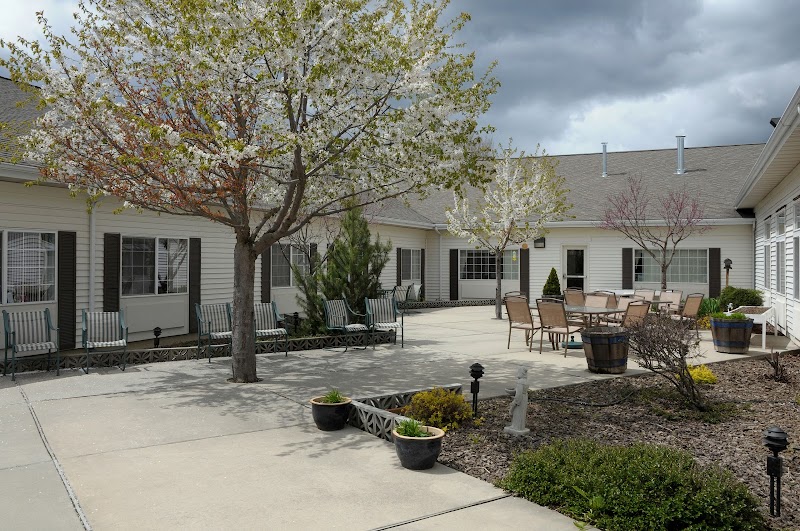
How is Life Of Sandpoint Staffed?

CMS rates LIFE CARE CENTER OF SANDPOINT's staffing level at 5 out of 5 stars, which is much above average compared to other nursing homes. Staff turnover is 37%, compared to the Idaho average of 46%. This relatively stable workforce can support continuity of care.

What Have Inspectors Found at Life Of Sandpoint?

State health inspectors documented 39 deficiencies at LIFE CARE CENTER OF SANDPOINT during 2019 to 2025. These included: 39 with potential for harm.
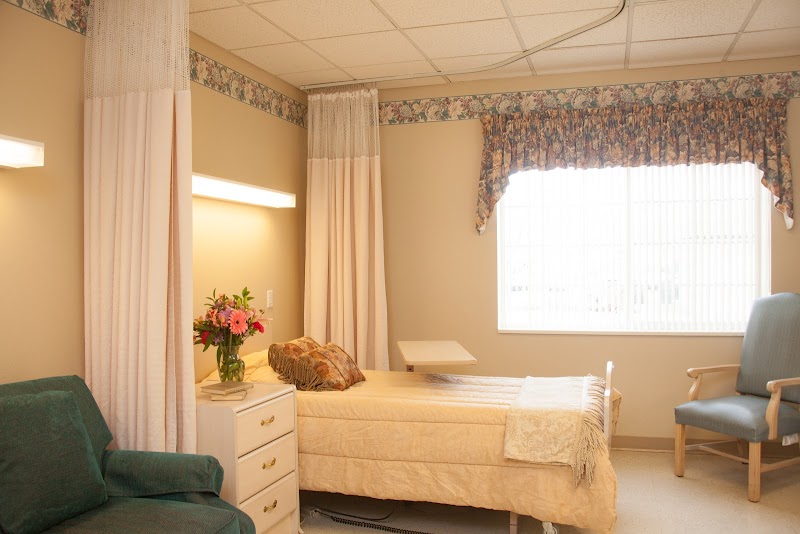
Who Owns and Operates Life Of Sandpoint?

LIFE CARE CENTER OF SANDPOINT is owned by a for-profit company. For-profit facilities operate as businesses with obligations to shareholders or private owners. The facility is operated by LIFE CARE CENTERS OF AMERICA, a chain that manages multiple nursing homes. With 124 certified beds and approximately 69 residents (about 56% occupancy), it is a mid-sized facility located in SANDPOINT, Idaho.
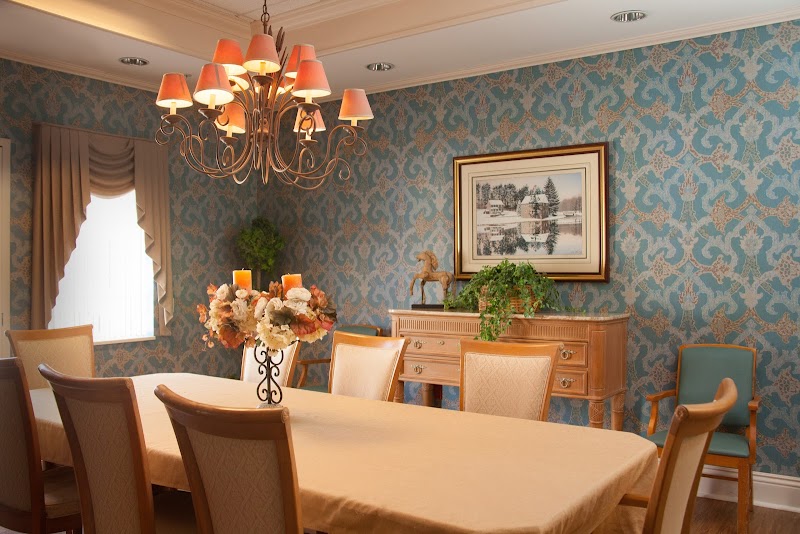
How Does Life Of Sandpoint Compare to Other Idaho Nursing Homes?

Compared to the 100 nursing homes in Idaho, LIFE CARE CENTER OF SANDPOINT's overall rating (4 stars) is above the state average of 3.3, staff turnover (37%) is near the state average of 46%, and health inspection rating (2 stars) is below the national benchmark.

What Should Families Ask When Visiting Life Of Sandpoint?

Based on this facility's data, families visiting should ask: "Can I visit during a mealtime to observe dining assistance and food quality?" "How do you handle medical emergencies, and what is your hospital transfer rate?" "Can I speak with family members of current residents about their experience?"

Is Life Of Sandpoint Safe?

Based on CMS inspection data, LIFE CARE CENTER OF SANDPOINT has a clean safety record: no substantiated abuse findings (meaning no confirmed cases of resident harm), no Immediate Jeopardy citations (the most serious violation level indicating risk of serious injury or death), and is not on the Special Focus Facility watch list (a federal program monitoring the lowest-performing 1% of nursing homes). The facility has a 4-star overall rating and ranks #1 of 100 nursing homes in Idaho. While no facility is perfect, families should still ask about staff-to-resident ratios and recent inspection results during their visit.

Do Nurses at Life Of Sandpoint Stick Around?

LIFE CARE CENTER OF SANDPOINT has a staff turnover rate of 37%, which is about average for Idaho nursing homes (state average: 46%). Moderate turnover is common in nursing homes, but families should still ask about staff tenure and how the facility maintains care continuity when employees leave.

Was Life Of Sandpoint Ever Fined?

LIFE CARE CENTER OF SANDPOINT has no federal fines on record. CMS issues fines when nursing homes fail to meet care standards or don't correct problems found during inspections. The absence of fines suggests the facility has either maintained compliance or corrected any issues before penalties were assessed. This is a positive indicator, though families should still review recent inspection reports for the full picture.

Is Life Of Sandpoint on Any Federal Watch List?

LIFE CARE CENTER OF SANDPOINT is not on any federal watch list. The most significant is the Special Focus Facility (SFF) program, which identifies the bottom 1% of nursing homes nationally based on persistent, serious quality problems. Not being on this list means the facility has avoided the pattern of deficiencies that triggers enhanced federal oversight. This is a positive indicator, though families should still review the facility's inspection history directly.