LINCOLN COUNTY CARE CENTER
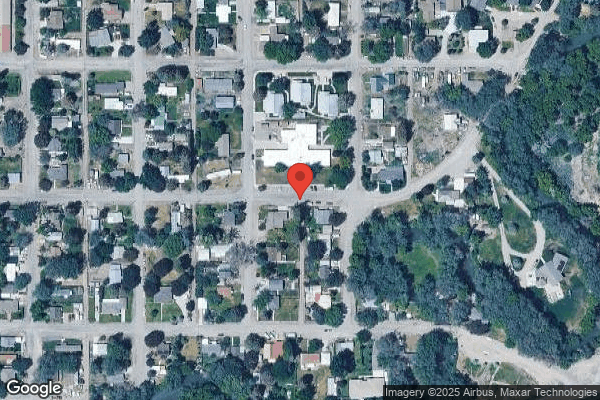
511 EAST FOURTH STREET, SHOSHONE, ID 83352 (208) 886-2228
For profit - Corporation 36 Beds CASCADES HEALTHCARE Data: November 2025
Trust Grade
80/100
#12 of 79 in ID
Last Inspection: April 2025

Within standard 12-15 month inspection cycle. Federal law requires annual inspections.

Overview

Lincoln County Care Center in Shoshone, Idaho, has a Trust Grade of B+, which means it is above average and recommended for families considering options. It ranks #12 out of 79 facilities in Idaho, placing it in the top half, and it is the only facility in Lincoln County, indicating no local competition. However, the facility’s trend is worsening, as it saw an increase in issues from 7 in 2020 to 10 in 2025. Staffing is a weakness, with a rating of 2 out of 5 stars and a turnover rate of 48%, which is average, suggesting some staff may not stay long enough to build strong relationships with residents. On a positive note, the center has no fines on record, which is a good sign of compliance, and it provides more RN coverage than 84% of Idaho facilities, enhancing the quality of care. However, there are specific concerns regarding care practices; for example, the facility failed to ensure that 11 residents had their advance directives documented, potentially putting their medical wishes at risk. Additionally, there were issues with the monitoring of psychotropic medication for three residents, raising concerns about the appropriateness of their treatment. Finally, medications were not stored at the correct temperatures, which could affect their efficacy. Overall, while there are strengths in RN coverage and compliance with fines, the facility has several areas for improvement that families should consider.

Trust Score
B+
80/100
In Idaho
#12/79
Top 15%
Safety Record
Low Risk
No red flags
Inspections
Getting Worse
7 → 10 violations
Staff Stability
⚠ Watch
48% turnover. Above average. Higher turnover means staff may not know residents' routines.
Penalties
✓ Good
No fines on record. Clean compliance history, better than most Idaho facilities.
Skilled Nurses
✓ Good
Each resident gets 55 minutes of Registered Nurse (RN) attention daily — more than average for Idaho. RNs are trained to catch health problems early.
Violations
⚠ Watch
27 deficiencies on record. Higher than average. Multiple issues found across inspections.
★★★★★
5.0
Overall Rating
★★☆☆☆
2.0
Staff Levels
★★★★★
5.0
Care Quality
★★★★☆
4.0
Inspection Score
Stable
2020: 7 issues
2025: 10 issues

The Good

  • 5-Star Quality Measures · Strong clinical quality outcomes
  • Full Sprinkler Coverage · Fire safety systems throughout facility
  • No fines on record

Facility shows strength in quality measures, fire safety.

The Bad

Staff Turnover: 48%

Near Idaho avg (46%)

Higher turnover may affect care consistency

Chain: CASCADES HEALTHCARE

Part of a multi-facility chain

Ask about local staffing decisions and management

The Ugly 27 deficiencies on record

Apr 2025 10 deficiencies
CONCERN (D) 📢 Someone Reported This

A family member, employee, or ombudsman was alarmed enough to file a formal complaint

Potential for Harm - no one hurt, but risky conditions existed

Deficiency F0655 (Tag F0655)

Could have caused harm · This affected 1 resident

**NOTE- TERMS IN BRACKETS HAVE BEEN EDITED TO PROTECT CONFIDENTIALITY** Based on record review and interview, it was determined the facility failed to ensure all components of the baseline (initial) c...

Read full inspector narrative →
**NOTE- TERMS IN BRACKETS HAVE BEEN EDITED TO PROTECT CONFIDENTIALITY** Based on record review and interview, it was determined the facility failed to ensure all components of the baseline (initial) care plan were included upon resident's admission. This was true for 1 of 14 residents (Resident #129) reviewed for baseline care plan. This failure created the potential for harm when the baseline care plan failed to provide directions for care. Findings include: Resident #129 was admitted to the facility on [DATE], with multiple diagnoses including chronic obstructive pulmonary disease (a progressive lung disease that makes it difficult to breathe) and diabetes. Resident #129's baseline care plan had not documented or addressed her mobility assistance needs. Resident #129's nursing progress note dated 4/9/25, documented resident is able to ambulate around facility using her walker. Resident #129's nursing progress note dated 4/10/25, documented resident is a stand by assist with some assistance into bed. Resident using a wheelchair in facility assist X 1 for mobility, she also uses a walker for transfers. On 4/15/25 at 3:51 PM, the Regional Nurse stated the baseline care plan had not contained documentation related to Resident #129's mobility needs of assistance X 1 and should have.
CONCERN (D) 📢 Someone Reported This

A family member, employee, or ombudsman was alarmed enough to file a formal complaint

Potential for Harm - no one hurt, but risky conditions existed

Deficiency F0661 (Tag F0661)

Could have caused harm · This affected 1 resident

**NOTE- TERMS IN BRACKETS HAVE BEEN EDITED TO PROTECT CONFIDENTIALITY** Based on record review and staff interview it was determined the facility failed to ensure resident's discharge summary included...

Read full inspector narrative →
**NOTE- TERMS IN BRACKETS HAVE BEEN EDITED TO PROTECT CONFIDENTIALITY** Based on record review and staff interview it was determined the facility failed to ensure resident's discharge summary included a reconciliation of medications (an accurate list of pre-discharge medications to post-discharge medications by creating an accurate list to prevent unintended changes or omissions at transition points in care). This was true for 1 of 1 resident (Resident #27) reviewed for discharge. This failure created the potential for the receiving facility to not provide appropriate and timely care. Findings include: Resident #27 was admitted to the facility on [DATE], for neuroleptic induced parkinsonism (movement disorder with symptoms like Parkinson's disease as a side effect of taking certain medications) and major depression. On 4/15/25 at 4:02 PM, a record review of Resident #27's Nurse Progress Note, dated 1/15/25, documented resident was here for long term care and decided to move to a different facility. On 4/15/25 at 4:04 PM, Resident #27's Discharge Summary/Recap of Stay documented No - Current reconciled medication list not provided to the subsequent provider. On 4/16/25 at 8:39 AM, The Regional Nurse stated the facility's discharge process was to send the resident's medication reconciliation list to the receiving facility. Resident #27's reconciled medication list was not sent and should have been.
CONCERN (D) 📢 Someone Reported This

A family member, employee, or ombudsman was alarmed enough to file a formal complaint

Potential for Harm - no one hurt, but risky conditions existed

Deficiency F0680 (Tag F0680)

Could have caused harm · This affected 1 resident

Based on observation and interview, the facility failed to employ a certified Activities Director (AD). This failure had the potential to affect residents' quality of life when design of activities ap...

Read full inspector narrative →
Based on observation and interview, the facility failed to employ a certified Activities Director (AD). This failure had the potential to affect residents' quality of life when design of activities appropriate for residents was not implemented. Findings include: During resident council meeting on 4/14/25, residents stated the AD left about a month ago and one of the CNA's stepped in to help with activities. On 4/14/25 at 1:00 PM, the Administrator stated they had not been able to hire a certified AD, so one of the CNA's had been assigned as an interim AD.
CONCERN (D) 📢 Someone Reported This

A family member, employee, or ombudsman was alarmed enough to file a formal complaint

Potential for Harm - no one hurt, but risky conditions existed

Quality of Care (Tag F0684)

Could have caused harm · This affected 1 resident

**NOTE- TERMS IN BRACKETS HAVE BEEN EDITED TO PROTECT CONFIDENTIALITY** Based on observation, record review, and interview, it was determined the facility failed to ensure professional standards of ca...

Read full inspector narrative →
**NOTE- TERMS IN BRACKETS HAVE BEEN EDITED TO PROTECT CONFIDENTIALITY** Based on observation, record review, and interview, it was determined the facility failed to ensure professional standards of care were followed. This was true for 1 of 14 residents (Resident #18) whose records were reviewed. This had the potential for adverse effects and possible harm to resident's medical and physical status. Findings include: Resident #18 was initially admitted to the facility on [DATE], and readmitted on [DATE], with multiple diagnoses including left side hemiplegia and hemiparesis following stroke (weakness or the inability to move one side of the body, rather than complete paralysis) and chronic respiratory failure with hypercapnia (caused by an imbalance in the load-capacity-drive relationship of the respiratory muscle pump). A) On 4/13/25 at 12:15 PM, observed Resident #18's left arm had a Lidocaine patch without date or initials of the nurse that applied the patch. On 4/15/25 at 2:20 PM, the DON stated the Lidocaine patch should have be labeled with the date applied and initials of the nurse who applied the patch and had not. B) Resident #18's medical record documented blood sugar of 502 on 4/8/25. Resident #18's medication administration record documented for blood sugars over 400 to contact the provider. Resident #18's nursing note dated 4/8/25, documented the provider was notified and authorized administering 15 units of insulin. On 4/15/25, Resident #18's medical record had not documented a physician's one time order for 15 units of insulin for resident when blood sugar was 502. On 4/15/25 at 3:10 PM, the Regional Nurse and DON stated the order for 15 units of insulin for Resident #18 was missed and not documented in the resident's chart.
CONCERN (D) 📢 Someone Reported This

A family member, employee, or ombudsman was alarmed enough to file a formal complaint

Potential for Harm - no one hurt, but risky conditions existed

Staffing Information (Tag F0732)

Could have caused harm · This affected 1 resident

Based on observation and staff interview, it was determined the facility failed to ensure nurse staffing information was accurate for each shift. This failed practice had the potential to affect all r...

Read full inspector narrative →
Based on observation and staff interview, it was determined the facility failed to ensure nurse staffing information was accurate for each shift. This failed practice had the potential to affect all residents residing in the facility and their representatives, visitors, and others who wanted to review the facility's staffing levels. Findings include: On 4/15/25, during review of nurse staffing hours, observed the scheduled and actual hours worked were documented with the number 1 instead of the hours worked on the following dates: - 10/1/24 - 12/9/24 - 12/10/24 - 12/11/24 - 3/15/25 On 4/15/25 at 3:15 PM, the DON stated the hours listed on the nurse staffing hours were both the scheduled and actual worked hours and the use of number 1 on these sheets was done in error.
CONCERN (D) 📢 Someone Reported This

A family member, employee, or ombudsman was alarmed enough to file a formal complaint

Potential for Harm - no one hurt, but risky conditions existed

Pharmacy Services (Tag F0755)

Could have caused harm · This affected 1 resident

Based on record review and staff interview, it was determined the facility failed to ensure controlled medications were tracked and kept secure from potential theft and/or diversion. This was true for...

Read full inspector narrative →
Based on record review and staff interview, it was determined the facility failed to ensure controlled medications were tracked and kept secure from potential theft and/or diversion. This was true for 2 of 2 medication carts reviewed. This failure created the potential for undetected misuse and/or diversion of controlled medications and had the potential to affect all residents who received controlled medication in the facility. Findings include: On 4/13/25 at 1:47 PM, during [NAME] hall medication cart audit, observed the narcotic accountability record, dated 4/1/25 to 4/13/25, with nine licensed nurse signatures not documented. On 4/13/25 at 1:54 PM, the DON stated two nurses should have signed the narcotic accountability sheet when they accepted the medication cart or released the medication cart. On 4/13/25 at 2:03 PM, during East hall medication cart audit, observed the narcotic accountability record, dated 4/1/25 to 4/13/25, with two licensed nurse signatures not documented. On 4/13/25 at 2:05 PM, the DON stated two nurses should have signed the narcotic accountability sheet when they accepted the medication cart or released the medication cart.
CONCERN (D) 📢 Someone Reported This

A family member, employee, or ombudsman was alarmed enough to file a formal complaint

Potential for Harm - no one hurt, but risky conditions existed

Deficiency F0757 (Tag F0757)

Could have caused harm · This affected 1 resident

**NOTE- TERMS IN BRACKETS HAVE BEEN EDITED TO PROTECT CONFIDENTIALITY** Based on record review, Drugs.com review, Federal Drug Administration review, and staff interview, it was determined the facilit...

Read full inspector narrative →
**NOTE- TERMS IN BRACKETS HAVE BEEN EDITED TO PROTECT CONFIDENTIALITY** Based on record review, Drugs.com review, Federal Drug Administration review, and staff interview, it was determined the facility failed to ensure residents were monitored appropriately for medication use. This was true for 1 of 5 residents (Resident #2) reviewed for unnecessary medications. This failure created the potential for residents to experience adverse reactions due to the lack of appropriate monitoring. Findings include: Drugs.com documented Seroquel is an antipsychotic/antimanic agent that has a black box warning related to those with dementia. Seroquel may increase the risk of death in older adults with mental health problems related to dementia. The FDA requires manufacturers to place a black box warning on Seroquel and other antipsychotic drugs, highlighting the increased risk of death in elderly patients with dementia and that these drugs are not approved for the treatment of behavioral symptoms in elderly patients with dementia. Resident #2 was admitted to the facility on [DATE], with multiple diagnoses including dementia with behavioral disturbance and muscle weakness. Resident #2 medical record documented physician order dated 3/18/25, Seroquel Oral Tablet give 25 mg by mouth two times a day and give 50 mg by mouth one time a day related to unspecified dementia, moderate, with other behavioral disturbance. Resident #2's medical record had not documented the resident/resident representative had been notified of the black box warnings prior to medication being started. Resident #2's behavior tracking for March 2025, documented no improvement of behaviors with 10 to 20 or more behavior occurrences during days or nights. On 4/16/25 at 8:27 AM, the DON stated during the QAPI meeting yesterday, the medical staff agreed the Seroquel was not the appropriate medication for Resident #2's diagnosis.
CONCERN (D) 📢 Someone Reported This

A family member, employee, or ombudsman was alarmed enough to file a formal complaint

Potential for Harm - no one hurt, but risky conditions existed

Deficiency F0761 (Tag F0761)

Could have caused harm · This affected 1 resident

Based on observation, staff interview, policy review, and record review it was determined the facility failed to ensure medications were properly stored in a locked compartment, and controlled medicat...

Read full inspector narrative →
Based on observation, staff interview, policy review, and record review it was determined the facility failed to ensure medications were properly stored in a locked compartment, and controlled medications were stored and kept secure from potential theft and/or diversion. This was true for 1 of 14 residents (Resident #26) and the facility. These deficient practices created the potential for undetected misuse of medications and/or diversion of controlled medications and had the potential to affect all residents who receive medication in the facility. Findings include: The facility Administering Medications policy dated 3/25, documented under Policy Interpretation and Implementation #17, during administration of medications, the medication cart is kept closed and locked when out of sight of the medication nurse. 1. On 4/13/25 at 10:27 AM, observed a bottle labeled Tylenol arthritis at Resident #26's bedside. Bottle contained multiple tablets of medication. On 4/13/25 at 3:30 PM, Resident #26's medical record review had not documented an assessment for self-administration of medication at bedside. On 4/15/25 at 9:22 AM, LPN #1 interviewed and stated Resident #26 should not have medication at bedside. 2. On 4/15/25 at 8:17 AM, observed a removable metal box sitting on medication refrigerator shelf. DON stated the box is to store narcotics in the refrigerator. On 4/15/25 at 8:20 AM, AIT interviewed and stated the metal box in the medication refrigerator is for narcotics. 3. On 4/13/25 at 9:35 AM, observed the east hall medication cart had been left unlocked and unattended by the medication nurse. RN #1 stated the medication cart should have been locked when left unattended. On 4/15/25 at 2:38 PM, the DON stated medication carts are supposed to be locked with the nurse is not at the cart.
CONCERN (D) 📢 Someone Reported This

A family member, employee, or ombudsman was alarmed enough to file a formal complaint

Potential for Harm - no one hurt, but risky conditions existed

Food Safety (Tag F0812)

Could have caused harm · This affected 1 resident

Based on observation, interview, policy review, and review of the Idaho Food Code, the facility failed to appropriately store, distribute, and label foods. This deficient practice had the potential to...

Read full inspector narrative →
Based on observation, interview, policy review, and review of the Idaho Food Code, the facility failed to appropriately store, distribute, and label foods. This deficient practice had the potential to affect all residents who received meals prepared in the facility's kitchen. This placed residents at risk for potential contamination and use of spoiled foods, and adverse health outcomes including food-borne illnesses. Findings include: The Idaho Food Code, revised February 2021, stated, 3-501.17 Ready-to-Eat, Time/Temperature Control for Safety Food, Date Marking . refrigerated, ready-to-eat, time/temperature control for safety food prepared and held in a food establishment for more than 24 hours shall be clearly marked to indicate the date or day by which the food shall be consumed on the premises, sold, or discarded when held at a temperature of 5ºC (41ºF) or less for a maximum of 7 days. The day of preparation shall be counted as Day 1. The facility's Food Receiving and Storage policy dated 3/1/25, under Dry Food Storage documented dry foods and goods are handled and stored in a manner that maintains the integrity of the packaging until they are ready to use. Dry foods that are stored in bins are removed from original packaging, labeled and dated (use by date). Under Refrigerated/Frozen Storage, all foods stored in the refrigerator or freezer are covered, labeled, and dated (use by date). Refrigerated foods are labeled, dated, and monitored so they are used by their use-by date, frozen or discarded. On 4/13/25 at 9:55 AM, observed the following in the dry food storage area: - opened raisins container with best used by date of 7/28/24, not dated with opened date, - opened taco seasoning container not dated with opened date, - opened baking soda uncovered container with used by date 1/4/24, - baking powder container with best used by date 8/23/23, - opened syrup container with no opened date, - opened pepper sauce container with no opened date. - white bean soup stored in bin dated 9/1/21 with dispose by date 9/1/22, - macaroni noodles stored in bin dated 12/21 with dispose by date 12/22. On 4/13/25 at 10:12 AM, observed the following in the walk in refrigerator: - container of grape juice past the used by date by two days, - opened container of milk with no opened date, - opened mayonnaise container with no opened date, On 4/13/25 at 10:16 AM, observed the following in the reach in freezer: - open package of peas with no opened date. On 4/13/25 at 10:18 AM, the cook stated the outdated food items should have been removed off the shelve but were not. On 4/13/25 at 10:30 AM, the Dietary Supervisor stated the food items that were outdated should have been removed by staff but were not. On 4/13/25 at 10:30 AM, observed dishwasher water temperature and chemical sanitation solution logs were not completed for the 4/13/25, morning dishwasher usage. On 4/13/25 at 10:31 AM, the cook stated the morning dishwasher usage log should have been completed but was not. On 4/15/25 at 7:10 AM, observed dishwasher water temperature and chemical sanitation solution logs were not completed for the 4/14/25 morning or evening dishwasher usage. On 4/15/25 at 7:12 AM, the dietary supervisor stated the dishwasher water temperature and chemical sanitation solution logs should have been completed each day after the temperature and chemical was checked but was not.
CONCERN (D) 📢 Someone Reported This

A family member, employee, or ombudsman was alarmed enough to file a formal complaint

Potential for Harm - no one hurt, but risky conditions existed

Infection Control (Tag F0880)

Could have caused harm · This affected 1 resident

**NOTE- TERMS IN BRACKETS HAVE BEEN EDITED TO PROTECT CONFIDENTIALITY** On 4/15/25 at 12:17 PM, observed CNA #1 and CNA #2 exit room [ROOM NUMBER] with a Hoyer lift and without cleaning, rolled the Ho...

Read full inspector narrative →
**NOTE- TERMS IN BRACKETS HAVE BEEN EDITED TO PROTECT CONFIDENTIALITY** On 4/15/25 at 12:17 PM, observed CNA #1 and CNA #2 exit room [ROOM NUMBER] with a Hoyer lift and without cleaning, rolled the Hoyer lift into room [ROOM NUMBER] to assist getting the resident from her bed into her wheelchair. On 4/15/25 at 12:30 PM, CNA #1 stated both CNA's failed to clean the Hoyer lift after use in room [ROOM NUMBER] and prior to going into room [ROOM NUMBER] to use with that resident. On 4/16/25 at 8:25 AM, the DON stated the Hoyer lift should be cleaned between resident use but was not. Based on observation, staff interview, and record review, it was determined the facility failed to ensure infection control measures were consistently implemented. This was true for 1 of 1 residents (Resident #4) reviewed for infection control when staff failed to perform effective hand hygiene during resident cares, and Hoyer lift cleaning between resident use. These deficient practices created the potential for harm by exposing residents to the risk of infection and cross contamination. Findings include: 1. The following was observed for hand hygiene. Resident #4 was initially admitted to the facility on [DATE], and readmitted on [DATE], with multiple diagnoses including epilepsy and neurogenic bladder ( bladder control problems caused by brain, spinal cord, or nerve problems). On 4/15/25 at 11:52 AM, the following was observed in Resident #4's room: - Resident #4 was observed lying in bed, - LPN #1 and DON put on a protective gown and gloves and entered Resident #4's room to change her soiled brief, top, and wet linens, - LPN #1 opened the resident's soiled brief and began to clean peri area, - LPN #1 changed resident's incontinence brief, removed soiled bed linen and placed clean linens on bed, - LPN #1 walked to resident's closet obtained a clean top, returned to the bedside, and removed Resident #4's soiled top and redressed her with the clean top, - LPN #1 did not remove her gloves or perform hand hygiene between moving from dirty to clean care. On 4/15/25 at 12:20 PM, the DON stated LPN #1 should have donned clean gloves between moving from dirty to clean cares. 2. The following was observed for equipment cleaning: On 4/15/25 at 12:17 PM, observed CNA #1 and CNA #2 exit room [ROOM NUMBER] with a Hoyer lift and without cleaning it rolled the Hoyer lift into room [ROOM NUMBER] to assist getting the resident from her bed into her wheelchair. On 4/15/25 at 12:30 PM, CNA #1 stated they failed to clean the Hoyer lift after use in room [ROOM NUMBER] and prior to going into room [ROOM NUMBER] to use with that resident. On 4/16/25 at 8:25 AM, the DON stated the Hoyer lift should have been cleaned between resident use and was not.
Feb 2020 7 deficiencies
CONCERN (D)

Potential for Harm - no one hurt, but risky conditions existed

Deficiency F0552 (Tag F0552)

Could have caused harm · This affected 1 resident

**NOTE- TERMS IN BRACKETS HAVE BEEN EDITED TO PROTECT CONFIDENTIALITY** Based on record review and staff interview, it was determined the facility failed to ensure informed consent was obtained prior ...

Read full inspector narrative →
**NOTE- TERMS IN BRACKETS HAVE BEEN EDITED TO PROTECT CONFIDENTIALITY** Based on record review and staff interview, it was determined the facility failed to ensure informed consent was obtained prior to administration of medication for 1 of 5 residents (Resident #34) who was reviewed for unnecessary medications. This deficient practice placed residents at risk of receiving medications without knowledge of the risks and benefits associated with the medications and the right to refuse the medications. Findings include: Resident #34 was admitted to the facility on [DATE] and was readmitted on [DATE], with multiple diagnoses including dementia. Resident #34's physician's order included Donezepil (used to treat confusion related to dementia) HCl (hydrochloride) 10 mg at bedtime, started on 2/12/20. Resident #34's record did not include documentation she consented to the Donezepil, or was informed about beneficial effects and possible side effects of the medication. On 2/20/20 at 11:00 AM, the Administrator said the facility did not obtain consent for Donezepil. Resident #34's record did not include an informed consent for her dementia medication.
CONCERN (D)

Potential for Harm - no one hurt, but risky conditions existed

Comprehensive Care Plan (Tag F0656)

Could have caused harm · This affected 1 resident

**NOTE- TERMS IN BRACKETS HAVE BEEN EDITED TO PROTECT CONFIDENTIALITY** Based on observation, record review, policy review, and resident and staff interview, it was determined the facility failed to e...

Read full inspector narrative →
**NOTE- TERMS IN BRACKETS HAVE BEEN EDITED TO PROTECT CONFIDENTIALITY** Based on observation, record review, policy review, and resident and staff interview, it was determined the facility failed to ensure the comprehensive resident-centered care plan included the use of oxygen and smoking. This was true for 2 of 12 residents (#7 and #34) whose comprehensive care plans were reviewed. This failure created the potential for residents to receive inappropriate or inadequate care with subsequent decline in health. Findings include: 1. The facility's Smoking policy, undated, documented any smoking related privileges, restrictions and concerns, such as a need for close monitoring, were noted on the care plan. Resident #7 was admitted to the facility on [DATE], with multiple diagnoses including COPD (progressive lung disease characterized by increasing breathlessness). Resident #7's quarterly MDS assessment, dated 11/30/19, documented he had severe cognitive impairment. Resident #7's record included a Smoking Safety Evaluation, dated 4/24/19, which documented he had smoked cigars and cigarettes and he did not always choose to flick his cigarette. The Smoking Evaluation also documented Resident #7 did not smoke much anymore but when he had cigarettes he smoked 1-2 times a day. Resident #7's care plan did not include smoking. On 2/19/20 at 3:29 PM, Resident #7 was in his wheelchair being assisted by CNA #1 to the smoking area. CNA #1 was observed to apply the smoking apron to Resident #7. CNA #1 said Resident #7 did not like to hold his cigarette. Resident #7 said he smoked twice a day every day. On 2/19/20 at 4:09 PM, the Corporate Nurse said he did not find smoking as part of Resident #7's care plan and it should have been included. 2. Resident #34 was admitted to the facility on [DATE] and was readmitted on [DATE], with multiple diagnoses including dementia. Resident #34's Order Summary Report, documented Resident #34 may use oxygen as needed when her oxygen saturation (the percentage of oxygen in the blood) was below 90%, ordered on 2/12/20. Resident #34's care plan did not include her use of oxygen to keep her oxygen saturation levels above 90%. On 2/18/20 at 2:15 PM, 2/19/20 at 2:29 PM, and on 2/20/20 at 9:12 AM, Resident #34 was observed in bed wearing oxygen at 2 liters per minute by nasal cannula. On 2/19/20 at 4:09 PM, the Corporate Nurse said Resident #34's care plan did not address her use of oxygen.
CONCERN (D)

Potential for Harm - no one hurt, but risky conditions existed

Quality of Care (Tag F0684)

Could have caused harm · This affected 1 resident

**NOTE- TERMS IN BRACKETS HAVE BEEN EDITED TO PROTECT CONFIDENTIALITY** Based on observation, record review, policy review, andresident and staff interview, it was determined the facility failed to en...

Read full inspector narrative →
**NOTE- TERMS IN BRACKETS HAVE BEEN EDITED TO PROTECT CONFIDENTIALITY** Based on observation, record review, policy review, andresident and staff interview, it was determined the facility failed to ensure professional standards of practice were followed for 1 of 12 residents (#16) reviewed for quality of care. This created the potential for adverse effects or worsening of health status if residents did not receive care and services as ordered by the physician. Findings include: Resident #16 was admitted to the facility on [DATE], with multiple diagnoses including diabetes mellitus and dementia. Resident #16's quarterly MDS assessment, dated 12/30/19, documented she was cognitively intact. Resident #16's physician's order, dated 2/5/20, directed staff to cleanse her wound on her gluteal cleft with normal saline, pat dry, apply calcium alginate (type of wound dressing) and cover with Allevyn (a border dressing) every two days and as needed. Resident #16's 2/2020 TAR, documented her wound dressing was completed on 2/15/20, 2/17/20, and 2/19/20. On 2/19/20 at 10:05 AM, CNA #2 was observed assisting Resident #16 to a commode. Resident #16 had a wound dressing on her lower back with a handwritten dated of 2/15/20. On 2/19/20 at 10:29 AM, RN #1 said Resident #16 had a wound dressing on her lower back and the dressing was to be changed every two days. RN #1 said Resident #16's Treatment Administration Record (TAR) documented her dressing was changed that morning, 2/19/20. On 2/19/20 at 10:34 AM, Resident #16 said she thought her dressing on her lower back was being changed two times a week. Resident #16 said she did not think it was changed that morning. On 2/19/20 at 11:58 AM, the Corporate Nurse was observed performing the wound care and dressing change for Resident #16. The Corporate Nurse removed the dressing dated 2/15/20 and said it should have been changed every two days and it was not done. Resident #16's skin between her buttocks was observed to be intact with redness. The Corporate Nurse said Resident #16 had moisture associated skin damage on her lower back and it was getting better. The Corporate Nurse said the nurse on duty that morning prepared the wound dressing supplies for Resident #16 and marked the wound dressing on the TAR as completed, but the wound dressing change was not completed as documented earlier. Resident #16's physcian orders for her wound were not followed.
CONCERN (D)

Potential for Harm - no one hurt, but risky conditions existed

Tube Feeding (Tag F0693)

Could have caused harm · This affected 1 resident

**NOTE- TERMS IN BRACKETS HAVE BEEN EDITED TO PROTECT CONFIDENTIALITY** Based on observations,staff interviews, policy review, and record review, the facility failed to follow current professional sta...

Read full inspector narrative →
**NOTE- TERMS IN BRACKETS HAVE BEEN EDITED TO PROTECT CONFIDENTIALITY** Based on observations,staff interviews, policy review, and record review, the facility failed to follow current professional standards of nursing practice for 1 of 1 resident (Resident # 5) who had a feeding tube. This deficient practice had the potential to affect resident care and a potential for a negative outcome in the provision of resident care. Findings include: The facility's policy for Maintaining Patency of a Feeding Tube (Flushing), dated 3/15, documented .6. Attach sixty ml catheter tip syringe with 10 to 30 ml (milliliters) of air to tube. Unclamp tube. 7. Verify placement of tube by aspiration. 8. Clamp tube and remove empty syringe. 9. Attach 60 ml catheter tip syringe without plunger to tube. Unclamp tube and unless otherwise ordered, pour 30 ml warm water into syringe. Allow water to flow by gravity into syringe. Resident #5 was admitted to the facility on [DATE], with multiple diagnoses including quadriplegia (paralysis [loss of the ability to move] of all four limbs) and persistent vegetative state (a chronic state of brain dysfunction in which a person shows no signs of awareness) after a motor-vehicle accident. Resident #5's annual MDS assessment, dated 11/27/19, documented he was unable to complete the Brief Interview for Mental Status (BIMS) due to his persistent vegetative state. The assessment also documented he received all his nutrition and medication through his g (gastrostomy)-tube. Resident #5's physician's order, directed the staff to flush his g-tube with 30 ml of water before and after administration of all medications, and 10 ml of water in between the administration of each medication, ordered on 2/20/20. Resident #5's Care Plan, revised 8/27/19, documented he received nutrition and medication through a g-tube. The goal was to ensure he received adequate hydration and nutrition through his g-tube. The care plan directed licensed nurse to administer his medications as ordered and to check his g-tube placement before initiation of formula, medication administration and flushing tube. On 2/19/20 at 9:43 AM, RN #2 was observed administering Resident #5's medication and water flushes through his g-tube. RN #2 pulled the initial 30 ml water flush up into a 60 ml syringe with a plunger, attached the syringe to Resident #5's g- tube, and used the plunger to push the water into the resident's stomach. The remaining flushes and all the resident's medication were administered through the g-tube via gravity (without using the plunger to push the water or medication into the resident's stomach.) On 2/20/20 at 11:28 AM, RN #2 stated she was not aware that the plunger should not be used to push water into the resident's stomach, rather the water and medication should be allowed to flow freely by gravity, when administering fluid and medication through the resident's g-tube. She stated she did not administer Resident #5's medication very often. On 2/20/20 at 2:05 PM, the DON and the Regional Nurse both stated all fluid and medication administered through a g-tube should be done so by gravity. Resident #5's g-tube was not flushed according to facility policy and procedure.
CONCERN (D)

Potential for Harm - no one hurt, but risky conditions existed

Infection Control (Tag F0880)

Could have caused harm · This affected 1 resident

**NOTE- TERMS IN BRACKETS HAVE BEEN EDITED TO PROTECT CONFIDENTIALITY** Based on observation, interview, and record review, the facility failed to follow infection control guidelines during the admini...

Read full inspector narrative →
**NOTE- TERMS IN BRACKETS HAVE BEEN EDITED TO PROTECT CONFIDENTIALITY** Based on observation, interview, and record review, the facility failed to follow infection control guidelines during the administration of multi-dose medications and blood sugar monitoring for 2 of 6 residents (Resident # 5 and Resident #21) whose medication administration were observed. This deficient practice created the potential for the spread of infectious organisms from cross contamination. Findings include: 1. Resident #5 was admitted to the facility on [DATE], with multiple diagnoses including quadriplegia (paralysis of both arms and legs) and persistent vegetative state (a chronic state in which a person shows no signs of awareness) after a motor-vehicle accident. Resident #5's physician's order, included Lotemax (eye drops) 0.5% to both eyes two times daily for eye pain, ordered on 2/20/20. On 2/19/20 at 9:43 AM, during the medication pass RN #2 opened the multi-dose bottle of Lotemax and placed the open bottle and the lid directly on the resident's bed covers while she administered the resident's other medication. The vial and the lid were not placed on a clean barrier while on Resident #5's bed covers. On 2/20/20 at 11:28 AM, RN #2 stated she was not aware multi-dose vials of medication should be placed on a clean barrier rather than directly on surfaces in a resident's room to avoid cross contamination of medication in the facility medication cart. 2. Resident #21 was admitted to the facility on [DATE], with multiple diagnoses including diabetes mellitus. On 2/19/20 at 11:34 AM, RN #1 removed the Resident #21's blood glucose monitor and pouch from the medication cart and placed them directly on his dresser while he used a lancet to obtain Resident #21's blood for testing. The glucose monitor and pouch were not placed on a clean barrier while on Resident #21's dresser. On 2/19/20 at 11:34 AM, RN#1, stated he was not aware equipment being used and placed back into the medication cart should be placed on a clean barrier rather than directly on surfaces in a resident's room to avoid cross contamination of other equipment in the medication cart. On 2/20/20 at 2:05 PM, the DON and Regional Nurse both stated medication and equipment being kept in the medication cart should be placed on a clean barrier rather than directly on surfaces in resident rooms or facility common areas to avoid contamination of the facility medication carts.
CONCERN (E)

Potential for Harm - no one hurt, but risky conditions existed

Medication Errors (Tag F0758)

Could have caused harm · This affected multiple residents

**NOTE- TERMS IN BRACKETS HAVE BEEN EDITED TO PROTECT CONFIDENTIALITY** Based on record review and staff interview, it was determined the facility failed to ensure residents receiving a psychotropic m...

Read full inspector narrative →
**NOTE- TERMS IN BRACKETS HAVE BEEN EDITED TO PROTECT CONFIDENTIALITY** Based on record review and staff interview, it was determined the facility failed to ensure residents receiving a psychotropic medication had resident-specific target behaviors identified and monitored. This was true for 3 of 5 residents (#7, #19 and 34) who were reviewed for unnecessary medications. This deficient practice created the potential for harm if residents received medications that may result in negative outcomes without clear indication of need. Findings include: 1. Resident #7 was admitted to the facility on [DATE], with multiple diagnoses including depression and schizophrenia (a disorder that affects a person's ability to think, feel and behave clearly). Resident #7's quarterly MDS assessment, dated 11/30/19, documented he had severe cognitive impairment, and received anti-depressant medication on 7 of the last 7 days. Resident #7's physician's orders included Fluoxetine Hydrochloride (anti-depressant) 40 mg once a day for depression, ordered on 4/2/18. Resident #7's Behavior care plan documented the following: *He was sometimes depressed and had verbal aggression towards staff. The care plan directed staff to offer him one on one attention, have the Administrator or nurse come talk to him, offer him activities, give medications as ordered, talk with him about cars, and when he is angry give him some space, or have someone else provide cares. *He had delusions related to Schizophrenia. The care plan directed staff to encourage him to do what he was capable of doing independently, have the Administrator talk to him and when he is upset about divorce and wanting custody of his son remind him that his son is now an adult and lives on his own. The facility's Behavior Monitoring flowsheets provided staff with 38 standardized choices of exhibited behaviors and 12 standardized choices for interventions to select. The Behavior Monitoring Flowsheet also included other for choices for both behavior and intervention. Each of the target behaviors were monitored each shift during the day, evening and night. The form directed the staff to enter the number of times the behavior occurred, the intervention/drug used, and the outcome. Resident #7 had two Behavior Monitoring Flowsheets, one was completed by the licensed nurses and the other was completed by the CNAs. Resident #7's December 2019, January 2020 and February 2020 Behavior Monitoring Flowsheets, documented he was being monitored by the licensed nurse for depression and mood changes and the CNAs monitored him for hallucinations, paranoia and delusions, and others such as being loud and refusal of cares. The flowsheets did not document specific behavior for Resident #7 related to his depression and schizophrenia. The flowsheets also did not include specific behaviors for staff to monitor related to Resident #7's hallucinations and paranoia. On 2/20/20 at 2:40 PM, CNA #2 said she monitored Resident #7's behavior for hallucinations, paranoia, and delusions. CNA #2 said Resident #7 manifested his hallucinations by thinking that his roommate took his soda, but he did not have a soda. When asked how Resident #7 manifested his paranoia, CNA #2 did not provide an answer. When asked how Resident #7 manifested his delusions, CNA #2 did not provide an answer. On 2/20/20 at 2:58 PM, the Administrator said only licensed nurses could monitor the residents for depression and the CNAs monitor the residents for wandering, refusal of cares. The Administrator said Resident #7 manifested his paranoia by thinking that he was being poisoned by the staff, thought he was not in the facility and the facility was a hotel for his delusions. The Administrator stated these behaviors were not in the care plan or on the Behavior Monitoring Flowsheets. 2. Resident #19 was admitted to the facility on [DATE], with multiple diagnoses including Parkinson's disease (a brain disorder that leads to shaking, stiffness, and difficulty with walking and coordination) and depression. Resident #19's quarterly MDS assessment, dated 12/8/19, documented she had moderate cognitive impairment and received anti-depressant and anti-psychotic medication on 7 of the last 7 days. Resident #19's physician's orders included the following: *Lexapro (anti-depressant) 10 mg once a day related to psychosis not due to a substance or known physiological condition, ordered on 3/8/19. *Loxapine Succinate (anti-psychotic) 20 mg two times a day related to idiopathic (disease condition for which the cause is unknown) orofacial dystonia (a movement disorder in which a person's muscles contract uncontrollably). Resident #19's Behavior care plan documented she had depression related to multiple deaths in the family and poor decision making over her life time. The care plan directed staff to administer medication as ordered, monitor her for increase in her acting out behavior or possible self-isolation, assist her in developing, and provide her with a program of activities that is meaningful. The care plan also directed staff to monitor Resident #19 for sign and symptoms of depression including hopelessness, anxiety, sadness, insomnia, anorexia, repetitive anxious or health related complaints, and tearfulness. The care plan did not include Resident #19's increase in acting out behavior the staff to monitor. The facility's Behavior Monitoring Flowsheets provided staff with 38 standardized choices of exhibited behaviors and 12 standardized choices for interventions to select. The Behavior Monitoring Flowsheet also included other for choices. Each of the target behaviors were monitored each shift during the day, evening and night. The form directed the staff to enter the number of times the behavior occurred, the intervention/drug used, and the outcome. The flowsheet did not document Resident #19's specific behavior related to depression and psychosis. Resident #19's Behavior Monitoring Flowsheets documented the following: *December 2019, documented she was being monitored by the CNAs for anxiety. Interventions included in the monitoring flowsheets directed staff to redirect her, offer her restorative nursing activity (RNA), and lay her down. *January 2020 and February 2020, documented she was being monitored by the CNAs for anxiety, restlessness, wandering and wanting to get out of bed. Interventions Staff were directed to encourage her to stay up and offer her the RNA program. Resident #19's Behavior Monitoring Flowsheets did not include specific behaviors for staff to monitor related to her anxiety. On 2/18/20 at 11:45 AM, Resident #19 was observed sitting at the table in the dining room. Resident #19 was observed to have repetitive movement (tremor like movement) of both arms. On 2/18/20 at 2:31 at 2:31 PM, Resident #19 was observed in the dining room with the Activity Staff having her nails done (manicure). Resident #19's tongue was sticking out of her mouth. On 2/19/20 at 11:11 AM, Resident #19 was observed propelling her own wheelchair. Resident #19 was observed sticking out her tongue most of the time. On 2/20/20 at 2:44 PM, CNA #2 said Resident #19 was being monitored by the CNAs for restlessness, anxiety, wandering, and wanting to get out of bed. CNA #2 said Resident #19 manifested her anxiety by shaking her hands. On 2/20/20 at 3:23 PM, the Administrator said Resident #19 manifested signs and symptoms of depression such as hopelessness, sadness, insomnia, anorexia, and verbalizing negative statements. The Administrator said she did not find behavior monitoring for Resident #19's depression and she should had one. 3. Resident #34 was admitted to the facility on [DATE] and was readmitted on [DATE], with multiple diagnoses including dementia. Resident #34's quarterly MDS assessment, dated 1/30/20, documented she had severe cognitive impairment and received anti-depressant medication on 7 of the last 7 days. Resident #34's physician's orders included the following: *Donezepil HCL 10 mg at bedtime for Alzheimers, ordered on 2/12/20. *Trazodone (sedative and anti-depressant) HCl 50 mg at bedtime for depression, ordered on 2/12/20. Resident #34's care plan, documented she had depression as evidenced by altered sleeping patterns. The care plan directed staff to give her medications as ordered, monitor her hours of sleep every shift, watch for changes in her mood and for possible self-isolation. The facility's Behavior Monitoring Flowsheets provided staff with 38 standardized choices of exhibited behaviors and 12 standardized choices for interventions to select. The Behavior Monitoring Flowsheet also included other for choices for both behaviors and interventions. Each of the target behaviors were monitored each shift during the day, evening and night. The form directed the staff to enter the number of times the behavior occurred, the intervention/drug used, and the outcome. Resident #34's Behavior Monitoring Flowsheets documented the following: *December 2019, documented she was being monitored by the licensed nurses for depression (withdrawn). Interventions included to remove her from the environment and refer to nurse's notes. January 2020 and February 2020, documented she was being monitored for depression (withdrawn) and the staff were directed to offer her to play cards and to refer to nurse's notes. The flowsheet did not include specific behavior for staff to monitor related to Resident #34's depression. On 2/18/20 at 2:15 PM and on 2/19/20 at 2:29 PM, Resident #34 was observed in bed sleeping. On 2/20/20 at 9:12 AM, Resident #34 was observed in bed with her eyes closed and opened her eyes when greeted by the surveyor. On 2/20/20 at 1:33 PM, Resident #34 was observed sitting in her wheelchair at the lobby. On 2/20/20 at 10:29 AM, the DON said she did not find the sleep monitor of Resident #34 and she should had one.
CONCERN (E)

Potential for Harm - no one hurt, but risky conditions existed

Deficiency F0761 (Tag F0761)

Could have caused harm · This affected multiple residents

Based on observations, staff interviews, policy review, and record review, it was determined facility failed to ensure medications were stored at appropriate temperatures and medications were appropri...

Read full inspector narrative →
Based on observations, staff interviews, policy review, and record review, it was determined facility failed to ensure medications were stored at appropriate temperatures and medications were appropriately labeled. This deficient practice created the potential for harm if residents received medications or vaccinations which had reduced efficacy from improper storage. Findings include: The facility's policy for Medication Storage in the Facility, dated 3/18, documented medications were maintained within the refrigerator temperature ranges of 36 degrees F (Fahrenheit) to 46 degrees F as recommended by the United States Pharmacopoeia (USP) and the Centers for Disease Control (CDC). The policy also documented the facility should maintain a temperature log in the storage area to record temperatures at least once a day. The facility's policy for Storage of Medications, dated 4/07, documented The facility shall not use discontinued, outdated, or deteriorated drugs or biologicals. All such drugs shall be returned to the dispensing pharmacy or destroyed. On 2/19/20 at 8:59 AM, the temperature in the medication refrigerator was 56 degrees F. The Refrigerator Temperature Log, located on top of the refrigerator was incomplete. There was no documentation of refrigerator temperatures on 2/1/20, 2/5/20, 2/6/20, 2/7/20, 2/14/20, and 2/15/20. The medication refrigerator also contained one vial of flu vaccine which was opened and did not have the date it was opened written on it. The flu vaccine package insert documented the vaccine was to be discarded 28 days after opening. On 2/19/20 at 11:13 AM, the temperature in the medication refrigerator was 58 degrees F. On 2/19/20 at 12:06 PM, the DON and Regional Nurse stated the refrigerator temperature was too high and said the Temperature Log should be completed daily. The DON stated vaccines were to be dated when opened and the package guidelines should be followed for the accelerated expiration of a drug after opening. On 2/21/20 at 12:58 PM, the Regional Nurse stated the facility policy should be followed for refrigerator temperatures and labeling of opened multi-dose vials.
Oct 2018 10 deficiencies
CONCERN (D)

Potential for Harm - no one hurt, but risky conditions existed

Deficiency F0554 (Tag F0554)

Could have caused harm · This affected 1 resident

**NOTE- TERMS IN BRACKETS HAVE BEEN EDITED TO PROTECT CONFIDENTIALITY** Based on observation, staff interview, record review, and policy review, it was determined the facility failed to ensure residen...

Read full inspector narrative →
**NOTE- TERMS IN BRACKETS HAVE BEEN EDITED TO PROTECT CONFIDENTIALITY** Based on observation, staff interview, record review, and policy review, it was determined the facility failed to ensure residents were assessed to determine if they were safe to self-administer nebulizer treatments. This was true for 1 of 4 sample residents (#29) reviewed for respiratory care. The failure created the potential for adverse effects if Resident #29 self-administered nebulizer treatments inappropriately. Findings include: The facility's Administering Medications through a Small Volume (Handheld) Nebulizer Policy and procedure, dated 1/8/18, documented the facility utilized KeyMed's policy and procedure for nebulizer treatments. The KeyMed procedure documented staff were to stay with residents for the duration of the treatment unless the resident was assessed and authorized to self-administer the medications. Resident #29 was admitted to the facility on [DATE], with diagnoses which included COPD. A quarterly MDS assessment, dated 9/26/18, documented Resident #29 had a moderate cognitive impairment and was inattentive with disorganized thinking. The care plan area addressing Resident #29's COPD, initiated 5/5/16, documented she was a mouth breather and was reminded to breathe through her nose. The care plan documented she was to receive her nebulizer per orders. The care plan did not document she was assessed to self-administer the medication. Resident #29's Physicians Orders included the following: - DuoNeb Solution (inhaler used to treat wheezing and shortness of breath) 0.5-2.5 mg/3 ml vial inhaled twice daily for asthma, ordered 3/29/18. - DuoNeb Solution 0.5-2.5 mg/3 ml vial inhaled every 4 hours PRN for COPD and held per a hand-held device, ordered 6/13/17. Resident #29's 10/1/18 -10/23/18 MAR documented her scheduled DuoNeb treatment was provided per physician's orders. Resident #29's MAR documented she was provided a PRN nebulizer treatment on 10/23/18 at 10:54 AM. On 10/23/18 from 10:39 AM to 10:48 AM, Resident #29 was not feeling well and was experiencing episodes of emesis. On 10/23/18 at 10:52 AM, LPN #1 was observed as she set Resident #29's PRN DuoNeb treatment up and left the room. On 10/23/18 from 11:01 AM to 11:05 AM, Resident #29's DuoNeb hand held device was observed to be misting and the device was positioned next to her leg. Resident #29's head was bent over, and she appeared to be sleeping. On 10/23/18 at 11:05 AM, Resident #29 woke up and placed the hand-held device to her mouth and activated her call light. On 10/2318 at 11:08 AM, LPN #1 entered the room and turned off the DuoNeb and asked Resident #29 what she needed. Resident #29 could not remember what she needed. LPN #1 turned the DuoNeb back on and left the room. On 10/23/18 from 11:14 AM to 11:17 AM, Resident #29's DuoNeb hand held device was observed to be misting and the device was positioned next to her leg. Resident #29's head was bent over, and she appeared to be sleeping. On 10/23/18 at 11:18 AM, LPN #1 entered Resident #29's room and removed the tubing from her hand. Resident #29's clinical record did not contain an assessment to self-administer medications. On 10/23/18 at 1:13 PM, LPN #1 stated when a resident needed a breathing treatment the process was to open a vial of the medicine and the process would take approximately 15 minutes to complete. LPN #1 stated it depended on what was going on in the facility during that time frame when she would check on residents. LPN #1 stated if a resident was using a hand-held device and it was not to her mouth she was not receiving the medicine. LPN #1 stated she thought the resident had been assessed to self-administer medications and she thought it was care planned.
CONCERN (D)

Potential for Harm - no one hurt, but risky conditions existed

Free from Abuse/Neglect (Tag F0600)

Could have caused harm · This affected 1 resident

**NOTE- TERMS IN BRACKETS HAVE BEEN EDITED TO PROTECT CONFIDENTIALITY** Based on observation, record review, resident and staff interview, and review of facility policies it was determined the facilit...

Read full inspector narrative →
**NOTE- TERMS IN BRACKETS HAVE BEEN EDITED TO PROTECT CONFIDENTIALITY** Based on observation, record review, resident and staff interview, and review of facility policies it was determined the facility failed to ensure 1 of 1 (#29) resident who was observed for potential abuse were free from all forms of potential abuse, including verbal and mental abuse and neglect. This deficient practice created the potential for harm if the facility failed to prevent and protect residents from potential incidents of abuse and/or neglect. Findings include: The facility's Abuse Policy and procedure, dated 5/31/17, documented residents were to be free from abuse, neglect, and misappropriation of property. The policy documented verbal abuse was using willfully disparaging and derogatory terms to a resident. The policy documented neglect was not providing goods and services to a resident that prevents and avoids mental anguish, pain, physical harm, or emotional distress. Resident #29 was admitted to the facility on [DATE], with diagnoses which included major depression, abnormal posture, and chronic pain. Resident #29's care plan area addressing her cognition, initiated 5/5/16, and documented she had bouts of confusion which impaired her decision making skills. The care plan area also addressed Resident #29's risk for skin impairments, initiated 5/5/16, and documented she was dependent on staff to reposition her every two hours to prevent skin breakdown. A quarterly MDS assessment, dated 9/26/18, documented Resident #29 had moderate cognitive impairment and was inattentive with disorganized thinking. The MDS documented Resident #29 was totally dependent on two staff members for transfers and bed mobility. On 10/24/18 at 1:16 PM, Resident #29 was observed reading a paper in the activity room. On 10/24/18 at 2:22 PM, Resident #29 was observed sitting in her wheelchair in her room facing the window and pulling at her left leg. Resident #29 was crying and stated to Staff #A her leg was pinching, and she was hurting really bad. Staff #A's back was facing Resident #29 and Staff #A was near Resident #29's window adjusting her blinds and curtains when she said in a raised voice, I don't know what you want me to do! I've tried everything, I just lifted you up, I've pulled you over, I don't know what else I can do! I guess I could try and take you to the bathroom. Staff #A left the room as she said this and entered another resident's room to assist with cares. Resident #29 continued to cry and pulled at her left leg. On 10/24/18 at 2:27 PM, Resident #29 was observed with tears in her eyes and pulled at her left leg and stated she was in pain because she had wrinkles on her leg. On 10/24/18 at 2:29 PM, a surveyor asked CNA #8 and CNA #1 to assist Resident #29 with her leg, CNA #8 stated she would come assist Resident #29. On 10/24/18 at 2:30 PM, Staff #A saw CNA #8 and CNA #1 entering Resident #29's room, and rolled her eyes and entered the room and Staff #A stated to CNA #8 and CNA #1 she could explain what was going on with Resident #29. Staff #A stated Resident #29 was complaining about discomfort under her left leg and Staff #A had tried to reposition her, and nothing had helped. Staff #A stated she was going to obtain assistance with getting Resident #29 into the larger bathroom to see if they could figure out what was wrong. On 10/24/18 at 2:31 PM, Staff #A stated Resident #29 was crying and Staff #A said to Resident #29, I've tried everything, I just lifted you up, I've pulled you over, I don't know what else I can do! I guess I could try and take you to the bathroom. On 10/24/18 at 2:34 PM, CNA #1 and Staff #A left Resident #29's room without assisting her to the bathroom. On 10/24/18 at 2:35 PM, The RSM entered Resident #29's room and provided Resident #29 with 1:1 attention and got her to stop crying. On 10/24/18 at 2:37 PM, the RSM stated Resident #29 was a difficult resident and did not know how to communicate her needs all the time. The RSM stated Resident #29 suffered from anxiety and she had provided 1:1 attention to see if she could get Resident #29 to stop crying and see if she would forget about her leg pain. The RSM stated staff should be speaking with Resident #29 in a calm soothing manner and they should not raise their voices at her. On 10/24/18 at 2:56 PM, Resident #29 was observed taken into the day room and Resident #29 was pulling at her left leg. On 10/24/18 at 3:01 PM, Resident #29 was observed as RN #1 took her to her room to assess her leg for injury. On 10/25/18 at 3:12 PM, the Administrator, who was the abuse coordinator, stated staff were trained with how to deal with difficult residents such as Resident #29. The Administrator stated she had asked Staff #A to leave the building while she investigated this for potential abuse. The Administrator stated residents should not be left crying and staff should not raise their voices to residents if the staff member was frustrated. The Administrator stated she was in the process of investigating this allegation and she was interviewing staff and other residents.
CONCERN (D)

Potential for Harm - no one hurt, but risky conditions existed

Deficiency F0657 (Tag F0657)

Could have caused harm · This affected 1 resident

**NOTE- TERMS IN BRACKETS HAVE BEEN EDITED TO PROTECT CONFIDENTIALITY** Based on observation, record review, and staff interview, it was determined the facility failed to ensure residents' care plans ...

Read full inspector narrative →
**NOTE- TERMS IN BRACKETS HAVE BEEN EDITED TO PROTECT CONFIDENTIALITY** Based on observation, record review, and staff interview, it was determined the facility failed to ensure residents' care plans were revised as care needs changed for 3 of 14 residents (Resident #6, #7, and #8) whose care plans were reviewed. This failure had the potential for harm if care and services were not provided due to inaccurate information. Findings include: 1. Resident #6 was admitted to the facility on [DATE], with diagnoses which included syncope (fainting), lack of coordination, and muscle weakness. A quarterly MDS assessment, dated 10/12/18, documented Resident #6 was cognitively intact and had experienced one fall without injury. Resident #6 was observed to be assisted with ADLs such as transferring to and from her recliner chair from her wheelchair and or walker, applying oxygen, and using the restroom with the assistance of another resident [Resident #1]. Resident #1 was admitted to the facility on [DATE], with diagnoses which included dementia and macular degeneration. Resident #1 was Resident #6's husband and they resided in the same room. a. The care plan area addressing Resident #6's falls, initiated 7/24/18, documented she was at risk for falls with major injury related to weakness and her history of syncope. The care plan documented Resident #6 attempted to ambulate without assistance and without assisted devices. The care plan documented staff were to ensure her belongings were put away so Resident #6 did not try and do this herself. The care plan documented Resident #6 used a wheelchair for locomotion and staff or Resident #1 would assist her with locomotion. Resident #6's care plan did not document Resident #6's preference for Resident #1 to assist her with cares and that the facility had discussed the risk verses benefits and educated Resident #6 on potential injuries. b. The care plan area addressing Resident #6's ADL, initiated 7/24/18, documented there were times Resident #1 would push Resident #6 into the bathroom and wait for her to finish using the restroom. Resident #6's care plan did not document the facility had discussed the risk verses benefits of having Resident #6 assist her with ADLs instead of facility staff. On 10/22/18 at 3:09 PM, Resident #6 was observed sitting in a recliner chair with her legs elevated on a pillow and the foot rest extended. Resident #6 stated Resident #1 assisted her with cares at the facility such as transfers, going to the bathroom, getting out of bed, and whatever she needed. Resident #6 stated staff would assist her when Resident #1 was busy or not in the room. On 10/22/18 at 3:40 PM, Resident #1 assisted Resident #6 out of her recliner chair. Resident #6 removed her nasal cannula which was attached to her oxygen concentrator and Resident #1 pulled Resident #6 up by her hands to a standing position and walked her to her wheelchair. Resident #6 sat down hard into her wheelchair and the brakes were not locked. Resident #6's portable oxygen was not turned on and the nasal cannula was placed on her nose. Resident #1 wheeled Resident #6 outside the building on a walk. On 10/23/18 at 2:22 PM, Resident #6 and Resident #1 were observed leaving the bathroom together. Resident #6 stated she just finished using the restroom with her husband's assistance. Resident #6 was using a front wheeled walker to walk to and from her room. Resident #1 held on to Resident #6's elbow as he assisted Resident #6 back into her recliner chair. Resident #6 did not have a gait belt around her waist while she was walking. On 10/24/18 at 4:15 PM, the RSM and DON stated Resident #1 assisted Resident #6 with small things such as making the bed, assisting her with locomotion in her wheelchair, and notifying staff if she wasn't feeling well. The DON stated Resident #1 was not supposed to assist Resident #6 with going to the bathroom or transfers. The DON and the RSM stated they did not have documentation that a risk verses benefits discussion was completed with the couple, however, they would correct this on 10/24/18. The RSM and the DON stated the facility did not have a discussion with the couple regarding their choices, which placed Resident #6 at increased risk for falling. The DON stated this information was missing in the care plan and she would add the missing pieces. 2. Resident #7 was admitted to the facility on [DATE], with diagnoses which included muscle weakness, Alzheimer's disease, and degenerative disease of the nerves. A quarterly MDS assessment, dated 8/3/18, documented Resident #7 had severe cognitive impairment and had experienced no falls. A 9/14/18 I&A report documented Resident #7 experienced an unwitnessed fall in her room, rolling out of bed. The I&A documented staff found Resident #7 sitting on the floor next to her bed with her head on her pillow at the edge of the bed and her back was facing her night stand. The IDT review of Resident #7's fall documented Resident #7 liked to sleep on the edge of her bed and she required verbal cueing and reminders for positioning while in bed. The IDTs plan was for staff to check on Resident #7 often and encourage her to sleep in the center of her bed. The care plan was updated on 9/18/18 after she fell out of bed, which documented staff were to check on her often and remind and encourage her to sleep towards the center of her bed before she fell asleep. However, this was documented under her risk for skin impairments and not her falls care area. Resident #7's intervention of encouraging her to sleep in the center of her bed was intended for fall prevention. On 10/22/18 at 11:24 AM, Resident #7 was observed sleeping on her right side on the outer edge of bed. Resident #7's knees were bent at a 30-degree angle and were extended over the edge of the bed. Resident #7 was observed with stockings on her feet. Resident #7 was observed in the same position on 10/23/18 from 9:00 AM to 11:32 AM, and on 10/24/18 from 10:28 AM to 2:19 PM. On 10/25/18 at 8:45 AM, the DON stated Resident #7 was encouraged by staff to sleep in the center of her bed for her fall risk. The DON stated the fall care area should be updated with the current plan and should notify staff of the current interventions in place. 3. Resident #8 was admitted to the facility on [DATE], with diagnoses which included Parkinson's disease, neuromuscular dysfunction of the bladder, abnormal posture, and muscle weakness. The care plan was not updated when Resident #8 developed skin impairments as follows: The care plan area addressing Resident #8's Risk for Skin Breakdown, revised 5/31/16, documented staff were to reposition Resident #8 every 2 hours and staff were to do weekly skin assessments. A Nurse's Progress Note, dated 6/13/18, documented Resident #8 had an area of shearing on her left buttock which measured 1.3 cm by 0.6 cm and an area which measured 2.5 cm by 0.8 cm on her right buttocks. Resident #8's care plan was not updated or revised to reflect the shearing to her buttocks. On 10/25/18 at 2:02 PM, the DON stated the areas should be monitored on the care plan.
CONCERN (D)

Potential for Harm - no one hurt, but risky conditions existed

Deficiency F0679 (Tag F0679)

Could have caused harm · This affected 1 resident

**NOTE- TERMS IN BRACKETS HAVE BEEN EDITED TO PROTECT CONFIDENTIALITY** Based on observation, staff interview, and record review, it was determined the facility failed to ensure there was an ongoing a...

Read full inspector narrative →
**NOTE- TERMS IN BRACKETS HAVE BEEN EDITED TO PROTECT CONFIDENTIALITY** Based on observation, staff interview, and record review, it was determined the facility failed to ensure there was an ongoing activity program to meet individual resident needs. This was true for 1 of 1 resident (Resident #26) sampled for quality of life concerns, and created the potential for residents to become bored or depressed when not provided with meaningful engagement throughout the day. Findings include: Resident #26 was readmitted to the facility on [DATE], with diagnoses which included spastic (muscle spasms) hemiplegia (paralysis) affecting the left side, unsteadiness on feet, dementia, and muscle weakness. A significant change MDS assessment, dated 9/5/18, documented Resident #26 had severe cognitive impairment and required extensive assistance of two staff members with bed mobility and transfers. The care plan area addressing Resident #26's activities, revised 8/29/18, documented he enjoyed participating in activities with others but refused at times. On 10/23/18, from 9:06 AM through 11:54 AM, Resident #26 was observed in bed on his back watching TV. On 10/24/18 at 9:52 AM, Resident # 26 was observed in bed on his back watching TV. On 10/24/18 at 10:02 AM, the Activities Director entered Resident #26's room and asked him if he wanted to attend the activity in the dining room that started at 10:00 AM. Resident #26 stated he wanted to attend the activity. The Activity Director stated she would ask for assistance with getting him out of bed to attend the activity and left the room. The Activity Director was observed asking a CNA to please assist Resident #26 with getting out of bed. The CNA stated she was assisting a resident to the bathroom and would assist Resident #26 when she could. On 10/24/18 from 10:04 AM through 11:04 AM, Resident #26 was observed in his room. On 10/24/18 at 10:42 AM, CNA #8 and CNA #7 were asked to assist Resident #26 into his wheelchair by another CNA. On 10/24/18 at 11:00 AM, CNA #8 and CNA #7 were observed assisting Resident #26 into his wheelchair and at 11:04 AM, Resident #26 was observed being wheeled out to the dining room by CNA #8. The Activities Assistant was in the process of cleaning the dining room from the activity and stated the activity had ended at 11:00 AM. On 10/24/18 at 11:09 AM, the Activities Director stated she had asked staff members to assist Resident #26 out of bed and it did not happen before the activity was completed. The Activities Director stated Resident #26 should have been allowed to attend the activity. The Activity Director stated Resident #26 preferred watching TV, telling stories, 1:1 interactions, wheeling around outside, and viewing pictures. On 10/25/18 at 8:40 AM, the DON stated Resident #26 should have been taken to the activity and she would look into why it did not occur.
CONCERN (D)

Potential for Harm - no one hurt, but risky conditions existed

Pressure Ulcer Prevention (Tag F0686)

Could have caused harm · This affected 1 resident

**NOTE- TERMS IN BRACKETS HAVE BEEN EDITED TO PROTECT CONFIDENTIALITY** Based on observation, staff interview, and record review, the facility failed to ensure residents were repositioned routinely to...

Read full inspector narrative →
**NOTE- TERMS IN BRACKETS HAVE BEEN EDITED TO PROTECT CONFIDENTIALITY** Based on observation, staff interview, and record review, the facility failed to ensure residents were repositioned routinely to prevent skin breakdown for 2 of 3 residents (#8 and #26) who required positioning and/or had skin impairments. The failure to reposition residents placed them at risk of developing wounds. Findings include: The facility's undated Skin Impairment policy documented staff were to assess residents' wounds weekly and include measurements and documentation of the progression or regression of the areas. The policy defined excoriation as a wound. The facility's Repositioning Policy, dated 5/2015, documented residents were to be repositioned to prevent skin breakdown. The policy documented staff were to check in residents' care plans for resident-specific positioning needs to include, how often, how many staff were required to assist, and equipment needed. These policies were not followed. 1. Resident #8 was admitted to the facility on [DATE] with diagnoses, which included Parkinson's disease, neuromuscular dysfunction of the bladder, abnormal posture, and muscle weakness. A quarterly MDS assessment, dated 8/6/18, documented Resident #8 was cognitively intact and required limited to extensive assistance of one staff member with cares. The MDS documented she had no skin impairments and an indwelling catheter. The care plan area addressing Resident #8's Risk for Skin Breakdown, revised 5/31/16, documented staff were to do weekly skin assessments. a. Resident #8's Weekly Skin Assessments were not completed as directed in her care plan. The June 2018 through 10/26/18 Weekly Skin Assessments, documented staff were to assess Resident #8's skin weekly on Saturdays. Weekly Skin Assessments were not completed on 6/16/18, 8/11/18, 9/22/18, 10/13/18, and 10/20/18. The 6/2/18 through 10/3/18 Weekly Skin Assessments documented Resident #8's skin was intact until the 10/10/18 Weekly Skin Assessment. The assessment documented her buttock was red with dry flaky skin. On 10/25/18 at 2:02 PM, the DON stated she expected skin assessments to be completed weekly. The DON stated if a skin assessment was not completed the RN needed to document a reason in the resident's medical record. b. The care plan was not updated when Resident #8 developed skin impairments as follows: The care plan area addressing Resident #8's Risk for Skin Breakdown, revised 5/31/16, documented staff were to reposition Resident #8 every 2 hours and staff were to do weekly skin assessments. A Nurse's Progress Note, dated 6/13/18, documented Resident #8 had an area of shearing on her left buttock which measured 1.3 cm by 0.6 cm and an area which measured 2.5 cm by 0.8 cm on her right buttock. Resident #8's care plan was not updated to include the shearing to her buttocks. On 10/25/18 at 2:02 PM, the DON stated the areas should be monitored on the care plan or include revisions. c. Resident #8 had skin damage related to shearing which was not sufficiently monitored as follows: A Nurse's Progress Note, dated 6/13/18, documented Resident #8 had an area of shearing on her left buttock which measured 1.3 cm by 0.6 cm and an area which measured 2.5 cm by 0.8 cm on her right buttock. Resident #8' record did not include consistent weekly skin assessments of the 6/13/18 wounds to the left buttock. Resident #8's wounds were not measured after the initial nurses note and the progression of the wounds were not consistently completed as follows. Resident #8's Weekly Skin Reports, dated 7/30/18, 8/6/18, 8/13/18, 8/20/18, 8/27/18, 9/4/18, 9/17/18, 9/24/18, 10/1/18, 10/8/18 and 10/15/18, each referenced the wounds as shearing to her bilateral buttocks. On 9/25/18, the wounds were documented as red and blanchable and not open. The wounds were not assessed during the weeks of 9/9/18 - 9/15/18. d. Resident #8's treatments were not consistently provided as follows. A Physician Order, dated 6/19/18, documented staff were to clean Resident #8's right and left buttock with normal saline every three days and as needed. Resident #8's 6/19/18 through 10/23/18 TAR documented she was not provided treatments on 9/20/18, 10/2/18, and 10/17/18. e. Observations of Resident #8's positioning: On 10/22/18 from 12:02 PM to 12:50 PM, Resident #8 was observed sitting in her wheelchair in the dining room eating her lunch. On 10/22/18 at 2:24 PM, Resident #8 was observed sitting in her wheelchair in the dining room decorating a pumpkin. On 10/22/18 at 4:10 PM, Resident #8 was observed wheeling herself down the hallways in her wheelchair. On 10/23/18 at 9:35 AM, Resident #8 was observed in her wheelchair wheeling down the hallways towards her room. Resident #8 stated she had skin impairments on her bottom and she was unsure how she got them. Resident #8 stated staff did not assist with repositioning when she was in her chair or her bed due to her tremors bounced her all over. On 10/23/18 from 10:21 AM through 11:36 AM, Resident # 8 was observed wheeling down the hallway. Resident #8 was also observed in her wheelchair at various activities and moving about the facility on 10/23/18 from 2:15 PM - 2:32 PM, 10/24/18 at 9:54 AM, 10:21 AM, 12:22 PM, 2:39 PM, and on 10/25/18 at 8:16 AM. On 10/24/18 at 10:15 AM, Resident #8's skin was observed while CNA #1 assisted Resident #8 to the bathroom. Resident #8's pants were soaked through and her wheelchair pad was wet. CNA #1 stated Resident #8's catheter was leaking. Resident #8's bottom was observed with two linear areas located on her buttocks bilaterally. The wounds were approximately 2.5-3 inches in length and 0.5 to 1 inch in width. CNA #1 notified nursing of the two open areas to Resident #8's bilateral buttocks. On 10/24/18 at 10:21 AM, LPN #1 stated Resident #8 has two skin impairments located on her buttocks bilaterally, and the facility was monitoring these two areas. LPN #1 stated she had just viewed Resident #8's skin and the two areas were excoriated. On 10/25/18 at 2:02 PM, the DON, MDS Nurse, and the Administrator stated skin assessments should be completed weekly. The DON stated the facility had identified skin assessments not being completed as an area they were working on. The DON stated the skin assessments were to be completed on Saturdays. The DON stated the treatments were to be completed per physician orders. The DON stated the nursing staff should assess the wound for the progression of the wounds and measure the wounds. The Administrator stated Resident #8's urine was very acidic and could cause skin impairments. 2. Resident #26 was readmitted to the facility on [DATE], with diagnoses which included spastic hemiplegia affecting the left side, unsteadiness on feet, dementia, and muscle weakness. A significant change MDS assessment, dated 9/5/18, documented Resident #26 had severe cognitive impairment and required extensive assistance of two staff members with bed mobility and transfers. The care plan area addressing Resident #26's Risk for Skin Breakdown, revised 9/12/18, documented staff were to reposition Resident #26 every 2 hours while he was in bed. The care plan area addressing Resident #26's ADLs, revised 9/10/18, documented he required extensive assistance of two staff members for bed mobility, toileting, and transfers. a. Resident #26 was not repositioned consistently as follows: On 10/22/18 at 2:28 PM, Resident #26 was observed in bed on his back. On 10/23/18 from 9:06 AM through 11:54 AM, Resident #26 was observed in bed on his back watching TV. During the observation time frame the surveyor stood in the hallway and no staff member entered the room. At 10:22 AM, Resident #26's feet slipped closer to the left side of his bed and his head was positioned closer to the top right corner of the bed. At 11:40 AM, Resident #26 was observed slipping further down in bed and was positioned more at an angle in bed. Resident #26's feet were touching the left corner of his bedframe and his head was angled towards the right top corner of the bed. On 10/23/18 at 11:54 AM, a surveyor asked CNA #6 and CNA #7 to assist Resident #26 with his positioning. CNA #6 stated Resident #26 must have slipped down in bed for his feet to be touching the end of the bed. CNA #6 stated Resident #26 was supposed to be repositioned every 2 hours. On 10/24/18 from 9:52 AM through 11:00 AM, Resident #26 was observed positioned in bed on his back watching television without staff entering the room to assist him with repositioning. On 10/24/18 at 11:00 AM, CNA #8 and CNA #7 were observed assisting Resident #26 into his wheelchair and at 11:04 AM, Resident #26 was observed being wheeled out to the dining room by CNA #8. On 10/24/18 from 11:04 AM to 12:53 PM, Resident #26 was observed in his wheelchair and was observed assisted to bed at 12:54 PM. Resident #26 was observed in bed from 12:54 PM to 3:38 PM on 10/24/18 without staff repositioning him. b. The facility had a Turning and Repositioning Schedule, dated 10/1/18 through 10/23/18, which documented every two hours Resident #26's position. The schedule was inconsistent with the observations seen above. Resident #26's 10/23/18 Turning and Repositioning Schedule documented at 8:00 AM, 10:00 AM, and 12:00 PM he was repositioned in his chair. On 10/23/18 from 9:06 AM through 11:54 AM Resident #26 was observed in his bed without staff repositioning him. On 10/24/18 at 2:56 PM, CNA #2 was observed as she carried the Turning and Repositioning book with all residents' names listed in it. CNA #2 stood outside Resident #26's doorway and looked in the room and wrote in the book and she did not reposition Resident #26. CNA #2 continued down the hallway and looked in other residents' rooms and wrote residents' positions in the book and did not reposition them. On 10/25/18 at 8:40 AM, the DON stated Resident #26 should be repositioned every 2 hours like documented on his care plan. The DON was unable to explain why Resident #26 was documented as repositioned in his chair on 10/23/18 when he was seen in his bed from 9:06 am -11:54 AM. The DON stated the documentation was incorrect and the facility was working on correcting the positioning documentation. The DON stated the staff should be actively repositioning residents and not documenting their positions as seen by staff.
CONCERN (D)

Potential for Harm - no one hurt, but risky conditions existed

Deficiency F0688 (Tag F0688)

Could have caused harm · This affected 1 resident

**NOTE- TERMS IN BRACKETS HAVE BEEN EDITED TO PROTECT CONFIDENTIALITY** Based on observation, staff interview, and record review, it was determined the facility failed to ensure residents received tre...

Read full inspector narrative →
**NOTE- TERMS IN BRACKETS HAVE BEEN EDITED TO PROTECT CONFIDENTIALITY** Based on observation, staff interview, and record review, it was determined the facility failed to ensure residents received treatment and services to prevent further decrease in range of motion (ROM). This was true for 2 of 2 residents (#4 and #26) reviewed for treatment and services related to ROM. The failed practice created the potential for more than minimal harm when Resident #4 and Resident #26 did not receive Passive ROM (PROM) as care planned to prevent deterioration of existing ROM limitations. Findings include: 1. Resident #4 was readmitted to the facility on [DATE], with diagnoses including Parkinson's disease, unspecified lack of coordination, abnormal posture, dementia, and muscle weakness. A significant change MDS assessment, dated 7/27/18, documented Resident #4 had total dependence for bed mobility and transfers, requiring the assistance of two or more staff. The MDS also documented Resident #4 had a bilateral upper and lower ROM impairment. Resident #4's care plan, dated 9/20/18, documented his left hand was contracted and he was to have his palmar guard (hand splint) applied to his left hand in the morning and take it off in the evening, or as tolerated. Resident #4's care plan also documented he was at risk for skin break down due to his left hand contracture and the Restorative Nurse Assistant (RNA) was to wash his hand with soap and water daily and have him open and close his fingers for at least 15 minutes per day. On 10/23/18 at 9:41 AM, CNA #4 was observed providing PROM to Resident #4's fingers on his left hand 3 to 5 times, taking less than 3 minutes. Resident #4 did not complain of pain, grimace, or pull away. CNA #4 told Resident #4 it looked like it was as far as she was going to be able to get his fingers to move for the day. CNA #4 then replaced Resident #4's brace and exited his room. When CNA #4 exited the room and was asked about Resident #4's restorative therapy, she said the PROM was done as long as the resident could tolerate it. On 10/24/18 at 10:37 AM, CNA #5 said she washed Resident #4's left hand, removed his brace, and performed PROM with his fingers approximately 10 minutes a day. She stated the whole process was about 15 minutes. On 10/25/18 at 9:14 AM, the Restorative RN stated her interpretation of the physician order for range of motion to Resident #4's left hand was to wash his hand and do ROM to his fingers. She said the whole process was 15 minutes. When shown the order which stated the Restorative Nurse Aid was to wash Resident #4's hand with soap and water daily and then have him open and close his fingers for at least 15 minutes per day, the Restorative RN agreed her interpretation differed from the order. On 10/25/18 at 9:37 AM, the Physical Therapist said if he made a recommendation for ROM for 15 minutes, his expectation was ROM was performed for that amount of time. The Physical Therapist also said if the ROM was performed to the resident's tolerance, he would have been specific on how much time to spend on each joint, how much pressure to apply to the area, and include as tolerated. The facility failed to implement the ROM program for Resident #4. 2. Resident #26 was readmitted to the facility on [DATE], with diagnoses which included spastic hemiplegia affecting the left side, unsteadiness on feet, dementia, and muscle weakness. A significant change MDS assessment, dated 9/5/18, documented Resident #26 had severe cognitive impairment and required extensive assistance of two staff members with bed mobility and transfers. The MDS documented Resident #26 had bilateral upper and lower ROM impairment. Resident #26's care plan, dated 10/12/18, documented he was to wear a hand splint brace to his left hand for 2-3 hours or as tolerated. The care plan also addressed Resident #26's PROM, dated 10/12/18, and documented he was receive PROM to his left wrist for at least 15 minutes 7 days a week, and open his hand and make a fist for 10 repetitions. The care plan documented Resident #26 was to flex his wrist up and down and then more in circular motions for 10 repetitions each. The facility's list of residents who were on a restorative program, did not include Resident #26. Resident #26's ADL PROM documentation, dated 10/13/18 through 10/24/18, documented the staff completed PROM for 15 minutes each day. Resident #26's ADL Splinting documentation, dated 10/13/18 through 10/24/18, documented the staff applied his brace to his left hand on some days 15 minutes and other days up to 120 minutes per day. Resident #26's record documented he averaged approximately 15 minutes of wearing the splint. The documentation did not include if Resident #26 took off the brace or if staff removed the brace early and did not include the 2-3 hours he was supposed to be wearing the brace. On 10/23/18 from 9:06 AM through 11:54 AM, Resident #26 was observed in bed on his back watching TV and his blue brace was located on the top of the dresser. On 10/24/18 at 10:18 AM, CNA #5 was observed as she entered Resident #26's room and she worked with his left hand and wrist for approximately 3 minutes. CNA #5 was observed as she located and placed a blue hand and wrist brace onto Resident #26's left arm and left his room at 10:24 AM. On 10/24/18 at 10:25 AM, CNA #5 stated she provided range of motion exercises to residents such as Resident #26 and applied braces. CNA #5 stated when a resident was assisted with getting dressed this could be counted as range of motion. CNA #5 stated Resident #26 sometimes participated group activities for his range of motion and if he did not participate she provided the ROM individually in his room like today. CNA #5 stated she could get Resident #26 to agree to utilize his hand brace easily. CNA #5 said the restorative program was provided 7 days a week for residents and she thought Resident #26's care plan said he was to wear the brace to his left hand for 1 hour a day or as tolerated. CNA #5 stated Resident #26 was able to remove the brace from his hand and he would remove the brace. CNA #5 stated ROM activities were provided as tolerated with most residents, including Resident #26. On 10/24/18 at 10:36 AM, Resident #26 was observed in bed with the blue brace set on top of his covers and not on his left hand. On 10/24/18 at 2:04 PM, the Restorative RN stated when residents were added to the restorative program, she received a referral from a therapist with a program the resident needed to follow. The Restorative RN stated Resident #26 was to utilize a brace and a PROM program for his left hand and wrist for 15 minutes. The Restorative RN stated she in-serviced her aides when a new resident was added to the caseload and reviewed the residents' goals. The Restorative RN stated Resident #26 was followed by Occupational Therapy for his left-hand ROM issues and he was new on the case load. The Restorative RN stated the aide knew what the programs entailed and how long the braces were to be worn because of the meetings she held with the aides. The Restorative RN stated she talked with cognitive residents to verify the ROM was provided to residents. On 10/25/18 at 9:14 AM, the Restorative RN stated the orders should have been more clear for the residents' ROM and the braces should be worn as tolerated. The CNA was to follow the program if the resident tolerated the activity. The Restorative RN stated CNA's were expected apply the braces and document how long they were worn, however, the system does not let them document different times. On 10/25/18 at 9:35 AM, the Physical Therapist (PT) stated when residents completed therapy and needed further assistance, he referred them to the restorative program. The PT stated he wrote instructions for the restorative program and safety instructions. The PT stated he made recommendations for how long residents needed to be provided the ROM, how much pressure needed to be applied to the areas, the types of stretches to use, and how long to spend on each area. The PT stated the timeframes for most ROM programs was 15 minute sessions of just the motions. The PT stated the cleansing of the hand and preparing of the hand should not count towards the time. The PT stated if residents tolerated more than 15 minutes of ROM the resident's may maintain or improve their current range of motion. The PT stated the current orders for Resident #26's ROM were completed in less time than 15 minutes. On 10/25/18 at 9:49 AM, the Restorative RN stated Resident #26's name was not added to the aides list of names for ROM or splinting, however her aides knew which programs to use for Resident #26. The facility failed to implement the ROM program as developed by therapy.
CONCERN (D)

Potential for Harm - no one hurt, but risky conditions existed

Accident Prevention (Tag F0689)

Could have caused harm · This affected 1 resident

**NOTE- TERMS IN BRACKETS HAVE BEEN EDITED TO PROTECT CONFIDENTIALITY** Based on record review, staff interview, observation, facility policy review, and review of I&A reports, it was determined the f...

Read full inspector narrative →
**NOTE- TERMS IN BRACKETS HAVE BEEN EDITED TO PROTECT CONFIDENTIALITY** Based on record review, staff interview, observation, facility policy review, and review of I&A reports, it was determined the facility failed to ensure each resident received adequate supervision. This was true for 1 of 5 residents (#6) who were reviewed for supervision. Failure to provide adequate supervision created the potential for harm if the resident had falls or accidents that resulted in injury or death. Findings include: The facility's Falls Policy and Procedure, dated 2/2015, documented staff attempted to identify the root cause of falls and develop a treatment plan for residents. 1. Resident #6 was admitted to the facility on [DATE], with diagnoses which included syncope, lack of coordination, and muscle weakness. A quarterly MDS assessment, dated 10/12/18, documented Resident #6 was cognitively intact and had experienced one fall without injury. Resident #1 was admitted to the facility on [DATE], with diagnoses which included dementia and macular degeneration. Resident #1 was Resident #6's husband and they resided in the same room. Resident #6 was assisted with ADLs such as transferring to and from her recliner chair, transferring from her wheelchair and or walker, applying oxygen, and using the restroom with the assistance of Resident #1, her spouse. a. The care plan area addressing Resident # 6's falls, initiated 7/24/18, documented she was at risk for falls with major injury related to weakness and her history of syncope. The care plan documented Resident #6 attempted to ambulate without assistance and without assisted devices. The care plan documented staff were to ensure her belongings were put away so Resident #6 did not try and do this herself. The care plan documented Resident #6 used a wheelchair for locomotion and staff or Resident #1 assisted her with locomotion. Resident #6's care plan did not document Resident #6's preference for Resident #1 to assist her with cares nor that the facility had discussed the risk verses benefits regarding the couple's choices which placed Resident #6 at increased risk for falling. A 10/8/18, I&A report documented Resident #6 experienced a witnessed fall in her room when she was attempting to put clothing items away in her closet. The I&A documented Resident #6's walker was in front of her when she fell. A 10/12/18, Fall Assessment documented Resident #6 required hands-on assistance to move from place to place, and she exhibited balance issues when standing. When Resident #6 was assisted by Resident #1 she was not always provided the interventions needed as documented on the fall assessment. b. The care plan area addressing Resident # 6's toileting, initiated 7/24/18, documented there were times Residents #1 would push Resident #6 into the bathroom and wait for her to finish using the restroom. Resident #6's care plan did not document the facility had discussed the risk verses benefits and educated Resident #6 on potential injuries when she did not allow staff to assist her with cares. On 10/22/18 at 3:09 PM, Resident #6 was observed sitting in a recliner chair with her legs elevated on a pillow and the foot rest extended. Resident #6 stated Resident #1 assisted her with cares at the facility such as transfers, going to the bathroom, getting out of bed, and whatever she needed. Resident #6 stated staff would assist her when Resident #1 was busy or not in the room. On 10/22/18 at 3:40 PM, Resident #1 assisted Resident #6 out of her recliner chair. Resident #6 removed her nasal cannula, which was attached to her oxygen concentrator, and Resident #1 pulled Resident #6 up by her hands to a standing position and walked her to her wheelchair. Resident #6 sat down hard into her wheelchair and the brakes were not locked. Resident #6's portable oxygen was not turned on and the nasal cannula was placed on her nose. Resident #1 wheeled Resident #6 outside the building on a walk. On 10/22/18 at 4:01 PM, Resident #1 and Resident #6 arrived back into their room. Resident #1 stopped Resident #6's wheelchair in front of her recliner chair and did not apply the brakes. Resident #6 was stooped over and was reaching for her recliner chair with one hand and holding onto the wheelchair with the other hand. The wheelchair was rocking back and forth while she was standing and transferring into her recliner chair. On 10/23/18 at 2:22 PM, Resident #6 and Resident #1 were observed leaving the bathroom together. Resident #6 stated she just finished using the restroom with her husband's assistance. Resident #6 was using a front wheeled walker to walk to and from her room. Resident #1 held on to Resident #6's elbow as he assisted Resident #6 back into her recliner chair. On 10/24/18 at 4:15 PM, The RSM and DON stated Resident #1 assisted Resident #6 with small things such as making the bed, assisting her with locomotion in her wheelchair, and notifying staff if she was not feeling well. The DON stated Resident #1 was not supposed to assist Resident #6 with going to the bathroom or transfers. The DON and the RSM stated they did not have documentation a risk verses benefits discussion was completed with the couple, however, they would correct this on 10/24/18. The RSM and the DON stated the facility did not have a discussion with the couple regarding their choices which placed Resident #6 at increased risk for falling. Resident #6's 10/24/18, Risk Verses Benefit documented, Resident #6 understood she was at increased risk of falling when Resident #1 assisted her with transfers, and if Resident #6's oxygen was turned on by Resident #1 or not turned on Resident #6 was at increased risk. On 10/25/18 at 11:39 AM, the DON stated when Resident #6 did not allow staff to assist her with pericare it increased her risk of infection. The DON stated Resident #6 was recently hospitalized with a UTI and the infection was E-coli, which did indicate poor pericare. The DON stated Resident #6 and Resident #1 could benefit from education on proper pericare. The facility failed to provide adequate assitance and supervision with Resident #6's ADL's to prevent falls and ensure . The facility did not provide education about risk verse benefits.
CONCERN (E)

Potential for Harm - no one hurt, but risky conditions existed

Respiratory Care (Tag F0695)

Could have caused harm · This affected multiple residents

**NOTE- TERMS IN BRACKETS HAVE BEEN EDITED TO PROTECT CONFIDENTIALITY** Based on observation, record review, and resident and staff interview, it was determined the facility failed to ensure residents...

Read full inspector narrative →
**NOTE- TERMS IN BRACKETS HAVE BEEN EDITED TO PROTECT CONFIDENTIALITY** Based on observation, record review, and resident and staff interview, it was determined the facility failed to ensure residents received respiratory care as ordered by a physician. This was true for 4 of 4 residents (#6, #14, #26, and #29) reviewed for respiratory care. The deficient practice had the potential for harm if residents did not receive oxygen therapy and nebulizer treatments as ordered to maintain adequate oxygen levels. Findings include: The facility's Oxygen Administration Policy and Procedure, dated 6/12/17, documented before staff administered oxygen they needed to assess the humidifier (a device for keeping the atmosphere moist) to ensure it was securely placed and in good working order. The policy documented the water level needed to be high enough for the water to bubble as oxygen flows through. The policy documented staff were to periodically assess the water level in the humidifier. The facility's Administering Medications through a Small Volume (Handheld) Nebulizer Policy and procedure, dated 1/8/18, documented the facility utilized KeyMed's policy and procedure for nebulizer treatments. The KeyMed procedure stated staff were to stay with residents for the duration of the treatment unless the resident was assessed and authorized to self-administer the medications. The American Association for Respiratory Care (AARC) website dated April 2012, accessed on 10/29/18, stated clinical practice guidelines for aerosol delivery device to monitor the patient for adverse response, assess whether or not the patient is using the device correctly, and assess response to therapy and document findings. 1. Residents nebulizer treatments were not administered appropriately by the staff as follows: a. Resident #29 was admitted to the facility on [DATE] with diagnoses which included COPD. A quarterly MDS assessment, dated 9/26/18, documented Resident #29 had a moderate cognitive impairment and was inattentive with disorganized thinking. The care plan area addressing Resident #29's COPD, initiated 5/5/16, documented she was a mouth breather and was reminded to breathe through her nose. The care plan documented she was to receive her nebulizer per orders. Resident #29's Physicians Orders included the following: - DuoNeb Solution 0.5-2.5 mg/3ml (inhaler used to treat wheezing and shortness of breath) vial inhaled twice daily for asthma, ordered 3/29/18. - DuoNeb Solution 0.5-2.5 mg/3ml vial inhaled every 4 hours PRN for COPD and held per a hand-held device, ordered 6/13/17. On 10/23/18 from 10:39 AM to 10:48 AM, Resident #29 was not feeling well and was experiencing episodes of emesis. On 10/23/18 at 10:52 AM, LPN #1 was observed as she set up Resident #29's PRN DuoNeb treatment up and left the room. On 10/23/18 from 11:01 AM to 11:05 AM, Resident #29's DuoNeb hand-held device was observed to be misting and the device was positioned next to her leg. Resident #29's head was bent over, and she appeared to be sleeping. On 10/23/18 at 11:05 AM, Resident #29 woke up and placed the hand-held device to her mouth and activated her call light. On 10/23/18 at 11:08 AM, LPN #1 entered the room and turned off the treatment and asked Resident #29 what she needed. Resident #29 could not remember what she needed. LPN #1 turned the treatment back on and left the room. On 10/23/18 from 11:14 AM to 11:17 AM, Resident #29's DuoNeb hand-held device was observed to be misting and the device was positioned next to her leg. Resident #29's head was bent over, and she appeared to be sleeping. On 10/23/18 at 11:18 AM, LPN #1 entered Resident #29's room and removed the tubing from her hand. b. Resident #6 was admitted to the facility on [DATE], with diagnoses which included syncope. A quarterly MDS assessment, dated 10/12/18, documented Resident #6 was cognitively intact and received oxygen therapy. The care plan area addressing Resident # 6's cough and shortness of breath, initiated 7/24/18, documented she had a cough and shortness of breath mostly likely due to breast cancer and she wished to stay comfortable. The care plan documented staff were to provide DuoNeb treatments per orders. A 7/17/18 Physicians Order documented Resident #6 received 0.5-2.5 mg/3ml DuoNeb Solution vial inhaled orally every 6 hours for her cough. Resident #6's 10/1/18 -10/23/18 MAR documented her scheduled DuoNeb treatment was provided per physician's orders. On 10/23/18 at 11:19 AM, LPN #1 was observed as she placed a mask onto Resident #6's face for her scheduled DuoNeb breathing treatment and left the room. LPN # 1 returned to the room when the treatment was completed at 11:39 AM. c. The American Association for Respiratory Care (AARC) website, dated April 2012, accessed on October 29, 2018, documented clinical practice guidelines for aerosol delivery device to monitor the patient for adverse response, assess whether or not the patient is using the device correctly, and assess response to therapy and document findings. 2. Resident #14 was admitted to the facility on [DATE], with multiple diagnoses including allergic rhinitis, disturbances of salivary secretion, wheezing, and history of recurrent pneumonia. Resident #14's care plan, dated 5/25/16, directed staff to provide Resident #14 a DuoNeb treatment via mask related to a history of recurrent pneumonia, wheezing, excessive salivation, and cough. Resident #14's physician orders, dated 8/10/17, documented DuoNeb Solution 0.5-2.5 (3) mg/3ml (Ipratropium-Albuterol) 1 vial inhale orally every 6 hours related to disturbances of salivary secretion via mask. Resident #14's October 2018 MAR, documented DuoNeb Solution 0.5-2.5 (3) mg/3ml (Ipratropium-Albuterol) 1 vial inhale orally every 6 hours related to disturbances of salivary secretion via mask. Resident #14's annual MDS assessment, dated 11/30/17, documented he received respiratory therapy on a routine basis. On 10/22/18 at 3:14 PM, Resident #14 was observed receiving a breathing treatment in his room, with oxygen and humidity, and wearing an oxygen mask, and staff was not monitoring the treatment. On 10/23/18 at 1:13 PM, LPN #1 stated when a resident needed a breathing treatment the process was to open a vial of the medicine and the process would take approximately 15 minutes to complete. LPN #1 stated it depended on what was going on in the facility during that time frame when she would check on residents. LPN #1 stated if a resident was using a hand-held device and it was not to her mouth she was not receiving the medicine. LPN #1 stated she thought Resident #29 was assessed to self-administer medications and she thought it was care planned. LPN #1 stated Resident #6's breathing treatment was a scheduled one and she had placed it on her and left the room because she was busy with other tasks. 3. Resident #26 was readmitted to the facility on [DATE], with diagnoses which included pneumonia. An 8/22/18 Physician Order documented Resident #26 received 3 liters of oxygen continuously via nasal cannula for pneumonia. A significant change MDS assessment, dated 9/5/18, documented Resident #26 had severe cognitive impairment and utilized oxygen therapy. The care plan area addressing Resident #26's pneumonia, revised 9/12/18, documented he was on 3 liters of oxygen to ensure his oxygen saturation remained above 90%. The oxygen was recieved via nasal cannula. On 10/22/18 at 2:28 PM, Resident #26 was observed in bed on his back with a nasal cannula in place in his nose. The humidifer was attached and bubbling. On 10/23/18 from 9:06 AM through 11:54 AM, Resident #26 was observed in bed on his back watching TV. Resident #26 had his nasal cannula in place. Resident #26's oxygen humidifier was unplugged and not bubbling. On 10/23/18 at 11:56 AM, CNA #6 stated the humidifier should be plugged in and there should be bubbles going in the machine. CNA #6 stated the water level was not appropriate and the nurse needed to be notified about Resident #26's humidifier. CNA #6 asked CNA #7 to get the the nurse to change the humidifier. On 10/23/18 at 11:57 AM, LPN #1 stated the humidifier should be plugged in and there should be bubbles present to verify it was working. LPN #1 stated she needed to replace the humidifier. LPN #1 stated she was unsure how long Resident #26's humidifier was like this. On 10/24/18 at 9:07 AM, the DON stated the staff should be in the area for all breathing treatments and she was made aware of what occurred on 10/23/18 and in-serviced the staff. The DON stated the DuoNebs were medications and should be treated as such. The DON stated the nurses changed the humidifier on the oxygen concentrator and should be watching for water levels and correct placements every time they enter a residents' room. The DON stated the CNAs could let the nurses know there was an issue and the nurse would correct the issue.
CONCERN (E)

Potential for Harm - no one hurt, but risky conditions existed

Infection Control (Tag F0880)

Could have caused harm · This affected multiple residents

3. Staff did not perform hand hygiene after personal cares. Examples include: The facility's Handwashing/Hand Hygiene Policy, dated September 2014, documented personnel will wash their hands before an...

Read full inspector narrative →
3. Staff did not perform hand hygiene after personal cares. Examples include: The facility's Handwashing/Hand Hygiene Policy, dated September 2014, documented personnel will wash their hands before and after direct resident contact, before and after assisting a resident with personal care, and before and after changing a dressing. The facility's Perineal Care Procedure, dated September 2014, documented personnel will wash and dry hands thoroughly, put on gloves, perform perineal care, remove gloves and discard, and wash and dry hands thoroughly. The facility's Incontinent Briefs/Underpads Procedure, dated September 2014, documented personnel will wash and dry hands thoroughly, put on gloves, remove soiled brief, clean skin of resident and replace fresh brief, remove gloves and discard, and wash and dry hands thoroughly. On 10/23/18 at 11:59 AM, CNA # 6 and CNA #7 assisted Resident #26 with pericare and changing of his soiled adult briefs. CNA #6 cleansed Resident #26's front side and he was rolled over to his back and CNA #7 assisted him with pericare on his back side. CNA #6 and #7 applied clean adult briefs on Resident #26 and they removed their gloves and placed new gloves on without performing hand hygiene between changing their gloves and after assisting with pericare. On 10/23/18 at 12:49 PM, the RSM and CNA #8 were observed checking Resident #26's Incontinence brief. After checking Resident #26's brief by sliding her hand slightly into the front and back of the brief and looking to see if it was soiled, the RSM removed her gloves and put new ones on, but did not perform hand hygiene between the glove change. She then adjusted Resident #26's oxygen tubing. On 10/24/18 at 10:46 AM, CNA #8 stated Resident #26's adult briefs needed to be changed. CNA #7 and CNA #8 assisted Resident #26 with changing his adult briefs and performed pericare. CNA #7 provided pericare to Resident #26's backside and CNA #8 provided pericare to his front. Resident #26 was assisted into a clean pair of adult briefs and pants and both CNA's had not changed their gloves or performed hand hygiene until they completed assisting him with his pants. On 10/24/18 at 11:03 AM, CNA #7 and CNA #8 stated they should have cleaned their hand and changed their gloves when they moved from dirty to clean. 4. Residents were not offered hand hygiene: On 10/22/18 at 12:40 PM, Resident #12 was assisted to bed by LPN #1 and the DON using a Hoyer lift. LPN #1 handed Resident #12 his urinary catheter bag for the duration of the transfer. The DON obtained the urinary catheter bag from Resident #12 when the transfer was completed, and placed the catheter bag into a privacy bag at the side of his bed. Resident #12 was not offered or provided hand hygiene after the transfer was completed. On 10/23/18 at 12:42 PM, the Resident Services Manager and CNA #8 were observed transferring Resident #12 with a hoyer lift from his wheelchair to his bed. Resident #12 was holding his urinary catheter during the transfer. The Resident Services Manager nor CNA #8, provided hand hygiene to Resident #12 after holding his urinary catheter. On 10/24/18 at 9:45 AM, the Infection Control Nurse, with the DON present, stated hand hygiene should be performed before and after cares of residents, residents should not be holding catheter bags for infection control, and catheter bags should be in a privacy bag and should not be on the floor. The facility failed to ensure appropriate hand hygiene when moving from soiled to clean areas. Based on policy review, observation, and staff interview, it was determined the facility failed to ensure staff performed hand hygiene and implemented infection prevention measures. This was true for 5 of 11 residents (#8, #12, #18, #21, and #26) observed for infection control. These deficient practices created the potential for harm by exposing residents to the risk of infection and cross contamination. Findings include: 1. Staff members did not appropriately wear Personal Protective Equipment (PPE). Examples include: The facility's Personal Protective Equipment - Using Face Masks Policy, dated September 2014, documented personnel will use a face mask to prevent transmission of infectious agents. The face mask must cover the nose and mouth while performing treatment or services for the patient. a. On 10/22/18 at 2:28 PM, CNA #3 was observed with a face mask that did not cover her nose. CNA #3 entered Resident #26's room and obtained vitals signs. On 10/22/18 at 2:34 PM, Resident #21 was observed in the hallway when CNA #3 approached her with a face mask that did not cover her nose. Resident #21 asked CNA #3 what was wrong with her and CNA #3 stated she was feeling a little under the weather. Resident #21 asked CNA #3 to please not bother her because she did not want to get it. b. On 10/23/18 at 3:57 PM, NA #1 was observed providing cares to residents with a face mask that did not cover her nose. NA #1 stated she was sick and had a cold and runny nose. NA #1 stated at that time she was supposed to wear the mask that covered her nose and her mouth. 2. Catheter bags were observed on the floor. Examples include: The Centers for Disease Control and Prevention (CDC) website, updated October 24, 2016, accessed on 10/29/18, included recommendations for proper techniques for urinary catheter maintenance. One recommendation stated to not rest the catheter bag on the floor. The facility's Urinary Catheter Care Procedure, dated June 2015, documented personnel will wash and dry hands thoroughly, put on gloves, perform catheter care, remove gloves and discard, and wash and dry hands thoroughly. The procedure documented personnel will make sure the catheter tubing and drainage bag are kept off the floor. a. On 10/22/18 at 2:43 PM, Resident #18's catheter bag was observed touching the floor, and was kicked by RN #1 during cares. On 10/23/18 at 9:14 AM, Resident #18 was resting in bed, and the catheter bag was observed touching the floor. Resident #18's catheter bag was observed on the floor again on 10/23/18 at 2:30 PM, 10/24/18 at 1:29 PM, and 10/24/18 at 3:30 PM. On 10/24/18 at 3:35 PM, RN #2 stated Resident #18's catheter bag should not be touching the floor. b. On 10/23/18 at 11:44 AM, CNA #8 and CNA #1 were observed assisting Resident #12 with transferring into his wheelchair. CNA #1 emptied Resident #12's catheter bag into a container and placed the opened empty catheter bag on the floor while she left the room. CNA #1 returned to the room, changed her gloves without performing hand hygiene, and picked up the catheter bag from the floor, closed it and placed it in a privacy bag on his wheelchair. c. On 10/24/18 at 10:41 AM, LPN #1 was observed transferring Resident #8 from her wheelchair to her bed to check her urinary catheter for leakage. During the transfer, the catheter bag fell to the floor and Resident #8 stepped on the catheter bag before being positioned on the bed. LPN #1 picked up the catheter bag from the floor and put it on the bed. LPN #1 then removed her gloves and put on new gloves without performing hand hygiene between the glove change. LPN #1 then checked Resident #8's catheter placement.
CONCERN (F)

Potential for Harm - no one hurt, but risky conditions existed

Deficiency F0578 (Tag F0578)

Could have caused harm · This affected most or all residents

**NOTE- TERMS IN BRACKETS HAVE BEEN EDITED TO PROTECT CONFIDENTIALITY** Based on policy review, record review, and staff interview, it was determined the facility failed to ensure the residents' medic...

Read full inspector narrative →
**NOTE- TERMS IN BRACKETS HAVE BEEN EDITED TO PROTECT CONFIDENTIALITY** Based on policy review, record review, and staff interview, it was determined the facility failed to ensure the residents' medical records included a copy of the residents' advance directives, or documentation of their decision not to formulate advance directives. This was true for 11 of 11 residents (#4, #6, #7, #8, #10, #12, #14, #23, #26, #29, #31) reviewed for advance directives. This failure created the potential for harm if an individual resident's wishes were not followed due to lack of direction and documentation in the record. Findings include: The facility's Advance Directives Policy, dated September 2014, documented prior to or upon admission of a resident to the facility, the Resident Services Director or designee will provide written information to the resident concerning his or her right to make decisions concerning medical care, including the right to accept or refuse medical or surgical treatment, and the right to formulate advance directives. Information about whether or not the resident has executed an advance directive shall be displayed prominently in the medical record. If the resident indicates that he or she has not established advance directives, the facility staff will offer assistance in establishing advance directives contingent on either decision. Nursing staff will document in the medical record the offer to assist and the resident's decision to accept or decline. This policy was not followed. 1. Residents #4, #6, #7, #8, #10, #12, #14, #23, #26, #29, and #31's records did not include documentation of their advanced directives or documentation they declined establishing advance directives. The residents' records also lacked documentation information regarding advanced directives and the facility's Advance Directives policy were provided to the residents and/or their representatives. On 10/24/18 at 9:27 AM, the DON stated she could not locate the advanced directives in the residents' records and she would look for the location of the advanced directives. On 10/25/18 at 12:21 PM, the Administrator stated the advanced directives were found in a binder in the RSM office. The Administrator stated she provided instruction to the staff to upload the documents into each residents' medical record. a. Resident #10 was admitted to the facility on [DATE], with multiple diagnoses including schizophrenia bipolar disorder, anxiety, and depression. Resident #10's record did not include documentation or a copy of his advance directives, or his decision not to formulate advance directives. Resident #10's care plan, dated 8/9/17, documented he had a Do Not Resuscitate (DNR) code status, and he wanted his son to become his decision maker if he was no longer able to make decisions. The care plan directed staff to provide comfort care for end of life. Resident #10's annual MDS assessment, dated 8/7/18, documented the resident's cognition was intact, and family or representative did not participate in the assessment. On 10/24/18 at 10:52 AM, the Administrator stated Resident #10 was his own person and did not have a living will. The Administrator stated he should have been offered assistance to develop a living will and resident's decision documented in the admission notes. On 10/24/18 at 12:20 PM, the RSM stated Resident #10 was his own person and wanted to have his son make the decisions for him, and there was not a living will. The RSM stated that she documented notes related to advance directives in the facility's computer system and advance directives should be in the resident's hard chart. The RSM was unable to provide Resident #10's advance directive from his medical records. b. Resident #31 was admitted to the facility on [DATE], with multiple diagnoses including right side hemiplegia and hemiparesis (paralysis and weakness) related to cerebral infarction (stroke), and depression. Resident #31's record did not include documentation or a copy of his advance directives, or his decision not to formulate advance directives. Resident #31's Physician Order for Scope of Treatment (POST), dated 9/12/18, documented he had a DNR code status, and requested comfort measures. Resident #31's admission MDS assessment, dated 9/15/18, documented his cognition was intact. Resident #31's care plan, dated 9/25/18, documented he had a DNR code status, and his friend was his Power of Attorney (POA) for health care when he was no longer able to make decisions. The care plan directed staff to provide comfort measures for end of life care. On 10/24/18 at 12:20 PM, the RSM stated Resident #31 had a POA, there was record of a POA but not a living will, and notes were in the facility's computer system. On 10/23/18 at 9:04 AM, the Medical Records Personnel stated the advance directives should be located in the hard chart and the advance directives section of the facility's computer system.
Understanding Severity Codes (click to expand)
Life-Threatening (Immediate Jeopardy)
J - Isolated K - Pattern L - Widespread
Actual Harm
G - Isolated H - Pattern I - Widespread
Potential for Harm
D - Isolated E - Pattern F - Widespread
No Harm (Minor)
A - Isolated B - Pattern C - Widespread

Questions to Ask on Your Visit

  • "Can I speak with families of current residents?"
  • "What's your RN coverage like on weekends and overnight?"

Our Honest Assessment

Strengths
  • • Grade B+ (80/100). Above average facility, better than most options in Idaho.
  • • No major safety red flags. No abuse findings, life-threatening violations, or SFF status.
  • • No fines on record. Clean compliance history, better than most Idaho facilities.
Concerns
  • • 27 deficiencies on record. Higher than average. Multiple issues found across inspections.
Bottom line: Generally positive indicators. Standard due diligence and a personal visit recommended.

About This Facility

What is Lincoln County's CMS Rating?

CMS assigns LINCOLN COUNTY CARE CENTER an overall rating of 5 out of 5 stars, which is considered much above average nationally. Within Idaho, this rating places the facility higher than 99% of the state's 100 nursing homes. This rating reflects solid performance across the metrics CMS uses to evaluate nursing home quality.

How is Lincoln County Staffed?

CMS rates LINCOLN COUNTY CARE CENTER's staffing level at 2 out of 5 stars, which is below average compared to other nursing homes. Staff turnover is 48%, compared to the Idaho average of 46%.

What Have Inspectors Found at Lincoln County?

State health inspectors documented 27 deficiencies at LINCOLN COUNTY CARE CENTER during 2018 to 2025. These included: 27 with potential for harm.

Who Owns and Operates Lincoln County?

LINCOLN COUNTY CARE CENTER is owned by a for-profit company. For-profit facilities operate as businesses with obligations to shareholders or private owners. The facility is operated by CASCADES HEALTHCARE, a chain that manages multiple nursing homes. With 36 certified beds and approximately 26 residents (about 72% occupancy), it is a smaller facility located in SHOSHONE, Idaho.

How Does Lincoln County Compare to Other Idaho Nursing Homes?

Compared to the 100 nursing homes in Idaho, LINCOLN COUNTY CARE CENTER's overall rating (5 stars) is above the state average of 3.3, staff turnover (48%) is near the state average of 46%, and health inspection rating (4 stars) is above the national benchmark.

What Should Families Ask When Visiting Lincoln County?

Based on this facility's data, families visiting should ask: "Can you walk me through typical staffing levels on day, evening, and night shifts?" "Can I visit during a mealtime to observe dining assistance and food quality?" "How do you handle medical emergencies, and what is your hospital transfer rate?" "Can I speak with family members of current residents about their experience?" These questions are particularly relevant given the below-average staffing rating.

Is Lincoln County Safe?

Based on CMS inspection data, LINCOLN COUNTY CARE CENTER has a clean safety record: no substantiated abuse findings (meaning no confirmed cases of resident harm), no Immediate Jeopardy citations (the most serious violation level indicating risk of serious injury or death), and is not on the Special Focus Facility watch list (a federal program monitoring the lowest-performing 1% of nursing homes). The facility has a 5-star overall rating and ranks #1 of 100 nursing homes in Idaho. While no facility is perfect, families should still ask about staff-to-resident ratios and recent inspection results during their visit.

Do Nurses at Lincoln County Stick Around?

LINCOLN COUNTY CARE CENTER has a staff turnover rate of 48%, which is about average for Idaho nursing homes (state average: 46%). Moderate turnover is common in nursing homes, but families should still ask about staff tenure and how the facility maintains care continuity when employees leave.

Was Lincoln County Ever Fined?

LINCOLN COUNTY CARE CENTER has no federal fines on record. CMS issues fines when nursing homes fail to meet care standards or don't correct problems found during inspections. The absence of fines suggests the facility has either maintained compliance or corrected any issues before penalties were assessed. This is a positive indicator, though families should still review recent inspection reports for the full picture.

Is Lincoln County on Any Federal Watch List?

LINCOLN COUNTY CARE CENTER is not on any federal watch list. The most significant is the Special Focus Facility (SFF) program, which identifies the bottom 1% of nursing homes nationally based on persistent, serious quality problems. Not being on this list means the facility has avoided the pattern of deficiencies that triggers enhanced federal oversight. This is a positive indicator, though families should still review the facility's inspection history directly.