SILVERTON HEALTH AND REHABILITATION OF CASCADIA
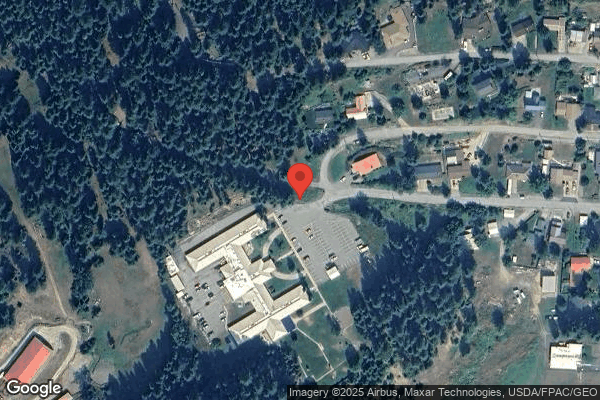
405 WEST SEVENTH STREET, SILVERTON, ID 83867 (208) 556-1147
For profit - Limited Liability company 50 Beds CASCADIA HEALTHCARE Data: November 2025 1 Immediate Jeopardy citation
Trust Grade
0/100
Last Inspection: June 2025

Inspected within the last 6 months. Data reflects current conditions.

Overview

Silverton Health and Rehabilitation of Cascadia has received a Trust Grade of F, indicating significant concerns about the quality of care provided. In Idaho, the facility ranks last among the available options, highlighting a lack of local alternatives that are better. The situation is worsening, with the number of issues identified increasing from 7 in 2023 to 13 in 2025. Staffing appears to be a weakness, with a high turnover rate of 51% and less RN coverage than 86% of Idaho facilities, which could compromise care. Additionally, the facility has incurred $41,954 in fines, which is concerning and suggests repeated compliance issues. Specific incidents include a resident receiving incorrect medication that led to hospitalization and failures in infection control measures, raising serious health risks for residents. Overall, the facility has significant strengths in staffing, but serious deficiencies in care quality and safety need to be addressed.

Trust Score
F
0/100
In Idaho
#112/223
Top 50%
Safety Record
High Risk
Review needed
Inspections
Getting Worse
7 → 13 violations
Staff Stability
⚠ Watch
51% turnover. Above average. Higher turnover means staff may not know residents' routines.
Penalties
✓ Good
$41,954 in fines. Lower than most Idaho facilities. Relatively clean record.
Skilled Nurses
⚠ Watch
Each resident gets only 21 minutes of Registered Nurse (RN) attention daily — below average for Idaho. Fewer RN minutes means fewer trained eyes watching for problems.
Violations
⚠ Watch
52 deficiencies on record. Higher than average. Multiple issues found across inspections.
☆☆☆☆☆
0.0
Overall Rating
☆☆☆☆☆
0.0
Staff Levels
☆☆☆☆☆
0.0
Care Quality
☆☆☆☆☆
0.0
Inspection Score
Stable
2023: 7 issues
2025: 13 issues

The Good

  • Full Sprinkler Coverage · Fire safety systems throughout facility
  • No fines on record

Facility shows strength in fire safety.

The Bad

Staff Turnover: 51%

Near Idaho avg (46%)

Higher turnover may affect care consistency

Federal Fines: $41,954

Above median ($33,413)

Moderate penalties - review what triggered them

Chain: CASCADIA HEALTHCARE

Part of a multi-facility chain

Ask about local staffing decisions and management

The Ugly 52 deficiencies on record

1 life-threatening 5 actual harm
Jun 2025 13 deficiencies
CONCERN (D) 📢 Someone Reported This

A family member, employee, or ombudsman was alarmed enough to file a formal complaint

Potential for Harm - no one hurt, but risky conditions existed

Deficiency F0605 (Tag F0605)

Could have caused harm · This affected 1 resident

**NOTE- TERMS IN BRACKETS HAVE BEEN EDITED TO PROTECT CONFIDENTIALITY** Based on record review, observation, and staff interview, it was determined the facility failed to ensure Residents were monitor...

Read full inspector narrative →
**NOTE- TERMS IN BRACKETS HAVE BEEN EDITED TO PROTECT CONFIDENTIALITY** Based on record review, observation, and staff interview, it was determined the facility failed to ensure Residents were monitored adequately to ensure residents were free from chemical restraints. This was true for 1 of 5 residents (Resident #23) whose records were reviewed for unnecessary medication. This failure caused the potential for more than minimal harm when Resident #23 was not able to participate in activities of daily living. Findings include:Resident #23 was admitted to the facility on [DATE], with multiple diagnoses including bipolar disorder, dementia, and insomnia.Resident #23's care plan revised 4/28/23, directed staff to monitor, document, and report to the MD changes in cognitive function such as difficulty expressing herself, level of consciousness, and mental status.A physician order dated 3/17/24, directed staff to monitor for the following side effects:1. Over-sedation / Lethargy2. Restless agitation3. Increased confusion/ poor concentration4. Mental status change5. Visual disturbances6. Change in gait/ mobility7. Behavior changes8. Nausea or vomitingOn review of resident #23's records the following physician orders were implemented:- Trazadone (a sleep-aid) 50 mg (milligrams) by mouth at bedtime for insomnia initiated on 11/14/24.- Depakote (an anticonvulsant medication used to treat manic episodes) delayed release 500 mg three times a day for bipolar disorder initiated on 3/26/25.- Risperdal (an antipsychotic medication) 0.25 mg by mouth at bedtime for bipolar disorder initiated on 5/13/24.- Risperdal 0.25 mg by mouth one time a day for bipolar disorder initiated on 5/14/25.On 6/23/25 at 10:50 AM, Resident #23 was observed falling asleep and leaning over a table in the common area during activities.On 6/23/25 at 11:39 AM, Resident #23 was observed in the dining room for lunch. Her lunch was placed in front of her and special eating utensils were provided. Resident #23 was observed taking two bites from her meal before she placed her hands in front of her on the table and began to fall asleep using her hands to support her head. Shortly after she asked staff if she can leave the dining room and was escorted out.On 6/25/25 at 10:55 AM, Resident #23 was observed leaning on the doorway of her room as she closed her eyes. Her hair was noted to be unkempt, and her clothing appeared to be disheveled and slept in. Resident #23 remained leaning on the doorway of her room until staff were able to assist her.On 6/26/25 at 10:53 AM, Resident #23 was noted sleeping in bed.A review of Resident #23's MAR dated 6/1/25 - 6/25/25, the record did not include documentation of Resident #23 experiencing sedation or lethargyOn 6/26/25 at 2:30 PM, on review of Resident #23's record the DON stated staff are not documenting Resident #23's condition and therefore it is unclear if medication adjustments need to be made.
CONCERN (D) 📢 Someone Reported This

A family member, employee, or ombudsman was alarmed enough to file a formal complaint

Potential for Harm - no one hurt, but risky conditions existed

Assessment Accuracy (Tag F0641)

Could have caused harm · This affected 1 resident

**NOTE- TERMS IN BRACKETS HAVE BEEN EDITED TO PROTECT CONFIDENTIALITY** Based on review of the Resident Assessment Instrument (RAI) Manual, record review, and staff interview, it was determined the fa...

Read full inspector narrative →
**NOTE- TERMS IN BRACKETS HAVE BEEN EDITED TO PROTECT CONFIDENTIALITY** Based on review of the Resident Assessment Instrument (RAI) Manual, record review, and staff interview, it was determined the facility failed to ensure residents' Minimum Data Set (MDS) Assessments included correct assessment information. This was true for 1 of 3 residents (Resident #39) whose MDS records were reviewed for accuracy. This deficient practice had the potential for negative outcomes if residents were not assessed and/or monitored due to inaccurate assessments. Findings include: The RAI Manual, revised 10/1/2024, documented section A1500, PASRR (Preadmission Screening and Resident Review), was to be coded yes when a PASRR Level II screening determines a resident had a serious mental illness and/or intellectual disability, or related condition. Resident #39 was admitted to the facility on [DATE], with multiple diagnoses including post-traumatic stress disorder (PTSD, a mental health condition triggered by experiencing or witnessing a traumatic event), stimulant abuse and panic disorder. Resident #39's Annual MDS assessment dated [DATE], documented under A1500 in Section A, no for the question, Is the resident currently considered by the state level II PASRR process to have serious mental illness and/or intellectual disability or a related condition? However, there was a PASRR Level II observed in his electronic medical record, dated 3/13/25. On 6/26/25 at 2:21 PM, the MDS Coordinator stated Resident #39's MDS assessment was coded that the resident did not receive a PASRR Level II, and it should have been coded yes.
CONCERN (D) 📢 Someone Reported This

A family member, employee, or ombudsman was alarmed enough to file a formal complaint

Potential for Harm - no one hurt, but risky conditions existed

Deficiency F0657 (Tag F0657)

Could have caused harm · This affected 1 resident

**NOTE- TERMS IN BRACKETS HAVE BEEN EDITED TO PROTECT CONFIDENTIALITY** Based on record review and staff interview it was determined the facility failed to ensure residents' care plans were revised ac...

Read full inspector narrative →
**NOTE- TERMS IN BRACKETS HAVE BEEN EDITED TO PROTECT CONFIDENTIALITY** Based on record review and staff interview it was determined the facility failed to ensure residents' care plans were revised according to their needs. This was true for 1 of 13 residents (Resident #8) whose records were reviewed for care plan timing and revisions. This failure created the potential for harm when residents' needs were not identified and or met. Findings include: Resident #8 was admitted to the facility on [DATE], with multiple diagnoses including dementia with psychotic disturbances and major depressive disorder. Resident #8's care plan revised on 11/14/24, directed staff to investigate and identify potential triggers of target behaviors. The care plan also directed staff to use non-pharmacological interventions to reduce target behavior. Resident #8's care plan also directed staff to keep her within line of sight due to aggressive behaviors. The care plan did not include documentation of what triggered Resident #8 to become aggressive with others around her. On 6/26/25 at 3:21 PM, the DON stated Resident #8 becomes agitated when she is over stimulated with loud sounds or too many activities around her. She also stated that Resident #8 will begin to aimlessly ambulate around the facility making rude comments towards others. When asked how staff will know what triggers her behaviors, she stated based on the care plan they wouldn't because the care plan does not include what triggers her aggressive behaviors only interventions.
CONCERN (D) 📢 Someone Reported This

A family member, employee, or ombudsman was alarmed enough to file a formal complaint

Potential for Harm - no one hurt, but risky conditions existed

Accident Prevention (Tag F0689)

Could have caused harm · This affected 1 resident

**NOTE- TERMS IN BRACKETS HAVE BEEN EDITED TO PROTECT CONFIDENTIALITY** Based on review of incident and accidents (I&A), staff interview, and The State Operation Manual, it was determined the facility...

Read full inspector narrative →
**NOTE- TERMS IN BRACKETS HAVE BEEN EDITED TO PROTECT CONFIDENTIALITY** Based on review of incident and accidents (I&A), staff interview, and The State Operation Manual, it was determined the facility failed to ensure adequate supervision was provided to prevent falls. This was true for 1 of 1 resident, (Resident #8) whose record was reviewed for falls. This had the potential to cause more than minimal harm to resident #8. Findings include:The State Operation Manual, Appendix PP, defined Avoidable Accident as an accident occurred because the facility failed to: Identify environmental hazards and/or assess individual resident risk of an accident, including the need for supervision and/or assistive devices.Resident #8 was admitted to the facility on [DATE], with multiple diagnoses including muscle weakness, difficulty in walking, and history of falls.Resident #8's care plan revised on 8/27/23, directed staff to place personal items and assistive devises within reach.An I&A report dated 4/11/25 at 4:00 PM, documented a CNA assisted Resident #8 to transfer to the couch in the common area. After the transfer the CNA proceeded to place the wheelchair near Resident #8 when the nurse interrupted her and instructed her to remove the wheelchair and place it behind the couch so Resident #8 would not attempt to self-transfer. The report documented Resident #8 attempted to self-transfer and lost her balance causing her to fall on her right side and hit her head. It also documented Resident #8 was 5-7 feet away from a transfer area. The I&A report also documented Resident #8 obtained a goose egg on the right side of her head, the provider was notified and ordered the facility to send Resident #8 to the hospital for further evaluation.The fall investigation included statements from two CNA's documenting the removal of the wheelchair from Resident #8 resulted in the fall.On 6/25/25 at 2:50 PM, during an interview with the DON and Administrator the DON stated education was provided to staff on placement of wheelchairs.
CONCERN (D) 📢 Someone Reported This

A family member, employee, or ombudsman was alarmed enough to file a formal complaint

Potential for Harm - no one hurt, but risky conditions existed

Respiratory Care (Tag F0695)

Could have caused harm · This affected 1 resident

**NOTE- TERMS IN BRACKETS HAVE BEEN EDITED TO PROTECT CONFIDENTIALITY** Based on record review, observation,resident and staff interview, it was determined the facility failed to ensure respiratory se...

Read full inspector narrative →
**NOTE- TERMS IN BRACKETS HAVE BEEN EDITED TO PROTECT CONFIDENTIALITY** Based on record review, observation,resident and staff interview, it was determined the facility failed to ensure respiratory services were provided. This was true for 1 of 1 resident (Resident #14) whose record was reviewed for respiratory services. This failure created the potential for harm when Resident #14's continuous positive airway pressure (CPAP) machine (a non-invasive ventilation machine) was not applied at bedtime. Findings include: Resident #14 was admitted to the facility on [DATE], with multiple diagnoses including obstructive sleep apnea and muscle weakness. Resident #14's care plan revised 7/4/24, directed staff to see the administration record for the application schedule. A physician order dated 3/30/25, directed staff to apply the CPAP machine at bedtime and remove in the morning. On 6/24/25 at 1:53 PM, Resident #14's CPAP machine was observed on a night stand next to her bed with no water in it. The mask was located directly on the floor near Resident #14's bed. On 6/25/25 at 9:39 AM, Resident #14 stated she had not used her CPAP machine in a month because it doesn't work. She stated, that's why I have been using this during the night and pointed at the oxygen cannula on her nose. On 6/25/25 at 4:58 PM, the DON stated Resident #14's CPAP machine has not worked in two weeks. She also stated she notified the provider on 6/21/25 and he directed her to place Resident #14 on 2 liters of oxygen via nasal cannula while she sleeps. However, neither her nor the provider discussed putting the order for the CPAP machine on hold until it was resolved.
CONCERN (D) 📢 Someone Reported This

A family member, employee, or ombudsman was alarmed enough to file a formal complaint

Potential for Harm - no one hurt, but risky conditions existed

Deficiency F0726 (Tag F0726)

Could have caused harm · This affected 1 resident

Based on record review and staff interview, it was determined the facility failed to ensure nursing staff were educated on identifying mood, behaviors, and side effects. This failure created the poten...

Read full inspector narrative →
Based on record review and staff interview, it was determined the facility failed to ensure nursing staff were educated on identifying mood, behaviors, and side effects. This failure created the potential for adverse outcomes when residents' records were not accurately reflecting residents' current condition. Findings include: On 6/26/25 at 1:45 PM, during a record review with the DON, she stated the facility had identified some concerns with resident documentation for mood, behavior, and side effects and had provided several opportunities for education with the staff. On 6/26/25 at 1:47 PM, a request for staff education was made and the following was provided: -On 3/26/24, the agenda listed CNA's were to be educated on notifying the nurse of behaviors for proper documentation however, no proof of education was provided. - On 6/5/25, the agenda listed documenting behaviors but no proof of education was provided. -On 11/7/24, the agenda listed documentation for behavior charting but no proof of education was provided. On review of the staff education provided no specific mood, behavior, or side effects were documented. On 6/26/25 at 2:05 PM, the DON stated the staff are not identifying abnormal behaviors and she believed they should provide further staff education.
CONCERN (D) 📢 Someone Reported This

A family member, employee, or ombudsman was alarmed enough to file a formal complaint

Potential for Harm - no one hurt, but risky conditions existed

Deficiency F0727 (Tag F0727)

Could have caused harm · This affected 1 resident

Based on record review and staff interview it was determined the facility failed to ensure a registered nurse (RN) was on-site for 8 consecutive hours a day, for 7 days a week, to provide care to the ...

Read full inspector narrative →
Based on record review and staff interview it was determined the facility failed to ensure a registered nurse (RN) was on-site for 8 consecutive hours a day, for 7 days a week, to provide care to the residents. This was true for 3 of 21 days reviewed for sufficient staffing. This failure placed all residents at risk for harm if their routine and/ or emergency needs could not be met without the care of a registered nurse. Findings include: On review of the nursing staff hours worked, dated 6/1/25 through 6/21/25 the facility did not provide 8 consecutive hours of registered nurse coverage on 6/1/25, 6/14/25, and 6/15/25 (3 of 21 days). On 6/24/25 at 10:02 AM, the Administrator stated the facility did not have an RN for 8 consecutive hours on 6/1/25, 6/14/25 and 6/15/25.
CONCERN (D) 📢 Someone Reported This

A family member, employee, or ombudsman was alarmed enough to file a formal complaint

Potential for Harm - no one hurt, but risky conditions existed

Medical Records (Tag F0842)

Could have caused harm · This affected 1 resident

**NOTE- TERMS IN BRACKETS HAVE BEEN EDITED TO PROTECT CONFIDENTIALITY** Based on record review and staff interview, it was determined the facility failed to ensure Resident records contained accurate ...

Read full inspector narrative →
**NOTE- TERMS IN BRACKETS HAVE BEEN EDITED TO PROTECT CONFIDENTIALITY** Based on record review and staff interview, it was determined the facility failed to ensure Resident records contained accurate documentation. This was true for 2 of 2 residents (Resident #8 and #14) whose records were reviewed for accuracy. This failure had the potential for adverse outcomes and harm when Resident #8's record documents an inaccurate weight and when Resident #14's record documented inaccuracy of administration of continuous positive airway pressure (CPAP) machine (a non-invasive ventilation machine) use. Findings include: 1. Resident #8 was admitted to the facility on [DATE], with multiple diagnoses including dysphagia, lactose intolerance, and vitamin D deficiency. Resident #8's record documented the following weights: - On 1/7/25 her weight was 145 lbs. - On 2/12/25 her weight was 147 lbs. - On 3/4/25 her weight was 133 lbs. - On 4/25/25 her weight was 130.5 lbs. - On 5/13/25 her weight was 140 lbs. - On 6/ 3/25 her weight was 127 lbs. A Quarterly Nutritional assessment dated [DATE], documented Resident #8's weight was calculated using the weight documented on 5/13/25 of 140 lbs. A Quarterly MDS assessment dated [DATE], documented Resident #8 had a weight of 140 lbs. Section K question 0300 labeled weight loss, asked did the Resident have a 5% weight loss or more in the last month or 10% or more in the last 6 months. The question was answered No or Unknown. Resident #8's record documented the weight on 5/13/25 of 140 lbs. was crossed out as inaccurate on 6/12/25, 30 days after the weight was entered. On 6/25/25 at 10:35 AM, the DON stated the Quarterly Nutritional Assessment and the Quarterly MDS both reflected a weight that was inaccurately documented. 2. Resident #14 was admitted to the facility on [DATE], with multiple diagnoses including obstructive sleep apnea and gastro-esophageal reflex. Resident #14's Care Plan revised on 7/4/24, directed staff to cleanse her mask and tubing daily and replace tubing weekly. A physician order dated 7/6/24, directed staff to cleanse the CPAP mask nightly. Resident #14's Medication Administration Record (MAR) dated 6/1/25 through 6/24/25, documented the following orders were signed off as completed: - Wipe CPAP mask daily every night shift. - Remove mask from head gear and clean mask and cushion with warm soapy water or with CPAP wipe. On review of Resident #14's record the following order to assist with CPAP placement was not signed off as completed on the following dates: 6/9/25, 6/10/25, 6/15/25, 6/20/25, 6/21/25, 6/22/25, 6/23/25, 6/24/25 On 6/25/25 at 4:45 PM, when asked if she cleaned the CPAP machine for Resident #14 LPN # 1 stated No I do not touch it only night shift. LPN #1 was asked to verify her credentials and asked why her credentials indicated she had cleansed the CPAP machine she stated I guess we all have a lot to learn. On 6/25/25 at 4:58 PM, the DON stated the CPAP machine had not worked for the last two weeks and she did not know why the staff were inaccurately documenting in the MAR.
CONCERN (D) 📢 Someone Reported This

A family member, employee, or ombudsman was alarmed enough to file a formal complaint

Potential for Harm - no one hurt, but risky conditions existed

Deficiency F0865 (Tag F0865)

Could have caused harm · This affected 1 resident

Based on record review and staff interview it was determined the facility failed to ensure the Quality Assessment and Performance Improvement (QAPI) committee took action to identify and resolve syste...

Read full inspector narrative →
Based on record review and staff interview it was determined the facility failed to ensure the Quality Assessment and Performance Improvement (QAPI) committee took action to identify and resolve systemic problems. This failure affected 49 of 49 residents residing in the facility. The deficient practice resulted in failure to identify resident mood, behaviors, and side effects for adverse outcomes when residents' record were not accurately documenting the residents current condition. Findings include: The facility's QAPI plan revised on 06/04/24, directed the QAPI committee to perform the following: - Meet at a minimum on a quarterly basis - Coordinating and evaluating QAPI program activities - Developing and implementing appropriate plan of action to correct identified deficiencies - Regularly review and analyze data collected under QAPI program and data resulting from drug regimen review and acting on available data to make improvements. - Determine areas for Performance Improvement Plans (PIP) for rapid improvement projects. On 6/26/25 at 2:05 PM, the DON stated she has been educating the nursing staff on mood, behaviors, and side effects for several months. On 6/27/25 at 8:43 AM, The administrator stated the QAPI committee met monthly and have discussed pharmacy concerns. When asked if the team had identified inaccuracy for documentation for mood and behaviors he stated yes. When asked why the concerns was not deemed necessary to implement as a PIP he stated he cannot speak to why the team did not implement a PIP to correct the deficient practice.
CONCERN (D) 📢 Someone Reported This

A family member, employee, or ombudsman was alarmed enough to file a formal complaint

Potential for Harm - no one hurt, but risky conditions existed

Infection Control (Tag F0880)

Could have caused harm · This affected 1 resident

Based on observation, CDC recommendation review, and staff interview, it was determined the facility failed to ensure infection control and prevention practices were maintained. This failure had the p...

Read full inspector narrative →
Based on observation, CDC recommendation review, and staff interview, it was determined the facility failed to ensure infection control and prevention practices were maintained. This failure had the potential to impact all residents in the facility by placing them at risk for cross contamination and transmission of infection. Findings include: The Centers for Disease Control and Prevention (CDC) web page titled, Clinical Safety: Hand Hygiene for Healthcare Workers, updated 2/27/24, documented hand hygiene should be performed: -Immediately before touching a patient. -Before performing an aseptic task such as placing an indwelling device or handling invasive medical devices. -Before moving from work on a soiled body site to a clean body site on the same patient. -After touching a patient or patient's surroundings. -After contact with blood, body fluids, or contaminated surfaces. -Immediately after glove removal. The following was observed for hand hygiene and Personal Protective equipment (PPE): On 6/24/25 at 2:50 PM, CNA #1 and CNA #2 were observed entering Resident #6's room to provide peri-care. Both CNAs sanitized their hands and donned gloves and positioned Resident #6 on her side. CNA #1 was providing peri-care for Resident #6 when she removed her soiled gloves. She then reached into her shirt pocket and pulled out a pair of gloves, paused, put them back into her pocket and pulled a pair of gloves from a box in the residents' bathroom. CNA #1 then donned the new gloves. No hand hygiene was observed. She proceeded to complete Residents #6's care by donning her new brief and positioning her comfortably in her bed. Both CNAs removed their gloves and performed hand hygiene prior to leaving Resident #6's room. On 6/24/25 at 3:05 PM, CNA #1 stated she should have performed hand hygiene after removing the dirty gloves and before donning the new gloves and continuing resident care. On 6/26/25 at 10:10 AM, the DON stated the expectation for direct care staff would be that they wash their hands between glove changes.
CONCERN (E) 📢 Someone Reported This

A family member, employee, or ombudsman was alarmed enough to file a formal complaint

Potential for Harm - no one hurt, but risky conditions existed

Free from Abuse/Neglect (Tag F0600)

Could have caused harm · This affected multiple residents

**NOTE- TERMS IN BRACKETS HAVE BEEN EDITED TO PROTECT CONFIDENTIALITY** Based on record review, staff interview, review of the State Agency's Long-Term Care Reporting Portal, and review of I&As, it wa...

Read full inspector narrative →
**NOTE- TERMS IN BRACKETS HAVE BEEN EDITED TO PROTECT CONFIDENTIALITY** Based on record review, staff interview, review of the State Agency's Long-Term Care Reporting Portal, and review of I&As, it was determined the facility failed to ensure residents are free from abuse. This was true for 3 of 3 residents (Resident #9, #30, #51) whose records were reviewed for abuse. This created the potential for harm when Residents #9, #30, and #51 were struck by Resident #8. Findings include: The facility's Abuse policy revised 10/15/22, documented residents will remain free from abuse, neglect, misappropriation of resident property, and exploitation. Including but not limited to corporal punishment. Resident #8 was admitted to the facility on [DATE], with multiple diagnoses including dementia with psychotic disturbances and major depressive disorder. 1. Physical abuse directed by Resident #8 to Resident #30. Resident #30 was admitted to the facility on [DATE], with multiple diagnoses including muscle weakness, pain, and dementia. On review of the State Agency's Long-Term Care Reporting Portal accessed on 6/24/25, a facility report was identified indicating Resident #8 had a physical altercation with Resident #30. On review of the facility's, I&A's a resident-to-resident investigation dated 11/10/24, documented Resident #8 was in the common area when she self-propelled her wheelchair to Resident #30 and began to kick her multiple times. Resident #30 informed a CNA of the incident and both Resident #8 and Resident #30 were separated and assessed for injuries. The I&A documented Resident #8 was the aggressor, and the following interventions were to be implemented for her: - Medication changes - Non-pharmacological interventions - Continue to monitor Resident #8 in line of sight while in the day room. - Divert Resident #8 with activities or with 1 on 1 conversation and provide less stimulation. Resident #8's care plan revised on 11/9/20, directed staff to intervene as necessary to protect the rights and safety of others. A physician order dated 6/28/23, directed staff to document behaviors of verbal and physical aggression as well as refusal of cares. On review of Resident #8's behavior monitor dated 11/1/24 through 11/13/24, Resident #8 displayed physical aggression on the following days with no interventions: - 11/3/24 during day shift - 11/3/24 during night shift - 11/4/24 during day shift - 11/4/24 during night shift - 11/10/24 during night shift - 11/13/24 during day shift - 11/13/24 during night shift On 6/26/25 at 3:45 PM, the DON stated Resident #8 had a medication change to her Risperdal (an antipsychotic medication). However, it is unclear why interventions were not documented. 2. Physical abuse directed by Resident #8 to Resident #51. Resident #51 was admitted to the facility on [DATE], with multiple diagnoses including weakness, major depressive disorder and dementia. On review of the State Agency's Long-Term Care Reporting Portal accessed on 6/24/25, a facility report was identified indicating Resident #8 had a physical altercation with Resident #51. On review of the facility's, I&A's a resident-to-resident investigation dated 12/17/24, documented Resident #51 was wheeling herself to the nurse's station when she encountered Resident #8. Resident #8 than slapped Resident #51 and called her a name. Resident #51 than slapped Resident #8 in return. Staff than separated both residents. The report documented both residents were assessed for injuries, but no injuries were identified. Upon conclusion of the investigation Resident #8 was identified as the aggressor and Resident #51 as the victim. The I&A report documented the following interventions for Resident #8: - Review of current medications with increase in dose - Staff educated to implement 1 on 1 when Resident #8 presents with agitation. Resident #8's care plan revised 12/17/24, directed staff if Resident #8 appeared agitated to implement a 1 on 1 supervision and take resident into a quiet place away from environmental triggers. The I&A also documented the facility made the decision to send referrals to 2 behavioral health facilities in the state to best meet the needs of Resident #8. On 6/25/25 at 3:55 PM, the DON stated Resident #8 was given her own room to provide a low stimulation environment when she became overwhelmed. She also stated staff were directed to immediately initiate 1 on 1 care when Resident #8 became agitated. 3. Physical abuse directed by Resident #8 to Resident #9. Resident #9 was readmitted to the facility on [DATE], with multiple diagnoses including bipolar disorder, pain, muscle weakness, and anxiety. On review of the State Agency's Long-Term Care Reporting Portal accessed on 6/24/25, a facility report was identified indicating Resident #8 had a physical altercation with Resident #9. On review of the facility's, I&A's report a resident-to-resident investigation dated 5/19/25, documented Resident #9 was ambulating back to her room with her walker and Resident #8 was self-propelling in her wheelchair. When Resident #9 arrived at the doorway of her room Resident #8 then kicked Resident #9 striking her on her right lateral calf and told her to get in her room. A CNA observed the situation and immediately separated the two residents and notified the nurse. The report documented both residents were assessed for injuries and no injuries were identified. It also documented the facility determined the incident occurred because of Resident #8's agitation. The report directed staff to continue to monitor Resident #8 closely in line of sight when out of her room and around others. Resident #8's care plan revised on 5/19/25, directed staff to keep resident in line of sight at all times due to aggressive behaviors, and to continue to use already care planned interventions with 1 on 1 interventions as needed. On review of Resident #8's behavior monitor dated 5/1/25 through 5/31/25, one episode of physical aggression was documented on 5/5/25 with interventions implemented however, the record was unclear if the interventions were effective. Resident #8's record did not include documentation of the physical aggression that occurred on 5/19/25 during the resident-to-resident incident. On 6/26/25 at 5:00 PM, the DON stated, Resident #8's medications were increased in dose. She also stated when resident #8 became agitated she would make rude verbal comments and would walk around the facility aimlessly. The DON stated, However, that day the staff missed the need for interventions. On 6/26/25 at 5:25 PM, the Administrator stated the incidents that occurred on 11/10/24, 12/17/24, and 5/19/25 were all substantiated for abuse with Resident #8 being the aggressor.
CONCERN (E) 📢 Someone Reported This

A family member, employee, or ombudsman was alarmed enough to file a formal complaint

Potential for Harm - no one hurt, but risky conditions existed

Quality of Care (Tag F0684)

Could have caused harm · This affected multiple residents

**NOTE- TERMS IN BRACKETS HAVE BEEN EDITED TO PROTECT CONFIDENTIALITY** Based on record review and staff interview, it was determined the facility failed to ensure professional standards of practice w...

Read full inspector narrative →
**NOTE- TERMS IN BRACKETS HAVE BEEN EDITED TO PROTECT CONFIDENTIALITY** Based on record review and staff interview, it was determined the facility failed to ensure professional standards of practice were followed for 5 of 5 residents (#4, #7, #26, #40, and #41) reviewed for bowel and bladder care. This failed practice created the potential for each of these residents to experience discomfort when their medications were not administered according to the physician's order. Findings include: 1.) Resident #4 was admitted to the facility on [DATE], with multiple diagnoses including dementia, muscle weakness, and constipation. An Annual MDS assessment dated [DATE], documented Resident #4's decision making was poor, and she needed cues and/or supervision. A physician's order documented Resident #4 was to receive the following medications: -Milk of Magnesia (MOM) suspension 1200 milligram (mg) /15 milliliters (ml), give 30 ml orally as needed for no bowel movement (BM) for two days. Give 1 dose. If no results within 24 hours, see Dulcolax suppository order. -Dulcolax suppository 10 mg, insert 1 suppository rectally as needed for bowel care. Give if no results from MOM. If no results in 24 hours, see Fleets Enema order. -Fleet Enema, insert 1 unit rectally as needed for bowel care. Give if no results from MOM and subsequent Dulcolax suppository. Complete bowel assessment and notify MD if no results. Resident #4's Bowel Movement Records, dated 5/15/25 through 6/15/25, documented she did not have a bowel movement from 5/29/25 through 6/1/25 (4 days). Resident #4's Medication administration record (MAR), dated 5/15/25 through 6/15/25, documented she did not receive any bowel care medications when she did not have a bowel movement for 4 days. On 6/26/25 at 1:15 PM, the DON reviewed Resident #4's record and stated Resident #4 should have been offered a bowel medication when she hadn't had a bowel movement on the evening of 5/31/25. 2.) Resident #7 was admitted to the facility on [DATE], with multiple diagnoses including chronic pain, muscle weakness, and constipation. A Quarterly MDS assessment dated [DATE], documented Resident #7 was cognitively intact. A physician's order documented Resident #7 was to receive the following medications: -Bisacodyl oral tablet delayed release 5mg, give 10 mg by mouth as needed for constipation daily. -Bisacodyl laxative rectal suppository, insert 1 unit rectally every 72 hours as needed for constipation may give every 3 days if no BM. -Milk of Magnesia suspension 400 mg/5 ml, give 30 ml by mouth as needed for constipation. If resident does not have a bowel movement for three days, administer milk of magnesia per physician order on day four. -Miralax Powder, give 0.5 dose by mouth every 24 hours as needed for constipation mix with 4 oz of liquid of choice. Resident #7's Bowel Movement Records, dated 6/1/25 through 6/24/25, documented he did not have a bowel movement from 6/3/25 through 6/8/25 (6 days) and from 6/10/25 through 6/14/25 (5 days). Resident #7's MAR, dated 6/1/25 through 6/24/25, documented he did not receive any bowel care medications when he did not have a bowel movement for 6 days and 5 days respectively. On 6/24/25 at 3:30 PM, Resident #7 stated he frequently gets constipation and has to ask the nurse for a bowel medication when it gets bad. On 6/26/25 at 1:20 PM, the DON reviewed Resident #7's record and stated Resident #7 is cognitively intact and can ask for bowel medications when needed. She further stated the nurse should have been tracking his bowel movements and offered medications when Resident #7 had not had a bowel movement on the evening of 6/6 or the morning of 6/7 and again when he had not had a bowel movement on the evening of 6/12 or the morning of 6/13. 3.) Resident #26 was admitted to the facility on [DATE], with multiple diagnoses including dementia, muscle weakness, and constipation. A Quarterly MDS assessment dated [DATE], documented Resident #27's decision making was poor, and she needed cues and/or supervision. A physician's order documented Resident #27 was to receive the following medications: -Milk of Magnesia suspension 400 mg/5 ml, give 30 ml by mouth as needed for constipation. Give daily as needed. Contact provider if there is three days without significant BM. -Dulcolax suppository 10 mg, insert one suppository rectally as needed for constipation. Contact provider if there is three days without significant BM. -Fleets Enema, insert one dose rectally as needed for constipation. Give if no results from MOM and subsequent Dulcolax suppository. Complete bowel assessment and notify provider if no results. Resident #26's Bowel Movement Records, dated 6/1/25 through 6/24/25, documented she did not have a bowel movement from 6/13/25 through 6/16/25 (4 days). Resident #26's MAR, dated 6/1/25 through 6/24/25, documented she did not receive any bowel care medications when she did not have a bowel movement for 4 days. On 6/26/25 at 1:25 PM, the DON reviewed Resident #26's record and stated Resident #26 should have been offered a bowel medication when she did not have a bowel movement on the evening of 6/15 or the morning of 6/16. 4.) Resident #40 was re-admitted to the facility on [DATE], with multiple diagnoses including long term antibiotic use, muscle weakness, and constipation. An admission MDS assessment dated [DATE], documented Resident #40's decision making was moderately impaired. A physician's order documented Resident #40 was to receive the following medications: -Milk of Magnesia suspension 1200 mg/15 ml, give 30 milliliters orally as needed for no BM for 72 hours, give 1 dose. If no results within 24 hours, see Dulcolax suppository order. -Dulcolax suppository 10 mg, insert 1 suppository rectally as needed for bowel care after MOM administration with no results. Give if no results from MOM. If no results in 24 hours, see Fleets Enema order. -Fleet Enema, insert 1 unit rectally as needed for bowel care after 24 hours of suppository with no results, give if no results from MOM and subsequent Dulcolax suppository. Complete bowel assessment and notify MD if no results. Resident #40's Bowel Movement Records, dated 6/1/25 through 6/24/25, documented he did not have a bowel movement from 6/17/25 through 6/21/25 (5 days). Resident #40's MAR, dated 6/1/25 through 6/24/25, documented he did not receive any bowel care medications when he did not have a bowel movement for 5 days. On 6/26/25 at 1:30 PM, the DON reviewed Resident #40's record and stated Resident #40 should have been offered a bowel medication when he had not had a bowel movement on the evening of 6/19 or the morning of 6/21. 5.) Resident #41 was admitted to the facility on [DATE], with multiple diagnoses including psychotic disturbance, muscle weakness, and constipation. A Quarterly MDS assessment dated [DATE], documented Resident #41's decision making was poor, and she needed cues and/or supervision. A physician's order documented Resident #41 was to receive the following medications: -Milk of Magnesia suspension 1200 mg/15 ml, give 30 milliliters orally as needed for no BM for two days. Give 1 dose. If no results within 24 hours, see Dulcolax suppository order. -Dulcolax suppository 10 mg, insert 1 suppository rectally as needed for bowel care, give if no results from MOM. If no results in 24 hours, see Fleets Enema order. -Fleet Enema, insert 1 unit rectally as needed for bowel care. Give if no results from MOM and subsequent Dulcolax suppository. Complete bowel assessment and notify MD if no results. Resident #41's Bowel Movement Records dated 5/15/25 through 6/15/25, documented she did not have a bowel movement from 5/29/25 through 6/1/25 (4 days). Resident #41's MAR dated 5/15/25 through 6/15/25, documented she did not receive any bowel care medications when she did not have a bowel movement for 4 days. On 6/26/25 at 1:35 PM, the DON reviewed Resident #41's record and stated Resident #41 should have been offered a bowel medication when she did not have a bowel movement on the evening of 5/31 or the morning of 6/1.
CONCERN (E) 📢 Someone Reported This

A family member, employee, or ombudsman was alarmed enough to file a formal complaint

Potential for Harm - no one hurt, but risky conditions existed

Food Safety (Tag F0812)

Could have caused harm · This affected multiple residents

Based on observation and staff interview, it was determined the facility failed to ensure (a) food was stored in a safe and sanitary manner and (b) drink wear was maintained in sanitary conditions. Th...

Read full inspector narrative →
Based on observation and staff interview, it was determined the facility failed to ensure (a) food was stored in a safe and sanitary manner and (b) drink wear was maintained in sanitary conditions. This deficient practice created the potential to affect 49 of 49 residents who consumed food and drinks prepared by the facility. This placed residents at risk for adverse outcomes, including food-borne illness. Findings include: a. On 6/23/25 at 10:10 AM, during a initial kitchen inspection a large brown box was observed in the dry goods pantry. The box contained large yellow onions noted with a green fuzzy substance on the surface of multiple onions. On 6/23/25 at 10:11 AM, when asked if the onions were in a safe condition to serve the Dietitian stated obviously we would not serve them to anyone. b. On 6/24/25 at 2:15 PM, during a in-depth kitchen inspection a bread toaster was identified sitting on a counter. The toaster was observed to contained a thick layer of black encrusted particles. Also, during the inspection multiple purple coffee cups were identified in a clean storage cabinet to have a layer of brown substance along the inside of the cup. On 6/24/25 at 2:32 PM, During an interview with the Administrator and Kitchen Aid #1, the Administrator stated the toaster is not in a clean condition and will be replaced. Kitchen Aid #1 stated in his opinion the cups were also not in sanitary condition.
Oct 2023 7 deficiencies 1 Harm
SERIOUS (G) 📢 Someone Reported This

A family member, employee, or ombudsman was alarmed enough to file a formal complaint

Actual Harm - a resident was hurt due to facility failures

Deficiency F0760 (Tag F0760)

A resident was harmed · This affected 1 resident

**NOTE- TERMS IN BRACKETS HAVE BEEN EDITED TO PROTECT CONFIDENTIALITY** Based on policy review, record review, and staff interview, it was determined the facility failed to ensure residents were free ...

Read full inspector narrative →
**NOTE- TERMS IN BRACKETS HAVE BEEN EDITED TO PROTECT CONFIDENTIALITY** Based on policy review, record review, and staff interview, it was determined the facility failed to ensure residents were free of significant medication errors. This was true for 1 of 7 residents (Resident #8) whose medications were reviewed. This failure created harm to Resident #8 when she received an incorrect administration of medication requiring hospitalization. Findings include: The facility's Medication Errors policy, dated 8/1/23, documented a medication error was the preparation, or administration of drugs or biologicals that were not in accordance with the following: - Prescriber's order - Manufacture's specifications - Accepted professional standards and principles that apply to professionals providing services. This policy was not followed. Resident #8 was admitted to the facility on [DATE], with multiple diagnoses including cerebral infarction (result of disrupted blood flow to the brain), and hypertension (high blood pressure). Resident #8's MAR for August 2023, documented a physician's order for Lisinopril (medication used to treat high blood pressure) oral tablet 20 mg to be administered by mouth one time a day for hypertension and to hold (do not administer) if Resident #8's systolic blood pressure (pressure in the arteries when the heart beats) was less than 150 or diastolic blood pressure less than 60 (pressure in the arteries when the heart rests between beats). A nursing note, dated 8/28/23 at 11:10 AM, documented Resident #8's daughter was notified of Resident #8's acute change in condition with hypotension (low blood pressure) and order to transfer her to the hospital emergency department. An Incident and Accident report, dated 8/29/23, investigating Resident #8's hospitalization, documented her Lisinopril was not held when meeting hold parameters prior to her hospitalization. Resident #8's Lisinopril was discontinued on 8/31/23. A document provided by the facility titled, Attention all Nurses, dated 8/29/23, signed by the CNO, documented Resident #8's medications were reviewed and 21 episodes of the medication Lisinopril was given when it should have been held per parameters listed on the physician order. The document stated this was a huge survey/citation risk and carried weight as it could/would cause harm or there would not be parameters. An attendance roster documented the document was reviewed by 7 facility nurses. Resident #8's MAR, dated 8/1/23 through 8/31/23, documented Resident #8 was given Lisinopril 24 times in August 2023 when his blood pressure was outside of the ordered parameters to receive the Lisinopril. After education was provided to facility nurses on 8/29/23, there was 1 episode of Lisinopril given on 8/31/23 with a blood pressure of 139/62, which was outside of the ordered parameters to administer the Lisinopril. Documentation of the education on 8/29/23 included the nurse who administered the Lisinopril on 8/31/23, which was after the provided education. On 10/4/23, at 11:30 AM, the CNO stated Resident #8 had a change of condition related to low blood pressure. She stated a medication review was completed, and the medication errors were identified. The CNO stated she wrote and presented the nursing staff with education on medication errors and following hold parameters for blood pressure medication administration.
CONCERN (D) 📢 Someone Reported This

A family member, employee, or ombudsman was alarmed enough to file a formal complaint

Potential for Harm - no one hurt, but risky conditions existed

Notification of Changes (Tag F0580)

Could have caused harm · This affected 1 resident

**NOTE- TERMS IN BRACKETS HAVE BEEN EDITED TO PROTECT CONFIDENTIALITY** Based on policy review, record review, and staff interview, it was determined the facility failed to ensure a resident's represe...

Read full inspector narrative →
**NOTE- TERMS IN BRACKETS HAVE BEEN EDITED TO PROTECT CONFIDENTIALITY** Based on policy review, record review, and staff interview, it was determined the facility failed to ensure a resident's representative was immediately notified when the resident had changes in condition. This was true for 2 of 2 residents (Resident #1 and #8) whose records were reviewed for changes of condition. This deficient practice placed residents at risk of harm due to lack of advocacy and support from their representatives. Findings include: The facility's Resident Change of Condition policy, dated 11/28/17, documented the facility was to immediately inform the resident and to consult with the resident's physician and notify, consistent with his or her authority, the resident representative when there was a significant change in the resident's physical, mental or psychological status, and need to alter significant treatment. This policy was not followed. 1. Resident #1 was admitted to the facility on [DATE], with multiple diagnoses including ulcerative pancolitis (inflammation affecting the entire colon), and pain. A nursing progress note, dated 9/21/23 at 11:30 PM, documented Resident #1 was found without vital signs. Resident #1's record did not include documentation his physician and family were notified at the time of his death. On 10/4/23 at 3:57 PM, the Resource Nurse stated there was no notification to Resident #1's physician or family upon his time of death. 2. Resident #8 was admitted to the facility on [DATE], with multiple diagnoses including cerebral infarction (result of disrupted blood flow to the brain) and hypertension. Resident #8's MAR for August 2023, documented a physician's order for Lisinopril (medication used to treat high blood pressure) oral tablet 20 mg to be administered by mouth one time a day for hypertension and to hold (do not administer) if Resident #8's systolic blood pressure (pressure in the arteries when the heart beats) was less than 150 or diastolic blood pressure less than 60 (pressure in the arteries when the heart rests between beats). A nursing progress note, dated 8/28/23 at 11:10 AM, documented Resident #8's daughter was notified of Resident #8's acute change in condition with hypotension (low blood pressure) and transfer to the hospital emergency department. An Incident and Accident report, dated 8/29/23, investigating Resident #8's hospitalization, documented her Lisinopril was not held when meeting hold parameters prior to her hospitalization. Resident #8's Lisinopril was discontinued on 8/31/23. Resident #8's record did not include documentation Resident #8's daughter was notified her Lisinopril was not held when meeting hold parameters prior to her hospitalization. On 10/4/23, at 11:30 AM, the CNO stated Resident #8's daughter was not notified of the medication errors until 8/31/23 when her Lisinopril was discontinued.
CONCERN (D) 📢 Someone Reported This

A family member, employee, or ombudsman was alarmed enough to file a formal complaint

Potential for Harm - no one hurt, but risky conditions existed

Deficiency F0657 (Tag F0657)

Could have caused harm · This affected 1 resident

**NOTE- TERMS IN BRACKETS HAVE BEEN EDITED TO PROTECT CONFIDENTIALITY** Based on observation, record review, policy review, and staff interview, it was determined the facility failed to ensure residen...

Read full inspector narrative →
**NOTE- TERMS IN BRACKETS HAVE BEEN EDITED TO PROTECT CONFIDENTIALITY** Based on observation, record review, policy review, and staff interview, it was determined the facility failed to ensure resident care plans were revised to reflect current needs and interventions. This was true for 1 of 7 residents (Resident #2) whose care plans were reviewed. This placed Resident #2 at risk for adverse outcomes when his care plan was not revised to meet his needs. Findings include: The facility's Care Plan policy, revised on 10/15/22, documented a qualified person would monitor the resident's condition and effectiveness of the care plan interventions and revise the care plan quarterly, annually, and with a significant change in condition. This policy was not followed. Resident #2 was admitted to the facility on [DATE], with multiple diagnoses including chronic obstructive pulmonary disease (a group of diseases that cause airflow blockage and breathing-related problems), respiratory failure, and chronic pain syndrome. An MDS significant change in condition assessment, dated 9/22/23, documented Resident #2 required one-person physical assistance for walking, standing, and toileting. Resident #2's care plan, dated 7/13/23, documented he was a fall risk with the following interventions: - Non-skid footwear - Placement of personal items within reach - Reinforcement of safety awareness Resident #2's care plan, revised on 9/28/23 included a post fall intervention to offer him assistance with toileting every 2 hours and remind him to use the call light for assistance. Resident #2 had two falls on 10/2/23 as follows: - A Post Fall report, dated 10/2/23, documented Resident #2 had an unwitnessed fall at 6:10 AM. Resident #2 was found sitting on the floor next to his bed with his legs straight out in front of him. The report documented Resident #2 was barefoot, lost his balance, and was independently attempting to transfer. The report documented contributing factors included unsteady gait, history of falls, change in condition, change in medications, and narcotics. The report documented frequent checks were initiated, and Resident #2 was brought to the dayroom for increased supervision. - A Post Fall report, dated 10/2/23, documented Resident #2 had an unwitnessed fall at 8:10 PM, resulting in an injury and transfer to the hospital. The report documented Resident #2 was found on the floor with his wheelchair partially on top of him. The report documented Resident #2 required more assistance than his care plan specified. The report documented the resident expressed pain as 10 (pain scale where 0 is no pain and 10 the most pain). Contributing factors included a history of falls, change in condition, and narcotics. An Incident and Accident report, dated 10/2/23 at 8:10 PM documented a licensed nurse heard Resident #2 fall and found him sitting on the floor with his wheelchair partially on top of him. Resident #2 complained of pain to his back, right elbow, and right leg with a skin tear to his right ankle. Emergency medical services was called for assistance and transfer to the hospital for further evaluation. Resident #2's care plan was not updated with new interventions after his falls on 10/2/23. On 10/3/23 at 6:38 PM, The CNO stated she did not revise the care plan with interventions within a timely manner. She stated the believed if the interventions were implemented timely it could have prevented additional falls. The CNO stated she planned to place Resident #2 on a one-on-one status but when she arrived to the facility Resident #2 had passed away.
CONCERN (D) 📢 Someone Reported This

A family member, employee, or ombudsman was alarmed enough to file a formal complaint

Potential for Harm - no one hurt, but risky conditions existed

Pharmacy Services (Tag F0755)

Could have caused harm · This affected 1 resident

**NOTE- TERMS IN BRACKETS HAVE BEEN EDITED TO PROTECT CONFIDENTIALITY** Based on record review, policy review, and staff interview, it was determined the facility failed to ensure accuracy of narcotic...

Read full inspector narrative →
**NOTE- TERMS IN BRACKETS HAVE BEEN EDITED TO PROTECT CONFIDENTIALITY** Based on record review, policy review, and staff interview, it was determined the facility failed to ensure accuracy of narcotic counts. This was true of 2 of 8 residents (#1 and #2) whose narcotic logs were reviewed. This failure created the potential for undetected misuse and/or diversion of controlled medications. Findings include: The facility's Pharmacy Services policy, dated 11/28/17, documented the facility provided pharmaceutical services (including procedures that assure the accurate acquiring, receiving, dispensing, and administering of drugs and biologicals) to meet the needs of each resident. Periodic reconciliation of records of receipts, disposition, usage, and inventory for all controlled medications were conducted. The reconciliation identified loss or potential diversion of controlled medications. This policy was not followed. a. Resident #1 was admitted to the facility on [DATE], with multiple diagnoses including ulcerative pancolitis (inflammation affecting the entire colon), and pain. Resident #1's narcotic log entries for morphine sulfate (opioid pain medication), dated 9/8/23 through 9/21/23, documented 39 entries for dispensing morphine sulfate. Resident #1's MAR, dated 9/1/23 through 9/21/23, documented 31 entries for morphine administered to Resident #1, resulting in 8 narcotic log doses of morphine sulfate not documented in Resident #8's MAR. b. Resident #2 was admitted to the facility on [DATE], with multiple diagnoses including chronic respiratory failure. Resident #2's narcotic medication record, dated 10/1/23 through 10/3/23, documented 22 entries for dispensing morphine sulfate, Resident #2's MAR, dated 10/1/23 through 10/3/23, documented 14 entries for morphine sulfate given, resulting in 8 doses of morphine sulfate not documented in Resident #2's MAR. Resident #2's narcotic medication record, dated 9/18/23 through 9/30/23, documented 81 entries for dispensing morphine sulfate, Resident #2's MAR, dated 9/18/23 through 9/30/23, documented 72 entries for giving morphine sulfate, these 9 omissions had the potential for the resident to receive incorrect additional doses of a narcotic medication. Resident #2's narcotic log for morphine sulfate, dated 9/18/23 through 10/3/23 documented discrepancies with narcotic counts after medication dispensing and at time of disposition of unused portions of medications on the following dates: -9/25/23 the number of morphine sulfate doses was corrected from 45 to 42 with no documented explanation -9/27/23 the number of morphine sulfate doses remaining was 28. A late entry was written for 9/19/23 and 2 late entries were written on 9/20/23 with amount remaining at 28 with no explanation. -10/2/23 the number of morphine sulfate doses available was 17, with the number of doses remaining 16. This entry had a line drawn through it with a notation for duplicate entry, initialed by the CNO, which should have made the remaining number of doses at 17. -10/2/23 there were 2 additional doses of morphine sulfate given, which should have made the remaining doses at 15. -10/3/23 the number of morphine doses documented was 14 doses available with remaining number of 13 doses. -10/3/23 the disposition of unused portion of morphine sulfate prescription, documented the number of doses destroyed was 15. This was crossed out, changed to 13 doses, and the correct number should have been 14 doses. On 10/ 4/23, at 11:00 AM, the CNO reviewed the narcotic log entries and MARs for Resident #1, dated 9/8/23 through 9/21/23, and Resident #2, dated 10/1/23 through 10/3/23, and confirmed the omissions of documentation on the MARs. The CNO stated the nurses were expected to call her when there was a discrepancy with the narcotic count. She stated the facility did not have an audit system for matching MARs with narcotic logs and the pharmacy was expected to check them on a quarterly basis. The CNO stated the pharmacy review scheduled on 9/28/23 did not occur and a new date had not been scheduled.
CONCERN (D) 📢 Someone Reported This

A family member, employee, or ombudsman was alarmed enough to file a formal complaint

Potential for Harm - no one hurt, but risky conditions existed

Deficiency F0757 (Tag F0757)

Could have caused harm · This affected 1 resident

**NOTE- TERMS IN BRACKETS HAVE BEEN EDITED TO PROTECT CONFIDENTIALITY** 2. Resident #2 was admitted to the facility on [DATE], with multiple diagnoses including chronic obstructive pulmonary disease (...

Read full inspector narrative →
**NOTE- TERMS IN BRACKETS HAVE BEEN EDITED TO PROTECT CONFIDENTIALITY** 2. Resident #2 was admitted to the facility on [DATE], with multiple diagnoses including chronic obstructive pulmonary disease (a group of diseases that cause airflow blockage and breathing-related problems), respiratory failure, and chronic pain syndrome. A physician order, dated 9/18/23, directed staff to administer morphine (opioid pain medication) 0.25 milliliter by mouth to Resident #2 every hour as needed for generalized pain or shortness of breath. A second physician order, dated 10/1/23, directed staff to administer morphine 1 milliliter by mouth to Resident #2 every hour as needed for generalized pain or shortness of breath. Resident #2's care plan, dated 7/13/23, documented he was on hospice services and directed staff to evaluate pain levels every shift using a 1-10 pain scale (scale where 0 equals no pain and 10 the worst pain). The care plan also documented staff were to: - Monitor/document/report to physician side effects or evidence of ineffectiveness of the pain medication. - Offer non-pharmacological interventions for pain relief: heat, cold, massage, positioning, music, relaxation, imagery, diversion, etc. A physician order, dated 7/13/23, documented non-pharmacological interventions were to be attempted prior to PRN pain medication administration. Resident #2's MAR for September and October 2023, documented he received 72 administrations of 0.25 milliliter of morphine in September 2023, and 7 administrations of 1 milliliter of morphine in October of 2023. Resident #2's MAR for September and October 2023 did not include pain monitoring documentation prior to administering his morphine. Additionally, Resident #2's MARs for August, September, and October 2023 documented he also received oxycodone and dilaudid (opioid pain medications). There were no non-pharmacological interventions documented in Resident #2's MARs prior administering these opioid pain medications. On 10/4/23 at 11:29 AM, the CNO stated she directed her staff to administer morphine every hour until Resident #2 was comfortable. She also stated if Resident #2 had monitors for opioid medications it may have triggered the nurse to contact hospice and notify them of his current condition with the possibility to hold further administration. On 10/4/23 at 12:36 PM, the CNO stated the facility did not monitor for side effects specific to opioid medication. She also stated nurses were not providing a non-pharmacological intervention prior to PRN pain medication administration and it was an opportunity for education. Based on record review, policy review, and staff interview, it was determined the facility failed to ensure residents were monitored appropriately and offered non-pharmacological interventions while receiving opioid pain medications. This was true for 2 of 3 residents (#1 and #2) reviewed for unnecessary medications. This failure created the potential for residents to experience adverse reactions due to a lack of appropriate monitoring or increased pain due to not offering non-pharmacological interventions. Findings include: The facility's Unnecessary Medications and Psychotropic Drugs/Antipsychotic Medication policy, dated 11/28/17, documented a resident's medication regime was free of any medication used in excessive dose, excessive duration, without adequate monitoring, without adequate indications for use, in the presence of adverse consequences or any combination of these reasons. This policy was not followed. 1. Resident #1 was admitted to the facility on [DATE], with multiple diagnoses including ulcerative pancolitis (inflammation affecting the entire colon), and pain. a. Resident #1's narcotic medication record for morphine sulfate (an opioid pain medication), dated 9/8/23 through 9/21/23, documented 39 entries for dispensing morphine sulfate. Resident #1's MAR, dated 9/1/23 through 9/21/23, documented 31 entries for morphine given, these 8 omissions on the MAR had the potential for the resident to receive incorrect additional doses of a narcotic medication. b. Resident #1's MAR, dated 9/8/23 through 9/21/23, documented morphine 0.25 milliliters every hours for mild pain or dyspnea (difficulty breathing), morphine 0.5 milliliters every hour for moderate pain/dyspnea, and morphine 1 milliliter every hour for severe pain. Resident #1's MAR did not include pain scale indicators (0 being no pain and 10 being the highest pain level) for Resident #1's pain for mild, moderate, or severe pain levels. Resident #1's MAR did not include indications for use or a pain level for 0.25 milliliter doses on 9/8/23 and 9/9/23. Resident #1's MAR, dated 9/8/23 through 9/21/23, documented Resident #1 had a pain level of 0 on 9/19/23 and 9/20/23, and received 1 milliliter dose for severe pain/dyspnea. On 10/4/23 at 11:00 AM, the CNO reviewed Resident #1's MAR, dated 9/8/23 through 9/21/23, regarding morphine use, she stated monitoring of pain levels was generally done before and after each shift, there was no indications of pain level for charting on morphine related to mild, moderate, or severe pain. The CNO reviewed the narcotic log and MAR for Resident #1, dated 9/8/23 through 9/21/23, and confirmed the omissions of documentation on the MARs.
CONCERN (D) 📢 Someone Reported This

A family member, employee, or ombudsman was alarmed enough to file a formal complaint

Potential for Harm - no one hurt, but risky conditions existed

Medical Records (Tag F0842)

Could have caused harm · This affected 1 resident

Based on record review and staff interview, it was determined the facility failed to safeguard medical records from unauthorized use. This was true for all residents whose records were accessed by a f...

Read full inspector narrative →
Based on record review and staff interview, it was determined the facility failed to safeguard medical records from unauthorized use. This was true for all residents whose records were accessed by a facility MA (MA #1) for the purpose of medication administration on 10/2/23 and 10/3/23. This deficient practice resulted in MA #1 accessing medical records, using an individualized login identifier which belonged to a facility RN (RN #2), and created the potential for harm when the access was documented incorrectly, and confidentiality of the records was not maintained. Findings include: The facility's policy Medication Aide-Certified in Skilled Nursing Facility, released 11/28/17, and revised on 8/1/23, documented, Medication and acts completed by the certified medication aide are accurately documented on the medication/treatment administration record. According to the Idaho Administrative Procedure Act (IDAPA), 24.34.01, Idaho Administrative Code, Division of Occupational & Professional Licenses, Rules of the Idaho Board of Nursing, updated 3/28/23 Section 200 - Practice Standards: Deciding to Delegate. When delegating nursing care, the licensed nurse retains accountability for the delegated acts and the consequences of delegation. Before delegating any task the nurse shall: i. Determine that the acts to be delegated are not expressly prohibited by the Nursing Practice Act or IDAHO ADMINISTRATIVE CODE IDAPA 24.34.01 Div. of Occupational & Professional Licenses Rules of the Idaho Board of Nursing Section 200 Page 13 Board rules and that the activities are consistent with job descriptions or policies of the practice setting . In an interview on 10/3/23 at 11:23 AM, the CNO and RN #2 were interviewed together. The CNO stated RN #2 was acting as a preceptor to MA #1 on 10/2/23 and 10/3/23. She stated MA #1 would not be issued an individualized login identifier allowing her to access and document into the MAR of a resident's electronic medical record until an MA job description and policy were updated. The CNO stated the job description and updated policy were expected the next week. She stated in the meantime, MA #1 was accessing and documenting in residents' electronic medical records using RN #2's login identifier during medication administration to residents on 10/2/23 and 10/3/23. RN #2 stated she provided MA #1 with her login identifier for medication administration on the same dates. She stated she was not always at the medication cart when MA #1 was accessing the medications and documenting on the computer at the cart, but MA #1 was within her line of sight during those times.
CONCERN (F) 📢 Someone Reported This

A family member, employee, or ombudsman was alarmed enough to file a formal complaint

Potential for Harm - no one hurt, but risky conditions existed

Deficiency F0726 (Tag F0726)

Could have caused harm · This affected most or all residents

Based on staff interview, personnel record review, and administrative record review, it was determined the facility failed to ensure nurse aides and licensed nurses had completed competencies necessar...

Read full inspector narrative →
Based on staff interview, personnel record review, and administrative record review, it was determined the facility failed to ensure nurse aides and licensed nurses had completed competencies necessary to care for resident's needs. This was true for 16 of 19 CNAs (#1-#16) and 8 out of 9 licensed nurses (RN#1-#5) and (LPN#1-#3) whose training information was reviewed. This failure had the potential to affect all residents in the facility and increased the risk of harm to residents if CNAs and licensed nurses were not determined competent to provide care and services to residents. Findings include: The facility's CNA Clinical Competencies and Licensed Nurse Clinical Competencies forms, both undated, documented the competencies were to be completed by each employee upon hire and at least annually, signed and dated by the employee and instructor, and placed in the employee's education file. This procedure was not followed. On 10/3/23, surveyors requested the completed clinical competencies forms for all CNAs and licensed nurses. A printed list of completed trainings was provided on 10/4/23. Signed competency forms were not included. The list included employee names, training titles, and completion dates. The training titles did not indicate if the trainings were clinical competencies. On 10/3/23 beginning at 5:00 PM, the CNO was interviewed. When asked if the facility had documentation of completed competencies for the CNA and licensed nurse employees, she stated she became the CNO six weeks prior to the survey and started to look for the competencies in the personnel files. She learned that the facility requested the information after a change of ownership in March of 2023 and was assured by the previous CNO that all the competencies were complete. Additionally, she stated a skills fair had been scheduled for 10/27/23 for all nursing staff, and that all nursing staff hired since May 2023, had completed their competencies. On 10/4/23 beginning at 10:15 AM, the Clinical Regional Nurse and the Administrator were interviewed together. The Clinical Regional Nurse stated she began working at the facility in March of 2023. She provided a copy of an email, dated 9/11/23, regarding the request for documentation of employee training. The email indicated the information would be provided as a list in an Excel file. When asked if she could determine from the list provided that all CNAs and nurses were up to date on all required competencies, she stated, It's hard to tell. When asked when the competencies were requested, she stated they were requested within the last month and they may have been requested before that, but there were problems with the previous owners not responding to requests. When the Administrator was asked how the facility ensured the CNAs and licensed nurses had completed the necessary competencies, he stated, We believed they were completed because the prior CNO told us they were.
Aug 2021 17 deficiencies 1 IJ
CRITICAL (J)

Immediate Jeopardy (IJ) - the most serious Medicare violation

Infection Control (Tag F0880)

Someone could have died · This affected 1 resident

**NOTE- TERMS IN BRACKETS HAVE BEEN EDITED TO PROTECT CONFIDENTIALITY** Based on observation, resident and staff interview, and review of resident records, facility policies, nursing schedules, and ma...

Read full inspector narrative →
**NOTE- TERMS IN BRACKETS HAVE BEEN EDITED TO PROTECT CONFIDENTIALITY** Based on observation, resident and staff interview, and review of resident records, facility policies, nursing schedules, and manufacturers' instructions, it was determined the facility failed to ensure infection control measures were consistently implemented when: - There was no designated staff working only with COVID-19 positive residents. - The physical barrier separating the COVID-19 positive unit from other units was not kept closed as required. - A COVID-19 negative resident was placed in the facility's COVID-19 positive unit. - Clinical staff failed to perform hand hygiene between glove changes. - PPE was improperly doffed and donned by clinical staff. - Residents were not offered hand hygiene before meals. - The facility used a cleaning agent that was not EPA-registered. These deficient practices created the potential for the spread of infectious organisms, including COVID-19, from cross contamination (the inadvertent transfer of harmful bacteria, virus, or another microorganism, from one person, object, or place, to another). COVID-19 is a new coronavirus caused by a virus that can spread person to person. This new virus has currently spread throughout the world. Symptoms range from mild to severe illness and even death. The failure of the facility to designate staff to work only with residents who were COVID-19 positive, placed all staff who tested negative for COVID-19 and all residents residing in the facility who tested negative for COVID-19, in immediate jeopardy of serious harm, impairment, or death related to COVID-19 infection. Findings include: 1. According to a typed document, undated, the facility documented a COVID-19 positive resident was identified on 7/12/21. The facility began testing all staff and residents every 6 days beginning on 7/16/21. Seventeen residents tested positive for COVID-19 between 7/12/21 and 7/27/21, 15 days. The facility did not implement infection prevention and control measures to prevent the spread of infection with COVID-19 as follows: a. The Centers for Disease Control and Prevention (CDC) website, accessed on 8/11/21, included the following guidance in the section Interim Infection Prevention and Control Recommendations to Prevent SARS-CoV-2 Spread in Nursing Homes, updated 3/29/21, states: Identify HCP who will be assigned to work only on the COVID-19 care unit when it is in use. At a minimum this should include the primary nursing assistants (NAs) and nurses assigned to care for these residents. If possible, HCP should avoid working on both the COVID-19 care unit and other units during the same shift. The facility did not have dedicated nursing staff to work in the COVID-19 positive unit only. On 8/2/21, at 3:40 PM, a plastic barrier was in the facility's 200 hall, which covered floor to ceiling and wall-to-wall. The plastic barrier separated rooms 201 through 206 (the yellow zone) from rooms 207 through 214 (the red zone). Clinical staff were exiting the barrier from the red zone to the yellow zone to care for residents in both areas, creating the potential for the spread of COVID-19. On 8/2/21 at 4:45 PM, CNA #9 was observed exiting the barrier, from the red zone to the yellow zone. She then assisted LPN #1 with delivering a meal to Resident #28 in a third hall, who was negative for COVID-19. On 8/2/21, at 3:45 PM, LPN #1 was observed exiting the barrier from the red zone to the yellow zone. At 4:45 PM, she delivered a meal to Resident #33 in her room in the yellow zone. On 8/3/21, beginning at 3:06 PM, the DNS was interviewed. She confirmed LPN #1 and CNA #9 delivered care to COVID-19 negative residents in the yellow zone and COVID-19 positive residents in the red zone during the same shift. Daily Nursing Staffing schedules for 7/13/21 to 7/31/21 were reviewed. During this time the staffing schedules documented there was 1 licensed nurse scheduled to work at the facility during the following shifts: - On night shift, 10:00 PM to 6:00 AM, there was 1 licensed nurse working from 7/13/21 to 7/31/21. - On night shift, there was 1 CNA working on 7/21/21. - On evening shift, 2:00 PM to 10:00 PM, there was 1 licensed nurse working from 6:00 PM to 10:00 PM from 7/13/21 to 7/31/21. - On evening shift, there was 1 CNA working from 6:00 PM to 10:00 PM on 7/13/21, 7/14/21, 7/19/21, 7/20/21, and 7/28/21. - On evening shift there were no CNAs working from 6:00 PM to 10:00 PM on 7/21/21, 7/26/21, and 7/27/21. The DON and the Administrator were interviewed on 8/4/21, beginning at 9:47 AM. The DON stated she had not immediately designated staff for the COVID-19 positive unit when the outbreak began due to following corporate guidelines. The DON stated that they did not have the staffing resources to dedicate a night nurse for the red zone. The DON stated that mitigation efforts included asking for corporate assistance on 7/16/21, 4 days after the outbreak began, working 3 extra shifts herself, and to ask staff to work extra shifts. The DON stated that a travel nurse was to begin taking shifts on 8/5/21 but that nurse was only scheduled to be at the facility for 6 shifts. Documentation was not provided concerning asking staff to work extra shifts. b. The CDC's Interim Infection Prevention and Control Recommendations to Prevent SARS-CoV-2 Spread in Nursing Homes, updated 3/29/21, states, Residents should only be placed in a COVID-19 care unit if they have confirmed [NAME]-CoV-2 infection. The facility policy Cohorting Plan for SNFs (Skilled Nursing Facilities), updated 4/17/20, documented to place residents who were symptomatic and suspected or tested positive for COVID-19 in the isolation area (red zone). Additionally, asymptomatic residents who had suspected exposure to COVID-19 were to be placed in the quarantine area (yellow zone). This policy and guidance was not followed. Resident #28 was admitted to the facility on [DATE], with multiple diagnoses including dementia and hypertension. On 7/23/21, she was transferred to room [ROOM NUMBER], in the yellow zone for quarantine due to possible exposure to COVID-19. Resident #28 tested negative for COVID-19 on 8/1/21 and was asymptomatic. On 8/3/21 at 2:45 PM, Resident #28 was no longer in room [ROOM NUMBER], in the yellow zone, and was transferred to room [ROOM NUMBER], in the red zone. In an interview on 8/3/21 at 4:43 PM, the DON confirmed Resident #28 was transferred to the red zone and stated a resident in the red zone, who had completed her isolation period, was having difficulty being away from her previous room, #201. She added there were no available beds in the facility for Resident #28, other than in the red zone, so she was transferred there. The DON also stated rooms #203 and #205, in the yellow zone, were unoccupied due to drywall repairs being performed. c. The following infection control breaches of the barrier separating the red zone from the yellow zone were observed: - On 8/3/21 at 5:05 PM, the plastic barrier separating the red and yellow zones was observed to be unzipped and partially open, allowing airflow from the red zone to the rest of the facility. When asked if the barrier was supposed to be closed, LPN #1, who was assigned to the red and yellow zones, stated, It should stay zipped all the time. On 8/3/21 at 6:10 PM, the plastic barrier was observed unzipped and partially open. CNA #1, who was working in the red zone, was asked about the open barrier and stated, I think it's supposed to be zipped up when we aren't using it. She then zipped the barrier closed. - On 8/4/21 at 4:27 PM Maintenance Staff #1 was standing in front of the barrier. The barrier was unzipped, and a folder was handed to the staff member. It was unknown if that folder had been sanitized. Maintenance Staff #1 stepped away from barrier for approximately 1 minute to place the folder out of sight, leaving the barrier unzipped. Maintenance Staff #1 returned to the plastic barrier and spoke to person behind barrier for approximately 2 minutes without zipping the barrier closed. The IP was interviewed on 8/3/21, beginning at 3:15 PM. She stated the barrier was to remain zipped closed when not in use. On 8/4/21 at 3:06 PM, the Administrator and the DON were informed by written and verbal notification of a determination of Immediate Jeopardy (IJ). On 8/6/21 at 9:36 AM, the facility provided a plan to remove the immediacy which was accepted. The facility alleged compliance of removal of the immediacy on 8/5/21 at 4:30 PM. The facility's removal plan documented the facility would: (a) assign dedicated nursing staff to the COVID-19 positive unit, (b) transfer the COVID-19 negative resident out of the COVID-19 unit to a quarantine room (c) educate staff on CDC guidelines for co-horting residents. Surveyors completed an onsite verification of the implementation of the facility's Immediate Jeopardy removal plan and confirmed the immediacy was removed as of 8/5/21 at 4:30 PM. On 8/5/21 at 4:30 PM, the Administrator was notified the immediacy was removed based on onsite verification the IJ removal plan was implemented. Following the removal of the immediacy, noncompliance remained at no actual harm with the potential for more than minimal harm which was a pattern. 2. The CDC website, accessed on 8/12/21 and last reviewed on 1/8/21, stated, Healthcare personnel should use an alcohol-based hand rub or wash with soap and water for the following clinical indications: - Immediately before touching a patient - Before performing an aseptic task (e.g., placing an indwelling device) or handling invasive medical devices - Before moving from work on a soiled body site to a clean body site on the same patient - After touching a patient or the patient's immediate environment - After contact with blood, body fluids, or contaminated surfaces - Immediately after glove removal The CDC Hand Hygiene Recommendations, updated 5/17/20, documented hands should also be washed before eating, and after using the restroom. These guidelines were not followed. Examples include: a. On 8/2/21 at 4:50 PM, LPN #1 delivered and set-up Resident #4 and Resident #32's meals for them in their room. Before exiting the room, LPN #1 removed her gloves without performing hand hygiene afterward. She confirmed she did not perform hand hygiene after removing her gloves. b. On 8/4/21 at 4:00 PM, CNA #3 and CNA #8 performed hand hygiene and put on gloves. CNA #3 unfastened Resident #3's incontinence brief, took a wipe and cleaned Resident #3's suprapubic catheter around the insertion site and assisted her to turn on her left side towards CNA #8. CNA #8 supported Resident #3 by holding her left hip and left shoulder as CNA #3 then wiped the stool from Resident #3's bottom. CNA #3 removed the soiled incontinence brief and applied a new incontinence brief to Resident #3. CNA #3 did not change her gloves prior to putting a new incontinence brief on Resident #3. CNA #8 assisted Resident #3 to lie on her back and CNA #3 fastened the incontinence brief. CNA #3 and #8 removed their gloves, performed hand hygiene and put on new gloves. CNA #3 and CNA #8 then helped Resident #3 to sit at her bedside. CNA #8 took Resident #3's shoes and applied it to Resident #3's feet. CNA #8 then looked for Resident #3's gait belt in her drawer, touched the folded clothes inside the drawer with her gloved hand she used when she applied the shoes to Resident #3. CNA #8 said she did not find Resident #3's gait belt and used the gait belt that was with her. CNA #3 and CNA #8 transferred Resident #3 to her wheelchair with the gait belt. On 8/4/21 beginning at 4:48 PM, CNA #3 and CNA #8 were interviewed regarding the observation of care for Resident #3. CNA #3 said she did not change her gloves before applying a new incontinence brief to Resident #3. CNA #3 said she should have changed her gloves, performed hand hygiene and put on new gloves before applying the new incontinence brief. CNA #8 said she assisted Resident #3 to put on her shoes and did not change her gloves when she looked for Resident #3's gait belt in her drawer. CNA #8 said she should have change her gloves before looking for the gait belt in Resident #3's drawer. c. On 8/2/21 from 11:25 AM to 1:10 PM, lunch trays in the 300 hall were being served to residents. The following was observed: - At 11:35 AM, CNA #5 delivered and set up a lunch tray for Resident #. CNA #5 did not offer Resident #19 hand hygiene prior to eating her lunch. - At 12:07 PM, CNA #3 delivered and set up a lunch tray for Resident #. CNA #3 did not offer Resident #40 hand hygiene prior to eating her lunch. - At 12:13 PM, CNA #5 exited room [ROOM NUMBER] without performing hand hygiene, grabbed 2 cups of coffee from the delivery cart, placed one cup back on the cart and re-entered room [ROOM NUMBER] without performing hand hygiene. - At 12:26 PM, CNA #7 delivered and set up a lunch tray for Resident #35. CNA #3 did not offer Resident #35 hand hygiene prior to eating him eating lunch. - At 12:29 PM, CNA #5 performed hand hygiene prior to entering Resident #15's room, but then exited without performing hand hygiene, touched 2 food delivery carts while selecting Resident #15's meal, then re-entered his room. CNA #5 did not offer hand hygiene to Resident #15 prior to eating his lunch. - At 12:30 PM, CNA #3 entered Resident #7's room to provide a beverage and did not perform hand hygiene prior to entering her room. - At 12:32 PM, CNA #7 entered Resident #15's room and did not perform hand hygiene prior to entering his room. d. On 8/2/21 beginning at 4:50 PM, dinner trays in the 200 hall were being served to residents. The following was observed: - At 4:50 PM, LPN #1 delivered and set-up Resident #4 and Resident #32's meals for them in their room. LPN #1 did not offer hand hygiene to Resident #4 and Resident #32 prior to eating their dinner. -At 4:55 PM, CNA #9 delivered and set-up Resident #28 and Resident #33's meals for them in their room. CNA #9 did not offer hand hygiene to Resident #28 and Resident #33 prior to eating their dinner. On 8/2/21 at 5:00 PM, LPN #1 and CNA #9 said they did not offer hand hygiene to the residents when they delivered their meal trays. e. On 8/3/21 from 12:16 PM to 12:30 PM, lunch trays in the 100 and 300 halls were being served to residents. The following was observed: - At 12:16 PM, CNA #1 delivered and set-up Resident #11 and Resident #36's meal for them in their room. CNA #1 did not offer hand hygiene to Resident #11 and Resident #36 prior to eating their lunch. - At 12:21 PM, CNA #6 delivered and set-up Resident #16's meal for her in her room. CNA #6 did not offer hand hygiene to Resident #16 prior to eating her lunch. - At 12;24 PM, CNA #3 delivered and set-up Resident #31's meal for him in his room. CNA #3 did not offer hand hygiene to Resident #31 prior to eating his meal. - At 12:26 PM, CNA #3 delivered and set-up Resident #9's meal for him in his room. CNA #3 did not offer hand hygiene to Resident #9 prior to eating his meal. -At 12:30 PM, CNA#6 delivered and set-up Resident #21's meal for her in her room. CNA #6 did not offer hand hygiene to Resident #21 prior to eating her meal. On 8/3/21 at 12:33 PM, CNA #3 and CNA #6 said they did not offer hand hygiene to the residents when they delivered their meal trays. f. On 8/3/21 from 11:25 AM to 1:10 PM, lunch trays in the 300 hall were being served to residents. The following was observed: - At 12:18 PM, CNA #1 delivered and set up a lunch tray to Resident #. CNA #1 did not offer Resident #15 hand hygiene prior to eating him eating lunch. - At 12:23 PM, CNA #1 delivered and set up a lunch tray to Resident #. CNA #1 did not offer Resident #26 hand hygiene prior to eating her eating lunch. - At 12:25 PM, CNA #1 delivered and set up a lunch tray to Resident #. CNA #1 did not offer Resident #25 hand hygiene prior to eating her eating lunch. - At 12:28 PM, CNA #3 delivered and set up a lunch tray to Resident #27. CNA #3 did not offer Resident #27 hand hygiene prior to eating her eating lunch. - At 12:29 PM, CNA #1 delivered and set up a lunch tray to Resident #. CNA #1 did not offer Resident #7 hand hygiene to her prior to eating her eating lunch. - At 12:31 PM, CNA #1 delivered and set up a lunch tray to Resident #29. CNA #1 did not offer Resident #29 hand hygiene prior to eating her eating lunch. - At 12:33 PM, CNA #5 delivered and set up a lunch tray to Resident #. CNA #5 did not offer Resident #19 hand hygiene prior to eating her eating lunch. Resident #15 was interviewed on 8/2/21, beginning at 12:36 PM. He stated that staff did not offer him hand hygiene prior to eating meals and sometimes did not wear masks. On 8/2/21 at 1:00 PM, Resident #27 stated that staff had never offered her hand hygiene prior to meals before today. On 8/3/21 at 1:38 PM, Resident #24 stated he was not offered hand hygiene or hand sanitizer prior to eating his lunch. On 8/3/21 at 1:40 PM, Resident #17 stated she was not offered hand hygiene or hand sanitizer prior to eating her lunch. She stated she kept her own bottle of hand sanitizer and performed her own hand hygiene. On 8/3/21 at 1:44 PM, Resident #21 stated she was not offered hand hygiene or hand sanitizer prior to eating her lunch. On 8/3/21 at 1:45 PM, Resident #40 stated she was not offered hand hygiene or hand sanitizer prior to eating her lunch. The DON was interviewed on 8/3/21, beginning at 1:38 PM. She stated the expectation was for staff to perform hand hygiene following CDC guidance. She stated staff should offer hand hygiene to residents prior to eating their meals. 3. The CDC website, accessed on 8/16/21, included a section Interim Infection Prevention and Control Recommendations to Prevent SARS-CoV-2 Spread in Nursing Homes, updated on 3/29/21, which stated when caring for residents with suspected exposure and under quarantine HCP should wear an N95 or higher-level respirator, eye protection (i.e., goggles or a face shield that covers the front and sides of the face), gloves, and gown when caring for these residents. This guidance was not followed. a. At 12:22 PM, LPN #1 donned a gown to enter Resident #11's room. Resident #11 was in quarantine from potential exposure to COVID-19. LPN #1's gown did not cover most of her back and LPN #1 did not don (put on) protective eyewear. b. At 12:10 PM, CNA #7 delivered and set up a lunch tray to Resident #11 who was in quarantine for potentially being exposed to COVID-19. CNA #7 did not don protective eyewear prior to entering Resident #11's room. c. At 8/4/21 at 4:55 PM, Maintenance Staff #1 was observed entering room [ROOM NUMBER], a quarantine room, wearing a mask. On the front of the door was a PPE kit. Maintenance Staff #1 did not don additional PPE prior to entering room [ROOM NUMBER]. The DON was interviewed on 8/4/21, beginning at 5:00 PM. She confirmed all personnel entering rooms with residents under quarantine should don a gown, gloves, and protective eyewear. 4. The CDC guidance for environmental cleaning procedures for healthcare facilities to prevent the spread of COVID-19, website accessed on 8/12/21, documented all high-touch surfaces and floors should be cleaned and disinfected with an EPA-registered disinfectant from List N of disinfectants for COVID-19. This guideline was not followed. On 8/6/21 at 9:50 AM, the Environmental Services Director was interviewed and stated that the facility floors, including resident rooms, were cleaned daily with a cleaning agent labeled Neutral Floor Cleaner. When asked if the cleaning agent was EPA-registered on List N for COVID-19, she stated, after conferring with the vendor, that it was not.
SERIOUS (G)

Actual Harm - a resident was hurt due to facility failures

Safe Environment (Tag F0584)

A resident was harmed · This affected 1 resident

**NOTE- TERMS IN BRACKETS HAVE BEEN EDITED TO PROTECT CONFIDENTIALITY** Based on observation, record review, and staff interview, it was determined the facility failed to ensure residents were provide...

Read full inspector narrative →
**NOTE- TERMS IN BRACKETS HAVE BEEN EDITED TO PROTECT CONFIDENTIALITY** Based on observation, record review, and staff interview, it was determined the facility failed to ensure residents were provided with a safe and sanitary environment. This was true for 1 of 12 residents (Resident #3) whose environment was observed. Resident #3, who was unable to express herself, experienced psychosocial harm when she was consistently exposed to a strong odor of urine in her room due to her roommate's lack of compliance with personal hygiene. Findings include: * Resident #3 was admitted to the facility on [DATE], with multiple diagnoses which included Alzheimer's disease. A quarterly MDS assessment, dated 7/22/21, documented Resident #3 was severely cognitively impaired. * Resident #16 was admitted to the facility on [DATE], with multiple diagnoses which included diabetes mellitus, morbid obesity, and dementia. A quarterly MDS assessment, dated 5/21/21, documented Resident #16 was moderately cognitively impaired. The facility's Tracking Rooms record, documented Resident #3 and Resident #16 were transferred to room [ROOM NUMBER] on 7/19/21 and were roommates. On 8/2/21 at 12:05 PM, a urine odor was noted outside room [ROOM NUMBER]. On 8/2/21 at 3:46 PM, when a surveyor entered room [ROOM NUMBER], a strong odor of urine was noted. Resident #3 was in bed, awake. The privacy curtain was drawn between Resident #3 and Resident #16. When asked how Resident #3 was doing, Resident #3 replied Are you [name of her representative]. On 8/3/21 at 5:41 AM and 8/5/21 at 11:28 AM, Resident #3 was observed in the dining room and no urine odor was noted. On 8/5/21 at 111:28 AM, LPN #3 stated the urine odor in room [ROOM NUMBER] was due to Resident #16. LPN #3 said Resident #16 was non-compliant and would only allow certain staff members to change her incontinence briefs. LPN #3 said Resident #16 refused a lot of peri-care and got angry with staff when they asked to change her incontinence brief. LPN #3 also said Resident #16 was able to go to the bathroom on her own and there were times she urinated on her way to the bathroom. On 8/6/21 at 7:46 AM, when a surveyor entered room [ROOM NUMBER] there was a strong odor of urine noted. Resident #3 was not in the room. The privacy curtain was drawn and behind the privacy curtain was Resident #16. She was eating her breakfast and looked appropriately groomed. Resident #16 said she was fine and being assisted by the staff as needed. The urine odor was more pronounced closer to Resident #16's area. On 8/6/21 at 7:52 AM, CNA #10 said Resident #16 had been educated and staff offered many times to change her incontinence briefs, as needed. CNA #10 said Resident #16 got angry when staff approached her to change her incontinence brief. CNA #10 said there were times Resident #16 would wear her regular underwear and staff applied a sanitary pad, but Resident #16 removed it. CNA #10 said the room was always cleaned but the smell lingered in the room because of Resident #16 being non-compliant with her peri-care. On 8/6/21 at 7:57 AM, the DON said Resident #3 was moved to room [ROOM NUMBER] about three weeks ago when the facility had an outbreak with COVID-19 and Resident #16 was also moved to room [ROOM NUMBER] at the same time. The DON said Resident #16 was incontinent of urine and wore incontinence briefs but was non-compliant with her personal hygiene. The DON said Resident #16 would remove her incontinence brief and urinate on the floor at bedside. The DON said Resident #16 was educated many times by the staff and her representative was also informed of her being non-compliant with personal hygiene. When asked about Resident #3 being in the same room with Resident #16, the DON said Resident #3 did not express any concern being in room [ROOM NUMBER] with Resident #16. Resident #3 was unable to express herself appropriately and experienced psychosocial harm when she was placed in a room with another resident who was non-complaint with her personal hygiene causing a strong odor of urine.
CONCERN (D)

Potential for Harm - no one hurt, but risky conditions existed

Deficiency F0558 (Tag F0558)

Could have caused harm · This affected 1 resident

Based on observation, resident and staff interviews, and review of the facility's Resident's Rights booklet, it was determined the facility failed to ensure residents' individual needs and preferences...

Read full inspector narrative →
Based on observation, resident and staff interviews, and review of the facility's Resident's Rights booklet, it was determined the facility failed to ensure residents' individual needs and preferences were accommodated by staff. This was true for 2 of 2 residents (#19 and #27) when their request to leave their privacy curtain open was not honored. Findings include: A booklet, Resident's Rights for Skilled Nursing Facilities, undated, provided to residents at admission, stated, A facility must protect and promote the rights of each resident, including each of the following rights: (1) A facility must treat each resident with respect and dignity and care for each resident in a manner and in an environment that promotes maintenance or enhancement of his or her quality of life, recognizing each resident's individuality. The facility must protect and promote the rights of the resident. Residents were not afforded the rights described in the above booklet. On 8/3/21, beginning at 3:45, LPN #1 was observed closing the privacy curtain between Resident #19 and Resident #27. Both residents were sitting in their chairs and not receiving personal cares. LPN #1 stated the curtain had to be closed because it was, the law or rule. LPN #1 did not offer Resident #19 and Resident #27 an explanation as to what the law or rule was. Resident #19 stated, but [Resident #27] said it was ok. LPN #1 left the room, leaving the privacy curtain drawn. On 8/3/21, beginning at 12:05 PM, Resident #19 and Resident #27 were interviewed regarding the privacy curtain. Both stated they preferred having the curtain open sometimes during the day and did not understand why the curtain had to be closed when they both agreed they preferred to have it open. Resident #19 stated she liked to look out the window and could not see out very well when the curtain was closed. On 8/5/21, beginning at 10:55 AM, the DON was interviewed and the incident regarding the privacy curtain was discussed. The DON stated the facility did not have a policy prohibiting privacy curtains being open if both residents in a shared room agreed to have it open and no personal cares were being performed. The DON stated it would violate the residents' rights if the privacy curtain was drawn against the residents wishes. The facility failed to provide residents with reasonable accommodations of their preferences.
CONCERN (D)

Potential for Harm - no one hurt, but risky conditions existed

Transfer Requirements (Tag F0622)

Could have caused harm · This affected 1 resident

**NOTE- TERMS IN BRACKETS HAVE BEEN EDITED TO PROTECT CONFIDENTIALITY** Based on record review, policy review, and staff interview, it was determined the facility failed to ensure residents' physician...

Read full inspector narrative →
**NOTE- TERMS IN BRACKETS HAVE BEEN EDITED TO PROTECT CONFIDENTIALITY** Based on record review, policy review, and staff interview, it was determined the facility failed to ensure residents' physicians were informed of their transfer to the hospital and necessary information was provided to the receiving hospital. This was true for 1 of 1 resident (Resident #26) reviewed for transfers. This deficient practice placed Resident #26 at risk of delayed treatment due lack of information and lack of her physician's involvement in the transfer. Findings include: The facility's Discharge and Transfer policy, revised 12/29/20, stated: *Transfer and discharge was documented in the medical record and appropriate information was communicated to the receiving healthcare provider. *The licensed nurse would complete the eInteract (electronic) Transfer form. *The charge nurse or designated individual would obtain a transfer order from the physician, complete the Notification of Transfer or Discharge form and Inventory of Personal Effects. This policy was not followed: Resident #26 was admitted to the facility on [DATE], with multiple diagnoses which included hypertension (high blood pressure) and urinary tract infection. A nurse's progress notes, dated 5/30/21 at 6:15 PM, documented Resident #26 had a change of condition and would be sent to the emergency room. The progress notes also documented, Resident #26 was leaning to her left side, had garbled (unclear) speech, nausea, vomiting, and was diaphoretic (excessive, abnormal sweating). Resident #26's representative was notified of her condition. A nurse's progress note, dated 5/30/21 at 6:20 PM, documented Resident #26 was sent to the hospital. Resident #26's record did not include documentation the physician was notified of her transfer to the hospital and information was provided to the hospital to ensure a safe and effective transition of care. On 8/6/21 at 10:15 AM, the DON said the facility sent Resident #26's face sheet, POST, MAR and vital signs with her to the hospital. The DON said she the facility did not document in Resident #26's record what records were sent to the hospital. The DON also said she was unable to find documentation the physician was notified of Resident #26's transfer to the hospital.
CONCERN (D)

Potential for Harm - no one hurt, but risky conditions existed

Deficiency F0625 (Tag F0625)

Could have caused harm · This affected 1 resident

**NOTE- TERMS IN BRACKETS HAVE BEEN EDITED TO PROTECT CONFIDENTIALITY** Based on record review, policy review, and staff interview, it was determined the facility failed to ensure a bed-hold notice wa...

Read full inspector narrative →
**NOTE- TERMS IN BRACKETS HAVE BEEN EDITED TO PROTECT CONFIDENTIALITY** Based on record review, policy review, and staff interview, it was determined the facility failed to ensure a bed-hold notice was provided to resident or their representative when they were transferred to the hospital. This was true for 1 of 1 resident (Resident #26) reviewed for transfers. This deficient practice created the potential for harm if the resident was not informed of her right to return to her former bed/room at the facility within a specified time. Findings include: The facility's policy for Bed-Hold, revised 11/13/20, documented that at the time of admission, transfer or therapeutic leave, the facility would provide written information to the resident or resident representative that specifies: * The duration of the State bed-hold policy, if any, during which a resident is permitted to return and resume residence. * The reserve bed payment policy in the State plan. * The facility's policies regarding bed-hold periods permitting a resident to return. This policy was not followed: Resident #26 was admitted to the facility on [DATE], with multiple diagnoses which included hypertension (high blood pressure) and urinary tract infection. A nurse's progress notes, dated 5/30/21 at 6:15 PM, documented Resident #26 had a change of condition and would be sent to the emergency room. The progress notes also documented, Resident #26 was leaning to her left side, had garbled (unclear) speech, nausea, vomiting, and was diaphoretic (excessive, abnormal sweating). Resident #26's representative was notified of her condition. A nurse's progress note, dated 5/30/21 at 6:20 PM, documented Resident #26 was sent to the hospital Resident #26's record did not include documentation the facility provided her or her representative with a bed-hold notification when she was transferred to the hospital. On 8/5/21 at 3:57 PM, the Social Services Director (SSD) said Resident #26 or her representative were not provided with a bed-hold notice when she was transferred to the hospital. The SSD said Resident #26 or her representative should have been provided with a bed-hold notification.
CONCERN (D)

Potential for Harm - no one hurt, but risky conditions existed

Comprehensive Care Plan (Tag F0656)

Could have caused harm · This affected 1 resident

**NOTE- TERMS IN BRACKETS HAVE BEEN EDITED TO PROTECT CONFIDENTIALITY** Based on observation, record review, policy review, and staff interview, it was determined the facility failed to ensure residen...

Read full inspector narrative →
**NOTE- TERMS IN BRACKETS HAVE BEEN EDITED TO PROTECT CONFIDENTIALITY** Based on observation, record review, policy review, and staff interview, it was determined the facility failed to ensure residents' care plans included individualized, resident-centered interventions and goals. This was true for 2 of 12 residents (#11 and #40) whose care plans were reviewed. This failure placed residents at risk for negative outcomes if services were not provided, or provided incorrectly, due to lack of information in their care plans. Findings include: The facility's Care Plan Policy, revised 10/16/20, stated the purpose was to provide an individualized, person-centered and comprehensive plan of care. It further stated it would promote achieving and maintaining the resident's optimal medical, nursing, physical, functional, spiritual, emotional, psychosocial and educational needs that were identified in the resident's comprehensive assessment. This policy was not followed. 1. Resident #11 was admitted to the facility on [DATE], with multiple diagnoses including paranoid schizophrenia (a condition resulting in hallucinations, delusions, and disordered thinking and behavior). * Resident #11 was observed, on 8/5/21 at 8:13 AM, to have partial bed rails on her bed. Resident #11's care plan did not include the use of bed rails as an intervention. On 8/5/21 at 5:25 PM, the HIM stated the bed rails were not considered to be a restraint so information about them was not included in her care plan. * On 5/20/21 at 3:02 PM, a nursing progress note documented Resident #11 had a fungal infection on her toenails, and her right great toenail fell off when the CNA was drying her feet after her bath. On 5/20/21 at 3:20 PM, the Nurse Manager sent a message to the physician notifying him of the loss of Resident #11's toenail. Resident #11's care plan did not include goals and interventions related to her toenail fungus. On 8/5/21 at 2:30 PM, the Infection Prevention Nurse was interviewed. She stated she usually performed foot care for Resident #11 and she was aware of the toenail fungus. She stated Resident #11's toenails would come off frequently. She stated there was no medication ordered to treat the toenail fungus and treatment or monitoring instructions for Resident #11's toenail fungus was not included in her care plan. 2. Resident #40 was admitted to the facility on [DATE], with multiple diagnoses including dementia, repeated falls, and anxiety. Resident #40's record included an order for Lexapro 20 mg to be taken by mouth in the morning for major depressive disorder, dated 5/6/21, and an order for Trazodone 100 mg to be taken by mouth one time per day for major depressive disorder, dated 8/12/20. Resident #40's care plan documented she was on medications with an FDA black box warning for side effects, including Lexapro and Trazodone. FDA Black Box Warnings provide information regarding possible adverse drug reactions (side effects) from certain medications which can result in hospitalization, disability or death. The care plan documented the goal was to ensure Resident #40 was free from discomfort or preventable adverse reactions related to the medications. Resident #40's care plan did not specify the nature of the side effects or what monitoring needed to take place for her safety. Resident #40's care plan stated a goal was to be free from discomfort or preventable adverse reactions related to medication. Resident #40's care plan did not specify the side effects to be monitored for her safety. On 8/6/21 at 10:55 AM, the DON stated medication side effects to be monitored were identified in other sections of Resident #40's record.
CONCERN (D)

Potential for Harm - no one hurt, but risky conditions existed

Deficiency F0657 (Tag F0657)

Could have caused harm · This affected 1 resident

**NOTE- TERMS IN BRACKETS HAVE BEEN EDITED TO PROTECT CONFIDENTIALITY** Based on observation, record review, policy review, and staff interview, it was determined the facility failed to ensure residen...

Read full inspector narrative →
**NOTE- TERMS IN BRACKETS HAVE BEEN EDITED TO PROTECT CONFIDENTIALITY** Based on observation, record review, policy review, and staff interview, it was determined the facility failed to ensure residents' care plans were revised to reflect their current needs and interventions. This was true for 2 of 12 residents (#7 and #8) whose care plans were reviewed. This placed residents at risk of adverse outcomes if cares and/or services were not provided appropriately due to inaccurate information in the care plan. Findings include: The facility's care plan policy, revised 7/13/20, documented care plans were updated as needed based on assessment needs and progress and/or change in the resident's condition. The facility's skin assessment pressure ulcer prevention and documentation requirements policy, revised 4/21/21, defined a skin tear as an injury to the skin which results in separation of outer layers of the skin. It further stated a skin tear should be reported to a nurse and it should be monitored weekly, with documentation on the skin observation form and in the resident's care plan. These policies were not followed. 1. Resident #7 was admitted to the facility on [DATE], with multiple diagnoses which included major depressive order and dementia. A physician's order, documented Resident #7 was to receive 25 mg of Seroquel (atypical antipsychotic) once a day for insomnia, and audio and visual hallucinations related to unspecified dementia without behavioral disturbance, ordered on 4/14/21. Resident #7's care plan, initiated on7/14/20, documented she was on medications with an FDA black box warning for side effects, including Tramadol (a pain medication), Eliquis (a blood thinning medication), Seroquel, and Metoprolol (a high blood pressure medication). The care plan documented the goal was to ensure Resident #7 was free from discomfort or preventable adverse reactions related to the medications. Resident #7's care plan did not specify the nature of the side effects or what monitoring needed to take place for her safety. The care plan did not include monitoring of Resident #7's audio or visual hallucinations. The DON was interviewed on 8/6/21, beginning at 10:45 AM, and Resident #7's record was reviewed in her presence. She confirmed the care plan did not include monitoring for the potential side effects of Seroquel and Resident #7's care plan did not include individualized monitoring of her audio or visual hallucinations. 2. Resident #8 was admitted to the facility on [DATE], with multiple diagnoses including dementia and chronic atrial fibrillation (irregular heart beat). On 8/4/21 at 2:45 PM, Resident #8 was observed sitting in her wheelchair in the day room. She had two skin tears on her left forearm which were dark-scabbed and appeared to be healing. They were partially covered with bandage strips that were peeling up on the ends. Resident #8's care plan documented she had potential skin impairment due to fragile skin. The care plan stated Resident #8's skin should be monitored for abnormalities and weekly skin observations should be conducted. Resident #8's care plan did not include goals and interventions related to her current skin tears. On 8/5/21 at 11:50 AM, LPN #3 stated she did not know why Resident #8's skin tears were not documented on her care plan.
CONCERN (D)

Potential for Harm - no one hurt, but risky conditions existed

Deficiency F0688 (Tag F0688)

Could have caused harm · This affected 1 resident

**NOTE- TERMS IN BRACKETS HAVE BEEN EDITED TO PROTECT CONFIDENTIALITY** Based on observation, staff interview, and record review, it was determined the facility failed to ensure residents received tre...

Read full inspector narrative →
**NOTE- TERMS IN BRACKETS HAVE BEEN EDITED TO PROTECT CONFIDENTIALITY** Based on observation, staff interview, and record review, it was determined the facility failed to ensure residents received treatment and services to prevent further decrease in range of motion (ROM). This was true for 1 of 12 resident (Resident #3) reviewed for treatment and services related to ROM. This failed practice created the potential for harm when Resident #3 did not receive her restorative program as care planned to prevent deterioration of existing ROM limitations. Findings include: Resident #3 was admitted to the facility on [DATE], with multiple diagnoses which included Alzheimer's disease. A quarterly MDS assessment, dated 7/22/21, documented Resident #3 was severely cognitively impaired. Resident #3's care plan for restorative nursing, initiated 4/20/21, documented she was to receive the following: *Active range of motion (AROM): The goal was 15 minutes a week 6 days/week, finger AROM 10 repetitions and 10 repetitions of abduction and adduction thumb opposition. *AROM: thera-putty yellow (a type of soft therapy putty for strengthening). Encourage bilateral (both) hand manipulation, pulling, stretching and plastic piece removal, 15 minutes a day 6 days per week. *AROM: bilateral shoulder flexion/extension (move arm from side to above head), internal/external rotation, hands together 5-10 repetitions, 2-3 sets a day 6 days a week. *Passive/AROM: in soapy warm water for 5-10 minutes. Use plastic board and basin. Encourage her to open left hand frequently. Do not force stretch. Dry hand and apply splint to keep hand open for 30 minutes. *Apply soft splint to left hand 3-4 hours at a time. 2-3 hours breaks in the middle check for redness or discomfort. Splint to be stored in bedside table. On 8/4/21 at 5:20 PM, Resident #3's left fingers were observed to be contracted (tightening of the muscles, tendons, skin, and nearby tissues that causes the joints to shorten and become very stiff) into a fist. CNA #3 and CNA #8 were present at the time. CNA #3 said Resident #3 should have a carrot shaped pad (positions the finger away from the palm to protect the skin from moisture, pressure and nail puncture) in her left hand when she was up and removed when she was in bed. CNA #8 said the carrot shaped pad should be in Resident #3's drawer. CNA #8 then looked for the carrot shaped pad in Resident #3's drawer. CNA #8 said the carrot shaped pad was not in Resident #3's drawer. On 8/5/21 at 12:12 PM, CNA #9 said she performed the restorative nursing program for the residents. CNA #9 said she soaked Resident #3's left hand in warm soapy water for 30 minutes every day. When asked about Resident #3's restorative nursing program, CNA #9 said she had not done Resident #3's restorative nursing program since the start of the COVID-19 program. When asked why, CNA #9 did not provide an answer. On 8/5/21 at 12:24 PM, the DON said Resident #3's restorative nursing program could be done in her room and should not have stopped even during the COVID-19 outbreak. The facility failed to implement Resident #3's restorative nursing program.
CONCERN (D)

Potential for Harm - no one hurt, but risky conditions existed

Accident Prevention (Tag F0689)

Could have caused harm · This affected 1 resident

**NOTE- TERMS IN BRACKETS HAVE BEEN EDITED TO PROTECT CONFIDENTIALITY** Based on record review, policy review, and staff interview, it was determined the facility failed to provide adequate supervisio...

Read full inspector narrative →
**NOTE- TERMS IN BRACKETS HAVE BEEN EDITED TO PROTECT CONFIDENTIALITY** Based on record review, policy review, and staff interview, it was determined the facility failed to provide adequate supervision to prevent falls. This was true for 1 of 2 residents (Resident #192) reviewed for falls. This failure created the potential for residents to experience bone fractures and other serious injury due falls. Findings include: The facility's fall prevention and management policy, revised on 4/6/21, documented the following: * The facility provided resident well-being by developing and implementing a fall prevention and management program. * The facility would identify risk factors and implement interventions before a fall occurred. * The facility would identify and review resident information for fall risk factors upon admission. * The facility would complete fall screening and identify fall risk factors. * The facility would update and personalize the resident's care plan with appropriate interventions. * The facility would communicate fall risks and interventions to staff members. * The facility would identify and communicate environmental changes or referral needs for the resident. This policy was not followed. Resident #192 was admitted to the facility on [DATE], with multiple diagnoses including type II diabetes, history of falling and unspecified dementia. Resident #192 sustained 8 falls between her admission on [DATE] and her discharge on [DATE], 7 unwitnessed falls and 1 witnessed fall. Resident #192's care plan stated she was at high risk for falls related to poor safety awareness and attempting to self-transfer, confusion, and gait/balance problems. Staff interventions initiated 2/9/21, included ensuring she was wearing slip-resistant shoes and not leaving her alone in her room while she was awake due to risk for attempting to self-transfer without calling for assistance. *An Incident and Accident (I&A) report, dated 1/20/21 at 8:15 PM, documented Resident #192 was found on the floor beside her bed, with a bump on her left forehead and a bruise on her left shoulder. A request was made for an alarm mat to be placed on the floor beside her bed. An I&A report, dated 1/23/21 at 10:33 AM, documented Resident #192 was found seated on the floor next to her wheelchair. She had a golf ball-sized bump above her right eye. Following the IDT meeting, an alarm mat was placed in the resident's room and increased supervision was recommended. She was placed on one-to-one (1:1) monitoring with a CNA in her room. She was to be provided with frequent snacks and independent activities in her room. Sleep aids were requested from her physician. Resident #192's care plan was not updated with instructions for 1:1 monitoring with a CNA. An I&A report, dated 2/2/21 at 6:22 AM, documented Resident #192 was found on the floor lying next to her closet door. She had a l centimeter laceration on the back of her head which was bleeding. There was no documentation the resident was being monitored. An I&A report, dated 2/8/21 at 2:56 AM, documented Resident #192 was found on the floor in her room She had bruising and swelling on the right side of her face near her eyebrow. There was no documentation the resident was being monitored. On 2/9/21, the care plan documented an alarm mat was placed by the bed in Resident #192's room. The care plan was to be reviewed for changes in Resident #192's cognition, safety awareness, and decision-making capacity. An I&A report, dated 2/16/21 at 3:08 PM, documented Resident #192 stood up from her wheelchair in the activity room, fell to the floor and hit the right side of the back of her head, sustaining a lump on her head. There was no documentation the resident was being monitored. An I&A report, dated 3/4/21 at 9:00 PM, documented Resident #192 sustained an unwitnessed fall in the dayroom. She attempted to sit in her wheel chair without the brakes locked and fell on her buttocks. There was no documentation Resident #192 was being monitored. The IDT met, and anti-roll-back stabilizers were installed on her wheel chair. There was no mention of anti-roll-back stabilizers in Resident #192's care plan. An I&A report, dated 3/10/21 at 4:40 PM, documented Resident #192 had a witnessed fall in the dining room and hit her head. The IDT noted she needed increased supervision in her room. There was no documentation the resident was being monitored. On 3/10/21, Resident #191's care plan was updated to state staff were to observe her frequently when she was in her room. On 8/6/21 at 11:00 AM, the DON stated Resident #192 was very impulsive and would not call staff for assistance or wait for assistance even when staff members were near. She stated the facility provided 1:1 monitoring when they had available staff, but they did not have sufficient staff to provide continual 1:1 monitoring for Resident #192. Resident #192 experienced multiple falls with bruising and lacerations to her head and face as a result of the falls. The facility failed to ensure adequate supervision for Resident #192 to prevent falls.
CONCERN (D)

Potential for Harm - no one hurt, but risky conditions existed

Deficiency F0730 (Tag F0730)

Could have caused harm · This affected 1 resident

Based on staff interview and review of annual competency evaluations, it was determined the facility failed to ensure each CNA's performance was evaluated at least once every 12 months. This was true ...

Read full inspector narrative →
Based on staff interview and review of annual competency evaluations, it was determined the facility failed to ensure each CNA's performance was evaluated at least once every 12 months. This was true for 2 of 5 CNAs (#5 and #12) whose personnel records were reviewed. This failure created the potential for incompetent CNAs providing care and increased the risk for harm for 33 of 33 residents living in the facility. Findings include: On 8/4/21 at 10:30 AM, annual performance evaluations were requested for 5 CNAs from Administrative Staff #6. On 8/5/21, beginning at 2:05 PM, the Administrator was interviewed and provided 3 of the 5 requested CNA performance evaluations. He stated that evaluatons for 2 of the 5 CNAs requested (CNA #5 and CNA #12) were not performed. The facility failed to complete a performance review of every CNA at least once every 12 months.
CONCERN (D)

Potential for Harm - no one hurt, but risky conditions existed

Medication Errors (Tag F0758)

Could have caused harm · This affected 1 resident

**NOTE- TERMS IN BRACKETS HAVE BEEN EDITED TO PROTECT CONFIDENTIALITY** 2. Resident #40 was admitted to the facility on [DATE], with multiple diagnoses including dementia, major depressive disorder (p...

Read full inspector narrative →
**NOTE- TERMS IN BRACKETS HAVE BEEN EDITED TO PROTECT CONFIDENTIALITY** 2. Resident #40 was admitted to the facility on [DATE], with multiple diagnoses including dementia, major depressive disorder (persistently depressed mood or loss of interest in activities affecting daily life), and anxiety. Resident #40's record included an order for Lexapro 20 mg to be taken by mouth in the morning for major depressive disorder, dated 5/6/21, and an order for Trazodone 100 mg to be taken by mouth one time per day for major depressive disorder, dated 8/12/20. Resident #40's consent for Lexapro was dated 8/2/21, 3 months after she began taking the medication. Resident #40's care plan documented she was on medications with an FDA black box warning for side effects, including Lexapro and Trazodone. The care plan documented the goal was to ensure Resident #40 was free from discomfort or preventable adverse reactions related to the medications. Resident #40's care plan did not specify the nature of the side effects or what monitoring needed to take place for her safety. Resident #40's care plan documented she was on medications with an FDA black box warning for side effects, including Lexapro, Levothyroxine, Trazodone, and Clonazepam. The care plan documented the goal was to ensure Resident #40 was free from discomfort or preventable adverse reactions related to the medications. Resident #40's care plan did not specify the nature of the side effects or what monitoring needed to take place for her safety. Resident #40's MARs, TARs, and behavior monitoring documentation for the months of June 2021, July 2021, and August 2021 did not include monitoring for side effects from medications, specifically those with FDA black box warnings. On 8/6/21 at 10:55 AM, the DON verified the date of Resident #40's Lexapro prescription and the date of her consent for the medication. The DON stated the consent was obtained late and the medication should not have been distributed to Resident #40 prior to the date of the consent. The DON stated if there was no chart entry by staff, no side effects or improper behaviors were exhibited by Resident #40. The DON stated she did not think the facility had a policy addressing charting by exception. 3. Resident #7 was admitted to the facility on [DATE], with multiple diagnoses which included major depressive order and dementia. A care plan, revised 2/25/21, documented Resident #7 a focus for her impaired cognitive function/dementia or impaired thought processes due to a diagnosis of unspecified dementia without behavioral disturbance. A physician's order, documented Resident #7was to receive the following medications: *25 mg of Seroquel (atypical antipsychotic) once a day for insomnia, audio, visual hallucinations related to unspecified dementia without behavioral disturbance, ordered on 4/14/21. Resident #7's record did not include monitoring of the side effects of her psychotropics medication. The care plan did not include monitoring of Resident #7's audio or visual hallucinations. The DON was interviewed on 8/06/21, beginning at 10:45 AM, and Resident #7's record was reviewed in her prescence. She confirmed that the care plan did not include montoring for the potential side effects of Seroquel and that Resident #7's care plan did not include individualized monitoring of her audio or visual hallucinations. Based on record review and staff interview, it was determined the facility failed to ensure residents receiving psychotropic medications were monitored for resident-specific behaviors and side effects and a consent was obtained for use of these medications. This was true for 2 of 5 residents (#31 and #40) reviewed for unnecessary medications. This deficient practice had the potential for harm if residents received medications that may result in negative outcomes without clear indication of need. Findings include: 1. Resident #31 was admitted to the facility on [DATE], with multiple diagnoses which included dementia and adjustment disorder with depressed mood (a stress-related condition causing a feeling of being overwhelmed during a stressful event or change resulting in depression). A physician's order documented Resident #31 was to receive the following medications: *20 mg of Lexapro (antidepressant) once a day for adjustment disorder with depressed mood, ordered on 5/26/21. *0.25 mg of Risperdal (antipsychotic) two times a day for distressing delusions, ordered on 9/3/20. *25 mg Trazodone (antidepressant) at bedtime related to insomnia, ordered on 3/16/21. A care plan, revised 7/22/20, documented Resident #31 used anti-depressant medications related to a recent diagnosis of adjustment disorder with depressive mood. The care plan included the following interventions: *Educate him and his representative about risks, benefits and the side effects and/or toxic symptoms of medications. *Attempt non-pharmacological interventions for his depression such as 1x1 visits, assist him in engaging in activity of choice, assist him in contacting his family/friends if he chooses. *Discuss with health care provider, family ongoing need for use of medications. *Consult with pharmacy, health care provider, etc. to consider dosage reduction. The care plan did not include Resident #31's specific depressive behavior or how he manifested his depression. Resident #31's care plan documented he was on medications with an FDA black box warning for side effects, including Lexapro, Trazodone, and Risperdal. FDA black box warnings appear on the prescription drug label and are related to potential serious side effects that can lead to hospitalization, disability, or death and specific monitoring must be performed. The care plan documented the goal was to ensure Resident #40 was free from discomfort or preventable adverse reactions related to the medications. Resident #40's care plan did not specify the nature of the side effects or what monitoring needed to take place for her safety. A physician's progress note, dated 6/10/21, documented Resident #31 was currently on dual therapy with Lexapro and Trazodone for depression with a gradual dose reduction (GDR) in 3/2021. The progress note documented risks and benefits were discussed and it was agreed to continue with his therapy. Resident #31 reported positive mood but became tearful when [name of spouse] was discussed. Resident #31's record did not include monitoring of the side effects of his psychotropic medications. A consent for Lexapro was not found in Resident #31's record. Behavioral Monitoring flowsheets, dated July 2021 and August 2021, included 24 standardized choices of exhibited behaviors. The flowsheets did not include specific behaviors to be monitored by the staff for Resident #31. On 8/5/21 at 6:49 PM, the DON said Resident #31's behavior was monitored by the nursing staff. The DON said Resident #31 was being monitored for his verbal aggression, depression and insomnia (inability to sleep). When shown about Resident #31's Behavior monthly flowsheet, the DON was unable to clarify how the nursing staff monitored Resident #31's behavior. When asked if the side effects of Resident #31's psychotropic medications were being monitored, the DON reviewed Resident #31's record and said she was unable to find documentation of Resident #31's side effects of medications were being monitored.
CONCERN (D)

Potential for Harm - no one hurt, but risky conditions existed

Medical Records (Tag F0842)

Could have caused harm · This affected 1 resident

**NOTE- TERMS IN BRACKETS HAVE BEEN EDITED TO PROTECT CONFIDENTIALITY** 2. Resident #7 was admitted to the facility on [DATE], with multiple diagnoses including major depressive disorder (persistently...

Read full inspector narrative →
**NOTE- TERMS IN BRACKETS HAVE BEEN EDITED TO PROTECT CONFIDENTIALITY** 2. Resident #7 was admitted to the facility on [DATE], with multiple diagnoses including major depressive disorder (persistently depressed mood or loss of interest in activities affecting daily life), heart disease, and diabetes mellitus. Resident #7's record included a consent, dated 12/28/20, and signed by her representative for the administration of an antipsychotic medication, Seroquel, which can have significant side effects such as increased risk of heart attack, stroke and death. The consent included a section that stated, The symptoms that you are experiencing that the medication is intended to help are____________________. This section was blank. The consent form did not state the symptoms which necessitated the administration of Seroquel for Resident #7. The DON was interviewed on 8/6/21, beginning at 12:05 PM, and Resident #7's consent for Seroquel was reviewed in her presence. She confirmed the facility expectation was for the symptom portion of the consent to be completed by facility staff so authorized signors understood why the resident was taking the medication. Based on staff interview and record review, it was determined the facility failed to keep accurate and complete clinical records for each resident. This was true for 2 of 12 residents (#7 and #31) whose records were reviewed. The deficient practice created the potential for harm when clinical information was not readily accessible, increased the risk for errors, and created the potential for complications if inappropriate care and/or treatment was provided. Findings include: 1. Resident #31 was admitted to the facility on [DATE], with multiple diagnoses which included hypotension (low blood pressure). A physician's progress note, dated 5/17/21, documented Resident #31 was currently taking 25 mg of metoprolol twice a day for high blood pressure. The progress note documented the nursing staff held Resident #31's metoprolol several times in the last few days due to his systolic (the top number in the blood pressure reading) blood pressure measuring less than 110 mm/hg (millimeter/mercury). A physician's order, dated 5/18/21, documented Resident #31 was to receive 25 mg of metoprolol by mouth one time a day. The order documented to hold for systolic blood pressure of less than 110 or a heart rate of less than 55 beats/minute. A physician's progress note, dated 5/24/21, documented Resident #31 continued to have average blood pressure with systolic readings in the 100-110 range. The progress note also stated Resident #31's metoprolol was recently decreased to 25 mg once a day from 25 mg twice a day. A physician's progress note, dated 6/10/21, documented Resident #31 had high blood pressure with no report of low blood pressure episodes and he was asymptomatic. The progress note documented to continue current dose of metoprolol 25 mg. Resident #31's MARs for July 2021 and August 2021, documented he received 25 mg of metoprolol once a day, every day. On 8/6/21 at 9:55 AM, when asked why Resident #31 was receiving 25 mg of metoprolol when his list of diagnoses included hypotension, the DON clarified Resident #31 had hypertension (high blood pressure) and not hypotension.
CONCERN (D)

Potential for Harm - no one hurt, but risky conditions existed

Deficiency F0883 (Tag F0883)

Could have caused harm · This affected 1 resident

Based on staff interview, record review, and policy review, it was determined the facility failed to ensure residents received or were offered the Pneumococcal (pneumonia) vaccine as indicated. This w...

Read full inspector narrative →
Based on staff interview, record review, and policy review, it was determined the facility failed to ensure residents received or were offered the Pneumococcal (pneumonia) vaccine as indicated. This was true for 2 of 6 residents (#11 and #22) reviewed for immunizations. This deficient practice placed residents at increased risk of developing serious illness from pneumonia. Findings include: The CDC website, accessed on 8/12/21, included recommendations for Pneumococcal vaccination (PCV13 or Prevnar 13 and PPSV23 or Pneumovax23) for all adults 65 years or older without an immunocompromising condition, cerebrospinal fluid leak, or cochlear implant, as follows: * For adults 65 years or older, discuss and decide with their clinician to receive one dose of PCV13 if they have not previously received a dose. If the patient and clinician decide PCV13 is to be given a dose of PPSV23 should be given at least one year later. * For adults 65 years or older who have previously received one dose of PPSV23 and no doses of PCV13, they may decide not to receive the PCV13, and the series is considered complete with no additional doses indicated. If, however, the patient and clinician decide the PCV13 is to be given then it should be given at least one year after the PPSV23. The facility's policy Immunizations/Vaccinations for Residents, Pneumococcal, Influenza, COVID-19, Other Infection Control, documented residents admitted to the facility were to receive a pneumonia vaccine unless medically contraindicated or refused, or the resident was already immunized. The policy stated for any resident who refused the vaccine it was re-offered annually. This policy was not followed. Examples include: a. Resident #11's Immunization Record documented she was offered a pneumonia vaccine (PPSV23) in March 2015 and refused. The record did not document she was offered or received a subsequent pneumonia vaccine after March 2015. b. Resident #22's Immunization Record documented she received a Prevnar 13 vaccine in 2017. The record did not document she was offered or received a subsequent pneumonia vaccine after 2017. On 8/6/21 at 12:12 PM, the DON confirmed there was no documentation Residents #11 and #22 were offered or received subsequent pneumonia vaccines. The facility did not ensure residents received or were offered the appropriate pneumonia vaccine according to the recommended schedule and their policy.
CONCERN (E)

Potential for Harm - no one hurt, but risky conditions existed

Deficiency F0578 (Tag F0578)

Could have caused harm · This affected multiple residents

**NOTE- TERMS IN BRACKETS HAVE BEEN EDITED TO PROTECT CONFIDENTIALITY** 6. Resident #28 was admitted to the facility on [DATE], with multiple diagnoses including dementia and hypertension. Resident #...

Read full inspector narrative →
**NOTE- TERMS IN BRACKETS HAVE BEEN EDITED TO PROTECT CONFIDENTIALITY** 6. Resident #28 was admitted to the facility on [DATE], with multiple diagnoses including dementia and hypertension. Resident #28's record did not include an advance directive. The facility's DON and HIM were interviewed together on [DATE], beginning at 2:50 PM, and confirmed Residents #28's record did not include her healthcare advance directive. Based on record review, policy review, and staff interview, it was determined the facility failed to ensure advance directives, such as a living will or durable power of attorney for healthcare, were discussed with residents and/or their representatives and the discussion and their choices documented. This was true for 6 of 12 residents (#19, #26, #27, #28, #31 and #35) whose advance directives were reviewed. These failures increased the residents' risk of not having their decisions honored and respected when unable to make or communicate health care preferences. Findings include: The facility's policy for Advance Directive including Cardiopulmonary Resuscitation (CPR) and Automated External Defibrillator (AED)-Rehab/Skilled, revised [DATE], stated, Procedure Admission/re-admission Advance Directive 1. At the time of admission or re-admission, social services or designated staff member asks the resident healthcare decision-maker whether the resident has prepared an advance directive such as a living will, durable power-of-attorney for healthcare decisions .the designated staff member will meet with the resident/healthcare decision-maker to answer questions and determine if the resident\healthcare decision-maker wish to develop or amend advance directives. This policy was not followed. 1. Resident #31 was admitted to the facility on [DATE], with multiple diagnoses which included dementia and chronic respiratory failure (a condition in which your lungs have a hard time loading your blood with oxygen or removing carbon dioxide). A care plan, revised [DATE], documented Resident #31 had an advance directive in place in the form of personal preferences put forth in a Physician Order for Scope of Treatment (POST). A care conference notes, dated [DATE] at 1:38 PM and [DATE] at 1:01 PM, documented no changes were requested in Resident #31's advance directives. On [DATE] at 6:20 PM, the HIM said Resident #31 did not have an advance directive in his record. On [DATE] at 3:38 PM, the SSD said either he or the Office Manager would discuss all the paperwork including the POST with the residents or their representatives upon admission. The SSD said they would like the POST to be signed at least upon admission. The SSD said residents and their representatives were provided also a copy of the Honoring Choices form which talk about an advance directive. The SSD said if the resident or their representatives were not ready to complete the form then he would discuss the advance directive again during their quarterly conferences. When asked about Resident #31's care conference notes, dated [DATE] and [DATE] which documented no changes were requested in Resident #31's advance directives. The SSD said it meant the resident or their representative did not request any changes on Resident #31's POST. When asked if the POST was the advance directive, the SSD said yes. 2. Resident #26 was admitted to the facility on [DATE], with multiple diagnoses including hypertension (high blood pressure), dementia, and diabetes mellitus. A care plan, initiated [DATE], documented Resident #26 had an advance directive in place, as well as, personal preferences put forth in a POST. On [DATE] at 6:20 PM, the HIM said Resident #26 did not have an advance directive in her record. On [DATE] at 3:06 PM, the SSD said he would look for documentation an advance directive was discussed with Resident #26 and her representative. On [DATE] at 3:38 PM, the SSD said Resident #26 was newly admitted to the facility and had not yet had a care conference at which advance directives were discussed. When asked for the documentation an advance was discussed with Resident #26 and her representative upon admission, the SSD said he was unable to find documentation an advance directive was discussed with Resident #26 and her representative. 3. Resident #27 was admitted to the facility on [DATE], with multiple diagnoses of orthostatic hypotension (a form of low blood pressure that happens when you stand up from sitting or lying down, which can make you feel dizzy or lightheaded, and may cause you to faint), diabetes mellitus, and heart disease. Resident #27's record did not include an advance directive or documentation an advance directive was discussed with and offered to her and her representative. The facility's HIM was interviewed on [DATE], beginning at 6:20 PM, and confirmed Resident #27's record did not include an advance directive or documentation one was discussed with and offered to her. 4. Resident #19 was admitted to the facility on [DATE], with multiple diagnoses of a hip fracture, diabetes mellitus, and dementia. Resident #19's record did not include an advance directive or documentation an advance directive was discussed with and offered to her and her representative. The facility's HIM was interviewed on [DATE], beginning at 6:20 PM, and confirmed Residents #19's record did not include an advance directive or documentation an advance directive was discussed with her and her representative. 5. Resident #35 was admitted to the facility on [DATE], with multiple diagnoses of diabetes mellitus, chronic kidney disease (gradual loss of kidney function), and chronic pain syndrome. Resident #35's record did not include an advance directive or documentation an advance directive was discussed with and offered to him and his representative. The facility's HIM was interviewed on [DATE], beginning at 6:20 PM, and confirmed Residents #35's record did not include an advance directive or documentation an advance directive was discussed with him and his representative. 6. Resident #28 was admitted to the facility on [DATE], with multiple diagnoses including dementia and hypertension (high blood pressure). Resident #28's record did not include an advance directive or documentation an advance directive was discussed with her and her representative. The facility's DON and HIM were interviewed together on [DATE], beginning at 2:50 PM, and confirmed Resident #28's record did not include an advance directive or documentation one was discussed with and offered to her and her representative.
CONCERN (E)

Potential for Harm - no one hurt, but risky conditions existed

Quality of Care (Tag F0684)

Could have caused harm · This affected multiple residents

**NOTE- TERMS IN BRACKETS HAVE BEEN EDITED TO PROTECT CONFIDENTIALITY** 2. Resident #8 was admitted to the facility on [DATE] with multiple diagnoses including vascular dementia and chronic atrial fib...

Read full inspector narrative →
**NOTE- TERMS IN BRACKETS HAVE BEEN EDITED TO PROTECT CONFIDENTIALITY** 2. Resident #8 was admitted to the facility on [DATE] with multiple diagnoses including vascular dementia and chronic atrial fibrillation (irregular heart beat). Resident #8's care plan documented she had potential skin impairment due to fragile skin. It stated her skin should be monitored for abnormalities and weekly skin observations should be conducted. On 8/4/21 at 2:45 PM, Resident #8 was observed sitting in her wheelchair in the day room. She had two skin tears on her left forearm which were dark-scabbed and appeared to be healing. They were partially covered with bandage strips. Resident #8's weekly skin observation forms, dated 7/28/21 and 8/4/21, documented no adverse skin conditions were observed on her or reported. On 8/5/21 at 11:50 AM, LPN #3 stated she did not know why Resident #8's skin tears were not documented during the skin observations. The facility failed to ensure Resident #8's skin condition was thoroughly assessed and abnormalities documented as noted in her care plan. Based on observation, staff interview, policy review, and record review, it was determined the facility failed to ensure professional standards of practice were met related to management of skin conditions. This was true for 2 of 12 residents (#8 and #191) reviewed for treatment and care. This placed residents at risk of adverse outcomes if cares and/or services were not provided appropriately. Findings include: The facility's skin assessment pressure ulcer prevention and documentation requirements policy, revised 4/21/21, defined a skin tear as an injury to the skin which resulted in separation of outer layers of the skin. It further stated a skin tear should be reported to a nurse and it should be monitored weekly, with documentation on the skin observation form and in the resident's care plan. This policy was not followed. 1. Resident #191 was admitted to the facility on [DATE], with multiple diagnoses of chronic obstructive pulmonary disease (a progressive lung disease characterized by increasing breathlessness), dementia, pruritis (itchy skin), chronic pain, and muscle weakness. a. Resident #191's care plan, revised 8/28/18, documented she had the potential for skin concerns due to pruritis and fragile skin. Interventions included monitoring the location, size and treatment of the injury, and reporting abnormalities, failure to heal, signs and symptoms of infection, maceration (skin breakdown due to moisture), etc. to the healthcare provider and weekly skin observations by a licensed nurse. Resident #191's care plan was not followed. A nursing progress note, dated 11/14/18, documented, Patient had some bloody spots on her blanket & sheets today. She has a scabbed over skin tear in a triangle measuring 1.5 cm by 1.3 cm. No blood as [sic] draining from that one. There are also two spots to her right shoulder that have scabbed over except the more distal one did break open again & there was some bloody faintly [sic] around the wound and through her shirt. The bleeding did stop already. No signs or symptoms of wound infection. An order for a wound culture for Resident #191's scabs on her back was entered in the MAR on 1/28/19. An order for Mupirocin ointment 2% was ordered on 1/31/19 for a staphylococcus (a bacterial infection) infection of the skin. Resident #191's record did not include documentation skin observations were performed from 11/14/18 to 2/26/19, 13 weeks after skin issues were documented. It could not be determined what care was rendered for Resident #191's identified skin issues during these 13 weeks. b. A skin observation form, dated 2/26/19, documented no skin conditions were observed for Resident #191. A skin observation form, dated 3/5/19, documented no skin conditions observed and Areas on bilateral arms remain & continue with treatment with mupirocin. A skin observation form, dated 3/12/19, no skin conditions observed for Resident #191 and Continues treatment with bactoban on scabbed areas on arms. A skin observation form, dated 3/19/19, stated, Skin check Left hand (palm) areas scabbed. Right shoulder (front) Area 1 cm x 1 cm scabbed area no surrounding redness. A skin observation form, dated 3/26/19, stated a skin check was completed for Resident #191 and no skin conditions observed. However, the form documented Resident #191 was covered with multiple open eruption areas on both arms, upper and lower back, legs, waist, and both shoulders. The form further documented Resident #191 was constantly scratching reachable areas and remained on precautions for a skin staph infection and treatment with bactoban ointment to the areas was continued. The DON was interviewed on 8/6/21 at 9:20 AM, and Resident #191's record was reviewed in her presence. She confirmed there was no documentation of weekly skin assessments for 13 weeks as documented in Resident #191's care plan. She was not able to confirm what nursing care was provided from 2/26/21 to 3/26/19, when a staph infection had spread over most of Resident #191's body. The facility failed to ensure professional standards of practice were met related to management of Resident #191's skin conditions.
CONCERN (E)

Potential for Harm - no one hurt, but risky conditions existed

Deficiency F0761 (Tag F0761)

Could have caused harm · This affected multiple residents

Based on observation, policy review, and staff interview, it was determined the facility failed to ensure expired dietary supplements and antiseptic solution were not available for administration to r...

Read full inspector narrative →
Based on observation, policy review, and staff interview, it was determined the facility failed to ensure expired dietary supplements and antiseptic solution were not available for administration to residents. This failed practice created the potential for residents to receive expired medications with decreased efficacy. Findings include: The facility's Medications Acquisition, Receiving, Dispensing and Storage policy, revised 12/28/20, stated the facility would routinely check for expired medications and necessary disposal would be done in accordance with state/pharmacy regulations. This policy was not followed: On 8/5/21 at 11:00 AM, the facility's medication storage room was inspected with LPN #3 present, the following were found: * One bottle of OsCal (Calcium and Vitamin D supplement) 200 iu (international unit)/500 mg (milligrams), expired 2/2020 * Three bottles of Glucosamine Sulfate, 60 capsule/bottle, expired 7/2121 * One bottle of Flaxseed oil, 300 soft gels/bottle, expired 7/2020 * Two bottles of Reno-Vite, 100 tablets/bottle, expired 8/2020 * Three bottles of 400 IU Vitamin E, 100 soft gels/bottle, expired 2/2021 * Three bottles of 400 IU Vitamin E, 100 soft gels/bottle, expired 6/2021 * One bottle of Hydrogen Peroxide, expired 7/2021 LPN #3 verified the expiration dates and said the above supplements and antiseptic solution should not be available for use in the medication room and they would be disposed. The facility failed to remove the expired dietary supplements and antiseptic solution from the medication storage room.
CONCERN (F)

Potential for Harm - no one hurt, but risky conditions existed

Deficiency F0838 (Tag F0838)

Could have caused harm · This affected most or all residents

Based on review of the Facility Assessment and staff interview, it was determined the facility failed to review and update a facility-wide assessment to evaluate the resources and staffing required to...

Read full inspector narrative →
Based on review of the Facility Assessment and staff interview, it was determined the facility failed to review and update a facility-wide assessment to evaluate the resources and staffing required to meet the needs of the residents in the facility and to evaluate and assess the care and services of the residents they cared for. This failed practice had the potential to affect all 33 residents in the facility and placed residents at risk of receiving inadequate care related to lack of planning and preparation. Findings include: The facility provided a copy of their Facility Assessment which was undated. On the first page of the Facility Assessment there was a Notice to the Surveyor of the following: * Locations [facility] utilizes an internal Facility Assessment application to complete the Facility Assessment process. The application included standard assessment questions and the ability to record responses to those questions. * Data was extracted from various applications and imported in the Facility Assessment application. Additional resources used in the assessment process could also be imported and stored within the application. * A new Facility Assessment was completed at least annually and if there was a change in the type of residents being served at the location to ensure the needs of those residents could be met. The Facility Assessment was reviewed and was not comprehensive. Examples include: * Current number of residents when the assessment was completed and facility's resident capacity was not stated in the assessment. * There was no assessment of the resident population. * Types of diseases/conditions the facility would accept to care for was not stated in the assessment. * Types of services and care the facility provided according to the residents' needs was not stated in the assessment. * The staff competencies that were necessary to provide the care and treatment needed by the residents documented, staff (other than nursing), contracted workers, and volunteers competencies to care for residents included the following: abuse and neglect, HIPAA (Health Insurance Portability and Accountability Act), hand hygiene, infection control, safety, interact, residents rights, interacting with dementia residents, disaster and emergency procedures and current license and certifications. * The physical environment, equipment, services, and others that were necessary to care for the residents in the facility documented the facility had the necessary resources to provide the care needed by the residents. It documented it had two transport vehicles, adequate supplies, operating budget, 24-hour staffing, and ancillary staffing. The Facility Assessment did not document what type of equipment they had such as bariatric beds and wheelchairs, exercise equipment, positioning devices, etc. The Facility Assessment did not state what medical and non-medical supplies were available in the facility. The Facility Assessment did not state the type of services they could provide to the residents. * The Facility Assessment did not state how would they securely transfer resident's health information to another provider for any resident transferred or discharged from the facility. On 8/6/21 at 9:50 AM, the Administrator said the Facility Assessment was reviewed annually and updated as necessary. When asked when was the last time the Facility Assessment was reviewed, the Administrator reviewed the Facility Assessment and said he did not see the date the Facility Assessment was last reviewed but he believed it was reviewed in March 2021. When asked if the copy of the Facility Assessment provided to the surveyor had enough information to show the facility conducted and documented a facility wide assessment, the Administrator reviewed the Facility Assessment again and said it had the questions and answers regarding the care and services provided by the facility, but it did not contain detailed information. The Administrator said the Facility Assessment was completed electronically and would provide another copy to the surveyor with the date it was completed and detailed information. On 8/6/21 at 10:50 AM, the Administrator provided a copy of the Facility Assessment to the surveyor which was the same copy provided earlier. The Administrator said he could only provide a copy of the process how the Facility Assessment was completed but he was unable to provide the copy of the Facility Assessment with the detailed information. The Administrator said the Facility Assessment was last modified on 3/24/21.
Oct 2018 15 deficiencies 3 Harm
SERIOUS (G)

Actual Harm - a resident was hurt due to facility failures

Notification of Changes (Tag F0580)

A resident was harmed · This affected 1 resident

**NOTE- TERMS IN BRACKETS HAVE BEEN EDITED TO PROTECT CONFIDENTIALITY** Based Review of the facility's policy titled, Notification of Change, dated 11/2016, directed the staff as follows: A facility m...

Read full inspector narrative →
**NOTE- TERMS IN BRACKETS HAVE BEEN EDITED TO PROTECT CONFIDENTIALITY** Based Review of the facility's policy titled, Notification of Change, dated 11/2016, directed the staff as follows: A facility must immediately . consult with the resident's physician . when there is: . 2. A significant change in the resident's physical, mental or psychosocial status . 1. Resident #30 was admitted to the facility on [DATE], and discharged to the hospital on 8/14/18, and re-admitted him on 8/16/18. Resident #30's diagnoses included status-post laminectomy (back surgery) for a ruptured disk, pain, atherosclerotic heart disease (ASHD- also known as coronary artery disease),fractures of thoracic (mid-back) and lumbar (lower back) vertebrae, lumbar spinal stenosis (narrowing of the spinal canal) with neurogenic claudication (pain and cramping in the lower back, buttocks, hips and legs), and nausea with vomiting. Resident #30's Physician Orders for July 2018 through September 2018, documented the resident's medications included: Fentanyl Patch 72-hour, 12 micrograms (mcg)/hour [a narcotic pain medication in a topical patch form that is applied to the skin and delivered in a time-released manner], apply one patch transdermal, one time a day, every three days for pain. (ordered 08/02/18 and discontinued on 09/19/18). Carvedilol 6.25 mg two times a day for hypertension, ordered 7/31/18. Levothyroxine 100 mcg one time a day for hypothyroidism, ordered 08/01/18. Resident #30's History and Physical Evaluation, dated 8/22/18 at 1:20 PM, documented his attending physician saw the resident at the facility and documented the following findings under Review of Systems: Constitutional Negative [for] . Fatigue, . Malaise and Weight Loss . GI [gastrointestinal] Negative [for] Abdominal pain, . Decreased appetite, . Nausea and Vomiting. A quarterly MDS assessment, dated 8/24/18, documented Resident #30 was cognitively intact with mild depression. The MDS documented Resident #30 required extensive assistance of two or more persons for bed mobility, transfer, dressing, and toileting, did not walk in or out of his room, and required extensive assistance of one to two or more persons for wheelchair mobility, but could eat with setup assistance and supervision. Review of Resident 30's care plan indicated the staff developed the following Focus areas, all initiated on 08/01/18: a. The care plan area addressing Resident #30's altered cardiovascular status, dated 8/1/18, documented he had a history of coronary artery disease, hypertension, hyperlipidemia [high cholesterol], and Hx [history] of CABG [coronary artery bypass graft surgery]. The Interventions documented staff were to monitor, document, and report any signs and symptoms of heart related concerns, included nausea and vomiting to the physician. b. The care plan area addressing Resident #30's hypothyroidism, dated 8/1/18, documented the staff were to report signs and symptoms of hypothyroidism such as low blood pressure, decreased breathing, decreased body temp, unresponsiveness; fatigue, impaired memory, and depression. c. The care plan area addressing Resident #30's chronic neuropathy pain [nerve-related pain] and acute back pain, dated 8/1/18, documented he had a T12 [thoracic spine, 12th vertebrae] compression Fx [fracture] with disc retropulsion [herniation] with surgical repair. The interventions documented staff were to observe for signs of nausea or vomiting and report to the physician any occurrences. Resident #30's Progress Notes from 09/01/18 through 09/22/18 documented the following: - On 9/1/18 at 11:02 PM, Resident #30 had post-op back surgery and he was to wear a back brace while up in his wheelchair. The note documented Resident #30 denied pain or discomfort and he was alert and oriented. - On 9/2/18 at 8:17 PM, Resident #30 was administered ondansetron HCl (hydrochloride) (Zofran- an anti-nausea medication) 4 milligrams (mg) due to nausea with vomiting. - On 9/2/18 at 11:48 PM, Resident #30 experienced emesis [vomiting] episode this shift, Zofran administered and was effective. - On 9/3/18 at 3:08 AM, Resident #30 was administered Zofran 4 mg due to nausea. - On 9/3/18 at 1:17 PM and at 9:54 PM, and on 09/04/18 at 10:48 PM, the nurses documented Resident #30 was up in his wheelchair with his back brace on, was alert and oriented, participated with PT and OT, and denied pain or discomfort. - On 9/5/18 at 1:09 PM, Resident #30 refused both breakfast and lunch. The Progress Notes did not reflect follow up documentation by the nurse or communication with the physician of the resident's change in status. - On 9/5/18 at 1:33 PM, the LSW met with Resident #30 1:1 and discussed his recent lack of activity and not getting out of bed and his lack of desire to get up and use the restroom. The note documented Resident #30 did not feel up to it. The Progress Notes did not reflect follow up documentation by the LSW or communication with nurses or the physician of the resident's change in status. - On 9/5/18 at 11:02 PM and on 9/6/18 at 11:28 PM, the nurses documented the resident was alert, verbal, oriented x 2, up to his wheelchair with his back brace on, took his medications, and denied pain or discomfort. - Resident #30's MAR documented on 9/14/18, from 4:28 PM through 4:32 PM, Resident #30 was not administered several medication due to nausea and emesis. - On 9/14/18 at 5:44 PM, Resident #30 had a substantial amount of emesis after morning medications. The note documented he did not have much of an appetite for the rest of the day. The note documented his vital signs were obtained and were 88/56 for blood pressure, pulse 59, [and] O2 [oxygen] 94%. The note documented his vital signs were rechecked near dinner time and his [blood] pressure was 102/54, pulse was 70, O2 95%, respirations 16, [and] temp of 96.0. The note documented Resident #30's skin was cold to touch and he was pale. The Progress Notes did not reflect follow up documentation by the nurse or communication with the physician of the resident's change in status. - On 9/15/18 at 4:48 PM, Resident #30's carvedilol (a heart medication) was Held for blood pressure 98/49. - On 9/16/18 at 5:19 PM, Resident #30 experienced episodes of vomited about 5 minutes after evening medications were administered. The note documented he was feeling fine today and his BP was 120/53. - On 9/17/18 at 1:44 PM, Resident #30 remained in bed for most of the day sleeping/resting. The note documented he has not complained of any nausea or had any emesis. - On 9/17/18 at 2:34 PM, Resident #30 was discharged from physical therapy's services. The note documented he did not feel up to participating lately. The Progress Notes from 09/15/18 through 09/17/18 did not reflect follow up documentation with the physician of the resident's change in status. The Progress Notes documented the nursing staff did not document an assessment of Resident #30's medical status from 09/19/18 at 3:34 PM until 09/22/18 at 2:15 AM. - On 09/22/18 at 2:15 AM, Resident #30 experienced an emesis episode at approximately 1:20 AM. The note documented Resident #30 was responsive to verbal and tactile stimuli and continued to vomit while being cleaned up by staff. The note documented his vital signs were taken at this time and his blood pressure was 35/30, pulse 60, temperature 98.3, respirations 10, oxygen saturation 48 percent. The note documented oxygen was applied via nasal cannula while EMR [Emergency Medical Response] were notified. The note documented the responsible party [name] was notified of Resident #30's decline. The note documented his vitals were obtained again and they were BP 58/32, pulse 63, sats [oxygen saturation] 68. The note documented the EMR arrived and Resident #30's breathing had become shallow and his eyes were glazed and fixed. The note documented the EMR was unable to retrieve a pulse. The note documented at 2:00 AM Resident #30 was pronounced dead by EMR staff and the DNS and physician were notified. On 10/12/18 at 1:46 PM, LPN #1 stated that on 9/14/18, he was in facility orientation with and thought he notified the RN (registered nurse) working with him that day of Resident #30's condition but could not recall the name of the RN. LPN #1 stated he did not notify Resident #30's physician of the change in the resident's condition. On 10/12/18 at approximately 2:00 PM, the DNS stated that Resident #30 had exhibited episodes of nausea and vomiting prior to his back surgery, but none of the staff notified the physician when the resident exhibited additional episodes of nausea and vomiting, decreased appetite and intake, refusal of therapy services, and preference to stay in bed. The DNS stated she expected the staff to notify the physician of any change in a resident's condition.
SERIOUS (G)

Actual Harm - a resident was hurt due to facility failures

Pressure Ulcer Prevention (Tag F0686)

A resident was harmed · This affected 1 resident

**NOTE- TERMS IN BRACKETS HAVE BEEN EDITED TO PROTECT CONFIDENTIALITY** Based on observation, record review and staff interview, it was determined the facility failed to ensure residents did not devel...

Read full inspector narrative →
**NOTE- TERMS IN BRACKETS HAVE BEEN EDITED TO PROTECT CONFIDENTIALITY** Based on observation, record review and staff interview, it was determined the facility failed to ensure residents did not develop avoidable pressure ulcers. This was true for 1 of 2 residents (#25) reviewed for pressure ulcers. Resident #25 was harmed when she developed 2 pressure ulcers. Findings include: The facility's Wound and Pressure Ulcer Management Policy and Procedure, dated 1/17, documented the facility followed protocols and procedures consistent with the Agency for Healthcare Research and Quality (AHRQ), the American Medical Director Association (AMDA), and the Society for Post-Acute and Long-Term Care Medicine. The facility's Positioning Policy and Procedure, dated 10/17, documented staff would reposition residents to reduce their risk of developing pressure ulcers. The 2014 guidelines for staging wounds, from the National Pressure Ulcer Advisory Panel, Prevention and Treatment of Pressure Ulcers: Quick Reference Guide, documented a Stage I pressure ulcer was defined as nonblanchable (Skin that remains red in color after pressure was applied.) intact redness to skin over a bony area. The guidelines documented a Stage II wound was partially skin thickness loss (A Wound that affects the top two layers of the skin.) with red and or pink in the wound bed without slough (A mass of dead tissue that separates from a wound bed.). The guidelines documented a Stage III wound was full skin thickness loss (A wound that affected the layers of skin and into the subcutaneous tissue of fat.) with possible slough present in the wound bed, however, the base of wound is visible. The guidelines documented a Stage IV wound was a full thickness tissue loss with exposed muscle, bone, or tendon. The guideline documented slough or eschar could be present in parts of the wound bed. The guideline documented an unstageable wound was of unknown depth due to the base of the wound covered by slough or eschar. Resident #25 was admitted to the facility on [DATE], with diagnoses which included difficulty walking, muscle weakness, and pain. The care plan area addressing Resident #25's pressure ulcer, initiated 4/14/17, documented Resident #25 had a stage II pressure injury to her coccyx and a Deep tissue injury (DTI) to her buttock. The care plan documented she was risk related to incontinence, impaired mobility, and a history of dermatitis. The care plan documented staff were to encourage Resident #25 to lift her buttock off of her wheelchair seat a minimum of twice per shift. (The facility had two shifts.) The care plan documented Resident #25 was to receive wound care per orders and staff were to encourage her to lay down for pressure relief during the day. Resident #25's clinical record contained Weekly Skin Observation Assessments between the dates of 5/1/18 and 10/10/18. The assessments were completed weekly and PRN. Resident #25's Weekly Skin Observation Assessment, dated 5/8/18, documented her skin was intact. Resident #25 developed and/or re-developed a Stage III pressure ulcer to her coccyx in September 2018, and the facility did not treat, implement interventions, and assess her pressure ulcer when the skin impairment was first discovered in May 2018. Examples include: i. Resident #25's Weekly Skin Observation Assessment, dated 5/15/18, documented Resident #25 had a new area to her coccyx which was red with fragile skin noted. The assessment did not document if the skin was blanchable or provided measurements for the area. Resident #25's clinical records did not contain a Wound Data Collection, dated 5/15/18, describing the skin impairment. Resident #25's May 2018 MAR or TAR and physician's orders did not contain treatment orders for the skin impairment found in May on her coccyx. Resident #25's Weekly Skin Observation Assessment, dated 6/9/18 and 6/12/18, documented Resident #25's coccyx had healing buttocks wound and was healing. The assessments did not document if the skin was blanchable or provided measurements for the area. Resident #25's clinical records did not contain a Wound Data Collection or a progress note, dated 6/9/18 and 6/12/18, describing the skin impairment. Resident #25's Positioning Assessment, dated 6/25/18, documented her Braden score was a 16 which placed her at risk for skin breakdown and she had no current skin breakdown. A quarterly MDS assessment, dated 9/7/18, documented Resident #25 was cognitively intact and documented she required extensive assistance of one to two staff members with all cares except eating. The MDS documented Resident #25's skin was intact, and she did not have a pressure ulcer. Resident #25's Positioning Assessment, dated 9/18/18, documented she was incontinent of bowel and bladder and required assistance with bed mobility and transfers. The assessment documented her skin was in good condition. This assessment was not consistetnt with the 9/18/18 weekly skin observtion assessment or progress notes. ii. Resident #25's Weekly Skin Observation Assessment, dated 9/18/18, documented Resident #25's coccyx had a Stage III pressure injury to her coccyx. The assessment documented the facility changed out the cushion on her wheelchair and planned to reposition her every 3 hours. A Progress Note, dated 9/18/18, documented Resident #25 was found to have a Stage III pressure injury to her coccyx after being assisted in the shower. A Progress Note, dated 9/20/18, documented Resident #25's wound was assessed, and the dressing was changed. The note documented Resident #25's wound bed did not have slough, no evidence of subcutaneous fat, or full thickness tissue loss. The note documented the wound was a Stage II. Resident #25's Wound Data Collection, dated 9/20/18, documented Resident #25 had a previously identified stage II wound to her coccyx, measuring 1.5 cm by 0.5 cm. The assessment documented the wound was pink and intact. Resident #25's Wound Data Collection assessments for her coccyx were completed between the dates of 9/20/18 and 10/11/18 by 11 different nurses. Thedocumentation of the characteristics of the wound was incomplete and inconsistent as follows: *On 9/27/18 Resident #25's wound worsened in size to 2.5 cm by 1 cm and 0.5 cm in depth. *The 9/27/18 assessment documented the wound remained a Stage II wound and the wound bed had 90% slough covering the surface with 5% granulation tissue [pink or beefy red moist tissue]. (The national standards documented slough present would not be a Stage II wound, but an unstageable wound.) * On 9/29/18 Resident #25's wound was documented as worsening in size to 3 cm by 2 cm by 1 cm, no staging documented. * The 9/29/18 assessment documented 5% granulation and no other tissue type documented. * The 9/30/18 assessment documented the wound size remained the same, however there was 5% eschar in the wound bed, no staging documented. *On 10/2/18 the assessment documented the wound was 2.5 cm by 1.5 cm by 0.1 with 100% slough in the wound bed, no staging documented. (The depth of a pressure ulcer cannot be determined when the wound bed is covered by slough 100%.) * The 10/2/18 assessment documented the pressure ulcer was worsening. *On 10/3/18 the assessment documented the wound was a Stage III pressure ulcer, measuring 2.5 cm by 1.5 cm by 4 cm deep, with 85% slough covering the wound bed, 10% epithelialized tissue (new skin tissue), and 5% granulation tissue. (The depth of a pressure ulcer cannot be determined when the wound bed is covered by slough or eschar.) A day later on 10/4/18 the Stage III pressure ulcer was documented as measuring 2.5 cm by 1.5 cm by 0.5 cm deep with 80% slough in the wound bed. (The wound healed 3.5 cm in one day according to the assessment.) Five assessments on 10/6/18, 10/7/18, 10/9/18, 10/10/18, and 10/11/18 following 10/4/18 documented the presence of slough in the wound bed. The 9/28/18, 10/5/18, and 10/8/18 assessments did not document an assessment of the wound bed to include the presence of granulation tissue, slough, eschar, or epithelial tissue. The wound was last measured on 10/10/18 as 2 cm by 1.5 cm by 2 cm deep as a Stage III pressure ulcer. Resident #25's September 2018 MAR documented staff were to cleanse her stage II Pressure Ulcer wound with [NAME] sterile saline solution and apply foam border adhesion dressing or alginate hydrocolloid dressing every 3-5 days and PRN, beginning 9/21/18 and discontinued 10/6/18. This was ordered three days after the wound was discovered. The order was not specific to the location of the pressure ulcer. The dressing was changed as ordered with the exception of 9/21/18. b. Resident #25 developed and/or re-developed a skin impairment in September 2018 on her left buttocks, and the facility did not treat and implement interventions to her left buttocks when the skin impairment was first discovered in May 2018. Example includes: i. Resident #25's Weekly Skin Observation Assessment, dated 5/19/18, documented Resident #25 had a recurrent area to her left buttock that was a stage II. The assessment document the wound was an open area approximately 0.5 cm by 1 cm that was previously scabbed over. Resident #25's Wound Data Collection, dated 5/19/18, documented Resident #25 had new wound to her left buttock, measuring 0.5 by 0.5 cm by 0.25 cm deep. The assessment documented the wound was reopened. The assessment did not document an assessment of the wound bed characteristics. Resident #25's Wound Data Collection, dated 5/26/18, documented Resident #25's wound to her left buttock, measured 0.5 by 0.5 cm. The assessment documented the wound bed had 100% epithelial tissue present in the wound bed. Resident #25's May 2018 MAR or TAR and physician's orders did not contain treatment orders for the skin impairment found in May on her left buttock. ii. Resident #25's Weekly Skin Observation Assessment, dated 9/18/18, documented Resident #25 had a deep tissue injury to her left buttock. The assessment documented the facility changed out the cushion on her wheelchair and planned to reposition her every 3 hours. A Progress Note, dated 9/18/18, documented Resident #25 had a deep tissue injury to her left buttock. The note documented Resident #25 was being assisted into her wheelchair by two staff members when Resident #25's stated her legs were tired and began to sit down. The note documented Resident #25's legs were tired and gave out on her and she was lowered to the floor. The note documented Resident #25's deep tissue injury may have come from this incident as she hit her buttock on the arm rest of the wheelchair. Resident #25's Wound Data Collection, dated 9/20/18, documented Resident #25 had a previously identified deep tissue injury wound to her left buttock, without measurements. The assessment documented Resident #25's left buttocks had a bruised area. Resident #25's Wound Data Collection assessments for her left buttock were completed between the dates of 9/20/18 and 10/4/18 by 3 different nurses. The documentation of the characteristics of the wound and wound size, were inconsistently documented between nurses as follows: * On the 9/20/18, 9/22/18, 9/23/18, and 9/28/18, Resident #25's wound was not documented as measured. *The 9/23/18 assessment documented the wound bed had 3 small areas open. *The 9/24/18 assessment documented the wound was open and measured 1 cm by 1 cm with 65% granulation and 35% epithelial tissue. * On 9/27/18 Resident #25's wound was documented as worsening in size to 1.5 cm by 3 cm, with 100% granulation tissue. The 9/27/18 assessment documented the area was no longer bruised, but there were two open areas present. *The 10/4/18 assessment documented the deep tissue injury was 0.5 cm by 0.5 cm with 95% epithelial tissue present. This was the last assessment of the wound. Resident #25's clinical record did not document when her left buttock wound resolved. Resident #25's September 2018 MAR or TAR and physician's orders did not contain treatment orders for the skin impairment found in September on her left buttock. c. Resident #25 developed new a skin impairment on her left gluteal fold and the facility did not implement interventions or consistently assess the wounds. Example includes: Resident #25's Weekly Skin Observation Assessment, dated 10/2/18, documented Resident #25 had an abrasion to her left gluteal fold. The assessment did not document a size of the wound. Resident #25's Wound Data Collection, dated 10/3/18, documented Resident #25 had previously identified wounds to her left gluteal fold. The assessment documented there were three areas that were connecting with excoriated (rubbed off skin) skin. The assessment documented one area was 1 cm by 0.5 cm by 0.2 cm deep. The assessment documented the biggest wound had slough present in the wound bed and one wound appeared to be a Stage I. The assessment documented there was 85% slough present in the wound bed. A Progress Note, dated 10/3/18, documented Resident #25 had three sores located on her coccyx, right [NAME], and crease of buttock and leg on the right hand side. The 3rd sore is a cluster of satellite open areas with one main area measuring 1 cm x [by] 0.5 cm. Resident #25's Wound Data Collection, dated 10/4/18, documented Resident #25 had previously identified wounds to her left gluteal fold. The assessment documented there were three areas, measuring 1 cm by 1.5 cm with 85% slough present in the wound bed. The assessment documented there was a 3 cm by 3 cm excoriated area surrounding the open area. The assessment documented the other two area look like potential problem. The assessment documented there was 85% slough present in the wound bed. Resident #25's clinical record did not contain documentation of the progression of the three areas to the left gluteal folds or documentation of further assessments after 10/4/18. Resident #25's October 2018 MAR or TAR and physician's orders did not contain treatment orders for the three areas of skin impairment found in October on her left gluteal fold. d. Resident #25 was not repositioned consistently and every 3 hours as follows: On 10/11/18 at 10:44 AM, the DNS stated the staff were instructed to document repositioning of residents in their chair and beds under the bed mobility section of the charting system. The DNS stated the staff were to document each occurrence of repositioning they provided to residents. The DNS stated the staff were to reposition Resident #25 mininally every 3 hours. The September 2018 ADL Bed Mobility record documented the following: - There was no documented evidence she was turned/repositioned between 9/1/18 through 9/18/18 day shift, except once on 9/7/18 and 9/15/18. - There was no documented evidence she was turned/repositioned between 9/1/18 through 9/18/18 evening shift, except once one evening shift on 9/5/18 when she was documented as she was able to do it herself. - There was no documented evidence she was turned/repositioned between 9/1/18 through 9/18/18 night shift, except once per shift on 9/1/18, 9/4/18, 9/5/18, 9/10/18, and 9/18/18 and twice per shift on 9/3/18. The ADL sheet documented Resident #25 was able to provide bed mobility independently once per shift on 9/1/18, 9/6/18, 9/10/18, 9/12/18, 9/13/18-9/15/18 and twice per shift on 9/7/18, 9/8/18, and 9/16/18. * The bed mobility between 9/19/18 through 9/30/18 day shift documented she was repositioned the following hours a day: - 9/19/18- Resident #25 was repositioned at 8:28 AM and again at 3:54 PM (7 1/2 hours). - 9/20/18- Resident #25 was repositioned at 1:10 AM and again at 12:20 PM (9 hours). - 9/22/18- Resident #25 was repositioned at 12:51 AM and again at 6:00 AM (5 hours). Resident #25's ADL documentation documented similar findings for the remainder of September 2018. The 10/1/18 through 10/11/18 ADL Bed Mobility record documented the following: -10/9/18- Resident #25 was repositioned at 1:33 PM and again at 7:21 PM (6 hours). - 10/10/18- Resident #25 was repositioned at 8:02 AM and again at 1:18 PM (5 hours) and at 2:43 PM and again at 7:34 PM (5 hours). - 10/11/18 Resident #25 was repositioned at 6:15 AM and again at 10:01 AM (4 hours). Resident #25's 10/1/18 through 10/8/18 ADL documentation documented similar findings. On 10/9/18 from 2:15 PM through 4:33 PM, Resident #25 was observed positioned in her wheelchair located in the activity room by the window without staff offering to reposition her or staff providing assistance with repositioning. Resident #25 was observed positioned in her wheelchair on 10/10/18 at 8:38 AM through 12:25 PM, on 10/10/18 at 1:58 PM, and on 10/11/18 from 6:54 AM through 10:01 AM, and 10:15 AM through 11:45 AM, and 12:50 PM through 3:25 PM. On 10/11/18 at 6:10 AM, Resident #25's wound care was observed. RN #1 was observed instructing CNA #1 to assist Resident #25 onto her left side from her back while in bed. CNA #1 rolled Resident #25 onto her left side and Resident #25 began to immediately cry out, Oh, oh! That hurts! CNA #1 reassured Resident #25 that she would not let her fall and adjusted her legs to try and help ease her pain. CNA #1 unfastened the brief on Resident #25's right hip and pulled it down to reveal an intact foam dressing at the midline of her coccyx. RN #1 began to remove the dressing and Resident #25 again cried out in pain and complained of pain. RN #1 continued to dispose of the old dressing and then used her gloved right hand to hold up Resident #25's right buttock to view the pressure ulcer. The pressure ulcer was observed located in the midline of Resident #25's coccyx at the top of the gluteal fold. The pressure ulcer measured approximately the size of a quarter with a depth of approximately 1.5 cm. The wound bed had a pale-yellow appearance with 30% stingy slough present that was moveable after cleansing. The wound was observed with no signs of infection, exudate, eschar, or tunneling of the pressure ulcer, but also no signs of granulation tissue, or re-epithelization. Wound margins were well-defined, with no undermining noted. The peri-wound skin was observed light pink in color with no signs and symptoms of irritation or infection, and no odors were noted. RN #1 disposed of the old dressing and she picked up a can of saline wound cleanser and sprayed the wound bed with a wound cleanser. RN #1 patted the pressure ulcer dry with a sterile 4 x 4 and removed her gloves, sanitized her hands, and re-gloved. While RN #1 was cleansing the wound Resident #25 continued to complain of pain and cry out, That hurts. RN #1 covered Resident #25's pressure ulcer with a cut small piece of oil emulsion dressing, and with a self-adhering antimicrobial foam dressing. On 10/11/18 at 10:44 AM, the DNS stated the wounds to Resident #25's coccyx and buttock were both found in September 2018. The DNS stated the September 2018 assessment documented the wounds being previously identified was a mistake. The DNS stated she was unsure where that information came from. The DNS stated she was unsure what the wounds found in May 2018 were and she suspected these wounds healed and resolved without facility staff documenting resolution dates and updating the care plan. The DNS stated the staff should be completing a Wound Data Collection assessment when they resolve a wound. The DNS stated staff should notify her when new skin areas were found. The DNS stated she could see there was inconsistency with the documentation of the wounds. The DNS stated the facility did not have a wound certified nurse for wound care and all nurses on the floor completed wound assessments. The DNS stated the staff should be repositioning Resident #25 minimally every 3 hours, and she could see this was not documented as completed.
SERIOUS (G)

Actual Harm - a resident was hurt due to facility failures

Deficiency F0697 (Tag F0697)

A resident was harmed · This affected 1 resident

**NOTE- TERMS IN BRACKETS HAVE BEEN EDITED TO PROTECT CONFIDENTIALITY** Based on observation, staff and resident interview, and review of residents' clinical records, it was determined the facility fa...

Read full inspector narrative →
**NOTE- TERMS IN BRACKETS HAVE BEEN EDITED TO PROTECT CONFIDENTIALITY** Based on observation, staff and resident interview, and review of residents' clinical records, it was determined the facility failed to ensure a method for evaluating the effectiveness of residents' pain management plans was in place. This was true for 1 of 5 residents (#25) reviewed for pain. Resident #25 was harmed when she experienced increased pain during cares and a dressing change and the facility did not identify and treat it. Findings include: The facility's Pain Management Policy and Procedure, dated September 2012, documented when a resident was identified to be in pain a registered nurse would assess the residents current pain level and offer non-pharmacological interventions and provide medication interventions as needed. Resident #25 was admitted to the facility on [DATE], with diagnoses which included difficulty walking, muscle weakness, and pain. A quarterly MDS assessment, dated 9/7/18, documented Resident #25 was cognitively intact and documented she required extensive assistance of one to two staff members with all cares except eating. The MDS documented Resident #25's did not have pain. The care plan area addressing Resident #25's chronic pain, revised 6/6/18, documented Resident #25 had generalized pain and could verbalize her pain. The care plan area addressing Resident #25's pressure ulcer, initiated 4/14/17, documented Resident #25 had a Stage II pressure injury to her coccyx and a DTI to her buttock. Resident #25's Physician Orders Included the following: * Staff were to monitor her pain every shift, ordered 5/16/18. * 650 mg of Tylenol by mouth every 6 hours PRN for pain, ordered 7/27/17. Resident #25 did not have orders for scheduled pain medications. The Wound Data Collection Assessments from 9/20/18, 9/24/18, 9/30/18, 10/3/18, 10/4/18, 10/6/18, 10/7/18, and 10/11/18 documented Resident #25 complained of pain during the dressing changes. Resident #25's Weekly Skin Observation Assessment, dated 9/18/18, documented Resident #25 had a deep tissue injury to her left buttock. The assessment documented the facility changed out the cushion on her wheelchair and planned to reposition her every 3 hours. On 10/11/18 at 6:10 AM, Resident #25's wound care was observed. RN #1 was observed instructing CNA #1 to assist Resident #25 onto her left side from her back while in bed. CNA #1 rolled Resident #25 onto her left side and Resident #25 began to immediately cry out, Oh, oh! That hurts! CNA #1 reassured Resident #25 that she would not let her fall and adjusted her legs to try and help ease her pain. CNA #1 unfastened the brief on Resident #25's right hip and pulled it down to reveal an intact foam dressing at the midline of her coccyx. RN #1 began to remove the dressing and Resident #25 again cried out in pain and complained of pain. RN #1 continued to dispose of the old dressing and then used her gloved right hand to hold up Resident #25's right buttock to view the pressure ulcer. RN #1 disposed of the old dressing and she picked up a can of saline wound cleanser and sprayed the wound bed with a wound cleanser. RN #1 patted the pressure ulcer dry with a sterile 4 x 4 and removed her gloves, sanitized her hands, and re-gloved. While RN #1 was cleansing the wound Resident #25 continued to complain of pain and cry out, That hurts. While the wound care was being provided, Resident #25 stated the pain was located in, My back, and from the wound when they clean it. Resident #25 stated staff had not provided pain medication prior to wound care nor offered. Resident #25 stated, No, but that would probably help. On 10/11/18 at 6:27 AM, RN #1 was observed leaving Resident #25's room. RN #1 stated she had just given Resident #25 Tylenol for pain. On 10/11/18 at 6:28 AM, Resident #25 was observed sitting in her wheelchair with CNA #1 assisting her with her morning cares. While CNA #1 wheeled Resident #25 into the bathroom, Resident #25 was crying out, Ow, ow, ow, ow. CNA #1 proceeded to position Resident #25's wheelchair in the bathroom doorway, and asked Resident #25 stand up and reach for the assist bar on the wall by the toilet. Resident #25 was observed trying to stand up and stated, Nope, I can't stand. Oh, it hurts so bad. It's hurting can you hold my feet. Its hurting so bad. My legs hurt, my whole body hurts, God, that hurts. Resident #25 asked CNA #1 to please use the Hoyer lift. CNA #1 left the room to obtain a mechanical lift. On 10/11/18 at 6:32 AM, CNA #1 returned with a sit-to-stand mechanical lift and placed a body sling around Resident #25's torso, just below her breasts. The CNA asked her to place her feet on the machine's foot plate, and hold onto the lift bars, which she did. Then CNA #1 lifted Resident #25 off her wheelchair and asked her to stand so she could remove her incontinence brief. While Resident #25 was being lifted in the air she said, Hurry, it hurts, ow, hurry it hurts. CNA #1 removed the soiled brief. Resident #25 stated she needed to sit down, and she was going to fall. CNA #1 stated she was almost done and assisted Resident #25 onto the toilet. Then the CNA removed the sling while Resident #25 used the toilet. After Resident #25 used the toilet and CNA #1 provided pericare, the CNA assisted her with applying a clean brief and clean pants. On 10/11/18 at 6:48 AM, CNA #1 was observed as she applied the sit-to-stand sling around Resident #25's torso, just below her breasts, and asked her to place her hands on the lift bars. The sling was slightly loose. As Resident #25 was raised up she cried out, Ow, ow, ow, hurry, I'm going to fall, it hurts, it hurts, it hurts. On 10/11/18 at 6:35 AM, RN #1 stated she had not administered pain medications prior to Resident #25's wound dressing change. RN #1 stated she had not spoken with Resident #25's physician about obtaining a pre-treatment pain medication order. RN #1 stated, Giving her [the resident] pain medication at about 5:00 AM every morning would probably work well. On 10/11/18 at 10:45 AM, the DNS stated she would expect the staff to pre-medicate Resident #25 prior to the dressing change. The DNS stated the nurse told her about the resident's complaint of pain during the dressing change and that Resident #25 had not complained of pain during dressing changes in the past. The DNS stated she would expect staff to wait for pain medications to be effective before providing cares and if a resident verbalized pain during the dressing change or cares the staff should stop and try and address the situation.
CONCERN (D)

Potential for Harm - no one hurt, but risky conditions existed

Deficiency F0578 (Tag F0578)

Could have caused harm · This affected 1 resident

**NOTE- TERMS IN BRACKETS HAVE BEEN EDITED TO PROTECT CONFIDENTIALITY** Based on record review, policy review, and staff interview, it was determined the facility failed to ensure a) advanced directiv...

Read full inspector narrative →
**NOTE- TERMS IN BRACKETS HAVE BEEN EDITED TO PROTECT CONFIDENTIALITY** Based on record review, policy review, and staff interview, it was determined the facility failed to ensure a) advanced directives were in residents' care plans, and b) the residents' medical records or a copy of the residents' advance directives, or documentation of their decision not to formulate advance directives. This was true for 1 of 11 (#3) residents reviewed for advance directives. This failure created the potential for harm if a resident's medical treatment wishes were not honored should the resident be unable to communicate them to a doctor. Findings include: 1. Resident #3 was admitted to the facility on [DATE], with multiple diagnoses including chronic obstructive pulmonary disease and heart disease. Resident #3's quarterly MDS assessment, dated 7/6/18, documented she was cognitively intact. Resident #3's Idaho Physician Orders for Scope of Treatment (POST), dated 6/22/17, documented she wished to be Do Not Resuscitate (DNR) and comfort measures only. Resident #3's medical record did not include documentation of advance directives, or documentation advance directives were discussed with her. b. Resident #3 did not have a care plan area addressing her POST and or wishes. On 10/11/18 at 8:29 AM, the LSW stated she was unable to locate an advanced directive for Resident #3. The LSW stated the advanced directives were not in the care plans currently. The LSW stated the corporate had made the decision to not place advanced directives in residents' care plans. The LSW stated the facility would add advanced directives to the care plans.
CONCERN (D)

Potential for Harm - no one hurt, but risky conditions existed

Deficiency F0604 (Tag F0604)

Could have caused harm · This affected 1 resident

**NOTE- TERMS IN BRACKETS HAVE BEEN EDITED TO PROTECT CONFIDENTIALITY** Based on observation, staff interview, and record review, it was determined the facility failed to ensure residents were free fr...

Read full inspector narrative →
**NOTE- TERMS IN BRACKETS HAVE BEEN EDITED TO PROTECT CONFIDENTIALITY** Based on observation, staff interview, and record review, it was determined the facility failed to ensure residents were free from physical restraints, including floor mat alarms and Wanderguards, unless needed to treat the resident's medical symptoms. This was true for 1 of 3 (#27) residents reviewed for restraints. This deficient practice created the potential for harm to residents, including increased the risk of falls, fear movement may set off an alarm, and diminished sense of dignity. Findings include: 1. Resident #27 was admitted to the facility on [DATE], with diagnoses which included dementia with behavioral disturbances and Parkinson's disease. A quarterly MDS assessment, dated 9/19/18, documented Resident #27 had a moderate cognitive impairment and required extensive to limited assistance of 1-2 staff members for all cares. The MDS documented she had exhibited no behaviors and she used a restraint daily of a floor mat. The care plan area addressing Resident #27's falls, revised 9/6/18, documented Resident #27 required an alarming mat at the side of her bed which alerted staff when Resident #27 attempted to self-transfer out of bed. On 10/9/18 from 2:19 PM through 2:23 PM, Resident #27 was observed in her recliner chair with a floor mat under the chair. Resident #27 was observed in bed with the floor mat in place on 10/11/18 at 5:50 AM as well. Resident #27's clinical record did not contain an assessment of the medical need for the floor mat or a consent. On 10/10/18 at 4:28 PM, the DNS stated the facility did not know they had to assess floor mats as possible restraints. The DON stated they had not completed assessments for Resident #27's floor mat.
CONCERN (D)

Potential for Harm - no one hurt, but risky conditions existed

Comprehensive Assessments (Tag F0636)

Could have caused harm · This affected 1 resident

**NOTE- TERMS IN BRACKETS HAVE BEEN EDITED TO PROTECT CONFIDENTIALITY** Based on observation, staff interview, and record review, it was determined the facility failed to ensure a resident who was no ...

Read full inspector narrative →
**NOTE- TERMS IN BRACKETS HAVE BEEN EDITED TO PROTECT CONFIDENTIALITY** Based on observation, staff interview, and record review, it was determined the facility failed to ensure a resident who was no longer at risk for elopement were reassessed for devices to prevent residents from leaving the facility, such as a Wanderguard. This was true for 1 of 1 (#1) residents reviewed for elopement risk. This deficient practice created the potential for harm to residents, including diminished sense of dignity. Findings include: 1. Resident #1 was admitted to the facility on [DATE], with diagnoses which included dementia with behavioral disturbances. A quarterly MDS assessment, dated 7/3/18, documented Resident #1 had a severe cognitive impairment and required extensive assistance of 1-2 staff members for all cares. The MDS documented she had exhibited no behaviors of wandering and she used a restraint daily of a Wanderguard. The care plan area addressing Resident #1's potential for elopement, revised 12/8/16, documented Resident #1 required a personal Wanderguard to her wrist which alerted staff to her movements. On 10/9/18 from 12:33 PM through 3:22 PM, Resident #1 was observed positioned in her wheelchair in the activities room with a Wanderguard clipped on the backside of her wheelchair. Resident #1 was observed positioned in her wheelchair on 10/10/18 at 10:21 AM through 1:55 PM in her wheelchair in the activity room with the Wanderguard in place. Resident #1's clinical record did not contain an assessment of the medical need for the Wanderguard or a consent. On 10/11/18 at 10:42 AM, the DNS stated the facility did not know they had to assess Wanderguards as possible restraints. The DON stated they had not completed assessments for Resident #1's Wanderguard.
CONCERN (D)

Potential for Harm - no one hurt, but risky conditions existed

Comprehensive Care Plan (Tag F0656)

Could have caused harm · This affected 1 resident

**NOTE- TERMS IN BRACKETS HAVE BEEN EDITED TO PROTECT CONFIDENTIALITY** Based on interview, record review, and review of the facility's policy and procedure, the facility failed to ensure the staff de...

Read full inspector narrative →
**NOTE- TERMS IN BRACKETS HAVE BEEN EDITED TO PROTECT CONFIDENTIALITY** Based on interview, record review, and review of the facility's policy and procedure, the facility failed to ensure the staff developed person-centered care plans for 2 of 14 residents (#5 and #8), selected for review. The care plans failed to include individualized, non-pharmacological interventions, based on the residents' assessed social history and activity preferences, for the staff to implement to help relieve the residents' expressions of distress and/or to promote their highest practicable physical, mental, and psychosocial well-being. Findings include: The care plans for residents with demential not utilize information from their Activity Interest Data Collection Tool to formulate individualized, non-pharmacological care plan interventions as follows: 1. Resident #5 was admitted to the facility on [DATE], with diagnoses which included vascular dementia with behavioral disturbance. A quarterly MDS assessment, dated 7/10/18, documented: a) Resident #5 was severely cognitively impaired and exhibited continuous inattention and disorganized thinking. b)Resident #5 exhibited physical and verbal behaviors toward others, and behaviors not directed toward others on one to three days of the assessment's seven-day look-back period. c)Resident #5 required extensive assistance of two or more persons for transfers. d) Resident #5 received antipsychotic medication on all seven days of the assessment's seven-day look-back period. The annual MDS assessment, dated 04/16/18, documented Resident #5 preferred activities included: Reading books, newspapers, and magazines, listening to music, being around animals such as pets, doing things with groups of people, spending time outdoors, and participating in religious activities or practices. Resident #5's Activity Interest Data Collection Tool, dated 05/19/17, documented Resident #5's interests included: crafts, poetry, listening to music, singing, painting, crocheting/knitting/tatting, needlework/quilting/sewing, tending garden/plants, television, movies, checkers, chess, board games, cards, bingo, word games/trivia, books, educational classes, newspaper, magazines, discussion, reminisce, bowling, dancing, walking, humor, talking/conversing, phone use, Bible study, devotions, worship services, animals/pets, traveling, and volunteer activities. The assessment also indicated the resident's favorite color was blue, that she liked to try things that are different and visiting with others, and had worked as a waitress and dishwasher in restaurants in the past. The care plan area addressing Resident #5's impaired cognitive function, dated 2/25/18, documented she had vascular dementia with behavioral disturbances and moderate cognitive impairment, severe short term memory deficits, difficulty understanding others, difficulty expressing needs [and] wandering. The interventions directed the staff to: *Monitor/document/report to heath care provider any changes in cognitive function, specifically changes in: decision making ability, memory, recall and general awareness, difficulty expressing self, difficulty understanding others, level of consciousness, [and] mental status (initiated 05/29/17). * Reminisce with [resident's name] using photos of family and friends (revised 05/29/17). *[Resident's name] needs supervision/assistance with all decision making (revised 05/29/17). * Ask yes/no questions in order to determine [resident's name] needs (revised 05/29/17). * Present just one thought, idea, question or command at a time (initiated 05/29/17). * Break tasks into one step at a time (initiated 05/29/17). * Cue, reorient and supervise as needed (initiated 05/29/17). * Redirect/reassure as needed (initiated 05/29/17). Engage resident in simple, structured activities that avoid overly demanding tasks such as coffee time, Bible study, devotions, discussion groups, special events, going outside, and sensory stimulating projects as tolerated (revised 07/10/18). Dementia/impaired thoughts: Attempt non-pharmacological interventions: 1:1 visits, cue remind [sic] and reorientate [sic] as needed (revised 03/13/18). i. The care plan area addressing Resident #5's antipsychotic medication therapy, dated 2/15/18, documented she was on the medication related to vascular dementia with behavioral symptoms, tearfulness, and excessive wandering. The interventions directed the staff to: Behavior #1,Tearfulness: 1 :1 interaction. Behavior #2: Wandering: Offer to take [resident's name] for a walk to divert attention. Assess for toileting, wander guard to left wrist (revised 07/10/18). Monitor for a significant decline in function and/or substantial difficulty receiving needed care (e.g., not eating resulting in weight loss, fear, and not bathing leading to skin breakdown or infection) (initiated 07/19/17). Monitor for behavioral symptoms that present a danger to the resident or others. Intervene as necessary to protect the rights and safety of others. Approach/speak in a calm manner. Divert attention. Remove from situation and take to alternate location as needed (revised 07/19/17). Monitor for symptoms that are significant enough that the resident is experiencing inconsolable or persistent distress (e.g., fear, continuously yelling, screaming, distress associated with end of life. or crying) (no date of initiation or revision). Document target behavior episodes. side effects, and non-pharmacological interventions used q [every] shift (revised 08/09/17). The staff did not utilize information from Resident 5's Activity Interest Data Collection Tool to formulate individualized, non-pharmacological care plan interventions for the staff to implement in the event Resident 5's expressed distress, or to help promote an optimal state of physical, emotional, and psychological well-being. 2. Resident #8 was admitted to the facility on [DATE], with diagnoses which included Alzheimer's disease and a secondary diagnosis of dementia with behavioral disturbance. A quarterly MDS assessment with an ARD, dated 08/02/18, documented Resident #8 was severely cognitively impaired and required extensive assistance of one person for transfers. A significant change in status MDS assessment, dated 02/03/18, documented Resident #8's preferred activities were reading books, newspapers, and magazines, listening to music she likes, keeping up with the news, going outside to get fresh air when the weather is good, and participating in religious services or practices. Resident #8's Activity Interest Data Collection Tool, dated 07/30/18, documented Resident #8 was interested in poetry, listening to music, singing, playing the trumpet, crocheting/knitting/tatting, needlework/quilting/sewing, landscaping and lawn work, tending garden/plants, television, movies, checkers, chess, board games, cards, bingo, word games/trivia, jigsaw puzzles, books, computer, newspaper, magazines, letter writing, discussion, reminisce, bowling, dancing, walking, exercise, humor, talking/conversing, phone use, Bible study, devotions, worship services, communion, animals/pets, traveling, and volunteer activities. The assessment also indicated the resident liked bright colors, sweets, and hand work, enjoyed being with others, and was a teacher for first through eighth grades. Review of Resident 8's care plan, indicated the staff developed the following care plan Focus areas: i. The care plan area addressing Resident #8's impaired cognitive function, dated 8/24/17, documented she had dementia without behavioral disturbances, short and long term memory deficits, and poor safety awareness. The interventions directed the staff to: Monitor/document/report to heath care provider any changes in cognitive function, specifically changes in: decision making ability, memory, recall and general awareness, difficulty expressing self, difficulty understanding others, level of consciousness, [and] mental status (initiated 08/03/17). Communication: Reduce any distractions- turn off TV, close door, etc. (revised 08/24/18). Present just one thought, idea, question or command at a time (initiated 08/04/17). Invite [Resident #8] to Friendship circle, popcorn group, musical events, religious events, and/or other leisure activities of interest (revised 04/24/18). Dementia/impaired thoughts: Attempt non-pharmacological interventions: 1:1 visits, assist to activities, reminisce about teaching school, call daughter [name] revised 08/10/17). ii. The care plan area addressing Resident #8's communication problem, dated 8/16/17, documented she had dementia without behavioral disturbance as evidenced by short and long term memory deficits, needing information repeated, and step by step instructions. The interventions directed the staff to: Encourage her to continue stating thoughts even if she is having difficulty. Focus on a word or phrase that makes sense or responds to the feeling she is trying to express (revised 08/16/17). Monitor/document for physical/nonverbal indicators of discomfort or distress, and follow-up as needed (initiated 08/15/17). Monitor for and document changes in [Resident #8's] ability to express and comprehend language, memory, reasoning ability, problem solving ability and ability to attend (revised 08/16/17). Monitor/document/report to health care provider PRN [as needed] changes in: ability to communicate and potential contributing factors for communication problems (initiated 08/15/17). Ensure availability and functioning of adaptive communication equipment: hearing aids; assist to place and remove (revised 08/22/18). Use communication techniques which enhance interaction: allow adequate time to respond, repeat as necessary, do not rush; request feedback/clarification from the [sic] [Resident #8] to ensure understanding, face when speaking and make eye contact, turn off TV as needed to reduce environmental noise, ask yes/no questions if appropriate, use simple, brief, consistent words/cues (revised 08/24/17). Be conscious of [Resident #8's] location when in groups, activities, [and the] dining room to promote proper communication with others (initiated 08/15/17). Use effective strategies: [Resident's name] has an orange journal in her room for family/friends/staff to write reminders, especially that her daughter has visited in order to enhance communication and assist with remembering events (revised 08/15/17). The resident prefers to be called [Resident #8's name] (revised 08/16/17). The staff did not utilize information from Resident 8's Activity Interest Data Collection Tool to formulate individualized, non-pharmacological care plan interventions for the staff to implement to help promote an optimal sense of physical, emotional, and psychological well-being for Resident 8. During an interview on 10/11/18 at ____ , the MDS Coordinator stated the LSW was responsible for the development of the care plans and interventions related to dementia and/or behavioral symptoms but added that she thought the care plans for residents with dementia included person-centered interventions. During an interview on 10/12/18, at ___, the LSW stated she was responsible developing the psychosocial section(s) of the residents' care plans and had begun a process for ensuring the residents' care plans included person-centered interventions. Review of the facility's policy titled, Care Plan, revised 11/2016, indicated the following: Residents will receive and be provided the necessary care and services to attain or maintain the highest practicable well-being in accordance with the comprehensive assessment. Each resident will have an individualized, person-centered, comprehensive plan of care that will include measurable goals and timetables directed toward achieving and maintaining the resident's optimal medical, nursing, physical, functional, spiritual, emotional, psychosocial and educational needs. Through use of departmental assessments, the Resident Assessment Instrument and review of the physician's orders, any problems, needs and concerns identified will be addressed.
CONCERN (D)

Potential for Harm - no one hurt, but risky conditions existed

Quality of Care (Tag F0684)

Could have caused harm · This affected 1 resident

**NOTE- TERMS IN BRACKETS HAVE BEEN EDITED TO PROTECT CONFIDENTIALITY** The facility's Positioning Policy and Procedure, dated 10/17, documented staff would reposition residents to reduce their risk o...

Read full inspector narrative →
**NOTE- TERMS IN BRACKETS HAVE BEEN EDITED TO PROTECT CONFIDENTIALITY** The facility's Positioning Policy and Procedure, dated 10/17, documented staff would reposition residents to reduce their risk of developing pressure ulcers. 2. Resident #14 was admitted to the facility on [DATE], with diagnoses which included bilateral osteoarthritis of the knee, pain, idiopathic peripheral autonomic neuropathy, peripheral vascular disease, and degeneration of the lumbar disc in the back. A quarterly MDS assessment, dated 8/9/18, documented Resident #14 was cognitively intact and she required extensive assistance of one to two staff members with all cares except eating. The care plan area addressing Resident #14's ADL care, revised 6/7/18, documented Resident #14's required 1 staff members assistance with bed mobility and transfers. Resident #14's Positioning Assessment, dated 9/3/18, documented she was incontinent of bladder and required extensive assistance with all transfers and assist with bed mobility. The assessment documented Resident #14 was obese and had frequent recurring rashes to her groin and pannus area. The assessment documented she was at risk for skin breakdown and her skin was fragile. Resident #14 was not repositioned consistently as follows: *On 10/11/18 at 10:44 AM, the DNS stated the staff were instructed to document repositioning of residents in their chair and beds under the bed mobility section of the charting system. The DNS stated the staff were to document each occurrence of repositioning they provided to residents. The September 2018 ADL Bed Mobility record documented the following: - There was no documented evidence she was turned and/or repositioned between 9/1/18 through 9/30/18 day shift, except once on 9/1/18-9/3/18, 9/8/18, 9/9/18, 9/14/18-9/17/18, 9/20/18-9/25/18, and 9/28/18-9/30/18. - There was no documented evidence she was turned and/or repositioned between 9/1/18 through 9/30/18 evening shift, except once one evening shift of 9/5/18, 9/6/18, 9/9/18, 9/19/18, 9/25/18, and 9/30/18. - There was no documented evidence she was turned and/or repositioned between 9/1/18 through 9/30/18 night shift, except once per shift on 9/2/18, 9/6/18-9/14/18, 9/19/18, 9/22/18-9/24/18, and 9/27/18 and twice per shift on 9/1/18, 9/4/18, 9/15/18, 9/17/18, 9/20/18, 9/25/18, and 9/29/18, and three times per shift on 9/28/18. The 10/1/18 through 10/10/18 ADL Bed Mobility record documented the following: - There was no documented evidence she was turned and/or repositioned between 10/1/18 through 10/10/18 day shift, except once on 10/1/18, 10/5/18, 10/7/18, and 10/8/18. - There was no documented evidence she was turned and/or repositioned between 10/1/18 through 10/10/18 evening shift. - There was no documented evidence she was turned and/or repositioned between 10/1/18 through 10/10/18 night shift, except once per shift on 10/1/18, 103/18, and 10/4/18 and twice per shift on 10/2/18, 10/5/18-10/9/18. On 10/9/18 at 3:48 PM, Resident #14 was observed positioned in her wheelchair in her room. Resident #14 stated staff did not often reposition her at night or during the day. Resident #14 stated staff would place her in her bed and not move her until she woke in the morning unless she called for assistance to go the restroom. Resident #14 stated she did not want to bother staff with assisting her to reposition and stated she was aware of the risk of skin breakdown. Resident #14 was observed positioned in her wheelchair on 10/10/18 at 8:46 AM through 1:55 PM and on 10/11/18 from 5:51 AM through 11:22 AM in her wheelchair in her room. On 10/11/18 at 6:09 AM, Resident #14 was observed positioned close to the edge of the left side of her bed, on her left side with her legs bent at the knees and hanging over the edge of the bed. Resident #14 was observed grasping the hand rail tightly and her face was pressed close the rail. Resident #14 stated to CNA #3, I have been hanging here like this since 4 in the morning, please help. CNA #3 hurried to Resident #14's aide and assisted her with positioning. On 10/11/18 at 11:22 AM, the DNS stated residents should be assisted with positioning minimally every 2-3 hours. The DNS stated the documented did not show this was being completed. 3. Resident #1 was admitted to the facility on [DATE], with diagnoses which included dementia with behavioral disturbances, anxiety, depression, borderline personality disorder, and pseudobulbar affect. A quarterly MDS assessment, dated 7/3/18, documented Resident #1 had a severe cognitive impairment and required extensive assistance of 1-2 staff members for all cares. The care plan area addressing Resident #1's ADL care, revised 6/6/16, documented Resident #1 required two staff members assistance with bed mobility and transfers. Resident #1 was not repositioned consistently as follows: On 10/11/18 at 10:44 AM, the DNS stated the staff were instructed to document repositioning of residents in their chair and beds under the bed mobility section of the charting system. The DNS stated the staff were to document each occurrence of repositioning they provided to residents. The September 2018 ADL Bed Mobility record documented the following: - Resident #1 was repositioned/turned once per shift on the day shift between the dates of 9/1/18 and 9/29/18. - Resident #1 was repositioned/turned once per shift on the evening shift between the dates of 9/1/18 and 9/30/18. - There was no documented evidence she was turned and/or repositioned between 9/1/18 through 9/30/18 night shift, except once per shift on 9/1/18, 9/3/18-9/5/18, 9/8/18-9/10/18, 9/13/18, 9/18/18, 9/19/18, 9/22/18-9/24/18, and 9/27/18-9/30/18 and twice per shift on 9/25/18. The 10/1/18 through 10/10/18 ADL Bed Mobility record documented the following: - Resident #1 was repositioned/turned once per shift on the day shift between the dates of 10/1/18 and 10/10/18 and twice per shift on 10/2/18, 10/4/18, and 10/5/18. - Resident #1 was repositioned/turned once per shift on the evening shift between the dates of 10/1/18 and 10/10/18. - Resident #1 was repositioned/turned once per shift on the night shift between the dates of 10/1/18 and 10/10/18. On 10/9/18 from 12:33 PM through 3:22 PM, Resident #1 was observed positioned in her wheelchair in the activities room. Resident #1 was observed positioned in her wheelchair on 10/10/18 at 10:21 AM through 1:55 PM in her wheelchair in the activity room. On 10/11/18 at 11:22 AM, the DNS stated residents should be assisted with positioning minimally every 2-3 hours. The DNS stated the documented did not show this was being completed. 4. Resident #6 was admitted to the facility on [DATE], with diagnoses which included hypertension. According to the 2018 Nursing Drug Handbook, those receiving Amiodarone HCL, an antiarrhythmic (heart medicine), should have their BP and heart rate monitored frequently. An annual MDS assessment, dated 7/12/18, documented Resident #6 was cognitively intact. The care plan area addressing Resident #6's hypertension, revised 9/18/18, documented staff were to monitor Resident #6 for signs of low blood pressure. Resident #6's Physician Orders included: - Amiodarone HCL 200 mg in morning for cardiac, ordered 9/25/16 and discontinued 10/9/18. - Hold BP medicine and therapy for BP of 90/60 or below after attempting to hydrate with 500 cc of fluids, ordered 1/25/18 and discontinued 10/9/18. - Amiodarone HCL 200 mg in morning, hold BP medicine and therapy for BP of 90/60 or below after attempting to hydrate with 500 cc of fluids, ordered 10/9/18. Resident #6's 9/1/18 through 10/1/18 MAR documented he was administered his Amiodarone HCL 200 daily and the medication was not held on any day. Resident #6's Vital Sign Report 9/1/18 through 10/11/18 documented he experienced multiple BPs below 90/60 and the staff did not hold the BP medication as ordered by the physician. Examples included: - 9/25/18-90/39 - 10/1/18-93/39 - 10/8/18- 88/43 - Resident #6's BP was not assessed prior to giving the medication on the following mornings 9/3/18, 9/9/18, 9/13/18, 9/15/18, 9/24/18, 9/29/18, and 9/30/18. On 10/11/18 at 12:05 PM, the DNS stated the nursing staff should hold a medication of a residents BP was low from either number the systolic or the diastolic. The DNS stated this was not done on Resident #6's medication. The DNS stated if a CNA obtained the vital for the nurse and the number was low she was expecting the staff to recheck the BP to ensure the BP was indeed low. Based on observation, resident and staff interview, policy review, and record review, it was determined the facility failed to ensure professional standards of practice were followed for 3 of 14 residents (#1, #6, #14 ) reviewed for standards of practice. Resident #1 and #14 had the potential for harm when they were not repositioned routinely to prevent potential skin impairments. Resident #6 had the potential for harm when he received blood pressure lowering medications when he was experiencing low blood pressures. These failed practices had the potential to adversely affect or harm residents whose care and services were not delivered according to accepted standards of clinical practices. Findings include:
CONCERN (D)

Potential for Harm - no one hurt, but risky conditions existed

Accident Prevention (Tag F0689)

Could have caused harm · This affected 1 resident

**NOTE- TERMS IN BRACKETS HAVE BEEN EDITED TO PROTECT CONFIDENTIALITY** Based on staff interview and record review, it was determined the facility failed to ensure mechanical transfer sling was the co...

Read full inspector narrative →
**NOTE- TERMS IN BRACKETS HAVE BEEN EDITED TO PROTECT CONFIDENTIALITY** Based on staff interview and record review, it was determined the facility failed to ensure mechanical transfer sling was the correct size to reduce potential injuries. This was true for 1 of 5 residents (#25) reviewed for supervision and accidents. These failed practices placed residents at risk of bone fractures and other injuries related inapproprite use of a mechanical lift. Findings include: Resident #25 was admitted to the facility on [DATE], with diagnoses which included difficulty walking, muscle weakness, and pain. A quarterly MDS assessment, dated 9/7/18, documented Resident #25 was cognitively intact and documented she required extensive assistance of one to two staff members with all cares except eating. The MDS documented Resident #25's experienced 1 fall since the last assessment. The care plan area addressing Resident #25's risk for falls, revised 6/6/18, documented Resident #25 was at risk of falling related to impaired mobility, a history of falls, weakness, and Alzheimer's. On 10/11/18 at 6:28 AM, Resident #25 was observed sitting in her wheelchair with CNA #1 assisting her with her morning cares. While CNA #1 wheeled Resident #25 into the bathroom, Resident #25 was crying out, Ow, ow, ow, ow. CNA #1 proceeded to position Resident #25's wheelchair in the bathroom doorway, and asked Resident #25 stand up and reach for the assist bar on the wall by the toilet. Resident #25 was observed trying to stand up and stated, Nope, I can't stand. Oh, it hurts so bad. It's hurting can you hold my feet. Its hurting so bad. My legs hurt, my whole-body hurts, God, that hurts. Resident #25 asked CNA #1 to please use the Hoyer lift. CNA #1 left the room to obtain a mechanical lift. On 10/11/18 at 6:32 AM, CNA #1 returned with a sit-to-stand mechanical lift and placed a body sling around Resident #25's torso, just below her breasts. The CNA asked her to place her feet on the machine's foot plate, and hold onto the lift bars, which she did. Then CNA #1 lifted Resident #25 off her wheelchair and asked her to stand so she could remove her incontinence brief. While Resident #25 was being lifted in the air she said, Hurry, it hurts, ow, hurry it hurts. CNA #1 removed the soiled brief. Resident #25 stated she needed to sit down, and she was going to fall. CNA #1 stated she was almost done and assisted Resident #25 onto the toilet. Then the CNA removed the sling while Resident #25 used the toilet. After Resident #25 used the toilet and CNA #1 provided pericare, the CNA assisted her with applying a clean brief and clean pants. On 10/11/18 at 6:48 AM, CNA #1 was observed as she applied the sit-to-stand sling around Resident #25's torso, just below her breasts, and asked her to place her hands on the lift bars. The sling was slightly loose. As Resident #25 was raised up she cried out, Ow, ow, ow, hurry, I'm going to fall, it hurts, it hurts, it hurts. As CNA #1 continued to move Resident #25 from the bathroom toward to her wheelchair, approximately 8 feet away, Resident #25 began to slide down into a sitting position, as the loose sling slid under her underarms, the strap/belt of the sling slid into her mouth gagging her, and the back of the sling curled up over her head. As CNA #1 continued to move Resident #25 towards the wheelchair, her legs were bent at a 45-degree angle and her buttocks was below the seat of the wheelchair. CNA #1 had to raise the sit-to-stand lift high enough in order to place Resident #25's bottom on the front part of her wheelchair seat. Then CNA #1 went around behind Resident #25 and pulled Resident #25's pants as leverage to position her all the way onto her wheelchair seat. Resident #25 appeared frightened, her eyes were opened wide and the sling stap was still in her mouth. When CNA #1 removed the sling Resident #25 relaxed into her wheelchair and sighed deeply. On 10/11/18 at 6:50 AM, CNA #1 was observed notifying RN #1 that Resident #25 was acting different this morning. CNA #1 stated Resident #25 could not brush her own teeth and was different. RN #1 asked CNA #1 to take Resident #25's vitals and RN #1 would assess Resident #25's blood sugar. On 10/11/8 at 6:54 AM, RN #1 and CNA #1 checked Resident #25's blood sugar and vital signs, Resident #25's results were within normal limits. On 10/11/18 at 7:21 AM, CNA #1 stated Resident #25 was fearful of the sit-to-stand machine and she noticed it about 1 week ago. CNA #1 stated Resident #1 was afraid of falling. CNA #1 stated the facility had two-person Hoyer lifts they could use with a bed side commode for residents. CNA #1 stated Resident #25 started trying to sit down more yesterday and she was close to falling when CNA #1 assisted her on the edge of the bed. CNA #1 stated she had not told anyone about the incident yet. CNA #1 stated she had told RN #1 that Resident #25 was acting differently. CNA #1 stated she had not told the RN about Resident #25's sit-to-stand sling and Resident #25 biting the strap or her legs giving out on her or the incident on the previous day. CNA #1 stated she could have given the RN more information and she would. CNA #1 stated she thought Resident #25 was afraid of the sit-to-stand lift and falling because she had more falls recently. CNA #1 stated She could usually talk Resident #25 into using the lift and calm her down, she stated she was not sure what happened these last couple days. The care plan did not direct staff to use the sit-to-stand lift to transfer the resident between surfaces. On 10/11/18 at 10:44 AM, the DNS and the IDNS stated they would expect staff to report changes in a residents' condition to the nurse as soon as possible. The DNS stated the CNA #1 did talk to the RN after the surveyor spoke with the Aide. The DNS stated Resident #25 would be evaluated by therapy for strength for the most appropriate transfer and she would be placed on the fall committee. The DNS stated if the CNA noticed a change in Resident #25's ability to transfer on 10/10/18 she should have notified nursing.
CONCERN (D)

Potential for Harm - no one hurt, but risky conditions existed

Drug Regimen Review (Tag F0756)

Could have caused harm · This affected 1 resident

**NOTE- TERMS IN BRACKETS HAVE BEEN EDITED TO PROTECT CONFIDENTIALITY** Based on record review and staff interview, it was determined the facility failed to ensure pharmacy recommendations were follow...

Read full inspector narrative →
**NOTE- TERMS IN BRACKETS HAVE BEEN EDITED TO PROTECT CONFIDENTIALITY** Based on record review and staff interview, it was determined the facility failed to ensure pharmacy recommendations were followed or addressed by the attending physician. This was true for 1 of 5 residents (#14) reviewed for pharmacy recommendations and had the potential for harm if residents' medications were administered without a clinical rationale. Findings include: Resident #14 was admitted to the facility on [DATE], with diagnoses which included dementia with behavioral disturbances and depression. A quarterly MDS assessment, dated 8/9/18, documented Resident #14 was cognitively intact and she had minimal signs and symptoms of depression. The MDS documented she had no behaviors. The care plan area addressing Resident #14's depression, revised 9/13/17 documented Resident #14's depression presented by tearfulness, self-isolation, statements of loss of home and possessions, and independence. A Physician's Order, dated 9/13/17, documented Resident #14 received Lexapro 10 mg once daily for depression. Resident #14's 9/1/18 through 10/10/18 MAR documented she was administered her Lexapro as ordered. A pharmacy recommendation form, unsigned by the physician, dated 4/30/18, documented Resident #14's Lexapro was currently at 10 mg daily and Resident #14 had not displayed any signs and symptoms of depression for several months. The form documented the GDR team recommended a trial dose reduction to 5 mg of Lexapro. On 10/11/18 at 11:26 AM, the DNS stated if a resident did not exhibit behaviors for a few months then the committee would make a recommendation to attempt a GDR of the medication. On 10/11/18 at 1:55 PM, the LSW stated she could not find evidence the GDR was attempted for Resident #14's Lexapro. The LSW stated she was not sure why it was not completed. The LSW stated Resident #14 would be reviewed in the next GDR committee meeting.
CONCERN (D)

Potential for Harm - no one hurt, but risky conditions existed

Medication Errors (Tag F0758)

Could have caused harm · This affected 1 resident

**NOTE- TERMS IN BRACKETS HAVE BEEN EDITED TO PROTECT CONFIDENTIALITY** Based on interview, record review, and facility policy review, it was determined the facility failed to a) attempt GDR of psycho...

Read full inspector narrative →
**NOTE- TERMS IN BRACKETS HAVE BEEN EDITED TO PROTECT CONFIDENTIALITY** Based on interview, record review, and facility policy review, it was determined the facility failed to a) attempt GDR of psychotropic medications b) monitor behavioral symptoms , obtain informed consents for the medications. This was true for 3 of 5 residents (#1, #5, and #25) reviewed for unnecessary medications. This deficient practice had the potential for harm should residents receive unnecessary psychotropic medications which were not adequately monitored. Findings include: 1. Resident #1 was admitted to the facility on [DATE], with diagnoses which included dementia with behavioral disturbances, anxiety, depression, borderline personality disorder, and pseudobulbar affect (sudden crying/laughing). A quarterly MDS assessment, dated 7/3/18, documented Resident #1 had a severe cognitive impairment and she displayed inattentive and disorganized thinking. The MDS documented she had minimal signs and symptoms of depression and no behaviors such as wandering. The care plan area addressing Resident #1's antipsychotic medication, revised 12/8/16, documented Resident #1 required the medication due to dementia with behavioral disturbances, anxiety disorder, and borderline personality disorder as evidenced by angry out-burst, agitation, crying, and threatening behavior. The care plan area addressing Resident #1's dementia, revised 10/26/17, documented Resident #1 had poor safety awareness, wandered into other residents' personal spaces, and had a history of negative resident to resident interactions. a. A GDR was not attempted for Resident #1's Seroquel as follows: A Physician's Order, dated 8/26/16, documented Resident #1 received Seroquel 25 mg twice daily for anxiety related to borderline personality disorder. Resident #1's Physician Orders included Seroquel 25 mg twice daily for anxiety related to dementia with behavioral disturbances and borderline personality disorder, ordered 8/3/17. Resident #1's 3/1/18 through 10/10/18 MAR documented she was administered her Seroquel as ordered. Resident #1's GDR Review, dated 5/1/18, documented her Seroquel was at 25 mg twice daily and the team discussed the recommendations of a hospice and psych evaluation. The note documented Resident #1 was not appropriate for either evaluation at this time. The note documented the GDR committee would continue to monitor and make recommendations for Resident #1's care. Resident #1's GDR evaluation did not review specific behavior or identify she had been on the Seroquel dose 25 mg twice daily for two years without an attempt at reducing the medication. The review did not evaluate Resident #1 for how many episodes/behaviors of anxiety, wandering, physical or verbal aggression she had experienced during the look back period. On 10/11/18 at 9:07 AM, the LSW stated she was not sure why Resident #1 was on Seroquel for anxiety with a diagnosis of dementia. The LSW stated Resident #1 cried often, was paranoid of the color red, scared to be alone, could not sleep well at night, and would take a hold of staff members arms and not want to let go. The LSW stated the facility practice was to start residents on Melatonin if they could not sleep to try that first before starting residents on antipsychotic medications. The LSW stated there was no documentation that a GDR trial of Resident #1's Seroquel had been completed. The LSW stated she would discuss Resident #1 in the next committee meeting. On 10/11/18 at 9:57 AM, the LSW stated the medication should be provided for borderline personality disorder and was monitored for other behaviors a few years ago. The LSW stated she added Resident #1 to the GDR review list for next month. The LSW stated she was unsure why Resident #1's diagnosis for the medication had changed to dementia with behaviors. The LSW stated she did not know why Resident #1's Seroquel had not been adjusted since 2016. The LSW stated the GDR committee consisted of the LSW, the pharmacist, the DNS, and the MD as needed. The LSW stated the committee reviewed each resident in the facility on antipsychotic medications each month. The LSW stated she could see the GDR reviews were not specific with identifying and reviewing behaviors a resident was experiencing in order to inform the physician on whether to keep a medication or not. On 10/11/18 at 11:26 AM, the DNS stated residents' psychotropic medications should be start low and go slow to find the appropriate dose after non-pharmacological options have been exhausted. The DNS stated residents require medications when they have psych diagnoses and or were harmful to self or others. The DNS stated the facility could send residents out and could provide some behavioral counseling for residents. The DNS stated the GDR process involved the DNS, SW, Pharmacy, and the MD was involved as needed. The DNS stated they reviewed all psychotropic medications in the building for issues. The DNS stated if a resident did not exhibit behaviors for a few months then the committee would make a recommendation to attempt an GDR of the medication. b. Resident #1's behavior monitors did not match as follows: Resident #1's 3/1/18 through 10/10/18 MAR documented staff monitored Resident #1 for verbal and physical aggression, inconsolable distress/crying, and wandering into other residents' spaces. The MAR documented she experienced the following behaviors. - Verbal or physical aggression directed at others- 9/30/18 - Inconsolable distress/crying- 10/4/18 - Wandering- 7/8/18 Resident #1's 9/1/18 through 10/10/18 ADL Flowsheets documented behaviors witnessed by CNA staff. The CNA staff documented different behaviors from the nursing staff. The following behaviors were monitored by the CNAs. - Physical directed towards other- hitting, kicking, pushing, scratching, grabbing, sexual abuse, biting, and no behavior. Resident #1 was documented to have hit towards others on 9/5/18, 9/8/18, 9/22/18, 9/29/18, 10/3/18, 10/8/18, and 10/9/18. Resident #1 was documented to push others twice on 9/4/18. Resident #1 was documented to scratch at other on 9/4/18. Resident #1 was documented to grab at others once on 9/6/18 and 9/7/18 and twice on 9/9/18. - Verbal directed towards others- threatening others, screaming at others, cursing at others, sexual comments, and no verbal behaviors. Resident #1 was documented as threatening others on 9/20/18. Resident #1 was documented as cursing at others on 9/5/18, 9/8/18, 9/9/18, 9/12/18, 9/22/18, 9/29/18, and 10/3/18. - Behaviors not directed at others- hitting self, scratching self, pacing, rummaging, public sexual act, disrobing in public, throwing or smearing food or bodily waste, screaming, disruptive sounds, exit seeking, and no behaviors. Resident #1 was documented as exit seeking on 9/5/18. - Did the residents reject care- yes or no. Resident #1 was documented to have rejected cares once on 9/4/18, 9/8/18, 9/22/18, 10/3/18, and 10/9/18, and twice on 9/5/18 and 9/9/18. - Had the resident wandered- yes or no. Resident was documented to have wandered on 9/5/18. - Was this the first-time the behavior occurred- yes or no. There were no first-time behaviors documents. The CNAs were not monitoring Resident #1 for crying. On 10/11/18 at 9:07 AM, the LSW stated the CNAs documented residents' behaviors in their system and the system behaviors could not be changed. The LSW stated the CNA behavior monitors were identical facility wide and she would figure out to match the residents' behaviors with the nurses behavior monitors. 2. Resident #25 was admitted to the facility on [DATE], with diagnoses which included depression. A quarterly MDS assessment, dated 9/7/18, documented Resident #25 was cognitively intact and documented she required extensive assistance of one to two staff members with all cares except eating. The care plan area addressing Resident #25's depression, revised 7/11/18, documented Resident #25's depression presented as withdrawing from activities of choice and accusing others of taking her things. Resident #25's Physician Orders included Trazodone 50 mg every evening for depression, ordered 4/24/17. Resident #25's 5/1/18 through 10/10/18 MAR documented she was administered her Trazodone as ordered. Resident #25's clinical record did not contain a consent for the Trazodone. On 10/11/18 at 2:21 PM, the LSW stated she could not locate Resident #25's consent for the Trazodone. The LSW stated the facility noticed a few months ago that consents were not completed and they tried to complete them all. The LSW stated Resident #25 had a care conference planned in a few weeks and she would obtain a consent for the medication at that time. 3. Review of Resident 5's undated admission Record' and undated Medical Diagnosis form indicated the facility admitted the resident on 05/16/17 with a primary diagnosis of vascular dementia with behavioral disturbance. Review of Resident 5's quarterly Minimum Data Set (MDS), an assessment tool completed by the facility staff used to identify resident care problems and assist with care planning, with an Assessment Reference Date (ARD), the end-point of the evaluation period, of 07/10/18, specified under Section C: Cognitive Patterns, Resident 5 had severely impaired cognitive skills and exhibited continuous inattention and disorganized thinking. Section E: Behavior, indicated the resident exhibited physical and verbal behaviors toward others, and behaviors not directed toward others on one to three days of the assessment's seven-day look-back period. Section N: Medications, indicated the resident received antipsychotic medication on all seven days of the assessment's seven-day look-back period. Review of Resident 5's September 2018 Physician Orders indicated Resident 5 received, Zyprexa (an antipsychotic medication) 10 milligrams (mg) daily at bedtime related to dementia . with behavioral disturbance (ordered on 04/06/18). Further review of the orders indicated the physician decreased the resident's Zyprexa dose to 5 mg daily at bedtime on 09/05/18 for dementia . with behavioral disturbance. The orders also directed the staff to, Monitor the following behaviors: T = tearfulness, P = pacing up and down the hallways, I = physically intrusive in others' personal space every shift for behavioral monitoring (ordered 05/16/18). A review of Resident 5's Medication Administration Records (MARs) from 09/05/18 through 10/11/18 indicated the nursing staff documented Resident 5 exhibited no signs or symptoms of tearfulness, pacing up and down the hallways, or of being physically intrusive on others' personal space. During an interview on 10/12/18, the Social Services Director (SSD) stated Resident 5 used to walk and wander in and out of other residents' rooms, then became too unsteady when walking and began using a wheelchair for locomotion. The SSD stated Resident 5 no longer goes in other residents' rooms, but continues to receive antipsychotic medication.
CONCERN (D)

Potential for Harm - no one hurt, but risky conditions existed

Infection Control (Tag F0880)

Could have caused harm · This affected 1 resident

2. On 10/9/18 at 2:32 PM, CNA #2 was observed assisting Resident #27 to the bathroom. Resident #27 was sitting in a recliner chair and was assisted into her wheelchair to assist with transferring her ...

Read full inspector narrative →
2. On 10/9/18 at 2:32 PM, CNA #2 was observed assisting Resident #27 to the bathroom. Resident #27 was sitting in a recliner chair and was assisted into her wheelchair to assist with transferring her to the bathroom. CNA #2 wheeled Resident #27 into the bathroom and asked Resident #27 to please stand and use the grab bar on the wall. Resident #27 stood, and CNA #2 removed Resident #27's pants and briefs to finish assisting her onto the toilet. CNA #2 left the bathroom for Resident #27 to complete her task, and when Resident #27 was finished, CNA #2 entered the bathroom, assisted with pericare, and pulled up Resident #27's drawers. CNA #2 assisted Resident #27 into the wheelchair and wheeled her out of the bathroom. CNA #2 removed her gloves and wheeled Resident #27 out into the activity room. Resident #27 was not offered to wash her hands after she finished using the restroom. On 10/12/18 at 11:36 AM, the DNS stated staff should wash their hands before starting cares, apply gloves, then provide pericare, then remove their gloves, sanitize, re-glove, assist with clothing, and then assist the resident with washing their hands. Based on observation, staff interview, record review, and policy review, it was determined the facility failed to ensure infection control measures were consistently implemented. This was true for 2 of 12 (#25 and #27) residents reviewed for infection control when staff failed to adequately perform effective hand hygiene during residents' cares and dressing changes. These deficient practices created the potential for harm by exposing residents to the risk of infection and cross contamination. Findings include 1. During observation of pressure ulcer wound care for Resident #25 on 10/11/18 at 6:10 AM, RN #1 checked the resident's wound care orders and retrieved wound care supplies from the medication cart. RN1 then entered the resident's room and setup a clean field for the wound care supplies. RN #1 sanitized her hands and donned gloves. After CNA #1 positioned the resident to the left side and unfastened the resident's brief, RN #1 removed a dressing from the resident's coccyx (lower back) and discarded the old dressing. Then without first removing her contaminated gloves, sanitizing her hands, and re-gloving, RN #1 picked up a can of saline wound cleanser and sprayed Resident 25's pressure ulcer with the wound cleanser, cleansed the ulcer with a sterile gauze pad, and then patted the ulcer with a clean gauze pad to dry the area. RN #1 then removed her gloves, sanitized her hands, re-gloved, and continued with the application of a new dressing. During an interview on 10/11/18 at 10:45 AM, the DNS stated she expected the nursing staff to remove their gloves, sanitize their hands, and re-glove after removing the old dressing and before cleaning and re-dressing a wound. Upon conclusion of the interview with the DNS, a request was made for the facility's policy and procedure for infection control, hand hygiene/sanitization, and glove use during wound care; however, the policy was not provided prior to the survey's exit conference on 10/12/18.
CONCERN (E)

Potential for Harm - no one hurt, but risky conditions existed

Medical Records (Tag F0842)

Could have caused harm · This affected multiple residents

**NOTE- TERMS IN BRACKETS HAVE BEEN EDITED TO PROTECT CONFIDENTIALITY** Based on staff interview and record review, it was determined the facility failed to ensure accurate and complete clinical recor...

Read full inspector narrative →
**NOTE- TERMS IN BRACKETS HAVE BEEN EDITED TO PROTECT CONFIDENTIALITY** Based on staff interview and record review, it was determined the facility failed to ensure accurate and complete clinical records were maintained for each resident. This was true for 5 of 5 residents (#7, #9, #18, #26, and #27) whose immunization records were reviewed. This created the potential for harm should inappropriate care and/or treatment be provided based on inaccurate information in the resident's clinical record. Findings include: 1. Resident #27 was admitted to the facility on [DATE], with diagnoses which included dementia with behavioral disturbances and Parkinson's disease. Resident #27's Immunization Record documented she received the Pneumococcal Polysacchriade (PPSV23) historically and the Pneumococcal Conjugated (PCV13) on 6/26/18. The immunization record documented consent was obtained for the shots, however, Resident #27's clinical record did not contain evidenced of a signed or verbal consent for the vaccines. There was no record of when the consent was obtained, who obtained the consent, if it was verbal, or if the risk verses benefits were discussed with the resident. 2. Resident #9 was admitted to the facility on [DATE], with diagnoses which included multiple sclerosis. Resident #9's Immunization Record documented she received the Pneumovax Dose 1 (PCV13) historically and the Pneumococcal 13-valent Conjugated (Prevnar 13) on 6/27/18. The immunization record documented consent was obtained for the shot, however, Resident #9's clinical record did not contain evidenced of a signed or verbal consent was obtained for the vaccine. There was no record of when the consent was obtained, who obtained the consent, if it was verbal, or if the risk verses benefits were discussed with the resident. 3. Resident #7 was admitted to the facility on [DATE], with diagnoses which included weakness and Raynaud's syndrome. Resident #7's Immunization Record documented he received the Pneumococcal Conjugated (PCV13) historically and Pneumococcal Polysacchriade (PPSV23) on the 10/9/18. The immunization record documented consent was obtained for the shots, however, Resident #7's clinical record did not contain evidenced of a signed or verbal consent for the vaccines. There was no record of when the consent was obtained, who obtained the consent, if it was verbal, or if the risk verses benefits were discussed with the resident. 4. Resident #18 was admitted to the facility on [DATE], with diagnoses which included acute respiratory disease, heart failure, and pain. Resident #18's Immunization Record documented she received the Pneumococcal Polysacchriade (PPSV23) historically and the Pneumococcal Conjugated (PCV13) on 6/26/18. The immunization record documented consent was obtained for the shots, however, Resident #18's clinical record did not contain evidenced of a signed or verbal consent for the vaccines. There was no record of when the consent was obtained, who obtained the consent, if it was verbal, or if the risk verses benefits were discussed with the resident. 5. Resident #26 was admitted to the facility on [DATE], with diagnoses which included chronic kidney disease and pain. Resident #26's Immunization Record documented she received the Pneumococcal Conjugated (PCV13) on 6/26/18. The immunization record documented consent was obtained for the shots, however, Resident #26's clinical record did not contain evidenced of a signed or verbal consent for the vaccines. There was no record of when the consent was obtained, who obtained the consent, if it was verbal, or if the risk verses benefits were discussed with the resident. On 10/12/18 at 10:15 AM, the DNS stated she did not have the consent forms for the Pneumococcal immunizations.
CONCERN (F)

Potential for Harm - no one hurt, but risky conditions existed

Food Safety (Tag F0812)

Could have caused harm · This affected most or all residents

Based on observation, policy review, and staff interview, it was determined the facility failed to ensure food was prepared and served under sanitary conditions when a staff member was observed in the...

Read full inspector narrative →
Based on observation, policy review, and staff interview, it was determined the facility failed to ensure food was prepared and served under sanitary conditions when a staff member was observed in the kitchen without a hair restraint. This affected 12 of 12 residents (#1, #2, #3, #4, #5, #6, #8, #14, #18, #23, #25, and #27) and had the potential to affect the remaining 15 residents who dined in the facility. This failure created the potential for contamination of food and exposed residents to potential disease-causing pathogens. Findings include: The 2013 FDA Food Code, Chapter 2, Part 2-4, Hygiene Practices, Hair Restraints, subpart 402.11, Effectiveness, documented, (A) Except as provided in (B) of this section, food employees shall wear hair restraints such as hats, hair coverings or nets, beard restraints, and clothing that covers body hair, that are designed and worn to effectively keep their hair from contacting exposed food . On 10/10/18 at 1:30 PM, [NAME] #1 was observed entering the kitchen, without a hair restraint to cover his hair. On 10/10/18 at 1:35 PM, [NAME] #1 was observed leaving the kitchen, without a hair restraint to cover his hair, and he was holding a pie. On 10/10/18 at 1:45 PM, the Certified Dietary Manager (CDM) stated she would ensure hair restraints were worn.
MINOR (B)

Minor Issue - procedural, no safety impact

Deficiency F0582 (Tag F0582)

Minor procedural issue · This affected multiple residents

Based on interview and record review, the facility failed to ensure the staff provided 2 of 3 sampled residents (#23, #28) discharged from Medicare Part A services, with contact information for their ...

Read full inspector narrative →
Based on interview and record review, the facility failed to ensure the staff provided 2 of 3 sampled residents (#23, #28) discharged from Medicare Part A services, with contact information for their Quality Improvement Organization (QIO) in the event either resident wished to file an appeal of the determination. Findings include: 1. Review of Resident 23's Notice of Medicare Non-Coverage (NOMNC) (a mandatory notice issued by the facility that informs the resident or the resident's representative when all Medicare Part A covered services end for coverage reasons, and provides information on the right to appeal the determination), indicated that Medicare Part A coverage of the resident's Occupational Therapy/Physical Therapy services would end on 9/7/18. Under the heading, How to Ask for an Immediate Appeal, the notice read, You must make a request to your Quality Improvement Organization (also known as a QIO) . Call your QIO at: [blank line] to appeal, or if you have questions. Underneath the blank line, the form instructed the staff to, Insert QIO name, toll-free number of QIO, and TTY (Teletypewriter- a dialing device used by those who are deaf or very hard of hearing) number. The staff failed to provide the resident's QIO contact information in the event the resident wished to appeal the determination. 2. Review of Resident 28's NOMNC, indicated that Medicare Part A coverage of the resident's Physical Therapy/Occupational Therapy services would end on 7/30/18. Under the heading, How to Ask for an Immediate Appeal, the notice read, You must make a request to your Quality Improvement Organization (also known as a QIO) . Call your QIO at: [blank line] to appeal, or if you have questions. Underneath the blank line, the form instructed the staff to, Insert QIO name, toll-free number of QIO, and TTY (Teletypewriter- a dialing device used by those who are deaf or very hard of hearing) number. The staff failed to provide the resident's QIO contact information in the event the resident wished to appeal the determination. On 10/11/18 at 8:25 AM, the LSW stated she gave the residents their NOMNC notices, but the facility's Business Office always filled in the QIO information on the forms. The LSW stated since neither Resident #23 nor Resident #28 expressed a desire to appeal the determinations, she did not think the QIO contact information was required.
Understanding Severity Codes (click to expand)
Life-Threatening (Immediate Jeopardy)
J - Isolated K - Pattern L - Widespread
Actual Harm
G - Isolated H - Pattern I - Widespread
Potential for Harm
D - Isolated E - Pattern F - Widespread
No Harm (Minor)
A - Isolated B - Pattern C - Widespread

Questions to Ask on Your Visit

  • "What changes have you made since the serious inspection findings?"
  • "Can I speak with families of current residents?"
  • "What's your RN coverage like on weekends and overnight?"

Our Honest Assessment

Strengths
  • • Licensed and certified facility. Meets minimum state requirements.
Concerns
  • • Multiple safety concerns identified: 1 life-threatening violation(s), Special Focus Facility, 5 harm violation(s), $41,954 in fines. Review inspection reports carefully.
  • • 52 deficiencies on record, including 1 critical (life-threatening) violation. These warrant careful review before choosing this facility.
  • • $41,954 in fines. Higher than 94% of Idaho facilities, suggesting repeated compliance issues.
  • • Grade F (0/100). Below average facility with significant concerns.
Bottom line: This facility is on CMS's Special Focus list for poor performance. Consider alternatives strongly.

About This Facility

What is Silverton Of Cascadia's CMS Rating?

SILVERTON HEALTH AND REHABILITATION OF CASCADIA does not currently have a CMS star rating on record.

How is Silverton Of Cascadia Staffed?

Staff turnover is 51%, compared to the Idaho average of 46%.

What Have Inspectors Found at Silverton Of Cascadia?

State health inspectors documented 52 deficiencies at SILVERTON HEALTH AND REHABILITATION OF CASCADIA during 2018 to 2025. These included: 1 Immediate Jeopardy (the most serious level, indicating potential for serious harm or death), 5 that caused actual resident harm, 45 with potential for harm, and 1 minor or isolated issues. Immediate Jeopardy findings are rare and represent the most serious regulatory concerns. They require immediate corrective action.

Who Owns and Operates Silverton Of Cascadia?

SILVERTON HEALTH AND REHABILITATION OF CASCADIA is owned by a for-profit company. For-profit facilities operate as businesses with obligations to shareholders or private owners. The facility is operated by CASCADIA HEALTHCARE, a chain that manages multiple nursing homes. With 50 certified beds and approximately 47 residents (about 94% occupancy), it is a smaller facility located in SILVERTON, Idaho.

How Does Silverton Of Cascadia Compare to Other Idaho Nursing Homes?

Compared to the 100 nursing homes in Idaho, SILVERTON HEALTH AND REHABILITATION OF CASCADIA's staff turnover (51%) is near the state average of 46%.

What Should Families Ask When Visiting Silverton Of Cascadia?

Based on this facility's data, families visiting should ask: "What changes have been made since the serious inspection findings, and how are you preventing similar issues?" "Can I visit during a mealtime to observe dining assistance and food quality?" "How do you handle medical emergencies, and what is your hospital transfer rate?" "Can I speak with family members of current residents about their experience?" These questions are particularly relevant given the facility's Immediate Jeopardy citations.

Is Silverton Of Cascadia Safe?

Based on CMS inspection data, SILVERTON HEALTH AND REHABILITATION OF CASCADIA has documented safety concerns. Inspectors have issued 1 Immediate Jeopardy citation (the most serious violation level indicating risk of serious injury or death). The facility is currently on the Special Focus Facility watch list (a federal program monitoring the lowest-performing 1% of nursing homes nationwide). The facility has a 0-star overall rating and ranks #100 of 100 nursing homes in Idaho. Families considering this facility should ask detailed questions about what corrective actions have been taken since these incidents.

Do Nurses at Silverton Of Cascadia Stick Around?

SILVERTON HEALTH AND REHABILITATION OF CASCADIA has a staff turnover rate of 51%, which is 5 percentage points above the Idaho average of 46%. Moderate turnover is common in nursing homes, but families should still ask about staff tenure and how the facility maintains care continuity when employees leave.

Was Silverton Of Cascadia Ever Fined?

SILVERTON HEALTH AND REHABILITATION OF CASCADIA has been fined $41,954 across 1 penalty action. The Idaho average is $33,498. While any fine indicates a compliance issue, fines under $50,000 are relatively common and typically reflect isolated problems that were subsequently corrected. Families should ask what specific issues led to these fines and confirm they've been resolved.

Is Silverton Of Cascadia on Any Federal Watch List?

SILVERTON HEALTH AND REHABILITATION OF CASCADIA is currently on the Special Focus Facility (SFF) watch list. This federal program identifies the roughly 1% of nursing homes nationally with the most serious and persistent quality problems. SFF facilities receive inspections roughly twice as often as typical nursing homes. Factors in this facility's record include 1 Immediate Jeopardy finding. Facilities that fail to improve face escalating consequences, potentially including termination from Medicare and Medicaid. Families considering this facility should ask for documentation of recent improvements and what specific changes have been made since the designation.