VALLEY VISTA CARE CENTER OF ST MARIES
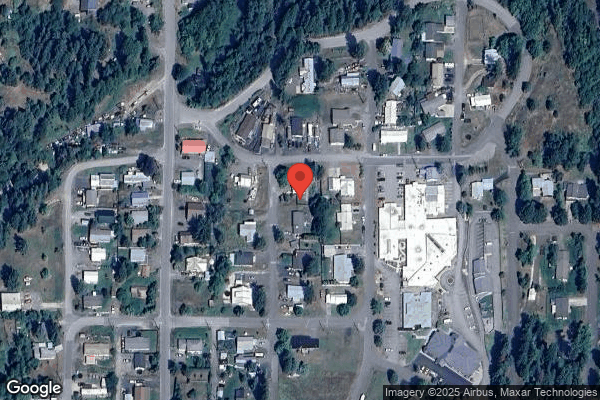
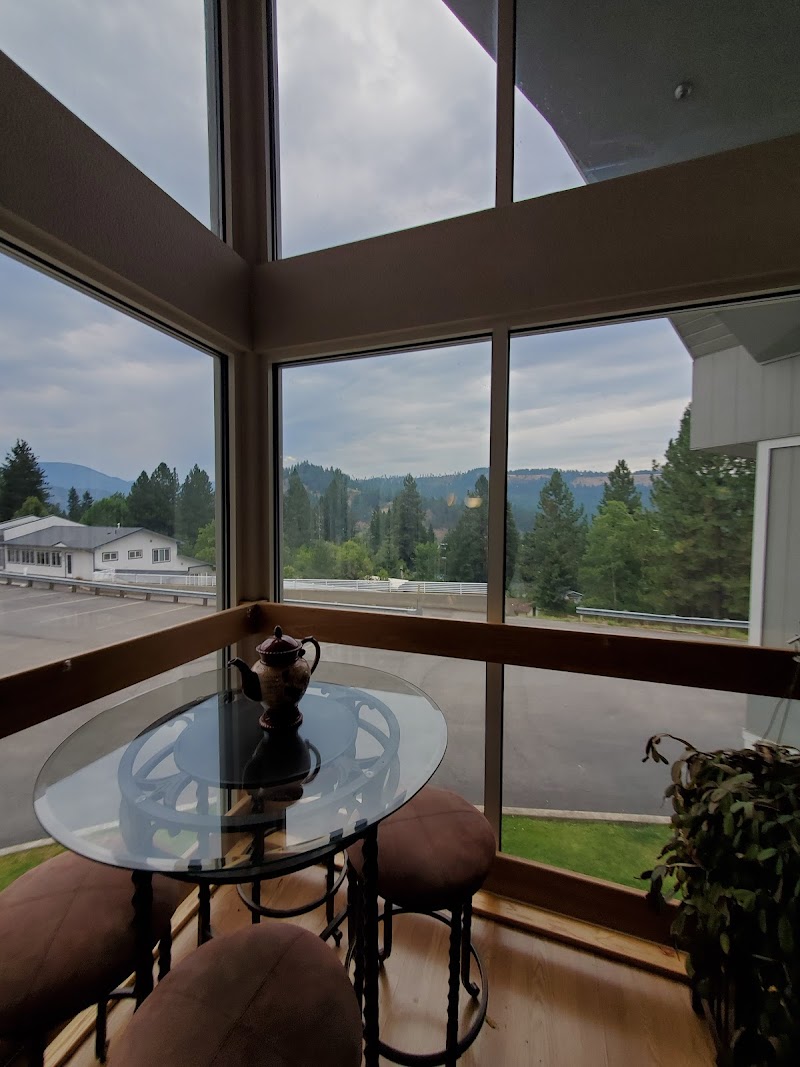
820 ELM STREET, ST MARIES, ID 83861 (208) 245-4576
For profit - Corporation 74 Beds Independent Data: November 2025
Trust Grade
15/100
#67 of 79 in ID
Last Inspection: December 2024

Within standard 12-15 month inspection cycle. Federal law requires annual inspections.

Overview

Valley Vista Care Center of St. Maries has received a Trust Grade of F, indicating significant concerns about the quality of care provided, which is poor compared to other facilities. It ranks #67 out of 79 nursing homes in Idaho, placing it in the bottom half of all facilities, although it is the only option in Benewah County. The facility appears to be improving, as it has reduced issues from 14 in 2023 to none in 2024. Staffing is a relative strength with a 4/5 star rating, but the turnover rate is concerning at 62%, which is higher than the state average. However, the facility has faced serious problems, including failure to administer medications properly and not thoroughly investigating allegations of abuse, which raises significant red flags for potential resident care issues.

Trust Score
F
15/100
In Idaho
#67/79
Bottom 16%
Safety Record
High Risk
Review needed
Inspections
Getting Better
14 → 0 violations
Staff Stability
⚠ Watch
62% turnover. Above average. Higher turnover means staff may not know residents' routines.
Penalties
✓ Good
$43,843 in fines. Lower than most Idaho facilities. Relatively clean record.
Skilled Nurses
○ Average
Each resident gets 34 minutes of Registered Nurse (RN) attention daily — about average for Idaho. RNs are the most trained staff who monitor for health changes.
Violations
⚠ Watch
26 deficiencies on record. Higher than average. Multiple issues found across inspections.
★★☆☆☆
2.0
Overall Rating
★★★★☆
4.0
Staff Levels
★★☆☆☆
2.0
Care Quality
★★☆☆☆
2.0
Inspection Score
Stable
2023: 14 issues
2024: 0 issues

The Good

  • 4-Star Staffing Rating · Above-average nurse staffing levels
  • Full Sprinkler Coverage · Fire safety systems throughout facility
  • No fines on record

Facility shows strength in staffing levels, fire safety.

The Bad

2-Star Overall Rating

Below Idaho average (3.3)

Below average - review inspection findings carefully

Staff Turnover: 62%

16pts above Idaho avg (46%)

Frequent staff changes - ask about care continuity

Federal Fines: $43,843

Above median ($33,413)

Moderate penalties - review what triggered them

Staff turnover is elevated (62%)

14 points above Idaho average of 48%

The Ugly 26 deficiencies on record

5 actual harm
Dec 2023 14 deficiencies 3 Harm
SERIOUS (G) 📢 Someone Reported This

A family member, employee, or ombudsman was alarmed enough to file a formal complaint

Actual Harm - a resident was hurt due to facility failures

Free from Abuse/Neglect (Tag F0600)

A resident was harmed · This affected 1 resident

3. A facility reported incident, dated 2/16/22, documented RN #2 neglected to administer medications to Resident #5, Resident #36, and Resident #299. The facility's incident report, dated 2/16/22, doc...

Read full inspector narrative →
3. A facility reported incident, dated 2/16/22, documented RN #2 neglected to administer medications to Resident #5, Resident #36, and Resident #299. The facility's incident report, dated 2/16/22, documented a review of 5 resident records was conducted. During the review 3 of 5 residents were identified to have a discrepancy between the MAR and the reconciliation of narcotic medication. Resident #5's record was identified to have a discrepancy with 1 narcotic administration. Resident #36's record was identified to have discrepancy with 4 narcotic administrations. Resident #299's record was identified to have a discrepancy with 1 narcotic administration. The facility incident report included 3 staff statements. RN #2's statement stated she was unaware of the medication errors she had made. LPN # 1's statement stated she had trained RN #2 but during the training she was observed to make multiple mistakes. CNA #2's statement stated Resident #36 was short tempered and very uncomfortable when cares were provided during that time. The facility concluded this investigation was substantiated for neglect. The facility's incident report documented residents were placed on charting to monitor for changes in pain management, education was provided to nurses on medication administration procedures, audits of MAR and narcotic books were conducted, and RN #2 was terminated. 4. A facility incident report, submitted 4/23/22, to the State Agency's Long-Term Care Reporting Portal, documented an allegation was reported to a nurse that Resident #349 was sitting in a chair at the end of the CCU (Complex Care Unit) hall. Resident #36 came over and sat in Resident #349's lap. When Resident #36 sat in his lap, Resident #349 grabbed her breast. The report included staff members statements. Two staff members stated they did not see the interaction between both residents. One staff member reported seeing Resident #36 walk over and sit on Resident #349's lap. Resident #349 proceeded to put his hand up her shirt and touch Resident #36's breast. She stated she called out to both residents, but it was too late. She immediately separated the residents and notified the nurse. The incident report also documented both residents were assessed, and no injuries were identified. The facility's incident report concluded this was an abuse incident. Interventions implemented were increased supervision, reminders of boundaries, and maintaining both residents within line of sight. 5. A facility investigation report, submitted 5/27/23, to the State Agency's Long-Term Care Reporting Portal, documented Resident #18 walked up to Resident #300 and kissed her on the mouth unexpectedly. The report documented the LPN on shift witnessed the incident and separated both residents. The report included interventions for both residents to be supervised in common areas as well as 15-minute checks for Resident #18 for 72 hours. The report included a statement from Resident #18 acknowledging the incident did occur. The report documented the facility concluded the incident was abuse. Based on policy review, record review, review of the State Survey Agency's Long-Term Care Reporting Portal, and staff interview, it was determined the facility failed to ensure residents' rights were protected to be free from abuse and neglect. This was true for 6 of 16 residents (Residents #5, #24, #36, #299, #300, and #349) reviewed for abuse and neglect. This failure placed all residents at risk of ongoing abuse and neglect, and potential physical and psychosocial harm. Findings include: 1. A facility reported incident investigation, initiated 7/9/23, documented CNA #4 and CNA #5 did not empty Resident #5's catheter bag during the 7/8/23 night shift. As a result, the staff on the following day shift found her catheter bag was backed up to her bladder with more than 3000 milliliters (mls) of urine. During the facility's investigation, the staff assigned to Resident #5's unit were interviewed: CNA #4, a facility CNA, stated she did not provide cares for Resident #5 during the 7/8/23 night shift since Resident #5 had previously refused to allow CNA #4 to provide her cares. CNA #4 stated she thought LPN #8 and CNA #6, a float CNA, provided cares for Resident #5 during the night shift. Additionally, she stated CNA #5 told her Resident #5's catheter care was completed. CNA #4 stated she would have notified the nurse if Resident #5's call light was activated, and she did not remember Resident #5 using her call light during the night of 7/8/23. CNA #5, an agency CNA, was asked if she provided cares for Resident #5 during the 7/8/23 night shift. She stated, I do not go in her room, she hates me. The float was there until 10 PM. Once in bed she doesn't get up until 5:30 AM, I don't go in there, I do not know if someone else was in there through the night. When asked if she ignored Resident #5's call light if no one else was around to help her, she stated, Yes, if nobody was around to do it I am not going in there. When asked why she did not make sure other staff were brought over from another unit to help Resident #5, she stated, Once [Resident #5] is in bed she does not wake until morning so no need. Additionally, CNA #5 confirmed she documented on 7/9/23 at 4:57 AM that Resident #5's catheter was emptied of 600 mls. She stated she found the information on a paper she assumed was left by another staff member who put Resident #5 to bed on 7/8/23. The investigation did not note who documented the catheter care on the paper CNA #5 claimed she saw. LPN #8 stated that neither CNA #4 nor CNA #5 asked her to check on Resident #5 during the shift. When asked who emptied Resident #5's catheter during the night shift, she stated the day shift CNAs told her 600 mls were charted by the night shift CNAs. Resident #5's care plan did not include measures to restrict CNA #4 or CNA #5 from providing care to her. The investigation substantiated neglect for Resident #5. The incident report documented the following interventions: - Termination of employment for CNA #5 - Reeducation of abuse/neglect for CNA #4 and was no longer to be assigned to Resident #5's unit. - In service training related to abuse/neglect for all staff was conducted The facility Administrator was interviewed on 11/29/23 at 3:37 PM, and Resident #5's incident report was reviewed in his presence. He confirmed the facility did not ensure Resident #5 was free from neglect. 2. A facility reported incident investigation, initiated 4/3/23, documented 3 CNAs did not report 2 residents' falls (Resident #24 and Resident #300) on 4/2/23. As a result, the 2 residents were not immediately assessed by a nurse for injuries. During the investigation, the following interviews were conducted: The facility's Unit Manager stated she received a telephone call on 4/3/23 from CNA #11 informing her 2 resident falls occurred on the 4/2/23 night shift and were not reported to the nurse. The Unit Manager stated she immediately reported the incidents to the Administrator and the former DNS. CNA #11 stated that, around 8:00 PM on 4/2/23, she observed Resident #300 on the floor near the nurses' station with CNA #9. She stated that she told CNA #9 that she was going to get the nurse and CNA #9 told her, No, let's get her [Resident #300] up. CNA #11 stated that, later that evening, during her break around 11:00 PM, CNA #9 told her that Resident #24 had fallen in her room and was put back in bed. CNA #11 stated, I've been kicking myself for not reporting it. When asked about the falls, CNA #9 stated on 4/2/23, CNA #10 called her to assist Resident #300 to a chair after she had fallen. CNA #9 stated CNA #11 said they needed to do a report stating Resident #300 had bumped her arm. CNA #9 stated she told CNA #11 not to do a report. Additionally, she stated she assisted CNA #10 with putting Resident #24 in her bed after she had fallen. CNA #9 stated she did not report the falls since the staff were too busy providing one-to-one supervision of two other residents and did not have time to provide additional supervision (according to fall protocols) of Resident #24 and Resident #300. When asked if unreported falls had occurred on 4/2/23, CNA #10 initially said no. When specifically asked if Resident #24 and Resident #300 had fallen on 4/2/23, CNA #10 stated, I'm going to be honest with you, I'm not sure on [Resident #300], but [Resident #24] was on the floor, yes. She later provided a written statement in which she admitted she was present when Resident #300 fell near the nurses' station and assisted CNA #9 with moving her to a chair. Additionally, she stated CNA #9 called her to Resident #24's room to help her get Resident #24 back to her bed after her fall. When asked why the falls were not reported, she stated, We were worried about getting in trouble. There was a lot happening, and we were not staffed appropriately and didn't want to lose our jobs. It was a mutual decision. The investigation substantiated neglect for Resident #24 and Resident #300. The incident report documented the following interventions: - On 4/3/23, Resident #24 was assessed by a nurse and no physical or psychosocial injuries were found. - On 4/3/23, Resident #300 was assessed by a nurse and no physical or psychosocial injuries were found. - CNA #9, CNA #10, and CNA #11 were terminated from employment at the facility. - Facility-wide training was conducted for all staff. The facility Administrator was interviewed on 11/29/23 at 3:37 PM, and the incident report for Resident #24's and Resident #300's unreported falls was reviewed in his presence. He confirmed the facility did not ensure Resident #24 and Resident #300 were free from neglect when their falls were not reported to a nurse to provide assessments and interventions.
SERIOUS (G) 📢 Someone Reported This

A family member, employee, or ombudsman was alarmed enough to file a formal complaint

Actual Harm - a resident was hurt due to facility failures

Investigate Abuse (Tag F0610)

A resident was harmed · This affected 1 resident

Based on policy review, record review, review of the State Survey Agency's Long-Term Care Reporting Portal, and staff interview, it was determined the facility failed to ensure allegations of abuse we...

Read full inspector narrative →
Based on policy review, record review, review of the State Survey Agency's Long-Term Care Reporting Portal, and staff interview, it was determined the facility failed to ensure allegations of abuse were thoroughly investigated. This was true for 6 of 16 residents (#36, #298, #300, #348, #349, and #350) reviewed for abuse. This failure created the potential for residents to be subjected to ongoing abuse without detection and protective measures implanted by the facility. Findings include: The facility's Reducing the Threat of Abuse and Neglect policy, revised December 2022, stated an alleged abuse or neglect investigation should include the following: - Review of the incident - Interview with the person reporting the incident - Interviews with any witnesses to the incident - Interview with the resident - A review of the resident's medical record - An interview with employee(s), as needed - A review of employee's file, as needed. - Interview with staff members on all shifts having contact with the resident at the time of the incident. - Interview with the resident's roommate, family or visitors who may have information. - Interview other residents who received care or services from the alleged perpetrator. - A review of all circumstanced surrounding the incident. a. A facility incident report, submitted 4/23/22, to the State Agency's Long-Term Care Reporting Portal, documented an allegation was reported to a nurse that Resident #349 was sitting in a chair at the end of the CCU (Complex Care Unit) hall. Resident #36 came over and sat in Resident #349's lap. When Resident #36 sat in his lap, Resident #349 grabbed her breast. The report included staff members statements who stated they did not see the interaction between the residents. One staff member reported seeing Resident #36 walk over and sit on Resident #349's lap. Resident #349 proceeded to put his hand up her shirt and touch Resident #36's breast. She stated she called out to both residents, but it was too late. She immediately separated the residents and notified the nurse. The incident report also documented both residents were assessed, and no injuries were identified. The facility's incident report concluded this was an abuse incident. Interventions implemented were increased supervision, reminders of boundaries, and maintaining both residents within line of sight. The facility's investigation did not include additional resident interviews or staff interviews to ensure other residents were not experiencing sexual abuse. b. A facility investigation report, submitted 5/27/23, to the State Agency's Long-Term Care Reporting Portal, documented Resident #18 walked up to Resident #300 and kissed her on the mouth unexpectedly. The report documented the LPN on shift witnessed the incident and separated both residents. The report included interventions for both residents to be supervised in common areas as well as 15-miute checks for Resident #18 for 72 hours. The report included a statement from Resident #18 acknowledging the incident did occur. The report documented the facility concluded the incident was abuse. The facility's investigation did not include witness interviews to ensure other residents were not experiencing sexual abuse. c. A facility investigation report, submitted 2/6/22, to the State Agency's Long-Term Care Reporting Portal, documented an LPN reported Resident #18 hit Resident #298 in the back of the head. Both residents were separated and assessed for injuries. No injuries were identified. Resident #18's statement stated he had no memory of hitting Resident #298. Resident #298 stated she could not recall the incident. The facility's incident report concluded abuse did occur. The facility's investigation did not include resident interviews to ensure other residents in the facility were not experiencing abuse. d. A facility investigation report, submitted 2/20/22, to the State Agency's Long-Term Care Reporting Portal, documented Resident #348 reported Resident #351 entered her room and told Resident #348 to get out of the room. When Resident #348 did not leave the room Resident #351 became agitated and slapped her on her left arm. The investigation documented Resident #351 did not recall the incident. The facility concluded abuse did occur. Resident #348 was monitored for injuries and Resident #351 was assessed for a higher level of care. The facility's investigation did not include resident interviews to ensure residents in the facility were not experiencing abuse. e. A facility investigation report, submitted 4/27/22, to the State Agency's Long-Term Care Reporting Portal, documented Resident #347 was agitated and walked into Resident #350's room and slapped her right arm twice. Staff immediately redirected Resident #347. One CNA's statement documented she was following Resident #347 into the room but was not able to stop her from hitting Resident #350. The facility concluded abuse did occur. Both residents were assessed for injuries. Resident #347 was to have 1:1 staff supervision and to redirect her when she was within arm's length from others. The facility's investigation did not include resident interviews to ensure other residents in the facility were not experiencing abuse. f. A facility investigation report, submitted 5/17/22, to the State Agency's Long-Term Care Reporting Portal, documented Resident #347 was walking past Resident #298 in a common area when she reached out and hit Resident #298 on the back of her head. Both residents were assessed, and no injuries were noted. The incident report included 1 CNA and 1 LPN interview who stated they looked up and saw Resident #347 hit Resident #298. Both Resident #347 and Resident #298 stated they did not recall the incident. The facility concluded this was an incident of abuse and monitored both residents following the incident. The facility's investigation did not include resident interviews to ensure residents in the facility were not experiencing abuse. On 11/29/23 at 4:33 PM, the Administrator stated he did not interview additional residents during the investigations because the residents in the behavioral unit are not cognitively intact and would not know if they witnessed abuse or neglect. He also stated he was not able to conclude if any additional residents were involved in any of the investigation's because he did not ask.
SERIOUS (G) 📢 Someone Reported This

A family member, employee, or ombudsman was alarmed enough to file a formal complaint

Actual Harm - a resident was hurt due to facility failures

Quality of Care (Tag F0684)

A resident was harmed · This affected 1 resident

**NOTE- TERMS IN BRACKETS HAVE BEEN EDITED TO PROTECT CONFIDENTIALITY** Based on observation, record review, and staff interview, the facility failed to ensure resident-centered care and treatment wer...

Read full inspector narrative →
**NOTE- TERMS IN BRACKETS HAVE BEEN EDITED TO PROTECT CONFIDENTIALITY** Based on observation, record review, and staff interview, the facility failed to ensure resident-centered care and treatment were provided timely and bowel care administered per physician orders in accordance with professional standards of practice. This was true for 2 of 23 Residents (#25 and #352) whose records were reviewed. These failures caused harm to Resident #352 when there was a delay in treatment and subsequent decline in her health and put Resident #25 at risk of adverse effects when she did not receive bowel care as ordered. Findings include: 1. Resident #352 was readmitted to the facility on [DATE] with multiple diagnoses including dementia with behavioral disturbances. Resident #352's care plan, documented she was cognitively impaired due to her dementia and staff were to provide a consistent daily routine. A nurse's note, dated 1/15/22 at 4:32 AM, documented Resident #352 was repeatedly yelling help me and having visual hallucinations. The note also documented Resident #352 had a fever of 104.1 degrees (normal temperature is 98.6 - 100.4) Resident #352's record did not include documentation Resident #352's physician and representative were notified of her change in condition. A nurse's note, dated 1/15/22 at 12:33 PM, documented Resident #352 had escalated behaviors, yelling out for help but unable to verbalize what she needed. The physician was notified (approximately 8 hours after the note documenting her hallucinations and fever) and a new order for Fosfomycin (an antibiotic commonly used for urinary tract infections) was ordered along with labs. The nurse's note documented the family was notified of the physician orders. A nurse's note, dated 1/16/22 at 2:17 AM, documented Resident #352 was yelling and calling out mother of God help. The nurse's note documented Resident #352's oxygen saturation (percentage of oxygen in the blood) was 88% (normal is 95% - 100%). Resident #352's record did not include a notification to family or the physician about her change in condition. A nurses note, dated 1/16/22 at 7:32 AM, documented at approximately 5:15 AM Resident #352 was restless, uncomfortable, and unable to follow directions. The nurse documented Resident #352's pulse was 130 (normal range is 60 to 100) and very irregular. Resident #352's family and physician were notified (more than 5 hours after the note documenting her decreased oxygen saturation). The physician gave an order to send her to the hospital for further evaluation. A hospital visit summary, dated 1/16/22 at 8:52 PM, documented Resident #352 was to be transferred to the emergency department on 1/15/22 (1 day prior) but did not arrive. The hospital summary documented Resident #352 had a primary diagnosis of urinary tract infection as well as cellulitis (bacterial skin infection) to her left lower leg. The physician notified Resident #352's representative of her prognosis. Resident #352's representative agreed comfort measures were appropriate at that time. On 1/17/22 at 12:32 PM, a nurses note documented Resident #352 was found with no heart and lung sounds. On 11/30/23 at 2:38 PM, upon review of Resident #352's record, the Administrator stated no documentation was in Resident #352's record stating why there was a delay of treatment. 2. The facility's Bowel Protocol, revised 9/2017, documented the following standing orders for constipation: Use one of the following as needed if a resident has no stool by the following days: - Day 3: Administer Milk of Magnesia 30 cc orally. If the first dose is ineffective, may give one additional dose after 6 hours if no stool. - Day 4: Administer a Dulcolax suppository 10 mg per rectum. - Day 5: If resident refuses all interventions days 3-5 administer a saline enema. If no stool after enema; notify the physician, place on alert charting, every shift, and monitor for [bowel] obstruction. This protocol was not followed. Resident #25 was admitted on [DATE] and readmitted on [DATE], with multiple diagnoses including post operative orthopedic care following surgical amputation of her left lower leg. An MDS assessment, dated 10/20/23, documented Resident #25 had moderately impaired cognition, was always incontinent of bowel and bladder and received routine and as needed pain medications. A physician order, dated 10/19/23, documented to administer Miralax (a stool softener), 17 grams per scoop to Resident #25 one time a day for constipation. The order also documented to administer Senna Docusate Sodium (stool softener) 8.6 - 50 mg, two tabs twice a day for constipation. Milk of Magnesia (stool softener) 20 ml was to be given as needed for bowel management if Resident #25 did not have a bowel movement in three days and may be repeated after six hours if no bowel movement. Dulcolax (stool softener) rectal suppository 10 mg, was ordered to be inserted rectally every 24 hours as needed for constipation. Sodium Phosphate (stool softener) rectal enema was also ordered every 24 hours as needed for constipation. The order further directed staff to follow the facility's bowel protocol. Resident #25's care plan, revised 10/31/23, documented she had difficulty with elimination and directed staff to follow facility bowel protocol as follows: - Day 3 no stool: administer Milk of Magnesia - Day 4 no stool: administer suppository - Day 5 no stool: administer enema and notify the physician Resident #25's care plan further documented she had pain and one of the interventions was to monitor for constipation. A documentation report for bowel elimination, dated 11/2023, documented Resident #25 did not have a bowel movement from 11/3/23 through 11/8/23 (5 days) and from 11/22/23 through 11/25/23 (3 days). Resident #25's November 2023 MAR, documented Milk of Magnesia was administered on 11/7/23, 5 days from her last recorded bowel movement. Her next bowel movement was on 11/9/23, 7 days from her last recorded bowel movement. Resident #25's MAR did not include documentation other as needed bowel medications were administered after the first dose of Milk of Magnesia did not render results within six hours. The MAR further documented a Dulcolax suppository was administered on 11/19/23. Resident #25's MAR did not include additional ordered as needed medications were administered for constipation from 11/22/23 through 11/25/23. During an interview on 11/30/23 at 4:29 PM, LPN #5 stated she ran the laxative list daily, which documented which residents needed an intervention for constipation, usually after three days of no bowel movement. LPN #5 stated the nurses on the units knew how to run the report when she was not there, and they were expected to run the report every morning. LPN #5 stated she would let the nurses know who needed an intervention, but they should also run the report. LPN #5 stated the protocol was if a resident did not have a bowel movement for three days, Milk of Magnesia was to be given and if no results in six hours, the Milk of Magnesia could be repeated. She further stated for day four, Dulcolax was to be given and on day five an enema was to be given and the physician was to be called. LPN #5 stated Resident #25 should have had the protocol for constipation followed, and that did not happen. LPN #5 stated she did not see where Resident #25 refused any medication for constipation. The laxative list, provided by LPN #5, documented Resident #25 was on the list for 11/6/23 through 11/8/23. The laxative list for 11/22/23 through 11/25/23 did not include Resident #25, although records indicated she did not have a bowel movement in that time span. During an interview on 11/30/23 at 4:29 PM, LPN #5 stated she was on vacation from 11/22/23 through 11/25/23. LPN #5 stated not following bowel movement protocol was not acceptable and it put Resident #25 at risk for bowel obstruction. During an interview on 11/30/23 at 5:12 PM, LPN #2 stated she ran the laxative list that morning and it let her know who had not had a bowel movement in three days and to give them Milk of Magnesia. LPN #2 further stated, if there were no results from the Milk of Magnesia, they were to administer a suppository. She stated if the suppository was not effective, they would call the physician to get an order for an enema. LPN #2 stated if a resident had a physician order, then the order should be followed.
CONCERN (D) 📢 Someone Reported This

A family member, employee, or ombudsman was alarmed enough to file a formal complaint

Potential for Harm - no one hurt, but risky conditions existed

Notification of Changes (Tag F0580)

Could have caused harm · This affected 1 resident

**NOTE- TERMS IN BRACKETS HAVE BEEN EDITED TO PROTECT CONFIDENTIALITY** Based on record review and staff interview, it was determined the facility failed to ensure a resident's representative and phys...

Read full inspector narrative →
**NOTE- TERMS IN BRACKETS HAVE BEEN EDITED TO PROTECT CONFIDENTIALITY** Based on record review and staff interview, it was determined the facility failed to ensure a resident's representative and physician were immediately notified when the resident had a significant change in condition. This was true for 1 of 1 resident (Resident #352) reviewed for notification of change in condition. This deficient practice placed Resident #352 at risk for lack of advocacy and support from their representative, and deterioration of her health status. Findings include: The facility's Change in a Resident's Condition or Status policy, revised February 2021, stated the facility will promptly notify the resident, his or her attending physician and the resident representative of changes in the resident's medical/mental condition. This policy was not followed. Resident #352 was readmitted to the facility on [DATE], with multiple diagnoses including dementia with behavioral disturbances. A nurse's note, dated 1/15/22 at 4:32 AM, documented Resident #352 was repeatedly yelling help me and having visual hallucinations. The note also documented Resident #352 had a fever of 104.1 degrees (normal temperature is 98.6 - 100.4 degrees) Resident #352's record did not include documentation Resident #352's physician and representative were notified of her change in condition. A nurse's note, dated 1/16/22 at 2:17 AM, documented Resident #352 was yelling and calling out mother of God help. The nurse's note documented Resident #352's oxygen saturation (percentage of oxygen in the blood) was 88% (normal is 95% - 100%). Resident #352's record did not include documentation Resident #352's physician and representative were notified of her change in condition. On 11/30/23 at 2:38 PM, the Administrator stated the facility did not have documentation of notification for change in condition for Resident #352.
CONCERN (D) 📢 Someone Reported This

A family member, employee, or ombudsman was alarmed enough to file a formal complaint

Potential for Harm - no one hurt, but risky conditions existed

PASARR Coordination (Tag F0644)

Could have caused harm · This affected 1 resident

**NOTE- TERMS IN BRACKETS HAVE BEEN EDITED TO PROTECT CONFIDENTIALITY** Based on record review, policy review, and resident staff interview, it was determined the facility failed to ensure a Level I P...

Read full inspector narrative →
**NOTE- TERMS IN BRACKETS HAVE BEEN EDITED TO PROTECT CONFIDENTIALITY** Based on record review, policy review, and resident staff interview, it was determined the facility failed to ensure a Level I Preadmission Screening and Resident Review (PASRR) was completed when the resident had a clinical diagnosis of Post-Traumatic Stress Disorder (PTSD). This was true for 1 of 1 resident (Resident #16) whose PASRR record was reviewed. This deficient practice had the potential to cause harm if residents' specialized services for mental health needs were not provided due to a lack of updated screening. Findings include: The Medicaid (government entity that provides health coverage to Americans) long term care PASRR website accessed on 12/14/23, documented the following: PASRR is a federal requirement for Medicaid-certified nursing facilities to help ensure that individuals are not inappropriately placed in nursing homes for long term care. The PASRR procedures include: - Evaluate all applicants for serious mental illness (SMI) and intellectual disability (ID). - Offer all applicants the most appropriate setting for their needs (in the community, a nursing facility, or acute care settings). - Provide all applicants with the services they need in those settings. The PASRR procedure further documented the nursing facilities would conduct a Level I screen, a preliminary assessment to determine whether a resident might have SMI or ID when admitted to the facility. Those individuals who tested positive at Level I would then be evaluated in depth, called Level II PASRR. The PASRR screening results were to determine needs and appropriate health care settings and a set of recommendations for services to inform the individual's plan of care. The facility's policy titled, admission Criteria, revised 3/2019, documented all new admissions were screened for mental disorders and other related disorders (RD). The policy further documented all potential admissions would have a Level I PASRR completed to determine if the resident met the criteria. If the Level I screen documented that the individual may have met the criteria for RD, then they would be referred to the state PASRR representative for the Level II (evaluation and determination) screening process. The policy further documented the admitting nurse should notify the social services department when a resident was identified with a possible RD. The policy documented the social worker was responsible for the referral to the state authority. After the Level II evaluation was completed, the state PASRR representative would determine if a physical or mental condition was present and what specialized services the resident needed. The determination would be provided to the facility. The interdisciplinary team would determine if the facility could meet the needs of the resident. These requirements and policy were not followed. Resident #16 was admitted on [DATE], with multiple diagnoses including PTSD (a mental health condition that is triggered by a terrifying event). An admission MDS assessment, dated 5/13/22, documented Resident #16 was cognitively intact. The assessment documented his onset for the diagnosis of PTSD was 5/11/22. Resident #16's Care Plan, revised 4/27/23, documented Resident #16 had depression related to PTSD and medical issues. Resident #16's goal was to exhibit indicators of depression, anxiety, or sad mood less than daily. The interventions included administration of medications, as ordered, and monitor and document any risk for self-harm or suicide plan. Resident #16's Idaho Level I PASRR Screen, dated 5/9/23, documented PTSD had not been checked for the question, Does the resident have any of the following Major Mental Illness, which included PTSD. The Level I PASRR was signed by the physician and the resident. There was no indication a Level II PASRR was completed. Resident #6's history and physical, dated 5/9/22, did not include his PTSD diagnosis. During an interview on 11/28/23 at 3:05 PM, Resident #16 stated he had PTSD from his military service. Resident #16 stated he was shot several times while in the military. Resident #16 further stated he had a Veterans' counselor that he could talk to. During an interview on 11/30/23 at 9:29 AM, LPN #5 and LPN #6 stated they were not aware of the diagnosis of PTSD. During an interview on 11/30/23 at 10:40 AM, LPN #6 stated a PASRR was a preadmission screening tool for mental disorders that may require additional care. LPN #6 further stated the screening was based on the history and physical given to the facility. The Level I PASRR was completed by her with the information provided by the history and physical, which did not include a diagnosis of PTSD. LPN #6 stated she was not sure when the diagnosis was added but a new Level I PASRR should have been initiated and sent to the health and welfare agency to be screened for a Level II PASRR.
CONCERN (D) 📢 Someone Reported This

A family member, employee, or ombudsman was alarmed enough to file a formal complaint

Potential for Harm - no one hurt, but risky conditions existed

Deficiency F0657 (Tag F0657)

Could have caused harm · This affected 1 resident

**NOTE- TERMS IN BRACKETS HAVE BEEN EDITED TO PROTECT CONFIDENTIALITY** Based on observation, record review, policy review and resident and staff interview, it was determined the facility failed to en...

Read full inspector narrative →
**NOTE- TERMS IN BRACKETS HAVE BEEN EDITED TO PROTECT CONFIDENTIALITY** Based on observation, record review, policy review and resident and staff interview, it was determined the facility failed to ensure residents' care plans were revised to reflect current needs and interventions. This was true for 1 of 23 residents (Resident # 26) whose care plans were reviewed. This deficiency placed residents at risk of adverse outcomes if care and services were not provided due to care plans not being revised as residents ' needs changed. Findings include: The facility's Care Plan policy, revised March 2022, documented the comprehensive, person-centered care plan described the services that are to be furnished to attain or maintain the resident's highest practicable physical, mental, and psychosocial well-being. The facility's Change in a Resident's Condition or Status policy, revised February 2021, documented the interdisciplinary team reviewed and updateded the care plan when there was a significant change in the resident's condition, when the desired outcome was not met, when the resident was readmitted to the facility from a hospital stay, and at least quarterly, in conjunction with the required quarterly MDS assessment. These policies were not followed. Resident # 26 was admitted on [DATE] and readmitted on [DATE], with multiple diagnoses including Type 2 diabetes with kidney disease, and dependence on renal dialysis. Resident # 26's care plan, dated 9/20/21, documented daily weights were to be measured at the same time and same scale each day. The care plan directed staff to notify Resident 26's Nephrologist if she had weight gain greater than or equal to 5 pounds in 3 days. The Weights and Vital Signs Summary report for November 2023, documented a weight for Resident #26 on 11/2/23 at 2:00 PM and 11/6/23 at 8:11 AM. The report did not document daily weights each day at the same time as directed by the care plan. On 11/29/23 at 11:49 AM, LPN # 1 stated the order for daily weights for Resident #26 was discontinued and the care plan should have been revised at that time.
CONCERN (D) 📢 Someone Reported This

A family member, employee, or ombudsman was alarmed enough to file a formal complaint

Potential for Harm - no one hurt, but risky conditions existed

Deficiency F0699 (Tag F0699)

Could have caused harm · This affected 1 resident

**NOTE- TERMS IN BRACKETS HAVE BEEN EDITED TO PROTECT CONFIDENTIALITY** Based on resident and staff interview, record review, and facility policy review, it was determined the facility failed to asses...

Read full inspector narrative →
**NOTE- TERMS IN BRACKETS HAVE BEEN EDITED TO PROTECT CONFIDENTIALITY** Based on resident and staff interview, record review, and facility policy review, it was determined the facility failed to assess, monitor, and identify potential triggers for 1 of 1 resident (Resident #16) reviewed for trauma-informed care. This failure created the potential for . Findings include: The facility's policy Trauma-Informed and Culturally Competent Care Level III, revised 8/2022, stated the purpose of the policy was to guide staff in providing care that was culturally competent and trauma-informed in accordance with professional standards of practice, and to address the needs of trauma survivors by minimizing triggers and/or re-traumatization. The policy further defined Trauma results from an event, series of events, or set of circumstances that was experienced by an individual as physically or emotionally harmful or life threatening and that has lasting adverse effects on the individual's functioning and mental, physical, social, emotional, or spiritual well-being. The policy defined Trauma-informed care as an approach to delivering care that involved understanding, recognizing, and responding to the effects of all types of trauma. A trauma-informed approach to care delivery recognized the widespread impact and signs and symptoms of trauma in residents, and incorporated knowledge about trauma into care plans, policies, procedures, and practices to avoid re-traumatization. The policy defined Trigger as a psychological stimulus that prompted recalled previous traumatic event, even if the stimulus itself was not traumatic or frightening. The policy stated all staff were provided with training in trauma and trauma-informed care. The policy stated nursing staff were to be trained in trauma screening and assessments, including evaluating the presence of symptoms with the trauma and the identification of triggers. The care planning section of the policy stated staff were to identify and decrease exposure to triggers that may re-traumatize the resident. The policy stated an individualized care plan was to be developed. The initial screening was to be utilized to identify the need for further assessment and care. Resident #16 was admitted on [DATE], with multiple diagnoses including Post-Traumatic Stres Disorder (PTSD - a mental health condition that is triggered by a terrifying event), paraplegia (paralysis), and major depressive disorder. Resident #16's quarterly MDS assessment, dated 10/10/23, documented he had feelings of being down, depressed, bad about himself, let himself down, and that he might be better off dead nearly every day. Further review of the MDS documented Resident #16 would refuse care frequently. Resident #16's care plan, with a revised date of 4/27/23, documented a problem with depression related to PTSD and medical issues. Resident #16's goal was to exhibit indicators of depression, anxiety, or sad mood less than daily. The interventions included administration of medications as ordered, and monitor and document any risk for self-harm or suicide plan. Resident #16's care plan, revised 4/27/23, further documented his use of antidepressant medications. The goal was for Resident #16 to be free of discomfort and adverse reactions. The interventions included monitoring for adverse reactions and allowing Resident #16 to call the Veterans Administration (VA) counselor when he felt he needed. During an interview on 11/28/23 at 3:05 PM, Resident #16 stated he was diagnosed with PTSD from when he was in the military in Afghanistan. Resident #16 stated he had been shot several times. Resident #16 stated his wife wanted a divorce after he returned home, and he tried to commit suicide. During an interview on 12/1/23 at 8:45 AM, the Complex Care Unit (CCU) Coordinator stated she conducted the social services aspect for residents. The CCU Coordinator further stated Resident #16 had PTSD and had tried to commit suicide in the past when he lived at his home. The CCU Coordinator stated she did not know what Resident #16's triggers were from PTSD. She further stated she had spoken to Resident #16 on numerous occasions, but they had not discussed triggering events for PTSD. She stated she had encouraged Resident #16 to get outside counseling, but he preferred to talk to the VA counselors and for God to help him through. She stated behavior monitoring was not done for Resident #16's PTSD triggers. The CCU Coordinator stated she did the initial social services documentation, but the trauma informed care was done by nursing. She stated there were no interventions in the care plan for triggers from PTSD and there should have been. During an interview on 12/1/23 at 9:29 AM, LPN #5 stated she and LPN #6 completed the resident assessments for Resident #16. LPN #5 stated they were not aware of Resident #16's PTSD and did not assess for any triggers. LPN #5 further stated Resident #16 should have been assessed for triggers. During an interview on 12/1/23 at 9:34 AM, the MDS Coordinator stated Resident #16 was depressed and self-isolating. She stated she had talked to him on admission, but he did not tell her he had PTSD. She stated a physician's note and a quarterly summary alerted her to the PTSD diagnosis. The MDS Coordinator stated she did not do the trauma informed care assessments and care plan, LPN #5 or CCU Coordinator did. She reviewed the care plan and stated there was a problem for depression that was added on 4/19/23 and PTSD was added as a diagnosis, however no interventions or triggers were initiated. She stated triggers for Resident #16's PTSD should have been addressed and care planned. She stated she did not know what Resident #16's triggers were. The MDS Coordinator stated the necessity of identifying triggers were to ensure Resident #16 did not have suicidal ideation and he did not put himself in a triggered situation. During an interview on 12/1/23 at 9:59 AM, CNA #3 stated she had training on trauma informed care. CNA #3 stated the CNA book and the care plan was where potential triggers for residents were documented. CNA #3 stated she was not aware of any residents who had identified triggers related to PTSD.
CONCERN (D) 📢 Someone Reported This

A family member, employee, or ombudsman was alarmed enough to file a formal complaint

Potential for Harm - no one hurt, but risky conditions existed

Infection Control (Tag F0880)

Could have caused harm · This affected 1 resident

**NOTE- TERMS IN BRACKETS HAVE BEEN EDITED TO PROTECT CONFIDENTIALITY** Based on policy review, observation, and staff interview, it was determined the facility failed to ensure infection control and ...

Read full inspector narrative →
**NOTE- TERMS IN BRACKETS HAVE BEEN EDITED TO PROTECT CONFIDENTIALITY** Based on policy review, observation, and staff interview, it was determined the facility failed to ensure infection control and prevention practices were maintained to provide a safe and sanitary environment when providing wound care. This was true for 1 of 1 resident (Resident #2) observed during wound care. This failure put Resident #2 at risk for infection due to cross contamination and potential exposure to bacteria and other pathogens. Findings include: The facility's Dressings, Dry/Clean policy, revised September 2013, documented after a soiled dressing was removed, to pull the soiled glove used over the dressing and discard. If gauze was used to clean the wound, use clean gauze for each cleansing stroke. The policy stated staff were to initial the clean dressing and label it with the date and time the dressing was changed. This policy was not followed. Resident #2 was admitted [DATE], with multiple diagnoses including an open wound of the abdominal wall. On 11/28/23 at 12:09 PM, LPN #1 was observed providing wound care to Resident #2. LPN #1 donned gloves, positioned Resident #2 in bed, adjusted her blankets, and set up wound care supplies on the bedside table. LPN did not perform hand hygiene, change her gloves or cleanse the bedside table before setting up the wound supplies. She then removed Resident #2's soiled wound dressing without performing hand hygiene and changing her gloves. She changed one glove after removing the soiled dressing without performing hand hygiene. She cleansed Resident #2's abdominal wound with one gauze pad to clean multiple areas of the wound. LPN #1 then applied a clean dressing to Resident #2's abdominal wound without performing hand hygiene and changing her gloves. LPN #1 did not label the dressing with the date, time, or her initials. On 11/28/23 at 12:35 PM, LPN # 1 stated she should have cleansed Resident #2's wound with multiple gauze pads. She stated she should have changed her gloves before removing Resident #2's soiled dressing and after completing wound care. LPN # 1 stated she should have completed hand hygiene each time she removed her gloves. She stated she was not aware of the need to date, time, and initial dressings.
CONCERN (E) 📢 Someone Reported This

A family member, employee, or ombudsman was alarmed enough to file a formal complaint

Potential for Harm - no one hurt, but risky conditions existed

Report Alleged Abuse (Tag F0609)

Could have caused harm · This affected multiple residents

**NOTE- TERMS IN BRACKETS HAVE BEEN EDITED TO PROTECT CONFIDENTIALITY** Based on review of the State Agency's Long Term Care Reporting Portal, record review, incident reports, and staff interview, it ...

Read full inspector narrative →
**NOTE- TERMS IN BRACKETS HAVE BEEN EDITED TO PROTECT CONFIDENTIALITY** Based on review of the State Agency's Long Term Care Reporting Portal, record review, incident reports, and staff interview, it was determined the facility failed to ensure allegations of resident abuse were reported to the State Survey Agency within 2 to 24 hours. This affected 2 of 5 residents (#7 and #8) who were reviewed for abuse, and for additional unidentified residents referenced in 2 incident reports. This failure created the potential for residents to be subjected to ongoing abuse without detection and protective measures implemented by the facility. Findings include: The facility's policy, Reducing the Threat of Abuse and Neglect, revised 12/21/23, stated allegations of abuse were to be reported to the State Survey Agency Long Term Care reporting Portal within 2-24 hours of the event, and report the results of an investigation within 5 working days from the date of the incident. Resident #4 was admitted to the facility on [DATE], with multiple diagnoses including dementia with agitation, depression, and conduct disorder. An admission MDS assessment, dated 10/19/23, documented Resident #4's cognitive skills for daily decision making were severely impaired. Resident #7 was admitted to the facility on [DATE], with multiple diagnoses including Alzheimer's disease and dementia with psychotic disturbances. Resident #8 was admitted to the facility on [DATE], with multiple diagnoses including Alzheimer's disease and dementia. Resident #10 was initially admitted to the facility on [DATE] and readmitted on [DATE], with multiple diagnoses including bipolar disorder and dementia. 1. A facility incident report, dated 1/31/24, documented Resident #4 was opening and slamming another resident's door, punching into the air, walls, and other residents' doors. When the staff attempted to redirect him, he began yelling out at no one then aimed attention toward sleeping resident in recliner. he [sic] attempted to swing at that resident. Other residents were removed from common area to accommodate this resident. A Staff Statement, dated 1/31/24, documented, during the incident, Resident #4 entered the room shared by Resident #7 and Resident #8 and slammed the door closed. When staff members tried to open the door, he attempted to hit them and punched the door 4-5 times, resulting in injuries to his hands and small cuts on his forearm. Resident #4 then came further out of the room in an attempt to hit the staff members and the staff were able to block him from reentering the room. The Statement documented Resident #4 became a danger to himself, the women in the room, and us [staff]. Review of the State Agency's Long Term Care Reporting Portal did not include a report of the above incident. 2. Resident #4's medical record included a Behavior Note, dated 2/2/24. The note documented Resident #4 was opening and slamming another resident's door, punching other residents' doors, yelling, and punching walls and into the air. He then attempted to swing at a sleeping resident in the common area. The staff removed other residents from the common area. A facility incident report, dated 2/2/24, documented Resident #4 was yelling in the direction of other residents and staff intervened when he tried to swing. Review of the State Agency's Long Term Care Reporting Portal did not include a report of the above incident. On 2/7/24 at 2:00 PM, the Administrator and the DON were interviewed together. When asked if the 1/31/24 and 2/2/24 incidents were investigated for potential abuse, they stated they were not. When asked if the incidents were reported to the State Agency Portal, the Administrator stated they were not since he thought that abuse was to be reported only when physical contact was made.
CONCERN (F) 📢 Someone Reported This

A family member, employee, or ombudsman was alarmed enough to file a formal complaint

Potential for Harm - no one hurt, but risky conditions existed

Deficiency F0727 (Tag F0727)

Could have caused harm · This affected most or all residents

Based on facility document review and staff interview, it was determined the facility failed to ensure they employed an RN as the full-time DNS. The failure to have a full-time RN/DNS placed residents...

Read full inspector narrative →
Based on facility document review and staff interview, it was determined the facility failed to ensure they employed an RN as the full-time DNS. The failure to have a full-time RN/DNS placed residents at risk of inadequate care and supervision of their medical status for a census of 44 residents. Findings include: The facility's job description for the Director of Nursing Services, approved by the Administrator on 3/9/20, documented Responsible for the management of the nursing services in the long-term care facility and directs nursing activities . The essential duties and responsibilities included the following: The DNS has knowledge of the state and federal regulations in the delivery of resident care, is informed of residents' conditions, determines the facility capacity for the care of potential new admissions, maintains the Quality Assurance program, ensures medications, treatments and plans of care are provided to the residents, evaluates nursing care by making daily rounds of the facility, and ensures adequate staff are available for resident care. During an interview on 11/29/23 at 10:10 AM, the Administrator stated there was no full-time RN designated to be the DNS working full-time at the facility and involved in resident care. During an interview on 11/30/23 at 10:30 AM, the Corporate Human Resources Director confirmed the facility did not have a full-time DNS.
CONCERN (F) 📢 Someone Reported This

A family member, employee, or ombudsman was alarmed enough to file a formal complaint

Potential for Harm - no one hurt, but risky conditions existed

Food Safety (Tag F0812)

Could have caused harm · This affected most or all residents

Based on observation, policy review, and staff interview, it was determined the facility failed to ensure food items were dated and labeled and hygiene practices followed. This failure had the potenti...

Read full inspector narrative →
Based on observation, policy review, and staff interview, it was determined the facility failed to ensure food items were dated and labeled and hygiene practices followed. This failure had the potential to affect 44 of 44 residents residing in the facility who consumed food prepared by the facility at risk of adverse health outcomes, including food-born illnesses. Findings include: 1. The facility's Food Storage policy, undated, stated once products were opened, a use by date label must be added. This policy was not followed. On 11/27/23 at 4:00 PM, during a kitchen inspection, 7 of 18 seasoning containers appeared cloudy and moist. 7 of the 18 opened seasoning containers did not have a use by date on the container. On 11/27/23 at 4:09 PM, The Dietary Manager stated the opened seasoning containers should have a use by date, and they did not. 2. The facility's Preventing Foodborne Illness policy, revised November 2022, stated hair caps and beard restraints were worn when cooking, preparing, or assembling food to keep hair from contacting exposed food, clean equipment, and utensils. This policy was not followed. On 11/28/23 at 10:52 AM, the Dietary Aid was observed in the kitchen assembling meal trays with no cover over his mustache. On 11/28/23 at 11:15 AM, the Dietary Aid stated he was never told the beard restraint should be worn to cover his mustache. On 11/28/23 at 11:17 AM, the Dietary Manager stated the beard restraint should be worn above the mustache to prevent hair from falling onto the meal trays.
CONCERN (F) 📢 Someone Reported This

A family member, employee, or ombudsman was alarmed enough to file a formal complaint

Potential for Harm - no one hurt, but risky conditions existed

Administration (Tag F0835)

Could have caused harm · This affected most or all residents

Based on interview and document review, it was determined the facility's administration failed to ensure a full-time DNS was on staff. This failure had the potential to affect the care of the 44 resid...

Read full inspector narrative →
Based on interview and document review, it was determined the facility's administration failed to ensure a full-time DNS was on staff. This failure had the potential to affect the care of the 44 residents in the facility and the assistance and care needed to attain or maintain the highest practicable physical, mental, and psychosocial well-being. Findings include: During an interview on 11/29/23 at 10:10 AM, the Administrator stated there was no full-time RN designated to be the DNS working full-time at the facility and involved in resident care. The Administrator admitted knowledge of the need for a full-time DNS. The personnel file of the Interim DNS did not include a signed form of her job description. During an interview on 12/01/23 at 11:00 AM, the Interim DNS stated she was not in the facility on a full-time basis and had other job duties on the facility campus. The Interim DNS also stated she was not involved in resident care planning and in the provision of nursing services in the facility on a daily basis.
CONCERN (F) 📢 Someone Reported This

A family member, employee, or ombudsman was alarmed enough to file a formal complaint

Potential for Harm - no one hurt, but risky conditions existed

Staffing Data (Tag F0851)

Could have caused harm · This affected most or all residents

Based on staff interview and document review, it was determined the facility failed to report accurate Payroll Based Journal (PBJ) information for the facility as required for a census of 44 residents...

Read full inspector narrative →
Based on staff interview and document review, it was determined the facility failed to report accurate Payroll Based Journal (PBJ) information for the facility as required for a census of 44 residents. Findings include: The facility's PBJ report, for 7/1/23 through 9/30/23, documented a full time RN functioned as the DNS in the facility. During an interview on 11/29/23 at 10:10 AM, the Administrator confirmed the facility did not employ a full time RN to serve as the DNS, as reported in the PBJ report. During an interview on 11/30/23 at 10:55 AM, the facility's Corporate Human Resources Representative confirmed the facility replaced the previous DNS with the Interim DNS on 5/8/23. Additionally, she confirmed the Interim DNS's employee file did not include an accepted and signed DNS job description defining job duties. During an interview on 12/1/23 at 11:00 AM, the Interim DNS stated she was not in the facility on a full-time basis and had other job duties on the facility campus, specifically in the assisted living facility, which was in another building. The Interim DNS also stated she was not involved in resident care planning and in the provision of nursing services in the facility on a daily basis.
CONCERN (F) 📢 Someone Reported This

A family member, employee, or ombudsman was alarmed enough to file a formal complaint

Potential for Harm - no one hurt, but risky conditions existed

Deficiency F0943 (Tag F0943)

Could have caused harm · This affected most or all residents

Based on record review, policy review, and staff interview, it was determined the facility failed to ensure employees were trained on abuse. This was true for 43 of 79 employees whose records were rev...

Read full inspector narrative →
Based on record review, policy review, and staff interview, it was determined the facility failed to ensure employees were trained on abuse. This was true for 43 of 79 employees whose records were reviewed for abuse training. This failure had the potential to place all residents in the facility for unidentified or continued abuse if an employee was unable to identify and report abuse. Findings include: The facility's Reducing the Threat of Abuse and Neglect policy, revised December 2022, stated the facility would implement and maintain an effective training program on abuse prohibition. This policy was not followed. During a review of employee abuse training, it was identified 43 of 79 employees did not complete training for abuse and neglect. On 12/1/23 at 10:32 AM, the Resident Care Coordinator stated 43 of 79 employees did not complete training for abuse and neglect.
Jan 2019 12 deficiencies 2 Harm
SERIOUS (G)

Actual Harm - a resident was hurt due to facility failures

Accident Prevention (Tag F0689)

A resident was harmed · This affected 1 resident

**NOTE- TERMS IN BRACKETS HAVE BEEN EDITED TO PROTECT CONFIDENTIALITY** Based on staff interview, policy review, and record review, it was determined the facility failed to ensure adequate supervision...

Read full inspector narrative →
**NOTE- TERMS IN BRACKETS HAVE BEEN EDITED TO PROTECT CONFIDENTIALITY** Based on staff interview, policy review, and record review, it was determined the facility failed to ensure adequate supervision of residents to prevent falls. This was true for 1 of 1 resident (Resident #163) who were reviewed for falls. Resident #163 was harmed when staff failed to provide adequate supervision while the resident was in her room when she fell and sustained a left eyebrow laceration which required suturing. Findings include: Resident #163 was admitted to the facility on [DATE] and readmitted on [DATE], with multiple diagnoses including dementia with behavioral disturbance. Resident #163's hospital record, dated 2/11/18, documented she was admitted to the hospital due to acute mental status changes, back pain, and an unwitnessed fall in her home. The hospital record also documented Resident #163 had numerous falls mostly non-injury over the last 2 years. Resident #163's quarterly MDS assessment, dated 5/22/18, documented she had severe cognitive impairment, required 1 assist with activities of daily living, and set-up for eating. A Fall Risk Evaluation, dated 3/10/18, 4/4/18, and 5/20/18, documented Resident #163 was at high risk for falls. A Potential for Falls/Fall Prevention care plan, dated 3/20/18, documented Resident #163 had impaired cognition, incontinent of bowel and bladder, and had history of falls. Interventions included in the care plan documented staff were to provide well fitting, non skid footwear, safety checks every 15-30 minutes, keep immediate environment free of obstacles, place call light within reach, fall risk assessment quarterly and when necessary for changes when clinically indicated, and do not leave the resident in room in wheel chair unattended. Resident #163's medication included the following: *Lexapro 10 mg daily for depression. *Remeron 15 mg at bedtime for weight loss. An Incident and Accident (I&A) report, dated 3/3/18 at 8:00 AM, documented Resident #163 experienced an unwitnessed fall in her bathroom with no injury. She was found sitting on her buttocks with her pants off and her incontinent brief to her knees. An I&A report, dated 3/15/18 at 10:05 AM, documented Resident #163 experienced an unwitnessed fall in her room with no injury. She was found sitting on the floor. An I&A report, dated 4/4/18 at 2:15 PM, documented Resident #163 experienced an unwitnessed fall in her room with no injury. She was found sitting on the floor. A CNA statement documented she was not aware Resident #163 was brought to her room after lunch and was left unattended in her room. An I&A report, dated 4/26/18 at 5:50 PM, documented Resident #163 was just brought back to her room after dinner, when she self-transferred from her wheelchair to her chair and slid to the floor. A Nursing Note, dated 5/7/18, documented Resident #163 was walking on her own in the hallways. A Physician's order, dated 5/7/18, documented an order to discontinue Resident #163's Lexapro while she was on Remeron. A Nursing Note, dated 5/9/18, documented Resident #163 continued to be impulsive and she was found in the bathroom on her own. A Nursing Note, dated 5/12/18, documented Resident #163 was very worried about her husband's condition. A Physician's order, dated 5/15/18, documented Resident #163 to received Zanax 0.5 mg every 8 hours as needed for anxiety. A Nursing Note, dated 5/17/18 at 4:30 PM, documented Resident #163's representative requested the Zanax 0.5 mg to be given at a half the dose. A Physician's order, dated 5/17/18, documented Resident #163's Zanax was decreased to 0.25 mg every 8 hours as needed for anxiety. A Nursing Note, dated 5/17/18, documented Resident #163 had no adverse effect with the Zanax. She did not have signs and symptoms of anxiety/depression with the passing of her husband. An I&A report, dated 5/18/18 at 5:00 AM, documented Resident #163 experienced an unwitnessed fall in her room. She was found on the floor and observed to have sustained a 4-5 centimeter laceration above her left eyebrow, 2 bruises on the left side of her neck, and a bruise on her left knee which was about 4 cm by 4 cm in size. A 2.5.cm by 2.5 cm abrasion was also noted in the middle of the bruise on her left knee. Resident #163 was sent to the hospital due to her laceration above her left eyebrow. A hospital report, dated 5/18/18, documented Resident #163 had dementia and had increased stress recently since her husband passed away. A 3 centimeter laceration on her left eyebrow was sutured. On 1/18/19 at 3:26 PM, the DNS said the facility stopped residents' safety checks every 15 to 30 minutes. The DNS said Resident #163 was placed on a Falling Star Program which included 30 minutes checks of the resident. The DNS stated all staff members completed the 30 minute checks but it might not have been documented. The DNS said Resident #163 should not have been left in her room unattended when she was up in her wheelchair. The DNS stated if Resident #163 was in her room, in her wheelchair, she did not know who watched her because the staff working would assist with needs like this. The DNS stated she would look for what interventions were in place for Resident #163 when Resident #163 started to self transfer and attempted to take herself to the bathroom. The DNS stated the incident report where Resident #163 sustained a laceration from a fall documented Resident #163 was seen in her bed by nursing approximately 30-1 hour before. The DNS stated for high fall risk residents the facility should have implemented completing a bowel and bladder eval, when Resident #163 was found in the bathroom following falls, a physical therapy eval, her room moved closer to the nurses' station, and Resident #163 in line of sight in the common areas and in her room. Resident #163 was harmed when she sustained a 3 centimeter laceration on her left eyebrow and needed to be repaired. The facility did not provide an adequate supervision she required.
SERIOUS (G)

Actual Harm - a resident was hurt due to facility failures

Deficiency F0697 (Tag F0697)

A resident was harmed · This affected 1 resident

**NOTE- TERMS IN BRACKETS HAVE BEEN EDITED TO PROTECT CONFIDENTIALITY** Based on observation, policy review, resident and staff interview, and record review, it was determined the facility failed to e...

Read full inspector narrative →
**NOTE- TERMS IN BRACKETS HAVE BEEN EDITED TO PROTECT CONFIDENTIALITY** Based on observation, policy review, resident and staff interview, and record review, it was determined the facility failed to ensure a method for evaluating a residents pain level and the effectiveness of residents' pain management plans for 4 of 6 residents (#39, #41, #46, and #60) reviewed for pain. Resident #46 was harmed when the facility did not provide adequate pain management to allow the resident to bathe more than once a week or to eat in comfort. Resident #60 was harmed when she exhibited verbal and nonverbal expressions of pain. This failure created the potential for harm for residents (#39, #41) experienced ongoing severe pain or increased pain. Findings include: The Facility's Pain Assessment and Management policy, dated March 2015, documented pain management was defined as the process of alleviating a resident's pain to a level that was acceptable to the resident. The policy documented staff were to assess, recognize, and address residents' pain. The policy documented staff were to complete comprehensive pain assessments upon admission, quarterly, and as needed. 1. Resident #46 was admitted to the facility on [DATE], with diagnoses including dementia, muscle weakness, Parkinson's disease, lower abdominal, elbow, shoulder, and back pain. A quarterly MDS assessment, dated 12/12/18, documented Resident #46 was cognitively intact and she required extensive assistance of one staff members with all cares except eating. The MDS documented Resident #46 had frequent pain ratings of eight, which affected her sleep and daily activities. Resident #46's record did not include a pain evaluation. Resident #46's physician orders included: - Tylenol 650 mg tablet daily for back pain, ordered on 5/4/18. - Tylenol 650 mg tablet every four hours for pain PRN, ordered on 5/4/18. - Monitor for pain every shift and PRN and document on the pain flowsheet every shift, ordered on 11/29/18. The care plan area addressing Resident #46's pain, dated 5/28/18, documented staff were to provide Resident #46 with pain medications as ordered and monitor for effectiveness. Resident #46's MARs from 12/1/18 through 1/16/19, did not include documentation of daily pain ratings on a 1 to 10 scale or faces scale on 12/1/18 through 12/4/18, 12/6/18 through 12/30/18, 1/1/19, 1/2/19, 1/3/19, 1/5/19 through 1/9/19, and 1/12/19, 1/13/19. Resident #46's MARs from 12/1/18 through 1/16/19 documented she was administered her PRN Tylenol once on 12/4/18, 12/5/18, 12/7/18, 12/11/18 to 12/13/18, 12/17/18, 12/25/18, 12/29/18 to 12/31/18, 1/5/19, 1/6/19, 1/10/19 to 1/13/19, and 1/16/19, and twice on 1/2/19 to 1/4/19, and 1/7/19 to 1/9/19. The effectiveness of the PRN pain medication was not documented on 12/4/18, 12/5/18, 12/31/18, 1/2/19, 1/4/19, 1/7/19, 1/8/19, and 1/10/19. On 1/15/19 at 9:46 AM, Resident #46 was observed sitting in her recliner chair eating. Resident #46 was observed sitting in the same position on 1/15/19 at 10:09 AM, 10:37 AM, 11:25 AM, 12:15 AM, 2:46 PM, and 4:37 PM. Resident #46 stated no one visited her unless she used her call light to request something. On 1/15/19 at 10:19 AM, Resident #46 stated she had pain in her lower back and legs. Resident #46 stated her pain was usually around a seven and she wanted zero pain. Resident #46 stated she could only handle one shower a week because of her pain. Resident #46 stated staff provided pain medications when she asked for them. On 1/15/19 at 10:35 AM, LPN #4 was standing next to Resident #46 with her afternoon pills and Resident #46 asked LPN #4 for pain medication. LPN #4 stated she was going to add the pain medication to her afternoon pills and left the room. LPN #4 did not assess Resident #46's pain level before she left the room. On 1/15/19 at 10:36 AM, LPN #4 returned with Resident #46's medication and pain medication, Resident #46 asked LPN #4 how much Tylenol was in the cup and LPN #4 stated 650 mg which was ordered. Resident #46 asked if she could get more depending on the upper limit. LPN #4 stated she was going to check Resident #46's orders and discuss it with the doctor. On 1/16/19 at 10:12 AM, Resident #46 stated she was in too much pain to eat her food and started crying. On 1/17/19 at 12:53 PM, LPN #3 stated Resident #46 had extreme pain in her back and legs. LPN #3 stated she provided PRN pain medications when Resident #46 requested them. LPN #3 stated Resident #46 was able to verbalize her pain level. LPN #3 stated when a PRN pain medication was provided the staff documented the administration on the PRN pain flowsheet and assess the effectiveness in approximately 30 minutes. On 1/17/19 at 4:00 PM, the DNS was aware non-pharmacological interventions were not documented as completed when a resident was in pain and she was aware the efficacy of pain medications and residents' pain levels were not consistently documented. The DNS stated staff should document residents' pain levels on the PRN pain flowsheet for the scheduled and the PRN pain medication administrations. The DNS stated the facility's quality assurance committee was currently revising and reviewing their pain management program. 2. Resident #60 was admitted to the facility on [DATE], with diagnoses including dementia with behavioral disturbances, gout, pain, polyneuropathy (damage of multiple nerves), and hemiplegia (paralysis of one side). A Pain Evaluation, dated 6/9/17, documented Resident #60 had lots of pain and she was unable to verbalize a pain rating. The evaluation did not document an acceptable pain level for Resident #60. Resident #60 did not have a more recent pain evaluation in her record. A quarterly MDS assessment, dated 12/24/18, documented Resident #60 had a moderate cognitive impairment and she required extensive assistance from one to two staff members with all cares. The MDS documented Resident #60 had a constant pain rating of eight, which affected her sleep and daily activities. Resident #60's physician orders included: - Tramadol (a narcotic pain medication) 50 mg 1 tablet every 6 hours PRN for pain, use a pain scale of zero to ten or the face scale to rate the pain, ordered on 2/4/15. - Tramadol 50 mg twice daily for pain, ordered on 10/27/15. - Monitor for pain every shift and PRN and document on the pain flowsheet every shift, ordered 11/29/18. The care plan area addressing Resident #60's Pain, dated 2/16/15, documented staff were to complete pain assessments on admission and quarterly. The care plan documented staff were to assess Resident #60 for signs and symptoms of pain every shift, provide pain medications as needed, and provide non-pharmacological interventions as needed. Resident #60's 12/1/18 through 1/16/19 MARs did not include documentation of her daily pain rating on a 1 to 10 scale, or a rating using the faces scale. The MARs documented Resident #60 received PRN Tramadol once on 12/7/18, 12/16/18, 12/19/18, 1/2/19, 1/3/19, 1/5/19 through 1/8/19, 1/10/19, 1/12/19, and 1/13/19, and twice on 1/4/19 and 1/15/19. The Pain Management flowsheets for December 2018 and January 2019 did not include daily documentation Resident #60's pain level was assessed. There was no documentation on 12/1/18 to 12/6/18, 12/8/18 to 12/11/18, 1213/18 to 12/28/18, 12/30/18, 12/31/18, 1/2/19, 1/5/19, 1/8/19, The Pain Management flowsheets did not include the effectiveness of the PRN pain medication when it was given to Resident #60 on 12/19/18, 1/2/19, 1/4/19, 1/5/19, 1/6/19, 1/7/19, and 1/8/19. On 1/14/19 at 12:50 PM, Resident #60 was observed near the nurses' station sitting in her wheelchair with her back to the TV and her eyes were closed. Resident #60 was observed from 12:50 PM through 1:47 PM without changes until staff assisted her to the restroom and then into her bed. Resident #60 was observed saying, Ow and took a deep breath while CNA #7 assisted her into bed. On 1/15/19 at 4:33 PM, Resident #60 was observed sitting in her wheelchair and lifting her legs up in the air and saying, Help, help, help, help. A staff member assisted her into a lounge chair. The MAR documented the resident was given pain medication at 5:15 PM. The resident was not medicated with her prn pain medication for 45 minutes. On 1/17/19 at 3:21 PM, Resident #60 was observed sitting in her wheelchair and lifting her legs up in the air and saying, Help, help, help, help. LPN #3 assisted Resident #60 into a lounge chair. The MAR did not document that the resident received a PRN pain medication. On 1/17/19 at 12:59 PM, LPN #3 stated Resident #60's pain was mostly in her legs and she raised her legs when she was in pain and said, help. LPN #3 stated Resident #60 was unable to verbalize what her pain level was, and staff knew her pain level from her facial expressions. LPN #3 stated if staff asked Resident #60 directly if she was in pain, Resident #60 said yes or no. On 1/17/19 at 3:56 PM, LPN #2 stated the unit managers completed residents' pain assessments quarterly with the MDSs. LPN #2 stated Resident #60's quarterly pain assessment was missed, and Resident #60 did not have a current assessment completed. LPN #2 stated Resident #60 verbalized when she was in pain. 3. Resident #41 was admitted to the facility on [DATE], with diagnoses including dementia, failure to thrive, and rheumatoid arthritis. A Pain Evaluation, dated 9/3/18, documented Resident #41 did not have pain at the time of the evaluation, and she was unable to verbalize a pain rating. The evaluation did not document an acceptable pain level for Resident #41. A quarterly MDS assessment, dated 12/3/18, documented Resident #41 had a severe cognitive impairment and she required extensive assistance from one to two staff members with all cares. The MDS documented Resident #41 received PRN and scheduled pain medications. Resident #41's physician orders included: - Tylenol one 500 mg tablet for a pain rating of one to five and two tablets for a pain rating of six to ten every four hours PRN for pain, ordered on 2/27/18. - Monitor for pain every shift and PRN and document on the pain flowsheet every shift, ordered on 11/29/18. Resident #41's care plan did not include a section for pain or pain management. Resident #41's Pain Management flowsheets from 12/1/18 through 1/16/19, documented Resident #41's daily pain rating was not documented on 12/1/18 to 1/10/19, 1/12/19, and 1/14/19 to 1/16/19. Resident #41's 12/1/18 through 1/16/19 MAR documented she was administered her PRN pain medication Tylenol once on 12/3/18, 12/4/18, 12/7/18, 12/8/18, 12/14/18, 12/15/18, 12/16/18, 12/18/18, 12/25/18 through 12/27/18, 12/30/18, 1/2/19, 1/3/19, 1/9/19, 1/11/19, 1/13/19, 1/14/19, and 1/16/19, and twice on 12/10/18, 1/4/19, 1/8/19, 1/10/19, 1/12/19, and 1/15/19. The effectiveness of the PRN pain medication was not documented on the Pain Management flowsheet on 12/8/18, 12/14/18, 12/18/18, 12/25/18, 1/4/19, and 1/14/19. Resident #41's pain medication was not administered per her physician's orders as follows: - On 12/4/18 a pain rating was not documented, and 1000 mg of Tylenol was administered. - On 12/10/18 at 7:00 AM, Resident #41's pain was rated at a seven and 500 mg of Tylenol was administered not 1000 mg as ordered. - On 12/14/18 a pain rating was not documented, Tylenol was documented as given but the dose was not documented. - On 12/15/18 a pain rating was not documented, and 1000 mg of Tylenol was administered. - On 12/16/18 at 7:30 PM, Resident #41's pain was rated at a seven and 500 mg of Tylenol was administered not 1000 mg as ordered. - On 12/18/18 a pain rating was not documented, and 1000 mg of Tylenol was administered. - On 12/25/18 a pain rating was not documented, and 1000 mg of Tylenol was administered. On 1/14/19 from 12:17 PM to 2:15 PM, Resident #41 was observed sitting in the hallway with her back to the nurses' station. Resident #41 had a staff member near her periodically throughout the observation. Resident #41 was observed groaning and moaning when staff was not by her side, from 12:41 PM to 12:53 PM, at 1:04 PM and 1:06 PM, and from 1:11 PM to 1:43 PM. On 1/15/19 from 10:51 AM to 12:25 PM, Resident #41 was observed sitting with her back to the nurses' station and periodically staff sat next to her. Resident #41 was observed periodically moaning, groaning, and crying softly to herself. On 1/15/19 from 4:32 PM to 5:32 PM, Resident #41 was observed sitting in her wheelchair with her back to the nurses' station and periodically crying and moaning. On 1/16/19 at 10:18 AM, Resident #41 was observed in bed and cried out, Help, help, help. On 1/16/19 at 12:19 PM, Resident #41 was observed in her wheelchair with her back to the nurses' station and cried out, Help, help, help, help, help. On 1/17/19 at 11:00 AM, Resident #41 was observed in her wheelchair with her back to the nurses' station moaning and crying, Help, help, help, help, help. On 1/17/19 at 12:47 PM, LPN #3 stated Resident #41 moaned and cried often. LPN #3 stated when Resident #41's cried and moaned louder than normal staff thought she was in pain. LPN #3 stated if staff touched her and Resident #41 tensed up staff knew she was in pain. LPN #3 stated with Resident #41 staff utilized the facial pain rating scale. LPN #3 stated nurses were supposed to document residents' pain levels on the PRN pain management flowsheet. 4. Resident #39 was admitted to the facility on [DATE], with diagnoses of chronic kidney disease, traumatic brain injury, bipolar disorder, and osteoarthritis. Resident #39's physician orders included Tramadol to be administered four times a day as needed for chronic pain, ordered 2/5/18. A Physician's Progress Note, dated 6/4/18, documented Resident #39 reported lower back pain and difficulty walking. The progress note documented Resident #39 had chronic pain and was stable with current medications. An annual MDS assessment, dated 11/8/18, documented Resident #39 was cognitively intact. The MDS documented Resident #39 received both scheduled pain medication, and as needed pain medication. The MDS documented Resident #39 experienced almost constant pain with a pain level of five which affected her sleep and daily activities. The care plan area addressing Resident #39's Pain, dated 11/11/18, documented staff were to assess Resident #39 for signs and symptoms of pain every shift, provide pain medications as needed, and provide non-pharmacological interventions as needed (backrub, position change, environment change). Resident #39's 12/1/18 through 1/16/19 MAR, documented Resident #39 received PRN pain medication 49 times during the 47 day period. Resident #39's Pain Management Flowsheet for 12/1/18 through 1/16/19 did not include documentation the staff attempted alternative pain relief measures prior to administering pain medication to Resident #39. On 1/14/19 at 12:07 PM, Resident #39 stated she had frequent back pain, and added that the nurses do not offer any alternatives except the medication. On 1/16/19 at 11:58 AM, LPN #1 stated when the staff administer PRN pain medication, they are to document the pain medication administration on the resident's MAR. They are also to document the resident's pain level on the Pain Management Flowsheet. LPN #1 stated the staff are expected to try alternative pain relief measures prior to administering pain medication. LPN #1 confirmed Resident #39's documentation did not include the nurses attempted alternative pain relief measures prior to administering pain medication to Resident #39. On 1/16/19 at 2:34 PM, the DNS stated Resident #39's record did not include documentation the nurses attempted alternative pain relief measures prior to administering pain medication to Resident #39. The DNS stated she knew there was an issue with the staff not implementing alternative pain relief measures prior to administering PRN pain medications.
CONCERN (D)

Potential for Harm - no one hurt, but risky conditions existed

Report Alleged Abuse (Tag F0609)

Could have caused harm · This affected 1 resident

**NOTE- TERMS IN BRACKETS HAVE BEEN EDITED TO PROTECT CONFIDENTIALITY** Based on staff interview, record review, policy review, and review of Incident and Accident reports, it was determined the facil...

Read full inspector narrative →
**NOTE- TERMS IN BRACKETS HAVE BEEN EDITED TO PROTECT CONFIDENTIALITY** Based on staff interview, record review, policy review, and review of Incident and Accident reports, it was determined the facility failed to ensure all allegations of potential abuse or neglect were reported to the Administrator and State Survey Agency within 2 hours for 1 of 2 residents (Resident #40) reviewed for abuse/neglect. This had the potential to adversely affect all residents residing in the facility. The deficient practice created the potential for harm if abuse was not reported and investigated completely. Findings include: The facility's Abuse policy, revised on 11/22/16, stated all reports of abuse, neglect, and injuries of unknown origin, were to be thoroughly investigated. All employees observing an incident of resident abuse or suspecting resident abuse must immediately report such incident to the Administrator, DNS, or charge nurse. The supervisor or charge nurse should complete a Report of Incident/Accident form and submit the original to the DNS within 24 hours of the incident or accident. This policy was not followed. Resident #40 was admitted to the facility on [DATE], with multiple diagnoses including dementia and stroke. A quarterly MDS assessment, dated 11/29/18, documented Resident #40 had severe cognitive impairment and required the assistance of one to two staff persons with his ADLs. Resident #40's Self Deficit care plan, dated 2/23/18, documented he required extensive assistance of one to two staff members with toileting, incontinence care, bed mobility, and transfers. An I&A report, documented an allegation of staff abuse occurred on 12/29/18, and it was reported to the administration on 12/31/18, two days later. The report documented Resident #40 was combative during nursing care and CNA #5 shouted at Resident #40, and said Resident #40 needed to knock it off and grow up. The I&A report documented CNA #5 pointed her finger at Resident #40's face when he continued to be aggressive and told Resident #40 to stop and she was going to write a report about him to get him kicked out of the facility. The I&A report also documented CNA #4 heard CNA #5 telling Resident #40 I can't believe you are a grown man acting like that. A Staff Statement completed by LPN #5 documented on 12/29/18 at 6:00 PM CNA #4 reported the incident to her. LPN #5 stated she told CNA #4 to report it and put the report under the Administrator's door because they, LPN #5 and CNA #4, were getting off shift. LPN #5 also documented if CNA #4 ever felt that way again to get the resident's nurse and .let us decide what to do. On 1/17/19 at 2:59 PM, the DNS said any allegation of potential abuse should be reported to her or the Administrator within 2 to 24 hours and the written report should be completed within 5 days. The DNS said CNA #5 was terminated upon completion of their investigation. The DNS said she educated LPN #5 and CNA #4 regarding timely reporting and prevention of potential abuse. The DNS said she enrolled LPN #5 and CNA #4 in a course Abuse Prevention in Persons with Dementia: The Basics and asked them to complete the course within 7 days of their enrollment to the course.
CONCERN (D)

Potential for Harm - no one hurt, but risky conditions existed

Investigate Abuse (Tag F0610)

Could have caused harm · This affected 1 resident

**NOTE- TERMS IN BRACKETS HAVE BEEN EDITED TO PROTECT CONFIDENTIALITY** Based on staff interview, record review, Incident and Accident (I&A) report review, and policy review, it was determined the fac...

Read full inspector narrative →
**NOTE- TERMS IN BRACKETS HAVE BEEN EDITED TO PROTECT CONFIDENTIALITY** Based on staff interview, record review, Incident and Accident (I&A) report review, and policy review, it was determined the facility failed to ensure allegations of verbal abuse reported by staff were thoroughly investigated for 1 of 2 residents (Resident #40) reviewed for abuse/neglect. This deficient practice placed all residents residing in the facility at risk for harm from undetected physical and/or verbal abuse. Findings include: The facility's Abuse policy, revised on 11/22/16, stated all reports of abuse, neglect, and injuries of unknown source, were to be thoroughly investigated. All employees observing an incident of resident abuse or suspecting resident abuse must immediately report such incident to the Administrator, DNS, or Charge Nurse. The policy defined verbal abuse as any use of oral, written, or gestured language that willfully included disparaging and derogatory terms to residents or their families. The policy stated the nurse should assess the individual and document related findings. The policy stated the individual conducting the investigation should at a minimum: *Interview the person(s) reporting the incident. *Interview any witnesses to the incident. *Interview the resident (as medically appropriate). *Interview staff members (on all shifts) who have contact with the resident during the period of the alleged incident. *Interview the resident's roommate, family members, and visitors. *Interview other residents to whom the accused employee provides care or services. This policy was not followed. Resident #40 was admitted to the facility on [DATE], with multiple diagnoses including dementia and stroke. A quarterly MDS assessment, dated 11/29/18, documented he had severe cognitive impairment and he required the assistance of one to two staff members for his ADLs. Resident #40's Self Deficit care plan, dated 2/23/18, documented he required extensive assistance of one to two staff members with toileting, incontinence care, bed mobility, and transfers. An I&A report, documented an allegation of staff abuse occurred on 12/29/18, and it was reported to the administration on 12/31/18, two days later. The report documented Resident #40 was combative during nursing care and CNA #5 shouted at Resident #40, and said Resident #40 needed to knock it off and grow up. The I&A report documented CNA #5 pointed her finger at Resident #40's face when he continued to be aggressive and told Resident #40 to stop and she was going to write a report about him to get him kicked out of the facility. The I&A report also documented CNA #4 heard CNA #5 telling Resident #40 in the dining room I can't believe you are a grown man acting like that. CNA #4 reported the incident to LPN #5. A Staff Statement completed by LPN #5 documented on 12/29/18 at 6:00 PM, CNA #4 reported the incident to her. LPN #5 stated she told CNA #4 to report it and put the report under the Administrator's door because they, LPN #5 and CNA #4, were getting off shift. LPN #5 also documented if CNA #4 ever felt that way again to get the resident's nurse and .let us decide what to do. The I&A report documented CNA #5 was placed on leave during the investigation. Attached to the report were written statements from CNA #5, CNA #4, LPN #5, and the Administrator. The Administrator documented he was unable to interview Resident #40 due to his cognitive impairment. The I&A report did not include statements or interviews of Resident #40's roommate or of other residents who were under the care of CNA #5. The I&A report concluded the abuse by CNA #5 was substantiated and no psychosocial harm was noted to Resident #40. The report was signed by the Administrator on 1/4/19 at 5:50 PM. Resident #40's record did not include documentation he was assessed or observed for signs of psychosocial harm. On 1/17/19 at 2:59 PM, the DNS said the I&A report did not include interviews of Resident #40, his roommate, and other residents who were under the care of CNA #5. The DNS said Resident #40 should have been placed on alert charting and monitored for 72 hours. On 1/18/19 at 10:00 AM, the Administrator said he interviewed Resident #40 and he remembered Resident #40 telling him I will kick his ass. The Administrator said he did not formally write a report of his interview of Resident #40. The Administrator said Resident #40 had a roommate and he did not interview Resident #40's roommate or the other residents who were under the care of CNA #5. The Administrator said it was an oversight.
CONCERN (D)

Potential for Harm - no one hurt, but risky conditions existed

Comprehensive Assessments (Tag F0636)

Could have caused harm · This affected 1 resident

**NOTE- TERMS IN BRACKETS HAVE BEEN EDITED TO PROTECT CONFIDENTIALITY** Based on staff interview and record review, it was determined the facility failed to ensure the MDS was completed timely for 1 o...

Read full inspector narrative →
**NOTE- TERMS IN BRACKETS HAVE BEEN EDITED TO PROTECT CONFIDENTIALITY** Based on staff interview and record review, it was determined the facility failed to ensure the MDS was completed timely for 1 of 15 residents (Resident #2) reviewed for MDS completion. The failure created the potential for harm if care and services provided did not meet resident needs. Findings include: Resident #2 was admitted to the facility on [DATE], with multiple diagnoses including heart failure, chronic pain, difficulty walking, macular degeneration, hypertension, and lower back pain. An admission MDS assessment, dated 10/29/18, documented Resident #2 was independent with decision making and a resident interview was not completed. The MDS was signed on 1/15/19, which was 78 days after it was initiated. On 1/16/19 at 3:33 PM, the MDS RN stated Resident #2's 10/29/18 MDS was started and not completed until 1/15/19. The MDS RN stated she did not know what happened.
CONCERN (D)

Potential for Harm - no one hurt, but risky conditions existed

Comprehensive Care Plan (Tag F0656)

Could have caused harm · This affected 1 resident

**NOTE- TERMS IN BRACKETS HAVE BEEN EDITED TO PROTECT CONFIDENTIALITY** 2. Resident #21 was admitted to the facility on [DATE], with multiple diagnoses which included stroke with left hemiplegia (para...

Read full inspector narrative →
**NOTE- TERMS IN BRACKETS HAVE BEEN EDITED TO PROTECT CONFIDENTIALITY** 2. Resident #21 was admitted to the facility on [DATE], with multiple diagnoses which included stroke with left hemiplegia (paralysis). A quarterly MDS assessment, dated 10/26/18, documented Resident #21 was cognitively intact and had functional range of motion impairment to his upper and lower extremities on one side. A physician's order, dated 4/5/18, documented Resident #21 was discharged from PT and caregivers were trained to put on/remove his left upper extremity arm support. On 1/14/19 at 2:30 PM, Resident #21 said he received PT three times a week for his lower extremities. Resident #21 said he was not receiving PT for his left upper arm. Resident #21 stated he could not move his left upper arm since he had a stroke. Resident #21 said he used a splint whenever he was up in his wheelchair. On 1/15/19 at 11:29 AM, Resident #21 was observed in bed and he was wearing a brace on his lower left leg. On 1/15/19 at 11:38 AM, Resident #21 was observed in his power wheelchair wearing a splint on his left upper arm. On 1/15/19 at 12:24 PM, Resident #21 was observed in the smoking area with a splint on his left upper extremity. Resident #21's care plan, dated 8/1/18, did not address his brace and splint. On 1/6/19 at 12:12 PM, the Physical Therapist said Resident #21 had left sided hemiplegia and complained of pain to his left shoulder. The Physical Therapist said Resident #21 should wear his splint when he was up in his power wheelchair to provide support of his left arm otherwise, his left arm hung down and put stress on his shoulder causing pain. On 1/17/19, at 11:15 AM, RN #3 said Resident #21 was admitted to the facility with his leg brace and splint on his left upper arm. RN #2 said Resident #21's left upper splint should be on when he was up in his wheelchair and off when he was in bed. RN #3 said Resident #21's AFO and splint should have an order and should have been addressed in his care plan. Based on observation, resident interview, staff interview, record review, and policy review, it was determined the facility failed to ensure a comprehensive care plan was developed for 2 of 15 residents (#12 and #21) whose records were reviewed. This failure created the potential for harm if residents did not receive adequate care and treatment to meet their needs. Findings include: The facility's Care Plans, Comprehensive Person-Centered policy, revised 12/2016, documented a comprehensive, person-centered care plan that includes measurable objectives and timetables to meet the resident's physical, psychosocial and functional needs was developed and implemented for each resident. This policy was not followed. 1. Resident #12 was admitted to the facility on [DATE], with diagnoses which included Alzheimer's disease, seizure disorder, anxiety, and depression. Resident #12's record included physician orders, dated 2/19/18, for Norco (a narcotic pain medication) 7.5mg of by mouth three times a day, and daily PRN for pain. A quarterly MDS assessment, dated 10/1/18, documented Resident #12 was severely cognitively impaired. The assessment documented Resident #12 received scheduled and PRN pain medication, but no non-medication interventions for pain. The MDS documented Resident #12 received opioid pain medication on seven days out of seven during the look back period. Resident #12's December 2018 MAR, documented Resident #12 received routine pain medication three times a day every day of the month and required as needed pain medication an additional eight times during the month. Resident #12's MAR for January 2019, documented Resident #12 received routine pain medication three times a day from 1/1/19 to 1/16/19, and required as needed pain mediation an additional three times. Resident #12's care plan did not include a section on pain management to include his use of the routine and PRN pain medication, nor for attempting any non-pharmacological interventions for pain management prior to administering pain medication. On 1/17/19 at 2:30 PM, LPN #1 stated a care plan for Resident #12 was not developed related to the administration of routine and PRN pain medication, nor for the implementation of non-pharmacological pain management interventions.
CONCERN (D)

Potential for Harm - no one hurt, but risky conditions existed

Deficiency F0657 (Tag F0657)

Could have caused harm · This affected 1 resident

**NOTE- TERMS IN BRACKETS HAVE BEEN EDITED TO PROTECT CONFIDENTIALITY** Based on record review and staff interview, it was determined the facility failed to ensure residents' care plans were revised a...

Read full inspector narrative →
**NOTE- TERMS IN BRACKETS HAVE BEEN EDITED TO PROTECT CONFIDENTIALITY** Based on record review and staff interview, it was determined the facility failed to ensure residents' care plans were revised as care needs changed for 1 of 15 residents (Resident #46) whose care plans were reviewed. This failure had the potential for harm if care and services were not provided due to inaccurate information. Findings include: Resident #46 was admitted to the facility on [DATE], with diagnoses including dementia, difficulty in walking, muscle weakness, and repeat falls. A quarterly MDS assessment, dated 12/12/18, documented Resident #46 was cognitively intact and required extensive assist of one staff person with all cares except eating. On 1/16/19 at 11:05 AM, the RSM stated Resident #46 had behavioral issues which included being accusatory towards staff. The RSM stated one of the identified practices used to keep Resident #46 safe, required the assistance of two staff persons when physical contact was required. Resident #46's AROM and ADL care plan areas were not updated with the appropriate level of care identified by the RSM for two person assistance with physical contact as follows: a. The care plan area addressing Resident #46's AROM, dated 6/29/18, documented one staff member assisted Resident #46 with AROM to her upper and lower extremities seven days a week. The care plan documented the staff person was to assist Resident #46 with AROM exercises of two to three sets of 10 repetitions for her knee and hip flexion, two to three sets of 10 repetitions to her ankle and shoulder, and 10 repetitions of trunk flexion and extension. b. The care plan area addressing Resident #46's ADLs, dated 12/16/18, documented one staff member assisted Resident #46 with transfers, bed mobility, ambulation, dressing, and personal hygiene. On 1/16/19 at 2:14 PM, RNA #2 stated Resident #46's care plan did not reflect her current need for two staff persons when physical contact was necessary. On 1/16/19 at 2:45 PM, LPN #2 stated Resident #46 required two staff members to complete her RNP due to behavioral issues and safety concerns. On 1/16/19 at 11:05 AM, the RSM stated Resident #46's ADL care plan was not updated when Resident #46's behavioral issues presented and she required two staff when physical contact was required.
CONCERN (D)

Potential for Harm - no one hurt, but risky conditions existed

Deficiency F0679 (Tag F0679)

Could have caused harm · This affected 1 resident

**NOTE- TERMS IN BRACKETS HAVE BEEN EDITED TO PROTECT CONFIDENTIALITY** Based on observation, staff and resident interview, policy review, and Activity Calendar review, it was determined the facility ...

Read full inspector narrative →
**NOTE- TERMS IN BRACKETS HAVE BEEN EDITED TO PROTECT CONFIDENTIALITY** Based on observation, staff and resident interview, policy review, and Activity Calendar review, it was determined the facility failed to ensure there was a variety of activities, and evening activities scheduled to meet the needs of residents with cognitive impairment who resided in the non-locked behavioral unit. This was true for 3 of 3 residents (#41, #46, and #60) reviewed for activities and resided in the unlocked behavioral unit. This created the potential for residents to become bored and foster an increase in negative behaviors when not provided with meaningful engaging activities throughout the day and evening. Findings include: The facility's Activity's Evaluation policy, dated 5/2013, documented residents' activities should be meaningful and individualized according to their needs. The January 2019 Activity Calendar for the residents documented activities occurred seven days a week with different times of the day when activities were provided. The Activity Calendar documented the following times: - Sundays 9:00 AM to 3:00 PM or 4:00 PM - Mondays 9:00 AM to 4:00 PM or 4:30 PM - Tuesdays 9:00 AM to 4:00 PM or 4:30 PM - Wednesdays 8:30 AM or 9:00 AM to 4:30 PM or 6:30 PM - Thursdays 9:00 AM to 3:00 PM, 4:00 PM or 5:30 PM - Fridays 10:00 AM or 10:30 AM to 2:00 PM, 3:30 PM, 4:00 PM or 6:30 PM - Saturdays 10:00 AM or 11:30 AM to 2:00 PM or 3:30 PM. The activity calendar documented six days during the month of January 2019 where an activity was scheduled after 5:00 PM. 1. Resident #60 was admitted to the facility on [DATE], with diagnoses including dementia with behavioral disturbances, depression, and anxiety. An annual MDS assessment, dated 6/27/18, documented Resident #60's activity preferences were having books and magazines she liked, listening to music, pet visits, keeping up with the news, and participating in favorite activities. A quarterly Activity Assessment, dated 9/27/18, documented Resident #60's activity preferences were listening to music, pet visits, family and friend visits, going to the beauty parlor, and walking/wheeling around the facility in her wheelchair. The assessment documented Resident #60 had no interest in movies/videos, writing, group discussions, and exercise. The care plan area addressing Resident #60's Activities, documented she enjoyed activities involving balls, because she was a professional softball player, she enjoyed assisting staff when they were writing statements, she enjoyed trivia, she enjoyed socializing in common areas, but would only join in the conversation when asked a question, she enjoyed music, and watching all [NAME] movies. The care plan did not include the interests identified as very important to her on the MDS or quarterly activities assessment and included some activities that Resident #60 had identified as no interest or past interests on her care plan. Resident #60's Activities Flowsheet, dated 12/1/18 through 1/16/19, documentation did not include documentation of pet visits, going to the beauty parlor, books and magazines, or walking and/or wheeling around. The flowsheets documented Resident #60 participated in a music activity on 12/7/18, 12/14/18, 12/21/18, 12/28/18, and 1/7/19. The flowsheets documented she did not watch [NAME] movies, participate in trivia, or participate in activities involving balls. The flowsheet documented she was actively socializing with other residents in the common area from 1/1/19 through 1/16/19. Resident #60 had minimal participation in activities that were identified on her care plan and her activities were not individualized with her identified interests. On 1/14/19 at 12:50 PM, Resident #60 was observed near the nurses' station sitting in her wheelchair with her back to the TV and her eyes were closed. Other residents were sitting quietly in the same area. Resident #60 was observed from 12:50 PM through 1:47 PM without changes until staff assisted her to the restroom and then into her bed. Resident #60's TV in her room was not turned on or music turned on when CNA #7 left the room. On 1/15/19 at 11:00 AM, Resident # 60 was observed in the hallway near the nurses' station sitting quietly and other residents around her were sitting quietly. On 1/15/19 at 11:45 AM, Resident #60 was observed as staff assisted her in her wheelchair into the dining room for lunch. On 1/15/19 at 1:12 PM, Resident #60 was observed in bed with no TV or music playing. On 1/15/19 at 4:33 PM, Resident #60 was observed sitting in a lounge chair near the nurses' station. The TV was observed playing a show that was not [NAME]. Resident #60 was observed sitting quietly with her eyes closed. Resident #60 was observed from 4:33 PM to 5:28 PM in the same position with her eyes periodically closed until staff assisted her into her wheelchair and assisted her to the dining room for dinner. On 1/16/19 at 11:00 AM, Resident #60 was observed asleep in bed with the TV on and a show that was not [NAME] was playing. On 1/17/19 at 11:51 AM, the Activities Director stated Resident #60 enjoyed activities involving balls and watching kids' arts and craft demonstrations. The Activities Director stated Resident #60 enjoyed [NAME] movies in the fireside room. The Activities Director stated she was aware that individualized activities were not provided consistently for Resident #60. The fireside room was a room that contained movies (including [NAME]), books, games, puzzles, and various other activities. Resident #60 was not observed to enter the fireside room for the duration of the observations. The fireside room was empty for the majority of the survey with the exception of use during voting and when a family visited a resident. 2. Resident #41 was admitted to the facility on [DATE], with diagnoses including dementia and behavioral disorder. An admission MDS assessment, dated 3/6/18, documented Resident #41's activity preferences which were very important to her included having books and magazines she liked, pet visits, group activities, participating in favorite activities, fresh air, and religious activities. A quarterly Activity Assessment, dated 12/3/18, documented Resident #41's activity preferences that were very important to her were listening to music, pet visits, family and friend visits, going to the beauty parlor, bingo, current events/news, western movies, outdoor time, religious services, socials/parties, and talking to others. The assessment documented it was somewhat important to her to read. The assessment documented Resident #41 used to enjoy arts and crafts, cooking demonstrations, gardening, puzzles/word games, and coloring. The assessment documented Resident #41 had no interest in board games, group discussions, and educational programs. The assessment documented staff offered coloring, word searches, and 1:1 conversation with staff. The Activities care plan, dated 2/27/18, documented Resident #4 enjoyed activities with music, walking outside, word searches, ice cream and cookies. The care plan did not include the interests identified as very important to her on the MDS or quarterly activities assessment and included some activities that Resident #41 had identified as a past interest on her care plan. Resident #41's Activities Flowsheet, dated 12/1/18 through 1/16/19, did not include documentation of pet visits, family and friend visits, going to the beauty parlor, bingo, current events/news, western movies, religious services, socials/parties, and talking to others. The flowsheets documented Resident #41 participated in a music activity on 12/7/18, 12/11/18, 12/14/18, 12/21/18, 12/22/18, and 12/28/18. The flowsheet documented she actively discussed the weather on 12/7/18, 12/14/18, 12/21/18, 12/28/18, 1/4/19, and 1/10/19. The flowsheet documented staff read to her on 1/4/19 and 1/10/19. Resident #41 had minimal participation in activities that were identified on her care plan and her activities were not individualized with her identified interests. On 1/14/19 from 12:17 PM to 2:15 PM, Resident #41 was observed sitting in the hallway with her back to the nurses' station and facing the back side of the TV. Resident #41 had a staff member standing next to her or sitting next to her periodically throughout the observation. Resident #41 was observed groaning and moaning when staff was not by her side, from 12:41 PM to 12:53 PM, at 1:04 PM and 1:06 PM, and from 1:11 PM to 1:43 PM. On 1/15/19 from 10:51 AM to 12:25 PM, Resident #41 was observed sitting with her back to the nurses' station and periodically staff sat next to her. Resident #41 was observed periodically moaning, groaning, and crying softly to herself. On 1/15/19 from 12:35 PM to 2:43 PM, Resident #41 was observed in bed with her eyes closed. Resident #41's TV was off, and no music was playing. On 1/15/19 from 4:32 PM to 5:32 PM, Resident #41 was observed sitting in her wheelchair with her back to the nurses' station and periodically crying and moaning. On 1/15/19 at 5:36 PM, Resident #41 was assisted into bed. On 1/16/19 at 10:18 AM, Resident #41 was observed in bed and cried out, Help, help, help. On 1/16/19 at 12:19 PM, Resident #41 was observed in her wheelchair with her back to the nurses' station and cried out, Help, help, help, help, help. On 1/17/19 at 11:00 AM, Resident #41 was observed in her wheelchair with her back to the nurses' station moaning and crying, Help, help, help, help, help. On 1/17/19 at 11:36 AM, the Activities Director stated Resident #41 spent most of her day at the nurses' station people watching. The Activities Director stated Resident #41 liked weather reports. The Activities Director stated Resident #41 appeared to have increased fear and she could benefit from 1:1 interaction and music playing. The Activities Director stated she had sensory stimulation books for residents with dementia and she encouraged staff to utilize these tools. The Activities Director stated Resident #41 may benefit from this type of sensory stimulation. The Activities Director stated she knew Resident #41's activities could be better suited to her current level of function. 3. Resident #46 was admitted to the facility on [DATE], with diagnoses including dementia, difficulty in walking, muscle weakness, and repeated falls. An admission MDS assessment, dated 5/10/18, documented Resident #46's activity preferences that were very important to her were listening to music, pet visits, keeping up with the news, participating in favorite activities, and outside activities. A quarterly Activity Assessment, dated 12/11/18, documented Resident #46's activity preferences that were very important to her were listening to music, pet visits, family and friend visits, going to the beauty parlor, current events and news, educational programs, outdoor time, having conversation in person and on the phone, and watching the news or Dr. Oz. The assessment documented Resident #46 used to enjoy shopping, gardening, and arts and crafts. The assessment documented Resident #46 had no interest in computers, group discussions, puzzles and word games, the radio, socials/parties, and sports. The Activities care plan, dated 5/7/18, documented Resident #46 enjoyed daily guided walks in the facility, evening prayer with another resident, 1:1 visits with staff, a family member suggested offering gardening, organizing her belongings, having extra pudding and yogurt in her room, and going outdoors, which Resident #46 declined. The care plan did not include all the interests identified as very important to her on the MDS or quarterly activities assessment and included some activities that Resident #46 had identified as a past interest on her care plan. Resident #46's Activities Flowsheet, dated 12/1/18 through 1/16/19, did not include documentation of pet visits, listening to music, going to the beauty parlor, current events/news, watching TV, and educational programs. The flowsheet documented Resident #46 participated in organizing her belongings and having extra yogurt and cookies in her room from 12/1/18 through 12/31/18. The flowsheet documented she was provided 1:1 visits on 12/4/18, 12/9/18, 12/16/18, 12/18/18, 12/27/18, 12/31/18, and 1/4/19. The activities flowsheet documented she was actively prayed with another resident each day from 12/1/18 to 1/16/19. The activities flowsheet documented Resident #46 participated in guided walks around the facility with Restorative nursing from 12/1/18 through 12/31/18. Resident #46 had minimal participation in activities that were identified on her care plan and her activities were not individualized with her identified interests. The care plan area addressing Resident #46's ROM Program, dated 6/29/18, documented two staff members were to ambulate with Resident #46 with her front wheeled walker for 25-200 feet. On 1/16/19 at 11:30 AM, the Activities Director stated she documented the walking program provided by restorative as guided walks. The Activities Director stated she was unaware the RNP for walking was not consistently provided to Resident #46. On 1/14/19 at 12:59 PM, Resident #46 was observed sleeping in a recliner chair in her room. On 1/14/19 at 2:14 PM, Resident #46 stated she wanted to walk around the facility and it was difficult at times to find two staff members for walking assistance. On 1/15/19 at 9:46 AM, Resident #46 was observed sitting in her recliner chair eating. Resident #46 was observed in the same position on 1/15/19 at 10:09 AM, 10:37 AM, 11:25 AM, 12:15 PM, 2:46 PM, and 4:37 PM. Resident #46 stated no one came to visit her unless she used her call light to request something. Throughout the observation period Resident #46's TV was off, and she slept periodically. On 1/16/19 at 10:12 AM, Resident #46 was observed tearful and crying and stated she did not understand why two staff members had to assist her with everything she did. Resident #46 stated if she wanted assistance with water two staff members entered her room to assist. Resident #46 stated she felt like staff did not want to help her or visit her because of this. On 1/16/19 at 11:30 AM, the Activities Director stated Resident #46's 1:1 visits should be completed one to two times a week. The Activities Director stated this was not done and Resident #46 required the assistance of two staff members with all cares. On 1/16/19 at 11:05 AM, the RSM stated Resident #46 had behavioral issues which included being accusatory towards staff. The RSM stated one of the identified practices used to keep Resident #46 safe, required two staff members assistance when physical contact was required. The RSM stated Resident #46 did not require the assistance of two staff members with all her needs. The RSM stated one staff member could complete a 1:1 visit for activities. On 1/17/19 at 11:51 AM, the Activities Director stated she stayed late on Mondays and Wednesdays to provide activities later into the day. The Activities Director stated she was aware the activities calendar did not have many activities after 5:00 PM and she was working on scheduling more activities. The Activities Director stated she did not have many night activities because residents went to bed early. The Activities Director stated there were two activities personnel for all residents. The Activities Director stated she could use more staff to assist with meeting the residents' activities needs. On 1/17/19 at 4:00 PM, the DNS stated the facility was in the process of hiring more staff in general. The DNS stated she was aware the Activities Program could use more staff.
CONCERN (D)

Potential for Harm - no one hurt, but risky conditions existed

Respiratory Care (Tag F0695)

Could have caused harm · This affected 1 resident

**NOTE- TERMS IN BRACKETS HAVE BEEN EDITED TO PROTECT CONFIDENTIALITY** Based on observation, staff interview, and record review, it was determined the facility failed to ensure residents received res...

Read full inspector narrative →
**NOTE- TERMS IN BRACKETS HAVE BEEN EDITED TO PROTECT CONFIDENTIALITY** Based on observation, staff interview, and record review, it was determined the facility failed to ensure residents received respiratory care as ordered by a physician. This was true for 2 of 3 residents (#2 and #162) reviewed for oxygen therapy. This deficient practice had the potential for harm if residents received unnecessary, excessive, or insufficient oxygen to maintain stability. Findings include: 1. Resident #162 was admitted to the facility on [DATE] and was readmitted on [DATE], with multiple diagnoses including aspiration pneumonia. A significant change in status MDS assessment, dated 1/3/19, documented Resident #162 was cognitively intact and required oxygen therapy. On 1/15/19 at 10:10 AM, Resident #162 was observed in her wheelchair in the Bistro (a multipurpose room) receiving oxygen via nasal cannula. On 1/16/19 at 10:18 AM, Resident #162 was observed sleeping in her bed receiving oxygen via nasal cannula. The flow rate of oxygen was at two liters per minute (LPM). Resident #162's record did not include a physician order for oxygen use. On 1/18/19 at 10:53 AM, RN #2 said Resident #162 was on oxygen therapy prior to her discharge to the hospital in December 2018. RN #2 said it was the nurse consultant who transcribed the physician's orders from the hospital and the orders should have been reviewed the following morning during their daily meeting and oxygen therapy should have been ordered. 2. Resident #2 was admitted to the facility on [DATE], with multiple diagnoses including heart failure. A physician order, dated 10/22/18, documented Resident #2 was to receive oxygen to maintain her oxygen saturation level at greater than 90%, but did not specify a flow meter paramater. On 1/14/19 at 1:23 PM, Resident #2 was observed sitting in her recliner with the nasal cannula on her lap. Resident #2 said she used oxygen most of the time but was unsure if she was using her oxygen correctly. On 1/15/19 at 12:45 PM, Resident #2 was observed in her recliner leaning forward receiving oxygen via nasal cannula at 2 LPM. On 1/16/19 at 8:43 AM, LPN #5 said Resident #2 received continuous oxygen. On 1/16/19 at 8:48 AM, CNA #2 entered Resident #2's room to check the resident's vital signs. CNA #2 said Resident #2 had her oxygen flowing from the oxygen concentrator at 3 LPM. On 1/16/19 at 2:06 PM, Resident #2 was sitting in her recliner wearin her nasal cannula. On 1/17/19 at 12:05 PM, Resident #2 was observed sleeping in bed and receiving oxygen via a nasal cannula. On 1/17/19 at 3:13 PM, Resident #2 was observed in her recliner receiving oxygen via nasal cannula at 3 LPM. On 1/17/19 at 3:47 PM, RN #2 reviewed Resident #2's physician's order and said the oxygen order did not have a parameter and it should have one. RN #2 and the Surveyor then went to Resident #2's room and checked her oxygen flow rate, and it was at three LPM. RN #2 said the evening shift nurse should not have adjusted the resident's oxygen flow rate.
CONCERN (D)

Potential for Harm - no one hurt, but risky conditions existed

Unnecessary Medications (Tag F0759)

Could have caused harm · This affected 1 resident

Based on observation, staff interview, and record review, it was determined the facility failed to ensure medication error rate was less than 5%. This was true for 2 of 30 medications (6.67%) which af...

Read full inspector narrative →
Based on observation, staff interview, and record review, it was determined the facility failed to ensure medication error rate was less than 5%. This was true for 2 of 30 medications (6.67%) which affected 2 of 6 residents (#6 and #45) whose medication administration was observed during medication pass. This failed practice placed residents at risk of not receiving medications as ordered by the physician and had the potential to lessen the effectiveness of the medications administered. Findings include: 1. On 1/16/19 at 3:15 PM, RN #1 was observed applying triamcinolone cream 0.1% to Resident #45's bilateral cheeks (face) and bridge of her nose. Resident #45's record included physician orders for hydrocortisone cream 1% to cheeks twice a day and triamcinolone cream 0.1% to ankle rash twice a day. The pharmacy label on the triamcinolone documented the medication was to be applied to Resident #45's ankle twice a day. After the triamcinolone cream was applied to Resident #45's face RN #1 reviewed the label. RN #1 reread the triamcinolone label and then looked through several tubes of medication in her medication cart. RN #1 stated the triamcinolone was the same as the hydrocortisone cream and the triamcinolone was what they were using. On 1/18/19 at 12:55 PM, the Pharmacist said during a telephone interview, triamcinolone and hydrocortisone were not the same. The Pharmacist said they were both corticosteroids but triamcinolone was more potent and they were not interchangeable. 2. On 1/17/19 at 11:50 AM, LPN #4 was observed to administered ten oral medications to Resident #6, including Clearlax powder (a laxative) 17 grams mixed in a small amount of water. LPN #4 reviewed Resident #6's Clearlax order after administering it. LPN #4 read the order and said the Clearlax was to be mixed in four to six ounces of fluid but she had mixed it in less than four ounces of water.
CONCERN (D)

Potential for Harm - no one hurt, but risky conditions existed

Deficiency F0761 (Tag F0761)

Could have caused harm · This affected 1 resident

**NOTE- TERMS IN BRACKETS HAVE BEEN EDITED TO PROTECT CONFIDENTIALITY** Based on observation and staff interview, it was determined the facility failed to ensure pharmacy labels matched the physician'...

Read full inspector narrative →
**NOTE- TERMS IN BRACKETS HAVE BEEN EDITED TO PROTECT CONFIDENTIALITY** Based on observation and staff interview, it was determined the facility failed to ensure pharmacy labels matched the physician's order. This was true for 1 of 30 medications for 1 of 6 residents (Resident #6) whose medication passes were observed. The failure created the potential for Resident #6 to receive a wrong dose and experience an adverse effect. Findings include: Resident #6 was admitted to the facility on [DATE], with mulitple diagnoses including epilepsy (seizure disorder). Resident #6's physician orders included depakote (an anti-seizure medication) 500 mg twice a day for mood disorder with depression, ordered on 7/6/18. On 1/17/19 at 11:50 AM, LPN #4 was observed administering 10 oral medications to Resident #6, including depakote 500 mg. The pharmacy label for the depakote documented take one tablet by mouth every morning and take two tablets by mouth at bedtime (2 tabs = 1000 mg). On 1/17/19 at 12:05 PM, RN #2 reviewed Resident #6's physician order for depakote and said it did not match the pharmacy label. RN #2 said they had informed the pharmacist about Resident #6's depakote order the last time they sent the medication. RN #2 said she will notify the pharmacy again.
CONCERN (E)

Potential for Harm - no one hurt, but risky conditions existed

Deficiency F0688 (Tag F0688)

Could have caused harm · This affected multiple residents

**NOTE- TERMS IN BRACKETS HAVE BEEN EDITED TO PROTECT CONFIDENTIALITY** Based on observation, resident and staff interview, policy review, and record review, it was determined the facility failed to e...

Read full inspector narrative →
**NOTE- TERMS IN BRACKETS HAVE BEEN EDITED TO PROTECT CONFIDENTIALITY** Based on observation, resident and staff interview, policy review, and record review, it was determined the facility failed to ensure residents received treatment and services to prevent further decrease in ROM. This was true for 5 of 6 residents (#18, #21, #41, #46, and #60) who were reviewed for treatment and services related to ROM. This deficient practice placed residents at increased risk of experiencing a decrease in mobility and function due to lack of AROM or passive ROM (PROM) services. Findings include: The facility's Restorative Nursing Services policy, revised April 2018, documented residents' restorative goals and objectives were individualized per their needs and outlined in their care plans. 1. Resident #60 was admitted to the facility on [DATE], with diagnoses including dementia with behavioral disturbances, hemiplegia (paralysis) affecting the right side, and gout. A quarterly MDS assessment, dated 12/24/18, documented Resident #60 had moderate cognitive impairment and she required extensive assistance from one to two staff members with all cares. The MDS assessment documented Resident #60 received AROM two days, splint or brace placement four days, and walking program two days during the 7 day look back period. The care plan area addressing Resident #60's AROM Program, dated 2/28/16, documented she was to participate in group activities with RNAs or activity aides 7 days a week for 15 minutes, or open gym from 3:30-4:30 PM. Resident #60's Restorative Program flowsheet, dated 12/1/18 through 1/16/19, documented RNA staff completed AROM for a minimum of 15 minutes on 12/18/18, 12/20/18, 1/1/19, and 1/5/19-1/8/19. Resident #60 did not receive AROM from the RNAs 40 days out of 47 days. The AROM/ROM flowsheets also documented CNAs completed an unknown amount of time of AROM for 34 days of the 47 days during the time frame. The care plan area addressing Resident #60's left hand brace, dated 4/17/18, documented staff provided gentle stretching of her third and fourth digit and applied a sheepskin palm protector to her left hand after washing her hands. The care plan documented the brace could be worn day and night and to replace the brace the next day if Resident #60 removed it. The Restorative Program flowsheet for Resident #60, dated 12/1/18 through 1/16/19 documented staff completed gentle stretching of her third and fourth digits and applied a sheepskin palm protector to her left hand on 12/2/18, 12/3/18, 12/5/18, 12/6/18, 12/9/18, 12/10/18, 12/12/18, 12/13/18, 12/18/18, 12/20/18, 12/23/18-12/25/18, 12/30/18-1/1/19, 1/4/19-1/9/19, 1/11/19, 1/12/19, 1/14/19, and 1/15/19. Resident #60 did not receive her left-hand brace 20 days out of 47. There was no documentation why the brace was not applied on the 20 days. The care plan area addressing Resident #60's ROM Program, dated 9/3/16, documented staff were to ambulate Resident #60 to the dining room and back to the hall three times daily, and from her room to the common room as needed with her front wheeled walker, six to seven days a week. The care plan directed the RNAs to document the total number of feet walked each day. Resident #60's Restorative Program flowsheet, dated 12/1/18 through 1/16/19, documented staff completed ambulation with Resident #60 on 12/2/18, 12/3/18, 12/5/18, 12/6/18, 12/9/18, 12/10/18, 12/12/18, 12/13/18, 12/18/18, 12/20/18, 12/23/18-12/27/18, 12/30/181/1/19, 1/3/19-1/9/19, 1/12/19, and 1/15/19. Resident #60 did not receive assistance with walking on 20 days out of 47. The Restorative Program flowsheet for Resident #60 documented Restorative Aides were not available on 12/1/18, 12/7/18, 12/18/18, 1/2/19, and 1/13/19, and documented restorative services were not offered to Resident #60 on 12/17/18 and 1/16/19. On 1/14/19 from 12:50 PM through 2:02 PM, Resident #60 was observed sitting near the nurses' station without a brace on her left hand. Resident #60 was observed again without her hand brace on 1/15/19 from 11:00 AM through 4:33 PM and on 1/16/19 at 9:00 AM through 2:14 PM. On 1/15/19 at 11:45 AM, Resident #60 was observed being wheeled into the dining room by staff for lunch. On 1/15/19 at 5:28 PM Resident #60 was observed being assisted into her wheelchair and wheeled to the dining room for dinner. On 1/16/19 at 2:14 PM, RNA #2 stated Resident #60 had multiple programs and it was difficult to complete these daily. RNA #2 stated one of Resident #60's programs included a brace to her left hand. RNA #2 stated Resident #60 was to wear the brace before breakfast and keep it on as long as she could tolerate it. RNA #2 stated she knew Resident #60's brace was not always placed on her hand. RNA #2 stated on days when she did not have time to place the brace, she would document RA services were unavailable or not offered and document a zero for the time completed. RNA #2 stated she did not document how long Resident #60 wore her brace and did not know if the brace was effective or not. RNA #2 stated Resident #60 did not have her brace on 1/16/19, and RNA #2 did not have time to place it on her hand. RNA #2 stated on occasions Resident #60 participated in exercise programs or a CNA provided AROM with Resident #60 and RNA #2 stated she documented CNA on the ADL AROM/ROM flowsheet. RNA #2 stated she did not know how long CNAs worked with Resident #60 or everything they did. RNA #2 stated she sometimes saw CNAs doing something with Resident #60 and that was how she knew they had completed the AROM. On 1/16/19 at 2:45 PM, LPN #2 stated Resident #60 should wear the brace during the day for as long as possible or as tolerated. LPN #2 stated Resident #60 removed the brace herself or asked staff to remove it. She was unsure how long Resident #60 wore the brace or if it was effective because the RNP did not capture this information. LPN #2 stated she was unaware if Resident #60's walking program for meals was completed three times a day or not. LPN #2 stated the RNAs documented how many total feet Resident #60 walked for the day. On 1/16/19 at 3:20 PM, the Therapy Director stated Resident #60's hand brace should be on for 8 hours and off for 8 hours. The Therapy Director stated Resident #60's orders did not specify what type of brace to use or how long she required the brace. He stated Resident #60 needed a sheepskin brace. 2. Resident #46 was admitted to the facility on [DATE], with diagnoses including dementia, difficulty in walking, muscle weakness, and repeat falls. A quarterly MDS assessment, dated 12/12/18, documented Resident #46 was cognitively intact and she required extensive assistance of one staff members with all cares except eating. The MDS assessment documented Resident #46 received AROM and restorative walking four days during the look back period of 7 days. The care plan area addressing Resident #46's ROM Program, dated 6/29/18, documented two staff members were to ambulate with Resident #46 with her front wheeled walker for 25-200 feet daily. Resident #46's Restorative Program flowsheet, dated 12/1/18 through 1/16/19, documented staff completed her walking program of 25-200 feet on 12/2/18, 12/5/18, 12/6/18, 12/9/18-12/13/18, 12/16/18, 12/20/18, 12/23/18, 12/24/18, 12/26/18, 12/27/18, 12/30/18, 12/31/18, 1/3/19, 1/4/19, 1/6/19, and 1/10/19. Resident #46 did not receive her walking program 27 days out of 47. The care plan area addressing Resident #46's AROM, dated 6/29/18, documented she was to do AROM to her upper and lower extremities 7 days a week. The care plan documented the staff was to assist Resident #46 with AROM exercises of two to three sets of 10 repetitions for her knee and hip flexion, two to three sets of 10 repetitions to her ankle and shoulder, and 10 repetitions of trunk flexion and extension. Resident #46's Restorative Program flowsheet, dated 12/1/18 through 1/16/19, documented staff completed AROM to her upper and lower extremities on 12/2/18, 12/5/18, 12/6/18, 12/9/18-12/13/18, 12/16/18, 12/20/18, 12/23/18, 12/24/18, 12/26/18, 12/27/18, 12/30/18, 12/31/18, 1/3/19, 1/4/19, 1/6/19, 1/9/19, and 1/10/19. Resident #46 did not receive AROM 26 days out of 47. The Restorative Program flowsheet for Resident #46 documented Restorative Aides were not available on 12/1/18, 12/7/18, 12/8/18, 12/14/18, 12/15/18, 1/2/19, and 1/13/19, and documented restorative services were not offered to Resident #41 on 12/4/18, 12/17/18, 1/1/19, 1/5/19, 1/7/19, 1/8/19, 1/11/19, and 1/14/19. On 1/16/19 at 11:05 AM, the RSM stated Resident #46 had behavioral issues which included being accusatory towards staff. The RSM stated one of the identified practices used to keep Resident #46 safe included requiring two staff members to assist when physical contact was required. On 1/16/19 at 2:14 PM, RNA #2 stated Resident #46 had multiple programs and it was difficult to complete these daily. RNA #2 stated Resident #46 required two staff members for all her cares and this included the RNP because physical contact occurred. RNA #2 stated it was difficult to obtain a second person to complete Resident #46's RNP consistently. RNA #2 stated the RNAs were not scheduled to work at the same time and this meant she had to find a CNA to assist her or the RNP would not be completed. On 1/16/19 at 2:45 PM, LPN #2 stated Resident #46 required two staff members to complete her RNP due to behavioral issues and safety concerns. 3. Resident #41 was admitted to the facility on [DATE], with diagnoses including dementia, behavioral disorder, adult failure to thrive, and rheumatoid arthritis. A quarterly MDS assessment, dated 12/3/18, documented Resident #41 was severely cognitively impaired and she required extensive assistance from one to two staff members with all cares. The MDS assessment documented Resident #41 received PROM five days during the look back period of 7 days. The care plan area addressing Resident #41's Restorative Program flowsheet, dated 9/19/18, documented staff were to provide her with gentle PROM to her joints for 15 minutes a day, six to seven days a week. The care plan did not document which joints staff were to provide the PROM to, how to perform the task, or document if they were to spend 15 minutes on each joint or take 15 minutes for all joints. Resident #41's Restorative Program flowsheet, dated 12/1/18 through 1/16/19, documented staff completed PROM for a minimum of 15 minutes on 12/2/18- 12/6/18, 12/918, 12/11/18, 12/12/18, 12/18/18, 12/20/18, 12/23/18, 12/26/18, 12/30/18-1/1/18, 1/3/19-1/6/19, 1/8/19, 1/9/19, 1/12/19, 1/15/19, and 1/16/19. Resident #41 did not receive PROM 20 days out of 47. The Restorative Program flowsheet for Resident #41 documented Restorative Aides were not available on 12/1/18, 12/7/18, 12/8/18, 12/14/18, 12/15/18, 1/2/19, and 1/13/19, and documented restorative services were not offered to Resident #41 on 12/17/18, 12/25/18, 1/7/19, and 1/14/19. On 1/16/19 at 2:04 PM, RNA #2 stated if Resident #41's RNP was completed in the morning she tolerated it better. RNA #2 stated Resident #41's RNP program did not specify what joints to provide the PROM to or for how long. RNA #2 stated LPN #2 knew more details about which joints the program dealt with for Resident #41. On 1/16/19 at 2:45 PM, LPN #2 stated PROM for Resident #41's upper and lower extremities should be completed daily. LPN #2 stated the current directions did not specify which joints to target and she would correct this. 4. Resident #21 was admitted to the facility on [DATE], with multiple diagnoses which included stroke with left hemiplegia (paralysis). A quarterly MDS assessment, dated 10/26/18, documented Resident #21 was cognitively intact, required extensive assistance of one to two staff members for his ADLs and had impairment to one side of his upper and lower extremities. Resident #21's ROM care plan, dated 8/1/17, documented he was to receive passive ROM on his left upper and left lower extremities as he can tolerate and active ROM exercises on his right upper and right lower extremities. Resident #21's Restorative Program flowsheet, dated 12/1/18 through 1/16/19, documented staff completed his PROM on 12/2/18-12/6/18, 12/9/18-12/13/18, 12/16/18, 12/20/18, 12/23/18-12/27/18, 12/30/18, 12/31/18, 1/1/19, 1/3/19, 1/4/19, 1/6/19-1/12/19, 1/10/19, and 1/14/19-1/16/19. The flowsheet documented Resident #21 did not receive PROM on 15 days out of 47. The Restorative Program flowsheet documented Restorative Aides were not available on 12/1/18, 12/7/18, 12/8/18, 12/14/18, 12/15/18, and 1/13/19, and restorative services were not offered on 12/17/18 and 1/5/19. On 1/14/19 at 2:30 PM, Resident #21 said he received PT three times a week for his lower extremities. Resident #21 said he was not receiving PT for his upper left arm. When asked to move his left upper arm, Resident #21 said he could not move his left upper arm. Resident #21 then used his right hand to lift his left upper arm. Resident #21 said he wanted to have PT for his left upper extremity to make it stronger. On 1/16/19 at 12:24 PM, the Therapy Director said Resident #21 had a muscle strengthening program in the past and he plateaued (state of little or no change). Resident #21 was then referred to the RNP. The Therapy Director said if Resident #21 did not receive his restorative therapy consistently as ordered, he will have further decrease on his ROM and possible increase in pain to his left shoulder. On 1/16/19 at 2:20 PM, LPN #2 who was the RNP Supervisor confirmed Resident #21 did not receive his ROM exercises. LPN #2 said the facility needed three RNAs to meet the residents' ROM exercise/needs. LPN #2 said the facility had only one RNA during that time to do all the ROM exercises. LPN #2 said the facility recently hired a new RNA and was still looking for another one. LPN #2 also stated the RNAs were required to document on the back of the Restorative Program flowsheet the reason why ROM exercises were not performed. On 1/17/19, at 1:08 PM, RNA #2 said she was the only RNA in the facility and she was unable to meet the residents' ROM exercises/needs. 5. Resident #18 was admitted to the facility on [DATE], with multiple diagnoses which included dementia. A quarterly MDS assessment, dated 10/19/18, documented Resident #18 was cognitively impaired and he required extensive assistance of two staff members for his activities of daily living. The MDS assessment documented Resident #18 had impairment of his upper extremity on one side and both of his lower extremities. Resident #18's ROM care plan, dated 8/23/18, documented he was to receive passive ROM exercises 6-7 days a week, 15 minutes per day. Resident #18's Restorative Program flowsheet, dated 12/1/18 through 1/16/19, documented he received his passive ROM exercises on 12/2/18-12/4/18, 12/9/18-12/13/18, 12/20/18, 12/23/18-12/27/18, 12/30/18, 12/31/18, 1/1/19, 1/3/19, 1/4/19, 1/6/19-1/12/19, and 1/14/19-1/16/19. The flowsheet documented Resident #18 did not receive his restorative therapy on 15 days out of 47. The Restorative Program flowsheet documented restorative services were unavailable on 12/1/18, 12/7/18, 12/8/18, 12/14/18, 12/15/18, 1/2/19, and 1/13/19, and were not offered on 12/17/18 and 1/5/19. On 1/15/19 at 12:10 PM, Resident #18 was observed sitting in his Broda (tilting wheelchair) chair with his arms folded on his chest. CNA #2 asked Resident #2 to open his arms but Resident #18 just kept his arms on his chest. LPN #5 said she believed Resident #18 had participated in the RNP once a day, 5 days a week. On 1/15/19 at 2:47 PM, Resident #18 was observed in bed with his both upper arms folded on his chest. On 1/15/19 at 3:05 PM and 3:26 PM, Resident #18 was observed in the same position. On 1/16/19 at 2:20 PM, LPN #2 who was the Restorative Nursing Program Supervisor, said the facility needed 3 RNAs to meet the residents' ROM exercises/needs. LPN #2 there was only one RNA during that time to do all the ROM exercises. LPN #2 said the facility just hired a new RNA and was still looking for another one. LPN #2 also stated the RNAs were required to document at the back of the flow sheet the reason why a resident did not perform their ROM exercises. On 1/17/19, at 1:08 PM, RNA #2 said she was the only RNA in the facility and she was unable to meet the residents' ROM exercises/needs. On 1/16/19 at 2:04 PM, RNA #2 stated she was one of two RNAs currently employed by the facility and the facility needed a minimum of three RNAs to ensure all residents received their RNP. RNA #2 stated there were two shifts for the RNP a morning and an evening shift. RNA #2 stated residents should receive their RNP seven days a week and LPN #2, who was the restorative nurse, scheduled the RNAs and assisted in determining what residents required RNP and what their programs entailed. RNA #2 stated it was difficult to complete the current caseload of residents every day and not all residents received their RNP daily. RNA #2 stated there were currently 30 residents on her caseload and some residents had two to three programs each. RNA #2 stated the different programs included AROM, PROM, transfer programs, braces, exercises, and walking programs. RNA #2 stated when she was unable to complete a residents' RNP, she would document RA services unavailable or not offered and document a zero for the time completed. RNA #2 stated sometimes she would see CNAs doing some sort of activity with a resident and she would count that as her restorative and documented CNA on the ADL ROM flowsheet. On 1/16/19 at 2:45 PM, LPN #2 stated currently the facility needed a minimum of three RNAs to complete residents' RNPs. LPN #2 stated the facility was in the process of trying to obtain a third RNA. LPN #2 stated activities aides and CNAs provided an open gym activity where they use balls and balloons with residents and completed other exercise activities a few days a week. LPN #2 stated the RNA should not document what the CNAs and activities aides were providing for exercises. LPN #2 stated if CNAs or activities aides completed exercises they should document what and how long of an exercise they completed for the residents. LPN #2 stated she was unaware the RNAs were documenting CNA when other staff provided some type of activity. On 1/17/19 at 4:00 PM, the DNS stated she was unaware residents' RNP were not completed as scheduled. The DNS stated the facility was in the process of hiring more staff in general. The DNS stated the restorative aides were rarely pulled to work the floor. The DNS stated she was aware the RNP could utilize more staff.
Understanding Severity Codes (click to expand)
Life-Threatening (Immediate Jeopardy)
J - Isolated K - Pattern L - Widespread
Actual Harm
G - Isolated H - Pattern I - Widespread
Potential for Harm
D - Isolated E - Pattern F - Widespread
No Harm (Minor)
A - Isolated B - Pattern C - Widespread

Questions to Ask on Your Visit

  • "Why is there high staff turnover? How do you retain staff?"
  • "Can I speak with families of current residents?"
  • "What's your RN coverage like on weekends and overnight?"

Our Honest Assessment

Strengths
  • • Licensed and certified facility. Meets minimum state requirements.
Concerns
  • • Multiple safety concerns identified: 5 harm violation(s), $43,843 in fines. Review inspection reports carefully.
  • • 26 deficiencies on record, including 5 serious (caused harm) violations. Ask about corrective actions taken.
  • • $43,843 in fines. Higher than 94% of Idaho facilities, suggesting repeated compliance issues.
  • • Grade F (15/100). Below average facility with significant concerns.
Bottom line: Trust Score of 15/100 indicates significant concerns. Thoroughly evaluate alternatives.

About This Facility

What is Valley Vista Of St Maries's CMS Rating?

CMS assigns VALLEY VISTA CARE CENTER OF ST MARIES an overall rating of 2 out of 5 stars, which is considered below average nationally. Within Idaho, this rating places the facility higher than 0% of the state's 100 nursing homes. A rating at this level reflects concerns identified through health inspections, staffing assessments, or quality measures that families should carefully consider.
How is Valley Vista Of St Maries Staffed?

CMS rates VALLEY VISTA CARE CENTER OF ST MARIES's staffing level at 4 out of 5 stars, which is above average compared to other nursing homes. Staff turnover is 62%, which is 16 percentage points above the Idaho average of 46%. High turnover can affect care consistency as new staff learn residents' individual needs.

What Have Inspectors Found at Valley Vista Of St Maries?

State health inspectors documented 26 deficiencies at VALLEY VISTA CARE CENTER OF ST MARIES during 2019 to 2023. These included: 5 that caused actual resident harm and 21 with potential for harm. Deficiencies causing actual harm indicate documented cases where residents experienced negative health consequences.
Who Owns and Operates Valley Vista Of St Maries?

VALLEY VISTA CARE CENTER OF ST MARIES is owned by a for-profit company. For-profit facilities operate as businesses with obligations to shareholders or private owners. The facility operates independently rather than as part of a larger chain. With 74 certified beds and approximately 47 residents (about 64% occupancy), it is a smaller facility located in ST MARIES, Idaho.
How Does Valley Vista Of St Maries Compare to Other Idaho Nursing Homes?

Compared to the 100 nursing homes in Idaho, VALLEY VISTA CARE CENTER OF ST MARIES's overall rating (2 stars) is below the state average of 3.3, staff turnover (62%) is significantly higher than the state average of 46%, and health inspection rating (2 stars) is below the national benchmark.

What Should Families Ask When Visiting Valley Vista Of St Maries?

Based on this facility's data, families visiting should ask: "How do you ensure continuity of care given staff turnover, and what is your staff retention strategy?" "Can I visit during a mealtime to observe dining assistance and food quality?" "How do you handle medical emergencies, and what is your hospital transfer rate?" "Can I speak with family members of current residents about their experience?" These questions are particularly relevant given the facility's high staff turnover rate.

Is Valley Vista Of St Maries Safe?

Based on CMS inspection data, VALLEY VISTA CARE CENTER OF ST MARIES has a clean safety record: no substantiated abuse findings (meaning no confirmed cases of resident harm), no Immediate Jeopardy citations (the most serious violation level indicating risk of serious injury or death), and is not on the Special Focus Facility watch list (a federal program monitoring the lowest-performing 1% of nursing homes). The facility has a 2-star overall rating and ranks #100 of 100 nursing homes in Idaho. While no facility is perfect, families should still ask about staff-to-resident ratios and recent inspection results during their visit.

Do Nurses at Valley Vista Of St Maries Stick Around?

Staff turnover at VALLEY VISTA CARE CENTER OF ST MARIES is high. At 62%, the facility is 16 percentage points above the Idaho average of 46%. High turnover means new staff may not know residents' individual needs, medications, or preferences. It can also be disorienting for residents, especially those with dementia who rely on familiar faces. Families should ask: What is causing the turnover? What retention programs are in place? How do you ensure care continuity during staff transitions?

Was Valley Vista Of St Maries Ever Fined?

VALLEY VISTA CARE CENTER OF ST MARIES has been fined $43,843 across 1 penalty action. The Idaho average is $33,517. While any fine indicates a compliance issue, fines under $50,000 are relatively common and typically reflect isolated problems that were subsequently corrected. Families should ask what specific issues led to these fines and confirm they've been resolved.

Is Valley Vista Of St Maries on Any Federal Watch List?

VALLEY VISTA CARE CENTER OF ST MARIES is not on any federal watch list. The most significant is the Special Focus Facility (SFF) program, which identifies the bottom 1% of nursing homes nationally based on persistent, serious quality problems. Not being on this list means the facility has avoided the pattern of deficiencies that triggers enhanced federal oversight. This is a positive indicator, though families should still review the facility's inspection history directly.