WEISER CARE OF CASCADIA
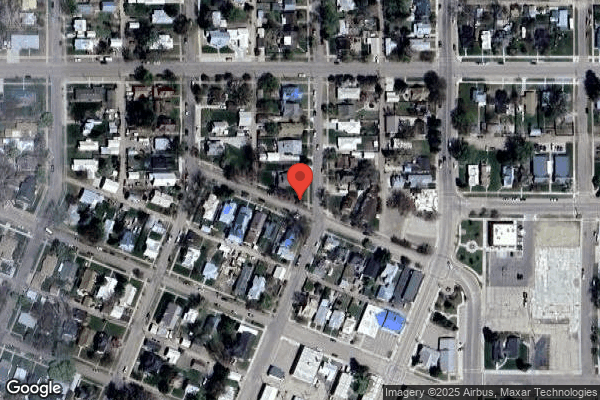
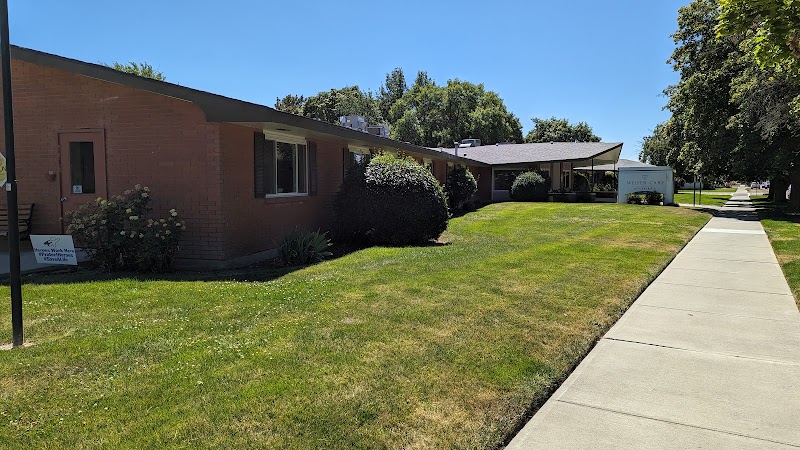
331 EAST PARK STREET, WEISER, ID 83672 (208) 549-2416
For profit - Limited Liability company 76 Beds CASCADIA HEALTHCARE Data: November 2025
Trust Grade
50/100
#53 of 79 in ID
Last Inspection: September 2024

Within standard 12-15 month inspection cycle. Federal law requires annual inspections.

Overview

Weiser Care of Cascadia has a Trust Grade of C, which means it is average and in the middle of the pack for nursing homes. It ranks #53 out of 79 facilities in Idaho, placing it in the bottom half, but it is the only option in Washington County. The facility is worsening, with reported issues increasing from 4 in 2019 to 10 in 2024. Staffing is rated average with a 3/5 star score and a turnover rate of 48%, close to the state average. There have been no fines, which is a positive sign, but there have been serious incidents, including a resident developing a severe pressure ulcer due to inadequate care and another resident suffering multiple injuries from falls because of insufficient supervision. Additionally, there were days when a registered nurse was not available for the required hours, which could potentially affect all residents' care.

Trust Score
C
50/100
In Idaho
#53/79
Bottom 33%
Safety Record
Moderate
Needs review
Inspections
Getting Worse
4 → 10 violations
Staff Stability
⚠ Watch
48% turnover. Above average. Higher turnover means staff may not know residents' routines.
Penalties
✓ Good
No fines on record. Clean compliance history, better than most Idaho facilities.
Skilled Nurses
✓ Good
Each resident gets 42 minutes of Registered Nurse (RN) attention daily — more than average for Idaho. RNs are trained to catch health problems early.
Violations
⚠ Watch
23 deficiencies on record. Higher than average. Multiple issues found across inspections.
★★★☆☆
3.0
Overall Rating
★★★☆☆
3.0
Staff Levels
★★★★☆
4.0
Care Quality
★★★☆☆
3.0
Inspection Score
Stable
2019: 4 issues
2024: 10 issues

The Good

  • 4-Star Quality Measures · Strong clinical quality outcomes
  • Full Sprinkler Coverage · Fire safety systems throughout facility
  • No fines on record

Facility shows strength in quality measures, fire safety.

The Bad

3-Star Overall Rating

Near Idaho average (3.3)

Meets federal standards, typical of most facilities

Staff Turnover: 48%

Near Idaho avg (46%)

Higher turnover may affect care consistency

Chain: CASCADIA HEALTHCARE

Part of a multi-facility chain

Ask about local staffing decisions and management

The Ugly 23 deficiencies on record

2 actual harm
Sept 2024 10 deficiencies
CONCERN (D) 📢 Someone Reported This

A family member, employee, or ombudsman was alarmed enough to file a formal complaint

Potential for Harm - no one hurt, but risky conditions existed

Safe Environment (Tag F0584)

Could have caused harm · This affected 1 resident

**NOTE- TERMS IN BRACKETS HAVE BEEN EDITED TO PROTECT CONFIDENTIALITY** Based on observation and staff interviews, it was determined the facility failed to ensure residents were provided with a safe, ...

Read full inspector narrative →
**NOTE- TERMS IN BRACKETS HAVE BEEN EDITED TO PROTECT CONFIDENTIALITY** Based on observation and staff interviews, it was determined the facility failed to ensure residents were provided with a safe, clean, and homelike environment. This was true for 2 of 46 Residents (#28, #199) whose rooms were observed. This deficient practice created the potential for diminished quality of life and safety risk. Finding include: 1. Resident #28 was admitted to the facility on [DATE], with multiple diagnoses including dementia, diabetes, and osteoarthritis. On 9/23/24 at 11:15 AM, observed in Resident #28's room, the walls had scrapes, chipped paint , and holes. On 9/24/24 at 3:10 PM, the Administrator with the CNO present, stated the walls should have been repaired after last resident moved. 2. Resident #199 was admitted to the facility on [DATE], with multiple diagnoses including right shoulder infection and diabetes. On 9/22/24 at 2:26 PM, observed in Resident #199 room, the base board by the sink was missing and part of the base board was sticking out having the potential to cause a skin tear. On 9/25/24 at 1:02 PM, the Maintenance Manager stated the base board should have been fixed.
CONCERN (D) 📢 Someone Reported This

A family member, employee, or ombudsman was alarmed enough to file a formal complaint

Potential for Harm - no one hurt, but risky conditions existed

Deficiency F0637 (Tag F0637)

Could have caused harm · This affected 1 resident

**NOTE- TERMS IN BRACKETS HAVE BEEN EDITED TO PROTECT CONFIDENTIALITY** Based on record review and staff interview, it was determined the facility failed to complete a comprehensive MDS assessment whe...

Read full inspector narrative →
**NOTE- TERMS IN BRACKETS HAVE BEEN EDITED TO PROTECT CONFIDENTIALITY** Based on record review and staff interview, it was determined the facility failed to complete a comprehensive MDS assessment when a resident experienced a significant change after developing a pressure ulcer to her right buttock. This was true for 1 of 5 residents (Resident #28) reviewed for pressure ulcers. This failure had the potential for harm if the facility staff did not recognize significant changes in the resident's health status and needs. Findings include: Resident #28 was admitted to the facility on [DATE], with multiple diagnoses including dementia, diabetes, and osteoarthritis. A review of Resident #28's record documented the following: On 7/25/24, a Skin Inspection Evaluation documented a silver dollar size-open wound on the right buttock/leg. On 7/26/24, a Skin & Wound Evaluation documented a new MASD (Moisture Associated Skin Damage) to the coccyx, measuring 2.8 cm x 1.8 cm. On 7/29/24, a Skin & Wound Evaluation documented the MASD to the coccyx had now progressed into a pressure injury (damage to the skin and underlying tissue caused by prolonged or intense pressure). On 8/12/24, a Wound Clinic Note documented Resident #28 had a stage 3 pressure injury to her right buttock, measuring 2 cm x 1.6 cm. Resident #28's quarterly MDS dated [DATE], documented she did not have pressure ulcer. On 8/15/24, Resident #28's Pressure Ulcer Investigation documented she should have had a significant change MDS completed. Resident #28's medical record did not document a significant change MDS was completed. On 9/25/24 at 10:25 AM, the Regional Clinical Nurse (RCN) confirmed Resident #28's quarterly MDS did not document Resident #28 had a stage 3 pressure ulcer and should have. The RCN stated there should have been a modification to correct the quarterly MDS and a significant change MDS should have been completed within 14 days of diagnosing the pressure ulcer.
CONCERN (D) 📢 Someone Reported This

A family member, employee, or ombudsman was alarmed enough to file a formal complaint

Potential for Harm - no one hurt, but risky conditions existed

Quality of Care (Tag F0684)

Could have caused harm · This affected 1 resident

**NOTE- TERMS IN BRACKETS HAVE BEEN EDITED TO PROTECT CONFIDENTIALITY** Based on observation, staff interview, policy and record review, the facility failed to follow comprehensive person-centered car...

Read full inspector narrative →
**NOTE- TERMS IN BRACKETS HAVE BEEN EDITED TO PROTECT CONFIDENTIALITY** Based on observation, staff interview, policy and record review, the facility failed to follow comprehensive person-centered care plan for 1 of 4 residents (Resident #199) observed with wounds. This deficient practice created the potential for harm or adverse outcomes related to infection and skin breakdown. Findings include: Facility Prevention and Treatment of Pressure Ulcers and Other Skin Alterations policy revision date 7/13/18, documented With each dressing change or at least weekly (and more often when indicated by wound complications, or changes in wound characteristics), an evaluation of the PU/PI (pressure ulcer/pressure injury) or non-pressure skin alteration should be documented. At a minimum, documentation should include the date observed and : A. Location, staging if applicable; B. Size (perpendicular measurements of the greatest extent of length and width of the PU/PI), depth; and the presence, location and extent of any undermining or tunneling/sinus tract; C. Exudate, if present: type (such as purulent/serous), color, odor and approximate amount; D. Pain, if present: nature and frequency; E. Wound bed: Color and type of tissue/character including evident of healing or necrosis, and; F. Description of wound edges and surrounding tissue . as appropriate. Resident #199 was admitted to the facility on [DATE], with multiple diagnoses including right shoulder infection and diabetes. On 9/22/24 at 2:26 PM, observed bandages dated 9/11/24, on Resident #199's legs and on his left toe. On 9/22/24 at 2:30 PM, RN #2 stated skin tear bandaging should only stay on for three days and then be changed.
CONCERN (D) 📢 Someone Reported This

A family member, employee, or ombudsman was alarmed enough to file a formal complaint

Potential for Harm - no one hurt, but risky conditions existed

Deficiency F0726 (Tag F0726)

Could have caused harm · This affected 1 resident

Based on observation, review of policy, records review, and interviews, it was determined the facility failed to ensure Nursing Assistants (NAs) performed tasks which they had the knowledge, skills, a...

Read full inspector narrative →
Based on observation, review of policy, records review, and interviews, it was determined the facility failed to ensure Nursing Assistants (NAs) performed tasks which they had the knowledge, skills, and competences. This was true for 1 of 6 NAs observed in the facility. This had the potential for adverse effects and potential harm to residents medical and physical status. Findings include: Facility Indwelling Catheters policy Revision Date: 4/12/22, documented Infection control is followed in the care of indwelling catheters. Guidelines to prevent Catheter Associated Infections include but may not be limited to: Good hygiene is maintained at the catheter-urethral interface: cleaned daily with soap and water. Lippincott Nursing Procedures (9th edition) documented to avoid contaminating the urinary tract, always clean by wiping away from, never toward the urinary meatus. CDC Guidelines for Prevention of Catheter Associated Urinary Tract Infections 2009 documented, III. Proper Techniques for Urinary Catheter Maintenance, Do not clean the periurethral area with antiseptics to prevent CAUTI (Catheter Associated Urinary Tract Infection) while the catheter is in place. Routine hygiene (e.g., cleansing of the meatal surface during daily bathing or showering) is appropriate. The Agency for Healthcare Research and Quality (AHRQ) Safety Program for Long-Term Care: HAIs/CAUTI (Healthcare Acquired Infection) dated 3/2017, documented to only use soap and water when performing peri-care. Review of the facility admission Packet, Residents Rights section, documented, The Resident has the right to be treated with respect and dignity. On 9/24/24 at 4:10 PM, observed CNA #1 and NA #2 use a Hoyer lift (a mobility tool that helps caregivers safely move patients from one surface to another) to transfer Resident #35 from her wheelchair to bed. During the process the window blinds were left open, exposing Resident #35's bottom and perineum area (the area of the body between the anus and the vulva in females) toward the open window. On 9/24/24 at 4:17 PM, observed CNA #1 and NA #2 prepare Resident #35 for catheter care with the window blinds left open, exposing the resident's urinary meatus area toward the open window. On 9/24/24 at 4:18 PM, observed NA #2 use peri-care wipes to wipe toward, not away from the meatus. On 9/24/24 at 4:28 PM, NA #2 stated she should have wiped away from, not toward the meatus. On 9/24/24 at 4:30 PM, CNA #1 and NA #2 stated they should have close the window blinds before transferring the resident to the bed and before performing catheter care.
CONCERN (D) 📢 Someone Reported This

A family member, employee, or ombudsman was alarmed enough to file a formal complaint

Potential for Harm - no one hurt, but risky conditions existed

Deficiency F0761 (Tag F0761)

Could have caused harm · This affected 1 resident

Based on observation, policy review, and staff interview, it was determined the facility failed to ensure medications available for residents were dated and had not expired. This was true for 2 of 2 m...

Read full inspector narrative →
Based on observation, policy review, and staff interview, it was determined the facility failed to ensure medications available for residents were dated and had not expired. This was true for 2 of 2 medication carts inspected. This failure created the potential for residents to receive expired medications with decreased efficacy. Findings include: The facility's Medication Management policy, revision date 10/15/22, documented medications are discarded by the expiration date unless indicated by the pharmacy and/or manufacturer's instructions to discard sooner. The facility's pharmacy Medication Storage and Administration Quick Reference Guide, revision date April 2024, documented injectable diabetes medications, pens, or vials, should have a label with resident identifiers, date opened, and expiration date. 1. On 9/23/24 at 10:29 AM, during the back hall medication cart audit, with RN #1 present, observed a box of Bisacodyl suppositories, with an expiration date of November 2023. On 9/23/24 at 10:31 AM, RN #1 stated the expired medication should have been taken off the medication cart. 2. On 9/23/24 at 10:33 AM, during the front hall medication cart audit, with RN #2 present, 2 insulin pens, not dated, were observed inside the top drawer of the medication cart. On 9/23/24 at 10:37 AM, RN #2 stated she was not sure if the insulin pens were used. She also stated the insulin pens should be dated when opened. On 9/25/24 at 9:09 AM, RN #2 stated the insulin pen was not dated and should have been.
CONCERN (D) 📢 Someone Reported This

A family member, employee, or ombudsman was alarmed enough to file a formal complaint

Potential for Harm - no one hurt, but risky conditions existed

Infection Control (Tag F0880)

Could have caused harm · This affected 1 resident

Based on observation and staff interview, the facility failed to ensure adherence to infection control and prevention practices to provide a safe and sanitary environment. This failure had the potenti...

Read full inspector narrative →
Based on observation and staff interview, the facility failed to ensure adherence to infection control and prevention practices to provide a safe and sanitary environment. This failure had the potential to impact 25 of 26 residents that eat meals prepared in the kitchen, 2 of 2 residents (#35 and #200) for hand hygiene. Findings include: 1. On 9/22/24 at 1:01 PM, observed Activities Assistant #1 remove gloves but not wash hands, prior to pouring a resident a cup of lemonade. She did not sanitized her hands until after she delivered the lemonade to a resident in the dining room. On 9/22/24 at 1:04 PM, the Activities Assistant #1 stated she should have used hand sanitizer after removing gloves. 2. On 9/24/24 at 8:40 AM, observed Lead [NAME] #1 wipe down dirty counters in the kitchen and remove clean dishes from the washed area without changing gloves or washing her hands. On 9/24/24 at 9:01 AM, the Culinary Manager stated the lead cook should have removed her gloves, washed hands, and put on new gloves before handling the clean dishes. 3. On 9/23/24 at 8:10 AM, observed the Business Office Manager deliver a breakfast meal to Resident #35 in her room. Resident #35 was not offered hand hygiene before the meal. On 9/23/24 at 8:11 AM, observed the Business Office Manager deliver a breakfast meal to Resident #200 in his room. Resident #200 was not offered hand hygiene before the meal. On 9/25/24 at 1:18 PM, the CNO stated all staff should have been asking residents if they want to wash hands prior to eating their meal.
CONCERN (D) 📢 Someone Reported This

A family member, employee, or ombudsman was alarmed enough to file a formal complaint

Potential for Harm - no one hurt, but risky conditions existed

Safe Environment (Tag F0921)

Could have caused harm · This affected 1 resident

**NOTE- TERMS IN BRACKETS HAVE BEEN EDITED TO PROTECT CONFIDENTIALITY** Based on observation and staff interview, the facility failed to provide a functional environment for residents to meet their ph...

Read full inspector narrative →
**NOTE- TERMS IN BRACKETS HAVE BEEN EDITED TO PROTECT CONFIDENTIALITY** Based on observation and staff interview, the facility failed to provide a functional environment for residents to meet their physical needs. This was true for 1 of 46 residents (Resident #12). This deficient practice had the potential to cause harm and distress for residents with loss of independence. Findings include: Resident #12 was admitted to the facility on [DATE] and readmitted [DATE], with multiple diagnoses including, Myasthenia Gravis (a chronic autoimmune disease that causes muscle weakness by interfering with the communication between nerves and muscles) and left pelvis fracture. On 9/24/24 at 12:08 PM, observed Resident #12, who uses a wheelchair, could not reach the sink faucet and handles, soap, or paper towel dispenser in her room. On 9/24/24 at 1:50 PM, the Administrator stated he never knew the sink faucet and handles, soap, and paper towel dispensers could not be reached by residents sitting in a wheelchair and this should have been corrected.
CONCERN (E) 📢 Someone Reported This

A family member, employee, or ombudsman was alarmed enough to file a formal complaint

Potential for Harm - no one hurt, but risky conditions existed

Staffing Information (Tag F0732)

Could have caused harm · This affected multiple residents

Based on observation, policy review, and staff interview, it was determined the facility failed to ensure nurse staffing information was accurate, posted daily for each shift, and kept for review for ...

Read full inspector narrative →
Based on observation, policy review, and staff interview, it was determined the facility failed to ensure nurse staffing information was accurate, posted daily for each shift, and kept for review for 18 months. This failed practice had the potential to affect the 46 residents residing in the facility and their representatives, visitors, and others who wanted to review the facility's staffing levels. Findings include: The facility's Posting of Licensed and Unlicensed Direct Care Staff policy, dated 11/28/17, documented, the facility posts daily, the total number and actual hours worked by RNs, LPNs, CNAs, and the resident census. The policy documented the daily posting were to be retained for a minimum of 18 months or as required by State law, whichever is greater. On 9/22/24 at 12:00 PM, the Daily Posted Staffing sheet was observed with the date 9/20/24, indicating the facility had failed to post the last two days of nursing hours. On 9/22/24 at 2:07 PM, the Administrator stated the medical records person should have posted the weekend nursing hours on Friday but must have missed it. On 9/25/24 at 3:10 PM, the Administrator stated the facility had not retained the Daily Posted Staffing Sheets for 18 months.
CONCERN (E) 📢 Someone Reported This

A family member, employee, or ombudsman was alarmed enough to file a formal complaint

Potential for Harm - no one hurt, but risky conditions existed

Food Safety (Tag F0812)

Could have caused harm · This affected multiple residents

Based on observation, staff interview, policy review, and review of the Idaho Food Code, the facility failed to appropriately store and label food . This deficient practice had the potential to affect...

Read full inspector narrative →
Based on observation, staff interview, policy review, and review of the Idaho Food Code, the facility failed to appropriately store and label food . This deficient practice had the potential to affect 25 of 26 residents who received meals in the facility and residents that eat snacks. This placed residents at risk for potential contamination and use of spoiled foods, and adverse health outcomes, including food-borne illnesses. Findings include: Review of the Idaho Food Code, revised February 2021, stated 3-501.17 Ready-to-Eat, Time/Temperature Control for Safety Food, Date Marking . refrigerated, ready-to-eat, time/temperature control for safety food prepared and held in a food establishment for more than 24 hours shall be clearly marked to indicate the date or day by which the food shall be consumed on the premises, sold, or discarded when held at a temperature of 5ºC (41ºF) or less for a maximum of 7 days. The day of preparation shall be counted as Day 1. The Facility's Food and Supply Storage policy dated 11/28/17, documented under Labeling and rotating food supply, For food products that are opened and not completely used or prepared at facility and stored, the product should be labeled as to its contents and use-by dates. On 9/22/24 at 12:08 PM, observed a non-dated open container of Soy sauce in the food storage area. On 9/22/24 at 12:09 PM, Lead [NAME] #1 stated it should have been dated. On 9/22/24 at 12:12 PM, observed in the walk in refrigerator, an opened Soy sauce container with no used by date. On 9/22/24 at 12:13 PM, Lead [NAME] #1 stated it should have been dated. On 9/24/24 at 9:55 AM, observed the back hall snack refrigerator, with the Culinary Manager present, the refrigerator temperatures had not been checked and documented for September 22, 23, and 24. On 9/24/24 at 10:00 AM, the Culinary Manager stated nursing staff should have checked the temperatures for the refrigerator and freezer on those dates but had failed to do so.
CONCERN (F) 📢 Someone Reported This

A family member, employee, or ombudsman was alarmed enough to file a formal complaint

Potential for Harm - no one hurt, but risky conditions existed

Deficiency F0727 (Tag F0727)

Could have caused harm · This affected most or all residents

Based on review of facility staffing records and staff interview, it was determined the facility failed to ensure an RN was on duty at least 8 hours a day, 7 days a week. This was true for 2 of 21 day...

Read full inspector narrative →
Based on review of facility staffing records and staff interview, it was determined the facility failed to ensure an RN was on duty at least 8 hours a day, 7 days a week. This was true for 2 of 21 days reviewed. The failure created the potential for harm if routine and/or emergency nursing needs went unmet and had the potential to affect all residents living in the facility. Findings include: On 9/25/24 at 4:20 PM, review of the Licensed Nurse time punches for 9/1/24 to 9/21/24 documented the facility did not have an RN on duty for 8 consecutive hours on 9/7/24 and 9/8/24. On 9/26/24 at 9:05 AM, the Medical Records Manager, stated the CNO was scheduled to work on 9/7/24 for 6 hours and RN #2 was scheduled to work intermittently on 9/8/24. On 9/26/24 at 9:40 AM, the CNO stated she worked from home and did not work in the building on 9/7/24 or 9/8/24. She stated she knew the facility had to have 8 hours of RN coverage but did not know the hours needed to be consecutive.
Oct 2019 4 deficiencies
CONCERN (D)

Potential for Harm - no one hurt, but risky conditions existed

Deficiency F0578 (Tag F0578)

Could have caused harm · This affected 1 resident

**NOTE- TERMS IN BRACKETS HAVE BEEN EDITED TO PROTECT CONFIDENTIALITY** Based on record review, policy review, and staff interview, it was determined the facility failed to ensure residents' records i...

Read full inspector narrative →
**NOTE- TERMS IN BRACKETS HAVE BEEN EDITED TO PROTECT CONFIDENTIALITY** Based on record review, policy review, and staff interview, it was determined the facility failed to ensure residents' records included an Advanced Directive or documentation of discussion regarding Advance Directives and their decision not to formulate one. This was true for 2 of 12 residents (#1 and #30) reviewed for Advance Directives. The deficient practice created the potential for harm should residents' wishes regarding end of life care not be honored when they are unable to make or communicate their health care preference. Findings include: The State Operations Manual (SOM) defined an Advance Directive as a written instruction, such as a living will or durable power of attorney for health care, recognized under State law (whether statutory or as recognized by the courts of the State), relating to the provision of health care when the individual is incapacitated. The SOM defined a Physician Orders for Life-Sustaining Treatment (or POLST) as a form designed to improve patient care by creating a portable medical order form that records patients' treatment wishes so that emergency personnel know what treatments the patient wants in the event of a medical emergency, taking the patient's current medical condition into consideration. A POLST paradigm form is not an advance directive.If an adult individual is incapacitated at the time of admission and is unable to receive information or articulate whether he or she has executed an advance directive or not, the facility may give advance directive information to the individual's resident representative in accordance with State Law. The facility's Advance Directives/Health Care Decisions policy and procedure, dated 10/1/17, documented Residents have the right to make decisions concerning medical care, including the right to accept or refuse medical or surgical treatment, and the right to formulate Advance Directives. In states with governance surrounding Advance Directives, facilities are to follow the State's specific requirements. This policy was not followed. 1. Resident #1 was admitted on [DATE], with multiple diagnoses including COPD (a progressive lung disease), generalized muscle weakness, anxiety disorder, atrial fibrillation (irregular heart beat), and macular degeneration (retina deterioration causing blindness). Resident #1's record did not include an Advance Directive or documentation Advance Directives were discussed with her. On 10/3/19 at 10:35 AM, the Resident Support Services Manager (RSSM) said within 48-72 hours after admission a conference with a resident and/or a resident's representative was scheduled. She said during the conference the facility reviewed a resident's living will or provided the Idaho Advance Directive information, and if needed, the facility offered Advance Directive completion assistance. The RSSM said if the Advance Directive was not completed at the next conference, the facility reminded the resident and/or resident's representative to complete and provide it to the facility. On 10/3/19 at 10:45 AM and 11:52 AM, the DON confirmed the review process described above was correct and said unless an Advance Directive was scanned into a resident's chart, the resident and/or resident's representative had not provided it. The DON said Resident #1's record did not include an Advance Directive and there was no discussion with Resident #1 and/or her representatives about Advance Directives documented. 2. Resident #30 was admitted to the facility on [DATE] and was readmitted on [DATE], with multiple diagnoses which included diabetes mellitus and hypertension (high blood pressure). Resident #30's record included a Multidisciplinary Care Conference note, dated 9/3/19, which documented Advance Directive - continue. Resident #30's record did not include an Advance Directive or documentation information was discussed with her about Advance Directives. On 10/3/19 at 10:35 AM, the RSSM said within 48-72 hours after residents are admitted , a care conference was scheduled for residents and/or their representatives. The RSSM said Advance Directives were discussed during the care conference, and the resident and/or their representatives were asked to provide a copy of the resident's Advance Directive if they had one. The RSSM said the facility offered to help the resident to complete an Advance Directive if they did not have one. The RSSM also said Advance Directives were reviewed with the residents and/or their representatives quarterly. On 10/3/19 at 11:39 AM, the DON said Advance Directive - continue meant to continue what was on Resident #30's Physician Orders for Scope of Treatment (POST), not an Advance Directive. The DON said she was unable to find documentation Advance Directives were discussed with Resident #30.
CONCERN (D)

Potential for Harm - no one hurt, but risky conditions existed

Deficiency F0625 (Tag F0625)

Could have caused harm · This affected 1 resident

**NOTE- TERMS IN BRACKETS HAVE BEEN EDITED TO PROTECT CONFIDENTIALITY** Based on record review, policy review and staff interview, it was determined the facility failed to ensure a notice of their bed...

Read full inspector narrative →
**NOTE- TERMS IN BRACKETS HAVE BEEN EDITED TO PROTECT CONFIDENTIALITY** Based on record review, policy review and staff interview, it was determined the facility failed to ensure a notice of their bed-hold policy was provided to residents or their representatives upon transfer to the hospital. This was true for 1 of 1 resident (Resident #17) reviewed for transfers. This deficient practice created the potential for harm if residents were not informed of their right to return to their former bed/room at the facility within a specified time and may cause psychosocial distress if not informed they may be charged to reserve their bed/room. Findings include: The facility's Bed-Hold readmission policy and procedure, dated 11/28/17, documented the facility provided written information to the resident, or the resident's representative, about holding a resident's bed prior to or upon transfer to a hospital, and in cases of emergency transfer within 24 hours of transfer. This policy was not followed. Resident #17 was initially admitted to the facility on [DATE], and readmitted on [DATE], with multiple diagnoses including hypertension (high blood pressure), vascular dementia (brain damage caused by multiple strokes), and Type II diabetes mellitus. A progress note documented Resident #17 was transferred to the hospital for evaluation on 9/26/19, when she exhibited increased weakness and had stopped eating and drinking. Resident #17's record did not include documentation a written notice of the facility's bed-hold policy was provided to her. On 10/4/19 at 2:03 PM, Resident #17 said she did not remember if she was given a bed-hold notice. On 10/4/19 at 3:10 PM, The DON said Resident #17's record did not include documentation she was provided written notice of the facility's bed-hold policy.
CONCERN (D)

Potential for Harm - no one hurt, but risky conditions existed

ADL Care (Tag F0677)

Could have caused harm · This affected 1 resident

**NOTE- TERMS IN BRACKETS HAVE BEEN EDITED TO PROTECT CONFIDENTIALITY** Based on observation, record review, and staff interview, it was determined the facility failed to ensure residents were assiste...

Read full inspector narrative →
**NOTE- TERMS IN BRACKETS HAVE BEEN EDITED TO PROTECT CONFIDENTIALITY** Based on observation, record review, and staff interview, it was determined the facility failed to ensure residents were assisted with hand hygiene. This was true for 1 of 12 residents (Resident #40) reviewed for ADL care. This failure created the potential for harm by potentially exposing residents to the risk of infection. Findings include: Resident #40 was admitted to the facility on [DATE], with multiple diagnoses which included diabetes mellitus. A quarterly MDS assessment, dated 9/18/19, documented Resident #40 was cognitively intact and she required extensive assistance from one person for most activities of daily living. On 10/2/19 at 1:22 PM, CNA #4 was observed as she provided pericare to Resident #40. CNA #4 unfastened Resident #40's incontinence brief and Resident #40 scratched her genitalia vigorously using her right hand. CNA #4 asked Resident #40 to stop scratching and gave the resident a wet wipe. Resident #40 held onto the wipe, but did not clean her hands. CNA #4 proceeded to clean Resident #40's periarea and wiped it from front to back. CNA #4 then cleansed around Resident #40's catheter insertion site. Resident #40 then scratched her genitalia again using her right hand and her fingers were observed going to her catheter insertion site. CNA #4 reminded Resident #40 to stop scratching and gave Resident #40 another wet wipe. Resident #40 held onto the wipe, but did not clean her hands. CNA #4 then removed her gloves, performed hand hygiene, and applied new gloves. While CNA #4 was applying a new incontinence brief Resident #40 was observed to scratch her genitalia again. CNA #4 asked Resident #40 to stop scratching and said she was going to let the nurse know to check Resident #40's periarea. CNA #4 then assisted Resident #40 to sit on the edge of the bed and helped her to transfer to her wheelchair. As CNA #4 was helping Resident #40 to transfer to the wheelchair, Resident #40 scratched her nose and then wiped her mouth using her right hand. CNA #4 did not assist Resident #40 with hand hygiene after she touched her periarea. On 10/2/19 at 1:38 PM, CNA #4 said she should have cleaned Resident #40's hand when she finished with her pericare.
CONCERN (D)

Potential for Harm - no one hurt, but risky conditions existed

Quality of Care (Tag F0684)

Could have caused harm · This affected 1 resident

**NOTE- TERMS IN BRACKETS HAVE BEEN EDITED TO PROTECT CONFIDENTIALITY** Based on observation, record review, policy review, and staff interview, it was determined the facility failed to ensure profess...

Read full inspector narrative →
**NOTE- TERMS IN BRACKETS HAVE BEEN EDITED TO PROTECT CONFIDENTIALITY** Based on observation, record review, policy review, and staff interview, it was determined the facility failed to ensure professional standards of nursing practice were followed for medication administration, bowel care, and skin care. This was true for 3 of 12 residents (#9, #16, and #30) reviewed for quality of care. These failed practices created the potential for harm should residents experience adverse effects from medications, constipation or fecal impaction, and skin breakdown. Findings include: 1. The facility's undated policy for Oral Inhalant Administration, directed staff to instruct residents receiving steroid inhalers to rinse their mouth thoroughly with water immediately following inhalation to wash away steroid residue in the mouth. This policy was not followed. Resident #9 was admitted to the facility on [DATE], with multiple diagnoses including dementia and COPD (a chronic inflammatory lung disease that causes obstructed airflow from the lungs). A quarterly MDS assessment, dated 7/22/19, documented Resident #9 had moderate cognitive impairment. Resident #9's October 2019 physician's orders included Breo Ellipta (an inhaler taken orally containing a corticosteroid) 100-25 mcg (micrograms), inhale one puff orally one time a day for shortness of breath and wheezing. The order included special instructions for Resident #9 to rinse their mouth out with water and spit after administration. On 10/3/19 at 7:29 AM, RN #1 was observed when she administered Resident #9's medications which included the inhaled medication Breo Ellipta. Resident #9 was observed to take one puff of the Breo Ellipta orally, and then gave the inhaler back to RN #1. RN #1 then asked Resident #9 to take a sip of water. Resident #9 did not rinse his mouth after inhaling the Breo Ellipta. On 10/3/19 at 9:08 AM, RN #1 said she forgot to ask Resident #9 to rinse his mouth after administering the Breo Ellipta. RN #1 said she should have told Resident #9 to rinse his mouth with water and spit it out. 2. The facility's Bowel Care protocol, updated on June 2018, documented the following: *Follow specific physician's orders for residents that require an increase in frequency over protocol. * If the resident was 24-48 hours without a bowel movement documented, staff were to administer 30 cc (cubic centimeter) of Milk of Magnesia (MOM) orally. *If the resident was 72 hours without a bowel movement documented, staff were to administer a glycerin suppository rectally as per physician's order. *If no bowel movement was documented by the following morning, staff were to administer a fleet enema rectally as per physician's order. *If no bowel movement within 2 hours, staff were to call the physician for additional orders. This policy was not followed. Resident #16 was admitted to the facility on [DATE], with multiple diagnoses including altered mental status. A quarterly MDS assessment, dated 8/17/19, documented Resident #16 had severe cognitive impairment, required extensive assistance of two people for toileting, and was always incontinent of bowel. Resident #16's physician's orders dated 7/12/18, documented the following: *Fruiteze (laxative) 30 cc as needed for bowel care *MOM suspension, give 30 ml (milliliters) by mouth as needed for bowel care if no bowel movement in 24 - 48 hours. *Glycerin Adult Suppository, insert one suppository rectally as needed for bowel care if no bowel movement in 72 hours. *Fleet Enema 7-19 gm (grams)/118 ml, insert one unit rectally as needed for bowel care if no bowel movement in 72 hours. Resident #16's Bowel Movement Records, dated 9/5/19 through 10/3/19, documented she did not have a bowel movement between 9/5/19 and 9/7/19 (3 days) and between 9/20/19 and 9/22/19 (3 days). Resident #16's Medication Administration Record (MAR), dated 9/1/19 through 9/30/19, documented bowel medications were not administered as ordered when she did not have a bowel movement from 9/5/19 to 9/7/19 and 9/20/19 to 9/22/19. On 10/3/19 at 1:27 PM, LPN #1 said he was not aware of the facility's bowel protocol. LPN #1 said physician's orders for bowel medications differed among the residents. LPN #1 reviewed Resident #16's MAR and said Resident #16 was not provided the bowel medications as ordered. 3. Resident #30 was admitted to the facility on [DATE] and was readmitted on [DATE], with multiple diagnoses which included chronic pain and weakness. Resident #30's October 2019 physician's orders included Prevalon boots (a heel protector to keep the heel off the mattress to relieve pressure) while in bed every shift for skin integrity. Resident #30's care plan included interventions for Prevalon boots to each lower extremity when in bed and to have a pillow between her knees. On 10/3/19 at 2:03 PM, CNA #1 and CNA #2 assisted Resident #30 to transfer from her wheelchair to her bed. CNA #1 pulled the bed sheet up to Resident #30's waist and both CNAs left the room. Resident #30 was not provided with a pillow between her knees when she was repositioned in bed, and Prevalon boots were not applied to her lower extremities. On 10/3/19 at 2:27 PM, CNA #2 reviewed the care instructions for Resident #30 and said she did not know Resident #30 needed a pillow between her knees when she was being repositioned in bed. CNA #2 was also not aware Resident #30 also was to wear Prevalon boots while in bed.
Jun 2018 9 deficiencies 2 Harm
SERIOUS (G)

Actual Harm - a resident was hurt due to facility failures

Pressure Ulcer Prevention (Tag F0686)

A resident was harmed · This affected 1 resident

**NOTE- TERMS IN BRACKETS HAVE BEEN EDITED TO PROTECT CONFIDENTIALITY** Based on observation, staff interview, and review of facility policies, resident records, and I and A Reports, it was determined...

Read full inspector narrative →
**NOTE- TERMS IN BRACKETS HAVE BEEN EDITED TO PROTECT CONFIDENTIALITY** Based on observation, staff interview, and review of facility policies, resident records, and I and A Reports, it was determined the facility failed to prevent the development and worsening of a pressure ulcer. This was true for 1 of 1 sampled residents (#29) reviewed for pressure ulcers. This deficient practice caused harm to Resident #29 when she developed a blister on her coccyx (tailbone area) that deteriorated and became an unstageable pressure ulcer. Findings include: The facility's policy and procedure for Prevention and Treatment of Pressure Ulcers and Other Skin Alterations, dated 11/28/17, documented the following: * Residents at risk for developing pressure ulcers are identified by using the Braden Scale. * Interventions for pressure ulcers and other wound and skin issues are developed by collaborating with the interdisciplinary team and are implemented to identify, prevent, or decrease the risk of developing pressure and/or non-pressure wounds. * Basic or routine care could include but was not limited to: redistribute pressure, minimize moisture contact with the skin and keep the skin clean, provide appropriate, pressure-redistributing, support surfaces, providing surfaces that are not irritating to skin, and maintain or improve nutrition and hydration status, where feasible. Resident #29 was admitted to the facility on [DATE] with multiple diagnoses, including other abnormalities of gait and mobility, and muscle wasting atrophy. Resident #29's quarterly MDS assessment, dated 4/26/18, documented she was at risk for developing pressure ulcers and no pressure ulcers were present. Resident #29's Braden Scale for Predicting Pressure Sore risk, dated 5/1/18 at 11:33 AM, documented a moderate risk for developing pressures sores. Resident #29's significant change MDS assessment, dated 5/23/18, documented she was at risk for developing pressure ulcers and had one unstageable pressure ulcer measuring 2.0 (length) by 2.0 (width) by 0.2 deep. Resident #29's physician orders documented a dressing change to the coccyx and low air loss mattress to the bed were ordered on 5/22/18. Resident #29's current care plan directed staff to provide the following interventions: * Assess skin weekly and as needed, and was initiated on 7/9/14. * A pressure relieving mattress to the bed and a pressure reducing cushion to the wheelchair, and was initiated on 2/16/17. * Reposition the resident in bed during rounds and as needed, and was initiated on 2/11/15. * When out of bed, change the resident's position by toileting, uploading, shifting weight, ambulating or return to bed for rest. When in bed, turn and reposition q (every) 2 hours, and was was initiated on 7/30/15. The following interventions were initiated on 5/22/18: * Assess for pain every shift/as needed before changing the dressing, and give medication per the physician's order as needed. * Complete the Daily Monitoring Pressure Ulcer Report. * Encourage frequent position changes every 2 hours. * Follow physician's orders for skin care and treatment (Utilize Best Practice Guidelines). * Specialty mattress-air mattress. * Resident #29 out of bed only for meals, initiated on 5/25/18. Resident #29's Weekly Skin Checks documented the following: * On 5/15/18 at 9:27 PM: No skin conditions, changes, ulcers, or injuries. * On 5/22/18 at 12:27 PM: An open wound on the coccyx with slough (yellow, devitalized tissue). * On 5/29/18 at 11:36 PM: Skin warm, dry and very fragile. Cont[inue] present treatment to wound on coccyx, dressing clean dry and intact. * On 6/6/18 at 3:17 AM: Skin warm and dry but at times moist due to incontinence. Coccyx area red . * On 6/12/18 at 11:17 PM: Skin warm, dry and very fragile. Wound on coccyx covered with dressing. Dressing clean, dry and intact. Resident #29's Weekly Skin Alteration Reports documented the following: * On 5/11/18 at 1:46 PM: A fluid-filled blister below the coccyx, circular in shape and measuring 2 cm in diameter. It was first observed on 5/11/18. * On 5/25/18 at 1:46 PM: A 2 cm by 2 cm wound on the coccyx was first observed on 5/18/18, it was healing slowly, and calcium alginate and Biatain dressing were continued daily. Resident #29's Weekly Pressure Ulcer BWAT Reports documented the following: * On 5/21/18 at 10:36 AM: A new onset pressure ulcer on the coccyx, measuring 2 cm (length) by 2 cm (width) by 0.2 cm (depth) and was unstageable. The ulcer was first observed on 5/11/18 and required the following treatment: wound cleanser, skin prep to surround tissue, Biatain alginate to the wound bed, and cover with a Biatain foam dressing. * On 5/28/18 at 10:36 AM: The pressure wound on the coccyx measured 2 cm by 2.1 cm by 0.8 cm and was Stage 2. Wound care was updated to Silvasorb ointment on the wound bed and cover with an Alevyn dressing. * On 5/31/18 at 1:57 PM: The pressure wound to the coccyx measured 2 cm by 1.8 cm by 0.5 cm and was Stage 2. The wound was healing nicely, bed visible, beefy red. Size decreasing . *On 6/7/18 at 1:57 PM: The pressure wound to the coccyx measured 1.2 cm by 1.6 cm by 0.4 cm and was Stage 2. The Treatment/Evaluation of Effectiveness was to continue the current plan of care. Resident #29's I and A Reports documented the following: * An I and A Investigation, dated 5/11/18, documented a small fluid-filled blister was discovered below the coccyx, the site was cleansed, and a dressing was applied. The event was described as a shear/rub causing a blister. It was recommended to use a cushioned dressing and change the dressing routinely. * On 5/21/18, a stage 3 pressure sore measuring 2 cm by 2 cm by 0.2 cm was present on the coccyx. The Pressure Ulcer Investigation documented the following: [A] clear blister on [the] coccyx [was] reported on 5/13/18, [a] foam/sponge drsg (dressing) [was] applied and staff cont[inue] turning q 2 hours. Family to come and pick up recliner. Over [the] wkend (weekend) [the] wound changed to [a] pressure wound 2 cm-2cm by 0.2 cm with off white slough across [the wound] bed. Surrounding tissue [was] intact, no adipose tissue (fat) noted between skin and bone, tissue loose and moveable. It was recommended to use a dressing, remove the recliner, use an air mattress, change the wheelchair, provide incontinence care, reposition side to side, and strongly encourage fluids. Resident #29's Progress Notes documented the following: * On 5/11/18 at 1:13 PM, a small fluid-filled blister was noted below the coccyx measuring 2 cm in diameter and was circular in shape. * On 5/11/18 at 4:53 PM, a fluid-filled blister was noted in the coccyx area, and it appeared to be caused by the incontinence brief pinching the tissue. The area was cleansed and a Biatain dressing was applied. The wound measured 2.1 cm by 1.8 cm. * On 5/14/18 at 8:47 AM, the fluid-filled blister remained and was discussed by the event committee. The area was cleansed and a cushioned dressing was applied. Will continue to monitor and change dressing via altered skin evaluations. Nurse supervisor to do this. * On 5/15/18 at 1:30 PM, A blister was present on the buttock area and it measured 1.2 cm by 1 cm. The site was cleansed and a foam dressing was applied. An order was requested for physical therapy because the resident was no longer bearing weight during transfers. She required one person assistance to transfer a month prior. * On 5/16/18 at 7:17 PM, the physician was notified regarding the blister on the buttocks and continued care with a cushioned dressing. The nurse supervisor was to change the dressing. * On 5/21/18 at 1:36 PM, staff reported a change in the coccyx wound over the weekend. The wound depth had increased to 0.2 cm and it was 2 cm in length. The wound bed was filled with slough except for a small area at the base of the wound. The wound was round, crater-like with definite edges, no undermining. Wound care was provided including wound cleanser, skin prep to the surrounding intact tissue, Biatain Alginate to the wound bed, and a Biatain sponge dressing was applied to cover the wound. Will inform Dr (doctor) of change. * On 5/22/18 at 9:20 AM, the event committee discussed the blister to the coccyx that was noted on 5/11/18 and a foam dressing was applied. The area was now an unstageable pressure ulcer. The family was to remove the resident's recliner from her room, treatments were in place for wound care, and an air mattress was to be applied to the bed. The dietician was to review nutritional interventions and the wheelchair cushion was changed. The care plan was updated and physician were to be notified. * On 5/22/18 at 5:15 PM, the slough was separating from the wound bed on the right side, pink tissue was visible underneath, and the wound measured 2 cm by 2 cm and was a Stage 2 pressure wound. * On 5/28/18 at 10:36 AM, the pressure ulcer on the coccyx measured 2 cm by 2.1 cm by 0.8 cm and was Stage 2. The dressing was updated to Silvasorb ointment on the wound bed and Alevyn dressing to cover the wound. * On 5/30/18 at 1:32 PM, the resident cried out quite often, ate poorly, and was medicated with hydrocodone (narcotic pain medication) twice for pain. The dressing was changed on the coccyx by the nurse supervisor. * On 5/31/18 at 1:57 PM, the pressure ulcer to the coccyx measured 2 cm by 1.8 cm by 0.5 cm. The wound was healing nicely, the wound bed was visible and beefy red. * On 6/1/18 at 12:44 PM, a new order was received for a Fentanyl (narcotic pain medication) patch 25 mcg. * On 6/1/18 at 2:24 PM, the wound dressing was changed, the wound was red and beefy, the edge of the wound was pink, and the wound bed measured .02 deep. * On 6/4/18 at 4:03 PM, the pressure ulcer continued to improve with Silvasorb and an Alevyn dressing, and it measured 1.8 cm by 1.4 cm by 0.6 cm. * On 6/6/18 at 10:24 AM, the wound dressing regimen was changed to include Alginate to a small area on the right side of the wound bed due to slough, and the wound measured 1.7 by 1.8 by 0.4 cm. * On 6/6/18 at 11:06 AM, there was a care plan conference that discussed the resident was declining, now required total assistance for cares, exhibited worrying, nervousness, and yelling, and increased antidepressant medication in May. A medication patch was ordered for pain management. Resident #29's family member believed she was trying to pass away. She lost 6.2 pounds in a month, oral intake was refused to 25%, and nutrition interventions were in place. Other than getting up for meals, Resident #29 was on bed rest and the coccyx wound was being monitored for healing. * On 6/7/18 at 1:57 PM, the coccyx wound measured 1.2 cm by 1.6 cm by 0.4 cm and was Stage 2. * On 6/10/18 at 11:08 AM, the dressing was changed to the coccyx and the area was red with signs of healing. Silvasorb was applied to the wound and an Alevyn dressing was applied. Hydrocodone was administered twice for pain and the Fentanyl patch was continued. * On 6/11/18 at 3:09 PM, the dressing was changed to the coccyx. The wound bed was red and beefy without slough and the edge was pink. New tissue was noted throughout the wound. The current dressing order was continued. * On 6/12/18 at 2:20 PM, the dressing was changed and the wound measured 1.2 cm by 2 cm by 0.4 cm. The wound bed was red, beefy and signs of healing were present. Resident #29's May 2018 TAR (Treatment Administration Record) documented a daily dressing change to the coccyx was performed each day from 5/22/18 through 5/31/18, except for 5/29/18. Resident #29's June 2018 TAR documented a daily dressing change to the coccyx was performed each day from 6/1/18 through 6/5/18 and on 6/11 and 6/12/18. On 6/12/18 at 1:52 PM, RN #2 was observed changing the dressing on Resident #29's coccyx. An ulcer was present that measured 1.2 cm by 2 cm by 0.4 cm. RN #2 said the wound was healing. On 6/13/18 at 1:59 PM, CNA #3 said Resident #29 was more alert at the end of April and would feed herself. CNA #3 said they reposition Resident #29 every two hours and it should be documented but it was not. On 6/13/18 at 2:48 PM, RN #2 said Resident #29 was doing fairly well until she got a blister on her bottom. It started as a clear blister and she did not know what caused it. The cushion was changed in her wheelchair in case it had pinched her skin, and a dressing was applied to the coccyx. RN #2 said the next time she saw the wound it was an open wound with slough. RN #2 said she applied silver alginate, and in two days the slough was gone and it was a stage 2 ulcer. The dressing was then changed to Silvasorb and Alevyn. RN #2 said a blister could be from pressure, and when it was first brought to her attention that Resident #29 had a blister on her coccyx the staff was instructed to change the cushion in her wheelchair and keep the wrinkles out of her sheets. RN #2 said the first time she saw Resident #29's blister she thought it from being pinched, and she assumed if she put a clear dressing on it would absorb and she depended on the nurses to check on it. RN #2 said the next time she saw the blister it was an ulcer and she was not aware until sometime after the weekend that it had changed. RN #2 said she thought it was appropriate to initiate the air mattress 11 days after the blister was noticed on Resident #29's coccyx, after it became an unstageable ulcer. On 6/14/18 at 1:48 PM, RN #3 said CNAs do not document repositioning residents every two hours, and the only way to know it was done was by observation. On 6/15/18 at 9:23 AM, the DON said when Resident #29 developed a blister on her coccyx, the blanket and chair were removed. The DON said there were concerns about the incontinence briefs causing the blister, and they tried putting her in bed to keep pressure off the area. The DON said a good mattress was being used and the blister was not thought to be pressure related, and once the wound was determined to be pressure related an air mattress was implemented. The DON said an incident form was completed when the skin issue was first noticed, then another incident form was done when the wound changed.
SERIOUS (G)

Actual Harm - a resident was hurt due to facility failures

Accident Prevention (Tag F0689)

A resident was harmed · This affected 1 resident

**NOTE- TERMS IN BRACKETS HAVE BEEN EDITED TO PROTECT CONFIDENTIALITY** Based on observation, staff interview, policy review, and record review, it was determined the facility failed to provide suffic...

Read full inspector narrative →
**NOTE- TERMS IN BRACKETS HAVE BEEN EDITED TO PROTECT CONFIDENTIALITY** Based on observation, staff interview, policy review, and record review, it was determined the facility failed to provide sufficient supervision to meet resident's needs. This was true for 2 of 3 residents (#4 and #20) reviewed for supervision and accidents. Resident #20 was harmed when she sustained multiple injuries requiring medical evauation and care when the facility failed to implement interventions to prevent reoccurring falls. Resident #4 had multiple falls related to failure to implement the plan of care, ensure the bariatric extenders were locked . Findings include: The facility's policy and procedure for Fall Response and Management dated 11/28/17, directed staff to implement immediate interventions to prevent a repeat fall, to complete a post-fall investigation and event report, to review the post-fall evaluation and investigation, determine the cause, and to revise the care plan with interventions. The facility's policy and procedure for Accidents and Supervision to Prevent Accidents, dated 11/18/17, documented the following: *The facility staff observed, identified, and resolved potential hazards in the environment, while they took into consideration the unique characteristics and abilities of each resident. * The staff examined hazard and accident risk information for potential causes of accidents, and created interventions to reduce the risk of the hazard. * The facility monitored to confirm interventions were in place, evaluated interventions for efficacy, and changes and/or replaced interventions that were not effective. * The facility provided sufficient supervision to avoid accidents. The above policies were not followed. Examples include: 1. Resident #20 was readmitted to the facility 2/5/18 with multiple diagnoses which included repeated falls, dysphagia (a swallowing disorder), unsteady gait, and osteoporosis. An admission MDS assessment dated [DATE], documented Resident #20 was moderately cognitively impaired. Resident #20 experienced four falls in April 2018. a) A Post Fall Investigation, dated 4/3/18 at 12:35 AM, documented Resident #20 was in bed under a weighted blanket. Resident #20 got out of bed and the floor alarm sounded. Resident #20 fell and hit her head on the corner of her night stand. A Progress Note dated 4/3/18 at 12:35 AM, documented Resident #20 had an unwitnessed fall. She was found in her room at 12:35 AM, lying on her left side. Resident #20 was bleeding from a laceration to her left forehead. Resident #20 complained of left hip pain and neck pain. She was sent to the emergency room. A Progress Note dated 4/3/18 at 3:30 AM documented Resident #20 returned to the facility at 3:30 AM with negative x-ray results and that her head was glued and ster stripped. A progress note dated 4/4/18 at 10:02 AM, documented Resident #20 sustained a laceration to her left forehead and bruising to her left face as result of the 4/3/18 fall. A Resident Monitoring Tool dated 4/3/18, documented Resident #20 was observed at 12:15 AM and 12:30 AM in bed and asleep. An Event Committee Follow Up Note dated 4/3/18 at 10:02 AM, documented Resident #20 was wearing regular socks, and the facility would re-educate staff to provide Resident #20 with no-skid socks. A care plan, dated 2/5/18, documented Resident #20 had no-skid socks were initiated on 2/26/18. b) A Post Fall Investigation dated 4/21/18 at 9:45 PM, documented Resident #20 stood up from her wheelchair and fell on her right side. She hit her head on the door frame, sustained a bump on her right forehead, and sustained two small skin lacerations on her arm. A progress note dated 4/22/18 at 9:00 AM, documented Resident #20 was transported to a clinic due to complaints of side pain. The physician diagnosed a right rib fracture and pneumonia. A Resident Monitoring Tool dated 4/21/18, documented Resident #20 was not monitored with 15-minute checks from 6:00 PM to 10:00 PM. An Event Committee Follow Up Note, dated 4/23/18 at 9:37 AM, documented checks would be done every 15 minutes from 6:00 PM to 6:00 AM. Resident #20's care plan dated 2/5/18, directed staff to perform 15-minute checks from 6:00 PM to 6:00 AM, and was initiated on 2/26/18. c) A Post Fall Investigation dated 4/26/18 at 7:45 PM, documented Resident #20 was found in a seated position near her bed. Resident #20 stood up at the bedside from her wheelchair and the wheelchair rolled backwards. She was uninjured. Resident #20 was last seen at 7:00 PM. A Resident Monitoring tool dated 4/26/18, documented Resident #20 was in the bathroom and engaged with staff from 7:30 PM to 8:15 PM. The documentation was written over to say in bed and engaged with staff. This was inconsistent with the Post Fall Investigation which stated Resident #20 was last seen by staff at 7:00 PM. Resident #20's care plan dated 2/5/18, documented anti-roll back brakes were initiated for Resident #20 on 4/27/18. d) A Post Fall Investigation dated 4/30/18 at 7:30 PM, documented Resident #20 had an unwitnessed fall with significant injury. Resident #20 was found on the floor in her room. She was on her right side and found to have a cut over her right eye. She stated she hurt her head. She had been in her wheelchair. A Resident Monitoring tool dated 4/30/18, documented Resident #20 was seated in her chair from 6:30 PM until her fall at 7:45 PM. Resident #20 was engaged with staff while seated in her chair at 7:00 PM. On 6/14/18 at 9:43 AM, the DON stated to prevent falls, the facility would place the resident on the Falling Star Program, place them on every 15-minute checks, and/or use a weighted blanket to help residents feel safer in bed. 2. Resident #4 was admitted to the facility on [DATE] with multiple diagnoses, including a history of falling, other abnormalities of gait and mobility, and vascular dementia without behavioral disturbance. Resident #4's annual MDS assessment, dated 12/26/17, documented a moderate cognitive impairment, setup help only with transfers, one person physical assistance with ambulation, and one fall since the prior assessment. Resident #4's quarterly MDS assessment, dated 3/22/18, documented a moderate cognitive impairment, two person physical assistance with transfers, one person physical assistance with ambulation, and two or more falls since the prior assessment. Resident #4's current care plan documented he was at risk for falls, and had a history of multiple falls. Interventions initiated on 2/20/17 and revised on 9/30/17 included the following: * Assess his fall risk, completing assessments to identify the risk for falls. * Ensure the call light is within reach and encourage him to use it. * Encourage him to request assistance with ambulating. * Follow the facility fall protocol was initiated on 2/20/17. * The falling star program to identify his fall risk was initiated on 2/20/17 and revised on 4/24/18. * Non-skid footwear, non-skid socks was initiated on 2/20/17 and revised on 1/3/18. * PT to evaluate and treat and non-skid strips by the bed were initiated on 1/3/18. * Self-locking brakes to his wheelchair and non-skid strips on the bathroom floor were initiated on 3/21/18. * Encourage him to sit in the wheelchair while bedding is changed was initiated on 6/5/18. Resident #4's I and A reports documented the following: * A fall on 1/2/18 at 9:15 PM when he was in the wheelchair, attempted to remove his socks, and his feet slipped. * A fall on 2/8/18 at 7:00 AM when he fell out of bed while trying to reach the television's remote control. * A fall on 3/20/18 at 10:25 AM when he was unattended in the bathroom and lost his balance after standing up from the toilet. * A fall on 3/20/18 at 9:05 PM, when he attempted to self-transfer from the wheelchair to bed, forgot to lock the wheelchair brakes, and the wheelchair slid out of under him. * A fall on 6/5/18 at 5:15 AM when he was sitting on the edge of the bed as the CNA changed the bedding and he slipped off the edge of the bed. Resident #4's Progress Notes documented the following: * On 1/3/18 at 9:18 AM: He fell on 1/2/18 at 9:15 PM when standing by his bed to turn down the bedding. He was wearing socks and no shoes. Non-skid strips were added by the bed, non-skid socks were provided, and therapy was to continue. * On 2/9/18 at 7:04 AM: A large abrasion and red area were present on his abdomen. Neuro checks were good and he continued to self-transfer. On 2/9/18 at 2:38 PM: An environmental review was performed by the maintenance supervisor, and it was found the bariatric extenders were not locked into place. Will educate housekeepers and all staff when moving bed from one room to another to ensure [the] frame [is] locked into position on bariatric beds. * On 3/20/18 at 11:20 AM: The nurse was notified at 10:25 AM that the resident was found sitting on the bathroom floor, and he said he slipped when getting up from using the bathroom. Staff reported the resident was depressed the day before and was slightly confused. * On 3/20/18 at 9:05 PM: He was found on the floor between the wheelchair and bed, and said he attempted to transfer from the wheelchair to the bed, forgot to lock the wheelchair brakes, and the wheelchair rolled out from under him. He was asked to wait for assistance with transfers. * On 3/21/18 at 9:34 AM: The event committee discussed the falls on 3/20/18. Non-skid strips were added to the floor in front of the toilet, self-locking brakes were added to the wheelchair, therapy was to continue, and the resident was educated to wait for assistance with transfers. * On 6/5/18 at 7:09 AM: He was assisted to the floor by a CNA as she was changing his bed. * On 6/5/18 at 7:29 AM: The nurse was called to the resident's room and the resident was sitting/kneeling on his knees. He was assisted back to bed with 3 person assistance and a Hoyer lift. * on 6/5/18 at 9:02 AM: The event committee discussed the fall on 6/5/18. Resident #4 slid off the side of the bed and the CNA assisted him to his knees. Staff were inserviced regarding having the resident sit in the wheelchair while changing the bedding, the resident was encouraged to sit in the wheelchair while staff change his bedding, and therapy was continue. On 6/12/18 at 9:38 AM, Resident #4 said a couple of weeks ago and his legs gave out, and he had fallen quite a bit since being admitted to the facility. On 6/15/18 at 10:54 AM, CNA #6 said Resident #4 had fallen, one time from his chair and one time out of bed. CNA #6 said staff was helping him in the morning, made sure he was scooted back in his bed, therapy was working with him, and the staff walked with him at meal times. On 6/15/18 at 11:24 AM, RN #2 said Resident #4 had fallen, he slid to the floor during the previous week and he was kneeling next to his bed. RN #2 said the CNA was there when the resident slid to the floor, and RN #2 thought he was out too far on the bed. Staff were educated that sitting on the edge of the bed was not the best place for the resident when making the bed. RN #2 said Resident #4 had issues with spontaneity, non-skid strips were added next to the toilet, and the resident was educated about wearing non-skid socks. RN #2 said there was another fall when Resident #4's wheelchair rolled out from under him, and non-rolling brakes were added to the wheelchair. On 6/15/18 at 12:10 PM, the DON said Resident #4 fell on 1/2/18 and the physician should have been notified. The DON acknowledged there were blank areas on the Accident and Investigations and said there were blank areas that should have been filled in. The DON said staff were inserviced after the fall on 2/8/18 to make sure Resident #4 could reach the remote control.
CONCERN (D)

Potential for Harm - no one hurt, but risky conditions existed

Deficiency F0583 (Tag F0583)

Could have caused harm · This affected 1 resident

**NOTE- TERMS IN BRACKETS HAVE BEEN EDITED TO PROTECT CONFIDENTIALITY** Based on observation, staff interview and resident interview, it was determined the facility failed to ensure the resident's rig...

Read full inspector narrative →
**NOTE- TERMS IN BRACKETS HAVE BEEN EDITED TO PROTECT CONFIDENTIALITY** Based on observation, staff interview and resident interview, it was determined the facility failed to ensure the resident's right to personal privacy was maintained during personal care. This was true for 1 of 1 resident (#1) observed during provision of personal care. The failure created the potential for Resident #1 to be embarrassed if her body was exposed to others unnecessarily. Findings include: 1. Resident #1 was admitted to the facility on [DATE] with diagnoses which included quadriplegia, dysphonia (difficulty speaking), and dysphagia (difficulty swallowing). Resident #1's annual MDS assessment, dated 6/4/18, documented Resident #1 was cognitively intact. On 6/12/18 at 8:53 AM, CNA #5 provided morning care for Resident #1. CNA #5 was on the window side of the bed, and Resident #1 was in bed with her pants down to her knees. The window curtain was open and Resident #1's peri area was exposed. CNA #5 applied stockings and braces to Resident #1's legs prior to dressing her. CNA #4 arrived to assist with the transfer to the wheelchair with the Hoyer lift. Resident #1 was exposed for 3-5 minutes. No attempt was made by either CNA to cover Resident #1 or close the window curtain. On 6/14/18 at 1:32 PM, Resident #1 stated she tolerated the curtain being open. She stated she did not like it though. When asked if she told anyone about the open curtain, she shook her head no. and commented on how much she cared for facility staff. On 6/14/18 at 4:01 PM RN #2 stated she provided teaching on dignity and privacy to new hire staff. RN #2 stated the entire staff were expected to respect residents' privacy. RN #2 was not able to provide documentation regarding the teaching of personal privacy.
CONCERN (D)

Potential for Harm - no one hurt, but risky conditions existed

Deficiency F0657 (Tag F0657)

Could have caused harm · This affected 1 resident

**NOTE- TERMS IN BRACKETS HAVE BEEN EDITED TO PROTECT CONFIDENTIALITY** Based on record review, policy and procedure review, and staff interview, it was determined the facility failed to ensure reside...

Read full inspector narrative →
**NOTE- TERMS IN BRACKETS HAVE BEEN EDITED TO PROTECT CONFIDENTIALITY** Based on record review, policy and procedure review, and staff interview, it was determined the facility failed to ensure residents' care plans were revised and updated to maintain consistency and accuracy. This was true for 1 of 12 sample residents (#29) whose care plans were reviewed. This had the potential for harm if appropriate cares and/or services were not provided due to incorrect information on the care plan. Findings include: The facility's policy and procedure for Care Plans, dated 11/28/17, documented the following: * A comprehensive care plan is developed consistent with the residents' specific conditions, risks, needs, behaviors, preferences and with standards of practice . * The comprehensive care plan addresses services to attain or maintain the resident's highest practicable physical, mental, and psychosocial well-being. * The care plan is revised and updated to demonstrate the resident's current status. Resident #29 was admitted to the facility on [DATE] with multiple diagnoses, including age-related cognitive decline and dysphagia (a swallowing disorder). Resident #29's significant change MDS assessment dated [DATE] documented moderate cognitive impairment with signs and symptoms of delirium, a mechanically altered diet, and speech therapy was in place during May 2018. Resident #29's physician orders, active as of 6/13/18, documented a regular diet, pureed texture, regular consistency. Resident #29's care plan documented the following: * Altered texture: nectar thick puree solids, pudding thick puree solids to be thinned to honey thick (as a max consistency) via cream whole milk, gravy/sauce or butter to improve bolus flow through esophagus per speech therapist recommendation, initiated on 5/11/18 and revised on 6/7/18. * Diet ordered by physician: regular diet, pureed texture, thin liquids, initiated on 7/16/14 and revised on 4/18/18. A Progress Note, dated 6/1/18 at 9:13 AM, documented Resident #29 had a change of condition with a downgrade in her diet due to the decline. Resident #29 had difficulty swallowing medications whole. On 6/13/18 at 2:20 PM, the speech therapist said Resident #29's diet should be pureed with thin liquids. The speech therapist said the order and care plan were not congruent, and Resident #29 should be on puree solids that are no thicker than honey thick. The speech therapist said the diet order and care plan were confusing. On 6/13/18 at 3:45 PM, RN #3 said Resident #29's care plan needed to be updated regarding her diet order.
CONCERN (D)

Potential for Harm - no one hurt, but risky conditions existed

Tube Feeding (Tag F0693)

Could have caused harm · This affected 1 resident

**NOTE- TERMS IN BRACKETS HAVE BEEN EDITED TO PROTECT CONFIDENTIALITY** Based on observation, staff interview, and review of clinical records and policies, it was determined the facility failed to ens...

Read full inspector narrative →
**NOTE- TERMS IN BRACKETS HAVE BEEN EDITED TO PROTECT CONFIDENTIALITY** Based on observation, staff interview, and review of clinical records and policies, it was determined the facility failed to ensure adequate care and treatment was provided to 1 of 2 sample residents (#182) reviewed for medications through a feeding tube. This failure created the potential for harm if complications developed from improper feeding tube practices. Findings include: The facility's policy and procedure for Administering of Medication through an Enteral Feeding Tube, dated 5/28/15, directed staff that if a pump was not being used, check the tube for placement and patency using a 60 ml syringe, then flush with 15 to 30 mls of warm tap water prior to administering medication. Resident #182 was admitted to the facility on [DATE] with multiple diagnoses, including pneumonitis due to inhalation of food and vomit and dysphagia (a swallowing disorder). Resident #182's physician orders, dated 6/14/18 at 5:46 PM, documented the following: * docusate sodium tablet (a stool softener) give 100 mg through the tube twice a day. * Mucinex Fast-Max Congest Cough (a decongestant) 2.5-5-100 mg/5 ml give 10 ml through the tube twice a day. * Apixaban (Eliquis) tablet (a blood thinner) give 2.5 mg through the tube twice a day. Resident #182's current care plan documented he had a feeding tube related to dysphagia and directed staff to do the following: Monitor/document/report to physician as needed: aspiration (inhaling material into lungs), fever, shortness of breath, tube dislodged, infection of the tube site, self-removal of the tube, disturbance or malfunction of the tube, abnormal breathing or lung sounds, abnormal lab results, abdominal pain, distension, or soreness, constipation or impaction, diarrhea, nausea/vomiting, or dehydration. On 6/14/18 at 5:30 PM, RN #5 was observed administering medication to Resident #182 through his feeding tube. RN #5 briefly turned the valve on the stopcock to the feeding tube, observed a small amount of mostly clear liquid return in the tube and turned the stopcock back. RN #5 then administered the following medications through the feeding tube: docusate 10 mls, Mucinex 10 mls, and Eliquis 2.5 mg. RN #5 did not verify placement or patency of the feeding tube prior to administering medications through the tube. On 6/14/18 at 5:56 PM, RN #5 said she should have checked placement of the feeding tube prior to giving medications, and sometimes she just watched the tube to check placement by turning the stopcock to see return (of stomach contents).
CONCERN (D)

Potential for Harm - no one hurt, but risky conditions existed

Unnecessary Medications (Tag F0759)

Could have caused harm · This affected 1 resident

**NOTE- TERMS IN BRACKETS HAVE BEEN EDITED TO PROTECT CONFIDENTIALITY** Based on observation, staff interview, and record review, it was determined the facility failed to ensure the medication error r...

Read full inspector narrative →
**NOTE- TERMS IN BRACKETS HAVE BEEN EDITED TO PROTECT CONFIDENTIALITY** Based on observation, staff interview, and record review, it was determined the facility failed to ensure the medication error rate was less than 5%. This was true for 2 of 25 medications (8%) which affected 1 of 7 residents (#2) whose medication passes were observed. This failure created the potential for harm when Resident #2 received doses in excess of physician orders for a nasal spray and antacid. Findings include: The facility's undated policy and procedure for nasal inhalers, sprays, and aerosols, documented the following: * Verify the physician's order, taking notice of the concentration of the medication and which nostril to treat. * Occlude one of the resident's nostrils, insert the tip into the open nostril and squeeze quickly and firmly one time. * Have the resident hold their breath for a few seconds then exhale through the mouth. * Repeat the ordered number of times in each nostril. Resident #2 was admitted to the facility on [DATE] with multiple diagnoses, including gastroesophageal reflux disease and acute sinusitis. Resident #2's physician orders, active as of 6/14/18, documented the following: * Fluticasone Proprionate Suspension (a nasal steroid spray) 50 mcg 2 sprays each nostril twice a day for chronic rhinosinusitis. * Mylanta Suspension 200-200-20 mg/5 ml give 2 tsp every 6 hours as needed for stomach upset. Resident #2's June 2018 MAR documented the following: * The fluticasone nasal spray was administered each day from 6/1/18-6/14/18. * The Mylanta was administered on 6/8/18, 6/10/18, 6/12/18, and 6/14/18. On 6/14/18 at 9:19 AM, RN #1 administered medications to Resident #2. RN #1 administered two sprays of fluticasone nasal spray to Resident #2's right nostril and left nostril. RN #1 then administered three additional sprays of fluticasone to Resident #2's right nostril and two additional sprays to the left nostril. When asked how many sprays should be administered, RN #1 said it was two sprays in each nostril. When the surveyor pointed out to RN #1 that she administered 5 sprays in right nostril and 4 sprays in the left nostril, RN #1 said Oh. On 6/14/18 at 12:05 PM, RN #1 said sometimes Resident #2 appeared like he didn't sniff up all the nasal spray so she gave more sprays. RN #1 said she normally would not give that many sprays. On 6/14/18 at 9:20 AM, RN #1 administered Advanced Antacid (a generic form of Maalox) 30 mls to Resident #2. On 6/14/18 at 2:50 PM, RN #1 said the order for Mylanta was 2 tsp, which equaled 10 mls. RN #1 said she administered 30 mls of Mylanta to Resident #2 and was thinking it was tablespoons.
CONCERN (E)

Potential for Harm - no one hurt, but risky conditions existed

Quality of Care (Tag F0684)

Could have caused harm · This affected multiple residents

**NOTE- TERMS IN BRACKETS HAVE BEEN EDITED TO PROTECT CONFIDENTIALITY** 5. Resident #12 was admitted to the facility on [DATE] with multiple diagnoses which included spasmodic torticollis (extremely p...

Read full inspector narrative →
**NOTE- TERMS IN BRACKETS HAVE BEEN EDITED TO PROTECT CONFIDENTIALITY** 5. Resident #12 was admitted to the facility on [DATE] with multiple diagnoses which included spasmodic torticollis (extremely painful neck spasms), spinal stenosis ( narrowing of spinal canal), and gout. The USA Food and Drug Administration announced on 1/13/11, new measures to reduce the risk of severe liver injury with Acetaminophen. On 7/28/11, the maker of Tylenol (acetaminophen) announced new instructions to lower the maximum daily dosage from 4000 mg to 3000 mg. A Medication Administration Record dated 6/1/18, documented Resident #20 received one Tylenol 325 mg tab, as needed, up to four times a day. A physician's order dated 5/9/17, documented Resident #12 was to not to receive more than a maximum dose of 4000 mg, of acetaminophen in 24 hours. This was not consistent with the 3000 mg limit recommended by the maker of Tylenol. 6. Resident #20 was readmitted to the facility on [DATE] with multiple diagnoses which included repeated falls and an unsteady gait. Resident #20's admission MDS assessment dated [DATE], documented she was moderately cognitively impaired. a) A Post Fall Investigation dated 4/3/18 at 12:35 AM, documented Resident #20 was in bed under a weighted blanket. Resident #20 was out of bed when the floor alarm sounded. Resident #20 fell and hit her head on the corner of her night stand. Resident #20 was transported to a hospital emergency room on 4/3/18 at 1:00 AM and returned to the facility at 3:30 AM. Documentation of neurological checks for the fall dated 4/3/18 were not found in Resident #20's medical record. b) A Post Fall Investigation, dated 4/21/18 at 9:45 PM, documented Resident #20 stood up from her wheelchair and fell on her right side. She hit her head on the door frame. She sustained a bump on her right forehead and two small skin lacerations on her arm. Resident #20's Neurological Check form, dated 4/21/18, documented completed neurological assessments performed by nursing on 19 of 24 opportunities. The other 5 neuro checks lacked each the following: * Pupil Response * Eye Response * Level of Consciousness * Motor Response c) A Post Fall Investigation, dated 4/30/18 at 7:30 PM, documented Resident #20 was found on the floor in her room. She was on her right side and found to have a cut over her right eye. She stated she hurt her head. A Neurological Check form, dated 4/30/18, documented neurological assessments were completed nursing staff from 4/30/18 at 7:45 PM through 5/1/18 at 7:45 AM. Resident #20 did not receive neurological checks for 72 hours. There was no physician order to stop the neurological checks earlier than 72 hours. On 6/15/18 at 11:36 AM, the DON stated she was aware that some neurological checks were incomplete. The facility's policy and procedure for Diabetes Mellitus, dated 10/31/17, documented the following: * Notify the physician for blood sugar levels below or above the established ranges and carry out any new orders. * Monitor the resident and notify the physician if the blood sugar level is above 240 despite extra insulin being administered. * Document in the chart the physician was notified of the change in condition and/or the diagnostic results, and any new orders. 7. Resident #132 was admitted to the facility on [DATE] with multiple diagnoses, including Type 2 diabetes mellitus. Resident #132's physician orders, active as of 6/14/18, documented the following: * Blood sugar checks four times a day and as needed. * Basaglar KwikPen (Insulin Glargine) inject 30 units at bedtime. * Insulin Lispro inject 14 units with meals. * Insulin Lispro inject per sliding scale: if blood sugar Greater than 350 give 5 units and call MD . Resident #132's current care plan directed staff to administer diabetes medication as ordered and monitor/document/report to the physician for signs/symptoms of hyperglycemia (elevated blood sugar). Resident #132's Weights and Vitals Summary documented blood sugar readings as follows: * 6/6/18 at 10:14 PM = 359 * 6/7/18 at 7:55 AM = 307 * 6/7/18 at 12:06 = 324 * 6/7/18 at 4:49 PM = 413 * 6/7/18 at 5:03 PM = 413 Resident #132's June 2018 MAR documented the following: * On 6/6/18 at 5:00 PM, Insulin Lispro inject per sliding scale: if blood sugar Greater than 350 give 5 units and call MD . was initialed NN, DPQ, and R. There was no documentation of units administered. * On 6/7/18 at 8:00 AM, the blood sugar was 307 and 4 units of insulin were administered. * On 6/7/18 at 12:00, the blood sugar was 324 and 4 units of insulin were administered. * On 6/7/18 at 5:00 PM, the blood sugar was 413 and 5 units of insulin were administered. Resident #132's Progress Notes documented the following: * On 6/6/18 at 9:35 PM: He arrived at the facility at approximately 7:10 PM via facility van. He was very hungry and a meal was provided. * On 6/7/18 at 12:18 PM: Blood sugars since admission were 304-359. * On 6/7/18 at 10:00 PM: His blood sugar was 413, insulin was administered, and the physician was notified. An order was received to increase the Basaglar insulin to 30 units at bedtime. *There was no documentation the physician was notified when the blood sugar was 359 on 6/6/18 at 10:14 PM. On 6/14/18 at 10:29 AM, the DON said she did not see it documented that the physician was notified of the blood sugar of 359 on 6/6/18 at 10:14 PM, and the nurse should have notified the doctor. Based on observation, record review, policy review, and resident and staff interview, it was determined the facility failed to ensure professional standards of practice were met related to neuro checks after resident falls, medication management, management of respiratory symptoms and not following physician orders. This was true for 2 of 3 residents (#12 and #16) reviewed for falls when neurological checks were not completed after resident falls, 3 of 12 residents (#2, #20, and #30) whose medications were reviewed when the recommended dose of Tylenol was exceeded and the ordered dose was exceeded for a nasal spray and antacid medication, 1 of 1 resident (#4) reviewed for respiratory symptoms and 1 of 16 residents (#132) where the nurses failed to follow physician orders. This failed practice created the potential for harm should residents experience undetected changes in neurological status after a fall, adverse side effects from excessive doses of medication, and undetected signs and symptoms of worsening respiratory status or hyperglycemia. Findings include: The facility's undated policy and procedure for nasal inhalers, sprays, and aerosols, documented the following: * Verify the physician's order, taking notice of the concentration of the medication and which nostril to treat. * Occlude one of the resident's nostrils, insert the tip into the open nostril and squeeze quickly and firmly one time. * Have the resident hold their breath for a few seconds then exhale through the mouth. * Repeat the ordered number of times in each nostril. The facility's policy and procedure for respiratory care, dated 11/28/17, documented the following: * Depending on the type of respiratory services the resident receives, physician orders and the individualized respiratory care plan, documentation should include, as appropriate: vital signs, respiratory rate, movement of the chest and respiratory effort, abnormal breath sounds, signs of dyspnea (shortness of breath), position change effects of breathing, the nature of sputum (mucous), signs of infection, changes in behavior that may signify hypoxia (low oxygen levels), and resident instruction regarding participating in respiratory treatments as appropriate. * The attending practitioner is immediately notified of significant changes in condition, and the medical record reflects the notification, response and interventions implemented to address the resident's condition. The facility's policy and procedure for Neurological Evaluation, dated 11/28/17, directed staff to perform neuro checks every 15 minutes for one hour, then every 30 minutes for one hour, then every hour for two hours, then every 4 hours until [the] physician states it is no longer necessary or in 72 hours if [the] resident's condition is stable and showing no signs and symptoms of neurological injury. The facility's policy and procedure for Fall Response and Management, dated 11/28/17, directed staff to perform neuro checks per the physician's orders, or monitor every 15 minutes for 1 hour, then every 30 minutes for one hour, then every hour for 2 hours or until the resident's status stabilizes if the resident hit their head. According to the Lippincott NursingCenter website, accessed on 6/21/18, and the Nursing 2018 Drug Handbook, there are eight Rights of medication administration: 1. Right patient. 2. Right medication. 3. Right dose. 4. Right route. 5. Right time. 6. Right documentation. 7. Right reason. 8. Right response. 1. Resident #2 was admitted to the facility on [DATE] with multiple diagnoses, including gastroesophageal reflux disease and acute sinusitis. Resident #2's physician orders, active as of 6/14/18, documented the following: * Fluticasone Proprionate Suspension (a nasal steroid spray) 50 mcg 2 sprays each nostril twice a day for chronic rhinosinusitis. * Mylanta Suspension 200-200-20 mg /5 ml 2 tsp every 6 hours as needed for stomach upset. Resident #2's June 2018 MAR documented the following: * The fluticasone nasal spray was administered each day from 6/1/18-6/14/18. * The Mylanta was administered on 6/8/18, 6/10/18, 6/12/18, and 6/14/18. On 6/14/18 at 9:19 AM, RN #1 administered medications to Resident #2. RN #1 administered two sprays of fluticasone nasal spray to Resident #2's right nostril and left nostril. RN #1 then administered three additional sprays of fluticasone to Resident #2's right nostril and two additional sprays to the left nostril. When asked how many sprays should be administered, RN #1 said it was two sprays in each nostril. When the surveyor brought it to RN #1's attention that she had administered 5 sprays in the right nostril and 4 sprays in the left nostril, RN #1 said Oh. On 6/14/18 at 12:05 PM, RN #1 said sometimes it appeared Resident #2 did not sniff up all the nasal spray, so she gave more sprays. RN #1 said she normally would not give that many sprays. On 6/14/18 at 9:20 AM, RN #1 administered Advanced Antacid (a generic form of Mylanta) 30 ml to Resident #2. On 6/14/18 at 2:50 PM, RN #1 said the order for Mylanta was 2 tsp, which equaled 10 mls. RN #1 said she administered 30 mls of Mylanta to Resident #2 and was thinking it was tablespoons. 2. Resident #4 was admitted to the facility on [DATE] with multiple diagnoses, including heart failure and COPD (a lung disease). Resident #4's physician orders, active as of 6/15/18, documented the following: * Albuterol sulfate HFA aerosol solution 108 (an inhaled medication to open the resident's breathing tubes) inhale 1 puff every 6 hours as needed for shortness of breath. * Albuterol sulfate nebulization solution 2.5 mg/3 mls inhale 3 mls via nebulizer every 4 hours as needed for shortness of breath and wheezing. * Breo Ellipta 14 dose 100-25 mcg (an inhaled medication to open the resident' breathing tubes plus an inhaled steroid) inhale 1 puff once daily for shortness of breath/wheezing. * Tiotropium bromide monohydrate capsule 18 mcg (an inhaled medication to open the breathing tubes) inhale one capsule once daily for breathing. Resident #4's current care plan directed staff to administer nebulizer treatments as ordered and Check breath sounds and monitor/document for labored breathing. Monitor/document for the use of accessory muscles while breathing. Resident #4's Progress Notes documented the following: * On 6/6/18 at 1:42 PM, he had a cough with expiratory wheezing, thick white to yellow sputum, he was just not feeling good, weak, and with fatigue, and a chest x-ray was ordered by the physician. * On 6/8/18 at 3:42 PM, Resident #4 was improved with a slight cough and some wheezing. The x-ray was done and the report was not back yet. * On 6/13/18 at 3:25 PM, Resident #4 was more confused for the past few days, complained of feeling weaker and needed more help. The chest x-ray was normal. There was no documentation Resident #4's lung sounds were re-assessed after 6/8/18. There was no documentation the oxygen saturation level was checked. Resident #4's MAR documented the following: * The Albuterol inhaler was last administered on 6/6/18 and was the only dose administered in May 2018 and June 2018. * The Albuterol via nebulizer was not administered in May or June 2018. On 6/12/18 at 9:37 AM, Resident #4 said he recently went to the emergency room due to a cough, he had a chest x-ray, and was still coughing. On 6/15/18 at 11:41 AM, LPN (Licensed Practical Nurse) #1 said Resident #4's lungs were clear with some wheezing. LPN #1 said the last Albuterol nebulizer was given in November 2017 and the last Albuterol inhaler was given on 6/6/18. LPN #1 said he had not listened to Resident #4's lungs on that morning. LPN #1 said the lung bases were a little diminished and sounded clear. On 6/15/18 at 11:24 AM, RN #2 said Resident #4 had wheezing and coughing on 6/6/18 and was given an antibiotic. RN #2 said the physician may have seen Resident #4 on 6/14/18 at his office and she could call to find out if a note was available. The facility did not provide documentation of Resident #4 being evaluated by the physician on 6/14/18. On 6/15/18 at 12:10 PM, the DON said the staff usually checked oxygen saturation as part of vital signs and did not know why it was not recorded for Resident #4. The DON said she thought the nebulizer and inhaler would have been given when the resident was still complaining of coughing. 3. Resident #16 was admitted to the facility on [DATE] with multiple diagnoses, including other abnormalities of gait and mobility and muscle wasting and atrophy. Resident #16's current care plan documented the following: * He was at high risk for falls and had a fall on 5/31/18. * Two person assist for transfers with a Hoyer lift. * Anticipate Resident #16's needs. * Ensure the call light was in reach. * Provide non-skid footwear, and the resident was to wear gripper socks while in bed. * PT (physical therapy)/OT (occupational therapy) to evaluate and treat as ordered or as needed. * Place the recliner chair controller in the side pocket of the chair for resident safety. A Fall Risk Assessment Tool, dated 4/3/18 at 6:19 PM, documented Resident #16's fall risk score was 5, which indicated he was at risk for falling. A Progress Note, dated 5/31/18 at 1:39 PM, documented Resident #16 was adjusting his power recliner and could not take his finger off the control button. He was found on the floor, face down, in front of the power recliner. A 5-cm skin tear was present to the left forearm with mild bruising and a small swollen area was noted on the center of his forehead. An A and I Report, dated 5/31/18 at 11:15 AM, documented Resident #16 fell from his chair and was face down on the floor in front of the fully raised recliner. Resident #16's Neurological Assessment sheet, dated 5/31/18-6/1/18, documented neuro checks were performed at the following times: * On 5/31/18: 11:15 AM, 11:30 AM, 12:00 PM, 12:15 PM, 12:45 PM, 1:15 PM, 1:45 PM, 2:15 PM, 3:15 PM, 4:15 PM, 5:15 PM, 6:15 PM, 7:15 PM, and 11:15 PM. * On 6/1/18: 3:15 AM, 7:15 AM, 11:15 AM, and 7:00 PM. * On 6/2/18 at 11:00 AM and 10:00 PM. The neurological checks were not completed through 6/3/18 at 11:15 AM (72 hours). On 6/14/18 at 4:31 PM, the DON said the facility policy indicated neuro checks were for 72 hours, and the physician did not say the neuro checks were no longer necessary prior to that for Resident #16. The DON said there should have been one more day of neuro checks. 4. Resident #30 was admitted to the facility on [DATE] with multiple diagnoses, including gangrene to his left below knee amputation surgical site and peripheral vascular disease. Resident #30's admission Physician orders, dated 2/26/18, documented he was to receive Norco 10/325 mg (hydrocodone/acetaminophen) 1 tablet by mouth every 6 hours as needed for pain. It was also noted Resident #30 was not to take Tylenol (acetaminophen) while he was taking the medication. The order documented the maximum dose of acetaminophen was 4000 mg in 24 hours. Resident #30's Physician order, dated 6/13/18, documented he was to receive Norco 10/325 mg 1 tablet by mouth every 6 hours as needed for pain. The order did not include the precaution for the maximum acetaminophen dosage in a 24 hour period. The website for the U.S Food and Drug Administration, announced new measures to reduce the risk of severe liver injury with acetaminophen on 1/13/11. On 7/28/11, the maker of Tylenol announced new instructions to lower the maximum daily dose from 4000 mg to 3000 mg. On 6/14/18 at 4:38 PM, the DON stated some of the physicians did not reduce the maximum dosage of acetaminophen from 4000 mg to 3000 mg.
CONCERN (E)

Potential for Harm - no one hurt, but risky conditions existed

Deficiency F0761 (Tag F0761)

Could have caused harm · This affected multiple residents

Based on observation, policy review, and staff interview, it was determined the facility failed to ensure expired medications were not available for administration to residents. This was true for 1 of...

Read full inspector narrative →
Based on observation, policy review, and staff interview, it was determined the facility failed to ensure expired medications were not available for administration to residents. This was true for 1 of 2 medication storage rooms with expired Pneumococcal vaccine. This failed practice had the potential to effect 12 of 12 sampled residents who could receive expired medications (#2, #3, #4, #7, #8, #9, #16, #19, #20, #29, #30, and #132) and other 23 residents who resided in the facility. This failed practice created the potential for harm should residents receive expired vaccinations with decreased efficiency. Findings include: The facility Medication Management policy dated 11/28/17, documented medications were discarded by the expiration date unless indicated by the pharmacy and/or the manufacturer's instructions to discard sooner. On 6/14/18 at 10:58 AM, a medication room was inspected with RN #4. An unopened multi-dose vial of Pneumococcal vaccine with an expiration date of 9/27/17, was found in the refrigerator. At the time of inspection, RN #4 verified the expiration date and disposed of the expired medication. On 6/14/18 at 11:08 AM, the DON stated it was the staff and administration's responsibility to monitor for expired medications. Residents #2, #3, #4, #7, #8, #9, #16, #19, #20, #29, #30, and #132 and the other 23 residents residing in the facility were at risk of receiving expired Pneumococcal vaccine.
CONCERN (F)

Potential for Harm - no one hurt, but risky conditions existed

Deficiency F0883 (Tag F0883)

Could have caused harm · This affected most or all residents

**NOTE- TERMS IN BRACKETS HAVE BEEN EDITED TO PROTECT CONFIDENTIALITY** Based on staff interview, policy review, and record review, it was determined the facility failed to ensure a) implementation of...

Read full inspector narrative →
**NOTE- TERMS IN BRACKETS HAVE BEEN EDITED TO PROTECT CONFIDENTIALITY** Based on staff interview, policy review, and record review, it was determined the facility failed to ensure a) implementation of an immunization program to ensure residents' Pneumococcal (bacterial) pneumonia vaccine status were being tracked with receiving or declining the Pneumococcal vaccines PCV 13 and PPSV 23, consistent with current Centers for Disease Control and Prevention (CDC) recommendations, and b) residents who consented to administration of the Pneumococcal vaccinations, received the vaccinations. This is true for 9 of 9 residents (#2, #4, #7, #9, #12, #16, #19, #29, and #30) reviewed for Pneumococcal vaccinations, and had the potential to impact the other 26 residents residing in the facility. These deficient practices placed residents at risk of developing Pneumococcal pneumonia and developing subsequent serious, potentially life threatening, complications. Findings include: The Centers for Disease Control and Prevention (CDC) website, updated 11/22/16, documented recommendations for Pneumococcal vaccination (PCV 13 or Prevnar 13®, and PPSV 23 or Pneumovax 23®) for all adults 65 years or older: * Adults who were 65 years or older, who had not previously received PCV 13, should receive a dose of PCV 13 first, should follow 1 year later by a dose of PPSV 23. * If the patient already received one or more doses of PPSV 23, the dose of PCV 13 should be given at least 1 year after they received the most recent dose of PPSV 23. The facility's policy and procedure Patient Immunization Program dated 4/27/15, documented the facility would ensure all patients were offered appropriate Pneumococcal vaccinations in accordance with recommendations set forth by the Centers for Disease Control (CDC). The facility's policy Pneumococcal Program dated 10/31/17, documented vaccinations were available that could prevent two kinds of pneumonia: Pneumococcal conjugate vaccine (PCV 13 or Prevnar 13) and Pneumococcal polysaccharide vaccine (PPSV 23 or Pneumovax 23) included the following: * If not previously received, the facility would provide residents the PCV 13 vaccine upon admission. The facility would follow in at least 8 weeks for high risk residents, and in at least 1 year for other residents, with the Pneumococcal PPSV 23. * If a resident was previously vaccinated with either PCV 13 or PPSV 23, then the facility would follow with the alternate immunization upon admission. * Residents should receive both Pneumococcal immunizations in at least weeks apart for high risk residents and in at least 1 year for other residents. * Revaccination of PPSV 23 is recommended in at least 5 years after PPSV 23. The above policy was not followed. Examples include: a) Resident #7 was admitted to the facility on [DATE] with multiple diagnoses, including dementia, seizure disorder, anxiety, and depression. Resident #7's Quarterly MDS assessment dated [DATE] documented Resident #7 was offered and declined the Pneumococcal vaccination. The facility Vaccine Information Sheet Acknowledgement and Consent dated 10/11/17, documented Resident #7 wanted to receive the Pneumococcal vaccination. Resident #7's record did not contain documentation she received the Pneumovax consented to on 10/11/17. The facility Audit Report for Vaccinations dated 6/13/18, documented Resident #7 received the Pneumovax (PPSV 23), on 1/1/08. Resident #7's order summary report dated 6/13/18, did not include a standing order for the Pneumococcal vaccination. b) Resident #12 was readmitted to the facility on [DATE] with multiple diagnoses, including pneumonia, anxiety, and depression. An MDS dated [DATE], documented Resident #12 was given the Pneumococcal vaccination. A Vaccine Information Sheet Acknowledgement and Consent dated 10/11/17, documented Resident #12 consented to receiving the Pneumococcal vaccines. The facility Immunization Report dated 6/2/18, documented Resident #12 received a Pneumovax (PPSV 23) on 11/1/17. The reason PPSV 23 was administered prior to the PCV 13 vaccine was not documented. g) Resident #29 was admitted to the facility on [DATE], with multiple diagnoses, including chronic atrial fibrillation (irregular heart rhythm) and hypertensive (high blood pressure) chronic kidney disease. Resident #29's physician orders, active as of 6/13/18, documented May have flu shot annually in season. Influenza vaccine 0.5 ml injected IM (intramuscular) annually as prophylaxis for influenza and May have Pneumovax Vaccine if no history of vaccine. Resident #29's Significant Change MDS assessment, dated 5/23/18, documented the Pneumococcal vaccination was up to date. Resident #29's immunization report documented the Pneumococcal vaccine, historical type unknown, was given on 4/18/13. There was no documentation that efforts were made to provide additional doses of the pneumonia vaccine. h) Resident #16 was admitted to the facility on [DATE] with multiple diagnoses, including unspecified atrial fibrillation and COPD. Resident #16's physician orders, active as of 6/14/18, documented May have flu shot annually in season if not allergic to eggs. Influenza vaccine 0.5 ml injected IM (intramuscular) annually as prophylaxis for influenza and May have Pneumovax Vaccine if no history of vaccine. Resident #16's quarterly MDS assessment, dated 4/18/18, documented the Pneumococcal vaccine was up to date. Resident #16's Immunization Report documented the Pneumococcal PPSV 23 vaccine was administered on 1/1/13. There was no documentation that efforts were made to provide additional doses of the pneumonia vaccine. i) Resident #4 was admitted to the facility on [DATE] with multiple diagnoses, including heart failure and COPD. Resident #4's physician orders, active as of 6/15/18, documented May have Pneumovax Vaccine if no history of vaccine. Resident #4's quarterly MDS assessment, dated 3/22/18, documented the Pneumococcal vaccine was up to date. Resident #4's Immunization Report documented the Pneumococcal vaccine, historical type unknown, was given on 9/30/14. There was no documentation that efforts were made to provide additional doses of pneumonia vaccine. On 6/13/18 at 2:21 PM, RN #2 stated she was unable to show a system in place for tracking immunizations. On 6/13/18 at 3:19 PM, the DON stated residents were admitted to the facility with an order or standing order for immunization. She stated the facility had a check system in place, which was the MDS assessments. c) Resident #2 was admitted to the facility on [DATE], with multiple diagnoses including chronic obstructive pulmonary disease and depression. A Physician order, dated 1/19/16, documented Resident #2 may have Pneumovax vaccine if no history of vaccine. Resident #2's quarterly MDS assessment, dated 6/6/18, documented Resident #2 was up to date with the Pneumococcal vaccination. Resident #2's signed Vaccine Information Sheet Acknowledgement and Consent, dated 10/11/17, documented he would like to receive the Pneumococcal Vaccine. The form documented Resident #2 was provided with vaccine information on 10/11/17. The consent did not provide the dates the vaccines were administered prior to admission. Resident #2's Immunization Report, date range 6/1/00 -6/30/18, documented a Pneumovax dose was provided on 1/1/02. d) Resident #9 was admitted to the facility on [DATE] with multiple diagnoses including diabetes mellitus and chronic kidney disease. A Physician order, dated 8/6/14, documented Resident #9 may have Pneumovax vaccine if no history of vaccine. Resident #9's quarterly MDS assessment, dated 4/6/18, documented Resident #9 was offered and declined the Pneumococcal vaccination. Resident #9's signed Vaccine Information Sheet Acknowledgement and Consent, dated 10/11/17, documented he did not wish to receive the Pneumococcal Vaccine at that time. The form documented Resident #9 was provided with vaccine information on 10/11/17. The consent did not document when, or if, the vaccine was administered prior to admission. Resident #9's Immunization Report, date range 6/6/13 -6/30/18, documented a Pneumovax dose was administered on 11/6/14. The Immunization Report also documented Resident #9 refused Prevnar 13 but did not document a date of the refusal. e) Resident #19 was admitted to the facility on [DATE] with multiple diagnoses including cerebral palsy and lumbar fracture. Resident #19's Physician order, dated 2/2/18, documented Do not give Pneumovax vaccine. Resident #19's quarterly MDS assessment, dated 5/2/18, documented Resident #19 was up to date with the Pneumococcal vaccination. Resident #19's signed Vaccine Information Sheet Acknowledgement and Consent, dated 2/2/18, documented he did not wish to receive the Pneumococcal Vaccine at that time. The form did not document if vaccine information was provided or when, or if, the vaccine was administered prior to admission. f) Resident #30 was admitted to the facility on [DATE], with multiple diagnoses including gangrene to his left below the knee amputation surgical site and peripheral vascular disease. A Physician order, dated 2/26/18, documented Resident #30 may have Pneumovax vaccine if no history of vaccine. Resident #30's quarterly MDS assessment, dated 5/29/18, documented Resident #30 was up to date with the Pneumococcal vaccination. Resident #30's signed Vaccine Information Sheet Acknowledgement and Consent, dated 2/26/18, documented he did not wish to receive the Pneumococcal Vaccine at that time. The form did not document if vaccine information was provided or when, or if, the vaccine was administered prior to admission.
Understanding Severity Codes (click to expand)
Life-Threatening (Immediate Jeopardy)
J - Isolated K - Pattern L - Widespread
Actual Harm
G - Isolated H - Pattern I - Widespread
Potential for Harm
D - Isolated E - Pattern F - Widespread
No Harm (Minor)
A - Isolated B - Pattern C - Widespread

Questions to Ask on Your Visit

  • "Can I speak with families of current residents?"
  • "What's your RN coverage like on weekends and overnight?"

Our Honest Assessment

Strengths
  • • No fines on record. Clean compliance history, better than most Idaho facilities.
Concerns
  • • 23 deficiencies on record, including 2 serious (caused harm) violations. Ask about corrective actions taken.
  • • Grade C (50/100). Below average facility with significant concerns.
Bottom line: Mixed indicators with Trust Score of 50/100. Visit in person and ask pointed questions.

About This Facility

What is Weiser Care Of Cascadia's CMS Rating?

CMS assigns WEISER CARE OF CASCADIA an overall rating of 3 out of 5 stars, which is considered average nationally. Within Idaho, this rating places the facility higher than 0% of the state's 100 nursing homes. This mid-range rating indicates the facility meets federal standards but may have areas for improvement.
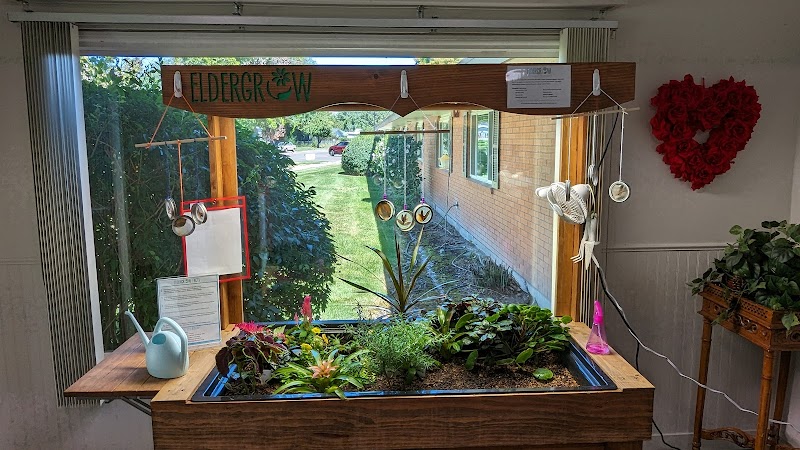
How is Weiser Care Of Cascadia Staffed?

CMS rates WEISER CARE OF CASCADIA's staffing level at 3 out of 5 stars, which is average compared to other nursing homes. Staff turnover is 48%, compared to the Idaho average of 46%.

What Have Inspectors Found at Weiser Care Of Cascadia?

State health inspectors documented 23 deficiencies at WEISER CARE OF CASCADIA during 2018 to 2024. These included: 2 that caused actual resident harm and 21 with potential for harm. Deficiencies causing actual harm indicate documented cases where residents experienced negative health consequences.

Who Owns and Operates Weiser Care Of Cascadia?

WEISER CARE OF CASCADIA is owned by a for-profit company. For-profit facilities operate as businesses with obligations to shareholders or private owners. The facility is operated by CASCADIA HEALTHCARE, a chain that manages multiple nursing homes. With 76 certified beds and approximately 43 residents (about 57% occupancy), it is a smaller facility located in WEISER, Idaho.
How Does Weiser Care Of Cascadia Compare to Other Idaho Nursing Homes?

Compared to the 100 nursing homes in Idaho, WEISER CARE OF CASCADIA's overall rating (3 stars) is below the state average of 3.3, staff turnover (48%) is near the state average of 46%, and health inspection rating (3 stars) is at the national benchmark.

What Should Families Ask When Visiting Weiser Care Of Cascadia?

Based on this facility's data, families visiting should ask: "Can I visit during a mealtime to observe dining assistance and food quality?" "How do you handle medical emergencies, and what is your hospital transfer rate?" "Can I speak with family members of current residents about their experience?"

Is Weiser Care Of Cascadia Safe?

Based on CMS inspection data, WEISER CARE OF CASCADIA has a clean safety record: no substantiated abuse findings (meaning no confirmed cases of resident harm), no Immediate Jeopardy citations (the most serious violation level indicating risk of serious injury or death), and is not on the Special Focus Facility watch list (a federal program monitoring the lowest-performing 1% of nursing homes). The facility has a 3-star overall rating and ranks #100 of 100 nursing homes in Idaho. While no facility is perfect, families should still ask about staff-to-resident ratios and recent inspection results during their visit.

Do Nurses at Weiser Care Of Cascadia Stick Around?

WEISER CARE OF CASCADIA has a staff turnover rate of 48%, which is about average for Idaho nursing homes (state average: 46%). Moderate turnover is common in nursing homes, but families should still ask about staff tenure and how the facility maintains care continuity when employees leave.

Was Weiser Care Of Cascadia Ever Fined?

WEISER CARE OF CASCADIA has no federal fines on record. CMS issues fines when nursing homes fail to meet care standards or don't correct problems found during inspections. The absence of fines suggests the facility has either maintained compliance or corrected any issues before penalties were assessed. This is a positive indicator, though families should still review recent inspection reports for the full picture.

Is Weiser Care Of Cascadia on Any Federal Watch List?

WEISER CARE OF CASCADIA is not on any federal watch list. The most significant is the Special Focus Facility (SFF) program, which identifies the bottom 1% of nursing homes nationally based on persistent, serious quality problems. Not being on this list means the facility has avoided the pattern of deficiencies that triggers enhanced federal oversight. This is a positive indicator, though families should still review the facility's inspection history directly.