BEARDSTOWN HEALTH & REHAB CTR
8306 ST LUKES DRIVE, BEARDSTOWN, IL 62618 (217) 323-4055
For profit - Limited Liability company 79 Beds SUMMIT HEALTHCARE CONSULTING Data: November 2025
Trust Grade
70/100
#118 of 665 in IL
Last Inspection: May 2024

Within standard 12-15 month inspection cycle. Federal law requires annual inspections.

Overview

Beardstown Health & Rehab Center has a Trust Grade of B, indicating it is a good choice, sitting comfortably in the middle range of nursing homes. It ranks #118 out of 665 facilities in Illinois, placing it in the top half, and is the best option in Cass County. The facility is improving, having reduced issues from three in 2024 to one in 2025. However, while staffing turnover is relatively low at 31%, the center has poor staffing ratings with only 1 out of 5 stars, and it has less registered nurse coverage than 97% of Illinois facilities, which could affect the quality of care. Specific incidents noted include a serious failure to manage a resident's pain adequately, resulting in severe discomfort, and concerns about food safety and hygiene practices, such as not properly labeling food items and inadequate handwashing in the kitchen. Overall, while there are strengths in its ranking and low fines, families should be aware of the staffing issues and specific care shortcomings.

Trust Score
B
70/100
In Illinois
#118/665
Top 17%
Safety Record
Moderate
Needs review
Inspections
Getting Better
3 → 1 violations
Staff Stability
○ Average
31% turnover. Near Illinois's 48% average. Typical for the industry.
Penalties
✓ Good
No fines on record. Clean compliance history, better than most Illinois facilities.
Skilled Nurses
⚠ Watch
Each resident gets only 13 minutes of Registered Nurse (RN) attention daily — below average for Illinois. Fewer RN minutes means fewer trained eyes watching for problems.
Violations
⚠ Watch
14 deficiencies on record. Higher than average. Multiple issues found across inspections.
★★★★☆
4.0
Overall Rating
★☆☆☆☆
1.0
Staff Levels
★★★☆☆
3.0
Care Quality
★★★★★
5.0
Inspection Score
Stable
2024: 3 issues
2025: 1 issues

The Good

  • Full Sprinkler Coverage · Fire safety systems throughout facility
  • No fines on record
  • Staff turnover below average (31%)

    17 points below Illinois average of 48%

Facility shows strength in fire safety.

The Bad

Staff Turnover: 31%

15pts below Illinois avg (46%)

Typical for the industry

Chain: SUMMIT HEALTHCARE CONSULTING

Part of a multi-facility chain

Ask about local staffing decisions and management

The Ugly 14 deficiencies on record

1 actual harm
Aug 2025 1 deficiency
CONCERN (D) 📢 Someone Reported This

A family member, employee, or ombudsman was alarmed enough to file a formal complaint

Potential for Harm - no one hurt, but risky conditions existed

Infection Control (Tag F0880)

Could have caused harm · This affected 1 resident

**NOTE- TERMS IN BRACKETS HAVE BEEN EDITED TO PROTECT CONFIDENTIALITY** Based on interview and record review, the facility failed to implement appropriate infection control measures for residents with...

Read full inspector narrative →
**NOTE- TERMS IN BRACKETS HAVE BEEN EDITED TO PROTECT CONFIDENTIALITY** Based on interview and record review, the facility failed to implement appropriate infection control measures for residents with signs and symptoms of a potentially communicable skin condition. The facility failed to initiate/implement contact isolation precautions, failed to obtain a diagnosis and track the infection, and failed to clarify physician orders through the infection preventionist for two (R2, R3) of six residents reviewed for communicable diseases in a total sample of six residents. Findings include:The facility's General Approaches to Infection Prevention and Control Standard and Transmission Based Precautions for Communicable Diseases dated October 17th, 2022 documents contact precautions used in addition to standard precautions are intended to prevent transmission of pathogens that are spread by direct person to person or indirect contact with the resident or environment examples (C. diff, norovirus, and scabies) and require the use of appropriate personal protective equipment (PPE) including gown and gloves before or upon entering the room before making contact with the resident or residents environment the room or cubicle period prior to leaving the residents room or cubicle the PPE is removed and hand hygiene is performed. Contact precautions should also be used in situations when a resident is experiencing wound drainage, fecal incontinence or diarrhea, or other discharges from the body that cannot be contained and suggest an increased potential for excessive extensive environmental contamination and risk of transmission of a pathogen. Even before a specific Organism has been identified.1.) R2's medication administration record documents a new order dated 6/10/25 for Permethrin External Cream 5% (used to treat certain conditions caused by tiny insects, such as scabies and head lice) to be applied to R2's entire body except the face on night shift for one day, leave on for 8 hours then wash off for a rash.R2's Physician Notes dated 6/10/25 documents rash becoming an issue, roommate with same issue, Permethrin cream ordered.R2's record does not document that contact isolation precautions were implemented during treatment, despite the use of a topical antiparasitic medication typically used for contagious skin infestations.2.) R3's skin assessment dated [DATE] documented multiple scabs and scratches all over the body, including bilateral lower extremities, abdominal area, trunk, and neck. The treatment in place at that time was the use of cocoa butter, per V5 (Physician) order.R3's Physician Order dated 6/10/25, documents Permethrin 5% cream, to be applied to the body (except face) and washed off after 8 hours. However, the medical record does not indicate that contact isolation precautions were implemented during this treatment. R3's Nurse Progress Note dated 6/17/25 documents R3's bilateral upper extremities (BUE) were reddened and weeping fluid from scratched areas and there was increased scratching since Permethrin treatment on 6/11/25. Although the V5 (Physician) was notified, no new infection control measures or follow-up assessment was documented. R3's Nurse Progress Note dated 6/19/25 documents that another Permethrin treatment was applied the night before and washed off the following morning. The note further documents observed the BUE to be scaly, bleeding, and weeping serous fluid. The symptoms were noted to have worsened over the past 48 hours, and V5 was notified again. However, the record contains no documentation of additional precautions or medical reevaluation, and no infection prevention documentation or review.On 8/5/25 at 12:30 PM, V2 (Director of Nursing) stated she was unable to locate any documentation from the former Infection Preventionist (IP) indicating that infection tracking was completed, or that follow-up with the physician occurred to clarify the diagnosis or orders for R2 or R3. V2 stated she does not have any record that R2 and R3 were placed on Contact Isolation Precautions. On 8/5/25 at 10:50 AM, V3 (Licensed Practical Nurse) stated she spoke with V5 (R2 and R3's Physician) who ordered treatment for R3's rash, and although the physician did not explicitly state it was for scabies, V5 treated the condition as such. V3 confirmed that R2 and R3's room was not placed on contact isolation during the treatment. V3 further stated the nurses were concerned when V5 ordered this treatment because it's normally ordered for treatment of scabies.On 8/5/25 at 2:00 PM, V1 (Administrator) stated the facility currently does not have an Infection Preventionist as of last week.
May 2024 3 deficiencies
CONCERN (D)

Potential for Harm - no one hurt, but risky conditions existed

Deficiency F0605 (Tag F0605)

Could have caused harm · This affected 1 resident

**NOTE- TERMS IN BRACKETS HAVE BEEN EDITED TO PROTECT CONFIDENTIALITY** Based on observation, interview, and record review the facility failed to ensure residents were free of chemical restraints for ...

Read full inspector narrative →
**NOTE- TERMS IN BRACKETS HAVE BEEN EDITED TO PROTECT CONFIDENTIALITY** Based on observation, interview, and record review the facility failed to ensure residents were free of chemical restraints for three of nine residents (R27, R32, R57) reviewed for anti-psychotic medication use in the sample of 35. Findings include: The facility's Abuse Policy dated 1-9-24 documents, Chemical restraints are not used. The facility's Psychotropic Medications Protocol Chemical Restraints dated 5-16-22 documents, Chemical restraints will not be used to limit or control resident behavior for the convenience of staff. 1. On 5/5/24 at 10:50 AM, R27 was in his room lying in bed. R27 stated he is doing ok. R27 was not displaying any behaviors. On 5/7/24 at 2:30 PM, V12 (Licensed Practical Nurse) entered R27's room to complete wound care. R27 was sleeping off and on throughout the treatment and V12 stated You've been sleepy today. R27 was cooperative with care and was not displaying any behaviors. R27's care plan, dated 2/27/24, documents R27 is on an antipsychotic. He takes Haloperidol (antipsychotic medication) one milligram (mg) by mouth every 12 hours as needed for Unspecified Psychosis not due to a substance or known physiological condition. R27's electronic list of medical diagnoses documents R27 has the following diagnoses: Alzheimer's Disease, Unspecified Dementia without behavioral disturbance, Anxiety, Major Depressive Mood disorder- single episode, Insomnia, and Unspecified Psychosis not due to a substance or known physiological condition. R27's Medication Administration sheet, dated 4/1/24-4/30/24, documents R27 had an order for Haloperidol Oral tablet 1 mg. Give 1 mg by mouth every 12 hours for increased behaviors related to Unspecified Psychosis not due to a substance or known physiological condition. This order has a start date or 4/1/24 and a discontinue date of 5/6/24. R27 current Physician Order sheet, dated 5/8/24, documents R27 has an order for Haloperidol Oral tablet 1 mg. Give 1 mg by mouth every 12 hours for increased behaviors related to Unspecified Psychosis not due to a substance or known physiological condition, for 60 days. This order has a start date of 5/6/24. R27's electronic medical record for Incident Descriptions, documents R27 suffered an unwitnessed fall on 2/24/24, 3/18/24, 4/9/24, and 4/28/24. R27's nursing progress notes, documented by V15 (Licensed Practical Nurse) and dated 3/31/2024 at 3:02 PM, documents (R27) was observed trying to get out of recliner unassisted. When staff approached him he became combative and started accusing staff of giving him medication that was not ordered. He began trying to pull out his catheter saying he needs to go to the bathroom to urinate and yelling at staff. This nurse sat with him and explained that his catheter is in place and that it was collecting his urine. He asked to see the bag. Once it was shown to him, he calmed down until he tried to get up again. This nurse explained that he was confused and asked if he was feeling anxious. He replied yes. Call was placed to (V13, R27's spouse) and she asked that we call hospice to either increase the dose or frequency of Ativan (anti-anxiety medication). Call was placed to hospice to make the request. (V12, Licensed Practical Nurse) called (V7, R27's Physician) to get the order and she ordered that we should try to give a dose of Haldol (antipsychotic medication) at this time. Medication administered at this time. R27's progress notes for 3/31/24 do not document any other behavior charting on this date. R27's Psychotropic Medication informed consent, dated 3/31/24, documents R27's medication consent is needed for Haldol (Haloperidol) 1 mg by mouth every 12 hours for Psychosis. On 5/7/24 at 11:00 AM, V3 (Minimum Data Set coordinator) stated (R27's) consent is for 3/31/24 because that is when it was increased. Prior to that the Haldol was ordered as needed. R27's Behavior Progress note, dated 4/9/24 at 4:23 PM, documents Behaviors: anxious, yelling at staff, trying to get up without assistance. Summary: resident noted to be trying to get out of chair without assistance and yelled at staff when they tried to help. R27's Behavior Progress note, dated 4/13/2024 at 7:04 PM, documents Behaviors: anxious trying to get up without assistance. Summary: resident attempting to get up without assistance. R27's Nursing Progress Note, dated 4/13/2024 at 8:48 PM, documents R27 was displaying a behavior of trying to get out of his chair to use the bathroom. On 5/7/24 at 11:20 AM, V14 (Social Services Director, Licensed Practical Nurse) confirmed he is the person who is in charge of resident behaviors. V14 stated (R27) is an anxious person, always. He was admitted in February on Hospice. They (staff) are also considering (R27) getting up without assistance a behavior because he has had several falls. So we are tracking to make sure he isn't getting up by himself. On 5/7/24 at 11:35 AM, V3 stated R27's Haldol order was changed on 3/31/24 and was then made scheduled for every 12 hours. I know it's an issue that it was increased for the behavior of trying to get up. 2. R32's Psychopharmacological Medication Flow Sheet documents R32's Seroquel (anti-psychotic medication) was decreased on 12-12-23 from 12.5 mg (milligram) daily on Mondays, Wednesdays, and Fridays to 12.5 mg on Mondays and Fridays only for the diagnosis of Psychosis. R32's Psychopharmacological Medication Flow Sheet documents R32's Seroquel was increased to 12.5 mg daily on 1-10-24 for the diagnosis of Psychosis. R32's Order Summary Report dated 5-5-24 documents R32 has the diagnoses of Psychotic Disorder with Delusions and Alzheimer's Disease. This same Order Summary Report documents R32 has been receiving Seroquel at 12.5 mg daily since 1-10-24 for the diagnosis of Psychosis. R32's BIMS (Brief Interview of Mental Status) dated 4-11-24 documents R32 is severely cognitively intact and has no behaviors that put him at risk of harm to themselves or others. R32's Health Status Note dated 12-31-2023 documents at approximately 8:00 PM R32 was observed face down on the floor in the hallway with the wheelchair behind him. R32 had laceration to the bridge of his nose and nares with active bleeding. R32 stated he, wanted to get up. Prior to change in elevation R32 was in the hallway by nurses' office conversing with another peer with staff in hallway. R32 refused to go to bed at 7:45 PM when asked if he was ready for bed and he said not yet and pointed at another resident with whom he had been conversing with. R32 was combative with staff when staff attempted to push his wheelchair down the hallway towards his room at approximately 6:30 PM. R32's Progress Notes dated 12-31-23 at 10:29 PM documents R32 was being treated at the emergency room for a fractured nose. R32's Health Status Note dated 1-10-24 at 2:32 PM documents R32 received a new order to increase Seroquel to 12.5 mg daily related to increased restlessness and agitation. On 5-5-24 at from 9:15 AM through 11:43 AM R32 was sleeping in a low bed with fall mats on the floor beside both sides of the bed. On 5-07-24 at 01:42 PM V5 (CNA/Certified Nursing Assistant) stated, (R32's) behaviors that I am aware of is that he moans during cares. (R32) does not have any other behaviors. On 5-07-24 at 11:47 AM V3 (MDS Coordinator) stated, The only reason (R32) got his Seroquel increased to 12.5 mg daily on 1-10-24 was because he fell out of his wheelchair and face planted. (R32) got a laceration. 3. R57's Physician's Orders and Psychopharmacological Medication Flow Sheet documents R57's Abilify (Anti-Psychotic Medication) 1 mg (milligram) given twice weekly on Wednesdays and Saturdays for the diagnosis of Dementia with Psychosis was discontinued on 11-28-23. R57's Physician's Orders and Psychopharmacological Medication Flow Sheet dated 12-2-23 documents R57's Abilify 1 mg given twice weekly on Wednesdays and Saturdays for the diagnoses of Dementia with Psychosis was restarted. R57's Physician's Orders and Psychopharmacological Medication Flow Sheet dated 1-26-24 documents R57's Abilify was increased to 5 mg daily for the diagnosis of Dementia with Psychosis. R57's Order Summary Reports dated 1-26-24 through 5-6-24 documents R57's Abilify has remained the same dose of 5 mg daily for the diagnosis of Dementia with Psychosis. R57's BIMS dated 3-7-24 documents R57 is severely cognitively impaired. R57's MDS (Minimum Data Set) assessment dated [DATE] documents R57 had no behavioral symptoms, hallucinations, delusions, or any behaviors that put R57 or others at risk for injury. R57's Progress Notes dated 11-28-23 at 5:45 PM documents R57 was experiencing word salad, restlessness, and increased confusion. R57's Progress Notes dated 12-1-23 at 11:13 AM documents R57 was experiencing increased confusion and restlessness and was complaining of dizziness. This same note documents R57's urine was dark amber in color. R57's Health Status Note dated 12-1-23 at 12:38 AM documents EMS (Emergency Medical Services) was called for transport due to R57 having an altered mental status. R57's Health Status Note dated 12-1-23 at 12:52 AM documents R57 was given a Haldol injection to the right deltoid. R57's Health Status Note dated 12-1-23 at 5:15 PM documents R57 returned to the facility from the hospital with orders for Doxycycline 100 mg BID (twice daily) for 10 days for a UTI (Urinary Tract Infection). Upon returning R57 felt warm and had a temperature of 100.6 degrees Fahrenheit. R57's Physician's Progress Note dated 12-1-23 and signed by V7 (Physician) documents, Reason for call: Fever. I (V7) suggested doing a COVID (Coronavirus Disease) test because (R7) got a COVID shot recently, and many people get COVID about 7-10- days post shot. R57's Health Status Note dated 12-2-23 at 1:10 PM documents, (R57) is very anxious and shaky. (R57) had to be assisted with eating lunch. Involuntary jerking noted of hands and legs. Repeatedly trying to get up and go visit with his good friends. Stating they are up in the air. (V7/Physician) here and new order received to restart last dose of Abilify 1 mg every Wednesday and Saturday. Give dose now. Abilify given. R57's Health Status Note dated 12-2-2023 at 2:30 PM documents, (R57) very confused, restless and agitated. Keeps trying to get up on own and gait very unsteady. Wanting to leave facility saying he is going home. (V7/Physician) notified and orders received for Haldol 5 mg IM (Intramuscularly) now for restlessness and agitation. The facility's COVID Testing Log documents R57 tested positive for COVID on 12-5-23. On 5-5-24 from 9:10 AM through 10:15 AM R57 was sitting in a recliner in his room. R57 exhibited no behaviors during this time. On 5-6-24 at 8:10 AM through 8:43 AM R57 was in a wheelchair in the dining room. R57 was pleasant and had not behaviors during this time. On 5-07-24 at 01:42 PM V5 (CNA) stated, (R57's) only behavior is he tries to stand up and down continuously, (R57) does not have any verbal or physical behaviors. On 5-7-24 at 1:47 PM V3 (MDS Coordinator) stated, When (R57) had signs of a UTI (Urinary Tract Infection) and was COVID positive during the timeframe and was anxious and trying to stand up unassisted. That is when (R57's) Abilify was re-started. (R57) was given Haldol injections due to him being agitated and trying to get up without assistance.
CONCERN (D)

Potential for Harm - no one hurt, but risky conditions existed

Infection Control (Tag F0880)

Could have caused harm · This affected 1 resident

Based on observation, interview and record review the facility failed to ensure Enhanced Barrier Precautions were followed and care planned for residents who are at a high risk for infection for two o...

Read full inspector narrative →
Based on observation, interview and record review the facility failed to ensure Enhanced Barrier Precautions were followed and care planned for residents who are at a high risk for infection for two of seventeen residents (R27, R29) reviewed for Infection Control in the sample of 35. Findings include: The facility's Enhanced Barrier Precautions protocol sign (undated) documents Everyone must clean their hands, including before entering and when leaving the room. Provides and Staff must also wear gloves and a gown for the following high-contact resident care activities: Dressing, Bathing/Showering, Transferring, Changing Linens, Providing Hygiene, Changing briefs or assisting with toileting, Device care or use (Central Line, Urinary Catheter, Feeding tube, tracheostomy), Wound Care: Any skin opening requiring a dressing. 1. R27's Physician Order sheet, dated 5/8/24, documents R27 has an order for an indwelling urinary catheter to be changed monthly. This same order sheet documents R27 has wound treatment orders to be completed on the coccyx daily and R27's left second toe daily and as needed. R27's current care plan does not document a plan of care for Enhanced Barrier Precautions. On 5/5/24 at 10:50 AM, R27 was in his room laying in bed. R27 stated he is doing ok. R27's urinary catheter drainage bag was hanging from R27's bed frame and contained yellow urine. R27's door to enter the room contained a sign that documents Stop and listed the Enhanced Barrier Precaution procedure. On 5/7/24 at 2:30 PM V12 (Licensed Practical Nurse) entered R27's room to perform a wound treatment to R27's left second toe. R27's door contained a sign for Enhanced Barrier Precautions. V12 performed hand hygiene and applied gloves to complete R27's wound care. When the wound treatment was complete, V12 removed her gloves and placed a clean sock on R27's foot with bare hands. Throughout the dressing change V12 did not wear a gown and when applying a sock to R27's foot V12 did not wear gloves or a gown. 2. On 5/6/24 at 12:15 p.m., R29 was sitting up in her bed talking to V12 (Licensed Practical Nurse) while V12 was administering a medication through R29's gastrostomy tube (g-tube). Throughout the medication administration, which included water flushes and connecting the tubing to the g-tube, V12 did not wear a gown when accessing R29's g-tube. R29's current care plan does not document a plan of care for Enhanced Barrier Precautions. On 5/8/24 at 11:15 AM, V2 (Director of Nursing) confirmed the facility cannot provide an updated infection control policy with the new Enhanced Barrier Precaution protocol. V2 stated Enhanced Barrier Precautions should be implemented when a resident has a (indwelling urinary catheter), Pressure Ulcer and Feeding Tubes. Staff should wear gowns and gloves when providing high contact direct resident care. V2 confirmed V12 should have been wearing the gloves and a gown during R27's dressing change and R29's feeding tube medication administration.
CONCERN (E)

Potential for Harm - no one hurt, but risky conditions existed

Medication Errors (Tag F0758)

Could have caused harm · This affected multiple residents

**NOTE- TERMS IN BRACKETS HAVE BEEN EDITED TO PROTECT CONFIDENTIALITY** 6. On 5/5/24-5/8/24, random observations were made of R65, in the dining room, R65's room, and common areas and R65 did not exhi...

Read full inspector narrative →
**NOTE- TERMS IN BRACKETS HAVE BEEN EDITED TO PROTECT CONFIDENTIALITY** 6. On 5/5/24-5/8/24, random observations were made of R65, in the dining room, R65's room, and common areas and R65 did not exhibit any behaviors. R65 was calm, pleasant, and enjoyed visiting with staff and peers. R65's Minimum Data Set assessment dated [DATE], documents R65 has moderately impaired cognition with a Brief Interview for Mental Status score of 11 out of 15; has no presence of behaviors; and takes a High-Risk Drug classified as an Antipsychotic. R65's current computerized physician orders documents R65 has a diagnosis of Dementia and is on Seroquel (antipsychotic medication) 12.5 mg by mouth two times daily for a diagnosis of unspecified psychosis not due to a substance or known physiological condition. R65's Psychotropic Medication Reviews dated 3/14/24, documents R65's non-pharmacological behavioral interventions are effective. R65's Most recent Care Plan does not include justification for the use of anti-psychotic medication to treat R65's behaviors associated with Alzheimer's or related dementia. This same care plan does not document R65's specific target behaviors to justify the use of an antipsychotic medication. R65's Behavior Tracking forms dated November 2023 through April 2024, documents R65 has no behaviors to justify the use of an antipsychotic medication. On 5/8/24 at 10:19AM, V3 (Minimum Data Set coordinator) stated R65 was admitted on Seroquel with a diagnosis of unspecified dementia, unspecified severity, without behavioral disturbance, psychotic disturbance, mood disturbance, and anxiety on 6/28/23. V3 stated R65 has no behaviors towards anyone but staff. V3 stated R65 does not have behaviors that justified the use of Seroquel. V3 stated R65 really doesn't have behaviors like she did when she was first admitted . I am wanting to get (R65) off the Seroquel. V3 stated R65 is easily redirected, and non-pharmacological interventions were effective when R65 exhibited yelling or cussing. On 5/8/24 at 11:01AM, V10 (Infection Preventionist /LPN) stated R65 is cooperative with cares, has moments of aggravation when in a loud area, such as in the dining room, and will yell shut up! V10 stated R65 is easily redirected after talking to R65 or by taking R65 back to their room. On 5/8/24 at 10.57AM, V11 (CNA) stated (R65) usually has no behaviors but occasionally will yell shut the F*** up or will say Is that necessary? Based on observation, interview, and record review the facility failed to document a diagnosis and target behaviors to warrant the use of anti-psychotic medications, and failed to treat underlying conditions prior to initiating and increasing anti-psychotic medication doses for six of nine (R27, R32, R54, R57, R62, and R65) reviewed for anti-psychotic medication use with the diagnosis of Dementia or Alzheimer's Disease in the sample of 35. Findings include: The facility's Antipsychotic's policy dated 04/2015 documents, 1.) Diagnosis alone does not warrant the use of anti-psychotic medications. The following criteria also needs to be met: a) The behavioral symptoms present a danger to the resident or others and one or both of the following: b) The symptoms are due to mania or psychosis. c) Behavioral interventions have been attempted and documented in the care plan. 2.) Enduring Conditions: Antipsychotic medications may be used to treat an enduring condition (non-acute, chronic, or prolonged). Monitoring must ensure that the behavioral symptoms are: a) Not due to a medical condition or problem that can be expected to improve or resolve as the condition is treated. AND b) Not due to environmental stressors. AND c) Not due to psychological stressors. AND d) The condition is persistent, other approaches have been attempted and failed, and the quality of life is negatively affected by the behavioral symptoms. 1. On 5/5/24 at 10:50 AM, R27 was in his room lying in bed. R27 stated he is doing ok. R27 was not displaying any behaviors. On 5/7/24 at 2:30 PM, R27 was laying in his bed and sleeping off and on throughout a wound treatment. R27 was cooperative with care and was not displaying any behaviors. R27's care plan, dated 2/27/24, documents R27 is on an antipsychotic. He takes Haloperidol (antipsychotic medication) one milligram (mg) by mouth every 12 hours as needed for Unspecified Psychosis not due to a substance or known physiological condition. R27's electronic list of medical diagnoses documents R27 has the following diagnoses: Alzheimer's Disease, Unspecified Dementia without behavioral disturbance, Anxiety, Major Depressive Mood disorder- single episode, Insomnia, and Unspecified Psychosis not due to a substance or known physiological condition. R27's Medication Administration sheet, dated 4/1/24-4/30/24, documents R27 had an order for Haloperidol Oral tablet 1 mg. Give 1 mg by mouth every 12 hours for increased behaviors related to Unspecified Psychosis not due to a substance or known physiological condition. This order has a start date or 4/1/24 and a discontinue date of 5/6/24. R27 current Physician Order sheet, dated 5/8/24, documents R27 has an order for Haloperidol Oral tablet 1 mg. Give 1 mg by mouth every 12 hours for increased behaviors related to Unspecified Psychosis not due to a substance or known physiological condition, for 60 days. This order has a start date of 5/6/24. R27's nursing progress notes, documented by V15 (Licensed Practical Nurse) and dated 3/31/2024 at 3:02 PM, documents (R27) was observed trying to get out of recliner unassisted. When staff approached him he became combative and started accusing staff of giving him medication that was not ordered. He began trying to pull out his catheter saying he needs to go to the bathroom to urinate and yelling at staff. This nurse sat with him and explained that his catheter is in place and that it was collecting his urine. He asked to see the bag. Once it was shown to him, he calmed down until he tried to get up again. This nurse explained that he was confused and asked if he was feeling anxious. He replied yes. Call was placed to (V13, R27's spouse) and she asked that we call hospice to either increase the dose or frequency of Ativan (anti-anxiety medication). Call was placed to hospice to make the request. (V12, Licensed Practical Nurse) called (V7, R27's Physician) to get the order and she ordered that we should try to give a dose of Haldol (antipsychotic medication) at this time. Medication administered at this time. R27's progress notes for 3/31/24 do not document any other behavior charting on this date. R27's Behavior Tracking sheets for April 2024 document R27 is being monitored for behaviors of Change in Mood, Anxious, Behaviors of Psychosis, Sad Mood, and Tearful. R27's Behavior Progress note, dated 4/9/24 at 4:23 PM, documents Behaviors: anxious, yelling at staff, trying to get up without assistance. Summary: resident noted to be trying to get out of chair without assistance and yelled at staff when they tried to help. R27's Behavior Progress note, dated 4/13/2024 at 7:04 PM, documents Behaviors: anxious trying to get up without assistance. Summary: resident attempting to get up without assistance. R27's Nursing Progress Note, dated 4/13/2024 at 8:48 PM, documents R27 was displaying a behavior of trying to get out of his chair to use the bathroom. On 5/7/24 at 11:20 AM, V14 (Social Services Director, Licensed Practical Nurse) confirmed he is the person who is in charge of resident behaviors. V14 stated (R27) is an anxious person, always. He was admitted in February on Hospice. They (staff) are also considering (R27) getting up without assistance a behavior because he has had several falls. So we are tracking to make sure he isn't getting up by himself. At this time V14 confirmed that R27's behaviors are not psychotic in nature. V14 stated He isn't aggressive towards other residents or a harm to himself. (R27) has aggression towards staff. 2. R32's Psychopharmacological Medication Flow Sheet documents R32's Seroquel (anti-psychotic medication) was decreased on 12/12/23 from 12.5 mg (milligram) daily on Mondays, Wednesdays, and Fridays to 12.5 mg on Mondays and Fridays only for the diagnosis of Psychosis. R32's Psychopharmacological Medication Flow Sheet documents R32's Seroquel was increased to 12.5 mg daily on 1/10/24 for the diagnosis of Psychosis. R32's Order Summary Report dated 5/5/24 documents R32 has the diagnoses of Psychotic Disorder with Delusions and Alzheimer's Disease. This same Order Summary Report documents R32 has been receiving Seroquel at 12.5 mg daily since 1/10/24 for the diagnosis of Psychosis. R32's BIMS (Brief Interview of Mental Status) dated 4/11/24 documents R32 is severely cognitively impaired and has no behaviors that put him at risk of harm to themselves or others. R32's Health Status Note dated 12/31/23 documents at approximately 8:00 PM R32 was observed face down on the floor in the hallway with the wheelchair behind him. R32 had laceration to the bridge of his nose and nares with active bleeding. R32 stated he, wanted to get up. Prior to change in elevation R32 was in the hallway by nurses' office conversing with another peer with staff in hallway. R32 refused to go to bed at 7:45 PM when asked if he was ready for bed and he said not yet and pointed at another resident with whom he had been conversing with. R32 was combative with staff when staff attempted to push his wheelchair down the hallway towards his room at approximately 6:30 PM. R32's Progress Notes dated 12/31/23 at 10:29 PM documents R32 was being treated at the emergency room for a fractured nose. R32's Health Status Note dated 1/10/24 at 2:32 PM documents R32 received a new order to increase Seroquel to 12.5 mg daily related to increased restlessness and agitation. R32's Psychotropic Medication Review dated 4/11/24 documents R32's non-pharmacological interventions are effective in treating R32's behaviors related to Psychotic Disorder with delusions. On 5/5/24 at from 9:15 AM through 11:43 AM R32 was sleeping in a low bed with fall mats on the floor beside both sides of the bed. On 05/05/24 at 9:41 AM V4 (CNA/Certified Nursing Assistant) stated, (R32) moans and pushes us away during cares. That is really his only behaviors. On 05/07/24 at 01:42 PM V5 (CNA) stated, (R32's) behaviors that I am aware of is that he moans during cares. (R32) does not have any other behaviors. On 05/06/24 at 08:42 AM V6 (LPN/Licensed Practical Nurse) stated, (R32) gets combative with cares. and resistive with cares. (R32) has no verbal or physical behaviors towards self or others except during cares. On 05/07/24 at 11:47 AM V3 (MDS Coordinator) stated, The only reason (R32) got his Seroquel increased to 12.5 mg daily on 1-10-24 was because he fell out of his wheelchair and face planted. (R32) does not have behaviors to warrant the use of Seroquel. 3. R54's Order Summary Report dated 5/5/24 documents R54 is receiving the following dual anti-psychotic medications for the diagnosis of Moderate Dementia with Psychotic Disturbance: 12/6/23 Olanzapine 7.5 mg every morning and 10 mg at bedtime daily. 11/10/23 Seroquel 12.5 mg at bedtime daily and 50 mg twice times daily. R54's Psychotropic Medication Reviews dated 4/4/24 documents R54's non-pharmacological behavioral interventions for the use of Olanzapine and Zyprexa are effective. R54's current Anti-Psychotic plan of care does not include justification for the use of dual anti-psychotic medications to treat R54's behaviors associated with Dementia with Psychotic Disturbance. R54's Progress Note dated 2/20/24 and signed by V8 (Psychiatric Mental Health Nurse) documents, Behavior/Attitude: Pleasant and Cooperative. Nursing home documentation documents doing well. Reports sleeping well and able to go on outings. On 05/05/24 at 9:41 AM V4 (CNA/Certified Nursing Assistant) stated, (R54) does not have behaviors. On 05/07/24 at 01:42 PM V5 (CNA) stated, (R54) refuses cares at times. If we re-approach her it helps with (R54's) behaviors. On 05/06/24 at 08:42 AM V6 (LPN) stated, (R54) gets verbal with staff. (R54) has no other verbal or physical behaviors. On 05/07/24 at 11:47 AM V3 (MDS Coordinator) stated, (R54) receives two anti-psychotics for Dementia with Psychosis and does not have justification for the use of two anti-psychotics. (R54) really does not have behaviors. 4. R57's Physician's Orders and Psychopharmacological Medication Flow Sheet documents R57's Abilify (Anti-Psychotic Medication) 1 mg given twice weekly on Wednesdays and Saturdays for the diagnosis of Dementia with Psychosis was discontinued on 11/28/23. R57's Physician's Orders and Psychopharmacological Medication Flow Sheet dated 12/2/23 documents R57's Abilify 1 mg given twice weekly on Wednesdays and Saturdays for the diagnoses of Dementia with Psychosis was restarted. R57's Physician's Orders and Psychopharmacological Medication Flow Sheet dated 1/26/24 documents R57's Abilify was increased to 5 mg daily for the diagnosis of Dementia with Psychosis. R57's Order Summary Reports dated 1/26/24 through 5/6/24 documents R57's Abilify has remained the same dose of 5 mg daily for the diagnosis of Dementia with Psychosis. R57's BIMS (Brief Interview of Mental Status) dated 3/7/24 documents R57 is severely cognitively impaired. R57's MDS (Minimum Data Set) assessment dated [DATE] documents R57 had no behavioral symptoms, hallucinations, delusions, or any behaviors that put R57 or others at risk for injury. R57's Psychotropic Medication Review Assessments dated 3/7/24 documents R57's non-pharmacological interventions are effective for treating R57's targeted behaviors for the use of Abilify which include delusions, anxiousness, anxiety, and restlessness. R57's Progress Notes dated 11/28/23 at 5:45 PM documents R57 was experiencing word salad, restlessness, and increased confusion. R57's Progress Notes dated 12/1/23 at 11:13 AM documents R57 was experiencing increased confusion and restlessness and was complaining of dizziness. This same note documents R57's urine was dark amber in color. R57's Health Status Note dated 12/1/23 at 12:38 AM documents (EMS) Emergency Medical Services was called for transport due to R57 having an altered mental status. R57's Health Status Note dated 12/1/23 at 12:52 AM documents R57 was given a Haldol injection to the right deltoid. R57's Health Status Note dated 12/1/23 at 5:15 PM documents R57 returned to the facility from the hospital with orders for Doxycycline 100 mg BID (twice daily) for 10 days for a UTI (Urinary Tract Infection). Upon returning R57 felt warm and had a temperature of 100.6 degrees Fahrenheit. R57's Physician's Progress Note dated 12/1/23 and signed by V7 (Physician) documents, Reason for call: Fever. I (V7) suggested doing a COVID (Coronavirus Disease) test because (R7) got a COVID shot recently, and many people get COVID about 7-10- days post shot. R57's Health Status Note dated 12/2/23 at 1:10 PM documents, (R57) is very anxious and shaky. (R57) had to be assisted with eating lunch. Involuntary jerking noted of hands and legs. Repeatedly trying to get up and go visit with his good friends. Stating they are up in the air. (V7/Physician) here and new order received to restart last dose of Abilify 1 mg every Wednesday and Saturday. Give dose now. Abilify given. R57's Health Status Note dated 12/2/23 at 2:30 PM documents, (R57) very confused, restless and agitated. Keeps trying to get up on own and gait very unsteady. Wanting to leave facility saying he is going home. (V7/Physician) notified and orders received for Haldol 5 mg IM (Intramuscular) now for restlessness and agitation. R57's Health Status Note dated 12/2/23 at 2:30 PM documents, (R57) very confused, restless, and agitated. Keeps trying to get up on own and gait very unsteady. Wanting to leave facility saying he is going home. (V7) notified and orders received for Haldol 5 mg IM now for restlessness and agitation. The facility's COVID Testing Log documents R57 tested positive for COVID on 12/5/23. On 5/5/24 from 9:10 AM through 10:15 AM R57 was sitting in a recliner in his room. R57 exhibited no behaviors during this time. On 5/6/24 at 8:10 AM through 8:43 AM R57 was in a wheelchair in the dining room. R57 was pleasant and had not behaviors during this time. On 05/05/24 at 9:41 AM V4 (CNA/Certified Nursing Assistant) stated, (R57) cusses at staff and gets anxiety. (R57) does not have any other behaviors. On 05/07/24 at 01:42 PM V5 (CNA) stated, (R57's) only behavior is he tries to stand up and down continuously, (R57) does not have any verbal or physical behaviors. On 05/06/24 at 08:42 AM V6 (LPN) stated, (R57) has no behaviors at all. On 05/07/24 at 11:47 AM V3 (MDS Coordinator) stated, (R57) has no diagnosis or behaviors to justify the use of his Abilify. When (R57) had signs of a UTI and was COVID positive during the timeframe that (R57's) Abilify was re-started, (R57) was given Haldol injections due to him being agitated and trying to get up without assistance. 5. R62's Psychopharmacological Medication Flow Sheet documents R62's Seroquel was decreased on 3/21/24 from 75 mg BID (twice daily) to 50 mg BID due to the diagnosis of Dementia with Visual Hallucinations. R62's Psychopharmacological Medication Flow Sheet documents R62's Seroquel was increased on 3/28/24 from 50 mg BID (twice daily) to 75 mg BID due to the diagnosis of Dementia with Visual Hallucinations. R62's Progress Notes dated 3/21/24 (reduction date of Seroquel) through 3/28/24 (increase date of Seroquel) document R62 was experiencing behaviors of pacing, crying, increased wandering, looking for her husband, and tearfulness. These same Progress Notes do not include effectiveness of non-pharmacological interventions attempted. R62's Order Summary Sheets dated 5/4/24 documents R62 has remained on Seroquel 75 mg BID since 3-28-24. R62's Psychotropic Medication Review dated 2/27/24 documents R62 receives Seroquel for the diagnosis of Dementia with Psychotic Disturbance and non-pharmacological interventions are effective for the behaviors associated with the diagnosis of Dementia with Psychotic Disturbance. R62's BIMS dated 11/30/23 documents R62 is severely cognitively impaired. On 05/05/24 at 9:41 AM V4 (CNA/Certified Nursing Assistant) stated, (R62) cries a lot and thinks she runs this place (the boss). (R62) does not have any other behaviors or physical behaviors. On 05/07/24 at 01:42 PM V5 (CNA) stated, (R62) will tell us 'No' when we try to do cares with her. If we re-approach her it usually works. (R62) does not have any other behaviors. On 05/06/24 at 08:42 AM LPN (V6/LPN) stated, (R62) has no physical behaviors. (R62) screams at staff. (R62) does not scream at other residents. (R62) is very easily re-directed. On 05/07/24 at 11:47 AM V3 (MDS Coordinator) stated, (R62's) Seroquel was increased on 3-28-24 due to (R62) having increased crying and wandering. Increased crying and wandering do not justify the increase of (R62's) Seroquel. The diagnosis of Dementia with Psychosis does not justify the use of (R62's) Seroquel.
May 2023 2 deficiencies 1 Harm
SERIOUS (G)

Actual Harm - a resident was hurt due to facility failures

Deficiency F0697 (Tag F0697)

A resident was harmed · This affected 1 resident

**NOTE- TERMS IN BRACKETS HAVE BEEN EDITED TO PROTECT CONFIDENTIALITY** Based on observation, interview, and record review, the facility failed to provide pain management for one of three residents (R...

Read full inspector narrative →
**NOTE- TERMS IN BRACKETS HAVE BEEN EDITED TO PROTECT CONFIDENTIALITY** Based on observation, interview, and record review, the facility failed to provide pain management for one of three residents (R34) reviewed for pain management in the sample of 27. This failure resulted in R34 experiencing severe pain and Physical Therapy shortening therapy with R34 on 5/15/23. Findings include: The Facility Policy: Management of Pain dated 4/4/12, documents Our mission is to facilitate resident independence, promote resident comfort and preserve resident dignity. The purpose of this policy is to accomplish that mission through an effective pain management program, providing our residents the means to receive necessary comfort, exercise greater independence, and enhance dignity and life involvement. A standard format for assessing, monitoring, and documenting pain in both cognitively intact and cognitively impaired residents will be utilized. As part of a comprehensive approach to pain assessment and management, pain will be considered the fifth vital sign at the facility, along with temperature, pulse, respiration, and blood pressure. For the purpose of this policy, pain is defined as whatever the experiencing person says it is, existing whenever the experiencing person says it does. On 05/15/23 11:30 AM, R34 was sitting in her wheelchair with a frown on her face. (R34) stated (R34) was having severe pain in (R34's) side and is supposed to be getting Norco (Hydrocodone-Acetaminophen oral tab 5-325 milligrams/mg), but the facility does not have Norco. R34 also stated I know they have it (Norco) in a convenience box (C-Box), but they need authority to get in the box. I am hoping they will get it today but none so far. I have therapy every day, but I couldn't do it today because I hurt too bad. I was told it may be 8:00 PM before they get the medication. I took Tylenol earlier this morning, but it doesn't work as well as the Norco. On 5/15/23 at 11:35 AM, V3 (Licensed Practical Nurse) stated that V34's Norco was increased due to V34 having chronic pain. V34 ran out of the Norco last night (5/14/23). We asked V6 (R34's Primary Physician) to send an order to the pharmacy. Once the pharmacy gets the order, they will call us, and we can get the medication out of the Convenience Box. On 5/17/213 at 10:15 AM, V2 (Director of Nursing) stated that on 5/12/23 at 5:45 PM, R34's Norco order was changed from one tab to two tabs. The last Norco the facility had available for R34 was given to R34 on 5/15/23 at 12:15 AM. The facility policy is that the pharmacy must verify the order before we can pull it from the convenience box. There was Norco in the convenience box, but the facility was not allowed to take it from the C-Box without permission. The next time R34 got Norco was on 5/15/23 at 1:37 PM. V2 also stated We should have contacted (V6/R34's Primary Physician) sooner to get the medication here so (R34) would not have had pain. On 5/17/23 at 11:35 AM, V4 (Therapy Manager) stated that R34 is getting therapy every day. On Monday 5/15/23, around 8:30 AM, R34 stated that she was in a lot of pain and did not know if she could do therapy. V5 (Physical Therapy) worked with R34 for a while on 5/15/23 but cut the session short because the resident was having pain. V5 told V3 that R34 was having pain. On 5/17/23 at 11:40 AM, V5 (Physical Therapy) stated that around 9:00 AM, on 5/15/23 R34 told V5 that she was having pain. V5 told V3 (Licensed Practical Nurse) that R34 was having pain and wanted pain medication. V3 told V5 that he had to get a script from V6 (R34's Primary Care Physician) for Norco for the pharmacy to allow him to remove the medication from the C- Box. R34 usually does 30 to 45 minutes of therapy but only did 25 minutes because of her pain. Around 11:00 AM, V5 went back to talk to V3 again to see if R34's pain medication was available. V3 stated that it could be as late as 8:00 PM, to get the Norco. On 5/18/23 at 10:45 AM, V1 (Administrator) stated that it takes a long time to get medication from the pharmacy or authorization to get in the C-Box if a resident runs out. When staff saw the medication was getting low the medication should have been ordered at that time instead of waiting until the last dose was given. R34's current Medical Record, documents R1 was admitted to the facility on [DATE] with diagnoses which included Aftercare following Joint Replacement, Presence of Right Artificial Hip Joint, Chronic Pain, Unilateral Primary Osteoarthritis (Right Hip), and Fibromyalgia. R34's Order Summary Report dated 5/17/23 at 9:50 AM, documents Hydrocodone-Acetaminophen Tablet 5-325 mg, give two tablets by mouth every six hours as needed for pain. 5/12/23 is the start date for the order. R34's Care Plan dated 4/24/23, documents R34 has chronic right hip pain, left knee pain and Diabetic neuropathy. Interventions: Administer analgesia as ordered. Give 30 minutes before treatment or care. Anticipate R34's need for pain relief and respond immediately to any complaint of pain. R34's Medication Administration Record dated 5/1/23 - 5/31/23 documents an order for Tylenol 325 mg, take 2 tablets by mouth every 4 hours as needed for pain. The Tylenol was given on 5/15/23 at 4:58 AM, and 12:15 PM with each pain level being a 10. An order for Hydrocodone-Acetaminophen Tablet 5-325 mg, give two tablets by mouth every six hours as needed for pain related to Fracture of Unspecified Part of Neck of Right Femur, Subsequent Encounter for Closed Fracture with Routine Healing. The Norco was given on 5/15/23 at 12:15 AM (pain level 10), then not given again until 1:37 PM on 5/15/23 (pain level 9). R34's Physical Therapy Progress Report dated 5/17/23 at 12:03 PM, documents that on 5/15/23, R34 was complaining of pain in her lower back during therapy treatment. Therapy was cut short, and nursing was notified.
CONCERN (D)

Potential for Harm - no one hurt, but risky conditions existed

Medication Errors (Tag F0758)

Could have caused harm · This affected 1 resident

**NOTE- TERMS IN BRACKETS HAVE BEEN EDITED TO PROTECT CONFIDENTIALITY** Based on observation, interview, and record review the facility failed to document appropriate indications for use of an antipsy...

Read full inspector narrative →
**NOTE- TERMS IN BRACKETS HAVE BEEN EDITED TO PROTECT CONFIDENTIALITY** Based on observation, interview, and record review the facility failed to document appropriate indications for use of an antipsychotic medications and initiate gradual dose reductions at least yearly for three of five residents (R27, R41, R61) reviewed for unnecessary medications in the sample of 27. Findings include: The Facility's Psychotropic Medication Policy revised 11/28/17, documents, Additionally, Antipsychotic medication may be indicated for use if: 1) Behavioral Symptoms present a danger to the resident or others; 2)Expressions or indications of distress that are significant distress to the residents: 3) If not clinically indicated, multiple non-pharmacological approaches have been attempted but did not relieve the symptoms which are presented a danger or significant distress; and or 4)GDR (Gradual Drug Reduction was attempted, but clinical symptoms returned. 1. On 5/16/23 at 10:30 a.m., R27 was sitting in the family room with no behaviors observed. R27's MDS (Minimum Data Set) assessment dated [DATE] documents R27 is severely cognitively impaired, has no delusions/hallucination and no behaviors towards others. According to R27's current POS (Physician Order Sheets) R27 receives Quetiapine Fumarate (Seroquel)12.5 mg (milligrams) in the morning five days a week related to Psychotic Disorder with Delusions due to Known Physiological Condition. R27 also has Diagnosis of Dementia with agitation. R27's Psychopharmacological Medication Flow sheet documents R27 started Seroquel 12.5 mg 5 times weekly on 5-6-22. R27's Physical Device/Psychoactive Medication Initial and Quarterly Evaluation dated 5/10/23 documents there has been no Reduction Attempted for the Seroquel. This same report documents on 12/22/22 and on 2/2/23 R27's physician declined a reduction. R27's Mood/Behavior Tracking dated 2/22/23 through 5/11/23 documents R27's behavior tracking documents Behaviors as being tracked as: Hitting, pushing, kicking staff with cares, and humming/moaning loudly. R27's behavior plan of care initiated on 5/11/23 documents, I have a behavior problem related to disruptive sounds, screaming out at others, wandering, agitation, exit seeking and refusing cares. On 5/15/23 at 9:15 AM, V7 /RN (Registered Nurse) stated, (R27) is a sweet man, he gets irritated with staff but is not a harm/threat to himself or other residents. On 5/17/23 at 9:15 AM, V8 Restorative Nurse stated, R27 is not a threat/harm to himself or to others. 2. On 5/17/23 at 2:10 p.m., R41 was asleep in his room with no noted behaviors. On 5/18/23 at 10:14 a.m., R41 was asleep in his recliner with no noted behaviors. R41's current Physician Order Sheet documents R41 takes Risperdal 1 mg (milligram) by mouth at bedtime (started on 12/6/21) for a diagnosis of Hallucinations. R41's Minimum Data Set assessment dated [DATE], documents R41 has severely impaired cognition, has no delusions/hallucinations and no behaviors towards others. , R41's Behavior Tracking dated 3/1/23 through 5/17/23, document R41 does not have any behaviors to justify the use of an antipsychotic medication. R41's medical record including the Care Plan dated 4/24/23, does not document R41's target behaviors for the use of an antipsychotic medication. R41's Psychoactive Medication Quarterly Evaluation dated 2/14/23, states 1. Which of the following behavioral factors are present? (the facility marked) 10. Resident has a diagnosis of Alzheimer's/Dementia. R41's Pharmacist Recommendations dated 5/3/22, documents R41's physician refused the GDR request on R41's Risperdal 1 mg due to R41 being high risk for relapse. (R41's Risperdal had not been reduced since admission) R41's Pharmacist Recommendations dated 11/1/22, documents R41's physician ordered R41's Risperdal be reduced to 0.5 mg every bedtime. R41's Psychoactive Medication Quarterly Evaluation dated 2/14/23, states Family refused (Risperdal) dose reduction from (R41's physician) on 11/30/22. On 5/18/23 at 9:30 a.m., V9 (Licensed Practical Nurse) stated R41's only behavior is trying to get up out of his wheelchair, but he has no aggressive type of behaviors and is not a threat to harm himself or others. On 5/18/23 at 9:35 a.m., V10 (Licensed Practical Nurse) stated R41's behaviors is trying to get up without assistance. V10 stated We have to keep him close by the nurse's station, in his recliner, or his bed. He is confused due to having Dementia, but he isn't mean or anything like that. He can get a little grouchy with staff but he's not aggressive. I'm not aware of him ever being a threat to himself or others. On 5/18/23 at 9:50 a.m., V11 (Certified Nurse Aide) stated (R41) doesn't really have behaviors. He's not a threat to hurt himself or others. He may get a little grouchy with (staff) but he's really a sweetheart. Not a problem at all to take care of. He sleeps a lot. 3. On 5/17/23 at 11:22 a.m., R61 was in his room watching television. R61 was pleasant and did not exhibit any type of behaviors. On 5/18/23 at 10:20 a.m., R61 was out of the facility with his family. R61's Physician Order Summary Report dated 5/17/23, documents R61 has diagnoses which include Dementia with Psychotic Features and receives Abilify (Antipsychotic) 5 mg every morning (started 1/5/23). R61's Behavior Tracking dated 3/1/23 through 5/17/23, documents R61 did not exhibit behaviors to justify the use of an antipsychotic medication. R61's medical record including the Care Plan dated 4/24/23, does not document R61's target behaviors for the use of an antipsychotic medication. R61's Minimum Data Set assessment dated [DATE], documents R61 has no behaviors. On 5/18/23 at 9:30 a.m., V9 (Licensed Practical Nurse) stated I'm not aware of (R61) having any behaviors. He's out of the facility with his family right now. On 5/18/23 at 9:35 a.m., V10 (Licensed Practical Nurse) stated I don't have any problems with (R61) having any behaviors. Sometimes he can be a little demanding but it's not an issue. He is not a threat to harm himself of others. He goes out of the facility with his family quite a bit and has visitors daily. On 5/18/23 at 9:50 a.m., V11 (Certified Nurse Aide) stated (R61) has days that he is confused but he doesn't have what I would call behaviors. Sometimes he will get upset because he realizes he's confused and it's hard on him. He's usually somewhat independent with cares depending on his confusion at the time. On 5/18/23 at 11:30 a.m., V12 (Care Plan Coordinator) states there are no documented behaviors in R41 or R61's medical records to justify the use of antipsychotic medications. V12 stated R41's Risperdal has not had a gradual dose reduction since first R41's admission on [DATE]. V12 stated R41's family refused the Risperdal reduction order by the physician on 11/30/22. V12 stated R41 and R61's care plan do not document their antipsychotic medications with targeted behaviors, or individualized interventions.
Mar 2022 8 deficiencies
CONCERN (D)

Potential for Harm - no one hurt, but risky conditions existed

Free from Abuse/Neglect (Tag F0600)

Could have caused harm · This affected 1 resident

Based on observation, interview, and record review, the facility failed to protect a resident from physical abuse by another resident. This has the potential to affect two of two residents (R28, R41) ...

Read full inspector narrative →
Based on observation, interview, and record review, the facility failed to protect a resident from physical abuse by another resident. This has the potential to affect two of two residents (R28, R41) reviewed for abuse in the sample of 24. Findings include: The facility's Abuse Prohibition Policy, dated 3/15/18, documents, All residents have the right to be free from verbal, sexual, physical, mental abuse, corporal punishment, involuntary seclusion, neglect, misappropriation of property, exploitation. Abuse is the willful infliction of injury, unreasonable confinement, intimidation, or punishment with resulting physical harm, pain, or mental anguish. Abuse may be verbal, sexual, physical, and mental abuse, including abuse facilitated or enabled through the use of technology or social media. Willful as used in this definition of abuse, means the individual must have acted deliberately, not that the individual must have intended to inflict injury or harm. On 02/28/22 at 10:41 AM, R41 was lying in her bed with V16 (Unit aide) at her bedside. V16 stated, I'm not really sure why (R41) has a 1:1. All I know is (R41) did something she wasn't supposed to do. (R41) walks around the facility independently. R28's Nurses' notes, dated 2/21/2022 at 11:58 a.m., document, This alert and oriented times three resident (R28) experienced an altercation with another resident (R41). The facility Report to the State Agency, dated 2/25/22, documents, This resident (R41) was involved in a resident to resident altercation with no injuries. On February 21, 2022, (R41) was at the nurses' station asking staff to take her home and stating her address repeatedly. (R41) is alert and oriented times one with confusion and requires staff intervention and frequent reminders of the date, year, and where the facility is located. (R41) also requires staff assistance for ADLs (Activities of Daily Living) and she ambulates throughout the facility frequently on a daily basis. On this day, (R41) asked another resident (R28) to take (R41) home as (R28) approached the nurses' station in her electric scooter. R28 is alert and oriented times three and did not respond to (R41's) request. (R41) then restated to (R28), I need you to take me home, and (R28) responded, 'No, I can't drive.' (R41) then used the inner palm of her right hand to make contact on the back of (R28's) posterior side of her head and then (R41) stated, 'You drive that thing fine. R28's Nurses' notes, dated 2/26/2022 at 12:50 p.m., document, This alert and oriented times three resident (R28) saw another resident (R41) in someone else's room and went into the room to tell (R41) to leave. (R41) grabbed the grabber/reacher from (R28) and began to hit (R28) with it. The facility's initial report to State Agency, dated 2/27/22, documents that on 2/26/22 at 12:50 p.m., R41 was involved in a resident to resident altercation (with R28). R28's Current Care plan dated 2/1/22 and R41's Current Care plan dated 2/21/22, have no documentation of revisions to implement new interventions following the resident to resident altercations that occurred on 2/21/22 and 2/26/22 between R28 and R41. On 03/01/22 at 03:54 PM, V14 (Social Services Director) confirmed that neither R28 nor R41's Care Plans were updated following their resident to resident altercations on 2/21/22 and 2/26/22. On 03/02/22 at 10:09 AM, R28 stated, (R41) is just a rude mean lady. One day she was asking me to take her home or to let her out the door, and I told her no I couldn't do that. She wasn't too happy with that response and hit me. Then a few days later, after lunch I was sitting in my room, and (R41) came to my door to come in. I told her this wasn't her room and for her to leave. Then, I heard a commotion next door, and knew she went into my neighbors room who wasn't in there. So, I went into the hallway and told (R41) she needed to get out of that room because it wasn't her room. No staff were out in the hallway because everyone was still in the dining room. I had my grabber on my lap, and she came at me and grabbed it. Then, she hit me on the arms, on the head, and on my back. She hits hard. It really hurt. (V12-Certified Nursing Assistant/CNA) was in a room and heard the commotion and came out getting the grabber from (R41). I was so upset and crying. It hurt when she hit me and I was just angry. I shouldn't have to worry about another resident hitting me. On 03/02/22 at 12:52 PM, V12 (CNA) stated, I was taking another resident to the bathroom on 200 hall. When I heard (R41) screaming on the 100 Hall. When I got to (R28 and R41), they were yanking the grabber/reacher back and forth. Then, (R28) ripped it out of her hands. I brought (R41) up here to the common room across from the nurses' desk to separate them. (R28) told me that (R41) hit her with the grabber/reacher, and that she was sore. If (R41) was up walking around one of us should be with her. After the 2nd incident (2/26/22), we started the 15 minute checks on (R41). After the first incident, we would try to keep (R41) in the common room. When we are busy, we can't keep an eye on her at all times. On 03/02/22 at 01:00 PM, V13 (Licensed Practical Nurse) stated, On 2/21/22, (R28) was reading the newspaper near the front door and (R41) was standing at the door. (R41) was repeatedly asking everyone to take her home. Then according to (R28), she asked (R28) to take her home. (R28) told her she couldn't take her home, and (R41) hit (R28) in back of her head with her palm. After that incident, we did not have (R41) on 15 minute checks. All we did after the incident was kept them away from each other. We did not keep (R41) in the common room. (R41) prefers to be in her room. (R41) won't stay in the common room unless an activity is going on or its meal time/snacks. (R41) could still move around independently throughout the facility, she wasn't' restricted. The 2nd incident occurred with (V12) around the corner. (R28) got emotional and was crying afterwards saying she didn't have to deal with being hit, and that she isn't going to put up with it. On 3/1/22 at 3:00 p.m., V1 (Administrator) stated, On 2/21/22 the residents were separated, and (R41) was put on a 1:1 until behavior subsided that day. We did a urine dip on (R41) in house that was clear. When we contacted her Physician there were no new orders. However, the Physician stated to us to keep (R41) by the nurses' station. So, we put her in the common area across from the nurse's station to increase her supervision. We continued to keep her in the common area when she wasn't in the dining room. That was working fine until this incident (2/26/22). (V12) came out of another resident's room when she heard (R28 & R41) yelling. According to (R28), (R41) was coming out of a resident room. Everyone was still in the dining room during this time. (R28) had the grabber and was waving it at her telling her to stay out of other peoples rooms. (R41) took the grabber from (R28) and struck (R28) with it. (R41) said (R28) struck her on the back, back of the head and arms. (R28) claims she was hit three times. Yes, (R41) was unsupervised when the (2/26/22) incident occurred.
CONCERN (D)

Potential for Harm - no one hurt, but risky conditions existed

Abuse Prevention Policies (Tag F0607)

Could have caused harm · This affected 1 resident

Based on interview and record review, the facility failed to follow operational policies and procedures regarding developing new interventions to prevent further physical abuse following an allegation...

Read full inspector narrative →
Based on interview and record review, the facility failed to follow operational policies and procedures regarding developing new interventions to prevent further physical abuse following an allegation of physical abuse for two of two residents (R28, R41) reviewed for abuse in the sample of 24. Findings include: The facility's Abuse Prohibition Policy, dated 3/15/18, documents, Prevention of Abuse: Appropriate interventions to address identified behaviors will be included on resident Care Plans, and reviewed as/when change occurs. These interactions will be communicated to the direct caregivers. The facility Report to the State Agency, dated 2/25/22, documents, This resident (R41) was involved in a resident to resident altercation with no injuries. On February 21, 2022, (R41) was at the nurses station asking staff to taker her home and stating her address repeatedly. (R41) is alert and oriented times one with confusion and requires staff intervention and frequent reminders of the date, year, and where the facility is located. (R41) also requires staff assistance for ADLs (Activities of Daily Living) and she ambulates throughout the facility frequently on a daily basis. On this day, (R41) asked another resident (R28) to take (R41) home as (R28) approached the nurses' station in her electric scooter. (R28) is alert and oriented times three and did not respond to (R41's) request. (R41) then restated to (R28), I need you to take me home, and (R28) responded, 'No, I can't drive.' (R41) then used the inner palm of her right hand to make contact on the back of (R28's) posterior side of her head and then (R41) stated, 'You drive that thing fine. R28's Nurses' notes, dated 2/26/2022 at 12:50 p.m., document, This alert and oriented times three resident (R28) saw another resident (R41) in someone else's room and went into the room to tell (R41) to leave. R41 grabbed the grabber/reacher from (R28) and began to hit (R28) with it. The facility's initial report to State Agency, dated 2/27/22, documents that on 2/26/22 at 12:50 p.m., R41 was involved in a resident to resident altercation (with R28). R28's Current Care plan dated 2/1/22 and R41's Current Care plan dated 2/21/22, have no documentation of revisions to implement new interventions following the resident to resident altercations that occurred on 2/21/22 and 2/26/22 between R28 and R41. On 03/01/22 at 03:54 PM, V14 (Social Services Director) confirmed that neither R28 nor R41's Care Plans were updated following their resident to resident altercations on 2/21/22 and 2/26/22.
CONCERN (D)

Potential for Harm - no one hurt, but risky conditions existed

ADL Care (Tag F0677)

Could have caused harm · This affected 1 resident

Based on observation, interview, and record review, the facility failed to provide assistance with shaving for one of three residents (R40) reviewed for ADLs (Activities of Daily Living) in the sample...

Read full inspector narrative →
Based on observation, interview, and record review, the facility failed to provide assistance with shaving for one of three residents (R40) reviewed for ADLs (Activities of Daily Living) in the sample of 24. Findings include: The facility's A.M. (Morning) Care policy, dated 4/2009, documents, Objective: To provide personal hygiene in the morning. Provide assist with shaving (both male and female). R40's MDS (Minimum Data Set) assessment, dated 2/8/22, documents, Functional Status: requires extensive assistance by one person for personal hygiene. On 02/28/22 at 11:01 AM, R40 was alert lying in bed. R40 had multiple long white hairs above R40's lip and on R40's chin and neck. R40 stated, I've been asking them for days to shave me. They keep saying they are going to do it, but they haven't. I don't like having long whiskers. On 03/01/22 at 12:11 PM, R40 was alert sitting up in her motorized wheel chair at the dining room table eating lunch. R40 stated, I still haven't gotten my whiskers trimmed. On 03/01/22 at 01:50 PM, V12 and V15 (Both CNAs-Certified Nursing Assistants) exited R40's room. V12 and V15 stated trimming of facial hairs is done with morning cares and showers. R40 self propelled her wheel chair up to V12 and V15. R40 stated, It doesn't get done very often. V12 stated, We should have trimmed her facial hair this morning when we got her up.
CONCERN (D)

Potential for Harm - no one hurt, but risky conditions existed

Deficiency F0692 (Tag F0692)

Could have caused harm · This affected 1 resident

**NOTE- TERMS IN BRACKETS HAVE BEEN EDITED TO PROTECT CONFIDENTIALITY** Based on record review and interview, the facility failed to act upon a significant weight loss, notify the Physician and implem...

Read full inspector narrative →
**NOTE- TERMS IN BRACKETS HAVE BEEN EDITED TO PROTECT CONFIDENTIALITY** Based on record review and interview, the facility failed to act upon a significant weight loss, notify the Physician and implement further weight loss prevention interventions in a timely manner, for one of two residents (R36) reviewed for weight loss, in a sample of 24. Findings include: The facility Policy, titled Weight Management Policy and Procedure (Revised 2/2016), documents, Each resident will be weighed at least once per month on a predetermined schedule. All residents will be monitored for significant weight changes to assure maintenance of acceptable parameters of body weight. The Policy further documents, At least monthly, resident weights will be compared to prior weights to identify any significant, severe or insidious weight changes. The Weight and Vitals Exception Report will be reviewed weekly by dietary staff to determine significant weight changes. Parameters of a significant weight change per OBRA (Omnibus Budget Reconciliation Act) guidelines will be used. Weight loss that occurs quicker than OBRA guideline parameters will be addressed as they occur. (Example: If a 10% weight loss occurs in four months, the weight loss will be addressed at that time.) Any resident with a significant or insidious weight change will be referred to the dietitian for assessment of the residents' condition. The dietitian will implement any necessary clinical interventions or make recommendations regarding diet and supplementation to the Physician. The Physician will be notified of any significant weight change and be made aware of any recommendations made by the dietitian. The policy defines a significant weight change as 5% or more in 30 days and 10% or more in 180 days. The Electronic Medical Record documents R36 was admitted to the facility on [DATE], with the diagnosis of Parkinson's Disease and Muscle Wasting and Atrophy, weighing 195.2 pounds. Weight Records document R36 weighed 192.0 pounds on 1/03/22 and then 171.0 pounds on 1/24/22, which is a decrease of 10.94% in three weeks. On 1/26/2022, Dietary Notes document, (Dietary Manager) has asked for a reweigh for (R36). Current weight noted at 171 (pounds), (Interdisciplinary Team) will continue to monitor and no new dietary interventions were implemented. There is no documented evidence in R36's medical record that the Physician was notified of R36's 10.94% weight loss at that time. On 1/31/22, R36's Plan of Care was revised, documenting R36 as At risk for nutritional problems (related to the diagnosis) of Parkinson's. (R36) will maintain adequate nutritional status as evidenced by maintaining weight within 2%, no (signs/symptoms) of malnutrition, and consuming at least 75% of at least (all) meals daily through review date. Monitor/document/report to (Physician as needed signs) of Dysphagia: Pocketing, Choking, Coughing, Drooling, Holding Food in mouth, Several Attempts at swallowing, Refusing to eat, Appears concerned during meals. Monitor/record/report to (Physician as needed, symptoms) of malnutrition: Emaciation (Cachexia), muscle wasting, significant weight loss: 3 lbs in 1 week, >5% in 1 month, >7.5% in 3 months, >10% in 6 months. The Weight Records document R36 next weight as 164.4 pounds on 2/07/22, which is an overall weight decrease of 13.33% since 1/03/22. Two days later, on 2/09/22, a Dietary Note documents, Weight and wound meeting was held today. (R36) has had a 12.4 (pound) loss. Current weight is 171 (pounds). (Interdisciplinary Team) has recommended to add 60 cc (cubic centimeters) Med Pass (three times per day). (Dietary Manager) will fax doctor for request. (Interdisciplinary Team) will continue to monitor with the weekly weight program. (Physician, Power of Attorney and Registered Dietitian) notified. Physician's orders document R36's Med Pass Dietary Supplement 60 cc three times per day was started on 2/10/22, 17 days after the significant weight loss was originally identified. On 3/03/22 at 09:21 AM, V4 (Dietary Manager) stated the facility is to respond with dietary interventions as soon as a significant weight loss is identified. V4 stated R36 was started on Super Cereal, but not until approximately 2/03/22, and the following week they started R36 on Med Pass supplement. V4 was unable to provide documented evidence of exactly when R36 was started on the Super Cereal, only that Super Cereal was part of R36's current diet. V4 confirmed that there was a delay in the facility's response to R36's weight loss, which was noted on 1/24/22. V4 stated she had been out of the facility due to medical issues, but other individuals are able to make needed dietary changes if she is gone. V4 concluded, As soon as I'm aware of a significant weight loss, an intervention is to be implemented.
CONCERN (D)

Potential for Harm - no one hurt, but risky conditions existed

Infection Control (Tag F0880)

Could have caused harm · This affected 1 resident

Based on observations, record review and interview, the facility failed to ensure a indwelling catheter bag and tubing remained off the floor for one of one residents (R36) reviewed with an indwelling...

Read full inspector narrative →
Based on observations, record review and interview, the facility failed to ensure a indwelling catheter bag and tubing remained off the floor for one of one residents (R36) reviewed with an indwelling catheter, in a sample of 24. Findings include: The facility policy, titled Catheter Protocol (dated 2/01/10), documents 7. The collection bag for catheters shall be emptied at least every shift. Care shall be taken to avoid contact of the drainage tube with anything that could contaminate it. On 02/28/22 at 11:37 AM, R36 was lying in bed, with his suprapubic catheter bag connected to the bottom of the bed frame. R36's bed was in the lowest position, close to the floor, and the catheter bag was resting on the floor. On 03/01/22 at 09:38 AM, R36 had been returned to the nurses' station from the Therapy Department, as R36 was propelled in his wheelchair down the hall, his catheter bag and tubing was dragging on the floor. On 03/02/22 at 12:14 PM, R36 was propelling himself from the dining room back to his room after lunch. R36's catheter tubing was coiled and dragging under his wheelchair, along with his collection bag, which was secured to the bottom of the wheelchair in a cloth pouch. At that time, V9 (Certified Nursing Assistant) approached R36 to assist him into his room. V9 was questioned as to why the catheter tubing and the bag was dragging on the floor. V9 stated the tubing should be coiled up into the cloth pouch holding the drainage bag and the drainage bag should have been hung from a higher point on the back of the wheelchair to keep it off the floor. On 03/03/22 at 09:49 AM, V2 (Director of Nursing) stated a indwelling catheter bag should always hang below the the level of the bladder, but never touching the floor. V2 concluded that catheter tubing should never be on the floor and is to be placed in the pouch under the wheelchair, for infection control purposes.
CONCERN (D)

Potential for Harm - no one hurt, but risky conditions existed

Safe Environment (Tag F0921)

Could have caused harm · This affected 1 resident

Based on observation and interview, the facility failed to empty a personal commode in a resident room that was causing odors for one of three residents (R28) reviewed for ADLs (Activities of Daily Li...

Read full inspector narrative →
Based on observation and interview, the facility failed to empty a personal commode in a resident room that was causing odors for one of three residents (R28) reviewed for ADLs (Activities of Daily Living) in the sample of 24. Findings include: On 03/01/22 at 12:41 PM, R28 was alert sitting up in her recliner in her room. R28 had a commode located immediately to R28's left side. A foul urine like smell was noted in R28's room. R28 stated, I don't use the restroom to go to the restroom, I use this commode. The staff hardly ever dump it for me. Can you smell it? It's like this all the time. No one from third shift dumped it and no one has dumped it this shift either. R28 lifted the commode lid. The commode container was filled half the way up with a dark brown green liquid, and more odor was let out at that time. R28 stated, It gets so full that when I wipe myself, my hands end up touching what's in the commode. It's disgusting. On 03/01/22 at 01:39 PM, R28 was lying back in her recliner. R28's room continued to have a foul urine odor. R28 stated, The commode was just emptied. On 03/01/22 at 01:50 PM, V15 (Certified Nursing Assistant) confirmed that R28's commode had just been emptied. On 03/01/22, V15 (Certified Nursing Assistant) stated that R28's bedside commode should be emptied at the beginning and end of the CNAs shift. On 03/02/22 at 10:09 AM, R28's room had a foul urine like odor. R28 was alert sitting up in her recliner with her commode directly to her left side. R28 stated, They haven't emptied that thing since the end of 2nd shift last night. You just wait its going to get super stinky in here if I have to wait until 2:00 p.m. to get it emptied. It smells bad enough now. All I ask for the staff is to empty my commode. I do everything else on my own, but they can't even empty this. R28's commode contained a large amount of brown stool and yellow urine.
CONCERN (E)

Potential for Harm - no one hurt, but risky conditions existed

Deficiency F0657 (Tag F0657)

Could have caused harm · This affected multiple residents

Based on observation, interview, and record review, the facility failed to revise a Care Plan with the development of a pressure ulcer, resident to resident altercation, significant weight loss, and R...

Read full inspector narrative →
Based on observation, interview, and record review, the facility failed to revise a Care Plan with the development of a pressure ulcer, resident to resident altercation, significant weight loss, and ROM (Range of Motion) limitations for four of 15 residents (R17, R28, R40, R41) reviewed for Care Plans in the sample of 24. Findings include: The facility's Care Plan Process policy, dated 11/2017, documents, A comprehensive person-centered Care Plan shall be developed and implemented to meet the resident's preferences and goals, and address the resident's medical, physical, mental, and psychosocial needs, while honoring resident rights to choice. This Care Plan shall include goals, measurable objectives, and interventions to meet identified resident needs. 1. The facility's Wound and Ulcer Policy and Procedure policy, dated 1/10/18, documents, When a resident is found to have a wound, a licensed nurse will complete ulcer, either on admission or during their stay, the following care interventions for staff involved in the resident's care are communicated via the resident Care Plan . On 03/02/22 at 09:59 AM, R17 had oval shaped shallow open area to R17's left lower buttock. R17's Braden Scale for Predicting Pressure Ulcer Risk assessment, dated 2/28/22, documents a score of 7 putting R17 at a very high risk for developing pressure ulcers. R17's Ulcer/Wound Documentation, dated 2/28/22, documents that R17 has an in house Stage two pressure ulcer to R17's left buttock that was discovered on 2/12/22. The Wound documentation also documents the current measurements of 2 cm (centimeters) x 1 cm x 1 mm (millimeter). R17's Skin Care plan, dated 2/1/22, documents, I have pressure ulcers and I am at risk for skin breakdown related to fragile skin, Dementia, and colostomy. R17's Care Plan has no documentation of a revision with new interventions following the development of R17's pressure ulcer on 2/12/22. On 3/3/22 at 11:05 a.m., V7 (Care plan Coordinator) confirmed that R17's Care Plan was not revised with new interventions following the development of R17's pressure ulcer. 2 On 02/28/22 at 11:01 AM, R40 stated that she's limited with what she can do because of her shoulders. R40 attempted to raise bilateral arms and was unable to go past her shoulder level. R40's OT (Occupational Therapy) Evaluation, dated 5/13/21, documents, ROM Measurements: RUE (Right Upper Extremity) ROM=Impaired; LUE (Left Upper Extremity) ROM=Impaired; Joints: Shoulder=Impaired. R40's PT (Physical Therapy) Evaluation, dated 10/19/21, documents, ROM measurements: RUE ROM impaired; LUE ROM impaired. R40's Care Plan, dated 2/21/22, documents, I am at risk for an ADL (Activities of Daily Living) Self Care Performance Deficit related to Osteoarthritis, HTN (Hypertension) and frequent falls. R40's Care Plan has no documentation to include R40's ROM limitations to R40's bilateral shoulder. On 3/3/22 at 11:05 a.m., V7 confirmed that R40's Care Plan was not revised to include R40's ROM limitations. 3. The facility Report to the State Agency, dated 2/25/22, documents, This resident (R41) was involved in a resident to resident altercation with no injuries. On February 21, 2022, (R41) was at the nurses' station asking staff to take her home and stating her address repeatedly. (R41) is alert and oriented times one with confusion and requires staff intervention and frequent reminders of the date, year, and where the facility is located. (R41) also requires staff assistance for ADLs (Activities of Daily Living) and she ambulates throughout the facility frequently on a daily basis. On this day, (R41) asked another resident (R28) to take (R41) home as (R28) approached the nurses' station in her electric scooter. R28 is alert and oriented times three and did not respond to (R41's) request. (R41) then restated to (R28), I need you to take me home, and (R28) responded, 'No, I can't drive.' (R41) then used the inner palm of her right hand to make contact on the back of (R28's) posterior side of her head and then (R41) stated, 'You drive that thing fine. The facility's initial report to State Agency, dated 2/27/22, documents that on 2/26/22 at 12:50 p.m., R41 was involved in a resident to resident altercation (with R28). R41's Nurses' note, dated 2/26/2022 at 12:50 p.m., documents, (R41) had an altercation with an alert resident (R28) at this time. (R41) was in another resident's room when (R28) saw her and was telling (R41) to get out. (R41) grabbed (R28's) grabber/reacher and hit (R28) on the head, across the top of her back, and on both shoulders. R28's Current Care plan dated 2/1/22 and R41's Current Care plan dated 2/21/22, have no documentation of revisions following the resident to resident altercations that occurred on 2/21/22 and 2/26/22 between R28 and R41. On 03/01/22 at 03:54 PM, V14 (Social Services Director) confirmed that neither R28 nor R41's Care Plans were updated following the incidents on 2/21/22 and 2/26/22. 4. R41's Electronic weights document that R41's current weight on 2/28/22 was 113.5 lbs (pounds) and six months ago she weighed 127.8 lbs (11.19% loss). R41's Nutrition note, dated 1/26/2022 at 3:23 p.m., documents, Registered Dietician Weight Observation note: (R41's) weight reflects a 6 lb/5.2% weight loss in one month; and a 17 lb/13.6% weight loss in five months. R41's Care plan, dated 1/28/22, documents, I have/am at risk for nutritional problems related to the diagnoses of Lymphoma, Cancer, and Dementia. R41's Care Plan has no documentation of revisions following R41's significant weight loss. On 03/03/22 at 09:32 AM, V5 (Dietary Manager) stated, I have not updated her Care Plan regarding (R41's) significant weight loss or the interventions I've put into place.
CONCERN (F)

Potential for Harm - no one hurt, but risky conditions existed

Food Safety (Tag F0812)

Could have caused harm · This affected most or all residents

Based on observation, interview and record review, the facility failed to label food items, dispose of outdated foods and wash hands when coming into the kitchen and after handling dirty dishes and be...

Read full inspector narrative →
Based on observation, interview and record review, the facility failed to label food items, dispose of outdated foods and wash hands when coming into the kitchen and after handling dirty dishes and before handling clean dishes. This has the potential to affect all 45 residents living in the facility. Findings: The document Food Labeling and Dating, dated 2/22 documents, Labeling and dating food is important to assure foods are used in a timely manner. Proper food labeling includes: Name of product, date stored and in some cases, the time of the day; the food must be labeled and dated if it is removed from its original container. The document Food Storage Chart, dated 2/22, documents, Use by dates printed on label by the manufacturer applies until the product is opened. Once opened, use the following time limits. After a food item is opened, it will be covered, labeled, the 'use by date' will be put on, initiated and stored. The day of opening/preparation counts as Day 1. Meats, Cottage Cheese, Salads - seven days;. On 2/28/22 at 9:55 AM, the refrigerator held one pan containing two pounds of diced ham, one package of three pounds of sliced white American cheese, both without labels/dates; one pan containing six cups of cottage cheese, one pan containing six cups diced beets, four pans of gelatin (one yellow gelatin, three red gelatin, ) all were dated 2/10/22. Both the cottage cheese and beets had a foul smell. V4, Certified Dietary Manager, confirmed the items that did not have labels and confirmed that the foods dated 2/10/22 should have been discarded on 2/17/22. V4 stated, I prefer to have items such as these discarded after three days. The document Hand Washing and Glove Use, dated 2/22, documents, Proper hand washing is cleaning hands and exposed arms by applying soap and warm water, rubbing them together vigorously, rinsing them with clean water and drying them thoroughly. Hand washing is important to get rid of dirt and reduce germs that can cause illness. Hands should be washed when entering the kitchen; after handling soiled dishes and utensils. On 2/28/22 at 9:40 AM, V11, Dietary Aide, entered into the department from an outside door, removed his outer clothing, pulled his hair back and put a hairnet onto his head. Without washing his hands, V11 immediately began handling food containers which were in the reach-in refrigerator. At 10:05 AM, V10, Dietary Aide, working in the dish room, was handling soiled resident dishes from the breakfast meal and emptying pans of discarded foods into the garbage disposal. Without washing her hands, V10 pulled clean baskets of clean dishes, pans and other items from the dishwasher. V10 removed the clean items and stacked them onto a cart. V4, Certified Dietary Manager, confirmed that hands should be washed. V4 stated, (V11) should have washed his hands before beginning work and (V10) should have washed her hands after handling dirty dishes and before touching any of the clean dishes/pans. The Centers for Medicare and Medicaid Services (CMS) Resident's Census and Conditions of Residents Report, form 672, dated 2/28/22 and signed by V5, Minimum Data Set Assessment Coordinator, documents that at the time of the survey, 45 residents resided in the facility.
Understanding Severity Codes (click to expand)
Life-Threatening (Immediate Jeopardy)
J - Isolated K - Pattern L - Widespread
Actual Harm
G - Isolated H - Pattern I - Widespread
Potential for Harm
D - Isolated E - Pattern F - Widespread
No Harm (Minor)
A - Isolated B - Pattern C - Widespread

Questions to Ask on Your Visit

  • "Can I speak with families of current residents?"
  • "What's your RN coverage like on weekends and overnight?"

Our Honest Assessment

Strengths
  • • No fines on record. Clean compliance history, better than most Illinois facilities.
  • • 31% turnover. Below Illinois's 48% average. Good staff retention means consistent care.
Concerns
  • • 14 deficiencies on record, including 1 serious (caused harm) violation. Ask about corrective actions taken.
Bottom line: Mixed indicators with Trust Score of 70/100. Visit in person and ask pointed questions.

About This Facility

What is Beardstown Health & Rehab Ctr's CMS Rating?

CMS assigns BEARDSTOWN HEALTH & REHAB CTR an overall rating of 4 out of 5 stars, which is considered above average nationally. Within Illinois, this rating places the facility higher than 99% of the state's 100 nursing homes. This rating reflects solid performance across the metrics CMS uses to evaluate nursing home quality.
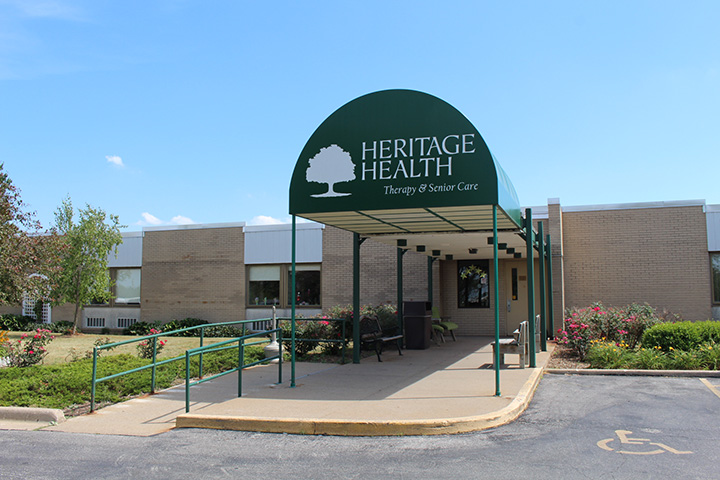
How is Beardstown Health & Rehab Ctr Staffed?

CMS rates BEARDSTOWN HEALTH & REHAB CTR's staffing level at 1 out of 5 stars, which is much below average compared to other nursing homes. Staff turnover is 31%, compared to the Illinois average of 46%. This relatively stable workforce can support continuity of care. RN turnover specifically is 60%, which is notably high. RNs provide skilled clinical oversight, so turnover in this role can affect medical care quality.

What Have Inspectors Found at Beardstown Health & Rehab Ctr?

State health inspectors documented 14 deficiencies at BEARDSTOWN HEALTH & REHAB CTR during 2022 to 2025. These included: 1 that caused actual resident harm and 13 with potential for harm. Deficiencies causing actual harm indicate documented cases where residents experienced negative health consequences.

Who Owns and Operates Beardstown Health & Rehab Ctr?

BEARDSTOWN HEALTH & REHAB CTR is owned by a for-profit company. For-profit facilities operate as businesses with obligations to shareholders or private owners. The facility is operated by SUMMIT HEALTHCARE CONSULTING, a chain that manages multiple nursing homes. With 79 certified beds and approximately 71 residents (about 90% occupancy), it is a smaller facility located in BEARDSTOWN, Illinois.
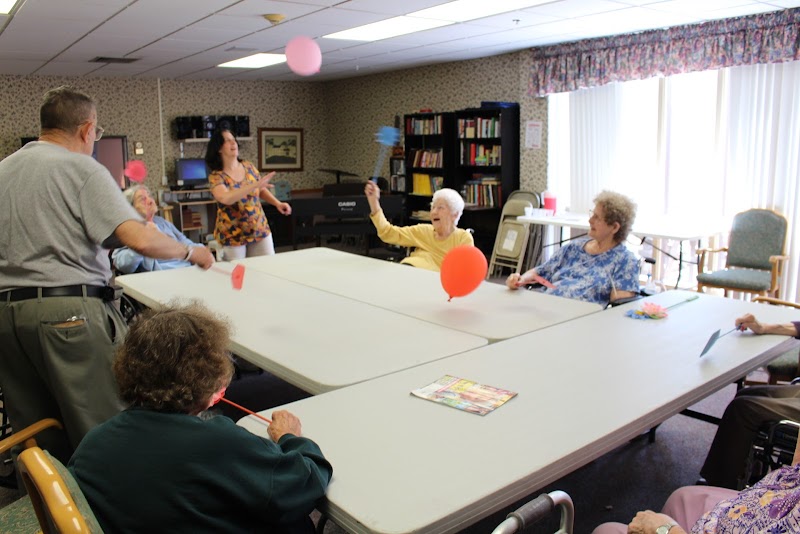
How Does Beardstown Health & Rehab Ctr Compare to Other Illinois Nursing Homes?

Compared to the 100 nursing homes in Illinois, BEARDSTOWN HEALTH & REHAB CTR's overall rating (4 stars) is above the state average of 2.5, staff turnover (31%) is significantly lower than the state average of 46%, and health inspection rating (5 stars) is much above the national benchmark.

What Should Families Ask When Visiting Beardstown Health & Rehab Ctr?

Based on this facility's data, families visiting should ask: "Can you walk me through typical staffing levels on day, evening, and night shifts?" "Can I visit during a mealtime to observe dining assistance and food quality?" "How do you handle medical emergencies, and what is your hospital transfer rate?" "Can I speak with family members of current residents about their experience?" These questions are particularly relevant given the below-average staffing rating.

Is Beardstown Health & Rehab Ctr Safe?

Based on CMS inspection data, BEARDSTOWN HEALTH & REHAB CTR has a clean safety record: no substantiated abuse findings (meaning no confirmed cases of resident harm), no Immediate Jeopardy citations (the most serious violation level indicating risk of serious injury or death), and is not on the Special Focus Facility watch list (a federal program monitoring the lowest-performing 1% of nursing homes). The facility has a 4-star overall rating and ranks #1 of 100 nursing homes in Illinois. While no facility is perfect, families should still ask about staff-to-resident ratios and recent inspection results during their visit.

Do Nurses at Beardstown Health & Rehab Ctr Stick Around?

BEARDSTOWN HEALTH & REHAB CTR has a staff turnover rate of 31%, which is about average for Illinois nursing homes (state average: 46%). Moderate turnover is common in nursing homes, but families should still ask about staff tenure and how the facility maintains care continuity when employees leave.

Was Beardstown Health & Rehab Ctr Ever Fined?

BEARDSTOWN HEALTH & REHAB CTR has no federal fines on record. CMS issues fines when nursing homes fail to meet care standards or don't correct problems found during inspections. The absence of fines suggests the facility has either maintained compliance or corrected any issues before penalties were assessed. This is a positive indicator, though families should still review recent inspection reports for the full picture.

Is Beardstown Health & Rehab Ctr on Any Federal Watch List?

BEARDSTOWN HEALTH & REHAB CTR is not on any federal watch list. The most significant is the Special Focus Facility (SFF) program, which identifies the bottom 1% of nursing homes nationally based on persistent, serious quality problems. Not being on this list means the facility has avoided the pattern of deficiencies that triggers enhanced federal oversight. This is a positive indicator, though families should still review the facility's inspection history directly.