THE HAVEN OF BEMENT.
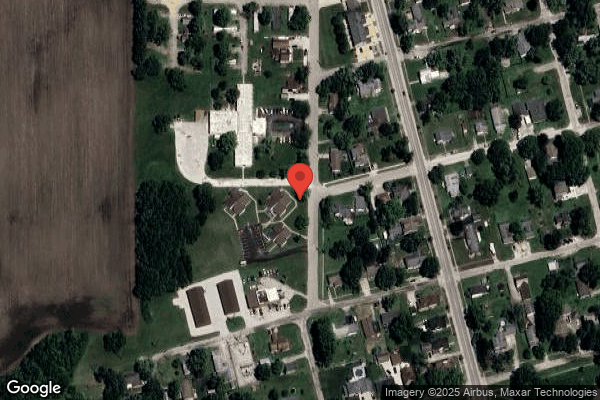
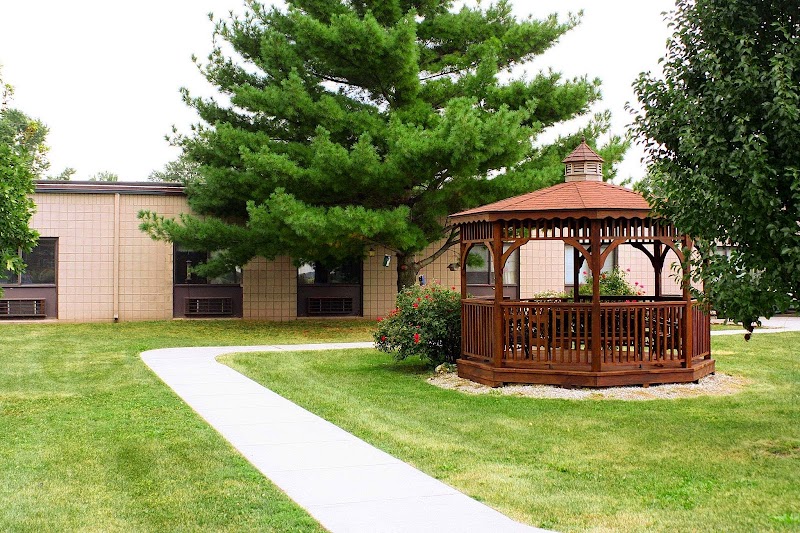
601 NORTH MORGAN, BEMENT, IL 61813 (217) 678-2191
For profit - Corporation 60 Beds HAVEN HEALTHCARE Data: November 2025
Trust Grade
25/100
#647 of 665 in IL
Last Inspection: December 2024

Within standard 12-15 month inspection cycle. Federal law requires annual inspections.

Overview

The Haven of Bement has received an F grade for its trust score, indicating significant concerns about the quality of care provided. Ranking #647 out of 665 facilities in Illinois places it in the bottom half of the state, and it is the second of only two facilities in Piatt County, suggesting limited options in the area. While the facility is improving-reducing issues from 33 in 2024 to only 1 in 2025-there are still major weaknesses, including a high staff turnover rate of 71%, which is concerning compared to the state average of 46%. There has been no record of fines, which is a positive sign, but RN coverage is only average, meaning there could be gaps in critical care. Specific incidents include a failure to report a resident's urinary tract infection in a timely manner, leading to hospitalization, and inadequate staffing of certified nursing assistants, resulting in delayed responses to residents' needs and missed scheduled showers. Overall, while there are signs of improvement, families should weigh these serious concerns carefully.

Trust Score
F
25/100
In Illinois
#647/665
Bottom 3%
Safety Record
Moderate
Needs review
Inspections
Getting Better
33 → 1 violations
Staff Stability
⚠ Watch
71% turnover. Very high, 23 points above average. Constant new faces learning your loved one's needs.
Penalties
✓ Good
No fines on record. Clean compliance history, better than most Illinois facilities.
Skilled Nurses
✓ Good
Each resident gets 43 minutes of Registered Nurse (RN) attention daily — more than average for Illinois. RNs are trained to catch health problems early.
Violations
⚠ Watch
47 deficiencies on record. Higher than average. Multiple issues found across inspections.
★☆☆☆☆
1.0
Overall Rating
★☆☆☆☆
1.0
Staff Levels
★☆☆☆☆
1.0
Care Quality
★☆☆☆☆
1.0
Inspection Score
Stable
2024: 33 issues
2025: 1 issues

The Good

  • Full Sprinkler Coverage · Fire safety systems throughout facility
  • No fines on record

Facility shows strength in fire safety.

The Bad

1-Star Overall Rating

Below Illinois average (2.5)

Significant quality concerns identified by CMS

Staff Turnover: 71%

25pts above Illinois avg (46%)

Frequent staff changes - ask about care continuity

Chain: HAVEN HEALTHCARE

Part of a multi-facility chain

Ask about local staffing decisions and management

Staff turnover is very high (71%)

23 points above Illinois average of 48%

The Ugly 47 deficiencies on record

1 actual harm
Sept 2025 1 deficiency
CONCERN (F) 📢 Someone Reported This

A family member, employee, or ombudsman was alarmed enough to file a formal complaint

Potential for Harm - no one hurt, but risky conditions existed

Deficiency F0727 (Tag F0727)

Could have caused harm · This affected most or all residents

Based on interview and record review, the facility failed to provide the services of a registered nurse for eight consecutive hours seven days per week. This failure has the potential to affect all 39...

Read full inspector narrative →
Based on interview and record review, the facility failed to provide the services of a registered nurse for eight consecutive hours seven days per week. This failure has the potential to affect all 39 residents residing in the facility. Findings include:The facility's Staffing Postings dated 9/1/25 through 9/7/25 document there was not a registered nurse working in the facility on 9/1/25 nor 9/6/25.The facility Employee Roster (undated) documents two registered nurses employed by the facility, V4 Minimum Data Set Coordinator, and V8 Registered Nurse.On 9/12/25 at 12:50 PM, V1 Administrator, confirmed on 9/6/25 there was not a registered nurse on duty in the facility. V1 further stated on 9/1/25 there was a registered nurse who worked the overnight shift from 8/31/25 and was in the facility from midnight until approximately 7:40 AM which still falls short of the requirement of having eight hours of coverage. V1 then stated the facility had not been able to provide services such as intravenous medications due to the lack of a registered nurse to administer those types of medications.The facility Resident Roster dated 9/11/25 documents 39 residents reside in the facility.
Dec 2024 15 deficiencies 1 Harm
SERIOUS (G)

Actual Harm - a resident was hurt due to facility failures

Incontinence Care (Tag F0690)

A resident was harmed · This affected 1 resident

**NOTE- TERMS IN BRACKETS HAVE BEEN EDITED TO PROTECT CONFIDENTIALITY** Based on interview and record review the facility failed to monitor urine characteristics, timely report changes in urine and ur...

Read full inspector narrative →
**NOTE- TERMS IN BRACKETS HAVE BEEN EDITED TO PROTECT CONFIDENTIALITY** Based on interview and record review the facility failed to monitor urine characteristics, timely report changes in urine and urine culture results to the provider, and implement infection control measures to prevent catheter associated urinary tract infections (CAUTI) for one (R32) of two residents reviewed for UTIs in the sample list of 30. These failures resulted in delayed treatment of R32's CAUTI and hospitalization. Findings include: The facility's Notification for Change in Resident Condition or Status policy dated 12/7/17 documents to notify the resident's physician for sudden, change or unrelieved symptoms, when there is a need to alter treatment significantly and when there are symptoms of infection. This policy documents to record information related to the resident's change in condition in the resident's medical record. The facility's Enhanced Barrier Precautions (EBP) dated 7/13/23 documents EBP are used to reduce transmission of multidrug-resistant organisms and includes wearing a gown and gloves for high-contact care activities for residents with an indwelling medical device. On 12/11/24 at 11:10 AM R32 stated R32 admitted to the facility with a urinary catheter in May 2024, R32's urine had blood (hematuria) for a few weeks and R32 was hospitalized for urosepsis. R32 stated on 7/19/24 R32 felt the urge to urinate, urine leaked around R32's catheter, R32 had the nurse remove the catheter and R32 was able to urinate. R32 stated R32's catheter was blocked with mucus that had been present in R32's urine for a few days prior. R32 stated R32 went to the emergency room on 7/19/24 and was prescribed Levaquin for UTI and the urine culture results came back on 7/21/24, but R32's antibiotic was not changed until 7/24/24. R32 stated R32 started to feel worse on the evening of 7/24/24 and was admitted to the hospital for seven days for a UTI and treated with intravenous (IV) antibiotics. R32 stated staff emptied R32's catheter and was aware of the blood and mucus, but was unsure if any follow up was done. R32 stated R32 was concerned that R32's urinary changes weren't addressed timely, but R32 had never had a catheter before so R32 was not sure what the protocol was. R32 stated the facility did not implement EBP until November 2024. R32's Minimum Data Set (MDS) dated [DATE] documents R32 is cognitively intact. R32's MDS dated [DATE] documents R32 was dependent on staff assistance for toileting hygiene. R32's Care Plan initiated 5/11/24 and resolved 7/22/24 documents R32 had a urinary catheter for obstructive uropathy and includes an intervention to monitor/record/report signs/symptoms of UTI including pain, burning, blood tinged urine, cloudiness, no output, deepening of urine color, increased pulse, increased temperature, urinary frequency, foul smelling urine, fever, chills, altered mental status, change in behavior, and change in eating patterns to the physician. R32's Nursing Note dated 5/11/2024 at 3:00 PM documents R32's urinary catheter was draining clear urine and R32's stool softener was held due to loose stools. There is no documentation of R32's urine characteristics and monitoring after this note until 5/24/24 at 9:49 AM when R32 had hematuria and blood clots in R32's urinary collection bag and R32 was sent to the emergency room. R32's Hospital History & Physical dated 5/24/24 documents R32 reported having cloudy/dark urine intermittently in R32's urinary catheter. R32's workup was notable for elevated white blood cell count of 14.96, and his urinalysis appeared infected. R32 was admitted for sepsis secondary to CAUTI. R32 returned to the facility with a urinary catheter and there is no documentation that R32's urine was assessed and monitored between 7/6/24 and 7/18/24. R32's Nursing Note dated 7/19/24 at 6:59 AM documents R32 complained of lower abdominal pain and R32's urinary collection bag was empty and the catheter was not draining. R32's urine contained a large amount of sediment and mucus and had a foul odor. R32 requested to remove the catheter, upon removal R32 urinated intermittently and R32 complained of burning with urination. R32 was transported to the local emergency room per R32's request. R32's emergency room Notes dated 7/19/24 documents CAUTI, culture pending, R32's catheter was discontinued and R32 discharged back to the facility with orders for Levaquin (antibiotic) 500 milligrams (mg) by mouth daily for five days. R32's July 2024 Medication Administration Record documents Levaquin was administered 7/19-7/23/24. R32's Urine Culture with result date of 7/21/24 documents the hospital sent the results to the facility via electronic facsimile on 7/21/24 at 4:44 PM, and the organism Proteus Mirabilis was resistant to Levaquin. There is no documentation in R32's medical record that this culture was reported to a practitioner prior to 7/24/24 at 10:11AM when new orders were given for Amikacin (antibiotic) 750 mg intramuscularly (IM) every 12 hours for five days. R32's Nursing Note dated 7/24/24 at 9:43 PM documents at 8:47 PM R32 was given one dose of IM antibiotics prior to being sent to the hospital for complaints of numbness in R32's arms and hands and generally not feeling well and R32 was clammy and sweating. This note documents V18, R32's Family, was present and was concerned R32 was septic from UTI due to R32's prior history of being septic from UTIs. R32's Hospital History & Physical dated 7/24/24 at 11:36 PM documents R32 reported that despite taking Levaquin R32 developed feelings of palpitation as if R32's heart was racing and associated numbness and generalized weakness which is usually consistent with an infection. R32 was admitted for complicated UTI and treated with IV antibiotics. On 12/11/24 at 12:07 PM V6 Infection Preventionist/MDS Coordinator stated for residents with urinary catheters the nurses should monitor urine characteristics for infection and notify the provider of UTI symptoms and document this in the nursing notes. V6 confirmed R32's urine culture results were received on 7/21/24 and indicated a resistance to Levaquin, and this was not reported until 7/24/24. V6 stated it was a weekend and the floor nurses should have reported the results to the provider immediately. On 12/11/24 at 12:45 PM V6 stated EBP was implemented in October 2024, confirming R32 was not on EBP when R32 had a catheter in May and July 2024. On 12/11/24 at 1:53 PM V15 Nurse Practitioner stated staff should be routinely monitoring urine color and characteristics, including discharge and sediment, and ensure the urinary catheter is clean. V15 stated if R32 had hematuria the nurses should have notified V15 and V15 would have ordered a repeat urinalysis and assessed R32. V15 confirmed R32 was hospitalized for urosepsis in May and then a UTI in July 2024. V15 stated the nurses definitely should have been assessing R32's urine routinely and documenting this. In regards to R32's 7/21/24 urine culture, V15 stated R32's culture should have been reported as soon as the report was available, and V15 would have changed the antibiotic as soon as V15 was notified. V15 confirmed the facility should have implemented EBP for R32, which is a measure to prevent infections.
CONCERN (D)

Potential for Harm - no one hurt, but risky conditions existed

ADL Care (Tag F0677)

Could have caused harm · This affected 1 resident

**NOTE- TERMS IN BRACKETS HAVE BEEN EDITED TO PROTECT CONFIDENTIALITY** 3.) On 12/09/24 at 9:52 AM R8 was in R8's room and had approximately 1/4 inch long facial hair to chin and upper lip. On 12/9/24...

Read full inspector narrative →
**NOTE- TERMS IN BRACKETS HAVE BEEN EDITED TO PROTECT CONFIDENTIALITY** 3.) On 12/09/24 at 9:52 AM R8 was in R8's room and had approximately 1/4 inch long facial hair to chin and upper lip. On 12/9/24 at 3:02 PM R8's facial hair remained to upper lip and chin. On 12/10/24 at 1:23 PM R8 was in the dining room and facial hair remained to upper lip and chin. R8's Minimum Data Set (MDS) dated [DATE] documents R8 requires partial/moderate assistance for personal hygiene. R8's care plan dated 5/15/24 documents R8 has self care deficit with activities of daily living and prefers to have facial hair removed. This care plan includes to provide showers one to two times per week and ask resident preference, and assist R8 with grooming/shaving facial hair on shower days and as needed. R8's care plan does not document R8 is resistive to cares. The facility's master shower schedule documents R8's showers are scheduled on Wednesdays and Saturdays. On 12/10/24 at 1:43 PM V9 Licensed Practical Nurse stated the Certified Nursing Assistants (CNAs) are responsible for shaving residents and this should be done at least on R8's shower days which are scheduled on Wednesdays and Saturdays. On 12/10/24 at 1:50 PM V12 and V13 CNAs confirmed R8's facial hair should be removed as part of bathing on scheduled shower days. V13 confirmed R8 had facial hair to upper lip and chin. On 12/10/24 at 3:16 PM V6 MDS Coordinator provided R8's requested November and December 2024 shower documentation. There was no documentation that R8 received showers as scheduled on 11/16/24, 11/30/24, and 12/7/24. On 12/10/24 at 3:20 PM V6 confirmed all of R8's November and December 2024 shower documentation was provided. The facility's Shaving-Male or Female policy dated 3/20/23 documents Resident will be free of facial hair- male and female. If the resident is alert and oriented and requests not to be shaved, this will be noted in the care plan. Based on observation, interview and record review the facility failed to provide showers and personal cares for residents dependent on staff for hygiene. These failures affect three (R4, R8, and R22) of four residents reviewed for activities of daily living in the sample list of 30. Findings include: The facility Bath/Shower Policy (12/2017) documents: To ensure adequate hygiene needs are met. A bath/shower is scheduled for all residents in the facility at least weekly. The facility Master Shower Schedule documents: this is to ensure that each resident is getting at least one shower a week. If we have the staff they should be getting both showers a week not just one. 1. R4's Face Sheet (12/11/24) documents R4 has the following diagnoses: Need for Assistance with personal care, Unsteadiness on Feet, Essential Tremor, Difficulty in Walking, and Generalized Muscle Weakness. R4's Comprehensive Assessment (10/1/24) documents R4 is cognitively intact and requires partial/moderate staff assistance for bathing. R4's Care Plan (current) documents R4 will receive one to two showers weekly. Provide bathing, hygiene, dressing and grooming per resident's preference as able. Ask resident preferences for schedules. The facility shower schedule documents R4 is to receive showers on Mondays and Thursdays morning. R4's Shower Report sheets documents facility staff bathed R4 eight times from 10/24/24 to 12/9/24 and does not document R4 refused any showers during that time period. Further documents R4 did not receive a shower for 13 days from 11/26/24 until receiving a shower on 12/9/24. On 12/10/24 at 10:46am, R4 stated R4 is not receiving showers and prefers showering twice a week. 2. R22's Face Sheet (12/11/24) documents R22 has the following diagnoses: Muscle Wasting and Atrophy, Difficulty in Walking, Lack of Coordination, Abnormalities of Gait and Mobility, Generalized Muscle Weakness, Unsteadiness on Feet, and Repeated Falls. R22's Comprehensive Assessment (10/11/24) documents R22 is cognitively intact, has bilateral upper and lower limb impairments, and requires substantial/maximum staff assistance for bathing. R22's Care Plan (current) documents R22 will receive shower one to two times per week, Provide bathing, hygiene, dressing and grooming per resident's preference as able. Ask resident preferences for schedules. The facility shower schedule documents R22 is to receive showers on Mondays and Thursdays morning. R22's Shower Report sheets documents facility staff bathed R22 seven times from 10/24/24 to 12/9/24 and does not document R22 refused any showers during that time period. Further documents R22 did not receive a shower for 12 days from 11/24/24 until receiving a shower on 12/5/24. On 12/09/24 at 10am, R22 stated R22 is not receiving showers twice a week. R22 stated R22 went a couple of weeks without a shower due to the facility not having enough staff (to provide showers). On 12/10/24 at 3:20pm, V6 Minimum Data Set Coordinator confirmed all shower sheets were provided for November and December 2024.
CONCERN (D)

Potential for Harm - no one hurt, but risky conditions existed

Accident Prevention (Tag F0689)

Could have caused harm · This affected 1 resident

**NOTE- TERMS IN BRACKETS HAVE BEEN EDITED TO PROTECT CONFIDENTIALITY** Based on observation, interview, and record review the facility failed to perform a mechanical lift transfer safely for one (R8)...

Read full inspector narrative →
**NOTE- TERMS IN BRACKETS HAVE BEEN EDITED TO PROTECT CONFIDENTIALITY** Based on observation, interview, and record review the facility failed to perform a mechanical lift transfer safely for one (R8) of one residents reviewed for transfers in the sample list of 30. Findings include: The Stand-Up Lift policy dated 10/30/08 documents to place the resident's feet on the foot stand and if the resident requires, secure the strap to stabilize the feet prior to raising the resident to a standing position. On 12/09/24 at 3:02 PM V11 Certified Nursing Assistant transferred R8 to and from the toilet with a mechanical sit to stand lift. V11 did not utilize the leg strap on the lift. R8's Minimum Data Set, dated [DATE] documents R8 has impaired range of motion to both legs and requires partial/moderate assistance from staff for toilet transfers. R8's Care Plan dated 5/15/24 documents R8 transfers with one staff person and gait belt. This care plan documents R8's diagnoses include epilepsy and dementia. This care plan does not document R8 uses a mechanical sit to stand lift and whether or not the leg strap is required during transfers. On 12/10/24 at 12:44 PM V10 Director of Rehab stated the leg strap on the sit to stand lift should be used when transferring any resident.
CONCERN (D)

Potential for Harm - no one hurt, but risky conditions existed

Respiratory Care (Tag F0695)

Could have caused harm · This affected 1 resident

Based on observation, interview, and record review the facility failed to replace an oxygen mask weekly, failed to store respiratory equipment in a manner to prevent cross contamination, failed to fol...

Read full inspector narrative →
Based on observation, interview, and record review the facility failed to replace an oxygen mask weekly, failed to store respiratory equipment in a manner to prevent cross contamination, failed to follow an intervention to re-insert a tracheostomy, failed to ensure a replacement tracheostomy was kept at bedside, and failed to administer oxygen per physician's order for two (R23, R24) of four residents reviewed for respiratory care on the sample list of 30. Findings include: The facility's oxygen policy with a review date of March of 2019 documents oxygen will be administered as ordered by the physician. This policy documents tracheostomy oxygen masks will be changed once a week. 1.) R23's tracheostomy care plan dated 1/3/24 documents R23 has a tracheostomy due to a total Laryngectomy. This care plan includes interventions to monitor R23 for removal of the tracheostomy and to encourage R23 to replace the tracheostomy. This care plan also includes an intervention to keep an extra tracheostomy tube and obturator at the bedside. On 12/09/24 at 9:29 AM, R23's tracheostomy oxygen mask was lying on the bed and was dated 9/15/24. R23's suction catheter tubing was lying directly on top of R23's bedside table. R23 was sitting in a wheelchair in the room. R23's tracheostomy was lying in a container on the bedside table. When asked if R23 had a tracheostomy inserted, he pointed at his neck and there was not a tracheostomy in place. At that time, V3 Licensed Practical Nurse stated R23 removes the tracheostomy and that she would go in and replace it. On 12/09/24 at 1:00 PM, R23's tracheostomy continued to be in the container on the bedside table. At that time, V3 stated she had not reinserted the tracheostomy yet. V3 walked into R23's room and could not find a replacement tracheostomy at the bedside. On 12/09/24 at 1:02 PM, V15 Nurse Practitioner stated the staff should ensure that R23's tracheostomy is in place. On 12/09/24 at 2:15 PM, V6 Registered Nurse/Care Plan Coordinator stated R23's replacement tracheostomy was locked in her office and not at R23's bedside. On 12/09/2024 at 3:24 PM, V19 Licensed Practical Nurse for V20 Physician stated R23's tracheostomy is not used to keep an open airway but is helpful for infection control purposes. The facility's tracheostomy care policy with a revision date of 3/29/19 documents a replacement tracheostomy will be kept at the head of the bed, clearly visible. 2.) R24's care plan dated 11/4/24 documents R24 has a diagnosis of Chronic Obstructive Pulmonary Disease. This care plan includes an intervention for oxygen at two liters per nasal cannula. On 12/09/24 at 10:21 AM, R24 was receiving oxygen at five liters per nasal cannula. R24's physician order dated 11/4/24 documents R24's oxygen order as two to four liters per nasal cannula. On 12/12/2024 at 2:38 PM, V6 Registered Nurse stated that R24's oxygen should be delivered at two liters per nasal cannula.
CONCERN (D) 📢 Someone Reported This

A family member, employee, or ombudsman was alarmed enough to file a formal complaint

Potential for Harm - no one hurt, but risky conditions existed

Deficiency F0760 (Tag F0760)

Could have caused harm · This affected 1 resident

Based on interview and record review the facility failed to ensure medications were available and administered as ordered resulting in significant medication errors for two (R8, R18) of 10 residents r...

Read full inspector narrative →
Based on interview and record review the facility failed to ensure medications were available and administered as ordered resulting in significant medication errors for two (R8, R18) of 10 residents reviewed for medication administration in the sample list of 30. Findings include: The facility's Medication Administration policy dated 11/18/17 documents medications must be prepared and administered within one hour of the ordered time and record the medication administration on the Medication Administration Record (MAR) after after the medication is given. This policy documents to record on the MAR when a medication is not given and the reasoning, notify the physician as soon as practical when there is a missed dose of a scheduled medication, and if a medication is not available contact the pharmacy and then notify the physician of when the medication is expected to be available. 1.) R8's November 2024 MAR documents to administer Losartan Potassium 25 milligrams (mg) give half tablet by mouth once daily at 8:00 AM for hypertension (high blood pressure). This MAR documents R8's Losartan was not administered on 11/20/24, 11/21/24, and 11/23/24 and refers to R8's nursing notes. R8's Nursing Note dated 11/20/24 at 8:27 AM documents Losartan was reordered. R8's Nursing Notes dated 11/21/24 at 7:35 AM and 11/23/2024 at 8:52 AM documents Losartan was not available. There is no documentation that R8's physician was notified of the missed doses of Losartan or follow up communication with the pharmacy. On 12/9/24 at 2:43 PM V9 Licensed Practical Nurse confirmed there have been pharmacy medication supply issues. V9 stated the facility has a backup medication system that includes a supply of Losartan 25 mg tablets. V9 stated the nurses should notify the physician of missed doses of medications and when medications are unavailable, and this should be documented in the nursing notes. On 12/10/24 at 12:10 PM V1 Administrator confirmed a check mark on the MAR indicates the medication was given and if the MAR refers to the nursing notes there should be documented rational why the medication wasn't given. The facility's undated backup medication supply list includes four tablets of Losartan 25 mg. 2.) R18's November and December 2024 MARs document to give Insulin Glargine 13 units subcutaneously (Sub Q) at bedtime for Type 2 Diabetes Mellitus and this medication was not signed out as given on 11/12/24 and 12/1/24. These MARs documents to give Insulin Lispro 6 units Sub Q before meals and Novolog insulin per blood glucose based sliding scale before meals at 7:00 AM, 11:00 AM, and 5:00 PM. These medications were not administered on 11/12/24 at 5:00 PM and 11/13/24 at 7:00 AM and there are no recorded blood glucose results for these dates/times. These MARs document NA (not applicable) for R8's Novolog and blood glucose checks scheduled at 7:00 AM on 11/1/24, 11/5/24, 11/9/24, 11/20/24, 11/23/24, and 12/5/24, and scheduled at 11:00 AM on 12/5/24 and 12/6/24. There are no orders to hold R18's insulin. R18's Nursing Notes document the following: On 11/18/24 at 8:41 AM R18 refused to eat and Lispro 6 units was not given and at 6:05 PM R18 at less than 50% of supper so Lispro 6 units was not given. On 11/22/24 at 1:07 PM R18 ate 20-25% of the meal and Lispro 6 units was not given. On 12/5/24 at 12:26 PM R18 refused to have his blood glucose checked. On 12/6/24 at 8:56 AM Novolog was not given due to waiting on order clarification and at 11:56 AM Novolog was not available to be given. There are no other recorded nursing notes corresponding with the listed dates of insulin omission and there is no documentation that R18's physician was notified on these dates. On 12/10/24 at 12:10 PM V1 stated withholding insulin should be reported to the physician. V1 stated V1 believes an agency nurse was unable to locate R18's Novolog insulin on 12/5/24 and 12/6/24 and the nurse should have reported this to V1.
CONCERN (D)

Potential for Harm - no one hurt, but risky conditions existed

Deficiency F0883 (Tag F0883)

Could have caused harm · This affected 1 resident

**NOTE- TERMS IN BRACKETS HAVE BEEN EDITED TO PROTECT CONFIDENTIALITY** Based on interview and record review the facility failed to offer pneumococcal vaccinations and maintain vaccination documentati...

Read full inspector narrative →
**NOTE- TERMS IN BRACKETS HAVE BEEN EDITED TO PROTECT CONFIDENTIALITY** Based on interview and record review the facility failed to offer pneumococcal vaccinations and maintain vaccination documentation for three (R18, R19, R22) of five residents reviewed for immunizations in the sample list of 30. Findings include: The Centers for Disease Control and Prevention Pneumococcal Vaccine Timing for Adults dated 3/15/23 documents for adults age [AGE]-64, with no prior pneumococcal vaccinations, and who have chronic health conditions including Diabetes Mellitus, cigarette smoking, and chronic lung diseases, give PCV20 (Pneumococcal Conjugate Vaccine) or give PCV15 followed by PPSV23 (pneumococcal polysaccharide vaccine) at least eight weeks later. For adults over age [AGE] with only Prevnar13 vaccine, give PCV20 or PPSV23 a year or more after Prevnar13. For adults over age [AGE] with only PPSV23 vaccine, give PCV20 or PCV15 a year of more after PPSV23. The facility's Immunization of Residents policy dated 5/6/21 documents to offer the PCV13 or PPSV23 as indicated using the Pneumococcal vaccination algorithm unless contraindicated and to offer the vaccine within 30 days of admission. This policy documents to review the resident's immunization record, physician's orders, and consent forms to verify timing of prior vaccines, and record immunizations on the residents Medication Administration Record and Immunization Record. 1.) R18's ongoing Diagnosis List documents R18 age as 63 and diagnoses include Type Two Diabetes Mellitus, Interstitial Pulmonary Disease, Nicotine and Tobacco use. R18's Minimum Data Set (MDS) dated [DATE] documents R18's pneumococcal vaccination is not up to date due to R18 declining the vaccine. R18's ongoing Immunization Record does not document R18 has received or was offered a pneumococcal vaccine. There is no documentation in R18's medical record of when R18 was offered the pneumococcal vaccine. 2.) R19's ongoing diagnoses list documents R19's age as 76 and diagnoses include Asthma, Obstructive Sleep Apnea, and history of alcohol abuse. R19's ongoing Immunization Record documents R19 received Prevnar13 on 7/24/18 and there is no documentation that any additional pneumococcal vaccinations were offered or given. R19's MDS dated [DATE] incorrectly documents R19's pneumococcal vaccination as up to date. 3.) R22's ongoing Diagnoses List documents R22 age as 73 and R22's diagnoses include Atherosclerotic Heart Disease and Atrial Fibrillation. R22's ongoing Immunization Record documents R22 received Pneumovax23 on 9/1/21 and there is no documentation that any additional pneumococcal vaccinations were offered or given. R22's MDS dated [DATE] incorrectly documents R22's pneumococcal vaccination as up to date. On 12/10/24 at 9:40 AM V6 Infection Preventionist/MDS Coordinator stated V6 has not done anything with pneumococcal vaccinations as V6 was unsure of the vaccine schedules and when the vaccines should be offered. V6 stated R18's pneumococcal vaccination is not up to date, and per his MDS he was offered and declined. V6 stated V6 will have to locate documentation of this. V6 confirmed that based on R18's risk factors, including smoking, R18 should have been offered a pneumococcal vaccination. V6 stated R19 has not been offered the vaccine since 2018 and R22 has not been offered the vaccine since 2021. On 12/10/24 at 12:28 PM V6 stated V6 was unable to locate documentation of when R18 was offered and declined the pneumococcal vaccine.
CONCERN (E)

Potential for Harm - no one hurt, but risky conditions existed

Grievances (Tag F0585)

Could have caused harm · This affected multiple residents

Based on interview and record review the facility failed to document and follow up on grievances for five (R4, R14, R18, R22, R31) of five residents reviewed for grievances in the sample list of 30. ...

Read full inspector narrative →
Based on interview and record review the facility failed to document and follow up on grievances for five (R4, R14, R18, R22, R31) of five residents reviewed for grievances in the sample list of 30. Findings include: The facility's Grievance Policy dated November 2016 documents residents and their representatives may file a grievance or complaint for concerns and the written grievances must be signed by the resident or the person filing the grievance on behalf of the resident. This policy documents grievances will be investigated within five working days, the administrator may delegate the department manager to investigate the grievance, the administrator will review the findings to determine if any corrective actions need to be taken, and the investigation findings and any corrective actions will be reported to the person who filed the grievance. This policy documents written grievance documentation will include the date the grievance was received, a summary statement, investigation steps, a summary of the findings, whether the grievance was confirmed, corrective actions taken, and the date the written decision was issued. On 12/10/24 at 9:59 AM a resident council meeting was conducted. R4 stated R4 had missing clothing including pajamas, night gowns, pants and socks within the last four months. R4 stated this was reported to V16 Maintenance Director. R22 stated R22 had blankets missing for about three months, and this was reported to V1 Administrator, V16, and V7 Activity Director. R4, R18, R22, and R31 stated that V7 helps coordinate the facility's resident council meetings and they report grievances/concerns to V21 Social Services Director, but there is no follow up on the reported concerns and actions taken. The Resident Council Meeting Minutes dated 5/30/24 document concerns of missing items in laundry. These same concerns are documented in the 6/17/24, 8/19/24, 9/16/24, and 11/11/24 Resident Council Meeting Minutes. There are no documented complaints about the food noted in the Resident Council Meeting Minutes within the last six months. The Resident Council Memorandum dated 6/17/24 documents Several residents are missing items of clothing and the follow up action as laundry will do an audit. This form does not document which residents reported this concern, what items were missing, or if these items were found. There are no documented grievances of missing clothing within the last six months other than the 6/17/24 Memorandum. On 12/10/24 at 10:28 AM V7 stated V7 has been assisting with resident council for the last six months and missing clothing and food were some of the reported concerns. V7 stated there have been complaints that the gravy is too slimy and R14 complains that there are too many processed foods. V7 confirmed missing laundry items has been an ongoing concern since May 2024, with no follow up action recorded in the minutes. V7 stated a Memorandum was completed in June 2024 for several residents who reported missing clothing and laundry was to do an audit. V7 confirmed this was the last documented memorandum regarding missing laundry items. V7 was unsure what residents voiced the concern, what items were missing, or if these items were located, as the memorandum did not document this information. V7 provided notes from the November 2024 council meeting that document R14 was missing a dark green sweater and socks, R4 was missing pajamas and gloves, R22 was missing a hooded shirt and blankets, and R31 was missing a jacket and socks. V7 stated V7 did not do a memorandum for these missing items and V7 was unsure if the missing items were found or what steps were taken, other than V1 was notified. At 11:15 AM V7 confirmed the resident council meeting minutes do not document food complaints or follow up action taken. V7 stated V7 was unsure why V7 did not document that information. On 12/10/24 at 10:50 AM V21 stated concerns that are brought up during resident council are not documented as a grievance, but V7 documents a memorandum to follow up on the concerns. V21 confirmed there are no documented grievances for missing clothing within the last six months. V21 stated V21 doesn't really follow up if items are not found since the residents sign an admission contract that includes the facility is not responsible for missing items. On 12/10/24 at 12:10 PM V1 stated items are offered to be replaced on a case by case basis since the residents sign an admission contract that states the facility will not be held responsible for lost items.
CONCERN (E)

Potential for Harm - no one hurt, but risky conditions existed

Menu Adequacy (Tag F0803)

Could have caused harm · This affected multiple residents

Based on observation, interview, and record review, the facility failed to serve pureed diets as planned on the menu. This failure affects three residents (R2, R7, R13) of four reviewed for pureed die...

Read full inspector narrative →
Based on observation, interview, and record review, the facility failed to serve pureed diets as planned on the menu. This failure affects three residents (R2, R7, R13) of four reviewed for pureed diets in the sample list of 30. Findings include: The facility Diet Type Report (12/9/2024) documents R2, R7, and R13 all receive a pureed diet during meals in the facility. The facility Diet Spreadsheet (11/11/2024) documents residents receiving pureed diets are to receive pureed bread with their lunch meal on 12/9/2024. The facility Diet Spreadsheet (11/12/2024) documents residents receiving pureed diets are to receive pureed sugar cookie with their lunch meal on 12/10/2024. On 12/9/2024 at 11:40AM, no pureed bread was visible among the prepared food items in the kitchen being served to residents at lunch. On 12/9/2024 at 11:50AM, R7 was seated at a table in the facility dining room eating a pureed meal. No pureed bread was present with R7's meal items. On 12/9/2024 at 12:00PM, V5 (Certified Nurse Aide) was feeding R2 lunch in the facility dining room. No pureed bread was present with R2's lunch meal. V5 reported being unaware if R2 received pureed bread with R2's lunch meal. On 12/10/2024 12:14PM, R2 was eating a pureed lunch in the facility dining room. No pureed sugar cookie was present with R2's meal items. On 12/10/2024 at 12:15PM, R13 was eating a pureed lunch meal in the facility dining room. No pureed sugar cookie was present with R13's meal items. On 12/10/2024 at 12:20PM, V2 (Dietary Manager) reported residents receiving pureed diets for lunch on 12/10/2024 received pudding instead of pureed cookie because staff did not prepare pureed cookies.
CONCERN (F)

Potential for Harm - no one hurt, but risky conditions existed

Deficiency F0725 (Tag F0725)

Could have caused harm · This affected most or all residents

**NOTE- TERMS IN BRACKETS HAVE BEEN EDITED TO PROTECT CONFIDENTIALITY** Based on observation, interview, and record review the facility failed to sufficiently staff certified nursing assistants (CNAs)...

Read full inspector narrative →
**NOTE- TERMS IN BRACKETS HAVE BEEN EDITED TO PROTECT CONFIDENTIALITY** Based on observation, interview, and record review the facility failed to sufficiently staff certified nursing assistants (CNAs). This failure affects four (R4, R18, R22, R31) of 16 residents reviewed for staffing in the sample list of 30. This failure has the potential to affect all 32 residents in the facility. Findings include: On 12/10/24 at 9:59 AM during the resident council meeting, R4, R18, R22, and R31 stated the facility does not have enough CNAs and they wait up to an hour for their call lights to be answered. R4 and R22 stated they have not been getting their showers which are scheduled twice per week. R4's Minimum Data Set (MDS) 10/1/24 documents R4 as cognitively intact and requires supervision/touching assistance to dependence on staff for activities of daily living (ADLs). R18's MDS dated [DATE] documents R18 as cognitively intact and requires setup/clean up to substantial/maximal assistance from staff for ADLs. R22's MDS dated [DATE] documents R22 as cognitively intact. On 12/10/24 between 3:00 PM and 4:00 PM V13 and V17 CNAs were the only CNAs working in the facility. At 4:00 PM V17 stated the facility staffs two to three CNAs for the evening shift. On 12/09/24 at 10:08 AM V12 CNA stated there are usually three to four CNAs working and on rare occasions there are two. V12 stated V12 does not feel that two CNAs is enough since there are a lot of residents who require full mechanical lifts for transfers and sometimes showers don't get done. On 12/10/24 at 12:28 PM V6 Minimum Data Set Coordinator provided a list of residents who use a full mechanical lift which is documented on the facility's Daily Census dated 12/9/24. This list documents 17 out of 34 residents use a full mechanical lift for transfers. The facility's Long-Term Care Facility Application for Medicare and Medicaid dated 12/11/24 documents the resident census as 32. The facility's Facility Assessment with reviewed date 5/23/24 documents the facility has 60 beds and resident acuity is determined by the residents' physical, cognitive, behavior and medical needs. This assessment documents the facility's staffs two to four CNAS on first and second shifts and one to two on night shift, which can be altered to more or less to meet the needs of the residents. This assessment does not identify the average census that these staffing numbers are based on. The facility's November 2024 CNA schedule documents one CNA worked night shift on 11/27/24 and 11/30/24, and two CNAs on dayshift on 11/28/24, two CNAs on night shift on 11/26/24 and 11/27/24, and one CNA from 6:00 PM -10:00 PM on 11/29/24. The facility's December 2024 CNA schedule documents two CNAs worked on days and/or evenings on 12/1/24-12/6/24, one CNA after 6:00 PM for evenings and night shift on 12/7/24, and one CNA on nights on 12/3/24 and evenings on 12/8/24. The facility Master Shower Schedule documents: this is to ensure that each resident is getting at least one shower a week. If we have the staff they should be getting both showers a week not just one. On 12/10/24 at 12:10 PM V1 Administrator stated the facility's average census is in the 30's and staffing in the facility assessment is based on the census. On 12/10/24 at 3:02 PM V1 confirmed the CNA schedules for 11/23/24-12/10/24 were accurate. V1 stated there have not been any other days besides 12/9/24 that a nurse worked as a CNA. V1 stated we try to staff three CNAs on dayshift and two CNAs for evenings and night shifts. V1 stated the facility staffing is based on the direction of corporate staff and based on resident acuity and census.
CONCERN (F)

Potential for Harm - no one hurt, but risky conditions existed

Deficiency F0727 (Tag F0727)

Could have caused harm · This affected most or all residents

Based on observation, interview, and record review the facility failed to staff a full time Director of Nursing (DON). This failure has the potential to affect all 32 residents in the facility. Findi...

Read full inspector narrative →
Based on observation, interview, and record review the facility failed to staff a full time Director of Nursing (DON). This failure has the potential to affect all 32 residents in the facility. Findings include: On 12/09/24, 12/10/24 and 12/11/24 between 9:15 AM and 4:00 PM there was no DON observed working in the facility. The facility's Facility Assessment with reviewed date 5/23/24 documents the facility will staff a full time DON. The facility's nurse schedule dated 11/23/24-12/15/24 does not document a full time DON. On 12/10/24 at 11:35 AM V1 Administrator stated the facility has been without a full time DON since December 2023. The facility's Long-Term Care Facility Application for Medicare and Medicaid dated 12/11/24 documents the resident census as 32.
CONCERN (F)

Potential for Harm - no one hurt, but risky conditions existed

Deficiency F0729 (Tag F0729)

Could have caused harm · This affected most or all residents

Based on interview and record review, the facility failed to document registry verifications of nurse aide competency for five newly hired nurse aides prior to beginning employment in the facility. Th...

Read full inspector narrative →
Based on interview and record review, the facility failed to document registry verifications of nurse aide competency for five newly hired nurse aides prior to beginning employment in the facility. This failure has the potential to affect all 32 residents residing in the facility. Findings include: Facility employee files document the following staff hire dates: V11 on 10/17/2024, V12 on 10/21/2024, V22 on 10/4/2024, V23 on 11/6/2024, and V24 on 11/21/2024. The same records document the facility did not check the nurse aide registry for competency verification for V11, V12, V22, and V23 until 12/11/2024 and did not complete the check for V24 until 11/22/2024. On 12/12/2024 at 10:30AM, V1 (Administrator) reported the facility completed background checks for all staff prior to hire but the facility could not document the checks were done prior to staff beginning work in the facility. The facility Long-Term Care Facility Application for Medicare and Medicaid (12/11/2024) documents 32 residents reside in the facility.
CONCERN (F)

Potential for Harm - no one hurt, but risky conditions existed

Deficiency F0801 (Tag F0801)

Could have caused harm · This affected most or all residents

Based on observation, interview, and record review, the facility failed to employ a clinically qualified Director of Food and Nutrition Services. This failure has the potential to affect all 32 reside...

Read full inspector narrative →
Based on observation, interview, and record review, the facility failed to employ a clinically qualified Director of Food and Nutrition Services. This failure has the potential to affect all 32 residents in the facility. Findings include: On 12/9/2024 at 9:34AM, V2 (Dietary Manager) was actively supervising dietary operations in the facility kitchen. V2 reported being the full-time manager of the facility food service and reported not being a clinically qualified Certified Dietary Manager or having equivalent training. V2 denied meeting the State of Illinois standards to be a food service manager or dietary manager. V2 denied: -being a dietician; -being a certified dietary manager; -having an associate's or higher degree in food service management or in hospitality; -having 2 or more years of experience in the position of director of food and nutrition services in a nursing facility setting; -being a graduate of a dietetic and nutrition school or program authorized by the Accreditation Council for Education in Nutrition and Dietetics, the Academy of Nutrition and Dietetics, or the American Board of Nutrition; -being a graduate, prior to July 1, 1990, of a Department (Illinois Department of Public Health) approved course that provided 90 or more hours of classroom instruction in food service supervision and having experience as a supervisor in a health care institution which included consultation from a dietician; -or having completed an Association of Nutrition & Foodservice Professionals approved Certified Dietary Manager or Certified Food Protection Professional course. On 12/10/2024 at 12:20 PM, V2 reported the facility Dietician only works in the facility one day per month and the food in the kitchen is available for all residents to eat. The Facility Assessment (5/23/2024) documents the facility will employ a dietician or other clinically qualified nutrition professional to serve as the director of food and nutrition services. Throughout the duration of the survey from 12/9/2024-12/12/2024 the facility failed to maintain sanitary food storage areas and failed to serve resident diets as planned on facility menus. The facility Long-Term Care Facility Application for Medicare and Medicaid (12/11/2024) documents 32 residents reside in the facility.
CONCERN (F)

Potential for Harm - no one hurt, but risky conditions existed

Food Safety (Tag F0812)

Could have caused harm · This affected most or all residents

Based on observation, interview, and record review, the facility failed to maintain sanitary food storage areas. This failure has the potential to affect all 32 residents residing in the facility. Fin...

Read full inspector narrative →
Based on observation, interview, and record review, the facility failed to maintain sanitary food storage areas. This failure has the potential to affect all 32 residents residing in the facility. Findings include: On 12/9/2024 at 9:341AM, the kitchen walk-in cooler flooring was soiled throughout with accumulations of dark colored decomposed food debris and spilled liquids. V2 (Dietary Manager) was present and reported not knowing the source of the liquids On 12/10/2024 at 12:20PM, the walk-in cooler remained as above. V2 was present and reported the food in the facility kitchen and cooler is available for all residents to eat. On 12/12/2024 during the noon lunch meal, the walk-in cooler remained as above. The facility Long-Term Care Facility Application for Medicare and Medicaid (12/11/2024) documents 32 residents reside in the facility.
CONCERN (F)

Potential for Harm - no one hurt, but risky conditions existed

Infection Control (Tag F0880)

Could have caused harm · This affected most or all residents

Based on interview and record review the facility failed to implement surveillance monitoring of resident infections and implement corrective measures, and failed to develop a water management plan th...

Read full inspector narrative →
Based on interview and record review the facility failed to implement surveillance monitoring of resident infections and implement corrective measures, and failed to develop a water management plan that included the required risk assessment, control measures, and testing protocols to reduce the risk of growth of Legionella and other pathogens in the facility's water system. These failures have the potential to affect all 32 residents in the facility. Findings include: 1.) The facility's Infection Control Surveillance and Monitoring policy dated 7/18/23 documents to implement routine surveillance and monitoring which includes observing work practices to ensure appropriate use of protective clothing/equipment, improving training to prevent recurrence, directing correct procedures to prevent infections, and enforcing hand washing by all staff after resident care. This policy documents to update the infection control logs daily and analyze the data to identify trends and the need for additional controls to prevent further spread of infection. The facility's Resident Infection Control Logs for February 2024-December 2024 document the following: In February there were two Urinary Tract Infections (UTIs) and two wound infections with Escherichia Coli (E. Coli), a bacteria commonly found in the intestines. In March there were five UTIs, and E. Coli was found in two of the UTIs and one wound infection. In April there were three UTIs, two with E. Coli. There were four UTIs in May 2024 and four UTIs, one with E. Coli In July 2024. In September 2024 there were three UTIs, one with E. Coli. There were five UTIs in October, four with E. Coli. There were six UTIs in November 2024, three with E. Coli. There were four UTIs in December, three with E. Coli. There is no documentation that the facility tracked resident infections based on resident room location. The Inservice Attendance sheets dated 3/5/24 and 3/9/24 documents staff were trained by V6 Infection Preventionist on hand washing. There is no documentation that the facility identified trends in UTIs or E. Coli and implemented any corrective action measures other than the March in-services on handwashing. On 12/11/24 at 12:07 PM the facility's infection control logs were reviewed with V6. V6 stated V6 completed the infection preventionist training course while working and was not given much training on the facility's infection control program. V6 stated E. Coli was an identified trend/pattern and training was conducted on hand hygiene, glove use, and isolation. V6 stated V6 was getting ready to do perineal care audits but that hasn't been implemented yet. V6 stated V6 just found out V6 is suppose to use the floor plan to document infections by location to identify trends, and confirmed this has not been implemented. On 12/11/24 at 2:15 PM V6 confirmed there was no other documentation of follow up education or audits completed on identified infection control trends besides the hand hygiene in-services in March. 2.) The facility's Legionella Management Procedure dated 8/10/18 documents Legionnaire's disease is a potentially fatal form of pneumonia caused by the Legionella bacteria. This bacteria is commonly found in the natural water system with no problems, but may enter man made water systems and with ideal growth conditions and susceptible population can cause an outbreak. This procedure documents the Legionella Management Team consists of the Corporate Maintenance Director, Administrator, and Maintenance Personnel, the team's duties include implementing and reviewing this procedure and the Maintenance Director is responsible for carrying out weekly/monthly checks as required and should receive training on Legionella. This procedure documents to complete a risk assessment of all water storage tanks, shower head conditions, and the configuration of pipework to prevent water stagnation and identify deadlegs. The completed risk assessment will identify and evaluate potential sources of risk and measures to prevent or control exposure to Legionella bacteria. This protocol documents the risk assessment should be reviewed at least every two years and continually updated. The Legionella Risk Assessment documents this form should be completed at least annually or upon disruption of water source and answering yes to any of the questions suggests a potential risk to being exposed to Legionella. On 12/11/24 at 1:41 PM V16 Maintenance Director was asked about the facility's Legionella plan. V16 was unsure of the facility's Legionella plan, identified risk areas and implemented control measures. V16 stated V16 was not familiar with the facility's plumbing layout and V16 had not received any training on Legionella. On 12/11/24 at 1:49 PM V1 Administrator stated corporate staff was suppose to train V16 on Legionella but this had not been done. V1 confirmed V16 was responsible for completing the Legionella Risk Assessment and implemented control measures to address the risk areas identified. On 12/11/24 at 3:30 PM V16 provided a copy of the facility's Legionella policy and procedures along with a blank risk assessment. V16 confirmed a risk assessment had not been completed and therefor no risk areas or control measures were identified. The facility's Long-Term Care Facility Application for Medicare and Medicaid dated 12/11/24 documents the resident census as 32.
CONCERN (F)

Potential for Harm - no one hurt, but risky conditions existed

Antibiotic Stewardship (Tag F0881)

Could have caused harm · This affected most or all residents

Based on interview and record review the facility failed to implement its antibiotic stewardship policy by failing to evaluate clinical data to ensure infection criteria and appropriate use of antibio...

Read full inspector narrative →
Based on interview and record review the facility failed to implement its antibiotic stewardship policy by failing to evaluate clinical data to ensure infection criteria and appropriate use of antibiotics. This failure has the potential to affect all 32 residents in the facility. Findings include: The facility's Antibiotic Stewardship Program dated 11/1/17 documents the purpose of the program is to improve the use of antibiotics and to reduce antibiotic resistance by implementing core elements which includes leadership commitment, accountability, drug expertise, action, tracking, reporting, and education. This program includes a blank/incomplete checklist for the facility's Core Elements of Antibiotic Stewardship. The facility's Assessment of Infections and Antimicrobial Usage dated 11/1/17 documents to review and evaluate antimicrobial use monthly to determine whether criteria was met by determining whether the resident's documented signs and symptoms align with the recommended minimum criteria for initiating antibiotics, whether the infection met the Centers for Disease Control and Prevention's standard definitions for infection surveillance, and whether the prescribed antimicrobial aligned with the expectations as outlined in the facility's protocols. This policy includes a blank copy of McGeer Criteria for Signs and Symptoms of Urinary Tract Infections without an indwelling urinary catheter. The facility's Resident Infection Control Logs dated February - December 2024 document resident infections, antibiotics, and that clinical documentation supports antibiotic use. These logs do not document the clinical signs and symptoms for each prescribed antibiotic. These logs document in May 2024 R18 was treated with one dose of Levaquin (antibiotic) 750 milligrams by mouth for pneumonitis (lung tissue inflammation). This log does not document what R18's symptoms were. On 12/11/24 at 12:07 PM the facility's infection control logs were reviewed with V6 Infection Preventionist. V6 confirmed R18 was treated with one dose of antibiotic for a diagnoses of pneumonitis, which is not considered an infection. V6 confirmed V6 has not been using any assessment tool, such as McGeer Criteria, to determine infection criteria and appropriate antibiotic use. V6 stated V6 took the infection preventionist training course while working and was not given much training on the facility's infection control and antibiotic stewardship programs. V6 was unfamiliar with the facility's antibiotic stewardship program and did not have a copy to reference. V6 stated V1 would have the facility's antibiotic stewardship policies. The facility's Long-Term Care Facility Application for Medicare and Medicaid dated 12/11/24 documents the resident census as 32.
Nov 2024 3 deficiencies
CONCERN (D) 📢 Someone Reported This

A family member, employee, or ombudsman was alarmed enough to file a formal complaint

Potential for Harm - no one hurt, but risky conditions existed

Report Alleged Abuse (Tag F0609)

Could have caused harm · This affected 1 resident

Based on interview and record review, the facility failed to report an allegation of misappropriation of medication for one resident (R1) of three residents reviewed for medications in the sample list...

Read full inspector narrative →
Based on interview and record review, the facility failed to report an allegation of misappropriation of medication for one resident (R1) of three residents reviewed for medications in the sample list of four. Findings include: On 11/19/24 at 11:25 AM, V3 Licensed Practical Nurse (LPN) stated V3 told V1 Administrator right after V3 saw R1's medications crushed in the garbage on 11/12/24 when V3 came in for 10 PM shift. V3 stated the second shift nurse was still passing medications when V3 came in for 3rd shift. V3 stated V6 agency nurse told V3 that V6 could not find the adapter for R1's gastrostomy tube (g-tube), that V6 has lost it. V3 stated V3 found a new adapter in the medication cart and that is when V3 saw the crushed medications in the garbage with R1's name on the little med cup. V3 stated all the medications in that little medication cup were crushed and they were white and pink. V3 stated she was going to take it out of the trash but went to do something first and when V3 returned to the cart, V6 had taken the trash bag already. V3 stated that's when she texted V1 Administrator to tell V1 because there in no Director of Nursing (DON) here. V3 stated V1 never answered the text and never asked V3 anything about the medications V3 had found. V3 stated V3 does not know who the nurse was and she did not have a name badge on but V3 had never seen her here before. On 11/19/24 at 11:49 AM, V1 Administrator stated V1 did not do any type of report about this incident. The facility's Abuse Prevention Program Policy dated Revised 11/28/2016, documents once the Administrator receives an allegation of misappropriation of resident property, the administrator will appoint a person to take charge of the investigation and this person will follow the Resident Protection Instigation Procedures, and the Administrator will keep the resident or resident representative informed of the progress of the investigation. This same policy documents the administrator or designee is then responsible for forwarding a final written report of the results of the investigation to the Department of Public Health within five working days of the reported incident.
CONCERN (D) 📢 Someone Reported This

A family member, employee, or ombudsman was alarmed enough to file a formal complaint

Potential for Harm - no one hurt, but risky conditions existed

Investigate Abuse (Tag F0610)

Could have caused harm · This affected 1 resident

Based on interview and record review, the facility failed to investigate a report of misappropriation of resident medication for one resident (R1) of three residents reviewed for medications in the sa...

Read full inspector narrative →
Based on interview and record review, the facility failed to investigate a report of misappropriation of resident medication for one resident (R1) of three residents reviewed for medications in the sample list of four. Findings include: On 11/19/24 at 11:25 AM, V3 Licensed Practical Nurse (LPN) stated V3 told V1 administrator right after V3 saw R1's crushed medications in the garbage on 11/12/24 when V3 came in for V3's 10 PM shift. On 11/19/24 at 11:49 AM, V1 Administrator stated V1 did not follow up in the morning and forgot about it until surveyor just mentioned it to V1. V1 also stated V1 did not interview anyone, call anyone or do any type of report or investigation about it (report of misappropriation of resident medication). The facility's Abuse Prevention Program Policy dated Revised 11/28/2016, documents regardless of the specific nature of the allegation, the investigation shall consist of: a review of the initial written reports, completion of a written report on the status of the investigation of the occurrence, an interview with the person reporting the incident, an interview with the resident, an interview with staff members having contact with the resident, interviews with other residents to which the accused has regular contact with, interview other employees to determine if they have ever witnessed incidents involving the accused, an interview with the accused, and a review of all circumstances surrounding the incident.
CONCERN (D) 📢 Someone Reported This

A family member, employee, or ombudsman was alarmed enough to file a formal complaint

Potential for Harm - no one hurt, but risky conditions existed

Deficiency F0760 (Tag F0760)

Could have caused harm · This affected 1 resident

Based on interview and record review, the facility failed to administer seizure medications to a resident with a seizure disorder requiring scheduled therapeutic medication monitoring. This failure af...

Read full inspector narrative →
Based on interview and record review, the facility failed to administer seizure medications to a resident with a seizure disorder requiring scheduled therapeutic medication monitoring. This failure affects one resident (R1) of three residents reviewed for significant medication errors in the sample list of four. Findings include: R1's current Electronic Medical Record (EMR) Medical Diagnoses documents R1's diagnosis as: Localization-related (focal) (partial) Idiopathic Epilepsy and Epilectic Syndromes with Seizures of localized onset, intractable, without Status Epilepticus. R1's current EMR Physician Order Sheet (POS) dated November 2024, documents R1's medications as: Levetiracetam Oral Solution 100 milligram/milliliter MG/ML, give 15 ml via percutaneous endoscopic gastrostomy (PEG)-Tube two times a day and Carbamazepine Oral Tablet Chewable 100 MG, give 1 tablet via PEG-Tube in the evening. This same POS documents keppra, vimpat, tegretol level every 6 months one time a day every 6 month(s) starting on the 1st or 1 day(s) related to Localization (focal) (partial) Idiopathic Epilepsy and Epileptic Syndromes with seizures of localized onset, intractable, without status Epilepticus. On 11/19/24 at 11:25 AM, V3 Licensed Practical Nurse (LPN) stated V3 told V1 Administrator right after V3 saw the medications crushed in the garbage on 11/12/24 when V3 came in for 10 PM shift. V3 stated the second shift nurse was still passing medications when V3 came in for 3rd shift. V3 stated V6 agency nurse told V3 that V6 could not find the adapter for R1's g-tube (PEG tube), that V6 has lost it. V3 stated V3 found a new adapter in the medication cart and that is when V3 saw the crushed medications in the garbage with R1's name on the little med cup. V3 stated all the medications in that little medication cup were crushed and they were white and pink. V3 stated she was going to take it out of the trash but went to do something first and when V3 returned to the cart, V6 had taken the trash bag already. V3 stated that's when she texted V1 Administrator to tell V1 because there in no Director of Nursing (DON) here. V3 stated V1 never answered the text and never asked V3 anything about the medications V3 had found. V3 stated V3 does not know who the nurse was and she did not have a name badge on but V3 had never seen her here before. On 11/19/24 at 11:22 AM, V1 Administrator stated she does not remember anyone saying anything about medications being found in a trash can. On 11/19/24 at 11:49 AM, V1 Administrator stated V1 did did have a late night conversation on the phone about finding R1's medications in the trash. V1 stated the nurse that she conversed with was V3 LPN. V1 stated V3 told V1, V3 was on shift and found R1's medications in the trash. V1 stated V1 did not follow up in the morning and forgot about it until surveyor just mentioned it to V1. V1 stated V1 did not interview anyone, call anyone or do any type of report about it. V1 stated V3 works the night shift 10PM to 6AM so the nurse who would have worked on the evening shift on 11/12/24 would have been an agency nurse (V6). On 11/19/24 at 12:11 PM, V4 LPN (agency nurse been here about a year) stated V4 heard about the medications for R1 being found in the trash from V3 LPN because V3 had worked the night before (11/12/24) and V4 came in for day shift on 11/13/24. V4 stated V3 reported the incident verbally for shift report. The facility's Adverse Drug Reactions and Medication Discrepancy Policy dated Reviewed 11/6/18, documents drug errors are to be reported to the resident's physician, documented in the nursing notes, and documented on a Medication Discrepancy Report. This policy also documents the report is to be completed in coordination with the Director of Nursing and filed with the Administrator, and reviewed by the medical director. This same policy documents to report medication discrepancy immediately to the attending physician for treatment options, continue assessment of resident per physician order, document a detailed account of the discrepancy in the resident's medical record, the form must be signed and forwarded to the Director of Nursing, and all medication discrepancies will be reported to the Quality Assurance Committee for review.
Sept 2024 1 deficiency
CONCERN (D) 📢 Someone Reported This

A family member, employee, or ombudsman was alarmed enough to file a formal complaint

Potential for Harm - no one hurt, but risky conditions existed

Notification of Changes (Tag F0580)

Could have caused harm · This affected 1 resident

**NOTE- TERMS IN BRACKETS HAVE BEEN EDITED TO PROTECT CONFIDENTIALITY** Based on interview and record review the facility failed to notify the physician of a resident's physical change of condition. T...

Read full inspector narrative →
**NOTE- TERMS IN BRACKETS HAVE BEEN EDITED TO PROTECT CONFIDENTIALITY** Based on interview and record review the facility failed to notify the physician of a resident's physical change of condition. This failure affects one of three residents (R1) reviewed for nursing care in the sample of three. Findings Include: The facility's Notification for Change in Resident Condition or Status dated 12/7/17 documents the facility staff shall promptly notify appropriate individuals (medical provider) of changes in the resident's medical/mental condition and/or status. R1's Medical Diagnoses list dated September 2024 documents R1 is diagnosed with Dementia, Covid-19, Heart Failure, Dissociative and Conversion Disorder, Major Depression, and Lewy Body Dementia. R1's Minimum Data Set, dated [DATE] documents R1 is severely cognitively impaired. R1's Medication Administration Record dated August 2024 documents R1's Risperdal (Antipsychotic) was increased on the afternoon of 8/22/24 from 0.5 milligrams two times per day to 2 milligrams two times per day due to uncontrollable behaviors and risk to others. The new increased dose was given to R1 on the evening of 8/22/24, the evening of 8/23/24, and two times each day on 8/24/24 and 8/25/24. R1's Progress Note dated 8/26/24 documents on the morning of 8/26/24, R1 was observed to be lethargic, sleeping more than usual, was not able to stay awake to eat, and appeared sedated since the increase in dose of Risperdal. R1's Progress Note dated 8/27/24 documents R1 continued with her change of condition status and was still lethargic, sleepy, and not eating or drinking. R1 was sent to the hospital for evaluation. R1 returned to the facility later that day after receiving intravenous fluids. On 9/7/24, V5 Registered Nurse stated he was the nurse that took care of R1 over the weekend of 8/24/24 and 8/25/24. V5 stated he knew R1's Risperdal had increased pretty significantly in the last couple days and did notice the entire weekend, R1 was lethargic, would not get out of bed, would not eat or drink, and had stopped talking. V5 stated he did not notify any medical providers regarding R1's change of condition. V5 confirmed he should have notified V3 Nurse Practitioner of R1's physical changes. On 9/7/24 at 1:08 PM, V8 Certified Nurses Assistant stated on 8/24/24 and 8/25/24, R1 was not her normal self. V8 stated R1 was not able to get out of bed, eat or drink, and would not talk. V8 stated she was concerned for R1 and reported the changes to V5 Registered Nurse but it didn't seem like anything was done. On 9/9/24, V3 Nurse Practitioner stated the facility nursing staff need to vigilantly assess residents who have recently had a psychotropic medication change. V3 stated she was not notified until 8/26/24 of R1's changes in physical condition at which point she decreased the Risperdal and then eventually sent R1 to the Emergency Room. V3 confirmed she should have been notified on 8/24/24 when R1 became lethargic and stopped eating, talking, or getting out of bed.
Mar 2024 2 deficiencies
CONCERN (D) 📢 Someone Reported This

A family member, employee, or ombudsman was alarmed enough to file a formal complaint

Potential for Harm - no one hurt, but risky conditions existed

Deficiency F0582 (Tag F0582)

Could have caused harm · This affected 1 resident

Based on record review and interview the facility failed to provide a written Notice of Medicare Non-Coverage notice, (NOMNC) for two (R4 and R5) of three residents reviewed for Medicare Non-Coverage ...

Read full inspector narrative →
Based on record review and interview the facility failed to provide a written Notice of Medicare Non-Coverage notice, (NOMNC) for two (R4 and R5) of three residents reviewed for Medicare Non-Coverage notices at least 48 hours prior to discharge from Medicare from the total sample list of five. Findings include: 1. R4's signed NOMNC, dated 2/20/24, documents that R4's physical and occupational therapy services will end on 2/20/24. 2. R5's signed NOMNC, dated 2/20/24, documents that R5's physical, occupational, and speech therapy services will end on 2/20/24. On 3/19/24 at 10:00AM, V1 Administrator stated that therapy services had stopped being provided for residents in the facility on February 19, 2024 and that on February 20, 2024 she directed her staff to provide NOMNCs to R4 and R5. On 3/19/24 at 3:30PM, V1 Administrator said that she knew that the 48 hour opportunity for appeal before discharge from Medicare was not met for R4 and R5.
CONCERN (E) 📢 Someone Reported This

A family member, employee, or ombudsman was alarmed enough to file a formal complaint

Potential for Harm - no one hurt, but risky conditions existed

Deficiency F0825 (Tag F0825)

Could have caused harm · This affected multiple residents

Based on observation, interview and record review the facility failed to ensure therapy services were provided for five (R1, R2, R3, R4 and R5) of five residents reviewed for therapy services from a s...

Read full inspector narrative →
Based on observation, interview and record review the facility failed to ensure therapy services were provided for five (R1, R2, R3, R4 and R5) of five residents reviewed for therapy services from a sample list of five residents. Findings include: 1. On 3/19/24 at 2:21PM, R1 was laying in bed and stated, I received a couple of rounds of therapy in February and then they said that they weren't going to be returning to the facility. I had sat on the edge of the bed for the first time in months right before they quit coming. I was improving. Now, they don't get me out of bed at all except for showers. I want to do therapy and they said that there would be others coming to do therapy, but they haven't come. R1's physical therapy notes dated 2/18/24 document R1 was sitting on the side of the bed with therapy. R1's physician orders dated 2/9/24 document R1 to have speech, occupational and physical therapy services. R1's occupational and physical therapy notes dated 2/11/24-2/17/24 document R1 was receiving services 5 days per week. R1's occupational and physical therapy notes dated 2/18/24 document that the facility therapy company will no longer providing R1's therapy services as of 2/19/24. 2. On 3/19/24 at 2:15PM, R2 stated via writing on a communication board, I still want therapy because I want to walk. I'm waiting for someone to come. R2's physical therapy documentation dated 2/13/24 document R2 was walking with physical therapy. R2's therapy orders dated 2/12/24 document skilled speech therapy twice weekly for four weeks to target dysphasia and to decrease aspiration risk, physical therapy and occupational therapy three times a week. R2's therapy notes dated 2/18/24 document that the facility therapy company will no longer provide R2 with therapy services as of 2/19/24. 3. R3's therapy orders dated 1/23/24 document orders for occupational, speech and physical therapies three times a week for four weeks. R3's physical therapy notes dated 2/18/24 was walking with assist and transferring with assist and that the facility therapy provider would no longer be providing R3 with therapy services as of 2/19/24. On 3/19/24 at 10:00AM, V1 Administrator stated, R3's family wanted us to find alternative placement for R3 to have therapy, but we haven't been able to do so. He is a difficult placement because of behaviors. 4. On 3/19/24 at 2:19PM, R4 was sitting in his recliner with his legs elevated and stated, They lost their contract for therapy, so I'm not getting any right now. I was working on upper body with (V7), but I can't do anything with this left leg.I will do therapy if they get another contract. R4's therapy orders dated 2/6/24 document orders for physical and occupational therapy three times a week. R4's physical and occupational therapy service notes end on 2/17/24. 5. R5's therapy orders dated 2/2/24 document physical, occupational and speech therapy three times a week for four weeks. R5's physical therapy notes dated 2/17/24 document that R5 demonstrated therapeutic exercises with good accuracy and used bilateral upper extremity weights for strength training. Additionally, the facility provided therapy company would no longer be providing services for R5 after 2/19/24. R5's progress notes dated 2/21/24 document that due to lack of therapy services, the family decided to take R5 home. On 3/19/24 at 10:00AM, V1 Administrator stated, When we called (R5's Power of Attorney) to tell them that we wouldn't have therapy for awhile, they just said that they wanted to take her home. On 3/19/24 at 9:30AM, V1 Administrator said that the facility had been without therapy services since 2/19/24 and that they were hoping to get a new company in soon. On 3/19/24 at 3:25PM, V1 Administrator said that the lack of therapy services was not good for the residents and that they could have declines in their progress due to the lack of services. On 3/19/24 there were no therapists working with residents, in the facility.
Jan 2024 12 deficiencies
CONCERN (D)

Potential for Harm - no one hurt, but risky conditions existed

Quality of Care (Tag F0684)

Could have caused harm · This affected 1 resident

**NOTE- TERMS IN BRACKETS HAVE BEEN EDITED TO PROTECT CONFIDENTIALITY** Based on interview and record review the facility failed to follow Physician orders to obtain daily weights for two residents wi...

Read full inspector narrative →
**NOTE- TERMS IN BRACKETS HAVE BEEN EDITED TO PROTECT CONFIDENTIALITY** Based on interview and record review the facility failed to follow Physician orders to obtain daily weights for two residents with a diagnosis of Congestive Heart Failure for two of two residents (R24, R5) reviewed for Edema in the sample list of 24. Findings include: The facility's Conformance with Physician Medication Orders policy with a reviewed date of 9/27/17 documents orders prescribed by the Physician shall be completed as ordered. 1.) R24's Order Summary Report dated 1/9/24 documents a diagnosis of Chronic Diastolic Congestive Heart Failure. This Order Summary documents an order for daily weights and if there is a three pound increase in 24 hours or a five pound increase in seven days to contact the Physician with a start date of 12/22/23. R24's Medication Administration Record dated 12/1/23 through 12/31/23 documents R24's weights were not obtained on 12/21/23, 12/25/23 and 12/28/23. R24's Medication Administration Record dated 1/1/24 through 1/31/23 documents R24's weights were not obtained on 1/5/24 and 1/9/24. 2.) R5's Minimum Data Set, dated [DATE] documents a diagnosis of Congestive Heart Failure. R5's Order Summary Report dated 1/9/24 documents an order to weigh daily and if a three pound increase in 24 hours or a five pound increase in seven days to contact the Physician with a start date of 12/14/23. R5's Medication Administration Record dated 12/1/23 through 12/31/23 documents R5's weights were not obtained on 12/24/23, 12/25/23, 12/28/23 and 12/31/23. R5's Medication Administration Record dated 1/1/24 through 1/31/24 documents R5's weight was not obtained on 1/5/24. On 1/10/24 at 11:17 AM, V5 Registered Nurse stated that daily weights are supposed to be obtained when staff get the residents out of bed. V5 stated that the Certified Nursing Assistants (CNAs) are responsible for obtaining the daily weights and the weekly weights. V5 stated that they have a list that tells the CNAs what residents need to be weighed daily and weekly. On 1/10/24 at 11:07 AM, V6 Minimum Data Set Nurse confirmed there are missing weights for R24 and R5.
CONCERN (D)

Potential for Harm - no one hurt, but risky conditions existed

Deficiency F0688 (Tag F0688)

Could have caused harm · This affected 1 resident

Based on interview and record review, the facility failed to provide Passive Range of Motion (PROM) to one resident (R28) admitted with contractures of one resident reviewed for Restorative Nursing in...

Read full inspector narrative →
Based on interview and record review, the facility failed to provide Passive Range of Motion (PROM) to one resident (R28) admitted with contractures of one resident reviewed for Restorative Nursing in a sample list of 24. Findings include: R28's Physician's Order Sheet (POS) includes the following diagnoses: Spastic Quadriplegic Cerebral Palsy, Epilepsy, Malnutrition, Cortical Blindness, and Profound Intellectual Disabilities. R28's Physician's Progress Note dated 12/24/23 documents R28 is positive for contractures of extremities. R28's Plan of Care Response History dated 12/11/23 through 1/8/24 documents Passive Range of Motion to all extremities. Do five times to each extremity every shift. Of the 22 days PROMs were tracked PROMS were done on all shifts on 12/23/23 and 1/8/24 only. On 1/9/24 at 9:00AM V6 Registered Nurse (RN) Care Plan Coordinator stated If a resident has contractures I initiate a Care Plan for Range of Motion and the direct care staff are expected to do the range of motions and document it. If the order is for every shift, it should be documented every shift. The facility's policy Contracture Prevention (Not dated) states If it is determined that a resident has little or no potential for restoration of movement of one or more joints, this resident will be maintained on a restorative nursing program as outlined by the Physical Therapist or Licensed Nurse.
CONCERN (D)

Potential for Harm - no one hurt, but risky conditions existed

Respiratory Care (Tag F0695)

Could have caused harm · This affected 1 resident

**NOTE- TERMS IN BRACKETS HAVE BEEN EDITED TO PROTECT CONFIDENTIALITY** Based on observation, interview and record review the facility failed to properly manage a tracheostomy tube for one (R22) of on...

Read full inspector narrative →
**NOTE- TERMS IN BRACKETS HAVE BEEN EDITED TO PROTECT CONFIDENTIALITY** Based on observation, interview and record review the facility failed to properly manage a tracheostomy tube for one (R22) of one residents reviewed for tracheostomy tubes from a total sample list of 24 residents reviewed. Findings include The facility Tracheostomy Care Policy dated 3/29/2019 documents that tracheostomy care should be performed, once per shift or as often as required to maintain patency of the airway and minimize the risk of infection. A replacement tracheostomy tube is to be kept at the head of the bed at all times, clearly visible. The stoma is to be cleansed with sterile water and then dried. R22's undated diagnoses sheet includes: Chronic Obstructive Pulmonary Disease, Bronchitis, Tracheostomy, Anxiety, Depression, Type II Diabetes Mellitus, Coronary Artery Disease, Total Laryngectomy and Myocardial Infarction. R22's Minimum Data Set, dated [DATE] documents R22 as cognitively intact and currently receiving respiratory therapy treatments including oxygen therapy, suctioning and tracheostomy care. R22's care plan dated 1/3/24 documents R22 to be monitored for removal of tracheostomy tube. R22's progress notes dated 2/17/21 document that R22's Ear, Nose and Throat Physician was ok with R22 removing his own tracheostomy tube as long as it was replaced. On 1/8/24 at 10:00AM, R22 was sitting in his bed without his inner or outer cannula in his tracheostomy stoma. The used tracheostomy cannulas were laying on R22's bedside table with the collar and ties attached. No humidification was being applied to the stoma area at this time. No suction machine or hand held mechanical ventilation device were in the resident's room. An oxygen concentrator was sitting on the floor, set at 4% oxygen delivery. An aerosolization machine for the tracheostomy was sitting on the table next to R22's bed and was set at 35% humidification. No replacement tracheostomy tube was above the bed. On 1/8/24 at 12:58PM, R22 was laying in bed with the tracheostomy cannulas, collar and ties laying on R22's bedside table. No suction machine or manual resuscitator were in the resident room. R22 was not asked to replace his tracheostomy cannulas by staff. On 1/8/24 at 1:14PM, V4 Licensed Practical Nurse (LPN) stated, (R22) takes his own (tracheostomy) out and puts them in. We don't have suction in the room right now. He has (tracheostomy) supplies in his closet. Respiratory Therapy only comes if we need them for the machine, I don't really know anything about it. I didn't do (tracheostomy) care today because he doesn't have it in. R22 was not asked to replace his tracheostomy cannulas by staff. On 1/9/24 at 10:59AM, V10 LPN provided tracheostomy care by soaking the tracheostomy tube, size 6, in a solution of peroxide and sterile water. The stoma was cleansed with sterile water and left to air dry. No suctioning was provided. No replacement tracheostomy tube was above the bed. R22 was not asked to replace his tracheostomy cannulas by staff. On 1/10/24 at 8:30AM, R22 was laying in bed sleeping without the tracheostomy cannulas in his stoma, and his lips had a bluish color. The humidified oxygen was not covering the stoma. Upon prompting, V5 Registered Nurse (RN) checked R22's oxygen saturation and it was 88%. V5 RN then assessed for breath sounds and stated that they were diminished bi-laterally. V5 RN was then going to provide a Mucomist treatment to see if that improved R22's oxygen saturation levels. No replacement tracheostomy tube was above the bed and no suction was provided. R22 was not asked to replace his tracheostomy cannulas by staff. On 1/8/24 at 2:45PM, V12 Respiratory Therapist stated, We only manage the machine. We would expect the stoma to be cleansed with every (tracheostomy) care. We do not provide education or support to staff unless requested. I believe that we were in the facility last for a set up on the (aerosolization) machine. On 1/10/24 at 1:30PM, V1 Administrator stated, The nurse's haven't gotten any inservices or education on caring for (tracheostomies) since I've been here. I would think that the respiratory therapy company that we use should come on a regular basis and provide education and support so that they all know how to care for (R22's) tracheostomy.
CONCERN (D)

Potential for Harm - no one hurt, but risky conditions existed

Deficiency F0712 (Tag F0712)

Could have caused harm · This affected 1 resident

**NOTE- TERMS IN BRACKETS HAVE BEEN EDITED TO PROTECT CONFIDENTIALITY** Based on interview and record review the facility failed to provide required physician's visits for one resident (R28) of one re...

Read full inspector narrative →
**NOTE- TERMS IN BRACKETS HAVE BEEN EDITED TO PROTECT CONFIDENTIALITY** Based on interview and record review the facility failed to provide required physician's visits for one resident (R28) of one resident reviewed for physician's visits in a sample list of 24. Findings Include: R28's Physician's Order Sheet (POS) includes the following diagnoses: Spastic Quadriplegic Cerebral Palsy, Epilepsy, Malnutrition, Cortical Blindness, and Profound Intellectual Disabilities. The facility's Daily Midnight Census documents R28 was admitted to the facility on [DATE]. R28's admission orders and initial assessment were completed by the Nurse Practitioner. R28's Progress Notes document R28 was evaluated by the Nurse Practitioner monthly since admission. The first evaluation by V15, Medical Director is documented as 12/24/23 at 10:00AM. On 10/10/24 at 2:00PM V1, Administrator stated The company who provides our medical Director is in Chicago. (V15) or one of his associates visit periodically and are available by phone, but the Nurse Practitioner is here monthly or sometimes more often. I realize the doctor is required to make the initial evaluation and alternate with the Nurse Practitioner, but we have had some issues with that. V1 denied the facility has a policy specific to physician's visits.
CONCERN (D)

Potential for Harm - no one hurt, but risky conditions existed

Unnecessary Medications (Tag F0759)

Could have caused harm · This affected 1 resident

Based on observation, interview, and record review the facility failed to administer medications as ordered to keep the medication error rate below five percent (5%). There were two medication errors ...

Read full inspector narrative →
Based on observation, interview, and record review the facility failed to administer medications as ordered to keep the medication error rate below five percent (5%). There were two medication errors out of 25 opportunities resulting in a 8% error rate. This failure affects two residents (R13, R17) of seven residents reviewed for medications on the sample list of 24. Findings include: 1. R17's Medication Administration Record (MAR) for January 1, 2024 through January 31, 2024 includes a current physician's order for FIASP (Fast Acting Insulin Aspart) 100 UNIT/ML (milliliter) 3ML PEN {3 ML} Inject 4 units subcutaneously before meals (start of a meal or within 20 minutes after). On 1/9/24 at 4:00PM V10, Licensed Practical Nurse (LPN) administered R17's insulin. V10 did not prime the needle with two units of insulin. The manufacturer's insert for FIASP documents the Needle should be primed with two units prior to each injection. V10 stated I realized as soon as I injected the insulin I forgot to prime it. 2. R13's Medication Administration Record (MAR) for January 1, 2024 through January 31, 2024 includes a current physician's order for Mirtazapine (antidepressant) 7.5 mg (milligrams) Daily. On 1/9/24 at 4:05PM V10 was preparing R13's medication. The card for R13's Mirtazapine was empty. There was no back up card in the medication cart. V10 stated this medication is not in the emergency box I will have to reorder it. The dose of R13's Mirtazapine was documented on R13's MAR as U indicating it was not given because the medication was unavailable. This medication is also documented as Unavailable 1/4/24, 1/5/24,and 1/6/24. The package insert for Mirtazapine (Remeron) states Patients currently taking REMERON should NOT discontinue treatment abruptly, due to risk of discontinuation symptoms. There is no documentation to support the physician was notified of these missed doses On 1/10/24 at 2:00PM V6, Registered Nurse (RN) stated When a U is documented in the MAR it means the medication is unavailable. The physician should be notified any time a resident misses a medication for any reason. The insulin pen should be primed with 2 units prior to giving any dose of insulin. The facility's policy Medication Administration revised 11/18/17 States Medications should be administered using the seven rights of administration: Right Resident, Right Drug, Right Dose, Right consistency, Right Time, Right Route, and Right documentation. This policy also states If the medication is not available for a resident, call the pharmacy and notify the physician when the drug is expected to be available.
CONCERN (D)

Potential for Harm - no one hurt, but risky conditions existed

Deficiency F0760 (Tag F0760)

Could have caused harm · This affected 1 resident

Based on interview and record review the facility failed to prevent a significant medication error for one resident (R28) of seven residents reviewed for medication in a sample list of 24. Findings i...

Read full inspector narrative →
Based on interview and record review the facility failed to prevent a significant medication error for one resident (R28) of seven residents reviewed for medication in a sample list of 24. Findings include: R28's current Physician's Order Sheet (POS) includes the following diagnoses: Spastic Quadriplegic Cerebral Palsy, Epilepsy, Malnutrition, Cortical Blindness, and Profound Intellectual Disabilities. The POS documents a current physician's order for Temazepam (Hypnotic) Oral Capsule 15 MG Give 1 capsule by mouth in the evening related to insomnia. R28's Progress Note dated 1/4/24 at 5:34PM documents (R28) was given two doses of Temazepam by accident tonight at 5:00PM med-pass. (Physician) was notified and instructed (nurse) to monitor (R28) for 24 hours and if (R28) has a change in condition to call back. (R28's) vitals are Blood Pressure 123/64, Pulse 62, Oxygen Saturation 95%, Temperature 97.6 (degrees Fahrenheit). (R28) is resting peacefully in wheelchair by the nurse's station in eye sight of the nurse's desk at this moment. Will continue to Monitor. On 1/9/24 at 11:00AM V1, Administrator stated We had V10, Licensed Practical Nurse (LPN) helping V14, Licensed Practical Nurse (LPN) pass medications on 1/4/24 when the error involving (R28) occurred. It is my understanding when controlled medications were being counted at the end of the shift V10 and V14 found R28's Temazepam was one dose short. At that time V10 and V14 realized they had both given (R28) a dose of Temazepam. The facility's policy Medication Administration revised 11/18/17 States Medications should be administered using the seven rights of administration: Right Resident, Right Drug, Right Dose, Right consistency, Right Time, Right Route, and Right documentation.
CONCERN (E)

Potential for Harm - no one hurt, but risky conditions existed

Resident Rights (Tag F0550)

Could have caused harm · This affected multiple residents

**NOTE- TERMS IN BRACKETS HAVE BEEN EDITED TO PROTECT CONFIDENTIALITY** Based on observation, interview and record review the facility failed to ensure the dignity of five (R11, R5, R6, R12, R17 and R...

Read full inspector narrative →
**NOTE- TERMS IN BRACKETS HAVE BEEN EDITED TO PROTECT CONFIDENTIALITY** Based on observation, interview and record review the facility failed to ensure the dignity of five (R11, R5, R6, R12, R17 and R27) of five residents reviewed for dignity from a total sample list of 24 residents reviewed. Findings include: The State of Illinois Ombudsman Program, Resident Rights in Long Term Care Facilities dated 11/2018 documents that all residents have a right to dignity and respect. R11's care plan dated 11/18/23 documents that R11 makes inappropriate comments toward others. R11's Minimum Data Set, dated [DATE] documents R11 as severely cognitively impaired. R11's Behavior monitoring and interventions Report documents R11 cussing on 12/2/23, 12/3/23, 12/6/23, and on 12/7/23. No behavior tracking was documented for R11 from 12/8/23 until 1/4/23. On 1/4/24, R11 was documented as having cussing behaviors. On 1/10/24 at 12:50PM, R17 stated, (R11) is so disrespectful and he will yell those things at anyone. I can't say it's abuse, but it is very disrespectful. On 01/08/24 at 3:00PM, R12 stated that R11 screams out obscenities and that, it isn't abusive but it is disrespectful. On 1/8/24 at 3:30PM, R17 stated, R11 yells and he knows what he's doing. It isn't abusive, but it is bad. On 1/8/24 at 9:15AM, R27 stated during Resident Council, when they put (R11) outside of his room after meals and don't put him to bed like he wants, he shouts terrible obscenities. He uses the f-word, the b-word and others I won't even say. It offends me. I don't' want to hear it. On 1/8/24 at 9:15AM, during Resident Council, R5 and R6 stated that they didn't like R11's cussing and yelling obscenities and that they wanted it to stop. On 1/10/24 at 11:15AM, R11 was sitting outside of the dining room screaming, f*** (expletive) you! V5 Registered Nurse stated, That (language) is the norm for him. On 1/10/24 at 12:00PM, R11 was sitting near the nurses station and yelled in R17's face, f*** (expletive) you! On 1/9/24 at 3:00PM, V1 Administrator said that R11's yelling was not dignified for himself or toward other residents.
CONCERN (E)

Potential for Harm - no one hurt, but risky conditions existed

Antibiotic Stewardship (Tag F0881)

Could have caused harm · This affected multiple residents

Based on interview and record review the facility failed to document the organisms being treated prior to initiating and/or continuing antibiotic therapy for four of four residents (R26, R85, R86, R29...

Read full inspector narrative →
Based on interview and record review the facility failed to document the organisms being treated prior to initiating and/or continuing antibiotic therapy for four of four residents (R26, R85, R86, R29) reviewed for antibiotic stewardship in a sample list of 24. Findings include: The facility's Antibiotic Stewardship Program policy with a reviewed date of 12/10/21 documents, Purpose: To improve the use of Antibiotics in healthcare to protect residents and reduce the threat of antibiotic resistance through a set of commitments and actions designed to optimize the treatment of infections while reducing adverse events associated with antibiotic use. The facility's Resident Infection Control and Antimicrobial Logs dated October 2023, November 2023 and December 2023 document the facility's residents with infections. The October 2023 log documents R29 had bacteria in the urine with an onset date of 10/4/23 and was treated with Nitrofurantoin (antibiotic). There is no organism identified for this infection. This log also documents R85 had a Urinary Tract Infection with an onset date of 10/14/23 and was treated with Nitrofurantoin and does not have an organism for the infection identified on the log. This log also documents R86 had a Urinary Tract Infection with an onset date of 10/7/23 and was treated with Methenamine (antibiotic) and does not have an organism documented for this infection on the log. This log documents that R86 had bacteria in the urine again on 10/24/23 and was treated with Nitrofurantoin and there is no organism for the infection documented on the log. The November 2023 log documents R86 had bacteria in the urine with an onset date of 11/23/23 and was treated with Sulfamethoxazole-Trimethoprim (antibiotic) and there is no organism identified for this bacteria on the log. The December 2023 log documents R26 had a Urinary Tract Infection with an onset date of 12/1/23 and was treated with Ciprofloxacin (antibiotic) and there was no organism identified for this bacteria on the log. This log documents R26 had Urinary Tract Infection with an onset date of 12/24/23 and was treated with Macrobid (antibiotic) and there is no organism identified for this bacteria on the log. On 1/10/24 at 10:05 AM, V1 Administrator stated that V2 Corporate Nurse is responsible for the infection control log now that they do not have a Director of Nursing. On 1/10/24 at 11:55 AM, V11 Registered Nurse stated that V11 is not sure who is responsible for making sure the correct antibiotic is prescribed for the organism. On 1/10/24 at 12:00 PM, V1 Administrator stated that V1 does not know why the organisms are not getting documented on the logs. V1 stated that the previous Director of Nursing probably did not know that she was supposed to log them. V1 stated that V2 Corporate Nurse nurse should be responsible for it at this time since they do not have a Director of Nursing right now. On 1/10/24 at 12:09 PM, V2 confirmed that the organisms should be documented on the infection control logs.
CONCERN (F)

Potential for Harm - no one hurt, but risky conditions existed

Deficiency F0727 (Tag F0727)

Could have caused harm · This affected most or all residents

**NOTE- TERMS IN BRACKETS HAVE BEEN EDITED TO PROTECT CONFIDENTIALITY** Based on interview and record review the facility failed to use the services of an RN eight consecutive hours Seven days a week ...

Read full inspector narrative →
**NOTE- TERMS IN BRACKETS HAVE BEEN EDITED TO PROTECT CONFIDENTIALITY** Based on interview and record review the facility failed to use the services of an RN eight consecutive hours Seven days a week and failed to designate a Registered Nurse to serve as a full-time Director of Nursing. This failure has the potential to affect all residents who reside at the facility. Findings include: The facility's Long Term Care Application for Medicare and Medicaid 1/8/24 documents 31 residents reside at the facility. The facility's RN (Registered Nurse) Schedule for December 2023 documents the facility did not have an RN in the facility on 12/25/23 or 12/30/23. The RN Schedule does not include a Director of Nursing (DON) . On 1/9/24 at 10:00AM V1, Administrator stated Our DON walked out without notice right before Christmas. We have had trouble keeping a DON. We have a Corporate Nurse who is here but not full-time. I am aware there were no RNs in the facility on 12/25/23 or 12/2023. The Facility assessment dated [DATE] documents Based on our resident population and their needs for care and support, we analyze the staffing numbers to ensure we have sufficient staff to meet the needs of our residents at any given time. The Facility Assessment documents the facility houses residents with a variety of clinically complex needs requiring nursing intervention.
CONCERN (F)

Potential for Harm - no one hurt, but risky conditions existed

Food Safety (Tag F0812)

Could have caused harm · This affected most or all residents

Based on observation, interview and record review, the facility failed to ensure proper food storage and labeling to prevent potential food spoilage and resident illness. This failure has the potentia...

Read full inspector narrative →
Based on observation, interview and record review, the facility failed to ensure proper food storage and labeling to prevent potential food spoilage and resident illness. This failure has the potential to affect all 31 residents who reside in the facility. Findings include: The facility provided Refrigerator and Freezer Storage Policy dated 10/2014 documents that any item to be placed in the refrigerators and freezers must be covered, labeled and dated with a date-marking system that tracks when to discard perishable foods. Additionally, label refrigerated food prepared and held for more than 24 hours with the day/date by which the food shall be consumed or discarded (maximum of 7 days from time of preparation). On 1/8/24 at 9:40AM, V3 Dietary Manager said that all items are supposed to be dated upon delivery and dated again upon opening. Opened items are only supposed to be kept for 7 days. On 1/8/24 at 9:43AM, the following opened items were stored in the walk in cooler without proper labeling including; Maraschino Cherries dated 8/4/24, Salsa dated 11/6/24, Teriyaki Sauce dated 11/22/22, Olives dated 8/12/23, French Dressing dated 11/6/23 and Cultured Sour Cream without any date label. On 1/8/24 at 10:04AM, V3 Dietary Manager said that there should have been a received on date and an opened on date to keep people from getting sick. V3 stated I will monitor the labeling from now on. The Long-Term Facility Application for Medicare and Medicaid dated 1/8/24 documents 31 residents reside in the facility.
CONCERN (F)

Potential for Harm - no one hurt, but risky conditions existed

Deficiency F0882 (Tag F0882)

Could have caused harm · This affected most or all residents

Based on interview and record review the facility failed to have an Infection Preventionist working at the facility and overseeing the infection control program This failure has the potential to affec...

Read full inspector narrative →
Based on interview and record review the facility failed to have an Infection Preventionist working at the facility and overseeing the infection control program This failure has the potential to affect all 31 residents residing in the facility. The findings include: The facility's Long-Term Care Facility Application for Medicare and Medicaid dated 1/8/24 documents 31 residents reside in the facility. On 1/10/24 at 10:05 AM, V1 Administrator stated that they do not have a Director of Nursing and V2 Corporate Nurse is covering in the building occasionally and is available by phone. V1 stated V1 does not have V2's Infection Preventionist Certificate and confirmed V2 is not in the building regularly. On 1/10/24 at 10:46 AM, V1 stated that the previous Director of Nursing did not have the Infection Prevention Certificate either. The facility's Infection Control Surveillance and Monitoring policy with a reviewed date of 3/10/22 documents, Monitoring of the day to day operation of the Infection Control Program will be conducted by the DON (Director of Nursing).
MINOR (C)

Minor Issue - procedural, no safety impact

Deficiency F0577 (Tag F0577)

Minor procedural issue · This affected most or all residents

Based on observation, interview, and record review the facility failed to post the most up to date survey inspection results for residents and families review. This failure has the potential to affect...

Read full inspector narrative →
Based on observation, interview, and record review the facility failed to post the most up to date survey inspection results for residents and families review. This failure has the potential to affect all 31 residents residing in the facility. Findings include: On 1/8/24 at 10:28 AM, R6, R17, R5, R27 and R12 stated they were not aware of where survey inspection results were kept for viewing or that they were even able to view them. The facility's Survey Inspection Results binder was located in the family room under the television in a binder with very small print (1/8) identifying Survey Results. The most recent survey in the binder was for a Facility Reported Incident dated 3/18/21. The facility's Annual Licensure and Certification survey of 9/24/21 and 6/29/22 were not in the binder nor were any other complaints or Facility Reported Incidents after 3/18/21. There was no notice posted for the availability of survey results for viewing. On 1/8/24 at 12:15 PM, V1 Administrator confirmed the survey results are not up to date and confirmed the label is too small to be seen. The facility's Long-Term Care Facility Application for Medicare and Medicaid dated 1/8/24 documents 31 residents reside in the facility.
Mar 2023 13 deficiencies
CONCERN (D)

Potential for Harm - no one hurt, but risky conditions existed

Resident Rights (Tag F0550)

Could have caused harm · This affected 1 resident

**NOTE- TERMS IN BRACKETS HAVE BEEN EDITED TO PROTECT CONFIDENTIALITY** Based on interview and record review the facility failed to maintain a resident's (R23) dignity by failing to provide timely ass...

Read full inspector narrative →
**NOTE- TERMS IN BRACKETS HAVE BEEN EDITED TO PROTECT CONFIDENTIALITY** Based on interview and record review the facility failed to maintain a resident's (R23) dignity by failing to provide timely assistance with toileting. R23 is 1 of 26 residents reviewed for dignity on the sample list of 26. Findings include: R23's Physician Order Sheet dated 3/6/23 - 3/31/23 documents diagnoses as follows: Depression, Sacral Fracture and Rectal Cancer. R23's Minimum Data Set (MDS) dated [DATE] documents the following: Brief Interview of Mental Status score of 13 out of a possible 15, indicating R23 has no cognitive impairment. The same MDS documents R23 is continent of bowel and occasionally incontinent of bladder. The same MDS documents R23 requires extensive physical staff assistance with toileting. R23's Care Area Assessment Summary on this same MDS documents: R23 has occasional incontinence of urine related to decreased mobility, skin is kept clean and dry and monitored for any breakdown. R23's Shower/Abnormal Skin Report signed by V10, Certified Nursing Assistant (CNA)dated 3/8/23 documents Extra shower given. On 03/28/23 at 01:30 PM R23 stated I peed my pants four times in one day. I also pooped in my pants, pretty bad once, so bad the CNA's (Certified Nursing Assistants) had to take me in the shower room and give me a shower. I can't wait 20 and 25 minutes for them to answer my call light. It makes me feel awful, dirtying myself like that. I just can't hold it. On 3/29/23 at 9:45 am R23 stated I have no problem staying clean and dry, if I get to the bathroom within a few minutes. I put on my call light and wait and wait. I wouldn't say a thing if this was five or ten minutes. I may be able to hold it that long. I put my call light on that day (3/8/23), I wet myself those four times. That was the same day I had my bowel movement in my pants. My call light was on at least 20 minutes each time. I don't think they are short staffed I think the staff are just slow. This is just so humiliating, I can hardly stand to talk about it. R23 also stated I have found it easier, to be extra careful and go into the bathroom myself. That is why I had my son get the extra oxygen tubing, so it reaches the bathroom. On 3/29/23 at 12:00 pm V10, CNA stated I was the one that had to give (R23) the extra shower. I charted it on the shower sheet (3/8/23). I went to answer her (R23) call light that evening. We were really busy. I do not know how long her light was on. It could have been 20 or 25 minutes. I can't be sure. I know it was on too long. (R23) is always continent of bowel and bladder for me. She (R23) knows when she (R23) needs to go (void bowel and bladder). That evening, (R23) had feces down to her knees and up to her shoulders. There was no cleaning her up in the little bathroom in her room. I had to take her to the shower room. She (R23) was so embarrassed. I felt bad. We were really busy that evening. I don't remember being short staffed, but it is possible we were. I just remember being busy. The facility Residents' Rights for People in Long Term Care Facilities pamphlet, undated documents the following: As a resident in a long term care facility in Illinois, you are guaranteed certain rights, protections and privileges according to State and Federal laws. The same pamphlet documents 1. Your rights to safety and good care. Your facility must provide services to keep your physical and mental health, a sense of satisfaction with yourself, at the highest practical level.
CONCERN (D)

Potential for Harm - no one hurt, but risky conditions existed

Transfer Notice (Tag F0623)

Could have caused harm · This affected 1 resident

**NOTE- TERMS IN BRACKETS HAVE BEEN EDITED TO PROTECT CONFIDENTIALITY** 2. R35's Nurse's Notes dated 2/26/23 document R35 was discharged from the facility to (hospital) due to behavioral issues, suici...

Read full inspector narrative →
**NOTE- TERMS IN BRACKETS HAVE BEEN EDITED TO PROTECT CONFIDENTIALITY** 2. R35's Nurse's Notes dated 2/26/23 document R35 was discharged from the facility to (hospital) due to behavioral issues, suicidal ideations, repeated statements of wanting to die, and repeatedly requesting staff to kill her. R35's Medical Record did not include any documentation of a notice to the Ombudsman about R35's discharge from the facility to the (hospital). On 3/30/23 at 2:25 pm, V1, Administrator, confirmed, We have not been notifying the Ombudsman about hospital discharges, but we will be doing it now. On 3/30/23 at 2:25 pm, V16, Corporate Consultant, stated, There is a lot of steps to remember and typically the Ombudsman is the last person to think about. The facility undated BED HOLD GUARANTEE POLICY documents the following: The facility bed hold policy referenced 42 CFR§483.15(c) which documents the following: 42 CFR§483.15(c) (3) Notice before transfer. Before a facility transfers or discharges a resident, the facility must- (i) Notify the resident and the resident's representative(s) of the transfer or discharge and the reasons for the move in writing and in a language and manner they understand. The facility must send a copy of the notice to a representative of the Office of the State Long-Term Care Ombudsman. (ii) Record the reasons for the transfer or discharge in the resident ' s medical record in accordance with paragraph (c)(2) of this section; and (iii) Include in the notice the items described in paragraph (c)(5) of this section. Based on record review and interview, the facility failed to provide two residents (R12 and R35) Transfer/Discharge Notices to the Office of the State Long-Term Care Ombudsman, and provide R12's family representative with Transfer/Discharge Notices when transferring to the hospital. R12, and R35 are two of three residents reviewed for hospitalizations and discharges in the sample of 26. Findings include: 1.) R12's Minimum Data Set, dated [DATE] documents the following: R12 Brief Interview of Mental Status score of 15 out of a possible 15, indicating R12 has no cognitive impairment. R12's Resident Census Maintenance report documents R12 was hospitalized [DATE], and 1/24/23 with supporting documentation found in R12's nurses notes and social service notes. R12's nurses notes also document an additional discharge to the hospital on [DATE]. R12's corresponding Social Service Notes and Nursing Notes do not document R12's family representative,V19 was notified in writing of R12's discharge to the 10/28/22 hospital. There is no documentation that the State Ombudsman was notified on 10/27/22, 12/7/22 or 1/24/23. On 3/29/23 at 12:10 am V11, Social Service Director stated that nurses should include in their progress note that family was notified by phone. V11 stated V11 does not know anything about notifying the Ombudsman when a resident discharges. On 3/29/23 at 1:10 pm V1, Administrator stated Our Bed Hold policy does not say we have to notify the Ombudsman. We haven't been doing that. We didn't know we were supposed to be doing it.
CONCERN (D)

Potential for Harm - no one hurt, but risky conditions existed

ADL Care (Tag F0677)

Could have caused harm · This affected 1 resident

**NOTE- TERMS IN BRACKETS HAVE BEEN EDITED TO PROTECT CONFIDENTIALITY** Based on observation, interview and record review the facility failed to provide oral care multiple times for one (R6) resident ...

Read full inspector narrative →
**NOTE- TERMS IN BRACKETS HAVE BEEN EDITED TO PROTECT CONFIDENTIALITY** Based on observation, interview and record review the facility failed to provide oral care multiple times for one (R6) resident out of one resident reviewed for Activities of Daily Living in a sample list of 26 residents. Findings include: R6 Physician Order Sheet (POS) dated March 1-31, 2023 documents medical diagnoses of Chronic Obstructive Pulmonary Disorder (COPD), Seizure Disorder, Bilateral Above the Knee amputation (AKA), Gastrostomy tube placement, Anxiety, Depression, Cerebral Vascular Accident (CVA) Right Side Affected. This same POS documents a physician order for Nothing By Mouth (NPO). R6's Minimum Data Set (MDS) dated [DATE] documents R6 as cognitively intact. This same MDS documents R6 requires total assistance of one person for personal hygiene. R6's Dental Consult dated 2/13/22 documents R6's general oral hygiene as 'poor with very heavy Calculus/Plaque'. This same consult documents (R6's) Calculus so thick that most of the teeth were fully covered in Calculus and individual teeth could not be seen. On 03/28/23 at 12:01 PM, R6 was laying in bed in R6's own room. R6's lips were very dry and scaly. R6's inner edge of entire top and bottom lips were covered in partially dried, light and dark yellow thick substance. On 3/29/23 at 1:45 PM, V3 Registered Nurse (RN) stated to R6 during Gastrostomy site dressing change, You (R6) sure do need your mouth cleaned out. You don't have any swabs in your drawer. I will get you some. On 3/30/23 at 11:55 AM, R6 laying in bed. R6's upper and lower lip dry and scaly. R6's inner edge of entire top and bottom lips covered in partially dried, light and dark yellow thick substance. On 3/28/23 at 1:00 PM, V1 Administrator stated all residents are to be provided oral care at least once per day. V1 stated (R6) is at a higher risk of mouth infections due to her being NPO. She has the feeding tube for all her nutrition. She is alert and oriented and not able to do that herself. On 3/29/23 at 1:50 PM, V3 Registered Nurse (RN) stated R6 does not have any supplies in R6's room for staff to provide oral care. V3 RN stated I will let the staff know (R6) really needs oral care. On 3/29/23 at 2:00 PM, V11 Social Service Director (SSD) stated R6 is alert and oriented. V11 SSD stated (R6) is only able to nod her head up and down for yes and side to side for no. (R6) is non-verbal. We (staff) use a binder to determine (R6's) cognitive status and be able to determine needs. On 3/30/23 at 12:00 PM, R6 nodded head Left side to Right side when asked if staff had provided oral care daily, every other day and any day this past week. R6 nodded head up an down when asked if staff provide oral care once per week. On 3/30/23 at 1:00 PM, V1 Administrator stated It is clear by the looks of (R6's) mouth and by the lack of documentation for (R6's) oral care that it hasn't been being done. The facility policy titled 'A.M. and P.M. Care' reviewed March 20, 2023 documents A.M. care will be given to all residents daily. Give oral hygiene per resident's ability for self-care. Brush all surfaces of teeth and gum line with a gentle motion. Offer resident opportunity to rinse mouth. P.M. care is provided to the resident for personal hygiene and for the purpose of refreshing the resident every evening.
CONCERN (D)

Potential for Harm - no one hurt, but risky conditions existed

Quality of Care (Tag F0684)

Could have caused harm · This affected 1 resident

**NOTE- TERMS IN BRACKETS HAVE BEEN EDITED TO PROTECT CONFIDENTIALITY** Based on observation, interview and record review, the facility failed to follow Speech Therapy recommendations and Physician or...

Read full inspector narrative →
**NOTE- TERMS IN BRACKETS HAVE BEEN EDITED TO PROTECT CONFIDENTIALITY** Based on observation, interview and record review, the facility failed to follow Speech Therapy recommendations and Physician orders when feeding a totally dependent resident (R2) with known Swallow/Aspiration Precautions during the noon meal. R2 is one of one resident reviewed for swallowing precautions in the sample of 26. Findings include: R2's Physician Order Sheet (POS) dated March 2023 includes the following diagnoses: Profound Retardation, Spastic Cerebral Palsy with Paraplegia, Excessive Saliva and History of Aspiration Pneumonia. This same POS documents diet orders as follows: Aspiration Precautions - Upright for Meals 90 degrees, keep upright for 30-45 minutes after meals. Small bites/sips 1 level teaspoon, supervised table with assistance. Swallow before taking one bite/sip. Alternate liquids to every bite of solids. Pureed with pudding thick liquids. R2's Minimum Data Set (MDS) dated [DATE] documents R2 as being severely cognitively and visually impaired. This same MDS documents R2 as totally dependent upon staff during meals and has a swallowing disorder with coughing or choking during meals or when swallowing medications. On 3/28/23 at 11:30 am, R2 is heard coughing throughout the noon meal. V15 Certified Nursing Assistant (CNA) stated Yes, (R2) coughs all the time when eating. V15 fed R2 heaping teaspoons of food and in the frequency of three to four bites before giving a heaping teaspoon of pudding thick liquid. R2 had food and liquid still in R2's mouth when V15 gave the next bite or drink. R2 was unable to complete swallows between bites and/or sips. On 3/28/23 at 11:30 am, R2's Dietary Card titled Precautions for Feeding and Swallowing is located on the table in clear view to V15. This card directs staff as follows: Resident (R2) Must be fed, Patient (R2) to have pudding liquids, Alternate Liquids and Solids, Size of bite, small bites/sips, one level teaspoon. On 3/29/21 at 12:00 pm, V15 is again feeding R2 with the same food to drink ratio as observed on 3/28/23 at 11:30 am. The pureed food and pudding thick liquid was given in heaping spoonfuls instead of level teaspoons. V15 did not wait for R2 to complete swallows between the bites or sips. R2 coughed throughout the whole meal. R2 was seated at the table before the meal at 11:15 am and was not heard coughing until V15 began feeding R2 as above. On 3/29/23 at 12:45 pm, V15 confirmed that V15 was feeding R2 with 3 to 4 bites and then giving R2 the pudding liquid. V15 stated I didn't know what the alternating was, I thought it was the rotation of food. V1 Administrator also present at this time, confirmed that V15 was not following the recommendations of Speech Therapy on the Dietary Card. On 3/29/22 at 1:45 pm, V12 Speech and Language Pathologist (SLP) stated Certainly by staff not alternating the right ratio of food to liquid recommended would cause or worsen (R2's) cough or if the previous helping of food or water was not cleared/swallowed before the next bite or sip could also affect the resident along with the amount. V12 stated, R2 should have no more than two bites of food before alternating to the drink. R2's Care Plan (current) documents that R2 is on Swallow/Aspiration Precautions. This same Care Plan documents that R2 is to have pureed foods with pudding thick liquids and to alternate two bites of pureed with one sip of liquid in level teaspoons. On 3/30/23 at 2:00 pm, V16 Corporate Consultant stated the facility did not have a policy on Swallow Precautions but the expectation is that staff are to follow whatever SLP has recommended and the physician has ordered.
CONCERN (D)

Potential for Harm - no one hurt, but risky conditions existed

Accident Prevention (Tag F0689)

Could have caused harm · This affected 1 resident

**NOTE- TERMS IN BRACKETS HAVE BEEN EDITED TO PROTECT CONFIDENTIALITY** Based on Observation, Interview and Record Review the facility failed to maintain safe power supply of medical equipment by plug...

Read full inspector narrative →
**NOTE- TERMS IN BRACKETS HAVE BEEN EDITED TO PROTECT CONFIDENTIALITY** Based on Observation, Interview and Record Review the facility failed to maintain safe power supply of medical equipment by plugging medical equipment into power strip extension cords for two (R32, R87) residents out of three residents reviewed for Accidents in a sample list of 26 residents. Findings include: 1.) R32's Minimum Data Set (MDS) dated [DATE] documents R32 as moderately cognitively impaired. This same MDS documents R32 requires total assistance of two people for bed mobility and transfers. R32's Physician Order Sheet (POS) dated March 1-31, 2023 documents medical diagnoses of Arthritis and Generalized Weakness. This same POS documents a physician order for Continuous Positive Airway Pressure (C-PAP) daily from 10:00 PM-6:00 AM. On 3/30/23 at 11:03 AM, R32 was laying in bed in her room. R32's electric medical bed and Continuous- Positive Air Pressure (C-PAP) were plugged in to an electrical power strip laying on R32's floor in corner of room. On 3/30/23 at 11:05 AM, V14 (R32's) family stated They (facility) don't have enough outlets for all of (R32's) things she needs plugged in. (R32) has to have her C-PAP and bed plugged into the power strip because she just does not have enough outlets. On 3/30/23 at 11:20 AM, V1 Administrator stated the facility was not aware that R32 had an electrical power strip in her room. V1 stated We (facility) were made aware that another resident had the same issue. We (facility) have not done a room to room check yet to see if any other resident has power strips. On 3/30/23 at 11:30 AM, V7 Maintenance Director stated (V1) told me there was somebody else with a power strip the other day (3/28/23) but I have not looked at any other rooms. I do not know of any other residents that have power strips in their rooms. I did not know (R32) was using a power strip for her bed and C-PAP. They (facility) just told me that medical equipment could not be plugged into the electrical power strips. After Illinois Department of Public Health (IDPH) leaves I will probably be assigned to go around and check all the rooms. I did an annual check of the outlets and handrails in January 2023 and did not notice any outlet strips being used. They (outlet strips) could have been there and I just did not see them. On 3/30/23 at 12:25 PM, V1 Administrator stated the facility does not have a policy for monitoring medical equipment. 2. R87's Cognitive assessment dated [DATE] documents R87 as being cognitively intact. There are no further assessments on R87's functioning abilities for activities of daily living. On 03/28/23 at 11:00 am, R87 was sitting in a chair placed between R87's bed and wall. R87 had oxygen per nasal cannula tubing connected to an oxygen concentrator. There were two power strips at R87's feet. R87's computer, bed (electrical), oxygen concentrator, C-PAP (Continuous Positive Airway Pressure) machine, nebulizer machine (medical respiratory treatment machine) and personal fan were distributed and plugged into the two power strips. The power strips were plugged into the only accessible outlet near R87's bed. This outlet is usually used to supply power to the resident's electrical medical bed and other medical equipment. On 3/28/23 at 12:20 pm, V1, Administrator was shown the power strip usage configuration and stated I was not aware that the power strips were being used. On 3/29/23 at 10:30 am, R87's electric medical bed was still plugged into the power strip. On 03/29/23 at 11:30 am, V7 Maintenance Director stated V7 believed that the power strips could be used in resident rooms as long as they had power surge protectors. V7 also thought it was okay to plug medical equipment into them. 3/29/23 at 3:30 pm, V1 stated the facility had no policy on the use of power strips and V1 had confirmed this with V13 Corporate Maintenance Director.
CONCERN (D)

Potential for Harm - no one hurt, but risky conditions existed

Tube Feeding (Tag F0693)

Could have caused harm · This affected 1 resident

Based on record review and interview, the facility failed to clarify physician orders, and failed to administer a physician ordered amount of water flushes, for a resident receiving hydration by a gas...

Read full inspector narrative →
Based on record review and interview, the facility failed to clarify physician orders, and failed to administer a physician ordered amount of water flushes, for a resident receiving hydration by a gastrostomy tube. This failure affects one resident (R1) out of two reviewed for gastrostomy tubes on the sample list of 26. Findings include: R1's Enteral Nutrition Ordering Form dated 3/20/23 documents, Nutren 2.0 (enteral feeding formula) 5 cans/ cartons per day (each can/ carton is 240 milliliters (ml)). This same Order Form documents the method to administer these feedings is Bolus via syringe 240 ml (1 can) 4 times per day. This same Order Form documents to administer Water flushes 300 ml before/ after feeding, 30 ml before/ after medications, 30 ml bolus 4 times per day. The 30 ml water bolus is quite legibly originally written as 5 times per day with the number 5 crossed out and the number 4 written above the crossed out number 5. This Enteral Nutrition Ordering Form is signed into physician order by V20, Nurse Practitioner (NP) for R1. R1's Medication Administration Record (MAR) for March 2023 documents facility nurses administer 4 cartons per day of R1's enteral feeding formula. This same MAR documents facility nurses administer 300 ml flushes after each feeding but not before, 30 ml water flushes before and after medications. This MAR has no documentation of 30 ml water bolus 4 times per day. On 3/28/23 at 3:41 pm, V6, Registered Nurse, stated, This Order Form comes originally from the RD (Registered Dietician, V21), then (V20, Nurse Practitioner) reviews it and signs it into order. V6 further stated, This one is written very confusingly. I know the RD and the NP have had some disagreement about the number of cans of feeding (R1) should receive daily. We did try 5 cans at one point but that would leave too much residual feeding in (R1). V6 continued, So I think what happened here is the RD wrote this as a recommendation for 5 cans per day, but the NP wanted only 4 cans per day, but instead of crossing out the number 5 for the number of cans per day, the NP crossed out the number 5 for the 30 ml water bolus and wrote in the number 4 V6 also stated, We only do the 300 ml water flushes after the feedings, but we do the 30 ml flushes before and after medications, and yes I do see that both flush orders have the same before/ after. V6 concluded by agreeing that, Maybe someone should have clarified these orders, and as far as these 30 ml water bolus 4 times per day, that is news to me, we definitely are not giving those.
CONCERN (D)

Potential for Harm - no one hurt, but risky conditions existed

Respiratory Care (Tag F0695)

Could have caused harm · This affected 1 resident

**NOTE- TERMS IN BRACKETS HAVE BEEN EDITED TO PROTECT CONFIDENTIALITY** Based on observation, interview and record review the facility failed to change Oxygen tubing and Nebulizer tubing and failed to...

Read full inspector narrative →
**NOTE- TERMS IN BRACKETS HAVE BEEN EDITED TO PROTECT CONFIDENTIALITY** Based on observation, interview and record review the facility failed to change Oxygen tubing and Nebulizer tubing and failed to store Oxygen tubing and Nebulizer tubing to prevent contamination. These failures affect two (R6, R26) residents out of two residents reviewed for respiratory care in a sample list of 26 residents. Findings include: 1.) R26's Physician Order Sheet (POS) dated March 1-31, 2023 documents medical diagnoses of Right Lung Cancer, Chronic Obstructive Pulmonary Disorder (COPD), Malignant Tumor of Laryngopharynx, Tracheostomy Dependent and Total Laryngectomy. This same POS documents physician orders for Ipratromium-Albuterol (Duoneb) 0.5 milligrams (mg)-3.0 (2.5)mg/3 milliliters (ml). Use one ampule per Nebulizer twice daily as needed and humidified Oxygen 2-4 Liters per Tracheostomy mask. R26's Minimum Data Set (MDS) dated [DATE] documents R26 as cognitively intact. This same MDS documents R26 as requiring extensive assistance of one person for personal hygiene and dressing. On 03/28/23 at 10:09 AM, R26 was sitting in wheelchair in R26's own room with oxygen/humidification tubing loosely laying on R26's upper chest in front of R26's Tracheostomy. R26's oxygen tubing was dated 3/20/23. R26's humidifier bottle was not dated. R26's Nebulizer machine was laying on R26's bed with tubing coiled in circles with Nebulizer mask dated 3/20/23 directly laying on the bed cover. On 3/29/23 at 1:30 PM, R26 was sitting in a wheelchair in his room. R26's Humidifier bottle was not dated. R26's Nebulizer machine with tubing attached was sitting on R26's bed not in a bag. On 3/28/23 at 10:30 AM, V3 Licensed Practical Nurse (LPN) stated all oxygen tubing, nebulizer tubing and humidifier bottles should be changed every seven days. They (tubing) should be kept in bags when not in use. Night shift is supposed to change and date them but apparently they did not. 2.) R6's Physician Order Sheet (POS) dated March 1-31, 2023 documents medical diagnoses of Chronic Obstructive Pulmonary Disorder (COPD), Seizure Disorder, Bilateral Above the Knee amputation (AKA), Gastrostomy tube placement, Anxiety, Depression, Cerebral Vascular Accident (CVA) Right Side Affected. This same POS documents a physician order for Nothing By Mouth (NPO). R6's Minimum Data Set (MDS) dated [DATE] documents R6 as cognitively intact. This same MDS documents R6 requires total assistance of one person for personal hygiene. On 03/28/23 at 10:17 AM, R6 was laying in bed wearing an oxygen cannula connected to an oxygen concentrator. R6's oxygen tubing and humidifier bottle were not dated. On 03/28/23 at 10:27 AM, V4 Licensed Practical Nurse (LPN) stated R6's oxygen nasal cannula tubing and humidifier should be changed every week. Night shift should be changing those but apparently they didn't do that. It is hard telling how long they have been there since there is no date. The facility policy titled 'Oxygen Therapy' reviewed March 2019 documents to change resident oxygen tubing/mask/cannula/and/or Tracheostomy mask on a weekly basis. Date tubing changes and document on the treatment sheet. If humidification is indicated, date refilled bottles when changed. If using unfilled humidifier bottles; empty, rinse and refill daily with distilled water, and wash with soap and water as needed. Humidifier changes and cleaning is to be documented on the treatment sheet at the time of occurrence.
CONCERN (D)

Potential for Harm - no one hurt, but risky conditions existed

Unnecessary Medications (Tag F0759)

Could have caused harm · This affected 1 resident

**NOTE- TERMS IN BRACKETS HAVE BEEN EDITED TO PROTECT CONFIDENTIALITY** Based on observation, interview and record review the facility failed to administer medications per physician order and facility...

Read full inspector narrative →
**NOTE- TERMS IN BRACKETS HAVE BEEN EDITED TO PROTECT CONFIDENTIALITY** Based on observation, interview and record review the facility failed to administer medications per physician order and facility policy for one (R30) out of five residents reviewed for medication administration in a sample list of 26 residents. The facility had two medication errors out of 29 opportunities for error, resulting in 6.9% error rate. Findings include: R30's Minimum Data Set (MDS) dated [DATE] documents R30 as cognitively intact. R30's Physician Order Sheet (POS) dated March 1-31, 2023 documents medical diagnoses of Chronic Obstructive Pulmonary Disorder (COPD). This same POS documents physician orders for Fluticasone Propionate (Inhaler) 220 micrograms (mcg) give two puffs daily in the morning and Spiriva (Inhaler) 18 mcg give two puffs daily. On 3/29/23 at 7:50 AM, V8 Registered Nurse (RN) supervised R30 self administer R30's Spiriva Inhaler. R30 placed Spiriva to R30's mouth, inhaled and then held Spiriva several inches away from mouth. R30 repeated this process six separate times waiting several seconds between puffs. V8 RN did not attempt to educate R30 on how to use Spiriva Inhaler. V8 RN did not assess lung sounds, respiratory rate, pulse or oxygen saturation prior to or after administration of Inhaler. V8 RN did not attempt to retrieve Spiriva Inhaler after R30 took the second puff. V8 RN did not administer R30's Fluticasone Propionate 220 mcg. On 3/29/23 at 8:15 AM, V8 Registered Nurse (RN) stated I should have given the inhaler education about washing out (R30's) mouth and only using the Spiriva two times. I should not have let (R30) take the six puffs. (R30) might get a bit jittery because of that. I looked all over for the Fluticasone Propionate and could not find it. I have to order it from the back up pharmacy. It should be here later today. (R30) did not get it this morning because we (facility) do not have any to give (R30). On 3/29/23 at 1:00 PM, V5 Resident Care Coordinator (RCC) stated the facility should always have a supply of medications for every resident. V5 RCC stated The nurses are supposed to make sure that the medications are ordered timely enough to be able to be given when scheduled. If there is a problem with that, then they (nurses) should speak up so I can help them. (V8) should have taken the Spiriva away after the second puff. We (facility) will have to watch (R30) closely for awhile to make sure she doesn't have any ill effects. The facility policy titled 'Metered Dose Inhaler Administration' reviewed March 16, 2023 documents the respiratory therapist/nurse shall give treatments per physician order. Instruct resident to tilt head back and exhale normally, thereafter inserting mouthpiece into mouth, close lips and start to inhale, press inhaler and slowly inspire, hold breath for four to ten seconds. Deliver ordered number of puffs. Repeat procedure as ordered by waiting one minute between puffs of the same medication. Check Pulse, Respiratory Rate and breath sounds. Rinse off mouth piece with warm tap water.
CONCERN (E)

Potential for Harm - no one hurt, but risky conditions existed

Medication Errors (Tag F0758)

Could have caused harm · This affected multiple residents

**NOTE- TERMS IN BRACKETS HAVE BEEN EDITED TO PROTECT CONFIDENTIALITY** Based on observation, interview and record review the facility failed to obtain consent for a psychotropic medication for two (R...

Read full inspector narrative →
**NOTE- TERMS IN BRACKETS HAVE BEEN EDITED TO PROTECT CONFIDENTIALITY** Based on observation, interview and record review the facility failed to obtain consent for a psychotropic medication for two (R26, R30) residents and failed to complete psychotropic medication evaluations for three (R9, R26, R30) residents out of six residents reviewed for psychotropic medications in a sample list of 26 residents. Findings include: 1.) R9's Minimum Data Set (MDS) dated [DATE] documents moderately cognitively impaired. R9's Physician Order Sheet (POS) dated March 1-31, 2023 documents physician orders for Citalopram Bromide (Celexa)10 milligrams (mg) every morning for Major Depressive Disorder dated 9/6/22, Buspirone Hydrochloride (Buspar) 5 mg twice per day for Depression dated 5/22/21 and Trazadone 100 mg every evening for Depression dated 4/8/19. R9's Psychotropic Medication Quarterly Review was completed for Celexa, Buspar and Trazadone on 7/8/22. There is no documentation in R9's medical record of quarterly reviews being completed since 7/8/22. 2.) R26's Physician Order Sheet (POS) dated March 1-31, 2023 documents medical diagnoses of Anxiety and Depression. This same POS documents physician orders for Sertraline 50 milligrams (mg) daily for Depression dated 1/11/23, Buspirone Hydrochloride 5 mg twice daily for Depression starting 4/16/21, Quetiapine 75 mg twice daily for Anxiety dated 5/2/22 and Trazadone 75 mg every evening for Depression dated 3/3/2. R26's Minimum Data Set (MDS) dated [DATE] documents R26 as cognitively intact. R26's medical record does not document a consent or assessment for the psychotropic medication Sertraline. This same medical record does not document timely quarterly psychotropic assessments for Buspirone Hydrochloride, Quetiapine nor Trazadone. R26's medical record documents the most current quarterly psychotropic assessments for Buspirone Hydrochloride, Quetiapine and Trazadone as dated 10/26/22. 3.) R30's Minimum Data Set (MDS) dated [DATE] documents R30 as cognitively intact. R30's medical record does not document a quarterly psychotropic medication assessment. R30's Physician Order Sheet (POS) dated March 1-31, 2023 documents a physician order dated 12/27/22 for Lorazepam 0.5 milligrams (mg) every four hours as needed for Anxiety. R30's As Needed Medication Administration Record dated January, February and March 2023 documents R30 was administered Lorazepam 0.5 mg on January 1, 2, 3, 7, 8, 9, 10, 13, 14, 15, 17, 19, 20, 21, 22, 28, 30, February 3, 4, 6, 7, 8, 10, 11, 12, 13, 15, 17, 18, 20, 21, 23, 24, 25, 26, 27, 28 and March 8, 12, 13, 14 , 15, 17, 18, 19, 20, 21, 24, 25, 26. On 3/30/23 at 9:30 AM V5 Resident Care Coordinator stated Whatever we (facility) have for (R30) is in the paper chart. We (facility) do not have a consent for (R30's) Lorazepam. I can't find it. (R30's) quarterly review should have been done a long time ago. (R30's) Lorazepam originally started back in September of 2022. The dose changed in December but the quarterly should have been done in December 2022. We (facility) will have to get (R30's) Lorazepam changed to scheduled since (R30) uses it. We (facility) know it not supposed to be ordered as needed for more than the 14 days. (R26) should have had a consent for (R26's) Sertraline. (R26) should have had quarterly assessments done in January 2023. Those were never done. We (facility) will have to do better. I couldn't believe we (facility) haven't done (R9's) psychotropic assessments since July of 2022. I looked all over for them but can't find anything. I was not at this facility then but I can see we (facility) have a lot of work to do. We (facility) are working on educating our nurses and staff on the entire psychotropic program. It looks like I have my work cut out for me. On 3/31/23 at 10:45 AM, V18 Minimum Data Set (MDS) Coordinator stated (V5) Resident Care Coordinator (RCC) told me two days ago that the quarterly psychotropic assessments were not completed. So, I did the quarterlies and dated them for January 2023 but I really just did them 3/29/23. I have never done psychotropic assessments before so I didn't even know I was supposed to be doing them. I just started in January 2023 and was never told I was supposed to do the initial or quarterly assessments for psychotropic medications. The facility policy titled 'Psychotropic Medication Policy' revised November 2001 documents residents shall not be given unnecessary drugs without adequate monitoring. Definition of a Psychotropic Medication is medication that is used for or listed as used for antipsychotic, antidepressant, antimanic, antianxiety, behavior modification, or behavior purposes. Informed consent is required for a medication administration program of sequentially increased doses or a combination of medications to establish the lowest effective dose that will achieve the desired therapeutic outcome. Side effects of the medications shall be described. Any resident receiving psychotropic medications will be reviewed at a minimum of every quarter by the interdisciplinary team. Any resident receiving psychotropic medication will have the Psychotropic Medication Evaluation done at a minimum of every quarter. Residents must not have as needed orders for psychotropic medications unless the medication is necessary to treat diagnosed specific condition. The attending physician or prescribing practitioner must document the diagnosed specific condition and indication of the as needed medication in the medical record.
CONCERN (F)

Potential for Harm - no one hurt, but risky conditions existed

Deficiency F0727 (Tag F0727)

Could have caused harm · This affected most or all residents

Based on observation, interview, and record review, the facility failed to provide the services of a Registered Nurse to serve as a full time Director of Nursing, and failed to provide the services of...

Read full inspector narrative →
Based on observation, interview, and record review, the facility failed to provide the services of a Registered Nurse to serve as a full time Director of Nursing, and failed to provide the services of a Registered Nurse for 8 consecutive hours per day, seven days per week. This failure has the potential to affect all 37 residents residing in the facility. Findings include: On 3/28/23 at 9:16 am, V1, Administrator, stated, We do not have a DON (Director of Nursing) right now. (V5, Licensed Practical Nurse) is kind of acting like a DON but is actually our Resident Care Coordinator. On 3/28/23 at 10:30 am, V5, Licensed Practical Nurse, confirmed, I am an LPN (Licensed Practical Nurse) not a Registered Nurse. On 3/29/23 at 12:55 pm, V1, Administrator stated, We haven't had a DON the whole time I've been working here since December 2022. Throughout the survey period, 3/28/23 through 3/31/23, there was not any staff member serving as Director of Nursing. The facility's Staff Schedules and Staff Payroll, both dated for March 2023, document there was not a Registered Nurse on duty at all for the dates of 3/11/23, 3/12/23, 3/25/23, and 3/26/23. The facility's Staff Payroll also determined there was not a Registered Nurse on duty for 8 consecutive hours on 3/21/23. The Staff Payroll dated March 2023 documents a Registered Nurse (V18) worked 5.25 hours on 3/21/23, and a second Registered Nurse (V17) worked 2.25. hours on 3/21/23. On 3/29/23 at 1:01 pm, V1, Administrator, stated, We did not have an RN (Registered Nurse) for the weekends (3/11/23, 3/12/23, 3/25/23, and 3/26/23). V1 further confirmed for the date of 3/21/23, (V18) worked during the day shift but had to leave early around lunch, then (V17) came in at 10 pm but (V17's) time would have only run 2 hours through midnight for that day. The times were not consecutive. The facility's Resident Census and Conditions of Residents dated 3/28/23 documents 37 residents reside in the facility.
CONCERN (F)

Potential for Harm - no one hurt, but risky conditions existed

Deficiency F0801 (Tag F0801)

Could have caused harm · This affected most or all residents

Based on observation, interview, and record review, the facility failed to employ a qualified Director of Food and Nutrition Services. This failure has the potential to affect all 37 residents residin...

Read full inspector narrative →
Based on observation, interview, and record review, the facility failed to employ a qualified Director of Food and Nutrition Services. This failure has the potential to affect all 37 residents residing in the facility. Findings include: On 03/28/23 at 08:40 am, V9, Dietary Manager was actively supervising dietary operations in the facility kitchen. V9, Dietary Manager confirmed V9, is actively serving as the facility food service manager. V9 stated V9 is not a Certified Dietary Manager and does not have any other education required in lieu of the Certified Dietary Manager. V9, also stated I have not had time to finish ( the required education), because I am cooking every day. V9 also stated she does not have a Food Handlers Sanitation Certificate. V9 stated It (Food Handlers Sanitation Certificate) expired 9/17/22 and (V9) has not had time to take that test either. V9 stated she was employed (in a different capacity) by the facility for 15 years, left for four years, and returned one year ago as the dietary manager. On 3/31/23 at 10:30 am V1, Administrator stated V21, Consultant Dietician is not employed by the facility in a full-time capacity, works one day a month, and does not serve in the capacity of the food service manager for this facility. The Resident Census and Conditions of Residents report, dated 3/28/23, documents 37 residents reside in the facility.
CONCERN (F)

Potential for Harm - no one hurt, but risky conditions existed

Food Safety (Tag F0812)

Could have caused harm · This affected most or all residents

Based on observation, interview, and record review, the facility failed to prevent the potential for cross-contamination and forborne illness by failing to maintain sanitary food preparation and food ...

Read full inspector narrative →
Based on observation, interview, and record review, the facility failed to prevent the potential for cross-contamination and forborne illness by failing to maintain sanitary food preparation and food processing equipment free from cross contamination including paint debris, accumulated dust, grease-like substance, food debris, metal fragments and rust. The facility also failed to properly store, and date opened food. These failures have the potential to affect all 37 residents residing in the facility. Findings include: On 3/29/23 at 8:15 am, V9, Dietary Manager (DM), toured the facility kitchen and acknowledged the kitchen equipment and food contact surfaces were not maintained in a clean, safe and sanitary manner to prevent the potential for cross-contamination and foodborne illness. V9 confirmed the following observations as follows: 1.) The facility kitchen dry storage room had three milk crates upside down along the opposite wall of the food storage shelves. There were spilled flour and sugar on the floor surrounding the upside down milk crates. The three upside down milk crates had food items stored on top. The items consisted of the following unsealed, wide-opened to air, undated food items: a.) 50 pound, brown paper bag of corn starch. b.) 50 pound, brown paper bag of flour. c.) 50 pound, brown paper bag of instant powdered milk. d.) 25 pound, white paper bag of powdered sugar. V9 acknowledged the open bags of food. V9, DM stated Those bags should all be closed securely, we (the facility) use tape. Staff are aware to date food items when they are opened. I am not sure why that didn't happen. 2.) On the same tour of the kitchen with the V9, DM examined the metal shelf under the metal table in the steam table area. There were approximately twenty, varying sized metal pans, that spanned the six feet wide shelf stored under the table. The pans were stored upside down, directly on top of dried food debris and extensive rust that spanned the full shelf. The V9, DM stated I can see the shelves are rusty and need to be cleaned really well. Those pans (metal) should not be stacked under this table. Those are the pans we use for the steam table every day. 3.) On the same tour of the kitchen there was a table top, commercial can opener. The can opener had rust, and metal fragments build up in the gears. The can opener also had a build up of dark brown sticky grease-like debris under the table top connection plate and a rusted can opener blade. V9 DM stated We run this through the dishwasher every day. I did not realize we should probably be using a scrub brush to clean this (commercial can opener). 4.) On the same kitchen tour, the steam table had a light colored wood running board, to plate food. The light colored wood running board had deep knife-like grooves. The grooved wood contained dark brown food-like substance imbedded in the crevices. Above the steam table was a wood framed food serving window. The serving window had a five inch wood overhang that was positioned directly over the steam table. The wood overhanging the food service window had splintered wood and chipped paint directly over the steam table. V9 stated I will have to tell (V1, Administrator) about this, I am not sure if maintenance takes care of this kind of repair. 5.) On the same tour of the kitchen there was a coffee pot on the burner of the commercial coffee maker that was one quarter full of warm coffee. There were two additional empty coffee pots on top of the coffee maker burner. All three glass coffee pot decanters were completely covered with a thick white coating. There was a build-up of crystallized sediment on each the coffee pot pour spouts. The one quarter filled coffee pot, actively in use, had split, chipped, plastic that spanned the two inch length of the plastic pour spout that met the glass decanter of the pot. V9, DM stated I need to throw away this coffee pot (active in use) and figure out a way to clean the hard water build-up on the other two (coffee pot decanters). 6.) On the same tour of the kitchen there was a three-well sink. Above the three-well sink was a wooden window ledge. The ledge had chipped paint and splintered wood. The three well sink was not in operation. V9, DM stated The sanitizer mixer is not working. I just tried it this morning and can not get it to dispense (sanitizer). We have been sending everything through the dishwasher. The chlorine sanitizer is working fine on that. V9, DM also stated I will tell (V1, Administrator) about this chipped paint too. 7.) On the same tour of the kitchen there was a range hood with eight exhaust vents above the food preparation table, stove top and oven. The eight exhaust vents had a build- up of black and brown grease- like substance with strings of dust-like substance dangling from the range hood frame. V9, DM acknowledged the build-up and stated she has no idea who was supposed to clean these areas and will contact maintenance to find out. 8.) On the same tour of the kitchen there were two of the facilities four, large plastic cutting boards. The two large plastic cutting boards had deep knife like grooves with visible dark brown substance that filled the cracks. The facility also had five rubber spatulas. Two large rubber spatulas and two small rubber spatulas of the five facility rubber spatulas had large dime and nickel sized chunks of rubber missing. V9 stated I will be replacing those. They are the only other spatulas we have. The cutting boards need to be replaced too. 9.) On the same tour of the kitchen there was a metal commercial dishwasher station. The dishwasher station had a beige, rubber-like caulking that spanned approximately seven feet across the dish station at the top wall junction. The rubber-like caulking had a build-up of a black substance that extended three feet across the dish station sink spray well. The rubber like caulking was cracked, chipped and had peeled off intermittently throughout the seven foot span. V9, DM stated (V9) will make sure the dish station caulking is cleaned well, and re-caulked. The facility policy Kitchen Safety and Accident Prevention dated October 2020 documents the following: It is the policy of (Facility Corporation) to provide a safe, accident free work environment for the employees of the Food Service Department. General Procedures: 1. The Food Service Manager will monitor the dietary department daily to ensure a safe work environment. Employees will be monitored to ensure they are following proper procedures to prevent accidents. 2. Employees are to stop all unsafe practices immediately when identified. 3. Keep all work areas neat and organized. Keep cabinet doors closed, except when in immediate use. 5. All broken or defective pieces of equipment or tools are to be removed from use immediately. The facility policy Kitchen Sanitation dated October 2020 documents the following: Policy: It is the policy of (Facility Corporation) to comply with public health standards and local and state sanitation regulations. Procedure: 1. The Food Service Manager will monitor sanitation of the Dietary Department on a daily basis. 2. The Dietary Sanitation QA Review (see attached form) shall be used as a tool to monitor compliance with sanitation standards and identify which areas need corrective action. 3. The Food Service Manager will develop a cleaning schedule for the department and ensure that dietary employees complete cleaning tasks as scheduled. 4. The Food Service Manager shall provide cleaning instructions for each area and piece of equipment in the kitchen, and specify which chemical and personal protective equipment should be used for each task. · 5. In-service training should be scheduled periodically to review sanitation standards The facility policy Storage dated October 2020 documents the following: It is the policy of (Facility Corporation) that food shall be stored on shelves in areas that provide the best preservation. Food shall be stored at the proper temperature and for appropriate lengths of time to protect quality of food and food cost. Procedure: 1. All items will be dated upon receipt. Individual cans or bags shall each be dated to ensure that stock is rotated properly. 2. Rotate older stock items forward on the shelves and new stock placed behind the older stock. 6. When using only part of a product, the remaining product should be in the original package or air tight container and labeled and dated. 7. Clean up all debris dropped on the floor immediately. The Resident Census and Conditions of Residents report, dated 3/28/23, documents 37 residents reside in the facility.
CONCERN (F)

Potential for Harm - no one hurt, but risky conditions existed

Deficiency F0868 (Tag F0868)

Could have caused harm · This affected most or all residents

Based on record review and interview, the facility failed to maintain their Quality Assessment and Assurance Committee to consist of the required members including the Director of Nursing. This failur...

Read full inspector narrative →
Based on record review and interview, the facility failed to maintain their Quality Assessment and Assurance Committee to consist of the required members including the Director of Nursing. This failure has the potential to affect all 37 residents residing in the facility. Findings include: The facility's Quality Assurance Committee Signature Sheets dated 1/16/23, 10/17/22, and 7/25/22 do not include a signature of a Registered Nurse serving as the Director of Nursing. On 3/28/23 at 9:16 am, V1, Administrator, stated, We do not have a DON (Director of Nursing) right now. (V5, Licensed Practical Nurse) is kind of acting like a DON but is actually our Resident Care Coordinator. On 3/29/23 at 12:55 pm, V1, Administrator, stated, We haven't had a DON the whole time I've been working here since December 2022. The facility's Resident Census and Conditions of Residents dated 3/28/23 documents 37 residents reside in the facility.
Understanding Severity Codes (click to expand)
Life-Threatening (Immediate Jeopardy)
J - Isolated K - Pattern L - Widespread
Actual Harm
G - Isolated H - Pattern I - Widespread
Potential for Harm
D - Isolated E - Pattern F - Widespread
No Harm (Minor)
A - Isolated B - Pattern C - Widespread

Questions to Ask on Your Visit

  • "Why is there high staff turnover? How do you retain staff?"
  • "Can I speak with families of current residents?"
  • "What's your RN coverage like on weekends and overnight?"

Our Honest Assessment

Strengths
  • • No fines on record. Clean compliance history, better than most Illinois facilities.
Concerns
  • • 47 deficiencies on record, including 1 serious (caused harm) violation. Ask about corrective actions taken.
  • • Grade F (25/100). Below average facility with significant concerns.
  • • 71% turnover. Very high, 23 points above average. Constant new faces learning your loved one's needs.
Bottom line: Trust Score of 25/100 indicates significant concerns. Thoroughly evaluate alternatives.

About This Facility

What is The Haven Of Bement.'s CMS Rating?

CMS assigns THE HAVEN OF BEMENT. an overall rating of 1 out of 5 stars, which is considered much below average nationally. Within Illinois, this rating places the facility higher than 0% of the state's 100 nursing homes. A rating at this level reflects concerns identified through health inspections, staffing assessments, or quality measures that families should carefully consider.

How is The Haven Of Bement. Staffed?

CMS rates THE HAVEN OF BEMENT.'s staffing level at 1 out of 5 stars, which is much below average compared to other nursing homes. Staff turnover is 71%, which is 25 percentage points above the Illinois average of 46%. High turnover can affect care consistency as new staff learn residents' individual needs.

What Have Inspectors Found at The Haven Of Bement.?

State health inspectors documented 47 deficiencies at THE HAVEN OF BEMENT. during 2023 to 2025. These included: 1 that caused actual resident harm, 45 with potential for harm, and 1 minor or isolated issues. Deficiencies causing actual harm indicate documented cases where residents experienced negative health consequences.
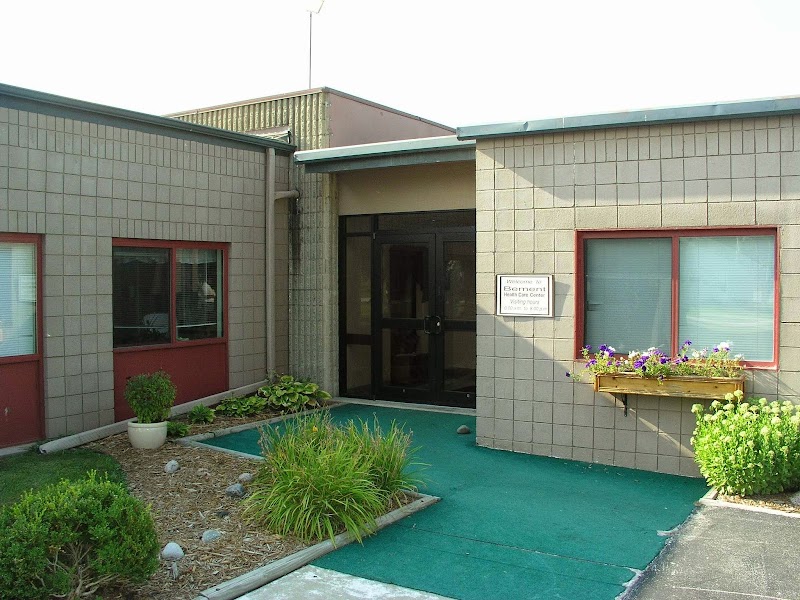
Who Owns and Operates The Haven Of Bement.?

THE HAVEN OF BEMENT. is owned by a for-profit company. For-profit facilities operate as businesses with obligations to shareholders or private owners. The facility is operated by HAVEN HEALTHCARE, a chain that manages multiple nursing homes. With 60 certified beds and approximately 33 residents (about 55% occupancy), it is a smaller facility located in BEMENT, Illinois.

How Does The Haven Of Bement. Compare to Other Illinois Nursing Homes?

Compared to the 100 nursing homes in Illinois, THE HAVEN OF BEMENT.'s overall rating (1 stars) is below the state average of 2.5, staff turnover (71%) is significantly higher than the state average of 46%, and health inspection rating (1 stars) is much below the national benchmark.

What Should Families Ask When Visiting The Haven Of Bement.?

Based on this facility's data, families visiting should ask: "How do you ensure continuity of care given staff turnover, and what is your staff retention strategy?" "Can you walk me through typical staffing levels on day, evening, and night shifts?" "Can I visit during a mealtime to observe dining assistance and food quality?" "How do you handle medical emergencies, and what is your hospital transfer rate?" These questions are particularly relevant given the facility's high staff turnover rate and the below-average staffing rating.

Is The Haven Of Bement. Safe?

Based on CMS inspection data, THE HAVEN OF BEMENT. has a clean safety record: no substantiated abuse findings (meaning no confirmed cases of resident harm), no Immediate Jeopardy citations (the most serious violation level indicating risk of serious injury or death), and is not on the Special Focus Facility watch list (a federal program monitoring the lowest-performing 1% of nursing homes). The facility has a 1-star overall rating and ranks #100 of 100 nursing homes in Illinois. While no facility is perfect, families should still ask about staff-to-resident ratios and recent inspection results during their visit.

Do Nurses at The Haven Of Bement. Stick Around?

Staff turnover at THE HAVEN OF BEMENT. is high. At 71%, the facility is 25 percentage points above the Illinois average of 46%. High turnover means new staff may not know residents' individual needs, medications, or preferences. It can also be disorienting for residents, especially those with dementia who rely on familiar faces. Families should ask: What is causing the turnover? What retention programs are in place? How do you ensure care continuity during staff transitions?

Was The Haven Of Bement. Ever Fined?

THE HAVEN OF BEMENT. has no federal fines on record. CMS issues fines when nursing homes fail to meet care standards or don't correct problems found during inspections. The absence of fines suggests the facility has either maintained compliance or corrected any issues before penalties were assessed. This is a positive indicator, though families should still review recent inspection reports for the full picture.

Is The Haven Of Bement. on Any Federal Watch List?

THE HAVEN OF BEMENT. is not on any federal watch list. The most significant is the Special Focus Facility (SFF) program, which identifies the bottom 1% of nursing homes nationally based on persistent, serious quality problems. Not being on this list means the facility has avoided the pattern of deficiencies that triggers enhanced federal oversight. This is a positive indicator, though families should still review the facility's inspection history directly.