BRIDGEWAY SENIOR LIVING
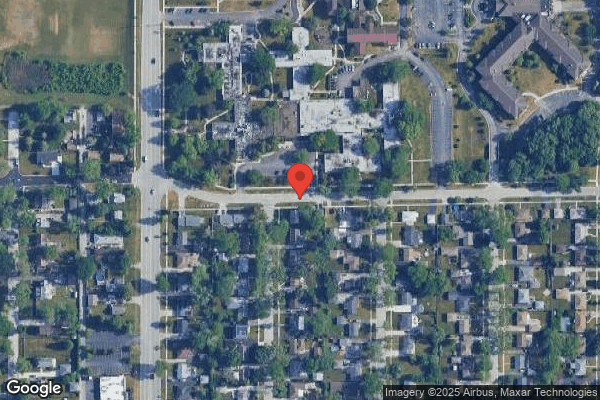
111 EAST WASHINGTON, BENSENVILLE, IL 60106 (630) 766-5800
For profit - Limited Liability company 226 Beds ATIED ASSOCIATES Data: November 2025 2 Immediate Jeopardy citations
Trust Grade
0/100
#478 of 665 in IL
Last Inspection: December 2024

Within standard 12-15 month inspection cycle. Federal law requires annual inspections.

Overview

Bridgeway Senior Living has received a Trust Grade of F, indicating significant concerns about the quality of care provided. Ranking #478 out of 665 facilities in Illinois places it in the bottom half, and #32 out of 38 in Du Page County suggests only a few local options are better. Although the facility is currently improving, having reduced issues from 35 in 2024 to 6 in 2025, it still has a concerning history of incidents. Staffing is rated poorly with a turnover rate of 56%, which is above the state average, indicating instability among caregivers. Notably, there have been critical incidents, such as a resident's deterioration due to delayed hospital transfer, and another resident wandering away from the facility, resulting in a head injury, raising serious safety concerns.

Trust Score
F
0/100
In Illinois
#478/665
Bottom 29%
Safety Record
High Risk
Review needed
Inspections
Getting Better
35 → 6 violations
Staff Stability
⚠ Watch
56% turnover. Above average. Higher turnover means staff may not know residents' routines.
Penalties
✓ Good
$37,845 in fines. Lower than most Illinois facilities. Relatively clean record.
Skilled Nurses
○ Average
Each resident gets 33 minutes of Registered Nurse (RN) attention daily — about average for Illinois. RNs are the most trained staff who monitor for health changes.
Violations
⚠ Watch
57 deficiencies on record. Higher than average. Multiple issues found across inspections.
★☆☆☆☆
1.0
Overall Rating
★☆☆☆☆
1.0
Staff Levels
★★★☆☆
3.0
Care Quality
★☆☆☆☆
1.0
Inspection Score
Stable
2024: 35 issues
2025: 6 issues

The Good

  • Full Sprinkler Coverage · Fire safety systems throughout facility
  • No fines on record

Facility shows strength in fire safety.

The Bad

1-Star Overall Rating

Below Illinois average (2.5)

Significant quality concerns identified by CMS

Staff Turnover: 56%

Near Illinois avg (46%)

Frequent staff changes - ask about care continuity

Federal Fines: $37,845

Above median ($33,413)

Moderate penalties - review what triggered them

Chain: ATIED ASSOCIATES

Part of a multi-facility chain

Ask about local staffing decisions and management

Staff turnover is elevated (56%)

8 points above Illinois average of 48%

The Ugly 57 deficiencies on record

2 life-threatening 2 actual harm
Sept 2025 2 deficiencies
CONCERN (D) 📢 Someone Reported This

A family member, employee, or ombudsman was alarmed enough to file a formal complaint

Potential for Harm - no one hurt, but risky conditions existed

Notification of Changes (Tag F0580)

Could have caused harm · This affected 1 resident

**NOTE- TERMS IN BRACKETS HAVE BEEN EDITED TO PROTECT CONFIDENTIALITY** Based in interview and record review the facility failed to follow its policy to notify resident representative of a change in c...

Read full inspector narrative →
**NOTE- TERMS IN BRACKETS HAVE BEEN EDITED TO PROTECT CONFIDENTIALITY** Based in interview and record review the facility failed to follow its policy to notify resident representative of a change in condition.This applies to 1 of 3 residents (R5) reviewed for notification of change in the sample of 7.The findings include:R5's EMR (Electronic Medical Record) showed R5 was admitted to the facility on [DATE], with multiple diagnoses including type 2 diabetes, diastolic congestive heart failure, gout, chronic kidney disease stage 3, and morbid obesity. R5's MDS (Minimum Data Set) dated July 29, 2025, showed R5 was cognitively intact and required assistance with ADLs including set up assistance with eating and oral hygiene, supervision with personal hygiene, partial assistance with bed mobility, transfer and upper body dressing, substantial assistance with lower body dressing, toileting, and bathing and dependent on staff assistance with footwear.On September 11, 2025, at 3:12 PM, V15 (LPN) stated she was R5's nurse on September 6, 2025, during the night shift. V15 stated at 10:40 PM, R5 was sitting in the chair and requested to go to bed. V15 stated R5 was transferred to the bed with 4 staff assist and once in the bed R5 was short of breath and V15 assessed R5's oxygen saturation at 87% and stated she applied oxygen via nasal cannula at 2L (Liters). V15 stated she did not notify R5's family representative, V17, of the change in condition.R5's progress note effective date September 6, 2025, by V15, had a created date of September 10, 2025, at 1:31 PM, showed there was no documentation of notification of change in condition to R5's representative and when the physician did not respond, no call placed to the Medical Director or Director of Nursing.On September 11, 2025, at 11:26 AM, V2 (Director of Nursing) stated she had received a complaint from R5's family, V17, on September 7, 2025, regarding not being informed of R5's change in condition. V2 stated she spoke to V15 who stated it did not occur to her to notify V17 of R5's change in condition. V2 stated V15 could have notified V17 of R5's change in condition.The facility's policy titled Notification of Resident Change in Condition Policy undated, showed Standards.11. Resident representative notifications and attempts will be made promptly and documented in the nurses' notes. In the event the licensed nurse is unable to contact the resident's representative, after a reasonable time period the Director of Nursing will be notified.
CONCERN (D) 📢 Someone Reported This

A family member, employee, or ombudsman was alarmed enough to file a formal complaint

Potential for Harm - no one hurt, but risky conditions existed

Quality of Care (Tag F0684)

Could have caused harm · This affected 1 resident

**NOTE- TERMS IN BRACKETS HAVE BEEN EDITED TO PROTECT CONFIDENTIALITY** Based on interview and record review, the facility failed to follow its policy and perform an assessment on a resident who exhib...

Read full inspector narrative →
**NOTE- TERMS IN BRACKETS HAVE BEEN EDITED TO PROTECT CONFIDENTIALITY** Based on interview and record review, the facility failed to follow its policy and perform an assessment on a resident who exhibited a change in condition.This applies to 1of 3 residents (R5) reviewed for assessment in the sample of 7.The findings include:R5's EMR (Electronic Medical Record) showed R5 was admitted to the facility on [DATE], with multiple diagnoses including type 2 diabetes, diastolic congestive heart failure, gout, chronic kidney disease stage 3, and morbid obesity. R5's MDS (Minimum Data Set) dated July 29, 2025, showed R5 was cognitively intact and required assistance with ADLs including set up assistance with eating and oral hygiene, supervision with personal hygiene, partial assistance with bed mobility, transfer and upper body dressing, substantial assistance with lower body dressing, toileting, and bathing and dependent on staff assistance with footwear.On September 11, 2025, at 3:40 PM, V16 (RN) stated she was R5's nurse on September 7, 2025, during the 7:00AM to 3:30 PM (day shift), V16 stated she received change of shift report from V15 (LPN) who stated R5 had a change in condition during the night shift. V16 stated R5 was receiving oxygen at 2 L(Liters) per NC (Nasal Cannula) when she first saw R5 during the day shift. V16 stated R5's daughter (V18) had visited earlier and requested V16 call the physician because R5 was lethargic. V16 stated she did not complete an assessment when she noted R5 had a change in condition around 12:50 PM. V16 stated she did not seek assistance from other nurses, and did not call an internal code blue, in response to R5 becoming lethargic and barely able to respond. V16 stated she called 911 and prepared the paperwork. R5's progress notes, by V16 on September 7, 2025, at 1:41 PM showed R5 was sent to the hospital, after 911 emergency services were called. There are no vital signs or further assessment of R5's condition documented in the progress note.R5's vital sign documentation showed the last documentation of vital signs were taken at 11:30 AM, on September 7, 2025.V16's progress note dated September 7, 2025, at 1:41 PM showed R5 became more lethargic and had a barely audible voice at 12:50 PM. There were no vital signs or further assessment documented at that time.On September 11, 2025, at 3:12 PM, V15 (LPN) stated R5 had been placed on oxygen during the night shift on September 6, 2025, when R5's oxygen saturation was 87%. V15 stated she was unable to contact the physician and placed R5 on Oxygen at 2L/NC and did not notify the Medical Director or Director of Nursing when unable to contact the physician. V15 did not document R5's progress note regarding the use of oxygen until September 10, 2025.R5's EMS (Emergency Medical Services) dated September 7, 2025, showed R5 was found by EMS lying supine and was receiving oxygen administered at 1.5 L via NC. The EMS report showed R5 was lethargic, cold, dry, and pale. The report showed facility staff reported R5 had been becoming more lethargic over the last 48 hours and that R5 was placed on oxygen due to oxygen saturation was 70% during the previous night. The record showed the first blood pressure obtained by paramedics was 90/52, pulse rate was 40, and a body temperature was unable to be obtained. The record showed R5 had rhonchi in both right and left lung during the EMS initial assessment.R5's hospital record in the emergency room dated September 7, 2025, showed R5's vital signs were blood pressure 98/65, pulse 56, respiration rate 28, and body temperature 87.1 F. R5 was admitted to the ICU (Intensive Care Unit) with a diagnosis of hypothermia, septic shock, thrombocytopenia, and hypernatremia.On September 11, 2025, at 11:26 AM, V2 (Director of Nursing) stated nurses should document their assessments when a resident has a change of condition in the nurses' progress note.The facility's policy titled Acute Condition Changes-Clinical Protocol dated August 2008, showed Assessment and Recognition . 1.individuals with significant risk for having acute changes of condition during their stay, the nurse shall assess and document /report the following a. vital signs b. neurological assessment, c. change in level of consciousness.f. onset, duration, and severity.4. Before contacting a physician about someone with an acute change in condition, the nursing staff will make pertinent observations and collect appropriate information to report to the Physician.Monitoring and Follow up.1.the staff will monitor and document the resident's progress and response to treatment.2.the nurse will monitor a resident with a recent change in condition until the problem or condition has resolved or stabilized.
Aug 2025 2 deficiencies 1 Harm
SERIOUS (G) 📢 Someone Reported This

A family member, employee, or ombudsman was alarmed enough to file a formal complaint

Actual Harm - a resident was hurt due to facility failures

Accident Prevention (Tag F0689)

A resident was harmed · This affected 1 resident

**NOTE- TERMS IN BRACKETS HAVE BEEN EDITED TO PROTECT CONFIDENTIALITY** Based on interview and record review, the facility failed to provide a safe environment and implement care plan interventions to...

Read full inspector narrative →
**NOTE- TERMS IN BRACKETS HAVE BEEN EDITED TO PROTECT CONFIDENTIALITY** Based on interview and record review, the facility failed to provide a safe environment and implement care plan interventions to prevent a fall that resulted in injury.This applies to 1 of 3 residents (R12) reviewed for falls in the sample of 14.This failure resulted in R12, experienced a fall that resulted in a right hip fracture and required hospitalization.The findings include:R12's EMR (Electronic Medical Record) showed R12 was admitted to the facility on [DATE], with multiple diagnoses including dementia, unspecified combined chronic diastolic and systolic congestive heart failure, history of falling and chronic kidney disease. R12 was transferred to the hospital on August 12, 2025.R12's MDS (Minimum Data Set) dated July 14, 2025, showed R12 was severely cognitively impaired, and needed assistance with ADLs including supervision with eating, partial assistance with oral hygiene and upper body dressing, substantial assistance with lower body dressing, bathing, bed mobility and transfer and dependent on staff for toileting. R12's fall prevention care plan, intervention added on February 14, 2025, showed R12 was at risk for falls and staff to get resident up early in the morning when awake and keep by the nurse's station. R12's fall care plan had an additional intervention added on May 21, 2025, that showed when observed awake keep her engaged in the common area until ready to go back to bed. On August 14, 2025, at 4:48 PM, V2 (DON) stated the intervention in February 2025, was added to R12's fall care plan as a result of a fall with no injury. V2 explained R12 liked to be active and move around and when she is awake it is best to keep her in an area where staff can see her. V2 explained R12 had experienced a fall in May 2025 that had resulted in a fracture wrist and the intervention was added that when R12 was observed awake to keep R12 engaged in the common area until ready to go to bed. V2 stated the post fall assessment was not done due to V17 (RN) had not started it at the time of the fall. The incident report dated August 12, 2025, at 5:25 AM, showed R12 was lying on the floor next to her bed and complaining of right hip pain and R12 stated she had hit her head. The report showed V16 (CNA) summoned V17 (RN) to report that R12 was lying on the floor. On August 14, 2025, at 4:36 PM, V17 stated she was the nurse assigned to R12 during the 11:00 PM, August 11, 2025, through 7:00AM on August 12, 2025, shift. V17 stated she was passing medications in the hallway around 5:25 AM, when V16 summoned her to R12's room because R12 was lying on the floor. V17 stated she assessed R12 and found she was complaining of right hip pain and R12 stated she had hit her head. V17 stated she called 911, the physician, and the family to notify them of the fall and R12's complaint of pain. V17 stated R12 went to the hospital via ambulance at 5:50 AM. V17 stated she saw a mat in use at the time of R12's fall.On August 15, 12:37 PM, V16 was interviewed by phone. V16 stated on August 11, 2025, at 11:15 PM on her first rounds, she found R12 sitting on a thick mat that was sitting next to the bed, the height of the mat was almost equal to the height of the bed. V16 stated she assisted R12 who was awake and alert, back into bed. V16 stated she then took the thick mat and propped it up, adjacent to the right side of the bed and the left side of the bed was against the heating unit which was attached to the wall with the window. V16 stated she had boxed R12 into the bed so she wouldn't get up and fall. V16 stated the next time she observed R12 was around 2:15-2:20 AM, and R12 was awake but was not moving around and the mat was still in place propped up against the right side of the bed. V16 stated she started her next rounds around 4:20 AM but started the rounds on the opposite end of the hall from where R12's room was. V16 stated she reached R12's room around 5:25 AM, on August 12, 2025, and found R12 lying on the floor on her right side in a fetal position with her head at the foot of the bed. V16 stated the propped-up mat was still in place and stated R12 must have crawled or scooted out of the end of the bed over the footboard and then fell on the floor. V16 stated she works on all the units in the facility. V16 stated she was not sure of what R12's care plan interventions to prevent falls were. V16 stated no facility staff had interviewed her as of yet as to how R12 had fallen.On August 15, 2025, at 4:12 PM, V2 stated she had not spoken to V16 regarding the cause of R12's fall and V2 stated she was unsure if the restorative nurse had spoken to V16.R12's Xray report from the hospital dated August 12, 2025, showed R12 sustained a mildly comminuted displaced right femoral intertrochanteric fracture, a right hip fracture.V11 (R12's Physician) stated on August 15, 2025, at 3:53 PM, that R12 having barriers on both sides of the bed would be an unsafe situation, especially due to R12 being cognitively impaired. V11 stated the likely cause of R12's hip fracture was the fall that occurred on August 12, 2025.The facility's policy titled Evaluating Falls and Their Causes, dated August 2008, showed, General Guidelines .5. Residents must be evaluated for potential causes of falls immediately. 6.Environmental issues must also be addressed immediately. Steps in the Procedure.3. Identifying Causes of a fall or fall Risk a. Within 24 hours of fall, the nursing staff will begin to try to identify possible or likely causes of the incident.b. Staff will evaluate the chain of events or circumstances proceeding a recent fall including.3. The activity the resident was engaged in. 6. whether the resident was responding to an urge to void. 7. Whether there were environmental factors involved (e.g. slippery floor, poor lighting, furniture, or objects in the way.c. The staff will continue to collect and evaluate information until they either identify a cause of falling or determine the cause cannot be found .
CONCERN (E) 📢 Someone Reported This

A family member, employee, or ombudsman was alarmed enough to file a formal complaint

Potential for Harm - no one hurt, but risky conditions existed

ADL Care (Tag F0677)

Could have caused harm · This affected multiple residents

**NOTE- TERMS IN BRACKETS HAVE BEEN EDITED TO PROTECT CONFIDENTIALITY** Based on observation, interview, and record review, the facility failed to provide care timely incontinence care. This applies t...

Read full inspector narrative →
**NOTE- TERMS IN BRACKETS HAVE BEEN EDITED TO PROTECT CONFIDENTIALITY** Based on observation, interview, and record review, the facility failed to provide care timely incontinence care. This applies to 4 of 6 residents (R1, R2, R3, R4) reviewed for incontinence care in the sample of 11. The findings include: 1. R1's EMR (Electronic Medical Record) showed R1 was admitted to the facility on [DATE], with multiple diagnoses including unspecified dementia, aphasia, dysphagia with gastrostomy tube status, and conversion disorder with seizures or convulsions.R1's MDS (Minimum Data Set) dated April 29, 2025, showed R1 was severely cognitively impaired and required assistance with ADLs including dependent on staff assistance for bathing, dressing, grooming, toileting, bed mobility, and transfer and was always incontinent of bowel and bladder.R1's incontinence care plan initiated on October 10, 2022, showed to provide R1 with incontinence care every 2 hours or more often as needed.On August 11, 2025, at 4:32 PM, R1 was provided incontinence care by V8 (CNA) and V9 (CNA). R1 had a disposable brief with a thick pad inside the brief that was saturated through the thick pad to the brief. V8 stated the brief was very wet and was unsure when R1 had been previously changed. As of August 12, 2025, at 5:00 PM, V2 was unable to provide documentation of R1's incontinence care provided for the month of August 2025. R1's task documentation for the past 14 days in the EMR showed no data found. 2.R2's EMR showed R2 was admitted to the facility on [DATE], with multiple diagnoses including chronic respiratory failure with Hypercapnia, diabetes type 2, fusion of the spine, chronic pain syndrome, chronic pain syndrome, opioid dependence, anxiety disorder, and dependent personality disorder. R2's MDS dated [DATE], showed R2 was cognitively intact and required assistance with ADLs including set up assistance with eating, supervision with oral hygiene, rolling side to side in bed and upper body dressing, and substantial assistance with bathing, and personal hygiene and dependent on staff for toilet hygiene and putting on/taking off footwear and was always incontinent of bladder and bowel.On August 11, 2025, at 3:54 PM, R2 stated the previous day he had not been provided incontinence care from 3:00 PM until 10:08 PM. R2's room is under continuous video monitoring. V2 (Director of Nursing) and surveyor viewed the video surveillance for August 10, 2025, between 3:00 PM and 10:08 PM that R2 provided. The video showed staff did not provide incontinence care until 10:08 PM.As of August 12, 2025, at 5:00 PM, V2 was unable to provide documentation of R2's incontinence care provided for the month of August 2025. R2's task documentation for bladder incontinence for the past 14 days showed no data found. 3. R3's EMR showed R3 was admitted to the facility on [DATE], with multiple diagnoses including chronic obstructive pulmonary disease, congestive heart failure, type 2 diabetes, spinal stenosis of the lumbar area and anxiety disorder. R3's MDS dated [DATE], showed R3 was severely cognitively impaired and required assistance with ADLs including supervision with eating, oral hygiene, upper body dressing and rolling side to side, partial assistance with bathing, personal hygiene, and lower body dressing and dependent on staff for toileting, and was always incontinent of bowel and bladder. R3's care plan for incontinence, initiated on November 29, 2022, showed intervention to check R3 for incontinence every 2 hours and as needed.On August 12, 2025, at 1:33 PM, V14 (CNA) provided incontinence care to R3. V14 and R3 both stated R3 had last been changed around 10:30 AM that morning. V14 opened R3's brief, which was wet and visibly soiled with urine. As of August 12, 2025, at 5:00 PM, V2 was unable to provide documentation of R3's incontinence care provided for the month of August 2025. R3's task documentation for bladder incontinence for the past 14 days showed no data found. 4. R4's EMR showed R4 was admitted to the facility on [DATE], with multiple diagnoses including chronic obstructive pulmonary disease, hemiplegia and hemiparesis following cerebral infarction affecting the left non dominant side, morbid obesity due to excess calories, and anxiety disorder unspecified. R4's MDS dated [DATE], showed R4 was severely cognitively impaired and required assistance with ADL care including set up assistance for eating, supervision for oral hygiene, partial assistance with personal hygiene, substantial assistance with upper body dressing, dependent on staff for toileting, bathing, lower body dressing, and bed mobility. On August 12, 2025, at 1:53 PM, R4 was provided incontinence care by V13 (CNA) and V14 (CNA). R4 requested verbally to be provided with 2 briefs because she stated she doesn't like to lay in wetness. V13 provided 2 briefs for R4 and explained that is R4's preference because she doesn't like to have her bed linens getting wet and having to be changed. As of August 12, 2025, at 5:00 PM, V2 was unable to provide documentation of R4's incontinence care provided for the month of August 2025. R4's task documentation for bladder incontinence for the past 14 days showed no data found. On August 12, 2025, at 11:48 AM, V12 (LPN, 11-7 shift) stated there is no documentation to show the incontinence care is provided to the residents. V12 stated as the night nurse she is focused on administering her medications and treatments to her 48 assigned residents and hopes the 2 staff CNA assigned to the unit are providing the care to the residents.On August 12, 2025, at 2:14 PM, V2 (Director of Nursing) stated residents should be changed every 2-3 hours or as needed. The facility policy titled Perineal Care, dated August 2008, showed .Documentation: The following information should be documented in the resident's medical record .1.The date and time the perineal care was given, 2. The name and title of the individual giving the perineal care.6. If the resident refused the procedure, the reason why and the intervention taken.7. Th signature and title of the person recording the data.Reporting 1. Notify the supervisor if the resident refuses the perineal care or of any abnormalities.
Jan 2025 2 deficiencies
CONCERN (D) 📢 Someone Reported This

A family member, employee, or ombudsman was alarmed enough to file a formal complaint

Potential for Harm - no one hurt, but risky conditions existed

ADL Care (Tag F0677)

Could have caused harm · This affected 1 resident

**NOTE- TERMS IN BRACKETS HAVE BEEN EDITED TO PROTECT CONFIDENTIALITY** . Based on observation, interview, and record review the facility failed to provide the necessary services to maintain good pers...

Read full inspector narrative →
**NOTE- TERMS IN BRACKETS HAVE BEEN EDITED TO PROTECT CONFIDENTIALITY** . Based on observation, interview, and record review the facility failed to provide the necessary services to maintain good personal hygiene for 1 of 3 residents (R9) reviewed for activities of daily living in a sample of 3. Findings include: On 1/21/25 at 11:10 AM, observed R9 lying in a bariatric bed. R9 was alert, oriented x 3. R9 had disheveled hair, nails were overgrown in both hands and both feet and the nails had brownish debris underneath them. R9 stated, one day last week, no one provided her perineal care and she was left wet the whole shift. R9 could not remember the date. R9 stated, at the moment, her brief, bedsheet and her blanket were wet. R9 lifted her gown. Observed that R9 had a wet disposable brief. R9 stated, she had been wet for almost an hour. R9 stated, either she had to wait until someone comes in to check on her or she has to holler because her call light was not working. R9 stated, probably the CNAs (Certified Nursing Assistants) were on lunch break. R9's face-sheet showed she was admitted on [DATE] with diagnoses to include congestive heart failure, Parkinson's disease, bipolar disorder and anxiety. MDS (Minimum Data Set) dated 11/26/24 showed she was cognitively intact. R9 required moderate assistance with upper body functions and was totally dependent for lower body functions. Care-plan dated 11/26/24 addressed resident needs appropriately. On 1/21/25 at 10:00 AM, V11 (CNA) stated, she checks on her incontinent residents every 1-1.5 hours. On 1/21/25 at 11:35 AM, observed three CNAs (V10, V11 and V12) were sitting in the unit Dining Hall, chit-chatting. They stated, they were waiting for resident's lunch to arrive. On 1/21/25 at 12:15 PM, V12 (CNA) stated, she checks on her residents and changes them every couple hours. On 1/21/25 at 1:00 PM, observed that R9 still had a wet disposable brief. R9 stated, no-one had come to change her yet. On 1/21/25 at 2:15 PM, V10 (CNA) stated, she checks on her assigned residents every 1-2 hours and provides perineal care. On 1/22/25 at 3:00 PM, V3 (DON-Director of Nursing) stated, nursing staff are expected to check on their residents every 1-2 hours. V3 stated, the CNAs know who in their assignment are wet more frequently and heavily. They should make rounds on such residents more frequently and ensure they are kept clean and dry at all times. Policy for ADL Care revised in August 2008, does not indicate the frequency or when residents must be checked and provided perineal care.
CONCERN (D) 📢 Someone Reported This

A family member, employee, or ombudsman was alarmed enough to file a formal complaint

Potential for Harm - no one hurt, but risky conditions existed

Deficiency F0919 (Tag F0919)

Could have caused harm · This affected 1 resident

**NOTE- TERMS IN BRACKETS HAVE BEEN EDITED TO PROTECT CONFIDENTIALITY** Based on observation, interview, and record review, the facility failed to ensure a resident's call light was in working conditi...

Read full inspector narrative →
**NOTE- TERMS IN BRACKETS HAVE BEEN EDITED TO PROTECT CONFIDENTIALITY** Based on observation, interview, and record review, the facility failed to ensure a resident's call light was in working condition and the resident receives services within a reasonable timeframe. This applies to 1 of 3 residents (R9) reviewed for call lights in the sample of 9. Findings include: On 1/21/25 at 11:10 AM, observed R9 lying in a bariatric bed. R9 was alert, oriented x 3. R9 stated, her brief, bedsheet and blanket were wet. R9 lifted her gown. Observed that R9 had a wet disposable brief. R9 stated, she had been wet for almost an hour. R9 stated, her call light was broken since the previous day. No one had fixed it. R9 stated, either she had to wait until someone comes in to check on her or she had to holler. Observed R9 press the call light and it didn't work. Observed that R9 did not have any other alternative method to call the nursing staff. On 1/22/25 at 9:00 AM, V16 (CNA) and V17 (CNA) were transferring R9 to her wheelchair. Asked them if R9's call light was working, and they stated it was working. V16 (CNA) pressed the call light and the light outside the door nor the light near the nurse's station flickered. Observed that call light was not working. R9's face-sheet showed she was admitted on [DATE] with diagnoses to include congestive heart failure, Parkinson's disease, bipolar disorder and anxiety. MDS (Minimum Data Set) dated 11/26/24 showed she was cognitively intact. R9 required moderate assistance with upper body functions and was totally dependent for lower body functions. Care-plan dated 11/26/24 addressed resident needs appropriately. On 1/22/25 at 3:00 PM, V3 (DON-Director of Nursing) stated, a call light must be answered as soon as it is noticed. V3 stated, whoever sees the call light must answer it. V3 stated, CNAs and maintenance personnel are expected to check resident's call lights every day. On 1/28/25, at 5:00 PM, V2 (Asst. Administrator) and V3 (DON) stated that on 1/21/25, V9 (LPN) was aware that R9's call light was not functional and that she placed a work-order for it to be repaired on 1/22/25. V2 stated, in the interim period, nothing was provided to R9 as an alternative method to call for help. Facility policy dated 1/1/2025 showed, ensure the call light is always plugged in and report all defective call lights to the maintenance department promptly.
Dec 2024 17 deficiencies
CONCERN (D)

Potential for Harm - no one hurt, but risky conditions existed

Resident Rights (Tag F0550)

Could have caused harm · This affected 1 resident

**NOTE- TERMS IN BRACKETS HAVE BEEN EDITED TO PROTECT CONFIDENTIALITY** Based on observations, interviews, and record reviews the facility failed to provide care with dignity to 1 resident (R139) revi...

Read full inspector narrative →
**NOTE- TERMS IN BRACKETS HAVE BEEN EDITED TO PROTECT CONFIDENTIALITY** Based on observations, interviews, and record reviews the facility failed to provide care with dignity to 1 resident (R139) reviewed for resident rights in a sample of 32. The findings include: On 12/10/24 at 12:19 PM, V9 (Nurse) was observed standing over R139 while feeding her. V9 was observed telling R139 eat, eat. in a demeaning tone. R139 is an [AGE] year old female admitted to the facility on [DATE] with diagnoses including hemiplegia, spinal stenosis, contracture of muscle, muscular degeneration, & vascular dementia. R139's 10/22/24 MDS (Minimum Data Set) section C showed that R139's mental cognition is severely impaired. R139's 10/22/24 MDS section GG showed that R139 needs substantial/maximal assistance for eating. On 12/12/24 12:32 PM V2 (Director of Nursing) said that staff should not be standing over R139 when feeding her, they should be sitting down next to her, so they are at the same level for dignity. The facility's Resident Rights Statement dated December 2023 showed that all residents have a right to a dignified existence. The residents will be cared for in a manner and in an environment that promotes maintenance or enhancement of each resident's quality of life, dignity, and aspect in full recognition of his or her individuality.
CONCERN (D)

Potential for Harm - no one hurt, but risky conditions existed

Deficiency F0558 (Tag F0558)

Could have caused harm · This affected 1 resident

Based on observation, interview, and record review, the facility failed to have call lights accessible to dependent residents. This applies to 1of 1 residents (R63) reviewed for accommodation of need...

Read full inspector narrative →
Based on observation, interview, and record review, the facility failed to have call lights accessible to dependent residents. This applies to 1of 1 residents (R63) reviewed for accommodation of needs in a sample of 32. The findings include: On 12/10/24 at 11:48 AM, R63 was sitting in recliner chair in her room. R63's call light was attached to her bed by the side rail. R63's bed was by the window, while R63 was sitting closer to door. When asked about her call light, R63 said, I cannot reach it from here, I do use it and it irritates me when it does not follow me across the room. I do need it; I can use it. Surveyor pushed R63's call light at 11:51 AM, V7 (Minimum Data Set/MDS Coordinator) came to R63's room. V7 said the call light should be close to the residents and within their reach all the time so they can us it when they need assistance. R63's MDS of 10/8/24 shows that R63's cognition is moderately impaired; R63 is dependent on staff for toileting hygiene and partial/moderate assistance with personal hygiene. R63's care plan (initiated 12/27/22) shows that R63 is at risk for falls with interventions for resident to call for assistance. On 12/12/24 at 9:58 AM, V2 (Director of Nursing/DON) said the call light should be within resident's reach when they are in their rooms, so it can be easily accessible to them. The facility's Call Light System policy (undated) states that the facility will provide a means of communication to meet the needs of each resident; assure the call light is within easy reach of the resident.
CONCERN (D)

Potential for Harm - no one hurt, but risky conditions existed

Deficiency F0657 (Tag F0657)

Could have caused harm · This affected 1 resident

Based on interview and record review, the facility failed to invite a resident to the care plan meetings. This applies to 1 of 1 resident (R146) reviewed for care plan meetings in a sample of 32. Th...

Read full inspector narrative →
Based on interview and record review, the facility failed to invite a resident to the care plan meetings. This applies to 1 of 1 resident (R146) reviewed for care plan meetings in a sample of 32. The findings include: On December 10, 2024 at 11:01 AM, R146 said he wished somebody would tell him what he needed to do to go home. R146 said he was not told what the goals were or what he needed to do to be discharged home. R146 said he had never heard of a care plan meeting and had never been invited to one. R146 said he made his own goals up. On December 12, 2024 at 11:31 AM, V20 (Social Services Director) said R146 does not attend his meetings because he had never chosen to. V20 said she did not have documentation or progress notes to show she had invited R146 to the care plan meetings. V20 said R146's family was never there and had never scheduled to come to the meetings. V20 said she did not have documentation, including progress notes, to show the facility staff had invited the family to the care plan meetings. R146's Care Plan Meeting Attendance forms dated November 12, 2024, August 13, 2024, April 23, 2024, and January 23, 2024 showed R146 or family never attended any of the meetings. The facility's Care Plan policy revised in 2007 showed An Interdisciplinary Assessment Team, in coordination with the resident and his/her family or representative (sponsor), develops and maintains a comprehensive care plan for each resident.
CONCERN (D)

Potential for Harm - no one hurt, but risky conditions existed

Deficiency F0658 (Tag F0658)

Could have caused harm · This affected 1 resident

Based on observation, interview and record review, the facility failed to obtain residents' blood glucose levels appropriately and failed to follow physician order for administering insulin. This appl...

Read full inspector narrative →
Based on observation, interview and record review, the facility failed to obtain residents' blood glucose levels appropriately and failed to follow physician order for administering insulin. This applies to 2 of 2 residents (R100 and R121) reviewed for blood glucose monitoring and insulin. The findings include: 1. On 12/10/24 at 10:38 AM, V6 (Agency Registered Nurse/RN) checked R100's blood glucose level. R100's glucose level was 221. V6 said that R100 gets insulin per sliding scale. At 10:49 AM, V6 returned to R100's room and administered 4 units of insulin Aspart to R100's left upper arm. R100 said he had breakfast around 8:00 AM. The lunch trays were passed at 12:18 PM. Review of R120's Electronic Medical Record (EMR) shows the following diagnoses of chronic kidney disease, disorder of kidney and ureter and Type 2 diabetes mellitus without complication. R100 has a physician order for accucheck four times a day, Insulin Aspart injection solution 100 unit/ml, inject as per sliding scale. On 12/11/24 at 9:13 AM, V6 (Agency RN) said she took R100's 11 AM blood glucose level yesterday and does not know what time the lunch trays are passed in the unit. 2. On 12/11/24 at 8:35 AM, V8 (Licensed Practical Nurse/LPN) said they check resident's blood glucose levels around 7:45 AM- 8:00 AM and 11:00 AM- 11:15 AM, and the nurses administer insulin when they see the meal trays being served, right before the residents eat, so the resident's blood glucose level doesn't drop, or the resident gets hypoglycemic. On 12/11/24 at 11:27 AM, V9 (Licensed Practical Nurse /LPN) went to R120's room to check her blood glucose level. R120 was in her room eating rice. V9 checked R120's blood glucose level, it was 177. V9 said R120 gets insulin per sliding scale. V9 administered 2 units of Insulin Lispro to R120's right lower abdomen. Review of R120's EMR shows the following diagnoses of Type 2 diabetes mellitus with diabetic neuropathy and acquired absence of other right toes. R120 has a physician order for blood sugar via finger stick before meals and at bedtime, Humalog solution 100 unit/ml inject per sliding scale. On 12/12/24 at 10:00 AM, V2 (Director of Nursing/DON) said accuchecks are done before meals and insulin should be given after the accucheck so the nurse has accurate readings without the contribution of the food. V2 said that some nurses administer insulin when they see the meal trays so that the resident does not get hypoglycemic.
CONCERN (D)

Potential for Harm - no one hurt, but risky conditions existed

Quality of Care (Tag F0684)

Could have caused harm · This affected 1 resident

**NOTE- TERMS IN BRACKETS HAVE BEEN EDITED TO PROTECT CONFIDENTIALITY** Based on observation, interview, and record review, the facility failed to implement a physician's order. This applies to 1 resi...

Read full inspector narrative →
**NOTE- TERMS IN BRACKETS HAVE BEEN EDITED TO PROTECT CONFIDENTIALITY** Based on observation, interview, and record review, the facility failed to implement a physician's order. This applies to 1 resident (R77) reviewed for quality of care in a sample of 32. The findings include: On 12/10/24 at 12:39 PM R77 was in her room eating her lunch. The diet slip on her tray showed No Straws. At 12:54 PM V14 CNA (Certified Nurse's Assistant) brought a cup of water with a straw in the cup and placed it on R77's table and removed her lunch tray. On 12/12/24 at 01:09 PM V15 (CNA) said that she put a straw on R77's lunch tray and was bringing the tray to R77's room when V13 SLP (Speech Language Pathologist) took R77's tray from V15 and brought it into R77 room herself. On 12/12/24 at 01:15 PM V13 said that she did a bedside swallow study on R77 at that time, and she used the straw. V13 said that her evaluation determined that R77 is still not to use straws. V13 said that R77 last evaluation was in June of 2023, and it was determined that she was not to use straws, was to be on mechanical soft diet with nectar thick liquids and was to be on aspiration precautions related to her diagnosis of dysphagia. R77's EHR (Electronic Health Record) showed that she is a [AGE] year old female admitted on [DATE] with diagnosis including dysphasia, chronic obstructive pulmonary disease, and dementia. R77's 6/28/23 Physician's Order showed no straws every shift, and another physician's order again on 6/28/23 for Aspiration Precaution every shift. R77's 11/20/24 care plan showed altered diet related to dysphagia with interventions including aspiration precautions and no straws. R77's 12/12/2024 - 12/25/24 SLP Evaluation recommended No Straw. On 12/12/24 at 02:25 PM V3 ADON (Assistant Director of Nursing) said that staff should follow all physicians' orders including no straw and aspiration precautions. The facility was unable to provide a policy for following or implementing a physician's order.
CONCERN (D)

Potential for Harm - no one hurt, but risky conditions existed

Deficiency F0688 (Tag F0688)

Could have caused harm · This affected 1 resident

**NOTE- TERMS IN BRACKETS HAVE BEEN EDITED TO PROTECT CONFIDENTIALITY** Based on interview and record review, the facility failed to provide restorative services to a resident as recommended per ADL (...

Read full inspector narrative →
**NOTE- TERMS IN BRACKETS HAVE BEEN EDITED TO PROTECT CONFIDENTIALITY** Based on interview and record review, the facility failed to provide restorative services to a resident as recommended per ADL (Activities of Daily Living) Restorative Assessment. This applies to 1 resident (R128) reviewed for restorative services in a sample of 32. The findings include: R128's Face Sheet shows he is a [AGE] year old male with a history of Hemiplegia and Hemiparesis following cerebral infarction affecting right dominant side, aphasia following cerebral infarction, dysphagia following cerebral infarction, and repeated falls. R128's MDS (Minimum Data Set) dated 10/15/24 shows he has impairments on one side of both upper and lower extremities, and he uses a wheelchair for mobility. On 12/10/24 at 11:38 AM, R128 was interviewed by surveyor while sitting in his bed. R128 is unable to speak due to history of stroke and aphasia, but he was able to respond to yes or no questions by moving his head up and down and side to side. R128 said the facility staff did offer him a communication board, but he did not like it and preferred not to use it. R128 said he is not able to get out of bed on his own and he would like to get up to his wheelchair every day, but the staff do not ask him if he wants to get up. R128 said physical therapy, occupational therapy, and speech therapy are no longer working with him. R128 said he received those therapies when he first came to the facility, but he no longer receives them. R128 said he does not receive any restorative therapy and his right arm and right leg are weak due to his stroke. On 12/12/24 at 3:26 PM, V13 (Speech Therapist) said typically all long term patients get restorative therapy. V13 said R128 was referred to restorative therapy on 9/27/24 by physical therapy. On 12/12/24 at 11:06 AM, V8 (LPN/Licensed Practical Nurse) said R128 has received therapies in the past but is not currently receiving Physical Therapy, Occupational Therapy, or Speech Therapy. V8 said she has not seen R128 get any kind of restorative therapy. On 12/12/24 at 3:38 PM, V2 (DON/Director of Nursing) said R128 is on 3 restorative programs: Bed Mobility, Dressing, and Active Range of Motion for upper and lower extremities. V2 then looked for documentation that these programs are being carried out for R128 and V2 was unable to find any documentation showing that any kind of restorative therapy has been done over the last 30+ days. R128's ADL Restorative Assessment & Progress Note dated 10/15/24 shows R128 should have restorative programs for dressing, bed mobility, and active range of motion. Documentation forms for amount of minutes spent providing active range of motion and attempts at the dressing and bed mobility restorative programs have not been done over the past 30+ days. The forms show no data found. R128's Care Plan last revised 3/5/23 shows he has a bed mobility ADL self-care performance deficit related to limited range of motion to his right side secondary to history of stroke. Interventions include bed mobility program 6-7x's a week. Care Plan shows he has a dressing ADL Self- Care Performance Deficit related to limited range of motion. Interventions include he will participate with dressing upper body with extensive assistance and assist him to choose simple comfortable clothing that maximizes his ability to dress himself. Care Plan shows he has a range of motion ADL Self-Care Performance Deficit related to history of stroke with right sided weakness. Interventions include AROM (Active Range of Motion): he will participate with AROM to upper and lower extremities for at least 15 minutes 6-7 days a week, allow ample time to perform task, and no movement beyond point of resistance. The facility's undated policy titled, Restorative Nursing Policy states, Policy: It is the policy of this facility that residents will be assessed for restorative/rehabilitative needs and placed in nursing director programs. Each program purpose is directed toward assisting resident to achieve and maintain optimal levels of self-care and independence, thus enhancing self-esteem, promoting active participation in daily living and improving quality of life. Policy Specifications: To ensure that each resident's individual rehabilitative needs are identified, and appropriate nursing measures implemented to achieve a maximum level of independence. Responsibility: Director of Nursing, Licensed Nurses, Certified Nurse Assistants and Restorative Aides. Definition: Restorative Nursing Programs: a. Range of Motion .c. Bed Mobility .f. Dressing and Grooming .
CONCERN (D)

Potential for Harm - no one hurt, but risky conditions existed

Incontinence Care (Tag F0690)

Could have caused harm · This affected 1 resident

**NOTE- TERMS IN BRACKETS HAVE BEEN EDITED TO PROTECT CONFIDENTIALITY** 3. R155 has diagnoses that includes anemia, congestive heart failure, obstructive and reflux uropathy, male erectile dysfunction...

Read full inspector narrative →
**NOTE- TERMS IN BRACKETS HAVE BEEN EDITED TO PROTECT CONFIDENTIALITY** 3. R155 has diagnoses that includes anemia, congestive heart failure, obstructive and reflux uropathy, male erectile dysfunction, anxiety, tremors, dementia and hypertension. R155's MDS (Minimum Data Set) dated 9/3/24 shows severe cognitive impairment. R155's current care plan states he was re-admitted with a catheter related to obstructive uropathy. Interventions include to use leg bag when out of bed. On 12/11/24 at 03:15 PM, V28 CNA (Certified Nursing Assistant) stated they only always use a leg bag for R155 and do not use a hanging bag for urine collection. On 12/11/24 at 03:43 PM, V27 LPN (Licensed Practical Nurse) stated they use a leg bag for R155 24 hour a day 7 days a week because he moves a lot. On 12/12/24 at 12:19 PM, V5 ADON (Assistant Director of Nursing) stated R155 should be switched to a large urine collection bag when he is in bed. When he is lying in bed urine can back flow and cause a urinary tract infection. There is no gravity when using the leg bag to keep it from back flowing. Based on observation, interview, and record review, the facility failed to properly position resident's indwelling catheter bag/drainage bag during wound care dressing change and incontinent care. This applies to 3 of 3 residents (R5, R84 and R155) reviewed for indwelling catheters and incontinent care in a sample of 32. The findings include: 1. On 12/11/24 at 8:37 AM, R84 was observed sitting in her motorized wheelchair going down the hallway. R84's indwelling catheter drainage bag was hanging on the arm rest of the motorized wheelchair above the bladder line. There was back flow of urine noted. On 12/12/24 at 10:30 AM, V10 (Wound Care Nurse) and V11 (Licensed Practical Nurse/LPN) completed wound care for R84. V10 informed R84 of her dressing change; at 10:34 AM, V11 approached R84's left side of the bed and unhooked her catheter drainage bag from the side of the bed, lifted it up and placed it on the bed, back flow of urine was noted in the tubing. V11 moved to right side of the bed and turned R84 on her right side, facing the window so that V10 could complete the wound care to R84's right and left buttocks. R84's catheter drainage bag was on the bed throughout the wound dressing change. Wound care was completed at 10:45 AM. After wound care V10 and V11 reposition R84 in bed, R84's catheter bag was still on the bed. Review of R84's Electronic Medical Record (EMR) shows the following diagnoses of paraplegia, acute embolism and thrombosis of unspecified deep veins of left lower extremity, neuromuscular dysfunction of bladder, urinary tract infection/UTI (12/6/24), extended spectrum beta lactamase (ESBL) resistance, pressure ulcer of left and right buttock stage 3. R84 has a physician order for indwelling catheter. R84's care plan (revised 11/15/24) shows that R84 was recently on antibiotics for UTI, and R84 has an indwelling catheter with history of UTI (revised 3/3/24). On 12/12/24 at 10:05 AM, V2 (Director of Nursing/DON) said catheter drainage bag should be positioned below the waist, so there will be no backflow of urine. The facility's Catheter Care, Urinary policy (revised 09/2005) states that the urinary drainage bag must be held or positioned lower than the bladder at all times to prevent the urine in the tubing and drainage bag from flowing back into the urinary bladder. 2. On 12/11/24 at 11:12 AM, V10 (Wound Nurse) and V17 CNA (Certified Nurses' Assistant) were providing wound care and incontinence care for R5. V10 Picked up R5's catheter bag from the side of her bed raising the bag over the level of R5's bladder and then placed the catheter bag on R5's bed and proceeded to provide wound care to R5's 2 sacral wounds. After wound care and incontinence care was done, V17 picked up R5's catheter bag and put the bag back on the side of R5's bed. R5's EHR (Electronic Health Record) showed that R5 is a [AGE] year old female admitted on [DATE] with diagnoses including neuromuscular dysfunction of the bladder, quadriplegia, pressure ulcer of left buttock stage 4, and type 2 diabetes. R5's 6/20/24 care plan showed that R5 has a history of UTIs (Urinary Tract Infections). On 12/12/24 at 12:13 PM V2 (Director of Nursing) said that the catheter bag should not be over the level of the bladder.
CONCERN (E)

Potential for Harm - no one hurt, but risky conditions existed

Transfer Notice (Tag F0623)

Could have caused harm · This affected multiple residents

**NOTE- TERMS IN BRACKETS HAVE BEEN EDITED TO PROTECT CONFIDENTIALITY** 5. R25's face sheet showed R25 was admitted to the facility on [DATE], with diagnoses including cerebral infarction, hemiplegia ...

Read full inspector narrative →
**NOTE- TERMS IN BRACKETS HAVE BEEN EDITED TO PROTECT CONFIDENTIALITY** 5. R25's face sheet showed R25 was admitted to the facility on [DATE], with diagnoses including cerebral infarction, hemiplegia and hemiparesis, polyneuropathy, atrial fibrillation, congestive heart failure, type 2 diabetes mellitus, dementia, hypothyroidism, hyperlipidemia, gout, hypertension, and osteoarthritis. R25's progress notes showed the following: On December 6, 2024, at 1:50 AM: Resident started having a feeling of being anxious [approximately] around 8 PM. She called her husband and came in the unit. [Name] stayed a while then left, verbalize it's late already. The resident becoming worse, she wants to get up and be lifted up from bed via [mechanical] lift, and her wish to be move out of bed to a wheelchair. About to move her, changed her mind but feeling anxious is getting worse. Contacted NP (Nurse Practitioner) [Name] NP explained the situation BP (Blood Pressure) 117/54 HR (Heart Rate) 52 BS (Blood Sugar) 116 O2 (Oxygen) 945 (sic) RA (Room Air). No facial drooping, no slurred speech, no neuro deficits noted. NP order to continue to monitor. Can give a hydroxyzine 25 mg (milligram) one time may calm her. New order administered. Condition worsened. Vitals become unstable resident desaturated 46 O2 administered at 4 L (Liters) went up at 55 then O2 boost up to 8 L NC (Nasal Cannula), saturation went up to 86%. NP ordered to send out EMH ER (Emergency Medical Hospital Emergency Room) via 911 called [At] 9:30 PM. Vitals taken BP 120/63 HR 53 O2 Sat 86% at 8 L via NC. Paramedics arrived and left the facility [at] 10:45 PM. Spouse contacted multiple times, no answers and son emergency contact, no answer. Endorsed to next NOD (Nurse on Duty) to follow up the status of the resident. On December 6, 2024, at 3:42 AM, Resident admitted to EMH for acute chronic respiratory distress. The facility was unable to provide documentation of written notification of transfer to the hospital to the family or to the ombudsman. Based on interview and record review, the facility failed to provide a resident and/or their family/POA (POA/Power of Attorney) in writing for the reason of transfer to the hospital. The facility also failed to notify the ombudsman of the transfer. This applies to 5 of 5 residents (R9, R25 R58, R63, and R84) reviewed for discharge in a sample of 32. The findings include: 1. R63's After Visit Summary shows that R63 was admitted to the hospital from [DATE] to 9/16/24 with the diagnosis of acute cystitis without hematuria. R63's progress notes of 9/13/24 at 9:36 PM states that resident was observed sitting in her recliner chair with head and body jerking/shaking; resident's vitals were taken, and resident noted with elevated blood pressure of 242/108. Resident was sent to the hospital/emergency room via 911. 2. R58's After Visit Summary shows that R58 was admitted to the hospital from [DATE] to 10/18/24 with the diagnosis of wound infection. R58's progress notes of 10/11/24 states that resident was seen by the wound doctor. The wound doctor recommended that the resident should be sent to the hospital for possible debridement of the left heel/ankle wound. 3. R9's After Visit Summary shows that R9 was admitted to the hospital from [DATE] to 10/25/24 with the diagnosis of sepsis due to undetermined organism. R9's progress notes of 10/21/24 at 9:03 PM states that the nurse went into R9's room and noted that R9 was in distress and could not breath; vitals were taken and R9's heart rate was 145 and oxygen saturation level was 86%. The physician was notified, and they received order to send R9 to hospital; resident was sent to the hospital via 911. 4. R84's After Visit Summary shows that R84 was admitted to the hospital from [DATE] to 12/6/24 and was treated for acute on chronic abdominal pain. R84's progress notes of 11/27/28 at 5:47 PM states that resident's colostomy bag had pinkish/reddish watery fluid. Resident was sent to the hospital per resident request. On 12/11/24 at 1:34 PM, V5 (Assistant Director of Nursing/ADON) said we provide written documentation of bed hold policy to residents who are alert. We do not give written documentation of bed hold policy. We notify resident's family via phone of their transfer to the hospital. We only notify the ombudsman when residents are discharged from the facility, we do not notify them when residents are hospitalized . On 12/12/24 V5 said, the facility only has bed hold policy form, they do not have a bed hold policy. The facility's Necessity of Transfer form/Notice of Bed Hold Policy form (undated) states that a bed hold is an agreement between the community and you to keep your bed available while you are in the hospital or on therapeutic leave. If you are transferred to the hospital or take a therapeutic leave, you will receive this form and will be asked to notify us of your intent to return or be discharged from the community. A copy of policy provided to resident representative at time of transfer; copy of policy provided to the resident/included in transfer paperwork at time of transfer.
CONCERN (E)

Potential for Harm - no one hurt, but risky conditions existed

Deficiency F0625 (Tag F0625)

Could have caused harm · This affected multiple residents

**NOTE- TERMS IN BRACKETS HAVE BEEN EDITED TO PROTECT CONFIDENTIALITY** 5. R25's face sheet showed R25 was admitted to the facility on [DATE], with diagnoses including cerebral infarction, hemiplegia ...

Read full inspector narrative →
**NOTE- TERMS IN BRACKETS HAVE BEEN EDITED TO PROTECT CONFIDENTIALITY** 5. R25's face sheet showed R25 was admitted to the facility on [DATE], with diagnoses including cerebral infarction, hemiplegia and hemiparesis, polyneuropathy, atrial fibrillation, congestive heart failure, type 2 diabetes mellitus, dementia, hypothyroidism, hyperlipidemia, gout, hypertension, and osteoarthritis. R25's progress notes showed she was admitted to the hospital on [DATE], at 1:50 AM with the admitting diagnosis of acute chronic respiratory distress. The facility was unable to provide documentation of written notification of the bed hold given to the family and/or the POA. Based on observation, interview, and record review, the facility failed to provide in writing to the residents and/or their POA (POA/Power of Attorney) information regarding bed hold and return at the time of discharge to the hospital. This applies to 5 of 5 residents (R9, R25 R58, R63, and R84) reviewed for discharge in a sample of 32. The findings include: 1. R63's After Visit Summary shows that R63 was admitted to the hospital from [DATE] to 9/16/24 with the diagnosis of acute cystitis without hematuria. R63's progress notes of 9/13/24 at 9:36 PM states that resident was observed sitting in her recliner chair with head and body jerking/shaking; resident's vitals were taken, and resident noted with elevated blood pressure of 242/108. Resident was sent to the hospital/emergency room via 911. No bed hold documentation uploaded into the medical record. The facility was unable to provide documentation of bed hold given to the resident and/or the POA. 2. R58's After Visit Summary shows that R58 was admitted to the hospital from [DATE] to 10/18/24 with the diagnosis of wound infection. R58's progress notes of 10/11/24 states that resident was seen by the wound doctor. The wound doctor recommended that the resident should be sent to the hospital for possible debridement of the left heel/ankle wound. No bed hold documentation uploaded into the medical record. The facility was unable to provide documentation of bed hold given to the resident and/or the POA. 3. R9's After Visit Summary shows that R9 was admitted to the hospital from [DATE] to 10/25/24 with the diagnosis of sepsis due to undetermined organism. R9's progress notes of 10/21/24 at 9:03 PM states that the nurse went into R9's room and noted that R9 was in distress and could not breath; vitals were taken and R9's heart rate was 145 and oxygen saturation level was 86%. The physician was notified, and they received order to send R9 to hospital; resident was sent to the hospital via 911. No bed hold documentation uploaded into the medical record. The facility was unable to provide documentation of bed hold given to the resident and/or the POA. 4. R84's After Visit Summary shows that R84 was admitted to the hospital from [DATE] to 12/6/24 and was treated for acute on chronic abdominal pain. R84's progress notes of 11/27/28 at 5:47 PM states that resident's colostomy bag had pinkish/reddish watery fluid. Resident was sent to the hospital per resident request. No bed hold documentation uploaded into the medical record. The facility was unable to provide documentation of bed hold given to the resident and/or the POA. On 12/11/24 at 1:34 PM, V5 (Assistant Director of Nursing/ADON) said we provide written documentation of bed hold policy to residents who are alert. We do not give written documentation of bed hold policy. We notify resident's family via phone of their transfer to the hospital. We only notify the ombudsman when residents are discharged from the facility, we do not notify them when residents are hospitalized . On 12/12/24 V5 said, the facility only has bed hold policy form, they do not have a bed hold policy. The facility's Necessity of Transfer form/Notice of Bed Hold Policy form (undated) states that a bed hold is an agreement between the community and you to keep your bed available while you are in the hospital or on therapeutic leave. If you are transferred to the hospital or take a therapeutic leave, you will receive this form and will be asked to notify us of your intent to return or be discharged from the community. A copy of policy provided to resident representative at time of transfer; copy of policy provided to the resident/included in transfer paperwork at time of transfer.
CONCERN (E)

Potential for Harm - no one hurt, but risky conditions existed

ADL Care (Tag F0677)

Could have caused harm · This affected multiple residents

**NOTE- TERMS IN BRACKETS HAVE BEEN EDITED TO PROTECT CONFIDENTIALITY** Based on observation, interview, and record review, the facility failed to provide ADL (Activities of Daily Living) care for 5 r...

Read full inspector narrative →
**NOTE- TERMS IN BRACKETS HAVE BEEN EDITED TO PROTECT CONFIDENTIALITY** Based on observation, interview, and record review, the facility failed to provide ADL (Activities of Daily Living) care for 5 residents (R34, R5, R151, R139, & R38) who are dependent on care for activities of daily living in a sample of 32. The findings include: 1. On 12/10/24 at 11:29 AM, R5 was observed with facial hair on her chin and around her mouth. R5 said that she was not aware that she had any facial hair on her face because she is not able to hold a mirror and the staff has never offered her one. R5 said that she had never been shaved and after touching her face and feeling the facial hair, R5 said that having the facial hair makes her feel bad and it is not a good feeling. On 12/11/24 at 11:12 AM, R5 was observed in her bed with facial hair on her chin and around her mouth. R5's EHR (Electronic Health Record) showed that she is a [AGE] year old female admitted on [DATE] with diagnoses including MS (multiple sclerosis) and osteoarthritis. R5's 11/4/24 MDS (Minimum Data Set) section GG showed that R5 is dependent on staff for personal hygiene. R5's 10/30/24 care plan showed she has an ADL self-care performance deficit related to quadriplegia and MS with interventions including personal hygiene requires staff's assistance. 2. On 12/10/24 10:39 AM, R34 was observed with facial hair and long jagged nails with a brown substance under her nails. R34 said that she wanted to be showered. R34's EHR showed that she is a [AGE] year old female admitted on [DATE] with diagnoses including parkinsonism, type 2 diabetes, Alzheimer's, and dementia. R34's 10/2/24 MDS section C. showed that her cognition is moderately impaired. Section GG showed that she needs staff supervision or touch assistance for personal hygiene. R34's 10/1/23 care plan showed R34 has an ADL Self-care deficiency related weakness, unsteady balance and multiple diagnoses that include Parkinson's Disease. The interventions include Shower/bathe R34 as scheduled and assist with dressing and personal hygiene needs. 3. On 12/10/24 12:29 PM, R38 was observed with facial hair on her chin and around her mouth. R38 said that the staff only shaves her once a month, then she rubbed the hair on her chin and around her mouth and said that the facial hair bothers her. R38 nails were observed with a brown substance under the nails and her hair was observed oily. R38's EHR showed that she is an [AGE] year old female admitted on [DATE] with diagnoses including Chronic Obstructive Pulmonary disease, type 2 diabetes, morbid severe obesity, and above the knee amputation. R38's 11/21/24 MDS section C showed that her cognition is severely impaired. Her 11/23/24 MDS section GG showed that she needs staff's supervision or touching assistance for personal hygiene. R38's 11/23/24 care plan showed that she has an ADL Self-care deficiency related to weakness, impaired mobility secondary to bilateral lower extremity amputations with interventions including staff assist resident with personal hygiene and dressing needs. 4. On 12/10/24 at 01:16 PM, R139 was observed with long nails with brown substances under the nails and long toenails about ½ inch over the top of her toes. R139's EHR showed that she is an [AGE] year old female admitted on [DATE] with diagnoses including hemiplegia, spinal stenosis, contracture of muscle, muscular degeneration, & vascular dementia. R139's 10/22/24 MDS section C showed that her cognition is moderately impaired and section GG showed that she needs substantial/maximal assistance from staff for personal hygiene. 5. On 12/10/24 at 02:06 PM, R151 was observed with a heavy/thick beard and mustache. R151 said that the staff tells him they are coming back to shave him every day, but they don't come back. R151 said that he doesn't like that they don't shave him. R151's EHR showed that he is a [AGE] year old male admitted on [DATE] with diagnoses including osteoarthritis, left artificial hip joint, and cerebral infarction. R151's 10/28/24 MDS section C showed that his cognition is intact. R151's 11/4/24 MDS section GG showed that he needs staff to supervise or touch assistance for personal hygiene. R151's 11/18/25 care plan showed a personal hygiene ADL self-care performance deficit with interventions including requires touch assistance with personal hygiene care. On 12/12/24 at 12:32 PM V2 (Director of Nursing) said that residents ADLs including personal nail care is to be provided as needed for infection control and for safety for nails that are long and jagged. V2 said that hair should be washed as needed. The facility was unable to provide an ADL policy. The facility's Resident Rights Statement dated December 2023 showed that all residents have a right to a dignified existence. The residents will be cared for in a manner and in an environment that promotes maintenance or enhancement of each resident's quality of life, dignity, and aspect in full recognition of his or her individuality.
CONCERN (E)

Potential for Harm - no one hurt, but risky conditions existed

Deficiency F0761 (Tag F0761)

Could have caused harm · This affected multiple residents

**NOTE- TERMS IN BRACKETS HAVE BEEN EDITED TO PROTECT CONFIDENTIALITY** 7. On December 10, 2024, at 11:23 AM, during initial tour, R132 had nasal spray on her bedside table, a box for an albuterol sul...

Read full inspector narrative →
**NOTE- TERMS IN BRACKETS HAVE BEEN EDITED TO PROTECT CONFIDENTIALITY** 7. On December 10, 2024, at 11:23 AM, during initial tour, R132 had nasal spray on her bedside table, a box for an albuterol sulfate inhaler, and a bin in her room contained Proair Respiclick albuterol sulfate inhaler. R132's bedside table also had an empty prescription bottle of meclizine 25 Milligrams. On December 12, 2024, at 9:05 AM, R132 was in the dining room with her albuterol sulfate inhaler next to her. R132's face sheet showed diagnoses including acute respiratory failure, hyperlipidemia, chronic obstructive pulmonary disease, lack of coordination, dysphagia, peripheral vascular disease, heart failure, anxiety disorder, and gastro-esophageal reflux disease. R132's MDS (Minimum Data Set) dated October 15, 2024, showed R132 had moderate cognitive impairment. R132's POS (Physician Order Sheet) does not show orders for R132 to store medications at the bedside. R132's albuterol sulfate inhaler was ordered December 11, 2024 (during the survey) and did not show an order to self-medicate. R132's care plan did not show R132 was care planned to store medications at bedside. 8. On December 10, 2024, at 11:01 AM, during initial tour, R146 had albuterol sulfate inhaler and fluticasone spray on the bedside table. On December 12, 2024, at 2:51 PM, R146 said the medications have been on his desk for over a year. R146's face sheet showed diagnoses including chronic obstructive pulmonary disease, heart failure, dependence on supplemental oxygen, peripheral vascular disease, vitamin D deficiency, and right artificial hip joint. R146's MDS dated [DATE], showed R146 was cognitively intact. R146's POS On December 12, 2024, at 2:38 PM, V18 (RN/Registered Nurse) said she was R132 and R146's nurse and she did not have any residents who were allowed to keep medications at the bedside. V18 said if the medications were at the bedside, they should be removed. V18 said the residents should have orders for the medications and to keep the medication at the bedside. V18 said the staff should watch the residents take the medication. Based on observation, interview, and record review, the facility failed to secure resident's medication during medication administration and failed to obtain a physician order for over-the-counter medications. The facility also allowed medications to be stored in residents' rooms without an order. This applies 8 of 8 residents (R63, R100, R109, R126, R127, R132, R136 and R146) reviewed for medications in a sample of 32. The findings include: 1. On 12/10/24 at 10:33 AM, R100, was resting in bed. V6 (Agency Registered Nurse/RN) came to R100's room to administer his medications. V6 said she needed to get the blood pressure cuff and the glucometer to check R100's blood pressure and blood glucose level. V6 left the medicine cup on top of R100's bedroom dresser. The medication cup had 9 unlabeled pills. Review of R100's Electronic Medical Record (EMR) shows the following diagnoses of chronic kidney disease, failure to thrive, diastolic (congestive) heart failure, dysphagia, and schizoaffective disorder, bipolar type. R100's Minimum Data Set (MDS)of 10/8/24 shows that his cognition is moderately impaired. 2. On 12/10/24 at 10:42 AM, R136 was sitting in his motorized wheelchair in his room. On R136's bedside table was a bottle of Dry Eyes Relief lubricating eye drops. R136 said he uses the eyedrops once in a while. Next to the eyedrops was a clear plastic cup that had 3 medication cups. Each medication cup had 5 small unlabeled pills (4 round brown pills and 1 yellow pill). R136 said the medications were his, they were ibuprofen for the pain in his foot. Review of R136's EMR shows the following diagnoses multiple sclerosis, cardiomyopathy, fracture of lower end of right tibia, and fracture of unspecified lower leg. R136's MDS of 9/24/24 shows that his cognition is intact. Review of R136's current physician order was done, R136 did not have an order for Ibuprofen or that medications can be stored in resident's room. 3. On 12/10/24 at 11:09 AM, R127 was in bed in her room. R127 had Albuterol Sulfate HFA inhalation aerosol on her bedside table. R127 said she does not use the inhaler all the time, she has bronchitis, and she gets breathing treatments and other inhalers. Review of R127's EMR shows the following diagnosis of chronic obstructive pulmonary disease (COPD). R127's (MDS) of 10/15/24 shows that her cognition is moderately impaired. Review of R127's current physician order shows order for Ventolin HFA inhalation Aerosol solution 108 (90 base) mcg (Albuterol Sulfate) 2 puff inhale orally every 6 hours as needed for shortness of breath. R127 does not have an order that states medications can be stored in residents' rooms. 4. On 12/10/24 at 11:18 AM, R126 was sitting by the side of his bed. R126 was administering eye drops to his eyes. R126 said, I do not make tears, this helps. It is artificial tears, I have glaucoma R126 was administering Refresh lubricating eye drops. On R126's bedside table there was a tube of Triamcinolone Acetonide cream 0.1%. R126 said it was for his legs, he has eczema. Review of R126's EMR showed the following diagnoses of gout, glaucoma, chronic embolism and thrombosis of unspecified deep veins of bilateral lower extremity. R126's MDS of 11/5/24 shows that his cognition is intact. Review of R126's current physician order shows order for Triamcinolone Acetonide cream 0.025% apply to bilateral lower legs topically every day and evening shift for 14 days (order start date 11/28/24 end date 12/12/24). R126 did not have an order for Refresh Lubricating eye drops or an order that states medications can be stored in residents' rooms. 5. On 12/12/24 at 8:39 AM, there was a cup of unlabeled pills in medication cup on the medication cart in the D unit. There were 9 pills in the medication cup. The medication cart was between R63's room and R143's room. There was no nurse by the medication cart. R84 and R143 were in the hallway around the medication cart at that time. V6 (Agency RN) said V7 (MDS Coordinator) told her she had a phone call. V6 said she left her medications on the cart because V7 told her she would watch the medications while she was on the phone. V6 said the medications belonged to R63; V6 went to R63's room and administered the medications. On 12/11/24 at 9:14 AM, V7 (MDS Coordinator) said V6 (Agency RN) asked her to watch the medication cart while she was on the phone. V7 said she got distracted because she had to assist another nurse. V7 said the nurse should not have left the medications unattended. On 12/12/24 at 9:51 AM, V2 (Director of Nursing/DON) said there has to be an assessment in order for residents to self-administer or store medications at the bedside. There should also have a physician order as well. V2 said the nurse should not have left medications unattended in the resident's room; the nurse should be administering the medications. V2 said the nurse should not have left the medications unattended on the medication cart because other residents could accidentally take the medications. 6. On 12/10/24 at 11:01 AM, R109 was in her room and there were 10 Pills in a medication cup on her bedside table. R109 said that the nurse gave the medicine to her and then the nurse walked away. R109 said that she was not going to take her medications until her stomach felt better. R109 said that she had been throwing up since early morning and every time she drinks water she throws up. On 12/12/24 at 12:45 PM V2 (Director of Nursing) said that all residents need an assessment to self-medicate, and they also need an order from the physician. V2 then looks at R109 EHR (Electronic Health Record) and said that R109 did not have an order to self-medicate or an assessment. V2 said that the medications should not have been left there because the resident could throw away the medications and there is no guarantee the resident is taking the medications. V2 said she was not aware of the facility's policy on storage of medications. R109's EHR showed that she is a [AGE] year old female admitted on [DATE] with diagnoses including epilepsy and mild cognitive impairment. No self-medication assessment, physician orders to self-medicate or order to have medications at bed side were found in R109's EHR. The facility's Storage of Medication policy 10/27/14 showed that medications and biologicals are to be stored safely and securely. Facility's list of residents that can self-administer medications showed 5 residents and R109 was not on the list.
CONCERN (E)

Potential for Harm - no one hurt, but risky conditions existed

Deficiency F0813 (Tag F0813)

Could have caused harm · This affected multiple residents

Based on observation, interview and record review the facility failed to maintain temperature logs, properly store and label food items, and discard potentially spoiled food items. This applies to 5 r...

Read full inspector narrative →
Based on observation, interview and record review the facility failed to maintain temperature logs, properly store and label food items, and discard potentially spoiled food items. This applies to 5 residents (R153, R5, R16, R8, and R109) reviewed for personal food storage in a sample of 32 residents. The Findings include: 1. On 12/10/24 at 10:45 AM 153's personal refrigerator did not have a temperature log on it and there was no thermometer in the refrigerator. Inside of the refrigerator were 4 supplement drinks, 1 yogurt, several cups of jello, water and puddings. 2. On 12/10/24 at 11:29 AM, R5's personal refrigerator did not have a temperature log on it and there were 10 Peanut Butter and Jelly sandwiches in it, 3 cups of ice cream that was in a liquid form, 2 cups of sherbet that had also turned into a liquid form and the sherbert had separated, 1 of the sherbert cups was open without a lid and half full. 3. On 12/10/24 at 01:09 PM, R8's personal refrigerator was observed without having a temperature log and did not have a thermometer in it. In the freezer was ice cream and in the refrigerator was an uncovered unlabeled bowl of salad. 4. On 12/10/24 at 01:13 PM, R16's personal refrigerator had no temperature log and the thermometer showed Warm 42 F. There were pop and water in refrigerator. 5. On 12/10/24 at 11:01 AM, R109's refrigerator was observed filled with food. The was no observation of a temperature log and there was no thermometer in the refrigerator. On 12/12/24 at 12:28 PM V2 DON (Director of Nursing) said that the temperatures on the residents' personal refrigerators are to be checked and recorded daily but she was not sure what staff was responsible for ensuring this was done. V2 said that the temperature should be between 36 - 4 F and that staff should be disposing of expired food and food should be covered and dated so the residents don't eat spoiled food. On 12/12/24 at 03:46 PM V2 DON said that she found out that housekeeping staff are to be taking care of the residents' personal refrigerators and they are not doing it, or they are doing it sporadically. The facility's Food from Family, Visitor, Community policy dated 11/2010 showed that food stored for residents should be labeled and dated appropriately and discarded per safe food storage guidelines. The facility's Refrigerator and Freezer Temperatures Guidelines and Procedure manual 2020 showed that each refrigeration or freezer located outside kitchen is to be checked daily and recorded on the refrigerator/freezer temperature log.
CONCERN (E)

Potential for Harm - no one hurt, but risky conditions existed

Infection Control (Tag F0880)

Could have caused harm · This affected multiple residents

**NOTE- TERMS IN BRACKETS HAVE BEEN EDITED TO PROTECT CONFIDENTIALITY** Based on observation, interview, and record review, the facility failed to follow infection control practices. This applies to a...

Read full inspector narrative →
**NOTE- TERMS IN BRACKETS HAVE BEEN EDITED TO PROTECT CONFIDENTIALITY** Based on observation, interview, and record review, the facility failed to follow infection control practices. This applies to all 159 residents residing in the facility. The findings include: 1. On December 10, 2024, at 11:30 AM, R161's room did not have any EBP (Enhanced Barrier Precautions) signage or isolation bin with PPE (Personal Protective Equipment) outside of her room. On December 11, 2024, at 12:25 PM, V10 (Wound Care Coordinator/RN-Registered Nurse) and V31 (CNA/Certified Nurse Assistant) went to R161's room and only applied gloves before starting wound care treatment. At 12:31 PM, V10 and V31 touched R161's urinary catheter bag and placed it onto the bed. At 12:33 PM, V31 lowered R161's bed and the urinary catheter bag was resting on the ground. At 1:57 PM, V10 entered R161's room with only gloves on and began moving the urinary catheter bag and placed onto the bed. On December 12, 2024, at 9:29 AM, V10 and V11 (LPN/Licensed Practical Nurse) went to R161's room to provide wound care and only had gloves on. V31 then provided R161 a bed bath wearing only gloves. R161's face sheet showed she was admitted to the facility with diagnoses including neuromuscular dysfunction of bladder, major depressive disorder, anemia, hyperlipidemia, hypertension, and osteoarthritis. R161's POS (Physician Order Sheet) showed an order dated December 11, 2024 (during the survey) for EBP isolation due to wounds and foley. R161's care plan shows R161 had a stage 4 sacral ulcer and indwelling catheter. 2. On December 10, 2024, at 12:06 PM, R86's room did not have any EBP signage or isolation bin with PPE outside of his room. On December 11, 2024, at 12:18 PM, V10 (RN) provided wound care to R86 without wearing a gown. R86's face sheet showed he was admitted to the facility with diagnoses including cellulitis of right lower limb, venous insufficiency, peripheral vascular disease, and gout. R86's POS does not have an order for EBP. 3. On December 10, 2024, at 12:19 PM, R149's room did not have any EBP signage or isolation bin with PPE outside of her room. R149 had a PICC (Peripherally Inserted Central Catheter) line in her right upper arm. On December 11, 2024, at 11:58 AM, R149's room still did not have any precaution signage or PPE outside his room. On December 11, 2024, at 2:10 PM, V18 (RN) was in R149's room without a gown only, only gloves and assisted R149 in having her incontinence brief changed while she was on the toilet. R149's face sheet showed he was admitted to the facility with diagnoses including abscess of tendon sheath, infection and inflammatory reaction due to internal leg prosthesis, congestive heart failure, osteoarthritis, type 2 diabetes mellitus, dementia, osteoporosis, and cardiac pacemaker. R149's POS showed an order dated December 12, 2024 (during the survey) for Enhanced Barrier Precautions. 6. On 12/12/24 at 10:26 AM, V29 Assistant Engineer stated water temperatures and chlorine levels are to be checked monthly to prevent the growth of legionella. On 12/12/24 at 12:19 PM, V5 ADON (Assistant Director of Nursing) stated legionella testing and prevention is the responsibility of maintenance. On 12/12/24 at 03:42 PM, V26 Maintenance Director, stated there was missing documentation for testing water temperatures and chlorine levels to prevent the growth of legionella. V26 stated he was not able to find and policy and wasn't sure how frequently the testing should be done. On 12/12/24 at 04:17 PM, V1 Administrator stated he believed the water temperature and chlorine levels to prevent legionella should be done monthly. Review of the facility provided documentation of their water testing of temperatures and chlorine levels was missing for May, July and August 2024. The facility provided policy Water and Waste Management revised on 9/12/2024 does not state what water temperatures should be maintained, type of disinfectant or the level needed to be obtained to prevent the growth and spread of legionella. The policy does not indicate the frequency water temperatures and disinfectant levels evaluated to prevent legionella. 7. The facility provided policy Infection Control Protocol for All Nursing Procedures revised date in August 2008. The facility provided policy Influenza Vaccine had a revised date of August 2007. The facility provided policy Pneumococcal Vaccine had a revised date of November 2009. The facility did not provide a policy related to Covid or Covid vaccination. On 12/12/24 at 12:19 PM, V5 ADON (Assistant Director of Nursing) stated corporate updates and makes changes to the infection control policy. The policy is changed as regulations are changed and updated. On 12/12/24 at 04:17 PM, an updated complete infection control policy was requested from V1 Administrator. V1 stated the policy provided was their current infection control policy. 8. On 12/10/24 at 10:30 AM, R124 was sitting in his wheelchair in his room watching TV. R124's left foot was swollen and was wrapped in loose gauze dressing. R124 was elevated on the leg rest of the wheelchair. R124 said he has an infection, and he gets wound dressing changes daily. There was no EBP (Enhanced Barrier Precaution) sign or PPE (personal protective equipment) outside of his room. On 12/11/24 at 10:36 AM, there was no EBP sign outside of R124's room. On 12/11/24 at 11:04 AM, V10 (Wound Care Coordinator) said R124 has vascular wound, his wounds drains, and he get dressing changes daily. Review of R124's Electronic Medical Record (EMR) shows the following diagnosis of non-pressure chronic ulcer of other part of left lower leg with layer exposed. R124's MDS (Minimum Data Set) of 10/15/24 shows that his cognition is moderately impaired. R124 has a physician order for venous wound of left lower leg: primary dressing alginate calcium with silver apply daily, secondary dressing ABD pad apply and wrap with kerlix daily. On 12/12/24 at 10:07 AM, V2 (Director of Nursing/DON) said residents with chronic pressure wounds, indwelling catheters, suprapubic catheter, G-tube (gastrostomy tube), tracheostomy, PICC (peripheral inserted central catheter) lines are placed on Enhanced Barrier Precautions (EBP). V2 said R124 has venous ulcer, and he is not currently on EBP, however according to the facility's policy, R124 should be on EBP. V2 said residents are placed on EBP to prevent transmission of MDROs (multi drug resistant organism). The facility's Policy and Procedure: Enhanced Barrier Precautions (effective 4/1/24) states to implement EBP for residents with wounds (chronic wounds such as pressure ulcers, diabetic foot ulcers, unhealed surgical wounds, and chronic venous stasis ulcers. EBP refers to the use of gown and gloves for using high contact resident care activities for residents. 4. On 12/10/24 at 01:37 PM a red garbage container was observed outside R92's door. On R92's door showed a EBP (Enhanced Barrier Precaution) sign. V9 (Nurse) said that R92 had a wound and a catheter and the red garbage container in the hall was for staff to dispose their contaminated PPE (personal protective equipment) into after leaving the room. On 12/12/24 at 12:22 PM V2 DON said that the soiled PPE is to be put in the red garbage containers in the room. V2 said that the red garbage can is to be in the room for staff to dispose of their PPE while still in the resident's room. V2 said that this is to be done for infection control, so they don't bring contaminated gowns outside of the room. R92's EHR (Electronic Health Record) showed 12/11/24 physician order EBP isolation due to foley catheter. The facility's EBP policy dated 4/1/24 showed that the trash can is to be inside the resident room for discarding PPE after removal prior to exit of the room or before providing care for another resident in the same room. 5. On 12/11/24 at 11:12 AM V10 (Wound Care Coordinator) & V17 CNA (Certified Nurse's Assistant) were providing wound care for R5. V10 with gloved hands, cleaned R5's sacral wound and then cleaned a new wound above the sacral wound. V10 then dried the wounds and put clean dressings on her wounds but she never removed her gloves and clean her hands after cleaning R5's wounds and between cleaning the two wounds. V17 had put on gloves, assisted V10 with wound care and provided incontinence care for R5 including removing the soiled brief that had drainage from the wound and moving R5's catheter from on her bed to the side of her bed with dirty gloved hands. V17 never removed her gloves, cleaned her hands and put on clean gloves one time. V17 acknowledge that R5's brief was soiled with the drainage from her wounds. On 12/12/24 at 12:13 PM, V2 (DON) said that V10 should have cleaned her hands and put on new gloves after cleaning the wounds for infection control, and so she doesn't soil the new dressings. V2 said that the CNA hands should be cleaned when going from dirty to clean during incontinence care and before touching the catheter bag. R5's EHR showed that she is a [AGE] year old female admitted to the facility on [DATE] with diagnoses including neuromuscular dysfunction of the bladder, quadriplegia, pressure ulcer of left buttock stage 4 and type 2 diabetes. R5's 10/30/24 care plan showed that she is at risk for additional skin breakdowns related to impaired mobility, incontinence of bowel and bladder and history of multiple pressure ulcers and the presence of multiple skin breakdowns. R5's care plans showed R5 is on Enhanced precautions, related to a history of urinary tract infections. R5's interventions included good hand washing techniques. The facility's Hand Hygiene policy dated 11/2013 showed that hand washing/hand hygiene procedures as a primary means to prevent the spread of infections among residents and visitors. The policy showed that staff must wash hands that are visibly dirty, when in contact with blood, body fluids secretion, non-intact skin, and after handling items potentially contaminated with blood, body fluids or secretions.
CONCERN (F)

Potential for Harm - no one hurt, but risky conditions existed

Deficiency F0804 (Tag F0804)

Could have caused harm · This affected most or all residents

**NOTE- TERMS IN BRACKETS HAVE BEEN EDITED TO PROTECT CONFIDENTIALITY** Based on observation, interview, and record review, the facility failed to follow recipes as instructed for palatability. This a...

Read full inspector narrative →
**NOTE- TERMS IN BRACKETS HAVE BEEN EDITED TO PROTECT CONFIDENTIALITY** Based on observation, interview, and record review, the facility failed to follow recipes as instructed for palatability. This applies to all residents that receive regular diets, regular or pureed texture, prepared in the facility kitchen. Findings include: The facility's Long-Term Care Facility Application for Medicare and Medicaid (Form CMS-Centers for Medicare and Medicaid Services-671) dated 12/10/24 documents that the total census was 159 residents. On 12/10/24 at 4:15 PM, V2 (Director of Nursing) said the facility has 3 NPO (Nothing by Mouth) residents and the facility provided resident diet list showed 137 residents receive regular diets of regular or pureed textures. R101's MDS (Minimum Data Set) dated 10/22/24 shows her cognition is intact. R101's POS (Physician Order Set) shows an order dated 6/8/24 for regular diet, regular texture. On 12/10/24 at 11:05 AM, R101 said the food is poor and it usually comes salty. R101 said she has her family bring her cans of soup and that is what she eats instead of the food from the facility kitchen. R28's MDS dated [DATE] shows her cognition is intact and her POS shows an order dated 8/22/24 for regular diet, regular texture. On 12/10/24 at 11:19 AM, R28 said the food is horrible and she can't eat a thing. R28 said she usually eats a peanut butter and jelly sandwich or a cheese sandwich instead of what is on the menu. R30's POS shows an order dated 11/9/24 for regular diet, regular texture. On 12/10/24 at 11:54 PM, R30 said she doesn't eat the food from the facility kitchen because it all has a certain awful taste like it was covered in a dirty dishrag. While interviewing R30, at 12:02 PM, her lunch tray was delivered, and a long black hair was found on her tray. When R30 looked at the food, she made a dismissive face and said she was not going to eat any of it. On 12/11/24 at 10:55 AM, V24 (Cook) was asked where the recipes were for the lunch she had prepared, and she asked V23 (Dietary Manager) where the recipes were kept. V23 responded telling her the recipes are in her stapled papers, behind the Production Sheet. V24 then found the recipes and handed them to surveyor. Surveyor reviewed the Production Sheet Lunch- Day: 11- Wednesday and the recipes for Pizza, Pureed Pizza, Side Salad with Dressing, and Strawberry Shortcake. V24 said she made cheese and sausage pizzas, and she used green peppers and onions but not a lot. The Pizza recipe shows to use 3 cups and 3 Tablespoons of both fresh chopped yellow onion and fresh chopped green bell pepper. The directions read, 4. Sprinkle pizzas with green pepper, onion, & cooked ground beef; top with shredded cheese, covering evenly. At 11:06 AM, V24 removed two pizzas from the oven to show surveyor she used red pepper (instead of green pepper) and onion on those two pizzas. V24 said she cut up about 8 onions and 4-6 red peppers and she did not know the measurement in cups of the vegetables. The recipe for pureed pizza states, place prepared pizza and tomato sauce in a sanitized food processor; blend until smooth. Therefore, the Pureed Pizza recipe was not followed either because the Pizza recipe was not followed. The Strawberry Shortcake recipe shows, 3. To serve: portion 4 ounce spoodle of strawberries over each biscuit. The dessert provided to the residents was a slice of pound cake with half of 1 strawberry on top. At 11:09 AM, V24 said for the strawberry shortcake they used sliced pound cake, not biscuits, and cut a strawberry in half and put that on top of the pound cake. Recipe not followed. The Side Salad with Dressing recipe shows ingredients of fresh tomatoes and shredded cheddar cheese, and the instructions say, 1. Wash, trim & dice tomatoes. Chill. 2. Combine lettuce mix & tomatoes. Portions into 8 ounce spoodle (1 cup) servings onto salad plates or bowls . 3. Prior to serving, sprinkle 2 Tablespoons of shredded cheese on each salad. At 11:23 AM, V25 (Dietary Aide) said she prepared the side salads and there is no shredded cheese or fresh cut tomatoes in the salads. V25 said the salads are just bagged lettuce. Recipe not followed. At 11:14 AM V24 was observed plating pizza, and the crust was floppy and was ripping while V24 was trying to place slices on resident plates. The cheese and sausage was slipping off pizza slices as V24 was plating. On 12/11/24 at 12:04 PM a regular diet and regular texture test tray was received from the facility kitchen. The pizza crust was flimsy and gummy, and the cheese and toppings were sliding off slice when trying to eat with hands. The side salad did not have tomatoes or shredded cheese. The strawberry shortcake was dry and only had half of 1 strawberry on top. On 12/12/24 at 10:33 AM, V23 (Dietary Manager) said the kitchen staff are supposed to follow recipes because the recipes are designed to provide the necessary nutritional value and provide the best quality and taste of the food. V23 said every ingredient adds to the taste, whether that be onions, eggs, cheese, etc. V23 said the extra calories play a part. The facility's policy titled, Standardized Recipes dated 2020, states, Guideline: Standardized recipes will be used for all menu items, including pureed and therapeutic diets. Procedure: 1. Each standardized recipe will include the following: .c. Ingredients d. Measurement and/or weight of ingredients e. Procedures for assembling/method of production .
CONCERN (F)

Potential for Harm - no one hurt, but risky conditions existed

Food Safety (Tag F0812)

Could have caused harm · This affected most or all residents

Based on observation, interview, and record review, the facility failed to properly label/date/seal/store items, wear hair restraints, and maintain safe food storage temperature of walk-in cooler in k...

Read full inspector narrative →
Based on observation, interview, and record review, the facility failed to properly label/date/seal/store items, wear hair restraints, and maintain safe food storage temperature of walk-in cooler in kitchen. This applies to all residents that receive oral nutrition and foods prepared in the facility kitchen. Findings include: The facility's Long-Term Care Facility Application for Medicare and Medicaid (Form CMS-Centers for Medicare and Medicaid Services-671) dated 12/10/24 documents that the total census was 159 residents. On 12/10/24 at 4:15 PM, V2 (Director of Nursing) said the facility has 3 NPO (Nothing by Mouth) residents. On 12/10/24 starting at 9:43 AM, the facility kitchen was toured in the presence of V23 (Dietary Manager). For the entirety of the tour, V23 did not wear a beard restraint in the facility kitchen. During the kitchen tour, the following was found: In the walk-in cooler: 1. The temperature inside the cooler on thermometer was reading 58 degrees Fahrenheit and inside the cooler did not feel cold enough. 2. A staff lunch of tortillas and what appeared to be ground beef was stored on shelf inside cooler. No label or date on the food items. V23 said staff lunch should not be stored in the kitchen walk-in cooler. In main kitchen area: 3. No garbage can be located by the handwashing sink to dispose of paper towels used to dry hands upon entering kitchen. 4. V30 (Dietary Aide) working in kitchen and not wearing hair or beard restraints. V30 has 2-3-inch hair on his head and mustache and chin hair. In Dry Storage: 5. A 36 ounce carton of Au Gratin potatoes opened, not sealed. 6. Five 5 pound boxes of expired muffin mix with expiration date 4/7/23. 7. Opened bag of cake mix, not sealed and no label or date. 8. 2 opened 6 pound cartons of expired rainbow sprinkles 8 color mix with best before date of 6/7/24. On 12/11/24 at 10:32 AM, during a return to kitchen tour the following was found: 9. The walk-in cooler outside thermometer was showing 53 degrees. The thermometer inside the walk-in cooler was reading 58 degrees. V23 (Dietary Manager) said he removed all food from the walk-in cooler after he was told on 12/10/24 the temperature in walk-in cooler was elevated. V23 and surveyor then entered walk-in cooler together and surveyor noted there was still bread in the cooler as well as the following vegetables: tomatoes, potatoes, onions, cabbage, and spinach. The boxes the spinach and cabbage were stored in read on outside of box: Perishable, keep refrigerated between 33-38 degrees Fahrenheit. On 12/11/24 at 10:43 AM, V26 (Maintenance Director) came to walk-in cooler with infrared thermometer gun and showed the temperature near the fans blowing air in the cooler was 55 degrees Fahrenheit. 10. On 12/11/24 at 11:28 AM, V23 (Dietary Manager) and V30 (Dietary Aide) were both noted in the kitchen without wearing beard restraints. V30 was helping prepare lunch trays in the tray line. On 12/12/24 at 10:33 AM V23 (Dietary Manager) said all food items in the kitchen should be labeled and dated for food safety and to prevent foodborne illness of the residents. V23 said hair restraints should be worn in the kitchen to prevent cross contamination of food served to residents from staff hair falling into the food. V23 said the facility does have beard restraints and he thought they were only required if facial hair was over 2 inches. V23 said expired items should be discarded by their expiration date. V23 said opened food items need to be tightly resealed to prevent cross contamination of the food from pests, dust, or debris. V23 said staff knows they should store their personal food in the cafeteria break room, and not where resident food is kept. V23 said staff food is not monitored for food safety and if staff food is stored with resident food, there is a risk of cross contamination. V23 said the walk-in cooler/refrigerator temperature should be below 41 degrees. V23 said when walk-in cooler temperatures rise above 41 degrees, they enter a temperature danger zone where pathogens or bacteria can grow on the food and the facility risk resident illness from contaminated food items. The facility's policy titled, Hair Restraints dated 2020 states, Guideline: Hair restraints shall be worn by all Dining Services staff when in food production areas, dishwashing areas, or when serving food. Procedure: 1. Staff shall wear hair restraints in all food production, dishwashing, and serving areas. 2. Hair restraints, hats, and/or beard guards shall be used to prevent hair from contacting exposed food. Facial hair is discouraged. Any facial hair that is longer than the eyebrow shall require coverage with a beard guard in the production and dishwashing areas . The facility's policy titled Refrigerator and Freezer Temperatures dated 2020 states, Guideline: To ensure all perishable foods stay fresh and palatable, temperatures will be recorded on all refrigerators and freezers in use, including unit refrigerators located in nourishment rooms. Procedure: .2 The employee ensures that all cold storage units are 41 degrees Fahrenheit or below for refrigeration .5. If the temperature on the thermometer located inside the refrigerator or freezer is outside of the acceptable temperature range for safe food handling, the corrective action is: .c. If the food is at >41 degrees Fahrenheit, the unit will be emptied, and the foodstuff transferred to another refrigerator/freezer and the unit locked out/tagged out per facility policy . The facility's policy titled, Food Storage (Dry, Refrigerated, and Frozen) dated 2020 states, Guideline: Food shall be stored on shelves in a clean, dry area free from contaminants. Food shall be stored at appropriate temperatures and using appropriate methods to ensure the highest level of food safety. Procedure: 1. General storage guidelines to be followed: a. All food items will be labeled. The label must include the name of the food and the date by which it should be sold, consumed, or discarded .c. Discard food that has passed the expiration date .d. Keep potentially hazardous foods out of the temperature danger zone (41 degrees Fahrenheit to 135 degrees Fahrenheit .) .2. Refrigerated storage guidelines to be followed: a. Set refrigerators to the proper temperature. The setting must ensure the internal temperature of the food is 41 degrees Fahrenheit or lower . g . Any food item at greater than 41 degrees Fahrenheit for an unknown duration of time, ., will be discarded immediately . The facility's policy titled, Labeling and Dating Foods (Date Marking) dated 2020 states, Guideline: All foods stored will be properly labeled . Procedure: 1 . Once a case is opened, the individual food items from the case are dated with the date the item was received into the facility and placed in/on the proper storage unit .Expiration dated on commercially prepared, dry storage foods will be followed .4. Prepared food or opened food items should be discarded when: . The food item is older than the expiration date .
CONCERN (F)

Potential for Harm - no one hurt, but risky conditions existed

Room Equipment (Tag F0908)

Could have caused harm · This affected most or all residents

Based on observation, interview, and record review, the facility failed to maintain the kitchen walk-in cooler in safe operating condition. This applies to all residents that receive oral nutrition an...

Read full inspector narrative →
Based on observation, interview, and record review, the facility failed to maintain the kitchen walk-in cooler in safe operating condition. This applies to all residents that receive oral nutrition and foods prepared in the facility kitchen. Findings include: The facility's Long-Term Care Facility Application for Medicare and Medicaid (Form CMS-Centers for Medicare and Medicaid Services-671) dated 12/10/24 documents that the total census was 159 residents. On 12/10/24 at 4:15 PM, V2 (Director of Nursing) said the facility has 3 NPO (Nothing by Mouth) residents. On 12/10/24 at 10:08 AM during a kitchen tour with V23 (Dietary Manager), the walk-in cooler in the facility kitchen was noted to be 58 degrees Fahrenheit per the in unit thermometer and inside the cooler did not feel cold. On 12/11/24 at 10:32 AM during a return of kitchen tour with V23 (Dietary Manager), the walk-in cooler outside unit thermometer was showing 53 degrees Fahrenheit. V23 said he removed all of the food from the walk-in cooler on 12/10/24. V23 and surveyor then walked into walk-in cooler and surveyor observed the following food items: various packages of bread, tomatoes, potatoes, onions, cabbage, and spinach. The boxes that the spinach and cabbage were stored in had the following printed on the outside of the boxes: Perishable, keep refrigerated between 33-38 degrees Fahrenheit. The walk-in cooler in unit thermometer was showing 58 degrees Fahrenheit. On 12/11/24 at 10:43 V26 (Maintenance Director) tested the walk-in cooler temperature with an infrared thermometer gun, and it showed 55 degrees Fahrenheit near the fans blowing cool air into unit. On 12/12/24 at 10:33 AM, V23 (Dietary Manager) said the temperature of the cooler/refrigerator should be held below 41 degrees Fahrenheit. V23 said when cooler temperatures rise above 41 degrees Fahrenheit, they enter a temperature danger zone where pathogens and bacteria can grow on the food and, if consumed, residents risk illness from contaminated food. The facility's policy titled Refrigerator and Freezer Temperatures dated 2020 states, Guideline: To ensure all perishable foods stay fresh and palatable, temperatures will be recorded on all refrigerators and freezers in use, including unit refrigerators located in nourishment rooms. Procedure: .2 The employee ensures that all cold storage units are 41 degrees Fahrenheit or below for refrigeration .5. If the temperature on the thermometer located inside the refrigerator or freezer is outside of the acceptable temperature range for safe food handling, the corrective action is: .c. If the food is at >41 degrees Fahrenheit, the unit will be emptied, and the foodstuff transferred to another refrigerator/freezer and the unit locked out/tagged out per facility policy . The facility's policy titled, Food Storage (Dry, Refrigerated, and Frozen) dated 2020 states, Guideline: Food shall be stored on shelves in a clean, dry area free from contaminants. Food shall be stored at appropriate temperatures and using appropriate methods to ensure the highest level of food safety. Procedure: 1. General storage guidelines to be followed: .d. Keep potentially hazardous foods out of the temperature danger zone (41 degrees Fahrenheit to 135 degrees Fahrenheit .) .2. Refrigerated storage guidelines to be followed: a. Set refrigerators to the proper temperature. The setting must ensure the internal temperature of the food is 41 degrees Fahrenheit or lower . g . Any food item at greater than 41 degrees Fahrenheit for an unknown duration of time, ., will be discarded immediately .
MINOR (C)

Minor Issue - procedural, no safety impact

Staffing Information (Tag F0732)

Minor procedural issue · This affected most or all residents

Based on observation, interview, and record review, the facility failed to post the current daily staffing. This effects all 159 residents in the facility. Findings include: On 12/10/24 at 10:36 AM ...

Read full inspector narrative →
Based on observation, interview, and record review, the facility failed to post the current daily staffing. This effects all 159 residents in the facility. Findings include: On 12/10/24 at 10:36 AM the Daily Staff Posting at the reception desk showed a date of 12/9/24 with a census of 160. On 12/11/24 at 02:02 PM V2 Director of Nursing (DON) said that the admission staff emails the current census in the morning between 930am and 10 am to the front desk, herself and all the managers. The receptionist will ask her, V2 or the scheduler, at the same time she is getting the email, for the census number. Then the receptionist is to fill in the number of staff for the day and the census and she posts it after 930 AM - 10:00 AM. V2 said that the receptionists' work schedules are 8am to 130pm and 1:00 PM to 8:00 PM. V2 said that the receptionist that works 8am - 130pm is the one that does the daily posting for that day. The facility's Posting Direct Care Daily Staffing Numbers policy dated August 2008 showed that facility will post on a daily basis for each shift, the number of nursing personnel responsible for providing direct care to resident. At the beginning of each shift the facility shall post the nurse staffing data as required by state and federal regulations.
Jul 2024 3 deficiencies 1 IJ
CRITICAL (J) 📢 Someone Reported This

A family member, employee, or ombudsman was alarmed enough to file a formal complaint

Immediate Jeopardy (IJ) - the most serious Medicare violation

Quality of Care (Tag F0684)

Someone could have died · This affected 1 resident

**NOTE- TERMS IN BRACKETS HAVE BEEN EDITED TO PROTECT CONFIDENTIALITY** Based on interview and record review the facility failed to identify a change in a resident condition, failed to provide frequen...

Read full inspector narrative →
**NOTE- TERMS IN BRACKETS HAVE BEEN EDITED TO PROTECT CONFIDENTIALITY** Based on interview and record review the facility failed to identify a change in a resident condition, failed to provide frequent monitoring, failed to provide accurate information to the physician, and failed to transfer R2 to the hospital in a timely manner. This failure resulted in R2 experiencing a slow deterioration from the morning of [DATE], until she was transferred to the hospital at 12:30 PM on [DATE], in critical condition. R2 died at the hospital on [DATE] from septic shock. This applies to 1 of 3 residents (R2) reviewed for quality of care in the sample of 11. The Immediate Jeopardy began on [DATE] at 1:18 AM when V28 (LPN - Licensed Practical Nurse) failed to identify R2's change in condition, complete an assessment, obtain vital signs, and notify R2's physician. This failure continued when V19 (LPN) failed to provide frequent monitoring, provide accurate information to the physician, and transfer R2 to the hospital in a timely manner. V3 (DON - Director of Nursing) was notified of Immediate Jeopardy on [DATE] at 9:00 AM. The surveyor confirmed by interview and record review that the Immediate Jeopardy was removed on [DATE], but noncompliance remains at Level Two because additional time is needed to evaluate the implementation and effectiveness of the in-service training. The findings include: On [DATE] at 9:19 AM, V16 and V17 (R2's family members) said they had attempted to call R2 the evening of [DATE] and the morning of [DATE]. They said it was a routine for them to speak to R2 twice a day and it wasn't normal that she wasn't answering her phone. They said they contacted V19 (LPN) and asked her to check on R2. They said on [DATE] at 10:30 AM, V19 reported, that something was off and [R2] would probably be sent to the hospital. They said V19 reported that R2 screamed whenever she tried to touch her. V16 said she asked V19 if she was calling 911 and V19 replied, No I don't think so. V16 said she didn't understand why R2 was not picked up by the ambulance until 12:30 PM. V16 said she arrived at the emergency room to find R2 with an IV, indwelling catheter, and oxygen already on. V16 said R2 looked grey and was screaming in pain. V16 said R2 was admitted to the ICU (Intensive Care Unit) and was receiving IV blood pressure medications but was not doing well. V16 said R2 expired at the hospital on [DATE] due to septic shock. On [DATE] at 1:40 PM, V19 (LPN) said R2's wing was her regular assignment. V19 said she was familiar with R2 and was the nurse that sent her out on [DATE]. V19 said R2 was alert and preferred to use the bedpan and perform her own peri-care. V19 said R2 would usually turn on her call light when she needed us to grab her something or empty the bedpan, but otherwise she didn't want us bothering her. V29 said the night shift nurse did not report any issues with R2. V29 said on [DATE] R2 was a little confused, was having diarrhea, looked tired, and couldn't clean herself up, like she usually did. V19 said she had to send the CNA in to help R2 at least 2 times on [DATE]. V19 said that R2 wasn't acting like herself and was very weak. V19 said she called her family, the physician, and sent her to the hospital via non-emergent ambulance. R2's Face sheet printed [DATE] showed R2 had diagnoses to include, but not limited to: COPD (chronic obstructive pulmonary disease), heart failure, peripheral vascular disease, insomnia, atrial fibrillations, major depressive disorder, anemia, non-pressure chronic ulcer to left foot, dementia, and osteoarthritis. R2's facility assessment dated [DATE] showed R2 had moderate cognitive impairment; required partial to moderate assistance for personal hygiene and rolling in bed; required substantial to maximal assistance for toilet hygiene; and was always continent of stool. R2's Vital Signs showed on [DATE] at 9:35 AM her blood pressure (BP) was 121/64, heart rate (HR) was 62, respirations were 18, and her oxygen saturation (Sp02) was 95% on room air. There were no vital signs charted after [DATE] at 9:35 AM. R2's [DATE] MAR showed R2 received Tylenol at 1:18 AM on [DATE] and R2's 11-7 vital signs were not taken on [DATE]. R2 did not have progress notes from [DATE] until [DATE] at 11:58 AM. (R2's progress notes did not contain an assessment or entry on [DATE] by V28 (LPN) regarding R2's increased weakness, change in behavior, and complaints of vaginal pain. There were no vital signs taken on 11-7 shift and the physician was not notified of R2's change in condition.) R2's Progress Note dated [DATE] at 11:58 AM, by V19 (LPN) showed, Noticed resident weak and not doing her own peri-care as usual, said that she is weak and cannot do it and kept on removing her diaper. Also, c/o (complained of) vaginal pain. Called [V34 - R2's Physician], order given and carried out to - send resident to ER (emergency room to (local hospital) for eval and treat via regular ambulance. Called (non-emergent ambulance service), said ETA (estimated time of arrival) 30 minutes . Vital signs stable. Resident left with 2 Paramedics around 12:35 PM. Resident was alert, verbally responsive at the time of leaving. (This note does not contain any detail on the times the family or physician were notified, nor does it contain ongoing assessments and vital signs of R2 between 9:35 AM (identification of R2's change in condition) and 11:47 AM when the ambulance was notified.) R2's Physician Order Sheet printed [DATE] showed an order on [DATE] to send R2 to the emergency room via regular ambulance and an order to obtain vital signs every shift. R2's SNF/NF to Hospital Transfer Form dated [DATE] showed vital signs obtained at 9:35 AM. This form showed the date of transfer was [DATE] at 12:35 PM. R2's Ambulance Patient Care Report dated [DATE] showed the time of injury was 9:30 AM, dispatch was notified at 11:47 AM, and the ambulanced arrive to the patient at 12:23 PM. This report showed, Upon arrival patient was alert and oriented x 1, on room air, laying in bed in a lethargic sate. Patient is currently complaining of vaginal region pain and generalized weakness. (Nurse) on scene states they noticed patient lethargic this morning at 9:30 AM. (Nurse) on scene states patient's normal mental status is alert and oriented x 2-3. (Nurse) states (R2's) last known normal is [DATE] . Patient pale, cold, and dry . This report showed initially R2's oxygen saturation was 86% on room air and she required hot packs on her hands and 100% oxygen, via a non-rebreather mask, to bring her oxygen level up. This report showed that R2's first BP was 56/35 (critically low). R2 had low blood pressure readings, unsuccessful IV attempts and the crew decided to divert to the closest hospital for critical care. R2's Death Certificate dated [DATE] showed the cause of death was Septic Shock due to a UTI (Urinary Tract Infection). On [DATE] at 1:48 PM, V35 (Restorative Aide) said they worked R2's wing the weekend of Memorial Day. V35 said on Saturday R2 complained of constipation and the nurse gave her a laxative. (R2's May MAR showed MiraLAX was administered on [DATE] at 8:34 AM). V35 said R2 was going poop all day on Sunday, she just kept going. V35 said R2 normally would clean herself up and rarely asked for help. V35 said on Sunday ([DATE]) R2 had poop everywhere and was actually letting me help her. V35 said that wasn't like R2, she was normally very independent with peri-care. On [DATE] at 12:47 PM, V30 (CNA - Certified Nursing Assistant) said she was working the overnight shift on [DATE]. V30 said R2 wasn't on her assignment, but she heard her screaming and went into her room. V30 said V29 (CNA) was R2's assigned CNA, but she was busy on another hall. V30 said R2 was screaming, so she went in to check on her. V30 said there was poop everywhere. V30 said R2 had spilled the bedpan on the floor and poop was smeared on the mattress, linens, and R2. V30 said R2 was grabbing at her vaginal area and yelling, It hurts! It burns! It itches! V30 said before she completed a full bed bath, she notified V28 that R2 wasn't acting right and was complaining of vaginal pain. V30 said V28 went in the room and gave R2 a Tylenol (R2's [DATE] MAR showed Tylenol was administered at 1:18 AM on [DATE]). V30 said V28 (LPN) never directed her to take R2's vital signs. V30 said she reported to V29 (R2's assigned CNA) that R2 wasn't acting like herself, and she would need to round on her. V30 said R2 can normally change and toilet herself, but not that night. On [DATE] at 3:06 PM, V29 (CNA) said normally R2 didn't want to be bothered at night. V29 said R2 wanted to do everything herself and usually used the bedpan and cleaned herself up. V29 said she didn't recall providing any care to R2 on the 11-7 shift on [DATE]. On [DATE] at 2:45 PM, V28 (LPN) said she worked 3-11 and 11-7 on [DATE]. V28 said she was familiar with R2. V28 said R2 was alert and oriented and able to make her needs known. V28 said R2 was very private related to peri-care and was normally independent with use of the bedpan and cleaning herself up. V28 said she didn't know anything about R2 having diarrhea, requiring assistance with cleaning up, and complaining of vaginal pain that night. The surveyor asked V28 why she gave Tylenol at 1:18 AM. V28 replied, Just to help her sleep or something. V28 said if R2 had weakness, required assistance with bedpan/peri-care, and was complaining of vaginal pain, then that would be a change in condition for her. V28 said with a change in condition she would complete an assessment, obtain vital signs, notify the physician, and complete any orders given. V28 said she did not do any of that for R2 because she wasn't aware there was an issue. V28 said frequent diarrhea causes dehydration and loss of electrolytes. On [DATE] at 10:58 AM, V19 said she found R2 like that in the morning, after breakfast. V19 said it was during morning medication pass when she did the assessment and took the vital signs. (Vital signs charted at 9:35 AM, morning medications due at 9:00 AM). V19 said during that time R2 was talking to her, but continued to have diarrhea, was complaining of vaginal pain, and kept removing her incontinence brief. The surveyor asked V19 what time she called the family, physician, and ambulance. V19 said she couldn't recall the exact times. The surveyor asked V19 if she took another set of vital signs before she called the physician. V19 stated, I don't remember if I took another BP after 9:35 AM. She was weak when I did her BP. The surveyor asked V19 to check her documentation in EMR and V19 replied, I don't see any more vital signs charted. The surveyor asked V19 if there was any documentation to show continued assessments between 9:35 AM (when she noted R2's condition change) and 11:47 AM (when the ambulance was notified, per Ambulance Patient Care Report). V19 said she didn't see anything specific in R2's progress notes. V19 said they don't complete a SBAR form when notifying the physician. V19 said the only form completed when she transfers a resident to the hospital is the Transfer Form. V19 was unable to explain why she used the 9:35 AM vital signs for the Transfer form completed dated [DATE] at 12:35 PM. On [DATE] at 12:01 PM, V25 (Agency CNA) said she was working 7-3 shift on [DATE]. V25 said she didn't recall the exact time, but she remembered R2 having diarrhea and not being able to clean herself up. V25 said she and the nurse thought something was up, and that she wasn't acting herself. V25 said R2 couldn't use the bedpan and clean herself up like normal. V25 said R2 declined quick and had to be sent to the hospital. On [DATE] at 2:06 PM, V34 (R2's physician) said she didn't recall what time the facility called her about R2 on [DATE]. V34 stated, Most of the residents at the facility are old and frail, so I usually just send them out 911. I remember they called and said she (R2) was a little confused. I usually ask for vital signs and what is going on. If the vital signs were stable, then I would follow the resident's wishes for transport. [R2's family member] preferred to send her to a specific hospital. V34 said she would expect the nurses to provide all pertinent information, regarding a resident's change in condition and a recent set of vital signs. V34 said this information is pertinent in determining the appropriate mode of transportation (911 vs. non-emergent transport). V34 said the vital signs were not stable, then she would have sent R2 out 911. On [DATE] at 2:04 PM, V3 (DON) said if a resident had frequent diarrhea, change in normal behavior/mentation, and complaints of vaginal pain that would be considered a change in condition. V3 said when the nurse identifies a change in condition then they should do an assessment, check vital signs, and discuss any concerns with the physician. The surveyor explained that R2 had frequent diarrhea, change in behavior, increased weakness, and complaints of vaginal pain on 11-7 shift on [DATE]. V3 said she would expect the nurse to notify the physician and document R2's vital signs, complaints, and pertinent assessments. V3 said when the nurse calls the physician, she should provide recent vital signs and accurate assessment information. V3 said it's important to provide the physician with an accurate picture of the resident's condition, so they can determine proper mode of transportation. The facility's Guidelines for Notifying Physicians of Clinical Problems (revised 4/07) showed, These guidelines are to help ensure that 1) medical care problems are communicated to the medical staff in a timely, efficient and effective manner and 2) all significant changes in resident status are assessed and documented in the medial record . When contacting the practitioner, especially at night and on weekends (when physician's not familiar with the residents may be on call), the nurse should have the following information available: 1. Detailed description of current issue or problem, including vital signs, symptoms, and results of physical assessment . The Immediate Jeopardy that began on [DATE] was removed on [DATE] when the facility took the following actions to remove the immediacy. 1. The corrective action(s) taken for the resident(s) found to have been affected by the deficient practice: -V19 and V28 were in-serviced and educated on identification of a change in condition and continued monitoring. In-service/Education included: to ensure that assessments, monitoring and documentation is completed on residents with a change in condition, providing MD with accurate information regarding change of condition and transferring to emergency department in a timely manner. -Initiated in-service and education to nurses including agency nurses on identification of a change in condition and continued monitoring, documentation of assessments, and monitoring is completed on residents with a change in condition, providing MD with accurate information regarding change of condition and transferring to emergency department in a timely manner. In-service will be completed by [DATE]. 2. The corrective action(s) for other resident(s) having the potential to be affected by the same deficient practice: -All residents have the potential to be affected. None were identified. 3. The measures put into place and a systemic change made to ensure the deficient practice does not reoccur: -The Director of Nursing and MDS Coordinator in-serviced nurses on Identifying a Change of Condition in a Resident - in particular, to ensure that assessments, monitoring and documentation is completed on residents with a change of condition. In-servicing was [DATE]. V19 and V28 were already in-serviced and educated. Anyone who had not been in-serviced will be in-serviced in person or over the phone prior to their next shift by DON or designee prior to their next shift in this facility. This in-servicing includes nurses on FMLA & PRN and agency nurses. All new hires will be in-serviced during their orientation on the Identifying a Change of Condition in a Resident - in particular, to ensure that assessments, monitoring and documentation is completed on residents with a change of condition. 4. To ensure the deficient practice does not reoccur, the corrective actions(s) will be monitored by: -DON or designee will audit all residents with a change of condition daily x 6 weeks to ensure that all residents with a change of condition were properly assessed, monitored, and documented on, MD was notified with accurate information and transferred in a timely manner. -QAPI Committee have met and discussed the measures that were put in place to ensure that deficient practice does not occur. Medical Director is in agreement of the measures that were put in place and has approved it. 5. Completion date systemic changes will be completed: [DATE]
CONCERN (E) 📢 Someone Reported This

A family member, employee, or ombudsman was alarmed enough to file a formal complaint

Potential for Harm - no one hurt, but risky conditions existed

Safe Environment (Tag F0921)

Could have caused harm · This affected multiple residents

Based on observations, interview, and record review the facility failed to ensure the resident hallway was safe, sanitary and comfortable for 7 residents (R12, R13, R14, R15, R16, R17, R18) reviewed f...

Read full inspector narrative →
Based on observations, interview, and record review the facility failed to ensure the resident hallway was safe, sanitary and comfortable for 7 residents (R12, R13, R14, R15, R16, R17, R18) reviewed for safe, sanitary, comfortable environment in the sample of 18. The findings include: The facility census report dated 6/19/24 showed R12, R13, R14, R15, R16, R17, and R18 resident in the rooms affected. On 6/20/24 at 10:25 AM, near the B-wing nurses' station and the beginning of the 2401-2408 hallway there were ceiling tiles missing and water steadily dripping. The carpet in a 5 foot radius of this area was saturated and caused a sloshing sound when the surveyor attempted to walk past the area. There was a large, gray, round, wheeled trash can under the missing tiles, but water was still dripping onto the carpet and surrounding area. There were 4 pink, personal care basins at the base of the trash can and two towels, with a light brown discoloration, spread out on the floor. The missing tiles exposed pluming and the air ducts. The water appeared to be steadily dripping from the duct work. There was an adjacent tile, containing a light fixture, that was saturated with water and bowing down. The round light, inside the saturated tile, was on. A female visitor walked by this area and said, Welcome to the swamp. She said the area had looked like this since Monday (6/17/24). There were no fans on the area in an attempt to dry the carpet and the water was continuously dripping onto the floor. On 6/20/24 at 10:37 AM, V3 (Director of Nursing - DON) said the water on B-wing had something to do with an RTU (Air Conditioning Unit) that needed to be replaced. V3 said she would send Maintenance down to explain the situation. V3 said the residents on that hall still have water, electricity, and air conditioning, but they would have to pass through that area to go anywhere else in the facility. The surveyor requested to speak with the Maintenance Director. On 6/20/24 at 10:59 AM, V7 (Maintenance Assistant) said the B-wing air conditioning needs to be replaced. V7 said there were complaints of warmer temperatures on Friday (6/14/24) and a local contractor was called. V7 said they couldn't fix the unit that day but told us to run a slow trickle of water on the condenser until the unit could be fixed or replaced. V7 said they found out there was a hole in the base of the air conditioning unit on Monday (6/17/24) or Tuesday (6/18/24) when water started leaking through the ceiling. V7 said that is what you are seeing, the water dripping in from the temporary fix. V7 said he wasn't sure when the air conditioning would be fixed or replaced. V7 said V6 (Maintenance Director) was working on a proposal to get the unit replaced. V7 said the facility had to replace two other air conditioning units in the last two years. V7 said there are still residents residing on that hallway. V7 said the only way the residents were affected was by the inconvenience of the water dripping onto the floor. The surveyor asked V7 if he was aware that there was an adjacent ceiling tile, containing a light fixture, that was saturated in water. The surveyor asked if water dripping onto an electrical source was a safety concern. V7 replied, No it's an LED light. On 6/20/24 at 12:57 PM, V5 (Maintenance Director) said there was an issue with the B-wing air conditioning unit. V5 said the contractor instructed them to sprinkle water on the condenser to keep it working, but then on Tuesday or Wednesday they noticed the leak in the ceiling tiles. V5 said the contractor would be out tomorrow to repair the unit. The surveyor asked V5 if there was an issue with water dripping onto a light fixture. V5 replied, Of course, we all know water and electricity don't mix. You should never have water dripping over the light like that. I just had my guy (V7) fix that issue. He used a tarp to create a drip edge. V5 said that was done for the residents' safety and the water will be contained better now. On 6/20/24 at 1:30 PM, on the B-wing, the adjacent tile and light fixture had been removed. There was a black tarp, near missing tiles that was protruding slightly downward. There was a drainage spout at the lowest portion and the water was dripping in a controlled fashion, into the gray, wheeled trash can. On 6/20/24 at 1:32 PM, V8 (Agency LPN - Licensed Practical Nurse) said she didn't work yesterday and wasn't sure when the leaking started. V8 said Maintenance was just over here working on it. On 6/20/24 at 1:34 PM, V18 (CNA-Certified Nursing Assistant) said the floor was so soaked that her feet were getting wet. V18 stated, That floor is going to stink once it dries. It's not safe for the residents to walk through all that water. V18 said Maintenance was just over here putting that tarp up and it seems like that might work better. The water was just everywhere before. The facility provided a service ticket from the air conditioning contractor dated 6/14/24. This ticket showed that there were issues with the air conditioning unit, parts were ordered, but some were delayed. The ticket showed the unit was operational. The surveyor requested a policy for Building Maintenance and Repair, but none was provided by the facility.
CONCERN (F) 📢 Someone Reported This

A family member, employee, or ombudsman was alarmed enough to file a formal complaint

Potential for Harm - no one hurt, but risky conditions existed

Deficiency F0868 (Tag F0868)

Could have caused harm · This affected most or all residents

Based on interview and record review the facility failed to ensure the Quality Assessment and Assurance committee met quarterly with the required members. This failure has effects all the residents in...

Read full inspector narrative →
Based on interview and record review the facility failed to ensure the Quality Assessment and Assurance committee met quarterly with the required members. This failure has effects all the residents in the facility. The findings include: The Facility Data Sheet dated 6/20/24 showed there were 163 residents residing in the facility. On 7/1/24 at 10:00 AM, V3 (DON - Director of Nursing) provided a monthly QA (Quality Assurance) Committee sign-in sheet dated 4/23/24. This form showed the meeting was attended by Restorative, MDS Coordinator, Infection Control Preventionist, Business Office Manager, Admissions, Laundry/Housekeeping, Human Resources, ADON, and DON. The Administrator and Medical Director were not in attendance. (There were no monthly sign-in sheets for May or June 2024). The last QAPI (Quality Assurance and Performance Improvement) sign-in sheet was 12/23/23. The Administrator, Medical Director, and other required staff were present for this meeting. (There was no QAPI sign in sheet since 12/23/23 provided). On 7/1/24 at 2:11 PM, V13 (Social Services Director) said she attends both the monthly QA meetings and the quarterly QAPI meetings. V13 she was not sure when the last QAPI meeting was, but she would ask V3 (DON). V13 left the conference room and returned stating, The last monthly meeting was in April and the last quarterly was in December (2023). On 7/1/24 at 2:24 PM, V3 (DON) said the facility normally does monthly QA meetings and quarterly QAPI meetings, but they were running behind. V3 said V1 (Administrator) was not in attendance at the April QA meeting due to a religious holiday. V3 said the last QAPI meeting was held in December 2023. V3 said the next meeting should have been in March/April 2024 and a second meeting should be June/July 2024. V3 said the facility was behind on those meetings. V3 said during the time the Quarter 4 QAPI would have been done it was crazy. V3 said the facility just had their annual towards the end of January and everyone was working on their POC (Plan of Correction). V3 said that's not an excuse, a meeting should have been held. V3 said the facility discusses quality measures, quality improvement processes, and survey findings during these meetings. The facility's undated Quality Assurance Committee Policy showed, It is the policy of this facility to systematically improve its performance by having an organized Quality Assurance Committee that assures a quality assessment and improvement program is planned, systematic, ongoing and focused on those important processes or outcomes related to resident care and organizational functions. The Committee functions and programs shall be in accordance with the Quality Assessment and Improvement Standards of the Joint Commission on Accreditation of Healthcare Organizations for Long Term Care and federal state regulations and in coordination with the overall Quality Assurance Plan of this facility . Responsibility: Administrator and all Committee Members. Membership: Administrator, Director of Nursing, Medical Director, Pharmacist, Activity Director, Social Service Director, Food Service Supervisor, Maintenance Director, and consultants as requested Standards: .2. The Administrator shall serve as the Chairperson. 3. Committee shall meet monthly to assure activities are performed and identified problems promptly corrected .
Mar 2024 2 deficiencies 1 Harm
SERIOUS (G) 📢 Someone Reported This

A family member, employee, or ombudsman was alarmed enough to file a formal complaint

Actual Harm - a resident was hurt due to facility failures

Accident Prevention (Tag F0689)

A resident was harmed · This affected 1 resident

**NOTE- TERMS IN BRACKETS HAVE BEEN EDITED TO PROTECT CONFIDENTIALITY** Based on interview and record review, the facility failed to have fall prevention interventions in place for a resident at risk ...

Read full inspector narrative →
**NOTE- TERMS IN BRACKETS HAVE BEEN EDITED TO PROTECT CONFIDENTIALITY** Based on interview and record review, the facility failed to have fall prevention interventions in place for a resident at risk for falls. This failure resulted in R1 falling out of bed and sustaining a subdural hematoma. This applies to 1 of 3 residents (R1) reviewed for accidents. The findings include: The facility's [DATE], Final Serious Injury Incident and Communicable Disease Report documented the following: CNA [Certified Nurse Assistant] notified the nurse on duty that R1 was noted on the floor by her bed. R1 stated that she was trying to get something off her table when she tipped over and fell from the bed. R1 was observed with a hematoma and bleeding to the left side of the head. Report showed, Root Cause: Per R1, she was trying to get something from her table when she tipped over and fell from her bed. R1 possibly hit her head on the bedside table causing the hematoma to left side of head. The Report did not mention that a fall mat was in use at the time of R1's fall. The facility's [DATE], Post Fall Evaluation Assessment from 4:00 AM which includes questions and checkboxes showed, Floor mat on floor? No. It also showed Was fall witnessed? No. and Was Resident wearing oxygen as prescribed at time of fall? No. R1's [DATE], Risk for Falls Assessment showed R1 was at risk for falls. On [DATE], at 10:52 AM, V4 (LPN/Licensed Practical Nurse) said she worked the 11 PM to 7 AM shift on [DATE], and was the nurse caring for R1. V4 said she was called to the room by the CNA (V5) and upon entering the room, saw R1 on the floor. V4 said there was blood all over the floor and the fall mat was either standing up or against the wall. V4 said she did not believe the fall mat was in place because there was blood on the floor and not on the fall mat. On [DATE], at 11:08 AM, V5 (CNA) was called, and a voicemail left requesting a return call. As of [DATE], at 9 AM, V5 had not return the surveyor's call. On February 28, 2024, at 08:28 AM, V17 (R1's Family Member) said that on [DATE], around 4 AM, R1 fell out of bed and hit her head and went to the hospital. V17 said there were supposed to be mattresses alongside the bed and if there were, she would not have hit her head and had a brain bleed. V17 said R1 needed surgery and ended up becoming unconscious and died on February 1, 2024. V17 said R1 had prior falls and was dependent on the staff to get her out of bed as she was bedridden. R1's [DATE], care plan showed R1 was at risk for falls related to impaired functional mobility due to weakness and contractures to bilateral lower extremities. R1's care plan goal showed R1 would have no injuries from a fall. R1's fall prevention interventions include on February 4, 2023, and [DATE], place floor bed with floor mat when resident is in bed and on [DATE], to keep needed items, water, etc. in reach. On [DATE], staff were to frequently check resident at night and on [DATE], to have the call light within reach. On [DATE], at 02:48 PM, V6 (R1's Physician) said R1 was an elderly woman with dementia, who was generally deconditioned. V6 said R1 was at a high risk for falls and measures including low bed with the mattress on the floor were initiated. V6 said the floor mat should have been there as she had previously had a fall in November of 2023. V6 said if R1 was bed bound, she should have had a fall mattress. R1's progress note dated [DATE], at 07:24 AM showed, At approximately 2:30 am, the resident was noted on the floor. R1's face sheet showed R1 was admitted with diagnoses including multiple sclerosis, generalized muscle weakness, lack of coordination, cognitive communication deficit, contracture of muscle, left lower leg and right lower leg, unsteadiness on feet, need for assistance with personal care, and abnormal posture. R1's MDS (Minimum Data Set) dated [DATE], showed R1 had moderate cognitive impairment. R1 required partial assistance from staff for bed mobility and was dependent on staff transfers. R1's MDS also showed R1 had no impairment with her upper extremities. R1's [DATE] [History and Physical] CT Brain or Head showed .Conclusion: Large acute on chronic left frontal, parietal and temporal subdural hematoma measuring up to 2.1 [centimeters]. R1's [Emergency Department] Provider Notes showed [Computed Tomography of Head] performed. I personally interpreted the images- Large [Left Subdural Hematoma] with midline shift. On exam, [R1's] mental status is similar, though slightly slower to respond. [Left] pupil now lightly larger than the [Right] . The facility's Falls- Clinical Protocol policy (revised [DATE]) showed Based on the preceding assessment, the staff and physician will identity pertinent interventions to try to prevent subsequent falls and to address risks of serious consequences of falling .Causes refer to factors that are associated with or that directly result in a fall .Frail elderly individuals are often at greater risk for serious adverse consequences of falls. Risks of serious adverse consequences can sometimes be minimized even if falls cannot be prevented.
CONCERN (D) 📢 Someone Reported This

A family member, employee, or ombudsman was alarmed enough to file a formal complaint

Potential for Harm - no one hurt, but risky conditions existed

ADL Care (Tag F0677)

Could have caused harm · This affected 1 resident

Based on observation, interview and record review, the facility failed to provide incontinence care to a resident dependent on staff for ADLs (Activities of Daily Living). This applies to 1 of 4 resi...

Read full inspector narrative →
Based on observation, interview and record review, the facility failed to provide incontinence care to a resident dependent on staff for ADLs (Activities of Daily Living). This applies to 1 of 4 residents (R4) reviewed for ADLs. The findings include: On February 29, 2024, at 11:22 AM, R4's bedding had a stain visible on the flat sheet underneath him. R4 said he had not been changed since the night before and was wet. R4 then said the staff said they could change him after lunch. R4 said the staff usually change him when they can and have the time, and he felt they probably did not have the time this morning. R4 said he was dependent on staff for everything. On February 29, 2024 at 11:41 AM, V7 (CNA) said she had not rounded on R4 because she was waiting for the wound nurse to change him. V7 said she normally changed him two times a day. V7 said she was going to clean him after she passed the lunch trays. At 12:28 PM, V7 (CNA/Certified Nurse Assistant) came to R4's room to provide incontinence care. V7 turned R4 to his right side and the sheet under R4 was made visible, showing a 2.5 feet long, yellow stain behind his upper back all the way to his upper thigh. The sheets had a foul odor. R4 also had an unstageable sacral pressure injury. On February 29, 2024 and March 1, 2024 during multiple interviews, V9 (CNA), V10 (CNA), V11 (CNA) and V12 (CNA) said incontinence care should be provided every two hours or more often if needed. On March 5, 2024 at 4:11 PM, V2 (DON/Director of Nursing) said staff should give incontinence care every two to three hours, especially if they are incontinent. V2 said if they are not changed frequently enough, they can develop MASD (Moistures Associated Skin Damage) which could lead to open areas and open sores. V2 said a pressure injury can worsen if the resident is kept in soiled areas. R4's face sheet showed diagnoses including need for assistance with personal care, repeated falls, muscle weakness, difficulty walking, and pressure-induced deep tissue damage of sacral region. R4's MDS (Minimum Data Sheet) dated February 15, 2024 showed R4 had moderate cognitive impairment. R4 was dependent on staff for toileting hygiene. The facility's Urinary Incontinence- Clinical Protocol policy (Revised August 2008) showed: As appropriate, based on assessment of the category and causes of incontinence, the staff will provide scheduled toileting, prompted voiding, or other interventions to try to improve the individual's continence status.
Jan 2024 13 deficiencies
CONCERN (D)

Potential for Harm - no one hurt, but risky conditions existed

Resident Rights (Tag F0550)

Could have caused harm · This affected 1 resident

**NOTE- TERMS IN BRACKETS HAVE BEEN EDITED TO PROTECT CONFIDENTIALITY** Based on observation and interview the facility failed to place residents' indwelling catheter urinary drainage bags into a priv...

Read full inspector narrative →
**NOTE- TERMS IN BRACKETS HAVE BEEN EDITED TO PROTECT CONFIDENTIALITY** Based on observation and interview the facility failed to place residents' indwelling catheter urinary drainage bags into a privacy bag. This applies to 2 of 5 residents (R51, R114) reviewed for dignity. The findings include: 1. R51's EMR (Electronic Medical Record) showed R51 was admitted to the facility on [DATE], with diagnoses that included neuromuscular dysfunction of bladder, dementia, and benign prostatic hyperplasia. R51's MDS (Minimum Data Set) dated November 21, 2023, showed R51 had moderately impaired cognition. On January 23, 2024, at 9:39 AM, R51's indwelling urinary catheter bag was hanging on the side of the bed facing the door and was visible from the hallway. R51's drainage bag was not in a privacy bag. 2. R114's EMR showed R114 was admitted to the facility on [DATE], with diagnoses that included obstructive and reflux uropathy acute benign prostatic hyperplasia, and kidney failure. R114's MDS dated [DATE], showed R114 was cognitively intact. On January 22, 2024, at 10:04 AM, R114's indwelling urinary catheter drainage bag was hanging on the side of the bed facing the door and was visible from the hallway. On January 23, 2024, at 9:36 AM, R114's indwelling urinary catheter drainage bag was hanging on the side of the bed facing the door and was visible from the hallway. On January 23, 2024, at 11:04 AM, V32 (CNA/Certified Nurse Assistant) stated the privacy bag for the indwelling urinary catheter drainage bag is only used when the resident leaves the room. The privacy bags are not needed when the resident stays in their room. On January 24, 2024, at 10:25 AM, V2 (DON/Director of Nursing) said if a resident has an indwelling urinary catheter bag and they refuse to wear a leg bag under their clothing, then the staff need to put the indwelling urinary catheter drainage bag into a privacy bag even if the resident is in the room. If the drainage bag is hung on the side of the bed facing the door and is visible from the hallway, it needs to be in a drainage bag.
CONCERN (D)

Potential for Harm - no one hurt, but risky conditions existed

Comprehensive Care Plan (Tag F0656)

Could have caused harm · This affected 1 resident

**NOTE- TERMS IN BRACKETS HAVE BEEN EDITED TO PROTECT CONFIDENTIALITY** 2. R102's face sheet documents a [AGE] year old female admitted to the facility on [DATE], with diagnoses that include Fracture ...

Read full inspector narrative →
**NOTE- TERMS IN BRACKETS HAVE BEEN EDITED TO PROTECT CONFIDENTIALITY** 2. R102's face sheet documents a [AGE] year old female admitted to the facility on [DATE], with diagnoses that include Fracture of one rib, Fracture of shaft of Femur, Dementia, Anxiety, Depressive Disorder, History of falling, and Schizoaffective disorder. On January 22, 2024, at 10:41 AM, R102 stated she was in pain. R102 stated her neck, legs, back and head hurt. R102 stated her pain level was an 8 out of 10. R102 stated she had pain medication about an hour ago and the nurse said she would give her more pain medication after 12:00 PM. R102 stated, I can't bear the pain. On January 22, 2024, at 10:47 AM, R102 told V4 (LPN/Licensed Practical Nurse) her pain level was 8 out of 10 and she had heart burn. V4 stated you have to wait 3 to 4 hours for pain medication. I can only give you ibuprofen and you are not due for that yet. R102 stated her neck, back and legs hurt, and it is always worse when she is in bed. V4 stated she heard R102 say her pain was 8 out of 10. V4 stated, I know her and how she is. On January 22, 2024, at 11:32 AM, R102 told V4 her pain level was a 9 out of 10 as V4 was helping R102 to bed. R102 stated, Its hurts so bad, and I don't feel great. I feel terrible honey. On January 23, 2024, at 10:36 AM, R102 stated I'm doing terrible. R102 stated her pain was a 9 out of 10 . R102 stated the nurse gave her some acetaminophen about 1/2 hour ago and it didn't work. R102 stated the generic acetaminophen doesn't work well. On January 23, 2024, at 11:45 AM, V4 stated R102 has complained of pain every day for one year. V4 stated last week R102 was complaining of pain and asking for more acetaminophen after V4 had already given R102 acetaminophen. V4 said she told R102 she could not give her acetaminophen again, and R102 said well give me something different. V4 stated she told R102 she would call the doctor to get something more. V4 stated she called the V33 (Nurse Practitioner) last week and asked if she could give R102 something stronger because she complained of pain everywhere. V4 stated V33 said no, and to give R102 ibuprofen 400 Mg every 8 hours for pain. On January 23, 2024, at 12:17 PM, V35 (CNA/Certified Nursing Assistant) stated that R102 complained of pain. On January 24, 2024, at 3:27 PM, V34 (CNA) said, this week she's complaining of pain, and she is asking for more medication than she is allowed even after the nurse has given her medication. V34 stated, for 2 - 3 hours she calls for pain medication and she will keep doing it until she calls her children, and they will calm her down. On January 25, 2024, at 9:11AM, V13 (CNA) stated R102 always says she is in pain. V13 stated the resident says she has pain in her head and everywhere. Review of R102's plan of care indicated that R102 did not have a care plan for pain until it was created on January 23, 2024. Based on interview and record review, the facility failed to include a plan of care for pain management in the Comprehensive Care Plan for residents experiencing pain. This applies to 2 residents (R102 and R132) reviewed for care planning in the sample of 34. 1. R132's face sheet showed R132 has resided in the facility since January 2023 and has diagnoses that include but are not limited to rheumatoid arthritis, Parkinson disease, and myasthenia gravis. R132's comprehensive care plan was reviewed and there was no plan identified or interventions for pain management found in R132's comprehensive care plan. On January 22, 2024, at 10:02, R132 stated she has pain in both knees that makes it very difficult for her to stand. R132 stated there is a prescription for lidocaine pain patches to be placed on each knee daily. On January 24, 2024, at 11:01 AM, V2 (Director of Nursing) stated the comprehensive care plan for R132 should include a plan and interventions for pain management.
CONCERN (D)

Potential for Harm - no one hurt, but risky conditions existed

Quality of Care (Tag F0684)

Could have caused harm · This affected 1 resident

**NOTE- TERMS IN BRACKETS HAVE BEEN EDITED TO PROTECT CONFIDENTIALITY** Based on observation, interview, and record review, the facility failed to obtain prescriber's orders for holding a dose of insu...

Read full inspector narrative →
**NOTE- TERMS IN BRACKETS HAVE BEEN EDITED TO PROTECT CONFIDENTIALITY** Based on observation, interview, and record review, the facility failed to obtain prescriber's orders for holding a dose of insulin and for a formulary exchange of insulin; and failed to assess for medication self -administration and provide a secure bedside storage for self administered medications. This applies to 3 of 3 (R8, R22, R83) residents reviewed for medication administration and medication storage in a sample of 34. 1.R8's EMR (Electronic Medical Record) showed R8 admitted to the facility on [DATE], with multiple diagnoses including type 2 diabetes mellitus with diabetic neuropathy, unspecified, type 2 diabetes mellitus with hyperglycemia, unspecified diastolic congestive heart failure, and cerebral infarction unspecified. R8's MDS (Minimum Data Set) dated January 2, 2024, showed R8 with severe cognitive impairment, and required partial assistance from staff for bed mobility, transfer, toileting and lower body dressing, putting on and taking off shoes, moderate assistance for bathing and set up assistance for eating. R8's order summary report dated January 24, 2024, at 4:51 PM, showed an order initiated on November 29, 2023, for insulin aspart 100 unit/ml inject 10 units subcutaneously three times a day before meals scheduled at 08:00 AM, 12:00 PM, and 4:00 PM. This order did not include parameters of when to hold the dose. R8's MAR (Medication Administration Record) for January 2024 showed insulin dose not being given at the following times: On January 6, 2024, 4:00 PM aspart insulin dose was documented as code 14 (no insulin required) and the blood glucose results documented at 4:19 PM was recorded as 125. On January 22, 2024, the 8:00 AM aspart insulin dose was documented as given and the blood glucose result documented at 08:20 AM was 87. On January 22, 2024, the 4:00 PM dose was documented as code 9 (other see nurses notes) was not given and the blood glucose result was documented as 91. There is no documentation that the prescriber was notified of the blood glucose results nor was there an order written to hold the insulin dose for these dates. The facility's policy titled Guidelines for Notifying Physicians of Clinical Problems dated April 2007, showed When contacting the practitioner the nurse should have the following information available .1. Detailed description of the current issue or problem including vital signs, symptoms, and results of physical assessment and 6. Significant medication error .b. If the nature of the medication or severity of the reaction to the medication warrants discussion with the Physician. 2. R83 EMR showed R83 was admitted to the facility on [DATE], with multiple diagnoses including Flaccid hemiplegia affecting the left nondominant side, type 2 diabetes mellitus, chronic obstructive pulmonary disease, dependence on oxygen, anxiety disorder, morbid obesity due to excess calories, nicotine dependence, and chronic pain syndrome R83's MDS dated [DATE], showed R83 was cognitively intact, and showed R83 was dependent on staff assistance for toileting, bathing, bed mobility, transfer, and putting on shoes and required extensive assistance for dressing, and personal hygiene and supervision/touching assistance with eating. On January 22, 2024, at 4:30 PM, V28 administered R83 medication except for the Advair HCl inhaler. V28 stated R83 self-administers the Advair inhaler. R83 stated the inhaler is in her room and she uses the inhaler in the morning and at bedtime. V28 did not observe R83 administer the inhaler. R83's order summary showed R83 had an order for Advair HFA inhaler, 2 puff two times a day, scheduled for 08:00 AM and 5:00 PM, unsupervised self-administration-initiated on July 19, 2023. On January 22, 2024, at 5:10 PM, R83 had 2 Advair inhalers, with no date when they were opened or when they would expire, sitting on the bedside table with many other items. R83 stated that is where she keeps her inhaler, on top of the bedside table, not in a secure location. R83's care plan for self-administration of inhaler dated September 7, 2020, intervention Give R83 her inhalers as ordered and watch her administer them to herself, the care plan does not identify where the inhaler should be stored. V2 provided R83's self medication assessment dated [DATE]. There were no self-medication assessments completed prior to that date. On January 23, 2024, at 10:41 AM, V2 stated for a resident to self-administer the medication there needs to be an assessment, an order for self-administration, and normally that medication is kept at the bedside. V2 stated she is unsure how long R83 has had her inhaler at the bedside. The facility's policy titled Self-Administration of Medications dated November 3, 2014, showed Procedures C. For those residents who self-administer, the Interdisciplinary team verifies the resident's ability to self-administer medications by means of a skill assessment, conducted on a quarterly basis or when there has been a significant change in condition and .D. The results of the Interdisciplinary team assessment of resident skills and of the determination regarding bedside storage are recorded in the resident's medical record on the care plan . E. If the resident demonstrates the ability to safely self-administer medications a further assessment of the safety of bedside storage is conducted F. Bedside medication storage is permitted only when it does not present a risk to a confused resident who wander into the rooms of or room with residents who self-administer, Conditions outlined in ID3: Bedside Medication Storage are met for bedside storage to occur . The facility's policy titled Bedside Medication Storage dated October 27, 2014, showed C.2) The medications provided to the resident for bedside storage are kept in the containers dispensed by MAC Rx or in the original container if a nonprescription item. 3. R22's face sheet included diagnoses of Type 2 diabetes without complications, chronic kidney diseases, acute kidney failure, urinary tract infection. R22's POS (Physician Order Sheet) included order for Insulin Aspart Injection Solution (Insulin Aspart) Inject 8 unit subcutaneously before meals and at bedtime for hold if blood glucose is less than 110. [Novolog is the brand name of Insulin Aspart]. On January 23, 2024, at 2:54 PM, the medication carts in E wing were monitored in presence of V5 (Licensed Practical Nurse). R22 had a 100 units/ml (milliliters) vial (10 ml) of Humalog that was half used stored in the medication cart. V5 was not aware of discrepancy of the ordered insulin and what was administered. On January 24, 2024, at 11:11 AM, V15 (Pharmacist) stated that both Novolog and Humalog are both short acting insulins. V15 stated that generally there should be an order for using different formulation. V15 added that sometimes substitutes are allowed but there needs to be a doctor's order. On January 24, 2024, at 12:39 PM, V23 (Nurse Practitioner) stated that the medications should be administered based on pharmacy recommendation, physician order and/or facility policy. Facility policy (Effective January 1, 2015) included as follows: Policy: It is the policy of this facility to administer some generic drug substitutions. Standards: 1. Generic drugs will be substituted for brand-name drugs only if there is authorization to do so from both the resident or their representative and the attending physician.
CONCERN (D)

Potential for Harm - no one hurt, but risky conditions existed

Pressure Ulcer Prevention (Tag F0686)

Could have caused harm · This affected 1 resident

Based on observation, interview, and record review, the facility failed to provide wound care as ordered by physician and failed to ensure that a resident with a sacral pressure injury was kept clean ...

Read full inspector narrative →
Based on observation, interview, and record review, the facility failed to provide wound care as ordered by physician and failed to ensure that a resident with a sacral pressure injury was kept clean and dry to promote wound healing per plan of care. This applies to 1 of 8 residents (R11) reviewed for pressure ulcer in the sample of 34. The findings include: R11 is 80 years-old with multiple medical diagnoses which include unstageable pressure ulcer in the sacral region, dementia, generalized weakness, and need assistance with personal care. On January 22, 2024, at 11:47 AM, V13 (Certified Nursing Assistant/CNA) was providing care to R11. There was a pervasive urine odor in the bedroom. R11's linen sheet was heavily saturated with urine, there were layers of brown ring stain in the linen. R1's wound dressing to his sacral area was wet. The label date of the dressing change was faded and illegible. The surrounding skin of the wound was macerated. V13 stated that the last time she changed R11's incontinence brief was at 7:00 AM. On January 24, 2024, at 10:58 AM, V22 (Wound Care Nurse) stated that R11 has a stage 4 sacral ulcer full thickness which means according to the wound doctor, that the wound is deep with exposed muscle. V22 went on to add that R11's dressing should be changed once a day and as needed when it is soiled. The staff nurse does not have to wait for V22 to change the dressing, V22 added that the staff nurse should change the dressing when it is soiled and not wait for the wound nurse. V22 expects that nursing staff will change the dressing when he is not available and that leaving R11 wet with urine would cause worsening of the wound. Physician Order Summary (POS) shows a daily wound care to the sacrum. R11's Treatment Administration Record (TAR) administration history shows that R11 is scheduled for wound care daily at 9:00 AM. The same record shows that R11 received wound care on January 21, 2024, at 1:21 PM and on January 22, 2024, at 8:46 PM. R11's active wound care plan shows: R11 is at high risk for skin breakdown related to impaired mobility, incontinence of bowel and bladder. The same care plan shows multiple interventions which include keeping R11 clean and dry and to check and change for incontinence and repositioning every 2 hours and as needed.
CONCERN (D)

Potential for Harm - no one hurt, but risky conditions existed

Deficiency F0688 (Tag F0688)

Could have caused harm · This affected 1 resident

**NOTE- TERMS IN BRACKETS HAVE BEEN EDITED TO PROTECT CONFIDENTIALITY** Based on observation, interview and record review the facility failed to assess and provide interventions for R150's left hand c...

Read full inspector narrative →
**NOTE- TERMS IN BRACKETS HAVE BEEN EDITED TO PROTECT CONFIDENTIALITY** Based on observation, interview and record review the facility failed to assess and provide interventions for R150's left hand contracture. This applies to 1 of 5 (R150) residents reviewed for range of motion and positioning in a sample of 34. R150's EMR (Electronic Medical Record) showed R150 was admitted to the facility on [DATE], with multiple diagnoses including spastic hemiplegia affecting left non dominant side, weakness, spinal stenosis lumber region, chronic viral hepatitis, vascular dementia, osteoarthritis of left, and contracture of muscle left forearm. R150's MDS (Minimum Data Set) dated October 17, 2023, showed R150 with moderate cognitive impairment and impairment of upper extremity range of motion on one side, and substantial assistance from staff for bathing, dressing, bed mobility, dependent on staff for transfer and assistance with eating. R150's care plan ADL (Activity of Daily Living) dated July 10, 2023, identifies limited ROM (Range of Motion), but does not include an intervention for positioning to prevent further contracture. R150's care plan for pain identifies there is a left-hand contracture but does not include an intervention for positioning. On January 22, 2024, at 09:43 AM, R150 was sitting in dining area, with her eyes closed, does not answer questions, only opens eyes to name and was leaning to the left side in the wheelchair, left hand and forearm were contracted in flexion being held against her chest, with no positioning device to the left hand. On January 23, 2024, at 12:09 PM, R150 was observed in the dining room, with her left arm and hand in a flexion contracture against her chest with no positioning device to the left hand. On January 23, 2024, at 12:09 PM, V3 (ADON/Assistant Director of Nursing) stated R150 is supposed to have a rolled washcloth in her left hand. R150's documentation of restorative nursing notes from January 13, 2024, December 12, 2023, October 18, 2023, and August 22, 2023, do not identify left hand contracture or use of a washcloth or palm protector as a positioning device. The intervention described was AROM (Active Range of Motion) to all extremities. The Occupational Therapy assessment dated [DATE], showed R150's left upper extremity required AAROM (Active Assisted Range of Motion) and PROM (Passive Range of Motion) within pain free tolerance for increased joint flexibility and reduced stiffness. On January 25, 2024, at 2:25 PM V3 (ADON) stated R150 should have a rolled washcloth for positioning in her left hand. V2 (DON) stated there is no facility policy regarding contractures and per V2 discussion with therapy staff, R150 should have PROM (Passive Range of Motion) to her left arm and hand and use a rolled washcloth or palm protector for her left hand for positioning.
CONCERN (D)

Potential for Harm - no one hurt, but risky conditions existed

Deficiency F0697 (Tag F0697)

Could have caused harm · This affected 1 resident

**NOTE- TERMS IN BRACKETS HAVE BEEN EDITED TO PROTECT CONFIDENTIALITY** Based on observation, interview, and record review the facility failed to ensure effective treatment and interventions for a res...

Read full inspector narrative →
**NOTE- TERMS IN BRACKETS HAVE BEEN EDITED TO PROTECT CONFIDENTIALITY** Based on observation, interview, and record review the facility failed to ensure effective treatment and interventions for a resident's pain. The facility also failed to provide pain relief patches for one resident per physician orders. This applies to 2 of 6 residents (R102 and R132) reviewed for pain in the sample of 34. Findings include: 1. R102's face sheet documents a [AGE] year old female admitted to the facility last on May 19, 2022, with diagnoses that include Fracture of one rib, Fracture of shaft of Femur, Dementia, Anxiety, Depressive Disorder, History of falling, and Schizoaffective disorder. On January 22, 2024, at 10:41 AM, R102 stated she was scared and in pain. R102 stated her neck, legs, back and head hurt. R102 stated her pain level was an 8 out of 10. R102 stated she had pain medication about an hour ago and the nurse said she would give her more pain medication after 12:00 PM. R102 stated, I can't bear the pain. On January 22, 2024, at 10:47 AM, R102 told V4 (LPN/Licensed Practical Nurse) her pain level was 8 out of 10 and she had heart burn. V4 stated you have to wait 3 to 4 hours for pain medication. I can only give you ibuprofen and you are not due for that yet. R102 stated her neck, back and legs hurt, and it is always worse when she is in bed. V4 stated she heard R102 say her pain was 8 out of 10. V4 stated, I know her and how she is. On January 22, 2024, at 11:32 AM, R102 told V4 her pain level was a 9 out of 10 as V4 was helping R102 to bed. R102 stated, Its hurts so bad, and I don't feel great. I feel terrible honey. On January 23, 2024, at 10:36 AM, R102 stated I'm doing terrible. R102 stated her pain was a 9 out of 10. R102 stated the nurse gave her some acetaminophen about 1/2 hour ago and it didn't work. R102 stated the generic acetaminophen doesn't work well. R102 stated she has a headache and is hurting all over. On January 23, 2024, at 10:39 AM, V4 (LPN) stated R102 is asking for acetaminophen every 15 minutes. V4 stated that R102 said her pain was a 7 out of 10 when she rechecked to see how effective the medication was. On January 23, 2024, at 11:45 AM, V4 stated R102 has complained of pain every day for a 1 year. V4 stated last week R102 was complaining of pain and asking for more acetaminophen after V4 had already given R102 acetaminophen. V4 said she told R102 she could not give her acetaminophen again, and R102 said well give me something different. V4 stated she told R102 she would call the doctor to get something more. V4 stated she called the V33 (Nurse Practitioner) last week and asked if she could give R102 something stronger because she complained of pain everywhere. V4 stated V33 said no, and to give R102 ibuprofen 400 Mg every 8 hours for pain. On January 23, 2024, at 12:17 PM, V35 (CNA) stated that R102 complained of pain and asking for acetaminophen constantly today and she told her she couldn't have it every 20 minutes because it was too soon. V35 stated she told the nurse about it. On January 24, 2024, at 3:27 PM, V34 (CNA) said, this week she's complaining of pain, and she is asking for more medication than she is allowed even after the nurse has given her medication. V34 stated, for 2 - 3 hours she calls for pain medication and she will keep doing it until she calls her children, and they will calm her down. V34 stated he always tells the nurse she is complaining of pain. V34 stated R102 says her back, or legs hurts and she says it's worse than it was before, and I asked her how bad, and she says, its bad honey, it's really hurting. This is conversation daily. V34 stated that R102's pain has been more noticeable since she came back from her children's house about a week and a half ago. V34 stated last week R102 came back from visiting her daughter and she had acetaminophen, ibuprofen, and antacid in a bag in her room and he gave it to the nurse. V34 stated since her over the counter medication she had was taken away, R102's pain is worse. Her family called and was upset that they took her pain medication away. On January 24, 224 02:45 PM, V2 (Director of Nursing) stated pain is subjective. V2 stated she expects the staff to assess pain, call the doctor and get medication orders if there is not as needed pain medications. V2 stated she expects the nurses to update the doctor about unrelieved pain. V2 stated she was not aware that R102 had any chronic pain and does not know the source of R102's pain. On January 25, 2024, at 9:11 AM, V13 (CNA) stated R102 is always looking for medication. V13 stated R102 always says she is in pain. V13 stated the resident says she has pain in her head and everywhere. V13 stated she always tells the nurse when R102 complains of pain. V13 stated R102 has been saying she has pain for the last year. On January 25, 2024, at 12:16 PM, V33 (Nurse Practitioner) stated R102 was a hospice patient, off hospice for several months. V33 stated R102 is variable with pain. V33 stated when she sees her, she has no chronic pain. On January 25, 2024, at 2:24 PM V33 stated R102 generally says everything hurts, and needs more physical therapy. V33 stated now R102 is saying she has pain in her back today. V33 stated she believes she was called last week and did not order ibuprofen because the resident is allergic to Ibuprofen. V33 stated she increased R102's acetaminophen. V33 stated she does not recall ever getting a call to her know how effective the acetaminophen was for the resident. R102's electronic medication administration record shows Ibuprofen ordered from January 12, 2024, to January 18, 2024, but there are no administrations of the medication. R102 (MAR/Medication Administration Record) also showed Acetaminophen tablet 500 MG, give 2 tablets by mouth every 8 hours as needed for mild pain was given once on January 22, 2024, at 8:58 AM and once on January 23, 2024, at 9:49 AM. R102 did not have a care plan for pain, however pain care plan was created January 23, 2024, and shows: Check with R102 after pain mediation has been given and see if her number went down. Document in MAR what number pain R102 indicates, Identify and record previous pain history and management of that pain and impact on function. Notify physician if interventions are unsuccessful or if significant change from residents past experience of pain. The facility's Pain policy dated 2008 shows the following: 1) Identify individuals who have pain or who are at risk for pain. 2) Cause identification: The physician will help identify causes of pain by examining the resident directly, reviewing the resident's history, and having a sufficiently detailed discussion with the resident and staff. 3) Treatment: the physician will order appropriate non-pharmacologic and medication interventions to address the individual's pain. Evaluate and report how much and how often the individual asks for as need pain medication. 2. R132's face sheet showed R132 has been in the facility January 2023 and has diagnoses including but not limited to Parkinson disease, chronic obstructive pulmonary disease, myasthenia gravis, rheumatoid arthritis, and other diagnoses. The most recent comprehensive assessment (MDS - minimum data set), dated October 24, 2023, shows R132 is cognitively intact with moderate deficits. On January 22, 2024, at 10:02 AM, R132 stated she has pain in both knees that makes it very difficult to stand. R132 stated there is a prescription for lidocaine pain patches to be placed on each knee daily. R132 stated that sometimes the nurse does not put them on because they say they are out of stock. R132 added that today the nurse placed only one patch on the left knee and had none for the right knee. R132 stated the lidocaine patches help a lot with the pain. On January 22, 2023, at 2:52 PM, R132 stated there was still only one lidocaine pain patch on the left knee and none on the right knee. On January 22, 2023, at 3:14 PM, V31 (Registered Nurse) lifted R132's pant legs to visualize the knees. There was a lidocaine patch on left knee and no patch on the right knee. The POS (Physician's Order Sheet) for R132 showed an order for Lidocaine External Patch 4% (Lidocaine) Apply to both knees topically one time a day for Analgesic Remove previous patch before applying new one; document removal and remove per schedule. On January 22, 2023, at 3:16 PM, V31 (Registered Nurse) could not explain the missing patch but stated sometimes they run out of over-the-counter medications because the Agency Nurses don't always re-order items when they run out. The Care Plan for R132 contained no reference to pain management for R132. On January 24, 2024, at 11:01 AM, V2 (Director of Nurses) stated the Care Plan for R132 should include a care plan for pain management.
CONCERN (E)

Potential for Harm - no one hurt, but risky conditions existed

ADL Care (Tag F0677)

Could have caused harm · This affected multiple residents

**NOTE- TERMS IN BRACKETS HAVE BEEN EDITED TO PROTECT CONFIDENTIALITY** 4. R10's EMR (Electronic Medical Record) showed R10 was admitted to the facility on [DATE]. R10's diagnoses included multiple sc...

Read full inspector narrative →
**NOTE- TERMS IN BRACKETS HAVE BEEN EDITED TO PROTECT CONFIDENTIALITY** 4. R10's EMR (Electronic Medical Record) showed R10 was admitted to the facility on [DATE]. R10's diagnoses included multiple sclerosis, dementia, neuralgia and neuritis, abnormal posture, osteoarthritis, and generalized muscle weakness. R10's MDS (Minimum Data set) dated November 9, 2023, showed R10 had moderately impaired cognition. R10's functional assessment showed R10 was dependent on staff for toileting, shower/bath, and personal hygiene. R10 was always incontinent of bowel and bladder. R10's Care plan showed R10 had an ADL (Activity of Daily Living) self- care deficit related to immobility. On January 23, 2024, 10:34 AM, R10 was in bed and had several white chin hairs and several dark hairs on her upper lip giving the impression of a mustache. R10's nails were long, uneven, and jagged with a dark substance underneath them. R10 said she would really like to be shaved and to have her nails cut. R10 said she is unable to do it herself and would really like it if the staff would offer to help her. 5. R114's EMR showed R114 was admitted to the facility on [DATE], with diagnoses that included obstructive and reflux uropathy acute benign prostatic hyperplasia, kidney failure, gout, foot drop, and rheumatoid arthritis. R114's MDS dated [DATE], showed R114 was cognitively intact. R114's functional assessment showed R114 was dependent on staff for toileting, shower/bath, and required staff set-up assistance for personal hygiene. R114 had an indwelling urinary catheter and was always incontinent of bowel. R114's care plan showed R114 had a self-care deficit related to weakness. On January 22, 2024, at 10:04 AM, R114 was in bed asleep but it was noted that R114 had long jagged fingernails and dry cracked lips coated with a dark substance. On January 23, 2024, at 9:36 AM, R114 was lying in bed and R114's teeth were noted to be a dark yellow almost brown color with a dark substance noted between some of his teeth. In addition, R114's mouth and lips were noted to be very dry. R114 said the deformity in his hands was from rheumatoid arthritis and it makes it very had hard for him to grip things with his hands. On January 23, 2024, at 10:48 AM, R114 was complaining about his mouth being so dry that he has a hard time talking. R114 said no one has offered to help brush his teeth, clean his mouth, or cut his fingernails. R114 said there is a doctor that comes in to cut his toenails. On January 24, 2024, at 10:25 AM, V2 (DON/Director of Nursing) said the CNAs (Certified Nursing Assistants) are to provide grooming and perineal care. V2 said grooming includes oral care, shaving facial hair for both men and women, and nail care including cleaning, trimming, and filing the nails. On a non-shower day, the expectation is that the CNAs still provide shaving, nail care if needed, washing the resident's face, hands, underarms, and perineal area. The CNAs are to get the resident dressed in clean clothes, up out of bed, and to make sure they are wearing proper footwear. Facility provided policy titled, Care of Fingernails/Toenails with a revision date of April 2007. The policy showed, The purpose of this procedure is to clean the nail bed, to keep trimmed, and to prevent infection General Guideline 1. Nail care includes daily cleaning and trimming. Based on observation, interview and record review, the facility failed to assist residents identified as needing assistance with personal hygiene and oral care. This applies to 5 of 10 residents (R10, R11, R61, R80, R114) reviewed for activities of daily living in the sample of 34. The findings include: 1. R61's face sheet included diagnoses of unspecified dementia without behavioral disturbance, psychotic disturbance, or mood disturbance, anxiety, cognitive communication deficit, need for assistance with personal care, other abnormalities of gait and mobility. R61's quarterly MDS (minimum data set) dated January 2, 2024, showed that R61 required partial moderate assistance in personal hygiene. On January 22, 2024, at 10:11 AM, R61 was seated in a wheelchair near nurse's station. R61's nails were short but jagged with blackish substance underneath nail beds. R61 stated that he would like his nails cut and cleaned. On January 23, 2024, at 9:40 AM, R61 seated in wheelchair in the dining room eating lunch. R61's nails remain jagged with blackish substance underneath nail beds. R61's request to have them cut and cleaned was relayed to V10 (Certified Nursing Assistant). 2. R80's face sheet included diagnoses of unspecified dementia, unspecified severity, without behavioral disturbance, psychotic disturbance, mood disturbance, and anxiety, need for assistance with personal care, anxiety disorder, other abnormalities of gait and mobility, repeated falls, cognitive communication deficit. R80's quarterly MDS dated [DATE], showed that R80 was severely impaired in cognition and required substantial maximum assistance in personal hygiene. On January 22, 2024, at 10:54 AM, R80 was seated on couch in the dining room and noted to have extensive facial chin hairs covering her chin. R80's skin on forehead also appeared dry and flaky. On January 23, 2024, at 10:42 AM, R80 was seated on couch in the dining room and still had facial hair on her chin with dry flaky skin on forehead. R80 stated Yes I would like to have it (facial hair) removed. I also want my nails cut and cleaned. R80's requests were relayed to V10. 3. R11 is 80 years-old with multiple medical diagnoses which include dementia, needs assistance with personal care, generalized muscle weakness, and abnormalities of gait and mobility. R11's Minimum Data Set (MDS) dated [DATE] shows that R1 is total dependent on staff for toileting and hygiene. On January 22, 2024, at 11:47 AM, V13 (Certified Nursing Assistant/CNA) was providing care to R11. There was a pervasive urine odor in the bedroom. R11's linen sheet was heavily saturated with urine, there were layers of brown ring stain in the linen which showed the different drying stages of the urine in the linen. R1's wound dressing to his sacral area was wet with urine. V13 stated that the last time she changed R11's incontinence brief was at 7:00 AM On January 24, 2024, at 2:58 PM, V3 (Assistant Director of Nursing/ADON) stated that the residents are to be checked and changed for incontinence every 2 hours and as needed to prevent skin breakdown, urinary tract infection, and promote comfort.
CONCERN (E)

Potential for Harm - no one hurt, but risky conditions existed

Incontinence Care (Tag F0690)

Could have caused harm · This affected multiple residents

**NOTE- TERMS IN BRACKETS HAVE BEEN EDITED TO PROTECT CONFIDENTIALITY** 5. R114's EMR showed R114 was admitted to the facility on [DATE], with diagnoses that included obstructive and reflux uropathy a...

Read full inspector narrative →
**NOTE- TERMS IN BRACKETS HAVE BEEN EDITED TO PROTECT CONFIDENTIALITY** 5. R114's EMR showed R114 was admitted to the facility on [DATE], with diagnoses that included obstructive and reflux uropathy acute benign prostatic hyperplasia, and kidney failure. R114's MDS dated [DATE], showed R114 was cognitively intact. On January 22, 2024, at 10:04 AM R114's indwelling urinary catheter drainage bag was resting on the floor. The drainage bag was not in a privacy bag. On January 24, 2024, at 10:25 AM, V2 (DON/Director of Nursing) said the drainage bag should never rest on the floor. Facility provided their policy titled Catheter Care, Urinary, with a revision date of September 2005. This policy showed, The purpose of this procedure is to prevent infection of the resident's urinary tract Guideline 11. Be sure the catheter tubing and drainage bag are kept off the floor. 4. R163's face sheet included diagnoses of acute cystitis with hematuria, obstructive and reflux uropathy, restlessness and agitation, dementia in other diseases classified elsewhere, mild, without behavioral disturbance, psychotic disturbance, mood disturbance, and anxiety. R163's admission MDS (minimum data sheet) dated December 4, 2023, included that R163 was severely impaired in cognition. R163's POS (Physician Order Sheet) included that R163 has Foley (Urinary) catheter due to diagnosis of Obstructive Uropathy. On January 22, 2024, at 10:34 AM, R163 resting in bed with bed in lowest position. R163 had a catheter bag hooked on the left side of the bed frame towards the wall. The catheter bag was enclosed in a privacy bag, however, was touching the floor as the privacy bag was not enclosed at the bottom. V9 (Registered Nurse), who was in the room stated He just came back from the hospital for hematuria. The bed has to go up if the bag has to be off the floor. On January 23, 2024, at 9:50 AM, R163 resting in bed with bed in lowest position. R163's catheter bag was lying flat on the floor partially out of the privacy bag. This was relayed to V5 (Licensed Practical Nurse) who stated that the catheter bag should be hooked on to the bed (frame). On January 23, 2024, at 10:54 AM, R163's catheter bag and tubing was lying flat on floor with the catheter bag mostly out of the privacy bag and V5 was notified of the same. Based on observation, interview, and record review, the facility failed to provide peri-care in a manner that would prevent urinary tract infection. In addition, the facility failed to ensure that an indwelling urinary catheter bag is not touching the floor. This applies to 5 of the 7 residents (R14, R38, R114, R160, R163) reviewed for peri-care and indwelling urinary care in the sample of 34. The findings include: 1. Face sheet shows that R14 is an [AGE] year-old who has multiple medical diagnoses which include Parkinson's disease, muscle weakness, and urinary tract infection (UTI). On January 22, 2024, at 11:13 AM, V16 (Certified Nursing Assistant/CNA) assisted R14 to the toilet who voided. After R14 voided, V16 assisted R14 to get up and cleaned R14's back perineum. Then V16 pulled the incontinence brief up and assisted R14 back to the bedroom without cleaning her frontal perineum. 2. Face sheet shows that R160 is 85 years-old with multiple medical diagnoses which include need assistance for personal care, lack of coordination, and weakness. Minimum Data Sheet (MDS) dated [DATE] shows that R160 is totally dependent on staff for toileting and hygiene. On January 23, 2024, at 11:20 AM, V16 (CNA) rendered incontinence care to R160 who was wet with urine. V16 wiped R160's frontal perineum in a downward stroke and proceeded to clean the back peri-area. V16 did not separate labia to clean the inner labia and did not clean R160's groins. 3. Face sheet shows that R38 is 95 years-old who has multiple medical diagnoses which include type 2 diabetes mellitus, disorder of kidney and ureter, muscle weakness, history of acute cystitis with hematuria, and history of sepsis due to Escherichia Coli (E. Coli). Minimum Data Set (MDS) dated [DATE] shows that R38 was dependent with toileting and hygiene. On January 23, 2024, at 1:29 PM, V16 (CNA) rendered incontinence care to R38 who had a bowel movement. V16 used wet wipes to clean R38's peri-area. V16 wiped the frontal perineum in a downward stroke but she did not separate R38's labia to clean the inner corners. V16 also did not clean R38's groins. V16 turned R38 on the left side to clean the back perineum. V16 used wet wipes to clean R38's buttocks and rectum and these same wet wipes were folded repeatedly to wipe the rectum. V16's gloved hands had a direct contact to R38's fecal matter. V16 took a no-rinse foaming cleanser to continue to clean R38. Wearing the same soiled gloves V16 went back to R38's frontal perineum to wipe the outer labia in downward stroke. Again, V16 did not separate the labia and did not clean the groins. On January 23, 2024, at 2:20 PM, V3 (Assistant Director of Nursing/ADON) stated that staff must clean from front to back, explain the procedure to the resident, clean the frontal area by using different clean wipes on each area, open the labia to clean the inner area of the labia, urethra, and the groins to prevent UTI. Facility's Perineal Care Policy and Procedure with revised date of August 2008 shows: Purpose: The purpose of this procedure is to provide cleanliness and comfort to the resident, to prevent infections and skin irritations, and to observe the resident's skin condition. Procedure: 9. For female resident: b. Wash perineal area, wiping from front to back. (1) Separate labia and wash area downward from front to back. (2) Continue to wash the perineum moving from inside outward to and including thighs, alternating from side to side, and using downward stroke.
CONCERN (E)

Potential for Harm - no one hurt, but risky conditions existed

Unnecessary Medications (Tag F0759)

Could have caused harm · This affected multiple residents

4. R8's Physician's order showed insulin aspart solution 100 unit/ml Inject 10 units subcutaneously three times a day before meals related to type 2 diabetes mellitus with hyperglycemia. On January 22...

Read full inspector narrative →
4. R8's Physician's order showed insulin aspart solution 100 unit/ml Inject 10 units subcutaneously three times a day before meals related to type 2 diabetes mellitus with hyperglycemia. On January 22, 2024, at 5:00 PM, V28 obtained R8's blood glucose and it was 91. V28 did not administer R8's 4:00 PM scheduled dose of insulin aspart. Review of R8's Physician order summary on January 23, 2024, at 10:00 AM, did not contain an order to hold the January 22, 2024, 4:00 PM scheduled dose of insulin aspart and the order did not contain blood glucose parameters to indicate when the insulin should be held. Review of R8's progress notes on January 23, 2024, at 10:00 AM does not show what the blood glucose results were when V28 did not give the insulin nor indicate that blood glucose result was communicated to the prescriber. On January 23, 2024, at 10:41 AM, V2 (DON) stated If there are no parameters the nurse should call the prescriber after using their assessment skills and judgement, to obtain an order to hold any medications. Based on observation, interview, and record review, the facility failed to administer medications as ordered by the physician. There were 31 medication opportunities with 4 errors, resulting in an 12.9% medication error rate. This applies to 4 of 6 residents (R8, R13, R36, R39) reviewed for medication administration in the sample of 34. The findings include: 1. On January 22, 2024, at 4:57 PM, V19 (Nurse) administered Ferrous Sulfate (Fe SO4) Elixir medication to R39. V19 poured the medication in the medicine cup and stated that she will administer the medication to R39. V19 also said that the order is to give 6.8 milliliter (ml) of the Fe SO4 Elixir. Upon inspection, it was noted that there was 7.5 ml of the Ferrous Sulfate in the medicine cup. V19 then re-check how much medication was in the cup, she poured some of the Ferrous Sulfate in the garbage can. It was noted that there was only 5ml of medication in the cup. The order is for 6.8 ml. R89's Medication Administration Record (MAR) dated January 2024, shows Ferrous Sulfate (Fe SO4) Elixir 220 milligram (mg)/5 ml. 2. On January 22, 2024, at 5:10 PM, V17 (Nurse) administered four drops of Dorzolamide HCL and Timolol Maleate 2%-0.5% Ophthalmic Solution in each eye of R13. This medication was in a small plastic ampule. R13's MAR shows to administer one drop of Dorzolamide HCL and Timolol Maleate 2%-0.5% Ophthalmic Solution in each eye. 3. On January 23, 2024, at 9:34 AM, V21 (Nurse) administered one tablet of Folic Acid 400 micrograms (mcg) to R36. R36's MAR shows Folic Acid Tablet 1 mg, to administer 1 tablet by mouth daily. On January 23, 2024, at 2:30 PM, V3 (Assistant Director of Nursing/ADON) stated that the nurse should administer medication as prescribed by the physician. V3 also stated that V17 should have given R13 one drop of Dorzolamide HCL and Timolol Maleate in each eye as prescribed. Whatever remained from the small plastic ampule should have been discarded.
CONCERN (E)

Potential for Harm - no one hurt, but risky conditions existed

Deficiency F0761 (Tag F0761)

Could have caused harm · This affected multiple residents

**NOTE- TERMS IN BRACKETS HAVE BEEN EDITED TO PROTECT CONFIDENTIALITY** Based on observation, interview and record review, the facility failed to label and date medications after opening to determine ...

Read full inspector narrative →
**NOTE- TERMS IN BRACKETS HAVE BEEN EDITED TO PROTECT CONFIDENTIALITY** Based on observation, interview and record review, the facility failed to label and date medications after opening to determine expiration dates. In addition, facility also failed to refrigerate an insulin that is unopened. This applies to 6 of 6 residents (R14, R15, R22, R31, R47, R151) reviewed for medication storage. The findings include: On [DATE], at 2:55 PM, the A-Unit Team 1 cart was observed with V27 (Nurse), and the following was noted: 1. R14's Arnuity Ellipta (fluticasone furoate inhalation powder) 100 mcg (micrograms) and Fluticasone Propionate and Salmeterol 250/50 mcg opened and not dated. 2. R47's Fluticasone Furoate 100 mcg/25 mcg opened and not dated. The Recommended Minimum Medication Storage Parameters based on manufacturer's guidance of the Fluticasone Furoate shows Date product when opened and discard in 6 weeks after opening the foil tray or when the counter reads 0. Whichever comes first. 3. R151's Breo Ellipta 200/25 opened and not dated. 4. R31's Breo Ellipta 200/25 open and not dated. The Recommended Minimum Medication Storage Parameters based on manufacturer's guidance of the Breo Ellipta shows Date the inhaler when removed from the pouch when opened and discard in 6 weeks after removal from the foil pouch or when the counter reads 0. Whichever comes first. On [DATE], at 5:19 PM, V2 (Director of Nursing/DON) stated that staff must label the inhalers when it was opened to determine expiration dates. Some medications have specific days of use after it was opened. The insulins that are sealed should be refrigerated. 5. On [DATE], at 2:54 PM, the medication carts in E wing was observed with V5 LPN (Licensed Practical Nurse). One of the medication carts had an unopened Levemir insulin 100 units ml/milliliter vial (10ml) labeled for R22. This insulin vial was noted to have a sticker that showed Refrigerate. V5 confirmed that the vial was unopened and stated that if unopened, it should have been refrigerated. On [DATE], at 3:33 PM, the same medication cart was monitored in presence of V29 (LPN) and V30 (LPN) and noted to have the same unopened 10 ml vial of Levemir insulin. V29 stated If it (insulin vial) is not open, we should leave it in the refrigerator. On [DATE], at 11:11 AM, V15 (Pharmacist) stated that unopened Levemir insulin should be refrigerated to prolong the shelf life. 6. On [DATE], at 11:51 AM with V4 (LPN) in medication cart A on the C unit in the active medication top drawer there was R15's insulin injection pen of Humalog/Lispro insulin. The insulin pen was observed to have about half left in the vial and there was no written open date or expiration date on it. 7. On [DATE], at 11:51 AM with V4 (LPN) the medication cart was observed and noted in the top drawer: a) There was a used multi-dose vial of Lantus in the medication cart drawer with no resident name, and no written open date or expiration date on it. b) There was an opened multi-dose vial of Novolog Aspart insulin that had no resident name and no written open date or expiration date on it. c) There was a multi-dose vial of Levemir insulin with no resident name and an open date of 10/2023. The expiration day in 10/2023 is smeared and not legible. The written expired date on the Levemir shows [DATE]. V4 stated she is going to throw the Levemir away. V4 stated when they open insulin, they write the date the insulin is opened and the expiration date on it. V4 stated the insulin is good 28 days after it is opened. The Facility Storage of Medications policy dated [DATE] shows the following: C. Certain medications or package types, such as IV solutions, Multiples dose injectable vials, ophthalmics, nitroglycerin tablets, blood sugar testing solutions and strip, once opened, require an expiration date shorter than the manufacturer's expiration date to insure medication purity and potency. E. When the original seal of manufacture's container or vial is initially broken, the container or vial will be dated. 1) The nurse shall place a date opened sticker on the medication and enter the date opened and the new date of expiration.
CONCERN (E)

Potential for Harm - no one hurt, but risky conditions existed

Deficiency F0808 (Tag F0808)

Could have caused harm · This affected multiple residents

Based on observation, interview and record review, the facility failed to provide fortified foods as ordered by the physician. This applies to 5 of 5 (R27, R33, R137, R146, R152) residents reviewed f...

Read full inspector narrative →
Based on observation, interview and record review, the facility failed to provide fortified foods as ordered by the physician. This applies to 5 of 5 (R27, R33, R137, R146, R152) residents reviewed for dining in the sample of 34. The findings include: On January 22, 2024, at 9:20 AM, during initial tour of the kitchen, V7 (Cook) stated that she is preparing barbecue pulled pork, carrots and mashed potato for the lunch meal service. On January 22, 2024, starting at 11:13 AM, V7 was platting the meal for the lunch service. V7 was noted to serve the mashed potatoes she had prepared for the meal to the residents that showed fortified mashed potato on the diet card. R27, R33, R137, R146, R152 received regular mashed potatoes instead of fortified potatoes. When asked, V7 stated that she used hot water and chicken base powder and a little butter to prepare the mashed potato. Recipe for Fortified Mashed Potatoes listed ingredients as Potato, Mashed Instant (complete); 2% milk; milk (nonfat dry); sour cream; margarine; iodized salt. On January 22, 2024, at 11:50 PM, V6 (Food Service Manager) stated that V7 should have followed the recipe to prepare the fortified mashed potato. On January 24, 2024, at 12:44 PM, V8 (Dietitian) stated that fortified foods are recommended for residents that have decreased intake or weight loss to provide extra nutritional supplementation of calories and protein. V8 stated that 1/2 cup serving of fortified mashed potatoes has 235 calories, 11 grams protein and 11 grams fat. V8 added that 1/2 cup serving of mashed potatoes has 137 calories, 4 grams protein and 0.5 grams fat. Physician order sheet diet orders included as follows: R33 fortified foods (revised 4/24/2023). R27 add fortified food (revised 1/10/2024). R137 fortified foods (revised 3/28/2023). R146 fortified diet (revised 7/12/2023). R152 fortified foods (revised 3/14/2023).
CONCERN (E)

Potential for Harm - no one hurt, but risky conditions existed

Infection Control (Tag F0880)

Could have caused harm · This affected multiple residents

Based on observation, interview, and record review, the facility failed to follow standard infection control processes in regards to hand hygiene and gloving during provisions of peri-care and medicat...

Read full inspector narrative →
Based on observation, interview, and record review, the facility failed to follow standard infection control processes in regards to hand hygiene and gloving during provisions of peri-care and medication administration. In addition, the facility failed to ensure that items were not stored under the medication room sink. This applies to 4 of the 34 residents (R13, R14, R38, R160) reviewed for infection control in the sample of 34. The findings include: 1. On January 22, 2024, at 5:10 PM, V17 (Nurse) administered medications to R13. During the preparation of medications, V17 was wearing gloves. V17 popped each medication from the bingo card medication container to her gloved hands, then V17 would put the medications in the medicine cup. V17 opened the drawers of the medication cart to gather the additional items she needed for R13. When V17 completed the preparation of R13's medications, V17 proceeded to administer the medications to R13 including the Dorzolamide HCL and Timolol Maleate eye drops while wearing the same gloves and without hand hygiene. 2. On January 22, 2024, at 11:13 AM, V16 (Certified Nursing Assistant/CNA) assisted R14 to the toilet who voided. After R14 voided, V16 assisted R14 to get up and cleaned R14's back perineum, V16 pulled R14's incontinence brief back in place and assisted R14 back to the bedroom. V16 removed her gloves, without hand hygiene and with bare hands V16 continued to straighten R14's clothes, beddings, picked up the garbage, and left the R14's bedroom without hand hygiene. 3. On January 23, 2024, at 11:20 AM, V16 (CNA) rendered incontinence care to R160. V16 cleaned R160's peri-area from front to back and applied the clean incontinence brief while wearing the same gloves. V16 removed her gloves, without hand hygiene and with bare hands, V16 proceeded to help reposition R160, touched remote control of the bed, touched clean linen cart, placed clean pillow under R160's head, placed the linen sheet on top of R160, opened the drawer and closet door to return hygiene items back in placed, and left the room without hand hygiene. 4. On January 23, 2024, at 1:29 PM, V16 (CNA) rendered incontinence care to R38 who had a bowel movement. While V16 was providing peri-care, V16's gloved hands had a direct contact to R38's fecal matter. After V16 cleaned R38's perineum, V16 repositioned R38, straightened R38's clothing, and clean beddings, opened bedside drawer and closet door to return hygiene items in placed, while wearing same soiled gloves. On January 23, 2024, at 2:14 PM, V13 (Assistant Director of Nursing/ADON) stated that staff must perform hand hygiene and wear gloves prior to and after resident's care. The staff must change gloves and perform hand hygiene from dirty to clean task to prevent infection and to prevent cross contamination. When they touch surface area or other items, they must change gloves and sanitize hands prior to proceeding to clean task. 5. On January 23, 2024, at 2:45pm, in the medication room in the B unit, there were items stored in the cabinet beneath the sink. The floor of the cabinet showed signs of previous water damage. The items in the cabinet included a box of indwelling urinary catheters, a telephone, a suction pump, a space heater, and a plastic storage box containing extension cords and other items. On January 23, 2024, at 2:45pm, V28 (Registered Nurse) stated he didn't know there were items stored beneath the sink. Facility's Hand Washing/Hygiene Policy and Procedure date November 2013 shows: Policy: It is the policy of the facility to assure staff practice recognized hand washing/hygiene procedures as a primary means to prevent the spread of infections among residents, personnel, and visitors. Policy Specifications:3. When hands are not visibly soiled, employees may use and alcohol-based hand rub containing 60-95% ethanol or isopropanol in all of the following situations: e. before preparing or handling medications. g. before moving from a contaminated body site to a clean body site during resident care. h. after handling used dressings, potentially contaminated equipment, etc. k. after removing gloves. 4. The use of gloves does not replace compliance with handwashing/hand hygiene procedures.
MINOR (C)

Minor Issue - procedural, no safety impact

Deficiency F0575 (Tag F0575)

Minor procedural issue · This affected most or all residents

Based on observation and interview, the facility failed to have the required IDPH (Illinois Department of Public Health) Complaint Hotline information posted in the facility for residents and/or resid...

Read full inspector narrative →
Based on observation and interview, the facility failed to have the required IDPH (Illinois Department of Public Health) Complaint Hotline information posted in the facility for residents and/or residents' representatives' information. This affects all 168 residents residing in the facility. The findings include: On January 24, 2024, at 2:33 PM, during a search of the facility's common area accompanied by V1 (Administrator) we were unable to locate the required IDPH Complaint Hotline information posted. V1 stated he believed the IDPH Complaint Hotline posting was in the entry to the facility and doesn't know why it is not posted now.
May 2023 5 deficiencies
CONCERN (D) 📢 Someone Reported This

A family member, employee, or ombudsman was alarmed enough to file a formal complaint

Potential for Harm - no one hurt, but risky conditions existed

Quality of Care (Tag F0684)

Could have caused harm · This affected 1 resident

**NOTE- TERMS IN BRACKETS HAVE BEEN EDITED TO PROTECT CONFIDENTIALITY** Based on interview and record review, the facility failed to ensure residents received wound care as ordered by the physician. ...

Read full inspector narrative →
**NOTE- TERMS IN BRACKETS HAVE BEEN EDITED TO PROTECT CONFIDENTIALITY** Based on interview and record review, the facility failed to ensure residents received wound care as ordered by the physician. This applies to 2 of 3 residents (R6 and R7) reviewed for wound care in a sample of 14. The findings include: 1. The EMR (Electronic Medical Record) shows R6 was admitted to the facility on [DATE], with multiple diagnoses including: stroke with left sided paralysis, epilepsy, anxiety, depression, and right femur fracture. R6's MDS (Minimum Data Set) dated March 21, 2023, shows R6 has moderate cognitive impairment. The MDS continues to show R6 requires extensive assistance of facility staff for bed mobility, and is dependent on facility staff for transfers between surfaces and toilet use. R6's skin care plan dated September 26, 2022, shows [R6] is at risk for skin breakdown related to impaired mobility, incontinent of bowel and bladder, multiple comorbidities, disease process, history and presence of wounds. The care plan continues to show multiple interventions dated September 26, 2022, including, Treatment per physician orders. R6's Order Summary Report dated May 3, 2023, shows the following order dated February 15, 2023, Right leg, cleanse with NSS (Normal Saline Solution), apply dry dressing every three days and as needed. The report continues to show the following order dated April 30, 2023, Xeroform dressing, apply three times a week to open blister on the left inner thigh. R6's April 2023 TAR (Treatment Administration Record) does not show documentation R6 received right leg wound treatment on April 5, April 8, April 17, and April 29. R6's May 2023 TAR does not show documentation R6 received left inner thigh wound treatment on May 1, 2023. 2. R7's EMR shows R7 was admitted to the facility on [DATE], with multiple diagnoses including: stroke with right side paralysis, type 2 diabetes, chronic kidney disease, and heart failure. R7's MDS dated [DATE], shows R7 is cognitively intact. The MDS continues to show R7 requires extensive assistance of facility staff for bed mobility and is dependent on facility staff for transfers between surfaces and toilet use. R7's skin care plan dated December 5, 2022, shows [R7] is at risk for skin breakdown related to impaired mobility, incontinence of bowel and bladder, multiple comorbidities and history of wounds. The care plan continues to show multiple interventions dated March 16, 2023, including treatment per physician order. R7's Order Summary Report dated May 3, 2023, shows the following order dated January 6, 2023, Left first toe, may apply betadine daily. R7's April 2023 TAR printed on May 3, 2023, does not show documentation R7 received left toe wound treatment on April 4, April 5, April 8, April 9, April 18, and April 22. R7's May 2023 TAR printed on May 3, 2023, does not show documentation R7 received left toe treatment on May 2, 2023. On May 2, 2023, at 1:12 PM, V12 (Agency RN/Registered Nurse) said I am an agency nurse, but I work here often. I just found out the wound nurse is not here today so I am unsure what to do about wound care. V12 did not identify R7 as requiring wound care. On May 3, 2023, at 12:42 PM, V3 (ADON/Assistant Director of Nursing) said, The expectation of staff is to document in a timely manner when the treatment was administered or refused. On May 3, 2023, at 1:28 PM, V3 said staff should be following the Medication Administration Policy for documentation of wound treatments. The facility's undated policy titled, Medication Administration Policy, shows, Policy: it is the policy of this facility to authorize licensed nursing personnel and Qualified Medication Aides to prepare and administer drugs and biologicals Standards: 17. Medications shall be recorded on the medication record promptly after each administration by the individual who administered the drug.
CONCERN (E) 📢 Someone Reported This

A family member, employee, or ombudsman was alarmed enough to file a formal complaint

Potential for Harm - no one hurt, but risky conditions existed

Resident Rights (Tag F0550)

Could have caused harm · This affected multiple residents

**NOTE- TERMS IN BRACKETS HAVE BEEN EDITED TO PROTECT CONFIDENTIALITY** Based on observation, interview, and record review, the facility failed to serve residents with non-disposable cutlery and dishw...

Read full inspector narrative →
**NOTE- TERMS IN BRACKETS HAVE BEEN EDITED TO PROTECT CONFIDENTIALITY** Based on observation, interview, and record review, the facility failed to serve residents with non-disposable cutlery and dishware. This applies to 5 of 8 residents (R9, R10, R11, R12, and R13) reviewed for dignity in a sample of 14. The findings include: 1. On May 2, 2023, at 12:40 PM, R9 was in the dining room, eating lunch on a disposable plate with a plastic fork, knife, and spoon. On May 3, 2023, at 12:19 PM, R9 said, I would prefer to have my food on a regular plate. It would make me feel more at home. On May 3, 2023, at 12:32 PM, R9 received his lunch tray on a disposable plate with plasticware. The EMR (Electronic Medical Record) shows R9 was admitted to the facility on [DATE]. 2. On May 2, 2023, at 12:40 PM, R10 was in the dining room, eating lunch on a disposable plate with a plastic fork, knife, and spoon. On May 3, 2023, at 12:19 PM, R10 said, I do not like getting my food on disposable plates. I feel like a dog when I eat off the disposable plates. On May 3, 2023 at 12:32 PM, R10 received her lunch tray on a disposable plate with plasticware. The EMR shows R10 was admitted to the facility on [DATE]. 3. On May 2, 2023, at 12:40 PM, R11 was in the dining room, eating lunch on a disposable plate with a plastic fork, knife, and spoon. On May 3, 2023, at 12:38 PM, R11 was eating lunch in the dining room eating lunch. R11's lunch was served on a disposable plate with plasticware. R11 said, It is ridiculous we get our food on these disposable plates. That is not how it is supposed to be. The plasticware is difficult to eat food with. We should have metal utensils. The EMR shows R11 was admitted to the facility on [DATE]. 4. On May 2, 2023, at 12:40 PM, R12 was in the dining room, eating lunch on a disposable plate with a plastic fork, knife, and spoon. On May 3, 2023, at 12:34 PM, R12 was in the dining room eating lunch. R12's lunch was served on a disposable plate with plasticware. R12 said, I do not like receiving my meals on disposable plates. The plasticware is too flimsy and it makes it difficult to eat with. I would prefer real plates and silverware. The EMR shows R12 was admitted to the facility on [DATE]. 5. On May 2, 2023, at 12:40 PM, R13 was in the dining room eating lunch on a disposable plate with a plastic fork, knife, and spoon. On May 3, 2023, at 12:34 PM, R13 was in the dining room eating lunch. R13's lunch was served on a disposable plate with plasticware. R13 said, I do not like the disposable plates, and the plastic forks make it difficult to eat with. I would prefer real plates and silverware. The EMR shows R13 was admitted to the facility on [DATE]. On May 2, 2023, at 12:06 PM, V11 (Executive Chef) said, The dishwasher is functional so we can serve on regular plates. We do not have enough plates for all for all of the residents, so we have to use disposable plates. On May 2, 2023, at 10:37 AM, V1 (Administrator) said the dishwasher is currently being serviced. As of May 4, 2023, at 2:30 PM, the facility could not provide any documentation regarding dishwasher repairs. The facility's April 12, 2023, Resident Council Meeting Minutes shows, Council all agreed that they don't want to use plastic silverware with their meals. Activity Director informed them the dishwasher was broken and the kitchen is going back to regular silverware. The facility's April 20, 2023, Food Meeting Minutes shows, Where are china plates and real silverware. Tired of [disposable].
CONCERN (F) 📢 Someone Reported This

A family member, employee, or ombudsman was alarmed enough to file a formal complaint

Potential for Harm - no one hurt, but risky conditions existed

Deficiency F0802 (Tag F0802)

Could have caused harm · This affected most or all residents

Based on observation, interview, and record review, the facility failed to have sufficient, competent dietary staff to ensure residents are provided adequate portion sizes of food that meet the planne...

Read full inspector narrative →
Based on observation, interview, and record review, the facility failed to have sufficient, competent dietary staff to ensure residents are provided adequate portion sizes of food that meet the planned menu. Failed to ensure adequate staff to ensure food is prepared in a safe and palatable manner. This failure has the potential to affect all residents receiving meals from the kitchen. The findings include: The facility's Diet Type Report dated May 3, 2023, shows 170 residents receive a diet. The report continues to show the facility has a total census of 172 residents. On May 2, 2023, at 11:25 AM, V11 (Executive Chef) said V16 (Cook) is using a #6 scoop (2/3 cup) to serve the chicken and broccoli stir fry with rice, and residents are getting one scoop of the stir fry for lunch. V11 continues to say a #8 scoop is a five ounce scoop. On May 2, 2023, at 11:29 AM, V11 said the chicken and broccoli stir fry is being served combined with rice. V11 said the recipe shows the chicken and broccoli should be served separately from the rice. V11 continues to say he is unsure how to tell if the residents are getting the correct portion size of protein since the chicken and broccoli is combined with the rice. On May 2, 2023, at 12:06 PM, V11 said, Last week we were making trays for residents who had already been discharged and were no longer residing in the facility. On May 2, 2023, at 12:24 PM, V16 served the last portion of the chicken and broccoli stir fry. V11 said, We ran out of the stir fry so we are serving chicken tenderloins and fries. On May 2, 2023, at 3:39 PM, V11 said residents on regular and mechanical soft consistency diets were under served at lunch because the recipe and spreadsheet were not followed. V11 said he did not know how the kitchen ran out of stir fry for lunch. V11 continues to say he asked V16 and V16 was unable to answer why there was not enough stir fry for lunch service. V11 said the pork egg rolls served at lunch appeared burnt. V11 said right now there are residents who will receive meals on disposable plates because the facility does not have enough plates for all of the residents. The facility terminated their Food Service Director the week prior to the survey. V11 is assisting in the role of Director. V11 was noted to lack knowledge of portion sizes and meeting protein requirements per the menu spread sheet. In addition, V11 was unable to ensure adequate amount of food was prepared since the facility ran out of the chicken and broccoli stir fry.
CONCERN (F) 📢 Someone Reported This

A family member, employee, or ombudsman was alarmed enough to file a formal complaint

Potential for Harm - no one hurt, but risky conditions existed

Menu Adequacy (Tag F0803)

Could have caused harm · This affected most or all residents

Based on observation, interview, and record review, the facility failed to prepare adequate food to serve portion as planned on the menu. The facility also failed to prepare enough food to ensure all ...

Read full inspector narrative →
Based on observation, interview, and record review, the facility failed to prepare adequate food to serve portion as planned on the menu. The facility also failed to prepare enough food to ensure all residents were served the planned menu. This failure has the potential to affect all residents receiving a regular and mechanical soft constituency diet. The findings include: The facility's Diet Type Report dated May 3, 2023, shows 159 residents receive a regular or mechanical soft consistency diet. The report continues to show the facility has a total census of 172 residents. The facility's undated Diet Spreadsheet and planned menu shows the chicken and broccoli stir fry portion size is two servings of a #8 dip that is equivalent to 1 cup. The serving size for the rice is listed as 1 #8 scoop or 1/2 cup. The 1 cup of stir fry per the menu is equivalent to 3 ounces of protein and 1/2 cup of vegetables ( 1 serving). On May 2, 2023, at 11:29 AM, V11 (Executive Chef) said the chicken and broccoli stir fry is being served combined with rice. V11 said the recipe shows the chicken and broccoli should be served separately from the rice. V11 continues to say he is unsure how to tell if the residents are getting the correct portion size of protein since the chicken and broccoli is combined with the rice. On May 2, 2023, at 11:25 AM, V11 (Executive Chef) said V16 (Cook) is using a #6 scoop (2/3 cup) to serve the chicken and broccoli stir fry with rice, and residents are getting one scoop of the stir fry for lunch. V11 continues to say a #8 scoop (1/2 cup) is a five ounce scoop. On May 2, 2023, at 12:24 PM, V11 said, We ran out of the stir fry. On May 2, 2023, at 3:39 PM, V11 said, We made the stir fry a single dip item using a five ounce dipper. The recipe called for two scoops of chicken and broccoli using a 3.7 ounce scoop, and one 3.7 ounce scoop of rice. We were two ounces short on portion sizes for the regular and mechanical soft consistency diets. The expectation is the staff should be following the recipe and the spreadsheet. Review of the facility's April 20, 2023 Food Committee Meeting minutes shows residents are requesting larger portions.
CONCERN (F) 📢 Someone Reported This

A family member, employee, or ombudsman was alarmed enough to file a formal complaint

Potential for Harm - no one hurt, but risky conditions existed

Deficiency F0804 (Tag F0804)

Could have caused harm · This affected most or all residents

Based on observation, interview, and record review, the facility failed to serve food that is palatable and at an appetizing temperature. This failure has the potential to affect all resident receivi...

Read full inspector narrative →
Based on observation, interview, and record review, the facility failed to serve food that is palatable and at an appetizing temperature. This failure has the potential to affect all resident receiving a regular and mechanical soft consistency diet. The findings include: The facility's Diet Type Report dated May 3, 2023, shows 159 residents receive a regular or mechanical soft consistency diet. The report continues to show the facility has a total census of 172 residents. On May 2, 2023, at 12:46 PM, a test tray was sent to the resident unit and the chicken and broccoli stir fry tasted only slightly warm, and the pork egg roll looked burnt and tasted slightly warm. Resident interviews about the meal of May 2, 2023 also confirm that the food was cold. On May 2, 2023, at 1:17 PM, R14 said lunch was cold today. On May 2, 2023, at 2:00 PM, R8 said her egg roll was cold today. On May 3, 2023, at 12:19 PM, R9 said the food served is usually just warm or cold. On May 3, 2023, at 12:19 PM, R10 said the food served is usually cold. On May 3, 2023, at 12:38 PM, R11 said the food served is usually cold. On May 2, 2023, at 3:39 PM, V11 (Executive Chef) said he noticed the pork egg rolls being served during lunch appeared burnt. The facility's undated policy titled, Monitoring Food Temperatures for Meal Service, shows, Guideline: Food temperatures will be monitored to prevent foodborne illness and ensure foods are served at palatable temperatures. Procedure: g. Meals that are served on room trays may be periodically checked at the point of service for palatable food temperatures. Food temperatures of hot foods on room trays at the point of service are preferred to be at 120 degrees Fahrenheit or greater to promote palatability for the resident. Any complaint regarding food temperatures by residents will be documented on the Food Temperature Log. Complaints will be investigated by conducting a test tray for that meal to determine if foods are remaining about 120 degrees Fahrenheit. The investigation is recommended to be completed within 72 hours of the complaint.
Feb 2023 8 deficiencies
CONCERN (D)

Potential for Harm - no one hurt, but risky conditions existed

Deficiency F0561 (Tag F0561)

Could have caused harm · This affected 1 resident

Based on observation, interview and record review the facility failed to get residents out of bed. This applies to 3 residents (R7, R57, and R170) reviewed for choices in a sample of 40. 1. On 2/14/2...

Read full inspector narrative →
Based on observation, interview and record review the facility failed to get residents out of bed. This applies to 3 residents (R7, R57, and R170) reviewed for choices in a sample of 40. 1. On 2/14/23 at 10:55 am, R7 was lying in bed wearing a hospital gown. R7 stated she is regularly left in bed but would like to be gotten up. On 2/15/23 at 11:03 am, R7 was gowned and lying-in bed. R7 Stated she was not gotten up the previous day and would still like to be gotten up. On 2/15/23 at 3:25 pm, R7 was gowned and lying in bed. R7 stated she had still not been gotten out of bed and wanted to get up. On 2/15/23 at 11:35 am, V15 CNA (Certified Nursing Assistant) was informed by the resident that she wanted to get out of bed into a Geri-chair. On 2/15/23 at 3:32 pm, V15 sated she had not gotten R7 out of bed. R7's Face Sheet showed a diagnosis of multiple sclerosis. R7's most recent MDS (Minimum Data Set) showed she requires total staff dependence for transfers. R7's February 2023 physician orders show to transfer resident to Geri-chair for thirty minutes every day and evening shift. 2. On 2/14/23 at 12:17 pm, R57 was gowned and lying in bed and R57 stated she wanted to get out of bed, adding she could not recall the last time she was out of bed. R57 stated she did not know why she was being left in bed every day. R57 stated she hadn't had a wheelchair in a long time and no wheelchair was noted in her room. On 2/15/23 at 3:28 pm, R57 was gowned and lying in bed. R57 stated she wanted to get up but was told she couldn't. Again there was no wheelchair in room for residents use. On 2/16/23 at 9:57 am, R57 was gowned and in bed. R57 stated she did not get up yesterday or today, but still wanted to get up. No wheelchair noted in room for residents use. On 2/15/23 at 11:42 am, V15 CNA stated she was told in report not to get R 57 out of bed. On 2/15/23, V21 RN (Registered Nurse) stated R57 doesn't get out of bed. On 2/15/23 at 11:53 am, V2 DON (Director of Nursing) stated R 57 had a wheelchair, but it was missing. On 2/16/23 at 10:08 am, V16 CNA stated R57 has not gotten out of bed or had a wheelchair since her leg amputation for over three months. On 2/16/23 at 10:25am, V17 RN (Registered Nurse) stated R57 did not have orders for bed rest. He was not told in report that R57 needed to stay in bed and R57 did not have a wheelchair. On 2/16/23 at 10:43 am, V2 DON stated the facility has extra wheelchairs for residents to use if needed. R57's Face Sheet showed her diagnoses include Chronic Obstructive Pulmonary Disease. R57's latest MDS showed she requires total staff dependence for transfers. R57's current care plan includes her preferred activities: group with others and getting fresh air and R57 would benefit from coming out of her room and socializing with staff and peers in a group of choice. 3. On 2/14/23 at 10:05 am, R170 was gowned and lying in bed. R170 stated she was not being gotten out of bed. On 2/15/23 at 10:58 am, R170 was gowned and lying in bed. R170 stated she wanted to get up and did not know the reason why she was not getting out of bed. On 2/15/23 at 11:39 am, R170 told V15 CNA that she would get out of bed after lunch. At 3:22 pm, R170 was gowned and lying in bed. R170 stated she wanted to get up but staff never returned to get her up. At 3:40 pm, V15 (CNA) stated she did not get R170 out of bed. On 2/16/23 at 9:36 am, R170 was gowned and lying in bed. R170 stated staff did not return on 2/15/23 until after dinner time to get her up. R170 stated she still wants to get out of bed but not that late in the day. R170's Face Sheet showed a primary diagnosis of hemiplegia and hemiparesis following a cerebral infarction affecting her left non dominant side. R170's most recent MDS showed she requires total staff dependence for transfers. R170's February 2023 physician orders include out of bed to chair daily. Facility policy dated April 2007 Residents are entitled to exercise their right and privileges to the fullest extent possible. Our facility will make every effort to assist each resident in exercising his/her rights.
CONCERN (D)

Potential for Harm - no one hurt, but risky conditions existed

Safe Environment (Tag F0584)

Could have caused harm · This affected 1 resident

**NOTE- TERMS IN BRACKETS HAVE BEEN EDITED TO PROTECT CONFIDENTIALITY** Based on observation, interview and record review the facility failed to ensure resident rooms were sanitary and homelike. This...

Read full inspector narrative →
**NOTE- TERMS IN BRACKETS HAVE BEEN EDITED TO PROTECT CONFIDENTIALITY** Based on observation, interview and record review the facility failed to ensure resident rooms were sanitary and homelike. This applies to residents (R7, R52) reviewed for environment in the sample of 40. 1. On 2/15/23 at 11:03 am, extensive dry wall damage and large brown discolorations with ceiling damage noted in R7's bedroom. A large yellow bucket was under the damaged ceiling area. R7 stated the ceiling leaks every time it rains and maintenance poked a hole in the ceiling and put the bucket under the leak. R7 stated she should not have to live in a room like this. On 2/16/23 at 9:50 am, V16 CNA (Certified Nursing Assistant) stated the water damaged ceiling has been there for four months. V16 stated they spray painted it a month ago and put the bucket under the leak. V16 noticed the damaged drywall two weeks ago when they moved the other bed out. R7's Face Sheet showed she is a [AGE] year old female with a history of multiple sclerosis. R7 requires staff assistance with activities of daily living per her most recent MDS (Minimum Data Set), which also showed she is moderately cognitively impaired. 2. On 2/14/23 at 10:55 am, R52's nightstand corner was broken with exposed jagged particle board and an exposed sharp plastic edge sticking out. On 2/16/23 at 10:02 AM R52 nightstand was still broken with exposed jagged particle board and an exposed sharp plastic edge sticking out. R52's Face Sheet showed she is a [AGE] year old female with a primary history of chronic diastolic heart failure. R52's most recent MDS showed she is independent with transferring and walking on the unit, amd she is moderately cognitively impaired. On 2/16/23 at 12:41 pm, V18 (Maintenance) stated maintenance rounds daily in the facility and checks the boiler, resident rooms, and water temperatures. We eyeball rooms to see if there is something is disrepair. V18 stated if there is any broken furniture in the residents room, we would fix it or replace it and they keep work orders that the nursing staff or residents bring to our attention. V18 stated that if there is an emergency, they are called on the radio. V18 stated if there is a chunk of wood missing from the nightstand, it would have been removed it because that is not anything that could be repaired. V18 stated I don't have a work order for that. V18 stated the dry wall repair that would go to the painter and he can finish dry wall repair and painting a room in one or two days. V18 stated regarding the water damage in R7's room, someone came and repaired the roof this past summer. V18 stated it was repaired this summer and the painter has not repaired or painted it yet. V18 stated I can't say why a bucket is still there or why the water damaged ceiling has not been repaired. On 2/16/23 at 2:20 pm, V18 stated he did not have the repair request for the drywall, ceiling, or nightstand. The facility's undated Maintenance Schedules policy showed: It is the policy of this facility to develop and implement preventative maintenance schedules to assure that the building and equipment are maintained.
CONCERN (D)

Potential for Harm - no one hurt, but risky conditions existed

Accident Prevention (Tag F0689)

Could have caused harm · This affected 1 resident

**NOTE- TERMS IN BRACKETS HAVE BEEN EDITED TO PROTECT CONFIDENTIALITY** Based on observation, interview, and record review, the facility failed to promote a safe environment by ensuring oxygen tanks w...

Read full inspector narrative →
**NOTE- TERMS IN BRACKETS HAVE BEEN EDITED TO PROTECT CONFIDENTIALITY** Based on observation, interview, and record review, the facility failed to promote a safe environment by ensuring oxygen tanks were stored securely and by not keeping hazardous chemicals at the bedside. This applies to 2 of 5 residents (R40, R44) reviewed for accidents and hazards in a sample of 40. Findings include: 1. R40 is a [AGE] year-old female with moderate cognitive impairment as per Minimum Data Set (MDS) dated [DATE]. On 2/15/23 at 9:30 AM, R40 was observed in her bed and a metal oxygen tank was unsecured at the bedside. On 2/15/23 at 9:35 AM, the surveyor observed V9 (Agency Registered Nurse) stated that Oxygen tanks should have been secured with a stand. The facility presented the Oxygen use and Storage Policy dated 1/1/2015 document: The oxygen tank must be secured in a tank holder or wheelchair. At no time will a tank be left unattended outside proper housing. 2. R44 is a [AGE] year-old female with moderate cognitive impairment as per Minimum Data Set (MDS) dated [DATE]. On 2/14/23 at 12:07 PM, an open, half-full, 32-ounce container of comet bleach powder was at R44's bedside. R44 stated, I use it to clean because nobody was cleaning my house. On 2/14/23 at 12:10 PM, V10 (Licensed Practical Nurse - LPN) stated it shouldn't be in the resident's room. The facility presented Safety Policy dated 1/1/2015 document: 14. All chemicals and hazardous equipment shall be properly stored in a secure area or cabinet to prevent resident or employee incidents. On 02/16/23 at 10:41 AM, V2 (Director of Nursing - DON) stated, Unsecured oxygen tanks can fall and hurt residents and comet bleach should not be at the bedside.
CONCERN (D)

Potential for Harm - no one hurt, but risky conditions existed

Tube Feeding (Tag F0693)

Could have caused harm · This affected 1 resident

Based on observation, interview, and record review, the facility failed to ensure the head of the bed was elevated for a resident receiving a tube feeding. This applies to one resident (R115) reviewe...

Read full inspector narrative →
Based on observation, interview, and record review, the facility failed to ensure the head of the bed was elevated for a resident receiving a tube feeding. This applies to one resident (R115) reviewed gastric tube feeding in a sample of 40. Findings include: On February 14, 2023, at 11:09 AM, R115 was observed lying in bed with head of the bed elevated at 20-degrees. R115 was observed to be breathing noisily. V13 (MDS Coordinator) stated that the head of the resident's bed should be higher. On February 15, 2023, at 8:50 AM, R115 was observed lying in bed, head of bed was elevated at 20-degrees with the tube feeding running. V14 (RN-Registered Nurse) stated R115's head of bed was too low and needed to be higher. V14 stated that if head of bed is too low there is potential for aspiration pneumonia. R115's Face Sheet showed the gastric feeding tube is due to diagnosis of dysphagia. R115's most recent Minimum Data Set showed R115 has severe cognitive impairment and is totally dependent on one staff with eating. R115's February 2023 Physician Order Sheet showed an order for Osmolite at 60 ml (milliliters) per hour for 18 hours, flush with 170 ml every four hours, and maintain head of bed elevation while receiving feeding and for 30-60 minutes after feeding is completed, if continuous feeding, maintain head elevation. R115's Face Sheet shows R115 has history of recurrent pneumonia. On 2/16/2023, V2 (DON-Director of Nursing) stated when gastric tube feeding is ongoing, head of bed should be raised at 45 degrees. V2 stated that if head of bed is too low, complications might arise like aspiration pneumonia. Facility's Gastric Tube Feeding via Continuous Pump Policy dated August 2008 stated always keep resident receiving continuous feedings in Semi-Fowler's or higher position.
CONCERN (D)

Potential for Harm - no one hurt, but risky conditions existed

Deficiency F0694 (Tag F0694)

Could have caused harm · This affected 1 resident

**NOTE- TERMS IN BRACKETS HAVE BEEN EDITED TO PROTECT CONFIDENTIALITY** Based on observation, interview, and record review, the facility failed to provide PICC (Peripherally Inserted Central Catheter)...

Read full inspector narrative →
**NOTE- TERMS IN BRACKETS HAVE BEEN EDITED TO PROTECT CONFIDENTIALITY** Based on observation, interview, and record review, the facility failed to provide PICC (Peripherally Inserted Central Catheter) line care by not changing the dirty PICC line dressing for 13 days. This applies to 1 of 1 resident reviewed (R154) for IV (intravenous) services in a sample of 40. Findings include: R154's Face Sheet showed he is a [AGE] year-old male and his most recent Minimum Data Set showed his is cognition intact. On 2/14/23 at 10:20 AM, R154 was observed with a right upper arm PICC line with a dirty and wrinkled dressing dated 2/1/23 (13 days earlier). On 2/14/23 at 10:20 AM, R154 stated, They didn't change my dressing for quite a while; I think it's been almost two weeks since they changed it. R154's Physician Order Sheet showed that R154 is receiving IV antibiotics with Ceftriaxone 2-gram daily for his wound infection. On 2/15/23 at 11:00 AM, V2 (Director of Nursing - DON) stated, PICC line dressings should be changed every seven days or as needed. He can get an infection if his dressing is dirty and is not changed. We follow the same midline dressing change policy to change PICC line too. The facility presented Catheter Insertion and Care policy dated 05/2015 document: Change Midline catheter dressing 24 hours after catheter insertion, every 5-7 days, or if it is wet, dirty, not intact, or compromised in any way.
CONCERN (E)

Potential for Harm - no one hurt, but risky conditions existed

Menu Adequacy (Tag F0803)

Could have caused harm · This affected multiple residents

Based on observations, interview and record review, the facility failed to serve portion sizes to the residents on Regular consistency diets. This applies to 5 of 5 residents (R23, R36, R86, R163, R16...

Read full inspector narrative →
Based on observations, interview and record review, the facility failed to serve portion sizes to the residents on Regular consistency diets. This applies to 5 of 5 residents (R23, R36, R86, R163, R164) observed for dining in the sample of 40. The findings include: Facility Menu for the lunch meal Wednesday (Week 2) included stewed chicken over rice. Facility diet spreadsheet for the meal showed Stewed chicken over rice 2 each plus #8 dip rice. Facility scoop equivalent portion chart showed that #8 scoop=3.75 fluid oz/ounces or 1/2 cup. On 02/15/23 at 11:44 AM, lunch meal tray line was observed in the facility kitchen. V5 (Cook) was using a #8 scoop and served 1 scoop of stewed chicken with vegetables mixed with rice to the residents with Regular diets. V5 stated that he prepared the rice and chicken [boneless] stew item by mixing it together. R23, R36, R86, R163 and R164 were observed to receive one #8 scoop of stewed chicken and rice mixture. On 02/15/23 at 11:49 AM, V6 (Consultant Dietitian) stated that the regular diets should have received the rice and chicken items served separately as shown in the menu spreadsheets and recipe. V6 added They are not following the recipe nor the serving portions. V6 stated that the portion serving sizes should be followed as the menu is set to provide the nutrient needs for the residents for the day. Recipe for Stewed Chicken over [NAME] included to cook 3 oz chicken thighs and rice separately. Serving guidelines showed Portion #8 dip or 4 oz of cooked rice onto the plate and top with stewed chicken thighs with some sauce. Facility Diet Roster by texture showed that R23, R36, R86, R163 and R164 were on Regular consistency diets.
CONCERN (E)

Potential for Harm - no one hurt, but risky conditions existed

Deficiency F0805 (Tag F0805)

Could have caused harm · This affected multiple residents

Based on observation, interview and record review, the facility failed to serve mechanical soft consistency ham for breakfast, garlic bread and vegetable mechanical soft options for lunch and failed t...

Read full inspector narrative →
Based on observation, interview and record review, the facility failed to serve mechanical soft consistency ham for breakfast, garlic bread and vegetable mechanical soft options for lunch and failed to serve pureed consistency chicken and stew for the lunch meal. This apples to 8 of 8 residents (R2, R28, R43, R93, R107, R108, R119, R130) observed for dining in the sample of 40. The findings include: Facility Diet Roster by texture printed on 2/14/23 included that R2, R28, R43, R108 were on Mechanical Soft consistency diets and R93, R107, R119 and R130 were on Pureed consistency diets. 1. On 02/14/23 at around 12:00 PM, at lunch meal tray line in the facility kitchen, V4 (Dietary Manager) stated that the residents on mechanical soft diet get mashed potato instead of garlic bread. On 02/14/23 at 12:17 PM, during dining observation in the Unit E dining room, R2, R28, R43, R108 diet cards showed mechanical soft diet and these residents received garlic bread. These residents also received mixed vegetables with lima beans that appeared hard and dry. R2, R28, R43 and R108 were all noted to have poor dentition and left the lima beans and garlic bread untouched. R2 was noted to break the bread to pieces and scatter it on her tray. R28 was seen attempting to dip the bread into coffee to soften it. V8 (Certified Nursing Assistant) who was in the area was notified about the same and he stated that he does not know anything about it as the kitchen prepares the trays. On 02/15/23 at 09:26 AM, V5 (Cook) stated that he used lima beans, carrots and cauliflower to prepare the mixed vegetables. V4 who was in the vicinity, stated that lima beans cooked at the facility should not be served to residents on mechanical soft diet. V4 added that usually the facility orders canned vegetable blend and that it was out of stock and therefore V5 must have prepared the mixed vegetable from scratch. Diet spreadsheet for Tuesday (week 2) included bread and butter to be served instead of garlic bread for mechanical soft diet. The same spread sheet also included that vegetable blend d/s (dental soft) to be served for mechanical soft diets. Guidance for Dental soft (Mechanical soft) diet from Long Term Care diet Manual 2017 Edition included that fork tender, canned, well cooked fresh or frozen vegetables is allowed. 2. On 02/15/23 at 09:41 AM, R43 was sitting in front of a breakfast tray that included a whole piece of ham that was torn into large irregular pieces. R43 did not touch the ham and noted to have only a few teeth in lower jaw. A piece of paper was on R43's tray with a handwritten note did not receive trayand this paper did not show diet consistency. This was brought to the attention of V8 (CNA) who stated that he was not aware of R43's diet consistency. Diet spreadsheet for Wednesday (week 2) included ground breakfast ham slice for mechanical soft diets. Guidelines for Dental soft (Mechanical soft) diet from Long Term Care diet Manual 2017 Edition included that all whole meat not ground, chopped or bite sized is not allowed. 3. On 02/15/23 at 11:56, V5 (Cook) was in the middle of lunch tray line service and the cart for residents on Unit E was already plated. The pureed stewed chicken and rice mixture was noted to have carrots that were visible in small pieces and R93, R107, R119 and R130 in Unit E received the same. When V6 (Consultant Dietitian), who was present in the facility kitchen, was shown this pureed mixture, V6 agreed that this item was not pureed consistency as you could see the carrots. V6 stated that the facility should follow the diet consistency for all food groups as shown menu spreadsheets and follow recipes for the same. V6 stated that the vegetables served to mechanical soft diet should be fork tender. V6 added that the pureed items should be mashed potato or pudding consistency. Recipe for Pureed Stewed Chicken over Pureed Rice showed that pureed chicken and pureed rice should be prepared separately and blended until smooth. The recipe did not include carrots. Guidance for Pureed diet from Long Term Care diet Manual 2022 Edition included: Indications for use: The pureed diet is designed for individuals who cannot chew foods of Dental Soft (Mechanical Soft) consistency and/or difficulty swallowing. General principles and guidelines: 4. Additional liquid is added in form of broth, gravy, vegetable or fruit juices or milk to achieve the appropriate consistency (pudding, smooth mashed potato). 8.e. Process hot or cold items until they are smooth and homogenous in texture.
CONCERN (F)

Potential for Harm - no one hurt, but risky conditions existed

Deficiency F0804 (Tag F0804)

Could have caused harm · This affected most or all residents

Based on observation, interview and record review, the facility failed to serve foods at safe and palatable temperatures at the lunch meal service. This applies to all 170 residents that received food...

Read full inspector narrative →
Based on observation, interview and record review, the facility failed to serve foods at safe and palatable temperatures at the lunch meal service. This applies to all 170 residents that received foods prepared at the facility kitchen. The findings include: On 02/17/23 at 9:25AM, V2 (Director of Nursing) stated that the facility census on 02/16/23 was 172 residents with two residents on NPO (nothing by mouth) status. During course of the survey and during Resident Council Meeting on 02/15/23, multiple residents voiced that the food served at meals was cold and unpalatable. On 02/16/23 at around 11:00 AM, V1(Administrator) was informed that the food temperatures will be monitored at tray line service for the lunch meal. On 02/16/23 at 11:27 AM, the facility kitchen was visited prior to the scheduled meal service at 11:30 AM. The meal temperature logs for the lunch meal service for 02/16/23 showed no entry of temperatures for the items to be served for the lunch meal. Further review of the temperature logs for previous days, showed that on Tuesday (02/14/23) temperatures were logged only for main meal items for regular consistency diets for breakfast and lunch meal service and none recorded for dinner meal. On Wednesday (02/15/23) the logs showed temperatures logged only for breakfast and none for lunch and dinner meals. On 02/16/23 at 11:34 AM, V19 (Cook) was at the tray line and was about to start the meal service. When asked if he monitored the food temperatures, V19 stated that he does not have a thermometer. V4 (Dietary Manager), who was in the vicinity, stated that he usually monitors the temperature of the foods and said he will be back with a thermometer. On 02/16/23 at 11:43 AM, V4 came back with a thermometer and stated that he had to get the thermometer from his car. V4 then spend several minutes looking for alcohol wipes. When the food temperatures were monitored by V4, the following temperatures were recorded in degrees Fahrenheit: Regular consistency items: Breaded Chicken Tenders 152, Lima Beans 160, Mixed Vegetables 160. Mechanical soft Breaded Chicken Tenders 120, [NAME] Beans 160. Pureed consistency items: Breaded Chicken Tenders 120, Mixed Vegetables 120, Lima Beans 112, Mashed Potato 141. When V4 was asked if the above recorded temperatures were appropriate to serve, V4 stated that he is going to reheat the items that were below 140 degrees Fahrenheit prior to service. On 02/16/23 at 11:48 AM, V6 (Consultant Dietitian) stated that the temperature should be at least 140 degrees Fahrenheit at the hot holding tray line service and 120 degrees Fahrenheit at the point of service. V6 also added that the point of service is when the resident actually receives the tray. On 02/16/23 at 01:26 PM, the food temperatures of a regular consistency test meal tray was monitored at at point of service by V6 and measured as follows in degrees Fahrenheit: Breaded Chicken Tenders 110, Lima Beans 75, Mixed Vegetables 80. Facility Guideline and Procedure Manual 2020 for Monitoring Food Temperatures for Meal service included as follows: Guideline: Food temperatures will be monitored to prevent foodborne illness and ensure foods served at palatable temperatures. Procedure: 1. Prior to serving a meal, food temperatures will be taken and documented for all hot and cold foods to ensure proper serving temperatures. 3. d. If serving/holding temperatures of a hot food item is not at least at 135 degrees Fahrenheit or higher (check your State specific regulations: some States require 140 degrees Fahrenheit minimum hot holding temperature) when checked prior to meal service, the item will be reheated to at least 165 degrees Fahrenheit for a minimum of 15 seconds. g. Meals that are served on room trays may be periodically checked at the point of service for palatable food temperatures. Food temperatures of hot foods on room trays at the point of service are preferred to be at 120 degrees Fahrenheit or greater to promote palatability for the resident.
Nov 2022 3 deficiencies 1 IJ
CRITICAL (J) 📢 Someone Reported This

A family member, employee, or ombudsman was alarmed enough to file a formal complaint

Immediate Jeopardy (IJ) - the most serious Medicare violation

Accident Prevention (Tag F0689)

Someone could have died · This affected 1 resident

**NOTE- TERMS IN BRACKETS HAVE BEEN EDITED TO PROTECT CONFIDENTIALITY** Based on observation, record review and interview, the facility failed to provide supervision for a resident with wandering beha...

Read full inspector narrative →
**NOTE- TERMS IN BRACKETS HAVE BEEN EDITED TO PROTECT CONFIDENTIALITY** Based on observation, record review and interview, the facility failed to provide supervision for a resident with wandering behaviors and Dementia. As a result, R1 left the secured unit and eloped from the facility without facility knowledge. R1 was found by a bystander on the grounds of neighboring independent living complex near a high traffic area and the bystander notified emergency services. As a result, R1 was transported to the local hospital and was noted with a head injury and nasal fracture and required emergency medical treatment. This failure resulted in Immediate Jeopardy. This applies to 6 of 6 residents (R1 through R6) who were reviewed for supervision and safety from a total sample of 10. The Immediate Jeopardy began on November 7, 2022, when R1 left the secured unit without facility staff being aware and then wandered out of the facility without being witnessed by facility staff. R1 got out from the East exit door of the facility and walked through the backyard, crossed a driveway and a parking lot which was located between the facility and the independent living complex before he reached the grounds of the independent living complex that is near a high traffic street. R1 was found on the grounds of the neighboring independent living facility about 199 yards from the nursing facility around 6:20 PM by a bystander. The bystander found R1 lying on the ground with a head injury and called 911 emergency services. The paramedics arrived, and R1 was taken to the nearest hospital. V1 (Assistant Administrator), V2 Director of Nursing/DON), and V3 (Assistant Director of Nursing) were notified of the Immediate Jeopardy on November 10, 2022, at 10:03AM. It was confirmed by observation, interview, and record review, that the Immediate Jeopardy was removed on November 14, 2022, at 9:03PM. The non-compliance remains at Level 2 because the additional time is needed to evaluate the implementation and effectiveness of the removal plan. The findings include: 1. Face sheet shows that R1 is 69 years-old who was admitted to the facility on [DATE]. R1 has multiple diagnoses which include maxillary fracture, left side, subsequent encounter for fracture with routine healing, unspecified dementia, unspecified severity, without behavioral disturbance, psychotic disturbance, mood disturbance, and anxiety, generalized muscle weakness, other abnormalities of gait and mobility. Minimum Data Set (MDS) dated [DATE] indicates that R1 is cognitively impaired with a BIMS (Brief Interview for Mental Status) score of 2. The same MDS indicates that R1 requires extensive assistance with walking and transfer and is totally dependent with mobility outside the unit. R1 resides in the secured unit of the facility that houses cognitively impaired residents. On 11/9/22 at 11:25 AM, R1 was in the dining room, sitting, and waiting for lunch. R1 was awake but confused. R1 was able to respond to simple yes and no questions. R1's left periorbital area was swollen, with black, blue, and red discoloration, as well as his left cheek. The sclera or the white area of the eye was reddened from the trauma. R1 also showed the palm of his left hand at the base of his left thumb which was also bruised. R1 stood up and started to pace around the dining room. On 11/7/22, R1 was actively wandering. On 11/10/22 at 10:55 AM, V1 (Administrator) showed where R1 was approximately found by bystanders. The area is in the ground of the neighboring independent living and is near a high traffic street. This was measured by V4 (Maintenance Director) to be 199 yards from the nursing facility. V10 (Certified Nursing Assistant/CNA) stated on 11/9/22 at 1:46 PM that R1 has dementia and has the tendency to wander and attempts to exit open doors. V10 added that on 11/07/22 R1 was being given medications by V7 (Nurse) in the dining room around 6:00 PM. V10 stated that when he returned to the dining area about 6:15 PM after giving care to another resident, R1 was not in the dining room. According to V10, R1 could not be located after checking the unit, R1's room and the bathrooms. V10 then notified V7 about R1's status. V10 did not know how R1 was able to leave the secured unit without anyone knowing. According to V10, R1 frequently attempted to open exit doors, but since R1 wears wander guard and the alarm is activated when R1 tries to leave. The unit staff then started looking thoroughly for R1 in all the bedrooms, bathrooms, and other rooms of the secured unit. V7 notified V2 (Director of Nursing/DON), and everyone started looking for R1. V11 (the other CNA) went outside the building but did not find R1. They checked the other units; they couldn't find him. Around 8 PM that same night, V7 (Nurse) informed V10 and V11 that the local hospital called to report that R1 was in the hospital. On 11/9/22 at 3:35 PM, V7 (Nurse) stated that V7 started the shift by making rounds and doing head count to make sure that everyone was present. According to V7, R1 was in and out of the dayroom and bedroom. V7 added that R1's family is very involved and visit every day during mealtime. On 11/7/22 at around 5:30 to 6 PM, V7 started checking the blood glucose level of the diabetics and administering medications to all scheduled residents. V7's medication cart was just outside the dining area because she was passing medications (From observation, the dining area is in one of the inner corners of the secured unit. It has a short hallway and does not have a direct visual access to all the hallways and exit doors). V7 gave R1 his crushed medications, he spit it all out and walked away. V7 thought that R1 went back to his room which he usually does. R1's family left after dinner. Later, V7 looked for R1 to give him his uncrushed medications, and V10 approached and informed her that he couldn't find or locate R1. V7 stated that three of them (V7, V10, V11) started looking in the hallways, bathrooms, bedrooms, and other areas for R1 and called the supervisor. V7 added that since R1 could not be located, an amber alert was called, and all units were conducting a head count and searching for R1. V10 and V11 started to search for R1 outside of the facility but did not locate R1. V7 stated that R1 is a wanderer, he is a high risk for fall and elopement. He wears a wander guard in the right wrist. V7 could not explain how R1 was able to leave the unit without setting off the alarm. On 11/9/22 at 4:05 PM, V11 (Nurse Aide) stated that on 11/7/22, prior to R1's elopement incident, R1 was with his wife who was visiting at that time. Around 6 PM to 6:15 PM that same evening, V11 was giving a shower to his resident, while V7 (Nurse) was outside the dining room passing medications. Then V10 (the other CNA) approached V7 and V11 and told them that R1 was missing. They checked all the bedrooms, and other rooms. V11 went outside and around the building, but he couldn't find R1. V11 stated that he had no idea how R1 got out of the facility. V9 (Dietary Staff) was interviewed on 11/9/22 at 12:09 PM and stated that he and V15 (Dietary Staff) noted that R1 was outside the secure unit on 11/7/22 in the adjacent (unsecured) unit. V9 stated that R1 asked them for a cigarette. According to V9, V15 recognized R1 as being a resident from the secure unit so V9 and V15 notified two nurse aides that R1 was in their hallway. V9 added that the one nurse aide told him it was fine for R1 to be in unsecured unit as R1 was just going to sit there. V9 then stated as V9 and V15 were returning to the kitchen they heard the alarm. V15 (Dietary Staff) was interviewed on 11/14/22 at 9:30 AM and stated that on 11/7/22 between 6:15 to 6:30PM, the exit door to the secure unit was beeping. According to V15, the beeping means that someone passed through the door, and it did not close on time. V15 stated V15 put in the code for the door and opened the door to leave the secure unit and found R1 outside of the secure unit. V15 stated this was reported to the two nurse aides and a short time later the alarm went off. V15 added that one of the nurses came out and asked if anyone had seen a resident leave via the exit door. V6 (Nurse) was interviewed on 11/9/22 at 1:09PM and stated that on 11/7/22 while passing medications about 6:00PM she heard the door alarm. V6 stated she asked the staff if they saw anyone leave and then conducted a head count. V6 added that all the residents on her unit were accounted for, and she then went and reset the door alarm. V6 stated that a few minutes later she was instructed to do another head count since R1 was missing. V6 was not informed by staff that R1 had been seen on her unit off the secure unit. V6 stated that if she had been informed of R1's presence on her unit, she would have returned R1 to the secure unit and notify the nurse. On 11/9/22 at 4:21 PM, V12 (CNA in the unsecured unit) stated that she was never notified that R1 was in their unit, or else she would have done something. When the alarm sounded, she was at the nurses' station. V12 didn't see anyone that was not supposed to be there except for the kitchen staff who passed by leaving with the carts. V12 did not see R1 in the hallway of their unsecured unit. When the alarm sounded, they did head count, and nobody was missing. V12 never spoke to the kitchen staff that time. On 11/9/22 at 4:30 PM, V13 (CNA) stated that she was working in the unsecured unit when she heard that someone was missing (R1) from the secured unit. When they heard it, they immediately did a head count. Prior to the sound of alarm, one of the kitchen staff (V15), asked if she knew the person (man), she noticed that there were three of them in the hallway. V13 did not know the third person, she was not sure if the person was a visitor, a staff, or a resident. V13 told V15 that she does not know the man. V13 added, she was busy at that time picking up trays. V1 (Administrator), V2 (Director of Nursing), R1's family members and facility maintenance staff all returned to the facility to look for R1. V2 then received a phone call from the local hospital to identify a person the hospital thought was the missing resident. R1's family went to the hospital to identify R1. The EMS/911 (Emergency Medical Services) documentation dated 11/7/22 shows: The EMS paramedics was dispatched to respond to a call with regards to someone bleeding. The paramedics arrived on scene with law enforcement and met a man who has no identification and was placed under a name of [NAME] Doe (Who was later identified as R1). R1 was noted having a contusion above left eyebrow and with abrasions on both hands. The paramedics and the law enforcement were unable to find out what language R1 was speaking. There was no ID or information that could be gathered from R1. R1 made a motion to the paramedics which showed that he fell on the sidewalk. The paramedics also noticed a puddle of blood that R1 made a motion that it came from his nose. R1 was brought to the hospital for further evaluation. The EMS documentation of the timeline of service shows that they received a call on 11/7/22 at 6:26 PM. They arrived at the scene of incident at 6:35 PM. They begin to transport R1 to the hospital at 6:43 PM and arrived at 6:54 PM. Hospital Emergency Department (ED) record dated 11/7/22 shows that R1 was treated for Maxillary sinus fracture and injury of the head and left sinus with internal hemorrhage. Nursing Note dated 11/8/22 at 12:48 AM documents: R1 came back from the hospital at 11: 55 PM, after an elopement and a fall incident. The staff did a head-to-toe assessment and observed swelling and hematoma around the left periorbital area with abrasion and dressing on it. R1 had discoloration near to left side cheek above the left side lip measuring 1.5-centimeter (cm) X 1.0 cm. There were scratches on both knees without any deep injury. CT scan of the head results shows left periorbital hematoma and left maxillary sinus fracture. On 11/14/22 at 10:43 AM, V3 (Assistant Director of Nursing/ADON) said that if a staff saw someone wandering in their unit and not sure if it's a resident or a visitor and that someone is not familiar to them, they should approach the person and ask question and redirect where this person is supposed to be. On 11/9/22 at 4:41 PM, V2 (DON), stated that there were 3 staff in the secured unit who were working at the time of R1's elopement. These staff were V7 (Nurse), V10 (CNA), and V11 (CNA). On the day of the incident, V2 arrived at the facility approximately past 7 PM to help search for R1. V2 was searching outside the building, and at the same time communicating with V1(Administrator) who was also looking for R1. She later received a call from V1 and informed her that the assisted living received a call from the local hospital. R1's family was in the facility at that time, and they went to the hospital to identify R1. On 11/15/22 at 11:44 AM, V5 (R1's Physician) said that if a resident who is cognitively impaired is identified as a high risk for elopement and fall then he should be in a secured unit and be closely monitored for safety. admission notes dated 10/12/22 documents, R1 has a history of dementia, he was unable to make needs known. According to family R1 wanders in the room and is a high fall risk. R1 was unable to use the bathroom, he needs 1:1 always monitoring. Nurse Practitioner notes dated 10/13/22 documents that R1 has dementia and has history of suicide attempt. R1 has decreased mobility, poor strength, muscle atrophy, all extremities examined. R1 with severe dementia, confuse. Social Service Note dated 10/19/2022 documents: R1 can express himself and understand in his native language and simple English phrases. R1 will push on unit door yet easily redirects. R1 wears wander guard as a precaution. Restorative Notes dated 10/27/22 documents: R1 is at risk for fall due to impaired functional mobility, unsteady gait, impaired cognition, and increased weakness. R1 will be assisted with activities of daily living (ADL) care as needed and all efforts will be praised. The protocol in monitoring high risk for elopement resident, is that a staff is supposed to be present in the hallway to monitor. To make sure no one goes to other people's room or try to escape through the exit door. When the nurses pass medications, they help monitor the hallway. The staff usually make unit rounds every 2 hours. R2 through R6 are residents who are on the list of the facility's elopement risk. Per documentation from the progress notes, assessments, MDS and care plan, R2 through R6 were identified as cognitively impaired, ambulatory, and displayed elopement risk behavior. These 6 residents can be potentially affected with the facility's failure of adequate supervision. Facility's Elopement and Search Policy and Procedure dated February 2014 indicates: Policy: To establish methods for protecting residents who are at risk for elopement and for conducting an organized search for a resident who cannot be located. Policy Specifications: 1. All nursing personnel are responsible for: a. Knowing the whereabouts of resident for which they are assigned. c. Staff are responsible for keeping the nurse informed of a resident's whereabouts. 7. All staff are responsible for promptly going to the location and determining the cause of the activated audible alarm. 14. All facility staff will be informed of residents at elopement risk. Through observation, interview and record review conducted on November 14, 2022, the surveyor confirmed that the facility took the following actions to remove the immediacy of the situation: 1. The corrective action(s) taken for the resident(s) found to have been affected by the deficient practice: A head count was done immediately. All other residents were accounted for. All residents with wander guards were checked to make sure theirs were working. All were working as designed. The unit door alarm codes were changed. Visitors are not allowed to have the code and will be let on and off the locked unit by staff. Maintenance staff checked the wander guard system, and door alarms shortly after elopement. The systems were working as designed. 2. The corrective action(s) for other resident(s) having the potential to be affected by the same deficient practice: All residents have the potential to be affected. None were identified. 3. The measures put into place and a systemic change made to ensure the deficient practice does not reoccur: The Administrator or designee has in-serviced Nursing, CNA, Bed Maker, Housekeeping, Laundry, Maintenance, Dietary, Activity and Reception staff on the Elopement and Search Policy and Door Alarm Policy - in particular, to notify another staff member if you are unsure if it's a resident of that unit. In-servicing will be completed end of day 11/14/2022. Anyone who have not been in-serviced will be in-serviced in person or over the phone prior to their next shift by Medical Records, Nursing Scheduler, or designee prior to their next shift in this facility. This in-servicing includes staff on FMLA & PRN. All new hires will be in-serviced during their orientation on the Elopement and Search Policy and Door Alarm Policy - in particular, to notify another staff member if you are unsure if it's a resident of that unit. The Administrator or designee has in-serviced Agency Nurses and CNA staff on the Elopement and Search Policy and Door Alarm Policy - in particular, to notify another staff member if you are unsure if it's a resident of that unit. In-servicing will be completed end of day 11/14/2022. Agency staff who have not been in-serviced will be in-serviced in person or over the phone prior to their next shift by Medical Records, Nursing Scheduler, or designee prior to their next shift in this facility. Nursing, CNA, Bed Maker, Housekeeping, Laundry, Maintenance, Dietary, Activity and Reception staff were in-serviced on who is and how to identify a wanderer and an elopement risk resident. In-servicing will be completed end of day 11/14/2022. Anyone who have not been in-serviced will be in-serviced in person or over the phone prior to their next shift by Medical Records, Nursing Scheduler, or designee prior to their next shift in this facility. This in-servicing includes staff on FMLA & PRN. All new hires will be in-serviced during their orientation on how to identify residents at risk for elopement. Binders were placed by all unit nurse's stations, kitchen, therapy, and reception that contains the elopement policy and procedure and resident photos with their names. A Robo Call was sent out today on 11/14/2022 to all staff and current Agency staff on who is and how to identify a wanderer and an elopement risk resident, the Elopement and Search Policy, and Door Alarm Policy - in particular, to notify another staff member if you're unsure if it is a resident of that unit. Maintenance staff have installed motion censored lighting outside the exit door on 11/08/2022. Administrator, Maintenance Director, or designee has been auditing all door alarms, wander guards, wander guard systems daily to ensure they are working as designed. Daily checks started after the elopement on 11/7/2022. S. Electronic Services came out on 11/8/2022 to check the door alarms, magnetic locks, and wander guard system and it is working as designed. Nursing, CNA, Bed Maker, and Activity staff have been in-serviced to increase monitoring the hallway and other areas of the unit where residents who are confused and ambulatory tend to wander. In-servicing will be completed by end of day 11/14/2022. Anyone who has not been in-serviced will be in-serviced prior to their next shift. Facility will assign a bed maker daily for first (7-3) and second shift (3-11) to the locked unit to increase monitoring of the hallway and other areas of the unit where residents who are ambulatory tend to wander. 4. To ensure the deficient practice does not reoccur, the corrective actions(s) will be monitored by: Administrator, Maintenance Director, or designee will audit all door alarms, wander guards, wander guard systems daily x 4 weeks during first shift to ensure all are working as designed. The Quality Assurance Committee will monitor the facility's performance to ensure compliance and will reevaluate the duration after 4 weeks to either extend an additional 4 weeks or cease the auditing. This process will continue until compliance is achieved. The Quality Assurance Committee will meet 12/07/2022. 5. Completion date systemic changes will be completed: 11/14/2022
CONCERN (D) 📢 Someone Reported This

A family member, employee, or ombudsman was alarmed enough to file a formal complaint

Potential for Harm - no one hurt, but risky conditions existed

Deficiency F0558 (Tag F0558)

Could have caused harm · This affected 1 resident

Based on observation, interview, and record review, the facility failed to respond to call lights in a timely manner for residents who require assistance. This applies to 3 of 4 residents (R8, R9, R1...

Read full inspector narrative →
Based on observation, interview, and record review, the facility failed to respond to call lights in a timely manner for residents who require assistance. This applies to 3 of 4 residents (R8, R9, R10) reviewed for call light response in the sample of 10. The findings include: At 2:55 PM, R10's call light was on. R10's room is located at the end of the unit's hallway. There was no staff in the hallway. R10 stated that she turned on the light for quite a while that she already forgot that she turned it on. Nobody had yet responded to her call light. At 3:00 PM, V19 (Certified Nursing Assistant/CNA) was seen standing in the day room with a few residents. V19 stated that she and V20 (Nurse) were the only 2 staff available at that moment. They are still waiting for the other nurse and the other CNA to arrive on duty. At that same time, R8's bedroom which was in another hallway was seen with the call light on. V19 remained in the day room without responding to the call lights. V20 (Nurse) then sat down at the nursing station without looking or responding to call lights. Around 3:10 PM, V18 (Medical Records) passed by R10's room and responded to the call light. At 3:14 PM, V18 responded to R8's call light. However, when she came out, the light remained on. At 3:20 PM, R8's call light remained on. At the same time R9's call light was also on, which was in the same hallway. At 3:29 PM, R9's call light remained on. V18 and V20 were at the nurses' station while V21 was propelling his medication cart. V21 parked the medication cart in the hallway across R9's room. V21 was noted to be preparing medications and did not check to see what R9 needed. R9 was observed to be in his room sitting awkwardly in his wheelchair. R9 stated that he needed help since he felt like he was about to slide off the wheelchair. V21 was notified that R9 was in danger of sliding off his wheelchair at 3:30PM. At 3:31 PM, R8's call light remained on and according to R8, someone already checked on her, however nobody came back to give her the needed pain reliever. R8 did not receive the pain reliver until 3:44PM per the MAR (Medications Administration Record/MAR). On 11/17/22 at 11:14 AM, according from V18 (Medical Records Staff) on 11/16/22 aside from doing her medical records paperwork, she (V18) was also assigned to monitor hallways with V19. V19 recalled that she responded to R8 and R10's call light. Both residents were asking for pain reliever. On 11/17/22 at 1:17 PM, V3 (Assistant Director of Nursing/ADON) stated that everyone is responsible to answer call light as quickly as the staff can. The Facility's Policy and Procedure for Call Light System shows: Policy: It is the policy of this facility to provide a means of communication to meet the needs of the resident. Staff will follow established procedures to respond to the president's request and needs. Procedure: - Respond promptly when the call light is activated. - Respond to the residents need or request. - If you are unable to meet the need, find the staff member who can meet the need.
CONCERN (E) 📢 Someone Reported This

A family member, employee, or ombudsman was alarmed enough to file a formal complaint

Potential for Harm - no one hurt, but risky conditions existed

Deficiency F0725 (Tag F0725)

Could have caused harm · This affected multiple residents

**NOTE- TERMS IN BRACKETS HAVE BEEN EDITED TO PROTECT CONFIDENTIALITY** Based on record review and interview, the facility failed to provide adequate nursing staff for a secured unit that houses cogni...

Read full inspector narrative →
**NOTE- TERMS IN BRACKETS HAVE BEEN EDITED TO PROTECT CONFIDENTIALITY** Based on record review and interview, the facility failed to provide adequate nursing staff for a secured unit that houses cognitively impaired residents at risk for elopement. This applies to 6 of 6 residents (R1 through R6) reviewed for staffing and safety in the sample of 10. The findings include: 1. The electronic medical record (EMR) shows that R1 is 69 years-old who has multiple diagnoses which include maxillary fracture, left side, subsequent encounter for fracture with routine healing, unspecified dementia, unspecified severity, without behavioral disturbance, psychotic disturbance, mood disturbance, and anxiety, generalized muscle weakness, other abnormalities of gait and mobility. The MDS (Minimum Data Set) assessment dated [DATE] indicates that R1 is cognitively impaired with a BIMS (Brief Interview for Mental Status) score of 2. The same MDS indicates that R1 requires extensive assistance with walking and transfer and is totally dependent with mobility outside the unit. On 11/7/22 around 6:15 PM, R1 wandered off his secured unit towards an unsecured unit, then wandered out of the facility without being witnessed by staff. R1 was found on the ground of the neighboring independent living facility around 6:20 PM. The ground of the independent living was about 199 yards from the facility. R1 was found by bystanders lying on the ground with a head injury. During the time of R1's elopement incident, there were only 3 staff on duty (V7, V10, V11) in the secured unit to provide care for 40 residents. No staff was left to monitor the hallways and exit doors. On 11/14/22 at 11:32 AM, V10 (Certified Nursing Assistant/CNA) stated usually there are three CNA staff and 2 nurses in the secured unit with the number of residents they had. On 11/7/22 when the incident happened, to begin with there were only three of them working in the unit V10 (CNA), V7 (Nurse) and V11 (CNA) The activity staff, the bed maker and the social worker were all gone. On 11/9/22 at 4:05 PM, V11 (CNA) stated that on 11/7/22 between 6PM and 6:15 PM, he was giving a shower to a resident. V10 approached and told him that R1 was missing. At that time V7 was passing medication, she was outside the dining room. Prior to R1's disappearance, V11 saw R1 with his wife who was visiting. On 11/9/22 at 3:35 PM, V7 (Nurse) stated that on 11/7/22 at around 5:30 to 6 PM, she was passing medications. V7 and her medication cart was outside the dining room. She did not hear the door alarm beeping. She found out that R1 was missing when V10 approached her. On 11/14/22 at 12:03 PM, V17 (Nurse) stated that if there is one Nurse and 2 CNA staff with other workers like the activities, restorative, bed maker and social worker, they would be alright because the other staff can chip in with assisting residents. However, if there are only three staff like one nurse and 2 CNA then that's going to be difficult. V17 don't know about evenings because she does not work in the evening. If the alarm goes off, we will do head count, then an amber alert, I will ask other unit staff to help us look for our resident. They should notify us if they see out resident. On 11/16/22 at 2:22 PM, V16 (CNA) stated he experienced working in the unit with one nurse and two CNA. V16 stated that staff cannot monitor the hallway properly. V16 added that usually the bedmaker will monitor the hallway, answer call lights and makes the beds, and the work is heavy without this person, and no one was available to monitor the hallway the evening R1 eloped from the unit. 2. The facility presented a list of residents who are high risk for elopement and all of them resides in the secured unit. R2, R3, R4, R5, and R6 are residents identified for elopement risk. They were randomly observed in the secured unit on 11/9/22, 11/10/22 and 11/14/22. These residents were all identified as cognitively impaired, ambulatory and at risk for elopement through observations, elopement risk assessment, plan of care, and minimum data set (MDS). On 11/10/22 at 2:53 PM, V2 (DON) identified R2 through R6 as resident who are cognitively impaired, ambulatory, and at risk for elopement. V2 also stated that there were 40 residents in the secured unit at the time of the incident. The facility presented a copy of the actual staffing schedule on 11/7/22. It confirmed that V7, V10, and V11 were the only staff working in the secured unit at the time of the incident. This same schedule shows that a fourth staff (nurse) was scheduled to arrive at 9 PM.
Understanding Severity Codes (click to expand)
Life-Threatening (Immediate Jeopardy)
J - Isolated K - Pattern L - Widespread
Actual Harm
G - Isolated H - Pattern I - Widespread
Potential for Harm
D - Isolated E - Pattern F - Widespread
No Harm (Minor)
A - Isolated B - Pattern C - Widespread

Questions to Ask on Your Visit

  • "What changes have you made since the serious inspection findings?"
  • "Why is there high staff turnover? How do you retain staff?"
  • "Can I speak with families of current residents?"
  • "What's your RN coverage like on weekends and overnight?"

Our Honest Assessment

Strengths
  • • Licensed and certified facility. Meets minimum state requirements.
Concerns
  • • Multiple safety concerns identified: 2 life-threatening violation(s), 2 harm violation(s), $37,845 in fines. Review inspection reports carefully.
  • • 57 deficiencies on record, including 2 critical (life-threatening) violations. These warrant careful review before choosing this facility.
  • • $37,845 in fines. Higher than 94% of Illinois facilities, suggesting repeated compliance issues.
  • • Grade F (0/100). Below average facility with significant concerns.
Bottom line: Trust Score of 0/100 indicates significant concerns. Thoroughly evaluate alternatives.

About This Facility

What is Bridgeway Senior Living's CMS Rating?

CMS assigns BRIDGEWAY SENIOR LIVING an overall rating of 1 out of 5 stars, which is considered much below average nationally. Within Illinois, this rating places the facility higher than 0% of the state's 100 nursing homes. A rating at this level reflects concerns identified through health inspections, staffing assessments, or quality measures that families should carefully consider.
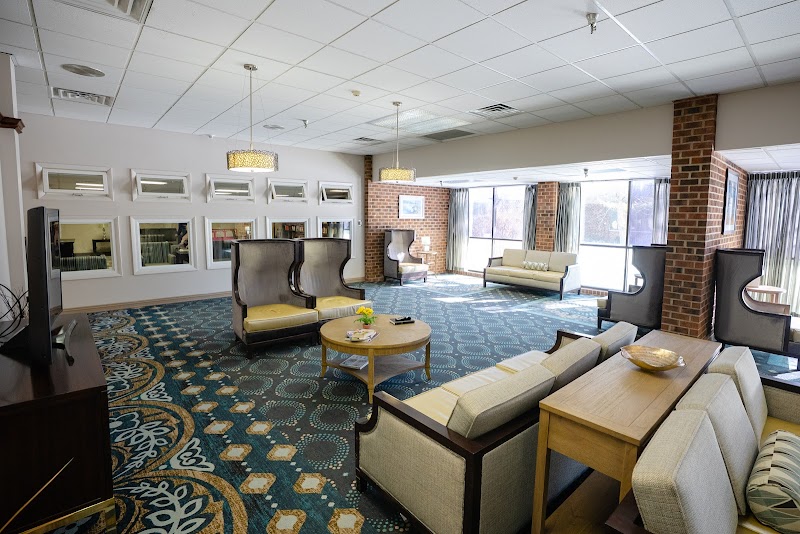
How is Bridgeway Senior Living Staffed?

CMS rates BRIDGEWAY SENIOR LIVING's staffing level at 1 out of 5 stars, which is much below average compared to other nursing homes. Staff turnover is 56%, which is 10 percentage points above the Illinois average of 46%. High turnover can affect care consistency as new staff learn residents' individual needs. RN turnover specifically is 64%, which is notably high. RNs provide skilled clinical oversight, so turnover in this role can affect medical care quality.

What Have Inspectors Found at Bridgeway Senior Living?

State health inspectors documented 57 deficiencies at BRIDGEWAY SENIOR LIVING during 2022 to 2025. These included: 2 Immediate Jeopardy (the most serious level, indicating potential for serious harm or death), 2 that caused actual resident harm, 51 with potential for harm, and 2 minor or isolated issues. Immediate Jeopardy findings are rare and represent the most serious regulatory concerns. They require immediate corrective action.
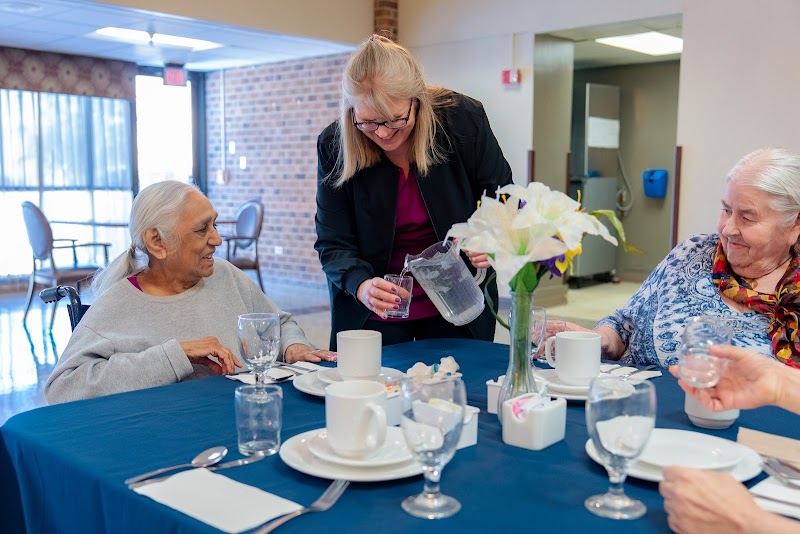
Who Owns and Operates Bridgeway Senior Living?

BRIDGEWAY SENIOR LIVING is owned by a for-profit company. For-profit facilities operate as businesses with obligations to shareholders or private owners. The facility is operated by ATIED ASSOCIATES, a chain that manages multiple nursing homes. With 226 certified beds and approximately 160 residents (about 71% occupancy), it is a large facility located in BENSENVILLE, Illinois.
How Does Bridgeway Senior Living Compare to Other Illinois Nursing Homes?

Compared to the 100 nursing homes in Illinois, BRIDGEWAY SENIOR LIVING's overall rating (1 stars) is below the state average of 2.5, staff turnover (56%) is near the state average of 46%, and health inspection rating (1 stars) is much below the national benchmark.

What Should Families Ask When Visiting Bridgeway Senior Living?

Based on this facility's data, families visiting should ask: "What changes have been made since the serious inspection findings, and how are you preventing similar issues?" "How do you ensure continuity of care given staff turnover, and what is your staff retention strategy?" "Can you walk me through typical staffing levels on day, evening, and night shifts?" "Can I visit during a mealtime to observe dining assistance and food quality?" These questions are particularly relevant given the facility's Immediate Jeopardy citations, the facility's high staff turnover rate, and the below-average staffing rating.

Is Bridgeway Senior Living Safe?

Based on CMS inspection data, BRIDGEWAY SENIOR LIVING has documented safety concerns. Inspectors have issued 2 Immediate Jeopardy citations (the most serious violation level indicating risk of serious injury or death). The facility has a 1-star overall rating and ranks #100 of 100 nursing homes in Illinois. Families considering this facility should ask detailed questions about what corrective actions have been taken since these incidents.

Do Nurses at Bridgeway Senior Living Stick Around?

Staff turnover at BRIDGEWAY SENIOR LIVING is high. At 56%, the facility is 10 percentage points above the Illinois average of 46%. Registered Nurse turnover is particularly concerning at 64%. RNs handle complex medical decisions and coordinate care — frequent RN changes can directly impact care quality. High turnover means new staff may not know residents' individual needs, medications, or preferences. It can also be disorienting for residents, especially those with dementia who rely on familiar faces. Families should ask: What is causing the turnover? What retention programs are in place? How do you ensure care continuity during staff transitions?

Was Bridgeway Senior Living Ever Fined?

BRIDGEWAY SENIOR LIVING has been fined $37,845 across 2 penalty actions. The Illinois average is $33,457. While any fine indicates a compliance issue, fines under $50,000 are relatively common and typically reflect isolated problems that were subsequently corrected. Families should ask what specific issues led to these fines and confirm they've been resolved.

Is Bridgeway Senior Living on Any Federal Watch List?

BRIDGEWAY SENIOR LIVING is not on any federal watch list. The most significant is the Special Focus Facility (SFF) program, which identifies the bottom 1% of nursing homes nationally based on persistent, serious quality problems. Not being on this list means the facility has avoided the pattern of deficiencies that triggers enhanced federal oversight. This is a positive indicator, though families should still review the facility's inspection history directly.