EDEN VISTA BURR RIDGE
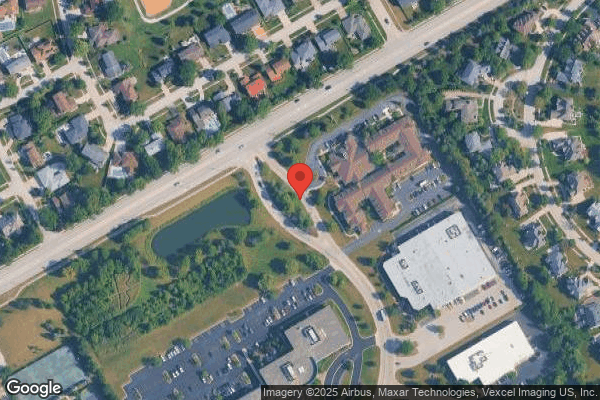
6801 HIGHGROVE BOULEVARD, BURR RIDGE, IL 60527 (630) 920-2900
For profit - Corporation 29 Beds Independent Data: November 2025
Trust Grade
55/100
#138 of 665 in IL
Last Inspection: January 2025

Within standard 12-15 month inspection cycle. Federal law requires annual inspections.

Overview

Eden Vista Burr Ridge has a Trust Grade of C, which means it is average compared to other facilities, indicating it is neither great nor terrible. It ranks #138 out of 665 in Illinois, placing it in the top half, and #11 out of 38 in Du Page County, suggesting only a few local options are better. Unfortunately, the facility's trend is worsening, with issues increasing from 7 in 2024 to 9 in 2025. Staffing is rated 4 out of 5 stars, but the turnover rate is concerning at 74%, significantly higher than the state average of 46%. There have been no fines recorded, which is a positive sign, and the facility has more RN coverage than 92% of Illinois facilities, helping to catch potential issues. However, there are notable weaknesses, such as a serious incident where staff failed to provide timely medication and lab testing for a resident, leading to increased health issues. Additionally, there were concerns about kitchen hygiene and staff not following proper handwashing protocols, which affects all residents. Overall, while there are strengths in staffing and RN coverage, families should be aware of the troubling trends and specific incidents that indicate areas needing improvement.

Trust Score
C
55/100
In Illinois
#138/665
Top 20%
Safety Record
Moderate
Needs review
Inspections
Getting Worse
7 → 9 violations
Staff Stability
⚠ Watch
74% turnover. Very high, 26 points above average. Constant new faces learning your loved one's needs.
Penalties
✓ Good
No fines on record. Clean compliance history, better than most Illinois facilities.
Skilled Nurses
✓ Good
Each resident gets 94 minutes of Registered Nurse (RN) attention daily — more than 97% of Illinois nursing homes. RNs are the most trained staff who catch health problems before they become serious.
Violations
⚠ Watch
25 deficiencies on record. Higher than average. Multiple issues found across inspections.
★★★★☆
4.0
Overall Rating
★★★★☆
4.0
Staff Levels
★★☆☆☆
2.0
Care Quality
★★★★☆
4.0
Inspection Score
Stable
2024: 7 issues
2025: 9 issues

The Good

  • 4-Star Staffing Rating · Above-average nurse staffing levels
  • Full Sprinkler Coverage · Fire safety systems throughout facility
  • No fines on record

Facility shows strength in staffing levels, fire safety.

The Bad

Staff Turnover: 74%

28pts above Illinois avg (46%)

Frequent staff changes - ask about care continuity

Staff turnover is very high (74%)

26 points above Illinois average of 48%

The Ugly 25 deficiencies on record

1 actual harm
Jan 2025 8 deficiencies
CONCERN (D)

Potential for Harm - no one hurt, but risky conditions existed

Deficiency F0582 (Tag F0582)

Could have caused harm · This affected 1 resident

**NOTE- TERMS IN BRACKETS HAVE BEEN EDITED TO PROTECT CONFIDENTIALITY** Based on interview and record review, the facility failed to give a resident a Skilled Nursing Facility Advanced Beneficiary Not...

Read full inspector narrative →
**NOTE- TERMS IN BRACKETS HAVE BEEN EDITED TO PROTECT CONFIDENTIALITY** Based on interview and record review, the facility failed to give a resident a Skilled Nursing Facility Advanced Beneficiary Notice of Non-coverage (SNF-ABN) at the end of a resident's Medicare Part A stay. This applies to 1 of 3 residents (R225) reviewed for beneficiary notices in the sample of 12. The findings include: The facility's SNF (Skilled Nursing Facility) Beneficiary Notification Review for R225 showed R225's Medicare Part A Skilled Services started on October 10, 2024 and last covered day of Part A services was November 14, 2024. The documentation continued to show R225 was not given a SNF ABN form. The EMR (Electronic Medical Record) showed R225 was admitted to the facility on [DATE], and was discharged from the facility on November 19, 2024, to the local hospital. On January 28, 2025, at 12:18 PM, V18 (Social Services) said R225 did not receive a SNF ABN form because V18 did not know R225 was going to remain in the facility after his last covered day of Medicare Part A. On January 28, 2025, at 1:02 PM, V18 said a SNF ABN should be given to resident and/or their representative if the resident is staying in the skilled nursing unit as a private pay resident. V18 said the SNF ABN goes over the charges the resident will be responsible for paying if they chose to stay in the skilled unit. V18 continued to say the SNF ABN should be given two days before the last covered day so the resident and/or representative has time to appeal if they would like. The facility did not have documentation to show R225 received a SNF ABN form prior to his last covered day of Medicare Part A services.
CONCERN (D)

Potential for Harm - no one hurt, but risky conditions existed

Deficiency F0625 (Tag F0625)

Could have caused harm · This affected 1 resident

**NOTE- TERMS IN BRACKETS HAVE BEEN EDITED TO PROTECT CONFIDENTIALITY** Based on interview and record review, the facility failed to provide to the resident or resident's representative in writing the...

Read full inspector narrative →
**NOTE- TERMS IN BRACKETS HAVE BEEN EDITED TO PROTECT CONFIDENTIALITY** Based on interview and record review, the facility failed to provide to the resident or resident's representative in writing the facility's bed hold policy when being transfer to the local hospital. This applies to 2 of 3 residents (R4 and R5) reviewed for hospitalizations in the sample of 12. The findings include: Facility provided their bed hold form titled, BEDHOLD AGREEMENT- TRANSFER NOTICE. The form showed the following information was required to be filled out: resident's name, date, the reason the resident being transferred to/for, why the transfer or discharge is necessary for the resident's welfare and the resident's needs, what was the bed hold decision, signature of facility representative, signature of resident/representative/responsible party who was given written notice of transfer, if needed phone confirmation, date, time, bed hold requested by, relationship to resident, confirmation received by facility representative signature. 1. R5's EMR (Electronic Medical Record) showed R5 was admitted to the facility on [DATE], with diagnoses that included combined systolic (congested) and diastolic (congested) heart failure, unspecified dementia, cognitive communication deficit, severe kidney failure stage 4, unspecified psychosis not due to a substance for known physiological condition, anxiety, and atrial fibrillation. R5's MDS (Minimum Data Set) dated January 16, 2025, showed R5 had severe cognitive impairment. R5's progress notes showed R5 was sent to the local hospital three times from August 2024 to present. There was no documentation to show the bedhold policy was discussed with R5 or her representative with any of these transfers. On August 21, 2024, R5 was sent to the local hospital for an evaluation after she was found on the floor in her room. R5 was admitted to the hospital and returned to the facility on August 27, 2025. R5 was sent to the local hospital on December 2, 2024 after she was found on the floor in her room with some confusion. R5 was admitted to the hospital and readmitted to the facility on [DATE]. Facility provided BEDHOLD AGREEMENT- TRANSFER NOTICE with the dates of August 27, 2024 and December 2, 2024. Both forms were left empty except for R5's signature, V18's (Social Services) signature, and a box checked I do not want a bed hold. R5 did not go to the hospital on August 27, 2024, R5 was sent to the local hospital on August 21, 2024. On December 24, 2024, R5 was sent to the local hospital for shortness of breath and fever. She was admitted to the hospital and was readmitted to the facility on [DATE]. There was no BEDHOLD AGREEMENT- TRANSFER NOTICE provided. The facility provided a BEDHOLD AGREEMENT- TRANSFER NOTICE form for July 11, 2024. The form was left blank except for R5's signature, V18's (Social Services) signature, and a box checked I do not want a bed hold. The same was true for a BEDHOLD AGREEMENT- TRANSFER NOTICE provided for R5 and dated September 4, 2024. Review of progress notes showed R5 remained in the facility on those dates and was not transferred anywhere. On January 29, 2025, at 12:57 PM, V18 (Social Services) said when she is doing a new admission assessment, the bed hold policy is discussed with the resident and/or resident representative. V18 said at this time she will ask them if there is a time when the resident needs to be sent out to the hospital would they want us to issue a bedhold. V18 said most will decline. V18 said she understands that on admission she is asking them about possible future transfer but asks them anyway. V18 said once a resident is sent out to the hospital, she will call and ask again, but most say no. V18 said her conversation will be documented on the resident's progress notes. 2. R4's Resident Information sheet showed her to be a [AGE] year old female admitted to the facility on [DATE]. R4's progress notes dated January 11, 2025 showed that R4 was sent out to the hospital at approximately 11:10 PM related to symptoms of congestion and a chest x-ray showing atelectasis, pneumonia, or edema. Review of R4's Bed Hold Agreement in the resident's Electronic medical record showed it was uploaded on January 2, 2025. This form was not signed by V18 (Social Services) and there were no dates on the form. This same form was then presented to the surveyor on January 29 2025, now with a handwritten date of January 11, 2025 and electronically signed by V18, but otherwise empty of detail like what hospital the resident was discharged to. On January 29, 2025 at 12:51 PM and 1:10 PM, V18 stated that the Bed Hold Agreement form for R4 that was in the computer was uploaded on January 2, 2025. V18 stated she had R4's representative party sign the Bed Hold Agreement on admission. V18 stated she then signed and put the date that R4 was discharged on that form. V18 also stated this is what she does for all residents. V18 stated she does not speak to the resident, family, or resident representative, nor does she give them a copy of the Bed Hold Agreement form at the time of discharge. The facility's Admission, Readmission, Bed Hold, and Transfer/Discharge policy dated October 12, 2021 showed the following: Bed Hold: At the time of transfer of a resident for hospitalization or therapeutic leave, the facility will provide to the resident and the resident representative written notice which specifies the duration of the bed-hold, during which the resident is permitted to return and resume residence in the facility, the reserve bed payment policy in the state plan, and the facility policies regarding bed-hold periods. The facility's admission packet, Attachment I, Notice of Bed-hold information showed the following: Federal Law requires Nursing homes to give written notices to Residents and/or Responsible party at the time of the resident transfer to a hospital or overnight Leave of Absence.
CONCERN (D)

Potential for Harm - no one hurt, but risky conditions existed

Deficiency F0692 (Tag F0692)

Could have caused harm · This affected 1 resident

**NOTE- TERMS IN BRACKETS HAVE BEEN EDITED TO PROTECT CONFIDENTIALITY** Based on observation, interview and record review, the facility failed to ensure a resident with significant weight loss was rev...

Read full inspector narrative →
**NOTE- TERMS IN BRACKETS HAVE BEEN EDITED TO PROTECT CONFIDENTIALITY** Based on observation, interview and record review, the facility failed to ensure a resident with significant weight loss was reviewed by a dietitian upon readmission to the facility from the hospital, failed to provide nutritional interventions to assist in preventing weight loss, and failed to obtain weekly weights as ordered by the physician. This applies to 1 of 1 residents (R3) in the sample of 12. The findings include: Face sheet, dated January 28, 2025, shows R3's diagnoses included pneumonitis due to inhalation of food and vomit, methicillin resistant staphylococcus aureus infection, osteomyelitis, severe protein-calorie malnutrition, acute respiratory failure with hypoxia, hemiplegia and hemiparesis following cerebral infarction, dysphagia, muscle wasting and atrophy, sepsis, iron deficiency anemia, vitamin D deficiency, major depression, epilepsy, chronic kidney disease, and hypoglycemia. Nutrition note, dated November 20, 2024, shows R3 had a history of significant weight loss and was receiving nutrition supplements 120 milliliters twice daily. On January 27, 2025, at 11:15 AM during initial tour, R3 appeared very thin. Weights and Vitals Summary, dated 12/1/24 to 1/30/25, shows the following weights were obtained by the facility for R3: December 6, 2024 - 126.6 pounds December 7, 2924 - 126.5 pounds December 22, 2024 - 125.5 pounds December 29, 2024 - 126.6 pounds January 5, 2025 - 127.4 pounds January 27, 2025 109 pounds - 14% weight loss MAR (Medication Administration Record), dated January 1-29, 2025, shows R3 had a physician order for weekly weights one time a day every Sunday ordered on December 25, 2024, and discontinued January 27, 2025. Review of the December 2024 MAR shows R3's weight was obtained on December 29, 2024. Review of the January 2025 MAR shows R3's weight was only obtained on January 5, 2025. No weights were obtained between January 5-26, 2025 as ordered by the physician. MAR, dated December 1-31, 2024, shows R3 had a physician order for a nutritional supplement 120 milliliters twice daily ordered on September 17, 2024, and discontinued on December 10, 2024, when R3 was transferred to the hospital. Review of R3's clinical record shows R3 was admitted to the hospital on [DATE], with a diagnosis of pneumonia and returned to the facility on December 19, 2024. The clinical record shows R3 was again admitted to the hospital on [DATE], with a diagnosis of hypoglycemia and returned to the facility on December 25, 2025. The clinical record showed R3's nutritional supplements were not reordered upon either readmission to the facility and R3 was not reviewed by the facility dietitian until January 27, 2025. On January 28, 2025, at 2:16 PM, V6 (Licensed Practical Nurse) stated R3 required staff to feed him for approximately a month and also had difficulty swallowing. V6 stated sometimes R3 would eat and sometimes he would not. Progress note, dated January 16, 2025, shows R3 was identified by the clinical director to have poor appetite and signs of dehydration. The note shows R3's physician ordered three liters of intravenous fluids. No referral to the dietitian was identified. MAR, dated January 2025, shows R3's nutritional supplement was reordered on January 20, 2025. Nutrition note, dated January 27, 2025, shows R3's weight was obtained and R3 weighed 109 pounds. The facility dietitian documented R3 experienced a significant weight loss which was confirmed by reweighing the resident. The note shows R3's usual body weight was 125-135 pounds and his meal intake varied between 25-75% at meals. On January 19, 2025 at 10:29 AM, V23 (Dietitian) stated on approximately January 20, 2025, the facility Director of Nursing informed V23 that R3 was not eating well so V23 reordered R3's nutrition supplements. R3 stated she believed R3's supplements were not reinstated when he returned from the hospital in December 2024. V23 stated she had not seen R3 at the facility since her November 2024 nutrition note, was not notified regarding R3's December 2024 hospitalizations and readmissions to the facility. At 11:45 AM, V23 stated, It would have been resumed had I seen him on admission. On January 29, 2025, V9 (Food Service Manager) stated normally a nurse would email the dietitian and let them know if they should see a resident if needed. On January 29, 2025, at 11:12 PM, V19 (Physician) stated R3's nutritional supplement not being reinstated upon readmission from the hospital may have contributed to some of R3's weight loss he experienced during the month of January 2025. V19 stated she defers to the dietitian for resident supplements because they should be performing a readmission assessment and periodically doing an assessment of facility residents. V19 stated she expected if nurses notice some changes in appetite or condition, they should refer a resident to the dietitian.
CONCERN (D)

Potential for Harm - no one hurt, but risky conditions existed

Tube Feeding (Tag F0693)

Could have caused harm · This affected 1 resident

**NOTE- TERMS IN BRACKETS HAVE BEEN EDITED TO PROTECT CONFIDENTIALITY** Based on observation, interview, and record review, the facility failed to verify the placement and patency of a resident's gast...

Read full inspector narrative →
**NOTE- TERMS IN BRACKETS HAVE BEEN EDITED TO PROTECT CONFIDENTIALITY** Based on observation, interview, and record review, the facility failed to verify the placement and patency of a resident's gastrostomy tube (G-tube) before administering medication through it. This applies to 1 of 1 residents (R176) reviewed for gastrostomy tubes in the sample of 12. The Findings Include: R176' Resident Information sheet showed an [AGE] year old male admitted to the facility on [DATE] with diagnoses that included Hemiplegia and Hemiparesis following Cerebral Infarction affecting left non-dominant side, Dysphagia following Cerebral Infarction, Encounter for attention to Gastrostomy, and Type 2 Diabetes Mellitus. On January 28, 2025, at 8:36 AM, during medication administration observation, V6 (Nurse) entered R176 room with medications she had prepared outside of the room. V6 then removed the covers from over R176, lifted up his shirt. V6 picked up the end of R176's G-tube (where the catheter accesses were located), looked at it in her hand, and said, it look's okay. V6 then grabbed one of the prepared cups that contained crushed medication and water put it in a large syringe and started injecting it into the resident's G-tube. Before injecting the medication into R176's G-tube catheter, V6 did not aspirate (pull back on the plunger of the syringe) to see if there was any residual gastrointestinal fluid, nor did she flush the catheter. On January 29, 2025, at 4:13 PM, V3 (Regional Nurse Consultant) stated that before using a resident's G-tube, she expects the staff to check for proper placement and patency of the G-tube by checking for residuals and flushing the G-tube. The facility's Tube Feeding: Administering Medications Policy dated September 8, 2023, showed the procedure includes: 7) prepare ordered medication, 8) unclamp tube, 9) Verify placement of feeding tube: Verifying Placement of feeding Tube policy, 10) Insert syringe (without plunger) and flush tube with 30 milliliters of water or as ordered. The facility's Verifying Placement of Feeding Tube policy showed the following: Gastric aspirate will be visually inspected prior to initiation of feeding. Aspirate will be observed for changes in volume and appearance.
CONCERN (D)

Potential for Harm - no one hurt, but risky conditions existed

Medication Errors (Tag F0758)

Could have caused harm · This affected 1 resident

**NOTE- TERMS IN BRACKETS HAVE BEEN EDITED TO PROTECT CONFIDENTIALITY** 2. MAR, dated January 2025, shows R75's diagnoses included depression. MAR, dated January 2025, shows R75 had a physician order,...

Read full inspector narrative →
**NOTE- TERMS IN BRACKETS HAVE BEEN EDITED TO PROTECT CONFIDENTIALITY** 2. MAR, dated January 2025, shows R75's diagnoses included depression. MAR, dated January 2025, shows R75 had a physician order, initiated January 18, 2025, for escitalopram oxalate daily for depression. Review of R75's clinical record shows no assessment which determined R75's specific behaviors indicative of R75 experiencing depression. Care plan, revised January 14, 2025, shows R75 has an actual/potential psychosocial well-being problem r/t (related to). R75's interventions show no resident-specific behaviors identified to monitor R75's depression or the effectiveness of his anti-depression medication. On January 29, 2025 at 10:07 AM, V18 stated no resident-specific behaviors were identified to monitor for the effectiveness of R75's newly-prescribed antidepressant medication. 3. Face sheet, dated January 28, 2025, shows R3's diagnoses included depression. MAR (Medication Administration Record) shows R3 had a physician's order for mirtazapine daily for depression. Review of R3's clinical record shows no assessment to determine R3's specific behaviors indicative of R3 experiencing depression. Review of R3's care plan, revised 4/4/24, shows, I exhibit Behavior Symptoms (Psycho-social adaptation and/or Psychotropic Medication use) related to 10/24/22 [R3] is refusing skin interventions of protective boots. Interventions include, Monitor behavior episodes and attempt to determine underlying cause. Consider location, time of day, persons involved, and situations. Document behavior and potential causes. R3's care plan, revised 8/25/24, shows The resident has depression due to the passing of his son. Interventions include, Monitor/document/report PRN (As Needed) any s/sx (signs/symptoms) of depression, including: hopelessness, anxiety, sadness, insomnia, anorexia, verbalizing negative statements, repetitive anxious or health-related complaints, tearfulness. R3's care plan, revised 6/20/24, shows The resident has potential psychosocial well-being problem r/t (related to) depression diagnosis. R3's care plan, initiated 3/26/24, shows, Resident uses antidepressant medication r/t depression. Review of R3's behavior tracking records, Documentation Survey Report January 2025, shows none of the signs/symptoms which are listed to be monitored include the symptoms/behaviors indicated in R3's care plan. Facility Policy/Procedure Psychotropic Medication, revised 9/6/24, shows 1. An assessment must be conducted to identify specific behaviors/symptoms, potential causative factors and recommendations for managing identified behaviors. 2. The medical record documentation must reflect the specific behaviors/symptoms and the resident's response to non-pharmacological interventions to manage the behaviors/symptoms. Based on interview and record review, the facility failed to identify resident specific behaviors to monitor the effectiveness of psychotropic medications. This applies to 3 of 5 residents (R3, R5, and R75) reviewed for unnecessary psychotropic medications in the sample of 12. The findings include: Review of R3, R5, and R75's Documentation Survey Report, dated January 1, 2025 to January 29, 2025 showed all three residents were being monitored for the same behaviors. These included: 1. grabbing, 2. pinching, 3. scratching, 4. hitting/punching, 5. kicking, 6. pushing, 7. spitting, 8. biting, 9. sexually inappropriate, 10. verbal threatening, 11. screaming at others, 12. cursing at others, 13. hitting self, 14. scratching self, 15. pacing, 16. public sexual acts, 17. disrobing in public, 18. rummaging, 19. throwing/smearing food, 20. throwing/swearing bodily waste, 21, screaming/yelling out, 22. disruptive sounds, 23. attention seeking, 24. refusing care, 25. exit seeking, 26. wandering, 27. no behaviors observed. On January 29, 2025 at 9:53 AM, V18 (Social Services) stated the nurses let her know if the residents express comments or feelings related to depression. V18 stated she completes the mood assessment and then visits residents on the weekend to check in to see if they have any further symptoms of depression. V18 stated she was not aware of any facility assessments to identify specific resident behaviors to assess the effectiveness of psychotropic medications. V18 stated she was not aware of any ongoing, daily monitoring of resident-specific behaviors to monitor the effectiveness of resident psychotropic medications. V18 stated resident information regarding their psychotropic medications was located in their care plans. 1. R5 was admitted to the facility on [DATE], with diagnoses that included unspecified psychosis not due to a known substance or physiological condition, anxiety, and unspecified dementia with behaviors, and suicidal ideations. R5's MDS (Minimum Data Set) dated January 16, 2025, showed R5 had severe cognitive impairment. R5's care plan identified depression as a condition for R5 and the goal was for R5 to remain free of signs symptoms of distress, symptoms of depression, anxiety, or sad mood. Interventions included to discuss with resident, family, and caregivers any concerns fears, or issues, regarding health. R5 uses antidepressant medications and interventions included administer medications as ordered by physician, monitor/document side effects and effectiveness. R5 also had potential for behavior symptoms (Psycho-active adaptation and/or psychotropic medication use) related to unspecified dementia, unspecified severity, with behavioral disturbances, suicidal ideations. The goal is to have fewer episodes of TARGET BEHAVIORS by the review date. Interventions included anticipate and meet my needs, consult psychiatry for recommendations, monitor behavior episodes and attempt to determine underlying cause, consider location, time of day, persons involved, and situation. R5's psych note dated September 11, 2024, showed, R5 has multiple psychiatric complexities and would benefit from continued management with monitoring of mood and behavior, Will titrate medication based on current symptom progression. R5's psych note dated October 17, 2024, showed to continue current treatment. Administer antipsychotic medication as ordered by physician, monitor for side effects and effectiveness. Monitor target behaviors, number of behaviors and document episodes. Consent for Lexapro (Antidepressant) and Seroquel (Antipsychotic) was signed and dated January 25, 2025. R5's behavior monitoring was reviewed from January 1, 2025 to January 28, 2025. Target behaviors were not identified and behavior monitoring was vague and not resident specific. During this time period, there were 14 shifts where no behavior monitoring was completed.
CONCERN (E)

Potential for Harm - no one hurt, but risky conditions existed

Menu Adequacy (Tag F0803)

Could have caused harm · This affected multiple residents

Based on interview and record review, the facility failed to provide the minimum required servings of fruits/vegetables and grains/breads on their planned menus as per facility policy. This applies to...

Read full inspector narrative →
Based on interview and record review, the facility failed to provide the minimum required servings of fruits/vegetables and grains/breads on their planned menus as per facility policy. This applies to 15 of 15 residents (R1, R3, R7, R10, R11, R14, R15, R16, R18, R20, R127, R128, R129, R130, R176) reviewed for menu planning. The findings include: Facility Diet Type Report, dated January 29, 2025, shows R1, R3, R7, R10, R11, R14, R15, R16, R18, R20, R127, R128, R129, R130, R176 had physician orders for Regular and/or No Added Salt diets. Review of facility Regular/NAS (No Added Salt) menu, dated Week 3 Sunday through Week 3 Saturday, shows the facility failed to provide at least 5 fruits/vegetables planned on the daily menus 4 of 7 days (Sunday, Tuesday, Friday, and Saturday). The menu shows the facility failed to provide at least 6 servings of grains/breads on 2 of 7 days (Monday and Saturday). Review of facility Regular/NAS (No Added Salt) menu, dated Week 1 Sunday through Week 1 Saturday, shows the facility failed to provide at least 5 fruits/vegetables planned on the daily menus 4 of 7 days (Tuesday, Wednesday, Friday and Saturday). The menu shows the facility failed to provide at least 6 servings of grains/breads on 5 of 7 days reviewed (Sunday, Wednesday, Thursday, Friday and Saturday). Review of facility Regular/NAS (No Added Salt) menus, dated Week 2 Sunday through Week 2 Saturday, shows the facility failed to provide at least 5 fruits/vegetables planned on the daily menus 3 of 7 days (Tuesday, Thursday and Saturday),. The menu shows the facility failed to provide at least 6 servings of grains/breads on 3 of 7 days reviewed (Sunday, Tuesday, Friday). Review of facility Regular/NAS (No Added Salt) menus, dated Week 4 Sunday through Week 4 Saturday, shows the facility failed to provide at least 5 fruits/vegetables planned on the daily menus 1 day (Saturday). The menu shows the facility failed to provide at least 6 servings of grains/breads on 5 of 7 days reviewed (Monday, Tuesday, Thursday, Friday, and Saturday). On January 29, 2025 at 1:57 PM, V9 (Food Service Manager) stated the menus were reviewed by the corporate dietitian. V9 reviewed the menus and was unable to identify any of the missing servings of fruits/vegetables or grains/breads on the menus. Facility Menu Planning Guide, dated November 2023, shows the Regular/No Added Salt menus are designed to include foods in amounts that will meet or exceed the Dietary Reference Intakes (DRIs) for older adults. The following components are included daily: . Vegetables and Fruit: 5 or more servings, Grains: 6 or more servings.
CONCERN (F)

Potential for Harm - no one hurt, but risky conditions existed

Food Safety (Tag F0812)

Could have caused harm · This affected most or all residents

Based on observation, interview and record review, the facility failed to clean and sanitize kitchen equipment, failed to label/date potentially hazadardous stored food, failed to store cooked meat to...

Read full inspector narrative →
Based on observation, interview and record review, the facility failed to clean and sanitize kitchen equipment, failed to label/date potentially hazadardous stored food, failed to store cooked meat to prevent cross contamination, and failed to perform hand hygiene per facility policy. This applies to all 22 residents residing in the facility. The findings include: Facility Long-Term Care Facility Application for Medicare and Medicaid, dated January 27, 2025, shows the facility census was 22 residents. On January 27, 2025, at 9:38 AM, during initial tour of the kitchen with V9 (Food Service Manager), the area behind/between large cooking equipment had a large amount of food splatters and food build up as well as dust with loose particles located behind and slightly above a pan of margarine melting on the flat top. The equipment hoses/cords and the back panels of equipment were covered in large amounts of dust and food splatter. On January 27, 2025, at 9:38 AM, during initial tour of the kitchen with V9, there was a package of four hot dogs (identified by V9) in the walk in cooler stored on a full sheet pan without a label/date and loosely packaged stored above packages of raw Swiss steak. V9 stated he was unsure when the hot dogs were opened or when they should be discarded because they were not labeled or dated. The raw Swiss steak blood leaked from the packaging and there was blood pooling in the bottom of the sheet pan. Below the sheet pan of raw Swiss steak were packages of fully cooked bratwurst. V9 stated the bratwurst was already cooked. V9 removed the pan of cooked bratwursts from below the raw Swiss steak pan and placed it above the Swiss steak pan on the cart. V9 stated the staff know when to discard food in the cooler by the time it is kept in the cooler but they would be unable to determine when it should be discarded unless the food is dated. Food delivery invoice, number 114326, shows the bratwurst purchased by the facility was delivered fully cooked. On January 27, 2025, at 12:30 PM, V11 (Food Service Worker) served food and coffee to a resident, removed her gloves and placed clean gloves on her hands without washing her hands. V11 then served food on to a resident tray which was served to the resident. With the same gloves she placed a raw lemon wedge on a different resident tray and then retrieved a wipe cloth from the counter and wiped the counter using the same gloves. V11 then placed the wipe cloth back on the counter and using the same gloves served food items on to a resident tray. Facility policy Basics for Handling Food Safety, undated, shows Don't cross cross-contaminate. Keep raw meat, poultry, fish and their juices away from other food Facility Dishwashing Procedure, undated, shows, .9. Before any dish machine operator moves from soiled dishes to clean dishes, one of the following must occur: a. Hands shall be washed using proper hand washing procedures. B. If using gloves, soiled gloves shall be removed, hands shall be washed using proper hand washing procedures and clean, unused gloves must be put on Facility policy/procedure, revised 5/8/24, shows, .4. Dietary employees will adhere to the facility hand washing policy. Hand washing is required: a. Before preparing food or putting on gloves g. After engaging in any activities that might contaminate the hands, such as taking out garbage, handling soiled utensils or equipment or handling cleaning chemicals. h. Directly before touching ready-to-eat food or food-contact surfaces 9. Single use gloves may be used as necessary to prevent bare hand contact with ready-to-eat food or to cover an open sore. Gloves shall be changed when switching tasks, when gloves become soiled or torn or when 4 hours has elapsed. Facility policy/procedure Sanitation and Cleaning Schedule, reviewed 8/15/23, shows, The Dietary Department shall be responsible for maintaining sanitary conditions in the kitchen, all storage and dining areas, including all equipment located and/or utilized in these areas Storage .2. All raw meat must be stored on the bottom rack of the refrigerator for thawing. 3. All refrigerated and prepared food must be covered, labeled and dated with a use-by date that is a maximum of 7 days from date of preparation. Label must include the name of the food and the date by which it should be used Equipment 1. All equipment must be cleaned and sanitized with approved sanitizer after each use.
CONCERN (F)

Potential for Harm - no one hurt, but risky conditions existed

Infection Control (Tag F0880)

Could have caused harm · This affected most or all residents

**NOTE- TERMS IN BRACKETS HAVE BEEN EDITED TO PROTECT CONFIDENTIALITY** 2. R176's Resident Information sheet showed an [AGE] year old male admitted to the facility on [DATE] with diagnoses that includ...

Read full inspector narrative →
**NOTE- TERMS IN BRACKETS HAVE BEEN EDITED TO PROTECT CONFIDENTIALITY** 2. R176's Resident Information sheet showed an [AGE] year old male admitted to the facility on [DATE] with diagnoses that included Hemiplegia and Hemiparesis following Cerebral Infarction affecting left non-dominant side, Dysphagia following Cerebral Infarction, Encounter for attention to Gastrostomy, and Type 2 Diabetes Mellitus. R176's Physician order dated January 15, 2025 showed the following: Resident is on Enhanced Barrier Precautions due to Gastrostomy tube (G-tube). Personal Protective Equipment (PPE) is to be worn during high contact activities. R176's G-Tube Care plan dated January 23, 2025, showed an intervention of Enhanced Barrier Precautions. On January 28, 2025, between 8:36 AM and 9:34 AM during medication administration observation with V6 (Licensed Practical Nurse), observed the following: V6 took a rolling blood pressure cuff out of R12's room that she had just used on him and did not perform hand hygiene, nor did she sanitize the blood pressure cuff. V6 took the blood pressure cuff to R176's room. R176 has an Enhanced Barrier Precautions (EBP) sign on the outside of his door and Personal Protective Equipment in a bin outside the door. The EBP sign says stop: Everyone Must: Clean their hands including before entering and when leaving the room. Providers and staff must also wear gloves and gown for High Contact Resident Care Activities that include device care or use of feeding tubes. V6 entered R176 room and did not perform hand hygiene on the way into the room nor did she put on a gown. After taking the R176's blood pressure, V6 left the room and went to her medication cart outside of the room and started getting R176's medication ready. V6 did not perform hand hygiene when exiting the room. V6 then crushed all 6 of R176's medications separately and put them in separate medication cups. After crushing each medication, V6 picked up the garbage can lid to threw away the plastic sleeve she crushed the medication in. V6 then crushed another medication and repeated for all 6 medications. V6 then said she was going to get warm water from R176's restroom. V6 went into R176's room grabbed and open the restroom door and then came out 5 seconds later with a cup of water. V6 exited R176's the room with the water and applied gloves without performing hand hygiene. V6 then brought the medication into R176 room. R176 then asked for a cloth to wash his hands. V6 gave him a dry cloth and R176 asked if she can wet it. V6 with her gloves on grabbed the restroom door with her right hand, disposable cloth in the left hand and went into the restroom. V6 emerged from the R176's restroom [ROOM NUMBER]-5 seconds later with gloves still on and handed R176 the wet cloth. V6 then removed the covers from over R176 and lifted up his shirt. V6 turned and poured water into each cup and started one by one injecting the medication into R176 G-tube. After injecting each medication, and with the same gloves on. V6 grabbed the restroom door and went into the restroom, came out of the restroom [ROOM NUMBER] seconds later with water and then flushed 30 ml of that water into the R176's G-tube. V6 adjusted resident, gave juice, opened and placed straw in juice all with the same gloves on. V6 took off gloves and put on new ones on without performing hand hygiene, then cut up R176's pancakes. V6 removed her gloves and left the room without using hand sanitizer or performing hand hygiene. At no point did V6 put on an isolation gown while passing medication to R176 who was on Enhanced Barrier Precautions. V6 went to her cart and pulled it to R20's room. V6 pulled the blood pressure cuff with her that she used on R12 and R176 which was still not sanitized. V6 then opened the garbage can connected to her medication cart and threw something away with her right hand. V6 grabbed the blood pressure cuff she used on R12 and R176 (which was still not sanitized) and took R20's blood pressure. V6 left the room without performing hand hygiene, prepared and grabbed the medications and went into R20's room and administered 9 oral medications. V6 then went back out to her cart, got R20's inhaler put gloves on without performing hand hygiene and administered R20's inhaler. V6 then prepared and administered a stool softener and placed a pain patch on R20 back and still had not performed any hand hygiene yet. V6 then removed her gloves left the room and took her medication cart to R16's room and started preparing 4 medication for R16. V6 then poured R16 a cup of water. V6 then went to clean utility room down the hall with R16's medication in one of her hands and opened the door with the other and got a box of gloves while holding door open with her left foot. V6 went back to R16's room and put on new gloves. V6 still had not performed hand hygiene yet. V6 then took the same blood pressure cuff she had used on R12, R176, and R20 (without sanitizing the cuff in between residents) and checked R16's blood pressure. V6 then retrieved R16's water and put a straw in the water while touching the straw with the gloved hands. V6 took off gloves did not perform, put on new gloves adjusted R16 in the bed with gloves on and gave her the medication. V6 then removed the gloves and for the first time since the medication observation started, V6 performed hand hygiene with hand sanitizer that was hanging in the hallway outside the room. On January 28, 2025, at 9:34 AM, V6 stated that when providing care and passing medication via G-tube to R176 who is on EBP isolation, she should have performed hand hygiene. V6 stated she should have used hand sanitizer or perform hand hygiene when going in and out of all rooms and when going from clean to dirty. V6 stated she should have performed hand hygiene after removing gloves. V6 stated she should have sanitized the blood pressure cuff in between residents. On January 29, 2025, at 4:13 PM, V3 (Regional Nurse Consultant) stated that before donning gloves or utilizing a resident's G-tube, staff should perform hand hygiene. V3 stated that before providing care to a resident on Enhanced Barrier Precautions, the nurse should perform hand hygiene, and don gloves and a gown. V3 stated, after performing care or using a resident's G-tube, staff should remove their gown and gloves before leaving the room, and perform hand hygiene. V3 stated soap and water should be used and hands washed for 20-30 seconds and dried. V3 stated hand sanitizer is acceptable to use unless hands or gloves are soiled. V3 stated the reason for preforming hand hygiene before and after resident care and before and after using a resident's g-tube is to prevent the spread of infection. The facility's Hand Hygiene policy dated May 8, 2024, showed the following: Purpose to provide guidelines to staff for proper and appropriate hand washing and hygiene techniques that will aid in the prevention of transmission of infections. Procedure 2. The use of gloves does not replace hand hygiene. 3. Hand hygiene is always the final step after removing and disposing of personal protective equipment (PPE). Washing Hands with Soap and Water 1. Staff will perform hand hygiene by washing hands for at least twenty (20) seconds with antimicrobial or non-antimicrobial soap and water should be performed under the following conditions: b. before applying gloves and after removing gloves or other PPE. h. After using a restroom. Using Alcohol-Based Hand Gel: 1. If hands are not visibly soiled, use and alcohol-based hand rub for the following situations: b. Before entering and leaving an isolation room, c. Before preparing or handling medications, d. before applying gloves and after removing gloves or other PPE. g. After providing direct care, i. After using a restroom. m. after contact with inanimate objects (e.g., medical equipment) in the immediate vicinity of the resident. The facility's Isolation precautions Policy dated May 8, 2024, showed the following EBP: 1. Expands the use of PPE beyond situations in which exposure to blood and body fluids is anticipated, refers to the use of gown and gloves during high-contact resident care activities that provide opportunities for transfer of MDROs to staff hands and clothing. The facility's Cleaning and Disinfection of Resident Care Equipment policy dated May 8, 2024, showed the following: Procedure: 1. Reusable equipment will be cleaned and disinfected after used of one resident and before use of another resident. The facility's Personal Protective Equipment policy dated June 14, 2024, showed the following: Procedure: PPE will be worn for residents requiring Enhanced Barrier Precautions. Based on observation, interview, and record review, the facility failed to follow their Water Management Plan for Legionella. The facility also failed to perform hand hygiene during provisions of care, failed to follow the EBP (Enhanced Barrier Precautions) policy, and clean medical equipment between resident use. This applies to all 22 residents residing in the facility. The findings include: 1. The facility's Long-Term Care Facility Application for Medicare and Medicaid dated January 27, 2025, showed the facility census was 22 residents. The facility's Water Management Pan dated November 7, 2024, showed Purpose: The purpose of this Water Management Plan (WMP) is to establish the minimum legionellosis risk management requirements by illustrating the procedures for minimizing the risk of Legionnaires' disease within the building water systems of one facility . Control Measures: Cold Water Systems, Risk Factor: Eyewash Station, Control Measure: Plumbed units are to be activated weekly to flush the line and verify operations; at least a three minute flush is recommended . Frequency: Weekly, Monitoring: Execute the control measure based on the stated frequency and the type of eyewash station present as indicated in the control measure . Control Measures: Hot Water Systems, Risk Factor: Water Heater, Control Measure: Check flow and return temperatures at hot water heater. Location: Boiler Room. Frequency: Monthly or as required or recommended by AHJ (Authority Having Jurisdiction) or your water treatment professional. Monitoring: Supply temperature should be checked at the outlet of the Hot Water Heater and should not be lower than 140 degrees Fahrenheit. The return temperature should also be checked monthly and should not be lower than 122 degrees Fahrenheit. Control Limits (Lower): 122 degrees Fahrenheit, Control Limits (Upper): 140 degrees Fahrenheit, Corrective Actions: If unable to maintain desired temperatures; the Program Team shall consider alternate methods to conform with compliance to reduce risk of legionella. NOTE: State and local regulations limit the temperature set-points of water heaters due to scald protection. This places most facilities out of control limits set by the scientific community. Accordingly, the only way to confirm legionella is under control is to test specifically for legionella. [Water Safety Company] suggests performing at a minimum two (biannual) tests per year, with four (quarterly) being more ideal. By doing so, the Program Team responsible has documented evidence that the hazard of legionella is under control . Control Measures: Hot and Cold Water Systems, Risk Factor: Check for Residual (Free) Disinfectant (Chlorine) Levels, Control Measure: Measure and record Residual (Free) Disinfectant (Chlorine) levels on the incoming city water supply as well as a representative most distal location within the facility. NOTE: A Free and Total Chlorine test kit that reads at least zero to six PPM (Parts per Million) as 'Cl' should be utilized to complete this test. Location: At any or multiple locations throughout the building. Frequency: Weekly, Monitoring: Use a chlorine test kit to measure the residual (free) disinfectant (chlorine) levels on the incoming city water supply as well as representative most distal location within the facility and record the results. Control Limits (Lower): 0.5 PPM, Control Limits (Upper): 3.0 PPM not to exceed 4.0 PPM, Corrective Actions: If disinfectant (chlorine) levels exceed 4.0 PPM (Parts per Million) on the upper level, please notify your municipal water supplier. If no chlorine levels are detected, please speak to your water supplier to see if they can increase the disinfectant levels. NOTE: [Water Safety Company] recommends a minimum of 0.5 PPM of Free Chlorine. Contact [Water Safety Company] with questions or concerns. If the free residual chlorine is less that 0.5 PPM, then it is recommended that special medical-grade 0.2-micron inline filters be installed for the ice machines . On January 29, 2025, at 10:44 AM, V12 (Maintenance Director) said the facility has two eye wash stations which are plumbed in. V12 continued to say every week, V12 turns the eye wash stations on to ensure they work and then V12 turns the eye wash station off. V12 demonstrated his check of the eye wash station in the soiled linen room. V12 turned the lever and activated the eye wash station, water flowed from the eye wash spouts for one to two seconds, V12 immediately turned the faucet off to the eye wash station. V12 said that is how he does his weekly check of the eye wash stations. V12 said he checks the temperatures on the hot water tank and hot water return weekly. V12 said the temperatures on the hot water tank are 120 degrees Fahrenheit and the return is 110 degrees Fahrenheit. V12 said he does not perform weekly chlorine testing of the water. V12 continued to say he does not have any chlorine testing kits. V12 said he has the test kit to collect samples for legionella testing but has not sent them to the laboratory. V12 continued to say the last test result for the facility's legionella testing is from August 2023. V12 said he does not have any test results for legionella since May 2023. The facility's Weekly Boiler and Tanks Water Temp Log showed the facility's Domestic Boiler and Return temperatures from September 2, 2024, to January 27, 2025, were 120 degrees Fahrenheit at the boiler and 110 degrees Fahrenheit at the hot water return. These readings are outside of the control limits per the facility's Water Management Plan. The facility does not have documentation to show biannual testing for legionella was completed in 2023 or 2024. The facility does not have documentation to show chlorine testing of the facility's water was being performed weekly. On January 29, 2025, at 11:37 AM, V1 (Administrator) and V3 (Regional Director of Clinical Operations) said V12 should be following the facility's Water Management Plan for legionella including performing control measures and legionella testing. V3 said V12 should be flushing the eye wash stations for at least three minutes.
Jan 2025 1 deficiency
CONCERN (D) 📢 Someone Reported This

A family member, employee, or ombudsman was alarmed enough to file a formal complaint

Potential for Harm - no one hurt, but risky conditions existed

ADL Care (Tag F0677)

Could have caused harm · This affected 1 resident

**NOTE- TERMS IN BRACKETS HAVE BEEN EDITED TO PROTECT CONFIDENTIALITY** Based on observation, interview, and record review, the facility failed to follow their policy to answer call lights promptly an...

Read full inspector narrative →
**NOTE- TERMS IN BRACKETS HAVE BEEN EDITED TO PROTECT CONFIDENTIALITY** Based on observation, interview, and record review, the facility failed to follow their policy to answer call lights promptly and failed to provide timely incontinence care to a resident. This applies to 3 of 3 residents (R1, R3, R4) reviewed for call light response times in the sample of 4. The findings include: 1. The EMR (Electronic Medical Record) shows R3 was admitted to the facility on [DATE]. R3 has multiple diagnoses including, diabetes, atrial fibrillation, chronic kidney disease, heart disease, hypertension, difficulty walking, unsteadiness on the feet, morbid obesity, glaucoma, and dementia. R3's MDS dated [DATE] shows R3 is cognitively intact, requires setup with eating and oral hygiene, substantial/maximal assistance with bed mobility, and is dependent on facility staff for all other ADLs. R3 is always incontinent of bowel and bladder. R3's care plan entitled, At risk for alteration in skin integrity related to decreased mobility on a wheelchair, incontinent of bowel and bladder, and history of pressure ulcer initiated on April 19, 2024 shows multiple interventions revised on April 22, 2024 including, Keep skin clean and dry. R3's care plan entitled, The resident has an ADL self-care performance deficit r/t (related to) impaired mobility, weakness. Interventions updated on April 22, 2024 include, Toilet use assist - two staff assistance. On January 15, 2025 at 9:50 AM, R3 was lying in bed in his room. A strong odor of stool was present in the room. R3 said his incontinence brief was last changed at 5:00 AM before the night shift went home. R3 said, The last time I was changed was 5:00 AM today. Shortly after being changed, I had a bowel movement. I know not to press the call light during shift change or when they pass breakfast because no one will come. Around 7:30 AM or 7:45 AM, when they brought my breakfast tray, I told them that I needed to be changed. She said she would come back at 8:30 AM to clean me up. As of 9:50 AM, no one has come, and I have been sitting in poop for many hours. My butt is burning from sitting in poop this long. I press the call light and when no one comes, I just hold down the button continuously because I think that sets off an alarm somewhere else showing I really need assistance. When that doesn't work, I just start screaming out loud for help. They don't like that very much. During the conversation with R3, R3 pressed the call light to request assistance. No audible call light alarm could be heard, and the facility does not have illuminated lights over the resident's doorways to show which room is calling for help. A scrolling sign was located at the other end of the hallway, at the nurse's station, showing R3's call light was activated. V9 (LPN-Licensed Practical Nurse) was passing medications near R3's room. V9 did not stop administering medications to answer R3's call light. No CNAs were visible in the hallway. After 10 minutes and 25 seconds, V5 (SS) came to R3's room to ask if he needed help. R3 told V5 he needed assistance with incontinence care. V5 said she would find a staff member to assist R3. After a total call light response time of 13 minutes and 26 seconds, V8 (CNA) came to R3's room. R3 said he felt like he had waited too long to receive incontinence care. V8 said she was assigned to twelve residents and was busy providing incontinence care to two other residents and had not been able to answer R3's call light or attend to his need for incontinence care. At 10:09 AM, V8 (CNA) turned R3 to his right side and removed his incontinence brief. R3 had stool caked on the back of his legs, from his mid-thighs up to his buttocks. R3's entire buttocks was covered in stool. Stool had also leaked out of the top of R3's incontinence brief and had spread up R3's lower back. V8 (CNA) had to use multiple disposable wipes, and wiped multiple times over the same area to remove the stool because the stool was caked to R3's skin and did not wipe off easily. As V8 (CNA) used disposable wipes to clean stool from R3's legs, buttocks, and lower back, R3 cried out several times and said his skin felt sensitive and was burning. The skin on R3's buttocks was bright red in the areas where stool had been caked on his skin. 2. On January 15, 2025 at 9:27 AM, R4 was lying in bed in his room. R4 said, I have lived here less than a month. It takes them a very long time to answer call lights. One time it took over an hour. Forget calling for help around here. It takes too long for them to come to help. If I could do it myself I would, but obviously that's why I am here, because I can't do things for myself. The EMR shows R4 was admitted to the facility on [DATE]. R4 has multiple diagnoses including, hypotension, acute kidney failure, heart failure, atrial fibrillation, COPD (Chronic Obstructive Pulmonary Disease), hyponatremia, cognitive communication deficit, difficulty walking, and macular degeneration. R4's MDS (Minimum Data Set) dated December 29, 2024 shows R4 is cognitively intact, requires setup assistance with eating, substantial/maximal assistance with oral hygiene, and is dependent on facility staff for all other ADLs (Activities of Daily Living). R4 is always incontinent of bowel and bladder. On January 8, 2025 at 10:32 AM, V5 (SS-Social Services) documented, Main topics discussed: Call response times: SS contacted [V17] (Daughter of R4) regarding a complaint about call times related to [R4]. The call light records were reviewed from the 1st to the 8th (January 2025). Average call response time was approximately 29 minutes. The longest recorded wait time was on the 6th (January 2025) from 7:00 AM to 10:46 AM, likely due to high call volume. Specific concerns: [V17] (Daughter of R4) noted concerns about two call times exceeding an hour. One confirmed incident was on the 6th (January 2025). An additional concern for the 5th reported by [V17] (Daughter of R4), though exact timing was unclear. Follow-up Actions: SS is actively working on resolving the issues and request that [V17] (Daughter of R4) reach out if she has further questions. On January 16, 2025 at 9:15 AM, V5 (SS) said, [R4's] family had concerns regarding call lights taking too long to be answered. I forwarded the concerns to [V2] (DON-Director of Nursing), and she said she would take care of it and make sure it didn't happen anymore. 3. The EMR shows R1 was admitted to the facility on [DATE] and was discharged to home on January 9, 2025. R1 had multiple diagnoses including, subluxation of C1/C2 cervical vertebrae, chronic osteomyelitis, displaced fracture of the second cervical vertebra, displaced posterior arch fracture of the first cervical vertebra, heart failure, rheumatoid arthritis, presence of bilateral artificial hip joints, dysphagia, spinal stenosis, and adjustment disorder. R1's MDS dated [DATE] shows R1 had moderate cognitive impairment and was dependent on facility staff for all ADLs. R1 was always incontinent of bowel and bladder. R1's MDS continues to show R1 was admitted to the facility with an unstageable pressure ulcer. On January 14, 2025 at 1:06 PM, V1 (Administrator) reviewed the call light logs for the entirety of R1's stay at the facility. V1 said, There were call light response times over 45 minutes. On January 1, 2025 the call light log shows it took 85 minutes for [R1's] call light to be answered. On January 5, 2025 the call light log shows it took 55 minutes for [R1's] call light to be answered. The facility's policy entitled Call Light Use and Response, issued 1/14/19 with revision dated of 5/20/20 and 7/18/23 shows: Purpose: 1. To respond promptly to resident's call for assistance. 2. To assure call system in proper working order. Procedure: 1. Facility personnel will be aware of call lights. 2. Answer call lights promptly whether or not the staff person is assigned to the resident or not. 3. Answer call lights in a prompt, calm, courteous manner; turn off the call light as soon as you enter the room and attend to the resident needs .
Apr 2024 7 deficiencies 1 Harm
SERIOUS (G)

Actual Harm - a resident was hurt due to facility failures

Quality of Care (Tag F0684)

A resident was harmed · This affected 1 resident

**NOTE- TERMS IN BRACKETS HAVE BEEN EDITED TO PROTECT CONFIDENTIALITY** Based on observation, interview, and record review, the facility failed to ensure that medications were present for a resident ...

Read full inspector narrative →
**NOTE- TERMS IN BRACKETS HAVE BEEN EDITED TO PROTECT CONFIDENTIALITY** Based on observation, interview, and record review, the facility failed to ensure that medications were present for a resident with recurrent diarrhea and to notify the Physician about the medications, failed to ensure lab testing was completed in a timely manner for the resident, and failed to ensure staff responded to the resident's stool incontinence in a timely manner. These delays in treatment resulted the addition of a third medication, and the resident experiencing increased weakness and skin irritation. This applies to 1 of 4 residents (R14) reviewed for nursing cares in a sample of 26. Findings include: R14 was admitted to the facility on [DATE]. R 14 has diagnoses that includes congestive heart failure, muscle weakness, and enterocolitis due to clostridium difficile. R114's MDS (Minimum Data Set) shows he is cognitively intact and requires staff assistance for mobility using a walker. R14's care plan dated 2/11/24 includes actual impaired skin integrity, MASD (Moisture-Associated Skin Damage) to buttocks with risk for further skin breakdown including skin tears, bruising and /or pressure related to decreased mobility. On 4/18/24 at 10:05 AM, the call light computer display showed R14's call light had been unanswered since 8:56 am (one hour and nine minutes). On 4/18/24 at 10:19 AM, V12 (Family Member) stated R14 has recurrent C diff (Clostridium Difficile) infections. V12 stated R14 had been having diarrhea stools since Saturday 4/13/24 (five days). V12 stated, on Tuesday, 4/16/24 R14 was seen by the NP (Nurse Practitioner) at which time fidaxomicin and metronidazole were ordered. V12 stated she told the NP, V4 (RN), and another staff member she would pay out of pocket and retrieve the prescriptions if necessary. V12 stated staff never told her R14 had not been started on the medications and R14 seemed weaker since she saw him on Saturday. V12 also stated she had put the call light on at around 9am for stool incontinence. V12 stated V4 came in the room but did not provide incontinence care, and that R14 had a second stool incontinence episode since and still had not been cleaned. On 4/18/24 10:25 AM, V3 ADON (Assistant Director of Nursing) was asked by the Surveyor to have staff provide incontinence care for R14. V14 CNA (Certified Nursing Assistant) was sent to room to provide incontinence care. On 4/18/24 10:30 AM, V5 (Physician) stated he saw R14 on Tuesday, 4/16/24 and had ordered labs, IV (Intravenous) fluids, and called the ID (Infectious Diseases) Practitioner to see R14. V5 stated ID was at the bedside within an hour of his call and ordered fidaxomicin and metronidazole. V5 stated the fidaxomicin and metronidazole had still not been administered, and the ID called the facility Nurse Manager on 4/17/24 to follow up about the two medications. V5 stated the NP is now adding Vancomycin. V5 stated the C diff and urine labs he ordered two days earlier still had not been collected. V5 stated R14 seems weaker since he saw him on 4/16/24 but they were trying not to send him to the hospital. V5 stated the delay in treatment definitely had a negative impact on R14. On 4/18/24 10:45 AM, Surveyor in hallway heard R14 calling for assistance from his closed bathroom door. Surveyor requested V3 ADON and another staff member sitting at nursing station to aid R14. R14 buttocks were observed while he was in the bathroom with V3. The toilet seat was covered with liquid brown stool and the area between R14's rectum and buttocks to his upper thighs was fiery red and excoriated. On 4/18/24 at 5:05 PM, V2 DON (Director of Nursing) stated she did not have documentation of stool and urine specimens being sent for R14. V2 stated, the first dose of metronidazole ordered on 4/16/24 was administered 4/18/24 at 11:12 AM. There was no documentation of administration for the fidaxomicin ordered on 4/16/24, and V2 verified there was no nursing documentation showing the physician was notified that the fidaxomicin was not available. V2 stated the medication order should have been sent to the pharmacy and delivered by 10pm the same day or on the next delivery the following day after it was ordered and the physician should have been notified about the medication delay.
CONCERN (D)

Potential for Harm - no one hurt, but risky conditions existed

ADL Care (Tag F0677)

Could have caused harm · This affected 1 resident

**NOTE- TERMS IN BRACKETS HAVE BEEN EDITED TO PROTECT CONFIDENTIALITY** Based on observation, interview, and record review, the facility failed to assist residents with their ADL (Activities of Daily ...

Read full inspector narrative →
**NOTE- TERMS IN BRACKETS HAVE BEEN EDITED TO PROTECT CONFIDENTIALITY** Based on observation, interview, and record review, the facility failed to assist residents with their ADL (Activities of Daily Living) needs in a timely manner. This applies to 3 of 6 (R173, R18, R7) residents reviewed ADLs in a sample of 26. The findings include: 1. On 4/18/24 at 11:55 AM, R173 was observed sitting on the side of the bed in t shirt and disposable underpants. R173 stated it takes too long for staff to answer the call light and it makes her feel like they don't have enough help. R173 stated it took staff about 30mins to answer her call light, then she was left on the toilet waiting for staff to return to her. R173 stated she was not dressed because another staff member is supposed to assist her in getting dressed. R173 put her call light on while surveyor was in room. Surveyor went in hallway observed nursing staff at the nursing station and observed two nursing staff walk by R173 room without addressing call light. At 12:21 PM (26 minutes later), non-nursing staff noticed the Surveyor and answered R173's call light. R173 was admitted to the facility on [DATE] with diagnoses that include wedge compression fracture of T11-T12 vertebra, age related osteoporosis, osteo arthritis, ulcerative proctitis and unsteadiness on feet. R173's MDS (Minimum Data Set) dated 4/8/24 shows moderate cognitive impairment and she requires partial / moderate staff assistance with most activities of daily living. R173's care plan dated 4/3/24 shows an ADL self-care performance deficit related to back pain. 2. R18 was admitted to the facility on [DATE] with diagnoses that includes a displaced subtrochanteric fracture of left femur, traumatic ischemia of muscle, acute respiratory failure with hypoxia, non-displaced fracture of medial malleolus of left fibula, displace fracture of medial malleolus of left tibia, fracture of upper end of left humerus, morbid obesity, and suicidal ideations, R18's MDS (Minimum Data Set) dated 4/1/24 shows he is cognitively intact and he requires substantial / maximal staff assistance with ADLs (Activities of Daily Living). R18's care plan dated 3/27/24 includes an ADL self-care performance deficit related to impaired mobility, multiple fractures with no weight bearing to left upper arm. On 4/16/24 at 11:37 AM, R18 stated staff are slow to respond to the call lights on the second and third shifts. He has had to wait as long as two hours for staff to respond. R18 stated he has had to get up in his wheelchair to find staff assistance. 3. R7 was admitted to the facility on [DATE] with diagnoses that includes Parkinsonism, neurocognitive disorder with Lewy bodies, dementia and overactive bladder. R7's MDS (Minimum Data Set) dated 4/6/24 shows moderate cognitive impairment and he requires substantial staff assistance with ADL (Activities of Daily Living). R7's care plan dated 3/26/24 shows an ADL selfcare deficit and is risk for falls related to Parkinson's Disease and Lewy body dementia. Interventions include to check for unmet needs, pain, toileting, hunger, thirst and temperature. On 4/18/24 at 10:05 AM, the call light computer display showed R7's call light had been unanswered since 7:45 AM (two hours and 20 minutes). At 10:11 AM, V8 CNA (Certified Nursing Assistant) was observed taking R7 into his bathroom (two hours and 26 minutes later). On 4/18/24 at 4:39 PM, V2 DON (Director of Nursing) stated the call light computer system is accurate for time and location. Depending on what a patient needs, 30mins it too long to wait for staff assistance. V2 stated, staff should clean residents up immediately if they are incontinent. V2 stated it is a problem if a resident must wait an hour for call light assistance. The facility policy Call Light Use and Response dated 7/18/23 states facility personnel will be aware of call light and answer call lights promptly whether the staff person is assigned to the resident or not. The facility policy Activities of Daily living dated 3/15/21 states the facility will provide care and services for activities of daily living includes elimination - toileting. On 04/16/24 at 1:16 PM , V10 CNA (Certified Nursing Assistant) stated she does not always get her tasks done in caring for residents. V10 stated it is hard to get everyone up, especially if they require two assistants to transfer. The nurses are not always available to assist. The message bar lets us know if a resident is calling for assistance. I have to keep an eye on it but if I'm with another resident, I won't know another resident needs assistance. I'm use to the auditory call light system
CONCERN (D)

Potential for Harm - no one hurt, but risky conditions existed

Deficiency F0692 (Tag F0692)

Could have caused harm · This affected 1 resident

**NOTE- TERMS IN BRACKETS HAVE BEEN EDITED TO PROTECT CONFIDENTIALITY** Based on observation, interview, and record review, the facility failed to follow Dietician recommendation to provide nutritiona...

Read full inspector narrative →
**NOTE- TERMS IN BRACKETS HAVE BEEN EDITED TO PROTECT CONFIDENTIALITY** Based on observation, interview, and record review, the facility failed to follow Dietician recommendation to provide nutritional supplement to a resident with weight loss. This applies to 1 resident (R1) reviewed for weight loss in a sample of 12. The findings include: R1's Face sheet shows she is a [AGE] year old female with diagnoses of severe protein-calorie malnutrition, congestive heart failure, and need for assistance with personal care. R1's POS (Physician Order Sheet) shows R1 is a full code, and R1 is on a regular diet with level 5 minced and moist texture and thin liquids. The POS shows an order dated 3/28/24 stating her diet orders, including supplements, hydration program, and enteral nutrition may be delegated to Registered Certified Dietician. R1's Weights and Vitals Summary shows her weight on 3/6/24 was 110.8 lbs (pounds) and her weight on 4/6/24 was 95.4 lbs. In 1 month, R1 lost 15.4 lbs (13.9%). R1's Nutrition/Dietary note written on 4/9/24 at 10:07 AM by V11 (Dietician) states R1 has diagnosis of severe protein-calorie malnutrition and is on a regular, minced and moist texture thin liquids diet. R1's BMI (Body Mass Index) is 16.3, underweight, and she has poor appetite. Note goes on to say that R1 had a weight decrease of 15.4 pounds (13.8%) in 1 month and weight loss is possibly related to hospitalization, infection, appetite decline and fluid shifts (subsiding edema). R1 remains on diuretic therapy, expected weight flux. Bilateral lower extremities extremely swollen prior to hospitalization per nurse. R1 is consuming 25-50% of meals, eats best when her son is visiting. R1 is on mechanically altered diet due to dysphagia. Resident was observed sleeping, thin in appearance. Suggest nutritional supplement three times a day, Prostat 30mL daily for added calories and protein to support weight and wound healing. Monitor weight trends and intake amounts and adjust diet as needed. Follow up as needed. As of 4/18/24 at 10:42 AM, R1's POS did not show an order for nutritional supplement or Prostat as recommended by V11 (nine days earlier). On 4/18/24 at 12:21 PM, V7 (LPN/Licensed Practical Nurse) said R1 did not get any supplement or prostat from her during medication pass. V7 said V8 (CNA/Certified Nurse Assistant) fed R1 breakfast. On 4/18/24 at 12:26 PM, V8 (CNA) said R1 feeds herself but she does not get any supplement with her meals. On 4/18/24 at 12:35 PM no nutritional supplements were observed at R1's bedside. On 4/18/24 at 2:58 PM V11 (Dietician) said she was at the facility on 4/17/24 and asked V2 (DON/Director of Nursing) to reweigh R1. V11 said after she writes her recommendation, she sends her recommendation to V2 (DON) to enter into the orders in the computer. V11 said her recommendations usually get entered into the resident's orders within 72 hours and 9 days is not an appropriate amount of time for it to take for a nutritional supplement to be ordered. On 4/18/24 at 5:26PM, V2 (DON) said R1 has poor appetite, protein calorie malnutrition, CHF (congestive heart failure), leg swelling and water retention, and multiple hospitalizations with the most recent being on 3/25/24 for a respiratory virus. V2 said V11 did ask her to reweigh R1 on 4/17/24, but V2 doesn't know if R1 was reweighed. V2 said V11 will email her recommendations to enter into the resident's orders. V2 then looked through her emails and said it is possible that she sent me an email, but I don't have it here in my email right now when I am looking. V2 said she did not order Prostat or nutritional supplement for R1 per V11 (Dietician) recommendation because she was never notified. V2 said she is going to investigate what happened with the Prostat and supplements not being ordered because she doesn't know what happened. V2 said typically recommendations from V11 (Dietician) are carried out immediately, within 24 hours. R1's Care Plan dated 4/16/24 shows R1 is at risk for complications with nutrition and hydration due to low BMI and diagnosis of malnutrition. R1 had significant weight loss x1 month and intervention states: offer/provide/encourage nutrition supplements with medication pass as willing to accept per Dietician and Physician. The facility's policy titled, Resident Height and Weight (last revised 7/7/23) states, Policy: All residents will be weighed upon admission and subsequently as the policy directs to provide a baseline and ongoing record for monitoring stability of weight as an indicator of nutritional status and medical condition over a period of time. Nursing department staff and Dietician will cooperate to prevent, monitor and provide intervention for undesirable weight variances for our residents and patients .Procedure: .8. Any weight change of 5 lbs or greater within 30 days will be retaken within 24 hours for verification, and re-weight will be documented in the EMR . 9. If re-weight verifies a significant, unplanned weight change, this is communicated to the resident's Physician, POA, Dietician and any other deemed necessary by the interdisciplinary team. This weight change will be assessed and reviewed by the Dietician in cooperation with the Interdisciplinary Team and appropriate interventions will be implemented, reviewed and revised as needed. Care Plan to be updated with interventions provided .
CONCERN (D)

Potential for Harm - no one hurt, but risky conditions existed

Infection Control (Tag F0880)

Could have caused harm · This affected 1 resident

Based on observation, interview, and record review, the facility failed to follow disinfection protocol to prevent spread of infection. This applies to 2 residents (R14 and R175) reviewed for infecti...

Read full inspector narrative →
Based on observation, interview, and record review, the facility failed to follow disinfection protocol to prevent spread of infection. This applies to 2 residents (R14 and R175) reviewed for infection prevention and control in a sample of 12. The findings include: 1. R14's Face sheet shows the following diagnoses: congestive heart failure, severe protein calorie malnutrition, enterocolitis due to Clostridium Difficile (CDIFF), and need for assistance with personal care. R14's POS (Physician Order Sheet) shows order on 4/16/24 that states Strict Contact Isolation due to diarrhea, stool for CDIFF is ordered check that isolation set up and supplies are stocked by resident room. On 4/17/24 at 8:56 AM, V6 (RN/Registered Nurse) said she just collected stool to send and test for CDIFF because R14 has had frequent loose stools and a history of CDIFF. The sign on R14's door shows contact precautions, everyone who enters the room must wear gown and gloves. On 4/17/24 at 9:16 AM, V6 put on isolation gown and gloves and entered R14's room. While in R14's room, V6 placed pulse oximeter on his finger to measure his oxygen level, she then removed the pulse oximeter from his finger and placed it on R14's bedside table next to his Ellipta inhaler. V6 then handed R14 his Ellipta inhaler and he took it as instructed. On 4/17/24 at 9:22 AM, V6 removed her isolation gown and gloves and threw them in the garbage in the resident's room. V6 then grabbed the pulse oximeter and Ellipta inhaler with her bare hands and placed them on the PPE (Personal Protective Equipment) isolation cart in the hallway, outside of R14's room. V6 then walked over to her medication cart in the hallway and removed the purple top Sani-cloth germicidal wipes and picked up the pulse oximeter and Ellipta inhaler from the top of the isolation cart and wiped both the inhaler and the pulse oximeter down with the purple top wipes. V6 did not wipe down the top of the isolation cart that the pulse oximeter and Ellipta inhaler were sitting on after sitting on the resident's bedside table in his room moments earlier. V6 then sanitized her hands with hand sanitizer. V6 did not wash her hands with soap and water. On 4/18/24 at 12:38 PM, V4 (RN) said the purple top Sani-cloth wipes do not kill CDIFF. V4 said she has worked at the facility for 3 months and she has not seen the bleach wipes needed to kill CDIFF at the facility since she started. On 4/18/24 at 9:46 AM, V2 (DON/Director of Nursing) said the purple top Sani-cloth wipes do not kill CDIFF, that the orange top bleach wipes should be used to kill CDIFF. On 4/18/24 at 10:13 AM, V2 said she looked throughout the facility, and they do not have any supply of the orange top bleach wipes that are needed to kill CDIFF. On 4/18/24 at 10:30 AM, V5 (Physician) said staff should be using bleach wipes to disinfect CDIFF surfaces, not the purple top wipes because they are not effective. V5 said staff need to wash their hands with soap and water after caring for residents with CDIFF, and not using the hand sanitizer. On 4/18/24 at 4:01 PM, V15 (LPN/Licensed Practical Nurse) said CDIFF rooms and CDIFF contaminated equipment are supposed to be cleaned with the yellow top Sani-cloth bleach wipes in order to disinfect and kill the CDIFF. The facility's policy titled, Clostridium Difficile last revised 1/16/23 shows, Purpose: To provide guidelines for the care of persons with Clostridium Difficile .to prevent transmission of Clostridium Difficile to others. Procedure .5 . Clostridium Difficile is spore forming and if not well contained, all surfaces in a resident's room must be considered potentially contaminated .7. All equipment in the resident's room must be considered potentially contaminated by CDIFF spores 9. Observe proper hand hygiene procedures by washing hands with conventional antiseptic containing soap and water. Alcohol based hand sanitizers are not effective on Clostridium Difficile. The facility provided manufacturer Technical Data Bulletin for the purple top Sani-cloth germicidal disposable wipes does not show that they are effective in killing Clostridium Difficile spores, and the manufacturer Technical Data Bulletin for the yellow top Sani-cloth bleach germicidal disposable wipes shows they are effective in killing Clostridium Difficile spores. 2. R175's Face sheet shows the following diagnoses: left ankle and foot acute osteomyelitis, cutaneous abscess of left foot, type 2 diabetes with foot ulcer, local infection of the skin and subcutaneous tissue, and encounter for surgical after care following surgery on the skin and subcutaneous tissue. R175's POS shows order dated 4/10/24: flush IV before and after IV medication administration with 10mL normal saline, flush PICC (peripherally inserted central catheter) line every shift also. On 4/17/24 at 8:52 AM, V6 flushed R175's PICC line in the following sequence: removed the green disinfecting port protector cap, alcohol wiped the hub, waved her gloved hand at the hub to dry the alcohol, attached the 10mL normal saline flush syringe to the hub, flushed 10mLs of saline, removed the saline syringe from the hub, replaced the same green port protector cap back on the hub that she took off before she flushed PICC. On 4/17/24 at 8:53 AM V6 was asked if she put the same green cap back on the hub of the PICC line and she said, yes, we can reuse it. On 4/17/24 at 2:31 PM, V2 (DON) said the green port protector caps are used to help prevent bacterial growth and they are single use. V2 said once the cap is used and removed from the PICC line, it should be thrown in the garbage and not placed back on the central line because that is standard practice. On 4/18/24 at 4:01 PM, V15 (LPN) said the green port protector caps are single use, should not be reconnected to the IV (Intravenous) hub, and once they are disconnected should be thrown away. V15 said disconnecting and reconnecting a single use port protector cap puts the resident at risk for central line contamination or infection. R175's Care Plan dated 4/10/24 shows use of IV medications at risk for infiltrate and infection. Goal states resident will remain free of complications from IV therapy and interventions show aseptic and sterile technique as per guidance. The facility provided a manufacturer handout on the Curos Disinfecting Port Protectors says Always place a new Curos disinfecting cap on needleless connector after each use, Dispose of the Curos disinfecting cap after every use, and Single Use Only.
CONCERN (D)

Potential for Harm - no one hurt, but risky conditions existed

Deficiency F0883 (Tag F0883)

Could have caused harm · This affected 1 resident

**NOTE- TERMS IN BRACKETS HAVE BEEN EDITED TO PROTECT CONFIDENTIALITY** Based on interview and record review, the facility failed to offer and document the provision of the influenza and pneumococcal ...

Read full inspector narrative →
**NOTE- TERMS IN BRACKETS HAVE BEEN EDITED TO PROTECT CONFIDENTIALITY** Based on interview and record review, the facility failed to offer and document the provision of the influenza and pneumococcal immunizations to residents admitted to the facility. This applies to 2 of 5 residents (R11, R124) reviewed for influenza and pneumococcal immunizations in a sample of 12. The findings include: On April 18, 2024, R11 and R124's electronic records were reviewed during the infection control task, and R11 and R124's vaccination records were not up to date. 1. R11's face sheet showed R11 was admitted to the facility on [DATE] with diagnoses including rhabdomyolysis, pleural effusion, congestive heart failure, chronic obstructive pulmonary disease, heart disease, and hypertension. R11's MDS (Minimum Data Set) dated March 20, 2024 showed R11 had mild cognitive impairment and required supervision for eating, oral hygiene, upper body dressing, and personal hygiene. R11 required substantial assistance from staff for toileting hygiene, shower/bathing, lower body dressing, and putting on/taking off footwear. R11's Immunization Report dated April 18, 2024 showed the influenza vaccine was not addressed, and no consent or refusal for administration was documented under the Immunization Report or under documents. 2. R124's face sheet showed R124 was admitted to the facility on [DATE] with diagnoses including trochanteric fracture of right femur, acute myocarditis, chronic obstructive pulmonary disease, congestive heart failure, hypertension, gastroesophageal reflux disease, and hyperlipidemia. R124's MDS was not due to be completed. R124's Immunization Report dated April 18, 2024 showed the influenza and pneumococcal vaccines were not addressed, and no consent or refusal for administration of immunizations were documented under the Immunization Report or under documents. On April 18, 2024 at 05:09 PM, V3 (ADON/Assistant Director of Nursing) said as of March 5, 2024, the facility staff should be asking the new admissions about their vaccines. V3 said if they do not have the vaccine and there was no evidence found they received it, the facility should offer the residents the vaccines. V3 said the process to finding out their history of vaccine administration should only take up to a week. V3 said it was important to know the vaccine status on every admission. On April 18, 2024 at 11:10 AM, V2 (DON/Director of Nursing) said the facility offers the influenza vaccines around October up until the end of March of the following year. V2 said the facility offers the influenza vaccines to residents on admission. V2 said if the resident refused the vaccine, they sign a document showing they refused, and the document is uploaded into the EMR (Electronic Medical Record). On April 18, 2024 at 05:47 PM, V2 said R124's immunization history was not done and the admission checklist documenting whether it was done was unable to be located for R11 and R124 in the EMR or in the paper chart, per V2 and V3. The facility's Seasonal Influenza Vaccine policy, last reviewed on September 29, 2023, showed Residents admitted to the facility shall receive a screening of vaccine history, including but not limited to the seasonal influenza vaccine. Influenza vaccines shall be offered to all residents of the facility unless medically contraindicated during influenza season. If a resident and/or legal representative refuse the influenza vaccine, the risk vs (Versus) benefit of the vaccine will be reviewed. The facility's Pneumococcal Vaccination policy, last reviewed on June 28, 2023, showed All residents will be assessed for appropriateness of receiving the pneumococcal vaccine. All immunizations must be transcribed into [EMR] under the immunization tab. All consents for immunizations will be scanned into [EMR].
CONCERN (D)

Potential for Harm - no one hurt, but risky conditions existed

Deficiency F0887 (Tag F0887)

Could have caused harm · This affected 1 resident

**NOTE- TERMS IN BRACKETS HAVE BEEN EDITED TO PROTECT CONFIDENTIALITY** Based on interview and record review, the facility failed to offer, or document a history or refusal of, the COVID-19 immunizati...

Read full inspector narrative →
**NOTE- TERMS IN BRACKETS HAVE BEEN EDITED TO PROTECT CONFIDENTIALITY** Based on interview and record review, the facility failed to offer, or document a history or refusal of, the COVID-19 immunizations to residents admitted to the facility. This applies to 2 of 5 residents (R124, R172) reviewed for COVID-19 immunization in a sample of 12. The findings include: On April 18, 2024, R124 and R172's electronic records were reviewed, and no documentation was found regarding administration or refusal of the COVID-19 immunization. 1. R124's face sheet showed R124 was admitted to the facility on [DATE] with diagnoses including trochanteric fracture of right femur, acute myocarditis, chronic obstructive pulmonary disease, congestive heart failure, hypertension, gastroesophageal reflux disease, and hyperlipidemia. R124's MDS (Minimum Data Set) was not due to be completed. R124's Immunization Report dated April 18, 2024 showed the COVID-19 vaccines were not addressed, including any historical administrations, and no consent or refusal for administration of the immunizations were documented under the Immunization Report or under documents. 2. R172's face sheet showed R172 was admitted to the facility on [DATE] with diagnoses including cardiomyopathy, atrial fibrillation, chronic obstructive pulmonary disease, spinal stenosis, gastroesophageal reflux disease, and chronic respiratory failure. R172's MDS dated [DATE] showed R172 had moderate cognitive impairment and required set up assistance for eating, oral hygiene, supervision for upper body dressing, partial assistance for personal hygiene, shower/bathing, and lower body dressing. R172's Immunization Report dated April 18, 2024 did not show the COVID-19 vaccines were addressed, including any historical administrations, and no consent or refusal for administration of the immunizations were documented under the Immunization Report or under documents. On April 18, 2024 at 05:09 PM, V3 (ADON/Assistant Director of Nursing) said as of March 5, 2024, the facility staff should be asking the new admissions about their vaccines. V3 said if they do not have the vaccine and there was no evidence found they received it, the facility should offer the residents the vaccines. V3 said the process to finding out their history of vaccine administration should only take up to a week. V3 said it was important to know the vaccine status on every admission. On April 18, 2024 at 11:10 AM, V2 (DON/Director of Nursing) said if the resident refused the vaccine, they sign a document showing they refused, and the document is uploaded into the EMR (Electronic Medical Record). At 5:47 PM, V2 said R124's immunization history was not done and the admission checklist documenting whether it was done was unable to be located for R124 and R172 in the EMR (Electronic Medical Record) or in the paper chart. The facility's COVID-19 Vaccine policy (last revised on March 18, 2024) showed the COVID-19 vaccine will be offered unless medically contraindicated, and education provided to all residents of the facility. The resident's medical record will include documentation that indicates, at a minimum, the following: That the resident or resident representative was provided education regarding the benefits and potential risks associated with the COVID-19 vaccine; and each dose of the COVID-19 vaccine administered to the resident, or if the resident did not receive the COVID-19 vaccine due to medical contraindications or refusal.
CONCERN (F)

Potential for Harm - no one hurt, but risky conditions existed

Food Safety (Tag F0812)

Could have caused harm · This affected most or all residents

**NOTE- TERMS IN BRACKETS HAVE BEEN EDITED TO PROTECT CONFIDENTIALITY** Based on observation, interview and record review, the facility failed to maintain the kitchen in a manner that prevents foodbor...

Read full inspector narrative →
**NOTE- TERMS IN BRACKETS HAVE BEEN EDITED TO PROTECT CONFIDENTIALITY** Based on observation, interview and record review, the facility failed to maintain the kitchen in a manner that prevents foodborne illness. This applies to all 26 residents that reside in the long-term care unit. Findings include: On 4/17/24 at 2:10 PM, V2 DON (Director of Nursing) stated the kitchen serves all 26 skilled residents. On 4/16/24 at 10:09 AM, the facility kitchen was toured with V9 (Cook / Kitchen Supervisor). V9 was observed with uncovered facial hair while working in the kitchen. The ice cream cooler had mint chocolate chip ice cream open and uncovered. On 4/16/24 at 10:12 AM, the dry storage area was toured. Blue bag filled identified by V9 as Raisins not labeled and without a date. Blue bag with identified by V9 as Craisins not labeled without a date. blue bag with identified by V9 as chocolate chips open to air. Bag identified by V9 as vermicelli not labeled or dated. Two 6lb cans of world horizon peaches dented in dry storage. V9 stated, the cans should not be in use as the dents cause the product to be compromised and it can get rust or grow bacteria. On 4/16/24 at 10:23 AM, the walk-in cooler was observed. Sour cream not in original manufacturer container dated 4/7/24. [NAME] slaw not in original manufacturer container dated 4/14/24. 1 gallon thousand island dressing opened on 3/2. 1 gallon [NAME] raspberry vinaigrette 5/31/22 expired on 10/29/23. Zippered bag with 17 peeled hard-boiled eggs dated 4/4. Zippered bag with sliced turkey dated 4/9. On 4/16/24 at 10:34 AM, the walk-in freezer was observed. Food item identified by V9 as chicken tenders 3 in bag without a label or date. Food item identified by V9 as chicken breast chunk fritters without a label or date. Food item identified by V9 as seasoned potato wedges open to air. On 4/16/24 at 10:40 AM, the reach in cooler was observed. Cinnamon apple sauce not in original manufacturer without any dates. On 04/16/24 at 10:43 AM, V9 stated the sanitizer for the three-compartment sink should be between 200 and 400ppm (part per million). The sanitization sink was tested, and the strip turned blue -- color not on chart range. V9 stated, if we can't get a good reading it isn't safe to use. V9 stated maybe the strips are old. On 4/16/24 at 10:46 AM, the meat slicer was uncovered and crusts and debris particles on it. The flour bin use by date was 3/9/24. The oatmeal bin use by date was 3/10. On 4/16/24 at 10:48 AM, the vents over cooking area and stove were dusty. On 4/16/24 at 10:56 AM, V9 stated they did not have any logs to document the facility testing of the three-compartment sink or the sanitization buckets. On 4/17/24 at 1:10 PM, during kitchen tour, V19 Dietary Aide was in the kitchen without hair covering. V9 and V16 had facial hair not covered. The vents over cooking area and stove were still dusty. On 4/17/24 at 4:38 PM the first-floor skilled unit nourishment room had personal food bowl with brown meat like substance carrots and cabbage. The personal food bowl did not have a name or date. A black plastic bag with red Spanish rice and corn tortilla was claimed by V18 dietary aide. The bag did not have a name or date. On 4/18/24 at 12:17 PM, V9 stated, staff should not be keeping their lunch in the nourishment refrigerator. Residents' personal outside food should not be kept in this refrigerator either. On 04/18/24 at 4:59 PM, during the kitchen tour V16 (Dietary Aide) facial hair was not covered. The two dented cans of peaches were still in dry storage. V16 stated this is the only place we keep the cans. V17 CNA entered the kitchen without hair covering. The facility food storage chart shows hard cooked eggs are good for 3 days. Deli meats are good for 3 days. Sour cream is good for 6 days. Fruit puree is good for 1 month. Prepared salads (coleslaw) are good for 3 days. Salad dressing is good for one month after opening. The facility policy Antibiotic Stewardship dated 1/1/18 states, each time the solution is changed in the sanitization solution is changed the solution should be tested and logged. The facility policy Personal Cleanliness and Hygienic Practices dated 7/1/2018 states the purpose to prevent the spread of food borne illness and to promote cleanliness and infection control in the kitchen areas where food is prepared or served. All dietary staff, including the dietary manager and any person entering the kitchen, must wear an approved hair restraint to keep hair and particles in the hair from falling into the food. Hair restraints must entirely cover all hair. Food handlers with facial hair should also wear beard restraints. The facility policy Sanitization and Cleaning Schedule dated 8/15/23 states all refrigerated and prepared foods must be covered, labeled and dated with a use by date. Label must include the name of the food and the date by which the food should be used. All equipment must be cleaned and sanitized with approved sanitizer after each use.
May 2023 7 deficiencies
CONCERN (D)

Potential for Harm - no one hurt, but risky conditions existed

Deficiency F0554 (Tag F0554)

Could have caused harm · This affected 1 resident

**NOTE- TERMS IN BRACKETS HAVE BEEN EDITED TO PROTECT CONFIDENTIALITY** Based on observation and interview the facility failed to ensure that a resident who was allowed to self-administer medications ...

Read full inspector narrative →
**NOTE- TERMS IN BRACKETS HAVE BEEN EDITED TO PROTECT CONFIDENTIALITY** Based on observation and interview the facility failed to ensure that a resident who was allowed to self-administer medications was assessed according to the facility's policy to determine if self-administration of medication was clinically appropriate. This one of applies to 1 residents (R17) reviewed for self-administration of medications in the sample of 14. The findings include: R17 was admitted to the facility March 14, 2023 according to her face sheet. R17's diagnoses included hypertension, generalized muscle weakness, atrial fibrillation, congestive heart failure, and need for assistance with personal care, according to her physicians order sheet. R17 was documented as cognitively intact and also required limited assistance of one staff for most activities of daily living (ADLs) on her most recent MDS (minimum data set) assessment dated [DATE]. On May 15, 2023 at 1:55 PM, R17 was noted in her room in her wheelchair. R17's overbed table was noted beside her bed, and a clear plastic medication cup was on the overbed table. It was noted that the resident's first name was written in black marker on the side of the cup. Inside the medication cup were two pills, and laying on the table beside the medication cup was a third oval shaped pill. R17 stated the nurse left the medication for R17 to take after R17 finished her therapy. On May 15, 2023 at 2:10 PM, V16 (LPN) confirmed she was R17's assigned nurse and stated the staff administers medication to R17. V16 confirmed she administered R17's medication in a medication cup and stated she did not see R17 swallow the medication. On return visit to R17's room with the surveyor, R17's medication remained on the overbed table as described above. On May 17, 2023 at 2:40 PM, V2 (Director of Nursing/DON) stated the R17's medication should not be left at the bedside. V2 explained that it is her expectation that the nurse makes sure the medication is swallowed before the nurse leaves the room, and then sign it out (in the medication administration record.) V2 stated for a resident to self-administer medication, the practice would be to assess if (the resident) is able to do that. We would let the doctor know, and it would be put into the care plan. V2 reported that R17 had not been assessed to self-administer medication and, No it is not in her (R17's) care plan, and acknowledged that R17's medications should not be left at the bedside. R17's physician order sheet was reviewed and no physician order was documented for R17 to self-administer any medication. The facility provided their policy, Medication Administration (dated November 2022) which documented the policy statement, It is the community's policy to administer all medications and treatments in a safe and effective manner. The procedure specifically stated, 12. Administer medication to resident, with water or juice. 13. Be sure that the resident has swallowed all medications. 14. Sign off medication given on the medication sheet, after giving the medication. The facility also provided their policy, Self Administration of Medications, (dated January 2023) which documented the policy statement, An individual resident may self-administer medication if the resident requests and the interdisciplinary team has determined that self-administration is clinically appropriate. The procedure specifically stated, 3. Complete a self-administration tool . 4. Review the tool with the interdisciplinary team. 5. If the team determines that self-administration is clinically appropriate, obtain a physician's order for resident to self-administer each specific medication that the resident has been qualified to self-administer. 6. Update the resident's care plan to indicate the resident's choice to self-administer medications.
CONCERN (D)

Potential for Harm - no one hurt, but risky conditions existed

Pressure Ulcer Prevention (Tag F0686)

Could have caused harm · This affected 1 resident

**NOTE- TERMS IN BRACKETS HAVE BEEN EDITED TO PROTECT CONFIDENTIALITY** Based on observation, interview, and record review, the facility failed to provide services and treatment to promote healing of ...

Read full inspector narrative →
**NOTE- TERMS IN BRACKETS HAVE BEEN EDITED TO PROTECT CONFIDENTIALITY** Based on observation, interview, and record review, the facility failed to provide services and treatment to promote healing of a pressure injury by not providing timely incontinent care, following treatment order and maintained maximum effect of pressure reduction mattress. This applies to 1 of 1 (R74) reviewed for pressure injury in the sample of 14. The findings include: The EMR (Electronic Medical Record) shows that R74 is a [AGE] year-old with diagnoses of non-displaced cervical fracture, restlessness, anxiety, dysphagia, need assistance for personal care, anxiety disorder, major depressive disorder, neuralgia, dementia, and psychosis. The wound assessment dated [DATE] shows that R74 has an unstageable pressure injury to the sacrum and was described as length 5 cm x 7 cm, drainage with serous drainage, declined wound. The POS (Physician Order Sheet) for May 2023 shows an order dated 4/26/2023 for an air mattress therapy every shift. On 5/12/2023, an order to clean sacral wound with wound cleanser, pat dry and quarter strength Dakins solution, wet to moist packing and cover with foam dressing daily. (Dakin is a solution used as antiseptic to prevent infection). The care plan dated 5/9/2023 shows that for skin integrity, R74 has an actual impaired skin integrity, unstageable pressure ulcer to sacrum. The care plan goal was for R74 to be free of serious complications, have decreased potential for development of pressure injuries, will heal and (R74) will have clean, dry, intact skin. Interventions includes treatments as ordered, incontinence care with incontinent brief changes, pressure reduction mattress on bed. On 05/15/23 at 10:30 A.M., R74 was observed lying in his bed. R74 was restless, moans and groans and repeatedly saying I am dying. R74 was lying in an air loss mattress that was padded with multiple layers such as fitted sheet, draw sheet and incontinence cloth pad. In addition, R74 was already wearing an incontinence brief. The intent of the air loss mattress was to provide maximum pressure reduction. V14 (CNA/Certified Nurse Assistant) was at R74's bedside and said, I just provided an incontinence care to (R5). Upon request, skin checked was done with V14's assistance. R74's peri area was observed with accumulation of dried and caked yellowish substance. R74 was also noted wearing an incontinence brief that was saturated with brownish drainage coming off from a loose wound dressing from R5's pressure injury of the sacrum. R74's brief was soaked with urine. V14 said I will provide him incontinence care now. V14 also called V16 (License Practical Nurse) to change the wound dressing. V16 came to change the wound dressing from R5's pressure injury. V16 donned on gloves and proceeded to provide wound dressing changed to R74. V16, cleansed the wound bed with saline soaked gauze, then applied Santyl ointment (chemical debridement) and cover the wound with a foam dressing. R74's pressure injury to the sacrum was shape like a crater, approximately an inch deep, 4-inch width and 4-5 inch in length. The wound bed was approximately 90 % slough, grayish/yellowish leathery looking dead tissues. V16 did not implement current physician treatment order when she used Santyl instead of the Dakins solution. On 5/17/2023 at 2:15 P.M., V2 (Director of Nursing) stated that the facility does not have the air loss mattress manufacturer's specification. V2 added that the air loss mattress was to provide maximum pressure reduction and should only use one piece of bedding which was a draw sheet. V2 added that if there were multiple layers of pads applied to the air mattress, this defeats the purpose of the air loss mattress and maximum effect for pressure reduction cannot be maintained.
CONCERN (D)

Potential for Harm - no one hurt, but risky conditions existed

Incontinence Care (Tag F0690)

Could have caused harm · This affected 1 resident

**NOTE- TERMS IN BRACKETS HAVE BEEN EDITED TO PROTECT CONFIDENTIALITY** Based on observation, interview, and record review, the facility failed to provide incontinence care in a manner that would prev...

Read full inspector narrative →
**NOTE- TERMS IN BRACKETS HAVE BEEN EDITED TO PROTECT CONFIDENTIALITY** Based on observation, interview, and record review, the facility failed to provide incontinence care in a manner that would prevent urinary tract infection (UTI). This applies to 3 of 3 (R4, R5, R74) reviewed for incontinence care in the sample of 14. The findings include: 1. On 05/15/23 at 02:00 PM, while surveyor was in the residents' hallway, R4 was heard from her room yelling I need a change, I smell, do not like this feeling, I am wet, my diaper is wet. V15 (CNA/Certified Nurse Assistant) came in to R4's room and said I am waiting for (V14/another CNA) to come help get up (R4) from wheelchair to standing positions to change diaper. V14 came in, and they both lifted R4 from her wheelchair to standing position. R4 was soaked with urine. V14, with gloves on had wiped R4's buttocks. V14 and V15 applied a new diaper without wiping R4's frontal aspect of her peri area that included groins and labial folds. The EMR shows that R4, a female resident is an [AGE] year-old with diagnosis CVA (cerebral vascular accident) with hemiparesis and hemiplegia. The MDS (Minimum Data Set) assessment dated [DATE] shows R4's BIMS (Brief Interview Mental Status) of 7/10 (severely impaired in cognition); 3/3 (extensive assist with 2 plus person assist) for mobility, transfer, dressing, toilet, hygiene. R4 also with upper and lower limb impairment in range of motion and is always incontinent of bladder and bowel function. The care plan for ADL dated 4/26/2023 shows that R4 is an actual and at risk and is potential for complications with deficits with ADL's and bladder and bowel related to right hemiparesis, weakness, history of falls, decreased strength, endurance, and functional mobility. The intervention was to provide assistance and incontinence care with each incontinent episode. 2. On 05/15/23 at 10:30 A.M., R5 was observed lying in bed. R5 was restless, moaning and groaning. V14 (CNA/Certified Nurse Assistant) was prompted. V14 was asked to view R5's incontinence brief. R5's incontinence brief was soaked with urine. V14 donned on gloves, proceeded to provide incontinence care to R5. V14 wiped R5's buttocks area, the groins and failed to clean labial folds. Furthermore, V14 started cleaning from buttocks/behind towards the front area. V14 with same soiled gloves had touched the privacy curtain, open drawers and proceeded to go to R5's roommate and took the roommate's tube of skin barrier cream. V14 applied the skin barrier cream to R5, still with same soiled gloves and placed the tube of skin barrier cream into her pants' pocket. The EMR (Electronic Medical Record) shows that R5, a [AGE] year old female was admitted to the facility on [DATE] R5's diagnoses included but not limited to cellulitis of right lower limb, MRSA (Methicillin Resistant Staphylococcus Aureus) of the right foot ulcer, acute hematogenous osteomyelitis of right ankle/foot, DM2 (diabetes mellitus), TIA (transient ischemic heart attack), needs assist personal care, difficulty walking, muscle weakness, CKD (chronic kidney disease) and anemia, The MDS assessment dated [DATE], shows BIMS (Brief Interview Mental Status) score 14/15 (cognitively intact); behavior was 0 for rejection of care, bed mobility 3/2 (extensive with 1person assistance); transfers (3/2); dressing (2/2); toilet use including changing of incontinence pads (3/2) and hygiene 2/2 (limited assistance with 1 person assist). The care plan dated 4/5/2023 for ADL shows that R5 is an actual and at risk and for potential complications with deficits with ADL's related to current medical / physical status- impaired mobility, generalized weakness. The care plan shows that R5 will be maintained clean, dry, dressed appropriately and maintain ability to participate in ADL's. Other interventions included assistance to be provided for hygiene, toileting needs, transfers and repositioning. 2. On 05/15/23 at 10:30 A.M., R74 was observed lying in his bed. R74 was restless, moans and groans and repeatedly saying I am dying. V14 (CNA/Certified Nurse Assistant) was at R74's bedside and said, I just provided an incontinence care to (R5). Upon request, skin checked was done with V14's assistance. R74's peri area was observed with accumulation of dried and caked yellowish substance. R74 was also noted wearing an incontinence brief that was saturated with brownish drainage coming off from a loose wound dressing from R5's pressure injury of the sacrum. V14 said I will provide him incontinence care now. V14 also called V16 (License Practical Nurse) to change the wound dressing. V16 came to change the wound dressing from R5's pressure injury. V14 proceeded to cleanse R74's buttocks area, and failed to wipe R74's penile area, groins and removed the dried yellow substance. V14 said the dried yellow substance was an old skin barrier cream. The EMR shows that R74 is a [AGE] year-old with diagnoses of non-displaced cervical fracture, restlessness, anxiety, dysphagia, need assistance for personal care, anxiety disorder, major depressive disorder, neuralgia, dementia, and psychosis. The MDS dated [DATE] shows R74's BIMS score of 8/15 (moderate cognitive impairment); 3/3 (extensive assistance with 2 plus person assist) for bed mobility, transfer, dressing, toilet use, hygiene, and 3/2 for eating (extensive with 1 person assist). The care plan for ADL and B/B (bowel and bladder) dated 5/9/2023 shows that R74 is an actual/risk and potential for complications with deficits with ADL's related to current medical / physical status. The intervention was to provide R74's incontinence care with each episode of incontinence. On 5/17/2023 at 2:15 P.M., V2 (Director of Nursing) stated that standard of practice for appropriate incontinence care was to timely provide incontinence care and thoroughly cleanse the peri area by wiping from inner to outer motion, making sure to clean the labial folds for female residents and retract the penile skin for male residents for thorough cleansing to prevent infection.
CONCERN (D)

Potential for Harm - no one hurt, but risky conditions existed

Menu Adequacy (Tag F0803)

Could have caused harm · This affected 1 resident

**NOTE- TERMS IN BRACKETS HAVE BEEN EDITED TO PROTECT CONFIDENTIALITY** Based on observation, interview and record review, the facility failed to serve pureed portion sizes in accordance with the plan...

Read full inspector narrative →
**NOTE- TERMS IN BRACKETS HAVE BEEN EDITED TO PROTECT CONFIDENTIALITY** Based on observation, interview and record review, the facility failed to serve pureed portion sizes in accordance with the planned menu for the lunch meal. This applies to 1 of 1 resident (R74) reviewed for pureed diets in the sample of 14. The findings include: On 05/15/23 at 11:17 AM, V7 (Cook) stated that for the pureed diets he prepared pureed meat, pureed peas and mashed potatoes and showed a sample plated version of the same that was placed in the steamer. On 05/15/23 at 12:51 PM, V6 (Server) was at the tray line platting the food. R74's diet card showed pureed diet, nectar thick liquids and R74 received one (blue colored) scoop each of peas and mashed potatoes and one and half (blue colored) scoop of pureed meat, a bowl of thickened soup and nectar thick liquid cranberry juice. Facility menu diet spread sheet for Week 2, Monday for pureed diets showed #6 scoop for pureed [NAME] sandwich, #8 scoop for pureed potato salad and #12 scoop for pureed seasoned peas. When V5 (Server) who was in the area was notified of the same, V5 stated that V6 was supposed to use scoop size as shown on the spread sheet. V5 and V6 were unsure of the size of the blue colored scoop used. Facility Disher Capacity Chart showed that the blue colored scoop was #16 =2 oz/ounce portion. The same chart showed that #6 scoop (white color)=5 1/3 oz, #8 (gray color)=4 oz, #12 (green color)=2 2/3 oz. On 05/17/23 at 1:07 PM, V8 (Dietitian) stated that the facility should follow the diet spreadsheet to serve serving portions as shown on the spreadsheet to meet the proper protein and nutrient contents as planned. Facility Diet Order Category Report showed that R74 was on pureed consistency diet.
CONCERN (E)

Potential for Harm - no one hurt, but risky conditions existed

ADL Care (Tag F0677)

Could have caused harm · This affected multiple residents

**NOTE- TERMS IN BRACKETS HAVE BEEN EDITED TO PROTECT CONFIDENTIALITY** 5. R3 was admitted to the facility 2/6/2019 with hemiplegia and hemiparesis following a stroke affecting the left non-dominant s...

Read full inspector narrative →
**NOTE- TERMS IN BRACKETS HAVE BEEN EDITED TO PROTECT CONFIDENTIALITY** 5. R3 was admitted to the facility 2/6/2019 with hemiplegia and hemiparesis following a stroke affecting the left non-dominant side. The most recent comprehensive assessment for R3, dated 3/30/23, shows R3 is cognitively intact and requires extensive assistance from 2 persons for all transfers and for toileting. On 5/15/2023 at 10:45am, R3 stated he would like to use the toilet but the staff have told him they don't have time. R3 stated the response to the call light is slow, sometimes it's the next day. Based on observation, interview, and record review, the facility failed to provide oral hygiene, nail care, incontinence care for residents needing assistance for ADLs (Activities of Daily Living). This applies to 5 of 5 (R3, R5, R16, R74, R75) reviewed for ADLs in the sample of 14. The findings include: 1. On 05/15/23 at 10:30 A.M., R5 was observed lying in bed. R5 was restless, moaning and groaning. R5's was wearing heel protectors to her feet. R5's right foot was pushed against the footboard. R5's left foot was dangling to the floor. R5's was sliding off from her bed and need to be repositioned. V14 (CNA/Certified Nurse Assistant) was called to repositioned R5. V14 was asked to view R5's incontinence brief. R5's incontinence brief was soaked with urine. V14 donned on gloves, proceeded to provide incontinence care to R5. During this time, R5 was also noted with long jagged fingernails and toenails, facial hair and chin hair. V14 said that R5 is totally dependent from staff for ADLs. The EMR (Electronic Medical Record) shows that R5, a [AGE] year old female was admitted to the facility on [DATE] R5's diagnoses included but not limited to cellulitis of right lower limb, MRSA (Methicillin Resistant Staphylococcus Aureus) of the right foot ulcer, acute hematogenous osteomyelitis of right ankle/foot, DM2 (diabetes mellitus), TIA (transient ischemic heart attack), needs assist personal care, difficulty walking, muscle weakness, CKD (chronic kidney disease) and anemia, The MDS (Minimum Data Set) dated 3/31/2023, shows BIMS (Brief Interview Mental Status) score 14/15 (cognitively intact); behavior was 0 for rejection of care, bed mobility 3/2 (extensive with 1person assistance); transfers (3/2); dressing (2/2); toilet use including changing of incontinence pads (3/2) and hygiene 2/2 (limited assistance with 1 person assist). The care plan dated 4/5/2023 for ADL shows that R5 is an actual and at risk and for potential complications with deficits with ADL's related to current medical / physical status- impaired mobility, generalized weakness. The care plan shows that R5 will be maintained clean, dry, dressed appropriately and maintain ability to participate in ADL's. Other interventions included assistance to be provided for hygiene, toileting needs, transfers and repositioning. 2. On 05/15/23 at 10:40 A.M., R16 was lying in bed. R16's wife was at bedside. R16 was noted with long fingernails, and toenails that were jagged, and black substance under the nail beds. R16's toenails were long; broken split and causing a cut to the skin. R16's wife said R16 needed a podiatry service. V14 was notified of nail care. V14 said R16 needed assistance from staff for ADLs. The EMR shows that R16 is a [AGE] year-old, admitted to the facility on [DATE]. R16's diagnoses included but not limited to PD (Parkinson's Disease), TBS (traumatic brain injury), UTI (urinary tract infection), DM2 (diabetes melllitus), needs assistance with personal needs, urine retention, repeated falls, atrial fibrillation, dementia and psychosis. The MDS dated [DATE] shows R16's BIMS score of 0, (cognitively impaired); functional mobility for bed mobility, transfer, toilet use, hygiene, dressing was 3/3 (extensive assistance with 2 plus person assist). The care plan dated 3/8/2023 shows that R16 was an actual risk and potential for complications with diabetes. Goal and interventions included that R16 be free of serious complications and R16's needs be anticipated, will be kept clean and dry and skin intact. Other interventions include to observe R16's skin with AM/PM cares for skin redness, rashes, and open areas. 3. On 05/15/23 at 10:30 A.M., R74 was observed lying in his bed. R74 was restless, moans and groans and repeatedly saying I am dying. V14 (CNA/Certified Nurse Assistant) was at R74's bedside and said, I just provided an incontinence care to (R5). Upon request, skin checked was done with V14's assistance. R74's peri area was observed with accumulation of dried and caked yellowish substance. R74 was also noted wearing an incontinence brief that was saturated with brownish drainage coming off from a loose wound dressing from R5's pressure injury of the sacrum. V14 said I will provide him incontinence care now. V14 also called V16 (License Practical Nurse) to change the wound dressing. V16 came to change the wound dressing from R5's pressure injury. V14 proceeded to cleanse R74's buttocks area, and failed to wipe R74's penile area, groins and removed the dried yellow substance. V14 said the dried yellow substance was an old skin barrier cream. During this observation, R74 was also noted with dried food around his mouth/lips. R74's fingernails and toenails were long, jagged and black substance under the nail beds. V14 said that the dried food was R74's pureed food and that R74 needed assistance for ADLs. The POS (Physician Order Sheet) for the month of May 2023 shows an order dated 5/12/2023 for R74's oral care. The EMR shows that R74 is a [AGE] year-old with diagnoses of non-displaced cervical fracture, restlessness, anxiety, dysphagia, need assistance for personal care, anxiety disorder, major depressive disorder, neuralgia, dementia, and psychosis. The MDS dated [DATE] shows R74's BIMS score of 8/15 (moderate cognitive impairment); 3/3 (extensive assistance with 2 plus person assist) for bed mobility, transfer, dressing, toilet use, hygiene, and 3/2 for eating (extensive with 1 person assist). The care plan for ADL and B/B (bowel and bladder) dated 5/9/2023 shows that R74 is an actual/risk and potential for complications with deficits with ADL's related to current medical / physical status. The intervention was to provide R74's incontinence care with each episode of incontinence. 4. On 05/15/23 at 12:35 P.M., R75 was lying in bed. R75 said my feet hurts, toenails were too long no one here was taking care of it so my family decided to cut the long nails. Now it is so sore, my skin was snipped when they cut my toenails. V14 was prompted regarding R75's concern of nail pain. V14 came to R75 and said (R75's) family had cut (R75's) toenails because they were too long, and this had caused the wound cut under the nail beds. On 05/16/23 at 02:51 PM, R75 said my feet hurts, my toenails that were long were cut so deep and caused the cut the skin next to toenails, bleeding a little, no band aid to cover the cut and blood. The EMR shows that R75 is a [AGE] year-old with diagnoses of BPH (benign prostatic hypertrophy), hyperlipidemia, COPD (chronic obstructive pulmonary disease), and HTN (hypertension). The care plan dated 5/14/2023 for skin integrity shows that R75 is an actual/at risk and potential for complications with impaired skin integrity including skin tears, related to current medical and physical status. The goal was for R75 to be free of serious complications related to current skin status, follow community skin protocol and observe skin with AM/PM cares for redness, rashes, open areas, pain, swelling and report. The facility's policy regarding ADL with date of May 2023 shows that resident be positioned comfortably; provide incontinence care to residents with incontinence for each episode in a timely and appropriately to prevent infection (UTI/urinary tract infection.) On 5/17/2023 at 2:15 P.M., V2 (Director of Nursing) stated that standard of practice was to provide timely and thorough incontinence care, ensure that hygiene was maintained including nail and oral care.
CONCERN (E)

Potential for Harm - no one hurt, but risky conditions existed

Infection Control (Tag F0880)

Could have caused harm · This affected multiple residents

**NOTE- TERMS IN BRACKETS HAVE BEEN EDITED TO PROTECT CONFIDENTIALITY** Based on observation, interview, and record review, the facility failed to follow standard infection control practices related t...

Read full inspector narrative →
**NOTE- TERMS IN BRACKETS HAVE BEEN EDITED TO PROTECT CONFIDENTIALITY** Based on observation, interview, and record review, the facility failed to follow standard infection control practices related to hand hygiene and glove change during provisions of care. The facility also failed to ensure that donning of PPE (Personal Protective Equipment) was implemented when a resident who is on contact isolation was provided with personal care. This applies 4 of 14 (R4, R5, R74, R126) reviewed for infection control in the sample of 14. The findings include: 1. On 05/15/23 at 02:00 PM, while surveyor was in the residents' hallway, R4 was heard from her room yelling I need a change, I smell, do not like this feeling, I am wet, my diaper is wet. V15 (CNA/Certified Nurse Assistant) came in to R4's room and said, I am waiting for (V14/another CNA) to come help get up (R4) from wheelchair to standing positions to change diaper. V14 came in, and they both lifted R4 from her wheelchair to standing position. R4 was soaked with urine. V14, with gloves on had wiped R4's buttocks. V14 wearing same soiled gloves, had proceeded to go to the soiled utility room, disposed R4's soiled diaper, and then enter another resident (R5) room. V14, still with same soiled gloves and no hand hygiene, had touched R5's nutritional supplement (Glucerna) that was at R5's bedside table and assisted R5 to drink the supplement. The EMR shows that R4, a female resident is an [AGE] year-old with diagnosis CVA (cerebral vascular accident) with hemiparesis and hemiplegia. 2. On 05/15/23 at 10:30 A.M., R5 was observed lying in bed. R5 was restless, moaning and groaning. R5's was wearing heel protectors to her feet. R5's right foot was pushed against the footboard. R5's left foot was dangling to the floor. V14 (CNA/Certified Nurse Assistant) was called to repositioned R5. V14 was asked to view R5's incontinence brief. R5's incontinence brief was soaked with urine. V14 donned on gloves, proceeded to provide incontinence care to R5. V14 wiped R5's buttocks area and the groins. V14, wearing same soiled gloves had proceeded and touched the privacy curtain, open drawers and proceeded to go to R5's roommate and took the roommate's tube of skin barrier cream. V14 applied the skin barrier cream to R5, still with same soiled gloves and placed the tube of skin barrier cream into her pants' pocket. V14, then removed her gloves and failed to implement hand hygiene. The EMR (Electronic Medical Record) shows that R5, a [AGE] year old female was admitted to the facility on [DATE] R5's diagnoses included but not limited to cellulitis of right lower limb, MRSA (Methicillin Resistant Staphylococcus Aureus) of the right foot ulcer, acute hematogenous osteomyelitis of right ankle/foot, DM2 (diabetes mellitus), TIA (transient ischemic heart attack), needs assist personal care, difficulty walking, muscle weakness, CKD (chronic kidney disease) and anemia, 3. On 05/15/23 at 10:30 A.M., R74 was observed lying in his bed. R74 was restless, moans and groans and repeatedly saying I am dying. V14 (CNA/Certified Nurse Assistant) was at R74's bedside and said, I just provided an incontinence care to (R5). Upon request, skin checked was done with V14's assistance. R74's peri area was observed with accumulation of dried and caked yellowish substance. R74 was also noted wearing an incontinence brief that was saturated with brownish drainage coming off from a loose wound dressing from R5's pressure injury of the sacrum. V14 said I will provide him incontinence care now. V14 also called V16 (License Practical Nurse) to change the wound dressing. V16 came to change the wound dressing from R5's pressure injury. V16 donned on gloves and proceeded to provide wound dressing changed to R74. After the wound dressing changed, V16, removed her gloves, no hand hygiene, donned on a new pair of gloves and then assisted V14 during provision of incontinence care to R74. V16, who failed to wash her hands or implement hand hygiene had touched R74's face, arms and body while assisting V16. The EMR shows that R74 is a [AGE] year-old with diagnoses of non-displaced cervical fracture, restlessness, anxiety, dysphagia, need assistance for personal care, anxiety disorder, major depressive disorder, neuralgia, dementia, and psychosis. 4. On 5/16/2023 at 2:04pm, R126 was in the room, on contact isolation with clostridium difficile infection. R126 has an indwelling urinary catheter. At 2:08pm, V15 (CNA - Certified Nurse Assistant) entered the room wearing gloves and without a gown. V15 performed care with R126, emptying the urinary catheter collection bag. Signage on the door to R126's room is clearly visible explaining the isolation status of the room and indicating the proper personal protective equipment required. On 5/16/2023 at 2:20pm, V15 stated she realized she should have worm a gown in the room due to the contact isolation status. V15 stated she hurried because it was the end of her shift. On 5/17/2023 at 2:15 P.M., V2 (Director of Nursing) stated that standard of practice for infection control was to always wash hands/hand hygiene be implemented after removal of gloves, handling soiled or contaminated objects to prevent spread of infection. V2 also added that their policy was so generalized so they must use acceptable standard of practice. V2 added that PPE (protective gown/gloves) should be worn during provision of care to a resident who in on contact isolation. Facility's Policy and Procedure for Hand Hygiene/PPE use dated May 2023 shows: PPE is used to prevent the spread of infection, including gloves, gowns, facial protection. PPE is a barrier that protects the health care worker from exposure to infectious agents and prevents the transmission of microorganisms to other individuals including staff, patients and visitors. Gloves are disposable, one time use covering that protects hands of a health care worker from coming into contact with client's potentially infected body fluids and to protect patients from coming into contact with several contaminants on health care workers' hands during certain procedures and treatments. Gloves should always be used in combination with proper hand hygiene that is performed prior to applying gloves and repeated again after gloves are removed. Gloves are task-specific and should not be worn more for more than one task or procedure on same client because some tasks may have a greater concentration of microorganisms than others.
CONCERN (F) 📢 Someone Reported This

A family member, employee, or ombudsman was alarmed enough to file a formal complaint

Potential for Harm - no one hurt, but risky conditions existed

Deficiency F0919 (Tag F0919)

Could have caused harm · This affected most or all residents

**NOTE- TERMS IN BRACKETS HAVE BEEN EDITED TO PROTECT CONFIDENTIALITY** Based on observation, interview, and record review, the facility failed to maintain a working call light system. This applies t...

Read full inspector narrative →
**NOTE- TERMS IN BRACKETS HAVE BEEN EDITED TO PROTECT CONFIDENTIALITY** Based on observation, interview, and record review, the facility failed to maintain a working call light system. This applies to 19 of 19 residents reviewed for call lights living in the facility. R7 was admitted to the facility 3/14/23 with spinal abscess and other diagnoses. On 5/15/2023 at 2:15pm, R7 stated it often takes a long time to get a response to the call light. R7 stated it can take up to 2 hours to get help. R7 stated he would prefer not to evacuated feces in a diaper. R7 stated he had to go in his pants a couple of days ago. The most recent comprehensive assessment for R3, dated 5/4/2023, shows R7 is cognitively intact and requires assistance from 1 person for transfers and for toileting. R3 was admitted to the facility 2/6/2019 with hemiplegia and hemiparesis following a stroke affecting the left non-dominant side. The most recent comprehensive assessment for R3, dated 3/30/23, shows R3 is cognitively intact and requires extensive assistance from 2 persons for all transfers and for toileting. On 5/15/2023 at 10:45am, R3 stated he would like to use the toilet but the staff have told him they don't have time. R3 stated the response to the call light is slow, sometimes it's the next day. R1 is [AGE] years old and was admitted to the facility 9/22/2021. The most recent comprehensive assessment for R1, dated 4/29/2023, and shows R1 is cognitively intact and requires some assistance from 1 person for transfers and for toileting. On 5/15/2023 at 11:12am, R1 stated the staff are very good but it takes them a long time to answer the call light. R1 stated it is rarely more than one hour. R126 was admitted to the facility on [DATE] needing physical therapy after hospitalization. R126 had a diagnosis of clostridium difficile infection and was on contact isolation. On 5/16/2023 at 2:04pm, R126 stated, the only problem I've had is not answering the call light. R126 stated it took 2 hours this morning and someone brought lunch but didn't help me to the bathroom! During the survey, the electronic banner at the Nurse's station showed R3's call light as activated during every observation, even when R3 was not in the room. On 5/17/2023 at 2:40pm, V18 (Director of Maintenance) went into R3's room to reset the call lite then went to call lite computer station at Nurses station. R3's call lite was still showing as activated on banner. Also, V18 stated the call lite system is supposed to make a loud noise while call lights are activated. The call light system was making no sound. V18 expressed surprise and made several attempts to restore the sound alarm function to the call light system but was unable to do so. V18 stated, whoever disabled the system really knew what they were doing. At no time during the Survey did the call light system make a sound of any sort. 05/15/23 at 2:15pm, there was 1 electronic banner at back of desk and 1 over the double door to hall containing rms 100 - 109 which cannot be seen from the desk. There are no lights over the doors nor any other indicators for a resident calling for assistance. On 5/17/2023 2:45pm, V17 (Licensed Practical Nurse) stated the banner is ok if you're close enough to see it but at the other end of the hall you really can't so you have to walk up here and that takes more time. Then you still have to wait through the scroll. 5/17/023 12:18pm, V2, (Director of Nurses) stated the call lite system is not the best, other buildings she has worked in have lights over the door. The staff would have to stop and read the electronic banner through its entirety to know who is on the call lights. When asked about the occupied rooms where the banner notice has been on constantly for 3 days, the DON nodded at the question of the confusion cased by the lights system not working. The facility provided a print-out from the call light system showing long periods of call light activation including very long times for R3, R7, R126 and others in the unit.
Mar 2023 1 deficiency
CONCERN (D) 📢 Someone Reported This

A family member, employee, or ombudsman was alarmed enough to file a formal complaint

Potential for Harm - no one hurt, but risky conditions existed

Pressure Ulcer Prevention (Tag F0686)

Could have caused harm · This affected 1 resident

**NOTE- TERMS IN BRACKETS HAVE BEEN EDITED TO PROTECT CONFIDENTIALITY** Based on observation, interview, and record review, the facility failed to ensure residents received treatment for pressure ulce...

Read full inspector narrative →
**NOTE- TERMS IN BRACKETS HAVE BEEN EDITED TO PROTECT CONFIDENTIALITY** Based on observation, interview, and record review, the facility failed to ensure residents received treatment for pressure ulcers as ordered by the physician. This applies to 3 of 3 residents (R1, R3, and R4) reviewed for pressure ulcers in the sample of 4. The findings include: 1. The EMR (Electronic Medical Record) shows R1 was admitted to the facility on [DATE]. R1 has multiple diagnoses including, infection and inflammatory reaction due to right internal knee prosthesis, congestive heart failure, cardiomegaly, unsteadiness on feet, difficulty walking, and major hearing loss. R1's MDS (Minimum Data Set) dated February 19, 2023 shows R1 is cognitively intact, requires supervision with eating, limited assistance with locomotion off the unit and personal hygiene, and extensive assistance with all other ADLs (Activities of Daily Living). R1 is always continent of bowel and bladder. R1's MDS continues to show R1 had one unstageable pressure ulcer upon admission to the facility. On February 12, 2023, V8 (LPN-Licensed Practical Nurse) documented on the facility's Admit/Readmit Tool R1 was admitted with an unstageable pressure ulcer on her sacrum measuring 1 cm. (centimeter) long, by 1.4 cm. wide, by 7+ cm. deep. On February 22, 2023 at 1:42 PM, V6 (Wound Doctor) documented R1's stage 4 sacral pressure ulcer as contracted with exposed bone and pocketing 3 cm. at [the location on the wound of] 11:00 o'clock and 12:00 o'clock. V6 continued to document, Stage 4 sacral decubitus pressure ulcer, chronic osteomyelitis of sacrum, peri wound maceration (new), *Please resume packing. The EMR shows the following order dated February 26, 2023: Treatment for wound - Remove previous dressing and packing. Cleanse wound with saline. Replace packing with strip of Aquacel (antimicrobial dressing material). Cut strip of Aquacel to pack with. Use one piece to prevent retained packing. Cover with Mepilex (bordered foam dressing) daily. Also as needed if soiled. Pack wound until resistance is met. One time a day for sacral wound. On March 2, 2023 at 1:26 PM, V7 (RN-Registered Nurse) provided wound care to R1, while R1 was lying in bed. V7 removed the foam dressing from R1's sacral pressure ulcer. The dressing appeared damp. There was an area approximately 1-inch in diameter of reddish-brown drainage on the foam dressing, where the dressing touched R1's pressure ulcer. V7 did not remove any packing from R1's pressure ulcer. V7 did not cleanse R1's sacral pressure ulcer with normal saline solution. V7 cut a strip of Aquacel dressing material, approximately four inches long by 1/4-inch wide. V7 rolled the Aquacel dressing material into a ball, approximately the size of a small glass marble, set the Aquacel dressing material on top of R1's sacral pressure ulcer, and applied a foam dressing over the wound. V7 was never observed to clean R1's pressure ulcer with normal saline or pack the wound with Aquacel as ordered by the physician. V7 was unable to state why he did not follow the physician's order for R1's dressing change. On March 2, 2023 at 3L24 PM, V10 (Physician) said, It is my expectation facility staff follow the orders for wound care. If the order shows to pack the wound, then I would expect the staff to follow the orders and pack the wound. If the order shows to change the dressing every day or every other day, I expect the staff to follow the physician's order. 2. On March 2, 2023 at 12:10 PM, R3 was lying in bed. R3 was unable to answer questions due to her cognitive status. The EMR shows R3 was admitted to the facility on [DATE]. R3 has multiple diagnoses including, acute cystitis, chronic obstructive pyelonephritis, UTI (Urinary Tract Infection), diabetes, dysphagia, unsteadiness on feet, lack of coordination, left humerus fracture, pressure ulcer of the sacral region, chronic pain syndrome, atrial fibrillation, and heart disease. R3's MDS dated [DATE] shows R3 has severe cognitive impairment and requires extensive assistance with all ADLs. R3 is always incontinent of bowel and bladder. V9's (Wound Care Physician) documentation dated March 2, 2023, shows R3 has a Stage 4 pressure ulcer of the sacrum measuring 7 cm. long by 6 cm. wide by 1.5 cm. deep with undermining. V9 changed R3's wound care dressing change order on March 1, 2023 to using an application of Dakin's Solution (antiseptic solution) daily. The EMR shows the following order for R3 dated February 11, 2023 and discontinued on February 28, 2023: Santyl (collagenase enzyme ointment) to sacral wound every day shift for wound care. The facility does not have documentation to show R3 received the wound care treatment as ordered by the physician on February 14, 17, 20, 25, and 26, 2023. 3. The EMR shows R4 was admitted to the facility on [DATE] and was discharged from the facility on November 22, 2022. R4 had multiple diagnoses including, acute respiratory failure, COPD (Chronic Obstructive Pulmonary Disease), congestive heart failure, pneumonia, UTI, unsteadiness on feet, lack of coordination, pressure-induced deep tissue damage of right buttock, Stage 2 pressure ulcer of sacral region, vascular dementia, chronic kidney disease, anemia, depression, breast cancer, and history of transient ischemic attack. R4's MDS dated [DATE] shows R4 had severe cognitive impairment, and required extensive to total assistance with all ADLs. R4 was frequently incontinent of urine and always incontinent of stool. The EMR shows the following order for R4 dated October 27, 2022: Cleanse sacral wound with normal saline, apply foam dressing every 48 hours and prn (as needed) one time a day, every other day for wound. The facility does not have documentation to show R4 received wound care on October 31, 2022, November 4, 10, 14, and 16, 2022. The facility's policy entitled Pressure Ulcer/Skin Integrity revised 4/2022 shows: Policy: Based on the comprehensive assessment of a resident, [the facility] will ensure: A resident with pressure ulcers receives necessary treatment and services, consistent with professional standards of practice, to promote healing, prevent infection and prevent new ulcers from developing.
Feb 2023 1 deficiency
CONCERN (D) 📢 Someone Reported This

A family member, employee, or ombudsman was alarmed enough to file a formal complaint

Potential for Harm - no one hurt, but risky conditions existed

Deficiency F0760 (Tag F0760)

Could have caused harm · This affected 1 resident

**NOTE- TERMS IN BRACKETS HAVE BEEN EDITED TO PROTECT CONFIDENTIALITY** Based on interview and record review, the facility failed to ensure a resident received the correct medications upon admission. ...

Read full inspector narrative →
**NOTE- TERMS IN BRACKETS HAVE BEEN EDITED TO PROTECT CONFIDENTIALITY** Based on interview and record review, the facility failed to ensure a resident received the correct medications upon admission. This applies to 1 of 3 residents (R1) reviewed for medication administration in the sample of 3. The findings include: R1's Face Sheet shows that she admitted to the facility on [DATE] and had diagnoses of: right femur fracture, left femur fracture, osteoporosis, osteoarthritis, hearing loss, ileostomy, cataract, obesity, hyperlipidemia, hypertension, ulcerative colitis and hip pain. R1's Order Summary Report printed on 1/18/23 from the previous facility R1 transferred from shows orders for: 1. acetaminophen 500 milligrams (mg)-2 every 8 hours as needed for pain 2. amlodipine 5 mg daily for hypertension 3. apple cider vinegar 600 mg daily for supplement 4. ascorbic acid 500 mg-250 mg daily for supplement 5. calcium-vitamin D 500 mg twice a day for supplement 6. cholecalciferol 50 mg daily for supplement 7. cranberry daily for supplement 8. docusate sodium 100 mg twice a day for constipation 9. ibuprofen 600 mg every 6 hours as needed for pain 10. polyethylene glycol 17 grams daily as needed for constipation. R1's Order Summary Report printed on 2/17/23 shows orders with an order date of 1/21/23 for: 1. acetaminophen 325mg every 6 hours as needed for pain 2. allopurinol 100 mg -2 tablets daily for gout 3. cholecalciferol (vitamin D) 1000 units-2 capsules daily 4. fluticasone propionate HFA inhaler- 1 puff daily for repsiratory congestion 5. gabapentin 100 mg daily for pain 6. glipizide 5 mg twice a day for diabetes 7. levothyroxine 150 micrograms (mcg) on Monday, Tuesday, Thursday, Friday and Saturday for thyroid 8. lidocaine external patch daily for neck pain 9. losartan 50 mg daily for hypertension 10. nystatin powder to groin twice a day for fungal infection 11. omeprazole 20 mg daily for heartburn 12. potassium chloride 10 MEQ on Monday, Wednesday and Friday for potassium 13. rivaroxaban (blood thinner) 15 mg daily for prophylaxis 14. simvastatin (cholesterol lowering medication) 20 mg daily for agitation [sic] 15. tamsulosin 0.4 mg daily for hyperplasia 16. torsemide 20 mg on Monday, Wednesday and Saturday for diuretic 17. vancomycin (antibiotic) 125 mg twice a day for infection R1's Medication Administration Record shows that during her stay from 1/21/23-1/29/23 she received: 1. cholecalciferol, gabapentin, losartan, omeprazole, tamsulosin, glipizide and nystatin powder- eight times 2. allopurinol, rivaroxaban and simvastatin- seven times 3. fluticasone propionate inhaler- six times 4. levothyroxine and lidocaine patch- five times 5. vancomycin- four times 6. potassium and torsemide- three times On 2/17/23 at 1:47 PM, V2 (Director of Nursing) said that an agency nurse put R1's admitting orders in wrong. V2 said that the nurse used another resident's admitting orders in error. V2 said that they noticed the error after R1 was discharged from the facility due to R1's family member making a comment that she was not on any of the medications that she was being discharged with. V2 said that the admitting nurse is to review the medication orders that the resident comes in with and call the admitting doctor to reconcile them. V2 said that then the orders are put into the electronic chart and a note is put in the progress notes that the doctor was notified and medications were reconciled. V2 said that then the Director of Nursing is supposed to audit the chart for correct orders a couple days after admission. V2 said that the chart is also reviewed by the MDS Coordinator, Pharmacist and Physician upon admission. V2 said that any time a resident questions a medication, the nurse should review the chart and/or call the physician for clarification if they can not find the answer to the question. On 2/17/23 at 11:52 AM, V9 (R1's Family Member) said that on Monday (1/23/23) they were questioning the nurse about why R1 was given an antibiotic. V9 said that the nurse said that she did not know. Again on Tuesday, she asked a nurse and they said that they would look into it. V9 said that on Thursday evening she notified the nurse that she was still waiting to see why R1 was on an antibiotic and the nurse said again that she would look into it. V9 said that R1's antibiotic was then discontinued. V9 said that the day that R1 was discharged from the facility, she was given a bunch of medications that she has never taken. V9 said that the only medications that the physician said that she needed to be on was amlodipine for her blood pressure, an aspirin and ibuprofen or tylenol for pain. R1's electronic medical record does not show that R1's medications were reconciled with the physician upon admission. The pharmacist reviewed R1's medications on 1/23/23 and the Physician saw R1 on 1/24/23. The facility's admission Orders Policy revised on 10/2022 shows, At the time a resident is admitted to the facility, the facility has physician's orders for the resident's immediate care. At a minimum, these orders include: dietary, medications, and the routine care required to maintain or improve the resident's functional abilities until the staff can conduct an in-depth assessment and an individualized care plan. The facility's admission of a Resident Policy revised on 10/2022 shows, The facility will provide an introduction of the community to the resident and/or family and will collect critical health care information from the resident and/or family.
Understanding Severity Codes (click to expand)
Life-Threatening (Immediate Jeopardy)
J - Isolated K - Pattern L - Widespread
Actual Harm
G - Isolated H - Pattern I - Widespread
Potential for Harm
D - Isolated E - Pattern F - Widespread
No Harm (Minor)
A - Isolated B - Pattern C - Widespread

Questions to Ask on Your Visit

  • "Why is there high staff turnover? How do you retain staff?"
  • "Can I speak with families of current residents?"
  • "What's your RN coverage like on weekends and overnight?"

Our Honest Assessment

Strengths
  • • No fines on record. Clean compliance history, better than most Illinois facilities.
Concerns
  • • 25 deficiencies on record, including 1 serious (caused harm) violation. Ask about corrective actions taken.
  • • Grade C (55/100). Below average facility with significant concerns.
  • • 74% turnover. Very high, 26 points above average. Constant new faces learning your loved one's needs.
Bottom line: Mixed indicators with Trust Score of 55/100. Visit in person and ask pointed questions.

About This Facility

What is Eden Vista Burr Ridge's CMS Rating?

CMS assigns EDEN VISTA BURR RIDGE an overall rating of 4 out of 5 stars, which is considered above average nationally. Within Illinois, this rating places the facility higher than 99% of the state's 100 nursing homes. This rating reflects solid performance across the metrics CMS uses to evaluate nursing home quality.

How is Eden Vista Burr Ridge Staffed?

CMS rates EDEN VISTA BURR RIDGE's staffing level at 4 out of 5 stars, which is above average compared to other nursing homes. Staff turnover is 74%, which is 28 percentage points above the Illinois average of 46%. High turnover can affect care consistency as new staff learn residents' individual needs. RN turnover specifically is 86%, which is notably high. RNs provide skilled clinical oversight, so turnover in this role can affect medical care quality.

What Have Inspectors Found at Eden Vista Burr Ridge?

State health inspectors documented 25 deficiencies at EDEN VISTA BURR RIDGE during 2023 to 2025. These included: 1 that caused actual resident harm and 24 with potential for harm. Deficiencies causing actual harm indicate documented cases where residents experienced negative health consequences.

Who Owns and Operates Eden Vista Burr Ridge?

EDEN VISTA BURR RIDGE is owned by a for-profit company. For-profit facilities operate as businesses with obligations to shareholders or private owners. The facility operates independently rather than as part of a larger chain. With 29 certified beds and approximately 21 residents (about 72% occupancy), it is a smaller facility located in BURR RIDGE, Illinois.

How Does Eden Vista Burr Ridge Compare to Other Illinois Nursing Homes?

Compared to the 100 nursing homes in Illinois, EDEN VISTA BURR RIDGE's overall rating (4 stars) is above the state average of 2.5, staff turnover (74%) is significantly higher than the state average of 46%, and health inspection rating (4 stars) is above the national benchmark.

What Should Families Ask When Visiting Eden Vista Burr Ridge?

Based on this facility's data, families visiting should ask: "How do you ensure continuity of care given staff turnover, and what is your staff retention strategy?" "Can I visit during a mealtime to observe dining assistance and food quality?" "How do you handle medical emergencies, and what is your hospital transfer rate?" "Can I speak with family members of current residents about their experience?" These questions are particularly relevant given the facility's high staff turnover rate.

Is Eden Vista Burr Ridge Safe?

Based on CMS inspection data, EDEN VISTA BURR RIDGE has a clean safety record: no substantiated abuse findings (meaning no confirmed cases of resident harm), no Immediate Jeopardy citations (the most serious violation level indicating risk of serious injury or death), and is not on the Special Focus Facility watch list (a federal program monitoring the lowest-performing 1% of nursing homes). The facility has a 4-star overall rating and ranks #1 of 100 nursing homes in Illinois. While no facility is perfect, families should still ask about staff-to-resident ratios and recent inspection results during their visit.

Do Nurses at Eden Vista Burr Ridge Stick Around?

Staff turnover at EDEN VISTA BURR RIDGE is high. At 74%, the facility is 28 percentage points above the Illinois average of 46%. Registered Nurse turnover is particularly concerning at 86%. RNs handle complex medical decisions and coordinate care — frequent RN changes can directly impact care quality. High turnover means new staff may not know residents' individual needs, medications, or preferences. It can also be disorienting for residents, especially those with dementia who rely on familiar faces. Families should ask: What is causing the turnover? What retention programs are in place? How do you ensure care continuity during staff transitions?

Was Eden Vista Burr Ridge Ever Fined?

EDEN VISTA BURR RIDGE has no federal fines on record. CMS issues fines when nursing homes fail to meet care standards or don't correct problems found during inspections. The absence of fines suggests the facility has either maintained compliance or corrected any issues before penalties were assessed. This is a positive indicator, though families should still review recent inspection reports for the full picture.

Is Eden Vista Burr Ridge on Any Federal Watch List?

EDEN VISTA BURR RIDGE is not on any federal watch list. The most significant is the Special Focus Facility (SFF) program, which identifies the bottom 1% of nursing homes nationally based on persistent, serious quality problems. Not being on this list means the facility has avoided the pattern of deficiencies that triggers enhanced federal oversight. This is a positive indicator, though families should still review the facility's inspection history directly.