INTEGRITY HC OF CARBONDALE
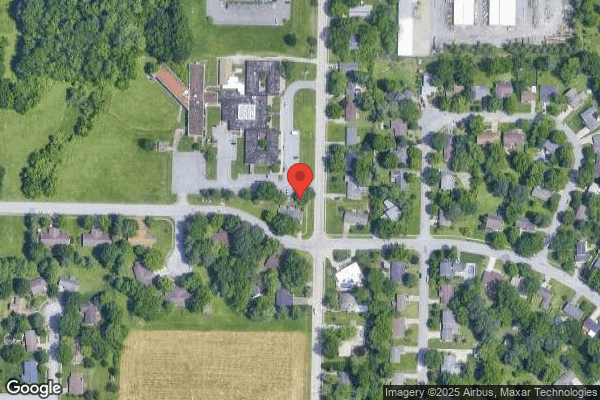
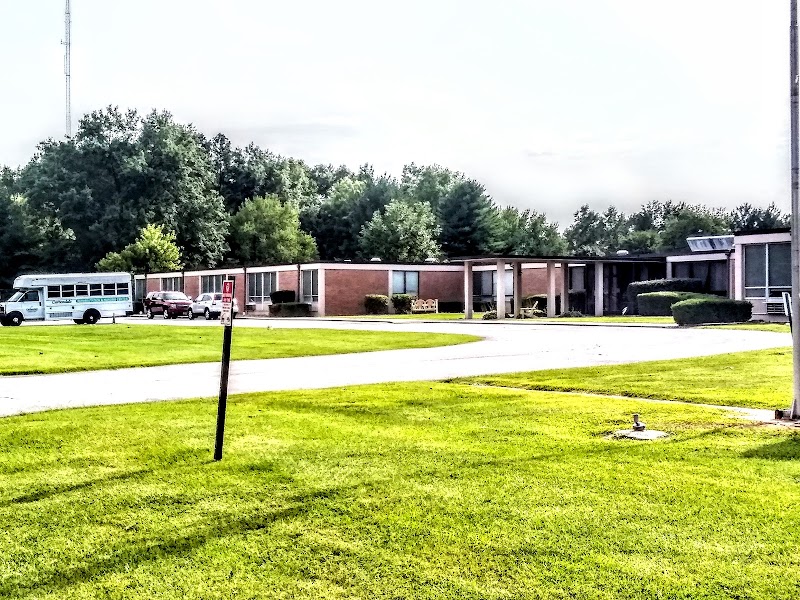
120 NORTH TOWER ROAD, CARBONDALE, IL 62901 (618) 549-3355
For profit - Limited Liability company 131 Beds INTEGRITY HEALTHCARE COMMUNITIES Data: November 2025 3 Immediate Jeopardy citations
Trust Grade
0/100
#552 of 665 in IL
Last Inspection: February 2025

Within standard 12-15 month inspection cycle. Federal law requires annual inspections.

Overview

Integrity HC of Carbondale has a Trust Grade of F, indicating significant concerns and poor performance overall. It ranks #552 out of 665 facilities in Illinois, placing it in the bottom half, and is the second and last option in Jackson County. The facility is worsening, with the number of reported issues increasing from 17 in 2024 to 28 in 2025. Staffing is average with a 3/5 rating, but the 74% turnover rate is concerning compared to the state average of 46%. Additionally, the facility has accumulated $261,270 in fines, which is higher than 86% of Illinois facilities, highlighting ongoing compliance issues. Several critical incidents have been reported. One resident with dementia was able to leave the facility unsupervised multiple times, even wandering onto a busy highway, which poses a serious safety risk. Another resident experienced significant medication errors, missing doses of long-acting insulin that could have led to severe health complications. Lastly, a resident was hospitalized due to neglect, resulting in multiple pressure ulcers and untreated medical conditions, further indicating serious care deficiencies. While there are some strengths, the overall picture is quite troubling, and families should proceed with caution.

Trust Score
F
0/100
In Illinois
#552/665
Bottom 17%
Safety Record
High Risk
Review needed
Inspections
Getting Worse
17 → 28 violations
Staff Stability
⚠ Watch
74% turnover. Very high, 26 points above average. Constant new faces learning your loved one's needs.
Penalties
✓ Good
$261,270 in fines. Lower than most Illinois facilities. Relatively clean record.
Skilled Nurses
⚠ Watch
Each resident gets only 27 minutes of Registered Nurse (RN) attention daily — below average for Illinois. Fewer RN minutes means fewer trained eyes watching for problems.
Violations
⚠ Watch
48 deficiencies on record. Higher than average. Multiple issues found across inspections.
★☆☆☆☆
1.0
Overall Rating
★★★☆☆
3.0
Staff Levels
★★★★☆
4.0
Care Quality
★☆☆☆☆
1.0
Inspection Score
Stable
2024: 17 issues
2025: 28 issues

The Good

  • 4-Star Quality Measures · Strong clinical quality outcomes
  • Full Sprinkler Coverage · Fire safety systems throughout facility
  • No fines on record

Facility shows strength in quality measures, fire safety.

The Bad

1-Star Overall Rating

Below Illinois average (2.5)

Significant quality concerns identified by CMS

Staff Turnover: 74%

28pts above Illinois avg (46%)

Frequent staff changes - ask about care continuity

Federal Fines: $261,270

Well above median ($33,413)

Significant penalties indicating serious issues

Chain: INTEGRITY HEALTHCARE COMMUNITIES

Part of a multi-facility chain

Ask about local staffing decisions and management

Staff turnover is very high (74%)

26 points above Illinois average of 48%

The Ugly 48 deficiencies on record

3 life-threatening 5 actual harm
Sept 2025 4 deficiencies 2 Harm
SERIOUS (G) 📢 Someone Reported This

A family member, employee, or ombudsman was alarmed enough to file a formal complaint

Actual Harm - a resident was hurt due to facility failures

Quality of Care (Tag F0684)

A resident was harmed · This affected 1 resident

**NOTE- TERMS IN BRACKETS HAVE BEEN EDITED TO PROTECT CONFIDENTIALITY** Based on interview and record review the facility failed to ensure timely treatment and care in accordance with professional sta...

Read full inspector narrative →
**NOTE- TERMS IN BRACKETS HAVE BEEN EDITED TO PROTECT CONFIDENTIALITY** Based on interview and record review the facility failed to ensure timely treatment and care in accordance with professional standards of practice after a fall for 1 (R1) of 3 residents in a sample of 26. This failure resulted in R1 not getting immediate treatment for a hip fracture after a fall. A reasonable person would experience feelings of discomfort and distress due to not receiving timely after fall care. This past noncompliance occurred between 8/25/25 and 8/26/25. Findings include: R1's admission Record documented an admission date of 4/27/2023 and diagnoses including chronic obstructive pulmonary disease, unspecified, gastrostomy status, dysphagia, unspecified, schizoaffective disorder, bipolar type, muscle weakness and moderate protein-calorie malnutrition.R1's Quarterly Minimum Data Set (MDS) dated [DATE] documented a Brief Interview for Mental Status (BIMS) score of 07, indicating R1 had severe cognitive impairment. This same document under section GG0120 Mobility Devices documented a walker used for ambulation and section I5600 Active Diagnosis documented a diagnosis of malnutrition (protein or calorie) or at risk for malnutrition.R1's Final Incident Report dated 8/25/2025 with time of incident documented R1 had an unwitnessed fall in his room. R1 ambulated independently with walker at baseline. R1 reported pain to right groin with imaging ordered in house. Imaging obtained on 8/26/2025 with results showing a displaced fracture to right femoral neck. R1's Progress note dated 8/25/2025 at 1:24 PM by V15 (LPN) documented heard R1 yelling out. Upon entering room, resident was on the floor, leaning on his right elbow, walker to his left side with no injuries noted, but complain of right inguinal and thigh pain.R1's Progress note dated 8/26/25 at 4:15 PM documents, EMS (Emergency Medical Services) arrived and transferred R1 to the local hospital. On 9/3/2025 at 12:51 PM, V18 (Certified Nursing Assistant/CNA) stated, she did work on 8/25/2025 when R1 had fallen in his room. V18 stated, she heard R1 hollering out from his room while she had been at the nurse's station. V18 stated, she went into R1's room with V24 (CNA) and found R1 on the floor. V18 stated, she requested V15 (Licensed Practical Nurse/LPN) to come to R1's room. V18 stated, V15 assessed R1 with V24 and then helped him back to bed. V18 stated, R1 had been complaining of pain in his groin area and unable to stand or do baseline activities. V18 stated, she notified V15 of R1's not being able to perform his normal functions multiple times after his fall and V15 stated, R1 would have to wait. V18 stated, no imaging was completed the day of the fall.On 9/3/2025 at 1:02 PM, V15 (Licensed Practical Nurse/LPN) stated, she had been working the day R1 had his fall event on 8/25/2025. V15 stated, V18 (CNA) and V24 (CNA) requested for her to come to R1's room. V15 stated, R1 had been on his right side in the floor when she entered his room. V15 stated, R1 had been helped back to bed by her and V24, she then notified V16 (Family) and V17 (Physician) of R1's fall. V15 stated, V17 ordered imaging pictures be taken of R1's right hip related to pain from the fall. V15 stated, she contacted the imaging company to schedule them to come to the facility for pictures. V15 stated, the imaging company returned a call and notified her that they would not be able to come to the facility until the next day. V15 stated, she did not notify the doctor that the imaging company could not come that day. V15 stated, R1 did still have pain throughout her shift and was unable to complete his baseline activities. V15 stated, she had been back to R1's room several times that day to see if he wanted to get out of bed. V15 stated, R1 probably should have been sent to the local emergency room for further evaluation that day after the imaging company could not complete the order, but she did not send him. On 9/4/2025 at 11:09 AM, V2 (Assistant Director of Nursing/ADON) stated, she had been notified that R1 had fallen on 8/25/2025 in the afternoon. V2 stated, she thinks R1 had been reaching for his crayons when he fell out of bed. V2 stated, per V15's (LPN) nursing note documented R1's fall, with notifications to V17 (Physician) and V16 (Family) and order for imaging pictures to be performed. V2 stated, on 8/26/2025 around 4:00 PM the imaging company arrived in the facility to complete imaging pictures for R1 and R1 had still been in pain after pictures were taken, so she contacted V16 (Family) via phone to discuss sending R1 to the hospital for further evaluation. V2 stated, V16 agreed to have R1 sent to the local emergency room. V2 stated, R1 was transferred to the local hospital by ambulance around 4:15 PM on 8/26/2025. V2 stated, the imaging order for R1 should have been initially order stat (immediate) and if the imaging company could not come out to complete the pictures then V16 (Family) should have been contacted to discuss further evaluation which would include R1 being sent to the local hospital. On 9/4/2025 at 11:24 PM, V28 (Imaging Company) stated, there is documentation on 8/25/2025 at 1:37 PM for R1 to receive an image order to the right hip. V28 stated, the order was not ordered stat (immediate). V28 stated, around 4:30 PM the technician on 8/25/2025 documented unable to complete order due to workload. V28 stated, at 5:05 PM, V31(Imaging Technician) documented V15 (LPN) notified images would not be completed today for R1 via phone. V28 stated, V31 (Imaging Technician) arrived in the facility on 8/26/2025 around 4:00 PM to complete R1's order. V28 stated, V31 completed the imaging picture and requested the picture to be read stat. On 9/4/2025 at 1:10 PM, V1 (Administrator) stated, R1 had been self-ambulatory during his stay in the facility. V1 stated, her understanding of R1's fall event on 8/25/2025 had been he self-reported by hollering out from his room and V15 (LPN) went down to R1's room to check on him. V1 stated, R1 did have some hip pain after his fall and V15 ordered a imaging picture through the imaging company. V1 stated, the imaging company came in on 8/26/2025 around 4:00 PM to complete the imaging pictures and there was a fracture shown and R1 had been sent out to the local hospital. V1 stated, the normal expectations after a fall event with pain would be to get an imaging picture ordered immediately and if the company could not come in to complete the order, the nurse should contact the physician to discuss further evaluation. V1 stated, V15 did not order the imaging pictures to be done stat. On 9/5/2025 at 1:28 PM, V17 (Physician) stated, he had been notified of R1's fall event from 8/25/2025. V17 stated, around 1:37 PM he received a text message to order imaging of the right hip for R1. V17 stated, he had not been notified of a pain assessment for R1, that R1 could not bear-weight or there was a delay in imaging. V17 stated, V15 (LPN) should have completed a better assessment of R1 after his fall event. On 9/09/2025 at 10:02 AM, V23 (CNA) stated, he did work the day R1 had his fall on 8/25/2025. V23 stated, R1 had been independent in ambulation. V23 stated, he heard R1 hollering for help from his room but does not recall what time. V23 stated, when he entered R1's room, R1 had been on his hands and knees in the floor with his crayons next to him. V23 stated, he called out for V15 (LPN) to come to R1's room to assess him. V23 stated, after V15 assessed R1, they helped him into his bed. V23 stated, he is not aware if R1 had any pain. V23 stated, later that same day, R1 used his call light for resident care. V23 stated, he attempted to help R1 up out of his bed to stand and R1 could not bear any weight on his right leg. V23 stated, R1 said he could not stand. V23 stated, he did notify V15 but not aware of any interventions at that time. V23 stated, he worked the next day on 8/26/2025 and V16 (Family) had hit R1's call light for him to get assistance to get dressed. V23 stated, at that time, R1 was telling V16 that he could not get up. On 9/9/2025 at 10:13 AM, V24 (Director of Nursing/DON) stated, she did not work on 8/25/2025 when R1 had his fall. V24 stated, she had not been notified of the fall event the day of. V24 stated, when she had been notified on 8/26/2025, she went down to assess R1. V24 stated, R1 did have pain to his right lower leg upon assessment. V24 stated, V16 (Family) was in the room during the assessment and asked about the imaging results to R1's right hip. V24 stated, she reviewed R1's chart and did not see any imaging results. V24 stated, she requested for R1 to be administered pain medication while she contacted the imaging company to follow up on R1's order. V24 stated, when she contacted the imaging company is when she found out that the order had been for yesterday. V24 stated, it is the facility policy that V17 (Physician), families and herself are to be notified of resident fall events. V24 stated, R1's imaging order should have been completed on 8/25/2025 and when imaging had notified V15 that they would not be able to complete it that day, R1 should have been sent out to the local emergency room for further evaluation.The local Hospital emergency room imaging report for R1's right hip related to fall with pain and unable to weight-bear, dated 8/26/2025 documented an acute fracture of the right femoral neck with acute angulation.Prior to the survey date, the facility took the following actions to correct the non-compliance:1. On 8/26/2025, all nursing staff in-serviced on all falls to be reported to Director of Nursing and Assistant Director of Nursing, fall management, resident reports pain with a fall event or other incident should have an immediate imaging order placed, and if imaging company is unable to arrive at the facility the same day as order, staff will notify physician and family. Staff signed on in-service sheet including V15. 2. On 8/26/2025 the Administrator and Director of Nursing will complete random education checks to ensure staff is knowledgeable on the process of obtaining immediate imaging for residents who fall with complaints of pain for a minimum of 5 times per week for 4 weeks.3. On 8/26/2025 implemented all fall reports to be reviewed, daily during the morning meetings and a weekly review to be completed with the interdisciplinary team on Thursdays to ensure all identifying changes, implementing new processes and monitoring changes. All items to be discussed in Quality Assurance meetings.4. On 8/26/25, the facility's Quality Assurance Committee met to review the above referenced fall. The Committee approved of the corrective Action Plan that had been submitted and reviewed the status of the plan without corrections.
SERIOUS (G) 📢 Someone Reported This

A family member, employee, or ombudsman was alarmed enough to file a formal complaint

Actual Harm - a resident was hurt due to facility failures

Deficiency F0697 (Tag F0697)

A resident was harmed · This affected 1 resident

**NOTE- TERMS IN BRACKETS HAVE BEEN EDITED TO PROTECT CONFIDENTIALITY** Based on interview and record review the facility failed to assess and provide pain medication after a fall for 1 (R1) of 3 resi...

Read full inspector narrative →
**NOTE- TERMS IN BRACKETS HAVE BEEN EDITED TO PROTECT CONFIDENTIALITY** Based on interview and record review the facility failed to assess and provide pain medication after a fall for 1 (R1) of 3 residents reviewed for pain in a sample of 26. This failure resulted in R1 not receiving any pain medication for a hip fracture for several hours after a fall. A reasonable person would experience feelings severe pain and discomfort due to not receiving pain relief medication. This past noncompliance occurred between 8/25/25 and 8/26/25. Findings include:R1's admission Record documented an admission date of 4/27/2023 and diagnoses including chronic obstructive pulmonary disease, unspecified, gastrostomy status, dysphagia, unspecified, schizoaffective disorder, bipolar type, muscle weakness and moderate protein-calorie malnutrition.R1's Quarterly Minimum Data Set (MDS) dated [DATE] documented a Brief Interview for Mental Status (BIMS) score of 07, indicating R1 had severe cognitive impairment.R1's Physician Order Summary documented Acetaminophen Oral Suspension. Give 5 ml via gastrointestinal tube every 6 hours as needed for mild pain related to muscle weakness (generalized) with a start date of 07/22/2024.R1's Progress note dated 8/25/2025 at 1:24 PM by V15 (Licensed Practical Nurse/LPN) documented heard R1 yelling out. Upon entering room, resident was on the floor, leaning on his right elbow, walker to his left side with no injuries noted, but complain of right inguinal and thigh pain.R1's Final Incident Report dated 8/25/2025 with time of incident documented R1 had an unwitnessed fall in his room. R1 ambulated independently with walker at baseline. R1 reported pain to right groin with imaging ordered in house. Imaging obtained on 8/26/2025 with results showing a displaced fracture to right femoral neck.The local Hospital emergency room imaging report for R1's right hip related to fall with pain and unable to weight-bear, dated 8/26/2025 documented an acute fracture of the right femoral neck with acute angulation.On 9/3/2025 at 12:51 PM, V18 (Certified Nursing Assistant/CNA) stated, she notified V15 (Licensed Practical Nurse/LPN) of R1's continued pain and not being able to perform his normal functions multiple times after his fall. V18 stated, V15 stated to her, R1 would have to wait. On 9/5/2025 at 10:32 PM, V15 (LPN) stated she did not give any pain medication to R1 after his fall event on 8/25/2025 or during her shift that day.On 9/5/2025 at 12:27 PM, V16 (Family) stated R1 did have a fall on 8/25/2025. V16 stated at the time of the fall when they contacted him, R1 had been having pain in his right groin/inner thigh. V16 stated, he came to visit R1 on 8/26/2025. V16 stated, R1 told him he was in pain when he asked him if he was hurting by pointing to his right inner thigh/groin area. V16 stated, he would assume that the facility would give R1 pain medication as ordered.On 9/4/2025 at 11:09 AM, V2 (Assistant Director of Nursing/ADON) stated she had been notified that R1 had fallen on 8/25/2025 in the afternoon. V2 stated, on 8/26/2025 around 4:00 PM the imaging company arrived in the facility to complete imaging pictures for R1 and R1 had still been in pain, so she contacted V16 to discuss sending R1 to the hospital for further evaluation. V2 stated, V16 agreed to have R1 sent to the local emergency room. V2 stated, R1 was transferred to the local hospital by ambulance around 4:15 PM. V2 stated, R1 had no documentation of pain medication given until Acetaminophen Oral Suspension (Acetaminophen) 5 milliliters for 8/10 pain on 8/26/2025 at 10:59AM.On 9/5/2025 at 1:28 PM, V17 (Physician) stated, he had been notified of R1's fall event from 8/25/2025. V17 stated, around 1:37 PM he received a text message to order imaging of the right hip for R1. V17 stated, he had not been notified of a pain assessment for R1, that R1 could not bear-weight or there was a delay in imaging. V17 stated, V15 (LPN) should have completed a better assessment of R1 after his fall event. On 9/9/2025 at 10:13 AM, V24 (Director of Nursing/DON) stated she had been notified on 8/26/2025 that R1 had a fall event the day before and she went down to assess R1. V24 stated, R1 did have pain to his right lower leg upon assessment. V24 stated, she requested for R1 to be administered pain medication while she contacted the imaging company to follow up on R1's order. V24 stated, pain should be assessed for all residents who have had a fall and R1 should have received pain medication with verbalizing pain to his right hip.R1's August Medication Administration Record (MAR) documented no pain medication was given on 8/25/2025. R1's MAR documents R1 received Acetaminophen Oral Suspension (Acetaminophen) 5 milliliters for 8/10 pain on 8/26/2025 at 10:59AM.The facility's Pain Management Policy (adapted/revised 2022) documented under Purpose: To facilitate resident independence, promote resident comfort and preserve resident dignity. The purpose of this policy is to accomplish that mission through an effective pain management program, providing our residents the means to receive necessary comfort, exercise greater independence, and enhance dignity and life involvement. General Guidelines: The facility will achieve these goals through: Promptly and accurately assessing and managing pain to the greatest extent possible. Encouraging residents to self-report pain. Aggressively assessing pain in non-verbal and cognitively impaired residents. Increasing comfort and reducing to depression and anxiety in residents. Optimizing the residents' ability to perform activities of daily living. Monitoring treatment efficacy and side effects. A standard format for assessing, monitoring and documenting pain in both cognitively intact and cognitively impaired residents will be utilized. As part of a comprehensive approach to pain assessment and management, pain will be considered the fifth vital sign at the facility, along with temperature, pulse, respiration, and blood pressure. For the purposes of this policy, pain is defined as whatever the experiencing person says it is, existing whenever the experiencing person says it does.Prior to the survey date, the facility took the following actions to correct the non-compliance:1. On 8/26/2025, all nursing staff in-serviced on all falls to be reported to Director of Nursing and Assistant Director of Nursing, fall management, resident reports pain with a fall event or other incident should have an immediate imaging order placed, and if imaging company is unable to arrive at the facility the same day as order, staff will notify physician and family. Staff signed on in-service sheet including V15.2. On 8/26/2025 the Administrator and Director of Nursing will complete random education checks to ensure staff is knowledgeable on the process of obtaining immediate imaging for residents who fall with complaints of pain for a minimum of 5 times per week for 4 weeks.3. On 8/26/2025 implemented all fall reports to be reviewed, daily during the morning meetings and a weekly review to be completed with the interdisciplinary team on Thursdays to ensure all identifying changes, implementing new processes and monitoring changes. All items to be discussed in Quality Assurance meetings.4. On 8/26/25, the facility's Quality Assurance Committee met to review the above referenced fall. The Committee approved of the corrective Action Plan that had been submitted and reviewed the status of the plan without corrections.
CONCERN (D) 📢 Someone Reported This

A family member, employee, or ombudsman was alarmed enough to file a formal complaint

Potential for Harm - no one hurt, but risky conditions existed

Deficiency F0605 (Tag F0605)

Could have caused harm · This affected 1 resident

**NOTE- TERMS IN BRACKETS HAVE BEEN EDITED TO PROTECT CONFIDENTIALITY** Based on record review and interview, the facility failed to use person centered behavior interventions and attempt less restric...

Read full inspector narrative →
**NOTE- TERMS IN BRACKETS HAVE BEEN EDITED TO PROTECT CONFIDENTIALITY** Based on record review and interview, the facility failed to use person centered behavior interventions and attempt less restrictive alternative treatments prior to administering as needed psychotropic medications for 1 of 3 residents (R5) reviewed for psychotropic medications in a sample of 26. Findings include:R5's admission record documents an admission date of 7/17/25 with the following diagnoses and a discharge date of 8/25/25 with the following diagnoses in part; other frontotemporal neurocognitive disorder, frontotemporal dementia, dementia in other diseases classified elsewhere, unspecified severity, with agitation, depression, unspecified, and anxiety disorder. R5's Minimum Data Set (MDS) dated [DATE], documents a Brief Interview for Mental Status (BIMS) of 99, indicating that R5 was not able to complete the interview. Section N-Medications documents that R5 receives antipsychotics on a routine basis only.R5's Care Plan documents R5 uses medications with black box warnings. With interventions including but not limited to: Clonazepam: Combined with opioids may result in profound sedation, respiratory depression, coma and death. Limit dosages to the minimum required and follow patients closely for signs and symptoms of respiratory depression and sedation. Initiated: 8/4/25.Escitalopram: Increased risk of suicidal thinking and behavior in children, adolescents, and young adults. Risk must balance with clinical need. Reduction in suicidal risks in adults 65 and older. Date initiated:8/4/25. Haloperidol: Increased mortality in elderly patients with dementia-related psychosis. Not approved for patients with dementia related psychosis. Date Initiated: 8/4/25.R5's Care plan documents a focus of: demonstrates significant mood distress/depression related to depression diagnosis, with interventions including but not limited to; Emphasize relation skills to help increase coping. Focus on strengths and accomplishments to help R5 minimize dwelling on problems and perceived failures. Promote self-talk. Help R5 identify negative self-talk and its role in sustaining depression.R5's Care plan documents a focus of: has a history of aggressive, inappropriate, combative behavior, with a diagnosis of anxiety, with interventions including, but not limited to; communicating assertively that R5 must exercise control over impulses and behavior. Remind R5 of inappropriate behavior.R5's Care plan/behavior tracking records documents R5 will reduce combative behavior to zero weekly throughout the review. With interventions including, 1. Anticipate her needs and meet them timely. 2. Check often to see if she needs care, such as toileting or a drink. 3. Remind R5 we are here to help, and she is safe.R5's Care plan/behavior tracking records documents R5 will reduce signs and symptoms of anxiety with behavior disturbances to two times per week through next review. With interventions including, 1. Allow to express feelings and concerns. 2. Encourage to participate in activities. 3. Remind R5 we are here to help her, and she is safe.R5's Care plan/behavior tracking record documents that R5 will reduce signs and symptoms of depression to two times per week throughout the next review. With interventions including, 1. Allow to express her feelings/concerns. 2. Encourage to participate in activities. 3. Remind R5 we are her to help her, and she is safe.R5's Physician Order Sheet document an order for the following scheduled medications: Clonazepam oral tablet disintegrating tablet, give 0.5mg (milligram) tablet by mouth related to dementia, classified elsewhere, unspecified severity, with agitation, anxiety disorder, unspecified. Escitalopram Oxalate Oral tablet 10mg, give one 10mg by mouth one time a day related to depression, unspecified. The start date for both medications was 7/17/25. R5's Physician Order Sheet document an order for the following as needed medications: Clonazepam oral tablet 0.5mg, give 0.5mg as needed for anticonvulsant. Haloperidol Lactate Injection Solution, inject 5mg intramuscularly every 24 hours as needed for agitation, with a start date of 7/17/25. Haloperidol Lactate Injection Solution, Inject 5mg intramuscularly every 24 hours as needed for agitation, with a start date of 7/21/25 and an end date of 8/4/25. Haloperidol Oral Tablet 1mg, give 1mg by mouth as needed for agitation. Take 1mg nightly as needed for agitation, with a start date of 7/21/25 and an end date of 8/4/25. Haloperidol Oral Tablet 1mg, give 1mg by mouth as needed for agitation. Take 1mg nightly as needed for agitation, anxiety related to anxiety disorder, unspecified with a start date of 8/8/25 and an end date of 8/21/25. Hydroxyzine HCI oral tablet 25mg, give 25mg by mouth every 8 hours as needed for anxiety for 14 days, with a start date of 7/21/25 and end date of 8/4/25. Hydroxyzine HCI oral tablet 25mg, give 25mg by mouth every 8 hours as needed for agitation, anxiety related to anxiety disorder, unspecified. With a start date of 8/8/25 and end date of 8/21/25.R5's July Medication Administration record documents R5's as needed dose of Clonazepam was administered on 7/19/25 at 11:27am and 7/21/25 at 9:31pm.R5's July Medication Administration record documents R5's as needed Haloperidol Lactate Injection was administered on 7/21/25 at 1:20pm, 7/22/25 at 6:57am, 7/24/25 at 1:40am, 7/27/25 at 8:09pm, and 7/28/25 at 7:25pm.R5's July Medication Administration record documents R5's as needed Haloperidol oral tablet was administered on 7/20/25 at 11:05pm, 7/22/25 at 3:25pm, and 7/28/25 at 12:28am.R5's July Medication Administration record documents R5's as needed Hydroxyzine HCI oral tablet was administered on 7/20/25 at 8:07am, 7/21/25 at 8:37am, 7/24/25 at 8:57am and 7/28/25 at 8:20am.R5's care plan/behavior tracking records for July 2025 are blank on the 7a-7p shift on 7/17, 7/18, 7/22, 7/23, 7/24, 7/25, 7/28, 7/29, and 7/30. These same documents record on the 7p-7a shift on 7/18-7/31 the only intervention attempted was to allow R5 to express her feelings and concerns.R5's progress notes document on 7/19/2025 at 2:30pm, Resident was being combative hitting staff, refusing to rest in bed and refusing to stay in w/c (wheelchair). PRN (as needed) clonazepam given at 11:29am. Ineffective. Spoke with Psych NP regarding increased agitation and anxiety. Per Psych NP orders PRN Haloperidol IM injection given at 1:20pm. Resident is resting in bed at this time. signs of agitation has decreased. Plan of care ongoing.R5's progress notes document on 7/28/2025 at 12:28am, Administration Note -Note Text: Haloperidol Oral Tablet 1 MG Give 1 mg by mouth every 24 hours as needed for agitation for 14 Days. Resident very restless, attempting to get out of bed. Administered per PRN orders.R5 progress notes document R5 had falls on 7/19/25, 7/23/25 and 7/26/25. R5 did not suffer any injuries with these falls. On 9/9/25 at 10:43am, V22 (Certified Nursing Assistant/CNA) stated she cared for R5 quite often, on a variety of different shifts. V22 stated by the time they got R5 at the facility, her dementia had really progressed. V22 stated R5 was extremely active of body, moving constantly, often in repetitive motions. V22 stated it was like R5's body did not connect with her brain. V22 stated R5 was very restless at night, she needed one on one supervision. V22 stated during the day activity and management tried to help with R5 if they could, she had started therapy right before she got COVID and that had been a ton of help. V22 stated therapy would help walk R5 because she was constantly trying to get up and she was not steady at all and had some falls. V22 stated walking helped her settle down so much. V22 stated R5 was total care and had to be extensively assisted with feeding, which did take a lot of time. V22 stated she could walk but not independently or safely, she had to walk with staff. V22 stated R5 could speak, but her brain wasn't working correctly due to her dementia. V22 stated R5 did not make sense and there was no redirecting or reassuring her. V22 stated she could be combative at times. V22 stated she was not sure what R5's behavioral interventions actually were, but if she had her, she would give her a pillowcase to fiddle with or fold. V22 stated sometimes she would give her the pillow without the pillowcase because she liked the sound that it made when she scratched it and would settle her down a little bit.On 9/9/25 at 11:21am, V15 (Licensed Practical Nurse/LPN) stated when R5 first came in she was very active. V15 stated R5 was not technically a one on one, but they had to keep eyes on her all the time. V15 stated R5 was constantly wanting to stand and fidgeting. V15 stated R5 was super restless, and she would pull stuff off the desks, get a hold of people walking past her and trying to stand and she was super unsteady trying to stand unassisted. V15 stated if she was very restless and someone was available, they would walk with her and that was very helpful. V15 stated she did not specifically remember what R5's behavior interventions were but they always had to have eyes on her and things out of her reach. V15 stated she had an as needed order for a Haldol injection and she had to call the psychiatric Nurse Practitioner to get a one time order once because she was very combative. V15 stated when R5 first came she spoke, but it was nonsensical. V15 stated there was no redirection or discussing feelings with R5, her level of cognition at that point just was not there.On 9/9/25 at 1:09pm, V14 (Director of Nursing/DON) stated she did not believe V33 (Psychiatric Nurse Practitioner) saw R5 in person at admission. V14 stated they do monitor medications, and the psychiatric medications people admit on, she stated R5 was admitted on all these medications, and they weren't monitoring her specifically. V14 stated they do monitor for side effects of medications. V14 stated medications with black box warnings have things to monitor for in the care plan, but they do not have a place where they chart what they are monitoring for. V14 stated when R5 first admitted she would do one on one with her at times. V14 stated R5 did speak in the beginning, but agreed her level of cognition was severely impaired. V14 stated they should be reevaluating interventions for residents.On 9/9/25 at 1:56pm, V17 (Physician) stated R5 was discharged from the hospital to continue both orders for one scheduled benzodiazepine tablet, one scheduled antidepressant tablet, one as needed benzodiazepine tablet, one as needed anti-psychotic tablet and one as needed anti-psychotic injection, and one as needed Anxiolytic/Sedative tablet, up to three times a day. V17 stated he continued the medications because R5 was allegedly already taking them at the assisted living. V17 stated the reason she was taking them was because she was displaying increased agitation, he stated he believed she also was combative and had self-injurious behavior. V17 stated he had seen R5 in person on July 17,2025 when she was admitted to the facility.On 9/9/25 at 2:35pm, V33 (Psychiatric Nurse Practitioner) stated she followed R5 at her previous assisted living facility. V33 stated R5 was much more active at assisted living, and managing her behaviors and medications were challenging. V33 stated they tried all different things with R5, she was much more physically aggressive, was flipping tables and things of that nature. V33 stated in assisted living, they do not have the staff that they have in long term care, sometimes they don't even have nurses, so their ability to use non-pharmacological interventions is limited. V33 stated the facility continued all her orders for R5 from the assisted living, she stated the reason for all the as needed medications in assisted living because they will taper them down to as needed with the goal of discontinuing them eventually. V33 stated normally she would not order all these as needed medications in a long-term care facility because they have more staff and different regulations. V33 stated she can give suggestions for behavior interventions. V33 stated after looking over her notes she had suggested behavior interventions appropriate to her cognitive abilities, she stated R5 was severely cognitively impaired. V33 stated behavior interventions should always be the first line treatment, appropriate interventions should be done and documented before use of as needed medications. V33 stated as needed medications should be the last resort for all patients. V33 stated she had not seen R5 in person until after she had declined, she stated she didn't have her notes in front of her, but she believed it to be around 8/15/25.On 9/9/25 at 2:40pm, V1 (Administrator) was asked if R5's behavior interventions were person centered and appropriate, V1 stated that was a good question and declined to answer any further. V1 stated they did not have any policies regarding the use of psychotropic medications or chemical restraints.Facility policy titled, Care Planning - Interdisciplinary Team with a revision date of September 2013, documents under policy statement: Our facility's Care Planning/Interdisciplinary Team is responsible for the development of an individualized comprehensive care plan for each resident. According to https://reference.medscape.com/drug-interactionchecker, there are 7 significant interactions between the psychotropic medications that R5 was taking and require close monitoring: Escitalopram increases toxicity of Haloperidol by QTc interval. Use Caution/Monitor. Hydroxyzine and Haloperidol both increase QTc interval. Use Caution/Monitor. Hydroxyzine and Escitalopram both increase QTc interval. Use Caution/Monitor. Hydroxyzine and Clonazepam both increase sedation. Use Caution/Monitor. Hydroxyzine and Haloperidol both increase sedation. Use Caution/Monitor. Clonazepam and Haloperidol both increase sedation. Use Caution/Monitor. Haloperidol and Escitalopram both increase QTc interval. Use Caution/Monitor.
CONCERN (E) 📢 Someone Reported This

A family member, employee, or ombudsman was alarmed enough to file a formal complaint

Potential for Harm - no one hurt, but risky conditions existed

Deficiency F0604 (Tag F0604)

Could have caused harm · This affected multiple residents

**NOTE- TERMS IN BRACKETS HAVE BEEN EDITED TO PROTECT CONFIDENTIALITY** Based on interview, observation and record review, the facility failed to assess adaptive equipment and pressure alarms in order...

Read full inspector narrative →
**NOTE- TERMS IN BRACKETS HAVE BEEN EDITED TO PROTECT CONFIDENTIALITY** Based on interview, observation and record review, the facility failed to assess adaptive equipment and pressure alarms in order to ensure safety and freedom for normal movement for 4 of 4 residents (R3, R5, R9, R18) reviewed for physical restraints in the sample of 26. Findings include:1. R5's “admission Record” documents an admission date of 7/17/25 and a discharge date of 8/25/25 with the following diagnoses in part; other frontotemporal neurocognitive disorder, frontotemporal dementia, dementia in other diseases classified elsewhere, unspecified severity, with agitation, history of falling, muscle weakness (generalized), difficulty in walking. R5's care plan documents that R5 is at risk for falls related to dementia, impaired cognition/safety awareness, use of antidepressant, antianxiety medications, history of falls, impaired gait/balance. This same document lists the following interventions, Lap [NAME] (positioning device) to be ordered and placed on delivery, until arrives staff to increase monitoring, with an initiation date of 7/31/25. Bed alarm on while in bed to notify staff of need for assistance, with an initiation date of 7/17/25. R5's medical record did not contain a restraint assessment for positioning device (lap [NAME]). R5's medical record did not contain an order for a positioning device. On 9/9/25 at 10:43am, V22 (Certified Nursing Assistant/CNA) stated that R5 was a [NAME], and she was strong, it was possible she could remove the velcro off the lap [NAME], but it was not something she could do on command or knew what she was doing. On 9/9/25 at 11:17am, V32 (Therapy Director) stated she can give recommendations for positioning devices, but she does not see too many residents in therapy because most of them are Medicaid and screening them for such devices is not something she regularly does. V32 stated that she worked with R5 right before she really declined. V32 stated R5 was physically very strong, she would get a grip on something, and you could not get it away from her. V32 stated R5 could walk, but she was not steady standing on her own and had some falls. V32 stated that R5 physically had the strength to remove the Velcro on her positioning device, but she did not think she could intentionally remove it. 2. R18's “admission Record” documents an admission date of 4/30/2022 with the following diagnoses in part, unspecified dementia, moderate, with other behavioral disturbance, personal history of traumatic brain injury, and epilepsy, unspecified, not intractable, without status epilepticus. R18's care plan documents that R18 is at risk for falls related to confusion, unsteady gait, use of w/c (wheelchair) for mobility, use of antidepressant and anti-anxiety medication, frequently incontinent of bowel and bladder. Has diagnosis of Dementia, TBI (Traumatic Brain Injury), Seizure disorder. Has poor safety awareness, BLE (Bilateral Lower Extremity) weakness. Attempts to transfer self/ambulate without assistance. This same document lists the following intervention, Trial lap buddy, order lap [NAME]. R18's medical record did not contain a restraint assessment for positioning device. On 9/4/25 at 1:43pm, R18 was not interviewable. R18 was observed in his wheelchair with a positioning device applied on lap. R18 was asked if he was able to remove positioning device. R18 pointed at positioning device, but after several attempts, did not seem to understand instructions. R18 was not able to demonstrate that he is able to remove positioning device on his own. On 9/4/25 at 2:04pm, V34 (Minimum Data Set (MDS) Coordinator) stated they do not do restraint assessments because they do not have restraints here. V34 stated R5 and R18 did not have restraint assessments for the lap huggers (positioning device), and they do not have to assess the residents because when they stand the Velcro releases. 3. R3's admission Record documents a date of birth is 2/14/1944 and an admission date of 9/26/24. This same document lists the following diagnosis: unspecified fracture of upper end of left humerus, subsequent encounter for fracture with routine healing, aphasia following cerebral infarction, diabetes mellitus with diabetic polyneuropathy, and muscle weakness. R3's most recent Minimum Data Set, dated [DATE] documents R3's had a BIMS score of 99, indicating R9 could not complete the interview. Section P that a bed and chair alarm is used daily. R3's Care Plan documented a focus are for risk for falls with interventions in place that included: Bed and chair alarm to notify staff d/t (due to) weight bearing status right foot with a date Initiated of 05/05/2025. There was no physician's order or assessment in R3's medical records for any alarms used by R3. On 9/5/25 at 11:45AM, observed V21 (Certified Nurse Assistant/CNA Supervisor) demonstrating R3's wheelchair alarm and bed alarm in place and working. R3 did not say anything when questioned about the alarms. 4. R9's face sheet documents a date of birth is 5/28/51 and an admission date of 3/20/24. This same document lists the following diagnosis: anxiety, depression and altered mental status. R9's most recent quarterly Minimum Data Set, dated [DATE] documents R9 has a BIMS score of a 10 documenting R9 is moderately cognitively impaired. Section P documents that a bed alarm is used daily. R9's care plan documents a focus area of R9 is at risk for falls related to use of anti-depressant, PRN (as needed) opioid use, requires assist of transfers and is incontinent of bowel and bladder. The goal for this area is to have falls/injuries minimized through management of risk factors while maintaining maximum independence/quality of life through next review. The interventions include on 4/4/25 bed alarm to be on when in bed to alert staff of attempting to self-ambulate. There is no physician's order or assessments for R9's bed alarm located in R9's medical record. On 9/5/25 at 1:00 PM, V1 stated that residents who have chair and bed alarms do not need orders, and they are just decided upon in interdisciplinary meetings as fall interventions. V1 stated that there are no assessments that go along with these alarms, and they are not considered a restraint. On 9/9/25 at 1:56pm, V1 (Administrator) stated they do not have a policy regarding physical restraints.
Aug 2025 5 deficiencies
CONCERN (D) 📢 Someone Reported This

A family member, employee, or ombudsman was alarmed enough to file a formal complaint

Potential for Harm - no one hurt, but risky conditions existed

Deficiency F0692 (Tag F0692)

Could have caused harm · This affected 1 resident

**NOTE- TERMS IN BRACKETS HAVE BEEN EDITED TO PROTECT CONFIDENTIALITY** Based on observation, interview, and record review the facility failed to provide dietary supplements for at risk residents or r...

Read full inspector narrative →
**NOTE- TERMS IN BRACKETS HAVE BEEN EDITED TO PROTECT CONFIDENTIALITY** Based on observation, interview, and record review the facility failed to provide dietary supplements for at risk residents or residents who have experienced weight loss for 3 (R1, R4, and R6) of 12 residents reviewed for dietary services out of a sample of 12. Findings include:1. R1's admission Record documented an admission date of 9/26/25 with diagnoses including type 2 diabetes mellitus, peripheral vascular disease, aftercare following surgical amputation. R1's 7/17/25 Minimum Data Set (MDS) documented a Brief Interview for Mental Status (BIMS) score of 99, indicating R1 was severely cognitively impaired.R1's Order Summary Report documented a 10/19/24 diet order for regular diet, regular texture, thin liquids, health shakes at lunch and supper, offer extra butter/ margarin and sauces/ gravies at all meals.R1's Care Plan documents a goal as 10% and no signs or symptoms of malnutrition, with a revised date of 7/24/25. Interventions include: Provide and serve supplements as ordered with an initiation date of 10/16/24. R1's 8/5/25 Registered Dietitian progress note documented in part . (R1) with 11% WT loss/6mos (weight loss per 6 months). continue CCHO (Controlled Carbohydrate) diet. health shake to L and S (Lunch and Supper). Offer extra butter/ [NAME] (margarin), sauces/ gravies all meals to increase cals (calories). Encourage intakes.On 8/16/25 at 6:13 PM, R1 was served the evening meal tray containing a piece of cheese pizza, salad, breadstick, ambrosia, milk, and cool aide. R1's meal ticket documented R1 was supposed to receive a health shake, extra sauces/ gravies, and extra butter/ margarin. R1 did not receive a health shake, any extra sauces/ gravies, dressing for her salad, or any butter/ margarin.On 8/22/25 at 10:58 AM, V9 (Registered Dietitian) said she expected staff to provide residents with diets and supplements as ordered. V9 said she would recommend a health shake, extra sauces/ gravies, and extra butter/ margarin for residents with weight loss to increase their calorie intake.On 8/22/25 at 11:06 AM, V10 (Physician) said he expected physician orders to be followed. V10 said if a resident was not receiving the correct diets or supplements, they could have weight loss.2. R6's admission Record documented an admission date of 9/12/24 with diagnoses including: dementia, mild cognitive impairment, major depressive disorder, R6's 8/1/25 MDS documented a BIMS score of 1, indicating R6 was severely cognitively impaired.R6's Order Summary Report printed 8/21/25 documented a 1/13/25 diet order for regular diet with pureed texture with honey thick liquids, add extra butter/ margarin and extra sauces/ gravies to all meals, include pudding with 1 scoop of protein powder with lunch and supper. R6's Care Plan Report documented a focus area with a 7/31/20 initiation date documenting in part .(R6) is on a NAS (No Added Salt) puree diet. (R6's) teeth are in poor condition. (R6) is able to feed himself after setup.On 6/18/25 at 6:04 PM, R6 was served the evening meal tray containing pureed pizza that was chunky, more of a ground consistency, not a smooth consistency, pureed green beans, and pureed ambrosia. R6's meal tray did not contain a pureed garlic breadstick, any sauce or gravy, butter or margarin, or pudding.3. R4's admission Record documented an admission date of 4/30/22 with diagnoses including: dementia, personal history of traumatic brain injury, sensorineural hearing loss bilateral. R4's 5/30/25 MDS documented a BIMS score of 4, indicating R4 was severely cognitively impaired.R4's Order Summary Report printed 8/21/25 documented a 7/22/24 diet order for regular diet mechanical soft texture with thin liquid consistency, pudding at supper, extra butter/ margarin and extra sauces/ gravies with meals. R4's Care Plan Report documented a focus area revised on 3/23/35 documenting in part .(R4) is at risk for nutritional deficit r/t (related to) Dx TBI (Traumatic Brain Injury), dementia, rectal cancer. On 6/18/25 at 5:57 PM, R4 was served a meal tray containing large pieces of pizza dietary staff had torn up by hand, larger than 1-inch by 1-inch pieces of varying size, with some pieces containing the hard outer crust, pureed green beans, and a whole breadstick. R4 was observed to be unable to bite through the hard outer pizza crust or the breadstick. R4 did not receive any desert, pudding, butter/ margarin, sauce/ gravy.The facility's 2024 Weight Assessment and Intervention policy documented in part . The multidisciplinary tea will strive to prevent, monitor, and intervene for undesirable weigh loss for our residents. 4. The Dietitian will review the Weight Records each month to follow individual weight trends over time. 1. Interventions for undesirable weight loss may be based on careful consideration of the following: a. Resident choice and preferences; b. Nutrition and hydration needs of the resident; c. Functional factors that may inhibit independent eating. e. Chewing and swallowing abnormalities and the need for diet modifications. g. The use of supplementation and/or feeding tubes.
CONCERN (E) 📢 Someone Reported This

A family member, employee, or ombudsman was alarmed enough to file a formal complaint

Potential for Harm - no one hurt, but risky conditions existed

Menu Adequacy (Tag F0803)

Could have caused harm · This affected multiple residents

Based on observation, interview, and record review the facility failed to follow dietitian approved recipes and textures an failed to provide ordered supplements for 5 (R4, R5, R6, R7 and R12) of 12 r...

Read full inspector narrative →
Based on observation, interview, and record review the facility failed to follow dietitian approved recipes and textures an failed to provide ordered supplements for 5 (R4, R5, R6, R7 and R12) of 12 residents reviewed for dietary services out of a sample of 12.Findings include:The facility's Diet Spreadsheet Week 1 day 7 for Dinner, documented residents receiving a mechanical soft diet should have been served ground swiss cheese sandwich with mayonnaise, soft cooked vegetables soft chopped ambrosia, and a soft garlic breadstick. The facility's Diet Spreadsheet Week 1 day 7 for Dinner, documented resident receiving a pureed diet should have been served pureed cheese pizza, pureed soft, cooked vegetables, pureed ambrosia, and pureed garlic breadstick.1. R12's admission Record documented an admission date of 8/6/25 with diagnoses including: sequelae of unspecified cerebrovascular disease, hemiplegia and hemiparesis following cerebral infarction affecting right dominant side, muscle weakness. R12's 8/15/25 Minimum Data Set (MDS) documented a Brief Interview for Mental Status (BIMS) score of 14, indicating R12 was cognitively intact.R12's Order Summary Report printed 8/26/25 documented an 8/6/25 diet order for low concentrated sweets diet with mechanical soft texture and thin liquids.On 6/18/25 at 5:44 PM, R12 was severed a meal tray containing large pieces of cheese pizza dietary staff had torn up by hand, larger than 1 inch by 1 inch pieces of varying size, with some pieces containing the hard outer crust, a shredded lettuce salad, and a whole breadstick. V3 (Certified Nursing Assistant/ CNA) delivered R12's meal tray and told R12, I know there are some hard pieces in there (referring to the pizza) but if it is too much let us know. Don't choke on it. Tell us and we will see about getting you something else.On 6/18/25 at 5:54 PM, R12 was observed to be trying to bite though the pizza but was not able to.2. R5's admission record documented an admission date of 5/20/25 with diagnoses including: hemiplegia and hemiparesis following cerebral infarction, major depressive disorder, vascular dementia, cerebellar stroke syndrome. R5's 5/28/25 Minimum Data Set (MDS) documented a Brief Interview for Mental Status (BIMS) score of 14, indicating R5 was cognitively intact.R5's Order Summary Report printed 8/21/25 documented a 5/20/25 diet order for no added salt, mechanical soft texture, thin liquids consistency. R5's Care Plan Report documented a focus area with a 6/9/25 initiated date documenting in part .(R1) is a risk for nutritional deficit r/t (related to) dx (diagnosis) CVA (Cerebrovascular Accident) with left sided hemiplegia, dementia. with a with 6/9/25 initiated intervention documenting in part . Provide, serve diet as ordered.On 6/18/25 at 6:38 PM, R5 was served a meal tray containing large pieces of cheese pizza dietary staff had torn up by hand, larger than 1 inch by 1 inch pieces of varying size, with some pieces containing the hard outer crust, a shredded lettuce salad, and a whole breadstick. R5 was observed to be unable to bite through the hard outer pizza crust.On 6/18/25 at 7:09 PM, R5's meal tray was observed to have the breadstick with teeth marks on one end but was not bitten off. At that time R5 stated the breadstick was too hard for her to bite through.3. R6's admission Record documented an admission date of 9/12/24 with diagnoses including: dementia, mild cognitive impairment, major depressive disorder, R6's 8/1/25 MDS documented a BIMS score of 1, indicating R6 was severely cognitively impaired.R6's Order Summary Report printed 8/21/25 documented a 1/13/25 diet order for regular diet with pureed texture with honey thick liquids. R6's Care Plan Report documented a focus area with a 7/31/20 initiation date documenting in part .(R6) is on a NAS (No Added Salt) puree diet. (R6's) teeth are in poor condition. (R6) is able to feed himself after setup.On 6/18/25 at 6:04 PM, R6 was served the evening meal tray containing pureed pizza that was chunky more of a ground consistency not a smooth consistency, pureed green beans, and pureed ambrosia. R6's meal tray did not contain a pureed garlic breadstick.On 6/18/25 at 6:15 PM, R6 was observed to start coughing after taking a bite of the pureed/ ground pizza becoming red in the face. R6 was able to clear his airway on his own by coughing and did not require intervention by staff.R6's Progress Note on 8/17/25 at 4:19 AM progress note documented in part .The nurse on duty was notified that the resident choked during dinner. The nurse assessed the resident. The resident was not chocking or coughing upon assessment. Lung sounds were clear in all lobes. The MD (Medical Doctor) was notified and an order was placed to obtain a STAT X-ray with two views. The order has been placed.On 8/21/25 at 12:02 PM, V7 (CNA) said she was working on 8/17/25 during the evening meal. V7 said she saw R6 get choked on his beverages and said it was due to the dietary staff not thickening R6's beverages. V7 said after she ensure R6 was ok she returned R6's beverages and alerted the dietary staff R6 was supposed to receive honey thickened liquids.4.R4's admission Record documented an admission date of 4/30/22 with diagnoses including: dementia, personal history of traumatic brain injury, sensorineural hearing loss bilateral. R4's 5/30/25 MDS documented a BIMS score of 4, indicating R4 was severely cognitively impaired. eR4's Order Summary Report printed 8/21/25 documented a 7/22/24 diet order for regular diet mechanical soft texture with thin liquid consistency. R4's Care Plan Report documented a focus area revised on 3/23/35 documenting in part .(R4) is at risk for nutritional deficit r/t (related to) Dx TBI (Traumatic Brain Injury), dementia, rectal cancer. On 6/18/25 at 5:57 PM, R4 was served a meal tray containing large pieces of cheese pizza dietary staff had torn up by hand, larger than 1 inch by 1 inch pieces of varying size, with some pieces containing the hard outer crust, pureed green beans, and a whole breadstick. R4 was observed to be unable to bite through the hard outer pizza crust or the breadstick.5. R7's admission Record documented an admission date of 6/23/21 with diagnoses including: type 2 diabetes mellitus, anxiety disorder, chronic pain syndrome. R7's 6/5/25 Minimum Data Set (MDS) documented a Brief Interview for Mental Status (BIMS) score of 15, indicating R7 was cognitively intact.R7's Order Summary Report printed 8/21/25 documented a 1/20/23 diet order for low concentrated sweets, regular texture, thin liquid consistency, and offer double protein portions with all meals. R7's Care Plan Report documented a focus area revised on 9/25/24 documenting in part . (R7) is at risk for complications with weight and nutrition r/t (related to) dx (diagnoses) DM (Diabetes Mellitus), obesity, hyperlipidemia, diabetic foot wound. with a revised 6/30/21 intervention documenting in part . LCS (low concentrated sweets) diet. Offer double protein portions all meals.On 8/16/25 at 5:55 PM, R7's evening meal tray was delivered containing 1 piece of cheese pizza, salad, breadstick, and ambrosia salad.On 8/22/25 at 10:58 AM, V9 (Registered Dietitian) said she expected physician orders for diets and supplements to be followed. V9 said residents with wounds were recommended to be served double portions of protein with all meals to assist with wound healing. V9 said if a resident with a wound was not being served the correct diet and supplements they would be at risk for the wound to decline. V9 said a resident with an order for double protein should have been served 2 pieces of pizza with the 8/16/25 planned evening meal.On 8/21/25 at 1:26 PM, R7 said he had a surgical wound to his left foot he was admitted with that had never healed.On 8/16/25 at 7:15 PM, a test tray was requested, and the outer pizza crust and the breadstick was very hard and crunchy.On 8/16/25 at 7:20 PM, V4 (Cook in Training) said she had been training in the kitchen for about a week. V4 said V5 (Cook) left prior to V4 finishing cooking the meal. V4 said she did not make any pureed breadsticks because V5 had told V4 not to. V4 said she was not sure why V5 told her not to make pureed breadsticks but V4 was just doing what she was told. V4 said V5 told V4 residents on mechanical soft diets could be served the shredded lettuce salad and the pizza just needed to be torn into smaller pieces.On 8/16/25 at 7:22 PM, V5 said she thought since the lettuce was shredded it would be ok to serve to the residents on a mechanical soft diet. V5 said a mechanical soft diet should have food cut up in 1 inch by 1 inch pieces and V5 was not sure if a resident on a mechanical soft diet should be served the hard crust on the pizza. V5 said she did not sample the breadsticks before serving them. V5 said if the breadsticks were hard, they should not be served to residents on a mechanical soft diet. V5 said she was not sure why V4 had not followed the Diet Spreadsheet for what residents on a mechanical diet should have been served. V5 said any puree should be a smooth texture.On 8/20/24 at 10:15 AM, V6 (Dietary Manager) said she expected pureed dishes to be a smooth cake batter like consistency without chunks. V6 said she expected mechanical soft dishes to be chopped or ground with no pieces being larger than a dime. V6 said pizza with a hard crust, hard breadsticks, and raw vegetables should not be served to a resident on a mechanical soft diet.On 8/22/25 at 10:58 AM, V9 (Registered Dietitian) said she expected staff to follow diet orders. V9 said she expected puree dishes to be the consistency of mashed potatoes or applesauce with no chunks. V9 said hard pizza crust, hard breadsticks, and shredded lettuce were not appropriate to be served to residents requiring a mechanical soft diet.The facility's 2022 Pureed policy documented in part .The Pureed Diet is designed for those individuals who have difficulty swallowing or cannot chew foods of the dental soft consistency. Foods that cannot be adequately pureed are substituted or altered as indicated on the menu spreadsheet. Pureed regular bread and specialty breads such as corn bread, muffins, garlic bread, etc., continue to be pureed as a separate menu item. Add measured amounts of hot liquid for cooked foods and cold liquid for cold foods (if required) and process until there is a smooth, pudding-like or smooth mashed potato consistency. Please note: some menu items do not require any liquid added during the pureeing process in order to achieve the desired pureed consistency.The facility's 2022 Dental Soft (Mechanical Soft) policy documented in part .This consistency modified diet is for individuals with limited or difficulty in chewing regular textured foods. As with any diet modification, this diet should be individualized to meet the resident's needs and chewing abilities. Generally, the diet consists of food of nearly regular textures but eliminates very hard, sticky, crunchy or hard to chew foods. Foods should be moist and fork tender. Meat is ground or chopped into bite-size pieces (1/2 inch or smaller) and should be held with a minimal amount of prepared broth, gravy, or other type of moistening agent (NO WATER) to keep the product moist. Hot ground meats should be topped with gravy or sauce at the point of service. Dry, hard crusty breads are excluded.The facility's November 2015 Therapeutic Diets policy documented in part .Therapeutic diets shall be prescribed by the Attending Physician. 1. Mechanically altered diets, as well as diets modified for medical or nutritional needs, will be considered therapeutic diets. Examples of therapeutic diets include: a. Diabetic/ calorie controlled diet; b. Low sodium diet; and c. Altered consistency diet. 2. Diet will be determined in accordance with the resident's informed choices, preferences, treatment goals and wishes. Diagnosis alone will not determine whether the resident is prescribed a therapeutic diet. 6. Routine menus are planned by the Food Services Manager, and approved by a Registered Dietitian for nutritional adequacy. The Food Service Manager will establish and use a tray identification system to ensure that each resident receives his or her diet as ordered.
CONCERN (E) 📢 Someone Reported This

A family member, employee, or ombudsman was alarmed enough to file a formal complaint

Potential for Harm - no one hurt, but risky conditions existed

Deficiency F0804 (Tag F0804)

Could have caused harm · This affected multiple residents

Based on observation, interview and record review the facility failed to provide hot palatable foods for 4 (R2, R3, R7, and R9) of 12 residents reviewed for dietary services out of a sample of 12.Find...

Read full inspector narrative →
Based on observation, interview and record review the facility failed to provide hot palatable foods for 4 (R2, R3, R7, and R9) of 12 residents reviewed for dietary services out of a sample of 12.Findings include:1.R7's admission Record documented an admission date of 6/23/21 with diagnoses including: type 2 diabetes mellitus, anxiety disorder, chronic pain syndrome. R7's 6/5/25 Minimum Data Set (MDS) documented a Brief Interview for Mental Status (BIMS) score of 15, indicating R7 was cognitively intact.R7's Order Summary Report printed 8/21/25 documented a 1/20/23 diet order for low concentrated sweets, regular texture, thin liquid consistency, and offer double protein portions with all meals.On 8/16/25 at 5:55 PM, R7's evening meal tray was delivered containing 1 piece of cheese pizza, salad, breadstick, and ambrosia. R7 said the pizza was cold and unappetizing. R7 said he bought his own frozen hamburgers in case he did not like the main course being served. R7 said he was angry because for the noontime meal he had ordered 2 hamburgers, and the cook had burned them. R7 provided a picture on his cellular telephone of 2 hamburgers that appeared charred with black burned spots on the cheese.2.R3's admission Record documented an admission date of 12/31/24 with diagnoses including: chronic obstructive pulmonary disease, type 2 diabetes, chronic kidney disease stage 3. R3's 6/6/25 MDS documented a BIMS score of 15, indicating R3 was cognitively intact.On 8/16/25 at 6:09 PM, R3's evening meal tray was delivered containing a piece of cheese pizza, salad, and breadstick. R3 said the pizza was cold and the breadstick was too hard to eat. R3 stated to staff take that back! I'm not eating that. Staff removed R3's meal tray and no substitution was offered.3. On 8/16/25 at 7:15 PM, a test tray was provided directly from the steam table. The temperature of the cheese pizza was taken with a metal stemmed thermometer calibrated on 8/16/25 at 5:30 PM using the ice point method. The temperature measured 116.2 degrees Fahrenheit, which felt too cool, and when tasted the pizza lacked flavor. The breadstick was sampled and was hard and crunchy.4. R2's admission Record documented an admission date of 10/9/23 with diagnoses including: chronic venous hypertension idiopathic with ulcer of bilateral lower extremity, type 2 diabetes, hypertension. R2's 6/27/25 MDS documented a BIMS score of 15, indicating R2 was cognitively intact.On 8/21/25 at 12:38 PM, R2 who was eating lunch stated the scalloped potatoes weren't cooked and were not good.5. R9's admission Record documented an admission date of 6/8/21 with diagnoses including: type 2 diabetes, chronic obstructive pulmonary disease, hypertension. R9's 7/3/25 MDS documented a BIMS score of 15, indicating R9 was cognitively intact.On 8/21/25 at 1:32 PM, R9 said the scalloped potatoes weren't completely cooked and her noon time meal tray was cold when it arrived. R9 said she always ate in her room, and her meal trays were always cold. R9 stated the food is so bad here. R9's noon time meal tray was sitting on her overbed table and only a few bites had been taken.6. On 8/21/25 at 12:40 PM, R7 said the scalloped potatoes were raw, crunchy, and gross.On 8/21/25 at 12:23 PM, the scalloped potatoes were sampled from the steam table and were undercooked and crunchy.
CONCERN (F) 📢 Someone Reported This

A family member, employee, or ombudsman was alarmed enough to file a formal complaint

Potential for Harm - no one hurt, but risky conditions existed

Deficiency F0727 (Tag F0727)

Could have caused harm · This affected most or all residents

**NOTE- TERMS IN BRACKETS HAVE BEEN EDITED TO PROTECT CONFIDENTIALITY** Based on interview and record review the facility failed to provide 8 consecutive hours of Registered Nurse (RN) services 7 days...

Read full inspector narrative →
**NOTE- TERMS IN BRACKETS HAVE BEEN EDITED TO PROTECT CONFIDENTIALITY** Based on interview and record review the facility failed to provide 8 consecutive hours of Registered Nurse (RN) services 7 days a week. This failure has the potential to affect all 50 residents residing in the facility.Findings include:The facility's June, July, and August 2025 licensed nurse's schedules documented on June 7, 8, 14, 15, 21, 22, 28, and 29, July 6, 12, 13, 19, 20, 26, and 27, [DATE], 9, 10, 16, and 17 there was no RN working in the facility for a consecutive 8 hours.On 8/22/25 at 9:38 AM, V2 (Director of Nursing/ DON) verified on June 7, 8, 14, 15, 21, 22, 28, and 29, July 6, 12, 13, 19, 20, 26, and 27, [DATE], 9, 10, 16, and17 there was no RN working in the facility for a consecutive 8 hours.On 8/22/25 at 2:13 PM, V1 (Administrator) said the facility did not have a policy pertaining to 8 consecutive hours of RN services. V1 said the facility followed Illinois Department of Public Health (IDPH) staffing guidelines.The facility's 9/20/25 Resident List Report documented 50 residents residing in the facility.
CONCERN (F) 📢 Someone Reported This

A family member, employee, or ombudsman was alarmed enough to file a formal complaint

Potential for Harm - no one hurt, but risky conditions existed

Food Safety (Tag F0812)

Could have caused harm · This affected most or all residents

Based on observation and interview the facility failed to maintain floors and equipment in a safe and sanitary condition. This failure has the potential to affect all 50 residents living in the facili...

Read full inspector narrative →
Based on observation and interview the facility failed to maintain floors and equipment in a safe and sanitary condition. This failure has the potential to affect all 50 residents living in the facility.Findings include:On 8/16/25 at 7:15 PM, the kitchen was observed to have various pieces of food lying on the floor around the cooking area. Black dirt/ debris was noted on the floor in various areas in the kitchen. The dishwashing area had various pieces of food on the floor with black dirt/ debris and dead cockroaches on the floor.On 8/20/25 at 10:28 AM, the kitchen was observed to have various areas of the floor with black dirt/ debris on it. The backsplash of the stove appeared to have a buildup of grease and other debris. The grease trap emptying from the griddle area of the stove had a large amount of grease on the floor under it measuring approximately 1 foot in diameter. On 8/20/25 at 10:15 AM, V6 (Dietary Manager) said she had only been employed in the facility for about a week. V6 said the kitchen was having some cleanliness problems because staff would not listen to her and would not clean up after themselves. V6 said the kitchen was disgusting.On 8/22/25 at 10:58 AM, V9 (Registered Dietitian) said she expected the kitchen to be clean and sanitary.The facility's 9/20/25 Resident List Report documented 50 residents residing in the facility.
Jul 2025 5 deficiencies 1 Harm
SERIOUS (G) 📢 Someone Reported This

A family member, employee, or ombudsman was alarmed enough to file a formal complaint

Actual Harm - a resident was hurt due to facility failures

Deficiency F0692 (Tag F0692)

A resident was harmed · This affected 1 resident

**NOTE- TERMS IN BRACKETS HAVE BEEN EDITED TO PROTECT CONFIDENTIALITY** Based on observation, interview and record review the facility failed to provide dietary supplements, and the appropriate protei...

Read full inspector narrative →
**NOTE- TERMS IN BRACKETS HAVE BEEN EDITED TO PROTECT CONFIDENTIALITY** Based on observation, interview and record review the facility failed to provide dietary supplements, and the appropriate protein portion size to prevent further weight loss or weight maintenance for 9 of 11 residents (R1, R2, R3, R8, R9, R10, R11, R12, R13) reviewed for weight loss in a sample of 18. This failure further contributes to continued harm to R2 and R10, who have a documented history of severe weight loss. Findings include:1. R2's admission record documents an admission date of 01/09/22 with diagnoses including: chronic obstructive pulmonary disease, acute osteomyelitis of left ankle and foot, malignant neoplasm of upper lobe, anemia, protein calorie malnutrition, major depressive disorder, anxiety disorder, hypothyroidism, drug induced subacute dyskinesia, osteoarthritis, muscle weakness, and cognitive communication deficit.R2's order summary report documents a dietary order of regular diet with mechanical soft texture. Thin liquids consistency, ground meat extra gravy, (nutritional shakes) two times a day, 1 scoop protein powder in oatmeal at breakfast, vanilla pudding at supper, med pass 2 ounces at lunch and supper, (nutritional ice cream) two times a day, offer snacks throughout the day. Assist with meals in dining room and whole milk at breakfast for diet. This order was started on 07/22/24 with no end date listed.R2's Minimum Data Set (MDS) dated [DATE] documents a brief interview of mental status (BIMS) score of 12 indicating resident is moderately impaired. Section GG documents R2's eating ability as supervision or touching assistance.R2's care plan documents a focus area of R2 is at risk for nutritional deficit related to diagnoses including malnutrition, underweight, poor appetite, and a diagnosis of anemia. R2 is on a regular mechanical soft diet with ground meat with extra gravy, nutritional shakes two times a day, 1 scoop of protein powder in oatmeal at breakfast (likes oats thicker), vanilla pudding daily at supper, and nutritional ice cream two times a day with a revision date of 01/18/24 with interventions including: provide and serve supplements as ordered dated 08/07/23, to be up and in dining room for all meals due to requires assistance with eating dated 04/21/25, add whole milk at breakfast dated 07/10/25 and offer snacks throughout the day dated 07/10/25.R2's nutrition progress note dated 07/08/2025 at 1:12 PM documents: mechanical soft ground meats with extra gravy. Percent of meal intakes is 51 - 100 %, supplement intake: health shakes two times a day, 1 scoop of protein powder in oatmeal at breakfast, vanilla pudding at supper, Med pass and nutritional ice cream. R2's current weight is 82 pounds with low body mass index and weight loss. R2's function is assistance with meals. R2's height is 64 inches and weight on 06/04/25 was 82 pounds with a BMI of 14 % and a December weight of 91 pounds. R2 has a 10 % weight loss over six months. R2's skin is at risk. Continue diet orders of mechanical soft ground meat with extra gravy, nutritional shakes two times a day, 1 scoop of protein powder in oatmeal at breakfast, vanilla pudding at supper and nutritional ice cream two times a day.R2's nurses note dated 07/03/25 at 10:23 AM documents: R2 had weight loss, medical doctor and resident notified and new interventions implemented.On 07/17/25 at approximately 1:01 PM, V4 (Dietary) ground the ham and mixed mayonnaise in with the ground ham, the ham was scooped onto paper plates with the baked beans and microwaved to reach 145 degrees Fahrenheit.On 07/17/25 at approximately 1:01 PM, V4 stated, she is going to mix mayonnaise in with the ham to make the mechanical soft ham because they do not have any gravy for the mechanical soft ham. On 07/17/25 at approximately 1:28 PM, R2 was served her lunch of mechanical soft ham, baked beans and applesauce. R2 did not receive the extra gravy, nutritional shake, or nutritional ice cream with her lunch.On 07/17/25 at 3:10 PM, R2 stated lunch was not enough food, she had asked for something else, but she did not get it. R2 stated, The lunch meal was awful.On 07/17/25 at 5:47 PM, R2 did not receive a health shake with her dinner.On 07/21/25 at 8:10 AM, R2 was brought to the dining room for breakfast. Her food was placed in front of her and plastic utensils placed in the food and the staff member walked away. R2 did not receive assistance or encouragement during breakfast with her meal and ate less than 25% of her meal.On 07/21/25 at 12:33 PM, R2 did not receive a health shake with lunch.On 07/21/25 at 6:46 PM, R2 did not receive a health shake with her dinner.2. R10's admission record documents an admission date of 09/06/17 with diagnoses including: dementia, essential hypertension, vitamin D deficiency, thiamine deficiency, alter mental status, Parkinson's disease, epilepsy, muscle weakness, and other symbolic dysfunctions.R10's order summary report documents a dietary order of regular diet with a pureed texture, thin liquids consistency, whole milk three times a day, health shake three times a day, (nutritional ice cream) with lunch and supper, super cereal (nutritional cereal) at breakfast, ice cream two times a day, melted margarine to hot sides at lunch and supper, offer pudding three times a day, 1 scoop of protein powder at all meals with an order date of 01/15/25 and no end date listed. R10's order summary report also documents a dietary order of house supplement two times a day for weight loss, fortified pudding at lunch and dinner with protein powder added with an order date of 01/15/25 and no end date listed.R10's minimum data set (MDS) dated [DATE] documents a brief interview of mental status of 99 indicating resident was unable to complete the interview. Section GG documents R10's eating ability as: not attempted due to environmental limitations (example, lack of equipment or weather constraints).R10's care plan documents a focus area of R10 is at risk for nutritional deficit relating to diagnoses of vitamin D and Thiamine deficiencies, hypertension, Parkinson's and dementia, R10 is on a regular pureed diet dated initiated 02/03/25. Goal: will maintain adequate nutritional status as evidenced by maintaining weight within 5-10% and no signs of malnutrition through review date, date initiated 02/03/25. Interview include: offer pudding two times a day dated initiated 03/24/25, Med pass as ordered at lunch dated initiated 07/18/25, regular pureed diet, whole milk three times a day, health shakes three times a day, nutritional ice cream at lunch and supper, super cereal at breakfast, ice cream two times a day, melted margarine/butter to hot sides with lunch and supper, offer pudding three times a day, one scoop protein power all meals, nutritional ice cream at lunch and supper dated initiated 07/02/25, attempt to assist her with eating at meal times as she allows dated initiated 02/03/25, provide and serve supplements as ordered date initiated 02/03/25.R10's dietary note dated 3/6/25 documents: registered dietician weight note: R10's height is 60 inches. January weight 96 pounds, February weight 85 pounds. Documenting a 11.5% weight loss in 1 month. Continue pureed, med pass three times daily, super cereal at breakfast, whole milk three times daily, ice cream twice daily, melted margarine on hot vegetables, magic cup at lunch and supper, health shakes three times a day. Discontinue fortified pudding with protein powder because supplement is not offered at this facility. Offer pudding twice daily. Encourage intakes. Monitor intakes and weights. R10's dietary note dated 07/08/25 at 2:06 PM documents: registered dietician weight note: R10's height is 60 inches and weight on 06/04 was 93 pounds with a BMI of 18%, March weight was 86 pounds with 8.1% weight gain over 3 months, the weight gain is desirable. R10 has variable meal intakes as reported. Continue pureed (diet), super cereal at breakfast, whole milk three times a day, ice cream two times a day, melted margarine on hot vegetables, nutritional ice cream at lunch and supper, health shakes three times a day, 1 scoop protein powder in all meals. R10 is being offered above nutritional needs. Encourage intakes and monitor intakes and weights. On 07/17/25 at 1:10 PM, R10 did not receive the whole milk, health shake, nutritional ice cream, ice cream, melted margarine, fortified pudding, or the protein powder with her lunch.On 07/17/25 at 2:45 PM, V3 (Business office Manager/Acting Dietary Manager) stated, they did not have any super cereal to serve for breakfast today (07/17/25) so R10 did not receive the super cereal for breakfast.On 07/17/25 at 5:42 PM, R10 did not receive the health shake or fortified pudding with her dinner.On 07/17/25 at 5:42 PM, R10 received her dinner. R10 did not make any effort to eat any food after it was set in front of her. At 6:00 PM, R10 received assistance with her dinner. On 07/21/25 at 12:22 PM, R10 did not receive the health shake, ice cream or pudding with her lunch.On 07/21/25 at 6:34 PM, R10 did not receive the health shake, ice cream, protein powder or fortified pudding with her dinner.On 07/21/25 at 6:36 PM, V14 (Certified Nurse Aide) stated, R10 needs assistance with eating.3. R3's admission record documents an admission date of 01/05/22 with diagnoses including: unspecified sequelae of unspecified cerebrovascular disease, dementia, essential hypertension, cognitive communication deficit, weakness, vitamin D deficiency, depression and chronic pain.R3's order summary report documents a dietary order of regular diet with a pureed texture with an order date of 05/20/25 and no end date listed. R3's order summary report documents a dietary order of health shakes with meals for weight loss with an order date of 07/22/24 and no end date listed.On 07/17/25 at 1:10 PM, R3 did not receive her health shake with her lunch.On 07/17/25 at 5:20 PM, R3 did not receive a health shake with her dinner.On 07/21/25 at 6:26 PM, R3 did not receive a health shake with her dinner.4. R16's admission record documents an admission date of 04/27/23 with diagnoses including: chronic obstructive pulmonary disease, gastrostomy status, dysphagia, paroxysmal tachycardia, schizoaffective disorder, bipolar disorder, moderate protein calorie malnutrition, muscle weakness, and encounter for surgical aftercare following surgery on the digestive system.R16's order summary report documents a dietary order of regular diet with a pureed texture, super cereal at breakfast, whole milk three times a day with meals, extra margarine/butter, sauces/gravies all meals with an order date of 10/19/24 and no end date listed.On 07/17/25 at 1:10 PM R16 did not receive the whole milk, or extra margarine/butter or sauces/gravies with his lunch.On 07/17/25 at 2:45 PM V3 (Dietary Manager) stated, they did not have any super cereal to serve for breakfast today (07/17/25) so R16 did not receive the super cereal for breakfast.5. R1's admission record documents an admission date of 11/11/2022 with diagnoses including: recurrent depressive disorders, unspecified intellectual disabilities, paranoid schizophrenia, essential hypertension, muscle weakness, and anxiety disorder.R1's order summary report documents a regular diet with regular texture with an order date of 07/22/24 with no end date listed.R1's dietary note dated 05/02/25 at 1:37 PM documents: variable meal intakes as reported. R1's height is 77 inches, and weight on 04/29 190 pounds, having a BMI (body mass index) of 22, no significant weight changes per monthly weights. However, reported weekly weights have declined with overall declining weight trend. Continue regular diet, offer whole milk at breakfast, (nutritional) shake daily, and encourage intakes.On 07/17/25 at approximately 1:40 PM ham slices were served, the slices were, sliced ham that was cut in half. All slices were similarly sized.On 07/17/25 at approximately 1:40 PM, R1 received a piece of ham that was approximately 1.75 ounces.On 07/17/25 at 2:26 PM, V3 (Dietary Manager) weighed one of the slices of ham, the ham weighed 1.75 ounces.On 07/17/25 at 2:26 PM, V3 stated, the ham should have weighed 3 ounces, therefore they did not give enough ham.The Diet Spreadsheet, Emergency menu dated 2025 for Day 5 Thursday documents, Lunch with a handwritten note of Grilled ham, applesauce, chips and baked beans. The portion sizes that were indicated were noted to be for Corned beef hash, canned green bean, assorted cookies and bread that had been marked out. 6. R8's admission record documents an admission date of 11/29/24 with diagnoses including: anxiety disorder, vascular dementia, atherosclerotic heart disease of native coronary artery without angina pectoris, paroxysmal atrial fibrillation, sequelae of unspecified cerebrovascular disease, type 2 diabetes mellitus, seizures. Gastro-esophageal reflux disease without esophagitis, muscle weakness, and syncope and collapse.R8's order summary report documents a dietary order of: no added salt diet, regular texture with nutritional shakes with all meals for nutrition with an order date of 11/29/24 and no end date listed.On 07/17/25 at 1:20 PM, R8 did not receive her health shake with her lunch.On 07/17/25 at approximately 1:40 PM, R8 received a piece of ham that was approximately 1.75 ounces.On 07/17/25 at 5:35 PM, R8 did not receive a health shake with her dinner.On 07/21/25 at 6:46 PM, R8 did not receive a health shake with her dinner.7. R9's admission record documents an admission date of 08/28/2014 with diagnoses including: chronic obstructive pulmonary disease, sequelae of unspecified cerebrovascular disease, dementia, essential hypertension, anxiety disorder, dysphagia following unspecified cerebrovascular disease, major depressive disorder, and hypotension.R9's order summary report documents a dietary order of: regular diet with regular texture, whole milk three times a day, health shake two times a day with lunch and supper, offer pudding at lunch, ice cream at supper, peanut butter at snack time and extra margarine/butter at all meals and add 120 ml (milliliters) Med pass two times a day with meals related to weight loss with an order date of 07/22/24 and no end date listed.On 07/17/25 at approximately 1:40 PM, R9 received a piece of ham that was approximately 1.75 ounces.On 07/17/25 at 1:50 PM, R9 did not receive his health shake, pudding, or extra margarine/butter with his lunch.On 07/17/25 at 5:50 PM, R9 did not receive a health shake with his dinner.On 07/21/25 at 6:57 PM, R9 did not receive a health shake with his dinner.8. R11's admission record documents an admission date of 05/31/25 with diagnoses including: cellulitis or right lower limb, cellulitis of left lower limb, chronic obstructive pulmonary disease, severe protein-calorie malnutrition, essential hypertension, chronic pain syndrome, gastro-esophageal reflux disease without esophagitis, schizoaffective disorder, alcohol abuse, depression, and muscle weakness.R11's order summary report documents a dietary order of: regular diet with mechanical soft texture, high protein supplement twice daily between meals, moist soft foods, moistened ground meat, offer health shakes as supplement twice a day, include whole milk at breakfast, and super cereal at breakfast for diet with an order date of 05/31/25 and no end date listed.On 07/17/25 at 1:22 PM, R3 did not receive her health shake with her lunch.On 07/17/25 at 2:43 PM, V3 stated, they did not have super cereal yesterday (07/16/25) for breakfast, so R11 did not receive any super cereal.On 07/17/25 at 5:47 PM, R3 did not receive a health shake with her dinner.On 07/21/25 at 6:53 PM, R3 did not receive a health shake with her dinner.9. R12's admission record documents an admission date of 11/24/21 with diagnoses including: senile degeneration of brain, acquired absence of left leg above the knee, cognitive communication deficit, unspecified intellectual disabilities, anemia, vitamin D deficiency, hyperlipidemia, schizoaffective disorder, dysphagia, anxiety disorder, major depressive disorder, paranoid personality disorder, epileptic seizures related to external causes, hallucinations, and restlessness and agitation.R12's order summary report documents a dietary order of regular texture, assist with meals in dining room, super cereals at breakfast, whole milk at breakfast, nutritional ice cream at lunch and supper, health shakes three times a day with meals, include pudding at lunch, extra butter and gravy with meals with an order date of 09/26/24 and no end date listed.On 07/17/25 at approximately 1:40 PM R12 received a piece of ham that was approximately 1.75 ounces. On 07/17/25 at 1:40 PM, R12 did not receive her health shake, nutritional ice cream, pudding or extra butter and gravy with her lunch.On 07/17/25 at 2:43 PM V3 stated, they did not have super cereal yesterday (07/16/25) for breakfast, so R12 did not receive any super cereal.On 07/17/25 at 5:25 PM, R3 did not receive a health shake with her dinner.On 07/21/25 at 6:26 PM, R3 did not receive a health shake with her dinner.10. R13's admission record documents an admission date of 05/18/17 with diagnoses including: anemia, altered mental status, unspecified severe protein calorie malnutrition, essential hypertension, muscle weakness, vitamin B12 deficiency anemia due to intrinsic factor deficiency, hypocalcemia, age related cognitive decline, ocular hypertension, left eye, and cognitive communication deficit.R13's order summary report documents a dietary order of: regular diet with regular texture, offer whole milk with meals, snack three times a day, health shake two times a day, in between meals, super cereal at breakfast, whole milk with all meals, med pass 90cc (cubic centimeters) and health shake with all meals with an order date of 07/22/24 and no end date listed.R13's order summary report documents a dietary order of house supplement two times a day for supplements, (nutritional) shakes in between meals with an order date of 02/01/25 and no end date listed.On 07/17/25 at approximately 1:40 PM R13 received a piece of ham that was approximately 1.75 ounces. On 07/17/25 at 1:40 PM R13 did not receive her health shake or whole milk with her lunch.On 07/17/25 at 2:43 PM V3 stated, they did not have super cereal yesterday (07/16/25) for breakfast, so R13 did not receive any super cereal.On 07/17/25 at 5:45 PM, R13 did not receive a health shake with her dinner.On 07/21/25 at 6:56 PM, R13 did not receive a health shake with her dinner.On 07/23/25 at 9:47 AM, V18 (Registered Dietician) stated, Even on an emergency menu, I expected all extra sauces, butters, supplements, super cereals and all other interventions that have been indicated to be given. At all times I expect all supplements and interventions to be provided.The facility policy dated 09/2017 titled, Weight Assessment and Intervention documents: the multidisciplinary team will strive to prevent, monitor, and intervene for undesirable weight loss for our residents. Interventions: 1. Interventions for undesirable weight loss may be based on careful consideration of the following: g. the use of supplementation and/or feeding tubes.
CONCERN (E) 📢 Someone Reported This

A family member, employee, or ombudsman was alarmed enough to file a formal complaint

Potential for Harm - no one hurt, but risky conditions existed

Safe Environment (Tag F0584)

Could have caused harm · This affected multiple residents

Based on interview, observation, and record review the facility failed to provide a clean, safe, sanitary environment for 14 residents of 14 residents (R1, R2, R3, R4, R6, R8, R9, R10, R11, R12, R13, ...

Read full inspector narrative →
Based on interview, observation, and record review the facility failed to provide a clean, safe, sanitary environment for 14 residents of 14 residents (R1, R2, R3, R4, R6, R8, R9, R10, R11, R12, R13, R14, R15 and R16) reviewed for environment in a sample of 18.Findings include:On 07/17/25 at 3:10 PM, the air vent in the ceiling in the hall right outside a room where the meal trays were being staged and approximately 20 feet from the dining room on the North Hall, had a black substance covering approximately 50 % of the vent. On 07/17/25 at 2:58 PM, there was a black substance on the ceiling tiles around the air vent and on the air vent after the doorway leading to the North Hall. The black substance went from the vent to the wall on the right side of the ceiling on the other side of the entryway to the North Hall.On 07/17/25 at 4:40 PM, V2 (Director of Nursing) stated, she has seen mold or a black moldlike substance on the North Hall. She believes she brought it to V1's (Administrator) attention Tuesday (07/15/25) morning. V2 stated, it should be cleaned.On 07/21/25 at 10:05 AM, the same air vent in the ceiling in the hall right outside a room where the meal trays were being staged and approximately 20 feet from the dining room, had a black substance covering approximately 50 % of the vent. A Resident List provided by the facility dated documents, R1, R2, R3, R4, R6, R8, R9, R10, R11, R12, R13, R14, R15 and R16 reside on the north hall.The facility policy dated 06/2009 titled, Cleaning and Disinfection of Environmental Surfaces documents: environmental surfaces will be cleaned and disinfected according to current CDC recommendations for disinfection of healthcare facilities and the OSHA Bloodborne Pathogens standard.
CONCERN (E) 📢 Someone Reported This

A family member, employee, or ombudsman was alarmed enough to file a formal complaint

Potential for Harm - no one hurt, but risky conditions existed

Deficiency F0804 (Tag F0804)

Could have caused harm · This affected multiple residents

**NOTE- TERMS IN BRACKETS HAVE BEEN EDITED TO PROTECT CONFIDENTIALITY** Based on interview, observation and record review the facility failed to provide food that appeared palatable and attractive for...

Read full inspector narrative →
**NOTE- TERMS IN BRACKETS HAVE BEEN EDITED TO PROTECT CONFIDENTIALITY** Based on interview, observation and record review the facility failed to provide food that appeared palatable and attractive for 7 of 7 residents (R2, R3, R6, R8, R10, R15, and R16) reviewed for dining in a sample of 18.Findings include:1. On 07/17/25 at 1:10 PM the individual serving of pureed ham was microwaved in a paper product bowl, the pureed ham was dry looking, crusty around the edges and a grayish color after being microwaved to be heated to a servable temperature. The microwaved pureed ham was served to R3, R10, R15, R16. R3's order summary report documents a dietary order of regular diet with a pureed texture with an order date of 05/20/25 and no end date listed.R10's order summary report documents a dietary order of regular diet with a pureed texture, whole milk three times a day, health shake three times a day, nutritional ice cream with lunch and supper, super cereal at breakfast, ice cream two times a day, melted margarine to hot sides at lunch and supper, offer pudding three times a day, 1 scoop of protein powder at all meals with an order date of 01/15/25 and no end date listed.R15's order summary report documents a dietary order of regular diet with a pureed texture and double desserts with all meals with an order date of 11/26/24 and no end date listed.R16's order summary report documents a dietary order of regular diet with a pureed texture, super cereal at breakfast, whole milk three times a day with meals, extra margarine/butter, sauces/gravies all meals with an order date of 10/19/24 and no end date listed.On 07/17/25 at 2:38 PM, V3 (Business Office Manager/Acting Dietary Manager) stated, the pureed food did not look appetizing after being microwaved.On 07/23/25 at 11:35 AM, V1 (Administrator) stated, the pureed ham did not look appetizing after being microwaved. 2. R2's Minimum Data Set (MDS) dated [DATE] documents a brief interview of mental status (BIMS) score of 12 indicating resident is moderately impaired.R2's order summary report documents a dietary order of regular diet with mechanical soft texture, ground meat extra gravy, nutritional shakes two times a day, 1 scoop protein powder in oatmeal at breakfast, vanilla pudding at supper, nutritional ice creams two times a day. Assist with meals in dinning room and whole milk at breakfast for diet with an order date of 07/22/24 and no end date listed.On 07/17/25 at approximately 1:01 PM, V4 (Dietary) ground the ham and mixed mayonnaise in with the ground ham, the ham was scooped onto paper plates with the baked beans and microwaved to reach 145 degrees Fahrenheit.On 07/17/25 at approximately 1:01 PM, V4 stated she is going to mix mayonnaise in with the ham to make the mechanical soft ham because they do not have any gravy for the mechanical soft ham. On 07/17/25 at approximately 1:28 PM, R2 was served her lunch of mechanical soft ham, baked beans and applesauce.On 07/17/25 at 3:10 PM R2 stated, lunch was not enough food, she had asked for something else, but she did not get it. R2 stated, the lunch meal was awful. R2 was alert and oriented to person, place and time.3. On 07/17/25 at 1:50 PM the individual slices of ham were microwaved to bring the ham up to temperature and appeared dry and burnt around the edges.On 07/17/25 at 3:02 PM, R6 stated the food for the last two days has been messed up and sucky! R6 was alert and oriented to person, place, and time.On 07/17/25 at 5:45 PM, R8 stated dinner tonight is much better than dinner last night. Last night was not good. R8 stated, the ham today was no good either. The ham was dry and burnt. R8 was alert and oriented to person, place, and time.On 07/23/25 at 11:40 AM, V1 stated she does not know how she expected to have food prepared for 51 residents, with sides and gravy and brought to the appropriate temperature on a residential sized grill. It was poor planning. The facility policy dated 07/17 titled, Resident Nutrition Services documents: 4. Nursing personnel or feeding assistants will inspect food trays as they are delivered to ensure that the correct meal has been delivered, that the food appears palatable and attractive, and it is served at a safe and appetizing temperature.
CONCERN (F) 📢 Someone Reported This

A family member, employee, or ombudsman was alarmed enough to file a formal complaint

Potential for Harm - no one hurt, but risky conditions existed

Deficiency F0802 (Tag F0802)

Could have caused harm · This affected most or all residents

Based on interview, observation, and record review the facility failed to provide an adequate number of dietary staff to serve dinner in a timely manner. This failure has the potential to affect all 5...

Read full inspector narrative →
Based on interview, observation, and record review the facility failed to provide an adequate number of dietary staff to serve dinner in a timely manner. This failure has the potential to affect all 51 residents that reside at the facility.Findings include:The Resident List Report dated 07/17/25 documents 51 residents currently reside at the facility.On 07/17/25 at 2:47 PM, V1 (Administrator) stated, dinner is at 5:15 PM.On 07/17/25 at 2:47 PM, V3 (Business Office Manager/Acting Dietary Manager) stated, lunch is at 12:30 PM and dinner is at 5:15 PM.On 07/21/25 at 3:40 PM, V1 (Administrator) stated they had two kitchen staff members (V8 and V9 (Dietary Aides) not show up for work Sunday night (07/20/25). V1 stated, V6 (Dietary Aide) was called in to work.On 07/21/25 at 4:05 PM V6 (Dietary Aide) stated, she was called in to work on 07/20/25 and there were no other dietary staff present. V6 stated there were Certified Nurse Aides in the kitchen cooking grilled cheese and spaghetti sauce with meatballs. V6 stated, she received a text at 3:16 PM on 07/20/25 to see if she could come into work. V6 stated, the evening shift usually start about 1:30 PM. V6 stated, she was able to get to the facility at 4:00 PM and she just followed what they were already cooking because they had already started that and dinner was supposed to start at 5:15 PM, in an hour and fifteen minutes. V6 stated, some of the dinners did not go out until approximately 7:30 PM.On 07/21/25 at 4:10 PM, R18 stated, they did not eat until late on Sunday night (07/20/25) and CNA's did help cook because there was no dietary staff for a while. R18 stated, a couple residents did try to help by clearing trays and dishes. R18 was alert and oriented to person, place and time.On 07/21/25 at 4:14 PM, R17 stated she did not get her dinner until 7:38 PM last night (07/20/25) and it was a grilled cheese and some awful spaghetti sauce, but the grilled cheese was good. The CNA's went in and helped in the kitchen. R17 was alert and oriented to person, place and time.On 07/21/25 at 4:20 PM, R6 stated he did not get his dinner until late Sunday night, it was probably almost two hours late. R6 stated, it was grilled cheese and spaghetti sauce he thinks. R6 was alert and oriented to person, place and time.On 07/21/25 at 4:30 PM, R9 who was alert to person, place and time stated, dinner was late last night.On 07/21/2025 at 2:00 PM, V6 was the only person in the kitchen.On 07/21/25 at 3:05 PM, V6 was the only person in the kitchen.On 07/21/25 at 4:07 PM, V6 was the only person in the kitchen.On 07/21/25 at 4:12 PM, V1 stated there is more than one staff scheduled to be in the kitchen. V1 stated the second person is scheduled at 1:30 PM.On 07/21/25 at 4:12 PM (after surveyor asked where the second person was) V1 stated, let me text them and see if they are coming. V1 stated dinner is at 5:15 PM.On 07/21/25 at 5:00 PM, V6 was the only person in the kitchen.On 07/21/25 at 6:27 PM the first tray was served, at 6:58 PM hall trays were started to be served.The undated document titled, Meal Times documents: breakfast 7:30 AM, lunch noon, and dinner 5:30 PM.The Facility Assessment Tool dated 05/31/25 documents: average daily census 50, under the section titled, Staffing Plan the category listing: other (e.g. (example), department heads, nurse educator, quality assurance, ancillary staff in maintenance, housekeeping, dietary, laundry) the box is blank.The facility policy revised 07/2017 titled, Resident Nutrition Services documents: 2. Residents shall receive prompt meal service and appropriate feeding assistance. Reasonable efforts will be made to accommodate resident choices and preferences.
CONCERN (F) 📢 Someone Reported This

A family member, employee, or ombudsman was alarmed enough to file a formal complaint

Potential for Harm - no one hurt, but risky conditions existed

Food Safety (Tag F0812)

Could have caused harm · This affected most or all residents

Based on observation, interview and record review the facility failed to prepare and distribute food in accordance with professional standards of food safety and failed to maintain appropriate sanitiz...

Read full inspector narrative →
Based on observation, interview and record review the facility failed to prepare and distribute food in accordance with professional standards of food safety and failed to maintain appropriate sanitizer levels in the dish machine to prevent foodborne illness. This has the potential to affect all 51 residents living in the facility. Findings include:The facility, Resident List Report dated 07/17/25 documents there are 51 residents currently residing at the facility.On 07/17/25 at 11:45 AM, V1 (Administrator) stated the kitchen is currently closed down by the health department for pests and needing cleaning. V1 stated they are hoping the health department will open the kitchen today. V1 stated, the health department stated they could grill outside, they could just not use the kitchen.The Food Establishment Inspection Report dated 07/15/25 documents item #38 observation: live roach observed at time of inspection that crawled into the square mechanical/electrical compartment above the dish machine drain. General Comments: due to the number of foodborne illness risk factors and public health intervention violations as well as wastewater back up and live pests, the food service permit for (facility name) has been suspended until further notice. You are to cease operations immediately.On 07/23/25 at 8:20 AM, V16 (Local Health Department Inspector) stated she did not say the facility could grill outside and prepare the food in a different room at the facility. V16 stated, she asked V1 if they were getting food from outside, and that it was coming in to go containers, and she was told yes.On 07/17/25 at 11:50 AM, V3 (Business Office Manager/Acting Dietary Manager) stated, they grilled dinner outside on the grill last night (07/16/25) and breakfast that morning outside on the grill.On 07/17/25 at 11:30 AM, V17 (Dietary Cook) was grilling ham slices and warming baked beans on a residential sized grill on a grill outside the facility. At that time V17 stated he was directed by V1 to grill lunch outside and bring it inside and serve it.On 07/17/25 at 12:05 PM, V1 stated all trays were going to be staged and served from the room down the hall from the dining room. V1 stated, that is where they served breakfast from. This was a larger room that contained two eight foot white foldable tables, no handwashing sink or dish washing sinks.On 07/17/25 at 12:15 PM the food staging room contained a container of thickener sitting on one of the white tables with a scoop sitting in the container of thickener.On 07/17/25 beginning at 1:10 PM the first tray was served for lunch; all trays were sent out from the food staging room that was a side room approximately 20 feet down the hall from the dining room.On 07/17/25 between 1:10 PM and 2:23 PM all residents trays were served without any of the drinks covered.On 07/17/25 at 2:25 PM, V3 stated all items on every tray should have been covered, since every tray should have been treated as a hall tray.On 07/21/25 at 5:35 PM, V1 transferred ice to the residents glasses using her gloved hand after touching the ice machine, ice machine lid, and the ice scoop handle without any glove change or any hand hygiene in between.On 07/22/25 at 12:20 PM, V11 (Dietary Aide) transferred glasses onto the residents trays by the rims after touching the health shake cartons, the cooler door, and the gallon milk container with no hand hygiene in between.On 07/22/25 at 3:40 PM, the dish machine sanitizer was tested and measured 10 ppm (parts per million) chlorine.On 07/22/25 at 3:40 PM, V6 (Dietary aide) stated, the chlorine should be reading at least 50 ppm. V6 stated, she had not tested it yet today, she would think the morning shift had tested it. On 07/23/25 at 9:47AM, V18 (Registered Dietician) stated, when she was called and asked about an emergency menu, she reiterated they need to make sure safe temperatures were maintained, food was handled safely and prepared sanitarily. V18 stated she was told by V1 that the kitchen was shut down not that their food permit was suspended, so she directed as per the information she was given.
Feb 2025 14 deficiencies 2 IJ
CRITICAL (J)

Immediate Jeopardy (IJ) - the most serious Medicare violation

Accident Prevention (Tag F0689)

Someone could have died · This affected 1 resident

**NOTE- TERMS IN BRACKETS HAVE BEEN EDITED TO PROTECT CONFIDENTIALITY** Failures at this level require more than one deficienct practice statement. A. Based on observation, interview, and record revie...

Read full inspector narrative →
**NOTE- TERMS IN BRACKETS HAVE BEEN EDITED TO PROTECT CONFIDENTIALITY** Failures at this level require more than one deficienct practice statement. A. Based on observation, interview, and record review the facility failed to ensure a resident with dementia and a diffuse traumatic brain injury was adequately supervised to prevent elopements and failed to develop and implement new interventions to prevent elopements for 1 (R22) of 2 residents reviewed for supervision in a sample of 42. This failure resulted in R22 exiting the facility multiple times without staff knowledge, including on an unknown date in October or November of 2024 in which R22 walked approximately 0.8 miles from the facility down a busy street and across a busy highway in town, and was later located by facility staff walking around a business parking lot. This failure resulted in an Immediate Jeopardy. An Immediate Jeopardy situation identified to have begun on 06/15/2024, when R22 exited the facility without supervision and the facility failed to investigate the incident and failed to implement new interventions to prevent R22 from eloping. V1 (Administrator) was notified of the Immediate Jeopardy on 2/4/25 at 3:13 PM. The surveyor confirmed by observations, interview, and record review, the immediacy was removed on 02/4/2025, the facility remains out of compliance at a severity level two due to additional time needed to evaluate implementation and effectiveness of training. Findings Include: a) R22's admission Record with a print date of 1/30/25 documents R22 was admitted to the facility on [DATE] with diagnoses that include unspecified dementia, diffuse traumatic brain injury, major depressive disorder, anxiety disorder, and insomnia. R22's MDS (Minimum Data Set) dated 11/7/24 documents R22 has a moderate cognitive impairment. This same MDS documents under Section E-Behavior, R22 has a behavior of wandering and the wandering placed R22 at significant risk of getting to a potentially dangerous place. R22's Elopement/Wandering risk assessments dated 2/9/24, 5/7/24, 8/8/24, and 11/6/24 document R22 is at risk for elopement. R22's Progress Notes document the following: 2/10/24 8:43 AM, At approximately 0843 (8:43 AM) this writer was informed that resident was outside. Resident was escorted back inside facility. Resident came inside willingly. Full facility count was initiated, and it was confirmed that only this resident was outside. A head to toe assessment completed with no new skin issues noted or reported at this time, vital signs assessed, stable and recorded in EHR (Electronic Health Record). Resident was wearing Tie Dye shirt with grey sweat pants, non-skid footwear and a reflective vest, Administrator, DON (Director of Nursing), and MD (Physician) notified with NNO (no new orders) at this time Outside temp (temperature) 42 degrees, clear and sunny, Resident is currently in his room resting. Signed by V44 (Former DON/Director of Nurses) 6/15/24 9:31 AM, (R22) found in the parking lot by staff on arrival to facility. (R22) brought in by said staff and informed this nurse. Resident is well appearing. No scratches, no bruises, no injuries observed. Resident seen by this nurse approximately 30 minutes prior. Residents nurse and administrator notified. Signed by V45 (RN/Registered Nurse) 6/24/24 3:46 PM, Resident elopes through north hall emergency exit door. 2 staff ran to door upon alarms. The resident had already gotten to church parking lot by the time staff reached the resident. Signed by V45 (RN) 7/13/24 11:58 AM, Resident exited facility and was returned safely by staff. Head to toe assessment performed. All body systems are at baseline. No trauma to skin. All vitals WNL (within normal limits). Resident given ice water and re-educated that he needs staff to accompany him when going outside. Resident currently in his room being assisted with breakfast meal. Call light within reach. Signed by V45 (RN) 10/27/24 9:04 AM, Resident exits the building today. His 101 (sic) sitter was right behind him when he exited. Resident was redirected into the building safely. Skin assessment performed. No skin integrity issues present. Signed by V45 (RN) 11/21/24 8:52 AM, Resident exited the building and was returned safely by staff. Skin assessed. No injuries and skin intact. Provider notified. Vitals WNL. Signed by V45 (RN) This surveyor attempted to contact V45 (RN) who no longer works at the facility on 1/29/25 at 1:20 PM and again on 2/3/25 at 9:31 AM, with no answer. This surveyor requested a return call with each attempt and no return call was received. On 1/28/25 at 8:23 AM, R22 walked into the beauty shop where the surveyors were working. There was no staff present with R22 at this time. R22 then left the beauty shop by himself and walked to the south hall where an unknown staff member saw R22 wandering around and took R22 to the front of the building by the reception desk. The unknown receptionist gave R22 a donut and then an unknown staff member walking in the door put on a mask and took R22 with her to his hall. R22's Progress Notes document on 1/29/25 at 7:14 AM, At approximately 0707 (7:07 AM) this writer was informed that resident was outside. Resident was escorted back inside facility by staff. Resident came inside willingly. Full facility count was initiated, and it was confirmed that only this resident was outside. A head to toe assessment completed with no new skin issues noted or reported at this time, vital signs assessed, stable and recorded in EHR. Resident wearing blue shirt with blue sweat pants, non-skid footwear and a reflective vest, Administrator, DON, and MD notified with NNO at this time. Outside temp 40 degrees, clear and sunny. Resident is currently in his room resting in his bed. Signed by V23 (RN/Registered Nurse) On 1/29/25 at 12:19 PM, when asked if she did investigations on elopements, V1 stated she did not think she had any official documentation. V1 stated the tracking and trending they do for R22's elopements include reviewing the care plan and discussing them in the daily QA (quality assurance) meetings. The facility Daily QA (Quality Assurance) Meeting Notes included multiple pages and handwritten dates with no year documented on some of them. The QA Meeting notes document the following under Resident Behaviors. 6/17/24 (R22) out of facility door alarm sounding, seen by staff member, returned without incident 6/25 (initials of R22): North R (right) staff to alarm. 7/15 (initials of R22) South left, staff responded to alarm running, staff caught. 10/28 (initials of R22) North R (right) with 1:1 . 11/22 Admin Add on Notes: (initials of R22): South, turned around with no difficulty. On 1/29/25 at 9:15 AM, V6 (Certified Nursing Assistant/CNA) stated she came to work at 7:00 AM on 1/29/25 and was told R22 had left the facility. V6 stated she didn't know details about what happened. V6 stated she had been told V21 (CNA) was outside and happened to notice R22 in the parking lot. V6 stated it is hard to keep up with R22 while providing care to the other residents. V6 stated R22 has a 1:1 staff member because he likes to get out and she thinks someone is always with R22. V6 stated R22 also wears a safety vest like construction workers wear (reflective) to make R22 more visible. On 1/29/25 at 10:19 AM, V21 (CNA) stated she got to the facility around 7:05 AM on 1/29/25 and saw R22 running around the parking lot. V21 stated R22 was wearing pants, shirts, socks, and had a blanket. V21 stated the doors were not alarming and they were trying to find out which door R22 went out. V21 stated R22 got out of the facility a month or two ago and was walking down the road toward the stop sign by a (2 lane highway). V21 stated she didn't have any other information about that time. According to the website Google.com/maps, (road referenced) is approximately 0.3 miles from the facility. On 1/29/25 at 11:08 AM, V22 (CNA) stated she was responsible for R22 on night shift beginning on 1/28/25 and clocked out at 7:20 AM on 1/29/25. V22 stated she was giving report to the oncoming shift at 7:00 AM and R22 was doing laps around the facility. V22 stated R22 went into a room where they were covid testing staff around 7:10 AM. V22 stated R22 wasn't in his room when she did the walk through with the day shift staff relieving her, but she had just seen him walking around. V22 stated she wasn't aware he was found outside the facility, in the parking lot, until after she clocked out. V22 stated there were no door alarms sounding when she left. V22 stated if R22 had exited through any other hall exit door she wouldn't have heard the alarm. V22 stated she was not aware of R22 exiting the facility without staff supervision any other time. V22 stated R22 doesn't have a 1:1 staff on night shift because they don't have enough staff to provide it. V22 stated most of the time they have enough staff to keep R22 safe and meet the needs of the other residents. V22 stated R22 wears the safety vest at night in case he does elope. On 1/29/25 at 11:24 AM, V23 (RN) stated she works 12-hour night shift (7 PM to 7 AM). V23 stated on the morning of 1/29/25, she was giving report to day shift (V4 LPN/Licensed Practical Nurse) a little after 7:10 AM, when she was notified R22 had exited the facility and was in the driveway/parking lot. V23 stated she didn't hear a door alarm sound. V23 stated she looked at R22 to make sure he didn't have any injuries. V23 stated R22 had eloped before but it had been a while since he had. V23 stated R22 wears a reflective vest they take off when they put his pajamas on at night. V23 stated she had been told they couldn't use the wander guard system since it was considered a restraint. On 1/29/25 at 2:07 PM, V4 (LPN) stated she arrived at the facility around 6:30 AM on 1/29/25. V4 stated she was told R22 had eloped, and administration was checking to see which door he exited and checking the panels to see what alarms were going off. V4 did not have any other information related to this elopement. On 1/29/25 at 10:03 AM, V27 (CNA) stated he wasn't aware R22 eloped on the morning of 1/29/25. V27 stated R22 has a sitter with him, the doors are alarmed, and R22 won't leave the facility. V27 stated R22 has a tracker on his ankle, and they can track him if he would leave. V27 stated anyone who sees R22 should redirect him back to his area. V27 stated if R22 starts walking the sitter follows him but once he takes his medications, he is chill. On 1/29/25 at 11:36 AM, V12 (Maintenance Director) stated he was aware R22 had eloped on 1/29/25 and had already checked all the doors to make sure they were working correctly, and they were. V12 stated he makes daily rounds and hadn't had any door locks/alarms not working. At 11:41 AM on this same date, this surveyor walked with V12 to the exit door located near the beauty shop. V12 opened the door, and it alarmed as it should. This surveyor walked with V12 to see if the alarm could be heard on the halls the residents reside on and/or near the nurse's station. The alarm was no longer able to be heard after turning the corner and prior to reaching the nurse's station and/or resident room areas on the south hall. This surveyor and V12 walked toward the north hall and the alarm sound was no longer able to be heard near the entrance door of the dining room which is prior to the north hall nurse's station and resident room areas. V12 also confirmed he could not hear the alarms. When asked if they couldn't hear the alarms how would staff know someone had exited the facility, V12 stated, he knows they have a 1:1 staff sitting with R22, he wears a reflective vest, and V1 (Administrator) has something on her phone with R22's GPS (Global Positioning System) location. On 1/29/25 at 1:56 PM, V16 (CNA) stated she was not aware R22 had eloped on the morning of 1/29/25. V16 stated she wasn't sure what R22's interventions were to prevent elopement. V16 stated R22 has a consistent one to one staff from 8:00 AM to 3:00 PM but after 3:00 PM he pretty much does his own thing, especially if they are short staffed. On 1/29/25 at 9:28 PM, V24 (CNA) stated R22 doesn't have a 1:1 staff with him on night shift. V24 stated they watch him the best they can. V24 stated it is easy to watch him through the night it's in the morning when they are trying to get people up that is it harder. V24 stated R22 is very smart and has the concept of holding the door until it opens. V24 stated he wears the safety vest so people can see him if he gets out. V24 stated she was working when R22 eloped on 1/29/25 but he wasn't one of her assignments. V24 stated none of the alarms sounded. When asked if she could hear the alarms V24 stated, Not very well. V24 stated R22 is supposed to always have the safety vest on. On 1/29/25 at 9:38 PM, V18 (CNA) stated R22 has a staff member sitting with him throughout the day but not on nights. On 1/29/25 at 4:30 PM, V1 (Administrator) provided this surveyor with the facility undated Self-Identified Quality Assurance Plan of Correction documents, Problem Identified: Exit from facility. Resident did not leave grounds, resident not harmed or emotional upset. Returned to facility without difficulty. 1. Corrective action (s) will be accomplished for those residents found to have been affected by the deficient practice? (R22 initials) was immediately returned to the facility without complication and placed on 1:1 supervision .3. What measures will be put into place or what systemic changes will you make to ensure that the deficient practice does not recur? Facility immediately checked all exit doors for alarm function. All alarms functioning and require a key to shut them off. Facility immediately did a resident head count to assure all residents accounted for. All residents were accounted for. Facility interviewed all staff, and no one answered an alarm and shut it off. Facility has educated all staff on duty and will educate all staff who haven't previously been educated for the next three days about monitoring door closure behind them when they come in the facility or when they leave the facility to make sure door closes securely and properly. Facility placed (R22's initials) on 1:1 supervision and will continue until re-evaluate by the IDT (Interdisciplinary Team) to decide if is safe to remove the supervision. Facility contacted the sister and will send referrals to all TBI (Traumatic Brain Injury) facilities that can be located in the state of Illinois. Facility has ordered additional door exit alarms for the three doors that are the furthest from the nurse's station as added precaution. Facility has ordered Stop Sign door guards to be applied at each exit door with the exception of the front lobby door where visitors and staff enter and exit many times a day. Staff will be educated to not remove the door guards. 4. How will you monitor the corrective action (s) to ensure the deficient practice will not recur .Admin (administrator), DON, and/or designees will do random observations of at least one staff member entering and exiting the facility a minimum of 5 times per week for 4 weeks. Admin, DON, and/or designees will do random observations of Stop Sign door guards properly applied to each exit door a minimum of 5 times per week for 4 weeks. Results of the observations will be discussed in the Quarterly QA (Quality Assurance) Meeting times 2 with educational needs discussed as need by the Facility Administrator, DON, and or designee. Completion Date: 1/29/25. The untitled document dated 1/29/25 attached to this plan of correction documents 1/29/25 After investigation, IDT concluded that resident (R22) followed an employee out of a door. During investigation all door alarms were checked and functioning properly on 1/29/25. In addition, door alarms are checked daily by maintenance or designee. IDT identified QAPI (Quality Assurance and Performance Improvement) and implemented staff in-servicing immediately. On 1/30/25 at 12:02 PM, V28 (Family Member) stated the facility hadn't communicated with her at all recently. When asked how long it had been since the facility had called her with an update, V28 stated it had been a couple of months since she heard anything from them. V28 stated she was R22's surrogate mom and she was the only one they would contact regarding R22's condition and care. V28 stated she was told awhile back (date unknown) R22 had attempted to escape the facility. V28 stated that is the only elopement she was made aware of. V28 stated she hadn't been contacted by the facility at all the past few days. V28 stated she is concerned with the care R22 is getting because she is the one who always looks after him and she hadn't been getting any communication from the facility. On 1/30/25 at 1:15 PM, V1 (Administrator) stated they have a tracking tag on R22 so if he exits the facility, they call her or the Director of Nursing and they track where R22 is located. V1 stated they don't have a wander guard system because it would be expensive to implement in the building. V1 stated V31 (Social Services Director) was the staff member who contacted V28 (Family Member) after R22's elopement on 1/29/25. On 1/30/25 at 2:00 PM, V31 (Social Services Director) stated R22 eloped once while she was at the facility. V31 stated he made it to the facility parking lot. V31 stated he just gets out and the facility staff get him and bring him back in. V31 stated he doesn't make it very far. When asked if she called V28 (Family Member) to discuss possible placement in a TBI (Traumatic Brain Injury) facility after he eloped on 1/29/25, V31 stated she had not spoken with her and hadn't sent out any referrals. V31 stated she tries to call everyone's power of attorneys who are on her advocate list and V28 had never returned her calls. V31 stated, she (V28) is [NAME] (missing in action). V31 stated she had worked at the facility since 12/2023 and had never had contact with V28. V31 stated she had left a number for V28 to return calls and she had never called her back. When asked if she had attempted to contact V28 after R22 eloped on 1/29/25, V31 stated, No, I haven't tried to call her yet. On 1/30/25 at 10:04 AM, V7 (CNA) stated she had provided care for R22, and he elopes at times. V7 stated they can't hear the door alarms when they go off and R22 moves fast. V7 stated R22 got close to the next town one time and that is when they implemented the reflective vest. V7 stated they also put an air tag on his ankle. V7 stated R22 usually walks to the church located next to the facility. On 1/30/25 at 10:41 AM, R46, who is alert to person, place, and time, stated sometimes R22 will run out of the door. R46 stated R22 looks for food all the time, will take whatever he finds, and eat it. R46 stated R22 has made it out the door, run across the street, and made it into people's houses. R46 stated this occurred about a month and a half ago. R46 stated he also went towards the stop sign located at the corner of Old Murphysboro Road and Tower Road. On 1/30/25 at 1:32 PM, V29 (Medical Records/CNA) stated she had been working when R22 had eloped in the past. V29 stated R22 wanders and has a staff member who sits with him. V29 stated they try to have one 24 hours a day, but it doesn't always work that way. V29 stated R22 isn't afraid to just walk out the door. V29 stated she wasn't working when R22 made it to the next town or into neighboring houses but had heard about it and believes it was more than a year ago that it occurred. On 1/30/25 at 3:07 PM, V32 (CNA) stated R22 usually had a staff member sitting with him from 8 AM to 1 PM or 3 PM. V32 stated when R22 doesn't have a sitter the other aids can't always keep an eye on him. V32 stated most of the time R22 stays in his room. V32 stated the farthest R22 got was down Tower Road toward Old Murphysboro Road. V32 stated one time (date unknown) he did make it to the gym located close to the intersection of Old Murphysboro Road and New Route 13 (4 lane highway). V32 stated she was busy providing care to another resident that day and she thought V33 (CNA Supervisor) was the one who picked R22 up. V32 stated R22 didn't have a staff member sitting with him that day. V32 stated the front door was alarming and they were able to hear it. V32 stated R22 wasn't injured or upset when he returned to the facility. V32 stated she had heard R22 had gotten into the houses across the street from the facility but that was before she started working at the facility in 2023. On 1/30/25 at 3:16 PM, V33 (CNA Supervisor) stated she was working when R22 had eloped in the past. V33 stated R22 usually elopes at shift change when they are getting the residents up in the morning. V33 stated R22 made it to the gym located at the corner of Old Murphysboro Road and New Route 13. V33 stated it occurred around 7:00 AM. V33 was unable to recall the exact date but stated it was in October or November of 2024. V33 stated on that day, she saw R22 make a lap around the unit and when R22 starts wandering, they redirect him back to his room. V33 stated she happened to hear the alarm go off and she knew she needed to look for him. V33 stated she got in her car, and she went one way and other staff went another way. V33 stated she found him wandering around the gym parking lot (located at the intersection of Old Murphysboro Road and New Route 13), with a cup in his hand. V33 stated she got R22 in the car and took him back to the facility. V33 stated another time R22 left, he made it onto Old Murphysboro Road and was found near the funeral home (located 2 miles from the facility). V33 stated R22 had the reflective vest on and that happened a long time ago (unable to provide a date). V33 stated if it's quiet enough they can hear the alarms on the doors. According to the website Google.com/maps, the gym is located 0.8 miles from the facility and would take the average person 16 minutes to walk from the facility to the gym. On 2/3/25 at 10:02 AM, V43 (CNA) stated he remembered R22 exiting the facility without staff. V43 stated R22 likes to go through his bathroom into the adjoining room and out that room's door. V43 stated they immediately mobilized a search party and found him about 15 minutes later. V43 stated he believed it was V33 (CNA Supervisor) who located him that time. V43 was not able to remember the date it occurred but believed it was 2-3 months ago. V43 stated he knew R22 had eloped two other times and was trying to get into someone's residence and someone's car but that was probably two years ago. V43 wasn't sure if R22 had a 1:1 present with those elopements. V43 stated it is very hard to do 1:1 with him if no one is assigned to him. V43 stated it is very hard to keep track of him. On 2/6/25 at 10:22 AM, V51 (CNA) stated she was working when R22 eloped once. V51 stated she believed it was in December of 2024 but couldn't remember the exact date. V51 stated staff heard the alarm on the laundry room door, and all went to see why it was alarming. V51 stated R22 was found in a neighbor's yard by V45 (RN). V51 stated R22 didn't have staff with him and when they located him, he was trying to wrap himself in a blanket. V51 stated she didn't think he was gone long because the neighbors called the facility and believed it happened around 8:00 AM. On 2/6/25 at 9:40 AM, V50 (CNA) stated she was working when R22 eloped in the past. V50 stated she couldn't remember the exact date, but she knows the elopements occurred in 2024. V50 stated it happened twice. V50 stated one of the times (date unknown) she was in or near the dining room when a resident told her the door alarm was sounding on R22's unit. V50 stated as she went around the corner onto the unit, she could hear the alarm and see the door was cracked. V50 stated she spotted R22 across the main busy street, walking on the sidewalk, towards the stop sign located at the intersection of Tower Road and Old Murphysboro Road. V50 stated R22 was alone with no staff with him. V50 stated she yelled his name, and he kept walking. V50 stated she caught up to him close to the intersection, turned him around, brought him back to the facility, and notified nursing. V50 stated the other time she walked to the nurse's station on the north hall and heard the door alarm sounding. V50 stated she quickly walked to the door and when she looked out, she saw R22 outside without staff, walking toward the stop sign. V50 stated she caught up to him close to the intersection. V50 stated she didn't remember the date of these occurrences, but they were both in 2024. On 1/30/25 at 3:51 PM, V44 (Former Director of Nurses) stated she worked at the facility from 2/24/23 to 1/10/25. V44 stated R22 did leave the facility when she was working and he either went out the front door or out the door at the end of his hall and staff were with him. V44 stated when R22 doesn't have a sitter everyone keeps an eye on him. V44 stated they try to keep him away from the beauty shop hall since that door is the farthest away and hardest to hear. V44 stated she doesn't recall R22 ever making it to the gym located on Murphysboro Road and New Route 13. R22's current Care Plan documents a Focus area of (R22) is an elopement risk/wanderer AEB (as evidenced by) Disoriented to place, History of attempts to leave facility unattended, Impaired safety awareness, Resident wanders aimlessly, significantly intrudes on the privacy or activities of others. Date Initiated: 05/24/2022. The interventions documented for this Focus Area are, 1:1 sitter x (times) 72 hours. Medication review and adjustments made as ordered. Date Initiated: 06/01/2022 .Hydroxyzine as ordered for anxiety and restless behaviors. Date Initiated: 08/18/2023 .Allow him to sleep longer in the morning and offer snack upon waking up. Date Initiated: 08/21/2022 . Medications times changed, no meds to be given before 9 a.m. Date Initiated: 8/21/2022 .offer a more substantial snack such as peanut butter and jelly or appropriate substitute at bedtime. Date Initiated: 08/21/2022 Offer snack upon waking, Date Initiated: 08/21/2022 .Safety device monitor to right ankle-check for placement every shift and notify management (DON/Director of Nurses, ADON/Assistant Director of Nurses, Administrator) if it is not in place. Date Initiated: 8/11/2023 .Assess for fall risk. Date Initiated: 5/24/2022 Distract resident from wandering by offering pleasant diversions, structured activities, food, conversation, television, book. Likes to listen to music. Date Initiated: 05/24/2022. Documents wandering behavior and attempted diversional interventions in behavior log. Identify pattern of wandering: Is wandering purposeful, aimless, or escapist: Is resident looking for something? Does it indicate the need for more exercise? Intervene as appropriate. Date Initiated: 05/24/2022. Monitor for fatigue and weight loss. Date Initiated: 05/24/2022. Safety vest on at night. Date Initiated: 12/11/2024. R22's Care Plan/Behavior Tracking Record was reviewed from 1/2024 to 2/3/2025 and documents under Problem Statement, (R22) will wander putting his health and safety at risk. The Goal is documented as, (R22) will be easily redirected in the next review. With Interventions documented as, 1. Point in the direction you would like (R22) to go. 2. Get (R22) snacks/drink. 3. Redirect. 4. Refer to nursing as needed. These same records document R22 wandered 9 days in 1/2024, 6 days in 2/2024, 28 days in 3/2024, 16 days in 4/2024, 22 days in 5/2024, 28 days in 6/2024, 23 days in 7/2024, 30 days in 8/2024, 22 days in 9/2024, 17 days in 10/2024, 30 days in 11/2024, 26 days in 12/2024, 10 days in 1/2025, 2/1, 2/2, and 2/3. Each day R22 wandered has multiple episodes of wandering documented. The facility was unable to provide any behavior tracking specific to elopements. On 01/29/25 at 12:32 PM, V8 (MDS Coordinator) stated she was responsible for updating and implementing interventions on resident care plans. V8 stated R22 didn't have any new interventions implemented to prevent elopements in the year 2024. V8 stated she didn't implement any new interventions because R22 was never out of eyesight of staff. V8 stated she just implemented new interventions when she was directed to by the Administrator and Director of Nursing. When asked what their usual routine was if someone had a new event occur, V8 stated they discuss it in meetings and implement an intervention to try to decrease risk. When asked why they didn't do that each time R22 eloped, V8 stated, I couldn't tell you. V8 stated she didn't remember any details about R22's elopements and she didn't believe any notes were taken when they met. This surveyor reviewed the care plan interventions documented on R22's current care plan and asked V8 if R22 had eloped in December 2024 and if not why was there a new intervention of the safety vest documented on 12/11/2024. V8 stated she would have to check on it. On 1/29/25 at 1:48 PM, V8 (MDS Coordinator) stated the intervention of the vest was implemented before 12/11/24 it just wasn't documented on R22's care plan. V8 stated it was found when the previous regional nurse was doing a review of R22's record and she added it to the care plan. V8 stated she wasn't sure when they implemented the safety vest intervention. On 2/3/25 at 2:07 PM, V1 (Administrator) stated she was not able to locate any other documentation on R22's elopements for the year 2024. V1 stated the IDT (Interdisciplinary Team) had not met yet to determine if R22 was safe to not have a 1:1, 24 hours a day. V1 stated R22 was currently on 1:1, 24 hours a day. When asked why he wasn't on it on the night when I called and spoke with staff V1 stated, Ok. When did you call. This surveyor responded with 1/29/25 and asked again if he had 1:1, 24 hours a day. V1 stated, We are working on it. When asked what that meant, V1 stated, We are working to schedule 1:1, 24 hours a day. When asked does he currently have 1:1 supervision 24 hours a day, V1 stated, I will have to check with the person who does scheduling. This surveyor reviewed with V1 that V31 (Social Services Director) had stated she did not talk with V28 (Family Member) after the elopement on 1/29/25 and had not spoken with her since she started working at the facility. V1 stated they reached out to V28 and V28 didn't answer so they kept calling until they got a hold of her. V1 stated they spoke with V28 on 2/3/25. When asked if she could remember what happened each time R22's progress notes document an elopement, V1 stated possibly after reviewing everything. This surveyor reviewed with V1, the interviews documenting R22 was found at the gym located 0.8 miles from the facility and V1 stated she was not aware of that. This surveyor asked V1 if they should notify the family and physician with each elopement and V1 stated, I would have to check. When asked if she could say why there were no new interventions implemented after each elopement for the year 2024, V1 stated, I cannot. When asked if there should have been new interventions implemented, V1 stated, I am not sure. I will need to check. On 2/4/25 at 8:46 AM, V1 (Administrator) stated she couldn't remember the exact date the 1:1 staff supervision on day shift started for R22, but she believed it was in July or August of 2023. V1 stated they didn't implement that intervention to prevent elopements but had implemented it to keep R22 from taking other residents' food out of their rooms and they didn't set it up to have to be consistent with the time frames that R22 had 1:1 staff but they tried to have them during meal hours. On 01/30/25 at 2:19 PM, V34 (Physician) stated he was not notified that R22 had eloped and did not feel that he was safe in the community alone. V34 stated he was aware R22 had a history of wandering and stealing food but does not recall any communication regarding him leaving the facility. The
CRITICAL (J) 📢 Someone Reported This

A family member, employee, or ombudsman was alarmed enough to file a formal complaint

Immediate Jeopardy (IJ) - the most serious Medicare violation

Deficiency F0760 (Tag F0760)

Someone could have died · This affected 1 resident

Based on interview and record review, the facility failed to ensure physician's orders were followed, for 1 of 5 residents (R55) reviewed for significant medication errors in the sample of 30. This fa...

Read full inspector narrative →
Based on interview and record review, the facility failed to ensure physician's orders were followed, for 1 of 5 residents (R55) reviewed for significant medication errors in the sample of 30. This failure resulted in R55 missing three doses of long- acting insulin from 1/17/25 to 1/19/25, causing R55's blood sugars to be extremely elevated. This has the potential to lead to ketoacidosis which could result in coma and possible death. This failure resulted in an Immediate Jeopardy. An Immediate Jeopardy was identified to have begun on 01/17/25 at approximately 9:00 PM when the facility was unable to provide R55's scheduled long-acting insulin and did not notify the physician. The facility also failed to administer R55's long-acting insulin as ordered on 01/18/25 and 01/19/25. V1 (Administrator) and V2 (Director of Nursing), were notified of the Immediate Jeopardy on 02/04/25 at 3:13 PM. The surveyor confirmed by observation, interview, and record review that the Immediate Jeopardy was removed, and the deficient practice corrected on 02/04/25, but the noncompliance remains at Level Two due to additional time needed to evaluate implementation and effectiveness of training. Findings include: R55's admission record documents an admission date of 01/17/25 and list the following diagnoses in part; vascular dementia, mild with psychotic disturbances and type 2 diabetes mellitus. R55's MDS (Minimum Data Set) dated 01/24/25, documents a BIMS (Brief Interview for Mental Status) of 11, indicating that R55 is moderately cognitively impaired. Section I-active diagnoses documents an active diagnosis of diabetes mellitus. R55's care plan documents an initiation date of 01/28/25 for a focus area that states R55 is at risk for complications r/t (related to) dm (diabetes mellitus). R55's Physician's Order Sheet (POS) documents an order with an order date and a start date of 01/17/25 for Toujeo Solostar Subcutaneous Solution pen-injector 300 Units/ML, (Insulin Glargine) (long-acting insulin), Inject 70 units at bedtime for diabetes mellitus. R55's Physician's Order Sheet (POS) documents an order with a start date of 01/18/25 for Blood glucose per fingerstick as needed for signs/symptoms of hyperglycemia/hypoglycemia. On 01/27/25 at 10:03am, V36 (Family member) stated that they continued to ask the nurse about R55's meds the first couple of days of being in the facility because she wasn't getting all of them or her insulin, they continued to be told they were still working on it. V36 stated staff reported they were still working on her admission through Sunday. V36 stated R55 was not getting her blood sugar checked at meals either. V36 stated that R55 had her blood sugar checked four times a day at the hospital and she had continuous monitoring at home. On 01/29/25 at 12:01pm, V37 (Family member) stated R55 was admitted on Friday 01/17/25 in the evening, and it was a struggle all weekend getting her medications. V37 said that they asked the nurses several times from Friday to approximately Sunday or Monday for R55's medications and insulin's and they kept saying that they were working on getting her admitted still. V37 stated they asked staff several times to check R55's blood sugar around mealtime, which is what she did at home and at the hospital, but no one did. R55's progress notes document that on 01/17/25 and 01/19/25 Toujeo Solostar Subcutaneous Solution pen-injector (Insulin Glargine) (long-acting insulin) was not administered due to awaiting pharmacy delivery. R55's January 2025 Medication Administration Record (MAR) documents a blood glucose finger stick was started and administered by V42 (Registered Nurse/RN) on 01/18/25 and documents a blood sugar of 308. R55's January 2025 MAR documents no signatures on 01/17/25 or 01/19/25 for Toujeo Solostar Subcutaneous Solution pen-injector (Insulin Glargine) (long-acting insulin), indicating it was not administered. R55's January 2025 MAR documents a signature on 01/18/25 for Toujeo Solostar Subcutaneous Solution pen-injector (Insulin Glargine) (long-acting insulin) indicating that it was administered by V46 (Registered Nurse/RN), and a blood sugar of 411. V46 was unavailable for interview to explain how she was able to administer a medication that was not available in the facility or why she documented in the MAR a blood sugar of 411 and did not contact the physician. On 01/30/25 at 09:58am, V41 (Pharmacy medical records) reviewed medication orders for R55. V41 stated a new order was received from the facility for long-acting insulin on 1/17/25. V41 stated an emergency order was called to the backup pharmacy (a local pharmacy) on 1/17/25. V41 stated the order was never picked up by facility. V41 stated on 1/19/25, a nurse from the facility called to ask about it and the pharmacy informed them it was to be delivered later that evening or there was an emergency order called in to the backup pharmacy and they stated they will wait for the delivery. V41 confirmed the long-acting insulin was delivered on 01/19/25. V41 stated the facility would not be able to access their supply without contacting the pharmacy for a code to open the bin the medication was in. On 02/03/25 at 03:43pm, V2 (DON) stated that discharge orders from residents admitted from the hospital are to be put into the computer system as soon as possible, copied and then faxed to the pharmacy. V2 stated if they are not faxed by 8pm, they will not be received that day. V2 stated some medications, including insulin's are kept in the emergency kit in the medication room. V2 stated if they are not in there, they should contact the pharmacy and see if they can bring them on an emergency run or from the backup pharmacy (local pharmacy). V2 stated if it comes from the backup pharmacy, she believes they deliver it. V2 stated she was not aware that R55 missed multiple doses of long-acting insulin before she reviewed her admission packet on 1/20/25 or 1/21/25. V2 stated at that time she contacted V34 (Physician) to see if he wanted R55 to have sliding scale insulin. V2 stated that her process for new admission orders is that two nurses independently review the orders and then she will review the admission packet also. V2 stated she would have expected V34 be contacted with any missed doses of insulin or blood sugars above 300. On 02/03/25 at 12:03pm, V42 (RN) stated the process for admitting new residents with medications, is that the admitting nurse puts the orders in, and if they are not finished by the next shift, the oncoming nurse should finish them. V42 stated if she put an order in for an as needed (PRN) blood glucose fingerstick for R55, it was because it was either on her discharge sheet or ordered by the doctor. V42 stated that she did not notify the doctor of a blood sugar of 308 for R55 because they are not required to. V42 stated if they need medications, they call the pharmacy, if they cannot get them then they should notify the doctor. V42 stated on 01/19/25 when she was taking care of R55, her meds were still not available in the facility and she did not notify the physician. On 02/03/25 at 12:19pm, V4 (License Practical Nurse/LPN) stated when a new admit comes, they get discharge orders and the nurse that receives the resident is to put them in. V4 stated they are then checked by a second nurse and then by V2 (DON). V4 stated this is a new process that was put in place by V2 since she started a few weeks ago. V4 stated the process for obtaining medications is to call the pharmacy and order the medication, see if it is in the emergency supply and then the backup pharmacy. V4 stated she was not sure who's responsibility it was to get meds from the backup pharmacy, but she has seen them come via door dash from a local pharmacy before. V4 stated residents should not miss a dose of insulin and if that were to happen, the doctor should be notified. V2 stated she did R55's admission but could not recall what the situation was with R55's medications when she was admitted . On 01/30/25 at 02:19pm, V34 (Physician) stated on 01/17/25 he was notified late at night about R55 having a drug allergy and order clarification for a medication. V34 stated he was not contacted again until 1/21/25. V34 reviewed his communication with the facility and stated he had not been contacted at all about R55's insulin not being available or blood sugar until 1/21/25. V34 stated he was contacted on 01/21/25 by V2 (Director of Nursing/DON) about orders for sliding scale insulin for R55. V34 stated yes and he directed them to call his office if they were not familiar with his standard sliding scale. V34 stated he would expect to be contacted about any resident, not just a new resident, with a blood sugar of 308 and 411, especially the 411. V34 stated his expectation would also be that they recheck R55's blood sugar after numbers like that. V34 could not say for sure what would have happened or the level of harm that could have happened because everyone responds differently, but that he had not been notified of any of it. V34 stated his expectation would be for R55 to not miss any doses of insulin, especially if there was a script waiting at a pharmacy in town the same day. V34 stated his expectation would be to be notified in those instances. On 02/03/25 at 02:45pm, V26 (LPN) stated she was working on 01/17/25. V26 stated she did not recall the situation with R55 and not receiving insulin. After a review of R55's medication administration record (MAR), V26 verified she did not administer R55's insulin and she recalled being told in report from the day shift nurse that the medication was on its way. V26 stated she could not recall if she notified the doctor or not but should have. On 02/10/25 at 07:51am, V50 (Pharmacy medical records) stated it is the responsibility of the pharmacy couriers to pick up medications filled at the backup pharmacy. V50 stated she had no documentation as to why R55's insulin was not picked up from the backup pharmacy or that anyone from the facility contacted them about R55 until 01/19/25. V50 stated the facility did not attempt to obtain the medication from the Emergency kit for R55. V50 stated when the facility calls in the order to the pharmacy, if it is the emergency kit (E-kit), the pharmacy technician would advise them to pull from E-kit if it were available there. V50 stated the pharmacy technician would then walk them through the process and grant them access to the medication. V50 stated judging by the fact that an order was sent to the backup pharmacy immediately, the medication may not have been available in the E-kit. V50 confirmed there was not R55's type of insulin available in the facility emergency kit from 01/17/25-01/20/25. V50 confirmed there was no correspondence between the facility and the pharmacy from 01/17/25 and 01/19/25 regarding R55's insulin. According to the Mayo Clinic website (https://www.mayoclinic.org/diseases-conditions/diabetic-ketoacidosis/symptoms-causes/syc-20371551), Diabetic ketoacidosis is a serious complication of diabetes. Under When to See a Doctor it documents Seek emergency care if: Your blood sugar level is higher than 300 milligrams per deciliter (mg/dL), or 16.7 millimoles per liter (mmol/L) for more than one test .untreated diabetic ketoacidosis can lead to death. According to the Center for Disease Control (CDC) website (https://www.cdc.gov/diabetes/about/diabetic-ketoacidosis.html), Diabetic ketoacidosis (DKA) is serious and can be life-threatening. Under Causes it documents Very high blood sugar and low insulin levels lead to DKA. The two most common causes are: .2. Missing insulin shots, a clogged insulin pump, or the wrong insulin dose. Under Testing it documents Go to the emergency room or call 911 right away if you can't get in touch with your doctor and if you're having any of these signs: Your blood sugar stays at 300 mg/dL or above . A facility document titled Administering Medications with a revision date of December 2012 documents under policy statement, Medications shall be administered in a safe and timely manner, and as prescribed. The Immediate Jeopardy began on 01/17/25 and was removed on 02/04/25 when the facility took the following actions to remove the immediacy and correct the deficient practice as confirmed through observation, interview, and record review. 1. 2/4/25 Facility has reviewed the following policies for education and implementation. -Medication Order Policy-Revision made to assure IDT review and reconcile all new admission medication orders within 24 hours of admission. 2. 2/4/25 at 5:30 PM DON educated by the Regional Clinical Director, on the following policies and procedures; Medication Order Policy. IDT to review all new admission medication orders within 24 hours. 3. 2/4/25 at 5:30 PM Staff education on the following policies and procedures by DON and Regional Clinical Director and/or IDT who received train the trainer training listed above. -Medication Order Policy -IDT to review all medication within 24 hours. -Alleged Completion date 2/4/2025 and ongoing prior to working next scheduled shift until 100% of employees are educated. -Clinical department new hires will be educated prior to starting any shifts by a member of the IDT that have been trained to provide the training. 4. 2/4/25 at 3:55 PM Nurses in serviced on Medication Order Policy including but not limited to medication reconciliation with hospital orders upon admission done by V2 (DON) and V39 (LPN). 5. 2/4/25 at 5:00PM IDT team in-serviced on revised Medication Order Policy with emphasis on all new admission orders should be reviewed within 24 hours completed by V8 (LPN, MDS/CP Coordinator) and V2 (DON) V39 (LPN) or clinical designee. 6. 2/4/25 at 5:35 PM. All resident medication order to medications on hand match back began by V3(Regional Director of Clinical Services), V2 (DON), V39 (LPN).
CONCERN (D)

Potential for Harm - no one hurt, but risky conditions existed

Resident Rights (Tag F0550)

Could have caused harm · This affected 1 resident

**NOTE- TERMS IN BRACKETS HAVE BEEN EDITED TO PROTECT CONFIDENTIALITY** Based on observation, interview, and record review, the facility failed to ensure dignity was maintained during dining when staf...

Read full inspector narrative →
**NOTE- TERMS IN BRACKETS HAVE BEEN EDITED TO PROTECT CONFIDENTIALITY** Based on observation, interview, and record review, the facility failed to ensure dignity was maintained during dining when staff remained standing to provide feeding assistance for 1 (R205) of 4 residents reviewed for resident rights in a sample of 42. Findings include: R205's admission Record dated 01/30/25 documents an admission date of 01/15/25 with diagnoses in part of unspecified dementia, altered mental status, Parkinson disease, and muscle weakness. R205's Baseline Care Plan with a date of 01/15/25 documented under functional ability and goals self-care of eating set-up. R205's Minimum Data Set (MDS) dated [DATE] documents in a Brief Interview for Mental Status (BIMS) score of 04, indicating R205 has severely impaired cognition. Under Functional Abilities, the MDS documented R55 required set-up and supervision with eating. On 01/27/25 at 12:35PM, V21 (Certified Nurse Assistant/CNA) walked over to assist R205 with eating. V21 stood up next to R205 and attempted to feed R205 her meal. V21 never sat down next to R205 while assisting with feeding. V21 stopped assisting R205 and took her out of the dining room. At this time, R205 had consumed approximately 25% of her meal. On 01/30/25 at 10:33AM, V15 (CNA) stated that when assisting residents with eating you are to sit down when assisting any resident. V15 said that you should be able to make eye contact when assisting a resident. On 01/30/25 at 10:43AM, V19 (CNA) stated that she usually always sits down when assisting residents with eating. V19 said that she always wants to make sure that she is eye level with the resident when they are eating to make sure they aren't choking or anything. On 01/30/25 at 10:45AM, V16 (CNA) stated that when she assists resident to eat that sometimes she sits down and sometimes she will stand up and assist them with eating. V16 said that usually she always tries to sit, but she also had to stand at times and just give some bites. On 01/28/25 at 1:30PM V1 was asked for policies on eating assistance and dignity. V1 brought in a paper stating that they did not have a policy on eating assistance or dignity.
CONCERN (D) 📢 Someone Reported This

A family member, employee, or ombudsman was alarmed enough to file a formal complaint

Potential for Harm - no one hurt, but risky conditions existed

Deficiency F0558 (Tag F0558)

Could have caused harm · This affected 1 resident

**NOTE- TERMS IN BRACKETS HAVE BEEN EDITED TO PROTECT CONFIDENTIALITY** 2. R51's admission Record documents an admission date of 01/09/25 with diagnoses that included: cancer, diabetes mellitus, and c...

Read full inspector narrative →
**NOTE- TERMS IN BRACKETS HAVE BEEN EDITED TO PROTECT CONFIDENTIALITY** 2. R51's admission Record documents an admission date of 01/09/25 with diagnoses that included: cancer, diabetes mellitus, and chronic obstructive pulmonary disease. R51's Minimum Data Set (MDS) dated [DATE] documented a Brief Interview for Mental Status (BIMS) score of 09, indicating R51 has moderate cognitive impairment. R51's MDS also documented R51 requires substantial to maximum assistance for showering/bathing. On 01/28/25 at 7:30 AM, R51's hair appeared greasy and unwashed. On 01/29/25 at 2:52 PM, R51's hair again appeared unwashed. On 01/29/25 at 2:52 PM, R51 stated she received a shower right around when she arrived and hasn't had an actual shower since then. R51 stated they will wipe her off with the wipes in the important areas sometimes, but she just wants to be able to actually wash herself. R51 stated that she hasn't been given a bed bath with water in a basin. On 01/30/25 at 1:05 PM, R51 stated she would prefer a shower over them just quickly wiping her. R51 said she has never refused a shower and the staff do not tell her why she is getting wiped off instead of a shower. On 01/30/25 at 2:30 PM, V7 (Certified Nurse Aide/CNA) stated she has never given R51 a shower, she did wipe her off one time. V7 stated she did not shower R 51 at that time because R51 needed to leave for an appointment, and she just wanted to get her cleaned up a bit before she had to go to her appointment. V7 stated R51 does prefer to have a shower and has told V7 she wants a shower. On 01/30/25 at 2:38 PM, V18 (CNA) stated she has never showered R51. On 01/30/25 at 2:42 PM, V16 (CNA) stated she has never showered R51. On 01/30/25 at 3:10 PM, V27 (CNA) stated R51's showers are on Mondays and Thursdays. R51's medical records do not show any documentation of R51 receiving a shower on Monday 1/13/25 or Monday 01/27/25. R51's Skin Monitoring: Comprehensive CNA (Certified Nurse Aide) Shower Review sheets documented a shower on Saturday 01/11/25, a bed bath on Thursday 01/16/25, a bed bath on Monday 01/20/25, and a shower on Thursday 01/23/25. R51's Shower/Bathing Tasks documented: bathing occurred on: Thursday 01/16/25, Monday 01/20/25, and Thursday 01/23/25. Monday 01/27/25 documents not applicable. On 01/30/25 at 3:15 PM, V1 (Administrator) stated they do not have a policy for showers. R51's Care Plan dated 01/31/25 documents a focus area of: R51 has an ADL (Activities of Daily Living) self-care performance deficit relating to disease process (COPD, lung cancer with mets (metastases) to brain and bone and chronic pain), impaired balance and muscle weakness. R51 is frequently incontinent of bowel and has a catheter. She mobilizes in a WC (wheelchair) with staff assist at times with an intervention dated 01/31/25 of: bathing: she requires one staff participation with bathing/showering 2x wk (two times a week) and prn (as needed). Based on observation, interview, and record review, the facility failed to ensure resident's and/or resident representative's preferences for room accommodations and showers to ensure dignity were maintained for 2 (R55 and R51) of 4 residents reviewed for reasonable accommodations/preferences in a sample of 42. ' Findings include: 1. R55's admission Record documents an admission date of 01/17/25 and included the following diagnoses: vascular dementia, mild with psychotic disturbances, history of falling, depression, muscle weakness and difficulty walking, not elsewhere classified. R55's MDS (Minimum Data Set) dated 01/24/25, documents a BIMS (Brief Interview for Mental Status) of 11, indicating that R55 is moderately cognitively impaired. Under Functional Abilities, the MDS documents that R55 requires partial/moderate assistance with toileting hygiene and lower body dressing. In the section for indoor mobility R55 needs some help-Resident needed assistance from another person to complete any activities. Under Bowel and Bladder, the MDS documents R55 is occasionally incontinent of bladder and frequently incontinent of bowel. On 01/27/25 at 10:04 AM, 01/28/25 at 09:04 AM, 01/29/25 at 12:45 PM, and 01/30/25 at 09:14 AM, attempts were made to interview R55 and she appeared to be alert to person but unable to respond to this surveyor. R55 smiled when this surveyor said her name, but that was her only response. On 01/27/25 at 10:03 AM, V36 (Family Member) stated every time they come in R55's room, usually later in the morning, she is sitting in the dark, alone without her tv turned on. V36 stated that R55 has suffered from depression for years, is very confused most days, and sitting in the dark cannot be helping that. On 01/28/25 at 09:04 AM, R55 was observed sitting on the side of her bed with a breakfast tray in front of her. Neither the lights nor the television (tv) were on in her room. An interview was attempted, but R55 did not acknowledge this surveyor after several attempts. On 01/29/25 12:01 PM, V37 (Family member) stated every time they come to visit R55, she is sitting on the edge of the bed, in the dark and her tv is off. V37 stated that R55 has a history of falling but she is content when sitting in front of the tv. V37 stated because of this, he feels leaving R55 to sit in the dark alone with no tv on would not be a good idea. V37 stated he has brought this issue to multiple staff members' attention. V37 stated R55's tv remote was lost for the first three days she was here, and they continued to ask staff about it. On 01/29/25 at 12:45 PM, R55 was laying awake on the edge of her bed and staring at the window. R55's lights and television were off. On 01/30/25 at 09:14 AM, R55 was observed sitting on the side of her bed with her lights and television off. On 02/03/25 at 10:42 AM, V36 stated he came in this past Friday morning and R55 was again sitting on the edge of the bed in the dark with no tv on. V36 stated R55 wanted to put pants on, and he could not find her house shoes. He looked in both closets and stated he saw a dirty depends sitting on top of a pillow inside. V36 stated he felt like the room was in disarray. V36 stated he finally found R55's house shoes under the other bed in the room. V36 stated he went to the nurse's station and asked for the Administrator, he spoke with her about his concerns and felt like he was brushed off. On 2/4/25 at 4:14 PM, V1 (Administrator) stated she did have a grievance started on the concerns brought to her by R55's family. V1 stated she was in the room when they told her about their concerns and didn't think the room looked dirty. V1 stated staff told her there was an open (adult brief), but it wasn't dirty in the closet. V1 stated she didn't look in the closet to see for herself, but that they had given her a list of things she needed to fix, and she just left and started working on the list.
CONCERN (D)

Potential for Harm - no one hurt, but risky conditions existed

Notification of Changes (Tag F0580)

Could have caused harm · This affected 1 resident

Based on interview and record review, the facility failed to notify the physician of missing medications and a change in resident's condition for 1 of 5 residents (R55) reviewed for physician notifica...

Read full inspector narrative →
Based on interview and record review, the facility failed to notify the physician of missing medications and a change in resident's condition for 1 of 5 residents (R55) reviewed for physician notification in the sample of 42. Findings include: R55's admission record documents an admission date of 01/17/25 and list the following diagnoses in part; vascular dementia, mild with psychotic disturbances and type 2 diabetes mellitus. R55's MDS (Minimum Data Set) dated 01/24/25, documents a BIMS (Brief Interview for Mental Status) score of 11, indicating that R55 is moderately cognitively impaired. Section I-active diagnoses documents an active diagnosis of diabetes mellitus. R55's care plan documents an initiation date of 01/28/25 for a focus area that states R55 is at risk for complications r/t (related to) dm (diabetes mellitus). R55's Physician's Order Sheet (POS) documents an order with an order date and a start date of 01/17/25 for Toujeo Solostar Subcutaneous Solution pen-injector 300 Units/ML, (Insulin Glargine) (long-acting insulin), Inject 70 units at bedtime for diabetes mellitus. R55's Physician's Order Sheet (POS) documents an order with a start date of 01/18/25 for Blood glucose per fingerstick as needed for signs/symptoms of hyperglycemia/hypoglycemia. On 01/27/25 at 10:03am, V36 (Family member) stated that they continued to ask nurse about R55's meds the first couple of days being in the facility because she wasn't getting all of them or her insulin, they continued to be told they were still working on it. V36 stated staff reported they were still working on her admission through Sunday (1/19/25). On 01/29/25 12:01 PM, V37 (Family member) stated R55 was admitted on Friday 01/17/25 in the evening, and it was a struggle all weekend getting her medications. V37 said that they asked the nurses several times from Friday to approximately Sunday or Monday for R55's medications and insulin's and they kept saying that they were working on getting her admitted still. R55's progress notes document that on 01/17/25 and 01/19/25 Toujeo Solostar Subcutaneous Solution pen-injector (Insulin Glargine) (long-acting insulin) was not administered due to awaiting pharmacy delivery. R55's medication administration record (MAR) documents a blood glucose finger stick was started and administered by V42 (RN) on 01/18/25 and documents a blood sugar of 308. R55's MAR documents no signatures on 01/17/25 or 01/19/25 for Toujeo Solostar Subcutaneous Solution pen-injector (Insulin Glargine) (long-acting insulin), indicating it was not administered. R55's January 2025 Medication Administration Record (MAR) documents a signature on 01/18/25 for Toujeo Solostar Subcutaneous Solution pen-injector (Insulin Glargine) (long-acting insulin) indicating that it was administered by V46 (RN), and a blood sugar of 411. V46 was unavailable for interview to explain how she was able to administer a medication that was not available in the facility or why she did not contact the doctor over a blood sugar of 411. On 01/30/25 at 09:58am, V41 (Pharmacy medical records) reviewed medication orders for R55. V41 stated a new order was received from the facility for long-acting insulin on 1/17/25. V41 stated an emergency order was called to the backup pharmacy (a local pharmacy) on 1/17/25. V41 stated the order was never picked up by facility. V41 stated on 1/19/25 a nurse from the facility called to ask about it and the pharmacy informed them it was to be delivered later that evening or there was an emergency order called in to the backup pharmacy and they stated they will wait for the delivery. V41 confirmed the long-acting insulin was delivered on 01/19/25. On 01/30/25 at 02:19pm, V34 (Physician) stated on 01/17/25 he was notified late at night about R55 having a drug allergy and order clarification for a medication. V34 stated he was not contacted again until 1/21/25. V34 reviewed his communication with the facility and stated he had not been contacted at all about R55's insulin or blood sugar until 1/21/25. V34 stated he was contacted on 01/21/25 by V2 (DON) about orders for sliding scale insulin for R55. V34 stated yes to the sliding scale order, and he directed them to call his office if they were not familiar with his standard sliding scale. V34 stated he would be expected to be contacted about any resident, not just a new resident, with a blood sugar of 308 and 411, especially the 411. V34 stated his expectation would also be that they recheck R55's blood sugar after numbers like that. V34 said that he had not been notified of any of it. V34 stated his expectation would be for R55 to not miss any doses of insulin, especially if there was a script waiting at a pharmacy in town the same day. V34 stated his expectation would be to be notified in those instances. On 01/30/25 at 03:21pm, V2 (DON) stated there was no communication with V34 (Physician) from 1/17/25-1/21/24 regarding R55. On 02/03/25 at 11:41am, V39 (Licensed Practical Nurse/LPN) stated that the process with new admissions varies depending on the circumstance. V39 stated if for whatever reason, they cannot obtain the medications, they would notify the physician. V39 stated she was not R55's nurse on 01/17/25, she was just helping the V4 (LPN) admit her. On 02/03/25 at 12:03pm, V42 (RN) stated the process for admitting new residents with medications, is that the admitting nurse puts the orders in, and if they are not finished by the next shift, the oncoming nurse should finish them. V42 stated if she put an order in for an as needed (PRN) blood glucose fingerstick for R55, it was because it was either on her discharge sheet or ordered by the doctor. V42 stated that she did not notify the doctor of a blood sugar of 308 for R55 because they are not required to. V42 stated if they need medications, they call the pharmacy, if they cannot get them then they should notify the doctor. V42 stated on 01/19/25 when she was taking care of R55, her meds were still not available in the facility, and she did not notify the physician. On 02/03/25 at 12:19pm, V4 (LPN/License Practical Nurse) stated residents should not miss a dose of insulin and if that were to happen, the doctor should be notified. V4 stated she could not recall what the situation was with R55's admission. On 02/03/25 at 03:43pm, V2 (DON) stated she would have expected V34 (Physician) to be contacted with any missed doses of insulin or blood sugars above 300.
CONCERN (D)

Potential for Harm - no one hurt, but risky conditions existed

Deficiency F0583 (Tag F0583)

Could have caused harm · This affected 1 resident

**NOTE- TERMS IN BRACKETS HAVE BEEN EDITED TO PROTECT CONFIDENTIALITY** Based on observation, interview, and record review, the facility failed to provide privacy during wound care treatment or urinar...

Read full inspector narrative →
**NOTE- TERMS IN BRACKETS HAVE BEEN EDITED TO PROTECT CONFIDENTIALITY** Based on observation, interview, and record review, the facility failed to provide privacy during wound care treatment or urinary catheter treatment for one (51) of 4 residents reviewed for personal privacy in the sample of 42. Findings include: 1. R51's admission Record documents an admission date of 01/09/25 and included the following diagnoses: muscle weakness, retention of urine and secondary malignant neoplasm of the brain. R51's Minimum Data Set (MDS) dated [DATE], documented a Brief Interview for Mental Status (BIMS) score of 09, indicating R51 has moderate cognitive impairment. Under Functional Abilities, the MDS documents R51 is dependent for toileting hygiene, lower body dressing and bed mobility. R51's Care Plan documented a focus are of at risk for skin breakdown r/t frequently incontinent of bowel, has Foley catheter, requires assist with bed mobility. Has open area to left buttock and skin tear to right buttock. On 01/29/2025 at 02:26 PM, wound care was provided to R51 by V4 (Licensed Practical Nurse/LPN) with V2 (Director of Nursing/DON) assisting with supplies and positioning. The lower half of R51's body was exposed at this time. The window in R51's room has a sidewalk outside the window that leads to a side entrance of the building and looks out into a parking lot. Neither V4 or V2 pulled the curtain or blinds on R51's window prior to providing care. V2 assisted R51 to roll over onto her right side and held her in position with the front of her body exposed and facing the window. V4 completed wound care. On 01/29/2025 at 02:40pm, urinary catheter care was provided to R51 by V6 (Certified Nurse Assistant/CNA) with V2 assisting. The lower half of R51's body was exposed at this time. V6 did not pull the curtain or the blinds on R55's window which looks out into the parking lot and a sidewalk that leads into a side entrance of the building. On 01/29/25 at 02:52 PM, R51 stated that they never pull the privacy curtain in her room or the blinds on the window. R51 stated they just have her out here in all her [NAME] for everyone to see and they do not care. R51 stated that it really bothers her, it feels like they don't even look at her as a person with a brain.
CONCERN (D)

Potential for Harm - no one hurt, but risky conditions existed

Free from Abuse/Neglect (Tag F0600)

Could have caused harm · This affected 1 resident

Based on interview and record review the facility failed to ensure residents were free from verbal abuse from staff for 1 of 3 residents (R55) reviewed for abuse and neglect in the sample of 42. Findi...

Read full inspector narrative →
Based on interview and record review the facility failed to ensure residents were free from verbal abuse from staff for 1 of 3 residents (R55) reviewed for abuse and neglect in the sample of 42. Findings include: R55's admission record documents an admission date of 01/17/25 and list the following diagnoses in part; vascular dementia, mild with psychotic disturbances and type 2 diabetes mellitus. R55's MDS (Minimum Data Set) dated 01/24/25, documents a BIMS (Brief Interview for Mental Status) of 11, indicating that R55 is moderately cognitively impaired. On 01/27/25 at 10:03am, V36 (Family member) stated on 01/17/25, the first day R55 was in the facility, there was a nurse who was being terribly mean to her for no reason, he stated they reported it to staff a couple times, but nothing was done until they had her care plan meeting. V36 stated that V1 (Administrator) told them that they were not going to do anything with the nurse that did it because she was moving back to the Philippines soon, but she wouldn't be caring for R55 anymore. On 01/27/25 at 10:04am, V35 (Family member) stated he and V37 had walked in on a nurse with her finger in R55's face, yelling at her to sit her ass down and stay down. But she no longer works here. V37 stated they reported it to someone over the weekend, but nothing was done until V1 called them about her care plan meeting. V35 stated most of the other staff has been kind to them. On 01/29/25 at 12:01pm, V37 (Family member) stated he and V35 walked in R55's room later in the evening on 01/17/25 to a nurse screaming at R55. V37 stated the nurse had her finger in R55's face and was telling her to sit her ass down and stay sitting. V37 stated R55 had spilled her food from earlier and was trying to clean it up. V37 stated they had told someone that weekend but didn't hear anything about. V37 stated when V1 (Administrator) called to set up a meeting, they told her about the incident. V37 stated they had a meeting with the facility the next day and the Ombudsman was present. V37 stated V1 told them at the meeting she was still looking into it. V37 stated she is very nice, but she is always making excuses or pushing stuff off on someone else. V37 stated that R55 has dementia and is really confused most of the time. On 01/27/25 at 01:04pm, V1 (Administrator) stated there was an investigation regarding an allegation of abuse between V46 (Registered Nurse) and R55. V1 stated it would be a minute before it could be reviewed, she had to put it together. V1 stated the allegation could not be substantiated due to no other evidence pointing to abuse through staff and resident interviews. On 01/27/25 at 10:04am, 01/28/25 at 09:04am, 01/29/25 at 12:45pm, and 01/30/25 at 09:14am attempts were made to interview R55, she appeared to be alert to person but unable to respond to this surveyor. R55 only smiled when this surveyor said her name. A facility document titled Initial IDPH incident and/or abuse notification that was dated 01/21/25 at 2pm documents On 01/21/25 at 2pm .Ombudsman, notified administrator of an allegation of verbal inappropriate staff behavior from employee towards resident (R55). Employee was identified and suspended immediately pending investigation. Nursing assessed and resident demonstrates no signs of injuries or emotional distress. All parties have been notified. This is the initial report. Final to follow within 5 business days. A facility document titled, (R55) 1/21/25 Working Notes documents an untimed interview, conducted by V1 (Administrator) with V46 (Registered Nurse/RN) stated during the night that resident (R55) pulled her catheter out, she had noted her sitting EOB (edge of bed) or attempting to get up without any assistance on multiple occasions that evening. V46 stated that she educated resident on use of call light, risks of pulling out catheter if she gets up without assistance and fall risk. (V46) reported that it was around bedtime, so she did encourage resident to lay down and get some rest. V46 reported that she absolutely did not curse at the resident. V46 reported that there were no other employees around during her interactions with R55 and she did not have a roommate at this time. A facility document titled, (R55) 1/21/25 Working Notes documents an untimed interview conducted by V1 with R55. (R55) reported that she was waiting on (V37) and (V35) and they got lost on the road, so she was worried about them. She was getting out of bed since she was worried, but (V46) stopped her and told her that she needed to get back in bed. (R55) reported that she was not going to get back in bed because she was worried about (V37) and (V35). (R55) reports that (V46) told her that her husband and her son are not anything and pushed on her on her arms to get back into bed. Resident (R55) reported that she returned to sitting EOB and (V46) left. She reported that (V37) and (V35) arrived a couple hours later. Resident (R55) was asked multiple times throughout interview if (V46) ever cursed at her and she replied that she did not. A facility document titled, (R55) 1/21/25 Working Notes documents an untimed interview conducted by V1 with V37 and V35 stated, Asked (V37) and (V35) what happened the evening with the nurse. (V37) reported that he saw the nurse tell his mom to get her ass back in the bed. Educated family that this is absolutely not a standard that we set as a facility and to notify V1 (Administrator) if they are ever even the slightest bit concerned so we can do a full investigation. Educated resident and family on the process and all parties involved. They voiced thanks for the thorough investigation. Notified family that facility was a good way through the resident and staff interviews and there had not been any other findings noted at this time. Notified family that if allegation cannot be substantiated that employee would return to work, but we can have her work the other side of the building. Resident and family voiced that they understood and that the plan would be sufficient, and they appreciated the assistance. Facility Document titled Final IDPH incident and/or abuse notification with an incident date of 01/21/25 stated Through thorough investigation including interviews of residents and staff, the allegation of inappropriate staff behavior cannot be substantiated. IDT (Inner Disciplinary Team) concludes that this was a misunderstanding secondary to cultural differences with no intent. Employee is from the Philippines and (R55) had a hard time understanding her. Resident (R55) was upset due to her husband and son getting lost on their way to the facility and was worried about them. No residents or staff have ever witnessed any verbal or physical inappropriate behavior from employee. Employee has no prior resident complaints or concerns in regard to customer service. Resident (R55) reported that employee did not curse at her but thought she was too rough with her arms when assisting her with care. Skin assessment completed with no new skin areas. Resident continues to demonstrate no emotional distress and reports that she feels safe within the facility. Employee has returned to work, IDT met with resident and family, they agree with conclusion of investigation. All parties have been notified. This is the final report. On 01/30/25, an attempt was made to contact V46, and it was discovered her phone number had been disconnected and according to V1 (Administrator) she has moved back to the Philippines. Facility policy titled Abuse prevention policy with a revision date of 2022. This document states Residents have the right to be free from abuse, neglect, exploitation, misappropriation of property, or mistreatment . This document defines verbal abuse as the use of oral, written or gestured language that willfully includes disparaging and derogatory terms to residents or families . This document defines mental abuse as including but not limited to, humiliation, harassment, threats of punishment or deprivation or offensive physical contact by a licensee or employee or agent. Mental Abuse is also the use of verbal or nonverbal conduct which causes or has the potential to cause the resident to experience humiliation, intimidation, fear, shame, agitation, or degradation. This includes, but is not limited to, harassing a resident; mocking, insulting, or ridiculing; yelling or hovering over a resident, with the intent to intimidate; threats of deprivation; and isolation.
CONCERN (D)

Potential for Harm - no one hurt, but risky conditions existed

Investigate Abuse (Tag F0610)

Could have caused harm · This affected 1 resident

Based on interview and record review the facility failed to ensure an allegation of staff to resident verbal/mental abuse resulted in an accurate conclusion and failed to ensure corrective action to p...

Read full inspector narrative →
Based on interview and record review the facility failed to ensure an allegation of staff to resident verbal/mental abuse resulted in an accurate conclusion and failed to ensure corrective action to prevent further potential abuse for 1 of 3 residents (R55) reviewed for abuse in the sample of 42. Findings include: R55's admission record documents an admission date of 01/17/25 and list the following diagnoses in part; vascular dementia, mild with psychotic disturbances and type 2 diabetes mellitus. R55's MDS (Minimum Data Set) dated 01/24/25, documents a BIMS (Brief Interview for Mental Status) of 11, indicating that R55 is moderately cognitively impaired. On 01/27/25 at 10:03am, V36 (Family member) stated the first day R55 was here, there was a nurse who was being terribly mean to her for no reason, he stated they reported it to staff a couple times, but nothing was done until they had her care plan meeting. V36 stated that V1 (Administrator) told them that they were not going to do anything with the nurse that did it because she was moving back to the Philippines soon, but she wouldn't be caring for R55 anymore. On 01/27/25 at 10:04am, V35 (Family member) stated that he and V37 had walked into R55's room later in the evening of 01/17/25, to a nurse with her finger in R55's face, yelling at her to sit her ass down and stay down. But she no longer works here. V37 stated they reported it to someone over the weekend, but nothing was done until V1 called them about her care plan meeting. V35 stated most of the other staff has been kind to them. On 01/29/25 at 12:01pm, V37 (Family member) stated he and V35 walked in R55's room later in the evening on 01/17/25 to a nurse screaming at R55. V37 stated the nurse had her finger in R55's face and was telling her to sit her ass down and stay sitting. V37 stated R55 had spilled her food from earlier and was trying to clean it up. V37 stated they had told someone that weekend but didn't hear anything about. V37 stated when V1 (Administrator) called to set up a meeting, they told her. V37 stated they had a meeting with the facility next day and the ombudsman was present. V37 stated V1 told them at the meeting she was still looking into it. V37 stated she is very nice, but she is always making excuses or pushing stuff off on someone else. V37 stated that R55 has dementia and is really confused most of the time. On 01/27/25 at 01:04pm, V1 (Administrator) stated there was an investigation regarding an allegation of abuse between V46 (Registered Nurse) and R55. V1 stated it would be a minute before it could be reviewed, she had to put it together. V1 stated the allegation could not be substantiated due to no other evidence pointing to abuse through staff and resident interviews. On 01/27/25 at 10:04am, 01/28/25 at 09:04am, 01/29/25 at 12:45pm, and 01/30/25 at 09:14am attempts were made to interview R55, she appeared to be alert to person but unable to respond to this surveyor. R55 smiled when this surveyor said her name, but that was it. A facility document titled Initial (State Survey Agency) incident and/or abuse notification that was dated 01/21/25 at 2pm documents On 01/01/25 at 2pm .Ombudsman, notified administrator of an allegation of verbal inappropriate staff behavior from employee towards resident (R55). Employee was identified and suspended immediately pending investigation. Nursing assessed and resident demonstrates no signs of injuries or emotional distress. All parties have been notified. This is the initial report. Final to follow within 5 business days. A facility document titled, (R55) 1/21/25 Working Notes documented an untimed interview, conducted by V1 (Administrator) with V46 (Registered Nurse/RN) stated during the night that resident (R55) pulled her catheter out, she had noted her sitting EOB or attempting to get up without any assistance on multiple occasions that evening. (V46) stated that she educated resident on use of call light, risks of pulling out catheter if she gets up without assistance and fall risk. (V46) reported that it was around bedtime, so she did encourage resident to lay down and get some rest. (V46) reported that she absolutely did not curse at the resident. (V46) reported that there were no other employees around during her interactions with (R55) and she did not have a roommate at this time. (R55) reported that she was waiting on (V37) and (V35) and they got lost on the road, so she was worried about them. She was getting out of bed since she was worried, but (V46) stopped her and told her that she needed to get back in bed. (R55) reported that she was not going to get back in bed because she was worried about (V37) and (V35). (R55) reports that (V46) told her that her husband and her son are not anything and pushed on her on her arms to get back into bed. Resident (R55) reported that she returned to sitting EOB (edge of bed) and (V46) left. She reported that (V37) and (V35) arrived a couple hours later. Resident (R55) was asked multiple times throughout interview if (V46) ever cursed at her and she replied that she did not. A facility document titled, (R55) 1/21/25 Working Notes documented an untimed interview, conducted by V1 (Administrator) with V37 and V35 Asked (V37) and (V35) what happened the evening with the nurse. (V37) reported that he saw the Filipino nurse tell his mom to get her ass back in the bed. Educated family that this is absolutely not a standard that we set as a facility and to notify V1 (Administrator) if they are ever even the slightest bit concerned so we can do a full investigation. Educated resident and family on the process and all parties involved. They voiced thanks for the thorough investigation. Notified family that facility was a good way through the resident and staff interviews and there had not been any other findings noted at this time. Notified family that if allegation cannot be substantiated that employee would return to work, but we can have her work the other side of the building. Resident and family voiced that they understood and that the plan would be sufficient, and they appreciated the assistance. Facility Document titled Final (State Survey Agency) incident and/or abuse notification states Through thorough investigation including interviews of residents and staff, the allegation of inappropriate staff behavior cannot be substantiated. IDT (interdisciplinary team) concludes that this was a misunderstanding secondary to cultural differences with no intent. Employee is from the Philippines and (R55) had a hard time understanding her. Resident (R55) was upset due to her husband and son getting lost on their way to the facility and was worried about them. No residents or staff have ever witnessed any verbal or physical inappropriate behavior from employee. Employee has no prior resident complaints or concerns in regard to customer service. Resident (R55) reported to V1 (Administrator) that employee did not curse at her but thought she was too rough with her arms when assisting her with care . Skin assessment completed with no new skin areas. Resident continues to demonstrate no emotional distress and reports that she feels safe within the facility. Employee has returned to work, IDT met with resident and family, they agree with conclusion of investigation. All parties have been notified. This is the final report. Facility policy titled Abuse prevention policy with a revision date of 2022. This document states Residents have the right to be free from abuse, neglect, exploitation, misappropriation of property, or mistreatment . This document defines verbal abuse as the use of oral, written or gestured language that willfully includes disparaging and derogatory terms to residents or families . This document defines mental abuse as including but not limited to, humiliation, harassment, threats of punishment or deprivation or offensive physical contact by a licensee or employee or agent. Mental Abuse is also the use of verbal or nonverbal conduct which causes or has the potential to cause the resident to experience humiliation, intimidation, fear, shame, agitation, or degradation. This includes, but is not limited to, harassing a resident; mocking, insulting, or ridiculing; yelling or hovering over a resident, with the intent to intimidate; threats of deprivation; and isolation. Facility policy titled Abuse prevention policy with a revision date of 2022. This document states The purpose of this policy and the Abuse Prevention Program is to describe the process for identification, assessment, and protection of residents from abuse, neglect, misappropriation of property, and exploitation. This will be accomplished by .Immediately protecting residents involved in identified reports of possible abuse, neglect, exploitation, mistreatment, and misappropriation of property.
CONCERN (D)

Potential for Harm - no one hurt, but risky conditions existed

Deficiency F0655 (Tag F0655)

Could have caused harm · This affected 1 resident

**NOTE- TERMS IN BRACKETS HAVE BEEN EDITED TO PROTECT CONFIDENTIALITY** Based on interview and record review the facility failed to develop and implement a baseline care plan within 48 hours for 1 of ...

Read full inspector narrative →
**NOTE- TERMS IN BRACKETS HAVE BEEN EDITED TO PROTECT CONFIDENTIALITY** Based on interview and record review the facility failed to develop and implement a baseline care plan within 48 hours for 1 of 3 (R105) residents reviewed for care plans in the sample of 42. Findings include: R105's admission Record with a print date of 1/28/2025 documents R105 was admitted to the facility on [DATE] with diagnoses that include fracture of femur, falls, epilepsy, and muscle weakness. R105's facility medical record does not document a baseline care plan. On 01/28/25 at 3:50 PM, V2 (Director of Nurses) stated the nurse who responsible for completing it upon R105's admission to the facility had forgotten to do it and it was being completed now.
CONCERN (D)

Potential for Harm - no one hurt, but risky conditions existed

Incontinence Care (Tag F0690)

Could have caused harm · This affected 1 resident

**NOTE- TERMS IN BRACKETS HAVE BEEN EDITED TO PROTECT CONFIDENTIALITY** Based on observation and interview the facility failed to provide indwelling urinary catheter care in accordance with facility p...

Read full inspector narrative →
**NOTE- TERMS IN BRACKETS HAVE BEEN EDITED TO PROTECT CONFIDENTIALITY** Based on observation and interview the facility failed to provide indwelling urinary catheter care in accordance with facility policy and standard of practice for 1 (R47) of 2 residents reviewed for catheter care in the sample of 42. Findings include: R47's admission Record printed on 01/30/25 documented an admission date of 12/03/24 with diagnoses in part of dysphagia, muscle weakness, gastrostomy status, hyponatremia, colostomy, pressure ulcer sacral region stage 4, infection, and inflammatory reaction due to internal left hip prothesis. R47's Minimum Data Set (MDS) dated [DATE] documented a Brief Interview for Mental Status (BIMS) score of 5, which indicates severely impaired cognition. Section GG of the MDS documented R47 is dependent with toileting and turning and repositioning. Section H documented indwelling catheter. R47's Care Plan documents a focus area of R47 is at risk for UTI (Urinary Tract Infection) r/t (related to) use of (Urinary) Catheter (Indwelling Catheter) with date initiated of 01/29/25. On 01/29/25 at 3:38PM, V20 (Licensed Practical Nurse/LPN) went into R47's room to perform catheter care. V20 cleansed her hands and put on gloves and gown. V20 stated that she had a basin filled with warm soapy water and wash cloths that she was going use to perform catheter care. V20 cleaned the area to right side and then flipped her washcloth and cleaned the area to the left side of R47's groin. V20 placed that washcloth in clear trash bag. V20 got a new soapy washcloth and cleansed the area to the top of R47's groin and placed that washcloth in the clear trash bag. V20 got another soapy washcloth and cleaned R47's penis then placed that washcloth in the clear trash bag. V20 grabbed another soapy washcloth and started at the tip of the penis and washed R47's catheter outwards toward the tubing. At this time, V20 then stated that she was done with catheter care. V20 began to clean everything up and put items away. On 01/29/25 at 3:45PM, V20 was asked by this surveyor if she was done with catheter care, and she stated yes. V20 was asked if she should have rinsed off the groin and catheter area with clean water after using soapy water to cleanse the groin and catheter area. V20 stated that she should have cleansed the area with plain water after she used soapy water, and she also should have patted the area dry since it was wet. The facility policy titled Catheter Care with a review date of 06/2014 documents under policy that Catheter care is provided daily and as needed to all residents who have an indwelling catheter to reduce the incidence of infection. Procedure for male documents 1. Wash your hands. 2. Apply clean gloves. 3. Retract the foreskin if the resident is uncircumcised. 4. Wash around the urinary meatus with warm soap and water. 5. Gently remove any secretions and encrustation around the urethral opening. 6. Remove any crustations that are on the catheter. 7. Rinse and dry the area well. 8. Return foreskin to its normal position. 9. Remove your gloves. 10. Reposition the resident to a comfortable position. 11. Wash your hands.
CONCERN (D)

Potential for Harm - no one hurt, but risky conditions existed

Tube Feeding (Tag F0693)

Could have caused harm · This affected 1 resident

**NOTE- TERMS IN BRACKETS HAVE BEEN EDITED TO PROTECT CONFIDENTIALITY** Based on record review, observation, and interview, the facility failed to follow facility policy and procedure by failing to ch...

Read full inspector narrative →
**NOTE- TERMS IN BRACKETS HAVE BEEN EDITED TO PROTECT CONFIDENTIALITY** Based on record review, observation, and interview, the facility failed to follow facility policy and procedure by failing to check the placement of a gastrostomy tube prior to administering medication and flusing with water and feeding for 1 of 1 resident (R47) reviewed for gastrostomy tube use in the sample of 42. Findings include: R47's admission Record printed on 01/30/25 documents an admission date of 12/03/24 with diagnoses that included dysphagia, muscle weakness, gastrostomy status and hyponatremia. R47's Minimum Data Set (MDS) dated [DATE] documents a Brief Interview for Mental Status (BIMS) score of 5, which indicates severely impaired cognition. Under Functional Abilities and Goals, the MDS documents R47 is dependent with eating. Under Swallowing/Nutritional Status, the MDS documents R47 has a feeding tube. R47's Care Plan dated 12/23/24 documents a focus area of R47 is at risk for nutritional deficit r/t (related to) dx (diagnosis) dysphagia, COPD (Chronic Obstructive Pulmonary Disease). Has a gastrostomy tube (G-Tube,) multiple pressure ulcers, colostomy. R47 is on a regular pureed diet with nectar thick liquids and TF (tube feeding) of Nutren (Supplement) 1.0. R47's Physician Order Detail documents an order date of 01/17/25 with a order summary of change diet to: Nutren 2.0 1 carton (250ml) (milliliter) with 165ml flush before and after each feeding (4x (times) daily). On 01/29/25 at 10:53AM, V20 (Licensed Practical Nurse/LPN) flushed R47's g-tube with 30ml of water prior to administering medications to g-tube. V20 did not check placement of g-tube prior to administering medications. On 01/29/25 at 11:20AM, V20 (LPN) administered a flush of 165ml of water to R47's g-tube and then administered 1 carton of Nutren 2.0 and then another flush of 165ml of water. V20 did not check placement of R47's g-tube prior to flush and feeding. On 01/30/25 at 1:16PM, V10 (Registered Nurse/RN) said that placement to g-tubes are checked prior to administering a flush, feedings, or medications. V10 said that she checks placement to a g-tube by aspirating back the contents in the g-tube. V10 said that is when she aspirates back the stomach contents, if there is more than 100ml of content in the syringe she will hold the feeding, flush, or medication and notify the doctor. V10 said that she will see if the doctor would like for her to continue to give the flush, medication, or feeding or hold it. On 01/30/25 at 2:00PM, V20 (LPN) stated that she did not check placement before administering the medications, flush, or feeding. V20 said that the last time placement had been checked on R47 was around 6:30AM when the shift before had checked placement. V20 said that she checks placement by taking 30-40ml of air in a syringe and puts her stethoscope on R47's belly and listen for a whoosh sound. On 01/30/25 at 2:45PM, V2 (Director of Nursing/DON) stated that all g-tubes should have placement checked before administering any medication, flush, or feeding. V2 said that placement should be checked by aspirating back the stomach contents with a syringe and if the content is greater then a 100ml they should contact the doctor. V2 stated that they don't check placement with pushing air into the stomach and listening for the whoosh sound anymore. V2 said that no nurse should check placement with pushing air in the stomach anymore. On 01/30/25 at 2:50PM, V3 (Regional Nurse) stated that the facility does not check placement with air bubbles and listen for a whoosh anymore. V3 said that all g-tubes should be checked (for placement) prior to flushes, medication administration, and feedings. V3 said that all g-tubes should be checked for placement by pulling the syringe and checking for stomach content. The facility policy titled Confirming Placement of Feeding Tubes revised on 03/2025 documents The purpose of this procedure is to ensure proper placement of feeding tube to prevent aspiration during feedings. The policy further documents To confirm placement of tube .#3. Observe for changes in residual volume: a. a sharp increase in residual volume may indicate that a small bowel tube has moved into the stomach; b. little to no residual volume may suggest that the tube has migrated from the stomach to the esophagus. #4. If the above suggests improper tube positioning, do not administer feeding or medications. Notify the Charge Nurse or Physician.
CONCERN (E) 📢 Someone Reported This

A family member, employee, or ombudsman was alarmed enough to file a formal complaint

Potential for Harm - no one hurt, but risky conditions existed

Deficiency F0804 (Tag F0804)

Could have caused harm · This affected multiple residents

**NOTE- TERMS IN BRACKETS HAVE BEEN EDITED TO PROTECT CONFIDENTIALITY** Based on interview, observation, and record review, the facility failed to serve food at palatable/preferred, appetizing tempera...

Read full inspector narrative →
**NOTE- TERMS IN BRACKETS HAVE BEEN EDITED TO PROTECT CONFIDENTIALITY** Based on interview, observation, and record review, the facility failed to serve food at palatable/preferred, appetizing temperatures for 5 (R27, R28, R35, R51, R105) of 22 residents reviewed for appetizing food temperatures in a sample of 42. Findings include: R51's admission Record documents an admission date of 01/09/25. R51's Minimum Data Set (MDS) dated [DATE] documents a Brief Interview of Mental Status (BIMS) of 09, indicating moderately impaired cognition. On 01/27/25 at 10:17 AM, R51 stated the food is not good and is typically cold. On 01/28/25 at 7:30 AM, a digital metal stemmed thermometer used for taking temperatures for this survey was checked for accuracy using the ice-point method and was accurate within +/- 2 degrees Fahrenheit. On 01/28/25 at 7:45 AM, the dietary hall cart was starting to be filled. On 01/28/25 at 8:26 AM, V21 (Certified Nurse Aide/CNA) had two hall trays left to deliver. R35's tray was delivered and R35 refused her tray. V21 immediately returned the tray to the dietary cart, stating R35 refused her tray. At this time, the temperature of the food on R35's tray was taken. The waffles were 76.5 degrees Fahrenheit, and the bacon was 77.2 degrees Fahrenheit. Both items were cool to the touch. R27's admission Record documents an admission date of 12/13/22. R27's minimum data set (MDS) dated [DATE] documents a brief interview of mental status (BIMS) of 14 indicating her cognition is intact. On 01/29/25 at 11:44 AM R27 stated, she eats in her room and a lot of the hot food items are typically cold when they get to her. R28's admission Record documents an admission date of 07/09/21. R28's MDS dated [DATE] documents a BIMS score of 12, indicating moderately impaired cognition. On 01/29/25 at 11:49 AM, R28 stated he typically eats in his room and at times, the food is cold. R28 stated breakfast is cold more often, but any meal can be. R105's admission Record documents an admission date of 01/23/25. R105 was alert and oriented to person, place, time, and event. On 01/29/25 at 11:57 AM, R105 stated he typically eats in his room. R105 stated the food can be cold. R105 stated items like oatmeal and chili are usually warm, but any item that does not hold heat well such as eggs, waffles, bacon, or if it is a thinner meat, is typically cold. On 01/30/25 at 3:18 PM, V14 (Dietary Director) stated she thought it was taking too long to load and deliver the large hall cart to the residents that eat in their rooms. Since the tall hall cart is not enclosed or insulated, they are going to start using only the regular carts to deliver hall trays so the food will hopefully be warmer. Food sitting on the cart for over 30 minutes is not going to keep it all hot.
CONCERN (E)

Potential for Harm - no one hurt, but risky conditions existed

Food Safety (Tag F0812)

Could have caused harm · This affected multiple residents

Based on observation, interview, and record review the facility failed to provide safe and sanitary food and dietary services. This failure has the potential to affect all 54 residents that reside at ...

Read full inspector narrative →
Based on observation, interview, and record review the facility failed to provide safe and sanitary food and dietary services. This failure has the potential to affect all 54 residents that reside at the facility. Findings include: 1. On 01/27/25 at 9:30 AM, a container of sugar was observed on the counter between the kitchen and dining room. The container of sugar was sitting by the coffee and tea on the dining service counter within residents' reach. There was a small plastic portion cup in the sugar container that was utilized by both staff and residents to get sugar for the drinks. On 01/27/25 at 11:30 AM, R12 was observed getting sugar from the container with the small plastic portion cup. On 01/27/25 at 11:53 AM, V21 (Certified Nurse Aide/CNA) used the portion cup in the sugar container to get sugar for a resident's drink. After touching the counter and the lid to the sugar container, V21 placed the portion cup back into the sugar container. On 01/29/25 at 10:15 AM, during Resident Council meeting, residents were asked if the container of sugar that sits on the counter by the coffee canister is what they use to sweeten their beverages, and R2, R6, R12, R37, R46, and R45, all confirmed it was. All agreed that they use the small plastic portion cup to get the sugar out, then it is placed back in the container. On 01/29/25 at 3:17 PM, R46 removed the lid from the sugar container, used the portion cup to get sugar for his drink, returned cup to the sugar container, and placed the lid back on the sugar container. 2. On 01/27/25 at 2:20 PM, on the south hall, a scoop was observed on the side of a cooler by the nurse's station. R51 used the scoop to get ice for her cup. R51 grabbed the handle of the scoop but then shifted it in her hand where she was touching the lower portion, or body of the scoop. After touching her wheelchair handles, her pants, her cup and the beverage cart handle, R51 placed the scoop back in the cooler full of ice. On 01/27/25 at 3:07 PM, on the south hall, R46 used the scoop placed on the side of the cooler to get ice for his cup. On 01/27/25 at 3:20 PM, on the south hall, V7 (CNA) used the scoop to place ice in a cup and delivered it to R16. On 01/27/25 at 3:40 PM, on the south hall, V11 (Registered Nurse/RN) stated the cooler of ice by the nurse's station is the ice that is used for the drinks for the residents. On 01/29/25 at 2:44 PM, R51 used the scoop placed on the side of the cooler to get ice for her cup. R51 again grabbed the handle of the scoop, but then shifted it in her hand, touching the body of the scoop. After touching her cigarette, the door leading to the inside, her wheelchair handles, her pants, her cup, and the cooler lid, R51 placed the scoop back in the bin full of ice. 3. On 01/27/25 at 10:18 AM, on the north hall, a scoop was observed on the side of the ice cooler. R3 used the scoop to get ice for his cup touching the body of the scoop to his cup that he had already been drinking out of and handling after touching his wheelchair, his coat, his jeans, and his cup. On 01/27/25 at 10:24 AM, on the north hall, R45 used the scoop to get ice for his cup. On 01/27/25 at 10:30 AM, on the north hall, V21 (CNA) used the scoop to get ice for R11. On 01/29/25 at 10:15 AM during Resident Council meeting, residents were asked if the scoops and ice coolers on the halls are what they use to obtain ice for their drinks, and R2, R12, R6, R37, R45, and R46 all confirmed it was. All agreed the residents can get the ice themselves or the staff will get ice for those residents that cannot or do not come out of their room. On 01/30/25 at 3:18 PM, V14 (Dietary Director) stated the facility does not have sugar packets because they are too expensive, but they should not have a portion cup in the sugar container, especially that everyone touches and puts back into the container. V14 stated she will have to find a new method to have sugar for distribution. V14 stated the ice coolers on the north and south halls should be used by staff only in a sanitary manner. The lower portion (body) of the scoop should not be touched, and if the scoop touched any item that was not a clean surface it should be washed and sanitized before putting it back in the ice. The Long-Term Care facility application for Medicare and Medicaid dated 01/27/25 documents 54 residents residing at the facility.
CONCERN (E) 📢 Someone Reported This

A family member, employee, or ombudsman was alarmed enough to file a formal complaint

Potential for Harm - no one hurt, but risky conditions existed

Infection Control (Tag F0880)

Could have caused harm · This affected multiple residents

**NOTE- TERMS IN BRACKETS HAVE BEEN EDITED TO PROTECT CONFIDENTIALITY** 3. A facility document titled, Midnight Census Report 01/26/25 dated 01/27/25 documents R36 and R5 reside together in the same r...

Read full inspector narrative →
**NOTE- TERMS IN BRACKETS HAVE BEEN EDITED TO PROTECT CONFIDENTIALITY** 3. A facility document titled, Midnight Census Report 01/26/25 dated 01/27/25 documents R36 and R5 reside together in the same room and R24 and R49 reside together in the same room. A facility document titled, Residents documents on 01/24/25: R36 tested positive for Covid-19 and R5 tested negative; R49 tested positive for Covid-19 and R24 tested negative. R36's admission Record documents an admission date of 07/27/23 with diagnoses that included: chronic obstructive pulmonary disease, major depressive disorder, and anxiety disorder. R5's admission Record documents an admission date of 09/26/24 with diagnoses that included: senile degeneration of brain, anxiety disorder, anemia, hypertension, epileptic seizure disorder, major depressive disorder, and schizophrenia. R49's admission Record documents an admission date of 09/26/24 with diagnoses that included: aphasia following cerebral infarction, hypertension, peripheral vascular disease, diabetes mellitus type II, chronic obstructive pulmonary disease, and atrial fibrillation. R24's admission Record documents an admission date of 10/24/20 with diagnoses that included: dementia, contracture of muscle, and anxiety disorder. On 01/27/25 at 9:30 AM, R36 and R5 were observed to reside in the same room together. On 01/27/25 at 9:30 AM, R49 and R24 were observed to reside in the same room together. On 01/27/25 at 10:15 AM, V30 (Activities Director) stated R24 was positive for Covid-19 and R49 was not and verified they are in the same room together. V30 stated R36 was also positive for Covid 19 and R5 was negative and verified they are in the same room together. During subsequent observations on 01/28/25 at 8:30 AM, 1/29/25 at 7:30 AM and 1/30 at 7:20 AM, R36 and R5 were still observed to be residing in the same room, as were R24 and R49. On 01/30/25 at 3:50 PM, V3 (Regional DON) stated he was unaware of the current guidelines for Covid-19 infection control, but after reading the guidance he can see the residents should have been separated. The CDC website (https://www.cdc.gov/covid/hcp/infection-control) documents the following: Recommended infection prevention and control (IPC) practices when caring for a patient with suspected or confirmed SARS-CoV-2 infection: The IPC recommendations described below (e.g., patient placement, recommended PPE) also apply to patients with symptoms of COVID-19 (even before results of diagnostic testing) and asymptomatic patients who have met the criteria for empiric Transmission-Based Precautions based on close contact with someone with SARS-CoV-2 infection. However, these patients should NOT be cohorted with patients with confirmed SARS-CoV-2 infection unless they are confirmed to have SARS-CoV-2 infection through testing. Based on observation, interview, and record review, the facility failed to implement infection control practices for Enhanced Barrier Precautions and for Covid-19 infections as recommended by the CDC (Centers for Disease Control and Prevention) to prevent the development and transmission of communicable diseases and infections for 6 of 9 residents (R5, R24, R36, R47, R49, and R51) observed for infection control in the sample of 42. Findings include: 1. R47's admission Record printed on 01/30/25 documents an admission date of 12/03/24 and included diagnoses of dysphagia, muscle weakness, gastrostomy status, hyponatremia, colostomy, pressure ulcer sacral region stage 4, infection, and inflammatory reaction due to internal left hip prothesis. R47's Minimum Data Set (MDS) dated [DATE] documented a Brief Interview for Mental Status (BIMS) score of 5, indicating R47 has severe cognitive impairment. Under Functional Abilities and Goals, the MDS documents R47 is dependent with turning and repositioning, eating, personal hygiene, and showers. Under Swallowing/Nutritional Status, the MDS documents R47 has a feeding tube. Under Skin Conditions, the MDS documents R47 has two stage 4 pressure ulcers. R47's Care Plan included a focus area initiated 1/29/25 that documents R47 is at risk for UTI (Urinary Tract Infection) r/t (related to) use of urinary catheter (Indwelling Catheter). Another focus area with a date initiated of 12/23/24 documents R47 is at risk for nutritional deficit r/t dx (diagnosis) dysphagia, COPD (Chronic Obstructive Pulmonary Disease). Has G-Tube, multiple pressure ulcers, colostomy. R47 is on a regular pureed diet with nectar thick liquids and TF (tube feeding) of Nutren (Supplement) 1.0. The Care Plan also documents a focus area initiated 12/15/24 which documents R47 was admitted with multiple pressure ulcers. Unstageable to left heel, Stage 4 to coccyx, Stage 4 to left medial shin, Stage 4 to left lateral shin, Stage 4 to right medial ankle, arterial wound to right lateral ankle, ST (Skin tear) to right lateral knee and ST to right buttock. R47 has a surgical wound to right hip. R47 is at further risk for breakdown r/t requires assist with bed mobility, had colostomy, foley catheter and g-tube. R47's intervention does not document any area related to Enhanced Barrier Precautions. On 01/29/25 at 10:53AM, V20 (Licensed Practical Nurse/LPN) entered R47's room which had Enhanced Barrier Precaution signage outside the door. V20 washed her hands and put on gloves, then accessed R47's G-tube to administer a flush and medications. V20 never donned a gown before administering the flush or medications to g-tube. On 01/29/25 at 11:20AM, V20 (LPN) again entered R47's room. V20 washed her hands and put on gloves before accessing R47's g-tube and administering a flush and supplemental feeding. V20 never donned a gown before accessing g-tube for flushes and feeding. On 01/30/25 at 10:33AM, V15 (Certified Nurse Assistant/CNA) stated that anytime she does direct care on a resident on Enhanced Barrier Precautions she washes her hands, puts on gloves and a gown before providing care. On 01/30/25 at 10:45AM, V16 (CNA) stated that anytime she does direct care on a resident who is on enhanced barrier she washes her hands, puts on gloves and puts on a gown. V16 said that they do this to protect the residents. V16 stated that R47 is one of the residents on Enhanced Barrier Precautions. On 01/30/25 at 1:16PM, V10 (Registered Nurse/RN) stated that any resident with a wound, g-tube or catheter is on Enhanced Barrier Precautions. V10 stated any time you are providing direct care to a resident on Enhanced Barrier Precautions you should wash your hands, put on gloves, and don a gown. V10 said this is to protect the resident. V10 said that if she is administering medications or doing flushes and feeding to a g-tube, she would make sure to wash hands, put on gloves, and don a gown. V10 said that is considered direct care. On 01/30/25 at 2:00PM, V20 (LPN) stated that R47 is on Enhanced Barrier Precautions. V20 stated that she should have washed her hands, put on gloves and a gown before accessing R47's g-tube for medication administration and his flush and feeding. V20 stated that she did not wear a gown during his feeding or during his medication administration via g-tube. On 01/30/25 at 2:45PM, V2 (Director of Nursing/DON) stated that any time a staff member provides direct care to a resident on Enhanced Barrier Precautions they should wash their hands, put on gloves and a gown. V2 said that administering medication via g-tube and flushes and feeding via g-tube is direct care. 2. R51's admission Record documents an admission date of 01/09/25 and included the following diagnoses: muscle weakness, retention of urine and secondary malignant neoplasm of the brain. R51's MDS dated [DATE], documented a BIMS score of 09, indicating R51 is moderately cognitively impaired. Under Functional Abilities, R51's MDS documented that R51 is dependent for toileting hygiene, lower body dressing and bed mobility. R51's Care Plan documented a focus are of at risk for skin breakdown r/t frequently incontinent of bowel, has a urinay catheter, requires assist with bed mobility. Has open area to left buttock and skin tear to right buttock. R51's Physician's Order Sheet dated 02/05/25, documents the following wound care orders. Wound to left buttock: Clean with cleanser. Pat dry. Santyl apply to wound bed. Apply calcium alginate. Cover with bordered foam dressing. Daily and PRN (as needed). Alginate calcium; Collagen powder; Silver sulfadiazine apply once daily for 30 days to Skin tear wound of the right buttock Gauze Island w/ bdr (with border) apply once daily for 30 days. On 01/29/2025 at 02:26PM, R51 had an Enhanced Barrier Precautions sign posted on the door. At this time, wound care was provided to R51 by V4 (LPN) with V2 (DON) assisting with supplies and positioning. Neither staff member put on a gown. V4 washed her hands and donned gloves. V2 helped R51 roll over onto her right side and held her in position while V4 began cleaning the wound. On 01/29/25 at 02:39PM, V6 (CNA) stated R51 is on Enhanced Barrier Precautions. V6 stated Enhanced Barrier Precautions should be in place on anyone who has a urinary catheter, g-tube, or open wounds. V6 stated that if a resident is on Enhanced Barrier Precautions, staff should wash their hands, don gown and gloves anytime they are providing or assisting with direct patient care. On 01:29/25 at 02:58 PM, V4 (LPN) stated that R51 is on Enhanced Barrier Precautions, and she should have put a gown on before providing wound care or any direct patient care. On 01/30/25 at 2:45PM V2 (Director of Nursing/DON) stated that any time a staff member provides direct care to a resident on Enhanced Barrier Precautions they should wash their hands, put on gloves and a gown. The facility Policy titled Isolation-Categories of Transmission-Based Precautions revised January 2012, reviewed and updated 2023 documents under Enhanced Barrier Precautions in addition to standard precautions, implement enhanced barrier precaution for all residents with any of the following: b. wounds and/or indwelling medical devices (e.g., central lines, urinary catheter, feeding tubes, tracheostomy/ventilator) regardless of MDRO (Multidrug-resistant Organism) 7. Signs- The facility will implement a system to alert staff and visitors to the type of precautions the resident requires. According to the CDC website https://www.cdc.gov/long-term-care-facilities/media/pdfs/PPE-Nursing-Homes-508.pdf, Implementation of Personal Protective Equipment (PPE) Use in Nursing Homes to Prevent Spread of Multidrug-resistant Organisms (MDROs), CDC recommendations for Enhanced Barrier Precautions applies to: All residents with any of the following: Infection or colonization with an MDRO when Contact Precautions do not otherwise apply, Wounds and/or indwelling medical devices (e.g., central line, urinary catheter, feeding tube, tracheostomy/ventilator) regardless of MDRO colonization status. PPE used for these situations during high-contact resident care activities include: Dressing, Bathing/showering, Transferring, Providing hygiene, Changing linens, Changing briefs or assisting with toileting, Device care or use: central line, urinary catheter, feeding tube, tracheostomy/ventilator, Wound care: any skin opening requiring a dressing. Required PPE includes gloves and gown prior to the high-contact care activity (Change PPE before caring for another resident) (Face protection may also be needed if performing activity with risk of splash or spray).
Dec 2024 5 deficiencies 1 IJ
CRITICAL (J) 📢 Someone Reported This

A family member, employee, or ombudsman was alarmed enough to file a formal complaint

Immediate Jeopardy (IJ) - the most serious Medicare violation

Free from Abuse/Neglect (Tag F0600)

Someone could have died · This affected 1 resident

**NOTE- TERMS IN BRACKETS HAVE BEEN EDITED TO PROTECT CONFIDENTIALITY** Based on interview and record review the facility failed to ensure a resident was free from neglect when they failed to assess, ...

Read full inspector narrative →
**NOTE- TERMS IN BRACKETS HAVE BEEN EDITED TO PROTECT CONFIDENTIALITY** Based on interview and record review the facility failed to ensure a resident was free from neglect when they failed to assess, treat, and implement interventions to prevent pressure ulcers, accurately assess for skin breakdown, discontinue psychotropic medications as ordered by the physician, and provide oral care for 1 of 5 (R12) residents reviewed for neglect in the sample of 19. This failure resulted in R12 being transferred to the local hospital on [DATE] for altered mental status and possible sepsis. Once at the hospital it was determined R12 had received Haldol and Clonazepam without a physician order from 11/23/24 until 12/01/24. R12 had developed 15 new wounds including a Stage 2 and Stage 3 to his buttocks, a Stage 2 to the left knee, and two deep tissue injuries to his bilateral heels. R12 also had a buildup of a hardened yellow/brown coating with cracking and fissures noted to be covering the tongue from lack of oral care. This failure resulted in an Immediate Jeopardy, which was identified to have begun on 11/23/24 when the facility failed to 1. Assess R12's skin upon return from the hospital on [DATE], 2. Put treatment orders in place for the pressure ulcer identified throughout R12's hospital stay 3. Identify, assess, treat, and notify the physician of the new pressure areas identified on R12's 11/30/24 shower sheet, 4. Discontinue psychotropic medications as ordered on the hospital discharge instructions on 11/23/24, and 4. Provide oral care per current standards of practice. V1 (Administrator) was notified of the Immediate Jeopardy on 12/11/24 at 1:30 PM. The surveyor confirmed by observations, interview, and record review, the Immediate Jeopardy was removed on 12/11/2024, but the noncompliance remains at Level Two due to additional time needed to evaluate implementation and effectiveness of training. Findings Include: R12's admission Record with a print date of 12/5/24 documents R12 was admitted to the facility on [DATE] with diagnoses that include fracture of left femur, hypotension, diabetes, schizophrenia (diagnosis added on 11/07/24), bipolar disorder (added on 11/07/24) difficulty walking, and muscle weakness. R12's MDS (Minimum Data Set) dated 10/17/2024 documents R12 has a BIMS (Brief Interview for Mental Status) score of 15, which indicates R12 is cognitively intact. This same MDS documents R12 required partial to moderate assist for transfers, was independent for bed mobility, and was at risk for developing pressure ulcers. R12's local hospital records dated 12/01/24 documents R12 is more confused upon arrival to the hospital. R12's current Care Plan documents a Focus area of (R12) uses psychotropic medications (Escitalopram) r/t (related to) dx (diagnosis) depression, anxiety. Schizophrenia 10/9/24 Clonazepam for agitation, 10/27/24 Clonazepam increased, 10/29/24 Escitalopram decreased, 11/8/24 Haldol, Date Initiated: 05/03/2024. Interventions for this Focus area include, Administer medications as ordered. Monitor/document for side effects and effectiveness. Date Initiated: 05/03/2024 . R12's facility Progress Notes document the following: 11/17/24 - At 0700 (7:00 AM) resident was observed to be unresponsive and weak. VS (vital signs): 97.1, 122, 32, sat (oxygen saturation) 70, bp (blood pressure) 139/75. No purposeful movement on the left side. Unable to assess pupils. Ambulance called and resident transferred to (local hospital) ER (emergency room). MD (physician) and POA (power of attorney) informed. 11/17/24 - Called for an update on the resident. Resident will be admitted IP (inpatient) for aspiration PNE (pneumonia). R12's local hospital record documents R12 was admitted to the local hospital on [DATE] and discharged back to the facility on [DATE]. R12's hospital record includes under Secondary Discharge Diagnosis, bed sore on buttock. This same hospital record documents under Hospital Course, .Patient advised to take Augmentin 875 for 3 days post discharge. He was also advised to stop taking Haldol and Clonazepam as the medications were held for the entirety of his admission and he had no psych issues . Under Active Issues Requiring Follow-up and Discharge Plan the hospital records document, .Please stop taking Haldol. Please stop taking Clonazepam . R12's facility Progress Note dated 11/23/24 documents, Resident's Haldol and Clonazepam discontinued by hospital at discharge. Antibiotic added Discharge medication list faxed to (name of pharmacy) and (V14/Physician) office. Provider notified of arrival. R12's facility Order Summary Report Active Orders as of 11/30/24 includes the following physician orders, Clonazepam 0.5 mg (milligrams) Give 0.5 mg by mouth three times a day for anxiety, with a start date of 10/27/24 and Haloperidol (Haldol) oral tablet 5 mg Give 5 mg by mouth three times a day related to schizophrenia, unspecified; bipolar disorder unspecified, with a start date of 11/08/24. There is no end or discontinue date documented for either physician order. R12's Progress Notes dated 11/24/24 at 2:57 PM signed by V18 (RN/Registered Nurse) documents, Clonazepam Tablet 0.5 MG, give 0.5 mg by mouth three times a day for anxiety Resident's medication was dc'd (discontinued) at the hospital. Reaching out for clarification on medication. R12's Medication Administration Record (MAR) dated 11/01/24 to 11/30/24 documents an order for Clonazepam 0.5 mg to be administered at 9:00 AM, 2:00 PM, and 9:00 PM. This MAR documents initials indicating Clonazepam 0.5 mg was administered at 9:00 PM on 11/23, 11/24, 11/26-11/30, at 9:00 AM 11/24-11/30/24 and at 2:00 PM 11/26-11/30/24. This same MAR documents the Clonazepam was held at 2:00 PM on 11/24 and 11/25/24. This indicates upon R12's return to the facility the Clonazepam was administered 20 times and held three times. This same MAR documents an order for Haldol 5 mg to be administered at 9:00 AM, 2:00 PM, and 9:00 PM with initials documented indicating R12 was administered Haldol at each dose time from 11/23/24 to 11/30/24. On 12/16/24 at 12:37 PM, V18 (Registered Nurse/RN) stated she was responsible for readmitting R12 to the facility after his return from the hospital on [DATE]. V18 stated she charted the Haldol and Clonazepam had been discontinued in the progress notes. V18 stated when she returned to work the next day, she noticed they were still active on R12's medication list so she held them waiting for clarification. V18 stated she spoke with the night shift nurse (V19/RN) who said she had taken care of it and the medications were reinstated so she assumed the physician had given an order to resume them. On 12/28/24 at 10:00 AM, V19 (RN) stated V18 was the day shift nurse when R12 returned from the hospital, and she (V19) was the oncoming night shift nurse. V19 stated V18 reported to her R12's medications were discontinued by the hospital. V19 stated R12 doesn't have any medications ordered on night shift other than Tylenol. V19 stated she did not call the physician to clarify the medication orders from the hospital discharge. V19 stated she wouldn't have had a reason to look at those medications and/or orders since R12 didn't take medications on her shift and V18 had reported to her they were discontinued. On 12/4/24 at 2:35 PM, V5 (CNA/Certified Nursing Assistant) stated mid-November, R12 stopped eating, started refusing care, and became a two person assist. V5 stated it was a change in R12's condition and it worsened when he came back from the hospital on [DATE]. V5 stated R12 would get up for meals before he went to the hospital and when he came back, he would barely eat and/or drink and even stopped yelling down the halls. V5 stated she reported this to an unknown nurse, and she thought the nurse assessed R12 and documented it. On 12/9/24 at 12:50 PM, V2 (DON/Director of Nurses) stated the Haldol and Clonazepam were started because R12 had extreme behaviors. V2 stated after it was discontinued at the hospital, she assumed V15 (Psychiatric Nurse Practitioner/Psych NP) had resumed the order when he returned to the facility and that was why he was still getting the medications. On 12/9/24 at 1:02 PM, V15 (Psych NP) stated the facility did not notify her R12 had been to the hospital and/or that the medication had been discontinued by the hospital physicians. V15 stated she looked back at her communication with the facility, and she got a message R12 needed a refill on his Clonazepam but was never notified by the facility the medication had been discontinued. V15 stated she hadn't seen R12 since 10/24/24 and her expectations would be that if a medication were discontinued while the resident was at the hospital it would stay discontinued when they returned to the facility. R12's Braden Scale dated 11/10/24 documents a score of 14, which indicates R12 is at moderate risk of skin breakdown. R12's Braden Scale dated 11/24/24 documents a score of 12, which indicates R12 is at high risk of skin breakdown. R12's current Care Plan documents a Focus area of (R12) is at risk for skin breakdown r/t (related to) requires assist with bed mobility, frequently incontinent of B & B (bowel and bladder). Has left side neglect. Date Initiated: 05/16/2024. This Focus area includes the following interventions, 10/30/24 cover spokes on left side of w/c (wheelchair) .8/27/24 Pad bed frame. This same focus area includes the following interventions initiated on 5/26/24, assist T & P (turn and position) at least every 2 hours and prn (as needed) Educate resident/family/caregivers of causative factors and measures to prevent skin injury Encourage good nutrition and hydration in order to promote healthier skin Follow facility protocols for treatment of injury .Keep skin clean and dry. Use lotion on dry skin . Monitor/document location, size and treatment of skin injury, if occurs. Report abnormalities, failure to heal, s/sx (signs/symptoms) of infection, maceration etc. to MD (physician) Offer toileting/check every 2 hours and prn (as needed) provide peri-care as needed Pressure relief mattress on bed and cushion in w/c (wheelchair) as preventative . Use caution during transfers and bed mobility to prevent striking arms, legs, and hands against any sharp or hard surface . R12's Order Summary Report Active Orders as of 11/30/24 documents a physician order for weekly skin checks with no orders documented for treatments to specific areas of skin breakdown and/or orders for interventions to prevent skin breakdown from 11/23/24 to 12/01/24. R12's Progress notes document. 11/23/24 12:49, Report received from (name of local hospital). Resident will be arriving today by EMS (emergency medical services). Resident is a Mechanical soft diet with thin liquids by mouth. Family declined to have resident's code status changed to comfort measures and will remain full code with current plan of care with an addition of PO (oral) abx (antibiotic). 11/23/24 15:51, Resident arrives at this time via EMS. R12's Initial Skin Alteration Record signed by V18 (RN), dated 11/23/2024 documents under Site, Resident refusing skin assessment, yelling to leave him alone. Able to assess visible skin. Resident pushing away this nurse when trying to assess. Wound [NAME] found (sic) to BUE (bilateral upper extremities). Several bruises and skin tears present Comments- healing skin tears to left arm noted. no signs of infection observed. resident not in pain at this time. this nurse unable to complete a head to toe assessment as resident was screaming no and resisting with physical pushing away of this nurse. Treatment Plan .Monitor skin tears . There are no measurements, assessments, or physician notification documented on this assessment. R12's medical record did not document any Initial Skin Alteration Records after 11/23/24. On 12/5/24 at 11:16 AM, V18 (Registered Nurse) stated she was working on 11/23/24 when R12 returned from the hospital. V18 stated she attempted to do a skin assessment, but he was resisting, and she didn't want to cause him distress. V18 stated she did see the dressings that had been applied at the hospital and looked under them and didn't see any open areas. V18 stated she meant to put an order in to remove and replace them every three days and just forgot to do it. When asked what interventions were implemented to prevent skin breakdown, V18 stated he had a pressure reducing mattress on his bed and a cushion in his chair. V18 stated they floated his heels and would try to reposition him hourly. R12's Weekly Skin Check dated 11/24/24 not signed until 12/04/24 by V18 (RN) documents under Site: Left antecubital- Resident refusing skin assessment, yelling to leave him alone. Able to assess visible skin. Resident pushing away this nurse when trying to assess. Wound found found (sic) to BUE. Several bruises and skin tears present Comments: healing skin tears to left arm noted, no signs of infection observed. resident no in pain at this time. This nurse unable to complete a head-to-toe assessment as resident was screaming no and resisting with physical pushing away of this nurse. will continue to monitor. This is the same narrative that was documented in R12's Initial Skin Alteration Record dated 11/23/24. On 12/9/24 at 9:59 PM, when asked if she completed the Weekly Skin Check dated 11/24/24, V19 (RN) stated R12 was sitting in his wheelchair, and she noticed the area on his arm was healed. V19 was asked if she assessed any other skin on R12 and she stated, No, I just looked at his arm. V19 stated they have another nurse who does all the treatments for south side. This surveyor reviewed with V19 that R12 wasn't located on that side and V19 stated she thought he was. This surveyor then asked V19 if she did a physical assessment of R12's skin from 11/23/24 until 12/01/24 and if she completed the 11/24/24 Weekly Skin Check and V19 stated, I don't remember. I usually just ask the CNA if the residents have any skin changes. On 12/9/24 at 12:50 PM, this surveyor reviewed the 11/23/24 initial skin assessment and the 11/24/24 weekly skin assessment with V2 (DON) and she stated the 11/24/24 assessment looks like it was copied and pasted from the 11/23/24 assessment. R12's Skin Monitoring: Comprehensive CNA Shower Review documents dark bruising to R12's left arm, heels as red, coccyx as dark red, a bandage to the inside of his inner right leg and a bandage on his left hip with V17's (CNA) signature dated 11/30/24. This Review documents V2 (DON's) signature with a date of 11/30/24 with no assessment of the new areas documented under Nurse Assessment. On 12/5/24 at 8:37 AM, V17 (CNA) stated R12's condition had declined when he returned from the hospital on [DATE]. V17 stated R12 wasn't eating, drinking, and/or communicating as well. V17 stated she gave R12 a bed bath on 11/30/24 and found a bandage on his left hip that was looking a little rough. V17 did not remember if there was a date on the bandage that would indicate when it was placed. V17 stated when she rolled R12 over she noticed R12's coccyx was dark red, and his right hip was splotchy in color. V17 stated she was concerned R12 was mottling and then she removed his socks and noted that both of his heels were dark red as well. V17 stated there was a bandage on R12's inner thigh that didn't look as bad as the one on his left hip, but she again didn't know if there was a date on it. V17 stated she didn't remove the bandages, so she didn't know what his skin looked like under them. V17 stated she documented the areas on the shower sheet and told V2 (Director of Nurses) who was working as her nurse that night. V17 stated she told V2 she was worried R12 was dying and that his family needed to be notified. V17 stated she also reported the change in R12's condition to the oncoming shift and her supervisor (V21/CNA Supervisor). V17 stated R12 was sent out to the hospital two days later so she assumed someone heard her concerns. When asked what interventions were in place to prevent the pressure injuries from worsening, V17 stated there was a pillow under his left hip that was always there because of previous skin issues but that was the only intervention in place. V17 stated R12 was clean and dry when she changed him and that he was dependent on staff for all care. On 12/5/24 at 1:48 PM, V21 (CNA Supervisor) stated V17 told her R12's skin looked bad, but she didn't remember the date this occurred. V21 stated she asked V17 if she had reported it to the nurse and V17 told her she reported it to V2 (DON). On 12/5/24 at 12:04 PM, V2 (DON) stated she didn't remember signing off on the 11/30/24 shower sheet that documented the new areas of skin breakdown for R12. V2 stated she was working the floor that day and was told she had to get skin assessments on all the residents. V2 stated she attempted to get other nurses to assist her with it and was not able to get anyone to assist. V2 stated V17 (CNA) helped her by doing skin assessments and documenting them on the shower sheets. V2 stated she knew R12 was declining, not getting out of bed, not eating, and not drinking. V2 stated, I am really pi**ed off at myself and the building because I had zero help except for the CNA's who can't make calls or write orders. It can't be just me. I don't have any help at all. When asked if she ever assessed R12's skin, V2 stated, No. V2 stated the skin assessments were done on Sunday 11/30/24 but she didn't sign them until Monday, December 01, 2024. V2 stated she wished V17 had told her on Friday, how bad R12's skin was. When asked to clarify if R12's skin was assessed on Friday 11/29 or Saturday 11/30, V2 stated they were working midnight shift, and she wasn't sure if it was before or after midnight. V2 stated it was miscommunicated and they missed it. V2 stated if she had done R12's skin assessment she would have notified the physician and obtained orders for treatments. V2 stated they recognized there was an issue and have put things in place to make it better. V2 stated they are checking each morning during clinical rounds to make sure skin assessments are being done. V2 stated R12 should have had a head-to-toe assessment on 11/23/24 when he returned from the hospital and again before he went back to the hospital on [DATE]. On 12/5/24 at 11:16 AM, V18 (Registered Nurse) stated she followed R12 closely even when she wasn't his nurse. V18 stated he wasn't eating well, and his oxygen dependence was increasing. V18 stated R12 didn't start showing skin breakdown until 11/30/24 and she was working on the other side that day. V18 stated she told his nurse she would be over there the next day and would look at him then. On 12/9/24 at 10:18 PM, V24 (CNA) stated she provided care to R12 between 11/23/24 and 12/01/24. V24 stated R12 was incontinent of bowel and bladder and was not able to turn and reposition himself. When asked what interventions were implemented to prevent pressure ulcers from developing, V24 stated they were turning and repositioning R12 and using pillows for support. V24 stated she was aware of the areas of skin breakdown on R12, and he had them for probably a couple of weeks. R12's facility Progress Notes document: 11/30/24 - 1907 (7:07 PM) Resident has a loss of appetite and motivation. Resident continues to take medication but not showing any improvement. This nurse will continue to monitor. Reported to nightshift nurse. If not showing improvement by mid shift tomorrow, will reach out to provider for further intervention. 12/01/24 - 14:06 (2:06 PM) Resident still not doing well and declining. Despite antibiotics, resident has not eaten in two days, has crackles throughout lung fields, febrile at 102.8 F (Fahrenheit), today extreme lethargy to the point where nursing judgement is that it is not safe to give PO (oral) medication. EMS (Emergency Medical Services) called for emergent send out for possible sepsis. Provider and POA (Power of Attorney) notified. Vital signs as follows: 154/64, pulse 138, respirations 28 and shallow with crackles and wheezes, Temp (temperature) 102.8, post Tylenol, O2 (oxygen) at 91 on 4 L (liters). 12/01/24 - 4:26 PM, (R12) admitted IP (in patient) for AMS (altered mental status) and sepsis r/t (related to) aspiration PNE (pneumonia). R12's local hospital records dated 12/01/24 documents Patient presents from the nursing home for altered mental status. He is somnolent. This hospital record documents under ED (Emergency Department) Triage notes, Per EMS, pt (patient) was recently discharged with pneumonia. Pt had a temp of 103.6 F, Tylenol was given at nursing home. Heart rate 130's and more confused this morning. Pt localizing to pain and shaking head to questions. Labored breathing. skin warm, Dry. mouth is extremely dry The physical exam dated 12/01/24 documents R12 is ill appearing and lethargic. Under Clinical Impression it documents, Altered mental Status, unspecified altered mental status type. Sepsis without acute organ dysfunction, due to unspecified organism Under Physical Exam R12's hospital record includes, .Skin: General skin is warm and dry. Comments: Sacral decubitus, multiple wounds left buttocks, left hip, heels, left arm - see photos R12's hospital records document under Wound Nurse Note, Wound care: Wound consult completed w/(with) dressings applied to the following POA Pis (present on admission pressure injuries): right medial heel: DTPI (deep tissue pressure injury) & (and) left lateral heel.: DTPI & coccyx: Stage 3 PI and Left buttock: Stage 2 PI and left lateral knee: Stage 2 PI; and skin tear located on the left elbow previously dressed per assigned RN (Registered Nurse). R12's hospital records document the following assessments of the pressure areas all dated 12/01/24. 1. DTPI right heel- measured 4.5 cm (centimeters) x 3.8 cm described as purple, painful, dry, intact, non-blanchable. 2. Pressure injury of left lateral heel measured 2 cm x 1.5 cm and described as non-blanchable, purple, dry, intact. 3. Stage 2 pressure injury left buttocks measured 0.6 cm x 0.7 cm x 0.1 cm and described as partial thickness, red moist, painful, blanchable with scant serous drainage. 4. Stage 3 pressure injury to midline coccyx measured at 1.5 cm x 0.9 cm x 0.2 cm and described as full thickness, moist, painful, with scant amount of serosanguinous drainage, and 5. Stage 2 pressure injury to left lateral knee measured at 0.9 cm x 0.5 cm x 0.1 cm and described as red, moist, with scant amount of serous drainage. Under Adult Neglect Assessment and Plan, R12's hospital record document, Patient has over 15 new wounds since last admission, he received Haldol and benzos (benzodiazepine) in the nursing home which were discontinued by our team at the time of the discharge (11/23/24), patient became somnolent due to this and stopped eating and was readmitted this time. Patient's son does not want him to go back to (name of facility) and is looking at other nursing home options. On 12/4/24 at 8:55 AM, V16 (Registered Nurse-hospital) stated he was familiar with R12. V16 stated R12 was admitted to the hospital on [DATE] and discharged back to the facility on [DATE]. V16 stated R12 had three wounds when he left the hospital on [DATE] that had dressings on them. V16 stated when R12 returned to the hospital on [DATE], R12 had 15 wounds and still had the same dressings on the original three wounds that was on when he was discharged on 11/23/24. On 12/5/24 at 2:08 PM, V14 (Physician) reviewed R12's hospital records and stated the pressure areas on R12's hip deteriorated from 11/23/24 to 12/01/24. V14 stated the area on R12's trochanter increased in size from 11/23 to 12/01/24. When asked if the pressure ulcers/injuries were avoidable, V14 stated the areas on R12's heels would have been preventable. On 12/09/24 at 1:29 PM, V14 (Physician) stated if R12 was immobile from somnolence then it could precipitate him developing pressure ulcers. According to the Medical Dictionary located at the website Somnolency | definition of somnolency by Medical dictionary the definition of somnolent is 1. Drowsy; sleepy; having an inclination to sleep. 2. In a condition of incomplete sleep; semi-comatose. On 12/4/24 at 4:00 PM, V1 (Administrator) stated R12 had new areas identified on his 11/30/24 shower sheet. V1 stated there were no assessments, treatment orders, physician notification, or physician orders documented in R12's record related to the new areas. V1 stated her expectation would be for any new area of skin breakdown to be assessed and the physician notified for treatment orders. R12's hospital records with an admission date of 12/01/24 documents under Dehydration- Assessment & (and) Plan Note, Nursing staff reported pt (patient) has had decreased PO (oral) intake since last admission, especially for the last 2 days during (sic) pt has had only a few bites to eat. Pts oral mucus membrane appeared dry with yellow crusts on tongue and palate. R12's local hospital records with an admission date of 12/01/24 documents a photograph of R12's mouth that shows R12's tongue that is covered in a dry scaly cracking with fissures, with a thick residue that is yellow/white/brown in color. On 12/11/24 at 10:04 AM, V23 (RN/Hospital Shift Supervisor) stated when R12 was admitted to the hospital on [DATE] his mouth looked like the bottom of the Sahara dessert. On 12/4/24 at 2:35 PM, V5 (CNA) stated they offer oral care, but residents have the right to refuse it and they don't offer it to someone who is alert and oriented since they can ask for it if they want it. When asked if she provided anyone with oral care today (12/4/24) while she was working, V5 stated she did not. V5 stated one of the nurse's was wanting to set up a cart for them so oral care would be offered when the residents got up. When asked if she ever provided oral care for R12, V5 stated she didn't. V5 stated it was hard to provide care for R12 because he would refuse. On 12/5/24 at 11:16 AM, when asked about oral care, V18 (RN) stated it was an issue. V18 stated for Christmas she bought rolling carts and was going to have them put their morning care supplies on the cart. V18 stated she had a concern oral care wasn't being provided but it had been identified as an issue and a plan was in place to attempt to improve it. On 12/5/24 at 11:47 AM, V20 (Family Member) stated he had concerns about the care R12 was provided at the facility. V20 stated he was told by the nurse at the hospital R12's bandages/treatments were not changed after he left the hospital on [DATE] and the areas were worse. V20 stated he also had concerns R12 wasn't getting good oral care because every time he would go to the facility his lips were always dry and chapped and R12 was always thirsty. On 12/5/24 at 12:48 PM, V1 (Administrator) stated she had access to the pictures of R12's mouth that were taken at the local hospital during his emergency room evaluation on 12/01/24. V1 stated she was very disappointed with the way his mouth looked. When asked what her expectations were for oral care, V1 stated, I mean that it is to be done routinely. On 12/5/24 at 2:08 PM, V14 (Physician) V14 stated oral care is pretty darn important. V14 stated the stuff on his tongue could be food or cancer but he wasn't able to tell from the pictures and did not elaborate further on why oral care was important. On 12/18/24 at 3:00 PM, V39 (Physician) stated she provided care to R12 during his hospital stay beginning on 12/01/24. V39 stated R12 had been discharged from the hospital about a week (11/23/24) prior and when he returned to the hospital on [DATE], he had more pressure ulcers that had developed while at the facility. V39 stated when R12 was discharged from the hospital on [DATE] they had discontinued the Haldol and Clonazepam. V39 stated the facility continued to give R12 those medications. V39 stated those medications caused somnolence which in turn caused R12 to not eat and/or drink the way he should have. V39 stated this caused R12 to end up back in the hospital with dehydration. V39 stated R12 wasn't turned and repositioned while at the facility which led to R12 developing more pressure ulcers. V39 stated R12 was not provided oral care for probably 5-6 days leading to R12's tongue having the crusty build up on it that is evidenced in the photos that were taken at the hospital. V39 stated she considered these failures by the facility to be neglect. According to the National Library of Medicine found at A preventive care approach for oral health in nursing homes: a qualitative study of healthcare workers' experiences - PMC .Studies have reported that poor oral health affects older adults' wellbeing and is associated with issues pertaining to pain and problems with eating, swallowing and social interactions [3]. Impaired oral health can also have a negative impact on general health conditions such as cardiovascular disease and diabetes, and it can lead to malnutrition and aspiration pneumonia The facility Decubitus Care/Pressure Areas policy dated 9/2024 documents, The facility Decubitus Care/Pressure Areas policy dated September 2024 documents, Policy: To ensure a proper treatment program has been instituted and is being closely monitored to promote the healing of any pressure ulcer, once identified. Procedure: Upon identification of skin breakdown, the following will be completed; 1) The pressure area will be assessed and documented. 2) Complete all areas of a wound assessment following NPUAP (National Pressure Ulcer Advisory Panel) guidelines i) Document size, stage, site, depth, drainage, color, odor, and treatment (once obtained from the physician) 3. Notify the physician for treatment orders 4. Documentation of the pressure area must occur upon identification and at least once each week 8) Initiate problem area on care plan. The facility Change in a Resident's Condition or Status policy dated 2021 documents, Our facility shall promptly notify the resident, his or her Attending Physician, and representative of changes in the resident's medical/mental condition and/or status (e.g., changes in level of care, billing/payments, resident rights, etc.) The facility Adverse Consequences and Medication Errors policy dated 2023 includes, .5. A medication error is defined as the preparation or administration of drugs or biological which is not in accordance with the physician's orders, manufacturer specifications, or accepted professional standards and principles of the professional(s) providing services. 6. Examples of medications errors include: a. Omission .b. Unauthorized drug-a drug is administered without a physician's order . The facility Administering Medications policy dated January 2024 documents, Medications shall be administered in a safe and timely manner, and as prescribed 3. Medications must be administered in accordance with the orders, including any required time frame . The facility Abuse Prevention Policy dated 2022 documents, residents have the right to be free from abuse, neglect, exploitation, misappropriation of property or mistreatment. This includes but is not limited to corporal punishment, involuntary seclusion, and any physical or chemical restraint not required to treat the resident's medical symptoms. Purpose: .The facility prohibits abuse, neglect, misappropriation of property, and exploitation of its residents, including verbal, mental, sexual or physical abuse; corporal punishment; and involuntary seclusion. The facility has a no tolerance philosophy; persons found to have engaged in such conduct will be terminated Neglect is a facility's failure to
SERIOUS (G) 📢 Someone Reported This

A family member, employee, or ombudsman was alarmed enough to file a formal complaint

Actual Harm - a resident was hurt due to facility failures

ADL Care (Tag F0677)

A resident was harmed · This affected 1 resident

**NOTE- TERMS IN BRACKETS HAVE BEEN EDITED TO PROTECT CONFIDENTIALITY** Based on interview and record review the facility failed to ensure oral care was provided for 2 of 5 residents (R2 and R12) revi...

Read full inspector narrative →
**NOTE- TERMS IN BRACKETS HAVE BEEN EDITED TO PROTECT CONFIDENTIALITY** Based on interview and record review the facility failed to ensure oral care was provided for 2 of 5 residents (R2 and R12) reviewed for oral care in the sample of 19. This failure resulted in R12 having a buildup of a hardened yellow/brown coating with cracking and fissures noted to be covering the tongue from lack of oral care. This failure would cause a reasonable person to suffer humiliation with physical and emotional discomfort. Findings Include: 1. R12's admission Record with a print date of 12/5/24 documents R12 was admitted to the facility on [DATE] with diagnoses that include fracture of left femur, hypotension, diabetes, schizophrenia (diagnosis added on 11/07/24), bipolar disorder (added on 11/07/24) difficulty walking, and muscle weakness. R12's MDS (Minimum Data Set) dated 10/17/2024 documents R12 has a BIMS (Brief Interview for Mental Status) score of 15, which indicates R12 is cognitively intact. This same MDS documents R12 requires set up or clean up assistance with oral care. R12's current Care Plan does not document a Focus area or interventions specific to oral care. R12's local hospital record with an admission date of 12/01/24 documents under ED (Emergency Department) Triage Notes, Pt (patient) localizing to pain and shaking head to questions. Labored breathing. Skin warm, Dry, mouth is extremely dry. R12's hospital records with an admission date of 12/01/24 documents under Dehydration- Assessment & (and) Plan Note, Nursing staff reported pt (patient) has had decreased PO (oral) intake since last admission, especially for the last 2 days during (sic) pt has had only a few bites to eat. Pts oral mucus membrane appeared dry with yellow crusts on tongue and palate. On 12/11/24 at 10:04 AM, V23 (RN/Hospital Shift Supervisor) stated when R12 was admitted to the hospital on [DATE] his mouth looked like the bottom of the Sahara dessert. R12's local hospital records with an admission date of 12/01/24 documents a photograph of R12's mouth that shows R12's tongue was covered in a dry scaly cracking thick residue that was yellow/white/brown in color. On 12/4/24 at 2:35 PM, V5 (Certified Nursing Assistant/CNA) stated they offer oral care, but residents have the right to refuse it and they don't offer it to someone who is alert and oriented since they can ask for it if they want it. When asked if she provided anyone with oral care today (12/4/24) while she was working, V5 stated she did not. V5 stated one of the nurse's was wanting to set up a cart for them so oral care would be offered when the residents got up. When asked if she ever provided oral care for R12, V5 stated she didn't. V5 stated it was hard to provide care for R12 because he would refuse. On 12/5/24 at 11:16 AM, when asked about oral care, V18 (RN/Registered Nurse) stated it was an issue. V18 stated for Christmas she bought rolling carts and was going to have them put their morning care supplies on the cart. V18 stated she had a concern oral care wasn't being provided but it had been identified as an issue and a plan was in place to attempt to improve it. On 12/5/24 at 11:47 AM, V20 (Family Member) stated he had concerns about the care R12 was provided at the facility. V20 stated he also had concerns R12 wasn't getting good oral care because every time he would go to the facility his lips were always dry and chapped and R12 was always thirsty. On 12/5/24 at 12:48 PM, V1 (Administrator) stated she had access to the pictures of R12's mouth that were taken at the local hospital during his emergency room evaluation on 12/01/24. V1 stated she was very disappointed with the way his mouth looked. When asked what her expectations were for oral care, V1 stated, I mean that it is to be done routinely. On 12/05/24 at 2:08 PM, V14 (Physician) V14 stated oral care is pretty darn important. V14 stated the stuff on his tongue could be food or cancer but he wasn't able to tell from the pictures and did not elaborate further on why oral care was important. On 12/18/24 at 3:00 PM, V39 (Physician) stated she provided care to R12 during his hospital stay beginning on 12/01/24. V39 referenced the pictures of R12's tongue that was taken at the hospital and stated the build up on his tongue was caused by not getting oral care. When asked how long someone would go without oral care for their tongue to get that build up on it, V39 stated she couldn't say for sure but probably 5 to 6 days. 2. R2's admission Record with a print date of 12/2/24 documents R2 was admitted to the facility with diagnoses that include atrial fibrillation, diabetes, peripheral neuropathy, morbid obesity, hemiplegia, hemiparesis, and hypertension. R2's MDS dated [DATE] documents a BIMS score of 14, which indicates R2 is cognitively intact. This same MDS documents R2 requires set up/clean up assistance with oral care and is dependent on staff for transfers. R2s's current Care Plan does not document a Focus area, or interventions related to oral care. On 12/2/24 at 3:02 PM, R2 stated she doesn't get out of bed and her teeth don't get brushed. R2 stated the staff never bring her any care items for her teeth. On 12/4/24 at 11:16 AM, V4 (Anonymous) stated R2 would require set up assistance for oral care since she doesn't ambulate or transfer independently. V4 stated she had never set up or assisted R2 with oral care. On 12/4/24 at 1:54 PM, V34 (CNA) stated she gets to work at 7:00 AM, checks on the residents and then goes to the dining room to assist residents with breakfast. V34 stated she wasn't sure if night shift provided oral care. V34 stated she hadn't ever seen oral care provided and wasn't even sure if she had seen a toothbrush at the facility. This surveyor went with V34 to R2's room and asked if we could look for oral care supplies. R2 stated she didn't have any supplies in her room, and no one ever offered to get her supplies and/or assist her with oral care. On 12/4/24 at 2:48 PM, V33 (Anonymous) stated they had provided oral care to R12 in the past, but they had not provided any oral care to any resident today 12/4/24. When asked why V33 stated they had been running around like crazy and just hadn't done it yet. On 12/5/24 at 8:37 AM, when asked about oral care, V17 (CNA) stated they provide oral care on night shift, if the residents will let them. According to the National Library of Medicine the article titled A preventive care approach for oral health in nursing homes: a qualitative study of healthcare workers' experiences - PMC (PubMed Central) located at the website https://pmc.ncbi.nlm.nih.gov/articles /PMC11443800/ documents .Studies have reported that poor oral health affects older adults' wellbeing and is associated with issues pertaining to pain and problems with eating, swallowing and social interactions [3]. Impaired oral health can also have a negative impact on general health conditions such as cardiovascular disease and diabetes, and it can lead to malnutrition and aspiration pneumonia The facility Mouth Care/Oral Care policy dated December 2024 documents, Purpose: The purposes of this procedure are to keep the resident's lips and oral tissues moist, to cleanse and freshen the resident's mouth, and to prevent infections of the mouth Reporting: 1. Notify the supervisor if the resident refuses the mouth care. 2. Report other information in accordance with professional standards of practice.
SERIOUS (G) 📢 Someone Reported This

A family member, employee, or ombudsman was alarmed enough to file a formal complaint

Actual Harm - a resident was hurt due to facility failures

Pressure Ulcer Prevention (Tag F0686)

A resident was harmed · This affected 1 resident

**NOTE- TERMS IN BRACKETS HAVE BEEN EDITED TO PROTECT CONFIDENTIALITY** Based on observation, interview, and record review the facility failed to assess, treat, and implement interventions to prevent ...

Read full inspector narrative →
**NOTE- TERMS IN BRACKETS HAVE BEEN EDITED TO PROTECT CONFIDENTIALITY** Based on observation, interview, and record review the facility failed to assess, treat, and implement interventions to prevent pressure ulcers, and failed to accurately assess for skin breakdown for 4 of 5 (R1, R2, R3, and R12) residents reviewed for pressure ulcers in the sample of 19. This failure resulted in R12 developing a Stage 2 and Stage 3 pressure ulcer to his buttocks, a Stage 2 pressure ulcer to his left knee, and two deep tissue injuries to bilateral heels. Findings Include: R12's admission Record with a print date of 12/5/24 documents R12 was admitted to the facility on [DATE] with diagnoses that include fracture of left femur, hypotension, diabetes, schizophrenia (diagnosis added on 11/07/24), bipolar disorder (added on 11/07/24) difficulty walking, and muscle weakness. R12's MDS (Minimum Data Set) dated 10/17/2024 documents R12 has a BIMS (Brief Interview for Mental Status) score of 15, which indicates R12 is cognitively intact. This same MDS documents R12 required partial to moderate assist for transfers, was independent for bed mobility, and was at risk for developing pressure ulcers. R12's Braden Scale dated 11/10/24 documents a score of 14, which indicates R12 is at moderate risk of skin breakdown. R12's Braden Scale dated 11/24/24 documents a score of 12, which indicates R12 is at high risk of skin breakdown. R12's current Care Plan documents a Focus area of (R12) is at risk for skin breakdown r/t (related to) requires assist with bed mobility, frequently incontinent of B & B (bowel and bladder). Has left side neglect. Date Initiated: 05/16/2024. This Focus area includes the following interventions, 10/30/24 cover spokes on left side of w/c (wheelchair) .8/27/24 Pad bed frame. This same focus area includes the following interventions initiated on 5/26/24, assist T & P (turn and position) at least every 2 hours and prn (as needed) Educate resident/family/caregivers of causative factors and measures to prevent skin injury Encourage good nutrition and hydration in order to promote healthier skin Follow facility protocols for treatment of injury .Keep skin clean and dry. Use lotion on dry skin . Monitor/document location, size and treatment of skin injury, if occurs. Report abnormalities, failure to heal, s/sx (signs/symptoms) of infection, maceration etc. to MD (physician) Offer toileting/check every 2 hours and prn (as needed) provide peri-care as needed Pressure relief mattress on bed and cushion in w/c (wheelchair) as preventative . Use caution during transfers and bed mobility to prevent striking arms, legs, and hands against any sharp or hard surface . R12's local hospital record documents R12 was admitted to the local hospital on [DATE] and discharged back to the facility on [DATE]. R12's hospital record includes under Secondary Discharge Diagnosis, bed sore on buttock. R12's Order Summary Report Active Orders as of 11/30/24 documents a physician order for weekly skin checks with no orders documented for treatments to specific areas of skin breakdown and/or orders for interventions to prevent skin breakdown from 11/23/24 to 12/01/24. R12's Initial Skin Alteration Record signed by V18 (Registered Nurse/RN), dated 11/23/2024 documents under Site, Resident refusing skin assessment, yelling to leave him alone. Able to assess visible skin. Resident pushing away this nurse when trying to assess. Wound [NAME] found (sic) to BUE (bilateral upper extremities). Several bruises and skin tears present Comments- healing skin tears to left arm noted. no signs of infection observed. resident not in pain at this time. this nurse unable to complete a head to toe assessment as resident was screaming no and resisting with physical pushing away of this nurse. Treatment Plan .Monitor skin tears . There are no measurements, assessments, or physician notification documented on this assessment. R12's medical record did not document any Initial Skin Alteration Records after 11/23/24. On 12/5/24 at 11:16 AM, V18 (Registered Nurse) stated she was working on 11/23/24 when R12 returned from the hospital. V18 stated she attempted to do a skin assessment, but he was resisting, and she didn't want to cause him distress. V18 stated she did see the dressings that had been applied at the hospital and looked under them and didn't see any open areas. V18 stated she meant to put an order in to remove and replace them every three days and just forgot to do it. When asked what interventions were implemented to prevent skin breakdown, V18 stated he had a pressure reducing mattress on his bed and a cushion in his chair. V18 stated they floated his heels and would try to reposition him hourly. R12's Weekly Skin Check dated 11/24/24 not signed until 12/04/24 by V18 (RN) documents under Site: Left antecubital- Resident refusing skin assessment, yelling to leave him alone. Able to assess visible skin. Resident pushing away this nurse when trying to assess. Wound found found (sic) to BUE. Several bruises and skin tears present Comments: healing skin tears to left arm noted, no signs of infection observed. resident no in pain at this time. This nurse unable to complete a head-to-toe assessment as resident was screaming no and resisting with physical pushing away of this nurse. will continue to monitor. This is the same narrative that was documented in R12's Initial Skin Alteration Record dated 11/23/24. On 12/09/24 at 9:59 PM, when asked if she completed the Weekly Skin Check dated 11/24/24, V19 (RN) stated R12 was sitting in his wheelchair, and she noticed the area on his arm was healed. V19 was asked if she assessed any other skin on R12 and she stated, No, I just looked at his arm. V19 stated they have another nurse who does all the treatments for south side. This surveyor reviewed with V19 that R12 wasn't located on that side and V19 stated she thought he was. This surveyor then asked V19 if she did a physical assessment of R12's skin from 11/23/24 until 12/01/24 and if she completed the 11/24/24 Weekly Skin Check and V19 stated, I don't remember. I usually just ask the CNA if the residents have any skin changes. On 12/9/24 at 12:50 PM, this surveyor reviewed the 11/23/24 initial skin assessment and the 11/24/24 weekly skin assessment with V2 (DON) and she stated the 11/24/24 assessment looks like it was copied and pasted from the 11/23/24 assessment. R12's Skin Monitoring: Comprehensive CNA Shower Review documents dark bruising to R12's left arm, heels as red, coccyx as dark red, a bandage to the inside of his inner right leg and a bandage on his left hip with V17's (CNA) signature dated 11/30/24. This Review documents V2 (DON's) signature with a date of 11/30/24 with no assessment of the new areas documented under Nurse Assessment. On 12/5/24 at 8:37 AM, V17 (CNA) stated R12's condition had declined when he returned from the hospital on [DATE]. V17 stated R12 wasn't eating, drinking, and/or communicating as well. V17 stated she gave R12 a bed bath on 11/30/24 and found a bandage on his left hip that was looking a little rough. V17 did not remember if there was a date on the bandage that would indicate when it was placed. V17 stated when she rolled R12 over she noticed R12's coccyx was dark red, and his right hip was splotchy in color. V17 stated she was concerned R12 was mottling and then she removed his socks and noted that both of his heels were dark red as well. V17 stated there was a bandage on R12's inner thigh that didn't look as bad as the one on his left hip, but she again didn't know if there was a date on it. V17 stated she didn't remove the bandages, so she didn't know what his skin looked like under them. V17 stated she documented the areas on the shower sheet and told V2 (Director of Nurses) who was working as her nurse that night. V17 stated she told V2 she was worried R12 was dying and that his family needed to be notified. V17 stated she also reported the change in R12's condition to the oncoming shift and her supervisor (V21/CNA Supervisor). V17 stated R12 was sent out to the hospital two days later so she assumed someone heard her concerns. When asked what interventions were in place to prevent the pressure injuries from worsening, V17 stated there was a pillow under his left hip that was always there because of previous skin issues but that was the only intervention in place. V17 stated R12 was clean and dry when she changed him and that he was dependent on staff for all care. On 12/5/24 at 1:48 PM, V21 (CNA Supervisor) stated V17 told her R12's skin looked bad, but she didn't remember the date this occurred. V21 stated she asked V17 if she had reported it to the nurse and V17 told her she reported it to V2 (DON). On 12/5/24 at 12:04 PM, V2 (DON) stated she didn't remember signing off on the 11/30/24 shower sheet that documented the new areas of skin breakdown for R12. V2 stated she was working the floor that day and was told she had to get skin assessments on all the residents. V2 stated she attempted to get other nurses to assist her with it and was not able to get anyone to assist. V2 stated V17 (CNA) helped her by doing skin assessments and documenting them on the shower sheets. V2 stated she knew R12 was declining, not getting out of bed, not eating, and not drinking. V2 stated, I am really pi**ed off at myself and the building because I had zero help except for the CNA's who can't make calls or write orders. It can't be just me. I don't have any help at all. When asked if she ever assessed R12's skin, V2 stated, No. V2 stated the skin assessments were done on Sunday 11/30/24 but she didn't sign them until Monday, December 01, 2024. V2 stated she wished V17 had told her on Friday, how bad R12's skin was. When asked to clarify if R12's skin was assessed on Friday 11/29 or Saturday 11/30, V2 stated they were working midnight shift, and she wasn't sure if it was before or after midnight. V2 stated it was miscommunicated and they missed it. V2 stated if she had done R12's skin assessment she would have notified the physician and obtained orders for treatments. V2 stated they recognized there was an issue and have put things in place to make it better. V2 stated they are checking each morning during clinical rounds to make sure skin assessments are being done. V2 stated R12 should have had a head-to-toe assessment on 11/23/24 when he returned from the hospital and again before he went back to the hospital on [DATE]. On 12/5/24 at 11:16 AM, V18 (Registered Nurse) stated she followed R12 closely even when she wasn't his nurse. V18 stated he wasn't eating well, and his oxygen dependence was increasing. V18 stated R12 didn't start showing skin breakdown until 11/30/24 and she was working on the other side that day. V18 stated she told his nurse she would be over there the next day and would look at him then. On 12/09/24 at 10:18 PM, V24 (CNA) stated she provided care to R12 between 11/23/24 and 12/01/24. V24 stated R12 was incontinent of bowel and bladder and was not able to turn and reposition himself. When asked what interventions were implemented to prevent pressure ulcers from developing, V24 stated they were turning and repositioning R12 and using pillows for support. V24 stated she was aware of the areas of skin breakdown on R12, and he had them for probably a couple of weeks. R12's facility Progress Notes document: 11/30/24 - 1907 (7:07 PM) Resident has a loss of appetite and motivation. Resident continues to take medication but not showing any improvement. This nurse will continue to monitor. Reported to nightshift nurse. If not showing improvement by mid shift tomorrow, will reach out to provider for further intervention. 12/01/24 - 14:06 (2:06 PM) Resident still not doing well and declining. Despite antibiotics, resident has not eaten in two days, has crackles throughout lung fields, febrile at 102.8 F (Fahrenheit), today extreme lethargy to the point where nursing judgement is that it is not safe to give PO (oral) medication. EMS (Emergency Medical Services) called for emergent send out for possible sepsis. Provider and POA (Power of Attorney) notified. Vital signs as follows: 154/64, pulse 138, respirations 28 and shallow with crackles and wheezes, Temp (temperature) 102.8, post Tylenol, O2 (oxygen) at 91 on 4 L (liters). 12/01/24 - 4:26 PM, (R12) admitted IP (in patient) for AMS (altered mental status) and sepsis r/t (related to) aspiration PNE (pneumonia). R12's local hospital records dated 12/01/24 documents Patient presents from the nursing home for altered mental status. He is somnolent. This hospital record documents under the physical exam dated 12/01/24 .Skin: General skin is warm and dry. Comments: Sacral decubitus, multiple wounds left buttocks, left hip, heels, left arm - see photos R12's hospital records document under Wound Nurse Note, Wound care: Wound consult completed w/(with) dressings applied to the following POA Pis (present on admission pressure injuries): right medial heel: DTPI (deep tissue pressure injury) & (and) left lateral heel.: DTPI & coccyx: Stage 3 PI and Left buttock: Stage 2 PI and left lateral knee: Stage 2 PI; and skin tear located on the left elbow previously dressed per assigned RN (Registered Nurse). R12's hospital records document the following assessments of the pressure areas all dated 12/01/24. 1. DTPI right heel- measured 4.5 cm (centimeters) x 3.8 cm described as purple, painful, dry, intact, non-blanchable. 2. Pressure injury of left lateral heel measured 2 cm x 1.5 cm and described as non-blanchable, purple, dry, intact. 3. Stage 2 pressure injury left buttocks measured 0.6 cm x 0.7 cm x 0.1 cm and described as partial thickness, red moist, painful, blanchable with scant serous drainage. 4. Stage 3 pressure injury to midline coccyx measured at 1.5 cm x 0.9 cm x 0.2 cm and described as full thickness, moist, painful, with scant amount of serosanguinous drainage, and 5. Stage 2 pressure injury to left lateral knee measured at 0.9 cm x 0.5 cm x 0.1 cm and described as red, moist, with scant amount of serous drainage. On 12/4/24 at 8:55 AM, V16 (Registered Nurse-hospital) stated he was familiar with R12. V16 stated R12 was admitted to the hospital on [DATE] and discharged back to the facility on [DATE]. V16 stated R12 had three wounds when he left the hospital on [DATE] that had dressings on them. V16 stated when R12 returned to the hospital on [DATE], R12 still had the same dressings on the original three wounds that was on when he was discharged on 11/23/24. On 12/18/24 at 3:00 PM, V39 (Physician) stated she provided care to R12 during his hospital stay beginning on 12/01/24. V39 stated R12 had been discharged from the hospital about a week (11/23/24) prior and when he returned to the hospital on [DATE], he had more pressure ulcers that had developed while at the facility. V39 stated R12 wasn't turned and repositioned while at the facility which led to R12 developing more pressure ulcers. On 12/05/24 at 2:08 PM, V14 (Physician) reviewed R12's hospital records and stated the pressure areas on R12's hip deteriorated from 11/23/24 to 12/01/24. V14 stated the area on R12's trochanter increased in size from 11/23 to 12/01/24. When asked if the pressure ulcers/injuries were avoidable, V14 stated the areas on R12's heels would have been preventable. On 12/09/24 at 1:29 PM, V14 (Physician) stated if R12 was immobile from somnolence then it could precipitate him developing pressure ulcers. According to the Medical Dictionary located at the website Somnolency | definition of somnolency by Medical dictionary the definition of somnolent is 1. Drowsy; sleepy; having an inclination to sleep. 2. In a condition of incomplete sleep; semi-comatose. On 12/4/24 at 4:00 PM, V1 (Administrator) stated R12 had new areas identified on his 11/30/24 shower sheet. V1 stated there were no assessments, treatment orders, physician notification, or physician orders documented in R12's record related to the new areas. V1 stated her expectation would be for any new area of skin breakdown to be assessed and the physician notified for treatment orders. 2. R1's admission Record with a print date of 6/17/24 documents R1 was admitted to the facility on [DATE] with diagnoses that include osteomyelitis of vertebra, sacral and sacrococcygeal region, diabetes, peripheral neuropathy, hypertension, obesity, and malignant neoplasm of large intestine. R1's MDS dated [DATE] documents a BIMS score of 15, indicating R1 is cognitively intact. This same MDS documents R1 requires substantial maximal assistance to roll left and right and is dependent on staff for chair/bed to chair transfer. R1's current Care Plan documents a Focus area of (R1) was admitted with a Stage III pressure ulcer to coccyx. Is at risk for breakdown r/t requires assist with bed mobility, has Foley catheter and colostomy Date Initiated: 06/28/2024. This Focus area includes the following interventions.skin prep as ordered to right heel until wound MD (physician) can assess. d/c (discontinue) 8/14/24 Date Initiated: 09/22/2024 . R1's Braden Scale dated 11/19/2024 documents a score of 14, indicating R1 is at moderate risk of skin breakdown. On 11/26/24 at 3:09 PM, R1 stated she had a few little sores on her buttocks that burned when they got wet. On 11/27/24 at 2:23 PM, R1's skin was observed with V2 (DON) present. There was an open area observed on R1's right buttocks and R1's right heel was mushy per V2 (DON). R1's Order Summary Report dated 12/02/2024 includes the following physician orders, Apply skin prep to bilateral heels Q shift to preserve skin integrity, every day and night shift . Order date 12/01/2024. R1's progress notes do not document an assessment of the areas identified during the observation on 11/27/24. On 12/2/24 at 1:22 PM, V2 (DON) stated she forgot to get and implement orders for the area that was identified on R1's hip on 11/27/24. V2 stated she had no excuse it just got dropped. On 12/4/24 at 3:37 PM, V24 (Wound Specialist) stated R1's heels were a little mushy and he recommend heel protectors. V24 stated when he looked at R1's buttocks today, 12/4/24 it was not open, and it looked like old scar tissue. V24 stated they didn't notify him of an open area on her buttocks. 3. R2's admission Record with a print date of 12/2/24 documents R2 was admitted to the facility with diagnoses that include atrial fibrillation, diabetes, peripheral neuropathy, morbid obesity, hemiplegia, hemiparesis, and hypertension. R2's MDS dated [DATE] documents a BIMS score of 14, which indicates R2 is cognitively intact. This same MDS documents R2 is requires substantial to maximal assistance for rolling left to right. R2's Braden Scale dated 11/28/2024 documents a score of 13, indicating R2 is at moderate risk of skin breakdown. R2's current Care Plan documents a Focus area of (R2) is at risk for skin breakdown r/t (related to) requires assist with bed mobility, occasionally incontinent of Bladder and is continent of bowel, dx (diagnosis) obesity. Date Initiated: 12/21/2022. The interventions documented for this Focus area include, .Heel protectors on when in bed. Date Initiated: 08/29/2023. On 11/26/24 at 8:51 AM, R2 was in bed with blankets covering most of her body. R2 stated she doesn't get out of bed often since she had her stroke. R2 stated she has a pressure ulcer on her foot they have been treating. R2 stated they usually put a pillow under her feet, but her knee locked up yesterday, so they don't have it there. On 11/26/24 at 11:10 AM, V3 (LPN/Licensed Practical Nurse) was observed providing treatment and doing a skin check for R2. V3 stated R3's right heel was red and a little soft. V3 stated this was a new area and she would have to do a skin assessment and it would be documented in the electronic record once she had completed it. The Initial Skin Alteration Record dated 11/26/24 does not document the red soft area to R3's heel. R2's Order Summary Report dated 12/02/24 documents a physician order with a start date of 12/01/24 to, Apply skin prep to bilateral heels Q (every) shift to preserve skin integrity. This same report documents a physician order with a start date of 7/22/24 for Heel protectors to be in place when in bed every shift for skin integrity. On 12/2/24 at 1:22 PM, V2 (DON) stated the physician was notified of the new areas to R2's heel and she refused to allow them to float her heels. On 12/2/24 at 3:02 PM, R2 was observed lying in bed with bilateral heel protectors in place. On 12/4/24 at 3:37 PM, V24 (Wound Specialist) stated R2's heels looked ok today (12/4/24). V24 stated he encouraged heel protectors, not skin prep. When asked if he would expect heel protectors to be in place prior to skin breakdown, V24 stated it isn't a standing order, but it would definitely cut down on wound problems. 4. R3's admission Record with a print date of 12/02/24 documents R3 was admitted to the facility on [DATE] with diagnoses that included diabetes, peripheral vascular disease, cirrhosis of liver, hypertension, and solitary pulmonary nodule. R3's MDS dated [DATE] documents R3 has a BIMS score of 05, which indicates R3 has a severe cognitive deficit. R3's current Care Plan documents a Focus area of (R3) is at risk of skin impairment r/t (related to) dx (diagnosis) DM (diabetes mellitus) with polyneuropathy, PVD (peripheral vascular disease) frequently incontinent of B & B (bowel and bladder), requires assist with bed mobility. He was admitted with Chest tube to right lung. Date Initiated: 10/31/2024. The interventions documented for this Focus area include, .drain fluid from chest tube right lung as ordered. Date Initiated: 12/01/2024 . Provided with bilateral elbow pads for prevention. Date Initiated: 11/20/2024. The same Focus area includes the following interventions initiated on 10/31/24, Educate resident/family/caregivers of causative factors and measures to prevent skin injury . Encourage good nutrition and hydration in order to promote healthier skin .Follow facility protocols for treatment of injury .Monitor/document location, size and treatment of skin injury. Report abnormalities, failure to heal, s/sx (signs/symptoms) of infection, maceration etc. (etcetera) to MD (physician) Pressure relief mattress on bed and cushion in w/c (wheelchair). R3's Braden Scale dated 11/07/2024 documents a score of 16, indicating R3 is at low risk of pressure ulcers. R3's Weekly Skin Check dated 11/23/2024 documents under Comments, .Heels and bony prominences intact with the exception of right elbow which is being treated There is no assessment or description of the area on R3's right elbow. R3's Weekly Skin Check dated 11/24/24 documents under Comments, On (sic) continues tx (treatment) to groin, buttocks with protective cream and T& P (turn and position). Exception of right elbow which is being treated . There is no assessment or description of the area documented on this assessment. R3's Wound Specialist progress note dated 11/27/24 does not document a wound to R3's right elbow. On 11/27/24 at 8:54 AM, R3 was in his room, sitting in his wheelchair with long sleeved shirt on and no elbow pads were observed. On 11/27/24 at 1:47 PM, R3's skin was observed with V6 (Registered Nurse) present. V6 removed the dressing to R3's right elbow and a pinpoint open area was observed with yellow/white slough appearing tissue observed surrounding the open area. V6 stated R3 doesn't normally wear anything on his elbows to protect them. V6 stated there is always a bandage in place and he usually wears long sleeves. On 11/27/24 at 1:57 PM, V8 (CNA/Certified Nursing Assistant) stated R3 doesn't wear elbow pads but the dressing is always on. On 11/27/24 at 2:01 PM, V7 (CNA) stated she wasn't aware R3 was supposed to be wearing elbow pads. V7 stated she hadn't seen any elbow pads in his room, and she had taken care of R3 twice this week and twice last week. On 12/4/24 at 3:37 PM, V24 (Wound Specialist) stated he at first thought the area on R3's elbow was a skin tear. V24 stated on his last visit the area was seeping with a lot of fluid and he thought it went all they way into the joint space. V24 stated he didn't know how beneficial elbow pads would be. When asked if there was an open area and the resident was continually applying pressure would cushion of some kind prevent it from worsening, V24 stated, Maybe. On 12/2/24 at 1:22 PM, V2 (Director of Nurses/DON), stated she had never seen R3's care plan intervention for elbow pads. V2 stated the area started as cellulitis and they started him on antibiotics and then she didn't like the way it looked so she had him seen by V24 (Wound Specialist). The facility Decubitus Care/Pressure Areas policy dated September 2024 documents, Policy: To ensure a proper treatment program has been instituted and is being closely monitored to promote the healing of any pressure ulcer, once identified. Procedure: Upon identification of skin breakdown, the following will be completed; 1) The pressure area will be assessed and documented. 2) Complete all areas of a wound assessment following NPUAP (National Pressure Ulcer Advisory Panel) guidelines i) Document size, stage, site, depth, drainage, color, odor, and treatment (once obtained from the physician) 3. Notify the physician for treatment orders 4. Documentation of the pressure area must occur upon identification and at least once each week 8) Initiate problem area on care plan.
CONCERN (D) 📢 Someone Reported This

A family member, employee, or ombudsman was alarmed enough to file a formal complaint

Potential for Harm - no one hurt, but risky conditions existed

Medication Errors (Tag F0758)

Could have caused harm · This affected 1 resident

**NOTE- TERMS IN BRACKETS HAVE BEEN EDITED TO PROTECT CONFIDENTIALITY** Based on interview and record review the facility failed to ensure residents were free of unnecessary medications when they fail...

Read full inspector narrative →
**NOTE- TERMS IN BRACKETS HAVE BEEN EDITED TO PROTECT CONFIDENTIALITY** Based on interview and record review the facility failed to ensure residents were free of unnecessary medications when they failed to discontinue psychotropic medications as ordered by the physician for 1 of 3 (R12) residents reviewed for unnecessary medications in the sample of 19. Findings Include: R12's admission Record with a print date of 12/5/24 documents R12 was admitted to the facility on [DATE] with diagnoses that include fracture of left femur, hypotension, diabetes, schizophrenia (diagnosis added on 11/07/24), bipolar disorder (added on 11/07/24) difficulty walking, and muscle weakness. R12's MDS (Minimum Data Set) dated 10/17/2024 documents R12 has a BIMS (Brief Interview for Mental Status) score of 15, which indicates R12 is cognitively intact. R12's current Care Plan documents a Focus area of (R12) uses psychotropic medications (Escitalopram) r/t (related to) dx (diagnosis) depression, anxiety, schizophrenia. 10/9/24 Clonazepam for agitation. 10/27/24 Clonazepam increased. 10/29/24 Escitalopram decreased. 11/8/24 Haldol. Date Initiated: 05/03/2024. Interventions for this Focus area include, Administer medications as ordered. Monitor/document for side effects and effectiveness. Date Initiated: 05/03/2024 . R12's Care Plan/Behavior Tracking Record for November documents R12 has behavior tracking for verbal abuse and racial slurs, telling stories and untruths, and hitting himself in the head for attention. R12's behavior tracking documents R12 did not display the behavior of verbal abuse and racial slurs in 11/2024. R12's behavior tracking documents R12 displayed the behavior of telling stories and untruths on 11/2, 11/4-11/10, and 11/14-11/16/24. R12's behavior tracking documents R12 displayed the behavior of hitting himself in the head for attention on 11/1, 11/2, 11/3, 11/5, 11/6, 11/10, 11/12, 11/14-11/16, and 11/27/24. R12's local hospital record documents R12 was admitted to the local hospital on [DATE] and discharged back to the facility on [DATE]. This same hospital record documents under Hospital Course, .Patient advised to take Augmentin 875 for 3 days post discharge. He was also advised to stop taking Haldol and Clonazepam as the medications were held for the entirety of his admission and he had no psych issues . Under Active Issues Requiring Follow-up and Discharge Plan the hospital records document, .Please stop taking Haldol. Please stop taking Clonazepam . R12's facility Progress Note dated 11/23/24 documents, Resident's Haldol and Clonazepam discontinued by hospital at discharge. Antibiotic added Discharge medication list faxed to (name of pharmacy) and (V14/Physician) office. Provider notified of arrival. R12's facility Order Summary Report Active Orders as of 11/30/24 includes the following physician orders, Clonazepam 0.5 mg (milligrams) Give 0.5 mg by mouth three times a day for anxiety, with a start date of 10/27/24 and Haloperidol (Haldol) oral tablet 5 mg Give 5 mg by mouth three times a day related to schizophrenia, unspecified; bipolar disorder unspecified, with a start date of 11/08/24. There is no end or discontinue date documented for either physician order. R12's Progress Notes dated 11/24/24 at 2:57 PM signed by V18 (RN/Registered Nurse) documents, Clonazepam Tablet 0.5 MG, give 0.5 mg by mouth three times a day for anxiety Resident's medication was dc'd (discontinued) at the hospital. Reaching out for clarification on medication. R12's Medication Administration Record (MAR) dated 11/01/24 to 11/30/24 documents an order for Clonazepam 0.5 mg to be administered at 9:00 AM, 2:00 PM, and 9:00 PM. This MAR documents initials indicating Clonazepam 0.5 mg was administered at 9:00 PM on 11/23, 11/24, 11/26-11/30, at 9:00 AM 11/24-11/30/24 and at 2:00 PM 11/26-11/30/24. This same MAR documents the Clonazepam was held at 2:00 PM on 11/24 and 11/25/24. This indicates upon R12's return to the facility the Clonazepam was administered 20 times and held three times. This same MAR documents an order for Haldol 5 mg to be administered at 9:00 AM, 2:00 PM, and 9:00 PM with initials documented indicating R12 was administered Haldol at each dose time from 11/23/24 to 11/30/24. On 12/18/24 at 3:00 PM, V39 (Physician) stated she provided care to R12 during his hospital stay beginning on 12/01/24. V39 stated when R12 was discharged from the hospital on [DATE] they had discontinued the Haldol and Clonazepam. V39 stated the facility continued to give R12 those medications. On 12/16/24 at 12:37 PM, V18 (Registered Nurse/RN) stated she was responsible for readmitting R12 to the facility after his return from the hospital on [DATE]. V18 stated she charted the Haldol and Clonazepam had been discontinued in the progress notes. V18 stated when she returned to work the next day, she noticed they were still active on R12's medication list so she held them waiting for clarification. V18 stated she spoke with the night shift nurse (V19/RN) who said she had taken care of it and the medications were reinstated so she assumed the physician had given an order to resume them. On 12/28/24 at 10:00 AM, V19 (RN) stated V18 was the day shift nurse when R12 returned from the hospital, and she (V19) was the oncoming night shift nurse. V19 stated V18 reported to her R12's medications were discontinued by the hospital. V19 stated R12 doesn't have any medications ordered on night shift other than Tylenol. V19 stated she did not call the physician to clarify the medication orders from the hospital discharge. V19 stated she wouldn't have had a reason to look at those medications and/or orders since R12 didn't take medications on her shift and V18 had reported to her they were discontinued. On 12/4/24 at 2:35 PM, V5 (CNA/Certified Nursing Assistant) stated mid-November, R12 stopped eating, started refusing care, and became a two person assist. V5 stated it was a change in R12's condition and it worsened when he came back from the hospital on [DATE]. V5 stated R12 would get up for meals before he went to the hospital and when he came back, he would barely eat and/or drink and even stopped yelling down the halls. V5 stated she reported this to an unknown nurse, and she thought the nurse assessed R12 and documented it. On 12/9/24 at 12:50 PM, V2 (DON/Director of Nurses) stated the Haldol and Clonazepam were started because R12 had extreme behaviors. V2 stated after it was discontinued at the hospital, she assumed V15 (Psychiatric Nurse Practitioner/Psych NP) had resumed the order when he returned to the facility and that was why he was still getting the medications. On 12/9/24 at 1:02 PM, V15 (Psych NP) stated the facility did not notify her R12 had been to the hospital and/or that the medication had been discontinued by the hospital physicians. V15 stated she looked back at her communication with the facility, and she got a message R12 needed a refill on his Clonazepam but was never notified by the facility the medication had been discontinued. V15 stated she hadn't seen R12 since 10/24/24 and her expectations would be that if a medication were discontinued while the resident was at the hospital it would stay discontinued when they returned to the facility. On 12/11/24 at 8:14 AM, V15 (Psych NP) stated she did not have a diagnosis of schizophrenia documented in her records for R12. V15 stated she wasn't able to give him a diagnosis of schizophrenia since he wasn't able to give her a history documenting he had been diagnosed with it in his past. V15 stated her diagnoses for R12 were anxiety disorder, mild cognitive impairment, and unspecified psychosis. V15 stated R12 has a seventh-grade education which made it hard to diagnose an intellectual disability. V15 stated R12 was having behaviors of yelling out, hitting himself, and suicidal ideations. V15 stated the facility called her and asked for an order for Haldol and she told them she would order Clonazepam but not Haldol since he didn't have a diagnosis of schizophrenia. V15 stated the facility sent her a physician progress note from another physician dated 7/7/24 that documented a diagnosis of schizophrenia, so she ordered the Haldol for him. The facility Behavioral Assessment, Intervention and Monitoring policy dated 2023 documents, 1. Behavioral symptoms will be identified using facility-approved behavioral screening tools and the comprehensive assessment. 2. Residents who do not display symptoms of, or have not been diagnosed with, a mental, psychiatric psychosocial adjustment or post-traumatic stress disorder will not develop a pattern of decreased social interaction or increased withdrawn, angry or depressive behaviors that cannot be explained or attributed to a specific clinical condition that makes the pattern unavoidable. Residents will have minimal complications associated with the management of altered or impaired behavior. 3. The facility will comply with regulatory requirements related to the use of medications to manage behavioral changes.
CONCERN (E) 📢 Someone Reported This

A family member, employee, or ombudsman was alarmed enough to file a formal complaint

Potential for Harm - no one hurt, but risky conditions existed

Pharmacy Services (Tag F0755)

Could have caused harm · This affected multiple residents

**NOTE- TERMS IN BRACKETS HAVE BEEN EDITED TO PROTECT CONFIDENTIALITY** Based on observation, interview, and record review the facility failed to ensure medications were administered per current stand...

Read full inspector narrative →
**NOTE- TERMS IN BRACKETS HAVE BEEN EDITED TO PROTECT CONFIDENTIALITY** Based on observation, interview, and record review the facility failed to ensure medications were administered per current standards of practice for 5 of 7 (R9, R15, R16, R17, R18) residents reviewed for pharmacy services in the sample of 19. Findings Include: 1. R9's admission Record with a print date of 12/02/24 documents R9 was admitted to the facility on [DATE] with diagnoses that include esophageal obstruction, dysphagia, fracture of sternum, gastrostomy, bipolar disorder, depression, and generalized anxiety disorder. R9's MDS dated [DATE] documents a BIMS score of 13, which indicates R9 is cognitively intact. R9's Order Summary Report with Active Orders as of 12/02/2024 includes the following physician orders, valproic acid oral solution 250 milligrams (mg)/5 milliliters (ml) give 10 ml via G-tube (gastrostomy tube) three times a day for anti-seizure, sucralfate oral suspension give 10 ml via G tube four times a day for GERD (gastroesophageal reflux disease), hydroxyzine 25 milligrams (mg) one tablet three times daily, tizanidine 4 mg give one table via G-tube three times a day for muscle relaxer, gabapentin 600 mg give one tablet via G-tube three times a day for neuropathy. This same Order Summary Report documents under Enteral-Feed, Enteral Feed Order three times a day for nutrition Jevity 1.5 237 ml TID (three times a day) 120 cc (cubic centimeter) flushes TID. There is no physician order documented on how to administer R9's medications. R9's current Care Plan documents a Focus area (R9) is at risk for nutritional deficit r/t (related to) dx (diagnosis) esophageal obstruction, dysphagia. Has g-tube, tube feeding, and flushes as ordered. May have clear liquids only by mouth. Is having dilatation of esophagus done as ordered. Is having dilatation of esophagus done as ordered. (R9) sometimes likes to participate in tube feeding administration. 2/22/22 is non-compliant with NPO (nothing by mouth) order. Stated I will eat and drink whatever I want. Educated on importance of compliance (risk vs (versus) benefits explained, voiced understanding) 11/15/23 Pleasure eating as tolerated per Hospice. Date Initiated: 11/11/2021. This Focus area includes interventions that includes an intervention of, Tube feeding as ordered with flushes as ordered. Date Initiated: 11/11/2021. On 11/26/24 at 1:22 PM, V3 (Licensed Practical Nurse/LPN) prepared R9's medications while standing outside of R9's room at the medication cart. V3 poured out the liquid valproic acid and the sucralfate into cups and then mixed them together. V3 poured the hydroxyzine 25 mg, tizanidine 4 mg, and gabapentin 600 mg onto the medication cart. V3 picked up the medications that were laying on the cart with her ungloved hand without performing hand hygiene. V3 crushed the medications and mixed the crushed pills in the cup with the liquid valproic acid and sucralfate. V3 took the medications into R9's room and handed her the cup containing the medications. V3 stated R9 normally self-administers her medications and V3 does not normally observe R9 self-administering her medications. This surveyor observed R9 flush her G-tube with tap water, push the medications V3 had provided her through the G-tube using a syringe, and then flush the tube with tap water. V3 exited the room without performing hand hygiene. R9's medical record documents a Self Administration Review dated 12/2/24 that documents under Physician Review, Resident may proceed with the training program and self administer medications. R9's medical record did not document any Self Administration assessments prior to the assessment dated [DATE]. 2. R15's admission Record with a print date of 12/2/2024 documents R15 was admitted to the facility on [DATE] with diagnoses that include chronic obstructive pulmonary disease, adult failure to thrive, anemia, hypertension, gastroesophageal reflux disease, and peripheral neuropathy. R15's MDS dated [DATE] documents a BIMS score of 11, indicating a moderate cognitive deficit. R15's Order Summary Report with Active Orders as of 12/02/24 includes the following physician orders, gabapentin 100 mg take one capsule by mouth three times daily and sucralfate one gram give one tablet by mouth four times daily. On 11/26/24 at 1:17 PM, V3 (LPN) poured R15's gabapentin onto the medication cart, picked it up with her hands without performing hand hygiene or donning gloves. V3 then entered R15's room administered his medication and exited the room without performing hand hygiene. 3. R16's admission Record with a print date of 12/2/24 documents R16 was admitted to the facility on [DATE] with diagnoses that include spinal stenosis, anxiety disorder, chronic pain syndrome, hypertension, peripheral neuropathy, anemia, depressive episodes, osteomyelitis, and localized edema. R16's MDS dated [DATE] documents a BIMS score of 15, indicating R16 is cognitively intact. R16's Order Summary Report with Active Orders as of 12/02/24 includes the following physician orders. Dicyclomine 10 mg one capsule by mouth three times daily, hydralazine 50 mg one tablet three times daily, oxycodone 10 mg one tablet four times daily, Buspar 10 mg one tablet three times daily, and gabapentin 300 mg one capsule by mouth three times daily. R16's Order Summary Report does not document an order for R16 to self-administer medications. On 11/26/24 at 12:08 PM, V3 (LPN) placed R15's dicyclomine 10 mg, hydralazine 50 mg, oxycodone 10 mg, Buspar 10 mg, and gabapentin 300 mg in a cup to administer. V3 entered R15's room and left the medications sitting in the cup on the bedside table. V3 exited R15's room without observing R15 take the medications and without performing hand hygiene. 4. R17's admission Record with a print date of 12/02/24 documents R17 was admitted to the facility with diagnoses that include hypertension and anxiety disorder. R17's MDS dated [DATE] documents a BIMS score of 15, which indicates R17 is cognitively intact. R17's Order Summary Report with Active Orders as of 12/02/2024 includes the following physician orders of Ativan 1 mg one tablet by mouth every 6 hours for anxiety, lactulose 10 mg/15ml give 30 ml by mouth three times daily, and oxycodone 20 mg every 8 hours for pain. On 11/26/24 at 12:11 PM, V3 entered R17's room after preparing his Ativan 1 mg and lactulose 30 ml for administration and left the medication cart sitting in the hallway unlocked while she entered the room and administered R17's medications. On 11/26/24 at 1:18 PM, V3 entered R17's room and administered oxycodone 20 mg. R16 dropped the medication cup on the floor, V3 leaned onto the floor, touching her left hand flat on the floor, to retrieve the medication cup. V3 threw the cup away exited the room without performing hand hygiene and continued to administer other resident's medications. 5. R18's admission Record with a print date of 12/02/24 documents R18 was admitted on [DATE] with diagnoses that include chronic obstructive pulmonary disease, hypertension, anxiety disorder, and peripheral neuropathy. R18's MDS dated [DATE] documents a BIMS score of 15, which indicates R18 is cognitively intact. R18's Order Summary Report with Active Orders as of 12/02/2024 includes the following physician orders for Lasix 40 mg one tablet twice daily, nortriptyline 25 mg one every afternoon, senna 8.6 mg one in the afternoon, spironolactone 100 mg one every afternoon, venlafaxine 150 mg one twice daily, pioglitazone 30 mg one every afternoon. On 11/26/24 at 12:02 PM, V3 (LPN) V3 was observed opening the individual packages of R18's Lasix 40 mg, nortriptyline 25 mg, senna 8.6 mg, spironolactone 100 mg, venlafaxine 150 mg, and pioglitazone 30 mg and poured them onto the medication cart. V3 picked up the medications without performing hand hygiene or donning gloves and placed them in the medication cup. V3 entered R18's room and administered the medications. V3 exited R18's room without performing hand hygiene. On 12/2/24 at 1:22 PM, V2 (Director of Nurses) stated she would expect the licensed nurses to follow the policies and procedures when administering medication. V2 stated she hadn't checked R9's medical record to see if she was assessed to self-administer her medications. V2 stated there should be a physician order for how R9's medications should be administered. V2 reviewed R9's medical record and was not able to locate a physician's order and/or an assessment to self-administer medications. The facility Administering Medications policy dated January 2024 documents, Medications shall be administered in a safe and timely manner, as prescribed .16. During administration of medications, the medication cart will be kept closed and locked when out of sight of the medication nurse or aide 22. Staff shall follow established facility infection control procedures (e.g., handwashing, antiseptic technique, gloves, isolation precautions, etc.) for the administration of medications, as applicable .24. Residents may self-administer medications only if the Attending Physician, in conjunction with the Interdisciplinary Care Planning Team, has determined that they have the decision-making capacity to do so safely.
Oct 2024 1 deficiency
CONCERN (D) 📢 Someone Reported This

A family member, employee, or ombudsman was alarmed enough to file a formal complaint

Potential for Harm - no one hurt, but risky conditions existed

Tube Feeding (Tag F0693)

Could have caused harm · This affected 1 resident

**NOTE- TERMS IN BRACKETS HAVE BEEN EDITED TO PROTECT CONFIDENTIALITY** Based on interview and record review the facility failed to administer tube feeding as ordered for 1 (R1) of 3 residents reviewe...

Read full inspector narrative →
**NOTE- TERMS IN BRACKETS HAVE BEEN EDITED TO PROTECT CONFIDENTIALITY** Based on interview and record review the facility failed to administer tube feeding as ordered for 1 (R1) of 3 residents reviewed for gastrostomy tube care in a sample of 3. Findings include: On [DATE] at 9:29 AM, V12 (R1's State Guardian) said the facility was not completing R1's tube feedings as ordered. V12 said she had spoken with the facility wanting R1's tube feeding orders to be changed from bolus feeding to continuous due to R1's decline and weight loss during a hospitalization prior to R1 being admitted to the facility. V12 said the facility had told her they would speak with the dietitian to see if R1's tube feeding orders could be changed. V12 said she had been notified the dietitian had recommended R1's tube feeding orders be changed to continuous. V12 said 8 to 10 days, V12 was unsure of the exact dates, she received a call from someone visiting R1 and was told R1 was still receiving bolus tube feedings. V12 said on [DATE] she arrived at the facility and saw R1 was still receiving bolus tube feedings. V12 said she questioned V5 (Registered Nurse/ RN) about R1's tube feeding orders. V12 said V5 made a phone call and told V12 the dietitian had made the recommendation for R1's tube feeding orders to be changed to continuous but R1's Primary Care Physician (PCP) had not signed the order. V12 said V5 called R1's PCP and obtained an order for continuous tube feeding as the dietitian had recommended. V12 said V5 told her due to R1's gastrostomy tube (g-tube) being of a new design the facility did not have the tubing to perform continuous tube feedings. V12 said R5 called the hospital and the tubing that was compatible with R1's g-tube was delivered to the facility from the hospital. R1's admission Record documented an admission date of [DATE] with diagnoses including: dysphagia, adult failure to thrive, gastrostomy status. R1's admission Record documented R1 expired in the facility on [DATE]. R1's [DATE] Minimum Data Set (MDS) documented no Brief Interview for Mental Status (BIMS) score due to R1 rarely/ never being understood. R1's Order Recap Report dated [DATE] documents, Section Enteral-Feed, Enteral feed order four times a day for enteral nutrition Bolus Jevity 1.5 270mls (milliliters). Order date [DATE], Start date [DATE], End date [DATE]. Enteral feed order every 24 hours for maintain and improve weight isosource 1.5 cal continuous at 45 mls/hour. Order date [DATE], Start date [DATE], End date [DATE]. Section Pharmacy documents, Jevity 1.2 Cal Oral Liquid (Nutritional Supplements) Give 360 ml via G-Tube three times a day for supplemental feeding take 360ml TID (three times daily) with 70cc flush after each feeding. Order date [DATE], Start date [DATE], End date [DATE]. R1's [DATE] Medication Administration Record (MAR) documented the following orders: Start date of [DATE] Jevity 1.2 Cal (calorie) oral liquid give 360 ml via g-tube 3 times a day for supplemental feeding at 6:00 AM, 2:00 PM, and 9:00 PM with a discontinue date of [DATE]. Start date of [DATE] Jevity 1.5 Cal give 270 ml 4 times a day at 6:00 AM, 10:00 AM, 2:00 PM, and 6:00 PM with a discontinue date of [DATE]. R1's [DATE] MAR documented the 6:00 AM feeding for both the Jevity 1.2 cal and Jevity 1.5 cal were blank on [DATE], 16, 19, 21, 22, and 23. The facility's [DATE] nursing schedule documented V9 (Registered Nurse/ RN) was the only licensed nurse in the facility on [DATE], 16, 19, 21, 22, 23 at 6:00 AM. On [DATE] at 10:54 AM, V9 said she did recall R1 but had never taken care of R1. V9 said she had never administered any tube feeding to R1. V9 said she did not work the hall R1 resided on. V9 said she was the only nurse in the facility from 11:00 PM until 7:00 AM. V9 said another nurse cared for R1 and the other residents on that hallway from 3:00 PM until 11:00 PM. V9 said it would be the responsibility of the 3:00 PM to 11:00 PM nurse to make sure all the resident's feedings had been completed prior to them leaving the facility. When V9 was asked if the 3:00 PM to 11:00 PM nurse left the facility at 11:00 PM how would they be responsible for administering a resident feeding scheduled to be administered at 6:00 AM, V9 responded she did not know and would have to get clarification. On [DATE] at 11:03 AM, V2 (Director of Nursing) said she was not aware V9 was not administering R1's 6:00 AM tube feedings. V2 said it would be V9's responsibility to ensure R1's tube feedings were being completed. On [DATE] at 11:50 AM, V6 (RN) said on [DATE] and [DATE] she had documented she had administered the Jevity 1.2 at 2:00 PM, the Jevity 1.5 at 10:00 AM, and the Jevity 1.5 at 2:00 PM to R1. V6 said she was not sure if she administered the Jevity 1.2 or the Jevity 1.5 to R1. V6 said cases of Jevity solution are kept in the residents room when the resident has a bolus tube feeding and V6 would have used whatever Jevity was being kept in R1's room at that time. On [DATE] at 12:11 PM, V5 (RN) said she was unsure why nursing staff were documenting they were administering both Jevity 1.2 three times a day and Jevity 1.5 four times a day. V5 said R1 was receiving Jevity 1.5 four times a day. V5 said she knew nursing staff were giving Jevity 1.5 because she was the nurse that had placed the case of Jevity 1.5 in R1's room. V5 said when nursing staff are documenting tube feedings there are several boxes that have to checked in the Electronic Medical Record (EMR) for g-tube flushes and other things so perhaps the nursing staff did not notice there was a difference in the two. On [DATE] at 11:03 PM, V2 said R1 was receiving the Jevity 1.5 four times a day. V2 said she knew R1 was receiving Jevity 1.5 because the facility did not have Jevity 1.2. V2 said she did not know why there were two different orders in R1's EMR for Jevity but the nursing staff should have noticed they were documenting and administering the wrong Jevity. R1's [DATE] Request for Diet Change PCP (Primary Care Provider) FAX Report documented in part . (Registered Dietitian Tube Feeding) Change note. Family would like continuous feedings. Recommend Jevity 1.5 45ml hour continuous rate, 180ml flush every 6 hours . Will adjust as needed . This document was not signed or dated by R1's PCP. On [DATE] at 3:13 PM, V10 (Regional Nurse Consultant) said R1's Physician signed [DATE] Request for Diet Change PCP FAX report could not be found and R1's PCP's office had no note of it. V10 stated I guess R1's [DATE] Request for Diet Change PCP FAX Report was never sent to R1's PCP. On [DATE] at 3:05 PM, V5 said on [DATE] V12 had asked her why R1 had not been changed to continuous tube feeding from bolus tube feeding. V5 said she told V12 she was not sure and would find out. V5 said she called V7 (MDS Coordinator/ Licensed Practical Nurse) and was told V4 (Dietitian) had made the recommendation for R1's tube feeding order to be changed to continuous, but an order had not been received from R1's PCP to change the order. V5 said she called R1's PCP and obtained a verbal order to change R1's tube feeding to V4's recommendation. V5 said due to R1's g-tube being of a new design the facility did not have the tubing required to complete a continuous feeding. V5 said she called a local hospital to see if they had any of the tubing R1 required and the hospital had delivered some tubing to the facility that day on [DATE]. V5 said she changed R1's tube feeding order to continuous on [DATE] and discontinued R1's bolus tube feeding. R1's [DATE] MAR documented an order with a start date of [DATE] for Isosource 1.5 Cal continuous at 45 ml per hour every 24 hours. On [DATE] at 9:36 AM, V4 said she was told by the facility on [DATE] R1's State Guardian had requested to change R1's tube feeding from bolus to continuous and V4 had made that recommendation. V4 said when V4 has completed the resident reviews in a facility and has made her recommendations she emails a copy of the recommendations and the Diet Change PCP FAX Report to V1 (Administrator), V2, and V7. V4 said it is V2 or V7's responsibility to ensure the resident's PCP receives the Diet Change PCP FAX Report in 24 hours and the PCP responds with in 24 to 48 hours. V4 said V2 is responsible to follow up on any unanswered Diet Change PCP FAX Reports. V4 said V4 would follow up the next month when she was in the facility to verify if the resident's PCP had agreed or disagreed with her recommendations. V4 said the facility should have a system to track when recommendations are being sent to resident's PCPs and when they are returned to the facility. V4 said the same calorie intake could be achieved by bolus and continuous tube feeding. V4 said bolus tube feeding was preferred by most residents due to the increase in mobility. V4 said the facility had notified her on [DATE] they could only administer Isosource 1.5 to R1 due to the tubing they had on hand. V4 said Isosouce 1.5 and Jevity 1.5 are comparable in calorie intake and the main difference is Jevity has more fiber. V4 said she had told them Isosource 1.5 would be ok to give R1. On [DATE] at 10:22 AM, V2 said she did not recall V4's [DATE] recommendations and did not know if they had been sent to resident PCP's or not. V2 said due to working as a floor nurse so often she does not have time to complete all the Director of Nursing duties. V2 said V4 would send the recommendations through an encrypted email that required a password to open and V2 did not have the password to open them or to print them. V2 said the previous Dietary Manager had printed V4's recommendations and Diet Change PCP FAX Reports and would give them to V2 or V7 to be sent to the resident PCPs. V2 said the current Dietary Manager was new and was not sure if V11 (Dietary Manager) had printed V4 [DATE] recommendations. On [DATE] at 9:20 AM, V11 said she did get a copy of V4's recommendations but relied on nursing staff to bring the signed copy of the Diet Change PCP FAX Report to her to change the resident's diet. V11 said she would not have received any Diet Change PCP FAX Report for R1 due to R1 being a resident who relied on tube feeding. On [DATE] at 11:22 AM, V13 (Chief Executive Officer) said she was not aware V5 was not caring for residents on R1's hall from 11:00 PM to 6:00 AM when V5 was the only licensed nurse in the facility but would investigate further. The facility's Revised [DATE] Dietitian policy documented in part . A qualified Dietitian will help oversee clinical nutritional Dietary Services in the facility . Our facility's Dietitian is responsible for, but not necessarily limited to: . a. Assessing nutritional needs of residents; b. Developing and planning regular and therapeutic diets; . d. Collaborating effectively with other direct care staff and practitioners to assess and address nutritional issues in the facility's population; . The facility's revised [DATE] Charting and Documentation policy documented in part .The medical record should facilitate communication between the interdisciplinary team regarding the residence condition and response to care . 2. Following information is to be documented in the Resident medical record: . b. Medications administered; . 3. Documentation in the medical record will be objective . complete, and accurate .
Sept 2024 4 deficiencies
CONCERN (E) 📢 Someone Reported This

A family member, employee, or ombudsman was alarmed enough to file a formal complaint

Potential for Harm - no one hurt, but risky conditions existed

Deficiency F0602 (Tag F0602)

Could have caused harm · This affected multiple residents

**NOTE- TERMS IN BRACKETS HAVE BEEN EDITED TO PROTECT CONFIDENTIALITY** Based on observation, interview, and record review the facility failed to ensure prevention of misappropriation of resident prop...

Read full inspector narrative →
**NOTE- TERMS IN BRACKETS HAVE BEEN EDITED TO PROTECT CONFIDENTIALITY** Based on observation, interview, and record review the facility failed to ensure prevention of misappropriation of resident property for 6 (R1, R3, R4, R5, R6, and R7) of 6 residents reviewed for abuse in the sample of 9. Findings include: 1. R5's admission Record documented an admission date of 7/1/20 with diagnoses including: diabetes mellitus with diabetic polyneuropathy, acquired absence of left leg below the knee, Barrett's Esophagus, and acquired absence of right leg below the knee. R5's Minimum Data Set (MDS) dated [DATE] documented a Brief Interview for Mental Status (BIMS) score of 12, indicating R5 was moderately cognitively impaired. R5's Order Summary Sheet documented a 2/15/23 order for hydrocodone/acetaminophen 5/325mg (milligram) tablet give 1 tablet by mouth every 6 hours as needed for severe pain. On 9/24/24 at 3:20 PM, V1 (Administrator) said the pharmacy had sent her the hydrocodone/acetaminophen 5/325mg refill request for R5 from 9/1/24 by V3 (Licensed Practical Nurse/LPN). V1 verified V3's signature on the refill request. The facility's Packing Slip Proof of Delivery documented on 9/5/24 at 5:13 AM, V3 signed for 30 tablets of hydrocodone/acetaminophen 5/325mg for R5. On 9/24/24 at 2:05 PM, the medication cart's narcotic box contained a card of 12 hydrocodone/acetaminophen 5/325mg delivered on 4/23/24 for R5. R5's card of 30 tablets of hydrocodone/acetaminophen 5/325mg delivered on 9/5/24 could not be found and the Controlled Drug Receipt/Record/Disposition Form could not be found. On 9/25/24 at 12:45 PM, V2 (Director of Nursing/DON) said when a narcotic medication is delivered to the facility, the nurse receiving it should sign the Packing Slip Proof of Delivery form, put the medication in the narcotic box in the medication cart, and add the medication onto the Package Inventory Log. V2 said the Package Inventory Log is how the facility kept track of how many cards of narcotics were supposed to be in the narcotic box in the medication cart. The facility's Package Inventory Log documented no card of narcotics was added for R5 on 9/5/24 by V3. R5's 4/23/24 hydrocodone/acetaminophen 5/325mg Controlled Drug Receipt/Record/Disposition Form documented V3 had given R5 a hydrocodone/ acetaminophen 5/325mg tablet on 8/19/24, 8/20/24, 8/23/24, 8/26/24, 8/28/24, 8/30/24, and 9/3/24. From 8/19/24 through 9/3/24, V3 was the only nurse to administer R5's hydrocodone/ acetaminophen 5/325mg. On 9/24/24 at 2:30 PM, V11 (Chief Executive Officer) said it was suspicious that V3 was the only nurse administering R5's hydrocodone/acetaminophen 5/325mg tablets. V11 verified that V3 had signed for R5's hydrocodone/acetaminophen 5/325mg on 9/5/24 and no narcotic was added for R5 to the Package Inventory Log on 9/5/24 by V3. On 9/25/24 at 12:45 PM, V2 (DON) stated she had been suspicious that V3 had been diverting narcotic medications since V2 had started at the facility 6 months ago. V2 said she had never been able to prove V3 was diverting medications and V2 had never reported her suspicion to V1. V2 said no investigation had ever been conducted on V3 for narcotic drug diversion. V2 said that V3 did not document when narcotics were administered on the MAR (Medication Administration Record). V2 stated that V3 said her lawyer told V3 that was double charting and documenting narcotics on a resident's MAR and on a resident's Controlled Drug Receipt/Record/Disposition Form and that was unnecessary. On 9/25/24 at 8:39 AM, V3 (LPN) said she did not recall R5 having any hydrocodone delivered to the facility. V3 said she did not recall ordering any hydrocodone for R5 and that R5 did not take any hydrocodone. V3 said she would pull the stickers from the medication cards when the card was half empty for reorder so the facility would have enough medication for the weekend. 2. R7's admission Record documented an admission date of 8/21/23 with diagnoses including: spondylosis, spinal stenosis, chronic pain syndrome, idiopathic peripheral autonomic neuropathy, osteomyelitis, diffuse cystic mastopathy of unspecified breast. R7's MDS dated [DATE] documented a BIMS score of 15, indicating R7 was cognitively intact. R7's Order Summary Report documented an 11/27/23 order for Oxycodone 10mg tablet give 1 tablet by mouth every 6 hours as needed. On 9/20/24 at 12:20 PM, R7 said that on 6/12/24 she had reported to V2 (DON) she suspected V3 (LPN) was not giving R7 her pain medications. R7 said V3 had come into R7's room to give R7 her bedtime medications and R7 asked V3 if R7's pain medications were in the cup. R7 said V3 told her yes and left R7's room. R7 stated she was a pharmacy technician for over 15 years and was very aware of the medications she took and what those medications looked like. R7 said after V3 left the room R7 poured the medications out on the table and no pain medication was in the cup. R7 said she called V3 back into her room and told V3 there was no pain medication in the cup. R7 said V3 took the cup of medications out into the hallway and returned to tell R7 the pain medication was in the cup. R7 said when she poured the medications out on the table again the pain medication was there. R7 said she suspected V3 was stealing her pain medication and had reported it to V2. R7 said V2 had brought her a clipboard and documents for R7 to document when she receives pain medications and R7 and the nurse would sign. A clip board with documents documenting all pain medication R7 had received since 6/7/24 was sitting on R7's bedside table. On 9/25/23 at 12:45 PM, V2 said R7 had never reported any allegations of V3 not giving R7 her pain medications. V2 said R7 had reported an allegation of V3 not giving R7 her pain medications to a staff no longer employed at the facility. V2 said she had spoken with V1 and was told R7's forms documenting when pain medications were given was something that R7 had done previous to V2 being employed at the facility and when R7 made the allegation, the facility had asked R7 to start documenting again. V2 said she was not aware if R7 had ever identified V3 as the nurse that was not giving R7 her pain medications. V2 said she was not aware V3 had previous discipline in her employee file pertaining to V3 refusing to sign R7's pain medication forms or V3 wasting narcotic medications without another nurse present. On 9/24/24 at 9:08 AM, V1 said she was not aware of R7 making any allegations of missing pain medication. V1 said no investigation had been completed. V3's personnel file contained an Employee Action Form documenting in part . Employee name: (V3) . Job title: LPN . Date of Incident: 1/21/24 . Describe what happened: Employee did not comply with having resident sign designated narcotic sheet when administering PRN (as needed) narcotic or having a second nurse waste narcotic as witness on 1/21/24 after education on 12/19/24 . Employee refused to sign . 3. R1's Face Sheet documented an admission date of 4/29/24 with diagnoses including: fracture of neck of left femur, history of falling, depression. R1's 7/17/24 Minimum Data Set (MDS) documented a Brief Interview for Mental Status (BIMS) score of 15, indicating R1 was cognitively intact. R1's Order Summary Report documented a 7/22/24 order for oxycodone 5mg tablet give 5mg by mouth every 6 hours as needed. On 9/18/24 at 1:59 PM, R1 said all of his pain medication was scheduled. R1 said he rarely asked for pain medication because he did not like the way it made him feel. R1's Proof of Delivery List Report documented a card of 30 oxycodone 5mg tablets were delivered to the facility on 8/7/24. The facility was unable to provide a Controlled Drug Receipt/ Record/ Disposition Form for these medications. R1's Controlled Drug Receipt/ Record/ Disposition Form of oxycodone 5mg give 1 tablet by mouth every 6 hours delivered on 7/26/24 documented V3 administered one 5mg tablet to R1 on 8/4/24 at 1:30 AM and on 8/4/24 at 6:00 AM (30 minutes early). The last tablet of this card was administered on 8/6/24. R1's Controlled Drug Receipt/ Record/ Disposition Form of oxycodone 5mg give 1 tablet by mouth every 6 hours as needed delivered on 7/27/24 documented V3 administered one tablet to R1 as follows: 8/6/24 at 7:00 PM, 8/7/24 at 12:00 AM (1 hour early) and 8/7/24 at 5:30 AM (30 minutes early), 8/8/24 at 10:00 PM, 8/9/24 at 3:30 AM (30 minutes early), 8/13/24 at 12:30 AM, 8/13/24 at 6:00 AM (30 minutes early), 8/13/24 at 7:00 PM, 8/14/24 at 12:00 AM (1 hour early), 8/16/24 at 12:00 AM, 8/16/24 at 5:30 AM (30 minutes early). The last tablet of this card was administered on 8/21/24. R1's Controlled Drug Receipt/ Record Disposition Form of oxycodone 5mg give 1 tablet by mouth every 6 hours as needed delivered to the facility on 8/20/24 documented 3 instances in which V3 administered R1's oxycodone earlier than ordered. R1's MAR from 7/26/24 through 9/26/24 documented V3 administered only 1 dose of oxycodone 5mg to R1 on 8/5/24 at 6:28 PM. R1's Controlled Drug Receipt/ Record/ Disposition Form of oxycodone 5mg delivered to the facility on 7/26/24 documented V3 administered 1 tablet of oxycodone to R1 on 8/5/24 at 5:30 AM and 8/5/24 at 10:00 PM. 4. R6's MDS dated [DATE] documented an admission date of 5/24/24 with diagnoses including: cancer, hypertension, asthma. R6's MDS documented a BIMS score of 15, indicating R6 was cognitively intact. R6's 7/1/24 through 7/31/24 MAR documented an order for hydrocodone/acetaminophen 5/325mg give one tablet by mouth every 6 hours for pain with a start date of 6/13/24 and a discontinue date of 7/22/24 and the same order with a start date of 7/22/24 and discontinue date of 8/19/24. R6's 8/1/24 through 8/31/24 MAR documented an order for hydrocodone/acetaminophen 5/325mg give one tablet by mouth every 6 hours for pain relief with a start date of 7/22/24 and a discontinue date of 8/19/24. R6's 9/1/24 through 9/30/24 MAR documented an order for hydrocodone/acetaminophen 10/325mg give one tablet by mouth every 6 hours as needed for pain with a start date of 9/1/24 and an order for oxycodone 5mg give one tablet by mouth every 3 hours as needed for pain. On 9/18/24 at 12:17 PM, R6 said she suspected V3 was stealing her pain medication. R6 said when V3 was caring for her, V3 would not bring R6 pain medication. On 9/24/24 at 11:28 AM, V14 (R6's Caretaker/LPN) said that recently, V14 could not remember the exact date, she had witnessed V3 enter R6's room with a cup of medications and say it was R6's pain medications. V14 told R6 the two pills in the medication cup where 2 hydrocodone/acetaminophen 5/325mg tablets. V14 said R6 had refused to take them because R6 had a hydrocodone/acetaminophen 10/325 mg tablet ordered and was suspicious. V14 said she comes to the facility every day and most days twice a day to check on R6. V14 said when V14 came to the facility on the mornings when V3 had worked the night before R6 would complain of being in pain and say that V3 had not given R6 any pain medications. V14 said this was strange because V3 had documented giving R6 pain medications during V3's shift. 5. R4's admission Record documented an admission date of 6/17/24 with diagnoses including: cerebral palsy, rheumatoid arthritis, neuromuscular dysfunction of bladder. R4's MDS dated [DATE] documented a BIMS score of 14, indicating R4 was cognitively intact. R4's 8/1/24 through 8/31/24 MAR and 9/1/24 through 9/30/24 documented an order for hydrocodone/acetaminophen 5/325mg give 1 tablet by mouth daily as needed with a start date of 7/22/24. R4's 8/29/24 Controlled Drug Receipt/ Record/ Disposition Form documented an order for hydrocodone/acetaminophen 5/325mg take 1 tablet by mouth every 6 hours and 30 tablets were delivered. From 8/30/24 through 9/15/24, V3 was the only nurse signing out pain medication for R4, and V3 signed out that she had administered 21 tablets to R4 in the evening at the beginning of V3's shift and in the morning at the end of V3's shift. V3 documented on 9/15/24 that V3 had administered 1 tablet to R4 at 3:33 AM and 4:30 AM. R4's MAR documented from 8/30/24 through 9/15/24 no hydrocodone/acetaminophen 5/325mg tablets were administered to R4. On 9/24/24 at 1:20 PM, R4 said he would take his pain medication a couple times a week. R4 said he did not take pain medication daily and had never asked for pain medication more than once in a 12-hour period. 6. R3's admission Record documented an admission date of 6/23/21 with diagnoses including: anxiety disorder, Charcot's Joint, chronic pain syndrome. R3's MDS dated [DATE] documented a BIMS score of 15, indicating R3 was cognitively intact. On 9/19/24 at 12:17 PM, R3 said he had a laptop computer stolen about a month prior to this investigation. R3 said he had purchased a rose gold laptop and had kept it on top of the microwave in his room. R3 said when he had returned to his room from the dining room, he had noticed it was missing. R3 said he had reported it to V1 and had given V1 the receipt and serial number in hopes it could be found. On 9/19/24 at 12:27 PM, V1 said she was aware of R3's missing laptop. V1 said a search of the facility had been completed and another resident's speaker was found under a different resident's bed, and she had hoped R3's laptop would be found. V1 said she had forgot about R3 reporting his laptop was missing until it was mentioned again at this time. R3's Final IDPH (Illinois Department of Public Health) Incident and/or Abuse Notification dated 9/19/24 documented in part . On 9/19/24, IDPH reported that resident (R3's) laptop was missing. No emotional distress noted. Investigation initiated. All parties notified. Through thorough investigation from IDT (Interdisciplinary Team) and the help of CPD (local Police Department), it is determined that the laptop is missing. (Local) Police Department have been notified of the serial and product number and will keep case open. Facility will continue to search and reference serial numbers if a similar laptop is located . The facility's reviewed and updated 2022 Abuse Prevention Training Program documented in part .II . B. Internal Reporting . Employees are required to report any allegation of potential abuse, neglect, exploitation, mistreatment or misappropriation of resident property they observe, hear about, or suspect to the administrator immediately, to an immediate supervisor who must then immediately report it to the administrator . All residents, visitors, volunteers, family members, or others are encouraged to report their concerns or suspected incidents of potential abuse, neglect, exploitation, mistreatment, or misappropriation of resident property to the administrator or an immediate supervisor, who must then immediately report it to the administrator or the designated individual in the administrator's absence. Such reports may be made without fear of retaliation. Anonymous reports will also be thoroughly investigated. Reports will be documented and a record kept of the documentation. The resident's physician and representative, if necessary, shall be notified of any incident or allegation of abuse, neglect, exploitation, mistreatment or misappropriation of resident property . III . Protection . The facility will remove any alleged perpetrator(s) of abuse or neglect from any further contact with residents pending an investigation. A. Employee. If the alleged perpetrator is an employee, the employee will be sent home and/or advised not to return to work until further notice. If that employee shall be immediately suspended without pay from employment at the facility, not having any further resident contact, pending the outcome of an investigation. If the allegation is found unsubstantiated, the employee will be reinstated with back pay. If the allegation is substantiated, the facility will take all appropriate steps under the circumstances, which may include re-education, discipline, termination and/or reporting to local authorities and/or licensing agencies . IV . Investigation . As soon as possible after an allegation of abuse, neglect, mistreatment, misappropriation of resident property, or exploitation, the administrator or designee will initiate an investigation into the allegation, which may include the following elements: Interviewing all persons who may have knowledge of the alleged incident, including, but not limited to: All persons who reported the suspicion, allegation or incident.; The alleged victim .; The alleged perpetrator .; Any witnesses or potential witnesses of the alleged occurrence or incident; Any staff having contact with the resident during the period of the alleged incident; Roommates, other residents, family, or visitors; . A review of the medical record, including care plan; A review of all circumstances surrounding the incident; . The investigation shall conclude whether the allegation of abuse, neglect, mistreatment, misappropriation of resident property, or exploitation can be substantiated. Records of the investigation shall be maintained . V. Reporting & Response B. Police. The administrator or designee shall notify the local police of any suspicion of a crime . C. Initial Report. An initial report to the State licensing agency, Illinois Department of Public Health, shall be made immediately after the resident has been assessed and the alleged perpetrator has been removed. i. Report contents. The initial report shall include: The name of the resident allegedly harmed; When the allegation was received; The time and date of the alleged incident; Who was notified and when; The steps the facility has taken in response to the allegation, including the steps to protect the resident. A copy of this initial report shall be maintained . E. Final Report & Follow Up. Within five days after the report of the occurrence, a complete written report of the conclusion of the investigation, including steps the facility has taken to respond to the allegation, will be sent to the Department of Public Health. i. Report Contents. The final report shall include the following, as appropriate: name, age, diagnosis and mental status of the resident allegedly abused . or from whom property was misappropriated; the original allegation .; a summary of facts determined during the process of the investigation, review of medical record and interview of witnesses; and conclusion of the investigation based on known facts . The facility's May 2024 Narcotic Diversion Policy documented in part . 1. The facility must have a system to account for the receipt, usage, disposition, and reconciliation of all controlled medications. 2. If the facility has discrepancies in their count or suspect diversion of controlled medications, an investigation should be started. 3. The Director of Nursing, the administrator and consultant pharmacist should be informed immediately. 4. The pharmacy will investigate the medication orders in question and provide the facility with reorder dates, quantities sent to the facility and signed manifests. 5. The facility should then try to reconcile the information to determine if loss or theft has occurred. 6. If loss or theft has occurred, the facility will follow their narcotic diversion policy. If the facility does not have a policy, these are recommendations to institute after narcotic diversion is suspected: a) Notification of local law enforcement b) Drug testing of all personnel with access to the missing controlled medications c) Re-educating of all nursing staff regarding storage and shift to shift counts d) Auditing of all controlled substance count sheets by nursing supervisor or Director of Nursing . The facility's December 2018 Controlled Substance Medications policy documented in part . medications included in the Drug Enforcement Administration (DEA) classification as controlled substances are subject to special handling, storage, disposal, and record keeping in the facility, in accordance with federal and state laws and regulations . 1. Only authorized nursing personnel and pharmacy personnel have access to controlled substances. The Director of Nursing is responsible or (sic) the control of these medications once at the facility . 5. A controlled medication delivery manifest will accompany all schedule II, III, IV, or V medication deliveries. The following information will be present. a. Name of resident . c. Prescription number d. Name, strength (if designated) and dosage form of medication e. Date delivery sent from pharmacy f. Quantity dispensed . 6. Controlled substances will be dispensed by the pharmacy along with an Individual Charting Record. This record will be maintained by the nursing staff at the time of each administration of the medication as follows: a. Place charting record in narcotic box or binder b. Record each dose at the time of administration c. Confirm the amount of controlled drug remaining is correct prior to assembling required dose for administration . d. When the prescription has been exhausted, the Individual Charting Record becomes a permanent part of the medical record . 9. At each shift change, a physical inventory of specific medications, those selected by the facility, is conducted by two licensed nurses and is documented on an audit record. 10. Current controlled medication accountability records and audit records are kept in the MAR or other specific binder. When completed, audit and accountability records are submitted to the Director of Nursing and kept on file according to facility policy for health records retention. 11. Any discrepancy in controlled substance medication counts is reported to the Director of Nursing immediately. The director or designee investigates and makes every reasonable effort to reconcile all reported discrepancies. Irreconcilable discrepancies are documented by the Director of Nursing and reported to the consultant pharmacist and Administrator. The administrator, pharmacist, and the Director of Nursing will make a determination concerning of any actions that may need to be taken . The facility's revised 2021 Controlled Substances policy documented in part . 3. Controlled substances must be counted upon delivery. The nurse receiving the medication, along with the person delivering the medication, must count the controlled substances together. Both individuals must sign the designated controlled substance record of delivery. 4. If the count is correct, an individual resident controlled substance record is used for each resident . 9. Nursing staff must count controlled medications at the end of each shift. The nurse coming on duty and the nurse going off duty must make the count together. They must document and report any discrepancies to the Director of Nursing Services. 10. The Director of Nursing services shall investigate any discrepancies in narcotics reconciliation to determine the cause and identify any responsible parties, and shall give the administrator a written report of such findings .
CONCERN (E) 📢 Someone Reported This

A family member, employee, or ombudsman was alarmed enough to file a formal complaint

Potential for Harm - no one hurt, but risky conditions existed

Report Alleged Abuse (Tag F0609)

Could have caused harm · This affected multiple residents

**NOTE- TERMS IN BRACKETS HAVE BEEN EDITED TO PROTECT CONFIDENTIALITY** Based on observation, interview, and record review the facility failed to report allegations of abuse and misappropriation of pr...

Read full inspector narrative →
**NOTE- TERMS IN BRACKETS HAVE BEEN EDITED TO PROTECT CONFIDENTIALITY** Based on observation, interview, and record review the facility failed to report allegations of abuse and misappropriation of property within the required time frames for 4 (R1, R2, R3, and R7) of 6 residents reviewed for abuse in the sample of 9. Findings include: 1. R3's Face Sheet documented an admission date of 6/23/21 with diagnoses including: anxiety disorder, Charcot's Joint, chronic pain syndrome. R3's Minimum Data Set (MDS) dated [DATE] documented a Brief Interview for Mental Status (BIMS) score of 15, indicating R3 was cognitively intact. On 9/19/24 at 12:17 PM, R3 said he had a laptop computer stolen about a month prior to this investigation. R3 said he had purchased a rose gold laptop and had kept it on top of the microwave in his room. R3 said when he had returned to his room from the dining room, he had noticed it was missing. R3 said he had reported it to V1 and had given V1 the receipt and serial number in hopes it could be found. On 9/19/24 at 12:27 PM, V1 (Administrator) said she was aware of R3's missing laptop. V1 said a search of the facility had been completed and another resident's speaker was found under a different resident's bed, and she had hoped R3's laptop would be found. V1 said she had forgotten about R3 reporting his laptop was missing until it was mentioned again at this time. V1 said no investigation had been conducted for R3's missing laptop and no report had been filed. R3's Initial IDPH (Illinois Department of Public Health) Incident and/or Abuse Notification dated 9/19/24 documented in part . On 9/19/24 IDPH reported that resident (R3's) laptop was missing. No emotional distress noted. Investigation initiated. All parties notified. R3's Final IDPH Incident and/or Abuse Notification report also dated 9/19/24 documented Through thorough investigation from IDT (Interdisciplinary Team) and the help of CPD (local Police Department), it is determined that the laptop is missing. (Local) Police Department have been notified of the serial and product number and will keep case open. Facility will continue to search and reference serial numbers if a similar laptop is located . 2. R1's Face Sheet documented an admission date of 4/29/24 with diagnoses including: fracture of neck of left femur, history of falling, depression. R1's Minimum Data Set (MDS) dated [DATE] documented a BIMS score of 15, indicating R1 was cognitively intact. On 9/17/24 at 1:10 PM, V8 (R1's Power of Attorney) stated that on 9/13/24, he had reported to V2 (Director of Nursing/DON) that R1 made an allegation of verbal abuse by V4 (Certified Nursing Assistant/CNA). V8 said this allegation was reported to V2 with V12 (Business Office Manager) as a witness. V8 said when he reported the allegation, he was told V2 did not believe him and V8 was one of V2's best CNAs. V8 said V2 had told him no investigation would be opened. On 9/18/24 at 10:36 AM, V12 said she had witnessed V8 tell V2 that R1 had made an allegation of verbal abuse by V4. V12 said V8 told V2 that R1 had claimed V4 said on bad words to R1. V12 said she could not remember V8's exact statement but it was something like (V4) had gotten nasty with (R1). V12 said V2 told V8 no (V4) didn't. I don't believe that. (V4) is one of my best CNAs. On 9/19/24 at 9:28 AM, V1 (Administrator) said she was aware of V8's reporting of a verbal abuse allegation by V4 to R1. V1 said after V8 had reported the allegation, V1 and V2 interviewed R1 about the allegation. V1 said R1 denied the allegation. V1 said she had written down his statement and had started an investigation but had not reported anything due to R1 denying any allegation of verbal abuse. V1 said due to R1 denying the allegation, V4 had not been suspended from the facility pending an investigation. On 9/25/24 at 12:45 PM, V2 said V8 had come to the facility and was upset with V2 for not giving V8 documentation on R1. V2 said V8 had made the allegation of verbal abuse to R1 in passing. V2 said she did not tell V8 she did not believe him or that an investigation would not be started. On 9/19/24, the facility provided a document dated 9/12/24 signed by V1, V2, and V12 documenting in part . (V8) was in (V12's) office with (V12), and (V2) when (V8) reported that (V4) the CNA had told (R1) to shut the ***k *p. (V8) stormed out of the door, got in his car and sped quickly out of the parking lot and up (road) in front of building. (V2) notified (V1), (V1) and they (sic) to speak with (R1). Has (V4), the CNA, ever cursed at you? No . Has any CNA ever cursed at you? No . How do staff treat you? They treat me good . Do you have any concerns? No . (R1) has a BIMs of 14 . 3. R2's Face Sheet documented an admission date of 8/16/24 with diagnoses including: atresia of foramina of Magendie and Luschka, down syndrome, dysphagia, depression, anxiety disorder. R2's MDS dated [DATE] documented R2 is rarely/ never understood, and no BIMS score was listed. On 9/17/24 at 2:00 PM, V5 (Physical Therapy Assistant/PTA) said on 9/10/24 she was on the phone with V6 (Physical Therapist/PT) completing a telehealth visit with R2. V5 said she was explaining R2's history of living in another healthcare facility and R2's guardian's wishes of R2 returning to that healthcare facility, when V2 came into R2's room and started yelling at V5 and V6, telling them R2 would not be returning to the healthcare facility in front of R2. V5 said V6 had told V2 to watch V2's attitude and there was no need for yelling. V5 said V2 started yelling V6 was out of line. V5 said she did not report this to the Administrator because she feared losing her job if she reported it. V5 said she had reported the incident to her supervisor (V13 - Regional [NAME] President of Operations of a Physical Therapy Company) in an email. On 9/19/24 at 1:03 PM, V6 said she was on a telehealth visit with V5 and R2 and was asking some questions about R2's background. V6 said V5 told V6 that R2's guardian told her R2 was happier at a previous healthcare facility and wanted R2 to return to that healthcare facility. V6 said V2 came into R2's room and raised her voice at V6 in front of R2. V6 said she had reported this incident to her supervisor over email and her supervisor (V13). V6 said V13 had sent her an email back notifying V6 that V13 had notified V1. On 9/19/24 at 1:10 PM, V13 said after V5 and V6 had sent emails to V13 explaining the incident and explaining they felt the situation was inappropriate, V13 had called the facility and spoke with V1. On 9/19/24 at 2:10 PM, V1 said she was aware of the incident that occurred between V2, V5, and V6 in front of R2. V1 said when it was reported, V1 did not think it was abuse and had not started an investigation or completed a report to Illinois Department of Public Health. On 9/17/24 at 2:08 PM, V5 provided an email dated 9/10/24 at 5:35 PM by V6 documenting in part . During the evaluation process for (R2), this therapist was asking questions in regard to this patient's prior level of function, living arrangements, caregivers, etc. Standard questions for evaluation. While speaking with (V5) this therapist, has not gathered all the previous information and was asking as to why (R2) wasn't returning to the group home if she seemed happier there. (V5) was unable to tell this therapist the answer to this question, before the (V2) rudely interrupted a conversation she was not part of, with said statement, Because she wasn't getting the right care there how were you going to ask why doesn't she go back there?! This therapist asked (V2) to please calm down, I was merely asking questions to get to know this information . This therapist calmly said, okay, that's why I'm asking questions, there is no need to have an attitude with your statements. (V2) replied, you're the one with attitude, what's your name? This therapist replied, (V6's name), and (V2) stormed out of the room . On 9/17/24 at 2:32 PM, V5 provided an email dated 9/10/24 at 5:28 PM sent to V13 documenting in part .(V6) was on (telehealth visit) with (V5) doing the (physical therapy evaluation) for (R2). We had just started the evaluation process and I was explaining why this patient was not appropriate to sit (on the edge of the bed) and that the level of care was significant and the wounds had worsened with the last hospitalization. I didn't realize (V2) walked in and overheard (V6) ask why the patient wasn't being sent back to her prior living situation. Before I could explain (V2) became belligerent and no exaggeration at all began hollering at (V6) and asked who she was and her name . I not (sic) accustomed to department directors conducting themselves so unprofessionally and with such a high lever of anger . R2's Initial IDPH Incident and/ or Abuse Notification dated 9/19/24 documented in part . On 9/19/24 at 9:30 am an allegation of verbal abuse from (V2) towards (R2) was reported. Employee suspended immediately. All parties notified. Resident assessed for emotional distress with none noted. R2's Final IDPH INcident and/or Abuse Notification also dated 9/19/24 documented Based on a comprehensive investigation through staff and resident interviews, IDT (Interdisciplinary Team) determines the allegation of verbal abuse to be unsubstantiated. (V2) and (V6) did have a passionate discussion in regard to (R2's) care. Intentions from all parties were to provide the safest environment and highest lever of care for (R2) . 4. R7's Face Sheet documented an admission date of 8/21/23 with diagnoses including: spondylosis, spinal stenosis, chronic pain syndrome, idiopathic peripheral autonomic neuropathy, osteomyelitis, diffuse cystic mastopathy of unspecified breast. R7's MDS dated [DATE] documented a BIMS score of 15, indicating R7 was cognitively intact. On 9/20/24 at 12:20 PM, R7 stated that on 6/12/24, she had reported to V2 she suspected V3 (Licensed Practical Nurse/LPN) was not giving R7 her pain medications. R7 said V3 had come into R7's room to give R7 her bedtime medications and R7 asked V3 if R7's pain medications were in the cup. R7 said V3 told her yes and left R7's room. R7 said she was a pharmacy technician for over 15 years and was very aware of the medications she took and what those medications looked like. R7 said after V3 left the room, R7 poured the medications out on the table and no pain medication was in the cup. R7 said she called V3 back into her room and told V3 there was no pain medication in the cup. R7 said V3 took the cup of medications out into the hallway and returned to tell R7 the pain medication was in the cup. R7 said when she poured the medications out on the table again the pain medication was there. R7 said she suspected V3 was stealing her pain medication and had reported it to V2. R7 said V2 had brought her a clip board and documents for R7 to document when she receives pain medications, and R7 and the nurse would sign. A clipboard with documents documenting all pain medication R7 had received since 6/7/24 was sitting on R7's bedside table. On 9/25/23 at 12:45 PM, V2 said R7 had never reported any allegations of V3 not giving R7 her pain medications to her. V2 said R7 had reported an allegation of V3 not giving R7 her pain medications to a staff no longer employed at the facility. V2 said she had spoken with V1 and was told R7's forms documenting when pain medications were given was something that R7 had done previous to V2 being employed at the facility, and when R7 made the allegation the facility had asked R7 to start documenting again. V2 said she was not aware if R7 had ever identified V3 as the nurse that was not giving R7 her pain medications. V2 said she was not aware that V3 had previous discipline her employee file pertaining to V3 refusing to sign R7's pain medication forms or V3 wasting narcotic medications without another nurse present. V2 said she had been suspicious V3 had been diverting resident's pain medications for the past 6 months but was not able to prove anything and had not reported her suspicion to V1. V2 said she should have reported her suspicion to V1 and an investigation should have been started. On 9/24/24 at 9:08 AM, V1 said she was not aware of R7 making any allegations of missing pain medication. V1 said no investigation had been completed and no report had been made to IDPH. The facility's reviewed and updated 2022 Abuse Prevention Training Program documented in part .II . B. Internal Reporting . Employees are required to report any allegation of potential abuse, neglect, exploitation, mistreatment or misappropriation of resident property they observe, hear about, or suspect to the administrator immediately, to an immediate supervisor who must then immediately report it to the administrator . All residents, visitors, volunteers, family members, or others are encouraged to report their concerns or suspected incidents of potential abuse, neglect, exploitation, mistreatment, or misappropriation of resident property to the administrator or an immediate supervisor, who must then immediately report it to the administrator or the designated individual in the administrator's absence. Such reports may be made without fear of retaliation. Anonymous reports will also be thoroughly investigated. Reports will be documented and a record kept of the documentation . III . Protection . The facility will remove any alleged perpetrator(s) of abuse or neglect from any further contact with residents pending an investigation. A. Employee. If the alleged perpetrator is an employee, the employee will be sent home and/or advised not to return to work until further notice. If that employee shall be immediately suspended without pay from employment at the facility, not having any further resident contact, pending the outcome of an investigation. If the allegation is found unsubstantiated, the employee will be reinstated with back pay. If the allegation is substantiated, the facility will take all appropriate steps under the circumstances, which may include re-education, discipline, termination and/or reporting to local authorities and/or licensing agencies . IV . Investigation . As soon as possible after an allegation of abuse, neglect, mistreatment, misappropriation of resident property, or exploitation, the administrator or designee will initiate an investigation into the allegation, which may include the following elements: Interviewing all persons who may have knowledge of the alleged incident, including, but not limited to: All persons who reported the suspicion, allegation or incident.; The alleged victim .; The alleged perpetrator .; Any witnesses or potential witnesses of the alleged occurrence or incident; Any staff having contact with the resident during the period of the alleged incident; Roommates, other residents, family, or visitors; . A review of the medical record, including care plan; A review of all circumstances surrounding the incident; . The investigation shall conclude whether the allegation of abuse, neglect, mistreatment, misappropriation of resident property, or exploitation can be substantiated. Records of the investigation shall be maintained . V. Reporting & Response B. Police. The administrator or designee shall notify the local police of any suspicion of a crime . C. Initial Report. An initial report to the State licensing agency, Illinois Department of Public Health, shall be made immediately after the resident has been assessed and the alleged perpetrator has been removed. i. Report contents. The initial report shall include: The name of the resident allegedly harmed; When the allegation was received; The time and date of the alleged incident; Who was notified and when; The steps the facility has taken in response to the allegation, including the steps to protect the resident. A copy of this initial report shall be maintained .
CONCERN (E) 📢 Someone Reported This

A family member, employee, or ombudsman was alarmed enough to file a formal complaint

Potential for Harm - no one hurt, but risky conditions existed

Investigate Abuse (Tag F0610)

Could have caused harm · This affected multiple residents

**NOTE- TERMS IN BRACKETS HAVE BEEN EDITED TO PROTECT CONFIDENTIALITY** Based on observation, interview, and record review the facility failed to initiate and complete investigations of abuse allegati...

Read full inspector narrative →
**NOTE- TERMS IN BRACKETS HAVE BEEN EDITED TO PROTECT CONFIDENTIALITY** Based on observation, interview, and record review the facility failed to initiate and complete investigations of abuse allegations in accordance with required time frames for 4 (R1, R2, R3, and R7) of 6 residents reviewed for abuse in the sample of 9. Findings include: 1. R3's Face Sheet documented an admission date of 6/23/21 with diagnoses including: anxiety disorder, Charcot's Joint, chronic pain syndrome. R3's Minimum Data Set (MDS) dated [DATE] documented a Brief Interview for Mental Status (BIMS) score of 15, indicating R3 was cognitively intact. On 9/19/24 at 12:17 PM, R3 said he had a laptop computer stolen about a month prior to this investigation. R3 said he had purchased a rose gold laptop and had kept it on top of the microwave in his room. R3 said when he had returned to his room from the dining room, he had noticed it was missing. R3 said he had reported it to V1 and had given V1 the receipt and serial number in hopes it could be found. On 9/19/24 at 12:27 PM, V1 said she was aware of R3's missing laptop. V1 said a search of the facility had been completed and another resident's speaker was found under a different resident's bed, and she had hoped R3's laptop would be found. V1 said she had forgot about R3 reporting his laptop was missing until it was mentioned again at this time. V1 said no investigation had been conducted for R3's missing laptop. R3's Initial IDPH (Illinois Department of Public Health) Incident and/or Abuse Notification dated 9/19/24 documented in part . On 9/19/24 IDPH reported that resident (R3's) laptop was missing. No emotional distress noted. Investigation initiated. All parties notified. R3's Final IDPH Incident and/or Abuse Notification report also dated 9/19/24 documented Through thorough investigation from IDT (Interdisciplinary Team) and the help of CPD (local Police Department), it is determined that the laptop is missing. (Local) Police Department have been notified of the serial and product number and will keep case open. Facility will continue to search and reference serial numbers if a similar laptop is located 2. R1's Face Sheet documented an admission date of 4/29/24 with diagnoses including: fracture of neck of left femur, history of falling, depression. R1's MDS dated [DATE] documented a BIMS score of 15, indicating R1 was cognitively intact. On 9/17/24 at 1:10 PM, V8 (R1's Power of Attorney) stated that on 9/13/24, he had reported to V2 (Director of Nursing/DON) that R1 had made an allegation of verbal abuse by V4 (Certified Nursing Assistant/CNA). V8 said this allegation was reported to V2 with V12 (Business Office Manager) as a witness. V8 said when he reported the allegation, he was told V2 did not believe him and V8 was one of V2's best CNAs. V8 said V2 told him no investigation would be opened. On 9/18/24 at 10:36 AM, V12 said she had witnessed V8 tell V2 that R1 had made an allegation of verbal abuse by V4. V12 said V8 told V2 that R1 claimed V4 had said bad words to R1. V12 said she could not remember V8's exact statement but it was something like (V4) had gotten nasty with (R1). V12 said V2 told V8 No (V4) didn't. I don't believe that. (V4) is one of my best CNAs. On 9/19/24 at 9:28 AM, V1 (Administrator) said she was aware of V8's reporting of a verbal abuse allegation by V4 to R1. V1 said after V8 had reported the allegation, V1 and V2 interviewed R1 about the allegation but did not have a summary of her findings. V1 said R1 denied the allegation. V1 said she had written down his statement and had started an investigation. V1 said due to R1 denying the allegation, V4 had not been suspended from the facility pending an investigation. On 9/25/24 at 12:45 PM, V2 said V8 had come to the facility and was upset with V2 for not giving V8 documentation on R1. V2 said V8 had made the allegation of verbal abuse to R1 in passing. V2 said she did not tell V8 she did not believe him or that an investigation would not be started. On 9/19/24 the facility provided a document dated 9/12/24 signed by V1, V2, and V12 documenting in part . (V8) was in (V12's) office with (V12), and (V2) when (V8) reported that (V4) the CNA had told (R1) to shut the f*** u*. (V8) stormed out of the door, got in his car and sped quickly out of the parking lot and up (road) in front of building. (V2) notified (V1), (V1) and they (sic) to speak with (R1). Has (V4), the CNA, ever cursed at you? No . Has any CNA ever cursed at you? No . How do staff treat you? They treat me good . Do you have any concerns? No . (R1) has a BIMs of 14 . 3. R2's Face Sheet documented an admission date of 8/16/24 with diagnoses including: atresia of foramina of Magendie and Luschka, down syndrome, dysphagia, depression, anxiety disorder. V2's 9/13/24 MDS documented R2 is rarely/ never understood, and no BIMS score was listed. On 9/17/24 at 2:00 PM, V5 (Physical Therapy Assistant) said on 9/10/24 she was on the phone with V6 (Physical Therapist) completing a telehealth visit with R2. V5 said she was explaining R2's history of living in another healthcare facility and R2's guardian's wishes of R2 returning to that healthcare facility when V2 came into R2's room and started yelling at V5 and V6, telling them R2 would not be returning to the healthcare facility in front of R2. V5 said V6 had told V2 to watch V2's attitude and there was no need for yelling. V5 said V2 started yelling V6 was out of line. V5 said she did not report this to the administrator because she feared losing her job if she reported it. V5 said she had reported the incident to her supervisor (V13 Regional [NAME] President of Operations of a Physical Therapy Company) in an email. On 9/19/24 at 1:03 PM, V6 said she was on a telehealth visit with V5 and R2 and was asking some questions about R2's background. V6 said V5 told V6 R2's guardian had told her R2 was happier at a previous healthcare facility and want R2 to return to that healthcare facility. V6 said V2 came into R2's room and raised her voice at V6 in front of R2. V6 said she had reported this incident to her supervisor over email and her supervisor (V13). V6 said V13 had sent her an email back notifying V6 V13 had notified V1. On 9/19/24 at 1:10 PM, V13 said after V5 and V6 had sent emails to V13 explaining the incident and explaining they felt the situation was inappropriate V13 had called the facility and spoken with V1. On 9/19/24 at 2:10 PM, V1 said she was aware of the incident between V2, V5, and V6 in front of R2. V1 said when it was reported, V1 did not think it was abuse and had not started an investigation. On 9/17/24 at 2:08 PM, V6 provided an email dated 9/10/24 at 5:35 PM by V6 documenting in part . During the evaluation process for (R2), this therapist was asking questions in regard to this patient's prior level of function, living arrangements, caregivers, etc. Standard questions for evaluation. While speaking with (V5) this therapist, has not gathered all the previous information and was asking as to why (R2) wasn't returning to the group home if she seemed happier there. (V5) was unable to tell this therapist the answer to this question, before the (V2) rudely interrupted a conversation she was not part of, with said statement, Because she wasn't getting the right care there how were you going to ask why doesn't she go back there?! This therapist asked (V2) to please calm down, I was merely asking questions to get to know this information . This therapist calmly said, okay, that's why I'm asking questions, there is no need to have an attitude with your statements. (V2) replied, you're the one with attitude, what's your name? This therapist replied, (V6's name), and (V2) stormed out of the room . On 9/17/24 at 2:32 PM, V5 provided an email dated 9/10/24 at 5:28 PM sent to V13 documenting in part .(V6) was on (telehealth visit) with (V5) doing the (physical therapy evaluation) for (R2). We had just started the evaluation process and I was explaining why this patient was not appropriate to sit (on the edge of the bed) and that the level of care was significant and the wounds had worsened with the last hospitalization. I didn't realize (V2) walked in and overheard (V6) ask why the patient wasn't being sent back to her prior living situation. Before I could explain (V2) became belligerent and no exaggeration at all began hollering at (V6) and asked who she was and her name . I not (sic) accustomed to department directors conducting themselves so unprofessionally and with such a high level of anger . R2's Initial IDPH Incident and/ or Abuse Notification dated 9/19/24 documented in part . On 9/19/24 at 9:30 am an allegation of verbal abuse from (V2) towards (R2) was reported. Employee suspended immediately. All parties notified. Resident assessed for emotional distress with none noted. R2's Final IDPH Incident and/ or Abuse Notification also dated 9/19/24 documented Based on a comprehensive investigation through staff and resident interviews, IDT (Interdisciplinary Team) determines the allegation of verbal abuse to be unsubstantiated. (V2) and (V6) did have a passionate discussion in regard to (R2's) care. Intentions from all parties were to provide the safest environment and highest level of care for (R2) . 4. R7's Face Sheet documented an admission date of 8/21/23 with diagnoses including: spondylosis, spinal stenosis, chronic pain syndrome, idiopathic peripheral autonomic neuropathy, osteomyelitis, diffuse cystic mastopathy of unspecified breast. R7's MDS dated [DATE] documented a BIMS score of 15, indicating R7 was cognitively intact. On 9/20/24 at 12:20 PM, R7 said on 6/12/24 she had reported to V2 she suspected V3 (Licensed Practical Nurse/LPN) was not giving R7 her pain medications. R7 said V3 had come into R7's room to give R7 her bedtime medications and R7 asked V3 if R7's pain medications were in the cup. R7 said V3 told her yes and left R7's room. R7 said she was a pharmacy technician for over 15 years and was very aware of the medications she took and what those medications looked like. R7 said after V3 left the room R7 poured the medications out on the table and no pain medication was in the cup. R7 said she called V3 back into her room and told V3 there was no pain medication in the cup. R7 said V3 took the cup of medications out into the hallway and returned to tell R7 the pain medication was in the cup. R7 said when she poured the medications out on the table again the pain medication was there. R7 said she suspected V3 was stealing her pain medication and had reported it to V2. R7 said V2 had brought her a clip board and documents for R7 to document when she receives pain medications and R7 and the nurse would sign. A clipboard with documents documenting all pain medication R7 had received since 6/7/24 was sitting on R7's bedside table. On 9/25/23 at 12:45 PM, V2 said R7 had never reported any allegations of V3 not giving R7 her pain medications. V2 said R7 had reported an allegation of V3 not giving R7 her pain medications to a staff no longer employed at the facility. V2 said she had spoken with V1 and was told R7's forms documenting when pain medications were given was something that R7 had done previous to V2 being employed at the facility and when R7 made the allegation, the facility had asked R7 to start documenting again. V2 said she was not aware if R7 had ever identified V3 as the nurse that was not giving R7 her pain medications. V2 said she was not aware V3 had previous discipline in her employee file pertaining to V3 refusing to sign R7's pain medication forms or V3 wasting narcotic medications without another nurse present. V2 said she had been suspicious V3 had been diverting resident's pain medications for the past 6 months but was not able to prove anything and had not reported her suspicion to V1. V2 said she should have reported her suspicion to V1 and an investigation should have been started. On 9/24/24 at 9:08 AM, V1 said she was not aware of R7 making any allegations of missing pain medication. V1 said no investigation had been completed. The facility's reviewed and updated 2022 Abuse Prevention Training Program documented in part .II . B. Internal Reporting . Employees are required to report any allegation of potential abuse, neglect, exploitation, mistreatment or misappropriation of resident property they observe, hear about, or suspect to the administrator immediately, to an immediate supervisor who must then immediately report it to the administrator . All residents, visitors, volunteers, family members, or others are encouraged to report their concerns or suspected incidents of potential abuse, neglect, exploitation, mistreatment, or misappropriation of resident property to the administrator or an immediate supervisor, who must then immediately report it to the administrator or the designated individual in the administrator's absence. Such reports may be made without fear of retaliation. Anonymous reports will also be thoroughly investigated. Reports will be documented and a record kept of the documentation. The resident's physician and representative, if necessary, shall be notified of any incident or allegation of abuse, neglect, exploitation, mistreatment or misappropriation of resident property . III . Protection . The facility will remove any alleged perpetrator(s) of abuse or neglect from any further contact with residents pending an investigation. A. Employee. If the alleged perpetrator is an employee, the employee will be sent home and/or advised not to return to work until further notice. If that employee shall be immediately suspended without pay from employment at the facility, not having any further resident contact, pending the outcome of an investigation. If the allegation is found unsubstantiated, the employee will be reinstated with back pay. If the allegation is substantiated, the facility will take all appropriate steps under the circumstances, which may include re-education, discipline, termination and/or reporting to local authorities and/or licensing agencies . IV . Investigation . As soon as possible after an allegation of abuse, neglect, mistreatment, misappropriation of resident property, or exploitation, the administrator or designee will initiate an investigation into the allegation, which may include the following elements: Interviewing all persons who may have knowledge of the alleged incident, including, but not limited to: All persons who reported the suspicion, allegation or incident.; The alleged victim .; The alleged perpetrator .; Any witnesses or potential witnesses of the alleged occurrence or incident; Any staff having contact with the resident during the period of the alleged incident; Roommates, other residents, family, or visitors; . A review of the medical record, including care plan; A review of all circumstances surrounding the incident; . The investigation shall conclude whether the allegation of abuse, neglect, mistreatment, misappropriation of resident property, or exploitation can be substantiated. Records of the investigation shall be maintained . V. Reporting & Response B. Police. The administrator or designee shall notify the local police of any suspicion of a crime . C. Initial Report. An initial report to the State licensing agency, Illinois Department of Public Health, shall be made immediately after the resident has been assessed and the alleged perpetrator has been removed. i. Report contents. The initial report shall include: The name of the resident allegedly harmed; When the allegation was received; The time and date of the alleged incident; Who was notified and when; The steps the facility has taken in response to the allegation, including the steps to protect the resident. A copy of this initial report shall be maintained .
CONCERN (F) 📢 Someone Reported This

A family member, employee, or ombudsman was alarmed enough to file a formal complaint

Potential for Harm - no one hurt, but risky conditions existed

Pharmacy Services (Tag F0755)

Could have caused harm · This affected most or all residents

**NOTE- TERMS IN BRACKETS HAVE BEEN EDITED TO PROTECT CONFIDENTIALITY** Based on interview, observation, and record review, the facility failed to accurately document narcotic medication administratio...

Read full inspector narrative →
**NOTE- TERMS IN BRACKETS HAVE BEEN EDITED TO PROTECT CONFIDENTIALITY** Based on interview, observation, and record review, the facility failed to accurately document narcotic medication administration according to facility policy, and failed to consistently and accurately reconcile narcotic medication counts in accordance with professional standards of practice for 4 (R1, R4, R5, and R6) of 6 residents reviewed for pharmacy services in the sample of 9. This failure has the potential to affect all 55 residents residing in the facility. Findings include: 1. R5's Face Sheet documented an admission date of 7/1/20 with diagnoses including: diabetes mellitus with diabetic polyneuropathy, acquired absence of left leg below the knee, Barrett's Esophagus, acquired absence of right leg below the knee. R5's Minimum Data Set (MDS) dated [DATE] documented a Brief Interview for Mental Status (BIMS) score of 12, indicating R5 was moderately cognitively impaired. R5's Order Summary Sheet documented a 2/15/23 order for hydrocodone/acetaminophen 5/325mg (milligram) tablet give 1 tablet by mouth every 6 hours as needed for severe pain. On 9/24/24 at 3:20 PM, V1 (Administrator) said the pharmacy had sent her the hydrocodone/acetaminophen 5/325mg refill request for R5 from 9/1/24 by V3 (Licensed Practical Nurse/ LPN). V1 verified V3's signature on the refill request. The facility's Packing Slip Proof of Delivery documented on 9/5/24 at 5:13 AM, V3 signed for 30 tablets of hydrocodone/ acetaminophen 5/325mg for R5. On 9/24/24 at 2:05 PM, the medication cart's narcotic box contained a card of 12 hydrocodone/acetaminophen 5/325mg delivered on 4/23/24 for R5. R5's card of 30 tablets of hydrocodone/acetaminophen 5/325mg delivered on 9/5/24 could not be found and the Controlled Drug Receipt/ Record/ Disposition Form also could not be found. On 9/25/24 at 12:45 PM, V2 (Director of Nursing/DON) stated when a narcotic medication is delivered to the facility, the nurse receiving it should sign the Packing Slip Proof of Delivery form, put the medication in the narcotic box in the medication cart, and add the medication onto the Package Inventory Log. V2 said the Package Inventory Log is how the facility kept track of how many cards of narcotics were supposed to be in the narcotic box in the medication cart. The facility's Package Inventory Log documented no card of narcotics was added for R5 on 9/5/24 by V3. R5's 4/23/24 hydrocodone/acetaminophen 5/325mg Controlled Drug Receipt/Record/Disposition Form documented V3 had given R5 a hydrocodone/acetaminophen 5/325mg tablet on 8/19/24, 8/20/24, 8/23/24, 8/26/24, 8/28/24, 8/30/24, and 9/3/24. From 8/19/24 through 9/3/24, V3 was the only nurse to administer R5's hydrocodone/acetaminophen 5/325mg. On 9/24/24 at 2:30 PM, V11 (Chief Executive Officer) stated it was suspicious that V3 was the only nurse administering R5's hydrocodone/acetaminophen 5/325mg tablets. V11 verified that V3 had signed for R5's hydrocodone/acetaminophen 5/325mg on 9/5/24 and no narcotic was added for R5 to the Package Inventory Log on 9/5/24 by V3. On 9/25/24 at 12:45 PM, V2 (DON) said she had been suspicious V3 had been diverting narcotic medications since V2 had started at the facility 6 months ago. V2 said she had never been able to prove V3 was diverting medications and V2 had never reported her suspicion to V1. V2 said no investigation had ever been conducted on V3 for narcotic drug diversion. V2 said it was her responsibility to complete medication reconciliations for all resident medications. V2 said when V2 receives the Packing Slip Proof of Delivery when a resident's narcotic is delivered to the facility, V2 is supposed to verify the medication has been added to the narcotic box in the medication cart, the Controlled Drug Receipt/Record/Disposition Form is added the narcotic binder, and the card is added to the Package Inventory Log. V2 said due to V2 working as a floor nurse she did not have time to complete the Director of Nursing duties. V2 said all resident medications could be accounted for when a medication reconciliation was completed when crosschecked with the Packing Slip Proof of Delivery with the resident medications in the medication cart. R5's 4/23/24 hydrocodone/acetaminophen 5/325mg Controlled Drug Receipt/Record/Disposition Form documented from 6/6/24 through 9/3/24, 18 doses had been administered. However, R5's Medication Administration Record (MAR) from 6/6/24 through 9/3/24 documented 1 dose of hydrocodone/acetaminophen 5/325mg had been administered. R5's 7/1/20 Care Plan documented R5 is at risk for pain related to diabetic neuropathy and general discomfort with interventions: administer analgesia as ordered, monitor/document for side effects of pain medication, monitor/record/report to nurse complaints of pain or requests for pain treatment, respond immediately to any complaint of pain. On 9/25/24 at 12:45 PM, V2 stated she expected all nurses to document on the resident's MAR when administering medication and to also document on the Controlled Drug Receipt/Record/Disposition Form when administering a narcotic medication. V2 said V3 had been educated on documenting medications but V3 told V2 she was not going to document it on the MAR. V2 said she did not know how a nurse would know if the medication was effective if they were not documenting it on the MAR or how the facility would know if they needed to update a resident's care plan pertaining to pain if nurses were not documenting how often a resident was taking as needed pain medication. 2. R1's Face Sheet documented an admission date of 4/29/24 with diagnoses including: fracture of neck of left femur, history of falling, depression. R1's 7/17/24 Minimum Data Set (MDS) documented a Brief Interview for Mental Status (BIMS) score of 15, indicating R1 was cognitively intact. R1's Order Summary Report documented a 7/22/24 order for oxycodone 5mg tablet give 5mg by mouth every 6 hours as needed. R1's Proof of Delivery List Report documented a card of 30 oxycodone 5mg tablets were delivered to the facility on 8/7/24. The facility was unable to provide a Controlled Drug Receipt/Record/Disposition Form for these medications. R1's Controlled Drug Receipt/Record/Disposition Form of oxycodone 5mg give 1 tablet by mouth every 6 hours delivered on 7/26/24 documented V3 administered one 5mg tablet to R1 on 8/4/24 at 1:30 AM and 8/4/24 at 6:00 AM (30 minutes early). The last tablet of this card was administered on 8/6/24. R1's Controlled Drug Receipt/Record/Disposition Form of oxycodone 5 mg give one tablet by mouth every 6 hours as needed delivered on 7/27/24 documented V3 administered 1 tablet to R1 as follows: 8/6/24 at 7:00 PM, 8/7/24 at 12:00 AM (1 hour early) and 8/7/24 at 5:30 AM (30 minutes early), 8/8/24 at 10:00 PM, 8/9/24 at 3:30 AM (30 minutes early), 8/13/24 at 12:30 AM, 8/13/24 at 6:00 AM (30 minutes early), 8/13/24 at 7:00 PM, 8/14/24 at 12:00 AM (1 hour early), 8/16/24 at 12:00 AM, 8/16/24 at 5:30 AM (30 minutes early). The last tablet of this card was administered on 8/21/24. R1's Controlled Drug Receipt/ Record Disposition Form of oxycodone 5mg give 1 tablet by mouth every 6 hours as needed delivered to the facility on 8/20/24 documented 3 instances in which V3 administered R1's oxycodone earlier than ordered. R1's MAR from 7/26/24 through 9/26/24 documented V3 administered only 1 dose of oxycodone 5 mg to R1 on 8/5/24 at 6:28 PM. R1's Controlled Drug Receipt/ Record/ Disposition Form of oxycodone 5mg delivered to the facility on 7/26/24 documented V3 administered 1 tablet of oxycodone to R1 on 8/5/24 at 5:30 AM and 8/5/24 at 10:00 PM. 3. R4's admission Record documented an admission date of 6/17/24 with diagnoses including: cerebral palsy, rheumatoid arthritis, neuromuscular dysfunction of bladder. R4's 8/27/24 MDS documented a BIMS score of 14, indicating R4 was cognitively intact. R4's 8/1/24 through 8/31/24 MAR and 9/1/24 through 9/30/24 documented an order for hydrocodone/acetaminophen 5/325mg give 1 tablet by mouth daily as needed with a start date of 7/22/24. R4's 8/29/24 Controlled Drug Receipt/Record/Disposition Form documented an order for hydrocodone/ acetaminophen 5/325mg take 1 tablet by mouth every 6 hours and 30 tablets were delivered. From 8/30/24 through 9/15/24, V3 was the only nurse signing out pain medication for R4, and V3 signed out that she had administered 21 tablets to R4 in the evening at the beginning of V3's shift and in the morning at the end of V3's shift. V3 documented on 9/15/24, V3 had administered 1 tablet to R4 at 3:33 AM and 4:30 AM. R4's MAR however documented from 8/30/24 through 9/15/24 no hydrocodone/ acetaminophen 5/325mg tablets were administered to R4. 4. R6's MDS dated [DATE] documented an admission date of 5/24/24 with diagnoses including: cancer, hypertension, asthma. R6's MDS also documented a BIMS score of 15, indicating R6 was cognitively intact. R6's 7/1/24 through 7/31/24 MAR documented an order for hydrocodone/acetaminophen 5/325mg give one tablet by mouth every 6 hours for pain with a start date of 6/13/24 and a discontinue date of 7/22/24 and the same order with a start date of 7/22/24 and discontinue date of 8/19/24. R6's 8/1/24 through 8/31/24 MAR documented an order for hydrocodone/acetaminophen 5/325mg give one tablet by mouth every 6 hours for pain relief with a start date of 7/22/24 and a discontinue date of 8/19/24. R6's 9/1/24 through 9/30/24 MAR documented an order for hydrocodone/acetaminophen 10/325mg give one tablet by mouth every 6 hours as needed for pain with a start date of 9/1/24 and an order for oxycodone 5mg give one tablet by mouth every 3 hours as needed for pain. R6's 9/14/24 through 9/24/24 MAR documented R6 received only 6 doses of hydrocodone/acetaminophen 10/325 mg tablets. R6's 9/13/24 Controlled Receipt/ Record/ Disposition Form for hydrocodone/acetaminophen 10/325mg give 1 tablet by mouth every 6 hours as needed documented R6 received 30 doses for the same time period from 9/14/24 through 9/24/24. The facility's May 2024 Narcotic Diversion Policy documented in part . 1. The facility must have a system to account for the receipt, usage, disposition, and reconciliation of all controlled medications. 2. If the facility has discrepancies in their count or suspect diversion of controlled medications, an investigation should be started. 3. The Director of Nursing, the administrator and consultant pharmacist should be informed immediately. 4. The pharmacy will investigate the medication orders in question and provide the facility with reorder dates, quantities sent to the facility and signed manifests. 5. The facility should then try to reconcile the information to determine if loss or theft has occurred. 6. If loss or theft has occurred, the facility will follow their narcotic diversion policy. If the facility does not have a policy, these are recommendations to institute after narcotic diversion is suspected: a) Notification of local law enforcement b) Drug testing of all personnel with access to the missing controlled medications c) Re-educating of all nursing staff regarding storage and shift to shift counts d) Auditing of all controlled substance count sheets by nursing supervisor or Director of Nursing . The facility's revised July 2017 Charting and Documentation policy documented in part . 2. The following information is to be documented in the resident medical record: . b. Medications administered . 3. Documentation in the medical record will be objective . complete, and accurate . The facility's January 2024 Administering Medications policy documented in part .The individual administering the medication must document the administration in the resident's medical record . As required or indicated for a medication, the individual administering the medication will record in the residence medical record: a. The date and time the medication was administered; b. The dosage . e. Any complaints or symptoms for which the drug was administered; f. Any results achieved and when those results were observed; and g. The signature and title of the person administering the drug . The facility's 9/17/24 Midnight Census Report documented 55 residents residing in the facility.
Apr 2024 1 deficiency
CONCERN (D) 📢 Someone Reported This

A family member, employee, or ombudsman was alarmed enough to file a formal complaint

Potential for Harm - no one hurt, but risky conditions existed

Resident Rights (Tag F0550)

Could have caused harm · This affected 1 resident

**NOTE- TERMS IN BRACKETS HAVE BEEN EDITED TO PROTECT CONFIDENTIALITY** Based on observation, interview, and record review the facility failed to provide resident care in a timely and dignified manner...

Read full inspector narrative →
**NOTE- TERMS IN BRACKETS HAVE BEEN EDITED TO PROTECT CONFIDENTIALITY** Based on observation, interview, and record review the facility failed to provide resident care in a timely and dignified manner for 2 (R1, R3) of 3 residents reviewed for timely assistance in the sample of 3. The Findings Include: R1's admission Profile documents an admission date of 8/21/23 with diagnoses to include: encounter for surgical aftercare following surgery on the nervous system, spinal stenosis, obesity, difficulty in walking, bipolar, and anxiety. R1's care plan documents a focus area of being at risk for falls due to bilateral lower extremity weakness with diagnoses of neuropathy, cervical spondlyosis, spinal stenosis, use of anti anxiety and antidepressant medication and opoid use. The goal date of initiation documents 9/8/23 and states R1 is to have falls/injuries minimized through management of risk factors while maintaining maximum independence/quality of life through the next review. Interventions are as follows: be sure her call light is within reach and encourage her to use it for assistance as needed. She needs prompt response to all requests for assistance. Educate patient/family/caregivers about safety reminders and what to do if a fall occurs. Ensure she is wearing appropriate footwear non skid socks and/or shoes when ambulating or mobilizing in wheelchair. Follow facility fall protocol. Physical Therapy to evaluate and treat as ordered or as needed. She needs a safe environment with even floors, free from spills or clutter, adequate glare free light, a working and reachable call light, the bed in lowest position, handrails on walls, and personal items within reach. This same care plan has a focus area for Activities of Daily Living Self Care Performance deficit initiated 9/8/23 related to disease Process of cervical spondylosis, spinal stenosis, neuropathy and chronic pain, impaired balance and muscle weakness. R1 is occasionally incontinent of bladder and frequently incontinent of bowel. R1 mobilizes in a wheelchair and can use a walker with staff assist. R1's quarterly Minimum Data Set (MDS) dated [DATE] Section C documents a Brief Interview of Mental Status (BIMS) score of 15, indicating R1 is cognitively intact. Section GG of this same MDS documents that mobility on transferring on and off the toilet requires partial/moderate assistance. On 4/23/24 at 11:00 AM, R1 stated that on April 15th at 1:04 PM per her phone log she had called the main line to the long term care facility where she resides. R1 stated that she had pushed her call light and waited for 45 minutes for assistance to the restroom when she finally decided to call the facility to tell them she needed help. R1 stated that V2 (Payroll Coordinator/Receptionist) answered the phone and told her she would find someone to come assist her. R1 further stated that by the time V3 (Certified Nurse Assistant/CNA) arrived, she had an incontinent episode in her bed. R1 stated that this has happened one other time where she had to call the facility's main line to get staff to help her after prolonged wait time after pushing the call light. R1 stated that she is here for therapy and becoming more independent but is not supposed to get up alone due to being a fall risk. R1 stated that she cannot get up alone even against advice because they put her walker and wheelchair across the room out of her arms length, she supposes to keep her from getting up alone. A call don't fall sign was observed in R1's room hung on the wall in front her bed. On 4/23/24 at 11:30 AM, V1 (Administrator) confirms that R1 requires assistance for mobility from staff including getting out of bed and transferring to a chair and/or going to the restroom. On 4/23/24 at 10:30 AM, R3 stated that Monday and Tuesday day shift sometimes has long wait times for call lights. R3 stated that she has had to wait 45 minutes before for a staff member to come assist/check on her. R3's current annual MDS dated [DATE] documents in Section C a BIMS score of 13, indicating that she is cognitively intact. R3'S section GG of this same MDS documents that R3 is dependent on 2 or more staff for transfers out of bed. The facility Answering the Call Light procedure documents the purpose of this procedure is to respond to the resident's needs and requests. Under General Guidelines, number 8 lists Answer the resident's call as soon as possible.
Feb 2024 6 deficiencies
CONCERN (D)

Potential for Harm - no one hurt, but risky conditions existed

Deficiency F0558 (Tag F0558)

Could have caused harm · This affected 1 resident

**NOTE- TERMS IN BRACKETS HAVE BEEN EDITED TO PROTECT CONFIDENTIALITY** Based on interview, observation, and record review, the facility failed to ensure reasonable accommodation of a wheelchair to as...

Read full inspector narrative →
**NOTE- TERMS IN BRACKETS HAVE BEEN EDITED TO PROTECT CONFIDENTIALITY** Based on interview, observation, and record review, the facility failed to ensure reasonable accommodation of a wheelchair to assist in maintaining and/or achieving independent functioning for 1 of 6 residents (R24) reviewed for accommodation of needs in a sample of 53. The findings include: R24's Face Sheet, undated, documents R24 was admitted to the facility on [DATE] with diagnoses of unspecified sequelae of cerebrovascular disease, unspecified atrial fibrillation, asthma, Type 2 diabetes mellitus without complications, Peripheral Autonomic Neuropathy, Morbid Obesity due to excessive calories, Bipolar Disorder, Hemiplegia and Hemiparesis following unspecified Cerebrovascular Disease Affecting Dominant side, Major Depressive Disorder Recurrent, and Essential Hypertension. R24's Care Plan dated 12/21/22 documents that R24 has an ADL (Activities of Daily Living) Self Care Performance Deficit r/t (related to) Disease Process: Asthma, Impaired balance and muscle weakness. R24 is occasionally incontinent of bladder and continent of bowel. She mobilizes in a Wheelchair, and she can use a walker. She has her own teeth. Her vision and hearing are WNL. She is oriented x3 with occasional confusion with interventions: Encourage her to discuss feelings about self-care deficit as needed. R24's Minimum Data Set (MDS), dated [DATE] documents in Section C a Brief Interview for Mental Status (BIMS) score of 14 which indicates that R24 is cognitively intact. Section GG documents needs set-up help with oral hygiene, dependent with toileting, substantial/maximal assist with bathing and showers, dependent for upper body dressing and dependent for personal hygiene. Section GG also the answer of yes to the question of Does the resident use a wheelchair and/ or scooter? On 02/05/24 at 10:30AM, R24 stated that she hasn't been out of bed since at least early November. R24 stated It pisses me off too, since I used to get out of bed all the time. R24 said she prefers a shower every once in a while, but they say they can't get her out of bed because her wheelchair doesn't have foot pedals and hasn't had them since November. On 02/05/24 at 10:30AM, a bariatric wheelchair with no foot pedals with another residents name on the wheelchair was observed in R24's room shoved up against the dresser below the foot of the bed with stuff piled behind it and on the wheelchair. On 02/08/2024 at 10:55AM, R24 became tearful and stated, I'm telling you I haven't been out of bed but one time after my stroke, and that was November. R24 stated she asked every day to get up out of bed. R24 said they just tell me that my chair is broken and won't get me up. R24's roommate stated that R24 does ask every day to get up. R24 stated she was told that the wheelchair in her room belonged to another resident. R24 stated that therapy told her in January that she would be getting an electric wheelchair sometime. On 02/08/2024 at 10:55AM, there were no other wheelchairs observed in R24's room. 02/08/2024 at 09:50AM, V13 (Certified Nursing Assistant/CNA) stated that he didn't know anything about R24's wheelchair not having pedals or anything. V13 stated that he has not got R24 out of bed since around November or after she had her stroke. On 02/08/2024 2:00PM, V1 (Administrator) stated that she remembers R24 was sharing a wheelchair with another resident. V1 stated that she didn't know that the staff weren't getting R24 up because she didn't have a wheelchair. V1 stated that she would get on getting R24 a wheelchair right away so she could get up and out of bed. On 02/08/24 2:10PM, V20 (Occupational Therapy Assistant) said that R24 was supposed to get a new motorized wheelchair with their wheelchair company, but they ended up switching wheelchair providers and had to start the process all over again. V20 denied knowing that R24 did not have a wheelchair. On 02/08/24 at 2:15PM, V3 (Regional Director of Clinical Reimbursement) stated that he was unaware of R24 did not have a wheelchair and that staff and that the staff were unable to get R24 out of bed related to her not having a wheelchair. During the course of this survey, R24 was observed in bed 02/05/24 at 10:30AM, 02/05/24 at 11:50AM, 02/05/24 at 3:00PM, 02/06/24 at 9:40am, 02/06/24 at 12:25PM, 02/06/24 at 3:15PM, 02/07/24 at 10:30AM, 02/07/24 at 2:58PM, 02/08/24 at 10:55AM, and 02/08/24 at 1:49PM. R24 was never observed out of room in the dining room, activity room, therapy, or any common areas.
CONCERN (D)

Potential for Harm - no one hurt, but risky conditions existed

Tube Feeding (Tag F0693)

Could have caused harm · This affected 1 resident

Based on observation, interview, and record review the facility failed to administer gastronomy tube water flushes per physician's orders for 1 of 2 residents (R45) reviewed for tube feeding in a samp...

Read full inspector narrative →
Based on observation, interview, and record review the facility failed to administer gastronomy tube water flushes per physician's orders for 1 of 2 residents (R45) reviewed for tube feeding in a sample of 53. Findings include: R45's face sheet documents an admission of 05/20/2023 with diagnoses including Hemiplegia and hemiparesis following cerebral infarction affecting left non-dominant side, Dysphagia following Cerebral Infarction, Anoxic Brain Damage, not elsewhere Classified, other seizures, other recurrent Depressive Disorders, Anxiety Disorder, unspecified, Encephalopathy, unspecified, Gastronomy Status, Pneumonia, unspecified organism, Insomnia, unspecified, Chronic Obstructive Pulmonary Disease, Unspecified, and Aphasia. R45's Care Plan documents a Focus area with an initiation date of 5/25/23 that R45 is at risk for nutritional deficit related to a diagnosis of Dysphagia, is NPO (nothing by mouth), has G-tube bolus feedings TID (three times a day). The care plan documents interventions to provide feedings and flushes as ordered. R45's Order Summary Report, with a date of 2/8/24, documents an order dated 5/20/23 of flush feed tube with 30 mL (milliliters) of water between each med during administration, document total amount of water given every day and night shift for prophylaxis. The same Order Summary Report also documents an order dated 1/12/24 of TF (tube feeding) bolus feeding order: Offer Osmalite 1.5 3x times)/ day (2 cartons in the morning, 2 cartons in the evening, and 1 carton in the evening). Flush with 175 mL water before and after each bolus feeding. R45's Medication Administration Record documents from 01/01/2024 to 02/07/2024 that R45's gastronomy tube is to be flushed with 30ml of water between each med during administration, document the total amount of water given every day and every night shift for prophylaxis. The order start date on Medication Administration Record was 05/20/2023. It also documents a TF Bolus order: offer osmolyte 1.5 3x/day (2 cartons in the morning, 2 cartons in the evening, and 1 carton in the evening) Flush with 175ml water before and after each bolus feeding. Monitor for tolerance r/t switching to bolus. Notify dietitian PRN to adjust if excessive residual/non tolerance occurs. Three times a day for dietary needs. A documented start date of 12/05/2023, and then a new order with no changes from the previous order was entered on 01/12/2024. R45 should be receiving a total of 1050ml of water a day with feedings. R45's Medical Administration Record from 1/1/24 to 2/7/24 documents the following for the ordered flushes between each med during administration: On 01/01/24, R45 was given a total of 30 ml of water for night shift and was administered 6 medications. On 01/02/24, R45 was given a total of 30 ml of water on day shift and 30 ml of water evening shift. R45 was administered 6 medications on day shift and 6 medications on night shift. On 01/03/24, R45 was given a total of 30 ml on day shift and 30 ml on night shift and was administered 6 medications on each shift. On 01/12/24, R45 was given a total of 30 ml of water on night shift and was administered 4 medications. On 01/13/24, R45 was given a total of 30 ml of water on night shift and was administered 5 meds. On 01/14/24 and 01/15/24, R45 was given a total of 30 ml on day shift and 30 ml of water on night shift. Both days R45 was administered 5 medications on each shift. On 01/17/24, R45 was given a total of 30 ml of water on night shift and was administered 5 meds. On 01/19/24, R45 was administered a total of 30 ml of water on night shift and administered 7 meds. On night shift on 01/22/24 through 01/26/24, R45 was administered 30 ml of water on night shift and given 7 meds. On 01/29/2024, R45 was administered a total of 30 ml of water and given 6 meds. On 01/30/24, R45 was given a total of 30 ml of water on day shift and 30 ml on night shift. R45 was administered 8 meds on day shift and 6 meds on night shift. On 01/31/24, R45 was administered a total of 30 ml of water on day shift and 30 ml of water on night shift. R45 was given 8 meds on days and 5 meds on nights. On 2/1/24 through 2/6/24, R45 was given a total of 30 ml of water on night shift and administered 5 medications. On 01/08/2024 at 09:05am, V21 (Registered Nurse) was asked the procedure for medication administration and flushing between medications for R45, V21 stated she would have to look at the Medication Administration Record to refresh her memory. V21 then stated that she flushes with 30 ml before medication administration and 30 ml after, for a total of 60ml. V21 then read R45's order and stated that, yes, it says that you can flush with 30 ml between each medication. V21 denied that she flushes with 30 ml of water between each medication and stated that she only gives the 30 ml of water before and 30 ml of water after administering all of the prescribed medication. On 02/08/24 at 01:05pm, V3 (Regional Nurse) stated that R45 was still getting her daily ordered flushes with feeding that would cover her daily fluid intake when asked about the documentation of the ordered water flushes after each medication on the Medication Administration Record. The facility policy on Enteral Tube Feeding via Syringe (Bolus) with a revision date of January 2020, documents under Steps in the Procedure step 6 When correct tube placement has been verified. Flush tubing with at least 30ml warm water (or prescribed amount). The facility policy titled Resident Hydration and Prevention of Dehydration with a revision date of October 2011, documents under Policy Statement that this facility will endeavor to provide adequate hydration and prevent and treat dehydration.
CONCERN (E)

Potential for Harm - no one hurt, but risky conditions existed

Resident Rights (Tag F0550)

Could have caused harm · This affected multiple residents

**NOTE- TERMS IN BRACKETS HAVE BEEN EDITED TO PROTECT CONFIDENTIALITY** Based on interview, observation, and record review, the facility failed to maintain resident rights and dignity by not providing...

Read full inspector narrative →
**NOTE- TERMS IN BRACKETS HAVE BEEN EDITED TO PROTECT CONFIDENTIALITY** Based on interview, observation, and record review, the facility failed to maintain resident rights and dignity by not providing adequate grooming and providing food on non-disposable ware for 15 of 16 residents (R24, R6, R39, R33, R36, R41, R49, R5, R8, R11, R29, R17, R50, R28 and R12) reviewed for resident rights and dignity in a sample of 53. The findings include: 1. R24's Face Sheet, undated, documents R24 was admitted to the facility on [DATE] with diagnoses of unspecified sequelae of cerebrovascular disease, unspecified atrial fibrillation, asthma, Type 2 diabetes mellitus without complications, Peripheral Autonomic Neuropathy, Morbid Obesity due to excessive calories, Bipolar Disorder, Hemiplegia and Hemiparesis following unspecified Cerebrovascular Disease Affecting Dominant side, Major Depressive Disorder Recurrent, and Essential Hypertension. R24's Care Plan dated 12/21/22 documents that R24 has an ADL (Activities of Daily Living) Self Care Performance Deficit r/t (related to) Disease Process (Asthma), Impaired balance and muscle weakness. R24 is occasionally incontinent of bladder and continent of bowel. She mobilizes in a Wheelchair and she can use a walker. She has her own teeth. Her vision and hearing are WNL. She is oriented x3 with occasional confusion with interventions: Encourage her to discuss feelings about self-care deficit as needed. On the same Care Plan under Personal Hygiene/ Oral Care it documents that R45 requires 1 staff participation with personal hygiene and oral care. Be sure she has needed supplies, BATHING: She requires 1 staff participation with bathing/showering 2x wk and as needed. Check nail length and trim and clean on bath day and as necessary. Report any changes to the nurse. R24's Minimum Data Set (MDS), dated [DATE] documents in Section C a Brief Interview for Mental Status(BIMS) score of 14 which indicates that R24 is cognitively intact. Section GG documents that R45 needs set-up help with oral hygiene, dependent with toileting, substantial/maximal assist with bathing and showers, dependent for upper body dressing and dependent for personal hygiene. On 02/05/24 at 10:30AM, R24 had numerous long facial hairs to her chin and lip measuring approximately 2 inches in length. R24 stated that she wished someone would shave her chin and lip hair. R24 stated that she has never looked like this in her entire life. R24 said that she has asked several staff members about assisting her with shaving her facial hair and no one has helped. R24 stated that it is embarrassing having all that facial hair. R24 stated that staff would never shave her facial hair and she couldn't do it on her own because she has weakness on her right side from a stroke. R24 was observed everyday throughout the course of the survey (2/5/24, 2/6/24, 2/7/24 and 2/8/24) with numerous chin and lip hairs that measured approximately 2 inches in length. On 02/08/2024 at 09:50am, V13 (Certified Nurse Assistant/CNA) stated that R24 has never asked for assistance with shaving her face. On 02/08/2024 at 09:55am, V18 (Certified Nurse Assistant/CNA) stated that she hasn't provided care for R24 recently, but often gave R24 a bed bath shortly after she had come back from the hospital after having a stroke if R24 requested. V18 denies noticing any long facial hair to R24's face. 2. On 02/05/24 at 12:45 PM, V13 (Dietary cook) was observed asking V4 (Dietary Manager) if there were any more plates, and V4 stated that they did not have enough to serve lunch. V4 stated she did not see any plates come back from lunch yet, so no. On 02/05/24 at 12:45 PM, R39, R33, R36, R41, R49, R5 were served lunch on foam disposable plates. On 02/06/24 at 10:20 AM, R8, R11, R29, R17, R50, R28 and R12 stated they eat on disposable ware all the time, especially for dinner. The foam plates are thin and flimsy and hard to cut your food on. On 02/08/24 at 10:40 AM, R6 was sitting in the dining room with a piece of cake and a beverage. Both items were served on disposable ware. On 02/08/24 at 10:40 AM, R6 stated that he comes and asks for a snack from the kitchen and they give it to him on a foam plate and cup. On 02/08/24 at 11:10 AM, V4 (Dietary Manager) stated, they will give snacks on disposable plates because if the resident leaves the dining room with the plate they do not have to go look for the plate. V4 (Dietary Manager) stated, they should not be serving dinner on disposable plates in the evening. On 02/08/24 at 2:00 PM, V1 (Administrator) stated they do not have a policy for residents being served food on disposable ware, Activities of Daily Living, or grooming.
CONCERN (E)

Potential for Harm - no one hurt, but risky conditions existed

Safe Environment (Tag F0584)

Could have caused harm · This affected multiple residents

Based on interview, observation, and record review, the facility failed to provide a safe sanitary bathroom/shower room for 24 (R4, R32, R52, R8, R11, R26, R6, R2, R23, R1, R34, R53, R44, R48, R51, R1...

Read full inspector narrative →
Based on interview, observation, and record review, the facility failed to provide a safe sanitary bathroom/shower room for 24 (R4, R32, R52, R8, R11, R26, R6, R2, R23, R1, R34, R53, R44, R48, R51, R16, R50, R31, R28, R47, R30, R12, R18 and R38) of 24 residents reviewed for environment in a sample of 53. Findings include: On 02/05/24 at 8:45 AM, the community shower/bathroom on the North hall across from room N16 was observed. The shower/ bathroom did not contain any soap in the soap dispenser by the handwashing sink. The shower stall had mold and dirt where the wall met the floor on all three sides approximately 1 inch up from the floor. There was a soiled washcloth hanging on the safety grab bar that was dry and the shower stall was dry. On 02/05/24 at 8:45 AM, the community shower/bathroom on the North hall across from room N5 was observed. The shower/ bathroom was missing 53 one inch by one inch tiles on the floor of the shower stall. On 02/06/24 at 7:35 AM the community shower/bathroom on the North hall across from room N5 did not contain any paper towels by the handwashing sink for resident's to dry their hands with. On 02/06/24 at 7:30 AM, the community shower/bathroom on the North hall across from room N16 continued to not have any soap in the soap dispenser by the handwashing sink. The shower stall still had mold and dirt where the wall met the floor on all three sides approximately 1 inch up from the floor. There was a soiled washcloth hanging on the safety grab bar. On 02/07/24 at 11:15 AM, R32, R23, R26, R52 and R11 stated, they use whichever bathroom is open on the North hall and the one shower room is in need of repair and stuff is left in there all the time. R32, R23, R26, R52 and R11 are alert and oriented to person, place, and time at the time of the interview. On 02/07/24 at 4:45 PM, V3 (Regional Director of Clinical Reimbursement) stated, the tiles in the shower should be repaired and soiled washcloths and towels should be removed after use. On 2/5/24, V1 (Administrator) provided the Midnight Census report with a print date of 2/5/24, and documents that R4, R32, R52, R8, R11, R26, R6, R2, R23, R1, R34, R53, R44, R48, R51, R16, R50, R31, R28, R47, R30, R12, R18 and R38 reside on the north hall that utilize the observed shower/bathrooms. The facility policy dated 2020 titled, Homelike Environment documents: Residents are provided with a safe, clean, comfortable and homelike environment and encouraged to use their personal belongings to the extent possible. Policy Interpretation and Implementation. 1. Staff shall provide person centered care that emphasizes the residents' comfort, independence and personal needs and preferences. 2. The facility staff and management shall maximize, to the extent possible, the characteristics of the facility that reflect a personalized, homelike setting. These characteristics include: a. Clean, sanitary and orderly environment.
CONCERN (E)

Potential for Harm - no one hurt, but risky conditions existed

ADL Care (Tag F0677)

Could have caused harm · This affected multiple residents

**NOTE- TERMS IN BRACKETS HAVE BEEN EDITED TO PROTECT CONFIDENTIALITY** Based on interview, observation, and record review, the facility failed to provide incontinent care, showers, and assistance wit...

Read full inspector narrative →
**NOTE- TERMS IN BRACKETS HAVE BEEN EDITED TO PROTECT CONFIDENTIALITY** Based on interview, observation, and record review, the facility failed to provide incontinent care, showers, and assistance with eating for 6 (R24, R25, R35, R38, R40, and R43) of 11 residents reviewed for activities of daily living in a sample of 53. The findings include: 1. R24's face sheet documents that R24 was admitted to the facility on [DATE] with a diagnosis of unspecified sequelae of unspecified cerebrovascular disease. R24's Minimum Data Set (MDS) dated [DATE] documents in Section C, a Brief Interview for Mental Status (BIMS) score is 14, indicating that R24 is cognitively intact. Section GG, Functional Abilities and Goals, documents that R24 requires setup/clean up assistance with eating, oral hygiene, dependent with toileting hygiene, substantial/maximal assistance with showering, bed mobility, dependent with upper body dressing, lower body dressing, and personal hygiene. R24's Care Plan dated 12/21/22 documents that R24 has an ADL (Activities of Daily Living) Self Care Performance Deficit r/t (related to) Disease Process (Asthma), Impaired balance and muscle weakness. R24 is occasionally incontinent of bladder and continent of bowel. She mobilizes in a Wheelchair and she can use a walker. She has her own teeth. Her vision and hearing are WNL. She is oriented x3 with occasional confusion with interventions: Encourage her to discuss feelings about self-care deficit as needed. On the same Care Plan under Personal Hygiene/ Oral Care it documents that R45 requires 1 staff participation with personal hygiene and oral care. Be sure she has needed supplies, BATHING: She requires 1 staff participation with bathing/showering 2x wk (week) and as needed. Check nail length and trim and clean on bath day and as necessary. Report any changes to the nurse. R24's Skin Monitoring: Comprehensive CNA Shower Review sheets for January 2024 were reviewed. A Shower Review Sheet dated 1/1/24 documents that R24 refused, a Shower Review Sheet dated 1/6/24 documents bed bath, a Shower Review Sheet dated 1/8/24 documents refused, will take tomorrow, and Shower Review Sheet dated 1/29/24 documents that R24 received a shower. R24's Point of Care Audit Report dated 1/1/24 through 1/31/24, documents shower/bathing occurred on 1/29/24. There were no other dates documented for a shower or bath. On 02/05/24 at 10:30AM, R24 had numerous long facial hairs to her chin and lip measuring approximately 2 inches in length. R24 stated that she wished someone would shave her chin and lip hair. R24 stated that she has never looked like this in her entire life. R24 said that she has asked several staff members about assisting her with shaving her facial hair and no one has helped. R24 stated that it is embarrassing having all that facial hair. R24 stated that staff would never shave her facial hair and she couldn't do it on her own because she has weakness on her right side from a stroke. On 02/08/2024 at 10:55am, R24 was asked if she thought she had a shower or bed bath anytime between January 8th and January 29th as there were no shower sheets done in that time frame. R24 stated that she couldn't say for sure but that she gets wiped down by staff once or twice a week but that she wouldn't exactly call it a bed bath. R24 said They don't use the little tub or anything, they just use a wipe and a washcloth. Occasionally they will do the whole bed bath, but I wouldn't say weekly. R24 denied having had a shower on January 29th as her shower sheet states. R24 became tearful and said, I'm telling you I haven't been out of bed but one time after my stroke, and that was November. I ask almost every day to get up and they just tell me that my chair is broken. R24 stated she was told that the chair in her room belonged to another resident. R24 stated that therapy told her in January that she would be getting an electric wheelchair. R24 denies having refused showers or care, but states that no one offers her a shower or any kind of care. R24 said she has to ask for them to do anything and sometimes they do, sometimes they don't. R24 stated that she was really bothered by the Knot of hair in the back of her head that has developed from not being brushed. R24's hair appeared to be messy and there was a knot present. On 02/08/2024 at 09:55am, V18 (CNA) stated that she hasn't provided care for R24 recently, but often gave resident bed baths shortly after she had come back from the hospital after having a stroke per R24's request. V18 denies noticing long facial hair or resident asking to get up out of bed or have hair brushed. On 02/08/2024 at 10:58am, V13 (CNA) denies noticing a knot in R24's hair or being asked to assist R24 in brushing it. 2. R25's face sheet documents that R25 was admitted to the facility on [DATE] with a diagnosis of Peripheral Vascular Disease, unspecified. R25's Minimum Data Set (MDS) dated [DATE], documents in Section C, a Brief Interview for Mental Status (BIMS) score of 15, indicating R25 is cognitively intact. Section GG, Functional Abilities and Goals, documents that R25 requires setup/clean up assistance with eating, oral hygiene, dependent with toileting hygiene, substantial/maximal assistance with showering, lower body dressing, personal hygiene, bed mobility, and partial/moderate assistance with upper body dressing. R25's Care Plan documents a Focus area with an initiation date of 7/29/21 of: R25 has an ADL Self Care Performance Deficit related to Disease Process (Coronary Artery Disease, Peripheral Vascular Disease and chronic pain), Impaired balance and muscle weakness. R25 has a Foley catheter and is continent of bowel. He mobilizes in a wheelchair with assist and is non-ambulatory. He has complete upper and lower dentures. His vision and hearing are WNL. He is oriented x3 with some confusion. There are no plans for discharge at this time. He is a Full Code. 10/4/21 Requires more assist related to bilateral knee amputation; Goal: R25 will maintain/improve current level of function in Bed Mobility, Transfers, Dressing, Toilet Use and Personal Hygiene; ADL Score through the review date. Interventions documented for bathing documents that R25 requires assist of one staff to provide a shower 2x (times) wk (week) and as necessary. Check nail length and trim on bath day and as necessary. Report any changes to the nurse. R25's Skin Monitoring: Comprehensive CNA Shower Review sheets for November 2023 and December 2023 were reviewed and document the following: On 11/4/23 R25 received a bed bath, 11/8/23 shower/ hair wash, 11/11/23 shower/ hair wash, 12/11/23 no documentation of a shower or bed bath, 12/27/23 bed bath, 12/29/23 bed bath, and 12/20/23 there is no documentation of a shower or a bed bath. On 2/8/2024 at 9:45 AM, R25 stated that during the middle of the month of November 2023 to the middle of the month of December 2023, he was not getting a shower because he was told there was not enough staff to give him one. R25 stated that he would have liked to have had a shower during that time. 3. R35's face sheet documents R35 was admitted to the facility on [DATE] with a diagnosis of Chronic Obstructive Pulmonary Disease, unspecified. R35's Minimum Data Set (MDS) dated [DATE] documents in Section C, a Brief Interview for Mental Status (BIMS) score of 13, indicating that R35 is cognitively intact. Section GG, Functional Abilities and Goals, documents that R35 requires setup/clean up assistance with eating, oral hygiene, dependent with toileting hygiene, lower body dressing, putting on/off footwear, transfers, substantial/maximal assistance with showering, upper body dressing, personal hygiene, and bed mobility. R35's Care Plan documents a Focus area with an initiation date of 2/25/22 of: R35 has an ADL Self Care Performance Deficit r/t (related to) Disease Process, Impaired balance and muscle weakness. R35 is frequently incontinent of bowel and bladder. She mobilizes in a WC (wheelchair) with staff assist. She has her own teeth. Her vision and hearing are WNL 9within normal limits). She is oriented x2. Family plans for her to return home when physically able. She is a Full Code. The Goal in R35's Care Plan is documented as: R35 will maintain/improve current level of function in Bed Mobility, Transfers, Dressing, Toilet Use and Personal Hygiene; ADL Score through the review date. Documented interventions include: BATHING: She requires assistance of one staff with bathing/showering 2x wk and as necessary. Check nail length and trim and clean on bath day and as necessary. Report any changes to the nurse; PERSONAL HYGIENE/ORAL CARE: She requires one staff participation with personal hygiene and oral care; DRESSING: She requires one staff participation to dress. R35's Skin Monitoring: Comprehensive CNA Shower Review sheets for November 2023 and December 2023 were reviewed. A Shower Review Sheet dated 11/8/23 documents that R35 refused. a Shower Review Sheet dated 12/23/23 documents bed bath. There were no other Shower Review Sheets provided for R35 for November 2023 and December 2023. R35's Point of Care Audit Report dated 11/1/23 through 11/30/23, documents shower/bathing occurred on 11/3/23. There were no other dates documented for a shower or bath. On 2/8/2024, at 9:05 AM, R35 stated that for almost a month she did not get a shower. R35 stated that during that time she felt awful, filthy, embarrassed, hair was dirty. R35 stated that she used to get her showers in the evening time and they have now been moved to the daytime. R35 stated that she is now getting baths twice a week. On 2/8/2024, at 11:15AM, V11 (CNA) stated that during the month of November 2023 - December 2023, we were down to just having 2 CNAs and it was hard to complete showers during that time. V11 stated that now there have been more staff hired and we are able to get the showers done better. 4. R38's face sheet documents that R38 was admitted to the facility on [DATE] with a diagnoses of ESSENTIAL (PRIMARY) HYPERTENSION, SPONDYLOSIS, UNSPECIFIED, CHRONIC PAIN SYNDROME, UNSPECIFIED INTELLECTUAL DISABILITIES, HYPERLIPIDEMIA, UNSPECIFIED, RESTLESS LEGS SYNDROME, MUSCLE WEAKNESS (GENERALIZED). R38's Minimum Data Set (MDS) dated [DATE] documents in Section C, a Brief Interview for Mental Status (BIMS) score is 2, indicating that R38 has severe cognitive impairment. Section GG, Functional Abilities and Goals, documents that R38 requires partial/moderate assistance with oral hygiene, dependent with toileting hygiene, lower body dressing, putting on/off footwear, substantial/maximal assistance with showering, upper body dressing, personal hygiene, bed mobility, and transfers. R38's Care Plan documents a Focus area with an initiation date of 3/9/22 of: R38 has an ADL Self Care Performance Deficit related to Disease Process (mental retardation, chronic pain), Impaired balance and muscle weakness. R38 is frequently incontinent of bowel and bladder. R38's Care Plan documents a Goal of: R38 will improve current level of function in Bed Mobility, Transfers, Eating, Dressing, Toilet Use and Personal Hygiene, ADL Score through the review date Documented interventions include: TOILET USE: He requires one staff participation to use toilet. Offer toileting/check every 2 hours and prn (as needed) and provide peri-care as needed; PERSONAL HYGIENE/ORAL CARE: He requires one staff participation with personal hygiene and oral care. On 2/6/2024, R38 was incontinent of urine at 11:15 AM. At 1:02 PM, R38 is observed to be still wet. At 1:06 PM, V16 (CNA) walked by R38 and did not acknowledge that R38 was incontinent of urine and did not change R38. At 1:09 PM, V13 (CNA) walked by R38 and did not acknowledge that R38 was incontinent of urine and did not change R38. At 1:11 PM ,V19 (CNA) stood in front of R38 for approximately one minute and did not acknowledge that R38 was incontinent of urine and did not change R38. At 1:40 PM, R38 was changed and dressed in dry, clean clothing. On 2/6/2024, at 1:30 PM, V3 (Regional Director of Clinical Reimbursement) stated that R38 should not have been left incontinent of urine for 2 hours. 5. R40's Face Sheet documents that R40's admission date is 12/22/2023 with diagnoses including: Displaced Intertrochanteric fracture of left femur, subsequent encounter for closed fracture with routine healing, Chronic Kidney Disease, stage 3, Type 2 Diabetes Mellitus, Essential Hypertension, Atrial Fibrillation, Hyperlipidemia, Anemia, Unspecified Sequelae of unspecified Cerebrovascular Disease, Seizures, History of Falling, Difficulty in walking, Muscle Weakness, and Dementia. R40's Minimum Data Set (MDS) dated [DATE] documents a Brief Interview for Mental Status (BIMS) of 11, indicating that R40 has moderately impaired cognition. R40's section GG documents Eating: Partial/moderate assistance, which indicates helper does less than half the effort. Helper lifts, holds, or supports truck or limbs, but provides less than half the effort. On 02/06/24 at 7:20 AM, R40's food tray was in his room at 7:20 AM still covered with plastic wrap, drinks had lids on them and his health shake was unopened. At 7:35 AM, 7:50 AM, 8:00 AM, 8:15 AM, 8:30 AM, and 8:40 AM, R40's food tray was still in the same position with all the food covered and health shake unopened. At 8:50 AM, R40's food was uncovered, didn't appear any bites were taken and the health shake was still unopened. On 02/07/24 at 1:00 PM, R40 stated that sometimes he has to wait for assistance with his food and it can get cold. 6. R43's Face Sheet documents that R43 has an admission date of 12/30/22. R43's Diagnoses include: Dementia, Adult Failure to Thrive, Metabolic Encephalopathy, and Diastolic Heart Failure. R43's Minimum Data Set (MDS) dated [DATE] documents a BIMS (Brief Interview of Mental Status) of 11, indicating R43's cognition level is moderately impaired. R43's section GG documents Eating: Dependent which denotes helper does all of the effort. Resident does none of the effort to complete the activity. Or, the assistance of 2 or more helpers is required for the resident to complete the activity. R43's Care plan documents: R43 is at risk for nutritional deficit due to a diagnosis of Metabolic encephalopathy and Dementia. R43 requires assistance with eating. On 02/07/24 at 12:20 PM, R43's food tray was already sitting on his bedside table still covered. On 02/07/24 at 12:30 PM, R43 asked the surveyor if they were there to feed him, R43 stated, he is hungry, he has been waiting for 20 minutes for someone to come back and feed him, they said they were coming back to feed him. On 02/07/24 at 12:42 PM, V2 (Director of Nursing) came in to assist R43 with his lunch. V2 asked R43 if he was hungry and he replied, yes. On 02/07/24 at 4:50 PM, V3 (Regional Director of Clinical Reimbursement) stated, residents should not be waiting for assistance with their food for over an hour and should not even be waiting for 30 minutes with their food in front of them. The facility policy dated 2020 titled, Assistance with Meals documents Residents shall receive assistance with meals in a manner that meets the individual needs of each resident.
CONCERN (E)

Potential for Harm - no one hurt, but risky conditions existed

Deficiency F0919 (Tag F0919)

Could have caused harm · This affected multiple residents

Based on interview, observation and record review the facility failed to provide a call light system near the toilet in the hall bathroom for 24 (R4, R32, R52, R8, R11, R26, R6, R2, R23, R1, R34, R53,...

Read full inspector narrative →
Based on interview, observation and record review the facility failed to provide a call light system near the toilet in the hall bathroom for 24 (R4, R32, R52, R8, R11, R26, R6, R2, R23, R1, R34, R53, R44, R48, R51, R16, R50, R31, R28, R47, R30, R12, R18 and R38) of 24 residents reviewed for call light systems in a sample of 53. The findings include: On 02/05/24 at 8:45 AM, the tub room next to the shower/bathroom on the North hall contained a toilet, with urine in it, and no accessible call light. The call light activator was approximately six feet up from the floor with no attachment hanging down not allowing the light to be activated when seated or from the floor. On 02/07/24 at 11:15 AM, R32, R23, R26, R52 and R11 stated, they use whichever bathroom is open on the north hall. R32, R23, R26, R52 and R11 are alert and oriented. On 2/5/24, V1 (Administrator) provided the Midnight Census report with a print date of 2/5/24, that documents the residents that reside on the north hall and can utilized the shower/bathroom are R4, R32, R52, R8, R11, R26, R6, R2, R23, R1, R34, R53, R44, R48, R51, R16, R50, R31, R28, R47, R30, R12, R18 and R38. On 02/07/24 at 4:45 PM, V3 (Regional Director of Clinical Reimbursement) stated, all toilets that are accessible to the residents should have a call light that is working and in reach. The facility policy dated 2020 titled, Homelike Environment documents: Residents are provided with a safe, clean, comfortable and homelike environment and encouraged to use their personal belongings to the extent possible. Policy Interpretation and Implementation. 1. Staff shall provide person centered care that emphasizes the residents' comfort, independence and personal needs and preferences.
Nov 2023 2 deficiencies
CONCERN (D) 📢 Someone Reported This

A family member, employee, or ombudsman was alarmed enough to file a formal complaint

Potential for Harm - no one hurt, but risky conditions existed

Notification of Changes (Tag F0580)

Could have caused harm · This affected 1 resident

**NOTE- TERMS IN BRACKETS HAVE BEEN EDITED TO PROTECT CONFIDENTIALITY** 2. R1's admission Record with a print date of 10/26/23 documents R1 was admitted to the facility on [DATE] with diagnoses includ...

Read full inspector narrative →
**NOTE- TERMS IN BRACKETS HAVE BEEN EDITED TO PROTECT CONFIDENTIALITY** 2. R1's admission Record with a print date of 10/26/23 documents R1 was admitted to the facility on [DATE] with diagnoses including localization-related idiopathic epilepsy and epileptic syndromes with seizures of localized onset, not intractable, with status epilepticus, catatonic disorder due to known physiological condition, dysphagia, idiopathic orofacial dystonia, anxiety, unspecified intellectual disabilities, other malaise, unspecified lack of expected normal physiological development in childhood, adult failure to thrive, drug induced subacute dyskinesia, other recurrent depressive disorder, and unspecified mood affective disorder. R1's MDS (Minimum Data Set) dated 07/20/23 documents a BIMS (Brief Interview for Mental Status) score of 99, which indicates R1 was unable to complete the interview. R1's current Care Plan documents a Focus Area initiated 10/18/23 of R1 may display destructive behavior when left alone in his room i.e. (in example), destroying tv and other large items resulting in potential self-injury. The interventions for this care area include distract R1 from behavior by offering television or music and talking to him about said distractions (bringing attention to the distraction), offer 1:1 when behavior escalates or persists, redirect by offering simple activities that R1 generally reacts positively to, refer to his assigned nurse as needed. R1's Care Plan also documents a Focus Area of R1 will show signs and symptoms of anxiety-restlessness The interventions for this care area include allow him to voice concerns/feelings, encourage/assist activity during the day, offer and assist with solutions to his feelings/concerns. On 10/31/23 at 12:53 pm, V7 (Registered Nurse/RN) said that she was working the night shift on 10/17/23 from 7:00 PM to 7:00 am. V7 said that she knew R1 had been uneasy for several days. V7 said that the night of 10/17/23, R1 was crawling all over the floor, he was crawling in his roommate's bed, he was pulling out the drawers in the dresser, tried to pull the television off the nightstand, pulling on the call lights, and pulling the air conditioner cover off. V7 stated they had to move R1's roommate out of the room. V7 stated that her and one of the CNA's (Certified Nurse Assistant) moved everything out of R1's room. V7 said they took the drawers out, removed the television which R1 did break the screen with his hands, they unplugged the air conditioning unit, and removed the other bed out of the room. V7 said that R1 had bruises and scratches all over him from his behaviors. V7 said that R1 was even scratching at himself at times. V7 said that R1 had mats all over the floor next to his bed. V7 stated that her and two CNA's took turns monitoring R1 through out the night. V7 said that she doesn't know what was going on. V7 stated she tried to calm down R1, but he continued with his behaviors. V7 said that R1 kept disrobing. V7 stated that she did call V17 (Psychiatric Nurse Practitioner), but she didn't answer so she left a message about what was going on and requested her to call back. V7 said V17 never called back, and she didn't call anyone else. V7 said that she did give R1 his evening meds and was hoping this would help calm him down. V7 said the medication didn't seem to help so she gave him a PRN (as needed) medication of hydroxyzine 25 mg. V7 said she doesn't remember how often R1 gets it. V7 said that if a doctor or nurse practitioner is called and doesn't answer or call back they can call the Director of Nurses or whoever is in charge of the facility. V7 said that she didn't call back the nurse practitioner or the Director of Nurses because she was trying to calm him down, because he was uneasy. V7 stated that R1 normally didn't act out like this. R1's medication administration record dated October 1, 2023, to October 31, 2023, includes Physician orders for Mirtazapine 15 mg at bedtime for recurrent depressive disorder signed as administered on 10/17/23 at 8:00 PM, Lorazepam 2 mg one time a day for Anxiety signed as administered on 10/17/23 at 9:00 PM and Hydroxyzine 25 mg every 8 hours as needed for restlessness/anxiety signed as administered on 10/17/23 at 9:30 PM and on 10/18/23 at 8:14 AM. Progress notes for R1 documents the following: On 10/17/23 8:13 PM, (R1) is uneasy at this time. Crawling around in his room resulted to bruises on his body. Continuously monitoring any changes of residents status. On 10/17/23 10:00 PM,(R1) climbed up on top of the dressers where the TV sets. (R1) pulled each drawer and broke it. He sits on the TV and was broken to. Pulled the casing of the air-conditioned unit. Got bruises and scratches all over his body. He had gloves on his hands but continuously pulled it as well. Staff removed all furniture from his room. POC (Plan of Care) ongoing. On 10/18/23 5:49 am, hydroxyzine HCl Oral Tablet give 25 mg by mouth every 8 hours as needed for restlessness/anxiety for 90 Days PRN Administration was: Ineffective. On 10/18/23 5:51 am, V17 informed of resident's status. On 10/18/23 at 8:01 am, Contacted (V17) Nurse Practitioner related to resident's restlessness and events from night shift, ordered to give morning medication and monitor stated she will be in this morning to assess resident. Notified Power of Attorney (V3) regarding incident agreeable with V17 orders, notified (V18) Nurse Practitioner of incident and she is agreeable with V17 orders. (R1) is resting in bed with supervision at this time to promote resident safety, room is free of clutter weighted blanket on resident. On 10/18/23 8:24 am, hydroxyzine HCl Oral Tablet Give 25 mg by mouth every 8 hours as needed for restlessness/anxiety. On 10/18/23 9:47 am, Skin assessment as follows: LFA(Left Forearm) 0.2 cm (centimeters) cuts x (times) 2, LFA 8 cm x 4 cm red bruise ,scattered bruising to LUE (Left Upper Extremity), edema noted to BUE (Bilateral Upper Extremities), R (Right) flank 4 cm laceration, 1 cm x 0.5 cm scrape to LUE, 5 cm x 3 cm bruise to L (Left) elbow, R abdomen scratch 13 cm, 4 cm L lower back scratch, L back 9 cm and 4 cm scratch, 3 cm abrasion to distal L lateral knee, 7 cm, 5 cm, 4 cm, 3 cm, and 3 cm R shin bruising noted, 1 cm x 2 cm L shoulder abrasions, 1.5 cm x 1 cm shear to L elbow, RFA (Right Forearm) scattered bruising, L flank scratches 11 cm x 2 cm, 9 cm scratch down left bicep, 4cm x 1cm abrasion to RUE (Right upper extremity) axilla, 13 cm x 5 cm under right armpit, 5 cm x 3 cm left nipple red bruise, 1 cm x 1 cm left nipple brown bruise, upper bruise measuring from L nipple to R nipple at 36 cm, abrasion to 2nd toe, 2.5 cm x 2.5 cm R medial foot, 13 cm x 6 cm L hip, R hip 8 cm x 3 cm bruise, 1 cm x 1cm L medial foot bruise, scrape 15 cm R lateral thigh, multiple scratches L upper thigh, L lateral thigh 4.5 cm scratch, L lateral thigh 5 cm scratch, L lateral thigh scratch 3 cm x 2 cm, 3 cm L outer ankle bruise, L knee 3 cm scratch, 10 cm scratch R thigh, R knee 1 cm x 0.5 cm abrasion, 5 cm x 9 cm R knee bruise/ red abrasion, R middle back 6 cm scrape, R middle back 3 cm scrape, R shoulder 5 cm scratch On 10/18/23 9:49 am, V17 Nurse practitioner saw resident n facility, ordered to send to ED (Emergency Department) for psych (psychiatric) treatment, stated resident is in Catatonic state on other side of spectrum, notified (V18) nurse practitioner and is agreeable with orders, notified (V3) Power of Attorney and is agreeable with orders, Power of attorney (V3) stated that hospital mits could be beneficial if needed and gave verbal consent for use of mits. Resident is resting in bed at this time, safety padding in place to bed, mat next to bed, staff is in room for supervision, safety precautions in place, will continue to monitor. On 10/31/23 at 3:30 PM, V2 (Director of Nurses) stated she was scheduled to work as a floor nurse on 10/18/23 beginning at 7:00 AM. V2 stated V7 (RN-night shift nurse) reported to her, R1 was having increased behaviors through the night. V2 stated V7 reported R1 was crawling on the floor, pulling stuff down including the television, and crawling into his roommate's bed. V2 stated V7 reported to her they moved anything out of the room R1 could get hurt on and moved R1's roommate to a different room for his safety. V2 stated V7 reported she attempted to contact V17 (Psychiatric Nurse Practitioner/Psych NP) but did not get a return call. V2 stated the night shift staff attempted different interventions with R1 including offering his bunny (stuffed animal), singing to him, talking to him, offering food and drink, and placing R1 on 1:1. V2 stated she assessed R1 and documented all the scratches and bruises and it was upsetting to her to see R1 like that. V2 stated after she assessed R1 she called V17 (Psychiatric NP) and V18 (Primary Nurse Practitioner/NP), and V3 (Family Member). V2 stated V17 came to the facility and examined R1 on 10/18/23 and recommended R1 be evaluated at the local emergency room. V2 stated R1 was transferred to the local hospital, and she attempted to call report to the local hospital and the staff she spoke with was rude and didn't want to hear V17's recommendations. V2 stated she was upset V7 had not called her through the night to let her know about R1's increased behaviors and she educated V7 on what to do if they were unable to reach a physician/nurse practitioner. V2 stated she also gathered statements from staff about R1's behaviors because of all the scratches and bruises and increased behaviors. A Statement of Education for Employees dated 10/18/23 with no time documented states that V2 completed training to V7 by phone for instructions for the following areas: Circumstance to contact the Director of Nurses, Nurse resource book at nurses station and where phone numbers are located, If Medical Doctor unavailable who to contact regarding resident care. The facility Change in a Resident's Condition or Status dated 2022 documents, Our facility shall promptly notify the resident, his or her Attending Physician, and representative of changes in the resident's medical/mental condition and/or status (e.g., changes in level of care, billing/payments, resident rights, etc.). Under Policy Interpretation and Implementation, the policy documents, 1. The Nurse Supervisor/Charge Nurse will notify the resident's Attending Physician or On-Call Physician when there has been: .b. An unusual occurrence .e. A need to alter the resident's medical treatment significantly .2. A significant change of condition is a decline or improvement in the resident's status that: a. Will not normally resolve itself without intervention by staff or by implementing standard disease-related clinical interventions . Based on observation, interview, and record review the facility failed to notify the physician of a significant change in a residents condition for 2 of 3 (R1 and R2) residents reviewed for physician notification in the sample of 15. Findings Include: 1.R2's admission Record with a print date of 11/01/23 documents R2 was admitted to the facility on [DATE] with diagnoses that include chronic obstructive pulmonary disease, heart failure, heart disease, hypertension, anemia, hyperlipidemia, anxiety disorder, obstructive sleep apnea, and muscle weakness. R2's MDS (Minimum Data Set) dated 10/16/23 documents a BIMS (Brief Interview for Mental Status) score of 14, which indicates R2 is cognitively intact. R2's current Care Plan documents a Focus Area initiated 10/25/23 of (R2) is at risk for complications r/t (related to) dx (diagnosis) of HTN (hypertension). The interventions for this care area include give antihypertensive medications as ordered, avoid taking the blood pressure reading after physical activity or emotional distress, monitor/document/report to physician as needed any signs or symptoms of malignant hypertension, and obtain blood pressure readings as ordered. R2's Care Plan also documents a Focus Area of (R2) is at risk for complications r/t dx coronary artery disease. The interventions for this care area include, Monitor blood pressure as ordered. Notify physician of any abnormal readings. R2's Order Summary Report, Active Orders as of 10/31/23 documents a physician order for carvedilol 6.25 milligrams (mg) twice daily for hypertension and an order for Lasix 20 mg daily for congestive heart failure. R2's Medication Administration Record (MAR) dated 10/1/23 to 10/31/23 documents an order for carvedilol 6.25 mg twice daily. On 10/30/23 the blood pressure under this order documents R2's blood pressure was 60/44 and there is a 4 documented next to V6's initials. Under the Chart Codes the MAR documents the number 4 indicates Vitals outside of Parameters. R2's undated Blood Pressure Summary documents the following blood pressure: 10/23/23 8:46 PM-128/75, 10/24/23 9:36 AM - 82/56, 10/29/23 8:21 PM - 118/67, 10/30/23 10:30 AM - 60/44, 10/30/23 1:49 PM- 83/61, and 10/31/23 9:55 AM- 100/62. On 10/30/23 at 1:40 PM, V10 (Director of Regional Reimbursement) stated V1 (Administrator) and V2 (Director of Nurses) were in a care plan meeting. This surveyor reviewed with V10, R2's blood pressure of 60/44 documented on R2's MAR and R2's Blood Pressure Summary, V10 stated he would speak with them and make sure they were aware. After speaking with unknown staff, V10 came back to this surveyor and stated, the nurse (V6/LPN-Licensed Practical Nurse) providing care to R2 stated she was aware of the blood pressure reading and had contacted R2's physician and held the carvedilol. V10 stated V6 also told him it was common for R2 to have a lower blood pressure. This surveyor reviewed with V10, R2's blood pressures documented on R2's Blood Pressure Summary, which document the only other recent low blood pressure was on 10/24/23 when R2 was transferred to the local hospital for evaluation. V10 stated he was going to recheck R2's blood pressure and see what was going on. V10 returned to this surveyor and stated R2's blood pressure was 80's over 50's now and the nurse had called the physician this morning to report it to them, but the physician had not responded. R2's Progress Notes document the following: 10/30/23 2:52 AM, .A&O (alert and oriented) x (times) 3, makes needs known verbally C-pap intact as ordered and functioning. O2 (oxygen) Sats (saturations) @ (at) 96% steadily this shift. One assist with ADL's (activities of daily living). Uses BSC (bedside commode) @ HS (hour of sleep) with one assist and does bare (sic) own weight Calm and cooperative at this time. Call light within reach. There are no progress notes documented until 10/30/23 at 1:56 PM when it documents the following: 10/30/23 1:56 PM, Note Text: rechecked resident's VS (vital signs) 83/61, 70, 16, 95% and attempted to reach V11 (Physician) with results. (Name of physician's nurse) at V11's office reports he is in with a patient, and she give (sic) the msg (message) then will call back to facility when he comes out. Awaiting call back. Resident (R2) resting in bed, alert, responsive, denies any chest pain at this time. No s/s (signs/symptoms) of acute distress. Will continue to monitor. 10/30/23 2:17 PM, Note Text: Per V11, hold Coreg (carvedilol) 6.25 mg and Lasix 20 mg x (times) 2 days, monitor b/p (blood pressure) TID (three times a day) x 2 days. Add parameters to hold Coreg 6.25 mg if systolic b/p is under 110. Resident aware and agreeable. On 10/30/23 at 11:02 AM, this surveyor knocked on R2's door and R2 opened her eyes and appeared to have been sleeping. When asked if she would talk with this surveyor R2 stated she didn't feel well and didn't want to talk at this time. On 10/30/23 at 12:20 PM, R2 was observed sitting up eating her lunch. R2 stated she didn't think she was always taken care of the way she should be by the facility staff. On 10/31/23 at 8:37 AM, when asked how she felt on 10/30/23 R2 stated she had just gotten back from hospital and was really tired. R2 stated she did have some shortness of breath with exertion. On 10/30/23 at 3:03 PM, V6 (LPN/Licensed Practical Nurse) stated she checked R2's blood pressure at approximately 10:30 AM prior to administering R2's carvedilol. V6 stated she did not administer R2's carvedilol since R2's blood pressure was 60/44. V6 stated R2's MAR did not indicate she held the carvedilol because she hit the save button before she documented it as being held. V6 stated R2 has a history of low blood pressures. This surveyor reviewed R2's blood pressures with V6 and V6 stated R2's low blood pressure readings weren't documented. When asked if she assessed R2 when R2's blood pressure was 60/44, V6 stated R2 was alert, responsive, her color was good, she ate breakfast, her balance seemed good, and there were no signs of distress. V6 stated she also knew R2 had been administered Xanax and Norco through the night (which could affect her blood pressure). V6 stated she called R2's physician and had to leave a message for him. V6 stated she popped back in and checked on R2 a few times and R2 seemed ok. V6 stated she called R2's physician back. When asked if she heard back from R2's physician when she called him around 10:30 AM, V6 stated she had not. V6 stated she didn't hear back from him until the afternoon. When asked if it was normal to not hear back from physicians, V6 stated she has had issues at times. V6 stated that was why she rechecked R2's blood pressure around 1:30 PM, to see if there were any changes and called him back when R2's blood pressure was still low. On 10/31/23 at 3:08 PM, V2 (Director of Nursing) stated V10 asked her if she was aware of R2's blood pressure being low, and she told V10 she wasn't. V2 stated she talked to V6 (LPN) and V6 told V2 she had reached out to R2's physician and hadn't heard back from them. V2 stated she told V6 they needed to do a manual blood pressure and if she couldn't reach R2's physician they could call the medical director. When asked what her expectations would be with a blood pressure of 60/44, V2 stated, R2's blood pressure wasn't that low. This surveyor reviewed with V2, R2's documented blood pressures and V2 stated that had to be a documentation error. This surveyor reviewed with V2, V6's interview where V6 confirmed the blood pressure of 60/44. V2 stated she would have gotten a hold of the physician immediately and would have rechecked the blood pressure using a manual cuff. V2 stated there are also other steps that can be taken such as, positioning, checking skin turgor, checking her weight and more. When asked if 10:30 AM to 1:30 PM was an appropriate time frame to recheck R2's blood pressure, V2 stated, No. I wouldn't have left R2's room after a blood pressure that low. I would have stayed with her the whole time.
CONCERN (D) 📢 Someone Reported This

A family member, employee, or ombudsman was alarmed enough to file a formal complaint

Potential for Harm - no one hurt, but risky conditions existed

Quality of Care (Tag F0684)

Could have caused harm · This affected 1 resident

**NOTE- TERMS IN BRACKETS HAVE BEEN EDITED TO PROTECT CONFIDENTIALITY** Based on observation, interview, and record review the facility failed to ensure residents were monitored, assessments were docu...

Read full inspector narrative →
**NOTE- TERMS IN BRACKETS HAVE BEEN EDITED TO PROTECT CONFIDENTIALITY** Based on observation, interview, and record review the facility failed to ensure residents were monitored, assessments were documented, and physicians were notified of a significant change in condition for 1 of 3 (R2) residents reviewed for change of condition in the sample of 15. Findings Include: R2's admission Record with a print date of 11/01/23 documents R2 was admitted to the facility on [DATE] with diagnoses that include chronic obstructive pulmonary disease, heart failure, heart disease, hypertension, anemia, hyperlipidemia, anxiety disorder, obstructive sleep apnea, and muscle weakness. R2's MDS (Minimum Data Set) dated 10/16/23 documents a BIMS (Brief Interview for Mental Status) score of 14, which indicates R2 is cognitively intact. R2's current Care Plan documents a Focus Area initiated 10/25/23 of (R2) is at risk for complications r/t (related to) dx (diagnosis) of HTN (hypertension). The interventions for this care area include give antihypertensive medications as ordered, avoid taking the blood pressure reading after physical activity or emotional distress, monitor/document/report to physician as needed any signs or symptoms of malignant hypertension, and obtain blood pressure readings as ordered. R2's Care Plan also documents a Focus Area of (R2) is at risk for complications r/t dx coronary artery disease. The interventions for this care area include, Monitor blood pressure as ordered. Notify physician of any abnormal readings. R2's Order Summary Report, Active Orders as of 10/31/23 documents a physician order for carvedilol 6.25 milligrams (mg) twice daily for hypertension and an order for Lasix 20 mg daily for congestive heart failure. R2's Medication Administration Record (MAR) dated 10/1/23 to 10/31/23 documents an order for carvedilol 6.25 mg twice daily. On 10/30/23 the blood pressure under this order documents R2's blood pressure was 60/44 and there is a 4 documented next to V6's initials. Under the Chart Codes the MAR documents the number 4 indicates Vitals outside of Parameters. R2's undated Blood Pressure Summary documents the following blood pressure: 10/23/23 8:46 PM-128/75, 10/24/23 9:36 AM - 82/56, 10/29/23 8:21 PM - 118/67, 10/30/23 10:30 AM - 60/44, 10/30/23 1:49 PM- 83/61, and 10/31/23 9:55 AM- 100/62. On 10/30/23 at 1:40 PM, V10 (Director of Regional Reimbursement) stated V1 (Administrator) and V2 (Director of Nurses) were in a care plan meeting. This surveyor reviewed with V10, R2's blood pressure of 60/44 documented on R2's MAR and R2's Blood Pressure Summary, V10 stated he would speak with them and make sure they were aware. After speaking with unknown staff, V10 came back to this surveyor and stated, the nurse (V6/LPN-Licensed Practical Nurse) providing care to R2 stated she was aware of the blood pressure reading and had contacted R2's physician and held the carvedilol. V10 stated V6 also told him it was common for R2 to have a lower blood pressure. This surveyor reviewed with V10, R2's blood pressures documented on R2's Blood Pressure Summary, which document the only other recent low blood pressure was on 10/24/23 when R2 was transferred to the local hospital for evaluation. V10 stated he was going to recheck R2's blood pressure and see what was going on. V10 returned to this surveyor and stated R2's blood pressure was 80's over 50's now and the nurse had called the physician this morning to report it to them, but the physician had not responded. V10 stated V6 held the carvedilol but had not rechecked the blood pressure prior to this surveyor inquiring about it. R2's Progress Notes document the following: 10/30/23 2:52 AM, .A&O (alert and oriented) x (times) 3, makes needs known verbally C-pap intact as ordered and functioning. O2 (oxygen) Sats (saturations) @ (at) 96% steadily this shift. One assist with ADL's (activities of daily living). Uses BSC (bedside commode) @ HS (hour of sleep) with one assist and does bare (sic) own weight Calm and cooperative at this time. Call light within reach. There are no progress notes documented until 10/30/23 at 1:56 PM when it documents the following: 10/30/23 1:56 PM, Note Text: rechecked resident's VS (vital signs) 83/61, 70, 16, 95% and attempted to reach V11 (Physician) with results. (Name of physician's nurse) at V11's office reports he is in with a patient, and she give (sic) the msg (message) then will call back to facility when he comes out. Awaiting call back. Resident (R2) resting in bed, alert, responsive, denies any chest pain at this time. No s/s (signs/symptoms) of acute distress. Will continue to monitor. 10/30/23 2:17 PM, Note Text: Per V11, hold Coreg (carvedilol) 6.25 mg and Lasix 20 mg x (times) 2 days, monitor b/p (blood pressure) TID (three times a day) x 2 days. Add parameters to hold Coreg 6.25 mg if systolic b/p is under 110. Resident aware and agreeable. On 10/30/23 at 11:02 AM, this surveyor knocked on R2's door and R2 opened her eyes and appeared to have been sleeping. When asked if she would talk with this surveyor R2 stated she didn't feel well and didn't want to talk at this time. On 10/30/23 at 12:20 PM, R2 was observed sitting up eating her lunch. R2 stated she didn't think she was always taken care of the way she should be by the facility staff. On 10/31/23 at 8:37 AM, when asked how she felt on 10/30/23 R2 stated she had just gotten back from hospital and was really tired. R2 stated she did have some shortness of breath with exertion. On 10/30/23 at 3:03 PM, V6 (LPN/Licensed Practical Nurse) stated she checked R2's blood pressure at approximately 10:30 AM prior to administering R2's carvedilol. V6 stated she did not administer R2's carvedilol since R2's blood pressure was 60/44. V6 stated R2's MAR did not indicate she held the carvedilol because she hit the save button before she documented it as being held. V6 stated R2 has a history of low blood pressures. This surveyor reviewed R2's blood pressures with V6 and V6 stated R2's low blood pressure readings weren't documented. When asked if she assessed R2 when R2's blood pressure was 60/44, V6 stated R2 was alert, responsive, her color was good, she ate breakfast, her balance seemed good, and there were no signs of distress. V6 stated she also knew R2 had been administered Xanax and Norco through the night (which could affect her blood pressure). V6 stated she called R2's physician and had to leave a message for him. V6 stated she popped back in and checked on R2 a few times and R2 seemed ok. When asked where those assessments were documented, V6 stated she hadn't documented them. V6 stated she called R2's physician back. When asked if she heard back from R2's physician when she called him around 10:30 AM, V6 stated she had not. V6 stated she didn't hear back from him until the afternoon. When asked if it was normal to not hear back from physicians, V6 stated she has had issues at times. V6 stated that was why she rechecked R2's blood pressure around 1:30 PM, to see if there were any changes and called him back when R2's blood pressure was still low. V6 stated on 10/24/23 R2 was sent to the hospital for a low blood pressure of 62/45 and chest pain. V6 stated she didn't hold R2's carvedilol on 10/24/23. When asked what the difference was in 10/24/23 and 10/30/23, V6 stated she knew R2 had just returned from the hospital stay and she felt it was in the best judgement to call the physician. On 10/31/23 at 3:08 PM, V2 (Director of Nursing) stated V10 asked her if she was aware of R2's blood pressure being low, and she told V10 she wasn't. V2 stated she talked to V6 (LPN) and V6 told V2 she had reached out to R2's physician and hadn't heard back from them. V2 stated she told V6 they needed to do a manual blood pressure and if she couldn't reach R2's physician they could call the medical director. When asked what her expectations would be with a blood pressure of 60/44, V2 stated, R2's blood pressure wasn't that low. This surveyor reviewed with V2, R2's documented blood pressures and V2 stated that had to be a documentation error. This surveyor reviewed with V2, V6's interview where V6 confirmed the blood pressure of 60/44. V2 stated she would have gotten a hold of the physician immediately and would have rechecked the blood pressure using a manual cuff. V2 stated there are also other steps that can be taken such as, positioning, checking skin turgor, checking her weight and more. When asked if 10:30 AM to 1:30 PM was an appropriate time frame to recheck R2's blood pressure, V2 stated, No. I wouldn't have left R2's room after a blood pressure that low. I would have stayed with her the whole time. The facility Change in a Resident's Condition or Status dated 2022 documents, Our facility shall promptly notify the resident, his or her Attending Physician, and representative of changes in the resident's medical/mental condition and/or status (e.g., changes in level of care, billing/payments, resident rights, etc.). Under Policy Interpretation and Implementation, the policy documents, 1. The Nurse Supervisor/Charge Nurse will notify the resident's Attending Physician or On-Call Physician when there has been: .b. An unusual occurrence .e. A need to alter the resident's medical treatment significantly .2. A significant change of condition is a decline or improvement in the resident's status that: a. Will not normally resolve itself without intervention by staff or by implementing standard disease-related clinical interventions .
Mar 2023 1 deficiency
CONCERN (D)

Potential for Harm - no one hurt, but risky conditions existed

Transfer Notice (Tag F0623)

Could have caused harm · This affected 1 resident

Based on interview and record review, the facility failed to provide a written Notice of Transfer for one hospitalized resident (R17) of one resident reviewed for transfer/discharge in the sample of 2...

Read full inspector narrative →
Based on interview and record review, the facility failed to provide a written Notice of Transfer for one hospitalized resident (R17) of one resident reviewed for transfer/discharge in the sample of 24. Findings include: On 03/07/23 at 10:34 am, R17 was interviewed in his room. R17 was alert and oriented to person, place, and time. R17 stated he has been hospitalized three times within the past three months. R17 stated the facility did not provide him with a written notice of transfer at the time of any of these transfers to the hospital. R17's Nursing Progress Notes documented the following: 01/2/23: Labs were reported to the nephrologist and orders received to send resident out to hospital for further evaluation. 02/04/23: Resident (sent) out of facility on transfer to (local hospital). 03/01/23 (Physician) .gave order to send to ED(Emergency Department). On 03/09/23 at 8:52 am, V18, Regional Nurse Consultant, acknowledged that the facility has not been providing residents with a written notice of transfer at the time of their transfer to the hospital. V18 confirmed the facility should have been providing residents with written notification of transfer. A Transfer or Discharge, Emergency Policy dated 2019 documented, Emergency transfers or discharges may be necessary to protect the health and/or well being of the resident. Should it become necessary to make an emergency transfer or discharge to a hospital or other related institution, our facility will implement the following procedures: .d. Prepare applicable clinical documents for transfer; .g. Other (procedures) as appropriate or as necessary.
Understanding Severity Codes (click to expand)
Life-Threatening (Immediate Jeopardy)
J - Isolated K - Pattern L - Widespread
Actual Harm
G - Isolated H - Pattern I - Widespread
Potential for Harm
D - Isolated E - Pattern F - Widespread
No Harm (Minor)
A - Isolated B - Pattern C - Widespread

Questions to Ask on Your Visit

  • "What changes have you made since the serious inspection findings?"
  • "What safeguards are in place to prevent abuse and neglect?"
  • "Why is there high staff turnover? How do you retain staff?"
  • "Can I speak with families of current residents?"
  • "What's your RN coverage like on weekends and overnight?"

Our Honest Assessment

Strengths
  • • Licensed and certified facility. Meets minimum state requirements.
Concerns
  • • Multiple safety concerns identified: Federal abuse finding, 3 life-threatening violation(s), Special Focus Facility, 5 harm violation(s), $261,270 in fines, Payment denial on record. Review inspection reports carefully.
  • • 48 deficiencies on record, including 3 critical (life-threatening) violations. These warrant careful review before choosing this facility.
  • • $261,270 in fines. Extremely high, among the most fined facilities in Illinois. Major compliance failures.
  • • Grade F (0/100). Below average facility with significant concerns.
Bottom line: This facility has a substantiated abuse finding. Extreme caution advised. Explore alternatives.

About This Facility

What is Integrity Hc Of Carbondale's CMS Rating?

CMS assigns INTEGRITY HC OF CARBONDALE an overall rating of 1 out of 5 stars, which is considered much below average nationally. Within Illinois, this rating places the facility higher than 0% of the state's 100 nursing homes. A rating at this level reflects concerns identified through health inspections, staffing assessments, or quality measures that families should carefully consider.
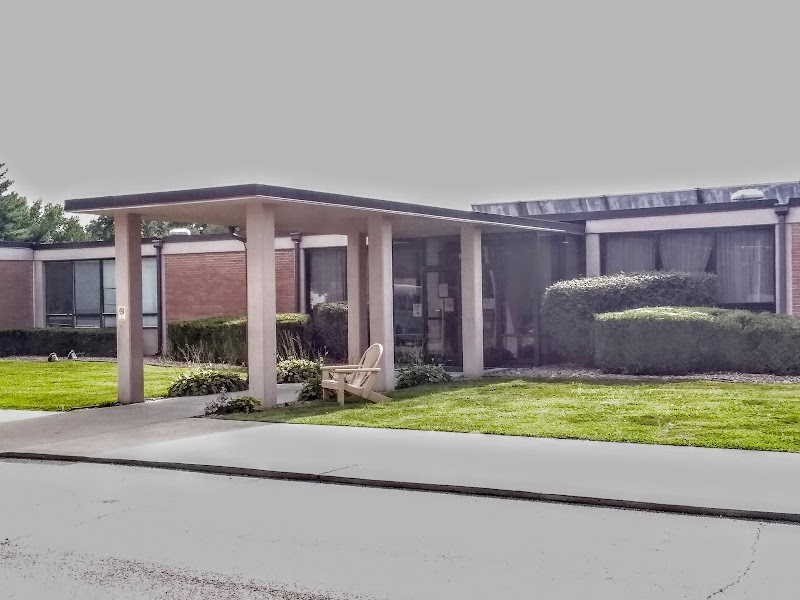
How is Integrity Hc Of Carbondale Staffed?

CMS rates INTEGRITY HC OF CARBONDALE's staffing level at 3 out of 5 stars, which is average compared to other nursing homes. Staff turnover is 74%, which is 28 percentage points above the Illinois average of 46%. High turnover can affect care consistency as new staff learn residents' individual needs. RN turnover specifically is 100%, which is notably high. RNs provide skilled clinical oversight, so turnover in this role can affect medical care quality.

What Have Inspectors Found at Integrity Hc Of Carbondale?

State health inspectors documented 48 deficiencies at INTEGRITY HC OF CARBONDALE during 2023 to 2025. These included: 3 Immediate Jeopardy (the most serious level, indicating potential for serious harm or death), 5 that caused actual resident harm, and 40 with potential for harm. Immediate Jeopardy findings are rare and represent the most serious regulatory concerns. They require immediate corrective action.
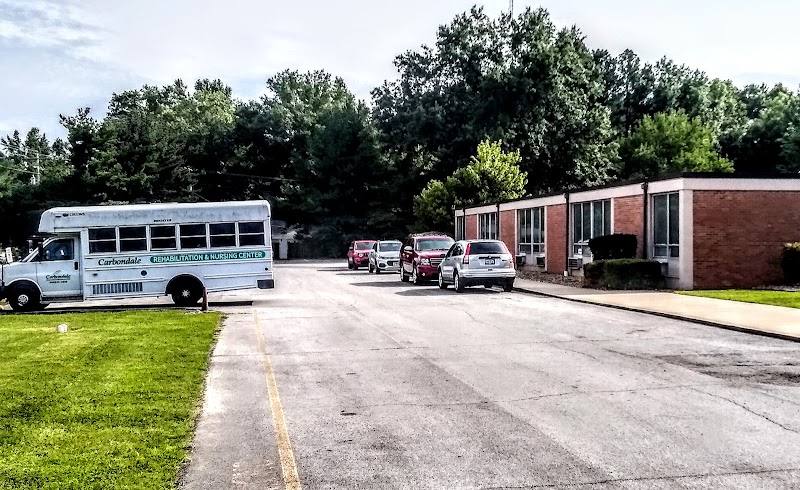
Who Owns and Operates Integrity Hc Of Carbondale?

INTEGRITY HC OF CARBONDALE is owned by a for-profit company. For-profit facilities operate as businesses with obligations to shareholders or private owners. The facility is operated by INTEGRITY HEALTHCARE COMMUNITIES, a chain that manages multiple nursing homes. With 131 certified beds and approximately 42 residents (about 32% occupancy), it is a mid-sized facility located in CARBONDALE, Illinois.

How Does Integrity Hc Of Carbondale Compare to Other Illinois Nursing Homes?

Compared to the 100 nursing homes in Illinois, INTEGRITY HC OF CARBONDALE's overall rating (1 stars) is below the state average of 2.5, staff turnover (74%) is significantly higher than the state average of 46%, and health inspection rating (1 stars) is much below the national benchmark.

What Should Families Ask When Visiting Integrity Hc Of Carbondale?

Based on this facility's data, families visiting should ask: "What changes have been made since the serious inspection findings, and how are you preventing similar issues?" "What safeguards and monitoring systems are in place to protect residents from abuse or neglect?" "How do you ensure continuity of care given staff turnover, and what is your staff retention strategy?" "Can I visit during a mealtime to observe dining assistance and food quality?" These questions are particularly relevant given the facility's Immediate Jeopardy citations, the substantiated abuse finding on record, and the facility's high staff turnover rate.

Is Integrity Hc Of Carbondale Safe?

Based on CMS inspection data, INTEGRITY HC OF CARBONDALE has documented safety concerns. The facility has 1 substantiated abuse finding (meaning confirmed case of resident harm by staff or other residents). Inspectors have issued 3 Immediate Jeopardy citations (the most serious violation level indicating risk of serious injury or death). The facility is currently on the Special Focus Facility watch list (a federal program monitoring the lowest-performing 1% of nursing homes nationwide). The facility has a 1-star overall rating and ranks #100 of 100 nursing homes in Illinois. Families considering this facility should ask detailed questions about what corrective actions have been taken since these incidents.

Do Nurses at Integrity Hc Of Carbondale Stick Around?

Staff turnover at INTEGRITY HC OF CARBONDALE is high. At 74%, the facility is 28 percentage points above the Illinois average of 46%. Registered Nurse turnover is particularly concerning at 100%. RNs handle complex medical decisions and coordinate care — frequent RN changes can directly impact care quality. High turnover means new staff may not know residents' individual needs, medications, or preferences. It can also be disorienting for residents, especially those with dementia who rely on familiar faces. Families should ask: What is causing the turnover? What retention programs are in place? How do you ensure care continuity during staff transitions?

Was Integrity Hc Of Carbondale Ever Fined?

INTEGRITY HC OF CARBONDALE has been fined $261,270 across 1 penalty action. This is 7.3x the Illinois average of $35,692. Fines at this level are uncommon and typically indicate a pattern of serious deficiencies, repeated violations, or failure to correct problems promptly. CMS reserves penalties of this magnitude for facilities that pose significant, documented risk to resident health or safety. Families should request specific documentation of what issues led to these fines and what systemic changes have been implemented.

Is Integrity Hc Of Carbondale on Any Federal Watch List?

INTEGRITY HC OF CARBONDALE is currently an SFF Candidate, meaning CMS has identified it as potentially qualifying for the Special Focus Facility watch list. SFF Candidates have a history of serious deficiencies but haven't yet reached the threshold for full SFF designation. The facility is being monitored more closely — if problems continue, it may be added to the official watch list. Families should ask what the facility is doing to address the issues that led to this status.