LAKESIDE HEALTH & REHAB CENTER

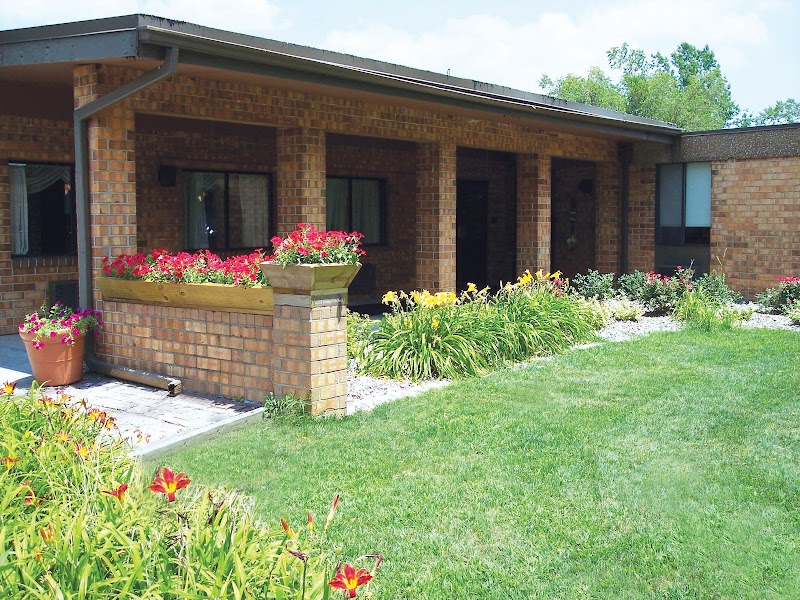
1200 UNIVERSITY AVENUE, CARLINVILLE, IL 62626 (217) 854-4433
For profit - Corporation 95 Beds SUMMIT HEALTHCARE CONSULTING Data: November 2025 1 Immediate Jeopardy citation
Trust Grade
0/100
#563 of 665 in IL
Last Inspection: March 2025

Within standard 12-15 month inspection cycle. Federal law requires annual inspections.

Overview

Lakeside Health & Rehab Center has a Trust Grade of F, indicating significant concerns about the quality of care provided. Ranked #563 out of 665 facilities in Illinois, they fall in the bottom half, and are #5 out of 6 in Macoupin County, meaning there is only one local option that performs worse. The facility is worsening, with issues increasing from 9 in 2024 to 16 in 2025, and staffing is a major concern, with a low rating of 1 out of 5 stars and a turnover rate of 62%, significantly higher than the state average. Compounding these issues, the center has faced $72,917 in fines, which is concerning and reflects ongoing compliance problems. Specific incidents include a resident suffering severe complications and ultimately dying after a tracheostomy issue, as well as another resident developing serious pressure injuries and a hip fracture due to inadequate care and preventive measures. While there are serious weaknesses, families should consider these factors carefully when evaluating this facility for their loved ones.

Trust Score
F
0/100
In Illinois
#563/665
Bottom 16%
Safety Record
High Risk
Review needed
Inspections
Getting Worse
9 → 16 violations
Staff Stability
⚠ Watch
62% turnover. Above average. Higher turnover means staff may not know residents' routines.
Penalties
✓ Good
$72,917 in fines. Lower than most Illinois facilities. Relatively clean record.
Skilled Nurses
⚠ Watch
Each resident gets only 27 minutes of Registered Nurse (RN) attention daily — below average for Illinois. Fewer RN minutes means fewer trained eyes watching for problems.
Violations
⚠ Watch
30 deficiencies on record. Higher than average. Multiple issues found across inspections.
★☆☆☆☆
1.0
Overall Rating
★☆☆☆☆
1.0
Staff Levels
★☆☆☆☆
1.0
Care Quality
★★☆☆☆
2.0
Inspection Score
Stable
2024: 9 issues
2025: 16 issues

The Good

  • Full Sprinkler Coverage · Fire safety systems throughout facility
  • No fines on record

Facility shows strength in fire safety.

The Bad

1-Star Overall Rating

Below Illinois average (2.5)

Significant quality concerns identified by CMS

Staff Turnover: 62%

16pts above Illinois avg (46%)

Frequent staff changes - ask about care continuity

Federal Fines: $72,917

Well above median ($33,413)

Moderate penalties - review what triggered them

Chain: SUMMIT HEALTHCARE CONSULTING

Part of a multi-facility chain

Ask about local staffing decisions and management

Staff turnover is elevated (62%)

14 points above Illinois average of 48%

The Ugly 30 deficiencies on record

1 life-threatening 5 actual harm
Sept 2025 1 deficiency 1 IJ
CRITICAL (J) 📢 Someone Reported This

A family member, employee, or ombudsman was alarmed enough to file a formal complaint

Immediate Jeopardy (IJ) - the most serious Medicare violation

Respiratory Care (Tag F0695)

Someone could have died · This affected 1 resident

**NOTE- TERMS IN BRACKETS HAVE BEEN EDITED TO PROTECT CONFIDENTIALITY** Based on observation, interview, and record review, the facility failed to assess, monitor, and provide interventions to prevent...

Read full inspector narrative →
**NOTE- TERMS IN BRACKETS HAVE BEEN EDITED TO PROTECT CONFIDENTIALITY** Based on observation, interview, and record review, the facility failed to assess, monitor, and provide interventions to prevent decannulation for a resident with known behaviors of self-decannulation; and failed to ensure that staff were provided tracheostomy recannulation education for extubation for 1 of 2 residents (R3) reviewed for tracheostomy in the sample of 2. The failure resulted in R3's self-decannulation of her tracheostomy which compromised R3's health status. R3 required emergency transfer to the local hospital on [DATE] and required two attempts at reinsertion of the tracheostomy and arterial line placement. After reinsertion of R3's tracheostomy by an ENT physician, R3 became hypoxic with oxygen saturation in the 80's and had increased work for breathing. R3's hospital records document R3 ultimately died on [DATE] with clinical impression of tracheostomy complications, cardiopulmonary arrest and heart block. R3's death certificate is pending investigation. This failure has the potential to affect all residents with tracheostomy medical needs.The Immediate Jeopardy began on [DATE], when R3 was admitted to the facility with a tracheostomy tube. R3's Infectious Disease Progress Note dated [DATE] documents R3 had a history of tracheostomy tube decannulation prior to being admitted to the facility. R3's care plan dated [DATE] had no documented interventions to prevent R3 from self-decannulating tracheostomy tube. R3 self-decannulated her tracheostomy tube at the facility on [DATE] and she was transferred to the emergency room and readmitted to the facility the same day. No interventions were added to R3's care plan to prevent her from decannulating the tracheostomy again. On [DATE] staff documented R3 removed her tracheostomy again and was transferred to the emergency room. R3's clinical impressions included tracheostomy complications, cardiopulmonary arrest and heart block. On [DATE] at 9:26 AM PM V1, Administrator, V2 DON and V28 Regional Nurse were notified of the Immediate Jeopardy. The surveyor confirmed by observation, interview and record review, the Immediate Jeopardy was removed on [DATE], but remains at Level Two because additional time is needed to evaluate the implementation and effectiveness of the in-service training. Findings include: R3's Infectious Disease Physician Progress Note, dated [DATE] documents R3 pulled out her tracheostomy tube 3 weeks prior.On [DATE] at 2:00 PM V2, DON provided a timeline of R3's health status. The timeline documented R3 had a history of decannulating her tracheostomy tube prior to being admitted to the facility. R3's Undated Face Sheet documents she was initially admitted on [DATE] with diagnoses including acute respiratory failure with hypoxia, tracheostomy, pneumonia, colostomy, gastrostomy and high blood pressure. R3's admission Nurse Assessment, dated [DATE] documents reason for admission: pneumonia, peg-tube and IV (intravenous) ABT (antibiotics.) No behaviors documented. No documentation R3 had a tracheostomy tube upon admission. R3's Physician's Order Sheet (POS), dated [DATE] documents oxygen humified at 6 LPM via trach collar continuous two times a day for shortness of breath. R3's Comprehensive Care Plan, dated [DATE] documents R3 has the presence of a tracheostomy at this time r/t (related to) DX (diagnosis) of acute respiratory failure. Goal: R3 will have no complications r/t tracheostomy through next review date. Interventions: all orders r/t tracheostomy will be followed, and MD (physician) updated with any concerns. No documentation of interventions to prevent R3 from decannulating her tracheostomy tube. R3's Nurse Progress Notes dated [DATE] through [DATE] no documentation R3 was agitated, restless or behaviors of pulling on tracheostomy tube or collar. R3's admission Minimum Data Set (MDS) dated [DATE] documents R3 is cognitively impaired, had no behaviors exhibited, a tracheostomy and a diagnosis of respiratory failure. R3's Nurse Progress Note dated [DATE] documents at 6:19 AM, writer entered resident's room at 5:15 AM to administer morning medication and discovered trach dislodged. R3 was transferred to the emergency room. R3's Health Status Note, dated [DATE] at 5:15 PM, documents resident returned to facility from the ER (emergency room) following a trach tube replacement. Trach was replaced due to dislodgement. R3's Comprehensive Care Plan has no documentation of interventions to prevent R3 from decannulating her tracheostomy tube after removing it on [DATE] documented. R3's form dated [DATE] through [DATE] documents follow up question: Did resident display change in mood? [DATE] through [DATE] documents No change. [DATE] at 2:02 PM, Other documented.R3's Health Status Notes, dated [DATE] through [DATE], no documentation of R3 being agitated, restless or having behaviors of pulling on tracheostomy tube. R3's Nurse Progress Note dated [DATE] at 1:25 PM V12, RN documented Res noted to be restless and pulled bag off colostomy and trach out. MD notified and orders to send to ER, POA notified. R3's Emergency Medical Services (EMS) Run Report, dated [DATE] documents the primary complaint is that the trachea tube pulled out, with an estimated onset time of 11:00 AM on [DATE] and a duration of 3 days. The patient's level of distress is mild. The primary impression is muscle weakness signs, and the secondary impression is shortness of breath.On [DATE] at 12:05 PM V16, CNA stated he was familiar with R3 and her care. V16 stated prior to [DATE] he observed R3 pull on her trach, G-tube and colostomy but he wasn't aware R3 had pulled her trach out before this day. V16 stated [DATE] day shift and he recalled R3 had a tracheostomy tube, G-Tube and colostomy bag and exhibited behaviors of pulling on all of them in the past. V16 stated the morning of [DATE] he recalled R3 was anxious and pulled her colostomy bag off and he let V12, RN know, and she assist R3 to get the colostomy bag back on. V16 stated he didn't know R3 had a history of taking her trach out and didn't know of any interventions in place to prevent R3 from pulling it out again. On [DATE] at 11:30 AM V12, RN stated she was assigned to R3 on [DATE] from 6:00 AM to 6:00 PM and she suctioned R3 2-3 times that shift and recalled R3 pulled her colostomy bag off, so she had to replace it in the morning and R3 was also pulling on her g-tube as well. V12 stated she didn't notify R3's physician of the behavior of pulling on everything, she looked at R3's POS but there were no medications for anxiety to administer. V12 stated she wasn't aware that R3 had a history of pulling her trach out and if she did, she would have notified the physician of the pulling behavior to try to prevent R3 from pulling it out. R3's trach collar was on, and the trach was in place when she administered R3's morning medications via G-Tube. At one-point V16, CNA notified her R3 pulled her colostomy bag off again and when she entered R3's room she noted her trach was on her bed. She didn't know what to do so she got V11, LPN to assist her and V11 told her to call R3's physician the physician stated to send the resident to the emergency room to get the trach replaced. V12 stated V11 assisted her to suction R3 as well that day because she was new to trach's and wanted to ensure she was doing it properly and she suctioned R3 2-3 times that day but V12 stated she doesn't recall if she documented she suctioned R3 on her MAR or not. V12 called 911 and R3 was transferred to the local emergency room for trach replacement. V11 told V12 that they do not attempt to put a trach cannula back in at the facility so neither her or V11 attempted to put R3's trach back in and there was no trauma to R3's trach area. V12 stated she works at the facility PRN and hasn't received training on re inserting a trach and didn't feel comfortable doing that. V12 stated staff took R3's vital signs and noted her oxygen saturation was in the low 90's and that was another reason R3 was transferred to the emergency room.On [DATE] at 11:45 AM V11, LPN stated she worked on [DATE] 6:00 AM to 6:00 PM and recalled V12 asked her to assist her in suctioning R3 a few times that morning and she went and R3's trach collar was on and intact. After lunch V12 reported to her that R3's trach cannula was on her bed, she told her to call R3's physician and find out what they want to do, she called, and they called 911 to transfer R3 to the emergency room for trach placement. V11 stated she assisted R3 onto the stretcher when EMS arrived at the facility, and she didn't assess any trauma to R3's trach area. V11 stated R3's oxygen saturation was around 93% after she pulled her trach out. V11 stated she's new to working at the facility and she didn't know if there was an emergency trach available and she wasn't trained on how to re insert a trach either. V11 stated she is an LPN, and she doesn't think it's in her scope of nursing practice to re insert a trach and she thought that reinserting the trach would be an emergency room procedure. On [DATE] 3:45 PM V20, LPN/MDS/Care Plan Coordinator stated R3 had a G-Tube, colostomy and a trach and she was considered a high acuity resident. V20 stated staff did frequent checks on R3 from admission because she was so high acuity. At the end of [DATE] R3 pulled her trach out and R3 was readmitted to the facility the same day and the trach was reinserted in the emergency room. V20 stated staff did frequent checks on R3 after she pulled her trach out at the end of [DATE] but didn't know of any new interventions the facility put in place to prevent R3 from pulling out her trach again. V20 stated she hadn't received tracheostomy reinsertion training at the facility and wouldn't feel comfortable attempting to reinsert a tracheostomy tube, she'd just call 911 and send the resident to the emergency room. On [DATE] at 8:45 AM V5, CNA stated she was assigned to R3 often and she recalled R3 was always fidgety, pulling on her colostomy bag, G-Tube and trach area. V5 stated she wasn't working when R3 pulled her trach out either time and no staff said anything about new interventions to prevent R3 from pulling the trach out again after she pulled it out the first time. On [DATE] at 3:40 PM, V9 PTA and V10 Director of Therapy stated they provided therapy to R3 prior to her pulling her tracheostomy tube out at the end of [DATE] and during the therapy session V9 and V10 stated they recalled R3 pulled on her tracheostomy collar often and they redirected her not to pull on it multiple times during the therapy sessions. V10 stated she reported R3 pulling on her tracheostomy collar to the nurse (name unknown) when it occurred. On [DATE] at 3:30 PM V18, LPN stated R3 had behaviors of pulling on her colostomy, G-Tube and tracheostomy collar. V18 stated she didn't know R3 had a history of decannulating her tracheostomy tube prior to doing it the first time at the facility at the end of [DATE] and she didn't know of any new interventions that were put in place after R3 was readmitted to the facility after pulling her tracheostomy tube out. V18 stated she had not received training on reinserting a tracheostomy tube and wouldn't be comfortable reinserting a tracheostomy tube in an emergency. On [DATE] at 1:05 PM V3, RN/Assistant Director of Nurses (ADON) stated she is new working at the facility, but she hasn't been trained on re inserting a trach and wouldn't feel comfortable doing so. On [DATE] at 1:15 PM V25, RN stated she works night shift and has worked 2 shifts at the facility and is still on orientation and hasn't been trained on trach re insertion and wouldn't feel comfortable with reinserting a trach. On [DATE] at 1:58 PM V2, DON stated she hasn't been trained on trach decannulation and she wouldn't feel comfortable reinserting a trach after it came out. V2 stated V15 LPN, V20 LPN, V22 LPN, V24 LPN, V26 LPN and V27 LPN have received tracheostomy tube reinsertion in case of an emergency. On [DATE] at 2:00 PM V15, LPN stated she received emergency tracheostomy reinsertion training but would only feel comfortable attempting to reinsert a resident's tracheostomy tube if she had assistance of another nurse to ensure she was doing it correctly. On [DATE] at 2:05 PM V7, LPN stated she received emergency tracheostomy reinsertion training, but she couldn't recall what facility trained her and she would only feel comfortable reinserting a tracheostomy tube with the assist of another knowledgeable nurse assisting her. On [DATE] at 2:09 PM V24, LPN stated she has not received emergency tracheostomy reinsertion training at the facility and wouldn't feel comfortable reinserting a tracheostomy tube. On [DATE] at 9:30 AM V2, Director of Nurses (DON) stated R3 was initially admitted to the facility with a tracheostomy tube, G-Tube and a colostomy so she was considered to be a high acuity resident, and staff did frequent checks on her from admission. V2 stated R3 had chronic respiratory failure and that's why she had the tracheostomy tube which had a physician's order for continuous humidified oxygen to her trach collar at 6 liters. V2 stated R3's family took the oxygen off R3's tracheostomy tube for up to 30 minutes at a time and R3's oxygen saturation stayed stable. V2 stated R3 pulled her tracheostomy tube out at the end of [DATE], and she was sent to the emergency room and readmitted to the facility. V2 stated she would have to look into R3's medical records and see what interventions the facility documented they put in place to ensure R3 didn't pull her tracheostomy tube out again but that she knew staff were doing frequent checks and they had the tracheostomy tube tied to the collar to prevent it from coming out. V2 stated she reviewed R3's medical record and no staff documented she was restless until she pulled her tracheostomy tube out the second time at the facility on [DATE]. V2 stated the nurse assessed R3, notified her physician that the tracheostomy tube was removed and sent R3 to the emergency room per physician's orders. V2 stated she spoke to the nurses who assessed R3 after she removed the tracheostomy tube on [DATE] and they stated R3 wasn't in respiratory distress at that time and she expected the assessment to be documented in R3's nurse progress notes, including her vital signs. V2 stated R3 was transferred to the hospital on [DATE] where she was diagnosed with pneumonia and when R3 was readmitted to the facility her family abruptly discontinued her Hydralazine and Adamine and V2 stated she looked into it and that abrupt discontinuation of those medications could cause agitation, delirium and restlessness which could occur within hours to days after the discontinuation. R2 stated no staff reported to her that R3 was ever restless or having behaviors of pulling on her tracheostomy tube and there is no documentation of that in R3's medical record either, until [DATE]. On [DATE] at 2:39 PM V2, DON stated she can't find staff education documentation that shows staff were educated on recanalization of a tracheostomy tube and she probably won't be able to.On [DATE] at 2:00 PM V1, Administrator went through the facility's tracheostomy policy and stated it doesn't address reinsertion of a tracheostomy in an emergency situation. V1 stated he would have V2 add it to the policy and reinservice nurses to ensure they are properly trained on how to reinsert it in an emergency situation. On [DATE] at 8:45 AM V28, Regional Nurse stated she understood the facility's tracheostomy policy that was given to IDPH on [DATE] didn't address reinsertion of a tracheostomy in an emergency situation and that she added that to the facility's tracheostomy policy and had inserviced nurses so they were educated on this topic. Reviewed hospital emergency room records dated [DATE]. They document due to resident decannulated tracheostomy which required two attempts at reinsertion of the tracheostomy and arterial line placement. After reinsertion of R3's tracheostomy by an ENT physician, R3 became hypoxic with oxygen saturation in the 80's and had increased work for breathing. R3's hospital records document R3 ultimately died on [DATE] with clinical impression of tracheostomy complications, cardiopulmonary arrest and heart block.On [DATE] at 9:56 AM V21, R3's Physician stated R3 had a lengthy hospitalization in 2025 for acute respiratory failure where she was intubated for a long period of time. R3 had a physician's order for humidified oxygen to the trach collar and that was to keep the trach moisturized not to prevent hypoxia. V21 stated you can't restrain residents in long term care so when R3 was readmitted to the facility after pulling her tracheostomy tube out the first time, he expected staff to remind the resident to not pull out her tracheostomy tube and to do frequent checks on the resident. V21 stated if R3 was restless or having behaviors of pulling on her tracheostomy tube/collar he would have expected staff to notify him so he could review her medications. V21 stated he wasn't aware R3's family removed the oxygen from the trach, but he was OK with it as long as R3's oxygen saturation level was OK. The tracheostomy tube was medically necessary because R3 was intubated for so long she needed to be slowly downgraded from being intubated. V21 stated the tracheostomy tube should not be removed abruptly because it could cause hypoxia which could lead to cardiac arrest which if not corrected could lead to death. V21 stated when R3 was observed to have removed her tracheostomy tube the second time at the facility nurses assessed her, notified him and R3 was transferred to the emergency room to be assessed and have the tracheostomy tube reinserted.The Facility Assessment Updated [DATE], documents they accept 1-2 tracheostomy residents a year with diagnoses including Chronic Obstructive Pulmonary Disease (COPD), Pneumonia, Asthma, Chronic Lung Disease and Respiratory Failure.The Facility's Undated Tracheostomy Care Procedure documents the purpose of this procedure is to guide tracheostomy care and the cleaning of resuable tracheostomy cannulas. The Immediate Jeopardy that began on [DATE] was removed on [DATE], when the facility took the following actions to remove the immediacy:Immediate Jeopardy Removal Plan: On, [DATE] R3 admitted to the facility with a HX of decannulation. On [DATE] resident decannulated her trach. Facility nursing staff attempted to re-insert her Trach without success and was sent to local Hospital for re-insertion of the Trach. Resident returned to the facility on the same day. On [DATE] resident decannulated her trach, no respiratory distress and O2 saturation WNL, PCP notified and gave orders to send to ED for reinsertion of trach. Facility called EMS for transfer to hospital for reinsertion of trach. Staff were in-serviced/trained on tracheostomy recannulation by the RNC. Education will be ongoing. Staff on vacation or FMLA will be in serviced before returning to work by Administrator/DON, nurse management. Administration will monitor for compliance. [DATE] and Ongoing. New hires will be trained on tracheostomy recannulation as part of their general orientation before starting by DON or nurse management. [DATE] and Ongoing. DON in serviced by RNC on tracheostomy recannulation and respiratory assessment and care planning. [DATE] and Ongoing. Resident respiratory assessments for all residents that require Trach care will be completed each shift. Any resident in the facility that requires trach care will have individualized interventions to prevent decannulation. This will be reviewed and updated accordingly by the IDT team. Trach care plans reviewed and updated by the IDT team. Trach care and suction assessments and care plans will be reviewed by IDT at least quarterly and after any incident or resident change in behavior. [DATE] and Ongoing. Tracheostomy recannulation drill was performed on [DATE] by DON/RNC and will be performed weekly for one month and monthly thereafter for 6 months. Staff will be re-in-serviced on tracheostomy recannulation and upon annual review of annual policy by DON, nurse management, and administration. New hires will be in serviced on during their general orientation. [DATE] and Ongoing. Recanalization supplies are in each resident area for those that have tracheostomies. [DATE] and Ongoing. QAPI review with Medical Director to review tracheostomy recanalization incident and plan of action. Action plan will be reviewed monthly at QAPI meeting. Medical Director approved of plan with no further recommendations. [DATE] and Ongoing. Medical Director notified of incident on [DATE] in the facility by the Administrator and reviewed the facility's immediate action plan. He agreed with immediate action plan. [DATE]. R3 no longer resides in the facility. [DATE].
Jun 2025 1 deficiency
CONCERN (E) 📢 Someone Reported This

A family member, employee, or ombudsman was alarmed enough to file a formal complaint

Potential for Harm - no one hurt, but risky conditions existed

Deficiency F0558 (Tag F0558)

Could have caused harm · This affected multiple residents

Based on observation, interview and record review the Facility failed to maintain residents' well-being and dignity by accommodating preference for 4 of 5 residents (R1, R2, R4, and R5) reviewed for a...

Read full inspector narrative →
Based on observation, interview and record review the Facility failed to maintain residents' well-being and dignity by accommodating preference for 4 of 5 residents (R1, R2, R4, and R5) reviewed for accommodation of needs in the sample of 6. Findings include: On 6/6/2025 at 9:14 AM, R4 stated, the facility runs out of towels, pads and sheets all the time. I think they need to order more. They are always running out. It happens a lot, too much. I have my own briefs that I keep at my bedside, but staff had come in here and taken mine. I get cold sometimes and they do not have enough blankets and when I ask, they say they do not have any more. On 6/6/2025 at 9:18 AM, R2 stated the Facility at night runs out of adult briefs and pull ups at least two or three times a month. On 6/6/2025 at 9:28 AM, R5 stated the Facility has run out of (adult diapers) and staff made her stay in her room when she did not want to because they did not have anything to put on her. On 6/6/2025 at 10:29 AM, V8, Certified Nursing Assistant (CNA) stated, I started working in the Facility as a housekeeper and then I became a CNA. She stated the facility was always running out of supplies. We are always running out of gloves, adult briefs, adult diapers, linens, pads, sheets. We run out of linen and blankets especially at night. I have residents that get cold, and I have no blankets to give them. (V11, CNA) had to purchase snacks out of her own money and was working the night shift and she had to buy the bigger depends on the other night because we ran out. I heard them tell everyone at a morning meeting they if they bought anything they could give them a receipt and they would be reimbursed. But really one should not have to purchase any supplies to begin with. The supplies should be restocked and supplied so staff don't have to buy anything out of their own pocket. I don't think it is right, and it's not a one-time thing, it is constantly happening. There are times that we run out and when that happens, we have to keep residents in their rooms, in their beds, and it's not right. On 6/6/2026 at 1:24 PM, V11, CNA, stated she had been working in the Facility for six years. She usually works 6 AM to 6 PM. V11 stated It is not uncommon for us to run out of stuff especially on nights. We run out of linens, adult briefs, and this is not a one-time thing, this has been happening for months now. Management is aware, but nothing really changes. Last week we ran out of stuff and the agency staff walked out. When we run out, we try and look in other places to find something, and then we have to leave residents in their bed, in their room. There are times when residents just had to lay in bed because there were not enough incontinent supplies. On 6/6/2025 at 3:09 PM, V10, CNA stated, This cart is not full. It's not uncommon for us to run out of slings, towels, sheets, adult briefs, pull ups, blankets. When it happens, I will try and find a replacement, but sometimes we just don't have any in the building. It is hit and miss and not uncommon for me to run out of supplies. If I can't find one, then I put the resident to bed with pads and do frequent checks on them because there is not much else that I can do even though the pad is saturated. On 6/6/2025 at 3:10 PM, the clean supply room on the 100-hall had only two opened packages of xl (extra-large) pull ups with only 4 left, and 2 adult diapers. There were no small pulls ups and/or medium pull ups. This rack was almost bare. On 6/6/2026 at 3:14 PM, R2 was in a bariatric bed. R2 stated she wears adult pull ups, but the large bariatric size and they have run out of her size several times and when it happens, they put her in a pull up that is too small and is very uncomfortable especially when she has a sore area on her butt. This has happened 2-3x times in the last month, and she feels it is not good for her to wear a smaller size with that area on her bottom. On 6/6/2026 at 3;20 PM, V13, CNA stated, We have good days and bad days when it comes to supplies. It's not uncommon for us not to have enough supplies. They keep telling us they are on a budget. We used to have housekeeping at nights but no more. There have been 2-3 times in the last two months when I did not have any diapers and/or pull ups for my residents. When that happens, I clean them up and put them on bed pans. Some of the residents are not happy about that. I understand that. I do the best I can do with what I have and sometimes I need more stuff, you know what I mean. On 6/8/2025 at 9:17 PM, V14, CNA stated, We do not have enough supplies. We are always running out of gloves, blankets, pull ups and adult briefs. It's really bad at nights. We just need more supplies. We run out of stuff and when it happens, we have to try and keep the residents in bed, in their rooms and constantly check on them. I have had some residents complaining to me tonight that they are cold, and I do not have one blanket to give them tonight. On 6/9/9/2025 at 9:19 PM, R1 stated via telephone when he was at the facility, they were always running out of his size of pull ups, and he would either be squeezed into a smaller size or not have anything. It was really bad at night. R1's Grievance Incident date 4/20/2025 document, Not having the right size pull up. He has been told we do not have his size, and they are awaiting a shipment. On 6/9/2025 at 9:25 PM, tour of the facility for supplies was conducted and there were only two clean blankets in storage in all four clean linen closets and none on the carts on each hall. The Resident Right Policy with a revision date of 7/2/2023 documents, To provide guidance to facility staff on resident rights. The resident rights to dignified existence, be treated with respect, kindness and dignity.
Mar 2025 8 deficiencies 2 Harm
SERIOUS (G)

Actual Harm - a resident was hurt due to facility failures

Pressure Ulcer Prevention (Tag F0686)

A resident was harmed · This affected 1 resident

**NOTE- TERMS IN BRACKETS HAVE BEEN EDITED TO PROTECT CONFIDENTIALITY** Based on Observation, Interview, and Record Review the facility failed to implement preventative measures to reduce the developm...

Read full inspector narrative →
**NOTE- TERMS IN BRACKETS HAVE BEEN EDITED TO PROTECT CONFIDENTIALITY** Based on Observation, Interview, and Record Review the facility failed to implement preventative measures to reduce the development of and worsening of pressure injuries in 2 of 7(R55, R39) residents in the sample of 31. This failure resulted in R55's skin on 1/7/25 documented as mid buttocks maceration to a developed and documented sacrum pressure ulcer stage 3 on 1/16/25; and other in house developed pressure wounds. R39 also developed several in-house pressure injuries. Findings include: 1. R55's Face sheet documents an admission date of 1/7/2025. Diagnosis include Hemiplegia and Hemiparesis following Cerebral Infarction affecting right dominant side, Dysphagia, Type 2 Diabetes, Congestive Heart Failure. R55's Minimum Data Set, MDS, dated [DATE] documents R55 is moderately cognitively impaired. R55 is dependent for rolling left to right and chair to bed transfers. R55 is at risk for pressure injuries and has unhealed pressure injuries. R55's care plan updated 3/4/2025 documents Actual Pressure Ulcer; Site(s): unstageable of sacrum. Requires assist with turning and positioning, present on admission. Provide off loading for ulcer site. R55 has an arterial ulcer of the right lateral ankle, arterial of right lateral foot. Heels up device as tolerated in bed. R55's admission Nursing assessment dated [DATE] documents mid buttocks maceration. R55's Braden Scale for predicting pressure sore risk documents R55 is at moderate risk of developing pressure ulcers. R55's progress notes dated 1/7/2025 at 6:25PM documents Skin is unremarkable but there is maceration to buttocks, zinc is ordered for this. R55's wound notes dated 1/16/2025 documents sacrum pressure ulcer stage 3. Measurements 6.5 cm x 1.5 cm x .10cm. R55's wound notes dated 1/23/2025 documents Sacrum unstageable pressure wound. Measurements 5.5 cm x 1.2 cm x .20 cm. New in-house facility acquired right lateral ankle wound. Measurements 2cm x 1.5cm x .10cm. R55's wound notes dated 2/13/2025 documents Sacrum pressure wound stage 3. Measurements 2 cm x .8 cm x .2 cm. Right lateral ankle arterial ulcer full thickness 2.5 cm x 2.5 cm x .10cm. New facility acquired right lateral foot. Measurements .70 cm x .50cm. R55's wound notes dated 3/20/2025 documents sacrum pressure wound stage 3. Measurements 1.5 cm x .7 cm x .7 cm. Right lateral foot new facility acquired. Measurements 1.5cm x 1cm x .10cm. Right lateral ankle arterial ulcer full thickness 3.5 cm x 3.3 cm x .3cm. R55's Skin and Wound note dated 2/27/2025 documents stage 3 pressure injury to the sacrum and an arterial wound to his right lateral ankle and right lateral foot. Patient was placed on PO Augmentin by PCP for his right lateral ankle, he had a wound culture after he finished this antibiotic, and it was positive for MRSA. He was placed on doxycycline and finished this antibiotic 1-2 days ago per wound nurse. Preventative Measures: R55 has a pressure injury. Recommend ongoing pressure reduction and turning/repositioning precautions per protocol, including pressure reduction to the heels and all bony prominences. All prevention measures were discussed with the staff at the time of the visit. Float heels while in bed with use of heel boots. On 3/27/2025 at 10:45AM R55 lying flat in bed. No heel protectors on in bed. Heels to the mattress. On 3/27/2025 at 12:15PM R55 up in geriatric chair sitting straight up with feet directly on bottom of chair. Heels not floated. On 3/27/2025 at 3:15PM R55 remains up in geriatric chair with feet to bottom of chair. Heels not floated. On 3/27/2025 at 10:30AM V3, Wound Nurse, stated when R55 came to us the Nurse Practitioner called the redness to his sacrum maceration. The wound kind of deteriorated into a stage 3. R39's Face sheet documents an admission date of 12/21/2024. Diagnosis includes Encephalopathy, Sepsis, Acute Cystitis, Paroxysmal Atrial Fib, Chronic Kidney Disease, Hyperlipidemia. 2. R39's MDS dated [DATE] documents R39 is severely cognitively impaired and is dependent for bed mobility and transfers. R39 is at risk for pressure ulcers and has unhealed pressure ulcers. R39's care plan dated 2/24/2025 documents Actual Pressure Ulcer; Site(s): unstageable sacrum unstageable Left heel stage 3. Requires assist with turning and repositioning. Interventions include Encourage to Float heels. R39's Braden scale for pressure ulcer development dated 11/26/2024 documents R39 is at risk for pressure ulcer development. R39's admission assessment dated [DATE] documents wound to left buttock. R39's Skin/Wound visit dated 1/16/2025 at 2:57 PM documents Wound # 1 left heel Pressure ulcer. The patient has a pressure injury. Recommend ongoing pressure reduction and turning/repositioning precautions per protocol, including pressure reduction to the heels and all bony prominences. All prevention measures were discussed with the staff at the time of the visit. R39's wound notes dated 1/16/2025 documents new facility acquired wound to left heel. Measurements 3.5cm x 2cm. R39's wound notes dated l/23/2025 document left heel. Measurements 2.5cm x 2.5cm. R39's wound notes dated 1/30/2025 document left heel. Measurements 3.5cm x 3.0cm. R39's wound notes dated 2/6/2025 document left heel. Measurements 2.5cm x 3.0cm. R39's wound notes dated 2/20/2025 document sacrum new facility acquired. Measurements 6.5 cm x 7cm x .10 cm. Left heel 1.5cm x .75cm. R39's wound notes dated 2/27/2025 document sacrum 7cm x 4.5cm. Left heel 1.5cm x .5cm. R39's wound notes dated 3/20/2025 documents sacrum 5.5cm x 4.5cm. R39's order sheet dated 3/17/2025 documents Heel protectors as tolerated two times a day. On 3/26/2025 at 10:00AM R39 lying in bed with no float heels on. Heels on mattress. On 3/27/2025 at 12:55PM V8, CNA, stated R39 is able to roll on side by himself. On 3/27/2025 at 1:00PM V8, CNA, and V20, CNA, provided incontinent care to R39. R39 unable to roll self from left to right or right to left without max assist. Float heels not on. Heels on mattress. On 3/27/2025 at 3:00PM V2, Director of Nursing, DON, stated her expectation is for residents to be turned and repositioned every 2 hours and heels floated as the resident will tolerate. Facility policy with a revision date of 10/16/2023 states Prevention program including Turning and Positioning, will be utilized for all residents who have been identified of being at risk for developing pressure ulcers. The facility will initiate an aggressive treatment program for those residents who have pressure ulcers. A pressure ulcer is defined as any lesion caused by unrelieved pressure those results in damage to underlying tissue. Pressure ulcers usually occur over bony prominences and are graded or staged to classify the degree of tissue damage observed.
SERIOUS (G)

Actual Harm - a resident was hurt due to facility failures

Accident Prevention (Tag F0689)

A resident was harmed · This affected 1 resident

Based on interview, observation, and record review the facility failed to provide progressive interventions and to prevent multiple falls for 1 of 5 (R47) residents investigated for accidents in a sam...

Read full inspector narrative →
Based on interview, observation, and record review the facility failed to provide progressive interventions and to prevent multiple falls for 1 of 5 (R47) residents investigated for accidents in a sample of 31. The failure resulted in R47 sustaining a right hip fracture and then sustaining a right hip surgical incision dehiscence requiring a return to the hospital for sutures and antibiotics. Findings include: R47's EMR (Electronic Medical Record) undated documents that the resident was readmitted to the facility after right hip surgery on 12/04/24. R47's EMR dated 4/25/24 documents a diagnosis of unspecified dementia, severe, without behavioral disturbance, psychotic disturbance, mood disturbance, and anxiety; unspecified osteoarthritis, unspecified site; and age-related osteoporosis without current pathological fracture. R47's MDS (Minimum Data Set) dated 3/11/25 documents a BIMS (Brief Interview for Mental Status) score of 4 out of 15. The MDS documents that the resident requires substantial/maximal assistance for roll left and right, sit to lying, lying to sitting on side of bed, sit to stand, chair/bed to chair transfer, and toilet transfer. R47's Care Plan dated 7/25/24 documents (R47) is at potential risk for falls and injuries r/t (related to) use of hypoglycemic medications and diagnosis of Type II DM (Diabetes Mellitus), PVD (Peripheral Vascular Disease), Dementia, Chronic Ischemic Heart Disease, and HTN (Hypertension). R47's Health Status note dated 10/09/24 at 6:58 PM documents Resident had a witnessed noninjury fall at approx. 0830- did not hit head. Vitals 110/62, 69 pulse, 16 resp, 97.4T 96% RA (room air). Resident had c/o (complaint of) of dizziness and pain to LUQ (left upper quadrant) prior to fall. (V17), Medical Director's office notified and POA (Power of Attorney) aware. NNOR (no new order) at this time. No intervention noted for fall on 10/09/24. R47's Health Status Note dated 10/10/24 at 4:08 PM documents Writer called to resident's room by CNA (Certified Nursing Assistant) staff. Resident was observed laying on the floor on the right side of the bed near the door. Floor was dry and free of debris. Resident's legs extended outward. CNA at bedside sitting on floor with resident. CNA (V8) stated I seen (sic) her just roll out of the bed and on to the floor. She didn't hit her head. I just couldn't get to her quick enough to stop her from rolling out of the bed. Resident assessed by writer and assisted to standing position without difficulty. Nursing staff assisted resident back into bed per her request and call light placed in reach. Resident bed was placed in the lowest position and turned towards the wall. Intervention for fall on 10/10/24 is bed to be against the wall. R47's Health Status note dated 10/17/24 at 2:11 AM documents This writer was sitting at the nurse's station when a hospice CNA stated that someone had fell on the floor. Upon entering room resident was noted to be on right side with left hand on the floor in front of her. The second drawer to her nightstand was open. On the floor by her head was a yellow bead. Resident had proper fitting shoes on bilateral feet. Resident was assisted up to her bed. Resident has complaints of her left wrist hurting. Resident stated her bracelet had broken, she was trying to find a string, and that she slipped on the bead. This writer cleaned the floor of all objects and took all beads out of room. POA, DON (Director of Nursing), and (V17) notified. New orders received for x-ray to left wrist. No intervention noted for fall on 10/17/24. R47's Health Status Note dated 10/26/24 at 3:55 PM documents Resident inside therapy room and fell, complaints of pain to right hip. Called (V18) NP (Nurse Practitioner) to report fall. Pain level keeps increasing, NP states to send to ER (Emergency Room) for eval. 911 called for non-emergency transfer to (local hospital), (V19) POA called to report fall and orders from NP. No rotation or shortening noted, resident is able to put weight on Right hip but has pain with pressure. EMT (Emergency Medical Technician) arrived x 2 to transport, report called into (local hospital) ER, will update with results. R47's Health Status Note dated 10/29/24 at 11:33 PM documents Called (local hospital) and spoke with (hospital staff) RN, transferring resident to Metropolitan hospital) for fractured right hip. Resident did not have an intervention for the fall prior to this fall with an injury. Intervention for fall on 10/26/24 is for PT/OT (Physical Therapy/Occupational Therapy) to eval and treat, as needed. R47's Health Status Note dated 11/20/24 at 5:26 PM documents Resident fell at approx. 1645, unwitnessed. Surgical wound to R hip dehiscence. Resident found laying (sic) on her left hip in the doorway/hallway with pants to knees. Puddle of blood next to bed. Staff applied pressure to site. 911 called, paperwork gathered. Returned with ABD (Abdominal) pads. Ambulance arrived-- applied pressure dressing. Transferred to stretcher without complications. V17(Medical Director), DON and POA notified. R47's Health Status Note dated 11/20/24 at 10:40 PM documents (V18), NP for (R47), notified of resident's return and of sutures and of ABT (antibiotic) order. No intervention noted for fall on 11/20/24. R47's Health Status Note dated 11/30/24 at 8:35 PM documents called to resident's room. noted this resident sitting in doorway of room to hallway only wearing shirt. sitting on buttocks with knees bent. noted urine beside bed. alarm on bed on but not sounding. PROM (Passive Range of Motion) is wnl (within normal limits) for this resident. surgical site to right hip is intact. neuro checks started and are wnl. assist of 2 to get in chair. resident cleaned and put to bed per CNA. VS (vital signs) 97.8, 73, 18, 84/53. sp02 (oxygen saturation) 91% r/a. No intervention noted for fall on 11/30/24. R47's Health Status note dated 1/10/25 at 4:25 PM documents resident had unwitnessed fall, resulting in a lump to the right side of the back of her head, range of motion completed, vitals WNL, resident responds appropriately per her baseline. MD (Medical Director) made aware, calls POA, no VM (voice mail) set up. poc (plan of care) ongoing. Intervention for fall of 1/10/25 is pressure pad alarm placed. R47's Health Status Note dated 2/18/25 at 11:15 PM documents called to resident's room for resident sitting on floor at FOB (foot of bed) on buttocks pulling on catheter. ROM and PROM without resistance or c/o pain/discomfort. neuro checks initiated and are wnl. assist of 2 to get back in bed. Noted large purple bruise to right hip area, resident able to move hip joint without c/o or resistance. MD notified. son(V19), notified. No intervention noted for fall on 2/18/25. R47's Health Status Note dated 2/24/25 at 7:40 PM documents called to oakwood hall for resident on floor. noted resident sitting on floor on buttocks in oakwood DR (dining room) with back against corner. resident unable to say what she was doing d/t (due to) usual confusion. c/o some pain to right leg with PROM but no resistance noted. assist to w/c (wheelchair) with 2 assists. neuro checks initiated and are wnl. VS 98.4, 91, 20, 94/57. sp02 96% r/a. Intervention for fall on 2/24/25 is anti-roll backs applied to w/c. R47's Health Status Note dated 3/12/25 at 8:00 PM documents Resident observed sitting on legs on floor in front of w/c. Barefoot (Removed socks per self). No c/o pain. Able to move extremities without difficulty. No noted injuries. Resident does not remember what was doing. VS: 124/71 97.7 69 20. SPO2 96% RA. Assisted to w/c. Alarm turned on and placed in w/c. Neuro-checks attempted. Resident refuses to participate. Closes eyes. Resident remains in area with staff. Intervention for fall on 3/12/25 is dycem (anti slip cushion) to w/c, gripper socks as tolerated. On 3/27/25 at 10:59 AM, V4, RN (Registered Nurse) stated that today is her second day working at this facility. She stated that she would add interventions to a resident's care plan after a resident has fallen. On 3/27/25 at 11:01 AM, V8, CNA stated that (R47) has a pressure alarm on her bed and wheelchair. She stated that R47 likes to stay busy, so they keep her busy to keep from falling. On 3/27/25 at 11:02 AM, V9, LPN (Licensed Practical Nurse) stated that today is her second day working at the facility. She stated that she thinks that it's the MDS person's job to add interventions to the care plans. On 3/27/25 at 11:03 AM, V5, LPN stated that it is the MDS, DON, and V3 the QA (Quality Assurance) nurse's job to add interventions to the care plans. On 3/27/25 at 2:19 PM, V21, MDS Coordinator/LPN stated that she just started as the MDS coordinator in December. She stated that it is her job to add interventions to the care plans after a resident falls. She stated that when she took over the MDS, it was a mess and care plans were not up to date. Facility's policy Accidents & Incidents dated 7/01/23 documents All accidents/incidents involving a resident will be documented in Risk Management. The nursing team will complete an investigation with the root cause and new interventions. Facility's policy Fall Prevention Program/Protocol dated 7/01/23 documents Based on previous evaluations and current data, the staff will identify interventions related to the resident's specific risks and causes to try to prevent the resident from falling and to try to minimize complications from falling.
CONCERN (D) 📢 Someone Reported This

A family member, employee, or ombudsman was alarmed enough to file a formal complaint

Potential for Harm - no one hurt, but risky conditions existed

Deficiency F0576 (Tag F0576)

Could have caused harm · This affected 1 resident

**NOTE- TERMS IN BRACKETS HAVE BEEN EDITED TO PROTECT CONFIDENTIALITY** Based on interview and record review, the facility opened a package belonging to a resident without their permission for 1 of 3 ...

Read full inspector narrative →
**NOTE- TERMS IN BRACKETS HAVE BEEN EDITED TO PROTECT CONFIDENTIALITY** Based on interview and record review, the facility opened a package belonging to a resident without their permission for 1 of 3 residents (R2) reviewed for Communication with Privacy in the sample of 31. Findings include: On 3/25/25 at 9:35 AM, R2 stated he had ordered a wireless charger and when it came, staff (unknown) opened the package prior to giving it to him without his permission because they thought it was medication. R2 stated he tells the staff when he has ordered something, so they don't open it and he does not order his medication anymore, the facility does. R2's Minimum Data Set, dated [DATE], documents R2 has a BIMS (Brief Interview for Mental Status) score of 15, indicating R2 is cognitively intact. R2's admission Contract, dated 12/20/24, documents R2 declined authorization for the facility to inspect and open official correspondence. On 3/26/25 at 8:58 AM, V1, Administrator, stated V1 the resident's mail/packages are not opened by staff. On 3/26/25 at 3:21 PM, V2, Director of Nurses, stated they do not have a policy on resident mail.
CONCERN (D)

Potential for Harm - no one hurt, but risky conditions existed

Report Alleged Abuse (Tag F0609)

Could have caused harm · This affected 1 resident

**NOTE- TERMS IN BRACKETS HAVE BEEN EDITED TO PROTECT CONFIDENTIALITY** Based on interview and record review, the Facility failed to report an injury of unknown origin for 1 of 1 resident (R265) revie...

Read full inspector narrative →
**NOTE- TERMS IN BRACKETS HAVE BEEN EDITED TO PROTECT CONFIDENTIALITY** Based on interview and record review, the Facility failed to report an injury of unknown origin for 1 of 1 resident (R265) reviewed for abuse in the sample of 31. Findings include: R265's Face Sheet documents R265 was admitted to the facility on [DATE] with diagnoses including unspecified dementia and metabolic encephalopathy. R265's Minimum Data Set (MDS) dated [DATE] documented R265 was severely cognitively impaired and dependent with mobility. R265's Care Plan does not address risk of abuse and neglect. R265's Weekly Skin Inspection dated 3/13/25 did not document any skin impairments. R265's Progress Note by V15, Registered Nurse (RN), on 3/14/25 at 11:45 AM documents, At 11:30 a.m. activities personnel brought resident to the nurse's station and showed this nurse a skin tear to resident's right arm. Skin tear 5 cm (centimeters) x 3 cm x 0 cm noted to resident's right arm. Resident unable to explain how she sustained the skin tear. R265's Progress Note by V15 on 3/14/25 at 2:16 PM documents, New order per (V17, Medical Director): Monitor (sterile strips), applied TAO (triple antibiotic ointment), non adherent pad, wrap with (cotton gauze bandage), secure with paper tape. On 3/26/25 at 11:28 AM, V15 stated R265 got a skin tear on 3/14/25 and could not tell me how she got it. On 3/27/25 at 12:30 PM, V16, CNA, stated he took R265 to the dining room, and she did not have a skin tear at that time. Soon after that, R265 was at the nurse's station with a skin tear. V16 does not know how it happened. On 3/26/25 at 11:00 AM, V14, Activities Assistant, stated she noticed R265 was bleeding when she came down to the dining room, so she took her back to her nurse. V14 did not know how the injury occurred. On 3/26/25 at 12:52 PM, R265 was sitting in wheelchair in her room with two bandages on her right forearm. R265 was unable to explain what happened to her arm. On 3/26/25 at 10:50 AM, V2, Director of Nursing (DON), stated the skin tear was not reported to IDPH. The Facility's Abuse Policy revised 1/9/24 documents, The administrator and/or designee is the facility abuse coordinator for the facility. It is the responsibility of all facility staff to assure that all residents remain to be free from abuse, including injuries of unknown origin, neglect, exploitation, misappropriation of property, deprivation of goods and services by staff or mistreatment. It is all staff responsibility to report any allegation or witnessed abuse Immediately to the Administrator (Abuse Coordinator). The facility will report all allegations of abuse immediately to the Administrator and timely to the proper authorities to include IDPH, Ombudsman, Local P.D. (Police Department), POA (Power of Attorney), M.D. (Medical Doctor) in a timely manner.
CONCERN (D)

Potential for Harm - no one hurt, but risky conditions existed

Investigate Abuse (Tag F0610)

Could have caused harm · This affected 1 resident

**NOTE- TERMS IN BRACKETS HAVE BEEN EDITED TO PROTECT CONFIDENTIALITY** Based on interview and record review, the Facility failed to investigate an injury of unknown origin in a timely manner for 1 of...

Read full inspector narrative →
**NOTE- TERMS IN BRACKETS HAVE BEEN EDITED TO PROTECT CONFIDENTIALITY** Based on interview and record review, the Facility failed to investigate an injury of unknown origin in a timely manner for 1 of 1 resident (R265) reviewed for abuse in the sample of 31. Findings include: R265's Face Sheet documents R265 was admitted to the facility on [DATE] with diagnoses including unspecified dementia and metabolic encephalopathy. R265's Minimum Data Set (MDS) dated [DATE] documented R265 was severely cognitively impaired and dependent with mobility. R265's Care Plan does not address risk of abuse and neglect. R265's Weekly Skin Inspection dated 3/13/25 did not document any skin impairments. R265's Progress Note by V15, Registered Nurse (RN), on 3/14/25 at 11:45 AM documents, At 11:30 a.m. activities personnel brought resident to the nurse's station and showed this nurse a skin tear to resident's right arm. Skin tear 5 cm (centimeters) x 3 cm x 0 cm noted to resident's right arm. Resident unable to explain how she sustained the skin tear. R265's Progress Note by V15 on 3/14/25 at 2:16 PM documents, New order per (V17, Medical Director): Monitor (sterile strips), applied TAO (triple antibiotic ointment), non adherent pad, wrap with (cotton gauze bandage), secure with paper tape. On 3/26/25 at 10:50 AM, V2, Director of Nursing (DON), provided an undated investigation documenting, On 3/14/25 (R265) had a skin tear on right forearm. Upon talking to the activity assistant, the CNA (Certified Nursing Assistant) had brought resident down from activities and she noticed a skin tear to right arm. She brought resident back to the nurse's station for it to be addressed. Speaking with nurse (V5) Resident was wheeling self to (room) and was close to the guard rail. It is believed that she bumped her arm off of the guard rail on Rosemont hallway due to blood being noted on the side rail. The document was signed by V3, Licensed Practical Nurse (LPN), and documents V5, LPN, V14, Activities Assistant, and V16, CNA, were interviewed. On 3/26/25 at 10:55 AM, V5 stated she was not R265's nurse on 3/14/25 but remembers hearing about R265 sustaining a skin tear on her arm. She did not see R265's arm or the handrail that day. On 3/27/25 at 12:30 PM, V16 stated he took R265 to get weighed, then he took her to the dining room. She did not have a skin tear at that time. Soon after that, she was sitting at the nurse's station with a skin tear. V16 stated he did not know how it happened and did not see any blood on the railing, and V3 just called to ask him about it one day this week. On 3/26/25 at 11:00 AM, V14, Activities Assistant, stated she noticed R265 was bleeding when she came down to the dining room, so she took her back to her nurse. V14 did not know how it happened and was not interviewed about it until V3 asked her about it today. On 3/26/25 at 11:28 AM, V15, Registered Nurse (RN), stated she remembers the Activities person bringing R265 down to her and saying she had a skin tear. R265 could not tell me how she got it, and V15 did not see the handrail in question. On 3/26/25 at 12:52 PM, R265 was sitting in wheelchair in her room with two thin bandages on her right forearm. She was unable to explain what happened to her arm. On 3/26/25 at 11:03 AM, V3 stated she just began the investigation today and did not interview R265's nurse from 3/14/25. The Facility's Abuse Policy revised 1/9/24 documents, The administrator and/or designee is the facility abuse coordinator for the facility. It is the responsibility of all facility staff to assure that all residents remain to be free from abuse, including injuries of unknown origin, neglect, exploitation, misappropriation of property, deprivation of goods and services by staff or mistreatment. It is all staff responsibility report any allegation or witnessed abuse Immediately to the Administrator (Abuse Coordinator). The facility immediately and thoroughly investigates all allegations of abuse to include by not limited to interview or residents and staff, visitors, Vendors.
CONCERN (D)

Potential for Harm - no one hurt, but risky conditions existed

Tube Feeding (Tag F0693)

Could have caused harm · This affected 1 resident

**NOTE- TERMS IN BRACKETS HAVE BEEN EDITED TO PROTECT CONFIDENTIALITY** Based on interview, observation, and record review, the Facility failed to ensure enteral feeding was administered in a manner t...

Read full inspector narrative →
**NOTE- TERMS IN BRACKETS HAVE BEEN EDITED TO PROTECT CONFIDENTIALITY** Based on interview, observation, and record review, the Facility failed to ensure enteral feeding was administered in a manner that prevents foodborne illness for 1 of 4 residents (R10) reviewed for nutrition in the sample of 31. Findings include: R10's Face Sheet documents R10 was admitted to the facility on [DATE] with diagnoses including brain stem stroke, functional quadriplegia, dysphagia (difficulty swallowing), and gastrostomy (feeding tube) status. R10's Minimum Data Set (MDS) dated [DATE] documented R10 was moderately cognitively impaired, dependent with mobility, and had a feeding tube. R10's Care Plan initiated 7/29/21 documents R10's nutrition must be provided via feeding tube due to history of stroke with dysphagia. R10's 3/13/25 Diet Order documents NPO (nothing by mouth). R10's Physician Orders dated 3/17/25 documents Jevity 1.2 per PEG (percutaneous endoscopic gastrostomy) via pump rate of 65 mL (milliliters) per hour with 150 mL water flush every 4 hours. On 3/25/25 at 9:15 AM, R10 was sleeping in bed in her room. Jevity 1.2 was infusing at 65 mL per hour via infusion pump. The Jevity 1.2 container was not dated or timed. On 3/25/25 at 9:17 AM, V5, Licensed Practical Nurse (LPN), stated if there is no date on the tube feeding bottle she will discard it for resident safety. She would also discard the formula if the date was more than 24 hours ago. On 3/25/25 at 2:20 PM, R10 was sleeping in bed in her room. Jevity 1.2 was infusing at 65 mL per hour via pump. There was no date or time on the tube feeding carton. On 3/26/25 at 8:38 AM, R10 was sleeping in bed in her room. Jevity 1.2 was infusing at 65 mL/hr via pump. The carton of tube feeding was labeled 3/25 and 13:17 (1:17 PM). On 3/26/25 at 3:15 PM, R10's tube feeding was infusing at 65 mL/hr via pump. The Jevity 1.2 carton still read 3/25 and 13:17. On 3/26/25 at 3:17 PM, V4 stated tube feedings can only hang for 24 hours after being spiked. V4 was notified that R10s tube feeding label was greater than 24 hours ago. On 3/26/25 at 3:40 PM, R10's Jevity 1.2 with the labels 3/25 and 13:17 was still infusing at 65 mL/hr via pump. On 3/27/25 at 10:18 AM, V2, Director of Nursing (DON), stated tube feedings should be dated and timed and discarded after 24 hours. The Facility's Undated Enteral Tube Feeding via Continuous Pump Procedure documents, On the formula label document initials, date and time the formula was hung/administered, and initial that the label was checked against the order.
CONCERN (F) 📢 Someone Reported This

A family member, employee, or ombudsman was alarmed enough to file a formal complaint

Potential for Harm - no one hurt, but risky conditions existed

Deficiency F0725 (Tag F0725)

Could have caused harm · This affected most or all residents

**NOTE- TERMS IN BRACKETS HAVE BEEN EDITED TO PROTECT CONFIDENTIALITY** Based on interview and record review, the facility failed provide sufficient nursing staff to meet the needs of the residents re...

Read full inspector narrative →
**NOTE- TERMS IN BRACKETS HAVE BEEN EDITED TO PROTECT CONFIDENTIALITY** Based on interview and record review, the facility failed provide sufficient nursing staff to meet the needs of the residents residing in the facility when reviewed for Sufficient Staffing in the sample of 31. This failure has the potential to affect all 62 residents residing in the facility. Findings include: 1. On 3/25/25 at 12:20 PM, R4 stated they need more CNAs (Certified Nursing Assistants) everyday, all day. R4 stated the CNAs are leaving and not staying. R4 stated she is constantly having to wait for her call light to be answered and care provided. R4 stated she has had to sit in her urine for long periods of time and she is tired of it and is trying to move to another facility. R4's MDS (Minimum Data Set), dated 2/5/25, documents R4 has a BIMS (Brief Interview of Mental Status) score of 15, indicating R4 is cognitively intact and is dependent with toileting. 2. On 3/25/25 at 9:35 AM, R2 stated there were only 2 CNAs on 3/22/25 during the night for the entire building. R2 stated it is harder to get care when there is less staff. R2 stated he takes a water pill and when he has to go, he has to go. R2 stated he will put his call light on, the staff will tell him they will be right back, but they don't, and he has an accident. R2's MDS, dated [DATE], documents R2 has a BIMS score of 15, indicating R2 is cognitively intact and dependent upon staff for toileting. 3. On 3/27/25 at 10:30 AM, during the resident council meeting, R18, stated they do not have enough CNAs to provide timely care. R18's MDS, dated [DATE], documents R18 has a BIMS score of 15, indicating R18 is cognitively intact and is dependent with toileting. 4. On 3/27/25 at 10:30 AM, during the resident council meeting, R21 stated they do not have enough CNAs to provide timely care. R21's MDS, dated [DATE], documents R21 has a BIMS score of 10, indicating R21 has moderate cognitive impairment and requires partial/moderate assist with toileting. 5. On 3/27/25 at 10:30 AM, during the resident council meeting, R31 stated they do not have enough CNAs to provide timely care. R31's MDS, dated [DATE], documents R31 has a BIMS score of 15, indicating R31 is cognitively intact and is dependent with toileting. 6. On 3/27/25 at 10:30 AM, during the resident council meeting, R37 stated they do not have enough CNAs to provide timely care. R37's MDS, dated [DATE], documents R37 has a BIMS score of 15, indicating R37 is cognitively intact and is dependent with toileting. The Resident Council Minutes, dated July 2024 and January 2025, documents under concerns that there are not enough nurses. The CMS (Centers for Medicare & Medicaid Services, Payroll Based Journal Report, for fiscal year quarter one 2025 (October 1 - December 31), documents the facility has a one star staff rating. The Facility Assessment, undated, documents it is the facility practice to provide sufficient staff with the appropriate competencies and skill sets to provide care and services to attain or maintain the highest practical physical, mental, and psychosocial well-being of each resident, as determined by resident assessments and individual plans of care and considering the number, acuity and diagnosis of the facility problem. On 3/26/25 at 8:05 AM, V5, Licensed Practical Nurse, stated she would like to see more CNAs during the day, their acuity is higher and when they are short, it makes for a long, hard day. On 3/27/25 at 12:49 PM V1, Administrator, stated they use a staffing calculator based off of the state's ratios when scheduling CNAs and Nurses. The CMS form 671, dated 3/25/25, documents there are 62 residents residing in the facility.
CONCERN (F)

Potential for Harm - no one hurt, but risky conditions existed

Deficiency F0761 (Tag F0761)

Could have caused harm · This affected most or all residents

Based on observation, interview, and record review, the facility failed to date two opened multi-dose vials of Tuberculin Serum when reviewed for medication storage and labeling. This failure has the ...

Read full inspector narrative →
Based on observation, interview, and record review, the facility failed to date two opened multi-dose vials of Tuberculin Serum when reviewed for medication storage and labeling. This failure has the potential to affect all 62 residents residing in the facility. Findings include: On 3/25/25 at 1:39 PM, the medication storage room refrigerator was observed with two multi-dose vials of Tuberculin Serum, opened and undated. The Tuberculin Product Information, dated October 2021, documents a vial of Tubersol (Tuberculin) which has been entered (opened) and in use for 30 days should be discarded. The Medication Storage Policy, dated 7/1/23, documents the facility stores all drugs and biologicals in a safe, secure, and orderly manner and in accordance with state and federal regulations. Medications shall be administered prior to the manufacture's expiration date. On 3/26/25 at 3:21 PM, V2, Director of Nurses, stated if the Tuberculin Serum is a multi-dose vial, it is used on multiple residents and should be dated when opened. The CMS (Centers for Medicare and Medicaid Services) for 671, dated 3/25/25, documents there are 62 residents residing in the facility.
Mar 2025 1 deficiency
CONCERN (D) 📢 Someone Reported This

A family member, employee, or ombudsman was alarmed enough to file a formal complaint

Potential for Harm - no one hurt, but risky conditions existed

Deficiency F0740 (Tag F0740)

Could have caused harm · This affected 1 resident

**NOTE- TERMS IN BRACKETS HAVE BEEN EDITED TO PROTECT CONFIDENTIALITY** Based on interview and record review, the facility failed to identify resident specific behaviors and develop a behavioral care ...

Read full inspector narrative →
**NOTE- TERMS IN BRACKETS HAVE BEEN EDITED TO PROTECT CONFIDENTIALITY** Based on interview and record review, the facility failed to identify resident specific behaviors and develop a behavioral care plan with individualized interventions for residents with behavioral health needs for 3 of 6 residents (R2, R3, R8) reviewed for behavioral health services in the sample of 10. Findings include: 1. R2's Face Sheet, undated, documents R2 has diagnoses of Anxiety Disorder and Major Depressive Disorder. R2's Minimum Data Set, MDS, dated [DATE], documents R2 has a BIMS (Brief Interview for Mental Status) score of 14, indicating R2 is cognitively intact. R2's MDS goes on to document that R2 has verbal behaviors directed towards others and rejects care. R2's Care Plan, dated 1/14/25, fails to identify R2's verbal behaviors or rejection of care, therefore no resident specific interventions were implemented. R2's Care Plan does not address R2's diagnoses of Anxiety Disorder and Major Depressive Disorder or interventions to address this. R2's Progress Note, dated 2/8/25 at 8:39 AM, documents the following: After eating breakfast resident attempted to incite a riot about cigarette smoking was trying to encourage all residents on his hall that smoke to get cigarettes to go smoke when that was not effective became verbal aggressive stating that he was leaving and going home AMA (against medical advice) required multiple interventions with different approaches. R2's Progress Note, dated 2/10/25 at 5:52 AM, documents the following: Resident c/o (complaining of) feeling depressed & states he's 'going nuts' in his own mind. Mentioned his wife's death and back when he was in the hospital 'clarified brain dead'. He states he would like something for depression. Currently on duloxetine 60 mg (milligrams) daily. Faxed MD (Medical Doctor). R2's Progress Note, dated 2/18/25 at 6:26 PM, documents the following: Resident seen 3 times by writer pacing the Oakdale hall, the third time writer was walking behind him and (R3) as they were rolling back towards the nurse's station and heard them discussing a female resident and checking/ looking into her room to see where she was. Writer informed DON (Director of Nurses) of them lurking the hall for this specific resident. Writer also seen that they were looking/assessing the service doors on that hallway, writer advised that is not an area for residents and they had moved on down the hall as requested. POC (Plan of Care) ongoing. There was no behavior monitoring identified in R2's record that the facility was monitoring for any behaviors. On 3/7/25 at 8:05 AM, V8, Certified Nursing Assistant, CNA, stated R2 would follow around female residents and staff and make inappropriate comments to them. V8 stated one time, R2 told her he was going to take her out to Ponderosa and grope her. V8 stated it was reported to management and the female staff were not allowed to provide care to R2 without another staff member present, including during smoke times, there would have to be two staff present. V8 stated she isn't sure if they talked to R2 about his behaviors. 2. R3's Face Sheet, undated, documents R3 has a diagnosis of Anxiety Disorder. R3's CHIRP (Criminal History Report, dated 2/21/25, documents R3 has a criminal history with conviction including but not limited to: aggravated criminal sexual assault, aggravated kidnapping, aggravated battery, and unlawful restraint. R3's MDS, dated [DATE], documents R3 has a BIMS score of 15, indicating R3 is cognitively intact. R3's Care Plan, dated 1/7/25, fails to identify resident's diagnosis of Anxiety or any behaviors related to his criminal history, therefore no resident specific interventions were implemented. R3's Progress Note, dated 2/18/25 at 6:31 PM, documents the following: Resident seen 3 times by writer pacing the Oakdale hall, the third time writer was walking behind him and (R2) as they were rolling back towards the nurse's station and heard them discussing a female resident and checking/ looking into her room to see where she was. Writer informed DON of them lurking the hall for this specific resident. Writer also seen that they were looking/assessing the service doors on that hallway, writer advised that is not an area for residents and they had moved on down the hall as requested. POC ongoing. There was no behavior monitoring identified in R3's records that the facility was monitoring for behaviors. On 3/6/25 at 1:00 PM, V6, LPN (Licensed Practical Nurse), stated she observed R2 and R3 on the Oakdale hallway, in their wheelchairs by the service exit, which was unusual for both of them, normally they stayed on their own hallway or was by the exit to go smoke. V6 stated she told R2 and R3 not to go out the service exit door, the alarm would sound, and they would be considered exit seeking. V6 stated she asked both residents to move away from the doors and both did and as they were propelling themselves down the hallway, they stopped in front of R10's door and were peeping in, asking each other where R10 was. V6 stated R10 was in her room, in bed with the lights off sleeping and she didn't think it was appropriate that they were outside her room looking in on her, so she asked them what they were doing and R3 stumbled on his words but said they weren't doing anything so V6 asked them to move away from R10's room and both complied and left R10's hallway and went to the nurse's station and didn't return down that hallway or to R10's room. V6 stated that R2 and R3 were aware that R10 had a relative that worked at the facility and felt as though R10 got special treatment with smoking and was allowed to go out more often. V6 stated all residents were required to follow the smoking policy including R10. V6 stated on that particular day, it was below 30 degrees outside so facility management had made the decision not to allow the residents to go out and smoke, and she feels that they didn't see R10 in bed and thought that she had been taken out to smoke. V6 stated that due to R2 and R3's history and R10 being a female, she reported the occurrence and documented it in their charts. V6 stated she hadn't witnessed R2 or R3 being sexually inappropriate with any of the residents. There was an occurrence where she had taken R2 and R10 outside to smoke, it was nice out and she (V4) had made the comment that it was nice outside and couldn't wait for warmer weather and R2 stated that he couldn't wait to take his boat out and would take V6 and she could ride in it with a bikini on. V6 stated she told R2 that she couldn't do that and changed the subject. V6 stated after that she received a friend request from R2 on social media and sent her a message that he had been thinking of her all night long, so she reported it to management, and they tried to keep her from being assigned to R2's hallway. V6 stated if she did have to work on his hallway, she always had another staff member with her during interactions with R2. V6 stated then because R2 and R3 were making sexual comments to other staff, unsure of whom, they initiated cares in pairs and two staff members would go in and assist R2 and R3 together. V6 stated when she did have to care for R2 or R3, she was cordial with them but always had another staff member with her or nearby. V6 stated they had an SSD (Social Services Director) that didn't have full knowledge of that role, so there weren't interventions or safety measures in place to address R2 or R3's behaviors. V6 stated once the facility received the CHIRP results on R2 and R3, they placed them both on one-on-one observation and placed them in a room together at the end of the hallway. On 3/7/25 at 8:00 AM, R10 stated R3 would ask her things, inappropriate things (would not give further details) and it made her feel very uncomfortable. V10 stated she told V2, Director of Nursing, DON. R10 stated she didn't feel that it was abuse, but inappropriate. R10 stated it happened when they would go outside to smoke or sometimes, he would be on her hallway or outside her room and she would tell him to get off of her hallway or away from her room. R10 stated she felt safe in the facility then and now, it just made her very uncomfortable. R10 stated she isn't sure what V2 did after she told her but R3 stopped so she assumes V2 took care of it. R10 stated she hasn't had any further problems like this with the other residents. On 3/7/25 at 10:20 AM, V1, Administrator, stated staff reported that R2 and R3 were making sexually inappropriate comments to them. They interviewed all the female residents and neither R2 nor R3 were making those comments to them, only the female staff. V1 stated they placed R2 and R3 on one-on-one observation and moved them into a room together until they discharged from the facility. V1 stated R10 had reported to V2, DON, who is also R10's daughter, that R2 and R3 would ask R10 to talk V2 into letting them go out to smoke at times other than on the smoke schedule or when it was too cold. V1 stated if a resident has behaviors, it will be documented on their care plan and the progress notes with interventions specific to their behaviors in the care plan. 3. R8's Face Sheet, undated, documents R8 has diagnoses of Dementia and PTSD (Post Traumatic Stress Disorder). R8's CHIRP, dated 10/22/24, documents R8 has a criminal history with conviction of criminal sexual assault and is an identified sex offender. R8's MDS, dated [DATE], has a BIMS score of 3, indicating R2 has severe cognitive impairment. R8's Care Plan, dated 10/22/24, fails to identify resident specific interventions related to his diagnosis of PTSD and R8's criminal history. R8's Behavior Monitoring, dated 2/20/25, fails to identify resident specific behaviors or interventions. R8's Progress Note, dated 12/16/24 at 12:03 PM, documents the following: Social Service Note - Attended phone meeting today with State of Illinois referred psychiatrist. Dr. (doctor) stated that (R8) will now be considered very low risk and the only recommendations he will have is that (R8) will not be allowed to be unsupervised with minors while in the facility. R8's Progress Note, dated 1/21/25 at 11:50 AM, documents the following: Received notes from NP (Nurse Practitioner) to add dx (diagnosis) of PTSD to chart and start Sertraline 50 mg PO (by mouth) Q HS (every bedtime) from recent visit on 1/17/25. Resident is own person and made aware of orders. R8's Progress Note, dated 2/2/2025 at 6:00 AM, documents the following: Reminders needed to stay out of lady resident's rooms. Had to be redirected during night x 2 back to his room. On 3/6/25 at 8:40 AM, V3, Wound Nurse, stated they do have identified offenders including one sex offender, R8. V3 stated R8 does have dementia and hasn't displayed any sexual behaviors towards the staff or other residents. V3 stated any resident with behaviors have interventions in place and they can be found on their behavior care plan. The Behavioral Health Services Policy, dated 7/1/23, documents the facility will provide and the residents will receive behavioral health services as needed to attain or maintain the highest practicable physical, mental, and psychosocial well-being in accordance with the comprehensive assessment and plan of care. The Behavior Monitoring Policy, dated 10/3/20, documents the facility will ensure residents experiencing behaviors are monitored and interventions are appropriate to attain or maintain the highest practicable physical, mental, and psychosocial well-being.
Jan 2025 2 deficiencies 1 Harm
SERIOUS (G) 📢 Someone Reported This

A family member, employee, or ombudsman was alarmed enough to file a formal complaint

Actual Harm - a resident was hurt due to facility failures

Accident Prevention (Tag F0689)

A resident was harmed · This affected 1 resident

**NOTE- TERMS IN BRACKETS HAVE BEEN EDITED TO PROTECT CONFIDENTIALITY** Based on observation, interview and record review the facility failed to prevent injury to R2's right second toe during transpor...

Read full inspector narrative →
**NOTE- TERMS IN BRACKETS HAVE BEEN EDITED TO PROTECT CONFIDENTIALITY** Based on observation, interview and record review the facility failed to prevent injury to R2's right second toe during transport to the facility from the hospital. This failure resulted in R2's right toe striking the plate at the bottom of door, causing a wound to the second toe of right foot and toenail being removed. Findings include: On 1/29/2025 at 12:40PM V13, Certified Nursing Assistant (CNA) removed socks from R2's feet. R2's second toe of right foot, toenail is off and area dried blood. No dressing in place as verified by V13. On 1/29/2025 at 10:55AM V14, facility transport stated she provided transport for R2 from hospital in (town name) to the facility on 1/15/2025. V14 stated when pushing R2 into the facility R2's foot hit the plate at the bottom of the door. V14 stated it was bleeding and she notified the nurse. On 1/29/2025 at 12:50PM V8 Licensed Practical Nurse (LPN) stated she was on duty when R2 arrived at the facility on 1/15/2025. V8 stated R2's toenail was off and bleeding. V8, LPN stated they cleansed wound and applied dressing. R2's face sheet dated 1/29/2025 documents in part a diagnosis of hemiplegia and hemiparesis following cerebral infarction affecting right dominant side. R2's Minimum Data Set (MDS) dated [DATE] documents unable to interview for Cognition. R2's MDS documents R2 is dependent on staff locomotion with wheelchair. R2's Physician Orders (PO) dated 1/15/2025 documents refer to wound care for consult as needed. R2's skin and wound note dated 1/16/2025 by wound care documents right second toe full thickness abrasion. R2's Care Plan dated 1/18/2025 documents R2 has an actual impairment to skin integrity of the right second toe related to abrasion. R2's care plan documents the following interventions dated 1/18/2025; use caution during transfers and bed mobility to prevent striking arms, legs and hands against any hard surfaces, monitor/document location, size and treatment of skin injury at least weekly. Report abnormalities, failure to heal, signs and symptoms of infection, maceration to physician. On 1/29/2025 at 1:33PM V18 wound nurse stated she would expect residents to be provided safe assistance during transport from the hospital by the facility transport staff. On 1/29/2025 at 3:00PM V19, Regional nurse stated the facility does not have a policy on facility transport.
CONCERN (D) 📢 Someone Reported This

A family member, employee, or ombudsman was alarmed enough to file a formal complaint

Potential for Harm - no one hurt, but risky conditions existed

Quality of Care (Tag F0684)

Could have caused harm · This affected 1 resident

**NOTE- TERMS IN BRACKETS HAVE BEEN EDITED TO PROTECT CONFIDENTIALITY** Based on observation, record review and interview the facility failed to provide timely assessment and treatment for a wound for...

Read full inspector narrative →
**NOTE- TERMS IN BRACKETS HAVE BEEN EDITED TO PROTECT CONFIDENTIALITY** Based on observation, record review and interview the facility failed to provide timely assessment and treatment for a wound for 1 of 5 residents (R2) reviewed for quality of care in the sample of 7. Findings include: On 1/29/2024 at 12:40PM V13, Certified Nursing Assistant (CNA) removed a sock from R2's feet. R2's second toe of Right foot, was observed as having the toenail off and dried blood. No dressing in place as verified by CNAs. R2's Physician Orders (PO) dated 1/15/2025 documents refer to wound care for consult as needed. R2's PO dated 1/17/2025 documents Right (R) second toe as needed cleanse to R second toe with wound cleanse, apply skin prep and cover with dry dressing change 3 times a week and as need (prn). R2's PO dated 1/15/2025 with documented start date 1/19/2025, documents R second toe every day shift every Tuesday, Thursday and Sunday; cleanse area to R second toe with wound cleanser, apply skin prep and cover with dry dressing change 3 times a week and prn. R2's skin and wound note dated 1/16/2025 by wound care documents right second toe full thickness abrasion. The skin and wound note documents treatment recommendations as cleanse with wound cleanser, apply antibiotic ointment to base of wound and secure with bordered gauze. R2'a Treatment Administration Record (TAR) dated 1/1/2025-1/31/2025 fails to document this treatment. R2's Treatment Administration Record (TAR) dated 1/1/2025-1/31/2025 fails to document any type of treatment orders for R2 second toe on right foot until 1/17/2025. On 1/29/2025 at 10:55AM V14, facility transport stated she provided transport for R2 from hospital in [NAME] to the facility on 1/15/2025. V14 stated when pushing R2 into the facility R2's foot hit the plate at the bottom of the door. V14 stated it was bleeding and she notified the nurse. On at 1/29/2025 at 1:15PM V18, wound nurse stated current treatment of R2's toe is to be cleansed, skin prep, and dry dressing. On 1/29/2025 at 1:33PM V18 wound nurse stated she would expect dressings to be done as ordered and residents The facility policy Physician orders dated, revised 4/21/2023, documents the facility will obtain, process and implement physician orders. The facility policy clean dressing change dated 7/1/2023 documents to verify there is a physician's order (PO) for the procedure. The policy documents to apply the ordered dressing and secure with tape or bordered dressing per order.
Jan 2025 1 deficiency
CONCERN (E) 📢 Someone Reported This

A family member, employee, or ombudsman was alarmed enough to file a formal complaint

Potential for Harm - no one hurt, but risky conditions existed

Deficiency F0558 (Tag F0558)

Could have caused harm · This affected multiple residents

**NOTE- TERMS IN BRACKETS HAVE BEEN EDITED TO PROTECT CONFIDENTIALITY** Based on interview, observation and record review the facility failed to respond to call lights timely for 4 of 6 residents (R2,...

Read full inspector narrative →
**NOTE- TERMS IN BRACKETS HAVE BEEN EDITED TO PROTECT CONFIDENTIALITY** Based on interview, observation and record review the facility failed to respond to call lights timely for 4 of 6 residents (R2, R3, R5, R6) reviewed for accommodation of needs in the sample of 6. Findings include: 1. On 1/7/25 at 10:35 AM, R3 stated sometimes it can take a long time for her call light to be answered and for her to get cleaned up. R3 stated it is worse during supper time and at night. R3 stated the average wait time during the night is an hour. R3 stated sometimes the staff will come in her room, turn her call light off and tell her she has to wait her turn and then they leave the room. R3 stated right now she is wet with urine and needs cleaned up, she put her call light on about five minutes ago and an unknown CNA (Certified Nurse's Assistant) came into her room and told her she had to get help from staff on the other side of the building and then would be back to clean her up. On 1/7/25 at 10:46 AM, R3's stated no one has come back to help her. R3's call light was not activated at this time. On 1/7/25 at 10:53 AM, R3 stated no one has come back to help her. R3 activated her call light. On 1/7/25 at 10:58 AM, R3's call light was turned off by V9, CNA, and then V9 left R3's room. On 1/7/25 at 11:03 AM, V9 returned to R3's room and provided incontinent care to R3. R3's MDS (Minimum Data Set), dated 11/12/24, documents R3 has a BIMS (Brief Interview for Mental Status) score of 15, indicating R3 is cognitively intact. 2. On 1/7/25 at 8:25 AM, R2 stated two nights ago, at approximately 7:30 PM, he turned his call light on, and it took an hour and a half to get it answered. R2 stated the staff ignore his call light at night. R2 stated he is continent of his bladder, but he takes a water pill, so if he has to wait too long, he will urinate on himself. R2 stated he is clean and dry at this time. R2's MDS, dated [DATE], documents R2 has a BIMS score of 15, indicating R2 is cognitively intact. 3. On 1/7/25 at 12:25 PM, R5 stated it can take a long time to have her call light answered when there is only one CNA working on the hallway for 30 residents, it's impossible. R5 stated she is clean and dry at this time. R5's MDS, dated [DATE], documents R5 has a BIMS score of 15, indicating R5 is cognitively intact. 4. On 1/9/25 at 9:25 AM, R6 stated sometimes she has to wait a long time for her call light to be answered. R6 stated it happens during the day and at night. R6 stated she has had incontinent episodes due to having to wait on staff to respond to her call light. R6's MDS, dated [DATE], documents R6 has a BIMS score of 13, indicating R6 is cognitively intact. The Resident Council Minutes, dated 12/18/24, documents there were concerns with call lights. On 1/9/25 at 10:05 AM, V14, Activity Director, stated there were resident that voiced concerns in the December 2024 resident council meeting that it was taking a few minutes before staff came in their room to answer their call light. On 1/9/25 at 10:20 AM, V1, Administrator, stated the expectation is that call lights will be answered in a timely manner. A reasonable time depends on the resident, some want care right then and if staff are assisting other resident's, it can take a few minutes, but they do get to them as soon as they can. The Call Light Guidance Policy, dated 7/1/23, documents resident call lights shall be responded to within a reasonable amount of time.
Jan 2025 2 deficiencies
CONCERN (D) 📢 Someone Reported This

A family member, employee, or ombudsman was alarmed enough to file a formal complaint

Potential for Harm - no one hurt, but risky conditions existed

Accident Prevention (Tag F0689)

Could have caused harm · This affected 1 resident

**NOTE- TERMS IN BRACKETS HAVE BEEN EDITED TO PROTECT CONFIDENTIALITY** Based on observation, interview, and record review the facility failed to implement appropriate care plan interventions to preve...

Read full inspector narrative →
**NOTE- TERMS IN BRACKETS HAVE BEEN EDITED TO PROTECT CONFIDENTIALITY** Based on observation, interview, and record review the facility failed to implement appropriate care plan interventions to prevent falls for 1 of 4 (R6) residents reviewed for falls in the sample of 16. Finding include: R6's Face Sheet, dated 1/2/25, documents R6 was admitted to the facility on [DATE] with a medical diagnosis of Dementia and Acquired Absence of Eye. R6's Care Plan dated 12/23/2024 documents R6 has a chair and bed pad alarm in place for safety related to cognitive deficits, history of falls, and lacking safety awareness with interventions in place including check placement and function of alarm every shift and as needed, perform alarm assessment quarterly and as needed. R6 is at risk for potential complications related to falls with interventions including assisting R6 to keep non-skid footwear on at all times while up, bilateral half side rails to aid in bed mobility, ensure bed is in the lowest/locked position when in bed, make sure call light is always within reach, use toilet with riser/armrests, pressure pad alarm to bed/chair, and wheelchair and walker to be placed in bathroom when not in use per family's request. R6's Minimum Data Set (MDS) dated [DATE] documents R6 is mildly cognitively impaired and is dependent on staff for transfers. R6's Fall Risk assessment dated [DATE] documents R6 is a high fall risk with a fall risk score of 14. A score of 10 or greater is considered a high fall risk. On 12/31/2024 at 12:15 PM, R6 was observed up in wheelchair at her bedside table with no chair alarm in the wheelchair. The chair alarm was noted in R6's recliner chair. On 1/2/2025 at 7:56 AM, R6 observed up in wheelchair at her bedside table with the chair alarm on and in wheelchair. R6's call light noted to be in R6's recliner chair and not near R6's reach. On 1/2/2025 at 8:56 AM, R6 was observed on the toilet with V13, Certified Nursing Assistant (CNA) in the room. V13 left R6's room to grab wash cloths and left R6 on the toilet with the call light cord not in reach of R6. On 1/2/2025 at 1:51 PM, there was no yellow star/clock, or fall risk signage noted outside of R6's room, indicating R6 was a high fall risk. On 12/31/24 at 12:15 PM, V7, R6's Daughter, stated she is concerned for R6's safety due to R6 not having her call light within reach or her bed and chair alarms on when she comes to visit. V7 stated R6's chair alarm was not on 12/31/2024 when she walked into R6's room. V7 stated she has come to visit R6 multiple times and R6 has not had her chair alarm on and in place. V7 stated she visited R6 on 12/24/2024 and found R6 up in her wheelchair slumped over on her bedside table with her wheelchair not locked, no chair alarm on, and no call light within reach. V7 stated she worries about leaving R6 alone sometimes due to safety issues. V7 stated R6 has had a fall within the last six month due to falling out of the chair because the chair alarm was not on. On 1/2/2025 at 1:36 PM V13, CNA stated if a resident is a fall risk, they will have something posted outside of the room by their name such as a yellow square clock that states high fall risk. V13 stated a resident at risk for falls may have a bed/chair alarm and a floor mat next to bed. V13 stated staff is to make sure resident has shoes or non-grip socks on, call light within reach, and walker/wheelchair close to bed. On 1/2/2025 at 1:40 PM, V16, CNA, stated there should be a yellow star outside of resident's room by their name plate if the resident is a high fall risk. V16 stated staff should make sure the resident's room is free of clutter, the resident has their water, bedside table, and call light within reach, check on the resident frequently, and follow the resident's Care Plan for fall interventions. R6's Health Status Note dated 9/27/2024 at 8:00 PM, documents R6 observed lying on right side near recliner in room. Footrest up on recliner. R6 wearing gripper socks. Checked for injuries. Able to move all extremities without pain or discomfort. Neuro-checks initiated. Chair alarm was sounding. Nurse outside of resident's room. Went in to check resident. Denies having pain. The facility's Call Light Guidance Policy dated 07/01/2023 documents a call light activation device shall be kept within reach while in resident rooms and bathrooms. The facility's Fall Prevention Program/Protocol dated 07/01/2023 documents according to MDS, a fall is defined as: unintentionally coming to rest on the ground, floor, or other lower level, but not as a result of an overwhelming external force (e.g. a resident pushes another resident). An episode where a resident lost his/her balance and would have fallen, if not for another person or if he or she had not caught him/herself, is considered a fall. A fall without injury is still a fall. Unless there is evidence suggesting otherwise, when a resident is found on the floor, a fall is considered to have occurred. The facility's Fall Prevention Program/Protocol revised date 09/06/2023 documents the interdisciplinary will implement a resident-centered fall prevention plan to reduce the specific risk factor(s) of falls for each resident at risk or with a history of falls. A position-change alarm will not be used as the primary or sole intervention to prevent falls, but rather will be used to assist the staff in identifying patterns and routines of the resident. The use of alarms will be monitored for efficacy and staff will respond to alarms in a timely manner.
CONCERN (F) 📢 Someone Reported This

A family member, employee, or ombudsman was alarmed enough to file a formal complaint

Potential for Harm - no one hurt, but risky conditions existed

Infection Control (Tag F0880)

Could have caused harm · This affected most or all residents

**NOTE- TERMS IN BRACKETS HAVE BEEN EDITED TO PROTECT CONFIDENTIALITY** Based on interview, observation, and record review, the facility failed to don appropriate Personal Protectant Equipment (PPE) w...

Read full inspector narrative →
**NOTE- TERMS IN BRACKETS HAVE BEEN EDITED TO PROTECT CONFIDENTIALITY** Based on interview, observation, and record review, the facility failed to don appropriate Personal Protectant Equipment (PPE) when caring for isolation residents, failed to educate visitors on proper PPE usage during a COVID-19 outbreak, and failed to supply PPE for staff and visitors. This failure has the potential to affect all 57 residents living in the facility. The findings include: V3, Quality Assurance (QA) Nurse, provided a list of those who were COVID positive with 19 residents and 15 staff members listed in the facility. 1. On 12/31/24 at 8:45 AM, R2 was seen lying in bed with V4, Certified Nursing Assistant (CNA), sitting at her bedside with only a N-95 mask on and no further PPE. R2 had an Enhanced Barrier Precaution (EBP) sign posted on entrance to her room with a cart of PPE equipment sitting outside her door. The PPE cart outside R2's door had no gowns in the cart. Per R2's Physician Order, R2 should be on Contact Isolation and not EBP. R2's Physician Order, dated 12/18/24, documents Contact Isolation r/t (related to): MRSE (Methicillin-Resistant Staphylococcus Epidermidis) in wound. 2. On 12/31/24 at 9:45 AM, R3 seen sitting on side of her bed, surgical mask on her forehead. A sign was posted outside her door indicating R3 is on Contact/Droplet Isolation, a PPE cart outside her door was empty. R3's Nursing Note, dated 12/20/24 at 11:26 AM, documents Resident tested positive for COVID. 3. On 12/31/24 at 1:00 PM, R8 was seen lying in her bed. R8 is positive for COVID-19 and is on contact/droplet isolation with a sign at the entrance to her room and a PPE cart outside the door. R9, who is also positive for COVID-19, was seen standing in R8's room talking to her at her bedside with no mask or other PPE on. R9 was then seen walking out of R8's room and into her own room. Staff were seen across the hall with no one saying anything to R9 about wearing a mask or going into other resident rooms. R8's Physician Order, dated 12/27/24, documents Droplet and Contact precautions: Masks (N95), Gloves, Gowns, and Eye Shields. Single Room Isolation (if available), with all services brought to the room, including therapy, meals, and activities. R8's Nursing Note, dated 12/27/24 at 8:17 AM, documents Resident tested positive for COVID. At this time resident c/o (complaint of) being tired and having a runny nose no other s/s (signs/symptoms) present at this time. POA (Power of Attorney) made aware. MD (medical doctor) made aware. R8's Nursing Note, dated 12/31/24 at 3:42 PM, documents Resident continues with covid isolation at this time no signs or symptoms noted, vitals remain stable. R8's Nursing Note, dated 1/1/25 at 10:21 AM, documents Resident continues with covid isolation at this time no signs or symptoms noted, vitals remain stable. R9's Physician Order, dated 12/27/24, documents Droplet and Contact precautions: Masks (N95), Gloves, Gowns, and Eye Shields. Single Room Isolation (if available), with all services brought to the room, including therapy, meals, and activities. R9's Nursing Note, dated 12/27/24 at 8:12 AM, documents Resident tested positive for COVID. At this time resident c/o being tired, runny nose and a cough. POA is aware and voiced concerns over being here last night with resident. MD made aware. R9's Nursing Note, dated 12/31/24 at 3:43 PM, documents Resident continues with covid isolation at this time no signs or symptoms noted, vitals remain stable. R9's Nursing Note, dated 1/1/25 at 10:17 AM, documents Resident continues with covid isolation at this time no signs or symptoms noted, vitals remain stable. 4. On 12/31/24 at 1:10 PM, V3 (QA Nurse), V9 Minimum Data Set (MDS) Nurse, V5 Licensed Practical Nurse (LPN), and V11 LPN, were all seen standing at the nurse's desk talking with V5 having her N-95 down under her chin. On 12/31/24 at 1:15 PM, V3 stated Yes, I saw that (V5) had her mask under her chin while at the desk. 5. On 1/2/25 at 8:04 AM, V12, LPN, was seen passing morning medications to R13 with a EBP sign posted on the door and a cart of PPE outside the door, V12 stated she was unsure why R13 is on EBP, because she did have COVID, but that should be over now. V12 entered the room with no PPE on, gave R13 her medications, cut up R13's breakfast sitting on her bedside table, then left the room with no hand hygiene seen done before or after medications given or before leaving room. V12 then continued to pass medications to residents on the hall. R13's Physician Order, dated 12/18/24, documents Enhanced Barrier Precautions r/t: Wound. R13's Nursing Note, dated 12/22/24 at 8:52 AM, documents MD notified of residents positive covid test, resident moved rooms to the covid wing and POA (power of attorney) called to update of positive status and current condition. Will mx (monitor) closely, resident is up eating breakfast in room at this time, visual improvement from yesterday. R13's Nursing Note, dated 12/31/24 at 3:40 PM, documents Resident continues with covid isolation at this time no signs or symptoms noted, vitals remain stable. R13's Nursing Note, dated 1/1/25 at 11:15 AM, documents Resident continues with covid isolation at this time no signs or symptoms noted, vitals remain stable. 6. On 1/2/25 at 8:13 AM, V12 was seen passing medications to R14. There was an EBP sign posted outside R14's door. V12 did not don any PPE and walked in the room and gave R14 her medications. V12 did not do hand hygiene before going into R14's room, after giving R14 her medications, and before leaving her room. Per R14's Physician Order, R14 should be on Contact Isolation. V12 continued to pass medications to residents on the hall. R14's Physician Order, dated 12/22/24, documents Contact Isolation r/t (related to): Extended-Spectrum Beta-Lactamases (ESBL) R14's Physician Order, dated 11/27/24, documents Enhanced Barrier Precautions r/t: urinary catheter. 7. On 1/2/25 at 8:20 AM, V13, CNA, was seen performing incontinence care on R10. There was an EBP sign posted outside her door along with PPE cart. V13 did not change her gloves during resident care. V13 used her soiled gloves to gather trash, cover R10 with a bed sheet, emptied R10's urinary catheter, then doffed her gloves. V13 then went back to R10's bedside and picked up the comforter off the floor and placed it on R10, gave R10 her call light, and adjusted the bed, all with no gloves on. V13 then took R10's breakfast tray out of the room to a cart in the hallway with no further hand hygiene seen done afterwards as she was seen assisting other residents on the hall. R10's Physician Order, dated 12/18/24, documents Enhanced Barrier Precautions r/t: Wound. 8. On 1/2/25 at 9:08 AM, V12, LPN, was seen passing medications to R15 who was on contact/droplet isolation due to positive COVID-19. R15 was sitting in her wheelchair in the hallway with no mask on and no staff directing her to stay in her room. V12 attempted to give R15 her medications while in the hallway and R15 spit them out and the pills fell to the floor. V12 picked up the pills with her bare hands and threw them away. V12 did not wash her hands afterwards and stated she needed to step out for a break and left the floor. R15's Physician Order, dated 12/31/24, documents Droplet and Contact precautions: Masks (N95), Gloves, Gowns, and Eye Shields. Single Room Isolation (if available), with all services brought to the room, including therapy, meals, and activities. R15's Nursing Note, dated 12/31/24 at 2:44 PM, documents Resident tested positive for COVID this AM. POA called and notified of test results. Resident moved to new room for isolation precautions. POA verbalized understanding. R15's Nursing Note, dated 1/1/25 at 10:23 AM, documents Resident continues with covid isolation at this time no signs or symptoms noted, vitals remain stable. 9. On 12/31/24 at 12:52 PM, R7 was seen sitting in her wheelchair in her room. R7 has a contact/droplet isolation sign upon entrance to her room with a PPE cart outside the door. V8, R7's Daughter, was in the room with a surgical mask sitting under her chin and not covering her face, while sitting face-to-face with R7. The resident does not have a mask on, and the visitor had no other PPE on. On 12/31/24 at 12:55 PM, V8, R7's Daughter, stated No one in the facility talked to me about wearing a mask or anything else. I saw the box of masks outside the front door and put one on. When showing her the sign on doorway, V8 stated I didn't know I was supposed to wear any of that. I hope I don't get COVID. R7's Physician Order, dated 5/15/24, documents Contact Precautions due to ESBL urine. R7's Physician Order, dated 11/27/24, documents Enhanced Barrier Precautions r/t: wounds. R7's Nursing Note, dated 12/20/24 at 11:22 AM, documents Resident tested positive for COVID. POA notified and resident moved to private room for isolation precautions. R7's Nursing Note, dated 12/31/24 at 3:40 PM, documents Resident continues with covid isolation at this time no signs or symptoms noted, vitals remain stable. R7's Nursing Note, dated 1/1/25 at 11:21 AM, documents Resident continues with covid isolation at this time no signs or symptoms noted, vitals remain stable. Tyanna [NAME]: 10. On 12/31/24 at 12:10 PM, a Contact and Droplet Precaution Signage posted outside of R6's door. Sign states for Visitors to please report to nurses' station before entering room. Sign states to perform hand hygiene, gloves and a gown should be worn, N95 mask is required, eye protection of face shield is required, limit transport of resident for essential purposes only, when transporting, resident should wear a mask, limit use of noncritical equipment to a single resident, bag linen to prevent contamination, discard infectious trash to prevent contamination, perform hand hygiene. No PPE isolation cart in front of R6's room. On 12/31/24 at 12:15 PM, V7, R6's POA/daughter, was seen in R6's room without proper PPE on as stated on sign outside of R6's door. V7 wearing just a surgical mask. V7 stated she was notified of R6 testing positive for COVID by the facility. R6's Nursing Note dated 12/20/2024, at 11:32 AM, documents Resident tested positive for COVID. POA called and notified. Resident placed on isolation precautions in current private room. On 1/2/25 at 1:50 PM, V2, Director of Nursing (DON), stated I would expect the staff to perform hand hygiene before, during glove changes, and after resident care. I would expect the staff to change gloves when going from dirty to clean while performing incontinent care. I would expect the staff to wear appropriate PPE for isolation residents and to educate visitors on what PPE to wear for isolation residents. The Facility's Enhanced Barrier Precautions Sign, undated, documents Everyone MUST: Clean their hands, including before entering and when leaving the room. Wear gloves and a gown for the following High-Contact Resident Care Activities: dressing, bathing/showering, transferring, changing linens, providing hygiene, changing briefs or assisting with toileting, device care or use: central line, urinary catheter, feeding tube, tracheostomy, Wound Care: any skin opening requiring a dressing. The Facility's Contact and Droplet Precautions Sign, undated, documents Visitors please report to Nurses station before entering room. Perform hand hygiene. Gloves and gown should be worn. N95 mask is required. Eye protection or face shield is required. Limit transport of resident for essential purposes only. When transporting, resident should wear a mask. Limit use of noncritical care equipment to a single resident. Bag linen to prevent contamination. Discard infectious trash to prevent contamination. Perform hand hygiene. The Facility's Handwashing/Hand Hygiene Policy, undated, documents This facility considers hand hygiene the primary means to prevent the spread of infections. 2. All personnel shall follow the handwashing/hand hygiene procedures to help prevent the spread of infections to other personnel, residents, and visitors. 5. Residents, family members and/or visitors will be encouraged to practice hand hygiene through the use of fact sheets, pamphlets, and/or other written materials provided at the time of admission and/or posted throughout the facility. 7. Use an alcohol-based hand rub containing at least 62% alcohol, or alternatively, soap and water for the following situations: b. before and after direct contact with residents; c. before preparing or handling medications; d. before performing any non-surgical invasive procedures; h. before moving from a contaminated body site to a clean body site during resident care; i. After contact with blood or bodily fluids; k. After contact with objects in the immediate vicinity of the resident; l. After removing gloves; m. Before and after entering isolation precaution settings; o. Before and after assisting a resident with meals. 8. Hand hygiene is the final step after removing and disposing of personal protective equipment. The use of gloves does not replace hand washing/hand hygiene. Integration of glove use along with routine hand hygiene is recognized as the best practice for preventing healthcare-associated infections. The Facility's Transmission Based Precautions Policy, dated 7/1/23, documents Purpose: To provide staff guidelines for transmission-based precautions to protect residents and themselves while providing care. Transmission-Based Precautions are initiated when a resident develops signs and symptoms of a transmissible infection; arrives for admission with symptoms of an infection; or has a laboratory confirmed infection; and is at risk of transmitting the infection to other residents. It is the responsibility of all staff and agents of the facility to adhere to the transmission-based precaution guidelines. 5. When a resident is placed on transmission-based precautions, appropriate notification is placed on the room entrance door so that personnel and visitors are aware of the need for and the type of precaution. a. The signage informs the staff of the type of CDC precaution(s), instructions for use of PPE, and/or instructions to see a nurse before entering the room. Enhanced Barrier Precautions: 1. May be implemented to protect residents who are not known or suspected to be infectious but are at high risk for becoming infected due to compromised medical conditions. These conditions include but are not limited to: a. Indwelling/supra pubic catheters; b. any open skin wounds. 3. Staff and visitors will wear gloves (clean, non-sterile) when entering the room. 4. Staff and visitors will wear a disposable gown when performing high-risk activities with the resident, including but not limited to: b. Toileting/incontinent care; d. Device care of use (central line, indwelling catheter); f. Changing linens; g. Providing hygiene. Contact Precautions: May be implemented for residents known or suspected to be infected with microorganisms that can be transmitted by direct contact with the resident or indirect contact with environmental surfaces or resident-care items in the resident's environment. 4. Staff and visitors will wear gloves (clean, non-sterile) when entering the room. a. While care for a resident, staff will change gloves after having contact with infective material (for example, fecal material); b. Gloves will be removed, and hand hygiene performed before leaving the room. c. Staff will avoid touching potentially contaminated environmental surfaces or items in the resident's room after gloves are removed. 5. Staff and visitors will wear a disposable gown upon entering the room and remove before leaving the room and avoid touching potentially contaminated surfaces with clothing after gown is removed. Droplet Precautions may be implemented for an individual documented or suspected to be infected with microorganisms transmitted by droplets (large-particle droplets larger than 5 microns in size, that can be generated by the individual coughing, sneezing, talking, or by the performance of procedures such as suctioning). Airborne Precautions are indicated when an individual is infected with a pathogen that is very small (microns or smaller in size) and can be transmitted long distances through the air. 4. Any individuals who enter the room of a resident placed on airborne precautions must wear approved respiratory protection. A resident on airborne precautions will wear a mask when leaving the room or coming into contact with others. The Facility's Centers for Medicare and Medicaid Services Form 671 dated 12/31/2024 documents there are 57 residents residing at the Facility.
Sept 2024 1 deficiency 1 Harm
SERIOUS (G) 📢 Someone Reported This

A family member, employee, or ombudsman was alarmed enough to file a formal complaint

Actual Harm - a resident was hurt due to facility failures

Pressure Ulcer Prevention (Tag F0686)

A resident was harmed · This affected 1 resident

**NOTE- TERMS IN BRACKETS HAVE BEEN EDITED TO PROTECT CONFIDENTIALITY** Based on interview, observation, and record review, the facility failed to prevent, identify, assess, monitor, implement progres...

Read full inspector narrative →
**NOTE- TERMS IN BRACKETS HAVE BEEN EDITED TO PROTECT CONFIDENTIALITY** Based on interview, observation, and record review, the facility failed to prevent, identify, assess, monitor, implement progressive interventions, and to handle soiled pressure ulcer dressings appropriately to prevent pressure ulcers and encourage healing for 2 of 3 residents (R2, R3) reviewed for pressure ulcers in the sample of 6. This failure resulted in R2 going for 9 days without a treatment in place for a left heel pressure ulcer and R3 having one pressure ulcer on the left medial foot that was unknown by staff, one pressure ulcer on the left great toe that did not receive treatment or a full assessment for 9 days and R3 developing osteomyelitis requiring Intravenous Antibiotics. Findings include: 1. On 9/3/24 at 8:41 AM, V7, Certified Nurse's Aide (CNA) and V8 CNA are in R3's room in the middle of cleaning her up. R3 is lying on her left side. R3 has a visible sacrum pressure ulcer approximately 4 inches (in) by (x) 3 in x 2.5 in deep. The old dressing has yellow brown drainage on it. The dressing is on the bed near R3's mid back. The dressing is dated 9/3/24. The pressure ulcer has packing that has come out of the pressure ulcer that is lying on the bed. V8 removed all of the dressing packing, crumpled into her gloved hand, placed it back into the pressure ulcer wound bed, and reapplied the old dressing. R3 did not have pressure relieving boots on her feet. On 9/3/24 at 8:49 AM, V7 and V8 were questioned how long R3 has had the pressure ulcer, V7 stated, She has had it for a while. It requires multiple changes a day because it drains so much. On 9/3/24 at 9:27 AM, V4, Wound Nurse, stated, I helped for 4 weeks (as wound nurse) and then I asked to step down. This morning, I have accepted to take on the role again. I have not seen the wound recently. She has been seen by Infectious Disease (ID) and Plastics for debridement. The last time I saw it, it was full of slough, so it was hard to tell how deep it was. V4 removed the old dressing and packing, cleansed the wound bed with wound cleanser, packed the wound bed with gauze soaked in normal saline, and covered it with an abdominal pad. The periwound has an extended area around the wound bed that is light red with splotchy darker red areas. V4 stated, I think that (reddened periwound) was caused by the previous dressing we were using. The wound bed is light red with a minimal amount of slough. V4 was questioned if she thought the pressure ulcer was approximately 4 in (10.16 centimeters (cm)) x 3 in. (7.62 cm) x 2.5 in. (6.35 cm), V4 agreed to the approximate size. On 9/3/24 at 9:45 AM, V4, stated, (V8) should have not removed the packing or put the old dressing back on. On 9/3/24 at 1:31 PM, V2, Interim Director of Nurses, was questioned if she could go to R3's room so R3's feet could be observed. R3 was lying on her right side, there is a pillow between her knees, her right lateral foot and left medial foot are lying directly on the mattress. R3's left Great toe on the medial side has a necrotic pressure ulcer approximately 1 cm by 0.5 cm and the left medial foot below the toe has a necrotic pressure ulcer approximately 0.5 cm x 0.5 cm. The 2 pressure ulcers did not have any dressings on them. R3 was not wearing any pressure relieving boots on her feet. On 9/3/24 at 3:10 PM, V7, CNA, was questioned how long R3 had pressure ulcers on her left foot, V7 stated, It's been a while. I lose track of my days, but she has had them for a while. They come and go. V7 pointed out that the right foot has red blotches on them, V7 stated, They get worse the more contracted she becomes. On 9/3/24 at 3:29 PM, V3, Licensed Practical Nurse / Minimum Data Set Nurse (LPN/MDS), stated, (R3's) pressure ulcer started out on the left ischial tuberosity. It was almost healed. I was off for the weekend and when I came back it had opened back up and had gotten progressively worse. It started out small and turned into a larger area and that is when we started calling it a sacrum wound. I believe the wound doctor was seeing her the entire time. We had a team of nurses come from (a sister facility) and do a house wide sweep of resident's skin on 8/14/24. I was given a list of residents that had pressure ulcers that were not identified previously. She was on that list with a pressure ulcer on her left foot. I was not in charge of pressure ulcers at the time (V4) was. I was told just to enter the information into her chart and did not follow up. On 8/16/24 I got an email telling me that (V4) had stepped down from the position of wound nurse. On 8/19/24, I was told that I was put back in charge of wounds. I just never followed up on her foot pressure ulcer. V3 further stated that R3 did see ID (Infectious Disease) doctor last Tuesday (8/27/24) for her pressure ulcer and then she went to Plastics for a debridement the same day. On 9/5/24 at 2:00 PM, V2 and V11 Director of Clinical Operations both stated that all wounds should be charted on and measured when they are found and both R2 and R3 should have pressure relieving devices on their feet. V11 stated that CNAs should not be doing any treatment to the pressure ulcers. They should only let the nurse know that a dressing is off, or it needs to be replaced. R3's admission Profile, print date of 9/3/24, documents that R3 was admitted on [DATE] with diagnoses of paralytic syndrome following a stroke, Chronic Respiratory Failure, Dementia, Tracheostomy Status, and Gastrostomy Status. R3's Minimum Data Set (MDS), dated [DATE], documents that R3 is severely cognitively impaired, is dependent on staff for mobility and activities of daily living, has an indwelling urinary catheter, and is always incontinent of bowel. R3's Care Plan, dated 5/13/24, documents, (R3) has an unstageable pressure ulcer to left buttock. I require assistance with turning and repositioning. Interventions: 5/13/24 Monitor for pain indicators. 5/13/24 Check dressing placement q (every) shift. 5/13/24 Low Air Loss Mattress. 5/13/24 Monitor for s/s (signs and symptoms) of infection daily increased warmth of surrounding tissue, redness, swelling, pain, purulent drainage, foul odor. Notify MD if identified. 5/13/24 Notify MD as needed if ulcer fails to show progress in healing. 5/13/24 Pain medication prior to wound care if indicated. 5/13/24 Provide offloading of ulcer site. 5/13/24 Daily skin checks. R3's Order Summary Report, dated 9/3/24, documents, Cleanse coccyx wound with soap and water daily. Apply wet to moist dressing with normal saline to wound bed, cover with ABD (abdominal) pad, and secure with tape BID (twice a day) and PRN (as needed). two times a day. Start date of 8/27/24. Vancomycin HCl Intravenous Solution (Vancomycin HCl) Use 1 gram intravenously one time a day related to OTHER ACUTE OSTEOMYELITIS Start date of 8/20/24. Monitor reddened, blanchable area to left medial foot, daily until resolved in the evening. Start date of 6/1/24. Monitor redness to left great outer toe daily, until resolved in the evening for Redness. Start date of 6/1/24. Skin prep to area on left medial foot, daily, in the evening for DTI (deep tissue injury) area. Start date of 6/1/24. R3's Wound Doctor Wound Assessment and Plan, dated 7/29/24, documents that R3 has a Left Buttock Unstageable Pressure Ulcer, that is declining with an onset date of 5/13/24, that measures 5.5 cm x 8 cm x a depth that is unable to be determined. The wound bed is 5% granulation, 80% slough, and 15% eschar with serosanguineous drainage. R3's Wound Doctor Wound Assessment and Plan, dated 8/5/24, documents that R3 has a Left Buttock Unstageable Pressure Ulcer, that is declining with an onset date of 5/13/24, that measures 10 cm x 8 cm x a depth that is unable to be determined. The wound bed is 85% slough, and 15% eschar with a large amount of serosanguineous drainage. This Assessment also documents, Initially started as wound on patients' buttock, but mostly involving the coccyx - rapid onset of this. Irregular / butterfly shape. R3's Wound Doctor Wound Assessment and Plan, dated 8/12/24, documents that R3 has a Left Buttock Unstageable Pressure Ulcer, that is declining with an onset date of 5/13/24, that measures 6.5 cm x 9.5 cm x a depth that is unable to be determined. The wound bed is 85% slough, and 15% eschar. The wound bed is showing signs of infection with a large amount of exudate which has an odor. This Assessment also documents, Comments: Ordering wound culture, along with x-ray of sacrum / coccyx. R3's Wound culture, collection date of 8/13/24, documents,Org (organism) 1: E. (Escherichia) coli ESBL (extended spectrum beat lactase). Org 2: Proteus mirabilis. Org 3: MRSA (Methicillin resistant Staphylococcus aureus). R3's Skin Inspection Assessment, dated 8/13/24, documents that R3 has a Stage 3 pressure ulcer on her left great toe. This Skin Inspection fails to document the size or appearance of the Stage 3 Pressure ulcer. R3's Radiology Report, dated 8/14/24, documents, MRI (magnetic resonance imaging) left hip, MRI of pelvis, and MRI right hip. Impression: Large sacral decubitus ulcer extending down to bone with small focus of increased signal and enhancement involving the S6 segment. Findings may represent acute osteomyelitis. 6.5 x 7 cm region of nonenhancing soft tissue overlying the sacrum may represent nonviable tissue with surrounding cellulitis. R3's Wound Doctor Wound Assessment and Plan, dated 8/19/24, documents that R3 has a Left Buttock Unstageable Pressure Ulcer, that is stable with an onset date of 5/13/24, that measures 6.5 cm x 9.5 cm x a depth that is unable to be determined. The wound bed is 10% Granulation / 80% slough, and 10% eschar with undermining at 11 to 1 o'clock 2 cm. The wound bed is showing signs of infection with a large amount of exudate which has an odor. This Assessment also documents, Comments: X-ray of sacrum / coccyx ordered last week showed findings concerning for acute osteomyelitis of distal sacrum and coccyx. PCP (Primary care Provider) ordered MRI, which reportedly showed evidence of acute osteomyelitis. Has plans to establish with infectious disease next week. It continues: Wound healing / course likely complicated by frequency / completion of dressing changes as well. R3's Wound Doctor Wound Assessment and Plan, dated 8/26/24, documents that R3 has a Left Buttock Unstageable Pressure Ulcer, that is stable with an onset date of 5/13/24, that measures 7 cm x 9 cm x a depth that is unable to be determined. The wound bed is 20% Granulation, 80% slough, with undermining at 11 to 1 o'clock 2 cm. The peri wound is macerated and there is a large amount of exudate. This Assessment also documents, Comments: MRI showed evidence of acute osteomyelitis. Currently on IV antibiotics per ID. R3's Infectious Disease Report, dated 8/27/24, documents, Assessment: 1. Pressure ulcer, buttock 2. Sacral Osteomyelitis 4. Chronic wound. Plan consult: [AGE] year old female who presents to (hospital) infectious disease clinic for further evaluation and management of concerns for new onset acute osteomyelitis to a chronic sacral wound as well as ESBL E coli urinary tract infection (UTI) with a (indwelling catheter) in place. It continues, Plan: we will refer to plastics as able to evaluate the patient today for possible debridement of the area. It continues, for now we will continue broad spectrum antibiotics therapy. R3's Plastic Surgeon Report, dated 8/27/24, documents, History of present Illness: This is an [AGE] year old female presenting with stage 4 sacral pressure sore with underlying osteomyelitis demonstrated on MRI presenting to establish care. It continues, Skin: Stage 4 sacral pressure sore with exposed bone and fibrinous debris along the lateral aspect encompassing approximately 25% of the wound. Wound measures approximately 6.5 x 5.5 x 3.5 cm. Procedure: Given the extensive fibrinous debris within the stage 4 sacral pressure sore and necrotic tissue burden was recommended that the patient undergo sharp excisional debridement of the fibrinous debris. An [NAME] scissor and pickups were then utilized to debride skin and subcutaneous tissue from the sacral pressure sore. Total area of debridement was approximately 3.5 x 2 x 2 cm. R3's Wound Evaluation, dated 9/4/24, documents, R3 has a Stage 3 Pressure Ulcer to the coccyx measuring 4.82 cm x 4.13 cm no depth noted. R3's Wound Evaluation, dated 9/4/24, documents that R3 has a Pressure Ulcer Stage 1 to the left dorsum (top) 1st digit (hallux), measuring 0.67 cm x .48 cm, and the wound bed is scabbed. R3's Electronic Medical Record (EMR) fails to document a full assessment or treatment for R3's left medial Great toe pressure ulcer before 9/3/24. R3's EMR fails to document a full assessment for R3's left medial foot. R3's Health Status Note, dated 9/4/24 at 11:00 AM, documents, This writer drew blood from midline to Rt (right) upper arm for labs that were ordered. Resident laying in bed, s(sic) labored and uneven, resident felt warm, tympanic temperature 101.9. Staff nurse reported that resident had large amount of green/gray sputum earlier this AM. Blood obtained for labs. Reviewed resident with IDT (Interdisciplinary) members. R3's Health Status Note, dated 9/4/24 at 11:14 AM, documents, Call placed to (V13 R3's Power of Attorney (POA)). Updated on elevated temp (temperature) and copious amounts of thick green/gray sputum. Updated (V13) of nursing judgement to be sent to ER (Emergency Room) for evaluation and treatment. (V13) in agreement. R3's Health Status Note, dated 9/4/24 at 5:19 PM, documents, This writer called for an update on resident. She has sepsis that they believe is from her wound. She has a UTI, but they do not believe that it is bad enough to cause sepsis. Her temperature is down, and she is waiting on placement at a higher acute care hospital. R3's Health Status Note, dated 9/11/24, documents, Resident arrived back to facility at 330p per our transport. R3's Hospital Discharge summary, dated [DATE], documents, I was in the hospital because: I was unresponsive with fevers. The medical term for this is: Sepsis, osteomyelitis. On 9/16/24 at 12:30 PM, V2, was questioned as to why the observation of R3's sacrum pressure ulcer size on 9/3/24 was so different than the measurements documented on the Wound Evaluation of 9/4/24, V2 stated our pressure ulcer documentation is that the nurse will put a sticker near the ulcer and then take a picture. The system then does all the measurements, so the nurses do not do any measuring it is all calculated in the computer system. V2 further stated that every pressure ulcer should be measured and described when found and then again weekly. On 9/17/24 at 11:55 AM, V4, Wound Nurse, was questioned why R3 did not have an assessment for her left medial foot pressure ulcer, V4 stated that she did not realize that she did not and that she would put one in. V4 stated that the left medial foot pressure ulcers should have been identified and treated sooner. V4 stated that R3 should have had pressure reducing foot boots on. V4 also stated that she is still learning the computer system for wounds and how to get the camera to take good measurements. V4 did agree that what you see is not what is being charted because of the computer system. V4 was questioned about R3's sacral pressure ulcer and it's decline, V4 stated that she believes she has so many bodily fluids that would contaminate the dressing and the wound and R3 was just not cleaned up timely or the dressing changed timely, and the infection set in, and the pressure ulcer deteriorated. 2. R2's Transfer Discharge Report, print date of 9/3/24, documents that R2 was admitted on [DATE] with diagnoses of Heart Failure, Parkinson's Disease, and Dementia. R2's MDS, dated [DATE], documents that R2 is severely cognitively impaired and requires moderate assistance for transfers. R2's Skin Inspection Assessment, dated 8/14/24, documents that R3 has an In House Acquired Left Heel Stage 3 Pressure Ulcer which measures 1.6 cm x 1.3 cm. This assessment fails to document appearance of the pressure ulcer. R2's Health Status Note, dated 8/15/2024 12:15, documents, Note Text: vm (voicemail) left to update POA on wounds to L (left) heel stage 3, abrasion to right toe and sacrum - unstageable noted during wound rounds yesterday. POC (plan of care) ONGOING MD (Medical Doctor) short form filled out for review. will continue current treatments as advised pending MD response. R2's Skin & Wound Evaluation V7.0, dated 8/21/24, documents that R2 has an In house Acquired Stage 3 Pressure Ulcer measuring 1.2 cm x 1.7 cm x 0.1 cm to the left heel, has serosanguineous drainage, and was discovered on 8/13/24. R2's Physician Order, dated 8/22/24, documents, Cleanse wound to left heel with normal saline. Apply calcium alginate to wound bed. Cover with dry dressing daily and PRN. R2's Physician Order, dated 8/30/24, documents, Float heels every shift for wound care Encourage resident to float heels as often as resident will allow. R2's Treatment Administration Record, dated 9/2024, documents, Cleanse wound to left heel with normal saline. Apply calcium alginate to wound bed. Cover with dry dressing daily and PRN. Start date of 8/22/24. R3's EMR fails to document any treatment orders for R3's heel before 8/22/24. R2's Skin & Wound Evaluation V7.0, dated 9/3/24, documents that R2 has a In house Acquired Stage 3 Pressure Ulcer measuring 1.5 cm x 1.3 cm x 0.1 cm to the left heel. R2's EMR fails to document any assessment of the left heel pressure ulcer before 8/21/24 and between 8/21/24 and 9/3/24. On 9/3/24 at 8:51 AM, R2 is sleeping in her bed. R2 has her left foot hanging of the side of the bed. R2 is not wearing any pressure relieving boots on her feet. On 9/3/24 at 10:05 AM, V4, Wound Nurse, stated that R2 has a blister on her left heel that is getting skin prep to it. R2 is sitting up in her wheelchair. R2 is wearing gripper socks. V4 removed her sock and examined the left heel. The left heel did not have a dressing on it. V4 stated that it is not a blister anymore and she needs to go and reread the treatment orders. R2's left heel has a pressure ulcer approximately the size of a quarter, the wound bed is brown in color, and the periwound is red. V4 returns to the room and stated that the area is cleansed with wound cleanser, calcium alginate applied to the wound bed, and covered with a dressing. V4 performed the treatment with no concerns. V4 placed R2's gripper socks back on her. On 9/3/24 at 3:40 PM, V3, LPN/MDS, stated that a team from the sister facility came in to do a house wide sweep of resident's skin, and also identified the pressure ulcer on R2's foot. V3 stated that R2 does not see the wound clinic and that her primary physician ordered the treatment for her pressure ulcer. On 9/3/24 at 4:00 PM, R2 was observed sitting in her wheelchair with no pressure relieving boots on. On 9/17/24 at 11:55 AM, V4, Wound Nurse, was questioned why R2 did not have a pressure reducing device on her left foot, V4 stated that the supply company does not like to use the heel boots, but they like to use a foot elevator which is an elevated surface that sits at the end of the bed and the foot rest's on it while the resident is in bed. V4 was questioned what is done during the day since she sits in the wheelchair most of the day, V4 stated, Your right. I didn't think about that. The policy Pressure Ulcer Prevention, Identification & Treatment, dated 10/16/23, documents, Procedure: 3. When a pressure ulcer is identified whether in-house, or upon a resident's admission, the area will be assessed using the Skin & Wound assessment and initial treatment started per physician's orders. 4. The physician is to be notified when A) pressure ulcer develops, B) when there is a noted lack of improvement after a reasonable amount of time, C) and / or signs of deterioration. 5. If Pressure Ulcer is found initiate a treatment sheet and complete the skin inspections assessment in PCC (Point Click Care (computer program). It continues, Documentation of the pressure ulcer must occur upon identification and at least once a week until healed. Assessment is to include: a. Characteristics: (i.e. (for example)) size, depth, color, drainage) b. presence of granulation tissue, necrotic tissue. c. Treatment and response to treatment. d. Prevention technique (i.e. turning and positioning, skin care, protective devices) e. Update MD and resident / POA of any regression in wound.
Apr 2024 8 deficiencies
CONCERN (D)

Potential for Harm - no one hurt, but risky conditions existed

Comprehensive Care Plan (Tag F0656)

Could have caused harm · This affected 1 resident

**NOTE- TERMS IN BRACKETS HAVE BEEN EDITED TO PROTECT CONFIDENTIALITY** Based on record review, observation, and interview, the facility failed to implement care plan interventions related to falls af...

Read full inspector narrative →
**NOTE- TERMS IN BRACKETS HAVE BEEN EDITED TO PROTECT CONFIDENTIALITY** Based on record review, observation, and interview, the facility failed to implement care plan interventions related to falls after a resident was moved to a new room for 1 of 3 residents (R19) reviewed for falls/accidents in a sample of 30. Findings include: R19's Face Sheet, print date of 04/18/24, documents R19 has the diagnoses of but not limited to unspecified sequelae of cerebral infarction, Parkinson's disease without dyskinesia, and dementia. R19's Minimum Data Set (MDS), dated [DATE], documents R19 is cognitively intact with a Brief Interview for Mental Status (BIMS) of 15 out of 15 and requires partial/moderate assistance with toileting assistance, part of dressing, personal hygiene, transfer, substantial/maximal assistance shower/bathe. R19's Care Plan, with admission date of 02/04/2021, documents: I am at risk for falls. I admitted to facility with diagnoses of cerebral infarction, high blood pressure, diabetes, depression, neuropathy, CHF (Congestive Heart Failure), obesity, Parkinson's Disease. Interventions include but are not limited to Call Don't Fall sign posted in view in room, Non-skid tape on the floor right side of bed, and sign placed in R19's room to remind her to not bend over and pick up objects. On 04/17/24 at 10:20 AM, Upon entering R19's room she was observed to be sitting in her room in her wheelchair. There were no non-skid strips on either side of her bed, there was no sign located in her room that stated Call Don't fall, and no sign posted in her room to remind her not to bend over and pick up objects. On 04/18/2024 at 10:19 AM, This surveyor went in to speak with R19 again. There were no non-skid strips observed beside the bed and there was still no signage posted reminding her to call for help or to not bend over and pick up objects. On 04/17/24 at 10:20 AM, R19 stated she remembers a fall a little while back, but she was on another hall when that fall happened. She said after that fall they put the non-skid strips down on the floor. R19 stated those strips on the floor helped her a lot and helped her from slipping and sliding because she was able to put her feet right on them. She also said in her other room she had signs on the wall. One was reminding her not to bend over to pick up things and the other was to remind her to use her call light, but she doesn't have any of that since moving her to this room. On 04/18/24 at 10:19 AM, R19 said no one has come in and put the strips down or put up any signs yet. On 04/18/24 at 10:25 AM, V1, Administrator stated she would expect for all the interventions to be in the new room when a resident is moved. The facility's policy Care Plan Policy, dated 07/01/23, documents Purpose: To provide guidance to the facility in developing, implementing and communication the individualized plan of care of residents. Policy: Our facility's Care Planning/Interdisciplinary Team is responsible for the development of an individualized comprehensive care plan for each resident.
CONCERN (D)

Potential for Harm - no one hurt, but risky conditions existed

Accident Prevention (Tag F0689)

Could have caused harm · This affected 1 resident

**NOTE- TERMS IN BRACKETS HAVE BEEN EDITED TO PROTECT CONFIDENTIALITY** Based on observation, record review, and interview, the facility failed to ensure fall interventions were in place to prevent fu...

Read full inspector narrative →
**NOTE- TERMS IN BRACKETS HAVE BEEN EDITED TO PROTECT CONFIDENTIALITY** Based on observation, record review, and interview, the facility failed to ensure fall interventions were in place to prevent further falls for 1 of 3 residents (R19) who were reviewed for falls/accidents in a sample of 30. Findings include: On 04/17/24 at 10:20 AM, Upon entering R19's room she was observed to be sitting in her room in her wheelchair. There were no non-skid strips on either side of her bed, there was no sign located in her room that stated Call Don't fall, and no sign posted in her room to remind her not to bend over and pick up objects. On 04/18/2024 at 10:19 AM, This surveyor went in to speak with R19 again. There were no non-skid strips observed beside the bed and there was still no signage posted reminding her to call for help or to not bend over and pick up objects. R19's Face Sheet, print date of 04/18/24, documents R19 has the following diagnoses but not limited to unspecified sequelae of cerebral infarction, Parkinson's disease without dyskinesia, and dementia. R19's Minimum Data Set (MDS), dated [DATE], documents R19 is cognitively intact with a Brief Interview for Mental Status (BIMS) of 15 out of 15 and requires partial/moderate assistance with toileting assistance, part of dressing, personal hygiene, and transfer. R19's Care Plan, with admission date of 02/04/2021, documents: I am at risk for falls. I admitted to facility with diagnoses of cerebral infarction, high blood pressure, diabetes, depression, neuropathy, CHF, obesity, Parkinson's Disease. Interventions include but are not limited to Call Don't Fall sign posted in view in room, Non-skid tape on the floor right side of bed, and sign placed in R19's room to remind her to not bend over and pick up objects. R19's Fall Investigation, dated 03/06/24, was reviewed and documents R19 was heard yelling out for help and when staff went in to check on R19 she was observed on the floor near her bed. R19 told staff she had went to the bathroom and when she went to lie back down in bed she slipped onto the floor. It also documents R19 sustained a skin tear to her left thigh. It documents the root cause of the fall is R19 was self-transferring to bed and slipped off side of the bed. The new intervention was to place non-skid strips on the floor next to right side of the bed. R19's Fall Risk Assessment, dated 03/07/24, documents R19 has a fall risk score of 16 (high) and she has had one to two falls in the last 3 months. On 04/17/24 at 10:20 AM, R19 stated she remembers fall a little while back, but she was on another hall when that fall happened. She said after that fall they put the non-skid strips down on the floor. R19 stated those strips on the floor helped her a lot and helped her from slipping and sliding because she was able to put her feet right on them. She also said in her other room she had signs on the wall. One was reminding her not to bend over to pick up things and the other was to remind her to use her call light, but she doesn't have any of that since moving her to this room. On 04/18/24 at 10:19 AM, R19 said no one has come in and put the strips down or put up any signs yet. On 04/18/24 at 10:25 AM, V1, Administrator stated she would expect for all the interventions to be in the new room when a resident is moved. The facility's policy Accidents & Incidents, dated 07/01/23, documents Purpose: To provide staff with guidelines for investigating, reporting Accidents and Incidents. Policy: All accidents/incidents involving a resident will be documented in Risk Management. The nursing team will complete an investigation with the root cause and new interventions. It further documents 4. Investigate and follow up Action: A. The Charge Nurse must conduct an immediate investigation of the accident/incident and implement immediate appropriate interventions to affected parties. It also documents E. The D.O.N (director of nursing), IDT, and/or Designee will conduct an investigation of the accident/incident as well. Findings will be indicated in the appropriate area. The IDT will review within 24 hours or next business day and discuss and attempt to prevent further falls. F. The Care Plan Coordinator will be notified of the accident/incident so that appropriate changes may be made to the care plan as needed.
CONCERN (D)

Potential for Harm - no one hurt, but risky conditions existed

Medication Errors (Tag F0758)

Could have caused harm · This affected 1 resident

**NOTE- TERMS IN BRACKETS HAVE BEEN EDITED TO PROTECT CONFIDENTIALITY** Based on interview and record review, the Facility failed to justify why a Gradual Dose Reduction (GDR) was not attempted per a ...

Read full inspector narrative →
**NOTE- TERMS IN BRACKETS HAVE BEEN EDITED TO PROTECT CONFIDENTIALITY** Based on interview and record review, the Facility failed to justify why a Gradual Dose Reduction (GDR) was not attempted per a pharmacy recommendation; and, failed to ensure the resident had the proper diagnosis for the psychotropic medications for 2 of 6 residents, (R4, R28) reviewed for unnecessary medications in the sample of 30. Findings include: 1. R4's Face sheet dated 4/17/2024 does not include a diagnosis of depression or anxiety. R4's Order Summary Sheet dated 4/17/2024 documents, does not include depression or anxiety under the Diagnoses portion. R4's Order Summary Report dated 4/17/2024 documents R4 takes Sertraline 100 mg (Milligrams) once a day for depression. Monitor for anxiety, agitation, restlessness, nausea and vomiting, tachycardia (rapid heartbeat), confusion, tremors and muscle rigidity. R4's Order Summary Report dated 4/17/2024 documents Trazodone 50 mg at bedtime for Depression. Monitor for anxiety, agitation, restlessness, nausea and vomiting, tachycardia (rapid heartbeat), confusion, tremors and muscle rigidity. R4's Order Summary Report dated 4/17/2024 documents, Psychotropic Medication Side effect monitoring every shift. R4's Careplan and Face Sheet that were provided on 4/17/2024, fails to include the use of the psychotropic medication or plans for a decrease in dosage/s. R4's Note to Attending Physician/Prescriber dated 2/19/2024 documents, Resident takes more than one antidepressant Trazodone 50 MG (milligrams), Sertraline 100 MG Q (Every) AM (Morning). The use of two or more antidepressants simultaneously may increase the risk of side effects and require additional documentation concerning the rationale under CMS (Central Management Services) F757. It continues to document, Please address the following: (Please check the appropriate response). [] Duplicate agents are being used due to differing mechanisms of action that results in augmentation in managing symptoms of depression. Usage is based on clinical experience or medical literature and the risk vs (versus) benefit has been considered. [] Duplicate agents with similar mechanisms are being used in an attempt to use lower dosages of each individual agent. Usage is based on clinical experience or medical literature and the risk vs the benefit has been considered. [] Duplicate agents are being used for different indications (please specify below). [] Other rationale (Please describe below). There was nothing marked to indicate a rationale. It continues to document the prescriber (V10, Medical Director, MD) disagreed with the Pharmacist's recommendation, but did not list the rationale. On 4/17/2024 at 10:00 AM, V2 Director of Nursing (DON) stated R4 was admitted to the facility on [DATE]. V2 stated the Physician (V10) should have put an explanation to why he declined the Gradual Dose Reduction (GDR). On 4/17/2024 at 10:23 AM, V2 stated a GDR should be attempted within 30 days of admission and quarterly. On 4/17/2024 at 10:15 AM, R4 was observed in bed sleeping. R4 woke up briefly during the interview, stated she was very sleepy and fell back asleep during the brief interview. On 4/17/2024 at 10:20 AM, V2, Director of Nursing (DON) asked R4 if she was sleepy today to which R4 responded, Yes. On 4/17/2024 at 1:15 PM, R4 was observed still sleeping in bed. On 4/17/2024 at 2:55 PM, R4 stated she was incontinent of urine because she just got out of bed. R4 stated, I've been asleep all day. On 4/17/2024 at 11:36 AM, V3, Licensed Practical Nurse (LPN) verified, Sure she doesn't when V3 was asked if R4's Facesheet included the diagnosis of Depression/Anxiety. At this time, V3 also verified R4's Care Plan did not address the goal of reducing R4's psychotropic medications. On 4/17/2024 at 11:41 AM, V12, Regional Nurse Consultant stated, It's (Depression diagnosis) not on the diagnosis list, but we need to add it on there. 2. 0n 4/17/24 at 1:52 PM, V2 DON stated R28 has not had a medication reduction in the past year. V2 stated R28 has not had a psychiatric evaluation. R28's pharmacy recommendation dated 2/28/2024 to attending physician documents R28 is receiving Buspar 15 mg (milligram) every am and 30mg every PM for generalized anxiety, since 7/27/2023 and lorazepam 0.5mg twice a day (BID) for generalized anxiety disorder since 11/25/2020 and also continues on Seroquel 25mg bid and Zoloft 50 mg at bedtime (hs). The following statement was marked on the sheet: residents target symptoms returned or worsened after the most recent GDR attempt within the facility. A dose reduction at this time would likely impair resident's function or cause psychiatric instability by exacerbating medical or psychiatric disorder as supported by the following clinical rationale and evidence of the following symptoms anxiety. R28's Care Plan documents that R28 has a behavior problem of displaying threatening behavior (raising arms/hands back as if to strike out) related to Alzheimer's or related dementia, poor safety awareness related to cognitive impairment, and a behavior problem of yelling out related to anxiety when agitated. R28's Care plan does not document psychotropic medication with any type of medication reduction plan in place. The Facility's Policy, Psychotropic Medications Policy/ Chemical Restraints documents, Date Initiated: 07/01/23. Purpose: to provide guidelines to ensure that residents who receive antipsychotic/psychoactive medications are maintained at the safest and lowest dosage necessary to control the resident's condition. Policy: In accordance with federal and state regulations, it is this facility's policy that residents will not be given unnecessary medications. Residents shall only be given antipsychotic drugs when clinically indicted according to appropriate diagnosis and physician's order. Residents who receive antipsychotic/psychoactive medications shall have gradual dose reductions attempted in accordance with state and federal regulation and behavior interventions reviewed, unless clinically contraindicated. Procedure: When an antipsychotic/psychoactive medication is selected for use, the specific clinical diagnosis for which the drug is being given must be in the resident record. The care plan will include objectives for gradual dose reduction as well as alternative interventions to assist in gradual dose reduction in accordance with state and federal guidelines.
CONCERN (D)

Potential for Harm - no one hurt, but risky conditions existed

Deficiency F0761 (Tag F0761)

Could have caused harm · This affected 1 resident

Based on observation, interview and record review, the Facility failed to ensure medications were stored safely until administration and not left at bedside for 1 of 16 residents (R4) reviewed for med...

Read full inspector narrative →
Based on observation, interview and record review, the Facility failed to ensure medications were stored safely until administration and not left at bedside for 1 of 16 residents (R4) reviewed for medication storage in the sample of 30. Findings include: On 4/17/2024 at 10:00 AM, V2 Director of Nursing (DON) was asked to identify a pill that was laying on R4's bed sheet. V2 stated she was unsure but would find out what the pill was. At this time, R4 stated, I just forgot about taking it (the pill). On 4/17/2024 V2 stated the pill was identified as R4's Torsemide (medication taken for edema/swelling). R4's Order Summary Report dated 4/17/2024 documents, Torsemide 20 mg (Milligrams): give 1 tablet by mouth one time a day related to edema. On 4/18/2024 at 10:25 AM, V2 stated, (R4) dropped her pill. We notified the doctor. I would want them to ensure the pills are swallowed. The Facility's Policy, Medication Administration Policy/Procedure dated 7/1/2023 documents, Purpose: To ensure proper administration of oral medications. It continues to document it is the responsibility of all licensure nursing staff to safely administer medications to residents. It further documents, Ensure medication has been swallowed before leaving.
CONCERN (D)

Potential for Harm - no one hurt, but risky conditions existed

Laboratory Services (Tag F0770)

Could have caused harm · This affected 1 resident

Based on interview and record review the facility failed to obtain stool for occult for 1 of 6 residents (R47) reviewed for labs in the sample of 30. Findings include: 1. R47's health status note dat...

Read full inspector narrative →
Based on interview and record review the facility failed to obtain stool for occult for 1 of 6 residents (R47) reviewed for labs in the sample of 30. Findings include: 1. R47's health status note dated 4/11/2024 at 7:21 documents received call from physician office new order occult stool x3. R47's health status note dated 4/17/2024 at 13:54 documents (R47) was taken to the bathroom and denied the urge to have a bowel movement. Once Certified Nursing Assistant (CNA) assisted (R47) up from his toilet seat. CNA noticed that (R47) did have a small bowel movement into the toilet. Unable to collect sample at this time. On 04/18/24 at 10:45 AM V2 Director of Nursing (DON) stated she had reviewed R47's toileting sheets and R47 had 3 stools in the time frame the stool for occult blood was ordered. V2 stated R47 also had a stool on 4/17/2024 at 13:54 and stool for occult was not collected because staff removed specimen collection container from the toilet prior to R47 using the toilet. V2 stated there had been miscommunication in regard to stool for occult on R47. V2 stated the facility had missed 4 opportunities to obtain stool for occult for R47. The facility policy Physician Orders dated 4/21/2022 documents the facility will obtain process and implement physician orders given by a licensed physician and received by a licensed nurse. The policy documents it is the responsibility of the Director of Nursing (DON)ON/designee to ensure that all licensed healthcare workers within the facility know the physician order process.
CONCERN (D)

Potential for Harm - no one hurt, but risky conditions existed

Infection Control (Tag F0880)

Could have caused harm · This affected 1 resident

**NOTE- TERMS IN BRACKETS HAVE BEEN EDITED TO PROTECT CONFIDENTIALITY** Based on observation, interview and record review, the Facility failed to use hand hygiene between glove changes prior to enteri...

Read full inspector narrative →
**NOTE- TERMS IN BRACKETS HAVE BEEN EDITED TO PROTECT CONFIDENTIALITY** Based on observation, interview and record review, the Facility failed to use hand hygiene between glove changes prior to entering an Enhanced Barrier Precaution room; and, failed to utilize gloves while in the Enhanced Barrier Precaution room and while touching surfaces with potential bodily fluid contamination for 2 of 24 residents (R4 and R15) reviewed for infection control in the sample of 30. Findings include: 1. R4's Minimum Data Set (MDS) dated [DATE] documents R4 is occasionally incontinent of bladder and frequently incontinent of bowel. On 4/17/2024 at 10:00 AM, V2 Director of Nursing (DON) was asked to identify a pill that was laying on R4's bed sheet. R4's white fitted bed sheet had a yellow discoloration in the form of circular ring, underneath R4's mid-section. The pill was laying on this area with an over-turned medication cup. At this time V2 felt the bed sheet, ungloved, and stated it was dry, but she was unsure what the discoloration was. R4 then placed the pill back in the medication cup. V2 then left R4's room with the pill and medicine cup, without the benefit of hand hygiene. V2 then walked to the nurse's station and logged into the computer system. 2. On 04/16/24 at 10:33 AM, during pressure sore treatment R15 was in bed on her left side facing the window. V9, Certified Nursing Assistant (CNA) in R15's room with gown and gloves on. Sign outside R15's room documents enhanced barrier precautions, clean hands, including before entering and when leaving the room. V6 (Medical records/CNA) stated she is going to be in room. V6 did not sanitize hands prior to donning gloves. V6 donned gloves and gown and entered R15's room. V8, Licensed Practical Nurse (LPN) dons gloves. V8, LPN did not sanitize hands prior to donning gloves. V8 then removes gloves and stated does not have stuff ready aa she cannot enter the room with the cart. V8, LPN then gatherers all supplies for dressing change and hands to V6, CNA who is already in room with Personal Protective Equipment (PPE). V8 then puts on gown does not sanitize hands, dons gloves and enters R15's room. V8, LPN removed dressing from R15's right and left thigh and inner buttocks. R15's dressings all dated 4/15/2024. V8, LPN cleansed all wounds, and packed wounds to inner buttocks, V8, LPN doffed gloves and donned another set of gloves. V8 did not sanitize hands between glove changes. V8, then doffed gloves stated, I cannot do this anymore and exited R15's room. V8 did not sanitize hands prior to leaving R15's room. On 4/18/2024 at 10:25 AM, V2 stated, it is the expectation of staff to use hand hygiene between gloves changes, before and after resident contact. The Facility's Transmission Based Precautions Policy dated 7/1/2023 documents, It is the Responsibility of all staff and agents of the facility to adhere to the transmission-based precaution guidelines. It continues to document, When a resident is placed on transmission-based precautions, appropriate notification is placed on the room entrance door so that personnel and visitors are aware of the need for, and they type of precaution. It continues to document, Enhanced Barrier Precautions may be implemented to protect resident who are not known or suspected to be infectious but are at high risk for becoming infected due to compromised medical conditions. These conditions include but are not limited to: indwelling catheters/suprapubic catheters, any open skin wounds, indwelling medical devices, colonized MDROS (organisms). It continues, staff and visitors will wear gloves (clean none-sterile) when entering the room. The Facility's Hand Washing Policy dated 7/1/2023 documents, Purpose: To provide guidelines for adequate hand washing in order to reduce the transmission of organisms from resident to resident, staff to resident, and from resident to nursing staff. Policy: This facility considers hand hygiene the primary means to prevent the spread of infections. All staff will properly wash hands after direct contact with any contaminated substance, after direct resident care, and as instructed. It further documents, 5. Employees must wash their hands for 15 to 20 seconds using antimicrobial or non-antimicrobial soap and water under the following conditions: A. Before and after direct contact with residents. B. when hands are visibly dirty or soiled with blood or body fluids. C. After contact with blood, body fluids, secretions, mucous membranes or non-intact skin. D. After removing gloves. E. After handling items potentially contaminated with blood, bodily fluids or secretions. The facility Enhanced Barrier Precaution sheet undated documents everyone must clean their hands, including before entering and when leaving the room.
CONCERN (F)

Potential for Harm - no one hurt, but risky conditions existed

Deficiency F0727 (Tag F0727)

Could have caused harm · This affected most or all residents

Based on interview, observation and record review the Facility failed to provide a RN (Registered Nurse) 8 hours a day 7 days a week. This has the potential to affect all 51 residents of the facility....

Read full inspector narrative →
Based on interview, observation and record review the Facility failed to provide a RN (Registered Nurse) 8 hours a day 7 days a week. This has the potential to affect all 51 residents of the facility. Findings include: The Facility's Nursing Schedule, dated 3/10/24, documented there was no RN on duty 3/10/24. The Facility's Nursing Schedule, dated 3/17/24, documented there was no RN on duty 3/23/24. The Facility's Nursing Schedule, dated 3/24/24, documented there was no RN on duty 3/24/24 nor on 3/30/24. The Facility's Nursing Schedule, dated 3/31/24, documented there was no RN on duty 3/31/24 nor on 4/6/24. The Facility's Nursing Schedule, dated 4/7/24, documented there was no RN on duty on 4/7/24 nor on 4/13/24. The Facility's Nursing Schedule, dated 4/14/24, documented there was no RN on duty on 4/14/24. On 4/15/24 at 10:13 AM V2 DON (Director of Nursing) stated the facility does not have a RN on duty everyday and that her full time RN recently went from full time to PRN (as needed). V2 stated she generally works Monday through Friday from 8:00 AM to 4:30 PM. On 4/17/24 at 2:45 PM V2 DON stated the facility does not have a staffing policy. On 4/18/24 at 9:30 AM V1 Administrator stated the facility does not have a staffing policy and the facility staffs according to census needs. The Facility's Resident Census Report and the CMS 671 form, dated 4/15/24, documented that there were 51 residents in the facility.
CONCERN (F)

Potential for Harm - no one hurt, but risky conditions existed

Staffing Information (Tag F0732)

Could have caused harm · This affected most or all residents

Based on observation, interview and record review the facility failed to post nurse staffing information. This has the potential to affect all 51 residents of the facility. Findings include: On 4/15/...

Read full inspector narrative →
Based on observation, interview and record review the facility failed to post nurse staffing information. This has the potential to affect all 51 residents of the facility. Findings include: On 4/15/24 at 10:20 AM, the daily nurse staffing was not posted. On 4/15/24 at 10:25 AM V6, Medical Records/CNA (Certified Nurse Assistant), stated we normally post it up by the front door, but I don't see it anywhere today. On 4/15/24 at 10:30 AM V1, Administrator, stated she is new and does not know who is responsible for posting the daily staffing. On 4/15/24 at 10:34 AM V2 DON (Director of Nursing) stated she just started working at the Facility in January and she does not know who is responsible for posting the daily nurse staffing. On 4/17/24 at 1:15 PM the daily nurse staffing information was observed on a bulletin board on the hallway behind the nurse's station. The daily nurse staffing information was not posted in a prominent place and was not readily accessible to residents and visitors. The Facility's Posting Daily Staffing Policy, dated 7/1/23, documented the Facility will post on a daily basis for each shift, the number of nursing personnel responsible for providing direct care to residents. 1. Within two hours of the beginning of each shift, the number of Licensed Nurses (RNs, LPNs, and LVNs) (Registered Nurses, Licensed Practical Nurses, and Licensed Vocational Nurses) and the number of unlicensed nursing personnel (CNAs) (Certified Nurse Assistants) directly responsible for resident care will be posted in a prominent location (accessible to resident and visitors) and in a clear and readable format.
Dec 2023 2 deficiencies
CONCERN (D) 📢 Someone Reported This

A family member, employee, or ombudsman was alarmed enough to file a formal complaint

Potential for Harm - no one hurt, but risky conditions existed

Notification of Changes (Tag F0580)

Could have caused harm · This affected 1 resident

**NOTE- TERMS IN BRACKETS HAVE BEEN EDITED TO PROTECT CONFIDENTIALITY** Based on interview, and record review, the facility failed to notify the physician of the inability to administer an antibiotic ...

Read full inspector narrative →
**NOTE- TERMS IN BRACKETS HAVE BEEN EDITED TO PROTECT CONFIDENTIALITY** Based on interview, and record review, the facility failed to notify the physician of the inability to administer an antibiotic as ordered for one of one resident (R2) reviewed for physician's notification in the sample of 3. Findings include: R2's admission record, with print date of 12/11/23, documented a medical diagnosis on 11/25/23 of sepsis and urinary tract infection. R2's Minimum Data Sent (MDS), dated [DATE], documented R2 as being mild cognition impaired, alert and orientated to person and place. On 12/11/23 at 11:20 AM, R2 stated he was putting on his long sleeve shirt and the Intravenous Line (IV) site was accidentally pulled out from his right arm from his shirt sleeve. R2 stated that he receives an antibiotic every day through his IV site, since 11/25/23, and the IV from his right arm came out the day of 12/1/23. R2 stated he has not received his antibiotic antibiotics since then, but received an antibiotic pill which was started on 12/6/23. R2's Physician's Order (PO), documents R2 should receive Ceftriaxone Sodium solution reconstitute 2 grams use intravenously every 24 hours for urinary tract infection for 11 days and to begin on 11/25/2023 and to end final dose on day of 12/5/2023. R2's December 2023 Medication Administration Record (MAR) documented Ceftriaxone Sodium solution Reconstituted 2 grams intravenously, every 24 hours for infection for 11 days. From 12/1 through 12/7/23, R2's MAR documented 7 on each of these days. The bottom of the MAR documents the 7 as code for Refer to Progress Notes. R2's Nursing Progress notes, dated, 12/1/23 at 1:00PM, documented resident removed PICC on accident during clothing change, MD (medical personal) notified, awaiting return call regarding IV (intravenous medication). R2's Nursing Progress Note, dated 12/1/23, at 6:54PM, documented, Ceftriaxone solution 2 grams every 24 hours for infection 11 days, resident pulled PICC line. There was no documentation R2's Physician, V10, was notified. R2's Nursing Progress notes, dated 12/2/23, at 2:47PM, documented Ceftriaxone solution 2 grams every 24 hours for infection 11 days, resident pulled PICC line. R2's Nurses Progress notes, dated 12/4/23 at 11:23 AM, documented that R2's physician, V10 stated, to follow up with ordering MD, (medical doctor), awaiting response. R2's Nurses Progress Notes, dated 12/5/23 at 12:03 PM repeats documentation from 12/4/23 Progress Note. R2's Nurse Progress Note, dated 12/6/23 at 4:27 PM, documents, Spoke with infectious disease (V9, Infectious Disease Physician), she was dissatisfied with the delay in sorting out the antibiotics. She wanted to make sure the resident was not feverish. She gave the okay to stop the PICC line ABT (antibiotic) and to ensure the PICC was out but that the port was clear. He (R2) will start Cipro 250 mg (milligrams) BID (two times a day) for 7 days starting 12/7/23. R2's, Progress notes, dated 12/6/23 at 1:56PM, documented, Hospital in regards to removal of PICC line on 12/1/23, Informed, V11, (R2's Medical Doctor), that the PICC line of R2 was removed by accident on 12/1/23. (R2) did not received his dose on 12/1/23, has not received a dose since 12/1/23. (V12), Licensed Practical Nurse, documented she called V11 and V11 would need to contact infectious disease doctor, (V9), since (R2) has missed 5 doses and it was a severe UTI complication. She will return our call and with information by the end of the day today, awaiting results from prescribed. R2's Physician Order Sheet, dated 12/7/23, documented, Cipro oral tablet 250mg (milligrams), 1 tablet two times a day for a Urinary Tract Infection, per (V9), infection disease physician for 7 days, active on 12/7/23. R2's Physicians Order sheet, documented, on 12/6/23, call (V9), [PHONE NUMBER] for any concerns to R2's fever or labs results!!!!!!. On 12/17/23 at 8:50AM, V1, Administrator, stated, she would expect her staff and they are being educated to keep Administrator and up-coming future hired Director of Nursing and Physician informed with any resident ordered medication changes, resident changes in condition, and to notify the Administrator if physician information is not received in a timely manner. On 12/18/23 at 9:00AM, V6, Licensed Practical Nurse (LPN) stated she will do better in her charting as she is a new nurse, and stated, she did not reach out to the physician that R2 was not receiving his scheduled antibiotic until the day of 12/5/23, when she identified R2 had not received it based on R2's progress notes and informed a Registered Nurse of the situation. The facility's policy and procedure, entitled, Physician Orders, dated 7/1/23, documents before contacting a physician about someone with an acute change of condition, the nursing staff will collect pertinent details to report to the attending or on-call physicians should be made by an adequately prepared nurse who has collected and organized pertinent information. The nursing staff will contact the physician based on the urgency of the situation. for emergencies, they will call or page the physician and request a prompt response. The Policy documents The attending physician or a providing backup coverage will respond in a timely manner to notification of problems or changes in conditions and status. The nursing staff will contact the medical director for additional guidance and consultation if they do not receive a timely or appropriate response.
CONCERN (D) 📢 Someone Reported This

A family member, employee, or ombudsman was alarmed enough to file a formal complaint

Potential for Harm - no one hurt, but risky conditions existed

Incontinence Care (Tag F0690)

Could have caused harm · This affected 1 resident

Based on interview, and record review, the facility failed to administer antibiotic as ordered by physician to treat a urinary tract infection (UTI) for one of three residents (R2) reviewed for UTI in...

Read full inspector narrative →
Based on interview, and record review, the facility failed to administer antibiotic as ordered by physician to treat a urinary tract infection (UTI) for one of three residents (R2) reviewed for UTI in the sample of 3. Findings include: 1. R2's admission record, with print date of 12/11/23, documented a medical diagnosis on 11/25/23 of sepsis and urinary tract infection. On 12/11/23 at 11:20 AM, R2 stated he was putting on his long sleeve shirt and the Intravenous Line (IV) site was accidentally pulled out from his right arm from his shirt sleeve. R2 stated that he receives an antibiotic every day through his IV site, since 11/25/23, and the IV from his right arm came out the day of 12/1/23. R2 stated he has not received his antibiotic antibiotics since then, but received an antibiotic pill which was started on 12/6/23. R2's Physician's Order (PO), documents R2 should receive Ceftriaxone Sodium solution reconstitute 2 grams use intravenously every 24 hours for urinary tract infection for 11 days and to begin on 11/25/2023 and to end final dose on day of 12/5/2023. R2's December 2023 Medication Administration Record (MAR) documented Ceftriaxone Sodium solution Reconstituted 2 grams intravenously, every 24 hours for infection for 11 days. From 12/1 through 12/7/23, R2's MAR documented 7 on each of these days. The bottom of the MAR documents the 7 as code for Refer to Progress Notes. There is no documentation R2 received any type of antibiotic treatment from 12/1 through 12/7/23. R2's Nursing Progress notes, dated, 12/1/23 at 1:00PM, documented resident removed PICC on accident during clothing change, MD (medical personal) notified, awaiting return call regarding IV (intravenous medication). R2's Nursing Progress Note, dated 12/1/23, at 6:54PM, documented, Ceftriaxone solution 2 grams every 24 hours for infection 11 days, resident pulled PICC line. There was no documentation R2's Physician, V10, was notified. R2's Nursing Progress notes, dated 12/2/23, at 2:47PM, documented Ceftriaxone solution 2 grams every 24 hours for infection 11 days, resident pulled PICC line. R2's Nurses Progress notes, dated 12/4/23 at 11:23 AM, documented that R2's physician, V10 stated, to follow up with ordering MD, (medical doctor), awaiting response. R2's Nurses Progress Notes, dated 12/5/23 at 12:03 PM repeats documentation from 12/4/23 Progress Note. R2's Nurse Progress Note, dated 12/6/23 at 4:27 PM, documents, Spoke with infectious disease (V9, Infectious Disease Physician), she was dissatisfied with the delay in sorting out the antibiotics. She wanted to make sure the resident was not feverish. She gave the okay to stop the PICC line ABT (antibiotic) and to ensure the PICC was out but that the port was clear. He (R2) will start Cipro 250 mg (milligrams) BID (two times a day) for 7 days starting 12/7/23. R2's, Progress notes, dated 12/6/23 at 1:56PM, documented, Hospital in regards to removal of PICC line on 12/1/23, Informed, V11, (R2's Medical Doctor), that the PICC line of R2 was removed by accident on 12/1/23. (R2) did not received his dose on 12/1/23, has not received a dose since 12/1/23. (V12), Licensed Practical Nurse, documented she called V11 and V11 would need to contact infectious disease doctor, (V9), since (R2) has issued 5 doses and it was a severe UTI complication. She will return our call and with information by the end of the day today, awaiting results from prescribed. R2's, Physician Order Sheet, dated 12/7/23, documented, Cipro oral tablet 250mg (milligrams), 1 tablet two times a day for a Urinary Tract Infection, per (V9), infection disease physician for 7 days, active on 12/7/23. On 12/17/23 at 8:50AM, V1, Administrator, stated, she would expect her staff and they are being educated to keep Administrator and up-coming future hired Director of Nursing and Physician informed with any resident ordered medication changes, resident changes in condition, and to notify the Administrator if physician information is not received in a timely manner. On 12/18/23 at 9:00AM, V6, Licensed Practical Nurse (LPN) stated she will do better in her charting as she is a new nurse, and stated, she did not reach out to the physician that R2 was not receiving his scheduled antibiotic until the day of 12/5/23, when she identified R2 had not received it based from R2's progress notes and informed a Registered Nurse of the situation.
Apr 2023 3 deficiencies 1 Harm
SERIOUS (G)

Actual Harm - a resident was hurt due to facility failures

Deficiency F0760 (Tag F0760)

A resident was harmed · This affected 1 resident

**NOTE- TERMS IN BRACKETS HAVE BEEN EDITED TO PROTECT CONFIDENTIALITY** Based on interview and record review, the facility failed to follow Physician's hospital discharge orders for a high-risk antico...

Read full inspector narrative →
**NOTE- TERMS IN BRACKETS HAVE BEEN EDITED TO PROTECT CONFIDENTIALITY** Based on interview and record review, the facility failed to follow Physician's hospital discharge orders for a high-risk anticoagulant medication for 1 of 2 residents (R49) reviewed for anticoagulant medications in the sample of 27. This failure resulted in R49 receiving double the ordered dose of Eliquis for three days and being hospitalized for 11 days with the diagnosis of Severe Blood Loss Anemia, Acute on Chronic with a differential diagnosis of GI (Gastrointestinal) Bleed, AAA (Abdominal Aortic Aneurysm), and Autolysis. Findings include: R49's Face Sheet documents, R49 was admitted to the facility on [DATE], with the diagnoses to include: Embolism and Thrombosis of Lower Extremities, Other Long Term (Current) Drug Therapy, Anemia, and Paroxysmal Atrial Fibrillation. R49's Hospital Discharge Orders dated 02/24/23 documents, the following order: Eliquis 2.5 mg, (milligram), give 5 mg every 12 hours. R49's Facility Physician Order Summary Report, dated 02/24/23 documents, the order dated 02/24/23: Apixaban (Eliquis) Give 10 mg by mouth every 12 hours, related to Embolism and Thrombosis of Arteries of the Lower Extremities. This Physician order summary also, documents the order dated 02/24/23: All medications to be reviewed/confirmed by Physician. R49's Hospital Progress Notes dated 02/28/23 document, he was admitted to the hospital with the diagnoses of Acute Blood Loss Anemia, Severe Anemia, Acute on Chronic, and lists R49's differential diagnoses as GI (Gastrointestinal) Bleed, AAA (Abdominal Aortic Aneurysm), and Autolysis. The hospital progress notes document, Of note, SNF, (Skilled Nursing Facility), had placed, (R49), back on 10 mg Eliquis BID, (twice a day), instead of 5 mg BID dosing sent back to Skilled Nursing Facility. It is unclear why the increase back to 10 mg. The facility's Occurrence Report for R49's medication error dated 02/27/23 documents, Resident admitted on [DATE]. All orders checked by DON, (Director of Nursing), and noted error with medication. Resident was being monitored for decreased HGB (hemoglobin), related to use of Eliquis in hospital. It was noted that medication was entered in (Electronic Medical Record) incorrectly. Resident was to be receiving Eliquis 5 mg BID and had received 10 mg Eliquis BID x 6 doses. HGB noted at 6.8 (low). Order to send to ER (Emergency Room) obtained. Resident remained at hospital for observation and to receive 1-unit PRBCs, (Packed Red Blood Cells). POA (Power of Attorney), PCP (Primary Care Physician), and Pharmacy all made aware of med error. Hospital made aware of doses received x 6 doses. Medication updated with correct dose. On 04/12/2023 at 10:42 AM, V2 Director of Nursing (DON), stated, the med error was caught when she was checking all the orders for admission from R49 returning from the hospital. V2 stated, the nurses were given him Eliquis 10mg twice daily and he was given six doses of the wrong dose, he was supposed to be getting 5 mg of Eliquis instead of 10mg. The nurses put the orders in the system upon new admission. V2 stated, a red flag immediately when she reviewed the discharge orders from the hospital. V2 stated, he was admitted back to the facility on a Friday afternoon, and she didn't check the orders till she returned back to the facility after having the weekend off. On 04/12/23 at 10:52 AM, V2 DON stated, her expectations are all nurses should be double checking any orders on new admissions or readmission. She said, the dose of Eliquis is much higher than the normal dose of Eliquis. V2 stated, the nurses should be calling the Primary Physician, or on call Physician to confirm medication orders. On 04/13/2023 at 1:45 PM, V12 Registered Nurse, (RN), stated, she did not confirm R49's Eliquis orders when he was admitted on [DATE]. She stated, if the admissions are after hours, they normally call the Physician. She stated, she did not call. She stated, she faxed the orders over to the Physician's office around 2:30 PM but, did not hear back from the Physician on the fax. V12 stated, she put the medication order of Eliquis 10mg in the computer wrong and that's the cause of R49 having to go to ER at the local hospital. She said she was not in the facility when he had a change of condition and had to go to ER. On 04/14/2023 at 10:27 AM, V22, R49's Physician stated, that 10mg Eliquis is a significant higher dose of the normal dose of Eliquis and giving Eliquis 10mg would only be in an acute care setting like the hospital. Eliquis 10 mg is out of range to be given in the facility. V22 stated he would expect the nurses to call him to question an order for Eliquis 10mg and he expects the discharge orders to be followed as ordered by the physician. V22 stated, that giving 10mg of Eliquis could cause the bleed in that excessive dose that was given. The facility's policy, Anticoagulant Policy, and Procedure dated 4/2009 documents, It is the policy of this facility to treat and monitor residents receiving anticoagulant therapy by following physician's orders, assessing changes in resident's condition, and reporting changes to the resident's physician for further testing if needed. Procedure: Give medication per orders following best practices.
CONCERN (E)

Potential for Harm - no one hurt, but risky conditions existed

Incontinence Care (Tag F0690)

Could have caused harm · This affected multiple residents

**NOTE- TERMS IN BRACKETS HAVE BEEN EDITED TO PROTECT CONFIDENTIALITY** Based on observation, interview, and record review the facility failed to perform complete incontinent care for 4 of 6 residents...

Read full inspector narrative →
**NOTE- TERMS IN BRACKETS HAVE BEEN EDITED TO PROTECT CONFIDENTIALITY** Based on observation, interview, and record review the facility failed to perform complete incontinent care for 4 of 6 residents, (R4, R16, R51 and R156) reviewed for Urinary Tract Infections, (UTI), in the sample of 27. Findings include: 1. On 04/13/2023 at 1:21 PM, V16 and V17, Certified Nursing Assistants, (CNAs), approached R4 who was in bed to provide incontinent care. R4's adult diaper was wet with a sanitary pad, and toilet paper inside her vagina with dried feces on the toilet paper when the adult diaper was removed. V16 and V17, stated, they were not sure when R4 had been changed or was taken to the bathroom last. They usually change residents every two hours, but they're not sure what time R4 was changed last. Both CNAs stated, they work another hall. V17 wet a washcloth in the basin and used a shampoo, body cleanser that required rinsing. V16 and V17 then rolled R4 over onto her right side, cleansed the left side of her buttocks, then rinsed, patted dry. V17 cleansed, R4's left buttocks, rinsed, and patted dry. V16 or V17 did not roll R4 onto her left side, to cleanse her right buttocks. V16 and V17 then rolled R4 onto her back. V17 using the washcloth, swiped in a downward motion cleansing the left and inner groin area front to back, rinsed, and patted dry. V17 cleansed the labia area, but did not separate the labia where dry feces were noted on the tissue that was in her vaginal area, rinsed labia, groin area, and patted dry. Neither CNA's cleansed the left or right inner thighs. R4's undated face sheet documents the following medical diagnoses: chronic respiratory failure with hypoxia, morbid, (severe), obesity, hypertension, major depressive disorder. R4's Minimum Data Set, (MDS), dated [DATE], documents R4 is severely cognitively impaired, she is occasionally incontinent of urine and frequently incontinent of bowel and not on a toileting program per the MDS. R4's Care Plan, dated 03/10/23, does not address Urinary Tract Infection, (UTI), or incontinence. R4's Physician Order Sheet, (POS), documents, Cipro Oral Tablet 500 MG, (Ciprofloxacin HCl), give 1 tablet by mouth two times a day, (BID), for UTI for 7 days, ordered date 04/06/23 to 04/13/23. R4's Progress Note, dated 04/06/23 document, new orders for Cipro 500mg BID, for UTI for 7 days. Will start this evening, POA aware. Resident does have complaints of urgency and frequency but, no suprapubic pain or discomfort. Some periods of incontinence are observed, will continue to monitor. R4's Lab Report from Local Hospital, dated 04/05/23, documents urine culture results dated 04/07/2023 with Escherichia Coli. 2. On 04/13/23 at 1:35 PM, V8 and V18 (CNA's), approached R16 who was in bed to provide incontinent care. R16's Depends was wet with urine and feces. V8 stated she wasn't sure exactly when R16 was changed last, she thinks it may have been a couple of hours of ago. V18 used a cleanser that did not require rinsing. V18 sprayed cleanser on a wet washcloth, then cleansed the left side of the groin area, front to back with one swipe motion. V18 then cleansed the right side of ther groin from front to back with one swiping motion, cleansed the labia area (not separating the labia), then patted the groin area dry. Then V18 rolled R16 to her right side. V18 cleansed left side of buttocks. Large amount of loose stool was noted on the soaker pad with dark rings outside of stool on the pad. V8 and V18, rolled R16 to her left side. V18 cleansed the right side of buttocks, it is noted R16 continued to have a small amount of stool oozing from their anus. Dried bowel movement was noted on left upper, inner thigh and near anus. Right nor left upper thighs were cleansed. Dried feces were left on the right inner upper thighs R16's undated Face sheet, documents calculus in bladder, other paralytic syndrome following cerebral infarction, brain stem stroke syndrome, tracheotomy, dementia. R16's MDS, dated [DATE] documents, R16 is moderately cognitively impaired, she requires extensive assist with bed mobility, personal hygiene, and toileting she requires total dependence, and is always incontinent of bowel and bladder. R16's undated Care Plan, shows no documentation for incontinence, incontinence care or toileting. R16's Care Plan, dated 03/15/23 documents, Skin she is at risk for skin breakdown related to, (R/T), incontinence of bowel and bladder, (B&B), scratching at self, hanging my legs over the side of the bed, medication use. I have diagnoses, (Dx), of functional quadriplegia related to stroke, anxiety, tremor, epilepsy, I receive supplemental oxygen. I receive enteral nutrition via g tube. 07/20/2022 noted with stage 2 pressure ulcer to coccyx. 09/23/2022 coccyx healed. 1/4 bedrails to foot of bed and head of bed, two assist with full mechanical lift to transfer, alert nurse of bleeding or bruising, alert nurse of s/s, (sign and symptoms), pain, assess bleeding or bruising, intervene appropriately, update MD, assess for pain every shift and as needed, provide interventions for sign and symptoms, of pain as indicated, update MD of new/increased pain, ineffective interventions, adverse effects, assist to reposition at frequent intervals-with head of bed elevated, enteral feeding via g tube as ordered, head of bed elevated 30 degrees, labs as ordered, see POS, update MD of results, low air loss mattress on bed, medication as ordered, see Medication Administration Record, (MAR), monitor at frequent interval for incontinence, provide incontinent care as needed, monitor weight per facility protocol, no rinse shampoo and condition cap on scheduled shower days and as needed, oral care every 2 hours and as needed, pressure reducing cushion to wheelchair, skin checks per facility protocol, see Treatment Administration Record, (TAR), and Physician Order Sheet, (POS), tilt in space chair for mobility, staff assist to destinations, total staff assist with personal hygiene and grooming, Treatments as ordered, see TAR. 3. On 04/13/2023 at 9:30 AM, V11 and V12 (CNA's) entered R156's room to provide incontinence care. V11 used a wash basin, wet wash cloth, and used a remedy cleanser shampoo and body wash. V11 cleansed R156's right and left groin area, front to back, one swipe to each side, rinsed, and patted dry. Cleansed labia area, V11 did not separate labia to cleanse, rinsed and patted dry. Then V11 and V12 rolled R156 over to her left side. V11 cleansed the right buttock but did not the cleanse right hip area, down the outer backside of the thighs. V11 nor V12 did not roll R156 over on her right side to clean. R156's undated face sheet, documents the following medical diagnoses chronic respiratory failure with hypoxia, morbid, (severe), obesity, hypertension, major depressive disorder. R156's Minimum Data Set, (MDS), dated [DATE] documents, she is intact with her cognition, R156 requires extensive assist with bed mobility, transfers, locomotion, dressing, toileting, and personal hygiene, and is occasionally incontinent of bowel, bladder was not rated due to having a catheter. R156's Care Plan, dated 03/31/23 documents, R156 has both bowel and bladder incontinence, Interventions include, the following, allow staff to assist me to and bathroom, encourage her to drink fluids at the times I am awake in order to promote prompted voiding responses, ensure that I have a clear path to the bedside commode, she prefers to use a bed pan at night, and she wears disposable briefs extra-large, (XL). On 04/11/23 at 9:42 AM, R156 stated, she's had a history of Urinary Tract Infections (UTI's). Resident stated, the staff don't clean her catheter good or wash her private parts good, every shift. 4. On 04/13/23 at 8:30 AM R51 was standing inside her doorway with her hand pulling her wet diaper away from her skin on her buttocks. The adult diaper was visibly saturated with urine. V11 and V12, CNAs directed R51 back into her room for care. Both CNAs washed their hands and donned gloves. V12 assisted R51 to remove her pants, then had her lay down on the bed. V12 stated, she had set up a table for R51's incontinent care and stated, she added no-rinse peri wash to the wash basin of water. V11 and V12 removed R51's wet diaper and turned R51 onto her left side. R51's buttocks and peri area were bright pink but blanchable. V11 wiped R51's right buttock, then turned R51 onto her back and wiped one swipe down right and left side of groin, and once over pubis, but did not spread labia to cleanse inner vaginal folds. V11 did not cleanse lower abdomen or lower back which were wet with urine from the saturated diaper. V11 and V12 then put a new adult diaper on R51 and V11 assisted her to get dressed. R51's Face Sheet documents she was admitted to the facility on [DATE] with the diagnoses to include Unspecified Dementia, Urinary Tract Infection, (UTI), and Unspecified Signs and Symptoms Involving the Genitourinary Tract. R51's MDS dated [DATE] documents, she is severely cognitively impaired, requires extensive assist with toileting and personal hygiene, and is frequently incontinent of urine. R51's undated Care Plan documents: I, (R51), have a history of frequent Urinary Tract Infection. I am a new resident in this facility. I wander frequently. I have urinary incontinent episodes and require staff assist with all toileting and incontinent care. Interventions include: Toileting: Has urinary incontinent episodes and requires staff assist with toileting and incontinent care. Staff to toilet upon arising, at frequent routine intervals during waking hours, at bedtime. Staff to offer and assist with toileting/incontinent care if resident seems restless. Staff to monitor during routine night rounds and if awake offer and assist to the bathroom at those times. Staff to provide incontinent care after each incontinent episode. Monitor for any redness and/or open areas r/t, (related to), incontinent episodes and report to the nurse as needed. R51's Physician Orders document, R51 was treated with Keflex 500 mg, (milligram), TID, (three times a day), for UTI on 02/17/23 to 02/19/23 then changed to Levaquin 50 mg QD, (every day), for two days on 02/19/23 to 02/21/23. Review of EMR, (Electronic Medical Record), documents, R51 had an allergic reaction to Keflex with rash and itching and was changed to Levaquin at that time. On 04/14/23 at 3:13 PM, V2 DON stated, she would expect CNAs to perform complete incontinent care on residents who are wet or soiled. V2 stated, this would include, spreading the labia on a female resident to thoroughly cleanse their inner folds, and to cleanse any areas on the resident's skin that was exposed to urine or feces. The facility's policy, Perineal Care Policy, and Procedure, revised 11/2016, documents, Policy: Residents who require assistance from nursing staff to cleanse their perineal area will be cleansed in a manner that decreases the risk of transmission of infection and promotes skin integrity. Perineal care includes are of the external genitalia and anal area and will be performed by a nurse or a nurse's assistant. Procedure: Cleanse the perineal area: For female genitalia-Use gentle downward strokes from the front to the back of the perineum, using a clean section of the washcloth or pre-moistened wipe with each stroke.
MINOR (C)

Minor Issue - procedural, no safety impact

Deficiency F0888 (Tag F0888)

Minor procedural issue · This affected most or all residents

Based on interview and record review, the Facility failed to follow their policy to track COVID-19 vaccination for staff and ensure all staff are fully vaccinated or have a religious or medical exempt...

Read full inspector narrative →
Based on interview and record review, the Facility failed to follow their policy to track COVID-19 vaccination for staff and ensure all staff are fully vaccinated or have a religious or medical exemption. This has the potential to affect all 53 residents living in the Facility. Findings include: The Facility's COVID-19 Vaccination list documents V19, V20, and V21 have not completed their initial vaccine series. The Facility's Staff Vaccination Rate is 94.9%. On 04/13/23 at 1:30 PM, V3, Infection Preventionist, (IP), stated, V20 has consented to getting the vaccine, but has not received it yet. She stated, V21 does not want the vaccine and needs to get a waiver. She was unsure of V19's vaccination status but said she would find out. On 04/14/23 at 8:45 AM, V21, Housekeeper, stated, the facility has not offered her the COVID-19 vaccine or provided her any education regarding the vaccine or the possibility of an exemption. On 04/14/23 at 9:20 AM, V3, Infection Preventionist, (IP), stated, (V19) and (V20) will be getting their second doses today. On 04/14/23 at 8:40 AM, V1, Administrator, stated, I would expect all staff to be fully vaccinated or have an exemption. The Facility's COVID-19 Vaccination Policy effective 01/04/22 documents, The objective of this policy is to take action to aid in protecting the health and safety of residents, clients, patients, and staff from COVID-19. Effective 03/26/22, staff at all healthcare provider and supplier types included in the regulation, MUST have completed the primary vaccination series. Unvaccinated staff without an approved exemption as of 03/26/22 will no longer be allowed to work or perform services at facilities. Staff exempt from this requirement are those with an approved medical or religious exemption, or those for whom the COVID-19 vaccination must be temporarily delayed as recommended by the CDC (Centers for Disease Control). Facility is to obtain a copy of staff's COVID-19 vaccination card. COVID-19 vaccination cards or approved exemptions are to be kept in a binder for all staff. Other means of proof would include legible photo/copy of the card, documentation of vaccination from a health care provider or electronic health record, or state immunization information system record. Line list is to be utilized to ensure all staff and new hires are accounted for regarding their vaccination status. The Resident Census and Condition of Residents Form (CMS 672), dated 04/11/23, documents that the facility has 53 residents living in the facility.
Understanding Severity Codes (click to expand)
Life-Threatening (Immediate Jeopardy)
J - Isolated K - Pattern L - Widespread
Actual Harm
G - Isolated H - Pattern I - Widespread
Potential for Harm
D - Isolated E - Pattern F - Widespread
No Harm (Minor)
A - Isolated B - Pattern C - Widespread

Questions to Ask on Your Visit

  • "What changes have you made since the serious inspection findings?"
  • "Why is there high staff turnover? How do you retain staff?"
  • "Can I speak with families of current residents?"
  • "What's your RN coverage like on weekends and overnight?"

Our Honest Assessment

Strengths
  • • Licensed and certified facility. Meets minimum state requirements.
Concerns
  • • Multiple safety concerns identified: 1 life-threatening violation(s), 5 harm violation(s), $72,917 in fines. Review inspection reports carefully.
  • • 30 deficiencies on record, including 1 critical (life-threatening) violation. These warrant careful review before choosing this facility.
  • • $72,917 in fines. Extremely high, among the most fined facilities in Illinois. Major compliance failures.
  • • Grade F (0/100). Below average facility with significant concerns.
Bottom line: Trust Score of 0/100 indicates significant concerns. Thoroughly evaluate alternatives.

About This Facility

What is Lakeside Health & Rehab Center's CMS Rating?

CMS assigns LAKESIDE HEALTH & REHAB CENTER an overall rating of 1 out of 5 stars, which is considered much below average nationally. Within Illinois, this rating places the facility higher than 0% of the state's 100 nursing homes. A rating at this level reflects concerns identified through health inspections, staffing assessments, or quality measures that families should carefully consider.
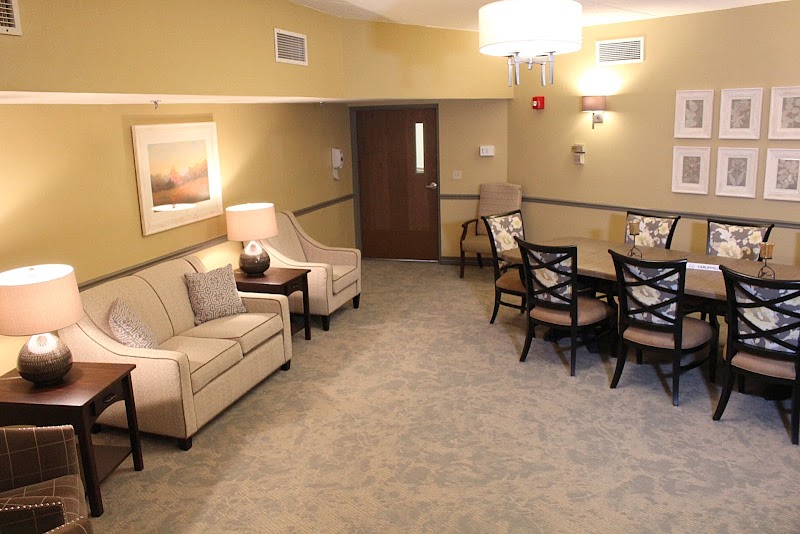
How is Lakeside Health & Rehab Center Staffed?

CMS rates LAKESIDE HEALTH & REHAB CENTER's staffing level at 1 out of 5 stars, which is much below average compared to other nursing homes. Staff turnover is 62%, which is 16 percentage points above the Illinois average of 46%. High turnover can affect care consistency as new staff learn residents' individual needs.

What Have Inspectors Found at Lakeside Health & Rehab Center?

State health inspectors documented 30 deficiencies at LAKESIDE HEALTH & REHAB CENTER during 2023 to 2025. These included: 1 Immediate Jeopardy (the most serious level, indicating potential for serious harm or death), 5 that caused actual resident harm, 23 with potential for harm, and 1 minor or isolated issues. Immediate Jeopardy findings are rare and represent the most serious regulatory concerns. They require immediate corrective action.
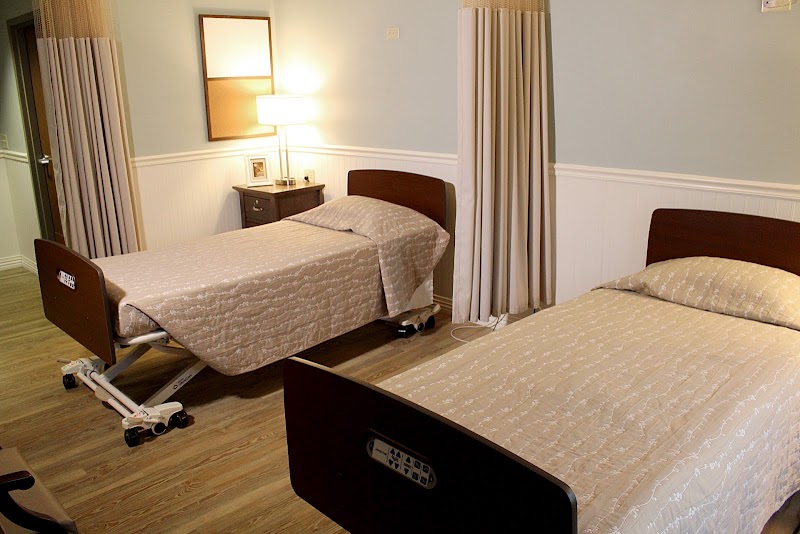
Who Owns and Operates Lakeside Health & Rehab Center?

LAKESIDE HEALTH & REHAB CENTER is owned by a for-profit company. For-profit facilities operate as businesses with obligations to shareholders or private owners. The facility is operated by SUMMIT HEALTHCARE CONSULTING, a chain that manages multiple nursing homes. With 95 certified beds and approximately 63 residents (about 66% occupancy), it is a smaller facility located in CARLINVILLE, Illinois.
How Does Lakeside Health & Rehab Center Compare to Other Illinois Nursing Homes?

Compared to the 100 nursing homes in Illinois, LAKESIDE HEALTH & REHAB CENTER's overall rating (1 stars) is below the state average of 2.5, staff turnover (62%) is significantly higher than the state average of 46%, and health inspection rating (2 stars) is below the national benchmark.

What Should Families Ask When Visiting Lakeside Health & Rehab Center?

Based on this facility's data, families visiting should ask: "What changes have been made since the serious inspection findings, and how are you preventing similar issues?" "How do you ensure continuity of care given staff turnover, and what is your staff retention strategy?" "Can you walk me through typical staffing levels on day, evening, and night shifts?" "Can I visit during a mealtime to observe dining assistance and food quality?" These questions are particularly relevant given the facility's Immediate Jeopardy citations, the facility's high staff turnover rate, and the below-average staffing rating.

Is Lakeside Health & Rehab Center Safe?

Based on CMS inspection data, LAKESIDE HEALTH & REHAB CENTER has documented safety concerns. Inspectors have issued 1 Immediate Jeopardy citation (the most serious violation level indicating risk of serious injury or death). The facility has a 1-star overall rating and ranks #100 of 100 nursing homes in Illinois. Families considering this facility should ask detailed questions about what corrective actions have been taken since these incidents.

Do Nurses at Lakeside Health & Rehab Center Stick Around?

Staff turnover at LAKESIDE HEALTH & REHAB CENTER is high. At 62%, the facility is 16 percentage points above the Illinois average of 46%. High turnover means new staff may not know residents' individual needs, medications, or preferences. It can also be disorienting for residents, especially those with dementia who rely on familiar faces. Families should ask: What is causing the turnover? What retention programs are in place? How do you ensure care continuity during staff transitions?

Was Lakeside Health & Rehab Center Ever Fined?

LAKESIDE HEALTH & REHAB CENTER has been fined $72,917 across 3 penalty actions. This is above the Illinois average of $33,808. Fines in this range indicate compliance issues significant enough for CMS to impose meaningful financial consequences. Common causes include delayed correction of deficiencies, repeat violations, or care failures affecting resident safety. Families should ask facility leadership what changes have been made since these penalties.

Is Lakeside Health & Rehab Center on Any Federal Watch List?

LAKESIDE HEALTH & REHAB CENTER is not on any federal watch list. The most significant is the Special Focus Facility (SFF) program, which identifies the bottom 1% of nursing homes nationally based on persistent, serious quality problems. Not being on this list means the facility has avoided the pattern of deficiencies that triggers enhanced federal oversight. This is a positive indicator, though families should still review the facility's inspection history directly.