CARLYLE HEALTHCARE & SR LIVING
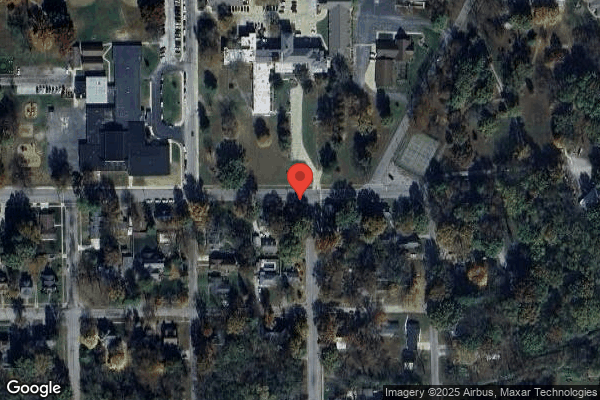
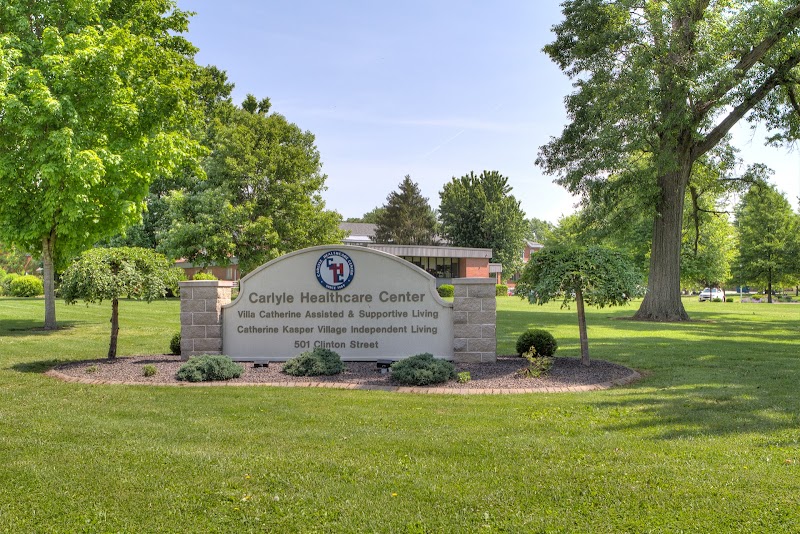
501 CLINTON STREET, CARLYLE, IL 62231 (618) 594-3112
For profit - Limited Liability company 109 Beds POINTE MANAGEMENT Data: November 2025
Trust Grade
10/100
#482 of 665 in IL
Last Inspection: July 2024

Within standard 12-15 month inspection cycle. Federal law requires annual inspections.

Overview

Carlyle Healthcare & Senior Living has a Trust Grade of F, which means it has significant concerns and is performing poorly compared to other facilities. It ranks #482 out of 665 in Illinois, placing it in the bottom half, and #4 out of 4 in Clinton County, indicating that only one local option is better. While the facility is improving overall, having reduced its issues from 7 in 2024 to 3 in 2025, it still faces challenges, including 20 total deficiencies-4 of which were serious. Staffing is a weakness, with a low rating of 1 out of 5 and a concerning level of RN coverage, being lower than 85% of state facilities, which could impact resident care. Specific incidents include a resident being subjected to mental abuse, leading to distress, and another resident falling from bed due to inadequate fall prevention measures, resulting in serious injury. Despite having no fines recorded, which is a positive aspect, families should weigh these serious concerns against the facility's efforts to improve.

Trust Score
F
10/100
In Illinois
#482/665
Bottom 28%
Safety Record
High Risk
Review needed
Inspections
Getting Better
7 → 3 violations
Staff Stability
⚠ Watch
49% turnover. Above average. Higher turnover means staff may not know residents' routines.
Penalties
✓ Good
No fines on record. Clean compliance history, better than most Illinois facilities.
Skilled Nurses
⚠ Watch
Each resident gets only 21 minutes of Registered Nurse (RN) attention daily — below average for Illinois. Fewer RN minutes means fewer trained eyes watching for problems.
Violations
⚠ Watch
20 deficiencies on record. Higher than average. Multiple issues found across inspections.
★☆☆☆☆
1.0
Overall Rating
★☆☆☆☆
1.0
Staff Levels
★☆☆☆☆
1.0
Care Quality
★★☆☆☆
2.0
Inspection Score
Stable
2024: 7 issues
2025: 3 issues

The Good

  • Full Sprinkler Coverage · Fire safety systems throughout facility
  • No fines on record

Facility shows strength in fire safety.

The Bad

1-Star Overall Rating

Below Illinois average (2.5)

Significant quality concerns identified by CMS

Staff Turnover: 49%

Near Illinois avg (46%)

Higher turnover may affect care consistency

Chain: POINTE MANAGEMENT

Part of a multi-facility chain

Ask about local staffing decisions and management

The Ugly 20 deficiencies on record

4 actual harm
Jul 2025 2 deficiencies
CONCERN (D) 📢 Someone Reported This

A family member, employee, or ombudsman was alarmed enough to file a formal complaint

Potential for Harm - no one hurt, but risky conditions existed

Report Alleged Abuse (Tag F0609)

Could have caused harm · This affected 1 resident

**NOTE- TERMS IN BRACKETS HAVE BEEN EDITED TO PROTECT CONFIDENTIALITY** Based on interview and record review the failed to ensure allegations of physical abuse were reported immediately to the adminis...

Read full inspector narrative →
**NOTE- TERMS IN BRACKETS HAVE BEEN EDITED TO PROTECT CONFIDENTIALITY** Based on interview and record review the failed to ensure allegations of physical abuse were reported immediately to the administrator of the facility and to the State Survey Agency for 1 of 3 residents (R55) reviewed for reporting of allegation of abuse in a sample of 57. Findings include: R55's Face Sheet, print date of 07/02/25, documented R55 has diagnoses of but not limited to dementia, paranoid schizophrenia, anxiety disorder due to known physiological condition. R55's Minimum Data Set (MDS), dated [DATE], documented R55 is severely cognitively impaired and requires substantial/maximal assistance with bed mobility. V2, Director of Nursing (DON) statement dated 06/22/25, documents V2, Director of Nursing, DON, received a phone call from agency nurse, V35, at 7:43 AM regarding a bruise/skin tear (ST) R55 received. The statement documented V35 stated that she had a gut feeling that the agency Certified Nursing Assistant (CNA), V31 gave resident the bruise/ST. That statement continued that V2 came into the facility and started investigation. The statement documented R55 had a Brief Interview of Mental Status (BIMS) of 99 and was alert to self only. The statement documented V2 assessed R55 and noted the bruise/ST, and R55 did not state she was harmed and did not show any emotional distress at that time. At that time, V2 asked V35 to contact V1, Administrator, and write a statement. The statement documents V35 did not contact V1 or write a statement. R55's Electronic Medical Record (EMR) was reviewed and there was no documentation that the Administrator and/or the State Survey Agency was notified of the allegation of abuse for R55. On 07/02/25 at 9:20 AM, V1, Administrator said with abuse she has to have it turned into the State Survey Agency within two hours and with a fall with major injury she has to have it reported within 24 hours. V1 said had she known about the incident with R55 and V31 she would have reported it immediately to the State Survey Agency. On 07/02/25 at 09:25 AM, V2 said V31 worked on the south hall on the night shift the night of the incident. She said after the incident regarding R55 and V31 the agency nurse, V35 called V2 on the phone while she was driving home and told her she had a gut feeling something happened with V31 and R55. The facility's Abuse, Neglect, Exploitation and Misappropriation Prevention Program, revised date of April 2021, documented 9. Investigate and report any allegations within time frames required by federal requirements. The facility's Abuse, Neglect, Exploitation and Misappropriation - Reporting and Investigating policy, revised date of September 2022, documented Policy Statement All reports of resident abuse (including injuries of unknown origin), neglect, exploitation, or theft/misappropriation of resident property are reported to local, state and federal agencies (as required by current regulations) and thoroughly investigated by facility management. Findings of all investigations are documented and reported. Policy Interpretation and Implementation Reporting Allegations to the Administrator and Authorities 1. If resident abuse, neglect, exploitation, misappropriation of resident property or injury of unknown source is suspected, the suspicion must be reported immediately to the administrator and to other officials according to state law. 2. The administrator or the individual making the allegation immediately reports his or her suspicion to the following persons or agencies: a. The state licensing/certification agency responsible for surveying/licensing the facility; b. local/state ombudsman. It further documented 3. Immediately is defined as: a. within two hours of an allegation involving abuse or result in serious bodily injury; or b. within 24 hours of an allegation that does not involve abuse or result in serious bodily injury.
CONCERN (D) 📢 Someone Reported This

A family member, employee, or ombudsman was alarmed enough to file a formal complaint

Potential for Harm - no one hurt, but risky conditions existed

Investigate Abuse (Tag F0610)

Could have caused harm · This affected 1 resident

**NOTE- TERMS IN BRACKETS HAVE BEEN EDITED TO PROTECT CONFIDENTIALITY** Based on interview and record review the facility failed to ensure residents were protected from potential further abuse, after ...

Read full inspector narrative →
**NOTE- TERMS IN BRACKETS HAVE BEEN EDITED TO PROTECT CONFIDENTIALITY** Based on interview and record review the facility failed to ensure residents were protected from potential further abuse, after an allegation of abuse. This failure affects 1 of 3 residents (R55) reviewed for abuse allegations in a sample of 57. Findings include: R55's Face Sheet, print date of 07/02/25, documented R55 has diagnoses of but not limited to dementia, paranoid schizophrenia, anxiety disorder due to known physiological condition. R55's Minimum Data Set (MDS), dated [DATE], documented R55 is severely cognitively impaired and requires substantial/maximal assistance with bed mobility. V2, Director of Nursing (DON) statement dated 06/22/25, documented V2, Director of Nursing, DON, received a phone call from agency nurse, V35, at 7:43 AM regarding a bruise/skin tear (ST) R55 received. The statement documented V35 stated that she had a gut feeling that the agency Certified Nursing Assistant (CNA), V31 gave resident the bruise/ST. That statement continued V2 came into the facility and started investigation. The statement documented R55 had a Brief Interview of Mental Status (BIMS) of 99 and was alert to self only. The statement documented V2 assessed R55 and noted the bruise/ST, and R55 did not state she was harmed and did not show any emotional distress at that time. At that time, V2 asked V35 to contact V1, Administrator, and write a statement. The statement documented V35 did not contact V1 or write a statement. The statement did not document if V31 was removed from resident care during the investigation. On 7/02/25, at 9:20 AM, V1 stated V31 worked the night shift that night and she stayed over for a double that day. V1 stated she worked the south hall on night shift and then worked a different hall on the day shift. V1 stated she finished her shift on days and then she didn't come back into the facility until the following Friday after the investigation was completed. On 7/2/25, at 9:25 AM, V2 stated V31 worked on the south hall on the night shift on the night of the incident. V2 stated after the incident regarding R55 and V31, the agency nurse, V35 called V2 on the phone while she was driving home and told her she had a gut feeling something happened with V31 and R55. V2 said she made sure V31 was moved to a different hall to work the day shift. She said she didn't feel like V31 was a threat to any of the other residents, so she let her stay and finish the shift. V2 said after she finished the shift, V321 didn't work back at the facility until the following Friday and the investigation had been completed. The facility's Abuse, Neglect, Exploitation and Misappropriation Prevention Program, revised date of April 2021, documented 10. Protect residents from any further harm during investigations. The facility's Abuse, Neglect, Exploitation and Misappropriation - Reporting and Investigating policy, revised date of September 2022, documented 6. Any employee who has been accused of resident abuse is placed on leave with no resident contact until the investigation is complete.
Jan 2025 1 deficiency
CONCERN (E) 📢 Someone Reported This

A family member, employee, or ombudsman was alarmed enough to file a formal complaint

Potential for Harm - no one hurt, but risky conditions existed

Deficiency F0802 (Tag F0802)

Could have caused harm · This affected multiple residents

**NOTE- TERMS IN BRACKETS HAVE BEEN EDITED TO PROTECT CONFIDENTIALITY** Based on observation, interview, and record review, the Facility failed to adequately staff the dietary department to ensure mea...

Read full inspector narrative →
**NOTE- TERMS IN BRACKETS HAVE BEEN EDITED TO PROTECT CONFIDENTIALITY** Based on observation, interview, and record review, the Facility failed to adequately staff the dietary department to ensure meals are served in a timely manner for 4 of 5 residents (R1, R2, R4, R5) reviewed for food and nutrition services in the sample of 5. Findings include: 1. R1's Face Sheet documents R1 was admitted to the facility on [DATE] with diagnoses including heart failure and diabetes. R1's Minimum Data Set (MDS) dated [DATE] documented R1 was cognitively intact, required supervision with eating, and ambulated via wheelchair. R1's Physician Order dated 9/28/24 documents R1 is on a regular diet with no added sodium. R1's Grievance Form dated 12/27/24 documented, (R1) came to me about issues with not getting her dinner last night until late. On 1/7/25 at 11:43 AM, R1 stated everyone else was eating dinner, but she did not get served. She was supposed to get grilled cheese and soup, but they brought her something different which she did not like. She stated she then went back to her room and did not receive her grilled cheese and soup until around 7:00 PM. She stated, It is always late. It's supposed to start at 5:00 PM, and we are lucky if they start at 5:30 PM or a quarter 'til (6:00 PM). 2.R2's Face Sheet documents R2 was admitted to the facility on [DATE] with diagnoses including Alzheimer's disease and blindness in right eye. R2's MDS dated [DATE] documented R2 was severely cognitively impaired and required substantial assistance with eating, bed mobility, and transfer. R2's Physician Order dated 7/27/16 documents R2 is on a regular diet. On 1/7/25 at 12:46 PM, V14, Licensed Practical Nurse (LPN), obtained a meal tray from the cart on the 200 Hall and delivered it to R2 in her room. This was one hour sixteen minutes after the lunch meal was scheduled to begin. 3.R4's Face Sheet documents R3 was admitted to the facility on [DATE] with diagnoses including type 2 diabetes mellitus and pressure ulcers. R4's MDS dated [DATE] documented R4 was cognitively intact, required setup with eating, and was dependent with bed mobility and transfer. R4's Physician Order dated 10/25/24 documents R4 is on a mechanical soft diet. On 1/7/25 at 12:56 PM, V13, Certified Nursing Assistant (CNA), took a meal tray from the cart on the 200 Hall and delivered it to R4 in her room. V13 stated, We have good days (with timing) and bad days, but there usually aren't so many hall trays. There have been more (hall trays) with Covid, and it takes longer (to pass them). R4's tray was passed one hour and twenty-six minutes after the lunch meal was scheduled to begin. 4.R5's Face Sheet documents R5 was admitted to the facility on [DATE] with diagnoses including chronic kidney disease and type 2 diabetes mellitus. R5's MDS dated [DATE] documented R5 was cognitively intact, required supervision with eating, and was dependent with bed mobility and transfer. R5's Physician Order dated 10/10/24 documents R5 is on a low concentrated sweets diet. On 1/7/25 at 1:05 PM, V13 took a meal tray from the cart on the 200 Hall and delivered it to R5 in her room. R5's tray was delivered one hour and thirty-five minutes after the lunch meal was scheduled to begin. On 1/7/25 at 8:55 AM, V4, Environmental Services and Dietary Supervisor, stated occasionally meals run late at supper. V1, Administrator, stated they have had some delays in meals with the recent snowfall and staff calling off work. On 1/7/25 at 9:20 AM, V11, Licensed Practical Nurse (LPN), stated sometimes there are delays in meals at the Facility. On 1/7/25 at 1:49 PM, V1 stated lunch was late today because three dietary employees that were scheduled to work called off. There was no cook or prep cook, so V4 had to do a lot of the work herself. On 1/7/25 at 2:40 PM, V1 stated she will be working with V4 to correct the issue. The Facility's Weekly Schedule for 1/5/25-1/11/25 documents five dietary staff were originally scheduled to be present during the lunch hour on 1/7/25 before the reported three call offs. The Facility's Mealtimes Posting documents lunch is served at 11:30 AM. The Facility's Frequency of Meals Policy revised 7/2017 documents, Each resident shall receive at least three (3) meals daily, at times comparable to typical mealtimes in the community, or in accordance with resident needs preferences, requests and the plan of care. The facility will serve at least three (3) meals or their equivalent daily at scheduled times.
Dec 2024 1 deficiency 1 Harm
SERIOUS (G) 📢 Someone Reported This

A family member, employee, or ombudsman was alarmed enough to file a formal complaint

Actual Harm - a resident was hurt due to facility failures

Free from Abuse/Neglect (Tag F0600)

A resident was harmed · This affected 1 resident

**NOTE- TERMS IN BRACKETS HAVE BEEN EDITED TO PROTECT CONFIDENTIALITY** Based on observation, interview and record review, the facility failed to prevent mental abuse for 1 (R2) of 3 residents reviewe...

Read full inspector narrative →
**NOTE- TERMS IN BRACKETS HAVE BEEN EDITED TO PROTECT CONFIDENTIALITY** Based on observation, interview and record review, the facility failed to prevent mental abuse for 1 (R2) of 3 residents reviewed for abuse in the sample of 3. This failure resulted in R2 being tearful and expressing feelings including being upset and fearful of being kicked out of the facility. Findings include: R2's Minimum Data Set (MDS), dated [DATE] documents, she is alert and oriented, cognitively intact. R2's Undated Face Sheet, documents she was admitted to the facility on [DATE] with a diagnoses major depressive disorder and anxiety. V1, Administrator's typed stated, dated 12/9/2024 documents this is a statement regarding V6, CNA (Certified Nurse Aide) from 12/8/2024. A resident (R2) came to the ADON's (Assistant Director of Nurse's) office on 12/9/2024 and stated V6 was sleeping in her bed yesterday (12/8/2024.) The ADON came into the administrator's office and investigation was initiated immediately. Based on camera footage, V5 went into (R2's) room on 12/8/2024 at 5:11 AM, she did not leave that room until V7, LPN (Licensed Practical Nurse) went into resident's room at 6:47 AM to wake her up. Administrator, DON (Director of Nurses), ADON and HR (Human Resources) spoke to V7 on phone, and she stated that they were unable to find V6. They entered (R2's) room and found her to be sleeping. V8, LPN stated that V7 asked her to come with her to wake V6 up. Administrator logged into time clock and noted V6 clocked in at 5:11 AM on 12/8/2024. On 12/17/2024 at 11:03 AM, R2 was resident sitting up in her wheelchair in her room. R2 recalled CNA (V6) coming into her room early on Sunday (12/8/2024) and stated she was cold and needed to sleep. R2 stated she always sleeps in her recliner. V6 told R2 not to say a word because if she did, she would be fired and she would get kicked out of the facility. R2 was upset by this and felt it was a serious threat and she didn't want to get kicked out of the facility because she didn't have any place to go. R2 stated staff came into her room about an hour after (V6) had been sleeping and woke her up. She didn't talk to anyone about the CNA sleeping in her bed because she didn't want to get kicked out of the facility then when she spoke to her daughter (V5) on 12/9/2024 she was tearful and told her she's afraid she's going to get kicked out of the facility because a CNA slept in her bed and she was caught by staff but that she didn't tell on the CNA but she was afraid the CNA thinks she told staff she was sleeping in her bed. R2 stated she hopes that (V6) doesn't work at the facility anymore because she's afraid of what she will do to her if she thinks she told on her. On 12/17/2024 at 11:03 AM V8, Licensed Practical Nurse (LPN) stated she got to work on 12/8/2024 at approximately 5:30 AM and she was told V6 CNA was running late to work that day. At approximately 6:30 AM, V8 hadn't seen V6 and started looking for her. V6 stated she looked in R2's room and observed V6 sleeping in R2's bed. She attempted to wake V6 up, but she told her to get out. V6 then went and reported V6 was sleeping to another nurse V7, LPN. V8 and V7 went to R2's room and V6 woke up and went to work at approximately 6:45 AM. R2 was sitting up in her recliner in her room watching at that time and she wasn't crying or emotionally distressed. V8 stated she didn't report that R2 said not to say anything, or she'd get fired and R2 would get kicked out of the facility. V8 stated she didn't report the incident to management because she wasn't assigned to R2 that day. On 12/17/2024 at 12:23 PM V7, Registered Nurse (RN) she worked on 12/8/2024 day shift and was assigned to R2. V7 stated she knew V6 was running late but didn't know when she arrived to the facility. V6 stated staff couldn't find V6 and V8 reported to her that she found V6 sleeping in R2's bed. V7 and V8 went to R2's room and observed V6 was in fact sleeping in R2's bed. V7 stated she woke V6 up and stated she needed to get to work. V7 didn't report the sleeping incident to management on 12/8/2024. V1 called her on 12/9/2024 and they discussed the incident at that time. R2 wasn't upset on 12/8/2024 when V6 was sleeping in her bed, R2 actually laughed about it and didn't report that R2 told her not to say anything about her sleeping in her bed or she'd get fired and R2 would get kicked out of the facility. On 12/17/2024 at 12:45 PM V4, Social Services Assistant stated it was reported to her on 12/9/2024 that on 12/8/2024 V6 was found sleeping in R2's bed. V4 and V1 spoke to R2 about the incident on 12/9/2024 and V4 stated the resident got tearful during the interview and stated she didn't want anyone to get in trouble. V4 stated R2 didn't mention fear of being kicked out of the facility and V4 wasn't aware that R2 was fearful of being kicked out of the facility. V4 let R2 know V6 was terminated for sleeping in her bed and R2 understood she was safe at the facility. On 12/17/2024 at 1:30 PM V5, (family member) stated she went to see R2 in the afternoon on 12/9/2024 and as soon as she walked in the door R2 started to cry and shake and she told her that a CNA slept in her bed the day before and told her if she told anyone she would get fired and R2 would get kicked out of the facility. V5 stated R2 was very upset and shaking when she told her, and she could tell R2 was scared of the sleeping CNA V6. V5 spoke to the ADON and reported the incident immediately then she showered R2 in an attempt to calm her down. The Administrator spoke to her and R2 after the shower and that's when R2 told the Administrator that the CNA V6 slept in her bed the morning before, and she told her she'd get fired and R2 would be kicked out of the facility if she told on her for sleeping. V5 stated R2 told her that V6 threatened her, and she didn't feel safe at that time. On 12/17/2024 at 12:33 PM V6, CNA stated she worked at the facility day shift on 12/8/2024 and she had a rough night and that she was really cold and tired. V6 assisted R2 to the bathroom and R2 told her to lay in her bed and rest. V6 stated she thought she'd sit on R2's bed for a few minutes but she fell fast asleep. V7 and V8 woke her up, she didn't know how long she slept for. V6 went straight to work after being woke up and R2 was her usual cheerful self, she wasn't tearful or emotionally upset that day at all. V6 denied telling R2 not to tell staff she slept in her bed because she'd get fired and R2 would get kicked out of the facility. V6 stated she'd worked at the facility for over a year and R2 was like family to her, and she'd never say that to her. On 12/17/2024 at 10:30 AM, V3 stated she was aware a CNA was found sleeping in R2's on 12/9/2024 when R2's family member R5 reported it to her. An investigation was started immediately. V3 stated when she spoke to R5 on 12/9/2024 she stated R2 told her that if she said anything about R2 sleeping in her bed the CNA would be fired and she would be kicked out of the facility. When V3 spoke to R2 she was very upset and tearful stating she didn't want V6 to get in trouble and didn't mention the possibility of being kicked out of the facility. On 12/17/2024 at 2:11 PM V2 stated on 12/9/2024 sometime after morning meeting the R2, the ADON and V5, R2's family member entered V1, Administrator's office and stated V6 slept in R2's bed the morning before and that R2 didn't say anything because she didn't want to get V6 in trouble. V2 didn't recall who told her that R2 stated that V6 stated to her not to tell anyone that she was asleep in her room because she would get fired and R2 would get kicked out of the facility. R2 was tearful when she entered V1's office to speak to them. R2 has depression and her antidepressant medication was discontinued on 11/18/2024 due to swelling and was restarted due to being tearful and having more signs and symptoms of depression on 12/12/2024. On 12/17/2024 at 10:35 AM V1 stated R2, V3 and V5 entered her office on 12/9/2024 and R2 was tearful at that time and R2 stated V6 slept in her bed the morning before and that if she told anyone V6 would be fired, and she would be kicked out of the facility. R2 was visibly upset when she told V1 this but R2 had recently had some medication changes so that could have something to do with her being emotional. The facility's Abuse, Neglect, Exploitation and Misappropriation Prevention Program, revised April 2021 documents residents have the right to be free from abuse, this includes but is not limited to mental abuse.
Jul 2024 6 deficiencies
CONCERN (E)

Potential for Harm - no one hurt, but risky conditions existed

Accident Prevention (Tag F0689)

Could have caused harm · This affected multiple residents

**NOTE- TERMS IN BRACKETS HAVE BEEN EDITED TO PROTECT CONFIDENTIALITY** Failures at this level required more than one deficient practice statement. A.) Based on observation, interview and record revie...

Read full inspector narrative →
**NOTE- TERMS IN BRACKETS HAVE BEEN EDITED TO PROTECT CONFIDENTIALITY** Failures at this level required more than one deficient practice statement. A.) Based on observation, interview and record review, the facility failed to ensure the safety of residents who engage in cigarette smoking activities by failing to develop and implement personalized/individualized care plan interventions. These failures affect three of six residents (R2, R37, R73) reviewed for safety and supervision on the sample list of 46. B.) Based on observation, interview and record review, the facility failed to provide supervision to prevent falls for residents at risk for falls. This failure affects one of six residents (R42) reviewed for safety and supervision on the sample list of 46. Findings include: a.)1.) R73's Care Plan Activity Report dated 11/20/2023 documents, Cigarette Smoking- I am a smoke[er] and have expressed interest and desire to continue to smoke. I smoked prior to admission. Goals- I will remain safe while under the supervision of staff. Interventions include: Remind me that my staff will be supervising me during smoking and any related behaviors. Also, my noncompliance will be monitored and reported to my MD (Medical Doctor) and Family PRN (As needed). Staff will assist me to the smoking area and keep me safe from harm and will apply smoking apron PRN (as needed). Provide me a smoking apron to use during my smoking session and that my supplies must be kept at the nurse station to ensure my safety PRN. R73's Minimum Data Set (MDS) dated [DATE] documents R73 is cognitively intact. On 7/9/24 at 2:20 PM, R37 and R73 were observed outside in the designated smoking area. Neither R37 or R73 were wearing smoking aprons or being supervised. There were approximately 75-100 extinguished cigarettes butts littered all over the ground in the surrounding area. At this time, R37 told the surveyor he put a cigarette butt in the pocket of his flannel shirt, causing it to burn a hole in the pocket. R73 stated he put his lighter and a cigarette butt in the pocket of his jacket, causing a burn in his pocket. R73 also stated at this time that he keeps his lighter with him. During this conversation/observation, V4 (Nurse) walked up to the smoking area and educated both R37 and R73 there are supposed to return their lighters and extinguish the cigarettes in a provided receptacle. At this time, V4 stated she completes the smoking assessments for the residents and if the resident passes the assessment, they can smoke independently. V4 stated residents are not allowed to keep their lighters on their person. On 7/11/2024 at 10:04 AM, R73's coat pocket was observed with R73 and V4 present. The entire bottom (approximately 3 to 4 inches in length) of one of the pockets on R73's coat was missing. It had a charred (burnt) appearance above the hole. At this time, R73 stated it occurred a couple days ago. V2, Director of Nursing (DON) provided an electronic message dated 4/9/2024 documents, in part, Staff please make sure we are offering or encouraging the residents to put on a smoking vest when they are going outside to smoke to reduce the risk of burning themselves while smoking. a.)2.) R37's Care Plan Activity Report dated 3/24/2023 documents, Cigarette Smoking- I am a smoke[er] and have expressed interest and desire to continue to smoke. I smoked prior to admission. Goals- I will remain safe while under the supervision of staff. Interventions include: Remind me that my staff will be supervising me during smoking and any related behaviors. Also my noncompliance will be monitored and reported to my MD (Medical Doctor) and Family PRN (As needed). Staff will assist me to the smoking area and keep me safe from harm and will apply smoking apron as needed. Provide me a smoking apron to use during my smoking session and that my supplies must be kept at the nurse station to ensure my safety PRN. It also documents on 5/16/2023, I am allowed to go outside to smoke by myself. R37's MDS dated [DATE] documents R37 is moderately cognitively impaired. On 7/8/2024 at 2:21 PM, R37 stated he wears oxygen when he is in his room. R37 then stated, I'm going to smoke now in the [NAME] (covered shelter outside building). R37 stated he does not wear an apron, Because I am not sloppy. a.)3.) R2's Care Plan Activity dated 5/2/2024 documents, Provide me a smoking apron to use during my smoking session and that my supplies must be kept at the nurses' station to ensure my safety PRN. Remind me that my staff will be supervising me during smoking and any related behaviors. Also, my noncompliance will be monitored and reported to my MD and family PRN. R2's MDS dated [DATE] documents R2 is cognitively intact. On 7/9/2024 at 2:30 PM, R2 stated she keeps her lighter in her purse and does not wear a smoking apron. The Facility's Resident Smoking Policy dated October 2023, documents, This Facility has established and maintains safe resident smoking practices. It continues to document, Any smoking-related privileges, restrictions, and concerns (for example, need for close monitoring) are noted on the care plan and all personnel caring for the resident shall be alerted to these issues. The Facility may impose smoking restrictions on a resident at any time if it determines that the resident cannot smoke safely with the available levels of support and supervision. Any resident with smoking privileges requiring monitoring shall have the direct supervision of a staff member, family member, visitor, or volunteer worker at all times while smoking. Residents who have independent smoking privileges are permitted to keep cigarettes, electronic cigarettes, pipes, tobacco, and other smoking items in their possession. Only disposable safety lighters are permitted. All other forms of lighters, including matches, are prohibited. Residents without independent smoking privileges may not have or keep any smoking items, including cigarettes, tobacco, etc, except under direct supervision. b.) On 7/8/2024 at approximately 10:30 AM, R42 was located at the Nurses' station with a brace on her left foot. R42 was expressing signs of pain and stating, my foot. At this time, V24, Licensed Practical Nurse (LPN) stated R42 has a fractured ankle but V24 was unsure how it occurred. R42's MDS dated [DATE] documents R42 is severely cognitively impaired and requires substantial/maximal assistance with toilet transfers. R42's Care Plan Activity Report dated 5/27/2020 documents R42 has the potential for falls or injury from falls related to medications and history of falls, with a goal of having two or less falls on average per month. It further documents R42 requires one to two assist for transfers, as well as have a sensor pad at all times. R42's Accident/Incident Report dated 6/5/2024 documents R42 experienced a fall with no apparent injury due to not following care plan. It further documents R42's fall was unwitnessed after a Certified Nursing Assistant (CNA) left R42 on the toilet unattended and R42 attempted to stand/ambulate independently. It continues to document R42 has decreased safety awareness due to Dementia. R42's Fall Risk assessment dated [DATE] documents R42 has had 3 or more falls in the past 3 months and is a high fall risk. It further documents R42 was noted sitting on buttocks in front of toilet in her bathroom, after the Certified Nursing Assistant (CNA) assisted R42 to the toilet and left R42 unattended. It further documents R42 attempted to ambulate from the toilet into R42's bedroom independently without success. The CNA was instructed to never leave resident unattended on the toilet when they are a high fall risk and already uses a sensor pad (device to alert staff if a resident is transferring unassisted). R42's Progress Notes dated 6/10/2024 documents R42's doctor was updated regarding left foot swelling/bruising and an x-ray was ordered. R42's Progress Notes dated 6/10/2024 further documents R42 was sent to the local emergency room with a fractured left ankle. On 7/11/2024 at 11:00 AM, V22, Nurse consultant/former Director of Nursing (DON) stated she would expect staff to stay with/supervise a resident while they use the toilet, especially if they are a high fall risk. On 7/15/2024 at 10:15 AM, V15, CNA, stated R42 is a fall risk and V15 would stay in the bathroom with her while R42 is using the toilet. On 7/15/2024 at 10:25 AM, V9, CNA stated she was unsure if R42 is a fall risk, but states they usually are a fall risk if they have a sensor pad and a fall mat on the floor near their bed. The Facility's Strategies for Reducing the Risk of Falls Policy dated March 2018 documents, Elimination-Do not leave the resident unattended in the bathroom until the following have been established: Ability/compliance with call light use. Adequate sitting balance and postural stability. It continues, Staff Communication: Include resident fall risk category during shift report and team conference.
CONCERN (E)

Potential for Harm - no one hurt, but risky conditions existed

Incontinence Care (Tag F0690)

Could have caused harm · This affected multiple residents

**NOTE- TERMS IN BRACKETS HAVE BEEN EDITED TO PROTECT CONFIDENTIALITY** Based on observation, interview, and record review the facility failed to provide complete incontinent care for 4 residents (R3,...

Read full inspector narrative →
**NOTE- TERMS IN BRACKETS HAVE BEEN EDITED TO PROTECT CONFIDENTIALITY** Based on observation, interview, and record review the facility failed to provide complete incontinent care for 4 residents (R3, R17, R38, and R59) of 4 residents reviewed for incontinence in a sample of 46. Findings include: 1. R17's face sheet, print date 7/11/24, documented R17 has diagnoses of Alzheimer's disease, major depressive disorder, hypertension, macular degeneration, anxiety disorder, and osteoporosis. R17's MDS (Minimum Data Set), dated 4/5/24, documented that R17 is severely cognitively impaired, is always incontinent of urine, and is dependent on staff for all ADLS (Activities of Daily Living). On 7/9/24 at 9:20 am V12 CNA (Certified Nurse Assistant) and V16 CNA donned gloves without the benefit of hand hygiene and transferred R17 into bed. V12 and V16 then removed R17's urine-soaked incontinence brief and urine-soaked pants. R17's pants were visibly saturated throughout the buttock and hip regions. V12 then applied perineal cleanser to a disposable cloth and wiped R17's upper pubic region without the benefit of hand hygiene nor changing gloves. V12 then cleansed R17's inner labia with the same disposable cloth as was used to cleanse R17's upper pubic region. V12 did not fold the disposable cloth over nor get a new cloth prior to cleansing R17's inner labia region. V12 did not cleanse R17's outer labia nor inner thighs. V12 and V16 then rolled R17 onto her side and V12 cleansed R17's anal region and then rolled R17 onto her back. V12 did not cleanse R17's buttocks nor hips. V12 then pulled R17's blankets up over her with the same gloves as was used to cleanse R17's genitalia. V12 and V16 then removed their gloves and left R17's room without performing hand hygiene. 2. R3's face sheet, print date 7/11/24, documented R3 has diagnoses of Alzheimer's disease, urge incontinence, orthostatic hypotension, anxiety, and hypertension. R3's MDS, dated [DATE], documented R3 is moderately cognitively impaired and is dependent on staff for toileting hygiene needs and ADLS. On 7/9/24 at 9:55 am V12 CNA pushed R3 in his wheelchair from the dining room to his room. V12 and V16 donned gloves without the benefit of hand hygiene and transferred R3 onto his bedside commode. V12 and V16 then transferred R3 onto his bed and removed his disposable adult incontinence brief and pants. V16 then cleansed the tip of R3's penis with a disposable cloth. V16 did not perform hand hygiene nor change gloves prior to cleansing R3's penis. V16 did not cleanse the entire length of R3's penis, inner thighs, scrotum nor buttock. V16 did not retract R3's uncircumcised penis and cleanse the area. V12 and V16 then covered R3 up and removed their gloves. V12 and V16 did not perform hand hygiene prior to leaving R3's room. 3. R38's face sheet, print date 7/11/24, documented R38 has diagnoses of Alzheimer's disease, hypertension, bipolar disorder, anxiety, and depression. R38's MDS, dated [DATE], documented R38 is severely cognitively impaired and is dependent on staff for all toileting needs and ADLS. On 7/11/24 at 9:20 am V16 CNA pushed R38 in her reclining wheelchair from the dementia unit dining room into her room. V16 CNA and V21 CNA donned gloves without the benefit of hand hygiene. V16 placed a gait belt around R38's waist. V16 and V21 transferred R38 onto her bed and turned her her left side. V21 wet two washcloths with water and wiped R38's rectum and buttock. V21 did not apply perineal cleanser nor soap to the washcloths. R38 then had an extra-large bowel movement. V16 and V21 cleaned up the bowel movement with disposable cloths. V16 nor V21 cleansed R38's frontal labia region following her bowel movement. V16 then tossed R38's soiled bed pad onto the floor. V21 tossed the soiled washcloths onto the pad that was on the floor. V21 then picked the soiled linens up off the floor, placed them in a bag, and carried them down the hallway with the same gloves on. V16 removed her gloves and pushed R38 back into the dementia unit. V16 did not perform hand hygiene before leaving R38's room nor after leaving R38's room. V16 then proceeded to provide care and transfer other residents in dining room without performing hand hygiene. 4. R59's face sheet, print date 7/11/24, documented R59 has diagnoses of metabolic encephalopathy, dementia, Alzheimer's disease, depression, anxiety, hyperlipidemia, and bipolar disorder. R59's MDS, dated [DATE], documented R59 is severely cognitively impaired and requires substantial maximal assistance with toileting and ADL needs. On 7/11/24 at 9:42 am V21 CNA pushed R59 in her wheelchair from the dementia unit dining room to her bathroom. V21 and V16 donned gloves without the benefit of hand hygiene. V21 and V16 then placed a gait belt around R59's waist and transferred her onto the toilet. V16 stated that R59's adult incontinence brief was a little wet. V16 removed R59's wet brief. V16 and V21 then stood R59 up, V21 wiped R59's rectal and buttock area and then V16 placed a new adult brief on R59. Neither V16 nor V21 cleansed R59's frontal region including inner labia, labia, and inner thighs. V16 and V21 then removed their gloves and assisted R59 back to the dementia dining room. V16 and V21 did not perform hand hygiene before nor after leaving R59's room. On 7/15/24 at 8:47 AM, V1, Administrator and V2 DON stated that they would expect the CNAs to cleanse all resident areas potentially exposed to urine or feces. On 7/15/24 at 10:15 AM, V15, CNA stated that she washes the peri area, groin crease, thigh, private area, back of thighs, buttocks, and lower back of the resident when she provides incontinence care. On 7/15/24 at 10:25 AM, V9, CNA stated that when she provides incontinence care she washes the female resident's middle of the perineal area, the sides, and the buttocks. V9 stated that when she provides incontinence care for male residents she washes the penis, testicles, and buttock. 1.The Facility's Perineal Care Policy, revision date of February 2018, documented it is the purposes of this procedure are to provide cleanliness and comfort to the resident, to prevent infections and skin irritation, and to observe the resident's skin condition. Preparation 1. Review the resident's care plan to assess for any special needs of the resident. 2. Assemble the equipment and supplies as needed. The following equipment and supplies will be necessary when performing this procedure: 1. Wash basin; 2. Towels; 3. Washcloth; 4. Soap (or other authorized cleansing agent; and 5. Personal protective equipment (e.g., gowns, gloves, mask, etc., as needed). Steps in the procedure: 1. Place the equipment on the bedside stand. Arrange the supplies so they can be easily reached. 2. Wash and dry your hands thoroughly. 3. Fill the wash basin one-half (1/2) full of warm water. Place the wash basin on the bedside stand within easy reach. 4. Fold the bedspread or blanket toward the foot of the bed. 5. Fold the sheet down to the lower part of the body. Cover the upper torso with a sheet. 6. Raise the gown or lower the pajamas. Avoid unnecessary exposure of the resident's body. 7. Put on gloves. 8. Ask the resident to bend his or her knees and put his or her feet flat on the mattress. Assist as necessary. For a female resident: a. Wet washcloth and apply soap or skin cleansing agent. b. Wash perineal area, wiping from front to back. (1) Separate labia and wash area downward from front to back. (Note: If the resident has an indwelling catheter, gently wash the juncture of the tubing from the urethra down the catheter about 3 inches. Gently rinse and dry the area.) (2) Continue to wash the perineum moving from inside outward to the thighs. Rinse perineum thoroughly in same direction, using fresh water and a clean washcloth. (3) If the resident has an indwelling catheter, hold the tubing to one side and support the tubing against the leg to avoid traction or unnecessary movement of the catheter. (4) Gently dry perineum. c. Ask the resident to turn on her side with her top leg slightly bent, if able. d. Ask the resident to turn on her side with her top leg slightly bent, if able. e. Wash the rectal area thoroughly, wiping from the base of the labia towards and extending over the buttocks. f. Rinse and dry thoroughly. For a male resident. a. Wet washcloth and apply soap or skin cleansing agent. b. Wash perineal area starting with urethra and working outward. C. If the resident has an indwelling catheter, gently wash the juncture of the tubing from the urethra down the catheter about 3 inches. Gently rinse and dry the area. d. Retract foreskin of the uncircumcised male. e. Wash and rinse urethral area using a circular motion. f. Continue to wash the perineal area including the penis, scrotum, and inner thighs. g. Thoroughly rinse perineal area in same order, using fresh water and clean washcloth. h. If the resident has an indwelling catheter, hold the tubing to one side and support the tubing against the leg to avoid traction or unnecessary movement of the catheter. i. Gently dry perineum following same sequence. j. Reposition foreskin of uncircumcised male. k. Ask the resident to turn on his side with his upper leg slightly bent, if able. l. Rinse washcloth and apply soap or skin cleansing agent. m. Wash and rinse the rectal area thoroughly, including the area under the scrotum, the anus, and the buttocks. n. Dry area thoroughly. 9. Discard disposable items into designated containers. 10. Remove gloves and discard into designated container. 11. Wash and dry your hands thoroughly. 12. Reposition the bed covers. Make the resident comfortable. 12. Reposition the bed covers. Make the resident comfortable. 13. Place the call light within easy reach of the resident. 14. Clean wash basin and return to designated storage area. 15. Clean the bedside stand. 16. Wash and dry your hands thoroughly.
CONCERN (E)

Potential for Harm - no one hurt, but risky conditions existed

Deficiency F0761 (Tag F0761)

Could have caused harm · This affected multiple residents

Based on interview, observation, and record review, the facility failed to store medications in a sanitary manner and failed to date an open multidose medication vial. This failure has the potential t...

Read full inspector narrative →
Based on interview, observation, and record review, the facility failed to store medications in a sanitary manner and failed to date an open multidose medication vial. This failure has the potential to affect all 21 residents residing in the dementia unit. Findings include: On 7/9/24 at 8:07 am the dementia unit medication storage room was entered with V17 RN (Registered Nurse). A large block of ice buildup was observed in and around the freezer at the top of the small medication refrigerator. The ice buildup was observed dripping onto the bottom of the refrigerator. One box containing a vial of abrysvo 120 mg (milligrams) vaccine for the prevention of respiratory syncytial virus was completely saturated with water. One box containing 3 bisacodyl (stool softner)10 mg suppositories was also completely saturated with water. This medication storage refrigerator also contained one opened multi-dose vial of tuberculin solution. There was no date listed on the vial to indicate when it was opened. On 7/9/24 at 8:15 AM, V17, RN stated that the suppositories, vial of abrysvo, and the tuberculin solution is used as needed for all residents of the unit. V17 stated that the medication refrigerator needs to be defrosted. On 7/15/24 at 8:50 AM, V1, Administrator stated she would expect the medication in the medication room refrigerator to be dated when opened and to be stored in a clean manner. On 7/15/24 at 8:52 AM, V2, DON (Director of Nursing) stated she would expect the medication in the vial to be dated when opened. The facility's Storage of Medications Policy, revision date of November 2020, documented the facility stores all drugs and biologicals in a safe, secure, and orderly manner. 1. Drugs and biologicals used in the facility are stored in locked compartments under proper temperature, light and humidity controls. Only person authorized to prepare and administer medications have access to locked medications. 2. Drugs and biologicals are stored in the packaging, containers, or other dispensing systems in which they are received. Only the issuing pharmacy is authorized to transfer medications between containers. 3. The nursing staff is responsible for maintaining medication storage and preparation areas in a clean, safe, and sanitary manner. 4. Drug containers that have missing, incomplete, improper, or incorrect labels are returned to the pharmacy for proper labeling before storing. Discontinued, outdated, or deteriorated drugs or biologicals are returned to the dispensing pharmacy or destroyed.
CONCERN (E)

Potential for Harm - no one hurt, but risky conditions existed

Infection Control (Tag F0880)

Could have caused harm · This affected multiple residents

**NOTE- TERMS IN BRACKETS HAVE BEEN EDITED TO PROTECT CONFIDENTIALITY** Based on observation, interview, and record review the facility failed to remove soiled gloves, perform proper hand hygiene, and...

Read full inspector narrative →
**NOTE- TERMS IN BRACKETS HAVE BEEN EDITED TO PROTECT CONFIDENTIALITY** Based on observation, interview, and record review the facility failed to remove soiled gloves, perform proper hand hygiene, and dispose of soiled linen properly for 5 of 5 residents (R3, R17, R38, R59, R42) reviewed for infection control in a sample of 46. 1. R17's face sheet, print date 7/11/24, documented R17 has diagnoses of Alzheimer's disease, major depressive disorder, hypertension, macular degeneration, anxiety disorder, and osteoporosis. R17's MDS (Minimum Data Set), dated 4/5/24, documented that R17 is severely cognitively impaired, is always incontinent of urine, and is dependent on staff for all ADLS (Activities of Daily Living). On 7/9/24 at 9:20 AM, V16, CNA (Certified Nurse Assistant) pushed R17 in her reclining wheelchair from the dementia unit dining room to her room. V12 CNA and V16 CNA donned gloves without the benefit of hand hygiene. V12 and V16 then transferred R17 into her bed and then removed R17's urine saturated disposable adult brief and her urine saturated pants. V12 then changed her gloves without performing hand hygiene and performed incontinence care on R17. V16 then removed her gloves and left the room without performing hand hygiene. V16 then returned to R17's room with a cloth pad. V16 donned gloves without performing hand hygiene and placed the cloth pad under R17. V12 then pulled R17's blankets up over her while wearing the same gloves that she had on when she performed incontinence care on R17. V12 and V16 then removed their gloves and left R17's room without performing hand hygiene. 2. R3's face sheet, print date 7/11/24, documented R3 has diagnoses of Alzheimer's disease, urge incontinence, orthostatic hypotension, anxiety, and hypertension. R3's MDS, dated [DATE], documented R3 is moderately cognitively impaired and is dependent on staff for toileting hygiene needs and ADLS. On 7/9/24 at 9:55 AM, V12, CNA and V16, CNA pushed R3 in his wheelchair from the dementia unit dining room into his room. V12 and V16 donned gloves without the benefit of hand hygiene. V12 and V16 transferred R3 onto his bedside commode and then onto his bed. V12 and V16 removed R3's disposable adult brief and pants. V16 performed perineal care on R3 without the benefit of hand hygiene nor did she change gloves. V12 placed soiled linens and R3's dirty clothes into a disposable bag. V12 removed her gloves and left the room with the bag of soiled linens. V12 did not perform hand hygiene before leaving R3's room nor immediately after leaving R3's room. 3. R38's face sheet, print date 7/11/24, documented R38 has diagnoses of Alzheimer's disease, hypertension, bipolar disorder, anxiety, and depression. R38's MDS, dated [DATE], documented R38 is severely cognitively impaired and is dependent on staff for all toileting needs and ADLS. On 7/11/24 at 9:20 AM, V16, CNA pushed R38 in her reclining wheelchair from the dementia unit dining room into her room. V16 CNA and V21 CNA donned gloves without the benefit of hand hygiene. V16 placed and gait belt around R38's waist. V16 and V21 transferred R38 into her bed onto her left side. V21 wet two washcloths with water and wiped R38's rectum and buttock. V21 did not apply perineal cleanser nor soap to the washcloths. R38 then had an extra-large bowel movement. V16 and V21 cleaned up the bowel movement with disposable cloths. V16 nor V21 cleansed R38's frontal labia region following her bowel movement. V16 then tossed R38's soiled bed pad onto the floor. V21 tossed the soiled washcloths onto the pad that was on the floor. V21 then picked the soiled linens up off the floor, placed them in a bag, and carried them down the hallway with the same gloves on. V16 removed her gloves and pushed R38 back into the dementia unit. V16 did not perform hand hygiene before leaving R38's room nor after leaving R38's room. V16 then proceeded to provide care and transfer other residents in dining room without performing hand hygiene. 4. R59's face sheet, print date 7/11/24, documented R59 has diagnoses of metabolic encephalopathy, dementia, Alzheimer's disease, depression, anxiety, hyperlipidemia, and bipolar disorder. R59's MDS, dated [DATE], documented R59 is severely cognitively impaired and requires substantial maximal assistance with toileting and ADL needs. On 7/11/24 at 9:42 AM, V21, CNA pushed R59 in her wheelchair from the dementia unit dining room to her bathroom. V21 and V16 donned gloves without the benefit of hand hygiene. V21 and V16 then placed a gait belt around R59's waist and transferred her onto the toilet. V16 stated that R59's adult incontinence brief was a little wet. V16 removed R59's wet brief. V16 and V21 then stood R59 up, V21 wiped R59's rectal and buttock area and then V16 placed a new adult brief on R59. Neither V16 nor V21 cleansed R59's frontal region including inner labia, labia, and inner thighs. V16 and V21 then removed their gloves and assisted R59 back to the dementia dining room. V16 and V21 did not perform hand hygiene before nor after leaving R59's room. On 7/15/24 at 8:47 AM, V1, Administrator and V2, DON stated that they would expect the CNAs to perform hand hygiene prior to, during, and after providing incontinence care. 5. R42's MDS dated [DATE] documents R42 is frequently incontinent of urine, occasionally incontinent of bowel, and requires substantial/maximal assist from staff for toileting hygiene. R42's Care Plan Activity dated 5/27/2024 documents, Cleanse me after every incontinent episodes of urine or stool and Assist me with changing (briefs)/liners and assisting me with peri-care PRN (as needed). On 7/11/2024 at approximately 9:30 AM, R42 was observed to have been incontinent of bowel and bladder. V9, Certified Nursing Assistant (CNA) began by cleaning R42's buttocks of feces. When R42's buttocks was clean, using the same gloves and without the benefit of hand hygiene, V9 rolled R42, cleansed the frontal peri area, outer and inner labia, applied a clean brief and began changing R42 into clean clothing. V9 performed this whole incontinent care process without the benefit of hand hygiene or changing gloves. On 7/15/2024 at 10:15 AM, V15, CNA, stated she would clean a resident who had an incontinent episode from the front to the back, would use hand hygiene and change gloves in between clean and dirty areas. On 7/15/2024 at 10:25 AM, V9, CNA, stated she would change her gloves if they were dirty or visibly soiled. On 7/15/2024 at 10:35 AM, V1, Administrator stated she would expect staff to change gloves and perform hand hygiene between cleaning feces from a residents' buttocks prior to beginning to clean the area of urinary incontinence. The facility's Handwashing/Hand Hygiene policy, revision date August 2019, documented this facility considers hand hygiene the primary means to prevent the spread of infections. 1. All personnel shall be trained and regularly in-serviced on the importance of hand hygiene in preventing the transmission of healthcare-associated infections. 2. All personnel shall follow the handwashing/hand hygiene procedures to help prevent the spread of infections to other personnel, residents, and visitors. It continues, 9. The use of gloves does not replace hand washing/hand hygiene. Integration of glove use along with routine hand hygiene is recognized as the best practice for preventing healthcare-associated infections.
CONCERN (F)

Potential for Harm - no one hurt, but risky conditions existed

Food Safety (Tag F0812)

Could have caused harm · This affected most or all residents

**NOTE- TERMS IN BRACKETS HAVE BEEN EDITED TO PROTECT CONFIDENTIALITY** Based on observation, interview, and record review, the facility failed to ensure food was stored, prepared, and served in a man...

Read full inspector narrative →
**NOTE- TERMS IN BRACKETS HAVE BEEN EDITED TO PROTECT CONFIDENTIALITY** Based on observation, interview, and record review, the facility failed to ensure food was stored, prepared, and served in a manner that prevents foodborne illness. This has the potential to affect all 79 residents living in the Facility. Findings include: On 7/09/24 at 11:35 AM in the large dry storage room, there were two cardboard boxes containing hand sanitizer stored directly next to a bag of sugar and a bag of brown sugar. The top shelf on the large center storage rack had an insect bait trap stored directly next to a box of hot sauce. The second shelf from the top also had an insect bait trap stored next to several jars of poppy seed dressing. The top of the storage rack had scattered mouse droppings. On 7/9/24 at 11:50 AM, there was grease splattered on the backsplash behind the stovetop which was not in use. There was a black, burnt, crusty matter across the stovetop and inside the ovens. On 7/9/24 at 11:52 AM, the walk-in refrigerator held a box of sweet potatoes which were dated 6/19 in black marker. V6, Dietary Manager (DM), stated 6/19 was the delivery date and was unsure how staff would know which date to discard them. There were also eight boxes of cream cheese dated 7/1 in black marker that had been removed from original packaging and did not contain a date of expiration or date to discard them. On 7/9/24 at 11:55 AM, in the walk in freezer, there were two plastic bags containing pie crusts that were not labeled or dated. On 7/9/24 at 11:57 AM, next to the 3 compartment sink there was a rack holding various food service utensils. Above that rack, there was a significant amount of dust on the ceiling vent and food spattered on the wall. There was a meat slicer on the adjacent counter top that was covered in crumbs underneath its plastic cover. On 7/9/24 at 11:50 AM, in the standing refrigerator there were several jars of bouillon that were all dated upon delivery. One jar was opened and half empty and was not dated upon opening. V6, Dietary Manager (DM), stated they should be adding a new date when the product is opened. V23, [NAME] stated the jar should be dated upon opening so staff know when to throw it away. On 7/9/24 at 12:05 PM, in the small dry storage closet, there were large tubs containing oatmeal, sugar, flour and thickener. All were labeled with names, but none were dated. On 7/9/24 at 12:12 PM, the staff and resident refrigerator on the second floor next to dining room had a container of carry out food, a container of an unknown meat, half of a pizza in a cardboard box, cheese covered breadsticks in a cardboard box, pasta salad in a plastic storage container, a plastic container of store bought chef salad, and two submarine sandwiches from a chain restaurant. None of these were labeled with staff or resident names, and none of these were dated. There was a submarine sandwich from a gas station that was covered in mold and dated 12/23/23. There was a package of [NAME] jack cheese with a use by date of 1/28/24. There was a half empty container of broccoli cheddar soup with a use by date of 3/2/24. There was a bag of plums that were not dated, but were covered in mold. There was a bottled coffee beverage dated 2/23/24. The freezer had a previously opened can of soda that was not labeled or dated and was covered with a latex glove. On 7/9/24 at 1:15 PM, food temperatures were obtained from the second floor dining room steam table using a metal calibrated thermometer after the last resident tray was served. The green beans measured 113° Fahrenheit (F) and the two plastic containers of salad measured 69°F and 56°F. On 7/9/24 at 1:17 PM, V6, Dietary Manager (DM), stated, They didn't get it (green bean temperature) up enough when they brought more. She stated she will start working on cleaning up the resident and staff refrigerator right away. On 7/12/24 at 9:20 AM, V1, Administrator stated she expects staff to follow Facility policies. The Facility's Food Preparation and Service Policy revised 11/2022 documents Food and Nutrition Services employees prepare, distribute, and serve food in a manner that complies with safe food handling practices. The Policy documents the danger zone for food temperatures is greater than 41° Fahrenheit (F) and less than 135°F, and all fresh, frozen, or canned vegetables should be cooked to a minimum holding temperature of 135°F. The Facility's Food Receiving and Storage Policy revised 11/2022 documents food shall be received and stored in a manner that complies with safe food handling practices. It documents dry foods stored in bins are removed from their original packaging, and labeled and dated with a use by date. All foods in the refrigerator or freezer are covered, labeled and dated with a use by date. Refrigerated foods are monitored to ensure they are used before their use by date or discarded, including foods that belong to residents. Beverages are dated and discarded within 24 hours. The Policy also documents soaps, detergents, cleaning compounds and other similar substances are stored separately from food storage. The Facility's Long-Term Care Facility Application for Medicare and Medicaid (CMS 671) dated 7/8/24 documents there are 79 residents living in the Facility.
CONCERN (F)

Potential for Harm - no one hurt, but risky conditions existed

Antibiotic Stewardship (Tag F0881)

Could have caused harm · This affected most or all residents

Based on interview and record review, the Facility failed to establish an infection prevention and control program that reduces the risk of adverse events, including the development of antibiotic-resi...

Read full inspector narrative →
Based on interview and record review, the Facility failed to establish an infection prevention and control program that reduces the risk of adverse events, including the development of antibiotic-resistant organisms, from unnecessary or inappropriate antibiotic use in 4 of 4 residents (R50, R74, R236, R237) reviewed for antibiotic stewardship in the sample of 46. Findings include: 1. The Facility's Infection Control Log for the month of June 2024 does not list a causative pathogen for R50's 6/1/24 urinary tract infection. R50's Urine Culture dated 5/31/24 documents, No Growth and (hand-written) Continue ABT (Antibiotic) r/t (related to) symptoms. R50's Physician Orders document 6/1/24 order for Augmentin ES (Extended Strength) (antibiotic) 600 milligrams (mg) - 42.9mg/5mL (milliliters) - give 5mL twice daily for 10 days starting 6/1/24. R50's Medication Administration Record (MAR) for June 2024 documents R50 received 13 of the 20 ordered doses of Augmentin ES. On 7/11/24 at 9:34 AM, V1, Administrator, stated R50 was sent to the hospital for unusual behavior and combativeness where he was started on an antibiotic. She stated his urine culture showed no microbial growth, but the antibiotic was continued in the Facility due to his symptoms. 2. The Facility's Infection Control Log does not list a causative pathogen for R74's 6/28/24 urinary tract infection. R74's 6/28/24 Physician Order documents 1g (gram) Ertapenem (antibiotic) to be given intravenously daily for 22 days starting 6/28/24. R74's MARs for June and July 2024 document R72 only received 8 of 22 doses of Ertapenem. On 7/11/24 at 8:30 AM, a culture for R74's 6/28/24 urinary tract infection was requested from V1, Administrator. On 7/11/24 at 9:34 AM, V1, Administrator, provided R74's Urine Culture from a previous course of antibiotics which started on 6/22/24. She stated the hospital does not communicate well with facility, and there was a lot of digging to try to find the culture. V1 was unable to provide a culture to justify the use of the antibiotic Ertapenem for R74's 6/28/24 urinary tract infection. 3. The Facility's Infection Control Log does not list a causative pathogen for R236's 5/24/24 urinary tract infection. R236's May 2024 Physician Orders document sulfamethoxazole 800mg - trimethoprim 160mg tablet twice daily by mouth for 7 days was discontinued on 5/31/24. There was no start date listed on the order. R236's MAR for the month of May 2024 documents R236 received all 14 ordered doses of sulfamethoxazole 800mg - trimethoprim (antibiotic) 160mg oral tablets. R236's 5/24/24 Urine Culture documents, Normal Genital Flora and (hand-written) Continue ABT due to symptomatic. On 7/11/24 at 9:34 AM, V1, Administrator, stated R236's antibiotic was also continued due to symptoms. 4-The Facility's Infection Control Log does not list a causative pathogen for R237's 5/8/24 urinary tract infection. R237's May 2024 Physician Orders document 500mg cephalexin (antibiotic) tablet by mouth three times daily for 7 days was discontinued on 5/15/24. There was no start date listed on the order. R237's MAR for the month of May 2024 documents R237 received 11 of the 21 ordered doses of cephalexin. On 7/11/24 at 8:30 AM, R237's Urine Culture from the 5/8/24 urinary tract infection was requested from V1, Administrator. On 7/11/24 at 9:34 AM, V1, Administrator, provided R237's Comprehensive Metabolic Panel (CMP) dated 5/7/24 and stated the antibiotic was continued due to elevated [NAME] Blood Cell (WBC) count. The CMP did not justify the use of the antibiotic cephalexin. On 7/12/24 at 9:20 AM, V1, Administrator, stated she expects staff to follow the Facility's Antibiotic Stewardship Policy and educate new hires on policies and (again) as needed. The Facility's Antibiotic Stewardship Policy revised 12/2016 documents, Antibiotics will be prescribed and administered to residents under the guidance of the facility's antibiotic stewardship program. When a resident is admitted from an emergency department, acute care facility, or other care facility, the admitting nurse will review discharge and transfer paperwork for correct antibiotic/anti-infective orders. When a culture and sensitivity (C&S) is ordered lab results and the current clinical situation will be communicated to the prescriber as soon as available to determine if antibiotic therapy should be started, continued, modified, or discontinued.
Jun 2023 1 deficiency
CONCERN (F)

Potential for Harm - no one hurt, but risky conditions existed

Food Safety (Tag F0812)

Could have caused harm · This affected most or all residents

Based on observation, interview, and record review, the facility failed to ensure food was stored, prepared, and served in a manner which prevents potential contamination and food-borne illness. This ...

Read full inspector narrative →
Based on observation, interview, and record review, the facility failed to ensure food was stored, prepared, and served in a manner which prevents potential contamination and food-borne illness. This has the potential to affect all 87 residents living in the facility. Findings include: 1. On 5/30/23 at 9:51 AM, the ice scoop was inside the ice machine in the second-floor dining room. There was a cooler on top of the ice machine that also had a scoop inside on the ice. On 5/30/23 at 11:34 AM, on the kitchen preparation counter, there was a clear container holding approximately 16 ounces of a white powdery substance that was labeled (Thickener) and was not dated. On 5/30/23 at 11:38 AM in the beverage refrigerator next to the prep counter, there was a 32-ounce bag of walnuts that had been opened and resealed but was not dated. There was a pitcher containing a red liquid that was labeled 4/23 and cranberry. There was a plastic gallon storage bag with a light tan colored creamy substance inside with no label or date. V5 (Dietary Aide) stated, I'm not even sure what that is. On 5/30/23 at 11:42 AM in the small storage closet there were four large, clear bins that were approximately three feet tall each. One contained a white powder and was not labeled or dated. The other three were labeled instant food thickener, oats, and sugar and were not dated. There was a plastic storage bag containing banana cake mix that had been opened but was not dated. On 5/30/23 at 11:45 AM in the walk-in refrigerator there was a container labeled chicken gravy dated 5/20 - 5/26. V4 (Dietary Manager) stated 5/26 is the date it should have been thrown out. I'll throw it out now. There was a container of an unknown substance that was not labeled or dated. V4 stated, That is pea salad, and it can come out since it's not labeled. There was a shallow pan containing a red liquid covered with plastic wrap labeled SB (gelatin) that was not dated. On 5/30/23 at 11:47 AM in the walk-in freezer, there was a pan with 3.5 pies that were covered with plastic wrap. None were labeled or dated. V4 (Dietary Manager) told V5 (Dietary Aide) to throw it out. There was a banana split in a container from a fast-food restaurant that was not labeled or dated. There was a plastic bag labeled diced potatoes that was not dated, and another plastic bag labeled salmon patties that was not dated. On 5/30/23 at 11:55 AM, V6 (Dietary Aide) was washing dishes in the three-compartment sink. V4 (Dietary Manager) stated, (Testing) is not done as often as we should. You probably know that since I had to go look for the strips. V4 placed the test strip into third part of the sink with the sanitizing solution. V4 pulled out the strip and compared it to the chart on the test strip tube. V4 stated, It looks like 10 ppm (parts per million) but should be in the 50-100 ppm range. I'm going to say I have the wrong strips or it's not right and I need to call the (maintenance) company about the chemicals. On 5/30/23 at 12:00 PM in the first-floor dining room V7 (Cook) pointed to the refrigerator, and stated, I don't feel like this is cold enough. V4 (Dietary Manager) read the dial on the thermometer inside and stated, It's not. It's 50 (degrees Fahrenheit). Everything in there is going to have to go. On 5/30/23 at 12:40 PM, V8 (Dietary Aide) took a can of cream of mushroom soup out of the cupboard on the first-floor dining room. V8 opened the can, poured contents in a bowl, and placed bowl in the microwave for 60 seconds. V8 began working on other tasks, then stopped microwave with 19 seconds remaining. V8 removed the bowl and gave to V4 (Dietary Manager) who served the bowl to R77. V4 or V8 did not check the temperature before serving to resident. 2. On 5/30/23 at 1:11 PM, obtained temperatures of food from the steam table using a metal calibrated thermometer on the first-floor dining room after the last resident tray was served. The pureed pork measured 98 degrees (º) Fahrenheit (F). The mechanically altered pork measured 100º F. The pureed vegetables measured 99ºF. The French fries measured 87º F. The Facility's Modified Diet List documents three residents were on Dental Soft (Mechanical Soft) Diets (R7, R43, R79) and 3 residents on Pureed Diets (R5, R11, R56). 3. On 6/1/23 at 12:08 PM V6 (Dietary Aide) was serving residents in the second-floor dining room. V6 pulled a dish towel out from her cleavage underneath her shirt with gloved hands and placed it on the side of her neck. V6 then placed the same towel in her pant pocket. V6 did not change gloves but resumed plating food at the steam table and delivered a plate to R79. On 6/1/23 at 9:58 AM, V1 (Administrator) stated she expects staff to follow food service policies. The Facility's Food Storage (Dry/Refrigerated/Frozen) Policy, 2011 Edition, documents, Food shall be stored at appropriate temperatures and using appropriate methods to ensure the highest level of food safety. All food items will be labeled. The label must include the name of the food and the date by which it should be sold, consumed, or discarded. Discard food that has passed the expiration date, and discard food that has been prepared in the facility after seven days of storing under proper refrigeration. Keep potentially hazardous foods out of the temperature danger zone (41ºF - 135ºF, or per state specific regulations). Leftover contents of cans and prepared food will be stored in covered, labeled and dated containers in refrigerators and/or freezers. Refrigerated storage guidelines to be followed: Set refrigerators to the proper temperature. The setting must ensure the internal temperature of the food is 41ºF or lower. Wrap food properly. Never leave any food item uncovered and not labeled. Any food item at greater than 41º for an unknown duration of time, such as during opening of the kitchen, will be discarded immediately. The Facility's Steam Table Serving Temperatures for Hot and Cold Foods Policy, 2011 Edition, documents, Staff will follow the guidelines below when serving hot and cold beverages and food Foods will be served at the following temperatures to ensure a safe and appetizing experience. Meat, Casseroles: 135 ºF to 170 ºF. Vegetables, Potatoes: 135 ºF to 170 ºF. The Resident Census and Condition of Residents Form, (CMS 672), dated 5/30/2023 documents there are 87 residents living in the Facility.
May 2022 9 deficiencies 3 Harm
SERIOUS (G)

Actual Harm - a resident was hurt due to facility failures

Accident Prevention (Tag F0689)

A resident was harmed · This affected 1 resident

**NOTE- TERMS IN BRACKETS HAVE BEEN EDITED TO PROTECT CONFIDENTIALITY** Based on observation, interview, and record review the facility failed to ensure interventions to prevent falls were appropriate...

Read full inspector narrative →
**NOTE- TERMS IN BRACKETS HAVE BEEN EDITED TO PROTECT CONFIDENTIALITY** Based on observation, interview, and record review the facility failed to ensure interventions to prevent falls were appropriately implemented for 1 of 8 (R65) residents reviewed for falls in the sample of 43. This failure resulted in R65 falling out of bed sustaining a comminuted intra-articular fracture of distal femur. Findings Include: R65's facility face sheet dated 5/17/22 documents R65 was admitted to the facility on [DATE] with diagnoses that include acquired absence of right and left leg below the knee, heart failure, atrial fibrillation, chronic pain, diabetes, and muscle spasms. R65's Minimum Data Set (MDS) dated [DATE] documents R65 has a Brief Interview for Mental Status (BIMS) score of 15, which indicates R65 is cognitively intact. R65's MDS documents under section G that R65 requires assist of two staff for bed mobility, transfers, dressing, toilet use, and personal hygiene. R65's fall risk assessments documents a score of 15 on 4/6/22 and a score of 20 on 4/10/22 which indicate R65 is at high risk of falls. R65's care plan with a revision date of 4/25/22 documents I have a potential for falls or injury from falls R/t (related to) the use of anti-psych (psychiatric) medications and my history of falls. Goals- I will have no injury from falls by: Long-term . 6/11/19 interventions are documented as; keep bed in lowest position, complete fall assessments as needed, assess area for hazards, invite and escort to planned activity, ensure glasses are clean, monitor for behaviors, ensure call light is in reach, monitor lab values, monitor diet, monitor for side effects, ensure adaptive equipment is being used properly, do medication review, and monitor for signs/symptoms of pain. 1/5/21 intervention is documented as R65 is to be transferred using a mechanical lift and assist of two staff. 4/11/21 intervention documents, 4/6/22 Fall; Noted fall resulting in fx (fracture) to L (left) femur. Resident (R65) was sent to ER (emergency room) for eval (evaluation) cont. (continue) with brace to LLE (left lower extremity). Intervention: Fall mat to be beside bed, body pillow for proper positioning in bed . Under interventions the care plan documents 4/10/22 Fall: Noted fall with no apparent injuries noted. R65 is alert and able to make needs known. Intervention: Staff to ensure proper positioning in bed and MD (physician) to be updated regarding meds R/T (related to) increased confusion . On 5/11/22 at 11:36 AM, R65 stated she was asleep in her bed (on 4/6/22) and woke up when she hit the floor and heard a loud crunch. R65 stated she broke her femur and had broken the other leg in the exact same way before. R65 stated after she fell and broke the first leg the facility put a mat on the floor by her bed. When asked if the mat was on the floor when she fell the second time, R65 stated it was not. R65 was observed sitting in her wheelchair with bilateral below the knee amputations and a brace noted to her left lower extremity. R65's facility Accident report dated 9/8/21 documents at 5:10 AM, R65 rolled out of bed onto the floor. Under outcome, the report documents R65 had pain to her right kneecap, an abrasion to her right stump and on right side of head. Under contributing factors, the report documents bed in high position, no call light and motorized wheelchair parked right up against head of bed in front of AC unit. Under corrective actions taken the report documents Neuro's initiated, .X-ray coming out to x-ray right knee cap. MD (physician) updated with new orders to send to ER for Eval, (R65) was seen and x-ray obtained with results of FX (fracture) to R (right) femur with orders to cont. (continue) pain meds as ordered and refer to ortho (orthopedics) . Under measures to prevent recurrence the report documents Educate resident on keeping w/c (wheelchair) out of room when plugged in. Educate staff on keeping bed in lowest position and ensuring resident has call light within reach. R65's 9/8/21 right knee x-ray report documents under impression: 1. Acute mildly displaced transverse fracture involving the distal femur with associated hemarthrosis, 2. Diffuse osseous demineralization suggesting underlying osteopenia/osteoporosis . R65's hospital after visit summary dated 9/8/21 documents diagnosis as broken leg. R65's facility fall risk assessment dated [DATE] documents Noted fall with FX (fracture) noted to R (right) femur after x-ray done at ER. Staff to ensure bed is in lowest position and fall mat applied. Staff to ensure elder is properly positioned in bed. See goals. Elder was referred to ortho. Will monitor. R65's progress notes document the following: 4/6/22 at 3:10 AM documents, Note: (R65) was yelling and upon entering room (R65) was on right side in floor beside bed. (R65) stated, I rolled out of bed. (R65) stated that no injury (sic) and did not hit head. (R65) (mechanical lift) into recliner. ROM (range of motion), LOC (level of consciousness), and neuros WNL (within normal limits) for (R65). Fall mat placed beside bed. Resident encouraged to lay in the middle of the bed r/t (related to) resident is a double BKA (below knee amputee) . 4/6/22 11:17 AM Note: Shift f/u (follow up) for fall. During assessment this morning resident was calm and sleeping in recliner with c/o (complaints of) little pain to left knee. About an hour later resident became tearful complaining of severe pain to left knee stating, I'm afraid it's broken. No warmth, bruising, redness or obvious signs of injury at site. Left knee slightly more swollen than right knee. Able to move left lower extremity. Noted large purple knot/hematoma on left forearm. Denies pain to arm, stated, I didn't even know it was there V17 (physician) was updated on complaints of pain to LFA (left forearm) and L (left) knee. New order for STAT X-ray to both sites . 4/6/2022 8:17 PM Note: 1:00 PM .Updated on x-ray results with N.O. (new order) to send to ER (emergency room) for further imaging, eval (evaluation), and tx. (treatment). R65's facility accident report dated 4/6/22 documents at 2:40 AM under description, Resident rolled out of bed. Under Outcome: No apparent injury neuros started. Under Contributing factors: Resident mental (resident was sleeping). Under Corrective Actions Taken: Fall mat placed beside bed. Under measures to prevent recurrence: Fall mat beside bed. Bed in lowest position. Encourage resident to stay in the middle of the bed. R65's radiology report dated 4/6/22 documents an examination of pelvis, left hip, left femur, and left knee at 2:52 PM. Under clinical history the report documents, Trauma. Fell from bed. Previous below-knee amputation. Under Impression the report documents, Comminuted intra-articular fracture of the distal femur. R65's hospital after visit summary dated 4/6/22 documents fall as the reason for visit and closed displaced fracture of distal epiphysis of left femur . On 05/13/22 at 11:56 AM, V14 (Certified Nursing Assistant/CNA) stated she was not working when R65 fell. V14 stated R65's fall interventions are a floor mat, bed in lowest position, and to ensure the call light is in reach. V14 stated the floor mat has been in place for a while and is not a new intervention. On 5/13/22 at 12:12 PM V19 (Licensed Practical Nurse/LPN) stated she was working the night R65 fell and fractured her leg in April of 2022. V19 stated R65 was in her bed and the facility staff heard her yelling. V19 stated when they entered R65's room she was on the floor. V19 stated R65 was laughing and stated she fell out of her bed. V19 stated she assessed R65 and R65 did not have any complaints. V19 stated she was off work the next day and when she came back, she was told R65 had started complaining of pain and was sent to the hospital for evaluation. When asked what interventions were put in prior to R65's fall, V19 stated she had a high/low bed and mats on the floor. When asked if that was all in place when R65 fell V19 stated it was. On 5/13/22 at 1:10 PM, R65 confirmed the mat was not on the floor when she fell out of the bed on 4/6/22. On 5/13/22 at 1:37 PM, V20 (CNA) stated she was working the night (4/6/22) R65 fell and fractured her leg. V20 stated she heard yelling and went to check on R65 and she was laying on the floor. V20 stated she moved the floor mat and the wheelchair and then got the mechanical lift and got R65 up and back into bed. When asked if R65 was laying on the floor mat when she found her, V2 stated, Umm, I want to say she was, but I can't quite remember because I have a bad memory. When asked if she was R65's CNA that night, V20 stated she was. When asked if she assisted R65 to bed that night V20 stated she couldn't remember. On 5/13/22 at 1:47 PM, V2 (Director of Nurses) stated she didn't think there was a mat on the floor when R65 fell on 4/6/2022. V2 stated R65 always refuses the mat. V2 stated she would expect the mat to be in place when R65 is in bed. On 5/13/22 at 2:38 PM, V21(MDS/Care plan Coordinator) stated on 4/6/22 when R65 fell and fractured her leg she received a call from the staff notifying her of the incident. V21 stated she was told the mat was not on the floor beside the bed when R65 fell. V21 stated R65 is not a fan of the fall mat and likes to sleep in her chair at times. V21 stated R65 is alert and oriented and her BIMS is always 15. V21 stated R65 would not be able to transfer herself or move the floor mat herself. On 5/18/22 at 8:30am, V17 (R65's Physician) stated a fall mat on the floor beside R65's bed may not have been 100% effective in preventing R65's fracture, but it would certainly have lowered the possibility of a fracture. V17 stated it is his expectation that the facility will consistently implement fall precautions. The facility Falls-Clinical Protocol dated March 2018 documents under Cause Identification 1. For an individual who has fallen, the staff and practitioner will begin to try to identify possible causes within 24 hours of the fall Under Treatment/Management the protocol documents, 1. Based on the preceding assessment, the staff and physician will identify pertinent interventions to try to prevent subsequent falls and to address the risks of clinically significant consequences of falling The staff and physician will monitor and document the individual's response to interventions intended to reduce falling or the consequence of falling. A. Frail elderly individuals are often at greater risk for serious adverse consequences of falls. B. Risks of serious adverse consequences can sometimes be minimized even if falls cannot be prevented.
SERIOUS (G)

Actual Harm - a resident was hurt due to facility failures

Deficiency F0692 (Tag F0692)

A resident was harmed · This affected 1 resident

**NOTE- TERMS IN BRACKETS HAVE BEEN EDITED TO PROTECT CONFIDENTIALITY** 2. R23's Face Sheet documented diagnoses in part of major depressive disorder, Gastro-esophageal reflux disease without esophagi...

Read full inspector narrative →
**NOTE- TERMS IN BRACKETS HAVE BEEN EDITED TO PROTECT CONFIDENTIALITY** 2. R23's Face Sheet documented diagnoses in part of major depressive disorder, Gastro-esophageal reflux disease without esophagitis, Hypokalemia, Type 2 diabetes with hyperglycemia, Hemiplegia, unspecified left dominant side. R23's MDS dated on 3/26/2022 documented a BIMS score of 15, indicating he is cognitively intact. Section G of the same MDS under the section titled eating documents set up with one assist needed. Section K documents no swallowing disorder but has a weight loss of 5% or more in the last month or loss of 10% or more in last 6 months. R23's Physician Orders Sheet documented, House supplements Three times a day ordered on 5/10/2022 R23's Physician Orders Sheet documented, Ice Cream at Lunch and Supper ordered on 3/17/2022. On 05/11/22 at 12:54 PM, R23 did not get a house supplement or ice cream served for lunch as indicated on his menu card. R23 was served ice cream after surveyor asked V18 (Restorative Aide) if he should have ice cream served. On 5/11/2022 when surveyor asked V18 if (R23) was supposed to get ice cream and a house supplement served as indicated on the menu card, V18 asked (R23) if he would like the ice cream for lunch and R23 stated yes. V5 (Dietary Aide) stated (R23) should have been served ice cream and a house supplement as indicated on his menu card. V5 stated Yes if the diet card has to serve ice cream and house supplement it should be served with the meal. On 05/13/22 at 9:52 AM, V8 (RD) stated, if (R23's) menu card had house supplement three times a day, she would expect dietary staff to serve the supplement at all three meals. V8 also stated that if the diet card has ice cream on it, they should be serving the ice cream too. 3. R38's Resident Face Sheet documented diagnoses in part, Unspecified injury at C4 level of spinal cord, hypertension, Gastro-esophageal reflux disease without esophagitis. Vitamin Deficiency, Immobility syndrome (paraplegic). Permanent atrial fibrillation; Nonrheumatic aortic (valve) stenosis; Presence of cardiac pacemaker, and Chronic Kidney Disease. R38's MDS dated [DATE], documents a BIMS score of 15, indicating R38 is cognitively intact. Section G of this same MDS documents R38 requires limited assistance with eating by one staff member. Section K documents no swallowing disorder but has weight loss of 5% or more within the last month. R38's Physician Orders Sheet (POS) documented, House Supplements three times a day ordered on 5/4/2022. On 05/11/22 at 11:38 AM, R38 stated he has lost weight over the last 6 months. R38 also stated, the food does not taste good because it is often over cooked or undercooked. On 5/11/2022 at 12:30 PM and 5/12/2022 at 12:07 PM, R38 was eating lunch and did not have a house supplement served. R38's menu card did not have a house supplement listed. On 05/13/22 at 8:48 AM, R38 was eating breakfast and he still did not have a house supplement served or a house supplement listed on his menu card. On 5/13/2022 R38 stated, he does not get a house supplement. R38 also stated he was not aware he was supposed to be getting a house supplement with his meal. On 05/13/22 at 9:52 AM, V8 (RD) stated, (R38) should be getting a house supplement with his meals per the doctor's order written on 5/4/2022. On 05/13/22 at 11:25 AM, V1 (Administrator) stated, V2 (DON) sends the registered dietician's recommendations to the doctor to get them approved which is usually done within a few days. V1 also stated, usually in their morning meetings (V2) will let her know the dietary recommendations were approved, and she will update the resident's menu cards for the kitchen staff thereafter. V1 stated, she was not aware of (R38's) diet order for house supplement three times a day and she would check into this. V1 also stated, there is no policy on supplements. Based on observation, interview, and record review, the facility failed to provide prescribed nutritional supplements and meals as ordered for 3 (R23, R24, R38) of 7 residents reviewed for nutritional services in the sample of 43. This failure resulted in R24 suffering a 7.95% weight loss over the past 3 months. Findings Include: 1. On 05/11/22 at 09:47 AM, R24 was observed in his room, sitting in his wheelchair. An interview with R24 revealed R24 was alert to person only. R24's current physician orders documented active diagnoses including but not limited to shortness of breath, constipation, altered mental status, anorexia, and pain. R24 is documented as admitting to the facility on 9/9/21 from an Assisted Living Facility. Review of R24's weights in his Electronic Health Record documented the following entries: 146.4 lbs (pounds) - 11/03/2021 158.9 lbs -12/02/2021 149.7 lbs - 02/02/2022 149.8 lbs - 03/02/2022 141.9 lbs - 04/06/2022 137.8 lbs - 05/04/2022 When calculated, this shows R24 has had a 7.95% weight loss in the past 3 months. On 5/17/22 at 9:58 AM, V2 (Director of Nursing/DON) stated that R24 did not have a January 2022 weight documented. V2 confirmed R24 was present in the facility during January and is unsure why a weight was not obtained for that month. Review of R24's Physician Order's documents an active order with an original order date of 2/21/22 for House Supplement TID (three times a day). R24's dietary orders also include an order with a 1/5/22 original order date for Diet order changed to mechanical soft with nectar thick liquids and Monitor Weight stating to schedule every month on the 1st Wednesday at 5:00 AM - 5:00 PM with the original order date being 12/20/21. Review of V8's (Registered Dietitian/RD) most recent dietary note entry dated 4/13/22 documents R24's Ideal Body Weight is between 139-169 pounds. V8's entry stated she recommends continued diet therapy, continue supplements, 2cal (calorie) med pass 60 cc (cubic centimeter) tid (three times daily), encourage oral intake, with no weight decrease desired. Review of R24's Plan of Care documents a problem area with an effective date of 9/25/21 which stated, I am at risk for inadequate nourishment R/T (related to) my dx (diagnosis) of pain and SOB (shortness of breath). Interventions listed for this plan of care include: Provide my diet order TID and PRN (as needed); Monitor my intake of all meals. On 05/11/22 at 12:31 PM, R24 was served a meal tray of broccoli, ground chicken with mushroom sauce, buttered egg noodles, and glazed apple cake. Review of R24's meal ticket served with his tray documents bread and margarine should have also been included, which is not observed on the tray. Along with the bread and margarine, no house supplement was observed to be served with the meal. On 05/11/22 at 12:43 PM, V5 (Dietary Aide) stated bread and butter is listed on the diet tickets/menu for R24 today and acknowledged it was not served. V5 stated she has it in the cabinet and residents can ask for it if they want some. V5 stated house supplement drinks are served with meals by dietary or CNA (Certified Nursing Assistant) staff when serving trays. V5 acknowledges no house supplement drinks were served to anyone in the 2nd floor dining room during lunch time today, which includes R24. V5 confirmed the error and stated she will get the supplements served to residents. On 5/13/22 at 8:46 AM, V8 (RD) stated that house supplements are given to residents during meals by the kitchen staff. V8 stated that foods listed on resident's meal ticket should be served unless the resident specifically has requested not to receive that food. V8 stated that the lack of residents receiving house supplements or diets as ordered can be a factor with weight loss as those are just missed calories. V8 stated she would expect residents to be receiving house supplements along with foods listed on their diet card corresponding with their diet as prescribed. V8 stated when reviewing R24's food intake log which is completed by the CNA's, there are very few entries. V8 stated from 5/7/22 - 5/12/22 between all 3 meals served in a day, there are only 5 entries made in total for food intake percentages for R24. V8 stated intakes should be documented each meal. On 5/13/22 at 4:30 PM, V12 (Physician) stated that he would expect R24 to be receiving his diet and nutritional supplements as ordered. V12 stated he was aware R24 had experienced weight loss. V12 stated that R24 had previously had Covid, which seemed to take a declining toll on his health. V12 stated while the supplements may or may not provide R24 weight gain, V12 confirms he would expect them to be provided in an effort to prevent further loss. Review of R24's Minimum Data Set (MDS) dated [DATE] documents a Brief Interview for Mental Status (BIMS) the score of 99, which indicates the resident was unable to complete the interview. Section G of the same MDS documents under the section titled eating that R24 required limited assistance of one-person physical assist.
SERIOUS (G)

Actual Harm - a resident was hurt due to facility failures

Tube Feeding (Tag F0693)

A resident was harmed · This affected 1 resident

**NOTE- TERMS IN BRACKETS HAVE BEEN EDITED TO PROTECT CONFIDENTIALITY** Based on observation, interview and record review, the facility failed to check the placement of an enteral tube before initiati...

Read full inspector narrative →
**NOTE- TERMS IN BRACKETS HAVE BEEN EDITED TO PROTECT CONFIDENTIALITY** Based on observation, interview and record review, the facility failed to check the placement of an enteral tube before initiating a feeding, to monitor monthly and weekly weights, and to provide the correct amount of enteral feeding as per Dietician and Physicians orders for one tube fed resident with significant weight loss (R48) of one resident reviewed for enteral feeding in the sample of 43. This failure resulted in R48 losing a total of 30 pounds between 12/21/21 and 4/6/22. Findings include: A Face Sheet documented that R48 was admitted to the facility on [DATE] with diagnoses including Parkinson's Disease, Alzheimer's Disease, and a Gastrostomy tube. (g tube.) R48's Care Plan with a review date of 4/13/22 documented a problem area, I am at risk for inadequate nourishment ., with a corresponding goal, I will maintain my weight between 135 pounds and 140 pounds, and intervention, Monitor my g tube feeding formula and ensure it is adequate and consult with Registered Dietician R48's May 2022 Physicians Order Sheet (POS) documented an order for (trade name) enteral feeding solution, 1.2 calories per ml (milliliter), infuse 75 ml every hour via pump. NPO (Nothing by mouth). This POS did not document an order as to the frequency of weight monitoring. The same POS documented, Stage 2 pressure wound to the right buttock. On 05/11/22 at 8:51am, R48 was observed in her room. R48 appeared thin, with contracted limbs. R48 was alert but not oriented to person, place, or time, and most of her answers were unintelligible. An enteral feeding pump was infusing a trade name 1.2 calorie per ml enteral feeding supplement at a rate of 75 ml per hour into R48's g tube. On 05/11/22 at 10:33 am, V15 (Licensed Practical Nurse/LPN) was observed changing the tubing and initiating a new container of R48's enteral feeding. V15 turned off the pump and unhooked the pump tubing from the g tube port and removed the empty container of solution. V15 took a new tubing set up and inserted it into the new feeding solution container. V15 then hooked the tubing to the g tube port and restarted the pump, and the feeding began infusing. V15 did not check for g tube placement, either by auscultation or checking for residual gastric contents, prior restarting the feeding. A Gastric Tube Feeding Policy dated 8/29/17 documented, Aspirate the feeding catheter using a syringe to determine proper placement, (then) attach feeding solution tubing to gastric tube. On 05/12/22 at 03:05 PM, V15 stated g tube placement should be checked via auscultation and by aspirating residual gastric contents, Anytime you are getting ready to put anything into the g tube, either medications, or a feeding. R48's Weight Record documented the following weights: 12/22/21: 136 lb (pounds) 3/2/22: 114 lb 4/6/22:106 lb 5/4/22:112 lb There was no documentation of January and February 2022 weights. An admission Nutrition assessment dated [DATE] documented, Current (admission) weight 135 lb. Ideal body weight 103-127 lb. Small (pressure) area to coccyx. (Receiving)(trade name enteral feeding) 1.2 calorie per ml 65ml per hour. Progress Notes authored by V8 (Registered Dietician/RD) documented the following: 12/20/21: December weight pending. (Receiving) (trade name enteral feeding solution) 1.2 calories, infuse 65ml per hour for an estimated 23 hours. Recommend current tube feeding. 1/12/22: December weight 136lb. Continue diet therapy. (January weight was not documented in this note). 2/25/22: December weight 136lb. Continue diet therapy. (February weight was not documented in this note). 3/21/22: March weight 132 pounds, December (2021) weight 136 pounds. Increase (feeding rate) to 75ml per hour. 4/27/22: Resident receiving (trade name enteral feeding) 1.2 calories infuse 75ml per hour. April weight 106 lb, December weight 136 lb. Noted weight loss. Tube feeding was increased to 75ml per hour on 3/21/22. Recommend continue tube feeding, weekly weights, no weight loss desired. On 05/13/22 at 9:15am, V8 stated R48 is to receive 75ml of a trade name 1.2 calorie per ml enteral feeding solution every hour via pump, for a total of 1725ml in a 23-hour period. V8 stated an hour off the feeding daily is calculated so as to allow for time in changing the tubing and feeding solution. V8 stated she is not sure why there is an 18 lb. discrepancy between the weight in her 3/21/22 progress note versus the 3/2/22 weight on the resident's weight log in the chart, nor any documentation of January and February weights. V8 stated she depends on getting accurate weights from the staff. V8 stated she was going to evaluate R48 later that day and get back with the surveyor. On 05/17/22 at 8:48am, V15 (LPN) stated the enteral feeding pump records the amount of solution infused, and this amount is to be recorded on the MAR (Medication Administration Record) every 12 hours (once per shift). R48's (MAR) documented the following daily totals for the enteral feeding solution: March 2022: 3/23/22: 1549ml 3/28/22: 1622ml 3/29/22: 1572ml April 2022: 4/19/22: 1699ml 4/20/22: 726ml on the 5am to 5pm shift; on the 5pm to 5am shift,Not collected. 4/21/22: 1295ml May 2022: 5/8/22: 1704ml 5/10/22: 1823ml 5/12/22: 1718ml On 05/13/22 at 9:15am, V8 stated she evaluated R48 on 12/20/21, 1/12/22, 2/25/22, 3/21/22, and 4/27/22. V8 said when she had evaluated R48 on 3/21/22, she was given R48's weight as 134lb, and increased the rate of R41's feeding from 65ml per hour to 75ml per hour to prevent further weight loss. V8 stated she evaluated R48 earlier today and recommended adding a trade name liquid protein supplement 30ml daily to prevent further weight loss. V8 stated the current feeding orders should be enough to meet R48's calorie requirements. V8 stated she cannot account for R48's weight loss except that she may have not taken R48's pressure wound into account when calculating R48's nutritional needs. V8 also stated R48 had Covid in February 2022, and she was not sure if the infection could have contributed to the weight loss. When V8 was shown the above referenced MAR, she stated she could not account for the wide variances in R48's enteral feeding intake. A Progress Note authored by V8 dated 5/13/22 documented, Current weight 112. No tube feeding problems noted in recent nursing notes. Noted weight loss, (but weight did) increase (from April 2022). Resident had Covid 19 mid-February 2022, possibly contributed to weight loss. (Receiving) (trade name enteral feeding supplement) 1.2 calories 75ml per hour, estimated 23 hours, equaling 2070 calories per day. Compared to nutritional needs, the resident is receiving adequate nutrition with both tube feeding products and rate. Recommend continued tube feeding, add Liquid Protein 30cc daily, no weight decrease is desired continued weight increase is beneficial. On 05/17/22 at 08:53am, V2 (Director of Nursing) confirmed that R48 has had a significant weight loss since admission. V2 stated she cannot account for R48's weight loss. V2 stated she is not sure why there is an 18lb discrepancy between the 3/2/22 and 3/21/22 weights. V2 stated she is not sure why R48's weight was not documented in January and February 2022. V2 stated she was unaware V8 had previously recommended weekly weights. V2 stated unless there is a physician's order stating otherwise, weights should be checked at least once monthly, and frequency can be increased with nursing judgment as needed. V2 stated she is not sure what accounts for the variance in R48's intakes on the MAR as outlined above. V2 confirmed R48 should receive 1725cc of feeding in a 23-hour period. V2 confirmed the intakes are to be obtained from the feeding pump memory and documented on the MAR every 12 hours. V2 confirmed that R48 had Covid in February of 2022. V2 stated she seemed to recall R48 having a couple episodes of emesis during that time in which her feeding had to be shut off. V2 stated she would check for documentation of this in the nurses' notes. V2 stated R48 did not have episodes of loose stool during that time. V2 stated on occasion, staff will disconnect R48's feeding pump and leave it in her room in order to take her outside when the weather is nice. V2 stated staff do not switch on the battery feature so the pump can be taken outside. V2 stated she could perhaps in-service the nurses to leave the pump on and run it with the battery when R48 is taken outside. V2 stated perhaps the facility could begin monitoring R48's weight more frequently than monthly. V2 made no statements indicating she intended to investigate the varying intakes or weight documentation discrepancy. The facility was unable to present any documentation to show that R48 experienced episodes of emesis in February 2022. The facility also did not present any documentation as to R48 being taken outside without her feeding pump. On 05/18/22 at 8:52am, V17 (R48's Physician) verified the tube feeding order as per V2 and V8. V17 stated he has no explanation as to the varying intakes on the MAR as outlined above. V17 stated R48 is NPO, and her daily intakes should be fairly consistent to 1725ml. V17 stated the facility had kept him informed of R48's weight decline.V17 stated a tube fed resident generally will not sustain weight loss. V17 stated a Covid infection, nor a stage 2 pressure ulcer would increase metabolic demand enough to cause a 30lb weight loss. V17 stated his expectation is that the facility should switch the tube feeding pump to battery mode when taking R48 outside if at all possible. V17 stated R48's weight should have been monitored at least monthly, and when the significant weight loss was noted, increasing weight monitoring to weekly per V8's recommendation would have been helpful. V17 further stated the facility needs to investigate the cause of the varying intakes on the MAR. A Resident Weight Policy dated 10/26/17 documented, .Ongoing weights will be performed monthly and as needed per physician's recommendation which may be changed to daily or weekly depending upon condition change. The facility's goal is to address each individual case for potential interventions to stabilize weight status. The (facility) will follow regulations and report significant weight gain or loss. 5% (percent) in one month, 7.5% in 3 months, or 10% in 6 months.
CONCERN (D)

Potential for Harm - no one hurt, but risky conditions existed

Transfer Notice (Tag F0623)

Could have caused harm · This affected 1 resident

Based on interview and record review, the facility failed to notify the ombudsman of hospital transfers for 3 (R47, R56, R67) of 3 residents reviewed for hospitalization in the sample of 43. Findings ...

Read full inspector narrative →
Based on interview and record review, the facility failed to notify the ombudsman of hospital transfers for 3 (R47, R56, R67) of 3 residents reviewed for hospitalization in the sample of 43. Findings Include: 1. The facility document titled Duration of Bed Hold at Time of Transfer for R47 with a date of 3/30/22 documents R47 was transferred from the facility to the local hospital for evaluation and treatment due to change of status. 2. The facility document titled Duration of Bed Hold at Time of Transfer for R56 with a date of 4/09/22 documents R56 was transferred from the facility to the local hospital for evaluation and treatment due to fall and suspected fx (fracture). 3. The facility document titled Duration of Bed Hold at Time of Transfer for R67 with a date of 1/12/22 documents R67 was transferred from the facility to the local hospital for evaluation and treatment due to family request & nursing judgement. On 05/13/22 at 10:07 AM, V9 (Social Services) stated that she does not forward resident hospital transfer forms to the ombudsman or notify them in any way of the resident transfer, as she was unaware, they needed notified. V9 stated she will speak with the ombudsman to get a plan on the preferred method for forwarding them.
CONCERN (D)

Potential for Harm - no one hurt, but risky conditions existed

Pressure Ulcer Prevention (Tag F0686)

Could have caused harm · This affected 1 resident

**NOTE- TERMS IN BRACKETS HAVE BEEN EDITED TO PROTECT CONFIDENTIALITY** Based on observation, interview, and record review, the facility failed to provide aseptic wound care, implement treatment inter...

Read full inspector narrative →
**NOTE- TERMS IN BRACKETS HAVE BEEN EDITED TO PROTECT CONFIDENTIALITY** Based on observation, interview, and record review, the facility failed to provide aseptic wound care, implement treatment interventions, and obtain physicians orders for a newly identified wound for two (R25 and R48) of five residents reviewed for pressure ulcers in the sample of 43. Findings include: 1. R48's Physicians Order Sheet dated 03/03/22 documented, Stage 2 pressure area to right buttock, .cleanse with normal saline, apply (trade name wound dressing) paste and dry dressing. Change daily and as needed. On 5/12/22 at 2:04pm, V15 and V11 (both Licensed Practical Nurses/LPNs) were observed providing wound care to R48. V11 positioned R48 to R48's left side to expose the area of the wound on the right buttock. Wearing gloves, V15 removed the old dressing, cleansed the wound, and applied (trade name) wound dressing paste. V15 then stated she needed additional dressing supplies from the treatment cart. While V15 was gone from the room, V11 relaxed her grip on R48 slightly, and as a result, R48's wound made contact with the draw sheet, which appeared to be damp from urine. When V15 entered the room after four minutes had elapsed, V15 acknowledged R48 had urinated, and the draw sheet was now damp. V15 then placed a clean dry dressing on the wound without re-cleansing the wound. An Infection Control Policy dated 4/24/14 documented, Standard precautions are to be utilized as deemed appropriate in each situation when potential for contact with body fluids, blood, secretions and excretions, non-intact skin and mucous membranes may contain transmissible infectious possibilities All linens in a resident room should be considered contaminated. On 5/13/22 at 12:17pm, V2 (Director of Nurses/DON) stated the above referenced wound care observation did not meet infection control standards. V2 stated she would re-educate nursing staff regarding aseptic wound care. 2. R25's resident face sheet dated 5/13/22 documents R25 was admitted to the facility on [DATE] with diagnoses that include acute kidney failure, hypertension, diabetes mellitus, schizophrenia, flaccid neuropathic bladder, anemia, vitamin deficiency, cellulitis, and spinal stenosis. R25's Minimum Data Set (MDS) dated [DATE], under section C, documents a Brief Interview for Mental Status (BIMS) score of 15, which indicates R25 is cognitively intact. R25's MDS under section G documents R25 requires assist of two staff for bed mobility, transfer, toileting, and personal hygiene. R25's Braden scale dated 3/28/22 documents a score of 16, which indicates a mild risk of skin breakdown. R25's care plan reviewed 3/28/22 documents a focus area of skin intensive program that documents, I have potential for skin breakdown related to needing extensive assistance for most ADL's. Goals; I will maintain skin integrity as evidence of no decubitus by .Interventions; Assess my pressure ulcer potential by completing a Braden scale PRN (as needed) active effective 7/06/2018, Turn and reposition every 2 hours and PRN while I am in bed or in my wheelchair to distribute pressure as I tolerate and accept, I use a pressure relieving mattress on bed and cushion in wheelchair PRN, check my skin each shift and PRN to ensure my skin integrity is maintained, Apply preventative creams and ointment on my skin as indicated per MD (physician) orders PRN (as needed), Monitor my appetite and weights PRN and notify my MD of my WT (weight) fluctuations, Monitor my lab values PRN and report abnormal to MD PRN, Monitor my skin and report any red areas to my nurse PRN, I have an indwelling Foley cath. to continuous drainage. This needs to be changed per MD orders. Monitor my intake and output each shift to ensure balance in my fluids. Consult me with a wound specialist PRN regarding my skin integrity. Perform a weekly edema assessment on me to ensure my edema is controlled PRN. I may need to use bilateral assist bar to enable turning and repositioning and aide in bed mobility. I (R25) am on ASA (aspirin) daily, please monitor me for s/s (signs/symptoms) of bruising or bleeding. I use a trapeze bar to aid in bed mobility. On 5/11/22 at 12:30 PM, R25 was observed sitting in his wheelchair in his room. R25 stated he had a sore on his right upper leg that was caused by his leg rubbing on his wheelchair. R25's CNA (Certified Nursing Assistant) Skin Attention Forms dated 4/21, 4/28, and 5/5/22 document no skin problems noted. R25's CNA Skin Attention form dated 4/25/22 documents several attempts were made and R25 refused. R25's progress note dated 5/5/22 at 2:49 PM documents a dressing was applied to the upper right back of thigh. Resident (R25) refused yesterday. New open area size of dime noted on back of lower right thigh. (Brand name paste) and dressing applied R25's active Physician's Orders documents an order to cleanse area to back of right thigh apply (brand name paste) and dry dressing every other day with an original order date of 9/25/21. On 05/11/22 at 1:52 PM, R25 was observed in his room with V10 (LPN) present. R25 had two areas on the back of his upper right thigh. One area was covered with a dry dressing and had what appeared to be a protective cream under the dressing. The area was not open and appeared to be an area that had previously healed. The second area was below the first area and was open, approximately the size of a nickel and had pink tissue surrounding it. There was no dressing or treatment observed on this area. V10 stated there were treatment orders in place. R25's Wound/Skin Record dated 5/11/22 at 2:48 PM documents a 1 cm (centimeter) x 1 cm x 0.1 cm area acquired in house assessed with no tunneling, undermining or odor noted. The Stage of the area is not identified on this assessment. R25's active Physician's Orders documents on 5/11/22 at 3:36 PM Update (V17-Physician) resident (R25) noted with 1 x 1 x 0.1 cm open area to back right leg with new orders: 1. Cleanse with NS (normal saline), apply(brand name)paste ET (and) dry dressing daily et (and) PRN (as needed). R25's 5/2022 TAR (Treatment Administration Record) documents an order to cleanse back right leg with normal saline, apply (brand name) paste and dry dressing daily and as needed with a start date of 5/11/22. This indicates there was no order obtained from the physician for the new area identified on 5/5/22 until 5/11/22. R25's active Physician Orders documents on 5/12/2022 Update (V17/Physician) on resident wound that was reported yesterday was caused by pressure from wheelchair. Stage II (2) to right back leg with orders to continue previous treatment. Cleanse back right leg with NS, apply (brand name) paste et dry dressing daily and PRN. R25's wound skin record dated 5/11/22 documents pressure ulcer Site: Back Right Leg, Date Identified: 5/12/2022 04:50 PM, Location: Back Right Leg, Length: 1, Width: 1, Depth: 0.1, Exudate Amount: 0,-None, Tissue Type: 2- Granulation Tissue, Stage: II (2), Tunneling: No, Undermining: No, Appearance: Granulating, Color: Red, Odor: No, Drainage Amount: 2. Scant (Moist), Debrided: No, Treatment: Cleanse with NS (normal saline), Apply (brand name) Paste ET (and) dry dressing daily ET PRN (as needed). On 5/12/2022 at 3:46 PM, V11 (LPN/Wound Nurse) stated skin assessments are done with each shower and incontinence care. When asked if she reviewed the skin assessments V11 stated they don't come to her. V11 stated she assesses wounds weekly and compares them to previous weeks to determine if they need new interventions implemented. V11 stated she was not made aware of the pressure area identified on 5/5/22 to R25's right leg until 5/11/22. On 5/17/22 at 12:15 PM V2 (DON) stated she would expect the physician to be notified and orders to be put in place for any new pressure area. The facility pressure areas policy and procedure dated 4/9/2015 documents It is the policy that all residents are assessed for skin risk factors, preventative measures, identification of any pressure areas and address any skin integrity issues through appropriate interventions Approaches: 1. Initial care of any pressure area involves addressing the cause and immediate treatment to prevent further complication regarding skin/ulcer. 2. Upon notification, the area will be assessed for: location of area, measurement obtained which will include width, length, and depth. This will be documented along with the facility guidelines for skin treatment protocol. 3. When a pressure area is noted, Physician is notified of the change in skin integrity .11. Support surfaces in chair and bed will be evaluated for any changes or additions to facilitate pressure relief and healing. Lower extremity devices may also be put in place for pressure relief .
CONCERN (D)

Potential for Harm - no one hurt, but risky conditions existed

Respiratory Care (Tag F0695)

Could have caused harm · This affected 1 resident

Based on observation, interview, and record review, the facility failed to replace a nebulizer mask and tubing per physician's order for one of one resident (R43) reviewed for respiratory care in the ...

Read full inspector narrative →
Based on observation, interview, and record review, the facility failed to replace a nebulizer mask and tubing per physician's order for one of one resident (R43) reviewed for respiratory care in the sample of 43. Findings include: R43's May 2022 Physicians Order Sheet documented an order for Duoneb 0.5mg (milligrams) 0-3mg administer via nebulizer three times daily, and an order to Change nebulizer mask and tubing once weekly and prn (as needed) every week on Wednesday at 5:00pm to 5:30am. On 05/12/22 at 1:34pm, V16 (Licensed Practical Nurse/LPN) was observed administering a nebulizer treatment for R43. When V16 placed the mask over R43's nose and mouth, it was observed that the mask was dated 04/28/22. After V16 administered the treatment, V16 stated the mask and tubing come as a one-piece set. V16 stated the mask/tubing set is to be replaced weekly, every Wednesday on the night shift, and the date should be written on it. V16 stated she now noticed the mask/tubing was dated 04/28/22 and stated it had not been replaced on 05/04/22 as it should have been. V16 placed the mask/tubing set in the trash and stated she would obtain a new set for R43. On 05/13/22 at 12:21pm, V2 (Director of Nurses/DON) confirmed the mask/tubing set should be replaced every Wednesday on night shift and documented on the TAR (Treatment Administration Record). The facility was unable to produce an April and May 2022 TAR documenting when the tubing had been changed.
CONCERN (E)

Potential for Harm - no one hurt, but risky conditions existed

Pharmacy Services (Tag F0755)

Could have caused harm · This affected multiple residents

Based on observation, interview, and record review, the facility failed to ensure expired stock medications were disposed of per current standards of practice for 15 (R2, R3, R4, R8, R12, R15, R24, R2...

Read full inspector narrative →
Based on observation, interview, and record review, the facility failed to ensure expired stock medications were disposed of per current standards of practice for 15 (R2, R3, R4, R8, R12, R15, R24, R26, R30, R32, R44, R49, R56, R60, and R67) of 33 residents reviewed for medication storage in the sample of 43. Findings Include: On 05/11/22 at 03:22 PM, Medication Cart C located on the 2nd floor was reviewed with the following stock medication observations: 1. 1 bottle Ibuprofen 200 mg tablets, exp. 11/2021 2. 1 bottle Vitamin D 50,000 IU (International Units), exp. 7/2021 3. 1 bottle Naproxen Sodium 220 my, exp. 2/2022 4. 1 bottle Guaifenesin 200 my tab; exp. 11/2021 Review of additional stock medication bottles present in the medication cart revealed no additional bottles of the same medication present that were not expired which may have been available for use. On 5/11/22 at 3:30 PM, V4 (Registered Nurse/RN) stated she isn't sure who is assigned to clean out the medication cart regularly. V4 stated night shift nurses do this most of the time she believes, and then day shift does as they can. V4 was shown the expired medications for disposal. On 05/12/22 at 8:02 AM, V3 (RN) states that Medication Cart C serves Rooms BBB-CCC, with the exception of room AAA and all stock meds could potentially be used for the people in those rooms. Review of the Facility Matrix documents based on the room numbers assigned, Medication Cart C would serve R2, R3, R4, R8, R12, R15, R24, R26, R30, R32, R44, R49, R56, R60, and R67. Review of the facility policy titled Medication Therapy with a most recent revision date of 4/28/21 stated under the section titled Expired Medications, The outdated medications will be returned or destroyed following the discontinued med protocols.
CONCERN (F)

Potential for Harm - no one hurt, but risky conditions existed

Menu Adequacy (Tag F0803)

Could have caused harm · This affected most or all residents

Based on observation, interview and record review, the facility failed to prepare meals as scheduled for puree diets for 6 (R9, R16, R21, R50, R57, R220) of 6 residents reviewed for diet adherence in ...

Read full inspector narrative →
Based on observation, interview and record review, the facility failed to prepare meals as scheduled for puree diets for 6 (R9, R16, R21, R50, R57, R220) of 6 residents reviewed for diet adherence in a sample of 43. The Findings Include: On 5/11/22 at 12:15PM, V7 (Cook) was taking the temperature of the food items on the steam table and the pureed item was mashed potatoes. The menu for the day was documented as chicken with mushroom sauce, broccoli, and buttered noodles. The same menu (with recipe included) had directions indicated for residents receiving pureed diet to have pureed buttered noodles. V7 stated at this time that he doesn't generally puree the buttered noodles by preference, but that he would if a resident requested them. On 5/12/22 at 10:45 AM, V6 (Cook) was observed to be preparing the pureed items and stated that she had mashed potatoes for the lunch menu selection for the purees. The menu for today lists boneless pork chop, fried potatoes and onions, and mixed vegetables. The recipe book for that day's menu items indicated that residents who receive puree diet would receive the same food items. V6 stated that she just added garlic powder to the mashed potatoes for the residents who receive a pureed diet. On 5/12/22 at 2:00 PM, V1 (Administrator) stated that the residents with a pureed diet order should be receiving the same food as the regular consistency residents are receiving and following the diet spreadsheet. On 5/13/22 at 10:00 AM, V8 (Dietitian) stated that the facility should be pureeing the foods as the menu instructs.
CONCERN (F)

Potential for Harm - no one hurt, but risky conditions existed

Food Safety (Tag F0812)

Could have caused harm · This affected most or all residents

Based on observation, record review and interview, the facility failed to ensure that proper food handling, sanitation and serving procedures were followed to prevent cross contamination. This has the...

Read full inspector narrative →
Based on observation, record review and interview, the facility failed to ensure that proper food handling, sanitation and serving procedures were followed to prevent cross contamination. This has the potential to affect all residents in the facility. The Findings Include: On 5/11/22, at 9:30 AM, the gelatin salad in the walk-in refrigerator was left uncovered with no date or time of preparation. On 5/11/22, at 12:15 PM, V7 (Cook) took the temperature of the lunch menu items and the buttered noodles were 120 degrees Fahrenheit. V7 did not reheat the noodles prior to beginning of tray line. On 5/11/22 at 10:45AM, V6 (Cook) was observed to use gloved hands to assemble the commercial blender that would puree the food items and use those same gloved hands to pick up the meat, rip it up with her gloved hands and place in the machine. V6 then proceeded to operate the machine with the same gloved hands. When the proper consistency of the meat was reached, V6 then used her gloved hand to scrape the food from the blender bowl into the stainless-steel container to be used on the steam table of which it will be served. The Resident Census and Condition dated 5/11/22 documents 70 residents currently residing in the facility.
Understanding Severity Codes (click to expand)
Life-Threatening (Immediate Jeopardy)
J - Isolated K - Pattern L - Widespread
Actual Harm
G - Isolated H - Pattern I - Widespread
Potential for Harm
D - Isolated E - Pattern F - Widespread
No Harm (Minor)
A - Isolated B - Pattern C - Widespread

Questions to Ask on Your Visit

  • "What safeguards are in place to prevent abuse and neglect?"
  • "Can I speak with families of current residents?"
  • "What's your RN coverage like on weekends and overnight?"

Our Honest Assessment

Strengths
  • • No fines on record. Clean compliance history, better than most Illinois facilities.
Concerns
  • • Multiple safety concerns identified: Federal abuse finding, 4 harm violation(s), Payment denial on record. Review inspection reports carefully.
  • • 20 deficiencies on record, including 4 serious (caused harm) violations. Ask about corrective actions taken.
  • • Grade F (10/100). Below average facility with significant concerns.
Bottom line: This facility has a substantiated abuse finding. Extreme caution advised. Explore alternatives.

About This Facility

What is Carlyle Healthcare & Sr Living's CMS Rating?

CMS assigns CARLYLE HEALTHCARE & SR LIVING an overall rating of 1 out of 5 stars, which is considered much below average nationally. Within Illinois, this rating places the facility higher than 0% of the state's 100 nursing homes. A rating at this level reflects concerns identified through health inspections, staffing assessments, or quality measures that families should carefully consider.

How is Carlyle Healthcare & Sr Living Staffed?

CMS rates CARLYLE HEALTHCARE & SR LIVING's staffing level at 1 out of 5 stars, which is much below average compared to other nursing homes. Staff turnover is 49%, compared to the Illinois average of 46%. RN turnover specifically is 56%, which is notably high. RNs provide skilled clinical oversight, so turnover in this role can affect medical care quality.

What Have Inspectors Found at Carlyle Healthcare & Sr Living?

State health inspectors documented 20 deficiencies at CARLYLE HEALTHCARE & SR LIVING during 2022 to 2025. These included: 4 that caused actual resident harm and 16 with potential for harm. Deficiencies causing actual harm indicate documented cases where residents experienced negative health consequences.

Who Owns and Operates Carlyle Healthcare & Sr Living?

CARLYLE HEALTHCARE & SR LIVING is owned by a for-profit company. For-profit facilities operate as businesses with obligations to shareholders or private owners. The facility is operated by POINTE MANAGEMENT, a chain that manages multiple nursing homes. With 109 certified beds and approximately 84 residents (about 77% occupancy), it is a mid-sized facility located in CARLYLE, Illinois.

How Does Carlyle Healthcare & Sr Living Compare to Other Illinois Nursing Homes?

Compared to the 100 nursing homes in Illinois, CARLYLE HEALTHCARE & SR LIVING's overall rating (1 stars) is below the state average of 2.5, staff turnover (49%) is near the state average of 46%, and health inspection rating (2 stars) is below the national benchmark.

What Should Families Ask When Visiting Carlyle Healthcare & Sr Living?

Based on this facility's data, families visiting should ask: "What safeguards and monitoring systems are in place to protect residents from abuse or neglect?" "Can you walk me through typical staffing levels on day, evening, and night shifts?" "Can I visit during a mealtime to observe dining assistance and food quality?" "How do you handle medical emergencies, and what is your hospital transfer rate?" These questions are particularly relevant given the substantiated abuse finding on record and the below-average staffing rating.

Is Carlyle Healthcare & Sr Living Safe?

Based on CMS inspection data, CARLYLE HEALTHCARE & SR LIVING has documented safety concerns. The facility has 1 substantiated abuse finding (meaning confirmed case of resident harm by staff or other residents). The facility has a 1-star overall rating and ranks #100 of 100 nursing homes in Illinois. Families considering this facility should ask detailed questions about what corrective actions have been taken since these incidents.

Do Nurses at Carlyle Healthcare & Sr Living Stick Around?

CARLYLE HEALTHCARE & SR LIVING has a staff turnover rate of 49%, which is about average for Illinois nursing homes (state average: 46%). Moderate turnover is common in nursing homes, but families should still ask about staff tenure and how the facility maintains care continuity when employees leave.

Was Carlyle Healthcare & Sr Living Ever Fined?

CARLYLE HEALTHCARE & SR LIVING has no federal fines on record. CMS issues fines when nursing homes fail to meet care standards or don't correct problems found during inspections. The absence of fines suggests the facility has either maintained compliance or corrected any issues before penalties were assessed. This is a positive indicator, though families should still review recent inspection reports for the full picture.

Is Carlyle Healthcare & Sr Living on Any Federal Watch List?

CARLYLE HEALTHCARE & SR LIVING is not on any federal watch list. The most significant is the Special Focus Facility (SFF) program, which identifies the bottom 1% of nursing homes nationally based on persistent, serious quality problems. Not being on this list means the facility has avoided the pattern of deficiencies that triggers enhanced federal oversight. This is a positive indicator, though families should still review the facility's inspection history directly.