COVENANT LIVING - WINDSOR PARK
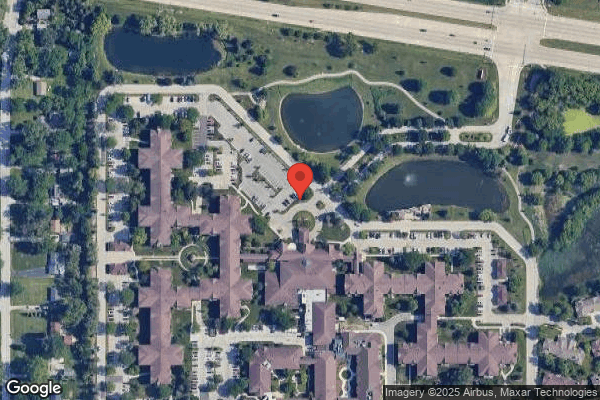
110 WINDSOR PARK DRIVE, CAROL STREAM, IL 60188 (630) 510-5200
Non profit - Church related 80 Beds COVENANT LIVING Data: November 2025 1 Immediate Jeopardy citation
Trust Grade
53/100
#133 of 665 in IL
Last Inspection: February 2025

Within standard 12-15 month inspection cycle. Federal law requires annual inspections.

Overview

Covenant Living - Windsor Park has received a Trust Grade of C, which means it falls in the average range among nursing homes. It ranks #133 out of 665 facilities in Illinois, placing it in the top half, and #10 out of 38 in Du Page County, indicating only nine local options are better. Unfortunately, the facility is experiencing a worsening trend, with reported issues increasing from 5 in 2024 to 6 in 2025. Staffing is a strong point, with a 5/5 rating and only 19% turnover, significantly lower than the state average, which suggests that staff are stable and familiar with residents. However, the facility has accumulated $50,525 in fines, which is average but may indicate ongoing compliance issues. There have also been serious concerns raised in inspector findings: a resident reported being sexually abused by a staff member, who was not suspended until hours later, creating an immediate jeopardy situation; and a resident fell and sustained multiple rib fractures during a transfer when staff failed to provide the required assistance and equipment. Additionally, there were issues with expired medications not being disposed of, which could potentially affect all residents. While the facility has strengths, such as good staffing and RN coverage, these incidents highlight significant weaknesses that families should consider.

Trust Score
C
53/100
In Illinois
#133/665
Top 20%
Safety Record
High Risk
Review needed
Inspections
Getting Worse
5 → 6 violations
Staff Stability
✓ Good
19% annual turnover. Excellent stability, 29 points below Illinois's 48% average. Staff who stay learn residents' needs.
Penalties
✓ Good
$50,525 in fines. Lower than most Illinois facilities. Relatively clean record.
Skilled Nurses
✓ Good
Each resident gets 81 minutes of Registered Nurse (RN) attention daily — more than 97% of Illinois nursing homes. RNs are the most trained staff who catch health problems before they become serious.
Violations
⚠ Watch
18 deficiencies on record. Higher than average. Multiple issues found across inspections.
★★★★☆
4.0
Overall Rating
★★★★★
5.0
Staff Levels
★★★★☆
4.0
Care Quality
★★★☆☆
3.0
Inspection Score
Stable
2024: 5 issues
2025: 6 issues

The Good

  • 5-Star Staffing Rating · Excellent nurse staffing levels
  • 4-Star Quality Measures · Strong clinical quality outcomes
  • Low Staff Turnover (19%) · Staff stability means consistent care
  • Full Sprinkler Coverage · Fire safety systems throughout facility
  • No fines on record
  • Staff turnover is low (19%)

    29 points below Illinois average of 48%

Facility shows strength in staffing levels, quality measures, staff retention, fire safety.

The Bad

Federal Fines: $50,525

Above median ($33,413)

Moderate penalties - review what triggered them

Chain: COVENANT LIVING

Part of a multi-facility chain

Ask about local staffing decisions and management

The Ugly 18 deficiencies on record

1 life-threatening 1 actual harm
Jun 2025 1 deficiency 1 Harm
SERIOUS (G) 📢 Someone Reported This

A family member, employee, or ombudsman was alarmed enough to file a formal complaint

Actual Harm - a resident was hurt due to facility failures

Accident Prevention (Tag F0689)

A resident was harmed · This affected 1 resident

**NOTE- TERMS IN BRACKETS HAVE BEEN EDITED TO PROTECT CONFIDENTIALITY** Based on observation, interview, and record review, the facility failed to provide assistance and utilize gait belt during a toi...

Read full inspector narrative →
**NOTE- TERMS IN BRACKETS HAVE BEEN EDITED TO PROTECT CONFIDENTIALITY** Based on observation, interview, and record review, the facility failed to provide assistance and utilize gait belt during a toilet transfer for a resident identified as requiring assistance. This resulted in a fall in which R1 sustained multiple rib fractures and other injuries. This applies to 1 of 3 residents (R1) reviewed for fall incident in the sample of 5. The Finding includes: According to the Electronic Medical Record (EMR), R1 is a [AGE] year-old with diagnoses including chronic obstructive pulmonary disease (COPD), muscle weakness, muscle wasting, history of falls, major depressive disorder, diabetes mellitus, bilateral knee replacement, left hip arthroplasty, compression fracture, and restless leg syndrome. R1 was admitted on [DATE]. The Minimum Data Set (MDS) dated [DATE], documented R1 as cognitively intact and requiring moderate assistance for toilet transfers and ambulation. This level of assistance is defined as staff lifting or holding the resident's trunk or limbs. The care plan, dated March 16, 2025, identified R1 as high risk for falls due to her medical history and functional impairments. Interventions included staff assistance during toileting, instructions that R1 should not walk or stand unassisted, and use of a rolling walker with staff assistance for ambulation. The staff assignment sheet (Care Plan Kardex) dated March 15, 2025, specified that R1 required one-person assistance for transfers. According to the facility's incident report dated May 19, 2025, at approximately 7:30 A.M., R1 was walking with a rolling walker to the bathroom in her room. After taking three steps with a walker, R1 lost her balance and fell backward, striking her back against a dresser. Emergency Medical Services were called, and R1 was transported to the hospital for evaluation. On May 30, 2025, at 10:30 A.M., in the presence of V2 (Director of Nursing) and V4 (Nurse), R1 was lying in bed and was noted with a six-inch dark purple-blue bruise on the right flank, extending from above the right hip to the mid-lateral back. R1 stated, I have this bruise because I fell more than a week ago and it's still painful. I can't move myself in bed. I fell when I was walking with a walker. (V3/CNA/Certified Nurse Assitant) got me out of bed, gave me a walker, then she went to the bathroom. She left me walking alone, while on my way to the bathroom. That was when I fell and hit the dresser. On May 30, 2025, at 11:00 A.M., V4 confirmed that V3 had notified him of R1's fall and found R1 sitting on the floor against the dresser, complaining of pain and shortness of breath. V4 said EMS (Emergency Medical Response) was called, and R1 was transported to the hospital. On May 30, 2025 at 12:19 P.M., during the phone interview in the presence of V2, V3 confirmed she had assisted R1 out of bed and provided her with a walker prior to the fall on May 19, 2025 around 7:20 A.M. V3 admitted she did not remain with R1 during ambulation, stating she stepped into the bathroom to retrieve gloves when the fall occurred. V3 also acknowledged that a gait belt was not used during the transfer or ambulation. On May 30,2025, at 12:45 P.M., V2 confirmed that facility protocol requires the use of a gait belt during all resident transfers and ambulation to ensure safety. The hospital report dated May 19, 2025, documented R1's injuries sustained post fall: -small right hydropneumothorax -Laceration of the right lower lung with atelectasis and pulmonary contusion -Displaced fractures of the right lateral 6th through 9th ribs -Comminuted fracture of the right posterior 10th rib -Non-displaced fractures of the right anterior 4th through 8th ribs -Mild hemorrhage of the right chest wall Progress notes showed that R1 returned to the facility on May 22, 2025. On June 2, 2025, at 9:30 A.M., V5 (R1's primary physician) stated that R1 was alert, oriented x 4, but exhibited poor safety awareness. V5 confirmed that all sustained injuries as described above were the result of the fall on May 19, 2025. Facility policy on toilet transfers, dated February 2018, requires the use of a gait belt during transfers for resident safety. The Fall Prevention Training, dated May 21, 2025, emphasizes that a gait belt must always be used during transfers and ambulation.
Feb 2025 5 deficiencies
CONCERN (D)

Potential for Harm - no one hurt, but risky conditions existed

Tube Feeding (Tag F0693)

Could have caused harm · This affected 1 resident

**NOTE- TERMS IN BRACKETS HAVE BEEN EDITED TO PROTECT CONFIDENTIALITY** Based on observation, interview, and record review, the facility failed to follow physican orders to ensure residents with gastr...

Read full inspector narrative →
**NOTE- TERMS IN BRACKETS HAVE BEEN EDITED TO PROTECT CONFIDENTIALITY** Based on observation, interview, and record review, the facility failed to follow physican orders to ensure residents with gastrostomy feeding tubes (GT) recieved cares to prevent complications. This applies to 3 residents (R42, R43, and R4) reviewed for G-tube management in a sample of 19. The findings include: 1. On February 25, 2025 at 11:52 AM, R42 was noted with cough and talking with a gargly voice as though excessive moisture was present in his throat. On 2/26/25 at 9:26 AM, after wound care was completed by V13 (Wound Care Nurse) and V14 (CNA/Certified Nurse Assistant), V14 raised the head of R42's bed to 20 degrees. At 9:50 AM, V13 restarted R42's feeding pump at 85 mLs/hr (milliliters per hour). R42 was observed with wet, gargly cough again. V13 and V14 then left R42's room. Eight minutes later at 9:58 AM, V5 (LPN/Licensed Practical Nurse) entered R42's room, checked that his tube feeding had been restarted, and walked back out of the R42's room. Surveyor then asked V5 (LPN) to come back into R42's room to the side of his bed to assess the elevation angle of the head of R42's bed. V5 said it was not raised high enough for continuous tube feeding administration, adding R42's head of bed should be elevated to 45 degrees. R42's POS (Physician Order Sheet) shows an order dated February 21, 2025 saying to keep head of bed elevated at least 45 degrees to prevent aspiration. An additional order dated February 20, 2025 showed Aspiration Precautions. R42's Face Sheet shows he has a history of dysphagia, acute respiratory failure with hypoxia and hypercapnia on February 11, 2025, and Influenza A with pneumonia on February 11, 2025. R42's Care Plan dated February 22, 2025 says he receives nutrition/hydration through tube feeding related to diagnosis of dysphagia. R42's Goal states he will receive adequate nutrition without side effects associated with tube feedings (aspiration, etc). On February 27, 2025 at 10:04 AM, V10 (LPN) said R42's head of bed should be 45 degrees to prevent aspiration, per R42's physician orders. V10 said if R42's head of bed is not above 45 degrees while tube feeding is infusing, there is greater risk of the feeding coming up the esophagus and the resident choking/aspirating the feeding into the lungs. On February 27, 2025 at 1:15 PM, V2 (DON/Director of Nursing) said an aspiration precaution order means the staff should be paying attention to the angle of the head of bed. V2 said 20 degrees is not high enough for the head of the bed for a resident with aspiration precautions who is receiving continuous tube feeding. V2 said she would expect that the physician order stating to keep the head of bed 45 degrees would be followed. V2 said residents with tube feedings are at greater risk for aspiration because of their impaired swallowing and the risk of backflow of the tube feeding leading to regurgitation/aspiration. The facility's policy titled, Enteral Tube Feeding via Continuous Pump last revised November 2018 states, Purpose: The purpose of this procedure is to provide a guideline for the use of a pump for enteral feedings. Preparation .2. Review the resident's care plan and provide for any special needs of the resident .Steps in the Procedure .4. Position the head of the bed at 30-45 degrees (semi-Fowler's position) for feeding, unless medically contraindicated . 2. On February 26, 2025 at 1:56 PM, V5 (LPN) went to R4's room to administer her medication and a GT feeding. V5 attached the syringe without the plunger to R4's GT port, and poured 30 ML of water into the syringe. V5 did not check for placement by aspirating any gastric content or checking residual volume prior to infusing the fluid. R4's face sheet showed she was admitted to the facility with diagnoses including attention to gastrostomy, bipolar disorder, dementia, gastroesophageal reflux disease, and dysarthria and anarthria. R4's MDS dated [DATE] shows she had severe cognitive impairment. On February 27, 2025 at 11:21 AM, V15 (RN/Registered Nurse) said nurses checked for placement by gravity. V15 said they would connect the syringe to the port, hold the syringe close to the resident's abdomen, and wait to see if any gastric content comes back into the syringe. V15 said she would wait one to two minutes to see if anything comes up to check for placement. On February 27, 2025 at 11:25 AM, V16 (RN) said they do not push air bubbles through the syringe or aspirate gastric contents to check for GT placement as it could cause a rupture of the GT. V16 said they check for placement by flushing the GT with water and watching it drain by gravity. On February 27, 2025 at 11:43 AM, V10 (LPN) said she does not aspirate to check for placement and would flush with water before administering formula or medications. On February 27, 2025 at 12:04 PM, V2 (DON/Director of Nursing) said they check for placement by gravity, and if there was any resistance with the initial flush, they would stop the procedure and call the doctor. V2 said aspirating or putting air causes more discomfort to the stomach, so they use the natural process of gravity. V2 said if the GT catheter dislodged or was not properly placed, nothing would infuse down the tube. V2 said they used to aspirate for gastric content, but their practice changed. V2 said she did not remember when the practice changed and would look for literature showing this practice was acceptable, which she was unable to provide. The Equipment and Supplies portion of the facility's Enteral Tube Feeding Via Continuous Pump Level III policy (revised November 2018) included 9. pH strips and 10. Stethescope. The Steps in the Procedure section of the policy showed 8. Verify placement of tube. 9. If anything suggests improper tube positioning, do not administer feeding or medication . 10. When correct tube placement has been verified, flush tubing with at least 30 mL warm water (or prescribed amount) . The policy does not include specific procedural steps for checking for GT placement, and it does not specify what is to be done with either the pH strips or the stethescope. 3. On February 26, 2025 at 1:01 PM, V5 (LPN/Licensed Practical Nurse) went to R43's room to administer his GT formula feeding. R43 attached the syringe without the plunger to R43's GT port marked feed and began by pouring 120 ML (Milliliters) of water into the GT. V5 did not check for placement by aspirating any gastric content or checking residual volume. R43's face sheet showed he was admitted to the facility with diagnoses including attention to gastrostomy, Parkinson's disease without dyskinesia, severe protein-calorie malnutrition, and cognitive communication deficit.
CONCERN (D)

Potential for Harm - no one hurt, but risky conditions existed

Deficiency F0697 (Tag F0697)

Could have caused harm · This affected 1 resident

**NOTE- TERMS IN BRACKETS HAVE BEEN EDITED TO PROTECT CONFIDENTIALITY** Based on observation, interview and record review, the facility failed to investigate a resident's continued complaints of chest...

Read full inspector narrative →
**NOTE- TERMS IN BRACKETS HAVE BEEN EDITED TO PROTECT CONFIDENTIALITY** Based on observation, interview and record review, the facility failed to investigate a resident's continued complaints of chest pain to identify the cause. This applies to 1 of 1 resident (R157) reviewed for pain in a sample of 19. Findings include: R157 admitted to the facility on [DATE] for orthopedic after care following the surgical repair of a left hip fracture. On 02/25/25 at 11:45 AM, R157 was lying across the bed with his feet dangling off the bed. V23 (Physical Therapy Assistant) was attempting to place R157's feet back in the bed. V23 stated R157 was complaining of chest pain. V23 stated he would inform the nurse of R157's complaint of chest pain. R157 face was grimaced and he did not respond to surveyor's questions. On 02/25/25 at 11:48 AM, V18 RN (Registered Nurse) came to R157's bedside. V18 stated R157 fell a couple of days ago and has been complaining of chest pain since then. V18 stated she would speak to the NP (Nurse Practitioner) about the chest pain. On 02/26/25 at 11:13 AM, V19 RN stated she had just sent R157 to the hospital for his complaint of chest pain at 9:44 AM. He had been complaining of sternal and left chest / shoulder pain. V19 stated R157 was given pain medication overnight for his complaints of pain. V19 stated the report she received was that R157 had been yelling out since he came back to the facility on Sunday 2/23/25. V19 stated R157 was sent back to the hospital on Sunday after his fall in the facility and he had been complaining about his chest pain for days. V19 stated R157 had been medicated for his pain and the doctor thought it was muscular. V19 stated R157 had been rating his pain 10-11 out of 10 and he was still complaining of the pain after he received pain medication. V19 stated she had a call out to the doctor this morning to update him about the resident's pain. V19 stated while I was waiting for the doctor's return call, R157's wife called me stating R157 told her he was being sent to the hospital. V19 stated she did not tell R157 he was being sent back to the hospital and there was no plan to send R157 back to the hospital. V19 stated because R157 told his wife he was being sent to the hospital, the doctor said to send him out. On 02/27/25 at 11:56 AM, V20 (NP) stated R157 is not her regular patient, but V18 (RN) had asked her to address his complaint of chest pain. V20 stated she look at R157's records and saw he was sent out for chest pain. V20 stated she did not see any documentation of findings for R157's emergency room visit on 2/23/25. V20 stated when she spoke to R157, he stated he had rib pain with deep breathing and coughing. V20 stated per V18, the chest CT (Computed Tomography) was done and was negative. V20 stated because of those reasons, she did not order an X-ray. V20 stated she believed R157's pain was muscular. On 02/27/25 at 02:27 PM, V2 DON (Director of Nursing) stated on Sunday 2/23/25, R157 was sent to the hospital after a fall, and based on the imaging that was done, noting was found. V2 stated they did a CT scan of his abdomen and pelvis and a hip X-Ray, that were negative. V2 stated V19 (RN) informed her R157 was continuously complaining about his chest pain, and if a patient is complaining of chest pain, we get their description of the pain and vital signs, talk to the doctor and send them to the hospital. V2 stated if the chest pain is a new onset of chest pain, we send them out immediately. V2 stated when R157 initially complained of chest pain, we sent him to the emergency room, and they sent him back. V2 stated she did not know if a sufficient work up was done. V2 stated she believed the nurses thought because he was sent out and evaluated by the emergency room, his concerns had been addressed. V2 stated they would trust the emergency room worked R157 up correctly. V2 stated R157 was sent back to the emergency room three days later on 2/26/25, when it was discovered that R157 actually had a sternal fracture. V2 stated R157's rehabilitation will be more complex now with the sternal fracture in addition to his hip fracture. On 02/27/25 at 01:01 PM, V21 (Physical Therapist) stated for a resident with a sternal fracture, we try to avoid that area and do deep breathing to improve the lung capacity. V21 stated if it is not a recent fracture, we have the resident brace the sternal area to improve mobility and prepare the patient for their ADLs (Activities of Daily Living). V21 stated we check the medical records for any information regarding fractures. V21 stated the resident's pain could be increased if we move them without knowledge of the fracture and they may begin to refuse therapy. V21 stated if we transfer them incorrectly and they have a fracture we are unaware of, their fracture could become aggravated and worsen. On 02/27/25 at 03:37 PM, V22 MD (Medical Doctor) stated he last saw R157 on Monday 2/24/25. V22 stated he believed R157 was complaining of pain everywhere, mostly his lower body. V22 stated the pain complaints were peculiar because R157 was already receiving a high hydrocodone/acetaminophen. V22 stated he would expect staff to call 911 for residents that have complaints of chest pain. Nursing progress notes by V18 (RN) on 2/24/25 at 1:33 PM showed R157 complained of pain in both arms and chest area. R157 denied shortness of breath, nausea, vomiting and diarrhea. Pain mediation given. Seen by NP. Vital signs- NP ordered calcium carbonate. Hospital emergency room records dated 2/26/25 showed a fracture of the mid sternum. The facility provided policy Pain -Clinical Protocol (dated October 2022) states the physician will help identify causes of pain; for example, by examining the resident directly, reviewing the resident's history, and via discussion with the resident and staff .
CONCERN (D)

Potential for Harm - no one hurt, but risky conditions existed

Deficiency F0698 (Tag F0698)

Could have caused harm · This affected 1 resident

**NOTE- TERMS IN BRACKETS HAVE BEEN EDITED TO PROTECT CONFIDENTIALITY** Based on interview, and record review, the facility failed to ensure proper care for resident receiving hemodialysis. This appl...

Read full inspector narrative →
**NOTE- TERMS IN BRACKETS HAVE BEEN EDITED TO PROTECT CONFIDENTIALITY** Based on interview, and record review, the facility failed to ensure proper care for resident receiving hemodialysis. This applies to 1 resident (R27) reviewed for dialysis in a sample of 19. The findings include: On 2/25/25 at 9:52 AM, V1 (Administrator) and V2 (DON/Director of Nursing) said they do not have any residents currently receiving Dialysis. On 2/25/25 at 11:49 AM, it was noted that R27 was at a dialysis center outside the facility, receiving dialysis. On 2/26/25 at 10:02 AM, R27 said she goes to outside facility for dialysis every Tuesday, Thursday, and Saturday. R27 showed surveyor her right upper chest access port that is used for dialysis. R27's Face Sheet shows she was admitted to the facility on [DATE] with primary diagnoses of end stage renal disease (ESRD) and history of dependence on renal dialysis. R26's Care Plan dated 1/9/25 states she goes to hemodialysis on Tuesday, Thursday, and Saturday. On 2/26/25 at 1:45 PM, V1 (Administrator) said she did not have a current dialysis contract that she could provide to the Surveyor. V1 said she was working on getting an agreement because she knew she needed one. On 2/27/25 at 9:40 AM, V10 (LPN/Licensed Practical Nurse) said R27 just left to go to dialysis. On 2/27/25 at 10:26 AM, V1 said she still could not provide surveyor with a dialysis agreement/contract. V1 said dialysis agreements are a requirement because they ensure the resident's safety by having in writing a mutual understanding of the services the facility is providing and the services the dialysis facility is providing and any liability that may be imposed. V1 said she did not have a hemodialysis policy. On 2/27/25 at 12:27 PM, V10 (LPN) said the only required communication between the facility and Dialysis is the completion of the Dialysis Communication Form in the Dialysis binder kept at the nurse's station. V10 said the facility staff complete the top portion of the form labeled Pre-Dialysis and the dialysis facility will then fill out the bottom portion labeled Dialysis and send it back to the facility with the resident after completion of that day's dialysis. R27's dialysis binder contained six Dialysis Communication Forms that were not completed since admission: [DATE], 2/4/25, 2/8/25, 2/11/25, 2/15/25, and 2/18/25. There was also no Dialysis Communication Form from 2/25/25. On 2/27/25 at 1:15 PM, V2 (DON) said a dialysis contract/agreement is required to establish communication and continuum of care for the dialysis resident. V2 said the communication that is expected between the facility staff and dialysis staff is the completion of the Dialysis Communication Form. On 2/27/25 at 2:03 PM, V11 (Dialysis Center Nurse) said communication takes place on the Dialysis Communication form in which the top portion is filled out by the facility and the bottom is filled out by Dialysis Center staff. V11 said if there is any change in the resident's medications or the resident gets sent to the hospital, the Dialysis staff will call the facility to update them, otherwise they only communicate by the Dialysis Communication Form. The facility's policy titled, End-Stage Renal Disease, Care of a Resident with (revised September 2010) states, Policy Statement: Residents with end-stage renal disease (ESRD) will be cared for according to currently recognized standards of care. Policy Interpretation and Implementation . 4. Agreements between this facility and the contracted ESRD facility include all aspects of how the resident's care will be managed, including: a. how the care plan will be developed and implemented; b. how information will be exchanged between the facilities; and c. responsibility for waste handling, sterilization and disinfection of equipment. 5. The resident's comprehensive care plan will reflect the resident's needs related to ESRD/Dialysis care .
CONCERN (E)

Potential for Harm - no one hurt, but risky conditions existed

Infection Control (Tag F0880)

Could have caused harm · This affected multiple residents

4. On February 27, 2025 at 9:22 AM, V8 (CNA-Certified Nurse Assistant) provided incontinence care to R209. While providing care, V8 wore gloves and surgical mask. After providing incontinent care and ...

Read full inspector narrative →
4. On February 27, 2025 at 9:22 AM, V8 (CNA-Certified Nurse Assistant) provided incontinence care to R209. While providing care, V8 wore gloves and surgical mask. After providing incontinent care and putting on R209's clothes, V8 informed R209 she was stepping out of the room to call another staff to help her with transfer. On February 27, 2025 at 9:59 AM, V8 came back to R209's room with V9 (CNA). V8 and V9 were only wearing gloves and surgical masks. V8 and V9 straightened out R209's clothing and proceeded to transfer R209 using a mechanical lift. R209's EHR (Electronic Health Record) documents she is on Enhanced Barrier Protection (EBP) for surgical wounds. R209's wound is on her right hip. R209's door had a sign stating she is on EBP. On February 27, 2025 at 10:57 AM, V3 (ADON-Assistant Director of Nursing/IP-Infection Preventionist) said staff should wear gloves, gowns and mask when entering enhance barrier precaution room to provide care. She said if there is a chance for splashing, staff should wear a face shield as well. She said all staff are expected to wear appropriate PPE (Personal Protective Equipment). She said the purpose for wearing appropriate PPE is to protect resident. Based on observation, interview, and record review, the facility failed to follow guidelines for Personal Protective Equipment (PPE) use and handwashing. This applies to 4 of 4 residents (R4, R256, R43, R209) reviewed for infection control in a sample of 19. The findings include: 1. On February 25, 2025 at 9:29 AM, V7 (CNA) went to assist R256 and did not apply the face shield before entering R256's room. R256 was on contact isolation, droplet isolation, and EBP (Enhanced Barrier Precautions) due to being positive for COVID-19. R256's isolation signages showed the staff should wear a gown, gloves, N95 respirator mask, and a face shield prior to entering the room. At 9:30 AM, V6 (CNA) also entered R256's room without applying a face shield. R256's face sheet showed he was admitted to the facility with diagnoses including COVID-19. On February 27, 2025 at 11:39 AM, V7 said she should wear a gown, N95, face shield, and gloves before entering a COVID-19 positive room. V7 said not wearing the appropriate PPE (Personal Protective Equipment) could expose her to COVID-19 and she could also spread the infection to other residents. On February 27, 2025 at 11:34 AM, V17 (CNA) said for COVID-19 isolation, the staff should wear an N95 mask, gown, gloves, and goggles or face shield. V17 also said she would wear a gown, gloves, and a mask for residents on EBP. V17 said when she provided incontinence care, she would clean her hands upon entry of the resident's room and after she had completed providing incontinence care, prior to leaving the room. On February 27, 2025 at 11:25 AM, V6 (RN) said for residents under COVID-19 isolation, the staff should wear an N95 mask, gown, face shield, and gloves. V6 said for residents on EBP, the staff should wear a gown and gloves. V6 also said for incontinence care, the staff should change their gloves and wash their hands before touching the clean items. The facility's Coronavirus Disease (COVID-19)- Using Personal Protective Equipment policy revised September 2022 showed Personnel who enter the room of a resident with suspected or confirmed SARS-CoV-2 infection adhere to standard precautions and use a NIOSH-approved N95 or equivalent or higher-level respirator, gown, gloves, and eye protection. 2. On February 26, 2025 at 1:50 PM, R43's room was on EBP (Enhanced Barrier Precautions), with signage for EBP and an isolation cart outside his room containing gowns and gloves. R43 was in the bathroom and V4 (CNA) was wiping R43's perianal area and was not wearing a gown. On February 26, 2025 at 1:52 PM, V4 said R43 was only on precautions for handwashing. V4 then looked at R43's EBP signage and said she should have worn a gown, gloves, and a mask when taking him to the bathroom. R43's face sheet showed he was admitted to the facility with diagnoses including attention to gastrostomy, Parkinson's disease without dyskinesia, severe protein-calorie malnutrition, and cognitive communication deficit. The facility's Enhanced Barrier Precautions revised August 2022 showed Enhanced barrier precautions (EBPs) are used as an infection prevention and control intervention to reduce the spread of multi-drug resistant organisms (MDROs) to residents. EBPs employ targeted gown and glove use during high contact resident care activities when contact precautions do not otherwise apply. Examples of high-contact resident care activities requiring the use of gown and gloves for EBPs include: providing hygiene; changing briefs or assisting with toileting . 3. On February 26, 2025 at 9:35 AM, V6 (CNA/Certified Nurse Assistant) provided incontinence care for R4. V6 wiped R4's perineal area, tucked the dirty incontinence brief and incontinence pad underneath R4 and then placed the clean brief and pad underneath her using the same soiled gloves. V6 then said R4 had a bowel movement, so wiped her again, went to the bathroom and turned on the water but did not perform hand hygiene with soap and water or alcohol-based hand sanitizer, and applied new gloves. V6 then grabbed a clean brief and placed it under R4 and affixed her brief. V6 went into the bathroom again, turned on the water, but did not wash her hands with soap and water or alcohol-based hand sanitizer before applying new gloves. V6 returned to the resident and fixed her blanket. V6 then returned to the bathroom again, turned on the water, and did not wash her hands with soap and water or use alcohol-based hand sanitizer, and applied new gloves. V6 said she should have washed her hands with each of the glove changes. The facility's Handwashing/Hand Hygiene policy revised August 2019 showed Use an alcohol-based hand rub containing at least 62% alcohol; or, alternatively, soap (antimicrobial or non-antimicrobial) and water for the following situations: Before and after direct contact with residents; after contact with blood or bodily fluids; After removing gloves .
CONCERN (F)

Potential for Harm - no one hurt, but risky conditions existed

Deficiency F0761 (Tag F0761)

Could have caused harm · This affected most or all residents

Based on observation, interview and record review, the facility failed to dispose of expired house stock medications from the medication room. This has the potential to affect all 58 residents in the ...

Read full inspector narrative →
Based on observation, interview and record review, the facility failed to dispose of expired house stock medications from the medication room. This has the potential to affect all 58 residents in the facility. The facility's Long-Term Care Facility Application for Medicare and Medicaid dated 2/25/2025 to 2/28/2025 showed a census of 58 residents. The findings include: On 2/26/2025 at 10:45 AM and 2/27/2025 at 10:45 AM, inspection of the facility's medication room showed the following expired house stock medication: Four boxes of hemorrhoidal cream that expired on 11/2024. A tube of expired hemorrhoidal cream was found inside the medication cart in the north hall. Four bottles of Elder Tonic that expired on 7/2024. Seven boxes of Diphenhydramine 25 mg (100 capsules/box) that expired on 11/2024 Two bottles of Oyster Shell Calcium 500 mg plus Vitamin D tablet (1000 tablets) that expired on 10/2024. On 2/26/2025 at 11:00 AM, V5 (LPN-Licensed Practical Nurse) said the night nurse checks the medication room and is responsible for discarding expired medications. On 2/26/2025 at 12:30 PM, V2 (DON-Director of Nursing) said it was the night supervisor's responsibility to make sure the medication room is organized and expired medications are disposed of. On 2/27/2025 at 1:45 PM V2 said expired medications should be disposed of promptly so there is no chance of them being administered to a resident. She said if medication is expired, medication has less potency. She said the proper process of disposing of expired medication is to send medication, including house stock, back to the pharmacy to be destroyed. The facility's Medication Labeling and Storage Policy (revised February 2023) states if the facility has discontinued, outdated, or deteriorated medications or biologicals, the dispensing pharmacy is contacted for instructions regarding returning or destroying these items .
Apr 2024 5 deficiencies
CONCERN (D)

Potential for Harm - no one hurt, but risky conditions existed

ADL Care (Tag F0677)

Could have caused harm · This affected 1 resident

Based on observation, interview and record review, the facility failed to provide ADLs (Activity of Daily Living) care to residents. This applies to 3 of 3 residents (R5, R6 and R9) reviewed for ADL ...

Read full inspector narrative →
Based on observation, interview and record review, the facility failed to provide ADLs (Activity of Daily Living) care to residents. This applies to 3 of 3 residents (R5, R6 and R9) reviewed for ADL care in a sample of 24. The findings include: 1. On 4/16/24 at 10:39 AM, R5 was observed resting in bed; R5 had several white hair on her chin. On 4/17/24 at 9:05 AM, R5 is in bed, still noted with facial hair on her chin. On 4/18/24 at 9:40 AM, R5 was in bed resting, facial hair still noted on her chin. R5's Minimum Data Set (MDS) of 3/30/24 shows that R5's cognition is moderately impaired and need partial/moderate assistance with personal hygiene. R5's current care plan shows that R5 has self-care deficit and needs existence assistance required with bathing, hygiene, dressing, and grooming. 2. On 4/16/24 at 10:49 AM, R6 was in bed resting; R6 had several gray, white hair on her chin. R6 MDS of 1/25/24 shows that R6's cognition is severely impaired and is dependent on staff for all personal hygiene. R6's current care plan shows that R6 has ADL deficit and requires extensive total assistance with most ADLs. 3. On 4/16/24 at 11:30 AM, R9 was observed sitting in wheelchair in dining room, R9 had several white facial hair on her chin. On 4/16/24 at 9:06 AM, facial hair still noted on her chin; R9 said she does not like her facial hair. On 4/18/24 at 9:34 AM, R9 was in her room in bed, R9 still noted with hair on her chin. R9's MDS of 2/16/24 shows that R9's cognition is intact and need substantial to maximal assistance with personal hygiene. R9's current care plan shows R9 has self-care deficit and needs extensive assistance with bathing, hygiene, dressing and grooming. On 4/17/24 at 10:03 AM, V9 (Certified Nurse Aide) said CNAs are responsible for ADL care which includes grooming, shaving, nail care and incontinent care. Grooming is done twice a week and as needed. On 4/18/24 at 8:37 AM, V2 (Director of Nursing/DON) said the CNAs are responsible for shaving, nail care and grooming. The facility's Activities of Daily Living (ADL), Support policy (revised March 2018) states that appropriate care and services will be provided for residents who are unable to carry out ADLs independently, in accordance with the plan of care, including appropriate support and assistance with hygiene (bathing, dressing, grooming and oral care).
CONCERN (D)

Potential for Harm - no one hurt, but risky conditions existed

Deficiency F0688 (Tag F0688)

Could have caused harm · This affected 1 resident

Based on observation, interview and record review, the facility failed to ensure anti-contracture devices were applied as ordered. This applies to 2 of 2 residents (R5 and R6) reviewed for anti-contra...

Read full inspector narrative →
Based on observation, interview and record review, the facility failed to ensure anti-contracture devices were applied as ordered. This applies to 2 of 2 residents (R5 and R6) reviewed for anti-contracture devices in a sample of 24. The findings include: 1. On 4/16/24 at 10:39 AM, R5 was in bed resting; R5's right had was noted in a fist position resting on her abdomen. On 4/17/24 at 9:05 AM R5's right hand noted in fist position, there was no splint on. On 4/18/24 at 9:40 AM, there was no splint on R5's right hand. R5's Electronic Medical Record (EMR) shows the following diagnoses of injury of right wrist, hand and finger, pain in right wrist, and right wrist drop. R5's Minimum Data Set (MDS) of 3/30/24 shows that R5's cognition is moderately impaired. R5's current Care Plan shows that R5 requires right wrist splint due to right wrist pain. 2. On 4/16/24 at 10:49 AM, R6 was observed resting in bed in her room. R6's right hand was noted in a fist position. At 12:15 PM, R6's right hand was still noted in a fist position, there was no splint. R6's EMR shows the following diagnoses of hemiplegia following cerebral infarction affecting right dominant side and hemiplegia and hemiparesis following cerebral infarction affecting right dominant side. R6's MDS of 1/25/24 shows that R6's cognition is severely impaired. R6's current Care Plan shows that R6 requires splint to her right hand due to contracture. On 4/18/24 at 10:43 AM, V11 (Restorative Nurse) said R5 has a brace for her right hand due to right wrist pain. V11 said R5 had a fall prior to being admitted to the facility, and she requires a brace to the right hand. V11 said the brace is to be applied during the day and off at night. V11 said R6 has a right hand splint for contractures to the right hand. V11 said the splint is applied during the day and off at night. V11 said the CNAs (Certified Nurse Aides) are responsible for applying the splints and brace. The facility's Resident Mobility and Range of Motion policy (revised July 2017) states that residents with limited mobility will receive appropriate services, equipment and assistance to maintain and improve mobility.
CONCERN (D)

Potential for Harm - no one hurt, but risky conditions existed

Incontinence Care (Tag F0690)

Could have caused harm · This affected 1 resident

Based on observation, interview and record review, the facility failed to properly position indwelling catheter bag/drainage bag during care. This applies to 1 of 1 resident (R5) reviewed for indwell...

Read full inspector narrative →
Based on observation, interview and record review, the facility failed to properly position indwelling catheter bag/drainage bag during care. This applies to 1 of 1 resident (R5) reviewed for indwelling catheter in a sample of 24. The findings include: On 4/17/24 at 9:53 AM, V9 (Certified Nurse Aide) provided catheter care to R5. During the care, V9 placed R5's catheter drainage bag on the bed, cleaned the catheter tubing, and then lifted the catheter bag above bladder line to wipe the tubing with alcohol wipe. Back flow of urine was observed in the catheter tubing. On 4/18/24 at V2 (Director of Nursing/DON) said catheter bag should be placed below the bladder line so urine can flow with gravity. The facility's Catheter Care, Urinary policy (revised August 2022) states to position the drainage bag lower than the bladder at all times to prevent urine from flowing back to the urinary bladder.
CONCERN (D)

Potential for Harm - no one hurt, but risky conditions existed

Infection Control (Tag F0880)

Could have caused harm · This affected 1 resident

. Based on Observation, Interview, and Record Review the facility failed to: perform hand hygiene, contain soiled linen and follow current standards of infection control during pressure ulcer dressing...

Read full inspector narrative →
. Based on Observation, Interview, and Record Review the facility failed to: perform hand hygiene, contain soiled linen and follow current standards of infection control during pressure ulcer dressing change. This applies to 3 of 3 (R51, R167 and R168) residents reviewed for infection control in a sample of 24. Findings include: 1) On 4/16/24 at 11:35 AM, observed R167 standing at his bedside leaning forward, holding onto his wheelchair handles, supported by V5 (CNA-Certified Nursing Assistant) on his right side and V8 (WCD-Wound Care Doctor) bent over trying to measure the wounds on either side of his gluteal folds. After measurement, V8 did not do hand hygiene or change his gloves, touched the door handle to open the door and left the room. V8 again came into the room and explained the status of the wound to R167. During the conversation, R167 sat on the wheelchair with his wound open and no clean field established. After V8 finished explaining, V8 and V5 helped R167 to stand up again. V7 (WCN-Wound Care Nurse) cleansed the wound with normal saline and placed the soiled gauze on R167's bed. V7 did not do hand hygiene or change her gloves. V7 applied sterile bordered gauze on the wound, held it with one hand and with the other hand took a sterile self-adhesive dressing. As V7 was applying the self-adhesive dressing on R167, it fell on the wheelchair. V7 picked it up and applied the same dressing on the wound. 2) On 4/16/24 at 12:35 PM, observed R51 was in right lateral position and V8 (WCD) was measuring the wound on R51's sacrum. Observed there was no clean field established on the bed near R51's wound. After the measurement, V8 (WCD) went around the bed to face R51 and explained the status of his wound to R51. As R51 was listening and talking to V8 (WCD), he turned slightly. Observed that R51's back including the open wound touched the bedsheet. Meanwhile, V7 (WCN-Wound Care Nurse) was standing near R51, observing the resident. After V8 (WCD) finished talking to R51, he removed his gloves, no hand hygiene done, touched the door handle to open the door of the room and left the resident's room. V7 (WCN) repositioned R51 onto his right lateral position, did not clean the wound, applied gauze and self-adhesive dressing on the wound. 3) On 4/17/24 at 11:07 AM, observed soiled linen on the floor in R168's room. V5 (CNA) stated, she was making R168's bed and threw the linen on the floor as she did not have a hamper or a plastic bag in hand. On 4/17/24 at 11:10 AM, V5 (CNA) and V6 (CNA) stated they were not supposed to throw soiled linen on the floor and that it should be contained in a plastic bag before transporting it to the soiled utility room, to prevent cross contamination. On 4/18/24 at 10:10 AM, V2 (DON-Director Of Nursing) stated, soiled linen must not be thrown on the floor. V2 stated, soiled linen must be placed directly into a covered hamper. V2 (DON) stated, After touching the wound, soiled gloved must be discarded and hand hygiene must be done before touching any other surface. V2 stated, wound care nurse did not follow infection control principles while doing the dressing for R167 and R51. Facility policy on 'Laundry and Linen' dated 01/2014 showed, Bagging and Handling Soiled Linen. 1. All soiled linen must be placed directly into a covered laundry hamper which can contain the moisture . Facility policy on 'Wound Care' dated 10/2010 showed, . Steps in Procedure. 3.Place disposable cloth next to resident (under the wound) to serve as a barrier to protect the bed linen and other body sites.4. Put on exam gloves . and remove dressing. 5. Pull glove . and discard into appropriate receptacle. Wash and dry hands thoroughly. 10. wear sterile gloves when physically touching the wound.
CONCERN (E)

Potential for Harm - no one hurt, but risky conditions existed

Deficiency F0554 (Tag F0554)

Could have caused harm · This affected multiple residents

**NOTE- TERMS IN BRACKETS HAVE BEEN EDITED TO PROTECT CONFIDENTIALITY** 5. R45 was admitted to facility on 3/15/2024. Diagnoses includes fractured left femur, type II diabetes mellitus, hypothyroidism...

Read full inspector narrative →
**NOTE- TERMS IN BRACKETS HAVE BEEN EDITED TO PROTECT CONFIDENTIALITY** 5. R45 was admitted to facility on 3/15/2024. Diagnoses includes fractured left femur, type II diabetes mellitus, hypothyroidism, and hypertension. MDS (Minimum Data Sheet) dated 3/19/2024 documents that R45 has intact cognitive functions. On 4/16/2024 at 11:19 AM, R45 had an extra-large pill box on her bedside table which was in front of her. There were five medications on the compartment labeled Wednesday. She said it contained Vitamin D3, Magnesium, Probiotics. Milk [NAME] and CoQ10. Resident was unable to say the dose of each medication. She said her daughter prepares it and brings it to the facility every Wednesday. She said she self-administers the medications every morning. On 4/17/2024 at 9:42 AM, same pill box was noted on R45's bedside table. There were no medications noted in the pill box. She said she self-administered the medication after breakfast. She said her daughter will come this afternoon to give another week worth of medication. On 4/18/2024 at 9:02 AM, R45 had another pill box on her nightstand. The pill box had medications in all compartments. R45 said her daughter brought it in yesterday and she will take pills inside the Thursday compartment after breakfast. On 4/18/2024 at 8:36 AM, V2 (DON-Director of Nursing) said nobody in the facility has an order to self-administer medications. She said if medications are brought to the facility by family and were not labeled, they give it back to family. If it is a supplement the resident wants to take, they must inform the physician, obtain order, and administer it as ordered. She said there is an assessment the staff needs to complete for self-administration. If assessment shows the resident is capable, the nurse should obtain an order for self-administration, do a return demonstration, and make a care plan. On 4/18/2024 at 9:10 AM, V10 (RN-Registered Nurse) said she knew R45 had a pill box in her room filled with medication. She said she knew the daughter brought it in. She said she did not think to inform the physician about it. She said she did not think to complete the Self-Administration assessment or obtain order from physician. On 4/16/2024 at 3:30 PM, review of R45's POS (Physician Order Sheet) does not show orders for Vitamin D3, Magnesium, Probiotics. Milk [NAME] and CoQ10. There is no order for resident for resident to self-administer medication and for medication to stay at bedside. There was no assessment done for Medication Self-Administration. 6. On 4/16/24 at 10:39 AM, there was a bottle of saline nasal spray on R9's bedside table. On 4/17/24 at 9:05 AM, the bottle saline nasal spray was still on R9's bedside table, there was also a bottle of Nystatin topical powder 100,000 units on R9's nightstand. R9 said Nystatin powder is used under her arms, and the nasal spray is hers, but it does not work. On 4/18/24, the bottle of saline nasal spray and Nystatin powder was still noted in R9's room. Review of R9's current Physician Order Sheet (POS), R9 has an order to apply Nystatin Powder, apply under bilateral breast. R9 did not have an order for saline nasal spray or to self-administer medications. R9 is not care planned to self-administer medications. 7. On 4/16/24 at 11:08 AM, there a bottle of Systane lubricating eye drops on a table in R17's room. On 4/17/24 at 9:22 AM, the bottle of Systane eye drops still noted on the table in R17's room. Review of R17's POS, R17 did not have an order for Systane eye drops or to self-administer medications. R17 is not care planned to self-administer medication. 8) On 04/16/24 at 12:30 PM, observed the medication 'Serevent Diskus' on R22's bedside table. R22 stated, he takes it twice a day by inhalation and that no one supervises him do it. R22 stated that he did not receive any specific instructions on how to use it. On 4/18/24 at 9:00 AM, observed Serevent Diskus on R22's bedside table. V4 (ADON-Assistant Director of Nursing), witnessed the medication on the bedside table. R22's POS (Physician Order Sheet) for April 2024 showed ''Serevent Diskus 50 mcg/dose powder for inhalation two times daily'. R22's Progress Notes did not have any documentation or assessment regarding R22's capability to self-administer his medications. On 4/18/24 at 9:05 AM, V4 (ADON) stated, R22 is not supposed to have any medication at his bedside. On 4/18/24 at 10:10 AM, V2 (DON-Director of Nursing) stated, R22 do not have an order to keep any medication at his bedside and it should not have been left at his bedside. Based on observation, interview, and record review, the facility failed to obtain physician orders for resident medications and for it to be at the bedside. The facility failed to complete self-administration of medication assessment. This applies to 8 of 8 residents (R8, R9, R17, R22, R45, R50, R120, R122) reviewed for medications in a sample of 24. The findings include: 1. On 4/16/24 at 10:20 AM, R50 had Nasacort Allergy 24 120 SPR nasal drops her on bedside table. R50 stated, The nurse didn't watch me use it. He just put it here and then walked out. I put two sprays in each of my nostrils. R50's POS (Physician Order Sheet) shows Nasacort 55 MCG (Micrograms) nasal spray aerosol (2 sprays) in each nostril BID (Twice a Day). There was no order for it to be at the bedside. R50's MDS (Minimum Data Set) dated 3/14/24 shows a BIMS (Brief Interview for Mental Status) score of 15, which means she is cognitively intact. Review of R50's medical record shows no self-administration of medication assessment or care plan was done. 2. On 4/16/24 at 10:41 AM, surveyor went to R8's room. She was not in her room. On her end table, inside a plastic bag, there was Klayesta 100,000 unit/gm (grams) powder (Nystatin Topical Powder). On 4/17/24 at 12:49 PM, surveyor went back to her room. The medication was still there. R8 stated, It's always in my room. The nurse hasn't been using it for days. I've put it on before, but I stopped putting it on myself. It's been a while since I last used it. R8's POS shows Klayesta 100,000 units/gram topical powder by shift starting 3/26/24. Indication: Redness on abdominal folds and both inguinal areas. There was no order for it to be at the bedside. R8's MDS dated [DATE] shows a BIMS score of 13, which means she is cognitively intact. Review of R8's medical record shows no self-administration of medication assessment or care plan was done. 3. On 4/16/24 at 11:10 AM, R122 had Levalbuterol Tartrate inhaler on her bedside table. R122 stated, It's always kept here. No one taught me how to do it. I do it by myself. On 4/17/24 at 10:02 AM and on 4/18/24 at 9:55 AM, the inhaler was still on her bedside table. R122's POS shows an order for Albuterol Sulfate HFA 90 MCG (Micrograms)/actuation aerosol inhaler PRN (As Needed) every 4 hours. R122 did not have an order for the Levalbuterol Tartrate inhaler. R122's MDS dated [DATE] shows a BIMS score of 15, which means she is cognitively intact. Review of R122's medical record shows no self-administration of medication assessment or care plan was done. 4. On 4/16/24 at 12:48 PM, R120 was not in her room. There was Refresh Tears Lubricant eye drops on her bedside table. R120's POS does not show an order for the eyedrops. R120's MDS dated [DATE] shows a BIMS score of 15, which means she is cognitively intact. Review of 120's medical record shows no self-administration of medication assessment or care plan was done. On 4/17/24 at 8:14 AM, V3 (LPN-Licensed Practical Nurse) stated, You need an order from the doctor to have medication at the bedside. The patient has to be alert and needs to be assessed. It's very rare that we have patients that have medications here at the bedside. On 4/17/24 at 9:59 AM, V2 (DON-Director of Nursing) stated, No one self-administers medications as to my knowledge. If family brings in medications for the residents. They need to show the nurse. Then the nurse has to get an order from the doctor. You have to get an order for medications to be at the bedside from the doctor. The nurse has to do a self-administration of medication assessment which should be in the EMAR (Electronic Medication Administration Record). The resident has to do a return demo and there should also be a care plan. Facility's policy titled Self-Administration of Medications (February 2021) shows the following: 1. As part of the evaluation comprehensive assessment, the interdisciplinary team (IDT) assesses each resident's cognitive and physical abilities to determine whether self-administering medications is safe and clinically appropriate for the resident. 3. If it is deemed safe and appropriate for a resident to self-administer medications, this is documented in the medical record and the care pan. The decision that a resident can safely self-administer medications is reassessed periodically based on changes in the resident's medical and/or decision making status. 9. Any medications found at the bedside that are not authorized for self-administration are turned over to the nurse in charge for return to the family or responsible party.
Aug 2023 1 deficiency
CONCERN (D) 📢 Someone Reported This

A family member, employee, or ombudsman was alarmed enough to file a formal complaint

Potential for Harm - no one hurt, but risky conditions existed

Free from Abuse/Neglect (Tag F0600)

Could have caused harm · This affected 1 resident

**NOTE- TERMS IN BRACKETS HAVE BEEN EDITED TO PROTECT CONFIDENTIALITY** Based on interview and record review, the facility failed to protect a resident from abuse. This applies to 1 of 4 residents (R...

Read full inspector narrative →
**NOTE- TERMS IN BRACKETS HAVE BEEN EDITED TO PROTECT CONFIDENTIALITY** Based on interview and record review, the facility failed to protect a resident from abuse. This applies to 1 of 4 residents (R500) reviewed for abuse in the sample of 13. The findings include: The EHR (Electronic Health Record) shows that R500, an [AGE] year-old with diagnoses that included but not limited to gram-negative sepsis, toxic encephalopathy, fracture of the sacrum, low back pain, rhabdomyolysis, thrombocytopenia, unsteadiness of feet, muscle wasting, hypothyroidism, hyperlipidemia, migraine, radiculopathy, severe protein -calorie malnutrition. R500 was admitted to the facility on [DATE]. The MDS (Minimum Data Set) date 8/8/2023, shows that R500 has a BIMS (Brief Interview Mental Status) score of 15/15, which meant cognition was intact. The MDS also assessed R500 needing moderate to extensive assistance with one person assist for bed mobility; dressing toilet use and hygiene. The facility's abuse allegation investigation shows that an investigation was held due to an allegation of physical abuse on 8/7/2023. The allegation was that V30 (CNA/Certified Nurse Assistant) had slapped R500's left hand while R500 was trying to reach the assist rail. The termination paper dated 8/15/2023 shows that V30 was terminated from her employment from the facility due to a substantiated physical abuse. On 8/22/2023 at 6:30 P.M., V1 (Administrator) said that V30 was terminated on 8/15/2023 due to a substantiated physical abuse that V30 did to R500. On 8/21/2023 at 11:30 A.M., R500 was lying in bed. R500 was alert and oriented times 3 spheres. R500 said that she was slapped on her left hand by V30 (CNA) during care on 8/7/2023. R500 also said that during this provision of care, V30 (CNA) also treated her like a child because V30 had scolded her and that she (V30) was grumpy. Review of the facility's Abuse Prevention Program dated 7/12/2023 showed The policy of .(facility) is zero tolerance of any form of abuse, neglect, or exploitation. And C. iii. Supervise staff in such a manner as to identify inappropriate behaviors such as rough handling of residents.
Jul 2023 6 deficiencies 1 IJ (1 facility-wide)
CRITICAL (L) 📢 Someone Reported This

A family member, employee, or ombudsman was alarmed enough to file a formal complaint

Immediate Jeopardy (IJ) - the most serious Medicare violation

Investigate Abuse (Tag F0610)

Someone could have died · This affected most or all residents

⚠️ Facility-wide issue

**NOTE- TERMS IN BRACKETS HAVE BEEN EDITED TO PROTECT CONFIDENTIALITY** Based on interview and record review the facility failed to protect residents from further abuse by allowing an alleged perpetra...

Read full inspector narrative →
**NOTE- TERMS IN BRACKETS HAVE BEEN EDITED TO PROTECT CONFIDENTIALITY** Based on interview and record review the facility failed to protect residents from further abuse by allowing an alleged perpetrator of sexual abuse to continue to work and care for residents in the facility for at least four and a half hours after the allegation was reported to the administrator. This failure resulted in Immediate Jeopardy. The Immediate Jeopardy began on July 6, 2023, when R263 reported to V4 (Speech Therapist) on July 6, 2023, during R263's speech therapy session that V3 (CNA/Certified Nursing Assistant) sexually abused her. V1 (Administrator) was notified of the alleged abuse on July 6, 2023, between 10:30 AM and 11:00 AM. Following V1's notification, V3 continued to remain in the facility and care for residents. V3 was not suspended from work until July 6, 2023, at 3:38 PM. V1 (Administrator) and V2 (DON/Director of Nursing) were notified of the Immediate Jeopardy on July 12, 2023, at 12:15 PM. The surveyor confirmed by observation, interview, and record review that the Immediate Jeopardy was removed on July 12, 2023, but noncompliance remains at Level Two because additional time is needed to evaluate the implementation and effectiveness of the in-service training. This has the ability to affect all 52 residents in the facility. The findings include: The Resident Census and Conditions of Residents report dated July 11, 2023, shows the facility census was 52 residents. On July 10, 2023, at 11:46 AM, R263 said a male employee sexually abused her. R263 continued to say he got on top of her and had sex with her. On July 10, 2023, at 12:12 PM, V8 (R263's Family) said R263 has a hard time talking about the sexual abuse. V8 continued to say R263 can be confused at times, but on July 6, 2023, when R263 was telling V8 about V3 sexually abusing her, R263 was lucid. On July 10, 2023, at 4:40 PM, V4 (Speech Therapist) said during her therapy session with R263, R263 reported to V4 a male CNA sexually abused her. V4 continued to say V4 reported R263's sexual abuse allegation to V5 (Director of Rehab) immediately after her speech therapy session with R263, and they reported to V1 (Administrator). V4 said since R263 was first admitted to the facility she has been able to communicate better and has been more alert. On July 11, 2023, at 10:50 AM, V1 said on July 6, 2023, between 10:30 AM and 11:00 AM, V5 notified V1 of R263's sexual abuse allegation regarding V3. V1 continued to say V4 told V1, during R263's speech therapy session, R263 pointed to V3 walking in the hallway and R263 said he is dangerous, he will sexually assault you. V1 said R263 told V4 she had been sexually assaulted by V3. V1 said she went to speak with R263, but she was sleeping. V1 continued to say V3 is the only CNA who fits R263's description, he is the only male CNA. V1 said on July 6, 2023, after R263's allegation was reported to her, V3 told V1 he was not currently providing care to R263 but had been providing care earlier in the morning and the previous day. V1 said she told V3 to make sure he does not see R263 anymore today and if there is an emergency in R263's room, to make sure he is not in her room alone. V1 said R263's nurse performed a head-to-toe assessment and did not see anything on R263's external genitalia. V1 continued to say R263's physician was notified of R263's allegation and the facility's nurse practitioner was asked to examine R263, but the nurse practitioner was no longer in the facility on July 6, 2023. V1 said the nurse practitioner assessed R263 on July 7, 2023, and the nurse practitioner reported R263 told her the CNA put his fingers inside her vagina. V3's timecard showed on July 6, 2023, V3 started his shift on July 6, 2023, at 6:43 AM and clocked out on July 6, 2023, at 3:38 PM. On July 11, 2023, at 3:25 PM, V1 said she did not suspend V3 immediately because she was waiting to interview R263. V1 continued to say she also did not immediately suspend V3 because V1 spoke with V7 (R263's Family) and V7 told V1 he did not have a problem with V3, he just didn't want V3 providing incontinence care to R263. V1 continued to say V7 called back later in the day and reported to V1 that V3 inserted his fist into R263's vagina, and V1 then suspended V3 at 3:38 PM. V1 said she also did not suspend V3 because the head-to-toe assessment completed on R263 did not show any external trauma. On July 13, 2023, at 11:11 AM, V2 (DON) said she was working on July 6, 2023, and V3 continued to provide care to residents after R263 made the sexual abuse allegation against V3. On July 13, 2023, at 10:02 AM, V14 (RN) said she worked on July 6, 2023, with V3 and was caring for some of the residents in R263's hallway. V14 continued to say V3 provided care to residents until he went home on July 6, 2023. V14 said V3 also assisted residents in the dining room during lunch on July 6, 2023. V14 continued to say in the afternoon on July 6, 2023, she saw V3 sitting in a chair in the hallway across from R263's room. V14 said she was unaware of R263's allegation against V3 until V2 told us V3 was getting sent home, then the staff knew something was going on. A progress note dated July 6, 2023, at 8:46 PM, by V15 (RN/Registered Nurse) showed, .Approximately 3:45 PM, thorough body check done, nothing unusual, with old bruises on both arms, left posterior hand and abdomen with various stages of healing; excoriation on peri area and buttocks . A progress note dated July 7, 2023, at 3:09 PM, by V6 (Nurse Practitioner) showed on July 7, 2023, the DON requested V6 to see R263 due to R263's sexual abuse allegation. The documentation continued to show V6 only assessed R263's external genitalia, and R263 was oriented times two to three. Facility documentation showed on July 6, 2023, at 5:19 PM, V19 (Regional Human Resources Director) interviewed V3 and V3 stated That morning, after feeding her, she said 'Don't touch me. Someone else has to change me.' She didn't want me to change her. I did what the nurse said. I called my coworker like the nurse told me. I was beside my coworker when she was doing it. Facility documentation showed on July 7, 2023, at 10:00 AM, V19 interviewed V15 (RN) and V15 said, I remember in the morning I was doing medication pass because my cart was [adjacent to R263's room] and [V3] was in [R263's room] and he told me 'Can you talk to the resident?' So I went in there and asked the resident, 'What's going on?' [R263] said, 'I don't want him.' I asked, 'Why?' [R263] said, 'I don't want him.' I say to her, 'Let me get another care giver because I'm passing medication.' [R263] said, 'No I want you to clean me.' I said, 'Ma'am I can't do that right now, but I can get another CNA to do that; I can get [V20 (CNA)].' And so I went out and I don't know if I was holding something and I went to the cart and [V20] came out. I told [V3] also before I left the room that [R263] will exchange to [V20]. So I told [V20] that [V3] will have an exchange resident with you because [R263] doesn't want [V3]. Later on, I was in [R263's room] now when [V1] approached and said 'We have an allegation of abuse. For the meantime, don't have [V3] handle [R263].' I said, 'Ok.' She mentioned two persons should go in there all the time. So I told that to [V20] and I told to [V3]. The EMR (Electronic Medical Record) showed R1 was admitted to the facility on [DATE], with multiple diagnoses including nontraumatic subarachnoid hemorrhage, aphasia, dysphagia, and diabetes. R1's MDS (Minimum Data Set) dated June 27, 2023, showed R1 had severe cognitive impairment. The MDS continued to show R1 required extensive assistance from facility staff for bed mobility, transfers, dressing, eating, toilet use, and personal hygiene. The facility's policy titled, Abuse Prevention Program, dated October 15, 2022, showed, Policy: The policy of [the facility] is zero tolerance of any form of abuse, neglect, or exploitation . F. Investigation . iii. Protect the resident or residents involved in a case of suspected abuse from potential additional harm during the investigation. If an employee is the alleged perpetrator, the administrator will take appropriate action, including suspending the employee pending investigation . The facility presented a removal plan to remove the immediacy on July 12, 2023, at 2:19 PM. The survey team reviewed the removal plan and was unable to accept the plan to remove the immediacy. The removal plan was returned to the facility for revisions. The facility presented a revised removal plan on July 12, 2023, at 3:29 PM, and the survey team reviewed the removal plan and was unable to accept the plan to remove the immediacy. The facility presented a revised removal plan on July 12, 2023, at 4:19 PM, and the survey team accepted the removal plan on July 12, 2023, at 4:41 PM. The Immediate Jeopardy that began on July 6, 2023, was removed on July 12, 2023, when the facility took the following actions to remove the Immediacy. Corrective Action: 1. Education of abuse policy with immediate removal of an alleged perpetrator from the property once an abuse allegation is made. This education was provided to the Executive Director, V1, and V2 by the facility's Associate [NAME] President on July 12, 2023. 2. Education regarding reporting abuse and facility abuse policy with skilled facility staff which includes: nursing, nursing agency, social services, dining, housekeeping, transportation, therapy, maintenance, laundry, activities, and administrative staff that are on schedule was completed on July 12, 2023. Skilled Facility staff not on duty (including agency) will be educated prior to their first scheduled shift. This in-service will be completed by the HCA (Healthcare Administrator)/DON/ or a [Facility] leadership team member. 3. Ad-hoc QAPI (Quality Assurance and Performance Improvement) meeting was held on July 12, 2023. This included a review of the removal plan and the abuse policy. Immediate Change to Facility Systems: 1. Staff members named in an allegation will be removed immediately from the property and schedule. They will be placed on administrative leave pending investigation. 2. HCA and ED (Executive Director) will review the Abuse Policy. Monitoring: The Executive Director will be informed immediately of allegations of abuse and suspension of employees. The Executive Director will ensure that any employee involved in alleged allegation is suspended immediately. Allegations of abuse will be reviewed during the IDT (Interdisciplinary Team) meeting that occurs Monday through Friday. All allegations of Abuse will be reviewed monthly during QAPI to ensure that employee suspensions were immediate, and investigations completed timely to ensure the protection of all residents. This will be done for a period of three months, then quarterly for 3 months, then as needed.
CONCERN (D) 📢 Someone Reported This

A family member, employee, or ombudsman was alarmed enough to file a formal complaint

Potential for Harm - no one hurt, but risky conditions existed

Report Alleged Abuse (Tag F0609)

Could have caused harm · This affected 1 resident

**NOTE- TERMS IN BRACKETS HAVE BEEN EDITED TO PROTECT CONFIDENTIALITY** Based on interview and record review, the facility failed to follow their abuse policy of reporting suspected abuse or a suspect...

Read full inspector narrative →
**NOTE- TERMS IN BRACKETS HAVE BEEN EDITED TO PROTECT CONFIDENTIALITY** Based on interview and record review, the facility failed to follow their abuse policy of reporting suspected abuse or a suspected crime against a resident to the local law enforcement agency. This applies to 1 of 3 residents (R263) reviewed for abuse in the sample of 14. The findings include: On July 10, 2023, at 11:46 AM, R263 said a male employee sexually abused her. R263 continued to say he got on top of her and had sex with her. On July 10, 2023, at 4:40 PM, V4 (Speech Therapist) said during her therapy session with R263, R263 reported to V4 a male CNA sexually abused her. V4 continued to say V4 reported R263's sexual abuse allegation to V5 (Director of Rehab) immediately after her speech therapy session with R263, and they reported to V1 (Administrator). V4 said since R263 was first admitted to the facility she has been able to communicate better and has been more alert. On July 11, 2023, at 10:50 AM, V1 said on July 6, 2023, between 10:30 AM and 11:00 AM, V5 notified V1 of R263's sexual abuse allegation. V1 continued to say V4 told V1, during R263's speech therapy session, R263 pointed to V3 walking in the hallway and R263 said he is dangerous, he will sexually assault you. V1 said R263 told V4 she had been sexually assaulted by V3. V1 said she went to speak with R263, but she was sleeping. V1 continued to say V3 is the only CNA who fits R263's description, he is the only male CNA. V1 said the police were not notified of R263's sexual abuse allegation on July 6, 2023. V1 continued to say a police report was filed on July 10, 2023, after R263 alleged V3 had sex with her. The facility does not have documentation to show a police report was filed on July 6, 2023. The EMR (Electronic Medical Record) showed R1 was admitted to the facility on [DATE], with multiple diagnoses including nontraumatic subarachnoid hemorrhage, aphasia, dysphagia, and diabetes. R1's MDS (Minimum Data Set) dated June 27, 2023, showed R1 had severe cognitive impairment. The MDS continued to show R1 required extensive assistance from facility staff for bed mobility, transfers, dressing, eating, toilet use, and personal hygiene. The facility's policy titled Abuse Prevention Program dated October 15, 2022, showed, Policy: The policy of [the facility] is zero tolerance of any form of abuse, neglect, or exploitation . E. Immediate reporting of suspected abuse or a crime . iii. Any reasonable suspicion of a crime against a resident should be reported to the State Survey Agency and the police. Serious bodily injury should be reported immediately but no later than two hours after forming the suspicion. If there is no serious bodily injury not later than 24 hours. iv. Examples of crimes that must be reported (not limited to the below): .sexual abuse .
CONCERN (D)

Potential for Harm - no one hurt, but risky conditions existed

Pressure Ulcer Prevention (Tag F0686)

Could have caused harm · This affected 1 resident

Based on observation, interview and record review, the facility failed to implement pressure relieving interventions for a resident with pressure injuries. This applies to 1 of 2 residents (R15) revie...

Read full inspector narrative →
Based on observation, interview and record review, the facility failed to implement pressure relieving interventions for a resident with pressure injuries. This applies to 1 of 2 residents (R15) reviewed for pressure ulcers in a sample of 14. The findings include: Face Sheet, dated July 11, 2023, shows R15's diagnoses included unstageable pressure ulcer of left heel, pressure ulcer of right heel, pressure ulcer of other site stage 4, atherosclerosis of right leg arteries with ulcer, Alzheimer's disease, dementia with psychotic disturbances, psychosis, and protein calorie malnutrition. MDS (Minimum Data Set), dated June 8, 2023, shows R15 was severely cognitively impaired, required two staff assistance for bed mobility, transfers, and toilet use, and required one staff assistance for dressing and personal hygiene. Wound Evaluation and Management Summary, dated June 27, 2023, shows R15 had several wounds including the following: 1. Unstageable (due to necrosis) pressure wound of the left heel with necrosis measuring 1.7 cm (centimeters) x 1.5 cm. Plan of care recommendations included sponge boot and off-load wound. 2. Stage 4 pressure wound of the right heel with 30% tendon/fascia/muscle visible, 20% black necrotic tissue, 10% thick adherent black necrotic tissue, and 40% granulation measuring 12 cm x 4.2 cm x 0.3 cm. Plan of care recommendations included sponge boot. 3. Stage 4 pressure wound of the right first toe with 80% thick adherent black necrotic tissue and 20% thick adherent devitalized necrotic tissue visible which measured 3.5 cm x 4.5 cm x 0.4 cm. Plan of care recommendations included sponge boot. Care plan, printed July 11, 2023, shows R15 was at risk for skin breakdown, had an unavoidable, unstageable, facility-acquired pressure ulcer of the left heel, a stage 4 pressure ulcer of the 1st right toe, and arterial wounds on the right 5th toe and right medial 1st toe. Pressure ulcer interventions included the use of pressure relieving heel boots. Urinary Continence care plan interventions include, Use pillows, pads, or wedges to reduce pressure on heels and pressure points. R15's Range of Motion care plan interventions included, Please use devices and measures to prevent skin break down. On July 10, 2023 at 10:56 AM, R15 was sitting in her wheelchair in her room with her legs extended straight in front of her. R15 had both wheelchair leg rests extended parallel to the floor causing her legs to be parallel to the floor and to be extended straight in front of her from her hips to her heels. Both of the metal flaps of the foot rests were unfolded. R15's heels/feet extend beyond the foot plate causing the back of both heels to rest on the top edges of both foot plates. R15 had plastic gray inflatable foot protectors on both feet. The heel flaps of both inflatable foot protectors were open exposing both heel/achilles areas. R15's exposed heel/achilles areas were resting on top of edge of the metal foot plates of the leg rests. R15 had a large wedge cushion placed on the calf rests of the extended leg rests and the backs of both of R15's knees/calves/thigh areas were above the cushion. R15 was able to slightly adjust her sitting position using elbows on arm rests of chairs and minimally scoot on the seat of her chair which caused her feet to shift slightly but remain on top edges of the metal foot plates. On July 10, 2023 at 11:17 AM, R15's heels continued to rest on edges of the metal foot plates of her foot rests. R15's right great toe was very dark. On July 10, 2023 at 11:27 AM with V16 (Registered Nurse) and V18 (Hospice Certified Nursing Assistant), both of R15's heels continued to rest on the top edge of her metal foot plates. R15 was shifting in her chair using both elbows and her left heel slid past the edge of foot plate resulting in her heel sliding further past the top edge of the metal foot plate and her achilles area resting on the top edge of the metal foot plate. R15's right heel was still resting on the top edge of her foot plate. V16 unwrapped R15's protective boots and pulled out a washcloth from both boots which was placed between her heels and the insides of both protective boots. R15 began crying out Owww V16 then refastened the boots but did not reposition R15's feet leaving R15's heels/achilles areas to continue to rest on the top edges of her metal foot plates. R15 continued to use her elbows to shift her seat in her wheelchair. V16 stated R15 had wounds on back of her heels that extended up her achilles areas. On July 10, 2023 at 11:45 PM in the room with R15, V17 (Restorative Nurse) examined R15's heels which continued to be resting on the edges of her metal foot plates and stated it was her expectation that the back of R15's heels/achilles were not be touching the edges of the metal foot plates. V17 also stated it was her expectation that there were no wash cloths placed between resident heels and the insides of their protective boots. V17 folded R15's metal foot plates toward the extended leg rests and out of the way of resident heels/legs. R15's heels sunk down approximately 3 inches and the backs of R15's legs came to rest on the wedge cushion positioned on the calf rests of the extended leg rests. On July 11, 2023 at 11:37 AM, V13 (Wound Physician) stated it was his expectation that R15's feet/achilles/legs were not resting on the edges of her metal foot plates of her foot rests. V13 stated only the planter parts of R15's feet should be resting on the flat part of the foot rests. V13 stated there should be no washcloths placed inside R15's boots. V13 stated R15 had very poor circulation and advanced arterial disease. Facility Pressure Injury Risk Assessment, dated March 2020, shows, Develop the resident-centered care plan and interventions base on the risk factors identified in the assessments, the condition of the skin, the resident's overall clinical condition, and the resident's stated wishes and goals. Facility Prevention of Pressure Injuries, dated April 2020, shows, Prevention- Support Surfaces and Pressure Redistribution 1. Select appropriate support surfaces based [on] the resident's risk factors, in accordance with current clinical practice.
CONCERN (D)

Potential for Harm - no one hurt, but risky conditions existed

Deficiency F0883 (Tag F0883)

Could have caused harm · This affected 1 resident

**NOTE- TERMS IN BRACKETS HAVE BEEN EDITED TO PROTECT CONFIDENTIALITY** Based on interview and record review, the facility failed to follow their Pneumococcal Vaccine policy. This applies to 3 of 5 r...

Read full inspector narrative →
**NOTE- TERMS IN BRACKETS HAVE BEEN EDITED TO PROTECT CONFIDENTIALITY** Based on interview and record review, the facility failed to follow their Pneumococcal Vaccine policy. This applies to 3 of 5 residents (R18, R26, and R41) reviewed for Pneumococcal Vaccine in the sample of 14. The finding include: 1. R18's EMR (Electronic Medical Record) showed R18 was over [AGE] years old and was admitted to the facility on [DATE] with diagnoses that included congestive heart failure, multi-system degeneration of the autonomic nervous system, and sarcoidosis of the lung. Facility documentation showed the facility failed to offer the pneumococcal vaccine within 30 days of admission. 2. R26's EMR showed R26 was over [AGE] years old and was admitted to the facility on [DATE] with diagnoses that included unspecified urinary incontinence, iron deficiency anemia, and hypertension. Facility documentation showed the facility failed to administer the pneumococcal vaccine within 30 days of admission. 3. R41's EMR showed R41 was over [AGE] years old and was admitted to the facility on [DATE] with diagnoses that included lobular pneumonia, Alzheimer's disease, seasonal allergies, and generalized muscle weakness. There was no documentation to show the facility offered or administered pneumococcal vaccine within 30 days of admission. On July 13, 2023, 10:32 AM, V2 (DON/Director of Nursing) said the expectation is to for the facility to follow the policy and offer residents the pneumococcal vaccine as stated in the policy. Facility provided their policy titled Pneumococcal Vaccine with a revision date of March 2022. Their policy showed all residents are to be offered the pneumococcal vaccines to aid in preventing pneumonia/pneumococcal infections. The Policy and Interpretation and Implementation 1. Prior to or upon admission, residents are assessed for eligibility to receive the pneumococcal vaccine series, and when indicated, are offered the vaccine series within 30 days of admission .
CONCERN (E)

Potential for Harm - no one hurt, but risky conditions existed

Menu Adequacy (Tag F0803)

Could have caused harm · This affected multiple residents

Based on observation, interview and record review, the facility failed to plan pureed menus to include the required number of grain/cereal servings per facility policy. This applies to all 5 residents...

Read full inspector narrative →
Based on observation, interview and record review, the facility failed to plan pureed menus to include the required number of grain/cereal servings per facility policy. This applies to all 5 residents (R9, R28, R39, R114, R213) reviewed for pureed diets. The findings include: Facility Pureed Diet List, dated July 12, 2023, shows 5 residents (R9, R28, R39, R114, R213) all received pureed diets. On July 11, 2023 at 10:51 AM, V21 (Cook) was pureeing lunch items for pureed diets. Review of diet extension sheet, Tuesday Week 3, showed residents receiving regular diets were offered a grain/cereal choice of wild rice blend however pureed diet residents were offered a vegetable of mashed potatoes instead of the rice grain/cereal. V21 stated she had no orders for pureed rice for lunch. On July 11, 2023 at 11:09 AM with V10 (Dietitian) and V12 (Food Service Manager), V11 Food Service Worker) stated if residents on pureed diets were unable to select their own menus for meals, V11 served them a main entree, mashed potatoes and a vegetable for lunch. V11 stated that day three residents on the 2 [NAME] unit were unable to select their menus for the lunch meal (R9, R28, and R39) and she would serve them the chicken, mashed potatoes, and a vegetable at the meal. V10 (Dietitian) stated any residents on pureed diets who were unable to select their meals would receive the chicken, mashed pot and wax beans but no grain/cereal item was offered. V10 stated residents on pureed diets did not receive pureed rice at meals if rice was served on the regular menus but only received mashed potatoes instead. V10 stated she planned the facility menus. Review of facility menu extension sheets, Week 3 Days Mon-Sat and Week 4 Days Sun-Sat, show the pureed diets were not offered pureed rice when regular diets were served rice at a meal. The menus showed the rice was replaced with a vegetable (mashed potato) on pureed diets instead of a grain/cereal menu item. The menus show the pureed diets failed to have a total of 5-6 daily servings of grains/cereals planned throughout the day on 10 of the 13 days reviewed. The menus showed the pureed diet residents were menued to receive mashed potatoes on 21 of the 26 lunches/dinners reviewed. Facility Policy and Procedure Manual Section 2 - Diets & Menus: Menu Planning Guidelines, dated January 2017, shows, To properly plan and develop nutritionally balanced menus and meet resident preferences and needs that will meet regulatory agencies' requirements 8. The Dietitian is responsible for ensuring menu meet nutritional adequacy In the absence of a nutritional analysis, the following guide may be used to help meet menu standards Menus should offer the following nutrition composition each day: .5 servings of fruits and/or vegetables, 5-6 servings of grains/cereals
CONCERN (F) 📢 Someone Reported This

A family member, employee, or ombudsman was alarmed enough to file a formal complaint

Potential for Harm - no one hurt, but risky conditions existed

Administration (Tag F0835)

Could have caused harm · This affected most or all residents

Based on interview and record review, the administrator was aware of the potential sexual abuse and allowed the alleged perpetrator to remain on duty with access to all residents. The administrator al...

Read full inspector narrative →
Based on interview and record review, the administrator was aware of the potential sexual abuse and allowed the alleged perpetrator to remain on duty with access to all residents. The administrator also failed to follow their abuse policy and notify the local law enforcement agency of an allegation of sexual abuse in a timely manner. This has the ability to affect all 52 residents in the facility. The findings include: The Resident Census and Conditions of Residents report dated July 11, 2023, shows the facility census was 52 residents. On July 11, 2023, at 12:06 PM, V1 said I am the abuse coordinator. On July 11, 2023, at 10:50 AM, V1 said on July 6, 2023, between 10:30 AM and 11:00 AM, V5 (Director of Rehab) notified V1 of R263's sexual abuse allegation regarding V3 (CNA/Certified Nursing Assistant). V1 continued to say V4 (Speech Therapist) told V1, during R263's speech therapy session, R263 pointed to V3 walking in the hallway and R263 said he is dangerous, he will sexually assault you. V1 said R263 told V4 she had been sexually assaulted by V3. V1 said she went to speak with R263, but she was sleeping. V1 continued to say V3 is the only CNA who person who fits R263's description, he is the only male CNA. V1 said V3 told V1 he was not currently providing care to R263 but had been providing care earlier in the morning and the previous day. V1 said she told V3 to make sure he does not see R263 anymore today and if there is an emergency in R263's room, to make sure he is not in her room alone. V1 said R263's nurse performed a head-to-toe assessment and did not see anything on R263's external genitalia. V1 continued to say R263's physician was notified of R263's allegation and the facility's nurse practitioner was asked to examine R263, but the nurse practitioner was no longer in the facility. V1 said the nurse practitioner assessed R263 on July 7, 2023, and the nurse practitioner reported R263 told her the CNA put his fingers inside her vagina. V1 continued to say the police were not notified of R263's sexual abuse allegation on July 6, 2023. V3's timecard showed on July 6, 2023, V3 started his shift on July 6, 2023, at 6:43 AM and clocked out on July 6, 2023, at 3:38 PM. On July 11, 2023, at 3:25 PM, V1 said she did not suspend V3 immediately because she was waiting to interview R263. V1 continued to say she also did not immediately suspend V3 because V1 spoke with V7 (R263's Family) and V7 told V1 he did not have a problem with V3, he just didn't want V3 providing incontinence care to R263. V1 continued to say V7 called back later in the day and reported to V1 that V3 inserted his fist into R263's vagina, and V1 then suspended V3 at 3:38 PM. V1 said she also did not suspend V3 because the head-to-toe assessment completed on R263 did not show any external trauma. The facility's policy titled, Abuse Prevention Program, dated October 15, 2022, showed, Policy: The policy of [the facility] is zero tolerance of any form of abuse, neglect, or exploitation . E. Immediate reporting of suspected abuse or a crime . iii. Any reasonable suspicion of a crime against a resident should be reported to the State Survey Agency and the police. Serious bodily injury should be reported immediately but no later than two hours after forming the suspicion. If there is no serious bodily injury not later than 24 hours. iv. Examples of crimes that must be reported (not limited to the below): .sexual abuse . F. Investigation . iii. Protect the resident or residents involved in a case of suspected abuse from potential additional harm during the investigation. If an employee is the alleged perpetrator, the administrator will take appropriate action, including suspending the employee pending investigation .
Understanding Severity Codes (click to expand)
Life-Threatening (Immediate Jeopardy)
J - Isolated K - Pattern L - Widespread
Actual Harm
G - Isolated H - Pattern I - Widespread
Potential for Harm
D - Isolated E - Pattern F - Widespread
No Harm (Minor)
A - Isolated B - Pattern C - Widespread

Questions to Ask on Your Visit

  • "What changes have you made since the serious inspection findings?"
  • "Can I speak with families of current residents?"
  • "What's your RN coverage like on weekends and overnight?"

Our Honest Assessment

Strengths
  • • 19% annual turnover. Excellent stability, 29 points below Illinois's 48% average. Staff who stay learn residents' needs.
Concerns
  • • Multiple safety concerns identified: 1 life-threatening violation(s), 1 harm violation(s), $50,525 in fines. Review inspection reports carefully.
  • • 18 deficiencies on record, including 1 critical (life-threatening) violation. These warrant careful review before choosing this facility.
  • • $50,525 in fines. Extremely high, among the most fined facilities in Illinois. Major compliance failures.
  • • Grade C (53/100). Below average facility with significant concerns.
Bottom line: Mixed indicators with Trust Score of 53/100. Visit in person and ask pointed questions.

About This Facility

What is Covenant Living - Windsor Park's CMS Rating?

CMS assigns COVENANT LIVING - WINDSOR PARK an overall rating of 4 out of 5 stars, which is considered above average nationally. Within Illinois, this rating places the facility higher than 99% of the state's 100 nursing homes. This rating reflects solid performance across the metrics CMS uses to evaluate nursing home quality.

How is Covenant Living - Windsor Park Staffed?

CMS rates COVENANT LIVING - WINDSOR PARK's staffing level at 5 out of 5 stars, which is much above average compared to other nursing homes. Staff turnover is 19%, compared to the Illinois average of 46%. This relatively stable workforce can support continuity of care.

What Have Inspectors Found at Covenant Living - Windsor Park?

State health inspectors documented 18 deficiencies at COVENANT LIVING - WINDSOR PARK during 2023 to 2025. These included: 1 Immediate Jeopardy (the most serious level, indicating potential for serious harm or death), 1 that caused actual resident harm, and 16 with potential for harm. Immediate Jeopardy findings are rare and represent the most serious regulatory concerns. They require immediate corrective action.

Who Owns and Operates Covenant Living - Windsor Park?

COVENANT LIVING - WINDSOR PARK is owned by a non-profit organization. Non-profit facilities reinvest revenue into operations rather than distributing to shareholders. The facility is operated by COVENANT LIVING, a chain that manages multiple nursing homes. With 80 certified beds and approximately 58 residents (about 72% occupancy), it is a smaller facility located in CAROL STREAM, Illinois.

How Does Covenant Living - Windsor Park Compare to Other Illinois Nursing Homes?

Compared to the 100 nursing homes in Illinois, COVENANT LIVING - WINDSOR PARK's overall rating (4 stars) is above the state average of 2.5, staff turnover (19%) is significantly lower than the state average of 46%, and health inspection rating (3 stars) is at the national benchmark.

What Should Families Ask When Visiting Covenant Living - Windsor Park?

Based on this facility's data, families visiting should ask: "What changes have been made since the serious inspection findings, and how are you preventing similar issues?" "Can I visit during a mealtime to observe dining assistance and food quality?" "How do you handle medical emergencies, and what is your hospital transfer rate?" "Can I speak with family members of current residents about their experience?" These questions are particularly relevant given the facility's Immediate Jeopardy citations.

Is Covenant Living - Windsor Park Safe?

Based on CMS inspection data, COVENANT LIVING - WINDSOR PARK has documented safety concerns. Inspectors have issued 1 Immediate Jeopardy citation (the most serious violation level indicating risk of serious injury or death). The facility has a 4-star overall rating and ranks #1 of 100 nursing homes in Illinois. Families considering this facility should ask detailed questions about what corrective actions have been taken since these incidents.

Do Nurses at Covenant Living - Windsor Park Stick Around?

Staff at COVENANT LIVING - WINDSOR PARK tend to stick around. With a turnover rate of 19%, the facility is 27 percentage points below the Illinois average of 46%. Low turnover is a positive sign. It means caregivers have time to learn each resident's needs, medications, and personal preferences. Consistent staff also notice subtle changes in a resident's condition more quickly. Registered Nurse turnover is also low at 16%, meaning experienced RNs are available to handle complex medical needs.

Was Covenant Living - Windsor Park Ever Fined?

COVENANT LIVING - WINDSOR PARK has been fined $50,525 across 1 penalty action. This is above the Illinois average of $33,584. Fines in this range indicate compliance issues significant enough for CMS to impose meaningful financial consequences. Common causes include delayed correction of deficiencies, repeat violations, or care failures affecting resident safety. Families should ask facility leadership what changes have been made since these penalties.

Is Covenant Living - Windsor Park on Any Federal Watch List?

COVENANT LIVING - WINDSOR PARK is not on any federal watch list. The most significant is the Special Focus Facility (SFF) program, which identifies the bottom 1% of nursing homes nationally based on persistent, serious quality problems. Not being on this list means the facility has avoided the pattern of deficiencies that triggers enhanced federal oversight. This is a positive indicator, though families should still review the facility's inspection history directly.