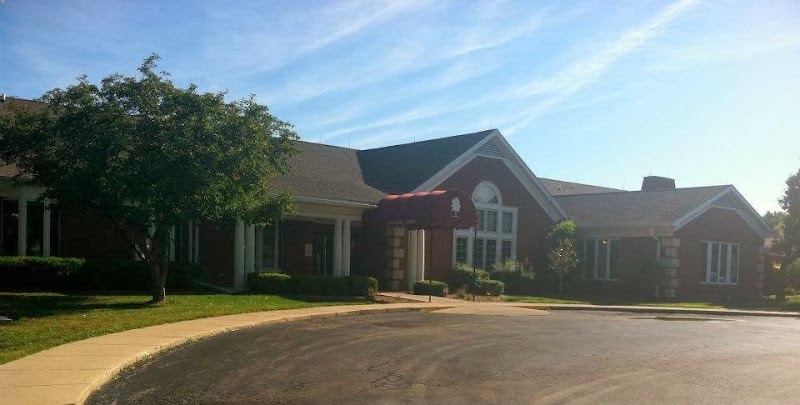
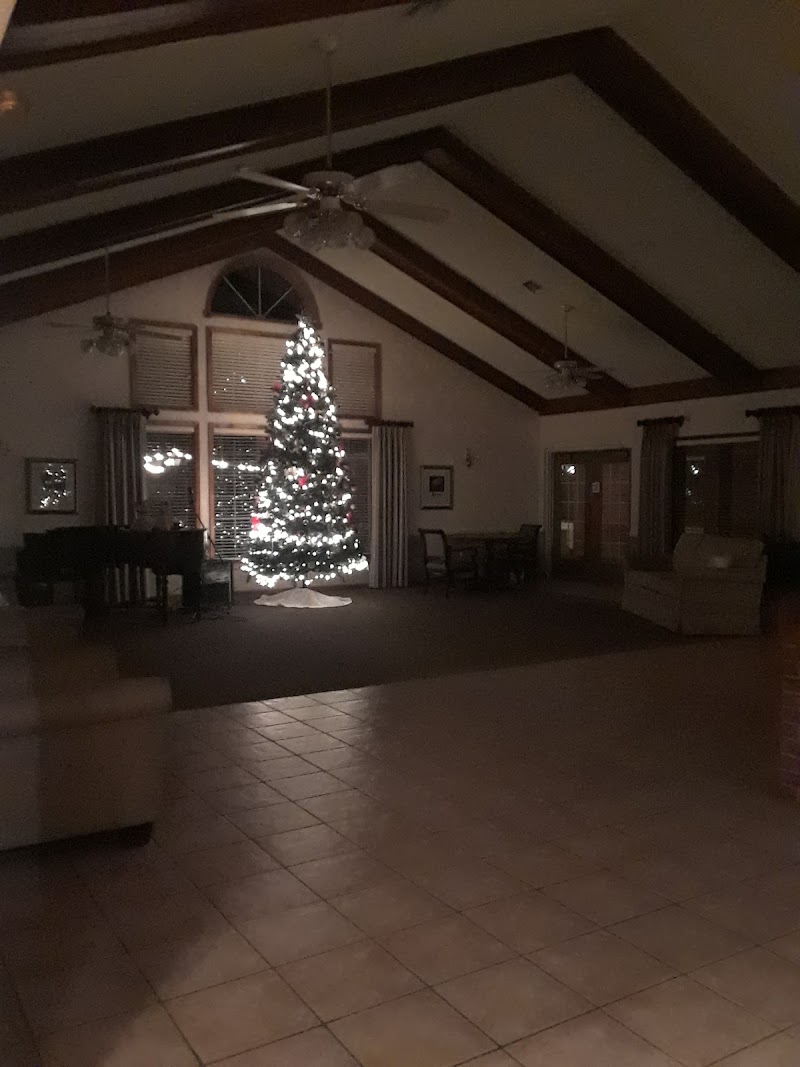
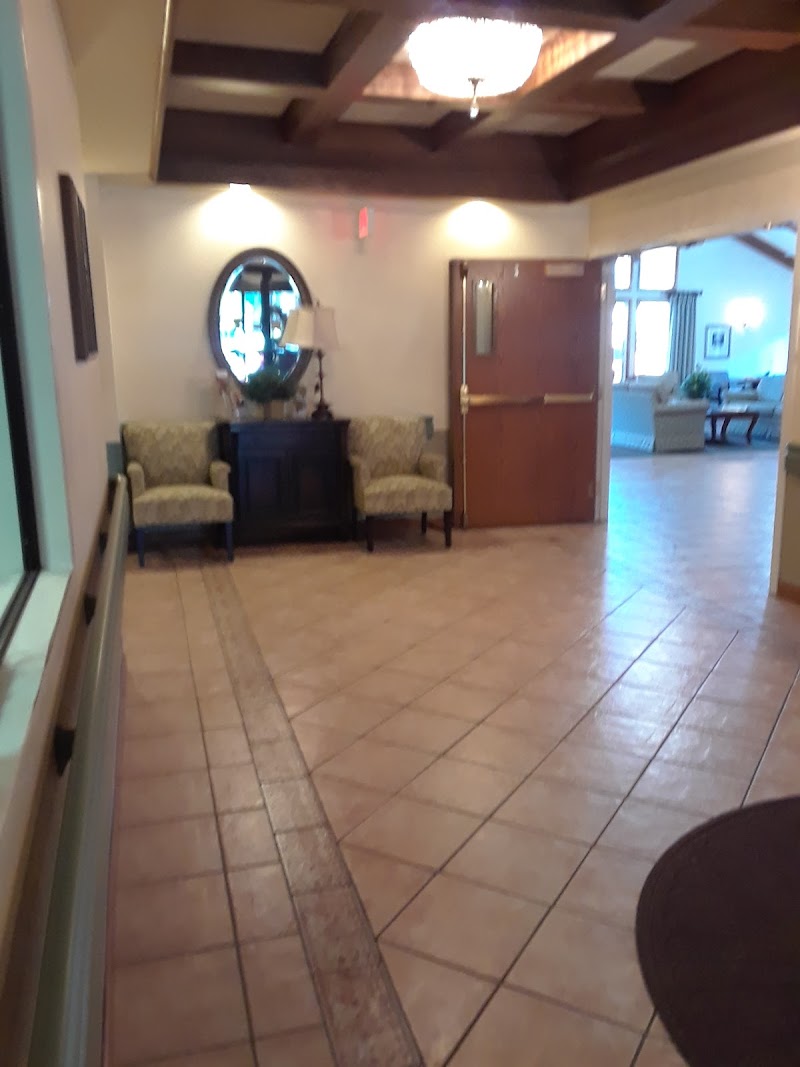
CENTRALIA MANOR

1910 EAST MCCORD RTE 161 EAST, CENTRALIA, IL 62801 (618) 533-1200
Non profit - Corporation 120 Beds UNLIMITED DEVELOPMENT, INC. Data: November 2025 1 Immediate Jeopardy citation
Trust Grade
3/100
#488 of 665 in IL
Last Inspection: July 2024

Within standard 12-15 month inspection cycle. Federal law requires annual inspections.

Overview

Centralia Manor has received a Trust Grade of F, indicating significant concerns about the facility's quality of care. It ranks #488 out of 665 nursing homes in Illinois, placing it in the bottom half, and #2 out of 5 in Marion County, meaning only one other local option is better. The facility's performance trend is stable, with 9 issues reported consistently over the past two years. While staffing is considered a strength with a 4/5 star rating and a turnover rate of 41%, which is below the state average, the facility has been fined a total of $48,636, suggesting compliance issues. Notably, inspector findings revealed critical incidents, including a failure to initiate CPR for a resident in cardiac arrest for 10-20 minutes and serious shortcomings in meeting residents' nutritional needs, resulting in severe weight loss for one individual. Families should weigh these strengths and weaknesses carefully when considering Centralia Manor for their loved ones.

Trust Score
F
3/100
In Illinois
#488/665
Bottom 27%
Safety Record
High Risk
Review needed
Inspections
Holding Steady
9 → 9 violations
Staff Stability
○ Average
41% turnover. Near Illinois's 48% average. Typical for the industry.
Penalties
✓ Good
$48,636 in fines. Lower than most Illinois facilities. Relatively clean record.
Skilled Nurses
✓ Good
Each resident gets 42 minutes of Registered Nurse (RN) attention daily — more than average for Illinois. RNs are trained to catch health problems early.
Violations
⚠ Watch
21 deficiencies on record. Higher than average. Multiple issues found across inspections.
★☆☆☆☆
1.0
Overall Rating
★★★★☆
4.0
Staff Levels
★★☆☆☆
2.0
Care Quality
★☆☆☆☆
1.0
Inspection Score
Stable
2024: 9 issues
2025: 9 issues

The Good

  • 4-Star Staffing Rating · Above-average nurse staffing levels
  • Full Sprinkler Coverage · Fire safety systems throughout facility
  • No fines on record
  • Staff turnover below average (41%)

    7 points below Illinois average of 48%

Facility shows strength in staffing levels, fire safety.

The Bad

1-Star Overall Rating

Below Illinois average (2.5)

Significant quality concerns identified by CMS

Staff Turnover: 41%

Near Illinois avg (46%)

Typical for the industry

Federal Fines: $48,636

Above median ($33,413)

Moderate penalties - review what triggered them

Chain: UNLIMITED DEVELOPMENT, INC.

Part of a multi-facility chain

Ask about local staffing decisions and management

The Ugly 21 deficiencies on record

1 life-threatening 4 actual harm
Sept 2025 2 deficiencies 1 Harm
SERIOUS (G) 📢 Someone Reported This

A family member, employee, or ombudsman was alarmed enough to file a formal complaint

Actual Harm - a resident was hurt due to facility failures

Resident Rights (Tag F0550)

A resident was harmed · This affected 1 resident

**NOTE- TERMS IN BRACKETS HAVE BEEN EDITED TO PROTECT CONFIDENTIALITY** Based on interview and record review the facility failed to answer alternative call lights for residents needing assistance in a...

Read full inspector narrative →
**NOTE- TERMS IN BRACKETS HAVE BEEN EDITED TO PROTECT CONFIDENTIALITY** Based on interview and record review the facility failed to answer alternative call lights for residents needing assistance in a timely manner to promote dignity for 5 residents of 13 residents (R1, R2, R4, R6, and R7) reviewed for call light response in a sample of 13. This failure resulted in R1, R2 and R4 having bowel and bladder accidents which lead to feelings of humiliation, embarrassment and shame. Findings include: 1. R1's Face Sheet dated 09/23/25 documents an admission date of 08/21/25 with diagnoses in part of fusion of the spine lumbar region, muscle weakness, other rupture of muscle, spinal stenosis lumbar region, other specified local infection of the skin and subcutaneous tissue, anxiety, rheumatoid arthritis, overactive bladder, and unspecified injury at unspecified level of cervical spinal cord.R1's MDS (Minimum Data Set) dated 08/28/25 documents in Section C a BIMS (Brief Interview for Mental Status) score of 14 which indicates R1 is cognitively intact. Section GG documents toileting as set-up and clean up help. R1's Care plan documents a problem area of R1 is at risk for falling r/t (Related to) HTN (Hypertension), depression, anemia, spinal stenosis an approach for this problem documents- therapy to use 2 assist with transfer to the toilet as tolerated and instruct R1 to call for assist before getting out of bed or transferring. Another Problem area documents Resident care information with an approach of - bowel and bladder continent and safe resident handling procedures transfer method sit to stand level of assistance x2 assist. On 09/22/25 at 9:32AM, R1 stated that the call light system on her hall has been down almost since she was admitted to the facility. R1 said they gave her a bike horn to be able to get a hold of staff when she needs help. R1 said she thinks that staff can hear the horn most of the time. R1 said that other times she doesn't know if they can hear it. R1 said one time it took them 45 minutes to answer her horn. R1 said that she has pissed all over herself a couple of times and she was so embarrassed that she must sit and lay in her own piss until someone finally comes and helped her get cleaned up. R1 said her roommate has jingle bells and when she needs something she will ring them, and staff doesn't hear her. R1 said that she will then honk her horn for her roommate so she can get help. R1 stated that staff told me that I don't need to honk my horn for my roommate that she has her own bells and needs to use them. R1 said that she tried to tell staff that her roommate has been ringing her jingle bells and no one was coming to help her. R1 said they have tried several different devices to be able to call for help and the horn seems to be the one that works the best. R1 stated her being at the end of the hall that it is harder for staff to hear her horn. 2. R2's Face Sheet dated 09/23/25 documents an admission date of 09/05/25 with diagnoses in part of aftercare following joint replacement surgery to right knee, paroxysmal atrial fibrillation, muscle spasm of calf, muscle weakness, chronic kidney disease, overactive bladder, irritable bowel syndrome, and type 2 diabetes mellitus.R2's MDS dated [DATE] documents in Section C a BIMS score of 15 which indicates R2 is cognitively intact. Section GG documents toileting as supervision or touching assistance. R2's Care Plan documents a problem area of Resident Care Information with an approach of - continent of bowel and bladder, safe resident handling procedure transfer method stand aid level of assist: assist x1. On 09/22/25 at 12:45PM, R2 stated that the call light system has been down since she was admitted . R2 said that they give residents, bells, horns and whistles to use when they need help, and it is a joke. R2 said that staff is so loud or playing music and don't hear when we are using out devices to get help. R2 said she has a horn, and her roommate has bells, but it doesn't matter which one you have they don't hear any of them. R2 said she was supposed to wait for help from staff and she would honk her horn, and no one would come and answer her horn. R2 said she had had several accidents where she urinated on herself waiting on someone to come help. R2 said it was humiliating she said that she is [AGE] years old, and she does not want to be urinating all over herself if she doesn't have to. R2 said she did have to sit in her own urine for a while as she waited for a staff member to figure out who was honking or when they finally heard that she was honking for help. R2 said she finally got tired of waiting on staff to answer her horn and she just started taking herself to the bathroom instead of waiting on someone to help her. R2 said she has been working with therapy and she was supposed to be waiting on staff to assist her to the bathroom, but now she just does it on her own instead of waiting and urinating on herself. R2 said that this call system they have in place right now is a joke and they need to get the other system working so they can figure out who needs help and when they need help. 3. R4's Face Sheet dated 09/23/25 documents an admission date of 06/18/25 with diagnoses in part of periprosthetic fracture around other internal prosthetic joint, aftercare following joint replacement surgery, muscle weakness, other abnormalities of the gait and mobility, type 2 diabetes mellitus, and chronic kidney disease. R4's MDS dated [DATE] documents in Section C a BIMS score of 11 which indicates R4 is moderately cognitively impaired. Section GG documents toileting as dependent. R4's Care Plan documents a problem area of Resident Care Information with an approach of bowel and bladder continent, and safe resident handling procedure transfer method mechanical lift level of assistance x2.On 09/22/25 at 9:31AM, R4 stated that she has bells she is supposed to jingle when she needs help. R4 stated that staff doesn't really hear the bells when she is ringing them, and she has her roommate will honk her horn just so she can get someone to come take her to the bathroom or when she needs a bed pan. R4 said that she has had accidents and peed on herself waiting for staff to answer the bells or horn she said that it has taken staff over an hour she has had to wait, and it upset her so much. R4 said that she is usually able to control her urine most of the time and she doesn't like to wet herself it embarrasses her, and she hates it. R4 said she had one staff member who told her she had an incontinent brief and that she could pee in it that is what it is there for. R4 stated that one staff member told her that she needs to stop having her roommate honk her horn for her, if she needs something she needs to ring her bells herself. 4. R6's Face Sheet dated 09/23/25 documents an admission date of 09/05/25 with diagnoses in part of lumbago with sciatica, type 2 diabetes mellitus, muscle weakness, neuralgia, overactive bladder, and lower back pain. R6's MDS dated [DATE] documents in Section C a BIMS score of 15 which indicates R6 is cognitively intact. Section GG documents toileting as partial/moderate assistance. R6's Care Plan documents a problem area of Resident Care Information an approach of- bowel and bladder continent and safe resident handling procedure transfer stand aid level of assistance assist x2. On 09/22/25 at 9:49AM, R6 stated that she has a whistle to blow on when she needs assistance. R6 stated she gets winded because she must keep blowing in the whistle until staff finally comes in and helps her. R6 stated is takes staff a while to come when she is blowing her whistle, because there are several residents that have whistles, and staff must try and figure out what hall and which residents whistle is being blown on. R6 said she has had an accident while she was waiting on staff to answer her whistle. R6 said she does get upset if she has an accident while waiting on staff to answer her whistle. 5. R7's Face Sheet dated 09/23/25 documents an admission date of 06/24/25 with diagnoses in part of acute on chronic diastolic heart failure, diabetes mellitus, parkinsonism, unsteadiness on feet, muscle weakness, overactive bladder, and other abnormalities of gait and mobility. R7's MDS dated [DATE] documents in Section C a BIMS score of 15 which indicates R7 is cognitively intact. Section GG documents toileting as substantial/maximal assistance. R7's Care Plan document a problem area of Resident Care Information with an approach of bowel and bladder continent, continent toileting assist x2 and safe resident handling procedure transfer method stand pivot with walker level of assistance assist x 2. On 09/22/25 at 9:56AM, R7 stated that staff doesn't hear her horn when she squeezes it. R7 said that it takes the staff a long time before they do answer the horn when she is squeezing it. R7 said staff has told her to give them time to try and answer when she is squeezing her horn. R7 said she has had several incontinent episodes waiting on staff to answer her horn she said they have to figure out who is honking the horn first. R7 stated she doesn't know how long it had taken staff to assist her. R7 said she can't hold her urine long when she honks the horn. R7 said that she doesn't like when she has an incontinent episode on herself. On 09/22/25 at 2:36PM, V6 (Certified Nurse Assistant/CNA) stated that she usually works 300, 400, and 500 halls. V6 stated that she thinks the call light system for 300, 400, and 500 halls went out around the end of August. V6 stated that it is hard to figure out which hall the resident is whistling, honking or jingling the bells from. V6 said they go down every hall trying to figure out who needs help. V6 said the residents know to keep honking their horns, blowing their whistles, and jingling their bells until we figure out who it is. V6 said even from the nurses' station which is located between all the halls it is hard to figure out which direction the sound is coming from especially if they have staff and residents talking at the nurse's station. V6 said it is especially hard to hear the horns, whistles and bells when the residents are at the end of the hallway. V6 stated that yes some of the residents have had accidents while waiting on us to try and figure out what location the sounds are coming from. V6 said she did have a resident who was really embarrassed because she wet herself and she was really upset she said that resident was R2. On 09/22/25 at 2:37PM, V7 (CNA) stated that she usually works 300, 400, and 500 halls. V7 said that the call light system went down on those halls around the end of August. V7 said it is hard to head some of the bells, whistles, and horns especially if a resident is at the end of a hallway. V7 stated it is also hard to figure out who's whistles, horn, or bells are ringing. V7 said they must go down the halls and see what hall it is. V7 said it also makes it hard to hear those devices when a resident has their door closed. V7 said they did have a resident who kept trying to honk her horn and the horn wasn't working, and they did get the resident a new horn. V7 said that she has had several residents who were really embarrassed, and those residents were R1 and R2. V7 said that R1 and R2 both were really upset. On 09/23/25 at 9:00AM, V8 (CNA/Shift Coordinator) stated that the call light system on 300, 400, and 500 hallways quit working a couple of weeks ago. V8 said they gave the residents on those halls whistles, bike horns, and bells to be able to notify the staff when they need something. V8 said that it is very hard trying to figure out which hall or where the resident is honking, ringing or whistling from. V8 said they will go down the halls and yell out to tell the resident to keep honking, whistling, or ringing until they figure out who it is. V8 said that is does take longer for them to respond to the resident whistle, bells, or horn because they must figure out who it is that is making the noise first. V8 said when they hear a sound from the nurse's station, they get up right away and start checking all of the halls and see who it might be. V8 said that they do have resident who will honk their horns for other resident in the same room such as R1 for R4. V8 said that R4 did have a horn, but she was trying to use it the wrong way and kept trying to honk the horn, but it wasn't' making any noise so she ended up with bells. V8 said it is harder to hear some of the resident who are on the end of the halls. On 09/23/25 at 10:05AM, V4 (Licensed Practical Nurse/LPN) stated that the facility call light system on 300, 400, and 500 hallways went out around the end of August. V4 stated they gave the resident whistles, bells, and horns to be able to ring and notify staff that they need them. V4 said she thinks that staff can hear the whistles, bells, and horns but it is challenging trying to figure out where the sound is coming from. V4 said she does think it takes the staff long to be able to answer when the resident is ringing, whistling, or honking because they must figure out who it is. V4 stated that she does know there have been a couple of residents that complained that they had an incontinent episode, but she didn't know if it was because of the bells, whistles, or horns and staff not being able to find out who it was or if it is because they have a lot of resident to care for. V7 said that she thinks a lot of the residents wait till the last minute and then try to get staff to help them and staff might be in another room taking care of another residents. On 09/23/25 at 11:40AM, V1 (Administrator) stated that the call light system on 300, 400, and 500 hallways went out on 08/29/25. V1 stated she called someone right away to see what was wrong with the call light system on those halls, but the soonest someone could come look at it was on 09/03/25. V1 said they did come in and look at the call light system and they told her that the system has just out lived its life and that they need to replace the system on those halls. V1 said that when the system went down on 08/29/25 that they did get an alternative call system of whistles, horns, and bells for the residents, so they had a way to communicate when they need help from staff. V1 said that they did try different things with the residents to make sure that they could use the device they gave each resident. V1 said she is not aware of any resident that can't use the device they have been given. V1 said staff has told her that they do have a hard time hearing the devices if the resident has their doors closed or if the resident is at the end of the hall. V1 said she did have a resident complain to her since the call light system was down it was taking a long time for staff to respond to her device. V1 said that on 09/05/25 they gave them an estimate on the new call light system for 300, 400, and 500 hallways. V1 said on 09/08/25 they ordered the new system and then on 09/16/25 they sent in payment for the new call light system. V1 said the company who is installing the new call light system said it could take 2-3 weeks before they could install the new call light system. On 09/23/25 at 12:33PM, V2 (Director of Nursing/DON) stated that they did have a problem with the call light system on 300, 400, and 500 halls it went out around the end of August. V2 said they gave the residents an alternative method to be able to call for help like whistles, horns, and bells. V2 said the shift coordinators also said something about doing 15-minute checks on those residents as well. V2 stated that she didn't know how they were tracking it the 15-minute checks. V2 stated that they don't have any documentation stating that the 15-minute checks were done on those residents. V2 said she has heard resident complain that staff has been in places where it was hard for them to hear the whistle, bells, and horns and that they tell the residents to keep whistling, honking, or jingling the bells until they figure out who it was the was making the sound with their device. On 09/24/25 at 11:00AM, V1 stated that the facility does not have a policy on dignity. The facility policy titled Call Light with a revised date of 01/04 documents under objective: To respond to resident's request and needs. Equipment documents: Functioning call light.
CONCERN (E) 📢 Someone Reported This

A family member, employee, or ombudsman was alarmed enough to file a formal complaint

Potential for Harm - no one hurt, but risky conditions existed

Deficiency F0919 (Tag F0919)

Could have caused harm · This affected multiple residents

**NOTE- TERMS IN BRACKETS HAVE BEEN EDITED TO PROTECT CONFIDENTIALITY** Based on observation, interview and record review the facility failed to provide a functional call system for the 32 residents l...

Read full inspector narrative →
**NOTE- TERMS IN BRACKETS HAVE BEEN EDITED TO PROTECT CONFIDENTIALITY** Based on observation, interview and record review the facility failed to provide a functional call system for the 32 residents living on the 300, 400, and 500 halls.The findings include: 1. On 09/22/25 at 9:32AM, R1 stated that the call light system on her hall has been down almost since she was admitted to the facility. R1 said they gave her a bike horn to be able to get a hold of staff when she needs help. R1 said she thinks that staff can hear the horn most of the time. R1 said that other times she doesn't know if they can hear it. R1 said one time it took them 45 minutes to answer her horn. R1's MDS (Minimum Data Set) dated 08/28/25 documents in Section C a BIMS (Brief Interview for Mental Status) score of 14 which indicates R1 is cognitively intact. 2. On 09/22/25 at 12:45PM, R2 stated that the call light system has been down since she was admitted . R2 said that they give the residents, bells, horns and whistles to use when they need help, and it is a joke. R2 said that staff is so loud or playing music and don't hear when we are using out devices to get help. R2 said she has a horn, and her roommate has bells, but it doesn't matter which one you have they don't hear any of them. R2 said that this call system they have in place right now is a joke and they need to get the other system working so they can figure out who needs help and when they need help. R2's MDS dated [DATE] documents in Section C a BIMS score of 15 which indicates R2 is cognitively intact.3. On 09/22/25 at 11:55AM, R3 stated that the call light system has been down since she was admitted to the facility. R3 said that staff gave them things like bells, whistles and horns to try and get staffs attention when they need something. R3 said that staff has a hard time trying to figure out who's whistle is going off. R3 said that staff will walk up and down the halls trying to figure out who is whistling, honking or ringing for help and they have several halls to go down to figure that out. R3's MDS dated [DATE] documents in Section C a BIMS score of 14 which indicates R3 is cognitively intact.4. On 09/22/25 at 9:31AM, R4 stated that she has bells she is supposed to jingle when she needs help. R4 stated that staff doesn't really hear the bells when she is ringing them, and she has her roommate will honk her horn just so she can get someone to come take her to the bathroom or when she needs a bed pan. R4's MDS dated [DATE] documents in Section C a BIMS score of 11 which indicates R4 has moderately impaired cognition.5. On 09/22/25 at 9:49AM, R6 stated that she has a whistle to blow on when she needs assistance. R6 stated she gets winded because she must keep blowing in the whistle until staff finally comes in and helps her. R6 stated is takes staff a while to come when she is blowing her whistle, because there are several residents that have whistles, and staff must try and figure out what hall and which residents whistle is being blown on. R6's MDS dated [DATE] documents in Section C a BIMS score of 15 which indicates R6 is cognitively intact.6. On 09/23/25 at 8:57AM, R11 who was alert and oriented stated that when she needs assistance to go to the bathroom, she will just wheel over to the hallway and find a staff member. R11 stated that she didn't have a whistle, bells, or horn. R11 stated that she just must look for someone. R11 stated that she uses to hit the button on that white cord on the wall when she needed help, but it stopped working.On 09/23/25 at 8:58AM there were no whistles, bells, or horns observed in R11's room, that could be seen in plain sight. On 09/23/25 at 3:28PM observed V2 (Director of Nursing/DON) in R11's room looking for R11's alternative call light. V2 found R11's whistle in a bin on resident bedside table covered up under papers.On 09/23/25 at 3:32PM, R11 stated that she doesn't like to use the whistle it is too loud, she will just go and get someone in the hallway when she needs help.7. On 09/23/25 at 2:10PM observed R12 laying in bed. R12 had no bells, no whistle, and no horn next to her while she was laying in bed. Observed a bedside table next to the empty bed in R12's room that had bells laying on the table out of reach of the resident. On 09/22/25 at 2:34PM observed bells jingling from the nurses' station unable to locate if the jingling was coming from 400 hall or 500 hall. Observed staff going down the halls trying to figure out who was jingling the bells. During observation another resident was sitting by the nurses' station singing which was making it harder to hear the ring from the bells.On 09/22/25 at 2:36PM, V6 (Certified Nurse Assistant/CNA) stated that she usually works 300, 400, and 500 halls. V6 stated that she thinks the call light system for 300, 400, and 500 halls went out around the end of August. V6 stated that it is hard to figure out which hall the resident is whistling, honking or jingling the bells from. V6 said they go down every hall trying to figure out who needs help. V6 said the residents know to keep honking their horns, blowing their whistles, and jingling their bells until we figure out who it is. V6 said even from the nurses' station which is located between all the halls it is hard to figure out which direction the sound is coming from especially if they have staff and residents talking at the nurse's station. V6 said it is especially hard to hear the horns, whistles and bells when the residents are at the end of the hallway. On 09/22/25 at 2:37PM, V7 (CNA) stated that she usually works 300, 400, and 500 halls. V7 said that the call light system went down on those halls around the end of August. V7 said it is hard to head some of the bells, whistles, and horns especially if a resident is at the end of a hallway. V7 stated it is also hard to figure out who's whistles, horn, or bells are ringing. V7 said they must go down the halls and see what hall it is. V7 said it also makes it hard to hear those devices when a resident has their door closed. V7 said they did have a resident who kept trying to honk her horn and the horn wasn't working, and they did get the resident a new horn. On 09/23/25 at 9:00AM, V8 (CNA/Shift Coordinator) stated that the call light system on 300, 400, and 500 hallways quit working a couple of weeks ago. V8 said they gave the residents on those halls' whistles, bike horns, and bells to be able to notify the staff when they need something. V8 said that it is very hard trying to figure out which hall or where the resident is honking, ringing or whistling from. V8 said they will go down the halls and yell out to tell the resident to keep honking, whistling, or ringing until they figure out who it is. V8 said that is does take longer for them to respond to the resident whistle, bells, or horn because they must figure out who it is that is making the noise first. V8 said when they hear a sound from the nurses' station, they get up right away and start checking all of the halls and see who it might be. V8 said that they do have resident who will honk their horns for other resident in the same room such as R1 for R4. V8 said that R4 did have a horn, but she was trying to use it the wrong way and kept trying to honk the horn, but it wasn't' making any noise so she ended up with bells. V8 said it is harder to hear some of the resident who are on the end of the halls. On 09/23/25 at 10:05AM, V4 (Licensed Practical Nurse/LPN) stated that the facility call light system on 300, 400, and 500 hallways went out around the end of August. V4 stated they gave the resident whistles, bells, and horns to be able to ring and notify staff that they need them. V4 said she thinks that staff can hear the whistles, bells, and horns but it is challenging trying to figure out were the sound is coming from. V4 said she does think it takes the staff long to be able to answer when the resident is ringing, whistling or honking because they have to figure out who it is. On 09/23/25 at 11:40AM, V1 (Administrator) stated that the call light system on 300, 400, and 500 hallways went out on 08/29/25. V1 stated she called someone right away to see what was wrong with the call light system on those halls, but the soonest someone could come look at it was on 09/03/25. V1 said they did come in and look at the call light system and they told her that the system has just out lived its life and that they need to replace the system on those halls. V1 said that when the system went down on 08/29/25 that they did get an alternative call system of whistles, horns, and bells for the residents, so they had a way to communicate when they need help from staff. V1 said that they did try different things with the residents to make sure that they could use the device they gave each resident. V1 said she is not aware of any resident that can't use the device they have been given. V1 said staff has told her that they do have a hard time hearing the devices if the resident has their doors closed or if the resident is at the end of the hall. V1 said she did have a resident complain to her since the call light system was down it was taking a long time for staff to respond to her device. V1 said that on 09/05/25 they gave them an estimate on the new call light system for 300, 400, and 500 hallways. V1 said on 09/08/25 they ordered the new system and then on 09/16/25 they sent in payment for the new call light system. V1 said the company who is installing the new call light system said it could take 2-3 weeks before they could install the new call light system. On 09/23/25 at 12:33PM, V2 (Director of Nursing/DON) stated that they did have a problem with the call light system on 300, 400, and 500 halls it went out around the end of August. V2 said they gave the residents an alternative method to be able to call for help like whistles, horns, and bells. V2 said the shift coordinators also said something about doing 15-minute checks on those residents as well. V2 stated that she didn't know how they were tracking it the 15-minute checks. V2 stated that they don't have any documentation stating that the 15-minute checks were done on those residents. V2 said she has heard resident complain that staff has been in places where it was hard for them to hear the whistle, bells, and horns and that they tell the residents to keep whistling, honking, or jingling the bells until they figure out who it was the was making the sound with their device.The facility resident bed list report dated 09/22/25 documents 13 residents reside on 300 hall, 16 residents reside on 400 hall, and 3 residents reside on 500 hall. The facility policy titled Call Light with a revised date of 01/04 documents under objective: To respond to resident's request and needs. Equipment documents: Functioning call light.
Sept 2025 7 deficiencies 1 IJ
CRITICAL (J) 📢 Someone Reported This

A family member, employee, or ombudsman was alarmed enough to file a formal complaint

Immediate Jeopardy (IJ) - the most serious Medicare violation

Deficiency F0678 (Tag F0678)

Someone could have died · This affected 1 resident

**NOTE- TERMS IN BRACKETS HAVE BEEN EDITED TO PROTECT CONFIDENTIALITY** Based on interview and record review the facility failed to initiate cardiopulmonary resuscitation (CPR) timely for 1 of 3 (R1) ...

Read full inspector narrative →
**NOTE- TERMS IN BRACKETS HAVE BEEN EDITED TO PROTECT CONFIDENTIALITY** Based on interview and record review the facility failed to initiate cardiopulmonary resuscitation (CPR) timely for 1 of 3 (R1) residents reviewed for death in the sample of 11. This failure resulted in facility staff not initiating CPR for 10-15 minutes after finding R1, who had chosen to be a full code with full treatment, in bed with no pulse and no respirations. CPR was not initiated until V11 (RN/Registered Nurse) was told by oncoming staff that R1 was a full code. After CPR was initiated, R1 was transferred via ambulance to the local hospital and pronounced dead.This failure resulted in an Immediate Jeopardy, which was identified to have begun on [DATE] when facility staff failed to immediately initiate CPR after finding R1 with no pulse and no respirations. This failure resulted in R1 who was without pulse and respirations not receiving CPR for 10-20 minutes. After CPR was initiated R1 was transferred to the local hospital by emergency services and pronounced dead shortly after arrival at the hospital.V1 (Administrator) and V13 (Regional Nurse) were notified of the Immediate Jeopardy on [DATE] at 4:10 PM. This surveyor confirmed by interview and record review the Immediate Jeopardy was removed, and the deficient practice corrected on [DATE], prior to the start of the survey and was therefore Past Noncompliance. Findings Include:R1's undated Resident Face Sheet documents R1 was admitted to the facility on [DATE] with diagnoses that include atrial fibrillation, acute respiratory disease, diabetes, chronic obstructive pulmonary disease, heart failure, pleural effusion, chronic kidney disease, and hypertension.R1's MDS (Minimum Data Set) dated [DATE] documents a BIMS (Brief Interview for Mental Status) score of 15, which indicates R1 was cognitively intact.R1's POLST (Practitioner Order for Life-Sustaining Treatment) form dated [DATE] documents under Orders for Patient in Cardiac Arrest a check mark next to Yes CPR: Attempt cardiopulmonary resuscitation (CPR). Utilize all indicated modalities per standard medical protocol. This same form documents under Orders for Patient Not in Cardiac Arrest a check mark next to, Full Treatment Primary goal is attempting to prevent cardiac arrest by using all indicated treatments. Utilize intubation, mechanical ventilation, cardioversion, and all other treatments as indicated. This indicates if R1 was found with no pulse and no respirations all treatments should be attempted to revive R1.R1's Physician Order Report dated [DATE] to [DATE] documents in bold print next to R1's name Full code.R1's current Care Plan documents the following header, Care Plan- (R1) (Full Code).R1's Vitals Report dated [DATE] documents the following vital signs 2:01 AM- blood pressure 137/75, oxygen saturation 96%, respirations 20 per minute, pulse 65 per minute; 2:47 AM - temperature 98.1 degrees Fahrenheit, pulse 74/per minute, respirations 20 per minute, blood pressure 112/54, oxygen saturation 98%.R1's Medication Administration History dated [DATE] documents R1's blood sugar was checked between 5 and 7 am with the result documented as 173.R1's Progress Notes document the following on [DATE]:2:48 AM, Continues on droplet precautions r/t (related to) Covid-19. Lungs diminished, no cough or SOB (shortness of breath) at this time. Vitals obtained Q (every) 4 hours. Will continue to monitor. Signed by V11 (Registered Nurse/RN)6:34 AM, CNA (Certified Nursing Assistant) came to signee stating resident not breathing and pulseless. CPR (cardiopulmonary resuscitation) initiated and 911 notified. Signed by V11 (RN)6:35 AM, signee entered facility and was informed of resident's passing. Signee then alerted staff that resident was a full code, and that CPR was needed STAT. crash cart taken to resident's room. 911 called per floor nurse. Signed by V3 (Licensed Practical Nurse/LPN).6:40 AM, (initials of ambulance service) here at this time x (times) 2 personnel. Attempted to reach both spouse, and daughter (name of daughter) with no answer.6:50 AM, attempted to reach (V7/Physician) at this time with no answer. EMS (emergency medical services) leaving with compressions given.7:10 AM, MD (physician) notified of resident condition.7:30 AM, POA (power of attorney) notified of resident condition.7:34 AM, Hospital called to notify resident expired. Time of death 0712 (7:12 AM).R1's local ambulance report documents on [DATE] at 6:36 AM the call was received, and the ambulance was dispatched to the facility and arrived at 6:41 AM. Under Patient Complaints the report documents Chief Complaint as Cardiac Arrest (Primary). Under Assessments and Comments the report documents R1 has no airway and no pulses. Under Narrative the report documents, Vehicle 44 dispatched Lights and Sirens to respond immediately to (initials of facility) for a male pt (patient) in arrest. Arrived on scene to find one staff member in pt's room performing CPR. Staff stated the pt was moving from his wheelchair to the bed and soon after went unresponsive.continued CPR for staff as EMS (Emergency Medical Services) placed pt on monitor showing asystole. Pt placed on EMS stretcher via 4-man sheet lift with strap x (times) 5.transfer initiated to (initials of local hospital) with radio report completed en route. EMS notes no changes in cardiac rhythm with meds (medications) or CPR. On arrival at (initials of local hospital) ER (emergency room), pt transported inside and placed in bed via 2-man sheet lift.R1's local hospital report dated [DATE] documents under ED (Emergency Department) Triage Notes, Patient from (name of facility) .Full arrest. CPR in progress by EMS. Code called, ACLS (advanced cardiac life support) initiated.7:12 AM. Time of death pronounced. The patient is a [AGE] year-old male who present to the ED in cardiac arrest. The patient was in the NH (nursing home) attempting to transfer from the wheelchair into his bed when he went unresponsive. The patient failed to awaken or respond to the staff, so EMS was called. The patient was found to be in asystole. An IO (intraosseous device) was established, and CPR was in progress. A laryngeal airway was placed, and two rounds of epi were given without return of circulation. The patient remained in asystole the whole 20 minutes he was in the care of EMS.On [DATE] at 2:16 PM, V9 (CNA) stated she worked night shift beginning on [DATE] and ending on the morning of [DATE]. V9 stated R1 put his call light on around 3:30 or 3:45 AM. V9 stated R1 had to go to the bathroom so she assisted him to the bathroom and onto the commode. V9 stated R1 put the light on when he was done, and she assisted him back to his room. V9 stated R1 wanted to stay up in his wheelchair so she asked him if he needed anything else and he said he didn't. V9 stated when she left his room he was sitting in his wheelchair with his walker beside him. V9 stated R1 was able to transfer from his wheelchair to his bed independently. V9 stated around 6 or 6:30 AM, she heard other staff yelling and asking if R1 was dead. V9 stated she went to R1's room and he was in bed and appeared dead. V9 stated during this time frame V11 (RN) stated twice R1 was a full code. V9 stated there were a lot of people with R1 so she finished taking care of other residents and was not involved in the care of R1.On [DATE] at 1:08 PM, V6 (CNA) stated she entered R1's room around 6:10 or 6:15 AM on the morning of [DATE]. V6 stated R1 usually got himself ready so she just went in to make sure he was awake and ask him if he needed anything before breakfast. V6 stated R1 appeared to be sleeping but his color was off, so she went closer to check on him. V6 stated R1 wasn't breathing so she called V4 (CNA) and V8 (CNA) to check him. V6 stated then she told the nurse (V11) they needed assistance. V4 stated V11 sat at the nurse's station and told them R1 was just fine. V6 stated V11 slowly came to R1's room and told them to get the nurse from the other hall. V6 stated as V11 entered the room she grabbed a stethoscope and checked R1's heart rate. V6 stated by the time V11 was done checking R1, V5 (RN) entered the room and checked for a heart rate and respirations. V6 stated they left the room after they verified R1 was not breathing and didn't have a pulse. V6 stated V3 (LPN) came in to work 10 or 15 minutes after she had first found R1 and asked if R1 was a full code or a DNR (Do Not Resuscitate) and she believed V11 answered and said R1 was a full code. V6 stated V3 said we have to do CPR. V4 stated V5 (RN) called for two people to go with her, and they went to R1's room to do CPR. V6 stated she continued getting other residents up since they had enough staff assisting with CPR. When asked if she had any concerns with the situation, V6 stated she thought V11 should have been on top of it and not so casual. V4 stated she thought it was more serious than V11 was acting. On [DATE] at 12:44 PM, V4 (CNA) stated she came to work at 5:30 AM on the morning of [DATE]. V4 stated they started getting residents up for breakfast on R1's hall about 6:00 AM. V4 stated they got up two residents and V6 (CNA) went to R1's room to wake him up. V4 stated V6 came to her and said she didn't think R1 was breathing. V4 stated she immediately went to R1's room and confirmed he wasn't breathing. V4 stated about 6:10 AM she yelled down the hall to V11, Hey, come here he isn't breathing. V4 stated V11 was moving very slowly so she yelled again, Hey, he isn't breathing. What do we do.? V4 stated V11 yelled back R1 was fine an hour ago when she checked his blood sugar. V4 stated V11 finally got to the room and got the stethoscope. V4 stated V5 (RN) arrived from the other side at that time and checked R1. V4 stated she thought they were going to call time of death since they hadn't started a code. V4 stated she was waiting on the nurse to tell her what to do. V4 stated V11 said he (R1) is gone. V4 stated V11 didn't say anything about R1's code status. V4 stated she started gathering supplies to clean R1 up for the funeral home to transport him. V4 stated she said, So we were getting ready to clean him up and prepare him for the funeral home until V3 walked in and asked the obvious question. V4 stated then V5 grabbed the crash cart, and V10 (LPN) started compressions, while V11 (RN) was doing the rescue breaths with the ambu bag. V4 stated she was standing on the side assisting as needed. V4 stated the plastic was still over the bag V11 was using so no air was getting to R1. V4 stated she told V11 the plastic was still over the bag and V11 laughed and removed the plastic. V4 stated V10 told V11 it wasn't funny. V4 stated the ambulance arrived quickly and the emergency personnel took over with the code. V4 stated she thought the failures were all V11. V4 stated V11 didn't know what she was doing, and she wasn't sure V4 checked R1 an hour before he coded. V4 stated the situation, woke me up and from now on she will look at the residents code status herself. V4 stated We literally had the linens in our hand ready to clean him up for the funeral home.On [DATE] at 2:11 PM, V8 (CNA) stated on [DATE] she came to work at 5:30 AM. V8 stated she was scheduled for a different hall but was on R1's unit asking a question when V6 (CNA) went into his room to wake him up. V8 stated V6 got her and V4 (CNA) to check R1 because she didn't think he was breathing. V8 stated they were running down the hall and saw V11 and told her they didn't think R1 was breathing. V8 stated V11 just stood there and stated R1 was fine she had just checked his blood sugar. V8 stated she did a sternum rub on R1 and he didn't respond. V8 stated she left because V11 (RN), V5 (RN), and V4 (CNA) were all in R1's room so she began taking care of the other residents. V8 stated she felt like it wasn't urgent for V11 (RN). V8 stated she thought V11 should have responded better, and she felt like they didn't have the help from V11 they needed.On [DATE] at 1:01 PM, V5 (RN) stated she was working on the other side of the facility when V12 (CNA) came to her and told her they needed her on the other side. V5 stated V12 didn't tell her why they needed her. V5 stated she walked to the other side and V11 was sitting behind the desk and told her a resident was dead and she thought he had expired a while ago. V5 stated V11 wanted her to look for signs of life. V5 stated she went to R1's room and donned PPE (personal protective equipment). V5 stated V11 was with her, and they listened for heart and lung sounds and there were none. V5 stated she started back to her side and V3 (LPN) walked up and told her R1 was a full code. V5 stated she got the crash cart and started CPR. V5 stated R1 was pale bluish, with no signs of respirations or a heartbeat. When asked if she had any concerns, V5 stated, Yes, I wish I would have started CPR earlier. When asked how long it was from the time R1 was found until they started CPR, V5 stated she wasn't sure.On [DATE] at 10:32 AM, V12 (CNA Shift Coordinator) stated she was working the day R1 passed away. V12 stated she got V5 (RN) for V11 (RN) and looked up R1's code status. V12 stated she was charting at the nurse's station when she heard V6 asking R1 if he was ready to get up. V12 stated she then heard them say they needed a nurse. V12 stated V11 asked them what they needed, and they said R1 wasn't breathing. V12 stated V11 got up and went to R1's room and told her to get the nurse from the other side of the facility. V12 stated she told V11, R1 was a full code and tried calling the nurse. V12 stated the nurse didn't answer so she ran to the other side and got V5 (RN). When asked if V11 was aware of R1's code status before entering his room the first time, V12 stated she was. V12 stated when she and V5 got to R1's hall they asked V11 if she started CPR and she stated she hadn't, he is cold. V12 stated V3 came in and said you must do CPR no matter what since he was a full code. V12 stated she took the crash cart to R1's room and left because they had plenty of staff in the room. When asked if she had any concerns with how the situation was handled. V12 stated her only concern was V11. V12 stated V11 wasn't a very good nurse. V12 stated V11 shouldn't have asked the CNA's why they needed her when they first asked for assistance, and she should have started CPR or instructed the CNA's to start CPR.On [DATE] at 12:32 PM, V3 (LPN) stated on [DATE] she clocked in for work about 6:30 AM. V3 stated she met V8 (CNA) in the hallway who seemed upset and told her they had lost R1. V3 asked V8 what she meant by lost and V8 told her R1 had passed away. V3 stated she asked if they were coding R1 and V8 stated they weren't. V3 stated she told V8, R1 was a full code, put her stuff down, grabbed the crash cart and went to R1's hall. V2 stated V5 (RN) and V11 (RN) were at the nurses station, and she asked V11 why they weren't doing CPR. V3 stated she put PPE on because R1 had tested positive for Covid previously and went to R1's room to assist with the code. V3 stated V11 called 911 and then relieved V3. V3 stated she didn't know why they hadn't started CPR immediately. V3 stated V11 made the comment R1 was cold. V3 stated she told V11 it didn't matter what color they are or what their temperature is if they are a full code they do CPR on them. V3 stated R1 had been diagnosed with Covid 19, had a cough and they had gotten a chest x-ray, but he was ok the last time she saw him. V3 stated she thought V11 should have immediately initiated CPR and called for assistance. On [DATE] at 2:25 PM, V10 (LPN) stated she arrived to work on the morning of [DATE], clocked in, and walked around the facility. V10 stated she saw chaos. V10 stated by the time she got to the area, she was told by staff R1 was unresponsive and they were getting ready to start CPR. V10 stated she went to help and started CPR. When asked what time it was V10 stated she clocked in about 6:30 AM. V10 stated she didn't have any concerns with the care R1 received after she arrived.On [DATE] at 2:21 PM, this surveyor attempted to contact V11 via telephone. There was no answer and no voicemail set up. On [DATE] at 11:10 AM, V2 (Director of Nurses/DON) stated on [DATE] she arrived at the facility around 8:00 AM. V2 stated she was told R1 had passed away and there were some questions about CPR being initiated immediately. V2 stated after she talked to staff and got the timelines in place, they determined there was a 10-20-minute time frame R1 went without having CPR initiated. V2 stated V3 came in around 6:30 AM on [DATE] and heard R1 had passed away, and they weren't doing CPR. V2 stated V3 started the process of coding R1 and called 911. When asked if during the investigation she was able to determine what happened and why they didn't initiate CPR immediately upon finding R1 with no respirations and no heartbeat, V2 stated it was a little hard with some time frames being off. V2 stated V11 (RN) placed the blame on everyone else. V2 stated she spoke with V11 (RN) on the phone and V11 admitted she didn't start CPR immediately and then hung up on V2. V2 stated she believed the issue was isolated to V11. V2 stated she knows a full code was called out by one of the CNA's and V11 didn't prompt any movement to begin CPR. V2 stated V11 said R1 was cold and gone and they weren't going to bring him back. V2 stated the CNA's were following V11's lead and had even gotten the supplies to clean R1 up for transfer to the funeral home. When asked what she did next, V2 stated they immediately started educating staff and it was completed with everyone working that day and all other staff when they returned to work or via telephone. V2 stated they educated on CPR, how to find code status, and what to do if a resident expires and is a full code. V2 stated they are doing continued education and auditing the training every week to ensure staff retain the training. V2 stated part of the training was also educating the CNA staff they could initiate a code without nurse guidance. V2 stated R1's code status was accurate and available for the staff to find. V2 denied any system failure related to this incident.On [DATE] at 3:47 PM, V1 (Administrator) stated right before she arrived at the facility on the morning of [DATE] she got a call from V3 (LPN). V1 stated V3 told her emergency medical services had been called for R1 and explained what happened to V1. V1 stated once she arrived at the facility she began talking to staff. V1 stated her investigation found V11 checked R1's blood sugar around 5:55 AM and R1 wanted to stay up in his wheelchair. V1 stated she spoke with CNA's, and they told her they went into R1's room around 6:10 or 6:15 AM and R1 appeared to be unresponsive. V1 stated they notified V11, and once code status was confirmed they got the crash cart and V3 and V10 started CPR. After reviewing the staff interviews with V1 this surveyor asked her what the outcome of her investigation was, V1 stated it should not have taken 15 minutes to initiate CPR. V1 stated she reached out to V11, and she wasn't very forthcoming. V1 stated V11 was supposed to come to the facility and talk and she didn't show up and couldn't be reached by phone. V1 stated V11 effectively terminated herself by not showing up.On [DATE] at 2:00 PM, V7 (Physician) stated he saw R1 the day before he passed away. When asked if he considered R1 to be end of life, V7 stated on [DATE] R1 seemed to be stable but had a lot of comorbidities including cardiac problems and Covid. When asked if the facility staff would have initiated CPR earlier if it would have changed the outcome, V7 stated, I doubt it. He (R1) had significant comorbid condition. You can never know for sure. When asked what his expectations as the physician would be if they found a resident with no pulse and no respirations who was a full code, V7 stated, Do CPR and send them to the hospital as soon as possible.The facility Policy 3.06 on Emergencies documents, It is the policy of the facility to provide emergency care to a resident in need of it. Emergency Care Procedure: 1. Nurse in charge of resident will evaluate resident's condition. If help is needed and there is more than one nurse available, the nurse assigned to resident will stay with resident and send another staff member to get another nurse. The staff member will also bring emergency equipment if needed. A nurse will notify resident's physician and follow orders received. Call ambulance, notify family, and complete transfer form. Call emergency room and let them know resident is on the way.Documentation of treatment and resident's response during emergency must be done in clinical record.I. Cardiac Arrest: When the facility has only one (1) employee on duty, that employee shall have been certified within the past twelve (12) months in the provision of basic life support by an American Heart Association or American Red Cross certified training program. When there is more than one (1) person on duty in the facility, at least one (1) person on duty shall be so certified. Any facility employee who is on duty may be utilized to assist in these medical emergencies. Signs and Symptoms: 1. Immediate loss of consciousness. 2. Absence of palpable carotidal or femoral pulse. 3. Absence of audible heart sounds. 4. Absence of breath sounds or air movement throughout the nose or mouth. 5. Convulsions (may or may not be present). 6. Dilation of pupils of eyes. 7. Ashen gray color. Treatment: 8. Note the time as soon as the cardiac arrest is determined. Summon help immediately. 9. Provide CPR if determine appropriate according to the POLST/DNR form. CPR should be performed in accordance with the guidelines set by American Heart Association or the American Red Cross. 10. Utilize AED (Automated External Defibrillator) according to instructions on machine for use.The Immediate Jeopardy that began on [DATE] was removed [DATE]. The deficient practice was corrected on [DATE] after the facility took the following action to correct the noncompliance: Facility administrator (V1) and DON (V2) were in-serviced by the regional nurse (V13) on [DATE] on the emergencies policy 3.06, specifically regarding cardiac arrest and CPR.DON (V2) initiated and completed in-servicing with all nursing staff on [DATE], on the emergencies policy 3.06 specifically regarding cardiac arrest and CPR.DON (V2) initiated and completed in-servicing with all nursing staff on [DATE] on location of code status/POLST for residents.V11 (RN) did not return to work after [DATE].Plan was added to the facility QA (Quality Assurance) program regarding CPR and code status on [DATE].The facility DON or designee will audit 10 employees per week for a month to ensure that location of code status/POLST is known and understanding of the emergencies policy.This will remain as part of the facility QA process for continued monitoring.Completion Date: [DATE].
CONCERN (F) 📢 Someone Reported This

A family member, employee, or ombudsman was alarmed enough to file a formal complaint

Potential for Harm - no one hurt, but risky conditions existed

Deficiency F0940 (Tag F0940)

Could have caused harm · This affected most or all residents

Based on interview and record review the facility was unable to provide reproducible evidence annual training was completed for all staff. This failure has the potential to affect all 66 residents cur...

Read full inspector narrative →
Based on interview and record review the facility was unable to provide reproducible evidence annual training was completed for all staff. This failure has the potential to affect all 66 residents currently residing at the facility. Findings Include: The facility Resident Directory dated 9/3/2025 documents there are 66 residents currently residing at the facility. Review of the facility training/in-service records do not document specific annual training for all staff. On 9/8/25 at 12:18 PM, V1 (Administrator) notified this surveyor via email they were unable to locate documentation annual training had been completed for all staff.The facility Policy 1.10 on Inservice Training revised on 2/25/19 documents, Policy: The facility shall provide an on-going inservice program designed to cover job skill, training, and on-going education. The Administrator shall coordinate inservice training and provide appropriate documentation to indicate time, program content, and personnel attending. Purpose: 1. To enhance the training capabilities of all personnel. 2. To provide continuing education opportunities and promote job satisfaction
CONCERN (F) 📢 Someone Reported This

A family member, employee, or ombudsman was alarmed enough to file a formal complaint

Potential for Harm - no one hurt, but risky conditions existed

Deficiency F0941 (Tag F0941)

Could have caused harm · This affected most or all residents

Based on interview and record review the facility failed to ensure staff were trained on effective communications. This has the potential to affect all 66 residents currently residing at the facility....

Read full inspector narrative →
Based on interview and record review the facility failed to ensure staff were trained on effective communications. This has the potential to affect all 66 residents currently residing at the facility. Findings Include: The facility Resident Directory dated 9/3/2025 documents there are 66 residents currently residing at the facility. Review of the facility training/in-service records do not document effective communication training for staff. On 9/8/25 at 12:18 PM, V1 (Administrator) notified this surveyor via email they were unable to locate documentation effective communication training had been completed for all staff. The facility Policy 1.10 on Inservice Training revised 2/25/19 documents, Policy: The facility shall provide an on-going inservice program designed to cover job skill, training, and on-going education. The Administrator shall coordinate inservice training and provide appropriate documentation to indicate time, program content, and personnel attending. Purpose: 1. To enhance the training capabilities of all personnel. 2. To provide continuing education opportunities and promote job satisfaction
CONCERN (F) 📢 Someone Reported This

A family member, employee, or ombudsman was alarmed enough to file a formal complaint

Potential for Harm - no one hurt, but risky conditions existed

Deficiency F0942 (Tag F0942)

Could have caused harm · This affected most or all residents

Based on interview and record review the facility failed to ensure all staff were trained on resident rights. This has the potential to affect all 66 residents residing at the facility. Findings Inclu...

Read full inspector narrative →
Based on interview and record review the facility failed to ensure all staff were trained on resident rights. This has the potential to affect all 66 residents residing at the facility. Findings Include:The facility Resident Directory dated 9/3/2025 documents there are 66 residents currently residing at the facility. Review of the facility training/in-service records do not document staff were trained on resident rights. On 9/8/25 at 12:18 PM, V1 (Administrator) notified this surveyor via email they were unable to locate documentation staff had been trained on resident rights. The facility Policy 1.10 on Inservice Training revised 2/25/19 documents, Policy: The facility shall provide an on-going inservice program designed to cover job skill, training, and on-going education. The Administrator shall coordinate inservice training and provide appropriate documentation to indicate time, program content, and personnel attending. Purpose: 1. To enhance the training capabilities of all personnel. 2. To provide continuing education opportunities and promote job satisfaction
CONCERN (F) 📢 Someone Reported This

A family member, employee, or ombudsman was alarmed enough to file a formal complaint

Potential for Harm - no one hurt, but risky conditions existed

Deficiency F0946 (Tag F0946)

Could have caused harm · This affected most or all residents

Based on interview and record review the facility was unable to provide reproducible evidence staff were trained on compliance and ethics. This failure has the potential to affect all 66 residents res...

Read full inspector narrative →
Based on interview and record review the facility was unable to provide reproducible evidence staff were trained on compliance and ethics. This failure has the potential to affect all 66 residents residing at the facility. Findings Include:The facility Resident Directory dated 9/3/2025 documents there are 66 residents currently residing at the facility. Review of the facility training/in-service records do not document specific compliance and ethics training for all staff. On 9/8/25 at 12:18 PM, V1 (Administrator) notified this surveyor via email they were unable to locate documentation compliance and ethics training had been completed for all staff. The facility Policy 1.10 on Inservice Training revised 2/25/19 documents, Policy: The facility shall provide an on-going inservice program designed to cover job skill, training, and on-going education. The Administrator shall coordinate inservice training and provide appropriate documentation to indicate time, program content, and personnel attending. Purpose: 1. To enhance the training capabilities of all personnel. 2. To provide continuing education opportunities and promote job satisfaction
CONCERN (F) 📢 Someone Reported This

A family member, employee, or ombudsman was alarmed enough to file a formal complaint

Potential for Harm - no one hurt, but risky conditions existed

Deficiency F0947 (Tag F0947)

Could have caused harm · This affected most or all residents

Based on interview and record review the facility failed to ensure required in-service training for CNA's (Certified Nursing Assistants) was completed. This has the potential to affect all 66 resident...

Read full inspector narrative →
Based on interview and record review the facility failed to ensure required in-service training for CNA's (Certified Nursing Assistants) was completed. This has the potential to affect all 66 residents currently residing at the facility. Findings Include:The facility Resident Directory dated 9/3/2025 documents there are 66 residents currently residing at the facility. Review of the facility training/in-service records do not document specific the required annual in-service training for CNA's was completed. On 9/8/25 at 12:18 PM, V1 (Administrator) notified this surveyor via email they were unable to locate documentation the required CNA training had been completed. The facility Policy 1.10 on Inservice Training revised 2/25/19 documents, Policy: The facility shall provide an on-going inservice program designed to cover job skill, training, and on-going education. The Administrator shall coordinate inservice training and provide appropriate documentation to indicate time, program content, and personnel attending. Purpose: 1. To enhance the training capabilities of all personnel. 2. To provide continuing education opportunities and promote job satisfaction
CONCERN (F) 📢 Someone Reported This

A family member, employee, or ombudsman was alarmed enough to file a formal complaint

Potential for Harm - no one hurt, but risky conditions existed

Deficiency F0949 (Tag F0949)

Could have caused harm · This affected most or all residents

Based on interview and record review the facility failed to ensure staff were trained on behavioral health services. This failure has the potential to affect all 66 residents currently residing at the...

Read full inspector narrative →
Based on interview and record review the facility failed to ensure staff were trained on behavioral health services. This failure has the potential to affect all 66 residents currently residing at the facility. Findings Include:The facility Resident Directory dated 9/3/2025 documents there are 66 residents currently residing at the facility. Review of the facility training/in-service records do not document behavioral health services training for all staff. On 9/8/25 at 12:18 PM, V1 (Administrator) notified this surveyor via email they were unable to locate staff were trained on behavioral health services. The facility Policy 1.10 on Inservice Training revised 2/25/19 documents, Policy: The facility shall provide an on-going inservice program designed to cover job skill, training, and on-going education. The Administrator shall coordinate inservice training and provide appropriate documentation to indicate time, program content, and personnel attending. Purpose: 1. To enhance the training capabilities of all personnel. 2. To provide continuing education opportunities and promote job satisfaction
Oct 2024 1 deficiency
CONCERN (D) 📢 Someone Reported This

A family member, employee, or ombudsman was alarmed enough to file a formal complaint

Potential for Harm - no one hurt, but risky conditions existed

Accident Prevention (Tag F0689)

Could have caused harm · This affected 1 resident

**NOTE- TERMS IN BRACKETS HAVE BEEN EDITED TO PROTECT CONFIDENTIALITY** Based on interview, observation, and record review the facility failed to implement effective and progressive interventions to p...

Read full inspector narrative →
**NOTE- TERMS IN BRACKETS HAVE BEEN EDITED TO PROTECT CONFIDENTIALITY** Based on interview, observation, and record review the facility failed to implement effective and progressive interventions to prevent falls for 2 out of 3 residents (R1 and R2) reviewed for fall prevention in the sample of 8. Findings include: 1. R1's document titled Residents Face Sheet documents an admission date of 8/6/2024 including diagnoses of Fracture of left hip, Fracture of right clavicle, Alzheimer disease, Chronic Obstructive Pulmonary Disease, Congestive Heart Failure, Anxiety disorder, Chronic Respiratory Failure, Hypertension. R1's MDS (Minimum Data Set) dated 8/14/2024 includes a BIMS (Brief Interview for Mental Status) score of 3 indicating severe cognition impairment. Section GG includes R1 is dependent for toileting, shower, lower body dressing, putting on/taking off footwear. R1 requires substantial/maximal assist with sit to lying, lying to sitting on side of bed and rolling left to right. R1 is dependent for sit to stand, and chair/bed to chair transfer. R1 walks 10 feet with supervision or touching assistance. Walks 50 feet with two turns documents not applicable. R1 walks 150 feet documents resident refused. Section H documents R1 is always incontinent of bowel and bladder. R1's Care Plan documents R1 is at risk for falling related to decreased mobility, muscle weakness, arthritis, and Alzheimer's Disease. R1 is impulsive and attempts to stand at times. Short term goal dated 11/22/2024 is R3 will have minimal risk for injury related falls. Approaches: activities as tolerated dated 10/15/2024, offer busy box as tolerated 10/6/2024, place in activities or nurses station as tolerated when awake 9/5/2024, alternate call light, touch pad call light dated 8/16/2024, sent to emergency room for evaluation dated 7/25/2024, attempt to lay R1 down when sleepy as tolerated 7/24/2024, assist R1 with activities of interest after meals dated 7/22/2024, encourage R1 to use side rails and hand rails as needed dated 6/8/2024, Instruct R1 to call for assist before getting out of bed or transferring. Encourage R1 to stand slowly, provide R1 with specialized wheelchair dated 6/8/2024, and Therapy to evaluate and treat as ordered dated 6/8/2024. R1's Event Report dated 7/23/2024, observed fall in the day room and no injury noted. Notes dated 7/24/2024 at 10:05AM, IDT (Interdisciplinary Team) met to discuss witnessed slide out of wheelchair to floor. Approach: staff to offer R1 to lay down when tired. R1's Event Report dated 7/25/2024 at 10:31AM documents R1 had a fall near nurse's station. Fall was unwitnessed with an injury. Knot forming to right side of head, skin tear right pinky knuckle. Notes dated 7/26/2024 at 10:14 AM, IDT met and discussed fall from 7/25/2024. R1 got up from wheelchair and fell forward hitting right side of head on floor. R1 had just been toileted. R1 sent out to rule out concussion. R1 sent back clear but does have a diagnosis of UTI (Urinary Tract Infection). Resident is impulsive and attempts to transfer self at times. Will place R1 in activities as tolerated while awake. R1's Event Report dated 8/15/2024 at 10:21 PM documents R1 had an unwitnessed fall in day room. Notes dated 8/16/2024 at 10:04 AM, documents IDT met and discussed fall from 8/15/2024. R1 observed next to wheelchair back against wall. R1 on isolations for COVID and staying in room. R1 has cognitive impairment and unable to make her needs known. R1 usually stays at nurses' station for staff to monitor as she is high risk for falls. R1 placed on alternate call light and placed a touch pad call light. R1's Event Report dated 9/5/2024 at 3:55PM, documents R1 had unwitnessed fall at nurses' station, R1 rated pain at a 5 on a scale of 0-10 to right shoulder/wrist with bruising, redness, and swelling noted. Notes dated 9/6/2024 at 10:10AM, documents IDT met and discussed resident being observed in the floor. R1 has Alzheimer's and unable to say what she was doing. R1 is impulsive at times and often to transfer self. Staff will ask to resume PRN (as needed) anxiety med and offer activities as tolerated. R1's Resident Progress Notes dated 10/6/2024 at 10:00AM R1 found lying on the floor at front office asleep. Wheelchair at side with glasses folded by head. Floor clean, dry, and free of clutter. R1 fully dressed with well-fitting shoes on. Two 2x3 cm (Centimeter) skin tear noted on right elbow. Cleansed, steri-strips applied. Assisted back to wheelchair and laid down in bed to rest. Neuros started. On 10/9/2024 IDT met and discussed fall from 10/6/2024. R1 appeared to lay down in floor by front office. R1 had taken her eyeglasses off and laid them down. Will offer busy box, newspaper and coloring sheets as tolerated. R1's Resident Progress Notes dated 10/10/2024 at 3:30PM, CNA's (Certified Nursing Assistants) called nurse over to 400 Hall. Observed R1 sitting on bottom, on floor of another resident's room, R1 was sitting between the beds. Wheelchair to right side of R1. R1 not sure of why she fell, CNA's stated R1 wandered and often goes to different rooms/halls and tries to stand without assist. ROM (Range of Motion) within normal limits x4, moves all extremities without pain/discomfort. No red or open areas noted, R1 assisted back to wheelchair and started neuros due to unwitnessed fall. Documentation on 10/15/2024 at 10:48AM IDT met this AM and discussed resident being observed in the floor on 10/10/2024. R1 is impulsive a times and does wander throughout facility. R1 was unable to state what she was doing. Staff encouraged activities of interest after meals. On 10/22/2024 at 1:03 PM, V5 (Certified Nurse Assistant/CNA) stated R1 wanders all over the facility in her wheelchair. V5 stated R1 has had several falls and the staff try to keep her busy by close monitoring and taking her to activities. V5 stated most of R1's falls are from her wheelchair, and possibly one from her bed. V5 stated she has never witnessed a fall that R1 had but she has heard of the falls. V5 stated we are a no alarm facility so unless we see her trying to stand up and unless we are right there with her, we don't always see her. V5 stated she was not sure on all of R1's interventions for fall prevention. On 10/22/2024 at 1:15PM, V6 (CNA) V6 stated R1 wanders all over the facility in her wheelchair and she does have frequent falls, but she propels herself all over the place. V6 stated she was unsure of fall interventions for fall prevention but thought one was to keep R1 at the nurses station or activities department for close monitoring. On 10/22/2024 at 1:22PM, V7 (CNA) stated R1 was always wandering around in her wheelchair but we tried to keep her close to us. V7 stated R1 was very hard of hearing and had hearing aids but would take them out all the time. V7 stated R1 had several falls especially from her wheelchair. V7 was asked if she knew the interventions or fall preventions for R1 and she stated, No not really but I know we tried to keep her close and take her to activities. We tried to keep her occupied. V7 stated R1 could not stand up because she was bent at the knees. V7 stated she didn't know why. V7 was asked if R1 was on a restorative program and V7 stated I am not sure and, but she may be on a walking program. V7 stated she does not walk her though. On 10/22/2024 at 1:50 PM, V8 (CNA) was asked if she knew R1's fall interventions and she stated, Not really sure, but I know we try to keep her busy. V8 stated we do not have alarms, so we try to keep her occupied by taking her to activities. V8 stated R1 has hearing aids but she would take them off all the time. On 10/24/2024 at 11:34 AM, V18 (Activity Director) stated typically on Mondays-Fridays R1 is brought down to activities to try to keep her within sight of staff and to keep her occupied with activities of interest. V18 stated R1 wanders throughout the facility all the time and has falls at times when she tries to stand up out of wheelchair. V18 states the activity department tries to keep her busy throughout the day. V18 stated the nursing staff always come to check her and take her to the bathroom about every 2 hours. V18 stated sometimes the staff will put her in the recliner at the nurse's station to give her a rest from the wheelchair but she doesn't want to stay there long. V18 stated the staff always try to lay her down if she gets tired and she doesn't stay there long either. V18 stated he would get aggravated somedays when the nursing staff would not bring her down to activities and just let her wander so he would try to bring her down to activities every time he saw her. V18 stated R1 is very confused and very hard of hearing. V18 stated R1 has hearing aids but she will not leave them in. V18 stated many days R1 cries for her Dad and Mom and wants to go look for them. V18 stated she is not easily redirected at times. V18 stated there are many activities specific for R1 and somedays she doesn't want anything to do with any of it. V18 stated R1's care is good, and we all work together to try to keep R1 safe. V18 stated the facility bought a busy blanket for R1 but it didn't really help much. V18 stated some days she likes to clean off the tables with a cloth, so we wet a rag and let her clean the tables. 2. R2's Resident Face Sheet documented an admission date of 5/17/2024 and includes diagnoses of Sepsis, Chronic Atrial Fibrillation, Endocarditis, Hypoglycemia, Acute Kidney Failure. MDS dated [DATE] includes a BIMS (Brief Interview of Mental Status) score of 9 suggests moderate cognitive impairment. Section GG documents R2 has impairment on both sides to lower extremities. R2 requires set up for eating, partial to moderate assistance with oral hygiene, toileting, shower/bathing, upper body dressing, lower body dressing, putting on and taking off footwear, and personal hygiene, rolling left and right, sit to lying, sit to stand, chair to bed and bed to chair transfers, toilet transfer. Walking is documented as no applicable. Documents R2 uses a manual wheelchair for mobility. R2's current Care Plan documents R2 is at risk for falling related to decreased mobility, DM (Diabetes Mellitus), and atrial fibrillation. R2 is impulsive and doesn't always use call light. Goal is, R2 will have minimal risk for injury related to falls. Approach's documents include Anti roll backs 8/19/2024, Obtain UA (Urinalysis) 8/13/2024, therapy to evaluate chair 7/25/2024, bowel and bladder tracking 7/24/2024, obtain UA 7/15/2024, continue therapy 7/13/2024, fall mats 6/14/2024, touch pad call light 6/14/2024, low bed 6/11/2024, urinal at bedside 6/10/2024, assist R2 with activities of interest 5/17/2024, encourage R2 to call for assistance before getting out of bed or transferring. Encourage R2 to stand slowly 5/17/2024 and provide R2 with specialized equipment: wheelchair and or walker. R2's Facility Event Summary Report reviewed for the last 3 months. The document included falls involving R2 on 10/18/2024, 10/16/2024,10/15/2024, 10/12/2024, 8/16/2024, 8/12/2024, 7/24/2024, and 7/23/2024. R2's Event Report dated 7/23/2024 at 10:00AM documents R2 was observed sitting in the floor against closed bathroom door and R2 stated wanted to use the bathroom. R2's Event Report dated 7/24/2024 documents no description of fall but documents IDT met to discuss fall from wheelchair in bathroom and approach for Therapy to inspect chair for proper fit. No injuries documented. R2's Event Report dated 8/12/2024 documents R2 had gotten up from the table and stated he had an errand to run. Family member present stated resident had started walking down the hallway and lost balance. Fall was witnessed. Will ask for UA as resident is often looking for the restroom. No injuries. R2's Event Report dated 8/16/2024 at 10:11AM, documents R2 sitting in floor of common area by nurses' station, stated he tried to get in his chair but missed. Chair was next to him but unlocked. No complaints of pain or discomfort and denied hitting head. IDT met this AM (8/16/2024 at 11:27AM) and discussed resident's fall. He was attempting to transfer self from a regular chair into wheelchair in which wheelchair brakes were not locked. Requested for anti-roll backs be placed on wheelchair. R2's Event Report dated 10/12/2024 at 12:21 PM, documents R2 was observed in the restroom. Had taken himself to the restroom. R2's IV medicine ball in bag was dragging on floor behind him. R2 was assisted back to bed. Physician was notified and ordered to send R2 to the emergency room to have IV checked for placement. No fall intervention documented for this fall. R2's Event Report 10/15/2024 at 2:36PM, documents event details document location of fall was in R2's room, unwitnessed, no pain, no injury noted, no other description of fall or interventions placed. R2's Event Report dated 10/16/2024 at 1:45PM, documents R2 was observed on rest room floor. Took himself to restroom. Bathroom well lit. Was fully dressed with front on pants wet, had nonskid socks on. Floor in bathroom dry and uncluttered. IV medicine ball in bag around neck. Offers no complaints of pain or discomfort. Assisted back to chair. No new fall interventions noted to report. R2's Event Report dated 10/18/2024 at 6:23PM, documents nurses heard noise in R2's room. Observed R2 on floor with back against bathroom door, knees bent and wheelchair facing towards R2. Observed laceration to tight 2nd digit of hand with moderate amount of bleeding, measures 1cm (Centimeter) length, 1cm wide, and 0.1cm depth. Area cleaned with wound cleanser and dry dressing applied. ROM (Range of Motion) x4, denies pain, discomfort when asked. R2 stated he was going to use bathroom when he slid out of wheelchair while trying to stand unassisted. Grip socks on and call light off. Mechanical lift used to transfer R2 to bed. Urinal offered and R2 stated he didn't need to use it. No new interventions noted on this document. On 10/23/2024 at 12:45 PM, R2 who was oriented to person, place and year lying in he bed stated he does have falls and usually because he tries to get up by himself. R2 stated he does require assistance to go to the bathroom. R2 stated he would like more candy, but the food is good, and he gets some kind of shake that he drinks sometimes for breakfast. R2 started getting confused as the conversation continued. R2 stated he didn't know where his call light was, and he didn't know how to use it. Call light noted beside R2's arm and was a pad call light with a big red cross on it. R2's was shown his call light and stated he didn't recognize it. R2 stated he was tired and started picking at picc line that was noted to be in his right upper arm. R2 stated he is here because he needed therapy and now, he is getting medication for an infection. R2 had regular socks on instead of anti-slip socks as fall intervention. R2 did not have fall mats in his room and urinal was out of reach, urinal noted sitting on nightstand across the room from his bed. R2' s bed was in a low position. On 10/23/2024 at 1:17PM, V13 (RN) stated R2 is unsteady on his feet. V13 stated R2 tries to help himself and he falls. V13 stated R2 has to urinate several times a day. V13 stated he is encouraged to use the call light for assistance, but he doesn't use his call light very often. V13 was asked what interventions were in place for R2 and V13 stated I know we are to encourage him to use the call light for assistance, but he doesn't even after encouragement. V13 did not know any other interventions. On 10/23/2024 at 1:00PM, V15 (CNA) stated R2 is supposed to have grippy socks on and is compliant with wearing those types of socks. V15 stated R2 gets up a lot and doesn't use his call light. V15 stated R2 will sometimes yell for help but not always. V15 entered room and observed the urinal was on the bedside table which was placed across the room from the bed. V15 validated the urinal was not within reach for R2 if R2 was in the bed. V15 was asked if she was aware of all the fall interventions in place for R2 and stated, I know he is supposed to use the call light and he is in a low bed. V15 was asked where the fall mats were, and V15 looked and stated, There is none in here and she hadn't seen any in this room. V15 stated R2 has frequent falls, and it is because he tries to transfer himself to go to the bathroom and he falls because he is unsteady on his feet. V15 states she normally always works the hall where R2 resides. On 10/23/2024 at 12:45PM, V3 (Assistant Director of Nursing) stated falls are reviewed every morning in meeting and interventions are put into place at that time. V3 stated they have no alarms in the facility. V3 stated the Nurses and CNAs get in serviced with every new intervention. V3 stated the facility does not have a Fall Policy at this time. V3 stated R2 is impulsive and tries to transfer himself causing falls. V3 stated R1 is impulsive as well and R1 wanders throughout the facility via wheelchair and tries to stand up causing falls. No in-service sheets for education for fall interventions were presented.
Jul 2024 8 deficiencies 1 Harm
SERIOUS (G)

Actual Harm - a resident was hurt due to facility failures

Deficiency F0692 (Tag F0692)

A resident was harmed · This affected 1 resident

**NOTE- TERMS IN BRACKETS HAVE BEEN EDITED TO PROTECT CONFIDENTIALITY** Based on interview, observation, and record review the facility failed to provide prescribed nutritional supplements and provide...

Read full inspector narrative →
**NOTE- TERMS IN BRACKETS HAVE BEEN EDITED TO PROTECT CONFIDENTIALITY** Based on interview, observation, and record review the facility failed to provide prescribed nutritional supplements and provide assistance with meals, and monitor intake for one of one resident (R20) reviewed for weight loss in a sample of 34. These failures resulted in R20 experiencing a severe and continuing weight loss (8.48%) within 3 months. The findings include: R20's Face Sheet, dated 07/11/24, documents R20 was admitted to the facility on [DATE] with diagnoses in part of chronic obstructive pulmonary disease, major depressive disorder, dysphagia, heartburn, dementia, cognitive communication deficit, dietary calcium deficiency, deficiency of other vitamins, pain, and hyperlipidemia. R20's Care Plan with a revised date of 05/16/24 documents under R20's Care information interventions of puree diet with super cereal at breakfast, fortified pudding at lunch/supper, and nutritional supplement at meals. There were no care areas listed for areas pertaining to nutrition or weight loss in the care plan. R20's Physician orders dated 06/25/24 documents diet pureed add house supplement (nutritional supplement) with meals with start date of 6/25/24. Prior diet order dated 08/23/23 documents pureed diet with high calorie high protein supplement. R20's Minimum Data Set (MDS), dated [DATE] documents in Section C a Brief interview for mental status (BIMS) score of 00 which indicates severely impaired cognition. Section GG document substantial/maximal assistance with eating. Section K documents no weight loss or gain of 5% or more in the last month or 10% or more in the last 6 months. R20's meal intake documents found in R20's Electronic Medical Record document no recent meal percentages. Last meal percentage that was documented was on 12/07/23 at lunch which R20 consumed 51-75% of her meal. R20's Vitals Report from 1/1/24-7/1/24 documents monthly weights as 1/1/24- 95.8 lbs (pounds), 2/1/24- 98.2 lbs, 3/1/24- 94.8 lbs, 4/1/24- 93.4 lbs, 5/1/24- 92 lbs, 6/1/24- 90 lbs, 7/1/24- 84.2 lbs. From 5/1/24 - 7/1/24 R20 experienced an 8.48% or severe weight loss within 3 months. R20's Dietitian assessment dated [DATE]: On a Pureed diet with House Supplement at meals. Fortified Pudding at lunch and supper. Super Cereal at breakfast. Intakes 25-75%. Weights: (7/5): 82.8, (7/4): 81.4, (6/28): 84, (6/21): 86.6, (6/14): 87, (6/5): 91, (4/6): 92, and (1/7): 93.4. Current weight is down 3# (pounds) (4.4%) x/14 day, down 4# (4.8%) x/21 days, down 8# (9.0%) x/1 month, down 9# (10.0%) x/3 months, and down 10#(11.3%) x/6 months. On daily weights. Below IBW (ideal body weight) Range 105-134. Body Mass Index: 14.67 (underweight). Had 3+ Left LE edema and 2+ Right LE edema, no reports of edema now, on Lasix. Potential risk for weight changes and dehydration. Fluids encouraged and dietary offers 15+ servings/day. Has skin tear right LE. No new labs to review. On Multivitamin Supplement. Estimated Needs: 1330 calories (35 kilo-calories per kg), 1330 cc fluids (1 cc per kilo-calories), and 38-46 gram protein (1.0-1.2 injury factor). Expect weight changes as edema changes and with diuretic therapy. Continue with diet Rx and monitor. R20's Dietitian assessment dated [DATE]: On a Pureed diet with High Calorie High Protein Supplement. Fortified Pudding at lunch and supper. Super Cereal at breakfast and House Supplement with ice cream at meals. Intakes 25-75%. Weights:(6/11): 87.7, (6/10): 84.8, (6/4): 91, (5/28): 92, (5/22): 91.1, (3/13): 88.4, and (12/13): 98.8. Current weight is up 2# (3.4%) x/1 day, down 3# (3.6%) x/7 days, down 4# (4.7%) x/14 days, down 5#(5.7%) x/1 month and down 11#(11.2%) x/6 months. On daily weights. Below IBW Range 105-134. Body Mass Index: 15.53 (underweight). Had 3+ Left LE edema and 2+ Right LE edema, no reports of edema now, on Lasix. Potential risk for weight changes and dehydration. Fluids encouraged and dietary offers 15+ servings/day. Has preventative treatment to Coccyx. No new labs to review. On Multivitamin Supplement. Estimated Needs: 1400 calories (35 kilo-calories per kg), 1400 cc fluids (1 cc per kilo-calories), and 40-48 gram protein (1.0-1.2 injury factor). Expect weight changes as edema changes and with diuretic therapy. PLAN: Clarify Supplements. 1). Discontinue High Calorie High Protein Supplement. 2). ADD: House Supplement at meals. R20's Dietitian Quarterly assessment dated [DATE]: On a Pureed diet with High Calorie High Protein Supplement. Fortified Pudding at lunch and supper. Super Cereal at breakfast and House Supplement with ice cream at meals. Intakes 25-75%. Weights: (5/8):92.5, (5/7): 95, (5/1): 92, (4/24): 93.8, (4/17): 90.5, (4/8): 93.1, (2/8): 101.8, and (11/10): 110.5. Current weight is down 9# (9.1%) x/3 months, and down 18#(16.3%) x/6 months. On daily weights. Below IBW Range 105-134. Body Mass Index: 16.38 (underweight). Had 3+ Left LE edema and 2+ Right LE edema, no reports of edema now, on Lasix. Potential risk for weight changes and dehydration. Fluids encouraged and dietary offers 15+ servings/day. Has preventative treatment to Coccyx. Skin tear below right knee. No new labs to review. On Multivitamin Supplement. Estimated Needs: 1470 calories (35 kilo-calories per kg), 1470 cc fluids (1 cc per kilo-calories), and 42-50 gram protein (1.0-1.2 injury factor). Expect weight changes as edema changes and with diuretic therapy. PLAN: Clarify Supplements. 1). Discontinue High Calorie High Protein Supplement. 2). ADD: House Supplement at meals. On 07/08/24 at 11:57AM, R20 had her meal sitting in front of her. R20 appeared frail and thin in stature. R20 was not eating, and no staff was assisting her with eating. R20's tray had pureed beef tips, green beans, mashed potatoes with gravy, bread, nutritional supplement ice cream. No fortified pudding was noted on tray. R20's meal ticket listed fortified pudding, ice cream and nutritional supplement on her meal ticket. On 07/08/24 at 11:59AM, V27 (Certified Nurse Assistant/CNA) went over to R20 while standing she gave R20 a few bites of pureed beef tips. V27 then left and went back to assisting another resident with eating. After the few bites R20 was given R20 just sat at the table with her food in front of her not eating. Another staff member unknown name did walk up to the table while standing and gave R20 a couple more bites of food then left. On 07/08/24 at 12:01PM, V27 left another resident she was assisting again and while standing gave R20 one bite of her food then left again. On 07/08/24 at 12:03PM, V27 left the table and then another staff member V28 (CNA) sat down at the table across from R20 and started to assist another resident with eating. R20 sat at the table during this time with no assistance. On 07/08/24 at 12:36PM, R20 was taken out of the dining room. On 07/08/24 at 12:38PM it was noted that R20 had consumed less than 25% of the food on her tray. R20 mainly consumed her nutritional supplement ice cream. On 07/09/24 at 11:50AM, R20 was noted in the dining room. R20 had pureed polish sausage, sauerkraut, biscuit, noodles, nutritional supplement ice cream, fortified pudding, and two glasses of cranberry juice on her tray. R20 was feeding herself a few bites of her meal. R20 was not assisted by staff with eating during this meal. Only food consumed was the few bites she gave herself. On 07/09/24 at 12:20PM it was noted R20 had consumed less than 25% of the meal on her tray and was not assisted by staff. R20 had a few bites of her pureed polish sausage, sauerkraut, nutritional supplement ice cream, and a few bites of fortified pudding. On 07/11/24 at 11:04AM, R20 was in the dining room she was served pureed ham, mashed potatoes with gravy, mixed vegetables, cake, fortified pudding, nutritional supplement ice cream, and bread. R20 was being assisted by staff with her meal. On 07/11/24 at 11:45AM observed R20's tray she consumed around 50% of her tray. R20 consumed half of her nutritional supplement ice cream and half of her fortified pudding On 07/11/24 at 1:02PM, V8 (CNA) stated that R20 can feed herself at times, but if she doesn't eat on her own that staff must assist her with eating. V8 said they don't monitor the intake of all residents at the facility they only monitor residents who are at risk for weight loss. V8 said she doesn't know where the paper goes after they fill it out with the intakes of the resident they do monitor. V8 said she thought R20 was on the monitor intake list for weight loss and supplements. V8 stated that when she is in the dining room sometimes there isn't enough people to assist all the residents who need help with eating. V8 said she may have to give several residents a bite here and there to be able to assist all of them with eating. V8 said she does stand up and feed residents, because she is feeding several people at a times and will give a few bites and then go over to another resident and give them a few bites of their food. V8 said she has to do this often. On 07/11/24 at 1:19PM, V9 (CNA) stated that they don't monitor every resident's intake only people who have lost weight or on nutritional supplements. V9 said that she thought R20 is on the meal intake sheet for weight loss and nutritional supplement. V9 stated that R20 will mainly eat her nutritional supplement ice cream and her fortified pudding, she doesn't touch a lot of the main meal. V9 said that she does assist R20 at times with eating. V9 said R20 will feed herself at times, but they have to assist her at times. V9 said that if they notice someone isn't eating good, they let the nurse know. V9 said that she doesn't know who is responsible for putting people on the intake monitoring sheet or where the intake monitoring sheet goes after she fills it out. V9 stated that they are short of staff on second shift she said that there may be only one person in the dining room assisting all the residents that need help. V9 said there may be 2 people most of the time trying to help all the residents that need assistance with eating in the dining room. V9 said second shift doesn't have enough staff. On 07/11/24 at 1:55PM, V3 (Assistant Director of Nursing/ADON) stated that the only intakes they monitor are the ones that are ordered by a doctor. V3 said if a resident isn't eating well that the certified nurse assistant will usually let the nurse know. V3 said that they notify the doctor of any weight losses, and they will give an order to monitor the resident food intake. V3 said she didn't know who all they had orders to monitor intake for. V3 said that R20 can assist herself with eating, but if she doesn't eat then staff should be assisting her. V3 was unaware if R20 had a weight loss or not. V3 said that she has never seen the meal intake sheets that the certified nurse assistants had to write down the intake of certain people with weight loss. She thought R20 was on the list to be monitored. V3 said that R20's intakes should have been in the electronic medical record if they are monitoring it. V3 didn't know why R20 didn't have no intakes in her chart since 12/07/23. On 07/11/24 2:00PM, V4 (Dietary Supervisor) said that they monitor intakes of new admission times four weeks, and anyone that has a significant weight change. V4 said that she prints out a meal intake sheets daily for staff to write down intakes, but she doesn't know who gets it afterwards. V4 said that she thinks the nurses get it and then input the information into the electronic medical record. V4 said when they need to add someone to the intake sheet she usually gets an email. V4 said that she has no clue who gets the meal intakes sheets. V4 said that R20 was on the meal intake sheet for her nutritional supplement and weight loss. On 07/11/24 at 2:10PM, V10 (Licensed Practical Nurse/LPN) stated she hasn't seen a meal intake sheet in a while. V10 said that she does not receive the meal intake sheets and she has no clue where they go. V10 said it's been a while since she saw one. V10 was not sure if R20 was on the meal intake sheet or not. On 07/11/24 at 2:15PM, V11 (Registered Nurse/RN) stated that she hasn't seen a meal intake sheet in a long time for the other halls. V11 said they monitor all the resident on the memory care unit's meal intake, but she doesn't think they monitor the intake of the other residents. On 07/11/24 at 2:22PM, V26 (RN) stated that she doesn't get the meal intake sheets and she does not put any meal intakes in for any resident in the electronic medical record. V26 said the only monitoring they do is input fluid intake. V26 said that she has never seen the meal intake sheet. On 07/11/24 at 2:29PM, V2 (Director of Nursing/DON) stated that he has never seen the meal intake sheet that documents percentages of what food residents took in. V2 said that he is newer to the facility and is still trying to learn everything. V2 was unsure if R20 was on the meal intake sheet or if R20 has had a weight loss. V2 was unsure of R20's meal assistance needs. V2 did state that if a resident is not eating and needs assistance staff should be assisting any resident that needs help or not eating on their own. On 07/12/24 at 11:39AM, V28 (Registered Dietitian) stated that she believes that the facility does not monitor meal intakes because it is their policy. V28 said that meal intake recording is so subjective. V28 said that they pick and choose whose meal intakes to monitor. V8 said that she thinks it works out well. V8 said that she doesn't feel like she misses anyone even though she can't see what amount of food intake they have consumed. V28 said the certified nurse assistants are very good about letting them know if someone isn't eating well. V28 stated that even with the same staff not assisting the same resident daily they still monitor it well. V28 said that on her note on 07/05/24 that she wrote in R20's chart she obtained her meal intake percentages from some of the certified nurses assistants and the progress notes. V28 said there wasn't much about meal intakes in the notes. V28 stated that she didn't know if R20 required assistance with meals, but if R20 is supposed to get assistance with meal she expects staff to assist her. V28 said that she recommends supplements like ice cream, nutritional shake and would expect the staff to offer and make sure that the resident receive these supplements. V28 said that she usually is at the facility every other week and looks at the weights or looks at them remotely. V28 said that if R20 had a large weight loss she would have noticed it and put a new intervention in place. V28 was unsure if R20 required any assistance with meals. V28 said if they notified the doctor recently about R20 having a weight loss she will look at her weights and diet when she comes in next time or do it from home. R20's Progress Note dated 07/10/24 at 1:17PM Weight loss report received. R20 (resident) had a weight loss of 10.6% (96lbs-85lbs) over the last 180 days. R20 (resident) currently a daily weight. Puree diet with house supplement. Notified primary doctor, awaiting orders. The facility policy titled Weight Monitoring objective states to consistently assess residents for significant weight loss or gain. The Facility Policy Food Service with a revised date of 09/2010 documents in part under procedure the nursing staff shall be responsible for observing the resident's food acceptance and record the intake on the provided meal intake or documentation into POC (Point of Care for meal intake) only for those residents that are identified to be at risk.
CONCERN (D)

Potential for Harm - no one hurt, but risky conditions existed

Deficiency F0676 (Tag F0676)

Could have caused harm · This affected 1 resident

Based on observation, interview and record review the facility failed to provide cueing and assistance with eating for one of four residents (R65) reviewed for Activates of Daily Living in a sample of...

Read full inspector narrative →
Based on observation, interview and record review the facility failed to provide cueing and assistance with eating for one of four residents (R65) reviewed for Activates of Daily Living in a sample of 34. Findings include: 1. R65's face sheet documents an admission date of 09/13/2023, with diagnoses including cerebral infarction, unspecified(Primary, Admission), hyperosmolality and hypernatremia, major depressive disorder, recurrent, unspecified, dysphagia, oropharyngeal phase, myasthenia gravis without (acute) exacerbation, gastro-esophageal reflux disease without esophagitis, unspecified dementia, unspecified severity, without behavioral disturbance, psychotic disturbance, mood disturbance, and anxiety. R65's MDS (Minimum Data Set) dated 06/12/2024 documents that a (Brief Interview for Mental Status) was not completed because resident is rarely understood. Section GG documents R65 has an impairment of both upper extremities. R65 is coded as being independent for eating, partial to moderate assistance with oral hygiene and upper body dressing. R65's care plan dated 06/20/2024 documents R65 has a G tube related to CVA (cerebrovascular accident). Resident has decreased appetite. Dietary is to monitor and make changes. Care plan further documents R65 is independent with mouth care and feeds self. On 07/08/2024 at 11:52am, R65 received a mechanical soft meal of beef tips, green beans, mashed potatoes and gravy, and vanilla custard pie. Wife was assisting, he did not eat or drink anything. R65 seemed lethargic. Staff did not attempt to cue or offer alternatives. On 07/09/2024 at 11:35am, R65 received a mechanical soft meal of polish sausage, sauerkraut, noodles and biscuit. R65 was more alert today but did not eat or drink anything. R65's wife was present and would give verbal cues and assist him, but staff did not assist. Staff did not attempt to cue or offer alternatives. 07/11/24 at 10:30 AM, V25 (Speech Language Pathologist) stated, she has been employed here since December of 2023 and has worked with R65 off and on throughout this year. She recalled around February she had spoken with the dietitian and had asked about stopping his Tube feeding earlier in the day so that he would have more interest in breakfast. She stated that it helped, and he had been doing much better, so she discontinued him from therapy at this time. She recalled that at that time he was eating at least 50%, which was considered normal for him. He drank really well with nectar thickened liquids. He would consume all of his liquids with no problems. She stated a few weeks later that the CNA's reported to her that he was having increased secretions, so she picked up him up again. The CNA's also reported that his wife was feeding him gelatin, and he eat it very well. She noted that when it melts it becomes a thin liquid, so they began putting thickener in his gelatin and that seemed to remedy the problem. She stated he had declined again, and she started seeing him again. She stated recently had discharged him again but had noticed the end of last week/beginning of this week that he was declining again. She stated he usually always drinks really well but has never been a big eater. She stated she thinks his most recent decline is due to depression. He seems like he has just given up. She stated that his ability to swallow has not decreased, she does not think it is from the tube feeding. She stated his initial goal was to have the tube feeding discontinued. It has been an up and down battle the whole time he has been here, and he typically requires some prompting. On 07/11/2024 at 1:07pm, V8 (Certified Nursing Assistant/CNA) stated residents who are observed to have not eaten multiple meals in a short amount of time, regardless of their level of assistance, should be encouraged. On 07/11/2024 at 1:24pm V9 (CNA) stated they encourage everyone to eat regardless of how much assistance they require. On 07/11/2024 at 1:31pm V16 (CNA) stated they encourage residents to eat and even assist them if they are not eating regardless of how much assistance they normally require. V16 (CNA) stated they report these occurrences to the nurse also. V16 (CNA) stated they will even try other interventions such as offering alternatives, repositioning, etc. On 07/11/2024 at 1:48pm V3 (Assistant Director of Nursing) stated it is her expectation that they assist anyone with feeding who may need it, regardless of the level of assistance they normally require.
CONCERN (D)

Potential for Harm - no one hurt, but risky conditions existed

Deficiency F0761 (Tag F0761)

Could have caused harm · This affected 1 resident

**NOTE- TERMS IN BRACKETS HAVE BEEN EDITED TO PROTECT CONFIDENTIALITY** Based on observation, record review and interview, the facility failed to properly date an opened insulin pen and make sure the ...

Read full inspector narrative →
**NOTE- TERMS IN BRACKETS HAVE BEEN EDITED TO PROTECT CONFIDENTIALITY** Based on observation, record review and interview, the facility failed to properly date an opened insulin pen and make sure the resident's name was properly labeled on the insulin pen for one of one (R54) resident reviewed for proper labeling in a sample of 34. The findings include: R54's Face Sheet, dated 07/11/24, documents R54 was admitted to the facility on [DATE] with diagnosis of Type 2 diabetes mellitus without complications. R54's Care Plan revised 06/27/24 documents R54 has diabetes. R54's goal is blood sugar will be maintained within normal limits during this quarter. Interventions include accuchecks as ordered, administer insulin as ordered. Monitor for side effects, administer oral hypoglycemic medication as ordered. Monitor for side effects., assist resident in making dietary choices related to diabetes, Educate R54 on dietary needs/choices related to diabetes, monitor for symptoms of hyperglycemia, such as polyuria, polydipsia, weight loss, fatigue, blurred vision, monitor for symptoms of hypoglycemia, such as sweating, tremor, pallor, tachycardia, palpations, nervousness, headache, confusion, slurred speech, lack of coordination. R54's Minimum Data Set (MDS), dated [DATE] documents in Section C a Brief interview for mental status (BIMS) score of 14 which indicates that R54 is cognitively intact. R54's Physician orders documents an order on 05/01/24 Novolog Flexpen units 100 per sliding scale if blood sugar is less than 60 call MD(Medical Doctor), if blood sugar is 100 to 130 give 6 units, if blood sugar is 131 to 170 give 8 units, if blood sugar is 171 to 220 give 10 units. If blood sugar is 221 to 300 give 12 units, if blood sugar is greater than 300 give 14 units. Route subcutaneous administer three times a day. Order date 05/30/24 Novolog flexpen units 100 give 10 units subcutaneously two times a day. Order date 07/01/24 Lantus insulin pen 100units/ml give 60 units subcutaneously one time a day. On 07/10/24 at 12:33PM observed V15 (Registered Nurse/RN) opening the 400 hall medication cart. Three insulin pens were in the top drawer of the cart 2 pens with Lantus and one with Novolog. One Lantus pen and the Novolog pen had no opened dates listed on them. The Novolog pen had no residents name listed on it. Both Lantus insulin pens had R54's name on them. Both Lantus pens had expiration dates of 09/24 and Novolog insulin pen had 10/24 expiration date. On 07/10/24 at 12:25PM, V15 (RN) stated that both of the Lantus insulin pens were R54's along with the Novolog insulin pen. V15 stated that she didn't know why they had two Lantus insulin pens in the cart for R54. V15 said they should only get one pen out of the refrigerator as they use it. V15 also stated that the Novolog insulin pen that was in the top drawer undated was also R54's. V15 stated that she is the only resident on that hall that takes insulin. V15 said that all insulin pens when taken out of the refrigerator should be labeled with a date after it is opened so that why they can keep track of how long the insulin pens have been out for use. V15 said they have to dispose of them after 28 days. On 07/11/24 Observed 400 hall medication cart. Both Lantus insulin pens and Novolog Pens were dated for 07/01/24 all three pens had R54's name on them. On 07/11/24 at 9:55AM, V26 (Registered Nurse/RN) stated that all insulin pens should be labeled with the date it was open and taken out of the refrigerator to be used. V26 said all of the insulin pens have an open date sticker on them so you can mark the date on them. V26 doesn't know why the insulin pens for R54 wasn't marked or why the pens in the cart for R54 are now marked with the date of 07/01/24. On 07/11/24 at 1:55PM, V3 (Assistant Director of Nursing) stated that all insulin pens when they are taken out of the refrigerator to be used should be labeled with the date that they were opened for use. V3 said she doesn't know why R54's Novolog and Lantus insulin pens were not dated. V3 didn't know why the insulin pens were dated for 07/01/24 now. V3 said that the insulin pens that was undated should have been discarded unless they knew when they were opened for use. V3 said that the only reason she can figure out why they were dated for 07/01/24 is that maybe the nurse who opened them remember the date she opened them. V3 also stated that all the insulin pens should have the residents name on them. V3 said that insulin pens are used for only that specific resident. V3 said they recently had a in-service with the nurses about making sure they date the insulin pens when they open them and make sure that the residents name is listed on the pen. The Center for Disease Control article titled Preventing unsafe injection practices dated 03/26/24 documents in part once a multi-dose vial is opened (e.g., needle-punctured) the vial should be dated and discarded within 28 days unless the manufacturer states another date for the opened vial.
CONCERN (D)

Potential for Harm - no one hurt, but risky conditions existed

Menu Adequacy (Tag F0803)

Could have caused harm · This affected 1 resident

**NOTE- TERMS IN BRACKETS HAVE BEEN EDITED TO PROTECT CONFIDENTIALITY** Based on interview, observation and record review the facility failed to provide a diet that provides the recommended amount of ...

Read full inspector narrative →
**NOTE- TERMS IN BRACKETS HAVE BEEN EDITED TO PROTECT CONFIDENTIALITY** Based on interview, observation and record review the facility failed to provide a diet that provides the recommended amount of protein required for one (R15) of 10 residents reviewed for nutrition in a sample of 34. Findings include: R15's Face Sheet documents R15 has an admission date of 01/10/23 and diagnoses including: atrial fibrillation, nontraumatic hematoma of soft tissue, epistaxis, presence of cardiac pacemaker, cystic disease of liver, glaucoma, essential (primary) hypertension, hypothyroidism, vitamin deficiency, major depressive disorder, disorder of the skin and subcutaneous tissue, idiopathic gout, hypertensive crisis, and chronic kidney disease, stage 3. R15's Minimum Data Set (MDS) dated [DATE] documents a Brief Interview of Mental Status (BIMS) score of 05, indicating cognitively severely impaired. R15's Physician Order Sheet documents a diet order dated 06/08/24 of Regular diet. R15's Care plan with a problem area dated 01/10/23 documents: resident care information: with an approach start date of 07/05/23 documents: Liquids: regular, Assistance for eating: feeds self, Snacks between meals: as required, Diet: regular, butter ball, supper cereal at breakfast, double portions at breakfast, and ice cream at lunch and supper. R15's care plan does not document any other nutrition category. On 07/08/24 at approximately 11:45 AM it was observed R15 was in the Dining Room and received of mashed potatoes, green beans, ice cream for lunch. On 07/09/24 at approximately 11:40 AM it was observed R15 was in the Dining Room and received salad made with iceberg lettuce shredded cheese, mashed potatoes, white cake and ice cream. On 07/10/24 at approximately 11:35 AM it was observed R15 was in the Dining Room and received sweet potatoes, salad made with iceberg lettuce with shredded cheese, ice cream and a chocolate chip cookie for lunch. On 07/11/24 at approximately 11:40 AM it was observed R15 was in the Dining Room and received mashed potatoes, vegetable medley, pineapple cake and ice cream. On 07/11/24 at 1:05 PM, R15 stated she usually has cold cereal or toast and coffee for breakfast. She does not eat meat or eggs. She just eats what they give her, that's just how it is. On 07/11/24 at 2:10 PM, V4 (Dietary Manager) stated, R15 does not eat meat or eggs. Typically for breakfast she will have toast and coffee. They do not have a menu to follow for her diet choices. She is not for sure how they are supposed to assure that she receives the 48 - 58 grams of protein that is recommended by V28 (Registered dietician). She usually receives what is on the menu without the meat or eggs. She will have to make a plan with V28 (Registered dietician) to consider adding a supplement or protein powder for her to increase the amount of protein she receives. R15's dietitian assessment by V28 (Registered dietician) dated: 06/12/2024 at 7:12 PM documents: on a regular diet. Butter ball, super cereal, and double portions at breakfast. Ice Cream at lunch and supper. Dislikes meat, eggs, and cooked tomatoes. Likes: Grilled Cheese and Cottage Cheese. Intakes 50-75%. Weights: (6/7): 106 pounds, (5/7): 107 pounds, (3/7) 111 pounds, and (12/7): 116 pounds. Current weight is down 10 pounds (8.6%) x/6 months. WNL (within normal limit) of IBW (ideal body weight) range 96-125. Body Mass Index: 20.70 % (Normal/Healthy Weight). R15 has no edema she is on Lasix. There is a potential risk for weight changes and dehydration. Fluids are encouraged and dietary offers 15+ servings/day. R15's labs for: (4/22/24): Hemoglobin 13.3, and Hematocrit 39.6. (1/11/24): Glucose 83, Sodium 141, Potassium 3.8, Blood Urea Nitrogen 19, and Creatinine 0.9. R15's estimated Needs are: 1440 calories (30 kilo-calories per kg), 1440 cc (cubic centimeters) fluids (1 cc per kilo-calories), and 48-58 gram protein (1.0-1.2 injury factor). R15's dietitian assessment by V28 dated: 05/22/2024 at 8:51 PM documents: on a Regular diet. Butter Ball, super cereal, and double portions at breakfast, High Calorie High Protein Supplement. Ice Cream at lunch and supper. Dislikes meat, eggs, and cooked tomatoes. Likes: Grilled Cheese and Cottage Cheese. Intakes 50-75%. Weights: (5/7): 107, (4/8): 108, (2/7) 111, and (11/7): 113. WNL of IBW Range 96-125. Body Mass Index: 20.89 (Normal/Healthy Weight). R15 has no edema, she is on Lasix. R15 has a potential risk for weight changes and dehydration. Fluids are encouraged and dietary offers 15+ servings/day. R15's Labs document: (4/22/24): Hemoglobin 13.3, and Hematocrit 39.6. (1/11/24): Glucose 83, Sodium 141, Potassium 3.8, Blood Urea Nitrogen 19, and Creatinine 0.9. R15's estimated needs are: 1470 calories (30 kilo-calories per kg), 1470 cc fluids (1 cc per kilo-calories), and 49-59 gram protein (1.0-1.2 injury factor). PLAN: Discontinue High Calorie High Protein Supplement. On 07/11/24 at 10:14 AM V28 (Registered dietician) stated, she does not have a specific menu documented for R15. R15 does not meat or eggs. V28 stated, she believes that is correct that she documented that R15 should receive 48-58 grams of protein per day. She believes that is correct that she does not currently have a supplement ordered for her but she does have ice cream listed for lunch and supper. R15 has had weight loss but it is not at a significant level. V28 stated, she would be getting more protein with the addition of cottage cheese or a grilled cheese. She stated she believes that is correct that she only has that as likes and not as an additional item to receive. If she received toast for breakfast, that would be a couple grams of protein. If she received sweet potatoes, cabbage, ice cream, and a cookie would probably approximately 5 grams or protein. V28 stated that if R15 received the appropriate amount of protein it would be on the low end. V28 stated, she need to talk with V4 about getting R15 a supplement or add some items like a grilled cheese or cottage cheese to her diet and do some reeducation. The document titled, Diet Spreadsheet dated day 9 Monday documents: #8 dip (0.5 cup) beef tips in gravy, #8 dip mashed potatoes, 4 oz (ounces) garlic green beans, 1/8 pie creamy custard pie, and bread/margarine. Day 10 Tuesday documents: 3 oz polish sausage, 4 oz German potato salad, 4 oz sauerkraut, and oatmeal cake. Day 11 Wednesday documents: 3 oz honey glazed pork loin, 4 oz roasted sweet potatoes, #8 dip crunchy cabbage bake, salted caramel chocolate chip cookies, bread/margarine. Day 12 Thursday documents: 2 oz/1 bun hot turkey sandwich, #8 dip mashed potatoes, 4 oz vegetable medley, and #8 dip pineapple cake.
CONCERN (D)

Potential for Harm - no one hurt, but risky conditions existed

Deficiency F0883 (Tag F0883)

Could have caused harm · This affected 1 resident

**NOTE- TERMS IN BRACKETS HAVE BEEN EDITED TO PROTECT CONFIDENTIALITY** Based on interview and record review the facility failed to offer pneumococcal vaccinations for 3 of 5 residents (R13, R15, R58)...

Read full inspector narrative →
**NOTE- TERMS IN BRACKETS HAVE BEEN EDITED TO PROTECT CONFIDENTIALITY** Based on interview and record review the facility failed to offer pneumococcal vaccinations for 3 of 5 residents (R13, R15, R58) reviewed for immunizations in a sample of 34. Findings include: 1. R15's Face Sheet documents an admission date of 01/10/2023 and a date of birth (DOB) of 03/23/1933 indicating R15 is [AGE] years of age. R15's Face Sheet documents diagnoses including: atrial fibrillation, epistaxis, cardiac pacemaker, cystic disease of liver, hypertension, hypothyroidism, major depressive disorder, and chronic kidney disease. R15's Immunization Record in the electronic health record (EHR) only documents administration of Prevnar -13 ( Pneumococcal Conjugate Vaccine) on 12/06/2016. R15's Preventive Health Care Report dated 01/01/2001 - 07/09/2024 only documents the administration of Prevnar-13 on 12/06/2016. There is no documentation in R15's medical record any pneumococcal vaccination was offered or administered to R15. 2. R58's Face Sheet documents an admission date of 09/26/23 and a DOB of 02/20/1928 indicating R58 is [AGE] years of age. R58's face sheet document diagnoses including: dementia, eating disorder, fracture of sacrum, fracture of left pubis, urinary tract infection, chronic kidney disease, stage 3, hypothyroidism, and hyperlipidemia. R58's electronic health record does not document any pneumococcal vaccination were offered or administered to R58. On 07/10/24 at 1:10 PM, V2 (Director of Nursing /DON) stated, they do not have any information for R58 for pneumococcal vaccination status or any consents or declinations. 3. R13's face sheet documents and admission date of 06/22/22 and a DOB of 06/19/35 indicating R13 is [AGE] years of age. R13's face sheet document diagnoses including: dementia, diastolic (congestive) heart failure, bacterial pneumonia, depression, hyperlipidemia, presence of cardiac pacemaker, presence of prosthetic heart valve, and obesity. R13's Immunization Record in the electronic health record (EHR) documents administration of Prevnar -13 ( Pneumococcal Conjugate Vaccine) on 06/22/2017 and PPV23 (Pneumococcal Polysaccharide Vaccine) on 09/13/2018. R13's Preventive Health Care Report dated 01/01/2001 - 07/09/2024 only documents the administration of Prevnar-13 on 06/22/2017 and PPV23 on 09/13/2018. On 07/11/24 at 11:05 AM, V2 (DON) and V3 (Assistant Director of Nursing) stated, they do not have any consents or declinations forms for the pneumococcal vaccine PVC 20 for R15 or R13. V3 stated R15, R13 and R58 should have been offered the PVC 20. The Centers for Disease Control (CDC) Immunization Schedule https://www.cdc.gov/vaccines/schedules/hcp/imz/adult.html#note-pneumo) documents for adults age 65 or older who have: Previously received both PCV13 and PPSV23, AND PPSV23 was received at age [AGE] years or older: Based on shared clinical decision-making, 1 dose of PCV20 at least 5 years after the last pneumococcal vaccine dose. The facility policy dated 08/11/22 titled, Pneumococcal Vaccination documents in part: all residents aged 65 years or more and those residents that are determined to be at high risk (those with chronic illness such as lung, heart, or kidney disease, sickle cell anemia, diabetes, recovering from acute illness, those in congregate living environments, with a weakened immune system, etc.) will be offered the pneumococcal vaccine as recommended by the CDC.
CONCERN (E)

Potential for Harm - no one hurt, but risky conditions existed

Resident Rights (Tag F0550)

Could have caused harm · This affected multiple residents

**NOTE- TERMS IN BRACKETS HAVE BEEN EDITED TO PROTECT CONFIDENTIALITY** 4. R61's face sheet documents an admission date of 07/26/2023, with diagnoses including Unspecified dementia, unspecified severi...

Read full inspector narrative →
**NOTE- TERMS IN BRACKETS HAVE BEEN EDITED TO PROTECT CONFIDENTIALITY** 4. R61's face sheet documents an admission date of 07/26/2023, with diagnoses including Unspecified dementia, unspecified severity, without behavioral disturbance, psychotic disturbance, mood disturbance, and anxiety, muscle weakness, need for assistance with personal care, dementia in other diseases classified elsewhere, unspecified severity, without behavioral disturbance, psychotic disturbance, mood disturbance, and anxiety, generalized anxiety disorder. R61's MDS dated [DATE], documents a BIMS of 4, which indicates R61's is severely cognitively impaired. Section GG documents R61 needs set up help with Personal hygiene: The ability to maintain personal hygiene, including shaving. R61 is also documented as set up assist with oral hygiene, upper and lower body dressing. Partial to moderate assistance with showers and bathing. R61's Care Plan dated 06/20/2024 documents in the problem section, Resident Care Information. Approach, Grooming: Stand by assist with cueing and set up. On 07/08/2024 at 10:55am, R61 was observed to have several dark hairs on her chin, approximately 1 inch in length. When asked what her preference was, she covered her chin with her hand and stated she did not want to talk about it. On 07/09/2024 at 11:01am, V14 (CNA) stated that she did not notice that R61 had facial hair on her chin that needed taken care of, but had she noticed, she would have assisted. V14 (CNA) stated R61 can be resistive to care at times. On 07/11/2024 at 1:48pm, V3 (ADON) stated it is her expectation that a female with noticeable facial hair be assisted with removing it, even if they are resistive to care due to cognitive impairment. V3 stated she would expect staff to continue to try and document if it had not been done. R61 was observed with dark, long facial hair on her chin on multiple occasions on 07/08/2024. R61 was observed in the sitting area, dining room and her room. R61 appeared calm and staff was never observed attempting to assist her to remove facial hair. 5. R13's face sheet documents an admission date of 06/22/2022, with diagnoses including Unspecified dementia, unspecified severity, without behavioral disturbance, psychotic disturbance, mood disturbance, anxiety, Contracture of muscle, unspecified site, Muscle weakness (generalized), Dysphagia, oropharyngeal phase, Cognitive communication deficit, Weakness, vitamin deficiency. R13's MDS dated [DATE], documents a BIMS of 3, which indicates R13 is severely cognitively impaired. Section GG documents R13 has an impairment of both upper extremities. R13 is dependent on staff for eating, oral hygiene, toilet hygiene, personal hygiene, showering and bathing. R13's care plan dated 06/27/2024 documents that the resident is independent and does not require assistance eating. On 07/08/2024 during the lunch meal R13 was sitting in the dining room. He was very lethargic through the meal and staff stood above him while assisting him to eat. Staff did not attempt to encourage him using verbal cues or get on resident's level to attempt to wake him. He ate less than 25% and did not drink any fluids. On 07/09/2024 during the lunch meal R13 was lethargic during the meal and staff stood above him while they assisted him. Staff did not attempt to encourage him using verbal cues or get on resident's level to attempt to wake him. He ate less than 25% and did not drink any fluids. On 07/11/2024 at 1:07pm, V8 (CNA) stated residents who are observed to have not eaten multiple meals in a short amount of time, regardless of their level of assistance, should be encouraged. V8 (CNA) stated they do move around the table a lot to feed multiple people and that she sanitizes her hands between residents. V8 (CNA) stated sometimes they will stand to feed a resident depending on the situation. On 07/11/2024 at 1:24pm, V9 (CNA) stated they encourage everyone to eat regardless of how much assistance they require. V9 (CNA) stated it is common for staff to stand while feeding, there may be one person trying to feed three people at one time. V9 (CNA) stated that she assists R13 meals. V9 (CNA) stated R13 just really won't wake up and eat for them most of the time. On 07/11/2024 at 1:31pm, V16 (CNA) stated they encourage residents to eat and even assist them if they are not eating regardless of how much assistance they normally require. V16 (CNA) stated they report these occurrences to the nurse also. V16 (CNA) stated they will even try other interventions such as offering alternatives, repositioning, etc. On 07/11/2024 at 1:48pm, V3 (ADON) stated it is her expectation that they assist anyone with feeding who may need it, regardless of the level of assistance they normally require. V3 (RN/ADON) stated that if she were feeding someone, she would sit down next to them and feed them. On 07/12/2024 at 11:38am, V1 (Administrator) stated the facility does not have any policy regarding feeding assistance. The facility policy titled, Personal Care of Residents with a revision date of December 2002 states the purpose of this document is to provide that residents of the facility receive adequate care. This policy further states that each resident shall have proper daily personal attention and or care. Based on interview, observation and record review the facility failed to answer calls lights in at timely manner and failed to provide grooming and feeding assistance to promote and maintain dignity for 5 (R13, R20, R38, R61, R179) of 5 residents in a sample of 34 reviewed for residents rights. Findings include: 1. R20's Face Sheet, dated 07/11/24, documents R20 was admitted to the facility on [DATE] with diagnoses in part of Chronic obstructive pulmonary disease, major depressive disorder, dysphagia, heartburn, dementia, cognitive communication deficit, dietary calcium deficiency, deficiency of other vitamins, pain, and hyperlipidemia. R20's Care Plan with a revised date of 05/16/24 documents under R20's Care information interventions of puree diet with super cereal at breakfast, fortified pudding at lunch/supper, and nutritional supplement at meals. No nutritional or weight loss information was included in the care plan. R20's Minimum Data Set (MDS), dated [DATE] documents in Section C a Brief interview for mental status (BIMS) score of 00 which indicates severely impaired cognition. Section GG document substantial/maximal assistance with eating. Section K documents no weight loss or gain of 5% or more in the last month or 10% or more in the last 6 months. On 07/08/24 at 11:57AM, R20 had her meal sitting in front of her. R20 was not eating, and no staff was assisting her with eating. R20's tray had pureed beef tips, green beans, mashed potatoes with gravy, bread, nutritional supplement ice cream. No fortified pudding was noted on tray. On 07/08/24 at 11:59AM, V27 (Certified Nurse Assistant/CNA) went over to R20 while standing she gave R20 a few bites of pureed beef tips. V27 then left and went back to assisting another resident with eating. After the few bites R20 was given, R20 just sat at the table with her food in front of her not eating. Another staff member, unknown name, walked up to the table while standing and gave R20 a couple more bites of food then left. On 07/08/24 at 12:01PM, V27 left another resident she was assisting again and while standing, gave R20 one bite of her food then left again. On 07/08/24 at 12:03PM, V27 left the table and then another staff member V30 (CNA) sat down at the table across from R20 and started to assist another resident with eating. R20 sat at the table during this time with no assistance. On 07/08/24 at 12:36PM, R20 was taken out of the dining room. On 07/08/24 at 12:38PM it was noted that R20's had consumed less than 25% of her tray. 2. R38's Face Sheet, dated 07/11/24, documents R38 was admitted to the facility on [DATE] with diagnosis in part of Myocardial infarction, Major depressive disorder, Chronic pulmonary edema, other abnormalities of the gait and mobility, abnormal posture, pain, Chronic atrial fibrillation, need for assistance with personal care, muscle weakness, acute cystitis, Type 2 diabetes mellitus, and legal blindness. R38's Care plan with a revised date of 05/23/24 documents under R38's care information continent/incontinent toileting assist x 1, incontinent products pull ups. Eyesight legally blind, and mobility dependent. R38's Minimum Data Set (MDS), dated [DATE] documents in Section C a Brief interview for mental status (BIMS) score of 14 which indicates R38 is cognitively intact. Section GG documents R38 requires partial/moderate assistance with toileting. R38 requires substantial/maximal assistance with toileting transfers and sit to stand transfers. On 07/08/24 at 2:30PM, R38 stated that the facility is short of staff all the time. R38 said she will hit her call light to go to the bathroom and it will take forever sometimes for them to answer the call light. R38 stated that she will already have an incontinent episode by the time they do answer her light. R38 said that it makes her feel embarrassed at times when she wets on herself. R38 said if they would answer the call light a little quicker, she might not have so many urine incontinent episodes. 3. R179's Face Sheet, dated 07/11/24, documents R179 was admitted to the facility on [DATE] with diagnoses of acute cystitis, heart failure, acute kidney failure, difficulty walking, weakness, urinary tract infection, stage 4 chronic kidney disease, and type 2 diabetes mellitus. R179's Care Plan with a revised date of 07/11/24 documents R179 has a UTI (urinary tract infection), R179 is at risk for falls related to decreased mobility, heart failure, osteoporosis, iron deficiency, atrial fibrillation, glaucoma, hypertension and diabetes. Interventions listed in part document bowel and bladder tracking and instruct R179 to call for assist before getting out of bed or transferring. R179's Minimum Data Set (MDS) had not yet been completed and was in progress. On 07/08/24 at 2:00PM, R179 who is alert and oriented to person, place and time stated that they don't have enough staff on all shifts to be able to help all the residents at the facility. R179 stated she will hit her call light to ask for assistance to get out of bed or for them to assist her to the bathroom and it takes them forever to answer the call lights. R179 said that she has had bowel incontinent episodes and urine incontinent episodes waiting on staff. R179 said that is does embarrass her when she has a bowel incontinent episode on herself. On 07/11/24 at 1:02PM, V8 (Certified Nurse Assistant) stated that when she is in the dining room sometimes there isn't enough people to assist all the residents who need help with eating. V8 said she may have to give several residents a bite here and there. V8 said that she does stand up and feed residents, because she may be there to give them a few bites and then have to go over to another resident to give them a few bites. V8 said that she has to do this often. V8 also stated she has had a lot of residents complain that they have had incontinent episode waiting on staff to answer their call lights. V8 said that it's especially bad in the mornings. V8 said what staff they have on midnight shift are in residents rooms trying to get them up for the day. V8 said they don't see the other call lights going off while they are in the rooms and it might take the staff a long time because it takes longer to get certain people up. V8 said day shift will come in and they will have a lot of call lights going off and residents saying they have been on their call lights for a long time waiting for assistance. V8 said day shift is usually the better staffed shift she said that second shift is horrible. V8 said that they hardly have any staff on second shift. V8 said that they are always short of staff on second shift and could really use some more help on that shift. On 07/11/24 at 1:19PM, V9 (CNA) stated they are short of staff on second shift. V8 said there may be only one person in the dining room to assisting all the residents that need help with eating. V9 said there may be 2 people most of the time trying to help all the residents that need assistance in the dining room. V9 said second shift doesn't have enough staff. V9 stated they have had resident complain that they have had incontinent episodes waiting for someone to answer their call lights and assist them. V9 said on second shift they don't have enough staff to take care of all the residents. On 07/11/24 at 1:29PM, V16 (CNA) stated that she has had resident complain to her that they had to wait forever for staff to answer their call light and that they had a incontinent episode while they waited on staff to answer their light. On 07/11/24 at 1:33PM, V12 (CNA Shift Coordinator) said somedays staff will have to assist several people with eating at the same time, other days they can help one person at a time it just depends on how much staff they have for the day. V12 said that she has had resident complain that they had a incontinent episode waiting on staff to answer the light. V12 said that's usually when they are complaining about having an incontinent episode waiting on staff it is in the morning time. V12 said that she isn't going to say that they are fully staffed at the facility. V12 said she knows that second shift has a lot of problems with staffing and don't have enough staff. On 07/11/24 at 1:55PM, V3 (Assistant Director of Nurses/ADON) stated every once in a while, they will have a resident complain that they had an incontinent episode waiting on staff to answer their call light.
CONCERN (E)

Potential for Harm - no one hurt, but risky conditions existed

ADL Care (Tag F0677)

Could have caused harm · This affected multiple residents

**NOTE- TERMS IN BRACKETS HAVE BEEN EDITED TO PROTECT CONFIDENTIALITY** 4. R13's face sheet documents an admission date of 06/22/2022, with diagnoses including unspecified dementia, unspecified severi...

Read full inspector narrative →
**NOTE- TERMS IN BRACKETS HAVE BEEN EDITED TO PROTECT CONFIDENTIALITY** 4. R13's face sheet documents an admission date of 06/22/2022, with diagnoses including unspecified dementia, unspecified severity, without behavioral disturbance, psychotic disturbance, mood disturbance, anxiety, contracture of muscle, unspecified site, muscle weakness (generalized), dysphagia, oropharyngeal phase, cognitive communication deficit, weakness, vitamin deficiency. R13's MDS (Minimum Data Set) dated 04/08/2024, documents a BIMS (Brief Interview for Mental Status) of 3, which indicates R13 is severely cognitively impaired. Section GG documents R13 has an impairment of both upper extremities. R13 is dependent on staff for eating, oral hygiene, toilet hygiene, personal hygiene, showering and bathing. R13's care plan dated 06/27/2024 documents that the resident is independent and does not require assistance eating. On 07/08/2024 during the lunch meal R13 was sitting in the dining room. He was very lethargic through the meal and staff stood above him while assisting him to eat. Staff did not attempt to encourage him using verbal cues or get on resident's level to attempt to wake him. He ate less than 25% and did not drink any fluids. On 07/09/2024 during the lunch meal R13 was lethargic during the meal and staff stood above him while they assisted him. Staff did not attempt to encourage him using verbal cues or get on resident's level to attempt to wake him. He ate less than 25% and did not drink any fluids. On 07/11/2024 at 1:07pm, V8 (CNA) stated residents who are observed to have not eaten multiple meals in a short amount of time, regardless of their level of assistance, should be encouraged. On 07/11/2024 at 1:24pm V9 (CNA) stated they encourage everyone to eat regardless of how much assistance they require. V9 (CNA) stated that she assists R13 meals. V9 (CNA) stated R13 just really won't wake up and eat for them most of the time. On 07/11/2024 at 1:31pm V16 (CNA) stated they encourage residents to eat and even assist them if they are not eating regardless of how much assistance they normally require. V16 (CNA) stated they report these occurrences to the nurse also. V16 (CNA) stated they will even try other interventions such as offering alternatives, repositioning, etc. On 07/11/2024 at 1:48pm V3 (RN/ADON) stated it is her expectation that they assist anyone with feeding who may need it, regardless of the level of assistance they normally require. On 07/11/2024 at 01:55pm, V2 (RN/DON) stated that he had only been here six weeks and was not sure how much information he could offer. V2(RN/DON) stated that he was not aware of which residents required assistance regularly at mealtime, but he would assist anyone who needed it. On 07/11/24 at 1:02pm V8 (Certified Nurse Assistant/CNA) stated that when she is in the dining room sometimes there isn't enough people to assist all the residents who need help with eating. V8 said she may have to give several residents a bite here and there. V8 said that she does stand up and feed residents, because she may be there to give them a few bites and then have to go over to another resident to give them a few bites. V8 said that she has to do this often. V8 also stated she has had a lot of residents complain that they have had incontinent episode waiting on staff to answer their call lights. V8 said that it's especially bad in the mornings. V8 said what staff they have on midnight shift are in residents rooms trying to get them up for the day. V8 said they don't see the other call lights going off while they are in the rooms and it might take the staff a long time because it takes longer to get certain people up. V8 said day shift will come in and they will have a lot of call lights going off and residents saying they have been on their call lights for a long time waiting for assistance. V8 said day shift is usually the better staffed shift she said that second shift is horrible. V8 said that they hardly have any staff on second shift. V8 said that they are always short of staff on second shift and could really use some more help on that shift. On 07/11/24 at 1:19PM, V9 (CNA) stated they are short of staff on second shift. V8 said there may be only one person in the dining room to assisting all the residents that need help with eating. V9 said there may be 2 people most of the time trying to help all the residents that need assistance in the dining room. V9 said second shift doesn't have enough staff. V9 stated they have had resident complain that they have had incontinent episodes waiting for someone to answer their call lights and assist them. V9 said on second shift they don't have enough staff to take care of all the residents. On 07/11/24 at 1:29PM, V16 (CNA) stated that she has had residents complain to her that they had to wait forever for staff to answer their call light and that they had a incontinent episode while they waited on staff to answer their light. On 07/11/24 at 1:33PM, V12 (CNA Shift Coordinator) said somedays staff will have to assist several people with eating at the same time, other days they can help one person at a times it just depends on how much staff they have for the day. V12 said that she has had resident complain that they had a incontinent episode waiting on staff to answer the light. V12 said that's usually when they are complaining about having an incontinent episode waiting on staff it is in the morning time. V12 said that she isn't going to say that they are fully staffed at the facility. V12 said she knows that second shift has a lot of problems with staffing and don't have enough staff. On 07/11/24 at 1:55PM, V3 (Assistant Director of Nurses/ADON) stated every once in a while, they will have a resident complain that they had an incontinent episode waiting on staff to answer their call light. The Facility policy titled Personal Care of a Resident revised 12/2002 documents under policy it is the policy of the facility to provide a plan of personal care for residents. The purpose documents to provide that residents of the facility receives adequate care. Based on interview, observation, and record review, the facility failed to provide dependent residents timely ADL (Activities of Daily Living) assistance with tolieting and feeding assistance for 4 of 5 residents (R13,R20, R38, R179) reviewed for ADL assistance in the sample of 34. Findings include: 1.R20's Face Sheet, dated 07/11/24, documents R20 was admitted to the facility on [DATE] with diagnoses in part of chronic obstructive pulmonary disease, major depressive disorder, dysphagia, heartburn, dementia, cognitive communication deficit, dietary calcium deficiency, deficiency of other vitamins, pain, and hyperlipidemia. R20's Care Plan with a revised date of 05/16/24 documents under R20's Care information interventions of puree diet with super cereal at breakfast, fortified pudding at lunch/supper, and nutritional supplement at meals. No nutritional or weight loss information was included in the care plan. R20's Minimum Data Set (MDS), dated [DATE] documents in Section C a Brief interview for mental status (BIMS) score of 00 which indicates severely impaired cognition. Section GG document substantial/maximal assistance with eating. Section K documents no weight loss or gain of 5% or more in the last month or 10% or more in the last 6 months. On 07/08/24 at 11:57AM, R20 had her meal sitting in front of her. R20 was not eating, and no staff was assisting her with eating. R20's tray had pureed beef tips, green beans, mashed potatoes with gravy, bread, nutritional supplement ice cream. No fortified pudding was noted on tray. On 07/08/24 at 11:59AM, V27 (Certified Nurse Assistant/CNA) went over to R20 while standing she gave R20 a few bites of pureed beef tips. V27 then left and went back to assisting another resident with eating. After the few bites R20 was given R20 just sat at the table with her food in front of her not eating. Another staff member unknown name did walk up to the table while standing and gave R20 a couple more bites of food then left. On 07/08/24 at 12:01PM, V27 left another resident she was assisting again and while standing gave R20 one bite of her food then left again. On 07/08/24 at 12:03PM, V27 left the table and then another staff member V30 (CNA) sat down at the table across from R20 and started to assist another resident with eating. R20 sat at the table during this time with no assistance. On 07/08/24 at 12:36PM, R20 was taken out of the dining room. On 07/08/24 at 12:38PM it was noted that R20 had only consumed less than 25% of her food from her tray. On 07/09/24 at 11:50AM, R20 was sitting in the dining room. R20 had pureed polish sausage, sauerkraut, biscuit, noodles, nutritional supplement ice cream, fortified pudding, and two glasses of cranberry juice on her tray. R20 was feeding herself a few bites of her meal. R20 was not assisted by staff with eating during this meal. Only food consumed was the few bites she gave herself. On 07/09/24 at 12:20PM it was noted that R20 she had consumed less than 25% of her meal off her tray and was and was not assisted by staff. 2. R38's Face Sheet, dated 07/11/24, documents R38 was admitted to the facility on [DATE] with diagnosis in part of myocardial infarction, major depressive disorder, chronic pulmonary edema, other abnormalities of the gait and mobility, abnormal posture, pain, chronic atrial fibrillation, need for assistance with personal care, muscle weakness, acute cystitis, Type 2 diabetes mellitus, and legal blindness. R38's Care plan with a revised date of 05/23/24 documents under R38's care information continent/incontinent toileting assist x 1, incontinent products pull ups. Eyesight legally blind, and mobility dependent. R38's MDS, dated [DATE] documents in Section C a Brief interview for mental status (BIMS) score of 14 which indicates R38 is cognitively intact. Section GG documents R38 requires partial/moderate assistance with toileting. R38 requires substantial/maximal assistance with toileting transfers and sit to stand transfers. On 07/08/24 at 2:30PM, R38 stated that the facility is short of staff all the time. R38 said she will hit her call light to go to the bathroom and it will take forever sometimes for them to answer the call light. R38 stated that she will already have an incontinent episode by the time they do answer her light. R38 said that it makes her feel embarrassed at times when she wets on herself. R38 said if they would answer the call light a little quicker, she might not have so many urine incontinent episodes. 3. R179's Face Sheet, dated 07/11/24, documents R179 was admitted to the facility on [DATE] with diagnoses of acute cystitis, heart failure, acute kidney failure, difficulty walking, weakness, urinary tract infection, stage 4 chronic kidney disease, and type 2 diabetes mellitus. R179's Care Plan with a revised date of 07/11/24 documents under R179 has a UTI (urinary tract infection), R179 is at risk for falls related to decreased mobility, heart failure, osteoporosis, iron deficiency, atrial fibrillation, glaucoma, hypertension and diabetes. Interventions listed in part document bowel and bladder tracking and instruct R179 to call for assist before getting out of bed or transferring. R179's Minimum Data Set (MDS) currently in progress. On 07/08/24 at 2:00PM R179 who was alert and oriented to person, place and time stated that they don't have enough staff on all shifts to be able to help all the residents at the facility. R179 stated she will hit her call light to ask for assistance to get out of bed or for them to assist her to the bathroom and it takes them forever to answer the call lights. R179 said that she has had bowel incontinent episodes and urine incontinent episodes waiting on staff. R179 said that is does embarrass her when she has a bowel incontinent episode on herself.
CONCERN (F)

Potential for Harm - no one hurt, but risky conditions existed

Deficiency F0725 (Tag F0725)

Could have caused harm · This affected most or all residents

**NOTE- TERMS IN BRACKETS HAVE BEEN EDITED TO PROTECT CONFIDENTIALITY** Based on interview and record review the facility failed to ensure sufficient staff were available to provide timely and needed ...

Read full inspector narrative →
**NOTE- TERMS IN BRACKETS HAVE BEEN EDITED TO PROTECT CONFIDENTIALITY** Based on interview and record review the facility failed to ensure sufficient staff were available to provide timely and needed care. This failure has the potential to affect all 75 residents residing in the facility. Findings include: 1. R20's Face Sheet, dated 07/11/24, documents R20 was admitted to the facility on [DATE] with diagnoses in part of Chronic obstructive pulmonary disease, Major depressive disorder, Dysphagia, Heartburn, Dementia, cognitive communication deficit, dietary calcium deficiency, deficiency of other vitamins, pain, and hyperlipidemia. R20's Care Plan with a revised date of 05/16/24 documents under R20's Care information interventions of puree diet on super cereal at breakfast, fortified pudding at lunch/supper, and nutritional supplement at meals. No nutritional or weight loss care plan. R20's Minimum Data Set (MDS), dated [DATE] documents in Section C a Brief interview for mental status (BIMS) score of 00 which indicates severely impaired cognition. Section GG document substantial/maximal assistance with eating. On 07/08/24 at 11:57AM, R20 had her meal sitting in front of her. R20 was not eating, and no staff was assisting her with eating. R20's tray had pureed beef tips, green beans, mashed potatoes with gravy, bread, nutritional supplement ice cream. No fortified pudding was noted on tray. On 07/08/24 at 11:59AM, V27 (Certified Nurse Assistant/CNA) went over to R20 while standing she gave R20 a few bites of pureed beef tips. V27 then left and went back to assisting another resident with eating. After the few bites R20 was given R20 just sat at the table with her food in front of her not eating. Another staff member unknown name did walk up to the table while standing and gave R20 a couple more bites of food then left. On 07/08/24 at 12:01PM, V27 (CNA) left another resident she was assisting again and while standing gave R20 one bite of her food then left again. On 07/08/24 at 12:03PM, V27 (CNA) left the table and then another staff member V28 (CNA) sat down at the table across from R20 and started to assist another resident with eating. R20 sat at the table during this time with no assistance. On 07/08/24 at 12:36PM, R20 was taken out of the dining room. On 07/08/24 at 12:38PM, observed R20's tray less than 25% of her tray was consumed. On 07/09/24 at 11:50AM observed R20 in the dining room. R20 had pureed polish sausage, sauerkraut, biscuit, noodles, nutritional supplement ice cream, fortified pudding, and two glasses of cranberry juice. R20 was feeding herself a few bites of her meal. R20 was not assisted by staff with eating during this meal. Only food consumed was the few bites she gave herself. On 07/09/24 at 12:20PM, observed R20's tray she had consumed less than 25% of her meal and was not assisted by staff. 2. R22's Face Sheet, dated 07/11/24, documents R22 was admitted to the facility on [DATE] with diagnoses of end stage renal disease, need for personal assistance with personal care, muscle weakness, unspecified fracture of lower end of left tibia, pain, age related osteoporosis, anxiety, type 2 diabetes mellitus, and chronic obstructive pulmonary disease. R22's Care Plan with a revised date of 07/11/24 documents under R22's Care information continent of bladder toileting use of a bed pan or full mechanical lift. R22 is at risk for falls interventions include encourage R22 to call for assist before getting out of bed or transferring. R22's Minimum Date Set (MDS), dated [DATE] documents in Section C a Brief interview for mental status score of 15 which indicates R22 is cognitively intact. Section GG documents R22 is dependent for toileting and transfers. On 07/08/24 at 10:20AM R22 stated that they don't have a lot of staff at the facility. R22 feels like they are short on all shifts. R22 said that she has to wait forever just to be able to get anyone to answer her call light. R22 said that she has even went as far as to start yelling thinking her call light might not be working. R22 said that yelling doesn't help either it still takes forever for them to answer her light. R22 said that she hears other resident yelling to get staffs attention as well. 3. R38's Face Sheet, dated 07/11/24, documents R38 was admitted to the facility on [DATE] with diagnoses in part of Myocardial infarction, Major depressive disorder, Chronic pulmonary edema, other abnormalities of the gait and mobility, abnormal posture, pain, Chronic atrial fibrillation, need for assistance with personal care, muscle weakness, acute cystitis, Type 2 diabetes mellitus, and legal blindness. R38's Care plan with a revised date of 05/23/24 documents under R38's care information continent/incontinent toileting assist x 1, incontinent products pull ups. Eyesight legally blind, and mobility dependent. R38's Minimum Data Set (MDS), dated [DATE] documents in Section C a Brief interview for mental status (BIMS) score of 14 which indicates R38 is cognitively intact. Section GG documents R38 requires partial/moderate assistance with toileting. R38 requires substantial/maximal assistance with toileting transfers and sit to stand transfers. On 07/08/24 at 2:30PM R38 stated that the facility is short of staff all the time. R38 said that she will hit her call light to go to the bathroom and it will take forever sometimes for them to answer the call light. R38 stated that she will already have a incontinent episode by the time they do answer her light. R38 said that it makes her feel embarrassed at times when she wets on herself. R38 said if they would answer the call light a little quicker, she might not have so many urine incontinent episodes. 4. R73's Face Sheet, dated 07/11/24, documents R73 was admitted to the facility on [DATE] with diagnoses of cerebral infarction, muscle weakness, weakness, lack of coordination, urinary tract infection, hemiplegia affecting right side, and need for assistance with personal care. R73's Care Plan revised 06/05/24 documents R73's care information with interventions of toileting, dressing assist x 1, grooming assist x 1, transfers sit to stand aide with assist x 2, R73 is at risk for falling with interventions of encourage R73 to call for assist before getting out of bed or transferring. On 07/09/24 at 10:09 AM R73 stated that they don't have enough staff at the facility. R73 said everyone has to wait for help. R73 said it may take up to 30 minutes to an hour that's if they even answer the call light. R73 said the staff is really nice at the facility they just don't have enough of it. 5. R179's Face Sheet, dated 07/11/24, documents R179 was admitted to the facility on [DATE] with diagnoses of acute cystitis, heart failure, acute kidney failure, difficulty walking, weakness, urinary tract infection, stage 4 chronic kidney disease, and type 2 diabetes mellitus. R179's Care Plan with a revised date of 07/11/24 documents under R179 has a UTI (urinary tract infection), R179 is at risk for falls related to decreased mobility, heart failure, osteoporosis, iron deficiency, atrial fibrillation, glaucoma, hypertension and diabetes. Interventions listed in part document bowel and bladder tracking and instruct R179 to call for assist before getting out of bed or transferring. On 07/08/24 at 2:00PM, R179 who was alert and oriented to person, place and time stated that they don't have enough staff on all shifts to be able to help all the residents at the facility. R179 stated she will hit her call light to ask for assistance to get out of bed or for them to assist her to the bathroom and it takes them forever to answer the call lights. R179 said that she has had bowel incontinent episodes and urine incontinent episodes waiting on staff. R179 said that is does embarrass her when she has a bowel incontinent episode on herself. On 07/11/24 at 1:02pm V8 (Certified Nurse Assistant/CNA) stated that when she is in the dining room sometimes there isn't enough people to assist all the residents who need help with eating. V8 said she may have to give several residents a bite here and there to be able to assist all of them with eating. V8 said she does stand up and feed residents, because she is feeding several people at a times and will give a few bites and then go over to another resident and give them a few bites of their food. V8 said she has to do this often. V8 also stated she has had a lot of residents complain that they have had an incontinent episode waiting on staff to answer their call lights. V8 said that it's especially bad in the mornings. V8 said what staff they have on midnight shift are in residents rooms trying to get them up for the day. V8 said they don't see the other call lights going off while they are in the rooms. V8 said it might take the staff a long time because it takes longer to get certain people up. V8 said that day shift will come in and they will have a lot of call lights going off and residents saying they have been on their call lights for a long time waiting for assistance. V8 said day shift is usually the better staffed shift. V8 said that second shift is horrible. V8 said they hardly have any staff on second shift. V8 said they are always short of staff on second shift and could really use some more help on that shift. On 07/11/24 at 1:19PM, V9 (CNA) stated that they are short of staff on second shift she said that there may be only one person in the dining room assisting all the residents that need help. V9 said there may be 2 people most of the time trying to help all the residents that need assistance with eating in the dining room. V9 said second shift doesn't have enough staff. V9 stated they have had resident complain that they have had incontinent episodes waiting for someone to answer their call lights and assist them. V9 said on second shift they don't have enough staff to take care of all the residents. On 07/11/24 at 1:29PM, V16 (CNA) stated that she has had resident complain to her that they had to wait forever for staff to answer their call light and that they had a incontinent episode while they waited on staff to answer their light. On 07/11/24 at 1:33PM, V12 (CNA Shift Coordinator) said someday's staff will have to assist several people at one time, other days they can help one person at a times it just depends on how much staff they have for the day. V12 said that she has had resident complain that they had a incontinent episode waiting on staff to answer the light. V12 said that's usually when they are complaining about having an incontinent episode waiting on staff it is in the morning time. V12 said that she isn't going to say that they are fully staffed at the facility. V12 said she knows that second shift has a lot of problems with staffing and don't have enough staff. On 07/11/24 at 1:55PM, V3 (Assistant Director of Nurses/ADON) stated every once in a while, they will have a resident complain that they had a incontinent episode waiting on staff to answer their call light. The facility document titled, Resident Bed List Report dated 07/08/24 documents 75 residents residing at the facility. The Facility policy titled Staffing revised 09/2018 documents under purpose to provide adequate staffing for proper resident care.
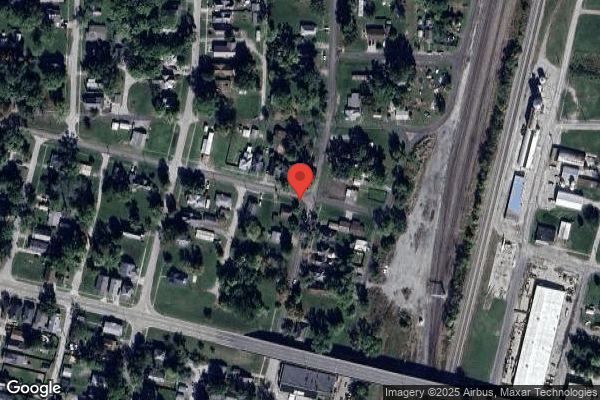
Apr 2023 1 deficiency
CONCERN (D)

Potential for Harm - no one hurt, but risky conditions existed

Deficiency F0808 (Tag F0808)

Could have caused harm · This affected 1 resident

Based on observation, interview, and record review, the facility failed to provide therapeutic supplements as ordered by the physician for 1 of 14 residents (R42) reviewed for nutrition in a sample of...

Read full inspector narrative →
Based on observation, interview, and record review, the facility failed to provide therapeutic supplements as ordered by the physician for 1 of 14 residents (R42) reviewed for nutrition in a sample of 32. Findings Include: On 04/06/23 at 11:55 AM, R42's Face Sheet documents that R42 has an admission date of 3/11/2020 and documents diagnoses including Pneumonia, Essential hypertension, Pain in right shoulder, Age-related osteoporosis with pathological fracture, Major Depressive disorder, Depression, Weakness, and Dysphagia. R42's Physician Order Sheet dated 04/01/23 documents: on 11/22/22 V15 (Physician) ordered a high calorie high protein supplement with a start date of 11/22/22 and an end date documented as: open ended. V13 (Registered Dietician) Quarterly Assessment for R42 dated 03/15/23 documents that R42 is on a pureed diet with high calorie, high protein supplement, butter ball at breakfast, and fortified pudding at lunch and supper. R42's intakes are 50-75%. R42's current weight is down nine pounds (8.8%) for six months R42's weight on 03/07/23 is documented at 93 pounds. R42 is below ideal body weight, range is 99-121 pounds. On 04/06/23 at 11:50 AM, R42 did not receive the fortified pudding at lunch. R42 said that she was supposed to receive pudding with her meal. On 04/06/23 at 12:10 PM, V6 (Dietary Manager) stated, R42 should have received her pudding with lunch, she will go and get it for her. R42's care plan, dated 09/29/22, documents the Problem as Resident Care Information, with a start date of 03/12/2020. The Approach is documented as: puree diet with high calorie, high protein, with a start date of 10/31/2022. The facility policy number 12.07 with the subject of: Supplementation (dated 04/22) documents: It is the policy of this facility to provide residents who have had unintentional weight loss, poor caloric intake, pressure sores, or decline in functions with a High Calorie High Protein Supplement (HCHP), High Protein Supplement (HP) or High Calorie Supplement (HC).
May 2022 2 deficiencies 2 Harm
SERIOUS (G)

Actual Harm - a resident was hurt due to facility failures

Pressure Ulcer Prevention (Tag F0686)

A resident was harmed · This affected 1 resident

Based on interview and record review the facility failed to provide necessary services that are consistent with professional standards to prevent the development and worsening of pressure ulcers for 1...

Read full inspector narrative →
Based on interview and record review the facility failed to provide necessary services that are consistent with professional standards to prevent the development and worsening of pressure ulcers for 1 of 3 residents (R17) reviewed for pressure ulcers in a sample of 37. This failure resulted in R17 developing an infected and painful stage 3 pressure ulcer to his coccyx requiring debridement on three occasions. Findings include: According to R17's admission face sheet printed 5/4/22, R17 was admitted to this facility for short term rehab services after a hospital stay at the local hospital. R17's Face Sheet documents R17 diagnoses include Parkinson's Disease, weakness, unspecified dementia with behavioral disturbance, disorder of the skin and subcutaneous tissue-unspecified. Per R17's admission nurses note dated 2/5/2022, R17's wished to return home where he lived with his wife and has daily family support to help with daily needs. The admission Observation Report, dated 2/05/2022, shows R17's skin was assessed, and the coccyx was pink in color and blanches. An assessment for predicting pressure sore risk was completed for R17 on 02/05/2022 in which R17 scored a 14 indicating R17 was at moderate level of risk for developing pressure related complication to his skin. Factors listed on this assessment which contributed to R17's risk of pressure sore development included: Slightly Limited Sensory Perception-responds to verbal commands but cannot always communicate discomfort or need to be turned, and has some sensory impairment which limits the ability to feel pain in 1 or 2 extremities, Moisture-Occasionally skin is moist and requires extra linen changes, Mobility, Very Limited, makes occasional slight changes in body or extremity position, but unable to make frequent or significant changes independently, Adequate Nutrition eats about 1/2 food offered, eats a total of 4 servings of protein each day, occasionally will refuse a meal, but will usually take a supplement when offered, and Friction/Shearing due to requires moderate to maximum assistance with moving, complete lifting without sliding against sheets is impossible. Frequently slides down in bed or chair, requiring frequent repositioning with maximum assist. Spasticity, contractures, or agitation leads to almost constant friction. R17's MDS (Minimum Data Set), dated 2/12/2022, under section C, BIMS (Brief Interview Mental Status) score is 13, cognitively intact, under section G, Functional Status, R17 requires extensive assistance x 2 person physical assist with bed mobility, transfers, and toileting. R17's Current Care Plan documents,R17 is at increased risk for pressure injury R/T (related to) decreased mobility, dementia and Parkinson's .Unstageable area noted to coccyx. Infection to coccyx wound. With a problem start date of 2/5/22. Approaches include: Assist resident with turning and repositioning, Start Date: 02/05/2022, Pressure reducing device in wheelchair and bed, Start Date: 02/05/2022, Provide incontinent care after each incontinence episode, Start Date: 02/05/2022, Side rails/enablers to assist with turning and repositioning, Start Date: 02/05/2022, therapy as ordered, Start Date: 02/05/2022, High Calorie, High Protein Supplements (HCHPS), Start Date: 2/10/2022, Administer treatment to coccyx until resolved, Start Date: 03/11/2022, Air mattress, Start Date: 03/18/2022. The Physician Order Report dated 02/05/2022-05/04/2022, shows R17's treatment orders under treatments flow sheet, 02/05/2022-02/24/2022, Apply antifungal cream to coccyx MASD (Moisture-Associated Skin Damage) areas twice a day. Discontinue when healed., 02/23/2022-3/11/2022, Cleanse wound on coccyx with medline wound cleanser, pat dry, apply antifungal/barrier cream to coccyx and apply optifoam at bedtime; 7:00 p.m. - 11:00 p.m., 03/11/2022-03/25/2022, Cleanse wound on coccyx with medline wound cleanser, pat dry, apply medihoney to wound bed/gauze, cover with bordered foam dressing at bedtime; 7:00 p.m. - 11:00 p.m., 03/11/2022 - 03/28/2022, Cleanse wound on coccyx with medline wound cleanser, pat dry, apply medihoney to wound bed/gauze, cover with bordered foam dressing once a day as needed., 03/11/2022 - open ended, measure wound to coccyx and update wound management., 03/25/2022 - 03/28/2022, Cleanse wound on coccyx with wound cleanser or normal saline (NS), pat dry, apply medihoney to wound bed/gauze, cover with bordered foam dressing at bedtime; 3:00 p.m. - 11:00 p.m., 03/28/2022- 03/29/2022, Cleanse wound on coccyx with wound cleanser or NS, pat dry, apply medihoney to wound bed/gauze, cover with bordered foam dressing. Special Instructions: continue medihoney until santyl arrives, then discontinue order at bedtime; 3:00 p.m.- 11:00 p.m., 03/28/2022- 04/22/2022, Cleanse wound to coccyx, pat dry, apply nickel thick layer of santyl to wound bed; if wound has low moisture/drainage follow with normal saline moist to dry gauze, cover with foam border dressing daily as needed., 04/22/2022-04/28/2022, Cleanse wound to coccyx, pat dry, apply nickel thick layer of santyl/gentamicin to wound bed. If wound has low moisture/drainage follow with normal saline moist to dry gauze, cover with foam border dressing daily as needed., 04/28/2022-Open ended, Cleanse wound to coccyx, pat dry, apply nickel thick layer of santyl to wound bed. If wound has low moisture/drainage follow with normal saline moist to dry gauze, cover with foam border dressing daily as needed. On 5/2/2022, at 9:00 a.m., R17 stated that he did not have a wound on his bottom when he got admitted to the facility. R17 stated that his wound on his bottom has gotten worse and has caused a lot of pain. R17 stated that he has been going to a wound clinic and his son helps transport him to and from his appointments. On 5/4/2022, at 1:45 p.m., R17's coccyx's wound treatment was performed by V6 (Registered Nurse) with assistance from V11 (Certified Nursing Assistant). Dressing was removed and was saturated with light yellow colored drainage. Wound looked like a deep, crater-like hole into the skin. Area in the crater-like hole was noted to have light yellow slough at the bottom with redness to tissue surrounding the inside of the wound. A Resident Progress Note dated 02/05/2022, at 11:37 a.m. and entered into R17's EHR (Electronic Health Record) by V14, (Licensed Practical Nurse), documents Body Assessment: Heels intact, toenails thick, no edema to BLEs (Bilateral Lower Extremities), multiple moles to mid/upper back, skin warm/dry. Bruising from needlesticks to RFA (right forearm) & LFA (left forearm). Coccyx has preventative bordered foam dressing, coccyx pink and not open. A nurses note dated 2/5/2022 in R17's medical record documents R17 developed MASD (Moisture -Associated Skin Damage) to his coccyx and an order for AF (antifungal) cream was ordered to be applied twice per day until healed. A nurses note in R17's medical record dated 2/14/2022 at 3:03pm documented antifungal cream applied to coccyx wound. Redness still noted. A nurses noted in R17's medical record dated 2/19/2022 at 10:47am, documented resident has been yelling, upon inspection, resident has a 1cm (centimeter) deep bedsore on his bottom. 1.5 cm width, 3.5cm in length on his coccyx. Wound had slight yellow slough noted. Cleansed and applied dried optifoam (dressing) will pass on to inform POA (Power of Attorney) and doctor related to time. A nurses note in R17's medical record dated 2/20/2022 at 8:40pm documented dressing change to bottom area, slight non odorous drainage noted to dressing very little yellow/white slough noted to wound site, wound edges seemed very macerated. Cleansed wound patted dried. Zinc applied to peri-wound new Opti foam dressing applied. A nurse's note in R17's medical record dated 2/22/2022 at 9:05pm documented slight white/yellowish slough noted to wound, applied new optifoam (dressing) and antifungal/barrier cream to coccyx. A nurse's note in R17's medical record dated 2/23/2022 at 8:42pm documented made new treatment order. (doctor) okayed on 2/20/2022 when rounding was informed of what we were doing and okayed it. A nurse's note in R17s medical record dated 2/28/2022 at 9:22pm documented cleansed area to bottom and patted dry. Zinc/antifungal cream mixture applied to buttocks and coccyx and covered with optifoam (dressing). A nurse's note in R17's medical record dated 3/4/2022 at 10:11pm, dressing changed to bottom at this time, scant amount of drainage noted, wound bed has whitish look to it, peri-wound is not macerated. A nurse's note in R17's medical record dated 3/10/2022 at 9:13pm documented wound to bottom treated at this time, wound bed is completely covered in white stiff slough, peri-area around the wound looked dark in color, slightly macerated and slightly curled, applied zinc/antifungal mixture to peri-wound to help prevent maceration and covered. A nurse's note in R17's medical record dated 3/17/2022 at 3:45pm documented wound to buttock shows some sign of decline. Wound edges are red/purplish in color with some maceration. Darker yellow, immovable slough noted to wound bed. Updated (doctor's) office and asked for referral to wound clinic. Stated would call back with orders. A nurse's note in R17's medical record dated 3/17/2022 at 4:01pm documented signee assessed unstageable wound to coccyx. Slough to wound bed has decreased however still obscuring wound bed. Resident complains of mild pain with cleansing. Edges have appearance that resembles DTI (Deep Tissue Injury). Son in room. Signee explained meaning of unstageable wound and that facility would like to make referral to wound clinic. Signee spoke with resident about having cushion in recliner when he is sitting and will have staff place air mattress for bed at this time. A nurse's note in R17's medical record dated 3/18/2022 at 2:59pm documented appointment at wound clinic is on 3/28/2022 at 11:00am . A facility document printed from R17's EHR (Electronic Health Record) titled Wound Management Detail Report created on 3/11/2022 documents the following: Wound type: Unspecified Ulcer, Wound location: Coccyx, Date/Time identified: 003/11/22 10:30 am, Present on Admission/Re-entry: No. Observation History: On 5/4/2022 at 2:10PM, Length 5cm (centimeters), Width 3cm, Depth 1.5cm, Exudate: Moderate, Exudate color and consistency: Serosanguineous (pale red to pink, thin and watery), Wound odor present: Yes. Tissue type: Slough, Percent of wound cover by slough tissue: 20, Wound edges/margin: Macerated/soft. On 4/29/2022 at 10:36 PM, Length 5.5cm, Width 2cm, Depth 1.5cm. Exudate: Moderate, Exudate color and consistency: Seropurulent (yellow or tan, cloudy and thick), Wound odor present: No. Tissue type: Slough, Percent of wound cover by granulation tissue: 25, Percent of wound covered by slough tissue, 75. Wound healing status: Declining. On 4/20/2022 at 2:05 PM, Length 5cm, Width 3cm, Depth 1.5cm. Exudate: None, Wound odor present: No. Tissue type: Slough, Percent of wound covered by slough tissue, 90.Wound healing status: Stable. On 4/15/2022 at 10:27 AM, Length 3.5cm, Width 2cm, Depth 1.6cm. Exudate: Light, Exudate color and consistency: Serous (clear, amber, thin and water), Wound odor present: No. Tissue type: Slough, Wound healing status: Stable. On 3/30/2022 at 9:28 PM, Length 4cm, Width 2.2cm, Depth 1.8cm. Exudate: Moderate, Exudate color and consistency: Serosanguineous (pale red to pink, thin and watery), Wound odor present: No. Tissue type: Slough, Tissue type: Slough, Percent of wound cover by granulation tissue: 10, Percent of wound covered by slough tissue, 90. Wound healing status: Stable. On 3/25/2022 at 8:56 PM, Length 3.7cm, Width 2cm, Depth 1.2cm. Exudate: None, Wound odor present: Yes. Describe: foul, Tissue type: Slough, Tissue type: Slough, Percent of wound cover by granulation tissue: 10, Percent of wound covered by slough tissue, 50. Percent of wound covered by eschar tissue: 40, Wound healing status: Declining. On 3/16/2022 at 9:54 PM, Length 3.5cm, Width 1.2cm, Depth: could not be measured. Exudate: None, Wound odor present: No. Tissue type: Slough, Tissue type: Slough, Percent of wound cover by granulation tissue: 10, Percent of wound covered by slough tissue, 90. Wound healing status: Stable. On 3/11/2022 at 10:31 AM, Length 3.2cm, Width 1cm, Depth: could not be measured. Exudate: None, Wound odor present: No. Tissue type: Slough, Tissue type: Slough, Percent of wound cover by granulation tissue: 10, Percent of wound covered by slough tissue, 90. The bottom of R17's Wound Detail Management Report documents: Wound type: Abrasion, Wound location: Coccyx, Date/Time Identified: 2/19/2022 11:44 AM, Present on admission/Re-entry: No, Healed/Discontinued Date/Time: 3/11/22 at 10:29 AM. A nurse's note in R17's EHR dated 4/8/2022 at 4:23pm documented Received orders from the wound clinic for Bactrim DS 800-160mg BID (twice per day) x 10 days r/t (related to) green drainage from wound A nurse's note in R17's EHR dated 4/30/2022 at 9:45pm documented Changed wound dressing to coccyx per order. Noted yellowish saturation to old dressing, strong odor noted. Noted wound bed 25% slough, wound depth 2.5cm, 3cm width and 5.5cm length. Wound edges macerated. Surrounding wound tissue irritated and red res voiced pain to site. A nurse's note in R17's EHR dated 5/5/2022 at 1:31pm documented dressing to coccyx soiled and removed at this time .some purulent (pus) drainage noted . On 5/05/2022 at 12:30pm, V2, (Director of Nursing) said R17 should have had an air mattress applied to his bed and chair before 3/17/2022 when she asked staff to apply it and documented her request. V2 said it should have been applied when R17 was assessed to be at moderate risk for developing pressure wounds. V2 said she could not find where R17's care plan had been updated when R17 developed the open area on his coccyx. V2 said the nursing staff are responsible for the weekly assessment of wounds and are responsible for measuring and pursuing new treatments if current wound treatments were not working. V2 said per the facility's pressure injury prevention and treatment protocol if the pressure injury is showing no improvement, the physician will be notified so change of treatment may be obtained. When V2 was asked when R17's coccyx ulcer did not show improvement after several weeks of decline, would she expect her nursing staff or R17's physician to try a different treatment then antifungal cream, V2 would not give an answer. On 5/10/2022 at 10:16am, V17 (Advanced Practice Wound Nurse) said she has been treating R17 since R17 was referred to the local wound clinic. V17 said AF (antifungal) cream is not an appropriate treatment for a pressure ulcer like R17's. V17 said she first seen R17's coccyx wound at his first wound clinic appointment on 3/28/2022 and R17's wound was classified as a stage 3. V17 said R17 reported to her that the nursing home was not limiting his time up in his wheelchair so V17 wrote orders for R17 to only be out of bed for meals. V17 said on 3/28/2022 R17's coccyx wound measured 4.2cm (Centimeters) long by 2.4cm wide and 1cm deep and adipose (fat) tissue was visible, pain was rated by R17 as 5 on a scale of 10 and was surgically debrided. V17 said on 4/8/2022 she saw R17 at his weekly wound clinic appointment where R17 reported a pain rating of 5 on a scale of 10. V17 said R17's wound again was debrided and now measured 5cm long by 2.4 cm wide and 1.3cm deep, had green drainage so a wound culture was obtained and a broad spectrum antibiotic was ordered for the green wound drainage because the wound was now infected. V17 said at R17's 4/15/2022 appointment, R17 reported pain of 5 on a scale of 10, R17's wound was debrided again and post debridement wound measurements were 5cm long by 2.4cm wide and 2.2cm deep.V17 said when R17 came to his next wound clinic appointment on 4/28/2022, R17 did not have any dressing on his coccyx wound and wore an adult diaper without any underwear on. V17 said R17's coccyx wound was making great progress but that no longer was the case. V17 said R17's wound had turned black and no longer looked as good as it had previously. V17 said R17's stage 3 coccyx pressure ulcer remained unchanged in size and developed slough. R17's Progress Note Details report by V17 dated 3/28/22 documents in part, Wound Assessment(s) Wound #1 Coccyx is a chronic Stage 3 Pressure Injury Pressure Ulcer and has received status of Not Healed. Initial wound encounter measurements are 4.2 cm length x 2.4cm width, x 1cm depth, with an area of 10.08 sq (square) cim and a volume of 10.08 cubic cm .Procedures: Wound #1.A skin/subcutaneous tissue level excisional/surgical debridement with a total area debrided of 10.5 sq com was performed by V17. Subcutaneous was removed along with devitalized tissue: biofilm and slough .Post debridement measurements: 4.7 cm length x 2.5 cm width x 1.1 cm depth, with an area of 10.5 sq cm and a volume of 11.55 cubic cm. R17's Progress Note Details report by V17 dated 4/8/22 documents in part, Wound Assessment(s) Wound #1 Coccyx is a chronic Stage 3 Pressure Injury Pressure Ulcer and has received status of Not Healed. Subsequent wound encounter measurements are 5 cm length x 2.4cm width, x 1.3 cm depth, with an area of 12 sq cm and a volume of 15.6 cubic cm. Wound covered with a thick layer of slough, with greenish-drainage. Procedures: Wound #1.A skin/subcutaneous tissue level excisional/surgical debridement with a total area debrided of 12 sq com was performed by V17. Subcutaneous was removed along with devitalized tissue: slough .Post debridement measurements: 5 cm length x 2.4 cm width x 1.3 cm depth, with an area of 12 sq cm and a volume of 15.6 cubic cm. R17's Progress Note Details report by V17 dated 4/15/22 documents in part, Wound Assessment(s) Wound #1 Coccyx is a chronic Stage 3 Pressure Injury Pressure Ulcer and has received status of Not Healed. Subsequent wound encounter measurements are 5 cm length x 2.4cm width, x 1.3 cm depth, with an area of 12 sq cm and a volume of 15.6 cubic cm. Procedures: Wound #1.A skin/subcutaneous tissue level excisional/surgical debridement with a total area debrided of 12 sq com was performed by V17. Subcutaneous was removed along with devitalized tissue: biofilm and slough .Post debridement measurements: 5 cm length x 2.4 cm width x 2.2 cm depth, with an area of 12 sq cm and a volume of 26.4 cubic cm. R17's Progress Note Details report by V17 dated 4/28/22 documents in part, When he (R17) arrived today from Nursing Home he had no dressing in wound or on wound. Son report he doesn't feel they are limiting his time in chair .30 day follow up visit for Stage 3 pressure ulcer to coccyx. We have been treating wound with Santyl daily. We added Gentamycin at last week visit as well for added coverage from positive tissue culture from 4/8/22. He has been making good progress with wound healing until this week. He arrived today to visit with no dressing inside of wound base or cover dressing to wound. Increase in slough with some induration noted to edge of ulcer. Santyl ointment sent with patient from (Facility) was dated 4/22/22 and had never been open. I called and spoke with his nurse from nursing home. She told me she did not know why wound was not covered with dressing. Sharp debridement performed at the beside to remove devitalized tissue . Will consider general surgery consult next week if ulcer shows no improvement. A facility policy titled Pressure Injury Prevention and Treatment Protocol (revision date of 07/16) documents A skin risk assessment is completed on all residents upon admission and weekly for the first four weeks after admission . An individualized plan of care will be developed for the resident following the guidelines of the assessment . All high and moderate risk residents may have the following and if so, they will be addressed on the care plan. a. Special mattress and wheelchair cushions b. PROMS (Passive Range of Motion) c. Protein and/or nutritional supplements d. Turning and repositioning schedule e. Skin checks f. Elbow and heel protectors When a resident is admitted to the facility or develops a pressure injury in the facility, the following will occur: Assess the pressure injury for location, size, wound bed, drainage, odor, tunneling, undermining or sinus tract, wound edges/surrounding tissue and pain at the site. Notify physician of assessment and obtain orders for treatment of pressure injury. If pressure injury is showing no improvement, physician will be notified so change of treatment may be obtained. The pressure injury will be care planned. For pressure injury with drainage the physician will be notified, and culture obtained.
SERIOUS (G)

Actual Harm - a resident was hurt due to facility failures

Deficiency F0692 (Tag F0692)

A resident was harmed · This affected 1 resident

**NOTE- TERMS IN BRACKETS HAVE BEEN EDITED TO PROTECT CONFIDENTIALITY** Based on interview, observation, and record review the facility failed to provide prescribed nutritional supplements and weight ...

Read full inspector narrative →
**NOTE- TERMS IN BRACKETS HAVE BEEN EDITED TO PROTECT CONFIDENTIALITY** Based on interview, observation, and record review the facility failed to provide prescribed nutritional supplements and weight loss interventions for 1 of 7 residents (R18) reviewed for weight loss in a sample of 37. The failure resulted in R18 experiencing a 14.3% weight loss in 5 months. Findings Include: R18's Face Sheet documents R18 is a [AGE] year old female with an admission date of 01/30/18 and the following diagnoses: Encounter for other orthopedic aftercare, Dementia in other diseases classified elsewhere without behavioral disturbance, Abnormalities of gait and mobility, Essential hypertension, Atherosclerotic heart disease of native coronary artery with unspecified angina pectoris, Unspecified Osteoarthritis, Unspecified fracture of right femur, subsequent encounter for closed fracture with routine healing, pain in right arm, Ventral hernia without obstruction or gangrene, Abnormal weight loss, Other specified eating disorder, Major depressive disorder, Generalized anxiety disorder, history of falling, Heartburn, Other chronic pain, Dry eye syndrome of bilateral lacrimal, Vitamin B12 deficiency anemia, Gastro-esophageal reflux disease without esophagitis, and Vitamin deficiency. R18's Minimum Data Set (MDS) dated [DATE], documents R18 has a Brief Interview for Mental Status (BIMS) score of 00 denoting R18's cognitive status as: severely impaired. Section G documents R18's Eating status as: independent with set up help only. R18's Physician Order Report: dated 04/05/22 - 05/05/22 documents a Diet - Regular, HCHPS (High Calorie High Protein Supplement) Continuous, Continue, with a start date of 03/11/2022 with an end date of open ended listed. R18's Care plan dated 06/10/21 and last reviewed 3/25/22 documents: Category: Nutritional Status: R18 may be at risk for nutritional deficit related to decreased appetite related to dementia, eating disorder, with a problem start date of 09/17/2020. A goal target date of 03/09/2022 documents a goal of; R18 will not have any significant weight changes through review. An Approach Start Date of 01/27/22 documents: provide Supplement: High Calorie High Protein, an Approach Start Date of 02/12/21 documents: House Shakes BID (twice a day), an Approach start date of 09/17/2020 documents: Staff assist with eating/drinking as needed. On 05/02/22 at 11:45 AM, R18 received her lunch tray which contained her meal and her beverage, no fortified milk shake or fortified pudding was given. R18 ate less than 10% of her lunch with no encouragement or cueing noted from staff. On 05/03/22 at 11:42 AM, R18 received her lunch tray which contained her meal and her beverage, no fortified milk shake or fortified pudding was given. R18 ate less than 10% of her lunch with no encouragement or cueing noted from staff. On 05/04/22 at 11:06 AM, R18 received her lunch tray which contained her meal and her beverage, no fortified milk shake or fortified pudding was given. R18 ate less than 10% of her lunch with no encouragement or cueing noted from staff. R18's Lunch card dated 05/04/22 documents: Fortified Pudding - 1 each, Fortified Milkshake - 1 each with Notes: HCHP (High Calorie High Protein) Pudding and HCHP Milk Shake. On 05/04/22 at 4:40 PM, R18 received her supper tray which contained her meal and her beverage, no fortified milk shake or fortified pudding was given. R18 ate less than 10% of her lunch with no encouragement or cueing noted from staff. The Facility document titled, Vitals Report documents: on 12/02/2021 at 10:23 AM R18's weight was documented as 92 pounds. On 01/04/22 at 2:56 PM R18's weight is documented as 91 pounds. On 02/04/22 at 10:50 AM R18's weight is documented as 88 pounds. On 03/07/22 at 10:06 AM R18's weight is documented as 77 pounds. On 04/07/22 at 2:20 PM R18's weight is documented as 80 pounds. On 05/04/22 at 8:56 AM R18's weight is documented as 78.8 pounds. When calculated this shows R18 had a 14.3 % weight loss in 5 months. R18's Progress Notes document on 03/09/2022 at 11:23 AM, titled,Dietary Assessment by V15 (Licensed Dietician Nutritionist): On a Regular diet with High Calorie High Protein Supplement. Prefers Fortified milk at breakfast only. Also gets fortified pudding at lunch and supper. Fortified Milk Shakes at lunch and supper. Intakes 50-70%. Weights: (3/7): 77 (pounds), (2/24): 80, (2/16): 82(pounds), (2/9): 85(pounds), (2/7): 88(pounds), (12/2): 92(pounds), and (9/2): 90 (pounds), . Current weight is down 3# (pounds), (3.8%) x 11days, down 5# (pounds), (6.1%) x 19 days, down 8# (pounds), (9.4%) x26/days, down 11# (pounds), (12.5%) x /1 month, down 15# (pounds), (16.3%) x /3months, and down 13# (pounds), (14.4%) x /6 months. Below IBW Range 90-110 (pounds). Body Mass Index:16.09 (Underweight). Awaiting M.D. orders for U.A. results. Skin free of open areas. Labs (2/17/22): Glucose 80, Sodium 145, Potassium 3.4(L), Blood Urea Nitrogen 10, Creatin 0.6, Total Protein 4.9(L), and Albumin 2.8(L) Plan: to stabilize weights. 1). Add: Butterball at breakfast 2). Add: Double meat at breakfast. R18's Progress Notes document on 04/13/2022 at 12:02 PM, titled, Dietary Assessment by V15 (Licensed Dietician Nutritionist): On a Regular diet with High Calorie High Protein Supplement. Prefers Fortified milk, Butterball, and Double meat at breakfast. Also gets fortified pudding at lunch and supper. Fortified Milk Shakes at lunch and supper Monitor. R18's Progress Notes document on 04/27/2022 at 5:23 PM, titled, Dietary Assessment by V15 (Licensed Dietician Nutritionist): On a Regular diet with High Calorie High Protein Supplement. Prefers Fortified milk, Butterball, and Double meat at breakfast. Also gets fortified pudding at lunch and supper. Fortified Milk Shakes at lunch and supper Monitor. The Facility document titled, Observation Detail List Report Nutritional assessment dated [DATE] documents R18's current diet order as: Regular diet with High Calorie High Protein Supplement. Prefers Fortified milk at breakfast only. Also gets fortified pudding at lunch and supper. Fortified Milk Shakes at lunch. House Shakes BID (twice a day). The category titled, Nutritional Risk Indicator documents weight status as: no weight change, Feeding Capabilities as: Independent, Supervised and Vision impaired and Oral/Nutritional Intake is documented as 50-75% intake. The section titled, Notes by V15 (Licensed Dietitian Nutritionist) documents: Dietitian/Readmit Assessment: [AGE] year old female readmitted (12/31) On a Regular diet. Dietary Intakes 50-75%. Resides on Garden Court, additional snacks available between meals. Weights: (1/4): 91, (12/31): 90.8, (12/2) 92, (10/04): 91, and (7/6): 91. WNL of IBW Range 90-110. Body Mass Index: 19.02 (Normal/Healthy weight). On antibiotics for Cholecystitis. Has enlarged gallbladder but so wants no further treatment. Skin free of open areas and no new labs to review. Estimated Needs: 1230 calories (30 kilo-calories per kg), 1230 cc fluids (1 cc per kilo-calories), and 41-49 gram protein (1.0-1.2 injury factor). Plan; restart Supplements. 1). High calorie High Protein Supplement. 2). Prefers Fortified milk at breakfast only. Also gets fortified pudding at lunch and supper. Fortified Milk Shakes at lunch. House Shakes BID (twice a day). The Facility document titled, Observation Detail List Report Nutritional assessment dated [DATE] documents R18's current diet order as: Regular diet with High Calorie High Protein Supplement. Prefers Fortified milk, Butterball and Double meat at breakfast. Also gets fortified pudding at lunch and supper. Fortified Milk Shakes at lunch and supper. Reason for Assessment is documented as: Quarterly. Body Mass Index is documented as: 16.51 (Underweight). Weight status is documented as 7.5% weight change in 90 days and 10% Weight change in 6 months. Oral/Nutritional Intake - Food as: Intake Meets 26-50% of Estimated Needs. R18's Feeding capabilities are documented as Independent and Assisted. On 05/05/22 at 1:05 PM, V5 (Dietary Manager) stated, residents that are supposed to be given supplements including fortified puddings or health shakes, should receive them. R18 is supposed to receive nutritional supplements, they are listed on her meal card. On 05/05/22 at 12:30 PM V16 (Dietary Assistant) stated, the nutritional supplements are listed on the meal cards and are put on the resident's trays by the kitchen staff that is serving at that time. On 05/05/22 1:20 PM V15 (Licensed Dietitian Nutritionist) stated, R18 has had weight loss, she is to receive fortified pudding and fortified milk shakes. The Facility policy titled, Supplementation with a revised date of 07/18 documents: Procedure: 6. The Food Service Supervisor or designee will update resident's meal tray ticket to include supplementation.
Understanding Severity Codes (click to expand)
Life-Threatening (Immediate Jeopardy)
J - Isolated K - Pattern L - Widespread
Actual Harm
G - Isolated H - Pattern I - Widespread
Potential for Harm
D - Isolated E - Pattern F - Widespread
No Harm (Minor)
A - Isolated B - Pattern C - Widespread

Questions to Ask on Your Visit

  • "What changes have you made since the serious inspection findings?"
  • "Can I speak with families of current residents?"
  • "What's your RN coverage like on weekends and overnight?"

Our Honest Assessment

Strengths
  • • 41% turnover. Below Illinois's 48% average. Good staff retention means consistent care.
Concerns
  • • Multiple safety concerns identified: 1 life-threatening violation(s), 4 harm violation(s), $48,636 in fines. Review inspection reports carefully.
  • • 21 deficiencies on record, including 1 critical (life-threatening) violation. These warrant careful review before choosing this facility.
  • • $48,636 in fines. Higher than 94% of Illinois facilities, suggesting repeated compliance issues.
  • • Grade F (3/100). Below average facility with significant concerns.
Bottom line: Trust Score of 3/100 indicates significant concerns. Thoroughly evaluate alternatives.

About This Facility

What is Centralia Manor's CMS Rating?

CMS assigns CENTRALIA MANOR an overall rating of 1 out of 5 stars, which is considered much below average nationally. Within Illinois, this rating places the facility higher than 0% of the state's 100 nursing homes. A rating at this level reflects concerns identified through health inspections, staffing assessments, or quality measures that families should carefully consider.

How is Centralia Manor Staffed?

CMS rates CENTRALIA MANOR's staffing level at 4 out of 5 stars, which is above average compared to other nursing homes. Staff turnover is 41%, compared to the Illinois average of 46%. This relatively stable workforce can support continuity of care.

What Have Inspectors Found at Centralia Manor?

State health inspectors documented 21 deficiencies at CENTRALIA MANOR during 2022 to 2025. These included: 1 Immediate Jeopardy (the most serious level, indicating potential for serious harm or death), 4 that caused actual resident harm, and 16 with potential for harm. Immediate Jeopardy findings are rare and represent the most serious regulatory concerns. They require immediate corrective action.

Who Owns and Operates Centralia Manor?

CENTRALIA MANOR is owned by a non-profit organization. Non-profit facilities reinvest revenue into operations rather than distributing to shareholders. The facility is operated by UNLIMITED DEVELOPMENT, INC., a chain that manages multiple nursing homes. With 120 certified beds and approximately 62 residents (about 52% occupancy), it is a mid-sized facility located in CENTRALIA, Illinois.

How Does Centralia Manor Compare to Other Illinois Nursing Homes?

Compared to the 100 nursing homes in Illinois, CENTRALIA MANOR's overall rating (1 stars) is below the state average of 2.5, staff turnover (41%) is near the state average of 46%, and health inspection rating (1 stars) is much below the national benchmark.

What Should Families Ask When Visiting Centralia Manor?

Based on this facility's data, families visiting should ask: "What changes have been made since the serious inspection findings, and how are you preventing similar issues?" "Can I visit during a mealtime to observe dining assistance and food quality?" "How do you handle medical emergencies, and what is your hospital transfer rate?" "Can I speak with family members of current residents about their experience?" These questions are particularly relevant given the facility's Immediate Jeopardy citations.

Is Centralia Manor Safe?

Based on CMS inspection data, CENTRALIA MANOR has documented safety concerns. Inspectors have issued 1 Immediate Jeopardy citation (the most serious violation level indicating risk of serious injury or death). The facility has a 1-star overall rating and ranks #100 of 100 nursing homes in Illinois. Families considering this facility should ask detailed questions about what corrective actions have been taken since these incidents.

Do Nurses at Centralia Manor Stick Around?

CENTRALIA MANOR has a staff turnover rate of 41%, which is about average for Illinois nursing homes (state average: 46%). Moderate turnover is common in nursing homes, but families should still ask about staff tenure and how the facility maintains care continuity when employees leave.

Was Centralia Manor Ever Fined?

CENTRALIA MANOR has been fined $48,636 across 1 penalty action. The Illinois average is $33,565. While any fine indicates a compliance issue, fines under $50,000 are relatively common and typically reflect isolated problems that were subsequently corrected. Families should ask what specific issues led to these fines and confirm they've been resolved.

Is Centralia Manor on Any Federal Watch List?

CENTRALIA MANOR is not on any federal watch list. The most significant is the Special Focus Facility (SFF) program, which identifies the bottom 1% of nursing homes nationally based on persistent, serious quality problems. Not being on this list means the facility has avoided the pattern of deficiencies that triggers enhanced federal oversight. This is a positive indicator, though families should still review the facility's inspection history directly.