THREE SPRINGS SR LIVING & RHAB
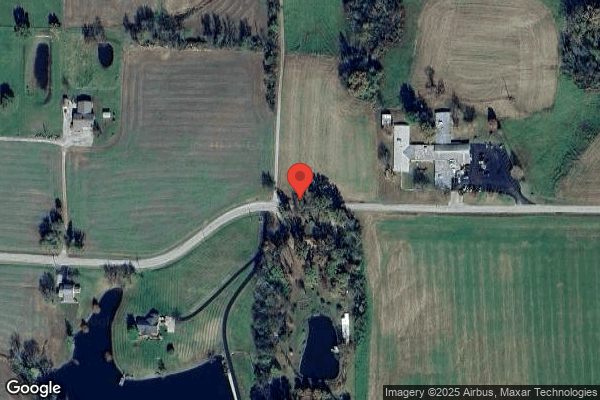

161 THREE SPRINGS ROAD, CHESTER, IL 62233 (618) 826-3210
For profit - Limited Liability company 83 Beds WLC MANAGEMENT FIRM Data: November 2025
Trust Grade
35/100
#653 of 665 in IL
Last Inspection: June 2024

Within standard 12-15 month inspection cycle. Federal law requires annual inspections.

Overview

Three Springs Senior Living & Rehab in Chester, Illinois has a Trust Grade of F, indicating significant concerns about the facility's care and operations. It ranks #653 out of 665 facilities in Illinois, placing it in the bottom half, and #3 out of 3 in Randolph County, meaning there are no better local options. While the facility is improving, with the number of reported issues decreasing from 9 in 2024 to 5 in 2025, there are still serious weaknesses, including a concerning lack of RN coverage that is below 98% of Illinois facilities. Staffing turnover is notably low at 0%, which suggests that staff remain long-term, but recent inspections revealed serious issues, such as a resident with mobility impairments being left unattended and falling, and inadequate precautions for COVID-19 among positive residents, which raises significant safety concerns. Overall, while there are some positive aspects, the facility's poor ratings and critical incidents indicate it may not be a safe choice for families seeking care for their loved ones.

Trust Score
F
35/100
In Illinois
#653/665
Bottom 2%
Safety Record
Moderate
Needs review
Inspections
Getting Better
9 → 5 violations
Staff Stability
○ Average
Turnover data not reported for this facility.
Penalties
✓ Good
No fines on record. Clean compliance history, better than most Illinois facilities.
Skilled Nurses
⚠ Watch
Each resident gets only 11 minutes of Registered Nurse (RN) attention daily — below average for Illinois. Fewer RN minutes means fewer trained eyes watching for problems.
Violations
⚠ Watch
19 deficiencies on record. Higher than average. Multiple issues found across inspections.
★☆☆☆☆
1.0
Overall Rating
★☆☆☆☆
1.0
Staff Levels
★☆☆☆☆
1.0
Care Quality
★★★☆☆
3.0
Inspection Score
Stable
2024: 9 issues
2025: 5 issues

The Good

  • Full Sprinkler Coverage · Fire safety systems throughout facility
  • No fines on record

Facility shows strength in fire safety.

The Bad

1-Star Overall Rating

Below Illinois average (2.5)

Significant quality concerns identified by CMS

Chain: WLC MANAGEMENT FIRM

Part of a multi-facility chain

Ask about local staffing decisions and management

The Ugly 19 deficiencies on record

2 actual harm
Sept 2025 1 deficiency
CONCERN (D) 📢 Someone Reported This

A family member, employee, or ombudsman was alarmed enough to file a formal complaint

Potential for Harm - no one hurt, but risky conditions existed

Deficiency F0627 (Tag F0627)

Could have caused harm · This affected 1 resident

**NOTE- TERMS IN BRACKETS HAVE BEEN EDITED TO PROTECT CONFIDENTIALITY** Based on interview and record review the Facility failed ensure a safe discharge for 1 of 3 residents (R1) reviewed for proper d...

Read full inspector narrative →
**NOTE- TERMS IN BRACKETS HAVE BEEN EDITED TO PROTECT CONFIDENTIALITY** Based on interview and record review the Facility failed ensure a safe discharge for 1 of 3 residents (R1) reviewed for proper discharge in the sample of 12. This failure resulted in R1 being discharged to her home on 7/19/25 without her physician's knowledge, order, or consent. Findings include: R1's Physician Order Sheets (POS) for July 2025 document a diagnosis of closed fracture with routine healing, unsteadiness on feet and other abnormality of gait and mobility, weakness, chronic kidney disease stage 3, encounter for other orthopedic aftercare. R1's POS also document R1 was admitted to the facility on [DATE]. R1's Hospital Discharge papers dated 6/23/2025 document R1 with a diagnosis of ORIF (open reduction internal fixation) of right ankle. R1 has an order for non-weight bearing. R1's Minimum Data Set (MDS) dated [DATE] documents R1 was cognitively intact for decision making of activities of daily living. R1 requires partial/moderate assistance to walk 10 feet, toilet transfer; command to step up on curb or 1 step not attempted due to medical condition. R1's Care Plan dated 6/24/25 documents at risk for falls r/t (related to) recent hospitalization. R1 is at risk for orthopedic complications. Dx (diagnosis of right ankle trimalleolar fx (fracture) s/p (status post) ORIF (open reduction internal fixation). R1's Care Plan does not address discharge. R1's Care Plan does not address R1 ever voicing that she did not want to remain in the facility and/or that she wanted to go home. R1‘s Progress Notes from 6/24/2025 to 7/16/2025 does not document that she ever voiced that she wanted to leave the facility and return home and no longer be in a nursing home. On 8/29/2025 at 10:39 AM, V4 (R1's daughter) stated, My mom had to go to the nursing home because she fractured her right ankle. She had to have surgery. They had to cut her ankle open and do surgery on it. She is still dealing with the wound from the incision. (R1) did not want to be in a nursing home but her home is very small and there were some steps she had to take to get into the home. In the beginning, (R1) could not do any steps or put weight on her foot and there was not enough room at her home to put in a ramp to assist her of getting up and down the steps. (R1) was not supposed to put any weight on that ankle. She needed some help when the accident occurred. She was not happy being at the nursing home, I doubt most people are happy when they first get there. However, she could not take care of herself when she got hurt. One day out of the blue my mom called me and told me the staff told her she could go home, and she was so excited but then a few hours later maybe around 3:30 PM, (R1) called me back and was upset because they said she could not go home because there was no doctor's order to release her. I did not think she was ready to go home. Then the next morning her friend (V10) was visiting her, and they told her the doctor had signed the order, and she could go home. (V10) then took her home because she had her car and then she stayed with her in her house and helped take care of her. (R1) is doing better, she got her boot off now and (V10) is still staying with her and she has a nurse that comes in once a week, in the beginning the nurse was coming in twice a week and (V10) takes her to her doctor's appointment. I was not there when they released her and did not see the discharge papers. I know my mom would not leave AMA (against medical advice) and would only leave the nursing home if they said it was safe for her to leave. She needed a lot of help back then but is healing and doing better now. On 8/29/2025 at 12:22 PM, R1 stated, I was in the nursing home for almost a month. One day a nurse told me I could go home. I don't know her name. I called (V13 R1's friend) to let her know because I needed a ride to get home. I was not supposed to put weight on my foot and was not supposed to do stairs. I have three stairs at my house, and I had to climb the stairs to get inside and go out. Then later that same night another nurse came back and told me no; the doctor had not signed off on the order so I could not be released and go home. Then the next morning another nurse said, yes, I could go home. I had an incision, so I was having dressings and stuff put on my ankle. My friend (V13) came the next day and then they said I could leave and (V13) took me home. But then (V13) had to stay with me and help me with my care. She also took me to my doctor's visit, helped me with the stairs, cooked and cleaned for me and helped with my bandages and dressing for my ankle. I would never leave without the doctor's permission. I just wanted to go home but again; I would not leave if the doctor thought I should stay. On 8/29/2025 at 12:32 V13 (R1's friend) stated, (R1) called me the night before and told me she was going to get to go home, and she needed me to drive her. Then later that same night she called me back and said it was a mix up and the doctor had not signed any orders, and she would not be going home. The next day I just went to check on her and see what was going on. We kept getting two or three different stories about when and/or if she could not go home. Finally, a nurse came in, I do not remember her name, and she said, ‘I am the nurse and if I say she can go home she can go home.' They said the doctor signed the order, so I drove (R1) home that day and then I helped her up the stairs by putting a chair on the step and putting my arms around her so she would not fall. She could not have gotten in the house by herself. I then had to move in with her to help her that day because she could not at that point take care of herself and I wanted to help her get back on her feet again. I helped with cleaning her wound and putting the bandage on, assisting her and taking her to all her doctor appointments, cooking and cleaning and laundry, everyday things that at that time she could not do. She is doing better now, she has her cast off, but she still has 3 wounds on her leg that have not healed. We go to the wound doctor tomorrow. On 8/29/2025 at 1:29 PM, V10 (Social Service Director) stated, that Friday (R1) was saying she wanted to go home. That morning during morning meeting we discussed (R1) wanting to leave and I asked the nurse to get an order for her because we did not have an order for (R1) to discharge. (V14 Registered Nurse/RN) put in for an order, but she did not actually obtain an order from the doctor for (R1) to go home. At that time, I thought (R1) did have an order and I provided home health with PT (physical therapy), nursing and OT (occupational therapy) for her. The nurse never made contact with the doctor for (R1) to discharge. (R1) discharged on 7/19/2025. (R1) was discharged without a doctor's order. The nurse (V14) was brand new and had just graduated from nursing school. V10 stated she set up appointments for home health for (R1) and she followed up the next week but nothing after that. R1's Social Service Notes dated 7/19/2025 at 10:59 AM, Discharge recap of stay gone over with resident. Resident will be followed by (home health) with PT (physical therapy) and OT (occupation therapy). Resident voiced no concerns. R1's Health Status Note dated 7/19/2025 at 11:07 AM, Note Text: Resident discharged home with meds (medicine) per family vehicle. (R1 did not leave the facility in a family vehicle). R1's Occupational Therapy notes dated 6/24/-7/18/2025 documents recommend patient in the facility due to environmental limitations (steps to enter both front/back of home and unable to install ramp due to close proximity of front of home to main road and back due to fridge/cabinets blocking ability install ramp) and need for physical assistance to ascend/descend steps, although patient unexpectedly discharged home with friend intermittent assistance. Unsure extent of patient's friend's ability to provide physical lifting assistance. On 8/22/25 at 10:02 AM, V7 (Licensed Practical Nurse/LPN) stated a physician's order is needed to discharge a resident. V7 denied releasing a resident without a physician's order. On 8/22/25 at 10:15 AM, V8 (LPN) stated a physician's order is needed to discharge a resident. V8 denied releasing a resident without a physician's order. On 8/22/25 at 10:22 AM, V1 (Administrator) stated that V3 (Primary Care Physician) would not sign the release therefore V11 (Medical Director) signed the discharge release. The Director of Nursing made a mistake and clicked (V3's) name in the dropdown box instead of the Medical Director's name. On 8/25/25 at 3:04 PM V11 (Medical Director) stated being the medical director he gets calls all the time if the primary cannot be reached. However, he did not recall (R1) and would not release/discharge a resident if the primary was against it. V11 also stated he would not release/discharge a resident if physical therapy had recommended against it. On 9/1/2025 at 6:00 PM, V31 (Former Director of Nursing) during a phone interview stated, I did not take over as the Director of Nursing until 7/17/2025. I was told that the Social Service Director (SSD) told the floor nurse to see if she could get an order from the physician for (R1) to discharge home. I assume they got the order from the Medical Director, but I cannot say one way or the other. You will have to talk to the Social Service Director. I know I did not have anything to do with this and I did not click anything wrong on the drop-down box and/or clicked another doctor's name by mistake. On 9/1/2025 at 9:02 PM, V14 (RN) stated I was a brand-new RN that day straight out of school. I remember I was told to get a discharge order for (R1). I believe this was a few weeks ago. I also remember getting a call from (V1) later asking me if I got an order. I remember (R1's) daughter was here that day and picked her up. Am I in trouble? I am just trying to figure out what is going on. On 9/3/2025 at 1:39 PM, V3 (Primary Doctor) stated, I got a call from (the facility) and they asked me if I would discharge (R1) back home. I told them I did not feel like it was safe because (R1) was seeing ortho and they wanted her to have Physical therapy, and she was not done with her treatments. They wanted her to get stronger. At that time (R1) was not weight bearing and she had steps at her house. (Facility) did not know anything about how she would get home, if anyone would be helping her, and if she was going to be alone. I did not feel it was safe for (R1) to go home, and therapy was in the process of working with her because she had steps at home. I told them not to discharge (R1) because I was not sure about her support system. Then I find out later that they discharged her without my permission, and I am her doctor. (R1) went back home and they are lucky because she had a friend move in with her, but what if she would not have had a friend? I do not feel they should be able to release residents without my consent unless things are in place for the safety of the resident. This could have been very bad just releasing someone without support. The facility did not follow their protocols and again they did not know if (R1) was going to have 24/7 care at home like she would have at the nursing home. I did not feel it was safe, and home health does not provide 24/7 support so anything could have happened. Again, I never cleared (R1) because things were not in place and without knowing things are in place and protocols in place these could easily have impacted (R1) in a negative way. Thank goodness her friend moved in with her and was helping her out because this could have been bad. The Discharge Policy with a revision date of December 2016 documents, The purpose of this procedure is to provide guidelines for the discharge process. Why the discharge is necessary (i.e., closer to home, relatives, etc.,) (Note: If this information is not known, ask the supervisor about this information.) If the resident is being discharged home, ensure that resident and/or responsible party receive teaching and discharge instructions.
Sept 2025 1 deficiency 1 Harm
SERIOUS (G) 📢 Someone Reported This

A family member, employee, or ombudsman was alarmed enough to file a formal complaint

Actual Harm - a resident was hurt due to facility failures

Accident Prevention (Tag F0689)

A resident was harmed · This affected 1 resident

**NOTE- TERMS IN BRACKETS HAVE BEEN EDITED TO PROTECT CONFIDENTIALITY** Based on observation, interview and record review the facility failed to supervise a moderately impaired resident with a history...

Read full inspector narrative →
**NOTE- TERMS IN BRACKETS HAVE BEEN EDITED TO PROTECT CONFIDENTIALITY** Based on observation, interview and record review the facility failed to supervise a moderately impaired resident with a history of stroke. R3 was left unattended outside and fell from the wheelchair for 1 of 3 residents (R3) reviewed for falls in the sample of 6. This failure resulted in R3 being sent to the hospital after sustaining a black eye and bruising to her forehead from the fall. Findings include: R3's Physician Order Sheet for August 2025 documents diagnosis of atherosclerotic heart disease, cerebral infarction due to thrombosis of left middle cerebral artery, unsteadiness on feet, weakness, need for assistance with personal care, lack of coordination, other abnormalities of gait and mobility, muscle weakness, hemiplegia and hemiparesis following cerebrovascular disease affecting unspecified side. R3's Minimum Data Set (MDS) dated [DATE] document she is moderately impaired for cognition for activities of daily living. She has impairment on one side on both her upper and lower extremities and uses a wheelchair. For transfers she requires a Sit to stand: The ability to come to a standing position from sitting in a chair, wheelchair, or on the side of the bed -Helper does ALL the effort. Resident does none of the effort to complete the activity. Or the assistance of 2 or more helpers is required for the resident to complete the activity. R3's Care Plan: dated 4/10/2025 documents, the resident has hemiplegia/hemiparesis. The Care Plan with a created date of 1/5/2025 documents, The Resident has impaired cognitive function/dementia or impaired thought processes, the resident is on anticoagulant therapy. The resident has an ADL (activities of daily living) Self Care Performance Deficit, start date 1/5/2024. For Falls with a created date of 7/17/2025, (R3) is at risk for falls related to history of stroke with hemiplegia and hemiparesis and weakness. The Care Plan with a start date of 4/10/2025 also documents the resident has impaired visual function. R3's Smoking assessment dated [DATE] documents, Resident is a supervised smoker. Resident has to be reminded to hand staff her cigarette to put it out. Resident only smokes occasionally and only a few drags off cigarette. R3's falls Risk assessment dated [DATE] documents R3 was at risk for falls. On 8/28/2025 at 12:18 PM, R3 was sitting near the entrance of the facility in her wheelchair. R3's wheelchair brakes were locked, and R3 was rocking back and forth, as an attempt to propel forward. R3 was moaning and was slumped in the chair. There was another resident outside as well but with her back to her and that resident (R4) was talking on the phone. There were no staff outside. The double doors were shut, and no staff were monitoring any resident. R3 was moaning repeatedly and rocking back and forth. Surveyor approached R3 and asked R3 if she needed anything, but she was not alert and was just moaning and then she leaned forward in her wheelchair, slipped out and hit her head on the concrete as fell out of the chair. R3 sustained abrasions on her knees and a large baseball size swelling on her forehead. Surveyor ran inside the building to alert staff (V1 Administrator) and to get assistance for R3. R3's Progress Notes dated 8/28/2025 at 12:20 PM, Note Text: This nurse was notified by staff that resident was found on the ground at the front entrance/patio area. Resident was found lying face down on the ground. Assisted resident to back and large bruise and swelling noted above right eye. Resident alert and able to answer questions appropriately. Resident c/o (complained of) pain to right hip area. This nurse contacted (Physician) and received order to send to (Hospital) for evaluation. EMS (emergency Medical Service) services contact and arrived shortly. Resident transferred to stretcher without incident and transported to hospital. R3's Hospital Records dated 8/28/2025 at 12:50 PM, documents, Patient sent from (Facility), reported she fell out of her wheelchair hitting her forehead. Large purple hematoma noted above right eyebrow. History of stroke with right side weakness aphasia. The patient spilled forward out of the wheelchair and struck her forehead, baseball size swelling and ecchymosis over the forehead. On 8/28/2025 at 2:33 PM, R3 was sitting outside and has an abrasion to the front of her head in the middle of her forehead approximately 6 millimeters in length and 4 millimeters in width , a black eye with a darken circle area is present on her entire left eye with a small blackish area under part of her eye on the right side, only 1/4 of the eye is covered in a black streak. On 8/28/2025 at 3:45 PM, V8 (Licensed Practical Nurse/LPN) stated (V15 Corporate) came and got me because (R3) is on my hall. She told me (R3) had fallen outside. (R3) is hard to understand and she does moan out loud, really loud when she needs something because she can't communicate very well. I think (V12 LPN) took her outside. I am not sure why she did not stay with her. (R3) likes to go outside and we have several residents that like to go outside but they are more alert than (R3). We are supposed to stay with (R3) when she is outside. I just got call from the hospital. I am not aware of her having any previous falls. She has never had behaviors and/or threw herself on the ground that I am aware of. On 8/28/2025 at 3:53 PM, V12 (LPN) stated, (R3) cannot walk on her own and she uses a wheelchair. You have to really pay attention to (R3) to know what she wants. (R3) moans a lot when she wants something. She had a stroke. She just recently lost her husband; they were roommates here together. (R3) was in the dining room today, and she was wanting her cigarettes, and she only had a small cigarette left so I took her outside. She likes to go outside. She only had a part of a cigarette and after she finished, (R3) did not want to come back in. (R3) has never thrown herself on the floor before, and I did not lock her wheelchair. I did not bring her back in because (R3) did not want to come back. I am not sure if she needed supervision or if she could stay outside unsupervised. I don't know. I know she does need supervision for the cigarettes, but I did not think about it for being outside because she loves to go outside. The Facility Fall Policy with a revision date of March 2018 documents, Based on previous evaluations and current data, the staff will identify interventions related to the resident's specific risk and causes to try to try to prevent the resident from falling and try to minimize complications from falling. The Facility Smoking Policy with a revision date of July 2017 documents, Any resident with restricted privileges requiring monitoring shall have the direct supervision of a staff member, family member, visitor or volunteer worker at all times when smoking.
Aug 2025 3 deficiencies
CONCERN (D) 📢 Someone Reported This

A family member, employee, or ombudsman was alarmed enough to file a formal complaint

Potential for Harm - no one hurt, but risky conditions existed

Accident Prevention (Tag F0689)

Could have caused harm · This affected 1 resident

Based on observation, interview, and record review the facility failed implement fall interventions as care planned for 1 of 3 residents (R5) reviewed for falls in the sample of 15. Findings Include:R...

Read full inspector narrative →
Based on observation, interview, and record review the facility failed implement fall interventions as care planned for 1 of 3 residents (R5) reviewed for falls in the sample of 15. Findings Include:R5's admission record, print date of 8/7/25, documented R5 has diagnoses including metabolic encephalopathy, orthostatic hypotension, chronic atrial fibrillation, atherosclerotic heart disease, hypothyroidism, hyperlipidemia, major depressive disorder, cognitive communication deficit, hypertension, urine retention, and a history of falling. R5's MDS (Minimum Data Set), dated 7/25/25, documented R5 is moderately cognitively impaired and requires supervision or touching assistance with transfers. R5's progress note, dated 8/3/25 at 4:20 PM, documented resident got herself up (and was) unattended in the dining room, her alarm sounded, and she was on the floor, fall witnessed, and no head involvement. R5's progress note, dated 8/8/25 at 3:49 PM, documented staff call this LPN (Licensed Practical Nurse) to DR (dining room), upon entering DR resident was noted sitting on her buttocks in front of her w/c (wheelchair), no injury noted. ROM (range of motion) WNL (within normal limits) for this resident. R5's care plan, undated, documented R5 is at risk for falls. R5's care plan interventions include non-skid socks and non-skid mat below and on top of wheelchair pad. On 8/11/25 at 10:53 AM R5 was observed sitting in her wheelchair in the dining room. R5 was wearing black and white socks that did not have non-skid material on the sole of the sock. On 8/12/25 at 1:52 PM surveyor observed R5's wheelchair along with V1 (Administrator) to see if R5 had a non-skid mat below and on top of her wheelchair pad. V1 stood R5 up from her wheelchair and raised the wheelchair cushion. No non-skid mat was observed below nor on top of R5's wheelchair pad. V1 confirmed R5's fall intervention of a non-skid mat was not in place per R5's care plan. On 8/12/25 at 2:53 PM V1 (Administrator) stated she expects resident fall interventions to be in place per their care plans.The facility's Falls and Fall Risk Managing policy, dated 3/2018, documented based on previous evaluations and current data, the staff will identify interventions related to the resident's specific risks and causes to try to prevent the resident from falling and to try to minimize complications from falling. It continues, Resident-Centered Approaches to Managing Falls and Fall Risk: 1. The staff, with the input of the attending physician, will implement a resident-centered fall prevention plan to reduce the specific risk factor(s) of falls for each resident at risk or with a history of falls. 2. If a systematic evaluation of a resident's fall risk identified several possible interventions, the staff may choose to prioritize interventions. 3. Examples of initial approaches might include exercise and balance training, a rearrangement of room furniture, improving footwear, changing the lighting, etc. 4. In conjunction with the consultant pharmacist and nursing staff, the attending physician will identify and adjust medications that may be associated with an increased risk of falling or indicate why those medications could not be tapered or stopped, even for a trial period. 5. If falling recurs despite initial interventions, staff will implement additional or different interventions or indicate why the current approach remains relevant. 6. If underlying causes cannot be readily identified or corrected, staff will try various interventions, based on assessment of the nature or category of falling, until falling is reduced or stopped, or until the reason for the continuation of the falling is identified as unavoidable. 7. In conjunction with the attending physician, staff will identify and implement relevant interventions to try to minimize serious consequences of falling. 8. Position-change alarms will not be used as the primary or sole intervention to prevent falls but rather will be used to assist the staff in identifying patterns and routines of the resident. The use of alarms will be monitored for efficacy and staff will respond to alarms in a timely manner.
CONCERN (E) 📢 Someone Reported This

A family member, employee, or ombudsman was alarmed enough to file a formal complaint

Potential for Harm - no one hurt, but risky conditions existed

ADL Care (Tag F0677)

Could have caused harm · This affected multiple residents

**NOTE- TERMS IN BRACKETS HAVE BEEN EDITED TO PROTECT CONFIDENTIALITY** Based on observation, interview, and record review the facility failed to ensure that residents who require assistance receive a...

Read full inspector narrative →
**NOTE- TERMS IN BRACKETS HAVE BEEN EDITED TO PROTECT CONFIDENTIALITY** Based on observation, interview, and record review the facility failed to ensure that residents who require assistance receive a shower or bath for 4 of 4 residents (R2, R8, R10, R11) reviewed for Activities of Daily Living assistance in the sample of 15. Findings Include: 1.R8's admission record, print date of 8/12/25, documented R8 has diagnoses including osteoarthritis, spinal stenosis, spondylosis of cervical region, depression, hypertension, bipolar disorder, schizophrenia, polyneuropathy, and intervertebral disc degeneration. R8's MDS (Minimum Data Set), dated 5/20/25, documented R8 is cognitively intact and requires partial to moderate assistance with bathing. R8's care plan, undated, documented R8 has an ADL (activities of daily living) self-care performance deficit impaired balance, requires assistance of 1 for transfers, and for bathing. On 8/11/25 at 9:40 AM R8 stated the facility does not have enough staff especially CNAs (Certified Nursing Assistants) and she has not been getting 2 showers a week because of it. R8 stated she had not received a shower for over a week until she finally got one yesterday. R8 stated her husband also resides at the facility and he has not been getting 2 showers a week. On 8/11/25 at 2:02 PM surveyor requested shower records for R2, R8, R10, and R11 for July and August of 2025. On 8/11/25 at 2:12 PM V1 (Administrator) stated R8 does not have any shower documentation for July. V1 provided R8's August shower records and they documented R8 only received 1 shower for the month of August on 8/10/25. 2. R2's admission record, print date of 8/7/25, documented R2 has diagnoses including heart failure, type 2 diabetes mellitus, atherosclerotic heart disease, hypothyroidism, bilateral primary osteoarthritis of knee, hyperlipidemia, orthostatic hypotension, hypertension, and gastro-esophageal reflux disease. R2's MDS, dated [DATE], documented R2 is cognitively intact and requires partial to moderate assistance with bathing and ADLS. On 8/11/25 at 11:17 AM R2 stated the facility is short staffed, it takes a long time to get her call light answered, and she has not had a shower for over a week. On 8/11/25 at 2:12 PM V1 (Administrator) stated she does not have any shower sheets for R2 for June nor July of this year. 3. R10's admission record, print date of 8/12/25, documented R10 has diagnoses including nontraumatic intracerebral hemorrhage, hemiplegia, cerebral infarction, muscle weakness, cognitive communication deficit, cerebral amyloid angiopathy, and a history of falls. R10's MDS, dated [DATE], documented R10 is moderately cognitively impaired and required substantial to maximal assistance with bathing. R10's care plan, undated, documented R10 has an ADL self-care performance deficit related to impaired balance due to stroke. This care plan documented R10 requires 2 staff with bathing/showering and toileting. On 8/11/25 at 8:32 AM as surveyor was entering the facility R10 stopped surveyor and stated, I still have not had a shower for over a week. Surveyor asked R10 how that makes her feel and R10 stated she feels dirty, and her hair feels greasy. R10 stated she used to get 2 showers a week but the last few months she has not been getting showers regularly because the facility does not have enough CNAS. On 8/11/25 at 12:10 PM R10 stated she has not had a shower for over a week. R10's hair appeared greasy.R10's shower records document R10 received showers on 7/4/25, 7/15/25, 7/18/25, 7/22/25, and 8/1/25. 4. R11's admission record, print date of 8/12/25, documented R11 was admitted to the facility on [DATE] and has diagnoses including cerebral infarction, intervertebral disc degeneration, sciatica, tremors, repeated falls, and retention of urine. R11's MDS, dated [DATE], documented R11 is moderately cognitively impaired and is dependent on staff for bathing. On 8/11/25 at 12:15 PM R11 stated to surveyor when do I get a shower? It's been a long time now. R11's hair appeared greasy and unkempt. On 8/11/25 at 2:12 PM V1 (Administrator) stated the facility does not have any documentation of R11 receiving a shower in July nor August. On 8/11/25 at 9:25 AM V11 (CNA) stated no administration staff help care for the residents when they are short staffed, and residents do not get showers on the days the facility does not have enough CNAs. On 8/11/25 at 9:48 AM V13 (CNA) stated the facility does not have enough CNAs, and showers don't get done like they are supposed to. On 8/11/25 at 2:02 PM surveyor requested shower records from V2 (Director of Nursing/DON). V2 stated she has no proof the showers were completed as there is missing documentation showing the showers were completed. V2 stated V1 started a QAPI (Quality Assurance Performance Improvement) on showers last week when she realized there was an issue. Surveyor asked V2 if the issue with showers not getting completed was due to lack of staff and V2 replied I don't know. On 8/11/25 at 2:12 PM V1 (Administrator) stated she started a QAPI on showers because last Friday one of the nurses called her and told her showers didn't get done. V1 stated she does not have any shower sheets for R2 nor R11 for June nor July. On 8/11/25 at 2:39 PM V2 (DON) stated it is the policy for residents to get at least 2 showers per week. On 8/12/25 at 11:32 AM V1 (Administrator) stated they do not have a policy on the frequency of resident showers although they are supposed to offer each resident 2 showers per week.
CONCERN (E) 📢 Someone Reported This

A family member, employee, or ombudsman was alarmed enough to file a formal complaint

Potential for Harm - no one hurt, but risky conditions existed

Deficiency F0725 (Tag F0725)

Could have caused harm · This affected multiple residents

**NOTE- TERMS IN BRACKETS HAVE BEEN EDITED TO PROTECT CONFIDENTIALITY** Based on observation, interview, and record review the facility failed to provide enough nursing staff to adequately meet the ne...

Read full inspector narrative →
**NOTE- TERMS IN BRACKETS HAVE BEEN EDITED TO PROTECT CONFIDENTIALITY** Based on observation, interview, and record review the facility failed to provide enough nursing staff to adequately meet the needs for 4 of 4 (R2, R8, R10, and R11) residents reviewed for staffing in the sample of 15. These failures have the potential to affect all residents residing at the facility. Findings Include: 1. 1. R8's admission record, print date of 8/12/25, documented R8 has diagnoses including osteoarthritis, spinal stenosis, spondylosis of cervical region, depression, hypertension, bipolar disorder, schizophrenia, polyneuropathy, and intervertebral disc degeneration. R8's MDS (Minimum Data Set), dated 5/20/25, documented R8 is cognitively intact and requires partial to moderate assistance with bathing. R8's care plan, undated, documented R8 has an ADL (activities of daily living) self-care performance deficit impaired balance, requires assistance of 1 for transfers, and for bathing. On 8/11/25 at 9:40 AM R8 stated the facility does not have enough staff especially CNAs (Certified Nursing Assistants) and she has not been getting 2 showers a week because of it. R8 stated she had not received a shower for over a week until she finally got one yesterday. R8 stated her husband also resides at the facility and he has not been getting 2 showers a week. On 8/11/25 at 2:02 PM surveyor requested shower records for R2, R8, R10, and R11 for July and August of 2025. On 8/11/25 at 2:12 PM V1 (Administrator) stated R8 does not have any shower documentation for July. V1 provided R8's August shower records and they documented R8 only received 1 shower for the month of August on 8/10/25. 2. R2's admission record, print date of 8/7/25, documented R2 has diagnoses including heart failure, type 2 diabetes mellitus, atherosclerotic heart disease, hypothyroidism, bilateral primary osteoarthritis of knee, hyperlipidemia, orthostatic hypotension, hypertension, and gastro-esophageal reflux disease. R2's MDS, dated [DATE], documented R2 is cognitively intact and requires partial to moderate assistance with bathing and ADLS. On 8/11/25 at 11:17 AM R2 stated the facility is short staffed, it takes a long time to get her call light answered, and she has not had a shower for over a week. On 8/11/25 at 2:12 PM V1 (Administrator) stated she does not have any shower sheets for R2 for June nor July of this year. 3. R10's admission record, print date of 8/12/25, documented R10 has diagnoses including nontraumatic intracerebral hemorrhage, hemiplegia, cerebral infarction, muscle weakness, cognitive communication deficit, cerebral amyloid angiopathy, and a history of falls. R10's MDS, dated [DATE], documented R10 is moderately cognitively impaired and required substantial to maximal assistance with bathing. R10's care plan, undated, documented R10 has an ADL self-care performance deficit related to impaired balance due to stroke. This care plan documented R10 requires 2 staff with bathing/showering and toileting. On 8/11/25 at 8:32 AM as surveyor was entering the facility R10 stopped surveyor and stated, I still have not had a shower for over a week. Surveyor asked R10 how that makes her feel and R10 stated she feels dirty, and her hair feels greasy. R10 stated she used to get 2 showers a week but the last few months she has not been getting showers regularly because the facility does not have enough CNAs. On 8/11/25 at 12:10 PM R10 stated she has not had a shower for over a week. R10's hair appeared greasy. R10's shower records document R10 received showers on 7/4/25, 7/15/25, 7/18/25, 7/22/25, and 8/1/25. 4. R11's admission record, print date of 8/12/25, documented R11 was admitted to the facility on [DATE] and has diagnoses including cerebral infarction, intervertebral disc degeneration, sciatica, tremors, repeated falls, and retention of urine. R11's MDS, dated [DATE], documented R11 is moderately cognitively impaired and is dependent on staff for bathing. On 8/11/25 at 12:15 PM R11 stated to surveyor when do I get a shower? It's been a long time now. R11's hair appeared greasy and unkempt. On 8/11/25 at 2:12 PM V1 (Administrator) stated the facility does not have any documentation of R11 receiving a shower in July nor August. On 8/11/25 at 9:25 AM V11 (CNA) stated the facility has 6 CNAs today and that is enough however there have been multiple days when they only had 3 CNAs. V11 stated no administration staff help care for the residents when they are short staffed, residents do not get showers on the days the facility does not have enough CNAs, and there are times she and the other CNAs must complete mechanical lift transfers with just 1 CNAs due to the lack of staff. On 8/11/25 at 9:32 AM V12 (CNA) stated the facility frequently does not have enough CNAs on the days shift, that there are days when they just have 3 CNAs to care for all the residents, and that the night shift is short staffed too. V12 stated the Administrator said it is not her problem if people call off, the nurses don't help when they are short staffed, and that the CNAs have to transfer residents with mechanical lifts by themselves all the time due to being short staffed. V12 stated there is supposed to be a nurse or CNA on call but they refuse to come in and work when they are short staffed. On 8/11/25 at 9:48 AM V13 (CNA) stated the facility does not have enough CNAs, showers don't get done like they are supposed to, and evening shift is even more short staffed than day shift. On 8/11/25 at 2:02 PM surveyor requested shower records from V2 (Director of Nursing/DON). V2 stated she has no proof the showers were completed as there is missing documentation showing the showers were completed. V2 stated V1 started a QAPI (Quality Assurance Performance Improvement) on showers last week when she realized there was an issue. Surveyor asked V2 if the issue with showers not getting completed was due to lack of staff and V2 replied I don't know. On 8/11/25 at 2:12 PM V1 (Administrator) stated she started a QAPI on showers because last Friday one of the nurses called her and told her showers didn't get done. V1 stated she does not have any shower sheets for R2 nor R11 for June nor July. On 8/11/25 at 2:39 PM V2 (DON) stated it is the policy for residents to get at least 2 showers per week. On 8/11/25 at 2:51 PM V15 (CNA) stated the facility has been short staffed with CNAs recently. V15 stated they just do the best they can because no managers come in and work when the facility is short staffed. V15 stated the facility managers tell the CNAs they have to find their own replacement if they are unable to work. On 8/12/25 at 10:56 AM V17 (Licensed Practical Nurse/LPN) stated the facility was staffed with 1 nurse on the 6 PM to 6 AM shift and she feels that is not safe. On 8/12/25 at 11:07 AM V8 (Infection Prevention/Wound Care Nurse) stated the facility had been scheduling 1 nurse on the night shift and that 1 nurse is not sufficient. V8 stated the facility is not allowed to staff with agency nurses. V8 stated the CNAs have been working short. The facility's daily staffing pattern documents dated 7/21/25, 7/22/25, 7/23/25, 7/24/25, 7/25/25, 7/27/25, 7/28/25, 7/29/25, 7/31/25, 8/5/25, 8/6/25, 8/9/25, and 8/10/25 all documented the facility had 1 licensed nurse scheduled on the night shift from 6 PM to 6 AM for the entire facility. The facility's staffing policy, undated, documented our facility provides sufficient numbers of staff with the skills and competency necessary to provide care and services for all residents in accordance with resident care plans and the facility assessment. 1. Licensed nurses and certified nursing assistants are available 24 hours a day to provide direct resident care services. RN coverage will be provided 8 hours per day, 7 days per week. If RN coverage is not available for direct care staffing, LPN will cover with RN on call to assess and assist as needed. 2. Staffing numbers and the skill requirement of direct care staff are determined by the needs of the residents based on each resident's plan of care.The facility's daily census report, dated 8/13/25, documented there are 66 residents residing at the facility.
Dec 2024 1 deficiency
CONCERN (F) 📢 Someone Reported This

A family member, employee, or ombudsman was alarmed enough to file a formal complaint

Potential for Harm - no one hurt, but risky conditions existed

Infection Control (Tag F0880)

Could have caused harm · This affected most or all residents

**NOTE- TERMS IN BRACKETS HAVE BEEN EDITED TO PROTECT CONFIDENTIALITY** Based on observation, interview, and record review the Facility failed to ensure staff were encouraging COVID-19 positive reside...

Read full inspector narrative →
**NOTE- TERMS IN BRACKETS HAVE BEEN EDITED TO PROTECT CONFIDENTIALITY** Based on observation, interview, and record review the Facility failed to ensure staff were encouraging COVID-19 positive residents to wear masks and ensure staff don proper personal protective equipment (PPE) to prevent the spread of COVID-19. This has the potential to affect all 63 residents living in the facility. Findings include: 1. The COVID list documents R6 with an onset date of 12/2/2024. R6's Physician Order Sheet for 12/2024 documents a diagnosis of Other specified disorder of kidney and ureter, COVID 19 (12/2/2024), urinary tract infection, unspecified dementia. unspecified severity without behavior disturbances, psychotic disturbances, mood disturbances, GERD, Abnormal weight loss, hypoosmolality and hyponatremia, major depression, insomnia, hypothyroidism. depression, and essential hypertension. On 12/10/2024 at 8:44 AM, R6's Room has a tub of Personal Protective Equipment (PPE) outside of her door with a sign which documents, Droplet Precautions. The sign documents, Everyone must clean their hands, including before entering and when leaving the room. Make sure their eyes, nose and mouth are fully covered before room entry or remove face protection before exit. R6's Minimum Data Set (MDS) dated [DATE] document R6 was severely impaired for cognition for decision making of activities of daily living. R6's Care Plan undated documents, (R6) is a wanderer/elopement risk related to dementia. (R6) has a behavior of pulling isolation sign off door while on isolation. On 12/10/2024 at 8:48 AM, R6 was lying in a bed (equipment surplus) that was on the B hallway. The bed was near the exit door. R6 was not wearing any mask. R6 was able to ambulate independently and exited the bed and then started walking down the hallway. No staff member approached R6 and or encouraged her to put on a mask. On 12/10/2024 at 4:01 PM, V1 (Administrator) stated the bed was surplus and they were in the process of removing the bed from the facility and it was not intended for any resident to lay on in the hallway. R6's Progress Notes dated 12/9/2024 at 3:26 PM, Note Text: Resident continues on isolation precautions r/t (related to) COVID+ status. No acute changes noted. No c/o (complaint of) cough/congestion noted. Resident restless at end of evening shift. Able to redirect without difficulty. Did upset residents across hall when resident was ambulating out into hallway due to resident being on isolation. On 12/11/2024 at 8:50 AM, upon entering the Facility, R6 was sitting in a chair next to Director of Nursing's office, close to the dining room and was not wearing a mask. Breakfast was being served in the dining room. On 12/11/2024 at 4:00 PM, V17 (Licensed Practical Nurse/LPN) identified R6 and R8 as being COVID positive and requiring them to be on contact isolation. On 12/11/2024 at 4:05 PM, V2 (Director of Nursing/DON) stated if a resident is COVID positive and if they were outside their room she would expect them to be wearing a mask and if they were confused, she would expect staff to redirect them if possible. On 12/12/2024 at 9:11 AM, V6 (LPN) stated, We started having positive cases of COVID, it started the Sunday before Thanksgiving, I remember because I was working. We first had staff members that were positive and so we tested residents, and that is when the outbreak started. I think we have five residents today that are still positive with COVID. (R6) is positive for COVID. 2. The COVID Line List documents R8 had symptoms of COVID-19 with onset date of 12/9/2024. R8's Physician Order Sheet for December 2024 documents diagnoses of Unspecified dementia, Alzheimer disease with late onset, osteoarthritis, COVID-19 (12/9/2024), weakness, need for assistance with personal care, chronic kidney disease, restlessness, and agitation. R2's undated Care Plan documents, COVID-19: I am at potential risk for alteration in my mood state/psychosocial well-being secondary to the changes and restrictions on visitation imposed by the CDC guidelines because of the COVID-19 virus and risk of exposure. I am concerned that I will not be able to see and interact with persons who are important to me. The care team has recognized that feelings of isolation, separation/seclusion may trigger long dormant memories for me of earlier times in my life. R8's MDS dated [DATE] documents R8 has some memory problems and has modified independence with some difficulty in new situations. On 12/12/2024 at 2:12 PM, R8's room had personal protective equipment, PPE, outside of her room with a sign on the door documenting, Droplet Precautions, everyone must clean their hands, including before entering and when leaving the room. Make sure their eyes, nose and mouth are fully covered before room entry or remove face protection before exit. R8's Health Status Note dated 12/9/2024 at 9:02 AM, Note Text: tested positive for COVID, POA (Power of Attorney) notified. R8's Health Status Note dated 12/9/2024 at 3:30 PM, Note Text: MD (Medical Doctor) faxed regarding COVID positive. On 12/12/2024 at 2:14 PM, V8 (Certified Nursing Assistant/CNA) and V9 (CNA) were inside R8's room transferring R8 with a mechanical lift. V8 checked R8's adult brief to ensure R8 was not wet. Both V8 and V9 were only wearing surgical mask and were not wearing N95 mask, or the proper eyewear protection, or any gowns. On 12/12/2024 at 2:24 PM, V8 stated she should have been wearing a gown, different mask and shield when giving care to R8. V8 also stated she was working the D hall but helps on the other halls when they need it. On 12/12/2024 at 2:25 PM, V9 stated she did not look at the door or notice the PPE, but she should have seen that she was supposed to be wearing the proper PPE when giving care to R8, and she had just come back from vacation and did not realize R8 was positive for COVID. V9 stated I am working the D hall but help out on the other halls if they need me. On 12/12/2024 at 3:04 PM, V2 (DON) stated, I would expect staff when transferring and checking for incontinence for a COVID positive resident to be wearing full PPE. The Facility currently is on outbreak for COVID. The Facility COVID 10 Guidance (state surveying agency) Update Interim Guidance dated 5/25/2023 for Nursing Homes documents, Healthcare workers must use proper PPE when exposed to a resident with suspected or confirmed COVID-19 or other sources of SARS-CoV-2. If a resident is suspected or confirmed to have COVID-19, HCP (healthcare provider) must wear a N95 respirator, eye protections, gown, and gloves. Staff must wear full PPE (N95 respirator, gown, gloves and eye protection) when providing care. The Guidance documents Resident will be encouraged to wear source control when not in their room or eating but may be unable to follow that directive die to cognitive or clinical reasons. If cognitively or clinically unable to wear source control, this will be documented appropriately. The Centers for Disease Control and Prevention website, Infection Control Guidance: SARS-CoV-2, dated 6/24/24, documents, HCP (Healthcare Personnel) who enter the room of a patient with suspected or confirmed SARS-CoV-2 infection should adhere to Standard Precautions and use a NIOSH Approved particulate respirator with N95 filters or higher, gown, gloves, and eye protection (i.e., goggles or face shield that covers the front and sides of the face. The Long-Term Care Facility Application for Medicare and Medicaid, CMS 671 Form dated 12/12/2024 documents there were 63 residents living in the facility.
Nov 2024 3 deficiencies
CONCERN (E) 📢 Someone Reported This

A family member, employee, or ombudsman was alarmed enough to file a formal complaint

Potential for Harm - no one hurt, but risky conditions existed

Deficiency F0676 (Tag F0676)

Could have caused harm · This affected multiple residents

**NOTE- TERMS IN BRACKETS HAVE BEEN EDITED TO PROTECT CONFIDENTIALITY** Based on interview and record review the Facility failed to ensure resident showers were being given for 4 of 5 residents (R2, R...

Read full inspector narrative →
**NOTE- TERMS IN BRACKETS HAVE BEEN EDITED TO PROTECT CONFIDENTIALITY** Based on interview and record review the Facility failed to ensure resident showers were being given for 4 of 5 residents (R2, R3, R6 and R12) reviewed for activities of daily living in the sample of 13. Findings include: 1) R2's Physician Order Sheet (POS) for November 2024 documents a diagnosis of atherosclerotic heart disease, obesity, hemiplegia, and hemiparesis following cerebral infection affecting left non-dominate side, type 2 diabetes mellitus with diabetic peripheral angiopathy without gangrene. R2's MDS dated [DATE] documents R2 was cognitively intact for decision making of activities of daily living. R2 has no impairment on the upper and lower extremity and uses a wheelchair. R2's Care Plan documents R2 has bladder incontinence. R2 has an ADL (activities of daily living) self-care performance deficit and has limited physical mobility. On 11/12/2024 at 12:47 PM, R2 stated, I know I am supposed to get two showers a week and I only got one shower last week. I think they need more help because I did not get my shower. I am supposed to get my shower every Wednesday and Saturday and I did not get a shower on Saturday. On 11/13/2024 at 1:01 PM, R2 stated, I still have not gotten my shower and I would really appreciate it if you would talk to them because I feel so much better when I get a shower. 2) On 11/13/2024 at 10:30 AM, R6 stated she was president of the resident council and residents have been complaining about not getting their showers at the meeting. I personally, only got one shower last week. I know there were issues with showers for (R12) too. R6's MDS dated [DATE] documents she is cognitively intact and able to make her own decisions for activities of daily living. R6's Shower Sheets were reviewed for the past 14 days and only documents she received a shower once a week for the past 14 days. On 11/13/2024 at 1:50 PM, V2 (Director of Nursing/DON) stated, (R2) is supposed to get a shower every Wednesday and Saturday. I expect all residents to get a shower twice a week unless they refuse them or don't want them. 3) On 11/13/2024 at 12:33 PM, V14 (R3's Family Member) stated her and (R3's) other family member is unhappy with the inconsistent care (R3) received at the facility, which is why (R3) is being moved out of the facility today. V14 stated she would come to visit (R3) and (R3) would smell terrible and look like staff never bathe (R3) or brushed her hair and teeth. V14 stated she discussed the issues regarding (R3's) care with V2 (DON) and (V2) stated she would make sure (R3) would receive showers on Thursdays and Sunday. V14 stated she asked V2 for the shower sheets on (R3), and V2 could never produce the shower sheets. On 11/13/2024 at 10:02 AM, shower sheets were requested for R3 for the past 14 days and no shower sheet was available for 10/30/2024. Documenting R3 only received one shower for the last week in October. 4) R12's MDS dated [DATE] documents she was cognitively intact for decision making of activities of daily living. On 11/14/2024 at 1:32 PM, R12 stated there have been issues with not getting their showers, and they are supposed to be trying to fix it. They have talked about it at the resident council Meeting Minutes. R12's Shower Sheets were reviewed for the past 14 days and document she was only receiving one shower a week. Resident Council Meeting Minutes dated 11/14/2024 documents, Showers not timely manner. On 11/14/2024 at 1:13 PM, V2 (DON) stated they had some complaints related to residents not getting their showers and they were trying to fix the system. The Undated Bath. Shower Tub Policy documents: The date and time the shower/tub bath was performed. The name and title of the individual(s) who assisted the resident with the shower/tub bath. All assessment data (e.g., any reddened areas, sores, etc., on the resident ' s skin) obtained during the shower/tub bath. How the resident tolerated the shower/tub bath. If the resident refused the shower/tub bath, the reason(s) why and the intervention taken. The signature and title of the person recording the data. Reporting Notify. The Resident Right Policy with a revision date of 11/18 documents, Your facility must be safe, clean, comfortable and homelike.
CONCERN (F) 📢 Someone Reported This

A family member, employee, or ombudsman was alarmed enough to file a formal complaint

Potential for Harm - no one hurt, but risky conditions existed

Deficiency F0727 (Tag F0727)

Could have caused harm · This affected most or all residents

Based on interview and record review, the facility failed to ensure a Registered Nurse (RN) was working in the facility for at least 8 consecutive hours a day, 7 days a week. This failure has the pote...

Read full inspector narrative →
Based on interview and record review, the facility failed to ensure a Registered Nurse (RN) was working in the facility for at least 8 consecutive hours a day, 7 days a week. This failure has the potential to affect all 66 residents living in the facility. Findings include: On 11/12/2024 at 9:04 AM, Staffing schedules were requested from the facility for the past 14 days. On 11/14/2024 at 9:33 AM, staffing schedules were reviewed and does not document any RN working on Wednesday 10/30/2024, Thursday 10/31/2024, Saturday November 2, 2024, Sunday November 3, 2024, and Monday 11/4/2024. Five of the 14 days reviewed does not documents any RN coverage. On 11/14/2024 at 2:45 PM, V1 (Administrator) stated, We have a census of 66 residents. I did not realize the RN coverage for the Director of Nursing only counted as half. We have another RN that works but she did not work this past weekend. V2 (Director of Nursing) did not work last weekend either. On 11/13/2024 at 2:55 PM, V2 (Director of Nursing) stated that currently the facility has two RN's me and V20 (RN). I know they are trying to hire more RN's. The Facility Assessment, dated 2024 documents, Licensed nurses providing care (Licensed Practical Nurse, Registered Nurse, staffing plan based on current Census, skilled census x 3.8, intermediate census x 2.5 total /45% days, 35% evenings, 20% nights. 25% of each shift= nurse hours. The Facility Staffing Policy dated 10/2017 documents, Our facility provides sufficient numbers of staff with the skills and competency necessary to provide care and services for all residents in accordance with resident care plans and the facility assessment. Licensed nurses and certified nursing assistants are available 24 hours a day to provide direct resident care services. The Facility's Daily Census Sheets dated 11/12/2024 documents a total of 66 residents living in the facility.
CONCERN (F) 📢 Someone Reported This

A family member, employee, or ombudsman was alarmed enough to file a formal complaint

Potential for Harm - no one hurt, but risky conditions existed

Infection Control (Tag F0880)

Could have caused harm · This affected most or all residents

Based on interview and record review the Facility failed to ensure infection control surveillance was being followed for residents experiencing vomiting and/or diarrhea. This has the potential to affe...

Read full inspector narrative →
Based on interview and record review the Facility failed to ensure infection control surveillance was being followed for residents experiencing vomiting and/or diarrhea. This has the potential to affect all 66 residents living in the facility. Findings include: On 11/12/2024 at 9:35 AM, V1 (Administrator) stated, they had a few residents that were experiencing vomiting and diarrhea a few weeks ago but they were good now. On 11/13/2024 at 2:32 PM, V3 (Infection Control Specialist) stated, I started working here on 10/25/2024. I have not taken the course yet and do not have my certification. We have a census of 66 and we had 11 residents experience emesis and/or loose stools. Of those eleven residents three were sent out to the hospital. I reached out to Corporate, and they told me to test everyone for flu and COVID which I did, and everyone was negative. I was never instructed to put anyone on contact isolation and/or notify the health department. I did not do any surveillance and/or tracking my rooms. Staff members also got whatever it was, and I personally was really sick, but it only lasted 24 hours. I was not tracking staff members. Whatever it was, it seemed to go away as quickly as it came. We did have had a couple of call offs from staff for nausea and vomiting. On 11/14/2024 at 10:30 AM, a list of test results was requested for all of the residents tested for COVID and flu. On 11/14/2024 at 10:41 AM, active daily surveillance from 10/14/2024 to 11/14/2024 was requested. A system for preventing, identifying, and reporting and controlling infections for the outbreak was requested. On 11/14/2024 at 3:00 PM, The Facility provided a Sheet, undated (a floor plan), which does not identify each resident, it does not document any interventions that facility was implementing with the exception of the COVID and Flu vaccines. 4 of the rooms were documented as receiving the COVID/Flu vaccine, of the 11 residents displaying symptoms of diarrhea and/or vomiting. On 11/14/2024 at 3:02 PM, V3 stated, I do not have the test results for (R3) or (R11), I did not test them. On 11/14/2024 at 3:10 PM, V3 stated, I went through all of the call offs, and here is a list of staff members I think called off because of the stomach bug. On 11/19/2024 at 8:38 AM, V23 (Infection Control Specialist for Hospital) and V22 (Medical Director) stated, If two or more residents are experiencing symptoms then I would expect the facility to contact the Local Health Department and (V22) who in return would then notify me so we could start surveillance. (V22) and I were never notified of the outbreak in the facility. I would consider more than two people outbreak. Tracking staff is important as well to look at the call offs and if staff are experiencing the same symptoms and how it affects the facility. Surveillance is important in tracking trends and monitoring what is happening in the facility and the community. The Surveillance for Infections Policy with a revision date of September 2017 documents, The Infection Preventionist will conduct ongoing surveillance for Healthcare-Associated Infections (HAIs) and other epidemiologically significant infections that have substantial impact on potential resident outcome and that may require transmission-based precautions and other preventative interventions. In addition to collecting data on the incidence of infections, the surveillance system is designed to capture certain epidemiologically important data that may influence how the overall surveillance data is interpreted; for example, focused surveillance data may be gathered for residents with a high risk for infection or those with a recent hospital stay. The Facility's Daily Census Sheets dated 11/12/2024 documents a total of 66 residents.
Oct 2024 2 deficiencies
CONCERN (D) 📢 Someone Reported This

A family member, employee, or ombudsman was alarmed enough to file a formal complaint

Potential for Harm - no one hurt, but risky conditions existed

Deficiency F0578 (Tag F0578)

Could have caused harm · This affected 1 resident

**NOTE- TERMS IN BRACKETS HAVE BEEN EDITED TO PROTECT CONFIDENTIALITY** Based on interview and record review, the Facility failed to respect end of life wishes for 1 of 3 residents (R2) reviewed for a...

Read full inspector narrative →
**NOTE- TERMS IN BRACKETS HAVE BEEN EDITED TO PROTECT CONFIDENTIALITY** Based on interview and record review, the Facility failed to respect end of life wishes for 1 of 3 residents (R2) reviewed for advanced directives in the sample of 4. Findings include: R2's Face Sheet documents R2 was admitted to the facility on [DATE] with diagnoses including diabetes mellitus type 2, chronic kidney disease stage 3, liver cirrhosis, heart failure, and chronic venous hypertension. R2's Undated Care Plan documents R2 has chosen DNR (Do Not Resuscitate) as advanced directives for end-of-life plan. R2's Progress Note by V12 (Social Services Director/SSD) on [DATE] documented R2 wished to be a DNR with comfort focused care, and R2's IDPH Uniform Practitioner Order for Life-Sustaining Treatment (POLST) Form was completed with R2 and sent to physician for signature. R2's POLST Form signed by V13 (R2's Physician) on [DATE] documents, No CPR (Cardiopulmonary Resuscitation): Do Not Attempt Resuscitation (DNAR). R2's Physician Orders document [DATE] orders for both Full Code and DNR. R2's Progress Note by V10 (Licensed Practical Nurse/LPN) on [DATE] at 5:20 AM documents (R2) was found sitting in recliner without blood pressure or respirations. The Note documents (R2) was a full code and was assisted onto the floor where CPR was started, and an ambulance was called. R2's Progress Note by V10 (LPN) on [DATE] at 5:32 AM documents CPR was in progress with no improvement when the ambulance arrived, and paramedics called (R2's) time of death. On [DATE] at 9:25 AM, V10 stated she entered (R2's) room and found him unresponsive in the recliner. She stated she checked (R2's) Code Status which was listed as Full Code on his admission records and Face Sheet, then called out for other staff to help and initiated CPR which was done until the paramedics arrived and pronounced (R2) deceased . On [DATE] at 11:35 AM, during a confidential interview, V5 (Confidential Interview #2) stated she assisted with R2's CPR for about ten minutes until the ambulance arrived. She stated she felt R2's ribs crack on the first push down. On [DATE] at 1:15 PM, V1 (Administrator) stated R2 was a Full Code initially on admission, then his Code Status was clarified, and R2 was changed to a DNR. She stated R2's brother attempted to take him home, but R2 returned to the Facility the same day and all his orders were reinstated, including the orders for both Full Code and DNR. V10 (LPN) looked in R2's orders and saw Full Code and performed CPR not knowing he had a POLST Form for DNR. On [DATE] at 12:00 PM, V13 (R2's Physician) stated, Advances directives serve as guidelines so staff know what to do (in end of life situations). (R2)'s physical health was deteriorating, but his cognition was intact, and he was a DNR. He left the hospital as a DNR. He did not want to be in a nursing home. The Facility's Advanced Directives Policy revised 12/2016 documents advance directives will be respected in accordance with state law and facility policy. The Policy documents Advanced Directive is a written instruction, such as a living will or durable power of attorney for health care, recognized by State law, relating to the provisions of health care when the individual is incapacitated. The Policy documents Do Not Resuscitate indicates that, in case of respiratory or cardiac failure, the resident legal guardian, health care proxy, or representative (sponsor) has directed that no cardiopulmonary resuscitation (CPR) or other life-sustaining treatments or methods are to be used.
CONCERN (F) 📢 Someone Reported This

A family member, employee, or ombudsman was alarmed enough to file a formal complaint

Potential for Harm - no one hurt, but risky conditions existed

Deficiency F0727 (Tag F0727)

Could have caused harm · This affected most or all residents

Based on interview and record review, the Facility failed to use the services of a Registered Nurse (RN) for at least eight consecutive hours a day, 7 days a week. This has the potential to affect all...

Read full inspector narrative →
Based on interview and record review, the Facility failed to use the services of a Registered Nurse (RN) for at least eight consecutive hours a day, 7 days a week. This has the potential to affect all 70 residents living in the Facility. Findings include: The Facility's Nurse's Schedule does not document a RN was scheduled for at least eight hours on 10/12/24, 10/13/24, 10/19/24, or 10/20/24. On 10/25/24 at 3:18 PM, V1 (Administrator) stated the Facility did not have a RN for at least eight hours on 10/12/24, 10/13/24, 10/19/24 or 10/20/24. On 10/25/24 at 9:25 AM, V2 (Director of Nursing), stated there can be problems with staffing due to call offs and the Facility is actively recruiting staff. On 10/25/24 at 9:50 AM, V1 stated the Facility is trying its best to recruit nurses, but it is difficult in a rural setting when the Facility does not use agency staffing. On 10/29/24 at 8:50 AM stated the Facility does not have a policy on RN staffing and follows the federal regulations. The Facility's Long-Term Care Facility Application for Medicare and Medicaid (CMS 671) dated 10/29/24 documents there are 70 residents living in the Facility.
Jun 2024 3 deficiencies
CONCERN (D)

Potential for Harm - no one hurt, but risky conditions existed

Medication Errors (Tag F0758)

Could have caused harm · This affected 1 resident

**NOTE- TERMS IN BRACKETS HAVE BEEN EDITED TO PROTECT CONFIDENTIALITY** Based on interview and record review, the facility failed to attempt Gradual Dose Reductions on psychotropic medications for 1 o...

Read full inspector narrative →
**NOTE- TERMS IN BRACKETS HAVE BEEN EDITED TO PROTECT CONFIDENTIALITY** Based on interview and record review, the facility failed to attempt Gradual Dose Reductions on psychotropic medications for 1 of 3 residents (R23) in a sample of 10. Findings include: R23's face sheet from EHR (electronic health record) dated on 6/14/024 noted that R23 was admitted on [DATE] with diagnoses of: Chronic obstructive pulmonary disease, unspecified, cerebral infarction, unspecified, encounter for palliative care, type 2 diabetes mellitus without complications; unspecified psychosis not due to a substance, insomnia, unspecified, Alzheimer's Disease, unspecified dementia, with psychotic disturbance, specified anxiety disorders, major depressive disorder, single episode, essential hypertension, chronic ischemic heart disease, gastroesophageal reflux disease without esophagitis, hypoxemia, chronic pain acute kidney failure, headache, diverticulosis of both small and large intestine without perforation or abscess without bleeding, benign prostatic hyperplasia without lower urinary tract symptoms. R23's Minimum data set (MDS) dated [DATE] scored the brief interview of mental status (BIMS) at a 13, cognitively intact. The E section noted to report R23's overall presence of behavioral symptoms is a 0. R23's care plan dated 6/2/2023 noted R23 has impaired cognitive function and impaired thought processes r/t Alzheimer's, Dementia with confusion; 1) Administer Alzheimer's medication as ordered. Monitor for side effects and effectiveness. R23 uses psychotropic medications r/t (related to) depression. 1) Administer psychotropic medications as ordered by physician. Monitor for side effects and effectiveness Q-shift (every shift). 2) Consult with pharmacy, MD to consider dosage reduction when clinically appropriate at least quarterly. R23's POS, (physician order sheet) dated 6/14/2024, noted Buspar 5 MG PO ( by mouth) twice a day; Donepezil HCL 10 MG PO at sleep, Duloxetine HCL 60 MG twice a day, Ativan 0.5 MG PO mornings, Ativan 1 MG PO twice a day, Risperidone 0.5 MG in morning, Zoloft 50 MG in morning, Trazadone 100 MG PO at sleep, Vicodin 10-325 MG PO six times a day, Morphine Sulfate 0.5/20 MG PO every 2 hours when necessary, melatonin 5 MG at sleep. On 6/14/2025 at 2:30 PM, R23 is a 76 Y/O alert and oriented to person, place, and time. R23 voiced no concerns at the time of interview. Stated that he takes his medications when the nurse gives them to him. R23's EHR noted pharmacy consults on medications of Ativan 1/31/2024, Trazadone 2/28/2024, Duloxetine 3/28/2024, Risperidone 4/29/2024, Zoloft 5/28/2024, Ativan 6/6/2024 with no new orders. No behavior documentation noted on MAR (medication administration record) for each month of January, February, March, April, May and June. R23's OBRA Screen dated 7/1/2022 identifies R23 as having no mental illness noted. On 6/14/2024 at 1:40 PM V2 (Director of Nurses/DON), stated that she and V1 (Administrator) will be starting a committee to train the nursing staff on behavior monitoring and documentation. She stated that she does expect to be collaborating with the pharmacy, nursing staff, and physician. She stated the pharmacy recommendations for the residents on psychotropic medication reduction will be discussed with the physician. The Facility's Policy titled MED-PASS, Inc. (Revised December 2016) documents: Antipsychotic medications may be considered for residents with dementia but only after medical, physical, functional, psychological, emotional psychiatric, social, and environmental causes of behavioral symptoms have been identified and addressed. Antipsychotic medications will be prescribed at the lowest possible dosage for the shortest period and are subject to gradual dose reduction and re-review. 1. Residents will only receive antipsychotic medications when necessary to treat specific conditions for which they are indicated and effective. 2. The Attending Physician will identify, evaluate, and document, with input from other disciplines and consultants as needed, symptoms that may warrant the use of antipsychotic medications. 3. Residents who are admitted from the community or transferred from a hospital and who are already receiving antipsychotic medications will be evaluated for the appropriateness and indications for use. The interdisciplinary team will: a. Complete PASRR screening (preadmission screening for mentally ill and intellectually disabled individuals), if appropriate; or b. Re-evaluate the use of the antipsychotic medication at the time of admission and/or within two weeks (at the initial MDS assessment) to consider whether the medication can be reduced, tapered, or discontinued.
CONCERN (F)

Potential for Harm - no one hurt, but risky conditions existed

Food Safety (Tag F0812)

Could have caused harm · This affected most or all residents

Based on observation, interview, and record review, the Facility failed to store foods in a manner that prevents foodborne illness. This has the potential to affect all 66 residents living in the Faci...

Read full inspector narrative →
Based on observation, interview, and record review, the Facility failed to store foods in a manner that prevents foodborne illness. This has the potential to affect all 66 residents living in the Facility. Findings include: On 6/11/24 at 9:17 AM, there were crumbs on the bottom shelf of the serving counter and the bottom shelf of the food preparation area. The oven handles were sticky to the touch. On 6/11/24 at 9:20 AM, the standing refrigerator had a plastic bag with julienned zucchini that was not labeled or dated. There was a container holding various colored cups of individual liquids that were not labeled or dated. There were two opened containers of whipped cream with frosting tips that were lying on the shelf and were not re-wrapped or dated upon opening. There was a container of unlabeled fruit that was dated 6/2/24. On 6/11/24 at 9:20 AM, the deep freezer in the dry storage room contained a package of chicken breasts that had been opened, but were not resealed upon opening, leaving the contents open to air. The package was not labeled or dated upon opening. On 6/11/24 at 9:23 AM, the standing refrigerator in the dry storage room contained two individual Styrofoam containers of salad with no label or date. On 6/7/24 at 9:25 AM, there was a large container of sanitizer for a low temperature dish machine that was placed directly on the floor of the dry storage room. It was touching the bottom rack of a shelf with a can of cherry pie filling and a can of baked beans directly next to it. On 6/11/24 at 9:34 AM, in the break room refrigerator there were three plastic bags labeled R64. One was labeled toffee, but the other two package contents were not documented. None of the bags were dated. The freezer had brown smears covering a majority of the bottom shelf. The refrigerator had red spills on the bottom shelf. On 6/14/24 at 9:05 AM, in the standing refrigerator there was a container of pasta salad that was not labeled or dated. V10 (Dietary Manager) stated she will get rid of it because she does not know how long it has been in there. She stated she expects all items to be labeled and dated. The Facility's Food Storage (Dry, Refrigerated, and Frozen) Policy dated 2016 documents, Food shall be stored in a clean, dry area, free from contaminants. All food items will be labeled. The label must include the name of the food and the date by which it should be sold, consumed, or discarded. Discard food that has passed the expiration date, and discard food that has been prepared in the facility after seven days of storing under proper refrigeration. Leftover contents of cans and prepared food will be stored in covered, labeled and dated containers in refrigerators and/or freezers. The Facility's Labeling and Dating Foods (Date Marking) Policy dated 2016 documents, All foods stored will be properly labeled according to the following guidelines. Date marking for freezer storage food items documents, Once a package is opened, it will be re-dated with the date the item was opened and shall be used by the safe food storage guidelines or by the manufacturer's expiration date. Prepared food or opened food items should be discarded when: The food item does not have a specific manufacturer expiration date and has been refrigerated for 7 days; The food item is leftover for more than 72 hours; The food item is older than the expiration date. The Facility's Long-Term Care Facility Application For Medicare And Medicaid dated 6/11/24 documents there are 66 residents living in the Facility.
MINOR (B)

Minor Issue - procedural, no safety impact

Deficiency F0912 (Tag F0912)

Minor procedural issue · This affected multiple residents

**NOTE- TERMS IN BRACKETS HAVE BEEN EDITED TO PROTECT CONFIDENTIALITY** Based on observation and interview, the facility failed to provide 80 square feet of floor space per resident bed for 50 residen...

Read full inspector narrative →
**NOTE- TERMS IN BRACKETS HAVE BEEN EDITED TO PROTECT CONFIDENTIALITY** Based on observation and interview, the facility failed to provide 80 square feet of floor space per resident bed for 50 residents (R2, R3, R4, R5, R6, R8, R9, R10, R11, R12, R13, R14, R15, R16, R17, R21, R22, R23, R24, R26, R27, R28, R29, R32, R35, R37, R38, R41, R42, R45, R46, R47, R49, R51, R52, R53, R55, R58, R58, R59, R60, R61, R62, R63, R64, R167, R168, R169, R217, R267) reviewed for room size in the sample of 63. Findings include: A Hall Rooms 1 - 12 are all Medicaid certified and provide 75 square feet per bed. B Hall Rooms 1 - 6 and 8 are all Medicaid certified and provide 75 square feet per Bed. C Hall Rooms 1 -8, 10 and 12 are all Medicaid certified and provide 75 square feet per bed. D Hall rooms [ROOM NUMBERS] are Medicaid certified and provide 77 square feet per bed. On 06/14/24 at 11:00 AM, V17 (Maintenance Director) measured the rooms and verified that R2, R3, R4, R5, R6, R8, R9, R10, R11, R12, R13, R14, R15, R16, R17, R21, R22, R23, R24, R26, R27, R28, R29, R32, R35, R37, R38, R41, R42, R45, R46, R47, R49, R51, R52, R53, R55, R58, R58, R59, R60, R61, R62, R63, R64, R167, R168, R169, R217, R267 all reside in those rooms. Observations made throughout the survey from 06/11/24 through 06/14/24 demonstrate no concerns or complaints vocalized by residents in relation to waivered room size. On 06/14/24 at 1:30 PM, V4 (Vice President of Operations) stated there have been no changes to the historical measurements and accuracy of the facility's waivered resident room numbers and certifications.
Sept 2023 3 deficiencies 1 Harm
SERIOUS (G)

Actual Harm - a resident was hurt due to facility failures

Free from Abuse/Neglect (Tag F0600)

A resident was harmed · This affected 1 resident

Deficiency Text Not Available

Read full inspector narrative →
Deficiency Text Not Available
CONCERN (D)

Potential for Harm - no one hurt, but risky conditions existed

Report Alleged Abuse (Tag F0609)

Could have caused harm · This affected 1 resident

Deficiency Text Not Available

Read full inspector narrative →
Deficiency Text Not Available
MINOR (B)

Minor Issue - procedural, no safety impact

Deficiency F0912 (Tag F0912)

Minor procedural issue · This affected multiple residents

**NOTE- TERMS IN BRACKETS HAVE BEEN EDITED TO PROTECT CONFIDENTIALITY** Based on observation and interview, the facility failed to provide 80 square feet of floor space per resident bed for 54 residen...

Read full inspector narrative →
**NOTE- TERMS IN BRACKETS HAVE BEEN EDITED TO PROTECT CONFIDENTIALITY** Based on observation and interview, the facility failed to provide 80 square feet of floor space per resident bed for 54 residents (R1, R2, R3, R4, R5, R6, R7, R8, R9, R10, R11, R13, R14, R15, R16, R17,R18, R19, R20, R22, R23, R25, R26, R27, R28, R30, R31,R33, R34, R35, R36, R37, R38, R39, R40, R41, R42,R45, R44, R46, R47, R48, R49, R51, R52, R54, R55, R56,R57, R110, R160, R210, R260, R261) reviewed for room size in the sample of 54. Findings Include: On 9/7/2023 at 8:39 AM, V1 (Administrator) stated there have been no changes to the historical measurements and accuracy of the facility's waivered resident room numbers and certifications. V1 stated: - A Hall Rooms 1 - 12 are all Medicaid certified and provide 75 square feet per bed - B Hall Rooms 1 - 6 and 8 are all Medicare certified and provide 75 square feet per bed - C Hall Rooms 1 -8, 10 and 12 are all Medicaid certified and provide 75 square feet per bed - D Hall rooms [ROOM NUMBERS] are Medicaid certified and provide 77 square feet per bed On 9/13/2023 at 8:54 AM, V19, Maintenance Man measured the rooms and verified that R1, R2, R3, R4, R5, R6, R7, R8, R9, R10, R11, R13, R14, R15, R16, R17,R18, R19, R20, R22, R23, R25, R26, R27, R28, R30, R31,R33, R34, R35, R36, R37, R38, R39, R40, R41, R42,R45, R44, R46, R47, R48, R49, R51, R52, R54, R55, R56,R57, R110, R160, R210, R260, R261 reside in rooms that are waivered. Observations made throughout the survey from 9/7/2023 through 9/13/18 demonstrate no concerns or complaints vocalized by residents in relation to waivered room size. There were no infection control issues noted related to room size. On 9/7/2023 at 2:00 PM, during the group meeting R5, R8, R27 and R33 residents voiced no complaints or concerns regarding room size.
Aug 2022 2 deficiencies
CONCERN (D)

Potential for Harm - no one hurt, but risky conditions existed

Incontinence Care (Tag F0690)

Could have caused harm · This affected 1 resident

**NOTE- TERMS IN BRACKETS HAVE BEEN EDITED TO PROTECT CONFIDENTIALITY** Based on observation, interview, and record review the facility failed to provide appropriate incontinence care, performed per c...

Read full inspector narrative →
**NOTE- TERMS IN BRACKETS HAVE BEEN EDITED TO PROTECT CONFIDENTIALITY** Based on observation, interview, and record review the facility failed to provide appropriate incontinence care, performed per current standards of practice, for 2 of 4 (R37 and R21) residents reviewed for catheter care/urinary tract infections in the sample of 48. Findings Include: 1.R37's facility admission record dated 07/27/2022 documents R37 was admitted to the facility on [DATE] with diagnoses that include heart failure, hypertension, weakness, and edema. R37's MDS (Minimum Data Set) dated 7/26/22 documents a BIMS (Brief Interview for Mental Status) score of 13, which indicates R37 is cognitively intact. R37's Physician Order Sheet dated 8/1/22 to 8/31/22 documents a diagnosis of urinary tract infection. R37's care plan has a focus area with an initiation date of 3/27/2020 that documents, R37 has a #16 indwelling catheter r/t (related to) urinary retention. Chronic colonized UTI (urinary tract infection) d/t (due to) indwelling foley, no TX (treatment) unless symptomatic. This focus area documents interventions that include, .Do cath (catheter) care q (every) shift and PRN (as needed) . Make sure to wipe from body toward drainage tubing. Follow contact isolation precautions . On 08/18/22 at 10:13 AM, V3 (Certified Nursing Assistant/CNA) was observed providing peri/catheter care to R37 with V4 (CNA) present and assisting. V3 washed her hands and donned her gloves and provided catheter care by washing the catheter tubing from the insertion site downward. V3 changed her gloves and then provided pericare to R37. V3 did not wash her hands before donning clean gloves. V3 then cleaned R37's buttocks and changed her gloves during the process without hand sanitizing before donning clean gloves. On 8/13/22 at 10:35 AM, V3 stated she changed her gloves more frequently during the process because R37 has a catheter and there was no reason why she didn't hand sanitize before donning clean gloves. 2. R21's facility admission Record dated 6/27/22 documents R21 was admitted to the facility on [DATE] with diagnoses that include unspecified dementia, urinary incontinence, and constipation. R21's MDS dated [DATE] documents a BIMS score of 15, which indicates R15 is cognitively intact. R21's care plan documents a focus area with an initiation date of 4/21/22 of R21 has a Urinary Tract Infection with a positive urinary tract infection date of 8/12/22. This care plan documents interventions that include check at least every two hours for incontinence, encourage adequate fluid intake, and give antibiotic therapy as ordered. On 8/18/22 at 10:35 AM, V4 (CNA) was observed providing pericare for R21 with V3 (CNA) present and assisting. V4 washed her hands, and donned gloves appropriately, then cleaned the perineal area and buttocks following current standards of practice. V3 changed her gloves after cleaning R21's perineal area and prior to cleaning R21's buttocks. V3 did not hand sanitize after doffing her gloves and before donning clean gloves. When asked why she didn't V3 stated there wasn't really a reason she hadn't. On 8/18/22 at 10:41 AM when asked if she would expect staff to wash or sanitize their hands after doffing gloves and before donning clean gloves, V2 (Director of Nurses) stated, if hands were not visibly soiled, she would just put a clean pair of gloves on. Per the CDC (Center for Disease Control and Prevention) the following hand hygiene guidelines are documented at the website Healthcare Providers | Hand Hygiene | CDC under the article titled, Hand Hygiene in Healthcare Settings dated 1/30/2020, The Core Infection Prevention and Control Practices for Safe Care Delivery in All Healthcare Settings recommendations of the Healthcare Infection Control Practices Advisory Committee (HICPAC) include the following strong recommendations for hand hygiene in healthcare settings. Healthcare personnel should use an alcohol-based hand rub or wash with soap and water for the following clinical indications: .Immediately after glove removal.
MINOR (B)

Minor Issue - procedural, no safety impact

Deficiency F0912 (Tag F0912)

Minor procedural issue · This affected multiple residents

Based on observation, record review, and interview the facility failed to provide 80 square feet of floor space per resident for 41 of 43 residents (R1-10, R12-40, R93-R94) reviewed for adequate room ...

Read full inspector narrative →
Based on observation, record review, and interview the facility failed to provide 80 square feet of floor space per resident for 41 of 43 residents (R1-10, R12-40, R93-R94) reviewed for adequate room size in the sample of 48. The Findings Include: On 08/19/22 at 9:30 AM, V2 (Director of Nursing) stated a total of 42 rooms on A, B, C, and D Hall are covered under the room waiver except for D1 and D4. All of the 42 rooms have been measured and do not provide the required 80 square feet per resident. The midnight census report dated 8/16/22 provided by V2 documents the residents that reside in the waivered rooms included R1, R2, R3, R4, R5, R6, R7, R8, R9, R10, R12, R13, R14, R15, R16, R17, R18, R19, R20, R21, R22, R23, R24, R25, R26, R27, R28, R29, R30, R31, R32, R33, R34, R35, R36, R37, R38, R39, R40, R93 and R94. Inquiries regarding these rooms throughout the survey from 08/16/2022 to 08/19/2022 found no negative interviews from residents or families of residents who reside in these rooms. During resident council meeting held on 8/16/22 R7, R15, and R39 all stated that they have no concerns regarding the size of their room. Observations of the rooms found there was adequate space to meet the medical and personal needs of the residents living in the waiver rooms. Incident and Accident Records were reviewed for July 2021 to August 2022 did not identify any problems regarding room size.
Understanding Severity Codes (click to expand)
Life-Threatening (Immediate Jeopardy)
J - Isolated K - Pattern L - Widespread
Actual Harm
G - Isolated H - Pattern I - Widespread
Potential for Harm
D - Isolated E - Pattern F - Widespread
No Harm (Minor)
A - Isolated B - Pattern C - Widespread

Questions to Ask on Your Visit

  • "Can I speak with families of current residents?"
  • "What's your RN coverage like on weekends and overnight?"

Our Honest Assessment

Strengths
  • • No fines on record. Clean compliance history, better than most Illinois facilities.
Concerns
  • • 19 deficiencies on record, including 2 serious (caused harm) violations. Ask about corrective actions taken.
  • • Grade F (35/100). Below average facility with significant concerns.
Bottom line: Trust Score of 35/100 indicates significant concerns. Thoroughly evaluate alternatives.

About This Facility

What is Three Springs Sr Living & Rhab's CMS Rating?

CMS assigns THREE SPRINGS SR LIVING & RHAB an overall rating of 1 out of 5 stars, which is considered much below average nationally. Within Illinois, this rating places the facility higher than 0% of the state's 100 nursing homes. A rating at this level reflects concerns identified through health inspections, staffing assessments, or quality measures that families should carefully consider.

How is Three Springs Sr Living & Rhab Staffed?

CMS rates THREE SPRINGS SR LIVING & RHAB's staffing level at 1 out of 5 stars, which is much below average compared to other nursing homes.

What Have Inspectors Found at Three Springs Sr Living & Rhab?

State health inspectors documented 19 deficiencies at THREE SPRINGS SR LIVING & RHAB during 2022 to 2025. These included: 2 that caused actual resident harm, 14 with potential for harm, and 3 minor or isolated issues. Deficiencies causing actual harm indicate documented cases where residents experienced negative health consequences.

Who Owns and Operates Three Springs Sr Living & Rhab?

THREE SPRINGS SR LIVING & RHAB is owned by a for-profit company. For-profit facilities operate as businesses with obligations to shareholders or private owners. The facility is operated by WLC MANAGEMENT FIRM, a chain that manages multiple nursing homes. With 83 certified beds and approximately 61 residents (about 73% occupancy), it is a smaller facility located in CHESTER, Illinois.

How Does Three Springs Sr Living & Rhab Compare to Other Illinois Nursing Homes?

Compared to the 100 nursing homes in Illinois, THREE SPRINGS SR LIVING & RHAB's overall rating (1 stars) is below the state average of 2.5 and health inspection rating (3 stars) is at the national benchmark.

What Should Families Ask When Visiting Three Springs Sr Living & Rhab?

Based on this facility's data, families visiting should ask: "Can you walk me through typical staffing levels on day, evening, and night shifts?" "Can I visit during a mealtime to observe dining assistance and food quality?" "How do you handle medical emergencies, and what is your hospital transfer rate?" "Can I speak with family members of current residents about their experience?" These questions are particularly relevant given the below-average staffing rating.

Is Three Springs Sr Living & Rhab Safe?

Based on CMS inspection data, THREE SPRINGS SR LIVING & RHAB has a clean safety record: no substantiated abuse findings (meaning no confirmed cases of resident harm), no Immediate Jeopardy citations (the most serious violation level indicating risk of serious injury or death), and is not on the Special Focus Facility watch list (a federal program monitoring the lowest-performing 1% of nursing homes). The facility has a 1-star overall rating and ranks #100 of 100 nursing homes in Illinois. While no facility is perfect, families should still ask about staff-to-resident ratios and recent inspection results during their visit.

Do Nurses at Three Springs Sr Living & Rhab Stick Around?

THREE SPRINGS SR LIVING & RHAB has not reported staff turnover data to CMS. Staff turnover matters because consistent caregivers learn residents' individual needs, medications, and preferences. When staff frequently change, this institutional knowledge is lost. Families should ask the facility directly about their staff retention rates and average employee tenure.

Was Three Springs Sr Living & Rhab Ever Fined?

THREE SPRINGS SR LIVING & RHAB has no federal fines on record. CMS issues fines when nursing homes fail to meet care standards or don't correct problems found during inspections. The absence of fines suggests the facility has either maintained compliance or corrected any issues before penalties were assessed. This is a positive indicator, though families should still review recent inspection reports for the full picture.

Is Three Springs Sr Living & Rhab on Any Federal Watch List?

THREE SPRINGS SR LIVING & RHAB is not on any federal watch list. The most significant is the Special Focus Facility (SFF) program, which identifies the bottom 1% of nursing homes nationally based on persistent, serious quality problems. Not being on this list means the facility has avoided the pattern of deficiencies that triggers enhanced federal oversight. This is a positive indicator, though families should still review the facility's inspection history directly.