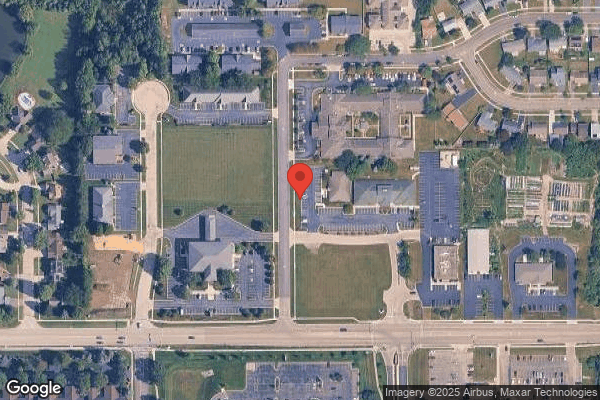



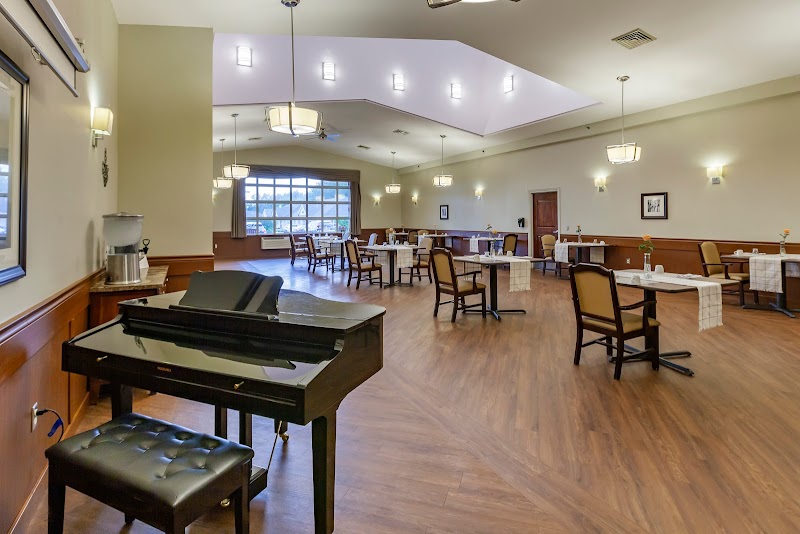
BETHANY REHAB & HCC

3298 RESOURCE PARKWAY, DEKALB, IL 60115 (815) 756-5526
For profit - Corporation 90 Beds TUTERA SENIOR LIVING & HEALTH CARE Data: November 2025 2 Immediate Jeopardy citations
Trust Grade
0/100
#467 of 665 in IL
Last Inspection: July 2024

Within standard 12-15 month inspection cycle. Federal law requires annual inspections.

Overview

Bethany Rehab & HCC has a Trust Grade of F, which indicates significant concerns about the quality of care provided. It ranks #467 out of 665 nursing homes in Illinois, placing it in the bottom half of facilities in the state, and #6 out of 7 in DeKalb County, meaning only one local option is better. While the facility is showing an improving trend in issues reported, dropping from 21 in 2024 to 12 in 2025, there are still serious problems, including critical incidents where staff were not trained in emergency medical procedures, leading to a resident's death. Staffing is a major concern with a low rating of 1 out of 5 and a high turnover rate of 70%, which is significantly above the state average of 46%. Additionally, the facility has been fined $480,536, which is higher than 98% of Illinois facilities, indicating ongoing compliance issues. While there is some RN coverage, it is less than 82% of other Illinois facilities, which raises concerns about the quality of care being provided.

Trust Score
F
0/100
In Illinois
#467/665
Bottom 30%
Safety Record
High Risk
Review needed
Inspections
Getting Better
21 → 12 violations
Staff Stability
⚠ Watch
70% turnover. Very high, 22 points above average. Constant new faces learning your loved one's needs.
Penalties
○ Average
$480,536 in fines. Higher than 69% of Illinois facilities. Some compliance issues.
Skilled Nurses
⚠ Watch
Each resident gets only 26 minutes of Registered Nurse (RN) attention daily — below average for Illinois. Fewer RN minutes means fewer trained eyes watching for problems.
Violations
⚠ Watch
54 deficiencies on record. Higher than average. Multiple issues found across inspections.
★☆☆☆☆
1.0
Overall Rating
★☆☆☆☆
1.0
Staff Levels
★★☆☆☆
2.0
Care Quality
★☆☆☆☆
1.0
Inspection Score
Stable
2024: 21 issues
2025: 12 issues

The Good

  • Full Sprinkler Coverage · Fire safety systems throughout facility
  • No fines on record

Facility shows strength in fire safety.

The Bad

1-Star Overall Rating

Below Illinois average (2.5)

Significant quality concerns identified by CMS

Staff Turnover: 70%

24pts above Illinois avg (46%)

Frequent staff changes - ask about care continuity

Federal Fines: $480,536

Well above median ($33,413)

Significant penalties indicating serious issues

Chain: TUTERA SENIOR LIVING & HEALTH CARE

Part of a multi-facility chain

Ask about local staffing decisions and management

Staff turnover is very high (70%)

22 points above Illinois average of 48%

The Ugly 54 deficiencies on record

2 life-threatening 8 actual harm
Sept 2025 5 deficiencies 1 Harm
SERIOUS (G) 📢 Someone Reported This

A family member, employee, or ombudsman was alarmed enough to file a formal complaint

Actual Harm - a resident was hurt due to facility failures

Quality of Care (Tag F0684)

A resident was harmed · This affected 1 resident

Based on observations, interview, and record review the facility failed to obtain daily weights for a congestive heart failure resident (R52). This failure resulted in R52 gaining 60 pounds in one mon...

Read full inspector narrative →
Based on observations, interview, and record review the facility failed to obtain daily weights for a congestive heart failure resident (R52). This failure resulted in R52 gaining 60 pounds in one month and requiring hospitalization. The facility also failed to ensure follow-up care was completed after a resident fell (R60).This applies to 2 of 5 residents (R52, R60) reviewed for quality of care in the sample of 48. Findings Include: 1.On 9/2/25 at 10:22 AM, R52 was seated in a bariatric wheelchair with oxygen in place at 4 liters per nasal canula. R52 was able to speak, but did get short of breath during the interview. R52 stated, “I'm sick of this fluid. I've gained over 43 pounds, and it just seems to keep going up.” R52 said the facility does weigh her, but she doesn't think it's every day. R52 said she has been seen in the past by Cardiology for issues with fluid retention. R52 was obese and had generalized edema noted. R52 said she was on a “water pill” and the facility had added another recently. At 12:30 PM, R52 was seated in her wheelchair in the dining room, feeding herself a grilled cheese sandwich. R52 started coughing and placed her hand on her chest. The surveyor asked R52 if she was okay and replied, “Yes, I think I just have too much mucous in my chest.” R52 ate some more of her meal. At 1:02 PM, V10 (Agency Licensed Practical Nurse) pushed R52's wheelchair back to her room. R52 slid her butt toward the seat of the wheelchair to provide more mobility between her abdomen and chest. V10 provided breathing treatments and notified V14 (Nurse Practitioner). V14 went in room see R52. R52's Hospital admission Record dated 9/2/25 showed she came to the hospital with shortness of breath that started 3 days ago. The patient reported increased lower extremity swelling and possibly 60-pound weight gain. Due to worsening shortness of breath, she was sent to the emergency room. The patient does report some chest pain along with some productive cough with phlegm. On arrival her oxygen saturation was 89% on room air and she was placed on an open mask. The patient's troponin (cardiac marks for heart tissue damage) was negative and her BNP was normal. This document showed R52's chest x-ray showed mild pulmonary edema. The document showed R52 was admitted with acute on chronic respiratory failure with hypoxia, acute asthma exacerbation, volume overload versus CHF (Congestive Heart Failure) exacerbation, and morbid obesity. This document showed the plan to treat R52's volume overload was strict intake and output, daily weights, intravenous diuretics, and cardiology consult. R52's Facesheet dated 9/3/25 showed diagnoses to include but not limited to acute on chronic respiratory failure with hypoxia, moderate persistent asthma, severe morbid obesity, CHF, Chronic Obstructive Pulmonary Disease (COPD), weakness, lymphedema, need for assistance with personal cares, dysphagia, generalized anxiety disorder, and peripheral vascular disease. R52's Physician Order Sheet dated 9/3/25 showed an order for “Daily weights in the morning,” to start 8/21/25. On 8/1/25, the resident weighed 486.6 lbs. On 9/1/25, the resident weighed 548.4 lbs which is a 12.7% Gain (61.8 pounds). R52's Weight report was missing daily weights on 8/22, 8/23, 8/24, 8/26, 8/27, 8/28, 8/30. R52's weight on 9/1/25 was 548.5 pounds and she showed a 5.4 weight loss on 9/2/25 (weight was 543 pounds). R52's August Medication Administration Record (MAR) did not contain any daily weights. R52's Progress Notes were reviewed on these dates and there was no documentation of refusals. R52 was seen by the V14 (Nurse Practitioner) on 9/2, 9/1, and 8/27. R52's Progress notes showed had a pulmonary consult on 8/25/25. On 9/3/25 at 11:50 AM, V11 (Wound Care Nurse) said she had several roles at the facility. V11 said one of those roles was doing post-acute work and working to prevent rehospitalizations. V11 said R52 had several chronic health issues, and she can be non-complaint with diet and fluids. V11 said R52 has severe CHF but has the mindset that she can eat and drink as she pleases and go to the hospital to get intravenous medications to remove excess fluid. Then she feels better, and we start all over. V11 said the V15 (Previous DON – Director of Nursing) was responsible for following the weights. V11 said now she is just making sure the weights are done. V11 said the weights should be obtained as ordered by the provider. V11 said daily weights are important for CHF residents to ensure there is no fluid overload and/or tracking the progress of our interventions. The surveyor asked if the order should include when to call the Provider. V11 looked at the order and replied, “We have a standing order for CHF.” V11 said if the resident gained 2-3 pounds overnight or 5 pounds in a week, then the nurse should notify the Provider. V11 said special cases like V11, the resident may gain weight at a faster rate. The surveyor asked V11 to view R52's Electronic Medical Record (EMR). V11 said there is no good reason those weights shouldn't be charted, unless she refused. V11 said if R52 refused then there should be a progress note that she refused to be weighed. V11 said she didn't see any progress notes showing that R52 refused to be weighed on 8/22, 8/23, 8/24, 8/26, 8/27, 8/28, and 8/30. V11 said the CNA or nurse can obtain the weight. V11 said the weight should be charted in the EMR and the nurse should be checking for trends. V11 said she didn't know why that wasn't happening. V11 said on 9/2/25, V12 (Respiratory Therapist) came to assess R52, and they got the order to transfer her to the hospital. V11 said R52 was admitted to the hospital for shortness of break. V11 said the facility was aware there was a problem with these weights, and they are working on this issue. On 9/3/25 at 3:14 PM, V10 (Agency LPN) said she only works at the facility every couple of weeks for 1-2 shifts. V10 said she works wherever she is needed, so she doesn't have a consistent assignment. V10 said the weights should be taken by the CNA and the nurse enters the weights. V10 said the nurse should be following the physician's orders for daily weights and monitoring for changes. V10 said the nurse should notify the Provider if there is a greater than 3-pound weight gain in 1 day and 5 pounds in a week. V10 said she didn't work for the last week, so she didn't know if anyone looked at the weights. V10 said the nurse should have been making sure the daily weights were completed and reporting weight gain. V10 said she didn't realize R52 had gained so much weight. V10 said weight gain can be a sign of fluid retention and could have contributed to R52's breathing issues. V10 said she was R52's nurse on 9/2/25 and R1 was complaining of shortness of breath in the morning, but her vital signs were stable. V10 said R1's oxygen saturation was 89-90% on 4 liters per nasal cannula. V10 said she did assessments and she was stable. V10 said after lunch she started to get a little worried and gave her breathing treatments. V10 said she notified V14 (NP). V10 said V14 assessed R52 and said she didn't need to go to the hospital at this time. V10 said a few hours later V12 (Respiratory Therapist) did an assessment, and it was decided to send R52 to the hospital for shortness of breath and she started to complain of some chest pain. R52 was starting to lean back in the wheelchair to breath better. On 9/3/25 at 10:23 AM, V14 (NP) said she works at the facility Monday through Friday. V14 said R52's case is very complicated, and she has several comorbidities. V14 said on 8/20/25 she ordered daily weights to track R52's fluid balance. V14 said R52 gained 60 pounds in 6 months, so I thought it was important we get the daily weights on track. V14 said when she orders a daily weight, she expects the order to be followed. V14 said R52 was already on Bumex (a diuretic medication) twice a day so she consulted a Pulmonology. V14 said they were discussing R52's case because she was having more difficulty breathing and felt like she was retaining fluid. V14 said she started R52 on Spironolactone, ordered a bladder scan, and labs. V14 said R52 reported she didn't feel like she was urinating enough, so we started Flomax. She was gaining weight, but on 9/1/25 (the day before she went to the hospital) she was being noncompliant with her fluid restriction, and I had to have a discussion with her. V14 said she ordered Strict Intake and Output for her on 9/1/25 and an Echocardiogram (doppler ultrasound of the heart). V14 said she was trying to explain to the resident that she needs to allow time for the interventions to help, but the resident does have times where she was non-compliant. V14 said V10 (LPN) called me on 9/2/25 and wanted to send her to the emergency room. V14 said she did an assessment and had a conversation with R52, and she didn't feel it was necessary to transfer at that time. V14 said she felt R52 needed to allow time for interventions, but when she started to complain of chest pain. The decision was made to transfer her to the emergency room. V14 said she checked R52's hospital record and she was admitted for shortness of breath, respiratory failure, and CHF. V14 said the daily weights are important part of R52's chronic disease management, but not the only part. V14 said if a daily weight is ordered, it needs to be done. V14 said if the staff are not doing the weights, then she would expect them to explain why and report it to her. V14 said if R52's weights were done as ordered and interventions were performed sooner it's possible the outcome could have been better, but it's hard to know for sure. V14 said R52 had lost weight the last day and she felt the interventions were starting to work. V14 said R52 needed intravenous medications to manage her fluid status at this time. V14 said she agreed that there was an issue with her weights. V14 said her expectation are higher than some others, but when it comes to human life it should be. The facility did not have a policy for obtaining weights for CHF patients or following physician's orders. The facility provided a Care Path Symptoms of Heart Failure diagram. This diagram showed that symptoms or signs of HF included unrelieved shortness of breath or new shortness of breath at rest, unrelieved or new chest pain, wheezing or chest tightness, inability to sleep without sitting up, weight gain or 3 pounds in 3 days or 5 pounds in 7 days, and worsening edema. This diagram showed if oxygen saturations were less than 90% (in addition to the above listed symptoms) then they should notify the Provider. 2. R60's Final Fall Report dated 7/28/25 showed R60 was placed in the TV room directly across the hall from the nurses' station. This report showed that R60 has agitation and restless and a non-pharmacological intervention includes placing her in quiet area with TV to promote a decrease in behaviors and calm the resident. This report showed R60 was reaching for the TV remote and fell onto her left side. A head-to-toe assessment was complete and R60 was noted with left shoulder pain and an order for X-ray was placed. The X-ray results showed a left clavicle fracture. This form showed R60's physician and hospice were notified of the results and splint was placed for immobilization and pain management orders were adjusted. The resident's pain is being controlled and resident wishes to remain in the facility. On 9/2/25 at 11:43 AM, R60 was sitting up in reclined wheelchair. R60 was moving her arms and feeding herself with no difficulty. R60 was no longer wearing a sling to her left arm. R60's Facesheet showed diagnoses to include, but not limited to primary generalized osteoarthritis, chronic kidney disease, hypothyroidism, dysphagia, left clavicle fracture, dementia, generalized anxiety disorder, macular degeneration, peripheral vascular disease, and stroke. R60's Physician's Order Sheet showed an order was placed for a 2 view Xray of the shoulder due to pain from a fall on 7/26/25. These orders showed an order for an external splint to left shoulder if pain noted was entered 7/28/25. R60's Progress Note dated 7/26/25 at 10:12 PM showed R60 fell out of her chair and complained of left shoulder pain during assessment and an X-ray was ordered for Monday. (2 days later). The notes showed did not show evidence that the facility called to check the status of the Xray. R60's progress notes on 7/27/25 showed R60 was experiencing pain, had bruising to the left shoulder, and had limited range of motion to the left arm. These notes showed that R60 was treated for pain, but did not have the sling in place, nor had the Xray been completed. On 7/28/25, R60's X-ray results were reported to the physician and orders for a sling were obtained for additional support. R60's Left Shoulder Xray Report dated 7/28/25 showed an acute displaced fracture of the left clavicle. On 9/2/25 at 2:01 PM, V15 (previous Director of Nursing – DON) said she was notified R60 fell out of her chair on 7/26/25. V15 said she did the investigation on Monday (7/28/25) and she called X-ray to follow-up because they hadn't come yet for the Xray. V15 said the Xray order was placed for Monday and R60 shouldn't have had to wait that long. V15 said V18 (Agency RN) didn't place a stat order, and they didn't ensure the X-ray was completed or the sling order was obtained in a timely manner. V15 stated, “Just because [R60] is on hospice doesn't mean we don't treat people. On 9/4/25 at 10:40 AM, V14 (Nurse Practitioner) said she wasn't here when R60 fell, but if she fell directly on her left side and complained of pain an X-ray order should have been entered to be done immediately. They shouldn't have waited until Monday. That's a delay of care. V14 reviewed R60's chart and said she already had pain medication on board, but it looks like the sling wasn't ordered until after the Xray results. V14 said the facility should have ensured Xray was ordered immediately, completed within 24 hours, and the interventions were placed. V14 said it's important to make sure the fracture isn't displaced or puncturing something. V14 said based on R60's injury there isn't much they can do for her. V14 said R60's care would be more conservative, but it was important to get the Xray results timely. The facility's policy and procedure approved 12/2024 showed, “Fluid Restriction, Policy: Only those resident's that have a practitioner's order will be on fluid restriction. Procedure: 1. Verify medical practitioner order. 2. Notify dietary consultant of order for fluid restriction… 3. Remove the resident's water pitcher and cup from the room. Store in designated area…”
CONCERN (D) 📢 Someone Reported This

A family member, employee, or ombudsman was alarmed enough to file a formal complaint

Potential for Harm - no one hurt, but risky conditions existed

ADL Care (Tag F0677)

Could have caused harm · This affected 1 resident

**NOTE- TERMS IN BRACKETS HAVE BEEN EDITED TO PROTECT CONFIDENTIALITY** Based on observation, interview, and record review the facility failed to ensure dependent residents received scheduled showers ...

Read full inspector narrative →
**NOTE- TERMS IN BRACKETS HAVE BEEN EDITED TO PROTECT CONFIDENTIALITY** Based on observation, interview, and record review the facility failed to ensure dependent residents received scheduled showers for 3 of 5 residents (R41, R3, R28) reviewed for activities of daily living in the sample of 48. Findings Include: 1. R41's face sheet showed she was admitted to the facility 1/27/21 with diagnoses to include weakness, unsteadiness on feet, anxiety disorder, dysphagia, hypomagnesemia, hypotension, and generalized osteoarthritis. R41's September 2025 Physician Order Sheet showed, “Shower days: Wednesday and Friday, day shift.” On 9/2/25 at 4:00 PM, V33 (R41's Power of Attorney) said R41 has been having a really hard time getting her showers. V33 said it will be weeks and weeks between R41 receiving showers. V33 said they have made several complaints to the facility regarding the lack of showers and the facility is well aware that it is an ongoing issue for R41. R41's shower documentation showed from 7/1/25 through 9/4/25, R41 received 3 showers. R41's documentation shows the last shower she received was on 7/18/25. On 09/03/2025 at 2:44 PM, V6 confirmed there were no additional shower sheets for R41. R41's medical record showed no refusals of showers from 7/1/25 through 9/4/25. The facility's grievance form dated 5/16/25 showed, “[… R41] does not get her showers when scheduled. Sometimes a whole week will go by without one…. Recommendations/Action Taken: Education provided to staff related to completing showers and activities of daily living cares…” The facility's grievance form dated 5/27/25 showed, “… Only wants shower 1 times a week on Wednesday, has not been getting a shower 1 time a week…. Recommendations/Action Taken: Care plan for shower 1 times a week on Wednesday…” The facility's grievance forms showed 7 additional grievances filed between May 2025 and July 2025 regarding residents not receiving showers as scheduled. The facility's undated document titled “Resident Shower Procedure” Showed, “… Resident bathing is scheduled twice weekly, per resident preference.” 2. R3's face sheet showed he was admitted to the facility 12/20/25 with diagnoses to include urinary tract infection, chronic kidney disease, muscle weakness, atherosclerotic heart disease, neuromuscular dysfunction of bladder, chronic combined systolic and diastolic congestive heart failure, and hypertensive heart and chronic kidney disease with heart failure. R3's facility assessment dated [DATE] showed he has no cognitive impairment and requires substantial to maximum assist for most cares. R3's September 2025 Physician Order Sheet showed, “Shower days: Wednesday and Saturday, Day shift”. On 9/2/25 through 9/4/25, multiple observations were made of R3. R3 was in his bed, hair disheveled and greasy in appearance. On 9/2/25 at 10:57 AM, R3 said, “Things are not good here, they won't get me up out of this bed… I don't get showers because the shower room is cold and the water is cold, you freeze your ass off in there. I told them I want to take a shower, but it has to be warm for me to do that. I haven't showered for a couple of months now.” R3's shower record showed one shower given on 8/9/25. A shower sheet was provided by the facility dated 8/23/25. R3's record showed he received 2 showers in the previous 30 days. 3. On 9/2/25 at 11:20 AM, R28 was lying in bed. R28's hair was greasy, and her skin was dry and flaking. R28 said she prefers bed baths and was supposed to get them every week. The surveyor asked her when her last bed bath was and R28 replied, “You don't want to know.” R28 said it's been 3-4 weeks since her last bed bath but did state that she refused last week because she wasn't feeling well. R28 said that was the only time she refused, and they didn't come try again. R28 said her skin gets itchy and she just feels gross. R28 said the call lights can take a while to get answered. R28 said it really depends on who is working. R28 said it can take a couple minutes, but a week and half ago she waited 1.5 hours. R28 stated, “I really had to poop. It was awful. I think they have a problem here with staffing. I can control my bowel and bladder pretty good, but sometimes the wait is too long, and I have an accident. That's really embarrassing.” R28 said another problem is they might come in at 9:00 PM to change me for the night and I might not see anyone again until morning. R28's Facesheet showed she had diagnoses to include, but not limited to severe morbid obesity, diabetes, pain in shoulder, weakness, need for assistance with personal care, major depressive disorder, anemia, hypothyroidism, hyperlipidemia, sleep disorder, and lymphedema. R28's facility assessment dated [DATE] showed she was cognitively intact; required substantial to maximal assistance for shower/bathing and was dependent for toilet hygiene. R28's Physician Order Sheet dated 9/4/25 showed she had an order for a bed bath once a week on Wednesdays. R28's Bathing task in the EMR (Electronic Medical Record) showed she last received a bed bath on 8/6/25 and required physical help. There was no entry for 8/13/25. On 8/20/25 it showed the activity itself did not occur. (R28's Progress notes did not contain a note regarding resident refusal, nor was there a shower sheet for 8/13 or 8/20.) R28's Care Plan initiated 1/24/22 showed R28 had bladder incontinence and demonstrates symptoms of functional and urge incontinence related to impaired mobility and diuretic use. The interventions showed R28 used disposable briefs and should be changed every 2 hours and as needed. R28's Care Plan initiated 1/24/22 showed she has an ADL (Activity of Daily Living) self-care deficit and prefers bed bath once a week to be given by specific CNAs per her request. The interventions showed she required assistance of 1 staff for weekly bed bath on Wednesday. The interventions showed she totally dependent on staff for the use of the toilet. On 9/4/25 at 11:35 AM, V2 (Assistant Director of Nursing – ADON) said the CNAs should be checking on our residents every 2 hours because you never know when they have to go. There is no reason why incontinence care shouldn't be provided at night. V2 said if a resident has to sit in urine or feces, they could develop an infection and have led to skin breakdown. V2 said the facility wants to provide residents with dignity and ADL care is an important part. V2 said the residents should be getting a minimum of 2 showers a week. V2 said it is important for adequate hygiene and prevention of infections. V2 said the CNAs (Certified Nursing Aides) should be documenting the showers in the task portion of the EMR (Electronic Medical Record). If a resident refuses, then the CNA should notify the nurse, and I would expect to see the refusal in the progress notes. V2 said if a resident refuses a shower, then the staff should try to come back later and they still reuse, then we need to notify their family. V2 said if residents aren't getting showers their hair could get greasy; skin can become dry and flaky; and they may experience itchiness.
CONCERN (F) 📢 Someone Reported This

A family member, employee, or ombudsman was alarmed enough to file a formal complaint

Potential for Harm - no one hurt, but risky conditions existed

Deficiency F0725 (Tag F0725)

Could have caused harm · This affected most or all residents

**NOTE- TERMS IN BRACKETS HAVE BEEN EDITED TO PROTECT CONFIDENTIALITY** Based on observations, interviews and record reviews, the facility failed to consistently provide sufficient staffing to meet th...

Read full inspector narrative →
**NOTE- TERMS IN BRACKETS HAVE BEEN EDITED TO PROTECT CONFIDENTIALITY** Based on observations, interviews and record reviews, the facility failed to consistently provide sufficient staffing to meet the care needs of its residents. This failure has the potential to affect all 68 residents residing at the facility. Findings Include:On 09/02/2025, V1 (Administrator) provided facility assessment dated [DATE] that documented on page 29 of 52, sufficient nursing staffing: the facility will provide help and care needed without the resident waiting a long time (as perceived). The staff will respond to call lights timely. Resident roster provided by facility and CMS form 802 both dated 09/02/2025, showed an in-house census of 68 residents. Review of nursing schedules and daily work log from 08/2025 through 09/04/2025 provided by facility showed several nursing and/or aide staffing shortages as follows: On 08/01, six aides and one trainee were scheduled for day shift but only five aides worked that shift. On 08/02, four aides were scheduled for third shift but only three aides worked that shift. On 08/03, four aides were scheduled for third shift but only two aides worked that shift. On 08/04, seven aides were scheduled for day shift but only four aides worked that shift. On 08/05, five nurses were scheduled for day shift but only two nurses worked that shift. On 08/06, four nurses were scheduled for day shift but only two nurses worked that shift. On 08/07, seven aides were scheduled for second shift but only six aides worked that shift; and five nurses were scheduled for day shift but only two worked that shift. On 08/09, seven aides were scheduled for second shift but only six aides worked that shift.On 08/10, five nurses were scheduled for day shift but only three nurses worked that shift.On 08/11, seven aides were scheduled for day shift but only five aides worked that shift; and four aides were scheduled for third shift but only three aides worked that shift.On 08/13, six aides were scheduled for day shift but only four aides worked that shift.On 08/16, six aides were scheduled for day shift but only five aides worked that shift.On 08/17, six aides were scheduled for day shift but only five aides worked that shift; and seven aides were scheduled for second shift but only six aides worked that shift.On 08/22, four aides were scheduled for third shift but only three aides worked that shift.On 08/23, four aides were scheduled for third shift but only three aides worked that shift.On 08/24, four nurses were scheduled for day shift but only three nurses worked that shift.On 08/25, six aides were scheduled for day shift but only five aides worked that shift. On 08/27, seven aides were scheduled for second shift but only six aides worked that shift.On 08/29, three nurses were scheduled for third shift but only one nurse worked that shift.On 08/30, four aides were scheduled for third shift but only three aides worked that shift.On 08/31, six aides were scheduled for day shift but only five aides worked that shift.Review of resident council meeting minutes for the last six months showed concerns with call lights not being answered in a timely manner during the 03/03/2025 meeting. Unsatisfaction with call light response time during the 04/07/2025 meeting. Concerns with call lights being turned off by staff without providing assistance, long call light response time, aides ignoring lights, aides stating they will come back to assist a resident but do not return, aides not assisting residents they are not assigned to and clinical staff shortages on weekends and holidays during the 07/16/2025 meeting. Concerns with call lights not being answered in a timely manner and residents not being showered on scheduled shower days, and lunch/dinner meals being served late during the 08/20/2025 meeting. Review of grievance forms from May 2025 through current revealed the following: Form dated 05/20/2025 from family council documented concerns with weekend staffing and lengthy call light response times. Anonymous form dated 05/21/2025 documented concern of facility being short staffed because V1 (Administrator) is not nice. R15's form dated 07/21/2025 documented one day this past week, call light was left on for 73 minutes with no follow up done due to unknown date of incident. R1's form dated 08/09/2025 submitted by her spouse indicated thatR1 was left laying in feces for 50 minutes. Findings showed call light had been on for 69 minutes because the aides were on break at the same time and the nurses were passing medications. Photo attached to grievance form showed call light for room [ROOM NUMBER]-A was on for 69 minutes. R1's face sheet documented admission date of 06/30/2025. R1's census log showed she admitted into room [ROOM NUMBER]-A and discharged on 08/21/2025.On 09/02/2025 at 11:20 AM, R28 was observed lying in bed. R28's hair was greasy, and her skin appeared dry and flaking. R28 said she prefers bed baths and was supposed to get them every week. The surveyor asked her when her last bed bath was and R28 replied, you don't want to know. R28 said it's been 3-4 weeks since her last bed bath but did state that she refused last week because she wasn't feeling well. R28 said that was the only time she refused, and they didn't come try again. R28 said her skin gets itchy and she just feels gross. R28 said the call lights can take a while to get answered. R28 said it really depends on who is working. R28 said it can take a couple minutes, but a week and half ago she waited 1.5 hours. R28 stated, I really had to poop. It was awful. I think they have a problem here with staffing. I can control my bowel and bladder pretty good, but sometimes the wait is too long, and I have an accident. That's really embarrassing. R28 said another problem is they might come in at 9:00 PM to change me for the night and I might not see anyone again until morning. R28 said the facility does have some really good CNAs, but they also use a lot of agency staff. R28 said some of the agency CNAs will come in, turn off my call light, say they will be back, but they never come back. R28 said there definitely doesn't seem to be enough staff. R28's facility assessment dated [DATE] showed she was cognitively intact; required substantial to maximal assistance for shower/bathing and was dependent for toilet hygiene. On 09/02/2025 at 12:37 PM, R11 stated that last month he wanted 85 minutes for his call light to be answered by staff that caused him to soil himself. R11's facility assessment dated [DATE] showed he was cognitively intact; required substantial to maximal assistance for shower/bathing and for toilet hygiene.On 09/03/2025 at 2:32 PM, V26 (Scheduler) said she schedules four nurses and six aides on day shift, three nurses and seven aides on second shift, and two nurses with four aides on third shift during the week and on weekends. V26 added that the staff to patient ration on days and second shift is 1:8, and 1:16 on third shift. V26 indicated that when a call off occurs, they communicate the opening one staffing agency and a mass text is sent through on-shift for in-house staff to be inform of availability. V26 then said there has never been a time when a call off was not covered and she was not made aware of any staffing issues. On 09/04/2025 at 8:38 AM, V9 (Certified Nursing Assistant-CNA) said she no longer works at the facility and 7/26/25 was her last day. V9 said she worked full-time days and floated around the facility. V9 said there were days when they were short staffed and they would have difficulty delivering meals on time, getting to call lights in a timely manner, completing showers/bed baths, and obtaining weights. V9 said it could be overwhelming at times. V9 said on the days they were short staffed they just did their best to keep the residents safe and dry. Then if we had a day with more staff, then we would try to make up for some of the things we missed. There were definitely residents that had to wait for us to get incontinence care. We'd try to work together and just go from one end of the hall to the other.On 09/04/2025 at 12:43 PM, V6 (Regional Director of Operations) said the facility has no policy for call light use or response time.On 09/04/2025 at 01:15 PM, V2 (Assistant Director of Nursing) said, we staff to meet the needs of the residents and are staffed based on the census and acuity of care, her expectation is for any staff member in building to answer a call light to see what the issue is, and the call light should be answered within 3-5 minutes then provide the resident with a timeframe to assist with their needs if helping another resident.On 09/04/2025 at 01:18 PM, R11 said he had to use a bell for the last 6-7 days while call light was being repaired and had to wait an average of 50-60 minutes every time he rang the bell for staff to respond. R11 then said, they need more staff here to help answer the call lights. Undated Resident Grievance Process policy provided by facility reads in part: it is the intent of each community to encourage residents, their representatives or family members, opportunities to communicate any concerns, suggestions, complaints, or opportunities for improvement in care or services.
CONCERN (F) 📢 Someone Reported This

A family member, employee, or ombudsman was alarmed enough to file a formal complaint

Potential for Harm - no one hurt, but risky conditions existed

Deficiency F0804 (Tag F0804)

Could have caused harm · This affected most or all residents

Based on observation, interview and record review the facility failed to provide the residents with food that is palatable in flavor. This applies to all residents in the facility. Findings Include:Th...

Read full inspector narrative →
Based on observation, interview and record review the facility failed to provide the residents with food that is palatable in flavor. This applies to all residents in the facility. Findings Include:The CMS (Centers for Medicare and Medicaid) 671 form dated 9/2/2025 shows there are 68 residents in the facility. The menu for lunch on 9/2/2025 shows a pork and rice casserole was to be served. At 11:40 AM on 9/2/2025, V4 [NAME] was observed adding rice to the pork and rice casserole that was on the steam table. V4 said he needed to use another pan to make enough rice for the casserole. V4 stirred the casserole to combine the new rice added. The temperature was checked the casserole was served to the residents. At 1:00 PM, the rice casserole was tasted by the surveyor, and no flavor could be tasted, the meat was tough to chew, and the rice was clumped and stuck together. There was no color to the dish.On 9/2/2025 at 1:02 PM, V4 said when he made the casserole, he did not have all the ingredients and did not put in the celery and lemon juice. V4 said he tries to add some flavor to the food but has been told by management not to do this.On 9/2/2025 at 1:06 PM, V3 Dietary Manager said the lemon juice and celery was not ordered and could not be used in the recipe. V3 said the residents deserve to have food that tastes good and if they do not like a certain recipe it should be replaced on the menu.On 9/3/2025 at 10:30 AM, during the resident group meeting , the residents (R8, R13, R50, R66) reported the food often lacks flavor. The resident said there is an alternate menu but they are getting tired of hamburgers and hot dogs. The residents said they have complained about the food many times, but do not feel they are being listened to.A review of the facility grievance logs shows on 5/22/2025, R13 complained about her meal stating, I cannot describe what was given to me on my plate to this noon. The most disgusting piece of chicken I've ever seen. I wouldn't give it a dog.The resident council meeting minutes for the last 6 months were reviewed and showed numerous complaints of the food not tasting good enough to eat.The recipe for the pork and rice casserole provided by the facility shows celery and lemon juice were to be added.
CONCERN (F) 📢 Someone Reported This

A family member, employee, or ombudsman was alarmed enough to file a formal complaint

Potential for Harm - no one hurt, but risky conditions existed

Infection Control (Tag F0880)

Could have caused harm · This affected most or all residents

**NOTE- TERMS IN BRACKETS HAVE BEEN EDITED TO PROTECT CONFIDENTIALITY** Based on observation, interview and record review the facility failed to have a system in place to track and trend infections in...

Read full inspector narrative →
**NOTE- TERMS IN BRACKETS HAVE BEEN EDITED TO PROTECT CONFIDENTIALITY** Based on observation, interview and record review the facility failed to have a system in place to track and trend infections in the facility, failed to have a resident on contact isolation as ordered (R13) and failed to change a residents (R7) wound dressing in a sanitary manner. This applies to all 68 residents in the facility. Findings Include: The CMS (Centers for Medicare and Medicaid) 671 form dated 9/2/2025 shows there are 68 residents in the facility. 1.The facility infection surveillance report for the last 3 months shows a space for the resident name, room number, infection onset, infection, signs & symptoms, status, pharmacy order and comments. The report is not fully complete, missing infection, signs & symptoms, pharmacy orders and comments. On 9/3/2025 at 1:30 PM, V2 ADON (Assistant Director of Nursing) and IP (Infection Preventionist) said the purpose of the report is to be able to track and trend the facilities infections. Currently V2 says she just refers to the residents' records for the information she needs. V2 said it would be better to use the report the way it was intended, and it needs to be completed fully for each resident and infection. On 9/4/2025 at 11:57 AM, V5 Regional Nurse Consultant said the IP should make sure the reports are completed to show all the information needed. The undated policy for infection prevention and control program shows the primary mission is to establish and maintain an infection prevention and control program designed to provide a safe, sanitary and comfortable environment and to help prevent the development and transmission of communicable diseases and infections. The intent of the program is to develop and implement an ongoing infection prevention and control program to prevent recognize and control the onset and spread of infection to the extent possible and reviews and updates the plan… Surveillance activities will be conducted to identify practice, infection trends, and early identification of new infections and potential outbreak situations. 2.The facility face sheet for R13 shows diagnoses to include congestive heart failure, type 2 Diabetes Mellitus and extended spectrum beta lactamase resistance (ESBL a multi drug resistant organism). The facility assessment dated [DATE] for R13 shows her to cognitively intact and requires a wheelchair for mobility and is dependent on staff for transfers. On 9/3/2025 at 1:22 PM, R13 room door shows a sign for enhanced barrier precautions. No sign was present for contact isolation. R13 said the staff have to use a mechanical lift to move her from her bed to her wheelchair because she cannot walk or stand. R13 said she incontinent of her bowels and bladder and the staff have to transfer her to bed to change her. R13 said the staff do not always wear PPE (personal protective equipment) when they care for her. R13 said she has had the same type of urinary infections a few times now. On 9/3/2025 at 1:30 PM, V2 ADON (Assistant Director of Nursing) and Infection Preventionist said R13 is currently still on antibiotics for her infection and has an order for contact isolation. V2 stated, “she is on enhanced barrier precautions, isn't that the same thing?” On 9/4/2025 at 11:57 AM, V5 Regional Nurse Consultant said ESBL is considered a MDRO/multidrug-resistant organism and there is a difference between enhanced barrier precautions and contact isolation. V5 said if there is a Physician order for contact isolation, she should be on contact isolation and the signage for the door should show that. A Physician order dated 8/25/2025 shows R13 is to be maintained on contact isolation for ESBL. The undated care plan for R13 shows resident is on enhanced barrier precautions due to ESBL in her urine. A report provided by the facility to show all resident currently on contact isolation did not include R13. The undated facility policy for contact precautions shows contact precautions are intended to prevent transmission of infectious agents… In addition to standard precautions, use contact precautions to prevent nosocomial spread of organisms that can be transmitted by direct resident contact (hand or skin to skin contact that occurs when performing resident care) or by direct contact (touching) with environmental surfaces or contaminated resident care equipment. Contact precautions may be considered for residents who have infections including a MDRO. 3. R7's face sheet showed last admission date of 06/25/2025 with a past medical history not limited to pressure ulcer of sacral region and left heel. R7's care plan dated 06/25/2025 document resident has actual impairment to skin integrity related to pressure ulcers to sacrum and left heel upon admission. On 09/02/2025, review of R7's active physician orders showed orders for daily wound care to the left heel and wound care treatment to the sacrum region every three days and as needed if wound vac (negative pressure therapy) becomes dislodged. On 09/03/2025 from 9:59 AM to 10:15 AM, observed V11 (Wound Care Nurse) and V25 (Physician Assistant-Certified) perform wound assessments/evaluations to R11's left heel and sacral region. During this observation, a strong malodor was present upon entering R11's room and during wound assessment observation and a fly was observed flying around the room which landed multiple times onto various areas of R11's bed/bedding and throughout her upper and her lower extremities. On 09/03/2025 at 10:13 AM, V25 (PA-C) instructed V11 to obtain a wound culture to R11's sacral wound due to the odor then indicated that R11 may require long-term antibiotic therapy due to her history of wound infections. On 09/03/2025 from 10:20 AM to 10:35 AM, observed V11 (Wound Care Nurse) apply latex gloves without performing any prior hand hygiene then cleansed R11's sacral wound with an antiseptic solution and gauze pads. V11 then opened two small plastic containers of collagen particles and applied contents from both containers to the wound bed then removed these gloves and threw them into the garbage can. V11 did not perform any hand hygiene after removing these gloves, then proceeded to remove another pair of gloves from her pants pocket. V11 applied the gloves, picked up a pair of bandage scissors that she had previously placed on R11's bed and began cutting open a package of clear, silicone adhesive drape and package of black foam. V11 then cut two thin strips of black foam, placed the scissors on R11's bed, then placed the two strips of black foam with a the tunneling (at 6:00 o'clock) of R11's sacral wound. V11 again picked the scissors up from R11's bed and began shaping a large piece of black foam, placed this foam with the wound bed then proceeded to cut the clear, silicone adhesive drape into strips. After V11 had cut several strips of drape, she placed the scissors on the bed then proceeded to apply the strips of drape onto the skin surrounding R11's wound then covered the top of the wound and large piece of black foam with a larger piece of drape. At no time did this surveyor observe V11 place the scissors on a clean surface or sanitize the scissors after removing from R11's bed and/or between use of cutting open packages and the black foam that is placed directly on the wound. On 09/04/2025 at 1:00 PM, V2 (Assistant Director of Nursing & Infection Preventionist) said V11 should have performed hand hygiene between glove changes to prevent infection and/or reinfection especially when working with a complex wound as R7's. V2 then said scissors should not be placed on a resident's bed linens because they are considered “dirty” and should be placed on a clean/sterile area to prevent wound infections. V2 added that V11 should not have cut the black foam with scissors that were not sanitized or V11 should have used a separate pair of scissors to cut the foam. At 1:10 PM, V2 said regarding performing wound care with inadequate pest control, “it could worsen the resident's wound or cause a wound infection.”
May 2025 2 deficiencies
CONCERN (D) 📢 Someone Reported This

A family member, employee, or ombudsman was alarmed enough to file a formal complaint

Potential for Harm - no one hurt, but risky conditions existed

ADL Care (Tag F0677)

Could have caused harm · This affected 1 resident

Based on interview and record review the facility failed to provide incontinence care to a resident who requires assistance with ADLs/Activities of Daily Living. This applies to 1 of 3 residents (R1) ...

Read full inspector narrative →
Based on interview and record review the facility failed to provide incontinence care to a resident who requires assistance with ADLs/Activities of Daily Living. This applies to 1 of 3 residents (R1) in the sample of 5. The findings include: R1's admission Record dated 4/7/2025 lists diagnosis of hemiplegia and weakness. R1's MDS (Minimum Data Set) section C dated 4/7/2025 shows a BIMS (Brief Interview of Mental Status) of 15 cognitively intact. On 5/7/2025 at 8:55AM, R1 said the previous day there were not enough staff that day. R1 said call light wait times were long and he had had a bowel movement around 4:00AM that day. R1 said staff came in at around 9:00AM but he didn't get cleaned up until almost 10:00AM by V4 Certified Nursing Assistant (CNA). On 5/7/2025 at 10:06AM, V4 said she is a CNA but was hired for restorative. V4 said she was working on 5/6/2025. V4 said she starts her shift at 8:00AM until 4:00PM Monday through Friday. V4 said when she came in on 5/6/2025 the staff were behind getting patients up and getting meal trays passed. V4 said she did get [R1] up that morning and he told her he was waiting since 4:00AM. V4 said when she turned him, he did have stool already present and while turning him he continued to go more, which is normal for him. On 4/7/2025 at 11:43AM, V6 Registered Nurse (RN) said residents should be rounded on at least every two hours. The facility provided Activities of Daily Living policy not dated states, this facility provides each resident with care, treatment and services .
CONCERN (D) 📢 Someone Reported This

A family member, employee, or ombudsman was alarmed enough to file a formal complaint

Potential for Harm - no one hurt, but risky conditions existed

Deficiency F0725 (Tag F0725)

Could have caused harm · This affected 1 resident

Based on interview, and record review the facility failed to provide sufficient staff to meet residents care needs for residents requiring assistance with care. This applies to 3 of 3 (R1, R2, R3) res...

Read full inspector narrative →
Based on interview, and record review the facility failed to provide sufficient staff to meet residents care needs for residents requiring assistance with care. This applies to 3 of 3 (R1, R2, R3) residents reviewed for staffing in the sample of 5. The findings include: R1's admission Record dated 4/7/2025 lists diagnosis of hemiplegia and weakness. R1's MDS (Minimum Data Set) section C dated 4/7/2025 shows a BIMS (Brief Interview of Mental Status) of 15 cognitively intact. On 5/7/2025 at 8:55AM, R1 said the previous day there were not enough staff that day. R1 said call light wait times were long and he had had a bowel movement around 4:00AM that day. R1 said staff came in at around 9:00AM but he didn't get cleaned up until almost 10:00AM by V4 Certified Nursing Assistant (CNA). On 5/7/2025 at 10:06AM, V4 said she is a CNA but was hired for restorative. V4 said for the last couple of weeks she has been pulled to the floor or to help in the kitchen doing tickets because they have needed help. V4 said she was working on 5/6/2025. V4 said she starts her shift at 8:00AM until 4:00PM Monday through Friday. V4 said when she came in on 5/6/2025 the staff were behind getting patients up and getting meal trays passed. V4 said she started helping pass meal trays and getting people up after breakfast. V4 said she did get [R1] up that morning and he told her he was waiting since 4:00AM. V4 said when she turned him, he did have stool already present and while turning him he continued to go more, which is normal for him. V4 said his bottom didn't have open areas or sores. V4 said they had some CNAs on the floor, but other CNAs were called in that were staff or agency and came in around 9:00AM-9:30AM to help. R2's admission Record dated 4/7/2025 lists diagnosis of weakness and dependence on other enabling machines and devices. R2's MDS section C dated 4/7/2025 shows a BIMS score of 15 cognitively intact. On 5/7/2025 at 9:15AM, R2 said the facility does not have consistency with staff. R2 said they work at the facility 2 or 3 shifts, and they don't return. R2 said the facility was short staffed yesterday [5/6/2025]. R2 said he has had to wait 30 - 45 mins to get his call light answered sometimes. R3's admission Record dated 4/7/2025 lists diagnosis of quadriplegia, weakness, and other reduced mobility. R3's MDS section C dated 1/31/2025 shows a BIMS score of 15 cognitively intact. On 5/7/2025 at 9:25AM and 2:18PM, R3 said the facility has short staffing and call light wait times can be up to 30 minutes on weekends, Sundays are the worst. R3 said staff do not round on him every 2 hours. R3 said facility staff check on him when he hits the call light or when they bring him medications, but they don't round on him every 2 hours. On 5/7/2025 at 10:45AM, V1 Administrator from the start of the day [5/6/2025] we had multiple calls in from the CNAs and we had to call in agency staff and staff to come help. V1 said it took about 60 - 90 minutes to get caught up. On 5/7/2025 at 12:42PM, V2 Director of Nursing (DON) said call lights should be answered within 5 minutes, 10 minutes would be too long. V2 said they did have a shortage of CNAs yesterday [5/6/2025]. V2 said they did have to call in staff to help fill the assignments. V2 said residents should not be left in stool. The facility provided Resident Council Minutes from 4/7/2025 shows residents started they are unsatisfied with how long it takes floor staff to answer their call lights. The Resident Council Minutes from 3/3/2025 state residents expressed concerns with call lights not being answered in a timely fashion. The Resident Council Minutes from 2/3/2025 states residents requesting that the CNAs and nurses round their assigned rooms at the start of their shift to let the residents know that they are the person who will be taking care of them. The facility provided Activities of Daily Living policy not dated states, this facility provides each resident with care, treatment and services.
Mar 2025 4 deficiencies 1 Harm
SERIOUS (G) 📢 Someone Reported This

A family member, employee, or ombudsman was alarmed enough to file a formal complaint

Actual Harm - a resident was hurt due to facility failures

Quality of Care (Tag F0684)

A resident was harmed · This affected 1 resident

**NOTE- TERMS IN BRACKETS HAVE BEEN EDITED TO PROTECT CONFIDENTIALITY** Based on observation, interview and record review, the facility failed to ensure dressing changes and wound assessments were com...

Read full inspector narrative →
**NOTE- TERMS IN BRACKETS HAVE BEEN EDITED TO PROTECT CONFIDENTIALITY** Based on observation, interview and record review, the facility failed to ensure dressing changes and wound assessments were completed as ordered, failed to ensure a dressing was in place, and failed to identify a wound prior to it becoming an advanced stage for 2 of 3 residents (R1, R5) reviewed for wounds in the sample of 8. This failure resulted in R1 being sent to a local hospital and admitted to the hospital with a diagnosis of wound infections to his bilateral lower extremities. The findings include: 1. R1's admission Record, provided by the facility on 3/25/2025, showed he had diagnoses including, but not limited to, end stage renal disease, stage 5, dependence on renal dialysis, type II diabetes mellitus with diabetic neuropathy (a type of nerve damage that can occur with diabetes causing pain or numbness in the legs or feet), chronic diastolic heart failure, atherosclerotic heart disease, pain in right thigh, pain in right hip, anemia, primary generalized osteoarthritis, chronic peripheral venous insufficiency, lumbago with sciatica (a condition where pain in the lower back radiates down one or both legs), peripheral vascular disease, chronic pain, and muscle spasm of back. R1's facility assessment dated [DATE] showed he is cognitively intact, requires substantial/maximal staff assistance for upper body dressing, and partial/moderate staff assistance for lower body dressing. On 3/24/2025 at 11:47 AM, V9 (Dialysis Center Administrator) said on 3/18/2025 R1 received dialysis at the dialysis center. V9 said she saw R1's wound dressing on 3/18/2025. It was dirty and smelled like rot. V9 said one of the nurses drew a picture on the wound dressing on 3/18/2025 to see if it would be changed when he came to dialysis two days later. V9 said when R1 returned two days later, the same dressing was on him and the drawing was still on the dressing. V9 said R1 told dialysis staff on 3/20/2025 that he asked the nurse to change his dressing, and they either refused or ignored his request. On 3/25/2025 at 11:25 AM, V9 (Dialysis Center Administrator) said R1 did not show up for dialysis that day (3/25/2025) because the facility sent him to the hospital due to his leg wounds on 3/24/2025. V9 said R1 was admitted to the hospital. On 3/25/2025 at 11:37 AM, V10 (Assistant Director of Nursing-ADON) said R1 was sent out the previous day (3/24/2025) to a local hospital. V10 said V16 (R1's daughter) had called her the previous Thursday (3/20/2025) about his wounds. V10 said V16 wanted to see wound care for R1. V10 said she told V16 that she had already done the dressing change for R1 that day with a police officer present, and the next time the dressing was scheduled to be changed was on Monday 3/24/2025. V10 said V16 took pictures of R1's wounds and sent the pictures to the Nurse Practitioner (NP-V20) that R1 was seeing from the wound care clinic. V10 said based on the pictures that V16 sent the NP, the NP wanted R1 sent to a local hospital for a vascular workup. V10 said the local hospital admitted R1 to the hospital. V10 looked at R1's progress notes in his electronic medical record and said the notes showed R1 was admitted to the hospital with a diagnosis of wound infection. V10 was asked to provide surveyor with R1's last three wound assessments. V10 provided the last three assessments to this surveyor. The wound assessments provided to this surveyor were dated 3/24/2025, 3/20/2025, and 1/20/2025. V10 was asked to provide the wound assessment prior to 3/20/2025. V10 looked through R1's electronic medical record and said she did not see any wound assessment for R1's leg wounds that were completed between the 1/20/2025 and the 3/20/2025 wound assessments. V10 said R1 was not followed by the wound doctor in the facility. He wanted his wound doctor at the wound clinic. V10 was asked when was the last time R1 was seen by his wound clinic doctor. V10 said she was not sure and would look into it further. V10 was asked to provide the notes from R1's last visit with the wound clinic doctor/NP (these notes were not provided prior to exiting the facility on 3/26/2025). V10 said the nurses working the floor do the dressing changes and the skin checks. V10 said the skin checks are not full assessments of the wound and do not document the wound measurements or characteristics of the wound. V10 was asked to bring up R1's electronic Treatment Administration Record (TAR) for March 2025 on her computer. V10 said she did the dressing changes to R1's bilateral leg wounds on 3/20/2025 and 3/24/2025. V10 said R1's March 2025 TAR showed the dressing changes were not signed off as being completed on 3/10/2025, 3/14/2025, and 3/17/2025. V10 said the order is to do the dressing changes every Monday and Friday. V10 said, It is important to make sure that the dressing changes and wound assessments are being completed as ordered, because we need to know if the wound is improving, or if there have been any changes, like signs of infection. To see if what we are doing is helping, or if we need to update the doctor and make changes. On 3/25/2025 at 4:20 PM, V16 (R1's daughter) said she called V10 (ADON) and asked her when she was going to do the dressing changes for R1 next because she would like to be present during the dressing changes. V16 said V10 told her that she had just changed the dressings on 3/20/2025 with V19 (Police Officer from a local police department) present, and the next dressing change would be on Monday 3/24/2025. V16 said she took pictures of R1's leg wounds because she did not like what the wounds looked like. V16 said the wound was open and it looked like raw meat. V16 said she had a cold, so she was not sure if there was any odor from the wound. V16 said she sent the pictures to V20 (Nurse Practitioner from wound clinic) and V20 called her and said this was terrible, she had never seen it that bad. V16 said V20 had been treating R1's wounds for about 15-20 years. V16 said R1 had not been going to see V20 for a while, but he was going to start seeing her again. On 3/26/2025 at 10:05 AM, V16 (R1's daughter) provided photos of R1's bilateral leg wounds from 1/25/2024 and 3/5/2024 from his Wound Clinic visits with V20 (NP from wound clinic), as well as photos that were taken and sent to V20 (NP) on 3/24/2025 when she observed the dressing change done by V3 (ADON) in the facility. (note: No May 2024 photos were provided which was the last time V20 said R1 was seen at the wound clinic). On 3/26/2025 at 12:25 PM, V20 (NP from wound clinic) said she last saw R1 in May of 2024. V20 said the facility R1 was at was providing the wound care for him. V20 said on 3/24/2025 V16 sent her pictures of R1's wounds and she recommended R1 be sent to a local hospital to manage his vascular issues. V20 said based on the pictures V1 sent her, it looked like there were slough issues and blood circulation issues. V20 said based on the appearance of R1's wounds, dressing changes twice a week is not appropriate. V20 also said based on the pictures and V16's description of the wounds, she felt R1 should have been sent out sooner. V20 said it is important to do the dressing changes as ordered, and do wound assessments at least weekly or more often, to monitor the wounds and determine if the wounds are improving or declining, to monitor for signs/symptoms of infection, so a wound specialist or the resident's doctor can be updated to get a new order if needed. On 3/26/2025 at 1:28 PM, R1 was observed at a local hospital. An IV (intravenous) pole was next to R1's bed with empty antibiotic and antifungal medications listed on the empty bags. R1 said the nurses at the facility were not changing the dressings on his leg wounds. R1 said he had been asking them to change his dressings because his legs were stinging and burning. R1 said the only reason they finally got changed was because they started noticing an odor. R1 said the facility nurses were not assessing his leg wounds either. R1 was not able to identify who all he asked to change his wound dressings. On 3/26/2025 at 10:33 AM, V19 (Police Officer from a local police department) said she went to the facility on 3/20/2025 and went with V10 to see R1's wound dressings. V19 said when V10 removed the dressing from R1's leg, there was a bad odor coming from the wound, even with a face mask on. (note: R1's Weekly Wound assessment dated [DATE] by V3 (ADON) documented no odors were present). On 3/26/2025 at 1:40 PM, V22 (R1's nurse at the local hospital) said R1 was receiving two IV antibiotics and an oral antifungal medication for bilateral leg wound infections. V22 looked at R1's most recent wound notes in his electronic hospital medical record. The notes showed that the hospital was waiting on the final culture and sensitivity results before decreasing R1's IV antibiotic medications. V22 said she did not think R1 had osteomyelitis. The notes showed Proteus mirabilis and Staph Aureus as the organisms identified in R1's leg wounds. R1's care plan initiated on 1/5/2025 showed he had right hip pain. R1's Risk of skin impairment care plan, initiated on 1/5/2025, showed he had a risk of skin impairment, had a diagnosis of peripheral vascular disease and had reopened stasis ulcers to his bilateral lower extremities. Interventions listed on the care plan showed to administer the treatment as ordered and monitor for effectiveness. The interventions showed, Document location of wound, amount of drainage, peri-wound area, pain, edema, and circumference measurements weekly. Evaluate wound for: Size, depth margins, peri-wound skin, sinuses, undermining (a separation of the wound edges from the surrounding healthy tissue creating a pocket under the wound surface), exudates (fluid coming from wound), edema, granulation (new connective tissue that develops at the wound site in the process of healing), infection, necrosis (a pathological process where cells and tissues die prematurely due to injury or disease), eschar (dead tissue), and gangrene (dead tissue cause by an infection or lack of blood flow). The interventions also showed to document the progress in wound healing on an ongoing basis. Notify Physician as indicated. Monitor/document/report to doctor for signs and symptoms of infection: green drainage, foul odor, redness and swelling, red lines coming from wound, excessive pain, fever. R1's 1/9/2025 care plan showed he had skin alteration related to vascular wounds to both lower extremities. Interventions listed were to monitor wounds for signs of infection, weekly wound assessments with wound rounds and wound care as prescribed. R1's Weekly Skin Checks from 1/24/2025 through the present showed no new changes. The Weekly Skin Checks do not provide measurements, or wound characteristics. R1's Weekly Wound Evaluations from 1/20/2025 through 3/26/2025 were requested. The only Wound Weekly Evaluations-Non-Pressure that were provided were the evaluations from 1/20/2025, 3/20/2025, and 3/24/2025. The 3/20/2025 Wound Weekly Evaluations-Non-Pressure for R1's left lower extremity and right lower extremity both documented no odor was present (even though V19 said it smelled very bad). R1's March 2025 TAR showed on 3/10/2025, 3/14/2025, and 3/17/2025 the dressing changes were not signed off as being completed. The TAR showed the dressing changes were scheduled to be done every Monday and Friday. The wound orders on the TAR also showed to call physician or go to ER (emergency room) with increased redness, pain, swelling, drainage, warmth, odor, or fever. R1's progress notes from 1/20/2025 through 3/26/2025 were reviewed. The progress notes did not show R1 refusing to allow staff to change the wound dressings or do wound assessments. The facility's 1/2025 policy and procedure titled Skin Identification, Evaluation, and Monitoring Policy showed Licensed Nurse Weekly: A. Complete a Weekly Skin Check to evaluate for changes in skin integrity. B. Document in medical record the finding of weekly skin assessment. a. If wounds are present and previously identified: i. Document integumentary findings in weekly skin assessment. ii. Appearance of the wound, including measurements if the wound is due for a treatment change, if not, assess the dressing and document this in the assessment. iii. Complete weekly re-evaluation of previously identified skin alterations/wounds. iv. Treatment applied/initiated per health care provider order in the medical record. 2. R5's face sheet printed on 3/26/25 showed diagnoses including but not limited to pressure-induced deep tissue damage of other site, diabetes mellitus, chronic kidney disease, spinal stenosis of lumbar region, and cervical disc disorder. On 3/26/25 at 10:10 AM, R5 was lying in bed while V10 (Assistant Director of Nurses) performed wound care. V10 rolled R5 to his side and lifted his shirt. A deep, dime size open wound was observed in the middle of his back. There was no dressing covering the wound. V10 said it is a chronic wound from a surgical procedure. V10 stated she had no idea why the dressing was off and did not receive any reports from floor staff that a new one was needed. V10 said the dressing is important to prevent infection and to help the wound heal. V10 removed R5's left sock and a dark purple wound was noted on the second toe. V10 said she was doing a facility wide sweep on wounds and just found it yesterday. V10 said it is a DTI (deep tissue injury). V10 stated skin checks should be done during all CNA daily cares. Floor nurses should be doing weekly skin checks from head to toe. R5's toe wound absolutely should have been found prior to becoming an advanced stage. Infection and slow healing is a big problem. V10 said R5 had just been seen by the wound physician for the weekly rounds yesterday and assessed the toe as a DTI and measured it at 0.4 x 0.4 x unknown centimeters. R5's March 2025 physician order summary report showed an order start dated 3/18/25 for daily wound care to his back including cleansing, calcium alginate, and cover with a dressing. The most recent wound assessment dated [DATE] showed a non-pressure chronic ulcer of the back measuring 1.3 x 0.7 x 0.5 centimeters. R5's March 2025 physician order summary report showed an order start dated 3/25/25 for pressure injury to left second toe and betadine ointment every evening shift. R5's most recent wound assessment dated [DATE] showed a deep tissue injury to the left second toe. On 3/26/25 at 1:14 PM, V12 (Wound Physician) stated R5 should always have a dressing on the back wound. Drainage needs to be contained. The wound ointment needs to stay in place. Without any dressing the ointment can run down his back and irritate normal skin. V12 stated R5's toe wound is vascular in nature and denied any assessment of a DTI. V12 stated he had no control over how facility staff are charting the stage of wounds or wound care orders. V12 stated he was just notified of the open toe area at his visit yesterday. V12 said early treatment is important to lower the risk of infection and reduce the risk of further complications. The facility was unable to supply any documentation of the 3/25/25 visit by the wound physician during the survey. The facility Skin Identification, Evaluation, and Monitoring Policy dated January 2025 states: A licensed nurse will evaluate skin integrity through a physical skin evaluation upon admission, weekly, and when a significant change is identified. The nursing assistant will observe the resident's skin when assisting with activities of daily living and report changes to the nurse.
CONCERN (D) 📢 Someone Reported This

A family member, employee, or ombudsman was alarmed enough to file a formal complaint

Potential for Harm - no one hurt, but risky conditions existed

Free from Abuse/Neglect (Tag F0600)

Could have caused harm · This affected 1 resident

**NOTE- TERMS IN BRACKETS HAVE BEEN EDITED TO PROTECT CONFIDENTIALITY** Based on interview and record review, the facility failed to ensure a resident was free from abuse for 1 of 8 residents (R1) rev...

Read full inspector narrative →
**NOTE- TERMS IN BRACKETS HAVE BEEN EDITED TO PROTECT CONFIDENTIALITY** Based on interview and record review, the facility failed to ensure a resident was free from abuse for 1 of 8 residents (R1) reviewed for abuse in the sample of 8. The findings include: R1's admission Record, provided by the facility on 3/25/2025, showed he had diagnoses including, but not limited to, end stage renal disease, stage 5, dependence on renal dialysis, type II diabetes mellitus with diabetic neuropathy, chronic diastolic heart failure, atherosclerotic heart disease, pain in right thigh, pain in right hip, anemia, unspecified dementia-unspecified severity, with other behavioral disturbance, primary generalized osteoarthritis, chronic peripheral venous insufficiency, lumbago with sciatica, peripheral vascular disease, chronic pain, and muscle spasm of back. R1's facility assessment dated [DATE] showed he was cognitively intact, requires substantial/maximal staff assistance for upper body dressing, and partial/moderate staff assistance for lower body dressing. R8's (R1's roommate) admission Record, provided by the facility on 3/26/2025, showed he was cognitively intact. On 3/24/2025 at 11:47 AM, V9 (Dialysis Center Administrator) said R1 told dialysis staff on 3/18/2025 that staff from (the facility) were rough with him that morning and he felt like he was being physically abused. V9 said she reported the allegation to V1 (facility Administrator) on 3/18/2025. On 3/25/2025 at 1:02 PM, R8 (R1's roommate) said he was in the room and awake the previous Tuesday when the CNAs (Certified Nursing Assistants) were rough with R1. R8 said he heard the whole thing. R8 said R1 was hollering in pain and the CNAs were loud, saying That's what we have to do. We have to get you ready. R8 said R1 was yelling You have my leg up too high. R8 said the CNAs did not stop, they just kept going. R8 said he felt the CNAs were being abusive to R1 because he was telling them that they were hurting him and they did not stop, they just kept going. R8 did not know who the two CNAs were. On 3/26/2025 at 9:48 AM, V17 (CNA) said she was R1's CNA on 3/18/2025. V17 said sometime between 7:00 AM-8:00 AM, she was in the room next to R1's room assisting another resident when V18 (CNA) came in and told her that the EMTs were at the facility to take R1 to dialysis. V17 said she forgot that he had dialysis that morning. V17 said she went in to help V18 get R1 ready. V17 said V18 was already in with R1. R1 was complaining about pain and telling V18 that she must be careful with his right hip. V17 said R1 was already upset when she walked into his room. V17 said V18 asked R1 if they could turn him on his right side to pull his pants up, and asked R1 How are we supposed to turn you on your right side. V17 said they pulled R1's bed away from the wall. She (V17) got on R1's right side and V18 was on his left side. V17 said R1 said I already told you my right hip is f***ing broken and you can't turn me on that side. V17 said she told V18 that R1's right hip is broken, and you have to be careful how you turn him. V17 said they finished getting R1 dressed. V17 said R1 was in pain and irritated when she walked into his room to assist V18 get him ready for dialysis. V17 said when she entered the room, R1's pants were halfway up on his right leg. On 3/26/2025 at 10:12 AM, V16 (R1's daughter) said R1 complained that staff were too rough with him. V16 said R1 has a history of a hip fracture. V16 said R1 has pain in right hip, even after surgery to repair the fractured hip. V16 said R1 is a pretty go with the flow kind of guy. V16 said she is not aware of R1 ever refusing cares, and the facility staff have never voiced any concerns regarding him refusing cares. On 3/26/2025 at 10:33 AM, V19 (Police Officer from local police department) said V1 (Administrator) called her and said it was reported by dialysis center staff that staff were rough with R1, and abuse was mentioned. V19 said she went to the facility on 3/19/2025 and spoke with R1. V19 said R1 told her he was hurting-has hip pain, and the CNAs continued to pull his foot up. V19 said R1 said the CNAs almost dropped him. V19 said she spoke with R1's roommate (R8) and R8 said he heard R1 tell the CNAs they were hurting him. V19 said R8 said the CNAs were rushing because R1 had to go to dialysis. V19 said she spoke with V17 and V18 (CNAs) and V17 said R1 was already irritated when she walked into his room. V19 said V17 told her R1 has a hip fracture and there is no way to provide care without pain. On 3/26/2025 at 11:19 AM, V18 said she was not assigned to R1 on 3/18/2025, and was not familiar with his care. V18 said the nurse was on the hall screaming, looking for R1's CNA. V18 said she asked the nurse if she needed something and was told that R1 needs to be dressed for dialysis because the EMTs (emergency medical technicians) are at the facility to transport him to dialysis. V18 said she went in and started to put R1's pants on him. V18 said R1 told her that his hip was broken. V18 said she stopped and went to get V17. V18 said when she went to turn R1, that is when he told her that his hip was broken. V18 said she told V17 that if a resident's hip is broken, then they do not turn the resident on the side of the broken hip. V18 said R1 got verbally aggressive. V18 said she was in the room the entire process until R1 left with the EMTs. V18 said R1 did not complain of pain, he just said his hip was broken. V18 said R1 did say that V17 was rough with him. On 3/26/2025 at 12:10 PM, V2 (Director of Nursing-DON) said if a resident is upset during cares, then staff should try redirecting them, to calm the resident down and de-escalate the situation. V2 said if a resident is complaining of pain during care, she would expect the CNAs to stop immediately and go get the resident's nurse so the nurse could assess the resident. V2 said she would not expect the CNAs to continue dressing the resident if they were upset and complaining of pain during care. On 3/26/2025 at 1:13 PM, R1 was interviewed in a local hospital (reason for admission to hospital was not related to abuse allegation). R1 said the two CNAs were rough with him that morning getting him dressed for dialysis. R1 said they were very hurried. R1 said he had a right hip fracture that he had an unsuccessful surgery on. R1 said he still has pain in his right hip. R1 said when they came in to get him dressed, he told them about the fracture to his right hip and that it was less painful if they rolled him onto his right side. R1 said the CNA on his right side was putting my pants on and took hold of his right leg and then yanked the leg up about 45 degrees. It was very painful, and I told her I had a hip fracture and pain. R1 said the CNA said, We have to get you dressed, this is how it's going to be. R1 said he told the CNA to get out of his room if that is how she was going to be. R1 said when he told the CNAs to stop because they were hurting him, they just dropped his leg. R1 said any fast or sudden movement is painful. R1 said I don't need to be abused like that. R1 said he told V11 (Licensed Practical Nurse-LPN/wound nurse) that they yanked his foot up in the air. R1 said he also told the staff at the dialysis center about the incident when he got to dialysis. R1 said he is looking into other facilities because he does not want to go back to the facility after being treated like that. On 3/26/2025 at 2:10 PM, V11 (LPN/Wound Nurse) said R1 did say something to her about the CNAs being rough. He said his hip hurt because the CNAs were rough with him. V11 said she asked R1 if there was anything she could do and R1 told her no that it was already being taken care of. On 3/26/2025 at 2:16 PM, V1 (Administrator) was asked if he interviewed R8 regarding the abuse allegation. V1 said he did not interview (R1's) roommate. V1 said R8 was in the room when he was talking to R1 and overheard their conversation. V1 said R8 did not say anything. V1 said R8 acknowledged that he heard what was going on that morning (3/18/2025), however, he (V1) did not get a complete interview with R8 regarding the incident. V1 said it is important to get statements from all the witnesses in the room during an investigation. The facility's 3/2025 Abuse Prevention and Prohibition Policy showed Each resident has the right to be free from abuse, corporal punishment, and involuntary seclusion. Residents must not be subjected to abuse by anyone, including, but not limited to, facility staff, other residents, consultants, or volunteers, staff of other agencies serving the resident, family members, or legal guardians, friends, or other individuals .This facility prohibits mistreatment, neglect, or abuse of residents .Prevention: The resident has the right to be free from verbal, mental, sexual, exploitation, or physical abuse, corporal punishment and involuntary seclusion. The policy showed Abuse-means the willful infliction of injury, unreasonable confinement, intimidation, or punishment with resulting physical harm, pain, or mental anguish .
CONCERN (D) 📢 Someone Reported This

A family member, employee, or ombudsman was alarmed enough to file a formal complaint

Potential for Harm - no one hurt, but risky conditions existed

Pressure Ulcer Prevention (Tag F0686)

Could have caused harm · This affected 1 resident

**NOTE- TERMS IN BRACKETS HAVE BEEN EDITED TO PROTECT CONFIDENTIALITY** Based on observation, interview, and record review the facility failed to ensure pressure ulcer assessments were performed, fail...

Read full inspector narrative →
**NOTE- TERMS IN BRACKETS HAVE BEEN EDITED TO PROTECT CONFIDENTIALITY** Based on observation, interview, and record review the facility failed to ensure pressure ulcer assessments were performed, failed to ensure wound treatments were performed, and failed to implement pressure relieving interventions for 1 of 3 residents (R2) reviewed for wounds in the sample of 8. The findings include: R2's face sheet printed on 3/25/25 showed diagnoses including but not limited to left side hemiplegia, diabetes mellitus, obesity, and stage 2 pressure ulcer of the sacral region (area between lower back and upper buttock). R2's facility assessment dated [DATE] showed no cognitive impairment and staff assistant required for toileting, transfers, and bed mobility. The same assessment showed R2 is always incontinent of bowel. R2's pressure ulcer risk assessment dated [DATE] showed a high risk for wound development. R2's weight summary report showed a weight of 260 pounds as of 3/24/25. On 3/25/25 at 8:58 AM, R2 was lying in bed while V13 (CNA-Certified Nurse Aide) was assisting with morning cares. R2 had a low air loss pressure ulcer mattress on his bed. The pressure setting was set between the 88- and 176-pound mark. V13 exited the room to get help with R2's transfer. R2 stated he had a sore on his upper butt that had been there for about one month. R2 said there is a patch that is supposed to be changed every day, but the nurses don't always do it. R2 said the area gets better then gets worse and it is having a hard time healing. At 9:20 AM, V13 and V11 (WCN-Wound Care Nurse) rolled R2 onto his side. A dime size open area was observed on his coccyx area. V11 said the wound physician just saw R2 this morning and changed treatment to a zinc and powder treatment, while leaving any dressing off. V11 stated she had just taken over the wound care nurse position a day ago and was unsure what was being done with the pressure ulcer in the past. R2 had a large baseball size bruise on his right forearm and stated he accidentally hit his arm on the side of his bed while self-propelling his wheelchair. R2's March 2025 TAR (Treatment Administration Record) was reviewed and showed wound treatments were not initiated until 3/15/25 (one week after identified). The same TAR showed treatments were not done on 3/16, 3/17, and 3/18. The same TAR showed monitoring to his right arm bruising not being done on 3/14, 3/16, 3/17, 3/18, 3/20, and 3/21. Several codes on the TAR were referred to see progress notes. R2's progress notes did not reflect any treatment comments related to the codes on the TAR. On 3/25/25 at 10:58 AM, V11 (WCN) and V10 (Assistant Director of Nurses) said R2 has had the stage two coccyx wound since 3/7/25. It was first identified on that date and an assessment should have been done right away. V10 (ADON) stated there was no assessment done until a week later. V10 stated all open skin areas should be assessed right away and weekly. The initial assessment is important to track progress and to notify the physician for treatment orders. Pressure sores can get infected and get worse if the assessment and orders are not in place. V10 said the wound physician did see R2 just this morning and did an assessment. A verbal treatment order and wound measurements were obtained. V10 said the wound is currently 1.5 x 0.6 x 0 (centimeters) and still a stage two pressure ulcer. (The facility was unable to supply any documentation of the visit by the wound physician during the two-day survey.) On 3/26/25 at 10:42 AM, V10 (ADON) stated pressure ulcer mattresses should be set according to the resident's weight. A mattress that is set too low will not relieve the pressure and the resident will be lying on a hard bed frame. Too high of a setting will cause too much firmness. Air mattress settings should be checked by all the staff during daily cares. R2's March 2025 physician order summary showed an order start dated 5/7/24 for: Air mattress in place to bed set appropriately and in proper working order every shift for prevention. The facility's Pressure Injury Assessment and Treatment policy dated January 2025 states under the stage II pressure injury care strategies: D. Notify health care provider of evaluation findings to determine wound treatment per wound status .F. Monitor and change per physician guidance and as indicated.
CONCERN (F) 📢 Someone Reported This

A family member, employee, or ombudsman was alarmed enough to file a formal complaint

Potential for Harm - no one hurt, but risky conditions existed

Food Safety (Tag F0812)

Could have caused harm · This affected most or all residents

Based on observation, interview, record review the facility failed to label foods after they were prepared for residents. This has the potential to affect all 77 residents residing in the facility rev...

Read full inspector narrative →
Based on observation, interview, record review the facility failed to label foods after they were prepared for residents. This has the potential to affect all 77 residents residing in the facility reviewed for food safety requirements. The findings include: The facility data sheet dated 3/25/2025 shows a resident total census of 77. On 3/25/2025 at 8:11 AM, observations of the refrigerator, bread rack, and dry good storage area were made. The bread rack had 8 shelves of bread that were undated but did not have any mold or discoloration noted on them. Multiple containers of food were found to be undated in the refrigerator. A brown sack lunch was sitting on the shelf undated as well. On 3/25/2025 at 8:11 AM, V4 (Cook) identified containers of cream of wheat, tomato sauce, and chicken noodle soup, which were not in their original containers with no opened date or expiration date listed inside of the refrigerator. V4 said all the bread came in on the truck yesterday and should have been labeled upon arrival. V4 said the containers of food in the refrigerator should be labeled with an expiration date. V4 said residents going to dialysis have a lunch prepared by the cook and it goes with the resident to dialysis. V4 identified a brown sack lunch as a dialysis lunch bag, said it wasn't labeled but should be. On 3/24/2025 at 11:47AM, V9 (Dialysis Facility Administrator) said she saw a sandwich with mold on it that was taken out of R1's bag by dialysis staff and it was the only sandwich in his bag on 3/18/2025. The facility provided Food Storage (Dry, Refrigerated, and Frozen) policy, not dated, states . all food items will be labeled. The label must include the name of the food and the date by which it should be sold, consumed, or discharged .
Mar 2025 1 deficiency
CONCERN (D) 📢 Someone Reported This

A family member, employee, or ombudsman was alarmed enough to file a formal complaint

Potential for Harm - no one hurt, but risky conditions existed

ADL Care (Tag F0677)

Could have caused harm · This affected 1 resident

**NOTE- TERMS IN BRACKETS HAVE BEEN EDITED TO PROTECT CONFIDENTIALITY** Based on interview and record review the facility failed to ensure a resident was provided ADL (Activity of Daily Living) care p...

Read full inspector narrative →
**NOTE- TERMS IN BRACKETS HAVE BEEN EDITED TO PROTECT CONFIDENTIALITY** Based on interview and record review the facility failed to ensure a resident was provided ADL (Activity of Daily Living) care prior to transfer to hospital for (R1) 1 of 3 residents reviewed for ADL care in the sample of 3. The findings include: R1's face sheet printed on 3/17/25 show R1 had diagnoses that include COVID 19 positive, Dementia and Anxiety. R1's facility assessment dated [DATE] under functional ability show R1 is frequently incontinent of bowel and bladder and needs assistance with transfers and toileting. R1's progress note dated 3/12/25 timed at 18:45 (6:45 PM) show R1's oxygen saturation was low (at 85%). R1 was being sent to the hospital for evaluation via 911. R1's hospital record dated 3/12/25 documents- upon arrival to Emergency Department (ED), pt/patient was noted to have soaked brief and her pants/linens underneath her were soaked all the way down to her ankles with odorous urine. On 3/17/25 at 10:38 AM, V4 (License Practical Nurse-LPN) stated on 3/12/25, she was R1's PM shift Nurse. V4 stated she received report that R1 was having a change in condition. R1 was placed on oxygen due to her Oxygen saturation (O2 sats) were low. V4 (LPN) said R1 was being closely monitored. R1 was placed in her wheelchair by the Nurses Station. R1's O2 sats remained low, and it was in the 80's. V4 said she notified R1's physician and R1 was sent to the hospital via 911. V4 stated I was focused on (R1's) condition, she was weak, I did not want anything bad to happen to her, I wanted to send her out to the hospital right away. I assumed the CNAs (Certified Nursing Assistant) should know their job of making sure R1 was clean and dry prior to transport to ER. On 3/17/25 at 10:50 AM, V5 (Certified Nursing Assistant-CNA) said on 3/12/25 she was working PM shift. V5 (CNA) stated she came in at 2PM. V5 stated she was told that R1 was just checked and changed. R1 was by the Nurses Station. At around 4:30 PM, she wheeled R1 to the dining room. V5 stated she did not change R1 at that time. V5 stated she was told that R1 was taken from the dining room and that R1 will be fed in the nurse's station. After dinner, V5 stated she saw R1 sitting in her wheelchair in the Nurses Station. V5 stated R1 was visibly wet on her frontal area but she thought R1 spilled water on herself since she saw an empty cup by the counter. Prior to R1 going to the hospital, R1 was lifted from her chair, and her bottom was wet. V5 stated R1 needed to be brought to her room to be changed. V5 stated she was told the (paramedics) were already on their way to get R1 to take her to the hospital. V5 confirmed she did not change R1's incontinent pad and she did not provide incontinence care to R1 from 2PM until the time she was sent to the hospital (past 6PM). V5 stated she should have provided incontinence care to R5 prior to transfer to the ER. On 3/17/25 at 1:15 PM, V2 (Assistant Director of Nursing-ADON) stated residents should be toileted every 2 hours and as needed. Staff should make sure Residents that are being transferred to the hospital were clean and dry. R1's Care Plan dated 11/4/24 show, R1 has an ADL Self Care Performance Deficit related to Limited Mobility and use of diuretics. R1 requires one staff participation to use toilet. Offer (R1) assistance with toileting every two hours/ overnight.
Dec 2024 1 deficiency
CONCERN (D) 📢 Someone Reported This

A family member, employee, or ombudsman was alarmed enough to file a formal complaint

Potential for Harm - no one hurt, but risky conditions existed

Pharmacy Services (Tag F0755)

Could have caused harm · This affected 1 resident

**NOTE- TERMS IN BRACKETS HAVE BEEN EDITED TO PROTECT CONFIDENTIALITY** Based on interview and record review, the facility failed to ensure all doses of a narcotic pain medication was documented on th...

Read full inspector narrative →
**NOTE- TERMS IN BRACKETS HAVE BEEN EDITED TO PROTECT CONFIDENTIALITY** Based on interview and record review, the facility failed to ensure all doses of a narcotic pain medication was documented on the Individual Resident Controlled Substance Record and the medication administration record as administered for one of three residents (R1) reviewed for narcotic medication administration. Findings include: R1's medical record indicated the resident admitted to the facility on [DATE] with a past medical history not limited to hypertension, congestive heart failure, restless legs syndrome, pain in left leg, low back pain and idiopathic peripheral autonomic neuropathy. Review of R1's current physician orders showed the following medication order: give 1 tablet of hydrocodone-acetaminophen (Norco-a combination opioid and non-opioid pain medication) 5-325 milligram (mg) oral tablet by mouth every 6 hours as needed for pain with an active start date on 2/19/24. Review of R1's Brief Interview for Mental Status assessment dated [DATE] documented a score of 15 which indicated the resident had no cognitive impairment. On 12/31/24 at 12:25 PM, R1 stated she began recording her Norco administrations in May 2024 because she had issues with missing medications. R1 added that when the nurse brings her a Norco, she writes the date and time down in her notebook which is kept in her nightstand. R1 then stated her pain is usually managed with acetaminophen (non-opioid pain medication) but at times, she does require something stronger and has an order for Norco. R1 then stated that she recalls requesting a Norco in the beginning of May (2024) but was told by staff that she had none left on her medication card, but according to her personal administration log, she should have had 5 tablets left. R1 also stated that she has been told in the past by staff that the facility can borrow medications from one resident to give to another resident if a medication becomes unavailable. Review of R1's Individual Resident Controlled Substance Record dated 3/13/24 documented one Norco tablet was signed out on each of the following days: 5/1, 5/2, and 5/3. R1's Individual Resident Controlled Substance Record dated 5/9/24 documented one Norco tablet was signed out on each of the following days: 5/22, 5/23, and 5/26. Review of R1's medication administration record for May 2024 showed no documented Norco administrations on 5/3 or 5/26. Review of R1's Individual Resident Controlled Substance Record dated 5/9/24 documented one Norco tablet was signed out on each of the following days: 6/1 and 6/5. Review of R1's medication administration record for June 2024 showed no documented Norco administration on 6/1. Review of R1's Individual Resident Controlled Substance Record dated 5/9/24 documented one Norco tablet was signed out on 7/12. Review of R1's medication administration record for July 2024 showed no documented Norco administrations. Review of R1's Individual Resident Controlled Substance Record dated 5/9/24 documented one Norco tablet was signed out on each of the following days: 8/5, 8/7, 8/19, 8/25, 8/28, and 8/31. Review of R1's medication administration record for August 2024 showed no documented Norco administrations on 8/5 or 8/31. Review of R1's Individual Resident Controlled Substance Record dated 5/9/24 documented one Norco tablet was signed out on each of the following days: 10/2 and 10/5. Review of R1's medication administration record for October 2024 showed no documented Norco administrations. Review of R1's Individual Resident Controlled Substance Record dated 5/9/24 documented one Norco tablet was signed out on 11/6. Review of R1's medication administration record for November 2024 showed no documented Norco administrations. On 12/31/24 at 12:50 PM, after R1's medication administration records were reviewed with the resident. R1 said according to her personal log, she did not receive Norco on the following days: 5/3, 5/26, 6/1, 8/31, 10/2, 10/5, and 11/6. On 12/31/24 at 3:15 PM, V2 (Director of Nursing) stated her expectation is for nursing staff to document on a resident's administration record when a medication is administered to ensure that the medication was administered to the resident as ordered. V2 added that R1 is alert, oriented and aware of her medication administrations. Review of controlled substance policy with approved date of 12/2024 reads in part: controlled substances are subject to special handling, storage, disposal, and record-keeping requirements. The facility will maintain compliance with these special provisions. The licensed nurse or CMT (certified medication technician) where applicable will sign the medication out on the controlled substance proof of use form immediately and will document the medication on the medication administration record immediately after administering the drug.
Dec 2024 2 deficiencies
CONCERN (D) 📢 Someone Reported This

A family member, employee, or ombudsman was alarmed enough to file a formal complaint

Potential for Harm - no one hurt, but risky conditions existed

Deficiency F0557 (Tag F0557)

Could have caused harm · This affected 1 resident

**NOTE- TERMS IN BRACKETS HAVE BEEN EDITED TO PROTECT CONFIDENTIALITY** Based on interview and record review the facility failed to ensure a resident was treated with dignity for 1 of 1 resident (R2) ...

Read full inspector narrative →
**NOTE- TERMS IN BRACKETS HAVE BEEN EDITED TO PROTECT CONFIDENTIALITY** Based on interview and record review the facility failed to ensure a resident was treated with dignity for 1 of 1 resident (R2) reviewed for dignity in the sample of 12. The findings include: R2's admission record shows she was admitted to the facility on [DATE] following a fall with a facial fracture. The order summary report shows an order to discharge home on [DATE]. The facility's 12/22/24 resident assessment and care screening documents R2 was cognitively intact and required partial/moderate assistance with hygiene and showering/bathing. R2's progress notes for 12/21/24 were reviewed and show V14 LPN (Licensed Practical Nurse) documented R2's family reported they were going to take R2 home if the facility could not provide a shower. V14 documented he asked the day shift aide to give R2 a shower and she refused. V14 noted V2 DON (Director of Nursing) was notified. When family member came back reporting that if their mother does not get a shower they will leave against medical advice. On 12/27/24 at 12:00 PM during a phone interview, V13 (R2's son) stated he had requested multiple times for his mother to get a shower and no one would listen to him. He stated on 12/21/24 he spoke with V14 at breakfast time and told me after breakfast the staff would shower his mother. Then it was after lunch, and she still did not get a shower. She had been in the facility and had not received a shower. V13 stated the shower on 12/21/24 was the only one she received in the 2 weeks she was there. He stated that was a basic dignity issue, as (R2) was alert and oriented and knew what was going on, and she was began to wonder what was wrong with her, that staff did not want to care for her. V13 stated (R2) kept asking is there something wrong with me? V13 stated he had to threaten the staff to get some action. The December 2, 2024, resident council meeting minutes document residents stated concerns with the CNA's (Certified Nursing Assistants) telling the resident they do not have time to give showers. On 12/27/24 at 2:00 PM, V2 stated she was not familiar with the incident regarding R2, or residents not getting showers. She stated if she had known about the incident, she would have immediately followed up. The facility's resident rights for people in long-term care facilities pamphlet documents residents have the right to dignity and respect. Your facility must treat you with dignity and respect and must care for you in a manner that promotes your quality of life.
CONCERN (E) 📢 Someone Reported This

A family member, employee, or ombudsman was alarmed enough to file a formal complaint

Potential for Harm - no one hurt, but risky conditions existed

Quality of Care (Tag F0684)

Could have caused harm · This affected multiple residents

Based on observation, interview, and record review the facility failed to ensure equipment was maintained for an emergency supply cart for 52 residents residing on the north hallway. The facility fail...

Read full inspector narrative →
Based on observation, interview, and record review the facility failed to ensure equipment was maintained for an emergency supply cart for 52 residents residing on the north hallway. The facility failed to ensure physician ordered daily weights were obtained for 1 of 5 residents (R3) reviewed for quality of care in the sample of 12. The findings include: 1. The 12/27/24 resident list report shows 52 residents reside on the north hallway. On 12/27/24 at 9:00 AM, the north crash cart check list shows a list of items on the emergency cart to be checked daily, including the oxygen tank (full). The last date the list was checked was 12/17/24. On 12/27/24 at 9:40 AM, V7 LPN (Licensed Practical Nurse) stated all items on the list should be checked daily. V7 checked the oxygen tank, and it was empty. V7 stated the cart should have a full tank of oxygen in case there was a code blue, the staff would have to scramble to find a full tank down the hallway, causing a delay in getting oxygen for the resident. On 12/27/24 at 2:00 PM, V2 DON (Director of Nursing) stated the night shift should be checking the cart every night to ensure all of the equipment is on the cart, and the oxygen tank is full. V2 stated in an emergency the staff would need the oxygen, otherwise they would take extra time to get a tank down the north hallway. The facility's 12/2024 policy for crash cart documents the facility will maintain a crash cart that is readily accessible with the necessary items to render medical care on an emergent basis. 1. The night shift shall audit contents of the cart and complete the crash cart checklist daily. 2. Missing items will be replaced immediately. 2. R3' admission record showed an initial admission date of 9/2/22 with multiple diagnoses including CHF (congestive heart failure). The 12/27/24 order summary report shows an 11/15/24 order for a daily weight, if a 2-3-pound increase overnight or a 5-pound increase in a week, contact the provider. The order has no stop date. R3's December 2024 medication and treatment records were reviewed and show no results for the daily weight. The weight and vitals summary for 12/27/24, shows R3 had weights completed on 11/17/24 and 11/18/24 for November. The December weights show R3 was weighed on 12/9/24 and 12/20/24. During that time, R3 had an increase of 17.6 pounds. On 12/27/24 at 9:00 AM, R3 was observed sitting upright in bed with oxygen per nasal cannula with no shortness of breath or signs of distress. On 12/27/24 at 1:00 PM, V9 LPN (Licensed Practical Nurse) stated if a resident is a daily weight they are listed in the weight book at the nurse's station. V9 stated the nurse is to double check the book during their shift to ensure it was done. V9 stated when the weight is obtained it is put in the computer. V9 stated R3 was a daily weight due to her congestive heart failure. V9 stated the weight is monitored due to possible increase in fluids or edema. V9 stated after so many pounds, the doctor has to be notified. V9 stated the order did not pop up for her (V9) on the computer. On 12/27/24, at 1:05 PM, V4 CNA (Certified Nursing Assistant) stated the weight book is checked daily for who gets weighed. V4 stated she was aware R3 was on the list. V4 stated when the weight is completed, she (V4) will tell the nurse and put the weight in the book. V4 was looking at the pages in the book and stated it did not look as if R3 was getting her weight done. On 12/27/24 at 1:55 PM, V2 DON (Director of Nursing) stated the CNAs should be completing the daily weights from the list at the nurse's station. The weights should be listed on the paper and reported to the nurse. V2 stated residents with CHF, like R3, need to be monitored for fluid retention, and if there is any increase, it should be brought to the attention of the physician. The facility's 12/2024 weight assessment and intervention policy documents weight will be recorded in the individual's medical record.
Nov 2024 2 deficiencies
CONCERN (D) 📢 Someone Reported This

A family member, employee, or ombudsman was alarmed enough to file a formal complaint

Potential for Harm - no one hurt, but risky conditions existed

Incontinence Care (Tag F0690)

Could have caused harm · This affected 1 resident

Based on observation, interview, and record review the facility failed to empty a catheter bag before it was full. This applies to 1 of 3 (R2) residents reviewed for catheters in the sample of 6. The...

Read full inspector narrative →
Based on observation, interview, and record review the facility failed to empty a catheter bag before it was full. This applies to 1 of 3 (R2) residents reviewed for catheters in the sample of 6. The findings include: On 11/6/2024 at 9:45AM, R2 in his room sitting up in his wheelchair with a catheter bag resting near the front of his wheelchair. On 11/6/2024 at 9:45AM, R2 stated the urine collection bag for his catheter was full and was uncomfortable. R2 stated he called for assistance using his call light. On 11/6/2024 at 10:38AM, V3 Licensed Practical Nurse (LPN) stated [R2] drinks a lot of water, requiring staff to empty his catheter bag more than once a shift. On 11/6/2024 at 1:13PM, V3 stated she entered [R2's] room and his catheter bag was full. V3 stated she emptied approximately 2000cc on 10/29/2024. On 11/6/2024 at 10:00AM, V2 Director of Nursing (DON) stated foley drainage bags need to be emptied in a timely fashion before it is full. V2 stated catheter bags are emptied at least once a shift or as needed based on patient output. On 11/6/2024 at 3:15PM, V1 Administrator stated he found [R2s] catheter bag to be full while rounding on 10/31/2024. R2's progress notes from 10/29/2024 state the nurse emptied 2000cc from catheter bag.
CONCERN (D) 📢 Someone Reported This

A family member, employee, or ombudsman was alarmed enough to file a formal complaint

Potential for Harm - no one hurt, but risky conditions existed

Deficiency F0697 (Tag F0697)

Could have caused harm · This affected 1 resident

**NOTE- TERMS IN BRACKETS HAVE BEEN EDITED TO PROTECT CONFIDENTIALITY** Based on observation, interview, and record review the facility failed to ensure a resident with a recent history of pelvic and ...

Read full inspector narrative →
**NOTE- TERMS IN BRACKETS HAVE BEEN EDITED TO PROTECT CONFIDENTIALITY** Based on observation, interview, and record review the facility failed to ensure a resident with a recent history of pelvic and arm fracture received pain medication as ordered. This applies to 1 of 3 (R1) residents reviewed for pain management in the sample of 6. The findings include: On 11/6/2024 at 9:21AM, R1 stated she was admitted on [DATE] following a hospitalization for a fall at home resulting in surgical intervention and subsequent rehab. R1 stated she sustained pelvic fractures and a left arm fracture during the fall. R1 said she was admitted around 2:00PM on 10/25/2024 and didn't receive her prescribed oxycodone until around 11:00PM. On 11/6/2024 at 2:53PM V4 Licensed Practical Nurse (LPN - agency) stated she worked at the facility on 10/25/2024 from 7:00AM to 11:00PM stated she was aware [R1] had an order for oxycodone. V4 stated she called the pharmacy and requested a stat (right away) refill of the prescription for [R1]. V4 said she didn't have access to the med storage system to pull oxycodone for [R1]. V4 said later in the shift another nurse was able to pull the oxycodone for her so she could administer it to [R1]. V4 said she did administer PRN (as needed) pain medication to [R1] while she was waiting for the oxycodone to become available. On 11/6/2024 at 11:22AM, Director of Nursing (DON) stated pain medication should be administered as ordered. R1's Medication Administration Record (MAR) dated 10/1/2024 to 10/31/2024 shows Gabapentin 100mg was administered at 5:00PM on 10/25/2024, Tylenol 325 given at 9:00PM on 10/25/2024 with a pain score of 9, ibuprofen 600mg tablet given at 7:00PM on 10/25/2024 with a pain score of 10. R1's MAR dated 10/1/2024 to 10/31/2024 shows oxycodone 5mg administered at 10:30PM on 10/25/2024 with a pain score of 9. R1's admission progress notes on 10/25/2024 state resident arrived at the facility at 1:45PM with pain noted in left arm rating 9/10. R1's hospital prescription dated 10/24/2024 shows an order for oxycodone 5mg every 1 hours as needed.
Oct 2024 2 deficiencies
CONCERN (D) 📢 Someone Reported This

A family member, employee, or ombudsman was alarmed enough to file a formal complaint

Potential for Harm - no one hurt, but risky conditions existed

Transfer Requirements (Tag F0622)

Could have caused harm · This affected 1 resident

Based on interview and record review the facility failed to ensure a physician documented, in a resident's medical record, the basis or need for a facility-initiated transfer of a resident. The facili...

Read full inspector narrative →
Based on interview and record review the facility failed to ensure a physician documented, in a resident's medical record, the basis or need for a facility-initiated transfer of a resident. The facility failed to communicate with, verbally or in writing, a local hospital prior to transferring a resident to ensure an effective and safe transition in care. These failures apply to 1 of 3 residents (R1) reviewed for resident transfer/discharge in the sample of 7. The findings include: R1's progress note dated 9/30/24 showed R1 was transferred to a local hospital for an evaluation due to R1's skin tuberculosis (TB) skin test being read as positive/reactive and a recent abnormal chest X-ray result. R1's chest X-ray report dated 9/30/24 showed R1's chest X-ray results as, There are opacities in the right lung base. This may be due to atelectasis or pneumonia. These findings are worse compared with prior. Although these findings are nonspecific, active pulmonary tuberculosis cannot be excluded. R1's electronic medical records dated 9/29/24-10/2/24 showed no physician documentation, notes, or reports detailing why R1's facility-initiated transfer was necessary on 9/30/24. The records showed no documentation of the facility verbally giving report to staff at a local hospital prior to transferring R1 on 9/30/24. The records showed no documentation of facility staff emailing or faxing copies of R1's advanced directives, current care precautions or needs, and/or medication list to the hospital prior to transferring R1 on 9/30/24. R1's medical records showed no documentation that these documents were sent with R1 when she was transferred. On 10/2/24 at 11:07 AM, V2 Director of Nursing (DON) stated, We sent her to the hospital after her TB skin test that we did on 9/25/24, showed positive on 9/27/24 and she also had an abnormal chest X-ray. I spoke with (V4 Medical Director) and he gave me the order to send her to the hospital. We do not have the ability to isolate a resident that potentially has TB. We don't have a reverse-flow isolation room for airborne isolation precautions which is what (R1) needed. We also did not want to risk infecting other residents or staff. V2 stated she did not call report to anyone at the hospital on R1. V2 stated she was unaware if any paperwork was sent with R1 to the hospital when transferred. On 10/2/4 at 1:15 PM, V3 Assistant Director of Nursing (ADON) stated she was involved in R1's transfer on 9/30/24 but she did not call report to anyone at the hospital on R1. V3 stated she did not know if any documents or paperwork were sent with R1 when she was transferred. On 10/2/24 at 1:30 PM, V7 Licensed Practical Nurse (LPN) stated she too was involved with R1's transfer on 9/30/24. V7 stated, When a resident is transferred, a copy of their advanced directives, emergency contact information, bed hold notification, order summary reports, and change in condition report are to be sent with the resident when transferred. As far as I know, nothing was sent with (R1) when she was transferred. I did not call report on her. On 10/2/24 at 12:48 PM, V5 LPN stated, I was (R1's) nurse the day we sent her out but I didn't call report on her. I didn't send any records with her when she was transferred. I thought (V2 DON, V3 ADON, and V7 LPN) had taken care of that. On 10/2/24, V4 Medical Director stated he gave the order to send R1 to the hospital on 9/30/24 for an evaluation due to her abnormal chest X-ray and positive TB skin test. V4 stated, We don't have the proper isolation rooms to sufficiently isolate a resident with TB in the facility. If positive for TB, we wouldn't have been able to provide (R1) the care she needed, and we couldn't risk possibly exposing other residents . V4 stated he had yet to document a note or report on R1's facility-initiated discharge. On 10/2/24, V1 Administrator stated the facility did not have a policy on the facility-initiated discharge of a resident.
CONCERN (D) 📢 Someone Reported This

A family member, employee, or ombudsman was alarmed enough to file a formal complaint

Potential for Harm - no one hurt, but risky conditions existed

Deficiency F0625 (Tag F0625)

Could have caused harm · This affected 1 resident

Based on interview and record review the facility failed to provide a resident or their representative with a bed hold notice prior to transferring a resident to the hospital for 1 of 3 residents (R1)...

Read full inspector narrative →
Based on interview and record review the facility failed to provide a resident or their representative with a bed hold notice prior to transferring a resident to the hospital for 1 of 3 residents (R1) reviewed for bed hold notifications/transfers in the sample of 7. The findings include: R1's progress note dated 9/30/24 showed R1 was transferred to a local hospital for an evaluation due to R1's skin tuberculosis (TB) skin test being read as positive/reactive and a recent abnormal chest X-ray result. R1's electronic medical records dated 9/29/24-10/2/24 showed no documentation R1 or V6 (R1's POA/power of attorney) received a bed hold notice prior to R1 being transferred on 9/30/24. On 10/2/24 at 1:30 PM, V7 Licensed Practical Nurse (LPN) stated she was involved with R1's transfer on 9/30/24. V7 stated, When a resident is transferred, a copy of their advanced directives, emergency contact information, bed hold notification, order summary reports, and change in condition report are to be sent with the resident when transferred. As far as I know, nothing was sent with (R1) when she was transferred. V7 stated she did not give R1 a bed hold notice on 9/30/24. On 10/2/24 at 11:07 AM, V2 Director of Nursing (DON) stated she was unaware if any paperwork was sent with R1 to the hospital when transferred. V2 stated she did not issue R1 a bed hold notice on 9/30/24. On 10/2/4 at 1:15 PM, V3 Assistant Director of Nursing (ADON) stated she did not know if any documents or paperwork were sent with R1 when she was transferred. V3 stated she did not give R1 a bed hold notice on 9/30/24 On 10/2/24 at 12:48 PM, V5 LPN stated, I was (R1's) nurse the day we sent her out, but I didn't call report on her. I didn't send any records with her when she was transferred. I thought (V2 DON, V3 ADON, and V7 LPN) had taken care of that. V5 stated she did not give R1 a bed hold notice on 9/30/24. On 10/2/24 at 3:15 PM, V1 Administrator stated neither R1 nor V6 had not been issued a bed hold notice since R1's transfer on 9/30/24. The facility's Bed Hold Policy and Agreement Form dated 2/2014 showed, It is the policy of the Management Company that the facility will establish a system to notify the resident/responsible party/resident representative of the facility bed hold policy. The daily rate required holding a Resident's bed is specific to the room and payment program criteria of the resident . The Bed Hold Agreement is to be obtained for each occurrence- hospital or therapeutic home leave .
Sept 2024 1 deficiency 1 Harm
SERIOUS (G) 📢 Someone Reported This

A family member, employee, or ombudsman was alarmed enough to file a formal complaint

Actual Harm - a resident was hurt due to facility failures

Deficiency F0602 (Tag F0602)

A resident was harmed · This affected 1 resident

**NOTE- TERMS IN BRACKETS HAVE BEEN EDITED TO PROTECT CONFIDENTIALITY** Based on observation, interview and record review, the facility failed to ensure the theft of a resident's charge card and debit...

Read full inspector narrative →
**NOTE- TERMS IN BRACKETS HAVE BEEN EDITED TO PROTECT CONFIDENTIALITY** Based on observation, interview and record review, the facility failed to ensure the theft of a resident's charge card and debit card did not occur for 1 of 3 residents (R1) reviewed for theft in the sample of 9. This failure resulted in R1 being very distraught, crying, and needing to be consoled by facility staff. The findings include: R1's admission Record, provided by the facility on 9/24/24, showed she was admitted to the facility on [DATE]. R1's facility assessment dated [DATE], showed she was cognitively intact, with no hallucinations, delusions, or behaviors. The assessment showed R1 had limitations to her range of motion on her bilateral upper and lower extremities. The assessment showed R1 required substantial/maximal assistance from staff for toileting and lower body dressing, and partial/moderate assistance from staff for upper body dressing, bed mobility, and transferring from her bed to her wheelchair and back to bed. The assessment showed R1 did not ambulate during the look-back period of the assessment. On 9/24/24 at 8:55 AM, V3 (Insurance Coordinator for R1) stated she was speaking with V4 (R1's daughter/Power of Attorney-POA) and V4 informed her that R1's (Store credit card) and debit card were missing from her room at the facility. V3 stated she informed V4 that she would be reporting R1's missing cards to the State Agency. V3 stated she had not talked to V4 since she (V3) had reported the missing cards to the State Agency. On 9/24/24 at 12:40 PM, V4 stated R1 had her (Store credit card) and debit card at the facility, and they were both missing. V4 stated she spoke with the local police on 8/25/24. V4 stated at that time, she did not see charges on R1's (Store credit card). V4 stated the following day there was a $470.24 charge on R1's (Store credit card). V4 stated it looked like the (Store credit card) was tried several times before it went through on 8/26/24. V4 stated R1's debit card was used twice at a local department store in Algonquin, IL; twice at a local gas station in [NAME] IL; once at a local department store in [NAME], IL; at a local department store in Carpentersville, Illinois; and twice for an rideshare company. V4 stated between both cards, about $1200.00 was charged on R1's cards. At 3:44 PM, V4 stated she spoke to the night nurse the day R1 discovered the cards missing. V4 stated she does not recall the nurse's name. V4 stated the nurse said she had to console R1 because she was crying. V4 stated the night nurse told her that she reported the missing cards to V1, and he was going to call the police and file a report. On 9/24/24 at 9:46 AM, R1 stated she had her (Store credit card) and her debit card in her small, zippered purse in the caddy that was on her bedside table. R1 picked up the wallet-sized zippered purse that was in the clear caddy, sitting on her bedside table and said she always kept her cards in that purse. R1 stated she was not sure how much money had been charged on her cards because her daughter handles that. R1 stated when she noticed the cards were no longer in the zippered purse, she was crying and beyond distraught. R1 stated she was very upset, and it was very disturbing. R1 stated, They took my Christmas money, that is why it is so sad. R1 stated she was still upset about it. R1 was visibly upset while talking about the missing cards. R1 said she always kept the cards in the small, zippered purse and had not purchased anything with the cards since being admitted to the facility. On 9/24/24 at 3:54 PM, V6 (Social Services) stated when a resident is admitted , the CNA (Certified Nursing Assistant) on duty fills out the inventory list as to what the resident comes to the facility with. V6 stated she was not aware that R1 had any credit or debit cards in her room. At 4:04 PM, V7 (Licensed Practical Nurse-LPN) stated she was familiar with R1. V7 stated she was assigned as the nurse for R1 every day she worked. V7 stated R1 had a small coin purse that she kept in a clear, lazy [NAME]-type caddy on her over-the-bed table. V7 stated she did not know that R1 had any credit cards in the small purse because R1 did not open the purse when V7 was in her room. R1's progress notes from admission through the present were reviewed, with no documentation regarding the missing (Store credit card) and debit card. R1's care plans were reviewed showing R1 had an ADL (activities of daily living) self-care performance deficit related to impaired balance. The care plan showed R1 needs the assistance of one staff member for toileting, dressing, bed mobility, and transfers. The facility's initial report to the State Agency dated 8/25/24 showed R1 stated that on 8/24/24 she was not able to find her debit card. She (R1) states the last time she saw her card was on 8/19/24. The report showed the police were notified and an investigation was initiated by the local police and by the facility. The facility's 9/24/24 update to the final report that was sent to the State Agency on 8/30/24, showed V1 spoke with V4 on 9/24/24 as a follow up to the incident. The report showed V4 stated approximately $1,100.00 was charged on R1's debit card and (Store credit card). The updated report showed Through review of medical records, resident interviews and staff interviews, the facility is able to substantiate abuse towards resident (R1). V4 provided R1's bank and (Store credit card) statements showing the fraudulent charges.
Jul 2024 10 deficiencies 2 Harm
SERIOUS (G)

Actual Harm - a resident was hurt due to facility failures

Pressure Ulcer Prevention (Tag F0686)

A resident was harmed · This affected 1 resident

Based on observation, interview, and record review the facility failed to identify, assess, and treat a resident's pressure injuries before becoming unstageable and Stage 3, failed to ensure pressure ...

Read full inspector narrative →
Based on observation, interview, and record review the facility failed to identify, assess, and treat a resident's pressure injuries before becoming unstageable and Stage 3, failed to ensure pressure prevention interventions were in place, and failed to do weekly skin assessments for 4 of 6 residents (R51, R224, R3, R62) reviewed for pressure injuries in the sample of 17. This failure resulted in R51 developing an unstageable pressure injury to his left heel, a stage 2 pressure injury to his right heel and a Stage 3 pressure injury to his right scapula and R224 developing a Stage 3 pressure injury to her coccyx. The findings include: 1. On 07/22/24 at 12:18 PM, R51 was in bed that was low to the floor with fall mats on both sides of bed. R51's heels were flat on the bed and there were heel boots sitting in the chair at the bedside. On 07/24/24 at 9:37 AM, V8 Wound Nurse stated heel boots are for wound healing and prevention. R51 had heel boots for prevention and now for healing. V8 stated R51 did not have wounds when he was admitted here. V8 stated the nurse informed her of R51's wounds when they were found, and she assessed them. V8 stated when R51's wounds were discovered, R51's left heel had dark brown eschar which she classified as unstageable because she couldn't see the wound bed, R51's right heel had a fluid filled blister which is a stage 2 and R51's right scapula was found as a stage 3. V8 stated R51 can be non-complaint with care, but still the wounds should have been found much sooner. V8 stated wounds should be found before they became open areas, staff should be assessing the residents skin when providing care. R51's Braden Scale for Predicting Pressure Score Risk dated 6/13/24 shows R51 is at very high risk for pressure. R51's Pressure Ulcer Weekly Wound Assessments dated 7/10/24 show: R51 has an acquired during stay, unstageable pressure injury to his left heel measuring 6.0 x 3.0 cm x unknown depth, described as dark brown eschar. The air mattress was previously requested from hospice company and again was requested today. R51 has an acquired during stay, stage 3 pressure injury to his right scapula measuring 0.4 x 0.5 x 0.1 cm, described as round in shape with moist red tissue, light serosanguineous drainage, area sensitive to touch. R51 had an acquired during stay, stage 2 pressure injury to his right heel measuring 3.0 x 3.5 x unknown depth, described as an intact fluid filled blister to the right heel. R51's Care Plan dated 7/11/24 shows Air mattress in place to bed set appropriately and in proper working condition. May adjust firmness per resident's request for comfort. Effective 7/11/24 (after pressure was acquired). 2. On 07/22/24 at 8:58 AM, R224 was sleeping in bed. V20 (R224's husband) was sitting beside the bed. V20 stated he was here all day with her until 9 PM. V20 stated sometimes they have to wait 1.5 hours for them to change her. They come in and turn call light off then don't come back, so I have to put the call light on again. I would change her myself, if I had the stuff. Last night the nurse found a crack that opened up on her butt and she was supposed to get patch for it. V20 stated he hadn't heard anything yet about it and no one had come to assess it or put a dressing on it. On 07/23/24 at 08:19 AM, R224 was in bed with V20 at the bedside. V8 came in with this surveyor for a skin check. V20 stated the staff noticed the crack on R224's butt and stated they were going to put something on it and never did. V8 rolled R224 to her right side and lowered R224's brief. R224 had an open slit in the crack of her coccyx area that was visibly open and red in color. V8 stated R224 has history of a stage 3 pressure injury there, that R224 was admitted with. V8 stated it now is open again. V8 stated she would call it a stage 3 since it re-opened and previously was a stage 3. V8 stated the nurse that found it should have called the doctor and got orders and let V2 Director of Nursing know. V8 stated there should have been an assessment done and staff should have let me know yesterday (Monday). On 07/23/24 at 08:57 AM, V8 stated R224 has all the pressure interventions in place, not being changed or repositioned could cause wound to reopen. V8 stated she spoke with the doctor and got treatment orders. At 09:01 AM, V8 cleansed the open crack. The wound bed was reddish/pink in color and measured 3.5 x 0.6 x 0.1 cm. V8 used skin prep around wound, applied gauze with medihoney, and a foam dressing. On 07/23/24 at 1:13 PM, V24 Physician said he was just notified today of R224's wound and the nurse should have called when wound was found and get treatment orders. R224's Pressure Ulcer Weekly Wound Evaluation dated 7/23/24 shows re-opened stage 3 pressure injury to coccyx measuring 3.5 x 0.6 x 0.1 cm. R224's Braden Scale for Predicting Pressure Score Risk dated 7/19/24 shows R224 is at very high risk for pressure. 3. On 07/22/24 at 10:24 AM, V21 and V22 Certified Nursing Assistants (CNA) went into R3's room to change and clean R3 up. When V21 and V22 rolled R3 to her right side and lowered the bedding, R3 was covered with stool from the middle of her thigh to the middle of her back. R3 had an open wound on her left posterior thigh that was covered in stool. There was no dressing on the wound. V22 stated there was no dressing on R3's thigh and there wasn't one in the bedding. At 10:55 AM, V8 Wound Nurse came into the room to do R3's dressing change. V8 stated there was supposed to be a dressing on her wound, R3 has stage 3 pressure injury. R3's Most recent Pressure Ulcer Weekly Wound Evaluation was dated 7/8/24 (2 weeks ago) and shows R3 has a Stage 3 pressure injury on her left thigh that has been present since admission. R3's Physician Orders dated 6/21/22 shows Left posterior thigh pressure injury: Cleanse with the wound cleanser, pat dry, apply Calcium Alginate, apply silicone dressing. Everyday shift and as needed for wound care. On 07/24/24 at 09:37 AM, V8 stated if a resident has pressure, skin assessments should be done weekly. V8 stated she was out last week sick and V3 Assistant Director of Nursing (ADON) was doing the skin assessments. On 07/24/24 at 11:53 AM, V3 stated she did pressure wound assessments last week, but was unable to do R3 and R51's assessment because they were up in the chair. 4. On 07/23/24 at 08:32 AM, R62 was sitting up in bed, leaning to her left side, eating breakfast. R62's air mattress was completely deflated and R62's outer edge of both her feet and heels were resting directly on the deflated mattress. R62's air mattress machine did not have any lights on and there was a detached cord hanging under the bed. R62 stated she was able to move her arms but needed help moving her legs. R62 stated she thought she had some wounds on her bottom. On 07/23/24 at 08:35 AM, V16 CNA stated the bed is not on. I think it's broken, it had been beeping. I'm not sure why it's not on. The bed works, the light is on to the remote to move the bed, but not on pressure unit. V16 turned the button on pressure machine box on and off, but no light turned on. V16 saw the plug hanging disconnected underneath and said she was not sure where the plug goes. On 07/23/24 at 08:50 AM, V8 came into the room with this surveyor and said the bed is not working, the mattress is deflated. V8 state R62 needs to be moved out of the bed, she is laying on the metal frame. V17 Licensed Practical Nurse and V16 came in and got R62 out of the bed. On 07/24/24 at 9:37 AM, V8 stated R62's air mattress is for her wound to heal and for her to not acquire any more pressure injuries. R62's most recent Pressure Ulcer Weekly Wound Evaluation is dated 7/12/24 (11 days ago) shows R62 has a Stage 3 pressure injury to her sacrum. The facility's Pressure Ulcer/Pressure Injury Prevention Policy dated 3/2022 shows A facility must: Implement, monitor, and interventions to attempt to stabilize, reduce, or remove underlying risk factors, and if a pressure ulcer is present, provide treatment to heal it and prevent the development of additional pressure ulcers. Implementation: interventions for the prevention of pressure ulcer/pressure injury will be individualized to meet the specific needs of the resident- Protect heels, float, if possible, manage moisture by providing toileting at regular intervals; provide prompt incontinent care, utilizing preventative skin products, pressure redistributing support surface for chair and bed, skin checks weekly by Licensed Nurses, daily observations of skin during care given by CNAs.
SERIOUS (G)

Actual Harm - a resident was hurt due to facility failures

Deficiency F0697 (Tag F0697)

A resident was harmed · This affected 1 resident

**NOTE- TERMS IN BRACKETS HAVE BEEN EDITED TO PROTECT CONFIDENTIALITY** Based on observation, interview, and record review the facility failed to ensure residents pain medications were administered fo...

Read full inspector narrative →
**NOTE- TERMS IN BRACKETS HAVE BEEN EDITED TO PROTECT CONFIDENTIALITY** Based on observation, interview, and record review the facility failed to ensure residents pain medications were administered for 2 of 17 residents (R223, R67) reviewed for pain in the sample of 17. This failure resulted in R223 suffering with pain due to metastatic breast cancer with lesions to the bone and liver. The findings include: 1. On 07/22/24 at 9:16 AM, R223 was in bed watching TV. R223's face and arms were yellow in color. When asked how everything was going, R223's face appeared sad, and R223 stated It was a horrible start since admission. I felt rushed being discharged from the hospital, they weren't even ready for me here. They didn't have my medications. I got here Thursday night (7/18/24) and they didn't' have my pain medications until Saturday morning (7/20/24). The pain by that time was and 8 out of 10. I was so uncomfortable and upset, why not wait for discharge so all my medications can be ready? R223's Face sheet shows R223 was admitted to the facility on [DATE]. R223's Hospital History and Physical dated 7/5/24 shows Metastatic breast cancer with metastases to the iliac and femoral bone and liver. Plan: As needed pain control. On 07/23/24 at 12:47 PM, R223 stated she had pain Thursday night and all-day Friday and she had told the nurse. R223 stated the nurse she said she was working on the medications and needed a code to get into the medications. On Friday it was still the same, they were working on my medications, and I couldn't get any pain medications because they needed a code to get into the machine. I don't recall being told there was any problems with my medication orders. Friday my medications were delivered at midnight. I woke up Saturday morning around 2:00 AM, in pain, and was finally able to get my pain medication. Friday my pain was a 6-7 throughout day due to my physical therapy evaluation and I was doing quite a bit. The nurses never asked me my pain level or where my pain was. I kept asking about getting my medications and I just kept getting told I had to wait for pharmacy, and they didn't have a code. My pain was pretty bad, I was very uncomfortable. R223's Physician Progress Note dated 7/19/24 (day after admission) shows Assessment: Septic Shock/ CMV virus, Metastatic breast carcinoma, anemia, anxiety, chronic pain, status post right nephrectomy. Plan: We will certainly prescribe oxycodone as she has been taking it. There is no doubt that she is experiencing some pain given her bony lesions. I think it is very appropriate. We will assist with making sure she is comfortable and encourage her with her rehabilitation. On 07/23/24 at 10:49 AM, V18 Licensed Practical Nurse stated according to R223's Individual Resident Controlled Substance Record, R223's oxycodone was ordered on 7/19/24 (day after admission) and delivered on 7/20/24. V18 stated the pharmacy delivers every evening Monday to Saturday, but there is no Sunday delivery. R223's Physician Orders for July 2024 shows R223's oxycodone was ordered on 7/19/24. R223's Controlled Substance Record shows R223 did not receive a dose of oxycodone until 2:00 AM on 7/20/24. On 07/23/24 at 12:53 PM, V2 Director of Nursing stated nurses need a password to get into emergency box for narcotics. The nurses have to call the pharmacy to get the code and 2 nurses verify. All nurses, including agency nurses have access and follow the same procedure to get the code and get the medication from the emergency box. On 07/23/24 at 12:55 PM, V19 Post Acute Nurse Supervisor stated R223's oxycodone ordered showed discontinued on the hospital paperwork. The hospital called and notified us it was supposed to be continued and electronically faxed a prescription. V3 Assistant Director of Nursing (ADON) spoke to the hospital and got an order. V19 stated while waiting for medications to be delivered, the nurses could get the pain medication from emergency box with a code from pharmacy. V19 stated the nurses should have been assessing R223's pain and calling the hospital if there was any question about R223's orders on discharge. On 07/24/24 at 10:45 AM, V3 ADON stated she spoke with a nurse at the hospital the next day (7/19/24) around noon, and the nurse stated the hospital orders had oxycodone discontinued by mistake. R223 stated the nurse gave a verbal order and faxed the pharmacy. V3 stated the nurse could have called hospital to clarify that night if the resident was having pain. V3 stated with an order, the nurse could have gotten the medication from the emergency box. On 07/23/24 at 12:44 PM, V18 stated R223 has pain and usually asks for pain medications in the afternoon and in early morning around 5-6 AM. R223's Medication Administration Record shows that since Oxycodone was received, R223 has taken the medication at least one time daily. R223's Care Plan shows R223 is at risk for pain related to left breast cancer with mets to bone and to liver. Monitor/record/report to Nurse resident complaints of pain or requests for pain treatment. Anticipate R223's need for pain relief and respond immediately to any complaint of pain. The facility's Critical Care Pharmacy Emergency Medication Kit Policy shows A Stat Safe Machine, containing a limited but broad rand of drugs, is available for immediate use. The Stat Safe Machine is available to licensed nursing personnel only. 2. On 07/22/24 at 10:19 AM, R67 stated I don't have a pain patch yet. I have been waiting since 7:00 AM. My pain is now a 7, it's low back pain. I'm supposed to have a pain patch. R67 leaned forward in her wheelchair and showed this surveyor her lower back and pointed to where on her back the patch was supposed to go. There was no patch observed on R67's lower back. R67's Medication Administration Record (MAR) for July 2024 shows an order Lidoderm patch 5% (Lidocaine) Apply to per additional directions topically in the morning for pain and remove per schedule. Apply 6:00 AM. The same MAR shows R67 has diagnoses of lumbago with sciatica and wedge compression fractures to her second and fifth lumbar vertebra. On 07/23/24 8:45 AM, R67 stated the pain patch helps a lot with my pain. I don't have one on this morning yet. V16 Certified Nursing Assistant came into the room and assisted R67 to lower the back of her pants and show this surveyor, there was no pain patch observed on R67's back. On 7/23/24 at 8:50 AM, V17 Licensed Practical Nurse, when asked about R67's pain patch, stated she had not done R67's patch yet. When asked when the patch was due, V17 stated it's due at 6:00 AM, but it had already been signed off by the night nurse. V17 stated she would check and apply the patch. On 07/24/24 at 10:45 AM, V3 ADON stated medications should be given as ordered and on time. V3 stated medications should not be signed off unless administered. On 7/23/24 at 8:12 AM, V1 Administrator said the facility does not have a policy on pain. The facility's Critical Care Pharmacy Policy and Procedure Manual shows It is our purpose to provide to the facility quality care and services which enables the facility to provide and maintain the resident's optimum quality of live within the scope of the resident's physical and psychological well-being. All medications, including non-legend medications (cathartics, headache remedies, vitamins, etc.) shall be given only upon written order of the physician.
CONCERN (D)

Potential for Harm - no one hurt, but risky conditions existed

Resident Rights (Tag F0550)

Could have caused harm · This affected 1 resident

Based on observation, interview, and record review the facility failed to ensure a resident was treated with dignity following a room transfer. This applies to 1 of 17 residents (R11) reviewed for dig...

Read full inspector narrative →
Based on observation, interview, and record review the facility failed to ensure a resident was treated with dignity following a room transfer. This applies to 1 of 17 residents (R11) reviewed for dignity in the sample of 17. The findings include: On 7/24/24 at 10:00 AM, R11's call light was on, and Surveyor entered the room with V13 (CNA/certified nursing assistant). R11 was lying in bed. (R11) is currently on isolation precaution due to being positive for COVID. R11's bed was positioned with one side against the wall and the other side open to the middle of the room. R11's nightstand was pressed against the wall, near the head of R11's bed but also behind her as R11's head was slightly elevated. R11's digital clock was plugged into the wall, sitting on the nightstand, the time was not set, and the clock was flashing (2:34). R11 stated, Oh, I love my clock. I need my clock and I can't see it. Do you think you could get me a remote for the television? I can't turn it on. R11's roommate (R49) stated, You have to get one from the maintenance man, there isn't one in here. Resident then asked Surveyor who her roommate was and was unsure where her roommate's bed is (behind the curtain so unable to see it). R11 asked two times for staff to please take her breakfast trash off of her over bed table and V13 stated she would and then left the room without taking it. R11 continued, Before I moved over here there was one night, I was so cold, I don't even weigh 100 pounds and I asked them for a blanket and they told me they didn't have any. It was awful. On 7/24/24 at 11:48 AM, V3 (Assistant Director of Nursing) stated, She (R11) was moved by the CNAs prior to the second shift coming in yesterday. It was kind of a group effort to get everyone moved around. R11's Care Plan states, (R11) enjoys primarily independent activities such as watching television and movies, sitting outside when the weather is nice and listening to music. The Illinois Department on Aging Pamphlet, Residents' Rights for people in Long-term Care Facilities states, The facility must treat you with dignity and respect and must care for you in a manner that promotes your quality of life.
CONCERN (D)

Potential for Harm - no one hurt, but risky conditions existed

ADL Care (Tag F0677)

Could have caused harm · This affected 1 resident

Based on observation, interview, and record review the facility failed to provide activities of daily living (ADL) including incontinence care and showers for 1 of 17 residents (R3) reviewed for ADLs ...

Read full inspector narrative →
Based on observation, interview, and record review the facility failed to provide activities of daily living (ADL) including incontinence care and showers for 1 of 17 residents (R3) reviewed for ADLs in the sample of 17. The findings include: On 07/22/24 at 10:24 AM, R3 was in bed. V21 and V22 Certified Nursing Assistant (CNA) stated they were going to change R3 and clean her up for the wound nurse to see. V21 and V22 rolled R3 to her right side and R3 had stool halfway down her thigh and up to her middle back. The back of R3's shirt was soaked with urine from her nephrostomy tube. R3's bed linens were soiled with dried rings of urine of different colors (brown, yellow, pinkish brown) on the bedding beneath her. V21 scrubbed the dried stool from R3's back as R3 called out Ouch. V22 stated they were just getting to her this morning and were not sure when the night CNA had last provided care. V23 Licensed Practical Nurse came in the room to assess R3's nephrostomy and said this morning almost every person was complaining about the night CNA, and they had do not returned the CNA so she wouldn't be coming back. V23 said R3 should have been checked and cleaned much sooner and not left in stool and feces. R3's Care Plan shows R3 has an ADL Self Care Performance Deficit related to Spina Bifida and left below the knee amputation. On 7/23/24 at 8:12 AM, V1 Administrator stated the facility does not have a policy on ADLs.
CONCERN (D)

Potential for Harm - no one hurt, but risky conditions existed

Quality of Care (Tag F0684)

Could have caused harm · This affected 1 resident

**NOTE- TERMS IN BRACKETS HAVE BEEN EDITED TO PROTECT CONFIDENTIALITY** Based on observation, interview, and record review the facility failed to ensure a prescribed scalp treatment was provided to a ...

Read full inspector narrative →
**NOTE- TERMS IN BRACKETS HAVE BEEN EDITED TO PROTECT CONFIDENTIALITY** Based on observation, interview, and record review the facility failed to ensure a prescribed scalp treatment was provided to a resident with a diagnosis of psoriasis. This applies to 1 of 17 residents (R1) reviewed for quality of care in the sample of 17. The findings include: R1's face sheet shows she is a [AGE] year-old female with diagnoses including morbid obesity, epilepsy, major depressive disorder, seborrheic dermatitis, arthritis multiple sites, and psoriasis vulgaris (plaques or scales to form on skin including scalp). On 7/22/24 at 9:22 AM, R1 was lying in bed, white scaly buildup was on her scalp. She (R1) stated she has not had her hair washed in three weeks. On 7/23/24 at 8:25 AM, R1 was in her room scratching her head, white scaly buildup remained on her scalp. She (R1) stated she is supposed to get showers on Tuesday and Friday but has not had her hair washed because they do not have a shower chair. On 7/23/24 at 1:17 PM, V11 (Certified Nursing Assistant/CNA) stated R1 transfers using a mechanical lift, her shower days are Tuesday and Fridays. V11 sated R1 is supposed to have a medicated shampoo we use when we wash her hair it has be thoroughly washed and rinsed. V11 stated we have not been washing her hair only giving her bed baths because the shower chair broke two to three weeks ago and she was told it was coming soon. On 7/23/24 at 10:24 AM, V1 (Administrator) stated he was notified about the broken chair and ordered a new shower chair on 7/12/24. At 2:24 PM, V1 stated R1 was receiving bed baths and confirmed after talking with staff, R1 has not been receiving the medicated shampoo. R1's Shower Sheets requested for July shows on 7/9/24 bed bath chair broke on transport and 7/23/24 bed bath given. R1's Treatment Administration Record (T.A.R.) dated July 2024 shows orders for Ketoconazole External Shampoo 2% apply to scalp topically every Tuesday and Friday for dermatology apply 5 ml (milliliters) topically leave on for 5 minutes then rinse. The T.A.R. shows it was documented as given 2 out of 6 treatments. R1's Dermatology Progress note dated 6/22/23 documents psoriasis vulgaris; location: posterior scalp, right shoulder, conchal bowls, eyebrows, glabella: description: well demarcated, erythematous plaques with thick scale on posterior scalp .assessment: psoriasis vulgaris, chronic and not meeting treatment goals currently. Plan: Ketoconazole shampoo scalp twice a week when shampoo hair with ketoconazole shampoo 2%.
CONCERN (D)

Potential for Harm - no one hurt, but risky conditions existed

Accident Prevention (Tag F0689)

Could have caused harm · This affected 1 resident

**NOTE- TERMS IN BRACKETS HAVE BEEN EDITED TO PROTECT CONFIDENTIALITY** Based on observation, interview, and record review the facility failed to ensure fall interventions were in place for a resident...

Read full inspector narrative →
**NOTE- TERMS IN BRACKETS HAVE BEEN EDITED TO PROTECT CONFIDENTIALITY** Based on observation, interview, and record review the facility failed to ensure fall interventions were in place for a resident who is a high risk for falls. This applies to 1 of 17 residents (R4) reviewed for safety in the sample of 17. The findings include: R4'S face sheet shows R4 is [AGE] year-old male with diagnoses including unspecified dementia, abnormalities of gait and mobility, osteoarthritis, history of falling, vascular dementia, cognitive communication deficit. On 7/22/24 at 12:45 PM, R4 was observed in his room lying in bed with his eyes closed, a folded floor mat was in his room against the wall and not on the floor next to his bed. On 7/23/24 at 9:25 AM, V10 (Licensed Practical Nurse/LPN) stated R4 is alert to self, he is a fall risk and lays down after meals. V10 stated R4 should have a low bed and gets up at times without assistance. On 7/23/24 at 1:13 PM, V11 (Certified Nursing Assistant/CNA) stated R4 is alert to self, confused, fall risk, he should have the floor mat on the floor next to him when he is laying down, he is a wiggler when he is in bed. R4's Fall Risk assessment dated [DATE] documents he is HIGH risk for falls. R4's current care plan documents he is at risk for fall, history of falls, impaired balance, unaware of safety needs with interventions including low bed, mat on floor next to bed, requires one person assist with toileting, toileting plan. The facility's Falls Policy dated 2019 states, residents found to be at high risk for falls are placed on the Fall Program, and interventions are implemented to meet individual needs.
CONCERN (D)

Potential for Harm - no one hurt, but risky conditions existed

Deficiency F0692 (Tag F0692)

Could have caused harm · This affected 1 resident

**NOTE- TERMS IN BRACKETS HAVE BEEN EDITED TO PROTECT CONFIDENTIALITY** Based on observation, interview, and record review the facility failed to ensure fortified potatoes were provided during the noo...

Read full inspector narrative →
**NOTE- TERMS IN BRACKETS HAVE BEEN EDITED TO PROTECT CONFIDENTIALITY** Based on observation, interview, and record review the facility failed to ensure fortified potatoes were provided during the noon meal for a resident with significant weight loss. This applies to 1 of 6 residents (R6) reviewed for weight loss in the sample of 17. The findings include: R6's face sheet shows he is an [AGE] year-old male with diagnoses including hemiplegia and hemiparesis following cerebral infarction affecting left non-dominant side, dysphagia, chronic kidney disease and history of falling. On 7/22/24 at 9:33 AM, R6 was sitting in his wheelchair in his room, he appeared thin. He (R6) stated he has lost weight and not sure why. R6 stated he did not know if he was receiving nutritional supplements. On 7/22/24 at 11:50 AM, R6 was in the dining room feeding himself using his right hand. He (R6) was served a ground pork sandwich and fries. He (R6) was not served fortified potatoes. On 7/23/24 at 10:17 AM, V9 (Dietitian) stated R6 triggered for significant weight loss last month, he (R6) should be receiving fortified foods with breakfast and lunch. V9 stated R6 should receive fortified potatoes with his noon meal. V9 stated fortified foods have extra fat, calories, and protein. V9 stated she does not have access to the resident's diet cards and confirmed R6's Physician Order Sheets did not show the fortified foods listed. R6's Dietary note dated 6/25/24 documents his weight at 139.5 lb. (pounds) (6/22), BMI (Body Mass Index) is classified underweight, weight down 5.9 % in one month (significant) .continue current diet encourage intake. R6's Dietary note dated 6/14/24 documents weight loss of 6% or 9 lbs in the past thirty days .resident receives super cereal and fortified mashed potatoes. R6's Weight Summary dated July 23, 2024, showed: 1/9/24- 148.4 lb 2/9/24- 137.6 lb 3/19/24- 142.6 lb 4/9/24- 141.2 lb 5/1/24- 148.4 lb 6/3/24- 139.2 lb 6/22/24- 139.5 lb 7/2/24- 139. 2 lb R6's Unplanned Weight Loss Policy revised 2012, states, The threshold for significant unplanned and undesired weight loss will be based on the following criteria a. 1 month -5% weight loss is significant; greater than 5% is severe .the dietitian and Physician consult to determine the appropriate diet .supplementation: strategies to increase a resident's intake and nutrients and calories may include fortification of food .
CONCERN (D)

Potential for Harm - no one hurt, but risky conditions existed

Deficiency F0761 (Tag F0761)

Could have caused harm · This affected 1 resident

Based on observation, interview, and record review the facility failed to ensure insulin was labeled with an opened date for 3 of 17 residents (R44, R65, R225) reviewed for medications in the sample o...

Read full inspector narrative →
Based on observation, interview, and record review the facility failed to ensure insulin was labeled with an opened date for 3 of 17 residents (R44, R65, R225) reviewed for medications in the sample of 17. The findings include: On 07/23/24 at 10:54 AM, in the South Front medication cart, R44's Lantus insulin vial and Lispro insulin pen were opened and not dated. R65's Lantus insulin pen was opened and not dated. R225's Glargine insulin was opened and not dated. V18 Licensed Practical Nurse stated these are garbage now, they should be labeled with an open date, so we know how long they are good for. R44's Physician Orders for July 2024 shows an order Insulin Lispro Subcutaneous Solution Pen-Injector 100 unit/ml inject as per sliding scale and Lantus Subcutaneous Solution Pen-Injector 100 unit/ml Inject 5 unit subcutaneously at bedtime for diabetes. R65's Physician Orders for July 2024 shows an order Insulin Glargine Subcutaneous Solution Pen-Injector 100 unit/ml Inject 5 units subcutaneously one time a day for diabetes. R225's Physician Orders for July 2024 shows an order Insulin Glargine Solution 100 unit/ml Inject 18 unit subcutaneously every morning and at bedtime for diabetes. The facility's Critical Care Pharmacy Storage and Return of Drugs Policy dated 4/21 shows multi-dose vials and pens shall be stored and dated per the manufacturers guidance.
CONCERN (E)

Potential for Harm - no one hurt, but risky conditions existed

Food Safety (Tag F0812)

Could have caused harm · This affected multiple residents

Based on observation, interview, and record review the facility failed to ensure food was handled in a manner to prevent cross contamination for 4 of 17 residents (R61, R62, R67, R71) reviewed for die...

Read full inspector narrative →
Based on observation, interview, and record review the facility failed to ensure food was handled in a manner to prevent cross contamination for 4 of 17 residents (R61, R62, R67, R71) reviewed for dietary services in the sample of 17. The findings include: On 7/22/24 at 11:40 AM during plating of the noon meal, V7 (Dietary Aide) was handling diet cards, touching surfaces including the refrigerator handle, outside packages of hamburger buns and other scoops. V7 still wearing the same gloves was then asked by the surveyor what size scoop she was using to serve and plate the cole slaw. V7 replied I am not sure and used her gloved fingers to wipe cole slaw out of inside the scoop in an attempt to read the scoop size marking, V7 then put the scoop back into the cole slaw and continued to plate and serve it to residents. A facility provided resident Diet Report shows R61, R62, R67 and R71 receive regular diets and were served the cole slaw. On 7/23/24 at 11:53 AM, V4 (Dietary Manager) said V7 should not have used her hands to scoop out the cole slaw and touching other objects and not changing her gloves before touching food would cause cross contamination. The facility provided Hand washing and Glove Usage policy shows employees should follow hand washing and sanitation guidelines, and gloves should be changed before touching food if they become contaminated by touching surfaces such as door handles or equipment.
CONCERN (E)

Potential for Harm - no one hurt, but risky conditions existed

Infection Control (Tag F0880)

Could have caused harm · This affected multiple residents

Based on observation, interview, and record review the facility failed to follow their Covid-19 policies and procedures for Cohorting Covid-19 positive and Covid-19 negative residents and failed to en...

Read full inspector narrative →
Based on observation, interview, and record review the facility failed to follow their Covid-19 policies and procedures for Cohorting Covid-19 positive and Covid-19 negative residents and failed to ensure the required Personal Protective Equipment (PPE) was worn when in rooms of residents on Contact/Droplet isolation for Covid-19. This applies to 6 of 17 residents (R41, R44, R18, R29, R11, R49) reviewed for infection control in the sample of 17. The findings include: 1. On 7/22/24 at 8:00 AM upon entering the main door to the facility there was a sign indicating the facility currently had positive cases of Covid-19. On 7/22/24 at 8:30 AM, during the entrance conference with V1 (Administrator) a resident census list was given to the survey team, and he identified R11 and R49 as being Covid-19 positive and in isolation. The list provided showed R11 and R49 both had roommates (R41 and R29). On 7/23/24 at 10:41 AM, V3 (Assistant Director of Nursing/Infection Preventionist) stated R11 and R49 both tested positive for Covid-19 on 7/20/24, and earlier that morning 2 new residents identified as R56 and R47 had tested positive for Covid-19. V3 stated no one was moved and the 4 Covid-19 positive residents are on droplet isolation with roommates who are all Covid-19 negative. V3 stated she has been working with someone from the local health department (identified as V5) in the infectious disease program and that they advised her to shelter residents in place. V3 stated they follow the state agency guidance and their facility policy for managing Covid-19 outbreaks. V3 also stated the required PPE to be worn when staff are in the Covid-19 isolation rooms is a gown, gloves, N95 mask and a face shield or goggles. During this interview V3 also provided this surveyor with copies of the guidelines she had received from the local health department as well as a list of the Covid-19 tracking showing R11, R49, R56 and R47 tested Covid-19 positive. Covid-19 testing logs provided by V3 on 7/23/24 which are dated 7/21/24 and 7/23/24 show R41, R29, R44 and R18 all tested negative for Covid-19 but are still in rooms with the 4 current Covid-19 positive residents. On 7/23/24 at 12:51 PM, V5 and V6 (local health department Infectious Disease personnel) returned a call and both parties on conference call stated that they were aware of the current outbreak at the facility. V5 stated she has been in contact with V3 and sent her the most recent state agency Covid-19 guidelines which show Cohorting of Covid-19 positive, and Covid-19 negative residents is not the recommendation. V5 stated she did not tell V3 to cohort Covid-19 positive and Covid-19 negative residents. V6 stated the ideal situation is to have private rooms for Covid-19 positive residents, and if that cannot be arranged due to space then Cohorting of Covid-19 positive residents can be allowed but a Covid-19 negative resident should not remain in the room with a Covid-19 positive resident. On 7/23/24 at 1:15 PM, V3 was informed by the surveyor of the conversation with V5 and V6 and the guidance given for Cohorting. Facility provided the state agency Covid-19 guidance updated 5/25/23, and their Covid-19 action plan updated 5/22/23 both show Covid-19 positive residents can be cohorted in the same rooms if the facility has limited ability to provide single rooms. Covid-19 negative and Covid-19 positive residents should not continue to be cohorted together. 2. On 7/23/24 at 7:43 AM V12 (LPN) entered R49 and R41's room (Contact and Droplet Isolation Signs on the door) to give medications to R49. V12 applied a gown and gloves and then entered the room wearing only her surgical mask. Upon exiting the room V12 stated, We are just wearing surgicals in the room. At 8:15 AM, V12 entered R11 and R29's room (Contact and Droplet Isolation Signs on the door) to give medications to R29. V12 placed an N95 mask over her surgical mask and then applies a face shield. The facility policy for Infection Control dated 5/22/23 states, HCP (Healthcare Personnel) who enter the room of a resident with suspected or confirmed SARS-CoV-2 infection should adhere to Standard Precautions and use an approved particulate respirator with N95 filters or higher, gown gloves and eye protection .
May 2024 1 deficiency 1 Harm
SERIOUS (G) 📢 Someone Reported This

A family member, employee, or ombudsman was alarmed enough to file a formal complaint

Actual Harm - a resident was hurt due to facility failures

Incontinence Care (Tag F0690)

A resident was harmed · This affected 1 resident

**NOTE- TERMS IN BRACKETS HAVE BEEN EDITED TO PROTECT CONFIDENTIALITY** Based on observation, interview, and record review the facility failed to thoroughly assess a resident's malfunctioning catheter...

Read full inspector narrative →
**NOTE- TERMS IN BRACKETS HAVE BEEN EDITED TO PROTECT CONFIDENTIALITY** Based on observation, interview, and record review the facility failed to thoroughly assess a resident's malfunctioning catheter. This failure resulted in the resident (R3) experiencing bleeding, catheter pain and needing to be admitted to the local hospital. The facility also failed to prevent a suprapubic catheter from being displaced during care. This applies to 2 of 3 residents (R3 and R1) reviewed for catheters in the sample of 4. The findings include: 1. On 5/28/2024 at 12:50PM, R3 stated staff tried to put a catheter in and wasn't sure what happened. R3 stated his p**** started bleeding and wouldn't stop. R3 stated blood was all over the place. R3 stated he was sent to the hospital and ended up in the intensive care unit. On 5/28/2024 at 1:25PM, V7 Licensed Practical Nurse (LPN) stated she was caring for [R3] on 5/20/2024 during the day shift (7:00AM - 3:00PM). V7 said between 1:00PM - 2:00PM [R3] said this damn thing is hurting referring to his p****. V7 said [R3] told her the tip of his p**** was hurting and burning. V7 said she told [R3] she could flush the catheter to see if that helps. V7 said she looked at [R1's] p**** and didn't see any visible trauma. V7 said she did see some sediment in the tubing, but no blood or bleeding noted. V7 said [R3] has a behavior of pulling on his catheter and wrapping it around his wheelchair too tight. V7 said she had re-educated [R3] that because he had been pulling on his catheter. V7 said she did not flush [R3's] catheter before her shift ended that day. V7 said she did not notify a physician regarding [R3's] complaint that the head of his p**** was burning. V7 said if it would have been something more than just the head if his p**** burning, she would have investigated it further. V7 said she did not obtain vitals on [R3]. V7 said she did notice he had a little urine in the bag but not sure how much. On 5/28/2024 at 12:55PM, V4 LPN said she was working on 5/20/2024 and was caring for [R3]. V4 said she worked the 3PM to 11PM shift that day. V4 said after she received report from the day shift nurse she saw [R3] it was for something. V4 said when she saw [R3] he had a large towel around his catheter because it was leaking. V4 said [R1] was having a lot of pain. V4 said she gave [R3] pain medication per resident's request and came back to see him later after the pain medication had time to work. V4 said [R3] had about 200mLs of urine in the Foley drainage bag, no blood in urine noted at that time. V4 said she didn't come back to see [R3] until sometime after dinner. V4 said she deflated [R3's] balloon because he was complaining of pain 10 out of 10. V4 said when she deflated the catheter balloon the resident expressed immediate relief and decreased pain. V4 said the resident began urinating and then blood started coming out. V4 said she estimates the blood loss to be 100-200mL. V4 said when the catheter was removed [R3] started urinating and it was spraying all over and looked like the resident had been retaining urine. V4 said [R3] does play with his p**** and has scaring at the head of his p**** from years of having catheters in place. V4 said she obtained vitals on [R3]. V4 said she contacted the [V9 Physician] regarding [R3's] continued bleeding from his p**** and received orders to send him to the hospital. V4 said [R3] was admitted to the hospital for UTI, displaced foley and hypotension. V4 said [R3] was supposed to come back to the facility but ended up in the ICU. V4 said when the resident left for the hospital, he was alert and oriented talking about seeing her when he gets back. On 5/28/2024 at 1:46PM, V2 Director of Nursing (DON) said signs and symptoms of a UTI/urinary tract infection would be complaints of pain or burning while urinating. V2 said a UA is normally ordered when a resident complains of burning in their genital area or with urination. V2 said complaints of burning should be assessed right away and the physician notified as soon as possible. V2 said a leaking catheter could be a sign of a malfunctioning catheter. V2 said the catheter may need to be removed, repositioned, or flushed. V2 said a leaking catheter should be addressed right away because the resident is at risk for retaining fluid and UTI. V2 said catheters can be uncomfortable but shouldn't cause 10/10 pain that is abnormal. V2 said something is wrong if its leaking, pain is present, and blood is present upon urination. On 5/28/2024 at 2:48PM, V9 Physician said we sent out [R3] because of the blood being displayed. V9 said catheter problems do occur. V9 said he can't say the UTI is what caused his admission. V9 said he was admitted for a host of issues. V9 said it's not unusual for residents having bladder issues to have hypotension due to a vasovagal response. V9 said sepsis is more of a general term these days and doesn't have the strict requirements it once did to be considered sepsis. V9 said without seeing his labs he wouldn't be able to say he was actually septic or not. R3's Catheter Output documentation shows no documented output on 5/20/2024 for the AM or PM shift. R3's total output trend for per day on 5/14/2024 1400mL, 5/15/2024 1100mL, 5/16/2024 2040mL, 5/17/2024 1400mL, 5/18/2024 600mL, 5/19/2024 600mL. The only set of vitals found on 5/20/2024 were from 6:22-6:23PM, B/P 122/67, HR 64, T 97.6, R18, 97% on RA. Pain Scale documentation from 5/20/2024 shows pain values of 1 at 12:00PM, 7 at 4:12PM, and 8 at 6:11PM. Hospital records indicate [R3] arrived at the hospital on 5/20/2024 in the ER/emergency room at 9:31PM for acute UTI, hypotension, and displacement of foley catheter. [R3] was started on Norepinephrine (vasopressor used to increase blood pressure) on 5/21/2024 at 6:30AM. Hospital H&P (History and Physical) completed on 5/21/2024 states reason for consult septic shock. Patient was seen in ED/emergency department after hematuria (blood in urine) when exchanging Foley catheter. Patient was noted to tachypneic febrile rigorous mildy hypoxia on nasal cannula. Patient became hypotensive was given IV/intravenous fluids started on norepinephrine admit to the ICU and critical care was consulted. Appears to have received 2L fluids in the ED . Foley catheter chronic for years per patient. drips/pressors: norepinephrine at 5 normal [NAME] at 83. LABS . chemistry shows creatinine likely consistent with acute kidney injury given baseline somewhere between 0.4 0.5 and now 0.69 . urine could be consistent with UTI 3+ blood red cell. HGB 10-11 . potential problems hypotension septic shock probably hypovolemia. R3's admission Record shows he was admitted on [DATE], original admission date of 3/2/2024. 2. On 5/28/2024 at 8:50AM, R1 said he does have a catheter but it's a suprapubic catheter. R1 said last week during care a CNA pulled down his brief and pulled out his suprapubic catheter. R1 said the CNA was in a hurry. R1 said his nurse was unable to put in another catheter and he had to go to the hospital to get one placed again. On 5/28/2024 at 11:58AM, V6 CNA said she was working with [R1] the day his catheter came out (5/20/2024). V6 said she had assisted [R1] to the bathroom and [R1] wanted his pull up off because he had already started going to the bathroom. V6 said she tore the left side of the brief off and the brief shifted, and the catheter came out. On 5/28/2024 at 11:33AM, V4 LPN said she was caring for [R1] on 5/20/2024. V4 said [V6] had reported to her [R1's] catheter had come out during care. V4 said she attempted to reinsert the catheter but was unsuccessful. V4 said she reached out to [V8 - Physician] and [R1] was sent out to the hospital for catheter placement. V4 said [R1] returned later that day. V4 said suprapubic catheters shouldn't come out. V4 said they are secured with a balloon inflated inside of the bladder. On 5/28/2024 at 9:27AM, V2 Director of Nursing (DON) said the goal is for catheters not to be dislodged during care. R1's MDS (Minimum Data Set) section C dated 5/1/2024 lists R1's BIMs score at 15, cognitively intact. R1's Progress Notes dated 5/20/2024 state at 4:28PM CNA came to [V4] stating that his suprapubic catheter came out . resident picked up by ambulance service at 4:40PM . resident returned to the facility at 7:30PM.
Feb 2024 2 deficiencies
CONCERN (E) 📢 Someone Reported This

A family member, employee, or ombudsman was alarmed enough to file a formal complaint

Potential for Harm - no one hurt, but risky conditions existed

ADL Care (Tag F0677)

Could have caused harm · This affected multiple residents

Based on observation, interview and record review the facility failed to ensure residents dependent on staff for activities of daily living/ADL's received showers as scheduled, and failed to ensure in...

Read full inspector narrative →
Based on observation, interview and record review the facility failed to ensure residents dependent on staff for activities of daily living/ADL's received showers as scheduled, and failed to ensure incontinence care and turning and repositioning was completed every 2 hours for 5 of 6 residents (R1, R2, R3, R4, R5) reviewed for ADL care in the sample of 11. The findings include: 1.) On 2/22/24 at 9:50 AM. R2 was lying in bed. V7 (Certified Nursing Assistant/CNA) was providing incontinence care to R2 to get him dressed and out of bed. R2 said no one had turned or changed him since 6 AM. At 9:50 AM, V7 said the facility is short CNAs today so she was pulled from the south side to the north side to help and had not been in to provide morning care to R2 until now. When V7 turned R2 to his side his incontinence brief was soaked with urine that went through the pad and bottom sheet that were underneath him down to his mattress. His shirt had a visible wet ring that went halfway up his back. V7 said it is likely he had not been changed since 6 AM because his shirt is soaking wet. V7 said R2 requires staff assistance with turning and repositioning and is incontinent of urine. V7 said when the facility is short CNAs incontinence care/turning and repositioning cannot always be done every 2 hours which is the expectation. R2's Care Plan shows he requires staff assistance with his ADL care. He is incontinent of urine and should be changed every 2 hours. The Care Plan shows R2 also requires assistance with turning and repositioning. 2.) On 2/22/24 at 8:55 AM, V6 (CNA) said the facility is short today and when they have only 3 CNAs on the north end it can be hard to keep up with every 2-hour incontinence care and checking residents. V6 said R1 requires 2 staff assistance and she had not been in yet to change him. At 9:15 AM, R1 said no staff had been in to change or turn him yet that morning. At 10:10 AM, V5 (CNA) said the facility was short CNAs today and when there is less than 4 CNAs on the north side it becomes hard to keep up with incontinence care, showers and turning and repositioning. V5 said she is the assigned CNA for R1, and she had not been in to change him since she came on duty at 7:00 AM. At 10:13 AM, V5 and V6 went in to provide incontinence care to R1. V6 removed R1's incontinence brief and it was saturated with urine. R1 had some redness to the skin in his groin area and a barrier cream was applied. R1's Care Plan shows he is incontinent of urine and requires 2 staff to change and provide incontinence care and to turn and reposition him which should be done every 2 hours. The Care Plan also shows R1 has redness to his groin area and is at risk to develop pressure injury. 3.) On 2/22/24 at 8:40 AM, R5 said she does not routinely get showers or bed baths, she said last week no one ever came to even offer her a shower and it has probably been 2 weeks since she had a bed bath even. On 2/22/24 at 9:25 AM, R4 said she has not been getting showers. R4 said it has been about 3 weeks and she is discouraged because no one is taking her to shower and said, I would give about anything to get a shower. On 2/22/24 at 9:45 AM, R3 said she is not being showered at the facility 2 times a week, she said, I am lucky if I can get one shower a week. R3 said 2 weeks ago on a Sunday evening she was supposed to get a shower but was not given one because the staff told her they were short staffed. R3 said it's been over 2 weeks since she last got a shower. On 2/22/24 at 8:55 AM, V6 said residents should be showered 2 times a week but when they are short staffed, they cannot always get the showers done. The following resident shower sheets provided by V3 (Assistant Director of Nursing/ADON) and documentation from R3, R4 and R5 electronic medical records (EMR) under bathing documentation tasks show the following: Facility provided shower schedule list shows R3 should receive showers 1 time a week on Sundays. R3's EMR shows no documented showers in 30 days. Facility provided shower sheets show her last documented shower was on 2/4/24. The shower schedule shows R4 should receive showers on Mondays and Thursdays. There was no facility provided shower sheets for R4. Her EMR shows she had showers on 2/5/24 and her last shower was on 2/8/24. The shower schedule shows R5 should receive showers on Wednesdays and Saturdays. R5's EMR shows her last documented shower/ bed bath was on 2/7/24. There last documented shower sheets provided for R5 showing she had a shower was dated 1/17/24. On 2/22/24 at 10:33 AM, V3 (ADON) said residents should receive showers/bed baths 2 times per week, and incontinence care and turning and repositioning should occur every 2 hours. Facility policies were requested on 2/22/24 for ADL cares including bathing, incontinence care and turning and repositioning V1 (Administrator) said they did not have those policies to provide.
CONCERN (F) 📢 Someone Reported This

A family member, employee, or ombudsman was alarmed enough to file a formal complaint

Potential for Harm - no one hurt, but risky conditions existed

Deficiency F0725 (Tag F0725)

Could have caused harm · This affected most or all residents

Based on observation, interview and record review the facility failed to provide sufficient nursing staff to meet the care needs of the residents. This failure has the potential to affect all 78 resid...

Read full inspector narrative →
Based on observation, interview and record review the facility failed to provide sufficient nursing staff to meet the care needs of the residents. This failure has the potential to affect all 78 residents residing in the facility. The findings include: The facility provided census shows there were 78 residents residing at the facility on 2/22/24. On 2/22/24 at 8:40 AM, R5 said the facility does not have enough staff, and she does not routinely get showers or bed baths, she said last week no one ever came to even offer her a shower and it has probably been 2 weeks since she had a bed bath even. On 2/22/24 at 8:55 AM, V6 (CNA) said the facility is short today and when they have only 3 CNAs on the north end it can be hard to keep up with showers and every 2-hour incontinence care and checking residents. On 2/22/24 at 9:25 AM, R4 said she has not been getting showers. R4 said it has been about 3 weeks and she is discouraged because no one is taking her to shower and said, I would give about anything to get a shower. On 2/22/24 at 9:26 AM, R10 said the facility is having staffing issues again and she can wait an hour for someone to come and answer her call light. On 2/22/24 at 9:45 AM, R3 said she is not being showered at the facility 2 times a week, she said, I am lucky if I can get one shower a week. R3 said 2 weeks ago on a Sunday evening she was supposed to get a shower but was not given one because the staff told her they were short staffed. R3 said it's been over 2 weeks since she last got a shower. R3 said the facility does not have enough staff on a regular basis. Some days are okay, and others are not. On 2/22/24 at 9:50 AM, R2 was lying in bed. V7 (Certified Nursing Assistant/CNA) was providing incontinence care to R2 to get him dressed and out of bed. R2 said no one had turned or changed him since 6 AM. At 9:50 AM, V7 said the facility is short CNAs today so she was pulled from the south side to the north side to help and had not been in to provide morning care to R2 until now. V7 said when the facility is short CNAs incontinence care/turning and repositioning cannot always be done every 2 hours which is the expectation. When V7 turned R2 to his side his incontinence brief was soaked with urine that went through the pad and bottom sheet that were underneath him down to his mattress. His shirt had a visible wet ring that went halfway up his back. V7 said it is likely he had not been changed since 6 AM because his shirt is soaking wet. On 2/22/24 at 10:10 AM, V5 (CNA) said the facility was short CNAs today and when there is less than 4 CNAs on the north side it becomes hard to keep up with incontinence care, showers and turning and repositioning because it is a heavy care hall with dependent people and Hoyer (mechanical lift) transfers. V5 said she is the assigned CNA for R1, and she had not been in to change him since she came on duty at 7:00 AM. At 10:13 AM, V5 and V6 went in to provide incontinence care to R1. V6 removed R1's incontinence brief and it was saturated with urine. R1 had some redness to the skin in his groin area and a barrier cream was applied. On 2/22/24 at 10:25 AM, V1 (Administrator) said the schedule for the facility recently quit so he has taken that role over. V1 said the facility has challenges with staffing and especially when staff call off last minute which happened today. V1 said the census is acuity based and they need at least 7 CNAs on days and evenings and 4 on nights. On 2/22/24 at 10:33 AM, V3 (ADON) V3 said the facility was short a CNA that day and when there are only 3 CNAs on the north end it can be challenging for the staff. V3 said 3-11 is the shift with the most staffing shortages. One month of staffing schedules were reviewed and show the required number of CNAs for day shift to be between 7- 8 and on 2/22/24 (the day of the survey) there were 6.8 CNA hours scheduled for 7-3. The following other staffing schedules show staffing with less than required CNA numbers: 2/21/24 - 3-11 PM shift was short 1 CNA, 2/19/24 - 3-11 PM shift was short 1 CNA, 2/18/24 - both the 7-3 and 3-11 shifts were short a CNA, (Sunday and R3's shower day), 2/16/24 - 7-3 shift was short a CNA and 3-11 shift was short 2 CNAs, 2/12/24 - 3-11 shift was short 1 CNA, 2/11/24 - both the 7-3 and 3-11 shifts were short 1 CNA- (Again Sunday and R3's shower day) 2/10/24 - 3-11 shift was short 1 CNA, 2/9/24 - 11-7 shift was short 1 CNA, 2/7/24 - 7-3 shift was short 1 CNA, 2/5/24 - 7-3 shift was short 2 CNAs, 2/4/24 - 7-3 shift was short 3 CNAs, 2/3/24 - both the 7-3 and 3-11 shifts were short 1 CNA, 2/2/24 - both the 7-3 and 3-11 shifts were short 2 CNAs, 2/1/24 - both the 7-3 and 3-11 shifts were short 1 CNA. The facility assessment last revised on 6/28/23 shows the facility plan to provide adequate staffing to meet the needs of the residents.
Oct 2023 1 deficiency
CONCERN (E) 📢 Someone Reported This

A family member, employee, or ombudsman was alarmed enough to file a formal complaint

Potential for Harm - no one hurt, but risky conditions existed

ADL Care (Tag F0677)

Could have caused harm · This affected multiple residents

**NOTE- TERMS IN BRACKETS HAVE BEEN EDITED TO PROTECT CONFIDENTIALITY** Based on observation, interview and record review the facility failed to ensure Activity of Daily Living (ADL) cares including s...

Read full inspector narrative →
**NOTE- TERMS IN BRACKETS HAVE BEEN EDITED TO PROTECT CONFIDENTIALITY** Based on observation, interview and record review the facility failed to ensure Activity of Daily Living (ADL) cares including showers were provided for 4 of 4 staff dependent residents (R1, R2, R3, and R4) reviewed for ADLs in the sample of 4. The findings include: 1.) On 10/2/23 at 8:50 AM, R1 said she recently had an issue where her hair became heavily matted, and she had a rat's nest in it due to no one assisting her to brush the back of her hair. She said she has paralysis in one hand, so she needs assistance with bathing and grooming. R1 also said she is not receiving showers at the facility, and no one asks her if she wants a shower, but then they chart she is refusing them. She said the last time she received a shower was approximately 13 weeks ago. On 10/2/23 at 11:20 AM, V2 (R1's family member) said there was a recent situation on 9/23/23 where she came to the facility to attend R1's birthday party and when she got there around 12:20 PM, R1 was not up or dressed. She went and found staff to assist to get R1 up and when they did, she noticed R1's hair was heavily matted in the back of her head. V2 said R1 can brush the sides of her hair herself but needs staff assistance to brush the back of it. R1's active care plan shows she requires staff assistance with bathing and personal hygiene and does not show R1 exhibits any refusals of care. R1's facility assessment dated [DATE] shows her cognition is intact. R1's shower/bathing documentation in her electronic medical record (EMR) for the past 30 days shows no documented showers. Facility provided shower sheets show R1 refused showers on the following dates: 8/10/23, 8/15/23, and 8/25/23. The facility's North shower schedule shows R1 is scheduled to receive showers on Tuesdays and Fridays. R1's nursing progress notes show she was offered a shower on 9/13/23, 9/23/23 and 9/24/23 and she refused them. The nursing progress notes show she did receive a shower on 9/26/23 and that is the only documented shower R1 received for August and September 2023. On 10/2/23 at 9:04 AM, V4 (Licensed Practical Nurse/LPN) said resident showers are supposed to be completed two times a week and documented on shower sheets and in the computer. She said the facility cannot always get to the showers due to call ins, but they try. V4 said if a resident refuses a shower, it should be documented in the EMR and on the shower sheet and sometimes they ask the resident to sign that sheet if they refuse to allow one. V4 said she was at the facility on 9/23/23 the day of R1's birthday party, and R1's hair was matted in the back. On 10/2/23 at 9:48 AM, V5 (Certified Nursing Assistant/CNA) said the facility used to have a bath aide but they no longer do, so showers are to be done by the CNAs working the floor and they cannot always get to them, but they will try to offer a bed bath. V5 said brushing a resident's hair is part of morning cares. 2.) On 10/2/23 at 8:46 AM, R2 said she gets a shower sometimes and she is not exactly sure how often, but she thinks maybe one time a week. The facility's North shower schedule shows she is supposed to receive showers on Wednesdays and Saturdays. R2's shower sheets and EMR task charting show no documented showers were given to R2 from 8/30/23 until 9/21/23 and there are no documented refusals of showers for that period. There are no documented showers given to R2 or refusals of showers again from 9/21/23 to present. R2's 8/23/23 facility assessment shows her cognition is intact and she requires staff assistance with bathing and ADLs. R2's active care plan does not show any refusals of care. 3.) On 10/2/23 at 9:16 AM, R3 was lying in bed. Her hair appeared to be greasy. R3 said showers are a problem at the facility. She said about 2 months ago someone came and asked her when she preferred to get a shower and she decided she would like to have them only one time a week on Thursdays. She said those are not being done and she believes the last time she actually went to the shower room was maybe 2 months ago. She said look at me and how greasy my hair is. R3 said she can get someone to give her wipes and she will use those on herself to somewhat get her body clean. She said she has refused one shower in the past couple of months due to not feeling well but has not been asked by anyone about getting one since. The facility's North shower schedule shows R3 is supposed to receive showers on Thursday mornings at 10:30 AM. R3's shower sheets show one documented refusal of shower on 8/9/23. There are no additional shower sheets for R3. R3's EMR shows one documented shower was given to her on 9/7/23. R3's 9/1/23 facility assessment shows her cognition is intact and she requires staff assistance with bathing and ADLs. R3's active care plan does not show any refusals of care. 4.) On 10/2/23 at 9:55 AM, R4 was sitting in her room. Her hair appeared to be greasy. R4 said she is not getting showers like she is supposed to and believes her last shower was on a Friday about 5 weeks ago. R4 said she washes up at the bathroom sink. The facility's North shower schedule shows R4 is supposed to receive showers on Mondays and Thursdays. R4's shower sheets show her last documented shower was 8/24/23. R4's EMR task charting shows one documented entry that a shower did NOT occur on 9/14/23. R4's 9/1/23 facility assessment shows her cognition is intact and she requires staff assistance with her ADLs. On 10/2/23 at 11:41 AM, V1 (Director of Nursing) said showers should be done two times a week for residents and she was not aware they are not getting done. V1 said refusals of showers should be documented in the residents' EMR as they are doing away with shower sheets. V1 said they do not have an ADL or Shower policy when she was asked.
Sept 2023 1 deficiency 1 IJ (1 affecting multiple)
CRITICAL (K) 📢 Someone Reported This

A family member, employee, or ombudsman was alarmed enough to file a formal complaint

Immediate Jeopardy (IJ) - the most serious Medicare violation

Deficiency F0678 (Tag F0678)

Someone could have died · This affected multiple residents

**NOTE- TERMS IN BRACKETS HAVE BEEN EDITED TO PROTECT CONFIDENTIALITY** Based on observation, interview and record review the facility failed to have staff on duty trained in the use of emergency medi...

Read full inspector narrative →
**NOTE- TERMS IN BRACKETS HAVE BEEN EDITED TO PROTECT CONFIDENTIALITY** Based on observation, interview and record review the facility failed to have staff on duty trained in the use of emergency medical equipment. The facility failed to ensure their policy was followed to use the AED (Automated External Defibrillator) during CPR (Cardiopulmonary Resuscitation). This failure resulted in R1 expiring at the facility. This applies to 24 of 24 (R1, R3-R24) residents in the sample of 24 reviewed for emergency care/CPR. The immediate jeopardy began on [DATE] at 2:22 AM when R1 was pronounced expired after having a sudden cardiac arrest, the staff in facility were unsure of the policy of what to do, how to provide CPR, and did not use the available AED (Automated External Defibrillator). The immediate jeopardy was identified on [DATE]. V1 Administrator was notified of the immediate jeopardy on [DATE]. The surveyor confirmed by observation, interview, and record review that the immediate jeopardy was removed on [DATE], but noncompliance remains at a level 2 because additional time is needed to evaluate implementation and effectiveness of the in-service training. The findings include: The facility face sheet shows R1 was admitted to the facility on [DATE] with diagnosis of a stage 4 pressure ulcer to the sacral region, type 2 diabetes, obesity, acute respiratory failure, sepsis, pneumonia, heart failure, hypertension, atherosclerotic heart disease and anemia in chronic kidney disease. The facility assessment dated [DATE] shows him to require extensive ADL (Activities of Daily Living) assistance. R1's Physician orders for [DATE] shows him to be a full code. On [DATE] at 8:30 AM a crash cart was observed on the north hall of the facility. A sign in sheet for checking the crash cart for supplies showed it was checked on [DATE], [DATE], [DATE] and [DATE]. The crash cart observed on the south hall had a sign in sheet for checking the crash cart for supplies shows it was checked on [DATE], [DATE], [DATE], [DATE], [DATE], [DATE], [DATE], [DATE], [DATE] and [DATE]. At 1:25 PM the logs to the crash carts were no longer on the cart. A copy of the logs was requested from the DON (Director of Nursing) at 1:25 PM and I was provided with the logs completely filled in and up to date. On [DATE] at 8:40 AM, a white box labeled AED was observed on the wall behind the south nursing station. The box was empty. On [DATE] at 2:15 PM the facility AED was observed with the battery out. Attached to the AED were 2 used pads. V2 DON said these pads were used during the mock code on Thursday. The pads are attached to the AED and held in place by a removable clear cover that says PULL on it. There was no maintenance tag attached to the AED. V2 DON said there were no additional pads available in the facility. A nursing note for R1 dated [DATE] at 3:05 AM shows on [DATE] R1 was found in his bed not breathing and had no pulse. A code blue was called, Cardio Pulmonary Resuscitation (CPR) was initiated and 911 was called. When Emergency Medical Services (EMS) arrived, they took over CPR and notified the hospital and were told to stop CPR and a time of death was recorded as 2:22 AM. The EMS report shows they arrived at the facility to find R1 unconscious and not breathing. They took over CPR. Facility staff said R1 was last seen at 11:00 PM and CPR had been going on for 20 minutes and that they had already pronounced him expired but were still providing CPR to the resident. The crew was informed the resident was a full code. EMS crew noted R1 to have mottled skin and was cool to touch. The hospital was notified with condition and a snapshot of the asystole rhythm strip and was directed to pronounce his death at 2:22 AM. Facility staff stated when two nurses are present that they are able to pronounce the resident after resuscitation efforts. On [DATE] at 10:52 AM, V6 Registered Nurse (RN) said she was the nurse working on R1's unit the night he coded. She said she is an agency nurse and did not come on duty until 12:30 AM. A nurse from the second shift stayed until she got there. The outgoing nurse had checked vitals on R1 at 10:59 PM and they were within his normal limits. V6 said she could not remember what time it was, but when she went into his room to give him his intravenous antibiotic he was not responding. V6 said she checked for pulses and found none. V6 called for the other nurse to come, and CPR was started and called 911. V6 also called the manager on duty for guidance as to what to do. V6 said she did not know the policy and procedure for finding a resident without a pulse. V6 said when she was looking for supplies and making phone calls her coworker, V7 was doing CPR. V6 said she could not find the back board so the mattress R1 was lying on was deflated. V6 said the Automated External Defibrillator (AED) did not have any pads available for her use. On [DATE] at 11:50 AM, V7 Licensed Practical Nurse (LPN) said she was called to R1's room for a code blue. V7 said she assisted with CPR until the EMS got there. V7 said no back board could be found so the mattress was deflated. V7 said she never saw an AED. On [DATE] at 4:13 PM, V8 Certified Nursing Assistant (CNA) said she was the CNA assigned to R1 that night. V8 said she had not had any interaction with R1 since coming on shift. V8 said she saw R1 from the doorway during shift change. V8 said during the code she was asked to go wait for the EMS to come to the door. On [DATE] at 2:55 PM, V9 LPN said she was the manager on call for the facility and was called by the agency nurses at the facility regarding R1 not breathing and had no pulse. V9 said V6 told her she did not know what to do. I told her to start CPR and do it until EMS got there. V9 said V6 told her she could not find the crash cart and did not know where to look for it. V9 said V6 just kept saying she did not know what to do. On [DATE] at 5:40 PM, V4 Paramedic said he responded to the facility and found R1 receiving CPR from two facility nurses. V4 said R1 was cool to the touch and the nursing staff said R1's last time observed alive was at 11:00 PM and it was now after 2:00 AM. V4 said they took over CPR, attached the heart monitor and found he did not have a heart rhythm. V4 said CPR was completed for two more minutes and another rhythm was observed as absent. V4 said the local hospital was called and R1 was pronounced expired. V4 said after the resident's death was pronounced, he stopped and spoke with the nurses, and they told V4 they were agency nurses and did not know the facilities protocol for declaring a resident deceased . V4 said they told him usually two nurses can pronounce a resident death. On [DATE] at 1:10 PM, V2 DON said there were pads for the AED that night because the AED alarms if no pads are attached to it. The agency nurses must not have known how to use the AED. I would expect the staff to use the AED in a code situation. The nurses are to follow AHA (American Heart Association) guidelines for completing a code blue. The last pads for the AED were used during a mock code blue on [DATE] and new pads have been ordered but not yet in the facility. On [DATE] at 1:36 PM, V1 Administrator said the facility has no policy for the AED and expects the staff to use the manufacturer's guidelines for its use. On [DATE] at 1:46 PM, V5 Medical Director said R1 had an immense cardiac history and was known to have heart arrhythmia. V5 said if the facility has an AED, it should be used, and the staff should be trained to use it. V5 said all equipment needed for a code situation should be maintained and staff trained to use it. V5 said due to R1's health and unknown time without a pulse an AED would likely not have been helpful but should have been used on R1 since one was available. The manufacturer's guidelines for the AED shows the AED should be stored with spare pads in the carrying case. A maintenance tag provided with the AED should be used to record the expiration dates of the installed pads. Do not leave the AED without pads installed, the defibrillator will start chirping and the button will start flashing. The single use pads must be replaced after being used. The facility policy dated 2/2021 for Emergency procedure for cardiopulmonary resuscitation shows personal have completed training on the initiation of CPR/basic life support in victims with sudden cardiac arrest. 4. maintain equipment and supplies for CPR in the facilities at all times. 1. The facilities procedure for administering CPR shall incorporate the steps covered in the current American Heart Association guidelines for CPR. The adult life support algorithm for healthcare providers provided to this writer on [DATE] at 1:36 PM shows to obtain the AED and emergency equipment and to use as soon as it is available. The immediate jeopardy that began on [DATE] was removed on [DATE] when the facility took the following actions to remove immediacy. To remove immediacy, the facility initiated the following steps: Identification of residents that have the potential to be affected by the deficient practice: Current residents choosing full code have the potential to be affected by the deficient practice. A. Current Resident orders reviewed to confirm resident preference aligned with code status. Immediate actions implemented to decrease resident risk: A. AED has been removed from service at facility and will be reviewed on a quarterly basis for need. B. Re-educated current associates to location of the crash cart or at the beginning of their next scheduled shift and ongoing as needed. C. Re-educated current clinical services associates related to facilities current CPR policy and procedure, including identification when CPR is needed or at the beginning of their next scheduled shift and ongoing as needed. D. Agency Staff provided guidance on location of crash cart and facilities current CPR policy and procedure, including identification when CPR is needed at the beginning of the scheduled shift and ongoing as needed. E. To ensure compliance is maintained the Director of Nursing or designee will audit 3 times a week for 8 weeks associate knowledge of location of crash cart and current CPR policy and procedure, including identification when CPR is needed. Audit results will be reviewed by the Quality Assurance Committee. The facilities Emergency Procedure- Cardiopulmonary Resuscitation policy was updated on [DATE] and has been reviewed and approved by the Medical Director, Administrator and Acting Director of Nursing. Date Completed: [DATE]
Jul 2023 1 deficiency 1 Harm
SERIOUS (G) 📢 Someone Reported This

A family member, employee, or ombudsman was alarmed enough to file a formal complaint

Actual Harm - a resident was hurt due to facility failures

Pressure Ulcer Prevention (Tag F0686)

A resident was harmed · This affected 1 resident

**NOTE- TERMS IN BRACKETS HAVE BEEN EDITED TO PROTECT CONFIDENTIALITY** Based on interview and record review the facility failed to ensure wound assessments and treatments were performed for a residen...

Read full inspector narrative →
**NOTE- TERMS IN BRACKETS HAVE BEEN EDITED TO PROTECT CONFIDENTIALITY** Based on interview and record review the facility failed to ensure wound assessments and treatments were performed for a resident with pressure injuries for 1 of 3 residents (R1) reviewed for pressure injuries in the sample of 7. This failure resulted in R1 developing necrotizing fasciitis that required surgical intervention and then expired. The finding include: R1's Face Sheet shows that she was admitted to the facility on [DATE]. R1's admitting diagnoses include displaced fracture of base of neck of left femur, weakness, difficulty walking, hemiplegia and hemiparesis following cerebral infarction affecting left dominant side and pressure-induced deep tissue damage of sacral region. R1's Discharge Summary from the local hospital dated [DATE] shows, Orthopedics completed left hip hemiarthroplasty on [DATE] sacral suspected deep tissue injury hospital acquired, [adhesive foam dressing] sacrum dressing changed every 3 days and as needed. R1's admission assessment dated [DATE] shows that she does not have any impairment in skin integrity. R1's Daily Skilled Nurse's Notes dated [DATE] shows, [R1] has the following skin issues: no new issues. R1's Physician's FYI/Order Request form dated [DATE] shows, Resident has blister to L (left) heel. Can we have order to apply betadine to L heel BID? Physician's Response/orders .OK Date: [DATE]. R1's Electronic Medical Record does not document any assessment of the wound on her left heel. R1's August Treatment Administration Record (TAR) does not show any treatments were performed on this wound. R1's Physician's Order Sheet (POS) printed on [DATE] does show an order for Betadine to left heel blister twice a day was ordered on [DATE] but there is no start date listed. R1's Daily Skilled Nurse's Notes dated [DATE] shows, Coccyx area noted to be bleeding, new dressing applied. R1's Health Status Note dated [DATE] shows, Treatment to sacral wound completed. [R1] is complaining of increased pain to area. No warmth, no drainage, no foul odors. POA (Power of Attorney) updated. Wound care MD (Physician) to round early next week. R1's Health Status Note dated [DATE] shows, Wound care provided to sacral area. R1's Weekly Skin Assessment Forms dated [DATE], [DATE], [DATE], [DATE] and [DATE] all show that she had no new areas of skin impairment. R1's Electronic Medical Record does not document any assessments of the wound on her coccyx. R1's July and August TAR does not show any treatments were performed on this wound. R1's POS printed on [DATE] shows an order dated [DATE] for: Cleanse sacrum wound with NS (normal saline), apply [antimicrobial cleanser] soaked gauze and place [bordered foam dressing] daily and as needed with a start date of [DATE] (2 days after discharge). R1's Nursing Notes dated [DATE] show, Resident found with eye open nonverbal but will track you with eyes Wound on coccyx bleeding now [sic] dressing applied 911 ambulance took resident to [local emergency room] for eval (evaluation) and tx (treatment). R1's emergency room Report dated [DATE] shows, Quarter sized circular opening mid lower sacrum/coccyx draining serosanguinous fluid. Skin over lower back is warm, hot, erythematous, and tender. Able to express fluid with palpation. Foul smelling drainage. R1's CT (computerized tomography) Chest, Abdomen and Pelvis dated [DATE] shows, Nonspecific soft tissue gas identified in the bilateral gluteal cleft as well as in the bilateral gluteal soft tissue/musculature may be due to ongoing infection with possible overlying ulceration R1's Discharge summary dated [DATE] shows, During initial evaluation .Noted to have decubitus ulcer over the buttocks. Was placed on Zosyn and Vanco (antibiotics).She was taken to OR (operating room) on 8/30 and had extensive necrosis of the buttocks. She had sharp excision of the skin/subcutaneous tissue and muscle .Suffered cardiac arrest on [DATE], resuscitated .Repeat dressing change to left gluteal abscess, debridement of skin subcutaneous tissue and muscle secondary to necrotizing fasciitis on [DATE] .Patient made DNR (Do Not Resuscitate) on [DATE] Patient extubated at 11:48 AM on [DATE] At 12:09 PM patient has passed away peacefully. R1's Death Certificate shows cause of death as sepsis, gluteal abscess necrotizing fasciitis and atrial fibrillation. On [DATE] at 2:30 PM, V4 (Wound Physician) stated that wound care is important to protect the wound, prevent infections, capture drainage, and promote wound healing. V4 stated that if a wound did not receive treatment, it could become stagnant, deteriorate, infected or auto resolve. V4 stated that necrotizing fasciitis has a high mortality rate with rapid progression. V4 stated some signs of necrotizing fasciitis would be crepitus under the skin from gas build up, migrating erythema, abnormal lab values, unstable vitals and could have increase pain. V4 stated that if a resident has an untreated wound, they could develop necrotizing fasciitis. V4 stated he would expect the staff to notify him or the primary physician when a new wound is identified or there are any changes to a current wound so new treatment orders could be given. On [DATE] at 9:28 AM, V5 (Wound Licensed Practical Nurse) stated that on admission, a skin check should be performed and all wounds including pressure wounds and surgical wounds should be documented. V5 stated that the documentation should include the location, size, and characteristics of the wound. V5 stated that the physician should be notified on admission of the wound and orders placed in the computer for treatment. V5 stated that orders for treatment would show up on the residents TAR. V5 said that all wounds should be assessed weekly, and the assessment should include the location, size and characteristics of the wound. V5 said that weekly assessments are important to make sure the wound is healing, and treatment does not need to be changed. V5 said that if a resident develops a new wound while at the facility, the nursing staff should notify management right away so the team can do an assessment and get treatment orders. V5 said that a blister on the heel is typically a DTI (deep tissue injury) cause by pressure or some type of trauma. R1's Skin Integrity Care plan initiated on [DATE] documents that R1 has pressure-induced deep tissue damage of sacral region with interventions of: Administer treatments as ordered and monitor for effectiveness .Document location of wound, amt of drainage, per-wound area, pain, edema, and circumference measurements (q week (every week)) Evaluate wound for: size, depth, margins, peri-wound skin, sinuses, undermining, exudates, edema, granulation, infection, necrosis, eschar, gangrene. Document progress in wound healing on an ongoing basis. Notify physician as indicated Monitor/document/report to MD (Physician) PRN (as needed) for s/sx (signs and symptoms) of infection: green drainage, foul odor, redness and swelling, red lines coming from the wound, excessive pain, fever . The facility's Wound Assessment Policy revised on 3/2022 shows, It is the policy of the facility to assess each wound initially either at the time of admission or at the time the wound is identified. Each wound will be assessed weekly thereafter or with any significant noted change in the wound A thorough assessment includes the following: location, size, depth, stage (appropriate for Pressure Ulcer/Pressure injury only), exudate (amount, type, odor), Tissue (epithelial, granulation, necrotic, slough or eschar), signs of infection (fever, erythema, edema, purulent drainage), per wound skin condition, pain .Treatment Options .Wound healing is optimized and the potential for infection is decreased when all necrotic tissue, exudate, and metabolic wastes are removed from the wound The facility's Significant Condition Change and Notification Policy revised on 11/2019 shows, Purpose To ensure medical practitioners are notified of resident changes such as those listed below: A significant change in the resident's physical, mental or psychosocial status. (See below for examples) Bleeding .New wounds symptoms of infectious process abnormal, unusual or new complaints of pain .
Jun 2023 8 deficiencies 1 Harm
SERIOUS (G)

Actual Harm - a resident was hurt due to facility failures

Pressure Ulcer Prevention (Tag F0686)

A resident was harmed · This affected 1 resident

**NOTE- TERMS IN BRACKETS HAVE BEEN EDITED TO PROTECT CONFIDENTIALITY** 3. R34's FaceSheet printed on 6/29/23 indicates R34's diagnoses including but not limited to cerebral infarction, diabetes melli...

Read full inspector narrative →
**NOTE- TERMS IN BRACKETS HAVE BEEN EDITED TO PROTECT CONFIDENTIALITY** 3. R34's FaceSheet printed on 6/29/23 indicates R34's diagnoses including but not limited to cerebral infarction, diabetes mellitus, dementia, heart disease, palliative care, and stage 2 pressure ulcer of the sacral region. R34's Facility assessment dated [DATE] showed severe cognitive impairment and staff assistance needed for bed mobility, dressing, toilet use, and hygiene. The same assessment showed R34 is always incontinent of urine and bowel. R34's Braden Scale for Predicting Pressure Sore Risk dated 5/1/23 showed at risk for pressure ulcer development. R34's electronic medical record showed a current weight on 6/29/23 of 162.6 pounds. On 6/27/23 at 10:24 AM, R34 was lying in bed on his back. R34 stated he never gets out of bed because he can't walk. At 1:06 PM, R34 was in the same position. On 6/28/23 at 8:13 AM, R34 was in the same position. On 6/29/23 at 9:55 AM, R34 was in the same position. R34 was not observed out of bed at any time during the survey from 6/27 to 6/29/23. On 6/29/23 at 10:00 AM, R34's pressure ulcer mattress setting was observed with V4 (Wound Care Nurse). The mattress setting was at the 300-to-425-pound level. V4 stated (R34) had a stage 2 pressure ulcer on his coccyx. It is closed now, but interventions are needed to keep it closed. The mattress setting is based on weight. It helps him because he doesn't get out of bed much. He refuses to get out of bed most of the time and doesn't change position well by himself. If the mattress setting is not at the right level, it could cause skin breakdown again. Too hard of a mattress can cause too much pressure on the area already prone to pressure ulcers. V4 said the mattress is definitely at the wrong level and should be checked by the nurses during each shift to ensure it is correct. 2. R51's admission Record, printed by the facility on 6/29/23 showed she had diagnoses including multiple sclerosis, generalized muscle weakness, a stage 3 pressure ulcer of right heel, and unspecified dementia. On 6/27/23 at 2:49 PM, R51 was sitting in her geriatric chair. R51 was alert and oriented. R51 did not have any pressure relieving boots on her bilateral heels. There was no pillow or cushion under R51's legs to offload pressure to her bilateral heels. R51's heels were resting against the leg rest of the geriatric chair. R51 said she only wears the pressure-relieving boots when she is in bed. R51 said she has never refused to wear the pressure-relieving boots. R51's Facility assessment dated [DATE] showed she was cognitively intact and was dependent on staff for bed mobility, transfers, dressing, personal hygiene, toileting and eating. The same assessment showed R51 had a stage 3 pressure ulcer. R51's Braden Scale for Predicting Pressure Sore Risk dated 5/25/23 showed she was at high risk (score of 12) for developing pressure sores. R51's 6/9/23 Pressure Ulcer Weekly Wound Evaluation showed she had a stage 3, full thickness tissue loss pressure ulcer to her right heel measuring 1.4 cm (centimeters) x 0.6 cm x 0.2 cm. The evaluation showed the pressure ulcer was identified on 5/25/23. The evaluation also showed the pressure ulcer was debrided on 6/8/23 R51's Wound Specialist assessment dated [DATE] showed the right heel pressure wound measured 0.2 cm x 0.2 cm x 0.2 cm on that day. The 6/22/23 Wound Specialist Assessment showed R51 refused the assessment on that day. R51's Order Summary Report, showing active orders as of 6/29/23, showed bunny boots (pressure-relieving boots) every shift check for placement. The order summary report also showed Right heel pressure wound- cleanse with wound cleanser, pat dry, skin prep to wound bed and LOTA (leave open to air) daily and as needed. On 6/28/23 at 1:47 PM, V4 (Wound Nurse) cleaned R51's right heel with wound cleanser and gauze. V4 moved the gauze in a circular motion, going from periwound to the wound bed. V4 covered the wound with silicone dressing. On 6/28/23 at 2:52 PM, this surveyor reviewed R51's orders with V4. V4 said the wc in the bunny boots order stands for wound care. V4 said the order showed to make sure the boots are on every shift. When asked when the boots should be on, V4 said mostly in bed. V4 said the order does not specify. This surveyor asked V4 to read the treatment orders for R51's right heel wound. V4 read them. V4 was asked if that was the treatment, he performed for R51's right heel. V4 said no. V4 said he did the treatment that was listed on the weekly wound report. V4 said R51 still has a small open area to her right heel. On 6/28/23 At 3:32 PM, V2 (Director of Nursing-DON was shown the order for the pressure-relieving boots. V2 said the boots should be on R51 at all times. On 6/29/23 at 10:30 AM, V2 you should wipe from the center out when performing wound care, you do not want to get any bacteria from the surrounding skin into the wound bed. V2 said the wound treatment should be done according to the current orders. V2 said if a resident has a stage 3 pressure ulcer on their heel, and there is an order to have pressure-relieving boots on you, would want to make sure the boots are in place, to keep pressure off the area. On 6/29/23 at 12:20 PM, V4 said he should have dabbed the wound to clean it and not have gone in a circular motion to prevent bacteria from the periwound entering the wound bed. 6/29/23 12:22 PM, V15 (Wound Specialist) said R51 should have the boots on when she is up in the chair to reduce pressure on her heel and to promote healing. At 12:28 PM, V15 said as long as there is a pillow under the posterior calf in the chair, it would offload the heels. The facility's Weekly Pressure Ulcer report dated 6/21/23 showed R51 had a deep tissue injury to her right heel that was facility acquired and identified on 5/25/23. The weekly wound report showed the pressure injury to her right heel measured 2.0 cm x 0.9 cm x unknown. R51's Skin Integrity Care Plan, with a revision date of 6/5/23, showed Administer medications as ordered and monitor for effectiveness. The facility's policy and procedure titled Pressure Ulcer/Pressure Injury Prevention, with a revision date of 3/2022, showed A pressure ulcer/injury (PU/PI) can occur wherever pressure has impaired circulation to the tissue. A facility must: Identify whether the resident is at risk for developing a PU/PI upon admission and thereafter; Evaluate resident specific risk factors and changes in the resident's condition that may impact the development and/or healing of a PU/PI; Implement, monitor and modify interventions to attempt to stabilize, reduce or remove underlying risk factors; and if a PU/PI is present, provide treatment to heal it and prevent the development of additional PU/PIs. The policy showed one of the interventions that should be implemented for residents at high risk for developing pressure ulcers (score of 10-12) is Protect heels, float heels. Based on observation, interview, and record review the facility failed to identify pressure injuries prior to becoming unstageable, as a result of this failure R8 developed multiple pressure injuries to her heels. The facility also failed to ensure current wound treatments were completed, failed to ensure pressure ulcer prevention measures were in place and failed to clean a pressure wound in a manner to prevent cross contamination for 2 of 3 residents (R34, R51) reviewed for pressure injuries in the sample of 17. The findings include: 1. R8's admission Record shows she was admitted to the facility on [DATE]. The June 2023 POS (physician order summary) shows an order to float heels while in bed every shift for prevention of skin breakdown. The orders include skin prep daily and as needed for wound care to the right heel and the left heel starting 6/23/23. The 4/18/23 Facility admission Assessment documents R8 to have severe cognitive impairment. The same assessment shows she is dependent on staff for bed mobility and transfers between her bed and wheelchair. R8's Skin Condition Assessment shows she was admitted with 1 stage 4 pressure injury and no unstageable wounds. This same assessment also shows she is at risk of developing pressure ulcers/injuries. The nursing progress notes for R8 were reviewed for 6/22/23 and 6/23/23 and does not indicate any new wound to the right or left heel. The progress notes show on 6/26/23, R8's daughter was notified of breakdown of heels. The 6/26/23 the Pressure Ulcer Weekly Wound Evaluation for R8 shows a DTPI (deep tissue pressure injury) and is purple or maroon localized area of discolored intact skin or blood-filled blister due to damage of underlying soft tissue from pressure and/or shear. The Wound Evaluation shows the identification on 6/22/23 during the wound doctor visit, and the family was not notified until 6/26/23. The wound was noted to be a facility acquired DTPI to the right heel measuring 1.5 cm (length) by 1.5 cm (width). A second Pressure Ulcer Weekly Wound Evaluation for 6/26/23 documents a DTPI to the left heel identified on 6/22/23. The left heel measured 2.2 cm by 1.5 cm and was identified on the doctor wound visit. On 6/28/23 at 10:40 AM, V4 LPN (Licensed Practical Nurse)/ wound nurse said he was notified last week of R8's breakdown of both of her heels. He said the wounds were identified on 6/22/23. He said R8 should have had her heels floated and/or wearing boots. V4 said the heel wounds were due to pressure on her heels being in the same place for an extended time. The wounds could have been prevented. He said the staff should have ensured she had on her protective boots and check on her heels more often. On 6/28/23, R8 was observed lying in bed with boots to both feet. Her right and left heels were noted to have reddened circular areas. On 6/29/23 at 9:10 AM, V2 DON (Director of Nursing) said staff should ensure all interventions are in place for pressure injury prevention. The aides and nurses should be monitoring residents skin condition daily with care and showers. V2 said any skin breakdown should be noted on Shower Sheets and reported to the nurse and wound nurse. V2 said any pressure injury should be identified prior to becoming unstageable or a stage 2. R8's Care Plan for impaired skin integrity was revised on 6/23/23 with the addition of the left and right heel DTPI, and no new interventions added to the plan of care. The facility's 3/2022 policy for pressure ulcer/ pressure injury prevention documents to minimize pressure: turning and repositioning every two or three hours when in bed, or more frequent depending on the need of the resident. Relieve pressure to heels by using pillows or other devices. Do not depend on heel protectors, they do not provide pressure reduction/relief. Pressure reduction/relief devices should serve as adjuncts and are not replacements for repositioning protocols.
CONCERN (D)

Potential for Harm - no one hurt, but risky conditions existed

Resident Rights (Tag F0550)

Could have caused harm · This affected 1 resident

**NOTE- TERMS IN BRACKETS HAVE BEEN EDITED TO PROTECT CONFIDENTIALITY** Based on observation, interview, and record review the facility failed to ensure resident dignity was maintained during personal...

Read full inspector narrative →
**NOTE- TERMS IN BRACKETS HAVE BEEN EDITED TO PROTECT CONFIDENTIALITY** Based on observation, interview, and record review the facility failed to ensure resident dignity was maintained during personal care for 1 of 1 resident (R6) reviewed for dignity in the sample of 17. The findings include: R6's face sheet printed on 6/28/23 showed diagnosis including but not limited to intracerebral hemorrhage in brain stem, hemiplegia, hemiparesis, dementia, depression, anxiety, obesity, and functional quadriplegia. R6's facility assessment dated [DATE] showed moderate cognitive impairment and total staff dependence needed for bed mobility, transfers, dressing, toilet use, and personal hygiene. The same assessment showed R6 is always incontinent of urine and bowel. On 6/27/23 at 9:21 AM, R6 was transferred from the wheelchair to the bed by V11 and V12 (CNAs-Certified Nurse Aides). R6 was incontinent of urine and her brief was removed. Pericare was performed and she was rolled from side to side several times. A new brief and her pants were put on. R6 was naked from the waist down during care and R6's roommate was seated in a wheelchair at the foot of the bed. R6 was fully visible to the roommate during the entire incontinence care process. At 9:45 AM, R6's roommate said the aides don't always pull the curtain between them. The roommate stated she would like it done so she doesn't have to see R6 naked all the time. On 6/28/23 at 1:23 PM, V12 (CNA) said residents need to be given privacy during care. The door should be shut, and room curtain pulled closed between the residents. It should be done as soon as starting care. Residents could be seen naked, and nobody likes that. On 6/28/23 at 1:55 PM, V2 (Director of Nurses) stated staff maintain dignity by shutting doors and pulling the curtain closed between residents. Aides are taught to do it for privacy and to maintain dignity. Residents do not want and should not be seen naked. On 6/28/23 at 2:48 PM, V1 (Administrator) stated there is no facility policy related to providing resident dignity.
CONCERN (D)

Potential for Harm - no one hurt, but risky conditions existed

Deficiency F0658 (Tag F0658)

Could have caused harm · This affected 1 resident

**NOTE- TERMS IN BRACKETS HAVE BEEN EDITED TO PROTECT CONFIDENTIALITY** Based on interview and record review, the facility failed to ensure physicians orders were followed for 1 of 1 resident (R46) re...

Read full inspector narrative →
**NOTE- TERMS IN BRACKETS HAVE BEEN EDITED TO PROTECT CONFIDENTIALITY** Based on interview and record review, the facility failed to ensure physicians orders were followed for 1 of 1 resident (R46) reviewed for physician's orders in the sample of 17, and 1 resident outside of the sample (R15). The findings include: 1. R46's admission Record, printed by the facility on 6/29/23, showed she had diagnoses including acute respiratory failure, chronic obstructive pulmonary disease, weakness, paroxysmal atrial fibrillation, and congestive heart failure. R46's facility assessment dated [DATE] showed she was cognitively intact and required extensive assist of one staff member for bed mobility, transfers, and toileting. On 6/27/23 R46 was interviewed in her room. R46 was alert and oriented. R46 said she has had several UTIs (urinary tract infections). On 6/29/23, during a review of R46's lab results and R46's urinalysis that indicated the need for a culture and sensitivity was not in R46's electronic medical record. A Physician's FYI/Order request form dated 5/30/23 showed R46's physician was sent a request to review the culture and sensitivity results and advise. The Physicians response was that orders were faxed back to the facility on 5/26/23 and to see the attached copy of the culture and sensitivity with the physician's orders. R46's urine culture and sensitivity lab result dated 5/26/23, showed orders were given for Keflex (an antibiotic) 250 mg (milligrams) three times a day for 10 days on 5/26/23 by R46's physician. R46's Order Listing Report from 5/1/23-6/30/23 showed the order for Keflex 250 mg three times daily was not entered into R46's orders until 5/30/23. R46's Medication Administration Record for May 2023 showed the Keflex 250 mg three times daily was not started until the morning of 5/31/23 (5 days after the order was given). R46's care plans were reviewed. The care plans do not address R46's UTI history or risk of UTI's. R46's undated care plan provided by the facility on 6/29/23 showed she had bladder incontinence related to activity intolerance, shortness of breath and fatigue. The care plan showed to monitor for signs and symptoms of UTI. On 6/29/23 at 10:37 AM, V2 (Director of Nursing-DON) said R46's physician ordered the Keflex on 5/26/23. V2 said it looks like the order was not entered into R46's orders until 5/30/23 at 9:54 PM. V2 said R46's May 2023 Medication Administration Record (MAR) showed the antibiotic was started on 5/31/23. V2 said the doctor gave the order on 5/26/23, the antibiotic should have been started on 5/26/23. V2 said antibiotics should be given as ordered, you want to get the infection out of the resident as soon as possible to prevent any further problems. V2 said there is a reason we did a urinalysis. On 6/29/23 at 1:38 PM, V14 (Regional Corporate Nurse) said the facility did not have any specific policies addressing following or transcribing physician's orders. V14 said it is basically following the standards of practice. 2. R15's admission Record, printed by the facility on 6/29/23, showed she had diagnoses including atrial fibrillation, congestive heart failure, hypertension, and presence of a cardiac pacemaker. On 6/28/23 at 1:08 PM, V13 (Licensed Practical Nurse-LPN) was interviewed regarding PT/INRs labs being completed as ordered, (PT-prothrombin times test measures how long it takes for a clot to form in a blood sample. An INR-international normalized ratio is a type of calculation based on PT test results. An INR level that is too low, may mean the resident is at risk for dangerous blood clots. An INR level that is too high, may mean the resident is at risk of dangerous bleeding). A review of the Coaguchek Patient Test Logs on the North Hall showed R15 was scheduled to have a PT/INR lab completed on 6/26/23. There was no information in the log showing this lab was completed. V13 said R15's PT/INR that was due on 6/26/23 is not recorded in the PT/INR log as completed. V13 looked through the Laboratory Request Forms that are filled out for scheduled labs. V13 said she sees the request form for R15's last PT/INR draw on 3/23/23, but not a request form for 6/26/23. V13 said usually when a new order comes in for the next follow up PT/INR, the nurse will fill out the lab request form right away. V13 said the nurse on duty must not have filled the form out and called the lab order in, and the information must not have been forwarded to the nurse working the next shift. V13 said the last lab result showed recheck on Monday, which would be 6/26/23. On 6/29/23 at 10:28 AM, V2 (Director of Nursing) said when an order comes via fax or phone for a follow up PT/INR, I expect the nurses to process the order right away, adding We want to process any order right away, as soon as possible. R15's 6/23/23 PT/INR lab result showed the results were faxed to R15's physician on 6/23/23 and new orders were faced back the same day to recheck PT/INR levels on Monday (6/26/23). The lab results showed R15's INR results on 6/23/23 were 2.04 (reference range is 2.00-3.00). The lab results also showed that R15's previous INR lab results from 6/14/23 and 6/9/23 had been below the therapeutic range at 1.99 and 1.97 respectively. R15's laboratory results in the miscellaneous tab of her electronic medical record, had no PT/INR lab results for 6/26/23. R15's undated care plan showed she was on anticoagulant therapy related to her pacemaker. The care plans showed Labs as ordered. Report abnormal lab results to the MD (medical doctor). The undated facility document titled Coumadin Order Instructions that were located in the PT/INR binder at the north nurse's station showed All Coumadin orders are to be tracked on the coumadin flow sheets. 1. The coumadin flow sheet indicates the nest day the PT/INR should be drawn .4. A verbal order can be accepted, and the order must be processed into PCC (electronic medical record system). A written order should be requested to be faxed. The written order will be used to confirm the order for correctness. 5. A second nurse is to review the PCC order by clicking view and reviewing the yellow box on the right-hand corner and compared to both the coumadin flow sheet and the faxed written order, The second nurse then signs the verified box on the coumadin flow sheet to document that the order has been reviewed and is accurate. 6. Flow sheets are reviewed daily as part of shift-to-shift report. The document provided by the facility on 6/29/23, showed on 6/28/23 at 3:37 PM (after this surveyor inquired about the missing lab draw), a messaged was left for R15's physician regarding the missed PT/INR lab and a request was made for an order to draw the PT/INR lab the following day (6/29/23).
CONCERN (D)

Potential for Harm - no one hurt, but risky conditions existed

Quality of Care (Tag F0684)

Could have caused harm · This affected 1 resident

**NOTE- TERMS IN BRACKETS HAVE BEEN EDITED TO PROTECT CONFIDENTIALITY** Based on interview and record review the facility failed to document a change of condition for 2 of 2 residents (R38, R49) revie...

Read full inspector narrative →
**NOTE- TERMS IN BRACKETS HAVE BEEN EDITED TO PROTECT CONFIDENTIALITY** Based on interview and record review the facility failed to document a change of condition for 2 of 2 residents (R38, R49) reviewed for hospitalization in the sample of 17. The findings include: 1. R49's admission Record shows she was admitted to the facility on [DATE] and re-admitted [DATE]. The same record documents her most recent hospital stay was 5/20/23 to 5/30/23. R49's Nursing Progress notes for 5/20/23 document Order Summary and Facesheet faxed to the hospital. The Progress Notes do not show when R49 left the facility, why she was sent out to the hospital, or any assessment regarding her reason for transfer. The Progress Notes do not indicate any physician notification or family notification of the transfer. The assessments were reviewed and no documentation regarding a transfer was documented. The 5/30/23 transfer quick review form from the hospital documents R49 was admitted on [DATE] with respiratory distress, after she was sent from dialysis for shortness of breath. On 6/29/23 at 8:50 AM, V2 DON (Director of Nursing) said when a resident is sent to the hospital the nurse should document the physician and family notifications. The nurse should at a minimum note the resident is out of the facility. This is important so another nurse would be able to read the medical record and know why a resident is absent and why they are in the hospital should the physician or family have any questions. After a review of R49's record, V2 said she could not locate any information regarding the reason for R49's hospitalization. 2. R38's admission Record shows she was admitted to the facility on [DATE] and re-admitted on [DATE]. The same record shows her most recent hospital stay was 1/31/23 to 2/4/23. R38's Nursing Progress notes does not show documentation or assessments dated 1/31/23. The Nursing Progress Notes show she was re-admitted to the facility on [DATE]. The Hospital Emergency Department note of 1/31/23 documents R38's chief complaint was rectal bleeding. The Gastroenterology Consult note documents R38 to have a large amount of bright red blood with a bowel movement, and also noted to have some brown around her mouth and reported recent vomiting. On 6/29/23 at 8:43 AM, V10 RN (Registered Nurse) said when a resident is sent out a full assessment should be completed and documented. If it is emergent, 911 should be called first, then notify the physician and family of the transfer. If a resident has a change of condition an E-interact transfer form should be completed, under the assessments. The assessment would include vital signs and why the resident was being transferred. All of this information should then be documented in the progress notes. On 6/29/23 at 8:50 AM, V2 said if a resident has a change of condition the nurse should perform an assessment, call the physician and report the resident's condition. An E-interact transfer sheet is created for the hospital transfer. The family should be notified. The Nursing Progress Notes should reflect when and why the resident was transferred and the notifications. This would be important so the nurses can read the record and know why the resident was sent out should the physician have any questions. V2 reviewed R38's record and said the nurse should have documented an assessment, and none was completed. V2 said the nurse should have at least noted when the resident left the building. The facility's 11/2019 policy for significant condition change and notification documents the purpose of the policy is to ensure the resident's family and or representative and medical practitioner are notified of resident changes such as those listed below: A significant change in the resident's physical, mental, or psychosocial status. (examples) bleeding, Transfer of the resident from the facility. When any of the above situations exists, the licensed nurse will contact the resident's representative and their medical practitioner. Prior to calling the medical practitioner the nurse will complete the SBAR assessment. Documentation: Charting will include an assessment of the resident's current status as it relates to the change in condition.
CONCERN (D)

Potential for Harm - no one hurt, but risky conditions existed

Infection Control (Tag F0880)

Could have caused harm · This affected 1 resident

**NOTE- TERMS IN BRACKETS HAVE BEEN EDITED TO PROTECT CONFIDENTIALITY** Based on observation, interview, and record review the facility failed to ensure incontinence care was provided in a manner to p...

Read full inspector narrative →
**NOTE- TERMS IN BRACKETS HAVE BEEN EDITED TO PROTECT CONFIDENTIALITY** Based on observation, interview, and record review the facility failed to ensure incontinence care was provided in a manner to prevent cross contamination for 2 of 2 residents (R31, R6) reviewed for infection control in the sample of 17. The findings include: 1. R31's Facesheet printed on 6/28/23 showed diagnosis including but not limited to encephalopathy, parkinson's disease, dementia, and spondylosis (degeneration of vertebral column). R31's Facility assessment dated [DATE] showed severe cognitive impairment and total staff assistance needed for bed mobility, transfers, dressing, toilet use, and personal hygiene. The same assessment showed R31 is always incontinent of urine and bowel. The facility provided Pressure Ulcer Log showed R31 has a stage 2 ulcer to the sacrum. Treatment for the pressure ulcer included to apply barrier cream during incontinent episodes. R31's MAR (Medication Administration Record) for June 2023 showed the recent completion (6/21/23) of an antibiotic (nitrofurantoin) to treat ESBL infection (Extended Spectrum Beta-Lactamase) of the urine. On 6/27/23 at 11:37 AM, V11 (Certified Nurse Aide) donned gloves and gathered supplies to provide incontinent care to R31. R31's brief was removed, and it was wet with urine. V11 cleansed R31's groin area and rolled him to the side. R31 had a bowel movement and V11 wore the same gloves to cleanse his buttocks. V11 continued to wear the contaminated gloves to apply barrier cream to his back side and sacrum. V11 continued to wear the same gloves to put on a fresh brief, open the bedside table drawer, touch the room curtain, and repeatedly wipe debris from the bed sheet under R31. On 6/28/23 at 1:31 PM, V11 stated gloves need to be changed whenever they get dirty. Urine and stool would be considered dirty. They need to be changed to stop the chance of cross contamination. Residents could get an infection if germs get cross contaminated. On 6/28/23 at 1:50 PM, V5 (Infection Control Preventionist) stated staff need to change gloves after removing a brief. New gloves should be applied to do the pericare. Those should be changed again before fresh briefs are put on. It is a three-glove change process. Staff need new gloves before touching anything. It is important for infection control. V5 said soiled gloves can't be used on clean surfaces. It could contaminate the items and spread disease. New gloves are needed to apply any creams. V5 said contaminated gloves can cause urinary infections, infections to open skin areas, and spread germs. The facility Infection Prevention and Control Manual dated 2019 states under the gloves section: 3. Sterile or examination gloves are removed- a. As soon as practical when contaminated. d. Before touching uncontaminated surfaces or other areas of the same resident's body that may be uncontaminated. 2. R6's FaceSheet printed on 6/28/23 showed diagnosis including but not limited to intracerebral hemorrhage in brain stem, hemiplegia, hemiparesis, dementia, depression, anxiety, obesity, and functional quadriplegia. R6's facility assessment dated [DATE] showed moderate cognitive impairment and total staff dependence needed for bed mobility, transfers, dressing, toilet use, and personal hygiene. The same assessment showed R6 is always incontinent of urine and bowel. On 6/27/23 at 9:21 AM, V11 and V12 (CNAs-Certified Nurse Aides) removed R6's oxygen and laid it at the foot of the bed. The aides donned gloves and transferred R6 using a mechanical lift. R6 was incontinent of urine and her wet brief was removed. V11 cleansed the groin area and the buttocks area. V11 continued wearing the same gloves used to clean R6 of urine and touched the new brief, pants, bed linens, and sling used to transfer. The wet brief, contaminated washcloths, and gloves were placed in a garbage bag that was lying directly on top of the nasal cannula. R6's contaminated oxygen tubing was put back on her nose after care. On 6/28/23 V1 (Administrator) stated there was no facility policy related to providing incontinence care to residents.
CONCERN (D)

Potential for Harm - no one hurt, but risky conditions existed

Deficiency F0883 (Tag F0883)

Could have caused harm · This affected 1 resident

**NOTE- TERMS IN BRACKETS HAVE BEEN EDITED TO PROTECT CONFIDENTIALITY** Based on interview, and record review, the facility failed to offer and provide education regarding the Pneumonia vaccination fo...

Read full inspector narrative →
**NOTE- TERMS IN BRACKETS HAVE BEEN EDITED TO PROTECT CONFIDENTIALITY** Based on interview, and record review, the facility failed to offer and provide education regarding the Pneumonia vaccination for 3 of 5 residents (R8, R14, R26) reviewed for immunizations in the sample of 17. The findings include: On 06/28/23 at 12:48 PM, V5 Infection Preventionist said if residents are not up to date on their Pneumonia vaccinations complications could include getting Pneumonia. Pneumonia affects the lungs and could cause respiratory issues and death. 1. On 06/28/23 at 12:48 PM, V5 Infection Preventionist said the CDC (Centers for Disease Control and Prevention) guidelines should be followed for all facility residents. R8's Facesheet indicates R8 is an [AGE] year-old female with diagnosis of aphasia, obstructive sleep apnea, dementia, moderate protein calorie malnutrition and a Stage 4 pressure ulcer. R8's Immunization Report showed she received the PCV (Pneumococcal conjugate vaccine) 13 immunization on 11/6/2018. There was no documentation any Pneumonia vaccines were offered to R8 or her representative. There was no documentation Pneumococcal education was given or vaccine was refused by R8 or her representative. The CDC Pneumococcal vaccination algorithm showed R8 should have received the PCV20 (Pneumococcal conjugate vaccine) or PPSV23 (Pneumococcal vaccine polyvalent) one year after the 2018 dose. On 06/28/23 at 12:48 PM, V5 Infection Preventionist said R8 and/or her representative should have been offered or received another Pneumonia vaccination. 2. On 06/28/23 at 12:48 PM, V5 Infection Preventionist said R14's representative should have been educated and offered the Pneumonia vaccine for R14. R14's Facesheet indicates R14 is a [AGE] year-old female admitted [DATE] with diagnosis of neuropathy, dementia, attention and concentration deficit, colostomy status. R14's immunization record showed R14 was not eligible for the PCV13 or PPSV23 Pneumonia vaccinations. There was no documentation of any prior Pneumonia vaccinations given. There was no documentation any Pneumonia vaccines were offered to R14 or her representative. There was no documentation Pneumococcal education was given or vaccine was refused by R14 or her representative. The CDC's Pneumococcal vaccination algorithm showed for an adult over the age of 65 and no prior vaccines, they should be offered the PCV 20 or the PCV15 and one year later the PPSV23. 3. On 06/28/23 at 12:48 PM, V5 Infection Preventionist said R26's representative should have been educated and offered the Pneumonia vaccine for R26. At 12:59 PM, V5 said we should keep offering the vaccine every year. V5 said she was not seeing documentation of education and/or refusals annually since the 2017 one (as she looked through her electronic record. R26's Facesheet indicates R26 is a [AGE] year-old female with diagnosis of chronic obstructive pulmonary disease, congestive heart failure, Type 2 diabetes, chronic kidney disease, and peripheral vascular disease. R26's Immunization Report showed R26 was not eligible for a Pnemovax dose and refused a PCV13 vaccine. R26's 11/19/2017 Pneumococcal vaccine consent form showed the immunization was refused. There was no documentation any Pneumonia vaccines were offered after 2017 to R26 or her representative. There was no documentation Pneumococcal education was given or vaccine was refused by R26 or her representative after 2017. V5 went through R8, R14, R26's electronic records to review immunization data with this surveyor to confirm the above information. This surveyor requested (three times) the facility's Pneumonia Vaccination Policy. This surveyor received a Centers for Disease Control and Prevention (CDC) vaccine information statement dated 2/4/2022. (No facility Pneumonia Vaccination Policy was received.) This statement showed Pneumococcal conjugate vaccine can prevent Pneumococcal disease. Most Pneumococcal infections are mild. However, some can result in long-term problems, such as brain damage or hearing loss. Meningitis, bacteremia, and Pneumonia caused by Pneumococcal disease can be fatal. Adults 19 through [AGE] years old with certain medical conditions or other risk factors who have not already received a Pneumococcal conjugate vaccine should receive either: -a single dose of PCV 15 followed by a dose of Pneumococcal polysaccharide vaccine (PPSV23), or - a single dose of PCV 20. Adults 65 years or older who have not already received a Pneumococcal conjugate vaccine should receive either: - a single dose of PCV 15 followed by a dose of PPSV23, or - a single dose of PCV 20.
CONCERN (F)

Potential for Harm - no one hurt, but risky conditions existed

Menu Adequacy (Tag F0803)

Could have caused harm · This affected most or all residents

**NOTE- TERMS IN BRACKETS HAVE BEEN EDITED TO PROTECT CONFIDENTIALITY** Based on observation, interview, and record review, the facility failed to follow the recipe for pureed big mac for 2 of 2 resid...

Read full inspector narrative →
**NOTE- TERMS IN BRACKETS HAVE BEEN EDITED TO PROTECT CONFIDENTIALITY** Based on observation, interview, and record review, the facility failed to follow the recipe for pureed big mac for 2 of 2 residents (R6, R32) reviewed for puree diets in the sample of 17. The findings include: The facility's 6/27/23 menu showed a big mac hamburger for lunch. The facility's recipe for pureed big mac showed each hamburger on a bun had a slice of American cheese and ½ cup Thousand Island dressing. On 06/27/23 at 11:00 AM, V7 cook, placed four hamburgers, shredded lettuce, and beef broth into the food puree machine. V7 stirred the machine contents and added additional beef broth. V7 did not add any buns, cheese or dressing to the puree machine contents. At 11:05 AM, V7 said there are two residents on a puree diet, R6 and R32. At 11:50 AM, R6 and R32 were seated in the dining room with their puree diet in front of them. R32 was feeding himself his pureed lunch. On 06/28/23 at 09:15 AM, V6 Dietitian said it's important to follow recipes to provide the appropriate servings of carbohydrates, calories, and nutrition to the residents. 1. R6's FaceSheet indicates R6 is a [AGE] year-old female with diagnosis of dysphagia (difficulty swallowing), oral phase, nontraumatic intracerebral hemorrhage in brain stem, flaccid hemiplegia affecting right dominant side, major depressive disorder, dementia, obesity, functional quadriplegia, hypertension, and heart failure. R6's Physician Order Sheet (POS) showed a 7/11/22 diet order for no bread, mechanical soft diet with meats pureed, normal liquids. 2. R32's FaceSheet indicates R32 is a [AGE] year-old male with diagnosis of dysphagia (difficulty swallowing), oropharyngeal phase hemiplegia and hemiparesis affecting the right dominant side, aphasia, colostomy status, and hypertension. R32's POS showed an 8/23/22 diet order for a regular diet pureed texture, regular liquid consistency.
CONCERN (F)

Potential for Harm - no one hurt, but risky conditions existed

Food Safety (Tag F0812)

Could have caused harm · This affected most or all residents

Based on observation, interview, and record review, the facility failed to ensure the three-compartment sink and dishwasher had the proper concentration of sanitizing solution prior to use, failed to ...

Read full inspector narrative →
Based on observation, interview, and record review, the facility failed to ensure the three-compartment sink and dishwasher had the proper concentration of sanitizing solution prior to use, failed to ensure pureeing equipment was sanitized between uses, and failed to ensure cooler temperatures were at a safe temperature to prevent food borne illness. This has the potential to affect all 68 facility residents. The findings include: The facility's 6/28/23 Resident Census and Condition of Residents form showed 68 residents in the facility. 1. On 6/27/23 at 9:00 AM, V3 Dietary Manager tested the dishwashing machine sanitizer concentration using a quat (quaternary) test strip. After numerous attempts, the test strip never attained the appropriate color. The dishwashing sanitizer used in the dish machine is chlorine based. The chlorine sanitizer container was attached to the dishwashing machine via a tube system. At 9:15 AM, V3 tested the third sink in the three compartments sink to check sanitizer concentrator level using a chlorine test strip. After numerous attempts, the test strip never attained the appropriate color. The sanitizer used in the three-compartment sink was quaternary. The sanitizer container was attached via a hose to a dispenser over the third sink. On 06/28/23 at 09:15 AM, V6 Dietitian said it's important to properly sanitize dishware and utensils, properly monitor cooler temperatures and sanitizer concentration levels to prevent cross contamination and food born illnesses. On 06/28/23 at 08:53 AM, this surveyor confirmed by checking both test strip containers, V3 had used chlorine strips to check the quat sanitizer concentration and quat sanitizer strips to check the chlorine concentrations on 6/27/23. The facility's 6/27/23 Sanitizer Log showed the three-compartment sink sanitizer was checked at 8:00 AM and initialed with an S. The facility's June 2023 Sanitizer Log for the dishwashing machine showed all readings of the sanitizer concentration through the morning of 6/17/23 were 200 ppm (should be 50-100). The facility's undated Sanitizing Solution Policy showed employees shall refer to the manufacturer guidelines for the proper use of sanitizer solutions. The employee will prepare sanitizer solution in accordance with manufacturer guidelines. If a dispensing system is used it will be tested daily to ensure solution is dispensed at the appropriate concentration level. If a solution must be prepared guidelines for preparation will be posted or available to staff. The staff member will prepare the solution in accordance with posted or available instructions and test with a test tape before use. Bleach solution should be at a concentration of greater than or equal to 50 to 100 ppm or in accordance with label instructions for other types of sanitizers. The facility's undated Ware Washing-Manual Cleaning with a 3-Compartment Sink Policy showed a test kit is available to test the concentration of chemical sanitizers. The test kit is appropriate for the type of sanitizer being used. The facility's undated Dish Machine Operation Policy showed dining services staff shall maintain the operation of the dishwashing machine according to established procedure and manufacturer guidelines posted or contained in this guideline to ensure effective cleaning and sanitizing of all tableware and equipment used in the preparation and service of food. Check the dishwashing machine each morning before first set of dishes is to be washed. This is usually before the breakfast meal and again in the PM or generally before the supper meal. If a chemical sanitizer is used, check the concentration using the correct test tape for type of sanitizer in use. If not at the proper chemical sanitizing concentration, do not proceed to wash dishes. The facility's Safety Data Sheet (SDS) showed the three-compartment sink sanitizer was quaternary and the dishwasher sanitizer was chlorine based. 2. On 06/27/23 at 09:05 AM, the three-compartment sink, and dishwasher were in use. V8 dietary aid was in front of the sink washing dishes. V8 placed numerous silver pans into the third sink. They were not submerged and were floating atop the third sink's liquid. Hot water ran from a faucet into the third sink and overflowed into the second sink. V8 was unable to tell this surveyor what type of dishwasher the facility used. There was hot water running into the third sink (sanitizer sink) from a faucet. V8 said she didn't test anything in the three-compartment sink before she started doing dishes. The sinks were already full when she started washing. V8 said the S initial on this morning's sanitizer log is V3's Dietary Manager's initials. At 9:10 AM, V7 cook said the sanitizer concentration in the dishwasher should be over 150 ppm. At 9:15 AM, V3 said he did not check the sanitizer level in the three-compartment sink this morning. When asked why his initials were on the log, V3 then said he did check the sanitizer concentrations in that sink today. On 06/28/23 at 08:53 AM, V8 Dietary Aid said she doesn't know how to use the sanitizer in the sink (was washing dishes). V7 cook said she fills the third sink halfway with sanitizer and does not add any water. V3 Dietary Manager said he fills the whole sink with sanitizer. V9 cook said she usually fills the sink all the way with sanitizer. 3. At 11:00 AM, V7 cook was preparing the puree diet. The vegetables were emptied out of the food puree machine. V8 went to the three-compartment sink with the machine and attachments. None of the sinks were filled. V7 rinsed off the parts of the dirty puree machine and then placed into the empty third sink and ran hot water over the parts. V7 then dried the puree machine parts with brown paper towels and proceeded to puree the hamburger entrée in the machine. V7 cleaned and sanitized the puree machine in the same manner after emptying the hamburger puree. V7 was going to puree the hashbrown casserole in the puree machine when observations stopped. The facility's undated Ware Washing-Manual Cleaning with a 3-compartment sink showed equipment and utensils are cleaned and sanitized properly after each use. A 3-compartment sink is used for manual washing, rinsing, and sanitizing utensils and equipment. Manual washing, rinsing, and sanitizing in sink compartments is conducted in the following sequence: Scrape and soak items before washing. 1st sink: Equipment and utensils are thoroughly washed in the first sink in detergent solution at least 110 degrees Fahrenheit (F). 2nd sink: Equipment and utensils are rinsed free of detergent and abrasive with clean, clear water at least 120 degrees F. 3rd sink: Equipment and utensils are sanitized in the third compartment containing at least 50 ppm (parts per million) of a chlorine sanitizer or at least 200 ppm of a quat sanitizer. The temperature should be between 75-120 degrees F. Allow all equipment to air dry. Do not towel dry. The facility's posted instructions for manual pot and pan wash procedure showed to fill the rinse (2nd) sink with hot water. Fill sanitizers sink with an EPA (environmental protection agency)-registered sanitizer solution. Carefully read and follow the directions for use on the product label. Pre-scrape pots and pans. Soak for at least 5-10 minutes depending on soil level. Scrub all surfaces and allow excess water to run back into wash sink. Submerge in hot water rinse and allow excess water to run back into rinse sink. Submerge in sanitizer sink for one minute or as specified by product label and/or local guidelines. Turn upside down to air dry. Do not wipe dry. 4. On 06/27/23 at 08:54 AM, the reach in stand-up cooler contained milk, juices, soda in various containers and glasses in both sides of the two-door cooler. The June 2023 reach in stand-up cooler log showed no temperatures documented from 6/10/23-6/27/23. On 6/27/23 at 9:00 AM, V3 said there aren't temperatures recorded on the log for the cooler because it had been down for about 10 days. V3 said each blank on the log is when the cooler was out of service. V3 was asked why he didn't ensure the cooler temp was correct before placing beverages in it as there were no temperatures recorded from 6/23-6/27/23. V3 said he did but could not provide evidence. The facility's reach in stand-up double door temperature log was blank from 6/10-6/27/23. The facility did not reach out to repair the cooler until four days after it was not working. A 6/27/23 email showed the facility reach in cooler two door refrigerator was reported down and service was requested on 6/14/23. A 6/14/23 was found with no power or condenser fan. There was a bad thermostat and a new one was ordered. This email showed work done on 6/23/23 included a new thermostat was installed and the unit had power going to all components.
Apr 2023 1 deficiency
CONCERN (E) 📢 Someone Reported This

A family member, employee, or ombudsman was alarmed enough to file a formal complaint

Potential for Harm - no one hurt, but risky conditions existed

Deficiency F0602 (Tag F0602)

Could have caused harm · This affected multiple residents

Based on interview and record review the facility failed to prevent misappropriation of resident medications for 9 of 9 residents (R4-R12) reviewed for medication theft in the sample of 12. This past...

Read full inspector narrative →
Based on interview and record review the facility failed to prevent misappropriation of resident medications for 9 of 9 residents (R4-R12) reviewed for medication theft in the sample of 12. This past non-compliance occurred from 4/14/23 to 4/18/23. The findings include: The facility's initial incident report sent to IDPH (Illinois Department of Public Health) on 4/14/23 showed on the same date, resident medication was discovered unaccounted for during a quality assurance audit. An investigation was begun, and the local police department was notified. On 4/21/23 at 10:39 AM, V1 (Administrator) and V2 (DON- Director of Nurses) stated controlled medications were discovered missing during an audit done on 4/14/23. V2 stated she discovered R4 was missing an entire sheet of 14 tablets of oxycodone (pain medication). V2 stated she found the count sheet in a garbage bin in the medication room. The count sheet had been ripped up and showed V3 (LPN-Licensed Practical Nurse) was the nurse who had signed out the last 13 administrations. V2 stated she found a second oxycodone count sheet for R4 in the bin with 8 tablets unaccounted for. V2 stated a third count sheet for R5 was found in the garbage bin for Norco (pain medication) and showed 20 tablets missing. V3 was the nurse who had signed out repeatedly as having administered the medications. V2 stated the local police were notified of the situation and a complete count of controlled medications for all residents was begun. V2 stated V3 was interviewed on 4/14/23 and did agree the medications had been signed out as been given by himself yet denied any knowledge of why they were missing. V1 stated V3 did agree to be drug tested that day but did not have the testing done until several days later. Any possible drug test result was currently unavailable. V2 stated V3 was immediately suspended pending the investigation. V2 stated during the investigation the following medications were also unaccounted for: R6 missing 30 tablets of Norco, R7 missing 5 fentanyl patches (pain medication), R8 missing 2 tablets of Norco and several doses being signed out as given closer than ordered, R9 missing 1 tablet of Norco and 3 doses wasted without a second witness, R10 several doses of Norco being signed out as given closer than ordered, R11 several doses of Norco being signed out as given closer than ordered, and R12 missing 2 tablets of Norco. All missing medications were signed out on the count sheets as having been given by V3. V2 said residents that were able to be interviewed denied any pain medications were given on the days indicated on the count sheets. V1 and V2 stated V3 had been terminated from employment as of 4/20/23 based on employee misconduct. V1 and V2 stated it was clear the residents' medications were being taken, rather than being given to the individual resident. It could not be directly proven who was taking the medications without a positive drug test. It was proven V3 was wasting medications without a second witness and signing out medications as being given before they were due. On 4/21/23 at 3:41 PM, V2 (DON) stated during the investigation she requested all pharmacy delivery sheets for the last 30 days for controlled substance medications. V2 state she was able to determine the residents were missing medications based on the delivery sheets and the lack of medications or count sheets. R4, R5, R8, R9, R10, R11, and R12's Individual Resident Controlled Substance Record sheets were reviewed and showed the pain medications were all signed out by V3. V2 stated she was unable to find the Individual Resident Controlled Substance Record sheets for R6 and R7. On 4/21/23 at 3:41 PM, V2 (DON) stated it is important to ensure medications were not being stolen. Drug diversion by staff has the potential to cause increased pain in residents and impaired nurses working on the job. These missing medications should have been discovered sooner before a routine audit found them. V3's Employee Corrective Action Form dated 4/20/23 showed V3 was terminated based on destroying narcotics without a second witness and administrating narcotics before they were due. On 4/25/23 at 8:35 AM, V3 (LPN) stated he was interviewed by V1 and V2 on 4/14/23 and shown the count sheets for R4 and R5. V3 stated it was his signature on the counts sheets as the nurse who had removed the tablets from the medication cards. V3 stated he did not remember how many days exactly he signed out the medications, but it was a lot. V3 stated he did not know why the tablets were missing or why the count sheets with his name on them were in the garbage bin. The local police officer who responded to the incident was attempted to be interviewed but could not be reached during the course of the survey. The facility's Abuse, Prevention and Prohibition Policy revision dated 10/22 states under the policy section: This facility prohibits mistreatment, neglect, or abuse of residents. This also includes the deprivation by an individual, including a caretaker, of goods and services that are necessary to attain or maintain physical, mental, and psychosocial wellbeing .The facility also prohibits misappropriation of resident property. Prior to the survey date of 4/25/23, the facility had taken the following actions to correct the noncompliance: * R4-R12 were assessed and a treatment in place. Power of Attorney, Medical Director, and pharmacy notifications were done. All medications replaced at facility expense. 4/18/23 * Nurse was immediately suspended/terminated upon discovery of medications being removed from the facility. 4/15/23 * All narcotic medications and count sheets audited immediately. 4/14/23 * Local police notified, and report completed. 4/15/23 * Resident's medication discontinued as the resident did not want or need the medication anymore per her preference. 4/14/23 * All of the medication carts, narcotic drawers, medication rooms were searched to ensure there were no other missing medications or discrepancies noted. 4/17/23 * 100% audit of Medication Administration Records, narcotic logs, narcotic shift verification sheets, shift count signature sheets and narcotics audited to ensure all of the medications are accounted for. 4/17/23 * Pharmacy notified and narcotics delivered verified to ensure no other narcotics are missing or unaccounted for. 4/17/23 * Medication room locks changed by maintenance. 4/18/23
Apr 2023 1 deficiency
CONCERN (D) 📢 Someone Reported This

A family member, employee, or ombudsman was alarmed enough to file a formal complaint

Potential for Harm - no one hurt, but risky conditions existed

Quality of Care (Tag F0684)

Could have caused harm · This affected 1 resident

**NOTE- TERMS IN BRACKETS HAVE BEEN EDITED TO PROTECT CONFIDENTIALITY** Based on interview and record review the facility failed to recognize a significant change in condition and failed to conduct on...

Read full inspector narrative →
**NOTE- TERMS IN BRACKETS HAVE BEEN EDITED TO PROTECT CONFIDENTIALITY** Based on interview and record review the facility failed to recognize a significant change in condition and failed to conduct ongoing monitoring for a resident with a significant change in condition for one of one resident (R1) reviewed for quality of care in the sample of 7. The findings include: R1's face sheet printed on 4/5/23 showed the resident had diagnoses including but not limited to diabetes mellitus with diabetic nephropathy, diabetic ophthalmic complication, rheumatoid arthritis, shortness of breath, and chronic fatigue. R1's facility assessment dated [DATE] showed no cognitive impairment. R1's December 2021 weekly COVID-19 testing results showed a positive test result on 12/17/21. R1's December 2021 physician order report shows an order started on 12/17/21 for: Vitals every/Q4hr for positive COVID status every four hours. R1's vital signs were reviewed from 12/17/21 to 12/19/21. R1's oxygen saturation levels ranged from a low of 91% to a high of 98%. R1's blood pressure readings ranged from a low of 88/62 to a high of 128/57. R1's respiration readings ranged from a low of 14 to a high of 18 breaths per minute. R1's pulse readings ranged from a low of 57 to a high of 104 beats per minute. R1's temperature readings ranged from a low of 97.5 to a high of 98.7 degrees Fahrenheit. R1's progress note dated 12/20/21 showed a late entry note timed at 4:05 AM, vital signs check showed blood pressure at 88/50, respirations at 28, pulse at 100, and oxygen saturation at 78%. The note stated R1 was quiet and weak while on oxygen at 4 liters minute via nasal cannula. R1 was awake and recognized this writer. R1 wanted coffee and was informed it was not made yet. R1's progress note dated 12/20/21 at 8:25 AM showed: Pt (patient) was found unresponsive with only moaning response at 0752 (7:52 AM). R1's vitals blood pressure (b/p) reading 72/?, pulse 110, respirations 32, temp. 102.8 forehead, pulse ox. 72%, oxygen at 15 liters via face mask. Saturation reached 74%. DON on scene and updated on pt status. 911 called by DON at 0800 (8:00 AM). The ambulance crew arrived to, transport pt to local Emergency Room. Patient leaving scene via stretcher at 0819 (8:19 AM). The progress note showed R1's family and nurse practitioner were notified of the change of condition at that time. On 4/6/23 at 10:10 AM, V3 (Assistant Director of Nurses) stated a change in condition is any new or worsening symptom. V3 stated nurses should be calling the DON (Director of Nurses) and reaching out to the resident's provider. V3 stated the primary physician and family should be notified of the change. V3 stated it is important to communicate the change of condition to the physician to ensure no new orders are needed. Nurses should be reaching out to the physician so treatment can be adjusted as appropriate to the resident's condition. R1's vital signs on 12/20/21 were reviewed with V3 and this surveyor. V3 stated, Yes, I do think he had a significant change in condition. I would expect the nurse to have reached out to the physician for any potential new orders. V3 stated R1 should have been reassessed sooner than four hours later and increased monitoring should have been happening based on the vital signs. On 4/7/23 at 10:00 AM, V2 (Director of Nurses) stated nurses should be contacting the physician for any resident with a significant change in vital signs. V2 stated she would have expected R1's nurse to have called the physician to relay the vital signs and ask for any new orders. On 4/7/23 at 11:02 AM, V8 (R1's Registered Nurse on 12/20/21) stated based on R1's vital signs he probably should have been sent out. V8 stated it was so long ago he could not remember specifics but given that R1 was asking for coffee he probably was not in a crisis situation. V8 stated he should have been reassessed again to be sure the vital signs were not a false reading. The facility's Significant Condition Change and Notification policy review dated 11/2019 states: To ensure that the resident's family and/or representative and medical practitioner are notified of resident changes such as those listed below .Significant change in/or unstable vital signs.
Mar 2023 1 deficiency 1 IJ
CRITICAL (J) 📢 Someone Reported This

A family member, employee, or ombudsman was alarmed enough to file a formal complaint

Immediate Jeopardy (IJ) - the most serious Medicare violation

Deficiency F0760 (Tag F0760)

Someone could have died · This affected 1 resident

**NOTE- TERMS IN BRACKETS HAVE BEEN EDITED TO PROTECT CONFIDENTIALITY** Based on observation, interview, and record review the facility failed to ensure residents were free from significant medication...

Read full inspector narrative →
**NOTE- TERMS IN BRACKETS HAVE BEEN EDITED TO PROTECT CONFIDENTIALITY** Based on observation, interview, and record review the facility failed to ensure residents were free from significant medication errors and received their scheduled coumadin as ordered. This applies to 3 of 6 residents (R1, R2 & R4) reviewed for medication administration in the sample of 6. This failure resulted in an Immediate Jeopardy. The Immediate Jeopardy began on February 14, 2023, when R1's coumadin orders were transcribed incorrectly and he was given the wrong dose of coumadin for 13 days/doses. V1 Administrator was notified of the Immediate Jeopardy on March 21, 2022. The surveyor confirmed by observation, interview, and record review the Immediate Jeopardy was removed, and the deficient practice corrected on March 16, 2023, prior to the start of the survey and was therefore Past Noncompliance. The findings include: 1. On March 18, 2023, R1 was lying in bed watching television. He stated, he was recently hospitalized because of a seizure and a brain bleed. R1's electronic medical record (EMR) lists his diagnoses to include: nontraumatic intracerebral hemorrhage affecting the left non-dominant side, traumatic subdural hemorrhage without loss of consciousness, & paroxysmal atrial fibrillation. R1's coaguchek [sic (statement is correct)] xs patient test log (coumadin (anticoagulation/blood thinner) flow sheet) shows, Date: 2/14, Patient: R1, Old Dose: 5 mg (milligrams) & 2.5 or 7.5 mg (handwriting is ineligible and hard to determine if it is a 2 or 7), New Dose: same, Test Results: 3.0 international normalized blood test (INR). R1's medication administration record (MAR) for February shows an order entered on February 14, 2023, for: Coumadin oral tablet 7.5 mg (warfarin sodium), give 1 tablet by mouth in the evening every Tue, Wed, Thu, Fri, Sat, Sun for anticoagulation until 2/27/2023. The same MAR shows, R1 was given 7.5 mg of coumadin on 2/14-2/19/23, 2/21-2/26/23 and 2/28/23 (13 doses). The same MAR also shows, R1 received 5 mg of coumadin on 2/20/23 & 2/27/23. R1's facility provided local coumadin clinic physician orders show, INR telephone 2/14/2023: Warfarin Maintenance Plan: 5 mg every Monday, 2.5 mg all other days. Starting 2/14/2023. Next INR: 2/28/23. (R1 received 13 doses of 7.5 mg and should have received only 2.5 mg). R1's facility provided local coumadin clinic calendar shows, R1 was supposed to be receiving 2.5 mg of coumadin on 2/14-2/19/23, 2/21-2/26/23, 2/28/23 and 5 mg of coumadin on 2/20/23 & 2/27/23. R1's progress notes dated February 28, 2023, shows, PT/INR not able to be performed. Call placed and orders received to give regular scheduled dose and have PT/INR drawn in the morning . On March 18, 2023, at 11:28 AM, V8 Licensed Practical Nurse (LPN) stated, on February 28, 2023, when they took R1's INR it was so high the machine would not give them a reading. They called and got orders for the lab to draw the INR the next morning. R1's progress notes dated March 1, 2023, shows, At 1603 Lab here to redraw INR. AT 1658 call received from lab stating results are inconclusive, further stating results were run four times and all had different results. Lab to be drawn again in the AM by local lab. R1's progress notes dated March 2, 2023, shows, Approximately 10, writer was notified that resident's speech was slurred than usual. Writer went to check on resident, vitals stable and to continue monitoring. 11:30 his speech was becoming more slurred paged MD (medical doctor) & NP (nurse practitioner) to get further orders, no response. Called 911, transferred out to ER . [sic (statement is correct)]. R1's progress notes dated March 2, 2023, shows, local lab notified writer of critical INR of 21.54 at 1315 (1:15 PM). Resident was sent to hospital at 1145 for slurred speech and difficulty finding words. Results were called in to V9 medical doctor MD as FYI (for your information). R1's laboratory results dated [DATE], shows, Prothrombin time (PT): 181.5H (high), INR: 21.54C* (critical). Reference Range: PT: 19.7-28.8, INR: 2.00-3.00. R1's progress notes dated March 2, 2023, shows, Update from local Hospital- resident had an acute left subdural hematoma noted after a STAT CT (emergency cat scan) at the hospital and has since been transferred to ICU (intensive care unit). Called family, they had already been notified by local ER staff of the transfer and were now at hospital and R1 was in ICU. R1's history and physical dated March 13, 2023, shows, Chief Complaint: Hospital Follow-up. History of Present Illness: R1 is a long-term care resident of a local nursing facility with a past medical history that includes alcohol withdrawal seizures, benign prostatic hypertrophy, depression, essential hypertension (benign), gastroesophageal reflux disease, hyperlipidemia, hypothyroidism muscle spasms, osteoarthritis (shoulder), paroxysmal atrial fibrillation, personal history of pulmonary embolism, restless leg syndrome, right MCA stroke, slurred speech, subdural hematoma, and squamous cell carcinoma in situ (Bowen's disease, left anterior tibial biopsy-proven). He had a hospital admission from 03/02/2023 thorough 03/08/2023 at local hospital due to left frontoparietal subdural hematoma. He was discharged back to the facility, however, sent out the same day 03/08/2023, due to slurred speech. He remained in the hospital until 03/11/2023 regarding slurred speech, history of seizures, paroxysmal atrial fibrillation, late effect of stroke, history of right MCA stroke, essential hypertension (benign), long-term anticoagulation use, personal history of pulmonary embolism, GERD, subdural hematoma, and focal seizures. Consultations included neurology. He was given ativan, a loading dose of keppra and a repeat CT scan of the brain which showed no evidence of acute territorial infarction. There were no findings on MRI (magnetic resonance imaging) of brain. An EEG (electroencephalogram) was done which was unremarkable for any epileptiform discharge. keppra was increased to 1,750 mg twice daily. He did develop atrial fibrillation with rapid ventricular response on 03/10/2023. He required a cardizem drip for less than 24 hours and was transition to oral cardizem and metoprolol. He was not placed on any anticoagulation therapy due to recent history of subdural hematoma. Neurology services suggested a focal seizure likely provoked due to subdural hematoma and that previously thought alcohol withdrawal seizures were now symptomatic seizures. Recommendations were to continue to monitor for any new symptoms and continue keppra 1,750 mg twice daily, seizure precautions, systolic blood pressure less than 130, with no further workup recommended with local neurology as he will be following up with neurology at local hospital. Current nurse has no concerns at this time. She does report that patient does not seem to be himself. He seems to have lost some of his cognitive function. He does not really seem to understand everything anymore . R1's risk watch/incident report dated March 16, 2023, shows, Type: medication error, Injuries: type: hematoma, location: right side of crown, Date/Time: 2/14/2023 1700 (5:00PM), Details: subdural hematoma, Witness statement of what happened: On 3/15/23 this RN (registered nurse) was discussing concerns of super therapeutic INR on 3/2/23. This RN stated that a review was performed on 3/2/23 for the most recent order and the order entered into the electronic medical record ordering system did match the order written on the coumadin log for the most recent INR check. The NP (nurse practitioner) asked what the facility order was entered as; informed NP the 2/14/23 order was written 5 mg m (Monday), 7.5 the rest of the week with a recheck scheduled for 2/28/23. The NP then informed that the coumadin clinics order reflected 5 mg Mon, 2.5 mg the rest of the week. This RN confirmed the coumadin log showed the order as the 2/14/23 old order written as 5 mg m, 7.5 mg rest of the week the new dose was entered as same and the order reflected as updated in PCC. The 2/28/23 order again showed the old order written 5 mg m, 7.5 the rest of the week. The RN immediately notified DON (director of nursing) and administrator of reconciliation error . [sic (statement is correct)] On March 18, 2023, at 2:41 PM, V3 Assistant Director of Nursing (ADON) stated, she was aware of R1's critical INR on March 2, 2023, when the laboratory notified her of the critical lab. On March 21, 2023, at 10:06 AM, V3 ADON clarified, she verified the orders in the facility and did not find anything wrong at that time. The coumadin flow sheet matched the orders. It wasn't until March 15, 2023 when V10 Nurse Practitioner called and they were discussing problems with management of coumadin that she discovered R1's orders entered on February 14, 2023, were incorrect and were supposed to be 2.5 mg of coumadin and not 7.5 mg. 2. R4's EMR lists her diagnoses to include: fracture of carpal bone, right wrist, fracture of neck of right femur, and permanent atrial fibrillation. R4's coaguchek xs patient test log (coumadin flow sheet) shows, Date/Time specimen collected/tested: 2/24, Name: R4, Old dose: left blank, New dose: left blank, Test results: 1.4 (INR). R4's facility provided physician orders dated February 24, 2023, shows, Per V9 MD orders to increase warfarin (coumadin) to 4 mg on Friday and Sunday, 2 mg on Saturday, re-check PT/INR on Monday 2/27. Faxed to facility. R4's MAR for February 2023 shows, warfarin sodium oral tablet 2 mg (warfarin sodium), give 1 tablet by mouth in the evening for blood thinner. The MAR shows, she did not receive 2 mg of coumadin on 2/23 or 2/25. The MAR shows, it was held on 2/26 as well showing, 6: see progress notes (there is no progress note showing why it was not given). R4 received 2 mg on 2/27 & 2/28. The same MAR also shows another order for: Warfarin sodium oral tablet 4 mg (warfarin sodium), give 1 tablet by mouth in the evening every Sat, Sun for blood thinner. The MAR shows she received 4 mg on 2/26. R4 was supposed to receive 4 mg of coumadin on 2/24 and 2/26 and 2 mg of coumadin on 2/23 and 2/25. She missed 2 doses of 2 mg and one dose of 4 mg. R4's MAR for February 2023 shows, she continued to receive 2 mg of coumadin on 2/27 & 2/28. R4's MAR for March 2023 shows, she continued getting 2 mg of coumadin on 3/1-3/7. The same MAR also shows another order showing, Warfarin sodium oral table 4 mg, give 1 tablet by mouth in the evening every sat, sun for blood thinner. The MAR shows she received 4 mg on 3/4 & 3/5 in addition to her 2 mg totaling 6 mg of coumadin. There are no orders for coumadin on 3/6. R4's coaguchek xs patient test log (coumadin flow sheet) shows, her PT/INR was not checked on 2/27 as ordered by V9 MD. The next PT/INR that was checked was on 3/6/23. R4's laboratory results dated [DATE], shows, Prothrombin Time: 143.8 elevated, INR: 11.7 elevated. R4's progress notes dated March 6, 2023, shows, received a call from local lab r/t (related to) critical INR 11.7, on call doctor notified at 1805 (6:05 PM). Returned call at 1810 (6:10 PM) with new order received. 1. vitamin K 5 mg PO (by mouth) x 1 dose, 2. PT/INR on 3/7, 3. Call primary MD before 5 pm . R4's MAR for March 2023 dated March 6, 2023, shows, vitamin K oral tablet, give 5 mg by mouth one time only for anticoagulant critical INR. R4's March MAR continues to show, she is to continue to receive 2 mg of coumadin and she did not receive any coumadin 3/13-3/15. On March 18, 2023, at 5:10 PM, V3 ADON stated, she noticed on March 9, 2023, that the PT/INR was not done on February 27, 2023. She did the PT/INR and notified the doctor. She was aware at that time that the orders were incorrect up until March 9, 2023. 3. R2's EMR shows, she was admitted to the facility on [DATE]. Her diagnoses are listed to include fracture of 5th cervical vertebra, fracture of the 4th metacarpal bone of left hand and atrial fibrillation. R2's admission medications from the hospital shows, Warfarin 3 mg tablet, take 0.5 tablets (1/2 tablets) by mouth daily with dinner. Dose: 1.5 mg. Next Dose Due: 3/13 evening. R2's MAR for March 2023 shows, no coumadin orders for the day she was admitted 3/13. She did not receive any coumadin at the facility or hospital. The same MAR shows, Warfarin Sodium oral tablet 3 mg, give 1 tablet by mouth in the evening for anticoagulation. The MAR shows, she was given a whole tablet equaling 3 mg and not the ordered 1/2 tablet of 1.5 mg on March 14, 2023. On March 18, 2023, at 2:18 PM, R2 was lying bed. She stated, she did not receive her coumadin the first day she was here. R2's risk watch/incident report dated March 15, 2023, shows, Type: Medication Error. How was the medication error discovered? Coumadin clinic identified error upon relaying previous dose for INR update/coumadin order. On March 21, 2023, at 2:24 PM, V3 ADON clarified, she entered R2's orders incorrectly. On March 15, 2023, the coumadin clinic was made aware of the error. The coumadin clinic called V10 NP and let her know there was an error. V10 NP told her that she was concerned that there had been residents with super therapeutic levels. During that conversation, V10 NP reviewed the orders that were in place at the coumadin clinic. That is when V3 ADON was made aware of the medication error with R1. She was already aware of the error with R2 and R4. The facility's physician order policy dated April 2021 shows, A. All medications, including non-legend medications (cathartics, headache remedies, vitamins, etc.) shall be given only upon written order of the physician. All such orders shall have the handwritten or electronic signature of the physician. These medications shall be given as prescribed by the physician and at the designated time. The Immediate Jeopardy that began on February 14, 2023, was removed and the deficient practice was corrected on March 16, 2023, after the facility took the following actions to correct the noncompliance. Staff were educated by Director of Nursing, Assistant Director of Nursing, and Nurse Management team regarding 10 rights of administration, the PT/INR machine, the temporary process of machine/contracted laboratory, any malfunctions with machine DON must be notified immediately. Physician must be notified if INR/labs cannot be drawn and request new orders. Staff education was completed by March 16, 2023 Audit lab drawn INRs for accuracy when entered, audit all coumadin logs, contracted laboratory draws PT/INR along with utilizing our machine for one month on our coumadin residents for accuracy, 2 nurses to verify coumadin order when entered. Audits completed by Director of Nursing and Assistant Director of Nursing by March 16, 2023. To ensure ongoing compliance, DON or designee will audit NEW orders and review labs/medications daily and audit the dosing calendars from the Coumadin clinic side-by-side with coumadin logs weekly for all residents on coumadin to ensure policy and procedures are being followed. Weekly audits will be submitted to DON or designee for review. Any identified issues or concerns will be immediately addressed. The QA committee will review this plan of correction until such time consistent substantial compliance has been met as determined by the QA committee. Audit findings will be discussed by the QA committee and monitoring will be adjusted as determined by the QA committee. An emergency QA meeting was held with the facility Medical Director (via telephone), Nurse Practitioner (via telephone), Corporate Director of Risk Management and Education, Corporate [NAME] President of Operations, Corporate Director of Clinical Operations (via telephone), facility administrator Director of Nursing, Assistant Director of Nursing (infection preventionist) to review and update the facility's PT/INR and coumadin ordering process.
Jan 2023 2 deficiencies
CONCERN (D) 📢 Someone Reported This

A family member, employee, or ombudsman was alarmed enough to file a formal complaint

Potential for Harm - no one hurt, but risky conditions existed

Quality of Care (Tag F0684)

Could have caused harm · This affected 1 resident

**NOTE- TERMS IN BRACKETS HAVE BEEN EDITED TO PROTECT CONFIDENTIALITY** Based on observation, interview, and record review the facility failed to ensure weekly wound assessments were completed and dre...

Read full inspector narrative →
**NOTE- TERMS IN BRACKETS HAVE BEEN EDITED TO PROTECT CONFIDENTIALITY** Based on observation, interview, and record review the facility failed to ensure weekly wound assessments were completed and dressing changes were completed as ordered for 1 of 3 residents (R2) reviewed for skin conditions in the sample of 5. The findings include: R2's face sheet showed she was admitted to the facility on [DATE] with diagnoses to include acute respiratory failure with hypoxia, chronic obstructive pulmonary disease, unsteadiness on feet, acute respiratory distress syndrome, tumor lysis syndrome, and chronic lymphocytic leukemia of B Cell Type. R2's facility assessment dated [DATE] showed R2 has no cognitive impairment, requires extensive assistance of one staff member for most cares, and is at risk for developing pressure ulcers. On 1/24/23 at 12:50 PM, V4 RN (Registered Nurse) removed R2's dressing to her left foot. R2's 2nd digit was red, inflamed, skin was peeling in some areas, and an open area was noted. R2's Skin and Wound Evaluation dated 12/26/22 showed a new open lesion to R1's second toe on her left foot measuring 0.3 cm x 0.9 cm x 0.4 cm. R2's Skin and Wound Evaluation dated 1/2/23 showed R2's open lesion to her second toe on her left foot was 0.9 cm x 1.6 cm x 1.0 cm. R2's Skin and Wound Evaluation dated 1/13/23 showed R2's open lesion to her second toe on her left foot was 1.0 cm x 1.5 cm x 1.4 cm. No further assessments were found in R2's record of her open lesion to her second toe on her left foot from 1/13/23 through 1/24/23 (11 days). On 1/24/23 at 12:55 PM, R2 stated the facility is having difficulty getting her dressing changed to her foot when it is supposed to be. R2 stated her dressing is supposed to be changed daily now but was scheduled for every other day before. They went a week without changing it at all about two weeks ago. R2 stated she saw the Wound Nurse at first but hasn't seen her in about a week and a half. R2's January 2023 TAR (Treatment Administration Record) showed an order started on 12/30/22 for a wound treatment to R2's left foot to be completed every other day. This order was discontinued on 1/3/23. R2's TAR showed the scheduled wound care for R2 was not completed on 1/3/23 as ordered. The same TAR showed a new order entered to start 1/4/23 for wound treatment to R2's left foot to be completed every other day. No documentation was found showing R2's wound care being done on 1/4/23 as ordered. The same TAR showed wound care provided on 1/6/23 and no wound care after that until 1/12/23. (Two dressing changes not completed). The same TAR showed another order change for R2's wound treatments to be completed daily and to start 1/13/23. R2's record shows two more missed dressing changes on 1/21/23 and 1/23/23. R2's dressing changes were not completed for 6 out of the scheduled 18 treatments. R2's Care Plan initiated 12/8/22 showed, The resident has potential/actual impairment to skin integrity . Administer treatments as ordered and monitor for effectiveness. Document location of wound, amount of drainage, peri-wound area, pain, edema, and circumference measurements. Evaluate wound for size, depth, margins: peri-wound skin, sinuses, undermining, exudates, edema, granulation, infection, necrosis, eschar, gangrene. Document progress in wound healing on an ongoing basis. Notify physician as indicated On 1/24/23 at 2:35 PM, V2 DON (Director of Nursing) stated she has given all the wound assessments we have. V2 stated wound assessments should be completed weekly. V2 also stated she expects dressing changes to be completed as ordered. V2 stated dressings changes are expected to be documented on the resident's treatment administration record and blank spaces in the treatment record indicate the dressing change was not done. The facility's procedure with revision date of 3/2022 provided by the facility for dressing changes showed, Clean (Aseptic) Treatment Technique . Identify the resident's physician order for treatment; Refer to the Treatment Record for the current order . Observe the wound for any changes in condition, signs of healing or deterioration. If there are significant changes in the condition of the wound or if it is time for the weekly wound assessment, continue at this point with the assessment .
CONCERN (D) 📢 Someone Reported This

A family member, employee, or ombudsman was alarmed enough to file a formal complaint

Potential for Harm - no one hurt, but risky conditions existed

Pressure Ulcer Prevention (Tag F0686)

Could have caused harm · This affected 1 resident

**NOTE- TERMS IN BRACKETS HAVE BEEN EDITED TO PROTECT CONFIDENTIALITY** Based on observation, interview, and record review the facility failed to implement interventions to prevent pressure ulcers for...

Read full inspector narrative →
**NOTE- TERMS IN BRACKETS HAVE BEEN EDITED TO PROTECT CONFIDENTIALITY** Based on observation, interview, and record review the facility failed to implement interventions to prevent pressure ulcers for residents at risk and failed to assess pressure ulcers weekly for 2 of 3 residents (R1, R3) and failed to complete dressing changes for 1 of 3 residents (R3) reviewed for pressure ulcers in the sample of 5. The findings include: R1's face sheet showed she was admitted to the facility on [DATE] with diagnoses to include COVID-19, unsteadiness on feet, muscle weakness, cognitive communication deficit, chronic pain, hypertension, and retention of urine. R1's facility assessment dated [DATE] showed R1 has moderate cognitive impairment and requires limited assistance of one staff member for all cares. R1's complete Care Plan was reviewed and showed no Care Plan in place for pressure ulcer risk or prevention. R1's 1/10/23 Weekly Skin assessment showed no current skin conditions. R1's 1/11/23 nursing note showed, Open area to buttock. Wound Nurse, Wound Doctor, POA (Power of Attorney) and Hospice Nurse (V8) aware. New orders received for Duoderm every 3 days and PRN (as needed). All parties aware of changes. R1's 1/11/23 Skin and Wound Evaluation assessment showed a stage 2 pressure ulcer to her coccyx was identified measuring 0.8 cm x 1.3 cm x 0.9 cm. The same assessment showed education was provided on repositioning every 2 hours. R1's record showed no evidence that R1's wound has been assessed and measured since it was initially identified on 1/11/23 (two weeks ago). R1's 1/16/23 nursing note entered by V10 WCN (Wound Care Nurse) showed, Wound treatment changed as follows due to decline in wound status. See TAR (Treatment Administration Record) for new treatment orders. Daughter is aware. Staff instructed to continue every 2-hour repositioning. This note did not include any assessment of the wound or measurements of the wound. R1's January 2023 POS (Physician Order Sheet) showed a new order dated 1/16/23 to Reposition every 2-hours. On 1/24/23 at 10:37 AM, V9 (R1's daughter) stated R1 has large pressure ulcers the size of her hand. V9 stated she had a conversation with V2 Director of Nursing (DON) regarding putting something in place to ensure R1 gets turned and repositioned every two hours. V9 stated this previous week they were in the facility visiting R1 for most of the day and no staff came in to turn and reposition R1 for 6-8 hours that day. V9 stated she is concerned no one is going in and turning and repositioning R1 when the family is not in the facility either. V9 stated the facility's Wound Care Nurse saw her when the wound first started but she has not seen her since then. On 1/24/23 at 9:05 AM, V3 (R1's private care giver) stated she is in the facility 6 days a week from 9 AM-1 PM. V3 stated she is not supposed to provide the cares for R1 because she is not an employee of the facility but that she tries to get staff to come in and reposition R1 frequently but it's difficult to get the staff to come in at times. V3 stated she very frequently comes in at 9 AM to find R1 laying flat on her back. On 1/24/23 at 1:21 PM, V8 (Hospice Nurse) stated she was in the facility on 1/23/23 and saw R1's pressure area. V8 stated R1 has 3 individual pressure ulcers that have worsened over the previous week. On 1/24/23 at 11:17 AM, V6 and V7 CNAs (Certified Nursing Assistant) stated they check, change, and reposition residents every 2-hours. V6 and V7 stated they are working R1's hall today and have not been in her room yet today (over 4 hours into their shift). On 1/24/23 at 12:13 PM, V2 DON (Director of Nursing) stated the facility has a company that brings in a wound specialist to follow some of the wounds. V2 stated the wound specialist does not follow R1 because she is hospice and hospice will not cover the specialist. V2 stated completing dressing changes and completing the wound assessments are important to try and prevent the wounds from getting worse, identify if there is an infection, and to communicate changes to the doctor. The facility's policy and procedure with revision date 3/2022 titled Pressure Ulcer/Pressure Injury Prevention showed, . A pressure ulcer/injury can occur wherever pressure has impaired circulation to the tissue. A facility must: Identify whether the resident is at risk for developing or has a PU/PI (Pressure Ulcer/Pressure Injury) upon admission and thereafter; Evaluate resident specific risk factors and changes in the resident's condition that may impact the development and/or healing of a PU/PI; Implement, monitor, and modify interventions to attempt to stabilize, reduce or remove underlying risk factors; and If a PU/PI is present, provide treatment to heal it and prevent the development of additional PU/PI. R3's face sheet showed she was admitted to the facility on [DATE] with diagnoses to include hyperkalemia, osteomyelitis of vertebra, sacral and sacrococcygeal region, protein calorie malnutrition, pressure ulcer of sacral region, stage 4, pressure induced deep tissue damage of right buttock, pressure induced deep tissue damage of other site, rhabdomyolysis, dislocation of right shoulder joint, adult failure to thrive, depression, and anxiety. R3's facility assessment dated [DATE] showed she has severe cognitive impairment and requires extensive assistance of 2 staff for all cares. R3's 1/4/23 Skin and Wound Evaluation of R3's coccyx wound showed the wound measured 25.7 cm x 14.0 cm x 4.4 cm. R3's 1/14/23 Skin and Wound Evaluation showed no measurements and no description of the wound. R3's 1/4/23 Skin and Wound Evaluation of R3's sacral wound showed the wound measured 80.1 cm x 11.6 cm x 9.5 cm. R3's 1/4/23 Skin and Wound Evaluation of R3's left thigh wound showed the wound measured 1.3 cm x 2.6 cm x 0.7 cm. R3's Wound Consultation Form by the facilities outside wound company completed on 1/11/23 showed a sacral wound measuring 12 cm x 10 cm x 5 cm and a left buttock wound measuring 7 cm x 12 cm x 4 cm. R3's record showed no further measurements of R3's wounds from 1/11/23 through 1/24/23 (missing the last 2 weekly assessments). R3's January 2023 TAR (Treatment Administration Record) showed dressing changes were not completed on 1/9/23, 1/10/23, 1/21/23, and 1/23/23 as ordered. R3's Care Plan initiated on 1/4/23 showed, I have potential/actual impairment to skin integrity related to pressure ulcers to coccyx, right buttock, and left posterior thigh . Administer medications as ordered . Administer treatments as ordered and monitor for effectiveness . Evaluate wound for: Size, Depth, Margins: peri-wound skin, sinuses, undermining, exudates, edema, granulation, infection, necrosis, eschar, gangrene. Document progress in wound healing on an ongoing basis .
May 2022 5 deficiencies
CONCERN (D)

Potential for Harm - no one hurt, but risky conditions existed

ADL Care (Tag F0677)

Could have caused harm · This affected 1 resident

**NOTE- TERMS IN BRACKETS HAVE BEEN EDITED TO PROTECT CONFIDENTIALITY** Based on observation, interview, and record review the facility failed to provide showers for dependent residents for 2 of 2 res...

Read full inspector narrative →
**NOTE- TERMS IN BRACKETS HAVE BEEN EDITED TO PROTECT CONFIDENTIALITY** Based on observation, interview, and record review the facility failed to provide showers for dependent residents for 2 of 2 residents (R6, R23) reviewed for Activities of Daily Living in the sample of 21. The findings include: 1. R23's face sheet showed she was admitted to the facility on [DATE] with diagnoses to include Epilepsy, Encephalopathy, Muscle Weakness, Insomnia, Seborrheic Dermatitis, and Major Depressive Disorder. R23's facility assessment dated [DATE] showed she has no cognitive impairment and is dependent upon staff for all cares. On 5/3/2022 at 10:03 AM, R23 was laying in her bed in her room. R23 had red and white patchy areas visible on her face, neck, and arms. R23's hair was visibly greasy. On 5/3/2022 at 10:03 AM, R23 stated she is not receiving showers. R23 stated she was told she was supposed to get two showers a week. R23 stated she is going on about two weeks without a shower at this time. R23 stated, I'm getting really frustrated because I was told someone was putting down that I am refusing to take showers. That is an absolute lie. I never ever refuse a shower. I am mad because it's gross. When it has been a week or more, my hair gets greasy, and I get itchy. I have Psoriasis on my head really bad. Some of the CNAs (Certified Nursing Assistants) started asking me why I'm refusing, and I don't know what they are talking about. I mentioned it to [V2 DON] Director of Nursing many times and she stated they would put me on a different shower list so someone else would be assigned to give me a shower. R23's electronic record for shower documentation for the previous 30 days was reviewed and showed R23 received a shower on 4/7/2022 and the next shower she received was on 4/16/2022 (9 days) and then again on 4/25/2022 (9 days) and has not received a shower since 4/24/2022. As of today 5/5/2022, it has been 10 days since her last shower. R23's 5/3/2022 nursing note showed, Refused offered shower. This RN requested shower aide to stop asking her during mealtimes. R23's 5/2/2022 nursing note showed, Not offered shower this shift due to staffing. R23's 4/15/2022 nursing note showed, Has requested showers every day for the last three days per resident's report to me. Per report of [shower aide] she has refused all three days. R23's care plan initiated on 12/22/2017 showed, [R23] has an ADL Self-Care Performance Deficit . Bathing: the resident requires one staff participation with bathing . R23's care plan initiated on 12/28/2017 showed, The resident has potential impairment to Skin Integrity related to decreased mobility, Obesity, history of Psoriasis, fragile skin Keep skin clean and dry . On 5/05/2022 at 12:28 PM, V2 DON stated, Ideally I want showers offered twice a week but with the latest plan I am monitoring to make sure they get one at least once a week. They are usually care planned for two each week and as needed. If they refuse the shower with the new system, they put 'refused' on the shower sheet and then put a note in the resident's progress notes as a refusal. Showers are important for the resident to maintain health, dignity and prevent skin breakdown. Showers are important just for overall cleanliness. The facility's resident council meeting minutes dated 3/7/2022 showed, . residents would appreciate if showers would stay consistent . The facility's resident council meeting minutes dated 2/7/2022 showed, . residents shared concerns with receiving showers as scheduled . A policy for providing residents with showers was requested and not received. 2. R6's face sheet showed she was admitted to the facility on [DATE] with diagnoses to include Multiple Sclerosis, Pulmonary Fibrosis, Acute Respiratory Failure with Hypoxia, Dysarthria, Functional Quadriplegia, and Neuromuscular Dysfunction of Bladder. R6's facility assessment dated [DATE] showed she has no cognitive impairment and is dependent upon staff for all cares. On 5/4/2022 at 1:59 PM, R6 was lying in bed receiving cares from the staff. R6's hair was visibly greasy. On 5/5/2022 at 11:07 AM, R6 was lying in bed with her hair disheveled and greasy. On 5/4/2022 at 1:59 PM, R6 stated she is lucky if she gets a shower once every two weeks. R6 stated it has been about two weeks since her last shower. R6's electronic shower documentation showed no showers documented as given in the previous 30 days. R6's shower sheets provided by the facility showed R6's last shower was completed on 4/15/2022 (20 days ago). R6's care plan initiated 2/9/2022 showed, [R6] has an ADL (Activities of Living) Self-Care Deficit . Bathing: the resident requires one staff participation with bathing .
CONCERN (D)

Potential for Harm - no one hurt, but risky conditions existed

Accident Prevention (Tag F0689)

Could have caused harm · This affected 1 resident

**NOTE- TERMS IN BRACKETS HAVE BEEN EDITED TO PROTECT CONFIDENTIALITY** Based on observation, interview and record review the facility failed to document a resident fall for 1 of 3 residents (R267) re...

Read full inspector narrative →
**NOTE- TERMS IN BRACKETS HAVE BEEN EDITED TO PROTECT CONFIDENTIALITY** Based on observation, interview and record review the facility failed to document a resident fall for 1 of 3 residents (R267) reviewed for falls in the sample of 21. The findings include: R267's admission record documents he was admitted to the facility on [DATE] with multiple diagnoses including Dementia, Weakness and a Fracture of the Right Femur. On 5/3/22 at 10:45 AM, V11 (R267's wife) reported R267 had fallen at home and required hip repair surgery, and he was admitted to the facility for therapy. She stated he has dementia and had fallen at home a couple of times before breaking his hip. She stated he had a fall in the facility already, and he had only been there since Friday. V11 stated he was on the 300 wing, and they are short of staff, and it seems no one was watching him, and he tried to get himself to the bathroom. V11 stated after learning of the fall, she requested a room change to get him closer for staff to monitor. In his new room he had a low bed and mats by the bed. V11 stated she learned of the fall from the floor nurse but could not get any more information about what had occurred. V11 stated she was told V5 RN (Registered Nurse) was supposedly trying to call, but there were no calls from the facility. V11 stated she believes R267 had fallen while trying to go the bathroom. She stated the fall had caused the injury to R267's elbow. On 5/3/22 at 11:00 AM, R267 was sitting up in his wheelchair wearing a short sleeve shirt. An abrasion and bruise are visible to his left elbow. The nursing progress notes and assessments for R267 were reviewed and there was no documented fall. The facility occurrence report for falls does not list R267 having any falls. On 5/3/22 at 11:53 AM, V7 LPN (Licensed Practical Nurse) stated falls are document in risk watch and a narrative is placed in the progress notes describing what occurred. Risk watch is an incident report that includes the date and time of the fall, description of the environment, how the resident was found, a full physical assessment including vital signs. The risk watch also includes documentation of the notifications which include the DON (Director of Nursing), Power of Attorney (POA), and the Physician. V7 stated the report includes any witness statements and a short narrative of the incident. V7 reviewed R267's record and stated there was no documented falls for him since admission, but he is at high risk for falls due to confusion and at nighttime he tries to get out of bed. The fall care plan for R267 was revised on 5/2/22 to include a room change per the POA request, low bed, fall mat to the left side of the bed and remind him to call for assistance. 05/05/22 08:15 AM V9 RN (Registered Nurse/care plan coordinator) stated the care plan was updated on 5/2/22 because he had a fall in his old room on the 300 wing. V9 stated she heard of the fall but had not seen any report with any details. She stated R267 has Dementia, and it was her understanding he tried to take himself to the bathroom and fell. On 5/5/22 at 9:00 AM, V2 stated when a resident has a fall, a head-to-toe assessment is completed and includes vital signs. A risk watch/ incident report is completed and that includes the assessment, any witness statements, how the resident was found, the environment, and all of the notifications such as herself, the POA, and physician. V2 stated she was not notified of any fall for R267. V2 stated she was notified by V11 on 5/2/22 that a fall had occurred over the weekend. V2 stated after reaching out to the staff she discovered a fall had occurred on 4/30/22, and the report had not been completed and pushed through to her. V2 stated the incident should have been given to her and the nurse should have made a note in the progress notes for staff to be aware of the fall. The facility's 9/17/19 policy for falls documents following any falls, the facility staff completes and Occurrence Report. Details of the fall will be recorded, and potential causal factors identified and investigated. Interventions will be implemented, and care plan updated.
CONCERN (D)

Potential for Harm - no one hurt, but risky conditions existed

Incontinence Care (Tag F0690)

Could have caused harm · This affected 1 resident

**NOTE- TERMS IN BRACKETS HAVE BEEN EDITED TO PROTECT CONFIDENTIALITY** 2. R6's face sheet showed she was admitted to the facility on [DATE] with diagnoses to include Multiple Sclerosis, Pulmonary Fib...

Read full inspector narrative →
**NOTE- TERMS IN BRACKETS HAVE BEEN EDITED TO PROTECT CONFIDENTIALITY** 2. R6's face sheet showed she was admitted to the facility on [DATE] with diagnoses to include Multiple Sclerosis, Pulmonary Fibrosis, Acute Respiratory Failure with Hypoxia, Dysarthria, Functional Quadriplegia, and Neuromuscular Dysfunction of Bladder. R6's facility assessment dated [DATE] showed she has no cognitive impairment and is dependent upon staff for all cares. On 5/04/22 at 1:59 PM, R6 was being transferred into her bed and assisted with personal cares. R6 had a dressing on Suprapubic Catheter site in her lower abdomen that was dated 4/30/22 (four days prior). R6's POS (Physician Order Sheet) printed 5/5/22 showed an order dated 2/9/22 for Suprapubic Catheter care - wash catheter site with soap and water everyday shift. On 5/05/22 at 12:28 PM, V2 DON (Director of Nursing) said R6's dressing to her suprapubic catheter site should be changed daily and as needed. V2 stated changing the dressing is done to prevent infection and provide cleanliness. V2 stated she feels the dressing would have to be removed in order to provide effective catheter care to the site and that the dressing would be changed at the time catheter care was being provided. V2 stated, Proper catheter care cannot be done without changing the dressing. A policy for suprapubic catheter care was requested and not received. The facility provided a procedure titled Suprapubic Catheter Replacement with review date of February 2021 which did not address catheter care. Based on observation, interview and record review the facility failed to have a diagnosis and order for an Indwelling Catheter and failed to ensure a daily dressing change was completed as ordered for a Suprapubic Catheter for 2 of 2 residents (R29, R6) reviewed for catheters in the sample of 21. The findings include: 1. R29's admission record shows he was admitted to the facility on [DATE] and readmitted on [DATE] with multiple diagnoses including Acute Respiratory Failure and Diabetes. The 5/4/22 Physician order summary report documents an order for catheter care every shift. The orders do not include a required diagnoses, size of the catheter, or any orders to change or flush the catheter. On 5/04/22 9:54 AM, R29 stated he has had the catheter for two weeks now. He stated he had a lot of abdominal pain and could not urinate, so the nurse drained his bladder, but then it filled up again and he could not go on his own. R29 stated the nurse then put the catheter back in and left it to drain with the bag. On 5/4/22 at 10:00 AM, R29 had an indwelling catheter, the drainage bag had a dignity cover and was attached to the bed frame. On 5/4/22 at 10:30 AM, V7 LPN (Licensed Practical Nurse) stated R29 has Urinary Retention and has an Indwelling Catheter. V7 stated when a resident has a catheter there should be an order for the placement that includes the size, catheter care, and changing of the catheter and any flushing orders. On 5/5/22 at 8:47 AM, V2 DON (Director of Nursing) stated catheters require a Physicians order, including orders for catheter care and cleaning, site care, monitoring of urinary outputs, there must have a diagnosis relating to why the resident requires the catheter. V2 stated on 4/26/22, the Palliative Care Nurse, V10 (Nurse Practitioner) was here to see him and ordered a Straight Catheterization of R29 due to his abdominal pain. After R29 began to complain of the pain again, V10 ordered an Indwelling Catheter. V2 stated she placed the Indwelling Catheter. V2 stated she did not put the order and document the diagnosis for R29 to maintain the catheter.
CONCERN (E)

Potential for Harm - no one hurt, but risky conditions existed

Deficiency F0804 (Tag F0804)

Could have caused harm · This affected multiple residents

Based on observation, interview, and record review the facility failed to ensure food was served in an appealing and appetizing manner for four of four residents (R2, R38, R47, R62) reviewed for meal ...

Read full inspector narrative →
Based on observation, interview, and record review the facility failed to ensure food was served in an appealing and appetizing manner for four of four residents (R2, R38, R47, R62) reviewed for meal service in the sample and six residents (R3, R8, R17, R21, R57, R277) outside the sample. The findings include: On 5/3/22 at 1:39 PM, R47 stated she eats in her room and when her food arrives it is cold. She stated the meal does not include everything on the menu, such as today, there was no dessert. R47 stated they bring a ticket and ask what you want, but then do not bring what you order. This morning she ordered eggs with cheese, and she received eggs, but there was no cheese. She stated she did not get the bacon and fruit she ordered either. R47 stated the time of meals varies every day as well and some days it arrives on time and some days it is almost 10 AM before breakfast arrives. R47 stated there have been times of ordering a salad or soup and never getting it. She has ordered a hamburger and it arrive without a bun. She stated if you ask for something, they always say there is none. R47 stated the lunch she just had included macaroni and cheese, and it was gummy, cold and mushy from being cooked too long. She stated overall the food and the service is horrible. On 5/3/22 at 1:50 PM, R277 looked at her lunch and stated she was not eating the food as it was nasty. She left her meal on the bedside table with very few bites taken from the meal. On 5/3/22 at 10:59 AM, R38 stated the food here is not good at all, she had even lost weight since her admission. She stated the food has no taste and it could be better. On 5/3/22 at 9:57 AM, R21 stated the food is terrible. The hot food is served cold and might be warm at best for some days. On 5/3/22 at 10:46 AM, R2 stated they don't serve what I order. If I order six things, I might get three of them. I don't know if the hierarchy are having trouble getting together for a meeting to figure what's not happening or what. Meals are late and not on time a lot. The food is cold, and the coffee is never hot. On 5/3/22 the noon lunch was observed while being plated in the kitchen. The baked macaroni and cheese was mushy and clumped to the serving ladle. The stewed tomatoes appeared watery. The chicken noodle soup had an oily film over the top of it. On 5/4/22 at 8:50 AM, R57 stated the food is terrible but what can you do? It is usually cold, actually almost always cold. I usually eat in the dining room. Lunch isn't on time because the girls are talking and talking. It is usually more than 20 minutes that we are sitting there. There are times that I will be sitting at the table so long I get frustrated and get up and leave. On 5/4/22 at 10:04 AM, a group meeting was conducted with R17, R8, R47, R3, and R62. Residents were all in agreement with poor food service. Residents stated food arrives cold most of the time and items they have ordered are not served. Residents stated there is no variety and we get fish, pork and pasta way too much. Residents stated a lot of the dishes are garbage dishes and we can't tell what it is a lot of the time. Residents stated many times items offered on the menu are not available and food is delivered to them whenever the kitchen staff feels like it. Residents stated they have complained repeatedly about the poor food service, but nothing seems to change. Residents stated they want more variety, warmer food, and a better presentation overall. R2, R38, R47, R62 and R3, R8, R17, R21, R57, R277 facility assessments were reviewed. Residents had no severe cognitive impairment or severe memory problems. On 5/5/22 at 12:03 PM, V2 (Director of Nurses) stated pleasing and well appearing meals are important to maintain resident health. Meals are a big part of their day and something they look forward to. Well balanced meals are necessary for good health and wellbeing. If foods don't look good, residents will not want to eat. Decreased intakes can cause decreased health. Residents being offered the same foods over and over isn't appealing. Nobody wants to eat the same thing again and again. Poor food service causes complaints and intake goes down. The last six months of Resident Council Minutes were reviewed and showed consistent food complaints every month. Complaints included lack of variety, repetitive problems not resolved, unfriendly and loud kitchen staff, out of items, cold delivery, and hard food. The facility's undated Food: Quality and Palatability policy states: Food will be prepared by methods that conserve nutritive value, flavor and appearance. Food will be palatable, attractive and served at a safe and appetizing temperature.
CONCERN (F)

Potential for Harm - no one hurt, but risky conditions existed

Food Safety (Tag F0812)

Could have caused harm · This affected most or all residents

Based on the observation, interview and record review the facility failed to ensure dishes were properly sanitized prior to use. This has the potential to affect all residents in the facility. The f...

Read full inspector narrative →
Based on the observation, interview and record review the facility failed to ensure dishes were properly sanitized prior to use. This has the potential to affect all residents in the facility. The findings include: The CMS 672 form dated 5/3/22 shows 81 residents reside in the facility. On 5/3/22 at 11:10 AM, dietary staff were loading filled water and juice pitchers onto a resident service cart to be used for the lunch meal. At 11:15 AM, V12 (Dietary Aide) was asked to run a sanitization test on the dishwasher. V12 turned on the dishwasher and ran a test rack through it. At the end of the cycle, V12 lifted the dishwasher door and placed a test strip into the water dripping off the door edge. The test strip was compared to the color key on the test vial and showed a ppm level (parts per million) of 10 ppm. V12 stated the color is off and it should be testing higher than 10 ppm. V12 ran a second test load and dipped the test strip into the water dripped off the door edge. Again, the test strip read a level of 10 ppm. V12 returned to loading drinks onto the cart and did not notify any other staff member of the low reading. On 5/3/22 at 11:30 AM, V13 (Dietary Manager) was asked to test the dishwasher sanitation level. V13 ran the machine and opened the door mid-cycle. V13 dipped a test strip into the water in the trough below the machine. The test strip level registered at 10 ppm. V13 stated it should be at 50-200 ppm and that is too low. V13 stated we call the service company as soon as we know of any problem. If the sanitation or temperatures are off, we have no way of knowing if the dishes are being sanitized correctly. We have no way of knowing if the dishes were cleaned properly or not. V13 stated we hand wash the dishes in the three-compartment sink or use disposable dishes until the service company can look the machine. V13 left the dishwasher area and walked past the steam table where dietary staff were actively plating the lunch foods. V14 (Dietary Aide) was asked if the dishes were the same ones as had been run through the dishwasher earlier. V14 stated yes, they were the same ones that had just been washed earlier. On 5/3/22 the lunch meal was served to the facility on regular, non- disposable dishware. On 5/3/22 at 12:54 PM, V13 stated he left a message for the service company to report the dishwasher was not working correctly and was not sanitizing properly. V13 stated the plan is to wash by hand and sanitize in the 3 well sink going forward. V13 stated, yes, we did serve the lunch meal to the residents that came out of the dishwasher even when it is not sanitizing properly. There is the potential for food borne illness. Residents can get sick by using dishes that are not cleaned properly. On 5/3/22 at 1:53 PM, V13 stated he had spoken to the service company and was educated on the proper way to test the dishwasher. V13 stated, I guess we weren't testing it right. She told me how to do it and is better now. The facility's undated Cleaning Procedure policy states: To check sanitizer, run a rack of dishes through the machine, place test strip on the dish, color should turn the shade of purple to be as dark as 50 ppm. The facility's Warewashing policy revision dated 9/2017 states: The Dining Services staff will be knowledgeable in the proper technique for processing dirty dishware through the dish machine, and proper handling of sanitized dishware. The facility's Dish Machine Log showed the required chemical sanitizing level requirement to be at 50-200 ppm. The May and April 2022 logs were reviewed and showed the exact same wash, rinse, and ppm levels for every date (34 days). There was not one single variation in any recording level.
Understanding Severity Codes (click to expand)
Life-Threatening (Immediate Jeopardy)
J - Isolated K - Pattern L - Widespread
Actual Harm
G - Isolated H - Pattern I - Widespread
Potential for Harm
D - Isolated E - Pattern F - Widespread
No Harm (Minor)
A - Isolated B - Pattern C - Widespread

Questions to Ask on Your Visit

  • "What changes have you made since the serious inspection findings?"
  • "What safeguards are in place to prevent abuse and neglect?"
  • "Why is there high staff turnover? How do you retain staff?"
  • "Can I speak with families of current residents?"
  • "What's your RN coverage like on weekends and overnight?"

Our Honest Assessment

Strengths
  • • Licensed and certified facility. Meets minimum state requirements.
Concerns
  • • Multiple safety concerns identified: Federal abuse finding, 2 life-threatening violation(s), 8 harm violation(s), $480,536 in fines, Payment denial on record. Review inspection reports carefully.
  • • 54 deficiencies on record, including 2 critical (life-threatening) violations. These warrant careful review before choosing this facility.
  • • $480,536 in fines. Extremely high, among the most fined facilities in Illinois. Major compliance failures.
  • • Grade F (0/100). Below average facility with significant concerns.
Bottom line: This facility has a substantiated abuse finding. Extreme caution advised. Explore alternatives.

About This Facility

What is Bethany Rehab & Hcc's CMS Rating?

CMS assigns BETHANY REHAB & HCC an overall rating of 1 out of 5 stars, which is considered much below average nationally. Within Illinois, this rating places the facility higher than 0% of the state's 100 nursing homes. A rating at this level reflects concerns identified through health inspections, staffing assessments, or quality measures that families should carefully consider.

How is Bethany Rehab & Hcc Staffed?

CMS rates BETHANY REHAB & HCC's staffing level at 1 out of 5 stars, which is much below average compared to other nursing homes. Staff turnover is 70%, which is 24 percentage points above the Illinois average of 46%. High turnover can affect care consistency as new staff learn residents' individual needs. RN turnover specifically is 82%, which is notably high. RNs provide skilled clinical oversight, so turnover in this role can affect medical care quality.

What Have Inspectors Found at Bethany Rehab & Hcc?

State health inspectors documented 54 deficiencies at BETHANY REHAB & HCC during 2022 to 2025. These included: 2 Immediate Jeopardy (the most serious level, indicating potential for serious harm or death), 8 that caused actual resident harm, and 44 with potential for harm. Immediate Jeopardy findings are rare and represent the most serious regulatory concerns. They require immediate corrective action.

Who Owns and Operates Bethany Rehab & Hcc?

BETHANY REHAB & HCC is owned by a for-profit company. For-profit facilities operate as businesses with obligations to shareholders or private owners. The facility is operated by TUTERA SENIOR LIVING & HEALTH CARE, a chain that manages multiple nursing homes. With 90 certified beds and approximately 67 residents (about 74% occupancy), it is a smaller facility located in DEKALB, Illinois.

How Does Bethany Rehab & Hcc Compare to Other Illinois Nursing Homes?

Compared to the 100 nursing homes in Illinois, BETHANY REHAB & HCC's overall rating (1 stars) is below the state average of 2.5, staff turnover (70%) is significantly higher than the state average of 46%, and health inspection rating (1 stars) is much below the national benchmark.

What Should Families Ask When Visiting Bethany Rehab & Hcc?

Based on this facility's data, families visiting should ask: "What changes have been made since the serious inspection findings, and how are you preventing similar issues?" "What safeguards and monitoring systems are in place to protect residents from abuse or neglect?" "How do you ensure continuity of care given staff turnover, and what is your staff retention strategy?" "Can you walk me through typical staffing levels on day, evening, and night shifts?" These questions are particularly relevant given the facility's Immediate Jeopardy citations, the substantiated abuse finding on record, the facility's high staff turnover rate, and the below-average staffing rating.

Is Bethany Rehab & Hcc Safe?

Based on CMS inspection data, BETHANY REHAB & HCC has documented safety concerns. The facility has 1 substantiated abuse finding (meaning confirmed case of resident harm by staff or other residents). Inspectors have issued 2 Immediate Jeopardy citations (the most serious violation level indicating risk of serious injury or death). The facility has a 1-star overall rating and ranks #100 of 100 nursing homes in Illinois. Families considering this facility should ask detailed questions about what corrective actions have been taken since these incidents.

Do Nurses at Bethany Rehab & Hcc Stick Around?

Staff turnover at BETHANY REHAB & HCC is high. At 70%, the facility is 24 percentage points above the Illinois average of 46%. Registered Nurse turnover is particularly concerning at 82%. RNs handle complex medical decisions and coordinate care — frequent RN changes can directly impact care quality. High turnover means new staff may not know residents' individual needs, medications, or preferences. It can also be disorienting for residents, especially those with dementia who rely on familiar faces. Families should ask: What is causing the turnover? What retention programs are in place? How do you ensure care continuity during staff transitions?

Was Bethany Rehab & Hcc Ever Fined?

BETHANY REHAB & HCC has been fined $480,536 across 8 penalty actions. This is 12.7x the Illinois average of $37,884. Fines at this level are uncommon and typically indicate a pattern of serious deficiencies, repeated violations, or failure to correct problems promptly. CMS reserves penalties of this magnitude for facilities that pose significant, documented risk to resident health or safety. Families should request specific documentation of what issues led to these fines and what systemic changes have been implemented.

Is Bethany Rehab & Hcc on Any Federal Watch List?

BETHANY REHAB & HCC is not on any federal watch list. The most significant is the Special Focus Facility (SFF) program, which identifies the bottom 1% of nursing homes nationally based on persistent, serious quality problems. Not being on this list means the facility has avoided the pattern of deficiencies that triggers enhanced federal oversight. This is a positive indicator, though families should still review the facility's inspection history directly.