DEKALB COUNTY REHAB & NURSING
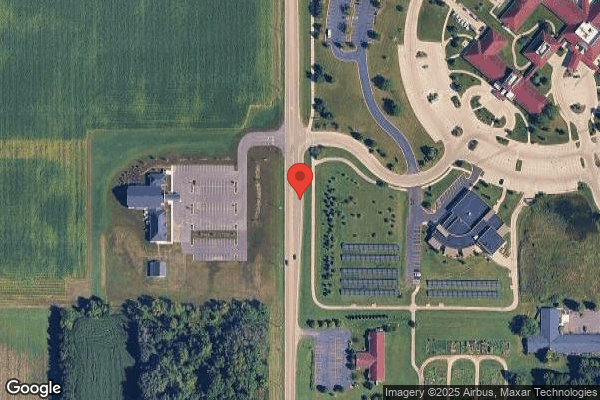
2600 NORTH ANNIE GLIDDEN ROAD, DEKALB, IL 60115 (815) 758-2477
Government - County 190 Beds Independent Data: November 2025 1 Immediate Jeopardy citation
Trust Grade
43/100
#135 of 665 in IL
Last Inspection: April 2025

Within standard 12-15 month inspection cycle. Federal law requires annual inspections.

Overview

Dekalb County Rehab & Nursing has a Trust Grade of D, indicating below-average performance and some concerning issues. They rank #135 out of 665 facilities in Illinois, placing them in the top half, and #1 out of 7 in DeKalb County, meaning they are the best local option. However, the facility's trend is worsening, as the number of issues increased from 6 in 2024 to 7 in 2025. Staffing is a strong point with a 5-star rating and more RN coverage than 86% of Illinois facilities, indicating that residents receive attentive care. On the downside, the facility has incurred $187,304 in fines and has reported critical incidents, such as failing to properly manage COVID-19 precautions, which led to an outbreak, as well as not serving liquids at safe temperatures, resulting in a burn injury to a resident.

Trust Score
D
43/100
In Illinois
#135/665
Top 20%
Safety Record
High Risk
Review needed
Inspections
Getting Worse
6 → 7 violations
Staff Stability
⚠ Watch
52% turnover. Above average. Higher turnover means staff may not know residents' routines.
Penalties
✓ Good
$187,304 in fines. Lower than most Illinois facilities. Relatively clean record.
Skilled Nurses
✓ Good
Each resident gets 80 minutes of Registered Nurse (RN) attention daily — more than 97% of Illinois nursing homes. RNs are the most trained staff who catch health problems before they become serious.
Violations
⚠ Watch
20 deficiencies on record. Higher than average. Multiple issues found across inspections.
★★★★☆
4.0
Overall Rating
★★★★★
5.0
Staff Levels
★★★★☆
4.0
Care Quality
★★★☆☆
3.0
Inspection Score
Stable
2024: 6 issues
2025: 7 issues

The Good

  • 5-Star Staffing Rating · Excellent nurse staffing levels
  • 4-Star Quality Measures · Strong clinical quality outcomes
  • Full Sprinkler Coverage · Fire safety systems throughout facility
  • No fines on record

Facility shows strength in staffing levels, quality measures, fire safety.

The Bad

Staff Turnover: 52%

Near Illinois avg (46%)

Higher turnover may affect care consistency

Federal Fines: $187,304

Well above median ($33,413)

Significant penalties indicating serious issues

The Ugly 20 deficiencies on record

1 life-threatening 1 actual harm
Apr 2025 7 deficiencies
CONCERN (D)

Potential for Harm - no one hurt, but risky conditions existed

Accident Prevention (Tag F0689)

Could have caused harm · This affected 1 resident

**NOTE- TERMS IN BRACKETS HAVE BEEN EDITED TO PROTECT CONFIDENTIALITY** Based on the interview and record review, the facility failed to ensure the Safety of a resident while pushing their wheelchair ...

Read full inspector narrative →
**NOTE- TERMS IN BRACKETS HAVE BEEN EDITED TO PROTECT CONFIDENTIALITY** Based on the interview and record review, the facility failed to ensure the Safety of a resident while pushing their wheelchair for one of 6 residents (R40) reviewed for Safety in the sample of 24. The findings include: R40's face sheet showed she was admitted to the facility on [DATE] with diagnoses to include paroxysmal atrial fibrillation, lymphedema, bilateral primary osteoarthritis of bilateral knees, polyneuropathy, and age-related osteoporosis. R40's facility assessment dated [DATE] showed she has no cognitive impairment. On 4/02/25 at 9:18 AM, R40 said she was recuperating from a fall. R40 said, I was negligent in some ways, and so were they. The girl got fired because of it. We have a rule about footrests. If you don't have foot pedals on, they are not allowed to push you . I was coming back to my room after an activity, I was maneuvering myself. The activity gal said, 'Let me give you a push' . It was a rush, rush, rush because they had to punch out before 4:30, so they didn't have overtime. She started to push me, and she was going a little fast; I said, 'Whoa, whoa?' As we turned to come out of the dining room, I must have put my feet down. I felt like I was shot out of a cannon. I fell and fell on my knees first, then my hands went out. They all came running . R40's Health Status Note dated 3/18/25 showed, 4:05 PM, called to nursing station/north hallway and noted resident with hands and knees on the floor, wheelchair behind her. The incident was witnessed by staff. The resident was sitting in a wheelchair with her hands full of belongings and went forward. On 4/03/25 at 10:46 AM, V20 LPN (Licensed Practical Nurse) said she didn't witness the incident. I was coming out of a room with a resident when they called for help. All I saw was where she was when I came out of the room. I was told that she was being pushed in her wheelchair, and when she came around the corner, she came out of her chair. She had mentioned to the person pushing her that her chair was acting funny. There were no foot pedals on her wheelchair. I think it was just unfortunately that someone thought they were being nice to help her . she had no injuries . R40's care plan initiated on 10/21/21 showed, I am at risk for falls related to impaired mobility . Intervention 3/18/25: Staff education is needed to utilize leg rests at all times when transporting residents related to falls . On 4/03/25 at 10:53 AM, V17 (Restorative Nurse) said she did the fall investigations. V17 said, Safety was the determining factor to [R40's] fall. The employee who was assisting the resident went back to her room. Apparently, she had items in her arms, and she asked the activity aide to transport her. She didn't follow our policy and didn't put the foot pedals on the chair prior to assisting her. [R40] put her feet down and fell forward out of the chair. No injuries . On 4/03/25 at 11:34 AM, V2 DON (Director of Nursing) said the expectation is that if they are not able to propel themselves, we want foot pedals on the wheelchair vs. expecting them to hold their feet up. It is our expectation that they would have used the leg rests for Safety. The facility's Safety Policy, revised in March 2025, stated, [The facility] and its staff recognize the importance of ensuring each resident's Safety while they reside at the Nursing Home. The following identified various types of security measures the Nursing Home has to ensure this Safety: 13. Leg Rests: Encourage residents who are able to propel themselves to allow staff to place leg rests on wheelchairs for transportation/safety needs.
CONCERN (D)

Potential for Harm - no one hurt, but risky conditions existed

Incontinence Care (Tag F0690)

Could have caused harm · This affected 1 resident

**NOTE- TERMS IN BRACKETS HAVE BEEN EDITED TO PROTECT CONFIDENTIALITY** Based on observation, interview, and record review, the facility failed to ensure that an indwelling catheter tube remained off ...

Read full inspector narrative →
**NOTE- TERMS IN BRACKETS HAVE BEEN EDITED TO PROTECT CONFIDENTIALITY** Based on observation, interview, and record review, the facility failed to ensure that an indwelling catheter tube remained off the floor for one of two residents (R18) reviewed for catheters in the sample of 24. The findings include: R18's face sheet printed on 4/3/25 showed diagnoses including but not limited to left-side hemiparesis following a stroke, below-the-knee amputation, peripheral vascular disease, aphasia (difficulty talking), and neuromuscular dysfunction of the bladder. R18's facility assessment dated [DATE] showed no cognitive impairment and the use of a urinary catheter. The same evaluation showed no behaviors. R18's April 2025 physician order report showed an order starting on 3/30/25 for 750 milligrams of Levofloxacin (an antibiotic) daily to treat pneumonia and a urinary tract infection for seven days. On 4/1/25 at 12:24 PM, R18 was in her wheelchair while seated at the lunch table in the group dining room. R18's catheter tubing was fully resting on the floor during the entire meal. The tablemate's milk cup was inadvertently knocked over and spilled onto the floor and the tubing during the meal. Staff cleaned up the milk spill while the tubing remained in place on the floor. On 4/3/25 at 10:34 AM, V3 (Assistant Director of Nurses) stated that catheter tubing needs to always stay off the floor. There is the potential for germs to cross contaminate the tubing and cause infections. Staff should be checking placement daily and frequently throughout the day. V3 said R18 has a behavior of pulling on the tubing by herself. However, it was noted that this behavior is not care planned and no interventions have been initiated, highlighting a significant gap in our care planning and execution. R18's care plan showed a focus area related to the use of the indwelling urinary catheter revision dated 4/3/25 (during the survey). Interventions included do not allow tubing or any part of the drainage system to touch the floor. This revision underscores the need for continuous improvement and vigilance in our care planning and execution. The same care plan showed a focus area related to the history of past urinary tract infections. The facility's undated Catheter Care policy states: Please remember that the bladder is ordinarily a sterile environment. Therefore, the introduction of any microorganisms will immediately start a chain of events resulting in a bladder infection.
CONCERN (D)

Potential for Harm - no one hurt, but risky conditions existed

Deficiency F0692 (Tag F0692)

Could have caused harm · This affected 1 resident

**NOTE- TERMS IN BRACKETS HAVE BEEN EDITED TO PROTECT CONFIDENTIALITY** 2) R83's electronic face sheet printed on 4/3/25 showed R83 has diagnoses including but not limited to displaced fracture of rig...

Read full inspector narrative →
**NOTE- TERMS IN BRACKETS HAVE BEEN EDITED TO PROTECT CONFIDENTIALITY** 2) R83's electronic face sheet printed on 4/3/25 showed R83 has diagnoses including but not limited to displaced fracture of right femur, displaced fracture of right humerus, osteoporosis, and dementia with behaviors. R83's facility assessment dated [DATE] showed R83 has severe cognitive impairment. R83's most recent dietary assessment dated [DATE] showed Thin BMI(body mass index) = 17. Intakes fair to good at meals. Follow intakes and weights . On 4/1/25 at 12:18PM, R83 received her lunch tray. At 12:37PM, V11 (Activity aide) pushed R83's plate in front of her and stated, Here's your food you should eat. R83 stated she did not want the meal on her plate and V11 walked away. R83 was then given a health shake to drink and was not offered any additional meal options. R83 ate less than 25% of her lunch meal. R83's meal intake documentation dated 4/1/25 showed R83 consumed 51-75% of her lunch meal. On 4/2/25 at 8:51AM, R83 had a bowl of berries and hot cereal in front of her for her breakfast meal. R83 ate 2 bites of her oatmeal and none of her berries. R83 ate less than 25% of her breakfast meal. R83's meal tray was removed by dietary staff and no alternative meal options were offered. R83's meal intake documentation dated 4/2/25 showed R83 consumed 76-100% of her breakfast. On 4/2/25 at 12:06PM, R83's lunch tray was served and consisted of turkey, stuffing, green bean casserole, cranberries, and pumpkin pie. R83 fed herself bread, 4 bites of turkey, and the whipped cream off her pumpkin pie. At 1:02PM, V15 (Certified Nursing Assistant-CNA) removed R83's lunch tray and stated, I'm going to take your tray since you're not eating it. V15 did not offer R83 any alternative meal options. R83 ate less than 25% of her lunch meal. R83's meal intake documentation dated 4/2/25 showed R83 consumed 26-50% of her lunch meal. On 4/2/25 at 2:14PM, V14 (CNA) stated, On this unit we offer a shake, ice cream, or cottage cheese if a resident is not eating their meal. I think there are other things but I'm not sure what they are. I did not feed (R83) this morning so I'm not sure how much she ate. I did document that she ate 76-100% but I'm not sure who told me that's how much she ate. The dietary staff and activity staff help clear the trays so if they don't tell me how much someone eats, we just talk amongst ourselves while we are charting to figure out who ate what. I guess I shouldn't be documenting the intakes if I didn't personally observe the resident's tray. On 4/3/25 at 10:00AM, V2 (Director of Nursing) and V3 (Assistant Director of Nursing) stated, Dietary & CNA's document the meal intakes. If the CNA is feeding the resident or has the direct observation of the intake, then they can document it. It is important to document the correct amount to get an accurate picture of their intakes. Alternatives that we offer are ice cream, cottage cheese, health shakes, or the alternative menu options. There are plenty of things we can get for them, but I don't know if (R83) would accept any of them. We should ask residents though if they aren't eating if they want something else. I don't know how important it is to document meal intakes, the weights are a better indicator of their nutritional status. The facility's policy titled, Documentation of Oral Intake dated 03/2021 showed, Purpose: To document oral intake of meals and supplements and to determine the adequacy of residents caloric and nutrient intake .3. The amount of food consumed for entire tray contents will be documented as: 25%=1/4 food taken 50%= ½ food taken 75%= ¾ food taken 100%= all food taken .5. Intake record reviewed by registered dietician, dietary manager and/or nursing quarterly prior to care plan conference, and more frequently depending on resident's status . Based on observations, interview, and record review, the facility failed to ensure accurate monthly weights were obtained for 1 of 3 residents (R51); and failed to document accurate meal intakes and/or offer alternative meal options for 1 (R83) reviewed for nutrition in the sample of 24. Findings include: 1. R51's face sheet indicated resident admitted to facility on 10/07/2022 and has a past medical history not limited to: dementia, cognitive communication deficit, dysphagia (oral phase), anxiety, and need for assistance with personal care. R51's minimum data set section K dated 01/01/2025 documented weight loss of more than 5% or more in the last month or loss of 10% or more in the last 6 months. R51's active orders as of 04/03/2025 showed the following: 120 cubic centimeters (cc) of [high calorie nutrition] two times a day for weight loss and monthly weight monitoring. R51's care plan last revised on 04/03/2025 documented: lives on CVS unit; have maintained my weight last 3 months, current weight is 116 pounds; on comfort care with no hospitalizations; nutritional problem or potential for nutritional problems related to poor intakes and resistance for assistance at times with meals/intakes. On 04/02/2025 at 03:32 PM, R51's weight summary that documented a weight of 127.5 lbs. (pounds) on 12/01/2024 at 09:39 AM with wheelchair; 111.0 lbs. on 01/01/2025 at 12:06 PM while sitting; 116.0 lbs. on 01/02/2025 at 13:13 (12:13 PM) with wheelchair; 128.0 lbs. on 02/02/2025 at 14:44 (02:44 PM) with mechanical lift; and 116.0 lbs. on 03/04/2025 at 15:04 (03:04 PM) with wheelchair. No April weight was documented at this time. On 04/02/2025 at 02:35 PM, V2 (Director of Nursing) said when there is a discrepancy with a resident's monthly weight, they are reweighed. V2 then said she needed to follow-up with V5 (Dementia Unit Coordinator) regarding the weight discrepancies for R51 because she monitors weights on that unit. On 04/03/2025 at 08:26 AM, review of R51's weight summary showed previous weight of 128.0 lbs. on 02/02/2025 was now struck out on 04/02/2025 at 4:31PM with a new weight of 118.0 lbs. documented on same date at 07:31. The Summary also documented a weight of 117.3 lbs. on 04/02/2025 at 08:25. On 04/03/2025 at 10:40 AM, V5 (Dementia Unit Coordinator) said R51's normal weight range is from 110 to 116 lbs. and her appetite is normally between 25-50% for most meals. V5 then said there was a weight discrepancy with R51's weight on 01/2025 with weight of 137.5 obtained. V5 added that after R51 was reweighed twice, and the last weight obtained was 128 lbs. V5 (Dementia Unit Coordinator) then said the weight of 128 lbs. obtained on 02/02/205 was likely an error because R51 had no signs of weight gain or edema, and her lungs were clear. V5 said she communicated these findings to R51's physician on 02/02/2025 with no new orders or concerns. V5 (Dementia Unit Coordinator) added that residents should be weighed with the same type as previous month, either wheelchair, standing, or with a mechanical lift and any residents with a discrepancy of 5 lbs., increase or decrease, should be reweighed. At 10:51 AM, V5 (Dementia Unit Coordinator) said after monthly weights are completed for the unit, she reviews the weights and if she finds any discrepancies, she requests a reweigh for that resident. V5 then said, we are getting 2 new scales. The facility Weight Protocol last revised 03/2021 documented it is the policy of the [NAME] County Rehab and Nursing Center to take and record the resident's weights at the following times: upon admission; monthly record on vital sign record; additional resident weights may be taken if resident's condition warrants; if unable to weight a resident per protocol, supportive documentation must be made in the resident's record; nutritional status including resident's weight is reviewed by Food Service Director. Upon admission, monthly, at resident's care plan session and more frequently if resident's weight status warrants; resident physician will be notified if resident has a 5% or greater weight gain or loss in a 30 day period, or 7.5% weight gain/loss during previous three months and 10% weight gain/loss during the previous six months. This notification will be recorded; upon admission, establish usual body weight from the social medical history form .If no information is available dietary will take the residents weight for the past year and average for the usual body weight; weekly weights for 1 month for any resident on food and fluid intake study. The facility Weight Change policy revised 03/2021 documented: nursing to weigh residents monthly; reports weights to dietary manager; weights will be entered into prime program; list of resident weights will be produced given to nursing management; weights will then be monitored by the RD, Dietary Manager, Nursing Management for any significant weight losses, gains, trends; RD and/or Dietary Manger will chart on resident's condition and make recommendations as deemed necessary.
CONCERN (D)

Potential for Harm - no one hurt, but risky conditions existed

Respiratory Care (Tag F0695)

Could have caused harm · This affected 1 resident

**NOTE- TERMS IN BRACKETS HAVE BEEN EDITED TO PROTECT CONFIDENTIALITY** Based on observation, interview, and record review the facility failed to ensure oxygen was administered at the physician prescr...

Read full inspector narrative →
**NOTE- TERMS IN BRACKETS HAVE BEEN EDITED TO PROTECT CONFIDENTIALITY** Based on observation, interview, and record review the facility failed to ensure oxygen was administered at the physician prescribed rate for 1 of 1 resident (R32) reviewed for oxygen in the sample of 24. The findings include: R32's face sheet printed on 4/3/25 showed diagnoses including but not limited to Parkinsonism, hypertension, dementia, and depression. R32's facility assessment dated [DATE] showed staff assistance needed for all ADLs (activities of daily living). R32's April 2025 physician order summary report showed an order start dated 3/22/24 for oxygen to be administered at 1 liter per minute via nasal cannula to maintain oxygen saturation levels at greater than 90%. The order stated PLEASE WEAN AS TOLERATED every shift for hypoxia. On 4/1/25 at 11:01 AM, R32 was in bed and asleep. R32 was wearing her oxygen and the meter showed it was being administered at a rate of 3 liters per minute. At 12:40 PM, R32 was in bed asleep and the oxygen was still running at a rate of 3 liters. On 4/2/25 at 9:51 AM, R32 was in bed and the oxygen was being administered at a rate of 2 liters per minute. At 12:40 PM, the oxygen was still running at a rate of 2 liters. V12 (Certified Nurse Aide) confirmed the rate as 2 liters. V12 said the nurses are responsible for checking the levels and ensuring it is running at the correct rate. On 4/3/25 at 9:00 AM, V13 (Registered Nurse) observed R32's oxygen setting and confirmed it was being administered at a rate of 2 liters per minute. V13 stated the order is for only one liter per minute. V13 said the rate should be set as ordered. If the setting is too high, it can cause carbon dioxide to build up. If the setting is too low, residents are not getting enough oxygen. V13 stated the setting should be checked at every medication pass and during resident care. On 4/3/25 at 9:39 AM, V2 (Director of Nurses) stated oxygen should be administered as ordered by the physician. Nurses should be checking the levels frequently throughout their shifts when rounding. Being given too high or even too low has the potential to cause health problems. Incorrect rates are going against doctor orders and that is wrong. Errors in the administration rate should be found and corrected right away. R32's care plan showed a focus area related to respiratory. Interventions included give oxygen via nasal cannula at 1-2 liters per minute continuously to maintain oxygen saturation levels greater than 92%. (Not the same as parameters as on order.) The facility's Administration of Oxygen policy revision dated 5/15 states under the procedure section: Obtain specific order for the number of liters.
CONCERN (D)

Potential for Harm - no one hurt, but risky conditions existed

Deficiency F0825 (Tag F0825)

Could have caused harm · This affected 1 resident

**NOTE- TERMS IN BRACKETS HAVE BEEN EDITED TO PROTECT CONFIDENTIALITY** Based on observation, interview, and record review the facility failed to ensure occupational services were provided for 1 of 1 ...

Read full inspector narrative →
**NOTE- TERMS IN BRACKETS HAVE BEEN EDITED TO PROTECT CONFIDENTIALITY** Based on observation, interview, and record review the facility failed to ensure occupational services were provided for 1 of 1 resident (R39) reviewed for therapy services in the sample of 24. The findings include: R39's face sheet showed she was admitted to the facility on [DATE] with diagnoses to include Type 2 Diabetes, congestive heart failure, Chronic Obstructive Pulmonary Disease, chronic respiratory failure with hypoxia, emphysema, obstructive sleep apnea, hypertension, chronic kidney disease, hypothyroidism, hyperlipidemia, osteoarthritis left hand, and trigger finger. R39's facility assessment dated [DATE] showed she had moderate cognitive impairment and has upper extremity impairment in range of motion. R1's Progress Notes from her 3/12/25 Orthopaedic Surgery visit showed, . Referral to Specialty: Occupational Therapy . On 4/02/25 at 9:50 AM, R39 said, I'm supposed to start therapy for my hand. I had a lump that was removed and now for some reason these two fingers and my thumb feel like they are asleep. I don't know when I am going to start that, they haven't come to me about it yet. R39's 3/27/25 Care Conference Note showed, . follow-up with [physician] where she received cortisone injection to left thumb r/t pain, MRI on 3/3/25 of hand and second cortisone injection on 3/12/25 in addition to new orders for OT and to follow-up again in 6 weeks . R39's Care Plan initiated 6/19/23 and revised 3/9/25 showed, I I have arthritis of the left hand. I was admitted with a left-hand trigger thumb. I had surgical procedure performed on 3-8-24 per [physician] for Left Thumb Trigger Finger Release . Intervention: 3/12/25: OT referral, Follow Up with [physician] in 6 weeks, Received cortisone injection to thumb in office . On 4/3/25 at 10:00 AM, V18 (Therapy Area Manager) said R39 has not been seen by the therapy department since 5/31/24 and there have been no recent evaluations. V18 said the order for scar management would be so the scar tissue does not adhere and to get better range of motion. On 4/03/25 at 10:03 AM, V19 (Program Manager/Physical Therapy Assistant) said when an order is received for therapy services they are usually able to get the resident evaluated in 2-3 days depending on how long it takes to hear from insurance and authorize the therapy services. V19 said the therapy department did not receive the order dated 3/12/25 for therapy services for R39. V19 said he thinks the order he received for R39's therapy services was received Friday of last week (March 28). V19 said he finds out about new orders for therapy from V17 (Restorative Nurse) on a weekly basis. On 4/03/25 at 11:04 AM, V17 (Restorative Nurse) said R39 is not on any restorative programs such as range of motion, because she has refused programs in the past. V17 said she could not find documentation of R39's refusals for restorative programming. V17 said, . Our therapy company is informed of new orders as we get them. I would have to double check with them if they have done an evaluation yet or not. I'm not sure how he looks it up but usually he knows the orders before I put them out there for him. He would have been able to see them before 3/28/25. I type in a list for him for people to be reviewed or screened for therapy and [R39] was on the list. I update the list daily as I get the orders . I see the OT referral . I don't know how long it takes to get on therapy . The facility's undated policy and procedure showed, Physician Orders . If therapy (Physical Therapy, Occupational Therapy, Speech Therapy, Respiratory Therapy) ordered: Call Rehab nurse at [extension] leave a voicemail if after hours .
CONCERN (E)

Potential for Harm - no one hurt, but risky conditions existed

Infection Control (Tag F0880)

Could have caused harm · This affected multiple residents

Based on observation, interview, and record review, the facility failed to perform hand hygiene during lunch service and failed to follow its hand hygiene policy and procedure. This deficiency affecte...

Read full inspector narrative →
Based on observation, interview, and record review, the facility failed to perform hand hygiene during lunch service and failed to follow its hand hygiene policy and procedure. This deficiency affected all 37 residents reviewed for infection control currently residing in the memory care unit and has the potential to affect all 109 residents currently residing in the facility. Findings include: On 04/01/2025, upon entering the facility, surveyors were provided with a resident daily census dated 04/01/2025 that documented 37 residents in the CVS (country view square) memory care unit. Centers for Medicare and Medicaid Services form 671 dated 04/01/2025 documented 109 residents currently residing at the facility. On 04/01/2025 at 12:30 PM, during lunch service, V11 (Activities) was walking throughout the larger dining room/activity room on this unit, going table to table and removing dirty plates, cups, and silverware from resident dining tables. V11 also removed several soiled clothing protectors from the tables that she was holding close to her body and were touching her clothes. V11 (Activities) was observed interacting with residents in this unit's dining room and in the smaller dining room that is behind and to the left of this larger dining room. V11 was encouraging many residents to either eat more of their lunch or drink more fluids then moved the resident's dinnerware around with her hands then would place a different item within the resident's reach. V11 continued to remove dirty dishes and clothing protectors from table to table and was not observed performing hand hygiene at any time between tables. On 04/01/2025 at 12:37 PM, V11 (Activities) coughed into her closed hand in the larger unit dining room then proceeded to move from table to table, clearing plates or moving food items within resident's reach. At 12:46 PM,V11 (Activities) checked her hands and appeared to be looking for something on her hands then proceeded to wipe her hands on a used clothing protector. V11 then continued to remove dirty dishes and clothing protectors from table to table and encouraged several residents to continue eating by moving resident's dinnerware within their reach. V11 (Activities) was not observed performing hand hygiene at any time during this observation period. On 04/01/2025 at 1:07 PM, V11 (Activities) said this was her third day at facility and added that infection control policy and procedures were covered during her orientation training. V11 then said she should have performed hand hygiene after coughing into her hand and when clearing dirty dishes from table to table prior to handling any other resident's food of food or cup. On 04/01/2025 at 09:17 AM, V4 (Infection Preventionist) said staff should perform hand hygiene after touching their hair, face, etc., and especially after coughing into their hand or blowing their nose. V4 added that staff should perform hand hygiene between residents, and if using hand sanitizer, staff should wash their hands with soap and water after using sanitizer three times and/or if their hands are visibly soiled. Hand hygiene procedure for all staff reads in part: Purpose: to prevent the spread of disease organisms form one resident to another, and to safeguard the health of all employees. Gloves provide additional protection from microorganisms but do not eliminate the need for hand hygiene before and after the use of gloves. In the absence of a true emergency, personnel should always wash their hands or use alcohol-based hand sanitizer when coming on duty .before and after contact with a source that is likely to be contaminated with secretions/excretions from residents, such as procedures involving the mouth and face-oral care, feeding .before and after eating, after handling soiled [tissue], after going to the bathroom, after blowing or wiping one's nose .In addition to hand washing, alcohol-based hand sanitizer may be used to disinfect hands .Regular handwashing should still be utilized when hands are visibly soiled and after every 3 uses of hand sanitizer .when serving meals, hand sanitizer is to be used between each resident served.
CONCERN (F)

Potential for Harm - no one hurt, but risky conditions existed

Food Safety (Tag F0812)

Could have caused harm · This affected most or all residents

**NOTE- TERMS IN BRACKETS HAVE BEEN EDITED TO PROTECT CONFIDENTIALITY** Based on observation, interview, and record review the facility failed to complete the cooling process for a turkey roast. This ...

Read full inspector narrative →
**NOTE- TERMS IN BRACKETS HAVE BEEN EDITED TO PROTECT CONFIDENTIALITY** Based on observation, interview, and record review the facility failed to complete the cooling process for a turkey roast. This applies to all residents in the facility. The findings include: The Center for Medicare and Medicaid form 671 dated 4/1/25 shows there are 109 residents in the facility. On 4/1/2025 at 10:20 AM, V6 Dietary Manager said a turkey roast was being cooked today to serve tomorrow. V6 said a cooling log would be completed for this. When asked for a copy of the cooling log, V6 could not find the cooling binder in the kitchen and went into her office and returned with a copy of a blank cool down label sticker sheet. At 1:00PM on 4/1/25 the turkey roast was observed in the refrigerator covered with foil and dated 4/1/25. V6 pulled the roast from the refrigerator and checked its temperature and at 1:15 PM ( 2 1/2 hours after removed from the oven) the temperature was 100 degrees Fahrenheit (F). V6 was not sure what time the roast was placed in the refrigerator to cool and was not aware of who even cooked the roast. V6 had to go ask several staff members before she found out it was V8 [NAME] who had baked the roast. V6 said no cooling logs were started for the turkey roast. On 4/1/25 at 1:30 PM, V8 said she cooked the roast that morning and when the temperature reached 165 degrees F, she pulled it from the oven at 10:45 AM. V8 said she cut the roast up into several pieces, labeled it with the date and placed in the refrigerator. V8 said she did not know when she was to check the temperature again and where to document the time and temperature of the roast, she would have to ask her supervisor. On 4/1/25 at 1:35 PM, V7 Assistant Dietary Manager said, that is not our policy, a sticker should be put on the food being cooled when it is first stored in the refrigerator. The roast should have been at 70 degrees F by the 2-hour mark, I'll have to go get a new turkey roast now. On 4/2/25 at 9:30 AM V6 said she had to throw away the turkey roast cooked yesterday due to proper cooling not taking place. On 4/02/25 at 9:40 AM, V6 Dietary Manager and V7 said they have begun training the staff on cooling foods. A new binder has been made for the cooling logs. V6 said it's important to monitor the cooling of food to prevent food [NAME] illnesses. The undated policy for cool down/leftovers provided by the facility shows all cooked items that will be utilized for service at a later time must have a cool down label and be recorded in the cool down log in the cool down binder. Temperature logging must include the date the food was made, the food item, temperature at the time when out of the oven, temperature at 2 hours, and temperature at 4 hours. The total cool down process should take no longer that 6 hours. Stage one cool foods from 135 degrees F to 70 degrees F within 2 hours, stage 2 cool foods from 70 degrees F to 41 degrees F within 4 hours.
Mar 2024 6 deficiencies
CONCERN (D)

Potential for Harm - no one hurt, but risky conditions existed

Incontinence Care (Tag F0690)

Could have caused harm · This affected 1 resident

Based on observation, interview, and record review, the facility failed to ensure a resident's urinary indwelling catheter bag was not touching the floor to prevent contamination for 1 of 4 residents ...

Read full inspector narrative →
Based on observation, interview, and record review, the facility failed to ensure a resident's urinary indwelling catheter bag was not touching the floor to prevent contamination for 1 of 4 residents (R86) reviewed for catheters in the sample of 21. The findings include: On 3/3/24 at 9:44 AM, R86 was sitting in her wheelchair in her room. R86's catheter bag was hanging from the underside of her wheelchair. R86's catheter bag was touching the floor. On 3/3/24 at 10:52 AM, R86 was propelling herself down the hallway. R86's catheter bag was dragging on the floor as she propelled herself down the hallway. R86 did not have a privacy bag on the catheter bag. On 3/4/24 at 2:31 PM, V2 (Director of Nursing) said urinary catheter bags should be kept off of the floor for infection control reasons. R86's Urinary Catheter Care Plan shows, Do not allow tubing or any part of the drainage system to touch the floor. The facility's Caring for Residents with Foley Catheter Drainage Setups Policy, revised 1/2024, shows, The catheter bag container is attached to the side of the bed frame. Do not allow the bag to touch floor. When resident is up in the w/c (wheelchair), place foley drainage bag in drainage pouch under w/c seat. Tubing should be threaded under seat, above cross bars. Be sure pouch is attached securely under w/c seat and is high enough off floor to not sag onto floor with weight of urine
CONCERN (D)

Potential for Harm - no one hurt, but risky conditions existed

Deficiency F0744 (Tag F0744)

Could have caused harm · This affected 1 resident

Based on observation, interview, and record review, the facility failed to provide behavioral interventions for a resident with a diagnosis of dementia that was displaying behaviors for one of 15 resi...

Read full inspector narrative →
Based on observation, interview, and record review, the facility failed to provide behavioral interventions for a resident with a diagnosis of dementia that was displaying behaviors for one of 15 residents (R62) reviewed for dementia care in the sample of 21. The findings include: R62's admission Record, dated 3/4/24, shows R62 was admitted tot he facility on 2/26/19, with diagnoses including dementia, Alzheimer's, restlessness and agitation, generalized anxiety disorder, major depressive disorder, anxiety disorder, over active bladder, and need for assistance with personal care. R62's Care Plan, initiated 3/1/24, shows, I have a history of often ambulating up and down the halls and will become momentarily tearful, whimper, and cry out before continuing to ambulate against/down the hall. Care Plan initiated 11/16/23, shows, Walk with me to/from resident dining room for all meals or as often as I will tolerate. Encourage me to walk as much as I will tolerate and praise my efforts. On 3/3/24 at 9:30 AM, R62 was sitting in her wheelchair in the large dining room. V11, Activity Aide, was sitting in a chair next to R62. R62 made numerous attempts to stand up; V11 guided R62 to sit back down. At 9:47 AM, V10, CNA (Certified Nursing Assistant), said she is going to take R62 to the bathroom to see if that is why she keeps trying to stand up. V10 took R62 to the bathroom. R62 was placed back at the table with V11 after using the bathroom. At 10:10 AM, R62 was attempting to stand up and was trying to walk. V11 again guided R62 to sit down. R62 was crying out loud. R62's wheelchair was locked and in front of a table. R62 made numerous attempts to stand up until 11:08 AM. At 11:08 AM, V11 placed R62 in the small dining room in front of a table and locked her wheelchair. At 11:42 AM, V9, RN (Registered Nurse), was shaking a maraca in front of R62. Each time R62 attempted to stand up and move, R62 was guided to sit back down in her wheelchair. R62 attempted to stand up and move at 11:41 AM. V9 was holding onto R62's left arm and R62 yelled, Let me go! I want to move! V9 again guided R62 to sit down. V10, CNA, came over to R62 and switched spots with V9. V10 continued to shake the maraca in front of R62. R62 continued to make multiple attempts to stand up and move until lunch came at 12:00 PM. There were no attempts made by staff to ambulate R62 during the entire observation. On 3/4/24 at 11:41 AM, V8, RN, said R62 is able to walk with a gait belt and a walker with a wheelchair following her, depending on the day. V8 said when R62 is showing behaviors of restlessness or anxiety, then ambulation and toileting are the staffs' first go to. V8 also said snacks and drinks are also offered. V8 said R62 also likes to color. V8 said sometimes walking works and sometimes it does not, but walking is an intervention that staff use to help with restlessness. On 3/5/24 at 11:14 AM, V6, CNA, said R62 constantly tries to stand up. V6 said R62 screams and tries to walk unsafely. V6 said R62 can get frustrated at times when staff try to help her. V6 said if R62 is restless, then staff offer her snacks, take her to the bathroom, and offer her root beer because R62 really likes root beer. V6 said sometimes R62 can walk safely and sometimes she can't. V6 said walking R62 can be used to manage R62's behaviors. On 3/5/24 at 1:51 PM, V15 (R62's Daughter) said R62 was a pacer. V15 said when R62 lived at home, R62 would pace back and forth. V15 said R62 roamed the facility on her own, until it was not safe to do it on her own. The facility's Activity Schedule policy, undated, shows, Dementia residents are often unable to cope with set agendas due to their cognitive impairment. The purpose is to ensure we are providing an environment conducive to our residents needs. To maintain a resident at the highest functional level possible.
CONCERN (D)

Potential for Harm - no one hurt, but risky conditions existed

Deficiency F0805 (Tag F0805)

Could have caused harm · This affected 1 resident

Based on observation, interview, and record review, the facility failed to provide two residents with a smooth consistency pureed pork chop that was free of chunks. This applies to 2 of 2 residents (R...

Read full inspector narrative →
Based on observation, interview, and record review, the facility failed to provide two residents with a smooth consistency pureed pork chop that was free of chunks. This applies to 2 of 2 residents (R13, R55) reviewed for pureed diets in the sample of 21. The findings include: On 3/3/24 at 1:24 PM, the facility provided a test tray of pureed ham, pureed pork chop, and pureed carrots. The pureed pork chop was not smooth and contained chunks of pork chop that required chewing. On 3/3/24 at 1:34 PM, V12 (Food Service Director) said the pureed pork chop texture was not good because it had chunks. The ideal texture should be smooth, free of chunks, and similar to baby pudding or applesauce. R13's lunch meal ticket, dated 3/3/24, shows R13 received the pureed pork chop. R55's lunch meal ticket, dated 3/3/24, shows R55 received the pureed pork chop. Facility Puree Food Texture log, dated February 2024, states, . Food must be smooth, with no beads of meat or other food present.
CONCERN (E)

Potential for Harm - no one hurt, but risky conditions existed

Resident Rights (Tag F0550)

Could have caused harm · This affected multiple residents

Based on observation, interview, and record review, the facility failed to provide feeding assistance in a dignified manner for four of 21 residents (R42, R55, R58, R84) reviewed for dignity in the sa...

Read full inspector narrative →
Based on observation, interview, and record review, the facility failed to provide feeding assistance in a dignified manner for four of 21 residents (R42, R55, R58, R84) reviewed for dignity in the sample of 21. The findings include: On 3/4/24 at 11:56 AM, V4, V5, and V6, CNAs (Certified Nursing Assistants), were feeding R42, R55, R58, and R84 their lunch meals while standing up. There was an empty chair at R58 and R84's table, and an empty chair at R42 and R55's table. On 3/5/24 at 10:52 AM, V8, RN (Registered Nurse) said staff should sit and feed resident for dignity concerns. At 11:14 AM, V6, CNA, said staff should sit down to feed residents, because if staff stand up to feed residents, then it is a dignity issue. The facility's Resident Care Philosophy policy, reviewed March 2006, shows, A Philosophy of care is based upon a basic belief and respect for the dignity and worth of the individual. Each resident will be treated with compassion and will experience vitality to the extent individually possible.
CONCERN (E)

Potential for Harm - no one hurt, but risky conditions existed

Menu Adequacy (Tag F0803)

Could have caused harm · This affected multiple residents

Based on observation, interview, and record review, the facility failed to provide residents eating from the Oak and Birch dining rooms with the correct serving sizes for the parmesan herb potatoes, r...

Read full inspector narrative →
Based on observation, interview, and record review, the facility failed to provide residents eating from the Oak and Birch dining rooms with the correct serving sizes for the parmesan herb potatoes, regular carrots, mechanical soft ham, pureed ham, au gratin potatoes, and mashed potatoes. This applies to 4 of 21 residents (R9, R32, R50, R75) reviewed for diets in the sample of 21. The findings include: Facility provided list of residents served from the Oak dining room kitchenette for lunch on 3/3/24 shows R32 was served. Facility provided list of residents served from the Birch dining room kitchenette for lunch on 3/3/24 shows R9, R75, and R50 were served. Facility Diet Spreadsheet, dated 10/17/23, shows the lunch meal for 3/3/24 consisted of baked glazed ham, parmesan herb potatoes, carrots, apple pie, and a dinner roll. On 3/3/24 at 11:40 AM, V12 (Food Service Director) and V13 (Assistant Dietary Manager) began to place serving utensils in the appropriate foods for the lunch service in the Oak dining room kitchenette. The parmesan herb potatoes had a #10 scoop, which provides 3 ounces (oz) of volume. The carrots had a 3 oz spoodle. The mechanical soft ham had a #20 scoop, which provides 1.625 oz of volume. The pureed ham had a #12 scoop, which provides 2.66 oz of volume. The au gratin potatoes had a #10 scoop, which provides 3 oz of volume. The mashed potatoes had a #12 scoop, which provides 2.66 oz of volume. On 3/3/24 from 11:55 AM until 12:15 PM, V14 (Cook) served each plate out of the Oak dining room with a single scoop of all foods. V14 then packed up the foods and transported them with the serving utensils to the Birch dining room kitchenette. On 3/3/24 from 12:35 PM until 1:15 PM, V14 served each plate out of the Birch dining room kitchenette with a single scoop of all foods. The parmesan herb potatoes had a #10 scoop, which provides 3 oz of volume. The carrots had a 3 oz spoodle. The mechanical soft ham had a #20 scoop, which provides 1.625 ounces of volume. The puree ham had a #12 scoop, which provides 2.66 oz of volume. The au gratin potatoes had a #10 scoop, which provides 3 oz of volume. The mashed potatoes had a #12 scoop, which provides 2.66 oz of volume. Facility Diet Spreadsheet, dated 10/17/23, shows the parmesan herb potatoes was supposed to be served using a 4 oz spoodle. The #10 scoop used provides 1 ounce less than the 4 oz spoodle. Facility Diet Spreadsheet, dated 10/17/23, shows the carrots were supposed to be served using a 4 oz spoodle. The 3 oz spoodle used provides 1 ounce less than the 4 oz spoodle. Facility Diet Spreadsheet, dated 10/17/23, shows the mechanical soft ham was supposed to be served using a #8 scoop, which provides 4 oz of volume. The #20 scoop used provides 2.375 ounces less than the #8 scoop. Facility Diet Spreadsheet, dated 10/17/23, shows the pureed ham was supposed to be served using a #10 scoop, which provides 3 oz of volume. The #12 scoop used provides 0.33 ounces less than the #10 scoop. Facility provided au gratin recipe, dated 3/22/23, shows the au gratin potatoes were supposed to be served using a #8 scoop, which provides 4 oz of volume. The #10 scoop used provides 1 ounce less than the #8 scoop. Facility provided mashed potato recipe, dated 3/22/23, shows the mashed potatoes were supposed to be served using a #8 scoop, which provides 4 oz of volume. The #12 scoop used provides 1.33 ounces less than the #8 scoop. On 3/3/24 at 12:37 PM, V14 said the carrots were supposed to be served using a 4 oz spoodle, but believes they are low on them, which is why a 3 oz spoodle was used instead. On 3/4/24 at 10:37 AM, V12 said, If cooks don't use the correct scoop sizes, residents are at risk of getting the incorrect amount of calories, protein, and total nutrients. This can lead to weight loss.
CONCERN (F)

Potential for Harm - no one hurt, but risky conditions existed

Food Safety (Tag F0812)

Could have caused harm · This affected most or all residents

Based on observation, interview, and record review, the facility failed to handle and store three bulk bin scoops in a sanitary manner. This has the potential to effect all residents in the facility. ...

Read full inspector narrative →
Based on observation, interview, and record review, the facility failed to handle and store three bulk bin scoops in a sanitary manner. This has the potential to effect all residents in the facility. The findings include: The CMS 671, dated 3/3/24, shows there are 105 residents residing in the facility. On 3/3/24 at 09:13 AM, the bulk bin of white rice in the dry storage room had a scoop inside the bin, lying on top of the white rice. On 3/3/24 at 11:21 AM, a bulk container of brown sugar outside of the Oak dining room kitchenette had a purple handle ice cream scoop inside the container, lying on top of the brown sugar. On 3/4/24 at 10:17 AM, the bulk bin of flour underneath the food prep counter had a scoop in the bin, resting on top of the flour. On 3/4/24 at 10:30 AM, V12 (Food Service Director) said, They (the kitchen staff) know scoops should not be on top of food ingredients. This can increase the risk of cross contamination and bacterial growth.
Sept 2023 2 deficiencies 1 IJ (1 affecting multiple)
CRITICAL (K) 📢 Someone Reported This

A family member, employee, or ombudsman was alarmed enough to file a formal complaint

Immediate Jeopardy (IJ) - the most serious Medicare violation

Infection Control (Tag F0880)

Someone could have died · This affected multiple residents

**NOTE- TERMS IN BRACKETS HAVE BEEN EDITED TO PROTECT CONFIDENTIALITY** Based on observation, interview, and record review facility, failed to ensure sure staff doffed PPE (personal protective equipme...

Read full inspector narrative →
**NOTE- TERMS IN BRACKETS HAVE BEEN EDITED TO PROTECT CONFIDENTIALITY** Based on observation, interview, and record review facility, failed to ensure sure staff doffed PPE (personal protective equipment) in a manner to prevent cross-contamination after caring for COVID-19 positive residents; failed to ensure residents were not exposed to staff exhibiting symptoms of COVID-19; failed to implement transmission-based precautions for residents exhibiting symptoms of COVID-19; failed to have a system in place to accurately track/trend resident and staff exposures to COVID-19 during a facility outbreak; failed to have an effective system in place to test staff and residents for COVID-19 during a facility outbreak; and failed to ensure COVID negative residents were not exposed to COVID positive residents. These failures resulted in a facility outbreak of COVID-19 which, as of 9/11/23, included twenty-eight positive residents and fourteen positive staff. Three of the twenty-eight residents were hospitalized for COVID. These failures have the potential to affect all 72 residents residing in the A Building of the facility. These failures resulted in an Immediate Jeopardy. The Immediate Jeopardy started on 8/25/23, when V13, Certified Nursing Assistant (CNA), provided cares to residents in the A Building, while exhibiting symptoms of COVID-19. V1 (Administrator) was notified of the Immediate Jeopardy on 9/12/23 at 2:31 PM. This surveyor confirmed by observation, interview, and record review, the Immediate Jeopardy was removed on 9/13/23, however, noncompliance remains at a Level 2 because additional time is needed to evaluate the implementation and effectiveness of the in-service training. The findings include: A facility roster, dated 9/11/23, showed a census of 72 residents in the A Building. A facility map, dated 9/11/23, showed the A Building was divided into 4 wings which included A-North, A-South, A-East, and A-West. A facility resident/staff COVID-19 report, printed 9/11/23, showed the COVID-19 outbreak started on 8/24/23, when a staff member tested positive. The report showed by 9/3/23, the COVID outbreak had spread to residents on the A-West, A-South, and A-North wings of the A Building. By 9/8/23, twenty-eight residents had tested positive for COVID. All twenty-eight residents resided in the A Building. Fourteen staff had tested positive. Of those fourteen staff members, thirteen of them worked in the A Building. As of 9/8/23, three residents (R13-R15) had been hospitalized due to COVID. 1. R7's Health Status Note, dated 9/4/23, showed R7 had tested positive for COVID-19. R7 was placed on droplet/contact isolation (transmission-based precautions) for ten days. On 9/11/23 at 10:41 AM, V3 Assistant Director of Nursing (ADON) exited R7's room, after providing cares to R7, without doffing her contaminated N95 mask or plastic face shield. V3 walked over to a PPE cart in the hallway, removed her face shield, and placed the contaminated face shield in the top drawer of the cart, on top of a box of gloves and N95 masks. At no time did R7 remove her contaminated N95 mask. R9's Physician Order, dated 9/3/23, showed R9 was placed on droplet/contact isolation, for ten days, after testing positive for COVID. On 9/11/23 at 10:48 AM, V4 and V5, CNA's (Certified Nursing Assistants), exited R9's room. V4, CNA, exited the room without removing her contaminated N95 mask. V5, CNA, exited the room without removing her contaminated N95 mask, or disinfecting the face shield she wore in R9's room. R10's Physician Order, dated 9/6/23, showed R10 was placed on droplet/contact isolation, for ten days, after testing positive for COVID. On 9/11/23 at 11:06 AM, V8, Registered Nurse, donned PPE and entered R10's to administer medications to R10. At 11:08 AM, V8 exited R10's room without doffing her contaminated N95 mask or disinfecting her face shield. V8 then pushed her medication cart down to the nurses station, while wearing the contaminated PPE. On 9/12/23 at 7:35 AM, V2, Director of Nursing (DON), stated, Staff must remove and discard their N95 masks, before exiting a COVID positive room. Staff must disinfect their face shields prior to exiting a COVID positive room to attempt to prevent the spread of COVID-19. The facility's Standard Precautions/Transmission-Based Precautions policy (undated) showed staff are to remove and discard all PPE (gloves, gown, mask, and eye protection) prior to exiting the room of a resident on any transmission-based precautions. 2. The facility's nursing schedule, dated 8/24/23, showed V13, CNA, worked from 11:00 PM on 8/24/23 until 7:00 AM on 8/25/23 on the A-South wing. V13, CNA's, urgent care discharge report, dated 8/26/23, showed V13 tested positive for COVID-19. On 9/12/23 at 10:51 AM, V13, CNA, stated she developed a sore throat while working the night shift on 8/24/23. V13 stated, I noticed my throat was sore towards the end of my shift. I was tired by didn't think much of it. I didn't report my symptoms to anyone. Later that day (on 8/25/23), I started to feel worse and had a fever. I went and got tested for COVID. I was positive. V13, CNA, stated on 8/24/23, she provided cares to residents on the A-South wing, which included incontinence care, toileting, and transferring residents out of bed. V13 stated she did not wear a mask while providing cares to residents during her shift. On 9/11/23 at 12:48 PM, V9, Infection Preventionist (IP)/RN, stated V13, CNA, failed to report to facility management, that she had developed a sore throat and fatigue towards the end of her shift on the morning of 8/25/23. V9 stated V13 finished her shift and left the facility without being tested for COVID, or reporting her symptoms. V9 stated she was notified of V13's positive COVID test on 8/26/23. V9 stated, If staff become sick at work, they should notify their supervisor immediately, get tested for COVID, and immediately be removed from resident care to avoid potentially exposing residents to COVID. When V9 was asked if she had tested the residents V13, CNA, had provided cares to on 8/24/23-8/25/23, V9 stated, I took the contact tracing approach. I didn't feel (V13, CNA) had really any close contact to any residents during her shift, so I didn't test anyone. The facility's COVID-19 Testing Plan and Strategy policy, dated 5/25/23, showed, Any resident or HCP (healthcare professional) who develops fever or symptoms consistent with COVID-19, regardless of vaccination status, should receive a COVID test as soon as possible. 3. R1's Health Status Note, dated 9/2/23, showed R1 had developed complaints of nausea and had one episode of vomiting. R1 was COVID tested, which showed a negative result. R1's Administrative Note, dated 9/3/23, showed R1 had developed generalized congestion. The note showed no documentation R1 was retested for COVID, or placed on isolation. R1's Health Status Note, dated 9/4/23, showed R1 tested positive for COVID, and was placed on isolation at that time. On 9/11/23 at 11:03 AM, V7, CNA, stated she felt facility administration didn't act quick enough to try to stop the COVID outbreak. V7 stated, I took care of (R1) on September 3rd and 4th (2023). I reported to her nurse, both days, that I didn't think (R1) felt well. (R1) was pale, not eating, and tired. She had a cough. I know they didn't test her on September 3rd. She also wasn't on isolation on September 3rd. On 9/12/23 at 8:26 AM, V15, RN, stated she cared for R1 on 9/3/23. V15 stated, (R1) had generalized congestion, which I medicated her for. I did not retest her for COVID or put her on isolation at that time. A physician order for R1, dated 9/4/23, showed R1 was not placed on droplet/contact isolation until two days after developing COVID symptoms. R2's Health Status Note, dated 8/30/23, showed R2 developed a new onset of fever. The note showed R2 tested negative for COVID. The note showed no documentation R2 was placed on isolation at that time. R2's Health Status Notes, dated 8/31/23, showed R2 continued to have a fever. The notes showed no documentation R2 was retested for COVID. R2's Health Status Note, dated 9/1/23, showed R2 appeared lethargic with continued fevers. R2 had developed a slight cough. R2 tested positive for COVID, and was placed on isolation at that time. A physician order for R2, dated 9/1/23, showed R2 was not placed on droplet/contact isolation until two days after developing COVID symptoms. R3's Plan of Care notes, dated 9/1/23, showed R3 had developed cold symptoms and fatigue. The notes showed R3 required supplemental oxygen to keep her oxygen level within normal limits. R3 was tested for COVID, which showed a negative result. The notes showed no documentation R3 was placed on isolation at that time. R3's Health Status Note, dated 9/3/23, showed R3 still required supplemental oxygen. The note showed R3 had been started on an antibiotic, for treatment of pneumonia. The note showed R3's daughter had taken R3 outside for a visit. R3's COVID test results and Health Status Notes, dated 9/4/23, showed R3 tested positive for COVID, and was placed on isolation at that time (three days after developing symptoms). On 9/12/23 at 11:20 AM, V17, Communicable Disease (CD) Coordinator for the local health department stated, Any resident that has been exposed to COVID and develops symptoms must be placed on droplet/contact isolation immediately, even if their initial COVID test is negative. They are to remain on isolation for 5 days. They can come off isolation if they no longer have symptoms and their day 1, day 3, and day 5 COVID tests are negative. The facility's Infection Control COVID-19 policy, dated 5/25/23, showed, Monitoring residents for fever or symptoms, such as shortness of breath, new or change in cough, and sore throat; and asking residents to report if they feel feverish and have symptoms of respiratory infection. If symptoms are identified, move to action steps to prevent the spread of respiratory germs within the campus to include restricting residents with fever or acute respiratory symptoms to their room . 4. V19's (Respiratory Therapist) Time Clock Report, dated 9/1/23, showed V19 worked 8:15 AM-4:30 PM in the A Building. The facility's COVID-19 tracking report, dated 9/1/23, showed V19 tested positive for COVID on the evening of 9/1/23 after he began feeling off. V18's (Dietary Aide) Time Care report, dated 8/30/23, showed V18 worked as a dietary aide in the A Building from 4:31 PM-7:40 PM. The facility's COVID-19 tracking report, dated 9/1/23, showed V18 tested positive for COVID on 8/31/23. The facility's nursing schedule, dated 8/31/23, showed V21, CNA, worked on the A-North wing from 6:00 AM-3:00 PM. V21's COVID test, dated 9/1/23, showed V21 tested positive for COVID. On 9/12/23 at 10:15 AM, V9, IP/RN, stated she did not complete any contact tracing to track/trace which residents or staff had potentially been exposed to COVID by V18, V19, or V21. V9 stated, When the COVID outbreak started, we only had one positive staff member, so I decided to take the contact tracing/testing approach to the outbreak. As the outbreak got worse, I continued to use the contact tracing method to track potential exposures caused by our positive residents, but I didn't track the potential exposures our positive staff may have caused. I didn't know contact tracing included tracking exposures created by our positive staff. When V9 was asked why she did not change to the broad-based tracing/testing approach when the facility's COVID outbreak had spread to three of the four wings in the A Building (by 9/3/23), V9 stated, I thought it was ok for me to continue with the contact tracing. It just spread so fast. It was chaos. V9 stated she did not begin broad-based COVID testing for residents, in the A Building, until 9/7/23. Broad-based testing for staff, in the A Building, was not started until 9/11/23. On 9/12/23 at 11:20 AM, V17, Communicable Disease (CD) Coordinator for the local health department, stated, Contract tracing/testing for COVID is only effective if facilities contract trace potential exposures caused by both, positive residents and positive staff. We had told (V9 IP/RN), multiple times, that she was to stop using the contact tracing approach for their outbreak, and start the broad-based approach. (V16, CD Staff) spoke with (V9) on 9/1/23 and told her to switch to broad-based testing. (V12, CD Staff) spoke with (V9) again on 9/5/23 and told her to start doing the broad-based testing immediately. We told (V9) the contact tracing approach is ok to use if the outbreak is contained to 1-2 residents on the same hallway or wing. If multiple residents start turning positive per day, or the outbreak spreads to other hallways/wings, they must change to the broad-based approach. The facility's COVID-19 Testing Plan and Strategy policy, dated 5/25/23, showed one confirmed COVID-19 case, resident or staff, triggered an outbreak investigation. The policy showed the facility should considered a broad-based approach to an outbreak if additional cases are identified from testing close contacts or higher-risk exposures, facilities should expand testing as determined by the distribution and number of cases throughout the facility and ability to identify close contacts . 5. On 9/11/23 at 11:03 AM, R4 was seated in a wheelchair, by the nurses station, on the unit of the COVID outbreak. R4 wore a surgical mask, down under her chin, with her mouth and nose exposed. On 9/11/23 at 11:44 AM, R5 was seated in a reclined wheelchair, in the hallway, outside of COVID positive rooms (rooms 270, 271). The doors to rooms [ROOM NUMBERS] were wide open. No mask was noted on R5. On 9/12/23 at 7:35 AM, V2, DON, stated, The doors to rooms of COVID positive residents should be closed, unless the residents are a fall risk. If a resident is COVID negative, the resident can come out of their room, but they must have a surgical mask on. On 9/12/23 at 9:03 AM, V14, Nurse Practitioner, for R1-R3 stated, The expectation is that the facility is following the IDPH (Illinois Department of Public Health) guidelines for COVID and is putting measures in place to stop the spread of COVID in the facility. The Immediate Jeopardy that began on 8/25/23 was removed on 9/13/23, when the facility took the following actions to remove the immediacy: 1. Broad-based COVID-19 testing of residents in the A Building was completed on 9/7/23, with no positive results. 2. The facility will ensure broad-based COVID testing will be completed for all residents in A Building two times each week until fourteen days have passed without a positive COVID test. 3. Broad-based COVID testing of employees in A Building was completed on 9/11/23, with no positive results. 4. The facility will ensure broad-based COVID testing will be completed for all employees in A Building two times each week until fourteen days have passed without a positive COVID test. 5. The Medical Director was updated regarding the COVID concerns on 9/12/23. 6. The facility will implement audits to ensure proper PPE use. This audit is to be completed by the Nursing House Supervisor or designee. Fifteen audits will be completed each week for two months. The DON or designee will report the results of the audits to the Quality Assurance committee. The QA committee will follow up as necessary. 7. The facility employee's health policies will be reviewed/revised to include immediate reporting of COVID symptoms and positive COVID test results. 8. The facility will ensure residents who are exposed to COVID and/or exhibiting COVID symptoms are immediately placed on isolation; implementing broad-based testing if more than one positive COVID case on a unit; all staff and residents on affected COVID units to wear masks while in hallways or common areas, during outbreak. 9. The facility will implement an audit tool to assess any current or new resident admissions for signs of symptoms of COVID to determine isolation needs. This audit is to be completed by a nurse. Daily audits will be completed each week for two months. The DON or designee will report the results of the audits to the QA committee. The QA committee will follow up as necessary. 10. The facility will review/revise the infection control policy to ensure that residents who are exposed to COVID and/or exhibiting COVID symptoms are immediately placed on isolation; implementing broad-based testing if more than one positive COVID case on a unit; all staff and residents on affected COVID units to wear masks while in hallways or common areas, during outbreak. 11. The facility will have a QA committee meeting, regarding COVID, on 9/15/23, to include the Medical Director and QA team. 12. The facility staff will be re-educated by the Education Nurse/Infection Preventionist regarding immediate reporting of COVID symptoms to management, donning/doffing PPE procedures, revised facility employee health policies, and the revised infection control policy.
CONCERN (D) 📢 Someone Reported This

A family member, employee, or ombudsman was alarmed enough to file a formal complaint

Potential for Harm - no one hurt, but risky conditions existed

Deficiency F0804 (Tag F0804)

Could have caused harm · This affected 1 resident

Based on observation, interview, and record revie,w the facility failed to ensure meals were delivered to residents at an appetizing temperature for 1 of 3 residents (R6) reviewed for food temperature...

Read full inspector narrative →
Based on observation, interview, and record revie,w the facility failed to ensure meals were delivered to residents at an appetizing temperature for 1 of 3 residents (R6) reviewed for food temperatures in the sample of 15. The findings include: On 9/11/23 at 11:25 AM, R6 stated, The food here is awful. It's always served late and always cold. I eat in my room. I refuse to eat in the dining room. Come back when my lunch is served, so you can see how cold it is. On 9/11/23 at 11:47 AM, V9, Infection Preventionist/Registered Nurse, delivered R6's lunch tray to R6 in his room. R6 tasted the au gratin potatoes on his tray. R6 stated to V9, The food is cold. I not going to eat this. I don't want it. I used to work in food service. Go get a thermometer and check it yourself. At 11:48 AM, this surveyor and V9, checked the temperatures of the foods on R6's lunch tray using a thermometer provided by the facility. The thermometer showed R6's au gratin potatoes were 133.5 degrees Fahrenheit (F), and the creamed corn was 126.7 degrees (F). On 9/11/23 at 2:00 PM, V11, Dietary Manager, stated, Hot foods should not be served to residents if the food temperatures are less than 135 degrees (F). Food temperatures are checked after cooking. Food is then plated in the kitchen, covered with a lid, and placed on a baker's rack (an open, nonheated rack) to be delivered to residents that eat in their rooms. Once food trays are delivered to the floor, staff should be immediately delivering the trays to residents. The facility's Preparation of Foods policy (undated) showed it was the policy of the facility's dietary department to strive to serve foods in acceptable temperature ranges as required by the state rules and regulations .Hot foods received by residents should be at temperature of 135 degrees F or greater .
Feb 2023 5 deficiencies 1 Harm
SERIOUS (G)

Actual Harm - a resident was hurt due to facility failures

Accident Prevention (Tag F0689)

A resident was harmed · This affected 1 resident

**NOTE- TERMS IN BRACKETS HAVE BEEN EDITED TO PROTECT CONFIDENTIALITY** Based on interview and record review, the facility failed to serve liquids at a safe temperature to prevent burns, and failed to...

Read full inspector narrative →
**NOTE- TERMS IN BRACKETS HAVE BEEN EDITED TO PROTECT CONFIDENTIALITY** Based on interview and record review, the facility failed to serve liquids at a safe temperature to prevent burns, and failed to supervise residents at risk for burns and with poor safety awareness for 3 of 9 residents (R9, R32, R33) reviewed for safety and supervision in the sample of 23. These failures resulted in R32 sustaining a partial thickness burn to his right foot. The findings include: 1. R32's face sheet showed a [AGE] year-old male with diagnosis of hemiplegia and hemiparesis following a subarachnoid hemorrhage affecting the right dominant side, major depressive disorder, history of malignant neoplasm of bladder and hypertension. R32's 8/24/22 incident report showed staff noted a wound to his right dorsal foot and the resident stated he spilled coffee on his foot yesterday. The right foot had a 6 centimeter (cm) X 3 cm blister and a 2.5 cm X 2.5 cm X less than 0.1 cm wound. The report showed the interventions initiated was blank. R32's 8/24/22 progress note showed resident has new wounds on right foot from coffee burn. There is no wound assessment or other data regarding the incident. A late entry note showed there was partial skin loss and blistering noted to the right foot. Again, there were no measurements or other data noted in the record. R32's 1/1/23 facility assessment showed moderately impaired cognition. This assessment showed R32 was totally dependent on two plus persons physical assistance for toilet use, transfer, and bathing. Bed mobility, dressing, and personal hygiene required extensive assistance of two plus persons to physically assist but once up in his electric wheelchair R32 was independent to move around the facility. R32's safety and skin care plans have no interventions to prevent additional burns. An intervention present showed-if I refuse assistance to get a cup of coffee, provide education on the possible consequences (resident is moderately cognitively impaired). There is no plan to add a cup holder to R32's wheelchair. There is no mention of the 8/24/22 burn incident in R32's care plans. R32's 2/14/23 incident report showed he was transporting a hot cup of coffee from the dining room to his room holding the cup between his thighs. The coffee spilled onto his feet. The right foot had burns from the inner ankle on to the bottom of the foot. The wound measured 14.5 cm X 9.5 cm with partial skin loss and partial blistering. The report showed R32 needed a cup holder on his electric scooter. R32's 2/14/23 progress note showed R32's daughter was updated about the resident spilling coffee onto his feet causing a burn onto his right foot. The note showed the resident returned to the dining room, obtained another cup of coffee and spilled that one as well. Per the note, R32's daughter told the facility he used to have a cup holder on an electric wheelchair and that helped him transport cups of coffee as he has a weak right side. R32's 2/17/23 Wound Physician note showed two wounds to the right foot. Wound #1 showed an etiology of trauma/injury to the right proximal, medial foot measuring 7.8 cm X 3 cm X 0.1 cm. Wound #2 showed an etiology of a burn to the right dorsal foot measuring 13.5 cm X 4.9 cm X 0.1 cm. R32's 2/22/23 incident report showed the resident spilled hot coffee on his left thigh. The area was reddened with a broken blister area that measured 25 cm X 2 cm. On 2/23/23 at 8:40 AM, R32 was in bed. There were 3 empty coffee cups on the bedside table next to him, and the blanket over him had a large coffee stain on it. R32's electric wheelchair was in the room. There was no cup holder attachment on the wheelchair. Access to hot liquids in R32's dining area is not restricted or monitored. On 2/23/23 at 9:43 AM, V4, Wound Nurse, removed the dressing to the wound on R32's right medial foot. There was a large open blister that extended down the side and then the bottom of the right foot. There was another bandage over R32's left knee area. On 2/22/23 at 1:03 PM, V9, Dietary Manager, said a safe temperature for liquids to be served to residents is 165 degrees Fahrenheit. V9 said, I know residents have had burns (from hot beverages). That's why we started putting ice in the hot drinks after (R9) was burned (1/29/23). On 2/23/23 at 9:48 AM, V5, Registered Nurse, said the dressing to R32's left knee area is another burn from his coffee. V5 described the area on R32's left knee as approximately 6 inches long with a blister. R32's new burn wound was not observed as the dressing was not due to be changed. V5 said the burn to his left leg happened 2/22/23. A list of resident burns from hot beverages was requested. The handwritten list received did not include R32's 2/14/23 burn. (This list was received prior to R32's 2/21/23 burn). The National Institute of Health website (nih.gov) showed a burn takes place when the skin comes into contact with a heat source. The most common sources that cause burns are fire/flame, scalds, hot objects, electrical, and chemical agents, respectively. The skin location, the degree of temperature, and duration are contributing factors to the severity of the burn. There is a synergistic effect between the temperature and duration of exposure. Skin exposure to 140 degrees Fahrenheit (F) (60 degrees Celsius) for 10 seconds can cause a full-thickness burn. Some burns, especially partial-thickness, may progress over 2 to 4 days, peaking at day 3. Partial Thickness superficial (first-degree) involves the epidermis of the skin only. It appears pink to red, there are no blisters, and it is dry. It is moderately painful. Superficial burns heal without scarring within 5 to 10 days. Superficial partial-thickness (second-degree) involves the superficial dermis. It appears red with blisters and is wet. The erythema blanches with pressure. The pain associated with superficial partial-thickness is severe. Healing typically occurs within 3 weeks with minimal scarring. Deep partial-thickness (second-degree) involves the deeper dermis. It appears yellow or white, is dry, and does not blanch with pressure. There is minimal pain due to a decreased sensation. Healing occurs in 3 to 8 weeks with scarring present. The facility's 9/2015 Skin Injury Policy showed any resident injury of skin must be addressed as follows: 2. Nurse must assess injury, 4. Injury must be documented in the care plan, 8. Update care plan interventions to prevent further injuries. The facility's 2017 Food Safety: preventing Burns Policy showed hot and food and beverages will be served at a safe temperature to prevent burns. Staff will monitor hot beverages on a regular basis at the point they are served. Appropriate supervision to obtain hot beverages will be provided to any individual demonstrating decreased safety awareness and/or anyone who is at risk for burns or scalds. This policy showed water temperatures at 150 degrees take less than a second to cause second degree burns. Hot liquids at 140 degrees may cause second degree burns in 3 seconds. 2. R9's face sheet showed an [AGE] year-old female with diagnosis of dementia with psychotic disturbance, need for assistance with personal care, weakness, and chronic kidney disease. R9's 8/4/22 facility assessment showed R9 had severe cognitive impairment. R9's 12/11/22 facility assessment showed she required extensive assistance of two plus persons to physically assist with bed mobility, dressing, toilet use, and personal hygiene. This assessment showed R9 required limited assistance of one person to physically assist her to eat. R9's 1/29/23 incident report showed the resident spilled her full cup of hot cocoa onto her left breast, left side of her abdomen and left arm resulting in three blisters to the left arm. Blister #1 measured 5 cm X 0.3 cm. The second blister measured 12 cm X 3 cm. The third blister measured 10 cm X 2.5 cm. There was a red mark to the left side of the abdomen measuring 6 cm X 4 cm. The intervention initiated for this incident was to put ice into cocoa before it is given to the resident and to move the resident to the feeder table. R9's 1/29/23 progress note showed no wound assessment. The wounds size, color, location, peri wound and other pertinent data. The facility's January 2023 Incident/accident log showed on 1/29/23, R9 had a burn/blister to the left arm from spilled hot cocoa. R9's incident notes and skin/wound notes in her medical record are blank. There was no wound assessment in R9's nursing progress notes and no scanned wound documents. R9's care plan had no interventions to prevent future burns from hot liquids. R9's safety care plan showed she was unaware of her safety needs and forgets her functional limitations due to progression of dementia. R9's activity of daily living care plan showed a deficit related to impaired mobility/cognition due to a history of a stroke with right sided hemiplegia and hemiparesis. R9's cognition care plan showed impaired cognition impairments are evidenced by decreased memory and orientation. On 2/21/23 at approximately 1:50 PM, R9 was in the dementia unit dining area visiting with family. R9 was in a wheelchair. Her left antecubital area was reddened, and had scarred residual of the burn wound. The area was open to air and closed. On 2/22/23 at 11:25 AM, V16, Community Staff Aide, poured hot water into individual cups on the dementia unit. The temperature of the water was 169 degrees Fahrenheit. Hot cocoa mix and ice cubes were added to each cup ,then mixed and served to the residents. At 11:30 AM, V16 said they never check the temperature of the hot liquids before serving them to the residents. On 2/21/23 at 1:50 PM, V15, R9's daughter said R9 was burned from hot chocolate. Why would they even serve hot chocolate that hot. She had blisters. 3. R33's face sheet showed an [AGE] year-old female with diagnosis of cerebral infarction, vascular dementia, bilateral optic atrophy, left eye esotropia (deviated toward the nose), head contusion, and aphasia. R33's 5/12/22 facility assessment showed severe cognitive impairment. This assessment showed R33 resided on the dementia unit. R33's 5/12/22 facility assessment showed she required extensive assistance of one-person physical assist for eating, bed mobility, transfer, dressing, toilet use, and personal hygiene. R33's care plan showed she was unaware of her safety needs, overestimates her functional ability and had poor spatial awareness. R33's medical record showed no skin, wound, or incident notes. The facility's May 2022 incident/accident log showed no mention of R33's 5/20/23 burn incident. The facility's 5/20/22 incident report showed R33 spilled hot cocoa in her lap. The report showed bilateral upper thigh redness. The intervention suggested was to put ice cubes to hot liquids. No measurements or complete wound assessment were on R33's record. R33's 5/31/22 wound assessment flowsheet provided by the facility and not part of her electronic record showed diffuse redness. R33's 5/20/22 progress note showed no wound assessment or other data regarding the burn incident circumstances. R33's safety and skin care plans have no mention of the 5/20/22 burn incident and no interventions to prevent additional burns.
CONCERN (D)

Potential for Harm - no one hurt, but risky conditions existed

Pressure Ulcer Prevention (Tag F0686)

Could have caused harm · This affected 1 resident

**NOTE- TERMS IN BRACKETS HAVE BEEN EDITED TO PROTECT CONFIDENTIALITY** Based on observation, interview, and record review, the facility failed to identify a pressure injury prior to a Stage 3 for 1 o...

Read full inspector narrative →
**NOTE- TERMS IN BRACKETS HAVE BEEN EDITED TO PROTECT CONFIDENTIALITY** Based on observation, interview, and record review, the facility failed to identify a pressure injury prior to a Stage 3 for 1 of 8 residents (R8) reviewed for pressure in the sample of 23. The findings include: R8's face sheet showed a [AGE] year-old male with diagnosis including chronic obstructive pulmonary disease, heart failure, dementia without behavioral disturbance, chronic kidney disease Stage 3, cardiomyopathy, and need for assistance with personal care. On 2/21/23 at 09:42 AM,10:51 AM, 12:04 PM, and 1:12 PM, R8 was observed flat on his back in bed. Both feet had boots on. The heel of both boots were in contact with the mattress at each observation. There were no offloading measures in place. There was no rubbing of the heels observed. There were no offloading devices in the bed, under the covers or on the floor. R8 resided on the dementia unit. On 2/22/23 at 12:32 PM, V2, Director of Nursing, said, A pressure wound should be found prior to becoming a stage 2. Having a pressure injury puts someone at risk for infection or pain. Offloading is important for circulation. Staff can offload heels with pillows or booties. Heels can still be offloaded if there's a wound on the heel and the resident is in bed. On 2/23/23 at 12:42 PM, V14, Dementia Unit Manager, said R8's 12/29/22 shower sheet did not show any heel wounds. V14 said R8 was experiencing swelling of both legs and his diuretic was being adjusted. V14 was asked by this surveyor if the swelling would place him at a higher risk for pressure, and she said yes. V3, Assistant Director of Nursing, said R8 had a known behavior of rubbing his heels on his mattress. V3 was asked by this surveyor if rubbing his heels on his mattress would put R8 at a higher risk for pressure, and she said yes. R8's 2/16/22 admission skin assessment showed no pressure injuries. R8's 11/18/22 facility assessment showed he required extensive assistance of two plus persons physical assistance for bed mobility, dressing, toilet use, and personal hygiene. This assessment showed no unhealed pressure injuries, and the resident was at risk. R8's 11/17/22 facility assessment showed severe cognitive impairment. R8's pressure/skin care plan showed to wear heel protectors to both feet while in bed with floating heels. Offload heels at all times. R8's 2/17/23 wound physician note showed a Stage 3 pressure injury to the left heel ,and recommended to offload the wound and float heels in bed. R8's 11/14/22 pressure risk assessment showed R8 was at risk for developing a pressure injury. The facility's January 2023 incident/accident log showed on 1/1/23 a left heel wound was noted. The facility's 2/18/23 to 2/24/23 pressure injury tracking form showed R8 had a Stage 3 pressure injury with an onset date of 1/1/23 that was acquired at the facility. The facility's 5/2021 Pressure Ulcer/Injury Prevention Protocol showed the resident will be free of a preventable skin breakdown. Protect heels as needed. Heels may need to be floated off bed. Do not position resident on pressure ulcer side if possible. A pressure ulcer/injury refers to localized damage to the skin and/or underlying soft tissue usually over a bony prominence. The injury occurs as a result of intense and/or prolonged pressure or pressure in combination with shear. A Stage 3 pressure injury is full- thickness loss of skin, in which subcutaneous fat may be visible in the ulcer.
CONCERN (D)

Potential for Harm - no one hurt, but risky conditions existed

Pharmacy Services (Tag F0755)

Could have caused harm · This affected 1 resident

Based on observation, interview, and record review, the facility failed to ensure a resident was monitored during medication administration for 1 of 1 resident (R20) reviewed for medication administra...

Read full inspector narrative →
Based on observation, interview, and record review, the facility failed to ensure a resident was monitored during medication administration for 1 of 1 resident (R20) reviewed for medication administration in the sample of 23. The findings include: On 2/22/23 at 8:38 AM, R20 was seated alone in her room in a wheelchair. R20 was eating breakfast and her food tray was on the table directly in front of her. A clear plastic medication cup with applesauce and semi-dissolved pills were next to the tray. Several white and pink crushed pills were visible through the medication cup. R20 stated she likes to wait to take her morning pills until she is done eating. R20 said the nurses leave her pills with her all the time. R20 said, They (nurses) just trust me that I will take them. V8 (RN-Registered Nurse) entered the room and removed the breakfast tray as soon as R20 was done eating. V8 exited room and the medication cup remained on R20's table. On 2/22/23 at 9:07 AM, V8 (RN) stated, Yes, she (R20) can take her medications by herself. She is usually pretty good at it. She likes to take them her way and at the time she likes. If I try to give them before she is ready, she won't take them so I just leave them in there with her. On 2/22/23 at 1:36 PM, V3 (Assistant Director of Nurses) stated, Residents need to have a mini-cognitive assessment done before they are allowed to take medicines by themselves. A physician order is also needed. The assessment should be updated at least quarterly, or sooner if needed. It is important to ensure the resident is safe to administer their medications correctly. It is unsafe if they do not take them at the correct time or possibly choke on the pills. V3 reviewed R20's electronic medical record and stated there is not an assessment for R20 to have medications left unattended with her. V3 said there may be an assessment in the paper chart. At 2/22/23 at 1:42 PM, V8 (RN) reviewed R20's paper chart, and stated there was no documentation related to R20 self-administering her own medications. R20's physician order sheet, dated 2/22/23, was reviewed and there was no order stating R20 was able to self-administer medications. R20's care plan showed a focus area related to medications, start dated 10/1/21. Interventions included Nurse to monitor for safe swallowing of medications, provide education to resident, chart refusals-make sure I safely swallow meds by observing me take them. The facility's undated Self Administration of Medication policy states: .self-administration competency testing shall be performed by the Nursing Staff . and If self-administration is seen as a possibility for the resident, the physician should be notified by the Nursing Staff for final approval of the resident's self-administration.
CONCERN (D)

Potential for Harm - no one hurt, but risky conditions existed

Infection Control (Tag F0880)

Could have caused harm · This affected 1 resident

Based on observation, interview and record review, the facility failed to ensure wound care and medication administration were performed in a manner to prevent cross-contamination for 2 of 8 residents...

Read full inspector narrative →
Based on observation, interview and record review, the facility failed to ensure wound care and medication administration were performed in a manner to prevent cross-contamination for 2 of 8 residents (R32, R64) reviewed for infection control in the sample of 23. The findings include: 1. R32's admission Record, printed by the facility on 2/22/23, showed he had diagnoses including hemiplegia and hemiparesis following nontraumatic subarachnoid hemorrhage affecting right dominant side (weakness and paralysis of one side of the body following bleeding in the space between the brain and the tissue covering the brain), and cervical spondylosis (a degenerative disease that affects the neck). R32's facility assessment, dated 1/1/23, showed he had moderately impaired cognitive skills for daily decision making. R32's Progress note, dated 2/14/23, showed he spilled coffee on himself and had partial skin loss and blistering on his right foot. R32's Pressure/Skin care plan showed Treatments to right foot as ordered. R32's ADL (activities of daily living)/Self-Care Performance care plan showed he had an ADL self-care performance deficit related to impaired mobility/cognition due to a history of CVA (cerebrovascular accident-stroke) with right-sided hemiplegia and hemiparesis. The care plan showed R32 required extensive assist of staff for bed mobility, dressing and personal hygiene. R32's Wound Evaluation and Management Summary (from a contracted Wound Physician), dated 2/17/23, showed he had a burn wound of the right, dorsal (upper side) foot for at least three days duration. The evaluation summary showed the wound measured 13.5 centimeters (cm) x 4.9 cm x 0.1 cm. On 2/23/22 at 9:43 AM, V4 (Wound Nurse) removed the old dressing to the wound on R32's right foot. R32 had a large open blister that extended from the top section of his right foot, along the side and across a portion of the bottom of his foot. V4 cleaned the wound bed with wound cleanser, wiped the skin around the wound with the gauze and wound cleanser, then wiped back over the wound bed using the same section of the gauze. V4 dried the wound bed with gauze, dried the skin around the wound with the gauze and then wiped over the wound bed with the same section of gauze. V4 applied a xeroform dressing (an occlusive dressing that protects the wound) to the wound and wrapped the wound with rolled gauze. On 2/23/23 at 10:25 AM, V4 said she should not have cleaned the skin around the wound bed and then wiped the open wound so she did not introduce bacteria into the wound. On 2/23/23 at 10:32 AM, V5 (Registered Nurse-RN) said you should not clean the skin around the wound and then wipe the wound bed with the same gauze for infection control, So you do not introduce bacteria into the wound. On 2/22/23 at 1:27 PM, R32's electronic orders tab showed: Cleanse right medial foot and right dorsal foot wounds with wound cleanser. Pat Dry. Apply Xeroform gauze daily. Wrap with Kerlix Roll Gauze. Change daily. Started on 2/18/23. The facility's policy and procedure titled Wound Care/Dressing Change, with a review date of 5/2015, showed Procedure .9. Use gauze pads or swabs and ordered cleaning solution to clean incision/wound. Working from top to bottom, and from clean to dirty, wipe once to bottom and then discard pad/swab. Repeat as often as necessary, discarding each pad/swab in biohazard bag. 2. R64's admission Record, printed by the facility on 2/22/23, showed he had diagnoses including type II diabetes mellitus, vitreous hemorrhage right eye (a leakage of blood into the areas in and around the clear gel that fills the space between the lens and the retina of the eye), and glaucoma. R64's Order Summary Report, printed by the facility on 2/22/23, showed orders for Novolog insulin 35 units subcutaneously before meals. The Order Summary Report showed another order for Novolog insulin per sliding scale before meals and at bedtime. The order showed give in addition to the scheduled insulin. The Order Summary Report showed an order for artificial tears solution, instill one drop in both eyes four times a day for dry eyes and an order for artificial tears solution one drop in both eyes every six hours as needed for dry eyes. R64's vision care plan, with a target date of 5/23/23, showed he had impaired vision related to diabetic retinopathy. The care plan showed R64 has had several eye procedures and had received frequent injections to his eyes. The care plan showed, Administer eye medications per MD (Medical Doctor) order. R64's ADL (activities of daily living)/Self-Care Performance care plan showed he had an ADL self-care performance deficit. On 2/21/23 at 11:59 AM, V7 (Registered Nurse/RN-Agency) administered 38 units of insulin into R64's left abdomen. After removing the needle, R64 had blood on his abdomen where the needle was removed. V7 wiped the blood from R64's abdomen. V7 left the same gloves on that she used to administer the insulin, and wiped the blood from R64's abdomen and instilled one drop of refresh tears into R64's left and right eyes. On 2/22/23 at 2:27 PM, V6 (Registered Nurse/RN) said after injecting insulin and wiping blood from abdomen, the nurse should change their gloves when moving to another part of the body so you do not cross-contaminate, Especially since you are moving to the eyes. On 2/22/23 at 2:30 PM, V5 (RN) said you should change gloves and clean your hands after giving insulin and wiping blood from the resident's abdomen. V5 said you do not want to cross-contaminate and cause an eye infection. The facility's undated policy and procedure titled Guidelines for Procedures for Both Standard Precautions and Transmission-Based Precautions showed Gloves are worn for three important reasons: 1. To provide a protective barrier and to prevent gross contamination of the hands when touching blood, body fluids, secretions, excretions, mucous membranes, and nonintact skin .2. To reduce the likelihood that microorganisms present on the hands of personnel will be transmitted to residents during invasive or other resident-care procedures that involve touching a resident's mucous membranes or nonintact skin .The following guidelines regarding gloves are recommended .2. Use examination gloves for procedures involving contact or expected contact with body fluids and wash hands. 3. Change gloves between patient contacts, and when going from a more contaminated area to a less contaminated area on the same resident. The policy also showed Wearing gloves does not replace the need for handwashing, because gloves may have small, in apparent defects or may be torn during use, and hands can become contaminated during removal of gloves. Failure to change gloves between resident contacts is an infection control hazard. Wear gloves when touching blood, body fluids, secretions, excretions, and contaminated items. Put on clean gloves just before touching mucous membranes and nonintact skin. Change gloves between tasks and procedures on the same resident after contact with material that may contain a high concentration of microorganisms. Remove gloves promptly after use, before touching noncontaminated items and environmental surfaces, and before going to another resident, and wash hands immediately. The facility's policy and procedure titled Insulin Injection Administration Procedures, with a revision date of 2/21, showed 3. Cleanse hands before and after administration of insulin.
CONCERN (F)

Potential for Harm - no one hurt, but risky conditions existed

Food Safety (Tag F0812)

Could have caused harm · This affected most or all residents

Based on observation, interview, and record review, the facility failed to keep the walk-in refrigerator and freezer free of ice build up, failed to wash hands between touching dirty and clean dishes,...

Read full inspector narrative →
Based on observation, interview, and record review, the facility failed to keep the walk-in refrigerator and freezer free of ice build up, failed to wash hands between touching dirty and clean dishes, failed to use tongs or clean gloves while serving food to the residents, and failed to cover food and drinks being delivered to a residents room. This applies to all residents in the facility. The findings include: The CMS (Centers for Medicare & Medicaid Services) dated 2/21/2023 shows there are 115 residents in the facility. 1. On 2/21/2023 at 8:45 AM, a build up of ice was observed in the back end of the walk-in freezer and near the fans. Next door to the freezer, the walk-in refrigerator was observed to have ice build up on the right side of the wall and in the back right corner. (The right side of the refrigerator and the freezer share this wall.) V9, Dietary Manager, said this has been a problem for a while, and she scrapes it down twice a week to prevent the ice from falling on top of the food, causing contamination to the food below it. 2. On 2/21/2023 at 9:40 AM, V10, Dietary Aide, was observed loading the dishwasher with dirty dishes using her gloved hands. V10 was then observed removing the clean dishes from the dishwasher and putting the dishes away using the same dirty gloves. V9 said V10 should have washed her hands before putting away the clean dishes to prevent cross contamination. 3. On 2/21/2023 at 11:45 AM in the Birch kitchenette, V12 and V13 were observed serving the food to the residents. V13 was wearing gloves while touching the bread, French fries, hamburger patties, and corn on the cob. V13 was observed pulling food from the steam heater and checking the temperature of the food without washing her hands or applying new gloves. V13, with the same dirty gloves, returned to serving the food by using her soiled gloves. V9 said she expects the staff to use tongs when serving foods that can not be served with a spoon. V9 said she should have changed her gloves to prevent cross contamination. 4. On 2/21/2023 at 11:45 AM, during the meal service on the Birch unit, and again at 1:20 PM on the Oak unit, room trays were observed being prepared in the kitchenette. No plastic wrap or lids were used to cover the desserts or drinks. The trays were then passed to the staff in the dining room to deliver to the rooms. The trays for the Oak unit were observed being taken from the dining room to the rooms of R268, R80 and R18. V9 said she expects her staff to cover all foods with a lid or plastic wrap. The facility face sheet for R18 shows diagnoses to include congestive heart failure and type 2 diabetes. R18's POS (Physician Order Sheet) dated 2/2023 shows an order for a general diet with diet desserts. The facility face sheet for R80 shows diagnoses to include pneumonia and type 2 diabetes. The POS dated 2/2023 for R80 shows a diet order for a general diet. The facility face sheet for R268 shows diagnoses to include post polio syndrome and hypertension. The POS dated 2/2023 for R268 shows a diet order for a general diet. The facility provided as a policy, dated 3/17, the general HACCP (Hazard analysis and critical control points) to use one person to load dirty dishes and another to pull clean dishes from the dishwasher. The facility policy dated 2017 for Bare hands contact with food and use of plastic gloves, 3. Gloved hands are considered a food contact surface that can get contaminated or soiled. If used, single use gloves shall be used for only one task, used for no other purpose and discarded when damaged or soiled or when interruptions occur in the operation. No policy was provided by the facility regarding ice build up in the freezers or for covering food when it leaves the kitchen.
Understanding Severity Codes (click to expand)
Life-Threatening (Immediate Jeopardy)
J - Isolated K - Pattern L - Widespread
Actual Harm
G - Isolated H - Pattern I - Widespread
Potential for Harm
D - Isolated E - Pattern F - Widespread
No Harm (Minor)
A - Isolated B - Pattern C - Widespread

Questions to Ask on Your Visit

  • "What changes have you made since the serious inspection findings?"
  • "Can I speak with families of current residents?"
  • "What's your RN coverage like on weekends and overnight?"

Our Honest Assessment

Strengths
  • • Licensed and certified facility. Meets minimum state requirements.
Concerns
  • • Multiple safety concerns identified: 1 life-threatening violation(s), 1 harm violation(s), $187,304 in fines. Review inspection reports carefully.
  • • 20 deficiencies on record, including 1 critical (life-threatening) violation. These warrant careful review before choosing this facility.
  • • $187,304 in fines. Extremely high, among the most fined facilities in Illinois. Major compliance failures.
  • • Grade D (43/100). Below average facility with significant concerns.
Bottom line: Trust Score of 43/100 indicates significant concerns. Thoroughly evaluate alternatives.

About This Facility

What is Dekalb County Rehab & Nursing's CMS Rating?

CMS assigns DEKALB COUNTY REHAB & NURSING an overall rating of 4 out of 5 stars, which is considered above average nationally. Within Illinois, this rating places the facility higher than 99% of the state's 100 nursing homes. This rating reflects solid performance across the metrics CMS uses to evaluate nursing home quality.

How is Dekalb County Rehab & Nursing Staffed?

CMS rates DEKALB COUNTY REHAB & NURSING's staffing level at 5 out of 5 stars, which is much above average compared to other nursing homes. Staff turnover is 52%, compared to the Illinois average of 46%.

What Have Inspectors Found at Dekalb County Rehab & Nursing?

State health inspectors documented 20 deficiencies at DEKALB COUNTY REHAB & NURSING during 2023 to 2025. These included: 1 Immediate Jeopardy (the most serious level, indicating potential for serious harm or death), 1 that caused actual resident harm, and 18 with potential for harm. Immediate Jeopardy findings are rare and represent the most serious regulatory concerns. They require immediate corrective action.

Who Owns and Operates Dekalb County Rehab & Nursing?

DEKALB COUNTY REHAB & NURSING is owned by a government entity. Government-operated facilities are typically run by state, county, or municipal agencies. The facility operates independently rather than as part of a larger chain. With 190 certified beds and approximately 108 residents (about 57% occupancy), it is a mid-sized facility located in DEKALB, Illinois.

How Does Dekalb County Rehab & Nursing Compare to Other Illinois Nursing Homes?

Compared to the 100 nursing homes in Illinois, DEKALB COUNTY REHAB & NURSING's overall rating (4 stars) is above the state average of 2.5, staff turnover (52%) is near the state average of 46%, and health inspection rating (3 stars) is at the national benchmark.

What Should Families Ask When Visiting Dekalb County Rehab & Nursing?

Based on this facility's data, families visiting should ask: "What changes have been made since the serious inspection findings, and how are you preventing similar issues?" "Can I visit during a mealtime to observe dining assistance and food quality?" "How do you handle medical emergencies, and what is your hospital transfer rate?" "Can I speak with family members of current residents about their experience?" These questions are particularly relevant given the facility's Immediate Jeopardy citations.

Is Dekalb County Rehab & Nursing Safe?

Based on CMS inspection data, DEKALB COUNTY REHAB & NURSING has documented safety concerns. Inspectors have issued 1 Immediate Jeopardy citation (the most serious violation level indicating risk of serious injury or death). The facility has a 4-star overall rating and ranks #1 of 100 nursing homes in Illinois. Families considering this facility should ask detailed questions about what corrective actions have been taken since these incidents.

Do Nurses at Dekalb County Rehab & Nursing Stick Around?

DEKALB COUNTY REHAB & NURSING has a staff turnover rate of 52%, which is 6 percentage points above the Illinois average of 46%. Moderate turnover is common in nursing homes, but families should still ask about staff tenure and how the facility maintains care continuity when employees leave.

Was Dekalb County Rehab & Nursing Ever Fined?

DEKALB COUNTY REHAB & NURSING has been fined $187,304 across 3 penalty actions. This is 5.4x the Illinois average of $34,952. Fines at this level are uncommon and typically indicate a pattern of serious deficiencies, repeated violations, or failure to correct problems promptly. CMS reserves penalties of this magnitude for facilities that pose significant, documented risk to resident health or safety. Families should request specific documentation of what issues led to these fines and what systemic changes have been implemented.

Is Dekalb County Rehab & Nursing on Any Federal Watch List?

DEKALB COUNTY REHAB & NURSING is not on any federal watch list. The most significant is the Special Focus Facility (SFF) program, which identifies the bottom 1% of nursing homes nationally based on persistent, serious quality problems. Not being on this list means the facility has avoided the pattern of deficiencies that triggers enhanced federal oversight. This is a positive indicator, though families should still review the facility's inspection history directly.