HERITAGE SQUARE

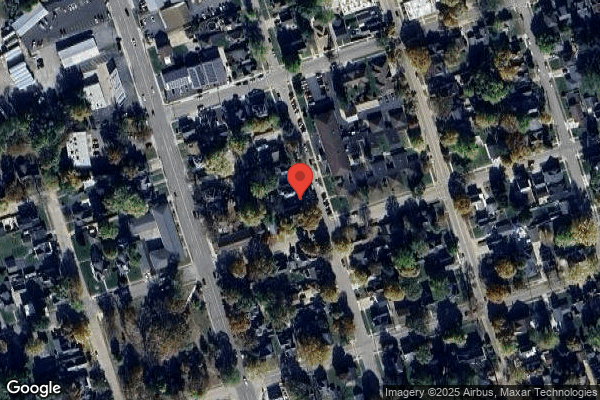
620 NORTH OTTAWA AVENUE, DIXON, IL 61021 (815) 288-2251
Non profit - Corporation 27 Beds Independent Data: November 2025
Trust Grade
75/100
#48 of 665 in IL
Last Inspection: July 2024

Within standard 12-15 month inspection cycle. Federal law requires annual inspections.

Overview

Heritage Square nursing home in Dixon, Illinois has a Trust Grade of B, indicating that it is a solid choice for care, falling in the good range. It ranks #48 out of 665 facilities in Illinois, placing it in the top half, and is the best option among the three facilities in Lee County. However, the facility is currently experiencing a worsening trend, with the number of reported issues increasing from four in 2023 to six in 2024. While staffing is a strength with a rating of 4 out of 5 stars, the 100% turnover rate is concerning and significantly higher than the state average of 46%. Notably, there have been no fines reported, which is a positive sign, and the facility has more registered nurse coverage than 97% of state facilities, helping to catch potential problems. However, there are some weaknesses to consider. Recent inspection findings revealed that the kitchen staff did not properly handle mechanically altered food, risking cross-contamination. Additionally, a resident's wounds were not treated upon admission, and another resident's significant weight loss was not adequately monitored, leading to missed interventions. Overall, while Heritage Square has strengths in staffing and no fines, families should be aware of the increasing number of issues and specific incidents that need attention.

Trust Score
B
75/100
In Illinois
#48/665
Top 7%
Safety Record
Low Risk
No red flags
Inspections
Getting Worse
4 → 6 violations
Staff Stability
⚠ Watch
100% turnover. Very high, 52 points above average. Constant new faces learning your loved one's needs.
Penalties
✓ Good
No fines on record. Clean compliance history, better than most Illinois facilities.
Skilled Nurses
✓ Good
Each resident gets 57 minutes of Registered Nurse (RN) attention daily — more than average for Illinois. RNs are trained to catch health problems early.
Violations
⚠ Watch
13 deficiencies on record. Higher than average. Multiple issues found across inspections.
★★★★★
5.0
Overall Rating
★★★★☆
4.0
Staff Levels
★★☆☆☆
2.0
Care Quality
★★★★★
5.0
Inspection Score
Stable
2023: 4 issues
2024: 6 issues

The Good

  • 4-Star Staffing Rating · Above-average nurse staffing levels
  • Full Sprinkler Coverage · Fire safety systems throughout facility
  • No fines on record

Facility shows strength in staffing levels, fire safety.

The Bad

Staff Turnover: 100%

53pts above Illinois avg (47%)

Frequent staff changes - ask about care continuity

Staff turnover is very high (100%)

52 points above Illinois average of 48%

The Ugly 13 deficiencies on record

Jul 2024 6 deficiencies
CONCERN (D)

Potential for Harm - no one hurt, but risky conditions existed

Pressure Ulcer Prevention (Tag F0686)

Could have caused harm · This affected 1 resident

**NOTE- TERMS IN BRACKETS HAVE BEEN EDITED TO PROTECT CONFIDENTIALITY** Based on interview and record review, the facility failed to obtain orders and implement treatments for wounds to a residents fe...

Read full inspector narrative →
**NOTE- TERMS IN BRACKETS HAVE BEEN EDITED TO PROTECT CONFIDENTIALITY** Based on interview and record review, the facility failed to obtain orders and implement treatments for wounds to a residents feet upon admission to the facility for 1 of 1 residents (R13) reviewed for pressure ulcers in the sample of 11. The findings include: R13's Nurse's Notes, dated 6/17/24, showed, (R13) was admitted to the facility on [DATE]. A skin assessment was done and charted. Will continue to monitor. R13's Admit Shower Sheet, dated 6/17/24, showed the left foot had a 1 cm (centimeter) open area to the inner foot; a 1 cm area to the right inner foot that did not say it was open; and a 2 cm x 1 cm area to the right heel. The shower sheet was signed by the nurse. R13's admission Nursing Evaluation, dated 6/17/24, showed the following: 16) Left antecubital 3 cm x 3 cm bruise from IV (intravenous) site; 37) Right knee (front) 2 cm x 1 cm bruise; 38) Left knee (front) 24 cm long scar from knee surgery; 50) Left heel 2 cm x 1 cm necrotic area on heel; 51) Right toe(s) scab on outer area of big toe; and 52) Left toe(s) scab on outer area of big toe. R13's Physician Orders from 6/17/24 through 6/25/24 did not show any orders for treatments to R13's left inner and right inner foot or left heel. R13's Interim Care Plan, dated 6/17/24, showed he had an alteration in skin integrity - see body audit. Existing open areas will not worsen or show improvement in 14 days. Pressure reduction mattress, turn and reposition every 2 hours, treatments as ordered, reduce pressure of heels with pillows or heel protectors, body audits per protocol, monitor skin and notify skin nurse as needed. R13's Skin/Wound Note, dated 6/26/24 at 3:48 AM, showed, During care staff noticed redness and excoriation underneath his scrotum,on the right side, area cleaned and barrier cream applied. Resident was yelling that he was in pain. Also it was noted there is a necrotic area on his right [sic] heel (black scab) 3 cm long by 2 cm wide some new redness to surrounding skin, no drainage noted. R13's Nurse's Note, dated 6/26/24 at 4:37 PM, showed, Doctor notified of wound to left heel. Orders to offload and monitor and to have wound nurse follow progress. R13's Physician Orders, dated 6/26/24, showed air mattress for wound prevention. R13's Task Documentation in the computer showed on 6/26/24, V2, DON (Director of Nursing), created CNA (Certified Nursing Assistant) tasks to place bilateral heel boots on while in bed to relieve pressure. Pressure reducing device. R13's Physician Orders showed on 6/27/24 - wound orders for skin prep to right and left medial foot ulcers daily. No treatment other than offloading for the heel. R13's June 2024 Treatment Administration Record showed no interventions or treatments in place for R13's inner right foot, inner left foot, or left heel from 6/17/24 to 6/26/24. On 6/27/24 a treatment for R13's left heel was present and showed, wound care to stable unstageable ulcer to left heel. Off load bilateral heels with moon boots when in bed and reposition. This treatment was not marked as being completed on 6/27/24, 6/28/24, and 6/29/24. A treatment for R13's right medial foot showed skin prep daily, one time per day that was not signed off as being completed on 6/17/24, 6/28/24, and 6/29/24. R13's Nurse's Notes, dated 7/9/24, showed: At 3:01 PM, Blood noted on sock of left foot where heel wound is. Director of Nursing notified. Protective dressing applied, foot in protective boot and foot floating on pillow. At 5:26 PM - Notified provider of change in condition in wounds to left foot. Medical doctor gave orders for podiatry referral, supplements, and dressing orders. At 6:30 PM, Notified provider of drainage and odor of wound to left medial foot. Provider stated to start dressing treatments and podiatry will see for further treatment. R13's Physician Orders, dated 7/9/24, showed, Wound care to left medial foot stage 3 ulcer: 1. Cleanse wound with sterile saline; 2. Apply 2x2 soaked with betadine; 3. Cover with 4x4; 4. Wrap with roll gauze. Change twice a day, every day and night shift. Wound care to left heel pressure ulcer: 1. Cleanse wound with sterile saline; 2. Betadine to wound; 3. Cover with foam dressing. Change two times a day. R13's Wound/Skin Record showed: On 6/17/24 he had a left heel unstageable wound with eschar present that measured 2 cm x 1 cm. R13 had a diabetic ulcer to left medial foot that was scabbed and measured 1.5 cm x 0.5 cm. R13 had a diabetic ulcer to the right medial foot that was scabbed and measured 0.5 cm x 0.3 cm. On 7/9/24 left heel, unstageable ulcer with eschar present that measured 2.5 cm x 1.0 cm. Left medial foot, stage 3 pressure ulcer with slough present, surrounding skin dark in color, odor present, and measured 1.5 cm x 1.5 cm x 0.3 cm, The left medial foot was changed from being a diabetic wound on 6/17/24 to a pressure ulcer on 7/9/24. The right medial foot wound was resolved on 6/24/24. On 7/10/24 at 11:58 AM, V2, DON (Director of Nursing/Wound Care Nurse), stated, Skin assessments are done by the admitting nurse upon admission. They should document any alterations in skin like skin tears, bruises, wounds etc. They should document the assessment of the wound. They are capable of that. They should describe the wound. Here they document the wounds on a shower sheet and on the initial assessment. If they identify a wound the provider should be notified for treatment orders. The wound nurse should be notified. The nurses will do measurements and then I will do it. I expect them to get treatments. Usually after they tell me, within a day I will look at them (wounds), determine what the wound is, the stage of the wound, what it looks like, and document the appearance and measurements. Contact the doctor and get treatment orders. Put the treatments on the TAR. The treatments are marked off on the TAR to show they were done. Wound assessments are done weekly. V2 stated she knew R13 did not have any wound orders in place when he came in on 6/17/24. V2 stated, It looks like we don't have orders in place. His initial treatment was just to offload the heel because it was just eschar. That would be the treatment for that. You could do betadine but the doctor just said to offload. One of the medial wounds resolved, the right one. The left medial wound treatment was skin prep. I should have put the orders in right away. I didn't have the medial wounds to his feet as a stage because there was a scab. I though they were diabetic wounds at first. Even though he doesn't have any vascular problems, he does have type 2 diabetes that isn't being treated because they (family) don't want his diabetes treated. I staged it recently as a stage 3 pressure ulcer because it is open now. They notified me yesterday that the medial wound was open and draining. When I saw it yesterday, the medial wound had slough present so there was something hiding under the scab. I thought this was a [NAME] wound or something. I am not a wound expert. We don't have a wound doctor that comes here. His wounds are beyond my expertise now; his left foot medial wound is draining and bleeding; I don't know if the heel is. On 7/10/24 at 8:10 AM, the nurse on duty was notified that the surveyor would like to see R13's wound and dressing changes. At 8:27 AM, V2, DON (Director of Nursing), stated R13 was leaving at 8:45 AM for a podiatry appointment and had to get ready to leave. At 1:29 PM, V2 stated R13's dressings were already changed at the podiatrist office. No observations of the wounds could be made. The facility's Wound Care Protocol (6/10/24) showed, 1. Assessment: Evaluate the wound's size, depth, location, and tissue type. 2. Cleaning: Debride (remove dead tissue) and clean the wound with saline solution or sterile water. 3. Dressing: Apply an appropriate dressing to protect the wound, manage drainage, and promote healing. 4. Infection Prevention: Use antimicrobial agents and techniques to prevent infection. 5. Monitoring: Regularly assess the wounds progress and adjust the treatment plan as needed. Wound care protocols include: pressure ulcer protocol The facility was asked for the pressure ulcer protocol and it was not received.
CONCERN (D)

Potential for Harm - no one hurt, but risky conditions existed

Deficiency F0692 (Tag F0692)

Could have caused harm · This affected 1 resident

Based on interview and record review, the facility failed to implement weight loss interventions for a resident with weight loss. This applies to 1 of 2 residents (R12) reviewed for weight loss in the...

Read full inspector narrative →
Based on interview and record review, the facility failed to implement weight loss interventions for a resident with weight loss. This applies to 1 of 2 residents (R12) reviewed for weight loss in the sample of 11. The finding include: R12's admission Record (Face Sheet) showed diagnoses to include depression, anxiety, and dementia. R12 weight history documentation showed a weight of 127 pounds on 4/2/24 and 115.2 pounds on 5/4/24. (The electronic charting showed this was a weight loss of 9.4 percent.) R12's next documented weight was on 6/4/24 and was 123.7 pounds. R12's weight documentation did not show weekly weights were done from 4/2/24 to 5/4/24. On 7/10/24 at 11:04 AM, V5 (Dietary Manager) stated, I requested a re-weigh for her May to June weight loss but it fell through the crack. Her weight did go back up in June. I did talk to [V2, Direcor of Nursing] about that (the weight not being done), that it is an issue, that she was not re-weighed. V5 stated she spoke to the facility's Dietitian, and she agreed R12 needed to be re-weighed. V5 said, I requested the re-weigh because it was a huge weight loss. She did have more than a 5 percent weight loss month to month. I also looked at her intakes because her intakes did not decrease. If the weight was accurate, I would have done a nutritional assessment, contacted the Dietitian, and developed creative ways to increase calorie intake, but I knew that weight was not accurate (despite having a weight to contradict this belief) .The [weight loss] interventions are important to prevent a further decline in weight. It's important to catch the weight loss early and to get interventions started right away to prevent further weight loss. The facility's Weight Loss policy showed weights should be done at least monthly. The policy also showed, .All residents with unintended weight loss should be placed on weekly weights. Do not wait for the physician to do so . The policy showed the physician and dietitian should also be notified of the weight loss.
CONCERN (D)

Potential for Harm - no one hurt, but risky conditions existed

Deficiency F0805 (Tag F0805)

Could have caused harm · This affected 1 resident

Based on observation, interview, and record review, the facility failed to ensure a resident was provided his prescribed mechanically altered diet and thickened liquids for 1 of 1 residents (R4) revie...

Read full inspector narrative →
Based on observation, interview, and record review, the facility failed to ensure a resident was provided his prescribed mechanically altered diet and thickened liquids for 1 of 1 residents (R4) reviewed for mechanically altered diets in the sample of 11. The findings include: On 7/9/24 at 11:40 AM, R4 was sitting in his wheelchair at the dining room table for lunch. R4 had minced chicken strips with liquid in the bowl, thin sliced raw carrots with onions and a dressing in a small bowl, a whole brownie, soup in a cup, juice (in 12 ounce cup) and thickened water (in 12 ounce cup). At 11:47 AM, V9 (CNA/Certified Nursing Assistant) was at R4's table assisting him with his meal. V9 gave R4 a bite of chicken on a spoon and asked him if he swallowed it. R4 lifted the next bite of chicken from his bowl himself. V9 stated, (R4) is on a mechanical soft diet, but needs liquids mixed with his food. V9 stated R4 had chicken that is chopped and mixed with gravy, a brownie that is regular that she would put in a bowl with some milk. V9 stated the carrots in the small bowl were shredded and in some type of liquid. V9 stated stated the carrots were hard and crunchy. V9 stated the liquid in a coffee cup was a florentine soup. The resident had thickened water. The tall glass of juice at the table was a thinner consistency. V9 stated she had put one packet of nectar thick liquid thickener in the (12 ounce) glass of juice, but it wasn't as thick as the water. V9 stated she did not know what the consistency of R4's drinks were supposed to be. At 11:57 AM, R4 was coughing and trying to clear his throat. V9 was patting R4 on the back telling him to just try and breathe. V10 (RN/Registered Nurse) came into the dining room to check on R4, and V9 stated R4 was coughing on water. On 7/9/24 at 12:13 PM, V5 (Dietary Supervisor) stated R4 was on a moist minced diet for his meat and mechanical soft for the rest of his food. V5 stated R4 was on nectar thick liquids. V5 stated she has juice, milk, and water that they purchase that is already nectar thick. V5 stated she had packets of thickener available to mix in coffee if a resident wanted coffee. V5 stated R4 was at risk for aspiration and chokes on everything. V5 stated R4's carrots should have been diced; they were hard. V5 stated she would have never served those (carrots - copper penny salad) to him. V5 stated there was a diet card on his tray that states what kind of diet he is on. The CNA's know that and can look to see what their diet is in the computer. On 7/9/24 at 12:55 PM, V5 brought a packet of instant thickener - mildly thick nectar thick and stated R4's juice was in a 12 ounce cup, so it should have had three of the packets of the thickener mixed in. in it. V5 stated R4's juice was not thickened correctly and should have been nectar thick; it is what the doctor ordered. V5 stated the purpose of following the nectar thick liquid for a resident was so the resident could adequately consume liquids in a safe manner. V5 stated she had pre-thickened juices, milk, and water available. The thickener packet should really only be used if a resident wanted a cup of coffee. V5 presented R4's diet card and it stated his diet was minced moist; no beef; grind meat and drown in juice or gravy. Use ketchup for hot dogs. V5 stated R4's diet card should show that he is on a mechanical soft diet and nectar thickened liquids. The Physician Orders for R4 showed on 6/20/24 an order for a regular diet, mechanical soft texture, thick consistency, nectar thick liquids; minced; moist. R4's Nutrition/Dietary Assessment completed by the Registered Dietician on 6/22/24 showed Feeding aids needed: consistency modified. Diet order/progression: general mechanical soft and nectar thick consistency. R4's Care Plan, dated 6/24/24, showed, R4 is on a regular diet, minced and moist texture, nectar thick liquids; R4 will receive his diet as ordered. R4 will be free from aspiration through review date. R4's Face Sheet, dated 7/10/24, showed diagnoses including aphasia following cerebral infarction, dementia, type 2 diabetes mellitus, urinary tract infection, hypertension, hyperlipidemia, gastro-esophageal reflux disease, hypothyroidism, and other sequelae of cerebral infarction. The facility's Therapeutic Diet Policy (5/27/24) showed, Objective: Enhance resident health through appropriate nutrition. Scope: All residents requiring therapeutic diets as prescribed by healthcare professionals. Training and Education - staff training: provide regular training for dietary and nursing staff on therapeutic diet requirements, food safety, and handling resident dietary preferences. Monitoring and Evaluation: Regular Assessment: Monitor residents' nutritional status and adherence to prescribed diet. The Diet and Nutrition Care Manual (2019) that V5 stated on 7/9/24 at 2:31 PM that she uses as a working policy/guide showed, Dysphagia Advanced (Level 3) or Mechanical Soft Diet: This diet is used for individuals with mild oral and/or pharyngeal phase dysphagia. Foods that are difficult to she are chopped, ground, shredded, cooked, or altered to make them easier to chew and swallow. Food should be prepared according to individual tolerance to the food. Any foods that are very hard, sticky, chewy, or crunchy should be avoided. Fluids (especially water) at ordered thickness. Foods Allowed: Vegetables - should be soft, well cooked and chopped if needed. May substitute cooked vegetables or juices for difficult to chew items. Foods to Avoid: raw vegetables (except shredded lettuce). Cooked rubbery or non-tender cooked vegetables. The Dysphagia Mechanically Altered (Level 2) or Mechanical Soft Diet: This diet is for people with mild to moderate oral and/or pharyngeal dysphagia. Some chewing ability is required. Difficult to chew foods are chopped, ground, shredded, cooked, or altered to make them easier to chew and swallow. Fluids (especially water) at ordered thickness. Vegetables should be soft, well cooked and easily mashed with a fork. Foods to avoid: Raw vegetables (including lettuce) The sample daily meal plan for a well balanced dysphagia mechanically altered (Level 2) or mechanical soft diet (similar to minced and moist) showed pureed or soft cooked vegetables, pureed or baked soft fruits, and chopped meat with gravy or other sauce like tartar sauce for fish.
CONCERN (D)

Potential for Harm - no one hurt, but risky conditions existed

Infection Control (Tag F0880)

Could have caused harm · This affected 1 resident

Based on observation, interview, and record review, the facility failed to doff (remove) personal protective equipment (PPE) for enhanced barrier precautions inside of the residents room for 1 of 2 re...

Read full inspector narrative →
Based on observation, interview, and record review, the facility failed to doff (remove) personal protective equipment (PPE) for enhanced barrier precautions inside of the residents room for 1 of 2 residents (R4) reviewed for infection control in the sample of 11. The findings include: R4's Physician Orders showed orders, dated 6/18/24, for feeding tube care, flushes, and feedings. May use use enhanced barrier precautions per policy as needed for indwelling medical devices R4's Care Plan, dated 6/24/24, showed he is on EBP related to his feeding tube. R4 will have no negative effects from enhanced barrier precaution isolation protocol. R4's Face Sheet, dated 7/10/24, showed diagnoses including aphasia following cerebral infarction, dementia, type 2 diabetes mellitus, urinary tract infection, hypertension, hyperlipidemia, gastro-esophageal reflux disease, hypothyroidism, and other sequelae of cerebral infarction. On 7/9/24 at 9:19 AM, the sign on the door to R4's room showed he had EBP (enhanced barrier precautions) in place. The sign showed providers and staff must wear gloves and a gown for the following high contact resident care activities: dressing, bathing/showering, changing linens, providing hygiene, changing briefs, assisting with toileting, and device care or use (central line, urinary catheter, feeding tube, tracheostomy, and wound care). V9 (CNA/Certified Nursing Assistant) and V8 (CNA) were wearing personal protective equipment (gowns and gloves) in R4's room and used a stand lift to transfer R4 to the toilet. V10 (RN/Registered Nurse) came to R4's room with a gown and gloves on to give R4 his medications when R4 was on the toilet. V10 stated she would wait to give his medications since R4 was on the toilet. V10 removed her gown and stated she was going to hang it up in the room. V10 looked for a hook on the back of the door to R4's room. V9 said they are supposed to use a new gown each time. V10 asked V8 and V9 if their was a container for the soiled cloth isolation gowns in the room. V8 and V9 stated, No. V10 stated there was supposed to be one in the room. V9 provided pericare after the resident was finished on the toilet, and V8 operated the stand lift. R4 was transferred to bed by V8 and V9. At 9:30 AM, V8 removed her gown inside R4's room and placed it in a clear plastic bag. V9 walked out of the room with her gloves and gown on, opened the isolation container drawer outside of the room, grabbed a yellow bag, removed her gown and gloves, and put them in the bag. V9 stated there is supposed to be something in the room for her to discard the gown because they should be close to the sink to wash their hands. V9 stated they should dispose of the gown in the room so they don't bring anything out into the hall; so there is no contamination. On 7/9/24 at 9:51 AM, V10 (RN) stated R4 was on EBP because he has a feeding tube and his roommate has a pressure ulcer to his foot. On 7/10/24 at 11:43 AM, V2 (DON/Director of Nursing) stated, EBP are put in place for a resident that is at risk of contracting a disease because they have a feeding tube, wounds, etc Staff should put gloves and gown on for direct patient care such as dressing, bathing, toileting, and wound care. After the care is provided, staff are to discard the gown in a bin in the resident's room. The dirty PPE is discarded in the room for infection control so staff are not taking the infection out into the hall. The facilities Enhanced Barrier Precautions policy (2024) showed, Implementation of Enhanced Barrier Precautions: c. Position trash can inside the resident room and near the exit for discarding PPE after removal, prior to exit of the room or before providing care for another resident in the same room.
CONCERN (E)

Potential for Harm - no one hurt, but risky conditions existed

Food Safety (Tag F0812)

Could have caused harm · This affected multiple residents

Based on observation, interview, and record review, the facility failed to handle mechanically altered food in a manner to prevent cross-contamination. This applies to 2 of 2 residents (R4 and R12) re...

Read full inspector narrative →
Based on observation, interview, and record review, the facility failed to handle mechanically altered food in a manner to prevent cross-contamination. This applies to 2 of 2 residents (R4 and R12) reviewed for dietary services in the sample of 11 and 4 residents (R7, R9, R11, and R16) outside the sample. The findings include: The plating of the 7/9/24 lunch service was observed from its initiation through its completion (11:17 AM until 11:30 AM) On 7/9/24 at 11:17 AM, V7 (Cook) was plating all meals including mechanical soft diets. During the plating, V7 touched numerous surfaces including oven handles, door handles, and the handle for the tray cart. V7 did not change her gloves when going from these high touch surfaces and then back to serving lunch. During the lunch service, V7 would use her gloved right hand, the same gloved hand that contacted door handles, to touch the residents' mechanical soft chicken tenders. V7 scooped the chicken with her gloved hand and placed it in the ladle. On 7/10/24 at 9:24 AM, V5 (Dietary Supervisor) stated, Staff should not be handling food after touching high touch surfaces like door handles, due to cross contamination. Gloved hands often give the staff a false sense of security that they are protecting the residents when they handle their food. On 7/10/24 at 9:30 AM, a policy for the safe handling of food was requested and not provided.
MINOR (C)

Minor Issue - procedural, no safety impact

Staffing Data (Tag F0851)

Minor procedural issue · This affected most or all residents

Based on observation, interview, and record review, the facility failed to accurately submit payroll-based journal hours. This has the potential to affect all 16 residents. The findings include: The f...

Read full inspector narrative →
Based on observation, interview, and record review, the facility failed to accurately submit payroll-based journal hours. This has the potential to affect all 16 residents. The findings include: The facility's 7/9/24 application for Medicare and Medicaid showed 16 residents in the health center. The Centers for Medicare and Medicaid Services (CMS) payroll-based journal (PBJ) report for January 1-March 31, 2024, showed the facility failed to have licensed nursing coverage 24 hours per day. This report specifically showed 1/13, 1/20, 1/28, 2/3, 2/11, 3/2, 3/7, 3/10, 3/17, and 3/24/24 as the dates not having coverage. The facility's first floor has sheltered care beds. The second floor has certified beds. The second-floor health center had a notice posted on the bulletin board dated 7/1/24, that showed this facility does not currently meet the minimum staffing ratios required by law. Posted at the direction of the Illinois Department of Public Health. On 07/09/24 at 10:24 AM, V2 (Director of Nursing/DON) said there is always a nurse on duty. On 7/9/24, V1 (Administrator) said there is always licensed nurse coverage 24 hours per day. The PBJ report reflects data entry errors. At 2:10 PM, V12 nurse and V10 (Registerred Nurse/RN) said there was always a nurse on duty. At 2:20 PM, V4 (Bookkeeper) said she submits the PBJ data, but the previous bookkeeper submitted the data in question. V4 said she uses the timesheet data to input the information. We always have a nurse working upstairs (health center). On 07/10/24 at 8:00 AM, V1 provided a signed contract with a third-party vendor to be responsible to submit PBJ data going forward. V1 said the PBJ report showed data submission errors not staffing deficiencies. At 8:30 AM, V4 said, It's important to submit accurate PBJ staffing data to ensure adequate staffing levels are achieved on all shifts for resident required care. The information was not submitted correctly in the report to CMS. The facility staff schedules, and licensed nurse time reports were reviewed for the above dates. The facility was able to show there was licensed nurse coverage 24 hours a day. The facility's 5/31/24 Staffing Policy showed they will meet or exceed the minimum requirements set forth by the Illinois state regulations.
Sept 2023 4 deficiencies
CONCERN (D)

Potential for Harm - no one hurt, but risky conditions existed

Pressure Ulcer Prevention (Tag F0686)

Could have caused harm · This affected 1 resident

**NOTE- TERMS IN BRACKETS HAVE BEEN EDITED TO PROTECT CONFIDENTIALITY** Based on observation, interview, and record review, the facility failed to ensure weekly measurements were completed for a resid...

Read full inspector narrative →
**NOTE- TERMS IN BRACKETS HAVE BEEN EDITED TO PROTECT CONFIDENTIALITY** Based on observation, interview, and record review, the facility failed to ensure weekly measurements were completed for a resident with a pressure ulcer for 1 of 1 resident (R1) reviewed for pressure ulcers in the sample of 11. The findings include: R1's Care Profile, dated 9/14/23 showed medical diagnoses including type 2 diabetes mellitus, pneumonia, hyperlipidemia, dementia, constipation, disease of salivary glands, urinary tract infection, and hypertension. R1's Physician Orders, dated September 2023, showed, medihoney calcium alginate, apply to the coccyx topically every day and cover with a border dressing. R1's Care Plan, dated 8/23/23, showed, I am at risk for impaired skin integrity related to fragile skin and have actual impairment of skin integrity related to open area on coccyx and open area on great right toe. Follow facility protocols for treatment of injury. Monitor/document location, size and treatment of skin injury. Weekly treatment documentation to include measurement of each area of skin breakdown's width, length, depth, type of tissue and exudate and any other notable changes or observations. R1's Minimum Data Set, dated [DATE], showed severe cognitive impairment; extensive assistance needed for bed mobility, dressing, toilet use, personal hygiene, and bathing; one stage 2 pressure ulcer. The Wound/Skin Record for R1 showed the date of onset was 6/17/23 to the coccyx, and measured 2.5 x 1.0 x 0.1 cm with irregular edges, and a red/dark wound bed. No stage of the pressure ulcer was given. The Wound Assessment Record for R1 showed wound assessments and measurements were not being completed weekly. Wound assessments not documented from 6/17/23 through 9/14/23 were as follows: 7/1/23, 7/23/23, 7/30/23, 8/20/23, 8/27/23, and 9/8/23. The Progress Notes for R1 showed, 9/7/23 - Coccyx wound not improving. Wound bed yellow. Measures 1.3 x 1.3 cm with red ring around it. The Wound/Skin Record for R1, dated 9/12/23, showed no staging of the wound to R1's coccyx. The wound bed was described as yellow with red surrounding skin color, and red/black eschar in the surrounding tissue/wound edges. On 9/14/23 at 10:00 AM, R1 was laying on her left side in bed for a dressing change to a pressure ulcer to her coccyx. V3, RN (Registered Nurse), washed her hands a put on gloves. V3 removed a dressing, dated 9/13/23, from R1's coccyx. R1 had a reddened area to her coccyx. In the middle of the reddened area was an open area that was yellow, and had a blackened area in the upper part of the wound. V3 stated the pressure ulcer was a stage 2 because of the slough. V3 was asked if eschar was present to the wound, and she stated there was eschar present, so the pressure ulcer would be a stage 3. V3 washed and rinsed the wound. V3 changed her gloves, applied medihoney calcium alginate to the wound, and covered the wound with a bordered dressing. V3 stated wound measurements were to be documented weekly in the skin wound book. V3 stated measurements need to be done weekly so the wound can be evaluated to see if it is getting better or worse. V3 stated if the wound gets worse, then then they can can get orders to change the treatment. V3 stated R1's wound started out big, then got smaller, and then bigger again. V3 stated they don't have a wound nurse or wound physician. V3 stated R1 was on hospice, but they are still trying to heal the wound, or make sure it doesn't get any worse. On 9/14/23 at 10:31 AM, V2, DON (Director of Nursing), stated nurses do the pressure ulcer assessments and stage the wound. V2 stated the nurses can document in the computer and the skin book. V2 stated the skin book is where they would track the wound. V2 stated pressure ulcer wound measurements are to be done weekly to monitor success of treatment to see if it was achieving the healing process. V2 stated it didn't make a difference if the resident was on hospice; the weekly assessments were to be completed. The facility's Treatment of Pressure Injuries policy (6/10/23) showed, A pressure injury treatment sheet will be completed weekly by the 6 AM to 2 PM charge nurse and treatments ordered will be made a part of resident's clinical record. Charge nurse will document treatments weekly on a weekly skin report. Pressure injuries will be classified in 6 stages with 2 additional categories (see attached). The attached document showed a pressure injury would be staged at a stage 1 - 4, unstageable pressure injury or deep tissue injury.
CONCERN (D)

Potential for Harm - no one hurt, but risky conditions existed

Accident Prevention (Tag F0689)

Could have caused harm · This affected 1 resident

**NOTE- TERMS IN BRACKETS HAVE BEEN EDITED TO PROTECT CONFIDENTIALITY** Based on observation, interview, and record review,, the facility failed to implement fall interventions for residents at risk f...

Read full inspector narrative →
**NOTE- TERMS IN BRACKETS HAVE BEEN EDITED TO PROTECT CONFIDENTIALITY** Based on observation, interview, and record review,, the facility failed to implement fall interventions for residents at risk for falls, failed to review fall investigations, and failed to update resident care plans with new interventions after falls for 2 of 3 resident (R13, R15) reviewed for falls. The findings include: 1. R15's face sheet showed she was admitted to the facility on [DATE], with diagnoses to include cerebral arteriosclerosis, osteoarthritis, diabetes mellitus, hyperlipidemia, transient cerebral ischemic attack, and vascular dementia. R15's facility assessment, dated 6/21/23, showed she requires extensive assistance of staff for toileting and dressing and limited assistance of one staff for bed mobility and transfers. R15's facility incident reports, dated 7/18/23, 8/6/23, 8/14/23, 8/24/23, and 9/1/23, showed fall incidents occurring. R15's care plan initiated on 9/13/23 showed, I previously experienced a stroke and I am at risk for falls related to gait/balance problems and being unaware of safety needs . All interventions were initiated on 9/13/23 (during the annual survey). On 9/13/23 at 12:39 PM, V6, RN (Registered Nurse), said when a fall occurs, she completes an incident report. V6 said when the incident report is completed, the nurses put it in a box at the nurses station and it will go to (V2, DON-Director of Nursing). On 9/13/23, some of the incident reports for R15 were still located in the box at the nursing station. (12 days beyond R15's last documented fall.) On 9/13/23 at 12:55 PM, V2, DON (Director of Nursing), said, After their time period for the incident report is finished, they are sent down here. We take them to our Medical Director and he reviews and signs them. Fall investigations are done by he nurse initially that witnesses or finds the fall. I get the report. It may be a couple of days before I get the report, and then I follow up that the patient is getting better. New interventions are determined by the care plan coordinator. She is the one who identifies what new interventions need to be put into place and puts them on the care plan. Some of the incident reports for (R15's) falls might still be in the box upstairs. The facility's policy and procedure with review date of April 2022 showed, Fall Prevention Program . Purpose: To ensure each resident receives adequate supervision, assistive devices, and preventative interventions to prevent falls . Procedure: Determine potentially high risk fall residents through an initial nursing assessment . Every fall will be reviewed by the safety committee, the committee and/or DON will identify new interventions and safety devices. Any person who has had 2 more more falls in a month is to have a restorative evaluation and interventions as indicated to assure future safety . The safety committee will re-address residents who had falls with assistive or safety device intervention to evaluate effectiveness of intervention and add or delete as indicated . When incident report completed it is to be given to the DON who will monitor follow up investigation/interventions as needed. Changes in the plan of care will be addressed with the family and patient . 2. R13's MDS (Minimum Data Set) dated 8/30/23 showed moderate cognitive impairment; extensive assistance needed for bed mobility, transfers, walking in room, dressing, toilet use, and personal hygiene. R13's Progress Note, dated 8/26/23, showed the CNA (Certified Nursing Assistant) found R13 sitting on the floor between her recliner and her bed. R13's Incident/Accident Report, dated 8/26/23, showed the report was filled out by the nurse and stated, CNA found resident sat on floor between recliner and bed. Resident alert. Denied pain; able to get up and walk. no bruise or opening on buttock. Additional comments and/or steps taken to prevent recurrence: if can't put resident on bed right away resident should stay with nurse at nurse station. The steps taken to prevent recurrence was never added to R13's care plan. R13's Care Plan, dated 9/1/23, showed, I have a risk for falls related to deconditioning, gait/balance problems, unaware of safety needs. Ensure that I am wearing appropriate footwear when ambulating (intervention dated 2/16/22). Follow facility fall protocol (intervention dated 2/16/22). Be sure the resident's call light is within reach and encourage her to use it for assistance as needed. The resident needs prompt response to all requests for assistance. She has poor safety awareness. (intervention dated 2/16/22). R13's care plan was not revised after her fall on 8/26/23. On 9/12/23 at 9:40 AM, R13 was laying on top of her made bed, fully dressed, and had regular socks on without non-skid bottoms. R13's slippers were across her room, in front of her dresser. R13's tray table was across the room, in front of her dresser with her TV remote, water, magazines and activity schedule on top of it. R13 was awake and watching TV. R13 stated she can get up and walk on her own. R13 stated she has a walker she can use. No walker was seen in R13's room. On 9/13/23 at 11:55 AM, V6, RN (Registered Nurse), stated she was not working when R13 fell. V6 stated an incident report is done after a resident falls, and they sign them. V6 stated she wasn't sure what happens with the incident reports after that. V6 stated the resident is assessed, sent out if needed, family, physician, Administrator, and DON (Director of Nursing) are notified. V6 stated the resident's care plan should be updated after a fall. V6 stated some of the fall interventions they use are floor mats, beds that go to ground, motion sensors, and gripper socks. V6 stated they put grip socks on residents when they are on bed, and R13 would be a resident that would need them, because she is at risk for falling. On 9/13/23 at 1:27 PM, R13 was laying on top of her made bed on her back and watching TV. R13 was fully dressed and had regular socks on. R13's tray table was across the room with her water and TV remote on it. On 9/13/23 at 12:03 PM, V2, DON (Director of Nursing), stated after a resident falls they could update the care plan. V2 stated he did not know if they would update the care plan after R13 fell, because she did not have an injury. V2 stated he did not know what they did after R13 fell. V2 then looked through papers at the nurse's desk for the incident/accident report for R13's 8/26/23 fall, and gave it to the surveyor when he found the document. V2 stated he had not seen the report yet, but R13 did not get injured. On 9/13/23 at 12:08 PM, V5, RN (Registered Nurse/MDS Care Plan Coordinator), stated after a resident falls, she tries to figure out what caused the fall if she can, and put an intervention in place on the care plan. V5 reviewed R13's care plan, and stated she felt the fall was related to the third intervention under falls, which was to make sure the resident's call light is within reach and encourage her to use it for assistance as needed. The resident needs prompt response to all requests for assistance. She has poor safety awareness. V5 stated she did not update R13's care plan after her fall on 8/26/23. The facility's Fall Prevention Program policy (4/2022) showed, Every fall is to be reviewed by the safety committee, the committee and/or DON will identify interventions and safety devices. When incident report is completed it is to be given to the DON who will monitor follow up investigation/interventions as needed.
CONCERN (D)

Potential for Harm - no one hurt, but risky conditions existed

Incontinence Care (Tag F0690)

Could have caused harm · This affected 1 resident

Based on interview and record review, the facility failed to ensure intake and output monitoring was documented for a resident with an indwelling urinary catheter for 1 of 1 resident (R16) reviewed fo...

Read full inspector narrative →
Based on interview and record review, the facility failed to ensure intake and output monitoring was documented for a resident with an indwelling urinary catheter for 1 of 1 resident (R16) reviewed for intake and output and urinary catheters in the sample of 11. The findings include: R16's Face Sheet, dated 9/13/23, showed medical diagnoses including dementia, edema, vitamin B12 deficiency, atherosclerotic heart disease, hypertension, type 2 diabetes mellitus, depression, hyperlipidemia, chronic obstructive pulmonary disease, restless leg syndrome, insomnia, personal history of malignant neoplasm of the prostate, abdominal aortic aneurysm, cognitive communication deficit, low back pain, obstructive and reflux uropathy, dysphagia, tremor, muscle wasting and atrophy, and urinary tract infection. R16's Physician Orders, dated September 2023, showed, monitor intake and output every shift; change urinary catheter as needed if suspect infection, obstruction or compromised drainage; indwelling urinary catheter - diagnoses of urinary retention, neurogenic bladder status post TURP (transurethral resection of the prostate) for prostate cancer, radiation and history of urethral stricture. R16's TAR (Treatment Administration Record), dated September 2023, showed to monitor intake and output every shift. The September 2023 TAR showed intake and output was not documented on the day shift on 9/2/23, 9/5/23 and 9/9/23; evening shift on 9/1/23 and 9/6/23; night shift on 9/3/23 - 9/5/23, and 9/10/23. R16's Care Plan, dated 8/10/23, showed, I have an urinary catheter related to a history of neurogenic bladder and urinary retention. I have a swallowing problem related to difficulty swallowing thin liquids. R16 did not have intake and output monitoring in his care plan. On 9/13/23 at 8:22 AM, R16 was sitting in his wheelchair in the dining room for breakfast. R16 was wearing a gray T-shirt, black pants, white socks, and tennis shoes. The tubing of his indwelling urinary catheter was through the bottom left leg of his pants. The urine in the tubing was cloudy yellow. At 9:10 AM, R16 was in his room with V7 (R16's wife). V7 stated R16 had prostate cancer with 43 treatments, and that left him unable to empty his bladder completely. V7 stated they changed R16's catheter recently because they said it wasn't draining. They told her they irrigated R16's catheter and she was told it was fine, but they changed it anyway. V7 stated she thought not much was coming out of the catheter because R16 wasn't taking much fluids in. They should be offering (R16) something to drink more often. They should just give him water and tell him to drink it. (R16) isn't going to think to ask for water, not with his dementia, he forgets. V7 stated she talked to V1 (Administrator) and they were on the same page R16 needed more fluids taken in to have enough coming out. At 9:15 AM, V6, RN (Registered Nurse), came into R16's room and stated R16 had an urinary tract infection. V6 stated the doctor wanted to start R16 on antibiotics twice a day for the next 10 days. On 9/13/23 at 2:44 PM, V6, RN (Registered Nurse), stated R16 came into the facility on intake and output monitoring. V6 stated they were monitoring his intake and output because of his catheter, because R16 had been having issues with his output. V6 stated R16 recently had mucous plugs in his catheter, so it was changed, and he has a urinary tract infection. V6 stated R16 did not have parameters on how much fluid he needed to be taking in. V6 stated intake and output is to be documented every shift on the treatment administration record. V6 stated that is where it is documented so they can see if R16 is voiding enough, so they can let the urologist know. V6 stated they use the intake and output documentation for assessment and evaluation of output related to his catheter. On 9/13/23 at 2:56 PM, V5, RN (MDS/Care Plan Coordinator), stated they are monitoring intake and output for R16 because he has a catheter. V5 stated the monitoring is done for urinary retention. V5 stated they would use the information to notify the urologist if there was a problem. The facility's Intake and Output policy (6/5/23) showed the amount of urine output will be calculated at the end of each shift and reported to the charge nurse. Charge nurse will document output on appropriate form in chart. Fluid intake will be calculated at the end of each shift and reported to the charge nurse. Charge nurse will document intake on the appropriate form on the chart. Night nurse will monitor intake over time as compared to output.
CONCERN (D)

Potential for Harm - no one hurt, but risky conditions existed

Respiratory Care (Tag F0695)

Could have caused harm · This affected 1 resident

Based on observation, interview, and record review, the facility failed to ensure an air filter was on an oxygen concentrator and the the air filter holder on an oxygen concentrator was clean. The fac...

Read full inspector narrative →
Based on observation, interview, and record review, the facility failed to ensure an air filter was on an oxygen concentrator and the the air filter holder on an oxygen concentrator was clean. The facility failed to ensure a nasal cannula and a humidification container on an oxygen concentrator was dated. This applies to 2 of 2 residents (R6 & R7) reviewed for oxygen therapy in the sample of 11. The findings include: 1. R6's Face Sheet, dated 9/13/23, showed medical diagnoses including angina, insomnia, cough, aortic valve disorder, nausea, atherosclerotic heart disease, hypertension, chronic obstructive pulmonary disease, and myocardial infarction. R6's Physician Orders, dated September 2023, showed, Administer oxygen per nasal cannula up to 6 liters per minute. Keep oxygen saturation at least 90 percent. R6's Care Plan, dated 6/8/23, showed, I have asthma and utilize supplemental oxygen. Advise resident to minimize contact with known offending allergens. Give nebulizer treatments and oxygen as ordered. The care plan did not have an intervention listed to keep the oxygen concentrator filter clean. On 9/12/23 at 9:56 AM, R6 had an oxygen concentrator without a sponge air filter in the filter holder on the back of the concentrator. The grated holder on the oxygen concentrator where the filter was supposed to go, was full off grayish white material that looked like dust. On 9/12/23 at 10:02 AM, V6, RN (Registered Nurse), looked at the back of R6's oxygen concentrator and stated, It is one of our concentrators. I think there is supposed to be a black filter in that spot in the back. The filter area should be cleaned once a month. It is important to keep it clean because that is where the air comes in through. V6 stated there was dust build up in the plastic grated area where the filter should go. R6's TAR (Treatment Administration Record), dated September 2023, did not show the cleaning of the oxygen concentrator filter. The facility's Oxygen Policy and Procedure (1/7/2022) showed, concentrator filters are to be cleaned weekly with soap and water. 2. R7's Care Profile, dated 9/14/233, showed medical diagnoses including hypertension, major depressive disorder, malignant neoplasm of the breast, dysphagia, hypothyroidism, hypercalcemia, gastro-esophageal reflux disease, and cardiac murmur. R7's Physician Orders, dated September 2023, showed she has an order for oxygen per nasal cannula or mask at 2-4 liters per minute for respiratory distress. R7 had an order showing she was referred to hospice on 7/7/23. R7's Care Plan, dated 7/19/23, did not show a plan in place for the use of oxygen. On 9/12/23 at 9:49 AM, R7 was laying on her right side in bed, with her nasal cannula lying in bed next to her, and not on her face or in her nares. R7's oxygen concentrator was turned on and set at 2.5 liters. The humidification bubbler attached to the oxygen concentrator was not dated. The nasal cannula tubing attached to R7's oxygen concentrator was not dated. On 9/13/23 at 1:12 PM, V5, RN (Registered Nurse), stated she did not know how often humidification bottles and nasal cannulas were to be changed. V5 stated she would have to refer to the facility's water management program. R7's TAR, dated September 2023, did not show documentation of the use of oxygen; changing of the humidification bottle or nasal cannula. The facility's Oxygen Policy and Procedure (1/7/2022) showed, humidifier bottle is changed as needed but not less than weekly. Tubing is changed every one to two weeks. The facility's Water Management Program (2/20/2023) showed, humidifier bottle is changed as needed but not less than weekly. Tubing is changed and dated weekly.
Nov 2022 3 deficiencies
CONCERN (D)

Potential for Harm - no one hurt, but risky conditions existed

Deficiency F0578 (Tag F0578)

Could have caused harm · This affected 1 resident

**NOTE- TERMS IN BRACKETS HAVE BEEN EDITED TO PROTECT CONFIDENTIALITY** Based on interview and record review, the facility failed to have a physician's order for a do not resuscitate code status, and ...

Read full inspector narrative →
**NOTE- TERMS IN BRACKETS HAVE BEEN EDITED TO PROTECT CONFIDENTIALITY** Based on interview and record review, the facility failed to have a physician's order for a do not resuscitate code status, and failed to have code status information in the electronic record for two of two of two residents (R14, R18) reviewed for Advanced Directives in the sample of 9. The findings include: 1. On 11/16/22 at 10:40 AM, Director of Nursing (DON) said he would look in a resident's paper chart for resident code status information. At 10:41 AM, V2, Registered Nurse (RN), said she would look in the resident's electronic record at the banner to verify a resident's code status in an emergency. R14's face sheet showed a [AGE] year-old male with a diagnosis of dementia. R14's electronic record banner is blank next to the code status prompt. R14's physician order sheet (POS) does not indicate the resident's code status. There was not a Do Not Resuscitate order. R14's paper file had a 6/7/22 signed POLST (Physician Orders for Life Sustaining Treatment) form showing R14 did not want to be resuscitated if there was no pulse or breathing (Do Not Resuscitate). 2. R18's face sheet showed a [AGE] year-old female with a diagnosis of vascular dementia. R18's electronic record banner is blank next to the code status prompt. R18's physician order sheet (POS) does not indicate the resident's code status. There was not a Do Not Resuscitate order. R18's paper file had a 1/4/22 signed POLST form showing R18 did not want to be resuscitated if there was no pulse or breathing (Do Not Resuscitate). The facility's 10/22 POLST Procedure showed POLST stands for Physician Orders for Life Sustaining Treatment. The POLST form documents the types of treatments seriously ill people want at end of life. POLST is designed to help health care professionals know and honor the treatment wishes of their patients. The POLST form is an Advance Directive in accordance with Illinois law.
CONCERN (D)

Potential for Harm - no one hurt, but risky conditions existed

Deficiency F0692 (Tag F0692)

Could have caused harm · This affected 1 resident

Based on observation, interview, and record review, the facility failed to implement interventions for a resident with significant weight loss for one of one resident (R11) reviewed for nutrition in t...

Read full inspector narrative →
Based on observation, interview, and record review, the facility failed to implement interventions for a resident with significant weight loss for one of one resident (R11) reviewed for nutrition in the sample of 9. The findings include: R11's 9/6/22 weight record showed a weight of 194.5 pounds. On 10/10/22, R11's weight was 181 pounds. This weight record showed a warning of a greater than 5% weight change over 30 days. Specifically, the record showed a 6.9% weight loss and 13.5 pounds in one month. R11's 9/29/22 facility assessment showed R11 had severe cognitive impairment and required one person to physically assist with eating. R11's 9/16/22 Dietary Assessment by V12 showed a weight of 194.5 pounds. This note showed a diet order was needed and a recommendation was made to implement a nutritional supplement per standing orders. R11's 10/13/22 nutritional update noted by V12 showed a weight of 181 pounds. This note showed to provide the nutritional supplement per standing order when R11 consumes about 60% of his meals. R11's physician order sheet showed no current orders for a diet. There was no weekly weight order. There was an order to offer a health shake shake as a supplement when resident does not consume at least 75% of a meal. R11's October and November 2022 MAR showed no supplement given. R11's care plan showed a potential nutritional problem and to provide and serve supplements as ordered and provide and serve diet as ordered. On 11/15/22 at 12:08 PM, R11 was seated in a wheelchair at a table in the dining room. R11 had an uncut slice of pork roast, rice, broccoli salad, bread, mixed vegetables, and a cup of soup with the lid on it in front of him. There was a glass with a straw in it, which R11 picked up and drank. R11 was at the table with another resident, and twice put a closed individual container of butter in his mouth and attempted to bite it. At 1:00 PM, V13, R11's family member, said R11 was brought to the facility 8/31/22 initially for respite. R11 contracted COVID-19 almost immediately, and is now a permanent resident. On 11/16/22 at 10:03 AM, V2, Director of Nursing (DON), said if a resident had a 5 percent or greater weight loss within a month the resident's physician, family and V12, Dietitian, would be immediately notified. V6, Dietary Supervisor, would be involved, and a meeting would be done to determine what interventions could be implemented. At 1:57 PM, V2 said every resident should have a proper diet ordered for their well being and nutrition. If V12 recommended interventions and they weren't implemented, it could result in continued weight loss and more harm. V2 was unsure of the process of noting V12's recommendations and implementing them. On 11/16/22, V8, Registered Nurse (RN), said if a resident is receiving a supplement it is documented on the Medication Administration Record (MAR). The facility's 7/2019 Weight Loss Policy showed the purpose of the policy was to aid in prevention of and intervention with weight loss. All residents with unintended weight loss should be placed on weekly weights. Do not wait for a physician order to do so. Offer health supplements if resident consumes less than 75% of meal. Nursing notifies the Dietary Director if there has been a weight loss of 5% in the past 30 days. Upon discovery, the nurse should inform the doctor promptly of weight loss as soon as resident is weighed. Nurse should not wait for weights to be recorded or until the Dietician reviews them. The physician suggested interventions must also be recorded. The nurse needs to have already addressed the weight loss.
CONCERN (D)

Potential for Harm - no one hurt, but risky conditions existed

Medication Errors (Tag F0758)

Could have caused harm · This affected 1 resident

**NOTE- TERMS IN BRACKETS HAVE BEEN EDITED TO PROTECT CONFIDENTIALITY** Based on interview and record review, the facility failed to ensure a PRN (as needed) antipsychoctic medication was not ordered ...

Read full inspector narrative →
**NOTE- TERMS IN BRACKETS HAVE BEEN EDITED TO PROTECT CONFIDENTIALITY** Based on interview and record review, the facility failed to ensure a PRN (as needed) antipsychoctic medication was not ordered for more than 14 days, and failed to ensure the same medication had an acceptable diagnosis for 1 of 5 residents (R19) reviewed for psychotropic medications in the sample of 9. The findings include: R19's order summary report of 11/16/22 documents he was admitted to the facility on [DATE]. The same summary sheet shows he was admitted with an order for Seroquel (antipsychotic) 25 mg by mouth as needed for agitation. The order had no stop date. The 11/7/22 pharmacy consultant medication regimen review for R1 shows the pharmacist questions the Seroquel order, noting it has no diagnosis, and is written on an as needed basis. The pharmacist note to the attending physician documents the Seroquel order lacks an acceptable diagnosis to support its use. A second note to the attending physician documents orders for antipsychotic medications on a PRN (as needed) basis must be limited to 14 days with no exceptions. On 11/16/22, no changes had been made to the Seroquel order, and it remained on the MAR (Medication Administration Record). On 11/16/22 at 1:05 PM, V8, RN (Registered Nurse), said R19 has had some difficulty adjusting to living on the unit. He used to live in assisted living on the first floor prior to moving upstairs. V8 said R19 does have some agitation and confusion at night. He was admitted on the Seroquel from the hospital. V8 said has not received any orders to change the order, and it remains as needed and has an indefinite stop date. V8 said she just called the pharmacy to get a copy of the recommendations, and will forward it to the physician. V8 said the order does not a diagnosis to support the need for the medication. She said sometimes the orders goes upstairs or downstairs, it just depends. On 11/17/22 at 8:26 AM, V2, DON (Director of Nursing), said the pharmacist sends the recommendations to him to ensure they are completed by the physician. V2 said he does not recall what happened to R19's paperwork. When the pharmacist has recommendations, they send us a hard copy,and a copy to the physician to sign. He said he tries to keep up and get the orders faxed to the desk upstairs so the nurses can process the orders. V2 said any antipsychotic can only have an order for 12 days. And if it really something that is needed, the nurse needs to get the order extended. The facility's 7/2019 standing operating procedure for Psychotropic Drugs documents 13. It is extremely important to list the specific condition for which the medication is being give.
Understanding Severity Codes (click to expand)
Life-Threatening (Immediate Jeopardy)
J - Isolated K - Pattern L - Widespread
Actual Harm
G - Isolated H - Pattern I - Widespread
Potential for Harm
D - Isolated E - Pattern F - Widespread
No Harm (Minor)
A - Isolated B - Pattern C - Widespread

Questions to Ask on Your Visit

  • "Why is there high staff turnover? How do you retain staff?"
  • "Can I speak with families of current residents?"
  • "What's your RN coverage like on weekends and overnight?"

Our Honest Assessment

Strengths
  • • No major safety red flags. No abuse findings, life-threatening violations, or SFF status.
  • • No fines on record. Clean compliance history, better than most Illinois facilities.
Concerns
  • • 13 deficiencies on record. Higher than average. Multiple issues found across inspections.
  • • 100% turnover. Very high, 52 points above average. Constant new faces learning your loved one's needs.
Bottom line: Generally positive indicators. Standard due diligence and a personal visit recommended.

About This Facility

What is Heritage Square's CMS Rating?

CMS assigns HERITAGE SQUARE an overall rating of 5 out of 5 stars, which is considered much above average nationally. Within Illinois, this rating places the facility higher than 99% of the state's 100 nursing homes. This rating reflects solid performance across the metrics CMS uses to evaluate nursing home quality.

How is Heritage Square Staffed?

CMS rates HERITAGE SQUARE's staffing level at 4 out of 5 stars, which is above average compared to other nursing homes. Staff turnover is 100%, which is 53 percentage points above the Illinois average of 47%. High turnover can affect care consistency as new staff learn residents' individual needs. RN turnover specifically is 100%, which is notably high. RNs provide skilled clinical oversight, so turnover in this role can affect medical care quality.

What Have Inspectors Found at Heritage Square?

State health inspectors documented 13 deficiencies at HERITAGE SQUARE during 2022 to 2024. These included: 12 with potential for harm and 1 minor or isolated issues.

Who Owns and Operates Heritage Square?

HERITAGE SQUARE is owned by a non-profit organization. Non-profit facilities reinvest revenue into operations rather than distributing to shareholders. The facility operates independently rather than as part of a larger chain. With 27 certified beds and approximately 22 residents (about 81% occupancy), it is a smaller facility located in DIXON, Illinois.

How Does Heritage Square Compare to Other Illinois Nursing Homes?

Compared to the 100 nursing homes in Illinois, HERITAGE SQUARE's overall rating (5 stars) is above the state average of 2.5, staff turnover (100%) is significantly higher than the state average of 47%, and health inspection rating (5 stars) is much above the national benchmark.

What Should Families Ask When Visiting Heritage Square?

Based on this facility's data, families visiting should ask: "How do you ensure continuity of care given staff turnover, and what is your staff retention strategy?" "Can I visit during a mealtime to observe dining assistance and food quality?" "How do you handle medical emergencies, and what is your hospital transfer rate?" "Can I speak with family members of current residents about their experience?" These questions are particularly relevant given the facility's high staff turnover rate.

Is Heritage Square Safe?

Based on CMS inspection data, HERITAGE SQUARE has a clean safety record: no substantiated abuse findings (meaning no confirmed cases of resident harm), no Immediate Jeopardy citations (the most serious violation level indicating risk of serious injury or death), and is not on the Special Focus Facility watch list (a federal program monitoring the lowest-performing 1% of nursing homes). The facility has a 5-star overall rating and ranks #1 of 100 nursing homes in Illinois. While no facility is perfect, families should still ask about staff-to-resident ratios and recent inspection results during their visit.

Do Nurses at Heritage Square Stick Around?

Staff turnover at HERITAGE SQUARE is high. At 100%, the facility is 53 percentage points above the Illinois average of 47%. Registered Nurse turnover is particularly concerning at 100%. RNs handle complex medical decisions and coordinate care — frequent RN changes can directly impact care quality. High turnover means new staff may not know residents' individual needs, medications, or preferences. It can also be disorienting for residents, especially those with dementia who rely on familiar faces. Families should ask: What is causing the turnover? What retention programs are in place? How do you ensure care continuity during staff transitions?

Was Heritage Square Ever Fined?

HERITAGE SQUARE has no federal fines on record. CMS issues fines when nursing homes fail to meet care standards or don't correct problems found during inspections. The absence of fines suggests the facility has either maintained compliance or corrected any issues before penalties were assessed. This is a positive indicator, though families should still review recent inspection reports for the full picture.

Is Heritage Square on Any Federal Watch List?

HERITAGE SQUARE is not on any federal watch list. The most significant is the Special Focus Facility (SFF) program, which identifies the bottom 1% of nursing homes nationally based on persistent, serious quality problems. Not being on this list means the facility has avoided the pattern of deficiencies that triggers enhanced federal oversight. This is a positive indicator, though families should still review the facility's inspection history directly.