
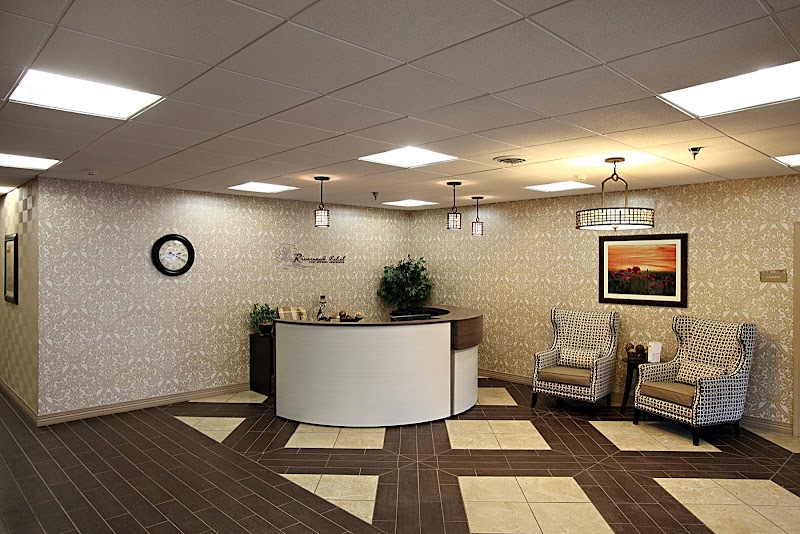
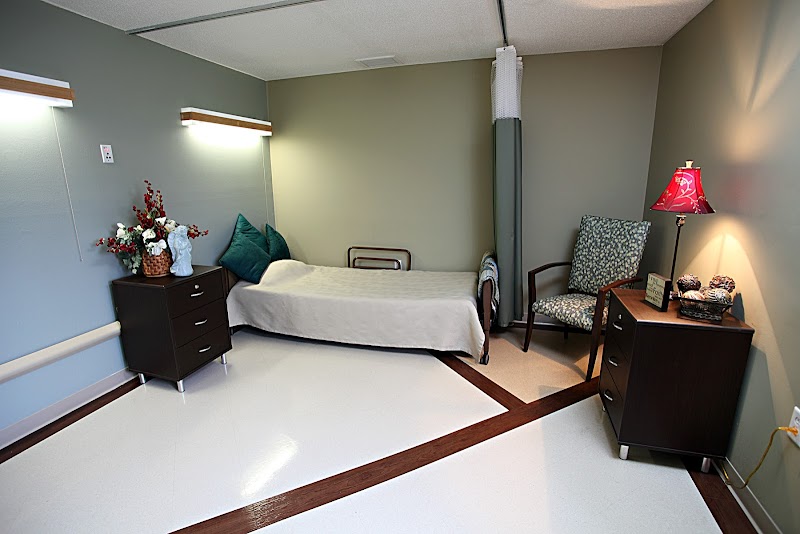
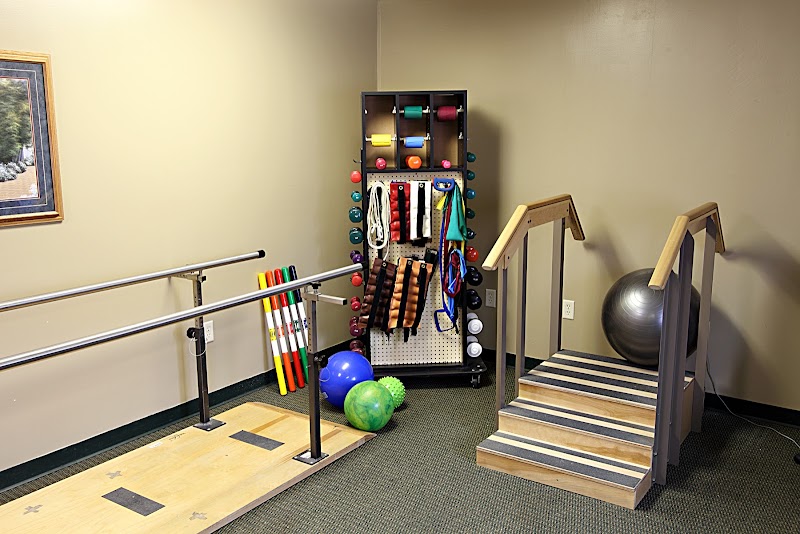
Allure Of Moline

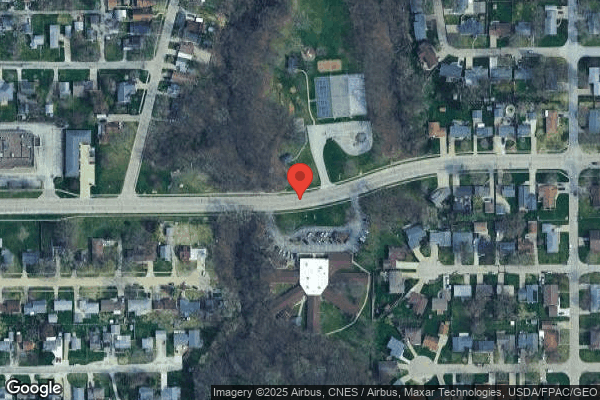
430 SOUTH 30TH AVENUE, EAST MOLINE, IL 61244 (309) 755-3466
For profit - Partnership 120 Beds ALLURE HEALTHCARE SERVICES Data: November 2025
Trust Grade
20/100
#461 of 665 in IL
Last Inspection: May 2025

Inspected within the last 6 months. Data reflects current conditions.

Overview

Allure of Moline has received a Trust Grade of F, indicating significant concerns about the facility's ability to provide quality care. It ranks #461 out of 665 nursing homes in Illinois, placing it in the bottom half of facilities in the state, and #6 out of 9 in Rock Island County, meaning only three local options are worse. The facility's trend is worsening, with issues increasing from 8 to 17 in just one year. Staffing is a major concern here, with a poor rating of 1 out of 5 stars and a turnover rate of 51%, which is above the state average. While there have been no fines, the facility has less RN coverage than 86% of Illinois facilities, which is troubling because RNs can catch problems that other staff might miss. Specific incidents include a failure to provide timely X-ray services for a resident with a leg fracture, leading to increased pain and mobility issues, as well as insufficient nursing coverage on multiple days, which raises questions about the quality of care provided. Overall, while the absence of fines is a positive note, the facility's significant shortcomings in staffing and care delivery are concerning.

Trust Score
F
20/100
In Illinois
#461/665
Bottom 31%
Safety Record
High Risk
Review needed
Inspections
Getting Worse
8 → 17 violations
Staff Stability
⚠ Watch
51% turnover. Above average. Higher turnover means staff may not know residents' routines.
Penalties
✓ Good
No fines on record. Clean compliance history, better than most Illinois facilities.
Skilled Nurses
⚠ Watch
Each resident gets only 20 minutes of Registered Nurse (RN) attention daily — below average for Illinois. Fewer RN minutes means fewer trained eyes watching for problems.
Violations
⚠ Watch
42 deficiencies on record. Higher than average. Multiple issues found across inspections.
★☆☆☆☆
1.0
Overall Rating
★☆☆☆☆
1.0
Staff Levels
★☆☆☆☆
1.0
Care Quality
★★☆☆☆
2.0
Inspection Score
Stable
2024: 8 issues
2025: 17 issues

The Good

  • Full Sprinkler Coverage · Fire safety systems throughout facility
  • No fines on record

Facility shows strength in fire safety.

The Bad

1-Star Overall Rating

Below Illinois average (2.5)

Significant quality concerns identified by CMS

Staff Turnover: 51%

Near Illinois avg (46%)

Higher turnover may affect care consistency

Chain: ALLURE HEALTHCARE SERVICES

Part of a multi-facility chain

Ask about local staffing decisions and management

The Ugly 42 deficiencies on record

1 actual harm
Sept 2025 1 deficiency
CONCERN (D) 📢 Someone Reported This

A family member, employee, or ombudsman was alarmed enough to file a formal complaint

Potential for Harm - no one hurt, but risky conditions existed

Deficiency F0558 (Tag F0558)

Could have caused harm · This affected 1 resident

**NOTE- TERMS IN BRACKETS HAVE BEEN EDITED TO PROTECT CONFIDENTIALITY** Based on observation, interview and record review the facility failed to ensure a resident's call light was within reach for 1 o...

Read full inspector narrative →
**NOTE- TERMS IN BRACKETS HAVE BEEN EDITED TO PROTECT CONFIDENTIALITY** Based on observation, interview and record review the facility failed to ensure a resident's call light was within reach for 1 of 3 residents (R1) reviewed for accommodation of needs in the sample of 3. The findings include:On 9/12/25 at 10:47 AM, R1 was lying in bed. R1's nightstand was located on the left side of her bed. R1 was unable to move her left arm independently. R1 said that on a date that she does not recall, an aide came into her room at night and took her call light away. R1 said that she threw it and said that she was using it too much. On 9/12/25 at 12:07 PM, V4, Certified Nursing Assistant (CNA) said that R1 does use her call light frequently. V4 said that she uses it every one to two hours throughout the night and typically wants to be repositioned in bed. V4 said that on the date of the incident, she was working nights and day shift. V4 said that typically R1 would call to get up around 7:00 AM and on that day she did not call so she went into her room around 7:30 AM to get her up. V4 said that R1's call light was on her nightstand and not within reach of her. V4 said that R1 is unable to turn herself so she would not have been able to place it on the nightstand nor reach it if she needed something. V4 said that R1 told her that the CNA from night shift came in and took it away from her and told her that she was using it too much. On 9/12/25 at 1:05 PM, V5 (CNA) said that if a resident is in bed, the call light should be clipped on or near them. On 9/12/25 at 1:57 PM, V2 (Director of Nursing) said that R1 came to the facility after having a CVA and is unable to move her left side but is able to move her right side. V2 said that R1 is fairly alert and oriented. V2 said that R1 is able to use her call light and it should be pinned to her chest when she is in bed. V2 said that R1 would not be able to reach her call light if it was on her nightstand. On 9/12/25 at 12:07 PM, V1 (Administrator) said that it was reported to her by V4 that when she went into R1's room, her call light was on her nightstand and not within reach and R1 had told V4 that the night CNA told her that she was using it too much and took it away. V1 said that she started an investigation and R1 told her the same story so V3 was terminated. R1's Minimum Data Set assessment dated [DATE] shows that her cognition is intact, has an impairment to one side of her upper and lower extremities and requires substantial/maximal assistance for bed mobility.R1's Activities of Daily Living Care Plan shows that she has a self-care performance deficit related to CVA with hemiplegia affecting her left side with intervention of: Encourage to use bell to call for assistance. The facility's Call Light: Accessibility and Timely Response Policy shows, Staff will ensure the call light is within reach of resident and secured, as needed.
Jul 2025 1 deficiency
CONCERN (D) 📢 Someone Reported This

A family member, employee, or ombudsman was alarmed enough to file a formal complaint

Potential for Harm - no one hurt, but risky conditions existed

Deficiency F0583 (Tag F0583)

Could have caused harm · This affected 1 resident

Based on observation, interview, and record review the facility failed to provide privacy for a resident during her shower by not closing the door for 1 of 3 residents (R2) reviewed for privacy in the...

Read full inspector narrative →
Based on observation, interview, and record review the facility failed to provide privacy for a resident during her shower by not closing the door for 1 of 3 residents (R2) reviewed for privacy in the sample of 8. The findings include: On 7/9/25 at 10:20 AM the C hall shower room door was halfway open, and the shower was on. R2 was naked sitting in shower chair covered in soap. V4 Certified Nursing Assistant (CNA) was washing R2 in the shower. R2 and V4 were asked if they would like the door closed while R2 is in the shower. V4 replied, Yes. R2 stated she wanted the door closed and didn't like that it was open. On 7/9/25 at 12:45 PM, V1 Administrator stated staff are supposed to close the door when giving a resident a shower for the resident's privacy and dignity. On 7/9/25 at 1:38 PM, V5 CNA stated they always shut the door in bathroom and when a resident takes a shower for the privacy of the resident. On 7/9/25 at 1:43 PM, V3 Assistant Director of Nursing (ADON) stated the resident's door should be shut for privacy during care, when on the toilet, and when they are in the shower. The Face Sheet dated 7/9/25 for R2 showed diagnoses including Parkinson's, acute osteomyelitis of left ankle and foot, chronic obstructive pulmonary disease, type 2 diabetes mellitus, severe protein calorie malnutrition, methicillin resistant staphylococcus aureus, bipolar disorder, vertigo, anxiety disorder, hypomagnesemia, nicotine dependence, peripheral vascular angioplasty status with implants and grafts, erysipelas, radiculopathy, hypertension, deep venous thrombosis, Charcot's joint of left ankle and foot. The Minimum Data Set for R2 dated 5/23/25 showed she is alert and oriented with no cognitive impairment. R2 is dependent for toileting and bathing. The facility's Promoting/Maintaining Resident Dignity policy (2024) showed, all staff members are involved in providing care to residents to promote and maintain dignity and respect residents rights. Maintain resident privacy.
May 2025 10 deficiencies
CONCERN (D)

Potential for Harm - no one hurt, but risky conditions existed

Deficiency F0605 (Tag F0605)

Could have caused harm · This affected 1 resident

Based on interview and record review the facility failed to monitor blood levels of a psychotropic medication (Lithium Carbonate) per physician order for one of five residents (R44) reviewed for unnec...

Read full inspector narrative →
Based on interview and record review the facility failed to monitor blood levels of a psychotropic medication (Lithium Carbonate) per physician order for one of five residents (R44) reviewed for unnecessary medications in a sample of 35. Findings Include: The facility's Laboratory Services and Reporting policy, (not dated), documents The facility must provide or obtain laboratory services when ordered by a physician, physician assistant, nurse practitioner, or clinical nurse specialist in accordance with state law. The facility must provide or obtain laboratory services to meet the needs of its residents. The facility is responsible for the timeliness of the services. Assist the resident in making transportation arrangements to and from the laboratory if necessary. All laboratory reports will be dated and contain the name and address of the testing laboratory and will be filed in the resident's clinical record. R44's current Physician Orders Sheet documents an order for Lithium Carbonate Oral Capsule 450 MG (milligrams) twice a day. R44's current Physician Orders Sheet documents an order for Lithium levels to be checked every three months. This order has a start date of 2/5/2024. R44's Lab (Laboratory) Results Report, dated 11/5/2024 documents a lithium level was collected. As of 5/20/25, R44's medical record did not contain documentation of R44's Lithium level lab results after 11/5/2024. On 5/20/2025 at 10:00 AM, V2 (DON/Director of Nursing) verified R44 has not had his lithium level checked since 11/5/2024.
CONCERN (D)

Potential for Harm - no one hurt, but risky conditions existed

Abuse Prevention Policies (Tag F0607)

Could have caused harm · This affected 1 resident

Based on Interview and Record Review, the facility failed to ensure the facility's Abuse policy was implemented and followed for two of three residents (R44, R87) reviewed for Abuse in the sample of 3...

Read full inspector narrative →
Based on Interview and Record Review, the facility failed to ensure the facility's Abuse policy was implemented and followed for two of three residents (R44, R87) reviewed for Abuse in the sample of 35. Findings include: The facility's Abuse, Neglect and Exploitation policy (undated), documents It is the policy of this facility to provide protections for health, welfare and rights of each resident by developing and implementing written policies and procedures that prohibit and prevent abuse, neglect, exploitation and misappropriation of resident property. Instances of abuse of all residents, irrespectively of any mental or physical condition, cause physical harm, pain or mental anguish. It includes verbal abuse, sexual abuse, physical abuse, and mental abuse including abuse facilitated or enabled through the use of technology. This same policy documents Verbal abuse means the use of oral, written or gestured communication or sounds that willfully includes disparaging and derogatory terms to residents or their families, or within their hearing distance regardless of their age, ability to comprehend, or disability. The facility will provide ongoing oversight and supervision of staff in order to assure that its policies are implemented as written. This policy also documents The facility will implement policies and procedures to prevent and prohibit all types of abuse, neglect, misappropriation of resident property, and exploitation that achieves: Identifying, correcting and intervening in situations in which abuse, neglect, exploitation, and/or misappropriation of resident property is more likely to occur with the deployment of trained and qualified registered, licensed, and certified staff on each shift in sufficient numbers to meet the needs of the residents and assure that staff assigned have knowledge of the individual residents' care needs and behavioral symptoms. The facility will have written procedures to assist staff in identifying the different types of abuse- mental/verbal abuse, sexual abuse, physical abuse, and the deprivation by an individual of goods and services. This includes staff to residents abuse and certain resident to resident altercations. An immediate investigation is warranted when suspicion of abuse, neglect or exploitation, or reports of abuse, neglect or exploitation occur. Identifying and interviewing all involved persons, including the alleged victim, alleged perpetrator, witnesses, and others who might have knowledge of the allegations; focusing the investigation on determining if abuse, neglect, exploitation, and/or mistreatment has occurred, the extent, and cause; and providing complete and thorough documentation of the investigation. The facility will have written procedures that include: Reporting of all alleged violations to the Administrator, state agency, adult protective services and to all other required agencies (e.g., law enforcement when applicable) within specified timeframe's: Immediately, but not later than 2 hours after the allegation is made, if the events that cause the allegation involve abuse or result in serious bodily injury, or not later than 24 hours if the events that cause the allegation do not involve abuse and do not result in serious bodily injury. R87's current Care Plan, dated 4/3/25, documents Behaviors: 11/16/24, Verbal altercation with another resident including threats of physical harm. On 5/20/25 at 12:45 PM, V9 (Corporate Nurse) stated the facility does not have any abuse investigations or allegations in the past year for R87. On 5/20/25 at 1:20 PM, V4 (Social Service Director) confirmed she wrote the care plan for R87's behaviors on 11/16/24. V4 stated I wrote a note in (R87's) care plan because in morning meeting it was reported that he and (R44) had an altercation, more of just a verbal disagreement over the telephone. There was no nursing progress note. I only have my notes from that morning to show it was talked about in morning meeting. V4 confirmed the disagreement happened on a Saturday and V4 was made aware the following Monday morning. V4 stated I wasn't here over the weekend and it was so long ago that I do not know who the nurse was who reported the incident. On 5/21/25 12:15 PM, V1 (Administrator in Training) confirmed she is the facility's Abuse Coordinator and confirmed there was not an abuse investigation or report to the state agency for the 11/16/24 alleged incident. V1 stated I wasn't made aware (of the alleged argument between R44 and R87). I would expect staff to contact me if something happened over the weekend and I would report and investigate that. I wasn't made aware and I do not recall that incident. Nursing did not call me and (V4) did not update me when she made the care plan as well.
CONCERN (D)

Potential for Harm - no one hurt, but risky conditions existed

Report Alleged Abuse (Tag F0609)

Could have caused harm · This affected 1 resident

Based on Interview and Record review the facility failed to report an allegation of resident to resident abuse to the facility's Abuse Coordinator and the State Agency for two of three residents (R44,...

Read full inspector narrative →
Based on Interview and Record review the facility failed to report an allegation of resident to resident abuse to the facility's Abuse Coordinator and the State Agency for two of three residents (R44, R87) reviewed for Abuse in the sample of 35. Findings include: The facility's Abuse, Neglect and Exploitation policy (undated), documents It is the policy of this facility to provide protections for health, welfare and rights of each resident by developing and implementing written policies and procedures that prohibit and prevent abuse, neglect, exploitation and misappropriation of resident property. Instances of abuse of all residents, irrespectively of any mental or physical condition, cause physical harm, pain or mental anguish. It includes verbal abuse, sexual abuse, physical abuse, and mental abuse including abuse facilitated or enabled through the use of technology. This same policy documents Verbal abuse means the use of oral, written or gestured communication or sounds that willfully includes disparaging and derogatory terms to residents or their families, or within their hearing distance regardless of their age, ability to comprehend, or disability. The facility will provide ongoing oversight and supervision of staff in order to assure that its policies are implemented as written. This policy also documents The facility will have written procedures that include: Reporting of all alleged violations to the Administrator, state agency, adult protective services and to all other required agencies (e.g., law enforcement when applicable) within specified timeframe's: Immediately, but not later than 2 hours after the allegation is made, if the events that cause the allegation involve abuse or result in serious bodily injury, or not later than 24 hours if the events that cause the allegation do not involve abuse and do not result in serious bodily injury. R87's current Care Plan, dated 4/3/25, documents Behaviors: 11/16/24, Verbal altercation with another resident including threats of physical harm. On 5/20/25 at 1:20 PM, V4 (Social Service Director) confirmed she wrote the care plan for R87's behaviors on 11/16/24. V4 stated I wrote a note in (R87's) care plan because in morning meeting it was reported that he and (R44) had an altercation, more of just a verbal disagreement over the telephone. V4 stated I wasn't here over the weekend (11/16/24) and it was so long ago that I do not know who the nurse was who reported the incident. On 5/21/25 12:15 PM, V1 (Administrator in Training) confirmed she is the facility's Abuse Coordinator and confirmed there was not an abuse report sent to the state agency for the 11/16/24 alleged incident. V1 stated I wasn't made aware (of the alleged argument between R44 and R87). I would expect staff to contact me if something happened over the weekend and I would report and investigate that. I wasn't made aware and I do not recall that incident. Nursing did not call me and (V4) did not update me when she made the care plan as well.
CONCERN (D)

Potential for Harm - no one hurt, but risky conditions existed

Investigate Abuse (Tag F0610)

Could have caused harm · This affected 1 resident

Based on Interview and Record Review, the facility failed to investigate an alleged incident of resident to resident verbal abuse for two of three residents (R44, R87) reviewed for Abuse in the sample...

Read full inspector narrative →
Based on Interview and Record Review, the facility failed to investigate an alleged incident of resident to resident verbal abuse for two of three residents (R44, R87) reviewed for Abuse in the sample of 35. Findings include: The facility's Abuse, Neglect and Exploitation policy (undated), documents It is the policy of this facility to provide protections for health, welfare and rights of each resident by developing and implementing written policies and procedures that prohibit and prevent abuse, neglect, exploitation and misappropriation of resident property. Instances of abuse of all residents, irrespectively of any mental or physical condition, cause physical harm, pain or mental anguish. It includes verbal abuse, sexual abuse, physical abuse, and mental abuse including abuse facilitated or enabled through the use of technology. This same policy documents Verbal abuse means the use of oral, written or gestured communication or sounds that willfully includes disparaging and derogatory terms to residents or their families, or within their hearing distance regardless of their age, ability to comprehend, or disability. The facility will provide ongoing oversight and supervision of staff in order to assure that its policies are implemented as written. This policy also documents An immediate investigation is warranted when suspicion of abuse, neglect or exploitation, or reports of abuse, neglect or exploitation occur. Identifying and interviewing all involved persons, including the alleged victim, alleged perpetrator, witnesses, and others who might have knowledge of the allegations; focusing the investigation on determining if abuse, neglect, exploitation, and/or mistreatment has occurred, the extent, and cause; and providing complete and thorough documentation of the investigation. R87's current Care Plan, dated 4/3/25, documents Behaviors: I have a history of displaying behavioral symptoms related to severe mental illness; dementia; difficulty adjusting to life in the long-term facility; poor/ineffective coping skills; history of noncompliance with recommendations from health care professionals. Behaviors manifested by verbal aggression and physical aggression directed at peers; socially inappropriate/disruptive behavior. 11/16/24, Verbal altercation with another resident including threats of physical harm. R87's Nursing Progress Notes, dated November 2024, does not document any details related to the care planned 11/16/24 altercation. On 5/20/25 at 12:45 PM, V9 (Corporate Nurse) stated the facility does not have any abuse investigations or allegations in the past year for R87. On 5/20/25 at 1:20 PM, V4 (Social Service Director) confirmed she wrote the care plan for R87's behaviors on 11/16/24. V4 stated I wrote a note in (R87's) care plan because in morning meeting it was reported that he and (R44) had an altercation, more of just a verbal disagreement over the telephone. There was no nursing progress note. I only have my notes from that morning to show it was talked about in morning meeting. V4 confirmed the disagreement happened on a Saturday and V4 was made aware the following Monday morning. V4 stated, I wasn't here over the weekend and it was so long ago that I do not know who the nurse was who reported the incident. I would assume V1 (Administrator in Training) was also at the same morning meeting. On 5/21/25 12:15 PM, V1 (Administrator in Training) confirmed she is the facility's Abuse Coordinator and confirmed there was not an abuse investigation for the 11/16/24 alleged incident. V1 stated, I wasn't made aware (of the argument between R44 and R87). I would expect staff to contact me if something happened over the weekend and I would report and investigate that. I wasn't made aware and I do not recall that incident. Nursing did not call me and (V4) did not update me when she made the care plan.
CONCERN (D)

Potential for Harm - no one hurt, but risky conditions existed

ADL Care (Tag F0677)

Could have caused harm · This affected 1 resident

Based on Observation, Interview and Record Review, the facility failed to ensure a resident requiring dependence on staff for hygiene, was provided a shower weekly, for one of one resident (R79) revie...

Read full inspector narrative →
Based on Observation, Interview and Record Review, the facility failed to ensure a resident requiring dependence on staff for hygiene, was provided a shower weekly, for one of one resident (R79) reviewed for showers in the sample of 35. Findings include: The facility's Resident Showers policy (undated), documents It is the practice of this facility to assist residents with bathing to maintain proper hygiene, stimulate circulation and help prevent skin issues as per current standards of practice. Residents will be provided showers as per request or as per facility schedule protocols and based upon resident safety. On 5/18/25 at 9:25 AM R79 was sitting in his room in a high-back wheelchair. R79 was pleasantly confused with conversation and his hair was slicked back and shiny with an oily appearance. On 5/19/25 at 9:30 AM V11 (R79's family) stated she is able to visit R79 three to four times a week. V11 stated (R79) is scheduled to get baths or showers twice a week and it is on Tuesday and Saturdays. I don't think his hair is getting washed. If I ask they will wash his hair or a lot of times when I am there I will wash it but it always looks greasy and when I know it's been washed I can see it's dry and not greasy looking. On 5/20/25, V1 (Administrator in Training) provided R79's shower sheets for the month of May. These sheets document R79 received a shower on 5/3, 5/7 and 5/10/25. R79's medical record does not document any showers have been provided to R79 from 5/10/25- 5/20/25. On 5/21/25 at 12:35 PM, V2 (Director of Nursing) stated Showers should be twice a week and as requested if staff are able. CNAs (Certified Nursing Assistants) are expected to do a shower sheet with each shower. V2 confirmed that R79's records do not document any showers have been done since 5/10 and stated R79 should have had two to three showers since then. V2 stated if a resident is refusing multiple times to be bathed it should be documented in the notes and there is nothing documented for R79. V2 stated I don't believe he (R79) ever refuses.
CONCERN (D)

Potential for Harm - no one hurt, but risky conditions existed

Incontinence Care (Tag F0690)

Could have caused harm · This affected 1 resident

Based on observation, interview, and record review the facility failed to perform indwelling urinary catheter care per facility policy for one of one resident (R45) reviewed for urinary catheters in t...

Read full inspector narrative →
Based on observation, interview, and record review the facility failed to perform indwelling urinary catheter care per facility policy for one of one resident (R45) reviewed for urinary catheters in the sample of of 35. Findings include: The facility's Catheter Care, (not dated), documents, It is the policy of this facility to ensure that residents with indwelling catheters receive appropriate catheter care and maintain their dignity and privacy when indwelling catheters are in use. Catheter care will be performed every shift and as needed by nursing personnel. Compliance guidelines, knock and gain permission to enter the resident's room, explain the procedure, provide privacy by closing the door, closing the blinds/curtains, pulling the room dividing curtain, etc. Gather supplies needed, assist resident to a lying position or the most comfortable position for the resident. Drape resident to expose only the perineal area, perform hand hygiene, don gloves. For a male, gently grasp penis, draw foreskin back if applicable, using circular motion, cleanse the meatus with a clean cloth moistened with water and perineal cleaner (soap). With a new moistened cloth, starting at the urinary meatus moving down, cleans the shaft of the penis, with a new moistened cloth, starting at the urinary meatus moving outward, wipe the catheter making sure to hold the catheter in place so as to not pull on the catheter, dry area with towel. Bag and gather all supplies used, discarding disposable items in the trash can, assist resident to a comfortable, appropriate position, ensure call light is within reach, return room back to the original order, perform hand hygiene. On 05/20/25 at 10:30 AM, V8 (CNA/Certified Nursing Assistant) entered R45's room to perform catheter care. V8 assisted R45 in standing up to complete the catheter care. V8 cleansed R45's perineal area, but did not cleanse R45's meatus and did not cleanse R45's indwelling urinary catheter tube. On 05/20/2025 at 10:45 AM, V8 verified that V8 should have cleaned R45's meatus and cleansed R45's urinary catheter tube. On 5/21/2025 at 10:15 AM, V2 (DON/Director of Nursing) confirmed that during catheter cares for a male, the meatus, perineal area, and catheter tube should be cleansed during catheter cares every time.
CONCERN (D)

Potential for Harm - no one hurt, but risky conditions existed

Deficiency F0698 (Tag F0698)

Could have caused harm · This affected 1 resident

Based on interview and record review, the facility failed to ensure a resident receiving hemodialysis was provided dialysis prescribed medication and received physician ordered daily weights for one o...

Read full inspector narrative →
Based on interview and record review, the facility failed to ensure a resident receiving hemodialysis was provided dialysis prescribed medication and received physician ordered daily weights for one of two residents (R82) reviewed for dialysis in the sample of 35. Findings include: The facility's Hemodialysis policy (undated), documents This facility will provide the necessary care and treatment, consistent with professional standards of practice, physician orders, the comprehensive person-centered care plan, and the resident's goals and preferences, to meet the special medical, nursing, mental, and psychosocial needs of residents receiving hemodialysis. This same policy documents The licensed nurse will communicate to the dialysis facility via telephonic communication or written format, such as a dialysis communication form or other form, that will include, but not limit itself to: Timely medication administration (initiated, held or discontinued) by the nursing home and/or dialysis facility; Physician/treatment orders, laboratory values, and vital signs; Nutritional/fluid management including documentation of weights, resident compliance with food/fluid restrictions or the provision of meals before, during and/or after dialysis and monitoring intake and output measurements as ordered. R82's current Care Plan, dated 10/17/24, documents R82 has diagnoses including, but not limited to End Stage Renal Disease, Dependence on Renal Dialysis, Heart Failure and Hyperkalemia. This care plan documents Hematological Status: I have an alteration in hemological status related to Chronic Kidney Disease, history of Hyperkalemia. Interventions; Administer medications as ordered for Hyperkalemia. Monitor for effectiveness. This Care Plan also documents Dialysis: I need dialysis hemo (hemodialysis) related to End Stage Renal failure. Interventions; Collaborate with dialysis center for best plan of care. Daily weight. Report weight gain of three pounds in one day or five pounds in one week to cardiologist. Lokelma Oral packet 10 grams (sodium zirconium cyclosilicate) give one packet by mouth one time a day every Monday, Wednesday, Friday and Sunday for High potassium, date initiated 4/8/25. R82's current Physician Order Sheet, dated 5/19/25, documents Daily Weight. Report weight gain of three pounds in one day or five pounds in one week to cardiologist. Must be weighed by (mechanical lift) every day shift. Lokelma Oral packet 10 grams (sodium zirconium cyclosilicate) give one packet by mouth one time a day every Monday, Wednesday, Friday and Sunday for High potassium, start date 4/25/25. R82's Nursing Progress notes, dated 4/8/2025 at 9:23 AM, documents Call received from dialysis this AM. Resident (R82) has a high Potassium level of 6.5. New orders received and noted to add low potassium to diet and Lokelma 10 grams on non-dialysis days. Dietary manager and pharmacy updated. R82's Nursing Progress notes, dated 4/30/2025 at 9:57 AM, documents Call placed to (Dialysis Center) to clarify orders. This same note documents Also notified dialysis that we are still having difficulty getting Lokelma. Pharmacy and resident updated. R82's Medication Administration records for April 1-30, 2025 and May 1-20, 2025 documents throughout April and May, R82's Lokelma order was started and stopped multiple times. These records document that a total of four scheduled doses of Lokelma were not administered in April (4/23, 4/25, 4/28, 4/30) and two scheduled doses were not administered in May (5/4, 5/5). R82's Medication Administration records for April 1-30, 2025 and May 1-20, 2025 document R82 was not weighed on 4/9, 4/14 or 4/27/25 and was not weighed on 5/4, 5/12 or 5/18/25. On 5/21/25 at 12:39 PM V2 (Director of Nursing) confirmed there has been multiple missed daily weights and Lokelma medication administrations missed for R82, throughout April and May 2025. V2 stated Lokelma kept saying it wasn't covered by insurance and we couldn't get it from the pharmacy. I am not sure why her weights would not have been not done on certain days. V2 confirmed that R82's Potassium level was significantly high at the beginning of April when the Lokelma was ordered and the medication was prescribed to lower that level. V2 stated (R82) should be weighed daily as ordered and provided the medications needed to promote her health and dialysis needs.
CONCERN (D)

Potential for Harm - no one hurt, but risky conditions existed

Infection Control (Tag F0880)

Could have caused harm · This affected 1 resident

Based on observation, interview, and record review the facility failed to apply gloves during Insulin administration for one of three residents (R148) reviewed for Insulin administration in a sample o...

Read full inspector narrative →
Based on observation, interview, and record review the facility failed to apply gloves during Insulin administration for one of three residents (R148) reviewed for Insulin administration in a sample of 35. Findings include: The facility policy, Infection Control Guidelines for All Nursing Procedures, dated August 2012 directs staff, To provide guidelines for general infection control while caring for residents. Standard Precautions will be used in the care of all residents in all situations regardless of suspected or confirmed presence of infectious diseases. Standard Precautions apply to blood, body fluids, secretions and excretions regardless of whether or not they contain visible blood. Wear personal protective equipment as necessary to prevent exposure to spills or splashes of blood or body fluids or other potentially infectious materials. R148's current Physician Order Sheet, dated May 2025 includes the following physician orders: Humalog Injection Solution 100 UNIT/ML (Insulin Lispro). Inject as per sliding scale subcutaneously before meals related to Type 2 Diabetes Mellitus. On 5/18/25 at 12:16 P.M.,V6/Licensed Practical Nurse (LPN) prepared to administer insulin for R148. V6/LPN drew up five units of Humalog Insulin and entered R148's room. Without applying gloves, V6/LPN administered the insulin in R148's left arm, exited the room and placed the used syringe in a plastic container. At that time, V6/LPN verified she had administered the insulin without applying gloves.
CONCERN (E)

Potential for Harm - no one hurt, but risky conditions existed

Deficiency F0628 (Tag F0628)

Could have caused harm · This affected multiple residents

**NOTE- TERMS IN BRACKETS HAVE BEEN EDITED TO PROTECT CONFIDENTIALITY** 3. R19's medical record documents that R19 was hospitalized on [DATE], 3/21/2025, 4/19/2025 and 5/16/2025. R19's medical record ...

Read full inspector narrative →
**NOTE- TERMS IN BRACKETS HAVE BEEN EDITED TO PROTECT CONFIDENTIALITY** 3. R19's medical record documents that R19 was hospitalized on [DATE], 3/21/2025, 4/19/2025 and 5/16/2025. R19's medical record does not contain documentation of written notice to R19 or R19's resident representative, of the facility bed hold policy. 4. R34's medical record documents that R34 was hospitalized on [DATE] and 3/23/2025 . R34's medical record does not contain documentation of written notice to R34 or R34's resident representative, of the facility bed hold policy. On 5/19/25 at 12:45pm, V1, Administrator, stated that bed holds were not given to the residents at the time of the transfer. V1 verified the facility does not send the Bed Hold Notices as they should and is aware of it being an issue. Based on interview and record review the facility failed to provide a copy of the bed hold policy for residents discharging to the hospital for four of four residents (R14, R19, R34, and R52) reviewed for bed holds in the sample of 35. Findings include: The facility's Bed Hold Notice, undated, documents that it is the policy of this facility to provide written information to the resident and/or the resident representative regarding bed hold practices both well in advance, and at the time of, a transfer for hospitalization or therapeutic leave. 1. R14's medical record documents that R14 was discharged to the hospital on 1/5/25. R14's medical record does not contain documentation that a written notice of the facility's bed hold policy was given to R14 or R14's resident representative. 2. R52's medical record documents that R52 was discharged to the hospital on 1/27/25. R52's medical record does not contain documentation that a written notice of the facility's bed hold was given to R52 or R52's resident representative.
CONCERN (F)

Potential for Harm - no one hurt, but risky conditions existed

Deficiency F0727 (Tag F0727)

Could have caused harm · This affected most or all residents

Based on interview and record review the Facility failed to provide the services of a Registered Professional Nurse (RN) for eight consecutive hours a day, seven days a week. This failure has the pote...

Read full inspector narrative →
Based on interview and record review the Facility failed to provide the services of a Registered Professional Nurse (RN) for eight consecutive hours a day, seven days a week. This failure has the potential to affect all 99 Residents in the Facility. Findings include: The Facility's Long Term Care Facility Application for Medicare and Medicaid, dated 5/18/25, documents 99 Residents residing in the Facility. The Facility Assessment Tool, dated 5/5/25, documents: the purpose is to determine what resources are necessary to care for Residents competently, including staff and staffing plan; and decisions about direct care staff, as well as your capabilities to provide services to the Residents in your Facility; serve as a record for staff and management to understand the reasoning for the decisions made regarding staffing and other resources necessary to carry out Facility function; and identify the type of staff members that are needed to provide support and care for the Residents. The Facility's Daily Staff Posting Sheets, dated 5/3/25 through 5/19/25, does not document an eight hour assignment for a Registered Nurse (RN). The Facility Monthly Nursing Schedule, dated 5/4/25 to 5/21/25, does not document an eight hour assignment for a Registered Nurse (RN) on 5/5/25, 5/6/25, 5/7/25, 5/8/25, 5/9/25, 5/10/25, 5/11/25, 5/13/25, 5/16/25, 5/17/25, 5/18/25, 5/19/25, 5/20/25 and 5/21/25. On 5/21/25 at 11:45 am, V9 (Corporate Nursing Officer) stated, We just cannot find Registered Nurses. We increased our hourly pay and offered incentive bonuses, but we just cannot find them. There are RNs out there but we do not want to hire a lot of them due to their poor former work ethic with our company or reputation within the community. We have a dedicated corporate person now just for hiring nurses.
May 2025 2 deficiencies
CONCERN (D) 📢 Someone Reported This

A family member, employee, or ombudsman was alarmed enough to file a formal complaint

Potential for Harm - no one hurt, but risky conditions existed

Free from Abuse/Neglect (Tag F0600)

Could have caused harm · This affected 1 resident

**NOTE- TERMS IN BRACKETS HAVE BEEN EDITED TO PROTECT CONFIDENTIALITY** Based on interview and record review the facility failed to prevent resident to resident physical assault for one resident (R5) ...

Read full inspector narrative →
**NOTE- TERMS IN BRACKETS HAVE BEEN EDITED TO PROTECT CONFIDENTIALITY** Based on interview and record review the facility failed to prevent resident to resident physical assault for one resident (R5) of four residents reviewed for abuse in the sample of 27. Findings include: Facility Policy/Abuse, Neglect and Exploitation dated 2025 documents: It is the policy of this facility to provide protections for the health, welfare and rights of each resident by developing and implementing written policies and procedures that prohibit and prevent abuse, neglect, exploitation and misappropriation of resident property. Abuse means the willful infliction of injury, unreasonable confinement, intimidation, or punishment with resulting physical harm, pain or mental anguish, which can include staff to resident abuse and certain resident to resident altercations. Physical abuse includes, but is not limited to hitting, slapping, punching, biting and kicking. Final Incident Investigation Report dated 4/21/25 indicates R6 reached out and struck R5; residents separated immediately. R6 placed on 1:1 supervision until transported out of the facility to a behavioral hospital for evaluation. Nurse Note dated 4/15/2025 at 4:34pm indicates R6 argued and attempted to strike R16. Staff removed R16 to de-escalate the situation when he heard resident R5 talking to himself. R6 assumed R5 was talking about him and R6 began to yell and struck R5 on the arm. Staff intervened and separated both residents. On 5/7/25 at 11:00am V9, CNA (Certified Nurse Assistant) stated (on 4/1/5/25) she was sitting down D-Hall when she heard R6 shouting from the dining room. V9 stated as she responded to the dining room, she saw V11, LPN (licensed Practical Nurse) moving R16 away from R6 and then witnessed R6 hit R5 with his fist before she could get to R5 to remove him from proximity to R6. V9 stated because of her angle, she could see R6 strike R5 but could not see exactly where R6 made contact with R5's body. V9 stated somewhere around (R5's) chest or arm. V9 stated that she then pulled R5 away from R6 as R5 was in a wheelchair and R6 was standing. V9 stated R5 did not have any reaction to being struck by R6 and no injuries were found after R5 was assessed. V9 stated R6 continued yelling, shouting and cussing which is (R6's) usual behavior. V9 stated she believes R6's primary language is Spanish and that he gets easily frustrated when he isn't understood. V9 stated she accompanied R6 to the hospital and the hospital physician spoke Spanish to R6 and he seemed happy. On 5/6/25 at 2:15pm R5 was observed in his bed, R5 was unable to answer questions appropriately; speech was garbled and mostly incoherent. On 5/6/25 and 5/7/25 R5 was seen in a wheelchair in the dining room during lunch meals. Abuse/Neglect/Trauma assessment dated [DATE] indicates R5 is at moderate risk for potential future problems related to mistreatment. Comprehensive assessment dated [DATE] indicates R5 has diagnosis of Alzheimer's dementia and is severely cognitively impaired. R5's current Care Plan indicates R5 has a communication deficit related to hearing loss and cognitive impairment. On 5/6/25/25 and 5/7/25 R6 was observed ambulating in the dining room and appeared to be preoccupied. Abuse/Neglect/Trauma assessment dated [DATE] indicates R6 is at moderate risk for potential future problems related to mistreatment. Comprehensive assessment dated [DATE] indicates R6 has diagnosis of Paranoid Schizophrenia and has moderate cognitive impairment. R6's current Care Plan indicates R6 Behaviors Risk with the potential to be verbally aggressive, such as yelling/cursing at staff and residents and has aggressive behavior toward others. Current Care Plan does not include communication/language problem or identify Spanish as R6's Primary language. Nurse Notes indicates that on 4/9/25 and 3/30/25 R6 had to be redirected after yelling and putting up fist at other residents with attempts to strike them. 3/28/2025 17:45 (5:45 pm) Nurse Note dated 3/28/2025 at 5:45pm indicates R6 has had an increase in behaviors. Staff has had to step in between him and other residents multiple times this shift due to aggressive behaviors and attempting to strike at other residents.
CONCERN (E) 📢 Someone Reported This

A family member, employee, or ombudsman was alarmed enough to file a formal complaint

Potential for Harm - no one hurt, but risky conditions existed

Safe Environment (Tag F0921)

Could have caused harm · This affected multiple residents

Based on observation, interview and record review the facility failed to provide hot water at comfortable temperatures for 22 residents (R4-R25) who reside on D-Hall of 22 residents reviewed for water...

Read full inspector narrative →
Based on observation, interview and record review the facility failed to provide hot water at comfortable temperatures for 22 residents (R4-R25) who reside on D-Hall of 22 residents reviewed for water temperatures in the sample of 27. Findings include: On 5/6/25 at 10:15am V5, CNA (Certified Nurse Assistant) stated there is no hot or even warm water in any of the rooms on D-Hall It's been like this for about a month. V5 stated We have to go to the nurses station to get hot water to clean residents that we get up in the morning. On 5/6/25 at 10:25am R4 stated that the CNA's have to get hot water from the nurses station to clean him up. R4 stated there have been times they used the bathroom sink water from his bathroom and it was cold and uncomfortable. R4 stated all the CNA's know about No hot water, its been like this for at least a month. On 5/6/25 at 11:35am V5, Maintenance Director used a digital thermometer to check the hot water temperature in the bathroom sink in R4's room. After approximately three minutes the hot water reached a maximum of 76 degrees F (Fahrenheit). Water temperature was also checked across the hall in a currently occupied resident room/bathroom sink and after approximately three minutes reached a maximum of 76 degrees F. On 5/6/25 at 11:40am V5, Maintenance stated the nurses told me 1-2 weeks ago and said residents were complaining of cold water on D-Hall. V5 stated he does take water temperatures and sometimes the water would warm up after about 5-10 minutes. V5 acknowledged that 5-10 minutes is a long time to wait for hot (warm) water and whether it gets warm has been inconsistent. V5 stated they had new water pipes put in about a month ago and the lack of hot water on D-Hall might have to do with that installation. V5 stated I notified (Corporate Maintenance Director) and checked the equipment he told me to, but we have not called for outside assistance. Water Management Program/Point of Use Water Temperature Logs indicate: Note Hot Water temperature below 105 degrees F or Cold Water above 67 degrees F as outside control limits. 4/3/25 D Hall room Hot water temperature 107.1 degrees F 4/21/25 D Hall (2 rooms) Hot water temperatures 49 degrees F and 58 degrees F 4/28/25 D Hall (2 rooms) Hot water temperatures 50 degrees F and 60 degrees F 5/6/25 D Hall (2 rooms) Hot water temperatures 74 degrees F and 76 degrees F On 5/7/25 at 1:15pm V5, Maintenance stated hot water temperatures should be between 100 and 110 degrees F. The facility provided an undated resident roster that showed R4-R25 resided on the D wing of the facility. Facility Policy/Safe Water Temperatures dated 2025 documents: It is the policy of this facility to maintain appropriate water temperatures in resident care areas.
May 2025 1 deficiency
CONCERN (D) 📢 Someone Reported This

A family member, employee, or ombudsman was alarmed enough to file a formal complaint

Potential for Harm - no one hurt, but risky conditions existed

Pharmacy Services (Tag F0755)

Could have caused harm · This affected 1 resident

**NOTE- TERMS IN BRACKETS HAVE BEEN EDITED TO PROTECT CONFIDENTIALITY** Based on observation, interview and record review the facility failed to ensure a resident's medication was administered for 1 o...

Read full inspector narrative →
**NOTE- TERMS IN BRACKETS HAVE BEEN EDITED TO PROTECT CONFIDENTIALITY** Based on observation, interview and record review the facility failed to ensure a resident's medication was administered for 1 of 6 residents (R3) reviewed for medication administration in the sample of 6. The findings include: The 2/28/25 quarterly assessment documents R3 was admitted to the facility on [DATE], and is cognitively intact. The same assessment documents R3 to have multiple diagnoses including hypertension, anxiety, depression and respiratory failure. On 5/2/25 at 10:00 AM, R3 was lying in bed sleeping, and a cup of 5 pills was sitting on the bedside table, along with 3 large chewable tablets. R3 awoke and said she did not know her pills were there. She said the cup had her morning pills, but did not know how long they had been sitting there. R3 attempted to name her medications, but fell back to sleep. The medication cup contained 1 large white pill, 1 white capsule, 1/2 of a large white pill, a green capsule, and 1 small round white pill. The May 2025 Medication Administration Record (MAR) shows R3's morning medications to include duloxetine 20 mg for depression, loratadine 10 mg for allergies, calcium 600 mg for supplement, dronedarone 400 mg (1/2 tablet) for preventative, pregabalin 150 mg for pain, and calcium carbonate 500 mg, 3 tablets for supplement. On 5/2/25 at 10:10 AM, V6 Licensed Practical Nurse (LPN), said she completed the medication pass on E wing. She gave R3 her medications, including 3 large chewable calcium tablets. V6 said she gave R3 the medication cups and told her to take them, but did not stay with her or watch her take the pills. V6 said R3 must have put them down after she left the room, she should have stayed with her to ensure she took them. The medications included her anti-depressant, pain medication and calcium. On 5/2/25 at 11:14 AM, V2 Director of Nursing (DON) said the nurses deliver medication to the residents and observe them taking the pills. The nurses are to stay with them until all of the pills are taken. Medications should not be left on the table. The facility's 2025 policy for Medication Administration documents their policy as Medications are administered by licensed nurses, or other staff who are legally authorized to do so in this state, as ordered by the physician and in accordance with professional standards of practice, in a manner to prevent contamination or infection. Policy Explanation and compliance guidelines: 18. Observe resident consumption of medication.
Mar 2025 2 deficiencies
CONCERN (D) 📢 Someone Reported This

A family member, employee, or ombudsman was alarmed enough to file a formal complaint

Potential for Harm - no one hurt, but risky conditions existed

Investigate Abuse (Tag F0610)

Could have caused harm · This affected 1 resident

Based on interview, and record review, the facility failed to investigate an allegation of potential physical abuse and ensure the alleged victim was protected from further abuse for one of three resi...

Read full inspector narrative →
Based on interview, and record review, the facility failed to investigate an allegation of potential physical abuse and ensure the alleged victim was protected from further abuse for one of three residents (R4) reviewed for abuse in the sample of three. Findings include: The Facility's Abuse, Neglect and Exploitation, not dated, documents abuse, neglect or exploitation occur. Written procedures for investigations include Identifying staff responsible for the investigation, exercising caution in handling evidence that could be used in a criminal investigation (e.g., not tampering or destroying evidence), investigating different types of alleged violations, identifying and interviewing all involved persons, including the alleged victim, alleged perpetrator, witnesses, and others who might have knowledge of the allegations, focusing the investigation on determining if abuse, neglect, exploitation, and/or mistreatment has occurred, the extent, and cause; and providing complete and thorough documentation of the investigation. On 3/11/2025 at 10 AM, R4 stated, (V5 CNA/Certified Nursing Assistant) opened my bathroom door, I was standing in front of the toilet and (V5) took a chair and hit me with it. R4 stated The chair hit me on the back of my legs. I do not feel safe here, and I am abused all the time, and no one does anything about it. On 3/11/2025 at 1:39 PM, V4 (CNA/Certified Nursing Assistant) stated on 3/9/2025, V4 heard yelling coming from R4's room. V4 stated R4 was yelling That effing (CNA/V5) pushed me down! V4 stated she then wheeled R4 sitting in his wheelchair down to V3 (LPN/Licensed Practical Nurse) and reported to V3 what R4 said to her. On 3/11/2025 at 2:09 PM, V3 (LPN/Licensed Practical Nurse) stated, V1 (Administrator in Training) instructed him to move V5 (CNA) from B Hall. V3 confirmed he moved (V5) to another hall. On 3/11/2025 at 12:18 PM, V5 stated on 3/9/2025 around 5:30PM R4 had his call light on, and V5 stated I went to check R4's call light and when I entered R4's bathroom, R4 was standing up, pulling his briefs up in front of the toilet. Then R4 shouted 'Get the F out!' and I left. V5 stated I stood in the hall and heard 'Don't hit me with that chair!' and that was when I went back in to see R4 sitting in his chair, screaming at me that I hit him with his wheelchair. On 3/10/2025, V1 (Administrator) current abuse allegations in the last 6 months have no documentation of an investigation being completed regarding R4's report of potential abuse. On 3/11/2025 at 2:20 P.M, V1 (Administrator) confirmed she did not complete an abuse investigation regarding V4's report of R4's potential abuse. V1 also confirmed she did not remove V5 (CNA) from work.
CONCERN (D) 📢 Someone Reported This

A family member, employee, or ombudsman was alarmed enough to file a formal complaint

Potential for Harm - no one hurt, but risky conditions existed

Infection Control (Tag F0880)

Could have caused harm · This affected 1 resident

Based on observation, interview and record review, the facility failed to ensure toilets were clean and free of fecal matter and failed to remove and store soiled wash clothes in a safe manner to prev...

Read full inspector narrative →
Based on observation, interview and record review, the facility failed to ensure toilets were clean and free of fecal matter and failed to remove and store soiled wash clothes in a safe manner to prevent potential cross contamination. The failure effected three of three residents (R1, R2, R3) reviewed for infection control in a sample of three. Findings include: The facility's Standard Precautions Infection Control Policy, not dated, documents All staff are to assume that all residents are potentially infected or colonized with an organism that could be transmitted during the course of providing resident care services. Therefore, all staff shall adhere to Standard Precautions to prevent the spread of infection to residents, staff and visitors. Policies and procedures have been established for containing, transporting, and handling resident-care equipment and instruments/devices that may be contaminated with blood or body fluids. Personnel are trained in the use of these procedures. Policies and procedures have been established for routine and targeted cleaning of environmental surfaces as indicated by the level of resident contact and degree of soiling. Personnel are trained in the use of the procedures. On 3/10/2025 at 9:50 AM, R1 stated there have been several times that he has went to use the bathroom and there have been dirty wash clothes with feces on them sitting in the sink, or dirty gloves. R1's room had feces on the back of the toilet, R1 stated this happens all the time, the CNAs (Certified Nursing Assistants) do not care. On 3/10/2025 at 10:30 AM, the back of R3's toilet seat had brown fecal matter smeared on it, the brown fecal matter was spread all along the curved back part of the toilet seat about 4 inches in length, the washcloth on the sink was wet and off-white laying on the left side of the resident's sink. On 3/10/2025 at 10:40 AM, V7 (CNA/Certified Nursing Assistant) confirmed R3's bathroom had fecal matter spread along the back portion of the toilet seat, 4 inches in length, and that there was a wet, off white wash cloth laying on the left side of the sink. On 3/10/2025 at 11:10 AM, R2 stated she has gone into her bathroom and found dirty wash clothes with fecal matter all over them in the sink, and dirty adult incontinent briefs with fecal matter on the floor next to the trash can. R2 stated she has seen fecal matter splattered on the walls in the bathroom as well. R2's toilet had brown fecal matter on the seat. On 3/10/2025 at 12:43 PM, V11 (Housekeeper) stated, some days when she enters a resident's room, there will be dirty wash clothes with brown fecal matter, dirty briefs in the garbage cans or next to the garbage can. V11 stated residents are grouped two residents to one room that share a bathroom, and the room next to them share the same bathroom. On 3/11/2025 at 2:20 PM, V2 (Director of Nursing) stated that she was aware CNAs (Certified Nursing Assistants) were leaving dirty wash clothes in resident's rooms, and not cleaning up after themselves.
Jul 2024 5 deficiencies
CONCERN (D)

Potential for Harm - no one hurt, but risky conditions existed

Notification of Changes (Tag F0580)

Could have caused harm · This affected 1 resident

Based on record review and interview, the facility failed to ensure the resident's representative was notified of a change in condition for one resident (R19) of twenty four residents reviewed for a c...

Read full inspector narrative →
Based on record review and interview, the facility failed to ensure the resident's representative was notified of a change in condition for one resident (R19) of twenty four residents reviewed for a change in condition in a sample of 29 residents. Findings include: The Notification of Change policy, no date, documents, The facility must inform the resident, consult the resident's physician and/or notify the resident's family member or legal representative when there is a change requiring such notification. 2. Significant change in the resident's physical condition. This may include: b. Clinical complications. 3. Circumstances that require a need to alter treatment. This may include: a. New Treatment. On 3/5/24, R19's Minimum Data Set section C documents a Brief Mental Assessment of four (Severe Cognitive Impairment). On 3/26/23, R19's medical record documents (R19) is Covid positive. Isolation precautions initiated. Director of Nursing and Administrator aware. Monitoring ongoing. On 3/28/24, R19's medical record documents, Call placed to family to inform that resident has tested positive for Covid. On 7/18/24 at 1:00 PM, V2 (Director of Nursing) verified the facility did not immediately notify R19's family member or legal representative of R19's change in condition.
CONCERN (D)

Potential for Harm - no one hurt, but risky conditions existed

Free from Abuse/Neglect (Tag F0600)

Could have caused harm · This affected 1 resident

Based on interview and record review, the facility failed to prevent the verbal abuse and neglect of one resident (R70) of 24 residents screened for abuse in a total sample of 29. Findings Include: ...

Read full inspector narrative →
Based on interview and record review, the facility failed to prevent the verbal abuse and neglect of one resident (R70) of 24 residents screened for abuse in a total sample of 29. Findings Include: The facility's Abuse, Neglect and Exploitation policy, dated 2/2023, documents, It is the policy of this facility to provide protections for the health, welfare and rights of each resident by developing and implementing written policies and procedures that prohibit and prevent abuse, neglect, exploitation and misappropriation of resident property. Neglect means failure of the facility, it's employees, or service providers to provide goods and services to a resident that are necessary to avoid physical harm, pain, mental anguish, or emotional distress. Willful means the individual must have acted deliberately, not that the individual must have intended to inflict injury or harm. On 7/16/24 at 2:00PM during a group meeting, R70 stated, I really don't like (V8/Certified Nurse Aide). She is hateful. She does not like to work that is for sure. She will flat out refuse to help people. She has made me wait before, but eventually she comes back. But I have seen her tell other confused residents 'no' or 'leave me alone.' On 7/16/24 at 2:00 PM during a group meeting, R18 stated, (V8/Certified Nurse Aide) is rude. She won't help anyone that isn't assigned to her. I have heard her call some of the confused residents names like stupid, retarded, and sh*ts. She does not like any of the residents who cannot take care of themselves, she is always yelling at them. I have heard her refuse to help multiple residents and refuse to help her coworkers when they ask. R70's written statement, dated 7/17/24, provided by V1 (Administrator in Training) documents V8 (Certified Nurse Aide)'s attitude is terrible and She refuses to help those that need any real help. R70's statement documents R70 always makes people wait when she isn't busy and then just goes and sits down. She yells at us for turning on our call lights and turns them off and doesn't come back. The Facility's Facility Incident Log, dated 7/16/24, documents, Interview and investigation into this allegation of abuse shows that staff member (V8/Certified Nurse Aid) was verbally inappropriate and abusive towards residents at (this facility). Reports show that she called them little sh*ts creating an environment where residents may be afraid to ask for needed assistance with cares. Also noted in the investigation she has been cross with residents for putting on their call lights. (This facility) has terminated this employee as a result of this founded allegation.
CONCERN (D)

Potential for Harm - no one hurt, but risky conditions existed

Transfer Notice (Tag F0623)

Could have caused harm · This affected 1 resident

Based on record review and interview, the facility failed to provide the resident and resident representative with a written notice of transfer, for three of six residents (R41, R74, R94) reviewed for...

Read full inspector narrative →
Based on record review and interview, the facility failed to provide the resident and resident representative with a written notice of transfer, for three of six residents (R41, R74, R94) reviewed for transfer/discharge, in a sample of 29 residents. Findings Include: The Notification of Change policy, no date, documents, The facility must inform the resident, consult the resident's physician and/or notify the resident's family member or legal representative when there is a change requiring such notification. 4. A transfer or discharge of the resident from the facility.1. Competent individuals: a. The facility must still contact the resident's physician and notify resident's representative. R41's medical record documents R41 was transferred to a local hospital on 5/4/24. The record lacked evidence the facility provided the resident and/or resident's representative with a written notice of transfer. R74's medical record documents R74 was transferred to a local hospital on 6/30/24. The record lacked evidence the facility provided the resident and/or resident's representative with a written notice of transfer. R94's medical record documents R94 was transferred to a local hospital on 7/2/24. The record lacked evidence the facility provided the resident and/or the resident's representative with a written notice of transfer. On 7/18/24 at 2:00 PM, V7 (Corporate Compliance Nurse) verified the facility did not provide R41, R74, and R94 or their representatives with a written notice of transfer.
CONCERN (E)

Potential for Harm - no one hurt, but risky conditions existed

Infection Control (Tag F0880)

Could have caused harm · This affected multiple residents

3. On 7/18/24, R66's door had an Enhanced Barrier Precautions sign on it. Outside of R66's room there was a clear container with Personal Protective Equipment available. On 7/18/24 at 11:45 AM, V4 (L...

Read full inspector narrative →
3. On 7/18/24, R66's door had an Enhanced Barrier Precautions sign on it. Outside of R66's room there was a clear container with Personal Protective Equipment available. On 7/18/24 at 11:45 AM, V4 (Licensed Practical Nurse) checked R66's gastric tube placement and flushed his tube with water as ordered by the physician. V4 only wore gloves during cares. 4. On 7/17/24, R88's door had an Enhanced Barrier Precautions sign on it. Outside of R88's room there was a clear container with Personal Protective Equipment available. On 7/17/24, V3 (Licensed Practical Nurse/Assistant Director of Nursing) performed wound care on R88's left shin and right heel as ordered by the physican. V3 only wore gloves during the wound care. 5. On 7/18/24, R295's door had an Enhanced Barrier Precautions sign on it. Outside of R295's room there was a clear container with Personal Protective Equipment available. On 7/18/24 at 12:00 PM, V4 (Licensed Practical Nurse) performed wound care to R295's right hip as ordered by the physician. V4 only wore gloves during the wound care. On 7/18/24 at 2:45 PM, V4 (Licensed Practical Nurse) confirmed residents who are in Enhanced Barrier Precautions require staff to don personal protective equipment of gloves and at least a gown for wounds and sometimes a face shield depending on current state of the wound. V4 stated, With (R66's) (gastric tube) I should have put on a gown and a mask, because he can sometimes grab the tube and splash everything everywhere. Based on observation, interview, and record review, the facility failed to follow Enhanced Barrier Protection and Contact Isolation Precautions policy and procedures for five (R24, R36, R66, R88, and R295) of five residents reviewed for infection control in the sample of 29. Findings include: The facility's undated Enhanced Barrier Precautions policy and procedures documents, Enhanced Barrier Precautions (EBP) refer to an infection control intervention designed to reduce transmission of multidrug-resistant organisms that employs targeted gown and gloves use during high contact resident care activities. This policy documents Residents requiring enhanced barrier precautions include Residents with wounds and indwelling urinary catheters even if the resident is not known to be infected or colonized with a MDRO (multidrug-resistant organism). PPE (personal protective equipment) for enhanced barrier precautions is only necessary when performing high-contact care activities and may not need to be donned prior to entering the resident's room. Note: face protection may also be needed if performing activity with risk of splash or spray (i.e., wound irrigation, tracheostomy care). High-contact resident care activities include: a. Dressing; b. Bathing; c. Transferring; d. Providing hygiene; e. Changing linens; f. Changing briefs or assisting with toileting; Device care or use: central lines, urinary catheters, feeding tubes, tracheostomy/ventilator tubes, hemodialysis catheters, PICC (peripherally inserted central catheter) lines, midline catheters; h. Wound care: any skin opening requiring a dressing. The Implementing Contact versus Enhanced Barrier Precautions Table 1 documents if Resident has a wound or indwelling medical device, and secretions or excretions that are unable to be covered or contained and are not known to be infected or colonized with any MDRO are to use EBP if they do not meet the criteria for contact precautions. The facility's undated Infection Prevention and Control Program policy and procedure documents: All staff shall use personal protective equipment (PPE) according to established facility policy governing the use of PPE. The facility's undated Personal Protective Equipment policy and procedures documents: This facility promotes appropriate use of personal protective equipment to prevent the transmission of pathogens to residents, visitors, and other staff. Personal Protective Equipment or PPE, refers to a variety of barriers used alone or in combination to protect mucous membranes, skin, and clothing from contact with infectious agents. It includes gloves, gowns, face protection (facemasks, goggles, and face shields), and respiratory protection (respirators). Preform hand hygiene before donning gloves and after removal. Gloves are not a substitute for hand hygiene. Change gloves and perform hand hygiene between clean and dirty tasks, when moving from one body part to another, when heavily contaminate, or when torn. Wear gowns to protect arms, exposed body areas, and clothing from contamination with blood, body fluids, and other potentially infectious material. Wear a mask to protect the face from contamination with blood, body fluids, and other potentially infectious materials during tasks that generate splashes or sprays. The facility's Enhanced Barrier Precautions list, dated 7/18/24, documents there are currently 16 residents identified as Enhanced Barrier Precautions residents. This list included R36, R66, R88, and R295. 1. The Order Summary Report for R24, dated 7/18/24, documents R24 is colonized with ESBL (extended-spectrum beta-lactamases) due to asymptomatic. A Physician order on 7/9/24 documents R24 is currently receiving the antibiotic Amoxicillin every 12 hours for 10 days. The current Care Plan for R24 documents, I have history of ESBL in the urine. Current UA (urinalysis) results show current ESBL infection. Intervention listed as Contact Isolation. On 7/16/24 at 11:52 AM, R24 a Contact Isolation sign hung on R24's bedroom door that instructs anyone entering the room to don gloves, gown, and mask. A PPE bin was located just outside of R24's room and red isolation barrels were located inside the room. The PPE bin did not contain any isolation gowns. On 7/17/24 at 9:46 AM, the Contact Isolation sign remained on R24's bedroom door and no gowns were available in the PPE bin outside of R24's room. On 7/16/24 at 11:53 AM, V12, CNA (Certified Nursing Assistant), was standing inside R24's room without PPE on talking with R12. V12, CNA, exited R24's room without performing hand hygiene and stated, We only have to wear PPE if we are doing anything with her urine. V12, CNA, stated R24 is incontinent of urine at times and does wear an incontinence brief. On 7/18/24 at 3:00 PM, V2, DON (Director of Nursing), confirmed staff should be wearing gloves, gowns, and masks anytime they enter a Contact Isolation room. 2. The Order Summary Report for R36, dated 7/18/24, includes the physician order 7/9/24 for Enhanced Barrier Precautions due to wound on buttock as well as use of (Indwelling) urinary catheter every shift. On 7/17/24 at 10:00 AM, there was EBP signage hanging from R36's door. The PPE bin outside of R36's room did not include isolation gowns. On 7/17/24 at 2:00 PM, V9, CNA (Certified Nursing Assistant), entered R36's room. V9, CNA, performed hand hygiene, applied gloves, and performed indwelling urinary catheter and peri care for R36 wearing gloves only. On 7/17/24 at 2:10 PM, V10, LPN (Licensed Practical Nurse), entered R36's room. V10, LPN (Licensed Practical Nurse), performed physician ordered wound care as ordered, wearing only gloves. On 7/17/24 at 2:20 PM, V10, LPN, stated, Oh, I should have had on a gown and mask and forgot. V10, LPN, also stated V9, CNA, should have at least worn a gown during catheter and peri care. On 7/18/24 at 3:00 PM, V2, DON (Director of Nursing), confirmed PPE is to be used for residents in Enhanced Barrier rooms, when performing cares with indwelling urinary catheters, and with wound care. V2, DON, stated the staff are to wear gloves and gowns and are to wear a mask if there is a chance of fluid splashing.
CONCERN (F)

Potential for Harm - no one hurt, but risky conditions existed

Deficiency F0727 (Tag F0727)

Could have caused harm · This affected most or all residents

Based on record review and interview, the facility failed to provide required nursing coverage of a Registered Nurse for July 8-17, 2024. This failure has the potential to affect all 91 residents resi...

Read full inspector narrative →
Based on record review and interview, the facility failed to provide required nursing coverage of a Registered Nurse for July 8-17, 2024. This failure has the potential to affect all 91 residents residing in the facility. FINDINGS INCLUDE: The Centers for Medicare & Medicaid Service/CMS Form 671, entitled Long Term Care Facility Application for Medicare and Medicaid, dated 7/16/2024, documents 91 residents reside in the facility. The facility Nursing schedule (untitled), covering the dates July 8-21, 2024, document the facility does not have the services, of a Registered Nurse/RN, on July 8, 9, 10, 15, 16, and 17, of 2024. The schedule also document on 7/12/24 there is an RN for only 8 hours; and only 4 hours on 7/13-14/2024. On 7/17/2024, at 9:50 a.m., V2/Director of Nursing confirmed the lack of RN coverage on 7/8-17/2024 and stated, We just can't get RN's that want to apply and we have been cited for it.
Apr 2024 1 deficiency
CONCERN (D) 📢 Someone Reported This

A family member, employee, or ombudsman was alarmed enough to file a formal complaint

Potential for Harm - no one hurt, but risky conditions existed

Free from Abuse/Neglect (Tag F0600)

Could have caused harm · This affected 1 resident

Based on interview and record review, the facility failed to prevent the verbal abuse of one resident (R2) of three residents reviewed for abuse. Findings Include: The facility's undated Abuse, Negl...

Read full inspector narrative →
Based on interview and record review, the facility failed to prevent the verbal abuse of one resident (R2) of three residents reviewed for abuse. Findings Include: The facility's undated Abuse, Neglect and Exploitation policy documents, It is the policy of this facility to provide protections for the health, welfare and rights of each resident by developing and implementing written policies and procedure that prohibit and prevent abuse, neglect, exploitation and misappropriation of resident property. The facility's Abuse, Neglect and Exploitation policy documents Abuse means the willful infliction of injury, unreasonable confinement, intimidation, or punishment with resulting physical harm,pain or mental anguish which can include staff to resident abuse and certain resident to resident altercations. Abuse also includes the deprivation by an individual, including a caretaker, of goods or services that are necessary to attain or maintain physical, mental, and psychosocial well-being. Instances of abuse of all residents, irrespective of any mental or physical condition, cause physical harm, pain or mental anguish. It includes verbal abuse, sexual abuse, physical abuse, and mental abuse including abuse facilitated or enabled through the use of technology. The facility's Abuse, Neglect and Exploitation policy defines verbal abuse as the use of oral, written or gestured communication or sounds that willfully include disparaging and derogatory terms to residents or their families, or within hearing distance regardless of their age, ability to comprehend or disability. An Abuse Investigation, dated 03/08/24, documents V6 (Certified Nurse Aide) reported during her just completed shift on third shift, V5 (Certified Nurse Aide) had told her to take R2's urinal away from him. The Investigation documents V6 refused to do so, then V5 took R2's urinal from him. On 4/19/24 at 12:00 PM, R2 stated, A while ago on third shift (V5/Certified Nurse Aide) told (V6/Certified Nurse Aide) to take away my urinal away from me. The one girl (V6/Certified Nurse Aide) said no I am not going to do that, so she (V5/Certified Nurse Aide) came in here and took it. R2 stated V5 went stomping out after taking his urinal, and V6 got him a new one. R2 stated V5 (Certified Nurse Aide) is bad news and this is not the first time she has taken away my urinal, this is just the first time she did it in front of someone else. R2 stated V5 would take away his urinal and then be mad that his bed was wet. If I made her mad or asked for too much through the night she would just take it away from me. I think just to show me she could. I am so tired of her. The Abuse Investigation included interviews with other residents regarding V5 (Certified Nurse Aide.) R2's interview dated 3/11/24 documents R2 stated V5 told him he could do more for himself if he wanted to and refused to button his shirt sometimes. R7's interview dated 3/11/24 documents R7 said, (V5, Certified Nurse Aide) never wants to help me, says I can do it myself and that I could do more for myself if I would just try. The Final Abuse Investigation, dated 3/14/24, documents the allegation of verbal abuse was founded, and V5 (Certified Nurse Aide) was terminated from the facility for abuse. On 4/19/24 at 3:00 PM, V1 (Administrator in Training) stated (V5, Certified Nurse Aide) did not give me any information or feedback when I asked her about the incident. She contacted her union and all communication has been through them. I asked her and the union both for some sort of statement or explanation regarding the allegations, and I got no response. On 4/19/24 and 4/20/24 phone calls and messages left for V5 (Certified Nurse Aide) were not answered.
Apr 2024 1 deficiency
CONCERN (D) 📢 Someone Reported This

A family member, employee, or ombudsman was alarmed enough to file a formal complaint

Potential for Harm - no one hurt, but risky conditions existed

Resident Rights (Tag F0550)

Could have caused harm · This affected 1 resident

Based on observation, interview, and record review, the facility failed to ensure staff responded to one resident (R4) request for assistance in a timely manner of three residents reviewed for call li...

Read full inspector narrative →
Based on observation, interview, and record review, the facility failed to ensure staff responded to one resident (R4) request for assistance in a timely manner of three residents reviewed for call lights. Findings include: Facility Policy/Call Lights: Accessibility and Timely response, dated 2/1/23, documents: All staff members who see or hear an activated call light are responsible for responding. Current Physician Order Summary Report indicates R4 has diagnoses that include Colostomy, Cataracts and Glaucoma. On 4/9/24 at 2:55pm, two call lights were activated (lit) at the centralized call light board at the nurse's station. One of the activated call lights had been activated from R4's room. While walking down the hallway toward R4's room, which was located at the end of the hallway, R4's light was activated (lit) above his room door. On the same side of the hallway as R4's room, and two rooms before R4's room, V6/CNA (Certified Nurse Assistant) was sitting against the wall facing toward R4's room. On approach to where V6 was sitting, noted V6 with her head down looking at her personal cell phone. At that time, V6 was asked if she was responsible for answering call lights - specifically R4's light which was still activated. V6 stated she hadn't noticed R4's light was on, and quickly put her phone down and stated she would answer R4's light. Upon entering R4's room, R4 stated he needed help getting his socks on and also needed help with his colostomy bag, which was noted to be leaking stool through his pants. R4 stated he was going to miss his smoke break if he doesn't get timely help. V6 stated his call light had been on for at least 5 minutes and stated, Even 5 minutes is a long time when you have (feces) on your skin. Current Care Plan indicates R4 is at risk for falls due to history of falls and visual/hearing impairments. Interventions include (R4) needs prompt response to all requests for assistance. On 4/9/24 at 3:15pm V1, Administrator, stated she has had a difficult time getting staff to not be on their cell phones when they are working. V1 stated V6 had just come on shift at 2pm, and should have been answering call lights and not on her cell phone.
Mar 2024 1 deficiency
CONCERN (D) 📢 Someone Reported This

A family member, employee, or ombudsman was alarmed enough to file a formal complaint

Potential for Harm - no one hurt, but risky conditions existed

Deficiency F0760 (Tag F0760)

Could have caused harm · This affected 1 resident

Based on interview and record review, the facility failed to give the correct dosage of Zonisamide(Anticonvulsant) medication for one of three (R2) residents reviewed for correct dosage of medication ...

Read full inspector narrative →
Based on interview and record review, the facility failed to give the correct dosage of Zonisamide(Anticonvulsant) medication for one of three (R2) residents reviewed for correct dosage of medication in a sample of 4. Findings Include: The facility policy named, Medication Errors, not dated, documents the following: It is the policy of this facility to provide protections for the health, welfare, and rights of each resident by ensuring residents receive care and services safely in an environment free of significant medication errors. Policy Explanation and Compliance Guidelines: 1.) The facility shall ensure medications will be administered as follows: A.) According to physician's orders. R2's Discharge Orders, dated 3/1/2024, documents, give Zonisamide (anticonvulsant) 100MG(milligrams) Oral Nightly. R2's Order Summary Report, dated 3/2/2024, documents, Zonisamide Oral Capsule 100MG. Give 100MG(milligram) by mouth at bedtime, related to seizures. R2's Medication Administration Record, dated 3/1/2024 through 3/31/2024, documents,Zonisamide Oral Capsules 100MG Give 100MG(milligrams) by mouth at bedtime related to seizures. On 3/13/2024 at 8:20AM, V1/Administrator stated,(R2) did not have any type of ill affect from getting the wrong dose of Zonisamide (antiseizure) medication. (R2) was to get 100MG at bedtime, but (R2) received 300MG at bedtime. (R2) told me she was fine the entire night. (R2) was more concerned that the Keppra was not in yet. (R2) called 911 so that the hospital could give her the Keppra (anticonvulsant). (R2) was calling me as soon as (R2) was admitted . (R2) wanted her Keppra and was not going to wait for it to be delivered. On 3/13/2024 at 6PM, V3/LPN (6PM-6AM), stated, I did not mean to give (R2) any extra doses of the Zonisamide. I was confused with the discharge orders from the hospital and what the directions on the bottle that was sent with (R2). (R2's) orders were hard to follow. I called (V5/Primary Physician) several times to clarify (R2's)orders. And I still did not get it right. On 3/13/2024 at 6:30PM, V6/Pharmacist stated, The order that we have here at the pharmacy is Zonisamide 100MG give one at bedtime. 300MG probably just made her a little sleepy. They need to pay attention to what they are giving and follow the physician's order.
Jun 2023 15 deficiencies
CONCERN (D)

Potential for Harm - no one hurt, but risky conditions existed

PASARR Coordination (Tag F0644)

Could have caused harm · This affected 1 resident

**NOTE- TERMS IN BRACKETS HAVE BEEN EDITED TO PROTECT CONFIDENTIALITY** Based on observation, interview, and record review the facility failed to obtain a new PASARR (Preadmission Screening and Reside...

Read full inspector narrative →
**NOTE- TERMS IN BRACKETS HAVE BEEN EDITED TO PROTECT CONFIDENTIALITY** Based on observation, interview, and record review the facility failed to obtain a new PASARR (Preadmission Screening and Resident Review) for one (R78) of four residents reviewed for PASARR screenings in the sample of 36. Findings include: The facility's Resident Assessment - Coordination with PASARR Program, dated 09/01/21, documents: Policy: This facility coordinates assessments with the preadmission screening and resident review (PASARR) program under Medicaid to ensure that individuals with a mental disorder, intellectual disability, or a related condition receives care and services in the most integrated setting appropriate to their needs . 6. The Social Services Director shall be responsible for keeping track of each resident's PASARR screening status and referring to the appropriate authority . 9. Any resident who exhibits a newly evident or possible serious mental disorder, intellectual disability, or a related condition will be referred promptly to the state mental health or intellectual disability authority for a Level II (two) resident review. Examples include: b. A resident whose intellectual disability or related condition was not previously identified and evaluated through PASARR. The Face Sheet for R78, documents R78 admitted to the facility on [DATE] without a serious mental illness diagnosis. This same Face Sheet documents on 2/27/23 the following diagnoses were added for R78 as: Dementia with Psychotic Disturbance and Brief Psychotic Disorder. The PASRR Level I Screen Outcome for R78, dated 5/31/22, documents No Level II Required. R78's Medical Record does not include a new PASARR screening after R78's new diagnoses on 2/27/23. On 6/27/23 at 9:00 am, V6 SSD (Social Service Director) stated R78 had a PASARR Level I completed on 5/31/22 and no Level II was required. V6 SSD confirmed there was no new PASARR screening completed after R78's new diagnoses.
CONCERN (D)

Potential for Harm - no one hurt, but risky conditions existed

Deficiency F0645 (Tag F0645)

Could have caused harm · This affected 1 resident

**NOTE- TERMS IN BRACKETS HAVE BEEN EDITED TO PROTECT CONFIDENTIALITY** 3. R65's Physician's order sheet, dated 6/1-6/30/23, documents R65 was admitted to the facility on [DATE] with the diagnosis of ...

Read full inspector narrative →
**NOTE- TERMS IN BRACKETS HAVE BEEN EDITED TO PROTECT CONFIDENTIALITY** 3. R65's Physician's order sheet, dated 6/1-6/30/23, documents R65 was admitted to the facility on [DATE] with the diagnosis of Psychotic Disturbance, Mood Disturbance, Schizoaffective, Bipolar type. R65's PASARR Level 1 form, date of screening 12/22/2020, documents, screening is valid for 90 days from date of screening. R65's current medical record has no documentation of a PASARR Level I or level II being completed for R65. On 6/27/23 at 10:00 a.m., V6 stated, R65's Level I or Level II PASARR has not been completed at this time. Based on interview and record review, the facility failed to perform a PASARR (Pre-admission Screening and Resident Review) level I or II screening for three of four residents (R45, R56, R65) reviewed for PASARR screening in the sample of 36. Findings include: The facility policy, named, Resident Assessment-Coordination with PASARR program, dated 9/01/2021 documents, This facility coordinates assessments with the preadmission and the resident review (PASARR) program under Medicaid to ensure that individuals with a mental disorder, intellectual disability, or a related condition receives care and services in the most integrated setting appropriate to their needs. Policy Explanation and Compliance Guidelines:1.) All applicants to this facility will be screened for serious mental disorders or intellectual disabilities and related conditions in accordance with the States Medicaid rules for screening. a PASARR Level I-initial prescreening that is completed prior to admission. I. Negative Level screen-permits admission to proceed and ends the PASARR process unless a possible serious mental disorder or intellectual disability arises later. ii. Positive Level II screen necessitates PASARR Level II evaluation prior to admission. B. PASARR Level II- a comprehensive evaluation by the appropriate state-designated authority (cannot be completed by the facility) that determines whether the individual has MD (Mental Disorder), ID (Intellectual Disorder), or related condition, determines the appropriate setting for the individual, and recommends any specialized services and/or rehabilitative services the individual needs. 1. R45's Order Summary report, dated 6/27/23, documents that R45 was admitted to the facility on [DATE] with the diagnosis of Schizoaffective Disorder Bipolar Type. R45's current medical record has no documentation of a PASARR screening being done prior to or after admission to the facility. 2. R56's Order Summary Report, dated 6/27/23, documents that R56 was admitted to the facility on [DATE] with the diagnosis of Schizophrenia. R56's OBRA Initial screen, dated 10/2/19, documents that there is no reasonable basis for suspecting DD (Developmentally Disabled) or MI (Mental Illness). R56's current medical record has no documentation of a PASARR Level I or II screening being done prior to admission nor since being admitted to the facility. On 06/29/23 at 01:36 PM, V6 (Social Services Director) confirmed R45 and R56 PASARR screenings were not done upon admission nor after they were admitted .
CONCERN (D)

Potential for Harm - no one hurt, but risky conditions existed

Quality of Care (Tag F0684)

Could have caused harm · This affected 1 resident

Based on observation, interview and record review the facility failed to obtain wound treatment for a known wound for one (R40) of two residents reviewed for wounds in the sample of 36. Findings inclu...

Read full inspector narrative →
Based on observation, interview and record review the facility failed to obtain wound treatment for a known wound for one (R40) of two residents reviewed for wounds in the sample of 36. Findings include: The facility's Wound Treatment Management policy and procedure, dated 11/23/22, documents, Policy: To promote wound healing of various types of wounds, it is the policy of this facility to provide evidence-based treatments in accordance with current standards of practice and physician orders. Policy Explanation and Compliance Guidelines: 1. Wound treatments will be provided in accordance with physician orders, including the cleansing method, type of dressing, and frequency of dressing change. 2. In the absence of treatment orders, the licensed nurse will notify physician to obtain treatment orders. This may be the treatment nurse, or the assigned licensed nurse in the absence of the treatment nurse. R40's Face Sheet includes the following diagnoses: Lymphedema, Morbid (Severe) Obesity, Post-Polio Syndrome, Fibromyalgia, Restless Leg Syndrome, Type 2 DM with Diabetic Neuropathy, Hereditary and Idiopathic Neuropathy. The Order Summary Report for R40, dated 6/28/23 and on 6/29/23 at 11:23 a.m. do not contain a physician ordered wound treatment for R40's right foot. On 6/26/23 at 11:35 AM, R40 stated she has a sore on the top of her right foot, doesn't know what it is, had it before and has turned into cellulitis. R40 stated, she has not told anyone about it. R40 stated, They got me dressed and put on my socks this morning so they should have seen it. The area to the top of R40's right foot is reddened and swollen. On 6/27/23 at 3:43 PM, R40 was lying in bed on her back without socks on bilateral feet and the top of R40's right foot remains reddened and swollen. R40 stated the staff all know she has the wound. On 6/28/23 at 8:00 AM, V2 DON (Director of Nursing) stated, If a resident has a new area the Nurse is to call the physician, get an order and leave me a note under my door if I am not here. V2 stated she would notify the Wound Doctor if the wound was severe. V2 DON stated she is aware of a reddened area on the top of R40's right foot. V2 stated, R40 has a history of cellulitis and the Nurse Practitioner was just here and V2 will see if there are any treatment new orders. On 6/28/23 at 9:43 AM, R40's right foot wound remains without any treatment orders. On 6/29/23 at 10:49 am, R40 was reclined in wheel chair in her room with no wound treatment in place to top of right foot. R40 stated they haven't done anything to it yet. On 6/29/23 at 11:23 am, V2 DON stated R40 has already been treated for cellulitis. V2 stated, No, I have not seen her wound this week. V2 DON confirmed there was no treatment order for R40's right foot wound and should already have one.
CONCERN (D)

Potential for Harm - no one hurt, but risky conditions existed

Pressure Ulcer Prevention (Tag F0686)

Could have caused harm · This affected 1 resident

Based on observation, interview, and record review, the facility failed to notify the physician of the development of a pressure ulcer, obtain a physician ordered treatment, and perform hand hygiene/g...

Read full inspector narrative →
Based on observation, interview, and record review, the facility failed to notify the physician of the development of a pressure ulcer, obtain a physician ordered treatment, and perform hand hygiene/glove change during pressure ulcer care for one of one resident (R12) reviewed for pressure ulcers in the sample of 36. Findings include: The facility's Pressure Injury and Skin Condition, dated 1/17/18, documents, At the earliest sign of a pressure injury or other skin problem, the resident, legal representative, and attending physician will be notified. The initial observation of the ulcer or skin breakdown will also be described in the nursing progress notes. The facility's Clean Dressing Change policy, dated 5/1/23, documents, It is the policy of this facility to provide wound care in a manner to decrease potential for infection and/or cross-contamination. Loosen the tape and remove the existing dressing. Remove gloves, pulling inside out over the dressing. Wash hands and put on clean gloves. Cleanse the wound as ordered, taking care to not contaminate other skin surfaces or other surfaces of the wound. Pat dry with gauze. Wash hands and put on clean gloves. Apply topical ointments or creams and dress the wound as ordered. Discard disposable items and gloves into appropriate trash receptacle and wash hands. Return resident to a comfortable position. R12's Pressure Ulcer Care plan, dated 6/9/23, documents, I have a Stage 4 pressure ulcer left ischium related to immobility, history of recurring of pressure area of left ischium, decreased appetite. R12's Skin Evaluation, dated 5/28/23 at 10:41 p.m., documents, Resident has current skin issues. Skin Issue: Pressure Ulcer/Injury. Skin Issue Location: Left. buttock Pressure Ulcer / Injury Stage: Stage II - Partial thickness skin loss. Length: 2.5 cm (centimeters) Width (cm): 2.75 Depth: 0 Wound Bed: Granulation. Wound Exudate: Serosanguineous. Peri Wound Condition: Erythema. No wound odor. No tunneling. No undermining. Tissue: Painful. Tissue: Warm. R12's Skin/Wound note, dated 5/28/23 at 10:53 p.m., documents, R12 noted to have an open area to his left buttock. Area cleansed and covered; Director of Nursing notified. R12's History of physician orders, dated 6/28/23, documents that a physician ordered treatment was not obtained for the left ischium until 5/29/23. R12's Initial Wound Evaluation & Management Summary, dated 5/30/23, documents that R12 has a recurrent Stage 4 pressure ulcer on his left ischium that he has had for greater than five days, and it measures 2.2 cm (centimeters) x 2.4 cm x 0.3 cm with 45% of the wound bed is covered with necrotic tissue. On 06/28/23 09:15 AM, V2 (Director of Nursing), stated, (R12's) pressure ulcer is a previous Stage 4 pressure ulcer that closed on 3/28/23 and reopened on 5/28/23. R12's Physician's orders, dated 6/29/23, document R12 current physician ordered treatment is to apply Dermasyn/ag (Plurogel) to wound bed and cover with border gauze daily and PRN (as needed) dated 6/28/23. R12's Wound Evaluation & Management Summary, dated, 6/27/23, documents, R12 has Stage 4 Pressure ulcer to his left ischium that measures 1.8 cm x 2.1 cm x 0.3 cm and 85% of the wound bed is covered with necrotic tissue. The summary documents the following dressing treatment plan: Primary dressing: Plurogel apply once daily; Secondary dressing: Gauze Island with border apply once daily. On 06/28/23 at 01:04 PM, V7 (Registered Nurse) positioned R12 to his left side. R12 had a soiled border dressing on R12's left ischium. V7 removed the dressing that contained moderate amounts of brown drainage. R12 had a round open area with a wound bed that was completely covered with yellow tissue and brown tissue with the inability to see the actual wound bed due to the tissue present in the wound. With the same gloves on, V7 proceeded to cleanse R12's wound with normal saline. V7 removed her gloves and applied a new pair without washing/sanitizing her hands. V7 applied Dermasyn AG (silver) gel into the wound bed using her right index finger, and then covered the wound with a border gauze. V7 removed her right-hand glove and proceeded to assist R12 with positioning. On 06/28/23 at 01:28 PM, V7 stated at no point during wound care nor afterwards did she cleanse or wash her hands. V7 also confirmed she did not change her gloves after removing R12's soiled dressing. On 06/29/23 at 11:42 AM, V2 (Director of Nursing) stated, (V18 Licensed Practical Nurse) discovered (R12's) old pressure ulcer had reopened on 5/28/23. She notified me, but she did not notify the doctor. The doctor wasn't notified until the next day when I called and got a treatment order. (V18) didn't get a treatment order when she found the area.
CONCERN (D)

Potential for Harm - no one hurt, but risky conditions existed

Incontinence Care (Tag F0690)

Could have caused harm · This affected 1 resident

Based on observation, interview, and record review the facility failed to provide indwelling urinary catheter care in manner to prevent contamination and ensure indwelling urinary catheter bag was in ...

Read full inspector narrative →
Based on observation, interview, and record review the facility failed to provide indwelling urinary catheter care in manner to prevent contamination and ensure indwelling urinary catheter bag was in dignity bag for one (R7) of one resident reviewed for urinary catheter care in the sample of 36. Findings include: The facility's Catheter Care policy and procedure, Revised 02/17/22, documents: Policy Explanation: . 2. Privacy bags will be available and catheter drainage bags will be covered at all times while in use . Compliance Guidelines: 7. Perform hand hygiene. 8. [NAME] (apply) gloves . Female: 12. With a new moistened cloth, starting at the urinary meatus moving out, wipe the catheter making sure to hold the catheter in place so as to not pull on the catheter . 23. Perform hand hygiene. On 6/26/23 at 12:30 pm, 6/27/23 at 8:45 am, 12:02 pm, and 3:53 pm, R7's indwelling urinary catheter bag was not placed in a dignity bag with urine visible in the tubing. On 6/28/23 at 1:42 pm, V15 and V16 CNA's (Certified Nursing Assistants) entered R7's room, applied gloves without hand hygiene, attached mechanical lift to R7's sling, and transferred R7 into bed. V15 and V16 then removed R7's pants and incontinence brief. V15 CNA attached R7's indwelling urinary catheter bag onto the bed frame, placed the plastic cylinder on a paper towel on the floor, opened the drainage tube clamp and emptied R7's urinary catheter. V15 walked into the bathroom and emptied the cylinder into the toilet, flushed the toilet, removed soiled gloves and put on a clean pair of gloves without performing hand hygiene then returned to R7's bed. V16 CNA assisted with holding R7's leg open while V15 CNA washed R7's peri area with a soapy washcloth, rinsed, and dried the area. During these cares V15 CNA did not cleanse R7's meatus or urinary catheter insertion site. V15 gathered garbage and soiled linens and exited R7's room with same soiled gloves and without hand hygiene prior to leaving R7's room. On 6/28/23 at 1:58 pm, V16 CNA stated the facility does not have hand sanitizers stations outside every resident room and would have to go down the hallway and come back to R7's room to complete the cares. V15 and V16 CNAs stated the facility does not provide us with individual hand sanitizer to keep in our pockets to use. We have to bring our own from home if we want to use it. V15 CNA stated he and V16 CNA discussed what to do prior to cares being provided and they didn't want to leave resident room to use hand sanitizer. V15 and V16 CNAs confirmed there was a bathroom sink accessible in R7's room and they could have used that for hand hygiene. The Order Summary Report for R7, dated 6/28/23, documents physician order for (Indwelling Urinary) catheter 16 French (size) with 10 ml (milliliter) balloon to gravity drainage, R7 is colonized with ESBL (Extended Spectrum Beta-Lactamase) and (Indwelling Urinary) catheter care every shift and as needed.
CONCERN (D)

Potential for Harm - no one hurt, but risky conditions existed

Tube Feeding (Tag F0693)

Could have caused harm · This affected 1 resident

Based on observation, interview, and record review, the facility failed to elevate the head of the bed during a gastrostomy tube (g-tube) flush and follow the plan of care to ensure an abdominal binde...

Read full inspector narrative →
Based on observation, interview, and record review, the facility failed to elevate the head of the bed during a gastrostomy tube (g-tube) flush and follow the plan of care to ensure an abdominal binder was worn at all times for one of one resident (R74) reviewed for g-tubes in the sample of 36. Findings include: The facility's Care and Treatment of Feeding Tubes policy dated 3/10/23, documents, It is a policy of this facility to utilize feeding tubes in accordance with current clinical standards of practice, with interventions to prevent complications to the extent possible. The resident's plan of care will address the use of feeding tube, including strategies to prevent complications. The resident's plan of care will direct staff regarding proper positioning of the resident consistent with the resident's individual needs. The facility's Medication Administration via Enteral Tube policy, dated 9/1/21, documents, Procedure: Elevate the bed to a comfortable working height and place the patient in Fowler's (Head of bed elevated 45-60 degrees) position. Flush enteral tube with at least 15 ml of water prior to administering medications unless otherwise ordered by prescriber. On 06/27/23 at 01:32 PM, R74 was lying flat in bed. V7 (Registered Nurse) raised the height of R74's bed, but not the head of the bed. R74 was holding his gastrostomy tube in his hand. R74 was not wearing an abdominal binder. V7 flushed R74's gastrostomy tube with 250 ml (milliliters) of water by gravity. After finishing the flush, V7 lowered R74's bed to the lowest position possible and R74 continued to lie flat. R74's Order Summary Report, dated 6/27/23, documents the following orders: Elevate head of bed at least 30 degrees during feeding, any medication administration, and for 30 minutes after feeding; Free water bolus 250 ml four times a day per g-tube. R74's Tube Feeding care plan, dated 12/20/22, documents, I require tube feeding related to CVA, dysphagia. Gastrostomy tube placed 3/7/22 in left upper quadrant. Interventions: Abdominal binder on at all times. May remove for bathing and skin checks. Elevate head of bed at least 30 degrees during feeding, any medication administration, and for 30 minutes after feeding. Free water bolus 250 ml (milliliters) four times a day per g-tube. On 06/29/23 at 09:34 AM, R74 was lying flat in bed. R74 was not wearing an abdominal binder. On 06/29/23 at 09:43 AM, V7 stated, (R74) is supposed to have the head of his bed elevated while he gets feedings and flushes, but otherwise he lays flat in bed. He has an abdominal binder; he just doesn't wear it. On 06/29/23 at 11:42 AM, V2 (Director of Nursing) stated, During a g-tube flush, the resident's head of the bed should be elevated to at least 30 degrees. R74 has pulled out his g-tube several times.
CONCERN (D)

Potential for Harm - no one hurt, but risky conditions existed

Deficiency F0699 (Tag F0699)

Could have caused harm · This affected 1 resident

Based on observation, interview and record review the facility failed to identify PTSD (Post Traumatic Stress Disorder) triggers for one (R47) of one resident reviewed for Trauma Informed Care in the ...

Read full inspector narrative →
Based on observation, interview and record review the facility failed to identify PTSD (Post Traumatic Stress Disorder) triggers for one (R47) of one resident reviewed for Trauma Informed Care in the sample of 36. Findings include: The facility's Trauma Informed Care policy and procedure, dated 3/8/23, documents It is the policy of this facility to provide care and services which, in addition to meeting professional standards, are delivered using approaches which are culturally-competent, account for experiences and preferences, and address the needs of trauma survivors by minimizing triggers and/or re-traumatization. Definitions: Trauma results from an event, series of events, or set of circumstances that is experienced by an individual as physically or emotionally harmful or life threatening and that has lasting adverse effects on the individual's functioning and mental, physical, social, emotional, or spiritual well-being. Common sources of trauma may include, but are not limited to: d. Physical, sexual, mental, and/or emotional abuse (past or present), e. Rape . Trauma -Informed Care is an approach to delivering care that involves understanding, recognizing, and responding to the effects of all types of trauma. A trauma-informed approach to care delivery recognizes the widespread impact and signs and symptoms of trauma in residents, and incorporates knowledge about trauma into care plans, policies, procedures and practices to avoid re-traumatization . Policy Explanation and Compliance Guidelines: 1. The facility will work to facilitate the principles of trauma informed care which include: 4. The facility will collaborate with resident trauma survivors, and as appropriate, the resident's family, friends, the primary care physician, and any other health care professions (such as psychologists and mental health professionals) to develop and implement individualized care plan interventions . The facility will identify triggers which may re-traumatize residents with a history of trauma. Trigger-specific interventions will identify ways to decrease the resident's exposure to triggers which re-traumatize the resident, as well as identify ways to mitigate or decrease the effect of the trigger on the resident and will be added to the resident's care plan . 10. In situations where a trauma survivor is reluctant to share their history, the facility will still try to identify triggers which may re-traumatize the resident and develop care plan interventions which minimize or eliminate the effect of the trigger on the resident. The Face Sheet for R47, includes the following diagnoses: PTSD (Post Traumatic Stress Disorder), Anxiety Disorder, Bipolar Disorder, Hallucinations, Delusional Disorder, Suicidal Ideation's, History of Physical and Sexual Abuse in childhood and as adult, Dementia with Psychotic Disturbance, Mood Disturbance and Anxiety. The Order Summary Report for R47, dated 6/26/23, documents R47 is currently receiving the following medications for the following diagnoses: Ativan 0.5 mg (milligrams) one time a day except for Wednesdays for Anxiety Disorder; Duloxetine 50 mg one time a day for recurrent Major Depressive Disorder with severe Psychotic symptoms, and bipolar disorder; and Melatonin 3 mg at bedtime for Insomnia. The Abuse/Neglect/Trauma Screening Assessment for R47, dated 6/8/23, documents: R47 with exposure to trauma; High Risk Measure score of 6 for likelihood of a history of previous/recent mistreatment and/or potential future problems/symptoms related to mistreatment; and history of physical and sexual abuse as a child and during relationships as an adult. There are no documented identified triggers for R47. The current Care Plan for R47 documents, Trauma informed care: Has the potential for adverse effects from her hx (history) of childhood abuse, abuse during marriage, and alcohol abuse. Goal: Will sustain no psychosocial adverse effects or additional trauma r/t (related to) past traumatic experience. Interventions: Determine coping mechanisms; Ensure safety of Res (Resident) and others; Provide emotional support. There are no listed triggers identified for R47 to prevent re-traumatization for R47. On 6/28/23 at 2:56 pm, R47 was standing at the entrance of her room crying, asking where she is supposed to go, where she is at and if she is ok and safe. R47 stated she has been through a lot of bad things in her life and doesn't want to even think about any of it because it is so bad. On 3/27/23 at 9:00 am, V6 SSD (Social Service Director) stated R47 was admitted with PTSD and multiple psychological diagnoses. V6 SSD stated she did assess R47 for trauma and confirmed there were no listed triggers identified on the assessment or on R47's current care plan to prevent re-traumatization of R47. V6 SSD stated the facility has not been providing psycho-social programming for R47 and is in the process of getting psychologist set up for all the residents in the facility.
CONCERN (D)

Potential for Harm - no one hurt, but risky conditions existed

Infection Control (Tag F0880)

Could have caused harm · This affected 1 resident

Based on observation and interview facility staff failed to wear gloves while handling medications for one of six residents (R4) observed during medication pass, in a total sample of 36. Findings Inc...

Read full inspector narrative →
Based on observation and interview facility staff failed to wear gloves while handling medications for one of six residents (R4) observed during medication pass, in a total sample of 36. Findings Include: The (undated) facility policy, Medication Administration General Guidelines directs staff, Medications are administered as prescribed in accordance with good nursing principles and practices. The person administering medications adheres to good hand hygiene. On 6/27/23 at 7:59 A.M., V14/Licensed Practical Nurse prepared to administer medications for R4. Without performing hand hygiene, V14/LPN reached into the top drawer of the medication cart, withdrew a bottle of Acetaminophen 500 MG (Milligrams), poured one tablet into her ungloved hand and placed the tablet into a small, plastic medication cup. V14/LPN then reached into the top drawer of the medication cart, withdrew a bottle of Colace 100 MG, poured one tablet into her ungloved hand and placed the tablet into the same small, plastic medication cup. Again, V14/LPN reached into the top drawer of the medication cart, withdrew a bottle of Vitamin D 25 MG (Milligrams), poured one tablet into her ungloved hand, and placed the tablet into a small, plastic medication cup. V14/LPN then handed the cup to R4 who took all the medications and swallowed the pills. V14/LPN returned to the medication cart, touched the computer screen to sign out each medication and when finished, pushed the cart down the hallway to administer medications to the next resident. On 6/27/23 at 8:10 A.M., V4/LPN verified she had touched R4's medications with ungloved hands. On 6/28/23 at 2:32 P.M., V2/Director of Nurses stated, A nurse should never touch a resident's medications with their bare hands during a med (medication) pass.
CONCERN (E)

Potential for Harm - no one hurt, but risky conditions existed

Resident Rights (Tag F0550)

Could have caused harm · This affected multiple residents

2. On 06/26/23 from 11:50 A.M. through 12:15 P.M., a metal, wheeled cart containing resident coffee, water, juice, and milk cartons was positioned near the kitchen serving window. Facility staff were ...

Read full inspector narrative →
2. On 06/26/23 from 11:50 A.M. through 12:15 P.M., a metal, wheeled cart containing resident coffee, water, juice, and milk cartons was positioned near the kitchen serving window. Facility staff were observed standing near the cart, talking to each other with cell phones in their hands. R31 asked multiple times, of various staff members seating other residents at tables, for a cup of coffee. No staff stopped, responded to R31, or provided R31 with coffee. At 12:15 P.M., noon meal trays were passed from the kitchen to the dining room staff, for distribution to the facility residents. Certified Nursing Assistants delivered the food trays, but no fluids (coffee, water, juice, or milk) were served with the meal. At approximately 12:17 P.M., R31's noon meal was brought from the kitchen where R31 and three other residents were seated. R31 asked repeatedly for a cup of coffee. Facility staff wheeled the fluid cart to R31's table, provided R31 with only a cup of coffee. No other fluids were offered. R31's tablemates watched as R31 consumed his meal. At 12:35 P.M., a meal tray was then brought to R31's tablemates. On 06/26/23 at 2:27 P.M., V5/Dietary Manager stated, My staff get the coffee, water, juice and milk ready for the residents and wheel the cart out into the dining room. Staff are supposed to serve the fluids based on what's written on the meal ticket. They don't always get them (fluids) delivered with the meal. Residents are always complaining about getting something to drink. We serve meals from the meal tickets. We serve all the regular diets first and then we serve the mechanical soft and pureed diets at the end. At that time, V5/Dietary Manager confirmed residents who receive diets other than regular diets are seated throughout the dining room. On 06/27/23 at 10:30 A.M. during the facility Resident Council Meeting, R31 stated, Please help us get something done about getting coffee and other things to drink, during meals. Most of the time, especially on weekends, the staff stand around at the (kitchen) window, laughing and talking on their cell phones, and refuse to get us any coffee. I have eaten many, many meals and they haven't ever brought anything to us, to drink. Half the time, we go without. If, we do get someone to pass coffee, they never make a second pass with the coffee. Why can't we get something to drink. My whole table never gets served a meal at the same time. We all just sit around and watch other people eat and wait for our tray to get brought to us. R24, R37 and R76 also present at the facility Resident Council Meeting verified the on-going concern of no fluids being offered at mealtime or limited coffee being passed and not receiving staff assistance with meals and not receiving meal trays in unison with their tablemates. The facility's Resident Census and Condition of Residents dated 06/26/23 and signed by V4/Minimum Data Set Coordinator, documents that 81 residents currently reside in the facility. Based on observation, interview and record review, the facility failed to ensure the rights of its residents by providing meals to all residents seated at a table at meal time, at the same time; failed to offer needed assistance to residents during meal time and failed to ensure fluids were offered and served during meal time as requested by residents. This failure affected R47, R31 and other residents sitting in the dining area, reviewed for meal service. The facility policy, Serving A Meal, dated October 2022 directs staff, It is the policy to serve meals that meet the nutritional needs of residents. Remove domed lid from the tray and check to be sure everything is included on the meal tray that is required by the diet card, and the resident's preferences. Offer additional fluids with the meal when there are no dietary restrictions. The facility policy Hydration dated 9/1/21, directs staff, The facility offers each resident sufficient fluid, including water and other liquids, consistent with resident needs and preferences to maintain proper hydration and health. Sufficient fluid means the amount of fluid needed to prevent dehydration and maintain health. The Dietary Manager shall assess hydration status and obtain the resident's beverage preferences. Offer the resident a variety of fluids during and between meals. The facility Resident's Rights booklet, provided to all residents upon admission include, Your facility must treat you with dignity and respect and must care for you in a manner that promotes your quality of life. Your facility must provide services to keep your physical and mental health, at their highest practical levels. The facility Week 2 Menu for 06/26/23 includes the following for all diets: 6 ounces juice, 8 ounces milk for the Morning meal, Noon meal and Evening meal. 1. The Dietary Meal Card for R47, dated 6/27/23, documents R47, likes: 2 bowls of cheerios all meals with instructions: 2 bowls cheerios. This is documented on the breakfast, noon meal, and evening meal cards. On 6/26/23 at 12:56 PM, R47 spoke with table mates sporadically and did not eat anything at meal. There was no cereal served during this meal. On 6/27/23 at 12:02 PM, R47 entered the dining room and sat at a table. At 12:30 PM, R47 was served the noon meal. R47 drank her milk only. At 12:42 PM, R47 had still not eaten anything and continued to look around the dining room. On this same date at 12:49 PM, R47 continued to sit at the dining room table, poked her hotdog with her index finger, took a drink of milk, picked up the hotdog from the bun and tossed the hotdog onto the floor under the table. R47 then kicked the hotdog with her foot away from her. R47 continued to sit and look around the dining room. At 1:00 PM, R47 stood up and exited the dining room without eating anything. During this constant observation, no staff intervened, encouraged, assisted, or offered cheerios or alternate food items to R47. On 6/27/23 at 3:30 PM, V5 DM (Dietary Manager) stated the CNAs are supposed to monitor the residents during meal times and if R47 does not eat they are to offer R47 cheerios because she likes them and will eat them. V5 said, (R47) will eat the cereal every time.
CONCERN (E)

Potential for Harm - no one hurt, but risky conditions existed

Deficiency F0740 (Tag F0740)

Could have caused harm · This affected multiple residents

**NOTE- TERMS IN BRACKETS HAVE BEEN EDITED TO PROTECT CONFIDENTIALITY** 7. R65's Medical Condition Report, dated 6/1-6/30/2023, documents R65 was admitted on [DATE] with the following diagnosis: Psych...

Read full inspector narrative →
**NOTE- TERMS IN BRACKETS HAVE BEEN EDITED TO PROTECT CONFIDENTIALITY** 7. R65's Medical Condition Report, dated 6/1-6/30/2023, documents R65 was admitted on [DATE] with the following diagnosis: Psychotic Disturbance, Mood Disturbance, Anxiety, Major Depression, Schizoaffective Disorder, Bipolar type. R65's Care plan, dated 12/26/2022, documents the following Behaviors: I have potential for behaviors 1): Will place herself on the floor. 2.) Throws items and yells at staff. 3.) Follows people around and yells at them. 4.) Threatens and swings at staff, 5.) Makes false allegations regarding cares and will tell staff she is going to tell on them and reports them when wanting to leave the facility. 6.) Thinks that one of the housekeepers is her son and will usually calm down and listen to him. 5. R12's Order Summary Report, dated 6/27/23, documents R12 was admitted to the facility on [DATE] and has the following diagnoses: Bipolar Disorder, Anxiety Disorder, Psychosis, Major Depressive Disorder, and Intermittent Explosive Disorder. R12's Care plan, dated 1/3/23, documents, I have a psychiatric diagnosis(es) and may benefit from skills training. R12 requires attention in the priority skill areas: self-maintenance- ADLs (Activities of Daily Living) hygiene, dressing, grooming, care of personal space, diet and nutrition, personal safety., Social Skills, community living skills, Symptom management. Interventions: Teach skills development via group &/or individual formats on a weekly schedule. 6. R45's Order Summary report, dated 6/27/23, documents R45 was admitted to the facility on [DATE], and R45 has the diagnoses of: Schizoaffective Disorder Bipolar Type and Major Depressive Disorder. R45's Care plan, dated 12/19/22, documents, I have a behavior problem: verbally aggressive and sexually inappropriate towards staff, refuses cares at times, yelling at staff, pounding on office doors related to his schizophrenia, schizoaffective disorder, moods, history of drug & alcohol abuse. R45 has a behavior of yelling/swearing at staff at times while providing cares. R45 refuses cares at times: showers, medications, to be cleaned up, refuses to put his call light on or ask for assistance. R45 has a sexually inappropriate behavior of talking about female staff's body parts, requesting that female staff to clean him up after R45 'plays' with himself. 3. R17's electronic Diagnosis documents R17 was admitted to the facility on [DATE]. This same form documents R17's current diagnoses to include Psychotic Disorder with delusions, and Paranoid Schizophrenia. R17's current behavioral care plan documents the following: I have potential to be verbally aggressive, i.e., yelling/screaming related to Schizophrenia. I can become delusional and experience more hallucinations that lead to aggressive rambling, mumbling, and screaming. These are not necessarily targeted at anyone. 4. R71's electronic Diagnosis documents R71 was admitted to the facility on [DATE]. This same form documents R71's current diagnoses to include Traumatic Brain Injury; Restlessness and Agitation; Bipolar Disorder; Psychosis; Brief Psychotic Disorder; Mood Disorder; and Major Depressive Disorder. R71's current care plan documents the following focuses: Behaviors: I have episodes of socially inappropriate behavior as demonstrated by urinating and voluntary stools in inappropriate areas; Behavior Impairment: I have potential to be physically aggressive related to Traumatic Brain Injury and poor impulse control; Behavior Risk: 01/22/23, I had episode of persistent anger and aggression with yelling and throwing items at staff and yelling, unable to redirect. I was sent to ER (emergency room) for evaluation and returned to facility with order for Hydroxyzine Pamoate Capsule 25 milligrams one tablet by mouth every six hours as needed for Anxiety and Agitation. 03/02/23, violent physical aggression towards a staff member. Sent to ER for evaluation. 05/12/23, violent physical aggression towards a staff member. Sent to ER for evaluation. hospitalized at (local hospital) for behavioral health 05/13/23-05/24/23; Neurological Impairment: I have an alteration in neurological status related to Traumatic Brain Injury due to a motorcycle accident. I can become agitated with staff and other residents at times. Based on observation, interview, and record review the facility failed to provide Psychosocial Programming and Psychological Services for seven (R12, R17, R45, R47, R65, R71 and R78) of eight residents reviewed for Behavior Health Services in the sample of 36. Findings include: The Behavioral Health Services policy and procedure, dated 1/9/23, documents, It is the policy of this facility to ensure all residents receive necessary behavioral health services to assist them in reaching and maintaining their highest level of mental and psychosocial functioning. 1. Behavioral health encompasses a resident's whole emotional and mental well-being, which includes, but is not limited to, the prevention and treatment of mental and substance use disorders, psychosocial adjustment difficulty, and trauma or post-traumatic stress disorders. 2. The facility will consider the acuity of the resident population. This includes residents with mental disorders, psychosocial disorders, or substance use disorders (SUD's), and those with a history of trauma and/or post-traumatic stress disorder (PTSD), as reflected in the facility assessment. 3. The facility will ensure that necessary behavioral health care services are person-centered and reflect the resident's goals for care, while maximizing the resident's dignity, autonomy, privacy, socialization, independence, choice, and safety. 4. The facility will ensure that a resident who, upon admission was not assessed or diagnosed with a mental or psychosocial adjustment difficulty or a documented history of trauma and/or PTSD does not develop patterns of decreased social interaction and/or increased withdrawn, angry, or depressive behaviors while residing in the facility. 5. Behavioral health care and services shall be provided in an environment that is conducive to mental and psychosocial well-being . 12. The Social Services Director shall serve as the facility's contact person for questions regarding behavioral services provided by the facility and outside sources such as physician, psychiatrists, or neurologists. During 6/26/23 through 6/28/23 from 9:00 am through 4:00 pm there were no psychosocial programs conducted. On 6/27/23 at 9:00 am, V6 SSD (Social Service Director) stated the facility has not been doing any psychosocial programming with the residents and has not had any psychosocial services to offer the residents. 1. The Order Summary Report for R47, dated 6/26/23, documents the following diagnoses: PTSD, Anxiety Disorder, Bipolar Disorder, Hallucinations, Delusional Disorder, Suicidal Ideation's, History of Physical and Sexual Abuse in childhood and as adult, Dementia with Psychotic Disturbance, Mood Disturbance and Anxiety. The current Care Plan for R47 includes care planning for Psychoactive Antidepressant medications related to Depression; Bipolar Disorder, Depression and at risk for increased depressive symptoms due to physical health issues; Psychoactive Delusions/Hallucination medications and to provide psychological/psychiatric services as ordered; History of Alcohol use/dependence; Potential to be verbally aggressive when feeling more anxious and psychotic related to her moods and psychosis; Impaired Cognitive function/dementia or impaired thought processed related to cognitive loss, dementia, Bipolar Disorder, and Delusional Disorder; Trauma Informed Care: R47 had the potential for adverse effects from her history of childhood abuse, abuse during marriage, and alcohol abuse; and Psychotropic medications related to behavior management, Bipolar Disorder, PTSD, Delusional Disorder, Hallucinations, Dementia with Anxiety and Depression. 2. The Order Summary Report for R78, dated 6/28/23, documents the following diagnoses: Recurrent moderate Major Depressive Disorder; Dementia with Psychotic Disturbance; Brief Psychotic Disorder and Insomnia. The current Care Plan for R78 includes care planning for Psychoactive Antidepressant medications related to Depression and Insomnia; Psychoactive Antipsychotic medications related to Dementia with Psychotic Disturbance, brief psychotic Disorder, Major Depressive Disorder, and Insomnia; Abuse/Neglect; Mood Risk; Risk for Insomnia; Behaviors of resistance to care and combative.
CONCERN (F)

Potential for Harm - no one hurt, but risky conditions existed

Deficiency F0801 (Tag F0801)

Could have caused harm · This affected most or all residents

Based on interview and record review, the facility failed to employ a Certified Dietary Manager. This failure has the potential to affect all 81 residents currently residing in the facility. Findings ...

Read full inspector narrative →
Based on interview and record review, the facility failed to employ a Certified Dietary Manager. This failure has the potential to affect all 81 residents currently residing in the facility. Findings include: The facility's Certified Dietary Manager Job Description dated (revised) October 2020 documents the following, The primary purpose of this position is to plan, organize, develop and direct the operations of the food and nutrition services department in accordance with current federal, state and local guidelines and regulations and as directed by the Administrator. Major Duties and Responsibilities: Oversees the budget and purchasing of food and supplies, and food preparation, services, and storage. Ensure that residents are provided a nourishing snack at bedtime. Maintains a clean and sanitary environment. This policy also documents, Minimum requirements include: Certification as a dietary manager. Must also meet State requirements for food service managers or dietary managers. V5's Certified Dietary Manager Credentialing Exam Application, dated 5/1/23 and signed by V13/Regional Nurse documents that V5 has been employed as the facility Dietary Manager since 08/09/2021. On 06/26/23 at 09:28 A.M., a tour of the kitchen was conducted with V5, Dietary Manager. V5 stated she is the Dietary Manager and has been for the past 2 years. V5 stated she currently does not have the certification of Certified Dietary Manager. The facility's CMS (Centers for Medicare and Medicaid Services) Form 672 Resident Census and Conditions of Residents dated 06/26/22 and signed by V4 (Minimum Data Set Coordinator), documents 81 residents currently reside in the facility.
CONCERN (F)

Potential for Harm - no one hurt, but risky conditions existed

Deficiency F0809 (Tag F0809)

Could have caused harm · This affected most or all residents

Based on interview and record review the facility failed to make snacks readily available at bedtime for all residents. This failure has the potential to affect all 81 facility residents. The facility...

Read full inspector narrative →
Based on interview and record review the facility failed to make snacks readily available at bedtime for all residents. This failure has the potential to affect all 81 facility residents. The facility policy, Snacks (Between Meal and Mealtime) dated September 2010 directs staff, The purpose of this procedure is to provide the resident with adequate nutrition. Place the snack on the overbed table. Be sure the overbed table is adjusted to a comfortable position and height for the resident. Arrange the supplies so that they can be easily reached by the resident. Remove the snack tray when the resident has finished his or her snack. The person performing this procedure should record the information in the resident's medical record. The Certified Nursing Assistant Job Description documents, Role Responsibilities: Serves between meal and bedtime snacks. On 6/27/23 at 11:20 A.M., during the survey group meeting, R37 stated, We don't get any bedtime snacks offered to us. No one comes to you with a snack. Someone said there is a bowl of snacks at the nurses' station, but usually the door is locked because the nurse is down the hallway doing something. If you can catch her there, you have to dig around the bowl to find something because nothing's marked. We need a snack at night. I get hungry and unless you have your own money to buy a snack, you do with-out. R24, R31 and R76 all confirmed they are never offered bedtime snacks and that if they were, they would eat a snack. On 6/28/23 at 11:30 A.M., V5/Dietary Services Manager verified a bowl of snacks are sent out, but no individual residents were marked on the specific snacks. V5 also verified that kitchen staff bring the bowl of snacks to the nurses' station and leave them. The facility's Resident Census and Condition of Residents dated 06/26/23 and signed by V4/Minimum Data Set Coordinator, documents that 81 residents currently reside in the facility.
CONCERN (F)

Potential for Harm - no one hurt, but risky conditions existed

Food Safety (Tag F0812)

Could have caused harm · This affected most or all residents

Based on interview, observation and record review, the facility failed to ensure opened food items were sealed and dated; failed to ensure stored cracked eggs were disposed of; failed to ensure Food T...

Read full inspector narrative →
Based on interview, observation and record review, the facility failed to ensure opened food items were sealed and dated; failed to ensure stored cracked eggs were disposed of; failed to ensure Food Temperature Logs of cooked food were completed and failed to ensure a milk refrigerator's temperature was continuously monitored. This failure has the potential to affect all 81 residents currently residing in the facility. Findings include: The facility policy, Food Receiving and Storage, dated (revised) October 2017 directs staff, Food shall be received and stored in a manner that complies with safe food handling practices. All foods stored in the refrigerator or freezer will be covered, labeled and dated (use by date). Other opened containers must be dated and sealed or covered during storage. Refrigerators must have working thermometers and be monitored for temperature according to state-specific guidelines. The facility policy, Food Preparation and Service, dated (revised) April 2019 directs staff, Food and nutrition services employees prepare and serve food in a manner that complies with safe food handling practices. Raw eggs with damaged shells are discarded. The (undated) facility policy, Hot Temperature Log directs staff, Food and nutrition services utilize the use of logs to assure the proper temperature holding of foods once prepared and during meal service, as well as when foods are being reheated. 1. On 06/26/23 at 09:28 A.M. during a tour of the kitchen with V5/Dietary Manager present, two, full pitchers of juice were present in the facility Refrigerator 2. One was uncovered, and both were undated. In refrigerator 3, an open carton of eggs contained 15 eggs, with 2 of the eggs cracked and oozing. An opened, undated 32-ounce package of smoked deli ham was also in refrigerator 3. An observation of the Dry Storage Room showed a five-pound bag of dry egg noodles, half full that was opened and unsealed. An observation of the reach-in refrigerator contained multiple, full plastic containers with unopened milk cartons. No thermometer was present to monitor the temperature of the refrigerator. V5/Dietary Manager verified the uncovered, undated juice containers, the cracked, oozing eggs, the unsealed, undated package of deli meat, the opened, undated package of dry noodles and no thermometer present in the reach-in milk refrigerator. 2. On 06/26/23 at 09:28 A.M. during a tour of the kitchen with V5/Dietary Manager present, the kitchen Food Temperature Logs, dated June 11, 2023 through June 24, 2023 were reviewed. No food temperatures were documented as completed on 6/21/23 and 6/22/23 during the evening meal for the starch, gravy, vegetable, substitute vegetable, pureed vegetable, or fruit. No food temperatures were documented for any food served at the noon meal on June 23, 2026, and no food temperatures are documented as completed for gravy, vegetable, substitute vegetable, pureed vegetable or fruit at the noon meal on June 24, 2023. V5/Dietary Manager verified the missing food temperatures. The facility's Resident Census and Condition of Residents dated 06/26/23 and signed by V4/Minimum Data Set Coordinator, documents that 81 residents currently reside in the facility.
CONCERN (F)

Potential for Harm - no one hurt, but risky conditions existed

Deficiency F0947 (Tag F0947)

Could have caused harm · This affected most or all residents

Based on interview and record review, the facility failed to ensure Certified Nursing Assistants received the required dementia-specific in-service training for the past year. This failure has the pot...

Read full inspector narrative →
Based on interview and record review, the facility failed to ensure Certified Nursing Assistants received the required dementia-specific in-service training for the past year. This failure has the potential to affect all 81 residents currently residing in the facility. Findings include: On 06/28/23, V1 (Administrator) provided copies of the facility's CNA (Certified Nursing Assistant) In-Service Training Records for V8, V9, V10 and V11/Certified Nursing Assistants (CNAs). No Dementia/Behavior Training was marked to signify completion on any of the four records. V1/Administrator verified she was unable to provide any Dementia In-Service Training for any staff, for the past year. The facility's Resident Census and Condition of Residents dated 06/26/23 and signed by V4/Minimum Data Set Coordinator, documents that 81 residents currently reside in the facility.
MINOR (C)

Minor Issue - procedural, no safety impact

Staffing Information (Tag F0732)

Minor procedural issue · This affected most or all residents

Based on interview and record review, the facility failed to ensure current daily nurse staffing information was posted, as required. This failure has the potential to affect all 81 residents currentl...

Read full inspector narrative →
Based on interview and record review, the facility failed to ensure current daily nurse staffing information was posted, as required. This failure has the potential to affect all 81 residents currently residing in the facility. Findings include: The (undated) facility policy, Nurse Staffing Posting Information directs staff, It is the policy of this facility to make sure nurse staffing information readily available in a readable format to residents and visitors at any given time. The Nurse Staffing Sheet will be posted on a daily basis. The facility will post Nurse Staffing Sheet at the beginning of each shift. The information posted will be presented in a clear and readable format, In a prominent place readily accessible to residents and visitors. On 06/028/23 at 02:25 PM, the facility's Daily Staffing Requirements form was in a binder at the facility reception desk, inaccessible to residents or staff. V12 confirmed the Daily Staffing Form posted was always kept in the binder at the desk, unavailable to residents or visitors. V12 stated, No one has told me to post the form anywhere, but in the binder. On 06/28/23 at 01:00 P.M., V1 (Administrator) stated, The Nurse Staffing Posting Information should be kept on the table, next to the survey binder. I don't know when that stopped happening. The facility's Resident Census and Condition of Residents dated 06/26/23 and signed by V4/Minimum Data Set Coordinator documents that 81 residents currently reside in the facility.
Feb 2023 2 deficiencies 1 Harm
SERIOUS (G) 📢 Someone Reported This

A family member, employee, or ombudsman was alarmed enough to file a formal complaint

Actual Harm - a resident was hurt due to facility failures

Quality of Care (Tag F0684)

A resident was harmed · This affected 1 resident

**NOTE- TERMS IN BRACKETS HAVE BEEN EDITED TO PROTECT CONFIDENTIALITY** Based on interview and record review, the facility failed to provide timely radiology services for one resident (R1) of three re...

Read full inspector narrative →
**NOTE- TERMS IN BRACKETS HAVE BEEN EDITED TO PROTECT CONFIDENTIALITY** Based on interview and record review, the facility failed to provide timely radiology services for one resident (R1) of three residents reviewed for falls. This failure resulted in R1 not receiving an X-ray after a noted deformity to the left leg and being diagnosed with a left femur fracture that was not immobilized for over 24 hours with increased pain and decreased range of motion of the left leg. Findings include: Physician's Order Summary Report indicates R1 was re-admitted to the facility 1/3/23 with diagnoses that include Left Femur Fracture, Disc Degeneration. Hospice Certification and Plan of Care dated 1/18/23 indicates R1 also has the following diagnoses: Malignant Neoplasm of Lung/Bronchus Malignant Neoplasm of Bone Malignant Neoplasm of Liver and Intrahepatic Bile Duct Dementia (unspecified) Chronic Pain Syndrome Comprehensive assessment dated [DATE] indicates R1 had moderate cognitive impairments. Progress Note dated 12/30/22 at 2:30pm indicates staff reported that R1 was experiencing increased pain when attempting to remove the lift sling. Upon assessment R1 was noted to be lying in the bed with the lift sling under her and R1 did not want staff to remove the sling from under her because it hurt too bad. When asked, R1 stated her whole left leg hurt. Note indicates R1's left leg was assessed with no bruising, warmth or redness noted, however R1's left knee was slightly bowed in. Note indicates that R1 was able to straighten her leg with staff assistance. Note indicates R1 stated that she has an old injury and her left lower extremity often bows inward and outward. Note indicates V2 (Director of Nursing/DON) was notified, and portable X-rays were ordered. Note indicates a narcotic pain medication was given for pain and discomfort. Physician's Orders indicate left hip/unilateral pelvis/left knee X-rays were ordered on 12/30/23 at 2:57pm. Progress Note dated 12/31/22 at 5:38pm indicates mobile X-ray company was called at 1pm (on 12/31/23) to check on the status of R1's X-ray. Note indicates mobile X-ray company confirmed they had an order for R1's X-ray however they did not have a time frame for when the X-ray would be done. Progress Note dated 12/31/22 at 10:20pm indicates staff notified the nurse that R1 was in excruciating pain, R1's leg was assessed by the nurse and found R1's left leg to be rotated inward. Note indicates (R1) was screaming out in pain without any movement or touching. Note indicates new orders were received to transfer R1 to the hospital. Hospital Radiology Report, dated 1/1/23 at 12:26am, indicates left femur fracture - no dislocation. Progress Note dated 1/1/23 at 4:20am indicates R1 was admitted to the hospital with diagnosis of left femur fracture. On 1/31/23 at 2:45pm, V5 stated (on 12/30/23) R1 was fussing more than usual, complaining of pain all over - wasn't just her leg. V5 stated that she told V7 (Licensed Practical Nurse/LPN) that R1 was having pain. R1 prefers to have the sling left under her - doesn't want to be moved around. Always like that. R1 was screaming bloody murder. I know they didn't come to do the Xray when they should have. On 2/1/23 at 10:20am, V7 (LPN) stated that R1 was getting pain medications around the clock to manage her pain. V7 stated when R1 was left alone, she was fine but had a lot more pain than usual when she was touched or moved. V7 stated that R1's left leg was turned inward. V7 stated when she came on shift (12/31/22), she noticed that R1's X-ray had still not been done, and that's when she called the X-ray company to find out when they were coming. V7 stated that she was confused when the X-ray company told her they didn't know when they could get to the facility. V7 stated I really wasn't sure what to do. I thought we had to get the X-ray results before we could send a resident to the hospital - and the X-ray still hadn't even been done. V7 stated that she texted V3 (Assistant Director of Nursing/ADON) but wasn't told to send R1 to the hospital. V7 stated they have had ongoing problems with the mobile X-ray company not showing up and not notifying when they couldn't show up. V7 stated in the past, she's waited 2 or 3 days for them to finally show up to do an X-ray. On 2/1/23 at 1:15pm, V2 (Director of Nursing/DON) stated that she was aware of the problems the nurses have had with the mobile X-ray company and a new company was to start (on 2/1/23). V2 acknowledged that if a resident's leg is turned inward and they are in a lot of pain - whether they fell or not - they should be sent to the hospital rather than waiting on X-rays as they are going to need surgery if there is a fracture. The standard is X-rays should be done within 4 hours if STAT and within 12 hours if routine. On 2/1/23 at 2:30pm, V4 (Certified Nurse Assistant/CNA) stated, I was still on the floor- around 2-2:30 pm (on 12/30/23) waiting for my replacement and heard R1 yelling in pain. R1 told me she was in pain and rubbing her leg. I pulled back the blanket and saw her leg/knee was turned inward and her foot was still straight. I knew not to touch her any further and notified the nurse. MAR (Medication Administration Record) dated 12/2022 indicates R1 received Norco (narcotic) 5-325mg (milligrams) 10 times from 12/26 to 12/31 as needed for pain and only 6 times from 12/1 to 12/25, 2022. X-rays that were ordered on 12/30/22 were not obtained with R1 being transferred to the hospital greater than 24 hours later to obtain X-rays to rule out fracture.
CONCERN (D) 📢 Someone Reported This

A family member, employee, or ombudsman was alarmed enough to file a formal complaint

Potential for Harm - no one hurt, but risky conditions existed

Accident Prevention (Tag F0689)

Could have caused harm · This affected 1 resident

Based on observation, interview and record review, the facility failed to utilize safe mechanical lift transfer for one resident (R2) of three residents reviewed for falls. Findings include: Facility ...

Read full inspector narrative →
Based on observation, interview and record review, the facility failed to utilize safe mechanical lift transfer for one resident (R2) of three residents reviewed for falls. Findings include: Facility Policy/Safe Resident Handling/Transfers dated 11/29/22 documents: It is the policy of this facility to ensure that residents are handled and transferred safely to prevent or minimize risk for injury. Staff will perform mechanical lifts/transfers according to the manufacturer's instructions for use of the device. Mechanical Lift Manufacturer Manual dated 2016 documents: The patient lifts are not intended to be used for transporting patients between locations. They should solely be used to transfer patients from/to a wheelchair, bed, commode, shower chair or floor. Current Physician Order Summary indicates R2 has current diagnoses of Long Term Anticoagulant Use and Morbid Severe Obesity. Order Summary indicates R2 receives Coumadin (anticoagulant) 3 mg (milligrams) at bedtime. Current weight record indicates R2's weight as of 1/25/23 was 260 pounds. Incident Investigation Report indicates while attempting to transfer R2 with a mechanical lift on 1/9/23, the lift sling snapped causing R2 to fall midair onto the floor. Report indicates R2 was transported to the hospital. Progress Note dated 1/9/23 at 11:55pm indicates R2 returned from the hospital with no fractures per hospital radiology reports. Signed Investigation Witness Statement by V11 (Certified Nursing Assistant/CNA) dated 1/10/23 indicates that on 1/9/23, V11 and V12 (CNAs) put the loops on the mechanical lift sling and got (R2) in the air. Statement indicates V11 and V12 looked at the lift and got R2 in the air. R2 was laying really weird in the sling, but secure. Statement further indicates R2 was in the hallway in the sling, in the air, and turned the lift to go into R2's room when the lift sling snapped and R2 fell very hard on the floor. Signed Investigation Witness Statement by V12 (CNA) dated 1/9/23 indicates that on 1/9/23, V11 and V12 hooked R2 to the lift outside of R2's room and once they got her hooked, V11 pushed the lift while V12 made sure R2 didn't get caught on anything. Statement indicates R2 was in a high position in the air and the sling snapped while V11 was pushing the lift. Progress Note dated 1/12/23 indicates R2 had an X-ray of right lower extremity due to bruising and swelling. Physician Wound Note dated 1/25/23 indicates R2 had a large bruise (right distal shin) that turned into a hematoma and spontaneously burst this morning. Wound measures 3.2cm (centimeters) x 2cm x (unmeasurable). Note indicates etiology of wound was trauma/injury (from fall on 1/9/23). On 2/1/23 at 10:30am, R2 stated that the sling broke when she was lifted up in the lift. R2 stated that sometimes the CNAs hook her up in her room, and sometimes they hook her up in the hallway and push her into her room. On 2/1/23 at 12:15pm, V9 (Certified Nursing Assistant/CNA) and V10 (Certified Nursing Assistant/CNA) were transferring R2 into bed from her wheelchair in R2's room. Both V9 and V10 stated We're not supposed to lift R2 up in the hallway, R2 should be in her room close to the bed. On 2/1/23 at 1:00pm, V2 (Director of Nursing/DON) acknowledged mechanical lifts are to be used for transferring - not transporting.
Understanding Severity Codes (click to expand)
Life-Threatening (Immediate Jeopardy)
J - Isolated K - Pattern L - Widespread
Actual Harm
G - Isolated H - Pattern I - Widespread
Potential for Harm
D - Isolated E - Pattern F - Widespread
No Harm (Minor)
A - Isolated B - Pattern C - Widespread

Questions to Ask on Your Visit

  • "What safeguards are in place to prevent abuse and neglect?"
  • "Can I speak with families of current residents?"
  • "What's your RN coverage like on weekends and overnight?"

Our Honest Assessment

Strengths
  • • No fines on record. Clean compliance history, better than most Illinois facilities.
Concerns
  • • Multiple safety concerns identified: Federal abuse finding, 1 harm violation(s). Review inspection reports carefully.
  • • 42 deficiencies on record, including 1 serious (caused harm) violation. Ask about corrective actions taken.
  • • Grade F (20/100). Below average facility with significant concerns.
Bottom line: This facility has a substantiated abuse finding. Extreme caution advised. Explore alternatives.

About This Facility

What is Allure Of Moline's CMS Rating?

CMS assigns Allure Of Moline an overall rating of 1 out of 5 stars, which is considered much below average nationally. Within Illinois, this rating places the facility higher than 0% of the state's 100 nursing homes. A rating at this level reflects concerns identified through health inspections, staffing assessments, or quality measures that families should carefully consider.

How is Allure Of Moline Staffed?

CMS rates Allure Of Moline's staffing level at 1 out of 5 stars, which is much below average compared to other nursing homes. Staff turnover is 51%, compared to the Illinois average of 46%. RN turnover specifically is 67%, which is notably high. RNs provide skilled clinical oversight, so turnover in this role can affect medical care quality.

What Have Inspectors Found at Allure Of Moline?

State health inspectors documented 42 deficiencies at Allure Of Moline during 2023 to 2025. These included: 1 that caused actual resident harm, 40 with potential for harm, and 1 minor or isolated issues. Deficiencies causing actual harm indicate documented cases where residents experienced negative health consequences.

Who Owns and Operates Allure Of Moline?

Allure Of Moline is owned by a for-profit company. For-profit facilities operate as businesses with obligations to shareholders or private owners. The facility is operated by ALLURE HEALTHCARE SERVICES, a chain that manages multiple nursing homes. With 120 certified beds and approximately 95 residents (about 79% occupancy), it is a mid-sized facility located in EAST MOLINE, Illinois.

How Does Allure Of Moline Compare to Other Illinois Nursing Homes?

Compared to the 100 nursing homes in Illinois, Allure Of Moline's overall rating (1 stars) is below the state average of 2.5, staff turnover (51%) is near the state average of 46%, and health inspection rating (2 stars) is below the national benchmark.

What Should Families Ask When Visiting Allure Of Moline?

Based on this facility's data, families visiting should ask: "What safeguards and monitoring systems are in place to protect residents from abuse or neglect?" "Can you walk me through typical staffing levels on day, evening, and night shifts?" "Can I visit during a mealtime to observe dining assistance and food quality?" "How do you handle medical emergencies, and what is your hospital transfer rate?" These questions are particularly relevant given the substantiated abuse finding on record and the below-average staffing rating.

Is Allure Of Moline Safe?

Based on CMS inspection data, Allure Of Moline has documented safety concerns. The facility has 1 substantiated abuse finding (meaning confirmed case of resident harm by staff or other residents). The facility has a 1-star overall rating and ranks #100 of 100 nursing homes in Illinois. Families considering this facility should ask detailed questions about what corrective actions have been taken since these incidents.

Do Nurses at Allure Of Moline Stick Around?

Allure Of Moline has a staff turnover rate of 51%, which is 5 percentage points above the Illinois average of 46%. Moderate turnover is common in nursing homes, but families should still ask about staff tenure and how the facility maintains care continuity when employees leave.

Was Allure Of Moline Ever Fined?

Allure Of Moline has no federal fines on record. CMS issues fines when nursing homes fail to meet care standards or don't correct problems found during inspections. The absence of fines suggests the facility has either maintained compliance or corrected any issues before penalties were assessed. This is a positive indicator, though families should still review recent inspection reports for the full picture.

Is Allure Of Moline on Any Federal Watch List?

Allure Of Moline is not on any federal watch list. The most significant is the Special Focus Facility (SFF) program, which identifies the bottom 1% of nursing homes nationally based on persistent, serious quality problems. Not being on this list means the facility has avoided the pattern of deficiencies that triggers enhanced federal oversight. This is a positive indicator, though families should still review the facility's inspection history directly.