LOFT REHAB OF EAST PEORIA, THE
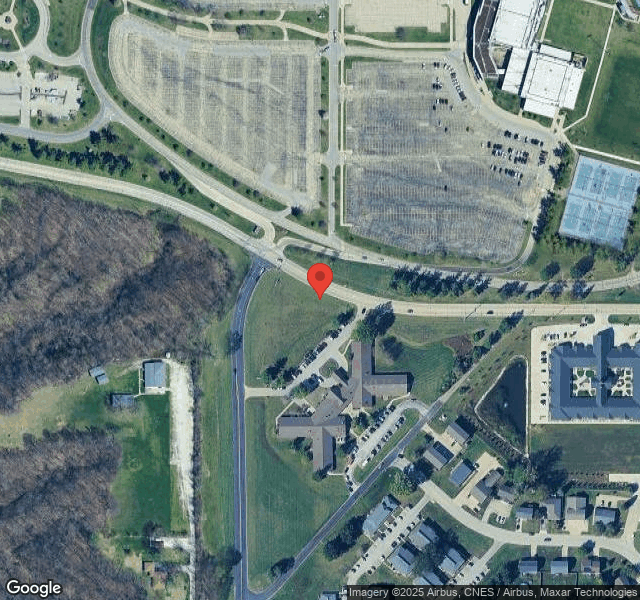
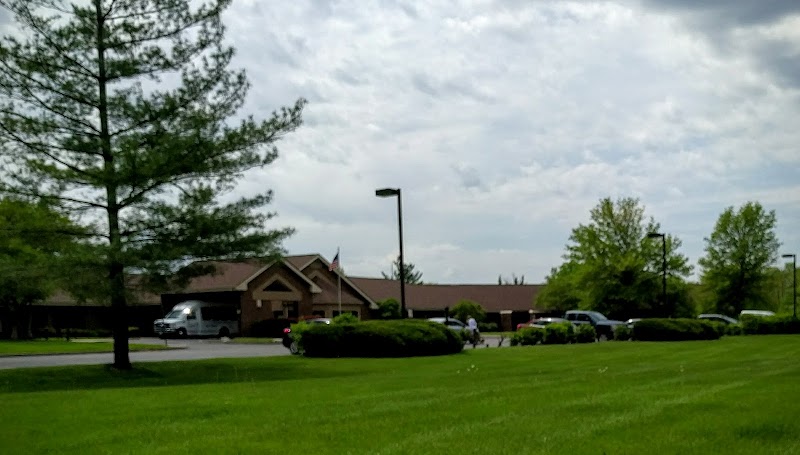
900 CENTENNIAL DRIVE, EAST PEORIA, IL 61611 (309) 699-5400
For profit - Corporation 120 Beds THE LOFT REHABILITATION AND NURSING Data: November 2025
Trust Grade
85/100
#57 of 665 in IL
Last Inspection: October 2024

Within standard 12-15 month inspection cycle. Federal law requires annual inspections.

Overview

Loft Rehab of East Peoria has a Trust Grade of B+, indicating that it is above average and recommended for families considering this facility. It ranks #57 out of 665 nursing homes in Illinois, placing it in the top half, and #2 out of 8 in Tazewell County, meaning only one local facility is rated higher. However, the facility's trend is concerning as it has worsened, increasing from 7 issues in 2022 to 12 in 2024, including incidents where trash dumpsters were left unsecured, posing a potential health risk. Staffing is a weak point, with a rating of just 1 out of 5 stars and a 50% turnover rate, which is average, but this is coupled with less RN coverage than 95% of state facilities, raising concerns about resident care. On a positive note, there have been no fines reported, and the facility has demonstrated excellent performance in health inspections and quality measures, although it did fail to accurately document the vision impairment of a legally blind resident in their assessments.

Trust Score
B+
85/100
In Illinois
#57/665
Top 8%
Safety Record
Low Risk
No red flags
Inspections
Getting Worse
7 → 12 violations
Staff Stability
⚠ Watch
50% turnover. Above average. Higher turnover means staff may not know residents' routines.
Penalties
✓ Good
No fines on record. Clean compliance history, better than most Illinois facilities.
Skilled Nurses
⚠ Watch
Each resident gets only 17 minutes of Registered Nurse (RN) attention daily — below average for Illinois. Fewer RN minutes means fewer trained eyes watching for problems.
Violations
⚠ Watch
19 deficiencies on record. Higher than average. Multiple issues found across inspections.
★★★★★
5.0
Overall Rating
★☆☆☆☆
1.0
Staff Levels
★★★★★
5.0
Care Quality
★★★★★
5.0
Inspection Score
Stable
2022: 7 issues
2024: 12 issues

The Good

  • 5-Star Quality Measures · Strong clinical quality outcomes
  • Full Sprinkler Coverage · Fire safety systems throughout facility
  • No fines on record

Facility shows strength in quality measures, fire safety.

The Bad

Staff Turnover: 50%

Near Illinois avg (46%)

Higher turnover may affect care consistency

Chain: THE LOFT REHABILITATION AND NURSING

Part of a multi-facility chain

Ask about local staffing decisions and management

The Ugly 19 deficiencies on record

Oct 2024 5 deficiencies
CONCERN (D)

Potential for Harm - no one hurt, but risky conditions existed

Comprehensive Assessments (Tag F0636)

Could have caused harm · This affected 1 resident

**NOTE- TERMS IN BRACKETS HAVE BEEN EDITED TO PROTECT CONFIDENTIALITY** Based on observation, interview, and record review, the facility failed to revise a Minimum Data Set (MDS) to include legally bl...

Read full inspector narrative →
**NOTE- TERMS IN BRACKETS HAVE BEEN EDITED TO PROTECT CONFIDENTIALITY** Based on observation, interview, and record review, the facility failed to revise a Minimum Data Set (MDS) to include legally blind for vision for one (R106) of 24 residents reviewed for accurate MDS assessments in a sample of 36. Findings include: R106's medical record documents R106 has Legal Blindness, as defined in the USA (United States of America). R106's Quarterly MDS, dated [DATE], documents under vision Adequate. R106's current care plan documents (R106) has impaired visual function related to blindness of both eyes and she is at risk for new/ worsening complication. On 10/22/24 at 9:36AM, R106 in her room lying across her bed, alert and oriented, and legally blind notes posted in her room. R106 stated she is blind, and cannot see shadows. On 10/24/24 at 12:07PM, R106 stated she has been blind all her life. On 10/24/24 at 12:01PM, V18 Care plan/MDS nurse verified R106 was legally blind.
CONCERN (D)

Potential for Harm - no one hurt, but risky conditions existed

Deficiency F0657 (Tag F0657)

Could have caused harm · This affected 1 resident

Based on observation, interview, and record review, the facility failed to revise a care plan to include a specific dialysis access site, and which arm to use for blood pressure monitoring for two (R3...

Read full inspector narrative →
Based on observation, interview, and record review, the facility failed to revise a care plan to include a specific dialysis access site, and which arm to use for blood pressure monitoring for two (R36 and R103) of 24 residents reviewed for care plan revision in a sample of 36. Findings include: Facility Care plan revisions, revised 1/25/23, documents The care plan will be reviewed and revised as necessary. The designated staff member will communicate care plan interventions to all staff involved in the resident's care. 1. R36's Physician orders for October 2024 documents (Dialysis) Shunt is in left arm. On 10/24/24 at 1:48 PM, R36 was in her room in bed on her left side, and stated her dialysis shunt was in her left arm. R36's current care plan has no documentation where R36's dialysis shunt is located, and which arm to use for blood pressure monitoring. 2. R103's Physician orders for October 2024 documents Dialysis site observation in right chest port. R103's current care plan has no documentation where R103's dialysis shunt is located, and which arm to use for blood pressure monitoring. On 10/24/24 at 11:59 AM, V18 care plan nurse verified R36 and R103's care plans did not identify where their dialysis shunts were located, and which arm to use for blood pressure monitoring.
CONCERN (D) 📢 Someone Reported This

A family member, employee, or ombudsman was alarmed enough to file a formal complaint

Potential for Harm - no one hurt, but risky conditions existed

Quality of Care (Tag F0684)

Could have caused harm · This affected 1 resident

Based on observation, interview and record review, the facility failed to follow physician orders for one (R18) of three residents reviewed for antibiotic orders in a sample of 36. Findings include: F...

Read full inspector narrative →
Based on observation, interview and record review, the facility failed to follow physician orders for one (R18) of three residents reviewed for antibiotic orders in a sample of 36. Findings include: Facility's Physician/Practitioner Orders Policy Dated 12/13/22 documents: 2. For physician/practitioner orders received in writing or via fax, the nurse in a timely manner will: a. Call the attending physician to verify the order. b. Follow facility procedures for verbal or telephone orders including: noting the order, submitting to pharmacy, and transcribing to medication or treatment administration record. R18's 10/4/24 Physician Order documents: Doxycycline Hyclate (Vibramycin) (Antibiotic) 100 mg/milligrams tablet. Take one Tablet (100mg/milligrams total) by mouth two times daily for ten days x seven days due to UTI/Urinary Tract Infection. R18's Medication Administration Record/MAR dated 10/2024 does not document R18 was administered Doxycycline Antibiotic until 10/7/24. R18's Progress Note dated 10/4/24 documents: Resident returns to facility via facility van. New orders obtained per (Local Facility) health family medicine-(City). Order states take one tab (100mg total) Doxycycline Hyclate by mouth two times daily for 'ten days x seven days' due to UTI/Urinary Tract Infection. On 10/25/24 at 7:55am, V13 Power of Attorney/POA to R18 stated: (V10 Primary Care Physician to R18) prescribed antibiotics for (R18). I talked to the Director of Nursing/DON (V2) about the antibiotic and why it was not started on 10/4 and she said the facility did not follow through on that one. On 10/23/24 at 9:55am V7 Licensed Practical Nurse/LPN stated that she did not start R18 on the prescribed antibiotic after receiving the order from R18's Primary Care Physician on 10/4/24, and stated that the antibiotic was not administered until 10/7/24.
CONCERN (D)

Potential for Harm - no one hurt, but risky conditions existed

Infection Control (Tag F0880)

Could have caused harm · This affected 1 resident

**NOTE- TERMS IN BRACKETS HAVE BEEN EDITED TO PROTECT CONFIDENTIALITY** Based on observation, interview and record review the facility failed to don proper personal protective equipment during gastron...

Read full inspector narrative →
**NOTE- TERMS IN BRACKETS HAVE BEEN EDITED TO PROTECT CONFIDENTIALITY** Based on observation, interview and record review the facility failed to don proper personal protective equipment during gastronomy tube medication administration for one of one residents (R50) reviewed for Enhanced Barrier Precautions in a sample of 36. Findings include: The facility's Enhanced Barrier Precautions policy, dated 1/1/24, documents Enhanced barrier precautions (EBP) refer to an infection control intervention designed to reduce transmission of multidrug-resistant organisms that employs targeted gown and gloves use during high contact resident care activities. An order foe enhanced barrier precautions will be obtained for residents with any of the following: wounds (e.g., chronic wounds such as pressure ulcers, diabetic foot ulcers, unhealed surgical wounds, and chronic venous stasis ulcers) and/or indwelling medical devices (e.g., central lines, urinary catheters, feeding tubes, tracheostomy/ventilator tubes) even if the resident is not known to be infected or colonized with a MDRO (Multidrug-Resistant Organisms). High-contact resident care activities include: Device care or use; central lines, urinary catheters, feeding tubes, tracheostomy/ventilator tubes. The facility's Care and Treatment of Feeding Tubes policy, dated 12/19/22, documents It is a policy of this facility to utilize feeding tubes in accordance with current clinical standards of practice, with interventions to prevent complications to the extent possible. Direction for staff on how to provide the following care will be provided: Use of infection control precautions ad related techniques to minimize the risk of contamination. R50's admission record documents that R50 admitted to facility on 7/6/21 with diagnosis of Hemiplegia and Hemiparesis following cerebral infarction affecting right dominant side. R50's current physician's orders documents isolation: maintain enhanced barrier precautions per Centers for Disease Control (CDC) guidelines every shift for prophylaxis related to gastronomy tube (G-Tube/GT). R50's Minimum Data Set assessment (MDS) dated [DATE], documents that R50 has a feeding tube. On 10/23/24 at 11:00 AM V5 (Licensed Practical Nurse/LPN) performed hand hygiene, donned gloves, and proceeded to administer medications via gastronomy tube (G-Tube/GT). On 10/23/24 at 11:30 AM V5 (LPN) verified that R50 is on enhanced barrier precautions due to her G-Tube. V5 also verified she should have worn a gown with the gloves while administering G-Tube medications but realized she forgot to after administration of the G-Tube medications.
CONCERN (F)

Potential for Harm - no one hurt, but risky conditions existed

Garbage Disposal (Tag F0814)

Could have caused harm · This affected most or all residents

Based on observation, interview, and record review, the facility failed to ensure two large trash dumpsters are secured from flying birds/insects and other small animals/rodents, in that the lids of t...

Read full inspector narrative →
Based on observation, interview, and record review, the facility failed to ensure two large trash dumpsters are secured from flying birds/insects and other small animals/rodents, in that the lids of the trash dumpsters were not closed. This failure has the potential to effect all 117 residents residing in the facility. FINDINGS INCLUDE: Facility Policy, entitled Standards and Guidelines: Garbage Dispose and Refuse, revised 3/4/2021, document: 4. will ensure the garbage storage areas are maintained in a sanitary condition to prevent the harborage and feeding of pests. The Department of Health and Human Services Centers for Medicaid and Medicare Services, Form 671-Long-Term Care Facility Application for Medicare and Medicaid, dated 10/22/2024, document 117 residents reside in the facility. On 10/22/2024, at 9:00 a.m., during the initial kitchen tour, with V17/Dietary Manager, the two trash dumpsters, located outside, had lids which were open and both dumpsters had facility trash in them. On 10/22/2024, at 9:00 a.m., V17 confirmed the trash dumpster lids should have been closed.
Apr 2024 1 deficiency
CONCERN (D) 📢 Someone Reported This

A family member, employee, or ombudsman was alarmed enough to file a formal complaint

Potential for Harm - no one hurt, but risky conditions existed

Report Alleged Abuse (Tag F0609)

Could have caused harm · This affected 1 resident

**NOTE- TERMS IN BRACKETS HAVE BEEN EDITED TO PROTECT CONFIDENTIALITY** Based on interview and record review the facility failed to report an injury of unknown origin to the State Agency for one resid...

Read full inspector narrative →
**NOTE- TERMS IN BRACKETS HAVE BEEN EDITED TO PROTECT CONFIDENTIALITY** Based on interview and record review the facility failed to report an injury of unknown origin to the State Agency for one resident (R1) of three residents reviewed for falls. Findings include: Facility Policy/Abuse, Neglect and Exploitation dated/revised 12/5/22 documents: 6.) Identification of Abuse, Neglect, and Exploitation - The facility will consider factors indicating possible abuse, neglect, and/or exploitation of residents, including, but not limited to, the following possible indicators: c.) Physical injury of a resident, of unknown source. Physician Order Summary Report dated 4/2024 indicates R1 was [AGE] years old with diagnoses that include Long Term/Current Use of Anticoagulants, Personal History of Venous Thrombosis and Embolism, Unspecified Rotator Cuff Tear or Rupture of Left/Right Shoulder, Pain in Left Shoulder. Had been receiving Coumadin (anticoagulant) 2mg (milligrams) MAR (Medication Administration Record) indicates R1 received Coumadin (anticoagulant) 2mg (milligrams) in the evening for Afib (Atrial Fibrillation). Incident Report dated 4/19/24 at 5:25pm indicates R1 was sent to the Emergency Department due to swollen left breast. Report indicates left breast area was hard, no redness or warmth.; no discoloration noted. R1 had been complaining of left arm pain. Report/Resident Description indicates I haven't fallen or had any issues. It just started hurting more after my shower. Report indicates R1 had been on long-term anticoagulant therapy. Incident Report Notes dated 4/22/24 indicates only incident for R1 was a fall that occurred on 4/10/24. Note indicates an X-ray and doppler of R1's ankle was performed after R1's fall with negative results for both tests. Incident Report note dated 4/22/24 indicates Nurse notified physician of increased edema and family's request to have R1 sent to hospital for evaluation. Progress Notes dated 4/19/24 at 6:50pm indicates R1 was transported to the hospital at that time. Progress Note dated 4/20/24 at 4:25am indicates R1 was admitted to the hospital with diagnosis of chest wall hematoma. Hospital ED (Emergency Department) Report dated 4/19/24 indicates R1 presented to the ED for evaluation of left chest wall/breast region. Report indicates Apparently, this morning (R1) showered and was unsteady on her feet, went to grab onto the CNA (Certified Nurse Assistant) and (R1's) chest wall came into contact with the nurses shoulder. Report indicates as the day went on, (R1) developed increasing pain and swelling to the chest wall. Report indicates As a side note, (R1) has been reporting pain in her left foot and ankle region. Family relates that X-rays were done at the nursing home, but results were unknown. ED Report Physical Exam indicates Findings: Bruising (there are multiple areas of bruising noted to the upper arms, left chest wall, and left foot present. Swelling and tenderness of left foot. ED Report CT (Computed Tomography) Chest with Contrast dated 4/19/24 at 10:07pm Indication: [AGE] year-old with given clinical history of Chest trauma, blunt trauma. ED CT findings indicate Chest all soft tissues: there is a large left-sided chest wall hematoma measuring up to 8.2cm (centimeter) x 11.6cm in greatest axial dimension. ED CT Impression: A critical finding has been communicated to physician. ED left ankle and left foot X-ray results indicate a fracture at the base of R1's 5th metatarsal. ED Report dated 4/19/24 at 10:53pm indicates (R1's) CT returned and there is a large hematoma to the left chest wall. There were foci of contrast noted in the posterior aspect of the hematoma worrisome for active hemorrhage. Report indicates (R1), and family are amenable to proceeding with FFP (Fresh Frozen Plasma) as well as Vitamin K ordered. ED Report dated 4/19/24 at 11:09pm indicates (R1) would receive conservative management and would receive 3 units of FFP and management with ice. Hospitalist admission Report dated 4/19/24 at 7:12pm indicates: Patient Active Hospital Problem List: 1. Left chest wall hematoma secondary to injury at nursing home where a worker's shoulder hit the left chest wall on transfer. 2. Right foot metatarsal fracture: unclear etiology however (r1) has bruised foot. 3. Acute blood loss/chronic anemia. Report indicates On assessment (R1) is unable to tell me how she hurt herself. She does not remember falling, she does not know how she hurt her foot. She is able to tell me that her chest significantly hurts over the area of the hematoma. On 4/26/24 at 11:10am V1, Abuse Coordinator stated that both V2, DON (Director of Nursing) and herself reviewed R1's hospital records on Monday 4/22/24 and after speaking with V11, Family and V12, Family - who stated they believed R1's chest wall hematoma was due to her long-term anticoagulant use - made the decision not to report the incident to the State Agency.
Feb 2024 2 deficiencies
CONCERN (D) 📢 Someone Reported This

A family member, employee, or ombudsman was alarmed enough to file a formal complaint

Potential for Harm - no one hurt, but risky conditions existed

Deficiency F0578 (Tag F0578)

Could have caused harm · This affected 1 resident

**NOTE- TERMS IN BRACKETS HAVE BEEN EDITED TO PROTECT CONFIDENTIALITY** Based on interview and record review, the facility failed to verify code status, failed to follow up on advanced directives, and...

Read full inspector narrative →
**NOTE- TERMS IN BRACKETS HAVE BEEN EDITED TO PROTECT CONFIDENTIALITY** Based on interview and record review, the facility failed to verify code status, failed to follow up on advanced directives, and failed to have the current paperwork on advanced directives for one (R1) of three residents reviewed for advanced directives in a sample of seven. Findings include: R1's medical record documents R1 is a full code as of [DATE]. R1's medical record, dated [DATE] by V18 APRN/Advanced Practice Registered Nurse, documents Recommend hospice and DNR/Do Not Resuscitate. R1's Medical Record documents R1 was admitted to hospice on [DATE] due to her diagnosis of End Stage Multiple Sclerosis and was not cognitively intact. R1's nurses note, dated [DATE] by V6 LPN/Licensed Practical Nurse, documents Packet filled out and forwarded to state guardian for (R1). Guardian called and noted sections left blank. Forwarded packet to hospice to be filled out by MD/Medical Doctor and forwarded back to the facility to be forwarded to (R1's) state guardian. Packet is consent to change from full code to DNR status. (R1) remains full code at this time. R1's medical record has no documentation of the information sent to R1's OSG/Office of State Guardian. R1's nurses notes, dated [DATE] at 4:00am by V13 RN/Registered Nurse, documents This nurse called to bedside by CNA/Certified Nurse Aid at 1:25am; resident without pulse, respiration and cool to touch; second RN called to pronounce at 1:30am; hospice notified at 1:40am; coroner called at 1:42am; funeral home notified at 2:05am; and body released to funeral home at 3:40am. R1's medical record has no documentation CPR/Cardiopulmonary Resuscitation was performed on R1. On [DATE] at 10:56am, V15 RN Administrator of Hospice stated I thought (R1's) DNR form filled out and filed with (R1's) OSG made her a DNR but she was a full code because it was not signed by the judge. We were working on a document with the guardian, but the guardian was not able to take it to court prior to the resident's death. My hospice nurse got the call (R1) had passed, my hospice nurse called me for clarification on her code status, and she was a full code. I looked thru (R1's) form, she was a full code, and I told the nursing home to do CPR. The nursing home did not have the paperwork for the OSG, we had at our office which is why the hospice nurse did not know her code status and had to call me. When the hospice nurse got to the facility she was told they had (R1) listed as a full code, (R1's) guardian would not make her a DNR without a Judge's order so the hospice nurse called me for clarification. R1's OSG DNR paperwork, filled out on [DATE] by the physician, and provided to this state department by V15 RN Administrator of Hospice has no documentation of R1's OSG consent for DNR or withdrawal of treatment. On [DATE] at 12:25pm, V13 RN stated (R1) was hospice but was a full code. She was not changed to a DNR by the judge. I missed it and did not do CPR. We have a yellow notebook at the nurse's station that has the code status forms in case the power goes out. (R1's) code status was in the computer under her name and in the computer in the miscellaneous part of (our charting system). I called the hospice nurse when (R1) passed. (R1's) DNR paperwork was filled out for the OSG but not signed by the Judge. Hospice called her supervisor for clarification since she had the paperwork with her, we did not have it here. On [DATE] at 12:40pm, V2 DON/Director of Nursing stated (V13 RN) did not perform CPR on (R1) and was disciplined with a final written reprimand. (V13) had never been disciplined before. (V13) assumed (R1) was a DNR because she was hospice and did not follow the full code orders. We sent the paperwork to the OSG on [DATE]th, 2023, but (R1) died before it could go before the judge and get the DNR. Usually, it takes less than one week for the judges signature and the code status is done. We did not have time to follow up on her form with the holidays. (R1) was a full code when you pulled the electronic face sheet on (R1). (R1) could not talk for herself at the time of her death which is why she had an OSG. V13's employee file, dated [DATE], documents Disciplinary Action Form 3rd/final written reprimand- did not follow nursing guidelines, failed to verify a resident code status, and no prior discussion or warnings. Employee educated and stated she missed verifying (R1's) code status. Facility Residents' Rights Regarding Treatment and Advanced Directives, revised [DATE], documents It is the policy of this facility to support and facilitate a resident's right to request, refuse, and/or discontinue medical or surgical treatment and to formulate an advanced directive. The advance directive will be added to Physician Orders. The copy of the form will be scanned into the resident record.
CONCERN (D) 📢 Someone Reported This

A family member, employee, or ombudsman was alarmed enough to file a formal complaint

Potential for Harm - no one hurt, but risky conditions existed

Incontinence Care (Tag F0690)

Could have caused harm · This affected 1 resident

**NOTE- TERMS IN BRACKETS HAVE BEEN EDITED TO PROTECT CONFIDENTIALITY** Based on interview and record review, the facility failed to obtain an order for catheter care upon admission for one (R3) of tw...

Read full inspector narrative →
**NOTE- TERMS IN BRACKETS HAVE BEEN EDITED TO PROTECT CONFIDENTIALITY** Based on interview and record review, the facility failed to obtain an order for catheter care upon admission for one (R3) of two residents reviewed for indwelling urinary catheters in a sample of seven. Findings include: R3's medical record documents R3 was admitted to the facility on [DATE] with a diagnosis of traumatic L4 compression fracture and urinary retention. R3's medical record documents R3 was at the facility for pain management, indwelling urinary catheter care, and weakness. R3's medical record has no documentation R3 received catheter care from 12/23/23 through 12/28/23. R3's Physician's orders, dated 12/28/23, documents R3's catheter care was to be conducted every day shift, to start on 12/29/23, and discontinued on 1/10/24. R3's Treatment Administration Record/TAR, dated December 2023, documents catheter care was started on 12/29/23. On 1/31/24 at 3:00 PM, V2 DON/Director of Nursing stated R3's physician order for catheter care was not obtained until 12/28/23 due to R3 being admitted on a weekend and the holiday followed. V2 verbally agreed catheter cares were not documented as completed until 12/29/23 and did not know why the admitting nurse did not put in orders upon R1's admission for catheter care. Facility Catheter Care policy, dated 1/24/23, documents The facility will ensure that residents with indwelling catheters receive appropriate catheter care per standard of care.
Jan 2024 4 deficiencies
CONCERN (D)

Potential for Harm - no one hurt, but risky conditions existed

Deficiency F0558 (Tag F0558)

Could have caused harm · This affected 1 resident

Based on interview, observation and record review, the facility failed to ensure a resident's call light was within reach for one of 24 residents (R2) reviewed for call lights in the sample of 49. Fi...

Read full inspector narrative →
Based on interview, observation and record review, the facility failed to ensure a resident's call light was within reach for one of 24 residents (R2) reviewed for call lights in the sample of 49. Findings include: The facility's Call Lights: Accessibility and Timely Response Policy (dated 08/01/19) documents the following: With each interaction in the resident's room or bathroom, staff will ensure the call light is within reach of resident and secured, as needed. R2's current care plan documents the following: (R2) has impaired vision in left eye related to ophthalmologic complications resulting from Diabetes Mellitus and Blindness right eye, and is at risk for new or worsening complications, including decrease in visual acuity. On 01/08/23 at 03:55 PM, R2 was sitting in her wheelchair near her bed with her eyes closed. R2 was dressed, groomed and had a full mechanical lift sling in place underneath her. R2 had a heel protector in place on her right lower extremity. R2's call light was out of her reach sitting inside of a plastic basin on a bedside table approximately five feet away from R2. When R2 was asked about the location of her call light, she stated, I don't know where it is. I'm blind. They didn't give it to me. They take it away at night because they say I use it too much. On 01/08/23 at 04:05 PM, V20 (Licensed Practical Nurse) confirmed that R2's call light was out of R2's reach and stated, She should have it within her reach.
CONCERN (D)

Potential for Harm - no one hurt, but risky conditions existed

Deficiency F0583 (Tag F0583)

Could have caused harm · This affected 1 resident

Based on observation, interview and record review, the facility failed to provide privacy during incontinence care for one of four residents (R110) reviewed for personal care, in a sample of 49. Findi...

Read full inspector narrative →
Based on observation, interview and record review, the facility failed to provide privacy during incontinence care for one of four residents (R110) reviewed for personal care, in a sample of 49. Findings Include: The facility policy, Promoting/Maintaining Resident Dignity, dated (revised 12/5/22) directs staff, It is the practice of this facility to protect and promote resident rights and treat each resident with respect and dignity as well as care for each resident in a manner and in an environment that maintains or enhances resident's quality of life by recognizing each resident's individuality. All staff members are involved in providing care to residents to promote and maintain resident dignity and respect resident rights. Maintain resident privacy. On 1/8/24 at 10:48 A.M., V5/Certified Nursing Assistant (CNA) was providing incontinence care for R110, who resides in a bed closest to the 200 hall, in the facility. R110 was lying on the top of the bed fully unclothed, while V5/CNA applied an incontinence brief. The privacy curtains for R110's bed were open. R110's roommate was present, watching television, in direct view of R110. The room curtains, that open to the front visitor, staff and vendor parking lot, were open. V5/CNA continued to apply the incontinence brief and then a gown to R110, in full view of R110's roommate, and visitors and staff in the parking lot. When V5/CNA completed dressing R110, V5/CNA left the room. At that time, V5/CNA verified the privacy curtain for R110, and the room curtains were left open during incontinence care and dressing of R110.
CONCERN (D)

Potential for Harm - no one hurt, but risky conditions existed

Deficiency F0688 (Tag F0688)

Could have caused harm · This affected 1 resident

**NOTE- TERMS IN BRACKETS HAVE BEEN EDITED TO PROTECT CONFIDENTIALITY** Based on observation, interview and record review the facility failed to implement a restorative program and provide range of m...

Read full inspector narrative →
**NOTE- TERMS IN BRACKETS HAVE BEEN EDITED TO PROTECT CONFIDENTIALITY** Based on observation, interview and record review the facility failed to implement a restorative program and provide range of motion for two residents (R24, R64) of five residents reviewed for limitations in range of motion in a sample of 49. Findings include: The facility's Activities of Daily Living policy revised 12/5/22, documents that the facility will provide a maintenance and restorative program if indicated to assist the resident in achieving and maintaining the highest practicable outcome based on the comprehensive assessment. 1. On 1/8/24 at 10:30 am R64 was lying in bed. R64's right hand appeared contracted, and her right arm was edematous (swollen). R64's right arm was resting on the bed. On 1/8/24 at 10:30 am R64 was up in the chair, with her right arm lying in her lap and no splint on. R64's current Physician Order Sheet documents R64's right arm is to be elevated at all times. R64's Occupational Therapy evaluation and plan of treatment, dated 10/4/23, documents the R64 will consistently have right upper extremity splint donned for four to six hours per day. This form documents that R64 is currently not wearing the right upper extremity splint due to lack of follow through from the Certified Nursing Assistants. R64 will increase her right upper extremity shoulder and wrist extension passive range of motion for flexion. R64's current care plan documents that R64 has a self-care/mobility deficit and requires staff assist for completion of all activities of daily living. This form documents that R64 is to participate in passive range of motion exercises for preservation of range of motion to bilateral knees and elbows as tolerated. R64's care plan documents to provide restorative programs/interventions as ordered/indicated. 2. On 1/8/24 at 11:00 am, R24 stated that he does not get assistance with range of motion or exercises. R24's Minimum Data Set, dated [DATE], documents an impairment of both sides of upper and lower extremities. This form also documents that R24 has not received any therapies or range of motion services. R24's current care plan documents that R24 has an activity of daily living self-care deficit. This form documents that R24 is dependent for activities of daily living. On 1/9/24 at 12:00 pm, V2, Director of Nursing, stated that the facility does not have a restorative program at this time. V2 stated that the Certified Nursing Assistance are supposed to do range of motion during any cares. On 1/11/23 at 11:30 am, V2 stated that no documentation of range of motion or restorative notes could be found in R24 or R64's medical record. On 1/11/24 at 12:00 pm, V5, Minimum Data Set Coordinator, stated that the facility does not have restorative programs at this time. V5 also stated that the Certified Nursing Assistance are not allowed to perform passive range of motion on residents with contractures, because of possible injury.
CONCERN (D)

Potential for Harm - no one hurt, but risky conditions existed

Deficiency F0809 (Tag F0809)

Could have caused harm · This affected 1 resident

Based on record review and interview the facility failed to offer bedtime snacks to two of 24 residents (R61 and R274) reviewed for bedtime snacks in the sample of 49. Findings include: The Nourishmen...

Read full inspector narrative →
Based on record review and interview the facility failed to offer bedtime snacks to two of 24 residents (R61 and R274) reviewed for bedtime snacks in the sample of 49. Findings include: The Nourishment Night-Time Snacks policy dated 12-5-22 documents, Nourishments will be provided to the clients at approximately bedtime. Food and nutrition services will deliver the bedtime nourishment (snack) as planned on the cycle menu to the nursing units after the evening meal. Clients will receive an appropriate bedtime snack according to their diet order. Nursing will distribute the bedtime nourishments. 1. R61's Order Summary Sheet dated 1-22-24 documents R61 has the diagnoses of Mild Protein-Calorie Malnutrition, Dysphagia, Hemiplegia, and Hemiparesis. R61's Medical Record does not include any documentation of R61 being offered bedtime snacks. On 01-08-24 at 01:37 PM V19 (R61's Family Member) stated, (R61) does not get offered bedtime snacks, cannot get up to get them on his own and cannot ask for them. 2. R274's Order Summary Report dated 1-11-24 documents R274 has diagnoses of Severe Protein-Calorie Malnutrition and Type II Diabetes Mellitus. R274's Medical Record does not include any documentation of R274 being offered bedtime snacks. On 01-08-24 at 11:04 AM R274 stated, I am diabetic and would like a bedtime snack. They do not offer bedtime snacks to me. On 1-11-24 at 9:30 AM V2 (Director of Nursing) stated, All residents should be offered a bedtime snack. There is no documentation in (R61 and R274's) records indicating they were offered bedtime snacks. On 1-11-23 at 9:45 AM V6 (Dietary Manager) stated, I do not know if all of the residents are being offered a bedtime snack. I do not believe residents being offered bedtime snacks is documented anywhere in their medical records.
Dec 2022 7 deficiencies
CONCERN (D)

Potential for Harm - no one hurt, but risky conditions existed

Comprehensive Assessments (Tag F0636)

Could have caused harm · This affected 1 resident

**NOTE- TERMS IN BRACKETS HAVE BEEN EDITED TO PROTECT CONFIDENTIALITY** Based on interview and record review the facility failed to ensure the admission MDS (Minimum Data Set) Assessment was completed...

Read full inspector narrative →
**NOTE- TERMS IN BRACKETS HAVE BEEN EDITED TO PROTECT CONFIDENTIALITY** Based on interview and record review the facility failed to ensure the admission MDS (Minimum Data Set) Assessment was completed and submitted in the correct timeframe for two of 50 residents (R66 and R305) reviewed for timely MDS assessment in a sample of 50. Findings include: The facility MDS Analysis dated 11/21/22, documents Due to increased census on both MED A stays and public aid, there has been an increase in MDS's needing to be completed and some of them have fallen behind in submission timeliness. There is a back log of MDS's that still need to be caught up. Social Services is new to the roll, as well as activities and dietary manager, therefore there has been a lot of the completion done solely by MDS, therefore making some assessments late. 1. The Resident Assessment Instrument (RAI) policy dated October 2019, documents Assessment Reference Date (ARD) (Item A2300) No Later Than the 14th calendar day of the resident's admission (admission date + 13 calendar days). R305's MDS Summary dated 12/21/22 at 10:30 AM, documents R305 was admitted on [DATE]. The ARD Target date was 12/12/22. The Submission Information documents the MDS is in Progress. On 12/20/22 at 1:30 PM, V3 (MDS Coordinator) verified that R305's assessment was completed late. V3 was asked why the assessment was late and V3 stated No specific reason. 2. A Resident Assessment Instrument policy dated 12/2002 states, The Annual assessment must be completed no later than 14 days after the ARD (Assessment Reference Date). R66's Annual MDS assessment section A2300 documents R66's assessment reference date (ARD) for that MDS was 10/18/22. This same MDS section Z0500 documents R66's MDS was not completed until 12/19/22. On 12/21/22 at 1:17p.m. V3 (MDS Coordinator) verified R66's annual MDS assessment completion date of 12/19/22 was not within the required time frame of no later that 14 days from R66's ARD date of 10/18/22. On 12/21/22 at 10:55 AM, V1 (Administrator) stated that the reason some residents' MDS's were not completed on time was because the facility's resident census was high and there was only one MDS Coordinator until September 2022.
CONCERN (D)

Potential for Harm - no one hurt, but risky conditions existed

Deficiency F0688 (Tag F0688)

Could have caused harm · This affected 1 resident

**NOTE- TERMS IN BRACKETS HAVE BEEN EDITED TO PROTECT CONFIDENTIALITY** 3. On 12/21/22 at 10:15 AM, R88 was sitting in her room in a wheelchair with V19/R88's daughter. V19 stated (R88) needs assistan...

Read full inspector narrative →
**NOTE- TERMS IN BRACKETS HAVE BEEN EDITED TO PROTECT CONFIDENTIALITY** 3. On 12/21/22 at 10:15 AM, R88 was sitting in her room in a wheelchair with V19/R88's daughter. V19 stated (R88) needs assistance of staff for all ADL's (Activities of Daily Living) and has limitations in ROM to both her legs. R88's MDS assessment dated [DATE] documents R88 has a BIMS (Brief Interview of Mental Status) of 03, (cognitively impaired), has limitations in range of motion to her lower extremities, and does not receive range of motion services to address R88's limitations. R88's electronic medical records do not include any programs or documentation of R88 receiving ROM to R88's lower extremities or at all. On 12/21/22 at 10:15 AM, V19/R88's daughter stated, I am here with (R88) everyday all day. (R88) does have limitations to both her legs. I have never seen any staff do any kind of ROM with (R88). Based on observation, interview, and record review the facility failed to implement services to maintain and/or improve range of motion limitations for three of seven residents (R7, R80, R88) reviewed for limited range of motion in the sample of 50. Findings include: The facility's Rehabilitation Contracture Management policy dated 3-1-21 documents, It will be the standard that the facility must ensure that a resident with a limited range of motion receives appropriate treatment to increase range of motion and/or prevent further decrease in range of motion. A resident with limited mobility with the maximum practicable independence unless a reduction in mobility is demonstrably unavoidable. Guidelines: 1. Recognition of a limited range of motion or changes in mobility must be reported to rehabilitation services. The specific joint that has limitation should be indicated. 1. R7's MDS (Minimum Data Set) assessment dated [DATE] documents R7 is cognitively intact and has functional limitations in range of motion to both sides of the lower extremities. This same MDS documents R7 does not receive restorative nursing programs such as passive or active range of motion, or splint assistance. R7's Electronic Tasks Nursing Restorative documents, Active ROM (Range of Motion) - Position upright, provide visual demonstration of flexion/ extension exercise then cue (R7) to complete five sets of 10 flexion & extension of both knees & elbows BID (twice daily) to maintain joint mobility. On 12/19/22 at 10:16 AM R7 was sitting up in a high back wheelchair. R7 was unable to lift her arms above chest level and both of R7's pinky fingers were contracted. R7 was unable to open either of her pinky fingers. R7 stated, I have not had any (range of motion) exercises or therapy done with me since April if this year. I would love for staff to do range of motion exercises with me. 2. R80's MDS assessment dated [DATE] documents R80 is cognitively intact and has functional limitations in range of motion to both sides of his upper and lower extremities. This same MDS documents R80 does not receive restorative nursing programs such as passive or active range of motion, or splint assistance. R80's Current Care Plan documents R80 has diagnoses of Parkinson's Disease, Morbid Obesity, Abnormalities of Gait and Mobility, Pain in right and left shoulders, and Disc Degeneration of the Lumbar Region. R80's current Electronic Tasks document, Nursing Rehabilitation Active Range of Motion: (R80) will perform with verbal cues and encouragement to complete three sets of 15 to bilateral upper extremities elbow flexion and extension and bilateral lower extremities knee flexion and extension. On 12/19/22 at 10:25 AM R80 was sitting in a wheelchair in his room. R80 was unable to lift his arms up above chest level. R80 stated, I cannot raise my arms up very far. I have not had therapy or range of motion exercises since September (2022). I would love for staff to do range of motion with me. The staff do not help me do range of motion.
CONCERN (D)

Potential for Harm - no one hurt, but risky conditions existed

Incontinence Care (Tag F0690)

Could have caused harm · This affected 1 resident

Based on observation and interview the facility failed to ensure urinary catheter tubing was kept off the floor for one of one resident (R75) reviewed for urinary catheter in the sample of 50. Finding...

Read full inspector narrative →
Based on observation and interview the facility failed to ensure urinary catheter tubing was kept off the floor for one of one resident (R75) reviewed for urinary catheter in the sample of 50. Findings include: On 12/19/22 at 11:40 AM R75 was sitting in his wheelchair with this catheter bag attached under the wheelchair seat. R75's catheter tubing was laying on the floor. V4 COTA (Certified Occupational Therapy Assistant) entered R75's room and transported R75 in his wheelchair from his room to the therapy room. During transport R75's catheter tubing was dragging on the floor. On 12/19/22 at 12:15 PM V4 transported R75 in his wheelchair from the therapy room to the dining room. During transport, R75's catheter tubing was dragging on the floor. On 12/19/22 from 12:15 PM through 12:50 PM R75 was sitting in his wheelchair in the dining room. R75's catheter tubing was laying on the floor during this time. On 12/21/22 at 9:20 AM V1 (Administrator) stated, All catheter tubing should be off of the floor at all times.
CONCERN (D)

Potential for Harm - no one hurt, but risky conditions existed

Deficiency F0692 (Tag F0692)

Could have caused harm · This affected 1 resident

2. On 12/20/22 at 12:10 PM, R76 was given his lunch, but was not given a drink. At 12:16 PM, V12 (Activity Assistant) asked R76 if he would like a cup of coffee or cranberry juice. R76 shook his head ...

Read full inspector narrative →
2. On 12/20/22 at 12:10 PM, R76 was given his lunch, but was not given a drink. At 12:16 PM, V12 (Activity Assistant) asked R76 if he would like a cup of coffee or cranberry juice. R76 shook his head yes. V12 went back to the drink cart but did not return with a drink for R76. On 12/20/22 at 12:35 PM, V12 was asked if there was a reason R76 did not get a drink with his meal. V12 stated (R76) was given coffee during activities. V12 then went to R76 and gave him a cup of coffee. R76 immediately started drinking the coffee. On 12/20/22 at 12:45 PM, R76 was asked if he likes to have his drink at the start of his meal and he shook his head yes. R76's current Care Plan documents, (R76) has potential for fluid imbalance r/t (related to) Cognitive deficit, Poor intake and terminal prognosis. On 12/21/22 at 9:20 AM, V1 (Administrator) was asked if she thought the residents should have a drink when they got their meals. V1 stated Yes, that's why we have the drink cart that can be taken around the dining room. That way the residents can be given their drink when they get to the table. Based on observation, interview, and record review the facility failed to offer hydration during lunch for two of two residents (R75, R76) reviewed for hydration in the sample of 50. Findings include: The facility's Hydration policy dated 3-5-21 documents, Standard: Residents' hydration needs are met throughout the day from various sources. A major portion of the total fluids consumed is provided at mealtimes, either in a dining room setting or on trays served in the rooms or common areas, as preferred. 1. R75's current Care Plan documents, (R75) has potential fluid imbalance related to diuretic use. (R75) will have adequate fluid volume balance, good skin turgor, pink and moist mucous membranes, and sufficient fluid intake through next review. Encourage fluid intake. On 12/19/22 at 12:15 PM V8 (Licenses Practical Nurse/LPN) served R75 his meal tray. R75 was not served any fluids at this time. While eating, R75 was not offered any fluids. At 12:40 PM R75 finished eating and was still not offered any fluids. On 12-19-22 at 12:45 PM R75 stated, I would have liked to have had something to drink while I was eating. A lot of times when I come to the dining room late, I do not get offered a drink. On 12-19-22 at 12:50 PM V8 stated, I do not know why (R75) was not given anything to drink.
CONCERN (D)

Potential for Harm - no one hurt, but risky conditions existed

Deficiency F0698 (Tag F0698)

Could have caused harm · This affected 1 resident

Based on interview and record review, the facility failed to provide three meals a day on dialysis treatment days for one of one resident (R98) reviewed for dialysis in the sample of 50. Findings incl...

Read full inspector narrative →
Based on interview and record review, the facility failed to provide three meals a day on dialysis treatment days for one of one resident (R98) reviewed for dialysis in the sample of 50. Findings include: The facility's Hemodialysis Policy revised 3/27/21, documents, It will be the standard of this facility to provide the necessary care and services to those residents receiving hemodialysis while a resident is at the facility. If the resident requires a meal to be sent with them to the dialysis center, one shall be provided by the facility. R98's current electronic Hemodialysis plan of care documents, Dialysis three times a week, Tuesday, Thursday, and Saturday at 10:45 AM. Resident goes out to Dialysis. Check with nurse for the schedule and assist the resident to be ready to go on time. A bag lunch may be needed, help to be sure the resident has it with them. On 12/21/22 at 10:50 AM, R98 stated, I receive dialysis on Tuesday, Thursday, and Saturday. We leave the facility between 9:30-9:45 a.m. My dialysis starts at 10:45, and I normally get back to the facility at about 2:20-3:30 PM. The facility doesn't send lunch/food with me. I would like to have a sandwich, or something sent with me so I can eat something on my way or on my way back to the facility. On 12/21/22 at 11:45 AM, V20/Dietary Manager stated, We get a list of Dialysis residents. All morning residents get their breakfast early before they leave. We do not send a lunch or snacks with any residents that have later Dialysis, I don't even have anyone listed that leaves later. On 12/22/22 at 11:30 AM, V1 (Administrator) stated, We've never sent any food with the residents to dialysis since the dialysis center doesn't allow food to be ate there, but we will start sending snacks/sandwiches on the transportation van.
CONCERN (D)

Potential for Harm - no one hurt, but risky conditions existed

Medication Errors (Tag F0758)

Could have caused harm · This affected 1 resident

Based on observation, interview, and record review, the facility failed to document target behaviors to warrant the use of an antipsychotic and perform a GDR (Gradual Dose Reduction) for one of five r...

Read full inspector narrative →
Based on observation, interview, and record review, the facility failed to document target behaviors to warrant the use of an antipsychotic and perform a GDR (Gradual Dose Reduction) for one of five residents (R8) reviewed for antipsychotics in the sample of 50. Findings include: The facility's Psychotropic Medications policy, dated 3/27/21, documents, Residents will only receive psychotropic medications (anti-psychotic, anti-anxiety, antidepressant, hypnotic or other drugs that result in similar effects, not including opioids) when necessary to treat specific conditions for which they are indicated and effective. Nursing staff will document in the medical record an individual's target symptoms. On 12/19/22 at 10:52 AM, R8 was alert lying in bed watching tv and looking at Christmas cards. R8 was short with answering questions but otherwise pleasant. R8's Physician's orders, dated 12/21/22, document that R8 has an order to receive Zyprexa (antipsychotic) 5 mg (milligrams) by mouth daily for agitation and crying related to Schizoaffective disorder and Bipolar disorder. R8's Pharmacy Recommendation, dated 4/4/22, documents that R8's Physician declined the pharmacy's recommendation to decrease R8's Zyprexa with the rational of: R8 continues to have signs/symptoms of agitation and anxiety. Continued use is in accordance with current standards of practice and a reduction would likely impair resident's function or exacerbate the psychiatric disorder and therefore is clinically contraindicated. R8's Psychoactive Medication Informed Consent, date 4/12/22, documents that R8 is receiving Zyprexa 5 mg daily for the diagnoses of Bipolar and Schizophrenia Affective Disorder. The consent also documents that the target behaviors for the use of R8's Zyprexa is agitation and crying. R8's Care plan, dated 9/15/22, documents, R8 continues to exhibit inappropriate and maladaptive behavior at times. Symptoms include engaging in deceitful practices such as confabulation-making up stories, lying, dishonesty for perceived personal gain, sabotaging personal relationship with roommate to elude having one. History of using others personal items without permission, attention seeking, gossiping. R8's Care plan also documents, R8 uses psychotropic medications antipsychotic, anti-depressant related to Bipolar Disorder, Depression for agitation and crying. R8's Pharmacy Recommendation, dated 9/16/22, documents a recommendation to decrease R8's Zyprexa. The recommendation has no follow up physician signature declining or accepting the pharmacist's recommendation. R8's Social Services Progress Note, dated 9/30/2022 at 11:33 a.m, documents, The Social Services Director met with R8 to complete the Quarterly Note and to review the advanced directives in place. Resident was alert and oriented and able to make needs known. Resident was cooperative, pleasant, and communicative. Resident has not experienced any significant changes to her mood and/or behaviors this quarter, which is noted by current PHQ-9 score of 02. The previously recorded score was also 02. R8's MDS (Minimum Data Set) assessment, dated 10/5/22, documents that R8 does not have any behaviors including indicators of psychosis and that R8 received seven days of an antipsychotic medication with no GDR being attempted. R8's Nurse Practitioner progress note, dated 12/5/22, documents, Review of symptoms: Psychiatric/Behavioral: negative for agitation, behavioral problems, and sleep disturbance. R8 is not nervous/anxious. Physical exam: Psychiatric: Mood and affect: Mood normal. R8's Clinical Physician orders, dated 12/20/22, document that R8 has been receiving Zyprexa 5 mg by mouth daily since 4/12/21. R8's MARs (Medication Administration Record), dated 10/22, 11/22, and 12/1-12/20/22, document that R8 had no behavioral episodes during the time span of 10/1-12/20/22. On 12/21/22 at 01:33 PM, V13 (Licensed Practical Nurse) stated, (R52) is Bipolar and gets very anxious and worried and then she will mellow out. She will cycle with those behaviors. She is very OCD (Obsessive Compulsive). She never wants anyone touching any of her belongings. She is very manipulative and convincing. I don't think any of her behaviors put her or others at risk for injury. She is very set in her ways. During the interview, R8 self-propelled herself to the nurses' station, and had a conversation with V13. R8 was pleasant and smiling not displaying any behaviors. On 12/21/22 at 1:36 p.m., V6 CNA (Certified Nursing Assistant) stated, (R8's) only true behaviors I'm aware of are attention seeking. If she notices staff taking care of another resident and she thinks she needs the attention she will turn her call light on to get a staff member in her room. I don't feel like she puts herself or others at risk for harm. She just wants attention. On 12/21/22 at 1:40 p.m., V15 CNA stated, The only think I can think of that (R8) does is wanting staff attention all the time. Nothing that she would hurt herself. On 12/21/22 at 02:56 PM, V1 (Administrator) confirmed that (R8's) Zyprexa has not been decreased since it was started.
CONCERN (E)

Potential for Harm - no one hurt, but risky conditions existed

Deficiency F0638 (Tag F0638)

Could have caused harm · This affected multiple residents

6. R11's admission MDS (Minimum Data Set) assessment was dated 8/16/22. R11's Quarterly was due 11/16/22. There were sections completed on the Quarterly by V3 (MDS Coordinator) dated 11/23/22, V10 (So...

Read full inspector narrative →
6. R11's admission MDS (Minimum Data Set) assessment was dated 8/16/22. R11's Quarterly was due 11/16/22. There were sections completed on the Quarterly by V3 (MDS Coordinator) dated 11/23/22, V10 (Social Services) dated 11/29/22, and was signed as completed by V18 (Assessment Coordinator) on 12/20/22. On 12/20/22 at 1:30 PM, V3 (MDS Coordinator) verified that R11's assessment was late being done. V3 was asked why the assessment was late and V3 stated No specific reason. On 12/21/22 at 10:55 AM, V1 (Administrator) stated that the reason some residents' MDS's were not completed on time was because the facility's resident census was high and there was only one MDS Coordinator until September 2022. Based on interview and record review the facility failed to ensure quarterly MDS (Minimum Data Set) assessments were completed and submitted within the required time frame for six of 50 residents (R34, R94, R63, R62, R26, R11) reviewed for timing of MDS assessments in a sample of 50. Findings include: A Resident Assessments Instrument under Quarterly assessment dated 10/2019 states, The MDS completion date (item Z0500B) must be no later than 14 days after the ARD (Assessment Reference Date), or Assessment Reference Date plus 14 days. The facility MDS Analysis dated 11/21/22, documents Due to increased census on both MED A stays and public aid, there has been an increase in MDS's needing to be completed and some of them have fallen behind in submission timeliness. There is a back log of MDS's that still need to be caught up. Social Services is new to the roll, as well as activities and dietary manager, therefore there has been a lot of the completion done solely by MDS, therefore making some assessments late. 1. R34's Quarterly MDS assessment section A2300 documents R34's assessment reference date for that MDS was 10/14/22. This same MDS section Z0500 documents R34's MDS was not completed until 12/15/22. 2. R94's Quarterly MDS assessment section A2300 documents R94's assessment reference date for that MDS was 10/10/22. This same MDS section Z0500 documents R94's MDS was not completed until 12/19/22. 3. R63's Quarterly MDS assessment section A2300 documents R63's assessment reference date for that MDS was 11/08/22. This same MDS section Z0500 documents R63's MDS was not completed until 12/21/22. 4. R62's Quarterly MDS assessment section A2300 documents R62's assessment reference date for that MDS was 11/04/22. This same MDS section Z0500 documents R62's MDS was not completed until 12/21/22. 5. R26's Quarterly MDS assessment section A2300 documents R26's assessment reference date for that MDS was 11/08/22. This same MDS section Z0500 documents R26's MDS was not completed until 12/21/22. On 12/21/22 at 1:17p.m. V3 (MDS Coordinator) verified the MDS section A2300 ARD dates and the MDS section Z0500 completion dates for R34, R94, R63, R62, R26's Minimum Data Set assessments. V3 verified none of these assessments were completed within the required 14 days following the ARD dates.
Understanding Severity Codes (click to expand)
Life-Threatening (Immediate Jeopardy)
J - Isolated K - Pattern L - Widespread
Actual Harm
G - Isolated H - Pattern I - Widespread
Potential for Harm
D - Isolated E - Pattern F - Widespread
No Harm (Minor)
A - Isolated B - Pattern C - Widespread

Questions to Ask on Your Visit

  • "Can I speak with families of current residents?"
  • "What's your RN coverage like on weekends and overnight?"

Our Honest Assessment

Strengths
  • • Grade B+ (85/100). Above average facility, better than most options in Illinois.
  • • No major safety red flags. No abuse findings, life-threatening violations, or SFF status.
  • • No fines on record. Clean compliance history, better than most Illinois facilities.
Concerns
  • • 19 deficiencies on record. Higher than average. Multiple issues found across inspections.
Bottom line: Generally positive indicators. Standard due diligence and a personal visit recommended.

About This Facility

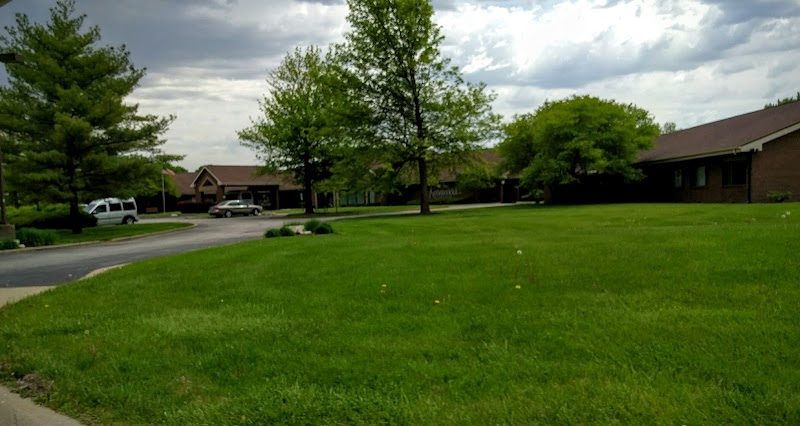
What is Loft Rehab Of East Peoria, The's CMS Rating?

CMS assigns LOFT REHAB OF EAST PEORIA, THE an overall rating of 5 out of 5 stars, which is considered much above average nationally. Within Illinois, this rating places the facility higher than 99% of the state's 100 nursing homes. This rating reflects solid performance across the metrics CMS uses to evaluate nursing home quality.
How is Loft Rehab Of East Peoria, The Staffed?

CMS rates LOFT REHAB OF EAST PEORIA, THE's staffing level at 1 out of 5 stars, which is much below average compared to other nursing homes. Staff turnover is 50%, compared to the Illinois average of 46%.

What Have Inspectors Found at Loft Rehab Of East Peoria, The?

State health inspectors documented 19 deficiencies at LOFT REHAB OF EAST PEORIA, THE during 2022 to 2024. These included: 19 with potential for harm.
Who Owns and Operates Loft Rehab Of East Peoria, The?

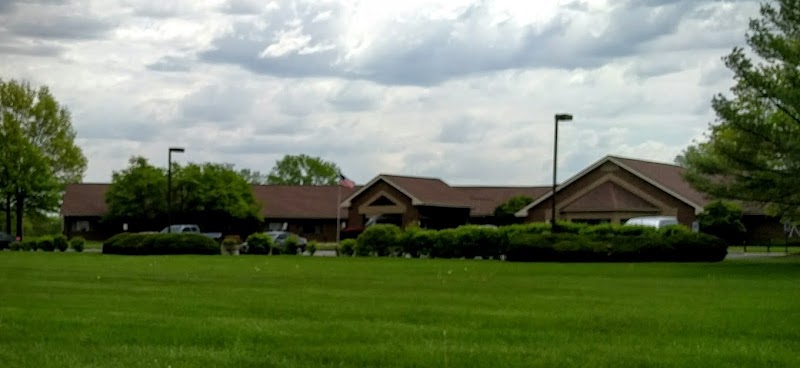
LOFT REHAB OF EAST PEORIA, THE is owned by a for-profit company. For-profit facilities operate as businesses with obligations to shareholders or private owners. The facility is operated by THE LOFT REHABILITATION AND NURSING, a chain that manages multiple nursing homes. With 120 certified beds and approximately 114 residents (about 95% occupancy), it is a mid-sized facility located in EAST PEORIA, Illinois.

How Does Loft Rehab Of East Peoria, The Compare to Other Illinois Nursing Homes?

Compared to the 100 nursing homes in Illinois, LOFT REHAB OF EAST PEORIA, THE's overall rating (5 stars) is above the state average of 2.5, staff turnover (50%) is near the state average of 46%, and health inspection rating (5 stars) is much above the national benchmark.

What Should Families Ask When Visiting Loft Rehab Of East Peoria, The?

Based on this facility's data, families visiting should ask: "Can you walk me through typical staffing levels on day, evening, and night shifts?" "Can I visit during a mealtime to observe dining assistance and food quality?" "How do you handle medical emergencies, and what is your hospital transfer rate?" "Can I speak with family members of current residents about their experience?" These questions are particularly relevant given the below-average staffing rating.

Is Loft Rehab Of East Peoria, The Safe?

Based on CMS inspection data, LOFT REHAB OF EAST PEORIA, THE has a clean safety record: no substantiated abuse findings (meaning no confirmed cases of resident harm), no Immediate Jeopardy citations (the most serious violation level indicating risk of serious injury or death), and is not on the Special Focus Facility watch list (a federal program monitoring the lowest-performing 1% of nursing homes). The facility has a 5-star overall rating and ranks #1 of 100 nursing homes in Illinois. While no facility is perfect, families should still ask about staff-to-resident ratios and recent inspection results during their visit.

Do Nurses at Loft Rehab Of East Peoria, The Stick Around?

LOFT REHAB OF EAST PEORIA, THE has a staff turnover rate of 50%, which is about average for Illinois nursing homes (state average: 46%). Moderate turnover is common in nursing homes, but families should still ask about staff tenure and how the facility maintains care continuity when employees leave.

Was Loft Rehab Of East Peoria, The Ever Fined?

LOFT REHAB OF EAST PEORIA, THE has no federal fines on record. CMS issues fines when nursing homes fail to meet care standards or don't correct problems found during inspections. The absence of fines suggests the facility has either maintained compliance or corrected any issues before penalties were assessed. This is a positive indicator, though families should still review recent inspection reports for the full picture.

Is Loft Rehab Of East Peoria, The on Any Federal Watch List?

LOFT REHAB OF EAST PEORIA, THE is not on any federal watch list. The most significant is the Special Focus Facility (SFF) program, which identifies the bottom 1% of nursing homes nationally based on persistent, serious quality problems. Not being on this list means the facility has avoided the pattern of deficiencies that triggers enhanced federal oversight. This is a positive indicator, though families should still review the facility's inspection history directly.