EVERGREEN NURSING & REHAB CENTER
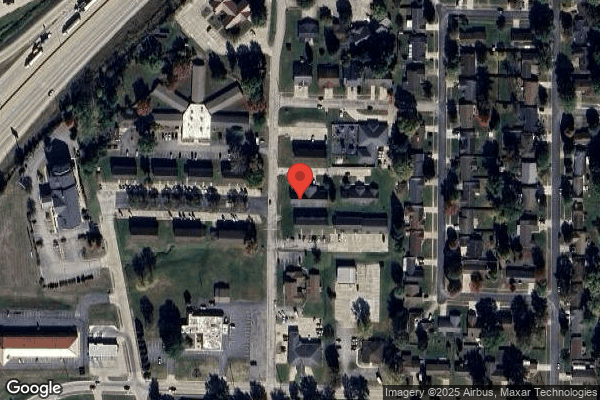

1115 NORTH WENTHE, EFFINGHAM, IL 62401 (217) 347-7121
For profit - Corporation 120 Beds HELIA HEALTHCARE Data: November 2025
Trust Grade
58/100
#140 of 665 in IL
Last Inspection: October 2024

Within standard 12-15 month inspection cycle. Federal law requires annual inspections.

Overview

Evergreen Nursing & Rehab Center has a Trust Grade of C, indicating that it is average-neither great nor terrible. It ranks #140 out of 665 facilities in Illinois, placing it in the top half, and #2 out of 4 in Effingham County, meaning there is only one local option that is better. The facility is improving, with issues decreasing from 4 in 2024 to 2 in 2025. However, staffing is a concern, with a rating of 2 out of 5 stars and a turnover rate of 54%, which is higher than the state average. The facility has faced $15,935 in fines, indicating it has had some compliance problems, and while RN coverage is average, more RN coverage would better address residents' needs, especially considering serious incidents like failure to provide timely pain management, which resulted in a resident experiencing excruciating pain. Overall, while there are strengths in certain areas, families should be aware of staffing challenges and past compliance issues.

Trust Score
C
58/100
In Illinois
#140/665
Top 21%
Safety Record
High Risk
Review needed
Inspections
Getting Better
4 → 2 violations
Staff Stability
⚠ Watch
54% turnover. Above average. Higher turnover means staff may not know residents' routines.
Penalties
✓ Good
$15,935 in fines. Lower than most Illinois facilities. Relatively clean record.
Skilled Nurses
○ Average
Each resident gets 34 minutes of Registered Nurse (RN) attention daily — about average for Illinois. RNs are the most trained staff who monitor for health changes.
Violations
⚠ Watch
13 deficiencies on record. Higher than average. Multiple issues found across inspections.
★★★★☆
4.0
Overall Rating
★★☆☆☆
2.0
Staff Levels
★★★☆☆
3.0
Care Quality
★★★★☆
4.0
Inspection Score
Stable
2024: 4 issues
2025: 2 issues

The Good

  • Full Sprinkler Coverage · Fire safety systems throughout facility
  • No fines on record

Facility shows strength in fire safety.

The Bad

Staff Turnover: 54%

Near Illinois avg (46%)

Higher turnover may affect care consistency

Federal Fines: $15,935

Below median ($33,413)

Minor penalties assessed

Chain: HELIA HEALTHCARE

Part of a multi-facility chain

Ask about local staffing decisions and management

The Ugly 13 deficiencies on record

3 actual harm
Feb 2025 2 deficiencies 1 Harm
SERIOUS (G) 📢 Someone Reported This

A family member, employee, or ombudsman was alarmed enough to file a formal complaint

Actual Harm - a resident was hurt due to facility failures

Accident Prevention (Tag F0689)

A resident was harmed · This affected 1 resident

**NOTE- TERMS IN BRACKETS HAVE BEEN EDITED TO PROTECT CONFIDENTIALITY** Based on interview and record review the facility failed to position residents properly to prevent injury for 1 of 3 residents (...

Read full inspector narrative →
**NOTE- TERMS IN BRACKETS HAVE BEEN EDITED TO PROTECT CONFIDENTIALITY** Based on interview and record review the facility failed to position residents properly to prevent injury for 1 of 3 residents (R1) reviewed for accidents in a sample of 11. This injury resulted in R1 sustaining a closed displaced fracture of right femoral neck. This past non-compliance occurred between 01/19/25 and 01/23/25. Findings include: R1's face sheet documents an admission date of 06/06/24 with diagnoses including: fracture of unspecified part of neck of right femur, subsequent encounter for closed fracture with routine healing, Alzheimer's disease, osteoarthritis, iron deficiency, shortness of breath, nutritional deficiency, anxiety disorder, insomnia, muscle weakness, rheumatoid arthritis, pain, unsteadiness on feet, age related osteoporosis without current pathological fracture, mid cognitive impairment of uncertain or unknown etiology, vitamin D deficiency, displaced intertrochanteric fracture of left femur, presence of right artificial hip joint, nausea with vomiting, major depressive disorder. R1's Minimum Data Set (MDS) dated [DATE] documents a Brief Interview for Mental Status (BIMS) score of 02, indicating R1 has severe cognitive impairment. R1 is documented as being dependent for being able to wheel 50 feet with two turns in a manual wheelchair and dependent for being able to wheel 150 feet in a manual wheelchair. R1's care plan documents a problem of pain with a start date of 07/30/24 with an approach of: handle gently and try to eliminate any environmental stimuli with a start date of 07/30/24. R1's care plan documents a problem category of: ADLs (Activities of Daily Living) functional status/rehabilitation potential with a problem start date of 06/06/24 with an approach listed as: overall I (R1) require extensive assistance with oral care, extensive with bathing, extensive with grooming, limited with eating, extensive with dressing, extensive with mobility with a start date of 06/11/24 and an approach listed as: safety: I (R1) will need to be monitored to prevent falling in my new environment. I will need assistance with bed/chair mobility, assistance with transfers, assistance with locomotion to prevent falling or injury with a start date of 06/11/24. R1's Serious Injury Incident Report to the Illinois Department of Public Health (IDPH) dated 01/27/25 and is documented as a final report. This report documents an incident date of 1/20/25 and documents under the section titled, detailed incident summary that facility ordered an x-ray on 01-20-25 due to resident grimacing in pain and having issues standing and rolling in bed. X-ray showed an acute subcapital right femoral neck fracture. DON (Director of Nursing) notified, family POA (Power of Attorney) of x-ray results and they wanted her sent to the hospital. Resident (R1) has an extensive history of Alzheimer's disease, osteoarthritis, nutritional deficiency, muscle weakness, rheumatoid arthritis, age related osteoporosis, mild cognitive impairment, vitamin D deficiency, past MVA (motor vehicle accident) where her right side was crushed and had screws in femoral plate. Resident was sent to the hospital and admitted . Resident's last fall was 01/07/25 with no complaints or pain noted. Following facility investigation while facility attempted to weigh resident her position in the wheelchair resulting in residents leg making contact with the bar on the scale resulting in impact to the right leg/foot area. Upon immediate assessment of resident she denied any pain or discomfort, following assessment noted grimacing from resident resulting in facility initiated x-ray. Due to resident's age, medical history, ortho notes of previous ORIF (Open Reduction Internal Fixation) of hip along with the accident all being contributing factors resulting in fracture. Facility has began reeducation and training on nurse on body alignment and positioning and have scheduled additional training. Facility will continue to monitor for any additional changes and needs and address any concerns. The facility investigation documents were requested from the facility and provided for review. These documents included Incident Investigation Reports documenting interviews with V5 (Licensed Practical Nurse/LPN) and V6 (Certified Nursing Assistant/CNA) and document the following: V5's statement dated 01/21/25 documents on Sunday 01/20/25 (per calendar Sunday's date was 1/19/25) I got reweight [sic] on the scale when pushing her on the scale she had her legs crossed and right foot hit the bar. Resident (R1) said 'ouch' wheelchair backed up and repositioned. Upon assessment ankle and foot evaluated and no abnormalities noted. V6's statement dated 01/21/25 documents over the weekend I noticed the resident (R1) was a lot weaker than normal. She was a 2 assist (hard). Resident had complained of hip on Sunday for sure and foot when you put on her shoe (right foot but kept left foot straight). I had layed [sic] resident down Sunday evening, but had to get her back up to get weighed. The nurse V5 (LPN) helped me get her back in bed and I had mentioned it to her again of her hip pain and she noticed that her right leg went inward. R1's Progress Notes document the following: 01/19/25 at 4:59 PM (recorded as late entry on 01/25/2025 at 4:59 PM) This LPN (V5) needed to reweight [sic] res (resident) (R1) as a result from a previous weight not being consistent with baseline. Staff was assisting res into bed as nurse came in and explained the need to reweight [sic]. Staff and nurse assisted res back into wheelchair and this nurse pushed res to weight scale. Once weight scale was turned on res was gently pushed up the incline when nurse heard res say ouch nurse observed res right foot resting against the bar on weight scale. This nurse observed res right foot resting against the bar on weight scale. This nurse immediately retracted the WC (wheelchair) from weight scale. Skin was observed to be free of marks or abnormalities. No outward rotation or shortening noted to right lower extremity. No pain noted as evidence by no facial grimace or verbal complaints of pain upon assessment once res in bed. 01/20/2025 at 6:32 AM documents (x-ray company) called and confirmed the order and will send to tech at this time. 01/20/2025 at 3:14 PM documents received notification via (x-ray company) that results show right hip is displaced. POA notified and stated would like resident sent to ER (Emergency Room) for evaluation. (V11-family) also stated that she understood that resident is a 'stinker' at times and tries to transfer self and does not communicate needs at times. Doctor notified and stated resident's osteoporosis and advanced age plays a factor in risk for fracture. PRN (as needed) Tylenol order increased, and preparations started to send resident to ER. 01/20/2025 at 3:16 PM documents (R1) is displaying sign of pain such as grimacing and withdraw. This LPN adm (administered) tyn (Tylenol) and ineffective. NP (Nurse Practitioner) made aware and tramadol recommended for pain, tramadol administered. 01/20/2025 at 3:41 PM documents (R1) left facility via EMS (Emergency Medical Services) 01/21/2025 at 7:36 AM documents (R1) admitted to hospital on [DATE]. 01/25/2025 at 2:16 PM documents in part (R1) arrived to facility via transportation from hospital. Report was being called in while resident was arriving. Report states that (R1) was admitted on the 20th for right hip fx (fracture) .Script for Norco was sent in packet. Also states that can re-start tramadol. New order for ASA (aspirin) 325mg (milligrams) BID (twice a day) x 14 days. Trouble taking fish oil and was not able to take and states that they have been crushing meds in ice cream and no issues noted since crushing. States that resident will need a f/u (follow up) appointment with (name of physician) in 10-14 days post-surgery and surgery. R1's X-Ray report with a date of service of 1/20/25 documents an 'Impression of Acute subcapital right femoral neck fracture. R1's local hospital History and Physical dated 1/20/25 document a Chief Complaint of hip pain. R1's Discharge Summary from the local hospital dated 1/25/25 documents a Principle Problem of Closed displaced fracture of right femoral neck. On 02/21/25 at 10:16 AM, V5 (Licensed Practical Nurse) stated, R1 was weighed earlier in the morning on 1/19/25 and her weight was off so she was supposed to get a re-weight for R1. They had already put R1 to bed so they had to get her back up. R1 was in her wheelchair and had her legs crossed. When she pushed her up on the wheelchair platform her right leg/foot hit the vertical bar of the scale on R1's left side. R1 said ouch and she backed up and repositioned the wheelchair on the scale. R1 did not have foot pedals on her wheelchair. V5 stated she weighed R1 around 5:30 PM. V5 said she assessed R1 when they put her to bed and did not notice anything and then she left at 6:00 PM. V5 stated, R1 is a small lady, she did not propel herself in her wheelchair and she did not move around a lot or flail around. V5 stated R1 is confused, R1 will babble and her sentences usually do not make sense. On 02/20/25 at 1:36 PM, V7 (Certified Nurse Aide) stated, she worked at 6:00 AM on the Monday morning of 01/20/25. V7 stated R1 is not cognitive all the time but when she was transferring R1 she was saying ouch but she couldn't figure out where the pain was coming from. Then she saw R1's hip and it did not look right so she told the nurse and the nurse came down to evaluate R1. V7 stated she did not get R1 out of bed, the previous shift gets her up due to she gets up around 4:00 AM and moves to the recliner before breakfast, she was getting R1 ready for breakfast. On 02/20/25 at 1:50 PM, V4 (Licensed Practical Nurse/LPN) stated, V12 (CNA) came in at 10:00 PM on 1/19/25 and R1 was sleeping, they noticed on 1/20/25 at 4:00 AM when R1 gets up that she was uncomfortable and she starting assessing R1 then. On 02/20/25 at 8:52 PM, V6 (CNA) stated she assisted R1 the weekend of 01/19/25. On 01/18/25 R1 seemed weak so another girl helped her transfer her. On 01/19/25, V6 noticed R1 had not been reweighed yet and reweighed her. Over the weekend R1 seemed like she was in pain but not excruciating pain. V6 said that she did not notice her foot on 01/18/25 or 01/19/25 until the evening of 01/19 when her foot seemed like it was turned inward. V6 said she told V5 about it. On 02/20/25 at 12:05 PM, V8 (Therapy Director) stated she heard about the incident with R1 and her leg hitting the scale but she was not present. The injury R1 has can occur due to a fall, any impact with limb, depending on the person. R1 has declined after surgery, mainly due to her cognition level. R1 was evaluated for therapy but was declined due to cognition limitations. On 02/21/25 at 5:35 PM, V1 (Administrator) stated the injury with R1 they felt was a positioning concern therefore all the staff has been in-serviced on correct positioning and transferring after the injury with R1 occurred. The facility policy dated 09/08/23 titled, Safe Patient Handling Program documents: purpose: to identify, assess and develop strategies to control the risk of injury to resident, nurses and other health care workers associated with lifting, transferring, repositioning, or movement of a resident. This program applies to all staff-assisted resident lifts, transfers and ambulation performed by employees under normal conditions, during the performance of non-routine tasks and in the event of emergencies. Prior to the survey date, the facility took the following actions to correct the deficient practice: 1. A Quality Assurance and Performance Improvement meeting was held on 01/23/25. In attendance - V1, V4 (LPN), V13 (Director of Nursing/facility nurse practitioner), V15 (Registered Nurse), V16 (Medical Records), and V17 (Director of Maintenance). 2. Process/Steps to identify others having the potential to be impacted by the same deficient practice: All residents have the potential to be affected. 3. Measures put into place/systematic changes to ensure the deficient practice does not recur: V1, V4, V13 (Director of Nursing/facility nurse practitioner) and V14 (Regional Clinical Director) provided in-service to nursing staff regarding weight management policy and body alignments in chair and positioning. Completed on 1/23/25. 4. Plan to monitor performance to ensure solutions are sustained: V13/designee will audit transfer and repositioning 3 a week for 2 weeks, 2 times a week for 2 weeks and weekly for 1 month identifying transfer and repositioning.
CONCERN (D) 📢 Someone Reported This

A family member, employee, or ombudsman was alarmed enough to file a formal complaint

Potential for Harm - no one hurt, but risky conditions existed

Deficiency F0558 (Tag F0558)

Could have caused harm · This affected 1 resident

**NOTE- TERMS IN BRACKETS HAVE BEEN EDITED TO PROTECT CONFIDENTIALITY** Based on observation, interview, and record review the facility failed to place resident's call lights within reach for 3 of 11 ...

Read full inspector narrative →
**NOTE- TERMS IN BRACKETS HAVE BEEN EDITED TO PROTECT CONFIDENTIALITY** Based on observation, interview, and record review the facility failed to place resident's call lights within reach for 3 of 11 residents (R2, R9, and R10) reviewed for call lights in a sample of 11. Findings include: 1. R2 Face Sheet documents an admission date of 02/11/25 and a discharge date of 02/17/25 with diagnoses including: aftercare following joint replacement surgery, presence of unspecified artificial hip joint, anxiety disorder, peripheral vascular disease, and pain. R2's Minimum Data Set (MDS) dated [DATE] documents a Brief Interview for Mental Status (BIMS) score of 12, indicating R2 has moderate cognitive impairment. R2's Care Plan documents: problem with a start date of 02/13/25: category: falls; (R2) is at risk for falls due to: recent hip surgery with an approach listed as: provide individualized toileting interventions based on needs/patterns dated 02/13/25. R2's Care Plan also documents a problem with a start date of 02/13/25 of (R2) is at risk for alteration in tissue perfusion due to: Dx (diagnosis) Hypertension with an approach listed of: call light within reach while in room and remind resident to call for assistance as needed dated 02/13/25. R2's Progress Note dated 02/13/25 at 7:53 AM documents in part: 5 day review complete. interview completed with (R2). (R2) is alert with adequate communication skills and is able to make needs known. R2 has some short/long term memory deficit with BIMS score of 12. (R2) is up daily with assist per staff with ADL's (Activities of Daily Living) Orientation: oriented, generally normal to person, place and time, Memory: intact (recent and past), thinking: clear and organized, speech clarity: clear speech ability to understand others: understands, current bowel continence level: always continent, current urinary continence level: always continent. R2's Progress Not dated 02/15/25 at 12:41 PM documents in part: (V3-Dietary Manager/Certified Nursing Assistant/CNA), was picking up lunch trays and resident needed to use the BR (bathroom), so she took her to the BR. (V3) states that she was telling her she didn't have her call light available last night and (V3) reported it to (V4-Licensed Practical Nurse/LPN). (V4) and (V3) went to speak with (R2) and (V10- family) who was in the room. (R2) states that at 2:00 AM she didn't have her call light and thought that they left it in recliner when putting her to bed. Stated that she needed to use the BR, but didn't know what to do. (R2) states that she called (V10). (V10) confirmed that (R2) called at 3:16 AM. (V10) stated that he tried to call the facility but no one answered, so he went back to bed. (R2) states that she could hear staff next door with resident. (R2) was asked did she yell out for help, or do anything to try and get help. (R2) stated no, she didn't want any one to think she was a bother by yelling out. (V4) and (V3) advised (R2) and (V10) to next time yell out or hit the wall or something if unable to find call light. (V4) and (V3) also programmed (facility) telephone number in her phone, so she had another option to also call the facility as well. (V10) also gave her a long stick thing to also be able to hit the wall with in case of happening again. (R2) states that she just needed to use the BR and was worried about getting a bed some for not getting up. (R2) transfers x1 assist and able to ambulate using w/w (wheeled walker) with stand by assistance. (R2) stated since her recent right hip surgery that she was worried to be ambulating by herself. (V4) stated that she would speak to staff as well in regards to issue at 2:00 AM. (V1-Administrator) made aware as well. The facility document titled, Grievance/Concern/Complaint Form with a date received of 02/15/25 and a date filed in log of 02/18/25 documents: R2 initiated and person reported to was V3. Resident (R2) states that she didn't have her call light within reach. States she didn't know where it was. States she didn't yell out for help or do anything. States she called her son at 3:16 AM. The area titled, Summary/findings documents: call light had fallen and was on the floor by the bed when staff entered room. The area titled, recommendation/action taken: documents: Secure call light on bed rail when in bed. Clips ordered. (Facility name) telephone entered into her cell phone. Educated on banging wall for help and yelling for help. On 02/21/25 at 1:25 PM, R2 was interviewed via telephone call and stated she woke up sometime around or just after 2:00 AM and needed to use the bathroom but did not have her call light. R2 said she did hear someone in a room close to hers and she yelled out to them but no one came. R2 said that just after 3:00 AM she called her son because she did not know what to do and she really needed to use the bathroom and her bed was up high and she was afraid to try to get up on her own because of her hip surgery. R2 said that the staff finally came in around 6:00 AM and changed her brief that was wet but did not even clean her off, just put a dry one on. R2 stated her call light was over in her recliner that she was sitting in before she went to bed. R2 stated she was wet by 3:15 AM because she could not wait and she does not remember anyone coming in and checking on her until 6:00 AM when she was still wet and they were getting her up for breakfast. On 02/21/25 at 1:22 PM, V10 stated R2 called him at 3:18 AM. V10 said he called the facility after that and no one answered the phone. He then came to the facility at 12:30 PM and R2 was wet again. V10 said he talked to the staff about R2 not having her call light the night before and she was told to hit the wall, yell out, and they put the facility number in her phone to call them. V10 stated R2 told him she did yell out and he tried to call the facility and no one answered. 2. On 02/20/25 at 12:28 PM, R9 was observed sitting in the recliner in her room with a mechanical lift pad under her, her call light was sitting on her bed, approximately 4 feet away. When R9 was asked if she could reach her call light, she stated yes and looked around and pointed over to her bed and said it's over there. R9's MDS dated [DATE] documents: a BIMS score of 06 indicating resident is severely cognitively impaired. R9's functional ability documents her toilet transfer ability as not applicable -not attempted and the resident did not perform this activity prior to the current illness, exacerbation, or injury and her chair/bed - to - chair transfer ability listed as dependent - helper does all of the effort. R9's diagnoses include: dementia, weakness, disorientation, and pain. 3. On 02/20/25 at 1:09 PM, R10 was sleeping in her recliner and her call light was approximately four feet away laying over her bed rail. R10's MDS dated [DATE] documents a BIMS score of 15 indicating resident is cognitively intact. R10's functional abilities lists her toilet transfer and chair/bed - to - chair transfer as: supervision or touching assistance indicating helper provides verbal cues and/or touching/steadying and/or contact guard assistance as resident completes activity. R10's additional active diagnoses include: unspecified fracture of sacrum, fracture of unspecified parts of lumbosacral spine and pelvis, and major depressive disorder. On 02/21/25 at 10:16 AM, V5 (LPN) stated residents call light should always be placed in their reach, if they are in bed, it is best to wrap it around their rail or clip it to the sheet or pillow so they can find it. V5 stated, residents should be checked at least every two hours. The facility policy dated 07/2014 titled, Answering the Call Light documents in part: 5. when the resident is in bed or confined to a chair be sure the call light is within easy reach of the resident.
Dec 2024 3 deficiencies 2 Harm
SERIOUS (G) 📢 Someone Reported This

A family member, employee, or ombudsman was alarmed enough to file a formal complaint

Actual Harm - a resident was hurt due to facility failures

Resident Rights (Tag F0550)

A resident was harmed · This affected 1 resident

**NOTE- TERMS IN BRACKETS HAVE BEEN EDITED TO PROTECT CONFIDENTIALITY** Based on observation, interview, and, record review the facility failed to treat residents with dignity by answering call lights...

Read full inspector narrative →
**NOTE- TERMS IN BRACKETS HAVE BEEN EDITED TO PROTECT CONFIDENTIALITY** Based on observation, interview, and, record review the facility failed to treat residents with dignity by answering call lights in a timely manner for two residents of nine residents (R1,R6) reviewed for resident rights in the sample of nine. This failure resulted in R1 and R6 experiencing feelings of embarrassment and humiliation. Findings include: 1. R1's Face Sheet documented an admission Date of 12/3/24 and listed diagnoses including Displaced Comminuted Fracture of Shaft of Left Femur, Fibromyalgia, Polyneuropathy, Depression, and Anxiety Disorder. R1's Brief Interview for Mental Status Score (BIMS) dated 12/8/24 documented a score of 14, indicating R1 has minimal deficits in cognition. R1's Nursing Progress Note dated 12/3/24 documented, admitted a [AGE] year-old Caucasian female via ambulance from (local hospital). Brought into facility via stretcher and transferred to chair per 2 EMT's (Emergency Medical Technicians) with TTWB (Toe Touch Weight Bearing) status to LLE (Lower Left Extremity) (due to fractured left femur). This note further stated, Resident. States she has chronic pain due to Fibromyalgia and rates it normally at a chronic 4 (on a 0-10 scale). On 12/18/24 at 1:40pm, R1 was alert and oriented to person, place, and time. R1 stated she had fallen while living in the community and fractured her femur and needed nursing facility care for rehabilitation. R1 stated she was admitted to the facility on [DATE]. R1 stated call lights routinely take over an hour to be answered. R1 stated she had experienced difficulty with loose stools and had been incontinent in bed while waiting long periods on her call light. R1 stated, That was very hard on my dignity. R1 stated when she had complained to one of the Certified Nursing Assistants (CNA) (identity unknown) about waiting so long, the CNA told her to, Just go ahead and go in the bed and we will clean you up later. On 12/19/24 at 10:50am, R1 was alert and oriented to person, place, and time. R1 stated, You can't imagine how embarrassing it is to turn on your call light and wait for over an hour and then lose control of your bowels because nobody came to check on you. Then you have to have somebody clean you up. It's pretty humiliating. 2. R6's Face Sheet documented an admission Date of 12/10/24 and documented Diagnoses including Fracture of Left Femur, Malignant Neoplasm of Colon and Low Back Pain. R6's BIMS dated 12/17/24 documented a score of 15, indicating R6 has no deficits in cognition. R6's Nursing Progress Note dated 12/10/24 documented, Resident arrived to facility at approx 1:45pm via facility transport van. Left hip surgery on 12/5/24, left hip dressing has moderate serosanguinous drainage with purple bruising to left hip. Maximum 2 assist pivot transfer with front wheeled walker from wheelchair to bedside commode. On 12/17/24 at 12:25pm, R6 was alert and oriented to person, place, and time. R6 stated call lights generally take about 45 minutes at minimum. R6 stated she fell at home and broke her left leg and is dependent on staff for transfers, and she cannot ambulate at this time. R6 stated she has been having loose stools since admission and has had several accidents while waiting for her call light to be answered. R6 stated she wears incontinence briefs but prefers to defecate on the commode rather than the incontinence brief. R6 stated when she has accidents, staff have to clean her up and it is very embarrassing. R6 stated, I've pretty much thrown my dignity out the door since I've been here. V11, R6's family member, who was also in the room with R6 stated he has been present during several of these instances and he corroborated her account. 3. On 12/17/24 at 9:35am, V10, Ombudsman, stated complaints about long call light wait times comes up at almost every monthly resident council meeting. Resident Council Meeting Minutes documented the following: 9/26/24: Call lights not being answered in a timely manner still an issue. Leaving residents on the toilet too long. Not having beds made and leaving beds dirty. 10/24/24: Still not having call lights answered in a timely manner. On 12/19/24 at 8:45am, V2, Director of Nurses, when asked what her expectation is as to how long residents should have to wait on call lights. V2 stated the State Agency does not specify in any regulations as to how long it should take for call lights to be answered, but ideally, they should be answered as soon as possible. V2 stated she did not feel the problem was that call lights are not answered timely, but that resident's perception is that it takes longer than it actually does. V2 further stated a former CNA staff member contractually employed via a staffing agency had a lot of complaints from residents about her being slow to answer call lights, and since she left their employment in October 2024, the problem seems to have resolved. V2 stated it is not acceptable for staff to tell residents to be purposely incontinent in bed if it takes too long to answer call lights. The facility's, Answering the Call Light Policy, dated July 2014 stated, The purpose of this procedure is to respond to the resident's requests and needs. 5. When the resident is in bed or confined to a chair, be sure the call light is within easy reach of the resident. 8. Answer the resident's call light as soon as possible. The facility's, Resident Rights, policy dated August 31st, 2023, stated, The resident has a right to a dignified existence, self-determination, and communication with, and access to, persons and services inside and outside the facility, including: A facility must treat each resident with respect and dignity and care for the resident manner and in an environment that promotes maintenance or enhancement of his or her quality of life, recognizing each residents individuality. The facility must protect and promote the rights of the resident.
SERIOUS (G) 📢 Someone Reported This

A family member, employee, or ombudsman was alarmed enough to file a formal complaint

Actual Harm - a resident was hurt due to facility failures

Deficiency F0697 (Tag F0697)

A resident was harmed · This affected 1 resident

**NOTE- TERMS IN BRACKETS HAVE BEEN EDITED TO PROTECT CONFIDENTIALITY** Based on observation, interview, and record review, the facility failed to formulate a Care Plan to address a resident's pain an...

Read full inspector narrative →
**NOTE- TERMS IN BRACKETS HAVE BEEN EDITED TO PROTECT CONFIDENTIALITY** Based on observation, interview, and record review, the facility failed to formulate a Care Plan to address a resident's pain and to provide as needed pain medication in a timely fashion for one resident of nine residents (R1) reviewed for quality of care in the sample of nine. This failure resulted in R1 experiencing unresolved excruciating pain from a femur fracture, with accompanying feelings of fear and anxiety. Findings include: R1's Face Sheet documented an admission Date of 12/3/24 and listed diagnoses including Displaced Comminuted Fracture of Shaft of Left Femur, Fibromyalgia, Polyneuropathy, Depression, and Anxiety Disorder. R1's Care Plan dated 12/9/24 did not document any problem areas nor interventions addressing pain. R1's 12/8/24 Brief Interview for Mental Status Score documented a score of 14, indicating R1 has minimal deficits in cognition. R1's December Physicians Order Sheet documented orders for hydrocodone-acetaminophen 5-325 milligrams take one tablet every 4 hours as needed for pain, not to exceed 3 grams of acetaminophen every 24 hours, and methocarbamol 500 milligrams take one tablet every 4 hours as needed for muscle cramps/spasms. R1's December Medication Administration Record documented that R1 received the hydrocodone-acetaminophen and the methocarbamol on 12/13/24 at 4:39pm and not again until 12/14/24 at 7:34am, with V8, Registered Nurse (RN) administering the 12/14/24 dose. The same MAR documented R1's pain on 12/14/24 at the beginning of the day shift (6am) as zero on a scale of zero to ten. On 12/18/24 at 1:40pm, R1 was alert and oriented to person, place, and time. R1 stated she had fallen while living in the community and fractured her femur, needed nursing facility care for rehabilitation, and therefore was admitted to the facility on [DATE]. R1 stated she has experienced a significant amount of pain from the fracture, as well as anxiety. R1 stated when she asked for her as needed pain medication and muscle relaxer, it rarely came within 20 minutes, and it generally took at least an hour. R1 stated this made her pain more difficult to control. R1 stated on Saturday 12/14/24 at 3am, she was experiencing excruciating pain from the fracture and turned on her call light and told, One of the CNAs (Certified Nursing Assistants), she needed the pain medication and muscle relaxer. R1 stated after several minutes, nobody came back, so she turned her call light on several more times throughout the early morning hours, and CNA staff told her the nurse was busy on another hall, the nurse had a delivery of medications she needed to put away, and that she was busy with another resident. R1 stated she did not receive the medications until about 7:30am that morning, when V8 came in to give her morning medications. R1 stated she told V8 how upset she was about waiting all that time and being in pain, and V8 stated the night nurse (V9, Registered Nurse) was new and she was overwhelmed. R1 stated when she finally received the medications, She was in terrible pain and it took the medications a lot longer to be effective, and they didn't control the pain as well, and she was extremely upset. When R1 was told by the Surveyor that the beginning of shift documentation rated her pain at zero, R1 stated, It wasn't a zero, it was a ten. R1 stated, She called her husband and said, I want to go home, I'm not safe here, I'm scared, they aren't giving me my pain pills after I ask for them and they aren't answering my call light. R1 stated her husband came and got her and she left without signing any discharge paperwork. R1 stated since she left AMA (Against Medical Advice) and did not consult with staff, she did not have any discharge medications. R1 stated her pain got much worse as the day wore on, and she ended up going to the emergency room that evening. R1 stated she is still in the hospital and is being treated for Pneumonia. R1's Nursing Progress Note dated 12/3/24 documented the following: admitted a [AGE] year-old Caucasian female via ambulance from (local hospital). Brought into facility via stretcher and transferred to chair per 2 EMT's (Emergency Medical Technicians) with TTWB (Toe Touch Weight Bearing) status to LLE (Lower Left Extremity) (due to fractured left femur). This note further stated, Resident states she has chronic pain due to fibromyalgia and rates it normally at a chronic 4 (on a 0-10 scale). R1's Nursing Progress Note, authored by V8, dated 12/14/24 at 10:15am documented the following: This morning this nurse went to residents' room to give her morning meds, she asked for pain pill along with her meds. Resident took meds without any further complaints. Shortly after the stepson came in facility and said resident called him and wanted to go home. This nurse went to resident room to speak with resident. Resident stated I was supposed to go home soon anyways, I think I am good to go home now. I will feel better being at home with my husband and my family can care for me there. Spoke with resident and stepson about the need to stay further for therapy and to be monitored. Stepson stated he felt she should stay a few more days anyways because her husband would not be able to fully care for her. Resident stated, I do not care I am leaving this place this morning either way. Spoke with resident and stepson about being toe touch weight bearing, the risk, and dangers of leaving against medical advice, she stated she understood all of that and was still adamant of leaving and going home. The stepson said the husband was on his way, I told him I would be back in to speak with him further when he arrived. Shortly after the PTA (Physical Therapy Assistant) came to inform nurse that husband just came in, grabbed residents' things, and took her out via wheelchair and they was gone without signing the paperwork. (V1) Administrator, (V2) DON (Director of Nurses), MD (Medical Doctor) and (V3) ADON (Assistant Director of Nurses) all notified. On 12/18/24 at 11:30am, V8 stated when she came in to work at 6am on 12/14/24, nothing was said in report from the night shift about R1 being in pain or upset. V8 stated she went into R1's room about 8am to give R1 her morning medications. V8 stated R1 asked if her pain medication and muscle relaxer were being given and V8 stated no, do you need them, and R1 stated yes. V8 stated she did not recall what R1's pain level was at that time. V8 stated R1 said she had asked for them on night shift but did not receive them. V8 stated later during the morning, an extended family member of R1 came in and said R1 had called, was upset about not receiving her pain medications timely, and wanted to go home. V8 stated she went and talked to R1 and told her she was not ready for discharge and strongly discouraged her leaving. V8 stated R1 said her husband was coming to get her and she was leaving. V8 stated she told R1 she would need to sign some documents before she left, and R1 said OK. V8 stated when she re-entered the room shortly thereafter, R1 and her belongings were gone. On 12/18/24 at 2:30pm, V9, stated she worked 6pm to 6am on 12/13/24-12/14/24. V9 stated it was the first night she worked alone at the facility after having, Trained on a couple of night shifts. V9 stated she found herself, Working by herself with 2 CNAs and 40 something residents. V9 stated it was, A horrible night. V9 stated she had a newly admitted resident with a blood sugar of over 600 who had no medications or insulin, and had another resident sustain a fall. V9 stated she could not remember anything about R1 and did not recall R1 having asked for pain medication, but as chaotic as it was, it's possible she did. V9 stated after that night, she texted V2, Director of Nurses, to let her know she would not be returning, as she did not feel she could provide safe resident care under those circumstances. V9 stated the Surveyor calling her was the first she had heard anything about R1 not receiving pain medication that night. On 12/19/24 at 8:45am, V2 stated the role of the 6pm-6am nurse is to pass medications, supervise CNA staff, assist CNA staff as needed, and assess residents as needed. V2 stated she has heard no complaints from residents or families about not receiving as needed pain medications in a timely fashion. When asked about what happened with R1 as outlined above, V2 stated she had heard on 12/14/24 from staff that R1 left AMA because R1 was upset that she didn't get her pain medication timely. V2 stated she did not investigate R1's complaint, but V3, Assistant Director of Nurses, did. On 12/19/24 at 9:20am, V3 stated, She did not really do an investigation into (R1's) not getting pain medication because nobody would admit to her having asked for it. V3 stated she did ask V9 about it, and V9 stated, She had a really rough night, and she didn't remember (R1) asking for pain medication. The facility's Pain Prevention and Treatment Policy dated October 2017 documented, Policy: To assess for, reduce, the incidence of, and the severity of pain to help residents attain or maintain his or her highest practicable level of well-being and to prevent or manage pain to the extent possible. The facility will develop and implement a plan, using pharmacological and non-pharmacological interventions to manage pain and/or try to prevent the pain consistent with residents goals.
CONCERN (D) 📢 Someone Reported This

A family member, employee, or ombudsman was alarmed enough to file a formal complaint

Potential for Harm - no one hurt, but risky conditions existed

ADL Care (Tag F0677)

Could have caused harm · This affected 1 resident

**NOTE- TERMS IN BRACKETS HAVE BEEN EDITED TO PROTECT CONFIDENTIALITY** Based on observation, interview, and record review, the facility failed to provide timely ADL (Activities of Daily Living) assis...

Read full inspector narrative →
**NOTE- TERMS IN BRACKETS HAVE BEEN EDITED TO PROTECT CONFIDENTIALITY** Based on observation, interview, and record review, the facility failed to provide timely ADL (Activities of Daily Living) assistance for residents who are dependent on staff for two of six residents (R1, R6) reviewed for ADL care in a sample of nine. Findings include: 1. R1's Face Sheet documented an admission Date of 12/3/24 and listed diagnoses including Displaced Comminuted Fracture of Shaft of Left Femur, Fibromyalgia, Polyneuropathy, Depression, and Anxiety Disorder. R1's Brief Interview for Mental Status Score (BIMS) dated 12/8/24 documented a score of 14, indicating R1 has minimal deficits in cognition. R1's Nursing Progress Note dated 12/3/24 documented, admitted a [AGE] year-old Caucasian female via ambulance from (local hospital). Brought into facility via stretcher and transferred to chair per 2 EMT's (Emergency Medical Technicians) with TTWB (Toe Touch Weight Bearing) status to LLE (Lower Left Extremity) (due to fractured left femur). This note further stated, Resident. States she has chronic pain due to fibromyalgia and rates it normally at a chronic 4 (on a 0-10 scale). On 12/18/24 at 1:40pm, R1 was alert and oriented to person, place, and time. R1 stated she had fell while living in the community and fractured her femur and needed nursing facility care for rehabilitation. R1 stated she was admitted to the facility on [DATE] and discharged on 12/14/24. R1 stated she is unable to ambulate and was dependent on staff for almost all ADLs. R1 stated call lights routinely take over an hour to be answered. R1 stated she had experienced difficulty with loose stools and had been incontinent in bed while waiting long periods on her call light. R1 stated when she had complained to one of the Certified Nursing Assistants (CNA) (identity unknown) about waiting so long, the CNA told her to, Just go ahead and go in the bed and we will clean you up later. 2. R6's Face Sheet documented an admission Date of 12/10/24 and documented Diagnoses including Fracture of Left Femur, Malignant Neoplasm of Colon, and Low Back Pain. R6's BIMS dated 12/17/24 documented a score of 15, indicating R6 has no deficits in cognition. R6's Nursing Progress Note dated 12/10/24 documented, Resident arrived to facility at approx 1:45pm via facility transport van. Left hip surgery on 12/5/24, left hip dressing has moderate serosanguinous drainage with purple bruising to left hip. Maximum 2 assist pivot transfer with front wheeled walker from wheelchair to bedside commode. On 12/17/24 at 12:25pm, R6 was alert and oriented to person, place, and time. R6 stated call lights generally take about 45 minutes at minimum. R6 stated she fell at home and broke her left leg and is dependent on staff for transfers, and she cannot ambulate at this time. R6 stated she has been having loose stools since admission and has had several accidents while waiting for her call light to be answered. V11, R6's family member, who was in the room at that time stated he has been present during several of these instances and he corroborated her account. On 12/19/24 at 8:45am, V2, Director of Nurses, when asked what her expectation is as to how long residents should have to wait on call lights. V6 stated the State Agency does not specify in any regulations as to how long it should take for call lights to be answered, but ideally, they should be answered as soon as possible. V2 stated she did not feel the problem was that call lights are not answered timely, but that resident's perception is that it takes longer than it actually does. V2 further stated a former CNA staff member contractually employed via a staffing agency had a lot of complaints from residents about her being slow to answer call lights, and since she left their employment in October 2024, the problem seems to have resolved. The facility's, Answering the Call Light Policy, dated July 2014 stated, The purpose of this procedure is to respond to the resident's requests and needs. 5. When the resident is in bed or confined to a chair, be sure the call light is within easy reach of the resident. 8. Answer the resident's call light as soon as possible.
Oct 2024 1 deficiency
CONCERN (D)

Potential for Harm - no one hurt, but risky conditions existed

Infection Control (Tag F0880)

Could have caused harm · This affected 1 resident

**NOTE- TERMS IN BRACKETS HAVE BEEN EDITED TO PROTECT CONFIDENTIALITY** Based on observation, interview, and record review, the facility failed to maintain aseptic technique while performing a dressin...

Read full inspector narrative →
**NOTE- TERMS IN BRACKETS HAVE BEEN EDITED TO PROTECT CONFIDENTIALITY** Based on observation, interview, and record review, the facility failed to maintain aseptic technique while performing a dressing change during wound treatment for 1 (R21) of 2 residents reviewed for infection control in the sample of 23. Findings include: R21's Face Sheet documented an admission to the facility on 2/2/24 and listed diagnoses including type 2 diabetes mellitus without complications, pressure ulcer of left heel stage 2, unspecified diastolic (congestive) heart failure and unspecified intellectual disabilities. R21's Physician Order Summary documented an order dated 10/11/2024, metronidazole 500mg. Cleanse area to left heel with NS (normal saline) or wound cleanser and apply betadine, crushed flagyl, calcium alginate and kerlix daily and as needed. R21's Minimum Data Set (MDS) dated [DATE] documents no Brief Interview for Mental Status (BIMS) score. Section C0700, under staff assessment for mental status documented memory problem, showing R21 had severe cognitive impairment. On 10/16/2024 at 2:50 PM, V4 (Licensed Practical Nurse/LPN) and V3 (Assistant Director of Nursing/ADON) provided dressing change to left heel for R21. V4 and V3 gathered supplies that included wound cleanser spray, betadine, metronidazole, calcium alginate, kerlix and tape. There were no extra gloves set up for care. V4 donned a gown, washed her hands with soap and water, then donned gloves prior to procedure. During observation of R21's dressing change, V4 removed the old dressing dated 10/15/2024. Once the old dressing had been removed, V4 started to clean the wound with the wound cleanser spray and applied betanidine 10% to the wound area with a cotton ball, without donning new gloves or washing her hands. V4 then applied crushed metronidazole 500 mg tablet with calcium alginate to the wound. V4 finished the dressing change by wrapping the calcium alginate with kerlix wrap and secured it in place with tape. No observation of hand hygiene or new gloves donned throughout the entire wound dressing change procedure. On 10/16/2024 at 3:02 PM, V4 (LPN) stated she did not change her gloves during R21's dressing change. V4 did confirm that she should have donned new gloves and washed her hands between removing the old dressing and cleaning the area per the facility policy and procedure. On 10/16/2024 at 3:03 PM V3 (ADON) stated, V4 did not change her gloves during R21's dressing change per the facility's policy and procedure. V3 stated, V4 should have changed her gloves. On 10/17/2024 at 9:17 AM, V1 (Administrator) stated, she would expect V4 to follow the facility's policy and procedure for dressing changes, including infection control practices. The facility policy titled Dressings, Dry/Clean (January 2018) documents under Procedure step 9 pull glove over dressing and discard into plastic or biohazard bag. 10. Wash and dry hands thoroughly. 11. Open dry, clean dressing(s) by pulling corners of the exterior wrapping outward, touching only the exterior surface.
Sept 2023 5 deficiencies
CONCERN (D)

Potential for Harm - no one hurt, but risky conditions existed

PASARR Coordination (Tag F0644)

Could have caused harm · This affected 1 resident

Based on interview and record review the facility failed to refer 1 (R32) of 2 residents for a PASARR (Preadmission Screening and Resident Review) level II screening after receiving a new mental healt...

Read full inspector narrative →
Based on interview and record review the facility failed to refer 1 (R32) of 2 residents for a PASARR (Preadmission Screening and Resident Review) level II screening after receiving a new mental health diagnosis in a sample of 32 residents reviewed for assessments. The Findings include: R32 was admitted to this facility on 02/28/22 with primary diagnoses to include encephalopathy, vascular dementia, and depression according to his facility face sheet. R32's OBRA I (Omnibus Budget Reconciliation Act) dated 02/23/23 indicates he is appropriate for nursing services at this time. R32 was given a new diagnosis of major depressive disorder, recurrent severe without psychotic features on 11/08/22, and again on 07/10/23. R32's face sheet documents a diagnosis of major depressive disorder. R32's record does not contain a referral for a PASARR II screening after either of these diagnoses were added. On 09/01/23 at 10:58 AM, when asked for R32's PASARR II referral, V14 (Social Services) stated a referral for a level II screening had not been submitted because she did not see the new diagnosis when given to R32. V14 stated she would normally send the referral with each new mental health diagnosis given after a resident's initial admission date. A facility policy titled, Resident Assessment: Coordination with PASARR Program . Policy Explanation and Compliance Guidelines, dated October 2017 includes - . 6. Any resident who exhibits a newly evident or possible serious mental disorder . or a related condition will be referred promptly to the State mental health or intellectual authority for a level II resident review .
CONCERN (D)

Potential for Harm - no one hurt, but risky conditions existed

Deficiency F0688 (Tag F0688)

Could have caused harm · This affected 1 resident

Based on observation, interview and record review the facility failed to ensure residents with limited mobility were properly assessed for assistive devices for 1 of 1 (R135) resident reviewed for ass...

Read full inspector narrative →
Based on observation, interview and record review the facility failed to ensure residents with limited mobility were properly assessed for assistive devices for 1 of 1 (R135) resident reviewed for assistive devices in a sample of 32. The Findings Include: R135's resident face sheet documents an admit date of 8/25/23. This same document includes the following diagnosis: frontal lobe and executive function deficit following non traumatic intracerebral hemorrhage, alcohol dependence, bipolar disorder, major depressive disorder, generalized anxiety disorder, post traumatic disorder, epilepsy, and cerebral infarction due to cerebral venous thrombosis, and functional quadriplegia. R135 is alert to person, place, and time. R135's care plan documents that he has a BIMS (Brief Interview of Mental Status) of 15 indicating that R135 is fully cognitively intact. A problem area in R135's care plan with a start date of 8/31/23 documents that R135 is at risk for weakness or tiredness due to late effects of Cerebral Vascular Accident. The goal is for the resident to be out of bed daily and able to attend activities of choice daily as tolerated by next review date. The approaches for this problem area are as follows: call light within reach while in room and remind resident to call for assistance as needed, diet as ordered, encourage rest periods as needed, invite resident to daily activities of choice as tolerated, monitor appetite and weight, monitor lab work as available, observe resident for weakness and or tiredness, provide medication as ordered and observe effectiveness of medication, provide monthly activity calendar in room and to report excessive tiredness and weakness to the physician. A problem category in this same care plan with a start date of 8/31/23 documents: Activities of Daily Living status/rehabilitation potential. Goal for this problem area is discharge to community. I will have access to necessary services to promote adjustment to my new living environment and or post discharge from the facility. Approaches listed for this problem are as follows: Activities of Daily Living: I require assistance with oral care, grooming, eating, toileting, dressing and mobility (All dependent). I will need assistance to have my personal care needs met while supporting my strengths and personal goals. Safety: I will need to be monitored to prevent falling in my new environment. I will need assistance with bed/chair mobility, assistance with transfers, and assistance with locomotion. I use a mechanical lift and wheelchair and need safety reminders to use durable medical equipment safely. R135's current physician order sheet for August 2023 includes an order for: rehab physical therapy, occupational therapy, and speech therapy to evaluate and treat with a start date of 8/25/23. Restorative therapy program for active range of motion 6-7 times a week every shift and restorative therapy program for bed mobility 6-7 times a week every shift with a start date of 8/25/23. A Skilled occupational therapy 8 visits in a 30-day period to address therapeutic exercise, therapeutic activities, neuromuscular retraining, and self-care training with a start date of 8/26/23. Physical therapy evaluation and treatment for 6 visits in 4 weeks for therapy exercises, therapeutic activities, gait training, wheelchair management with a start date of 8/29/23. On August 29th, 2023, at 9:45AM, R135 was observed to be sitting in a standard wheelchair with a mechanical lift sling underneath him. The wheelchair had foot pedals and a cushion on the seat. R135 was positioned in front of the television and upon entering the room his head was found to be hanging back with no support. R135 attempted to lift his head up to speak but appeared to not have the strength to lift his head completely up. R135 at this time stated that he was put in this chair by therapy and left alone and has no idea how long it has been but feels like forever. When asked if he was comfortable in this chair R135 stated (explicit) no, this is the first time I have been out of bed since I got here and I am uncomfortable and want to get back in bed. After turning on R135's call light V6 (Certified Nurse Assistant) and V13 (Physical Therapist) came in to assist R135 at 9:53 AM back to his bed by the mechanical lift. When asked at this time why R135 was left in a wheelchair that allowed his head to hang back due to no support V13 instructed V10 (Director of Therapy) to go get R135 a different wheelchair. V10 came back with a high back wheelchair. V10 told R135 at this time that when he was ready to get out of bed, they would place him in the wheelchair and determine if it was a better fit for him. On 8/30/23 at 11:00 AM, R135 was up in the high back wheelchair that V10 had changed out for him on 8/29/23. When asked if this chair was better than yesterday's chair, R135 stated that it was much better and that he had better support for his back and head. At this time R135 was observed to be sitting straight up in this chair, and his head was not hanging back with no support. On 8/31/23 at 1:30 PM, V9 (Certified Occupational Therapy Assistant) stated that she was the therapist on call this weekend that did his evaluation. V9 stated when she was here on 8/26/23 she did a telehealth evaluation with an Occupational Therapist to complete the evaluation. V9 stated that she assessed his recliner as being adequate for him to safely sit in it and recline. However, she did not place R135 in the standard wheelchair that she brought in for the staff to use. V9 stated that she put foot pedals on the wheelchair and a cushion to use on the seat but did not actually place him in the chair to determine if it was appropriate. V9 stated that she did not fit R135 in a wheelchair on the assessment on 8/26/23, she just grabbed a wheelchair that was available and left it in the room for R135 to use. V9 stated her expectation would be for the nursing staff to let her know if the wheelchair didn't appear to be properly fitted for residents. V9 stated that she just wanted to have a chair for him to be able to get up out of bed, go to the dining room to eat and be included in activities because she knew he would not be starting therapy yet. V9 went on to state that after the evaluation occurred, he would start therapy and that is when he would be able to select a wheelchair and they would assess it. V9 stated that she was unaware that the wheelchair was not fitting R135's needs until V10 told her on Tuesday 8/29/23 when she got him a wheelchair with a higher back. Occupational Therapy Treatment Encounter note dated 8/26/23 document a completion of a telehealth evaluation with Certified Occupational Therapy Assistant (COTA) was completed and assessment of bed mobility, bilateral upper extremities, self-feeding tasks and sitting balance was assessed. This note documented under functional skills assessment that R135 was dependent for toilet transfers, eating, oral hygiene, toileting hygiene, shower/bathing, upper body dressing, lower body dressing and putting on/taking off footwear. On this same note it documents under the summary of skilled services that R135 required minimum/moderate assist to maintain posture on edge of bed. An occupational therapy evaluation and plan of care document dates 8/26/23 documents under the balance section that R135's sitting balance is poor and maintains balance with moderate assist and upper extremity support. This same document under functional skills assessment-mobility during activities of daily living regarding wheelchair mobility states detailed wheelchair mobility assessment= no. On 8/31/23 at 2:45 PM, V8 (Regional Administrator) stated that she would expect therapy to have evaluated R135 for a proper wheelchair. V8 stated that the CNA's (Certified Nurse Assistants) and licensed nursing staff use the equipment that therapy leaves in the room after the initial evaluation under the impression that is what is safest and most appropriate for the resident. V8 stated that occupational therapy is typically the therapy that evaluates/fits residents in wheelchairs. A facility policy titled Quality of Life-Accommodation of Needs with a revision date of February 2012 documents: Our facility's environment and staff behaviors are directed toward assisting the resident in maintaining and/or achieving independent functioning, dignity and well-being. The procedure of the policy includes: 1. The resident's individual needs and preferences shall be accommodated to the extent possible, except when the health and safety of the individual or other residents would be endangered. 2. The resident's individual needs and preferences, including the need for adaptive devices and modifications to the physical environment, shall be evaluated upon admission and on an ongoing basis. 3. In order to accommodate individual needs and preferences, adaptions may be made to the physical environment, including the resident's bedroom and bathroom, as well as the common areas in the facility. Examples may include: providing a variety of types (for example, chairs with and without arms), sizes (height and depth), and firmness of furniture in rooms and common areas so that residents with varying degrees of strength and mobility can independently arise to a standing position .
CONCERN (E)

Potential for Harm - no one hurt, but risky conditions existed

Deficiency F0883 (Tag F0883)

Could have caused harm · This affected multiple residents

**NOTE- TERMS IN BRACKETS HAVE BEEN EDITED TO PROTECT CONFIDENTIALITY** Based on interview and record review the facility failed to ensure 5 of 5 (R3, R5, R7, R21, and R26) residents reviewed for immu...

Read full inspector narrative →
**NOTE- TERMS IN BRACKETS HAVE BEEN EDITED TO PROTECT CONFIDENTIALITY** Based on interview and record review the facility failed to ensure 5 of 5 (R3, R5, R7, R21, and R26) residents reviewed for immunizations in the sample of 32, received the education addressing the benefits and risks and/or had the opportunity to receive the 20-valent pneumococcal conjugate vaccine (PCV20 or Prevnar 20). Findings Include: 1. Review of R3's Resident Face Sheet documents an admission date to the facility as 10/29/18 and documents a birthdate indicating R3 is [AGE] years of age. Diagnoses on this same document include, but are not limited to: Chronic Kidney Disease, stage 5; Diabetes Mellitus; Cerebral Infarction; Essential Hypertension. Review of R3's Clinical Record did not indicate that R3 had received the education addressing the benefits and risks or had the opportunity to receive or decline a dose of the 20-valent pneumococcal conjugate vaccine. 2. Review of R5's Resident Face Sheet documents a current admission date to the facility as 3/3/14 and birthdate indicating R5 is [AGE] years of age. Diagnoses on this same document include but are not limited to: Schizoaffective Disorder; Gastro-esophageal reflux without esophagitis; Arthropathy. Review of R5's Clinical Record did not indicate that R5 had received the education addressing the benefits and risks or had the opportunity to receive or decline a dose of the 20-valent pneumococcal conjugate vaccine. 3. Review of R7's Resident Face Sheet documents a current admission date to the facility as 3/11/16 and birthdate indicating R7 is [AGE] years of age. Diagnoses on this same document include but are not limited to: Multiple sclerosis; Osteoporosis without current pathological fracture; Morbid (severe) obesity due to excess calories; Shortness of Breath. Review of R7's Clinical Record did not indicate that R3 had received the education addressing the benefits and risks or had the opportunity to receive or decline a dose of the 20-valent pneumococcal conjugate vaccine. 4. Review of R21's Resident Face Sheet documents a current admission date to the facility as 9/29/17 and birthdate indicating that R21 is [AGE] years of age. Diagnoses on this same document include but are not limited to: Type 2 Diabetes Mellitus Without Complications; Essential Hypertension; Weakness; Dependence on Supplemental Oxygen. Review of R21's Clinical Record did not indicate that R3 had received the education addressing the benefits and risks or had the opportunity to receive or decline a dose of the 20-valent pneumococcal conjugate vaccine. 5. Review of R26's Resident Face Sheet documents a current admission date to the facility as 10/5/19 and birthdate indicating R26 is [AGE] years of age. Diagnoses on this same document include but are not limited to: Acute Respiratory Failure With Hypoxia; Encounter For Prophylactic Immunotherapy For Respiratory Syncytial Virus; Chronic Obstructive Pulmonary Disease; Acute On Chronic Diastolic (Congestive) Heart Failure; Emphysema; Shortness Of Breath; Essential Hypertension. Review of R26's Clinical Record did not indicate that R3 had received the education addressing the benefits and risks or had the opportunity to receive or decline a dose of the 20-valent pneumococcal conjugate vaccine. On 8/31/23 at 10:15 AM, V2 (Assistant Director of Nursing, ADON) stated that she started at the facility in July 2023. V2 stated that 2 weeks ago, she started an immunization audit and mailed out consents for Flu and Pneumonia Vaccines to be given. V2 stated that they have not received any consents back from families yet, so she has started calling families to follow up and get verbal consent. V2 stated that the facility uses (company name) pharmacy and have been notified that they do not have any of the 20-valent pneumococcal conjugate vaccine available to send them currently. On 08/31/23 at 02:07 PM, V8 (Regional Administrator) stated that the facility acknowledges that R21, R7, R5, R3, and R26 were all eligible to currently receive the 20-valent pneumococcal conjugate vaccine. V8 stated these residents were not provided education regarding the 20-valent pneumococcal conjugate vaccine or given the opportunity to accept or decline the vaccine. V8 concedes that the facility is now in the process of providing the education for this vaccine, obtaining consents, and administering the vaccination once available. Although V8 stated the facility has not offered 20-valent pneumococcal conjugate vaccine to any residents yet at this time, it is also acknowledged that not everyone in the facility will be eligible to receive the 20-valent pneumococcal conjugate vaccine, and a screening process will be conducted. R26, R21, R7, R5, and R3's Clinical Records were reviewed with V8 and revealed past administration of previous versions of the pneumonia vaccine had been given per resident wishes or education with documented refusal were noted. Review of the facility policy titled, Pneumococcal Vaccine with a revision date of December 2016 stated, It is the policy of (company) that all residents are protected from incident of pneumonia by obtaining pneumococcal vaccines, if desired, per CDC (Centers for Disease Control and Prevention) guidelines. Review of information found at https://www.cdc.gov/vaccines/vpd/pneumo/public/index.html documents, Pneumococcal disease is common in young children, but older adults are at greatest risk of serious illness and death. In the United States, there are 2 kinds of vaccines that help prevent pneumococcal disease Pneumococcal conjugate vaccines (PCV13, PCV15, and PCV20), Pneumococcal polysaccharide vaccine (PPSV23). Additional information found on the same site documents, For those who have never received any pneumococcal conjugate vaccine, CDC recommends PCV15 or PCV20 for Adults 65 years or older. Adults 19 through [AGE] years old with certain medical conditions or other risk factors. Adults who received an earlier pneumococcal conjugate vaccine (PCV13 or PCV7) should talk with a vaccine provider to learn about available options to complete their pneumococcal vaccine series. Adults 65 years or older have the option to get PCV20 if they have already received PCV13 (but not PCV15 or PCV20) at any age and PPSV23 at or after the age of [AGE] years old. These adults can talk with their doctor and decide, together, whether to get PCV20.
CONCERN (F) 📢 Someone Reported This

A family member, employee, or ombudsman was alarmed enough to file a formal complaint

Potential for Harm - no one hurt, but risky conditions existed

Deficiency F0725 (Tag F0725)

Could have caused harm · This affected most or all residents

Based on interview and record review the facility failed to ensure staffing levels were sufficient to meet resident needs in a timely manner. This failure has the potential to affect all 35 residents ...

Read full inspector narrative →
Based on interview and record review the facility failed to ensure staffing levels were sufficient to meet resident needs in a timely manner. This failure has the potential to affect all 35 residents residing in the facility. Findings Include: On 08/29/23 at 01:55 PM, R17, R7, R31, R30, R12, and R8 stated that their needs are not tended to in a timely manner by staff. All agree that the staff do the best they can with the amount of people they have working, but there just doesn't seem to be enough to tend to everyone when needed. R17 and R7 stated that staffing levels and response times seem to be worse on weekends. R12 stated that previously she has had to wait for 30 minutes for her call light to be answered, as evidence by watching the clock. R12 stated she finds that amount of time to be unsatisfactory because, when ya gotta go, ya gotta go, referring to using the restroom. R8 stated that he has had to wait 2 hours for his call light to be answered, which he too finds acceptable. R17, R7, R31, R30, R12, and R8 were all observed as being alert and oriented to person, place, and time during these interviews. No statements indicating a concern with dignity were made. On 8/29/23 at 10:00 AM, R31 who was alert to person, place and time stated that they do not have enough CNA's (Certified Nurse Assistant) especially after lunch and at night. R3 stated that she is dependent on staff to get her to the restroom and there have been times that she had an accident in the night waiting for them to get to her call light. R31 was unable to state the last time this had occurred and said that she is occasionally incontinent even with timely staff response. R31 stated that sometimes there is only one CNA that works the whole building, and that is not enough. On 8/29/23 at 11:20 AM, R26 who is alert to person place and time stated that they could use more CNA's. R26 stated that they ones who work do a good job, but they just don't have enough to get to everyone timely. On 8/29/23 at 10:20 AM, R22 who is alert to person place and time stated that they do not have enough CNAs after lunch through the rest of the day. R22 stated that they take too long to answer call lights. On 8/29/23 at 9:30 AM, R135 stated that they never answer his call light timely, and he waits forever for them to answer his call lights. On 8/30/23 at 10:03 AM, V6 (CNA) stated that while staff do their best to attempt to serve residents in a timely manner, they do not have enough staff to always do so. V6 stated she works 6 AM - 2 PM. V6 stated usually there is one aide assigned per hallway and then staff float from hall to hall to assist each other as needed, with residents who require assistance of more than one person, etc. V6 stated that she has had residents complain regarding the amount of time it takes staff to answer call lights. V6 stated one resident in particular that comes to mind that has complained regarding call light answer times is R31. V6 stated there are residents who have had incontinence episodes, waiting on their call lights to be answered. V6 stated she has expressed to V2 (Assistant Director of Nursing, ADON) that more staff are needed to care for residents in a timely manner. V6 stated it is her goal to have call lights answered within 5-10 min. On 8/30/23 at 10:15 AM, V7 (CNA) stated that she works as a facility employee from 6 AM - 2 PM. V7 stated she has had residents complain to her regarding the amount of time it takes staff to respond to their call lights. V7 stated there also have been residents who were waiting to use the restroom experience incontinence episodes while waiting for staff to tend to them. V7 stated it has been expressed to V1 (Administrator), this past Monday during a staff meeting that more staff are needed. V7 stated that V1 stated the facility is within their required amount for staffing. V7 stated that she isn't sure of the patient ratios that the facility is using, but the facility has to many residents now that require the assistance of two staff, or are very demanding, taking up much of staff's time. V7 stated while resident care tasks do get completed, V7 stated they are not always in a timely manner. On 08/29/23 at 9:15 AM, V1 stated the facility utilizes agency staff as well as having their own staff at the facility. V1 stated employees always want more staff, but based on their census, the facility is within the desired staffing levels to meet resident needs. On 08/30/23 at 2:23 PM, V1 stated there was a day over this past weekend on the 10 PM - 6 AM shift when there was 1 CNA working the building with 1 nurse. V1 stated there were 2 aides scheduled, but one was an agency staff and didn't show up. V1 stated there were no complaints made to her or ill outcomes from the 1 nurse and 1 CNA working the building that night. V1 stated usually there are 2 CNA's and a nurse scheduled during night shift. V1 stated that the nurse already working that night was their staff member on call. 08/31/23 8:25 AM V1 stated that the facility schedules the following number of staff for each shift: Day- 3 CNA & 2 nurses; Afternoon- 2 CNA & 1 nurse, although attempting to start scheduling 3 CNA recently due to a rise in census; Night- 2 CNA & 1 nurse. V1 stated this past Monday, 8/28/23, she did have a meeting with the staff. V1 stated the only concern expressed by staff were staffing levels. V1 stated staff expressed their need for more staff and that they were having trouble getting tasks completed. V1 stated staff expressed to her they wish she could come walk in their shoes, in which she stated she previously has as she worked as an agency nurse prior to starting this job. On 8/31/23 at 10:10 AM, V2 stated that there was a day recently in which she was working night shift as the nurse and only one aide was working with her. V2 stated that there were no complaints regarding staffing that night and herself and the aide were able to complete all duties needed. V2 stated that another CNA, which was agency, was also scheduled to work that night, but didn't show up. V2 stated that she makes the schedules and night shift staff now at the facility are mainly agency staff. V2 stated that she will send out messages to staff to see if they can come fill the vacant positions, but they do not always come in. V2 stated the night the agency CNA didn't show up, a day shift aide was supposed to come in at 4 AM but didn't show up. V1 provided a list of the following residents which utilize a mechanical lift in the facility: R8, R7, R135, R15, R12, R29, R31, R1. Review of the Daily Staffing Information Form dated 8/25/23 documents 1 Licensed Practical Nurse and I CNA worked night shift on this date. Review of the Resident Census and Conditions of Residents dated 8/29/23 documents a facility census of 35 residents. The same document notates the number of residents which need Assist of One or Two Staff for the following Activities of Daily Living: Bathing- 28, Dressing- 32, Transferring- 22, Toilet Use- 34, Eating- 33.
CONCERN (F)

Potential for Harm - no one hurt, but risky conditions existed

Food Safety (Tag F0812)

Could have caused harm · This affected most or all residents

Based on observation, record review, and interview, the facility failed to appropriately date and label refrigerated food items and store foods to maintain food quality in the freezer. This failure ha...

Read full inspector narrative →
Based on observation, record review, and interview, the facility failed to appropriately date and label refrigerated food items and store foods to maintain food quality in the freezer. This failure has the potential to affect all 35 residents. The Findings Include: On August 29th, 2023, from 9:00 AM-9:45 AM the initial tour of the kitchen was conducted, and the following items were found in the freezer: There were items that were opened for use and not labeled with date and time of opening and were not tied up to prevent freezer burn. Two bags of undetermined food products in clear plastic bags were loosely twisted at the top and not secured to prevent freezer burn. During this initial tour the reach in refrigerator was found to have a bowl of potato salad that was not labeled with food item/date/time, drinks that were poured in glasses ready for tray assembly that were not covered, a black container that had a lid on it was not labeled with food item/date or time, and a bag of lunch meat on the bottom was not labeled. V11 (Food Service Supervisor) stated that a resident's family member had brought that food in and that is why it was not labeled, and the bag of lunch meat was hers from yesterday that she brought for lunch. In the walk-in refrigerator several items were not dated/labeled, and these items included: ranch salad dressing, shredded cheese, sour cream, lunch meat, tortillas, and cheese slices. Luncheon meat was found to be dated 7/29 and was brown in color. V11 stated that she had not been here over the weekend and that must have been when all this occurred and that she would throw out the luncheon meat and discard the items that were not labeled with date and time of opening. A Food and Supply Storage policy with a revision date of January 2023 states: Food and supply storage shall be maintained in a clean, safe, and sanitary manner. The procedure lists: 4. prepared foods stored in the refrigerator until service will be covered, labeled, and dated with an expiration date 6. All foods will be covered, labeled, and dated . The Resident Census and Conditions of Residents dated 8/29/23 documents 35 residents reside in the facility.
Jan 2023 1 deficiency
CONCERN (D) 📢 Someone Reported This

A family member, employee, or ombudsman was alarmed enough to file a formal complaint

Potential for Harm - no one hurt, but risky conditions existed

Deficiency F0688 (Tag F0688)

Could have caused harm · This affected 1 resident

**NOTE- TERMS IN BRACKETS HAVE BEEN EDITED TO PROTECT CONFIDENTIALITY** Based on observation, interview and record review, the facility failed to implement a plan to address a resident with contractur...

Read full inspector narrative →
**NOTE- TERMS IN BRACKETS HAVE BEEN EDITED TO PROTECT CONFIDENTIALITY** Based on observation, interview and record review, the facility failed to implement a plan to address a resident with contractures for 1 of 4 residents (R2) reviewed for contractures in a sample of 5. Findings: R2's medical record, Physician's Order Report dated 11/01/2022 - 1/10/2023 documents R2 being admitted on [DATE] with a diagnosis of Encephalopathy, unspecified (Primary Admission). R2's medical record, Minimum Data Set (MDS) dated 12/26/2022, documents, Brief Interview for Mental Status (BIMS) score is 01, severe cognition, Functional Status documents, Extensive Assistance with physical assistance x 2 with bed mobility and total dependence with physical assistance times/x 2 people with transfers. On 1/09/2023, at 9:50 a.m., R2 observed lying in bed R2 was noted to have contractures to his upper and lower extremities. On 1/10/2023, at 1:30 p.m., V3 (Assistant Director of Nursing), stated that when R2 was admitted he had contractures noted to his upper and lower extremities. V3 stated that she forgot to input the restorative care plan for R2, so no documentation has been noted of R2 receiving restorative care. V3 stated that Certified Nursing Aide/CNAs usually perform passive range of motion while providing care to R2. On 1/10/2023, at 10:15 a.m., V11, (Certified Nurse Aide), stated that R2 has had contractures since his admission. V11 stated that R2 can move his upper extremities when he wants to, and she has performed passive range of motion to his lower extremities while providing care to him. V11 stated, I think there is a place in R2's medical chart that we check off, but I can't be certain. V11 stated she does not know how many repetitions of passive range of motion to perform on R2. V11 stated, I just do a few stretching exercises of his extremities when I can. On 1/10/2023, at 10:20 a.m., V12 (Certified Nurse Aide), stated that V12 stated that R2 has had contractures since she has provided care to him. V12 stated that when she provides care to R2, she tries to perform passive range of motion on his upper and lower extremities, but sometimes he refuses it. V12 stated that she does not really know how many repetitions of passive range of motion to perform on R2. V12 stated she was not sure if there was a place in R2's chart to check off for passive range of motion. On 1/10/2023, at 12:40 p.m., V10 (Primary Physician) stated that R2 has always had contractures to his upper and lower extremities since he has been admitted and she has only seen a slight decline in his contractures since he has been at the facility. No documentation could be found in R2's Medical Record that documented R2's had been receiving any restorative or range of motion care for R2's contractures. The facility could not provide any documentation of R2 receiving restorative care or range of motion care for R2's contractures at the facility since his admission date of 8/12/2021.
Sept 2022 1 deficiency
CONCERN (D)

Potential for Harm - no one hurt, but risky conditions existed

Pressure Ulcer Prevention (Tag F0686)

Could have caused harm · This affected 1 resident

Based on interview and record review, the facility failed to provide care consistent with professional standards to prevent pressure ulcer development for 1 of 1 residents (R135) reviewed for pressure...

Read full inspector narrative →
Based on interview and record review, the facility failed to provide care consistent with professional standards to prevent pressure ulcer development for 1 of 1 residents (R135) reviewed for pressure ulcers in the sample of 21. Findings included: On 9/26/2022 at 9:30am, V8 (Family) stated R135 was admitted to this facility on Tuesday 8/23/2022 for therapy after having left hip repair surgery resulting from falling and fracturing his hip. V8 stated R135 was discharged on 8/31/2022. V8 stated on 8/31/2022 after lunch, R135 had been discharged from this facility and admitted to a different facility and was waiting for the new facility to pick him up when he became very ill. V8 stated the family decided to have R135 sent to the local emergency room instead of going to the new facility. V8 stated R135 was admitted to the hospital due to septic shock caused by an infected bedsore that R135 had newly developed after being admitted to the nursing home on 8/23/2022. On 9/27/2022 at 1:00pm, V2 (Assistant Director of Nursing/ADON) stated R135 did not have a pressure wound to his bottom when he was admitted to this facility. After reviewing R135's medical records, V2 stated the nursing staff first documented R135 having an open area to his coccyx on 8/31/2022 just prior to him being discharged from this facility. V2 stated the reason R135 did not have any orders to treat the open area to his coccyx because there was not time to contact R135's doctor before R135 left the facility. V2 stated R135 was assessed as high risk for pressure ulcers when he was admitted to this facility on 8/23/2022. V2 stated interventions in place to prevent R135 from developing skin break down were pressure relieving mattress and a special cushion for R135's chair that's relieves pressure. A Nurses Note in R135's medical record dated 8/23/2022 at 3:00pm documented R135's admission skin assessment as both heels firm, 0 (zero) open areas to skin, 0 (zero) redness . On 9/26/2022 at 1:00pm, V12 (Physical Therapy Director) stated she worked with R135 everyday while he was admitted to this facility. V12 stated R135 was very weak and frail when he was admitted . V12 stated on 8/27/2022 about 10:30am, V12 was working with R135, and the nursing staff was assisting her. V12 stated at this time the nursing staff had first noticed R135 had an open area to his bottom. V12 said she made note of it in her treatment note that day. V12 stated she recommended R135 use a special chair cushion to relieve pressure on his bottom. V12, stated she obtained the cushion and she and the nursing staff placed it under R135 after getting R135 up in his chair that day. V12 stated R135 said the cushion helped a lot and he felt better sitting on the new cushion. A Physical Therapy Treatment note dated 8/27/2022 at 11:02am, documented the following: Worked on improving ability to assist with bed mobility, including rolling side to side. Nursing present and noted an open area to patient's bottom. Obtained cushion for patient's recliner. Assisted nursing staff with mechanical lift to place cushion in recliner chair. Patient appears to be comfortable and is positioned properly in recliner upon completion of treatment. Lotion applied to BLE (bilateral lower extremities), and pillow positioned under feet to allow for heals to float. On 9/27/2022 at 1:00pm, V2 (ADON) stated she would rather have her nursing staff down on the hallway providing care and not at the computer documenting care. V2 stated she reviews the nursing documentation on a daily basis and makes sure everything is taken care of and she or her designee sets up wound care services after a new open area has been noted or someone is admitted with wounds. V2 stated she is only human, and things get missed sometimes. V2 stated she was not aware that R135 had developed an open area until 8/31/2022 when R135 was being discharged from this facility. V2 stated because of her late notification, R135 had not been seen by the facility's wound care doctor. V2 stated the nursing staff did fail to measure R135's open area and had not documented it in accordance with professional standards or the facility's wound care policy. V2 stated she thought R135's buttocks only had some redness which was treated with preventative skin cream, however, V2 could not find any orders for the cream and could not find any documentation of the cream being applied. R135's Nurses Notes on 8/31/2022 at 3:08pm, R135 was discharged from this facility, transported to the local hospital through the emergency room after being evaluated. The local hospital emergency room admission paperwork for R135, dated 8/31/2022, documents R135 as having 2 open areas to his buttocks area. These areas were evaluated by a Wound Care Specialist Advanced Practice Nurse Practitioner and measure 3.0cm (Centimeters) by 2.0cm and 0.1cm deep and 2.0 cm by 1.0cm and 0.1cm deep and are classified as stage 2 pressure ulcers, one to the coccyx and one to the left buttocks. A facility policy titled Wound Management Program (with last revision date of 2/26/2021) documents The facility will assess residents weekly for current skin conditions The charge nurse will assess for clear skin, redness, open areas and pressure areas The nurse will measure the wound area, notify the patients doctor and obtain appropriate treatment orders.
Understanding Severity Codes (click to expand)
Life-Threatening (Immediate Jeopardy)
J - Isolated K - Pattern L - Widespread
Actual Harm
G - Isolated H - Pattern I - Widespread
Potential for Harm
D - Isolated E - Pattern F - Widespread
No Harm (Minor)
A - Isolated B - Pattern C - Widespread

Questions to Ask on Your Visit

  • "Can I speak with families of current residents?"
  • "What's your RN coverage like on weekends and overnight?"

Our Honest Assessment

Strengths
  • • Licensed and certified facility. Meets minimum state requirements.
Concerns
  • • Multiple safety concerns identified: 3 harm violation(s). Review inspection reports carefully.
  • • 13 deficiencies on record, including 3 serious (caused harm) violations. Ask about corrective actions taken.
  • • $15,935 in fines. Above average for Illinois. Some compliance problems on record.
  • • Grade C (58/100). Below average facility with significant concerns.
Bottom line: Mixed indicators with Trust Score of 58/100. Visit in person and ask pointed questions.

About This Facility

What is Evergreen Nursing & Rehab Center's CMS Rating?

CMS assigns EVERGREEN NURSING & REHAB CENTER an overall rating of 4 out of 5 stars, which is considered above average nationally. Within Illinois, this rating places the facility higher than 99% of the state's 100 nursing homes. This rating reflects solid performance across the metrics CMS uses to evaluate nursing home quality.

How is Evergreen Nursing & Rehab Center Staffed?

CMS rates EVERGREEN NURSING & REHAB CENTER's staffing level at 2 out of 5 stars, which is below average compared to other nursing homes. Staff turnover is 54%, compared to the Illinois average of 46%.

What Have Inspectors Found at Evergreen Nursing & Rehab Center?

State health inspectors documented 13 deficiencies at EVERGREEN NURSING & REHAB CENTER during 2022 to 2025. These included: 3 that caused actual resident harm and 10 with potential for harm. Deficiencies causing actual harm indicate documented cases where residents experienced negative health consequences.

Who Owns and Operates Evergreen Nursing & Rehab Center?

EVERGREEN NURSING & REHAB CENTER is owned by a for-profit company. For-profit facilities operate as businesses with obligations to shareholders or private owners. The facility is operated by HELIA HEALTHCARE, a chain that manages multiple nursing homes. With 120 certified beds and approximately 47 residents (about 39% occupancy), it is a mid-sized facility located in EFFINGHAM, Illinois.

How Does Evergreen Nursing & Rehab Center Compare to Other Illinois Nursing Homes?

Compared to the 100 nursing homes in Illinois, EVERGREEN NURSING & REHAB CENTER's overall rating (4 stars) is above the state average of 2.5, staff turnover (54%) is near the state average of 46%, and health inspection rating (4 stars) is above the national benchmark.

What Should Families Ask When Visiting Evergreen Nursing & Rehab Center?

Based on this facility's data, families visiting should ask: "Can you walk me through typical staffing levels on day, evening, and night shifts?" "Can I visit during a mealtime to observe dining assistance and food quality?" "How do you handle medical emergencies, and what is your hospital transfer rate?" "Can I speak with family members of current residents about their experience?" These questions are particularly relevant given the below-average staffing rating.

Is Evergreen Nursing & Rehab Center Safe?

Based on CMS inspection data, EVERGREEN NURSING & REHAB CENTER has a clean safety record: no substantiated abuse findings (meaning no confirmed cases of resident harm), no Immediate Jeopardy citations (the most serious violation level indicating risk of serious injury or death), and is not on the Special Focus Facility watch list (a federal program monitoring the lowest-performing 1% of nursing homes). The facility has a 4-star overall rating and ranks #1 of 100 nursing homes in Illinois. While no facility is perfect, families should still ask about staff-to-resident ratios and recent inspection results during their visit.

Do Nurses at Evergreen Nursing & Rehab Center Stick Around?

EVERGREEN NURSING & REHAB CENTER has a staff turnover rate of 54%, which is 8 percentage points above the Illinois average of 46%. Moderate turnover is common in nursing homes, but families should still ask about staff tenure and how the facility maintains care continuity when employees leave.

Was Evergreen Nursing & Rehab Center Ever Fined?

EVERGREEN NURSING & REHAB CENTER has been fined $15,935 across 1 penalty action. This is below the Illinois average of $33,238. While any fine indicates a compliance issue, fines under $50,000 are relatively common and typically reflect isolated problems that were subsequently corrected. Families should ask what specific issues led to these fines and confirm they've been resolved.

Is Evergreen Nursing & Rehab Center on Any Federal Watch List?

EVERGREEN NURSING & REHAB CENTER is not on any federal watch list. The most significant is the Special Focus Facility (SFF) program, which identifies the bottom 1% of nursing homes nationally based on persistent, serious quality problems. Not being on this list means the facility has avoided the pattern of deficiencies that triggers enhanced federal oversight. This is a positive indicator, though families should still review the facility's inspection history directly.