BELLA TERRA ELMHURST
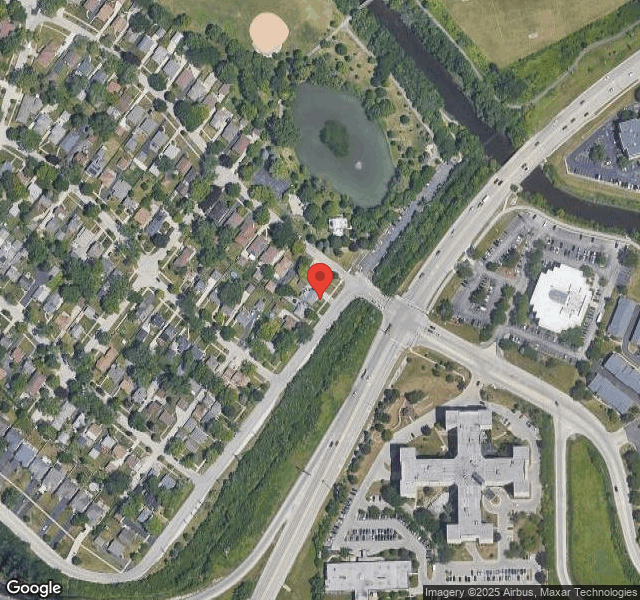
420 WEST BUTTERFIELD ROAD, ELMHURST, IL 60126 (630) 832-2300
For profit - Corporation 142 Beds LEGACY HEALTHCARE Data: November 2025
Trust Grade
43/100
#223 of 665 in IL
Last Inspection: March 2024

Within standard 12-15 month inspection cycle. Federal law requires annual inspections.

Overview

Bella Terra Elmhurst has a Trust Grade of D, indicating below-average quality with some concerns. It ranks #223 out of 665 facilities in Illinois, placing it in the top half, but at #19 out of 38 in Du Page County, it suggests that there are better local options. The facility is showing improvement, reducing its issues from 12 in 2024 to 1 in 2025, which is a positive trend. Staffing is a concern, with a rating of 2 out of 5 stars and a turnover rate of 53%, which is average but could mean less continuity in care. Notably, the facility received $7,974 in fines, which is average, but there have been serious incidents, including a resident developing rectal bleeding after not being monitored for bowel movements and another resident suffering a fractured femur after being improperly assisted during transfers, highlighting both the strengths and weaknesses of care provided.

Trust Score
D
43/100
In Illinois
#223/665
Top 33%
Safety Record
High Risk
Review needed
Inspections
Getting Better
12 → 1 violations
Staff Stability
⚠ Watch
53% turnover. Above average. Higher turnover means staff may not know residents' routines.
Penalties
✓ Good
$7,974 in fines. Lower than most Illinois facilities. Relatively clean record.
Skilled Nurses
✓ Good
Each resident gets 59 minutes of Registered Nurse (RN) attention daily — more than average for Illinois. RNs are trained to catch health problems early.
Violations
⚠ Watch
32 deficiencies on record. Higher than average. Multiple issues found across inspections.
★★★☆☆
3.0
Overall Rating
★★☆☆☆
2.0
Staff Levels
★★☆☆☆
2.0
Care Quality
★★★☆☆
3.0
Inspection Score
Stable
2024: 12 issues
2025: 1 issues

The Good

  • Full Sprinkler Coverage · Fire safety systems throughout facility
  • No fines on record

Facility shows strength in fire safety.

The Bad

3-Star Overall Rating

Near Illinois average (2.5)

Meets federal standards, typical of most facilities

Staff Turnover: 53%

Near Illinois avg (46%)

Higher turnover may affect care consistency

Federal Fines: $7,974

Below median ($33,413)

Minor penalties assessed

Chain: LEGACY HEALTHCARE

Part of a multi-facility chain

Ask about local staffing decisions and management

The Ugly 32 deficiencies on record

3 actual harm
Sept 2025 1 deficiency
CONCERN (D) 📢 Someone Reported This

A family member, employee, or ombudsman was alarmed enough to file a formal complaint

Potential for Harm - no one hurt, but risky conditions existed

ADL Care (Tag F0677)

Could have caused harm · This affected 1 resident

**NOTE- TERMS IN BRACKETS HAVE BEEN EDITED TO PROTECT CONFIDENTIALITY** Based on observations, interviews, and record reviews the facility failed to provide feeding assistance to dependent residents. ...

Read full inspector narrative →
**NOTE- TERMS IN BRACKETS HAVE BEEN EDITED TO PROTECT CONFIDENTIALITY** Based on observations, interviews, and record reviews the facility failed to provide feeding assistance to dependent residents. This failure applies to 2 of 7 (R8, R12) residents reviewed for activities of daily living. Findings Include: 1. R12 is a is an [AGE] year-old female with diagnoses of history of Dementia, Major Depressive Disorder, Partial Paralysis due to Stroke, Dysphagia, Anemia, Seizures, and COPD who was admitted to the facility 01/19/2020. R12's Current Physician Orders include an active order effective 03/19/2024 for recommendation for one-to-one feeding assistance during all meals to ensure safety during oral intake per the most recent treatment course and active orders effective 10/22/2024 and 10/29/2024 for one-to-one feeding assistance with strict adherence to precautions. R12's current nutritional and dietary care plans initiated August 2021, July 2023, and March 2024 documents she requires a puree texture diet due to dysphagia; she is at risk for compromised nutritional status and unintended weight loss, related to diagnoses including Alzheimer's disease or related Dementia and Swallowing difficulties with interventions including: Monitor resident with difficulty of chewing or swallowing, assess for signs of choking and/or aspiration; and an intervention implemented 09/24/2024 of recommendation for 1:1 feeding assistance during all meals to ensure safety during oral intake per most recent treatment course. R12's current care plan-initiated March 2023 documents she has a self-care performance deficit in activities of daily living with interventions including requiring assistance with feeding. On September 02, 2025, at 12:51 PM, R12 was eating the pureed food with her bare hands. Direct care staff was not providing assistance to R12. On September 03, 2025, at 3:04 PM V2 (Director of Nursing) stated R12 requires one to one feeding assistance due to possible aspiration or choking while eating. The facility's General Care Policy states: “It is the facility's policy to provide care for every resident to meet their needs.” “Upon admission or readmission, the facility will evaluate the resident for physical needs. Physical needs would include but are not limited to ADL (Activities of Daily Living). “ “The facility will assist the resident to meet these needs.” 2. R8 was admitted to the facility on [DATE], with diagnoses including Epidural abscess, Sepsis, Gout, Spinal hardware infection, Anemia, Seizure, disorder, depression, cerebral vascular attack, and bilateral primary osteoarthritis of the knee. R8's Minimum Data Set (MDS) dated [DATE], showed R8 was dependent on staff for all activities of daily living and care. R8 had the following care plan: R8 is on a mechanically altered diet related to dysphagia dated 09/02/2025 with the following intervention: Prepare and serve the prescribed diet as ordered: Pleasure Feeding, Mechanical Soft, thin liquids. 1:1 feeding assistance dated 09/02/2025. On September 2, 2025, at 11:15 AM, R8 was screaming for help in her room. R8 stated she wanted to get out of the bed. R8 stated she is blind and can only see shadows. R8's breakfast tray is on the bedside table and was untouched. R8 cried I haven't eaten. I want to get up. Please help me. R8 stated I want to eat. I need some liquid and some food. Staff was not available to provide assistance to R8. On September 2, 2025, at 11:23 AM, V6 (Registered Nurse/RN) came to the room and stated she will feed R8 and V6 confirmed that R8's meal had not been touched. On September 2, 2025, at 11:28, V22 (Certified Nursing Assistant/CNA) came to R8's room and stated that she was assigned to care for R8. V22 stated that R8 required 1:1 feeding assistance, and she had not had time to feed R8 breakfast because she was helping another staff member. V22 stated she is going to finish helping get R28 up out of bed then she will come get R8 up and feed R8. On September 2, 2025, at 11:31 AM V6 came back to R8's room to feed here. According to the facility's mealtime schedule, breakfast is served between 7:30 AM and 9:00 AM. On September 4, 2025, at 10:00 PM, V2 (Director of Nursing) stated that residents who require 1:1 feeding assistance should be fed within 15 minutes of their food tray being delivered.
Dec 2024 2 deficiencies 1 Harm
SERIOUS (G) 📢 Someone Reported This

A family member, employee, or ombudsman was alarmed enough to file a formal complaint

Actual Harm - a resident was hurt due to facility failures

Quality of Care (Tag F0684)

A resident was harmed · This affected 1 resident

**NOTE- TERMS IN BRACKETS HAVE BEEN EDITED TO PROTECT CONFIDENTIALITY** Based on interview and record review, the facility failed to assess and monitor a resident who had no recorded bowel movement fo...

Read full inspector narrative →
**NOTE- TERMS IN BRACKETS HAVE BEEN EDITED TO PROTECT CONFIDENTIALITY** Based on interview and record review, the facility failed to assess and monitor a resident who had no recorded bowel movement for eight consecutive days who was experiencing abdominal discomfort. This failure resulted in R1 having acute rectal bleeding, requiring hospitalization for a blood transfusion and emergency intravenous medication administration to reverse the effects of her blood thinner. R1 also required the insertion of a rectal tube for the management of her fecal impaction. This applies to 1 out of 3 (R1) residents reviewed for constipation. The findings include: R1's EMR (Electronic Medical Record) showed R1 was admitted on [DATE] with multiple diagnoses including dementia, psychosis, severe protein caloric malnutrition, anxiety, depression, diabetes type 2, hypertension, and hyperlipidemia. R1's MDS (Minimum Data Set) dated 9/17/2024 showed R1 was moderately cognitively impaired. The MDS continued to show R1 was always incontinent of bowel and required substantial to maximal staff assistance with her toileting needs. On 12/26/2024 at 9:00 AM, V11 (R1's Family Member) stated she had a care plan meeting with V16 (Social Service Director) on 9/26/2024. V11 stated she inquired regarding R1's bowel movement because R1 expressed having rectal discomfort and had a history of constipation. V11 stated V16 informed her that the nursing staff reported R1 was having routine bowel movements. V11 stated then on 10/1/2024, she was informed R1 was transferred to the hospital for a rectal bleed. On 12/26/2024 at 12:20 PM, V16 (Social Worker Director) stated she reviewed R1's care plan meeting documentation which did not mention specifics regarding R1's bowel concern. V16 stated she did recall asking R1's nurse on duty about her nursing care but unfortunately did not recall specifics. V16 stated only the nursing team had access to review residents' documented bowel patterns. On 12/24/2024 at 1:15 PM, V10 (Certified Nurse Assistant/CNA) stated she routinely took care of R1 during her stay. V10 stated R1 was confused and combative at times. V10 stated she recalled informing the nurses on duty that R1 would routinely complain of abdomen discomfort. V10 stated R1 had also been incontinent of bowel at times. V10 stated she documents residents' bowel movements in their EMRs every shift. On 12/26/2024 at 1:10 PM, V18 (Licensed Practical Nurse/LPN) stated she took care of R1 on 9/29/2024 from 7 AM-7 PM and was concerned because R1 did not eat. V18 stated she notified the telehealth physician on call and continued to monitor R1. V18 stated she was unsure how to check for resident bowel movements in their EMRs. V18 said she depends on the CNAs to report unusual bowel issues such as constipation or diarrhea. On 12/26/2024 at 11:00 PM, V13 (CNA) said she took care of R1 on 10/1/2024 from 7 AM-7 PM. V13 stated R1 had a large putty-like mushy bowel movement during the day. V13 stated that during lunch she noticed R1 was tired and leaning forward in her chair. V13 stated R1 had refused to eat, and she then assisted her to bed. V13 stated she informed the nurse on duty because she was worried that R1 also appeared very fatigued and refused to eat during the shift. V13 stated she records bowel movements in the residents' EMRs and believed nurses review the documentation. On 12/24/2024 at 12:10 PM, V4 (Agency Registered Nurse/RN) stated she took care of R1 on 10/1/2024. V4 stated at 8:30 PM during her care, R1 was noted with a large amount of rectal bleeding and a low blood pressure. V4 stated R1 was then transferred to the hospital for further care. V4 said she recalled being informed during the shift report that R1 had a bowel movement during the prior shift but was unsure if R1 had been constipated or of her bowel patterns. V4 stated residents' EMRs alerts nurses when a resident has not had a bowel movement recorded for more than two-three days, which will prompt the nurses to further assess the resident. On 12/24/2024 at 10:20 AM, V2 (Assistant Director of Nursing/ADON) stated she reviewed R1's documented bowel activity report for her stay which showed that before her bowel movement on 10/1/2024 she had only one recorded bowel movement on 9/22/2024. V2 stated the computer system alerts the nurses when no bowel movement has been documented in a three-day look back for all residents. V2 stated the facility expects CNAs to document bowel activity every shift for all residents. V2 continued to say the facility also expects nurses to check the residents' triggered bowel alerts every shift and respond, to ensure residents are being appropriately assessed and treated for constipation. V2 stated she was unsure why R1's nurses did not respond to R1's triggered alerts for no bowel movements documented for multiple consecutive days. On 12/26/2024 at 3:00 PM, V14 (Physician) stated she had been overseeing R1's medical care during her stay at the facility but was not sure of her bowel documentation. V14 stated older residents usually have irregular bowel patterns due to slow bowel activity and poor intake, which then puts them at risk for constipation. V14 stated constipation can be treated at the facility with stool softeners, and residents can be further monitored for related complications. V14 stated she expected the facility staff to follow its process for bowel management to monitor those at risk for constipation. R1's Care Plan (initiated 9/21/2024) showed R1 was a risk problem for constipation related to decreased mobility and effects of medications. The care plan included the following interventions, Monitor medications for side effects of constipation. Keep physician informed of any problems, Monitor/document/report to MD PRN signs/symptoms of complications related to constipation: change in mental status, new onset: confusion, sleepiness, inability to maintain posture, agitation, Bradycardia (slow, low pulse), Abdominal distention, vomiting, small loose or stools, fecal smearing, Bowel sounds, diaphoresis, Abdomen: tenderness, guarding, rigidity, fecal impaction, and Record bowel movement pattern each day. Describe amount, color, and consistency. R1's Documentation Survey Report for bowel movements dated 12/24/2024 showed the following: 9/16/2024-9/21/2024: R1 had 6 days with no bowel movement recorded and no interventions done. 9/22/2024: R1 had one large, formed stool. 9/23/2024-9/30/2024: R1 had 8 days with no bowel movement recorded and no interventions done. 10/1/2024: R1 had one small putty and another large putty stool. R1's Order Summary Report showed an order dated 9/30/2024 for GlycoLax Powder (Polyethylene Glycol 3350) gram by mouth one time a day for constipation. The report also showed an as needed order for constipation dated 9/30/2024 for Dulcolax Suppository 10 MG (Bisacodyl) insert 1 suppository rectally as needed for constipation Daily. R1's MAR (Medication Administration Record) from 9/1/2024-10/1/2024 showed R1 did not receive a Dulcolax Suppository for constipation. The MAR showed R1 received 1 dose of GlycoLax Powder on 10/1/2024. R1's Nurse's Progress Note dated 9/29/2024 at 2:44 PM, said Noted patient have a decreased appetite today. Patient refused breakfast and lunch .Efforts to offer drinks to hydrate and frequent small meals was also unsuccessful. The note said the telehealth physician was notified and orders were received to Continue to monitor patient and will let the primary provider follow up tomorrow with the patient. R1's Progress Note dated 10/1/2024 at 8:57 PM showed R1 had to be transferred to the hospital because resident had significant blood clots and bleeding noted from vaginal or rectal area. R1's emergency room hospital notes dated 10/1/2024 said, Pt (patient) with large amount of rectal bleeding in ED (emergency department). The notes said R1 was transfused with one unit of packed red blood cells and received Kcentra as an emergency intravenous medication to reverse the effects of R1's blood thinner medication to treat her blood loss. The notes continued to say R1 also had a rectal tube inserted to facilitate stool passage after receiving stool softeners for fecal impaction with stercoral colitis. R1's CT scan (computer tomography) of the abdomen dated 10/1/2024 said, A markedly heavy stool burden is seen throughout the colon, particularly in the rectosigmoid colon, with substantial distension of the rectal vault .These findings are concerning for fecal impaction with stercoral proctocolitis. The facility's policy titled Bowel Management dated 7/26/2024, said Policy Statement It is the facility's policy to record resident's bowel movement in the medical record. Procedure 1. The certified nurse aide on each shift will record the resident's bowel movements. 2. The facility will assess the resident when a resident shows sign and symptom of abdominal distress like pain, tenderness upon palpitation, rigidity, vomiting, etc. 3. If there is a change in the resident's pattern of bowel movement, the facility will notify the physician. 4. The facility will follow up to ensure that the physician's order is implemented .
CONCERN (D) 📢 Someone Reported This

A family member, employee, or ombudsman was alarmed enough to file a formal complaint

Potential for Harm - no one hurt, but risky conditions existed

Notification of Changes (Tag F0580)

Could have caused harm · This affected 1 resident

Based on interview and record review, the facility failed to consult with a resident's physician when the resident had unrelieved acute gastrointestinal symptoms for 24 hours. This failure resulted in...

Read full inspector narrative →
Based on interview and record review, the facility failed to consult with a resident's physician when the resident had unrelieved acute gastrointestinal symptoms for 24 hours. This failure resulted in a resident calling the emergency paramedics herself for transfer to the hospital, and R6 was hospitalized for treatment of sepsis (a life-threatening complication of an infection) related to acute enterocolitis and aspiration pneumonia. This applies to 1 out of 3 (R6) residents reviewed for change in condition. The findings include: R6's EMR (Electronic Medical Record) showed R6 had multiple diagnoses, including gastro-esophageal reflux disease, irritable bowel syndrome, emphysema, congestive heart failure, and chronic obstructive pulmonary disease. R6's comprehensive care plan (initiated 2/4/2023) showed R6 was at risk for alteration in her gastrointestinal status. R6's care plan interventions included Give medications as ordered. Monitor/document side effects and effectiveness and Notify MD (medical doctor) of significant abnormalities .abdominal pain, diarrhea/constipation. On 12/30/2024 at 10:50 AM, V21 (Registered Nurse/RN) stated she took care of R6 on 12/23/2024 during the NOC (night) shift (7 PM-7 AM). V21 stated R6 started to have one episode of diarrhea at 7 PM and at 4 AM, R6 called reporting she was nauseous and had another episode of diarrhea. V21 stated she gave R6 a dose of her as-needed medications of Zofran (antiemetic) and Imodium (antidiarrheal) at 4 AM. V21 stated R6 did not call again regarding her GI (gastrointestinal) symptoms. V21 stated she did not contact R6's physician because R6 had as-needed standing orders for her symptoms, but informed V19 (RN) AM shift on 12/24/2024 of R6's symptoms. R6's facility EMAR (Electronic Medication Administration Record) dated 12/30/2024 showed R6 last received Zofran (antiemetic) and Imodium (antidiarrheal) as needed doses on 12/24/2024 at 4:00 AM. R6's progress note dated 12/24/2024 at 4:00 AM said The patient has loose bm (bowel movement) x (times) 2 and c/o (complaints of) nausea. Loperamide 2 mg po and Zofran 4mg po given .Day shift has been informed. On 12/30/2024 at 11:00 AM, V20 (Agency Certified Nurse Assistant/CNA) stated she took care of R6 on 12/24/2024 during the AM shift (7 AM- 7 PM). V20 stated R6 had vomited three times and had multiple episodes of diarrhea during her shift. V20 stated R6's emesis was so extensive that she had to change her linen each time. V20 stated R6 appeared ill, and she informed V19 (RN) throughout the shift of her status. On 12/30/2024 at 9:25 AM, V19 (Registered Nurse/RN) stated that V21 (RN) and V20 (Agency CNA) had informed him that R6 was having nausea, vomiting, and diarrhea. V19 stated he assumed R6's symptoms were related because she possibly overate chocolates. V19 stated he believes he gave R6 a dose of Zofran (antiemetic) between 10-11 AM but forgot to document it in her medication record. V19 stated he thought V21 (RN) had notified R6's physician on the prior shift. V19 stated he did not contact R6's physician because he assumed she was just having an upset stomach. V19 then stated R6 had another episode of emesis again at 6:30 PM and at 7 PM the emergency paramedics arrived to transfer her to the hospital. V19 stated he asked R6 why she called the paramedics and she said she felt she was not receiving the care she needed. V19 stated he did not remain with R6 while the paramedics were transferring her because he was giving report to the oncoming nurse but instructed V20 (CNA) to assist R6 again because she was soiled. R6's late entry progress note dated 12/24/2024 at 7:14 PM (written on 12/26/2024), stated Resident vomited at 9 am and 11 am. No blood noted in vomitus .PRN (as needed) Zofran was given. Resident vomited again at around 6:30 PM. The resident called 911 at around 7 pm and is requesting to be sent out to the hospital. On 12/30/2024 at 10:30 AM, V2 (Assistant Director of Nursing/ADON) stated she reviewed R6's EMR and was unable to find documentation to show R6 was assessed for her unrelieved GI symptoms or that her physician was notified. V2 stated she did follow up with V19 the following day because R6's hospital transfer was unclear in her EMR. V2 stated the facility expects nurses to assess and intervene for residents when they are having a change in their condition and notify their physicians to ensure their symptoms are being treated appropriately. On 12/27/204 at 3:00 PM, V14 (Physician) stated she expects the facility to report any resident changes and follow their care criteria processes to ensure residents are being monitored accordingly. R6's hospital notes dated 12/24/2024 said R6 was covered in vomit on arrival to ER (emergency room), and was assessed for nausea, vomiting, and diarrhea. R6's hospital notes also said R6 Claims her oral intake has been poor currently drinking sips of Coke at the most, claims she has been extremely nauseated throwing up every morning and has had multiple episodes of loose stool as well. Claims she has been feverish as well with chills and occasionally cough she also complains of shortness of breath. The notes continued to say R6 was being treated for sepsis related to acute gastroenteritis and aspiration pneumonia. The notes said R6 was started on intravenous fluids and antibiotics, and her diet was downgraded. R6's hospital labs dated 12/24/2024 showed R6's WBC (white blood count) was 25.3 H (high) (normal range is between 4-11 uL). R6's hospital CT (computer tomography) scan results dated 12/24/2024 said, R6's small bowel are nonspecific but can be seen with enteritis. Liquid stool seen throughout the colon suggestive of diarrhea. Overall constellation of findings are suggestive of a mild diffused enterocolitis, likely from infectious or inflammatory etiology. R6's hospital chest x-ray exam results dated 12/25/2024 said, R6's chest demonstrating accumulation of right pleural effusion and scattered basilar atelectasis, with or without superimposed pneumonia. The facility does not have documentation to show R6's physician was notified of her unresolved acute GI symptoms. R6's EMR also does not show R6 was assessed and treated according to her plan of care for her ongoing acute GI (gastrointestinal) symptoms. The facility's General Care policy dated 7/30/2024 said, It is the facility's policy to provide care for every resident to meet their needs .3. During the resident's stay at the facility, the resident may be evaluated to determine that need if there is a change in condition, care can be appropriately provided including provision of emergency medical care according to the standard. The facility's Notification for Change of Condition policy dated 8/16/2024 said, Policy Statement The facility will provide care to residents and provide notification of resident change in status. Procedures 1. The facility must immediately inform the resident; consult with the resident's physician; and if known, notify the resident's legal representative or an interested family member when there is: .b. A significant change in the resident's physical, mental, or psychosocial status (i.e. a deterioration in health, mental, or psychosocial status in either life-threatening conditions or clinical complications); c. A need to alter treatment significantly (i.e., a need to discontinue an existing form of treatment due to adverse consequences, or to commence a new form of treatment)
Apr 2024 3 deficiencies
CONCERN (D) 📢 Someone Reported This

A family member, employee, or ombudsman was alarmed enough to file a formal complaint

Potential for Harm - no one hurt, but risky conditions existed

Notification of Changes (Tag F0580)

Could have caused harm · This affected 1 resident

**NOTE- TERMS IN BRACKETS HAVE BEEN EDITED TO PROTECT CONFIDENTIALITY** Based on interview and record review the facility failed to follow its policy to immediately consult with a resident's physician...

Read full inspector narrative →
**NOTE- TERMS IN BRACKETS HAVE BEEN EDITED TO PROTECT CONFIDENTIALITY** Based on interview and record review the facility failed to follow its policy to immediately consult with a resident's physician and notify a resident's representative when a resident had a change in condition requiring resident to be transferred to the hospital. This applies to 2 of 6 residents (R1 and R2) reviewed for change in condition. The finding includes: 1. R2's EMR (Electronic Medical Record) showed R2 was admitted to the facility on [DATE] with multiple diagnoses including an encounter following surgery for a cardiac pacemaker, chronic atrial fibrillation, heart failure, pulmonary embolism, cerebrovascular disease, obstructive sleep apnea, and disorders of lungs. The EMR showed R2 was transferred to the hospital on 4/17/2024. R2's MDS (Minimum Data Set) dated 4/1/2024 shows R2 was cognitively intact and required staff assistance with her activities of daily living. On 4/24/2024 at 8:50 AM, V16 (Agency Registered Nurse/RN) stated she took care of R2 overnight on 4/16/2024. V16 stated R2 kept calling because she felt short of breath. V16 stated R2 was requesting oxygen, and she told R2 there was no order. V16 stated she checked R2's vital signs and told R2 she was not sure what was going on. V16 stated she tried to calm R2 and told her to try to sleep. V16 stated R2's daughter called at 7 AM on 4/17/2024 concerned. V16 stated she asked the incoming nurse V10 (Licensed Practical Nurse/LPN) to assess R2. On 4/23/2024 at 3:34 PM, V10 (LPN) stated on 4/17/2024 R2 told her she felt sick all night and she administered oxygen to R2 because she was short of breath. V10 stated R2 was then assessed by the NP (Nurse Practitioner) and was transferred to the hospital for shortness of breath. On 4/23/2024 at 2:07 PM, V12 (Nurse Practitioner/NP) stated she evaluated R2 on 4/17/2024 and gave orders for her to be transferred to the hospital because she was complaining of being short of breath and weak despite her diuretics recently being increased. V12 stated she would have expected the overnight nursing staff to have called the on-call physician or used the facility's telemedicine physician services to assess R2. The facility does not have documentation to show R2 was assessed overnight on 4/16/2024 by V16 (Agency RN) for shortness of breath nor a record of R2's oxygen saturation levels. R2's hospital records dated 4/17/2024 showed R2 was hospitalized for shortness of breath and requiring the use of oxygen and was started on intravenous diuretics. 2. R1's EMR (Electronic Medical Record) showed R1 was admitted to the facility on [DATE] with multiple diagnoses including craniotomy surgery, traumatic subdural hemorrhage with loss of consciousness, encephalopathy, history of falls, lack of coordination, physical debility, malnutrition, pressure ulcer to left heel, and bilateral hearing loss. The EMR showed R1 was discharged from the facility on 1/11/2024 to the hospital. R1's MDS (Minimum Data Set) dated 12/20/2023 shows R1 was cognitively impaired and was dependent on staff assistance with activities of daily living and transfers. On 4/24/2024 at 9:03 AM, V4 (R1's daughter) stated on 12/11/2023 around noon she went to the facility to have lunch with R1. V4 stated R1 was not at the facility and his personal belongings were packed. V4 stated she thought the worst. V4 stated V17 (Registered Nurse/RN) told her R1 was confused in the morning and was transferred to the hospital. V4 stated V17 apologized for not calling. V17 told her she got busy and did not call her. V4 stated she keeps track and saves all the calls on her phone. V4 stated R1 had a severe urinary tract infection and had to be hospitalized . On 4/24/2024 at 9:15 AM, V17 (RN) stated on 12/11/2023 around 8:30 AM she asked the nurse practitioner (NP) to assess R1 because she was concerned R1 was confused and restless. V17 stated the NP gave her an order to send R1 to the hospital. V17 stated she was busy and other staff were helping her and believes she called R1's daughter but did not leave a message or try calling her back. V17 said she then got busy with medication administration, and then V4 (R1's daughter) came to the facility. V17 said she then informed V4 of R1's change in condition and required transfer to the hospital. V17 said she apologized to V4 for not notifying her. R1's eINTERACT Transfer Form dated 12/11/2023, showed R1 did not have the decision-making capacity and required a proxy. The form did not show when R1's daughter was notified of the transfer. R1's hospital records dated 12/11/2023 showed R1 was in the ER (emergency room) being evaluated at approximately 10:20 AM and was admitted for acute encephalopathy possibly due to an infection. On 4/23/2024 at 4:00 PM, V2 (Director of Nursing/DON) stated she expected nurses to be alerted and further assess residents with a change in conditions, and update physicians and families. The facility's Notification for Change of Condition policy showed Policy Statement The facility will provide care to residents and provide notification of resident change in status. Procedures 1. The facility must immediately inform the resident; consult with the resident's physician; and if known, notify the resident's legal representative or an interested family member when there is: .b. A significant change in the resident's physical, mental, or psychosocial status (i.e. a deterioration in health, mental, or psychosocial status in either life-threatening conditions or clinical complications); c. A need to alter treatment significantly (i.e., a need to discontinue an existing form of treatment due to adverse consequences, or to commence a new form of treatment);
CONCERN (D) 📢 Someone Reported This

A family member, employee, or ombudsman was alarmed enough to file a formal complaint

Potential for Harm - no one hurt, but risky conditions existed

Grievances (Tag F0585)

Could have caused harm · This affected 1 resident

Based on interview and record review the facility failed to respond after being notified of a concern of missing items. This applies to 1 of 6 residents (R1) reviewed for grievances. The findings incl...

Read full inspector narrative →
Based on interview and record review the facility failed to respond after being notified of a concern of missing items. This applies to 1 of 6 residents (R1) reviewed for grievances. The findings include: On 4/19/2024 at 12:50 PM, V4 (R1's daughter) stated she notified the facility on 1/7/2024 that R1's cell phone was missing. V4 stated she tried to use her phone locater application to locate the phone and V6 (Guest Service Director) and V13 (Medical Records Staff) tried to assist her, but the phone was not found. V4 stated on 1/11/2024 she asked the nurse on duty for R1's hearing aids that were stored in the nurse's medication cart for safekeeping, but they were not located. V4 stated she emailed V6 on 1/16/2024 for an update on the missing items and on 1/19/2024 V6 informed he would inform V1 (Administrator). V4 stated she continued to email V1 and V6 weekly, and on 2/16/2024 the facility told her they would reimburse her for the cell phone balance, but then they stopped responding to her emails. V4 stated she last emailed the facility on 3/26/2024 and became frustrated because the facility was not responding. V4 stated she called the facility's corporate complaint hotline on 4/16/2024 for further assistance and had not received a response. On 4/23/2024 at 1:48 PM, V6 (Guest Service Director) stated he tried to assist V4 in locating R1's missing cell phone, but they were not able to locate it and he notified V1 (Administrator). On 4/23/2024 at 3:24 PM, V1 stated he was notified of R1's missing items and did receive an email notification from the facility hotline about V4's concern. V1 stated he did not follow up with V4's concerns and was now getting corporate approval for the reimbursement and was planning to then notify V4. V1 stated the facility did not complete a grievance form for R1's missing cell phone or hearing aids because they wanted to find a resolution first. The email correspondences from V4 to the facility, showed a total of 71 days have passed without V4 receiving a resolution to her grievance. The facility's Grievance policy with reviewed date of 7/28/2023, showed Procedures .7. All written grievance decisions will include the date the grievance was received, a summary statement of the resident's grievance, the steps taken to investigate the grievance, a summary of the pertinent findings or conclusions regarding the resident's concern(s), a statement as to whether the grievance was confirmed or not confirmed, any corrective action taken or to be taken by the facility as a result of the grievance, and the date the written decision was issued. 8. If grievance is confirmed, the facility will take appropriate corrective action.
CONCERN (D) 📢 Someone Reported This

A family member, employee, or ombudsman was alarmed enough to file a formal complaint

Potential for Harm - no one hurt, but risky conditions existed

Quality of Care (Tag F0684)

Could have caused harm · This affected 1 resident

**NOTE- TERMS IN BRACKETS HAVE BEEN EDITED TO PROTECT CONFIDENTIALITY** Based on interview and record review the facility failed to administer the ordered oxygen to a resident complaining of shortness...

Read full inspector narrative →
**NOTE- TERMS IN BRACKETS HAVE BEEN EDITED TO PROTECT CONFIDENTIALITY** Based on interview and record review the facility failed to administer the ordered oxygen to a resident complaining of shortness of breath. This applies to 1 of 1 (R2) resident reviewed for respiratory care. The finding includes: R2's EMR (Electronic Medical Record) showed R2 was admitted to the facility on [DATE] with multiple diagnoses including an encounter following surgery for a cardiac pacemaker, chronic atrial fibrillation, heart failure, pulmonary embolism, cerebrovascular disease, obstructive sleep apnea, and disorders of lungs. The EMR showed R2 was transferred to the hospital on 4/17/2024. R2's MDS (Minimum Data Set) dated 4/1/2024 shows R2 was cognitively intact and required staff assistance with her activities of daily living. On 4/24/2024 at 9:00 AM, R2 was interviewed over the phone. R2 stated on 4/16/2024 around 7 PM she started to feel short of breath and needed oxygen. R2 stated V16 (Agency Registered Nurse/RN) told her she would give her oxygen but then told her something was missing. R2 stated V16 did not administer her oxygen throughout the shift, and she kept calling for help during the shift because she was scared and not feeling better. R2 stated she texted her daughter in the morning for help and her daughter called the facility. R2 stated the next shift nurse on 4/17/2024 at 7 AM administered her oxygen and she was then transferred to the hospital. R2 stated she was getting more diuretics and was feeling better now. On 4/24/2024 at 8:50 AM, V16 (Agency Registered Nurse/RN) stated she took care of R2 overnight on 4/16/2024. V16 stated R2 kept calling because she felt short of breath. V16 stated R2 was requesting oxygen, and she told R2 there was no order. V16 stated she checked R2's vital signs and told R2 she was not sure what was going on. V16 stated she tried to calm R2 and told her to try to sleep. V16 stated R2's daughter called at 7 AM on 4/17/2024 concerned. V16 stated she asked the incoming nurse V10 (Licensed Practical Nurse/LPN) to assess R2. On 4/23/2024 at 3:34 PM, V10 (LPN) stated on 4/17/2024 R2 told her she felt sick all night and she administered oxygen to R2 because she was short of breath. V16 stated R2 had a standing order for oxygen as needed. V16 stated R2 was then assessed by the NP (Nurse Practitioner) and was transferred to the hospital for shortness of breath. On 4/23/2024 at 12:07 AM, V11 (Unit Manager) stated she was familiar with R2 because she was being managed for heart failure and her diuretics were recently increased. V11 stated R2 was weaned off oxygen recently and had a standing for oxygen as needed. On 4/23/2024 at 4:00 PM, V2 (Director of Nursing/DON) stated she expected nurses to be alerted and further assess residents when needed. The facility does not have documentation to show R2 was assessed overnight on 4/16/2024 by V16 (Agency RN) for shortness of breath nor a record of R2's oxygen saturation levels or administration of oxygen. R2's care plan dated 4/24/2024 showed [R2] is at risk for alteration in respiratory functioning .interventions assess respiratory status: Observe for shortness of breath, check lung sounds, elevate head of bed, as needed . R2's Order Summary Report dated 4/23/2024 showed an order for Oxygen 2L/min via nasal cannula to maintain Oxygen Saturation level equal or above 92% as needed.
Mar 2024 7 deficiencies
CONCERN (D)

Potential for Harm - no one hurt, but risky conditions existed

Deficiency F0657 (Tag F0657)

Could have caused harm · This affected 1 resident

**NOTE- TERMS IN BRACKETS HAVE BEEN EDITED TO PROTECT CONFIDENTIALITY** Based on interview and record review, the facility failed to hold a care plan conference with the resident. This applies to 1 o...

Read full inspector narrative →
**NOTE- TERMS IN BRACKETS HAVE BEEN EDITED TO PROTECT CONFIDENTIALITY** Based on interview and record review, the facility failed to hold a care plan conference with the resident. This applies to 1 of 1 resident (R11) reviewed for care planning in the sample of 22. The findings include: R11's EMR (Electronic Medical record) showed R11 was admitted to the facility on [DATE]. On March 11, 2024, at 11:36 AM, R11 stated she has never had or been offered to participate in a care plan conference. R11 stated she would like a care plan conference to know what the plan of care was and what was going on. R11 stated she wants to be transferred to another facility and was wondering how her application for Medicaid was going. On March 12, 2024, at 1:25 PM, V17 (Social Worker Director) stated care plan conferences are normally set up within 24 to 72 hours of admission and quarterly. V17 stated there was a multi-disciplinary care conference form opened by V18 (MDS Coordinator) on January 30, 2024, in R11's electronic medical record, but it was empty. V17 and V18 stated neither of them have attended a care plan conference with R11, and they are not aware of a care plan conference that included the resident. V17 stated she opened a multidisciplinary care conference form in the resident's electronic medical record on January 30, 2024, to alert the multidisciplinary team that the conference was needed and for them to fill out their sections. V18 stated R11 was due for her quarterly assessment on February 7, 2024. V17 and V18 stated they do not know of a care plan conference that has been conducted with R11 and they have not attended one with R11. V17 stated R11 should have had care plan conference by now. R11's multidisciplinary care conference form dated January 30, 2024, was empty, there was no documentation regarding the date and time the care conference was completed and staff attending the care plan conference. The nursing summary was blank. Current dietary concerns, recreation summary, social work summary was also blank. The care conference form was not signed and dated. R11's social worker notes did not have any documentation of a care plan conference that included the resident.
CONCERN (D)

Potential for Harm - no one hurt, but risky conditions existed

ADL Care (Tag F0677)

Could have caused harm · This affected 1 resident

Based on observation, interview and record review, the facility failed to provide grooming to a resident that is dependent on staff for care. This applies to 1 of 3 residents (R40) reviewed for ADL (a...

Read full inspector narrative →
Based on observation, interview and record review, the facility failed to provide grooming to a resident that is dependent on staff for care. This applies to 1 of 3 residents (R40) reviewed for ADL (activities of daily living) care in the sample of 22. The findings include: R40's face sheet included diagnoses of hemiplegia, unspecified affecting right nondominant side, cerebrovascular disease, spinal stenosis, cervical region. R40's Quarterly MDS (minimum data set) dated December 13, 2023, showed that R40 was cognitively intact and was depended on staff for personal hygiene. On March 11, 2024, at 11:35 AM, R40 was lying in bed and noted to have fingernails that were very long (about an inch) with some of them jagged and with extensive blackish substance underneath nail beds. R40 also had extensive thick black color facial hair on entire lower chin that was also about an inch long. R40 stated that she would like to have her fingernails cut and cleaned and facial hair removed. R40's son (V7) who was present agreed with the same. V5 (Licensed Practical Nurse) and other staff were present right outside the room within hearing distance. On March 12, 2024, at 10:03 AM, R40 was lying in bed and stated that someone came in and cut her nails but wants her facial hair also removed. This was relayed to V5 who stated that R40 has a hormonal problem, and her facial hair grows fast, and she will ensure that the facial hair is removed. On March 13, 2024, at 9:45 AM, R40 was seen again lying in bed with facial hair still present and R40 remarked that she wanted it removed. This was relayed to V12 (Restorative Nurse). R40's care plan revised on December 1, 2023, showed that R40 requires assistance with ADLs including personal hygiene related to cervicalgia, spinal stenosis of cervical region with radiculopathy, CVA (cerebrovascular accident) with right hemiplegia. Goal for the same care plan with target date June 12, 2024, included that R40 will be assisted with ADLs as needed. On March 13, 2024, at 2:29 PM, V2 (Director of Nursing) stated that the CNAs (Certified Nursing Assistants) should cut and clean the nails of residents at least weekly during showers and remove facial hairs as it grows.
CONCERN (D)

Potential for Harm - no one hurt, but risky conditions existed

Pressure Ulcer Prevention (Tag F0686)

Could have caused harm · This affected 1 resident

Based on observation, interview and record review, the facility failed to follow manufacturer's instructions for a pressure relieving mattress. This applies to 1 of 6 residents (R4) reviewed for press...

Read full inspector narrative →
Based on observation, interview and record review, the facility failed to follow manufacturer's instructions for a pressure relieving mattress. This applies to 1 of 6 residents (R4) reviewed for pressure ulcers in the sample of 22. The findings include: R4's EMR (electronic medical records) included diagnoses of hemiplegia and hemiparesis following cerebral infarction affecting left non-dominant side, contracture left hand, contracture right hand, unspecified dementia, unspecified severity, without behavioral disturbance, psychotic disturbance, mood disturbance, and anxiety. R4's Annual MDS (minimum data set) dated January 23, 2024, showed that R4 was severely impaired in cognition. Facility matrix showed that R4 has an acquired pressure ulcer stage 3. Wound evaluation dated March 4, 2024, also showed that R4 acquired an in-house pressure ulcer Stage 3 on left buttocks. R4's weights and vitals section in EMR showed that R4 was 116 pounds on March 4, 2024. On March 11, 2024, at 11:16 AM, R4 was lying in bed that had a pressure relieving mattress. The control knob was switched ON and had the label for Proactive Medical Products with weight dial set between 250-280 for weight in lbs. When asked, R4's nurse V6 (Licensed Practical Nurse) stated that she is not aware of what the settings should be. On March 12, 2024, at 9:55 AM, R4 was lying in bed with pressure relieving mattress control knob still showing the weight setting dial between 250-280 for weight in lbs. V4 (Infection Preventionist), who was in the hallway, was called to the room to enquire about the settings. V4 stated that she is not familiar with the same and will reach out to V3 (Wound Care Nurse). It was also confirmed with V4 that the Pressure relieving mattress setting was switched ON. On March 12, 2024, at 10:07 AM and 2:41 PM, V3 stated that the mattress setting should be by patient's weight and the manufactures recommendations. V3 added You don't want the mattress to be too firm to cause pressure on the bony prominence. V3 added that the initial set up is done by the Housekeepers and the Nurses are also encouraged to set it at the correct setting. Proactive medical products operation manual instructions of the mattress showed as follows: Step 6. Determine the patient's weight and set the control knob to the weight setting on the control unit.
CONCERN (D)

Potential for Harm - no one hurt, but risky conditions existed

Deficiency F0692 (Tag F0692)

Could have caused harm · This affected 1 resident

**NOTE- TERMS IN BRACKETS HAVE BEEN EDITED TO PROTECT CONFIDENTIALITY** Based on observation, interview and record review, the facility failed to provide lunch meal and assistance with feeding to a re...

Read full inspector narrative →
**NOTE- TERMS IN BRACKETS HAVE BEEN EDITED TO PROTECT CONFIDENTIALITY** Based on observation, interview and record review, the facility failed to provide lunch meal and assistance with feeding to a resident with weight loss. This applies to 1 of 5 residents (R40) reviewed for nutrition in the sample of 22. The findings include: R40's EMR (electronic medical records) included diagnoses of hemiplegia, unspecified affecting right nondominant side, unspecified protein-calorie malnutrition, non-pressure chronic ulcer of other part of right lower leg with other specified severity, cervical disc disorder with radiculopathy, unspecified cervical region, and anorexia. R40's Quarterly Minimum Data Set, dated [DATE], showed that R40 was cognitively intact and required partial moderate assistance in eating. R40's diet order on EMR showed Regular diet, Regular texture, thin liquids consistency, 1:1 feeding assistance required. R40's care plan created August 30, 2023, included that R40 with compromised nutritional status due to diagnoses of hemiplegia, anorexia, and requires assistance with meals. Interventions included to provide/serve the resident's nutritional diet as ordered. Prescribed diet is Regular diet, Regular texture, thin liquids. On March 11, 2024, at 11:28 AM, R40 was lying in bed and stated I lost some weight since I have been here. My appetite was not good when I first came here. But it's picking up. I don't like all the food here. My son brings me food when he can get off work. R40's right hand appeared to have deformity of the thumb and index finger. R40 continued I need help to eat. My hands feel real hard. On March 12, 2024, at 9:38 AM, R40 was again seen lying in bed and stated that some of the weight loss is because often times the staff forget to bring her a tray or feed her. R40 stated that her son brings her food and feeds her if he can get off work and often times, he is unable to come. On March 12, 2024, starting around 12:30 PM, R40's hallway was served room trays including R40's roommate, but R40 did not receive a tray. R40 stated that she had given her meal choices to a V9 (CNA, Certified Nursing Assistant) the day before (March 11, 2024) when she (V9) had taken her meal order for March 12, 2024. On March 12, 2024, at 1:24 PM, V8 (CNA) was seen collecting trays from resident rooms in R40's wing after they finished eating and putting it on a mobile cart. V8 stated that all residents in the wing have been served their meal. When notified that R40 did not receive a tray, V8 stated that R40 must have not ordered a tray as her family brings her food. V8 then went into R40's room to confront R40 why she did not order a tray and R40 told her that she placed an order with V9 the day before. When V8 asked her if she wants a tray, R40 stated that she just called her son to bring her food as its past mealtime. When V8 (CNA) left the room, R40 remarked It's not the first time it's happened. Whether or not my son brings me food, I should still get a tray from here. R40's weight history recorded EMR weights and vitals section included as follows: 99.6 lbs/pounds (March 4, 2024), 103.6 lbs (February 7, 2024) 99.6 lbs (January 10, 2024), 101.0 lbs (December 13, 2023), 105.6 lbs (November 15, 2023), 127.0 lbs (October 10, 2023), 130.0 lbs (August 29, 2023). V11's (RD/Registered Dietitian) quarterly progress note dated March 07,2024 Current weight of 99.6 lbs, BMI (Body Mass Index) 17.6, classified as underweight for age. Triggering wt (weight) loss -26.3% since 9/8 (September 10) wt of 135.2 lbs. Diet: Regular diet, regular texture, with thin liquids. No chewing or swallowing problems reported. According to EMR, appetite is poor, 25% consumption. Family member occasionally provide meals to patient. RD encouraged to order off the always-available menu when needed. Patient requires 1:1 feeding assistance during meals On March 13, 2024, at 1:45 PM, V11 stated that R40 has had times she refuses the food, however every single patient should always receive meal trays.
CONCERN (D)

Potential for Harm - no one hurt, but risky conditions existed

Medication Errors (Tag F0758)

Could have caused harm · This affected 1 resident

**NOTE- TERMS IN BRACKETS HAVE BEEN EDITED TO PROTECT CONFIDENTIALITY** Based on observation, interview, and record review, the facility failed to follow their policy to attempt a gradual dose reducti...

Read full inspector narrative →
**NOTE- TERMS IN BRACKETS HAVE BEEN EDITED TO PROTECT CONFIDENTIALITY** Based on observation, interview, and record review, the facility failed to follow their policy to attempt a gradual dose reduction for a resident on psychotropic medications. This applies to 1 of 5 residents (R14) reviewed for unnecessary medications in the sample of 22. The findings include: R14's EMR (Electronic Medical Record) showed R14 was 94 years-old and was admitted to the facility on [DATE], with multiple diagnoses including major depressive disorder, anxiety disorder, insomnia, and chronic kidney disease. R14's MDS (Minimum Data Set) dated December 28, 2023, showed R14 had severe cognitive impairment. R14's Order Summary Report dated March 13, 2024, showed the following medications for R14: Alprazolam (anti-anxiety/sedative) oral tablet 1 mg (milligram), give one tablet by mouth at bedtime for anxiety, order started on December 7, 2022. Amitriptyline (antidepressant) oral tablet 25 mg, give 25 mg by mouth at bedtime for sleep, order started on December 9, 2022. Mirtazapine (antidepressant) tablet 15 mg, give one tablet by mouth at bedtime for depression, order started on November 22, 2022. R14's antidepressant medication care plan dated December 5, 2022, showed [R14] uses antidepressant medication (mirtazapine, amitriptyline). The care plan continued to show multiple interventions dated December 5, 2022, including Monitor/record occurrence of (sadness, agitation) target behaviors symptoms and document per facility policy. R14's anti-anxiety medication care plan dated December 5, 2022, showed [R14] uses anti-anxiety medications (alprazolam) related to anxiety disorder. The care plan continued to show multiple interventions dated December 5, 2022, including Monitor/record occurrence of [R14's] target behavior symptoms (agitation) and document per facility protocol. Multiple observations were made of R14 on March 11, 2024, March 12, 2024, and March 13, 2024, R14 was not observed having targeted behaviors of sadness, agitation, or anxiety. R14's Behavior Monitoring dated March 13, 2024, for the period of February 13, 2024, to March 13, 2024, showed R14 had no observed behaviors. On March 13, 2024, at 9:29 AM, V10 (Assistant Director of Nursing/Psychotropic Nurse) said she has been working as the psychotropic nurse since February 2023. V10 continued to say the facility has not received any recommendations for GDR (Gradual Dose Reduction) from pharmacy or the psychiatrist. V10 said from February 2023, to present, R14 was only seen by psychiatry on September 6, 2023. V10 provided all psychiatry notes for R14. The psychiatry notes showed R14 was visited by psychiatry providers on November 26, 2022, and September 6, 2023. The facility does not have documentation to show a GDR was attempted for R14's psychotropic medications in two quarters in the first year R14 was started on psychotropic medications. The facility's policy titled Psychotropic Medications dated July 24, 2023, showed, Policy: It is the facility's policy to adhere to federal regulations in use of psychotropic medications. Procedure: . 5. Check that all antipsychotics and antidepressants have gradual dose reduction (GDR) within the first year or after initiation of initial dose in two quarters within the first year. If no reduction was done, there should be a psychiatric note why GDR is contraindicated specifically saying the GDR is contraindicated because it increased the target behavior or that the psychiatrist had documented the rationale that GDR is likely to impair resident's function and increase the distress behavior. Make sure that the GDR the there is an annual GDR after the first year. Check that hypnotics and sedatives are reduced quarterly unless clinically contraindicated. Same as above, the psychiatrist should indicate in the same way as antipsychotic why GDR is contraindicated .
CONCERN (E)

Potential for Harm - no one hurt, but risky conditions existed

Incontinence Care (Tag F0690)

Could have caused harm · This affected multiple residents

Based on observation, interview, and record review, the facility failed to provide perineal and indwelling catheter care in a manner that would prevent urinary tract infection (UTI) and failed to ensu...

Read full inspector narrative →
Based on observation, interview, and record review, the facility failed to provide perineal and indwelling catheter care in a manner that would prevent urinary tract infection (UTI) and failed to ensure that an indwelling catheter is secured to the resident. This applies to 4 of 4 residents (R21, R63, R93, and R102) reviewed for catheter and bowel and bladder care in the sample of 22. The findings include: 1. On March 12, 2024, at 4:38 PM, V15 (Wound Care Nurse) provided wound care to R102. R102 had an indwelling urinary catheter. The catheter tube was not secured to R102, it was pulling whenever R102 turned or moved during wound care. 2. On March 13, 2024, at 10:45 AM, V16 (Certified Nursing Assistant/CNA) rendered peri-care to R21 who had an indwelling urinary catheter tube. V16 cleaned R21's pubic area, penis, and groins, however V16 did not clean the scrotum. V16 proceeded to clean the buttocks and rectum. After V16 cleaned the back perineum, she went back to the frontal perineum to clean the catheter tube while wearing the same soiled gloves. 3. On March 13, 2024, at 11:03 AM, V13 (CNA) rendered incontinence care to R63 who had a bowel movement. R63 had an indwelling urinary catheter tube. V13 cleaned R63's pubic area, groins, and wiped the outer labia. However, V13 did not separate the labia to clean the inner corners and she did not clean the urinary catheter tube. 4. On March 13, 2024, at 1:27 PM, V14 (CNA) rendered peri-care to R93. V14 cleaned R93's frontal perineum, outer labia, and groins. However, she did not separate the labia to clean the inner corners of the labia. On March 13, 2024, at 1:48 PM, V2 (Director of Nursing/DON) stated that when staff provides peri-care the staff must clean from front to back, and every part of the frontal and back perineum, including the inner areas of the perineum to prevent infection. In addition, V2 also stated that when a resident has a catheter, the catheter must be secured/anchored to prevent injury or trauma. Facility's Policy and Procedure for Incontinent and Perineal Care dated July 28, 2023, shows: Policy Statement: It is the policy of the facility to provide perineal care to ensure cleanliness and comfort to the resident, to prevent infection and skin irritation, and to observe the resident's condition. Facility's Policy and Procedure for Urinary Catheter Care dated July 28, 2023, shows: Policy Statement: The purpose of this procedure is to prevent catheter-associated urinary tract infections. Steps in the Procedure: 18. Secure catheter utilizing a leg band. Facility's ADL and Incontinence Care Competency shows: a. Wash perineal area, wiping from front to back. (1) Separate labia and wash area downward from front to back. (Note: If the resident has an indwelling catheter, gently wash the juncture of the tubing from the urethra down the catheter about 3 inches. Gently rinse and dry the area).
CONCERN (E)

Potential for Harm - no one hurt, but risky conditions existed

Infection Control (Tag F0880)

Could have caused harm · This affected multiple residents

Based on observation, interview, and record review, the facility failed to follow standard infection control practices related to hand hygiene and gloving during provisions of peri-care and wound care...

Read full inspector narrative →
Based on observation, interview, and record review, the facility failed to follow standard infection control practices related to hand hygiene and gloving during provisions of peri-care and wound care. This applies to 4 of 22 residents (R21, R63, R93, R102) reviewed for infection control in the sample of 22. The findings include: 1. On March 12, 2024, at 4:26 PM, V15 (Wound Care Nurse) provided wound care to R102 who had Moisture Associated Skin Disorder (MASD) to abdomen and stage 3 pressure ulcer to sacrum. During the wound care procedure, V15 kept changing her gloves in between tasks without performing hand hygiene. 2. On March 13, 2024, at 10:45 AM, V16 (Certified Nursing Assistant/CNA) rendered peri-care to R21. V16 cleaned R21 from front to back to front, V16 applied clean incontinence brief and repositioned R21 while wearing the same soiled gloves. Afterwards, V21 changed her gloves without performing hand hygiene, and applied barrier cream. V16 proceeded to straighten R21's gown and bed linen while still wearing the same gloves. 3. On March 13, 2024, at 11:03 AM, V13 (CNA) rendered incontinence care to R63. Prior to rendering care, V13 carried the garbage bin near R63's bedside. V13 continued to set up cleaning items and clean incontinence brief, then V13 proceeded to render incontinence care while wearing the same gloves. V13 wiped R63's back perineum multiple times due to R63's bowel movement, she used peri-care solution in a spray bottle to clean R63. V13 helped to reposition R63 and placed a new incontinence brief underneath R63 while still wearing the same gloves. Then V13 removed her soiled gloves and washed hands after the procedure. V13 donned a new set of gloves, she proceeded to apply barrier cream to R63's front and back perineum, closed the incontinence brief, straightened the gown, placed pillows underneath the legs and arms, adjusted the bed position, and straightened the linen while wearing the same gloves. V13 did not wash or sanitized the spray bottle she used (used/touched with fecal soiled gloves) for peri-care and kept it at R63's bedside. 4. According from V2 (Director of Nursing/DON) and from observation of the PPE (personal protective equipment) set-up, R93 was on isolation for C. Diff (clostridium difficile). On March 13, 2024, at 1:27 PM, V14 (CNA) rendered peri-care to R93. V14 cleaned R93 from front to back and changed gloves without performing hand hygiene. V14 turned R93 on her back and applied barrier cream on the frontal perineum. V14 closed the incontinence brief, changed gloves without performing hand hygiene, and continued to straighten R93's gown and bed linen. Facility's Hand Hygiene Policy and Procedure with revision date of July 28, 2023, shows: Policy Statement: Hand hygiene is important in controlling infections. Hand hygiene consists of either hand washing or the use of alcohol gel. The facility will comply with the CDC Guidelines in regards to hand hygiene. Procedures: Hand Hygiene using alcohol-based hand rub is recommended during the following situations: g. Before moving from work on soiled body site to a clean body site on the same resident. h. After contact with blood, body fluids or surfaces contaminated with blood and body fluids. i. After removing gloves including during wound care.
Dec 2023 3 deficiencies
CONCERN (D) 📢 Someone Reported This

A family member, employee, or ombudsman was alarmed enough to file a formal complaint

Potential for Harm - no one hurt, but risky conditions existed

Notification of Changes (Tag F0580)

Could have caused harm · This affected 1 resident

Based on interview and record review, the facility failed to follow their policy to immediately notify a resident's representative when a resident had a change in condition requiring transfer to the l...

Read full inspector narrative →
Based on interview and record review, the facility failed to follow their policy to immediately notify a resident's representative when a resident had a change in condition requiring transfer to the local hospital. This applies to 1 of 3 residents (R1) reviewed for change in condition notification in the sample of 8. The findings include: The EMR (Electronic Medical Record) shows R1 was admitted to the facility in March 2020 with multiple diagnoses including, aphasia following cerebral infarction, chronic kidney disease, myocardial infarction, pulmonary embolism, hypertension, heart failure, atrial fibrillation, dementia, and chronic respiratory failure. The EMR continues to show R1 was sent to the local hospital on December 16, 2023, due to low blood pressure and returned to the facility on December 19, 2023. R1's MDS (Minimum Data Set) dated November 4, 2023, shows R1 has severe cognitive impairment, is able to eat with setup or clean-up assistance, requires supervision for oral hygiene, and partial/moderate assistance with all other ADLs (Activities of Daily Living). R1 is always incontinent of bowel and bladder. On December 17, 2023, at 8:00 AM, V6 (Agency RN/Registered Nurse) documented: Patient was sent to hospital for hypotension, blood pressure was 66/44 (mmHg-Millimeters of Mercury), and pulse was 87. On December 20, 2023, at 1:56 PM, V6 said, I worked the overnight shift on December 16. I started at 7:00 PM and worked until 7:30 AM the following day. I remember speaking to [R1's] contact person, but it was later, possibly after midnight. It is possible that the contact person was called after [R1] left the facility which was between 8:30 PM and 10:30 PM. There was a nurse who called off and we had a lot of patients. The patient load was heavy. We had 30 people each to care for, and some other things happened at the beginning of the shift. The night was all over the place. For the most part I try to call right away, but there was a lot going on. I try to be timely about it. That would be the best practice. On December 27, 2023, at 1:34 PM, V10 (R1's POA-Power of Attorney) said, I have an app on my telephone with [R1's] medical information from the local hospital. It was around 10:15 PM at night on December 16, and I received a notification to register [R1] at the hospital on my app. I live in another state, and I was worried about what was going on because the hospital was saying he was in the ER (Emergency Room), but I never heard a thing from the nursing home. At 1:00 AM on December 17, I got a call from the facility and the gentleman said to me he was the nurse who had been taking care of [R1] and wanted to tell me that [R1] had gone to the hospital because he had low blood pressure. I had been told by the facility staff they were busy passing medications and did not have a chance to call me. The facility's policy entitled Notification for Change of Condition adopted December 3, 2016, and revised 12/27/23 shows: Policy Statement: The facility will provide care to residents and provide notification of resident change in status. Procedures: 1. The facility must immediately inform the resident; consult with the resident's physician; and if known, notify the resident's legal representative or an interested family member when there is: .b. A significant change in the resident's physical, mental, or psychosocial status (i.e., a deterioration in health, mental, or psychosocial status in either life-threatening conditions or clinical complications); c. A need to alter treatment significantly (i.e., a need to discontinue an existing form of treatment due to adverse consequences, or to commence a new form of treatment); or d. A decision to transfer or discharge the resident from the facility as specified in 483.15(c)(1)(ii) as in the continued presence of the resident poses a threat to the safety and health of the resident and other individuals in the facility.
CONCERN (D) 📢 Someone Reported This

A family member, employee, or ombudsman was alarmed enough to file a formal complaint

Potential for Harm - no one hurt, but risky conditions existed

Quality of Care (Tag F0684)

Could have caused harm · This affected 1 resident

**NOTE- TERMS IN BRACKETS HAVE BEEN EDITED TO PROTECT CONFIDENTIALITY** Based on interview and record review, the facility failed to follow physician orders to weigh residents daily, and to check syst...

Read full inspector narrative →
**NOTE- TERMS IN BRACKETS HAVE BEEN EDITED TO PROTECT CONFIDENTIALITY** Based on interview and record review, the facility failed to follow physician orders to weigh residents daily, and to check systolic blood pressure readings prior to administering cardiac/blood pressure medications. This applies to 3 of 3 residents (R1, R4, and R7) reviewed for improper nursing care in the sample of 8. The findings include: 1. The EMR (Electronic Medical Record) shows R1 was admitted to the facility in March 2020 with multiple diagnoses including, aphasia following cerebral infarction, chronic kidney disease, myocardial infarction, pulmonary embolism, hypertension, heart failure, atrial fibrillation, dementia, and chronic respiratory failure. The EMR continues to show R1 was sent to the local hospital on December 16, 2023, due to low blood pressure and returned to the facility on December 19, 2023. R1's MDS (Minimum Data Set) dated November 4, 2023, shows R1 has severe cognitive impairment, is able to eat with setup or clean-up assistance, requires supervision for oral hygiene, and partial/moderate assistance with all other ADLs (Activities of Daily Living). R1 is always incontinent of bowel and bladder. R1's care plan initiated on August 23, 2021, shows R1 is at risk for cardiac complications related to diagnosis of hypertension and hyperlipidemia. Interventions initiated on August 23, 2021, show: Give antihypertensive medications as ordered. Monitor for side effects such as orthostatic hypotension and increased heart rate and effectiveness. Weight will be maintained as ordered by MD. R1's care plan, initiated January 10, 2023, shows: R1 is at risk for fluctuating weights. [R1] has the flowing conditions and risk factors that puts him at risk for fluctuating weights: CHF (Congestive Heart Failure), CKDIII (Chronic Kidney Disease Stage 3, and diuretic use. Interventions initiated January 10, 2023, include: Monitor weights daily and Notify physician of weight changes. The EMR shows the following order dated September 20, 2023, and discontinued on December 19, 2023: Daily weight, Cardio patient, every day shift. The facility does not have documentation to show R1's daily weight was obtained as ordered on December 1, 2, 3, 7, 8, 9, 10, 12, 13, 15, and 16, 2023. The EMR shows the following order dated December 21, 2023: Daily weight, Cardio patient, everyday shift. The facility does not have documentation to show R1's daily weight was obtained as ordered on December 23, 24, and 25, 2023. The EMR shows the following order started September 21, 2023, at 9:00 PM and discontinued on December 19, 2023: Entresto (cardiac medication) Oral Tablet 24-26 mg. (Milligrams). Give 0.5 tablet by mouth two times a day for CHF. Hold for SBP (Systolic Blood Pressure) less than 90. The facility does not have documentation to show the facility obtained R1's systolic blood pressure readings prior to administering the medication as ordered on December 2, 3, 4, 5, 6, 7, 8, 13, and 14, 2023. On December 20, 2023, at 11:54 AM, V4 (ADON-Assistant Director of Nursing) reviewed the lack of documentation for R1's blood pressures and weights. V4 confirmed the facility does not have documentation to show R1's weights and blood pressure readings are being obtained as ordered and said facility staff should follow physician orders to do daily weights and obtain R1's blood pressure reading prior to administering his medications. 2. The EMR shows R4 was admitted to the facility on [DATE]. R4 has multiple diagnoses including, Covid-19, acute cough, fever, weakness, osteoporosis, persistent mood disorder, unsteadiness on feet, lack of coordination, acute kidney failure, hypertension, Alzheimer's disease, insomnia, mood disorder, and vascular dementia. R4's MDS dated [DATE], shows R4 is cognitively intact, requires setup or clean-up assistance with eating and oral hygiene, supervision with toilet and personal hygiene, and partial/moderate assistance with all other ADLs. R4 has an indwelling urinary catheter and is occasionally incontinent of stool. R4's care plan, initiated October 10, 2023, shows R4 is at risk for altered cardiovascular functioning related to hypertension, hyperlipidemia, and coronary artery disease. Interventions initiated October 10, 2023, include: Obtain labs and weights as ordered. Monitor vital signs as ordered. Report to MD for any changes. The EMR shows the following order started October 12, 2023: Daily weight. Notify if greater than 2-pound increase in 1 day or 5 pounds in 1 week, in the morning for on diuretic. The facility does not have documentation to show the facility obtained daily weights for R4 on December 1, 2, 7, 9, 11, 12, 14, 15, 16, and 19, 2023. The EMR shows the following order started November 23, 2023: Metoprolol Succinate (cardiac/blood pressure medication) ER (Extended-Release) tablet 25 mg. Give 1 tablet by mouth one time a day. Hold if SBP less than 100. The facility does not have documentation to show the facility obtained R4's systolic blood pressure readings prior to administering the medication, as ordered on December 1, 4, 5, 7, 8, 9, 15, 18, and 20, 2023. 3. The EMR shows R7 was admitted to the facility on [DATE]. R7 has multiple diagnoses including, spondylosis and myelopathy of the cervical region, insomnia, multiple pressure ulcers, diabetes, and chronic kidney disease. R7's MDS dated [DATE], shows R7 is cognitively intact. The EMR shows the following order for R7 started on October 31, 2023: Amlodipine Besylate Tablet 10 mg. Give 1 tablet by mouth one time a day for hypertension. Hold for SBP < (less than) 100. R7's care plan, initiated December 3, 2022, shows, [R7] is at risk for altered cardiovascular functioning related to CAD (coronary artery disease), HTN (Hypertension). Interventions initiated December 3, 2023 include: Administer medications as ordered. Monitor vital signs as ordered. Report to MD for any changes. The EMR shows the following order for R7 started on October 31, 2023: Lisinopril Oral Tablet 5 mg. Give 2 tablet by mouth one time a day for hypertension. Hold for SBP < 100. The facility does not have documentation to show the facility obtained R7's systolic blood pressure readings prior to administering the medication on December 1, 2023.
CONCERN (E) 📢 Someone Reported This

A family member, employee, or ombudsman was alarmed enough to file a formal complaint

Potential for Harm - no one hurt, but risky conditions existed

Deficiency F0657 (Tag F0657)

Could have caused harm · This affected multiple residents

**NOTE- TERMS IN BRACKETS HAVE BEEN EDITED TO PROTECT CONFIDENTIALITY** Based on interview and record review, the facility failed to hold care plan conferences with residents and their representatives...

Read full inspector narrative →
**NOTE- TERMS IN BRACKETS HAVE BEEN EDITED TO PROTECT CONFIDENTIALITY** Based on interview and record review, the facility failed to hold care plan conferences with residents and their representatives and failed to invite residents and their representatives to participate in the care planning process. This applies to 5 of 5 residents (R1, R3, R5, R7, and R8) reviewed for policy and procedures in the sample of 8. The findings include: 1. The EMR (Electronic Medical Record) shows R1 was admitted to the facility in March 2020 with multiple diagnoses including, aphasia following cerebral infarction, chronic kidney disease, myocardial infarction, pulmonary embolism, hypertension, heart failure, atrial fibrillation, dementia, and chronic respiratory failure. The EMR continues to show R1 was sent to the local hospital on December 16, 2023, due to low blood pressure and returned to the facility on December 19, 2023. R1's MDS (Minimum Data Set) dated November 4, 2023, shows R1 has severe cognitive impairment, is able to eat with setup or clean-up assistance, requires supervision for oral hygiene, and partial/moderate assistance with all other ADLs (Activities of Daily Living). R1 is always incontinent of bowel and bladder. R1 is not able to be interviewed due to his cognitive status. On December 21, 2023, at 3:29 PM, V1 (Administrator) identified the facility providing the resident with a baseline care plan on December 20, 2023, as a comprehensive care conference. V1 was unable to provide documentation to show R1 and his representative were invited to attend a care plan conference. The facility does not have documentation to show R1 or his representative were involved in the development of a comprehensive care plan. On December 20, 2023, at 3:23 PM, V9 (Clinical Care Coordinator) documented, Baseline care plan presented at bedside. Call made to niece (POA) and went over medication list and baseline plan of care for [R1] . On December 27, 2023, at 1:34 PM, V10 (R1's POA-Power of Attorney) said, I was asked to attend a care plan meeting three years ago when [R1] was admitted to the facility, and that was the last time we had that type of meeting. Other than speaking to the wound care nurse about his care, I have not been to any care plan conferences, or asked for input into [R1's] care planning. 2. The EMR shows R3 was admitted to the facility on [DATE]. The EMR continues to show R3's family initiated a transfer for R3 to a different long-term care facility, and R3 was discharged to that facility on December 8, 2023. R3 had multiple diagnoses including, metabolic encephalopathy, dementia, anemia, history of breast cancer, unsteadiness on feet, lack of coordination, weakness, UTI (Urinary Tract Infection), dehydration, major depressive disorder, idiopathic epilepsy, and bipolar disorder. R3's MDS dated [DATE], shows R3 had moderate cognitive impairment, required supervision with eating and oral hygiene, and partial/moderate assistance with all other ADLs. R3 was always continent. R3's MDS continues to show R3's preferred language was Albanian and wanted an interpreter to communicate with a doctor or health care staff. On November 7, 2023, at 8:41 AM, V8 (Clinical Care Coordinator) documented, Baseline care plan provided to patient. On December 20, 2023, at 2:53 PM, V1 (Administrator) said the facility did not have a care plan conference with R3 and V12 (R3's POA). V1 continued to say V12 was frequently given updates by the therapy department, but no formal care conference was held to discuss R3's goals of treatment or ongoing care. V1 said, Our social worker is on maternity leave currently. She left the end of November before Thanksgiving. We did not have a care plan meeting for [R3]. On December 27, 2023, at 9:28 AM, V8 (Clinical Care Coordinator) said, I provided a baseline care plan to [R3] the day after her admission to the facility. It was written in English. She spoke Albanian, but our care plans do not print in any language other than English. I did not get an interpreter to explain the care plan to her. 3. The EMR shows R5 was admitted to the facility on [DATE]. R5 has multiple diagnoses including end-stage renal disease, major depressive disorder, anxiety disorder, anemia, heart failure, dependence on renal dialysis, diabetes, hypertension. R5's MDS dated [DATE], shows R5 has moderate cognitive impairment, is able to eat and perform oral hygiene with set up help, requires supervision with bed mobility, partial/moderate assistance with toilet hygiene and lower body dressing, and substantial/maximum assistance with all other ADLs. R5 is occasionally incontinent of urine and always continent of stool. On October 30, 2023, at 10:32 AM, V8 (Clinical Care Coordinator) documented: Baseline care plan provided to patient. On December 21, 2023, at 3:29 PM, when asked when R5's most recent care plan conference was held, V1 (Administrator) said R5 was presented with a baseline care plan by the clinical care coordinator on October 30, 2023. V1 was unable to provide documentation to show R5 and his representative were invited to attend a care plan conference. The facility does not have documentation to show R5 or his representative were involved in the development of a comprehensive care plan. 4. The EMR shows R7 was admitted to the facility on [DATE]. R7 has multiple diagnoses including, spondylosis and myelopathy of the cervical region, insomnia, multiple pressure ulcers, diabetes, and chronic kidney disease. R7's MDS dated [DATE], shows R7 is cognitively intact. On November 24, 2023, at 2:14 PM, V9 (Clinical Care Coordinator) documented, Baseline care plan presented at bedside. On December 21, 2023, at 3:29 PM, V1 (Administrator) identified the facility providing the resident with a baseline care plan on December 20, 2023, as a comprehensive care conference. V1 was unable to provide documentation to show R7 and his representative were invited to attend a care plan conference. The facility does not have documentation to show R7 or his representative were involved in the development of a comprehensive care plan. 5. The EMR shows R8 was admitted to the facility in March 2019. R8 has multiple diagnoses including, cord compression, cerebral infarction, pulmonary hypertension, major depressive disorder, heart failure, dependence on oxygen, morbid obesity, functional quadriplegia, seizures, and hypertension. R8's MDS dated [DATE], shows R8 is cognitively intact. On December 21, 2023, at 3:29 PM, V1 (Administrator) said R8's most recent comprehensive care conference was on June 14, 2023, when R8 was presented with a NOMNC (Notice of Medicare Non-Coverage). On June 15, 2023, at 9:51 AM, V13 (Social Worker) documented, Writer notified patient of NOMNC LCD (Last Covered Day) 6/16 with appeal rights. He stated he does not wish to appeal at this time. NOMNC and SNF (Skilled Nursing Facility) ABN (Advanced Beneficiary Notice) were completed and uploaded to [electronic charting system]. Writer will continue to assist with case management. The facility does not have documentation to show R8 and R8's representative were involved in comprehensive care planning or attended care plan conferences. On December 27, 2023, at 9:28 AM, V8 (Clinical Care Coordinator) said, For all new admission residents, we give them their medication list and a baseline care plan printed out, the day after they are admitted to the facility. These are not comprehensive care plans. We do not have a social services person right now. There has been a lot of overturning of the Social Service Director and the last one we had only lasted for a few weeks. We have not had a Social Service Director for at least a year, so we are not doing care plan conferences with residents and their representatives. On December 27, 2023, at 11:54 AM, V9 (Clinical Care Coordinator) said presenting the resident with a copy of the baseline care plan the day after admission to the facility, or the day after readmission to the facility from the hospital is not meant to replace a comprehensive care plan conference. On December 27, 2023, at approximately 1:00 PM, V1 (Administrator) said the facility has not been having care plan conferences with residents and their representatives. The facility's Standardized admission Packet, revised January 2022 shows: Family and Resident Participation in Care Plan Conferences: This facility conducts care planning conferences at regular intervals in order to develop the interdisciplinary approach to the care that is delivered. Members of each professional discipline attend care planning meetings and every aspect of care is addressed at these meetings. Care plan meetings are utilized to discuss any changes in condition or developments related to the Resident's well-being. This facility encourages the participation of both Residents and families in the care planning process. In fact, participation by the Resident and family is considered to be vital to the staff understanding the needs of the Resident and family. At a designated time prior to the care planning conference, both the Resident and family/authorized representative will be informed of the time and place of this scheduled meeting.
Sept 2023 1 deficiency
CONCERN (D) 📢 Someone Reported This

A family member, employee, or ombudsman was alarmed enough to file a formal complaint

Potential for Harm - no one hurt, but risky conditions existed

Deficiency F0825 (Tag F0825)

Could have caused harm · This affected 1 resident

Based on interview and record review, the facility failed to provide physical therapy (PT) services to a resident with ordered rehab services. This applies to 1 of 3 residents (R1) reviewed for physi...

Read full inspector narrative →
Based on interview and record review, the facility failed to provide physical therapy (PT) services to a resident with ordered rehab services. This applies to 1 of 3 residents (R1) reviewed for physical therapy. The findings include: On 9/22/23 at 9:46 AM, R1 said he started getting physical therapy a few days ago. R1's EMR (Electronic Medical Record) showed R1 was admitted to the facility with diagnoses including fracture of vertebrae, psychosis, dementia, difficulty in walking, age-related physical debility, lack of coordination, fall, and dysphagia. R1's MDS (Minimum Data Set) dated 8/2/23 shows R1 was cognitively intact and required supervision for eating, and extensive assistance for bed mobility, transferring, dressing, toileting, and personal hygiene. On 9/22/23 at 7:45 AM, V4 (Family Member) said R1 went to the neurologist's office on 9/13/23 and got an order for physical therapy. V4 said she gave the nurse the paperwork with the orders and the nurse forgot about it and did not tell anybody about it. V4 said R1 should have started physical therapy on 9/13/23. V4 said R1 only began getting therapy on 9/21/23 after R1's family member notified the facility. On 9/22/23 at 11:57 AM, V7 (LPN/Licensed Practical Nurse) said R1's family member gave her the order on 9/13/23 and she put the order into the EMR. V7 said she put the paper order into the scan box to be scanned into the computer on 9/13/23. V7 said she did not call therapy to let them know R1 had a new order for therapy. On 9/22/23 at 11:41 AM, V6 (Program Manager of Rehab) said R1's family member came and spoke to her on 9/19/23. V6 said R1's family member told her R1 had a neurology appointment on 9/13/23 and the doctor had ordered physical therapy. V6 said she did not know R1 needed rehab services until she spoke to the family member on 9/19/23. V6 said if she had known R1 had an order for PT (Physical Therapy) on 9/13/23, she would have evaluated him by 9/14/23. V6 said the physical therapists evaluate the residents within 24 hours of receiving the order. V6 said after she spoke to R1's family member, she saw there was an order put in on 9/13/23 to evaluate and treat by the primary care doctor for the facility. V6 said usually when a resident gets an order from a specialist for therapy, the nurse puts the order into the computer and then notifies the therapy department via call or placing the order in her mailbox. V6 said without the nurse notifying them, there was no way the therapy department would be aware of new orders for therapy. On 9/22/23 at 12:06 PM, V8 (LPN) said if a resident goes to an appointment and comes back with orders for therapy, the floor nurses put the order in the EMR and give the script to therapy to notify them that they have an order to start therapy. V8 said they notify the sub-acute manager as well. V8 said therapy would not know about the orders without the floor staff notifying them. On 9/22/23 at 12:12 PM, V9 (Post Acute Unit Manager) said it was the expectation that the floor nurses give the new therapy orders to the manager, and they hand it over to the therapy department to notify that there is an order. V9 said she goes right away to let the therapy department know about new orders. On 9/22/23 at 12:29 PM, V10 (Guest Services Director) said the documents are provided to the therapy team regarding updates on therapy and then therapy goes to see the resident the same day or next day. V10 said V4 (Family Member) called V10 last week to ask when R1 was going to be evaluated by therapy and V10 said he told her he was unable to provide her the information. V10 said therapy should do the evaluation within the first 24 hours of receiving an order and then they let the families know whether or not the resident would receive therapy. On 9/22/23 at 12:18 PM, V2 (DON/Director of Nursing) said it was the expectation that the nurse puts the order into the EMR and then notifies therapy. V2 said the nurse had to notify therapy. R1's POS (Physician Order Sheet) shows an order on 9/13/23 for Physical Therapy evaluate and treat. The POS also shows an order for Physical Therapy to see pt [patient] 3x (times) per week for 4 weeks for eval with an order date on 9/20/23. The facility provided an order from V3 (Doctor) dated 9/13/23 which shows Physical Therapy External-OP. Instructions: Services to be performed by an external authorized facility. The facility's Physician Orders policy reviewed on 7/28/23 shows It is the policy of this facility to ensure that all resident/patient medications, treatment and plan of care must be in accordance with the licensed physician's orders. The facility shall ensure to follow physician orders as it is written in the POS (Physician Order Sheet). Physician orders will be carried out at a reasonable time. The facility's undated Therapy Evaluation policy shows Residents who are deemed appropriate for a PT, OT (Occupational Therapy), and/or ST (Speech Therapy) evaluation through screening or referral will be evaluated once a physician order is obtained. Evaluation will be completed by a registered therapist as soon as possible after receipt of physician order.
Jun 2023 3 deficiencies
CONCERN (E)

Potential for Harm - no one hurt, but risky conditions existed

ADL Care (Tag F0677)

Could have caused harm · This affected multiple residents

**NOTE- TERMS IN BRACKETS HAVE BEEN EDITED TO PROTECT CONFIDENTIALITY** Based on observation, interview, and record review the facility failed to provide personal hygiene assistance to meet the needs ...

Read full inspector narrative →
**NOTE- TERMS IN BRACKETS HAVE BEEN EDITED TO PROTECT CONFIDENTIALITY** Based on observation, interview, and record review the facility failed to provide personal hygiene assistance to meet the needs of residents dependent on staff. This applies to 4 of 8 residents (R7, R27, R56, R61) reviewed for ADLs (Activities of Daily Living) in a sample of 27 residents. The findings include: 1. R27's MDS dated [DATE], shows R27 requires extensive assistance with two persons for personal hygiene. On June 6, 2023, at 11:11 AM, R27 said she has a problem getting her baths every Monday and Friday as scheduled. R27 said her last bath was four days ago (Friday), and by day six (Thursday) she gets a little grungy. R27 said she did not get her bath on Monday. On June 7, 2023, at 11:49 AM, R27 was observed with her hair starting to look greasy. R27 said she did not get any bath yesterday or today. R27's Care Plan dated May 11, 2023, shows she requires extensive assistance with ADLs including personal hygiene related to generalized weakness and poor activity tolerance. Intervention includes to assist resident with bathing per schedule. R27's ADL-Bathing and Skin Monitoring task 30 day look back from June 8, 2023, shows R27 received 2 baths in the last 30 days. No bathing refusals were documented in the last 30 days. 2. R56's MDS (Minimum Data Set) dated April 2, 2023, shows intact cognition and R56 requires extensive assistance with personal hygiene. On June 6, 2023, at 10:26 AM, R56 was observed with stringy, greasy, matted hair with visible skin flakes in it. R56 said her last bed bath was a couple of weeks ago. On June 7, 2023, at 11:55 AM, R56 was observed with same appearance as the day prior and a foul odor. R56 said she does not know what her scheduled bath days are supposed to be because they do not give her baths regularly. On June 8, 2023, at 10:32 AM, R56 was observed with the same appearance and odor. R56 said staff came about an hour prior to give her a shower and she refused the shower and asked for a bed bath instead. R56 said she has never refused a bed bath, only showers because she does not like showers. On June 8, 2023, at 10:41 AM V12 (CNA/Certified Nurse Assistant) and V9 (CNA Preceptor) said R56 got a bath last night and they offered R56 a shower this morning and R56 refused. On June 8, 2023, at 10:45 AM, R56 told V12 (CNA) and surveyor she did not get a bed bath last night and she wants one today. R56 said, I consider a bed bath a full head to toe wash up in the bed, I did not get that. R56's Care Plan dated April 2, 2023, states R56 requires assistance with ADLs including personal hygiene and interventions including to assist R56 with bathing. R56's ADL- Bathing and Skin Monitoring task 30 day look back from June 8, 2023, shows R56 received 4 baths in the past 30 days. No bathing refusals have been documented in the past 30 days. 3. R7's MDS dated [DATE], shows R7 requires extensive assistance with personal hygiene including shaving. On June 6, 2023, at 10:46 AM and June 7, 2023 at 11:54 AM, R7 was observed with greasy hair with skin flakes in it and unkempt, different lengths facial hair. R7 said the frequency of bed baths varies. R7's Care Plan dated March 30, 2023, shows R7 requires extensive assistance with ADLs including personal hygiene/shaving related to history of stroke. Interventions include to assist R7 with bathing. R7's ADL-Bathing and Skin Monitoring task 30 day look back from June 8, 2023, shows that R7 received 1 bath in the past 30 days. No bathing refusals were documented in the last 30 days. 4. R61's MDS dated [DATE], shows R61 requires one-person physical assist with personal hygiene including shaving. On June 6, 2023, at 10:58 AM, R61 was observed with uneven, unkempt hair on his chin and upper lip. R61 said he requires assistance with shaving because he cannot lift his right arm to his face and his left hand is shaky. R61 said it was about two weeks since he was last shaved and he would like to be shaved at least once a week. R61's Care Plan dated June 8, 2023, shows R61 requires assistance with ADLs including personal hygiene/shaving related to generalized muscle weakness. On June 8, 2023, at 11:32 AM, V2 (DON/Director of Nursing) said resident showers/baths are scheduled twice a week and as needed if a resident wants a shower or bath on another day. V2 said shaving is done twice a week also, on shower days, and as needed. The facility's policy revised July 28, 2022, and titled, General Care states: Policy Statement: It is the facility's policy to provide care for every resident to meet their needs. Procedures: 1 Physical needs would include, but are not limited to ADL . The facility's policy revised July 28, 2022, and titled, Shower and Hygiene states: Policy Statement: It is the policy of this facility to ensure that resident shower/hygienic care is provided by the nursing staff to promote cleanliness, provide comfort to the resident . Procedures: 4. Nursing staff to provide bed bath daily and PRN as needed.
CONCERN (E)

Potential for Harm - no one hurt, but risky conditions existed

Deficiency F0761 (Tag F0761)

Could have caused harm · This affected multiple residents

**NOTE- TERMS IN BRACKETS HAVE BEEN EDITED TO PROTECT CONFIDENTIALITY** Based on observation, interview, and record review the facility failed to properly secure medications; sign controlled substance...

Read full inspector narrative →
**NOTE- TERMS IN BRACKETS HAVE BEEN EDITED TO PROTECT CONFIDENTIALITY** Based on observation, interview, and record review the facility failed to properly secure medications; sign controlled substances count form and resident's narcotic sheet; have two nurses sign off on the narcotic sheet when wasting narcotic medication; remove expired medication and double-lock narcotic medication. This applies to 15 of 15 residents (R16, R25, R28, R29, R46, R50, R53, R54, R56, R58, R60, R63, R66, R71, R295) reviewed for medications. The findings include: On June 6, 2023, at 10:51 AM, V3 (RN/Registered Nurse) identified the residents who have medications in her medication cart. The following observations were made: 1. R46's medication card with Lacosamide 100 MG (Milligrams) had 11 tablets. It was compared to R46's controlled drug administration record which documents: Lacosamide 100 MG: Give 1 tablet by mouth twice daily. The form showed the medication card contained 12 tablets. V3 was questioned about the discrepancy. V3 replied, I wasted it (Lacosamide) with the other nurse (V5-RN) and put it into the sharps container. I forgot to sign it off on (R46's) form. Both of us didn't sign it off. I forgot. Both of us should have signed it off because we both wasted it together. 2. R63's medication card with Pregabalin 75 MG had 20 capsules. R63's controlled drug administration record form documents Pregabalin 75 MG: Take one capsule by mouth twice daily. It documents 20 capsules. R63 stated, Oh wait, that's not right. It's supposed to be 19. I gave one pill to her earlier. I forgot to sign it off. Yes, when we administer narcotics, we have to document both on the form in the binder and in the EMAR (Electronic Medication Administration Record). 3. R28's May POS (Physician Order Sheet) documents Humalog Kwik Pen subcutaneous solution pen-injector 100 units/ML (Milliliters) (Insulin Lispro)-Inject 3 units subcutaneously with meals for blood sugar. Inject into the skin three times daily with meals. Sliding scale. On June 6, 2023, at 11:02 AM, in V3's medication cart, R28's Insulin Lispro Kwik pen had an open date of April 29, 2023, with a written expiration date of May 26, 2023. R28's EMAR documents R28 was getting the expired insulin until June 6, 2023. V3 stated, This insulin pen has expired. I need to get a new one. On June 6, 2023, at 11:06 AM, the narcotic shift to shift inventory count binder for V3's medication cart was reviewed. The June Controlled Substances Count Form was not signed off by night nurse on June 1, 2023. It was not signed off by day nurse on June 2, 2023. It was also not signed off by day nurse on June 5, 2023. On June 6, 2023, V3 did not sign off in the day shift nurse on slot. V3 stated, I did count with the night nurse, but I forgot to sign for it. Yes, the nurses should both sign the form after doing the count together. V3's medication cart had narcotics for the following residents: 4. R25 had 7 tablets of Temazepam 7.5 MG capsule at bedtime, 20 capsules of Pregabalin 50mg capsules TID (Three Times a Day), 17 tablets of Hydrocodone-APAP 5-325 MG every 6 hours PRN (As Needed). 5. R16 had 26 tablets of Alprazolam 1 MG at bedtime. 6. R54 had 21 tablets of Hydrocodone-APAP 5-325 MG every 4 hours PRN for pain 7. R71 had 13 tablets of Tramadol 50 MG--1 tablet every 6 hours PRN. 8. R28 had 2 tablets of Tramadol 50 MG--1 tablet every 6 hours PRN On June 6, 2023, at 12:01 PM, V6 (LPN/Licensed Practical Nurses) medication cart was inspected by surveyor in V6's presence. 9. R29 had a medication card with 10 tablets of Norco 5-325 MG. The expiration date was May 31, 2023. V6 stated, This is already expired and it should not belong here. I have to tell my supervisor. I will have to discard this with another nurse. On May 6, 2023, at 12:25 PM, surveyor went with V5 (RN) to the second floor medication room. The fridge inside had no lock on it. Inside the fridge, R295's Ativan 2 MG/ML (Lorazepam) Intensol oral concentrate was on top of the small side panel. There was a plastic kit which contained 2 bottles of Ativan 2 MG/ ML in a plastic box with a plastic tie. V5 stated it was house stock. V5 stated she did not know why the fridge did not have a lock on it. V5 said since she's been working here the medication fridge has never been locked. On June 7, 2023, at 10:11 AM, V2 (DON/Director of Nursing) stated, Insulin should be dated with both an open and expiration date because some insulins are specific. Some are good for 28, 30, or 42 days. My expectation is that during shift change, the nurses are to do the count together and both should sign the narcotic verification sheet then and there. After nurses administer narcotic medication to the residents, they are to sign it off on the residents' medication sheet in the narcotic binder and in the eMAR. When nurses have to waste medication, they have to do it together and they both have to sign off for it. Expired medications should be removed from the supply. Nurses need to check the expiration date before they administer medications. We will have the Ativan in the medication fridge in the medication room double-locked. 10. On June 6, 2023, at 10:15 AM, R50 was observed to have a cupful of medication by his bedside. R50 stated it was his morning medication and the nurse left it on his bedside table so he can take the medication when he wants to. R50 began to take the medication by himself. There were also two tubes of Voltaren cream on R50's nightstand. On June 6, 2023, at 11:16 AM, interview with V6 (LPN-Licensed Practical Nurse) stated V6 brought R50's medication in a cup. V6 (LPN) said she had to leave without administering the medication to R50 because she had to get a breathing treatment for another resident. V6 (LPN) stated she knew she cannot leave medication by the bedside and when she stepped out of R50's room, she should have taken the medication with her. V6 (LPN) said the medications in the cup were 1 tablet of Aspirin 81 mg (milligram), 2 tablets of Calcium 500 mg with Vitamin D, 1 tablet of Ferrous Sulfate 325 mg, 1 tablet of Cyanocobalamin 1000 mcg (microgram), 1 tablet of Hydralazine Hydrochloride 25 mg, 1 tablet of Losartan Potassium 50 mg, 2 tablets of Magnesium Oxide 400 mg, 1 tablet of Spironolactone 25 mg and 1 tablet of Tamsulosin Hydrochloride 0.4 mg. Review of R50's June POS (Physician Order Sheet) showed R50 did not have an order for Voltaren Arthritis pain gel and no order for medication to be stored at bedside. On June 8, 2023, at 09:41 AM, interview with V2 (DON-Director of Nursing) stated a nurse should not leave medication unattended. V2 (DON) stated V6 (LPN) should have finished administering the medication to R50 before attending to another resident. V2 (DON) stated there is no resident in the building with an order for medication at the bedside and no resident in the building with order to self-administer medication. V2 said all medication should have an order given by the doctor. 11. On June 6, 2023, at 10:41 AM, Nystatin powder and Lotrimin Antifungal external aerosol 2% were observed on R53's nightstand. R53 stated staff applies the medication on him after incontinence care. R53 stated staff always leaves the medication on his nightstand. Review of R53's June POS showed R53 did not have an order for medication to be stored at bedside. 12. On June 6, 2023, at 10:49 AM, 'Icy Hot Pain Relief Roll On' medication was observed on R58's bedside table. R58 stated she applies it on her hands and legs. R58 stated her brother or his girlfriend brings the medication in to R58. Review of R58's June 2023 POS showed R58 did not have an order for 'Icy Hot Pain Relief Roll On'. R58 did not have an order for medication to be stored at bedside. 13. On June 6, 2023, at 11:15 AM, Diclofenac Sodium cream and [NAME] Phos 6x were observed on R66's bedside table. R66 stated she takes the [NAME] Phos 6x when she needs to. R66 was unable to say what she took the [NAME] Phos 6x for. R66 stated her family brought the supplement to her. Review of R66's June POS showed R66 did not have an order for [NAME] Phos 6x. R66 did not have an order for medication to be stored at bedside. 14. On June 6, 2023, at 11:43 AM A full bottle of Fluticasone Propionate 50mcg (microgram) nasal spray medication was found at the bedside of R60. R60 said, Why don't it come out for me? On June 7, 2023, at 11:41 AM the nasal spray was again seen on R60's bedside table. R60 said the last time she used the nasal spray was a few days ago. R60 said, there have been times she tried to use the nasal spray but it didn't come out and at first, she didn't know you had to take the top off. R60 said she doesn't sleep well at night because she is always up blowing her nose and she uses the nasal spray when her nose is stopped up. There is no order on the POS (Physician Order Sheet) showing that R60 can self-administer her Fluticasone Propionate nasal spray. There is no completed assessment that shows R60 is safe to self-administer medications. 15. On June 7, 2023, at 11:55 AM A bottle of Nystatin topical powder 100,000 units/gram was found on R56's bedside dresser. R56 says she gets the powder under her arms. There is no order on the POS showing that R56 is safe to have any medications at her bedside. On June 8, 2023, at 11:32 AM, V2 (DON) said there are no residents currently with a physician order to have medications at the bedside. V2 said R60 and R56 should not have any medications at their bedside. V2 said it is not safe because the facility needs to monitor the frequency the medications are being taken, expiration dates of medications, and assess residents' ability to safely self-administer medications. V2 said this is also a safety concern for other residents who wander and might enter the room of another resident where medications are accessible. Facility's policy titled Controlled Medications Count (July 27, 2022) documents: Procedure: 1. After removing the controlled medication from the bingo card or individual packet, the nurse will sign off the accompanying controlled medication sheet indicating the medication is taken. 2. After administration of the controlled medication, the nurse will sign off the eMAR. 3. If the controlled medication needs to be wasted, another nurse should witness the wasting of the controlled medication. Facility's policy titled Medication Pass (March 28, 2023) documents: Medication Labeling: 1. All opened medication vials in the refrigerator should be labeled with the date when it was opened and discarded within 28 days of opening except for Levemir insulin which can be discarded 42 days after opening .2. Follow pharmacy recommendation as to when the medication should be discarded after opening. 3. Insulin vials are to be discarded within 28 days after opening, except for Levemir insulin which are to be discarded 42 days after opening. Controlled substances: 1. All scheduled 2 controlled substances will be stored properly and double locked. Facility's policy titled Medication Storage, Labeling, and Disposal (October 24, 2022) documents: 4. Medications will be secured in locked storage area. 5. Scheduled 2 medications will be double locked (example: placed in a locked medication cart inside a locked controlled medication box, placed in a refrigerator with 2 separate locks if the medication requires refrigeration, or placed in a locked medication room inside a locked refrigerator if the scheduled 2 medication requires refrigeration. Medications and biologicals are stored safely, securely, and properly, following manufacturer's recommendations or those of the supplier. The medication supply is accessible only to licensed nursing personnel, pharmacy personnel, or staff members lawfully authorized to administer medications. The facility's policy revised July 28, 2022, and titled Self-Administration of Medication states Policy Statement: .A resident who requests to self-administer medications will be assessed to determine if resident is able to safely self-mediate. Procedures: . 2. The resident may store the medication at the bedside if there is a physician order to keep it at bedside.
CONCERN (E)

Potential for Harm - no one hurt, but risky conditions existed

Infection Control (Tag F0880)

Could have caused harm · This affected multiple residents

Based on observation, interview, and record review, the facility failed to follow infection control procedures during medication administration, equipment cleaning, incontinence care, and while provid...

Read full inspector narrative →
Based on observation, interview, and record review, the facility failed to follow infection control procedures during medication administration, equipment cleaning, incontinence care, and while providing direct care of residents under EBP (Enhanced Barrier Precautions). This applies to 7 of 8 residents (R23, R31, R54, R59, R67, R95, R346) reviewed for infection control in a sample of 27. Findings include: 1. On June 6, 2023, at 11:32 AM, V3 (RN/Registered Nurse) performed a blood glucose check on R54 in her room with a glucometer. V3 then took the glucometer to her medication cart. V3 removed her gloves and put on new gloves without performing hand hygiene and proceeded to sanitize the glucometer with bleach wipes. Facility's policy titled Glucose Meter Cleaning (July 28, 2022) documents: Procedures: 1. Wash hands thoroughly with soap and water or hand sanitizer before and after the procedure. 2. Wear clean gloves. 3. Place the equipment on a clean surface. 4. Clean and disinfect glucose meter with bleach wipes before after each use. 2. On June 7, 2023, at 8:03 AM, V4 (Agency RN) administered medications to R95 without performing hand hygiene prior to administration. Facility's policy titled Medication Administration General Guidelines (Unknown Date) documents: Handwashing and Hand Sanitization: The person administering medications adheres to good hand hygiene, which includes washing hands thoroughly: a) before beginning a medication pass, b) prior to handling any medication, c) after coming into direct contact with a resident. 3. On June 7, 2023, at 8:41 AM, V5 (RN) put R67's medication onto a reusable medication tray. V5 went to R67's room and placed it on top of R67's bedside table. V5 then administered R67's medication. V5 then went back to her medication cart and put the medication tray under a tissue paper box without sanitizing it. On June 7, 2023, at 10:11 AM, V2 (DON/Director of Nursing) stated, Medication trays should be sanitized after use. Staff need to wash their hands or use hand sanitizer before and after medication administration. The nurse needs to sanitize her hands first, then put on new gloves and sanitize the glucometer. Facility was unable to provide a policy on cleaning medication trays. 4. On June 7, 2023, at 8:58 AM, V6 (LPN/Licensed Practical Nurse) administered medications to R23 without performing hand hygiene prior to administration. 5. On June 6, 2023, at 12:52 PM, R346 was in an EBP (Enhanced Barrier Precaution) room. EBP signage was posted on the door and isolation bin was outside room door. V11 (CNA) was observed inside room with gloves only on applying clean linen to bed. Dirty linen was observed in a bag on the floor. On June 8, 2023, at 9:15 AM, V2 (DON/Director of Nursing) said if staff are providing direct care, they need to wear a gown and gloves. V2 said the staff should be wearing a gown when taking the resident to the bathroom and changing their linen. V2 said there did not need to be an order in the chart for a resident to be on EBP. V2 also said EBP PPE is worn to protect themselves as well as the resident. V2 said hand hygiene should be done before care, between glove change, and after providing care. On June 7, 2023, at 1:11 PM, V4 went to R346's room and administered two of her oral medications without performing hand hygiene prior to administration. Facility's policy titled Medication Pass (March 28, 2023) documents: 7. PO (By Mouth) meds: a.) Follow hand hygiene procedure before and after each resident. 6. On June 7, 2023, at 09:49 AM, incontinence care was being given to R31 by V17 (Restorative Aide) and V8 (CNA-Certified Nursing Assistant). V8 (CNA) did not change gloves after taking soiled incontinent brief off. V8 (CNA) proceeded to clean R31's perineum with the same gloves V8 (CNA) used to placed new incontinent pads on R31. On June 8, 2023, at 09:41 AM, interview with V2 (DON-Director of Nursing) stated during incontinence care, after removing soiled diaper, hand hygiene must be done, and staff should put new gloves on before cleaning the resident. After cleaning the resident, gloves must be removed, hand hygiene must be done, and new set of gloves should be applied. This is done to prevent urinary tract infection. Facility's Policy on Incontinent and Perineal Care dated December 3, 2015, and revised on July 28, 2022 stated the following: . Procedures .9. Put on new set of clean gloves to put on clean briefs/incontinent pads, to make resident comfortable, groom and change clothing. Facility's Policy on Hand Hygiene dated January 20, 2016, and revised on July, 28 2022 stated the following: .1. Hand Hygiene using alcohol-based hand rub is recommended during the following situations: a. Before and after resident contact.g. Before moving from work on soiled body site to a clean body site on the same resident. 7. On June 6, 2023, at 11:36 AM, R59 was in an EBP (Enhanced Barrier Precaution) room. EBP signage was posted on the door and isolation bin was outside room door. V10 (CNA/Certified Nurse Assistant) entered room with gloves on and assisted R59 with toileting. V10 assisted R59 to restroom, removed pants and soiled disposable brief, and assisted to sit on toilet riser. V10 wiped R59's perineal area and buttocks prior to assisting with applying new disposable brief. V10 removed gloves and did not perform hand hygiene prior to applying new gloves. On June 6, 2023, at 11:47 AM, V10 said R59 was on EBP for his wounds and they were told full PPE (Personal Protective Equipment) was only needed to be worn when in direct contact with his wound. V10 read the EBP signage on door and said, I see the sign but that's not what we were told. On June 8, 2023, at 8:55 AM, V7 (LPN/Licensed Practical Nurse) entered R59's room without any PPE on to answer his call light. R59 requested to be transferred back to his bed. R59 assisted him to a laying position and removed R59's compression stockings. On June 8, 2023, at 9:00 AM, V7 said R59 was on EBP for wound care and if she did not touch the wound, she does not need to wear any PPE. When V7 read the EBP sign on door, V7 said, Oh I didn't realize that. The facility's Enhanced Barrier Precaution revised on July 14, 2022, shows the EBP requires the use of gown and gloves during high-contact resident care activities that provide opportunities for transfer of MDRO's [Multi-Drug Resistant Organism] to staff hands and clothing. Examples of high-contact resident care activities requiring gown and glove use among residents that trigger EBP use include a) Dressing, c) Transferring, d) Providing hygiene, e) Changing linens, f) Changing briefs or assisting with toileting.
Mar 2023 1 deficiency 1 Harm
SERIOUS (G) 📢 Someone Reported This

A family member, employee, or ombudsman was alarmed enough to file a formal complaint

Actual Harm - a resident was hurt due to facility failures

Accident Prevention (Tag F0689)

A resident was harmed · This affected 1 resident

**NOTE- TERMS IN BRACKETS HAVE BEEN EDITED TO PROTECT CONFIDENTIALITY** Based on interview and record review the facility failed to safely transfer a resident who was identified as needing two staff a...

Read full inspector narrative →
**NOTE- TERMS IN BRACKETS HAVE BEEN EDITED TO PROTECT CONFIDENTIALITY** Based on interview and record review the facility failed to safely transfer a resident who was identified as needing two staff assistance. This applies to 1 of 3 residents (R2) reviewed for fall incidents in the sample of 6. This failure resulted in one staff attempting to transfer R2 from bed to wheelchair and in the process R2 buckling her knees requiring the staff to lower R2 on her knees, to the floor. R2 was sent to the hospital and was diagnosed with closed subcapital fracture of the left femur and dislocation of the left knee. The findings include: R2 was admitted to the facility on [DATE]. R2 had multiple diagnoses which included dementia without behavioral disturbance and morbid (severe) obesity due to excess calories, based on the face sheet. R2's admission MDS (minimum data set) dated November 29, 2022, showed that the resident was moderately impaired with cognition and required extensive assistance from the staff with regards to bed mobility, dressing, toilet use and personal hygiene. R2's MDS showed that transfer activity only occurred once or twice with one staff physical assist. The MDS also showed that R2 was not steady and required staff assistance for stability during surface-to-surface transfer (transfer between bed and chair or wheelchair). The same MDS showed that R2 uses a wheelchair as mobility device. R2's documented weight on February 1, 2023, was 218 pounds with the height of 61.0 inches. R2's progress notes dated February 15, 2023 (9:46 AM) created by V5 (agency Nurse) showed, Resident was lowered to the floor during a transfer from bed to wheelchair. She was unable to stand and pivot and her knees began to buckle under. C/o [complained of] pain noted to bilateral knees after resident was put back to bed. New orders for X-Ray of bilateral knees and volteran gel to both shoulders twice daily. R2's progress notes dated February 15, 2023 (3:37 PM) created by V14 (Nurse Practitioner) showed in-part, Patient is seen per staff request for a fall this morning. Staff reports that the patient was eased to the floor when she was about to fall. Patient reports that her knees gave away and she fell. She reports much pain to [bilateral] knees. Patient has h/o [history of] knee pain and shoulder pain. Restorative care staff with patient. Patient is in bed, no bruises on knees, has some swelling, had some swelling in the past too. Patient calm and cooperative, denies chest pain, SOB [shortness of breath], headache, dizziness, abdominal pain, n/v/d [nausea/vomiting/diarrhea]. Still has some pain to shoulders too, which was also there before the fall. The progress notes showed, pain level: 10. The same progress notes showed under assessment/plan, [Bilateral knee pain, [status post] fall today. [Continue] Tramadol 50 mg PO [orally] q8h [every 8 hours], [continue] Lidocaine patch 5% to [bilateral knees daily, x-ray [bilateral knees, Call MD (Medical Doctor) with x-ray results. R2's progress notes dated February 16, 2023 (7:09 PM) showed in-part, Resident transferred to [hospital emergency room] per PCP (primary care physician) order due to fall last night and inability to have x-ray done to left knee. R2's progress notes dated February 17, 2023 (1:36 AM) showed that the resident was admitted to the hospital with diagnoses of closed subcapital fracture of the left femur and dislocation of the left knee. R2's fall incident report dated February 15, 2023 (9:30 AM) showed, During transfer from bed to wheelchair, this resident was unable to pivot, and the CNA (Certified Nursing Assistant) could no longer support her, so she lowered her to the floor. Resident knees buckled. The incident report showed no visible injuries were observed post fall incident, however R2 complained of pain, with pain level of 10. R2's fall investigation made by the facility after the resident's fall on February 15, 2023, at 9:30 AM showed under the root cause analysis, [R2] is alert and oriented x 3 and requires extensive assist x 1 person with ADL's (activities of daily living). On [February 15, 2023] resident was eased to the floor by the CNA upon transfer. CNA was interviewed and she reported that she assisted [R2] to the edge of the bed in a sitting position, then assisted her in a standing position to get in the chair, the resident knees buckled, and she assisted her to the floor. Nurse on duty and NP (Nurse Practitioner) were notified. Resident was assessed with no apparent injury noted at the time of the fall. Bilateral knee x-ray was ordered. While waiting for the x-ray to be performed; resident complained of increased pain, MD (Medical Doctor) was notified and ordered to send resident to [hospital] ER (emergency room) for further diagnostic testing where she was admitted with diagnosis of closed subcapital fracture of left femur and dislocation of left knee. Based on investigation, it was concluded that [R2] knees buckled while standing caused her to lose her balance and fell. On March 3, 2023, at 3:52 PM, V13 (Physical Therapist/Rehab Manager) stated that based on R2's PT (physical therapy) records, R2 was evaluated by the therapist on November 29, 2022. V13 stated that R2 presented with status post fall with diagnosis of right shoulder dislocation and pneumonia. R2 was referred to PT due to decline in her ADL (activities of daily) and non-weight bearing on her right upper extremity. According to V13, based on R2's evaluation on November 29, 2022, the resident was maximum assistance (requiring 75% help) with bed mobility, transfers from bed to chair and sit to stand. R2 was totally dependent (100% help) with toilet transfer, was non-ambulatory, was not able to do wheelchair mobility, was non-weight bearing on her right upper extremity and with decreased sitting balance, which meant that the resident was unstable when sitting on the edge of the bed. V13 stated that she compared R2's documented status from the evaluation date and the PT discharge notes dated January 16, 2023, and it showed that the resident had minimal improvement only with regards to transfers from bed to chair, while the rest of the ADL mentioned above remained the same. According to V13, based on the PT discharge notes, R2's transfers from bed to chair minimally improved from maximum assistance to moderate/maximum assistance due to non-weight bearing on the right upper extremity, persistent weakness and obesity. V13 stated that based on R2's discharge status from PT on January 16, 2023, the resident would require two staff assistance with use of a gait belt to safely transfer R2 and to prevent potential fall. V13 elaborated that to safely transfer R2 in the nursing unit, two staff should be assisting the resident, one on each side, both holding the gait belt (at the back side) and the staff positioned on the left side should hold R2's left arm for support. V13 added that since R2 was non-weight bearing on the right arm, the staff positioned on the right side of the resident cannot support/ hold that arm of R2. V13 stated that after R2 was discharged from PT, the nursing restorative nurse was given the status information of the resident. This status information included instructions of what device to use during R2's transfers and how many staff should assist the resident during transfer in the nursing unit. V13 further stated that it is the standard of practice that if a resident needs more than minimum assistance with transfer while in therapy, the resident would require two staff assistance with transfer in the nursing unit, adding the fact that a resident is morbidly obese, it is more important to transfer the resident with two staff assistance with the use of a gait belt for safety. During the same interview V13 stated that because of R2's obesity and the buckling of the resident's knees during the incident (February 15, 2023), it was possible that the resident twisted her left knee at some point that caused the closed subcapital fracture of the left femur and dislocation of left knee. On March 3, 2023, at 5:11 PM, V3 (agency CNA (Certified Nursing Assistant)) stated that she was the only staff assisting R2 on February 15, 2023, when the resident had the incident. According to V3, it was her first time being assigned to take care of R2 on February 15, 2023. V3 stated that prior to her attempting to transfer R2 on February 15, 2023, between 9:00 AM and 9:30 AM, she asked V5 (agency Nurse) how many staff assistance does R2 needed during transfer. V5 told her (V3) that R2 needed only one staff assistance with gait belt. V3 stated that she proceeded to provide care for R2 and attempted to transfer the resident from bed to wheelchair on her own. According to V3 she applied the gait belt on R2's waist area, assisted R2 to sit on the edge of the bed, assisted R2 to stand up and attempted to assist R2 to walk towards the wheelchair. During the mentioned procedure, V3 cannot remember on which side of the resident she was positioned but stated that during the said process she was holding R2's gait belt at the back area and guiding the resident. V3 stated that R2 only took one step towards the wheelchair from the bed area when the resident said, wait I can't do it. During that time V3 stated that she positioned herself in-front of R2 while holding the gait belt on the front side of the resident. It was during that time that she noticed that R2's bilateral knees buckled, so she lowered the resident to the floor while holding the gait belt on the front side of the resident. According to V3 the incident happened so fast and because R2 was heavy and her (R2) knees had buckled, when she lowered R2 to the floor, the resident was on a kneeling position. V3 stated that when R2 was on the floor in a kneeling position she called V5 for assistance. After V5 saw R2 on the floor, they (V3 and V5) repositioned R2 from kneeling position to a sitting position on the floor. While R2 was in the sitting position on the floor, V5 assessed R2. V3 stated that after V5 had assessed R2, another CNA came in the room, and they placed R2 in bed using the full body mechanical lift. During the same interview, V3 stated that after the incident with R2, V2 (Director of Nursing) showed her a binder containing all of the residents transfer assistance. V2 pointed to her (V3) that based on the transfer assistance information (inside the binder), R2 should be transferred with the assistance of two staff using a gait belt. According to V3, she was not aware of the said binder, that is why she asked V5 prior to assisting R2. On March 4, 2023, at 9:10 AM, V5 (agency Nurse) stated that she was the assigned nurse for R2 on February 15, 2023 when the resident had the incident, and it was only her second time taking care of R2. V5 stated that she had worked on February 14, 2023 and was the assigned nurse for R2. According to V5 she was informed by a nursing staff (does not remember the name) during endorsement on February 14, 2023, that R2 is a one staff transfer with gait belt, so when V3 (agency CNA) asked her on February 15, 2023, about the transfer status of R2, she told V3 that the resident only needed one staff assistance using a gait belt. V5 admitted that she did not look at the binder containing each resident's transfer status which was available in the unit, to verify R2's transfer status before telling V3 on February 15, 2023. According to V5, when she was called by V3 to R2's room on February 15, 2023, around 9:30 AM, she saw R2 on the floor, about a step or two away from the bed. V5 described R2's position on the floor as, she was on a twisted position not fully sitting on the floor due to her weight but was partially kneeling on the floor. Her right knee was touching the floor, while her left knee was partially touching the floor. She had a gait belt around her waist. According to V5, R2 verbalized that she was okay and because of R2's uncomfortable position, they (V5 and V3) assisted the resident into a sitting position and had R2 extend her bilateral legs forward. V5 stated that during her assessment of R2, no visible injuries such as redness, bruising, swelling, rotation, or warmth were noted on the resident's legs and knees. R2 also did not complain of any pain at the time. After assessment, V5 stated that they (V5, V3 and another CNA who she does not remember the name) assisted R2 to the bed using the full body mechanical lift. According to V5, after transferring R2 in bed, the resident complained of bilateral knee pain and at that time R2 had pain patches on her knees. V5 stated that because the Nurse Practitioner was in the building, R2 was immediately seen with orders for voltaren gel (topical pain relief) to both shoulders and x-ray of the bilateral knees. On March 4, 2023, at 10:02 AM, V6 (Restorative Nurse) stated that after R2 was discharged from physical therapy she was informed by the therapist that two nursing staff should assist R2 during transfers with the use of a gait belt to ensure safety, prevent fall and prevent injury. V6 stated that R2's transfer status information requiring two staff assistance with gait belt was placed in a binder along with the other residents transfer status, which is available in the nursing unit. According to V6, she updates the transfer status information every week to reflect any changes. V6 presented the transfer status information forms dated February 9 and February 15, 2023, which showed the transfer status of multiple residents including R2. The same transfer status information forms showed under transfer type for R2, 2-Person Gait Belt. On March 6, 2023, at 1:28 PM, V14 (Nurse Practitioner) stated that she expects the nursing staff to follow the transfer status information during transfer of any resident. According to V14, if the facility had assessed R2 to be needing two staff assistance during transfer with the use of a gait belt, it should be followed for safety and to prevent fall incidents.
Jan 2023 2 deficiencies 1 Harm
SERIOUS (G) 📢 Someone Reported This

A family member, employee, or ombudsman was alarmed enough to file a formal complaint

Actual Harm - a resident was hurt due to facility failures

Pressure Ulcer Prevention (Tag F0686)

A resident was harmed · This affected 1 resident

**NOTE- TERMS IN BRACKETS HAVE BEEN EDITED TO PROTECT CONFIDENTIALITY** Based on observation, interview and record review, the facility failed to identify, assess, monitor and treat a pressure ulcer. ...

Read full inspector narrative →
**NOTE- TERMS IN BRACKETS HAVE BEEN EDITED TO PROTECT CONFIDENTIALITY** Based on observation, interview and record review, the facility failed to identify, assess, monitor and treat a pressure ulcer. The facility also failed to implement interventions to provide pressure relief modalities and prevent developing facility acquired pressure ulcer. This failure resulted in R1 developing a facility-acquired stage 3 pressure ulcer to the right buttock and was left untreated for unknown prolonged time. This applies to 1 of 3 residents (R1) reviewed for pressure ulcers in the sample of 4. The findings include: The EMR (Electronic Medical Record) shows R1 was admitted to the facility on [DATE]. R1's most recent hospitalization was on January 12, 2023, for evaluation of low blood pressure. R1 was back to the facility on 1/13/2023. R1, a [AGE] year-old, with multiple diagnoses including diabetes mellitus type 2, hemiparesis and hemiplegia due to cerebral infarction, major depressive disorder, dementia, peripheral vascular disease and amputee or absence of tight great toe and partial of the right foot. The MDS (Minimum Data Set) dated 1/13/2023 shows R1 has moderately impaired cognition (BIMS-Brief Interview Mental Status- a score of 11/15). R1 requires extensive assistance with two plus person physical assist for transfer, supervision with one-person physical assist for bed mobility, dressing, hygiene. R1 required physical help with bathing. R1 is usually incontinent of bladder function and has colostomy bag for bowel elimination. R1 shows a score of 0 /none for pressure ulcer. The MDS under behavior shows a score of 0 for no behavior and 0 for rejection of care. The MDS dated [DATE] shows that R1 required limited assistance with 1-person physical assist for transfer, toileting, hygiene, and bathing. There were 0 scores for behaviors and rejection of care. R1 has limited range of motion bilateral lower extremities. There was 0 score for no pressure ulcer. The skin evaluation dated 1/10/2023 shows R1 as high risk (Braden Score of 20) for developing pressure ulcer. Further review of skin evaluation shows that R1 has current skin alteration to the left lower leg, and right dorsal foot due to history of arterial insufficiency. This evaluation shows that R1 had no pressure ulcer. The quarterly dietician evaluation dated 12/12/2022 shows that R1's skin was intact. The evaluation also shows that the goal for R1 was to prevent skin breakdown. The care plan dated 1/13/2023 shows skin alteration that addressed R1's foot open wound due to the arterial circulation. There was no specific preventative measure in place to prevent R1 from acquiring a facility acquired pressure ulcer. The facility's shower schedule shows that R1 was scheduled to shower twice a week (Wednesdays and Saturdays-7:00 A.M.-7:00 P.M.). The Shower Sheet/Skin Audit Form of R1 dated December 15, 2022, through January 18, 2023, were reviewed. The shower sheets shows that R1 was given a 2 shower/skin audited for a period of a month. On 1/18/2023 at 4:00 P.M., R1's shower sheets from December 15, 2022, through January 18, 2023, was reviewed with V6 (CNA- Certified Nursing Assistant/CNA Preceptor/scheduler). V6 said that she collects the shower sheets provided to residents and files them in the shower book. V6 said that R1 was only given 2 out of 10 showers for one month period (December 15,2022 through January 18,2023). V6 also added that during shower day, skin check was done by the CNA that provided the shower and the nurse that was assigned to the resident. V6 further added that R1 can be difficult as he preferred V13 (CNA) to provide shower to him. V6 further stated that based on the shower sheet/skin audit, and electronic documentation for showers, R1 was only provided shower and skin audit on 12/25/2022 and 1/9/2023. V6 added that there were no alternate measures provided to R1 in case he would prefer other CNA in addition to V13. These shower sheet dated 12/25/2022 shows that R1 was noted with skin alteration to the left leg. There was no other skin alteration such as pressure ulcer. The shower sheet of 1/9/2023 shows that shower/skin audit was done and did not show any skin alteration. The progress notes dated 1/12/2023 at 4:45 P.M. shows that R1 was sent to the hospital for evaluation due to low blood pressure. The progress notes dated 1/13/2022 shows that R1 had returned to the facility at 12:30 A.M. The notes also show that R1's skin intact. The notes did not reflect on the open wound to the dorsal portion of right food documented on 1/10.2023. There was no Skin Evaluation/Assessment upon R1's returned to the facility on 1/13/2023. On 1/18/2023 at 4:30 P.M., V2 (Director of Nursing) stated that facility's standard of practice was to perform thorough Skin Evaluation/Assessment when a resident has returned back to the facility either a hospital visit or readmission. On 1/18/2023 at 10:00 A.M., V14 (RN- Registered Nurse/Emergency Department at acute hospital) stated that she remembers R1 because R1 was very unkempt, with very dry discolored almost to blackish discoloration of the left lower leg, and an open wound of the right dorsal foot. V14 stated that R1's skin especially to the lower extremities were very dry that when R1's pants was removed, skin was peeled off with the pants with skin flakes all over. V14 added that R1 was at the ED on 1/12/-13/2023. V14 stated that R1 has a stage 2 or 3 pressure ulcer to the right lower buttock. V14 stated that there was blood oozing from R1's pressure ulcer and no dressing was noted. On 1/18/2023 at 3:00 P.M., V10 (Wound Care Nurse) stated that together with V8 (Wound Care Nurse) they both manage skin alteration including wounds that are either pressure ulcers or arterial /venous wounds. V10 stated that R1 currently has no pressure ulcer and only has the right dorsal foot wound which was arterial in nature. On 1/18/2023 at 10:30 A.M., V11 (LPN/License Practical Nurse from agency staffing) who was assigned to R1 on 1/18/2023 stated that R1 has no pressure ulcer. V11 stated that R1 left the building on 1/18/2023 around 9:30 A.M. for dialysis treatment. On 1/18/2023 at 10:40 A.M., V5 (CNA/Certified Nurse Assistant from staffing agency) stated that R1 has no pressure ulcer and does his own ADL (Activities of Daily Living) by himself. On 1/19/2023 at 4:58 P.M., V15 (Registered Nurse from staffing agency) stated that he had taken care of R1 at least three times prior to sending him out to the hospital on 1/12/2023 at around 5:55 P.M. V15 described R1 being alert and oriented 2-4 spheres with bouts of forgetfulness, was able to propel own wheelchair but needs assistance from staff for dressing, and meal set up. V15 added that she did not check R1's skin integrity for presence of pressure ulcers. On 1/18/2023 at 3:45 P.M., R1 was observed when he returned to the facility from his dialysis treatment. R1 was sitting in his wheelchair. R1 was alert and oriented times 3. R1 has weakness to the left side of his body and was noted leaning to the left side. R1 stated because of his stroke it was hard for him to move around. With R1's permission, R1 allowed for skin check and was taken to his room. Multiple staff including V2, V4 and V5 (CNAs), V9 (Wound Care Technician), V8 (Wound Care Nurse) were observed trying to encourage R1 to transfer self from wheelchair to bed. R1 was observed barely able to move his feet (right foot partially amputated) for transfer. The staff present encouraged him to scoot to bed and pull himself out from the wheelchair. However, R1 was not able too. The staff attempted to assist him and transfer R1 manually, however R1 was to stand up for short period. During this time, R1 agreed to have his sacral area observed. R1 was not wearing an incontinence pad, and fresh blood was oozing from the pressure ulcer of the right lower buttock. The blood just oozed from the right buttock down to the floor. R1 could not tolerate standing so the staff placed his pants back on and returned R1 to his wheelchair. R1's lower body, including hip and buttocks area was so stiff so the staff was unable to maneuver R1. R1 was then transferred to bed with the use of the mechanical lift. V8 and V9 assessed the pressure ulcer that was oozing. V8 said Oh my I am so surprised with this pressure ulcer, no one had informed us about this. This is a stage 3 pressure ulcer of the right lower buttock. This pressure ulcer did not just happen to stage 3, it would have started at stage 1 and progressed to stage 3 which was the stage now. Nobody told us, the direct staff should had let me and (V10) know, if they were checking his skin, this pressure ulcer would have not missed and had progressed this far. We could have monitored and provided treatment before it got this far. Not sure how long he has this pressure ulcer, but have we known, we would have provided wound treatment. V2 was present during this time and was also surprised with the stage 3 pressure ulcer acquired by R1. They concur that R1's current bed mattress was not a pressure relieving device and the wheelchair pad was also just a vinyl pad and has no pressure redistribution modality. V4 stated that R1 always sleep in his lounge reclining chair. The reclining chair was made of vinyl and has no pressure relieving device/cushion. It was also noted that R1's wheelchair pad and edge of the wheelchair seat was with dried blood. R1 stated I have bedsores on my buttocks because I am sitting in my wheelchair, and it is not comfortable. I know I have bedsores on my buttocks because I was told when I went to the hospital last January 12, a week ago. I came back here, no one gave me treatment, cream and dressing on my bedsores. I always sleep in my reclining chair because my back hurts when I sleep in my bed. The mattress was just uncomfortable and did not help and I have also back injury from long time ago. Prior to R1 being placed to bed, it was noted that the bed mattress was slightly sunken at the middle part of the mattress. This was pointed to the staff present and one of them said even the bed frame is not functioning, it does not go up or down. V8 (Wound Care Nurse) measured R1's right lower wound and classified it a stage 3 pressure ulcer, with measurement of length as 11.5 cm x 4.5 cm in width, 0.20 cm in depth. V8 described also the pressure ulcer with 5 % slough tissues. After V8 provide the treatment to R1's pressure ulcer to the right buttock, V4 and V5 removed R1's pants totally off of him. R1's left lower extremities was severely discolored with blackish/leathery appearance. There were multiple spots of heavy accumulations of dry scabs and skin flakes coming out from his legs and noted on his pants. V8 said he could definitely use a treatment lotion and hygiene. The facility's policy for Wound Care with revision date of 8/12/2021 and a reviewed date of 8/2022 shows that the purpose of the wound policy was to prevent development of pressure ulcer and purpose of treatment to promote pressure ulcer healing. 1. PROCEDURE: 1. Timely identification of resident assessed to be at risk for skin breakdown. a) The Braden Scale must be completed by license nurse on admission /readmission. c) Each risk factor and potential causes should be identified and reviewed individually and addressed to resident care plan. d) Facility should decide a plan of care and implement intervention. 3. Prevention of skin breakdown a) Daily regular hygiene c) inspection of the skin every shift with care for signs of breakdown f) Moisturize skin with lotion to hydrate skin soft and pliable h) Administer scheduled shower /bath and completion of Shower & Skin Audit Form and document findings. 4. Activity, Mobility and Positioning b) Establish an individualized turning and repositioning of resident is with impaired functioning. c) While in bed or wheelchair, resident should be turned and repositioned at least every 2 hours d) While in sitting position, resident should repositioned every 2 hours e) While in sitting position, if resident is capable of repositioning self, resident should be encourage to shift weight regularly to help relieve pressure on the sacral/ischial and or pressure point areas. The facility policy for Shower & Hygiene with revised date of 7/28/2022 shows ensure that residents shower/hygiene care is provided by the nursing staff to promote cleanliness, provide comfort to the resident and observe condition of skin.
CONCERN (D) 📢 Someone Reported This

A family member, employee, or ombudsman was alarmed enough to file a formal complaint

Potential for Harm - no one hurt, but risky conditions existed

ADL Care (Tag F0677)

Could have caused harm · This affected 1 resident

**NOTE- TERMS IN BRACKETS HAVE BEEN EDITED TO PROTECT CONFIDENTIALITY** Based on observation, interview, and record review the facility failed to provide grooming, showers and maintain hygiene to resi...

Read full inspector narrative →
**NOTE- TERMS IN BRACKETS HAVE BEEN EDITED TO PROTECT CONFIDENTIALITY** Based on observation, interview, and record review the facility failed to provide grooming, showers and maintain hygiene to residents identified as needing extensive to total assist. This applies to 3 of 4 residents (R1, R2, R4) reviewed for ADLs (Activities of Daily Living) in the sample of 4. The findings include: 1. The EMR (Electronic Medical Record) shows R1 was admitted to the facility on [DATE]. R1's most recent hospitalization was on January 12, 2023, for evaluation of low blood pressure. R1 was back to the facility on 1/13/2023. R1, a [AGE] year-old, with multiple diagnoses including diabetes mellitus type 2, hemiparesis and hemiplegia due to cerebral infarction, major depressive disorder, dementia, peripheral vascular disease and amputee or absence of tight great toe and partial of the right foot. The MDS (Minimum Data Set) dated 1/13/2023 for R1 shows R1 has moderately impaired cognition (BIMS-Brief Interview Mental Status- a score of 11/15). R1 requires extensive assistance with two plus person physical assist for transfer, supervision with 1-person physical assist for bed mobility, dressing and hygiene. R1 is usually incontinent of bladder function and has colostomy bag for bowel elimination. The MDS under behavior shows a score of 0 for no behavior and 0 for rejection of care. The MDS dated [DATE] shows that R1 required limited assistance with 1-person physical assist for transfer, toileting, hygiene, and bathing. There were 0 scores for behaviors and rejection of care. R1 has limited range of motion of bilateral lower extremities. The care plan dated 1/13/2023 shows R1 to be assisted with his ADL to maintain hygiene. The facility's shower schedule shows that R1 was scheduled for twice a week showers (Wednesdays and Saturdays-7:00 A.M.-7:00 P.M.). The Shower Sheet/Skin Audit Form of R1 dated December 15, 2022, through January 18,2023 were reviewed. The shower sheets shows that R1 was given a 2 shower/skin audited for a period of a month. On 1/18/2023 at 4:00 P.M., R1's shower sheets from December 15,2022 through January 18, 2023, was reviewed with V6 (CNA- Certified Nursing Assistant/CNA Preceptor/scheduler). V6 stated that she collects the shower sheets provided to residents and files them in the shower book. V6 stated that R1 was only given 2 out of 10 showers for one month period (December 15,2022 through January 18,2023). V6 also added that during shower day, a skin check was done by the CNA that provided the shower and the nurse that was assigned to the resident. V6 stated that R1 can be difficult as he preferred V13 (CNA) to provides showers to him. V6 further stated that based on the shower sheet/skin audit, and electronic documentation for showers, R1 was only provided a shower and skin audit on 12/25/2022 and 1/9/2023. V6 added that there were no alternate measures provided to R1 in case he would prefer another CNA in addition to V13. On 1/18/2023 at 10:00 A.M., V14 (RN- Registered Nurse/Emergency Department at acute hospital) stated that she remembers R1 because R1 was very unkempt, with very dry discolored almost to blackish discoloration of the left lower leg, and an open wound of the right dorsal foot. V14 stated that R1's skin especially to the lower extremities were very dry that when R1's pants was removed, skin was peeled off with the pants with skin flakes all over. V14 added that R1 was at the ED on 1/12/-13/2023. On 1/18/2023 at 10:40 A.M., V5 (CNA/Certified Nurse Assistant from staffing agency) said that R1 does his own ADL (Activities of Daily Living) by himself. On 1/19/2023 at 4:58 P.M., V15 (Registered Nurse from staffing agency) said that he had taken of R1 at least three times prior to sending him out to the hospital on 1/12/2023 at around 5:55 P.M. V15 described R1 being alert and oriented 2-4 spheres with bouts of forgetfulness, was able to propel own wheelchair but needs assistance from staff for dressing, and meal set up. On 1/18/2023 at 3:45 P.M., R1 was observed when he returned to the facility from his dialysis treatment. R1 was sitting in his wheelchair. R1 was alert and oriented times 3. R1 was wearing a coat, unzipped and had a light gray plan sweatshirt on. There was a thick accumulation of dried spillage noted to be yellowish/light brown in color. The spillage was from the collar down to the waistline of the sweatshirt. R1 stated it must have been spill from my food. R1 has weakness to the left side of his body and was noted leaning to the left side. R1 stated because of his stroke it was hard for him to move around. With R1's permission, R1 allowed a skin check and was taken to his room. Multiple staff including V2, V4 and V5 (CNAs), V9 (Wound care Technician), V8 (wound care nurse) were trying to encourage R1 to transfer self from wheelchair to bed. R1 was noted that he can barely move his feet (right foot partially amputated) for transfer. The staff present have encouraged him to scoot to the bed and pull himself out from the wheelchair. However, R1 was not able too. They all tried to assist him and transfer manually but was only able to stand up for short period. During this time, R1 had his sweat pant pulled down and sacral area was exposed to check for pressure ulcer. R1 was not wearing an incontinence pad, and fresh blood was oozing from the pressure ulcer of the right lower buttock. The blood just oozed from the right buttock down to the floor. R1's limp body could not handle standing up, so they put his pants back and sat him back in his wheelchair. R1's lower body, including hip and buttocks area was so stiff they could not maneuver him. One of the staff stated, this is not safe, get the mechanical lift. R1 then was transferred to bed with the use of the mechanical transfer lift. V8 and V9 assessed the pressure ulcer that was oozing. After V8 provided the treatment to R1's pressure ulcer to the right buttock, V4 and V5 removed R1's pants. R1's left lower extremities were severely discolored with blackish/leathery appearance. There were multiple spots of heavy accumulations of dry scabs and skin flakes coming out from his legs and noted on his pants. V8 said he could definitely use a treatment lotion and hygiene. 2. The EMR shows that R2, a [AGE] year-old with diagnoses of pressure ulcer right hip; CCD (cognitive communication deficit, anxiety disorder, major depressive disorder, and dementia. On 1/18/2022 at 11:30 A.M. R2 was lying in bed, confused. R2's mouth was open, was edentulous. R2 was observed with a quarter size thick yellowish color substance on the corner of her mouth and her lips were dry. V12 (RN) was present during this observation and said will provide oral care. V12 stated that R2 is a totally dependent upon staff for all aspects of ADL. The MDS dated [DATE] shows that R2 is severely impaired with decision making. R2 also requires extensive assistance with one-person physical assist for ADL. The care plan dated 1/11/2023 shows that R1 requires total assistance from staff for all aspects of ADL. 3. The EMR shows that R4, an [AGE] year-old, with diagnoses of major depressive disorder, anxiety disorder, dementia, malnutrition, anemia, malignant neoplasm of skin and alzheimer's disease. The MDS dated [DATE] shows R4's BIMS score of 4/15 (severely impaired) and requires extensive assistance with one-person physical assist for toilet, transfer, dressing, and hygiene. R4 requires total dependence with bathing. The care plan dated 12/20/2022 shows that R4 requires physical assistance from staff for his ADLs. On 1/18/2023 at 12:45 P.M., R4 was observed sitting in the main dining room and was having lunch. R4 was not communicative. R4's entire face and upper extremities including hands and arms were noted to be extremely dry, skin with copious amount of skin white/yellow skin flakes that was evidence falling off to his shirt and pants. R4's bilateral ears with long hair sticking out. The visible ear canal has thick accumulation of dead skin. This observation was pointed to V11 (LPN/License Practical Nurse). V11 stated R4 will be provided hygiene/bath and moisturizing lotion and that R4 is dependent upon with staff for assistance with ADLs including hygiene. The facility policy for Shower & Hygiene with revised date of 7/28/2022 shows ensure that residents shower/hygiene care is provided by the nursing staff to promote cleanliness, provide comfort to the resident and observe condition of skin.
May 2022 9 deficiencies
CONCERN (D)

Potential for Harm - no one hurt, but risky conditions existed

Deficiency F0657 (Tag F0657)

Could have caused harm · This affected 1 resident

**NOTE- TERMS IN BRACKETS HAVE BEEN EDITED TO PROTECT CONFIDENTIALITY** Based on interview and record review the facility failed to review and update the care plan with interventions for pain manageme...

Read full inspector narrative →
**NOTE- TERMS IN BRACKETS HAVE BEEN EDITED TO PROTECT CONFIDENTIALITY** Based on interview and record review the facility failed to review and update the care plan with interventions for pain management after a resident had a fall with a fracture. This applies to 1 of 2 residents (R14) reviewed for pain medication. The findings include: According to the Electronic Health Record (EHR) R14 had diagnoses including Osteoporosis with current Right Humerus fracture, Chronic Kidney Disease, Diabetes, Peripheral Vascular Disease, Hemiplegia and Hemiparesis, Gastroesophageal Reflux Disease, low back pain, Atherosclerotic Heart Disease, Convulsions, Depressive Disorder, Aphasia, Vascular Dementia, absence of left foot, and Cerebral Infarction. The Minimum Data Set (MDS) dated [DATE] showed R14 needed extensive assistance of two people for bed mobility, transfers, dressing, eating, hygiene, and toilet use. The MDS showed R14's cognition was severely impaired. The Care Plan showed R14 was at risk for pain related to low back pain, Diabetes, and Peripheral Vascular Disease with interventions to provide analgesic as ordered and to utilize non-pharmacologic interventions. The care plan does not reflect any interventions to follow after R14's fall with fractured Humerus on 02/28/2022. The Physician Order Sheet (POS) showed R14 had an order for Norco (a Hydrocodone-Acetaminophen 5 mg/325mg combination narcotic pain medication) every four hours as needed (PRN) for severe pain. The hydrocodone-acetaminophen combination medication was ordered on 03/07/2022 when R14 returned from the hospital with a fractured Humerus. No other PRN pain medications were ordered for pain less than severe pain. The POS showed severe pain was eight to ten with ten being the worse possible pain. On 05/03/22 at 4:05 PM, V36 (Certified Nursing Assistant/CNA) stated sometimes R14 has pain when she wakes up in the morning, saying she hurts all over. V36 stated R14 has not complained of severe pain. When R14 complains about pain the CNAs will tell the nurse and the nurse will administer whatever pain medication they have ordered for her. V36 did not offer any non-pharmacological interventions. On 05/04/22 at 10:41 AM, V35 (Nurse Practitioner/NP) stated R14 was given Norco for severe pain due to the fractured Humerus. V35 stated acetaminophen could be administered to R14 for mild pain. When asked what other interventions could be implemented for R14's pain, V35 stated the facility had attempted to give R14 Acetaminophen and Tramadol but neither of those medications was efficient in controlling R14's pain. After reviewing the EHR, V35 could not find any current or discontinued orders for Acetaminophen or Tramadol stating R14 only had an order for a narcotic pain medication. V35 did not offer any non-pharmacologic interventions for R14's pain. On 05/04/22 at 10:55 AM, V37 (LPN Agency) stated the evening of Friday 04/29/2022, R14 was restless and kept standing up from the wheelchair. V37 asked R14 if she was in pain but did not offer any non-pharmacologic interventions. V37 stated she administered Norco to R14. The Facility's Pain Policy dated 07/28/2021 included a resident will be assessed for pain upon admission and readmission to the facility. The policy's pain assessment sheet showed to indicate interventions provided to address the resident's pain.
CONCERN (D)

Potential for Harm - no one hurt, but risky conditions existed

Accident Prevention (Tag F0689)

Could have caused harm · This affected 1 resident

**NOTE- TERMS IN BRACKETS HAVE BEEN EDITED TO PROTECT CONFIDENTIALITY** Based on observation, interview and record review, the facility failed to follow guidance of no straws for residents that had an...

Read full inspector narrative →
**NOTE- TERMS IN BRACKETS HAVE BEEN EDITED TO PROTECT CONFIDENTIALITY** Based on observation, interview and record review, the facility failed to follow guidance of no straws for residents that had an order for the same. This applies to 2 of 3 residents (R123 and R223) for order of no straws during review of hydration. The findings include: 1. R223's EMR (electronic medical records) including diagnoses of Dysphagia, Oropharyngeal Phase, Cognitive Communication Deficit, unspecified Dementia with behavioral disturbance, Attention and Concentration Deficit, Severe Protein-Calorie Malnutrition, Primary open-angle Glaucoma, Bilateral Moderate Stage. R223's diet order in the EMR included CCHO (Consistent Carbohydrates) Mechanical Soft Thin Liquids Consistency, NO STRAWS order date 4/28/2022 18:43 (status active). On 05/02/2022 at 12:24PM, R223 was visited in his room and noted to have two 16 oz/ounce disposable cups of water at bedside table with a straw in each cup. R223's spouse, V7, who was present in the room stated He's not supposed to drink with the straw. The hospital stated he is not supposed to use it. He had a stroke previously and he is afraid to swallow because last night he choked. V7 also stated that during her visits she noted that the disposable water cups on R223's bedside always had straws since his readmission on [DATE]. V7 stated that when she is present, she would remove the straws or pour his water into another cup. On 05/02/2022 at 12:38PM, this information was relayed to V5 (Dietician) and V4 (Nurse Practitioner), who stated that if there is an order for no straw, it should not be given. On 05/04/22 at 01:14 PM, V27 (Speech Language Pathologist) stated that R223 was admitted on [DATE] with a diet order that included No Straws. V27 evaluated R223 on 4/29/2022 and recommended that R223 continue mechanical soft diet with thin liquids via cup sip only which means no straws. V27 stated that they were following R223 closely for Dysphagia. V27 also stated that R223's is very impulsive and cognition is severely impaired. 2. R123's EMR included diagnoses of personal history of Transient Ischemic attack (TIA) and Cerebral Infarction without Residual Deficits, Degenerative Disease of Nervous System, Unspecified, Nonexudative age relates Macular Degeneration Bilateral Intermediate Dry Stage. R123's cognitive status was not assessed as he was a new admission. R123's diet order in the EMR included Regular diet, Regular texture, Thin liquids consistency, NO STRAW order date 05/01/2022 09:00 (status active). On 05/02/2022 at 12:34PM, R123 was also visited in his room and noted to have one 16oz disposable cup of water with a straw in the cup on his bedside table as he was eating his meal. R123 was not sure if he had a swallowing issue. On 05/02/2022 at 12:40PM, V6 (Licensed Practical Nurse) was notified of the above findings and diet orders of no straws for R123 and R223 was verified from the EMR. On 05/04/22 at 01:14 PM, V27 stated that R123 was admitted on [DATE] and that V27 evaluated him on 5/1/2022 primarily for cognition. V27 stated that R123 remained on the diet ordered from the hospital, which was a regular diet with thin liquids and no straw precaution, based on his preference because he says, straws are too fast.
CONCERN (D)

Potential for Harm - no one hurt, but risky conditions existed

Respiratory Care (Tag F0695)

Could have caused harm · This affected 1 resident

**NOTE- TERMS IN BRACKETS HAVE BEEN EDITED TO PROTECT CONFIDENTIALITY** Based on interview and record review the facility failed to provide assistance to a resident with obstructive Sleep Apnea in usi...

Read full inspector narrative →
**NOTE- TERMS IN BRACKETS HAVE BEEN EDITED TO PROTECT CONFIDENTIALITY** Based on interview and record review the facility failed to provide assistance to a resident with obstructive Sleep Apnea in using a Sleep Apnea machine. This applies to 1 of 1 residents (R173) reviewed for respiratory equipment in a sample of 19. The findings include: According to the Electronic Health Record (EHR) R173 has diagnoses including Pre-Diabetes, Duodenal Ulcer, Morbid (severe) Obesity, Hyperlipidemia, Bilateral Cataract, Rheumatoid Arthritis, Hypertension, history of COVID-19, Congestive Heart Failure, Acute Respiratory Failure with Hypoxia and Hypercapnia, Obstructive Sleep Apnea, Anxiety Disorder, Osteoarthritis, Gastro-Esophageal Reflux Disease, dependence on supplemental oxygen, and Cor Pulmonale. The Minimum Data Set (MDS) dated [DATE] showed R173 needed extensive assistance of one person for bed mobility, transfers, dressing, and toilet use. The MDS showed R173's cognition was intact. The Physician Order Sheet (POS) shows an order dated 04/22/2022 for AVAPS (Average volume-assured pressure support, a non-invasive ventilation mode setting FiO2 40, RR 16, Max IPAP 25min, IPAP 10, Target BT 450 at bedtime for Obstructive Sleep Apnea. The Treatment Administration Record (TAR) shows the nurses were documenting the AVAPS was in use each night except for 04/29/2022 when it was documented as on hold. On 05/02/2022 at 11:15 AM, R173 stated she has not been using the Sleep Apnea machine (AVAPS) because she felt the mask was not fitting correctly. On 05/03/22 at 11:51 AM, R173 stated she didn't want anyone to be in trouble but none of the nurses has tried to put the mask on her at night. R173 stated she would try to use it, but she doesn't know how to put it on herself. On 05/03/22 at 12:05 PM, V41 (Respiratory Therapist) stated R173's sleep apnea machine mask was fitted properly but R173 doesn't tolerate it due to anxiety while wearing it. V41 said the nurses should assist R173 with putting it on and taking it off. V41 stated she was told R173 was refusing to wear the mask at night. V41 stated R173 needed to become accustomed to wearing the mask and would encourage her to try wearing it for at least one to two hours when sleeping. V41 stated when people start wearing the mask for even one to two hours a night, eventually they start to wear it longer each time. A Physician Assistant Progress Note dated 04/27/2022 showed R173 has not been using the Sleep Apnea machine while in the facility because she needed assistance putting the mask on. R173 remained on two liters of supplemental oxygen with recommendations to encourage nightly use of the sleep apnea machine. The facility's CPAP/BiPAP Support policy dated 05/08/2021 included to attach a pulse oximeter to the resident, holding the mask to the resident's face, turn on the machine and allow him/her to become acclimated to the pressure, and once the resident is acclimated, secure mask on his/her face. Document the following in the resident's medical record: general assessment (including vital signs, oxygen saturation, respiratory, circulatory and gastrointestinal status) prior to procedure; time CPAP was started and duration of the therapy; mode and settings for the CPAP/IPAP/EPAP; oxygen concentration and flow, if used; how the resident tolerated the procedure; and oxygen saturation during therapy. The policy includes to notify the physician if the resident refuses the procedure and notify the physician if the resident experiences any adverse consequences, including (but not limited to) respiratory distress and marked change in vital signs.
CONCERN (D)

Potential for Harm - no one hurt, but risky conditions existed

Deficiency F0757 (Tag F0757)

Could have caused harm · This affected 1 resident

**NOTE- TERMS IN BRACKETS HAVE BEEN EDITED TO PROTECT CONFIDENTIALITY** Based on interview and record review the facility failed to evaluate and justify the continued use of a narcotic pain medication...

Read full inspector narrative →
**NOTE- TERMS IN BRACKETS HAVE BEEN EDITED TO PROTECT CONFIDENTIALITY** Based on interview and record review the facility failed to evaluate and justify the continued use of a narcotic pain medication. The facility also failed to assess a resident for Abnormal Involuntary Movements prior to starting a medication with a black box warning and failed to justify continued use of the medication longer than twelve weeks. This applies to 2 of 6 residents (R14 and R44) reviewed for unnecessary medication in a sample of 19. The findings include: 1. According to the Electronic Health Record (EHR) R14 had diagnoses including Osteoporosis with current Right Humerus Fracture, Chronic Kidney Disease, Diabetes, Peripheral Vascular Disease, Hemiplegia and Hemiparesis, Gastroesophageal Reflux Disease, low back pain, Atherosclerotic Heart Disease, Convulsions, Depressive Disorder, Aphasia, Vascular Dementia, absence of left foot, and Cerebral Infarction. The Minimum Data Set (MDS) dated [DATE] showed R14 needed extensive assistance of two people for bed mobility, transfers, dressing, eating, hygiene, and toilet use. The MDS showed R14's cognition was severely impaired. The Care Plan showed R14 was at risk for pain related to low back pain, Diabetes, and Peripheral Vascular Disease with interventions to provide analgesic as ordered and to utilize non-pharmacologic interventions. The Physician Order Sheet (POS) showed R14 had an order for Hydrocodone-Acetaminophen 5 mg/325mg combination (a narcotic pain medication) every four hours as needed (PRN) for severe pain. The hydrocodone-acetaminophen combination medication was ordered on 03/07/2022 when R14 returned from the hospital with a fractured humerus. The POS showed a Pain Assessment with the following Numeric Scale: 0= No Pain; 1 to 3= Mild Pain; 4 to 7= Moderate Pain; 8 to 10= Severe Pain). R14 had orders for two different pain patches. No other non-narcotic pain medications were ordered for pain less than severe pain. R14 was not receiving a narcotic pain medication prior to a fall with fracture on 02/28/2022. The MAR for March 2022, April 2022, and May 2022 shows when R14 was administered Hydrocodone-Acetaminophen, R14's pain level was documented to be seven out of ten or below on 59 out of 60 times. Only one documented time did the MAR (Medication Administration Record) show R14's pain level as severe. On 05/03/22 at 12:41 PM, during incontinence care R14 kept saying I'm constipated, I can feel it. On 05/03/2022 1:22 PM, V36 (Certified Nursing Assistant/CNA) stated R14 had a large formed very firm constipated-like stool when brought to the bathroom. On 05/03/22 4:05 PM, V36 (CNA) stated sometimes R14 will complain of pain when she wakes up in the morning possibly from sleeping weird. R14 will say she hurts all over but usually her complaints are about abdominal pain from constipation. It's never severe pain that she can't tolerate. V36 stated when R14 complains about pain we tell the nurse, and the nurse will administer whatever medication is ordered. On 05/04/2022 at 10:55 AM, V37 (Licensed Practical Nurse/LPN) the evening of Friday 04/29/2022 , R14 was restless and kept standing up from the wheelchair. V37 asked R14 if she was in pain but did not offer any non-pharmacologic interventions. V37 stated she administered Norco to R14. The MAR showed V37 had documented R14's pain level was zero. V37 stated the zero may have been documented after the pain medication had been administered but could not recall what R14's pain level was prior to administering the pain medication. On 05/04/2022 at 11:29 AM, V37 stated she would probably administer a narcotic pain medication for a resident with a pain level of five out of 10 or higher with 10 being the worse pain possible. On 05/04/2022 at 3:58 PM, V42 (Registered Nurse/RN) stated R14 always complained of pain whether she had pain or not. V42 stated when R14 first returned from the hospital after she sustained her arm fracture, she was in pain for approximately two weeks, but the pain had gradually decreased the need for as much pain medication. V42 stated R14 hasn't been in much pain for the past one and a half months. On 05/04/22 at 10:41 AM, V35 (Nurse Practitioner/NP) said R14 was given a narcotic pain medication for severe pain due to the fractured Humerus. V35 stated Acetaminophen could be administered to R14 for mild pain. When asked what other interventions could be implemented for R14's pain, V35 stated the facility had attempted to give R14 Acetaminophen and Tramadol but neither of those medications was efficient in controlling R14's pain. After reviewing the EHR, V35 could not find any current or discontinued orders for Acetaminophen or Tramadol since R14 had returned to the facility on [DATE], saying R14 only had an order for a narcotic pain medication and did not have any PRN pain medication for a lower pain severity. V35 did not offer any non-pharmacologic interventions for R14's pain. V35 did not have an explanation why R14 continued to receive a narcotic pain medication for less than severe pain level. V35 stated one of the side effects of continually receiving a Hydrocodone-Acetaminophen combination was constipation. The Facility's Pain Policy dated 07/28/2021 included a resident will be assess for pain upon admission and readmission to the facility. The policy's pain assessment sheet included to indicate interventions provided to address the resident's pain. 2. According to the Electronic Health Record (EHR) R44 has diagnoses including Osteoarthritis, Diabetes, Gastroesophageal Reflux Disease, legal blindness, Chronic Kidney Disease, Major Depressive Disorder, Chronic Respiratory failure, Morbid Obesity, Anemia, and Hypertension. The Minimum Data Set (MDS) dated [DATE] showed R44 needed extensive assistance of two people for bed mobility: extensive assistance of one person for dressing and toilet use. The MDS showed R44's cognition was intact. The Physician Order Sheet (POS) showed R44 had an order for Metoclopramide HCl five milligrams (mg) four times a day for nausea and vomiting dated 10/14/2021. The EHR showed Metoclopramide had a Black Box Warning for Tardive Dyskinesia: Metoclopramide can cause Tardive Dyskinesia, a serious movement disorder that is often irreversible. There is no known treatment for Tardive Dyskinesia. The risk of developing Tardive Dyskinesia increases with duration of treatment and total cumulative dose. Discontinue Metoclopramide in patients who develop signs or symptoms of Tardive Dyskinesia. In some patients, symptoms lessen or resolve after Metoclopramide is stopped. Avoid treatment with Metoclopramide for longer than 12 weeks because of the increased risk of developing Tardive Dyskinesia with longer-term use. The Medication Administration Record (MAR) showed R44 has been receiving Metoclopramide four times a day since 10/14/2021 (more than six and a half months). On 05/03/2022 at 3:51 PM, V33 (Nurse Manager) stated R44 was not on any psychotropics so she did not need to have an Abnormal Involuntary Movement Scale (AIMS) Assessment done. On 05/03/2022 at 4:55 PM, V33(Nurse Manager) stated R44 was only taking the Metoclopramide for upset stomach to have the AIMS Assessment would not be needed. On 05/04/2022 at 10:05 AM, V2 (Director of Nursing/DON) stated R44 was not on any psychotropic medications and the AIMS Assessment didn't need to be completed. 05/04/22 10:35 AM V35 (NP) said Metoclopramide was started because R44 would vomit with meals. V35 stated sometimes a person can develop tremors when they are on Metoclopramide for a long period of time and the nursing staff should be watching for tremors. V35 stated there haven't been any recommendations from the pharmacy to discontinue the use. On 05/04/22 at 11:14 AM, V34 (Pharmacist) stated Metoclopramide does have a black box warning which shows Tardive Dyskinesia (abnormal involuntary movements) can be associated with long term use and for chronic use for more than three months. V34 stated it was very important to watch if a resident was starting to have any symptoms of any involuntary repetitive, unexpected and usually consistent movements including the mouth, lips, and tongue, lip smacking, and involuntary movement of the limbs. V34 stated women are at higher risk and symptoms are rarely reversible. V34 stated the risk for development of symptoms increased the longer the medication was given. V34 stated there are many other medications and better options for the treatment of Gastroesophageal Reflux Disease, nausea, and vomiting. The facility's Abnormal Involuntary Movement Scale Guidelines dated 05/05/2021 shows the facility will administer the AIMS examination to all residents for whom antipsychotic medications are prescribed. The AIMS examination shall be completed before the patient begins taking this type of medication or within 72 hours after the antipsychotic medications are prescribed. The examination shall be repeated at least every six months and any time the nurse believes that a patient may be displaying increased symptoms of tardive dyskinesia. The policy does not address administering the AIMS examination to residents receiving medications with a side effect of tardive dyskinesia (Abnormal Involuntary Movements). The Metoclopramide Medication Guide provided by the Food and Drug Administration (FDA) dated 07/15/2009 showed Metoclopramide should not be taken for longer than 12 weeks. The chances of getting tardive dyskinesia increase the longer someone takes the medication, if a person is older especially women, and if a person has diabetes.
CONCERN (E)

Potential for Harm - no one hurt, but risky conditions existed

ADL Care (Tag F0677)

Could have caused harm · This affected multiple residents

**NOTE- TERMS IN BRACKETS HAVE BEEN EDITED TO PROTECT CONFIDENTIALITY** 6. The Electronic Health Record (EHR) showed R63 was admitted on [DATE], with diagnoses including Low Back Pain, aftercare follo...

Read full inspector narrative →
**NOTE- TERMS IN BRACKETS HAVE BEEN EDITED TO PROTECT CONFIDENTIALITY** 6. The Electronic Health Record (EHR) showed R63 was admitted on [DATE], with diagnoses including Low Back Pain, aftercare following surgery for Neoplasm, Congestive Heart Failure, Major Depressive Disorder, Malignant Neoplasm of Anterior Wall of Bladder, Radiculopathy Lumbar Region, and Spinal Stenosis. The Minimum Data Set (MDS) dated [DATE], showed R63 is cognitively intact and requires extensive one person assist for personal hygiene. The Care Plan dated April 13, 2022, showed R63 requires extensive assistance with Activities of Daily Living (ADLs) including personal hygiene. On May 2, 2022, at 11:49 AM, R63 had about a half inch length of beard and mustache. R63 stated R63 is not happy with it and has only been shaved twice since R63 was admitted . During separate observations on May 3rd and May 4, 2022, R63's facial hair was still present and R63 stated no one asked if R63 wanted to be shaved. 7. The Electronic Health Record (EHR) showed R65 was admitted on [DATE], with diagnoses including Encounter for Closed Fracture of Right Femur, Congestive Heart Failure, Chronic Obstructive Pulmonary Disease, Atrial Fibrillation, Hypertension, Osteoarthritis and difficulty walking, The Minimum Data Set (MDS) dated [DATE], showed R65 is cognitively intact and requires extensive one person assist for personal hygiene. The Care Plan dated April 14, 2022, showed R65 requires extensive assistance with Activities of Daily Living (ADLs) including personal hygiene. On May 2, 2022, at 11:55 AM, R65 had about a quarter of an inch length of hair on the sides and bottom of chin. R65 stated the Certified Nursing Assistant (CNA) asked one time about the chin hair. R65 stated that R65 is not okay with the chin hair. On May 3, 2022, at 12:44 PM, R65 still had chin hair present and stated no one asked if R65 wanted to be shaved yet. 8. The Electronic Health Record (EHR) showed R325 was admitted on [DATE], with diagnoses including Cellulitis of Right and Left Lower Limb, Hemiplegia and Hemiparesis, Osteoarthritis, Diabetes Mellitus type 2, Hypertension, Sepsis, Myositis Right Lower Leg, and need for assistance with personal care. The Minimum Data Set (MDS) dated [DATE], showed R325 is cognitively intact and requires extensive one person assist for personal hygiene. The Care Plan dated April 16, 2022, showed R325 required for Activities of Daily Living (ADLs) including personal hygiene. On May 2, 2022, at 11:13 AM R325 had about a quarter inch beard and mustache and stated that R325 asked to be shaved yesterday and they have not done it yet. In separate observations on May 3rd and May 4, 2022, R325 still had the same facial hair and stated no one has shaved R325 yet. On May 3, 2022, at 1:03 PM, V26 (Certified Nursing Assistant-CNA) stated it is the CNAs responsibility to assist residents with grooming and shaving, if they require assistance. On May 3, 2022, at 12:31 PM, V6 (Licensed Practical Nurse - LPN) stated the CNA should ask the residents if they would like to be shaved. Based on observation, interview, and record review the facility failed to assist residents assessed as needing assistance with ADLs (Activities of Daily Living) and grooming. This applies to 8 of 8 residents (R16, R22, R23, R26, R63, R65, R124, R325) reviewed for ADL care in the sample of 19. The findings include: 1. R16's EMR (Electronic Medical Record) showed diagnoses that included Generalized Osteoarthritis, Dementia, Muscle Wasting and Atrophy in multiple sites, Dysphagia Oropharyngeal Phase, and Major Depression. R16's MDS (Minimum Data Set) dated April 28, 2022, showed R16 had severe cognitive impairment and required two staff extensive assistance for bed mobility, dressing, and toilet use. R16 required one staff extensive assistance with eating (1:1 feed), and personal hygiene. R16's care plan dated February 8, 2022, showed R16 requires assistance with ADLs (Activities of Daily Living) related to impaired functional mobility, self-care deficits, and cognitive deficits. The interventions included assisting resident with shower/bathing per schedule. On May 2, 2022, at 10:34 AM, R16 was in bed wearing a hospital gown. R16 reported his mouth was dry and was upset no one would give him anything to put on his lips which appeared to be dried. He went on to say he could not remember the last time someone cleaned his mouth. His teeth were coated with a thick white substance. His appearance was disheveled as evidenced by face being unshaven with whiskers present. His hair was uncombed and appeared greasy. The hair was matted down on the sides and back but standing up in all directions on the top with multiple white flakes noted on his scalp and forehead. R16's nails were long and jagged with a brown substance noted underneath them. 2. R22's EMR showed diagnoses that included Hemiplegia and Hemiparesis following Cerebral Infarction affection the left dominant side, Dementia, and End Stage Renal Disease requiring dependence on Renal Dialysis. R22's MDS dated [DATE], showed R22 had moderate cognitive impairment and required one staff limited physical assistance for dressing, and personal hygiene. R22's care plan dated February 21, 2022, showed R22 has an ADL self-care performance and impaired mobility deficit related to decreased strength and amputation of right toes. Interventions included assisting R22 with shower/bathing per schedule. On May 3, 2022, at 12:17 PM, R22 was sitting on his room in his wheelchair. He was wearing a sweatsuit that was covered with a white flaky substance all down the front of his shirt and pants. R22's nails were long and jagged with a dark substance underneath them. R22 stated no one has offered or come into cut them in a while and he would really like it if they did. 3. R23's EMR showed her diagnoses included Dementia, Major Depression, Anxiety, Unspecified Osteoarthritis, Polymyalgia Rheumatica history of transient Ischemic Attack and Cerebral Infarction without Residual Infarction. R23 was admitted to hospice care in June of 2021. R23's MDS dated [DATE], showed R23 had severe cognitive impairment and required two staff extensive assistance for bed mobility and toileting. R23 required one staff extensive assistance for dressing and personal hygiene. R23 was not transferred out of bed. R23's care plan dated March 18, 2022, showed R23 requires extensive assistance with ADL (Activity of Daily Living) performance due to weakness, poor endurance, impaired range of motion, and impaired mobility. Interventions include assisting the resident with bath/showers as scheduled. On May 2, 2022, at 10:23 AM, R23 was in bed wearing a hospital gown. R23's teeth were covered with a thick white substance. R23 reported the staff never help clean her teeth or do oral care but she would really like it to be done. R23 reported she has trouble chewing and can only eat oatmeal or cream of wheat and it gets stuck in her teeth. On May 4, 2022, at 11:10 AM, V20 (Restorative Aide) reported when she is pulled to the unit to work as a CNA (Certified Nurse Assistant), she knows to look on the daily assignment sheet to see which residents are scheduled to have a shower for the day. If it is not a shower day for a resident, she reported that the CNAs are still to provide care to those residents which includes offering a bed bath, oral care, shaving, nail care, and dressing. If a resident refuses, it needs to be documented and reported to the nurse. On May 4, 2022, at 12:29 PM, V2 DON (Director of Nursing) reported her expectation is that the staff provide residents care as needed and that includes assisting with care from head to toe combing hair, oral care, shaving, perineal care, and nail care. Residents are scheduled showers twice a week and as needed and as requested. Hospice CNAs will come in occasionally on designated days, but the expectation is that if they are not coming in, the facility staff are to provide care to hospice residents. On May 5, 2022, at 2:48 PM, V19 (Corporate RN/Registered Nurse) reported residents should be groomed, shaved, and dressed every day. Facility provided policy titled General Care with revision date of July 28, 2021, showed 1. Upon admission and readmission, the facility will evaluate the resident for physical and psychosocial needs. Physical needs would include, but are not limited to ADL, wound care, medical needs, etc. 4. R26's face sheet showed that R26 is 49 years-old with multiple medical diagnoses which includes: Polyneuropathy, Fibromyalgia, Spinal Stenosis, Ataxia, and lack of coordination. R26's Minimum Data Set (MDS) dated [DATE] indicates that R26 is alert and oriented and requires extensive assistance with grooming/hygiene. R26's Care Plan showed that R26 is alert and oriented and requires assistance with Activities of Daily Living (ADL) care such as bed mobility, transfer, dressing, walking, personal hygiene, and toileting. On 5/03/22 at 9:38 AM, R26 was resting in bed displaying overgrown facial hair in the cheeks, upper lip, chin and below chin/upper neck. R26 stated that she would like it shaved. She appeared anxious and tearful. On 5/03/22 at 12:29 PM, V25 (CNA) stated that R26 wants her family to shave for her. R26 responded that she does not mind staff shaving her as long as the staff don't cut her (or injure her). V25 and V29 (CNA) shaved R26's facial hair on 5/03/22 at 12:33 PM, R26 stated that she felt better after being shaved. 5. R124's face sheet showed that R124 is 87 years-old with multiple medical diagnoses which includes age-related physical debility and other lack of coordination. On 5/02/22 at 11:14 AM, V33 (Nurse Manager) stated that R124 is alert and oriented and requires extensive assistance with ADL care. On 5/03/22 at 9:30 AM, R124 was resting in bed wearing a striped blue and white long sleeve polo shirt which was stained with new and old different food debris and spilled juice. R24 stated that he has been wearing this soiled shirt for the past 2 days and would like to have it changed. On 5/03/22 at 1:50 PM, R124 just came back from therapy and still wearing his stained/soiled polo shirt. On 5/04/22 at 2:48 PM, V19 (Corporate Nurse) stated that the expectation is that the residents who requires assistance should be groomed, shaved, and assisted to be dressed.
CONCERN (E)

Potential for Harm - no one hurt, but risky conditions existed

Incontinence Care (Tag F0690)

Could have caused harm · This affected multiple residents

Based on observation, interview, and record review, the facility failed to provide incontinence care in a manner that would prevent Urinary Tract Infection (UTI) and failed to ensure that an indwellin...

Read full inspector narrative →
Based on observation, interview, and record review, the facility failed to provide incontinence care in a manner that would prevent Urinary Tract Infection (UTI) and failed to ensure that an indwelling urinary catheter tubing is anchored/secured to prevent from pulling. This applies to 4 of 6 residents (R26, R47, R124, R125) reviewed for incontinence and catheter care in the sample of 19. The findings include: 1. R26's face sheet showed that R26 is 49 years-old with multiple medical diagnoses which includes: Polyneuropathy, Fibromyalgia, Spinal Stenosis, Ataxia, and lack of coordination. On 5/03/22 at 12:37 PM, V25 and V29 (Both Certified Nursing Assistant/CNA), rendered incontinence care to R26 who was wet with urine and had a bowel movement. V25 ran the wet wipes from R26's pubic area down to the outer labia. However, V25 did not separate labial folds and did not attempt to reached inner groins to clean the crevices. 2. R 125's face sheet showed that R125 is 90 years-old with multiple medical diagnoses which include Acute Kidney Failure, Stage 3 Chronic Kidney Disease, Dementia, and age -related physical disability. On 5/03/22 at 1:15 PM, V26 (Certified Nursing Assistant/CNA) rendered incontinence care to R125 who was wet with urine. V26 ran the wet wipes from R26's pubic area down to the outer labia. However, V26 did not separate labial folds and did not attempt to reach inner groins to clean the crevices. 3. R124's face sheet showed that R124 is 87 years-old with multiple medical diagnoses which includes UTI, Stage 3 Chronic Kidney Disease, extra vastation of urine, age-related physical disability, and other lack of coordination. On 5/03/22 at 1:55 PM, V31 and V32 (Both CNA) rendered perineal and indwelling urinary catheter care to R124. The urinary catheter tubing was not anchored/secured to R124, and the tube was pulling during provision of care and while R124 was being turned/repositioned. On 5/04/22 at 1:15 PM, V33 (Nurse Manager) stated that when staff provides peri-care with female resident, they must clean from front to back. The staff should separate labia and wipe from side to side, including the groins as well. As for male resident, the staff must clean the resident from front to back. Clean the groins, retract the foreskin of the penis if resident is uncircumcised. This is to prevent potential Urinary Tract Infection, promote comfort and prevent skin breakdown. 4. R47's face sheet showed that R47 is 83 years-old with multiple medical diagnoses which includes Parkinson's Disease, Cerebral Infarction, and lack of coordination. On 5/04/22 at 9:18 AM, V38 and V39 (CNA) rendered incontinence care to R47 who was wet with urine and had a bowel movement V39 ran the wet wipes from R47's pubic area down to his penis. However, V39 did not retract the foreskin of R47's uncircumcised penis for cleaning and did not clean the inner groins. R47 has no care plan pertaining to his indwelling urinary catheter. On 5/04/22 at 2:44 PM, V19 (Corporate Nurse), stated that the best practice for indwelling urinary catheter is to secure the catheter tubing to prevent from pulling.
CONCERN (E)

Potential for Harm - no one hurt, but risky conditions existed

Deficiency F0761 (Tag F0761)

Could have caused harm · This affected multiple residents

5. On May 4, 2022, at 10:55 AM, a medication cart review was conducted on the first floor with V21 (Nurse Practitioner-NP, agency nurse). During observation, R39's medication, Zarxio 480 microgram (MC...

Read full inspector narrative →
5. On May 4, 2022, at 10:55 AM, a medication cart review was conducted on the first floor with V21 (Nurse Practitioner-NP, agency nurse). During observation, R39's medication, Zarxio 480 microgram (MCG) / 0.8 milliliter (mL) - inject one syringe (0.8 mL) beneath the skin daily, was stored in the narcotic lock box. There were two unopened syringes of Zarxio stored in a brown plastic bag and the medication label showed the medication was filled on March 1, 2022, with instructions to keep medicine in refrigerator. A review of the Physician Order Sheet (POS) showed this medication was discontinued on April 14, 2022, and besides the medication not being stored correctly, the medication remained on the cart after being discontinued. During the medication cart review, V21 verified this medication should be refrigerated and stated V21 would give the medication to administration to follow-up on. Based on observation, interview, and record review, the facility failed to follow manufacturer's and/or pharmacy recommendation with regards to medication storage and labeling and failed to ensure that a narcotic medication is not taped in the blister pack. This applies to 5 of 6 residents (R34, R39, R52, R68, R126 ) reviewed for medication storage and labeling. The findings include: On 5/04/22 at 10:54 AM, medication cart inspection was conducted on the first-floor unit of the facility with V40 (Nurse), and the following were observed: 1. R34's Humalog 100 units/ml was unopened and stored in the cart. The instruction label of this insulin's container indicates that this medication should be kept in the refrigerator while unopen. 2. R68's Novolog 100 units/ml was open and not dated. Facility's Policy and procedure for Medication Labeling indicates: - Insulin vials are to be discarded within 28 days after opening except for Levemir Insulin which are to be discarded 42 days after opening. 3. R126's Victoza 18mg/3ml was open and not dated. According to Victoza's manufacturer's guideline, the Victoza pen is good for 30 days after first use. 4. R52's Oxycodone IR 5 mg tablet, the number 24 tablet was taped in the package. On 5/04/22 at 2:01 PM, V19 (Corporate Nurse) stated that the best practice is that once it's removed from the blister pack it should be administered to the resident. If resident refused the medication or the medication was removed by mistake, the medication is not supposed to be taped back to the blister pack, it should have been discarded.
CONCERN (E)

Potential for Harm - no one hurt, but risky conditions existed

Infection Control (Tag F0880)

Could have caused harm · This affected multiple residents

**NOTE- TERMS IN BRACKETS HAVE BEEN EDITED TO PROTECT CONFIDENTIALITY** 4. The Electronic Health Record (EHR) showed R329 was admitted on [DATE], with diagnosis including Pneumonia and is not fully va...

Read full inspector narrative →
**NOTE- TERMS IN BRACKETS HAVE BEEN EDITED TO PROTECT CONFIDENTIALITY** 4. The Electronic Health Record (EHR) showed R329 was admitted on [DATE], with diagnosis including Pneumonia and is not fully vaccinated for COVID-19. The Minimum Data Set (MDS) dated [DATE], showed R329 has moderate cognitive impairment. On May 5, 2022, at 2:19 PM V33 (Nurse Manager) stated R329 is alert and oriented to self and place and is forgetful. The Care Plan dated April 29, 2022, showed R329 requires droplet/contact precautions related to facility protocol for unvaccinated new admissions. The Physician Order Sheet (POS) showed an order for contact/droplet precautions for the reason of monitoring. On May 2, 2022, at 10:55 AM during initial observations, there was no Transmission Based Precautions (TBP) posted on the door or entrance to R329's room. On May 2, 2022, at 11:07 AM, V24 (Supervisor of Housekeeping) verified there was no TBP posted and stated he was surprised. V24 stated R329 is an unvaccinated new admit and nursing or resident partners should have put up the signs. V24 immediately went to get the signs and within a few minutes, returned and posted for contact and droplet precautions. In interviews conducted during the survey process, V2 (Director of Nursing - DON) stated new admits who are not vaccinated are put on isolation for 14 days. V2 agreed R329 should have had TBP posted upon admission, and it is not okay that it was not done. 5. The Electronic Health Record (EHR) showed R330 was admitted on [DATE], with diagnosis including Fracture of Left Femur and unvaccinated for COVID-19. The Minimum Data Set (MDS) dated [DATE], showed the Brief Interview for Mental Status (BIMS) is not yet complete. On May 5, 2022, at 2:19 PM V33 (Nurse Manager) stated R330 is alert and oriented to self and place and very forgetful. The Care Plan dated May 1, 2022, showed R330 requires droplet/contact precautions related to facility protocol for unvaccinated new admissions. The Physician Order Sheet (POS) showed an order for contact/droplet precautions for monitoring. On May 2, 2022, during initial observations, V30 (Kitchen Staff) entered R330's room without putting on the required Personal Protective Equipment (PPE) and went all the way to R330's bedside to ask if R330 wanted the lunch tray collected and left with no tray. On May 4, 2022, at 2:40 PM, V19 stated staff delivering and picking up trays should wear required PPE in isolation rooms. The infection Prevention and Control Policy revised June 10, 2021, was reviewed and section Procedures showed, 6. If the resident with infection needs transmission- based precaution, the facility will provide the transmission-based precaution set required. 7. A transmission-based precaution set up will be provided outside the resident ' s room to provide Personal Protective Equipment (PPE) like gown and gloves to staff and visitors entering the resident ' s room. 8. A sign will be provided outside the room for residents on transmission-based precaution indicating the type of the precaution (Contact or Droplet). The policy, section Precautions to Prevent Transmission of Infectious Agents and Transmission Based Precaution, section 2b showed for contact precautions, the use of Gown and gloves is necessary for all interactions; and section 3b showed for droplet precautions, the use of gown, gloves, eye protection, and mask should be worn for close contact with the resident. Based on observation, interview, and record review, the facility failed to follow standard infection practices with regards to hand hygiene and gloving during provisions of care, failed to don a gown when entering an isolation room, and failed to ensure that there is a posted sign on a door for transmission-based precaution. This applies to 5 of the 19 (R26, R47, R125, R329, R330) residents reviewed for infection control in the sample of 19. The findings include: 1. On 5/03/22 at 12:37 PM, V25 and V29 (Both Certified Nursing assistants/ CNA) rendered incontinence care to R26 who was wet with urine and had a bowel movement. V25 wiped R26's frontal perineum, then she (V25) changed her gloves without hand hygiene prior to cleaning the rectal and buttocks area. V25 used a spray cleanser while cleaning the fecal matter from R26's rectal and buttocks area. V25 was observed going back and forth cleaning the buttocks and touching/holding and using the spray cleanser to R26 using same gloves. After completing the incontinence care, V25 returned the cleansing spray in R26's bedside drawer without sanitizing it. 2. On 5/03/22 at 1:15 PM, V26 (CNA) rendered incontinence care to R125 who was wet with urine. V26 cleaned R125's perineum from front to back. She changed gloves but did not perform hand hygiene from dirty to clean tasks. 3. On 5/04/22 at 9:18 AM, V38 and V39 (Both CNA) rendered incontinence care to R47 who was wet with urine and had a bowel movement. V39 cleaned provided the peri-care, opened R47's bedside drawer to look for incontinence brief and applied new disposable brief while wearing same soiled gloves. On 5/04/22 at 1:11 PM, V33 (Nurse Manager) stated that when staff provides peri-care the staff must perform hand hygiene prior to and after the care, in between glove changing and from soiled to clean task. The staff shouldn't touch surfaces with their soiled gloves. The soiled gloves should be removed, and hands should be sanitized before touching surfaces. V33 added, this is mainly to prevent spread of infection, and cross contamination to the resident. Facility's Hand Hygiene Policy and Procedure with revised date of 7/28/21 indicates: Policy: [NAME] Hygiene is important in controlling infections. Hand hygiene consists of either hand washing or use of alcohol gel. The facility will comply with the CDC Guidelines regarding hand hygiene. Procedures: 1. Hand Hygiene using alcohol-based hand rub is recommended during the following situations: g. Before moving from work on soiled body site to a clean body site on the same resident. h. After contact with blood, body fluids or surfaces contaminated with blood and body fluids. Facility's Gloves Usage Policy and Procedure with revised date of 3/23/20 indicates: Objectives: 1. To prevent the spread of infection. Miscellaneous: 5. Wash hands after removing gloves.
CONCERN (F)

Potential for Harm - no one hurt, but risky conditions existed

Deficiency F0888 (Tag F0888)

Could have caused harm · This affected most or all residents

Based on observation, interview, and record review, the facility failed to ensure all staff were fully vaccinated for COVID-19. This has the potential to affect all 87 residents residing in the facili...

Read full inspector narrative →
Based on observation, interview, and record review, the facility failed to ensure all staff were fully vaccinated for COVID-19. This has the potential to affect all 87 residents residing in the facility. The findings include: The Resident Census and Conditions of Residents form dated May 02, 2022, showed the facility census as 87 residents. Facility undated Covid-19 Staff Vaccination Status for Providers updated and given on 5/4/22 at 10:20 AM, included 11 staff (V8-V18) were scheduled to receive the Booster dose. The same document showed that V9-V12 and V14-V17 were direct care staff. Vaccination records for V8-V18 showed that they only received the first and second COVID-19 vaccine doses and are currently pending to receive booster dose. The Staff Formulas calculations showed that 87.8% of current staff are vaccinated. On 5/3/22 at 1:37 PM and 4:36 PM V2 (Director of Nursing) stated that the facility census is 87 residents and around 94% of staff are compliant with the COVID-19 vaccination. V2 stated that V1 (Administrator) enters information in NHSN (National healthcare safety Network). V2 continued Some staff are scheduled to get their Booster dose at the vaccine clinic on May 12, 2022. The boosters can be gotten in 5 months. I don't know when each staff got their 2nd dose for Covid-19 and there are a variety of reasons why they haven't yet received their Booster dose. The facility policy titled, Vaccination Policy, revised March 15, 2022, included as follows:- 15. Executive Order 2021-22 (Vaccination and testing requirements): Beginning March 15, 2022, Health Care Workers at skilled nursing and intermediate care facilities licensed under the Nursing Home Care Act must be up-to-date on COVID-19 vaccinations in order to be considered fully vaccinated against COVID-19. Per Executive Order's purposes, an individual is considered up to date on COVID-19 vaccinations when they have received all CDC (Centers for Disease Control)-recommended COVID-19 vaccines, including any booster dose(s) when eligible.
Understanding Severity Codes (click to expand)
Life-Threatening (Immediate Jeopardy)
J - Isolated K - Pattern L - Widespread
Actual Harm
G - Isolated H - Pattern I - Widespread
Potential for Harm
D - Isolated E - Pattern F - Widespread
No Harm (Minor)
A - Isolated B - Pattern C - Widespread

Questions to Ask on Your Visit

  • "Can I speak with families of current residents?"
  • "What's your RN coverage like on weekends and overnight?"

Our Honest Assessment

Strengths
  • • Licensed and certified facility. Meets minimum state requirements.
Concerns
  • • Multiple safety concerns identified: 3 harm violation(s), Payment denial on record. Review inspection reports carefully.
  • • 32 deficiencies on record, including 3 serious (caused harm) violations. Ask about corrective actions taken.
  • • Grade D (43/100). Below average facility with significant concerns.
Bottom line: Trust Score of 43/100 indicates significant concerns. Thoroughly evaluate alternatives.

About This Facility

What is Bella Terra Elmhurst's CMS Rating?

CMS assigns BELLA TERRA ELMHURST an overall rating of 3 out of 5 stars, which is considered average nationally. Within Illinois, this rating places the facility higher than 99% of the state's 100 nursing homes. This mid-range rating indicates the facility meets federal standards but may have areas for improvement.
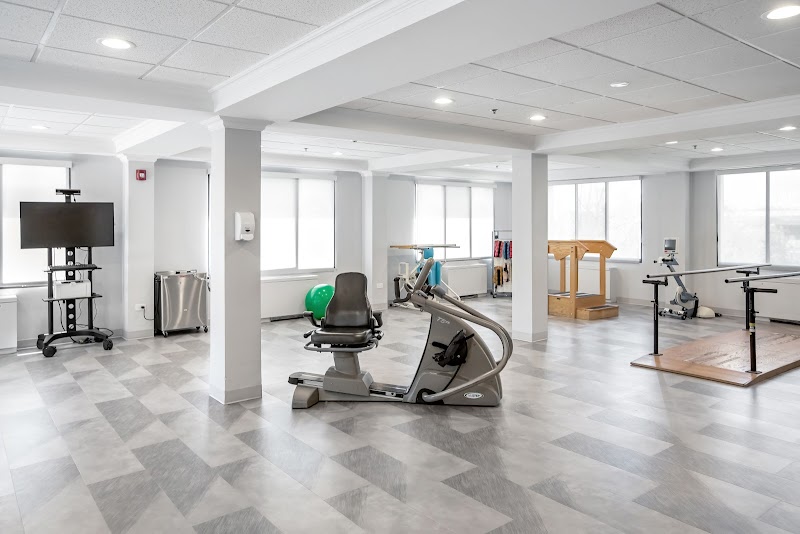
How is Bella Terra Elmhurst Staffed?

CMS rates BELLA TERRA ELMHURST's staffing level at 2 out of 5 stars, which is below average compared to other nursing homes. Staff turnover is 53%, compared to the Illinois average of 46%. RN turnover specifically is 64%, which is notably high. RNs provide skilled clinical oversight, so turnover in this role can affect medical care quality.

What Have Inspectors Found at Bella Terra Elmhurst?

State health inspectors documented 32 deficiencies at BELLA TERRA ELMHURST during 2022 to 2025. These included: 3 that caused actual resident harm and 29 with potential for harm. Deficiencies causing actual harm indicate documented cases where residents experienced negative health consequences.

Who Owns and Operates Bella Terra Elmhurst?

BELLA TERRA ELMHURST is owned by a for-profit company. For-profit facilities operate as businesses with obligations to shareholders or private owners. The facility is operated by LEGACY HEALTHCARE, a chain that manages multiple nursing homes. With 142 certified beds and approximately 103 residents (about 73% occupancy), it is a mid-sized facility located in ELMHURST, Illinois.

How Does Bella Terra Elmhurst Compare to Other Illinois Nursing Homes?

Compared to the 100 nursing homes in Illinois, BELLA TERRA ELMHURST's overall rating (3 stars) is above the state average of 2.5, staff turnover (53%) is near the state average of 46%, and health inspection rating (3 stars) is at the national benchmark.

What Should Families Ask When Visiting Bella Terra Elmhurst?

Based on this facility's data, families visiting should ask: "Can you walk me through typical staffing levels on day, evening, and night shifts?" "Can I visit during a mealtime to observe dining assistance and food quality?" "How do you handle medical emergencies, and what is your hospital transfer rate?" "Can I speak with family members of current residents about their experience?" These questions are particularly relevant given the below-average staffing rating.

Is Bella Terra Elmhurst Safe?

Based on CMS inspection data, BELLA TERRA ELMHURST has a clean safety record: no substantiated abuse findings (meaning no confirmed cases of resident harm), no Immediate Jeopardy citations (the most serious violation level indicating risk of serious injury or death), and is not on the Special Focus Facility watch list (a federal program monitoring the lowest-performing 1% of nursing homes). The facility has a 3-star overall rating and ranks #1 of 100 nursing homes in Illinois. While no facility is perfect, families should still ask about staff-to-resident ratios and recent inspection results during their visit.

Do Nurses at Bella Terra Elmhurst Stick Around?

BELLA TERRA ELMHURST has a staff turnover rate of 53%, which is 7 percentage points above the Illinois average of 46%. Moderate turnover is common in nursing homes, but families should still ask about staff tenure and how the facility maintains care continuity when employees leave.

Was Bella Terra Elmhurst Ever Fined?

BELLA TERRA ELMHURST has been fined $7,974 across 1 penalty action. This is below the Illinois average of $33,159. While any fine indicates a compliance issue, fines under $50,000 are relatively common and typically reflect isolated problems that were subsequently corrected. Families should ask what specific issues led to these fines and confirm they've been resolved.

Is Bella Terra Elmhurst on Any Federal Watch List?

BELLA TERRA ELMHURST is not on any federal watch list. The most significant is the Special Focus Facility (SFF) program, which identifies the bottom 1% of nursing homes nationally based on persistent, serious quality problems. Not being on this list means the facility has avoided the pattern of deficiencies that triggers enhanced federal oversight. This is a positive indicator, though families should still review the facility's inspection history directly.