ELMHURST EXTENDED CARE CENTER
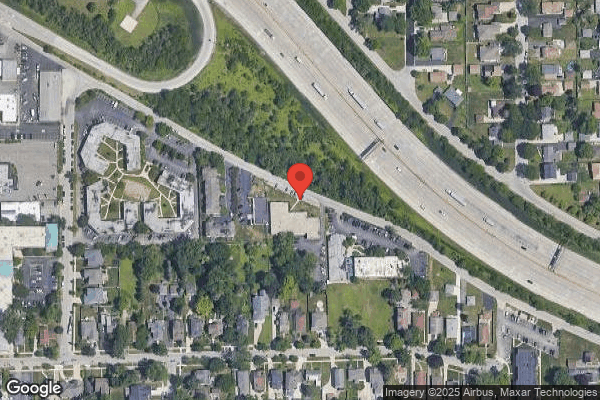
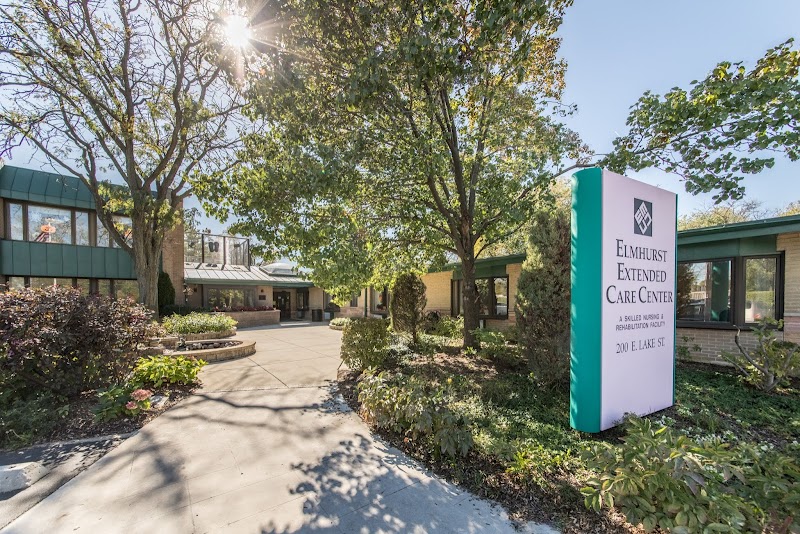
200 EAST LAKE STREET, ELMHURST, IL 60126 (630) 516-5000
For profit - Corporation 108 Beds Independent Data: November 2025 1 Immediate Jeopardy citation
Trust Grade
0/100
#513 of 665 in IL
Last Inspection: October 2024

Within standard 12-15 month inspection cycle. Federal law requires annual inspections.

Overview

Elmhurst Extended Care Center has received a Trust Grade of F, indicating significant concerns about the facility's care and operations. Ranking #513 out of 665 facilities in Illinois places it in the bottom half, and #34 out of 38 in Du Page County suggests limited local options with only a few facilities performing better. Although the facility's trend is improving, with the number of health issues decreasing from 20 in 2024 to 2 in 2025, the staffing turnover is concerning at 57%, higher than the state average of 46%. Staffing is a relative strength, earning a rating of 4 out of 5 stars, and the center has good RN coverage, exceeding 94% of state facilities, which is crucial for catching potential problems. However, the facility has faced serious issues, including a resident being sexually assaulted by another resident and failures in identifying and managing pressure injuries and significant weight loss, highlighting both the facility's serious deficiencies and the need for caution.

Trust Score
F
0/100
In Illinois
#513/665
Bottom 23%
Safety Record
High Risk
Review needed
Inspections
Getting Better
20 → 2 violations
Staff Stability
⚠ Watch
57% turnover. Above average. Higher turnover means staff may not know residents' routines.
Penalties
✓ Good
$165,194 in fines. Lower than most Illinois facilities. Relatively clean record.
Skilled Nurses
✓ Good
Each resident gets 88 minutes of Registered Nurse (RN) attention daily — more than 97% of Illinois nursing homes. RNs are the most trained staff who catch health problems before they become serious.
Violations
⚠ Watch
33 deficiencies on record. Higher than average. Multiple issues found across inspections.
★☆☆☆☆
1.0
Overall Rating
★★★★☆
4.0
Staff Levels
★★☆☆☆
2.0
Care Quality
★☆☆☆☆
1.0
Inspection Score
Stable
2024: 20 issues
2025: 2 issues

The Good

  • 4-Star Staffing Rating · Above-average nurse staffing levels
  • Full Sprinkler Coverage · Fire safety systems throughout facility
  • No fines on record

Facility shows strength in staffing levels, fire safety.

The Bad

1-Star Overall Rating

Below Illinois average (2.5)

Significant quality concerns identified by CMS

Staff Turnover: 57%

10pts above Illinois avg (46%)

Frequent staff changes - ask about care continuity

Federal Fines: $165,194

Well above median ($33,413)

Significant penalties indicating serious issues

Staff turnover is elevated (57%)

9 points above Illinois average of 48%

The Ugly 33 deficiencies on record

1 life-threatening 3 actual harm
May 2025 1 deficiency
CONCERN (E) 📢 Someone Reported This

A family member, employee, or ombudsman was alarmed enough to file a formal complaint

Potential for Harm - no one hurt, but risky conditions existed

Deficiency F0627 (Tag F0627)

Could have caused harm · This affected multiple residents

**NOTE- TERMS IN BRACKETS HAVE BEEN EDITED TO PROTECT CONFIDENTIALITY** Based on interview and record review, the facility failed to provide written documentation of residents' transfer or discharge f...

Read full inspector narrative →
**NOTE- TERMS IN BRACKETS HAVE BEEN EDITED TO PROTECT CONFIDENTIALITY** Based on interview and record review, the facility failed to provide written documentation of residents' transfer or discharge from the facility. This applies to 4 of 4 residents (R1, R2, R3, R4) reviewed for inappropriate discharges in a sample of 4. The findings include: 1. R1's face sheet showed he was admitted to the facility on [DATE] with diagnoses including metabolic encephalopathy, hydronephrosis, Stage 3 chronic kidney disease, dementia, unsteadiness on feet, disorders of the muscle, alcohol abuse, hypertension, and hyperlipidemia. R1 was transferred to the hospital and discharged from the facility on April 16, 2025. On May 8, 2025 at 2:43 PM, V8 (Family Member) said she did not want R1 to be discharged from the facility but upon transfer to the ER (Emergency Room) on April 16, 2025, was told he would not be allowed to return. V8 said she was in the process of having R1 transferred to a different facility and did not want him sent to the hospital. V8 said she would have wanted R1 to return to the facility to wait for placement at another facility instead of keeping R1 in the hospital to wait to be accepted to a different facility. On May 8, 2025 at 3:30 PM, V2 (DON/Director of Nursing) said R1 was discharged from the facility on April 16, 2025 due to behaviors. V2 said R1 was not allowed to come back to the facility due to his behaviors. V2 said he did not give R1 or his representative an involuntary discharge notice, involuntary judiciary petition, or written notice of a bed hold. V2 said he was not aware he needed to do so, as he was new to the facility. V2 said the nurses transferring the residents should provide the necessary written documentation to the resident. On May 8, 2025 at 11:42 AM, V3 (CEO/Chief Executive Officer) said they were not able to take R1 back because of his psychotic behaviors. V3 said he was not appropriate for a skilled nursing facility level of care and needed more behavioral health care. V3 said she denied him because another resident complained of feeling unsafe and because they were not equipped to able to manage his behaviors while he was in the facility. V3 said they did not give R1 or the representative the involuntary discharge notice, involuntary judiciary petition, and was unable to find written documentation of the bed hold notification. V3 said the bed hold policy was only provided and reviewed with the residents upon admission. R1's progress notes showed the following: On April 16, 2025 11:26 PM, V2 wrote, Called [Name] (POA/Power of Attorney) when Assigned RN (Registered Nurse) informed writer. Addressed her concern that Assigned RN did not have to call 911 to send resident to ED (Emergency Department) since she only lives 2-3 minutes away. She also addressed that her family was at the facility during dinner time and resident was alright. POA also addressed her concern that a facility was waiting for resident to be admitted and just waiting for that referral to be approved. POA also informed writer multiple times regarding the hospital bills that they have to address to. On April 16, 2025 at 11:38 PM, Resident up around 8:30 PM started walking in the hallway and cross the room into the other female resident's room, urinated on floor in the resident's room, assisted resident with 2 assist to come out of female resident's room, resident agitated and started walking through the end of hallway trying to push the door. Entered to another resident's room took banana and trying to sleep in other resident's room bought out with difficulty with 2 assist during the time resident hit the CNA (Certified Nurse Assistant) as was agitated and was combative to come out of the room. Resident bought to room with 2 assist and assisted nursing station, resident wouldn't sit at one place then assisted back to bed trying to hit another CNA, so called 911 as per MD (Medical Doctor) order to send ER (Emergency Room) for further eval for combative behavior. DON (Director of Nursing) notified, daughter notified was not happy and started screaming at the writer and said you couldn't wait until morning to send him out. DON made aware. The facility was unable to provide written documentation provided to R1 or R1's representative. 2. R2's face sheet showed she was admitted to the facility on [DATE] with diagnoses including venous insufficiency, vascular dementia, obsessive-compulsive disorder, anxiety, gastro-esophageal reflux disease, osteoporosis, depression, hypertension, weakness, and dysphagia. R2 was transferred to the hospital on May 8, 2025. R2's EMR showed a progress note on May 8, 2025 at 8:33 AM, which documented the following Around 8:30 am noted resident lethargic, increased perspiration. Resident confused, verbally responsive .Resident POA (Power of Attorney) Daughter [Name] was informed and she agreed to send resident to ER. Resident was transfer to [Name] Hospital ER around 9 am at stable condition by [Company Name] ambulance. Report was given. DON informed. On May 8, 2025 at 1:08 PM, V6 (LPN/Licensed Practical Nurse) said she had transferred R2 to the hospital. V6 said she had given the paramedics copies of the face sheet and the medication list. V6 said she did not give R2 or her representative the written notice of bed hold as it was not her job title and she had never done it. V6 said possibly V2 (DON) would give the resident the document. On May 8, 2025, the facility was unable to provide a copy of the written notice of bed hold given to the resident or representative. 3. R3's face sheet showed he was admitted to the facility on [DATE] with diagnoses including non-pressure chronic ulcer, anemia, hyperlipidemia, peptic ulcer, low back pain, chronic kidney disease, history of falling, and spinal stenosis. R3's EMR showed a progress note on March 27, 2025 at 4:26 PM, which documented the following, Upon further discussion with [Name] NP (Nurse Practitioner) and Administrator, it was best for resident to be transferred to acute care hospital for further care of his wounds. Assigned RN was informed and was able to transfer patient. On May 8, 2025 at 1:08 PM, V6 said she transferred R3 to the hospital and did not give R3 or his representative the written notice of bed hold. On May 8, 2025, the facility was unable to provide a copy of the written notice of bed hold given to the resident or representative. 4. R4's face sheet showed she was admitted to the facility on [DATE] with diagnoses including Parkinson's disease, hypothyroidism, depression, adult failure to thrive, dysphagia, type 2 diabetes mellitus, bipolar disorder, and anorexia nervosa. R4's EMR showed a progress note on at 5:15 PM, the progress note showed, . Resident has midline on LUE (Left Upper Extremity) patent, left hand noted swollen elevated on pillows, cholecystostomy tube with 10 ML (Milliliters) output with resistance noted during flushing MD (Name) and 911 called @ 9.17 PM with ETA (Estimated Time of Arrival) of 5 to 7 minutes. POA notified @ 5.18 PM approximately. paramedics staff arrived @ 5.17 PM, all required documents required for transfer along with report provided to paramedics. paramedics left facility @ 5.26 PM. DON notified. On May 8, 2025 at 1 PM, V5 (RN/Registered Nurse) said when she sends the residents to the hospital, she gives the paramedics two face sheets, the advanced directive, and the medication list. V5 said she calls the POA and notifies them of the transfer. V5 said residents are allowed to return to the facility but if their care cannot be managed at the facility, they could not accept the resident. V5 said for example, if the resident required a psych unit, the facility does not accept them back. V5 said the admission coordinator and the social services team gets the doctors from the hospital. V5 said the bed hold notice should be given to the resident by the social worker since nursing does not deal with the bed hold policy. On May 8, 2025, the facility was unable to provide a copy of the written notice of bed hold given to the resident or representative. The facility's Bed Hold policy dated January 4, 2024 showed Medicaid residents properly admitted , have a right to return to the facility to the first available bed after a hospital transfer .If there is not a return, written notification will be provided with the reason for non-admittance and appeal rights and contract determination. The facility's Discharge Policy dated January 4, 2023 showed The resident, physician, representative will be notified of discharge.
Feb 2025 1 deficiency
CONCERN (D) 📢 Someone Reported This

A family member, employee, or ombudsman was alarmed enough to file a formal complaint

Potential for Harm - no one hurt, but risky conditions existed

Quality of Care (Tag F0684)

Could have caused harm · This affected 1 resident

Based on interview and record review the facility staff failed to immediately notify the nurse when a resident had a change in condition and could no longer stand and/or bear weight on her leg after a...

Read full inspector narrative →
Based on interview and record review the facility staff failed to immediately notify the nurse when a resident had a change in condition and could no longer stand and/or bear weight on her leg after a transfer. This resulted in a delay in care and treatment for R1 who had a hip dislocation. This applies to 1 of 3 residents (R1) reviewed for change in condition in the sample of 3. The findings include: The Incident Report for R1 dated 2/1/25 showed, R1 complained of pain in her left leg and stated her left leg got twisted when she was being transferred after her shower. The nurse assessed R1's left leg and noted it was swollen and had poor alignment. R1 was sent to the hospital. On 2/25/25 at 11:07 AM, R1 was sitting in a wheelchair in the dining room for an activity. R1 had an abductor pillow between her legs that was not properly placed. The abductor pillow did not line up on each side with her legs. The abductor pillow was crooked and the straps were not securely in place. R1 stated she had the pillow because she had hip surgery. R1 was questioned regarding an incident in the shower that occurred on 2/1/25. R1 stated she was in the shower, standing, and there was one CNA (Certified Nursing Assistant) with her. R1 stated her leg slid and twisted. R1 stated she could not stand up after her shower and she had a lot of hip pain. On 2/25/25 at 11:24 AM, V4 RN (Registered Nurse) stated, she told V5 CNA to give R1 a shower because V3 (R1's brother/POA - power of attorney) requested it. V4 stated the shower was between 2:30 PM - 3:30 PM. V4 stated it was the end of her shift so she left. V4 stated R1 said her leg was twisted or something during the transfer in the shower room. On 2/25/25 at 11:47 AM, V5 CNA stated she took R1 into the shower room and had R1 stand up at the grab bar in the shower room. V5 was asked if she applied a transfer belt around R1. V5 stated she had a transfer belt on R1. V5 stated she transferred R1 from her wheelchair to a shower chair alone. V5 stated she told R1 to grab the bar on the wall in the shower room. V5 stated she did R1's shower and put her clothes on her. V5 stated she asked R1 to stand and R1 stated she couldn't stand so she didn't try to stand her. V5 stated she called V7 CNA to help her transfer R1. V5 stated V7 helped transfer R1 to her wheelchair. V5 stated R1 was taken to her room and sat in her wheelchair for a few minutes and then was transferred to bed. V5 stated she never told the nurse that R1 couldn't stand after her shower because V4 RN had already left. V5 stated she did not tell V8 RN, the oncoming nurse, that R1 could not stand after her shower. V5 stated she didn't tell the nurse that R1 couldn't stand because sometimes residents just say that because they don't want to stand. V5 stated she told V8 RN that R1 had pain. On 2/25/25 at 3:17 PM, V8 RN stated, she worked 2/1/25 on the 3:00 PM - 11:00 PM shift. V8 stated she did not know R1 had a shower and the CNA did not notify her that R1 had a change in condition. V8 stated she was passing medication between 4:00 PM - 6:00 PM and heard R1 shouting. V8 stated R1 does that to get attention so she did not check on her and asked the CNA to go and see what R1 needed. The CNA stated R1 had pain so she went in and R1 said her leg was hurting. R1 told her she took a shower and when she was transferred her leg flipped or twisted and she was in pain. V3 (R1's brother) was sitting in the room and he said R1's foot did not look properly aligned. V8 stated she looked at R1's foot and it was turned in. She also noted swelling and a sore to her heel. V8 looked at her phone and the messages to the physician. V8 stated she contacted the doctor at 5:58 PM and at 6:09 PM she received an order from the doctor to get an X-ray. The X-ray couldn't be done right away. V8 stated she medicated R1 for pain. At 8:47 PM she notified the doctor the x-ray could not be done until the next day. V8 stated she received an order to send R1 to the hospital. V8 stated R1 went to the hospital at 9:15 PM. On 2/25/25 at 1:50 PM, V1 (Administrator) stated the CNA should have reported R1's change in condition to the nurse so she could take further intervention and contact the medical doctor. On 2/25/25 at 2:17 PM, V13 NP (Nurse Practitioner) stated when R1 had a change in condition with her shower the first thing the CNA should have done was contact the nurse so the nurse could assess the resident. V13 stated she would expect the nurse to be notified right away and did not know why anyone would wait to notify the nurse. V13 stated notifying the nurse is important so the nurse can find out why there is a change and then contact them (physician/NP). V13 stated waiting longer than an hour to send a resident out is too long. V13 stated it was important to send the resident out right away to make sure nothing else going on and so the situation did not become worse. On 2/25/25 at 2:25 PM, V2 DON (Director of Nursing) stated, the CNA should have called for the nurse and informed her of what's going on. V2 stated that have been done right away. V2 stated there was a delay in care. V2 it was a big span of time and a lot could happen during that time. The Face Sheet dated 2/25/25 for R1 showed diagnoses including left femur fracture, joint replacement surgery, dislocation of left hip prosthesis, osteoporosis without current pathological fracture, osteoarthritis, abnormalities of gait and mobility, hypertension, hyperlipidemia, morbid obesity, bipolar disorder, schizphrenia, and major depressive disorder. The Facility's Ethic's - Patient's Change of Condition policy (1/10/25) showed, if patient's condition should change suddenly, it is the obligation of the charge nurse to notify the attending physician and responsible family member of the patient's condition change. The policy does not show any time frames for staff notification to the nurse or the nurse's time frame for notification to a provider.
Oct 2024 12 deficiencies 2 Harm
SERIOUS (G)

Actual Harm - a resident was hurt due to facility failures

Pressure Ulcer Prevention (Tag F0686)

A resident was harmed · This affected 1 resident

**NOTE- TERMS IN BRACKETS HAVE BEEN EDITED TO PROTECT CONFIDENTIALITY** Based on observation, interview, and record review, the facility failed to identify a pressure injury prior to becoming unstagea...

Read full inspector narrative →
**NOTE- TERMS IN BRACKETS HAVE BEEN EDITED TO PROTECT CONFIDENTIALITY** Based on observation, interview, and record review, the facility failed to identify a pressure injury prior to becoming unstageable, failed to implement offloading, and failed to develop and implement a care plan after the development of pressure ulcers for 1 of 5 residents (R14) reviewed for pressure in the sample of 16. This failure resulted in R14 developing two unstageable pressure injuries, one to each heel. The findings include: R14's face sheet showed a [AGE] year old female admitted to the facility on [DATE] from a local hospital. R14's 6/7/24 history and physical showed she was admitted post fall to a local hospital with a right distal femur fracture and surgical repair. R14 had significant weakness and deconditioning. This note showed no skin lesions and incision sites to the right hip and knee. On 10/08/24 at 10:19 AM, R14 was in her room in a wheelchair barefoot. There were blue protective boots on a chair in the room. R14's feet rested on the bottom metal bar of the bedside table in front of her. R14's feet were dependent and purple in color. At 1:06 PM, R14 was eating in her room. Her feet remained uncovered and on the table legs. On 10/09/24 at 10:21 AM, R14 was in a wheelchair attending the resident council meeting. R14's feet were bare, in a dependent position and purple in color. On 10/09/24 at 12:22 PM, V6 wound doctor said R14's heel wounds were pressure injuries and the other wounds were vascular. V6 said of course he'd expect offloading to be part of her interventions. R14's medical record active orders dated 10/9/24 documents, Heel protectors on bilateral lower extremities every shift, start date: 8/20/2024. On 10/10/24 at 10:10 AM, V4 Registered Nurse (RN) said on 6/24/24 she changed R14's right heel dressing as it was dirty. V4 was unable to explain why there was a dressing there, what soiled it, and the rationale for it's replacement. V4 said somebody put a dressing there (to the right heel) and it was dirty so I changed it. V4 then said the skin was intact. It was there for protection. V4 was unable to locate wound assessments for R14's right and left heel wounds prior to the physician assessment on 6/26/24. V4 said somebody must have seen something for the wound doctor to look at her heels. If there's a new area you are supposed to do a risk management note-do wound assessments, measurements. I put them on the wound list . I think the night nurse, V17, told me they found something new and asked me to put R14 on the wound list. At some point someone told me about both wounds and I put her on the wound list. V17 should have done some kind of note/assessment and get a treatment order from the doctor. We can put interventions in place. It's important to put interventions in place and get treatment orders to prevent further deterioration of wound. An initial assessment is important to have a baseline for comparison. V6 wound doctor did R14's first wound assessments on 6/26/24. On 10/10/24 at 11:26 AM, V2 Director of Nursing (DON) said an initial wound assessment should be done by the primary nurse who identified a wound for best practice. The assessment should include the type of wound, measurements, maybe a photograph to make sure it's documented. The doctor should be notified. Interventions should be implemented and wound treatment orders should be obtained. Complications that may occur if this is not done include worsening of the wound, infection, advancement to sepsis and it can become a sentinel event. It's a liability issue. Residents here have multiple comorbidities to consider. It's a liability issue if they come in without a wound and develop one here. R14's 6/5/24 admission skin assessment showed no pressure injuries to her heels. R14's 6/5/24 pressure injury risk assessment showed she was at risk for developing a pressure injury. R14's 6/24/24 health status note authored by V4 RN showed a dressing was applied to the right heel as it was soiled. This note showed R14 was at the facility for skilled rehab post hospitalization after a fall with right femur fracture. R14's 6/25/24 6:00 AM health status note authored by R17 nurse showed surgical sites to the right hip and knee were healed and a wound treatment was done to both heels. As of 6/25/24 at 6:00 AM, R14's medical record had no documented assessment of either heel wound. R14's 6/26/24 wound physician initial wound evaluation showed an unstageable (due to necrosis) pressure injury to the right and left heels. The right heel wound measured 3.2 centimeters (cm) X 2.5 cm X depth not measureable due to the presence of nonviable tissue and necrosis. The left heel wound measured 1.8 cm X 1.4 cm X depth not measureable due to presence of nonviable tissue and necrosis. Debridement of the right heel was initiated but was stopped due to pain. The left heel was debrided. This note showed an additional right dorsal foot wound due to infection and a left leg wound due to infection. The physician note recommended to off-load the wounds and float heels while in bed. R14's June 2024 treatment administration record (TAR) showed wound treatment orders were initiated for the the right heel wound on 6/24/24. R14's June 2024 medication administration record (MAR) showed wound treatment orders for the left heel were not started until 6/27/24. R14's wound care plan (as of 10/10/24) had no mention of any pressure injuries and no interventions to offload pressure. The facility's 1/4/24 Pressure Ulcer Prevention & Treat Policy showed residents with actual alterations in skin integrity will have a plan of care developed to address measures to promote rapid healing of the wound. Residents who have actual alteration in skin integrity will be assessed for need for further measures to aid in rapid healing of wounds. Assessment and characteristic of wound must be documented every other day during wound dressing changes. Documentation guidelines B. A problem (real or potential will be entered on the resident care plan and will include prevention/treatment measures. Any change in the skin integrity status of the resident will be documented in the progress notes, the physician will be notified, and the patient care plan will be updated. When there is a decubitus ulcer being treated, the skin integrity report sheet will be initiated and descriptive information will be completed weekly by the nurse. This information will include: the specific location of the decubitus, the stage and measurement of the decubitus, the presence/absence of odor, the presence/absence of drainage, color, amount, consistency, or any change in drainage since previous measurement, and the presence of granulation.
SERIOUS (G)

Actual Harm - a resident was hurt due to facility failures

Deficiency F0692 (Tag F0692)

A resident was harmed · This affected 1 resident

**NOTE- TERMS IN BRACKETS HAVE BEEN EDITED TO PROTECT CONFIDENTIALITY** Based on interview and record review, the facility failed to identify a significant weight loss, failed to notify a resident's p...

Read full inspector narrative →
**NOTE- TERMS IN BRACKETS HAVE BEEN EDITED TO PROTECT CONFIDENTIALITY** Based on interview and record review, the facility failed to identify a significant weight loss, failed to notify a resident's physician and/or dietician for a significant weight loss, failed to develop care plan interventions to address a resident's significant weight loss. These failures apply to 1 of 2 residents (R27) reviewed for nutrition in the sample of 16. This resulted in R27 sustaining a 5.87% weight loss in 1 week. The findings include: R27's electronic face sheet printed on 10/10/24 showed R27 has diagnoses including but not limited to hydrocephalus, hypertension, mood disorder, dementia with behaviors, and major depressive disorder. R27's facility assessment dated [DATE] showed R27 has severe cognitive impairment and has experienced no weight loss. R27's weight log showed, 7/23/24 167lbs 8/1/24 157.2lbs. (5.87% weight loss in 1 week). R27's nursing progress notes and dietician notes showed no notification to either R27's physician or dietician regarding his significant weight loss of 5.87% in one week. R27's dietician note dated 8/15/24 showed, Add (supplement) twice daily and obtain weekly weights for 4 weeks. R27's care plan dated 9/29/24 showed, (R27) receives regular diet, regular texture, thin liquids. Diagnosis includes dementia, hypertension. Unplanned significant weight loss. R27's care plan showed no interventions related to R27's significant weight loss on 8/1/24. R27's medication administration record for August 2024 showed R27 was ordered a supplement twice daily on 8/15/24 and accepted the supplement for the remainder of the month. On 10/10/24 at 10:25AM, V2 (Director of Nursing) stated, I haven't been here much more than a month so I'm not sure how things were handled previously. I currently monitor all the weights and meet with the dietician on a weekly basis to discuss any significant weight changes. (R27's) weight loss was a significant weight loss that should have been addressed immediately. The earlier you identify the weight loss, the better chance you have at getting the resident to gain the weight back. Now we are playing catch up with his weight loss because he was refusing so much of his meals. There's no reason why interventions should not have been put in place. On 10/10/24 at 12:15PM, V16 (dietician) stated, (R27) initially had a pretty significant weight loss but his weight has started to improve now that we started (appetite stimulant). He has started feeding himself and accepting help with meals. When his initial weight loss was identified, I ordered supplements for him, but he was refusing them. I wasn't notified right away about his weight loss; I think it was about 10 days to 2 weeks later that I found out about it and started the supplements right away. I also asked for the facility to reweigh him so that we could determine if it was a true weight loss or not. If they would have called me, I would have given them the order for the supplements. The facility's policy titled, Procedure and Timeline for Monthly Resident Weights dated 1/30/24 showed, III the dietician may continue tracking weekly weights for residents with a weight loss trend, or who are identified to be at increased nutritional risk. The nurse and dietician will communicate recommendations for changes to weight orders as appropriate .V. The names of residents who exceed the above guidelines after re-weighing will be shared with the IDT and charted on by the dietician identifying risks, barriers to weight maintenance and an appropriate nutrition intervention if applicable .
CONCERN (D)

Potential for Harm - no one hurt, but risky conditions existed

Deficiency F0604 (Tag F0604)

Could have caused harm · This affected 1 resident

**NOTE- TERMS IN BRACKETS HAVE BEEN EDITED TO PROTECT CONFIDENTIALITY** Based on observation, interview, and record review, the facility failed to ensure 2 residents (R27 & R26) were free from restrai...

Read full inspector narrative →
**NOTE- TERMS IN BRACKETS HAVE BEEN EDITED TO PROTECT CONFIDENTIALITY** Based on observation, interview, and record review, the facility failed to ensure 2 residents (R27 & R26) were free from restraints. This applies to 1 of 1 residents (R27) reviewed for restraints in the sample of 16 and 1 resident (R26) outside of the sample. The findings include: 1) R27's electronic face sheet printed on 10/10/24 showed R27 has diagnoses including but not limited to hydrocephalus, hypertension, mood disorder, dementia with behaviors, and major depressive disorder. R27's facility assessment dated [DATE] showed R27 has severe cognitive impairment and does not utilize any restraints. On 10/8/24 at 11:10AM, V18 (Certified Nursing Assistant-CNA) removed R27's foot pedals off his wheelchair, pushed him up to the dining room table and locked both of his wheels. V18 stated R27's behavior is a little unpredictable so that's why he moved him over to the table and locked his wheelchair. V18 stated R27 has been a little more active today & is a fall risk & tries to stand on his own. R27 was trying to move his wheelchair backwards and was unable to do so due to his wheelchair being locked. R27 was then tipping his wheelchair due to becoming frustrated that he could not move his chair independently. On 10/8/24 at 12:08PM, R27 was sitting near the exit door near the dining room. V15 (Licensed Practical Nurse) moved R27 away from the exit door, pushed him over to the table and locked both of his wheels. Again, R27 attempted to move his wheelchair away from the table and was unable to do so. On 10/8/24 at 1:30PM, V15 pulled R27 away from the table, provided him with a nutritional supplement, and then pushed him back up to table and locked both wheels on his wheelchair. V15 stated if R27 does not have his wheelchair locked he will be all over the unit and they are unable to keep track of him. On 10/9/24 at 11:06AM, R27 was sitting at the dining room table with both of his wheels locked on his wheelchair. V13 (CNA) asked R27 to unlock the wheels on his wheelchair and R27 was unable to comprehend what V13 was asking him to do and was unable to unlock the wheels of his wheelchair. V13 stated R27's wheels remain locked because he moves around the unit too much and they need to keep all the residents in one space. 2) R26's electronic face sheet printed on 10/10/24 showed R26 has diagnoses including but not limited to Alzheimer's disease, lack of coordination, altered mental status, dementia with behaviors, and cognitive communication deficit. R26's facility assessment dated [DATE] showed R26 has mild cognitive impairment; however, throughout the course of the survey, R26 was unable to be interviewed due to cognitive impairment. On 10/8/24 at 12:34PM, R26 was pushed up to the table in his wheelchair with both brakes locked. R26 was pushing back from the table and unable to move due to his wheelchair being locked. R26 continued to try to remove himself from the table and was unable to do so. On 10/8/24 at 1:27PM, R26 was again attempting to move his wheelchair away from the table and was unable to do so due to both wheels being locked. On 10/9/24 at 9:28AM, R26 was at the dining room table and was attempting to push back from the table to pick up a piece of an activity he had dropped. R26 was unable to move his wheelchair due to both wheels being locked. On 10/9/24 at 11:01AM, R26 stated, I can't move, help me to move so I can go somewhere. R26 was attempting to move his wheelchair forward and was unable to do so due to both wheels being locked. On 10/9/24 at 11:06AM, V13 asked R26 to unlock the wheels on his wheelchair. R26 stated, Ok and then proceeded to play with the wheels on his chair and was unable to unlock the wheels after several requests by V13. V13 stated she is unsure if R26 can unlock his wheelchair but stated it's good because otherwise he will be all over the unit if he's not kept in one place. On 10/10/24 at 10:25AM, V2 (Director of Nursing) stated, If a resident is placed in a position and held there then that is considered a restraint because they are not able to move independently. If (R26) and (R27) are attempting to move their wheelchair then staff should unlock them and allow them to move around. We can't keep residents in one area just for our convenience. The facility's policy titled, Physical and Chemical Restraints dated 1/4/24 showed, I. It shall be the policy of this facility to discourage the use of physical and chemical restraints for the purpose of discipline or convenience and that are not required to treat the resident's medical symptoms. II. A Physical Restraint is defined as any manual method, physical or mechanical device-material or equipment (attached or adjacent to the resident's body) that the individual cannot remove easily, which restricts freedom of movement or normal access to one's body .
CONCERN (D)

Potential for Harm - no one hurt, but risky conditions existed

Accident Prevention (Tag F0689)

Could have caused harm · This affected 1 resident

**NOTE- TERMS IN BRACKETS HAVE BEEN EDITED TO PROTECT CONFIDENTIALITY** Based on observation, interview, and record review the facility failed to use a gait belt to transfer a resident (R16) and faile...

Read full inspector narrative →
**NOTE- TERMS IN BRACKETS HAVE BEEN EDITED TO PROTECT CONFIDENTIALITY** Based on observation, interview, and record review the facility failed to use a gait belt to transfer a resident (R16) and failed to provide supervision during mealtimes for a resident with a diagnosis of dysphagia (R28). These failures apply to 2 of 4 residents (R16, R28) reviewed for safety and supervision in the sample of 16. The findings include: 1) R16's electronic face sheet printed on 10/10/24 showed R16 has diagnoses including but not limited to osteoarthritis, dementia without behaviors, and dysphagia. R16's facility assessment dated [DATE] showed R16 has severe cognitive impairment, lower extremity impairment, and requires substantial assistance with transfers. R16's care plan dated 9/7/24 showed, (R16) has potential for pain/discomfort related to arthritis on the right knee .handle resident gently when repositioning and transferring, particularly if pain is related to joint problems. On 10/8/24 at 12:13PM, V13 (Certified Nursing Assistant-CNA) was attempting to have R16 stand in the bathroom with the use of the bar next to her toilet. R16 was unable to stand on her own. V13 obtained the standing mechanical lift and V18 (CNA) arrived in the room and stated, Here, I can just get her to stand on her own by myself. V18 then lifted R16 underneath her arms to stand at the bar. R16 was yelling My knee hurts! I can't stand! V18 then grabbed R16 under her arms and placed her on the toilet. R16 was yelling obscenities at V18 following the transfer. When 16 was finished, V18 lifted her under her arms again and R16 was unable to fully stand up. V18 then used his back to push on R16's back to hold her steady while he pulled up her pants. Throughout the remainder of the transfer, R16 continued yelling at V18 that he didn't know what he was doing. On 10/10/24 at 10:25AM, V2 (Director of Nursing) stated, Any resident that requires assistance with transfers should have a gait belt applied to them. The gait belt is supposed to provide additional support to the resident while also ensuring that it is a safe transfer for both the resident and the staff member. (V18) is lucky that the transfer didn't end up in an injury for both him and the resident. The facility's policy titled, Gait Belt for Transfer dated 10/20/23 showed, I. Purpose: To ensure resident and staff safety during ambulating and transferring . 2. The facility face sheet for R28 shows diagnoses to include type 2 diabetes mellitus, subarachnoid hemorrhage, and chronic kidney disease. The Physician order sheet dated October 2024 for R28 shows an order for maintain aspiration precautions during meal and drinking fluid was obtained on October 3, 2024. On 10/8/2024 at 1:40 PM, R28 was observed lying in bed with his lunch tray in front of him. R28 was alone in his room. On 10/9/2024 at 1:00 PM, R28 was observed alone in his room with his lunch tray in front of him. No staff were observed near R28's room or entering his room to check on him. On 10/9/2024 at 1:20 PM, V4 Registered Nurse said R28 rarely eats his meals, he mostly eats what his wife brings him. When meal trays are passed to the rooms, the Certified Nursing Assistants (CNA) are to be monitoring the residents. On 10/10/2024 at 10:17 AM, V5 CNA said if a resident needs help with feeding we stay and assist them after bringing them their meal tray. V5 said residents on aspiration precautions should be monitored while eating. V5 said he doesn't usually work on this unit and was not familiar with how R28 eats his meals. On 10/9/2024 at 12:50 PM, V2 Director of Nursing said if a resident is on aspiration precautions, they should be observed while eating. V2 said R28 refuses to get up for meals, refuses a speech evaluation and refused to have a diet other than a regular diet. V2 said his wife comes and helps him at mealtimes. The nursing progress note dated 10/3/2024 for R28 shows the resident was not compliant with nectar thick liquids and had refused his speech therapy referral. The hospice staff were notified and an order for aspiration precautions was obtained. The care plan for R28 dated 8/11/2024 for his diet shows no interventions of aspiration precautions in place for him. The facility policy for aspiration precautions dated 1/4/2024 shows to establish guidelines that minimize the risk of aspiration in patients with swallowing difficulties, ensuring their safety, and promoting optimal health outcomes. Supervision: patients will be supervised during meals and snacks by trained staff to monitor for signs of aspiration or distress.
CONCERN (D)

Potential for Harm - no one hurt, but risky conditions existed

Respiratory Care (Tag F0695)

Could have caused harm · This affected 1 resident

Based on observation, interview, and record review the facility failed to label oxygen tubing. This applies to one of two residents (R31) reviewed for oxygen in the sample of 16. The findings include:...

Read full inspector narrative →
Based on observation, interview, and record review the facility failed to label oxygen tubing. This applies to one of two residents (R31) reviewed for oxygen in the sample of 16. The findings include: The facility face sheet for R31 shows diagnoses to include chronic obstructive pulmonary disease, chronic respiratory failure, and chronic congestive heart failure. The Physician order sheet dated October 2024 shows an order for oxygen via nasal cannula if oxygen saturations are below 90%. On 10/8/2024 at 12:09 PM the oxygen tubing and humidifier for R31 was observed with no label indicating when the tubing was opened for use. On 10/9/2024 at 10:20 AM, R31's oxygen tubing and humidifier was still not labeled. On 10/9/2024 at 12:50 PM, V2 Director of Nursing (DON) said she expects the staff to label the oxygen tubing and humidifier to show when it was last changed. The oxygen tubing should be changed weekly. On 10/9/2024 at 1:20 PM, V4 Registered Nurse said the oxygen tubing and humidifier is to be changed weekly and it should be labeled with that date. The Medication Administration Record (MAR) dated October 2024 for R31 does not show any date or time the oxygen tubing was to be changed. The care plan dated 9/26/2024 for R31's oxygen shows no intervention regarding frequency of tubing changes. The facility policy for oxygen dated 1/4/2024 shows oxygen, cannula, mask and humidifier will be changed weekly and recorded with change date and initial.
CONCERN (D)

Potential for Harm - no one hurt, but risky conditions existed

Medication Errors (Tag F0758)

Could have caused harm · This affected 1 resident

**NOTE- TERMS IN BRACKETS HAVE BEEN EDITED TO PROTECT CONFIDENTIALITY** Based on interview and record review, the facility failed to ensure a resident's (R27) psychotropic medication was used to treat...

Read full inspector narrative →
**NOTE- TERMS IN BRACKETS HAVE BEEN EDITED TO PROTECT CONFIDENTIALITY** Based on interview and record review, the facility failed to ensure a resident's (R27) psychotropic medication was used to treat a medical condition for 1 of 5 resident's reviewed for psychotropic medications in the sample of 16. The findings include: R27's electronic face sheet printed on 10/10/24 showed R27 has diagnoses including hydrocephalus, hypertension, mood disorder, dementia with behaviors, and major depressive disorder. R27's facility assessment dated [DATE] showed R27 has severe cognitive impairment. R27's physician's orders dated 7/23/24 showed, Seroquel 50mg (milligrams) every 12 hours as needed related to dementia with behaviors. R27's progress notes dated 7/28/24 showed, Resident noted with behavior. He is becoming more resistant to assistance and declining to follow command. Seroquel given with some relief. R27's progress notes dated 7/30/24 showed, Resident is alert to self and confused He refused to get up out of bed this morning. PRN (as needed) dose of Seroquel given. He allowed staff to dress him and agreed to get up. R27's progress notes dated 7/31/24 showed, Aide is attempting to toilet resident and he refuses to stand up. He is sitting in his wheelchair getting agitated with staff as we ask him to stand. PRN Seroquel given. Will attempt to toilet him again. R27's medication administration record for July 2024 showed R27 was given Seroquel 50mg on 7/28/24, 7/30/24, and 7/31/24. On 10/10/24 at 10:25AM, V2 (Director of Nursing) stated, Antipsychotic medications are to be given on an as needed basis only when residents are in danger of hurting themselves or others. If a resident declines to do what staff ask them to do then they should be left alone and reapproached by another staff member. (R27) not getting out of bed or not agreeing to go to the bathroom is not a reason to give a PRN medication, especially Seroquel. This was used for staff convenience, and they did not use any anti-pharmacological approaches from what I can see in the documentation prior to giving him the Seroquel. The facility's policy titled, Psychotropic Medication dated 1/4/24 showed, II. Psychotropic medications will not be administered for purposes of discipline or staff convenience and when not required to treat the resident's symptoms .
CONCERN (D)

Potential for Harm - no one hurt, but risky conditions existed

Deficiency F0761 (Tag F0761)

Could have caused harm · This affected 1 resident

Based on Observation, Interview, and Record Review the facility failed to ensure a vaccine was refrigerated for 1 of 1 resident (R87) reviewed for medication storage in the sample of 16. The findings ...

Read full inspector narrative →
Based on Observation, Interview, and Record Review the facility failed to ensure a vaccine was refrigerated for 1 of 1 resident (R87) reviewed for medication storage in the sample of 16. The findings include: On 10/8/24 at 10:17 AM, observations were made of the first floor, west medication cart. In the top drawer of the medication cart was a pneumovax 23 syringe for R87. The pneumovax 23, 0.5 ml syringe was in a medication bottle that showed it was received on 9/7/24 and should be refrigerated. The bottle with the Pneumovax 23 inside of it was inside of a clear bag with blue lettering that stated Refrigerate. V11 RN (Registered Nurse) stated the Pneumovax 23 was not good anymore; it should have bee refrigerated. V11 stated R87 was in the hospital for a procedure but was expected to return to the facility. On 10/8/24 at 10:45 AM, V2 DON (Director of Nursing) stated R87 went out for surgery so his medications were kept in the cart because he would be returning this week. V2 stated the Pneumovax 23 vaccine would lose potency if it was not refrigerated. The Physician Orders to be renewed for R87 dated 10/10/24 showed, Pneumovax 23 injectable 25mcg/0.5ml. The Face Sheet dated 10/10/24 for R87 showed diagnoses including acute kidney failure, atherosclerotic heart disease, atrial fibrillation, type 2 diabetes mellitus, hyperlipidemia, hypertension, chronic kidney disease, coronary artery dissection, heart failure, aortic valve stenosis, and anemia. The facility's Storage of Medication policy (1/4/24) showed, medications and biologicals are stored properly, following manufacturer's or provider pharmacy recommendations, to maintain their integrity and to support safe effective drug administration.
CONCERN (E)

Potential for Harm - no one hurt, but risky conditions existed

Resident Rights (Tag F0550)

Could have caused harm · This affected multiple residents

**NOTE- TERMS IN BRACKETS HAVE BEEN EDITED TO PROTECT CONFIDENTIALITY** Based on observation, interview, and record review, the facility failed to treat two residents (R13,R20) with dignity. This appl...

Read full inspector narrative →
**NOTE- TERMS IN BRACKETS HAVE BEEN EDITED TO PROTECT CONFIDENTIALITY** Based on observation, interview, and record review, the facility failed to treat two residents (R13,R20) with dignity. This applies to 2 residents outside of the sample reviewed for dignity. The findings include: 1) R13's electronic face sheet printed on 10/10/24 showed R13 has diagnoses including but not limited to dementia without behaviors, bipolar disorder, type 2 diabetes, and major depressive disorder. R13's facility assessment dated [DATE] showed R13 has severe cognitive impairment. On 10/9/24 at 1:36PM, V5 and V13 (Certified Nursing Assistants) provided incontinence care to R13 in the bathroom. V13 removed R13's incontinence brief and stated, Oh, she's pooping while R13 was in the standing mechanical lift. V5 then handed V13 the trash can and stated, Here, put this under her in case she goes more. V5 placed the garbage can underneath R13 while she was standing in the lift and continued providing incontinence care. V13 stated she is unsure of why they did not put R13 on the toilet and could not state why she put the trash can underneath of R13. V13 stated she could see how this would be a dignity concern as she would not want a garbage can placed under her while she was having a bowel movement. V13 then stated, Oh well, at least I know better for next time. On 10/10/24 at 10:25AM, V2 (Director of Nursing) stated, It is absolutely unacceptable to place a trash can underneath a resident when they should be providing toileting assistance. There is no reason why you would place a trash can under a resident for any reason unless it was an emergency. The aides should have placed R13 onto the toilet so that she could have a bowel movement in a dignified manner. These residents are already vulnerable as they have low cognitive functioning, and this specific practice is degrading. The Illinois Long-Term Care Ombudsman Program Residents' Right for People in Long-Term Care Facilities dated 11/18 showed, Your facility must treat you with dignity and respect and must care for you in a manner that promotes your quality of life. 2) R20's electronic face sheet printed on 10/10/24 showed R20 has diagnoses including but not limited to dementia, encephalopathy, dysphagia, and altered mental status. R20's facility assessment dated [DATE] showed R20 has severe cognitive impairment. On 10/8/24 at 12:36PM, R20's meal tray was positioned across the table from him. R20 then pulled his tray over in front of him and began drinking the water off his tray. V14 (Restorative Director) took R20's water out of his hand and pushed his meal tray out of his reach. R20 stated, I'm very hungry and V14 stated, We will feed you soon, but you can't have your tray right now and turned around to feed another resident. R20 then picked up a paper towel roll and was attempting to drink from it stating, I'm so thirsty. On 10/9/24 at 1:28PM, R20 was waiting for his lunch meal (all other residents on the unit were served lunch between 12:15-12:30PM). V15 (Registered Nurse) went and retrieved R20's meal tray and stated, He can't eat until we are ready to feed him because he will make a big mess and just put his hands in his food. It's just easier when we feed him. On 10/10/24 at 10:25AM, V2 stated, All of our residents should be encouraged to be as independent as possible. If (R20) has an issue getting his food to his mouth or using his silverware, then we should be providing adaptive equipment for him and attempting to let him use it. There is no reason why he should have had to wait for his meals just because staff were busy. They were in the dining room and able to supervise him. This is definitely a dignity concern as he had to watch all of the other residents receive their meals before he was allowed to get his.
CONCERN (E)

Potential for Harm - no one hurt, but risky conditions existed

ADL Care (Tag F0677)

Could have caused harm · This affected multiple residents

**NOTE- TERMS IN BRACKETS HAVE BEEN EDITED TO PROTECT CONFIDENTIALITY** Based on observation, interview, and record review, the facility failed to provide timely incontinence care to 1 resident (R26) ...

Read full inspector narrative →
**NOTE- TERMS IN BRACKETS HAVE BEEN EDITED TO PROTECT CONFIDENTIALITY** Based on observation, interview, and record review, the facility failed to provide timely incontinence care to 1 resident (R26) outside of the sample reviewed for activities of daily living. The findings include: R26's electronic face sheet printed on 10/10/24 showed R26 has diagnoses including but not limited to Alzheimer's disease, lack of coordination, altered mental status, dementia with behaviors, and cognitive communication deficit. R26's facility assessment dated [DATE] showed R26 is always incontinent of bladder. On 10/8/24 at 1:35PM, V18 (Certified Nursing Assistant-CNA) was notified by surveyor that R26's pants appeared wet. V18 and V13 (CNA) provided incontinent care to R26. V18 stated R26 was toileted at approximately 9:30AM this morning but hasn't been checked since then. R26 was placed in a standing mechanical lift and when he was lifted out of the wheelchair, the back of R26's pants were saturated with strong smelling urine and his wheelchair seat was wet with urine. V18 removed R26's incontinence brief that was saturated with urine. V18 laughed and stated, Wow, I guess he really was wet. V18 then continued incontinence care and placed a clean sheet over R26's wheelchair seat. V18 stated he placed the sheet there so that if he gets too busy it'll be easier to see if (R26) soiled himself again. On 10/10/24 at 10:25AM, V2 (Director of Nursing) stated, All residents should be checked and changed every 2 hours and as needed. (R26) is one of the residents who cannot tell you if they need to go to the bathroom, so we must be especially diligent with that population and ensure we are checking them every time we encounter them. If staff are interacting with (R26) then they should be asking him if he needs any of his basic needs which includes toileting assistance. By allowing (R26) to sit in his urine for an extended period of time, staff are increasing the likelihood of an infection. The facility's policy titled, Incontinence and Catheter Management dated 1/4/24 showed, I. Policy: In accordance with regulatory requirements and professional practice standards the facility will ensure that: B. A resident who is incontinent of bladder receives appropriate treatment and services to prevent urinary tract infections and to restore as much normal bladder function as possible .
CONCERN (F)

Potential for Harm - no one hurt, but risky conditions existed

Food Safety (Tag F0812)

Could have caused harm · This affected most or all residents

Based on observation, interview, and record review, the facility failed to ensure kitchen utensils were stored correctly and change gloves while handling equipment/utensils to prevent cross contaminat...

Read full inspector narrative →
Based on observation, interview, and record review, the facility failed to ensure kitchen utensils were stored correctly and change gloves while handling equipment/utensils to prevent cross contamination. This failure has the potential to affect all 33 residents in the facility. The findings include: The Long-Term Care Facility Application for Medicare and Medicaid form dated 10/8/24 for the facility showed a census of 33 residents. On 10/8/24 at 11:51 AM, V9 (Cook) had gloves on and was checking the temperature of the food. After she would check the temperature she would take the pan of food to the steam table, come back and check the temperature of the next food item. This was done for the zucchini, gravy, pureed sweet potato, pureed turkey, regular sweet potato, mechanical soft sweet potato, mechanical soft turkey, and turkey crunch. V9 never changed her gloves. V9 touched the counters in the kitchen near the steam table with the same gloves on. V9 went over to the drawer under the stainless steel counter, opened the drawer, the scoops were in the drawer in all different directions. V9 rummaged through the drawer, withdrew 3 different scoops and handed them to V10 (Kitchen staff). The utensils drawer under the other side of the counter near the stove had scoops, ladles, and spatulas facing all different directions in the drawer. On 10/8/24 at 12:09 PM, V10 (Kitchen Staff) stated the scoops should be lined up in order of size in drawer. V10 confirmed the handles of the scoops and other utensils should be facing the same direction towards the opening of the drawer for infection control and to prevent cross contamination. V10 stated she is not the dietary manager. V1 (Administrator) was in the dietary office when V10 was questioned and stated V10, V8 (kitchen staff) and the dietician handle the kitchen operations right now. On 10/10/24 at 10:26 AM, V1 Administrator stated he did not have a policy for the storage of kitchen utensils and the prevention of cross contamination in the kitchen. The facility's Sanitation and Infection Control policy (1/30/24) showed to keep kitchen and storage areas neat and orderly. The policy did not state how utensils, scoops, ladles, etc. were to be stored to prevent cross contamination.
CONCERN (F)

Potential for Harm - no one hurt, but risky conditions existed

Infection Control (Tag F0880)

Could have caused harm · This affected most or all residents

2. The facility face sheet for R10 shows diagnoses to include dysphagia and gastrostomy. The Physician Order Sheet (POS) dated October 2024 shows orders for a gastrostomy tube (G tube) for feedings, f...

Read full inspector narrative →
2. The facility face sheet for R10 shows diagnoses to include dysphagia and gastrostomy. The Physician Order Sheet (POS) dated October 2024 shows orders for a gastrostomy tube (G tube) for feedings, fluids and medication administration. The facility face sheet for R186 shows diagnoses to include retention of urine and neutropenia (low white blood cells). The POS dated October 2024 for R186 shows orders for his urinary catheter. The facility face sheet for R28 shows diagnoses to include urinary tract infections and obstructive and reflux uropathy (backflow of urine). The POS dated October 2024 shows orders for his urinary catheter. On 10/8/2024 to 10/10/24 no signs showing the residents were on enhanced barrier precautions were observed on the doors to the rooms for R10, R186 and R28. No personal protective equipment (PPE) was observed near the room and the staff were observed entering and exiting the rooms without wearing PPE. On 10/9/24 at 12:50 PM, V2 Director of Nursing said she first heard of enhanced barrier precautions the day before. V2 said the facility does not have a policy or a system set up for this. V2 said she believed the precautions included increased hand washing for residents who are neutropenic. On 10/9/24 at 1:41 PM, V4 Registered Nurse said enhanced barrier precautions are for residents with wounds, urinary catheters, feeding tubes and tracheostomies. V4 said the facility does not have a protocol for this. V4 said the staff should be wearing gloves when going into the room and signs should be on the doors. The facility did not have a policy for enhanced barrier precautions. The implementation of personal protective equipment uses in nursing homes updated 7/12/2022 from the Centers for Disease Control shows enhanced barrier precautions are an infection control intervention designed to reduce transmission of resistant organisms that employs targeted gown and glove use during high contact resident care activities. Based on observation, interview, and record review the facility failed to have policy and procedures in place for residents (R28, R186, & R10) on enhanced barrier precautions. The facility failed to have a policy or plan for legionella. This failure has the potential to affect all 33 residents in the facility. The findings include: 1. The Long-Term Care Facility Application for Medicare and Medicaid form dated 10/8/24 for the facility showed a census of 33 residents. On 10/10/24 at 10:26 AM, V1 (Administrator) stated the water treatment service reports that he has were from the water treatment company that comes in and checks the chemicals for their water. V1 stated he did not have a legionella policy or water treatment plan. On 10/10/24 11:33 AM, DON (Director of Nursing) stated the facility has a water treatment plan but it did not contain anything regarding legionella. The facility's Water Treatment System policy (1/4/24) showed the facility uses a reverse osmosis (RO) system to purify the water. The water treatment system purifies the water by removing contaminants through five processes as applicable: water softening, carbon absorption, reverse osmosis, resin based mixed-bed deionization, and post-submicron filtration. The policy explained what each of the five processes were. The policy did not have a water management plan.
CONCERN (F)

Potential for Harm - no one hurt, but risky conditions existed

Room Equipment (Tag F0908)

Could have caused harm · This affected most or all residents

Based on observation, interview, and record review, the facility failed to maintain the kitchen freezer in a safe operating condition This failure affects all 33 residents in the facility. The finding...

Read full inspector narrative →
Based on observation, interview, and record review, the facility failed to maintain the kitchen freezer in a safe operating condition This failure affects all 33 residents in the facility. The findings include: The Long-Term Care Facility Application for Medicare and Medicaid form dated 10/8/24 for the facility showed a census of 33 residents. On 10/8/24 at 9:57 AM, during the initial tour of kitchen with V9 (cook) and V8 (kitchen staff) the walk in refrigerator door handle was broke; it was loose and didn't latch to keep the door tightly closed. The freezer door handle was broke and did not latch the door tightly closed to keep the freezer sealed. V9 and V8 were not sure when the handles broke; maybe over the weekend and maintenance doesn't work weekends. V9 and V8 stated maintenance was coming to fix it. On 10/8/24 at 12:09 PM, V10 stated she was not the dietary manager. V1 (Administrator) was in the kitchen and stated V10, V8 (kitchen staff), and the dietician handle the kitchen operations right now. On 10/8/24 at 12:17 PM, one of the panels of the plastic curtain at the entrance of the freezer inside the door was missing. The freezer had ice build up on the plastic curtain at the entrance of the walk in freezer. There was ice built up a on shelf to the left side of the freezer near the door. There was a large long ice icicle hanging from the ceiling of the back left side of the freezer. The case for the thermometer inside the freezer was present but not the thermometer itself. V10 (kitchen staff) stated that maybe the ice in the doorway of the freezer was preventing it from closing all of the way. V10 (kitchen staff) wasn't aware that the thermometer was gone. V9 (cook) stated she records the freezer temperature from the thermometer on the outside of the freezer; not the inside. V10 stated the freezer shuts off for a few minutes every once in awhile and then comes back on and she doesn't know why. On 10/9/24 at 9:11 AM, V7 (Maintenance) stated he has only worked at the facility 1 month and he is over the whole building. V7 stated he has not seen the maintenance books or logs for anything because he has only been here a month. V7 stated he doesn't know anything about the maintenance books and logs. V7 stated he would have to talk to his supervisor, V1 (Administrator). V7 stated he was told about the door handles to the freezer and refrigerator yesterday (10/8/24); he doesn't know what needs to be done; maybe order parts. V7 was not aware of any other problem with the freezer. On 10/9/24 at 9:15 AM, V1 (Administrator) stated, he doesn't know anything about the handles to the freezer or refrigerator. V1 stated maintenance is done when there is a problem and he is not aware of any problem to the freezer. V1 stated if there is condensation present for the freezer then there will be ice resent which makes sense if the door is not sealing all of the way. V1 stated he was not aware of any ice build up in freezer or missing freezer curtain panel. The facility's Equipment and Maintenance policy (1/30/24) showed, the food service director will instruct dietary employees in the use and care of equipment. He/she will also order repairs and replacement of equipment and maintain records.
Sept 2024 2 deficiencies
CONCERN (D) 📢 Someone Reported This

A family member, employee, or ombudsman was alarmed enough to file a formal complaint

Potential for Harm - no one hurt, but risky conditions existed

Deficiency F0578 (Tag F0578)

Could have caused harm · This affected 1 resident

**NOTE- TERMS IN BRACKETS HAVE BEEN EDITED TO PROTECT CONFIDENTIALITY** Based on interview and record review, the facility failed to ensure a resident's DNR (Do Not Resuscitate) choice was followed fo...

Read full inspector narrative →
**NOTE- TERMS IN BRACKETS HAVE BEEN EDITED TO PROTECT CONFIDENTIALITY** Based on interview and record review, the facility failed to ensure a resident's DNR (Do Not Resuscitate) choice was followed for 1 of 8 residents (R1) reviewed for improper nursing care in the sample of 9. The findings include: R1's admission Record, printed by the facility on [DATE], showed she had diagnoses including sepsis, multiple sclerosis, shingles, dementia, a personal history of urinary tract infections, resistance to multiple antibiotics, and a stage IV pressure injury with a wound vac. The admission Record does not list R1's Advanced Directive choice on the document. R1's Order Summary Report, printed by the facility on [DATE], showed an order dated [DATE] for DNR (Do Not Resuscitate). On [DATE] at 1:00 PM, V6 (Registered Nurse/RN) said she was the nurse working on [DATE] when R1 was found unresponsive. V6 said she called a code blue over the intercom. V6 said she was not sure if R1 was a DNR or a Full Code. V6 said CPR (cardiopulmonary resuscitation) was initiated by the team. V6 said she could not recall who else was in R1's room doing CPR. V6 said she did not document in her charting that CPR had been administered. V6 said CPR was performed for one-to-two minutes before staff realized R1 was a DNR. V6 said she called 911 and was getting the IV (intravenous line) supplies ready to start an IV on R1 when someone asked if R1 was really a Full Code. V6 said she looked in R1's electronic medical record and found out that she was a DNR. On [DATE] at 2:04 PM, V13 (Certified Nursing Assistant/CNA) said she was the CNA for R1 on [DATE] when she was found unresponsive. V13 said a staff member called code blue over the intercom so she ran to R1's room. V13 said some of nurses and the previous Director of Nursing started performing CPR on R1. V13 said the CNAs assisted with CPR to give the nurses a rest. V13 said one of the nurses were trying to get the defibrillator machine set up, however, she is not sure if the defibrillator was used on R1 because she did not see R1's body jump, like it does when someone is shocked. V13 said staff were doing all this and no one seemed to notice that R1 was a DNR. V13 said CPR was continued on R1 until the paramedics arrived. V13 said the facility did not follow R1 or her family's wishes. On [DATE] at 2:45 PM, V2 (Director of Nursing) said the incident with R1 happened before she started working at the facility. V2 said she heard about the incident after she started at the facility. V2 said it is important to follow the residents' advanced directives because that is the residents' wishes. It is their right. R1's POLST form (Practitioner Order for Life-Sustaining Treatment) dated [DATE] showed No CPR: Do Not Attempt Resuscitation (DNAR). R1's Progress Note dated [DATE] showed Patient was sleepy this morning. Ate only less than 25% .Seen again sleeping at 12 o'clock round, not in any distress. At 13:08 (1:08 PM) went to room with med, found patient unresponsive, no heart, no respiration. 911 was called. Patient is DNR. Pronounced death at 13:25 (1:25 PM) . The facility's [DATE] policy and procedure titled Advance Directives showed I. It is the policy of the Center (facility) to request executed copies of all advance directives for all residents at the time of their admission .II. The term advance directive means a written instruction, such as a living will, or health care power of attorney as recognized by Illinois State law and relating to the provision of such care when the individual is physically or mentally disabled . IV. The Center shall maintain such advance directives in the medical record (legal section) of the resident and refer to the resident's directive during the resident's entire stay at the Center, regardless of their status at the facility .VIII. The POLST form is executed and utilized in the facility per Illinois guidelines. Family is educated on the form upon admission and reviewed in care plans.
CONCERN (D) 📢 Someone Reported This

A family member, employee, or ombudsman was alarmed enough to file a formal complaint

Potential for Harm - no one hurt, but risky conditions existed

Quality of Care (Tag F0684)

Could have caused harm · This affected 1 resident

**NOTE- TERMS IN BRACKETS HAVE BEEN EDITED TO PROTECT CONFIDENTIALITY** Based on interview and record review, the facility failed to ensure a resident was assessed after a fall, the assessment was doc...

Read full inspector narrative →
**NOTE- TERMS IN BRACKETS HAVE BEEN EDITED TO PROTECT CONFIDENTIALITY** Based on interview and record review, the facility failed to ensure a resident was assessed after a fall, the assessment was documented, an incident report was filled out, and post-fall monitoring was completed for 1 of 8 residents (R8) reviewed for improper nursing care in the sample of 8. The findings include: R8's admission Record, printed by the facility on 9/18/24, showed he had diagnoses including hydrocephalus (a condition in which an accumulation of cerebrospinal fluid occurs within the brain. This typically causes increased pressure inside the skull. Older people may have headaches, double vision, poor balance, urinary incontinence, personality changes, or mental impairment), dementia, and major depressive disorder. R8's facility assessment dated [DATE] showed he needed supervision or touching assistance for toileting, lower body dressing, and transfers. The assessment showed R8 was always incontinent of bowel and bladder. R8's care plan initiated on 7/2/24 showed he was at risk for falls. R8's Fall Risk Evaluation dated 7/1/24 showed he was a high risk for falls. R8's Progress Notes from 9/13/24 showed no fall documentation or assessment related to a fall for R8. On 9/18/24 at 12:38 PM, V10 (Certified Nursing Assistant/CNA) said R8 had a fall last Friday (9/13/24) in the morning that was not reported. V10 said he was in R8's room doing AM cares. V10 said he (V10) went into R8's bathroom to grab a washcloth to wipe R8's face and he heard a thud and went out to see what happened. V10 said R8 had been sitting in his wheelchair when he went into the bathroom to grab the washcloth and when he came back out, R8 had fallen backward in his wheelchair. V10 said he got V14 (Licensed Practical Nurse/LPN). V10 said V14 checked R8 and there were no injuries. V10 said V14 said R8 was okay, and he did not want to do a report. V10 said when R8 was on the floor, his head was on the floor, so it looked like he hit his head. On 9/18/24 at 12:43 PM, V2 (Director of Nursing/DON) was asked about R8's fall. V2 said she is not aware of any fall for R8 on 9/13/24. At 1:17 PM, V2 said she spoke with V10. V2 said the incident happened and it was not reported. V2 said she reviewed R8's progress notes and V14 did document that R8 was stable. V2 said that is not acceptable. V2 said R8 could have had a concussion, a brain bleed, or a change in his mental status. At 2:40 PM, V2 said there was no incident report filled out for R8's fall on 9/13/24. V2 said she spoke with V14, and he said he checked R8, and he (R8) did not have any injuries so V14 said he did not fill out the incident report. V2 said V14 should have done a full assessment on R8 and document the assessment. V2 said V14 should have updated R8's doctor and Power of Attorney, initiate neurological checks and continue to monitor R8. V2 said it is important to document an assessment and fill out an incident report so the staff can continue to monitor the resident. V2 looked in R8's electronic medical record with this surveyor and verified that no assessments or neurological checks were done on R8 after his fall on 9/13/24. On 9/18/24 at 1:59 PM, this surveyor left a message on V14's voicemail to please return call. No return call was received prior to exiting the facility. The facility's 1/18/2024 policy and procedure titled Fall Management Program showed 5. Immediate response to resident who fall(s). Careful Assessment, evaluation, and investigation along with immediate intervention to identify risk to prevent future incident. 6. Incident Report is under Risk Management in PCC. It is a complete incident summary that includes reason for the fall; time and place where the fall occurred; injuries observed, pain level and mental status; predisposing factors; witnesses; and interventions to prevent future fall. The undated Fall Protocol, provided by V2 on 9/18/24 showed When a fall occurs in a nursing home, it is crucial for nurses to act quickly and effectively to ensure the safety and health of the residents involved. The document showed step-by-step protocol that nurses should follow including: 1. Assess the situation immediately making sure the area is safe for both the nurse and the resident. Check for injuries including fractures, bruises, or signs of head injury. 2. Provide First Aid. 3. Evaluate Physical Condition: Vital signs, neurological assessment. 4. Document the Incident by completing an incident report detailing the circumstances of the fall, time, location, what the resident was doing before the fall, and ay observed injuries. Update the resident's medical record with relevant observations, assessments, and actions taken. 5. Notify relevant Parties including a physician and the resident's family. 6. Reassess and Modify Care Plan. 7. Implement Fall Prevention Measures. 8. Monitor the resident for any delayed symptoms, as some injuries may not present immediately. Ensure follow-up assessments and interventions are scheduled.
Aug 2024 3 deficiencies 1 Harm
SERIOUS (G) 📢 Someone Reported This

A family member, employee, or ombudsman was alarmed enough to file a formal complaint

Actual Harm - a resident was hurt due to facility failures

Accident Prevention (Tag F0689)

A resident was harmed · This affected 1 resident

**NOTE- TERMS IN BRACKETS HAVE BEEN EDITED TO PROTECT CONFIDENTIALITY** Based on observation, interview, and record review the facility failed to safely position a resident (R1) in bed during care and...

Read full inspector narrative →
**NOTE- TERMS IN BRACKETS HAVE BEEN EDITED TO PROTECT CONFIDENTIALITY** Based on observation, interview, and record review the facility failed to safely position a resident (R1) in bed during care and safely transfer the resident after a fall. This failure resulted in the resident falling out of bed and sustaining multiple rib fractures. The facility also failed to identify a resident's (R2) transfer status in the plan of care, safely transfer the resident, and apply a wheelchair positioning device for the resident with a known behavior of unsafely leaning to the side. This applies to 2 of 4 (R1 and R2) residents reviewed for safety. The findings include: 1. R1's EMR (Electronic Medical Record) showed R1 was admitted to the facility on [DATE] with multiple diagnoses including chronic obstructive pulmonary disease, dementia, age-related osteoporosis with recurrent pathological fracture, osteoarthritis, acquired absence of the right upper limb, abnormalities of gait and mobility, and muscle weakness. R1's MDS (Minimum Data Set) dated 8/05/2024 showed R1 was cognitively intact and dependent on facility staff for assistance with bed mobility and toileting. The EMR showed R1 was transferred to the hospital on 8/05/2024 and was not readmitted to the facility. On 8/28/2024 at 3:00 PM, V11 (Certified Nurse Assistant/CNA) was interviewed regarding R1's fall incident on 8/05/2024. V11 said on 8/05/2024 at 4 AM she was going to render incontinence care to R1 in bed. V11 said she turned R1 on her right side away from her. V11 said she then turned away from R1 to gather incontinence supplies and left R1 unsupervised. V11 said R1 then fell out of bed on the floor. V11 continued to say she then immediately assisted R1 into a standing position and transferred her back to bed. V12 (Agency Registered Nurse/RN) was not able to be reached for an interview during this survey. V12's untitled witness document dated 8/05/2024 said she was notified by V11 (CNA) that R1 fell out of bed while receiving incontinence care. The statement said R1 was in bed when she went to assess R1 after the fall. The statement continued to say R1 verbalized generalized pain and had sustained a skin tear to the left elbow, an abrasion to the left shin, and a bruise to the right knee. On 8/27/2024 at 12:35 PM, V2 (Director of Nursing/DON) said R1 was transferred to the hospital for further evaluation because she was complaining of acute generalized pain after her fall. V2 said the hospital informed the facility R1 had sustained multiple bilateral rib fractures. V2 said she expected the nursing staff to follow fall prevention precautions during bed mobility to ensure the safety of residents. V2 said V11 (CNA) should have not positioned R1 away from her nor should have left her unattended when she was rendering incontinence care. V2 continued to say V11 also should have not transferred R1 after she fell without having been assessed by the nurse. R1's imaging hospital records dated 8/05/2024 showed R1 sustained Right 6th-10th rib fracture deformities and left 9th-10th rib fracture deformities. The facility's initial and final report titled Serious Injury Incident Report dated 8/05/2024 said R1 rolled out of bed when receiving incontinence care. The report said R1 was complaining of pain and was sent to the hospital and was treated for rib fractures. R1's Fall Risk Evaluation dated 5/03/2024 showed R1 was at risk for falls. On 8/28/2024 at 10:10 AM, V1 (Administrator) said the facility did not have policies regarding bed mobility and positioning. The facility's policy titled Fall Management Program dated 1/18/2024 showed Definition: Fall management program is an interdisciplinary quality improvement design to assist in providing individualized, person center-care and improving fall care process and outcomes through quality improvement tools and education. Purpose: to prevent and/or decrease the number of falls and reduce injuries resulting from falls. 2. R2's EMR (Electronic Medical Record) showed R2 was admitted to the facility on [DATE] with multiple diagnoses including acute kidney failure, obstructive reflux uropathy, sepsis, hypotension, bilateral inguinal hernia, hepatomegaly, benign prostatic hyperplasia, constipation, pressure ulcers to right and left heel, congestive heart failure, and muscle disorder. R2's MDS (Minimum Data Set) dated 6/28/2024 showed R2 was severely cognitively impaired and dependent on facility staff for assistance with transfers and mobility. On 8/27/2024 at 11:27 AM, R2 was sitting in his reclining geriatric wheelchair. R2 did not have his wheelchair supportive arm device in place. V8 (CNA) and V10 (CNA) said they were going to transfer R2 to bed. V8 and V10 used a total mechanical lift machine to transfer R2. R2's legs were contracted in a fixed position and flexed towards his right side. R2 had a dressing to his right heel and bruising to his right inner arm and right lateral torso area extending to his anterior chest area. V9 (RN) came to R2's room to assess his bruises. V9 said R2 had a pressure ulcer to his right heel and his arm and torso bruising was noted last week. V8 and V9 said R2 did not have a recent fall or incident. They continued to say R2 had the tendency to lean on his right side when in his chair and was receiving blood thinners which they believed possibly caused the bruising. On 8/27/2024 at 1:50 PM, R2 was in the dining room sitting in his reclining geriatric wheelchair. R2 did not have his wheelchair positioning supportive arm device in place. On 8/28/2024 at 8:37 AM, R2 was in the dining room sitting in his reclining geriatric wheelchair. R2 did not have his wheelchair positioning supportive arm device in place. On 8/28/2024 at 11:55 AM, V9 (RN) was interviewed regarding R2's transfer status. V9 said she was not sure what was R2's transfer status. V9 looked in R2's EMR and said she was not able to find R2's transfer status. V9 then looked at the facility's posted transfer status list and said it did not show R2's transfer status. On 8/28/2024 at 4:30 PM, V8 (CNA) was interviewed regarding R2's transfer status. V8 said he was not sure what was R2's transfer status because he could not find it in R2's EMR nor on the facility's posted transfer status list. V8 said R2's transfer status varied, and he makes a judgment call daily when transferring R2. V8 said he sometimes transfers R2 quickly with one or two-person assistance and sometimes he uses the total mechanical lift by himself to transfer R2. On 8/28/2024 at 9:50 AM, V16 (Director of Rehab) said R2 was discharged from therapy on 7/10/2024 with a recommendation to continue to be transferred with the use of a total mechanical lift because of his weakness, foot wound, and lower leg contractures. On 8/29/2024 at 11:10 AM, V2 (DON) said R2 was observed leaning unsafely to his right side when in his chair. V2 said R2's bruise most likely occurred due to his poor trunk control and unsafe positioning. V2 said she expected the staff to ensure R2's wheelchair positioning arm device was in place to assist R2 be properly positioned and prevent him from sustaining any further injuries. V2 said R2's transfer status has always been total mechanical lift with a two-person assist. V2 said she reviewed R2's care plan and the facility's posted transfer status list and they did not indicate R2's transfer status. V2 said residents' care plans should identify their transfer status to ensure staff are aware on how to safely transfer residents. V2 said she expected staff to follow residents' transfer status and when using the total-mechanical lift a two-person assistance was required for safety. R2's 7/10/24 Physical Therapy/PT Discharge Summary report said R2 was dependent on transfers and required the use of a mechanical lift. R2's document titled Follow Up Question Report dated 8/28/2024 (during the survey) showed R2's transfer documentation from 7/29/2024 through 8/28/2024. The document showed R2's transfer support provided varied from one-person physical assistance and two-person physical assistance. The document continued to show R2's transfer self-performance also varied from total dependence, extensive assistance, and limited assistance. R2's care plan dated 8/28/2024 said R2 was at risk for bruising and injury because he favored his right side and leaned over on the right side of his wheelchair. The care plan showed an intervention to Place right side arm rest bolster on the chair. Check and reposition resident while in (reclining geriatric) chair as needed for comfort. R2's care plan continued to show R2 required the use of the mechanical device (lift) for safe transfers which was initiated on 8/28/2024 (during the survey). On 8/28/2024 at 10:10 AM, V1 said the facility did not have policies regarding bed mobility and positioning. The facility's policy titled (mechanical) Lift dated 1/04/2024 showed Purpose: A. To move a resident safely with as little physical effort as possible .
CONCERN (D) 📢 Someone Reported This

A family member, employee, or ombudsman was alarmed enough to file a formal complaint

Potential for Harm - no one hurt, but risky conditions existed

Notification of Changes (Tag F0580)

Could have caused harm · This affected 1 resident

**NOTE- TERMS IN BRACKETS HAVE BEEN EDITED TO PROTECT CONFIDENTIALITY** Based on interview and record review the facility failed to notify a resident's (R1) physician and representative after the resi...

Read full inspector narrative →
**NOTE- TERMS IN BRACKETS HAVE BEEN EDITED TO PROTECT CONFIDENTIALITY** Based on interview and record review the facility failed to notify a resident's (R1) physician and representative after the resident had a change in condition requiring to be transferred to the hospital after a fall. This applies to 1 of 3 (R1) residents reviewed for change in condition. The findings include: R1's EMR (Electronic Medical Record) showed R1 was admitted to the facility on [DATE] with multiple diagnoses including chronic obstructive pulmonary disease, dementia, age-related osteoporosis with recurrent pathological fracture, osteoarthritis, acquired absence of the right upper limb, abnormalities of gait and mobility, and muscle weakness. The EMR showed R1 was transferred to the hospital on 8/05/2024. On 8/27/2024 at 12:35 PM, V2 (Director of Nursing/DON) said R1 had a fall on 8/05/2024 at approximately 4 AM. V2 said when she arrived at the facility on 8/05/2024 at 8 AM she was informed that R1's daughter was visiting and called the emergency paramedics to have R1 transferred to the hospital at approximately 6 AM for further evaluation because R1 was complaining of generalized pain after her fell. V2 said V12 (Agency Registered Nurse/RN) was assigned to R1 when she fell. V2 said she investigated R1's fall incident and called V12 (Agency Registered Nurse/RN) because V12 did not document R1's fall incident nor her hospital transfer. V2 said V12 reported that she did not notify R1's physician and representative after R1 fell. V2 continued to say V12 also did not notify the physician of R1's hospital transfer. V2 said R1 was admitted to the hospital for multiple bilateral rib fractures related to her fall. V2 said she expects nurses to notify physicians and resident representatives when a resident has a change in condition including falls. On 8/29/2024 at 12:00 PM, V19 (Physician) said he was not notified of R1's fall and hospital transfer on 8/05/2024. V19 said he expects the nursing staff to notify him when a resident has a change in condition including falls to determine if the resident needs to be sent to the hospital for further evaluation. V19 said he should have been notified of R1's fall and of her acute pain after the fall. V12 (Agency RN) was not able to be reached for an interview during this survey. V12's untitled witness document dated 8/05/2024 did not show R1's physician and representative were notified of R1's fall incident. R1's hospital records dated 8/06/2024 showed Family expressed concern over how the patient was being treated at the nursing facility, as nobody was notified after pt (patient) fall and per family, pt did not receive any medical attention afterwards. Family called 911 upon visiting pt. The facility's policy titled When to Call the Doctor-Protocol dated 1/14/2024 showed I. The physician caring for residents in the facility wants to respond in an appropriate and timely manner to acute changes in a resident's condition as indicated by the nursing staff, and to ensure continuity of care. A. The types of conditions which frequently arise are .10. Falls 11. Family concerns .II. It is the responsibility of the nursing staff to observe the change, make an assessment and notify the physician as indicated based on the assessment. The goal of this policy is to have nursing identify the urgency of the situation and determine when to make the call.
CONCERN (D) 📢 Someone Reported This

A family member, employee, or ombudsman was alarmed enough to file a formal complaint

Potential for Harm - no one hurt, but risky conditions existed

Abuse Prevention Policies (Tag F0607)

Could have caused harm · This affected 1 resident

**NOTE- TERMS IN BRACKETS HAVE BEEN EDITED TO PROTECT CONFIDENTIALITY** Based on observation, interview, and record review the facility failed to follow its reporting abuse policy for a resident with ...

Read full inspector narrative →
**NOTE- TERMS IN BRACKETS HAVE BEEN EDITED TO PROTECT CONFIDENTIALITY** Based on observation, interview, and record review the facility failed to follow its reporting abuse policy for a resident with an injury of unknown origin. This applies to 1 of 4 (R2) residents reviewed for injuries. The findings include: R2's EMR (Electronic Medical Record) showed R2 was admitted to the facility on [DATE] with multiple diagnoses including acute kidney failure, obstructive reflux uropathy, sepsis, hypotension, bilateral inguinal hernia, hepatomegaly, benign prostatic hyperplasia, constipation, pressure ulcers to right and left heel, congestive heart failure, urinary tract infection, and muscle disorder. R2's MDS (Minimum Data Set) dated 6/28/2024 showed R2 was severely cognitively impaired and dependent on facility staff for assistance with transfers and ADLs (Activities of Daily Living). On 8/27/2024 at 11:27 AM, V8 (Certified Nurse Assistant/CNA) and V10 (CNA) were asked to do a skin check on R2. R2 had dark purple pigmented bruises to his right inner arm and right lateral torso area that extended across his anterior chest area with faded greenish and yellow pigmentation. R2 was not able to be interviewed. V9 (Registered Nurse/RN) was then asked to assess and measure R2's bruises. V9 said R2's right lateral torso bruise measured approximately 22 cm (centimeters) in L (length) x 19 cm in W (width) and the right inner arm bruise measured approximately 15 cm L x 7 cm W. V9 said she was unable to measure R2's anterior chest bruise. V9 said R2's bruising was noted last week and was reported to the physician and V2 (Director of Nursing/DON). V8 (CNA) and V9 (RN) said R2 did not have a recent fall or incident. They continued to say R2 had the tendency to lean on his right side when in his chair and was receiving blood thinners which they believed possibly caused his injury. On 8/27/2024 at 8:30 AM, V20 (R2's Daughter) said she was notified of R2's bruise on 8/19/2024. V20 said V2 (DON) said the facility was going to investigate the cause of R2's injury. V20 said she was concerned because she still had not received an update from the facility regarding the cause of R2's bruise. On 8/28/2024 at 12:35 PM, V2 (DON) said she was notified of R2's right lower axillary bruise. V2 said R2 did not have any reported falls or incidents. V2 said R2's physician and family were notified. V2 said R2 had labs and x-rays which all resulted normal. V2 said she assessed R2's bruise and interviewed the staff involved with R2's care to try to determine the cause of the injury. V2 said she noticed R2 had the tendency to lean on his right side when in his recliner wheelchair and believed that possibly caused R2's injury. V2 said she was not aware she had to report R2's injury of unknown origin to the State Survey Agency. On 8/29/2024 at 11:00 AM, V1 (Administrator) said he was the abuse coordinator. V1 said he was aware that injuries of unknown origin had to be reported to the State Survey Agency. V1 said he was not aware of R2's injury. V1 said R2's injury was not reported to the State Survey Agency. On 8/29/2024 at 12:00 PM, V19 (Physician) said he was notified of R2's bruise and was concerned because R2 did not have any recent reported falls or incidents. V19 said R2 was at risk for bruising due to his age, fragile skin, and use of anticoagulants. V19 said he was the facility's medical director and expected the facility to follow their abuse investigation policy for reporting incidents of residents with injuries of unknown cause. The facility's policy titled Reporting Abuse to State Agencies dated 1/05/2024 showed Procedure: 1. Should a substantiated incident of mistreatment, neglect, injuries of an unknown source .the facility administrator, or his designee, will promptly notify the following agencies or persons, verbally or in writing of such incident. Incidents are to be reported immediately, but not later than 2 hours after forming the suspicion, if the events that caused the suspicion result in serious bodily injury, or not later than 24 hours if the events do not result in serious bodily injury. A. The State licensing/certification agency responsible for surveying/licensing the facility .
Jul 2024 1 deficiency
CONCERN (D) 📢 Someone Reported This

A family member, employee, or ombudsman was alarmed enough to file a formal complaint

Potential for Harm - no one hurt, but risky conditions existed

Safe Transfer (Tag F0626)

Could have caused harm · This affected 1 resident

**NOTE- TERMS IN BRACKETS HAVE BEEN EDITED TO PROTECT CONFIDENTIALITY** Based on observation interviews and record reviews, the facility failed to readmit a resident after hospitalization. This applie...

Read full inspector narrative →
**NOTE- TERMS IN BRACKETS HAVE BEEN EDITED TO PROTECT CONFIDENTIALITY** Based on observation interviews and record reviews, the facility failed to readmit a resident after hospitalization. This applies to 1 of 6 residents reviewed (R4) for involuntary discharge in a sample of 6. The Findings include: R4 is a [AGE] year-old female admitted on [DATE] with cognition intact as per the Minimum Data Set (MDS) dated [DATE]. A record review on the health status note dated 6/17/24 documents that according to the facility, R4 left the facility against medical advice (AMA) accompanied by daughter/power of attorney (V3). Record review on health status note dated 6/15/24 documents that V3 voiced concerns about the resident vomiting and not eating. The review also documented that the facility notified V6 (R4's attending physician) and obtained orders for laboratory work and diagnostic tests, including urine culture and Kidney Ureter Bladder (KUB) X-ray. On 7/15/24 at 8:30 AM, V3 stated, R4 was not eating. They claim she was eating 75%, but that was not true. She had nausea/vomiting and abdominal pain. R4's roommate's (R6) daughter (V5) witnessed these incidents. The facility ordered a lab, urine culture, and KUB. But R4 continued to have nausea/vomiting and throwing up and had abdominal pain. She was also losing her weight. On 6/17/24, I told V1 that I wanted R4 to transfer to a local hospital. They were not helpful and didn't even offer a wheelchair to get my mom into my car. They gave me the paperwork needed for the hospital transfer. They didn't tell me or give me any paperwork that time that R4 couldn't return. V3 added, When I was in the hospital, V2 (Director of Nursing/DON) called me over the phone and said that R4 couldn't return as I was complaining too much and that R4 was too complicated. I was so disappointed and shocked when she said that, so I hung up and called the police. When the police called the facility, they said they couldn't accept her back as R4 was discharged against medical advice (AMA). My mom stayed in the hospital for a few days, and the diagnostic tests showed that she had a tumor, hernia, and ulcer. The emergency room doctor even hugs me, saying I am my mom's best advocate. On 7/15/24 at 9:00 AM, V5 stated, I visited my mom every day, and she was a roommate with R4. R4 wasn't eating her breakfast. She didn't like it and was drinking only coffee. Record review on vitals document that R1 had a weight of 137.4 pounds (lbs) on 5/17/24 and 130.4 lbs on 6/17/24, yielding 5.1% weight loss in one month (critical weight loss if a weight loss). On 7/15/24 at 9:20 AM, V2 (DON) stated, R4 was throwing up for 2-3 days and was complaining of stomach pain. An in-house cardiologist saw her, and the medical director ordered blood work, urine culture, and KUB. But R4 left the facility AMA before the urine culture, and KUB resulted. On 7/15/24 at 9:15 AM, V6 (R4's attending physician) stated, I can't remember the facility calling me on 6/17/24 when R4's daughter wanted to transfer her to the hospital. They should have thoroughly documented whether they contacted me and if there were any orders. Of course, if the daughter were concerned about her mom's condition or wanted to take her mom to the hospital, I would order R4 to be transferred to the local hospital. It is not a discharge against medical advice (AMA). On 7/15/24 at 2:17 PM, V1 (Administrator) stated, We don't have any documentation to show that the physician (MD) was notified when R4's daughter picked up her AMA. Our policy doesn't allow us to readmit a resident once they leave AMA. A record review of clinical progress notes and physician order sheet (POS) indicates that the facility didn't contact MD when V3 picked up R4 on 6/17/24. The facility presented policy on When to Call the Doctor - Protocol revised on 1/5/24 document: I. The physicians caring for residents in the facility want to respond in an appropriate and timely manner to acute changes in a resident's condition as indicated by the nursing staff and to ensure continuity of care. A. The types of conditions which frequently arise are: 11. Family concerns A record review of R4's face sheet documents shows that R4 had Medicaid as a primary payer. The facility presented Bed Hold Policy and Procedure Manual (effective date 1/4/24) document: 1. Medicaid residents, when properly admitted , have a right to return to the facility to the first available bed after a hospital transfer.
Jun 2024 2 deficiencies 1 IJ
CRITICAL (J) 📢 Someone Reported This

A family member, employee, or ombudsman was alarmed enough to file a formal complaint

Immediate Jeopardy (IJ) - the most serious Medicare violation

Free from Abuse/Neglect (Tag F0600)

Someone could have died · This affected 1 resident

**NOTE- TERMS IN BRACKETS HAVE BEEN EDITED TO PROTECT CONFIDENTIALITY** Based on interview and record review, the facility failed to protect R1, a resident with dementia from sexual activity from R2, ...

Read full inspector narrative →
**NOTE- TERMS IN BRACKETS HAVE BEEN EDITED TO PROTECT CONFIDENTIALITY** Based on interview and record review, the facility failed to protect R1, a resident with dementia from sexual activity from R2, another resident with dementia with known sexual behaviors and a history of wandering into other resident's rooms. This failure resulted in R1 experiencing sexual abuse at the facility when R2 went into R1's room at night and went into R1's bed and sexually assaulted her in her bed. R1 is unable to give consent to the sexual activity and a reasonable person would not want to be touched without consent. This applies to 1 of 3 residents (R1) reviewed for sexual assault in the sample of 3. This failure resulted in an immediate jeopardy. The findings include: The immediate jeopardy began on May 22, 2024, when R2 sexually assaulted R1 on the overnight shift during the hours of 12:45 AM-2:00 AM as documented on the Police Incident Report. V1 (Administrator) and V2 (Director of Nursing) were notified of the Immediate Jeopardy on May 30, 2024, at 2:27 PM. The facility presented an abatement plan on May 31, 2024 to remove the immediacy. The survey team reviewed the abatement plan and was unable to accept the plan to remove the immediacy. The abatement plan was returned to the facility for revisions. The facility presented the revised abatement plan on May 31, 2024 and the survey team accepted the abatement plan. The facility reported that they will be ready on June 03, 2024 for onsite verification. The immediate jeopardy began on May 22, 2024 and removed on June 03, 2024 after onsite verification of implementation of abatement plan to remove the immediacy. The surveyor confirmed by interview and record review that the Immediate Jeopardy was removed on June 3, 2024, but remains at a Level Two because additional time is needed to evaluate the implementation and effectiveness of the measures taken. Facility census roster dated May 21, 2024, showed that R1, R2 and R3 resided in the Dementia Unit. Facility Incident Report dated May 22, 2024, included as follows: Writer received notification from V16 (R1's family) that an inappropriate event allegedly occurred in R1's room on an overnight shift between 0100-0300. V16 states that there is a video recording of another resident going into R1's room and touching her inappropriately Facility investigation dated May 22, 2024, included interviews and written statements from V7 (Certified Nursing Assistant) that V7 found R2 fully naked in bed on the morning of May 22, 2024, and that on May 20, 2024 at 6:40 AM, when V7 was giving R2 a shower he asked her to touch his private area. On May 28, 2024, at 10:09 AM, V14 (Police Detective) stated that he reviewed the video recordings taken on May 22, 2024 and confirmed that the allegation of R1's family was seen recorded on camera. V14 stated that the report is in the preliminary stages and the Final Report will quantify details. Police Incident Report dated May 23, 2024, showed there was evidence of sexual assault by R2 to R1 on May 22, 2024 time stamped between 12:45 AM to 2:00 AM. The Police Report included the following information summary: On May 23, 2024, at 11:27 AM, the police dispatched to the facility based for a Sexual Assault report. V16 (R1's family) reported to Police that R1 was sexually assaulted while R1 was a patient at the facility. V16 stated that she is R1's Power of Attorney because R1 has been diagnosed with Dementia leaving V16 to care for her. V16 stated that while R1 lived with her, she had camera's all over the house to keep an eye on R1 at all times. V16 stated that R1's dementia had worsened, so she admitted R1 to the facility on May 17, 2024, so that she could receive the care that she needs. V16 stated that she had placed a camera in plain view in R1's room on May 21, 2024, to observe R1's bed area and her room, so that she could check on her from time to time throughout the day. V16 stated that during the early morning hours on May 22, 2024, she checked the camera footage which shows a periodic still image and observed a male sitting on R1's bed. V16 called the facility and spoke with a representative and asked who was in her mother's room to which she was advised that nobody was in her mother's room. V16 later reviewed video footage in which she stated she observed the following in summary: - - At approximately 12:45 AM, R1 appears to be attempting to dress herself but is struggling to get her bra on. - A male enters her room and initially appears to attempt to help R1with her bra. - The male appears to hear someone walking by in her opinion and moves away from R1 before coming back to her. - V16 stated the male then begins to touch R1 in her private areas. - The male eventually exposes his penis while touching R1. - V16 advised that at one point the male's back is facing the camera with his pants down but it cannot be seen what he's doing. - Eventually the male gets into bed with R1 and under the covers while naked. - V16 stated she could not tell what the male is doing under the covers or whether or not any penetration occurred with R1. During police interview with V16, she advised that she wanted to have a sexual assault kit completed on R1 and that she wanted an ambulance to take R1 to the hospital to have this done. An ambulance was requested at the scene and R1 subsequently transported to the hospital. Police Incident Supplement Report dated May 27, 2024, included the following information summary: On May 23, 2024, V11 (Police Officer) and V13 (Police Officer) responded to the facility to process the scene for to assist with documentation and collection for evidence. Apart from taking digital photos of R1's room, including bed, bedding, security camera and two articles of worn clothing, the room was scanned using a forensic light-source, with varying wavelengths to see evidence of biological fluid. Multiple items were collected from R1's bed including piece of clothing and bedding and taken to the station and checked for possible biological/DNA evidence using the forensic light-source (495 nm (nanometer) wavelength with a yellow/orange filter). Digital photos of all the possible biological stains, under lowlight conditions were taken. The stains were checked using a Sirchie Seminal ID AP (Identification Acid Phosphatase) presumptive test for semen and seminal fluid. The white fitted sheet contained a larger stain about halfway down from the top, proximal to the center of the sheet. This stain was also tested and returned with some positive purple specks (indicating a positive test), on the filter paper. Hospital records dated May 23, 2024, included that R1 was admitted to the hospital for sexual assault of adult and that R1's forensic examination at the hospital was released to law enforcement for further testing. R1's EMR (Electronic Medical Records) showed that R1 was admitted to the facility on [DATE] with diagnoses of senile degeneration of brain, not elsewhere classified, unspecified dementia, unspecified severity, with other behavioral disturbance, schizoaffective disorder, adult failure to thrive, epilepsy, unspecified, not intractable, without status epilepticus. R1's initial baseline care plan on admission showed that R1 was cognitively impaired. R1's nursing progress notes showed that R1 was sent to the local hospital emergency room on May 23, 2024, as part of an ongoing investigation and did not return to the facility. Nursing progress notes since admission recorded that R1 is alert with confusion, non-compliant with using her walker, walks independently with rollator & needs supervision due to unsteady gait and that R1 goes into other resident's rooms. R2's EMR showed that R2 was admitted to the facility on [DATE], with diagnoses including unspecified dementia, severe, without behavioral disturbance, psychotic disturbance, mood disturbance, and anxiety, essential (primary) hypertension, adjustment disorder, unspecified, weakness. R2's EMR continues to show R2 was discharged to home on May 22, 2024, at around 11:00 AM. R2's quarterly MDS (Minimum Data Set) on February 5, 2024, showed that R2 was severely impaired in cognition and required supervision or touching assistance for sit to stand and walk 10 feet and chair/bed-to-chair transfer. R2's care plan, initiated on November 16, 2023, shows that R2 has a history of wandering. Facility had multiple interventions (initiated on November 16, 2023) including to identify if there are triggers for wandering and to engage the resident in purposeful activity. Facility did not have documentation that staff implemented these interventions. As of May 22, 2024, the facility did not have a care plan in place for R2 regarding inappropriate sexual behaviors. Nursing progress notes in last one month (dated April 18, May 9 and May 20, 2024) recorded that R2 goes from room to room and 'checks on other residents' and also included that he was redirected to bed after 1:00 AM during one of these episodes. Nursing progress notes dated April 25, 2024, included that R2 was assisted by CNA in the shower and inappropriate behavior noted during shower and reported. On May 29, 2024, at 9:18 AM, V7 (CNA) stated that when she went into R2's room on May 22, 2024, at around 8:30 AM to get him up for breakfast she found him fully naked stretched out in bed. V2 verified that R2 was 'very inappropriate' with her when she was giving him a shower on May 20, 2024, at 6:40 AM. V7 stated He is does that every time when I give him personal care or give him a shower. I have told the facility about it. He does that to everybody. He has tried to pull me on top of him in the shower. He sits in the shower chair. I have reported his (R2) inappropriateness in the stand-up meetings that is conducted by V1 (Administrator) about a couple of months ago. The facility does nothing about it. He (R2) knows what he is doing and is just taking advantage. On May 28, 2024, at 9:38 AM, V15 (Registered Nurse/RN) stated that R2 has made comments to her I am looking at you. I am liking you. V15 stated that when R2's daughter came to discharge him home, she said that he has even hit on her. On May 25, 2024, at 9:29 AM, V1 (Administrator) stated that an allegation was brought to his attention on May 22, 2024 at around 11:00 AM by the family of R1. The family stated that R2 touched R1 and there is no rape. V1 stated that the family said that they had a camera in R1's room, and somebody walked into the room and touched R1. V1 stated that facility was not aware of the camera in the room. V1 stated that R1's family came in and identified R2 who resided a couple doors (room's) down from R1's room. V1 stated that the facility does not have cameras. V1 stated that he requested the camera footage from the family and has not received it yet. V1 stated that it happened at the overnight shift and the staff (1 nurse and 1 CNA) were making rounds and they could have been in another room. V1 stated that there was no screaming to alert to know that the person needed attention. V1 stated that the facility did a body check and there were no marks or bruises on R1. V1 stated that R1's family called the Police (on May 23, 2024) and wanted to have R1 sent to the hospital. V1 stated that he has not got any reports from the hospital. V1 stated that both R1 and R2 have Dementia and are not able to communicate adequately and R2 denied everything. V1 stated that both R1 and R2 are in the Dementia unit and residents with Dementia tend to wander and are hard to control. On May 25, 2024, at 9:04 AM and 11:59 AM, V4 (Registered Nurse) stated that she worked on the previous night (May 21, 2024) of the alleged incident during the 3:00 PM -11:00 PM shift on the 2nd floor where R1 and R2 resided. V4 stated that R1 is very confused and was wandering all over the unit and not listening. V4 stated that R1 even went into R3's room who was on isolation sat there for 10 minutes and was hard to redirect. V4 stated that R1 then went into R2's room and sat there for about 10 minutes and was watching television and eating candy despite attempts to take her out of the room. V4 stated that R2 was waiting patiently outside the room and said to let R1 finish the candy. V4 stated that R1 eventually came out of R2's room after 10-15 minutes of giving R1 Ativan (anti-anxiety medication) as R1 was calmer and sat in the hallway. V4 stated that R2 has been at the facility 2-3 years and wheels himself around and sometimes walks with an unsteady gait. V4 stated that R2 is very curious when someone is yelling or moaning and will come to the nurse's station and report it to staff. V4 stated that 2-3 weeks ago V6 (Licensed Practical Nurse/LPN) said that R2 was sexually inappropriate with her. V4 stated that R2 told V6 to come sit with him and let him hug her and that she corrected him. V4 added that R2 has Dementia and is impulsive but not on purpose or intention. V4 stated that about a month ago, V8 (CNA) reported to her that she saw him masturbating in his room. On May 25, 2024 at 11:31 AM, V3 (LPN) stated that she was working on May 21, 2024-May 22, 2024 on the 11:00 PM-7:00 AM shift. V3 stated that she received a report from V4 (RN) that R1 did not want to go to bed and that she went into R3's room. V3 stated that R1 was still sitting in front of R3's room between 11:00 PM -12:00 AM and V5 (CNA) was also working on the floor. V3 stated that when she went to talk to R1 to go to her room, she noticed that she had poop on herself and V10 (Agency CNA) from the 1st floor helped V5 clean R1 and put her to bed around 12:00-1:00 AM at nighttime. V3 stated that she went back to the nurse's station and that R2 was sitting around the nurse's station in the hallway at that time. V3 added that R2 usually sits there during the day and sometimes at night when he doesn't want to sleep. V3 stated that she saw him wheeling himself in the hallway towards his room but did not see him go into his room. On May 25, 2024, at 4:32 PM, V5 (CNA) stated I worked Tuesday night on the 11:00 PM to 7:00 AM shift. When I came in, (R1) was seated in the hallway and I asked staff why she was up and not sleeping. She was smelling of feces. The CNA from the agency (V10) that took care of her the previous shift on 2nd floor was still there on the first floor as she was doing a double shift. She said that she tried earlier to change (R1), and she refused. She came up to help me change (R1). I tried to be nice to (R1) and she agreed to be changed and we took her to her room, changed her and put her to bed. It was around 11:35 PM. I was at the computer doing charting. (R2) was up all night in his wheelchair going back and forth to the dining room to watch TV (television) and come back to the nurse's station and went to his room (not sure). I saw him back at the nurse's station at around 2:30 AM. Between 2:00-2:30 AM, V10 (CNA) came from downstairs to assist me change and check the residents. The nurse at some point went to the bathroom. I saw him (R2) sleeping in his bed at 4:00 AM when I did my rounds. Facility floor plan showed that R1's room was on the same side of the hallway as R2's room with another resident's room in between their rooms and that R3's room was directly in front of R1's room. The floor plan also showed that the nurse's station was not in direct view of R1's and R2's rooms. Facility Policy and Procedure titled Ethics Preventing Resident Abuse (effective January 11, 2023) showed as follows: Policy: Our facility will not condone any form of resident abuse and will continually monitor our facility's policies, procedures, training programs, systems, etc., to assist in preventing resident abuse. 1. Preventing resident abuse is a primary concern for this facility. It is our goal to achieve and maintain an abuse free environment. 2.n. Identifying areas within the facility that may make abuse and/or neglect more likely to occur (e.g. secluded areas) and monitor these areas on regularly scheduled basis. Facility Policy and Procedure titled Abuse Prevention (effective January 5, 2024) included as follows: Prevention: The facility shall work to prevent abuse by: A. Training all staff to recognize and report abuse. B. Care planning appropriate interventions. K. Monitoring residents with needs and behaviors which might lead to sexually aggressive behavior such as unwelcome advances or inappropriate touching/grabbing. Facility Policy and Procedure titled Reporting Abuse to Facility Management (effective January 5, 2024) included as follows: Policy interpretation and Implementation- 7. To assist one in recognizing incidents of abuse, the following definitions of abuse are provided: c. Sexual Abuse is defined as, but not limited to, sexual harassment, sexual coercion, or sexual assault. The surveyor confirmed through interview and record review that the facility took the following actions to remove the immediacy. 1.Facility wide abuse in-service, which was initiated on May 30, 2024 and ongoing. Information included to recognize and report sexual behaviors and that Dementia residents are at high risk for abuse as they are unable to communicate or give consent. 2.A skin check was conducted on each resident on Dementia floor by staff, with attention directed specifically at potential areas on bodies, most vulnerable for abuse. 3.A three questions survey was conducted with each resident of the Dementia floor, to rule out additional occurrences and responses entered in resident charts with notification of V1 and V2 of any additional findings. 4.Abuse prevention questionnaire implemented to be completed by staff upon admission, quarterly and as needed. 5.Nightly hallway security implemented. Nursing staff to ensure one person is always sitting in the hallway monitoring resident's movements (audit tools attached). 6.Continued screening of background checks with denial of potential abusers. 7.Families of Dementia residents contacted for wellness checks and no additional concerns or reports of suspected abuse provided by families. 8. Quality Assurance to be completed by Director of Nursing (audit tool attached). 9.Emergency Quality Assurance conducted with Medical Director and interdisciplinary staff to discuss implementation of abatement plan.
CONCERN (E) 📢 Someone Reported This

A family member, employee, or ombudsman was alarmed enough to file a formal complaint

Potential for Harm - no one hurt, but risky conditions existed

Investigate Abuse (Tag F0610)

Could have caused harm · This affected multiple residents

**NOTE- TERMS IN BRACKETS HAVE BEEN EDITED TO PROTECT CONFIDENTIALITY** Based on interview and record review, the facility failed to conduct a complete and thorough investigation of an allegation of s...

Read full inspector narrative →
**NOTE- TERMS IN BRACKETS HAVE BEEN EDITED TO PROTECT CONFIDENTIALITY** Based on interview and record review, the facility failed to conduct a complete and thorough investigation of an allegation of sexual abuse. This has potential to affect all 11 female residents (R1, R3-R12) residents that reside in the Dementia unit. The findings include: Facility census roster dated May 21, 2024 showed that R1, R3-R12 resided in the Dementia unit. On May 25, 2024 at 9:29 AM, on May 28, 2024 at 9:24 AM, and on June 3, 2024 at 12:10 PM, V1 (Administrator) stated that an allegation was brought to his attention on May 22, 2024 at around 11:00 AM by the family of R1. V1 stated that R1's family stated that R2 touched R1 on the nightshift of May 21, 2024 to May 22, 2024 and there is no rape. V1 stated that family told him that they have a camera recording footage of the incident. V1 stated that the family came in on May 22, 2024 and identified R2 who resided a couple of rooms down from R1. V1 stated that the facility does not have cameras. V1 stated that the facility did a body check on R1 and there were no marks or bruises on R1. V1 stated that R1's family called the Police (on May 23, 2024) and wanted to have R1 sent to the hospital. V1 stated that he did not notify the Police as R1's family already notified the Police. V1 stated that both R1 and R2 have Dementia and are not able to communicate adequately and R2 denied everything. V1 stated that both R1 and R2 are in the Dementia unit and residents with Dementia tend to wander and are hard to control. V1 stated that he has no witness statements and the residents in the Dementia unit are unable to communicate. V1 stated that he is unable to corroborate the allegation without actually seeing the camera footage and a Final Report to the state surveying agency is sent based on current evidence. V1 stated that he has not reached out to the Police and that he has not gotten (requested) for any reports from the hospital (prior to sending Final Report to the state surveying agency). V1 stated that he notified R2's Physician and family and that R2's family took him home. V1 stated that he has not notified local State Ombudsman nor Adult Protective Services. V1 stated that there is no threat to other residents as R2 has been discharged . Facility Initial Report of above investigation dated May 22, 2024 at 11:30 AM, included as follows: R1's family notified staff that R1 was touched by R2 the previous evening. Both residents reside in the Dementia unit. R2's family was notified and discharged immediately. There are no threats to any other residents at this time. R1 does not seem in any distress at this time. Facility Final report dated May 27, 2024 at 12:30 PM, included that R1 and R2 have been discharged from the facility and after a thorough investigation there is no evidence to corroborate the allegation made. The report also included that at this time no other investigation can be conducted to corroborate or deny the allegations made showing that the abuse allegation is unsubstantiated. On May 28, 2024 at 10:09 AM, V14 (Police Detective) stated that he reviewed the video recordings on May 22, 2024 and confirmed that the allegation of R1's family was seen recorded on camera. Police Incident Report showed there was evidence of sexual assault by R2 to R1 on May 22, 2024 time stamped between 12:45 AM to 2:00 AM. R1's EMR (electronic medical records) showed that R1 was admitted to the facility on [DATE] with diagnoses of senile degeneration of brain, not elsewhere classified, unspecified dementia, unspecified severity, with other behavioral disturbance, schizoaffective disorder, adult failure to thrive, epilepsy, unspecified, not intractable, without status epilepticus. R1's initial baseline care plan on admission showed that R1 was cognitively impaired. Nursing progress notes showed that R1 was sent to the local hospital emergency room on May 23, 2024 as part of an ongoing investigation and did not return to the facility. Nursing progress notes since admission recorded that R1 is alert with confusion, non-compliant with using her walker, walks independently with rollator & needs supervision due to unsteady gait and that R1 goes into other resident's rooms. R2's EMR showed that R2 was admitted to the facility on [DATE] with diagnoses including unspecified dementia, severe, without behavioral disturbance, psychotic disturbance, mood disturbance, and anxiety, essential (primary) hypertension, adjustment disorder, unspecified, weakness. R2's EMR continues to show R2 was discharged to home on May 22, 2024 around 11:00 AM. R2's quarterly MDS (Minimum Data Set) on February 5, 2024 showed that R2 was severely impaired in cognition and required supervision or touching assistance for sit to stand and walk 10 feet and chair/bed-to-chair transfer. Nursing progress notes in last one month (dated April 18, May 9 and May 20, 2024) recorded that R2 goes from room to room and 'checks on other residents.' Nursing progress notes dated April 25, 2024 included that R2 was assisted by CNA (Certified Nursing Assistant) in the shower and inappropriate behavior noted during shower. R2's care plan, initiated on November 16, 2023 shows that R2 has a history of wandering. Facility had multiple interventions (initiated on November 16, 2023) including to identify if there are triggers for wandering and to engage the resident in purposeful activity. Facility did not have documentation that staff implemented these interventions. As of May 22, 2024 the facility did not have a care plan in place for R2 regarding inappropriate sexual behaviors. On May 25, 2024 at 9:04 AM and 11:59 AM, V4 (Registered Nurse/RN) stated that she worked on the previous night of the alleged incident (May 21,2024) during the 3:00 PM -11:00 PM shift on the 2nd floor where R1 and R2 resided. V4 stated that R1 is very confused and wandering all over the unit and not listening. V4 stated that R1 even went into R3's room who was on isolation sat there for 10 minutes and that R1 then went into R2's room and sat there for about 10 minutes and was watching television and eating candy. V4 stated that R1 resisted attempts to take her out of R2's and R3's rooms. V4 stated that R2 was waiting patiently outside the room and said to let R2 finish the candy. V4 stated that R1 eventually came out of R2's room after 10-15 minutes of giving her Ativan (anti-anxiety medication) as R1 was calmer and sat in the hallway. V4 stated that R2 has been at the facility 2-3 years and wheels himself around and sometimes walks with an unsteady gait. V4 stated that R2 is very curious when someone is yelling or moaning and will come to the nurse's station and report it to staff. V4 stated that 2-3 weeks ago V6 (Licensed Practical Nurse) said that R2 was sexually inappropriate with her. V4 stated that R2 told V6 to come sit with him and let him hug her and that she corrected him. V4 added that R2 has Dementia and is impulsive but not on purpose or intention. On May 27, 2024, V6 (Licensed Practical Nurse) stated He (R2) was one of the residents who was sometimes confused. Once in a while he would come out of his room and sit by the nurse's station. Once I when went to his room to give him his eyedrops he said 'you make me fall in love with you even more. I feel like hugging you.' I told him that I am his nurse and not his girlfriend. It was about 2 weeks ago. She (R1) is very confused and hard to redirect. She is able to walk and goes into other patient's rooms and we redirect her. On May 29, 2024 at 9:18 AM, V7 (Certified Nursing Assistant/CNA) stated that when she went into R2's room on May 22, 2024 at around 8:30 AM to get him up for breakfast she found him fully naked stretched out in bed. V2 verified that R2 was 'very inappropriate' with her when she was giving him a shower on May 20, 2024 at 6:40 AM. V7 stated He does that every time when I give him personal care or give him a shower. I have told the facility about it. He does that to everybody. He has tried to pull me on top of him in the shower. He sits in the shower chair. I have reported his (R2) inappropriateness in the stand-up meetings that is conducted by V1 (Administrator) about a couple of months ago. The facility does nothing about it. He (R2) knows what he is doing and is just taking advantage. On May 28, 2024 at 9:38 AM, V15 (RN) stated that R2 has made comments to her I am looking at you. I am liking you. V15 stated that when R2's daughter came to discharge him home, she said that he has even hit on her. Facility investigation included interviews and written statements from V7 (CNA) on May 22, 2024 that V7 found R2 fully naked in bed on the morning of May 22, 2024 and that on May 20, 2024 at 6:40 AM, when V7 was giving R2 a shower he asked him to touch his private area. No other interviews about R2's behaviors were included as part of the investigation. On May 25, 2024 at 10:36 AM, V2 (Director of Nursing) stated that there were no events reported prior to the allegation of sexual advances from R2. There were no reports received of sexual nature about R2 since V2 has been at facility from April 15, 2024. On May 25, 2024 at 11:26 AM, V1 (Administrator) stated that he only got one report at the stand up meeting about a month ago that R1 requested to clean his private parts. V1 stated that it was an isolated incident and therefore not care planned. V1 stated that since R2 has Dementia, the staff who reported it was told to redirect him. V1 said the facility currently does not have Social Service Director to assist with documentation. Facility Policy and Procedure titled Ethics Abuse Investigation (effective January 05, 2024) included as follows: All reports of resident abuse, neglect, exploitation and injuries of unknown source shall be promptly and thoroughly investigated by facility management The Administrator will notify the (state surveying agency) and (state agency for the aging) of the allegation of abuse immediately. Facility Policy and Procedure titled Ethics Preventing Resident Abuse (effective January 11, 2023) included as follows: Policy: Our facility will not condone any form of resident abuse and will continually monitor our facility's policies, procedures, training programs, systems, etc., to assist in preventing resident abuse. 1. Preventing resident abuse is a primary concern for this facility. It is our goal to achieve and maintain an abuse free environment. 2. Our abuse prevention/intervention program includes, but is not necessarily limited to, the following: i. Assessing, care planning, and monitoring of residents with needs and behaviors that may lead to conflict or neglect. j. Assessing residents with signs and symptoms of behaviors problems and developing and implementing care plans that can assist in resolving behavioral issues. Facility Policy and Procedure titled Abuse Prevention (effective January 05, 2024) included as follows: III. Prevention: The facility shall work to prevent abuse by: A. Training all staff to recognize and report abuse. B. Care planning appropriate intervention. K. Monitoring residents with needs and behaviors which might lead to sexually aggressive behavior such as unwelcome advances or inappropriate touching /grabbing. 1V. Reporting: All allegations of abuse shall be reported immediately to the administrator, director of nursing (if the alleged abuser is the administrator) state agency, adult protective services and all other required agencies within directed time frames. Facility Policy and Procedure titled Reporting Abuse to Facility Management (effective January 5, 2024) included as follows: It is the responsibility of our employees, facility consultants, attending physicians, family members, visitors, etc., to promptly report any incident or suspected incident of neglect, exploitation, resident abuse, including injuries of unknown source, and theft or misappropriation of resident property to facility management. Policy interpretation and Implementation- 4. When an alleged or suspected case of mistreatment, neglect, exploitation, injuries of an unknown source, or abuse is reported, the facility administrator, or his/her designee, will notify the following persons or agencies of such incident: b. The local/State Ombudsman d. Adult Protective Services. e. Law Enforcement Officials. 7. To assist one in recognizing incidents of abuse, the following definitions of abuse are provided: c. Sexual Abuse is defined as, but not limited to, sexual harassment, sexual coercion, or sexual assault.
Nov 2023 8 deficiencies
CONCERN (D)

Potential for Harm - no one hurt, but risky conditions existed

Deficiency F0657 (Tag F0657)

Could have caused harm · This affected 1 resident

Based on interview and record review the facility failed to review, revise, and implement interventions to prevent a resident from having future falls for 1 of 12 residents (R10) reviewed for care pla...

Read full inspector narrative →
Based on interview and record review the facility failed to review, revise, and implement interventions to prevent a resident from having future falls for 1 of 12 residents (R10) reviewed for care plans in the sample of 12. The findings include: The Facility's Incident report list shows, R10 had falls on 08/16/23, 08/20/23, 08/30/23, 9/9/23, 10/25/23, and 11/22/23. R10's Care Plan on 11/29/23 shows, R10 was not provided with immediate interventions after falling on 08/16/23, 08/20/23, 09/09/23, 10/25/23, and 11/22/23 to prevent future falls. R10's Fall Risk Evaluation dated 08/20/23 shows, at risk for falling. Contributing risk factors include confusion, history of falls, chair bound, coordination, medications, and disease. On 11/29/23 at 1:36PM, V9 (Social Services Director) said, we do our assessments and after that we update the care plan. It can be updated in the resident's electronic medical record. We review and update with changes in the resident's care and quarterly. On 11/29/23 at 1:41PM, V1 (Administrator) said, facility staff can update the resident's care plan. The facility's Fall Management Program policy dated 01/04/2023 shows, Immediate response to resident who fell. Careful assessment, evaluation, and investigation along with immediate intervention to identify risk to prevent future incident.
CONCERN (D)

Potential for Harm - no one hurt, but risky conditions existed

ADL Care (Tag F0677)

Could have caused harm · This affected 1 resident

**NOTE- TERMS IN BRACKETS HAVE BEEN EDITED TO PROTECT CONFIDENTIALITY** Based on observation, interview, and record review the facility failed to ensure a full bed bath was provided and failed to ensu...

Read full inspector narrative →
**NOTE- TERMS IN BRACKETS HAVE BEEN EDITED TO PROTECT CONFIDENTIALITY** Based on observation, interview, and record review the facility failed to ensure a full bed bath was provided and failed to ensure incontinence care was provided in a timely manner for 2 of 12 residents (R286, R6) reviewed for ADLs (Activities of Daily Living) in the sample of 12. The findings include: 1. R286's admission Record shows he was admitted to the facility on [DATE] with diagnoses including muscle wasting and atrophy, unsteadiness on feet, and morbid obesity. On November 27, 2023 at 11:56 AM, V4 (Certified Nursing Assistant/CNA) said that R286 is not able to receive a shower due to his inability to sit in a shower chair, so R286 will be receiving a bed bath because it was R286's shower day. V4 retrieved a basin filled it with water and soap. V4 used a washcloth to wash R286's face and armpit areas. V4 then took a towel with water and soap on it and cleansed R286's front peri area and buttocks area. V4 then placed a new gown and a new incontinence brief onto R286. V4 did not wash/clean any other area of R286's body. On November 28, 2023 at 1:35 PM, V6 (CNA) said a resident's body should be washed from head to toe when they receive a bed bath and all body surfaces should be washed to make sure the residents are cleaned. The facility's Bathing the Resident policy effective August 12, 2023 shows, all residents will receive tub bath/shower weekly and as needed. Purpose of complete bed bath: Eliminates body odors, removes skin bacteria, stimulates circulation, helps prevent bedsores, and provided restorative/maintenance range of motion. The policy shows that the resident's entire body should be washed with soap and rinsed and dried. 2. R6's admission Record shows he was admitted to the facility on [DATE] with diagnoses including dementia, osteoarthritis, seizures, intracranial hemorrhage, and stroke. R6's Care Plan revised September 17, 2023 shows he is incontinent of bowel/bladder related to impaired mobility, cognition loss. Encourage to toilet every two to four hours and as needed: before/after meals, and before bedtime. R6 was observed in his high back wheeled recliner in the dining room and in the same spot at various times on November 27, 2023 from 9:45 AM-2:00 PM. On November 27, 2023 at 2:04 PM, V4 (CNA) transferred R6 from his chair to his bed. R6's incontinence brief was saturated with urine and R6 had stool in his buttocks. V4 said that R6 has been in his chair since about 8:00 AM. On November 28, 2023 at 1:35 PM, V6 (CNA) said incontinence care should be done every two hours or more because you don't want the residents to stay wet for long, as they can get sores. The facility's Peri Care Policy effective January 10, 2023 shows, Perineal care or 'peri care' involves washing the genitals and anal areas of the resident. Cleanliness and skin care help promote comfort, safety, and health for the resident. It also prevents skin breakdown, itching, burning, odor and infections.
CONCERN (D)

Potential for Harm - no one hurt, but risky conditions existed

Pressure Ulcer Prevention (Tag F0686)

Could have caused harm · This affected 1 resident

Based on observation, interview and record review the facility failed to identify, assess, and provide treatment for a resident's coccyx wound for 1 of 3 residents (R181) reviewed for pressure injury ...

Read full inspector narrative →
Based on observation, interview and record review the facility failed to identify, assess, and provide treatment for a resident's coccyx wound for 1 of 3 residents (R181) reviewed for pressure injury in the sample of 12. The findings include: On 11/27/23 at 1:38PM, R181 was transferred from chair to bed for incontinent care. As V6 (Certified Nursing Assistant/CNA) provided R181 peri-care there was a 1cm x 0.5cm (centimeter) open area noted directly over the coccyx area with exposed granulation tissue. On 11/27/23 at 1:38PM, V6 said, R181 is a very, very, very heavy wetter. I work this unit three to four days a week. R181 was admitted with pressure wounds to her left and right heels and the open area to her coccyx. R181 had the wound to her coccyx when she was admitted to the facility (11/01/2023). On 11/28/23 at 12:02PM, V3 (Registered Nurse/RN) R181's Nurse said, I do not see anything in R181's medical record showing a wound to her coccyx area. On 11/28/23 at 2:10PM, V3 said, I can see (pointing to the scared coccyx area) there was a wound in the sacral area before that was healed. The wound has opened back up. There is granulation tissue present in the wound. On 11/28/23 at 12:10, V6 (CNA) confirmed the open area on R181's coccyx was present when she was admitted to the facility (11/01/23). On 11/28/23 at 12:52PM, V1 (Administrator) said, R181 has not been seen by the wound doctor. On 11/29/23 at 12:29PM, V2 (Acting Director of Nursing) said, the CNA is supposed to report to the nurse. The nurse fills out a risk management form and contacts the doctor for treatment orders. If pink to red granulation tissue is present the wound should be cover with a dressing. If the CNA saw the wound when R181 was admitted , they are supposed to report it to the nurse so we can provide a better wound treatment than just a moisture barrier. R181's Pressure Risk Assessment on 11/01/2023 shows, Moderate Risk. R181's Physician's Order dated 11/01/23 shows, wound consult, and treatment. R181's Skin Integrity Report dated 11/01/23 shows, R181 has three deep tissue injuries to the right foot and one deep tissue injury to the left foot. The coccyx wound was not identified on the form.
CONCERN (D)

Potential for Harm - no one hurt, but risky conditions existed

Accident Prevention (Tag F0689)

Could have caused harm · This affected 1 resident

**NOTE- TERMS IN BRACKETS HAVE BEEN EDITED TO PROTECT CONFIDENTIALITY** 2.On 11/27/23 at 1:38PM, R181 was transferred with a mechanical sling lift by V6 (CNA)no other staff was present to assist R181 ...

Read full inspector narrative →
**NOTE- TERMS IN BRACKETS HAVE BEEN EDITED TO PROTECT CONFIDENTIALITY** 2.On 11/27/23 at 1:38PM, R181 was transferred with a mechanical sling lift by V6 (CNA)no other staff was present to assist R181 and V6 CNA. On 11/27/23 at 1:38PM, V6 said, I am the only CNA scheduled to work on this unit. On 11/27/23 at 2:32 PM, V1 (Administrator) said, the nursing staff is supposed to use two staff members for the full body mechanical sling lift transfer. The facilities Full Body Lift Device policy dated 10/20/23 shows, two staff members must be present when using a full body mechanical lift. Based on observation, interview, and record review the facility failed to safely transfer two residents using a mechanical lift for 2 of 12 residents (R6, R181) reviewed for safety in the sample of 12. The findings include: 1. R6's admission Record shows he was admitted to the facility on [DATE] with diagnoses including dementia, osteoarthritis, seizures, intracranial hemorrhage, and stroke. R6's Care Plan initiated on March 22, 2022 shows R6 is at risk for falls related to impaired mobility, unsteadiness, and poor gait. On November 27, 2023 at 2:04 PM, V4 (Certified Nursing Assistant/CNA) brought R6 into his room to transfer him into bed. There was a full body mechanical lift in R6's room. V4 transferred R6 from his high back wheelchair and into bed via full body mechanical lift by herself. V4 said, I usually transfer R6 by myself because I am familiar with him. But staff that are not familiar with him, use two staff to transfer him. On November 28, 2023 at 1:35 PM, V6 (CNA) said residents that use a full body mechanical lift should be transferred using two staff member because it is safer for the residents. R6's Baseline Care Plan dated November 7, 2023 shows he requires two person physical assist for transferring.
CONCERN (D)

Potential for Harm - no one hurt, but risky conditions existed

Food Safety (Tag F0812)

Could have caused harm · This affected 1 resident

**NOTE- TERMS IN BRACKETS HAVE BEEN EDITED TO PROTECT CONFIDENTIALITY** Based on observation, interview, and record review the facility failed to monitor refrigerator temperatures for refrigerators in...

Read full inspector narrative →
**NOTE- TERMS IN BRACKETS HAVE BEEN EDITED TO PROTECT CONFIDENTIALITY** Based on observation, interview, and record review the facility failed to monitor refrigerator temperatures for refrigerators in resident rooms for 2 of 12 residents (R231 and R232) reviewed for food storage/sanitation in the sample of 12. The findings include: 1.) R231's admission Record showed R231 was admitted to the facility on [DATE]. The same document showed R231 had the diagnosis of dementia. On 11/27/23 at 11:01 AM, R231 had a refrigerator in his room. In the refrigerator was a disposable bowl that contained meat with gravy/sauce, a clear plastic container that contained crumbs, and a fast-food container. There was no thermometer in the refrigerator. On 11/27/23 at 12:38 PM, V5 (Maintenance Director) said the nursing staff are responsible for checking the temperatures of the refrigerators in resident rooms. V5 confirmed there was no thermometer in R231's refrigerator. On 11/27/23 at 12:50 PM, V2 (Interim Director of Nursing) said the night nurses check the refrigerator temperatures daily. V2 said logs for the daily temperature checks are kept on the medication carts. V2 looked for the log for the refrigerator in R231's room and could not find it. V2 said there was no temperature log for R231's refrigerator. 2.) R232's admission Record showed R232 was admitted to the facility on [DATE]. The same document showed R232 had the diagnosis of dementia. On 11/27/23 at 11:06 AM, R232 had a refrigerator in her room. There were several supplements in the refrigerator. 4 of the supplements were open. There was also a package of deli meat in the refrigerator. The Daily Temperature log for the refrigerator in R232's room was missing temperatures on the following dates: 11/15/23, 11/16/23, 11/17/23, 11/19/23, 11/20/23, 11/21/23, 11/23/23, and 11/26/23. On 11/27/23 at 12:50 PM, V2 confirmed there were blank spots in the Daily Temperature Log for R232's refrigerator. V2 said agency nurses work the night shift and forget to check the temperatures of the refrigerators. The facility's Safe Snacking for Residents policy (undated) showed monitor appropriate food temperatures is important to decrease the risk of foodborne illness.
CONCERN (F)

Potential for Harm - no one hurt, but risky conditions existed

Deficiency F0727 (Tag F0727)

Could have caused harm · This affected most or all residents

Based on interview and record review the facility failed to have a Director of Nursing on a full-time basis. This has the potential to affect all 37 residents in the facility. The findings include: Th...

Read full inspector narrative →
Based on interview and record review the facility failed to have a Director of Nursing on a full-time basis. This has the potential to affect all 37 residents in the facility. The findings include: The CMS 671: Long Term Care Facility Application for Medicare and Medicaid dated 11/27/23 shows that the current facility census is 37. On 11/27/23 at 9:17 AM V1 (Administrator) stated, V2 (RN) is our acting Director of Nursing (DON). The other DON left the building for personal reasons about 1 month ago on 10/21/23. She was also the Infection Preventionist, so I don't have one of those right now either. On 11/29/23 at 1:49 PM, V1 stated, DONs stay here only short term. The last one left for a family issue. Basically, she was unable to get to work. Maybe I have too high of standards. I try to give them chances, but they have to perform. It is hard to find the right person. V2 is here but she can't do everything by herself. V2 was not in the facility on 11/28/23 or 11/29/23 of this survey. V2 was interviewed by phone on 11/29/23 at 9:26 AM. V2 stated, I am the acting DON and I try to help them out, but I only work 3 days a week. I also have another job. During this survey on 11/29/23, deficiencies were cited related to care plan revisions, ADL (Activities of Daily Living) care, pressure ulcers, safety during transfers and infection control. The facility policy entitled Director of Nursing dated 1/4/2023 states, Responsibilities: A. Assess plans, develops, implements and controls nursing care plans and nursing care procedures to most effectively provide optimum resident care and treatment. B. Evaluates all resident care services on a regular basis through daily rounds of the facility and daily resident reports .
CONCERN (F)

Potential for Harm - no one hurt, but risky conditions existed

Infection Control (Tag F0880)

Could have caused harm · This affected most or all residents

Based on interview and record review the facility failed to test residents and staff for COVID following a Certified Nursing Assistant (CNA) calling in sick with COVID symptoms, failed to complete a l...

Read full inspector narrative →
Based on interview and record review the facility failed to test residents and staff for COVID following a Certified Nursing Assistant (CNA) calling in sick with COVID symptoms, failed to complete a line list to track positive residents, failed to submit positive COVID cases to the county health department and failed to show documentation of testing of staff and residents during a COVID outbreak. The facility also failed to have a water treatment plan in place to prevent and/or detect water borne pathogens. This has the potential to affect all 37 residents in the facility. The findings include: 1. The CMS 671: Long Term Care Facility Application for Medicare and Medicaid dated 11/27/23 shows that the current facility census is 37. On 11/29/23 at 11:20 AM V7 (Bookkeeper) stated, We had one staff member call in and said she was sick with COVID. We never got any confirmation of her having COVID, so I don't think she counts. V7 the erased V8's (CNA) name off the list of COVID positive staff. V8 worked on the 21st, was off on the 22nd and then called in on the 23rd with COVID. She came back to work on the 28th. I don't even know if she really had COVID or not. The facility schedule shows that V8 worked on the day shift at the facility on 11/16, 11/17, 11/18, 11/19, 11/20 and 11/21. On 11/29/23 at 12:26 PM V2 (Acting Director of Nursing) stated, We had a positive staff last week. I was on vacation, and I didn't know about it until Monday (11/27/23). I am only tracking the residents and not the staff. V7 tracks the staff. V8 was off for her 5 days but we didn't do any testing because I was on vacation. On 11/29/23 at 3:05 PM V1 (Administrator) stated, I took the call from (V8), and she never said she had COVID. We never got a confirmation that she had COVID, and she has the right to her privacy. We all have the right to our medical privacy under HIPAA. We never got any proof that she had COVID. The facility policy entitled Coronavirus Precautions dated 1/8/23 states, Monitor healthcare worker to ensure maintenance of essential healthcare facility staff and operations . Educate staff to self-monitor and notify facility if/when they become exposed to COVID-19 and /or if they are showing symptoms . The facility policy entitled COVID-19 Testing dated 1/8/23 states, Any staff member who tests positive for COVID-19 will remain home and self -isolate for a minimum of 5 days from positive date. Isolation period varies on an individual basis. Outbreak testing will be implemented . 2. On 11/29/23 at 12:26 PM via phone interview V2 (Acting Director of Nursing) stated, We had a COVID positive on November 3. I do COVID on a separate sheet and I may have that at home. We did testing on all the residents and staff once a week for 2 weeks. There was one other resident positive, but I don't remember who it was or what the date was. On 11/29/23 at 11:20 AM V7 (Bookkeeper) stated, We tested on ce a week because I remember I got tested and I had to fill out a form. I will try to find the logs for you. I tried to contact the county, but I got an email from them that said I had to do something else, and I am not good at that stuff, so I didn't do anything further. On 11/29/23 at 12:00 PM V7 provided a copy of the email she had received from the county health department. The email dated 11/14/23 states, Hi (V7), It looks like our epidemiology team received positive COVID 19 lab results on a resident of (Facility Name) within the last week. The last line list we got from (Facility) was back in June . The email also states, Specimen Collection Date 11/7/23. The email goes on to explain the reporting procedure and how to access the template for the line list the facility is required to use. On 11/29/23 at approximately 12:30 PM V7 presented a list showing 57 staff names. Next to 13 of the staff names there is a handwritten date of 11/3/23 and a negative sign, next to 3 names there is a date of 11/4/23 and a negative sign and next to one name there is a date of 11/9/23 and a negative sign. V7 stated, I could only find one week. During the survey, ending on 11/29/23, the facility was unable to provide a line list of residents positive for COVID during the 11/3/23 outbreak and unable to provide documentation of staff and resident testing during this outbreak. The facility policy entitled COVID-19 Testing dated 1/8/23 states, any resident who tests positive for COVID-19 will immediately be placed on transmission-based precautions for a minimum 5 days from positive test date. Outbreak testing will be implemented . This same policy states, Outbreak: All staff and residents who previously tested negative will be tested every 3-7- days until no new cases are identified for a period of 14 days from the most recent positive test result. The facility policy entitled Coronavirus Precautions dated 1/8/23 states, If a resident is suspected to have Coronavirus the following steps will be taken: 2. Notify the appropriate health departments. 3. On 11/28/23 at 1:20 PM V1 stated that the facility has had no residents positive for Legionnaire's Disease. On 11/29/23 at 10:44 AM V1 (Administrator) stated, I don't have a water management plan. On 11/28/23 and 11/29/23 during the review of the facility's Infection Control/Antibiotic Tracking log, no residents were documented as having tested positive for Legionella.
CONCERN (F)

Potential for Harm - no one hurt, but risky conditions existed

Deficiency F0882 (Tag F0882)

Could have caused harm · This affected most or all residents

Based on interview and record review the facility failed to have an Infection Preventionist on staff to manage the facility's Infection Prevention and Control Program. This has the potential to affect...

Read full inspector narrative →
Based on interview and record review the facility failed to have an Infection Preventionist on staff to manage the facility's Infection Prevention and Control Program. This has the potential to affect all 37 residents in the facility. The findings include: The CMS 671: Long Term Care Facility Application for Medicare and Medicaid dated 11/27/23 shows that the current facility census is 37. On 11/27/23 at 9:17 AM V1 (Administrator) stated, V2 (RN) is our acting Director of Nursing (DON). The other DON left the building for personal reasons about 1 month ago on 10/21/23. She was also the Infection Preventionist, so I don't have one of those right now either. On 11/28/23 V1 stated that the facility does not have a job description for the Infection Preventionist. The facility policy entitled Director of Nursing dated 1/4/23 states, Performs the function of infection control nurse for the facility. Monitors active infections and lab reports for symptoms of infection. Monitors staff performance in following policy and procedure promulgated by the facility's Infection Control Committee and acts as a committee member reporting out quarterly infections and patterns of infections from facility data. During this survey on 11/29/23 deficiencies were also cited related to the Infection Control Program.
Nov 2022 3 deficiencies
CONCERN (D)

Potential for Harm - no one hurt, but risky conditions existed

Accident Prevention (Tag F0689)

Could have caused harm · This affected 1 resident

Based on observation, interview and record review the facility failed to ensure safety and supervision was provided for a resident who smokes for 1 of 1 resident (R33) reviewed for smoking in the samp...

Read full inspector narrative →
Based on observation, interview and record review the facility failed to ensure safety and supervision was provided for a resident who smokes for 1 of 1 resident (R33) reviewed for smoking in the sample of 16. The findings include: The Face Sheet dated 11/17/22 for R33 showed medical diagnoses including dementia, hypertension, dizziness and giddiness, solitary pulmonary nodule, personal history of COVID-19, hypo-osmolality, hyponatremia, and syndrome of inappropriate secretion of antidiuretic hormone. R33's re-admission Physician's Note dated 9/21/22 showed: R33 is a XX-year-old female whom I am seeing for pulmonary follow-up due to pulmonary nodule. She is in no respiratory distress. She does not require supplemental oxygen. She continues to deny all respiratory symptoms including cough and shortness of breath. Social History: Tobacco - current smoker. The Nurse's Note dated 11/12/22 at 5:19 PM for R33 showed, During a round writer found 1 cigarette pack on the bedside table. R33 did not know how she got the pack of cigarettes. Writer kept (the cigarettes) in the narcotic box. Writer educated her she is not allowed to smoke in the building. Administrator made aware about it. Writer called V11 (R33's niece) about the cigarette pack; she stated she provided (the cigarettes). Writer educated V11 to check with staff before providing the cigarette pack and bedside medication. There was no documentation to show that R33's room had been checked for any additional smoking materials. The Visitor Screening forms dated 11/12/22 - 11/14/22 were reviewed and showed R33 did not have any visitors. The Behavior Note for R33 dated 11/14/22 at 3:35 PM showed, R33 was observed smoking a cigarette in her room by the nurse on duty. R33 was compliant with putting out the cigarette. CNA (Certified Nursing Assistant) and writer observed a cigarette in the toilet in the bathroom with cigarette smoke odor present. An open window was observed. The nurse took the lighter and placed it in the medication cart. Resident stated that she only had one cigarette that was given to her by a friend. With the resident's permission, writer and CNA searched the resident's belongings for additional cigarettes with no findings. Writer educated resident that she was allowed to smoke, but with a physician order, in a designated area outside with staff supervision. The Administrator was notified and also spoke with resident about safety concerns and the ability to smoke in a safe environment outdoors. V10 POA (power of attorney) notified by writer via phone. V10 stated she has not come to the facility to see the resident, but to notify her sister V11 who has come to visit. Writer called V11 and left a voicemail. R33's Care Plan showed on 11/14/22 her care plan was updated and showed, Active tobacco use, cigarettes. Educate resident and responsible party on the facility's tobacco/smoking policy. If a smoking facility, orient resident to smoking times and procedures. There weren't any specific targeted interventions for R33's smoking to include she needed supervision and smoking materials need to be locked up. R33 did not have a smoking plan in place on her care plan that was updated in October 2022. The Social Service Note for R33 dated 11/15/22 at 8:59 AM showed, Social Services spoke with the resident regarding her noncompliance of smoking. When asked if she was interested in a nicotine patch, the resident stated yes. Social Services informed nursing staff and the DON (Director of Nursing). Social Services will continue to monitor and remain available as needed. On 11/15/22 at 11:20 AM, R33 was in the hall walking with her walker. R33 was wearing a gray shirt and black jacket. In the pocket of her jacket, she had cigarettes V4 CNA was present and stated, R33 has some cigarettes in her pocket, and she wants to go smoke. R33 isn't supposed to have any cigarettes on her. R33 is looking for a lighter right now. V4 walked R33 over to the nurses' station to V5 RN (Registered Nurse). V4 CNA told V5 RN, R33 has cigarettes in her pocket, and she isn't supposed to have them. R33 needs a lighter and wants to go outside and smoke. V5 went to R33 and stated, I will give you a lighter, but you have to promise to give it back to me when you are done. V5 went to look for the lighter. V4 stated R33 needed a coat and V6 CNA stated she would go and get R33's coat. V6 CNA grabbed the cigarette and lighter from V5. V6 stated she would go and get the resident's coat. V4 CNA stated, Her niece visits and I think that she brings the cigarettes. V4 stated V6 was going to take R33 out to smoke. V4 stated she worked on 11/14/22, they smelled cigarette smoke and the nurse found R33 putting a cigarette out in the toilet. V4 stated R33 had a lighter in her room and she had no idea how the resident got the lighter. V4 stated R33 is confused. V4 stated she did not know where R33 got the cigarettes from today because her room was searched yesterday. On 11/15/22 at 11:46 PM, R33 was resident sitting in her wheelchair in her room. There was a housekeeper in her room cleaning out the nightstand next to her bed. R33 stated she likes to smoke, and she enjoys smoking. On 11/15/22 at 12:35 PM, V1 (Administrator) stated, Someone smelled smoke and there was a burnt cigarette in the toilet with ashes. R33 really hasn't been smoking. They are talking to her doctor about getting a nicotine patch. R33 is not supposed to keep cigarettes on her. V7 (Social Services) and V2 DON (Director of Nursing) have been working on it with R33. They were trying to figure out a good solution. The nurse talked to R33 to see if she still wanted to smoke and the best course of action. We do smoking assessments. I am not sure if one was done. The nurse talked to the family over the weekend because some cigarettes were found, and the niece stated she provided them so there has been a discussion with the family. I think there is a progress note on it from over the weekend. On 11/15/22 at 12:52 PM, V7 (Social Service Director) stated, I read this morning that R33 was in her room smoking. I spoke with her this morning about her smoking. It's on my list to care plan noncompliance. I talked to her about smoking, and she is open to a nicotine patch. According to V2 DON, they checked R33's room yesterday and the paraphernalia was with the nurse. I am doing a smoking assessment and care plan today. I don't see a smoking assessment for R33 prior to this. R33's Smoking Assessment done 11/15/22 at 1:09 PM showed the resident needs supervision and lighter and cigarettes stored. The Social Service Note for R33 dated 11/15/22 at 1:12 PM showed, Social Service spoke with V11 concerning the cigarettes. Social service asked how many packs R33 has. V11 stated about 3 packs were given. V11 gave them to the nurse. V11 did note the second time, over the summer that R33 went out, R33 had cigarettes on her person (resident kept a pack with her). On 11/16/22 at 1:34 PM, V4 CNA stated, R33 doesn't go out to smoke every day. I know previous times other workers have taken her outside to smoke it's just not every day. On 11/17/22 at 11:01 AM, V2 DON stated, It was brought to my attention that staff had smelled smoke and went into her room and saw a cigarette in the toilet. Education was given to her at that time that she can smoke but there is a policy that has to be followed. We need an order from the doctor saying she can smoke and a designated area for her to smoke. I called the doctor and got an order for a nicotine patch, but I haven't put the order in yet. I spoke to the doctor, and he recommended zero cigarettes. We talked about having a designated smoking area, no lighters in the room and keeping cigarettes locked in the medication cart. The smoking (11/14/22) in R33's room was the first incident with cigarettes in the room and that is when the room search was done. V2 DON was asked to review the November 2022 MAR's (Medication Administration Record) for R33, and she confirmed that the resident has been receiving a nicotine patch the entire month of November 2022. V2 stated, I need to see if there is a dosage change and maybe she needs a lower dose. The nicotine patch maybe too high and causing her to want to smoke more with it. I haven't seen the smoking policy yet or if the administrator has one and what we would do in this situation. On 11/17/22 at 11:08 AM V3 LPN (Licensed Practical Nurse) stated, I went with the CNA to do a room search. I smelled the odor of smoke. The window in the room was open. There was a cigarette in the toilet. I asked her where she got the cigarettes and she stated she got them from a friend. I asked her permission to search her belongings. I did education with her that she can smoke but it must be outside in a designated area with staff present. She told me she has an addiction but was open to getting a nicotine patch. I contacted the family. V10 POA said she hasn't been here in a while and said I should call V11. I called V11 but she never got back to me. The social worker was going to follow up as well. On 11/17/22 at 11:15 AM, V5 RN stated, I will check in the computer to see how long she has been on the nicotine patch. R33 started the nicotine patch on 5/5/2022 with a 7 mg patch per 24 hours. It is ineffective if they smoke and have the patch. It is their right to smoke, and we cannot stop them. She mostly goes once per shift to smoke. She has been doing this since she came - she has always been a smoker. Some days she doesn't go. The facility's Smoking Policy dated 1/4/22 showed, Smoking is allowed on the grounds and out of the facility in certain specified areas. An assessment on residents upon admission is completed to determine prior smoking habit/pattern. Residents who smoke will be educated on the designated smoking area so that nonsmokers are not affected. If the smoking resident is cognitively impaired there will be a staff or family member accompanying them outside. To maintain safety for nonsmoking residents the facility does not allow smoking in the building and anyone who smokes outside must be 15 feet away in a designated smoking area.
CONCERN (D)

Potential for Harm - no one hurt, but risky conditions existed

Incontinence Care (Tag F0690)

Could have caused harm · This affected 1 resident

**NOTE- TERMS IN BRACKETS HAVE BEEN EDITED TO PROTECT CONFIDENTIALITY** Based on observation, interview and record review, the facility failed to ensure residents' urinary drainage bags and tubing wer...

Read full inspector narrative →
**NOTE- TERMS IN BRACKETS HAVE BEEN EDITED TO PROTECT CONFIDENTIALITY** Based on observation, interview and record review, the facility failed to ensure residents' urinary drainage bags and tubing were kept off the floor, failed to ensure urinary drainage bags were kept below the level of a resident's bladder and failed to ensure the tubing was secured to prevent it from dislodging. These failures apply to 2 of 2 residents (R21,R34) reviewed for catheters in the sample of 16. The findings include: 1. R34's admission Record, provided by the facility on 11/17/22, showed he had diagnoses including malignant neoplasm of colon, chronic kidney disease, primary open-angle glaucoma, acquired absence of left leg below the knee, and presence of urogenital implant (a urinary tract implant to help with urinary incontinence, overactive bladder or urinary retention). R34's Order Summary Report, for active orders as of 11/17/22, showed an order for a (urinary drainage catheter) due to benign prostatic hypertrophy (BPH)/urinary retention. R34's facility assessment dated [DATE], showed he had moderately impaired cognitive skills. The assessment showed R34 required extensive assistance of two staff members for toileting and was dependent on one staff member for bathing. The assessment also showed R34 had an indwelling catheter and was always incontinent of bowels. R34's catheter care plan, with a revision date of 10/21/21, showed he had an indwelling urinary drainage catheter due to chronic urine retention, with a diagnosis of BPH. The care plan showed Position the catheter bag and tubing below the level of the bladder . On 11/17/22 at 10:05 AM, V6 (Certified Nursing Assistant/CNA) and V11 (Hospice CNA) transferred R34 from his bed to a shower chair using a mechanical sling lift. V6 hung R34's urinary drainage bag on one of the straps to the sling during the transfer. The urinary drainage bag was one and a half-to two feet above R34's bladder level during the transfer. After the transfer, V6 hung the bag on the side of the shower chair. As V11 was exiting the room, the urinary drainage bag fell off the shower chair and was being dragged on the floor, down the hall. Halfway down the hall, V6 noticed the bag being dragged on the floor and picked the urinary drainage bag up off the floor and placed on R34's lap. On 11/17/22 at 10:33 AM, V5 (Registered Nurse) said the urinary drainage bag should have been placed in a privacy bag attached to the shower chair and it should not have been drug across the floor to prevent bacteria from entering the bag or tubing and causing an infection. On 11/17/22 10:44 AM, V4 (CNA) said urinary drainage catheters should be kept in the privacy bags at all times unless staff are emptying them. The bag should not be allowed to drag on the floor at any time. V4 added, That is a big concern for contamination. On 11/17/22 at 10:54 AM, V6 (CNA) said she hooked the urinary drainage bag to the sling hook so she could see it. V6 said the urine drainage bag should always be kept below the level of the resident's bladder. V6 said the urine drainage bag and tubing should never be on the floor to prevent the tubing from being pulled out and to prevent infection. The facility's policy and procedure titled Care of the Indwelling Catheter, with an effective date of 1/4/22, showed 3. Drainage tube placement .3. Wheelchair: a. Bag must hang below level of bladder. b. Bag never to touch floor. 2. On 11/15/22 at 12:59 PM, R21 was sitting in his wheelchair at the dining room table eating lunch. R21's catheter drainage bag was in a dignity bag. R21's catheter tubing was laying on the floor and he was occluding the tubing with his left foot. On 11/15/22 at 1:06 PM, V4 CNA observed R21's catheter tubing on the floor. V4 stated the catheter tubing should not be on the floor because it could become contaminated. On 11/16/22 at 1:46 PM, V5 RN (Registered Nurse) stated, The catheter drainage bag should be covered in a dignity bag. The bag and tubing should not touch the floor. It can become contaminated and then this could cause a urinary tract infection, cystitis, or other infection. The tube should be secured to the leg and shouldn't touch the floor or drag on the floor because it could get pulled out or stepped on. On 11/16/22 at 1:51 PM, V8 CNA took R21 into the bathroom to toilet him. V8 washed her hands, applied gloves, and placed the mechanical lift sling around R21. V8 picked up the catheter drainage bag from the dignity bag and placed it on the footrest of the mechanical sit to stand lift. V8 transferred R21 to the toilet so he could have a bowel movement. There wasn't a catheter tubing secure device in place for the resident. The Nurse's Note dated 11/16/22 for R21 showed he is currently on an antibiotic for a urinary tract infection. R21's Face Sheet dated 11/17/22 showed diagnoses including dementia, anxiety disorder, neuromuscular dysfunction of bladder, chronic kidney disease, obstructive and reflux uropathy, benign prostatic hyperplasia, and urinary tract infection. The facility's Care of Indwelling Catheter policy dated 1/4/22 showed, Anchor catheter: Charge leg strap to patient. Do not put tension on catheter. Leave a loop of catheter. Bag never to touch floor. Place bag under chair. Excess tubing can be contained in coil formation with catheter strap.
CONCERN (E)

Potential for Harm - no one hurt, but risky conditions existed

Infection Control (Tag F0880)

Could have caused harm · This affected multiple residents

**NOTE- TERMS IN BRACKETS HAVE BEEN EDITED TO PROTECT CONFIDENTIALITY** Based on observation, interview, and record review, the facility failed to provide incontinent care in a manner to prevent infec...

Read full inspector narrative →
**NOTE- TERMS IN BRACKETS HAVE BEEN EDITED TO PROTECT CONFIDENTIALITY** Based on observation, interview, and record review, the facility failed to provide incontinent care in a manner to prevent infection for 2 of 2 residents (R10, R32) in the sample of 16, reviewed for incontinent care. The facility also failed to ensure staff kept their face masks in place in resident care areas at all times. The findings include: 1. R32's admission Record provided by the facility on 11/17/22, showed he had diagnoses including dementia, unspecified psychosis, hemiplegia and hemiparesis after cerebral infarction (paralysis of one side of the body following a stroke). R32's facility assessment dated [DATE] showed he had disorganized thinking and required extensive assistance of two staff members for toileting. The assessment showed R32 was always incontinent of bowel and bladder. R32's cognition care plan, with a revision date of 11/11/22, showed he had poor judgment and poor safety awareness. R32's care plan, with a revision date of 4/28/22, showed he is at risk for urinary tract infections (UTIs).The untitled document provided by the facility on 11/17/22, showed R32 was on antibiotics 7 times from 11/29/21 through 8/27/22 (11/29/21; 12/16/21; 2/8/22; 2/9/22; 4/2/22; 5/18/22 and 8/27/22). On 11/15/22 at 1:58 PM, V4 and V8 (Certified Nursing Assistants-CNAs) were providing incontinent care for R32. V4 wiped along the shaft of R32's penis and then used the same section of the wipe, to clean the tip/opening of R32's penis. 2. R10's admission Record provided by the facility on 11/17/22, showed he had diagnoses including dementia and ataxia (the loss of full control of bodily movements) following a cerebral infarction (stroke), muscle weakness and need for assistance with personal cares. R10's facility assessment dated [DATE] showed he had moderately impaired cognitive skills for daily decision making and required extensive assistance of one staff member for toileting. The assessment showed R10 was frequently incontinent of urine and occasionally incontinent of bowel. The untitled document provided by the facility on 11/17/22, showed R10 was receiving antibiotics on 10/13/22; 10/19/22 and 11/3/22 for urinary tract infections. R32's Order Summary Report, showing active orders as of 11/17/22, showed an active order for an antibiotic was received on 11/16/22. The order showed the antibiotic was to be started on 11/17/22 and continue through 11/24/22 due to R32 currently having a urinary tract infection. On 11/17/22 at 9:23 AM, V4 (CNA) and V6 (CNA) were toileting R10. V6 was cleaning R10 up after he had a bowel movement. After wiping several times, V6 said R10 was still going and needed to be lowered back onto the toilet. V6 left the same gloves on that she used to clean stool from R10 and put her hand on R10's shirt. While lowering R10 back onto the toilet, V6 reached over and grabbed the strap for the sit-to-stand lift using the same soiled gloves. When R10 was finished having a bowel movement, V6 wiped R10's left and right groin areas, his pubic area, then R10's testicles and the tip of his penis using the same section of the wipe. V6 did not remove the soiled gloves and touched R10's pants, shirt, the sit to stand lift and the control for the sit-to-stand lift before removing the soiled gloves. 3. On 11/15/22 at 12:04 PM, V10 (Activity Assistant) was in the dining/activity room kneeling in front of R32, who was sitting in his geriatric chair. V10 was talking to R32, and he pulled his surgical face mask down below his chin. On 11/17/22 at 9:49 AM, V6 (Certified Nursing Assistant-CNA) walked into the side dining room to speak with the surveyors. V6 had her surgical face mask down below her chin. On 11/17/22 at 10:25 AM, V5 (Registered Nurse-RN) said surgical masks should be worn at all times in the facility to prevent transmission of infection, Covid-19 and RSV (respiratory syncytial virus). At 10:27 AM, V5 said each time you wipe a different area, a different wipe should be used to prevent cross contamination and urinary tract infections (UTIs). V5 said R32 currently had a UTI and is receiving and antibiotic. V5 said R32 was just started on the antibiotic that same day (11/17/22) V5 added that R32 has had multiple UTIs. V5 also said V6 should have removed the soiled gloves, washed her hands, and put on new gloves before touching the resident or anything in the environment. V5 said you are contaminating if you do not remove the soiled gloves. V5 said due to R32's low cognition level, he would not know and could touch it and get an infection. On 11/17/22 at 10:42 AM V4 (CNA) said staff should have a mask on at all times in the facility. V4 said it is not acceptable to pull the mask down when talking with a resident, It would defeat the purpose of wearing a mask. At 10:44 AM, V4 said she should have used a different wipe to prevent cross-contamination. V4 said after cleaning stool from a resident the CNA should remove the gloves, wash their hands, and put on new gloves before touching the resident or anything in the environment. V4 said if you do not remove the soiled gloves, you are contaminating everything you touch. On 11/17/22 at 10:58 AM, V6 (CNA) said she should have used a clean wipe to clean the tip of R10's penis. V6 stated, It is an opening to the body and could introduce bacteria and cause an infection. The facility's policy and procedure titled Pericare, with an effective date of 5/22/22, showed Change the washcloth or use a new area of the cloth with each wipe The facility's undated Performance Checklist for Perineal Care: Male, provided by the facility on 11/17/22, showed Clean the Perineum: Retract foreskin of penis if uncircumcised. Wash around the urinary meatus in a circular motion, using cleans surface of washcloth for each stroke. Wash rest of head of penis in same fashion. Wash down shaft of penis toward the thighs. Wash scrotum. Wash inner thighs. Rinse with clean wash cloth or peri-bottle using warm water in same sequence as the wash .If gloves become soiled during procedure remove and wash hands. Replace with new gloves .
Understanding Severity Codes (click to expand)
Life-Threatening (Immediate Jeopardy)
J - Isolated K - Pattern L - Widespread
Actual Harm
G - Isolated H - Pattern I - Widespread
Potential for Harm
D - Isolated E - Pattern F - Widespread
No Harm (Minor)
A - Isolated B - Pattern C - Widespread

Questions to Ask on Your Visit

  • "What changes have you made since the serious inspection findings?"
  • "Why is there high staff turnover? How do you retain staff?"
  • "Can I speak with families of current residents?"
  • "What's your RN coverage like on weekends and overnight?"

Our Honest Assessment

Strengths
  • • Licensed and certified facility. Meets minimum state requirements.
Concerns
  • • Multiple safety concerns identified: 1 life-threatening violation(s), 3 harm violation(s), $165,194 in fines, Payment denial on record. Review inspection reports carefully.
  • • 33 deficiencies on record, including 1 critical (life-threatening) violation. These warrant careful review before choosing this facility.
  • • $165,194 in fines. Extremely high, among the most fined facilities in Illinois. Major compliance failures.
  • • Grade F (0/100). Below average facility with significant concerns.
Bottom line: Trust Score of 0/100 indicates significant concerns. Thoroughly evaluate alternatives.

About This Facility

What is Elmhurst Extended's CMS Rating?

CMS assigns ELMHURST EXTENDED CARE CENTER an overall rating of 1 out of 5 stars, which is considered much below average nationally. Within Illinois, this rating places the facility higher than 0% of the state's 100 nursing homes. A rating at this level reflects concerns identified through health inspections, staffing assessments, or quality measures that families should carefully consider.
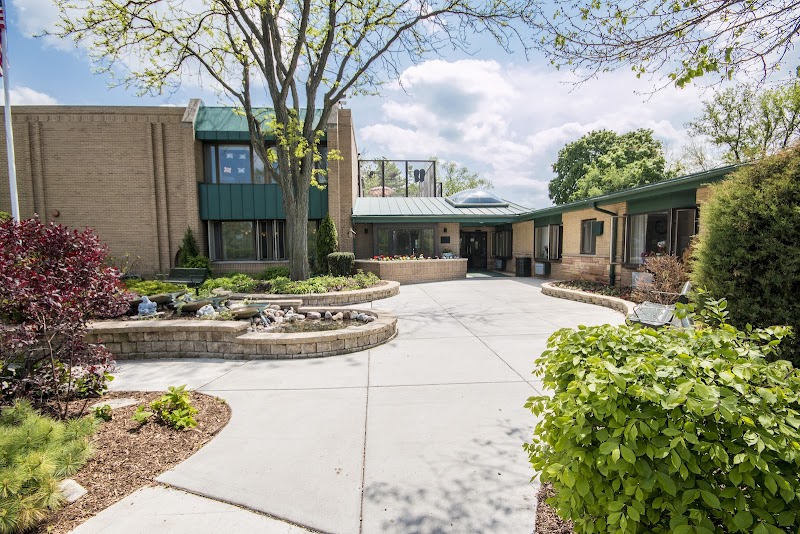
How is Elmhurst Extended Staffed?

CMS rates ELMHURST EXTENDED CARE CENTER's staffing level at 4 out of 5 stars, which is above average compared to other nursing homes. Staff turnover is 57%, which is 10 percentage points above the Illinois average of 46%. High turnover can affect care consistency as new staff learn residents' individual needs. RN turnover specifically is 62%, which is notably high. RNs provide skilled clinical oversight, so turnover in this role can affect medical care quality.

What Have Inspectors Found at Elmhurst Extended?

State health inspectors documented 33 deficiencies at ELMHURST EXTENDED CARE CENTER during 2022 to 2025. These included: 1 Immediate Jeopardy (the most serious level, indicating potential for serious harm or death), 3 that caused actual resident harm, and 29 with potential for harm. Immediate Jeopardy findings are rare and represent the most serious regulatory concerns. They require immediate corrective action.
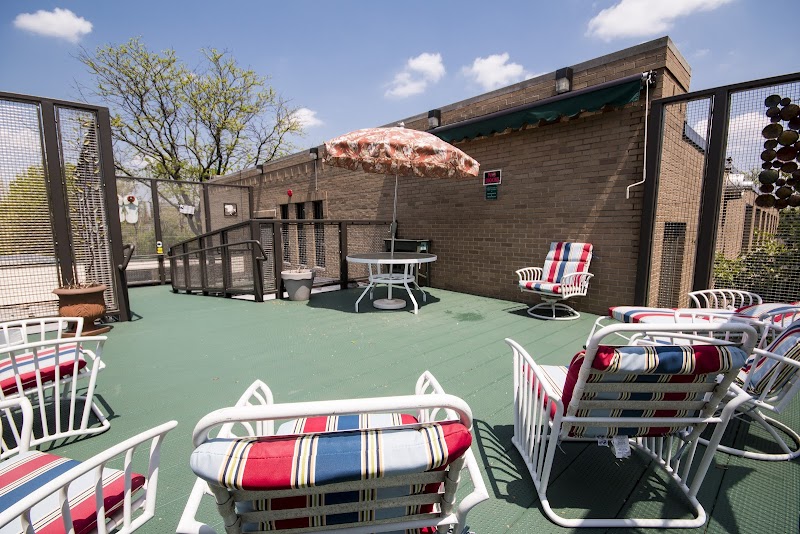
Who Owns and Operates Elmhurst Extended?

ELMHURST EXTENDED CARE CENTER is owned by a for-profit company. For-profit facilities operate as businesses with obligations to shareholders or private owners. The facility operates independently rather than as part of a larger chain. With 108 certified beds and approximately 43 residents (about 40% occupancy), it is a mid-sized facility located in ELMHURST, Illinois.
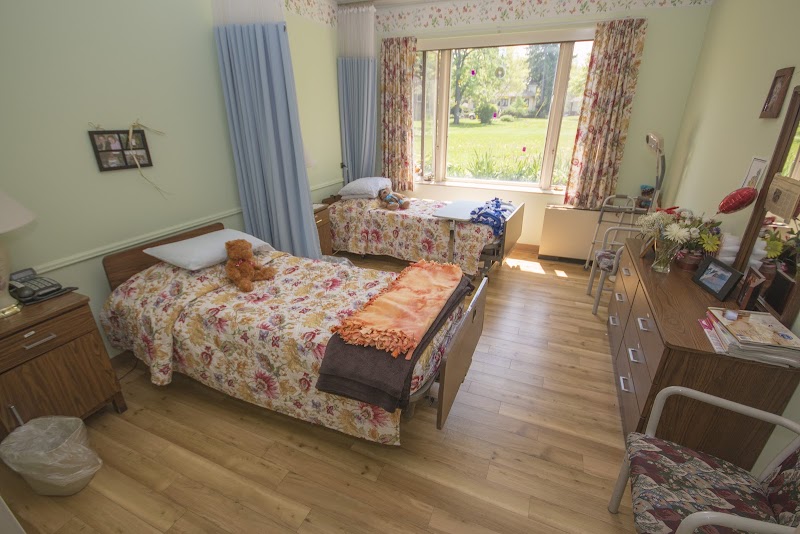
How Does Elmhurst Extended Compare to Other Illinois Nursing Homes?

Compared to the 100 nursing homes in Illinois, ELMHURST EXTENDED CARE CENTER's overall rating (1 stars) is below the state average of 2.5, staff turnover (57%) is significantly higher than the state average of 46%, and health inspection rating (1 stars) is much below the national benchmark.

What Should Families Ask When Visiting Elmhurst Extended?

Based on this facility's data, families visiting should ask: "What changes have been made since the serious inspection findings, and how are you preventing similar issues?" "How do you ensure continuity of care given staff turnover, and what is your staff retention strategy?" "Can I visit during a mealtime to observe dining assistance and food quality?" "How do you handle medical emergencies, and what is your hospital transfer rate?" These questions are particularly relevant given the facility's Immediate Jeopardy citations and the facility's high staff turnover rate.

Is Elmhurst Extended Safe?

Based on CMS inspection data, ELMHURST EXTENDED CARE CENTER has documented safety concerns. Inspectors have issued 1 Immediate Jeopardy citation (the most serious violation level indicating risk of serious injury or death). The facility has a 1-star overall rating and ranks #100 of 100 nursing homes in Illinois. Families considering this facility should ask detailed questions about what corrective actions have been taken since these incidents.

Do Nurses at Elmhurst Extended Stick Around?

Staff turnover at ELMHURST EXTENDED CARE CENTER is high. At 57%, the facility is 10 percentage points above the Illinois average of 46%. Registered Nurse turnover is particularly concerning at 62%. RNs handle complex medical decisions and coordinate care — frequent RN changes can directly impact care quality. High turnover means new staff may not know residents' individual needs, medications, or preferences. It can also be disorienting for residents, especially those with dementia who rely on familiar faces. Families should ask: What is causing the turnover? What retention programs are in place? How do you ensure care continuity during staff transitions?

Was Elmhurst Extended Ever Fined?

ELMHURST EXTENDED CARE CENTER has been fined $165,194 across 9 penalty actions. This is 4.8x the Illinois average of $34,731. Fines at this level are uncommon and typically indicate a pattern of serious deficiencies, repeated violations, or failure to correct problems promptly. CMS reserves penalties of this magnitude for facilities that pose significant, documented risk to resident health or safety. Families should request specific documentation of what issues led to these fines and what systemic changes have been implemented.

Is Elmhurst Extended on Any Federal Watch List?

ELMHURST EXTENDED CARE CENTER is not on any federal watch list. The most significant is the Special Focus Facility (SFF) program, which identifies the bottom 1% of nursing homes nationally based on persistent, serious quality problems. Not being on this list means the facility has avoided the pattern of deficiencies that triggers enhanced federal oversight. This is a positive indicator, though families should still review the facility's inspection history directly.