GILLESPIE HEALTH & REHAB CTR

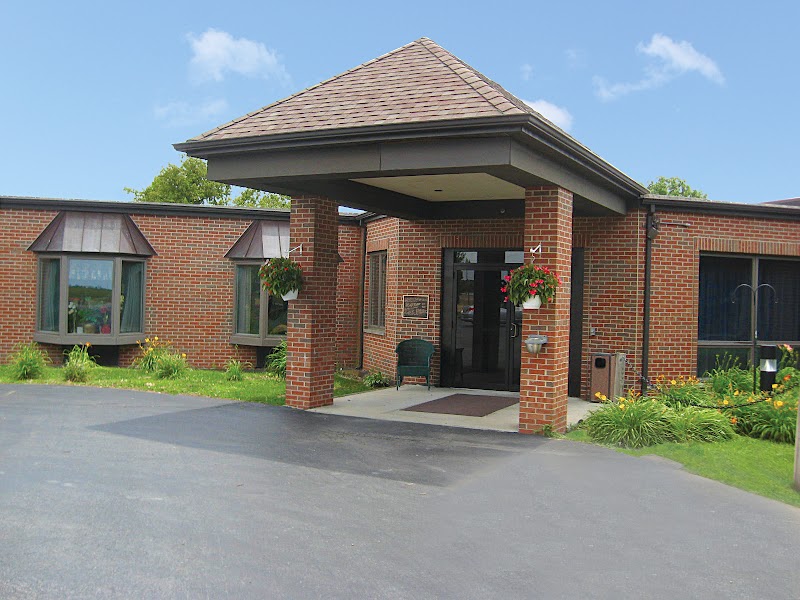
7588 STAUNTON ROAD, GILLESPIE, IL 62033 (217) 839-2171
For profit - Corporation 100 Beds SUMMIT HEALTHCARE CONSULTING Data: November 2025
Trust Grade
75/100
#240 of 665 in IL
Last Inspection: April 2025

Within standard 12-15 month inspection cycle. Federal law requires annual inspections.

Overview

Gillespie Health & Rehab Center has a Trust Grade of B, indicating it is a good choice among nursing homes. It ranks #240 out of 665 facilities in Illinois, placing it in the top half, and is the top-rated facility out of six in Macoupin County. However, the trend is worsening, with issues increasing from 1 in 2024 to 8 in 2025. Staffing is a concern, with a low rating of 1 out of 5 stars, although turnover is relatively low at 17%, suggesting that while staff stay, there may not be enough of them. Notably, there have been no fines, which is a positive sign, but RN coverage is less than 89% of other Illinois facilities, potentially impacting care quality. Specific incidents of concern include a lack of proper labeling for a controlled substance medication, which could affect all residents, and failure to provide appropriate food options to residents with dietary needs. Overall, while there are strengths in staff retention and no fines, the facility has significant areas needing improvement in staffing, medication management, and meal service.

Trust Score
B
75/100
In Illinois
#240/665
Top 36%
Safety Record
Low Risk
No red flags
Inspections
Getting Worse
1 → 8 violations
Staff Stability
✓ Good
17% annual turnover. Excellent stability, 31 points below Illinois's 48% average. Staff who stay learn residents' needs.
Penalties
✓ Good
No fines on record. Clean compliance history, better than most Illinois facilities.
Skilled Nurses
⚠ Watch
Each resident gets only 18 minutes of Registered Nurse (RN) attention daily — below average for Illinois. Fewer RN minutes means fewer trained eyes watching for problems.
Violations
⚠ Watch
11 deficiencies on record. Higher than average. Multiple issues found across inspections.
★★★☆☆
3.0
Overall Rating
★☆☆☆☆
1.0
Staff Levels
★★☆☆☆
2.0
Care Quality
★★★★☆
4.0
Inspection Score
Stable
2024: 1 issues
2025: 8 issues

The Good

  • Low Staff Turnover (17%) · Staff stability means consistent care
  • Full Sprinkler Coverage · Fire safety systems throughout facility
  • No fines on record
  • Staff turnover is low (17%)

    31 points below Illinois average of 48%

Facility shows strength in staff retention, fire safety.

The Bad

3-Star Overall Rating

Near Illinois average (2.5)

Meets federal standards, typical of most facilities

Chain: SUMMIT HEALTHCARE CONSULTING

Part of a multi-facility chain

Ask about local staffing decisions and management

The Ugly 11 deficiencies on record

Sept 2025 2 deficiencies
CONCERN (D) 📢 Someone Reported This

A family member, employee, or ombudsman was alarmed enough to file a formal complaint

Potential for Harm - no one hurt, but risky conditions existed

Quality of Care (Tag F0684)

Could have caused harm · This affected 1 resident

Based on record review and interview the facility failed to initiate a physician ordered antibiotic timely for 1 of 1 resident (R2) reviewed for Urinary Tract Infection (UTI) in the sample of 4.Findin...

Read full inspector narrative →
Based on record review and interview the facility failed to initiate a physician ordered antibiotic timely for 1 of 1 resident (R2) reviewed for Urinary Tract Infection (UTI) in the sample of 4.Findings include:1. On 9/17/2025 at 8:59AM R2 stated she had symptoms of Urinary Tract Infection (UTI) and a specimen to the lab and results had been sent to the physician, but (the physician) was in the hospital. R2 stated she was not receiving an antibiotic for a UTI. R2 stated she has had UTI's in the past and septic. R2's culture report dated 9/15/2025 documents greater than 100,000 Eschericia Coli in urine. R2's report (faxed back to the facility from the physician) documents Macrobid (antibiotic) 100 milligrams (mg) twice a day (BID) x10 days dated 9/16/2025. R2's Medication Administration Records dated 9/16/25 did not document the initiation/administration of physician ordered Macrobid. R2's current face sheet dated 9/17/2025 documents R2 has a diagnosis in part of chronic kidney disease, stage 4 (severe), and personal history of urinary tract infection. On 9/17/2025 at 12:44PM V1, Administrator stated the facility had notified the physician and the report with the order had been faxed to the facility and R2 would be provided initial dose from convenience box. V1 stated she would expect the facility to follow up on lab results to ensure orders are received.The facility policy Test results dated 7/1/23 documents the resident's physician will be notified of the results of diagnostic tests. The policy documents results of laboratory, radiological, and diagnostic tests shall be reported in writing to the resident's attending physician or to the facility. The policy documents should the test results be provide to the facility, the attending physician shall be promptly notified of the results. The policy documents the Director of Nursing (DON), or charge nurse receiving the test results, shall be responsible for notifying the physician of such results.The facility policy Culture Testing dated 7/2/23 documents should the attending physician order cultures, they shall be obtained and completed as soon as practical. The policy documents all test results shall be reported to the physician as soon as the results are obtained.
CONCERN (D) 📢 Someone Reported This

A family member, employee, or ombudsman was alarmed enough to file a formal complaint

Potential for Harm - no one hurt, but risky conditions existed

Incontinence Care (Tag F0690)

Could have caused harm · This affected 1 resident

**NOTE- TERMS IN BRACKETS HAVE BEEN EDITED TO PROTECT CONFIDENTIALITY** Based on observation, interview and record review the facility failed to provide complete incontinent and peri care to 3 of 3 re...

Read full inspector narrative →
**NOTE- TERMS IN BRACKETS HAVE BEEN EDITED TO PROTECT CONFIDENTIALITY** Based on observation, interview and record review the facility failed to provide complete incontinent and peri care to 3 of 3 residents (R1, R2, and R3) reviewed for incontinent care in the sample of 4. Findings include: 1.On 9/17/2025 R2 placed on bedpan per V6 and V7, Certified Nursing Assistants (CNA'S). R2 voided on the bedpan. Both V6 and V7 removed bedpan from under R2. V6, CNA cleansed R2's bilateral groin, inner thighs, wiped peri area front to back. V6 did not separate R2's labia. V6 rinsed and dried all areas, prior to V6 and V7 turning R2 on side to cleanse buttocks and rectal area. R2's current face sheet dated 9/17/2025 documents R2 has a diagnosis in part of chronic kidney disease, stage 4 (severe), and personal history of urinary tract infection. R2's urine Culture results dated 9/15/2025 documents equal or greater 100,000 Escherichia Coli. R2's Care plan dated 5/11/2023 documents R2 is at risk for impaired skin/ deep tissue injury related to immobility, obesity, incontinence of bowel and bladder. R2's Care plan documents intervention dated 3/26/2019; provide incontinence care after each episode according to facility policy.R2's Minimum Data Set (MDS) dated [DATE] documents R2 is cognitively intact. 2. On 9/17/2025 at 10:59AM during incontinent care V7, CNA cleansed left groin, then right groin. V7, CNA took soaped cloth and wiped down front of R1's peri area. V7 did not separate the labia. V7 then rinsed area and dried. R1's MDS dated [DATE] document R1 is cognitively intact. R1's MDS documents R1 is always incontinentR1's Care plan dated 8/7/2025 documents R1 is at risk for impaired skin to impaired mobility and incontinence. R1's care plan documents intervention to provide incontinent care after each episode according to facility protocol. 3. On 9/17/2025 at 1:27PM during incontinent care to R3. V3, CNA after cleansing R3's front. V5, CNA turned R3 to left side. V3 with soaped cloth cleansed buttocks, then with clean soaped cloth took cloth and cleansed rectal area going from rectum to peri area, V3 then got a clean wet cloth and rinsed R3 going from rectal area to peri area.R3's MDS dated [DATE] documents R3 is always incontinent R3's Care plan dated 12/28/2021 documents R3 is at risk for ADL self-care Performance Deficit with intervention dated 12/28/2021 R3 is frequently incontinent of urine and requires extensive assistance with toileting.On 9/17/2025 at 1:55 PM V3, CNA stated when providing peri care cleansing is to be done going from the front to the back. On 9/18/2025 at 10:33 AM V2, Director of Nursing (DON) stated she would expect staff to provide complete peri care and incontinent care. The facility policy Perineal Care Procedure, undated, documents the purpose of this procedure are to provide cleanliness and comfort to the resident, to prevent infections and skin irritation, and to observe the resident's skin condition. The procedure documents to fill the basin one half full of warm water. The procedure documents for a female resident: wash perineal area, wiping from front to back; separate labia and wash downward front to back. The procedure documents wash the rectal area thoroughly, wiping from the base of the labia towards and extending over the buttocks.
Apr 2025 6 deficiencies
CONCERN (D)

Potential for Harm - no one hurt, but risky conditions existed

Incontinence Care (Tag F0690)

Could have caused harm · This affected 1 resident

**NOTE- TERMS IN BRACKETS HAVE BEEN EDITED TO PROTECT CONFIDENTIALITY** 3. On 4/14/25 at 11:25 AM, V11 CNA and V12 CNA entered R31's room to provide incontinent care. R31 was rolled over to the left s...

Read full inspector narrative →
**NOTE- TERMS IN BRACKETS HAVE BEEN EDITED TO PROTECT CONFIDENTIALITY** 3. On 4/14/25 at 11:25 AM, V11 CNA and V12 CNA entered R31's room to provide incontinent care. R31 was rolled over to the left side. V11 cleansed the buttocks and rectal area of stool and dried the buttocks and rectal area. R31 was rolled over onto the right side and V12 cleansed and dried the buttock. R31 was placed on his back and his inner thighs and scrotum was cleansed and dried. R31 has an inverted penis which sits on top of his swollen scrotum. R31 urinated a visible amount urine which pooled on top of his scrotum. Neither V11 or V12, cleansed the scrotum again or provided care to the penile head. An incontinent brief was placed on R31, and care was completed. On 4/15/25 at 1:00 PM, V12 stated I was not the one cleaning him but if I would notice that he had urinated on himself, I would have cleaned it. R31's Face Sheet, print date of 4/15/25, documents R31 was admitted on [DATE] and has diagnoses of atherosclerosis of native arteries of other extremities with ulceration and overactive bladder. R31's MDS, dated [DATE], documents R31 is cognitively intact, dependent on staff for toileting, and is always incontinent of bowel and bladder. The policy perineal Care Procedure, undated, documents, For a female resident: a wet washcloth and apply soap or skin cleansing agent. b. Wash perineal area, wiping from front to back. (1) separate labia and wash area outward from front to back. (2) Continue to wash the perineum moving from inside outward to the thighs. Rinse perineum thoroughly in same direction, with fresh water and a clean cloth. It continues, (4) Gently dry the perineum. c. Ask the resident to turn on her side with her top leg slightly bent, if able. d. Rinse wash cloth and apply soap or skin cleansing agent. e. Wash the rectal area thoroughly, wiping from the base of the labia towards and extending over the buttocks. f. Rinse and dry thoroughly. For a male resident: a. Wet washcloth and apply soap or skin cleansing agent. b. Wash perineal area starting with the urethra and working outward. c. If the resident has an indwelling catheter, gently wash the juncture of the tubing from the urethra down the catheter about 3 inches. gently rinse and dry the area. d. Retract foreskin of the uncircumcised male. e. Wash and rinse the urethral area using a circular motion. f. Continue to wash the perineal area including the penis, scrotum, and inner thighs. g. thoroughly rinse perineal area in same order, using fresh water and clean washcloth. h. If the resident has an indwelling catheter, hold the tubing to one side and support the tubing against the leg to avoid traction or unnecessary movement of the catheter. i. Gently dry perineum following same sequence. j. Reposition foreskin of uncircumcised male. k. Ask the resident to turn on his side with his upper leg slightly bent, if able. l. Rinse washcloth and apply soap or skin cleansing agent. m. Wash and rinse the rectal area thoroughly, including the area under the scrotum, the anus, and the buttocks. n. Dry area thoroughly. 9. Discard disposable items into designated containers. 10. Remove gloves and discard into designated container. 11. Perform hand hygiene. Based on observation, interview, and record review, the facility failed to provide timely and complete incontinent care for three of seven residents (R31, R38, R216) reviewed for incontinence care in the sample of 49. The Findings Include: 1. R38's admission Record, dated 4/16/25, documents R38 was admitted to the facility on [DATE] with diagnoses of Chronic Kidney Disease-stage 3, Hypertension, Descending Thoracic Aorta Aneurysm, Cerebral Infarction without residual deficits. R38's Care Plan, dated 3/20/25, documents R38 has a Self-Care Deficit as Evidenced by: Needs assistance with ADLs (activities of daily living). Interventions: Toilet Use - One-person physical assist required. It continues R38 has a Potential for impaired skin integrity related to: falls, impaired mobility, occasional incontinence. Interventions: Provide peri-care as needed. R38's Minimum Data Set (MDS), dated [DATE], documents R38 has a severe cognitive impairment and requires setup or clean-up assistance for toileting, partial/moderate assistance for bathing. On 4/14/25 at 12:58 PM, R38 was seen ambulating down the hall and was being assisted back to her room by V2, Director of Nursing (DON). R38's back of her pants and between her legs were saturated with urine. R38 was seen going into her room and sitting in her recliner. A few minutes later, V4, Certified Nursing Assistant (CNA), entered and assisted R38 to the toilet. V4 donned gloves, removed R38's pants and incontinence brief, ran the water in sink, wet a washcloth, sprayed with peri-wash, wiped the inside of both thighs and down the legs of R38, then put a clean pair of pants on R38's lower legs. R38 then stood up while V4 used a wet washcloth to wipe R38's buttock and anal area, then put R38's brief and pants back on and assisted her to her wheelchair. There was no wiping of R38's groins, front side pubic area, or complete cleaning of R38's genital area. 2. R216's admission Record, dated 4/16/25, documents R216 was admitted to the facility on [DATE] with diagnoses of Cerebral Vascular Accident (CVA), Aphasia, Dysphagia, Chronic Kidney Disease-stage 2, Hypertension, Congestive Heart Failure, and Progressive Supranuclear Ophthalmoplegia. R216's Care Plan, dated 2/7/25, documents R216 needs assistance with ADLs related to CVA, weakness. Interventions: Bathing and Personal Hygiene - One-person physical assist required, Transfer: Two-person physical assistance required. It continues R216 has a potential for impaired skin integrity. Interventions: Provide peri-care as needed. R216's MDS, dated [DATE], documents R216 has a severe cognitive impairment and is dependent on staff for toileting. R216's MDS documents is always incontinent of both bowel and bladder. On 4/14/25 at 9:55 AM, V4, CNA, entered to assist R216 to the toilet, used the rails by toilet, and upon R216 lowering to toilet, R216 began urinating all over, into his brief, pants, and down his legs. V4 removed R216's brief and pants. R216 grabbed a small piece of toilet paper and tried to wipe himself and upon pulling his hand out from under him, R216 had a handful of feces that he dropped into the toilet and on the seat. R216 then grabbed the handrail with his soiled hand. V4 left the room to get more washcloths, returned and wet cloths, sprayed with peri-wash, then wiped R216's buttocks and anal area. There was no washing of the front side of R216, including his legs. There was no wiping of the handrail after R216 grabbed it with his soiled hand. On 4/17/25 at 8:55 AM, V2, Director of Nursing, DON, stated I would expect the staff to change their gloves when soiled and when going from dirty to clean areas. I would expect the staff to provide timely and complete incontinent care, including cleaning the front and the back side of a resident when soiled.
CONCERN (D)

Potential for Harm - no one hurt, but risky conditions existed

Tube Feeding (Tag F0693)

Could have caused harm · This affected 1 resident

**NOTE- TERMS IN BRACKETS HAVE BEEN EDITED TO PROTECT CONFIDENTIALITY** Based on interview, observation, and record review, the facility failed to check placement of a J-tube (Jejunostomy) and label e...

Read full inspector narrative →
**NOTE- TERMS IN BRACKETS HAVE BEEN EDITED TO PROTECT CONFIDENTIALITY** Based on interview, observation, and record review, the facility failed to check placement of a J-tube (Jejunostomy) and label enteral feeding for 1 of 1 resident (R50) reviewed for tube feeding in the sample of 49. Findings include: On 4/15/25 at 12:30 PM, V14, Licensed Practical Nurse, entered R50's room. R50 has a J-tube for medications and feedings. V14 stopped R50's tube feeding, disconnected the tube feeding, administered 30 milliliters (ml) of water, the hydroxyzine cocktail, and flushed with another 30 ml of water. V14 stated, I have to go and get another ruler. I dropped the one I had. V14 left the room and returned with another ruler and measured the length of the J-tube. On 4/15/25 at 12:40 PM, R50's hanging disposable tube feeding bag is dated 4/15/25. The bag fails to document what type of feeding or rate of the feeding. On 4/15/25 at 12:40 PM, V14 stated, I should have measured the J-tube before I administered the medications. I recently hung a new disposable tube feeding bag and filled it with Jevity 1.5. On 4/15/25 at 12:41 PM, V2, Director of Nurses, stated that the bag is not labeled with the type of tube feeding. V2 stated, Is it supposed to be labeled with the rate? On 4/17/25 at 8:56 AM, V2 stated R50's J-tube should be measured for placement before it is used. V2 stated R50 is our only tube feeder, and everyone knows that she gets Jevity 1.5. R50's Face Sheet, print date of 4/15/25, documents R50 was admitted on [DATE] and has a diagnosis of Multiple Sclerosis and quadriplegia. R50's Physician Orders, dated 3/24/25, documents, Check placement of J-tube by measuring the tube. 12cm (centimeters) From top of Abdominal disk to end of tube prior to adapters. If more than 12cm do not run feeding send res (resident) to ER (Emergency Room) to verify placement via Xray. R50's Physician Orders, dated 3/10/24, documents, Enteral Feed every shift Administer Jevity 1.5 VIA an Enteral Pump and Infuse at 80 ml/hr (hour). X 20hrs. R50's Physician Orders, dated 2/20/25, documents, every shift Enteral - Medication Administration Flush: Flush with minimum of 30ml water before giving medications, flush with at least 5 ml between medications, and flush with minimum of 30 ml after all medications given. The policy Enteral Tube Feeding via Continuous Pump Procedure, undated, fails to document the procedure for using and labeling disposable tube feeding bags.
CONCERN (D)

Potential for Harm - no one hurt, but risky conditions existed

Antibiotic Stewardship (Tag F0881)

Could have caused harm · This affected 1 resident

**NOTE- TERMS IN BRACKETS HAVE BEEN EDITED TO PROTECT CONFIDENTIALITY** Based on interview and record review, the facility failed to justify the use of an antibiotic and utilize infection surveillance...

Read full inspector narrative →
**NOTE- TERMS IN BRACKETS HAVE BEEN EDITED TO PROTECT CONFIDENTIALITY** Based on interview and record review, the facility failed to justify the use of an antibiotic and utilize infection surveillance when considering initiation of an antibiotic for 2 of 4 (R32, R41) residents reviewed for antibiotic stewardship in the sample of 49. Findings include: 1 On [DATE] at 10:57 AM, V3, Infection Preventionist was questioned on how she tracks the infections in the facility. V3 stated she looks at the 24-hour report for new antibiotic orders, checks the order, and puts that information on the tracking sheet that she uses. V3 stated that the computer program infection tracker has the information on McGreer and the cultures if any were obtained. V3 was asked to pull up R41's McGreer assessment for a urinary tract infection that is on the monthly infection tracking log. V3 pulled up the McGreer and stated, I am not sure how the system works because it never tells you if they qualify for a true infection. V3 was questioned what symptoms R41 presented with to get a urine culture, V3 stated, Her daughter requested it, and it turned out she had an infection. R41's Face Sheet, print date of [DATE], documents, R41 was admitted on [DATE]. R41's Health Status Note, dated [DATE], documents, Resident seen by MD (Medical Doctor) Received orders for Levaquin 250 mg (milligram) PO (oral) daily x 7 days for a UTI (urinary tract infection). R41's Infection Screening Evaluation, dated [DATE], documents a blank Infection Analysis. 2. On [DATE] at 1:50 PM, V5, Licensed Practical Nurse (LPN) stated, (R32) would try to clean herself up (after using the restroom) and didn't do a very good job. She kept getting UTIs (Urinary Tract Infections). We finally talked the doctor into putting her on something prophylactic. On [DATE] at 12:39 PM, V3 (Infection Preventionist) stated, (R32) had a lot of UTIs. We did not get a culture prior to her starting it. She's been on it a while-since March of 24 (2024). We don't always check cultures before starting an antibiotic. Some doctors just start them on something (antibiotic). A lot of times the hospital will start them on something, and I'll have to call. One time (a resident)'s culture wasn't susceptible (to the antibiotic), so I have to get it stopped, but he had already been on it for five days. I am not finding a culture for (R32) (urine). The last one I can find was from March of '23 (2023) and it had no growth. R32's Progress Note dated [DATE] documents a new physician's order was received to discontinue Macrobid for UTI prevention. On [DATE] at 2:00 PM, V15, Nurse Practitioner stated, As primary physicians we don't prescribe prophylactic antibiotics. If the family is requesting it, we would send them to a urologist. We use the McGeer's criteria and most of the time, the resident wouldn't meet it. On [DATE] at 2:06 PM, V3 stated the doctor who prescribed R32's antibiotic is a nurse practitioner, not a urologist. V3 stated she will call and get the antibiotic discontinued. R31's Medication Administration Record (MAR) documents R32 began Nitrofurantoin 100 mg daily on [DATE] and it was discontinued on [DATE]. On [DATE] at 10:19 AM, V3 stated, I'll be honest. I am the one who requested the prophylactic antibiotic for (R32). She would double over in pain when she went to the bathroom. That was pretty much her only symptom. She has not been seen by a urologist. We are supposed to do an infection screening form with an analysis. V3 verified she did not have an infection screening evaluation for R32 and that R32's last urine urinalysis was done in 2023. The Facility's Antibiotic Stewardship Policy/Procedure dated [DATE] documents, Antibiotics are powerful tools for fighting and preventing infections. However, widespread use of antibiotics has resulted in an alarming increase in antibiotic-resistant infections and a subsequent need to rely on broad-spectrum antibiotics that might be more toxic and expensive. In addition to the development of antibiotic resistance, antibiotic use is associated with an increased risk of Clostridium difficile (a bacteria that can cause a serious infection in the intestines, leading to severe diarrhea and inflammation of the colon, a condition called colitis) infection and adverse drug reactions. Since antibiotics are frequently over or inappropriately prescribed, a concerted effort to decease or eliminate inappropriate use can make a big impact on resident safety and the reduction of adverse events. Antibiotic stewardship consists of coordinated interventions aimed at treating infections while promoting appropriate antibiotic use. The practice of antibiotic stewardship requires commitment, leadership, communication and actions informed by best practice guidelines and defined protocols. It continues to document, Assessment of resident suspected of having an infection. Providers will utilize the McGeer Criteria when considering initiation of antibiotics. Consistent with these criteria, the criteria for urinary tract infection form should be provided to, or information communicated with, the provider. It is encouraged that McGeer criteria be used for other suspected infections. It further documents urinalysis and cultures should be considered.
CONCERN (E)

Potential for Harm - no one hurt, but risky conditions existed

Deficiency F0806 (Tag F0806)

Could have caused harm · This affected multiple residents

**NOTE- TERMS IN BRACKETS HAVE BEEN EDITED TO PROTECT CONFIDENTIALITY** Based on interview, observation, and record review, the facility failed to provide substitute food choices for 5 of 24 residents...

Read full inspector narrative →
**NOTE- TERMS IN BRACKETS HAVE BEEN EDITED TO PROTECT CONFIDENTIALITY** Based on interview, observation, and record review, the facility failed to provide substitute food choices for 5 of 24 residents (R16, R28, R30, R49, R63) reviewed for meals. Findings include: 1. On 04/14/25 at 12:25 PM, R63 was served her lunch by V6, Dietary Manager, R63 was served a grilled cheese sandwich. R63 stated she wanted turkey. V6 stated she would get her turkey. V6 returned with the turkey. The turkey was on bread and had gravy on top. R63 stated I just want turkey that I could cut up with my knife and eat with a fork. V6 stated, How about a sandwich. V6 folded the turkey into a sandwich and walked away. On 4/15/25 at 2:35 PM, V1, Administrator, stated R63 should have been given plain turkey. V1 stated, She doesn't eat that much already. R63's Face Sheet, print date of 4/15/25, documents R63 was admitted on [DATE] and has diagnoses of Dementia and severe Protein Calorie Malnutrition. R63's Minimum Data Set, (MDS), dated [DATE], documents R63 is severely cognitively impaired and requires set up clean up assistance. 2. R30's admission Record, dated 4/16/25, documents R30 was admitted to the facility on [DATE] with diagnoses of Cerebral Vascular Infarction (CVA), Hemiplegia and Hemiparesis, and Nutritional Anemia, Type 2 Diabetes Mellitus (DM), and Chronic Kidney Disease-stage 3. R30's Care Plan, dated 1/29/25, documents R30 is receiving a Consistent Carbohydrate Diet (CCHO) regular diet related to (r/t) diagnosis of Diabetes. He may be at risk for malnutrition related to diagnosis of CVA with hemiplegia. Interventions: Encourage R30 to eat at least 75-100% at all meals daily, monitor weight and intakes and refer to Registered Dietitian (RD) as needed (PRN), monitor, document and report to Medical Doctor (MD) PRN for signs/symptoms of dysphagia: Pocketing, choking, coughing, drooling, holding food in mouth, several attempts at swallowing, refusing to eat, appears concerned during meals, provide and serve CCHO regular diet as ordered, offer substitutes for dislikes or food uneaten, provide, serve diet as ordered, monitor intake and record all meals, RD to evaluate and make nutritional recommendations PRN, weigh per schedule at same time of day and record. It continues R30 has a potential for safety concerns and injury from hot liquids. Interventions: Set up for meals, staff supervision or assistance with hot liquids. It continues R30 needs assistance with Activities of Daily Living (ADLs). Interventions: Eating - Setup help only / Cueing required. It continues R30 has a potential for impaired skin integrity. Interventions: Encourage oral (PO) intake, provide diet as ordered. R30's Minimum Data Set (MDS), dated [DATE], documents R30 is cognitively intact and requires supervision or touching assistance for eating. On 4/14/25 at 12:30 PM, R30 seen in small dining room for lunch with no staff seen in the room to assist R30. R30 only ate a few bites of mashed potatoes, a piece of cake, and milk. R30 left the dining room and went to his room. Upon interviewing R30 about not eating, R30 stated I don't like processed Turkey and couldn't cut it up anyway. When asked about staff offering alternatives, R30 stated They don't ask if we want anything different, we get what they serve. 3. R49's admission Record, dated 4/16/25, documents R49 was admitted to the facility on , with diagnoses of Type 2 DM, Anxiety Disorder, Depression, Hypothyroidism, Anemia, and Dysthymic Disorder. R49's Care Plan, dated 3/20/25, documents R49 may be at risk for malnutrition r/t having multiple dislikes of food and diagnosis of peptic ulcer. R49 is receiving a mechanically altered regular diet r/t having no natural teeth or dentures. Interventions: Encourage R49 to try a variety of foods at all meals, explain and reinforce to R49 the importance of maintaining a balanced diet, encourage R49 to comply, may have hi-pro ice cream with all meals for supplement, monitor weight and for nutritional needs and refer to RD PRN, monitor, document, and report to MD PRN for s/sx of dysphagia: Pocketing, choking, coughing, drooling, holding food in mouth, several attempts at swallowing, refusing to eat, appears concerned during meals, offer substitutes for dislikes or for food uneaten, provide and serve diet as ordered, monitor intake and record all meals, RD to evaluate and make nutritional recommendations PRN, weigh per schedule at same time of day and record. It continues R49 is at risk for an ADL Self Care Performance Deficit r/t Musculoskeletal impairment. Interventions: Restorative Eating: R49 will improve her current level of function and consume at least 50% of each meal to provide her with adequate calories needed to prevent a weight loss through next review date, staff to ensure that R49 is at an assisted eating table, provide diet as ordered by MD, provide set up of my tray, provide V/C (verbal cues) to begin eating/drinking, If she does not like what she is offered, staff to provide her with something else to eat. report any c/o (complaints) to nurse. R49's MDS, dated [DATE], documents R49 is cognitively intact and requires setup or clean up assistance for eating. On 4/14/25 at 12:32 PM, R49 seen in small dining room for lunch with no staff seen around. R49's lunch ticket documented R49 is on a Regular Mechanical Soft diet. R49 had a grilled cheese sandwich, a magic cup, and drinks. R49 only ate the magic cup and her milk. When interviewed, R49 stated I don't like grilled cheese sandwiches and that is what they give me almost every day for lunch. I don't even ask for it, that is what they just give me. When asked about alternatives, R49 stated They never ask us if we want something else, they just bring us a tray and we have to eat what is on the tray. On 4/15/25 at 12:20 PM, R49 seen in small dining room for lunch, no staff in the room. R49 only has a grilled cheese sandwich and a cup of chocolate ice cream on her tray, along with a few cups of drinks. R49 is not touching her grilled cheese and stated, I got it again, and did not ask for it. R49 was seen rolling herself out of the dining room without eating anything on her plate. On 4/15/25 at 12:25 PM, when asked about R49 receiving a cheese sandwich every day, V6, Dietary Manager, stated (R49) does not have any teeth and was put on a mechanical soft diet. (R49) asked for bologna and cheese sandwich which she was getting for a while, then didn't want that anymore, so we have been giving her a grilled cheese sandwich for the past couple of weeks, but I guess she's tired of that now. (R49) is a very picky eater and refuses to eat anything ground up. We can have ST (Speech Therapy) re-evaluate her to see if they can advance her diet. ST left for the day, but I will check with them tomorrow. On 4/15/25 at 12:30 PM, when questioned by V6 about meals, R49 stated I'm not sure what I want. I don't like ground-up meats. Maybe if I get back to a normal meal, I will like that. On 4/16/25 at 1:15 PM, R49 stated Today for lunch, I got meatballs that were chopped up, small potatoes that were cut up, green beans, and a fudge round which I don't like. I only ate a couple of bites of each because I didn't like them. When asked if there was any staff assisting her or asking her if she wanted something else, R49 stated No, I didn't see anyone, and no one asked me if I wanted anything else. 4. R16's admission Record, dated 4/16/25, documents R16 was admitted to the facility on [DATE], with diagnosis of CVA, Dysarthria, Dysphagia, Morbid Obesity, Dementia, and Major Depressive Disorder. R16's Care Plan, dated 3/11/25, documents R16 has a self-care deficit as evidenced by needs assistance with ADLs. Interventions: Eating: Setup help only / cuing required. It continues R16 has a potential for impaired skin integrity. Interventions: Provide diet as ordered, refer to RD PRN to evaluate diet/needs. R16's MDS, dated [DATE], documents R16 has a severe cognitive impairment and requires Setup or clean-up assistance for eating. On 4/14/25 at 12:34 PM, R16 seen in small dining room for lunch with no staff seen around. R16's lunch ticket documented R16 is on a Mechanical Soft Diet. R16 had turkey, mashed potatoes, cake, and drinks on her plate. R16 stated I don't like the turkey. No one asked me if I want something different, they never do, so we just have to eat what they give us. R16 only ate her piece of cake and a few bites of her mashed potatoes. 5. R28's admission Record, dated 4/16/25, documents R28 was admitted to the facility on [DATE], with diagnosis of Parkinson's Disease, Vascular Dementia, and Generalized Anxiety disorder. R28's Care Plan, dated 3/3/25, documents R28 is at risk for nutritional deficits r/t having a low BMI (Body Mass Index) of 18.8. Interventions: Alert dietician if consumption is poor for more than 48 hours, encourage fluids at and between meals daily, encourage R28 to eat at least 75%-10% at all three meals daily, Help R28 to fill out her menu and to choose a balanced diet, as she sometimes only orders one item on the menu, monitor and record food intake at each meal, monitor weight & nutritional status and refer to RD PRN, offer substitutes as requested or indicated or for food not eaten, RD to evaluate and make nutritional recommendations PRN, weigh at same time of day and record, report significant weight loss to MD immediately. It continues R28 has a Self-Care Deficit As Evidenced by: Needs assistance with ADLs. Interventions: Eating - Setup help only / Cueing required. R28's MDS, dated [DATE], documents R28 has a moderate cognitive impairment and requires setup or clean-up assistance for eating. On 4/14/25 at 12:35 PM, R28 seen in small dining room for lunch with no staff seen around. R28's lunch ticket documented R28 is on a Regular Diet. R28 was not eating much of her meal and when interviewed, R28 stated They don't ask us what we want to eat, we just have to eat what they bring us, and I don't like that. On 4/17/25 at 9:00 AM, V2, Director of Nursing (DON), stated I would expect all staff to be checking with the residents to see if they are eating, and if not, offer them something else to eat. On 4/17/25 at 10:00 AM, V1, Administrator, stated I can't find a policy on offering substitutions for dietary. It is posted all over and I understand the residents may not remember they do have substitutions; the staff definitely know and should be offering the residents something if they don't like what is served. V6, Dietary Manager, provide the Facility's Quick Resource Tool: Food Preference and Portions Policy, dated 9/1/21, documents in part Guidelines: 3. The food Preference Interview will be entered into the medical record. 5. The Registered Dietitian/Nutritionist (RDN) or other clinically qualified nutrition professional will review, and after consultation with the resident, adjust the individual meal plan to ensure adequate fluid volume and appropriate nutritional content for residents that do not consume certain foods or food groups. 6. The Dining Service Director, RDN or other clinically qualified nutrition professional, or designee, will enter information pertinent to the individual meal plan into the plan of care. 7. The individual tray assembly ticket will identify all food items appropriate for the resident/patient based on diet order, allergies, and alternate selection of comparable nutrition value. 9. The alternate meal and/or beverage selection will be provided in a timely manner. The Meal Assistance Policy, dated 7/3/23, documents, Policy: Residents shall receive assistance with meals in a manner that meets the individual needs of each resident. It continues, Facility Staff will serve resident trays and will help residents who require assistance with eating.
CONCERN (E)

Potential for Harm - no one hurt, but risky conditions existed

Infection Control (Tag F0880)

Could have caused harm · This affected multiple residents

**NOTE- TERMS IN BRACKETS HAVE BEEN EDITED TO PROTECT CONFIDENTIALITY** 4. R55's admission Record, dated 4/16/25, documents R55 was admitted to the facility on [DATE] with diagnoses of Cerebral Infarc...

Read full inspector narrative →
**NOTE- TERMS IN BRACKETS HAVE BEEN EDITED TO PROTECT CONFIDENTIALITY** 4. R55's admission Record, dated 4/16/25, documents R55 was admitted to the facility on [DATE] with diagnoses of Cerebral Infarction with Hemiplegia and Hemiparesis, Dysphagia, Emphysema, Asthma, Congestive Heart Failure, Major Depressive Disorder, Generalized Anxiety Disorder, Malignant of Neoplasm of Sigmoid Colon, Gastrointestinal Hemorrhage, and Diverticulitis. On 4/15/25 at 1:05 PM, R55 used call light to let staff know he had to use restroom. V4, CNA, assisted R55 to the toilet to have bowel movement (BM). When finished, V4 wiped R55's buttocks and anal area with a wet washcloth sprayed with peri-wash, then dried R55. Using the same soiled gloves, V4 then pulled R55's incontinence brief and pants up, adjusted R55's shirt, and assisted R55 back to his wheelchair, then removed her soiled gloves. 5. R216's admission Record, dated 4/16/25, documents R216 was admitted to the facility on [DATE] with diagnoses of Cerebral Vascular Accident (CVA), Aphasia, Dysphagia, Chronic Kidney Disease-stage 2, Hypertension, Congestive Heart Failure, and Progressive Supranuclear Ophthalmoplegia. On 4/14/25 at 9:55 AM, V4, CNA, entered to assist R216 to the toilet, used the rails by toilet, and upon R216 lowering to toilet, he began urinating all over, into his brief, pants, and down his legs. R216 grabbed a small piece of toilet paper and tried to wipe himself and upon pulling his hand out from under him, R216 had a handful of feces that he dropped into the toilet and on the seat. R216 then grabbed the handrail with his soiled hand. After V4 cleaned R216, there was no wiping of the handrail after R216 grabbed it with his soiled hand. On 4/20/25 at 8:20 AM, V19, CNA, stated I change my gloves any time they are soiled, and when going from a soiled area to clean area. If I am doing incontinent care and wiping the resident from a BM, I change my gloves after wiping the back and before wiping anywhere else or putting their clothes on. I think it's better to change gloves more often than not. On 4/17/25 at 8:55 AM, V2, Director of Nursing, stated I would expect the staff to change their gloves when soiled and when going from dirty to clean areas. Anytime there is a piece of equipment or something like the handrail in a resident's restroom that is soiled, I would expect the staff to clean that before leaving the room. The Facility's Hand Washing Policy, dated 7/1/23, documents To provide guidelines for adequate hand washing in order to reduce the transmission of organisms for resident to resident, staff to resident, and from resident to nursing staff. It is the responsibility of all staff to ensure that they properly wash their hands after direct contact with resident, contaminated substances, and as needed. Procedure: 2. All personnel shall follow the handwashing/hand hygiene procedures to help prevent the spread of infections to other personnel, residents, and visitors. 6. If hands are not visibly soiled, use hand sanitizer: f. Before moving from contaminated body site to a clean body site during resident care. Based on interview, observation, and record review, the facility failed to perform hand hygiene, change gloves when soiled, cleanse soiled surfaces, wear Personal Protective Equipment, and track infections for trends for 5 of 16 residents ( R31, R41, R50, R55, R216) reviewed for infection control in the sample of 49. Findings include: 1. On 4/16/25 at 10:57 AM, V3, Infection Preventionist was questioned on how she tracks the infections in the facility. V3 stated she looks at the 24-hour report for new antibiotic orders, checks the order, and puts that information on the tracking sheet that she uses. V3 was questioned why on the monthly infection tracking log R41 is documented as needing contact precautions what type of infection did she have, V3 reviewed the culture and stated, Oh she doesn't does she? I guess it would be standard precautions. V3 was questioned how she tracks for trends in the infections, V3 stated, I keep track of it in my mind. We are a small home. R41's Face Sheet, print date of 4/17/25, documents, R41 was admitted on [DATE]. R41's Health Status Note, dated 4/11/2025, documents, Resident seen by MD (Medical Doctor) Received orders for Levaquin 250 mg (milligram) PO (oral) daily x 7 days for a UTI (urinary tract infection). R41's Urine Culture, dated 4/11/25, documents Organism: serratia marcescens > 100,000 CFU (colony forming unit)/ ml (milliliter). The Infection Prevention and Control Log, dated April 2025, documents, R41 has an in house acquired urinary tract infection with the organism of serratia marcescens which requires contact isolation. This log entry fails to document the onset date, or the colony count of the organism. The Policy Antibiotic Stewardship policy/ Procedure, dated 7/1/23, documents, Data will be compiled by the infection preventionist, who will interpret monthly data, define necessary action steps, and compile information for the Monthly ASP (Antibiotic Stewardship Program) Tracking Report. 2. On 4/15/25 at 12:30 PM, V14, Licensed Practical Nurse, put gloves on without hand hygiene and opened a 25-milligram hydroxyzine capsule and mixed it with 3 milliliters (ml) of water. V14 entered R50's room. R50 has a J-tube for medications and feedings. V14 stopped R50's tube feeding, disconnected the tube feeding, administered 15 ml of water, the hydroxyzine cocktail, and flushed with another 15 ml of water. On 4/16/25 at 11:25 AM, V14 was questioned why she did not perform hand hygiene before putting on gloves, V14 stated, I thought I did. 3. On 4/14/25 at 11:25 AM, V11, Certified Nurse Aide (CNA) and V12 CNA entered R31's room to provide incontinent care. Neither V11 nor V12 wore a Personal Protective gown while providing incontinent care. V11 changed gloves 3 times without hand hygiene in between. V12 changed gloves 2 times without hand hygiene in between. R31's door has signage that R31 is on Enhanced Barrier precautions. On 4/15/25 at 2:35 PM, V2, Director of Nurses, stated R31 is on Enhanced Barrier Precautions and staff should be using gowns and gloves with patient care. On 4/15/25 at 1:00 PM, V12 stated I did not know that he was on Enhanced Barrier Precautions. R31's Face Sheet, print date of 4/15/25, documents R31 was admitted on [DATE] and has diagnoses of atherosclerosis of native arteries of other extremities with ulceration and overactive bladder. The policy perineal Care Procedure, undated, documents, 10. Remove gloves and discard into designated container. 11. Perform hand hygiene. The policy Enhanced Barrier Precautions, undated, documents, The use of gown and gloves for high - contact resident care activities are indicated, when Contact Precautions do not otherwise apply, for nursing home residents with wounds and /or indwelling medical devices regardless of MDRO (multi drug resistant organisms) colonization as well as for residents with MDRO infection or colonization. It continues, Examples of high- contact resident care activities requiring gown and glove use for Enhanced Barrier Precautions include: Dressing. Bathing / Showering. Transferring. Providing hygiene. Changing linens. Changing briefs or assisting with toileting. Device care or use: central line, urinary catheter, feeding, tracheostomy / ventilator. Wound Care
CONCERN (F)

Potential for Harm - no one hurt, but risky conditions existed

Deficiency F0761 (Tag F0761)

Could have caused harm · This affected most or all residents

Based on observation, interview and record review, the facility failed to ensure a multi dose vial with a shelf life of 30 days was dated to indicate when it was opened and failed to ensure a bottle o...

Read full inspector narrative →
Based on observation, interview and record review, the facility failed to ensure a multi dose vial with a shelf life of 30 days was dated to indicate when it was opened and failed to ensure a bottle of controlled substance medication was labeled the residents name and physician's order. This failure has the potential to affect all 63 residents residing in the Facility. Findings include: 1. On 4/14/2025 at 2:52 PM the medication storage room and mediation cart were inspected with V10, Licensed Practical Nurse (LPN). 1. There was a bottle of Morphine Sulfate (Opioid pain medication/controlled substance) in a locked box. Neither the bottle or the box was labeled with a name or physician's orders. At this, time V10 stated the medication had been opened and there had been medication used from the bottle. V10 stated, I don't know whose (medication bottle) that is. That one doesn't even have a name on the box. During this observation, V2, Director of Nursing (DON) entered the medication storage room. V2 stated, That one (morphine bottle) is (R17's). It needs wasted. She doesn't have an order for it anymore. The (a medication disposal system designed to safely and effectively neutralize and contain unused or expired medications, preventing potential misuse, abuse, and environmental contamination) was on back order. We got one in last Tuesday or Wednesday. On 4/15/2025 at 9: 59 AM, V2, stated the bottle of morphine should have been labeled with the resident's name. R17's Order Audit Report dated 4/16/2025 documents R17's Morphine was discontinued on 2/14/2025. 2. Located in the refrigerator, there was a multi-dose vial of Tuberculin Purified Protein Derivative (Mantoux) Tubersol (aids in the detection of infection with mycobacterium tuberculosis) with no cap intact. At this time, V10 verified the vial had been accessed. The label on the vial documented it was opened on 3/1/2025. V2 stated she would call the pharmacy to inquire what they recommend regarding the timeframe and storage of the vial. On 4/15/25 at 9:49 AM, V2 stated she called pharmacy and was informed the vial should be disposed after 30 days of being opened. The Package Insert document titled Tuberculin Purified Protein Derivative (Mantoux) Tubersol dated 4/15/2025 documents, A vial of Tubersol, which has been entered and in use for 30 days should be discarded. The Facility's Policy titled, Medication Storage dated 7/1/2023 documents, Purpose: To provide guidance to facility nursing staff on the proper storage of medication. It continues, Drug containers that have missing, incomplete, improper or incorrect labels shall be returned to the pharmacy for proper labeling before storing. Discontinued, outdated, or deteriorated drugs or biologicals shall be returned to the dispensing pharmacy or destroyed. The Resident's Census and Conditions of Resident, CMS 671, dated 4/14/2025, documents that the facility has 63 residents living in the facility.
May 2024 1 deficiency
CONCERN (D)

Potential for Harm - no one hurt, but risky conditions existed

Deficiency F0578 (Tag F0578)

Could have caused harm · This affected 1 resident

**NOTE- TERMS IN BRACKETS HAVE BEEN EDITED TO PROTECT CONFIDENTIALITY** Based on interview and record review the facility failed to ensure resident's advance directives and physician's orders reflecte...

Read full inspector narrative →
**NOTE- TERMS IN BRACKETS HAVE BEEN EDITED TO PROTECT CONFIDENTIALITY** Based on interview and record review the facility failed to ensure resident's advance directives and physician's orders reflected resident's wishes for 2 of 3 residents (R41 and R58) reviewed for advance directives in a sample of 25. Findings include: 1. R41's Face Sheet, with original admission date of [DATE], documents R41 has diagnoses of but not limited to chronic combined systolic (congestive) and diastolic (congestive) heart failure, chronic obstructive pulmonary disease with (acute) lower respiratory infection, atherosclerotic heart disease, and chronic atrial fibrillation. R41's Minimum Data Set (MDS), dated [DATE], documents R41 is severely cognitively impaired with a Brief Interview for Mental Status (BIMS) of 06 out of 15 and she is dependent on staff for most of her activities of daily living (ADLs). R41's Care Plan, not dated, documents Resident desires CPR be initiated in the event of cardiac arrest, resident wishes will be honored thru next review, Full Code/CPR, In the event of cardiac arrest, CPR will be initiated, and continue until EMS arrival to take over compressions, and/or physician gives order to stop compressions, if not effective, Provide information regarding Advance Directives upon admission. R41's Physician's Order, dated [DATE], documents R41 was a Full Code, and the order was discontinued and R41 was made a Do Not Resuscitate (DNR) on [DATE]. R41's Practitioner Order for Life-Sustaining Treatment (POLST), dated [DATE], documents R41's wishes are to be a DNR. R41's Updated Care Plan, print date of [DATE], documents R41 desires no life-prolonging measures in the event of cardiac or respiratory arrest as evidenced by advance directives/POLST form. 2. R58's Face Sheet, with original admission date of [DATE], documents R58 has diagnoses of but not limited to Parkinson's disease and dementia. R58's MDS, dated [DATE], documents R58's is severely cognitively impaired and is dependent on staff for most of his ADLs. R58's Care Plan, with admission date of [DATE], has no documentation of his advanced directive wishes. R58's Physician's Orders, dated [DATE], documents Full Code See POLST for medical interventions. R58's POLST, dated [DATE], documents R58 wishes to be a DNR. [DATE] 12:40 PM V1, Administrator stated the resident's physician's orders will document they are a full code until the doctor signs the POLST and then V13, Social Services will notify the nurse so the nurse can change it in the computer and then the nurse will pass it on to the V4, MDS coordinator so she can update the care plan. She said they must not have notified anyone of the updated POLST so they could change them in the computer, and they would get them changed right away. The facility's Advanced Directives policy, issue date of [DATE], documents Purpose: To provide guidance to staff on the expectation of respecting residents wishes with regards to Advance Directives and compliance with state and federal regulations. Policy: Advance directives will be respected in accordance with state law and facility policy. Responsibility: It is the responsibility of the Social Service department/Administrator to know the regulations/policies and ensure all appropriate staff are aware. Procedure: 1. Upon admission, the resident will be provided with written information concerning the right to refuse or accept medical or surgical treatment and to formulate an advance directive if he or she chooses to do so. If further documents 7. Information about whether or not the resident has executed an advance directive shall be prominently in the medical record. It also states 10. The Plan of Care for each resident will be consistent with his or her documented treatment preferences and/or advance directives. It further states 20. The Director of Nursing Services or designee will notify the Attending Physician of advance directives so that appropriate orders can be documented in the resident's medical records and plan of care.
May 2023 2 deficiencies
CONCERN (D)

Potential for Harm - no one hurt, but risky conditions existed

Deficiency F0692 (Tag F0692)

Could have caused harm · This affected 1 resident

**NOTE- TERMS IN BRACKETS HAVE BEEN EDITED TO PROTECT CONFIDENTIALITY** Based on observation, interview, and record review, the Facility failed to follow up on Registered Dietitian's (RD) recommendati...

Read full inspector narrative →
**NOTE- TERMS IN BRACKETS HAVE BEEN EDITED TO PROTECT CONFIDENTIALITY** Based on observation, interview, and record review, the Facility failed to follow up on Registered Dietitian's (RD) recommendations for residents with significant weight loss and ensure RD recommendations are implemented in a timely fashion in 2 of 5 residents (R14, R48) reviewed for nutrition in the sample of 34. Findings include: 1. R14's Face Sheet documents R14 has diagnoses including chronic atrial fibrillation, obstructive sleep apnea, vitamin D deficiency, Barrett's Esophagus without dysplasia, essential (primary) hypertension, and age-related cognitive decline. R14's Minimum Data Set (MDS) dated [DATE] documents R14 was severely cognitively impaired, walked independently, and had no significant weight loss. R14's Care Plan dated 4/18/23 documents, I may be at risk for nutritional problems r/t (related to) age related cognitive decline. The Facility's Weight Losses list documents R14 as a resident who has lost weight. R14's Weight and Vitals Summary dated 5/25/23 documents R14 weighed 155.9 pounds on 4/11/23 and 146.2 pounds on 5/7/23. It documents this is a 9.7 pound or 6.2% weight loss in less than a month. R14's Progress Note dated 5/12/23 at 9:28 AM by V13, Registered Dietitian, documents, RD (Registered Dietitian) WT (Weight) OBS (Observation) note for (R14) who is triggering for significant (-9.7#; -6.2%) wt loss x 1mo (month). CBW (Current Body Weight) 146#; BMI (Body Mass Index) 22.2 underweight for age. Generally eats well on a regular diet. Meds (Medications) reviewed noting Seroquel was recently D/C'ed (discontinued), CPAP (Continuous Positive Airway Pressure) orders, No edema (fluid retention) or skin breakdown. Accuchecks (blood sugar checks) wnl (within normal limits) and rarely >110mg/dL (milligrams per deciliter). Suspect wt loss r/t new environment/routines, activity level; recommend adding house supplement at 60cc (cubic centimeters) TID (three times daily) until healthy BMI is achieved and maintained. Refer PRN (as needed). The Facility's Dietitian Referral - Recommendation Report dated and completed 5/12/23 documents R14's Nutritional Information is, Sig (significant) loss x 1mo (month), eats well, 93yo (year old), no edema, from (Assisted Living), skin intact. Recommendation: Add house supp (supplement) @ (at) 60cc (cubic centimeters) TID (three times daily). R14's Physician Orders dated 5/25/23 document Med Pass Supplement was not ordered until 5/25/23. On 5/25/23 at 8:15 AM, V1, Administrator, stated, (V13), Registered Dietitian, wrote her recommendations for (R14) on the communication form, but did not send us the actual recommendation form which is what we send to the doctor. 2. R48's Face Sheet Documents R48 has diagnoses including urinary tract infection, chronic obstructive pulmonary disease, major depressive disorder, gastro-esophageal reflux disease without esophagitis, repeated falls, essential (primary) hypertension, and difficulty in walking. R48's MDS dated [DATE] documents R48 was moderately cognitively impaired, required extensive on person assistance with bed mobility and transfer, did not walk over the previous 7 day period, and had lost weight without being on a prescribed weight-loss regimen. R48's Care Plan dated 4/27/23 documents, I may be at risk for nutritional problems d/t (due to) receiving a 2gm (gram) NA (sodium) regular diet r/t Dx (diagnosis) of HTN (hypertension) and having an unplanned weight loss on readmission. The Facility's Weight Losses form documents R48 is a resident who has lost weight. R48's Weight and Vitals Summary dated 5/25/23 documents weight of 153.9 pounds on 4/5/23 and 139.4 pounds on 4/21/23. It documents this is a 14.5 pound or 9.4% weight loss in less than a month. R48's Progress Note written 4/27/23 at 11:11 AM by V11, Dietary Manager, documents, Resident had a 11.3% weight loss on readmission compared to discharge weight of 154#'s on 4/5/23. Current weight as of 4/27/2023 is 139#'s with a BMI of 21.1. R48's Progress Note written 5/12/23 at 11:02 AM by V13, Registered Dietitian (RD), documents, RD WT OBS note: Significant wt loss b/t (between) 4/5 @ 153# and 4/21 @ 139#; noting (R48) was D/C'ed (discharged ) on 4/17, returning 4/21. CBW 5/8 138#; Sodium restricted diet ordered. Meds reviewed. Therapies ongoing, surgical incision noted. Continue to recommend liberalizing diet to regular and adding house supplement @ 60cc BID (twice daily). Rd will follow. Refer PRN. The Facility's Dietitian Referral - Recommendation Report dated and completed 5/12/23 documents R48's Recommendation as, Liberalize diet to regular. Add house sup (supplement) 60cc BID. Date Sent: 5/23/23. Refaxed 5/24/23. The form does not document a physician response. R48's Physician Orders printed 5/25/23 document, 2 GM NA diet. There was no supplement order or change in diet documented. On 5/25/23 at 8:15 AM, V1, Administrator, stated the reason they couldn't find R48's Recommendation Report before is because it was never signed off by the doctor and they had to fax it again it today. On 5/26/23 at 9:25 AM, V1, Administrator, stated she expects staff to follow up on dietary recommendations in a timely manner and follow the Facility's Dietitian Recommendation Process Policy. The Facility's Diet and Nutrition Care Manual 10th Edition, 2022, documents in the Preparing for Consultant Dietitian section, Review Dietitian's report, including sanitation from the prior month and develop plan of action to correct the identified problems. Follow up on Dietitian's recommendations and make sure that they are implemented in a timely manner. Inform Dietitian of any recommendations not completed or that the MD (Medical Doctor) has disagreed with. Documented in the Dietitian Recommendation Process section is, Policy: Dietitian recommendations will be completed in an organized and timely manner. If a recommendation is needed, the Dietitian will document in the medical record and complete a recommendation form. The Dietitian may make recommendations regarding resident care, which does not require a change in physician's orders. These recommendations will be documented. The Director of Nursing and the Food and Nutrition Services Manager are responsible for implementing these recommendations in their respective departments. The Dietitian will communicate with the Food and Nutrition Services Manager and Director of Nursing or other designate regarding documentation and recommendation. The Director of Nursing or designee will seek the physician's order changes in a timely manner. Responses should be obtained in 2-3 business days.
CONCERN (E)

Potential for Harm - no one hurt, but risky conditions existed

Deficiency F0761 (Tag F0761)

Could have caused harm · This affected multiple residents

Based on observation, interview and record review, the facility failed to ensure medications are labeled and stored appropriately until they are administered for 4 of 4 residents (R4, R21, R23, R32) r...

Read full inspector narrative →
Based on observation, interview and record review, the facility failed to ensure medications are labeled and stored appropriately until they are administered for 4 of 4 residents (R4, R21, R23, R32) reviewed for medication storage in the sample of 34. Findings include: On 5/24/23 at 7:50 AM, V7, Licensed Practical Nurse (LPN), was observed doing the AM medication pass on the 100 and 200 Halls. When V7 opened the top drawer of the medication cart, there were three medication cups containing multiple pills and capsules. These cups were labeled with R4's, R21's, and R23's names, but no other identifying information or dates were written on the cups. There were two cups of clear fluid on top of the medication cart. 1. R4's Physician Order Summary dated 5/24/23 documents he takes the following medications in the morning: Fluoxetine 10 milligram (mg), Ergocalciferol 2000 units (u), Carbidopa-Levodopa 25-100 mg 2 tabs, Vitamin B12 1000 micrograms (mcg), Miralax 17 Grams (Gm), Aspirin 81 mg, Acetaminophen 325 mg 2 tablets, Odansatron 4 mg, and Trihexyphenidyl 1 mg. On 5/24/23 at 8:25 AM, V7 reviewed the medications labeled with R4's name. There were 10 pills in the cup. V7 identified the pills as Carbidopa-Levadopa 25/100 (2), Aspirin 81 mg (1), Odansatron 4 mg (1), Trihexyphenidyl 1 mg 1/2 tab, Vitamin B12 1000 mcg (1), Ergocalciferol 2000 u (1), and Tylenol 325 mg (2). V7 stated this was R4's morning meds. When pills were counted in the cup, there were 10 pills in the cup and V7 only identified 9 medications. When pills were compared to pills on R4's med cards and in stock medication bottles, the 10th medication was identified as Fluoxetine 10 mg and orders were all reconciled. V7 stated she thought she would recognize all of the pills and be able to identify what they were, but she was unable to identify the Fluoxetine until it was compared to his card of Fluoxetine. V7 also took a cup of fluid that looked like water off the top of the medication cart to give to R4. V7 identified this cup of fluid as R4's Miralax 17Gm. She stated the second cup of fluid was also Miralax in water for another resident to whom she still had to administer medications. These two cups of clear fluid had been sitting on the top of the medication cart since the start of the medication administration observation. 2. R21's Physician Order Summary dated 5/24/23 documents she takes the following medications in the morning: Sertraline 50 mg (1), Senna 8.6 mg (1), Miralax 17 Gm, Acetaminophen 325 mg (2), Apixaban 2.5 mg (1), Carvedilol 6.25 mg (1), and Isosorbide 20 mg (1). 3. R23's Physician Order Summary dated 5/24/23 documents she takes the following medications in the morning: Buspirone 5 mg (1), Sertraline 25 mg (1), Aspirin 81 mg (1), Seroquel 12.5 mg (1), Vitamin B12 500 mcg (1), Allopurinol 100 mg (1), Metoprolol Succinate 100 mg (1), and Ferrous Sulfate 325 mg (1). 4. R32's Physician Order Summary dated 5/24/23 documents she takes the following medications in the morning: Midodrine 2.5 mg (1), Allegra 180 mg (1), Carbidopa-Levadopa 25-100 mg (2), Senna 8.6 mg (1), Baclofen 10 mg (1), Entacapone 100 mg (1), Miralax 17 Gm, Vitamin D3 1000 u (1), Dulcolax 5 mg (3), Tylenol Extra Strength 500 mg (2), Lasix 20 mg (1), and B-Complex Tablet (1). On 5/24/23 at 8:20 AM, V7 stated, I'm not going to lie. I set the medications up for these residents when I first started my medication pass. I already signed them out on the MAR (Medication Administration Record) when I set them up. I will go back in and document any additional information, like a pain level or blood pressure, as soon as I get them. They are in the top drawer of the medication cart. I know we are not supposed to pre-set up medications, but if I didn't, I would be here forever doing my med pass. I do this every morning. If I had to leave and another nurse had to take over, and I had set a resident's medications up ahead of time, most of the other nurses know the residents and know their medication by sight. On 5/24/23 at 1:00 PM, V7 confirmed the second unlabeled cup of water containing Miralax that was sitting on the top of the medication cart this morning was for R32. V7 stated she had pre-mixed the Miralax when she set up the other medications to remind her to go down and administer R32's medications. V7 stated she did not need to label the cups containing Miralax with R4's or R32's names because Miralax is always the same dose so it doesn't matter which cup she gives them. On 5/24/23 at 9:10 AM, V1, Administrator stated, The nurses know they are not supposed to pre-set up any residents' medications. They should be checking the medication card against the order in the e-MAR (electronic medication administration record) and then give the medication at that time, not setting it up to give later. The facility's policy, Medication Administration, dated 1/11/10 documents, Objective: To provide accuracy during medication pass to assure quality care for residents. Policy: It is the policy of this facility to accurately administer medication following physician's orders. Procedure: 6. Compare label with MAR. Medications should be charted during the med pass in a consistent manner before moving on to the next resident.
Understanding Severity Codes (click to expand)
Life-Threatening (Immediate Jeopardy)
J - Isolated K - Pattern L - Widespread
Actual Harm
G - Isolated H - Pattern I - Widespread
Potential for Harm
D - Isolated E - Pattern F - Widespread
No Harm (Minor)
A - Isolated B - Pattern C - Widespread

Questions to Ask on Your Visit

  • "Can I speak with families of current residents?"
  • "What's your RN coverage like on weekends and overnight?"

Our Honest Assessment

Strengths
  • • No major safety red flags. No abuse findings, life-threatening violations, or SFF status.
  • • No fines on record. Clean compliance history, better than most Illinois facilities.
  • • 17% annual turnover. Excellent stability, 31 points below Illinois's 48% average. Staff who stay learn residents' needs.
Concerns
  • • 11 deficiencies on record. Higher than average. Multiple issues found across inspections.
Bottom line: Generally positive indicators. Standard due diligence and a personal visit recommended.

About This Facility

What is Gillespie Health & Rehab Ctr's CMS Rating?

CMS assigns GILLESPIE HEALTH & REHAB CTR an overall rating of 3 out of 5 stars, which is considered average nationally. Within Illinois, this rating places the facility higher than 99% of the state's 100 nursing homes. This mid-range rating indicates the facility meets federal standards but may have areas for improvement.
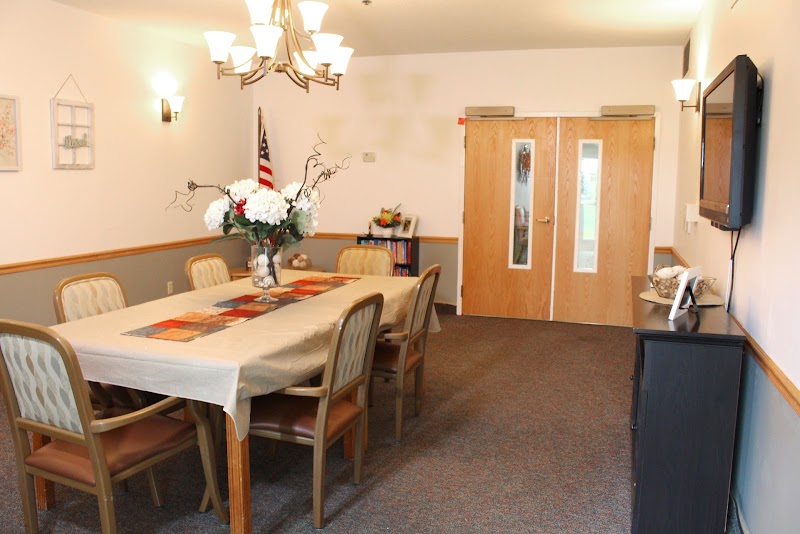
How is Gillespie Health & Rehab Ctr Staffed?

CMS rates GILLESPIE HEALTH & REHAB CTR's staffing level at 1 out of 5 stars, which is much below average compared to other nursing homes. Staff turnover is 17%, compared to the Illinois average of 46%. This relatively stable workforce can support continuity of care.

What Have Inspectors Found at Gillespie Health & Rehab Ctr?

State health inspectors documented 11 deficiencies at GILLESPIE HEALTH & REHAB CTR during 2023 to 2025. These included: 11 with potential for harm.
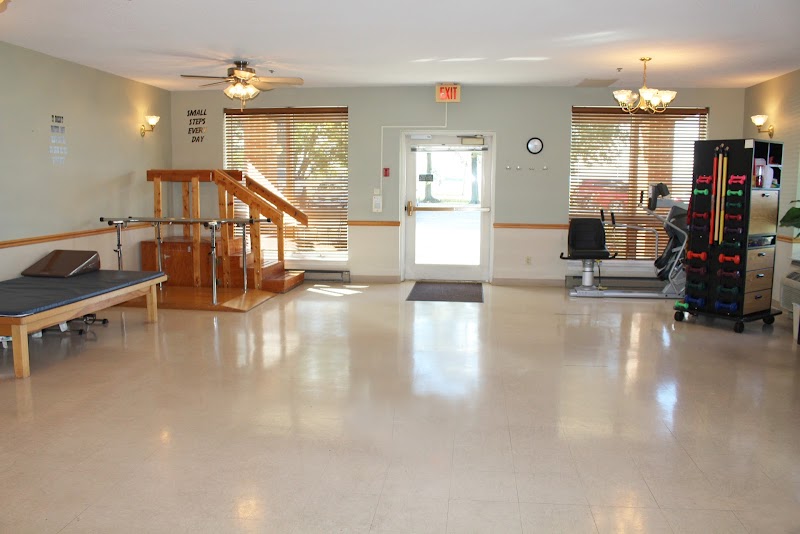
Who Owns and Operates Gillespie Health & Rehab Ctr?

GILLESPIE HEALTH & REHAB CTR is owned by a for-profit company. For-profit facilities operate as businesses with obligations to shareholders or private owners. The facility is operated by SUMMIT HEALTHCARE CONSULTING, a chain that manages multiple nursing homes. With 100 certified beds and approximately 63 residents (about 63% occupancy), it is a mid-sized facility located in GILLESPIE, Illinois.

How Does Gillespie Health & Rehab Ctr Compare to Other Illinois Nursing Homes?

Compared to the 100 nursing homes in Illinois, GILLESPIE HEALTH & REHAB CTR's overall rating (3 stars) is above the state average of 2.5, staff turnover (17%) is significantly lower than the state average of 46%, and health inspection rating (4 stars) is above the national benchmark.

What Should Families Ask When Visiting Gillespie Health & Rehab Ctr?

Based on this facility's data, families visiting should ask: "Can you walk me through typical staffing levels on day, evening, and night shifts?" "Can I visit during a mealtime to observe dining assistance and food quality?" "How do you handle medical emergencies, and what is your hospital transfer rate?" "Can I speak with family members of current residents about their experience?" These questions are particularly relevant given the below-average staffing rating.

Is Gillespie Health & Rehab Ctr Safe?

Based on CMS inspection data, GILLESPIE HEALTH & REHAB CTR has a clean safety record: no substantiated abuse findings (meaning no confirmed cases of resident harm), no Immediate Jeopardy citations (the most serious violation level indicating risk of serious injury or death), and is not on the Special Focus Facility watch list (a federal program monitoring the lowest-performing 1% of nursing homes). The facility has a 3-star overall rating and ranks #1 of 100 nursing homes in Illinois. While no facility is perfect, families should still ask about staff-to-resident ratios and recent inspection results during their visit.

Do Nurses at Gillespie Health & Rehab Ctr Stick Around?

Staff at GILLESPIE HEALTH & REHAB CTR tend to stick around. With a turnover rate of 17%, the facility is 29 percentage points below the Illinois average of 46%. Low turnover is a positive sign. It means caregivers have time to learn each resident's needs, medications, and personal preferences. Consistent staff also notice subtle changes in a resident's condition more quickly.

Was Gillespie Health & Rehab Ctr Ever Fined?

GILLESPIE HEALTH & REHAB CTR has no federal fines on record. CMS issues fines when nursing homes fail to meet care standards or don't correct problems found during inspections. The absence of fines suggests the facility has either maintained compliance or corrected any issues before penalties were assessed. This is a positive indicator, though families should still review recent inspection reports for the full picture.

Is Gillespie Health & Rehab Ctr on Any Federal Watch List?

GILLESPIE HEALTH & REHAB CTR is not on any federal watch list. The most significant is the Special Focus Facility (SFF) program, which identifies the bottom 1% of nursing homes nationally based on persistent, serious quality problems. Not being on this list means the facility has avoided the pattern of deficiencies that triggers enhanced federal oversight. This is a positive indicator, though families should still review the facility's inspection history directly.