CUMBERLAND REHAB & HEALTH CC
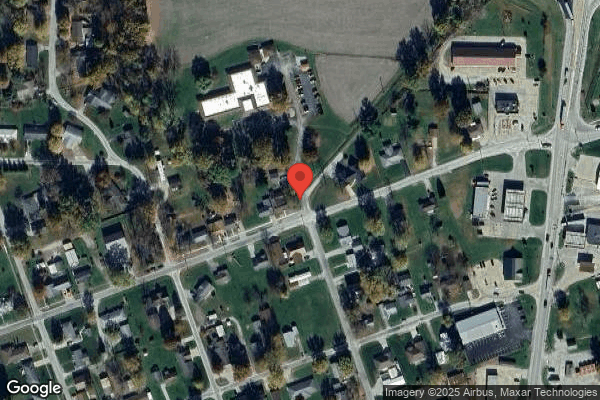
300 NORTH MARIETTA STREET, GREENUP, IL 62428 (217) 923-3186
For profit - Individual 54 Beds PETERSEN HEALTH CARE Data: November 2025
Trust Grade
43/100
#499 of 665 in IL
Last Inspection: September 2024

Within standard 12-15 month inspection cycle. Federal law requires annual inspections.

Overview

Cumberland Rehab & Health Center has a Trust Grade of D, which means it is below average with some concerning issues. It ranks #499 out of 665 nursing homes in Illinois, placing it in the bottom half of all facilities, and #2 out of 2 in Cumberland County, indicating that only one local option is better. Unfortunately, the facility is worsening, with the number of issues increasing from 8 in 2023 to 18 in 2024. Although staffing is a relative strength with a turnover rate of 26%, well below the state average, there are significant concerns regarding RN coverage, as there were days without RN presence, which can potentially affect all residents. Additionally, the facility has faced issues related to food service management, including the lack of qualified dietary staff, which raises concerns about the quality of care provided.

Trust Score
D
43/100
In Illinois
#499/665
Bottom 25%
Safety Record
Low Risk
No red flags
Inspections
Getting Worse
8 → 18 violations
Staff Stability
✓ Good
26% annual turnover. Excellent stability, 22 points below Illinois's 48% average. Staff who stay learn residents' needs.
Penalties
✓ Good
No fines on record. Clean compliance history, better than most Illinois facilities.
Skilled Nurses
⚠ Watch
Each resident gets only 29 minutes of Registered Nurse (RN) attention daily — below average for Illinois. Fewer RN minutes means fewer trained eyes watching for problems.
Violations
⚠ Watch
29 deficiencies on record. Higher than average. Multiple issues found across inspections.
★☆☆☆☆
1.0
Overall Rating
★★★☆☆
3.0
Staff Levels
★★★☆☆
3.0
Care Quality
★☆☆☆☆
1.0
Inspection Score
Stable
2023: 8 issues
2024: 18 issues

The Good

  • Low Staff Turnover (26%) · Staff stability means consistent care
  • Full Sprinkler Coverage · Fire safety systems throughout facility
  • No fines on record
  • Staff turnover is low (26%)

    22 points below Illinois average of 48%

Facility shows strength in staff retention, fire safety.

The Bad

1-Star Overall Rating

Below Illinois average (2.5)

Significant quality concerns identified by CMS

Chain: PETERSEN HEALTH CARE

Part of a multi-facility chain

Ask about local staffing decisions and management

The Ugly 29 deficiencies on record

Sept 2024 17 deficiencies
CONCERN (D)

Potential for Harm - no one hurt, but risky conditions existed

Deficiency F0582 (Tag F0582)

Could have caused harm · This affected 1 resident

Based on interview and record review, the facility failed to provide a resident with an Advance Beneficiary Notice (ABN), at the termination of a Medicare Part A covered stay, thereby nullifying the r...

Read full inspector narrative →
Based on interview and record review, the facility failed to provide a resident with an Advance Beneficiary Notice (ABN), at the termination of a Medicare Part A covered stay, thereby nullifying the resident's right to continue therapy services at their own expense or decline therapy services. This failure affects one resident (R187) out of a sample of three reviewed for Beneficiary Notices on the sample of 28. Findings include: R187's Beneficiary Protection Notification Review (undated) documents R187 began a Medicare Part A covered stay at the facility on 11/14/23, with a last covered date of 3/17/24. There was no evidence that R187 had received and Advance Beneficiary Notice of her options to decline to receive further therapy, or to continue therapy services at R187's own expense. On 9/25/24 at 11:06 AM, V1, Administrator stated, We did not give (R187) an ABN notice but I'm not sure why because we gave them to other residents. The form entitled Form Instructions Skilled Nursing Facility Advanced Beneficiary Notice of Non-coverage (SNFABN) (2018), documents the SNFABN provides information to the beneficiary so that the resident can decide whether or not to get the care that may not be paid for by Medicare and assume financial responsibility. The Residents' Rights for Persons Residing in Supportive Living Facilities Pamphlet dated Revised 11/06, documents You can arrange and receive non-Medicaid covered services at your own expense.
CONCERN (D)

Potential for Harm - no one hurt, but risky conditions existed

Deficiency F0625 (Tag F0625)

Could have caused harm · This affected 1 resident

Based on record review and interview, the facility failed to issue a written bed hold notice to a resident's family member when the resident was transferred to the hospital. This failure affects one o...

Read full inspector narrative →
Based on record review and interview, the facility failed to issue a written bed hold notice to a resident's family member when the resident was transferred to the hospital. This failure affects one of one resident (R2) reviewed for hospitalization on the sample list of 28. Findings include: 1. R2's Health Status Note 8/1/2024 11:59 pm documents the following: Note Text: Contacted 911 for emergency transfer at 2235 (11:35 pm) D/T (due to) c/o (complaint of) chest pain with SOB (shortness of breath), tachycardia (very fast heart rate) and low BP (blood pressure) noted. Res. (resident R2) left facility at this time via (local) EMS (emergency medical service) for (distant hospital) ER (emergency room), all paperwork sent. On 9/25/24 at 9:10 am V1, Administrator stated V1 was the staff member responsible to send out the written bed hold notice to R2's family representatives. V1, confirmed she did not send a written bed hold notice to R2's family member in regard to R2's 8/1/24 hospital transfer. The facility BED HOLD GUARANTEE POLICY dated 8/1/17 (sic) documents the following: The resident and resident family or legal representative will be given the appropriate Notice of Bed Hold Policy at the time of discharge or therapeutic leave if possible, but notice will be given no longer than 24 hours after discharge or initiation of leave.
CONCERN (D)

Potential for Harm - no one hurt, but risky conditions existed

Deficiency F0692 (Tag F0692)

Could have caused harm · This affected 1 resident

**NOTE- TERMS IN BRACKETS HAVE BEEN EDITED TO PROTECT CONFIDENTIALITY** Based on interview and record review the facility failed to closely monitor a resident's weight loss, notify the physician of si...

Read full inspector narrative →
**NOTE- TERMS IN BRACKETS HAVE BEEN EDITED TO PROTECT CONFIDENTIALITY** Based on interview and record review the facility failed to closely monitor a resident's weight loss, notify the physician of significant weight loss, and implement nutritional supplement recommendations to slow/prevent weight loss. This failure affected one of one resident (R13) reviewed for nutrition on the sample list of 28. Findings Include: R13's Medical Diagnoses sheet dated September 2024 documents R13 is diagnosed with Dementia and Depression. R13's Minimum Data Set, dated [DATE] documents R13 is severely cognitively impaired and requires partial/moderate assistance for eating. R13's Weight charting on 8/23/24 documented a weight of 239 pounds. R13's Dining Manager note dated 8/25/24 documents R13 was a re-admit from the hospital and weighed 237 pounds. R13 requires assistance during meals and typically eats less than 50%. A house supplement two times per day is recommended. This assessment was completed by V25 Registered Dietician Consultant. R13's Dining Manager note dated 9/14/24 documents R13's current weight was 228 pounds. R13 has Dementia and a stage II pressure ulcer. A house supplement two times per day is recommended. This assessment was completed by V17 Registered Dietician Consultant. R13's Weight charting on 9/20/24 documents a weight of 225 pounds. This is a significant loss of 5.86 percent in less than thirty days. On 9/24/24 at 3:18 PM V2 Director of Nurses stated nursing should be keeping track of resident's weights and should notify the physician of unplanned or significant weight loss. V2 confirmed if the dietician recommends any new orders or changes in regard to resident nutrition, the physician needs to be notified so the new order can be added to the resident's plan of care and implemented. On 9/25/24 at 10:55 AM V1 Administrator confirmed if the documentation is not in the chart, then we cannot say that it occurred and there is no documentation regarding nursing ever notifying the physician of R13's significant weight loss or of the new dietary recommendations being implemented. The facility's Nutrition (Impaired)/Unplanned Weight Loss - Clinical Protocol dated September 2012 documents the facility nursing staff will monitor each resident's weight. Significant Weight Loss is defined as 5% weight loss in one month. Greater than 5% loss in one month is considered Severe Weight Loss. The staff and physician will identify pertinent interventions based on an identified cause, resident condition, prognosis, and treatment wishes. The facility's Change of Condition: When to Report policy dated June 2018 documents staff are to report resident weight loss of 5% or more in 30 day's time to the physician.
CONCERN (D)

Potential for Harm - no one hurt, but risky conditions existed

Deficiency F0761 (Tag F0761)

Could have caused harm · This affected 1 resident

Based on observation, interview, and record review, the facility failed to label and document expiration dates for medications for two residents (R7, R25) and failed to lock the convenience box after ...

Read full inspector narrative →
Based on observation, interview, and record review, the facility failed to label and document expiration dates for medications for two residents (R7, R25) and failed to lock the convenience box after removing medication for one resident (R33) during medication storage and labeling review on the sample list of 28. Findings include: On 9/22/23 at 11:42 AM, V7 Licensed Practical Nurse (LPN) was observed while doing medication storage and labeling review. While observing expired medications, R7 had a box of Lorazepam 2 milligram (ml) suppositories which did not document an expiration date. V7 LPN stated V7 did not know what the expiration date should be. During this same time, R25 had a container in the refrigerator which had no documented name of what the medication was, nor expiration date documented. V7 LPN again stated V7 was not sure what the medication was or what the expiration date should be. During this same review, the facility's convenience box was observed to have no secure lock on it. A form in the convenience box documented a medication had been removed on 9/21/24 at 5:00 PM by another nurse, V18 LPN. V18 LPN had not placed the red tab back on the convenience box after removing the medication Atorvastatin 10 mg for R33. A form was reviewed from the convenience box in which red tabs should be documented (the number on the red tab) when removing the red tab and then again when replacing the red tag once the convenience box has been opened. This form was not completed by V18 LPN on 9/21/24. On 9/22/24 at 11:45 AM, V2 Director of Nursing (DON) stated the convenience box should be re-locked with the red tab after a medication has been removed. V2 also stated when the red seal is removed from the convenience box that number should be written on the form and then the number from the new red tab that is being used to re-lock the convenience box should be documented on the form. The facility's Pharmacy Services and Procedures Manual dated Revision Date 12/1/23, documents facility staff should complete the E Kit Withdrawal Communication Form contained in the kit to report for which resident the medication was withdrawn and fax the form to the pharmacy.
CONCERN (D)

Potential for Harm - no one hurt, but risky conditions existed

Medical Records (Tag F0842)

Could have caused harm · This affected 1 resident

Based on interview and record review, the facility failed to appropriately assess, evaluate, and document a resident's behaviors after administering medications for behaviors for one resident (R29) of...

Read full inspector narrative →
Based on interview and record review, the facility failed to appropriately assess, evaluate, and document a resident's behaviors after administering medications for behaviors for one resident (R29) of five resident reviewed for Unnecessary Medications in the sample list of 28. Findings include: R29's undated diagnoses documents R29's diagnoses as Senile Degeneration of Brain, not elsewhere classified; Unspecified Dementia, severe without behavioral disturbances, Psychotic Disturbance, Mood Disorder, and Anxiety; and Anxiety Disorder, unspecified. R29's Care Plan date 9/22/24, documents R29 has Delirium and is not cognitively aware of anything but does respond to name; experiences levels of lethargy as well as yelling out; and most responses are nonsensical. R29's Behavior Monitoring and Interventions Report dated 7/7/24, documents R29 having behaviors which include socially inappropriate behaviors, agitated, and screaming not at others. R29's Progress Notes dated 7/7/24, do not have any documentation regarding any medications administered or any follow up for behaviors. R29's Behavior Monitoring and Interventions Report dated 7/10/24, document R29 having behaviors which include disruptive sounds and screaming not at others. R29's Progress Notes dated 7/10/24, documents Lorazepam oral tablet 1 milligram (mg) given at 4:00 PM, does not document any follow-up for behaviors after medication was administered. R29's Behavior Monitoring and Interventions Report dated 7/17/24, documents R29 having behaviors which include grabbing others and anxious, restless. R29's Progress Notes dated 7/17/24, do not document any information regarding medication being given or follow-up after medications administered. R29's Behavior Monitoring and Interventions Report dated 7/27/24, documents R29 having behaviors which include anxious, restless, and screaming not at others. R29's Progress Notes dated 7/27/24, do not document any information regarding medication being given or follow-up after medications administered. R29's Behavior Monitoring and Interventions Report dated 8/1/24, documents R29 having behaviors which include disruptive sounds and screaming not at others. R29's Progress Notes dated 8/1/24, document Lorazepam oral tablet 1 mg as being given to R29 at 3:49 PM, and no other documentation regarding any follow-up for behaviors after medication being administered. R29's Behavior Monitoring and Interventions Report dated 8/7/24, document R29 as having behaviors which include disruptive sounds and screaming not at others. R29's Progress Notes dated 8/7/24, document Lorazepam oral tablet 1 mg as being given to R29 and does not document any follow-up after medication being administered. R29's Behavior Monitoring and Interventions Report dated 8/26/24, documents R29 as having behaviors which include screaming not at others. R29's Progress notes dated 8/26/2, do not document any medication being administered or any follow-up being completed. R29's Behavior Monitoring and Interventions Report dated 8/31/24, document R29 as having the following behaviors: screaming. R29's Progress Notes dated 8/31/24, documents R29 as receiving Lorazepam oral tablet 1 mg, with no follow-up documented after medication being administered. R29's Behavior Monitoring and Interventions Report dated 9/11/24, documents R29 as having the following behaviors: anxious, restless, and screaming not at others. R29's Progress Notes do not document any medication being administered for behaviors and no follow-up documented for behaviors. The facility's Behavioral Assessment, Intervention, and Monitoring Policy dated Reviewed 2/2021, documents the staff will identify and document specific details regarding changes in an individual's mental status, behavior, and cognition including onset, duration, intensity, and frequency of behavioral symptoms, any precipitating or relevant factors, or environmental triggers, and appearance and alertness of the resident and related observations. This policy also documents the Care Plan will incorporate findings from the comprehensive assessment and be consistent with the current standards of practice.
CONCERN (E)

Potential for Harm - no one hurt, but risky conditions existed

Resident Rights (Tag F0550)

Could have caused harm · This affected multiple residents

**NOTE- TERMS IN BRACKETS HAVE BEEN EDITED TO PROTECT CONFIDENTIALITY** 2.) R27's Medical Diagnoses List dated September 2024 documents R27 is diagnosed with Cerebral Palsy, Cerebral Infarction, Convu...

Read full inspector narrative →
**NOTE- TERMS IN BRACKETS HAVE BEEN EDITED TO PROTECT CONFIDENTIALITY** 2.) R27's Medical Diagnoses List dated September 2024 documents R27 is diagnosed with Cerebral Palsy, Cerebral Infarction, Convulsions, Severe Intellectual Disabilities, and Dysphagia. R27's Physician Order Set dated September 2024 documents R27 is on a Regular Diet with Pureed Texture and Thin Liquids. R27's Minimum Data Set, dated [DATE] documents R27 is severely cognitively impaired and requires substantial/max assistance for eating. R27 loses liquid or solids from her mouth when eating or drinking. On 9/22/24 at 8:10 AM, during dining observation R27 was propelling her own wheelchair out of the dining room with her feet. R27' s face, shirt and pants had copious amounts of dried food-like substance adhering to all areas. On 9/23/24 at 12:20 PM R27 was eating lunch in the dining room. She was sitting at a table right in the middle of the dining room, facing all other residents and visitors. R27 was feeding herself. R27 had copious amounts of food on her chin and falling onto her clothing protector and shirt with each bite. Staff were walking around and serving and assisting other residents however no one offered to assist R27 in cleaning her mouth or changing out her heavily soiled clothing protector over the fifteen-minute period that it took for R27 to finish eating. R27 had food on her face the entire time. Based on observation, interview, and record review the facility repeatedly failed to provide dignity while dining for four of four residents (R15, R17, R27, and R87) reviewed for dignity on the sample list of 28. Findings include: 1.) R15's Minimum Data Set (MDS) dated [DATE] documents R15 has a Brief Interview of Mental Status (BIMS) score of five out of a possible 15, indicating R15 has severe cognitive impairment. R15's same MDS documents R15 requires substantial/maximum assistance for eating. R17's MDS dated [DATE] documents R17 has severe cognitive impairment and requires supervision/touching/and or verbal assistance for eating. R27's MDS dated [DATE] documents R27 has severe cognitive impairment and requires substantial/maximum assistance for eating. R87's MDS dated [DATE] documents R87 has a BIMS score of five out of a possible 15, indicating R87 has severe cognitive impairment. R87's same MDS documents R87 is totally dependent on staff assistance for eating. On 9/23/24 at 7:35 am R27 was seated in a straight back dining room chair. V24, Certified Nursing Assistant (CNA) was feeding R17, V26, CNA was feeding R15. V13 was assisting R87. At the same table, R27 was eating pureed biscuits and gravy, apple sauce and pureed scrambled eggs. R27 was eating on her own and had food smeared on herself and completely over her place at the table. V13, CNA was seated beside R27, but was not feeding R27, and did not attempt to clean R27 or R27's table area. R15, R17 and R87 continued to eat at the same soiled table, that was smeared with food and beverages. On 9/22/24 at 8:10 am R27 left the dining room table via wheelchair. Three unidentified staff were feeding, R15, R17, R87 and pureed food and beverages were smeared all over the table where R27 had been eating. There was no attempt by unidentified staff to clean the table while R15, R17, and R87 remained at the table for the duration of their meal. On 9/23/24 at 8:17 am V8, Registered Nurse (RN) was passing medications to the residents. V8, RN confirmed R27 had smeared food and beverage all over R27's area at the table and the smeared food and beverages encroached the center of the shared resident dining table. R15, R17 and R87 were seated at the same soiled table. V8, RN stated (R15, R17 and R87) all have Dementia, so the mess probably doesn't bother them. It would bother me. I wouldn't want to sit and eat with that mess at my table. I would say yes, it is a dignity issue. On 9/24/24 at 8:40 am V24, CNA was seated next to R27, who was eating pureed food on her own. R27's milk and water were spilt and mixed with the unidentified pureed food and spread over R27's side of the dining table. R27's dining table, from the center forward and onto R27's chest, was covered in spilt food. R17, and R15, were seated in wheelchairs at the same table. V24, Certified Nursing Assistance confirmed the lack of R27's cleanliness, and the smeared food and beverages on the table while R15, and R17 were eating, is a dignity issues. The Resident's Right for People in Long-Term Care booklet dated November 2018 documents facility residents have the right to dignity and respect. Residents have the right to a clean and comfortable home-like environment.
CONCERN (E)

Potential for Harm - no one hurt, but risky conditions existed

Respiratory Care (Tag F0695)

Could have caused harm · This affected multiple residents

**NOTE- TERMS IN BRACKETS HAVE BEEN EDITED TO PROTECT CONFIDENTIALITY** Based on observation, interview, and record review the facility failed repeatedly to change oxygen tubing and nasal cannula, sto...

Read full inspector narrative →
**NOTE- TERMS IN BRACKETS HAVE BEEN EDITED TO PROTECT CONFIDENTIALITY** Based on observation, interview, and record review the facility failed repeatedly to change oxygen tubing and nasal cannula, store oxygen tubing off the floor, and maintain nebulizer breathing treatment equipment and Continuous Positive Airway Pressure (CPAP) equipment in a sanitary fashion. These failures affected two of two residents (R24, R30) reviewed for oxygen in the sample list of 36. Findings Include: 1.) R24's Medical Diagnoses Sheet dated September 2024 document R24 is diagnosed with Congestive Heart Failure and Chronic Obstructive Pulmonary Disease. R24's Physician Order Sheet (POS) dated September 2024 documents R24 is prescribed oxygen at three liters per nasal cannula. The nasal cannula is ordered to be changed every Thursday night. R24's Treatment Administration Record (TAR) dated September 2024 documents staff are to change R24's oxygen tubing every Thursday on night shift. On 9/12/24 the TAR documents the tubing was not changed because R24 was asleep. On 9/19/24 R24's TAR documents R24's tubing was changed however when observed on 9/22/24 the date of the tubing was still 9/6/24. On 9/22/24 at 9:30 AM R24's oxygen tubing was connected to an oxygen concentrator and coiled on the floor. The date on the tubing was 9/6/24. On 9/24/24 at 10:47 AM R24's oxygen tubing was again coiled on the floor.2.) R30's Diagnosis Sheets dated 9/24/24 documents the following: Chronic Obstructive Pulmonary Disease with Acute Exacerbation, and 'Malignant Neoplasm of Upper Left Bronchus or Lung. R30's Physician Order Sheet dated 9/24/24 documents the following: Oxygen three liters per nasal cannula each shift (continuous), Oxygen - tubing and humidifier change every night shift every Thursday, and CPAP, (machine to keep the airway open) per home settings- do not add distilled water to CPAP per resident. The same POS documents: Ipratropium-Albuterol Solution 0.5-2.5 (3) MG (milligrams)/3ML (milliliter) vial inhale orally every 6 hours as needed for Prophylaxis related to Chronic Obstructive Pulmonary Disease with Acute Exacerbation. R30's Minimum Data Set, dated [DATE] documents R30's Brief Interview of Mental Status score as 15 out of a possible 15 indicating no cognitive impairment. R30's Treatment Administration Record (TAR) dated September 2024 documents staff are to change R30'ss oxygen tubing every Thursday on night shift. On 9/05/24, R30's TAR documents R30's oxygen tubing was changed, though when observed (documented below) on 9/22/24 and 9/23/24 the date on R30's oxygen tubing was 8/01/24. On R30's TAR dated 9/12/24 documents R30's oxygen tubing was not changed because R30 was asleep. On 9/19/24 R30's TAR documents R30's oxygen tubing was changed though when observed (documented below) on 9/22/24 and 9/23/24 the date of the tubing was 8/01/24. R30's same TAR does not document R30 has been administered a nebulizer treatment over the course of September 2024. The observation documented below reflects R30's soiled nebulizer medication administration apparatus which indicates R30's nebulizer equipment has not been used, cleaned, or replaced (undated equipment) in September. On 09/22/24 at 10:20 am R30 was seated in bedside chair. R30 had oxygen per nasal cannula actively dispensing three litter from a bedside concentrator. R30's oxygen nasal cannula prongs in nares are discolored a light gray instead of the clear plastic color of the attached oxygen tubing. The opposite end of R30's oxygen tubing is attached to the bedside concentrator. The oxygen tubing dated 8/01/24. R30 stated The nurses are great but don't change the tubing like they should. R30 had a CPAP mask laid on R30's bed attached to tubing that connected CPAP mask to the respiratory machine on the bedside table. The CPAP mask is a discolored gray instead of clear. R30 stated The CPAP mask does not get cleaned, ever. R30 also stated When it (CPAP mask) gets really bad, I order some (CPAP mask) off the Internet and give them to the nurse to change it out. R30 also has a nebulizer machine covered with dust. The nebulizer tubing and medication cup apparatus is undated and soiled. On 9/23/24 at 8:55 am R30's CPAP mask was soiled and laid on R30's unmade bed. R30's nebulizer medication cup/apparatus and tubing were laid on R30s bedside table. Both remain soiled and undated. The oxygen nasal cannula and tubing were attached to R30's bedside oxygen concentrator and remain soiled and dated 8/1/24. V6, Licensed Practical Nurse confirmed the observation and stated The nurses are supposed to wash (R30's) mask every week I think. The neb (nebulizer) treatment cup (medication for inhalation delivery) and tubing are supposed to be changed weekly on nights and dated. I am not sure why that did not happen. On 9/25/24 at 8:50 am V1, Administrator stated I was not able to find the oxygen policy for changing O2 (oxygen) tubing or the policy for nebulizer equipment. Both are supposed to be changed weekly and prn. Neb (nebulizer) equipment is supposed to be wash after each treatment and left to air dry on a paper towel. Everything should be dated when its changed. V1 also stated The CPAP policy says that it is supposed to be washed every day. I don't know why the nurses aren't doing this. On 9/25/24 at 11:45 am V1, Administrator confirm the oxygen policy does not document the care f the oxygen equipment only directs the administration of oxygen. V1 stated there is supposed to be a plastic bag attached to the oxygen concentrator to keep the oxygen tubing off the floor. The facility policy CPAP/BiPAP Support dated January 2017 directs staff as follows: Masks, nasal pillows and tubing: a. Clean daily by placing in warm, soapy water and soaking/agitating for 5 minutes. Mild dish detergent is recommended. Rinse with warm water and allow it to air dry between uses.
CONCERN (E)

Potential for Harm - no one hurt, but risky conditions existed

Deficiency F0804 (Tag F0804)

Could have caused harm · This affected multiple residents

**NOTE- TERMS IN BRACKETS HAVE BEEN EDITED TO PROTECT CONFIDENTIALITY** 3. On 9/22/24 at 8:30 AM, R9 stated the food at the facility is terrible, it's cold. R9 also stated when they had beef and noodl...

Read full inspector narrative →
**NOTE- TERMS IN BRACKETS HAVE BEEN EDITED TO PROTECT CONFIDENTIALITY** 3. On 9/22/24 at 8:30 AM, R9 stated the food at the facility is terrible, it's cold. R9 also stated when they had beef and noodles, there was so much grease on the top of it, you could spoon it off. On 9/23/24 at 9:28 AM, during the Resident Council Meeting, R19, R30, and R32, also stated the grease on the beef and noodles was a lot and made it terrible. R19, R30, and R32, also stated the food was cold a lot and looked like a bunch of crap. The facility policy, undated General Dining Experience documents the following: Guidelines: Residents will have an exceptional dining experience that enhances their quality of life and provides attention to the individual resident's plan of care and dining wishes. The same policy documents: Meals will be nourishing, attractive and palatable. The same policy documents: Meals will be served at the appropriate texture and consistency to meet the individuals plan of care, but not limiting the right to make personal choices. Based on observation, interview, and record review the facility failed to serve palatable resident preferred temperature, and pleasant looking food. This failure affected four of four residents (R9, R19, R30, and R32) reviewed for palatability of food on the sample list of 28. Findings include: 1.) R30's Minimum Data Set, dated [DATE] documents R30's Brief Interview of Mental Status score as 15 out of a possible 15, indicating no cognitive impairment. On 09/22/24 at 10:15 am R30 stated last night the facility served beef and noodles that had an inch thick layer of grease on top. 2.) On 9/23/24 at 8:11 am R30 was eating biscuits and gravy. R30 stated The meal was served hot, except the oatmeal. R30 had a full bowl of oatmeal, that floated in water. R30 stated the oatmeal was soupy and she will not eat soupy oatmeal.
CONCERN (F)

Potential for Harm - no one hurt, but risky conditions existed

Deficiency F0727 (Tag F0727)

Could have caused harm · This affected most or all residents

**NOTE- TERMS IN BRACKETS HAVE BEEN EDITED TO PROTECT CONFIDENTIALITY** Based on observation, interview, and record review the facility failed to use the services of a Registered Nurse (RN) for at lea...

Read full inspector narrative →
**NOTE- TERMS IN BRACKETS HAVE BEEN EDITED TO PROTECT CONFIDENTIALITY** Based on observation, interview, and record review the facility failed to use the services of a Registered Nurse (RN) for at least eight consecutive hours per day, seven days a week. This failure has the potential to affect all 36 residents in the facility. Findings Include: The September 2024 Nurse Schedule documents no Registered Nurse coverage on 9/7/24, 9/8/24, 9/21/24, and 9/22/24. On 9/22/24 at 7:55 AM, upon the entrance of the facility's Annual Certification Survey there was no Registered Nurse on duty. On 9/24/24 at 3:18 PM V2 Director of Nurses confirmed the facility only employs two Registered Nurses. V2 stated there are some weekends that the facility does not have eight hours of consecutive Registered Nurse coverage. The facility's Facility assessment dated [DATE] documents the facility will be staffed according to resident's needs and in order to provide competent support and care. The facility Long-Term Care Facility Application for Medicare and Medicaid dated 9/22/24 documents that there are 36 residents who reside in the facility.
CONCERN (F)

Potential for Harm - no one hurt, but risky conditions existed

Deficiency F0801 (Tag F0801)

Could have caused harm · This affected most or all residents

Based on interview and record review, the facility failed to employ a qualified Director of Food and Nutrition Services. This failure has the potential to affect all 36 residents residing in the facil...

Read full inspector narrative →
Based on interview and record review, the facility failed to employ a qualified Director of Food and Nutrition Services. This failure has the potential to affect all 36 residents residing in the facility. Findings include: On 9/23/24 at 8:40 am V9, (Dietary Manager) was actively supervising dietary operations with residents' food preparation in the facility kitchen. V9 stated she does not have dietary management certification. V9 also stated she has a high school diploma but no further education. On 9/23/24 at 11:45 am V1, Administrator confirmed V9, Dietary Manager has not taken Dietary Manager classes to qualify V9 as a qualified Director of Food Services. The facility Long-Term Care Facility Application for Medicare and Medicaid dated 9/22/24 documents 36 residents reside in the facility.
CONCERN (F)

Potential for Harm - no one hurt, but risky conditions existed

Deficiency F0802 (Tag F0802)

Could have caused harm · This affected most or all residents

**NOTE- TERMS IN BRACKETS HAVE BEEN EDITED TO PROTECT CONFIDENTIALITY** Based on observation, interview, and record review, the facility failed to employ dietary support/staff with the appropriate com...

Read full inspector narrative →
**NOTE- TERMS IN BRACKETS HAVE BEEN EDITED TO PROTECT CONFIDENTIALITY** Based on observation, interview, and record review, the facility failed to employ dietary support/staff with the appropriate competencies to carry out the functions of the food and nutrition service. This failure has the potential to affect all 36 residents residing in the facility. Findings include: On 9/23/24 at 8:40 am V9, (uncertified Dietary Manager) was actively supervising dietary operations in the facility kitchen. V9 stated she does not have a Food Handlers certification nor Food Sanitation certification. On 9/23/24 at 11:45 am V1, Administrator stated V9, (uncertified Dietary Manager) does not have a Food Handlers certification or Dietary Sanitization certification. On 9/24/24 at 8:10 am V23, [NAME] was actively plating residents' food in the facility kitchen. V23 stated V23 does not have a Food Handlers certification. On 9/24/24 at 8:16 am V1, Administrator stated (V23) does not have a food handlers' card either. The Illinois Public Act [PHONE NUMBER] documents, Anyone working with unpackaged food, food equipment, utensils, or food contact surfaces is defined as a food handler. Food handlers working in non-restaurants (nursing homes and long-term care facilities) must have the training completed, with enforcement to begin January 1, 2017. The facility's Long-Term Care Facility Application for Medicare and Medicaid dated 9/22/24 documents 36 residents reside in the facility.
CONCERN (F)

Potential for Harm - no one hurt, but risky conditions existed

Deficiency F0806 (Tag F0806)

Could have caused harm · This affected most or all residents

4.) On 9/23/24 at 9:28 AM, during the Resident Council Meeting, R9 and R30 stated condiments are not being served with the meals and not coming on trays (R9) in rooms, the residents have to ask for it...

Read full inspector narrative →
4.) On 9/23/24 at 9:28 AM, during the Resident Council Meeting, R9 and R30 stated condiments are not being served with the meals and not coming on trays (R9) in rooms, the residents have to ask for it and then wait on it. The Residents' Rights for Persons Residing in Supportive Living Facilities dated Revision 11/06, documents the facility must make available services to promote health and wellness. The facility's Long-Term Care Facility Application For Medicare and Medicaid dated 9/22/24 documents 36 residents reside in the facility. Based on observations, interviews, and record review the facility failed to provide a substitute menu, honor resident's preferences, and provide appropriate condiments. These failures have the potential to affect all 36 residents residing in the facility. Findings include: 1.) On 09/22/24 at 10:15 am, R30 stated last night the facility served beef and noodles that had a one-inch-thick layer of grease on top. The only substitute available was a bologna sandwich. Sometimes they have turkey sandwiches as a substitute but those and peanut butter and jelly, are their only substitutes. On 9/22/24 at 12:35 pm V1, Administrator stated We don't have a substitute menu. (new facility company) does have an always available menu, but that has not been an option in this facility yet. The residents can have peanut butter and jelly or lunch meat sandwiches. They can have leftovers from the previous day, but that is all we do right now. 2.) On 9/23/24 at 8:11 am R30 was eating biscuits and gravy. R30 had a glass of milk, glass of orange juice and a glass of water. R30 stated My diet card says no orange juice, no peas, no carrots and no sweet potatoes. They serve me these things all the time. They don't even look at the cards. Everybody gets the same thing. R30's undated Diet Card documents: Breakfast: Dislikes OJ (orange juice). On 9/23/24 at 9:00 am V9, Dietary Manager stated, The dietary staff are supposed to read the residents preferences and honor them. V15, Dietary Assistant added We were out of apple juice, so I substituted. I did not read her diet card. 3.) On 9/23/24 at 11:35 am R30 was served Salisbury steak, potatoes and peas, diet Pepsi and water. R30's diet card documents R30 dislikes peas. R30 sent her plate back to the kitchen. An unidentified Certified Nursing Assistant stated R30 wants a new plate without peas. V5, cook stated We (dietary staff) should have honored (R30's) preferences (documented) on the (R30's) diet card. R30's undated Diet Card documents: Lunch: Dislikes peas, cooked carrots and sweet potatoes. The facility policy, undated General Dining Experience documents the following: Guidelines: Residents will have an exceptional dining experience that enhances their quality of life and provides attention to the individual resident's plan of care and dining wishes.
CONCERN (F)

Potential for Harm - no one hurt, but risky conditions existed

Deficiency F0809 (Tag F0809)

Could have caused harm · This affected most or all residents

Based on observation, interview, and record review the facility failed to provide residents breakfast meal in a timely manner. This failure affected all 36 residents residing in the facility. Findings...

Read full inspector narrative →
Based on observation, interview, and record review the facility failed to provide residents breakfast meal in a timely manner. This failure affected all 36 residents residing in the facility. Findings include: On 9/24/24 at 8:05 am the main dining room of the facility was full of residents waiting for their breakfast meal to be served. Each resident had beverages, but none of the residents had been served food. R30 stated The facility has not served anybody. We have no idea what is going on. We have been out here for over an hour waiting. Breakfast is supposed to be served at 7:15 am. It is often late, but today its extremely late. On 9/24/24 at 8:10 am V23, [NAME] stated she overslept so the food is just being cooked. On 9/24/24 at 8:16 am V1, Administrator stated V1 realizes the meal is late this morning. V1 stated the expectation is that breakfast is to be served between 7:15 am and 7:30 am. On 9/24/24 at 8:50 am V9, Dietary Manager stated I (V9) came in at 5:00 am this morning but did not cook resident meals. V9 stated she had a food delivery coming in and cleaned until they arrived. (V23, Cook) came in late. I don't know for sure of the time, but that is why breakfast was late. I will get her timecard. V23's Timecard documents that on 9/24/24 V23 clocked into the facility at 6:52 am (23 minutes before resident breakfast meal is scheduled to be served). The facility Long-Term Care Facility Application For Medicare and Medicaid dated 9/22/24 documents 36 residents reside in the facility.
CONCERN (F)

Potential for Harm - no one hurt, but risky conditions existed

Food Safety (Tag F0812)

Could have caused harm · This affected most or all residents

Based on observation, interview, and record review, the facility failed to prevent the potential for cross-contamination and food-borne illness, by failing to maintain sanitization of a commercial tab...

Read full inspector narrative →
Based on observation, interview, and record review, the facility failed to prevent the potential for cross-contamination and food-borne illness, by failing to maintain sanitization of a commercial table top can opener, free of grease-like substance, metal fragments, rust and exposed metal, failed to maintain food surface areas in a clean sanitary manner, failed to clean grease build-up on kitchen and food storage room floors, failed to adequately clean grease build- up off the flat top grill, failed to clean commercial ovens and failed to air dry dishware. These failures have the potential to affect all 36 residents residing in the facility. Findings include: 1.) On 9/22/24 at 8:15 am on initial tour of the facility kitchen the floors had a build-up of sticky, dark black and brown grease-like debris throughout the kitchen, dishwashing station, dry storage, and cooks' food service line. This surveyors' feet stuck to the floor with every step throughout the heavily soiled areas of the kitchen. There was an accumulation of dust and debris under all the shelving and next to the walls. V4, Dietary Assistant was in the cooks' service area plating a resident food. V4, confirmed the floors had a build-up of sticky, dark black and brown grease like debris throughout the kitchen, dish washer station and dry storage and cooks' line but was not sure who was supposed to clean the kitchen floor areas. On 9/23/24 at 8:40 am - 8:55 am on the follow-up tour of the facility kitchen with V9, (uncertified) Dietary Manager (DM), the soiled floors noted above, continued unchanged. During the walk through of the kitchen the surveyor and V9's feet stuck to the grease-like build-up on floor tiles with ever step. V9, DM confirmed the floors are not being cleaned according to the cleaning schedule. The facility Dining RD (Registered Dietician) Kitchen Inspection report dated 8/12/24 and signed by V11, Consultant Registered Dietician documents: Both the kitchen and food storage room floors are in need of in-depth mopping. Needs Correction. 2.) The same follow up tour of the kitchen with V9, DM, there was a stainless steel, approximately six-foot-wide food preparation table. The food preparation table had three refrigerators below. Above the preparation table, there was steel brackets attached to the wall and that held four wooden shelves. Two of the brackets were rusted. The two lowest shelves had a build-up of brown grease-like substance and strings of dust that dangled from under the shelves and directly over the food preparation table. V9 stated That is real sticky and dirty. It needs cleaned better. The facility Dining RD (Registered Dietician) Kitchen Inspection report dated 8/12/24 and signed by V11, Consultant Registered Dietician documents: Debris was noted on shelves Needs Correction. 3.) During the same tour, the facility's commercial table-top can opener was soiled with a build-up of a brown and black grease - like substance, rust and metal fragments embedded in the gears. The shaft sleeve and tabletop can opener mount bracket, also had a build-up of brown and black grease-like substance. The can opener blade tip was also missing approximately one inch of the silver veneer exposed bare metal. V9, DM stated I can see the stuff in the gears. I didn't know we needed to do anything but wipe the outer part off. The facility Dining RD (Registered Dietician) Kitchen Inspection report dated 8/12/24 and signed by V11, Consultant Registered Dietician documents: The can opener has a build-up of food debris, and needs cleaned and sanitized after each use. Needs Correction. A second facility Dining RD Kitchen Inspection report the following month, dated 9/11/24, and signed by V11, Consultant Registered Dietician documents: The can opener has a build-up of food debris, and the blade has evidence of metal shavings. Needs Correction. The undated facility policy Cleaning Procedure - Can Opener documents: Guidelines: The can opener is maintained in a sanitary condition. Procedure: After each use: Wipe the blade clean with a cloth saturated in sanitizer solution. Allow to air dry. Daily: 1. Remove the opener by lifting the shank out of the base. 2. Scrub the opener with a small wire brush, especially around the cutting edge. 3. Wash/rinse can opener shank in dishwashing machine and allow to air dry. 4. Scrub base with warm water and detergent and rinse with clean, warm water. 5. Return shank to base. 6. Check the blade to assure that it is sharp. Note: Metal shavings and shredding can result from a dull cutting blade or a worn-out cogwheel. 4.) During the same tour, there were two commercial ovens, under the range burners and flat-top grill. Both oven floors were soiled with approximately one - inch deep, wide-spread, build-up of charcoal-like food debris. V9 stated it does not look like the ovens have been clean for a long time. 5.) During the same kitchen tour, the commercial range burners and flat-top grill had a copious amount of brown and black grease like build-up. The flat -top grill of the range had a large shoe print in the heavily soiled grease. V9 stated The footprint is from the vent cleaning company guy, that came this morning. V9 acknowledged a like-new abrasive grill brick for cleaning was on a stainless-steel shelf above the flat-top grill. V9 stated she did not know the abrasive block was for cleaning the grill, so she used a wet cloth to clean the flat-top grill. V9 stated The footprint did not come off because of the grease build-up. The facility Dining RD (Registered Dietician) Kitchen Inspection report dated 9/11/24 and signed by V11, Consultant Registered Dietician documents: The cooking stove, has evidence of food debris or grease. Needs Correction 6.) During the same kitchen tour, there were 27 various sized, steam table pans stacked cradled style together with water between each pan. There were 30 small, glass five-inch plates stacked in a cradled style together with water between each plate. There were seven dinner sized plates stacked cradle fashion with water between each plate. V9 acknowledged the wet pans, and dishes were not being air dried in a single layer. V9 stated The kitchen does not have enough shelves for that. The facility Long-Term Care Facility Application For Medicare and Medicaid dated 9/22/24 documents 36 residents reside in the facility.
CONCERN (F)

Potential for Harm - no one hurt, but risky conditions existed

Infection Control (Tag F0880)

Could have caused harm · This affected most or all residents

Based on interview and record review the facility failed to establish a water management program, failed to develop a risk assessment ensuring that interventions to monitor control limits are met, dev...

Read full inspector narrative →
Based on interview and record review the facility failed to establish a water management program, failed to develop a risk assessment ensuring that interventions to monitor control limits are met, develop a method to audit the program to prevent the growth of Legionella and other water borne pathogens in the building's water systems. This failure has the potential to affect all 36 residents that reside in the facility. Findings Include: The facility Long-Term Care Facility Application for Medicare and Medicaid dated 9/22/24 documents that there are 36 residents who reside in the facility. The facility Legionella Policy and Procedure dated 4/20/20 documents that each facility will complete a risk assessment to identify if the entire building or parts of the building are at risk for Legionella growth and spread. Additionally, the facility will implement control measures to reduce spread, ensure that the program remains operational, and monitor the program's effectiveness. The facility could not provide documentation of a Legionella risk assessment to identify if the building is at risk for Legionella growth and spread, a way to monitor the measures they have in place including testing protocols and acceptable ranges, an assessment of redundant or dead-end pipe work in the building and plan to remove it, and ways to intervene when control limits are not met in the building's water systems. On 9/25/24 at 12:12 PM V16 Maintenance Director stated he has worked in the facility for six years and just recently completed water testing for Legionella risk for the first time in six years. V16 stated he has never identified areas of pipe where water could stagnate (dead-ends) and just today (9/25/24) he identified 17 dead end pipes. V16 denied ever flushing the system and denied cleaning and disinfecting the shower heads. V16 denied following the facility's Legionella Policy regarding water born pathogen prevention. V16 was unaware of any risk assessment and was not familiar with any monitoring or testing protocols.
CONCERN (F)

Potential for Harm - no one hurt, but risky conditions existed

Room Equipment (Tag F0908)

Could have caused harm · This affected most or all residents

**NOTE- TERMS IN BRACKETS HAVE BEEN EDITED TO PROTECT CONFIDENTIALITY** Based on observations, interview, and record review the facility failed to maintain kitchen equipment in a safe operable and fun...

Read full inspector narrative →
**NOTE- TERMS IN BRACKETS HAVE BEEN EDITED TO PROTECT CONFIDENTIALITY** Based on observations, interview, and record review the facility failed to maintain kitchen equipment in a safe operable and functional manner. This failure affected all 36 residents in the facility. Findings include: 1.) R30's Minimum Data Set, dated [DATE] documents R30's Brief Interview of Mental Status score as 15 out of a possible 15 indicating no cognitive impairment. On 9/24/24 at 8:05 am the facility foyer, resident lounge, and resident shared dining room had a distinct, foul gas-like odor. The resident dining room was filled with residents. R30 stated There is a strong odor of gas coming from the kitchen. I am not sure what that is all about, either. On 9/24/24 at 8:10 am V23, [NAME] and V16, Maintenance Director were in the facility kitchen. V23, [NAME] stated the gas was turned off to the stove and flat-top grill the night before and V23 is not sure why it was turned off. V16, Maintenance Director was present in the kitchen and had already assessed the kitchen for a gas leak. V16 stated there was no gas leak but the problem may be the range hood not ventilating properly. On 9/25/24 at 11:40 am V16, Maintenance Director stated The gas company came out and could not find any leaks. It was determined that the exhaust fan, above the stove had a capacitor (electronic component) out, that caused the exhaust not to work properly. It was burnt gas that caused the smell yesterday. Last May (2024) we had a similar situation with the exhaust fan. We could smell the burnt gas outside then. I called (private company name), yesterday and they will be out sometime this week (later determined to be 9/26/24). 2.) On 9/23/24 at 10:50 am On the counter of the food preparation table was a large commercial-sized food processor and a small home-sized food processor. V5, cook attempted to puree meals for six residents (unidentified). V5 stated The (brand name, commercial-sized food processor) has not worked for weeks, so we use this little one (home- sized food processor). It is hard to get meats to the right consistency with this. Meats are always grainy (not smooth) It is all we have right now, until the (name brand commercial sized food processor) gets fixed. V5 followed the recipe to puree six portions of Salisbury steak. After approximately five minutes, V5 poured the pureed Salisbury steak into a steam table pan, covered the pan with foil and stated the pureed Salisbury steak was ready to serve. At surveyor request, V5 removed the foil to confirm the texture was smooth. Both surveyor and V5 used a plastic spoon to taste to assess the texture of the Salisbury steak. The Salisbury steak had a chunky appearance with shredded-coconut-sized pieces of meat and fat throughout. V5 stated the Salisbury steak looks like all the other meat she prepares with the small home-sized food processor, and the meat is not a smooth consistency. V5 repeated the food processor activation five additional times, over 45 minutes, until the consistency of the Salisbury steak was smooth. V1, Administrator confirmed the commercial-sized food processor did not work to puree residents food well, and the new home-size food processor doesn't either. V1 stated I called (private company kitchen equipment company) yesterday, for a quote (estimated cost) on a commercial (sized food processor) one. They know we need it as soon as possible. 3.) On 9/23/24 at 11:20 am, V9, Dietary Manager filled the compartments of the kitchen three-well with water to be used for washing pots and pans. The first well contained water with pre-mixed cleaning detergent from a wall mount. The second well contained clear rinse water. V9 stated she will fill the third well of the sink and add the chlorine based pre-mixed sanitizer solution from the wall mount in order to measure the concentration of chlorine is at the adequate level to sanitize the kitchenware washed in the sink. V9, stated I have worked her six weeks. I was told the third well (sanitization sink) does not hold water. V9 ran water in the sanitizer well of the sink. Water poured out from plastic pipes under the sink. The water flow was a constant moderate stream that covered a six-foot area of the tiled floor. There were large circles of water- like stains on the tile. The tiles had peeled up corners on the edges. V9 shut off the water and stated she would have to get a bath blanket to soak up the water. V9 stated she does not know why Maintenance has not fixed the sink. V9 stated We have to run the pots and pans through the dishwasher, repeatedly to get them cleaned and sanitized. V15 Dietary Assistant stated That sink has not held water for a long time. Long before (V9, DM), started last month. The facility Long-Term Care Facility Application for Medicare and Medicaid dated 9/22/24 documents 36 residents reside in the facility.
CONCERN (F)

Potential for Harm - no one hurt, but risky conditions existed

Safe Environment (Tag F0921)

Could have caused harm · This affected most or all residents

Based on observation, interview, and record review the facility failed to honor residents' right to a clean and comfortable homelike environment by failing to repair and maintain the cleanliness of th...

Read full inspector narrative →
Based on observation, interview, and record review the facility failed to honor residents' right to a clean and comfortable homelike environment by failing to repair and maintain the cleanliness of the only two resident-shared shower rooms in the facility. These failures affect all 36 residents residing in the facility. Findings include: On 09/22/24 at 10:10 am R30 stated Both shower rooms have black areas, maybe mold that they (the facility) can't seem to clean off. R30 also stated The housekeeper are great, so I think it (black mold-like substance) is coming from inside the wall. On 9/22/23 at 1:55 am during a tour with V1, Administrator, the resident shared shower room, closest to the nursing station, and adjacent to the resident common lounge was a dark shower room with one shower stall and one toilet. The shower had a strong, musty odor. There was a small, sole ceiling vent above the toilet alcove that measured approximately six inches by eight inches. The ceiling vent was corroded with a thick gray dust-like substance and had no air movement when tested with one, four by four-inch square piece of tissue. The inside of the toilet bowl had a build-up of a black crusted-looking substance that the rimmed the top of the water. The shower stall alcove measured approximately four and a half feet wide, by four and a half feet deep. The slope of concrete that led into the shower stall alcove was cracked and chipped the full width of the entrance. The tile floor in the shower stall, had black mold-like substance in most the mortar-like one eight-inch spaces between each tile. The tile extended up the baseboard of the shower stall. The tiles on the baseboard had a brown and black build-up adhering to the entire surface. The three walls, above the baseboard had the same built- up of the black and brown substance over the entire surface that extended up the wall approximately four feet. The shower faucet handle had a white plastic-coated metal hanging soap shelf. The soap shelf had patches of missing white coating, with visible rust on the bare metal. V1, Administrator stated the new company, taking over the management of the facility did a walk through and saw the poor condition of both the two resident shared showers. The previous company knew the same but would not allocate money to repair the shared shower rooms. 2.) On the same tour noted above, V1, Administrator walked over to the only other resident shared shower room of the facility. The shower room was the furthest from the nurse's station, and also adjacent to the resident common lounge. There was foul odor present outside the door that permeated the entry way/ lounge area to the shower room. The foul odor became stronger as the shower door opened. V1, Administrator confirmed the strong-foul odor and stated the ventilation is worse in this second shared resident shower room. There was one six inches by eight-inch vent on the ceiling above the toilet stall. The ceiling vent was corroded in thick gray dust-like substance and had no air movement when tested with one four inch by four inch tissue. There was a light fixture with no functioning light bulb in the toilet alcove stall. The shower stall had a fluorescent fixture that held three fluorescent lights bulbs, two of which were not functioning at all and the third was dim and flickering off and on. The resident shared shower stall had slope of concrete that lead into the shower. The concrete slope was cracked and chipped the entire four-foot width of the shower entry way. The tile floor of the shower had black mold-like substance in most the mortar-like one eight-inch tile junctions. The base board tile continued with brown and black build-up adhering to the surface. The three walls had the same built- up black and brown corrosion that extended up approximately four feet. The painted ceiling of the shower stall had paint strips that had pulled off the wall and hung down two and three inches from the shower ceiling. V1, Administrator stated (the new company) knows about the shower rooms and needs to address them. They are not clean comfortable and homelike, like the rest of the facility is. On 9/22/24 at 2:15 pm V16, Maintenance Director stated We got tagged (citations of non-compliance) for this before, nothing has been done. We had plans, I drew up. They were beautiful plans but (previous company) would not approve them. V16 also stated I have been here six years. The shower rooms have needed new tiles and ventilation the whole time I have been here. The housekeepers are supposed to be taking care of cleaning in there (the shower rooms) daily. Obviously, that is not happening like it should. The Resident's Right for People in Long-Term Care booklet dated November 2018 documents residents have the right to a clean and comfortable home-like environment. The facility Long-Term Care Facility Application For Medicare and Medicaid dated 9/22/24 documents 36 residents reside in the facility.
May 2024 1 deficiency
CONCERN (D) 📢 Someone Reported This

A family member, employee, or ombudsman was alarmed enough to file a formal complaint

Potential for Harm - no one hurt, but risky conditions existed

Pharmacy Services (Tag F0755)

Could have caused harm · This affected 1 resident

Based on interview and record review, the facility failed to ensure complete and accurate controlled medication records. This failure has the potential to affect one resident (R1) of three reviewed fo...

Read full inspector narrative →
Based on interview and record review, the facility failed to ensure complete and accurate controlled medication records. This failure has the potential to affect one resident (R1) of three reviewed for medications. Findings include: On 5/30/2024 at 10:41AM, V2 (Director of Nursing) reported recently auditing R1's pain medication (oxycodone) administration record and controlled medication count sheet and finding discrepancies between the records. V2 reported facility staff failed to accurately document on R1's controlled medication count sheet all doses administered to R1 as documented on R1's medication administration record. V2 reported facility staff also failed to accurately calculate remaining doses of R1's medication on R1's-controlled medication count sheet. R1's controlled medication count sheet (May 2024) documents four count corrections on 5/21/2024, a late entry for medication administered on 5/15/2024, and multiple calculation errors on 5/21/2024.
Dec 2023 8 deficiencies
CONCERN (D)

Potential for Harm - no one hurt, but risky conditions existed

Notification of Changes (Tag F0580)

Could have caused harm · This affected 1 resident

Based on interview and record review the facility failed to notify the Physician of missed medication for one of one resident (R38) reviewed for Physician notification in the sample list of 26. Findi...

Read full inspector narrative →
Based on interview and record review the facility failed to notify the Physician of missed medication for one of one resident (R38) reviewed for Physician notification in the sample list of 26. Findings include: The facility's Medication Administration policy with a revised date of 11/18/17 documents, If the medication is not available for a resident, call the pharmacy and notify the physician when the drug is expected to be available. Notify the physician as soon as practical when a scheduled dose of a medication has not been administered for any reason. R38's Order Summary Report dated 12/12/23 documents a diagnosis of Paroxysmal Atrial Fibrillation (A-fib) and an order for Apixaban (anticoagulant) Oral Tablet 2.5 mg (milligrams), give one tablet by mouth two times a day for A-fib with a start date of 9/2/23. R38's Medication Administration Record dated 9/1/23 through 9/30/23 documents the Apixaban 8:00 AM dose was not administered on 9/22/23 and 9/23/23 and the 5:00 PM dose was not administered on 9/23/23 for a total of three doses missed. R38's Nurse Progress Notes dated 9/22/23 and 9/23/23 does not document any Physician notification of the missed doses. On 12/12/23 at 12:05 PM, V2 Director of Nursing confirmed there is no documentation that the Physician was notified of the missed Apixaban and stated that they should have notified the Physician and documented the notification.
CONCERN (D)

Potential for Harm - no one hurt, but risky conditions existed

Deficiency F0604 (Tag F0604)

Could have caused harm · This affected 1 resident

Based on observation, interview, and record review the facility failed to complete a restraint/enabler assessment for two residents (R12, R21) and failed to release a restraint during lunch for one re...

Read full inspector narrative →
Based on observation, interview, and record review the facility failed to complete a restraint/enabler assessment for two residents (R12, R21) and failed to release a restraint during lunch for one resident (R12) of two residents reviewed for restraints in a sample list of 26. Findings include: The facility's policy Physical Restraint/Enabler Policy revised 7/24/18 documents Policy: To allow residents to be free of physical restraints which are not required to treat the resident's medical symptoms or as a therapeutic intervention. Physical restraints shall not be used for the purpose of discipline or convenience. Definition of Physical Restraint: Physical restraints is any manual method, or physical or mechanical device, equipment, or material attached or adjacent to the resident's body, which the individual cannot remove easily, and which restrict freedom of movement or normal access to his or her body. This definition also states, Also Physical restraint may include a device which prevents the resident from rising, such as placement of a chair or bed so close to a wall that prevent a resident from rising out of the chair or voluntarily getting out of bed. This policy also states Procedure: Complete physical enabler/restraint use/reduction evaluation. Obtain verbal and/or written consent from resident/legally responsible party (may obtain verbal consent until able to receive written consent). Document in the nurse's notes the date, time, and which type of consent obtained prior to physical restraint being applied. Obtain (Physician's) order for restraint or adaptive device/enabler. The order must include specific medical/physical reason, type of restraint or enabler, 'release and reposition every two hours and when to be used. The policy also states 'After initial documentation, all physical restraints require quarterly documentation regarding the type of physical restraint used, resident's response to the physical restraint, and if reduction plan has been attempted. Initiate restraint Elimination/reduction Program ninety days after application. 1. R21's Medical Diagnoses list printed 12/12/23 includes the following diagnoses: Severe Dementia with Agitation, Depression, and Repeated falls. R21's Current Physician's Orders Sheet documents R21 has a physician's order dated 12/7/23 May use lap positioning device on chair while up to enhance positioning because of leaning forward and weakness related to safety awareness due to cognitive deficit. Release and reposition resident (every) 2 hrs while device is in place, remove during meals. On 12/10/23 at 10:00AM R21 was in a common area in the wheelchair with the lap cushion in place. R21 was leaning forward and appeared to be sleeping. R21's weight was causing pressure to the lap cushion to the point the notches holding the cushion in place to the wheelchair arms were starting to come loose. There were no staff close to R21 at this time. R21's medical record does not document a restraint assessment was completed for R21. There is no documentation of less restrictive interventions being attempted prior to implementing the lap cushion. On 12/11/23 at 10:00AM V3, MDS (minimum data set) Coordinator stated, We have not done a restraint/enabler assessment for (R21). 2. R12's Medical Diagnoses list printed 12/12/23 includes the following diagnoses: Unspecified Dementia Severe with mood disturbance and Depression. R12's Current Physician's Orders Sheet documents R12 has a physician's order dated 1/4/23 for a seat belt and alarm. On 12/11/23 at 12:30PM R12 was seated with her wheelchair up to the dining table. R12's seatbelt is fastened in place. V4, Certified Nurse's Aide (CNA) stated We should have released (R12's) seatbelt during her meal V5 Certified Nurse's Aide (CNA) stated we are supposed to remove all restraints during meals. R12's medical record does not document a restraint assessment was completed for R12. There is no documentation of less restrictive interventions being attempted prior to implementing the lap cushion. On 12/11/23 at 10:00AM V3, MDS Coordinator stated, We have not done a restraint/enabler assessment for (R12).
CONCERN (D)

Potential for Harm - no one hurt, but risky conditions existed

Medication Errors (Tag F0758)

Could have caused harm · This affected 1 resident

**NOTE- TERMS IN BRACKETS HAVE BEEN EDITED TO PROTECT CONFIDENTIALITY** 3.) The facility provided Psychotropic Medication Policy revised date November 2001 documents that any resident receiving psycho...

Read full inspector narrative →
**NOTE- TERMS IN BRACKETS HAVE BEEN EDITED TO PROTECT CONFIDENTIALITY** 3.) The facility provided Psychotropic Medication Policy revised date November 2001 documents that any resident receiving psychotropic medication will be reviewed at a minimum of every quarter by the interdisciplinary team. Additionally, any resident receiving psychotropic medications will have an (Abnormal Involuntary Movement Scale) AIMS assessment done, at a minimum, every six months. R22's August 2023 medication administration record documents an order for Seroquel 50 milligrams (antipsychotic) twice daily with a start date of 4/16/23. R22's April through October 2023 medication administration records document continued administration of Seroquel 50 milligrams (mg) twice daily. On October 5, 2023 Seroquel 25mg was ordered to be given in the morning and Seroquel 50mg was ordered to be given before bed, continuing through the survey date. R22's medical record does not document quarterly assessments for psychotropic drug usage, nor does it document an Abnormal Involuntary Movement Scale (AIMS). On 12/11/23 at 12:04PM, V2 Director of Nursing said she could not find where quarterly assessments or an AIMS scale was completed for (R22 and that it was supposed to have been done. Based on interview and record review the facility failed to complete quarterly Psychotropic medications assessments/Abnormal Involuntary Movement Scale (AIMS) assessments for three (R36, R22, R27) of seven residents reviewed for psychotropic medication in a sample list of 26. Findings Include: The facility's policy Psychotropic Medication Policy revised 11/28/17 states 17. Any resident receiving psychotropic medications will have an AIMS assessment done at a minimum of every six months. This policy also states Quarterly documentation will be done on a progress note of any resident that currently receives psychotropic medications. This is to include, but not limited to, individual resident response and/or progress, psychotropic medication assessment, behaviors exhibited, problems or issues which the resident may be having, current medications, recent medication changes, and tolerance of the medication regimen. 1.) R36's Medical Diagnosis List printed 12/12/23 documents the following diagnoses: Dementia Without Behavioral Disturbances, Anxiety Disorder, and Senile Degeneration of the Brain. R36's Medication Administration Record (MAR) for 12/1/23 through 12/31/23 includes physician's orders for: 1. Seroquel (Antipsychotic) 100 Milligrams (MG) twice daily,2. Lorazepam (antianxiety) 0.5 MG every six hours and 0.5 MG every six hours as needed and One MG. at bedtime as needed. 3. Diazepam (antianxiety) Rectal Suppositories 5 MG every six hours as needed for anxiety. There are no documented psychotropic assessments documented for R36 for any of these medications. There is no AIMS assessment documented for the use of antipsychotic medications. On 12/11/23 at 10:00AM V3, MDS Coordinator stated I can see the psychotropic assessments and the AIMS assessments were not done for (R36). (R36) is not using the Diazepam and it probably should have been discontinued. 2.) R27 Order Summary Report dated 12/12/23 documents diagnoses including Unspecified Dementia with Agitation and Depression. This Order Summary documents an order for Citalopram HBR (Hydrobromide) (antidepressant) 20 mg (milligrams) one tablet one time a day related to Depression. R27's Care Plan dated 3/24/23 documents R27 has a history of signs and symptoms of depression and is currently being treated. This Care Plan documents interventions of administering medications as ordered. R27's medical record documents one Psychotropic medication assessment dated [DATE]. R27's medical record does not document any other Psychotropic medication assessments for 2023. On 12/11/23 at 12:22 PM, V3 Minimum Data Set Nurse confirmed V3 is responsible to complete the Psychotropic medication assessments. On 12/11/23 at 2:43 PM, V3 confirmed that R27's quarterly Psychotropic medication assessments were not completed like they should have been. The facility's Psychotropic Medication Policy with a revised date of 11/28/17 documents, Any resident receiving psychotropic medication will have the Psychotropic Medication Assessment done at a minimum of every quarter.
CONCERN (D)

Potential for Harm - no one hurt, but risky conditions existed

Deficiency F0760 (Tag F0760)

Could have caused harm · This affected 1 resident

Based on interview and record review the facility failed to administer an anticoagulant medication as ordered for one resident. This failure resulted in a significant medication error for one of one r...

Read full inspector narrative →
Based on interview and record review the facility failed to administer an anticoagulant medication as ordered for one resident. This failure resulted in a significant medication error for one of one resident (R38) reviewed for medication errors in the sample list of 26. Findings include: The facility's Medication Administration policy with a revised date of 11/18/17 documents, If the medication is not available for a resident, call the pharmacy and notify the physician when the drug is expected to be available. R38's Order Summary Report dated 12/12/23 documents a diagnosis of Paroxysmal Atrial Fibrillation (A-fib) and an order for Apixaban (anticoagulant) Oral Tablet 2.5 mg (milligrams), give one tablet by mouth two times a day for A-fib with a start date of 9/2/23. R38's Medication Administration Record dated 9/1/23 through 9/30/23 documents the Apixaban 8:00 AM dose was not administered on 9/22/23 and 9/23/23 and the 5:00 PM dose was not administered on 9/23/23 for a total of three doses not administered. R38's Nurse's Progress Notes dated 9/22/23 at 7:41 AM documents the Apixaban was not administered because the medication was out of stock. R38's Nurse's Progress Notes dated 9/23/23 at 7:46 AM documents the Apixaban was not administered because it was on order. R38's Nurse's Progress Notes dated 9/23/23 at 4:18 PM documents the Apixaban was not administered because the medication was not available at this time. On 12/12/23 at 12:05 PM, V2 Director of Nursing confirmed that R38 missed three doses of Apixaban on 9/22/23 and 9/23/23 and if the medication was available in the back up supply it should have been taken from there and administered. The facility's Ekit (Emergency kit) Contents list provided by V2 on 12/12/23 at 1:15 PM documents the Ekit contains six tablets of Eliquis (Apixaban) 2.5 mg and six tablets of Eliquis 5 mg.
CONCERN (E)

Potential for Harm - no one hurt, but risky conditions existed

Pharmacy Services (Tag F0755)

Could have caused harm · This affected multiple residents

Based on interview and record review the facility failed to ensure that controlled substances were accounted and reconciled for seven (R2, R3, R4, R10, R15, R16, and R23) of seven residents reviewed f...

Read full inspector narrative →
Based on interview and record review the facility failed to ensure that controlled substances were accounted and reconciled for seven (R2, R3, R4, R10, R15, R16, and R23) of seven residents reviewed for controlled substance accounting and reconciliation from a total sample list of 26 residents. Findings include: The facility provided Controlled Substance Policy revised date 11/16/2018 documents that the Schedule II drugs and those in other schedules which have been restricted and stored in the Controlled Substance cabinet will be counted and reconciled by the nurse coming on duty with the nurse that is going off duty. On 12/11/23 at 10:00AM, the long hall medication cart was reviewed with V7 Licensed Practical Nurse. 1. The controlled substance box contained R2's Oxycodone (narcotic) 100 milligrams/5 milliliters with a remaining 20.75milliliters (ml) of medication. Additionally, R2's Lorazepam (controlled sedative) 1mg was in the controlled substance box with 10 remaining tablets. 2. The controlled substance box contained R3's Lorazepam 0.5mg, with a remaining 24 tablets. 3. The controlled substance box contained R4's Lorazepam 0.5mg, with a remaining 30 tablets. 4. The controlled substance box contained R10's Morphine (narcotic) 20mg/ml, with 8.75 ml of remaining medication. Additionally, 2 unopened bottles of Morphine 20mg/ml containing 30mls were in the drawer. Finally, the unlocked refrigerator contained R10's Lorazepam oral solution 2mg/ml with 27.5 ml's remaining. 5. The controlled substance box contained R15's Tramadol (narcotic) 50mg with 19 tablets remaining. 6. The controlled substance box contained R16's Tramadol 50mg with 24 tablets remaining. 7. The controlled substance box contained R23's Guaifenesin with Codeine (narcotic) liquid 100mg/5ml with 35 ml's remaining. The facility provided Controlled Drug Count Record dated December 2023 documents that the outgoing and incoming nurse did not count, nor sign the controlled substances record on December 3, 4, 5, 7, 9, 10 and 11, 2023. On 12/12/23 at 1:00PM, V2 Director of Nursing stated that the expectation of the nursing staff is to count at each change of shift with the off-going and on-coming nurses. Failure to do so could result in medication errors, discrepancies and the potential for drug diversion.
CONCERN (E)

Potential for Harm - no one hurt, but risky conditions existed

Deficiency F0761 (Tag F0761)

Could have caused harm · This affected multiple residents

Based on observation, interview and record review the facility failed to store and secure controlled medications behind a separately locked compartment for four (R10, R22, R36 and R193) of four reside...

Read full inspector narrative →
Based on observation, interview and record review the facility failed to store and secure controlled medications behind a separately locked compartment for four (R10, R22, R36 and R193) of four residents reviewed for medication storage from a total sample list of 26 residents. Findings include: The facility provided Procurement and Storage of Medications Policy date reviewed November 2018, documents that Schedule II drugs are to be stored under a double-lock subject to a different key and that medication bottles are to be kept clean and orderly. On 12/11/23 at 9:31AM R10's Lorazepam 2 milligrams (mg) per milliliter (ml) (a schedule 4 controlled, antianxiety medication) bottle and paper packaging was saturated with Lorazepam. Additionally, the refrigerator containing Lorazepam 2mg per ml for R10, R22, R36 and R193 was unlocked. On 12/11/23 at 9:35AM, V7 Licensed Practical Nurse stated that the medication room refrigerator was supposed to be locked and that R10's Lorazepam should be disposed of because the bottle and box were saturated with Lorazepam, subjecting anyone who picked up the box to accidental drug exposure.
CONCERN (F)

Potential for Harm - no one hurt, but risky conditions existed

Deficiency F0727 (Tag F0727)

Could have caused harm · This affected most or all residents

Based on interview and record review, the facility failed to have RN (Registered Nurse) coverage for 8 hours/day, 7 days/week for one day, 12/3/23 of 15 days reviewed for nursing coverage. This failur...

Read full inspector narrative →
Based on interview and record review, the facility failed to have RN (Registered Nurse) coverage for 8 hours/day, 7 days/week for one day, 12/3/23 of 15 days reviewed for nursing coverage. This failure has the potential to affect all 36 residents residing in the facility. Findings include: The nursing schedule provided by V1 Administrator dated 11/26/23 through 12/10/23 documents no RN coverage on 12/3/23. On 12/11/23 at 10:29 AM V1 confirmed there was no RN coverage on 12/3/23. On 12/11/23 at 2:43 PM, V2 Director of Nursing stated they do not have a staffing policy. The facility's Long Term Care Facility Application for Medicare and Medicaid dated 12/10/23 documents 36 residents reside in the building.
CONCERN (F)

Potential for Harm - no one hurt, but risky conditions existed

Food Safety (Tag F0812)

Could have caused harm · This affected most or all residents

Based on observation, interview, and record review, the facility failed to prevent the potential for cross-contamination of disposable plates and failed to maintain sanitary kitchen and pantry floor a...

Read full inspector narrative →
Based on observation, interview, and record review, the facility failed to prevent the potential for cross-contamination of disposable plates and failed to maintain sanitary kitchen and pantry floor areas. These failures have the potential to affect all 36 residents in the facility. Findings include: 1. On 12/10/2023 at 9:12AM, kitchen supplies including disposable plates and cups were stored on a shelf below exposed pipes in the kitchen basement. One pipe was actively leaking onto a box of disposable plates located on the shelf. The box was wet and discolored and the water drip had leaked onto the plates stored inside, leaving a leaving a yellow residue on the plates. 2. On 12/10/2023 at 8:55AM, the entire flooring surface throughout the kitchen and pantry areas was discolored with soiling and also had accumulations of debris including onion peels, tree leaves, binder clips, dried pasta, and single serve condiment packets. V6 (Dietary Manager) was present and reported the dietary staff are responsible for routine floor maintenance in the dietary areas, but they have been waiting on maintenance staff to assist with cleaning and sealing the unsealed floor surface, but the maintenance staff haven't had time yet to assist with the floors. The facility Long-Term Care Facility Application for Medicare and Medicaid (12/10/2023) documents 36 residents reside in the facility.
Oct 2022 3 deficiencies
CONCERN (D)

Potential for Harm - no one hurt, but risky conditions existed

Deficiency F0661 (Tag F0661)

Could have caused harm · This affected 1 resident

Based on record review and interview the facility failed complete the recapitulation of stay, discharge summary and failed to implement a discharge plan of care for one (R37) resident out of one resid...

Read full inspector narrative →
Based on record review and interview the facility failed complete the recapitulation of stay, discharge summary and failed to implement a discharge plan of care for one (R37) resident out of one resident reviewed for discharge in a sample list of 22 residents. Findings include: R37's Undated Face Sheet documents an admission date of 6/19/22 and discharge date of 8/1/22. R37's Comprehensive Care Plan does not include a focus area, goal nor interventions for discharge. R37's Medical Record does not include a recapitulation of stay summary nor any copies of information sent with R37 at time of discharge. R37's Interdisciplinary Team meeting and Social Service progress notes do not include discharge summary information. On 10/13/22 at 12:11 PM V3 Social Service Director (SSD) stated I did not know a recapitulation of stay needed to be completed. I have not done one of those for any of the discharges since I have worked here. There is no summary of any kind. (R37) was admitted to facility for a short-term rehabilitation stay and planned to return to home after therapy released (R37). (R37) was sent home with home health services, medications as prescribed, and therapy was to continue. I set all this up for (R37) but did not write any of it down. I guess I should have looked back.
CONCERN (D)

Potential for Harm - no one hurt, but risky conditions existed

Infection Control (Tag F0880)

Could have caused harm · This affected 1 resident

Based on observation, interview and record review facility staff failed to prevent cross contamination during urinary catheter care for 1 (R6) of 1 resident reviewed for urinary catheter care in a sam...

Read full inspector narrative →
Based on observation, interview and record review facility staff failed to prevent cross contamination during urinary catheter care for 1 (R6) of 1 resident reviewed for urinary catheter care in a sample of 22 residents. Findings include: V16, Certified Nurses Assistance (CNA) was observed on 10/13/22 at 1:11 PM doing urinary catheter care for R6. During the procedure, V16 washed her hands, donned on gloves to continue with her procedure of urinary catheter care. V16 then reached over and pulled V16's sweatshirt left sleeve up to the elbow and then bent over to touch the bed control and to raise the bed up to complete care. V16 did not remove the contaminated gloves. V16 continued on performing urinary catheter care with contaminated gloves on. V16 set the plastic bag with dirty wash clothes on the floor and realized what she did and picked the plastic bag up from the floor and put it on the bottom of the bed V16 had the same gloves on while performing the urinary catheter procedure. After completing care for R6's perineum area , V16 removed her gloves used hand sanitizer and donned on a new pair of gloves. V16 turned R6 over to complete the urinary catheter care. V16 stated she was done and did not clean the catheter tubing for R6. V2, Director of Nurses (DON) stated in interview on 10/13/22 at 1:30 PM Yes, V16 came in here and told me she messed up the urinary catheter care and failed to clean the Foley catheter tubing. The facility's policy titled Catheter Care reviewed February 2018, states for the procedure for females to wash your hands, apply clean gloves, then continue with care to #7 which states Wash the catheter tubing from the opening of the urethra outward 4 inches or farther if needed. Do not pull on the catheter. Facility policy titled Handwashing dated 12/2018 states All staff will wash hands, as washing hands as promptly and thoroughly as possible after resident contact and after contact with blood, body fluids, secretions, excretions, and equipment or articles contaminated by them is an important component of the infection control and isolation precautions.
CONCERN (F)

Potential for Harm - no one hurt, but risky conditions existed

Food Safety (Tag F0812)

Could have caused harm · This affected most or all residents

Based on observation, interview, and record review, the facility failed to prevent the potential for chemical cross-contamination in the kitchen dishwashing sinks. This failure has the potential to af...

Read full inspector narrative →
Based on observation, interview, and record review, the facility failed to prevent the potential for chemical cross-contamination in the kitchen dishwashing sinks. This failure has the potential to affect all 37 residents residing in the facility. Findings include: On 10/11/2022 at 10:40AM, the kitchen three-basin sink had a floor cleaner chemical dispenser mounted directly above the center basin of the sink with the outlet tubing coiled into and resting on the bottom of the third basin of the sink. A container of chemical floor cleaner supplied the dispenser and was not labeled for use with food contact surfaces. A chemical dispenser supplying food-grade dish detergent and sanitizer was plumbed in series downstream from the floor cleaner dispenser. On 10/11/2022 at 11:58AM, V6 (Dietary Aide) reported the floor cleaner dispenser is used daily to dispense chemicals into a mop bucket for floor cleaning. On 10/13/2022 at 11:50AM, V6 reported the sink basin the floor cleaner dispenser outlet hose was resting into was used for sanitizing dishes. On 10/13/2022 at 12:10AM, V7 (kitchen sanitation chemical supply contractor) reported the floor cleaner chemical dispenser would usually be plumbed into a utility mop sink, and not into a three-basin dishwashing sink. On 10/13/2022 at 12:45PM, V5 (Dietary Manager) reported V5 was not 100% sure if the floor cleaner dispenser above could cross-contaminate the sink basin where dishes are washed. The floor cleaner Safety Data Sheet (7/19/2013) documents May cause nausea and May cause damage to mucous membranes and tissue. The facility Resident Census and Conditions of Residents report (10/11/2022) documents 37 residents reside in the facility.
Understanding Severity Codes (click to expand)
Life-Threatening (Immediate Jeopardy)
J - Isolated K - Pattern L - Widespread
Actual Harm
G - Isolated H - Pattern I - Widespread
Potential for Harm
D - Isolated E - Pattern F - Widespread
No Harm (Minor)
A - Isolated B - Pattern C - Widespread

Questions to Ask on Your Visit

  • "Can I speak with families of current residents?"
  • "What's your RN coverage like on weekends and overnight?"

Our Honest Assessment

Strengths
  • • No fines on record. Clean compliance history, better than most Illinois facilities.
  • • 26% annual turnover. Excellent stability, 22 points below Illinois's 48% average. Staff who stay learn residents' needs.
Concerns
  • • 29 deficiencies on record. Higher than average. Multiple issues found across inspections.
  • • Grade D (43/100). Below average facility with significant concerns.
Bottom line: Trust Score of 43/100 indicates significant concerns. Thoroughly evaluate alternatives.

About This Facility

What is Cumberland Rehab & Health Cc's CMS Rating?

CMS assigns CUMBERLAND REHAB & HEALTH CC an overall rating of 1 out of 5 stars, which is considered much below average nationally. Within Illinois, this rating places the facility higher than 0% of the state's 100 nursing homes. A rating at this level reflects concerns identified through health inspections, staffing assessments, or quality measures that families should carefully consider.
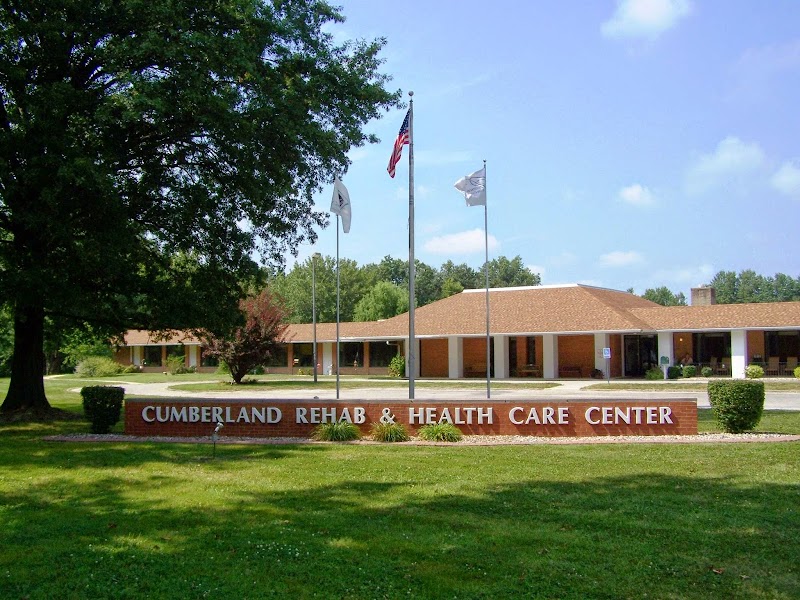
How is Cumberland Rehab & Health Cc Staffed?

CMS rates CUMBERLAND REHAB & HEALTH CC's staffing level at 3 out of 5 stars, which is average compared to other nursing homes. Staff turnover is 26%, compared to the Illinois average of 46%. This relatively stable workforce can support continuity of care.

What Have Inspectors Found at Cumberland Rehab & Health Cc?

State health inspectors documented 29 deficiencies at CUMBERLAND REHAB & HEALTH CC during 2022 to 2024. These included: 29 with potential for harm.
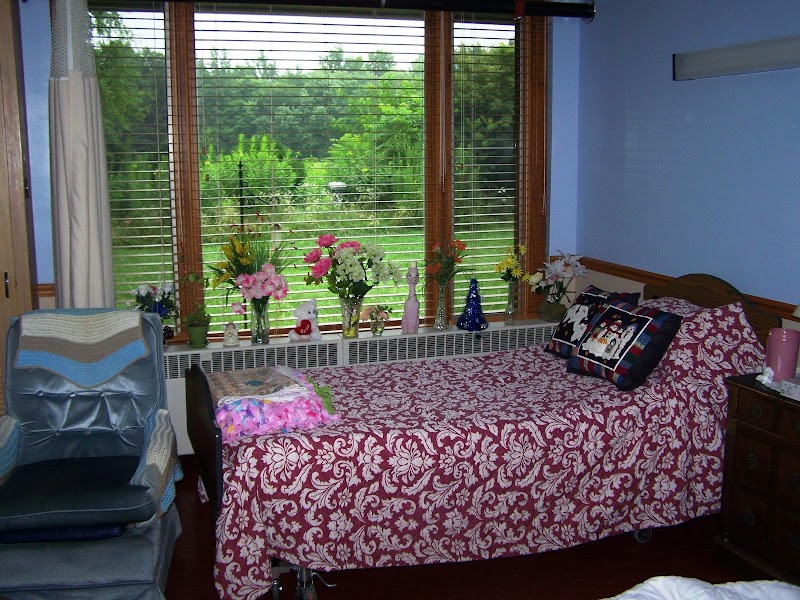
Who Owns and Operates Cumberland Rehab & Health Cc?

CUMBERLAND REHAB & HEALTH CC is owned by a for-profit company. For-profit facilities operate as businesses with obligations to shareholders or private owners. The facility is operated by PETERSEN HEALTH CARE, a chain that manages multiple nursing homes. With 54 certified beds and approximately 32 residents (about 59% occupancy), it is a smaller facility located in GREENUP, Illinois.
How Does Cumberland Rehab & Health Cc Compare to Other Illinois Nursing Homes?

Compared to the 100 nursing homes in Illinois, CUMBERLAND REHAB & HEALTH CC's overall rating (1 stars) is below the state average of 2.5, staff turnover (26%) is significantly lower than the state average of 46%, and health inspection rating (1 stars) is much below the national benchmark.

What Should Families Ask When Visiting Cumberland Rehab & Health Cc?

Based on this facility's data, families visiting should ask: "Can I visit during a mealtime to observe dining assistance and food quality?" "How do you handle medical emergencies, and what is your hospital transfer rate?" "Can I speak with family members of current residents about their experience?"

Is Cumberland Rehab & Health Cc Safe?

Based on CMS inspection data, CUMBERLAND REHAB & HEALTH CC has a clean safety record: no substantiated abuse findings (meaning no confirmed cases of resident harm), no Immediate Jeopardy citations (the most serious violation level indicating risk of serious injury or death), and is not on the Special Focus Facility watch list (a federal program monitoring the lowest-performing 1% of nursing homes). The facility has a 1-star overall rating and ranks #100 of 100 nursing homes in Illinois. While no facility is perfect, families should still ask about staff-to-resident ratios and recent inspection results during their visit.

Do Nurses at Cumberland Rehab & Health Cc Stick Around?

Staff at CUMBERLAND REHAB & HEALTH CC tend to stick around. With a turnover rate of 26%, the facility is 20 percentage points below the Illinois average of 46%. Low turnover is a positive sign. It means caregivers have time to learn each resident's needs, medications, and personal preferences. Consistent staff also notice subtle changes in a resident's condition more quickly.

Was Cumberland Rehab & Health Cc Ever Fined?

CUMBERLAND REHAB & HEALTH CC has no federal fines on record. CMS issues fines when nursing homes fail to meet care standards or don't correct problems found during inspections. The absence of fines suggests the facility has either maintained compliance or corrected any issues before penalties were assessed. This is a positive indicator, though families should still review recent inspection reports for the full picture.

Is Cumberland Rehab & Health Cc on Any Federal Watch List?

CUMBERLAND REHAB & HEALTH CC is not on any federal watch list. The most significant is the Special Focus Facility (SFF) program, which identifies the bottom 1% of nursing homes nationally based on persistent, serious quality problems. Not being on this list means the facility has avoided the pattern of deficiencies that triggers enhanced federal oversight. This is a positive indicator, though families should still review the facility's inspection history directly.