GREENVILLE NURSING & REHAB

400 EAST HILLVIEW AVENUE, GREENVILLE, IL 62246 (618) 664-1622
For profit - Limited Liability company 90 Beds WLC MANAGEMENT FIRM Data: November 2025
Trust Grade
33/100
#367 of 665 in IL
Last Inspection: August 2024

Within standard 12-15 month inspection cycle. Federal law requires annual inspections.

Overview

Greenville Nursing & Rehab has received a Trust Grade of F, indicating significant concerns about the quality of care provided. Ranking #367 out of 665 facilities in Illinois places it in the bottom half, while being the only option in Bond County means families have no local alternatives. The facility is worsening, with the number of reported issues increasing from 6 in 2023 to 7 in 2024. Staffing is a notable weakness, with a poor rating of 1 out of 5 stars and a staggering 100% turnover rate, suggesting instability among caregivers. Specific incidents include a resident suffering a fractured femur due to inadequate fall supervision and another resident sustaining a head injury after a fall, highlighting serious safety concerns. Additionally, medication management has been problematic, with improperly stored and labeled medications potentially affecting all residents. While the health inspection rating is decent at 4 out of 5 stars, the overall situation indicates families should proceed with caution.

Trust Score
F
33/100
In Illinois
#367/665
Bottom 45%
Safety Record
Moderate
Needs review
Inspections
Getting Worse
6 → 7 violations
Staff Stability
⚠ Watch
100% turnover. Very high, 52 points above average. Constant new faces learning your loved one's needs.
Penalties
○ Average
$10,413 in fines. Higher than 64% of Illinois facilities. Some compliance issues.
Skilled Nurses
○ Average
Each resident gets 33 minutes of Registered Nurse (RN) attention daily — about average for Illinois. RNs are the most trained staff who monitor for health changes.
Violations
⚠ Watch
17 deficiencies on record. Higher than average. Multiple issues found across inspections.
★★☆☆☆
2.0
Overall Rating
★☆☆☆☆
1.0
Staff Levels
★☆☆☆☆
1.0
Care Quality
★★★★☆
4.0
Inspection Score
Stable
2023: 6 issues
2024: 7 issues

The Good

  • Full Sprinkler Coverage · Fire safety systems throughout facility
  • No fines on record

Facility shows strength in fire safety.

The Bad

2-Star Overall Rating

Below Illinois average (2.5)

Below average - review inspection findings carefully

Staff Turnover: 100%

53pts above Illinois avg (47%)

Frequent staff changes - ask about care continuity

Federal Fines: $10,413

Below median ($33,413)

Minor penalties assessed

Chain: WLC MANAGEMENT FIRM

Part of a multi-facility chain

Ask about local staffing decisions and management

Staff turnover is very high (100%)

52 points above Illinois average of 48%

The Ugly 17 deficiencies on record

2 actual harm
Aug 2024 5 deficiencies 1 Harm
SERIOUS (G)

Actual Harm - a resident was hurt due to facility failures

Accident Prevention (Tag F0689)

A resident was harmed · This affected 1 resident

**NOTE- TERMS IN BRACKETS HAVE BEEN EDITED TO PROTECT CONFIDENTIALITY** Based on observation, interview and record review, the facility failed to ensure resident was supervised to prevent falls and im...

Read full inspector narrative →
**NOTE- TERMS IN BRACKETS HAVE BEEN EDITED TO PROTECT CONFIDENTIALITY** Based on observation, interview and record review, the facility failed to ensure resident was supervised to prevent falls and implement effective fall prevention measures for 1 of 3 residents (R60), reviewed for incident/accidents, in the sample of 33. This failure resulted in R60 sustaining a fractured femur (broken leg bone), discomfort and a decline in functional status. Findings include: The Facility's Incident Log documents R60 experienced falls on: 6/4/2024 in the main lobby; 6/6/2024 in her bathroom resulting in a hematoma; two falls on 6/8/2024, both in R60's bedroom, with one resulting in an injury requiring a hospital admission. R60's baseline care plan dated 5/14/2024 documents R60 is at Risk for falls and will not experience any injuries related to falls. R60's Care Plan dated 6/4/2024, Staff to offer help resident safely transfer to one of the chairs or couch in the dining room seating area after breakfast. R60's Care Plan dated 6/6/2024 documents, Offer resident to be laid down after meals. R60's Care Plan dated 6/8/2024 documents, Bed in lowest position while occupied as well as Fall mat to be placed next to resident bed while occupied. 15 minute checks will also be initiated upon return from hospital for 72 hours. R60's Care Plan dated 6/12/2024 documents, Verbally remind resident not to ambulate without assistance. R60's Minimum Data Set (MDS) dated [DATE] documents R60 is cognitively impaired and requires partial/moderate assistance to go from the sitting to standing position as well as ambulating. R60's significant change MDS dated [DATE] documents R60 now dependent for transfers. The Facility's Resident Matrix dated 8/19/2024 documents R60 had a fall, a fall with injury and a fall with major injury. The Facility's Resident Incident Report dated 6/4/2024 documents, Resident alarm sounding from main lobby- resident attempting to self-transfer from w/c (wheel chair) in lobby and noted on left knee trying to get up. Wheels locked to w/c with left leg under and trying to stand back up with right foot on the ground and right knee next to chair. Denied pain or injury. Assisted resident to chair and no injuries assessed. Transferred back to w/c w/ (with) alarm in place. Immediate actions taken: assessed and transferred back to w/c with alarm under resident and taken back to common area. The Facility's Resident Incident Report dated 6/6/2024 documents, Resident transferred self to bed and fell onto knees. Immediate action taken: assisted to w/c and assessed for injuries none noted. The Facility's Resident Incident Report dated 6/8/2024 at 10:30 AM documents, CNA responded to alarm and noted resident on the floor in front of nightstand holding onto IV pole. CNA call[ed] for nurse. Resident assessed and assisted back onto the bed. Resident denies hitting head and denies pain at the time. There is no immediate action taken documented. The Facility's Resident Incident Report dated 6/8/2024 at 2:20 PM documents, CNA and nurse responded to loud noise. Resident noted on her back in the doorway of residents room. Resident assessed and not moved d/t (due to) resident screaming in pain to neck head and left hip. No visual injury noted. Resident sent to ER (Emergency Room) for possible unseen injuries. The Facility's Final Report to Illinois Department of Public Health dated 6/14/2024 documents the date of occurrence was 6/8/2024. The Initial Report documents R60 fell in the doorway of her room, began exhibiting signs of pain, was sent to the local Emergency Room, and was diagnosed with a fracture of the left femoral neck. It further documents, On 6/8/2024 (R60) attempted to ambulate on her own without assistance from staff. (R60) ambulated to the door of her room and when she got to the doorway she fell, landing on her left side. Nursing staff immediate assessed (R60), called her PCP (Primary Care Provider) and obtained orders to end resident to the ER (Emergency Room). Later in the evening the facility received a fax from the ER revealing a fracture of the left femoral neck. Resident was transferred to (metropolitan) hospital for further treatment of her injuries. Upon return the IDT (Inter-Disciplinary Team) assessed (R60) and determined that she is not ambulatory at this time due to mental status and physical limitations. IDT determines that based on the resident current state resident bed will be lowered to lowest position while occupied, a fall mat will be next to the bed while occupied, and resident will be placed on 15-minute checks for the first 72 hours following readmission. R60's X-ray report dated 6/8/2024 documents, Indication: Fell, left hip pain. Impression: Fracture of the left femoral neck. R60's Progress Notes dated 6/8/2024 at 10:45 AM documents a Certified Nursing Assistant (CAN) responded to R60's personal alarm and noted resident was on the floor in front of nightstand holding onto the Intravenous pole. R60's wheelchair was placed at bedside in the locked position and reminded for her safety to use call light and wheelchair. R60's Progress Notes dated 6/8/2024 at 2:20 PM documents a CNA and nurse heard a loud noise and responded, and resident was noted laying on her back in the door to her room with the wheelchair at her feet. R60 was yelling out in pain related to the back of her head, neck and left hip. R60's PCP was notified of the second fall, possible injuries and gave an order to send to the hospital. R60's Progress Notes dated 6/12/2024 at 6:20 PM documents R60 returned to the Facility and was yelling/moaning out loud upon arrival and continued to moan throughout the shift. R60's Every 15 Minute Check Sheet dated 6/12/2024 checks were implemented and was in bed moaning for several consecutive hours. On 8/20/2024 at 11:36 AM V5, Certified Nursing Assistant (CNA), V10 Registered Nurse (RN) and V15, CNA stated R60 sustained a hip fracture while at the facility. On 8/21/2024 at 8:58 AM, R60 was in bed. R60's bed was not in its lowest position. This observation was verified by a second surveyor. On 8/21/2024 at 11:45 AM, V5 stated R60 is a fall risk and attempts to get out of bed unassisted. V5 stated R60's bed should be in the lowest position. V5 stated R60 is smarter than you think. It's 'iffy' if she would remember directions given. V5 stated she would not consider reminders as an effective intervention and should be 1:1 supervision. V5 stated she has expressed her concerns to nursing staff and the Director of Nursing (DON). V5 stated R60 requires two staff members for assistance with ambulation/transfers. On 8/21/2024 at 11:56 AM, V15 stated R60's bed should be in the lowest position and requires 1-2 staff members for assistance. V15 stated if none of the fall prevention interventions are working, staff must sit with R60. On 8/22/2024 at 9:42 AM, V10, MDS/Care Plan Nurse stated, We usually look at what interventions they have, look at what they already have in place, investigate what happened, look at other interventions in place to come up with more. One of the falls (R60) was using an intervention we already had in place, the wheelchair. We meet every morning, the next morning after it happens, we have an IDT meeting. The immediate intervention on this one was to keep her in a supervised area. Our intervention after that one was to transfer into one of the chairs. She was trying to transfer herself, so we go ahead and transfer her to the chair. (R60) had two falls on 6/8 (2024) one in morning, and one later. The IDT meeting probably wouldn't have been until the next day. That's the one I was just saying, we locked the wheelchair and put it by her, the second fall she was pushing the wheelchair. They had immediately put that intervention into place, they didn't document it on here (the Incident Report). That fall was on the weekend, the IDT meeting wouldn't have been until Monday. They call and notify (V1, Administrator) and (V2, Director of Nursing) of fall, and they ask them what did you do. On 8/22/2024 at 9:43 AM V1 stated, (R60's) (6/4/2024) fell in the common area. That wasn't the immediate intervention. She was in the front lobby. We were all in morning meeting. She tried to self-transfer, and they brought her to the circle/old nurse's station. IDT meetings are held every meeting after morning meeting. (R60's) 6/6 (2024) fall- the root cause was self-transfer. Most of the time she is trying to get herself from wheelchair to softer chair, so we try to transfer her before she does because she is always trying to transfer self into those chairs. She has been offered into one of those chairs but didn't want too today. The first fall (On 6/8/2024)-her wheelchair was not around her bed. She tried to get out of bed, held onto IV pole. The immediate intervention was to put wheelchair with wheels locked next to bed, but that then unfortunately led to next fall. She (R60) held onto wheelchair with breaks locked and used it as a walker. I watch it on video, the CNA had just laid eyes on her. I saw it in video. During this time, she had UTI (urinary tract infection) and was very confused and agitated. (R60's) alarm (position changing alarm) was not sounding on this one (second fall on 6/8/2024). It's care planned she has a history of turning it off. We put her alarm at the head of bed frame, I think she turned it off. Those interventions were the safest thing we could come up with. The Facility's Fall and Fall Risk, Managing Policy dated March 2018, documents, Based on previous evaluations and current data, the staff will identify interventions related to the resident's specific risks and causes to try to prevent the resident from falling and to try to minimize complications from falling. It continues to document, If falling recurs, despite initial interventions, staff will implement additional or different interventions, or indicate why the current approach remains relevant. It further documents, Position change alarms will not be used as the primary or sole intervention to prevent falls, but rather will be used to assist the staff in identifying patterns and routines of the resident. The use of alarms will be monitored for efficacy and staff will respond to alarms in a timely manner. It further documents, If the resident continues to fall, staff will re-evaluate the situation and whether it is appropriate to continue or change current interventions. As needed, the attending physician will help the staff reconsider possible causes that may not previously been identified. The staff and or/physician will document the basis for conclusions that specific irreversible risk factors exist that continue to present a risk for falling or injury due to falls.
CONCERN (D)

Potential for Harm - no one hurt, but risky conditions existed

Pressure Ulcer Prevention (Tag F0686)

Could have caused harm · This affected 1 resident

Based on observation, interview and record review the Facility failed to prevent pressure ulcer development for 1 of 3 residents (R44) reviewed for skin impairment, in the sample of 33. Findings incl...

Read full inspector narrative →
Based on observation, interview and record review the Facility failed to prevent pressure ulcer development for 1 of 3 residents (R44) reviewed for skin impairment, in the sample of 33. Findings include: R44's face sheet, dated 8/22/2024, documented R44 has diagnoses of displaced subtrochanteric fracture of left femur, paraplegia, acute infarction of spinal cord, depressive disorder, generalized anxiety disorder, obstructive and reflux uropathy, lymphoma, chronic obstructive pulmonary disease, and cognitive communication deficit disorder. R44's Physician Order Sheet, dated 8/17/2024, documented an order for an indwelling urinary catheter secondary to obstructive and reflux uropathy. R44's Physician Order Sheet dated 8/21/2024 documents, Cleanse wound to sacrum with Normal Saline. Apply Calcium Alginate and cover with dry dressing. R44's Braden Scale (Tool to determine skin breakdown risk) dated 8/17/2024 documents R44 is occasionally moist and at moderate risk for skin for skin breakdown. R44's Care Plan dated 7/1/2024, documents, I have potential for pressure ulcer development related to immobility and that R44 needs monitoring, reminding, and assistance to turn and reposition at least every 2 hours. R44's Progress Note, dated 8/17/24, documented R44 has moisture associated skin damage to coccyx. R44's Progress Note, dated 8/18/24 documented resident was yelling out and complained of buttock pain. On 8/21/24 R44 was observed sitting up in her wheelchair on the C hall from 11:30 am until 12:05 pm. R44 was observed as she was transported to the dining room in her wheelchair at 12:05 pm. R44 was observed sitting in her wheelchair in the dining room from 12:05 pm until 1:22 pm without the benefit of being repositioned. Observed R44 as she was transported to the C hall in her wheelchair at 1:22 pm. R44 was continuously observed sitting in her wheelchair from 11:30 am until 2:15 pm without the benefit of being repositioned or being asked if she would like to be repositioned. On 8/21/24 at 3:35 PM, R44 was observed as she was transferred to bed via a mechanical lift by V5, CNA and V15, CNA. V5 and V15 performed urinary catheter care on R44 and then rolled her onto her left side. R44 was observed with an approximate 5 cm (centimeters) by 3 cm by 0.2 cm wound to her coccyx. The wound bed was pink and moist. R44 did not have a dressing covering the wound and a small amount of dried feces was observed in the wound bed. On 8/22/24 at 8:50 AM, V17, Regional Nurse stated she would expect R44 to be repositioned at least every 2 hours while up in her wheelchair and while in bed. The Facility's Prevention of Pressure Ulcers/Injuries policy, dated July 2017, documented it is the purpose of this procedure to provide information regarding identification of pressure ulcer/injury risk factors and interventions for specific risk factors. Preparation: Review the resident's care plan and identify the risk factors as well as the well as the interventions designed to reduce or eliminate those considered modifiable. Risk Assessment: 1. Assess the resident on admission (within eight hours) for existing pressure ulcer/injury risk factors. Repeat the risk assessment weekly and upon any changes in condition. It continues, 4. Inspect the skin on a daily basis when performing or assisting with person care or ADLS. A. Identify any signs of developing pressure injuries. B. Inspect pressure points (sacrum, heels, buttocks, coccyx, elbows, ischium, trochanter, etc.) C. Wash the skin after any episodes of incontinence D. Moisturize dry skin daily; and e. Reposition resident as indicated on the care plan. Prevention: Moisture 1. Keep the skin clean and free of exposure to urine and fecal matter. It continues, Mobility/Repositioning: 1. Choose a frequency for repositioning based on the resident's mobility, the support surface in use, skin condition and tolerance, and the resident's stated preferences. 2. At least every two hours as resident allows, reposition residents who are chair-bound or bed bound. 3. Reposition more frequently as needed, based on the condition of the skin and the resident's comfort.
CONCERN (D)

Potential for Harm - no one hurt, but risky conditions existed

Deficiency F0688 (Tag F0688)

Could have caused harm · This affected 1 resident

**NOTE- TERMS IN BRACKETS HAVE BEEN EDITED TO PROTECT CONFIDENTIALITY** Based on record review, observations and staff and resident interview, the facility failed to provide treatment to prevent furth...

Read full inspector narrative →
**NOTE- TERMS IN BRACKETS HAVE BEEN EDITED TO PROTECT CONFIDENTIALITY** Based on record review, observations and staff and resident interview, the facility failed to provide treatment to prevent further decrease in range of motion for 1 of 3 (R9) residents reviewed for range of motion in a sample of 33. Findings include: R9 was admitted to the facility on [DATE] with multiple diagnoses including right knee pain, cerebral infarction, cognitive communication deficit, presence of other heart valve, GERD (gastroesophageal reflux disease), generalized muscle weakness, other abnormal gait and mobility, vitamin D deficiency, HLD, (hyperlipidemia), HTN, (hypertension), chronic congestive heart failure and polyneuropathy. Physician orders from 1/16/2024 included PT (physical therapy) and OT (occupational therapy) to evaluate and treat. On 8/19/24 at 11:23 AM, R9 was noted with decreased movement of right hand. R9 stated that they have done exercises but doesn't remember when this was. R9 stated this wasn't helping so she quit. The quarterly Minimum Data Set (MDS) assessment dated [DATE] indicated that R9 had limitation in range of motion on lower and upper extremities on the right side. R9's care plan dated 02/01/18 was reviewed. One of the care plan problems specified R9 has an ADL (Activities of daily living) Self Care Performance Deficit. The goal is that R9 will maintain current level of function in through the next review date. The interventions include a restorative program - AROM) Active Range of Motion BLE, (bilateral lower extremities) 2 sets 10 reps (repetitions); AROM: BLE hip abduction)/adduction; AROM: hip flex, ankle pumps, knee extension. Transfer: R9 requires mechanical lift assist for transfers. On 8/21/2024 at 10:35 AM, V13, Director of Rehabilitation stated she reviewed the records on (R9's) therapy. She stated her records show that her therapy ended in 4/2024. She is not able to view additional records due to the change in electronic medical systems. She stated the floor CNAs perform the restorative programs. V13 provides a copy of the individual residents' restorative program to the MDS coordinator who places it in the restorative binder. On 8/21/2024 at 10:45 AM, V2, Director of Nursing stated the Certified Nursing Assistants (CNA) on the halls are currently providing restorative care to the residents. On 8/21/2024 at 10:50 AM, V10, MDS coordinator, stated she receives the resident's restorative program (V13) and places it a restorative binder that she keeps in her office. V10 puts these restorative tasks in the care plan which then flows over on the electronic medical record for the CNAs tasks for the day. On 8/21/2024 at 11:50 AM, V14, CNA, stated she said she was unsure who performs ROM exercises. V14 checked with V8, LPN for guidance. V8 stated that the CNAs perform the restorative care on residents when getting them out of bed. She stated that this can be done when you stretch her out as you get her out of bed. Surveyor requested to observe R9 returning to bed so restorative care can be performed. On 8/21/24 at 12:35 PM, V20, CNA was asked regarding restorative services for residents. She stated the floor CNAs perform this. They know this by looking at the resident's care plan. This activity is then documented on the check list under the restorative program entry. 8/21/2024 at 12:30 PM, V18, (R9's Daughter) stated that her mother has been here since 1/17/22. She stated R9 has a good appetite. She is limited with her activity - more so than since she first arrived. She stated that at least before R9 could stand and use the walker. Now she can barely stand. She stated she has a stroke in 1/2024 which affected her right hand and right leg. She stated that yesterday she asked the staff if they could do therapy because her mom gets so tired of sitting. Staff had told her they would do that when they put her to bed. On 8/21/24 at 2:10 PM, V9 was observed sitting in chair in room. V14, CNA and V16, CNA performed right leg flexion and extension was performed with leg supported at knee and ankle and leg straight x 10. (1 set) Left leg flexion and extension was performed x10 reps (1 set). Knee and ankle supported but left leg was partially bent. Only one set was performed but not two. Leg Abduction was performed while sitting in wheelchair x10 (1 set). Dorsal flexion/plantar performed x10 on each foot Transferred to bed per mechanical lift using correct technique. At this time bilateral right and lower leg extension performed supporting knee and ankle x 10. (1 set). Legs were not bent toward chest and straightened. Hip abduction or adduction were not performed in bed. Ankle inversion and eversion was not performed. There was only one set of exercises performed, not 2 sets as documented in the care plan. The facility's Resident Mobility and Range of Motion policy documented that the policy statement is that d1) residents will not experience an avoidable reduction in range of motion (ROM), 2. Residents with limited range of motion will receive treatment and services to increase and/or prevent a further decrease in ROM, and 3. Residents with limited mobility will receive appropriate services, equipment and assistance to maintain or improve mobility unless reduction in mobility is unavoidable. The policy interpretation and implementation continue that the care plan will be developed by the interdisciplinary team based on the comprehensive assessment and will be revised as needed. The care plan will include specific interventions, exercises, and therapies to maintain, prevent avoidable decline in, and/or improve mobility and range of motion. Interventions may include therapies, the provision of necessary equipment, and/or exercises and will be based on professional standards of practice and be consistent with state laws and practice acts. The care plan will include the type, frequency, and duration of interventions as well as measurable goals and objectives. The resident and representative will be included in determining these goals and objectives. The documentations of the resident's progress toward the goals and objectives will include attempts to address any changes or decline in the resident's condition or need.
CONCERN (D)

Potential for Harm - no one hurt, but risky conditions existed

Medication Errors (Tag F0758)

Could have caused harm · This affected 1 resident

**NOTE- TERMS IN BRACKETS HAVE BEEN EDITED TO PROTECT CONFIDENTIALITY** Based on observation, interview, and record review, the facility failed to monitor resident for behaviors and review as needed (...

Read full inspector narrative →
**NOTE- TERMS IN BRACKETS HAVE BEEN EDITED TO PROTECT CONFIDENTIALITY** Based on observation, interview, and record review, the facility failed to monitor resident for behaviors and review as needed (PRN) psychotropic medication for 4 of 4 residents (R7, R20, R24, R56) reviewed for unnecessary medications in a sample of 33. Findings include: 1. R20's admission Record, with print date of 08/21/24, documented R20 has diagnoses of but not limited to depression and unspecified psychosis not due to a substance or known physiological condition. R20's Minimum Data Set (MDS), dated [DATE], documented R20 is she is moderately cognitively impaired with a Brief Interview of Mental Status (BIMS) of 11 out of 15 and requires some assistance with her activities of daily living (ADLs). R20's Care Plan, with print date of 08/20/24, documented description antidepressant medication and antipsychotic drug use: At risk for side effects and interventions of but not limited to monitor patterns of target behaviors. R20's Physician's Orders, dated 03/25/24, documented R20 was to get the following medications: Sertraline 100 milligrams (mg) 2 tabs by mouth at bedtime related to depression, unspecified, Bupropion 75mg 1 tab by mouth two times a day related to depression, and Quetiapine Fumarate 25mg 1 tab by mouth at bedtime related to depression. R20's Physician's Orders, dated 08/15/24, documented R20's previous Quetiapine Fumarate was discontinued and increased to Quetiapine Fumarate 25mg 2 tabs at bedtime and Quetiapine Fumarate 25mg give half a tab (12.5mg) daily at 5:00 PM. R20's Resident Care Plan Behavior Tracking Record for the month of May 2024 was reviewed and documented, Problem: Resident showing signs of depression, down/tearful and does not have any documentation for the day shift on the following dates: 05/01/24 through 05/18/24, 05/22, 05/23, 05/26 through 05/29/24, and 05/31/24. No documentation on the evening shifts for the dates of 05/01/24 through 05/19/24, 05/22/24 through 05/31/24. Problem: Resident will wander around facility near exits and become lost was reviewed and has no documentation for the day shift for the dates of 05/01/24 through 05/19/24, 05/22, 05/23, 05/26/24 through 05/29/24, and 05/31/24. The evening shift has no documentation from 05/01/24 through 05/19/24 and no documentation from 05/22/24 through 05/31/24. R20's Resident Care Plan Behavior Tracking Record for the month of June 2024 was reviewed and documented Problem: Resident showing signs of depression, down/tearful. Resident will wander around facility near exits and become lost has no documentation for day shift on the following dates: 06/02/24 through 06/06/24, 06/08/24 through 06/14/24, 06/18/24 through 06/22/24, and 06/26/24 through 06/28/24. There was no documentation noted for the evening shift for the following dates: 06/01/24 through 06/18/24 and 06/20/24 through 06/30/24. R20's Behavior Tracking Record for the month of July 2024 was reviewed and documented Problem: Resident showing signs of depression, down/tearful and Resident will wander around facility near exits and become lost has no documentation for day shift on the following dates: 07/24/24 through 07/26/24 and 07/30/24. On the evening shift for the problem of resident showing signs of depression, down/tearful has no documentation noted for 07/01/24 through 07/05/24, 07/07/24 through 07/12/24, 07/15, 07/16, 07/19/24 through 07/23/24, 07/25, 07/26, and 07/28/24 through 07/31/24. On the evening shift for the problem of resident will wander around facility near exits and become lost has no documentation for the dates of 07/01/24 through 07/05/24, 07/07/24 through 07/12/24, 07/15, 07/16, 07/19/24 through 07/23/24, 07/26, and 07/28/24 through 07/30/24. 2. R56's admission Record, with print date of 08/21/24, documented R56 has diagnoses of but not limited to delusional disorder, paranoid personality disorder, major depressive disorder, and dementia. R56's MDS, dated [DATE], documented he is cognitively intact with a BIMS of 13 out of 15 and requires setup/clean up assistance with oral hygiene, shower/bathe, lower body dressing, personal hygiene, supervision or touching assistance with toileting hygiene, independent with upper body dressing, put on/take off footwear, occasionally incontinent of bowel and bladder. R56's Care Plan, with print date of 08/21/24, documented Antidepressant medication use: At risk for side effects and Antipsychotic drug use: At risk for side effects with interventions of but not limited to monitor patterns of target behaviors. R56's Physician's Orders, dated 07/22/24, documented R56 was to get the following medication: Seroquel Oral Tablet 25mg (Quetiapine Fumarate), Give 25mg by mouth at bedtime related to major depressive disorder. R56's Physician's Orders, dated 07/25/23, documented R56 was to receive the following medication: Sertraline HCl Tab 100mg. Give 1.5 tablet by mouth one time a day related to major depressive disorder. R56's Resident Care Plan Behavior Tracking Records for the month of May 2024 were reviewed and documented Inappropriate behavior, comments, and delusions and down, depressed, and tearful. No documentation for day or evening shifts for the following dates 05/01/24 through 05/31/24. R56's Resident Care Plan Behavior Tracking Records for the month of June 2024 were reviewed and documented Inappropriate behavior, comments, and delusions and down, depressed, and tearful. No documentation for day shift on the following dates 06/02/24 through 06/06/24, 06/08/24 through 06/14/24, 06/18/24 through 06/22/24, and 06/26/24 through 06/28/24. On the evening shift there was no documentation for the following dates 06/01/24 through 06/18/24 and 06/20/24 through 06/30/24. R56's Resident Care Plan Behavior Tracing Records for the month of July 2024 were reviewed and documented Inappropriate behavior, comments, and delusions and down, depressed, and tearful. No documentation for day shift on the following dates 07/23/24 through 07/26/24 and 07/30/24. On the evening shift there was no documentation for the following dates 07/01/24 through 07/05/24, 07/07/24 through 07/12/24, 07/15, 07/16, 07/19/24 through 07/23/24, 07/25, 07/26, and 07/28/24 through 07/31/24. On 08/22/24 at 9:42 AM V10, MDS Coordinator stated all the tracking sheets should be filled out on every shift. V10 said they are used to see if medications are working and to see if they need to adjust the medication, so they don't have behaviors. On 08/22/24 at 10:00 AM, V1, Administrator stated she noticed behavior tracking was not being done. V1 said Certified Nursing Assistants (CNAs) and nurses are supposed to fill out behavior tracking. With Point Click Care (PCC) they will be documenting behaviors in PCC. V1 said they are supposed to be charting every day and days and evenings, but they are busy and sometimes the tracking slips their minds. V1 was asked how they are justifying increasing R20's Seroquel medication when there is no documentation on the behavioral tracking record to support the medication being increased. V1 stated she wasn't a nurse, and she would have to check on that. She said she would be curious what her progress notes say because the nurses document on her in the progress notes about every shift and nights are worse for her and they will document on her. 3. R7's Face sheet dated 8/21/2024 documents R7 has diagnoses of Depression and Anxiety. R7's Order Summary Report dated 8/21/2024 documents R7 takes Lorazepam 0.5 milligrams (mg) for Anxiety. R7's Order Summary Report dated 8/21/2024 documents R7 takes Mirtazapine 7.5 mg and Sertraline 100 mg for Depression. R7's Care Plan dated 8/21/2024 document R7 takes antidepressant medication and to monitor for uncontrolled sx (symptoms) for depression and report to PCP (Primary Care Physician) prn (as needed). R7's Care Plan dated 8/21/2024 document R7 has a mood problem. R7's Care Plan dated 5/29/2024 documents R7 takes anti-anxiety medications and was updated 821/2024 to include Monitor for uncontrolled sx and report to PCP prn. R7's Care Plan dated 8/15/2024 documents R7 has anxiety, will have improved mood state, and show decreased episodes of anxiety through the next review date. Monitor/record mood to determine if problems seem to be related to external causes. Resident Care Plan Behavior Tracking Record for June 2024 and July 2024 documents, Problem: Resident showing signs of depression, down/tearful. Goal: Resident will have less than one episode during next review. Psychotropic Medications: Sertraline and Mirtazapine. Diagnosis: Depression. R7 has not experienced any of these symptoms. There are multiple days/shifts there are no entries documented to reflect if R7 experienced symptoms. These dates include: 6/11/2024, 6/12/2024, 6/13/2024, 6/18/2024, 6/21/2024, 6/22/2024, 6/23/2024, 6/24/2024, 6/25/2024, 6/31/2024, 7/2/2024, 7/3/2024, 7/9/2024, 7/23/2024 where there was no documentation for either day or night shift. On 7/6/2024, 7/8/2024, 7/15/2024, 7/16/2024, 7/20/2024, 7/21/2024, 7/22/2024, and 7/23/2024 there was documentation completed for signs or symptoms on dayshift. Resident Care Plan Behavior Tracking Record for July 2024 documents, Problem: Resident showing signs of anxiety and inappropriate laughter/tearfulness. Goal: Resident will have less than one episode during next review. Psychotropic Medication: Lorazepam. Diagnosis: Anxiety. R7 has not experienced any of these symptoms. There are multiple days/shifts there are no entries documented to reflect if R7 experienced symptoms. These dates include: 6/11/2024, 6/12/2024, 6/13/2024, 6/18/2024, 6/21/2024, 6/22/2024, 6/23/2024, 6/24/2024, 6/25/2024, 6/31/2024, 7/2/2024, 7/3/2024, 7/9/2024, 7/23/2024 where there was no documentation for either day or night shift. On 7/6/2024, 7/8/2024, 7/15/2024, 7/16/2024, 7/20/2024, 7/21/2024, 7/22/2024, and 7/23/2024 there was documentation completed for signs or symptoms on dayshift. On 8/22/2024 at 12:09 PM, V19, Certified Nursing Assistant, stated R7 did have some depression and anxiety back when she had her toe removed and stated it was around June or July of 2024. V19 stated behavior tracking should be done every day on dayshift and night shift. R7's Face sheet dated 8/21/2024 documents R7 had a complete traumatic amputation of her Right Great Toe on 5/29/2024. On 8/22/2024 at 9:46 AM, V1, Administrator stated, I noticed behavior tracking is not being done. CNAs and nurses are supposed to fill out behavior tracking. Every day they are supposed to be charting. They are busy and sometimes the tracking slips their minds. 4. R24's Face Sheet dated 8/21/2024 does not include a diagnosis for anxiety. R24's Order Summary Report dated 8/21/2024 documents Order date 7/16/2024- Ativan 0.5 mg by mouth every 4 hours as needed for Anxiety for osteoarthritis. On 8/22/2024 at 12:34 PM, V2, Director of Nursing stated R24 receives the Ativan for restlessness. R24's Mediation Administration Record (MAR) dated August 2024 documents R24 received doses of Ativan on 8/2/2024, 8/7/2024, 8/10/2024, 8/11/2024, 8/13/2024, 8/16/2024, ad 8/21/2024. The facility's policy, Antipsychotic Medication Use, revised date of 12/2016, documented Policy Statement Antipsychotic medications will be prescribed at the lowest possible dosage for the shortest period of time and are subject to gradual dose reduction and re-review. It further documented Policy Interpretation and Implementation c. Based on assessing the resident's symptoms and overall situation, the Physician will determine whether to continue, adjust, or stop existing antipsychotic medication. It also documented 14. The need to continue PRN orders for psychotropic medications beyond 14 days requires that the practitioner document the rationale for the extended order. The duration of the PRN order will be indicated in the order. 15. PRN orders for antipsychotic medications will not be renewed beyond 14 days unless the healthcare practitioner has evaluated the resident for the appropriateness of that medication. 16. The staff will observe, document, and report to the Attending Physician information regarding the effectiveness of any interventions, including antipsychotic medications.
CONCERN (E)

Potential for Harm - no one hurt, but risky conditions existed

Food Safety (Tag F0812)

Could have caused harm · This affected multiple residents

Based on observation, interview, and record review, the facility failed to label food items in the refrigerator with open dates and use by dates and dispose of outdated food items in the refrigerator....

Read full inspector narrative →
Based on observation, interview, and record review, the facility failed to label food items in the refrigerator with open dates and use by dates and dispose of outdated food items in the refrigerator. Findings include: On 08/19/24 at 09:15 AM, The initial tour of the kitchen was completed and the walk-in refrigerator with the following items was observed: 1. Open container of milk with no open date on it. 2. A gallon container of dill pickle slices with an open date of 07/10 and a use by date of 08/16/24 was on the lid. 3. A container of chicken noodle soup with a use by date of 08/18/24 on the lid. 4. A gallon container of red French dressing with no open date or use by date observed on it. 5. A gallon container of Caesar dressing with no open date and use by date observed to be on it. 6. A container of vanilla yogurt with no open date or used by date observed on it. On 08/19/24 09:25 AM V3, Dietary Manager stated she would expect staff to label the containers with a received date, open date, and a use by date. She said she would also expect the staff to check the refrigerator daily and remove any outdated items. She said they have a chart located in the kitchen that lists how many days a food is good and how many days a certain food requires to be thawed out. On 08/22/24 at 10:00 AM, V1, Administrator stated she would expect everything in the refrigerator to be labeled with the open date and use by date, and she would expect them to be disposing of the food if the used date has come and gone. The facility's Food Storage (Dry, Refrigerated, and Frozen) policy, not dated, documented Guideline: Food shall be stored on shelves in a clean, dry area, free from contaminants. Food shall be stored at appropriate temperatures and using appropriate methods to ensure the highest level of food safety. It further documents Procedure: General storage guidelines to be followed: a. All food items will be labeled. The label must include the name of the food and the date by which it should be sold, consumed, or discarded. It also documents c. Discard food that has passed the expiration date, and discard food that has been prepared in the facility after seven days of storing under proper refrigeration.
Mar 2024 1 deficiency
CONCERN (D) 📢 Someone Reported This

A family member, employee, or ombudsman was alarmed enough to file a formal complaint

Potential for Harm - no one hurt, but risky conditions existed

Deficiency F0602 (Tag F0602)

Could have caused harm · This affected 1 resident

**NOTE- TERMS IN BRACKETS HAVE BEEN EDITED TO PROTECT CONFIDENTIALITY** Based on interview and record review the facility failed to ensure resident's-controlled medications were accounted for and not ...

Read full inspector narrative →
**NOTE- TERMS IN BRACKETS HAVE BEEN EDITED TO PROTECT CONFIDENTIALITY** Based on interview and record review the facility failed to ensure resident's-controlled medications were accounted for and not subjected to misappropriation or diversion for 2 of 6 residents (R3 and R4) reviewed for controlled medications in a sample of 7. This failure has the potential to affect all residents residing at the facility who receive controlled medications. Past Noncompliance: no plan of correction required. This past non-compliance occurred between 03/01/24 and 03/09/24. Findings include: 1. R3's Face Sheet, with an admission date of 01/06/23, documents R3 has diagnoses of but not limited to Acute hematogenous osteomyelitis, left humerus, Gastroesophageal reflux disease (GERD), acute kidney failure, Diabetes Mellitus, chronic pain syndrome, and other specified arthritis. R3's Minimum Data Set, (MDS), dated [DATE], documents R3 is cognitively intact with a Brief Interview for Mental Status, (BIMS), of 15 out of 15. It further documents R3 requires substantial/maximal assistance with oral hygiene, shower/bathe, upper body dressing, bed mobility, dependent with lower body dressing, personal hygiene, transfer, and she is always incontinent of bladder and always continent of bowel. R3's Care Plan, with print date of 03/26/24, documents R3 experiences the presence of frequent pain, goal is to have full pain relief, and interventions are, teach distraction techniques, monitor for worsening of pain symptoms and notify physician of changes, assess pain daily using 1-10 scale, and administer pain medication as needed. R3's Physician's Order, dated 05/28/2023 at 1:34 PM, documents hydrocodone 10 milligrams (mg)-acetaminophen 325 mg tablet:1 tab by mouth (PO) every 4 hours as needed (PRN) for pain. R3's Controlled Drug Record, dated from 02/15/24 through 03/25/24, was reviewed and shows on 03/01/24 at 1:45 AM, R3 was given one tab of her hydrocodone 10mg-acetaminophen 325mg PRN pain medication by V9, Registered Nurse (RN). The pain medication was marked off which then left 43 tablets of R3's PRN pain medication. It also has the date 03/01/24 at 11:45 written underneath the previous entry with just the initials of V3, Licensed Practical Nurse (LPN). The 43 was not marked off, indicating no PRN pain medication was given and there should still be 43 tablets left. R3's Medication Administration Record, (MAR), dated 03/2024, was reviewed and shows R3 received her PRN her hydrocodone 10mg-acetaminophen 325mg pain medication by V9, RN at 1:42 AM on 03/01/24 and then she received it again at 9:02 PM on 03/01/24, by V8, LPN. There is no documentation on R3's MAR she received any PRN pain medication from V3, LPN at 11:45 AM or PM on 03/01/24. On 03/25/24 at 1:35 PM, R3 stated she was informed by facility staff that she had a pain pill that was missing. R3 said she usually takes her pain medication at night, and she doesn't take it like she used to. R3 stated the day it was reported to be missing she didn't ask for any pain medication and nor did she receive any of her pain medication. R3 stated the facility replaced the medication and she never had to miss a dose of the pain medication. 2. R4's Face Sheet, with an admission date of 04/19/22, documents R4 has diagnoses of but not limited to chronic pain, chronic lymphocytic leukemia, and chronic kidney disease. R4's MDS, dated [DATE], documents R4 was moderately cognitively impaired with a BIMS of 08/15 and required supervision/touching assistance with dressing, oral hygiene, toileting hygiene, transferring, walking short distances, partial/moderate assistance with shower/bathe, personal hygiene, occasionally incontinent of bladder, and always continent of bowel. R4's Care Plan, print date of 03/26/24, documents end stage disease, goal: Remain comfortable as disease progresses, interventions are but not limited to, provide comfort measures, and evaluate and treat pain. R4's Physician's Orders, dated 07/24/23, documents Hydrocodone-Acetaminophen 5/325mg (Norco) one tab every 4 hours PRN for pain. R4's Physician's Orders, dated 08/01/23, documents Hydrocodone-Acetaminophen 5/325mg take one tablet by mouth daily at bedtime, (HS). R4's Controlled Drug Record, dated 01/08/24 through 03/18/24 shows on 03/01/24 at 3:00 AM, R4 was given one tab of his PRN Norco by V9, RN and 34 was marked off which then left 33 tablets of R4's PRN pain medication. It also has the date 03/01 written underneath the previous entry with no time and V3's, LPN initials and 33 was not marked off indicating it had not been given. So, the controlled drug record documents R4 still has 33 tablets left of the PRN Norco. R4's MAR, dated 03/01/24, documents R4 received his PRN Norco twice on this day, once by V9, RN. R4 did not receive any other Norco PRN medication for this day, but he did receive his scheduled bedtime dose, which was given by V8, LPN at 9:05 PM. There is no documentation on R4's MAR that V3, LPN gave him a PRN dose of pain medication. R3's and R4's Illinois Department of Public Health (IDPH) final report, date of incident: 3/1/24 at 5:55 PM, documents R3, 3/1/1951, BIMS 15, diagnosis include, but are not limited to: angina pectoris, anxiety disorder, depression, GERD, acute kidney failure. R4, 4/5/1941, BIMS 8, diagnosis include, but are not limited to: non-Hodgkin lymphoma, neuropathy, lumbago with sciatica, chronic kidney disease Stage 1. During a change of shift narc (narcotic) count that was completed at approximately 4p (PM), it was found the count was off by two Norco. When questioned about the two missing narcs, V3, Licensed Practical Nurse (LPN) stated she forgot to sign them out. Camera footage was reviewed and floor nurse V3 was observed in the narcotic box in the med (medication) cart around 12:15p. V3 was then observed taking a card from the back of the narcotic box and popped a pill into a med cup. V3 then continued to dispense other non-narcotic medications into another med cup. After dispensing the medications, V3 did not go into the room of R3 to administer the narcotic that she had dispensed into a med cup by itself. V3 was observed coming out of the room with what appeared as something in her mouth, and she immediately went to the med cart and took a drink of water. Both residents were immediately assessed with no adverse reaction found. Both residents are alert and oriented times four and stated that they did not ask for any pain medication, nor did they receive any PRN pain medications this day. V3 was immediately drug tested at the facility which revealed she was positive for morphine, oxy (oxycodone), benzos (benzodiazepines), and amphetamines. After the positive urine drug screen employee V3 was asked if she had prescriptions for these medications. V3's urine test was negative during her orientation. V3 said she did have prescriptions and would ask her PCP (Primary Care Physician) for them. V3 did not submit anything from her PCP and informed administrator via text that she would not be returning as a floor nurse with us, she had accepted another position. V3 terminated per investigation findings. On 03/26/24 at 1:50 PM, V2, Director of Nursing (DON) stated she would expect the nurse to ensure the do narcotic count at every shift change. If they find any issues to report it to V2 immediately, and to make sure they sign off the narcotics sheet when the medication is given. V2, DON stated she does random narcotic counts, and she did one on 03/01/24. While doing the random narc count 3/01/24 was when the discrepancy was found. When V2 found the discrepancy, she immediately reported it to V1, Administrator and they reviewed the camera. The facility's Abuse Prevention Policy and Procedures, dated 08/16/2021, documents Misappropriation of resident property, means the deliberate misplacement, exploitation, or wrongful, temporary, or permanent use of a resident's belongings or money without the resident's consent. It further documents Employees are required to report any incident, allegation or suspicion of crime or potential abuse, neglect or misappropriation of property they observe, hear about, or suspect to the administrator. Prior to the survey date, the facility took the following actions to correct the deficient practice: 1. A Quality Assurance and Performance Improvement meeting was held on 03/05/24. In attendance- V1, Administrator, V2, Director of Nursing (DON), V6, Medical Doctor, V10, Infection Control Preventionist, V11, Regional Clinical Nurse, and V12, MDS Coordinator. 2. Process/Steps to identify others having the potential to be impacted by the same deficient practice: All residents who receive a controlled substance. 3. Measures put into place/systematic changes to ensure the deficient practice does not recur: V2, DON provided in-service to all staff regarding abuse. Completed on 03/09/24. Nursing staff regarding counting narcotics. Completed on 03/04/34. 4. Plan to monitor performance to ensure solutions are sustained: Narcotic audits to be conducted by V2, DON daily for a month, then three times a week for one month, then twice a week for one month.
Mar 2024 1 deficiency
CONCERN (D) 📢 Someone Reported This

A family member, employee, or ombudsman was alarmed enough to file a formal complaint

Potential for Harm - no one hurt, but risky conditions existed

Deficiency F0582 (Tag F0582)

Could have caused harm · This affected 1 resident

**NOTE- TERMS IN BRACKETS HAVE BEEN EDITED TO PROTECT CONFIDENTIALITY** Based on interview and record review, the facility failed to obtain a signed Notice of Medicare Non-Coverage (NOMNC) in order fo...

Read full inspector narrative →
**NOTE- TERMS IN BRACKETS HAVE BEEN EDITED TO PROTECT CONFIDENTIALITY** Based on interview and record review, the facility failed to obtain a signed Notice of Medicare Non-Coverage (NOMNC) in order for an opportunity to appeal an insurance denial for 1 of 3 residents (R1) reviewed for Physical Therapy, in the sample of 3. Findings include: R1's Facesheet dated 3/8/2024 documents R1 was admitted to the facility on [DATE]. It further documents, admission reason for stay: Short term skilled nursing and rehabilitation care. R1's Critical Incident Form from R1's insurance provider, dated 3/11/2024 documents, Member admitted to Greenville Nursing and Rehab for skilled care with intent to return home. Member admitted on [DATE] and skilled care ended on 2/19/24 but therapy did not work on standing or walking. Member is not able to return home and additional therapy is not approved. Member was provided with phone number for Ombudsman. Member stated to this nurse that she was not notified that her therapy was ending. Member was provided with phone number for Ombudsman. On 3/8/2024 at 9:15 AM, R1 stated, I've talked to (V5, Insurance Case Worker) maybe twice. They said they didn't give me a paper to sign. They weren't standing me up because the doctor (surgeon) hadn't released me. I'm going home today-my ride just walked in. I never had a meeting with anyone about it. On 3/8/2024 at 10:45 AM, V1 Administrator, stated, We have a NOMNC (Notice of Medicare Non-Coverage) but it is not signed. Looks like we received it in the mail, which sometimes we don't get them until after the date that services will end. On 3/8/2024 at 11:27 AM, V1 stated, (R1) was on a managed Medicaid/Medicare plan. Initially (R1) was not progressing because the doctor put her on restrictions. When she saw the doctor again and he lifted the restrictions, she was already off Med 'A' (skilled nursing care). I wonder why they didn't fax it. They sent it by mail (postal). I do not know who opened the letter. (V3) is supposed to. I think medical records may have opened it and not known (it needed to be signed/addressed with R1), but I honestly can't say that's what happened. Since the NOMNC wasn't signed, she was not able to appeal to get back on 'Med A. On 3/8/2024 at 12:41 PM, V3, Business Office Manager (BOM) stated, If the resident is coherent, I talk to them, and they sign it (NOMNC and ABN) to show that they understand. I do not know why it wasn't signed. It should have a confirmation cover sheet to show that it got sent back to the insurance company. I have done so many of these I can't always remember. I do not have any documentation to show proof of her receiving the notice. On 3/11/2024 at 9:45 AM, V5, Insurance Case Worker, stated, (R1) was getting physical therapy but she couldn't even stand. Our Utilization Management Department does the authorizations and they told me she (R1) should have contested the denial of coverage when the NOMNC was given to her. On 3/14/2024 at 8:45 AM, V1 verified that they did not have a NOMNC signed by R1. The Facility's Medicare Beneficiary Notice Policy, undated, documents, Notice of Medicare Non-Coverage (NOMNC) Advanced written notice to enrollees must be provided before termination of services in a Skilled Nursing Facility (SNF). If an enrollee files a Feature Focus appeal, then the plan must deliver a detailed explanation of why services should end. The two notices used for this purpose are: Notice of Medicare Non-Coverage (NOMNC) Form CMS-10123-NOMNC, and Detailed Explanation of Non-Coverage (DENC) Form CMS-10124-DENC. A Notice of Medicare Non-Coverage (NOMNC) to Medicare health plan enrollees is required when their Medicare covered service(s) are ending. The NOMNC informs enrollees on how to request an expedited determination from their Quality Improvement Organization (QIO) and gives enrollees the opportunity to request an expedited determination from a QIO. The Facility's Form Instructions for the Notice of Medicare Non-Coverage (NOMNC) documents, The provider must ensure that the beneficiary or representative signs and dates the NOMNC to demonstrate that the beneficiary or representative received the notice and understands that the termination decision can be disputed. Use of assistive devices may be used to obtain a signature. Signature line: The beneficiary/enrollee or the representative must sign this line.
Sept 2023 6 deficiencies 1 Harm
SERIOUS (G)

Actual Harm - a resident was hurt due to facility failures

Accident Prevention (Tag F0689)

A resident was harmed · This affected 1 resident

**NOTE- TERMS IN BRACKETS HAVE BEEN EDITED TO PROTECT CONFIDENTIALITY** Findings Include: 2. R25 was admitted to the facility on [DATE]. The facility's fall log, documents R25 had a fall on 9/3/23 res...

Read full inspector narrative →
**NOTE- TERMS IN BRACKETS HAVE BEEN EDITED TO PROTECT CONFIDENTIALITY** Findings Include: 2. R25 was admitted to the facility on [DATE]. The facility's fall log, documents R25 had a fall on 9/3/23 resulting in a head injury and was transferred to the local hospital. R25 received staples in his scalp. R25's Fall Risk Assessment, dated 5/16/23, documents R25 is a High Fall Risk with a score of 16. Total score of 10 or above represents High Risk. If High Risk, a prevention protocol should be initiated immediately and documented on the care plan. R25's Care Plan, dated 5/16/22, documents R25 is at risk for falls. Interventions: (5/16/22) Prefers wearing tennis shoes, uses a wheelchair for long distance mobility, remind to ask staff for assistance with ambulation, needs a night light on to help see at night, monitor for changes in condition that may warrant increased supervision/assistance and notify the physician. (10/4/22) intervention to place (non-slip pad) Dysem in wheelchair and encourage resident to sit in recliner between meals, signage to bathroom door to ask for help. (2/4/23) Dysem in recliner. (4/18/23) Anti-skid socks to be worn while in bed. (9/4/23) Personal chair alarm until anti-rollbacks arrive. (9/6/23) Resident not to be left alone in room in his wheelchair. R25's Minimum Data Set (MDS), dated [DATE], documents R25 has a moderate cognitive impairment and requires extensive assistance from one to two staff members for all ADLs. R25 is occasionally incontinent of urine and always continent of bowel. R25's Progress Note, dated 9/3/23 at 2:11 PM, documents, Per resident - Attempting to self-transfer from wheelchair to recliner when he had fallen and hit his head resulting in a 2-3 inch laceration to left temporal forehead. Resident had used call light and stated that he became impatient while waiting for help to transfer. MD (Medical Doctor) and POA (Power of Attorney) notified. Resident sent to (Local Hospital) by ambulance. R25's Progress Note, dated 9/3/23 at 2:12 PM, documents, (Local Hospital) called to update on resident. Resident is to return to facility with three staples to head laceration. To be removed in ten days. CT (Cat) scan was clear according to ER staff. R25's Progress Note, dated 9/3/23 at 3:11 PM, documents, Resident returned to facility via stretcher/ambulance from (Local Hospital) ER (Emergency Room) where DR. (doctor) ordered CT scan which was negative. Alert x 3 (times three) with no complaints of pain or SOB (shortness of breath). Three Staples in left temporal area head measure 3.5 x 0.1. Cleansed with normal saline and open to air, v/s (vital signs) stable on room air (RA): 127/73, 97.3, 56, 93%, call light in reach and education r/t (related to) letting help assist him with further transfers, head elevated. Neuro checks completed and intact, wife at bedside and very appreciative for his treatment. R25's Progress Note, dated 9/4/23 at 2:57 PM, documents, CNAs voiced concern that resident again did not eat or drink anything at lunch and was zoning out a lot. Nurse evaluated resident and Neuros are WNL (within normal limit). VS are WNL, 95.3, 131/75, 55p, 16R, 97% RA. Resident has had a change in LOC (level of consciousness), increased lethargy, increased sleeping, increase in sporadic coughing, decreased lung sounds in the bases, increased weakness. D/t (due to) resident having a fall and open head injury yesterday, nurse would like to send resident to ER again. Nurse did request CT results from yesterday at SBL Vandalia Hospital, which were normal. Res called wife and spoke with wife. Wife agreed to allow res to be sent to ER again, this time we agreed upon (a different Local Hospital) rather than (previous hospital). EMS (Emergency Medical Service) has been paged. Administration is aware. Faxed MD with FYI (for your information). R25's Progress Note, dated 9/4/23 at 7:14 PM, documents, (Local Hospital) called to give report on resident before they send him back. Per (ER Nurse) they want a UA (urinalysis) but resident would not let them straight cath him nor would he give them a urine sample. They want us to get a UA when he gets back here. Resident wife is at the bedside. The ER MD thinks resident has post-concussion syndrome. When MD called earlier in the day and this nurse spoke with him, he said that post-concussion syndrome can last from days to months and can come and go. (ER Nurse) said she would send copies of all resident results with him and doctor's notes and recommendations. Resident will be transported back to facility via rural med EMS. R25's Fall Investigation, dated 9/3/23, documents, The facility completed a comprehensive investigation to include resident/staff interviews and medical record review. The facility has determined (R25) transferred himself from his wheelchair to recliner. The wheelchair brakes were not locked at the time of the fall. The IDT (Interdisciplinary Team) met to discuss root cause of fall. The IDT determine (R25) would benefit from anti-rollbacks being placed on his wheelchair. The facility will order anti-rollbacks to be placed on (R25's) chair. Until their arrival, the facility will utilize a personal alarm. (R25) is currently being treated with occupational therapy services. Facility staff will request PT screen/evaluation as indicated to work on safe transfer techniques. R25's Fall Risk Assessment, dated 9/6/23, documents R25 is a High Fall Risk. Total score of 10 or above represents High Risk. If High Risk, a prevention protocol should be initiated immediately and documented on the care plan. On 9/5/23 at 10:15 AM, R25 was sitting in his recliner chair, call light on chair, staples noted to left scalp. R25 stated he fell while trying to go to the restroom and hit his head. Tall back wheelchair has a (non-slip pad) and an alarm on the seat. R25 stated that he uses call light but sometimes it takes a while. There are signs on the restroom door; STOP ask for help! and Use Gait Belt During Transfers. On 9/6/23 at 2:25 PM, R25 was lying in his recliner, pad alarm under him in his recliner and pad alarm and (non-slip pad) is sitting in the seat of his wheelchair. Anti-tip bars seen on the back of his wheelchair. R25 had non-skid socks on. On 9/7/23 at 11:04 AM, R25 was seen sitting in his wheelchair in his room by himself, pad alarm underneath him, however, the switch is turned to the off position and is not flashing. Per R25's Care Plan, (9/6/23) R25 is not to be left alone in his room while sitting in his wheelchair. 3. R41 was admitted to the facility on [DATE]. The facility's fall log, documents R41 has had falls on 6/23/23, 7/7/23, and 7/13/23. R41's Care Plan, dated 5/4/23, documents R41 is at risk for falls. Interventions: (5/4/23) Prefers wearing tennis shoes, uses a wheelchair for long distance mobility, remind to ask staff for assistance with ambulation, needs a night light on to help see at night, monitor for changes in condition that may warrant increased supervision/assistance and notify the physician, assist with one staff member for all ambulation. R41 has a history of falls. Interventions: (5/4/23) Remind to ask staff for assistance with ambulation, prefers wearing tennis shoes, needs a night light on to help see at night, monitor for changes in condition that may warrant increased supervision/assistance and notify the physician, assist with one staff member for all ambulation, (5/9/23) Non-skid socks applied to resident, resident to be sat at table close to the service window. (6/26/23) Anti-rollbacks added to wheelchair, (7/7/23) Offer toileting before and after meals, (7/13/23) Offer resident to go to therapy with spouse when spouse receives therapy. R41's MDS, dated [DATE], documents R41 has a moderate cognitive impairment and requires extensive assistance from one staff member for ADLs. R41's admission Fall Risk Assessment, dated 5/4/23, documents R41 was a High Fall Risk with a score of 11. Total score of 10 or above represents High Risk. If High Risk, a prevention protocol should be initiated immediately and documented on the care plan. R41's Progress Note, dated 6/23/23 at 11:19 PM, documents, Late entry: 06/23/23 at 9:00 pm. CNA asked this writer to check resident per was on floor in her room. This writer upon entering room resident was lying on right side next to end of bed and closet and wheelchair was behind her which she had been in wheelchair. Husband stated, 'She was trying to get up'. Resident able to move all extremities and denies any c/o (complaint of) pain or discomfort. Resident denies hitting her head. Full body assessment complete and no injuries noted. Neuro checks initiated. Resident said she was trying to get ready for bed. This writer educated resident to push call light for assistance and not safe to get up by self and resident stated, 'Okay'. Resident to bed per 2 assists. B/P-112/70, P-76, resps-18, temp. 97.6, spo2 97% on room air. Sensor alarm on bed and call light within easy reach. Dr. notified of fall at 11:10 pm and he said to call back if resident c/o any injuries. R41's Fall Investigation, dated 6/23/23, documents, Review of incident documented on 6/23/23. Resident was noted to be laying at the end of the bed on her right side with wheelchair behind her. She was assessed for injuries, and none noted. At the time of incident, the call light was within easy reach and eyesight yet not activated. She was wearing nonskid socks and the floor was free from spills/clutter. IDT feels the resident would benefit from anti-rollbacks on the wheelchair. PCP (Primary Care Physician)/POA were made aware of interventions and agree. R41's Fall Risk Assessment, dated 6/23/23, documents R41 was a High Fall Risk with a score of 21. Total score of 10 or above represents High Risk. If High Risk, a prevention protocol should be initiated immediately and documented on the care plan. R41's Progress Note, dated 7/7/23 at 6:42 AM, documents, 06:25 AM: CNA informed this writer resident was on floor in bathroom. This writer went in room and resident was lying on right side next to toilet. Resident able to move all extremities and denies any c/o pain or discomfort. Full body assessment complete, no injuries noted. Resident said she was trying to sit on toilet. Resident assisted on toilet per 2 assists. Resident voided and in wheelchair per 2 assists after. Sensor alarm in wheelchair. Neuro checks initiated. Resident reoriented to push call light when need to get up and resident stated Okay. B/P-148/74, P-88, resps. 20, temp. 98.4, SPO2 96% on room air. Dr. on call exchange number called and no response. On call supervisor notified of resident's fall. R41's Fall investigation, dated 7/7/23, documents, Review of incident documented on 7/7/23. Resident was noted to be lying on her right side next to the toilet. She states that she was trying to sit on the toilet. She was assessed for injuries, and none noted. At the time of incident, the call light was within easy reach and eyesight yet not activated. She was wearing non-skid socks and the floor was free from spills/clutter. Upon further investigation resident attempted to transfer herself to the bathroom without the use of the call light. IDT feels the resident would benefit from assistance toileting before and after meals due to resident's mental confusion. PCP/POA were made aware of interventions and agree. R4's Fall Risk Assessment, dated 7/7/23, documents R41 was a High Fall Risk with a score of 21. Total score of 10 or above represents High Risk. If High Risk, a prevention protocol should be initiated immediately and documented on the care plan. R41's Progress Note, dated 7/13/23 at 3:42 PM, documents, Notified per DON (Director of Nursing) at 1:50 pm that resident was in room in floor with alarm going off. Upon entering room, nurse and DON assisting resident to wheelchair, they stated when they entered room resident was on knees and crawling to wheelchair from stationary chair looking for husband, some redness to bilateral knees ROM (Range of Motion) good, vitals 97.7-78-20-122/69-98%. No c/o pain. Dr. office notified at 2:47 pm. Message left for daughter to call back at 2:45 pm. called daughter's husband and was updated on fall he stated he would let her know. R41's Fall investigation, dated 7/13/23, documents, Review of incident documented on 7/13/23. Resident was noted to be on her knees in front of her chair in the room. She states that she was looking for her husband because He had been gone for a long time. Resident's husband was in therapy at the time. She was assessed for injuries, and none noted. At the time of incident, the call light was within easy reach and eyesight yet not activated. She was wearing tennis shoes and the floor was free from spills/clutter. IDT feels the resident would benefit from staying with husband when he goes to therapy. PCP/POA were made aware of interventions and agree. R4's Fall Risk Assessment, dated 7/13/23, documents R41 was a High Fall Risk with a score of 13. Total score of 10 or above represents High Risk. If High Risk, a prevention protocol should be initiated immediately and documented on the care plan. On 9/5/23 at 11:02 AM, R41 was sitting in her recliner, a walker and wheelchair in the room and chair pad alarm under her. Husband (R44) was in room with R41. R44 stated R41 has fallen a few times here at the facility. R41's wheelchair was without anti-roll bars on back. V9, CNA, entered to assist R41 from her recliner to her wheelchair. V9 did not use a gait belt and grabbed R41 under her left arm and assisted her to stand and pivot to her wheelchair. Upon standing the pad alarm underneath R41 did not sound, indicating that it was not functional at the time. On 9/5/23 at 12:30 PM, R41 and her husband (R44) were sitting in dining room on opposite side of the dining room from the serving line. Per care plan, R41 should be sitting at a table close to the service window. On 9/6/23 at 9:42 AM, R41 was sitting in her wheelchair with husband (R44) in the room with her, call light on her bed and within reach, shoes on. Wheelchair without anti-roll bars on back side. On 9/7/23 at 11:07 AM, R41 sitting asleep in her wheelchair in the dining room, tennis shoes on, chair pad alarm underneath her and is in the on position and flashing. There are no anti-roll bars seen on her wheelchair. 4. R34 was admitted to the facility on [DATE]. The facility's fall log, documents R34 has had falls on 8/15/23 and 8/23/23. R34's admission Fall Risk Assessment, dated 6/23/23, documents R34 was a High Fall Risk with a score of 14. Total score of 10 or above represents High Risk. If High Risk, a prevention protocol should be initiated immediately and documented on the care plan. Even though R34 was a High Fall Risk upon admission, R34 had no fall interventions in place in his Care Plan until after his fall on 8/15/23. R34's Care Plan, dated 8/15/23, documents, Safety: Poor safety awareness fall 8/15/23. Interventions: (8/17/23) Refer to Physical Therapy for evaluation, remind to ask staff for assistance with ambulation, needs a night light on to help see at night, monitor for changes in condition that may warrant increased supervision/assistance and notify the physician, keep walker within reach at all times, assist with one staff member for all ambulation, assist with stand-by-assist for all ambulation, therapy to evaluate for use of a reacher, ask for assistance when dropping things on floor, (8/23/23) BP daily x 1 week. Then fax to MD, Orthostatic BP's x 3 days. R34's MDS, dated [DATE], documents R34 has a moderate cognitive impairment and requires extensive assistance from one staff member for transfers and toileting. R34 was occasionally incontinent of urine and always continent of bowel. R34's Progress Note, dated 9/15/23 at 9:54 PM, documents, At 7:15 PM, resident Found by LPN (Licensed Practical Nurse) on floor and got writer. Writer walked up to resident in middle hallway by med room on floor laying on right side. Resident denies hitting head. Resident stated he came out to get a snack, and dropped bags of Wafers on floor bent down to pick them up lost his balance tried to grab snack, but it rolled, and he fell to the floor. Denies any pain/disc. assisted to sitting position. ROM's WNL. Vitals Signs 98.0 - 82 - 22 - 124/68 spo2 @ 100%. RA. Assisted resident to feet X 2 assist. SBA (stand by assistance) with w/w (wheeled walker) and assessed in Room. No redness or s/sx (signs/symptoms) of apparent injures. Neuros initiated. At 7:25 PM, called POA and aware on resident fall. At 7:28 PM, Called on call for Dr. office and NP answered aware of fall with no injuries. NNO (no new orders) update MD with any changes. R34's Progress Note, dated 8/17/23 at 4:16 PM, documents, Resident has complained of right hip pain and stated it started last night and thinks it is from his fall. Dr. office notified and faxed over new order for X-Ray to right hip due to the acute pain in right hip. Resident aware of order and verbalizes understanding. R34's Progress Note, dated 8/18/23 at 12:41 AM, documents, BIOTECH x-ray results received and faxed to physician. No evidence of fracture or dislocation noted. Osteopenia noted. R34's Fall Investigation, dated 8/15/23, documents, IDT met to discuss root cause of fall. IDT determined resident dropped his snack and bent over pick it up. Resident lost balance and fell to floor. Resident immediately educated to ask for assistance when picking items up off floor. Resident currently receiving skilled therapy. IDT will ask therapy to evaluate/screen resident for reacher use. R34's Fall Risk Assessment, dated 8/15/23, documents R34 is a High Fall Risk with a score of 15. Total score of 10 or above represents High Risk. If High Risk, a prevention protocol should be initiated immediately and documented on the care plan. R34's Progress Note, dated 8/23/23 at 8:04 PM, documents, Late entry - At approx. 6:15 PM, resident had fallen in the bathroom again and had his emergency light on. CNA entered room and fetched nurse. Resident was noted to be laying on his right side in the bathroom. Feet in front of toilet, head, and body towards shower stall and in shower stall. Resident denies hitting his head. No lumps or discoloration noted to body at all. No apparent injuries noted. ROM WNL. Neuros WNL. Initial VS at 1815; 98.7, 86/37, 74p, 97%RA, 18R. Admin aware, POA aware, MD aware. Per MD- Monitor per facility protocol for neuros and check BP Q12 H x 1 week and send log. R34's Fall Investigation, dated 8/23/23, documents, IDT met to discuss root cause of fall. Review reveals residents BP at time of fall was 86/37. IDT feels low BP may have contributed to fall. Nursing staff to complete orthostatic BP's X 3 days. Facility leadership requested medication review by Pharm D for any medications that would contribute to low BP. Orthostatic BP obtained no huge variances noted. Pharm D medication review completed. Review to be discussed with NP or MD on next visit. Staff continues to monitor BP X 1 week; results will be faxed to MD. R34's Fall Risk Assessment, dated 8/23/23, documents R34 is a High Fall Risk with a score of 11. Total score of 10 or above represents High Risk. If High Risk, a prevention protocol should be initiated immediately and documented on the care plan. On 9/11/23 at 11:29 AM, V2, DON, stated, I would expect the staff to follow a resident's fall precautions as outlined in their care plans and per the facility's policy. Based on observation, interview and record review, the facility failed to assess and determine potential root cause of falls; failed to develop interventions based on this assessment and implement interventions to prevent falls for 4 of 4 residents (R25, R34, R41 and R65) reviewed for supervision to prevent accidents in the sample of 26. This failure resulted in R65 having three falls, the last which occurred on 8/24/23 resulting in a hip fracture. Finding include: 1. On 09/06/23 at 01:20 PM, R65 was lying in bed on his back. R65's reacher was observed to be on the floor at the head of the bed leaning against the wall and he was unable to reach it. R65 was wearing black socks that did not have grippers on the bottom. R65's chair alarm was hanging on his wheelchair. R65's Face Sheet, print date 09/07/23, documents R65 has diagnoses of Essential (primary) hypertension, nontraumatic acute subdural hemorrhage, moderate, cognitive communication deficit, other symptoms, and signs involving the musculoskeletal system, unsteadiness on feet, and other abnormalities of gait and mobility. R65's Minimum Data Set, MDS, print date 09/07/23, documents R65 is severely cognitively impaired and requires limited assistance, one-person physical assist with bed mobility, dressing, personal hygiene, extensive assistance, one-person physical assist with transfer, toilet use, Balance: moving from seated to standing position, Not steady, only able to stabilize with staff assistance, Balance: surface-to-surface transfer, Not steady, only able to stabilize with staff assistance. R65's Fall Risk assessment, dated 07/06/23 at 5:30 PM, documents R65's total score is a 17. It also documents, Total Score of 10 or above represents HIGH RISK. If High Risk, a prevention protocol should be initiated immediately and documented on the care plan. R65's Care Plan, print date 09/07/23, has no documentation R65 is at risk for falls and no interventions in place. R65 has documented falls on 7/6, 7/30 and 8/24/23. R65's Progress Notes, dated 07/06/23 at 6:56 PM, documents, Certified Nursing Assistant (CNA) informed this writer resident was in floor in bathroom. This writer found res (resident) lying on left side on bathroom floor and was inc. (incontinent) large amount bm (bowel movement). Res. able to move all extremities and denies any c/o (complaints of) pain or discomfort. Full body assessment complete and noted small abrasion to left eyebrow and small abrasion to left elbow. Res said he was trying to get on toilet. Resident transferred to wheelchair (W/C) per 2 assist and given shower in shower room. Resident sitting in W/C (wheelchair) after next to nurse's station to monitor closely and sensor alarm place in W/C. Resident educated on use of call light and to push call light for assist when needs to get up and resident stated okay. Blood Pressure (B/P)-146/88, Pulse (P)-80, resps-20, Temperature (temp.) 98.5, Oxygen Saturation (SPO2) 96% on room air. V25, Physician on call exchange number left message and V25 returned call at11:02 pm and this writer notified V25 of fall and no new orders (NNO). On call supervisor notified of fall. R65's Incident Investigation, dated 07/06/23 at 6:56 PM, documents, Resident was noted to be laying on his left side in the floor in an episode of incontinence. He states, 'I was trying to get on the toilet.' Resident was new to our facility on this day and was experiencing confusion when he first arrived. He was assessed for injuries and noted to have a small abrasion to left eyebrow and small abrasion to the left elbow. At the time of incident, the call light was within easy reach and eyesight yet not activated. He was wearing shoes and the floor was free from spills/clutter. IDT (Interdisciplinary Teams) feels the resident would benefit from moving to a room in a higher traffic area. Care Physician (PCP)/Power of Attorney (POA) were made aware of interventions and agree. R65's had no care plan related to falls after he fell on 7/6/23. R65's Progress Notes, dated 07/30/23 at 07:30 PM, documents, CNA notified this writer res was on floor crawling on his hands and knees. Sensor alarm was sounding. When this writer entered room res was in floor in crawling position on his hands and knees at end of bed. Res. able to move all extremities and denies any c/o pain or discomfort. Full body assessment complete, no injuries noted. Resident assisted back to bed per 2 assists. Res unable to answer what he was doing when this writer asked him. The Note documented R65 had no injuries. R65's Incident Investigation, dated 07/30/23 at 7:30 PM, documents, Review of incident documented on 07/30/23. During rounds, resident alarm sounding. Upon entering room, resident noted to be crawling on his hands and knees on the floor. The resident is unable to stated wheat happened. At the time of incident, the call light was within easy reach and eyesight yet not activated. He made no verbalizations to staff that he needed assistance. He was noted to not have socks or shoes on at that time. There were no spills / clutter in travel path. The IDT has reviewed and has recommended non-skid socks on while resident is not wearing shoes. PCP/POA updated and approve. R65's Fall Risk Assessment, dated 07/30/23, documents R65's total score is a 16 (High Risk). R65 had no Care Plan related to falls after the incident on 7/30/23. R65's Resident Incident Report, dated 08/24/23 at 10:08 PM, documents, Resident was on floor between the bed and bathroom door lying on his left side. Immediate Actions taken: Full body assessment with ROM (Range of Motion) completed. R65's Fall Risk Assessment, dated 08/24/23, documents R65's total score is an 18 (High Risk). There is no documentation that the facility implemented a care plan or care plan interventions after this fall. R65's Incident Investigation, dated 08/24/23 at 10:08 PM, documents, Narrative of investigation: (R65), DOB (date of birth ): 7/30/1945, BIMS (Brief Interview of Mental Status score)- 3, Parkinson's Disease, generalized anxiety disorder, nontraumatic acute subdural hemorrhage. On 08/25/23 at approximately 10:50 AM resident self-reported a fall to the therapy department during treatment. Therapy staff indicated that (R65) was completing his exercises but did complain of pain in the left leg. Therapy staff observed (R65) showing signs of pain while using his left leg and immediately informed appropriate staff. When (R65) was asked questions about the fall, he could not recall when he fell, only that he fell from his wheelchair. Resident stated he got up on his own post fall and did not report this to his nurse. (R65's) pain was assessed and treated per physician orders. Resident's physician was contacted with new orders received to obtain left hip x-ray. At 1330 (1:30 PM), facility was notified by the X-ray service of an acute intertrochanteric hip fracture. Resident's physician and resident representative was notified of the fracture. New orders received to send resident to hospital for further evaluation and treatment. Resident remains in hospital. R65's Incident Investigation, dated 08/24/23 notes, (R65) was interviewed upon return from hospital, and he reports that while in his room, he had a pamphlet from the local University, and while reading it, he dropped it, and it ended up on the floor. (R65) reports leaning forward to pick up the pamphlet and he fell forward onto his left side. (R65) is 1-person physical assist with transfers, and toileting and is independent with bed mobility. (R65) will have anti-rollbacks applied to his wheelchair and will be provided a reacher/grabber to assist him when trying to reach for things that are out of reach. Attending Physician and POA have been updated on the interventions put into place and agree. R65's Progress Notes, dated 08/25/2023 at 02:32 PM, documents, Results of X-ray received at approximately (approx.) 1:17pm confirmed left (Lt) hip fracture (Fx). Transported to local hospital by ambulance at approx. (approximately) 1:50pm. R65's X-Ray Report, dated 08/25/23, documents, There are moderate arthritic changes of the hip with circumferential collar osteophytes and joint space narrowing. Acute fracture of the intertrochanteric hip. Boney mineralization is within normal limits for age. No evidence of osteomyelitis. Remainder of the pelvis is grossly intact. Impressions: Acute intertrochanteric hip fracture. R65's Progress Notes, dated 08/25/2023 at 03:45 PM, documents notified V25, Physician of x-ray results. Orders received to send to emergency room (ER). POA aware and resident transported by ambulance to local hospital. On 09/11/23 at 12:39 PM, V2, Director of Nursing (DON) stated if someone came in and was assessed and found to be a high fall risk, she would expect it to be care planned and that the staff need to be going with the care plan. The facility's Falls and Fall Risk, Managing policy, dated 3/2018, documents, Based on previous evaluations and current data, the staff will identify interventions related to the resident's specific risks and causes to try to prevent the resident from falling and to try to minimize complications from falling. Resident-Centered approaches to managing falls and fall risk: 1. The staff, with the input of the attending physician, will implement a resident-centered fall prevention plan to reduce the specific risk factor(s) of falls for each resident at risk or with a history of falls.
CONCERN (D)

Potential for Harm - no one hurt, but risky conditions existed

Deficiency F0655 (Tag F0655)

Could have caused harm · This affected 1 resident

**NOTE- TERMS IN BRACKETS HAVE BEEN EDITED TO PROTECT CONFIDENTIALITY** 2. R34's Face Sheet with print date of 9/11/23 documented R34 was admitted on [DATE]. R34's MDS, dated [DATE], documents R34 has...

Read full inspector narrative →
**NOTE- TERMS IN BRACKETS HAVE BEEN EDITED TO PROTECT CONFIDENTIALITY** 2. R34's Face Sheet with print date of 9/11/23 documented R34 was admitted on [DATE]. R34's MDS, dated [DATE], documents R34 has a moderate cognitive impairment and requires extensive assistance from one staff member for transfers and toileting. R34 was occasionally incontinent of urine and always continent of bowel. R34's admission Fall Risk Assessment, dated 6/23/23, documents R34 was a High Fall Risk with a score of 14. Total score of 10 or above represents High Risk. If High Risk, a prevention protocol should be initiated immediately and documented on the care plan. There was no documentation in R34's Care Plan that R34's fall risk was address until 8/15/23 after he fell. R34's Progress Note, dated 8/15/23 at 9:54 PM, documents, At 7:15 PM, resident (R34) found by LPN (Licensed Practical Nurse) on floor and got writer. Writer walked up to resident in middle hallway by med room on floor laying on right side. Resident denies hitting head. Resident stated he came out to get a snack and dropped bags of wafers on floor bent down to pick them up lost his balance tried to grab snack, but it rolled, and he fell to the floor. Denies any pain/disc (discomfort). R34's Fall Investigation, dated 8/15/23, documents, IDT (Interdisciplinary Team) met to discuss root cause of fall. IDT determined resident dropped his snack and bent over pick it up. Resident lost balance and fell to floor. Resident immediately educated to ask for assistance when picking items up off floor. Resident currently receiving skilled therapy. IDT will ask therapy to evaluate/screen resident for reacher use. R34's Care Plan, dated 8/15/23, documents, Safety: Poor safety awareness fall 8/15/23. Interventions: (8/17/23) Refer to Physical Therapy for evaluation, remind to ask staff for assistance with ambulation, needs a night light on to help see at night, monitor for changes in condition that may warrant increased supervision/assistance and notify the physician, keep walker within reach at all times, assist with one staff member for all ambulation, assist with stand-by-assist for all ambulation, therapy to evaluate for use of a reacher, ask for assistance when dropping things on floor. On 9/11/23 at 11:29 AM, V2, Director of Nursing (DON) stated, I would expect the staff to follow a resident's fall precautions as outlined in their care plans and per the facility's policy. The Facility's Using the Care Plan policy, dated 8/2006, documents, The Care Plan shall be used in developing the resident's daily care routines and will be available to staff personnel who have responsibility for providing care or services to the resident. Based on observations, interviews and record reviews, the facility failed to implement a baseline care plan based upon assessed and identified needs of the residents for 2 of 17 residents (R34, R65) reviewed for baseline care plans in the sample of 26. Findings include: 1. On 09/06/23 at 01:20 PM, R65 was lying in bed on his back. R65's reacher was observed to be on the floor at the head of the bed leaning against the wall and he was unable to reach it. R65 was wearing black socks that did not have grippers on the bottom. R65's chair alarm was hanging on his wheelchair. R65's Face Sheet, print date 09/07/23, documents R65 has diagnoses of Essential (primary) hypertension, nontraumatic acute subdural hemorrhage, moderate, cognitive communication deficit, other symptoms, and signs involving the musculoskeletal system, unsteadiness on feet, and other abnormalities of gait and mobility. R65's Minimum Data Set, MDS, print date 09/07/23, documents R65 is severely cognitively impaired and requires limited assistance, one-person physical assist with bed mobility, dressing, personal hygiene, extensive assistance, one-person physical assist with transfer, toilet use, Balance: moving from seated to standing position, Not steady, only able to stabilize with staff assistance, Balance: surface-to-surface transfer, Not steady, only able to stabilize with staff assistance. R65's Fall Risk assessment, dated 07/06/23 at 5:30 PM, documents R65's total score is a 17. It also documents, Total Score of 10 or above represents HIGH RISK. If High Risk, a prevention protocol should be initiated immediately and documented on the care plan. R65's Care Plan, print date 09/07/23, has no documentation R65 is at risk for falls and no interventions in place. R65 has documented falls on 7/6, 7/30 and 8/24/23. R65's Progress Notes, dated 07/06/23 at 6:56 PM, documents, Certified Nursing Assistant (CNA) informed this writer resident was in floor in bathroom. This writer found res (resident) lying on left side on bathroom floor and was inc. (incontinent) large amount bm (bowel movement). Res. able to move all extremities and denies any c/o (complaints of) pain or discomfort. Full body assessment complete and noted small abrasion to left eyebrow and small abrasion to left elbow. Res said he was trying to get on toilet. R65's Incident Investigation, dated 07/06/23 at 6:56 PM, documents, Resident was noted to be laying on his left side in the floor in an episode of incontinence. He states, 'I was trying to get on the toilet.' Resident was new to our facility on this day and was experiencing confusion when he first arrived. He was assessed for injuries and noted to have a small abrasion to left eyebrow and small abrasion to the left elbow. At the time of incident, the call light was within easy reach and eyesight yet not activated. He was wearing shoes and the floor was free from spills/clutter. IDT (Interdisciplinary Teams) feels the resident would benefit from moving to a room in a higher traffic area. Care Physician (PCP)/Power of Attorney (POA) were made aware of interventions and agree. R65's had no care plan related to falls after he fell on 7/6/23. R65's Progress Notes, dated 07/30/23 at 07:30 PM, documents, CNA notified this writer res (R65) was on floor crawling on his hands and knees. Sensor alarm was sounding. When this writer entered room res was in floor in crawling position on his hands and knees at end of bed. Res. able to move all extremities and denies any c/o pain or discomfort. Full body assessment complete, no injuries noted. Resident assisted back to bed per 2 assists. Res unable to answer what he was doing when this writer asked him. R65's Incident Investigation, dated 07/30/23 at 7:30 PM, documents, Review of incident documented on 07/30/23. During rounds, resident alarm sounding. Upon entering room, resident noted to be crawling on his hands and knees on the floor. The resident is unable to stated wheat happened. At the time of incident, the call light was within easy reach and eyesight yet not activated. He made no verbalizations to staff that he needed assistance. He (R65) was noted to not have socks or shoes on at that time. There were no spills / clutter in travel path. The IDT has reviewed and has recommended non-skid socks on while resident is not wearing shoes. PCP/POA updated and approve. R65's Fall Risk Assessment, dated 07/30/23, documents R65's total score is a 16 (High Risk). R65 had no Care Plan related to falls after the incident on 7/30/23. R65's Resident Incident Report, dated 08/24/23 at 10:08 PM, documents, Resident (R65) was on floor between the bed and bathroom door lying on his left side. Immediate Actions taken: Full body assessment with ROM (Range of Motion) completed. R65's Fall Risk Assessment, dated 08/24/23, documents R65's total score is an 18 (High Risk). There is no documentation that the facility implemented a care plan or care plan interventions after this fall. R65's Incident Investigation, dated 08/24/23 at 10:08 PM, documents, Narrative of investigation: (R65), DOB (date of birth ): 7/30/1945, BIMS (Brief Interview of Mental Status score)- 3, Parkinson's Disease, generalized anxiety disorder, nontraumatic acute subdural hemorrhage. On 08/25/23 at approximately 10:50 AM resident self-reported a fall to the therapy department during treatment. Therapy staff indicated that (R65) was completing his exercises but did complain of pain in the left leg. Therapy staff observed (R65) showing signs of pain while using his left leg and immediately informed appropriate staff. When (R65) was asked questions about the fall, he could not recall when he fell, only that he fell from his wheelchair. Resident stated he got up on his own post fall and did not report this to his nurse. (R65's) pain was assessed and treated per physician orders. Resident's physician was contacted with new orders received to obtain left hip x-ray. At 1330 (1:30 PM), facility was notified by the X-ray service of an acute intertrochanteric hip fracture. Resident's physician and resident representative was notified of the fracture. New orders received to send resident to hospital for further evaluation and treatment. Resident remains in hospital. On 09/11/23 at 12:39 PM, V2, Director of Nursing (DON) stated if someone came in and was assessed and found to be a high fall risk, she would expect it to be care planned and that the staff need to be going with the care plan. The facility's Falls and Fall Risk, managing policy, dated 3/2018, documents, Based on previous evaluations and current data, the staff will identify interventions related to the resident's specific risks and causes to try to prevent the resident from falling and to try to minimize complications from falling. Resident-Centered approaches to managing falls and fall risk: 1. The staff, with the input of the attending physician, will implement a resident-centered fall prevention plan to reduce the specific risk factor(s) of falls for each resident at risk or with a history of falls.
CONCERN (D)

Potential for Harm - no one hurt, but risky conditions existed

Comprehensive Care Plan (Tag F0656)

Could have caused harm · This affected 1 resident

**NOTE- TERMS IN BRACKETS HAVE BEEN EDITED TO PROTECT CONFIDENTIALITY** Based on interview and record review, the facility failed to review and revise care plans to meet the current needs of the resid...

Read full inspector narrative →
**NOTE- TERMS IN BRACKETS HAVE BEEN EDITED TO PROTECT CONFIDENTIALITY** Based on interview and record review, the facility failed to review and revise care plans to meet the current needs of the residents for 1 of 17 residents (R34) reviewed for revision of Care Plans in the sample of 26. Findings include: R34's Face sheet with print date of 9/11/23, documented R34 was admitted to the facility on [DATE]. R34's admission Fall Risk Assessment, dated 6/23/23, documents R34 was a High Fall Risk with a score of 14. Total score of 10 or above represents High Risk. If High Risk, a prevention protocol should be initiated immediately and documented on the care plan. Even though R34 was a High Fall Risk upon admission, R34 had no fall interventions in place in his Care Plan until after his fall on 8/15/23. R34's Minimum Data Set, MDS, dated [DATE], documents R34 has a moderate cognitive impairment and requires extensive assistance from one staff member for transfers and toileting. R34 was occasionally incontinent of urine and always continent of bowel. R34's Progress Note, dated 8/15/23 at 9:54 PM, documents, At 7:15 PM, resident Found by LPN (Licensed Practical Nurse) on floor and got writer. Writer walked up to resident in middle hallway by med room on floor laying on right side. Resident denies hitting head. Resident stated he came out to get a snack and dropped bags of Wafers on floor bent down to pick them up lost his balance tried to grab snack, but it rolled, and he fell to the floor. Denies any pain/disc. assisted to sitting position. ROM's WNL. Vitals Signs 98.0 - 82 - 22 - 124/68 spo2 @ 100%. RA. Assisted resident to feet X 2 assist. SBA (stand by assistance) with w/w (wheeled walker) and assessed in Room. No redness or s/sx (signs/symptoms) of apparent injures. Neuros initiated. At 7:25 PM, called POA and aware on resident fall. At 7:28 PM, Called on call for Dr. office and NP answered aware of fall with no injuries. NNO (no new orders) update MD with any changes. R34's Fall Investigation, dated 8/15/23, documents, IDT (Interdisciplinary Team) met to discuss root cause of fall. IDT determined resident dropped his snack and bent over pick it up. Resident lost balance and fell to floor. Resident immediately educated to ask for assistance when picking items up off floor. Resident currently receiving skilled therapy. IDT will ask therapy to evaluate/screen resident for reacher use. R34's Fall Risk Assessment, dated 8/15/23, documents R34 is a High Fall Risk with a score of 15. Total score of 10 or above represents High Risk. If High Risk, a prevention protocol should be initiated immediately and documented on the care plan. R34's Care Plan, dated 8/15/23, documents Safety: Poor safety awareness fall 8/15/23. Interventions: (8/17/23) Refer to Physical Therapy for evaluation, remind to ask staff for assistance with ambulation, needs a night light on to help see at night, monitor for changes in condition that may warrant increased supervision/assistance and notify the physician, keep walker within reach at all times, assist with one staff member for all ambulation, assist with stand-by-assist for all ambulation, therapy to evaluate for use of a reacher, ask for assistance when dropping things on floor, (8/23/23) BP daily x 1 week. Then fax to MD, Orthostatic BP's x 3 days. R34's Progress Note, dated 8/23/23 at 8:04 PM, documents Late entry - At approx. 6:15 PM, resident had fallen in the bathroom again and had his emergency light on. CNA entered room and fetched nurse. Resident was noted to be laying on his right side in the bathroom. Feet in front of toilet, head, and body towards shower stall and in shower stall. Resident denies hitting his head. No lumps or discoloration noted to body at all. No apparent injuries noted. ROM WNL. Neuros WNL. Initial VS at 1815; 98.7, 86/37, 74p, 97%RA, 18R. Admin aware, POA aware, MD aware. Per MD- Monitor per facility protocol for neuros and check BP Q12 H x 1 week and send log. R34's Fall Investigation, dated 8/23/23, documents, IDT met to discuss root cause of fall. Review reveals residents BP at time of fall was 86/37. IDT feels low BP may have contributed to fall. Nursing staff to complete orthostatic BP's X 3 days. Facility leadership requested medication review by Pharm D for any medications that would contribute to low BP. Orthostatic BP obtained no huge variances noted. Pharm D medication review completed. Review to be discussed with NP or MD on next visit. Staff continues to monitor BP X 1 week; results will be faxed to MD. R34's Fall Risk Assessment, dated 8/23/23, documents R34 is a High Fall Risk with a score of 11. Total score of 10 or above represents High Risk. If High Risk, a prevention protocol should be initiated immediately and documented on the care plan. The Care Plan was not updated with an intervention to address R34 transferring and attempting to use the bathroom by himself on 8/23/23 and need for supervision. On 9/11/23 at 11:29 AM, V2, DON stated, I would expect the staff to follow a resident's fall precautions as outlined in their care plans and per the facility's policy. The Facility's Using the Care Plan policy, dated 8/2006, documents The Care Plan shall be used in developing the resident's daily care routines and will be available to staff personnel who have responsibility for providing care or services to the resident. 5. Changes in the resident's condition must be reported to the MDS Assessment Coordinator so that a review of the resident's assessment and care plan can be made.
CONCERN (D)

Potential for Harm - no one hurt, but risky conditions existed

Incontinence Care (Tag F0690)

Could have caused harm · This affected 1 resident

**NOTE- TERMS IN BRACKETS HAVE BEEN EDITED TO PROTECT CONFIDENTIALITY** Based on observation, interview and record review, the facility failed to provide timely and complete incontinent care for 2 of ...

Read full inspector narrative →
**NOTE- TERMS IN BRACKETS HAVE BEEN EDITED TO PROTECT CONFIDENTIALITY** Based on observation, interview and record review, the facility failed to provide timely and complete incontinent care for 2 of 4 residents (R4, R25) reviewed for incontinence care, in the sample of 26. Findings Include: 1. R25's Face Sheet, print date of 9/11/23, documented R25 was admitted to the facility on [DATE]. R25's Care Plan, dated 5/26/23, documents R25 has occasional urinary incontinence. Interventions: Assist with perineal cleansing as needed, assist to bathroom or commode as needed, uses urinal at bedside- keep within reach, provide verbal cueing, provide incontinence pad of choice, assess voiding pattern, assess skin for irritation and redness, initiate scheduled toileting plan based on assessment, Initiate prompted voiding plan based on assessment, initiate bladder retraining plan based on assessment, assess environmental factors that may contribute to incontinence. It continues, Toileting: Requires staff assistance. Interventions: Transfer on strong side, two persons assist, give verbal cues to help prompt, use grab bars installed in bathroom for resident. R25's Minimum Data Set (MDS), dated [DATE], documents R25 has a moderate cognitive impairment and requires extensive assistance from one to two staff members for all Activities of Daily Living (ADLs). R25's MDS documents R25 is occasionally incontinent of urine and always continent of bowel. On 9/6/23 at 11:08 AM, V9, Certified Nursing Assistant (CNA), and V11, CNA, entered to assist R25 to his bed for incontinence care. V9 and V11 donned appropriate personal protective equipment (PPE) upon entering the isolation room, two basins of water, one with soap and one just water and other supplies on bedside table. R25 was sitting in recliner. V9 and V11 assisted R25 into bed using a mechanical lift. R25's pants were removed, showing a saturated incontinence brief, which was unfastened and tucked between R25's legs. V9 wiped both groins, and penis, and put her soiled gloves back into the soapy water with another clean washcloth, then wiped R25's testicles, then using same soiled gloves, got a clean washcloth and wet it in the basin of rinse water, wiped the groin and penis off again. V9 then changed gloves and did hand hygiene and rinsed and wiped R25 off again. V9 changed gloves again with hand hygiene done. R25 was rolled to his right side, and left buttocks and anal area wiped, then using the same soiled gloves, put a new brief underneath R25. On 9/7/23 at 11:28 AM, V18, CNA, V19, CNA, and V20, Licensed Practical Nurse (LPN), entered R25's isolation room to assist him back to his recliner. The sit-to-stand lifting device was brought into the room and the sling placed around R25 and attached to the lift device. R25 was lifted off the wheelchair and assisted to the recliner. V17, R25's wife, asked the staff to take R25 to the restroom. V20 asked R25 if he needed to use the restroom and R25 stated no. This surveyor left the room for approximately one minute to go across the hall and back, and upon entering the room, V18 and V19 were already putting a new incontinence brief on R25. There was a pouch of wet wipes on R25's recliner. V18 stated that they used those wipes to clean R25. V18 then picked up the pack of wipes and put them in her pocket with soiled gloves on. V17 stated she did not see the CNAs clean up R25. R25 stated they did not wipe his front or back side before putting on a new incontinence brief. R25's incontinence brief was saturated. 2. R4's Face Sheet, with print date of 9/11/23, documented was admitted to the facility on [DATE]. R4's Care Plan, dated 8/1/23, documents R4 is at risk for alteration in skin integrity. Interventions: Incontinence care, apply barrier cream. R4's MDS, dated [DATE], documents R4 has a moderate cognitive impairment and requires extensive assistance from one to two staff members for ADLs. R4 is frequently incontinent of both bowel and bladder. On 9/6/23 at 10:12 AM, V9, CNA, and V11, CNA, entered to assist R4 to the restroom after he was incontinent while in therapy. Both CNAs did hand hygiene and donned gloves. R4 assisted to stand and pivoted to the toilet. R4's pants were pulled down and incontinence brief unfastened. A large amount of feces and urine noted. R4's brief was removed. V9 used a large amount of toilet paper to clean R4 with no moist wipes or washcloths used. V9 flushed the toilet three times to avoid all the toilet paper clogging the toilet. At no time did V9 or V11 wipe the front side, penis, scrotum, and groin of R4. V9 changed gloves and performed hand hygiene then assisted R4 to stand back up and pivoted to his wheelchair. R4 was not dried at any time. R4 was not cleansed on his front side before putting new incontinence brief on. On 9/11/23 at 11:28 AM, V2, Director of Nursing (DON), stated I would expect staff to check on residents every two hours and when they put their call light on for incontinence. If a resident is incontinent, the staff should perform complete and timely incontinence care. The facility's Perineal Care Policy, dated 2/2018, documents The purpose of this procedure are to provide cleanliness and comfort to the resident, to prevent and to observe the resident's skin condition. 1. Review the resident's care plan to assess for any special needs of the resident. 2. Assemble the equipment and supplies as needed. The following equipment and supplies will be necessary when performing this procedure: 1. Wash basin; 2. Towels; 3. Washcloth; Soap; and 5. Personal Protective Equipment. Steps in the procedure: For Female Resident: a. Wet washcloth and apply soap or skin cleansing agent. b. Wash perineal area, wiping from front to back. (1) Separate labia and wash area downward from front to back. (2) Continue to wash the perineum moving from inside outward to the thighs, Rinse perineum thoroughly in same direction, using fresh water and a clean washcloth. (4) Gently dry perineum. e. Wash the rectal area thoroughly, wiping from the base of the labia towards and extending over the buttocks. f. Rinse and dry thoroughly. For a Male Resident: b. Wash perineal area starting with urethra and working outward. d. Retract foreskin of the uncircumcised male. e. Wash and rinse urethral area using a circular motion. f. Continue to wash the perineal area including the penis, scrotum, and inner thighs. g. Thoroughly rinse perineal area in same order, using fresh water and clean washcloth. i. Gently dry perineum following same sequence. j. Reposition foreskin of uncircumcised male. m. Wash and rinse the rectal area thoroughly, including the area under the scrotum, the anus, and the buttocks. n. Dry area thoroughly. 11. Wash and dry your hands thoroughly.
CONCERN (D)

Potential for Harm - no one hurt, but risky conditions existed

Infection Control (Tag F0880)

Could have caused harm · This affected 1 resident

**NOTE- TERMS IN BRACKETS HAVE BEEN EDITED TO PROTECT CONFIDENTIALITY** Based on observation, interview and record review, the facility failed to disinfect shared medical equipment taken out of an iso...

Read full inspector narrative →
**NOTE- TERMS IN BRACKETS HAVE BEEN EDITED TO PROTECT CONFIDENTIALITY** Based on observation, interview and record review, the facility failed to disinfect shared medical equipment taken out of an isolation room and failed to perform appropriate hand hygiene and glove changes to prevent the spread of infection for 1 of 6 resident (R25) reviewed for infection control in a sample of 26. Findings include: 1. R25's Minimum Data Set (MDS), dated [DATE], documents R25 has a moderate cognitive impairment and requires extensive assistance from one to two staff members for all Activities of Daily Living (ADLs). R25's MDS documents R25 is occasionally incontinent of urine and always continent of bowel. R25's Care Plan, dated 5/26/23, documents R25 has occasional urinary incontinence. On 9/6/23 at 11:08 AM, V9, Certified Nursing Assistant (CNA), and V11, CNA, entered to assist R25 to his bed for incontinence care. Both CNAs donned appropriate PPE upon entering the isolation room, two basins of water, one with soap and one just water and other supplies on bedside table. R25 sitting in recliner. CNAs brought the sit-to-stand assist device and place it in front of R25's chair. The sling was placed around R25 and attached to the device. V11 controlled the device as R25 was lifted off his chair and pushed over to his bed with V9 holding onto R25 during transfer. R25 was lowered to his bed and the sling removed and draped over the device. R25's pants were removed showing a saturated incontinence brief which was unfastened and tucked between R25's legs. V9 wiped both groins and penis and put her soiled gloves back into the soapy water with another clean washcloth, then wiped R25's testicles. Using same gloves, V9 got a clean washcloth and wet it in the basin of rinse water, wiped the groin and penis off again. V9 then changed gloves and did hand hygiene and rinsed and wiped R25 off again. V9 changed gloves again with hand hygiene done. R25 was rolled to his right side, and left buttocks and anal area wiped. Using the same soiled gloves, V9 put a new brief underneath R25. V9 got a clean washcloth and put it in the rinse water and after rolling R25 to his left side, wiped R25's right buttock off. R25 rolled to his back and incontinence brief fastened and pants put back on. Using same soiled gloves, V9 and V11, assisted R25 back to his recliner using sit-to-stand appropriately. The sling again was removed and was draped over the lifting device. Both CNAs doffed gloves, hand hygiene performed, new gloves donned, lifting device pushed out the door and into the hall with the vital signs equipment; thermometer, pulse oximeter, and the blood pressure cuff/monitor, sitting on top of the sling. V11 used a can of Disinfectant Spray to spray each item minimally and briefly with a 1-2 second spray, then briefly sprayed the sling while draped over the device. V11 did not lift the sling up or turn it over to spray underside, which was the side that contacted R25. The sit-to-stand device was then taken to storage room. On 9/7/23 at 11:28 AM, V18, CNA, V19, CNA, and V20, Licensed Practical Nurse (LPN), entered R25's isolation room to assist him back to his recliner. The sit-to-stand lifting device was brought into the room, the sling placed around R25 and attached to the lift device. R25 lifted off the wheelchair and was assisted to the recliner. V17, R25's wife, asked the staff to take R25 to the restroom, V20 asked R25 if he needed to use the restroom and R25 stated no. V17 then stated that R25 does not have that feeling when he must go to the restroom and he is supposed to be taken to the restroom and not asked if he has to go. All three staff members attempted to take R25 to the restroom while still up and holding onto the sit-to-stand device. Staff stated that the device would not fit into the restroom so they would have to put him into his recliner to clean him up. R25 assisted to his recliner. This surveyor left the room for approximately one minute to go across the hall and back, and upon entering the room, V18 and V19 were already putting a new incontinence brief on R25. There was a pouch of wet wipes on R25's recliner. V18 stated that they used those wipes to clean R25. V18 then picked up the pack of wipes and put them in her pocket with soiled gloves on. V17 stated she did not see the CNAs clean up R25. R25 stated they did not wipe his front or back side before putting on a new incontinence brief. R25's incontinence brief was saturated. V19 pushed the sit-to-stand device into the hall without wiping it off. The sling was placed in a chair in R25's room. V17 asked staff to pull R25 up in his recliner, V18 and V19 got on each side and grabbed underneath R25's arms and pulled him up in his recliner. No gait belt was used. There is a sign on the wall Use Gait belt during transfers. V17 stated, They don't ever use a gait belt until I say something to them. On 9/7/23 at 11:55 AM, staff from A-Hall came and got the sit-to-stand device sitting in the hall, in front of R25's room, as well as reached in and took the sling from inside R25's room and took the device and sling to R32's room to use without wiping it off. On 9/7/23 at 12:00 PM, V17, R25's wife, stated, Someone just came in and grabbed the thing they use to wrap around him when using the sit-to-stand. I did not see them wipe it down before they took it. On 9/7/23 at 12:05 PM, V19, CNA, stated, We only have one sit-to-stand here and each hall uses that device along with the sling used with it. On 9/11/23 at 12:15 PM, V11, CNA, stated, We use wipes to wipe down any machines or equipment coming from an isolation room. We use spray for the sit-to-stand. We should turn the sling over and make sure we are spraying both sides of it. on 9/11/23 at 12:18 PM, V27, Licensed Practical Nurse, LPN, stated, When disinfecting equipment, we should use enough disinfectant spray to saturate the surface and let it sit and dry for a minimal of ten minutes. For the wipes, we should be completely cleaning the surface and allowing it to dry for a minimum of two minutes. The facility's Cleaning and Disinfection of Environmental Surfaces, dated 6/2009, documents Environmental surfaces will be cleaned and disinfected according to current CDC recommendations for disinfection of healthcare facilities and the OSHA Bloodborne Pathogens Standard.
CONCERN (F)

Potential for Harm - no one hurt, but risky conditions existed

Deficiency F0761 (Tag F0761)

Could have caused harm · This affected most or all residents

**NOTE- TERMS IN BRACKETS HAVE BEEN EDITED TO PROTECT CONFIDENTIALITY** Based on observation, interview, and record review, the facility failed to properly store and label medications. This failure ha...

Read full inspector narrative →
**NOTE- TERMS IN BRACKETS HAVE BEEN EDITED TO PROTECT CONFIDENTIALITY** Based on observation, interview, and record review, the facility failed to properly store and label medications. This failure has the potential to affect all 67 residents living at the facility. Findings include: 1.On [DATE] at 09:15 AM, observation of the medication room was done at this time. In the medication room the following was found: - In the refrigerator in the med room was Tuberculosis (TB) solution with an open date of [DATE]. - Levemir insulin with an open date of [DATE], was in the refrigerator. - Humalog insulin with an open date of [DATE], was in the refrigerator. 2.On [DATE] at 10:30 AM, observation the medication cart on the C hallway was completed at this time. In the medication care the following was found: -Vitamin A 2400mcg soft gel capsules with an expiration date of 06/23 was found on the cart 5. -Bisacodyl 5mg tablets with expiration date of 09/23 were also located in the medication cart. On [DATE] at 09:20 AM, V22, Registered Nurse (RN) stated the TB solution is used for everyone in the facility and it should be discarded 30 days after opening. V22 stated she believes the insulin should also be discarded 30 days after opening. On [DATE] at 12:39 PM, V2, Director of Nursing (DON) stated all outdated medication should be discarded. V2 said if it was a resident's medication that had expired the nurse should call the pharmacy to let them know so they can send a replacement and if the resident didn't have any refills the nurse should call the doctor and let them know so they could get refills. The facility's Policy Statement, Medication Storage, not dated, documents Policy Statement The facility shall store all drugs and biologicals in a safe, secure, and orderly manner. Policy Interpretation and Implementation 1. Drugs and biologicals shall be stored in the packaging, containers, or other dispensing systems in which they are received. Only the issuing pharmacy is authorized to transfer medications between containers. 2. The nursing staff shall be responsible for maintaining medication storage AND preparation areas in a clean, safe, and sanitary manner. 3. Drug containers that have missing, incomplete, improper, or incorrect labels shall be returned to the pharmacy for proper labeling before storing. 4. The facility shall not use discontinued, outdated, or deteriorated drugs or biologicals. All such drugs shall be returned to the dispensing pharmacy or destroyed. The Resident Census and Conditions of Residents form (CMS-672), dated [DATE], documents there are 67 residents residing at the facility.
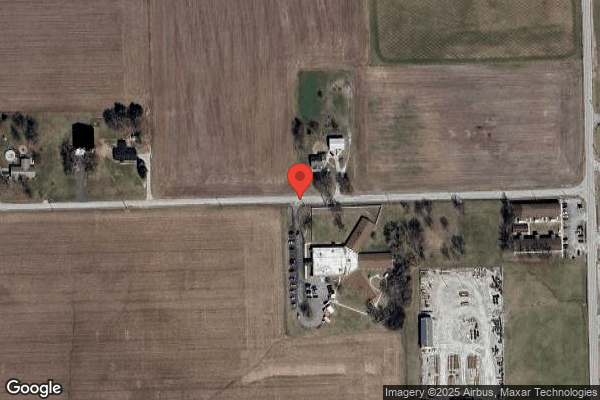
Jul 2022 4 deficiencies
CONCERN (D)

Potential for Harm - no one hurt, but risky conditions existed

Incontinence Care (Tag F0690)

Could have caused harm · This affected 1 resident

**NOTE- TERMS IN BRACKETS HAVE BEEN EDITED TO PROTECT CONFIDENTIALITY** Based on interview, observation and record review, the facility failed to provide appropriate catheter care and complete inconti...

Read full inspector narrative →
**NOTE- TERMS IN BRACKETS HAVE BEEN EDITED TO PROTECT CONFIDENTIALITY** Based on interview, observation and record review, the facility failed to provide appropriate catheter care and complete incontinent care for 2 of 3 residents (R11, R46) reviewed for catheters and incontinence in the sample of 25. Findings include: 1. On 07/28/2022 at 10:30 AM, V12, Certified Nurse Aide (CNA), provided catheter and incontinent care for R46. V12 washed hands prior to giving catheter care. V12 cleansed the right and left side of labia in downward motions. The catheter tubing had slight amount of feces near insertion site. V12 did not clean the tubing, the feces remained. V12 rolled R46 over on her right side, feces noted on incontinent pad. V12 used wet soapy washcloth and cleansed right, and left side of buttocks, then inner buttocks in downward motion (back to front). Inner thighs were not cleansed in front or back. None of the areas were rinsed or dried. R46 continued having a bowel movement, V12 cleansed buttocks again with wet soapy wash cloth. No areas were dried during the entire procedure. V12 transferred R46 to her wheelchair. V12 hung the urinary drainage bag on the wheelchair frame, bag, and tubing touching the floor. V12 did not put urinary drainage bag in a cover. V12 wheeled R46 to the dining room. R46's Face Sheet documents medical diagnosis to include Obstructive and reflux uropathy, dementia, Alzheimer's. R46's Care Plan, dated Onset: 04/30/2019, documents: I use an indwelling catheter I will experience no infections from catheter use 12/23/2020 *Ongoing assessment of color, clarity and character of my urine *Assess me for symptoms of urinary tract infection (UTI) *Observe me for acute behavioral changes that may indicate UTI *Change my catheter tubing/bag every ___________ *Catheter care for me every (Q) shift *Encourage my fluid intake *Monitor my catheter tubing for kinks or twists in tubing *F/C (foley catheter) CARE Q SHIFT. DX (diagnosis): BLADDER OUTLET OBSTRUCTION *MAY FLUSH F/C BID (twice a day) PRN (as needed), CALL PCP (primary care physician) IF WORSENED S/S (signs/symptoms) OR UNABLE TO IRRIGATE. *#18FR (french) WITH 30CC (cubic centimeter) BALLOON CHANGE F/C Q MONTH AND PRN PER STERILE TECHNIQUE AND POLICY R46's Physician Order Sheet (POS) dated, 7/25/2022, documents, MAINTAIN #18 FR FOLEY WITH 30CC BULB. DX: OBSTRUCTIVE AND REFLUX UROPATHY R46's Physician Order Sheet (POS) dated, 5/15/2022, documents, #18FR WITH 30CC BALLOON CHANGE F/C Q MONTH AND PRN PER STERILE TECHNIQUE AND POLICY R46's Lab Report dated, 9/25/2021, documents, Urine Culture, organism - Klebsiella Pneumoniae. R46's Lab Report dated, 8/12/2021, documents, Urine Culture, organism Escherichia Coli (bacteria typically found in intestines and feces). On 07/29/2022 at 10:13 AM, V2, Director of Nursing (DON), stated she expects the CNAs to cleanse the catheter tubing from the insertion site and four inches downward on tubing. The facility's Catheter Care, Urinary Policy and Procedure, dated September 2014, documents, The purpose of this procedure is to prevent catheter-associated urinary tract infections. It continues, Use a clean washcloth with warm water and soap to cleanse and rinse the catheter from insertion site to approximately four inches outward. 2. R11's Minimum Data Set (MDS) dated [DATE] documents R11 is occasionally incontinent of urine and he is always incontinent of bowel. R11's MDS dated [DATE] documents R11 has a urinary catheter. R11's bowel and urinary incontinence care plan did not address providing incontinent care. On 07/28/22 12:26 PM, V14, CNA, wet three wash cloths with no rinse peri wash and water. V14 wiped the resident by folding the towel. V14 only wiped the rectal anus area not the buttocks. V14 did not dry the resident, after cleaning him. R11 was incontinent of feces. On 7/29/22 at 10:05 AM, V2, DON, stated, During incontinent care, I would expect the CNAs to wipe the females front to back using soap and wash rags.
CONCERN (D)

Potential for Harm - no one hurt, but risky conditions existed

Infection Control (Tag F0880)

Could have caused harm · This affected 1 resident

2. On 07/28/2022 at 10:30AM, V12, CNA, provided incontinent care for fecal incontinence for R46. V12 did not wash hands or use hand sanitizer between glove changes, after incontinent care, or before t...

Read full inspector narrative →
2. On 07/28/2022 at 10:30AM, V12, CNA, provided incontinent care for fecal incontinence for R46. V12 did not wash hands or use hand sanitizer between glove changes, after incontinent care, or before transferring R46 to her wheelchair. V12 did not wash hands or use hand sanitizer before leaving the room. V12 wheeled R46 to the dining room and touched the dining room table. On, 07/29/2022 at 9:12AM, V2, DON, stated she expects the CNA's to wash hands before care. Wash hands, or use hand sanitizer between glove changes, after care, and prior to leaving resident's room. The facility's Handwashing/Hand Hygiene Policy and Procedure dated August 2015, documents, The facility considers hand hygiene the primary means to prevent the spread of infections. Based on interview, Record Review and observation the facility failed to perform hand hygiene to prevent the spread of infection for 2 of 25 residents (R11, R46) reviewed for infection control in the sample of 25. Findings include: 1. On 07/28/22 at12:26 PM, V14, Certified Nursing Assistant (CNA), provided incontinent care for fecal incontinence for R11. V14 did not wash his hands before donning gloves, and he did not change gloves after cleaning feces. V14 then adjusted R11's pillow and pillow case. R11 had a pillow between his legs and a small amount of stool was on this pillow, and V14 did not clean off or remove the pillow. On 7/29/22 at 10:05 AM, V2, Director of Nursing (DON), stated During incontinent care, she would expect them to changed gloves, when the gloves are soiled.
CONCERN (F)

Potential for Harm - no one hurt, but risky conditions existed

Pharmacy Services (Tag F0755)

Could have caused harm · This affected most or all residents

**NOTE- TERMS IN BRACKETS HAVE BEEN EDITED TO PROTECT CONFIDENTIALITY** Based on observation, interview, and record review, the Facility failed to discard expired medication. This failure has the pote...

Read full inspector narrative →
**NOTE- TERMS IN BRACKETS HAVE BEEN EDITED TO PROTECT CONFIDENTIALITY** Based on observation, interview, and record review, the Facility failed to discard expired medication. This failure has the potential to affect all 55 residents living in the Facility. Findings Include: On [DATE] at 11:19 AM, there was an opened vial of Tuberculin Purified Protein Derivative (Mantoux) dated [DATE]. On [DATE] at 1:45 PM, V2, DON, stated, I threw away that Tuberculin vial. On [DATE] at 1:34 PM, V1, Administrator, stated, I heard about the expired Tubersol (Tuberculin) in the med room. I would expect them to follow our (medication storage) policies. The Center for Disease Control's Mantoux Tuberculin Skin Test dated [DATE] documents, The label should indicate the expiration date. If it's been open more than 30 days or the expiration date has passed, the vial should be thrown away and a new vial used. The Facility's Storage of Medications Policy with revision date of [DATE] documents, The facility shall not use discontinued, outdated, or deteriorated drugs or biologicals. All such drugs shall be returned to the dispensing pharmacy or destroyed. The Facility's Resident Census and Conditions of Residents (CMS 672) dated [DATE] documents there are 55 residents living in the Facility.
CONCERN (F)

Potential for Harm - no one hurt, but risky conditions existed

Food Safety (Tag F0812)

Could have caused harm · This affected most or all residents

Based on observation, interview, and record review, the facility failed to ensure food was stored in a manner which prevents potential contamination. This failure has the potential to affect all 55 re...

Read full inspector narrative →
Based on observation, interview, and record review, the facility failed to ensure food was stored in a manner which prevents potential contamination. This failure has the potential to affect all 55 residents living in the facility. Findings include: On 7/26/22 at 8:07 AM in the storeroom there were two bags of Italian rolls. Several of the rolls were covered with green and black spots and were being stored beside other packages of bread products. On 7/26/22 at 8:09 AM in the small standing freezer there was a gallon size plastic bag full of individually wrapped burritos with no label or date and a quart size plastic bag of green peas with no label or date. There were seven plastic bags of broccoli cuts with no label or date and seven vacuum sealed bags of spinach that were dated, but not labeled. On 7/26/22 at 8:15 AM in the walk in refrigerator there was a clear three quart tub containing ham, cucumber, and sliced peppers with no label or date. There was a six quart tub labeled polish sausage with approximately fifteen sausages inside and use by date of 7/23/22 on label which was three days prior. There was a gallon freezer bag on the bottom shelf containing approximately fifteen hot dogs that was not dated, labeled, or sealed, and the hot dogs were open to air. There was a large metal container of liquid and fruit that was covered in plastic wrap with no label or date. There was a clear container with slices of an unknown meat that was dated 12/22/21 on the lid in black marker. On 7/26/22 at 8:27 AM, V5, Dietary Manager, pointed to the container of unknown meat and stated, Those are pork chops. They are from last night. I will get a label on it. That other container is fruited (gelatin), and it's for today. I know about the moldy bread. That is sitting there so we can exchange it with our wholesale company. I have told my staff it is there, and they know not to use it. On 7/28/22 at 1:34 PM, V1, Administrator, stated, I expect staff to follow our policies. The Facility's Food Storage (Dry, Refrigerated, and Frozen) Policy dated 2016 documents, All food items will be labeled. The label must include the name of the food and the date by which it should be sold, consumed, or discarded. Discard food that has passed the expiration date. Leftover contents of cans and prepared food will be stored in covered, labeled and dated containers in refrigerators and/or freezers. The Resident Census and Condition of Residents Form (CMS 672) dated 7/26/2022 documents there are 55 residents living in the facility.
Understanding Severity Codes (click to expand)
Life-Threatening (Immediate Jeopardy)
J - Isolated K - Pattern L - Widespread
Actual Harm
G - Isolated H - Pattern I - Widespread
Potential for Harm
D - Isolated E - Pattern F - Widespread
No Harm (Minor)
A - Isolated B - Pattern C - Widespread

Questions to Ask on Your Visit

  • "Why is there high staff turnover? How do you retain staff?"
  • "Can I speak with families of current residents?"
  • "What's your RN coverage like on weekends and overnight?"

Our Honest Assessment

Strengths
  • • Licensed and certified facility. Meets minimum state requirements.
Concerns
  • • 17 deficiencies on record, including 2 serious (caused harm) violations. Ask about corrective actions taken.
  • • $10,413 in fines. Above average for Illinois. Some compliance problems on record.
  • • Grade F (33/100). Below average facility with significant concerns.
  • • 100% turnover. Very high, 52 points above average. Constant new faces learning your loved one's needs.
Bottom line: Trust Score of 33/100 indicates significant concerns. Thoroughly evaluate alternatives.

About This Facility

What is Greenville Nursing & Rehab's CMS Rating?

CMS assigns GREENVILLE NURSING & REHAB an overall rating of 2 out of 5 stars, which is considered below average nationally. Within Illinois, this rating places the facility higher than 0% of the state's 100 nursing homes. A rating at this level reflects concerns identified through health inspections, staffing assessments, or quality measures that families should carefully consider.

How is Greenville Nursing & Rehab Staffed?

CMS rates GREENVILLE NURSING & REHAB's staffing level at 1 out of 5 stars, which is much below average compared to other nursing homes. Staff turnover is 100%, which is 53 percentage points above the Illinois average of 47%. High turnover can affect care consistency as new staff learn residents' individual needs. RN turnover specifically is 100%, which is notably high. RNs provide skilled clinical oversight, so turnover in this role can affect medical care quality.

What Have Inspectors Found at Greenville Nursing & Rehab?

State health inspectors documented 17 deficiencies at GREENVILLE NURSING & REHAB during 2022 to 2024. These included: 2 that caused actual resident harm and 15 with potential for harm. Deficiencies causing actual harm indicate documented cases where residents experienced negative health consequences.

Who Owns and Operates Greenville Nursing & Rehab?

GREENVILLE NURSING & REHAB is owned by a for-profit company. For-profit facilities operate as businesses with obligations to shareholders or private owners. The facility is operated by WLC MANAGEMENT FIRM, a chain that manages multiple nursing homes. With 90 certified beds and approximately 62 residents (about 69% occupancy), it is a smaller facility located in GREENVILLE, Illinois.

How Does Greenville Nursing & Rehab Compare to Other Illinois Nursing Homes?

Compared to the 100 nursing homes in Illinois, GREENVILLE NURSING & REHAB's overall rating (2 stars) is below the state average of 2.5, staff turnover (100%) is significantly higher than the state average of 47%, and health inspection rating (4 stars) is above the national benchmark.

What Should Families Ask When Visiting Greenville Nursing & Rehab?

Based on this facility's data, families visiting should ask: "How do you ensure continuity of care given staff turnover, and what is your staff retention strategy?" "Can you walk me through typical staffing levels on day, evening, and night shifts?" "Can I visit during a mealtime to observe dining assistance and food quality?" "How do you handle medical emergencies, and what is your hospital transfer rate?" These questions are particularly relevant given the facility's high staff turnover rate and the below-average staffing rating.

Is Greenville Nursing & Rehab Safe?

Based on CMS inspection data, GREENVILLE NURSING & REHAB has a clean safety record: no substantiated abuse findings (meaning no confirmed cases of resident harm), no Immediate Jeopardy citations (the most serious violation level indicating risk of serious injury or death), and is not on the Special Focus Facility watch list (a federal program monitoring the lowest-performing 1% of nursing homes). The facility has a 2-star overall rating and ranks #100 of 100 nursing homes in Illinois. While no facility is perfect, families should still ask about staff-to-resident ratios and recent inspection results during their visit.

Do Nurses at Greenville Nursing & Rehab Stick Around?

Staff turnover at GREENVILLE NURSING & REHAB is high. At 100%, the facility is 53 percentage points above the Illinois average of 47%. Registered Nurse turnover is particularly concerning at 100%. RNs handle complex medical decisions and coordinate care — frequent RN changes can directly impact care quality. High turnover means new staff may not know residents' individual needs, medications, or preferences. It can also be disorienting for residents, especially those with dementia who rely on familiar faces. Families should ask: What is causing the turnover? What retention programs are in place? How do you ensure care continuity during staff transitions?

Was Greenville Nursing & Rehab Ever Fined?

GREENVILLE NURSING & REHAB has been fined $10,413 across 1 penalty action. This is below the Illinois average of $33,183. While any fine indicates a compliance issue, fines under $50,000 are relatively common and typically reflect isolated problems that were subsequently corrected. Families should ask what specific issues led to these fines and confirm they've been resolved.

Is Greenville Nursing & Rehab on Any Federal Watch List?

GREENVILLE NURSING & REHAB is not on any federal watch list. The most significant is the Special Focus Facility (SFF) program, which identifies the bottom 1% of nursing homes nationally based on persistent, serious quality problems. Not being on this list means the facility has avoided the pattern of deficiencies that triggers enhanced federal oversight. This is a positive indicator, though families should still review the facility's inspection history directly.