PEARL OF HINSDALE, THE
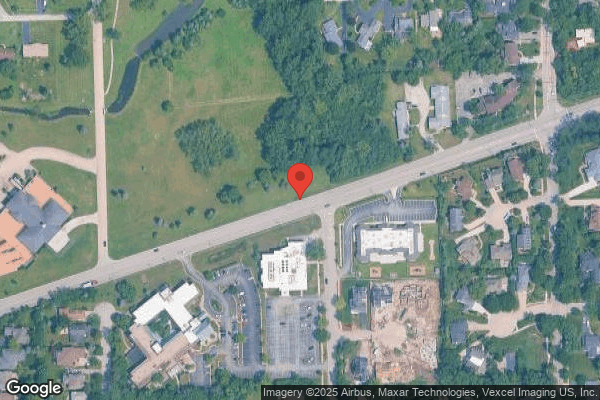

600 WEST OGDEN AVENUE, HINSDALE, IL 60521 (630) 325-9630
For profit - Corporation 202 Beds PEARL HEALTHCARE Data: November 2025
Trust Grade
48/100
#273 of 665 in IL
Last Inspection: October 2024

Within standard 12-15 month inspection cycle. Federal law requires annual inspections.

Overview

Pearl of Hinsdale has received a Trust Grade of D, indicating below-average performance with some concerns about care quality. It ranks #273 out of 665 nursing homes in Illinois, placing it in the top half of facilities statewide, but it is #21 out of 38 in Du Page County, suggesting there are better local options. The facility is improving, with a decrease in issues from 20 in 2024 to just 3 in 2025. Staffing is rated at 3 out of 5 stars, with a turnover rate of 48%, which is around the state average, but the facility boasts more RN coverage than 92% of Illinois facilities, enhancing care quality. However, there have been serious incidents, including a resident who fell and suffered fractures due to inadequate assistance during care, and concerns over the proper labeling and storage of food items in the kitchen, which could impact resident safety. Overall, while there are some strengths, families should weigh these issues carefully when considering this facility.

Trust Score
D
48/100
In Illinois
#273/665
Top 41%
Safety Record
Moderate
Needs review
Inspections
Getting Better
20 → 3 violations
Staff Stability
⚠ Watch
48% turnover. Above average. Higher turnover means staff may not know residents' routines.
Penalties
✓ Good
$15,000 in fines. Lower than most Illinois facilities. Relatively clean record.
Skilled Nurses
✓ Good
Each resident gets 68 minutes of Registered Nurse (RN) attention daily — more than 97% of Illinois nursing homes. RNs are the most trained staff who catch health problems before they become serious.
Violations
⚠ Watch
45 deficiencies on record. Higher than average. Multiple issues found across inspections.
★★★☆☆
3.0
Overall Rating
★★★☆☆
3.0
Staff Levels
★★★☆☆
3.0
Care Quality
★★★☆☆
3.0
Inspection Score
Stable
2024: 20 issues
2025: 3 issues

The Good

  • Full Sprinkler Coverage · Fire safety systems throughout facility
  • No fines on record

Facility shows strength in fire safety.

The Bad

3-Star Overall Rating

Near Illinois average (2.5)

Meets federal standards, typical of most facilities

Staff Turnover: 48%

Near Illinois avg (46%)

Higher turnover may affect care consistency

Federal Fines: $15,000

Below median ($33,413)

Minor penalties assessed

Chain: PEARL HEALTHCARE

Part of a multi-facility chain

Ask about local staffing decisions and management

The Ugly 45 deficiencies on record

2 actual harm
May 2025 1 deficiency
CONCERN (D) 📢 Someone Reported This

A family member, employee, or ombudsman was alarmed enough to file a formal complaint

Potential for Harm - no one hurt, but risky conditions existed

Quality of Care (Tag F0684)

Could have caused harm · This affected 1 resident

Based on observation, interview, and record review, the facility failed to provide resident wound treatments as ordered by physicians. This applies to 2 of 3 residents (R1 and R2) reviewed for wound t...

Read full inspector narrative →
Based on observation, interview, and record review, the facility failed to provide resident wound treatments as ordered by physicians. This applies to 2 of 3 residents (R1 and R2) reviewed for wound treatments in a sample of 5. The findings include: 1. Face sheet, printed 5/13/25, shows R1's diagnoses included peripheral vascular disease, osteoarthritis, pain, chronic kidney disease, venous insufficiency, and mild protein-calorie malnutrition. On 5/13/25 at 11:07 AM, V3 (Wound Nurse RN - Registered Nurse) stated R1 had a physician order for wound treatments to be completed every Monday, Wednesday and Friday. V3 stated R1 should have received wound treatments the day prior, on Monday. V4 (Wound Tech CNA - Certified Nursing Assistant) stated she worked with V5 (Wound Nurse RN) the day prior and V5 and V4 did not complete wound treatments on R1's wounds. At 11:32 AM, V4 began to perform wound treatments on R1's wounds. On 5/14/25 at 9:54 AM, V5 stated on 5/12/25 she was being pulled in many directions, had an eye injury, and was unable to complete R2's wound treatments as ordered by the physician. V5 stated she had every intention of performing the wound treatments but was unable to complete them as ordered. Review of R1's TAR (Treatment Administration Record), printed 5/13/25, shows R1 had physician orders for wound treatments to her right heel, right ischial tuberosity, right lateral foot every Monday, Wednesday, and Friday. The TAR shows R1 did not receive any of the physician-ordered wound treatments to her right heel, right ischial tuberosity, or right lateral foot on 5/12/25. Review of R1's TAR, dated 4/2025, shows R1 had physician orders for wound treatments to her right heel, right ischial tuberosity, and right lateral foot every Monday, Wednesday and Friday. The TAR showed R1 did not receive any of the physician-ordered wound treatments to her right heel, right ischial tuberosity or right lateral foot on 4/7/25. Review of R1's TAR, dated 3/2025, shows R1 had physician orders for wound treatments to her right heel, right ischial tuberosity, and right lateral foot every Monday, Wednesday, and Friday. The TAR showed R1 did not receive any of the physician-ordered wound treatments to her right heel, right ischial tuberosity, or right lateral foot on 3/19/25. On 5/13/25 at 2:32 PM, V2 (Director of Nursing) stated the wound treatments for R1 should be performed every Monday, Wednesday, and Friday as ordered by the physician. Facility policy/procedure, reviewed 3/1/25, shows 1. Licensed Professional Nurses/Registered nurses will follow orders from physicians and documented in a timely manner 2. Face sheet, dated 5/13/25, shows R2's diagnoses included pleural effusion, peripheral vascular disease, protein calorie malnutrition, and chronic obstructive pulmonary disease. TAR, dated March 2025, shows R2 had physician orders for wound treatments for right lower extremities and left lower leg to be performed three times a week (every day shift every Monday, Wednesday, and Friday) and as needed. Review of R2's March 2025 TAR shows none of the wound treatments were performed on 3/10/25.
May 2025 2 deficiencies
CONCERN (E) 📢 Someone Reported This

A family member, employee, or ombudsman was alarmed enough to file a formal complaint

Potential for Harm - no one hurt, but risky conditions existed

Safe Environment (Tag F0584)

Could have caused harm · This affected multiple residents

**NOTE- TERMS IN BRACKETS HAVE BEEN EDITED TO PROTECT CONFIDENTIALITY** Based on observation, interview, and record review, the facility failed ensure that there are enough supplies of linens and towe...

Read full inspector narrative →
**NOTE- TERMS IN BRACKETS HAVE BEEN EDITED TO PROTECT CONFIDENTIALITY** Based on observation, interview, and record review, the facility failed ensure that there are enough supplies of linens and towels to meet resident needs. This applies to 5 of 7 residents (R5, R6, R7, R8, R9) reviewed for linens and towel supply in the sample of 11. Findings include: On May 28 and 29, 2025, multiple observations of the linen closets in the first, second, and third floors of the facility were conducted. It was noted that their facility's linen closets were almost empty and were scarcely supplied with linens and towels. Multiple residents and staffs were interviewed with regards to towels and linens. 1. On April 28, 2025, at 12:55 PM, R5 said that frequently the facility ran out of towels, her mom brings towels from home for her so she could get showers as scheduled. 2. On April 29, 2025, at 9:39 AM, R7 stated that the staff gives her shower but there were times they would tell her to wait because there were no available towels. There was also a time that the staff gave her a shower and they dry her with 4 pieces of washcloths, and it started to get cold because the staff was drying her with only the washcloths. 3. On April 29, 2025, at 11:14 AM, R6 stated that there were days that he couldn't get a shower because they don't have enough supply of towels. 4. On April 29, 2025, at 1:21 PM, R8 stated the facility does run out of towels and she experienced twice not being able to shower because there was no available towel. On April 30, 2025, at 9:50 AM, R8 said her bed linen was last changed 2 weeks ago. 5. On April 29, 2025, at 1:25 PM, R9 said the facility always runs out of towels. There was a time that there were no towels available, and the staff could not shower her. R9 also stated that at times there was no linen, so the staff could not change her beddings. R9 also stated that one time that they gave her shower, and staff used a blanket to dry her because there was no available towel. On April 30, 2025, at 9:52 AM, R9 said it's been a while about 2-3 weeks ago, since her bed linens were last changed. On April 28, 2025, at 12:13 PM, V10 (Certified Nursing Assistant/CNA) stated that linens, towels and gowns are somewhat of a struggle for them to get. V10 showed the linen closet on the third floor, it showed shelves almost empty there were very few blankets, and linens, 11 towels and 8 gowns. There were 34 residents residing on this unit. On April 29, 2025, at 9:23 AM, V11 (CNA) stated that the facility frequently ran out of towels, sometimes there were totally no towels. The laundry staff would come in twice or three times, but they will give them 6 towels and linens for the whole unit, when there were lots of residents on the floor. On April 29, 2025, at 9:31 AM V12, V13, and V14 (All CNA) stated they ran out of linens and towels in general. There were days that they had difficulty arranging showers because there were no towels available. The laundry staff delivers 2-3 times, but it was not enough to meet residents' need. Laundry staff would deliver two to three pieces of linens, blankets, or towels, it just ranges but it was always not enough. V13 and V14 also said that it was so hard when they need to change the resident's linens because it was soiled and there was no linen available. On April 29, 2025, at 2:15 PM,V15 (Laundry Staff) was on the second floor ([NAME] Unit) delivering towels. V15 said they don't have enough circulating towels and linens in the whole facility, the number of towels and linens she delivers depends upon how much soiled towels and linens they collected from the units to wash. V15 also said they had to wait for towels and linens to be washed to distribute to the units. They only deliver what they have. There were 2 towels remaining and V15 delivered 9, making it 11 towels. There were a few linens and blankets on the shelves. On April 29, 2025, at 9:51 AM, on the second floor (Adam's Unit) there were seven remaining towels in the linen room and the laundry staff delivered 10 new towels. The linen room had shelves that were almost empty with scarce supply of linens and gowns. There were 54 residents residing on this unit. On April 29, 2025, at 9:57 AM, on the second floor ([NAME] Unit), the shelves in the linen closet looked almost empty there were 7 towels remaining and 12 new deliveries of towels, there were about 3 blankets and very few linens in the shelves. There were 53 residents residing on this floor. On April 29, 2025, at 2:39 PM, 2nd floor Dementia unit V16 (CNA) said there is shortage of towels and linens in the facility. Sometimes she couldn't give shower to residents because there was no towel at all. V16 continued, so far this is the most towels and linens that she had seen pointing at the almost empty shelves with linens and towels. On April 29, 2:47 PM, V17 (Activity Director) said the staffs frequently complaint of towel and linen shortage. V17 counted the linens and towels on the second floor Dementia unit. There were 24 towels, 4 blankets or big sheets, 11 drawsheets, 7 flat sheets. On April 29, 2025, at 2:53 PM, V18 (CNA) said they need more towels and sheets because it ran out quickly. There were times she goes to another floor, and they don't have linens and towel either. On April 29, 2025, at 4:04 PM, V1 (Administrator) stated they do purchase linens and towels, they need more in circulation. There's always linen available, it's just about having the right amount in circulation and the process of making sure that the linen room has enough supplies. They must figure out which they need to work on to, whether the purchasing or the process of distribution, but they will increase the circulation. V1 also stated they have no inventory of sheets and towels. On April 30, 2025, at 9:35 AM, V22 (Laundry Staff) stated all the linens that were in the laundry room were being washed. Surveyor observed linens being washed in the washing machine. V22 stated that presently all the linens and towels they have in the laundry room were in the washer. It will all be delivered in the units after it was laundered. They were waiting from the unit floors to get all the soiled linens and towels to be washed. It takes 45 minutes for the laundry to wash and 30 minutes to dry. If staff could only bring the soiled linen on time, it would be washed on time. Surveyor observed that there was no extra clean linen nor towel noted in the laundry room. V22 stated everything was already delivered to the units. On April 30, 2025, at 10:17 AM, V23 (Environmental Services Director) stated that they don't have enough circulating linens and towels.
CONCERN (E) 📢 Someone Reported This

A family member, employee, or ombudsman was alarmed enough to file a formal complaint

Potential for Harm - no one hurt, but risky conditions existed

Menu Adequacy (Tag F0803)

Could have caused harm · This affected multiple residents

Based on observation, interview, and record review, the facility failed to ensure that menus and dietary orders are being followed to meet resident's needs. This applies to 6 of the 6 residents (R4, R...

Read full inspector narrative →
Based on observation, interview, and record review, the facility failed to ensure that menus and dietary orders are being followed to meet resident's needs. This applies to 6 of the 6 residents (R4, R6, R7, R8, R9, R11) reviewed for meal portions in the sample of 11. Findings include: 1. On April 28, 2025, at 12:18 PM, R4 stated that he was supposed to received double portions with meals as ordered. Sometimes they don't give it to him. The double portion was recommended to him because he was losing weight. R4's Physician Order Summary with revision date of September 18, 2025, shows general diet, double portions with meals. R4's ticket menu which was in his tray showed that he was supposed to received Double Portions of 4 ounces (oz) mixed fruit, 4 oz meatloaf, 4 oz mashed potatoes, 4 oz green beans, 1 slice bread, choice of milk, 8 oz beverage. On April 28, 2025, at 12:35 PM, during lunch time, V4 received 2 slices of meatloaf, 1 slice of bread, 1 scoop of mashed potatoes, 1 scoop of green beans, 6 small pieces of pineapple chunks. There was no milk and no beverage in his lunch tray. 2. On April 29, 2025, at 9:39 AM, R7 said that she was not satisfied with the breakfast this morning, she felt that the meal portion was small. R7 said she was given one slice of bacon, a cup of oatmeal, cinnamon roll, milk, and juice. R7 also said she's supposed to received cheesy ham and egg but got one piece of bacon instead. It does not match the menu on her ticket meal. There was no sign of egg in R7's plate, there was a very small piece of leftover of the cinnamon roll on her plate, an empty small bowl with traces of oatmeal. R7's ticket menu for breakfast dated April 29, 2025, showed: Juice of choice, oatmeal or cereal, cheesy ham and egg scramble (3 oz), 1 slice of toast, milk of choice, hot tea or coffee. 3. On April 29, 2025, at 10:09 AM, R11 stated he has a cinnamon roll, a chocolate milk, 2 slices of bacon, coffee, and oatmeal. R11's menu ticket dated April 29, 2025, shows chocolate milk, oatmeal, cheesy ham and egg, 1 slice of toast with butter, and coffee. 4. On April 29, 2025, at 11:14 AM, R6 stated that he would like more available food. There were times the food served to them does not match the things listed on the menu. Sometime last week the menu showed chicken sandwich but what they served was a baked chicken breast only with no bread. R6 wished that they gave him bread to complete the meal. 5. On April 29, 2025, at 1:21 PM, R8 said that frequently the menu does not match what they were being served. This morning, she was given 2 eggs, 2 slices of bacons, cinnamon roll, coffee. R8 requested a cream of wheat but they did not give it to her. 6. On April 29, 2025, at 1:25 PM, R9 said there were times their menu was not accurate. There were circumstances when R9 ordered a ham sandwich, but they gave her a grilled cheese sandwich, and she was lactose intolerant. Another circumstance, R9 did not like the dinner they were serving so R9 ordered a hot dog sandwich, but they gave her a piece of toast. On April 29, 2025, at 3:28 PM, V6 (Dietary Manager) and V5 (Regional Director of Operations), both said that double portion means double of everything unless specified by the physician to give double protein only. Menu is supposed to be followed. V6 also said they dropped the pan of eggs this morning. They did not have enough fresh eggs and extra liquid eggs to serve for the whole building. They did not have enough time to serve the residents the eggs because the delivery truck came in at 9AM. They gave them 2 slices of bacon because they had to give them something at that moment. The Resident Council Minutes dated January 31, 2025, shows food items are not always on tray. Council minutes dated March 28, 2025, shows food is getting better but would like big portions.
Dec 2024 3 deficiencies
CONCERN (D) 📢 Someone Reported This

A family member, employee, or ombudsman was alarmed enough to file a formal complaint

Potential for Harm - no one hurt, but risky conditions existed

Quality of Care (Tag F0684)

Could have caused harm · This affected 1 resident

**NOTE- TERMS IN BRACKETS HAVE BEEN EDITED TO PROTECT CONFIDENTIALITY** Based on observation, interview, and record review, the facility failed to provide LVAD (Left Ventricular Assist Device) dressin...

Read full inspector narrative →
**NOTE- TERMS IN BRACKETS HAVE BEEN EDITED TO PROTECT CONFIDENTIALITY** Based on observation, interview, and record review, the facility failed to provide LVAD (Left Ventricular Assist Device) dressing changes as ordered by the physician. This applies to 3 of 4 residents (R1, R2, and R3) reviewed for improper nursing care in the sample of 4. The findings include: 1. The EMR (Electronic Medical Record) shows R1 was admitted to the facility on [DATE]. R1 was sent to the local hospital on November 25, 2024, admitted to the hospital with shortness of breath, and returned to the facility on December 6, 2024. The EMR continues to show R1 was sent to the local hospital on December 12, 2024 and did not return to the facility during this investigation. R1 had multiple diagnoses including acute on chronic combined systolic and diastolic congestive heart failure, chronic kidney disease, shortness of breath, klebsiella pneumoniae, difficulty walking, acute and chronic respiratory failure, cardiogenic shock, diabetes, chronic atrial fibrillation, pleural effusions, presence of automatic implantable cardiac defibrillator, long-term use of anticoagulants, and presence of an LVAD. R1's MDS (Minimum Data Set) dated November 9, 2024 shows R1 was cognitively intact, required setup assistance with eating, partial/moderate assistance with oral hygiene, personal hygiene, and bed mobility, substantial/maximal assistance with showering, and transfers between surfaces, and was dependent on facility staff with toilet hygiene, and lower body dressing. R1 had an indwelling urinary catheter and was always continent of stool. On December 16, 2024, V2 (DON-Director of Nursing) provided a copy of the local hospital's LVAD training packet for subacute rehab facilities. The undated LVAD training packet shows the following information regarding an LVAD: A Ventricular Assist Device (VAD) is a continuous flow pump implanted (into a patient's heart) to assist a failing native heart by taking blood from the left ventricle, flowing through the pump into the outflow graft to the ascending aorta. The training packet continues to show, Who receives a VAD? A patient who has advanced heart failure with symptoms at rest, a patient who cannot come off the heart lung machine after open heart surgery, and a patient in cardiogenic shock. The VAD pump is surgically implanted and has a driveline/electrical line that communicates between the pump inside the patient and the controller outside of the patient. The driveline must ALWAYS be covered with sterile occlusive dressing. The pump is powered by large batteries or wall power. The EMR shows the following order for R1 dated November 7, 2024 through November 18, 2024: 7. Remove old dressing and take off gloves and discard in trash. 8. Wash hands or use antiseptic cleanser. 9. Apply second pair of gloves using sterile technique. 10. Activate one Chloroprep swab and scrub/cleanse in spiral direction beginning at the exit site continuing down and away from the exit with one side of the swab and the other side of driveline with other side of swab discard allow skin to dry for 3 minutes before Sorbaview (do not fan area). Every day shift every Monday, Thursday 2 of 3 . On December 18, 2024 at 1:00 PM, V2 (DON-Director of Nursing) said R1's LVAD dressing order was entered incorrectly by the nursing staff on November 18, 2024. V2 said the facility has an LVAD dressing order set that is supposed to be entered when the facility receives an LVAD resident. V2 continued to say the LVAD dressing orders have multiple steps to be followed, and R1's dressing order was missing steps 1 through 6 and steps 11 through 12. V2 continued to say R1 should have had the following orders in the EMR for the nursing staff to follow so they were aware of the site where the dressing change needed to be done and that the entire procedure was under sterile conditions: 1. LVAD drive line dressing wet kit instructions. Prepare room. 1. Close window/door and turn off all fans. 2. Wipe down the table with antimicrobial wipe, place mask on all the individuals in room. 3. Wash hands for 20-30 seconds. 4. Open kit using sterile technique. 5. Apply gloves using sterile technique. 6. Prepare kit to use (pen packages onto sterile field). 11. Apply Algidex patch (antimicrobial patch) yellow side up. 12. Apply Sorbaview dressing. Additional tips: extra gauze can be used to hold/secure the driveline during cleaning. If you do not use extra gauze to hold driveline, it may be used to blot skin that's very hairy to improve drying ability. If dressing and or patch is saturated with drainage call the VAD team for additional orders. V2 also continued to say all of the sterile dressing orders should be entered into the computer as scheduled treatments as well as prn (as needed treatments) in case the resident's LVAD dressing becomes dirty or dislodged and requires changing between scheduled dressing changes. The facility does not have documentation to show the sterile dressing orders were followed as ordered by the physician from November 7, 2024 to November 18, 2024 for R1. R1's hospital LVAD discharge orders dated December 4, 2024 show: Wound Care: 1. Type of sterile driveline dressing change: sterile dry kit. 2. Frequency of sterile driveline dressing change: Every Monday and Thursday. The EMR shows the following order for R1 dated December 11, 2024: L Vab (sp.) dressing change weekly every night shift every Tue. The order was entered by V15 (RN). The order was discontinued on December 12, 2024 at 6:55 PM by V16 (RN). The facility does not have documentation to show the sterile dressing change orders were ever entered for R1 upon his return to the facility on December 6, 2024. The local hospital LVAD care instructions provided to the facility on November 15, 2024 when R1 was transferred to the facility from the hospital show: LVAD Driveline Dressing Dry Kit instructions for SAR (Subacute Rehab): Prepare Room: Close windows/door and turn off all fans. Wipe down table with antimicrobial wipe, place mask on all individuals in room. Wash hands for 20-30 seconds. Open kit using sterile technique. Apply gloves using sterile technique. Prepare kit to use (open packages onto sterile field). Remove old dressing and take off gloves, discard in trash. Wash hands or use antiseptic cleanser. Apply second pair of gloves using sterile technique. Activate one Chloroprep swab and scrub/cleanse in spiral direction beginning at the exit site working outward up to 4 inches never return to the exit site with dirty swab then discard. Activate second Chloroprep swab and clean along driveline. Clean one side of driveline beginning at the exit site continuing down and away from the exit site with one side of swab and the other side of driveline with other side of swab. Discard. Allow skin to dry for 3 minutes before applying Sorbaview (do not fan area). Apply Algidex patch yellow side up. Apply Sorbaview dressing. Apply [name of indwelling catheter] anchor distal to the Sorbaview dressing). 2. The EMR (Electronic Medical Record) shows R2 was admitted to the facility on [DATE]. R2 has multiple diagnoses including, acute on chronic combined systolic and diastolic congestive heart failure, lack of coordination, diabetes, chronic kidney disease, fluid overload, presence of heart assist device, encounter for adjustment and management of other part of cardiac pacemaker, epilepsy, long-term use of anticoagulants, presence of an LVAD, and depression. R2's MDS (Minimum Data Set) was not completed at the time of this investigation. The EMR shows an order dated December 9, 2024 to Apply Algidex patch during the LVAD dressing changes on Mondays and Thursdays. On December 16, 2024 at 10:23 AM, V2 (DON) and V8 (ADON-Assistant Director of Nursing) showed the dressing kits used for LVAD dressing changes. V8 said only one resident has orders for the antimicrobial patch. V8 was unaware the facility's standing LVAD dressing change orders show an antimicrobial patch as part of the order. V8 continued to show the antimicrobial patches are not kept in the dressing kits and she has the patches in her office. V8 said she places the patches in the medication room for the staff on dressing change days. At 10:50 AM, V8 walked to R2's room and showed R2's LVAD dressing site. V8 confirmed the LVAD dressing, and securement device were not dated. V8 palpated the gauze covering R2's LVAD driveline dressing site and said she did not feel an antimicrobial patch under the gauze dressing, as ordered. On December 16, 2024 at 2:00 PM, V7 (RN) was in R2's room. V7 said she was told to change R2's LVAD dressing. V7 said when she removed the dressing, there was no antimicrobial patch around R2's drive line as ordered. 3. The EMR shows R3 was admitted to the facility on [DATE]. R3 has multiple diagnoses including, metabolic encephalopathy, parainfluenza pneumonia, acute respiratory failure, COPD (Chronic Obstructive Pulmonary Disease), emphysema, acute on chronic combined systolic and diastolic heart failure, atrial fibrillation, acute kidney failure, chronic kidney disease, history of falling, presence of heart assist device (LVAD), and long-term use of anticoagulants. R3's MDS was not completed at the time of this investigation. On December 16, 2024 at 9:45 AM, R3 was sitting up in his bed. R3 said he has had his LVAD for almost six years. R3 was visibly upset and said the facility staff does not know how to do a proper sterile dressing change. R3 said, They don't clean the wound correctly. The dressing was supposed to be changed the day I got here, which was Tuesday and didn't get changed until Thursday or Friday. They don't even give me a mask to wear. They leave my door wide open, and people walk in and out without masks. R3's hospital discharge orders, printed December 10, 2024 show the following order: Type of sterile driveline dressing change: Sterile wet kit. Frequency of sterile driveline dressing change: Daily. The EMR shows the following order for R3 dated December 12, 2024: L Vab (sp.) dressing change daily wet kit, every night shift. The facility does not have documentation to show the multi-step LVAD dressing change orders were entered by the nursing staff. On December 17, 2024 at 3:34 PM, R3's nursing orders and documentation were reviewed regarding R3's LVAD dressing with V2 (DON). V2 said the nursing staff failed to enter the correct LVAD dressing orders when R3 was admitted to the facility and based on the orders entered, would have no idea if the dressing was a sterile dressing based on what the EMR shows. On December 17, 2024 at 9:10 AM, V4 (Hospital LVAD Educator) said the SAR sterile dressing change orders, with the multiple steps should be followed for every LVAD patient, which is taught in the LVAD training classes.
CONCERN (D) 📢 Someone Reported This

A family member, employee, or ombudsman was alarmed enough to file a formal complaint

Potential for Harm - no one hurt, but risky conditions existed

Deficiency F0760 (Tag F0760)

Could have caused harm · This affected 1 resident

**NOTE- TERMS IN BRACKETS HAVE BEEN EDITED TO PROTECT CONFIDENTIALITY** Based on interview and record review, the facility failed to administer medications as ordered by the physician to residents wit...

Read full inspector narrative →
**NOTE- TERMS IN BRACKETS HAVE BEEN EDITED TO PROTECT CONFIDENTIALITY** Based on interview and record review, the facility failed to administer medications as ordered by the physician to residents with diagnoses of heart failure requiring the use of implanted LVADs (Left Ventricular Assist Devices). This applies to 2 of 4 residents (R2 and R4) reviewed for improper nursing care in the sample of 4. The findings include: 1. The EMR (Electronic Medical Record) shows R2 was admitted to the facility on [DATE]. R2 has multiple diagnoses including, acute on chronic combined systolic and diastolic congestive heart failure, lack of coordination, diabetes, chronic kidney disease, fluid overload, presence of heart assist device (LVAD), encounter for adjustment and management of other part of cardiac pacemaker, epilepsy, long-term use of anticoagulants, and depression. R2's MDS (Minimum Data Set) was not completed at the time of this investigation. The EMR shows the following order for R2 dated December 7, 2024: Milrinone Lactate (heart failure medication) Intravenous Solution. Use 20 mg. (Milligrams) intravenously every shift for heart failure 20 mg/100 ml (Milliliters), inject 34.725 mcg/minute. On December 10, 2024 at 9:46 PM, V9 (NP-Nurse Practitioner) documented, Primary Chief Complaint: Medication Given in Error. Nurse called to report that [R2] had been receiving another patient's bag of Milrinone. Nurse went to change the bag of Milrinone and noted that most of the bag had not infused the full volume as it should have. Nurse looked carefully at the bag she took down and noted that it had another patient's name on the bag. The concentration of the other patient's bag is (90 mg/112 ml x 24 hours) than [R2's] prescription (53 mg/66 ml x 24 hours) for Milrinone. [R2] is currently stable and has not had any change in condition. His vital signs are stable and consistent with his baseline. Of note, the other patient's Milrinone was to run at a higher rate of infusion than [R2's]. So, [R2] received a stronger concentration of Milrinone but at a lower rate of infusion. Nurse hung the correct bag at 7:20 PM. Diagnosis, Assessment/Plan: CHF (Congestive Heart Failure) acute on chronic combined systolic (congestive) and diastolic (congestive) heart failure (Primary). Condition is guarded. Vital signs every 1-hour x 4 times. If stable revert to vital signs every shift. Obtain a STAT EKG (Electrocardiogram). On December 10, 2024 at 11:33 PM, V10 (RN-Registered Nurse) documented, This writer observed a medication incident on this shift. The incident has been reported to management and [on call physician group]. This writer received orders to monitor vital signs every hour x 4 times and STAT EKG to be performed. The patient remains in a stable condition. No signs of irregular heartbeat, dizziness or chest pain observed. Nursing staff informed to monitor the patient and notified MD of any changes with his current health status. On December 18, 2024 at 9:56 AM, V1 (Administrator) and V2 (DON-Director of Nursing) said there was a medication error and R2 received a medication labeled with another resident's name. The medication was Milrinone. V2 said R2's new Milrinone bag was started on December 9, 2024 between 2:00 and 3:00 PM by V11 (RN). V10 (RN) found the wrong medication bag infusing into R2 on December 10, 2024 at 7:00 PM. V2 said, [R2] received the incorrect dosage of the Milrinone medication continuously for 27 hours. On December 18, 2024 at 9:11 AM, V12 (Pharmacist) said, This is the only facility that I currently oversee using Milrinone. The cardiologists want this intravenous drug for short-term use. It is a very risky drug. Especially if the resident gets an increased dose. The reason [R2] got a higher dose than ordered is because they gave the medication intended for another resident. This was a huge medication error with the potential for substantial consequences including cardiac consequences. 2. The EMR shows R4 was admitted to the facility on [DATE] with multiple diagnoses including wedge compression fracture of first lumbar vertebra, difficulty walking, fracture of the superior rim of the right pubis, diabetes, chronic systolic heart failure, chronic pain syndrome, spinal stenosis, prostate cancer, colon cancer, bladder cancer, and presence of heart assist device (LVAD). R4's MDS dated [DATE] shows R4 is cognitively intact, is independent with eating, requires setup assistance with oral hygiene, partial/moderate assistance with toilet hygiene, showering, and lower body dressing, substantial/maximal assistance with transfers between surfaces, and is dependent on facility staff for bed mobility. R4 is occasionally incontinent of bowel and bladder. The EMR shows the following order for R4 dated December 3, 2024: Torsemide (diuretic) 10 mg. orally, daily. R4's December 2024 MAR (Medication Administration Record) shows R4 received Torsemide 10 mg. every day at 9:00 AM from December 3, 2024 through December 15, 2024. R4's hospital Summary of Discharge Medications dated December 2, 2024 at 2:24 PM shows the following order for R4: Torsemide 20 mg. by mouth daily. On December 17, 2024 at 3:34 PM, V2 (DON) said R4's Torsemide order was entered incorrectly when his orders were entered by the nurse at the facility. V2 also said she was unaware R4 was receiving the incorrect dosage of Torsemide since his admission to the facility 15 days earlier. On December 18, 2024 at 9:11 AM, V12 (Pharmacist) said, Torsemide is used as a diuretic, not urinary retention. [R4] has significant cardiac issues, and fluid overload, and shortness of breath are concerns for residents with LVADs and heart failure when they receive too low of a dose of Torsemide. LVAD residents can get fluid overloaded very easily and require hospitalization because of it. The incorrect dose of Torsemide can lead to significant consequences for LVAD residents. I do the medication review and compare the hospital records to the orders entered by the facility and look for discrepancies. I identified the medication error of the Torsemide being incorrectly ordered as 10 mg. when it should have been 20 mg. I sent an email to [V2] (DON), and also included [V11] (ADON-Assistant Director of Nursing), [V14] (Vice President of Clinical Services), and [V13] (Regional Consultant) on the email. The email was sent the day after [R4] was admitted to the facility, on December 3, 2024. On December 18, 2024 at 9:50 AM, V4 (RN-LVAD Educator) said he works closely with the LVAD team at the local hospital. V4 said all significant medication errors should be reported to the LVAD team. V4 continued to say, We pulled [R2] out of the facility last night and had him return to our hospital because we were concerned about his care and the facility's lack of education regarding caring for LVAD residents. The facility's policy entitled Medication Administration, reviewed on 8/01/24 shows: All medication are administered safely and appropriately to aid residents to overcome illness, relieve and prevent symptoms and help in diagnosis. Guideline: .5. Check medication administration record prior to administering medication for the right medication, dose, route, patient and time. 6. Read each order entirely. 7. Remove medication from drawer and read label three times; when removing from drawer, before pouring, and after pouring.21. If medication error/s identified, notify MD/NP (physician/nurse practitioner). Monitor resident's condition as ordered by the physician/NP .
CONCERN (E) 📢 Someone Reported This

A family member, employee, or ombudsman was alarmed enough to file a formal complaint

Potential for Harm - no one hurt, but risky conditions existed

Deficiency F0726 (Tag F0726)

Could have caused harm · This affected multiple residents

Based on interview and record review, the facility failed to ensure nursing staff was trained and was able to demonstrate competency to care for residents with implanted cardiac LVADs (Left Ventricula...

Read full inspector narrative →
Based on interview and record review, the facility failed to ensure nursing staff was trained and was able to demonstrate competency to care for residents with implanted cardiac LVADs (Left Ventricular Assist Devices). This applies to 4 of 4 residents (R1, R2, R3, and R4) reviewed for improper nursing care in the sample of 4. The findings include: Facility documentation shows R1, R2, R3, and R4 were admitted to the facility between November 5, 2024 and December 11, 2024. Facility documentation continues to show R1, R2, R3, and R4 had LVADs due to multiple cardiac diagnoses. On December 16, 2024, V2 (DON-Director of Nursing) provided a copy of the local hospital's LVAD training packet for subacute rehab facilities. The undated LVAD training packet shows the following information regarding an LVAD: A Ventricular Assist Device (VAD) is a continuous flow pump implanted (into a patient's heart) to assist a failing native heart by taking blood from the left ventricle, flowing through the pump into the outflow graft to the ascending aorta. The training packet continues to show, Who receives a VAD? A patient who has advanced heart failure with symptoms at rest, a patient who cannot come off the heart lung machine after open heart surgery, and a patient in cardiogenic shock. The VAD pump is surgically implanted and has a driveline/electrical line that communicates between the pump inside the patient and the controller outside of the patient. The driveline must ALWAYS be covered with sterile occlusive dressing. The pump is powered by large batteries or wall power. The facility's signed agreement between the facility and the LVAD hospital, signed by V2 (DON-Director of Nursing) on June 11, 2024 shows: Facility accepting patient will be responsible for the following: Superusers (Charge RN-Registered Nurse/Educators/DON/ADON-Assistant Director of Nursing) will come for initial and annual competency training by the referring implanting center. The training course will be offered monthly through [LVAD hospital]. All staff caring for VAD patient to have had initial competency completed and direct training from the implanting center staff. Training from industry personnel and/or online module training will be supplementary training, and not considered core competency. All staff must have annual competency by their designated Superuser, who must attend yearly training from implanting center. Facility responsible for keeping records of training and use of VAD trained RNs when making daily assignments. For all turn over or new staff hires it is the responsibility of the facility leadership to register staff for initial training and provide annual competencies On December 16, 2024 at 9:33 AM, V1 (Administrator) identified V2 (DON), V8 (ADON/LPN-Licensed Practical Nurse), and V11 (ADON) as LVAD superusers. On December 17, 2024 at 9:10 AM, V4 (LVAD Hospital Educator) said the LVAD contract shows in person training classes for the LVAD. V4 said since the onset of COVID, those classes have been held virtually, but are still required as the contract shows. V4 continued to say V2, V8 and V11 have not attended a training since March of 2023. V4 said, We require the superusers to attend training annually. Due to updates in medicine, things can change with LVADs, and we want the superusers to be up to date on those changes. We also want to know they are proficient in caring for the LVAD patients. We also allow the superusers, if proficient, to train the staff in their building. We would prefer the staff attend the online training, which is about four hours. We expect the nurses to know how to do troubleshooting of the LVAD, how to do the dressing changes, how to understand the readings and alarms on the LVAD machine, and how and when to notify the LVAD team. The facility did not have any LVAD residents until August when they got one patient. We recently sent three or four more. There have been some issues with those residents, and what you are seeing is the unacceptable side of the staff members not being competent. The facility needs to keep records of who has been trained and when. There is no way to do this training in under an hour. At the shortest, it takes three hours. There are concerns that the facility does not know what they are doing based on how we received [R1]. We were unaware (of the lack of training) when [R1] was over there. We will not send other patients to that facility unless they receive training. On December 17, 2024 at 11:17 AM, V2 (DON) said no superusers have attended LVAD training since March of 2023. V2 continued to say LVADs were covered at the annual skills fair at the facility but it was a basic 10-minute training. V2 said, We do not have anything to show the staff caring for the LVAD residents are competent to take care of them. On December 17, 2024 at 2:24 PM, V16 (RN) was assigned to care for R2, R3, and R4. V16 said he has not had training regarding LVAD patients for over two years. All I know is what I learned two years ago. There has been no training at the facility. I do not know who our superusers are. On December 17, 2024 at 3:59 PM, V7 (RN) said she is frequently assigned to care for LVAD residents. V7 said, I have not had LVAD training for at least 1.5 years. Two weeks ago, I had an agency nurse working with the LVAD residents and she asked me what the LVAD numbers meant and how to document them. I showed her after she asked me, but I had not provided her training before she cared for them. I do not know who our super users are. On December 17, 2024 at 4:02 PM, V17 (Physician/Medical Director) said, I was not aware the staff were not up to date on their LVAD education. They should have been compliant with that before they accepted LVAD residents. They have to dedicate staff to care for those residents. We need to find out where this fell through the cracks, including the DON not scheduling the training. On December 17, 2024 at 4:27 PM, V8 (ADON) went through all binders and materials at the nurse's station on the unit where R1, R2, R3, and R4 resided. V8 was unable to find an LVAD binder with education materials, or a binder with education materials for agency staff. Later V8 returned and said she was able to find the LVAD binder on another floor of the facility because the facility had previously had a resident on that floor, but as of December 17, 2024 the binder had not been available to the staff working on the unit with R1, R2, R3, and R4. The facility identified the following staff as staff who cared for R1, R2, R3, and R4 since December 1, 2024: V6 (LPN-Licensed Practical Nurse), V7 (RN), V10 (RN), V15 (RN), V16 (RN), V18 (Agency Nurse), V19 (Nurse), V20 (Nurse), V21 (Nurse), V22 (Nurse), V23 (Agency Nurse), V24 (Agency Nurse), V25 Nurse, V26 (Agency Nurse), V27 (Nurse), V28 (Agency Nurse), V29 (Nurse), V30 (Agency Nurse), and V31 (Agency Nurse). On December 17, 2024 at approximately 4:40 PM, V2 (DON) said, she was unable to provide documentation to show nursing staff were trained to care for LVAD residents or that they were competent to care for them. On December 18, 2024 at 9:50 AM, V4 (RN-LVAD Educator) said he works closely with the LVAD team at the local hospital. V4 said, We pulled [R2] out of the facility last night and had him return to our hospital because we were concerned about his care and the facility's lack of education regarding caring for LVAD residents.
Oct 2024 1 deficiency
CONCERN (D) 📢 Someone Reported This

A family member, employee, or ombudsman was alarmed enough to file a formal complaint

Potential for Harm - no one hurt, but risky conditions existed

Quality of Care (Tag F0684)

Could have caused harm · This affected 1 resident

**NOTE- TERMS IN BRACKETS HAVE BEEN EDITED TO PROTECT CONFIDENTIALITY** Based on the observations, interviews, and record reviews, the facility failed to return the heart monitor devices to the cardio...

Read full inspector narrative →
**NOTE- TERMS IN BRACKETS HAVE BEEN EDITED TO PROTECT CONFIDENTIALITY** Based on the observations, interviews, and record reviews, the facility failed to return the heart monitor devices to the cardiology monitoring departments per physician orders and label instructions. This applies to 2 of 3 (R2 and R3) residents reviewed for heart monitoring devices in a sample of 7. Findings include: 1. The EMR (Electronic Medical Record) showed R3 was a [AGE] year-old female with diagnoses including congestive heart failure, chronic pulmonary edema, pleural effusion, coronary artery diseases, atrial fibrillation, presence of coronary angioplasty implants and grafts, end-stage renal disease with dependent on dialysis. R3's Minimum Data Set, dated [DATE] showed R3 cognitively intact. On 10/22/2024 at 12:30 PM, R3 was in bed and said a cardiac monitor patch was applied to her because she was feeling dizzy and has a history of atrial fibrillation. R3 said her heart monitor was removed a few weeks ago, and V9 (Nurse Practitioner Cardiology) could not find the result. R3's Physician order dated 09/13/2024 showed R3 to have a 14-day (Heart monitor patch), return on 09/25/2024, place all equipment in a self-addressed pre-paid box, mail it back, and check with V9 (Nurse Practitioner Cardiology) for any questions. On 10/23/2044 at 11:46 AM, V9 (Nurse Practitioner Cardiology) said R3 was ordered a (heart monitor patch) for syncope episodes during therapy, and R3 has a history of atrial fibrillation. V9 said the (heart monitor patch) detects irregular heartbeats in the Electrocardiogram (ECG) data and helps to have a plan of care. V9 said the heart monitor was supposed to be sent on 09/25/2024 to the heart monitor company, and V11 (Facility Nurse Practitioner) removed and packed it on the same day. V9 said she kept looking for the results and followed up with the cardiac department and came to know that they never received the heart monitor. V9 said she escalated to V2 (Assistant Director of Nursing) and V1 (Administrator) and was upset about the situation. V9 further said R3 has very complicated cardiac conditions with multiple medications, and unnecessarily, R3's plan of care was delayed. On 10/23/2024 at 12:10 PM, V11 (Facility Nurse Practitioner) said on 09/25/2024, she removed the (heart monitor patch) from R3, put it in the box, per return label instructions, sealed it, and handed it over to V12 (Receptionist) around 11:00 AM - 11:30 AM, and she came to know that the device is pending return from the facility. V11 said R3 has very fluctuating blood pressure and heart rate with a history of A-fibrillation, and it takes two weeks for the result, and the result is very important for the plan of care. On 10/23/2024 at 12:20 PM, V12 (Receptionist) and V13 (Payroll staff) said when V11 brought the packet, UPS had already left for the day, and V12 had left for vacation. The next day, when V13 (Payroll staff) was covering for V12, she did not find any packets by the reception area, so she assumed United Parcel Service (UPS) picked them up. V12 said recently, when it came to his notice, he researched, and there was no UPS tracking number available. On 10/23/2024 at 1:07, V1 (Administrator) and V2 (Assistant Director of Nursing) said they found the sealed packet in the 3rd floor nursing station. V2 said no one knew why it was there or why no one noticed. V1 and V2 said the facility should have sent the device in a timely manner. 2. The EMR (Electronic Medical Record) showed R2 was a [AGE] year-old male with diagnoses including congestive heart failure, hypotension, morbid obesity, arterial tortuosity syndrome (congenital connective tissue syndrome), which causes complications in medium-sized arteries including aorta, and acute kidney failure. R2's Minimum Data Set, dated [DATE] showed R2 cognitively intact, and R2 was discharged home on [DATE]. A physician order dated 04/03/2024 showed R2 having a [NAME] Monitor. R2's [NAME] monitor was returned to the cardiology company for the result without a cell phone, and R2 received a bill for the missing cell phone. On 10/23/2024 at 12:10 PM, V11 (Facility Nurse Practitioner) said all heart monitors come with a proper return label with instructions, and whoever removes one should follow the instructions. On 10/23/2024 at 2:00 PM, V1 (Administrator) said not all heart monitors come with a phone, and R2's device came with a cellphone. V1 and V2 said whoever removed the heart monitor did not pack the device with the cell phone to mail it. V1 said R2 called him about the concerns a week ago, and he found the cell phone today and said he would return it to the company. The facility policy titled Policy/Procedure dated 07/2020, with the subject Physician Orders, in part showed that Licensed Professional Nurses and Registered Nurses would follow orders from physicians.
Oct 2024 9 deficiencies
CONCERN (D)

Potential for Harm - no one hurt, but risky conditions existed

ADL Care (Tag F0677)

Could have caused harm · This affected 1 resident

**NOTE- TERMS IN BRACKETS HAVE BEEN EDITED TO PROTECT CONFIDENTIALITY** 3. On 10/15/24 at 12:24 PM, R65 said her whiskers on her chin bother her and she wants them removed. R65's chin hairs were a qua...

Read full inspector narrative →
**NOTE- TERMS IN BRACKETS HAVE BEEN EDITED TO PROTECT CONFIDENTIALITY** 3. On 10/15/24 at 12:24 PM, R65 said her whiskers on her chin bother her and she wants them removed. R65's chin hairs were a quarter inch to half an inch long and gray. R65 also had long dark nose hairs sticking out of her nostrils. R65 told surveyor that her chin hairs, bother the heck out of her because they are for men, not women. V1 (Administrator) was notified that R65 was requesting to have her chin hairs removed. On 10/17/24 at 11:46 AM R65 was observed lying in her bed, still with hairs on her chin. R65 said no staff had come in to help her remove her chin hairs and she still wanted the chin hairs taken care of. On 10/17/24 at 2:29 PM, V1 (Administrator) said he spoke to multiple staff members on 10/16/24 and R65's chin hairs had been removed. Surveyor told V1 that R65's chin hairs had not been removed. V1 and surveyor then walked together to R65's room and verified that R65 still needed her chin hairs removed. R65's Care Plan dated 8/11/23 shows she has a self-care performance deficit related to decreased strength and diagnosis of dementia. Based on observation, interview, and record review, the facility failed to provide ADL (Activities of Daily Living) care for 3 residents (R87, R123, & R65) who are dependent on care for daily living in a sample of 28. The findings include: 1. On 10/15/24 at 11:19 AM, R87 was observed with long fingernails, about 1/4 inch over nailbed and a brownish blackish substance under the nails, and R87's legs were observed with dry flaking skin. At 12:15 PM V25 CNA (Certified Nurses' Assistant) brought R87 his lunch tray but did not offer to clean his hands or assist in cleaning them before serving him his food. On 10/17/24 at 10:23 AM, R87's fingernails were observed long and with a brownish colored substance under the nails. R87's 8/21/24 ADL care plan showed that R87 has an ADL self-care performance deficit related to an impaired balance, decreased strength and endurance, weakness, decreased cognitive and communication skills secondary to stroke with residual deficits with diagnoses including altered Mental Status, CHF (congestive heart failure), and seizure. R87's care plan showed interventions including staff will provide sponge bath when a full bath or shower cannot be tolerated. R87's 10/9/24 MDS (minimum data set) section C showed that R87's mental status is cognitively impaired. R87's 10/2/24 MDS section GG showed that R87's needs supervision or touching assistance with personal hygiene. On 10/17/24 at 11:30 AM a review of R87's last 30 days of progress notes did not show any documentation of R87 refusing ADL care including nail care. 2. On 10/15/24 at 11:36 AM, R123 was observed with his fingernails long, jagged, and with a brown substance under the nails. R123 said that the physical therapist clipped his nails a couple weeks ago. R123 said that when he moved into his room [ROOM NUMBER] weeks ago his personal nail grooming items were lost. On 10/15/24 at 12:28 PM, V25 gave R123 his lunch tray and did not offer to clean his hands. At 12:33 PM, R123 said he would have liked for the staff to offer to assist him in cleaning his hands before eating. R123 said that nobody has ever offered and thought that it would be automatic. On 10/17/24 at 10:21 AM, R123 was observed with his fingernails long and with a brown substance under the nails. R123's 8/6/24 MDS section GG showed that R123 needs partial/moderate assistance with personal hygiene. R123's 7/26/24 care plan showed that R123 has an ADL self-care performance deficit related to decreased balance, decreased gait, decreased strength and endurance, decreased activity tolerance following hospitalization with multiple medical conditions and comorbidities. The interventions include R123 will improve current level of function in hygiene through the review date. On 10/17/24 at 02:07 PM V3 ADON (Assistant Director of Nursing) said that she expects residents' nails to be cleaned, cut, and filed if needed, and resident's hands should be cleaned before eating. V3 said this should be done for cleanliness and infection control. The facility's Activities of Daily Living policy dated 7/20/2024 showed that the facility ensures that the residents receive ADL assistance and maintains resident's comfort, safety, and dignity. The policy showed that the facility will assist the resident to be clean, neat and well-groomed including nail care . as needed.
CONCERN (D)

Potential for Harm - no one hurt, but risky conditions existed

Deficiency F0761 (Tag F0761)

Could have caused harm · This affected 1 resident

2. R93 admitted to the facility with diagnoses that includes chronic obstructive pulmonary disease, chronic respiratory failure with hypoxia and hypercapnia, emphysema, hypoxemia, hypertension, major ...

Read full inspector narrative →
2. R93 admitted to the facility with diagnoses that includes chronic obstructive pulmonary disease, chronic respiratory failure with hypoxia and hypercapnia, emphysema, hypoxemia, hypertension, major depressive disorder, anemia, and nicotine dependence. R93 current care plan states the resident is at risk for adverse reaction related to medication error. Interventions include educate the nurse to observe the 6 rights of mediation administration. R93's MDS (Minimum Data Set) dated 9/27/24 indicates he is cognitively intact. On 10/15/24 at 11:32 AM, R93 had two ampules of duo-neb (Ipratropium - Albuterol) at his bedside. R93 stated he does his own nebulizer treatments three times per day. R93 stated the nurse gave him the duo-neb ampules. R93 stated the nurses don't follow up to see when he does his nebulizer treatment. R93 stated it is up to him to do administer them on his own. On 10/17/24 at 10:48 AM R93 stated he didn't have the duo-neb ampules anymore because he had used them. R93 he can have them every four hours as needed, and he last self-administered his duo-neb at 10pm the previous night. On 10/17/24 at 10:58 AM, V17 LPN (Licensed Practical Nurse) stated R93 can have his duo-neb every four hours as needed. When V17 reviewed the EMR (Electronic Medical Record) she was unable to find a current order for duo-neb. The medication cart had 9 ampules for R93 dated 6/25/24. V17 stated she never allowed R93 to self-administer his medication and she did not know who gave them to him. V17 LPN stated he did not have an assessment to keep medication at the bedside for self-administration. On 10/17/24 at 01:25 PM, V2 DON (Director of Nursing) stated R93 did not have an assessment to self-administer medications. R93 hasn't had an order for duo-nebs since August. The medications should not have been in his possession or still on the medication cart. V2 stated R93 is alert but did not have an order to self-administer medication and it should not have been in his possession. R93's order for duo-neb (ipratropium-albuterol) 0.5-2.5 (3) MG (Milligram)/ 3ML (Milliliters) 1 inhalation inhale orally every 6 hours as needed for SOB (Shortness of Breath) give over 10 minutes was discontinued 8/15/24. The facility policy Self- Administration of Medication dated 10/25/14 states for those residents who self-administer, the interdisciplinary team verifies the resident's ability to self-administer medications by means of a skill assessment conducted on a quarterly basis or when there is a significant change in condition. The resident is asked to complete a bedside record indicating the administration of the medication if bedside storage is to be used. The facility policy Medication Administration dated 4/18/24 states medications will not be left at bedside unless with order from physician. Based on observation, interview, and record review, the facility failed to appropriately store and secure medications and biologics safely for 2 residents (R19 & R93) who were reviewed for medication storge in a sample of 28. Findings include: 1. On 10/15/24 at 01:38 PM 1 unopened package of albuterol sulfate 0.5% 2.5 mg / 0.5ml (milligram/milliliter), 1 albuterol sulfate 0.5% 2.5mg/0.5ml vial, not in the package, and 1 white pill in a medication cup was observed on R19's overbed side table. R19 said that the nurse had left the pill for her, and she did not know what the medication was for. Then R19 swallowed the pill. R19 said that the nurse leaves the albuterol sulfate for her every day, and she does the treatments herself. On 10/16/24 at 12:03 PM, a record review was done of R19's electronic health record, and it did not show any order to have medications at bedside, an assessment for self-medication, or an order to self-medicate. On 10/17/24 at 02:22 PM V3 ADON (Assistant Director of Nursing) said that R19 should not have medications left at her bedside because R19 doesn't have an order to self-medicate, and it is a safety issues. V3 said the facility cannot ensure that R19 received her medications as prescribed if the nurse does not give the medication to the resident. V3 said that there is a potential of someone else getting control of the medication because it is not being properly stored or secured.
CONCERN (D)

Potential for Harm - no one hurt, but risky conditions existed

Menu Adequacy (Tag F0803)

Could have caused harm · This affected 1 resident

Based on observation, interview and record review the facility failed to assure residents were not served food items to which they had allergies or sensitivities and follow up on a resident's food pre...

Read full inspector narrative →
Based on observation, interview and record review the facility failed to assure residents were not served food items to which they had allergies or sensitivities and follow up on a resident's food preferences. This applies to 2 of 4 residents (R40 and R30) reviewed for food concerns in a sample of 28. Findings include: 1. R40 admitted to the facility with diagnoses that includes atrial fibrillation, cognitive communication deficit, pneumonitis due to inhalation of food and vomit, anemia, anxiety, bipolar disorder and celiac disease. R40's MDS (Minimum Data Set) dated 7/27/24 indicates she has moderate cognitive impairment. R40's current diet order is general diet regular texture, regular consistency, gluten free / restricted. R40's current care plan states she has bowel incontinence related to celiac disease. R40 has a nutritional problem related to celiac disease. Interventions include to provide and serve diet as ordered. On 10/15/24 at 12:35 PM, R40's lunch meal ticket read: allergy red dye, gluten / wheat. Main menu vegetarian / vegan option, green peas, no sub found for apple crisp beverage of choice. R40's meal included a brown patty, green peas and a serving of apple crisp. On 10/17/24 at 12:27 PM, R40's meal included pork in gravy, rice pilaf, mixed vegetables, cranberry juice and red gelatin with fruit. While eating the gelatin R40 began coughing. V19 CNA (Certified Nurse Aide) came to R40 and looked at her meal ticket with surveyor. The meal ticket read allergy red dye, gluten / wheat. Pork chop no breading, rice pilaf, broccoli florets, no sub found for dinner roll no sub found for fruited gelatin beverage of choice. V19 took the gelatin and cranberry juice and gave R40 plain water. V19 stated she did not know if the gelatin and cranberry juice had red dye in them. On 10/17/24 at 01:08 PM, V12 Dietary Manager stated she did not have a recipe for the gravy that was served on the pork. The cook and three dietary aids plate the food and check the meal ticket for allergies. V12 stated that flour has gluten in it and the cook and staff are aware. V12 there is only one resident with a gluten allergy. V12 stated the gelatin did have red dye. If an allergy to gluten the resident should not get the gravy. If the resident has a red dye allergy, they should not get the gelatin. On 10/17/24 at 01:13 PM, V14 [NAME] stated the pork gravy was made from pork drippings, salt, pepper, garlic, flour and a little cold water. V14 stated he only made one type of gravy and did not make a special gravy for anyone. Review of the recipe for apple crisp lists all-purpose flour as one of the ingredients. Review of the gelatin product ingredients includes red 40 and red 40 lake. 2. R30 admitted to the facility with diagnoses that includes chronic obstructive pulmonary disease, dermatitis, hypertension, severe protein calorie malnutrition, gastro-esophageal reflux disease and adult failure to thrive. R30's MDS (Minimum Data Set) dated 9/13/24 indicates she is cognitively intact. The current care plan states R30 has abdominal pain related to an ileus. Interventions include to monitor, record and report to the nurse loss of appetite or refusals to eat. R30's current physician diet ordered is general diet mechanical soft texture, regular thin consistency, super cereal at breakfast, nutritional treat with lunch, pudding with dinner. Dietician to re-evaluate for food preferences. On 10/15/24 at 12:52 PM, R30 stated she got apple sauce, gelato and apple juice but she couldn't eat them because it would upset her stomach. She stated she is sensitive to dairy too. R30 stated if she told them she wouldn't get anything to eat or drink. On 10/17/24 at 10:29 AM, R30 stated got a banana for breakfast but gave it back to the CNA. R30 stated she had not seen the dietician at all this year as far she could recall. On 10/17/24 at 10:29 AM, V18 Family Member stated fruit doesn't agree with R30 as it gives her runny bowels / diarrhea. On 10/17/24 at 12:53 PM, R30 got gelatin with fruit, apple juice and milk on her lunch tray. On 10/17/24 at 10:54 AM, V16 CNA stated R30 did give her the banana back at breakfast. R30 will usually give the gelato and banana back and give the juice to the housekeeper. R30 mainly drinks coffee and water. V16 stated she didn't know why R30 sent the items back and she didn't want to know why. On 10/17/24 at 10:58 AM, V17 LPN (Licensed Practical Nurse) stated R30 did not have any food allergies on her chart. An order was entered on 4/9/24 for the dietician to see R30 for food preferences. V17 did not find any documentation that the dietician had seen R30 since the order was entered. On 10/17/24 at 01:25 PM, V2 DON (Director of Nursing) stated There was an order from April 2024 for the dietician to follow up with R30 for food preferences. If the dietician had seen her there would be a progress note or an assessment done. V2 did not find any progress notes or assessments by the dietician since the order was entered. V2 stated the nurse or nurse manager should have reached out to the dietician to follow up with the resident. On 10/17/24 at 02:22 PM, V15 Dietician stated she did not know at that moment if she or the aide had seen R30 or if she had been notified of a follow up. V15 stated nursing notifies her of new orders. V15 stated if she had been seen there would be a progress note or assessment documenting the follow up. The facility policy Food and Nutrition dated 4/17/24 states it is the policy of the facility to ensure that facility staff support the nutritional wellbeing of the residents while respecting an individual's right to make choices about his or her diet. The facility will provide each resident with a nourishing, palatable, well- balanced diet that meats his or her daily nutritional and special dietary, needs taking into consideration the preferences of each resident.
CONCERN (D)

Potential for Harm - no one hurt, but risky conditions existed

Infection Control (Tag F0880)

Could have caused harm · This affected 1 resident

**NOTE- TERMS IN BRACKETS HAVE BEEN EDITED TO PROTECT CONFIDENTIALITY** 3. On 10/15/24 at 11:22 AM R87 was in his bed and V25 & V30 CNAs (Certified Nurses' Assistants) were observed changing R87's soi...

Read full inspector narrative →
**NOTE- TERMS IN BRACKETS HAVE BEEN EDITED TO PROTECT CONFIDENTIALITY** 3. On 10/15/24 at 11:22 AM R87 was in his bed and V25 & V30 CNAs (Certified Nurses' Assistants) were observed changing R87's soiled bedlinen. V25 said that the linen was soiled with urine and food. V25 said that R87 spilled urine in his bed from his urinal. V25 and V30 had gloves on their hands but were never observed cleaning their hands and changing their gloves when going from a dirty item/area to a clean item/area. V25 and V30 were observed removing the soiled linen and putting clean linen on R87 bed and on R87. V25 and V30 were observed touching R87's body, bed control, TV control, blanket and call light with their dirty gloved hands. V25 picked up a clean incontinence brief and handed it to R87 for him to put on himself with her dirty gloved hands. 4. On 10/15/24 at 12:00 PM V25 CNA, was observed with gloved hands providing incontinence care for R87. V25 was wiping stool from R87's buttocks, touching R87's blanket, removing his soiled brief and putting a clean brief on R87 without cleaning her hands in-between going from a dirty environment to a clean one. On 10/17/24 at 02:11 PM V3 ADON (Assistant Director of Nursing) said that the staff should have cleaned their hands and changed gloves when going from dirty to clean while providing incontinence care and changing linen for infection control. The facility's Incontinence Care policy dated 3/10/24 showed that staff should remove gloves and perform handwashing after removing soiled clothing and linen. The policy shows that after cleaning a resident during incontinence care staff is to remove their gloves and clean their hands then apply clean clothing and linen. The facility's Hand Hygiene Policy date 6/2/2024 showed that it is the policy of the facility to perform hand hygiene in accordance with national standards from the Centers for Disease Control and Preventions and the World Health Organization. Based on observation, interview, and record review, the facility failed to follow its Enhanced Barrier Precautions (EBP) Guidelines and isolation policy by staff not wearing gowns during incontinent care for an EBP resident and having visitors visiting contact isolation residents without having gloves or gown. The facility also failed to maintain effective hand hygiene during resident care. This applies to 3 of 3 residents (R51, R80, and R87) reviewed for infection control practices in a sample of 28. The findings include: 1. R80 is a [AGE] year-old female admitted on [DATE]. As per the Minimum Data Set (MDS) dated [DATE], her cognition is intact. On 10/15/24 at 11:29 AM, R80's entry door was observed with an EBP sign to wear gloves, gown, and mask to provide high-contact resident care activities. On 10/15/24 at 11:35 AM, the writer observed V27 (Certified Nursing Assistant / CNA) and V28(CNA) providing incontinent care without wearing a gown as per the EBP sign posted on the entry door. On 10/15/24 at 11:44 AM, V27 stated that R80 was not assigned to her and was not aware of EBP with R80. V27 added that she was just helping V28 to provide incontinent care. On 10/15/24 at 11:46 AM, V28 stated that she didn't know that she should have worn a gown during incontinent care to R80. On 10/15/24 at 11:39 AM, V29 (Licensed Practical Nurse / LPN) stated, R80 is on EBP due to extended-spectrum beta-lactamase (ESBL) in urine. Changing R80's incontinent brief is considered a touch activity, and staff should wear gowns and gloves while providing incontinent care. A review of the facility presented Enhanced Barrier Precaution Guidelines revised on 3/28/24 document high contact activities include changing brief or assisting with toileting. 2. R51 is a [AGE] year-old female with intact cognition as per the MDS dated [DATE]. On10/15/24 at 10:21 AM, R51 was observed in a contact isolation room with a care giver without having gloves or gown and touching/rearranging resident belongings at bedside. 10/15/24 10:47 AM, V29 (LPN) stated that R51 is on contact isolation due to extended-spectrum beta-lactamase (ESBL) in urine. Everybody goes in should wear gown and gloves. The care giver supposed to wear Personal Protective Equipment (PPE) when inside. On 10/15/24 at 02:25 PM, V2 (Director of Nursing / DON) stated that anybody going inside the contact isolation resident room including private care giver should wear PPE. Changing resident brief is considered a high contact activity and CNAs should have worn gown and gloves during incontinent care for EBP resident. A review of the facility presented isolation policy revised on 6/2/24 documented to provide and/or oversee the education of the resident, representative, and/or visitors regarding the precautions and use of PPE.
CONCERN (D)

Potential for Harm - no one hurt, but risky conditions existed

Room Equipment (Tag F0908)

Could have caused harm · This affected 1 resident

**NOTE- TERMS IN BRACKETS HAVE BEEN EDITED TO PROTECT CONFIDENTIALITY** Based on interview, observation, and record review, the facility failed to maintain residents' bed equipment. This applies to 2...

Read full inspector narrative →
**NOTE- TERMS IN BRACKETS HAVE BEEN EDITED TO PROTECT CONFIDENTIALITY** Based on interview, observation, and record review, the facility failed to maintain residents' bed equipment. This applies to 2 residents (R87 & R123) reviewed for maintenance of furnishings and equipment in a sample of 28. The findings include: 1. On 10/15/24 at 11:28 AM, R87 was observed in his bed and his bed control had about 2 inches of exposed wires. On 10/17/24 at 10:11 AM, R87 was observed in his bed and his bed control was observed with about 3 inches of exposed wires. On 10/17/24 at 02:16 PM V3 ADON (Assistant Director of Nursing) said that R87's bed control should not have exposed wires because it is a safety issue. V3 said that it is her expectation for staff to report it. 2. On 10/15/24 at 12:23 PM, R123 was in his bed, and he said that his bed control has not worked since he was moved into the room [ROOM NUMBER] weeks ago and he reported it. V25 CNA (Certified Nurse's Assistant) said that she reported it the day before, and the Friday before that. R123 said that the bed can only be adjusted by the staff at the foot of the bed. R123 said that a man came in earlier that day and looked at the bed controller, but he could not get it to work. On 10/17/24 at 10:11 AM, R123 was observed in his bed with the head of the bed flat. R123 said his bed controller was still not working. He said that he is not able to raise the head of his bed. Then V6 (Janitor) came into the room and tested the bed control and confirmed that it was not working. R123's electronic health record showed that he is a [AGE] year old male admitted to the facility on [DATE] with diagnoses including acute pulmonary edema, emphysema, fluid overload, pleural effusion, pericardial effusion, hypertension, and end stage renal disease. R123's 7/26/24 care plan showed that R123 has fluid overload and potential fluid volume overload with interventions including raise HOB (head of bed) as needed to facilitate breathing and increase comfort. On 10/17/24 at 02:18 PM, V3 ADON (Assistant Director of Nursing) said that her expectations are that R123 have a working bed control because of his conditions. V3 said that the bed control should have been taken care of as soon as it was identified especially because of his condition. V3 said that the facility could have gotten R123 a different bed if they couldn't get the control to work. The facility's Space and Equipment policy dated 3/22/2024 showed that the facility will maintain all mechanical, electrical and patient care equipment in safe operating conditions.
CONCERN (E)

Potential for Harm - no one hurt, but risky conditions existed

Accident Prevention (Tag F0689)

Could have caused harm · This affected multiple residents

1. R103 admitted to the facility with diagnoses of osteoarthritis of both knees, methicillin resistant staphylococcus aureus, morbid obesity, heart failure, lymphedema, hypotension, sleep apnea, chron...

Read full inspector narrative →
1. R103 admitted to the facility with diagnoses of osteoarthritis of both knees, methicillin resistant staphylococcus aureus, morbid obesity, heart failure, lymphedema, hypotension, sleep apnea, chronic kidney disease, and hypertension. R103 current care plan states she is at risk for fall interventions include staff to assess the physical environment, device including furniture bed to ensure that they don't pose a safety hazard. Bed in a safe level position based on residents needs / risks. R103 MDS (Minimum Data Set) dated 9/28/24 shows she is dependent on staff for transfers and uses a manual wheelchair for mobility. On 10/15/24 at 11:08 AM, R103 was lying in bed with the bed and over-bed table in the highest position. R103 stated her bed was left in that position after her brief was changed. On 10/16/24 at 04:07 PM, R103 was lying in bed with the bed and over-bed table in the highest position. R103 stated her bed was raised to the high position so the CNA (Certified Nursing Assistant) wouldn't hurt his back and the nurse would be coming in at some time for the dressing change. On 10/16/24 04:07 PM, R20 CNA/ Wound Tech was called into R103's room. R20 stated the bed was not in a safe position. R103 could fall from the bed and be injured. The bed and table should have been left in a lower position. 2. R5 admitted to the facility with diagnoses that includes intervertebral disc degeneration, osteoarthritis, chronic respiratory failure, type 2 diabetes, morbid obesity, cervicalgia, chronic kidney disease, anemia, major depressive disorder, transient ischemic attack, blindness in one eye, lymphedema, dependence on supplemental oxygen, and obstructive sleep apnea. R5's current care plan states she is at risk for falls. Interventions include staff checking to ensure she is properly and safely positioned in bed. R5's MDS (Minimum Data Set) date 8/28/24 shows she uses a wheelchair for mobility and is dependent on staff assistance for transfers. On 10/15/24 at 12:15 PM, R5 was lying in bed with the bed and over-bed table in the highest position. On 10/16/24 04:17 PM, V19 CNA assigned to R5 stated she left R5's bed and over-bed table high after she took her vital signs and brought her water. V19 stated no one ever talked to her about the beds position when she leaves the resident's bedside. V19 stated no one ever told her R5's bed should not be left in a high position. On 10/17/24 at 01:25 PM, V2 DON (Director of Nursing) stated staff should make sure patients are safe. The bed should be in a low position if they are a high risk for fall and make sure fall interventions are in place. Staff should make sure the resident's belongings are in reach and bed is positioned safely. R103 is not able to self-transfer, and she is care planned as a fall risk. Her bed and table should be in the lowest position when staff walk away from her. R5 can have episodes of confusion. R5 is at risk for falls. V2 did not know of any occasion of R5 refusing to have her bed or over-bed table lowered. Staff should be lowering her bed and over-bed table. The facility policy Repositioning a Resident dated 7/15/24 states to lower the bed into safest and most comfortable position for resident. The facility policy Fall Prevention and Management dated 4/8/24 states all residents and patients will be considered at risk for falling, regardless of fall risk score. Universal fall precautions interventions will be implemented to all. 3. On 10/15/24 at 11:23 AM, R87 was observed in his bed with his bed in a high position. Staff who only identified himself as PT (Physical Therapist) was in the room next to R87's bed but then left the room and left R87's bed in a high position. R87's 8/21/24 care plan showed that R87 is at risk for falls secondary to impaired balance, decreased strength and endurance, weakness, decreased cognitive and communication skills secondary to stroke with residual deficits, with diagnoses including altered Mental Status, CHF (congestive heart failure), seizures, and the use of hypoglycemic, and cardiac medications. The interventions include positioning, staff will check residents' location and activity to ensure resident is properly and safely positioned in bed or chair/wheelchair. On 10/17/24 at 02:05 PM, V3 ADON (Assistant Director of Nursing) said that her expectations are that residents' beds are not left in a high position because it is a fall risk. The facility's Fall Prevention and Management policy dated 4/8/2024 showed that the facility maintains a safe patient environment. The policy shows that interventions for High Risk Precautions included, interventions will be in place based on identified and assessed risk factor. Based on observation, interview, and record review, the facility failed to implement fall precaution interventions for residents at risk for falls. This applies to 3 of 3 residents (R5, R103, and R87) reviewed for accidents and supervision in a sample of 28.
CONCERN (E)

Potential for Harm - no one hurt, but risky conditions existed

Deficiency F0698 (Tag F0698)

Could have caused harm · This affected multiple residents

**NOTE- TERMS IN BRACKETS HAVE BEEN EDITED TO PROTECT CONFIDENTIALITY** Based on observation, record review, and interview, the facility failed to complete accurate post-dialysis weights for residents...

Read full inspector narrative →
**NOTE- TERMS IN BRACKETS HAVE BEEN EDITED TO PROTECT CONFIDENTIALITY** Based on observation, record review, and interview, the facility failed to complete accurate post-dialysis weights for residents on dialysis treatments. This applies to 5 of 7 residents (R41, R49, R91, R107, and R138) reviewed for dialysis in a sample of 28. Findings include: The dialysis service policy titled Monitoring and documentation pre, during, and post-treatment, dated 06/2018, in part, showed that the post-dialysis assessment would include post-dialysis weight. The registered nurse will do the post-dialysis assessment before the resident is discharged from the treatment area, and a copy of the completed dialysis communication form will be given to the unit staff after the resident's dialysis treatment. On 10/16/2024 around 11:00 AM, V21 (Registered Nurse dialysis) said staff either check the post weight at the dialysis unit or some time at the unit by the Certified Nursing Assistants, and staff let V21 know to complete the dialysis communication report, and then V21 provides the dialysis communication form to the unit nurse to enter the post dialysis weight readings in the EMR (Electronic Medical Record) 1. Observed R41 having dialysis on 10/16/2024 around 10:30 AM, and after the completion of the dialysis treatment, R1 was transferred to the unit without taking post weight. The review of the record for Resident 41 showed R41 had diagnoses including end-stage renal disease and dependence on renal dialysis, morbid obesity, pleural effusion, cardiac diseases, and dependence on oxygen. R1 was admitted on [DATE] with continuing dialysis treatment three times per week on Monday, Wednesday, and Friday. R41's Minimum Data Set, dated [DATE] showed that R41 is cognitively moderately competent and required one to two maximum assistances for daily living activities. During the interview, R41 said the facility staff weighed before transferring her to the dialysis treatment unit, and she was never weighed after the treatment either at the dialysis center or by the unit staff. 2. On 10/16/2024, around 4:30 PM, R138 was wheeled from the dialysis treatment to his room. R138 said the unit staff weighed him before the dialysis treatment, and he was never weighed after the treatment. The review of the record for R138 showed he had diagnoses including end-stage renal disease and dependence on renal dialysis, cardiac diseases, and HIV. R138's Minimum Data Set, dated [DATE] showed R138 cognitively competent and required one assist for daily living activities. 3. On 10/16/2024 observed R49 in her room after the dialysis treatment, and R1 was interviewable and said she was weighed before the dialysis treatment and never weighed either by the dialysis staff or the unit staff after the dialysis treatment. The review of the record for Resident 49 showed she had diagnoses including end-stage renal disease and dependence on renal dialysis, diabetes, and cardiac diseases. R49's Minimum Data Set, dated [DATE] showed R49 cognitively impaired and required one staff assist for the activities of daily living. V24(Licensed Practical Nurse) entered R49's weights from the communication form to the EMR. V24 said she was entering the numbers from the communication form and was unsure who was weighing residents' weights after the treatments. 4. On 10/16/2024, R107 was observed having dialysis treatment around 11:30 AM, and after the treatment, R107 was transferred to the unit without weighing post weight. R107 was interviewable and said she was weighed before the dialysis treatment and never weighed either by the dialysis staff or the unit staff after the dialysis treatment. The review of the record for Resident R107 had diagnoses that included end-stage renal disease and dependence on renal dialysis, diabetes, and cardiac diseases: morbid obesity and cirrhosis of the liver. The Minimum Data Set, dated [DATE] showed that R107 was cognitively intact and required one staff member to assist with daily living activities. 5. On 10/16/2024, R91 had dialysis treatment around 3:30 PM, and after the treatment, R91 was transferred to the unit without recording post-weight. R91 was interviewable and said she was weighed before the dialysis treatment and never weighed either by the dialysis staff or the unit staff after the dialysis treatment. The review of the record for Resident R107 had diagnoses that included end-stage renal disease dependence on renal dialysis and heart failure. Minimum Data Set, dated [DATE] showed R91 cognitively intact and required supervision from one staff assistant for the activities of daily living. On 10/16/2024, at 11:00 AM and 11:45 AM, V25 and V26 (Certified Nursing Assistants), who transferred residents from the dialysis unit, said they never weighed residents after the dialysis treatment. At 12:00 PM, V21 (Registered Nurse Dialysis) acknowledged she was subtracting Residents' weights from the set ultrafiltration goals on dialysis machines and added standard 500 ml saline prime, which is the practice. On 10/17/2024 at 9:53 AM, V5 (Registered Nurse) said Certified Nursing Assistants are responsible for weighing residents before the dialysis treatments unit nurses complete the dialysis pre-assessments in the communication form, and Dialysis nurse completes the post-assessment communication form, including post weights. V5 said she was unaware that residents were not weighed after the dialysis treatments. V5 said if the dialysis pre and post-weights are not accurate, renal residents can get into hypovolemia or fluid overload complications. On 10/17/2024 (the Director of Nursing) said she was unaware of who was weighing residents after the dialysis treatment. V2 said it is important to comply with policy and prevent post-dialysis-related complications.
CONCERN (F)

Potential for Harm - no one hurt, but risky conditions existed

Food Safety (Tag F0812)

Could have caused harm · This affected most or all residents

Based on observation, interview, and record review, the facility failed to properly label, date, seal, and store food items in the kitchen. This applies to all resident that receive oral nutrition an...

Read full inspector narrative →
Based on observation, interview, and record review, the facility failed to properly label, date, seal, and store food items in the kitchen. This applies to all resident that receive oral nutrition and foods prepared in the facility kitchen. Findings include: The Facility Resident Census and Condition of Residents (Form CMS-Centers for Medicare and Medicaid Services-672) dated 10/15/24 documents the total census was 138 residents. On 10/15/24 at 11:33 AM, V12 (Dietary Manager) said there are 3 NPO (Nothing by Mouth) residents and the rest of the residents eat from the facility kitchen. On 10/15/24 starting at 10:24 AM, the facility kitchen was toured. Starting at 10:37 AM, V13 (Regional Dietary Manager) was present for the tour. The following was found: At 10:53 AM in walk-in cooler #1: 1. 2 large pork roasts, no label and no date 2. 5- 10 pound packages of 73% lean and 27% fat ground beef with best before or freeze by date of 10/9/24. V13 (Regional Dietary Manager) said the staff told her the ground beef was thawed a couple days ago. The meat was all completely thawed and there was no other date on the meat besides 10/9/24. 3. A 5 pound tub of cottage cheese with sell by date of October 3rd. V13 said cottage cheese was not safe to serve. 4. A meatloaf dated 10/11/24. V13 said the meatloaf expired 10/14/24. 5. 17 tomatoes that are soft/rotten with multiple black spots on them. V13 pointed to one of the tomatoes and said, this one is moldy. 6. A medium sized silver bin of marinara sauce dated 10/6/24. V13 said the sauce was expired on 10/11/24. 7. A 10 pound tub of potato salad with best before 10/5/24. Expired. At 10:39 AM in walk-in cooler #3: 8. A crate of 27 4 ounce milk cartons that were warm to touch. Surveyor asked V13 to check the temperature of the milk and it showed 68 degrees. 9. A single mango sitting on wire rack. Mango is soft/mushy with the imprint of the wire rack on it when picked up and is sticky on the outside. V13 said she did not know where the mango came from because mangoes are not a part of their menu. 10. A plastic grocery store bag with partially thawed pork chops in it. Outside of the bag wet and sticky- resting on second from top rack above a cardboard box of hamburger buns. A staff member came into the cooler and told V13 the pork chops were his personal food items that he purchased for his home. V13 gave him the bag of meat. 11. A half loaf of raisin bread, firm to touch, dated 9/24/24. At 10:27 AM in the dry storage: 12. 2-6 pound rainbow sprinkle cartons expired on 9/22/23. 13. An opened 5 pound bag of instant dry milk crystals labeled 3/17 and use by 3/24. 14. A large opened, not sealed bag of croutons. 15. An unlabeled opened/punctured 2 pound bag of what appears to be rice that is spilling out over the floor and has expiration date of 6/9/22. 16. 3 unlabeled and undated medium sized plastic bags of brown powder- appears to be cake mix. At 11:15 AM in walk-in freezer: 17. 10 hamburger patties in plastic bag not sealed, hole ripped in bag. On 10/17/24 at 11:19 AM, V12 (Dietary Manager) said all the food items in the kitchen need to be labeled and dated for food safety. V12 said it is the policy that every food item coming into the kitchen needs to be labeled and dated to make sure the food is safe to serve the residents and does not cause foodborne illness. V12 said all food items need to be sealed properly to prevent contamination to the food item from environmental contaminants. V12 said expired items should be thrown away as soon as possible, by the expiration date. V12 said all items in the refrigerator should be kept below 40 degrees and milk that goes above 41 degrees is not safe to serve to the residents as it may cause diarrhea, stomach upset, or food poisoning. V12 said staff can absolutely not store their personal food items in food storage designated for residents because of the risk of foodborne illness/contamination to resident food. V12 said when kitchen staff move food items from the freezer to the cooler to thaw, they need to date the item with a thaw date so staff now how much longer the item is safe to serve. The facility's policy titled, Food Storage last reviewed 9/3/24 states, Policy: All food stock and food products are stored in a safe and sanitary manner. All food stock is dated . Procedure: .7. Food stock and prepared food products are stored at safe temperature ranges at all times. 8. All protein items (i.e. meat, poultry, fish) are defrosted under refrigeration on the bottom shelf. 9. All food stock and products are stored . covered, labeled as to contents, and dated . The facility's policy titled, Labeling and Dating Foods last reviewed on 9/3/24 states, Policy: To decrease the risk of food borne illness and to provide the highest quality, foods are labeled with the date received, the date opened and the date by which the item should be discarded. Procedure: Canned food and other than shelf stable items such as cake mixes are labeled with the date received. If the product does not have an expiration date, the product is labeled with a discard or use by date . The facility's policy titled, Personal Food Storage last reviewed 9/3/24 states, Policy: Food items brought in by staff shall be stored in designated areas only. Procedure: 1. Food brought in by staff will be identified with the name of owner and date placed in designated refrigerator .4. Placing personal food items in any area other than specific designated area shall be subject to progressive disciplinary policy .
CONCERN (F)

Potential for Harm - no one hurt, but risky conditions existed

Garbage Disposal (Tag F0814)

Could have caused harm · This affected most or all residents

Based on observation, interview, and record review, the facility failed to properly contain and cover garbage in the facility kitchen to control fruit fly population. This applies to all residents tha...

Read full inspector narrative →
Based on observation, interview, and record review, the facility failed to properly contain and cover garbage in the facility kitchen to control fruit fly population. This applies to all residents that receive oral nutrition and foods prepared in the facility kitchen. Findings include: The Facility Resident Census and Condition of Residents (Form CMS-Centers for Medicare and Medicaid Services-672) dated 10/15/24 documents the total census was 138 residents. On 10/15/24 at 11:33 AM, V12 (Dietary Manager) said there are 3 NPO (Nothing by Mouth) residents and the rest of the residents eat from the facility kitchen. On 10/15/24 at 10:24 a large black garbage can was observed uncovered in the main kitchen area with at least 2 fruit flies seen flying above the garbage can. On 10/15/24 at 11:19 AM in the Dish Room, a large black garbage can was seen uncovered with food debris in it and swarms of an estimated 10-20 fruit flies flying around it. No staff were doing dishes in the dish room at that time, the room was not occupied and garbage can was left with food in it, uncovered. V13 (Regional Dietary Manager) said we do have a problem with flies. This garbage can remained uncovered with fruit flies flying in and out and around and above it through 11:29 AM when surveyor and V13 left the dish room. On 10/16/24 at 11:07 AM, large black garbage can was seen in the dish room flipped upside down with no bag in it and no lid on it. An estimated 2-3 fruit flies were seen in the dish room at this time. On 10/17/24 at 11:19 AM, an estimated 2-3 fruit flies were seen flying in the hall right outside of the kitchen entrance. On 10/17/24 at 11:19 AM, V12 (Dietary Manager) said fruit flies had been a problem in the kitchen on and off for at least the past six months since she started working at the facility. V12 said garbage cans should be kept covered because garbage can release gas into the air, there could be splashes, and having an uncovered garbage can cause/attract more fruit flies. The facility provided Service Inspection Reports for Pest Control show that fruit flies were found in the main kitchen, the kitchen dish room or both places on 8/30/24, 9/19/24, 9/30/24, and 10/10/24. The facility's policy titled, Pest Control last reviewed on 6/20/24 states, 1. INTENT: Provide a healthy environment for residents. Typical pests include: .Other common pests found in long-term care facilities include: .flies .Interior .Cover and seal bulk food storage containers and garbage containers. Keep trash cans lined and empty them regularly . The facility's policy titled, Garbage and Rubbish Disposal last reviewed 9/3/24 states, Policy: Garbage and rubbish shall be disposed of in accordance with current state laws regulating such matters. Procedure: 1. All garbage and rubbish containing food wastes shall be kept in containers. 2. All containers shall be provided with tight fitting lids or covers and such containers must be kept covered when stored or not in use . The facility's policy titled, Garbage Cans last reviewed on 9/3/24 states, Note: Always cover garbage cans when not in use .
Sept 2024 4 deficiencies 1 Harm
SERIOUS (G) 📢 Someone Reported This

A family member, employee, or ombudsman was alarmed enough to file a formal complaint

Actual Harm - a resident was hurt due to facility failures

Quality of Care (Tag F0684)

A resident was harmed · This affected 1 resident

Deficiency Text Not Available

Read full inspector narrative →
Deficiency Text Not Available
CONCERN (D) 📢 Someone Reported This

A family member, employee, or ombudsman was alarmed enough to file a formal complaint

Potential for Harm - no one hurt, but risky conditions existed

ADL Care (Tag F0677)

Could have caused harm · This affected 1 resident

Based on observation, interview, and record review, the facility failed to assist a resident (R1) needing assistance with eating during meal services. This applies to 1 of 3 residents (R1) reviewed fo...

Read full inspector narrative →
Based on observation, interview, and record review, the facility failed to assist a resident (R1) needing assistance with eating during meal services. This applies to 1 of 3 residents (R1) reviewed for feeding assistance. The findings include: R1's EMR (Electronic Medical Record) showed R1 had multiple diagnoses including hemiplegia and hemiparesis following cerebral infarction affecting the left non-dominant side, dysphagia, cognitive communication deficit, esophagitis, gastrointestinal hemorrhage, diabetes type 2, chronic kidney disease stage 4, and hypertension. R1's MDS (Minimum Data Set) dated 6/5/2024 showed R1 had moderate cognition impairment. R1's Order Summary Report dated 8/31/2024 showed R1 had an active order for 1:1 feed due to increased weakness initiated on 8/27/2024. On 8/31/2024 at 12:55 PM, R1 was in bed with her bedside table positioned in front of her with her lunch. R1 was not being assisted or supervised during her meal. R1 had her eyes closed and appeared very fatigued. R1 had food debris on her left lower lip area. R1 also had food in her mouth and was chewing very slowly. Then V8 (Certified Nurse Assistant/CNA) and V4 (Nursing Supervisor) came to R1's room and said they were going to boost R1 in bed for her meal. V8 (CNA) said R1 was able to feed herself before. They left after they boosted R1 in bed. V8 and V4 did not assist R1 with her meal and continued to leave R1 unsupervised with her lunch tray in front of her. R1 was observed with the same food in her mouth as prior. R1 was observed falling asleep and then starting to cough intermittently. On 9/1/2024 at 4:00 PM, V2 (Director of Nursing/DON) said R1 was a 1:1 feeder. V2 said R1 had an order to be assisted with feeding during meals. V2 said she expected staff to follow R1's feeding order to ensure her safety with eating and to prevent R1 from choking or aspiration. V2 continued to say R1 had to be assisted with feeding to assist her in maintaining her nutritional needs because recently she had been declining overall. R1's Progress Note dated 8/27/2024 from V15 (Nurse Practitioner/NP) said R1 was evaluated because of noted fatigue and anorexia. V15's progress note said Per staff, she has not been eating much. She needs frequent encouragement and assistance with meals and drinks. The progress noted continued to show that R1's son was updated, and he expressed concern about R1's coughing and being at risk for choking. V15's progress note said R1's assessment plan included 1:1 feed at this time and educate on frequent encouragement of meals/snacks and drinks. The facility's policy titled Activities of Daily Living Support with Showers dated 5/22/2024 showed Policy Statement Residents will provide with care, treatment and services as appropriate to maintain or improve their ability to carry out activities of daily living (ADLs). Residents who are unable to carry out activities of daily living independently will receive the services necessary to maintain good nutrition .
CONCERN (D) 📢 Someone Reported This

A family member, employee, or ombudsman was alarmed enough to file a formal complaint

Potential for Harm - no one hurt, but risky conditions existed

Pressure Ulcer Prevention (Tag F0686)

Could have caused harm · This affected 1 resident

**NOTE- TERMS IN BRACKETS HAVE BEEN EDITED TO PROTECT CONFIDENTIALITY** Based on observation, interview, and record review, the facility failed to ensure pressure ulcer recommendations and pressure ul...

Read full inspector narrative →
**NOTE- TERMS IN BRACKETS HAVE BEEN EDITED TO PROTECT CONFIDENTIALITY** Based on observation, interview, and record review, the facility failed to ensure pressure ulcer recommendations and pressure ulcer treatments were completed as ordered. This applies to 1 of 3 residents (R1) reviewed for pressure ulcers. The findings include: R1's EMR (Electronic Medical Record) showed R1's diagnoses include diabetes type 2, neuropathy, unstageable pressure ulcer to the sacrum, left heel diabetic ulcer, hemiplegia, and hemiparesis following cerebral infarction affecting the left non-dominant side. R1's 8/16/2024 MDS (Minimum Data Set) showed R1 had moderate cognition impairment. R1's MDS showed R1 was dependent on staff with toileting and required substantial to maximal staff assistance with bed mobility. R1's MDS also showed that R1 was at risk for pressure ulcers and had a stage 3 pressure ulcer present on admission. On 8/31/2024 at 11:52 AM, R1 was lying on her backside in bed, underneath her was a mechanical lift sling. At 2:20 PM, V10 (Wound Care Nurse/WCN) said R1 had an unstageable pressure ulcer to her coccyx that was progressively worsening. R1 did not have a urinary catheter in place. V10 was asked to assess R1's coccyx wound. When V10 removed R1's dressing, there was a foul odor. The center of R1's wound bed had an open area, which V10 said was new. V10 said R1's wound measured 7.5 cm (centimeters) x 8 cm x unknown depth (L x W x D), and it had new undermining (dead space under the skin surrounding the wound) in one area which measured 3 cm underneath. V10 continued to say the wound had 75% necrotic slough tissue and 25% pink granular tissue with serosanguinous drainage with some odor. V10 said she last assessed and changed R1's coccyx dressing on 8/29/2024 when she obtained a wound culture. V10 said R1's physician ordered a wound culture to try to identify the source of R1's elevated white blood count. V10 said the floor nurses were expected to change wound care dressings as ordered when she did not change the dressings. V10 cleansed the wound with normal saline and then applied Medi honey gel on a calcium alginate dressing and placed it on top of R1's wound bed, without packing anything into the undermining dead space, and then covered it with a foam dressing. V10 said R1's coccyx wound had been deteriorating and she was being managed by the facility's in-house Wound Nurse Practitioner/NP (V15). On 9/03/2024 at 11:50 AM, V15 (Wound NP) said she was managing R1's wounds, including her coccyx pressure ulcer. V15 said R1 was at risk for wound complications due to her complex medical conditions. V15 said she last assessed R1's wound on 8/21/2024 (13 days earlier) and noted her wound was deteriorating, but it did not have undermining. V15 said V10 (WCN) notified her on 8/31/2024 of R1's worsening coccyx wound. V15 said she reviewed R1's EMR on 9/03/2024 (during the survey) and based on R1's coccyx wound assessment, she would recommend the wound's undermining be packed with Medi honey and calcium alginate. V15 continued to say she expected R1's wound care to be completed as ordered and monitored per facility protocol. R1's Wound Assessment Details Report from 5/20/2024 showed R1 had an unstageable pressure ulcer to her coccyx, measuring 1 x 0.9 cm x unknown depth with 50% intact skin and 50% slough tissue. The report showed R1's Braden Score was 15- at risk for pressure injuries. R1's 8/7/2024 Wound Nurse Practitioner note showed pressure ulcer of coccygeal region, stage 3 frequently soiled with urine Measurements showed 5.5 x 2.5 x 0.2 cm with 25% intact skin, 40% slough tissue, and 35% bright beefy red tissue. Under Plan the note showed consider indwelling [urinary catheter]; continue bony prominence offloading . R1's 8/7/2024 Wound Assessment Details Report includes an 8/9/2024 narrative by V10 (Wound Nurse) under Current Plan & Comments that showed .frequent incontinence care provided. Family aware of current wound state. There is no mention in the note regarding any discussion with R1's family that references urinary catheter placement as a potential intervention to protect R1's wound and skin. R1's 8/14/2024 Wound Nurse Practitioner note showed pressure ulcer of coccygeal region, stage 3 frequently soiled with urine. Under the Problems list, the note showed [bowel/bladder (BB)] incontinence- frequent urinary incontinence, may need to consider [urinary catheter] to protect skin. The wound measurements showed 5.5 x 4.2 x 0.2 cm. Under Plan the note showed Consider indwelling [urinary] catheter; continue bony prominence offloading . R1's 8/14/2024 Wound Assessment Details Report includes a 8/17/2024 narrative by V10 under Current Plan & Comments that showed Family aware of current wound state. There is no mention in the note regarding any discussion with R1's family referencing urinary catheter placement. R1's 8/21/2024 Wound Nurse Practitioner note showed coccyx- measurements 5.8 x 5 x 0.2 8/21: decline in wound status with increased purple skin changes . The Problems list showed BB incontinence- frequent urinary incontinence, may need to consider [urinary catheter] to protect skin . Under Plan the note showed Consider indwelling [urinary] catheter .continue bony prominence offloading . In R1's 8/21/2024 Wound Assessment Details Report includes a narrative by V10 (Wound Nurse) dated 8/24/2024 under Current Plan & Comments, the note ends .Son [name] updated. There is no mention in the note regarding any discussion with R1's family referencing urinary catheter placement. On 9/3/2024 at 12:15 PM, V16 (R1's Son) stated he was not notified of recommendations for an indwelling urinary catheter or an arterial doppler test until the previous Saturday (8/31/2024). R1's Treatment Plan Recommendations (Historical) from 1:21 PM on 9/3/2024 (last day of the survey) showed a late entry by V10 (Wound Care Nurse) for 8/14/2024 (20 days earlier). The note showed On 8/14/24 after completing wound assessment and rounds with Wound NP, spoke with son [name] regarding NP recommendations. Recommendations included possible [urinary] catheter insertion to help reduce moisture to wound site. [Son] stated that he had to speak with his wife, but wasn't interested in pursuing that option at this time. A second late entry was written by V10 from 1:23 PM on 9/3/2024 (for 8/21/2024, 13 days earlier), which showed spoke with [Son] regarding new recommendation from Wound NP regarding arterial doppler for [left lower extremity] as well as the [urinary] catheter. [Son] stated at this time he was not interested but would speak with his wife. R1's 8/28/2024 Wound Assessment Details Report showed R1's now unstageable coccyx pressure ulcer measurements continued to decline, measuring 6.5 x 7 x unknown depth with 20% slough tissue and 50% bright beefy red tissue. The wound assessment did not show R1's wound had undermining or odor. R1's Order Summary Report dated 8/31/2024 showed orders to Cleanse coccyx wound with [normal saline solution], apply medical grade honey and calcium alginate cut to fit wound, apply house stock zinc to peri-wound skin, and cover with bordered foam dressing daily and PRN as needed, initiated on 8/15/2024. The report showed other orders for Order to culture sacral wound 8/29, initiated on 8/28/2024 and Daily skin check if moderate risk to high risk, based on Braden scale-perform daily skin check if any skin issues are identified; please complete the SKIN ASSESSMENT FORM every night shift for Prevention, initiated on 5/18/2024. R1's TAR dated 8/31/2024 showed R1's scheduled coccyx treatment dressing changes were not signed off as completed on 8/10/2024, 8/16/2024, 8/19/2024, and 8/30/2024. On 9/1/2024 at 4 PM, V2 (Director of Nursing/DON) said she expected the nurses to perform wound care dressing changes as ordered and to document in the TAR (Treatment Administration Record). V2 said she expects wounds to be assessed during wound care and as needed to monitor for any change, including undermining. V2 said she expected nurses to notify the physician of wound changes to ensure proper wound care was ordered. The facility's 8/31/2024 Wound Prevention and Healing policy showed Policy Statement: To Provide wound care treatments/services (using a multidisciplinary approach) based on evidence-based standards of care under the direction of a physician. 2. Wound Assessment and Document Tool b. Goal will focus on the clinical status of the wound, guide the appropriate intervention for the wound .re-assess and alter the plan, monitor and evaluate overall client outcomes (progression or regression), and determine the effectiveness of treatment 7. Elimination of Dead Space- treatment for dead space maybe filled, though not overfilled to promote healing and prevent premature closure of wound . 8. Absorption of Exudate b. Consider more frequent dressing changes as indicated .9. Continued/Ongoing Treatment a. Nurse/therapist will provide wound care per physician orders and continue to implement and evaluate the plan of care based on the effectiveness of treatment. b. At each dressing change the wound will be assessed and documentation will be included a description of the wound bed, drainage, and undermining and tunneling if present .10. Wound Care and Treatments a.) Wound care treatments are provided with an individualized plan of care under the direction of a physician. b.) Wound care treatments will be based on the principles of moist wound healing . The facility's 1/20/2024 Physician Orders policy showed Intent: Facility has a process to ensure that all Physician Orders are documented appropriately. Policy: 1. Licensed Professional Nurses/Registered nurses will follow orders from physicians and document in a timely manner.
CONCERN (D) 📢 Someone Reported This

A family member, employee, or ombudsman was alarmed enough to file a formal complaint

Potential for Harm - no one hurt, but risky conditions existed

Deficiency F0760 (Tag F0760)

Could have caused harm · This affected 1 resident

Based on observation, interview, and record review, the facility failed to properly label and date intravenous fluid bag/tubing and timely administer physician ordered intravenous antibiotics as order...

Read full inspector narrative →
Based on observation, interview, and record review, the facility failed to properly label and date intravenous fluid bag/tubing and timely administer physician ordered intravenous antibiotics as ordered for a resident (R1) with an infection. This applies to 1 of 3 residents (R1) reviewed for intravenous medications. The findings include: R1's EMR (Electronic Medical Record) showed R1 had multiple diagnoses including an unstageable pressure ulcer to the sacrum and a left foot diabetic ulcer. R1's Order Summary Report dated 8/31/2024 showed an order Vancomycin 1gm every 24 hours Pharmacy to dose at bedtime for Elevated WBC (white blood cell) To start after PICC (peripherally inserted central catheter) line insertion, with a start date of 8/30/2024. R1's document titled Professional Nursing Services, document showed R1 had a right brachial midline inserted at 3:40 PM on 8/30/24 for antibiotic treatment. R1's MAR (Medication Administration Record) report dated 8/31/2024 showed R1's initial scheduled dose for 8/30/2024 at 9 PM was not administered. R1's lab result dated 8/28/2024 showed a white blood cell count of 13.41 H (elevated). On 8/31/2024 at 11:52 AM, R1 was in bed receiving an IV infusion through her right upper arm midline. R1's infusion bag manufacturing label said it contained 250 mL (milliliters) of 0.9% Sodium Chloride Injection USP. R1's IV infusion bag did not indicate that Vancomycin was contained in the IV fluid bag, and the IV tubing was not labeled or dated. V5 (Agency Licensed Practical Nurse/LPN) said V4 (Nursing supervisor) started R1's vancomycin antibiotic infusion in the morning. V4 said R1 was started on the IV antibiotic for an elevated white blood count level. At 12:55 PM, R1 was still receiving her IV infusion. V4 (Nursing Supervisor) said she prepared and started R1's vancomycin infusion in the morning. V4 said she forgot to label the infusion bag and tubing because she pulled the first dose from the facility's convenience box. V4 continued to say R1 had a midline inserted on 8/30/2024 for her IV therapy. On 8/31/2024 at 4:10 PM, V3 (Unit Manager) said R1 was noted with increased weakness and a general decline. V3 said she reviewed R1's labs and updated R1's physician on 8/30/2024. V3 said R1's physician ordered R1 to start on IV vancomycin antibiotics because of an elevated white blood count level. V3 said R1 should have been started on her antibiotic after her midline was inserted on 8/30/2024 as ordered. V3 said R1's midline was inserted at the facility at 3:30 PM on 8/30/2024 and was not sure why R1 was not started on her infusion on 8/30/2024 as ordered. On 8/31/2024 at 4:30 PM, V2 (Director of Nursing/DON) said she expected nurses to start residents on their order intravenous antibiotics as ordered. V2 said she also expects nurses to label and date intravenous infusion when being administered for medication safety. V2 said vancomycin IV was readily available for use in the facility's convenient box. V2 said R1 should have not been started on her antibiotic late. The facility's policy titled Physician Orders dated 1/20/2024 showed Intent: Facility has a process to ensure that all Physician Orders are documented appropriately. Policy: 1. Licensed Professional Nurses/Registered nurses will follow orders from physicians and document in a timely manner. The facility's policy titled Medication Administration dated 4/18/2024 showed Intent: All medications are administered safely and appropriately to aid residents to overcome illness, relieve and prevent symptoms and help in diagnosis. The facility's policy titled Administration Set/Tubing Changes dated 9/1/2016 showed Procedure .11. Label administration set and tubing with date, time, and initials.
Jul 2024 1 deficiency
CONCERN (D) 📢 Someone Reported This

A family member, employee, or ombudsman was alarmed enough to file a formal complaint

Potential for Harm - no one hurt, but risky conditions existed

Safe Environment (Tag F0584)

Could have caused harm · This affected 1 resident

**NOTE- TERMS IN BRACKETS HAVE BEEN EDITED TO PROTECT CONFIDENTIALITY** Based on observation, interview, and record review, the facility failed to provide residents with a clean, comfortable, home-lik...

Read full inspector narrative →
**NOTE- TERMS IN BRACKETS HAVE BEEN EDITED TO PROTECT CONFIDENTIALITY** Based on observation, interview, and record review, the facility failed to provide residents with a clean, comfortable, home-like interior. This applies to 3 residents (R4, R7, R8) reviewed for sanitary and home-like environment. The findings include: 1. R4 is a [AGE] year-old male admitted on [DATE] with moderate cognitive impairment as per the Minimum Data Set (MDS) dated [DATE]. On 7/9/24 at 9:35 AM, R4 was in his second-floor room with a mild urine smell. R4 stated, They showered me this morning. There were dirty clothes on the floor and feces on the shower floor. The shower room was filthy and terrible. They clean my room, but not thoroughly. They never clean my room walls. 2. On 7/9/24 at 9:50 AM, the second-floor common shower room was observed with V4 (Licensed Practical Nurse/LPN) and was found with used gloves and dirty clothes inside the bathtub. V4 stated the dirty clothes and used gloves shouldn't be deposited in the bathtub. The facility presented the linen management policy revised on 5/18/24 documented: 6. Dirty linens are contained in a closed container or bag. 3. R7 is a [AGE] year-old female with severe cognitive impairment as per the MDS dated [DATE]. On 7/9/24 at 10:02 AM, R7 was observed on her bed with two soiled wound dressings left in her bed and a call light on the floor. The floor was also observed to have debris, including used alcohol wipes and their wrappers and a clean incontinence brief. One of R7's wheelchair wheels had run over the brief and rested on it. V5 (R7's Nurse/LPN) stated that the soaked wound dressing shouldn't be left on the bed. 4. On 7/9/24 at 10:30 AM, R8 was observed in his room with dirty linens on the floor. R8 stated, They might come and pick it up. After seeing the dirty clothes on the floor, V6 (staffing coordinator) stated that the dirty lines should be contained in a plastic bag. 5. On 7/9/24 at 10:40 AM, the writer observed the second-floor soiled utility with V12 (LPN) and found several dirty, used gloves scattered on the floor. On 7/10/24 at 2:20 PM, V2 (Director of Nursing/DON) stated the dirty linens shouldn't be left on the floor; they should be contained in a plastic bag, and staff should deposit used gloves in the trash bin instead of throwing them to the floor. On 7/10/24 at noon, V11 (Housekeeping/Laundry Director) stated, Residents should have a clean environment. V11 stated the facility has six housekeeping staff members working now and they need to hire two more. V11 stated CNAs are supposed to put dirty linen in a plastic bag and they shouldn't throw dirty linen and used gloves on the floor. The facility's Resident Council minutes dated 3/28/24 documented that the residents' rooms hadn't been cleaned for two days. Resident council minutes dated 02/29/24 documented that housekeeping needs to take the trash out and that rooms are not getting thoroughly cleaned. The Resident Council minutes dated 5/29/24 reported that the showers were not cleaned.
May 2024 1 deficiency 1 Harm
SERIOUS (G) 📢 Someone Reported This

A family member, employee, or ombudsman was alarmed enough to file a formal complaint

Actual Harm - a resident was hurt due to facility failures

Accident Prevention (Tag F0689)

A resident was harmed · This affected 1 resident

**NOTE- TERMS IN BRACKETS HAVE BEEN EDITED TO PROTECT CONFIDENTIALITY** Based on observation, interview and record review, the facility failed to provide two person assistance during incontinence care...

Read full inspector narrative →
**NOTE- TERMS IN BRACKETS HAVE BEEN EDITED TO PROTECT CONFIDENTIALITY** Based on observation, interview and record review, the facility failed to provide two person assistance during incontinence care and failed to implement a post fall intervention. This failure applies to 1 of 3 residents (R1) reviewed for falls in the sample of 3. This failure resulted in the resident falling off the bed and sustaining a left femur and a right shoulder fracture. The findings include: R1's EMR (electronic medical records) showed that R1 was sent to the ER (emergency room) on May 9, 2024 post fall and readmitted to the facility on [DATE] after hospital stay with diagnoses of unspecified fall, subsequent encounter, nondisplaced fracture of lateral condyle of right femur, subsequent encounter for closed fracture with routine healing, fracture of unspecified shoulder girdle, part unspecified, subsequent encounter for fracture with routine healing, unspecified injury of head, subsequent encounter. R1's diagnoses prior to discharge to the hospital included morbid (severe) obesity due to excess calories, other idiopathic peripheral autonomic neuropathy. Initial Consultation at ED (Emergency Department) on May 9, 2024 included the following information: R1 is a [AGE] year old female presented to ED for further evaluation after mechanical fall out of bed at the nursing home. R1 is on Xarelto (blood thinner) and primarily complained of headache where she hit her head, right shoulder pain and left knee and hip pain. ED evaluation with X-ray to shoulder shows comminuted displaced right neck humeral fracture primarily involving the humeral neck which is displaced up to 1.7 cm (centimeters) and also involves the humeral head cortex and tuberosities, soft tissue edema present. CT (Computed Tomography) of left knee shows fracture of both medial and lateral distal femur essentially nondisplaced extending into the tibiofemoral articular surface as well as patellofemoral articular surface. Orthopedic surgery was consulted for further management. R1's quarterly MDS (minimum data set) dated March 5, 2024 showed that R1 was moderately impaired in cognition. The same MDS showed that R1 was dependent on staff for toileting hygiene. The MDS assessment showed that the term dependent included that helper does ALL of the effort. Resident does none of the effort to complete the activity or, the assistance of 2 or more helpers is required for the resident to complete the activity. R1's Fall Risk assessment dated [DATE] showed that R1 was at high risk for fall with a score of 16. R1's EMR showed that R1 was 264.0 pounds on May 3, 2024. Facility Final Report of R1's fall incident dated May 9, 2024 to IDPH (Illinois Department of Public Health), included that during ADL (activities of daily living) care, R1 was repositioned on her left side and slid off bed. R1 complained of pain to right arm. Medical Doctor notified and R1 sent to ER via 911 for evaluation. R1 sustained injuries of right humeral fracture and left humeral fracture. The same report included that according to CNA (Certified Nursing Assistant) interview, she was on R1's right side and she assisted R1 to the middle of the bed so that she could clean her and change her linen and was unable to prevent R1 slipping off the edge of the bed. Nursing progress notes dated May 9, 2024 included that per investigation of above incident, there was only one person present during care. R1's care plan initiated December 23, 2020 included that R1 has ADL self care deficit related to obesity, muscle weakness which may lead to physical limitations low activity tolerance related to diagnoses of degenerative disease to left knee, and back, carpal tunnel, peripheral autonomic neuropathy. Intervention created and initiated on March 8, 2024 included for staff to provides extensive to total assist in bed mobility, transfer, toileting check and change . R1's care plan revised May 09, 2024 included that R1 had an actual fall related to poor balance. Interventions created and initiated on May 09, 2024 included to transfer to ER 911 for evaluation. Upon return bariatric bed will be provided and 2 staff will assist for ADLs. Interventions created and initiated on May 17, 2024 included : Protection /Safety Hazards/Peril: Staff will assess its physical environment, device, equipment, including furniture, appliances, beds, wheelchairs, etc. to ensure that it don't pose as a safety risk or hazard. On May 20, 2024 at 9:38 AM, R1 was seen lying in a regular sized bed and appeared morbidly obese and occupied the entire width of the bed and mattress with no extra space on either side. When asked if the bed/mattress size were adequate size for her, R1 remarked No, both are too small. R1 stated that she was in a similar sized bed when the fall incident occurred. Regarding the fall incident of May 9, 2024, R1 stated I fell when she (CNA) was changing me (providing incontinence care). She turned me towards the door (left side) to the edge of the bed and before you know it, I was on the floor. She was the only person changing me then. Now there are two. Happened after 5 (5:00 AM) in the morning. R1 stated that there were no side rails for her to hold on to while she was turned. R1 stated that she broke her right shoulder and left leg during the fall. R1 stated that the bedside table was there towards the left side during the fall. On May 20, 2024 at around 10:20 AM, facility was asked to provide measurements of R1's mattress and bed. On May 20, 2024 at 12:17 PM, V1 (Administrator) stated that R1 was on a 42-inch bed during her fall incident and was placed in a 42-inch bed when she was readmitted over the weekend. V1 stated that a 48-inch bed is considered a 'bariatric' bed. On May 20, 2024 at 12:39 PM, V5 (Assistant Director of Nursing) stated that she did the root cause risk analysis post R1's fall and had intervention in R1's care plan that she (R1) would have a bariatric bed on readmission from hospital. V5 stated that a bariatric bed is 6 inch wider than R1's previous bed. On May 20, 2024 at 1:04 PM, V6 (Maintenance Director) stated that around 10:30 AM that morning, he was told to change R1's both bed and mattress from a 42 inch to 48 inch bed and mattress. V6 stated, that the 42-inch bed is extendable to a 48-inch bed. V6 stated that he was not notified earlier to do the same. On May 20, 2024 at 2:15 PM, V3 (CNA) stated that she works the night shift and has always assisted R1 with incontinence care by herself. V3 stated that on May 9, 2024 at around 6:00 AM, while providing incontinence care for R1, she was on the right ride of R1 and turned R1 on to her left side towards the middle of the bed. V3 stated that the sheet underneath R1 was wet so she proceeded to change the whole bed and pulled the sheet from underneath R1. V3 stated that just as she turned to get the clean linen, R1 rolled off the bed on the left side towards the bedside table. V3 stated that she was unable to prevent R1 from sliding off the bed. On May 20, 2024 at 10:28 AM, V4 (CNA) stated that she usually works the day shift and has taken care of R1 prior to her fall incident. V4 stated I used to do her incontinence care by myself. I always pull her towards me and turn her so that she has more room. On May 20, 2024 at 2:55 PM, V8 (MDS Coordinator) stated that toileting hygiene includes wiping the resident during incontinence care. V8 stated that R1 is not able to wipe herself. V8 stated that the term 'dependent' usually involves two or more staff. On May 20, 2024 at 3:11 PM, V9 (R1's Physician) stated that the facility should follow their protocol regarding assistance or provide bariatric bed depending on whatever difficulty the patient has in bed. Facility Policy titled Fall Prevention and Management (last revised April 8, 2024) included as follows: Policy Statement: The facility is committed to its duty of care to residents and patients in reducing risk, the number and consequences of falls including those resulting in harm and ensuring that a safe patient environment is maintained. Procedures: 2. Fall interventions: b) High Risk Precautions will be implemented to residents and patients whose scores on Resident Family/Notification screen shows high risk will be considered on this precaution. 4. Fall Response: Investigate fall circumstances. Initiate Risk Management/Fall Event. 2.m. Safety hazards 5. Implement immediate intervention post fall at least within same shift.
Mar 2024 1 deficiency
CONCERN (D) 📢 Someone Reported This

A family member, employee, or ombudsman was alarmed enough to file a formal complaint

Potential for Harm - no one hurt, but risky conditions existed

Report Alleged Abuse (Tag F0609)

Could have caused harm · This affected 1 resident

**NOTE- TERMS IN BRACKETS HAVE BEEN EDITED TO PROTECT CONFIDENTIALITY** Based on interview and record review, the facility failed to report an alleged threat of harm made by a nurse toward a resident ...

Read full inspector narrative →
**NOTE- TERMS IN BRACKETS HAVE BEEN EDITED TO PROTECT CONFIDENTIALITY** Based on interview and record review, the facility failed to report an alleged threat of harm made by a nurse toward a resident at the facility. This applies to 1 of 4 residents (R1) reviewed for abuse in a sample of 24. The findings include: Face sheet, dated 3/25/24, shows R1 was admitted to the facility on [DATE] and R1's diagnoses included polyneuropathy, spondylosis, regional pain syndrome, and osteoarthritis. On 3/20/24 at 1:55 PM, R1 stated late one night she was trying to turn her wheelchair around in her room and bumped the footboard of her roommate's bed. R1 stated V3 (Licensed Practical Nurse) entered her room and asked what R1 was doing. R1 stated she told V3 she was trying to turn around and accidentally bumped her roommate's footboard. R1 alleged V3 responded by saying it was no accident and if R1 bumped it again she would be harmed and harmed real bad. R1 stated she wanted to call the police because she felt threatened. On 3/20/24 at 9:30 AM, V1 (Former Administrator) stated R1 alleged V3 responded to R1's banging her wheelchair against her roommate's bed footboard and V3 was threatening to hurt R1. On 3/20/24 at 3:20 PM, V1 stated she did not call the police when she received R1's allegation or investigated the allegation because she did not get the impression R1 was feeling unsafe. V1 stated she asked R1 at the conclusion of the investigation if R1 felt safe and R1 stated she had no concerns about her safety. Email, dated 3/26/24, shows V1 (Former Administrator) stated she did not call the police regarding R1's allegations because there was no reasonable suspicion of a crime. Final facility investigation report, dated 2/1/24, shows R1 alleged V3 said additional things that made her feel uncomfortable Witness statement, dated 2/1/24, shows R1 alleged V3 stated, I saw you and it was not accident . R1 stated, She said, 'If I ever do that again she is gonna hurt me and hurt me bad.'' The investigation showed V11 (Registered Nurse) responded to R1 after the incident. Witness statement, dated 2/2/24, shows, [R1] said then [V3] came in and said if you do that again I'm going to make sure that you hurt. And I'm going to make sure you hurt hard. She said then she didn't feel safe [R1] stated she didn't feel safe . She said she was going to call the police because she couldn't sleep and she didn't feel safe . Review of the facility investigation shows at no time were the police called and informed of the allegation. Facility Abuse Prevention Program Policy, dated 11/22/17, shows, V. Reporting and Response . B. Police. The administrator or designee shall notify the local police of any suspicion of a crime or in the event of resident death or other than by disease process.
Dec 2023 1 deficiency
CONCERN (F) 📢 Someone Reported This

A family member, employee, or ombudsman was alarmed enough to file a formal complaint

Potential for Harm - no one hurt, but risky conditions existed

Deficiency F0804 (Tag F0804)

Could have caused harm · This affected most or all residents

Based on interview and record review, the facility failed to check food temperatures after cooking food, before the start of meal service, and halfway through service to ensure safe temperatures were ...

Read full inspector narrative →
Based on interview and record review, the facility failed to check food temperatures after cooking food, before the start of meal service, and halfway through service to ensure safe temperatures were held to prevent foodborne illnesses. This applies to all 132 of 134 residents eating from the kitchen. Two residents were nothing by mouth or fed by gastrostomy tube. The findings include: On 12/28/23 at 11:44 AM, V4 (Dietary Manager) said the kitchen staff had started the meal service for lunch. V4 said the staff are checking the temperatures when the food is cooked. V4 also said he hosted monthly Culinary Council meetings, which nine to ten residents attended, and the residents mentioned the food was cold. 1. On 12/28/23 at 11:20 AM, V5 (Family Member) said the food at the facility was cold and did not look appetizing. V5 said the food was really bad quality. V5 said she had to bring R1 breakfast, lunch, and dinner for the three weeks R1 remained at the facility. The EMR (Electronic Medical Record) showed R1 was admitted to the facility with diagnoses including abnormalities of gait and mobility, cognitive communication deficit, hypertension, heart failure, insomnia, and cerebral ischemia. R1's MDS (Minimum Data Set) dated 12/2/23 showed R1 had mild cognitive impairment and was independent for eating, oral hygiene, upper body dressing, and personal hygiene. R1 required set up assistance for putting on/taking off footwear and toileting hygiene, and supervision for shower/bathing and lower body dressing. 2. On 12/28/23 01:38 PM, R2 said the food and coffee are often lukewarm or cold. The EMR (Electronic Medical Record) shows R2 was admitted to the facility with diagnoses including chronic obstructive pulmonary disease, hypertension, hyperlipidemia, failure to thrive, gastro-esophageal reflux disease, and cognitive communication deficit. R2's MDS (Minimum Data Set) dated 9/21/23 showed R2 had mild cognitive impairment. R2 required supervision for eating, oral hygiene, toileting, shower/bathing, upper/lower body dressing, and putting on/taking off footwear. 3. On 12/28/23 at 01:30 PM, R3 said the hot food was cold. The EMR (Electronic Medical Record) shows R3 was admitted with diagnoses including paraplegia, bipolar disorder, COPD, hypertension, type 2 diabetes mellitus, polyneuropathy, and muscle weakness. R3's MDS (Minimum Data Set) dated 12/11/23 showed R3 had mild cognitive impairment. R3 was independent for eating, oral hygiene, upper body dressing, and personal hygiene. R3 required set up assistance for toileting hygiene, and required supervision for shower/bathing, lower body dressing, and putting on/taking off footwear. 4. On 12/28/23 at 03:43 PM, R4 said the food was not great. R4 said the noodles were ice cold. R4 also said the food is always cold because they were the last floor to get food, so it came to the residents cold. The EMR (Electronic Medical Record) shows R4 was admitted with diagnoses including polyosteoarthritis, type 2 diabetes mellitus, peripheral vascular disease, and gastroesophageal reflux disease. R4's MDS (Minimum Data Set) dated 11/9/23 showed R4 had mild cognitive impairment. R4 required set up assistance for eating, oral hygiene, and maximal assistance for upper/lower body dressing, taking off/putting on footwear, and personal hygiene. R4 was dependent on staff for toileting hygiene and shower/bathing. 5. On 12/28/23 at 10:24 AM, R5 said the food was horrendous and his family brought him food every day. R5 said you would not even recognize what the food was. R5 said the food was always dry and overcooked. R5 said his food was cold. The EMR (Electronic Medical Record) shows R5 was admitted with diagnoses including Guillain-Barre syndrome, lack of coordination, cognitive communication deficit, polyneuropathy, and cervical disc degeneration. R5's MDS (Minimum Data Set) dated 12/4/23 showed R5 was cognitively intact. R5 required maximal assistance for eating, oral hygiene, upper/lower body dressing, personal hygiene, toileting hygiene and shower/bathing. R5 was dependent on staff for taking off/putting on footwear. The facility's Daily Production forms which showed the items on the menu for the day were reviewed from 12/14/23 through 12/29/23 lunch service. The temperature measurements were only taken after the food was cooked. No temperatures were taken when the food was on the steam table, prior to plating and delivery of meals to residents or halfway through service. In addition, temperatures were not taken at all for the following meal services: On 12/14/23, there was no temperature taken for breakfast or dinner. On 12/15/23, temperatures were not taken for dinner. On 12/16/23, temperatures were not taken for dinner. On 12/18/23, temperatures were not taken for breakfast. On 12/19/23, temperatures were not taken for dinner. On 12/21/23, temperatures were not taken for dinner. On 12/22/23, temperatures were not taken for dinner. The facility's Grievance forms showed concerns regarding the temperature of the food being cold. The facility's undated Food Temperatures policy showed Food temperatures shall be checked at the end of cooking, at the start of service, and halfway through service and recorded on the Food Temperature Log.
Sept 2023 8 deficiencies
CONCERN (D)

Potential for Harm - no one hurt, but risky conditions existed

Safe Environment (Tag F0584)

Could have caused harm · This affected 1 resident

Based on observation, interview, and record review the facility failed to ensure a resident's room was clean and without a strong smell of urine. This applies to 1 resident of 1 resident (R40) reviewe...

Read full inspector narrative →
Based on observation, interview, and record review the facility failed to ensure a resident's room was clean and without a strong smell of urine. This applies to 1 resident of 1 resident (R40) reviewed for homelike environment in a sample of 24. Findings include: On 9/18/2023 at 11:41AM, R40's room was noted with a strong smell of urine, and the floor area by R40's bed was noted to be dirty and sticky. On 9/19/2023 at 3:10PM, R40's room was noted with a strong urine odor. The odor could be smelled in the hallway outside the room. The floor of the room near the head of the bed was noted to be wet with urine. There was wet and crusty paper towels and tissues noted on the floor near the wastebasket. A urinal about ¾ filled was noted hanging on the wastebasket. On 9/18/23 at 11:41 AM, R40 stated he urinates a lot because he is on a lot of diuretics. R40 stated he has to change his shorts a lot because they get wet with urine. On 9/19/23 03:15 PM, R40 stated that the facility is short staffed here. It takes time to get them to answer the call light to empty his urinal or clean. He tries to empty the urinal himself and spills urine on the floor. R40 stated he spilled urine on the floor this morning and he tried to clean it up that is why there is paper towels and tissue on the floor. R40 stated no one had cleaned his room today. R40 stated he is getting used to the smell of urine in his room. R40 stated the staff does not clean his room every day. On 9/19/23 03:25 PM, V26 (RN) stated R40's room always smells and is messy. On 9/19/23 at 3:49 PM, V27 (Housekeeping Manager) stated that R40's room was not cleaned today because the person is off today. V28 (Housekeeper) stated no one has cleaned R40's room today. V27 and V28 both stated the R40's room is not in an acceptable clean state. V27 stated that it is their practice to clean rooms daily and as needed. On 9/19/23 at 3:39 PM, V25 stated she saw R40 in his room earlier and it smelled of urine. V25 (CNA-Certified Nurse Aide) stated that R40's room always smells like urine and his room before this one was always dirty and smelled of urine and was probably worse. The facility's Cleaning and Disinfection of Environment Surfaces policy dated 7/12/23 documents the following: Procedure: 8. Housekeeping surfaces (e.g. Floors, tabletops) will be cleaned on a regulars basis, when spills occur, and when these surfaces are visible soiled.
CONCERN (D)

Potential for Harm - no one hurt, but risky conditions existed

Quality of Care (Tag F0684)

Could have caused harm · This affected 1 resident

**NOTE- TERMS IN BRACKETS HAVE BEEN EDITED TO PROTECT CONFIDENTIALITY** Based on observation, interview and record review the facility failed to assess and provide treatment for an open skin blister f...

Read full inspector narrative →
**NOTE- TERMS IN BRACKETS HAVE BEEN EDITED TO PROTECT CONFIDENTIALITY** Based on observation, interview and record review the facility failed to assess and provide treatment for an open skin blister for R93 and failed to follow a physician's order for an urology appointment for R36. This applies to 2 residents of 2 residents (R36, R93) reviewed for skin treatment and physician appointments from the total sample of 24. The findings include: 1. Face sheet showed that R93 is 79 years-old who has multiple medical diagnoses which include Alzheimer's disease, peripheral vascular disease, and cerebrovascular disease. The Significant Change of Status Minimum Data Set (MDS) dated [DATE] indicates that R93 is cognitively impaired. She is totally dependent with toileting and hygiene. The same MDS documented that she has lesions on her body. On 9/19/23 at 3:29 PM, V18 and V19 (Certified Nursing Assistant/CNA) provided incontinence care to R93. The incontinence brief was saturated with urine with some blood stains in the brief. There was a fresh wound in the upper lateral side of the right buttock and a formation of blister in the right hip, just below her right hip dressing. In addition, there were multiple dressings to R93's lower extremities. When V18 was asked if the wounds were new, V18 stated that she was not sure. As they were removing the soiled incontinence brief, V18 and V19 turned R93 on her left side and pulled the brief underneath R93's left side causing frictions against her skin. On 9/19/23 at 4:10 PM, V33 (RN-Registered Nurse) stated during interview that he was unaware of the wound and blister on R93. V33 stated that neither V18 nor V19 notified him of this issue. On 9/20/23 at 10:22 AM, R93 was observed in bed and wound to upper lateral side of the right buttock remained exposed, the blister in the right hip from the day already burst. Both wounds were just covered with the incontinence brief. There was also a wound in the right calf that was uncovered. On 9/20/23 at 10:55 AM, V20 (Wound Care Nurse) stated that R93 has an auto immune disease which cause people to have recurrent blisters anywhere in the body. V20 stated that staff should not leave the wound open to the air and the wounds should be covered with a dressing to prevent infection. V20 also said that staff should notify her if there is a new blister or area so she can assess the wound. They change R93's dressing twice a week and as needed. At 11:20 AM V20 also stated that friction and shear should be observed for everyone (all residents). Staff should be extra careful with R93. The staff should not pull the diaper underneath her because her skin is fragile. The staff should roll and tuck the brief under her hip so that when they reposition her on the other side they could remove the incontinence brief properly without causing friction on the skin. 2. R36 was admitted to the facility on [DATE] with admitting diagnoses of Right hand fracture, calculus of the kidney, hydronephrosis, Retention of urine, obstructive and reflux uropathy, and presence of urogenital implants. On 9/18/23 12:13 PM, R36 stated he does not know why he still has a urinary catheter. R36 stated that the facility does not do anything for the catheter. R36 stated he wants the urinary catheter out. R36 stated he has told staff, but they have not told him anything about the urinary catheter or when it will be removed. R36 physician order dated 8/6/2023 documents the following: Follow up with V32 (Urologist), in one month. Review of R36's orders was absent of any mention that R36 had an appointment with the urologist. On 9/20/23 at 4:30 PM, V9 ADON stated she did not see an appointment was made for R36 to see the urologist, but she called the doctor and an appointment was made and she also got an order to remove the urinary catheter. Review of R36's physician orders dated 9/2023 at 4:29 PM documents V9 spoke to V32 (Urologist) and the doctor gave orders to remove the urinary catheter and the stent will come out with it. On 9/21/23 at 10:39 AM, V9 ADON stated that it is the floor nurse's responsibility to make follow up appointments. V9 ADON states she usually follows up to ensure appointments are made. On 9/21/23 at 11:24 AM V11 (RN) stated she probably entered the order for R36 follow up appointment for the floor nurse. V11 stated that the floor nurse should put it on a report sheet so that the morning nurse can make the appointment. V11 stated doctor's appointments should be made within a couple of days of admission by the day- shift floor nurse. On 9/21/23 at 12:00 PM, V9 (ADON) stated the doctor's order should be followed as soon as possible, you wouldn't wait a week or longer to arrange a doctor's appointment.
CONCERN (D)

Potential for Harm - no one hurt, but risky conditions existed

Accident Prevention (Tag F0689)

Could have caused harm · This affected 1 resident

Based on observation, interview and record review, the facility failed to implement elopement prevention interventions for resident identified at risk for elopement as per the facility policy. This ap...

Read full inspector narrative →
Based on observation, interview and record review, the facility failed to implement elopement prevention interventions for resident identified at risk for elopement as per the facility policy. This applies to 1 of 1 residents (R104) reviewed for elopement in a sample of 24. The findings include: Face sheet, dated 9/20/23, shows R104's diagnoses included Alzheimer's disease, cognitive communication deficit, anxiety, insomnia and depression. MDS (Minimum Data Set), dated 9/5/23, shows R104 was severely cognitively impaired and exhibited wandering behaviors during the assessment period. Progress note, dated 9/5/23 shows, Patient alert and oriented x1. Was very confused in the afternoon and agitated. [One] occurrence of trying to escape. Refused medications in the morning. Able to administer buspirone in the afternoon. Continuing to monitor. Progress note, 9/5/23, shows R104 had a facility departure alert system device placed on her left wrist and the floor staff were updated. R104's elopement risk care plan, dated 9/6/23, showed R104's elopement concerns included being a new admission and not being familiar with the environment, pacing, roaming, wandering in and out of peers' rooms, use of psychoactive medications, and having problems understanding the immediate environment. The care plan showed R104 demonstrated movement behavior that may be interpreted as wandering, pacing or roaming. The care plan showed elopement interventions included posting a picture of the resident at/near front desk in a discrete place and use of an electronic monitoring device. On 9/18/23 at 11:00 AM, R104 appeared very anxious, stated she did not know what to do, and repeatedly asked for help. R104 was able to stand and walk independently. At 1:30 PM, R104 was extremely anxious, asking for family, crying, and stating she was not sure what to do. V30 (Registered Nurse) stated she stops by R104's room every few minutes to try to redirect the resident however resident was difficult to help maintain focus on any other activity than ruminating. On 9/20/23 at 10:40 AM, V13 (Receptionist) stated he had no pictures of wandering residents, or residents at risk for elopement, at the front desk of the facility. V13 stated the facility utilized a facility departure alert system device system and that there may be pictures of residents at risk for elopement posted on a bulletin board in the staff break room. On 9/20/23 at 10:45 AM at the Williamsburg unit nursing station, V12 (Registered Nurse) stated wandering residents have a facility departure alert system device implemented and their pictures are placed in the yellow binder on the nurses unit. V12 looked for a yellow binder but was unable to locate it. V12 located a blue binder which had written procedures regarding lost residents in the facility and instructions that specific resident information should be placed in the binder if a resident was at risk for elopement. The back of the binder had a picture and face sheet of of a different resident, but no information or pictures of R104 were located in the blue binder. On 9/20/23 at 11:00 PM, V1 (Administrator) stated pictures of residents at risk for elopement are posted on a bulletin board in the staff break room and the facility utilizes a facility departure alert system devices to prevent elopement. Examination of the facility staff break room bulletin board showed the pictures of 4 residents - none of whom were R104. V1 stated the activities department was responsible for placing the pictures of R104 on the bulletin board. On 9/20/23 at 11:07 AM , V11 (Unit Manager) stated the facility places a facility departure alert system device on residents at risk for elopement and update their care plans for wander bracelets. V11 stated she believed there was a book with pictures of residents at risk for elopement in the breakroom. On 9/20/23 at 11:10 AM, V10 ( Activities), stated activities checks resident departure alert system devices to see if they are working and V10 thought there were photos of the wandering residents posted in the staff breakroom. V10 stated the Activities department was not responsible for hanging the pictures. Elopement Risk Review, dated 9/18/23, shows R104 had exhibited a history of purposeful exit seeking, searching for home or something familiar. The risk review shows a facility departure alert system device was implemented on R104 on 9/5/23. Facility Policy Elopement, Risk Reduction Strategies, and Management of Missing Residents, dated 1/25/23, shows, The facility maintains a process to assess all residents for risk of elopement, implement risk reduction strategies for those identified as an elopement risk, institute measures for resident identification at the time of admission B. Risk Reduction Measures .3. Verification of control systems e. Creation of Elopement Binder for residents at risk. a. The photographs are for identification purposes only, b. One photograph is maintained in the resident's medical record and another one in the Elopement Binder and is maintained at the reception desk. c. Photographs are updated as required to reflect changes in a resident's appearance as necessary.
CONCERN (D)

Potential for Harm - no one hurt, but risky conditions existed

Incontinence Care (Tag F0690)

Could have caused harm · This affected 1 resident

**NOTE- TERMS IN BRACKETS HAVE BEEN EDITED TO PROTECT CONFIDENTIALITY** Based on observation, interview and record review the facility failed to provide incontinence and catheter care in a manner that...

Read full inspector narrative →
**NOTE- TERMS IN BRACKETS HAVE BEEN EDITED TO PROTECT CONFIDENTIALITY** Based on observation, interview and record review the facility failed to provide incontinence and catheter care in a manner that would prevent urinary tract infection (UTI). This applies to 3 of 4 residents (R3, R93, R117) reviewed for perineum and catheter care in the sample of 24. The findings include: 1. Face sheet showed that R3 is [AGE] year old who has multiple medical diagnoses which include hemiplegia and hemiparesis due to embolism of left middle cerebral artery, hemiplegia and hemiparesis following other cerebrovascular disease affecting right dominant side, and history of falling. On 9/19/23 at 2:47 PM, V17 (Certified Nursing Assistant/CNA) rendered incontinence care to R3 who was wet with urine. V17 cleaned R3 from front to back by wiping R3's frontal perineum twice in downward stroke in the outer labia, she proceeded to clean the back peri-area, then she put a new disposable brief to R3. V17 did not open labia and groins to clean inner corners of these areas. 2. Face sheet showed that R117 is [AGE] year old who has multiple medical diagnoses which include multiple sclerosis, infection, and inflammatory reaction due to indwelling urethral catheter, subsequent encounter, UTI, and retention of urine. On 9/19/23 at 3:02 PM, V17 and V18 (Both CNA) transferred R117 from his motorized wheelchair to bed via mechanical lift. R117 has an indwelling urinary catheter. The urinary bag was placed on R117's chest while he was being transferred. The urinary bag and catheter had urine and sedimentations in it. When R117 was placed in bed, V17 proceeded to render incontinence care to R117 who has a bowel movement. V17 wiped the right groin and penile area, but she did not clean the left groin, and the entire external catheter that was near the port of entry. It was also noted that R117's catheter tube was not secured to him and was getting pulled while being cleaned and repositioned. On 9/20/23 at 10:06 AM, R117 was resting in bed, the catheter tube remained unsecured, while the catheter bag which was full of urine was directly on the floor. 3. Face sheet showed that R93 is [AGE] years old who has multiple medical diagnoses which include dementia, gastrostomy status, contracture of the muscle, left hand and contractures of the muscles of right and left ankle and foot. On 9/19/23 at 3:29 PM, V18 and V19 (Both CNA) rendered incontinence care to R93 who was saturated with urine. V18 cleaned R93's peri-area from back to front wearing same gloves. When V18 cleaned the frontal perineum, V18 wiped the area in an up and down stroke with the same wet wipes. On 9/20/23 01:17 PM, V9 (Assistant/Director of Nursing/ADON) stated that she expects that when staff render peri-care, they will clean the resident well. The staff should clean from front to back. If it's a female resident, they should separate labia for cleaning and they should clean the whole area which the urine touches. Wipe resident on a downward stroke only, they shouldn't go back and forth. If the resident has a urinary catheter the bag and tubing should not be higher than the bladder this cause the urine to backflow towards the bladder and could cause potential infection, the bag should not be touching the floor. This is for UTI prevention. Facility's Perineal Care/Indwelling Policy and Procedure with review date of 4//18/23 indicates: Intent: Perineal care is provided to clean the perineum, prevent infection and odors, and provide comfort. Guideline: 7. Ensure that foley catheter is positioned correctly and secured. Wipe down tubing using downward stroke with clean cloth. Support and secure tubing during procedure. 10. Ensure that urinary bag is off the floor and covered.
CONCERN (D)

Potential for Harm - no one hurt, but risky conditions existed

Deficiency F0694 (Tag F0694)

Could have caused harm · This affected 1 resident

Based on observation, interview and record review the facility failed to assess intravenous midline catheter site and complete dressing changes in a timely manner. This applies to 1 resident of 1 resi...

Read full inspector narrative →
Based on observation, interview and record review the facility failed to assess intravenous midline catheter site and complete dressing changes in a timely manner. This applies to 1 resident of 1 resident (R126) reviewed for PICC (peripherally inserted central catheter)/midline in a sample of 24. The findings include: Face sheet showed that R126 is 66 years-old who has multiple medical diagnoses which include abscess of liver, hepatic encephalopathy, and sepsis. On 9/18/23 at 12:33 PM, R126 was observed in his room with a midline catheter on his left arm with a dressing dated 9/8/23. R126 stated that the midline dressing was changed once since his admission in the facility. The treatment administration record (TAR) dated September 2023 indicated to assess the PICC/midline catheter site by measuring the arm circumference and length of the exposed PICC/midline every PICC/midline change, on admission and every 7 days. The same TAR also showed that the PICC/midline dressing was changed on 9/1/23, and 9/8/23. The next scheduled date was supposed to be 9/15/23. The TAR for 9/15/23 was not signed which meant that it was not done. R126's progress note has no documented assessments regarding the PICC/midline site condition on 9/1/23 and 9/8/23 when the dressing was changed. On 9/20/23 at 1:01 PM, V9 (Assistant Director of Nursing/ADON) stated that the PICC/midline dressing is to be change upon admission, weekly, and as needed to maintain integrity of the catheter. In addition, the staff needs to document the assessment of the arm circumference and length of catheter, and condition of the skin or surrounding area of the port of entry. This is to monitor for sign of infection and check for potential migration of the catheter. Facility's Midline Dressing Changes Policy and Procedure with revision date of 9/1/16 shows: Midline catheter dressing will be change at specified intervals, or when needed, to prevent catheter-related infections associated with contaminated, loosened, or soiled catheter-site dressing. General Guidelines: 1. Change midline catheter dressing 24 hours after catheter insertion, every 5-7 days, or if it was wet, dirty, not intact, or compromised in any way.
CONCERN (D)

Potential for Harm - no one hurt, but risky conditions existed

Deficiency F0883 (Tag F0883)

Could have caused harm · This affected 1 resident

Based on interview and record review, the facility failed to provide a pneumococcal vaccine to a resident who consented to receive the pneumococcal vaccine. This applies to 1 of 5 residents (R61) rev...

Read full inspector narrative →
Based on interview and record review, the facility failed to provide a pneumococcal vaccine to a resident who consented to receive the pneumococcal vaccine. This applies to 1 of 5 residents (R61) reviewed for pneumococcal vaccine administration in a sample of 24. The findings include: On 9/19/23 at 01:44 PM, V4 (IP/Infection Preventionist) provided vaccine administration records for R61. V4 said history and vaccine consents were taken during the admission process and consent was received to administer vaccines. On 9/20/23 at 01:01 PM, V4 said she was unable to find documentation about why R61 did not receive the pneumococcal vaccine. V4 said R61 was able to and should have gotten the pneumococcal vaccine. R61 was admitted to the facility with diagnoses including dysphagia, low back pain, chronic pain, and schizoaffective disorder. R61's MDS (Minimum Data Set) dated 8/9/23 showed R61 had severe cognitive impairment. R61 required supervision for transfers, eating, dressing, toileting, and personal hygiene. R61 required extensive assistance for bed mobility. The facility's Immunizations document dated 7/29/22 showed R61 consented to receiving the Prevnar 20 vaccine. The facility's Infection Control- Influenza and Pneumococcal Immunization for Residents policy reviewed on 6/2/23 showed Each resident is offered pneumococcal immunizations, The resident's medical record includes documentation that indicates .the resident received the pneumococcal immunization, Pneumococcal immunization will be offered in accordance with CDC (Centers of Disease Control) immunization.
CONCERN (E)

Potential for Harm - no one hurt, but risky conditions existed

Deficiency F0805 (Tag F0805)

Could have caused harm · This affected multiple residents

Based on observation, interview and record review, the facility failed to provide pureed diets in a consistency per the facility's policy. This applies to 12 of 12 residents (R2, R10, R19, R26, R32, R...

Read full inspector narrative →
Based on observation, interview and record review, the facility failed to provide pureed diets in a consistency per the facility's policy. This applies to 12 of 12 residents (R2, R10, R19, R26, R32, R35, R44, R60, R77, R333, R335, R336) reviewed for for pureed consistency diets. The findings include: Facility Diet Type Report, dated 9/19/23, shows the following residents received pureed consistency diets at the facility: R2, R10, R19, R26, R32, R35, R44, R60, R77, R333, R335, and R336. On 9/18/23 at 11:35 AM, V8 (Cook) had the lunch pureed food items set up in the steamtable for lunch service. The pureed turkey was sampled and tasted lumpy with pieces of unpureed turkey left in the mixture. On 9/18/23 at 11:55 AM, V6 (Food Service Manager) stated purees should be a smooth consistency, no lumps, no particles and easy to swallow. Facility document Pureed Diet, dated 7/2019, shows pureed food items must be in a form like mashed potatoes/custard/strained cream soups and contain no lumps and require no biting/chewing. Facility document Characteristics and Procedures for Consistency Modified Foods, undated, shows pureed foods were to be smooth without lumps, skin pieces, etc.
CONCERN (F)

Potential for Harm - no one hurt, but risky conditions existed

Menu Adequacy (Tag F0803)

Could have caused harm · This affected most or all residents

Based on observation, interview and record review, the facility failed to serve portion sizes of entrees as per the facility's planed menu. This applies to all residents residing in the facility recei...

Read full inspector narrative →
Based on observation, interview and record review, the facility failed to serve portion sizes of entrees as per the facility's planed menu. This applies to all residents residing in the facility receiving regular consistency diets. The findings include: Facility Menu Extension, dated Tuesday, 9/19/23, shows the roasted turkey served at lunch was to be served as a 3 ounce portion to all residents receiving diets other than Mechanical soft, Pureed, and Vegetarian. On 9/18/23 at 11:30 AM during lunch service, V8 (Cook) was plating portions of sliced turkey with tongs onto resident lunch plates. The portions of turkey appeared to weigh less than three ounces. At 11:47 AM, a test plate of sliced turkey entree was plated and the turkey portion was weighed with V7 (Corporate Food Service Manager). The portion of turkey weighed 2.25 ounces. V7 stated the turkey portions being served should weigh a total of three ounces. On 9/18/23 at 11:55 AM, V6 (Food Service Manager) stated the turkey portions served to residents at lunch should have been served as 3 ounce portions. Facility policy/procedure Menu Spreadsheets and Spreadsheet Approval, undated, shows, There shall be a spreadsheet of the regular menu that shows food items and portion size of food items for all diets served. 1. The regular menu shall be extended to include food items served to residents receiving regular, purred (NDD Level 1), mechanically altered ., NDD (National Dysphagia Diet) Level 3, Consistent Carb, NAS (No Added Salt), NA-2 (2 gram Sodium), Low Fat/Low Cholesterol, Renal.
Aug 2023 3 deficiencies
CONCERN (E) 📢 Someone Reported This

A family member, employee, or ombudsman was alarmed enough to file a formal complaint

Potential for Harm - no one hurt, but risky conditions existed

Menu Adequacy (Tag F0803)

Could have caused harm · This affected multiple residents

**NOTE- TERMS IN BRACKETS HAVE BEEN EDITED TO PROTECT CONFIDENTIALITY** Based on observation, interview and record review, the facility failed to serve residents the lunch menu as planned. This applie...

Read full inspector narrative →
**NOTE- TERMS IN BRACKETS HAVE BEEN EDITED TO PROTECT CONFIDENTIALITY** Based on observation, interview and record review, the facility failed to serve residents the lunch menu as planned. This applies to 14 of 14 residents (R1, R3, R4, R9, R10, R12-R14, R19, R20, R22, and R24-R26) reviewed for facility menus in the sample of 28. The findings include: Facility Menu Extension, dated Thursday, 8/10/23, shows all diets (except Dysphagia Mechanical Soft) were to receive pasta salad, and all diets (except Cardiac, Finger Foods, and Gluten Free) were to receive blueberry cobbler for dessert. 1. On 8/10/23 during lunch service at the facility, the following residents were not served food items as planned on the facility menu: R3 (Regular Diet), R12 (Regular Diet) R13 (Cardiac Diet), R14 (Regular Diet), and R20 (Regular Diet) were not served the pasta salad at lunch. R19 (Regular Diet), R20 (Regular Diet) R22 (Regular Diet), R24 (Mechanical Soft / No Added Salt Diet), R25 (Regular Diet) were not served the blueberry cobbler at lunch. 2. MDS, dated [DATE], shows R1 was cognitively intact. On 8/10/23 at 10:30 AM, R1 stated he was regularly missing food items on his trays that should have been served per his menu such as desserts or items he selects on is selective menus. R1 stated that morning he was missing a muffin and recently he was missing items on trays which included an omelet at breakfast, hamburger and cake at a recent dinner, and a ham and cheese sandwich he ordered for a recent meal. On 8/10/23 at 1:00 PM during lunch service, R1 was served his tray which included soup, grilled cheese sandwich, pasta salad, and ice cream. R1's diet ticket showed Regular Diet. There was no blueberry cobbler served on his lunch tray. R1 came to the food cart agitated and stated he previously ordered soup and a turkey sandwich which he did not receive. R1 stated he wrote down his order on a paper so he would remember what he ordered and showed the paper which had soup and turkey sandwich listed. 3. MDS, dated [DATE], shows R4 was cognitively intact. Diet ticket, dated 8/11/23, shows R4 receives a General diet. On 8/10/23 at 12:08 PM, R4 stated she sometimes only receives a hotdog on a bun on her plate with no other items for her meal. 4. MDS, dated [DATE], shows R9 was cognitively intact. On 8/10/23 at 11:45 AM, R9 stated the facility often did not serve the foods listed on the menu or the foods that R9 selected and ordered. R9 stated, they just give you stuff. 5. MDS, dated [DATE], shows R10's cognition was mildly impaired. Diet ticket order, dated 8/11/23, shows R10's diet order was Mechanical Soft Double Protein at All Meals. On 8/10/23 at 11:22 AM, R10 stated she is often only served only rice and vegetable, but no entrée at her meals. R10 stated when she asks staff for an entrée, she receives the reply, We don't have anything. R10 stated in the past one and a half months, she has gotten no protein at lunch or dinner approximately five times. R10 stated she also does not receive desserts tat were planned on the menu. 6. MDS, dated [DATE], shows R26's cognition was mildly impaired. On 8/10/23 at 1:27 PM, R26 stated she often did not receive items at meals that were listed on the planned facility menus. 7. The facility's Resident Council Minutes dated 06/29/2023, showed dietary resident concerns with residents not getting alternative food items on the menu and no coffee available with meals. The facility's Resident Council Minutes dated 07/20/2023, showed resident dietary concern with not getting ordered food items on the menu. 8. Review of resident grievances, dated 6/1/2023 to 8/10/2023, show residents filed concerns with the facility regarding not receiving food items at meals on the following dates: 6/2/23 (3 complaints), 6/6/23, and 6/29/23.
CONCERN (E) 📢 Someone Reported This

A family member, employee, or ombudsman was alarmed enough to file a formal complaint

Potential for Harm - no one hurt, but risky conditions existed

Deficiency F0808 (Tag F0808)

Could have caused harm · This affected multiple residents

Based on observation, interview, and record review, the facility failed to serve residents double portions of protein servings at meals per physician orders. This applies to 5 of 5 residents (R10, R12...

Read full inspector narrative →
Based on observation, interview, and record review, the facility failed to serve residents double portions of protein servings at meals per physician orders. This applies to 5 of 5 residents (R10, R12, R16, R17, and R27) reviewed for prescribed therapeutic diets in a sample of 28. The findings include: 1. Care plan, dated 7/19/23, showed, [R12] has the potential for nutritional problems as evidenced by patient with diagnoses gout, dysphagia, chronic obstructive pulmonary disease, dementia, calorie protein malnutrition, low body mass index. R12's Order Summary Report dated 08/14/2023 showed an order dated 5/08/2023, for double protein at all meals. R12's lunch menu ticket on 8/10/2023, showed R12 was to be served double protein. On 8/10/2023 during lunch service at the facility, R12 was served only one tuna melt sandwich. R12 stated, It's not enough! R12 stated he was supposed to be provided double protein servings at meals per his physician order. R12 stated, I have to ask for it. 2. R16's Order Summary Report dated 08/14/2023 showed an order dated 8/16/2023, for double protein with breakfast and lunch. On 8/10/23 at 1:00 PM with V5 (CNA- Certified Nursing Assistant), R16's lunch menu ticket showed R16 was to be served a double portion of protein. R16 received a sandwich which consisted one plain baked chicken breast (approximately 3 ounces of chicken) placed between two slices of white bread. V5 looked at R16's tray and stated she did not receive a double portion of protein on her lunch tray. R16 stated It happens often that she does not receive her double portions of protein at her breakfast and lunch meals. 3. R27's Order Summary Report, dated 8/14/2023, showed an physician order dated 4/08/2023 for double portions of all foods. Facility Menu Extension, dated Monday 8/14/23, shows one portion of beef lasagna was to be served cut from a steam table pan measuring 3 inches by 6 inches. The extension showed pureed diets were to be served two half cup scoops of pureed lasagna to equal one regular serving of lasagna. On 8/14/23 during lunch service with V9 (CNA- Certified Nursing Assistant), R27's lunch menu ticket showed R27 was to be served double portions of all foods. R27's tray ticket showed she was to receive pureed beef lasagna at lunch. R27 was served a total of approximately a half cup serving of pureed beef lasagna on her plate. 4. R10's Order Summary Report, dated 8/14/2023, showed an physician order dated 4/08/2023 for double protein with meal. On 8/14/2023 at 12:58 PM with V8 (Registered Nurse), R10's lunch menu ticket showed R10 was to be served two servings of protein at her lunch meal. R10 was served a piece of lasagna that was cut to measure approximately 3 inches by 4 inches. The lasagna was not chopped and only one portion of lasagna was served on the plate. 5. R17's Order Summary Reported dated 8/14/2023 showed an order dated 4/07/2023, for double protein with meal. R17's meal ticket on 8/11/2023, showed R17 was to be served double protein at meals. On 8/10/23 at 1:00 PM during lunch service at the facility, R17 was serve only one sandwich consisting of two slices of plain white bread with one small (approximately 3 ounce) plain baked chicken breast placed between the two slices of bread. On 8/14/2023 at 2:31 PM, V10 (Cooperate Regional Food Service Director) said if the resident has an order for double portion on the menu ticket the staff are expected to serve it. On 8/16/2023, at 9:55 AM, V23 (Registered Diet Technician) said residents receive double portions of protein with meals because it has been ordered by a physician and the order must be followed. V23 stated she utilized double portions of protein as a nutritional intervention to prevent resident weight loss and/or if the resident's BMI (body mass index) was low. Facility policy/procedure Large, Small, Double Portions, undated, shows, 1. Portion size on spreadsheet reflects the amount of the menu items required to provide nutrient standards for that item when prepared according to the standardized recipe D. Double portion is two full servings of the menu item(s).
CONCERN (F) 📢 Someone Reported This

A family member, employee, or ombudsman was alarmed enough to file a formal complaint

Potential for Harm - no one hurt, but risky conditions existed

Deficiency F0804 (Tag F0804)

Could have caused harm · This affected most or all residents

**NOTE- TERMS IN BRACKETS HAVE BEEN EDITED TO PROTECT CONFIDENTIALITY** Based on observation, interview and record review, the facility failed to serve palatable meals to facility residents. This appl...

Read full inspector narrative →
**NOTE- TERMS IN BRACKETS HAVE BEEN EDITED TO PROTECT CONFIDENTIALITY** Based on observation, interview and record review, the facility failed to serve palatable meals to facility residents. This applies to all 127 residents receiving oral diets at the facility. The findings include: Facility document, dated 8/16/23, shows the facility census on 8/10/23 was 131 residents and there were 4 residents with diet orders of NPO (Nothing By Mouth). 1. MDS (Minimum Data Set), dated 5/12/23, shows R1 was cognitively intact. On 8/10/23 10:30 AM, R1 stated, The food is unacceptable! R1 stated he asks for substitutions for poor tasting menu items but the kitchen does not provide him the substitutions on his tray. On 8/15/23 at 12:01 PM, R1 stated he was told by facility staff he was losing weight. R1 stated he knew he was losing weight because his pants were lose. R1 stated he felt he was losing weight because they were not sending him food he could eat. R1 stated if they would send palatable food, he would eat it. R1 stated the facility began giving him a nutritional supplement which he did not like and preferred to eat good food if it were served to him. Facility grievance, dated 8/9/23, shows R1 expressed concerns regarding his dislike of the menu items provided. The grievance shows the alternative menu was provided as a response to his concerns. 2. MDS, dated [DATE], shows R5 was cognitively intact. On 8/10/23 at 12:02 PM, R5 stated, I worked at cook county jail and the food was better at the jail. R5 stated the food at the facility was of very poor quality, the food tastes terrible, and the eggs are often served runny. R5 stated a few days prior she received a very old piece of bread. At 1:21 PM, R5 was served a tuna melt sandwich and stated, The sandwich is mush and tasteless. R5 only ate approximately 25% of her tuna melt sandwich. R5 had pasta salad on the tray and stated the pasta salad was tasteless as well. 3. MDS, dated [DATE], shows R4 was cognitively intact. On 8/10/23 at 12:08 PM, R4 stated the quality of the food is very bad. R4 stated the eggs are consistently horrible. 4. MDS, dated [DATE], showed R11 was cognitively intact. On 8/10/23 at 11:04 AM, R11 described the food as, Some of the worst food I have ever tried to eat. R11 stated he had been in the facility approximately one week and there were not enough menu alternatives to choose from to avoid all of the distasteful foods served. 5. MDS, dated [DATE], shows R10 was mildly cognitively impaired. On 8/10/23 at 11:22 AM, R10 stated the food service often overcooks the meat and green beans served to her. 6. MDS, dated [DATE], shows R26 was mildly cognitively impaired. On 8/10/23 at 1:27 PM, R26 stated, The meat is so damn hard and tough! 7. MDS, dated [DATE], shows R9 was cognitively intact. On 8/10/23 at 11:45 AM, R9 stated, The food is crappy and that is being polite! 8. On 8/10/23 at 1:00 PM, R17 was served his lunch tray which had only a sandwich on a plate. The sandwich consisted of two pieces of white bread and a small plain baked piece of chicken breast between the two slices. The chicken breast looked dry and did not appear to have any seasoning. No condiments were available on R17's tray. 9. On 8/16/23 at 12:20 a test tray was performed of the facility lunch. The facility Week at a Glance menu, dated 8/16/23, shows lunch items were to include roasted carrots and blush pears. The carrots served during lunch were not roasted, were overcooked, and tasted mushy. The pears served at lunch were served plain and without blush. 10. The facility's Resident Council Minutes, dated 5/24/2023, showed resident expressed concerns regarding hot dog skins being too hard and juice tasting horrible. The facility's Resident Council Minutes dated 06/29/2023, showed residents expressed concerns regarding cold food items being served at meals. 11. Resident grievances, dated 6/1/23 to 8/10/23, show residents submitted the following grievances regarding the quality/palatability of the facility food: - 6/21/23 concerns with menu food choices - 6/28/23 concerns with menu food choices - 7/11/23 concerns with food not being edible and poorly tasting - 6/29/23 concerns with eggs served watery - 8/7/23 concerns with lack of variety of meal choices - 6/2/23 - concerns wit eggs served watery and disliking the breakfast provided On 8/16/23 at 12:15 PM, V10 (Corporate Regional Food Service Director) stated he was aware of facility food palatability concerns and he was working with residents daily to update their food preferences. V10 also stated the facility recently replaced a night cook who lacked skills to be cooking.
Jul 2023 2 deficiencies
CONCERN (D) 📢 Someone Reported This

A family member, employee, or ombudsman was alarmed enough to file a formal complaint

Potential for Harm - no one hurt, but risky conditions existed

Deficiency F0604 (Tag F0604)

Could have caused harm · This affected 1 resident

**NOTE- TERMS IN BRACKETS HAVE BEEN EDITED TO PROTECT CONFIDENTIALITY** Based on observation, interview, and record review, the facility failed to ensure a resident (R4) was free from physical restrai...

Read full inspector narrative →
**NOTE- TERMS IN BRACKETS HAVE BEEN EDITED TO PROTECT CONFIDENTIALITY** Based on observation, interview, and record review, the facility failed to ensure a resident (R4) was free from physical restraints for 1 of 1 resident reviewed for restraints on the sample list of five. Findings include: R4's electronic admission Record printed on 7/20/23 documents R4 has diagnoses including Dementia with other behaviors, Hypertension, Weakness, Colostomy, History of Falling, and Edema. R4's Minimum Data Set (MDS) dated [DATE] documents R4 has severe cognitive impairment and does not utilize restraints. R4's nursing Progress Notes dated 7/15/23 showed, Resident rolled out of bed and was between bed and (reclining wheelchair), when aide heard him yell out for help, she came in moving chair and eased resident to floor, and called for assistance to get resident back in bed with lift . On 7/20/23 at 11:44AM, R4 was lying in bed with R4's bed pushed as far as it could go against the wall. R4's reclining wheelchair was reclined back positioned next to R4's bed and in a locked position. V6 (Certified Nursing Assistant) was notified R4's call light was out of reach, and R4 needed assistance. V6 went into R4's room and attempted to move R4's wheelchair out of the way. V6 had to lift the reclining wheelchair up to move it. V6 stated that R4 is a high fall risk and gets agitated so staff put R4's reclining wheelchair next to R4's bed so R4 can't try to get up. V6 stated, I know we aren't supposed to do that, but it was like that earlier, so I put it back. I know it seems like a restraint so we should probably figure something else out. On 7/20/23 at 1:36PM, V2 (Director of Nursing) stated, (R4) is a high fall risk, and a wheelchair should not be placed next to any residents bed to prevent them from rising. I agree this is a restraint and should not have been utilized in this manner. I was not aware that (R4) had been caught between (R4's) bed and wheelchair last week. This is a problem and will be addressed. The facility's policy titled, Use of Physical Restraints dated January 2019 documents, Assessment and Authorization: Prior to the implementation of a physical restraint, the facility may: complete an evaluation of the resident's overall needs, as indicated on the minimum data set, complete the physical restraint form for the resident's need for physical restraint and possible less restrictive alternatives .
CONCERN (D) 📢 Someone Reported This

A family member, employee, or ombudsman was alarmed enough to file a formal complaint

Potential for Harm - no one hurt, but risky conditions existed

Incontinence Care (Tag F0690)

Could have caused harm · This affected 1 resident

**NOTE- TERMS IN BRACKETS HAVE BEEN EDITED TO PROTECT CONFIDENTIALITY** Based on observation, interview, and record review, the facility failed to provide urinary catheter care in a manner to prevent ...

Read full inspector narrative →
**NOTE- TERMS IN BRACKETS HAVE BEEN EDITED TO PROTECT CONFIDENTIALITY** Based on observation, interview, and record review, the facility failed to provide urinary catheter care in a manner to prevent infections and failed to ensure a catheter securement device was in place for one of three residents (R5) reviewed for urinary catheters on the sample list of five. The findings include: R5's admission Record printed on 7/20/23 documents R5's diagnoses including Urinary Tract Infection, Retention of Urine, Cirrhosis of Liver, and Personal History of Methicillin Resistant Staphylococcus Aureus Infection. R5's facility assessment dated [DATE] documents R5 has no cognitive impairment and requires one staff assist for personal hygiene. R5's Care Plan dated 7/11/23 documents, The resident has an indwelling catheter related to retention of urine. Catheter care and change as ordered. R5's care plan dated 7/11/23 documents, The resident has a urinary tract infection. On 7/20/23 at 10:46AM, R5 stated, I can't remember the last time my catheter was cleaned, it's been awhile I know that much. I would like them to clean it because I just had a Urinary Tract Infection. On 7/20/23 at 11:01AM, V4 (Certified Nursing Assistant) provided urinary catheter care to R5. V4 removed the blankets off of R4 and R4's urinary catheter securement device was folded in half sliding off the urinary catheter tubing. R5's penis was red and the urinary catheter tubing was pulling R5's penis. V4 confirmed that the urinary catheter tubing was not secured in a manner to prevent discomfort and skin excoriation to R5. V4 cleansed R5's catheter tubing by wiping back and forth on the tubing with a washcloth. V4 did not alternate sides of the washcloth nor did V4 wash from the insertion site to the end of the tubing. V4 then washed R5's groin area and went down to the catheter tubing and began washing the urinary catheter tubing with a back and forth motion with the same side of the washcloth that was used to wash R5's groin. V4 stated V4 washed R5's catheter tubing how V4 always does and hasn't been told any differently by anyone. On 7/20/23 at 11:29AM, V5 (Registered Nurse) stated, It is important to wash away from the insertion site on a catheter because if you wash towards the insertion site you are pushing bacteria towards the residents body and put them at risk for urinary tract infections. We typically have a catheter securement device in place for all residents to prevent pulling of the tubing and skin concerns. The facility's policy titled, Perineal Care/Indwelling Catheter dated, 06/13/2022 showed, Perineal care is provided to clean the perineum, prevent infection and odors, and provide comfort .7. Ensure Foley catheter is positioned correctly and secured. Wipe down tubing using downward stroke with clean cloth. Support and secure tubing during procedure.
Dec 2022 8 deficiencies
CONCERN (D)

Potential for Harm - no one hurt, but risky conditions existed

ADL Care (Tag F0677)

Could have caused harm · This affected 1 resident

**NOTE- TERMS IN BRACKETS HAVE BEEN EDITED TO PROTECT CONFIDENTIALITY** Based on observation, interview, and record review, the facility failed to provide bathing assistance for 1 of 1 residents (R81)...

Read full inspector narrative →
**NOTE- TERMS IN BRACKETS HAVE BEEN EDITED TO PROTECT CONFIDENTIALITY** Based on observation, interview, and record review, the facility failed to provide bathing assistance for 1 of 1 residents (R81) reviewed for activities of daily living (ADL) assistance in the sample of 26. The findings include: R81's electronic face sheet printed on 12/8/22 showed R81 has diagnoses including but not limited to cerebral infarction, osteomyelitis of left ankle and foot, morbid obesity, and non- pressure chronic ulcer of other part of left foot. R81's facility assessment dated [DATE] showed R81 has no cognitive impairment and requires one person physical assistance for bathing. R81's care plan revised on 12/8/22 showed, ADL self-care deficit as evidenced by generalized weakness related to partial second toe amputation. On 12/6/22 at 10:55AM, R81 was observed in his room with his hair long, greasy, and disheveled. R81 stated, I just got here a few days ago. I haven't had a shower in quite awhile because I was in the hospital for a few weeks. It is not my preference not to shower. This is disgusting not being able to shower. I don't know when my shower day is, they haven't told me yet. On 12/7/22 at 9:41AM, R81 stated, I haven't had a shower yet. I think my shower day is today. R81's hair was greasy, disheveled, and there was an odor coming from his body. On 12/7/22 at 1:34PM, V6 (Certified Nursing Assistant) stated, We give all of the residents at least 2 showers per week, more if requested. All showers are documented on a shower sheet and in the computer system. If a resident refuses we fill out a shower sheet that shows they refused and let the nurse know. (R81) doesn't always want to take showers but if he refuses then there would be a sheet in the book. I think he's supposed to get one today but I'm not for sure because he just came back from the hospital. On 12/8/22 at 9:39AM, R81 stated, I still haven't had a shower. I think I was supposed to get one yesterday but nobody ever came. I shouldn't have to ask for a shower if it's my scheduled day. R81's hair continued to be greasy and disheveled and R81 was odorous with body odor. R81's electronic medical record showed R81 is to receive a shower every Wednesday and Saturday. (R81 was readmitted to the facility on [DATE] which was a Friday). R81 did not receive a shower on 12/3/22 (Saturday) or 12/7/22 (Wednesday). The facility's shower book showed only one shower sheet indicating a refusal for R81 on 11/9/22. R81's shower task documentation showed R81 received a bed bath on 11/16/22. On 12/8/22 at 11:13AM, V7 (Licensed Practical Nurse) stated, All residents are given a shower twice a week at a minimum. If they refuse, the aides are supposed to let us know and fill out a shower sheet. It should also be documented in the computer but that doesn't always happen. (R81) just came back from the hospital so I'm sure he's had a shower because we try to offer that right away since they don't get much bathing assistance in the hospital. That's a dignity issue to not give a resident a shower, or at least offer it. On 12/8/22 at 12:44PM, V2 (Director of Nursing) stated, Showers are done twice a week and we have a shower book for skin assessments and refusals. The aides also document in the residents medical record when they give a shower. When a resident comes back from the hospital, we can do an as needed shower and also on their scheduled days. If a resident refuses a shower then the aide should also notify the nurse so they can attempt to talk to the resident as to why they don't want a shower and document that in their record. This is a cleanliness and dignity issue for our residents and they should be bathed as often as they request. If (R81) was readmitted on a Friday and his shower days were Saturday and Wednesday he should have at least been offered a shower on those dates and if he refused, that should have been documented. The facility's policy titled, Tub baths and showers dated 5/20/22 showed, Tub baths and showers provide personal hygiene, stimulate circulation, and reduce tension for a patient. They also allow observation of the condition of a patient's skin and assessment of joint mobility and muscle strength .Documentation .describe the patient's skin condition and record any discoloration or redness in your notes. Document the patient's tolerance of the procedure .
CONCERN (D)

Potential for Harm - no one hurt, but risky conditions existed

Quality of Care (Tag F0684)

Could have caused harm · This affected 1 resident

**NOTE- TERMS IN BRACKETS HAVE BEEN EDITED TO PROTECT CONFIDENTIALITY** Based on observation, interview, and record review, the facility failed to change a dressing per physician's orders for 1 reside...

Read full inspector narrative →
**NOTE- TERMS IN BRACKETS HAVE BEEN EDITED TO PROTECT CONFIDENTIALITY** Based on observation, interview, and record review, the facility failed to change a dressing per physician's orders for 1 resident (R81), failed to apply a dressing per physician's orders for 1 resident (R65). This applies to 2 of 2 residents reviewed for quality of care in the sample of 26. The findings include: 1) R81's electronic face sheet printed on 12/8/22 showed R81 has diagnoses including but not limited to foot drop, disorder of muscle, osteomyelitis of left ankle and foot, morbid obesity, non- pressure chronic ulcer of other part of left foot, and peripheral vascular disease. R81's facility assessment dated [DATE] showed R81 has no cognitive impairment and has diabetic foot ulcers. R81's skin assessment dated [DATE] showed R81 has a venous ulcer to his left calf, a venous ulcer to his right shin, and a diabetic ulcer to his right lateral foot. R81's care plan revised on 12/8/22 showed, Right lateral foot wound related to diabetes. Skin alteration: right thigh abrasion related to impaired mobility and possible friction. Wound to sole of right foot related to post callus shaving. Venous ulcer to bilateral lower legs. Administer treatment per physician's orders. On 12/6/22 at 10:55AM, R81 was sitting up on the edge of his bed with his legs and feet exposed. R81 had a foam dressing on his right and left legs and right foot dated 12/2. On 12/7/22 at 9:41AM, R81 was sitting up in his bed with a hospital gown on and his legs exposed. R81 still had the foam dressings to his left and right legs and right foot dated 12/2. R81 stated he was unsure of how often the dressings needed to be changed. On 12/8/22 at 9:39AM, R81 was sitting up in bed with his legs exposed. R81 still had the same foam dressings to his right and left legs, and right foot dated 12/2. R81 stated, I really want someone to look at my feet and legs and nobody has done that. R81's physician's orders for December 2022 showed, Left calf wound; cleanse with normal saline, apply xeroform and foam dressing. Change every Tuesday, Thursday, and Saturday. R81's treatment administration record (TAR) showed this dressing change was completed on 12/3; however, R81's foam dressing on his leg was dated 12/2. This should have been performed for R81 on 12/6 but no documentation was present on this date for wound care. R81's physician's orders for December 2022 showed, Right foot lateral: clean with normal saline, apply hydrofera blue and cover with dry dressing every Monday, Wednesday, and Friday. Right lower leg: clean area with normal saline, apply xeroform and foam dressing every Monday, Wednesday, and Friday. R81's TAR showed these dressing changes were due on 12/5 and 12/7 and were not completed. R81's physician's order for December 2022 also showed R81 was to have a foam dressing on his right posterior thigh, upper post right thigh, and right lower leg. R81 had no dressings in place in these areas from 12/6/22-12/8/22 during observations. On 12/8/22 at 11:13AM, V7 (Licensed Practical Nurse) stated, (R81's) dressing changes are due on his left calf today and the right leg and foot are to be changed due tomorrow. The date on the dressing is the date it was last changed. His should have been changed before now, we should be changing as ordered. I don't really know how the wound care works here or what is expected of us on the floor in regards to wound care. I am an agency nurse here but have been here for awhile and am not clear on what the policy is. I never know if I'm supposed to do the wound care or if the wound care team does it. On 12/8/22 at 12:44PM, V2 (Director of Nursing) stated, Dressing changes are done per physician's orders. The date on the dressing is the date it was last changed and the nurse also documents on the treatment administration record. The wound care team changes dressing one time a week when they do their assessments and the other days the floor nurse's do it. (V7) has worked here for awhile and should know that. The facility's policy titled, Skin Management Guidelines dated 03/2022 showed, Purpose: To describe the process steps required for identification of patients at risk for the development of skin alterations, identify prevention techniques and interventions to assist with the management of pressure injuries and skin alterations .skin alteration: any other skin alteration that cannot be classified as a pressure injury. The facility's policy titled, Medication and Treatment Administration Guidelines, Long-Term Care dated 2022 showed, Licensed Nurses are oriented upon hire and evaluated annually in medication and administration techniques and medication and treatment documentation requirements. 2) R65's electronic face sheet printed on 12/8/22 showed R65 has diagnoses including but not limited to type 2 diabetes with foot ulcer, obesity, peripheral vascular disease, and non-pressure chronic ulcer of left with necrosis of bone. R65's nursing care plan dated 11/7/22 showed, Alteration in skin integrity related to necrotic ulcer to bottom of left foot. Wounds to bilateral heels and left plantar foot related to diabetes. Administer treatment per physician's orders. R65's physician's orders dated 11/10/22 showed, Cleanse left plantar foot wound with normal saline, apply skin prep and bordered foam dressing- change three times a week and as needed. On 12/8/22 at 10:45AM, V10 (Wound Care Nurse) provided wound care to (R65). V10 took R65's sock off of her left foot and no dressing was placed on R65's left plantar foot wound. V10 stated, That dressing falls off frequently, there should be an as needed order for the floor nurse to replace if it falls off. I'm not sure why they didn't replace it but they should have to protect the area and promote healing.
CONCERN (D)

Potential for Harm - no one hurt, but risky conditions existed

Accident Prevention (Tag F0689)

Could have caused harm · This affected 1 resident

Based on observation, interview, and record review, the facility failed to use a gait belt while transferring a resident. This failure applies to 1 of 3 residents (R395) reviewed for safety and superv...

Read full inspector narrative →
Based on observation, interview, and record review, the facility failed to use a gait belt while transferring a resident. This failure applies to 1 of 3 residents (R395) reviewed for safety and supervision in the sample of 26. The findings include: R395's electronic face sheet printed on 12/8/22 showed R395 has diagnoses including but not limited to wedge compression fracture of T11-T12 vertebra, hypertension, type 2 diabetes, cellulitis of right lower limb, cerebral infarction, and osteomyelitis of right ankle and foot. R395's facility assessment that was in progress dated 12/6/22 showed R395 has no cognitive impairment and requires one staff member assistance for transfers. R395's care plan dated 12/3/22 showed, Requires assistance/potential to restore function for TRANSFERRING from one position to another. R395's care plan dated 12/4/22 showed, At risk for falls due to history of falls, impaired balance/poor coordination, potential medication side effects, unsteady gait, compression fracture, low back pain, anxiety, pain, diabetes mellitus, heart failure. On 12/7/22 at 9:59AM, V6 (Certified Nursing Assistant) was assisting R395 to transfer from his bed to his wheelchair to go to the bathroom. R395 stood up with his walker independently, stumbled forward and V6 assisted R395 to steady by grabbing his arm. V6 then wheeled R395 into his bathroom to transfer to the toilet. V7 (Licensed Practical Nurse) then came into the bathroom, grabbed R395 underneath his arms while V6 grabbed R395's left arm to assist him to a standing position. V6 grabbed underneath of R395's left and right arms to assist him to turn and sit on the toilet. R395 did not have a gait belt around his waist at any point during these transfers. On 12/7/22 at 1:34PM, V6 (Certified Nursing Assistant) stated, (R395) transfers with 1 assist and a gait belt. I didn't use a gait belt to transfer him today because I was passing trays and wasn't ready to transfer him and didn't have a gait belt with me. He's pretty much ok standing on his own so I don't worry about him falling. I guess if he started to fall I would have had to try and catch him under his arms if I could. On 12/8/22 at 12:44PM, V2 (Director of Nursing) stated, A gait belt should be used to transfer all residents who need assistance in case the resident is weak and the gait belt is used to help support the resident. There is no reason why (V6) wouldn't have a gait belt with her as this is part of the uniform for the aides. If (V6) did not have a gait belt with her she should have had (R395) wait until she could get one so she could perform the transfers safely. The facility's policy titled, Gait belt use dated 5/20/22 showed, A gait belt is a safety device made of cloth or plastic that buckles securely around a patient's waist. The device provides a secure grasping surface to aid with patient transfer and ambulation. A gait belt is commonly used for patients who are at risk for falling and can help lower a patient safely to the ground if the patient begins to fall or loses balance during transfer or ambulation .
CONCERN (D)

Potential for Harm - no one hurt, but risky conditions existed

Incontinence Care (Tag F0690)

Could have caused harm · This affected 1 resident

Based on observation, interview and record review the facility failed to ensure a urinary catheter bag was not lying on the floor for a resident with carbapenem resistant enterobacteriaceae (CRE) in t...

Read full inspector narrative →
Based on observation, interview and record review the facility failed to ensure a urinary catheter bag was not lying on the floor for a resident with carbapenem resistant enterobacteriaceae (CRE) in the urine for 1 of 4 resident (R69) reviewed for catheter bag placement in a sample of 26. The findings include: R69's Face sheets shows diagnoses to include but not limited to paraplegia, major depression, specified bacterial (CRE) in urine. R69's Physicians order sheet (POS) shows apply and ensure dignity bag to keep below the bladder every shift for foley care, 18 French 10 cubic centimeter (cc) Suprapubic catheter for diagnosis of neuropathic bladder and urethra disorder. R69's Minimum Data Set (MDS) shows limited assist, one person physical assist, and use of a suprapubic catheter. R69's Care Plan shows maintain the drainage bag below the bladder level and cover with a dignity bag. Contact isolation CRE urine indefinitely. On 12/06/22 at 12:14 PM, R69's catheter drainage bag was on the floor hanging off the right side of the bed. On 12/07/22 at 8:48 AM, The catheter drainage bag was on the floor hanging off the right side of bed. R69 was lying in bed on his back with his eyes closed. On 12/08/22 at 8:55 AM, R69 was lying in bed head of bed elevated and the catheter drainage bag was lying on floor off the right side of the bed. On 12/06/22 at 1:27 PM, R69 was up in his wheel chair at the nurse's station to get a box of Kleenex. The drainage bag was not in a privacy bag when V17 (Certified Nursing Assistant) CNA handed R69 a box of Kleenex. V17 did not address the catheter bag not being in a privacy bag. On 12/07/22 at 9:11 AM, V16 (Certified Nursing Assistant) CNA said I just took him his tray. V16 said If the bag is left on the floor he could get bacteria in the urine and it could be a privacy concern for him if it is on the floor and not in the bag. On 12/07/22 at 9:25 AM, R69 said I have trouble getting it (the drainage bag) off the bed when I need to get up. On 12/08/22 at 0\9:03 AM, V11 (Second Floor Unit Manager) said, yes I am familiar with (R69). He is on isolation for CRE (bacteria) in the urine. The bag should not be left on the floor. V11 said the staff knows the drainage bag should not be on the floor. It would put him at a risk for infection if the bag is on the floor. The facility's Indwelling urinary catheter (Foley) care and management policy revised on 11/28/22 shows to keep the drainage bag below the level of the .bladder .don't place the drainage bag on the floor to reduce the risk of contamination and subsequent catheter associated urinary tract infection (CAUTI).
CONCERN (D)

Potential for Harm - no one hurt, but risky conditions existed

Deficiency F0694 (Tag F0694)

Could have caused harm · This affected 1 resident

**NOTE- TERMS IN BRACKETS HAVE BEEN EDITED TO PROTECT CONFIDENTIALITY** Based on observation, interview, and record review, the facility failed to change a residents (R100 ) central line dressing per ...

Read full inspector narrative →
**NOTE- TERMS IN BRACKETS HAVE BEEN EDITED TO PROTECT CONFIDENTIALITY** Based on observation, interview, and record review, the facility failed to change a residents (R100 ) central line dressing per physician's orders. This applies to 1 of 1 residents reviewed for central line dressing changes in the sample of 26. The findings include: R100's electronic face sheet printed on 12/8/22 showed R100 has diagnoses including but not limited to encephalopathy, Crohn's disease, bronchiectasis, multiple sclerosis, pneumonia, acute & chronic respiratory failure, postsurgical malabsorption, seizures, anxiety disorder, severe protein-calorie nutrition, and dyspnea. R100's facility assessment dated [DATE] showed R100 has mild cognitive impairment and receives intravenous/parenteral feeding. R100's care plan dated 11/7/22 showed, Potential for complications at IV insertion site. Central line inserted at right chest. On 12/6/22 at 10:39AM, R100 stated, I get total parenteral nutrition every night through my central line. They haven't changed the dressing in awhile but I know they are supposed to do it every week. R100's central line dressing to her right chest was dated 11/26/22. On 12/7/22 at 10:25AM, R100 was laying in her bed and stated her central line dressing has not been changed. R100's central line dressing was still dated 11/26/22. On 12/8/22 at 10:31AM, R100's dressing was the same dressing dated 11/26/22. R100's physician's orders for December 2022 showed, Change cath secure device weekly, central line: change dressing every week with sterile dressing. R100's treatment administration record for December 2022 showed documentation that R100's dressing had been changed on 12/2/22. On 12/8/22 at 10:32AM, V7 (Licensed Practical Nurse) stated, Central line dressings are changed per physician's orders. I am agency but the standard is typically once a week unless the physician orders it differently. The dressing changes are done to keep the area clean and infection free, monitor the site for redness, and ensure everything is intact. If not changed as ordered it should be changed immediately, management notified, and the resident's physician notified due to the risk of infection. On 12/8/22 at 12:44PM, V2 (Director of Nursing) stated, Ccentral line dressing changes are done weekly on the night shift, the physician should be notified if not done due to increased risk of infection. The time when we change the dressing is also the time we can assess the area. The facility did not provide a policy related to central line dressing changes.
CONCERN (D)

Potential for Harm - no one hurt, but risky conditions existed

Medication Errors (Tag F0758)

Could have caused harm · This affected 1 resident

Based on interview and record review, the facility failed to identify a diagnosis, monitor behaviors, monitor for side effects and develop a care plan for 1 of 5 residents (R100) reviewed for psychotr...

Read full inspector narrative →
Based on interview and record review, the facility failed to identify a diagnosis, monitor behaviors, monitor for side effects and develop a care plan for 1 of 5 residents (R100) reviewed for psychotropic medications in the sample of 26. The findings include: R100's electronic face sheet printed on 12/8/22 showed R100 has diagnoses including but not limited to encephalopathy, multiple sclerosis, seizures, anxiety disorder, depression, pulmonary embolism, and dyspnea. R100's physician's orders for December 2022 showed, Olanzapine 5mg at bedtime for mood disorder. R100's care plan did not contain any care plan related to behavior management or monitoring related to R100 receiving Olanzapine. R100's physician's orders and certified nursing assistant tasks showed no orders or directives to monitor for side effects or behavior tracking due to R100 receiving Olanzapine. R100's Medication Regimen Review dated 11/29/22 showed, Irregularities were noted and recommendations follow. (R100) receives and antipsychotic, Olanzapine, without documentation of diagnosis and adequate indication for use in the medical record. Recommendations: If the antipsychotic order is to continue, please update medical diagnosis and electronic medication administration record to include: 1. The specific diagnosis/indication requiring treatment that is based upon the assessment of the resident's condition and therapeutic goals AND 2. A list of the symptoms or targeted behaviors (e.g. hallucinations) including their impact on the resident (e.g. increases distress, presents a danger to self or others, interferes with his/her ability to eat). As of 12/8/22, R100's electronic medical record showed the indication for Olanzapine was mood disorder in which R100 does not have a diagnosis listed for this problem. On 12/8/22 at 12:44PM, V2 (Director of Nursing) stated, Every resident that receives an antipsychotic has to have an acceptable diagnosis listed as to why they are receiving that medication. (R100's) showing mood disorder is not an acceptable diagnosis. She should be receiving Olanzapine for a specific condition so we need to be listing that. Whenever a resident is on an antipsychotic, we enter an order for behavior monitoring and an order to monitor for side effects. These should be documented every shift by the nurse. There is no reason why (R100) does not have these components present in her medical record.
CONCERN (D)

Potential for Harm - no one hurt, but risky conditions existed

Infection Control (Tag F0880)

Could have caused harm · This affected 1 resident

**NOTE- TERMS IN BRACKETS HAVE BEEN EDITED TO PROTECT CONFIDENTIALITY** Based on Observation, Interview, and Record Review the facility failed to cleanse and sanitize hands to prevent cross contaminat...

Read full inspector narrative →
**NOTE- TERMS IN BRACKETS HAVE BEEN EDITED TO PROTECT CONFIDENTIALITY** Based on Observation, Interview, and Record Review the facility failed to cleanse and sanitize hands to prevent cross contamination for 2 of 11 residents (R11 and R87) reviewed for infection control in the sample of 26. The findings include: 1. On 12/07/22, at 03:35 PM, V13 CNA's (Certified Nursing Assistant) cleaned R87's buttocks, removed the soiled diaper with stool, and discarded into the trash bin. V13 did not perform any hand hygiene. With the same dirty gloves, V13 fastened clean incontinence brief onto R87. V13 touched the night stand, opened R87's drawers, straightened out the draw sheet and adjusted R87's blanket with the contaminated gloves on. V13 removed her gloves, but did not wash hands or use hand sanitizer. V13 left R87's room and returned with a Blood Pressure cuff and other accessories to do vital signs and a clean gown. V13 placed the clean gown on R87. R87's face sheet showed his initial admission to the facility was on 06/16/2017 with diagnoses to include Multiple Sclerosis, Other lack of coordination, Muscle weakness and Urinary Tract Infection. R87's facility assessment dated [DATE] showed he had mild cognitive impairment (BIMS (Brief Interview for Mental Status) Score 12), required extensive assistance of two staff for Activities of Daily Living (ADL) except eating, and a supra pubic urinary catheter. 2. On 12/7/22, at 04:05 PM, V12 CNA cleaned R11's buttocks, removed the soiled incontinence brief with stool, and discarded into the trash bin. With the same dirty gloves on, V12 fastened the clean incontinence brief onto R11. V12 removed gloves, but did not wash hands or use hand sanitizer. V12 touched R11's hands, took a clean washcloth, placed it under R11's face, and repositioned R11. R11's face sheet showed her initial admission to the facility was on 06/25/2020 with diagnoses to include Sepsis, Pneumonia, and Altered Mental Status. R11s's facility assessment dated [DATE] showed R11 had severe cognitive impairment (BIMS Score 05), required extensive assistance of two staff for Activities of Daily Living (ADL) and that she had a gastric tube for feeding. On 12/7/22, at 04:30 PM, V11 (Unit Manager) said that V12 and V13 should have performed hand hygiene and changed gloves to prevent cross contamination leading to potential infection to residents. The facility's policy dated 11/28/22 for 'Incontinence briefs and pad handling, long term care' showed that, Implementation. Gather and prepare . Perform hand hygiene. Put on gloves . Remove and discard your gloves. Perform hand hygiene. Put on clean gloves . Reposition the resident for comfort.
CONCERN (F)

Potential for Harm - no one hurt, but risky conditions existed

Food Safety (Tag F0812)

Could have caused harm · This affected most or all residents

**NOTE- TERMS IN BRACKETS HAVE BEEN EDITED TO PROTECT CONFIDENTIALITY** Based on observation, interview and record review the facility failed to ensure the kitchen was cleaned on a regular basis. The ...

Read full inspector narrative →
**NOTE- TERMS IN BRACKETS HAVE BEEN EDITED TO PROTECT CONFIDENTIALITY** Based on observation, interview and record review the facility failed to ensure the kitchen was cleaned on a regular basis. The facility failed to ensure the three compartment sink sanitizer was in the normal range for sanitization. The facility failed to ensure utensils were stored in a manner to prevent cross contamination. This applies to all 129 facility residents. The findings include: The facility's CMS (Centers for Medicare & Medicaid Services) form 672 Resident Census and Condition of Residents dated December 7, 2022, showed 129 residents reside in the facility. On 12/06/22 at 9:26 AM there were coffee grounds all over top of coffee maker, foil papers in drip tray of the coffee maker. There was coffee spilled and dried on the stainless-steel counter that holds the coffee pot. Walk in cooler number one had paper, pieces of plastic, tape and old lettuce on the floor of the cooler. Reach in freezer number four had frozen corn spilled all over the floor of the freezer. The side of reach in freezer number 4 had white streaks and a dried substance down the side of the freezer. The stainless-steel counter across from the three-compartment sink had a dried reddish - brown substance splattered and dried all over it. The wall behind the counter area of the stainless steel three-compartment sink had red and brown substances splattered all over the walls. The floor of the kitchen had crumbs and debris on the tile and imbedded into the grout lines. The utensils such as spatulas, whisks, ladles and scoops were on a rack next to the three-compartment sink. The handles and utensils were facing all different directions. V4 (Cook) was observed removing utensils as needed from the rack. On 12/06/22 at 10:00 AM, V4 (Cook) stated the three-compartment sink uses quaternary ammonium. The sign on the wall above the three-compartment sink showed a sink & surface cleaner sanitizer is used and is measured using a strip that records the ppm DDBSA (dodecylbenzenesulfonic acid) and ppm lactic acid. There were pans sitting in the sink that had been sanitized. V4 used a sink and surface sanitizer strip to test the sanitizer level in the sink. The test strip read 848 ppm DDBSA (normal range is 272-700 ppm DDBSA) and 2258 ppm Lactic Acid (normal range is [PHONE NUMBER] ppm Lactic Acid). The wall sign above the three-compartment sink showed the normal range for ppm DDBSA was 272-700 and the normal range for ppm lactic acid was [PHONE NUMBER]. V4 stated the sanitizer is automatically added to the sink. On 12/06/22 at 10:08 AM, V4 refilled the three-compartment sink and re-tested the sink sanitizer level. V4 used a sink and surface sanitizer strip to test the sanitizer level in the sink. The test strip read 1130 ppm DDBSA (dodecylbenzenesulfonic acid) (normal range is 272-700 ppm DDBSA) and 3010 ppm Lactic Acid (normal range is [PHONE NUMBER] ppm Lactic Acid). V4 stated sometimes it reads high and sometimes it reads low. V4 stated the maintenance man needs to look at it. V4 stated he doesn't know what is wrong with it. The three-compartment sink-manual ware washing policy (12/2021) showed, Test the concentration in the third sink with the sink & surface cleaner sanitizer test strips following the manufacturer's instructions for the test strips. The normal range for the test strips is 272-700 ppm DDBSA (dodecylbenzenesulfonic acid) and [PHONE NUMBER] ppm Lactic Acid. On 12/07/22 at 10:02 AM, V3 (Dietary Manager) stated there is a cleaning schedule for the kitchen. V3 stated cleaning is done as they go including sweeping, mopping and garbage disposal. V3 stated there is more in-depth cleaning that is done on a monthly basis. V3 was shown the coffee area, splattered substances on the stainless-steel surfaces and walls that were still dirty from 12/6/22. V3 stated that cleaning of the kitchen has been a problem. V3 stated cleaning of the general area like the wall and counters should be done right away. V3 stated utensils should all be facing same way for cross contamination and infection control. V3 stated if someone touches the service side of the utensil and then puts the utensil in the food it can become contaminated. The facility's Cleaning Schedules policy (11/2020) showed, Cleaning schedules help frame a plan for cleaning tasks. Staff use and follow cleaning schedules to make sure that all areas, equipment and food contact surfaces are given a thorough cleaning on a routine basis, in addition to the clean as you go approach during day-to-day operations. Cleaning assignments are made by including specific tasks in daily job routines or by utilizing a daily cleaning schedule. Examples of cleaning schedules are attached. The food service director or other supervisory staff periodically checks for appropriate completion of assignments on the cleaning schedule. Sanitation rounds are periodically completed, with modifications made to the cleaning procedures as needed. The Daily Cleaning Schedule (no date) showed the following areas are to be cleaned daily: coffee maker area, three-compartment sink area, stainless steel counters and tables, walls (spot clean), sweeping and mopping.
Understanding Severity Codes (click to expand)
Life-Threatening (Immediate Jeopardy)
J - Isolated K - Pattern L - Widespread
Actual Harm
G - Isolated H - Pattern I - Widespread
Potential for Harm
D - Isolated E - Pattern F - Widespread
No Harm (Minor)
A - Isolated B - Pattern C - Widespread

Questions to Ask on Your Visit

  • "Can I speak with families of current residents?"
  • "What's your RN coverage like on weekends and overnight?"

Our Honest Assessment

Strengths
  • • Licensed and certified facility. Meets minimum state requirements.
Concerns
  • • 45 deficiencies on record, including 2 serious (caused harm) violations. Ask about corrective actions taken.
  • • $15,000 in fines. Above average for Illinois. Some compliance problems on record.
  • • Grade D (48/100). Below average facility with significant concerns.
Bottom line: Trust Score of 48/100 indicates significant concerns. Thoroughly evaluate alternatives.

About This Facility

What is Pearl Of Hinsdale, The's CMS Rating?

CMS assigns PEARL OF HINSDALE, THE an overall rating of 3 out of 5 stars, which is considered average nationally. Within Illinois, this rating places the facility higher than 99% of the state's 100 nursing homes. This mid-range rating indicates the facility meets federal standards but may have areas for improvement.
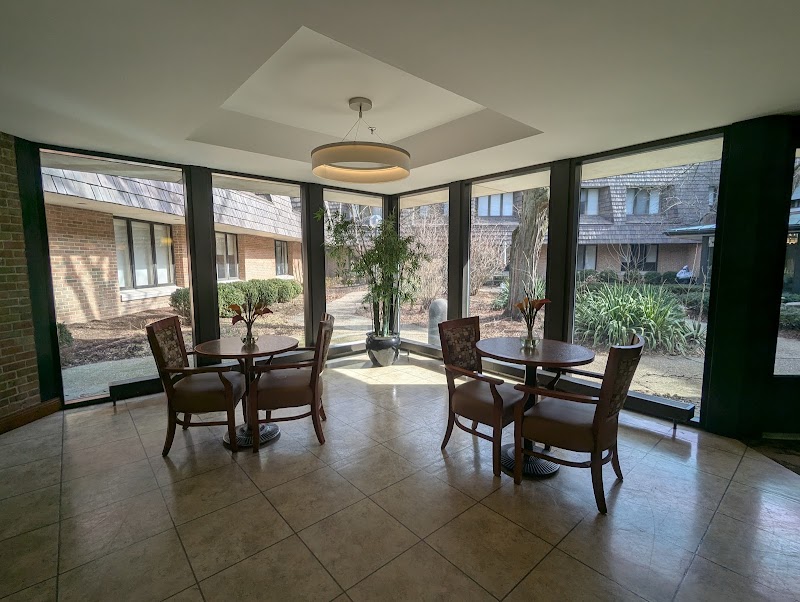
How is Pearl Of Hinsdale, The Staffed?

CMS rates PEARL OF HINSDALE, THE's staffing level at 3 out of 5 stars, which is average compared to other nursing homes. Staff turnover is 48%, compared to the Illinois average of 46%.

What Have Inspectors Found at Pearl Of Hinsdale, The?

State health inspectors documented 45 deficiencies at PEARL OF HINSDALE, THE during 2022 to 2025. These included: 2 that caused actual resident harm and 43 with potential for harm. Deficiencies causing actual harm indicate documented cases where residents experienced negative health consequences.
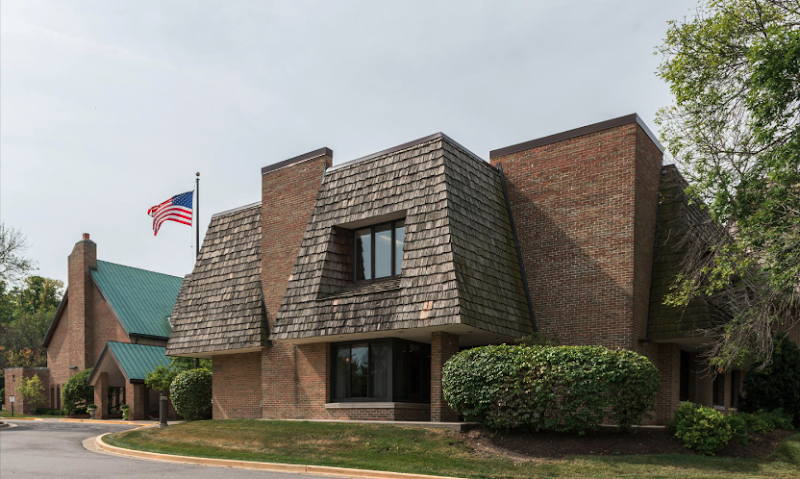
Who Owns and Operates Pearl Of Hinsdale, The?

PEARL OF HINSDALE, THE is owned by a for-profit company. For-profit facilities operate as businesses with obligations to shareholders or private owners. The facility is operated by PEARL HEALTHCARE, a chain that manages multiple nursing homes. With 202 certified beds and approximately 172 residents (about 85% occupancy), it is a large facility located in HINSDALE, Illinois.

How Does Pearl Of Hinsdale, The Compare to Other Illinois Nursing Homes?

Compared to the 100 nursing homes in Illinois, PEARL OF HINSDALE, THE's overall rating (3 stars) is above the state average of 2.5, staff turnover (48%) is near the state average of 46%, and health inspection rating (3 stars) is at the national benchmark.

What Should Families Ask When Visiting Pearl Of Hinsdale, The?

Based on this facility's data, families visiting should ask: "Can I visit during a mealtime to observe dining assistance and food quality?" "How do you handle medical emergencies, and what is your hospital transfer rate?" "Can I speak with family members of current residents about their experience?"

Is Pearl Of Hinsdale, The Safe?

Based on CMS inspection data, PEARL OF HINSDALE, THE has a clean safety record: no substantiated abuse findings (meaning no confirmed cases of resident harm), no Immediate Jeopardy citations (the most serious violation level indicating risk of serious injury or death), and is not on the Special Focus Facility watch list (a federal program monitoring the lowest-performing 1% of nursing homes). The facility has a 3-star overall rating and ranks #1 of 100 nursing homes in Illinois. While no facility is perfect, families should still ask about staff-to-resident ratios and recent inspection results during their visit.

Do Nurses at Pearl Of Hinsdale, The Stick Around?

PEARL OF HINSDALE, THE has a staff turnover rate of 48%, which is about average for Illinois nursing homes (state average: 46%). Moderate turnover is common in nursing homes, but families should still ask about staff tenure and how the facility maintains care continuity when employees leave.

Was Pearl Of Hinsdale, The Ever Fined?

PEARL OF HINSDALE, THE has been fined $15,000 across 1 penalty action. This is below the Illinois average of $33,229. While any fine indicates a compliance issue, fines under $50,000 are relatively common and typically reflect isolated problems that were subsequently corrected. Families should ask what specific issues led to these fines and confirm they've been resolved.

Is Pearl Of Hinsdale, The on Any Federal Watch List?

PEARL OF HINSDALE, THE is not on any federal watch list. The most significant is the Special Focus Facility (SFF) program, which identifies the bottom 1% of nursing homes nationally based on persistent, serious quality problems. Not being on this list means the facility has avoided the pattern of deficiencies that triggers enhanced federal oversight. This is a positive indicator, though families should still review the facility's inspection history directly.